




Empires and Kingdoms: 6th to 10th Centuries is chapter 3 of Exploring Society: India and Beyond Part 2. This class 7 social science book pdf chapter 3 Empires and Kingdoms: 6th to 10th Centuries is the official NCERT file your school follows in 2026-27. Download it to read, revise and work the exercises straight from the source.
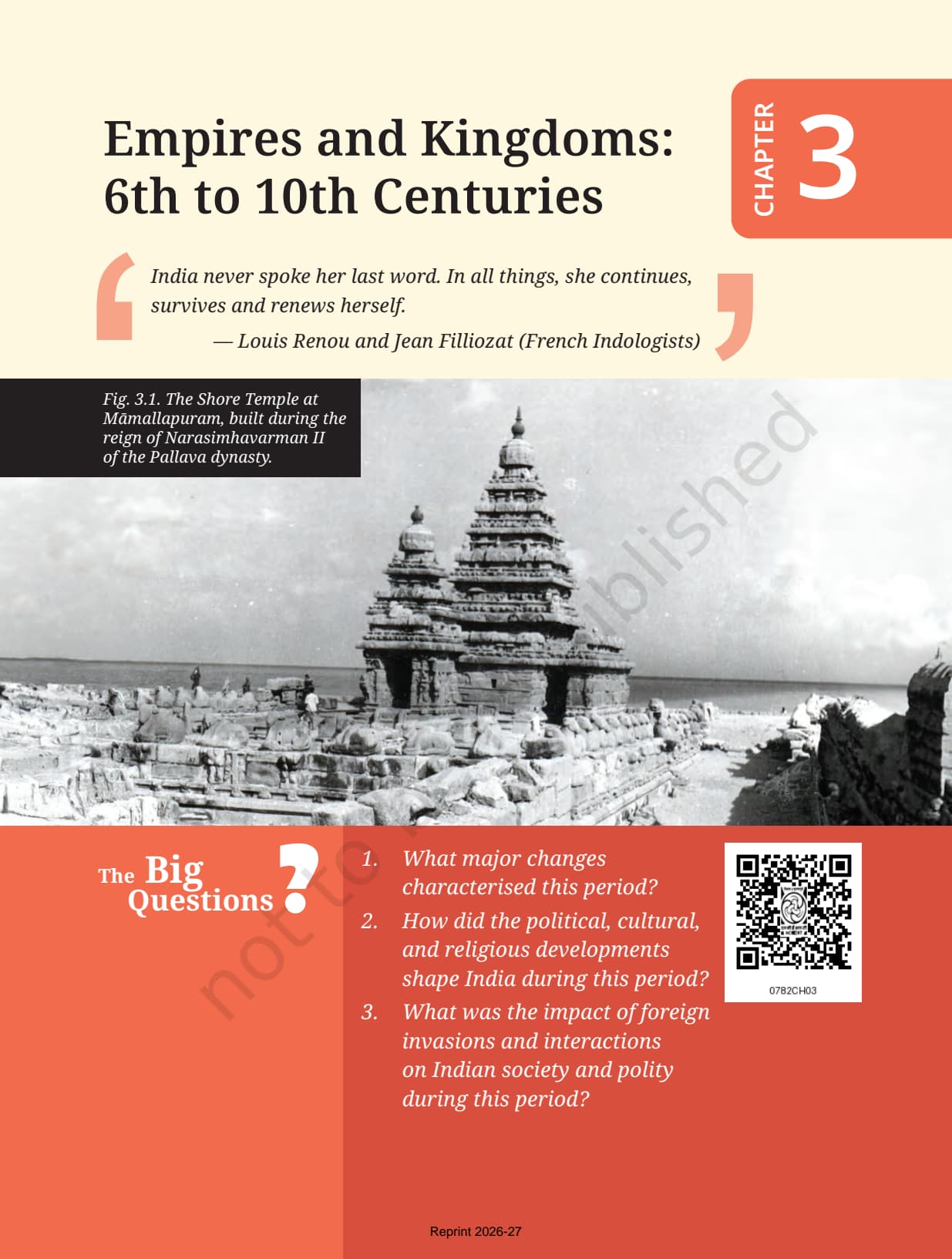
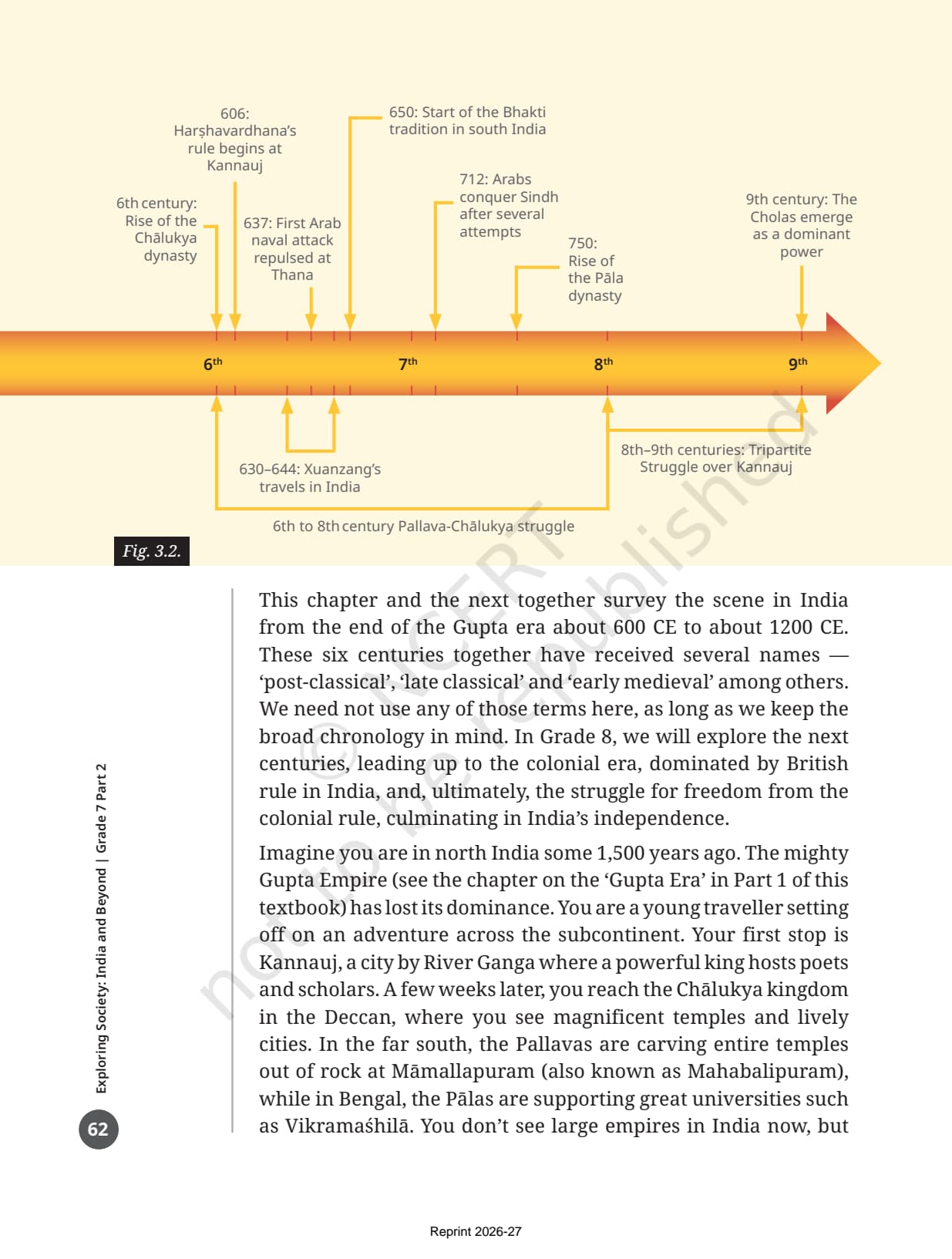
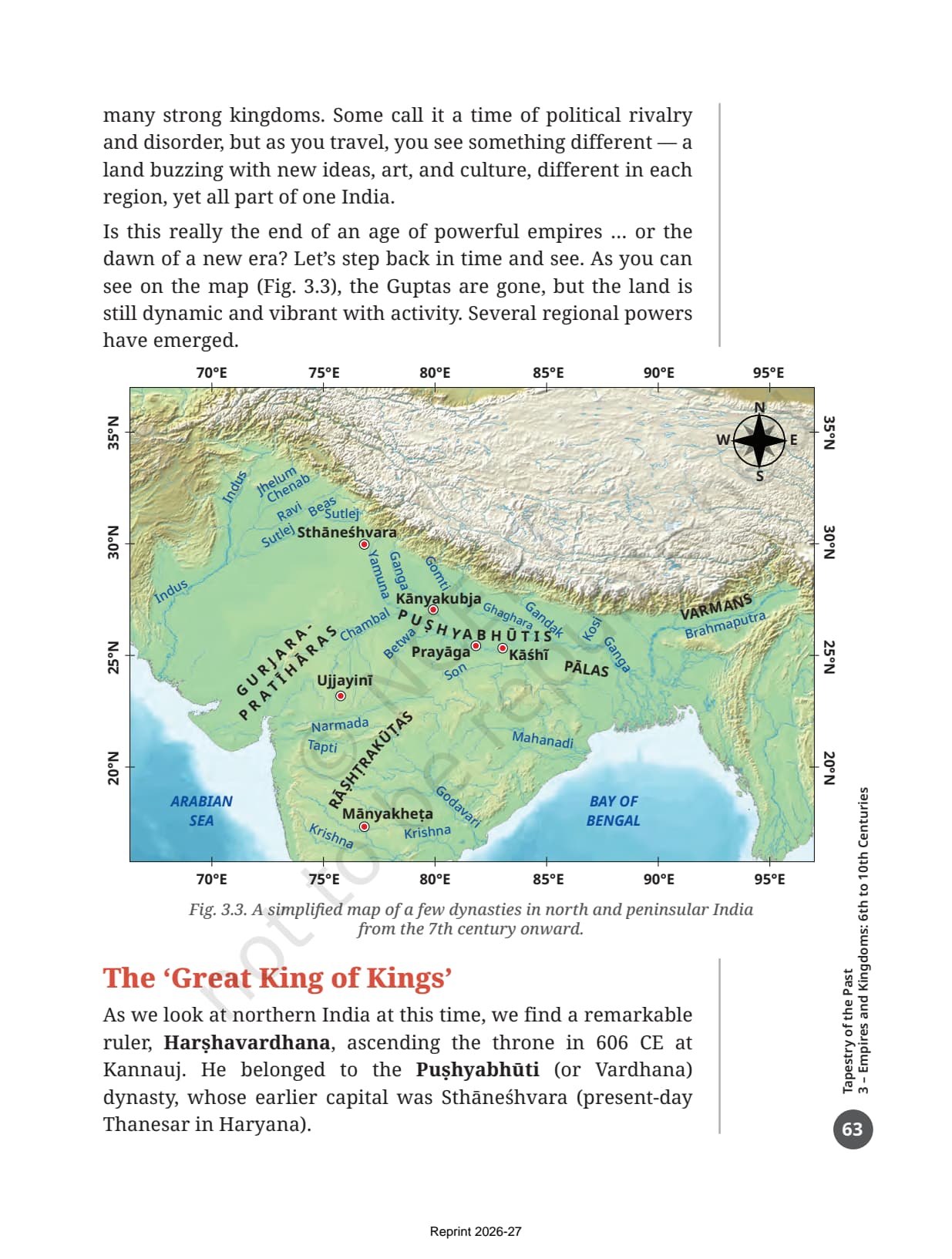
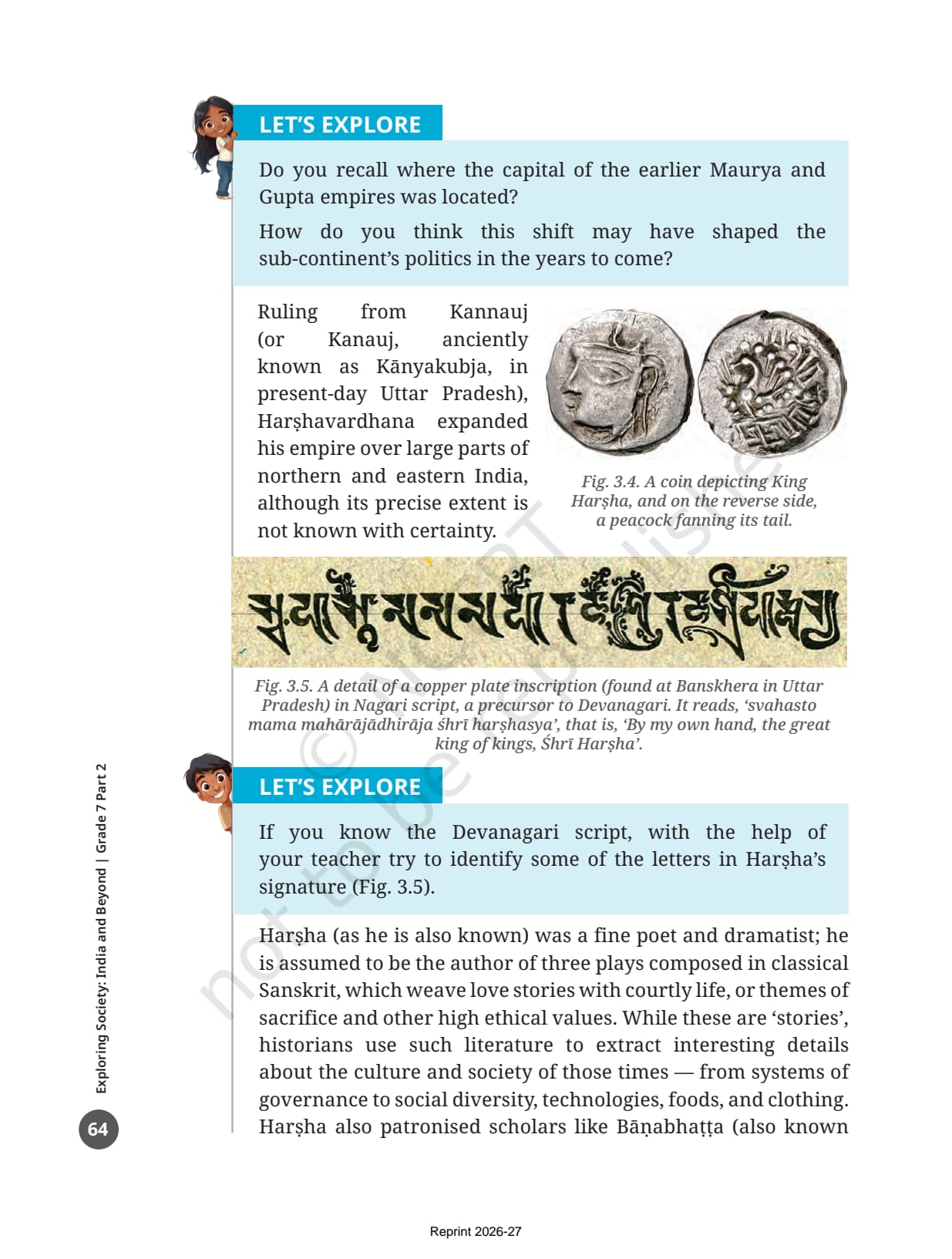
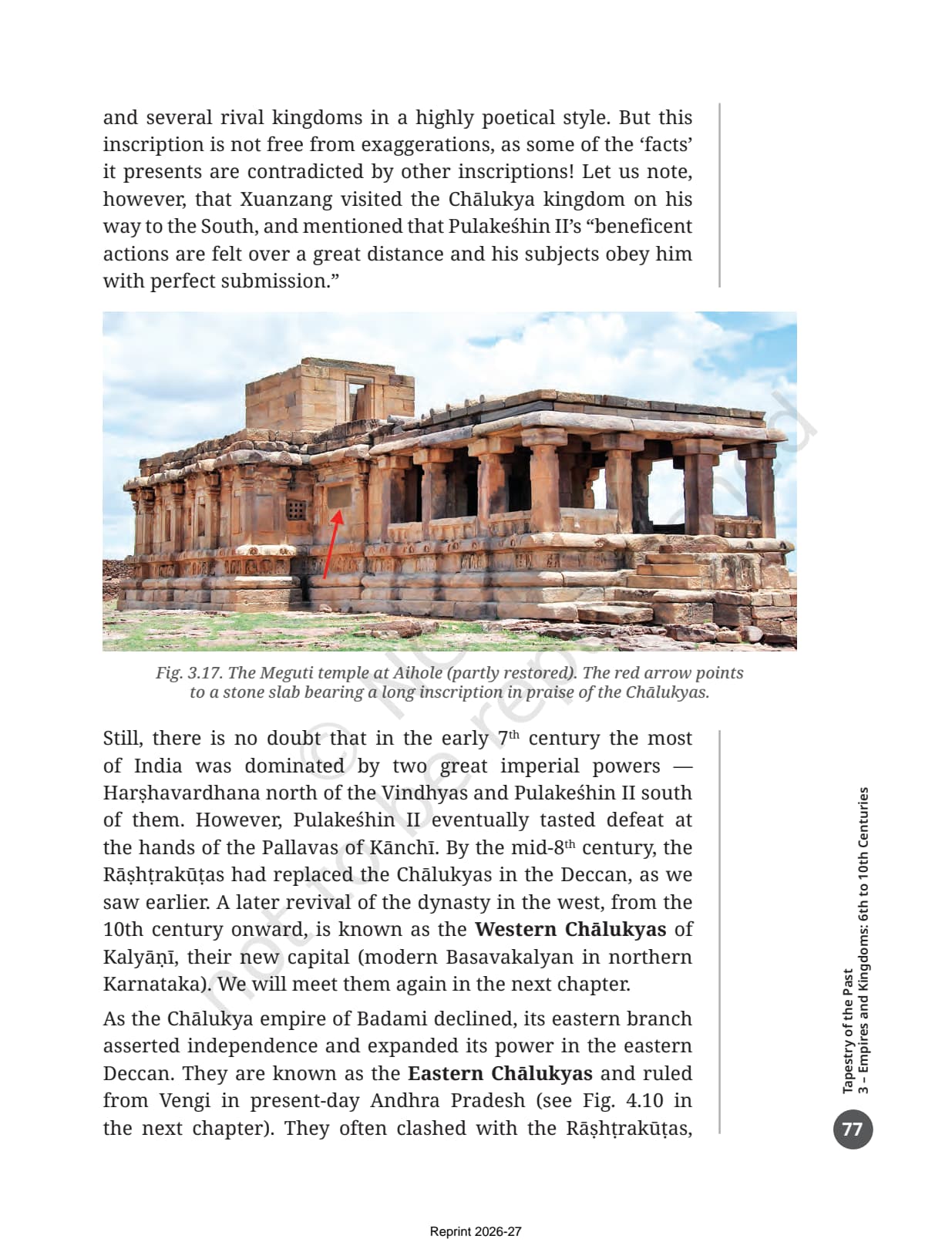
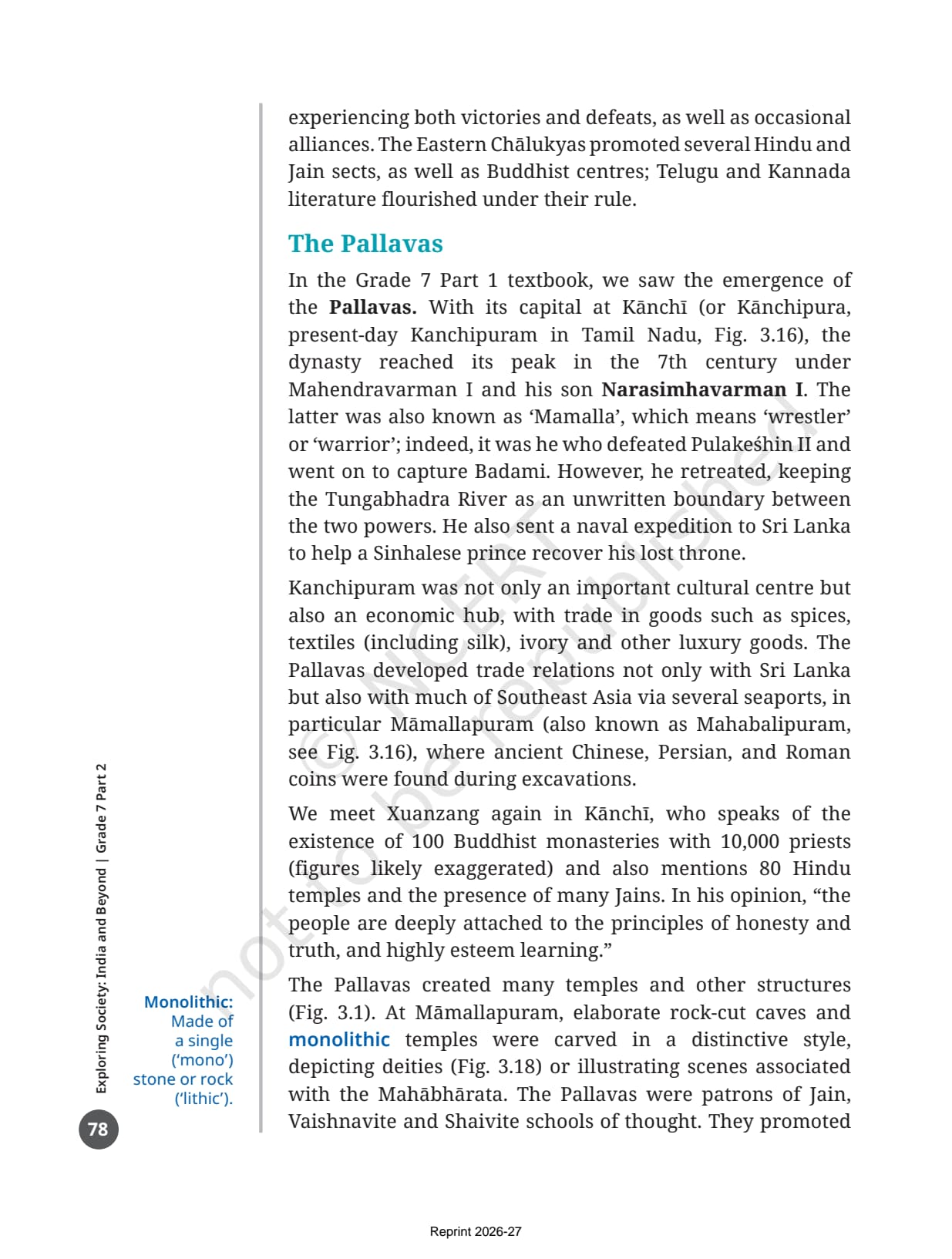
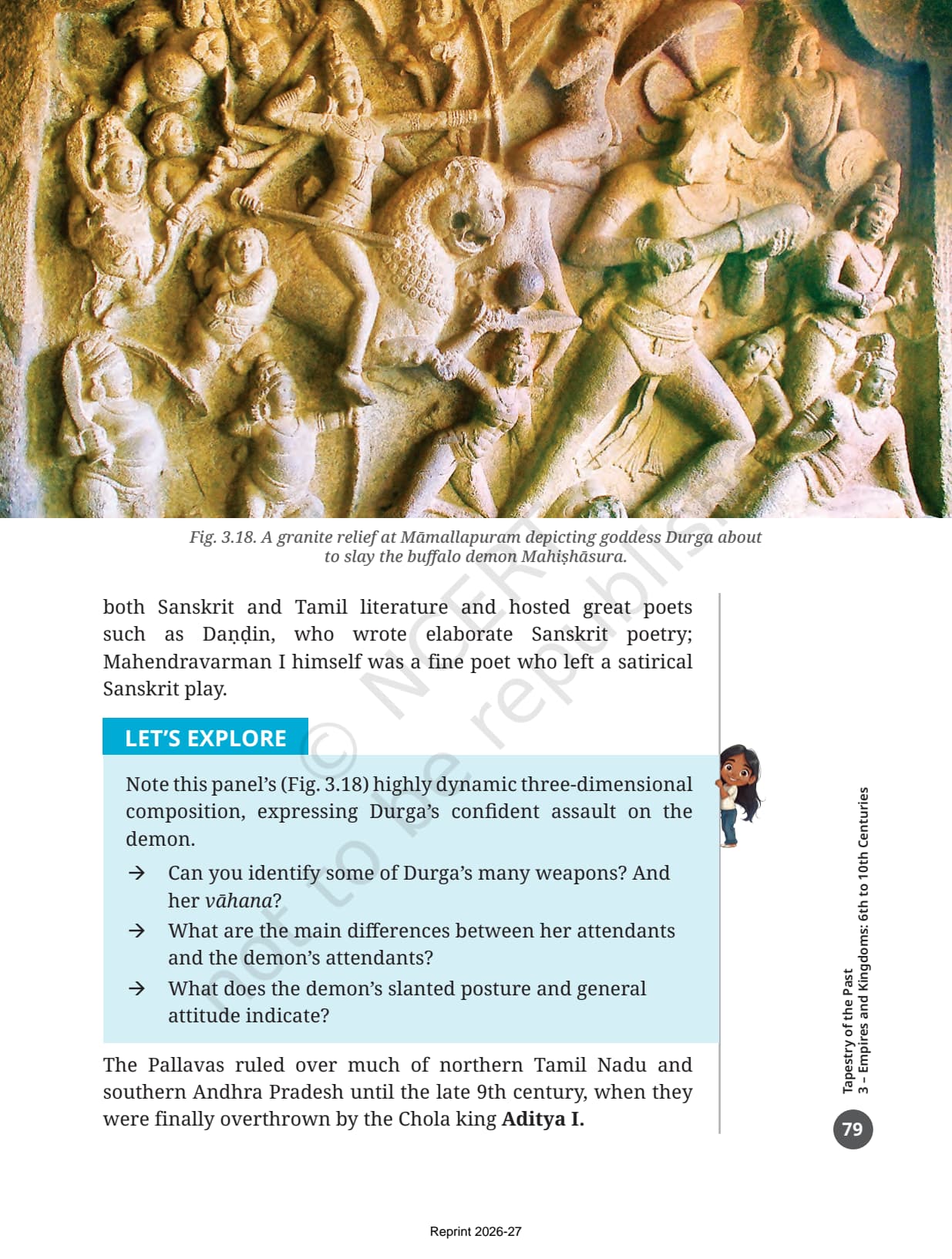
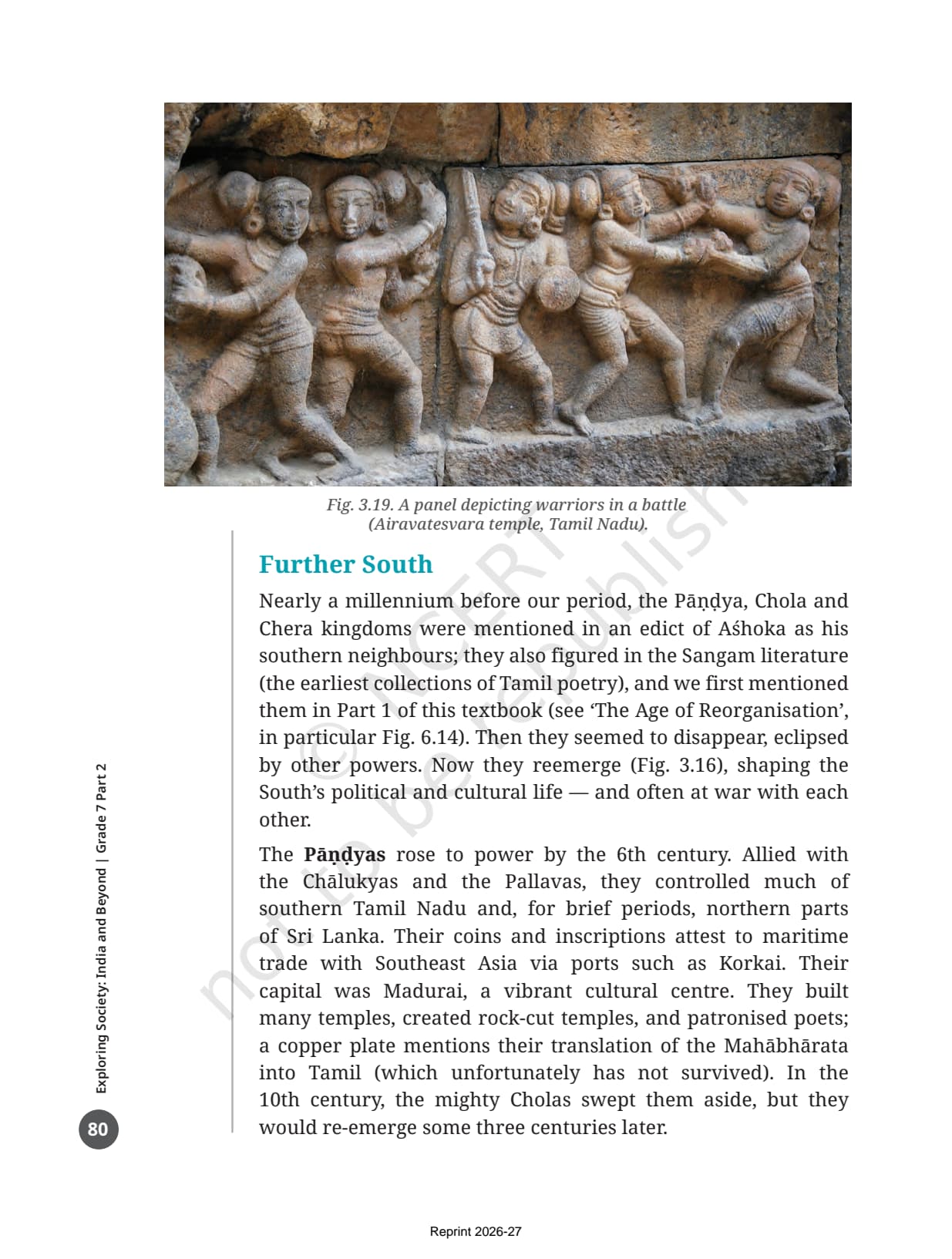
- Chapter: Chapter 3, Empires and Kingdoms: 6th to 10th Centuries
- Book: Exploring Society: India and Beyond Part 2 is the second Class 7 Social Science book for 2026-27, with 8 chapters.
- File: 36 pages, the complete official chapter
The complete 36-page class 7 social science book pdf for Empires and Kingdoms: 6th to 10th Centuries sits in the reader below, exactly as NCERT published it.
This is the official NCERT chapter file for the 2026-27 session, hosted by Collegedunia with no pages removed.
What Is Inside the Empires and Kingdoms: 6th to 10th Centuries NCERT Book PDF
The PDF holds the whole chapter as NCERT printed it, with the text, the figures and the exercises all in place.
- The complete text of Empires and Kingdoms: 6th to 10th Centuries
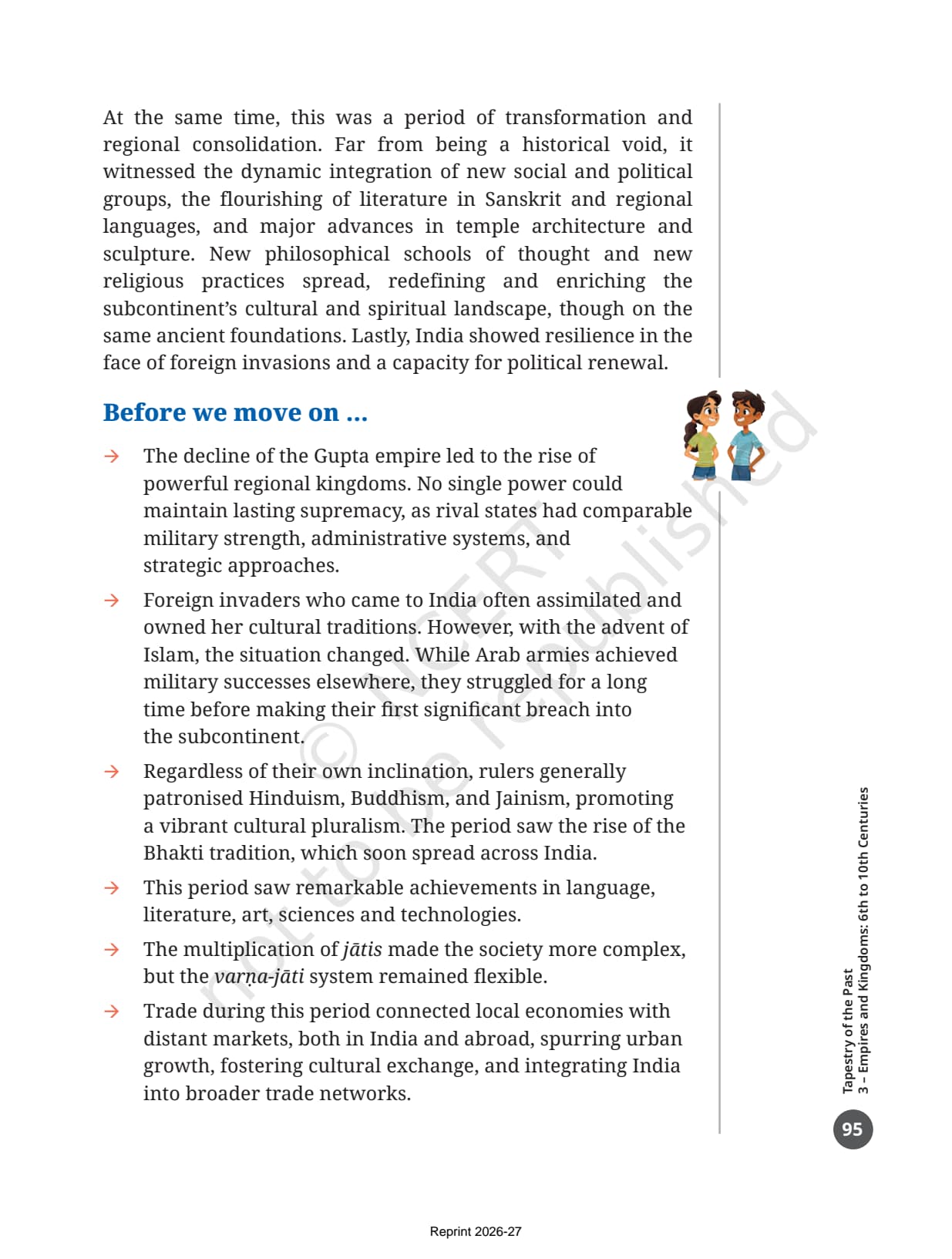
- The decline of the Gupta empire led to the rise of powerful regional kingdoms. No single p
- Regardless of their own inclination, rulers generally patronised Hinduism, Buddhism, and J
- This period saw remarkable achievements in language, literature, art, sciences and technol
- The multiplication of jātis made the society more complex, but the varṇa-jāti system remai
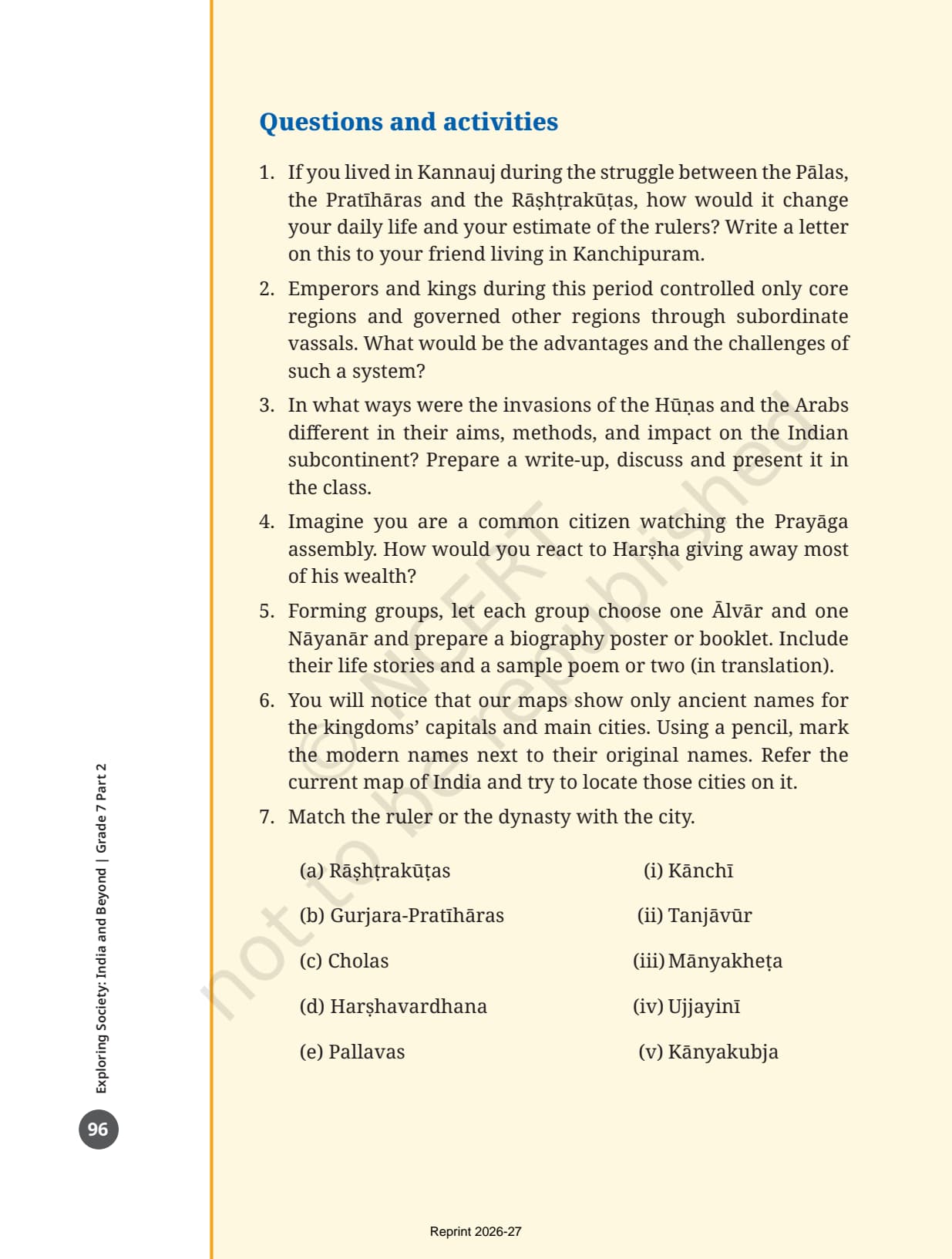
- The end-of-chapter exercises
Empires and Kingdoms: 6th to 10th Centuries Section-by-Section Overview
The chapter closes with a Before we move on summary. Those points are reproduced below so you know what the PDF concludes.
| What the chapter establishes | Detail |
|---|---|
| Point 1 | The decline of the Gupta empire led to the rise of powerful regional kingdoms. No single power could maintain lasting supremacy, as rival states had comparable military strength, administrative systems, and strategic approaches. |
| Point 2 | Regardless of their own inclination, rulers generally patronised Hinduism, Buddhism, and Jainism, promoting a vibrant cultural pluralism. The period saw the rise of the Bhakti tradition, which soon spread across India. |
| Point 3 | This period saw remarkable achievements in language, literature, art, sciences and technologies. |
| Point 4 | The multiplication of jātis made the society more complex, but the varṇa-jāti system remained flexible. |
Exercises and Practice in Empires and Kingdoms: 6th to 10th Centuries
As in Part 1, read the summary before attempting the questions. It states the chapter's conclusions plainly.
| Part of the chapter | What it asks you to do |
|---|---|
| The Big Questions | the questions the chapter sets out to answer |
| Let's explore | in-chapter tasks using maps, sources and discussion |
| Don't miss out | short boxes with an extra fact or connection |
| Before we move on | the chapter summary in bullet form |
| Questions and activities | the end-of-chapter exercise set |
What Changed in the 2026-27 Class 7 Social Science Book
Part 2 continues the integrated Social Science course into the second half of the year, with its chapter numbers restarting at 1.
- Eight chapters, numbered 1 to 8 again
- Continues the same four themes as Part 1
- Covers farming, neighbours, medieval history, government and finance
- Same apparatus as Part 1, including Before we move on
How to Read the Empires and Kingdoms: 6th to 10th Centuries Chapter
A 36-page chapter is best taken in parts rather than in one sitting. Keep the class 7 social science book pdf open beside you as you work.
- Confirm you are on Part 2, since chapter numbers repeat
- Read The Big Questions first
- Do the Let's explore tasks as they come
- Finish with Before we move on and the exercises
How Collegedunia Helps You With the Empires and Kingdoms: 6th to 10th Centuries NCERT Book
Collegedunia hosts the class 7 social science book pdf for Empires and Kingdoms: 6th to 10th Centuries unchanged and adds the reading support around it.
- Official file: the exact NCERT chapter PDF, nothing removed
- Read in the browser: page through it before you download
- Chapter list: jump to any other chapter from one table
- Study material: notes and handwritten notes for the same chapter
More Class 7 Social Science Study Material for Empires and Kingdoms: 6th to 10th Centuries
Read the chapter from the book first, then use the notes to revise.
- Class 7 Social Science Handwritten Notes
- Class 7 Social Science Revision Notes
- Class 7 Social Science NCERT Solutions
Class 7 Social Science NCERT Book PDF: All Chapters
Exploring Society: India and Beyond Part 2 has 8 chapters. Every chapter of the class 7 social science book pdf is linked below.
Empires and Kingdoms: 6th to 10th Centuries Class 7 Social Science NCERT Book PDF FAQs
Ques. Where can I download the Class 7 Social Science Empires and Kingdoms: 6th to 10th Centuries NCERT Book PDF?
Ans. The official 36-page chapter file from Exploring Society: India and Beyond Part 2 is on this page, free to download.
Ques. How many pages is the Empires and Kingdoms: 6th to 10th Centuries chapter?
Ans. 36 pages in the 2026-27 Exploring Society: India and Beyond Part 2 edition, and this PDF is the complete chapter.
Ques. Is Exploring Society: India and Beyond Part 2 the current Class 7 Social Science book?
Ans. Yes. Exploring Society: India and Beyond Part 2 is the second Class 7 Social Science book for 2026-27, with 8 chapters. It is the edition followed in the 2026-27 session.
Ques. Is this the official NCERT file?
Ans. Yes. It is the NCERT chapter PDF hosted as published, with no pages removed or added.
Ques. What does Empires and Kingdoms: 6th to 10th Centuries cover?
Ans. It covers the decline of the gupta empire led to the rise of powerful regional kingdoms. no single p, regardless of their own inclination, rulers generally patronised hinduism, buddhism, and j, this period saw remarkable achievements in language, literature, art, sciences and technol, among other things. The section overview on this page lists the chapter's parts in order.



Comments