



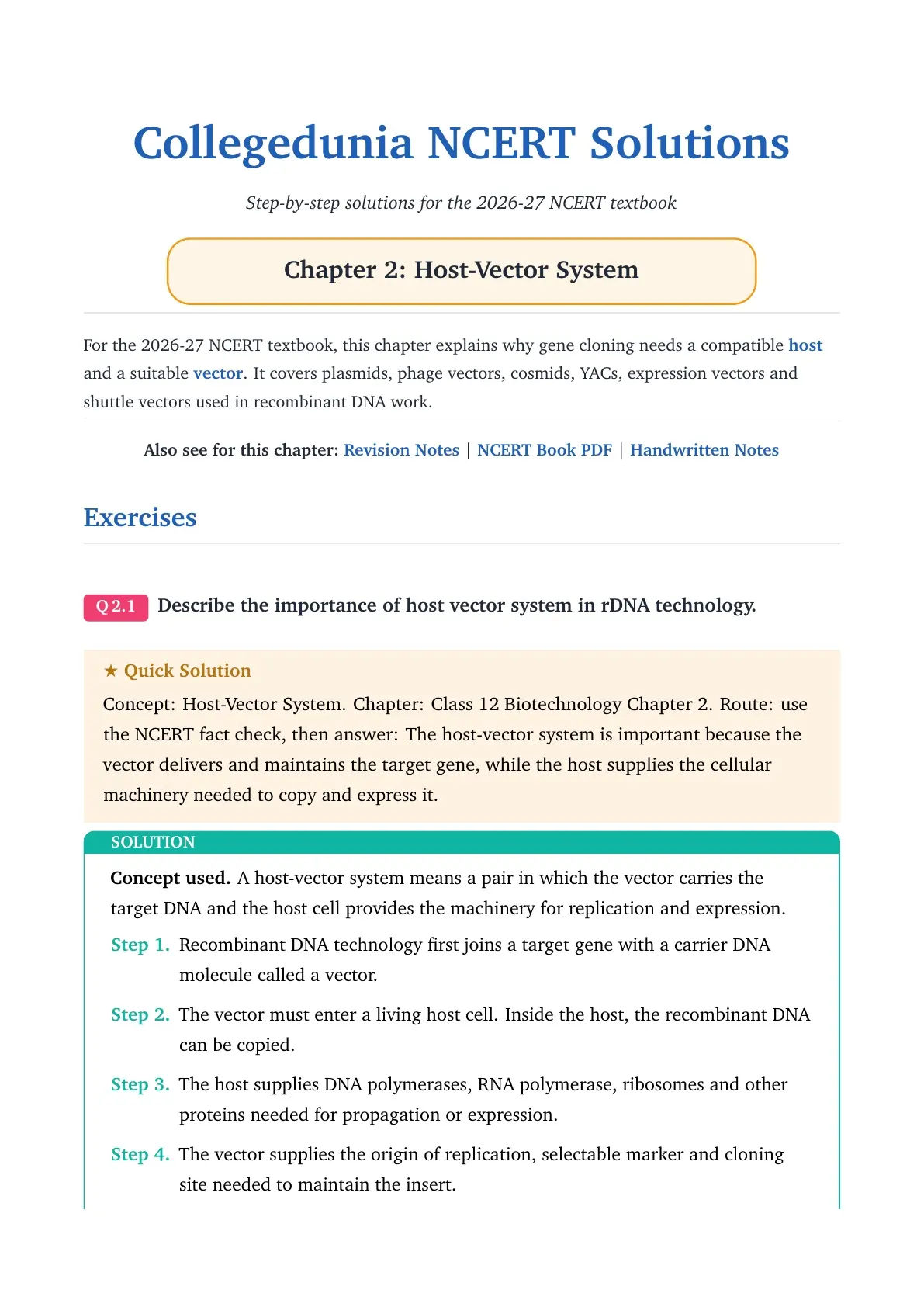
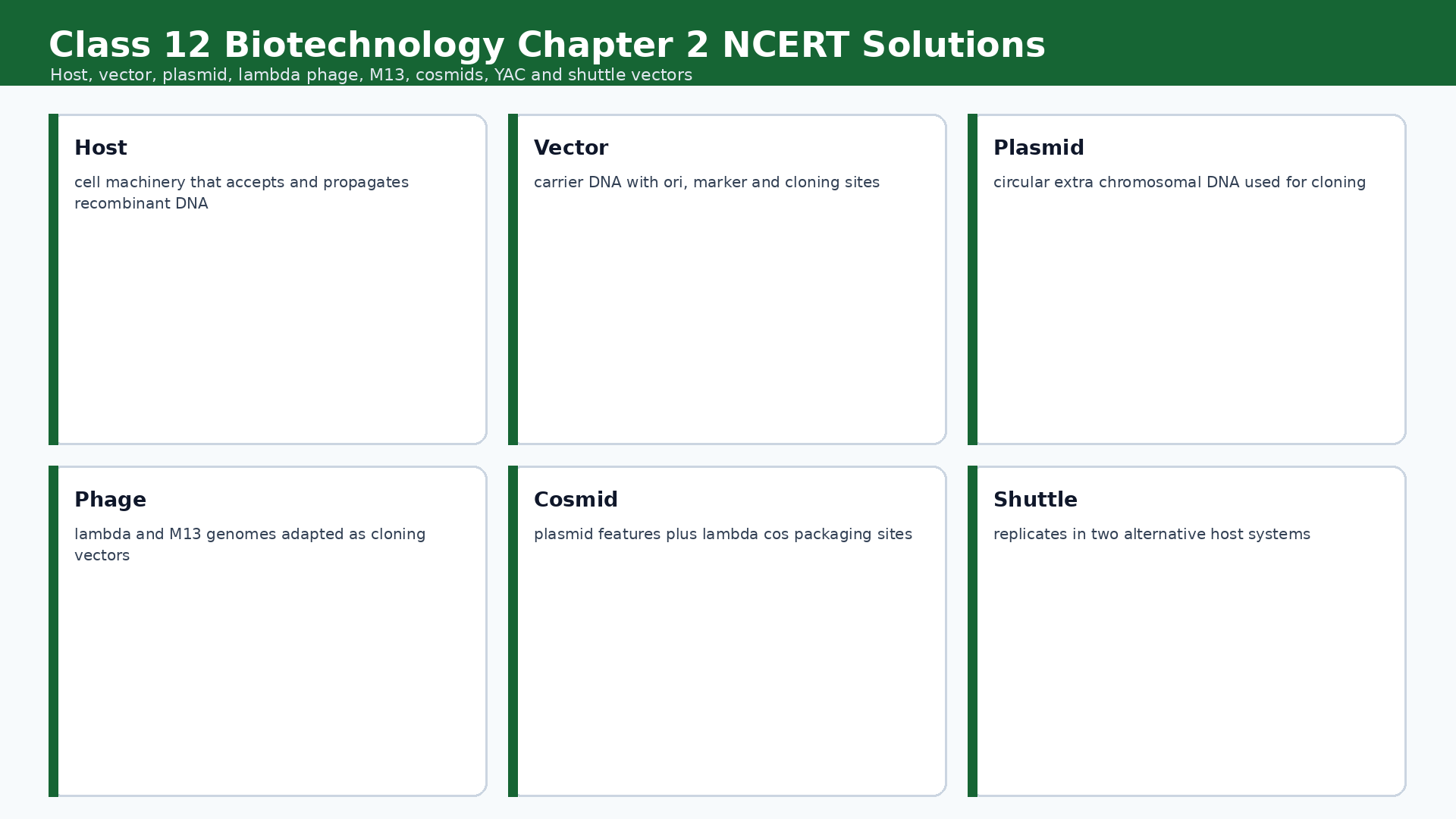
The NCERT Solutions for Class 12 Biotechnology Chapter 2 Host-Vector System cover all 14 exercise questions according to the 2026-27 NCERT textbook. Each answer explains how a host cell, cloning vector, selectable marker and replication origin work together in recombinant DNA technology.
- Exercise count: 14 solved NCERT questions, including MCQ, match-pair and assertion-reason items.
- Key focus: host-vector compatibility, plasmids, lambda phage, M13, cosmids, YACs and shuttle vectors.
- Use case: board revision before Gene Cloning and Applications of Recombinant DNA Technology.
In This Article
What the Class 12 Biotechnology Chapter 2 Solutions PDF Covers
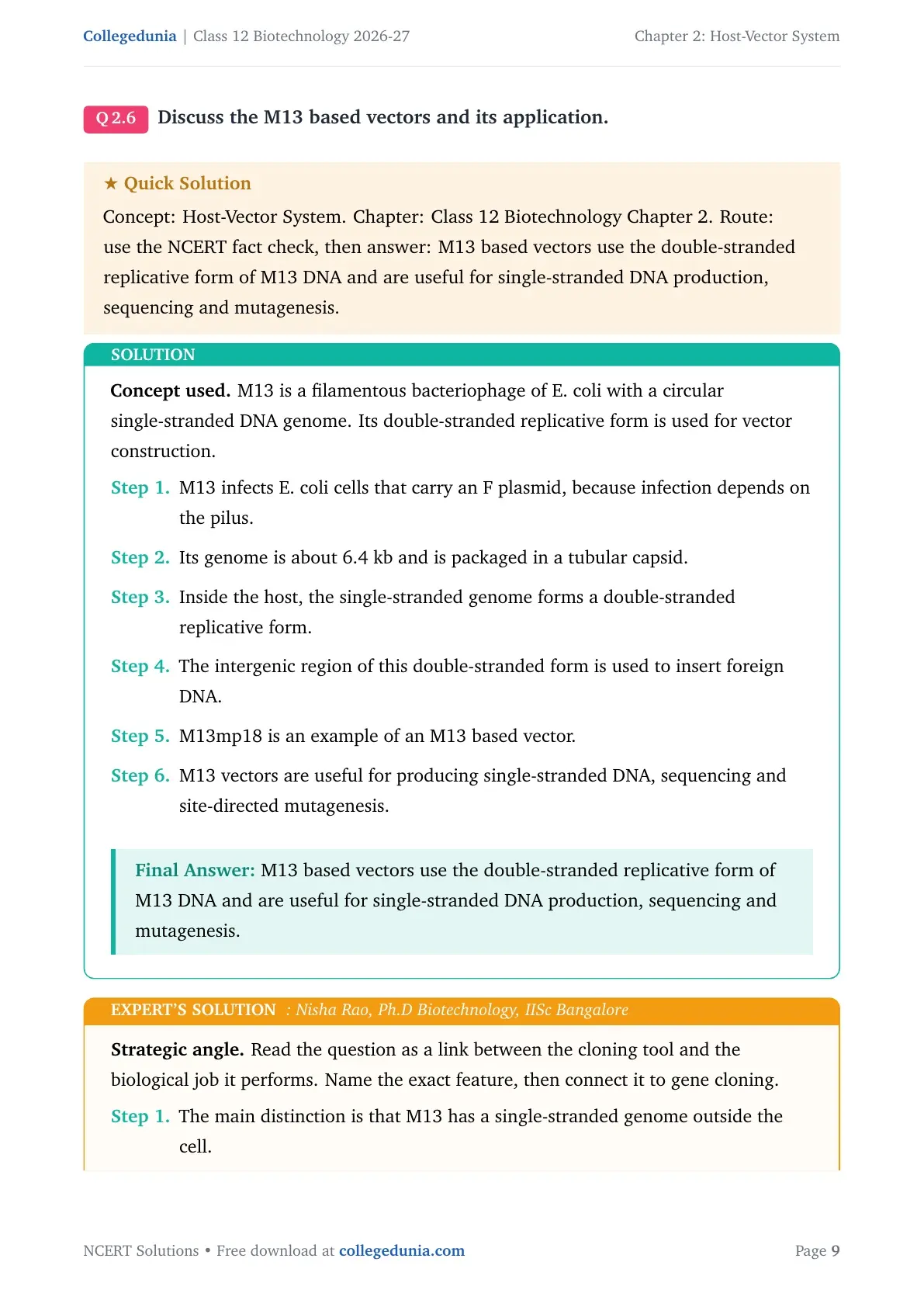
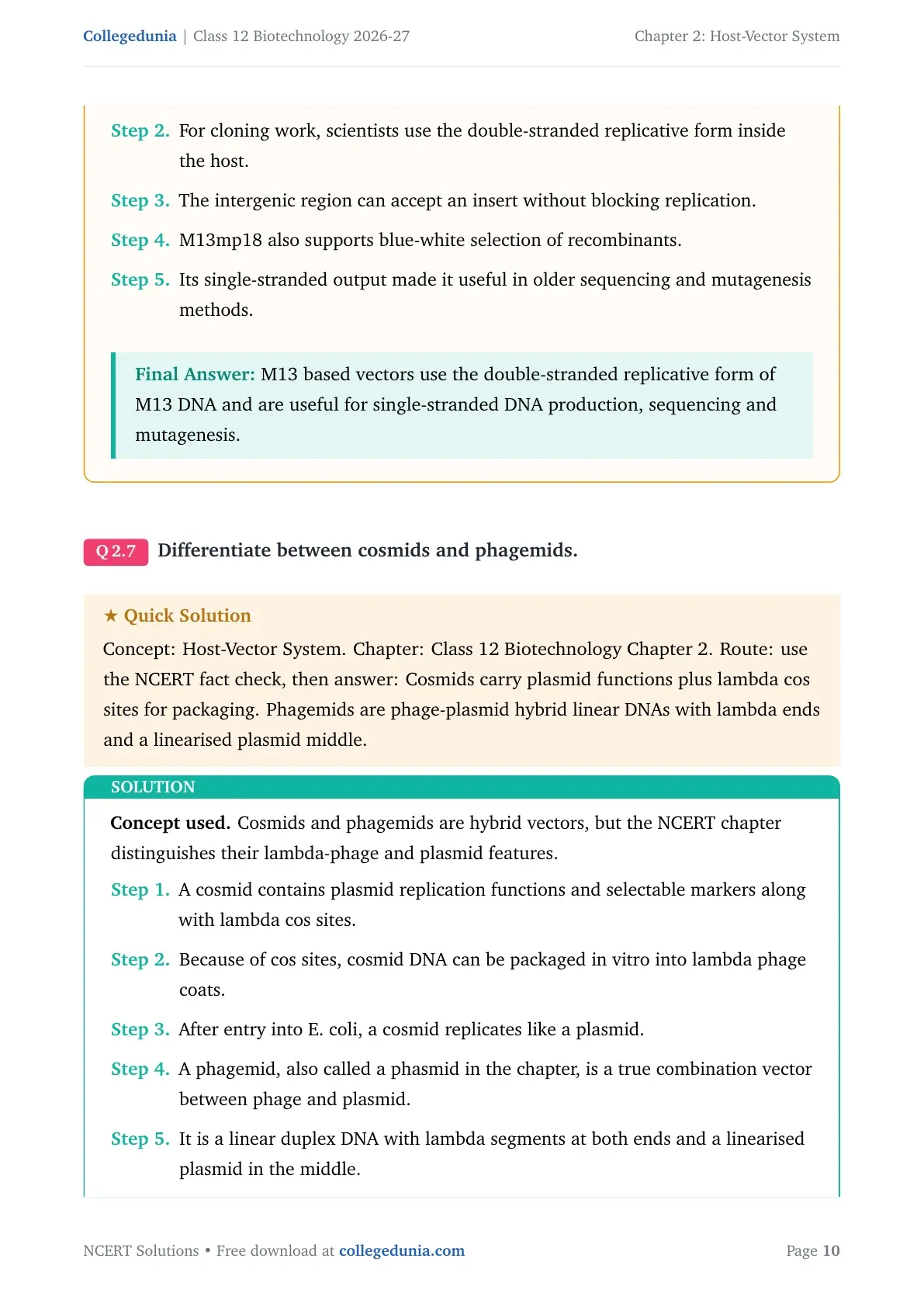
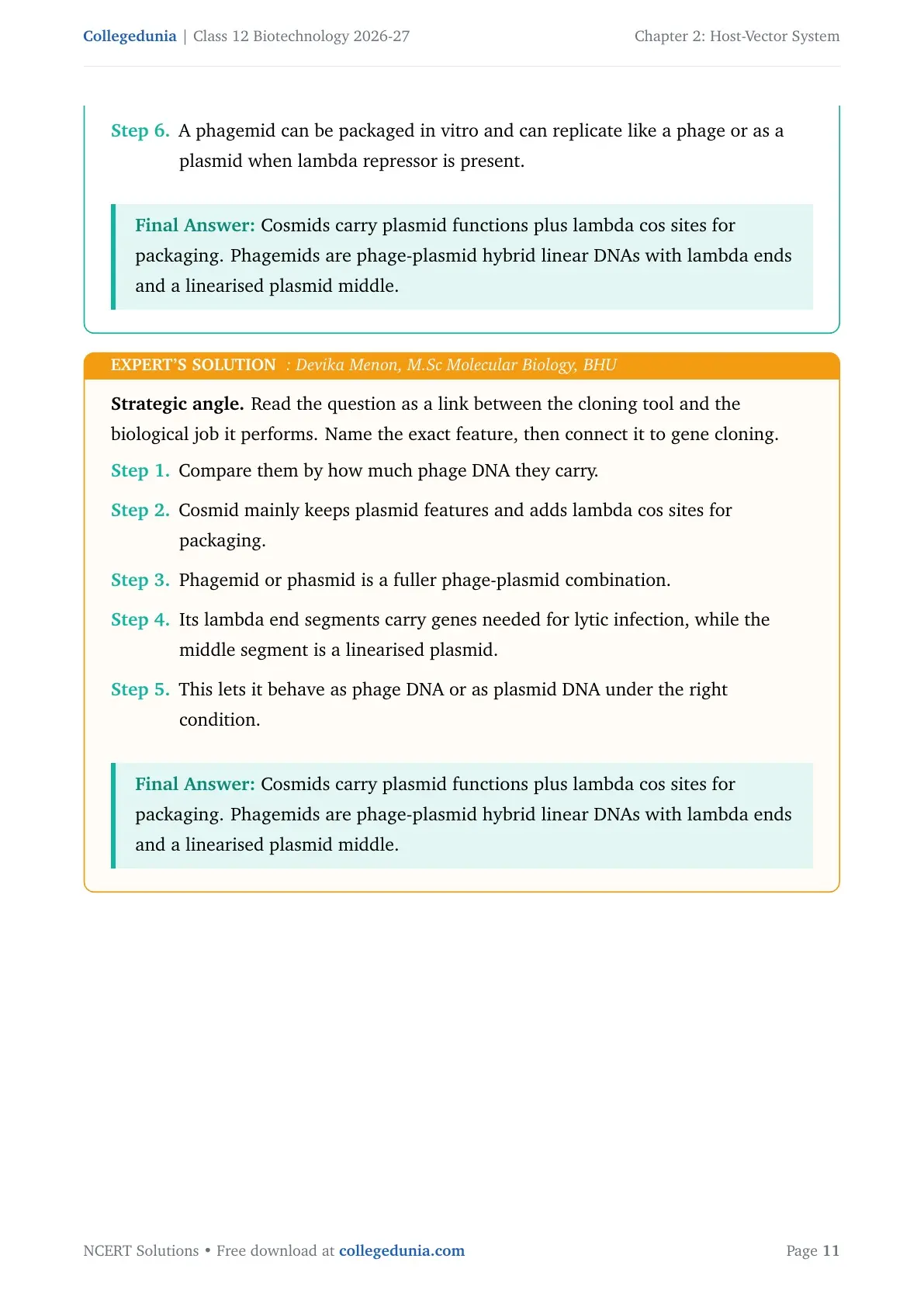
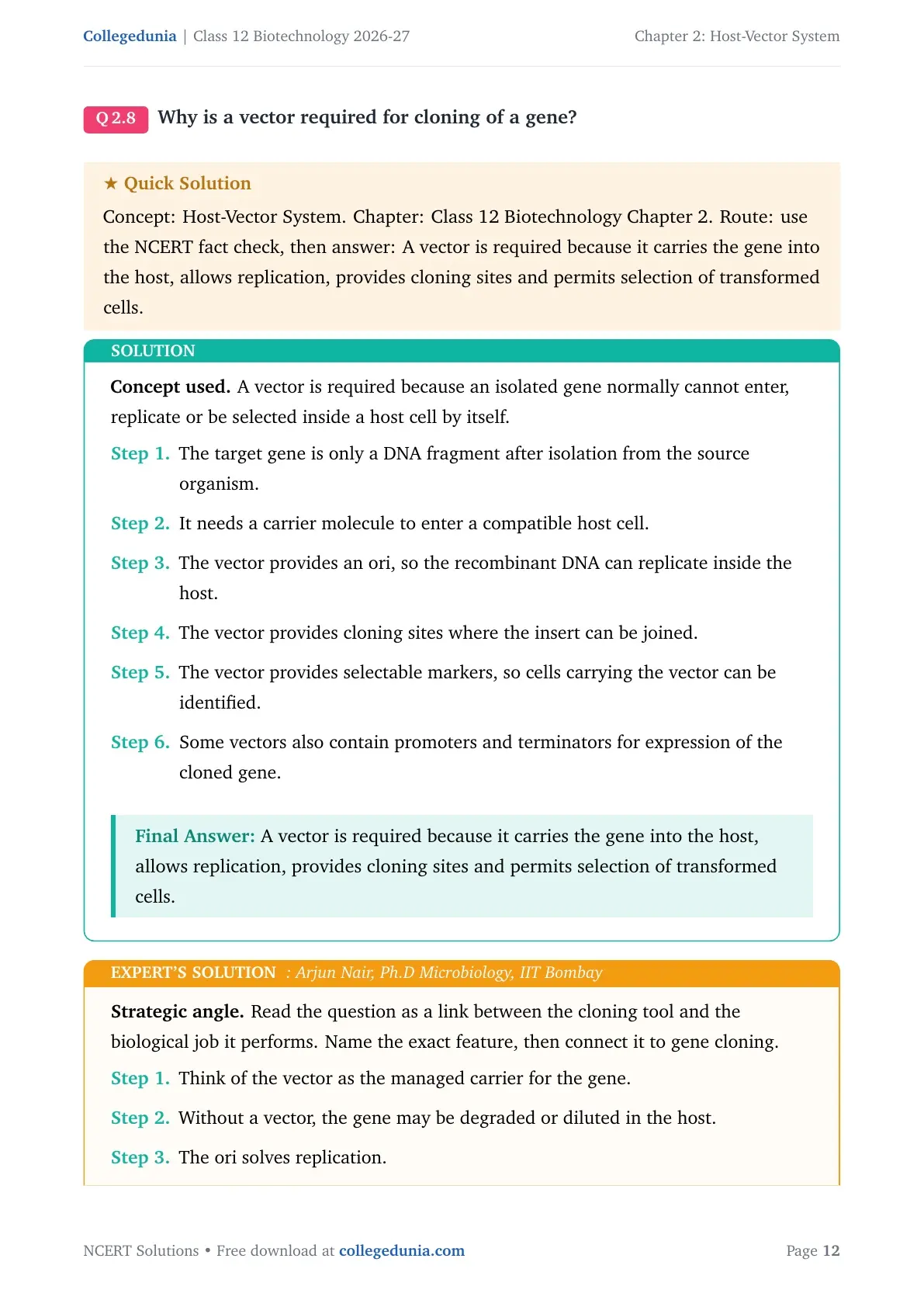
The PDF gives step-by-step NCERT answers for the full Host-Vector System exercise. It starts with descriptive questions on host-vector importance, vector features, plasmids, pBR322, lambda phage and M13. It then solves comparison, MCQ, match-pair and assertion-reason questions.
Important: This chapter is the bridge between recombinant DNA basics and practical gene cloning. Most answers ask students to connect a vector feature with its cloning use.
| Question type | What students get |
|---|---|
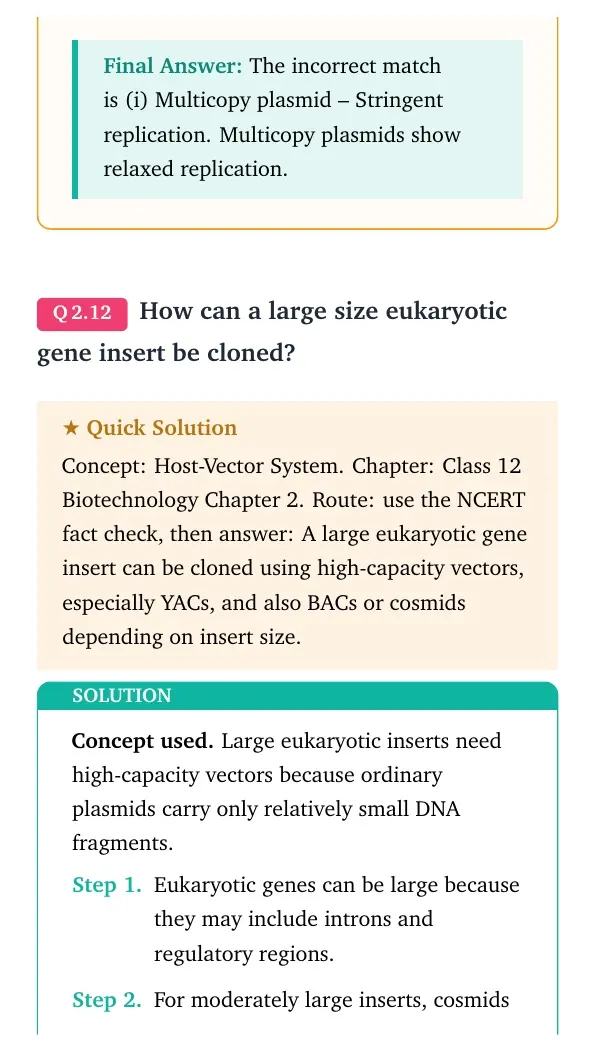
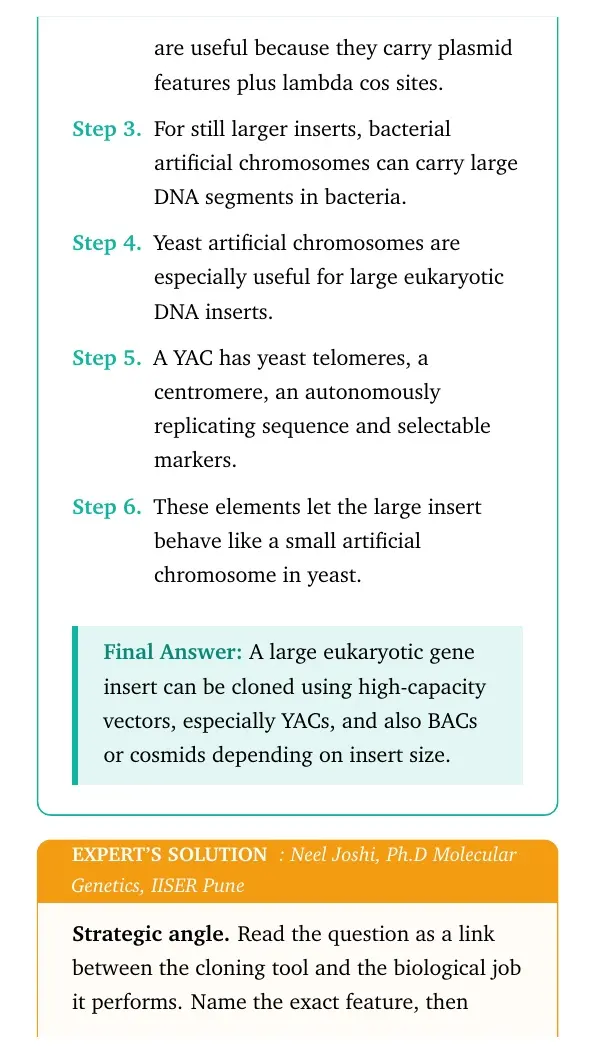
| Descriptive answers | Host-vector system, ideal vectors, plasmid types, pBR322, lambda phage, M13 and large insert cloning. |
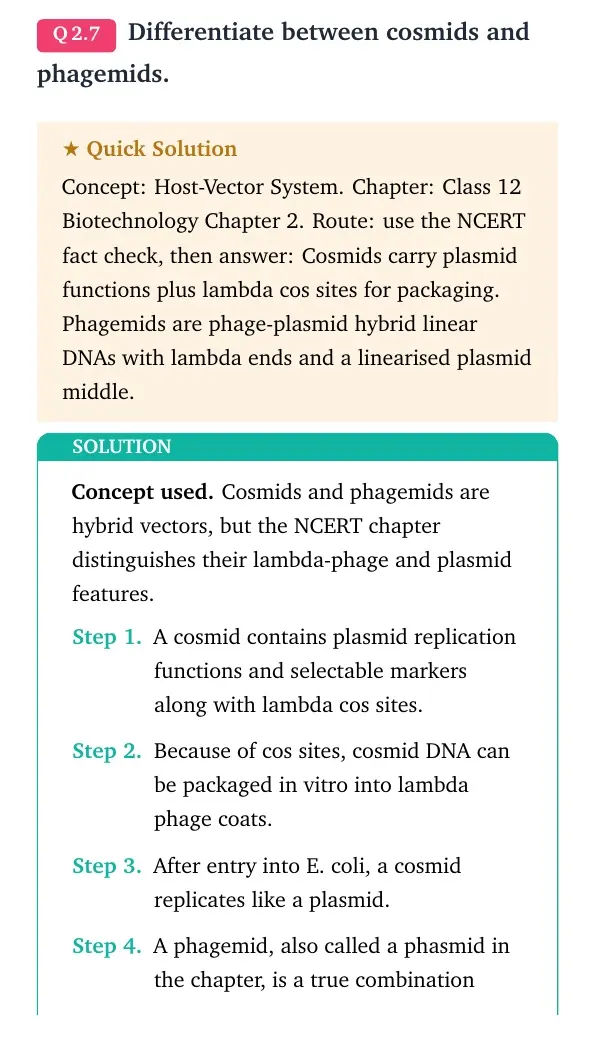
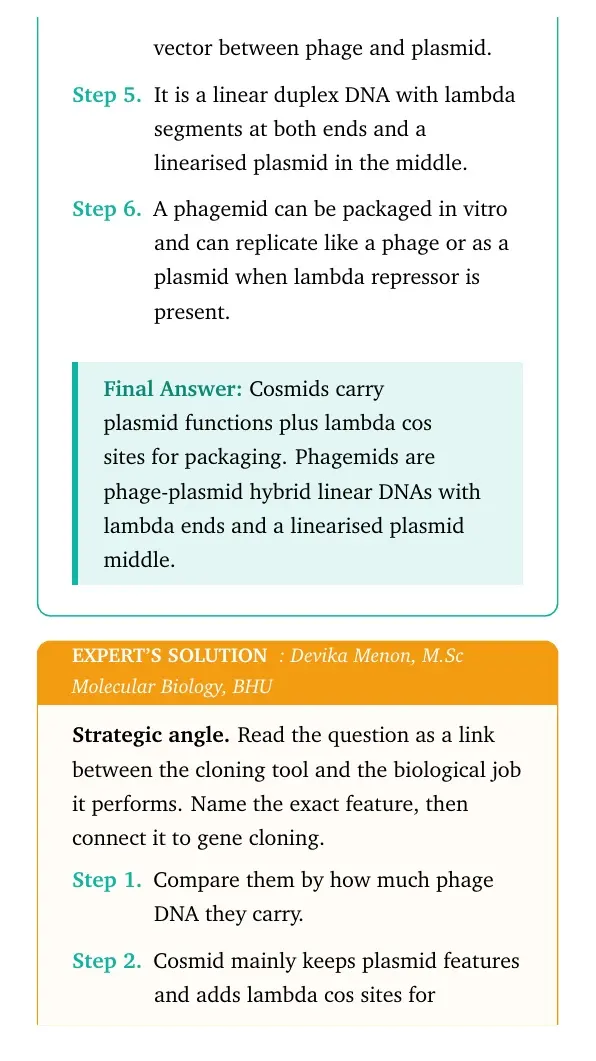
| Comparison answer | Clear difference between cosmids and phagemids. |
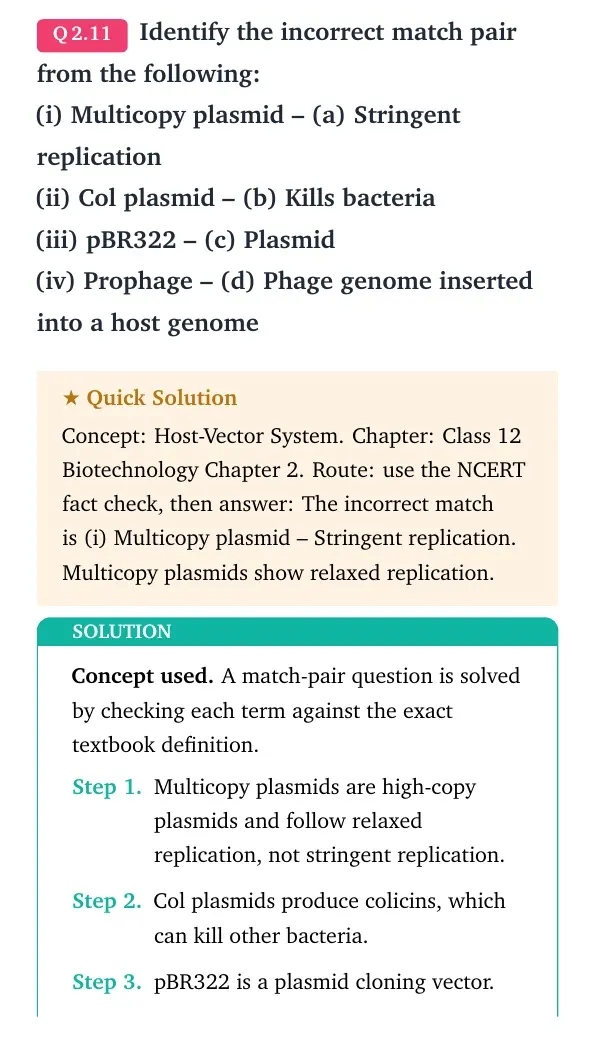
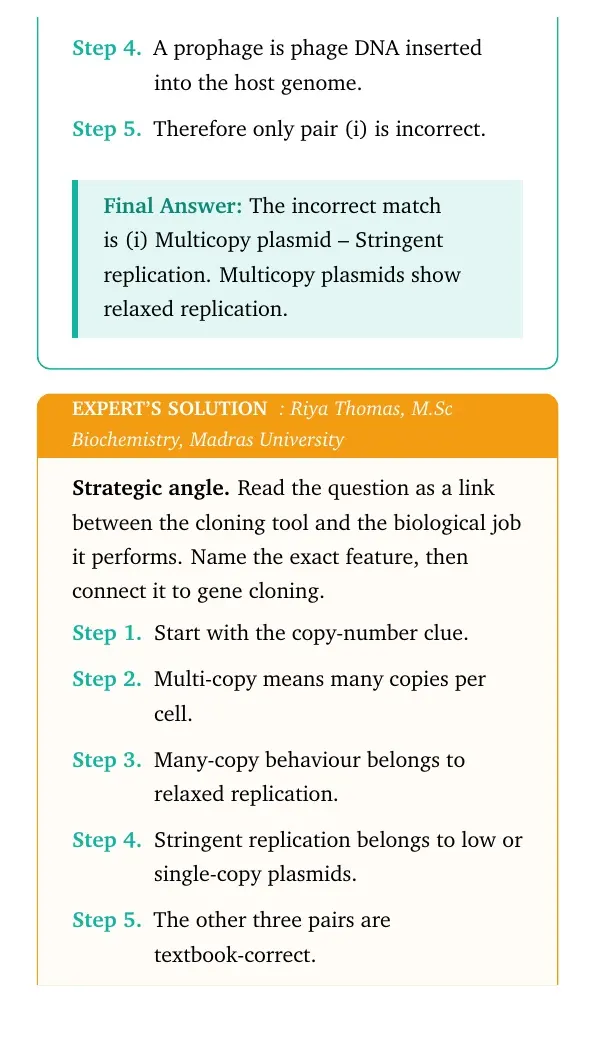
| Objective answers | Episome, stringent replication, incorrect match pair and two assertion-reason answers. |
Open all Chapter 2 questions with Check Solution and Expert Solution tabs.
Host-Vector System Explained for Class 12 Biotechnology
Source: Magnet Brains on YouTube
Why Host-Vector Compatibility Matters in rDNA Technology
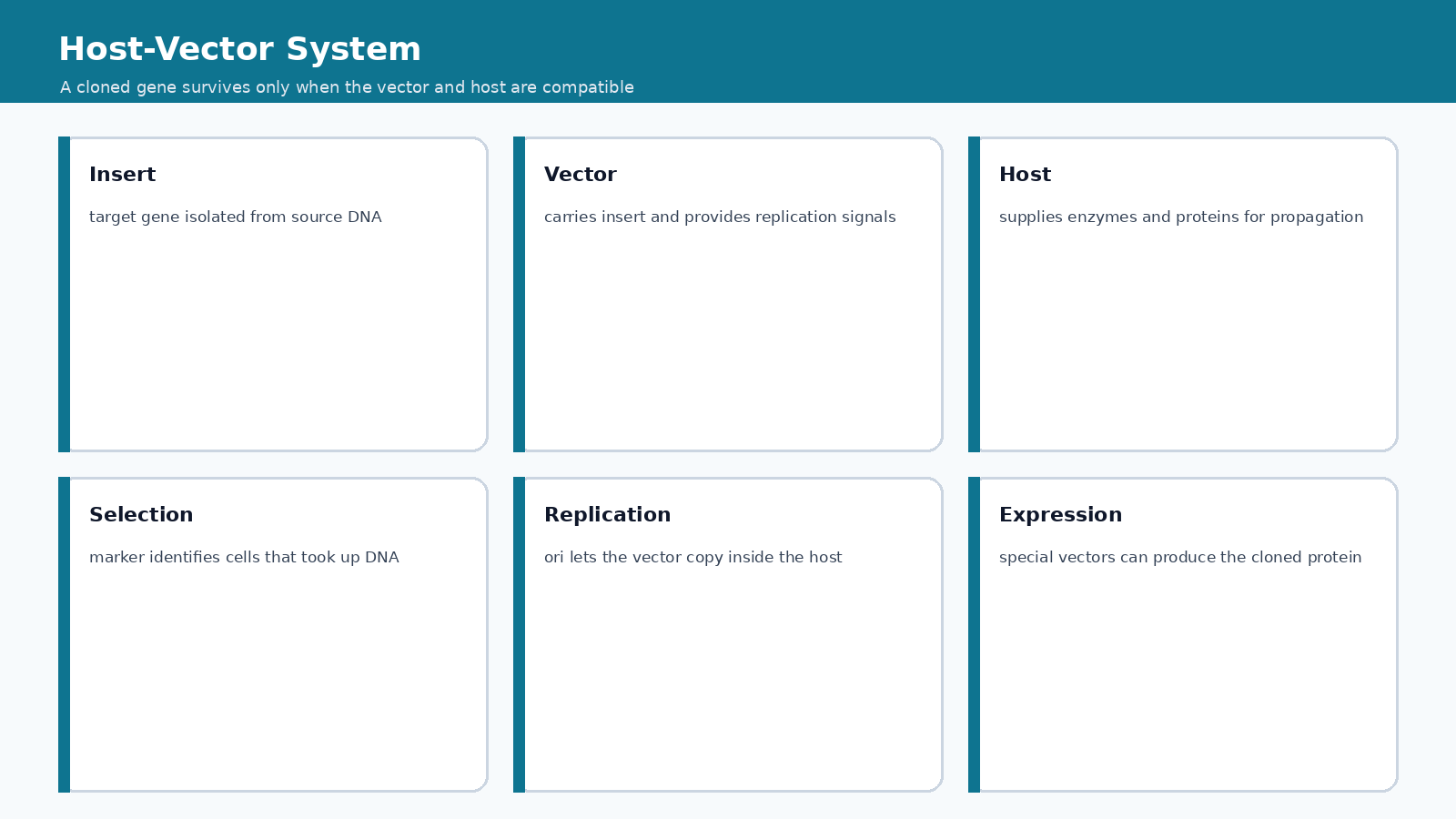
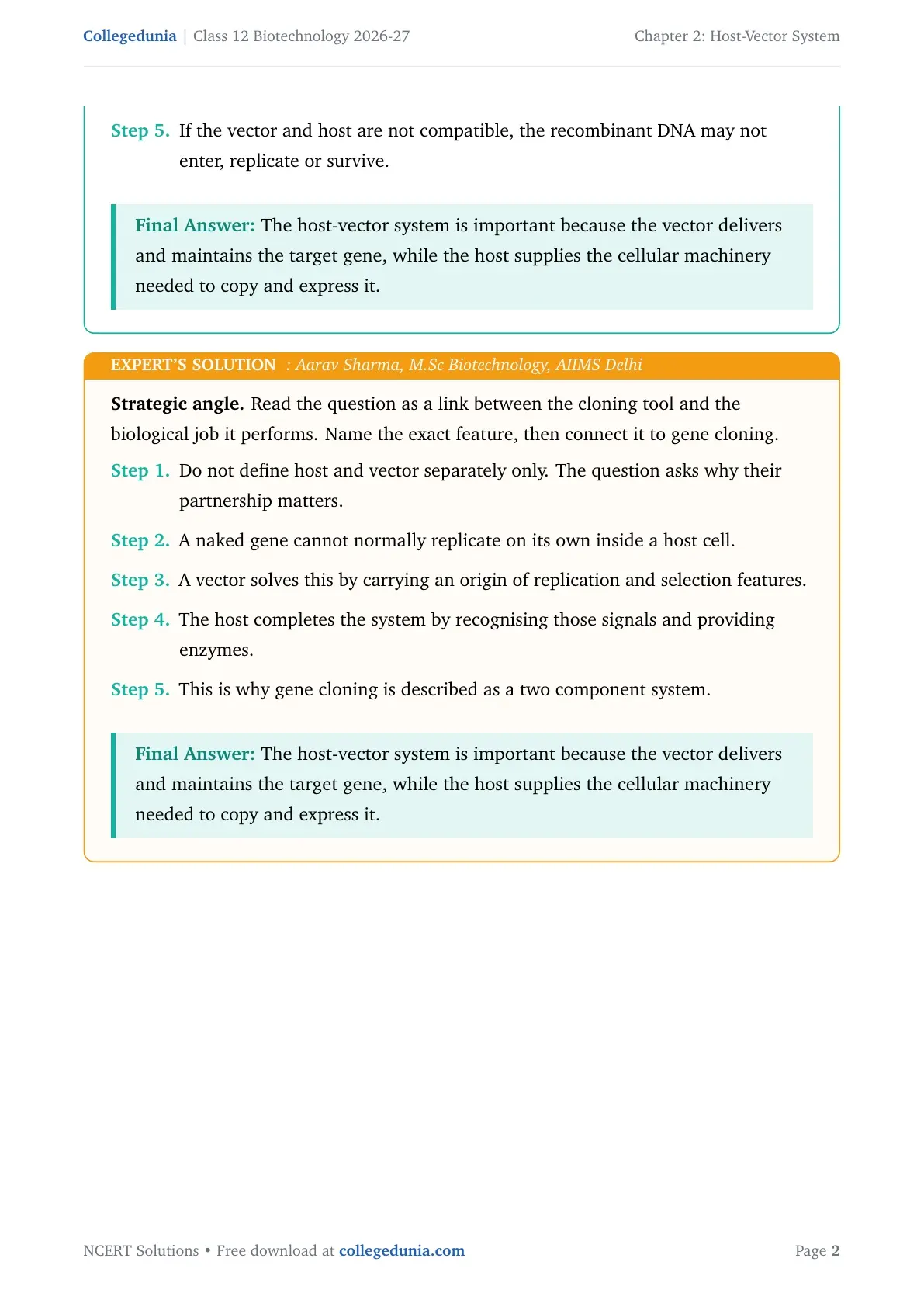
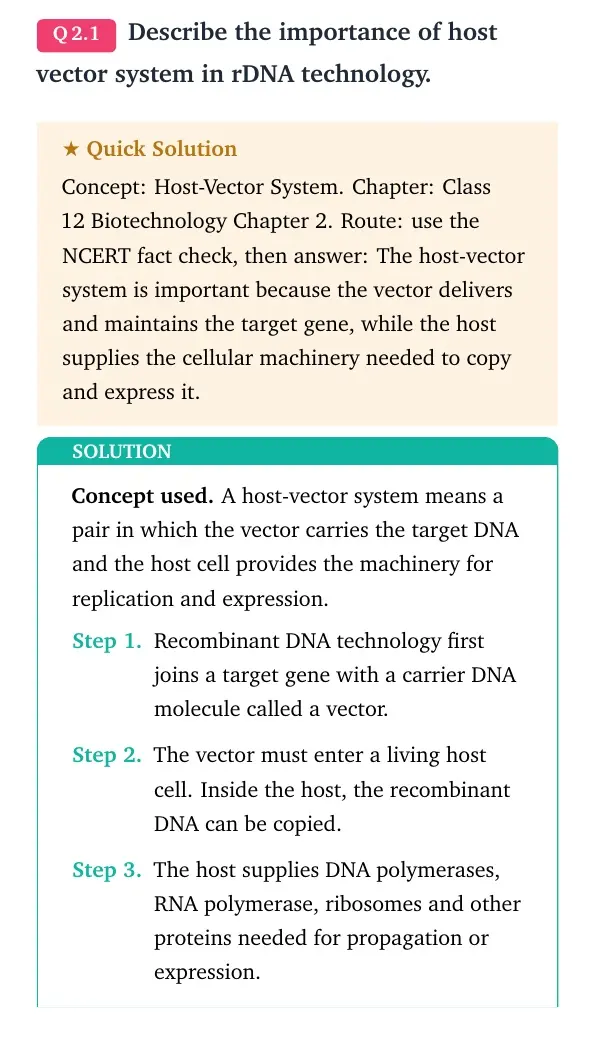
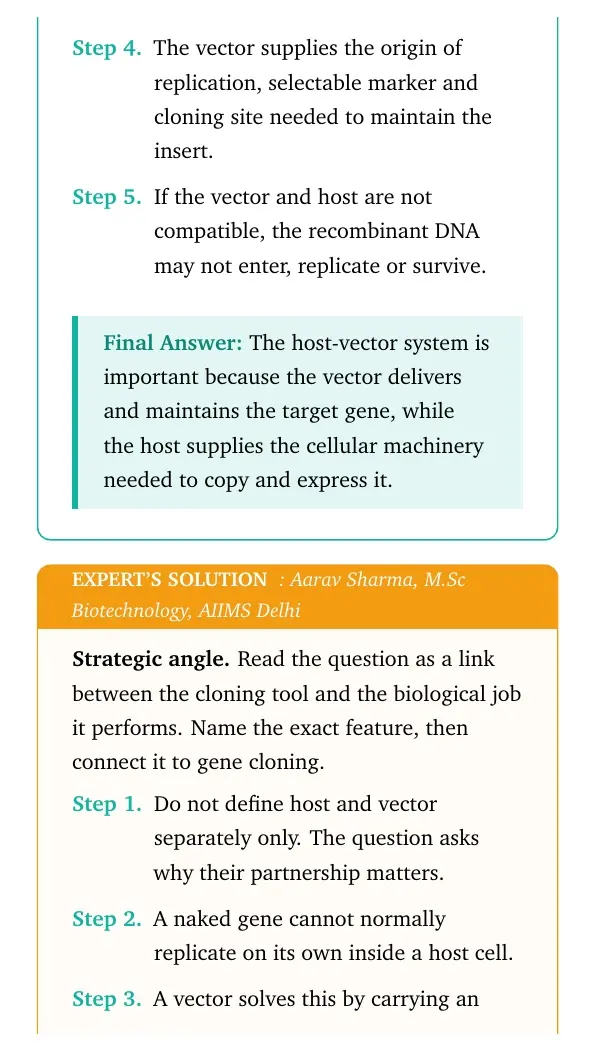
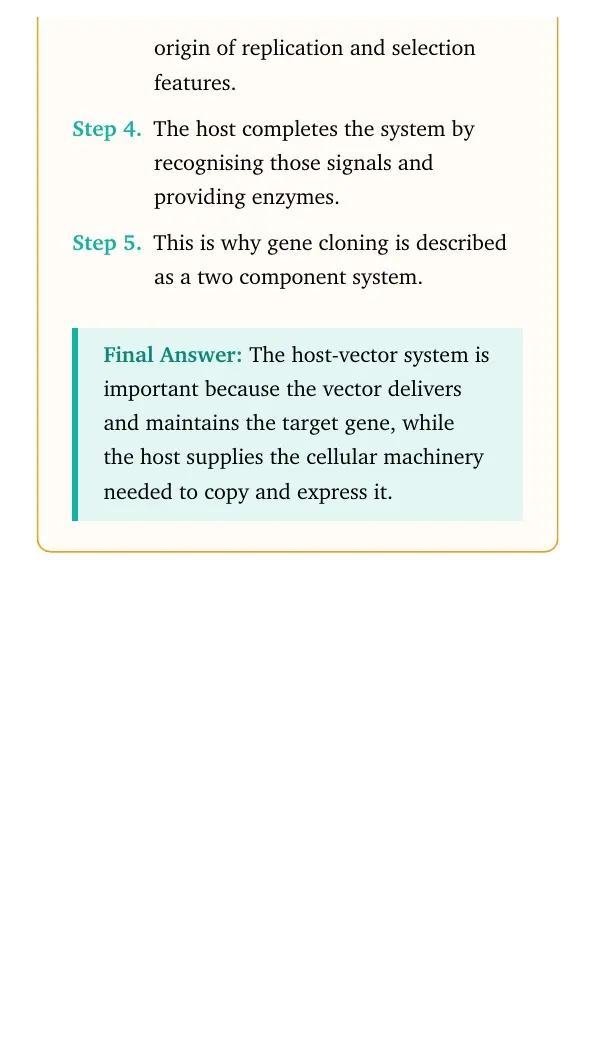
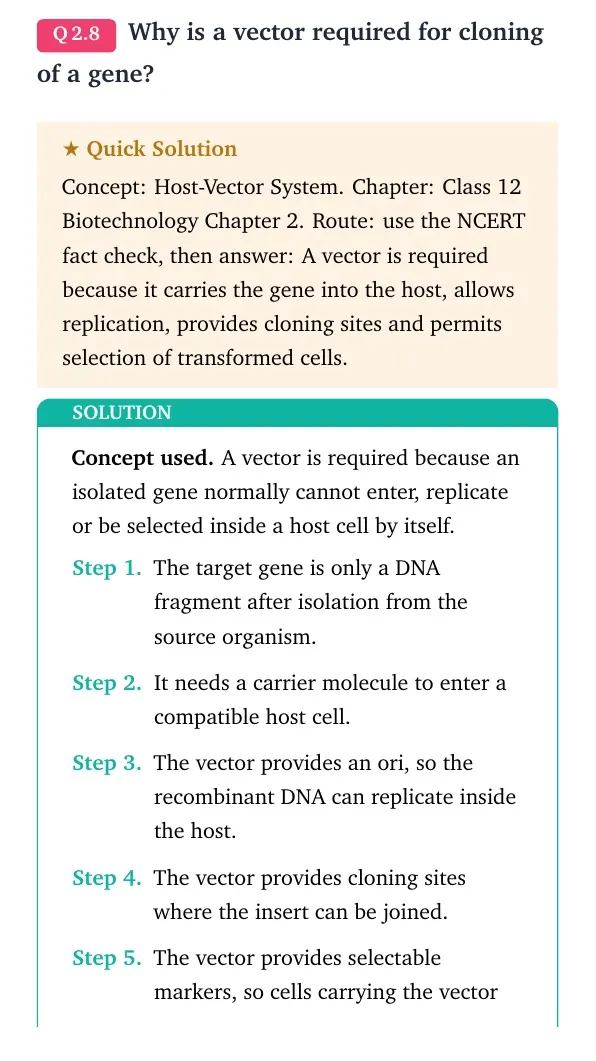
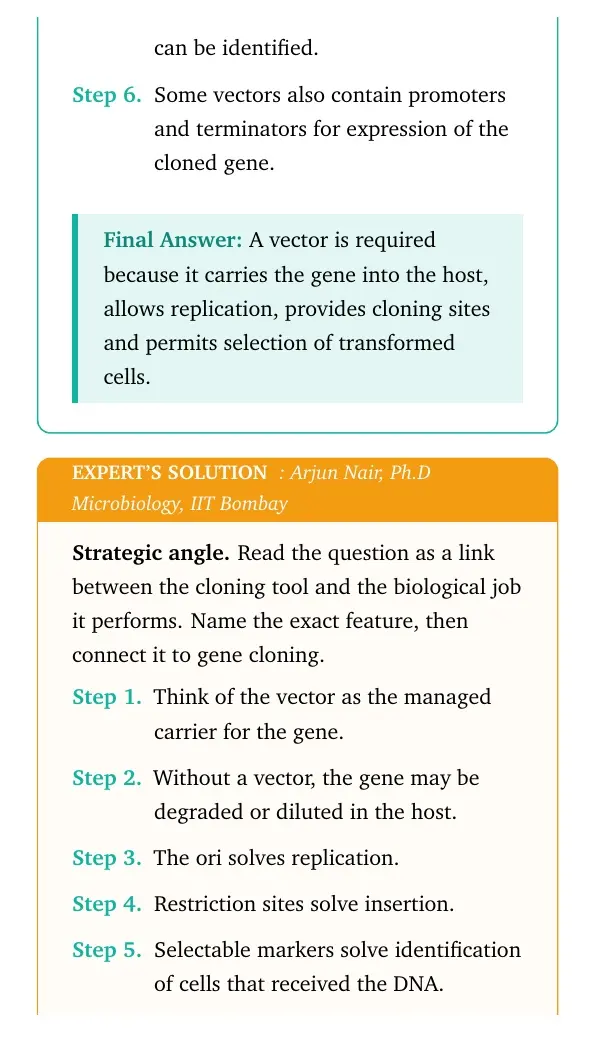
A target gene cannot usually enter a cell and copy itself alone. It needs a vector that can carry the insert and a host cell that can read the vector's replication signals. The host supplies enzymes and proteins, while the vector supplies ori, cloning sites and marker genes.
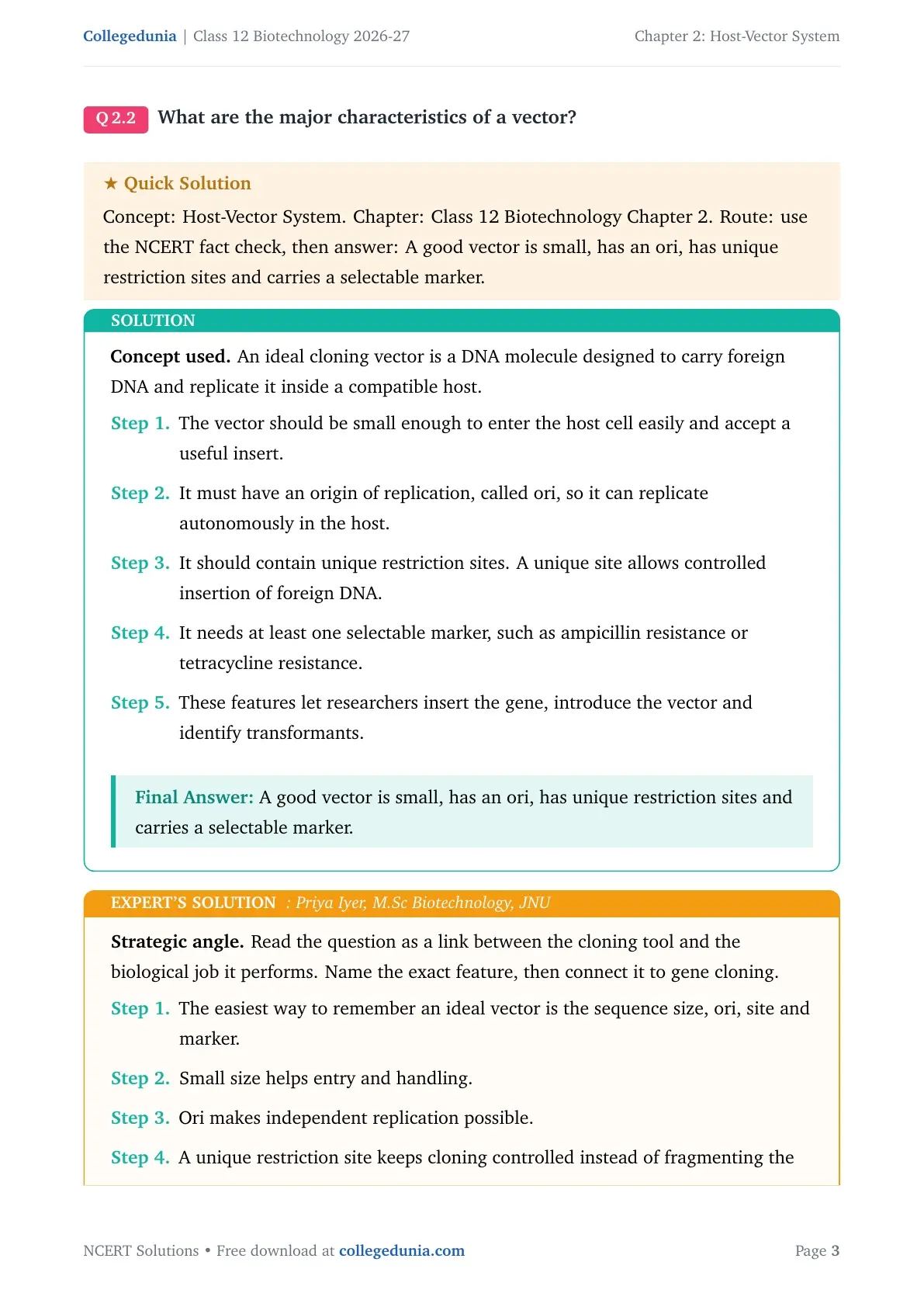
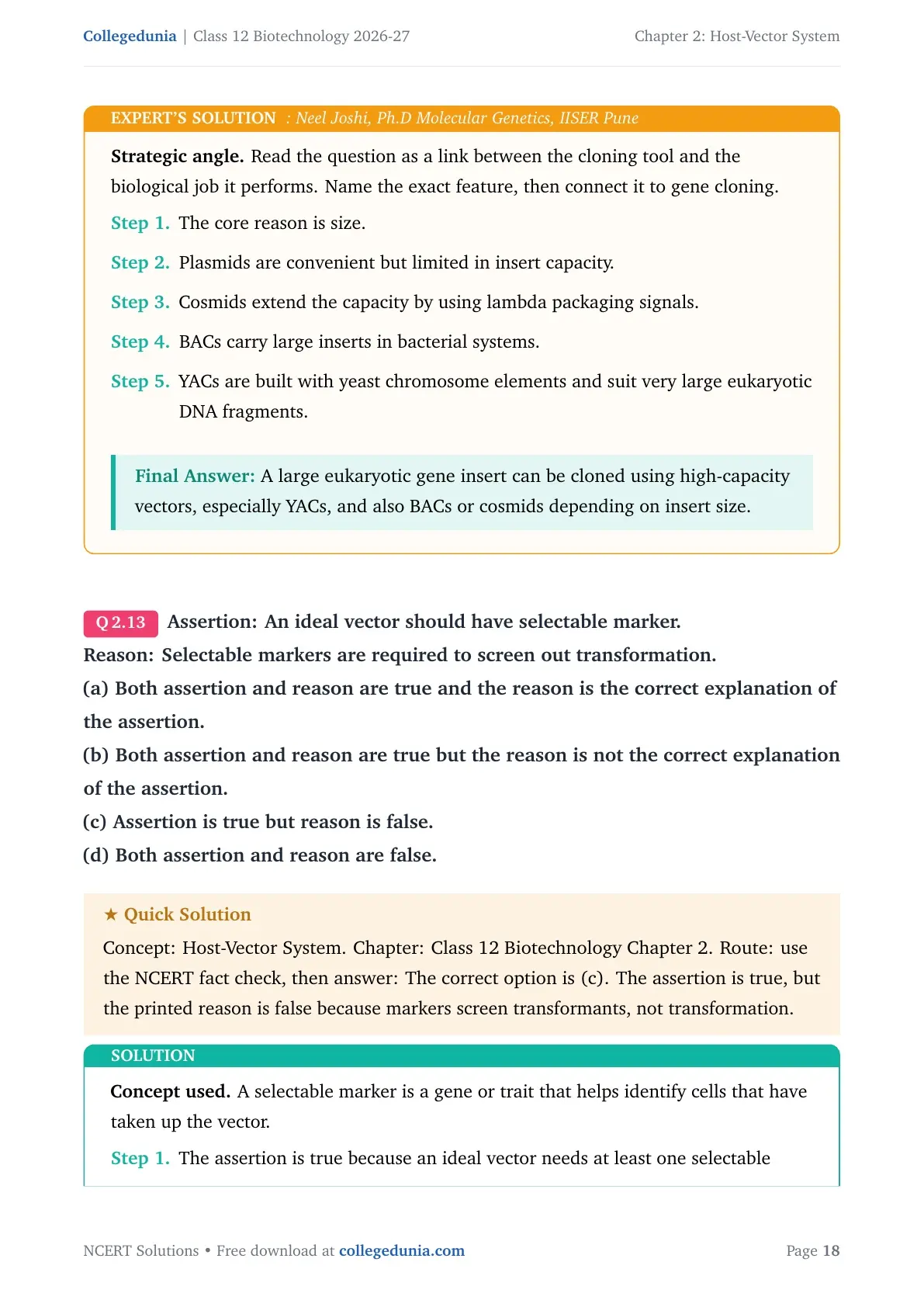
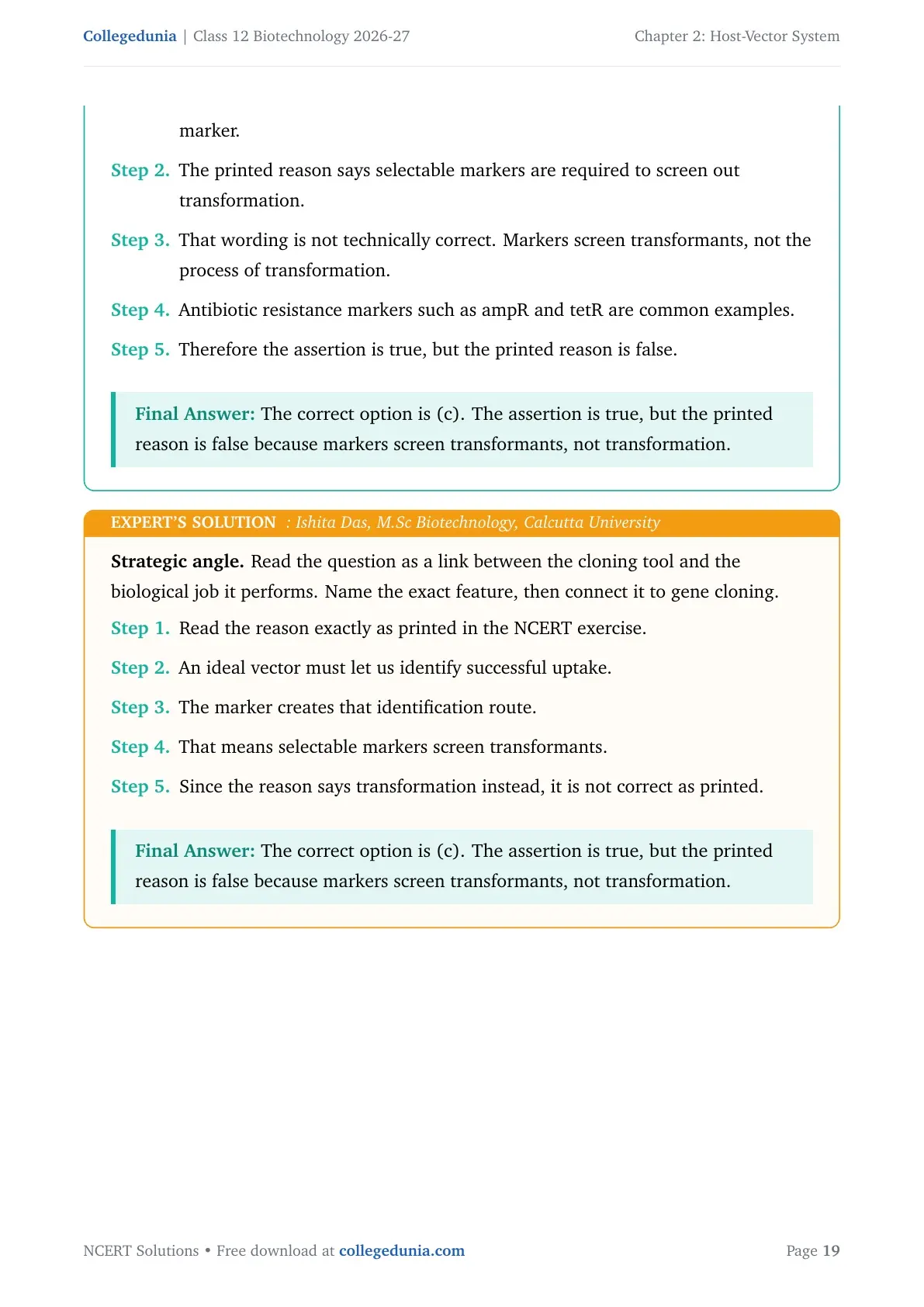
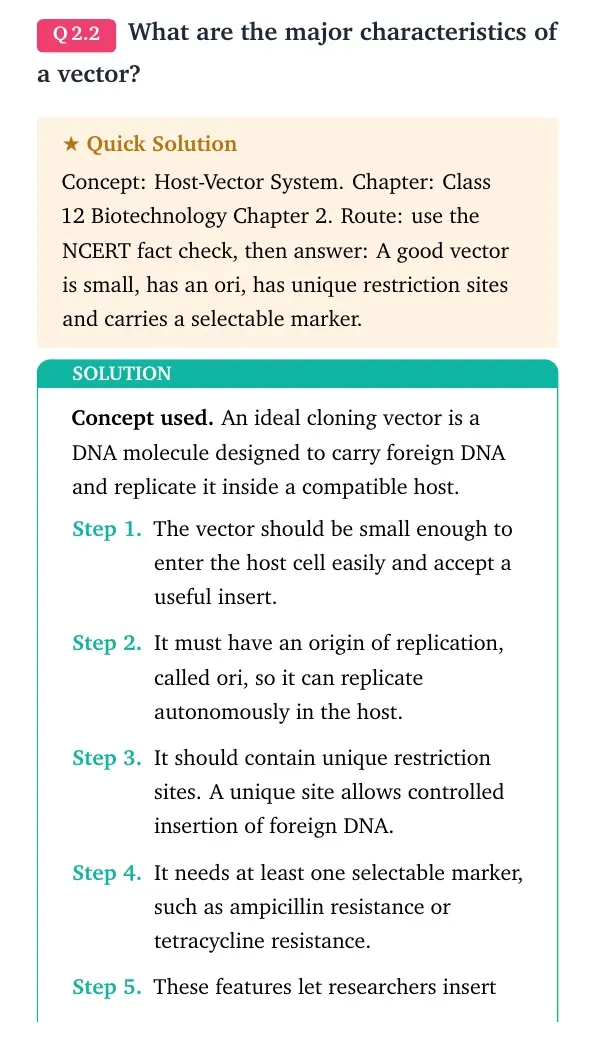
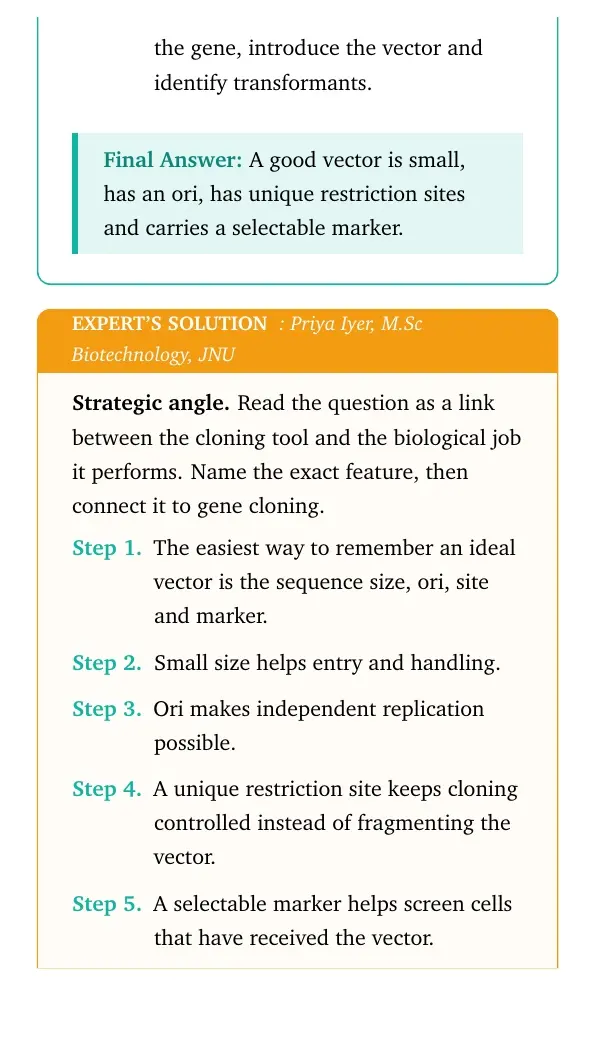
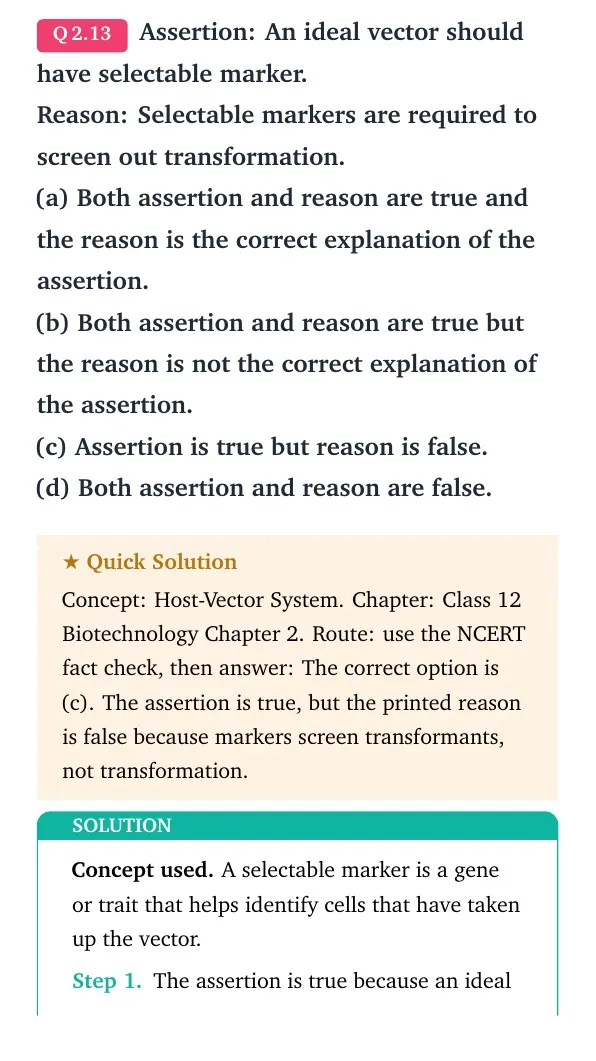
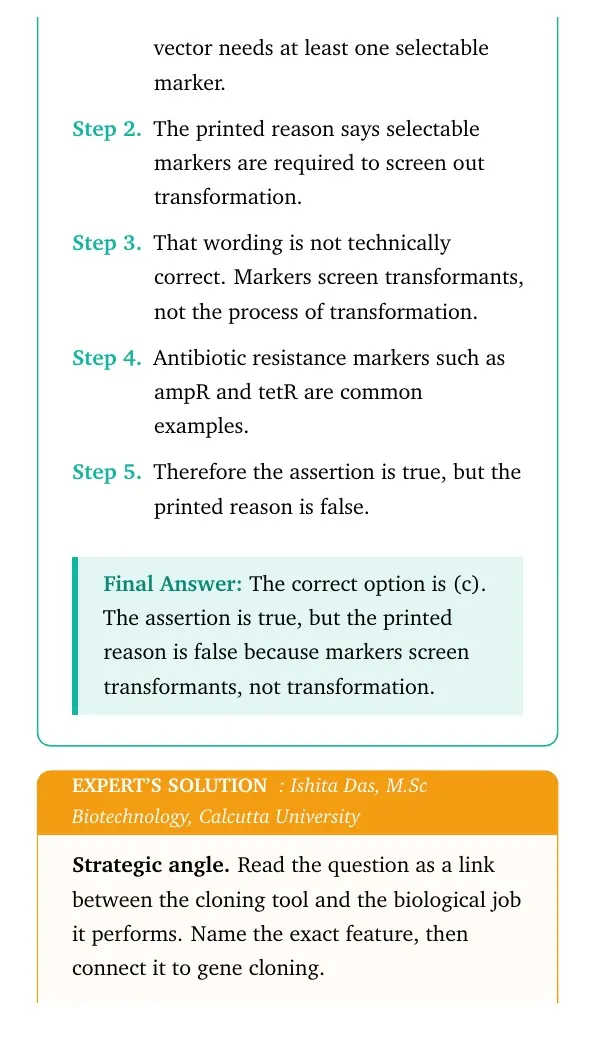
The chapter repeatedly tests this pairing. For example, a plasmid vector needs an ori for autonomous replication and selectable markers such as ampR or tetR to identify transformed cells. Without a marker, transformed and non-transformed cells become difficult to separate.
Important Vector Types in Host-Vector System
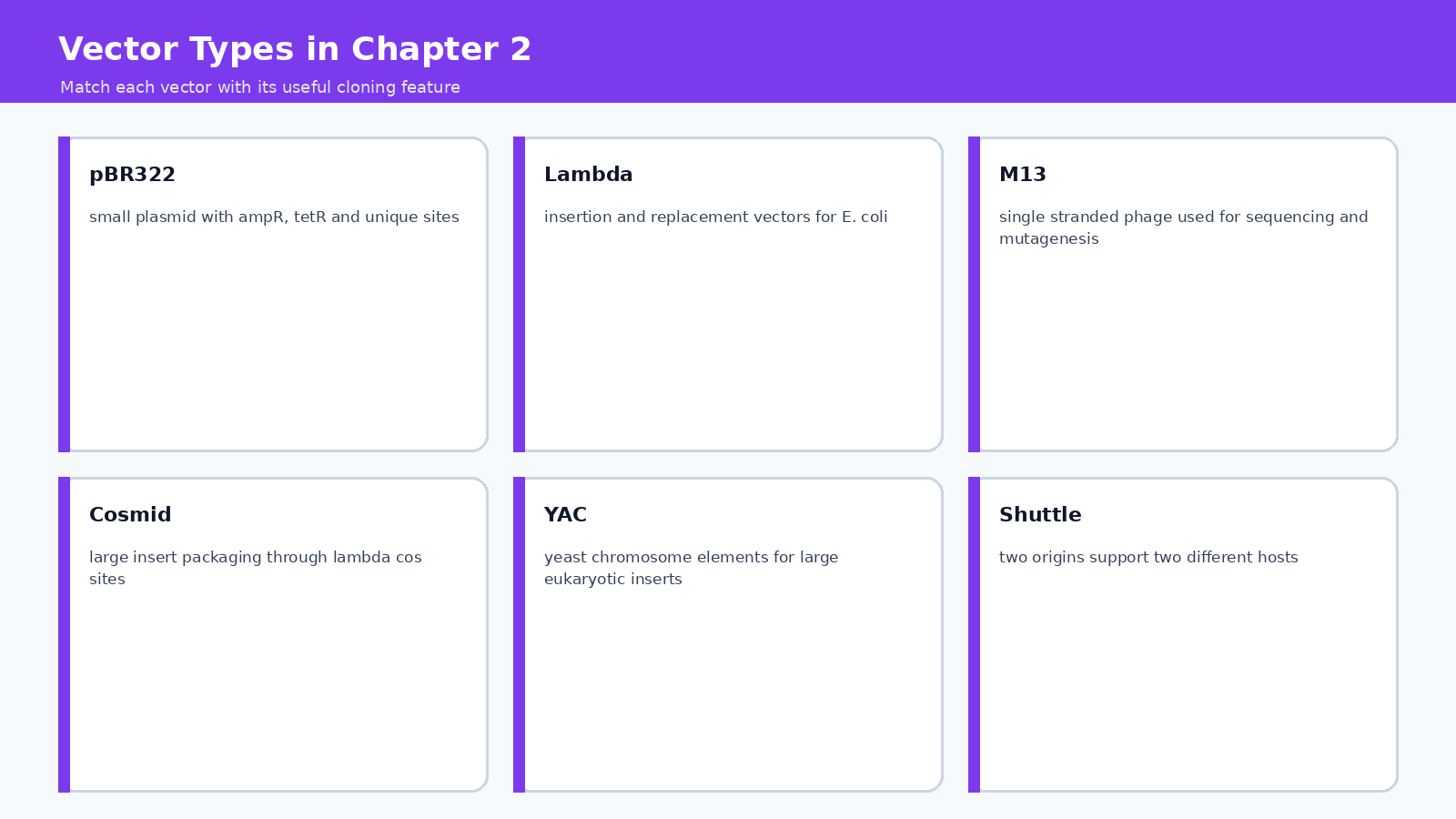
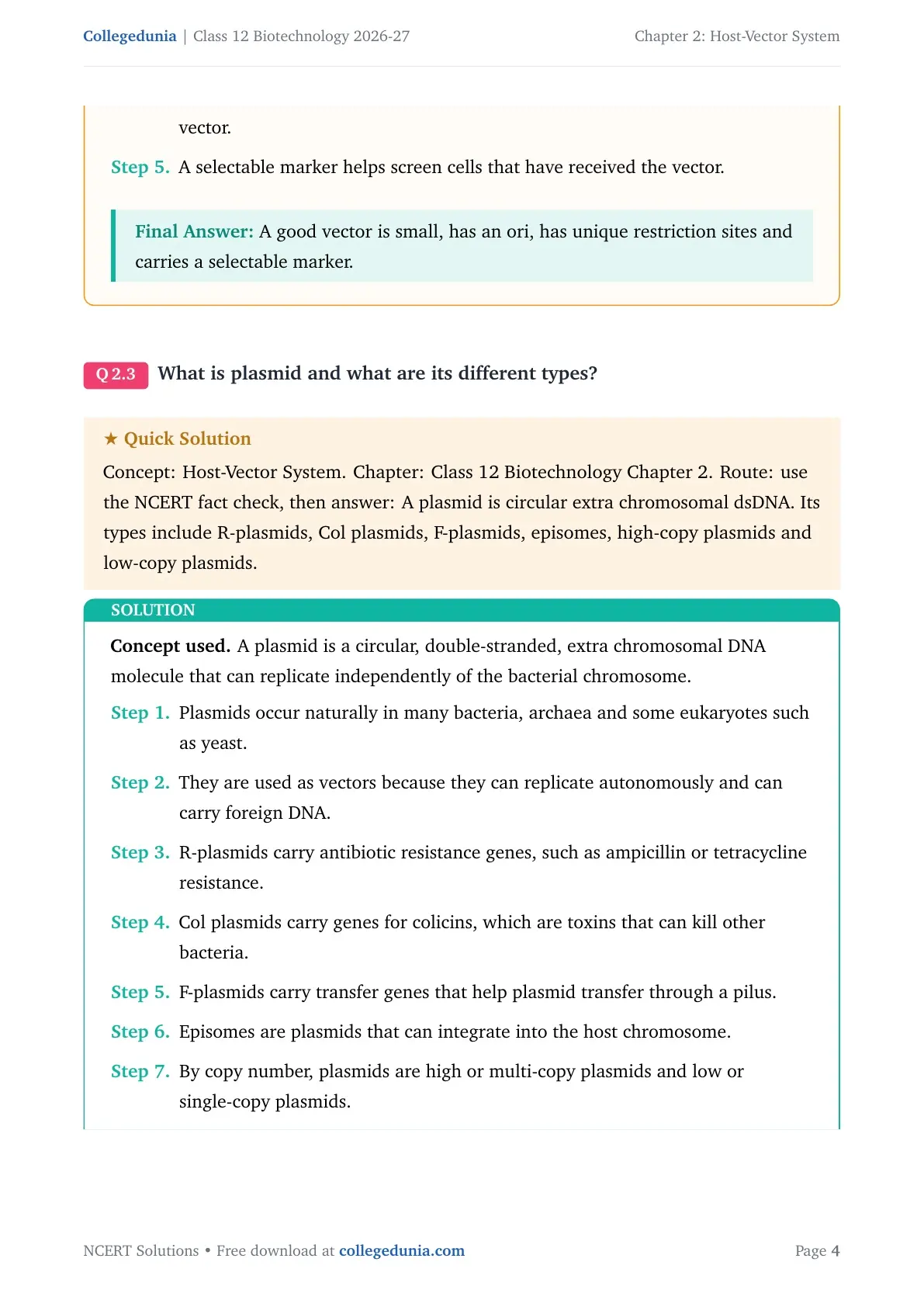
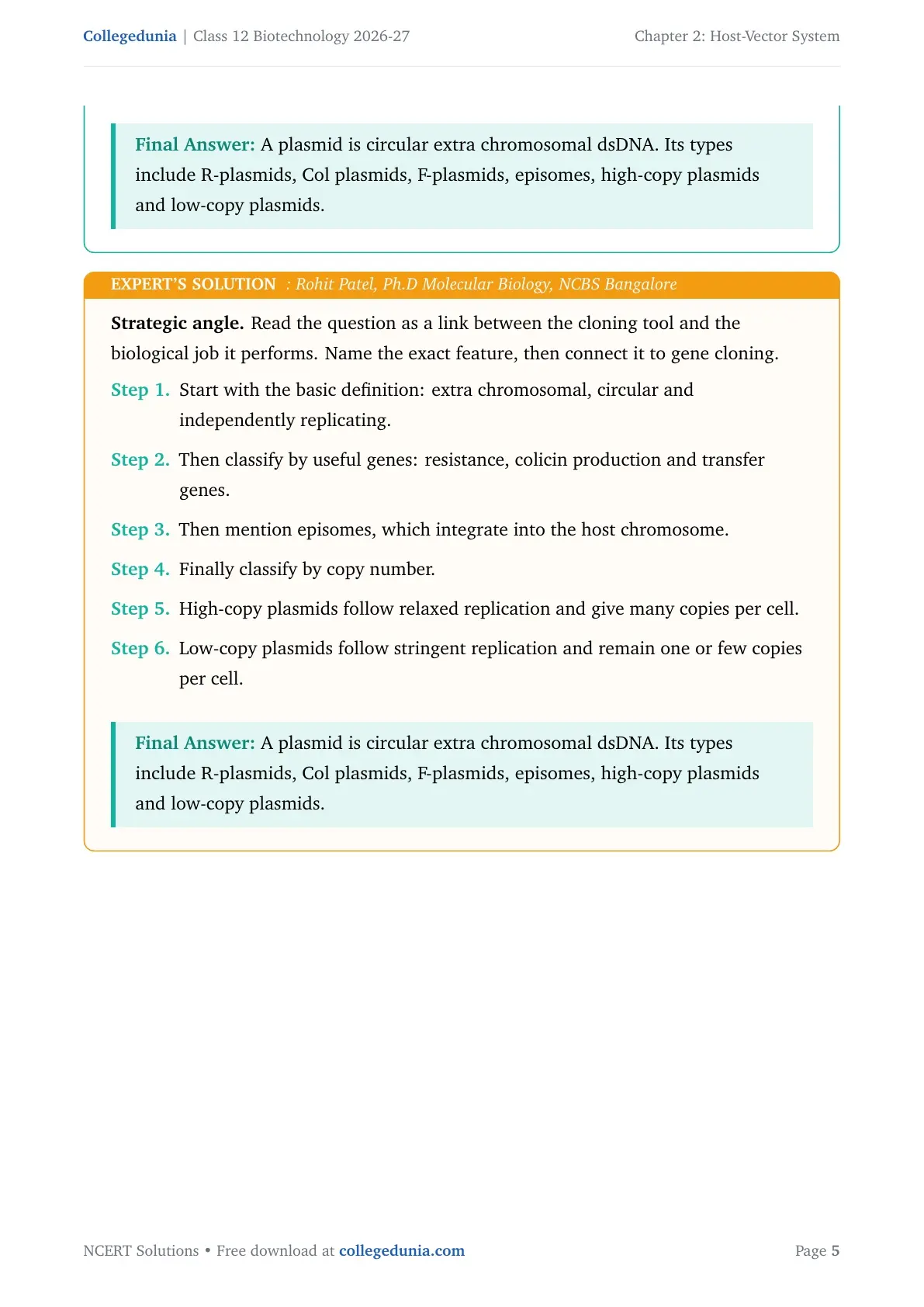
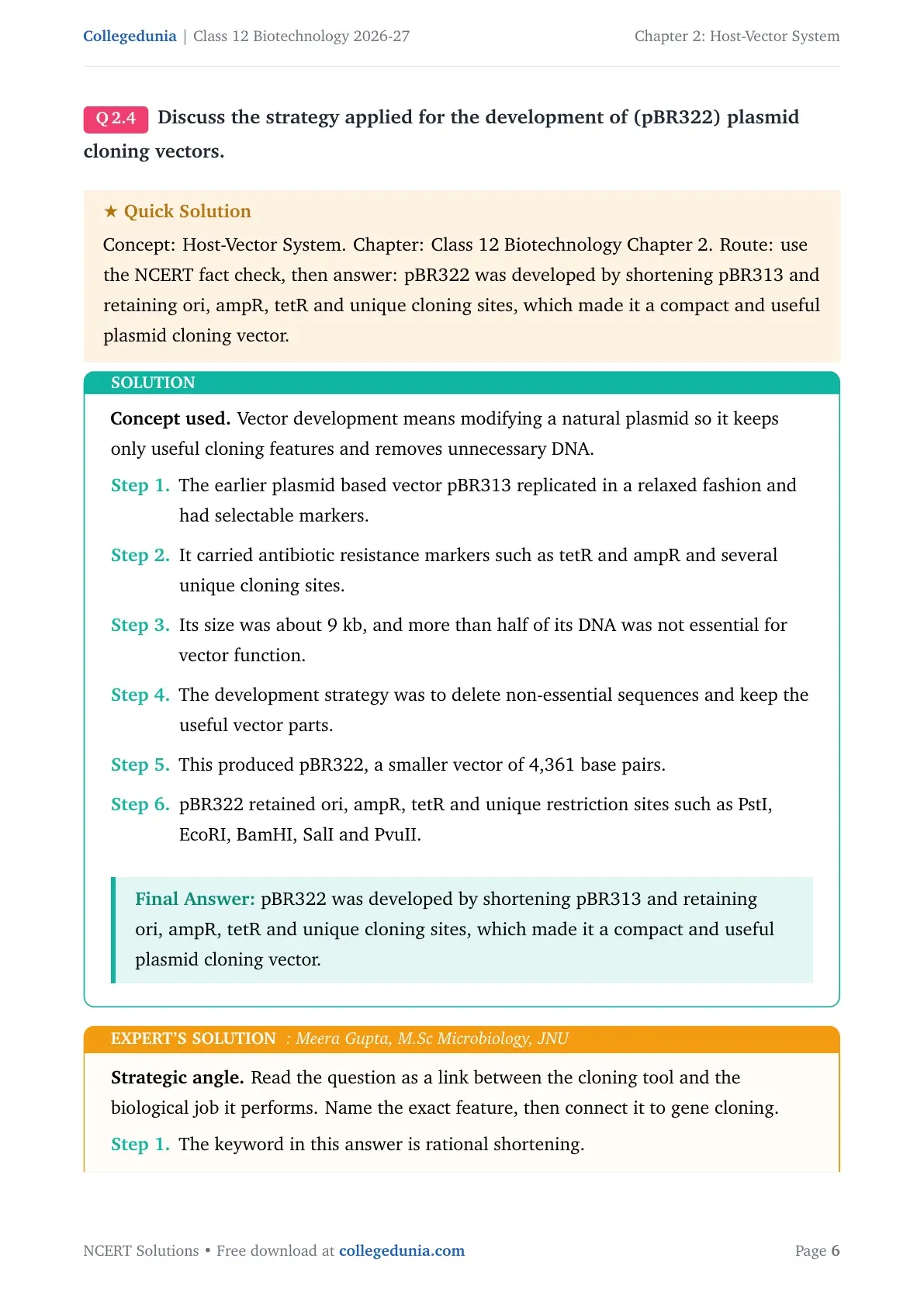
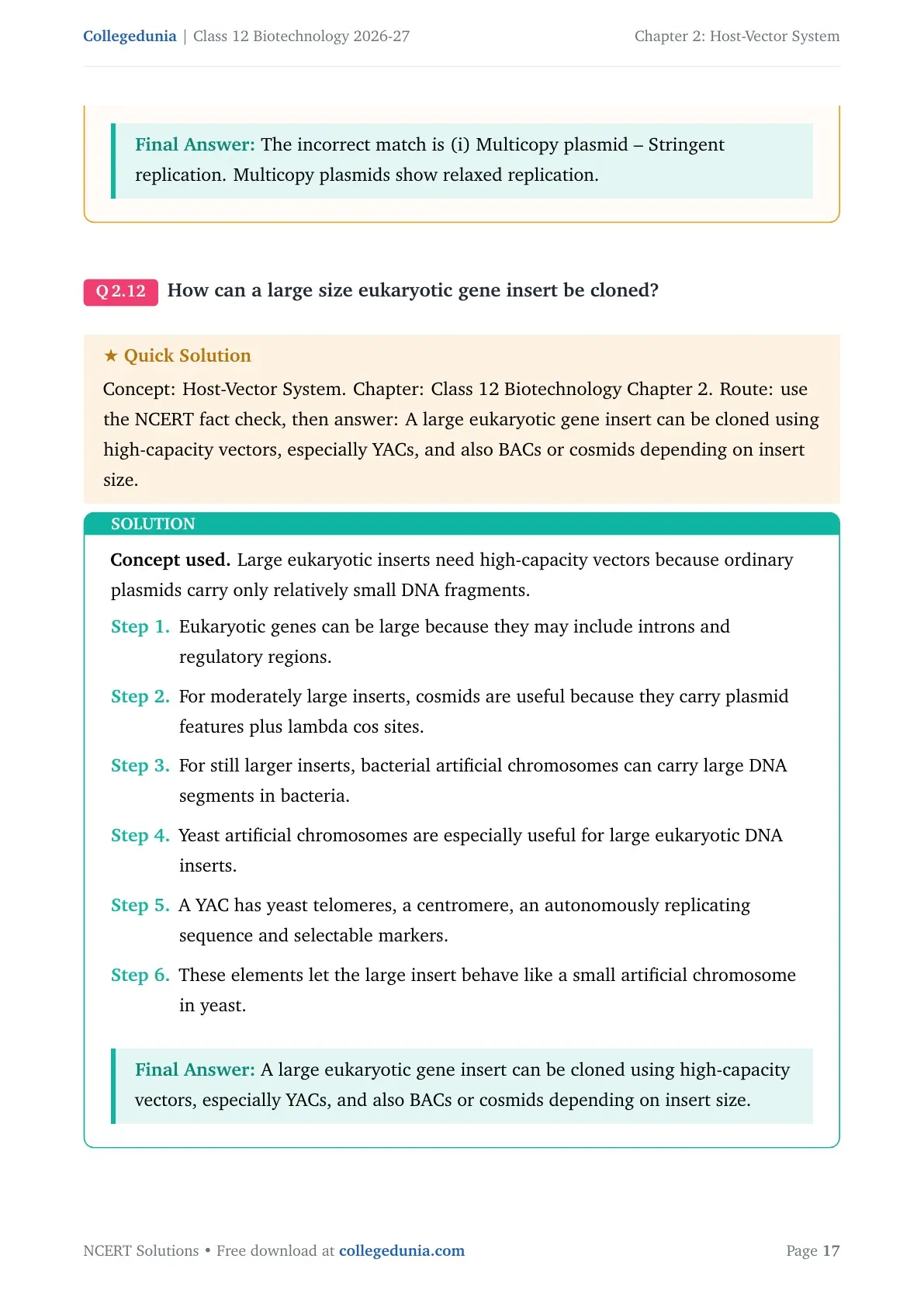
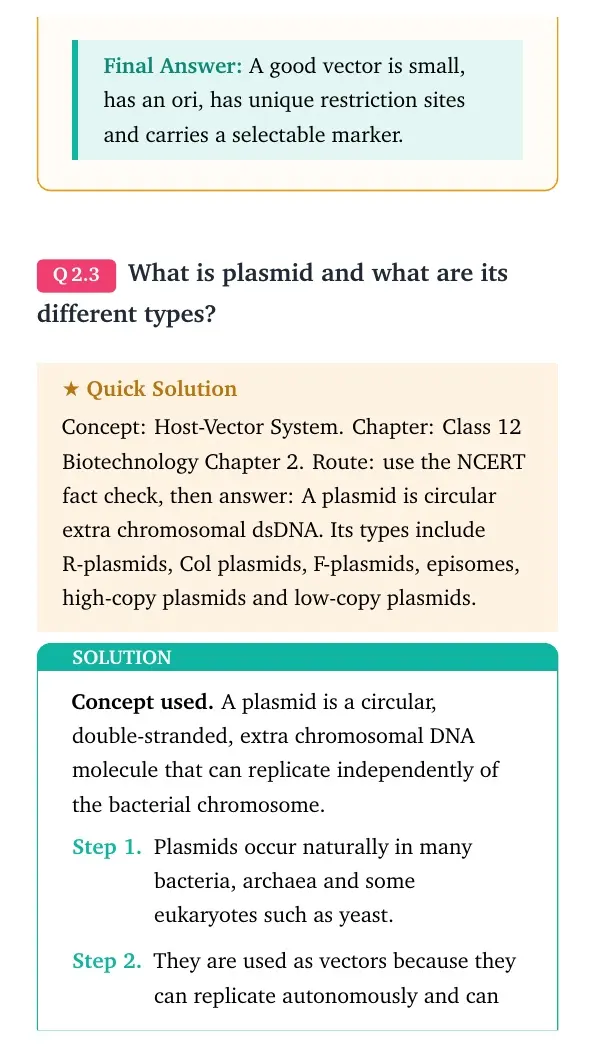
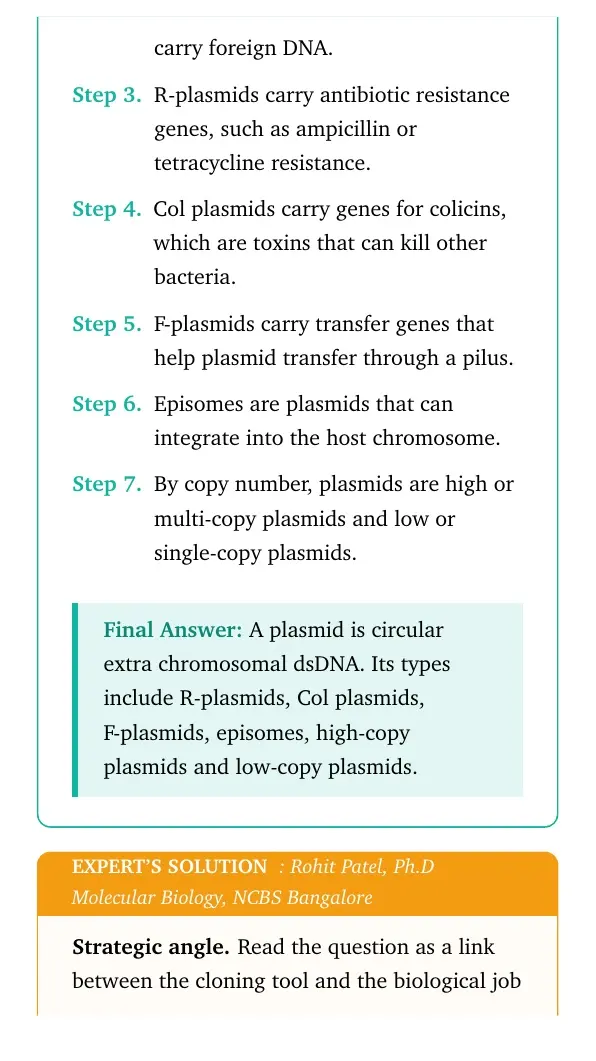
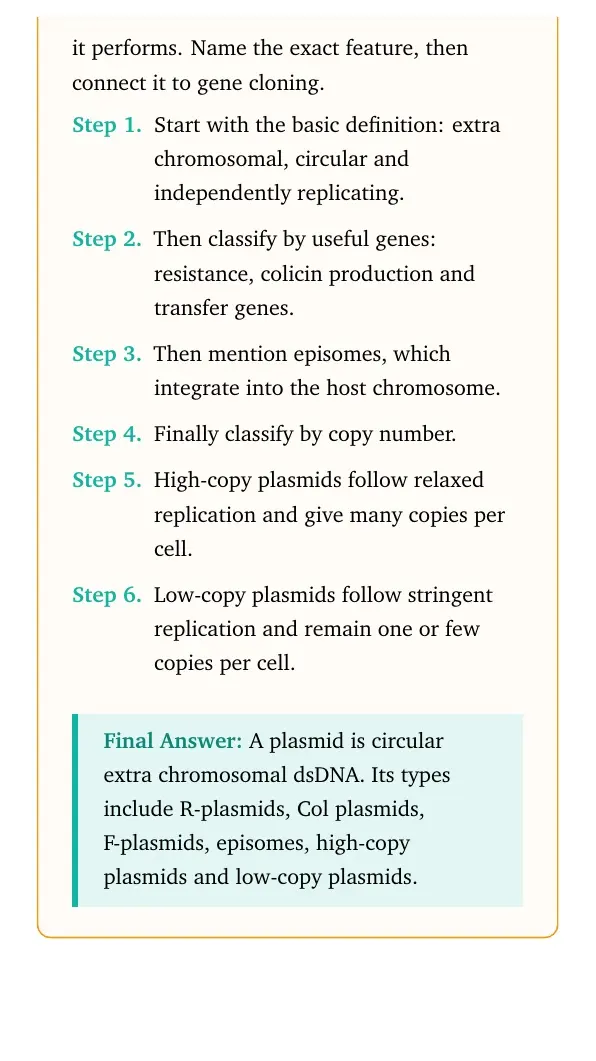
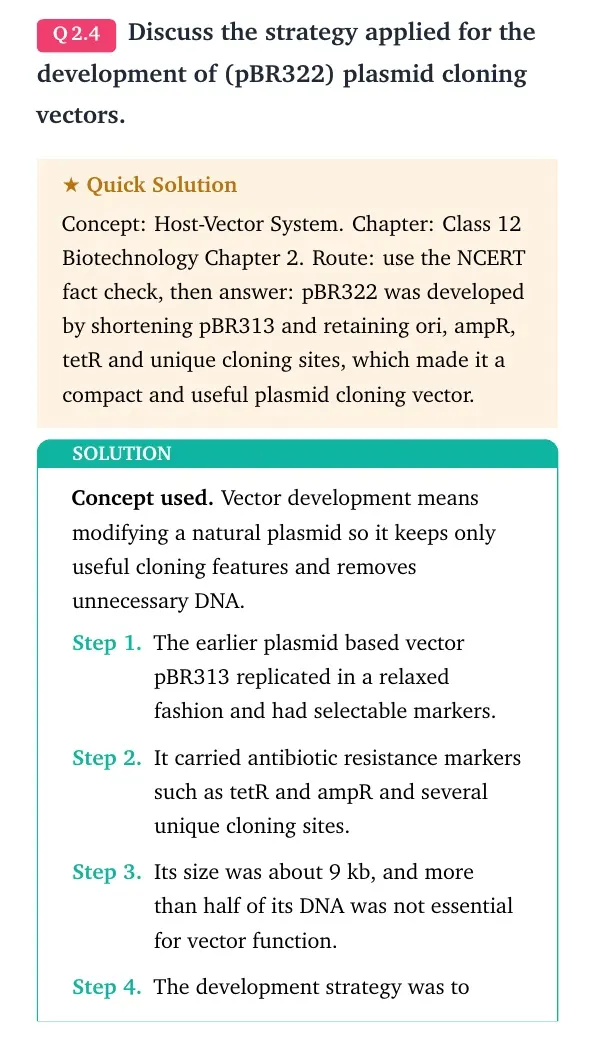
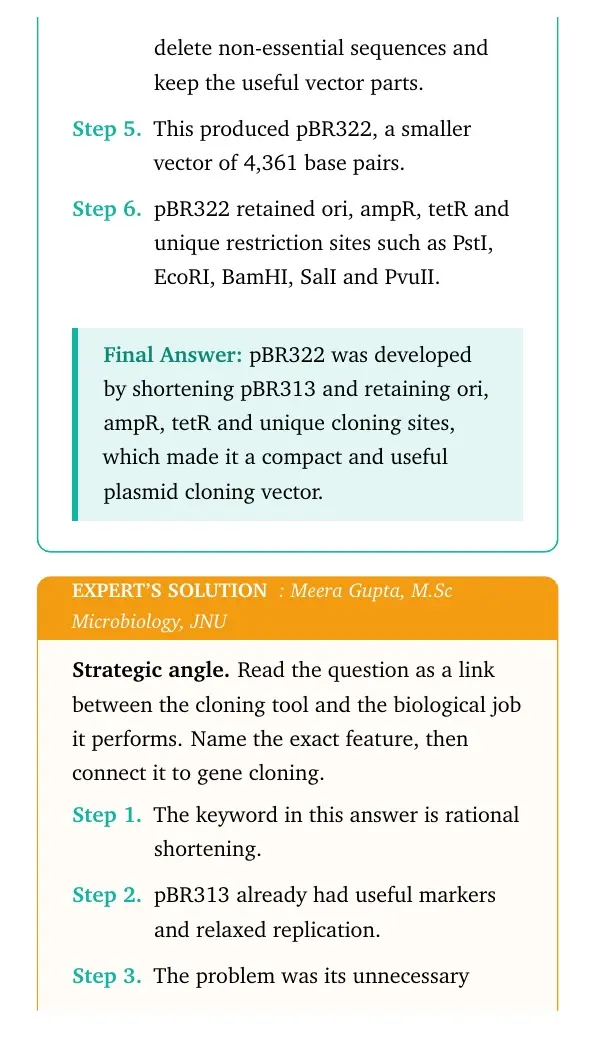
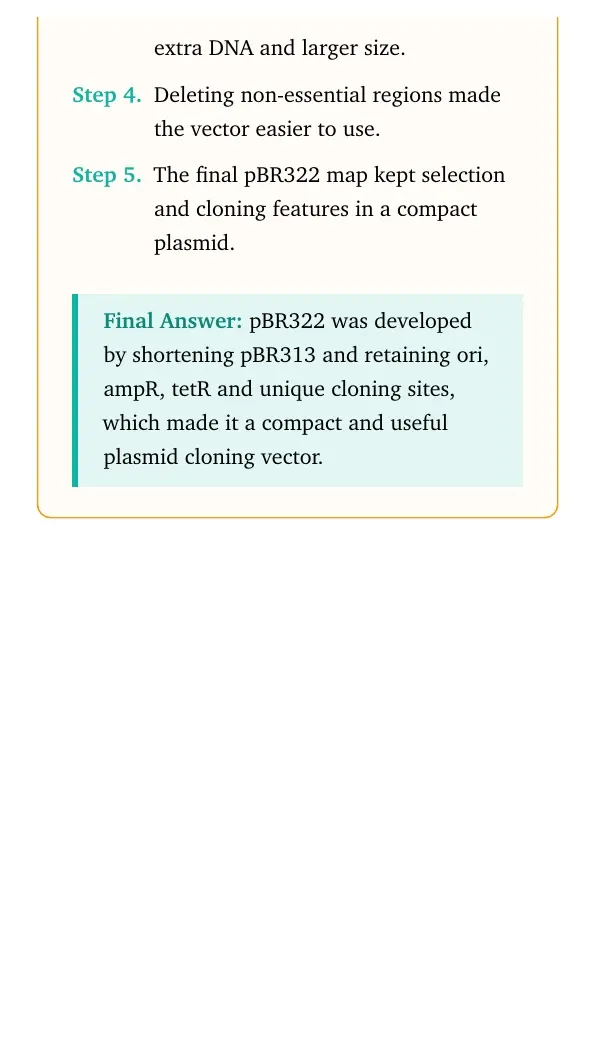
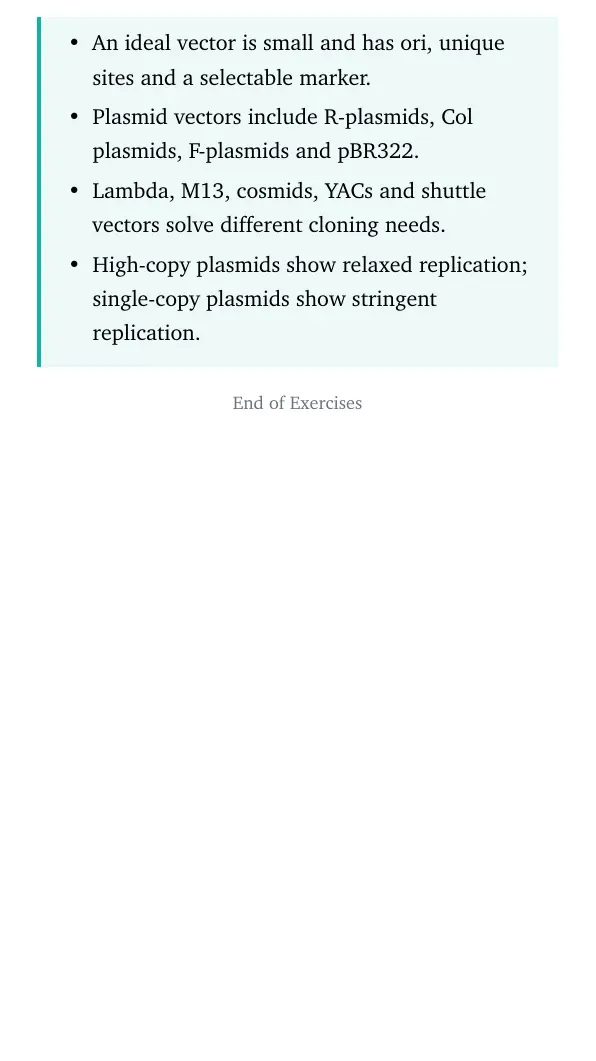
Plasmids are circular extra chromosomal dsDNA molecules. Some carry antibiotic resistance genes, some produce colicins, and some carry transfer genes. pBR322 is a compact plasmid cloning vector with ori, ampR, tetR and unique restriction sites.
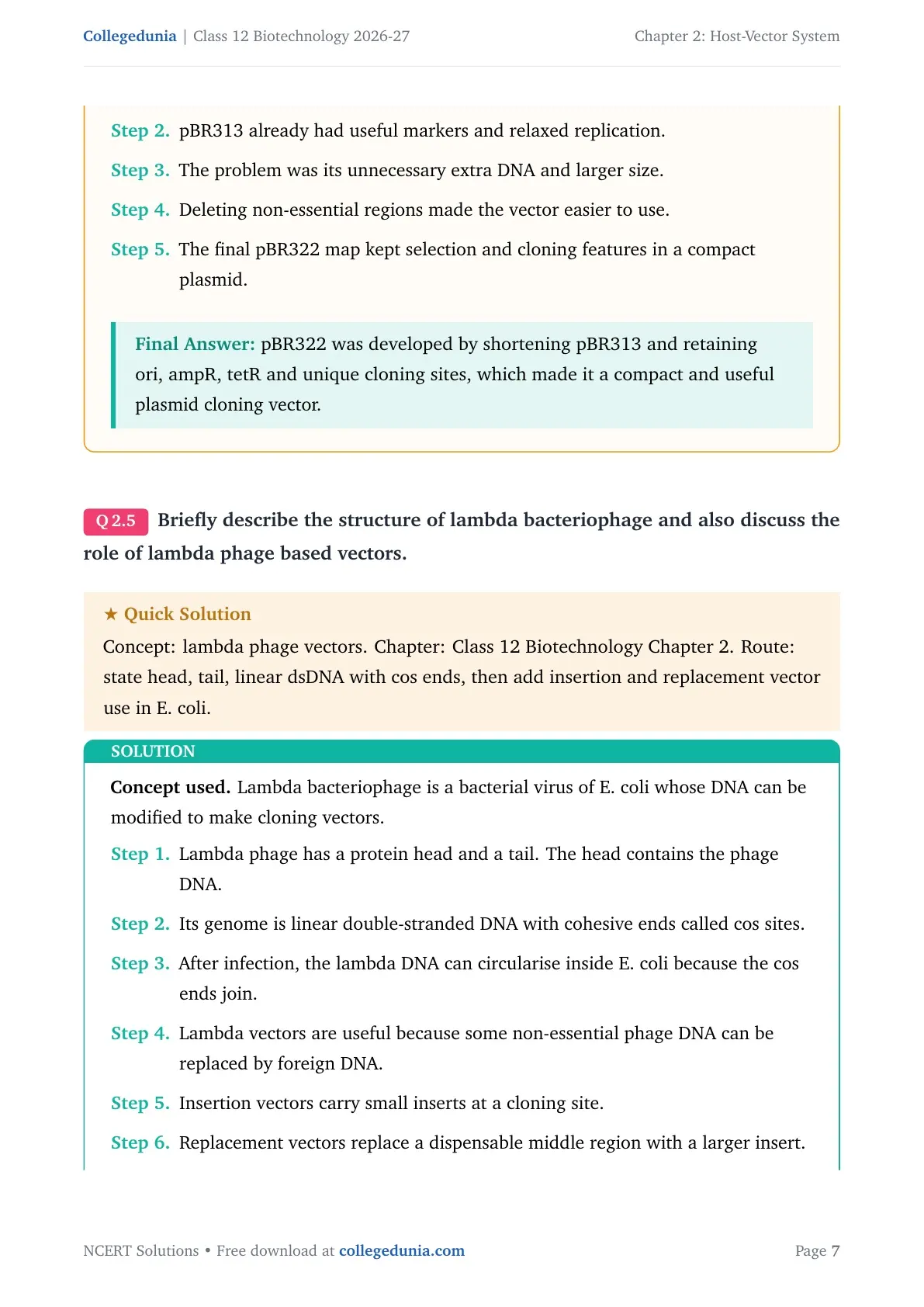
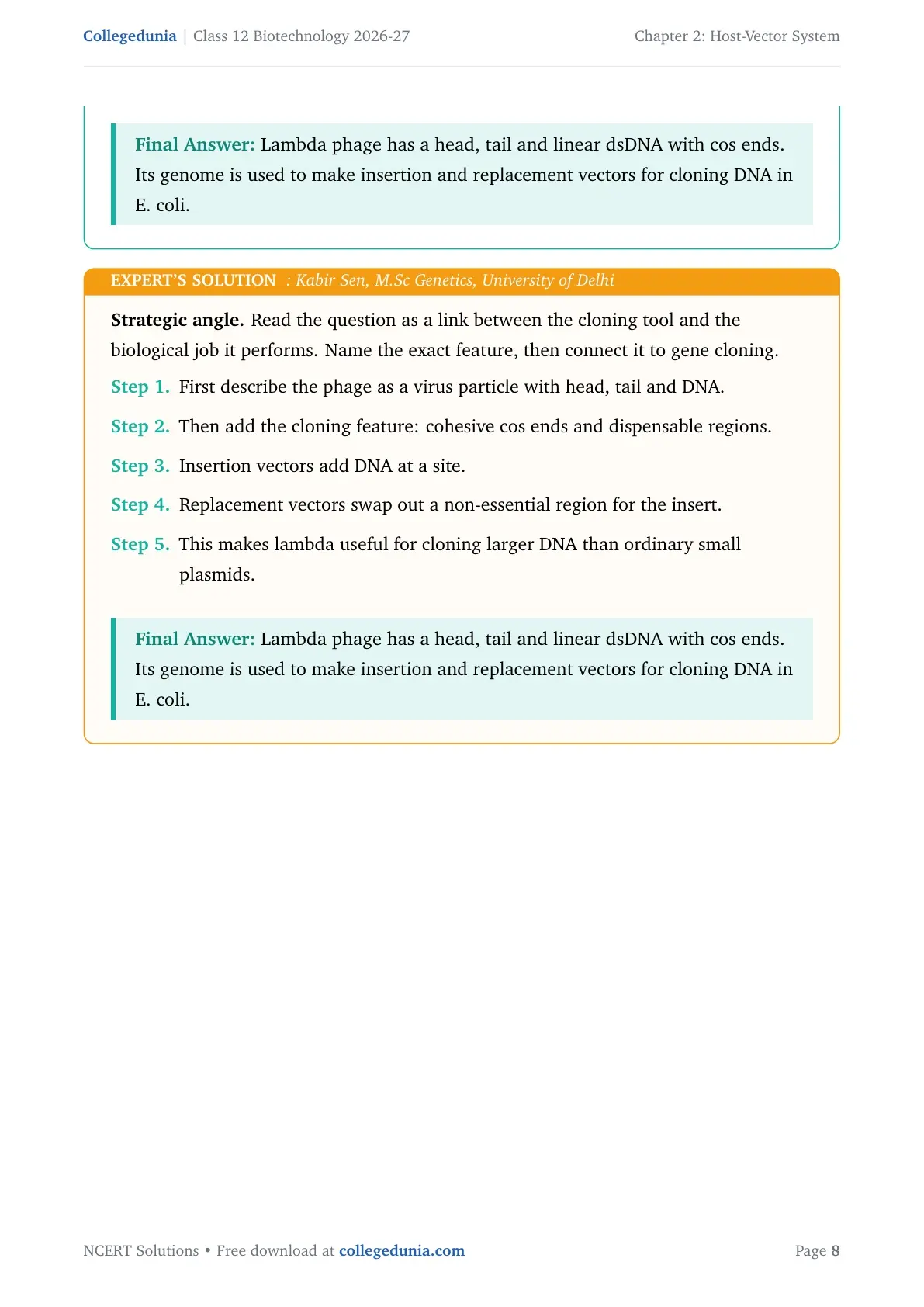
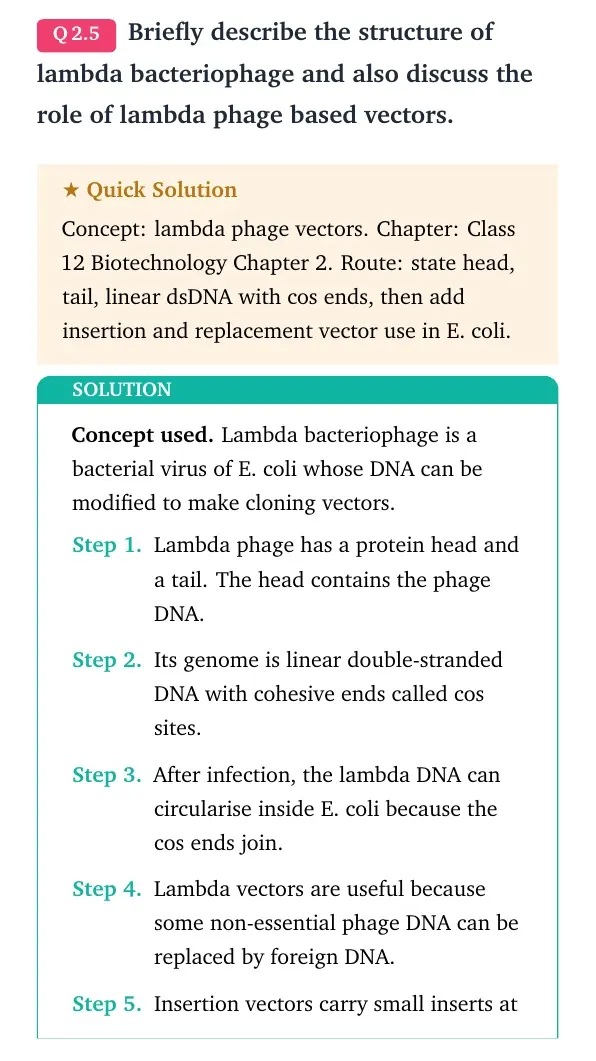
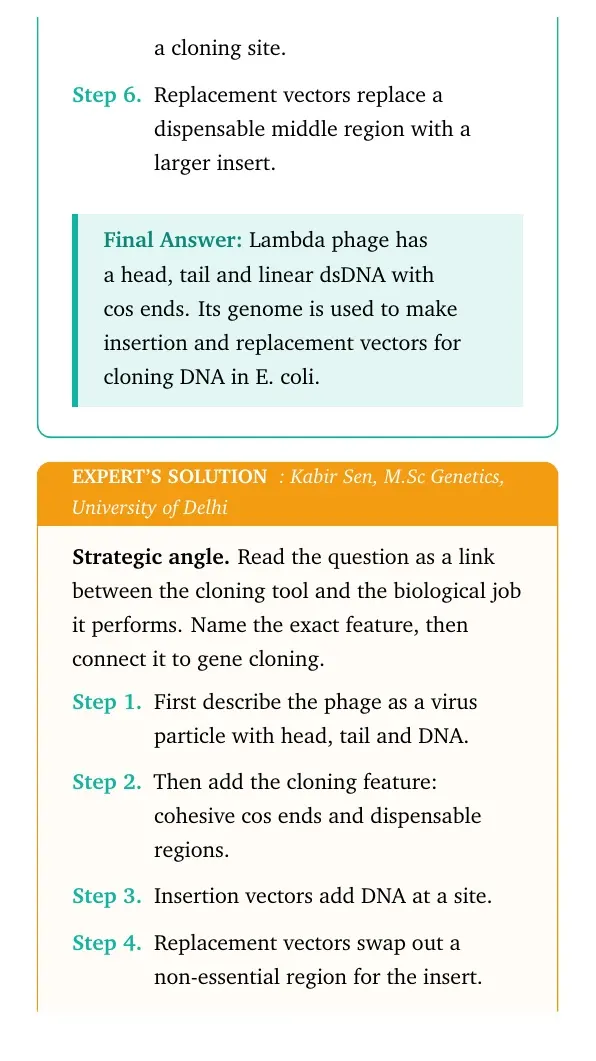
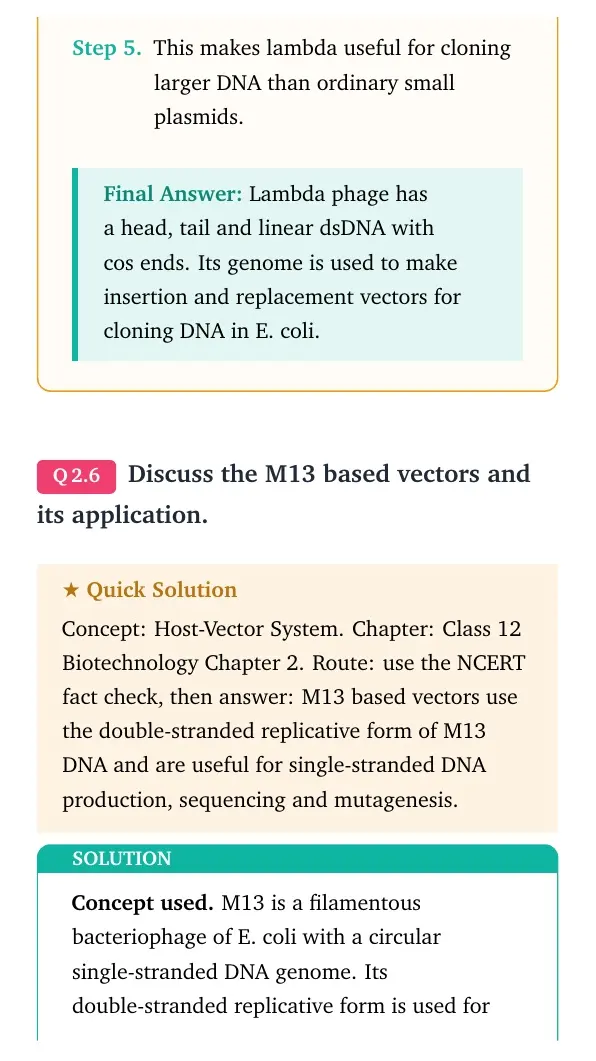
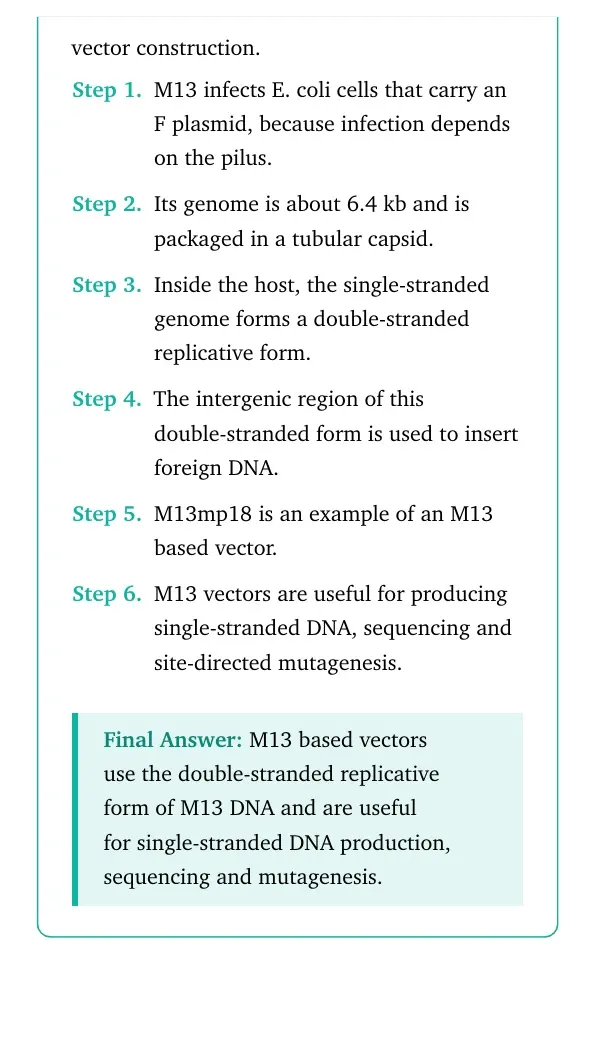
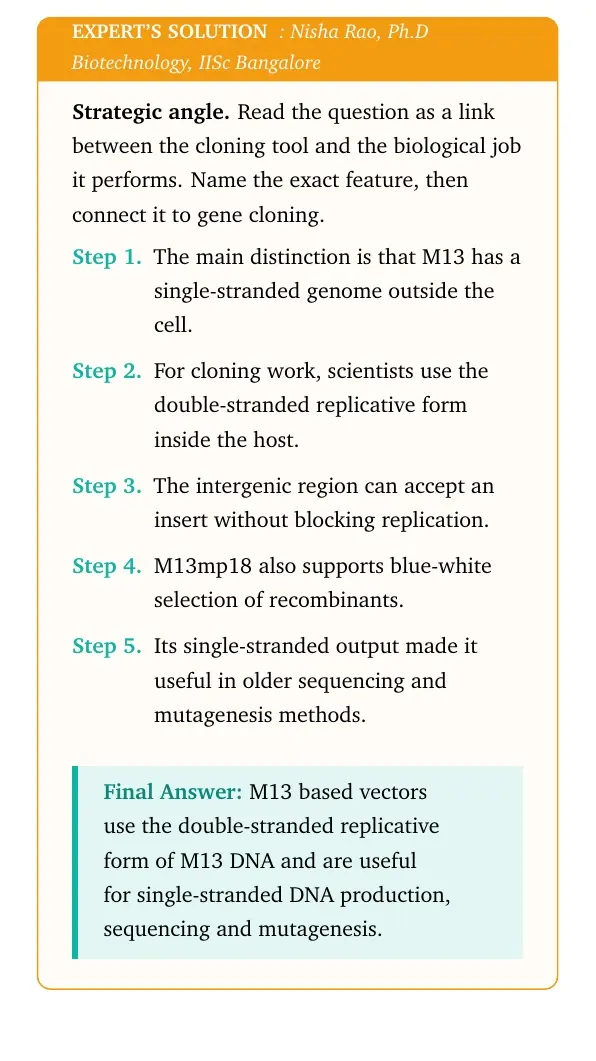
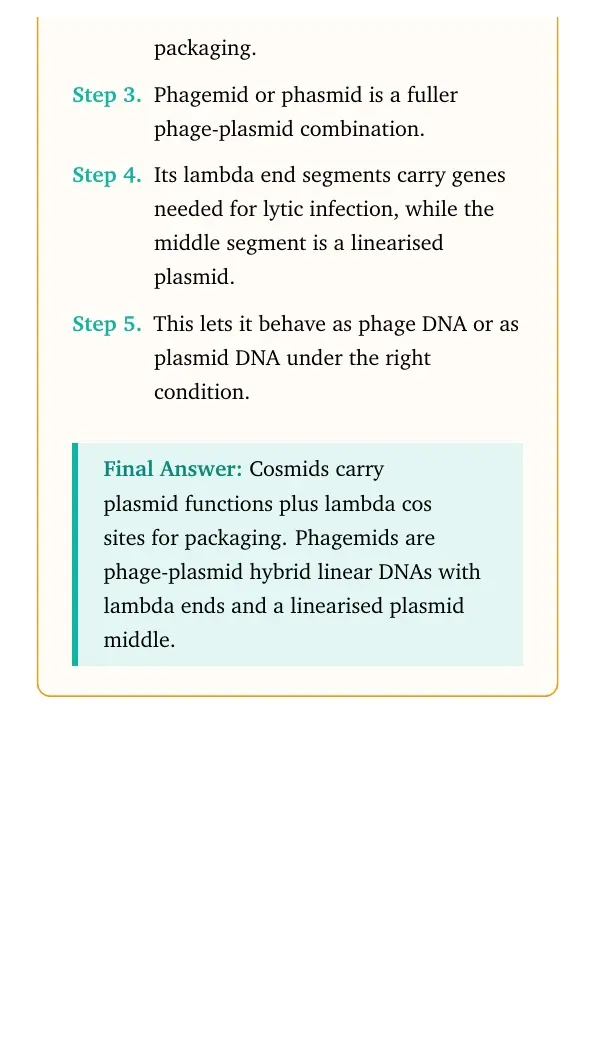
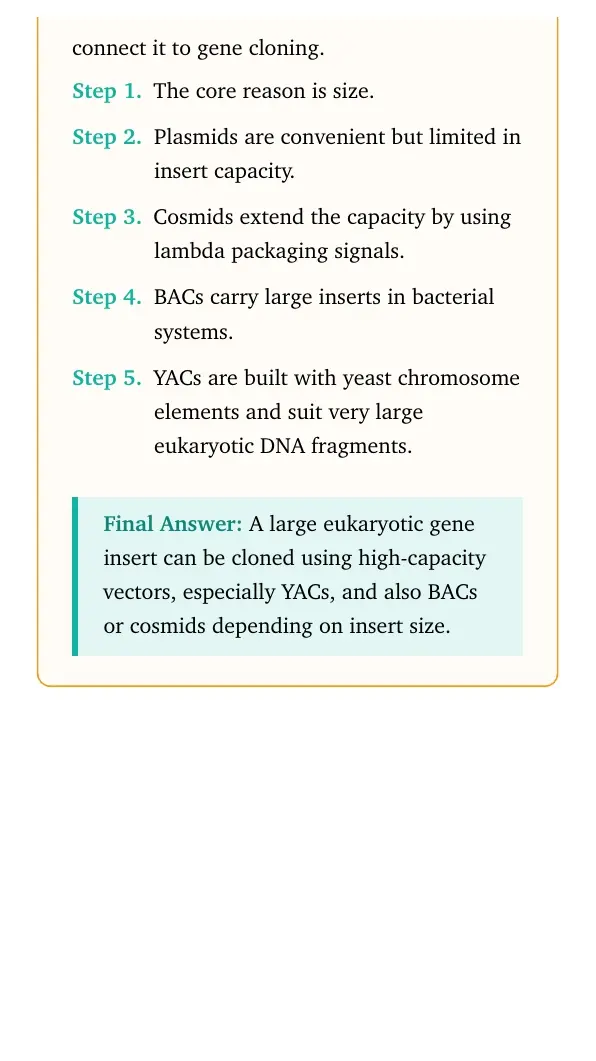
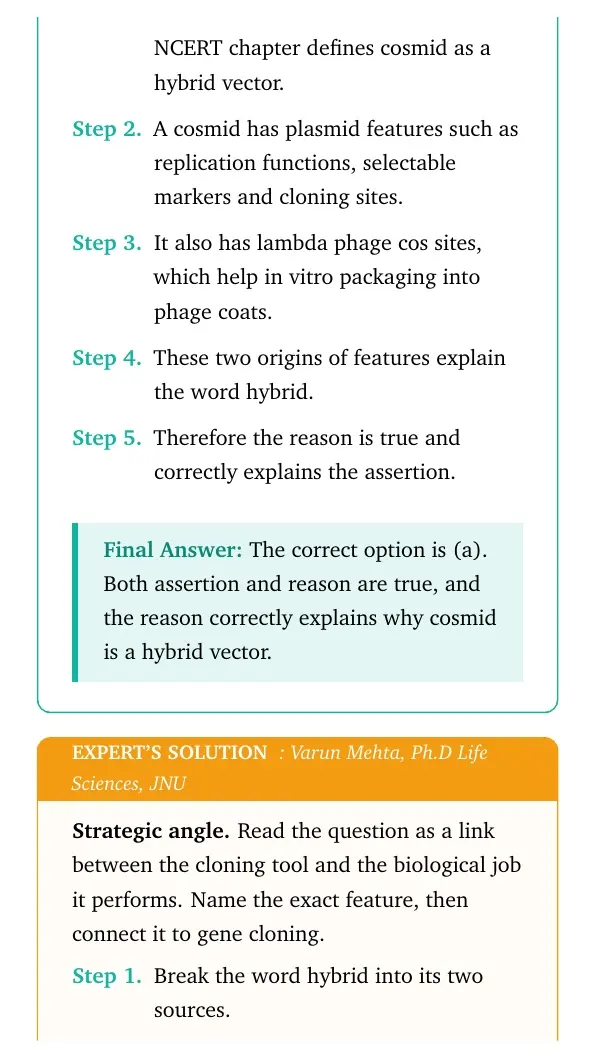
Phage vectors solve other cloning needs. Lambda phage based vectors use cos ends and phage packaging. M13 based vectors are useful for single-stranded DNA work. Cosmids combine plasmid features with lambda cos sites, while YACs use yeast chromosomal elements for large eukaryotic inserts.
Objective Answers Students Should Remember
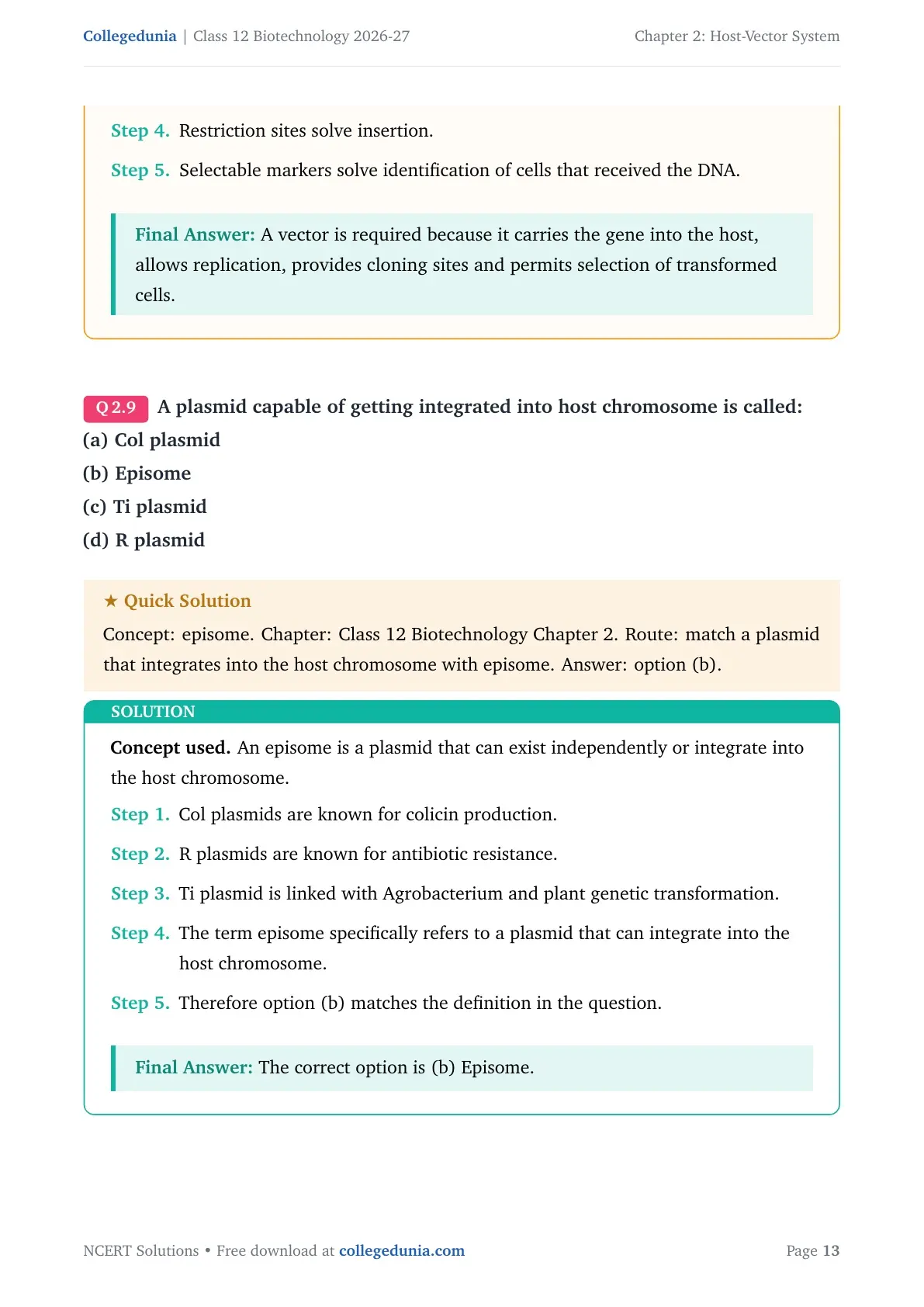
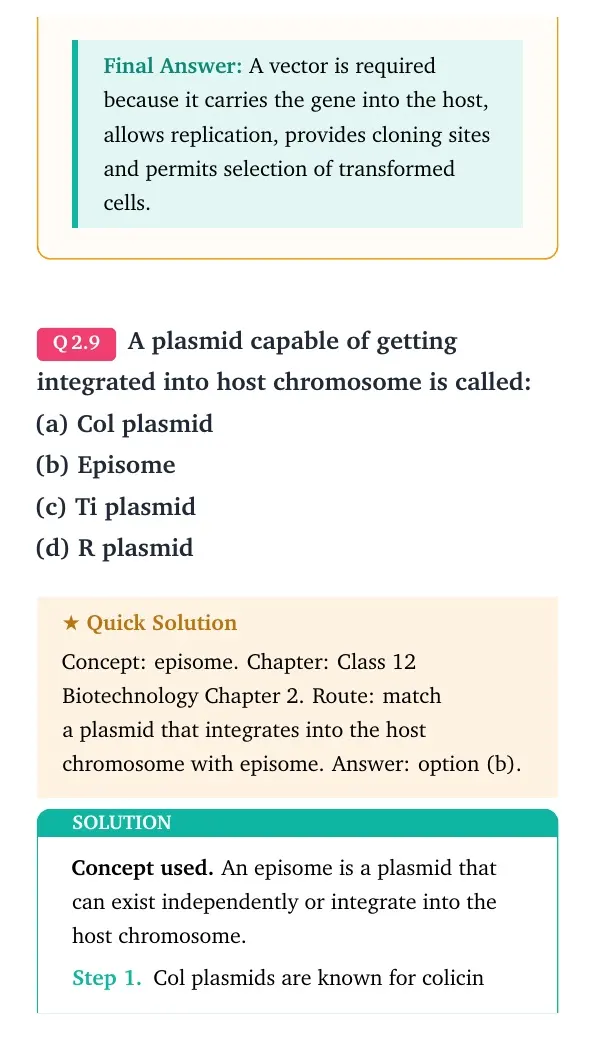
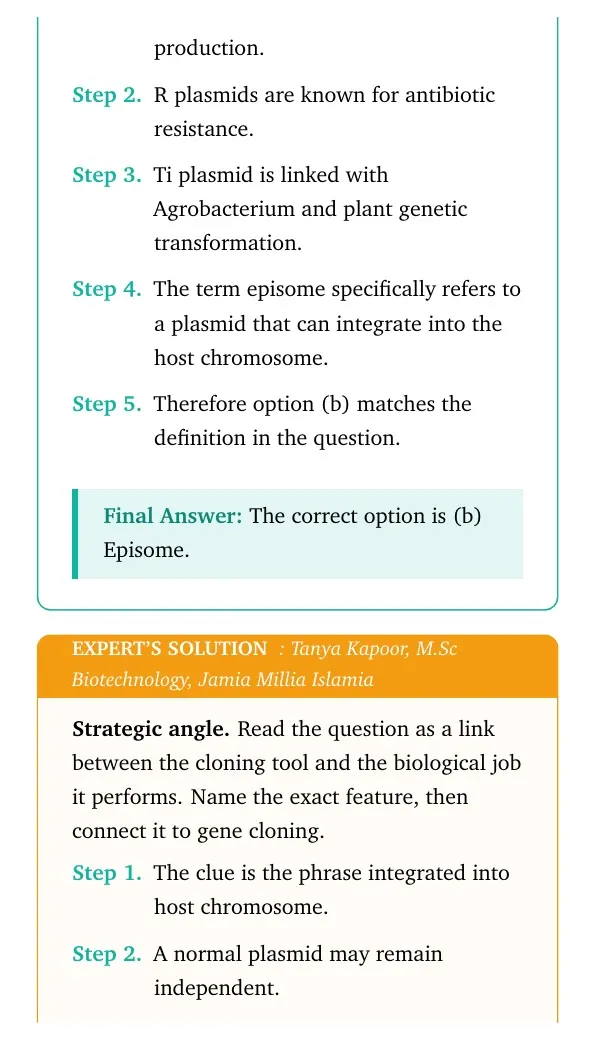
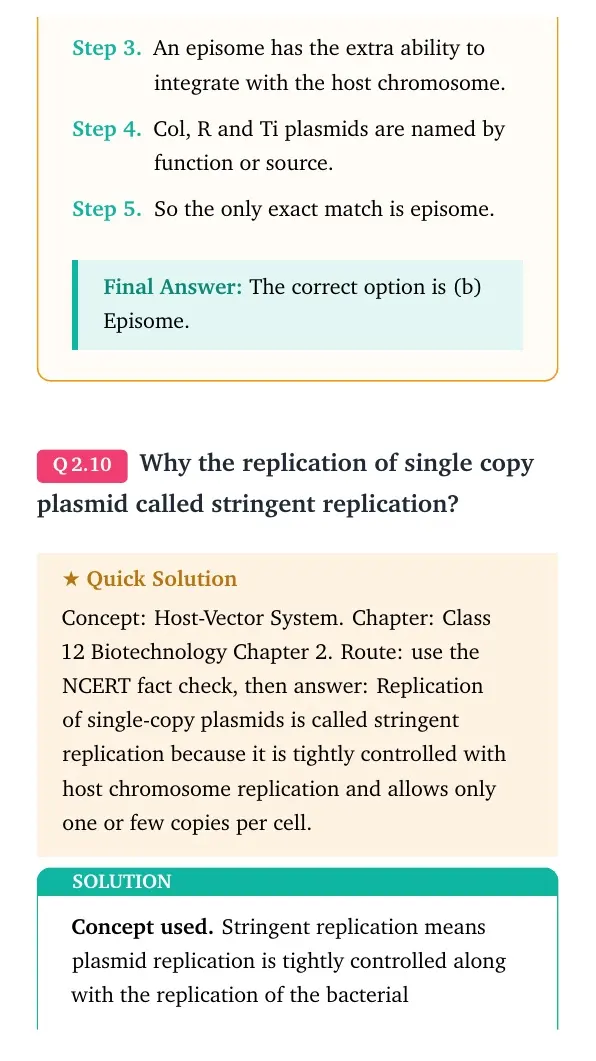
- Episome: a plasmid capable of integrating into the host chromosome.
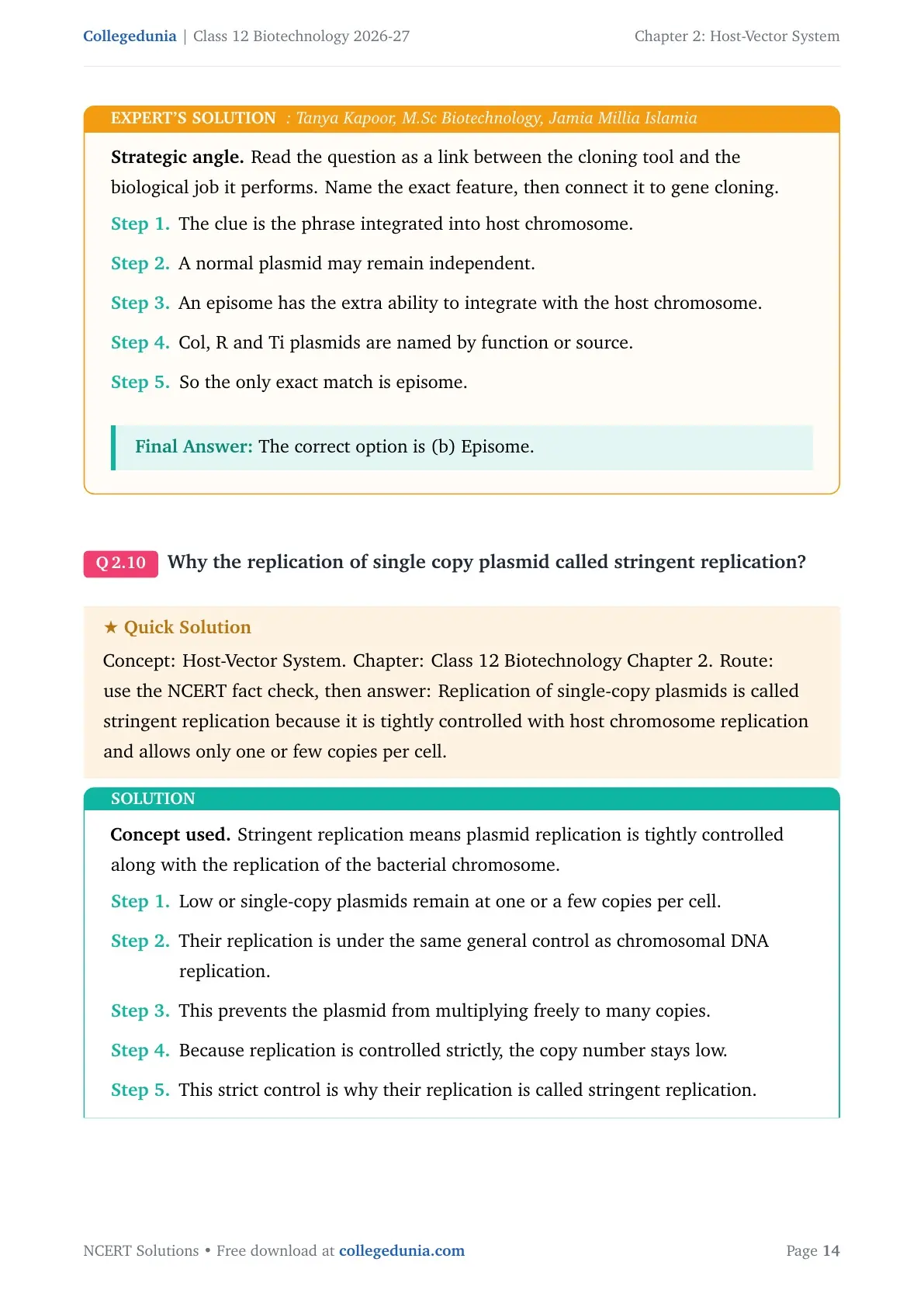
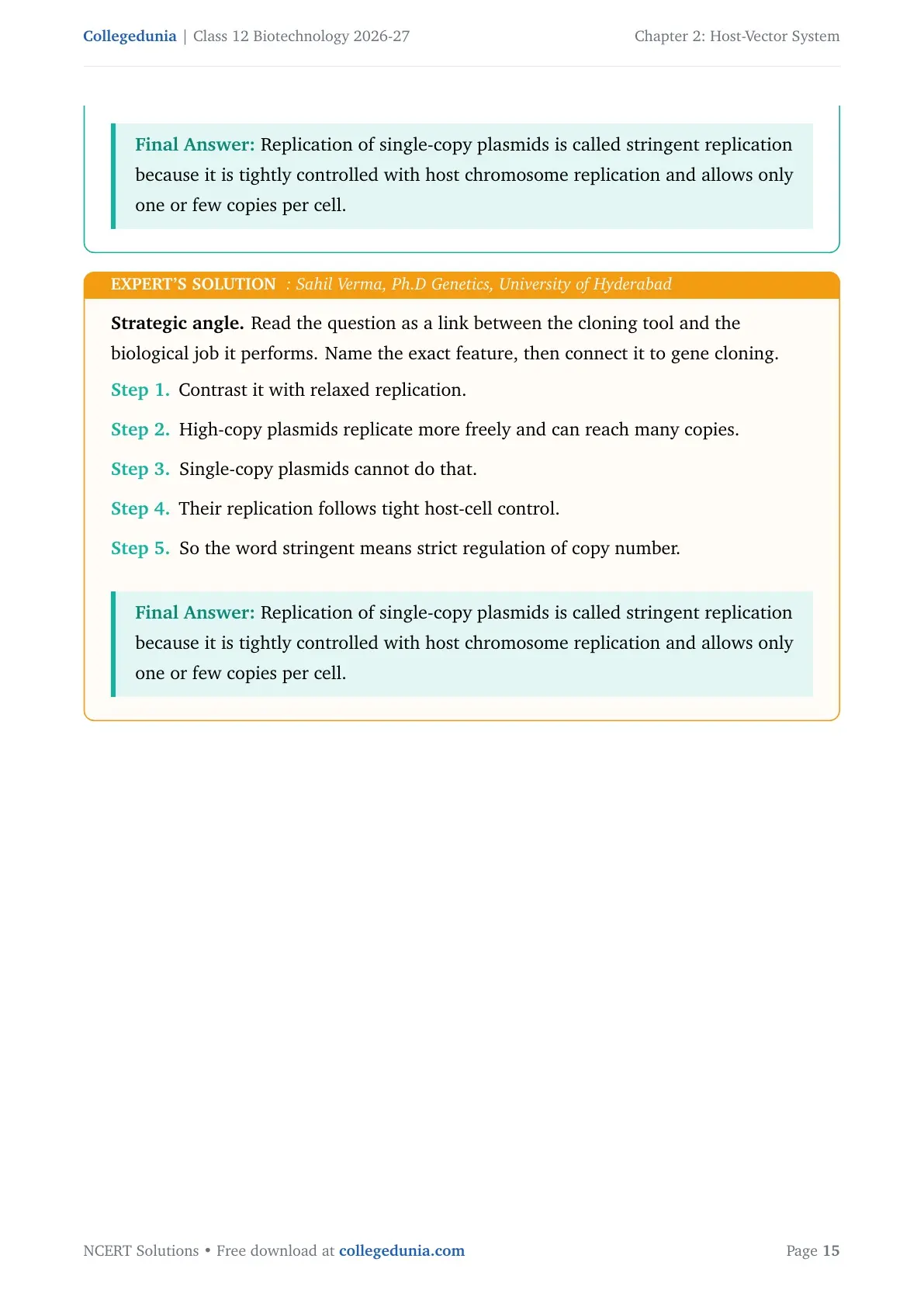
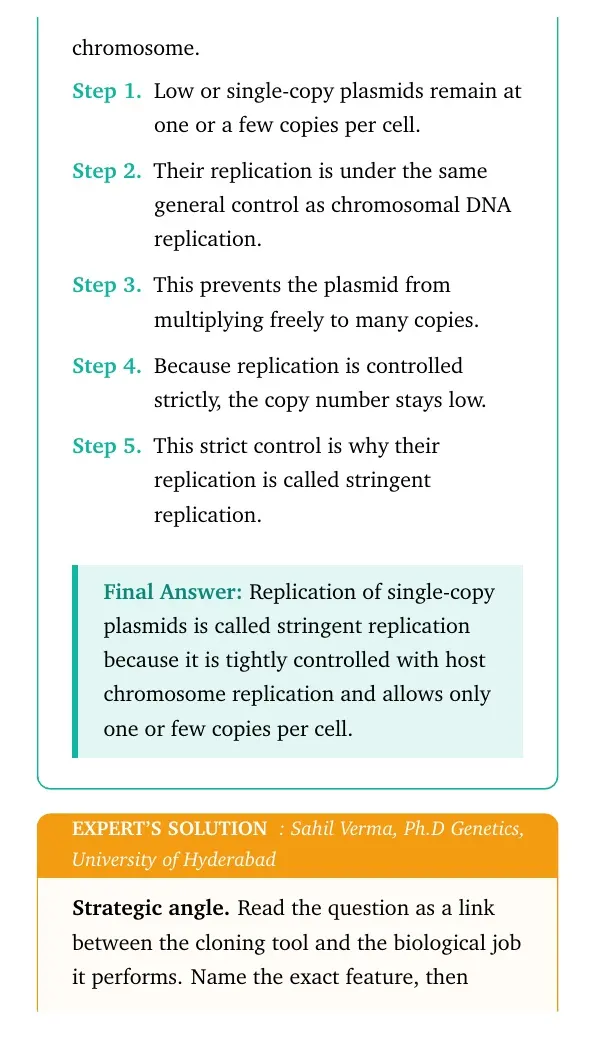
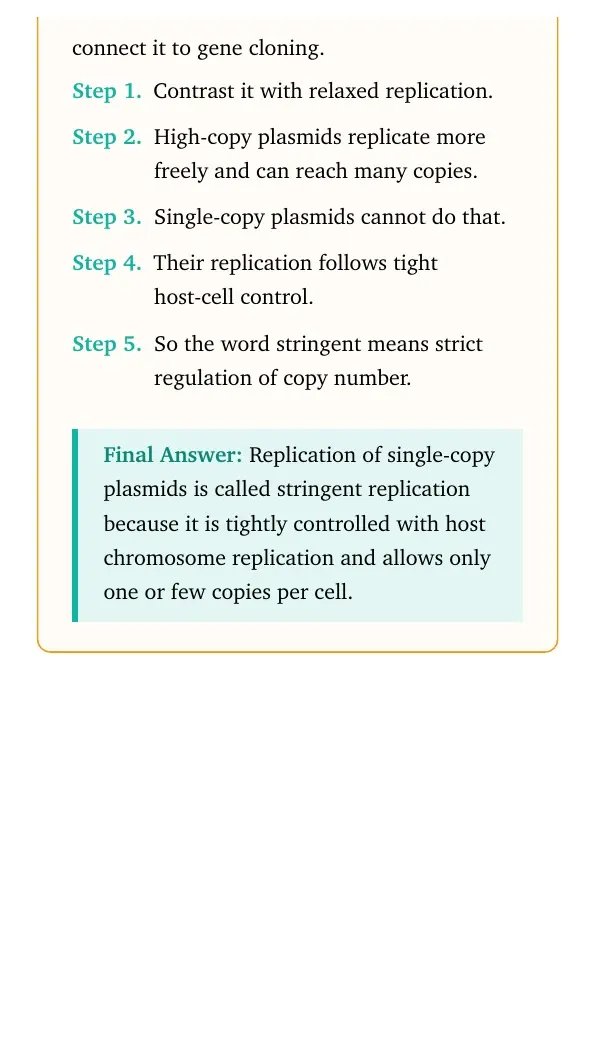
- Stringent replication: single-copy plasmid replication controlled with host chromosome replication.
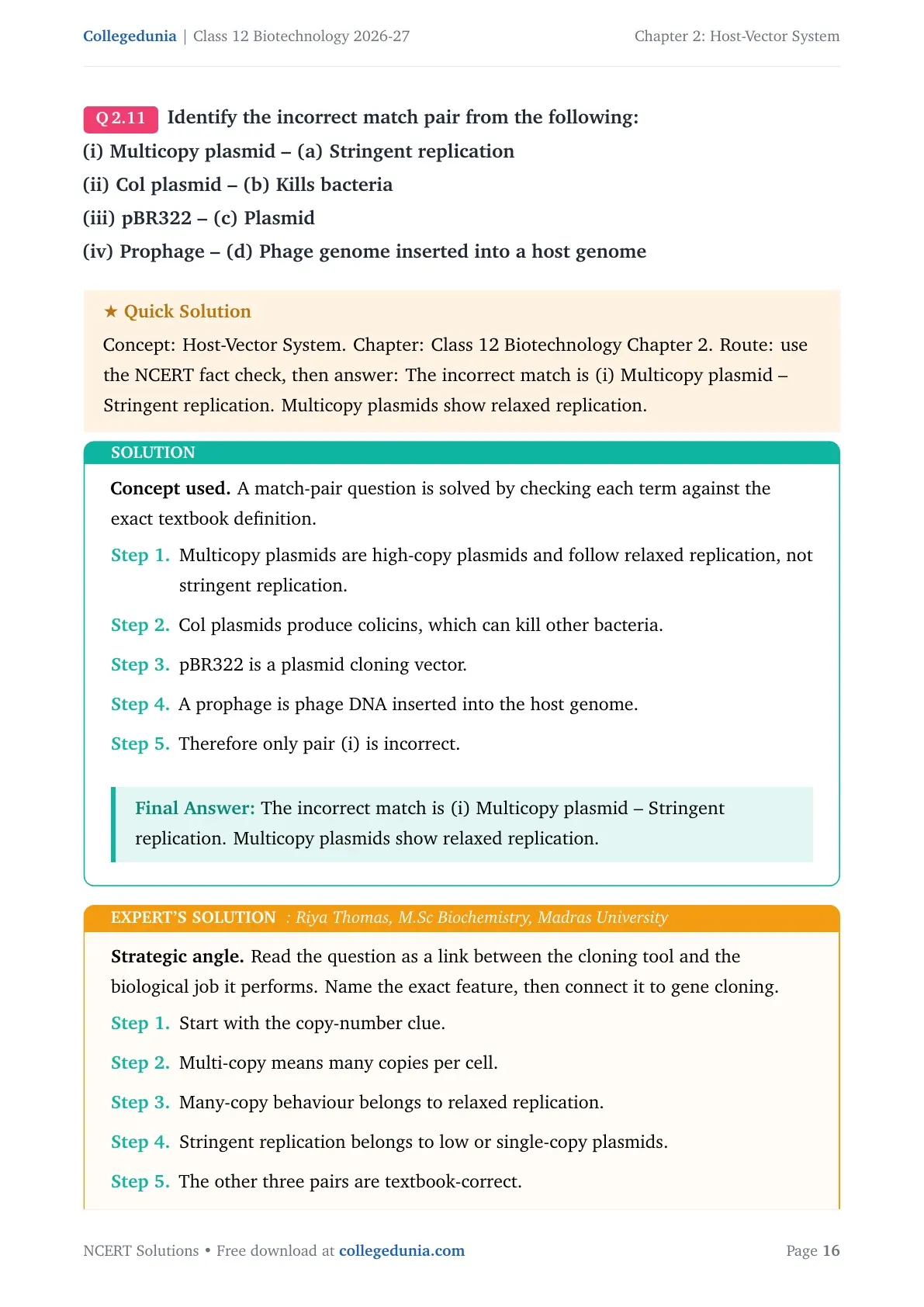
- Incorrect match pair: multicopy plasmid with stringent replication.
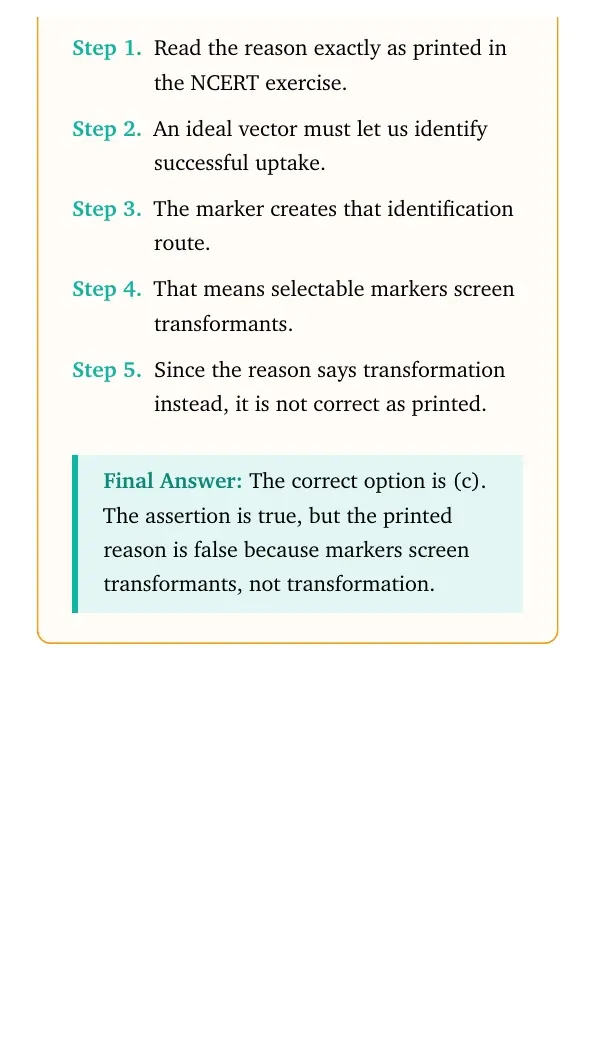
- Selectable marker assertion: option (c), assertion is true but the printed reason is false because markers screen transformants, not transformation.
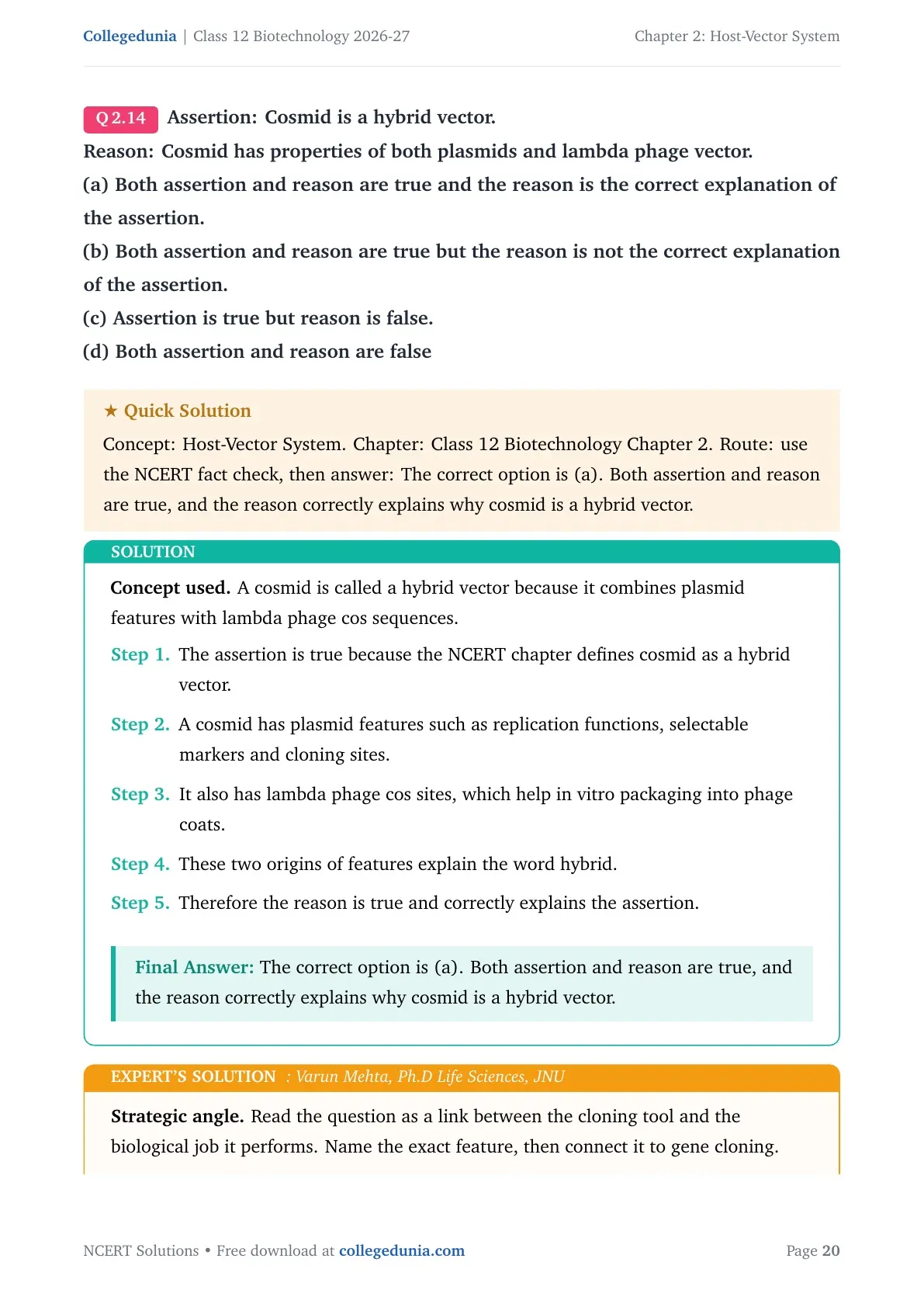
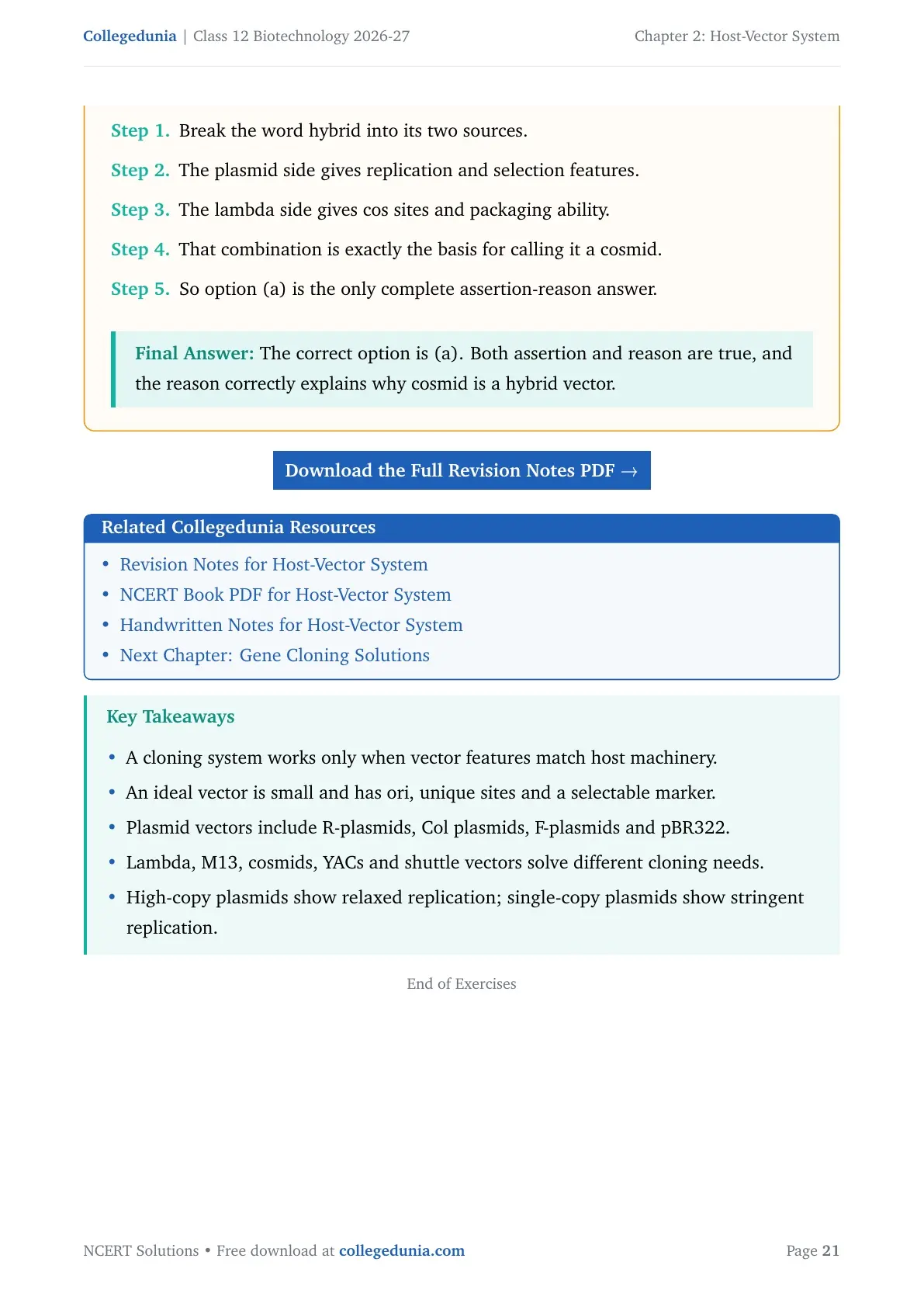
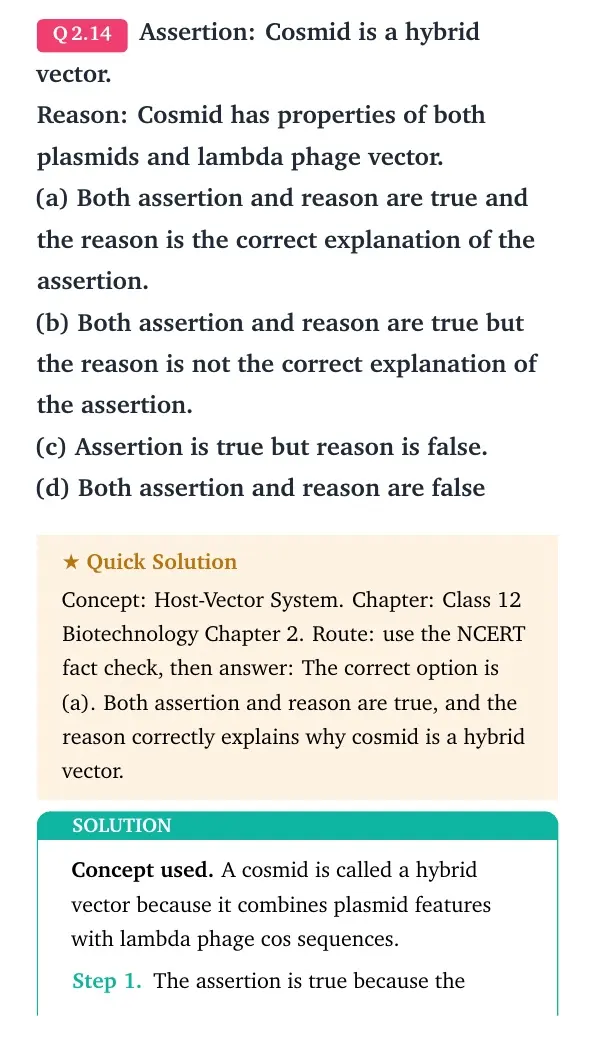
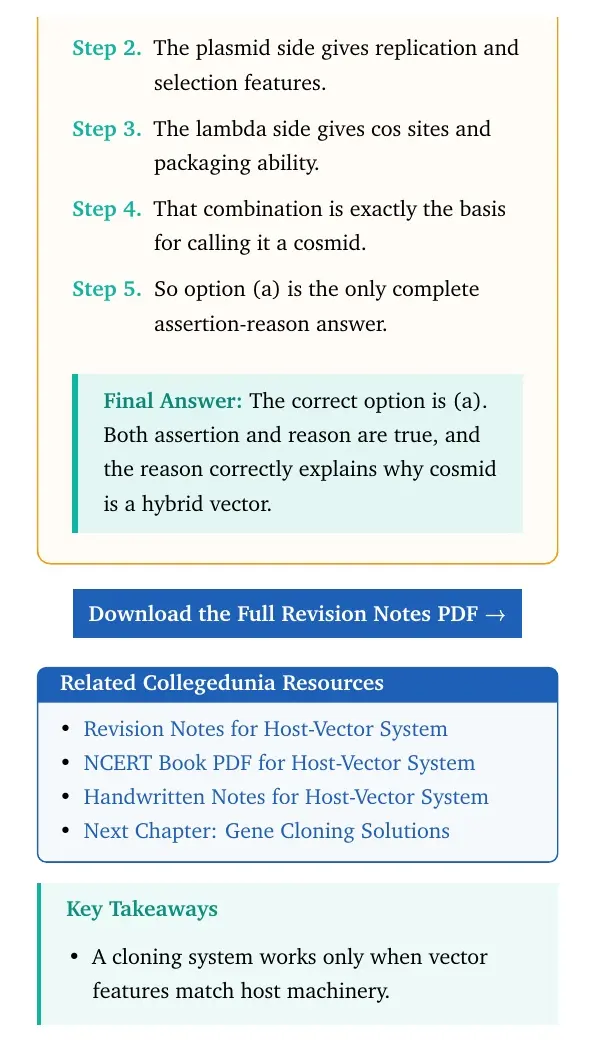
- Cosmid assertion: option (a), cosmid is hybrid because it has plasmid and lambda phage features.
Related Class 12 Biotechnology Chapter 2 Resources
| Resource | Link |
|---|---|
| NCERT Book PDF | Chapter 2 Book PDF |
| Revision Notes | Chapter 2 Notes |
| Handwritten Notes | Chapter 2 Handwritten Notes |
Class 12 Biotechnology NCERT Solutions for Other Chapters
| Chapter | Solutions |
|---|---|
| Chapter 1 | An Overview of Recombinant DNA Technology Solutions |
| Chapter 3 | Gene Cloning Solutions |
| Chapter 4 | Applications of Recombinant DNA Technology Solutions |
Class 12 Biotechnology Chapter 2 NCERT Solutions FAQs
Ques. How many questions are solved in Class 12 Biotechnology Chapter 2 NCERT Solutions?
Ans. The PDF solves all 14 NCERT exercise questions from Host-Vector System, including MCQ and assertion-reason questions.
Ques. What is the correct answer for the episome question?
Ans. The correct answer is episome. An episome is a plasmid that can integrate into the host chromosome.
Ques. Why is single-copy plasmid replication called stringent replication?
Ans. It is tightly controlled with host chromosome replication, so only one or few plasmid copies remain in each cell.
Ques. Are these Biotechnology Chapter 2 solutions useful for 2026-27 board revision?
Ans. Yes. The answers follow the 2026-27 NCERT chapter and explain the exact vector terms tested in the exercise.



Comments