



Content Curator
Blood is the primary bodily fluid, transporting vital nutrients, oxygen, carbon dioxide, and waste products to and from cells. This article will cover key difference between Blood and Plasma. On the contrary to the composition of Blood, plasma is the yellow liquid component of blood that accounts for 55% of total blood volume.
| Table of Content |
Read More: Heart Attack Symptoms
What is Blood?
Blood is an important part of the body’s circulatory system. It assists in the movement of oxygen, nutrients, and metabolic wastes to various regions of the body in both humans and animals, as well as the removal of metabolic waste.
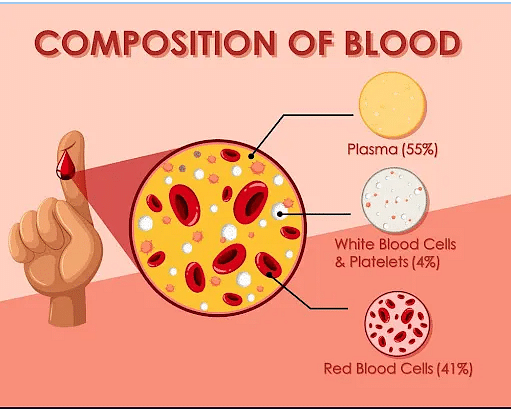
Composition of Blood
What is Plasma?
Plasma is the most important component of blood. It obtains about 55 per cent of the blood, with the remaining 45 per cent consisting of RBC, WBC, and platelets. Only plasma is pale yellow in colour when isolated from the blood, and it absorbs blood, salts, and enzymes. To say simply, plasma is the liquid component of blood.
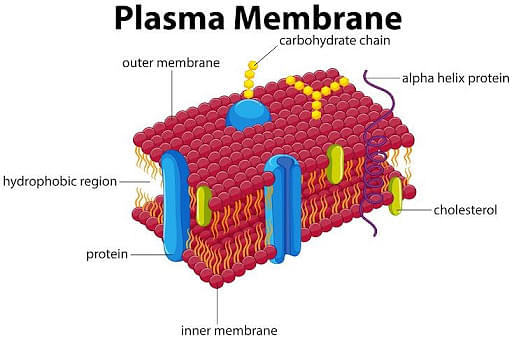
Plasma Diagram
Difference between Blood and Plasma
Composition
Blood: Red blood cells (erythrocytes), white blood cells (leukocytes), and thromobocytes make up blood (platelets).
Plasma: Plasma is composed of 90% water, proteins (albumin, fibrinogen, and globulins), nutrients (glucose, fatty acids, amino acids), waste products (urea, uric acid, lactic acid, creatinine), clotting factors, minerals, immunoglobulins, hormones, and carbon dioxide, with the exception of red, white, and thrombocytes.
Functions
Blood: The vital function of blood is to transport oxygen and nutrients throughout the body. Below is a list of some of the functions.
- It nourishes the tissue with oxygen and other essential nutrients.
- It also aids in the removal of CO2 and other waste products from tissue.
- With the help of platelets, it aids in clotting and cutting at the site of injury.
- It aids in the regulation of body temperature and pH.
Plasma: Plasma, as one of the blood’s constituents, performs a role that is nearly identical to that of blood.
- It keeps the body’s electrolyte and fluid balance in check.
- It aids in immunological function and blood coagulation.
- It will be used by the body as a protein reserve.
- It aids in the transfer of carbon dioxide, necessary nutrients (organic, inorganic, and plasma proteins), hormones (bound to plasma proteins), waste (urea, uric acid, and creatinine), and other substances (drugs and alcohol) to and from the tissues.
Read More: Difference Between Cell Membrane and Plasma Membrane
Storage and Transport:
Blood: Blood can be kept in blood banks for transfusion. Platelets, blood plasma, and coagulation factors are examples of blood products that can be kept and delivered intravenously.
Plasma: Fresh frozen plasma can be stored for up to ten years at -40 degrees Celsius. It can be used to treat coagulopathies (clotting and bleeding disorders) and liver problems since it contains all of the coagulation factors and other proteins found in the blood.
Diseases:
Blood: Anemia (insufficient red cell mass), genetic disorders (thalassemia and sickle cell anaemia), leukaemia (blood cancer), haemophilia (inherited clotting disorder), infectious diseases (HIV, Hepatitis B and C, bacteremia, malaria, trypanosomiasis), and carbon monoxide poisoning are all examples of blood disorders. Dehydration, atherosclerosis, and other conditions are among the others.
Plasma: Excessive drainage or fluid addition might induce volume alterations due to plasma shift. Changes in fluid volume across capillary membranes could be causing this volume variation. This shift can affect blood viscosity, protein concentration, red blood cell concentration, and coagulation factors, among other things.
Things to Remember
- Blood is red in colour whereas Plasma is pale yellow.
- Blood consists of 55% water and plasma has 92% of it.
- Blood has formed its own elements namely blood cells whereas plasma is itself the fluid component of blood having no cells of its own.
- Plasma transports a very little amount of oxygen whereas water has the ability to transport a large amount of oxygen.
- Blood carries haemoglobin whereas plasma does not.
Sample Questions
Ques. What do blood and plasma have in common? (2 Marks)
Ans. Clotting occurs in both blood and plasma. In terms of the overall factor, both are parts of the fluid connective tissue that aids in the body’s numerous processes. A liquid called plasma makes up about half of the content of blood. Plasma contains proteins that help blood to clot, transport substances through the blood, and perform other functions. Blood plasma also contains glucose and other dissolved nutrients. Blood is conducted through blood vessels (arteries and veins).
Ques. What are the diseases that can be caused by Blood and Plasma? (3 Marks)
Ans. Anemia, genetic disorders, leukaemia, haemophilia, carbon monoxide poisoning, infectious conditions, and dehydration are some of the blood disorders.
Diseases caused by plasma include Plasma shift which is caused by excessive drainage or accumulation of fluid in plasma. The shift in fluid volume across capillary membranes could be the reason for this alteration. This could produce a change in the coagulation factor, resulting in coagulation issues.
Ques. Write down the primary difference between plasma and blood? (4 Marks)
Ans. Blood is the body’s fluid connective tissue, consisting of 55 per cent plasma and 45 per cent blood cells. Plasma is the liquid component of blood.
Here are some key differences between Blood and Plasma:
| Parameters | Blood | Plasma |
|---|---|---|
| Definition | Blood is the main bodily fluid and responsible for transporting important nutrients, oxygen, carbon dioxide and waste products to and away from the cells. | Plasma is the yellow liquid component of blood and constitutes 55% of the total blood volume. |
| Composition | Plasma, red blood cells (erythrocytes), white blood cells (leukocytes), and thromobocytes (platelets). | Water (90%), proteins (albumin, fibrinogen and globulins), nutrients (glucose, fatty acids, amino acids), waste products (urea, uric acid, lactic acid, creatinine), clotting factors, minerals, immunoglobulins, hormones and carbon dioxide |
| Nature | Plasma is a liquid component of blood. | After clotting, remaining fluid protein of plasma except clotting substance |
Ques. State two functions of both blood and plasma. (3 Marks)
Ans. Blood: The tissue receives oxygen and other vital nutrients from the blood. Also, the removal of carbon dioxide and other waste products from the tissue is aided by blood.
Plasma: Plasma keeps the body’s electrolyte and fluid balance in check. It helps in immunological activity and blood coagulation.
Ques. Is plasma the main component of blood? (3 Marks)
Ans. Your blood is made up of both liquid and solid components. Plasma, the liquid component, is made up of water, salts, and protein. Red blood cells, white blood cells, and platelets make up the solid part of your blood. Plasma is the liquid component of blood, in which the red blood cells, white blood cells, and platelets are suspended.
It constitutes more than half of the blood's volume and consists mostly of water that contains dissolved salts (electrolytes) and proteins. The major protein in plasma is albumin. Albumin helps keep fluid from leaking out of blood vessels and into tissues, and albumin binds to and carries substances such as hormones and certain drugs. Other proteins in plasma include antibodies (immunoglobulins), which actively defend the body against viruses, bacteria, fungi, and cancer cells, and clotting factors, which control bleeding.
Read more: Electrocardiograph
Ques. What is the composition of plasma? (3 Marks)
Ans. Plasma is mostly water, with roughly 92 percent of it being water. It also includes 7% vital proteins like albumin, gamma globulin, and anti-hemophilic factor, as well as 1% mineral salts, sugars, fats, hormones, and vitamins.
The albumin contained in plasma prevents the blood from losing too much water and consistency as it travels through the narrow, water-permeable blood vessels (capillaries). Albumin transports various blood components and nutrients. The immunoglobulins also contained in plasma are antibodies that, along with white blood cells, play an important role in fighting against pathogens. Clotting factors, in combination with platelets, control hemorrhaging.



Comments