



Content Curator
Estrogen and Progesterone are steroidal hormones that regulate reproduction in mammals. They are in charge of the womb's growth and function. They operate in the uterus by controlling the transcription of certain genes. Before giving delivery, the ovaries produce the calming hormone. Inhibin, a basic hormone, is vital for alerting the pituitary to limit the release of follicle-stimulating hormones.
| Table of Content |
Key Terms: Follicle-Stimulating Hormone, Grafian Follicle, Estriol, Estradiol, Estrone, Luteinizing Hormone
What are Ovaries?
[Click Here for Sample Questions]
Ovaries are a couple of ova-producing glands (i.e., they generate egg cells) that keep the reproductive system in good working order. Like with the testes in men, the ovaries are referred to as gonads. This merely demonstrates that they are the major reproductive organs.

Ovary: Structure
In addition to generating ova, the ovaries are classified as endocrine glands because they release hormones essential for the proper reproductive phase and ovulation, particularly estrogen and progesterone.
What is Estrogen?
[Click Here for Sample Questions]
Before ovulation, the female hormone estrogen is created in the ovaries. The follicle-stimulating hormone regulates the release of this hormone (FSH). When a woman becomes pregnant, estrogen helps to develop pregnancy-related characteristics such as breast growth and the production of certain uterine structures.

Estrogen: Structure
The Grafian Follicle produces estrogen hormone, which is responsible for secondary sexual characteristics, including armpit hair, pubic hair, hip widening, etc. Estrogen regulates a woman's menstrual cycle and the reproductive system's other activities. In addition, it is in charge of preparing the female body for conception and childbirth. In reality, estrogen is responsible for the noticeable difference between a female and male physique.
Types of Estrogen
[Click Here for Sample Questions]
Estrogen is involved in a variety of biological activities. Estrogen comes in a variety of forms:
Estrone: After menopause, the body produces this form of estrogen. It's a less potent version of estrogen that the body can transform to other estrogens as needed.
Estradiol: During the reproductive years in females, the most frequent estrogen is estradiol. It is produced by both females and males. High levels of estradiol, osteoporosis, acne, depression and lack of sexual desire are the possible side effects that can be seen in the body. Furthermore, the risk of getting breast and uterine cancer increases with an increase in estradiol levels. Contradictorily, low amounts of estradiol can lead to cardiovascular and obesity problems.
Estriol: Estriol levels rise during pregnancy as the uterus grows and the body prepares for birth. Estriol levels are at their highest right before delivery.
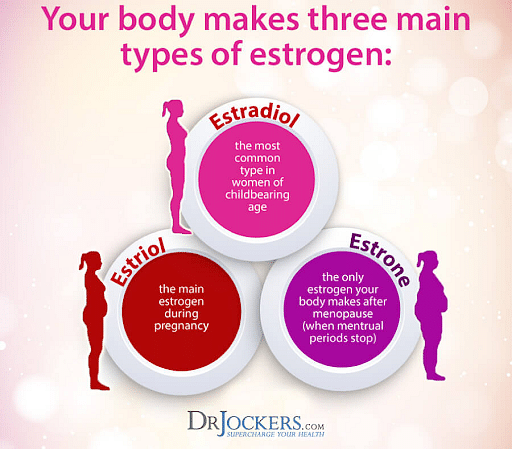
Types of Estrogen
Functions of Estrogen
[Click Here for Sample Questions]
Estrogen makes it possible for the following systems to work:
- First, estrogen stimulates the development of the egg follicle in the ovaries.
- Estrogen maintains the thickness of the vaginal mucosa.
- The vaginal wall's most trusted source of lubrication.
- The membrane of mucous that lines the uterus is enhanced and maintained by estrogen. It also controls the thickness and flow of uterine mucus discharges.
- Estrogen is used by the body to produce breast tissue. It also aids in the cessation of milk supply following weaning.

Estrogen Function: Role and Effects
What is Progesterone?
[Click Here for Sample Questions]
Progesterone is a steroidal hormone that aids in preparing the womb for pregnancy. Both the placenta and the ovaries generate it. In addition, the adrenal glands also produce progesterone. However, progesterone's primary role is to prepare the body for fertilization and childbirth. During pregnancy, progesterone is produced by the corpus luteum, an ovarian follicle in the luteal phase.

Progesterone
Luteinizing hormone controls the generation and release of progesterone (LH). Progesterone causes the endometrium to create particular proteins that nurture the fertilized egg throughout the second half of the menstrual cycle. If fertilization somehow doesn't occur, progesterone levels drop, as do estrogen levels.
The placenta also generates progesterone throughout pregnancy. As a result, progesterone levels stay high throughout the pregnancy. In addition, breast milk production is also stimulated by progesterone.
Similarities between Estrogen and Progesterone
[Click Here for Sample Questions]
The two forms of female sex hormones are estrogen and progesterone.
- Progesterone and estrogen are both steroid hormones.
- During the menstrual cycle, both estrogen and progesterone are produced.
- During pregnancy, both estrogen and progesterone play a role.
- Birth control tablets include estrogen and progesterone as part of the contraceptive formulation.

Estrogen and Progesterone
Difference between Estrogen and Progesterone
[Click Here for Sample Questions]
| Estrogen is a steroidal hormone that plays a key role in women's reproductive maturation. | Progesterone is a steroidal hormone that helps to strengthen the womb for childbirth. |
| Estrogen is generated by the Grafian follicle when it grows. | The corpus luteum is the organ that produces progesterone. |
| The ovaries release estrogen before ovulation. During pregnancy, the placenta also produces it. | Progesterone is a hormone produced by the ovaries following ovulation. During pregnancy, the placenta also produces it. |
| FSH is a hormone that regulates estrogen production. | The hormone LH controls progesterone production. |
| Estrogen has a role in developing and keeping proper care of secondary sex traits. It also plays a role in bone resorption. | Progesterone is a hormone that helps build and maintain the endometrium and uterus. |
| Estrogen has a role in the uterus and breasts expanding during pregnancy. | Progesterone is a hormone that helps to reduce uterine contractility and encourages the formation of mammary glands. |
Diseases of Ovaries
[Click Here for Sample Questions]
">Diseases of Ovaries- Ovarian Cancer: Ovarian cancer is a deadly, although uncommon, illness. It normally doesn't show signs till cancer has advanced to the final phases. Consistent stomach discomfort, indigestion, bloating, irregular uterine bleeding, and pain during sexual intercourse are all symptoms of ovarian cancer. Because these are frequent issues, they will not signal malignancy in the vast majority of cases.

Ovarian Cancer
- Polycystic Ovary Syndrome (PCOS) is caused mainly by a hormonal imbalance, with elevated androgen production causing many symptoms. These individuals often have high amounts of free testosterone. Overweight, insulin resistance and type 2 diabetes are frequent among persons diagnosed with PCOS. With weight decrease, many of the symptoms of PCOS diminish.

Polycystic Ovary Syndrome (PCOS)
- Osteoporosis: Like mood swings and hot flashes, osteoporosis is usually linked with menopause. The fast reduction of estrogen that occurs during menopause is known as menopause. The function of estrogen in bone loss is best defined as a conflict between osteoclasts (bone-absorbing cells) and osteoblasts (bone-forming cells) (bone-producing cells). Estrogen is on the osteoblasts' side, but when estrogen levels drop, the osteoblasts are discouraged from making additional bone. As a result, the osteoclasts win because they absorb more bone than the osteoblasts produce.

Estrogen Osteoporosis Relation
Things to Remember
[Click Here for Sample Questions]
- Estrogen and progesterone are hormones of the female reproductive system.
- Estrogen is generated by the Grafian follicle when it grows, whereas the corpus luteum is the organ that produces progesterone.
- There are three types of estrogen: estrone, estradiol, and estriol.
- An estrogen imbalance causes irregular or non-existent menstruation.
- Estrogen is used by the body to produce breast tissue, while breast milk production is stimulated by progesterone.
Sample Questions
Ques. What is the location of the production of estrogen and progesterone? (1 mark)
Ans. A woman's ovaries generate the hormones estrogen and progesterone.
Ques. What does estrogen do? (3 marks)
Ans. Estrogen has a variety of roles in the body. Some of them are:
- Includes thickening the lining of the uterus in preparation for the implantation of a fertilized egg.
- Influences how calcium, a vital bone-building mineral, is used by your body.
- Aids in the maintenance of normal levels of cholesterol.
- Maintains the health of your vaginal area.
- Aids in the prevention of osteoporosis.
Ques. What is the function of progesterone? (2 marks)
Ans. Progesterone aids in the preparation of the uterus for the implantation of a fertilized egg and the maintenance of your pregnancy, among other things. Blood pressure is controlled. Promotes sleep and mood.
Ques. What is hormone therapy (HT), and how does it work? (4 marks)
Ans. The ovaries cannot generate large estrogen and progesterone as you approach menopause. Uncomfortable sensations might result from changes in these hormone levels. Hot flashes are a common symptom of menopausal.
- Sweaty nights and chilly flashes
- Dryness in the vaginal area; sex discomfort
- Feeling the desire to go to the bathroom (urinary urgency).
- Sleeping problems (insomnia).
- Mood fluctuations, moderate sadness, or irritability are all possible symptoms.
- Itchy skin, eye strain, and a dry mouth are all symptoms of dehydration.
Hormone therapy (HT) is a treatment that increases hormone levels while also alleviating some symptoms of menopause.
Ques. What forms of hormone treatment (HT) are there? (3 marks)
Ans. Hormone treatment (HT) is divided into two categories:
Estrogen Replacement Therapy: Estrogen is given on its own. Doctors frequently recommend a modest amount of estrogen to be taken every day as a tablet or patch. Estrogen is also available as a cream, a vaginal ring, a gel, or a spray. To treat menopausal symptoms and prevent osteoporosis, one should take the smallest quantity of estrogen possible.
EPT stands for Estrogen Progesterone/Progestin Hormone Therapy. This kind of HT, also known as combination treatment, combines estrogen and progesterone doses (or progestin, a synthetic form of progesterone).
Ques. What are some elements that influence the amount of estrogen in a woman's body? (2 marks)
Ans. Estrogen levels can be affected by a variety of factors, including:
- Lactation, maternity, and the end of pregnancy
- Puberty, old age group, overweight, and menopause
- Anorexia nervosa or severe diets
- Activity or training that is physically demanding
Ques. What occurs if there is an estrogen deficiency? (2 marks)
Ans. An estrogen imbalance causes irregular or non-existent menstruation. More severe premenstrual or menopausal symptoms include light or heavy bleeding during menstruation, heat flushes, nocturnal sweats, or noncancerous tumors in the breast and uterus, as well as mood swings and sleeping issues like gaining weight, primarily in the hips, thighs, and waist.
Ques. List some of the dangers associated with birth control tablets. (3 marks)
Ans. Birth control tablets may raise your chances of developing:
- Stroke and heart attack
- clots in the blood
- pulmonary embolism
- headaches caused by nausea and vomiting
- weight changes due to irregular bleeding
- soreness and swelling in the breasts



Comments