





Deggendorf Institute of Technology admissions follow Germany’s applied-sciences model, admitting international students with a Class XII score of around 65 percent or higher for bachelor’s programs and a relevant Bachelor’s degree at 60 percent or higher for master’s programs.
- Next live deadline for the primary Winter Semester intake (October start): 15 July 2027 for Winter Semester 2027/28.
- Base tuition: €0 per semester for most programs (MSc EE and IT is €1,000 per year, around ₹1.09 Lakhs), plus a non-EU application fee of €60 (around ₹6,549) charged once via Primuss.
- Eligibility floor: UG needs Class XII at 65 percent or higher with subject relevance; PG needs a Bachelor’s at 60 percent or higher; English at IELTS 5.5 for B2-level programs and IELTS 6.5 for C1-level programs.
- Acceptance rate is estimated at 55 to 60 percent, based on program-level intake patterns across engineering and IT tracks; the university does not publish an official institutional figure.
Popular Indian-student picks at Deggendorf Institute of Technology include the MSc Artificial Intelligence and Data Science, MSc Applied Computer Science, and MSc Electrical Engineering and Information Technology. Indian students consistently rate the low-cost tuition, English-taught masters catalogue, and Lower Bavaria living costs as the strongest reasons to apply.
Table of Contents
- Deggendorf Institute of Technology Application Deadlines
- DIT Eligibility Rules for Indian Students
- DIT PG Programs and English Score Table
- THD UG Programs and Eligibility
- Deggendorf Institute of Technology PhD Route
- DIT Application Process Step by Step
- THD Admission Decisions Timeline
- DIT Documents Required Checklist
- Deggendorf Institute of Technology Acceptance Rate
- Germany Student Visa for DIT Applicants
- THD Application Tips and Checklist
- DIT Admissions: Frequently Asked Questions
Deggendorf Institute of Technology Application Deadlines
Deggendorf runs two fixed intakes each year, sourced from the official DIT apply page. The Winter Semester (October start) is the primary intake, opening most bachelor’s and master’s programs. Summer Semester (March start) has a narrower course list. A subset of programs uses an extended September window; a subset closes early on 1 December for summer.
DIT’s primary intake for Indian students is Winter Semester (October) — most programs open here.
| Intake | Level | App Opens | Deadline | App Fee | Portal |
|---|---|---|---|---|---|
| Winter Semester 2027/28 (Oct 2027) — Primary intake | UG and PG | 15 April 2027 | 15 July 2027 | €60 (₹6,549) | Primuss |
| Winter Semester 2027/28 (extended window, select programs) | UG and PG | 15 April 2027 | 15 September 2027 | €60 (₹6,549) | Primuss |
| Summer Semester 2027 (March 2027) | UG and PG (limited catalogue) | 1 October 2026 | 15 January 2027 | €60 (₹6,549) | Primuss |
| Summer Semester 2027 (early close, select programs) | UG and PG | 1 October 2026 | 1 December 2026 | €60 (₹6,549) | Primuss |
| Winter Semester 2026/27 (Oct 2026) | UG and PG | 15 April 2026 (Closed) | 15 July 2026 (Closed) | €60 (₹6,549) | Primuss |
Planning note: Book your IELTS or TOEFL slot at least 10 weeks before your target deadline, since APS certification for Indian applicants adds 3 to 4 weeks after documents reach the German embassy.
Deggendorf Institute of Technology Eligibility Rules for Indian Students
Eligibility at Deggendorf Institute of Technology is built around three thresholds: academic score in the subject stream, English proficiency at the level the program specifies, and a stated German-language milestone tied to the graduation stage. The floors below apply institution-wide; program-specific pages may tighten them.
- UG general entry: Class XII at 65 percent or higher in the relevant stream from a recognised Indian board.
- UG engineering and IT tracks: Class XII with Mathematics and Physics studied through Class XII.
- PG general entry: Bachelor’s at 60 percent or higher in a directly related subject with 180 ECTS equivalent.
- English (B2 programs): IELTS 5.5 to 6.5 with 5.5 in each section, or TOEFL iBT 59 to 75, or PTE Academic 59 to 75.
- English (C1 programs): IELTS 6.5 with 5.5 in each section, or TOEFL iBT 72 to 94.
- German for English-taught bachelor’s: A1 at application, A2 by graduation.
- German for English-taught master’s: B1 by graduation.
Deggendorf Institute of Technology IELTS Waiver for Indian Students
DIT does not accept a general Medium of Instruction (MOI) letter waiver for Indian applicants. A valid IELTS, TOEFL iBT, PTE Academic, or equivalent certificate at the program’s stated level is compulsory. Only prior degrees fully taught and examined in English at a recognised university may substitute the test on a case-by-case review; check with the international office before applying.
Note: Program-specific entry requirements, fees, and intake availability may differ from the institution-wide minimums shown above. Always confirm on the official Deggendorf Institute of Technology page for your chosen program before applying.
Deggendorf Institute of Technology PG Programs and English Score Table
The DIT English-taught master’s catalogue is dominated by engineering, computer science, and health tracks. Base tuition for the majority of PG programs is €0 per semester; the MSc Electrical Engineering and Information Technology levies €1,000 per year (around ₹1.09 Lakhs). All students pay the semester service and union fees separately — see the fees page for the detailed fee breakdown.
| Programme | Duration | Minimum Eligibility | English Req. Min. |
|---|---|---|---|
| MSc Artificial Intelligence and Data Science | 24 months | Bachelor’s at 60% or higher in CS, IT, Data Science, or related | IELTS 6.5 |
| MSc Applied Computer Science | 18 months | Bachelor’s at 60% or higher in Computer Science with 180 ECTS | IELTS 6.5 |
| MSc Electrical Engineering and Information Technology | 18 months | Bachelor’s at 60% or higher in EE, ECE, or related | IELTS 6.5 |
| MEng Applied Artificial Intelligence for Digital Production Management | 18 months | Bachelor’s at 60% or higher in Engineering or CS | IELTS 6.5 |
| MSc AI for Smart Sensors and Actuators | 18 months | Bachelor’s at 60% or higher in Electronics or related | IELTS 6.5 |
| MSc High Performance Computing and Quantum Computing | 18 months | Bachelor’s at 60% or higher in CS, Physics, or Mathematics | IELTS 6.5 |
| MSc Life Science Informatics | 18 months | Bachelor’s at 60% or higher in Life Sciences, CS, or related | IELTS 6.5 |
| MEng Mechatronic and Cyber-Physical Systems | 18 months | Bachelor’s at 60% or higher in Mechatronics or ME | IELTS 6.5 |
| MSc Healthy and Sustainable Buildings | 24 months | Bachelor’s at 60% or higher in Civil, Architecture, or Building | IELTS 6.5 |
| MA Strategic and International Management | 18 months | Bachelor’s at 60% or higher in Business, Economics, or related | IELTS 6.5 |
| MSc Global Public Health | 18 months | Bachelor’s at 60% or higher in Health, Life Sciences, or Medicine | IELTS 6.5 |
Insider note: The MSc EE and IT is the one PG program that charges tuition (€1,000 per year, around ₹1.09 Lakhs). It stays the cheapest paid English-taught master’s in its subject band across German public universities.
Note: Program-specific entry requirements, fees, and intake availability may differ from the institution-wide minimums shown above. Always confirm on the official Deggendorf Institute of Technology page for your chosen program before applying.
Deggendorf Institute of Technology UG Programs and Eligibility
DIT’s English-taught bachelor catalogue covers AI, business, industrial engineering, and energy tracks. All UG programs at DIT charge €0 tuition per semester; the standard non-tuition semester costs (service fee and student union fee) still apply. Indian applicants also need German A1 at application, rising to A2 by graduation.
| Programme | Duration | Minimum Eligibility | English Req. Min. |
|---|---|---|---|
| B.Sc. Artificial Intelligence | 7 semesters | Class XII at 65% or higher with Mathematics through Class XII | IELTS 5.5 |
| B.A. International Management | 7 semesters | Class XII at 65% or higher with Commerce or Business background | IELTS 5.5 |
| B.Sc. Health Informatics | 7 semesters | Class XII at 65% or higher with PCM or PCB | IELTS 5.5 |
| B.Eng. Electrical Engineering and Information Technology (International) | 7 semesters | Class XII at 65% or higher with Physics and Mathematics | IELTS 5.5 |
| B.Eng. Electromobility, Autonomous Driving and Mobile Robotics | 7 semesters | Class XII at 65% or higher with PCM | IELTS 5.5 |
| B.Sc. Industrial Engineering (English) | 7 semesters | Class XII at 65% or higher with Mathematics | IELTS 5.5 |
| B.Sc. Energy Systems Engineering | 7 semesters | Class XII at 65% or higher with PCM | IELTS 5.5 |
Deggendorf Institute of Technology PhD Route for Indian Applicants
Deggendorf runs a doctoral route through two doctoral centres: the Promotionszentrum DigiTech, which was awarded independent doctoral rights in November 2023 with TH Augsburg and Landshut UAS, and the emerging Promotionszentrum PRISMA Health with TH Rosenheim. A PhD is granted through these consortia rather than by DIT alone.
Deggendorf Institute of Technology PhD Steps
- Identify a supervisor whose research group at DIT matches your subject and cold email with your CV, transcripts, and a two-page research proposal.
- Once accepted, formally register at the relevant Promotionszentrum through the supervisor.
- Apply for funding via a Doctoral Fellowship, a project position, or an external stipend like DAAD.
Deggendorf Institute of Technology PhD Funding
DIT-linked PhD candidates typically fund through DAAD, project positions, or the Bavarian State stipend. Explore the full funding for Indian students via the DIT scholarships page. Deutschlandstipendium at DIT is capped at €3,600 per year (around ₹3.93 Lakhs) but is normally routed to bachelor’s and master’s students.
Note: Program-specific entry requirements, fees, and intake availability may differ from the institution-wide minimums shown above. Always confirm on the official Deggendorf Institute of Technology page for your chosen program before applying.
Deggendorf Institute of Technology Application Process Step by Step
The Deggendorf Institute of Technology application flow uses the university’s own Primuss portal; DIT does not route through uni-assist. Indian applicants must complete APS certification first, then upload the APS certificate inside Primuss along with the standard document set.
- Get APS certified. Book your interview at the APS India office in Delhi — plan for a 3 to 4 week turnaround.
- Create an account on the Primuss application portal.
- Select your program for the Winter or Summer intake — check the extended and early-close subsets against your program.
- Upload documents as PDFs: APS, transcripts, degree, IELTS, passport, CV, SOP, LORs, and any program-specific test.
- Pay the application fee of €60 (around ₹6,549) on Primuss via card. No fee refund on rejection or incomplete submission.
- Submit and wait for a Primuss status update. Interviews are program-dependent; most PG tracks call for one shortlisting round.
- Accept the offer in Primuss to trigger the Zulassung (admission letter) that unlocks the visa file.
Deggendorf Institute of Technology Admission Decisions Timeline
Decisions at Deggendorf Institute of Technology are released on a rolling basis through Primuss once each application clears review; there is no single results day. Indian applicants can expect a decision 4 to 8 weeks after the deadline closes, and shortlisted PG candidates may be called for a 20 to 30 minute technical interview before the offer.
- Offer window: Winter Semester offers typically drop between mid-July and mid-September.
- Acceptance deadline: Confirm inside Primuss within the date printed on your Zulassung, usually 2 to 3 weeks after issuance.
- Conditional offers: Issued when the German A1 certificate or a pending final transcript is the only missing item.
- Deferral: DIT does not allow standard deferrals; withdrawn applicants must reapply in the next cycle.
Deggendorf Institute of Technology Documents Required Checklist
Every Indian applicant assembles the same paperwork inside Primuss regardless of program level, with minor extras for engineering and health tracks. Every uploaded scan must be a legible PDF, and originals travel with you when you apply for the visa. Keep two certified sets ready.
- Valid passport (bio page, minimum 12 months validity beyond intended stay)
- APS certificate from the German Embassy office in India
- Class X and XII certificates and marksheets, certified true copies
- Bachelor’s degree and consolidated transcripts (for PG applicants)
- English proficiency score report (IELTS, TOEFL iBT, or PTE)
- German language certificate (A1 for UG applicants, at the level required by the specific PG)
- Statement of Purpose specific to the chosen program
- Two Letters of Recommendation on academic or employer letterhead
- Curriculum Vitae in Europass or academic format
- Work experience letters (where the program requires prior industry exposure)
- Copy of the €60 Primuss payment receipt
- Passport-size photograph in biometric specification
Deggendorf Institute of Technology Acceptance Rate
DIT does not publish an official institutional acceptance rate. Based on program-level intake patterns across its engineering and IT tracks, the acceptance rate is estimated at 55 to 60 percent for well-prepared international applicants who meet the stated eligibility floor.
What Boosts Odds at Deggendorf Institute of Technology
Applications that clear the DIT bar in the first review usually share three traits: an APS certificate ready on submission day, an IELTS score at least 0.5 bands above the program floor, and a Statement of Purpose that names the exact research groups or modules the applicant plans to engage with. Programs like MSc AI and Data Science and MSc Applied CS run tighter than the institution average because Indian applicant volume is highest there.
Where Deggendorf Institute of Technology Applications Fail
Most rejections at DIT trace back to missing APS at the time of application, an ECTS shortfall in the Bachelor’s subject match, or a Statement of Purpose that reads as generic. Weak German language proof for programs that need A1 or A2 at application is the fourth common blocker.
Insider note: DIT reviewers give material weight to whether a PG applicant’s Bachelor’s carries 180 ECTS equivalent. Attach a credit-mapping letter from your Indian university if your degree is a three-year Bachelor’s, since that is the single most common rejection ground for Indian applicants.
Germany Student Visa for Deggendorf Institute of Technology Applicants
Indian students enrolling at Deggendorf Institute of Technology apply for the Germany National Visa (Type D) for studies at the VFS Global centre linked to the German Embassy. Book your slot within 2 weeks of receiving the DIT Zulassung, because embassy calendars in Delhi, Mumbai, Bangalore, and Chennai fill fast between May and August. You will need the Zulassung, APS certificate, valid passport, IELTS, degree documents, and proof of finances totalling €11,904 per year (around ₹12.99 Lakhs) in a German blocked account (Sperrkonto).
Purchase mandatory German health insurance before travel; use travel insurance for the first 90 days and switch to statutory or private German insurance on arrival. Within 14 days of reaching Deggendorf, register your residence at the local Bürgeramt and follow up with the Ausländerbehörde within 90 days for the residence permit that supersedes the entry visa.
2026 update: The Sperrkonto minimum stands at €11,904 per year for 2026 intakes and is expected to be reviewed for 2027; check the German Missions in India site before you block funds.
Deggendorf Institute of Technology Application Tips and Checklist
The following tips and steps are drawn from Indian-applicant patterns at Deggendorf Institute of Technology, sequenced from the earliest action to the latest.
- Start APS 4 months before the DIT deadline — appointments at APS India stretch to 8 weeks in peak Winter cycle.
- Sit IELTS 10 weeks pre-deadline to give yourself one full retake window if you miss the section floor.
- Begin German A1 the same month you sit IELTS, since the certificate is a bachelor’s application-phase document.
- Request Bachelor’s transcripts 8 weeks before deadline — Indian universities routinely take 4 to 6 weeks for a consolidated ECTS breakdown.
- Draft the SOP around named DIT modules or professor research groups; generic SOPs are the most cited rejection reason.
- Open your Sperrkonto only after Zulassung — blocked funds tie up cash you will need for the visa appointment slot fee.
- Book the visa slot within 14 days of the Zulassung, especially for the Winter Semester rush window.
- Arrive at Deggendorf 2 weeks before orientation to complete Bürgeramt registration, Sperrkonto activation, and health-insurance switch.
Deggendorf Institute of Technology is one of the few German public universities that pairs a €0 tuition PG catalogue with a Primuss-only, no uni-assist application, keeping paperwork lean for Indian applicants who have their APS and German A1 in place well before deadline day.
Deggendorf Institute of Technology Admissions: Frequently Asked Questions
Ques. What is the application deadline for Deggendorf Institute of Technology for Indian students?
Ans. The primary Winter Semester 2027/28 deadline is 15 July 2027, with an extended 15 September 2027 window for select programs. Summer Semester 2027 closes on 15 January 2027, with an early 1 December 2026 close for select programs.
Ques. Does DIT charge an application fee for Indian applicants?
Ans. Yes, DIT charges a non-EU application fee of €60 (around ₹6,549) inside Primuss on submission. It is non-refundable.
Ques. What is the IELTS requirement at Deggendorf Institute of Technology?
Ans. B2-level programs need IELTS 5.5 to 6.5 with 5.5 in each section. C1-level programs need IELTS 6.5 with 5.5 in each section. TOEFL iBT and PTE Academic are also accepted at equivalent bands.
Ques. Is the IELTS waiver through Medium of Instruction available at DIT?
Ans. No, DIT does not accept a general MOI letter for Indian applicants. A valid IELTS, TOEFL iBT, or PTE certificate is compulsory.
Ques. Is APS mandatory for Deggendorf Institute of Technology applications?
Ans. Yes, APS certification from the German Embassy office in India is compulsory for every Indian applicant at both UG and PG levels. Upload the certificate inside Primuss during submission.
Ques. What is the tuition fee at Deggendorf Institute of Technology?
Ans. Most programs are €0 tuition per semester. The MSc Electrical Engineering and Information Technology is the exception at €1,000 per year (around ₹1.09 Lakhs). All students pay a €500 semester service fee and €82 student union fee.
Ques. Do I need German language proof to apply to DIT English-taught programs?
Ans. International bachelor’s programs need German A1 at application and A2 by graduation. English-taught master’s programs need German B1 by graduation but not at application.
Ques. Does DIT accept 3-year Bachelor’s degrees from India?
Ans. DIT reviews 3-year Indian Bachelor’s degrees case by case against the 180 ECTS bar. Attach a credit-mapping letter from your Indian university; some applicants may be asked to bridge the ECTS shortfall.
Ques. What is the acceptance rate at Deggendorf Institute of Technology?
Ans. DIT does not publish an official figure. The acceptance rate is estimated at 55 to 60 percent based on program-level intake patterns for well-prepared international applicants.
Ques. How long does DIT take to release an admission decision?
Ans. Decisions come through Primuss on a rolling basis, 4 to 8 weeks after the deadline closes. Winter Semester offers typically drop between mid-July and mid-September.
Ques. What visa do Indian students need for Deggendorf Institute of Technology?
Ans. Indian students need the Germany National Visa (Type D) for studies. You will need proof of €11,904 per year (around ₹12.99 Lakhs) in a German blocked account (Sperrkonto), along with the Zulassung and APS certificate.
Ques. Can I apply to Deggendorf Institute of Technology through uni-assist?
Ans. No. DIT does not use uni-assist. All applications go through the university’s own Primuss portal directly.
College Student Profiles

Course Finder - Search from 50K+ courses
Popular Streams:
Reviews
11 Reviews Found
Likes
- Course structure is really great
- Atmosphere of the uni is always motivating
- Professors are really helpful
Dislikes
- The campus area is little small
- It does not have any ground to play some games
- At my time there was very less interaction with other students due to Corona
Scholarship
- I received a scholarship of 600 euros after 1 year of studying. If you have excelled in your exams and you are in the top 20 students, then you can get the scholarship easily. It was named as a Oscara clar scholarship.
- The award amount was 600 euros.
- Many of my batchmates received the scholarship.
- Average 25 - 30 students gets scholarship each year.
Likes
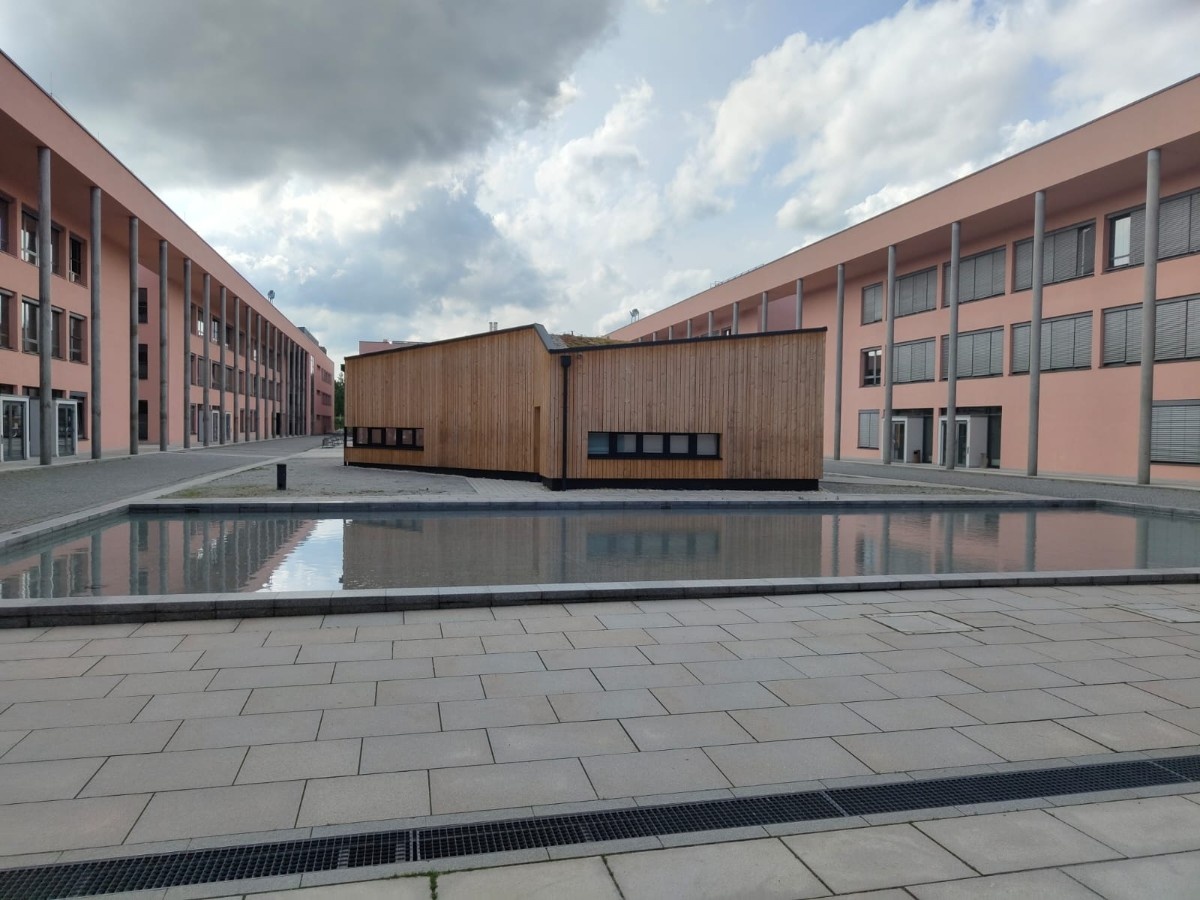
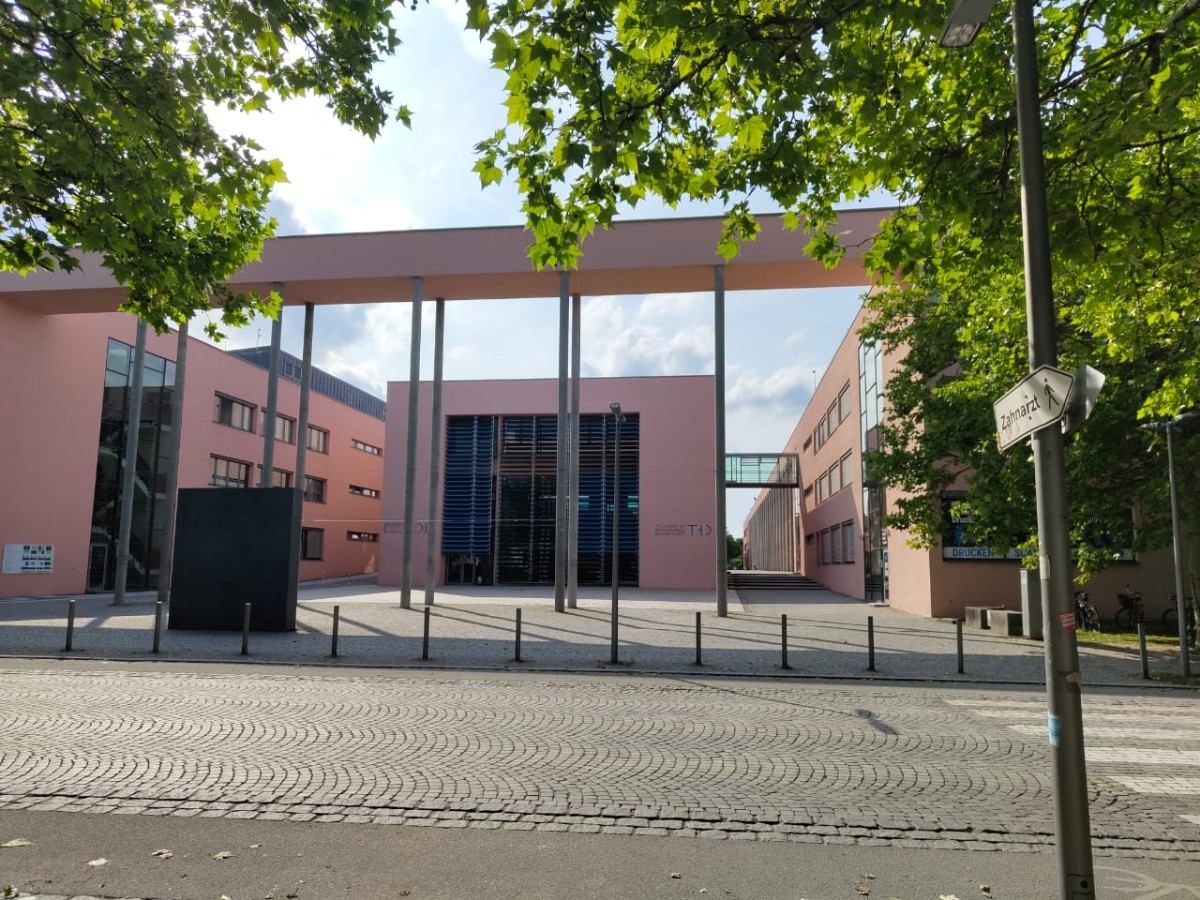
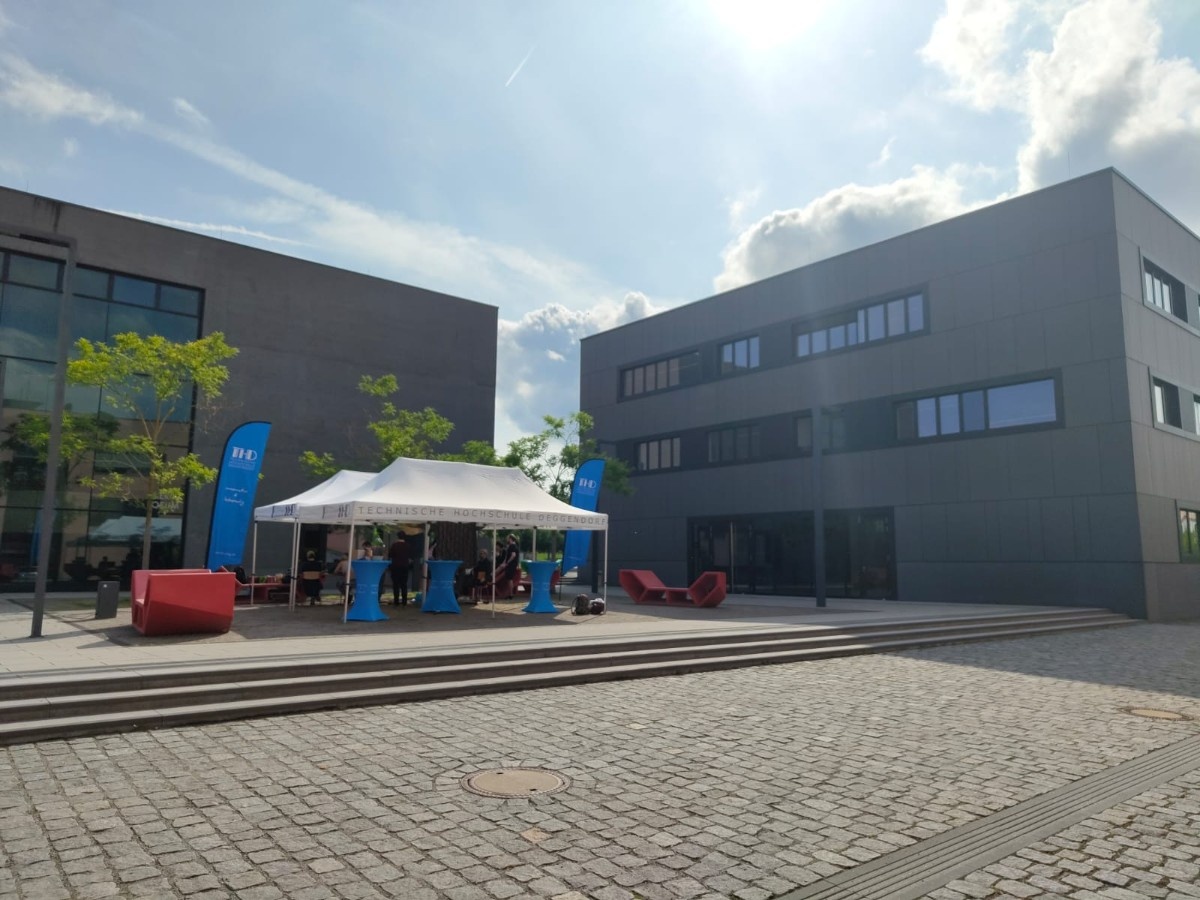
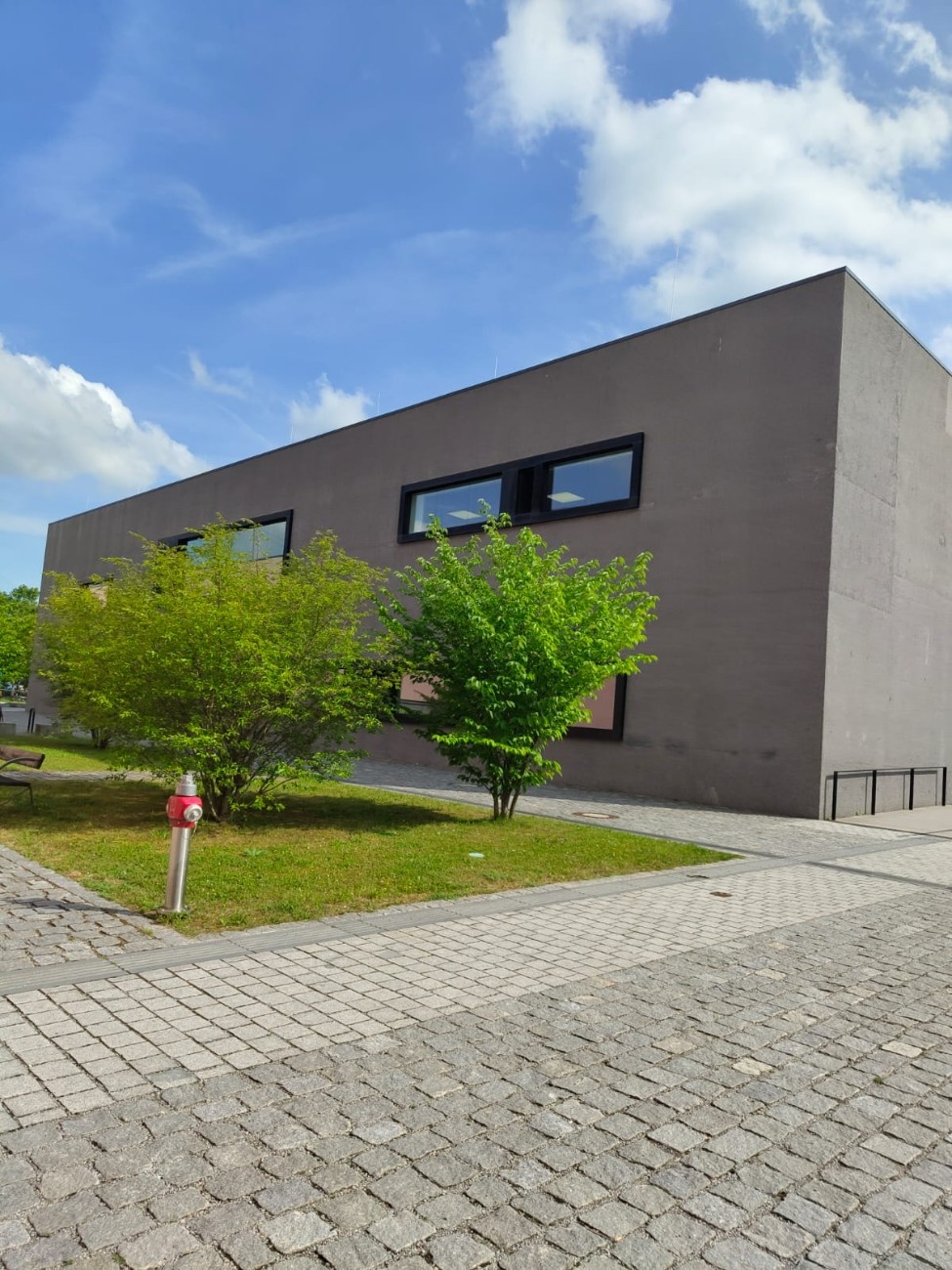
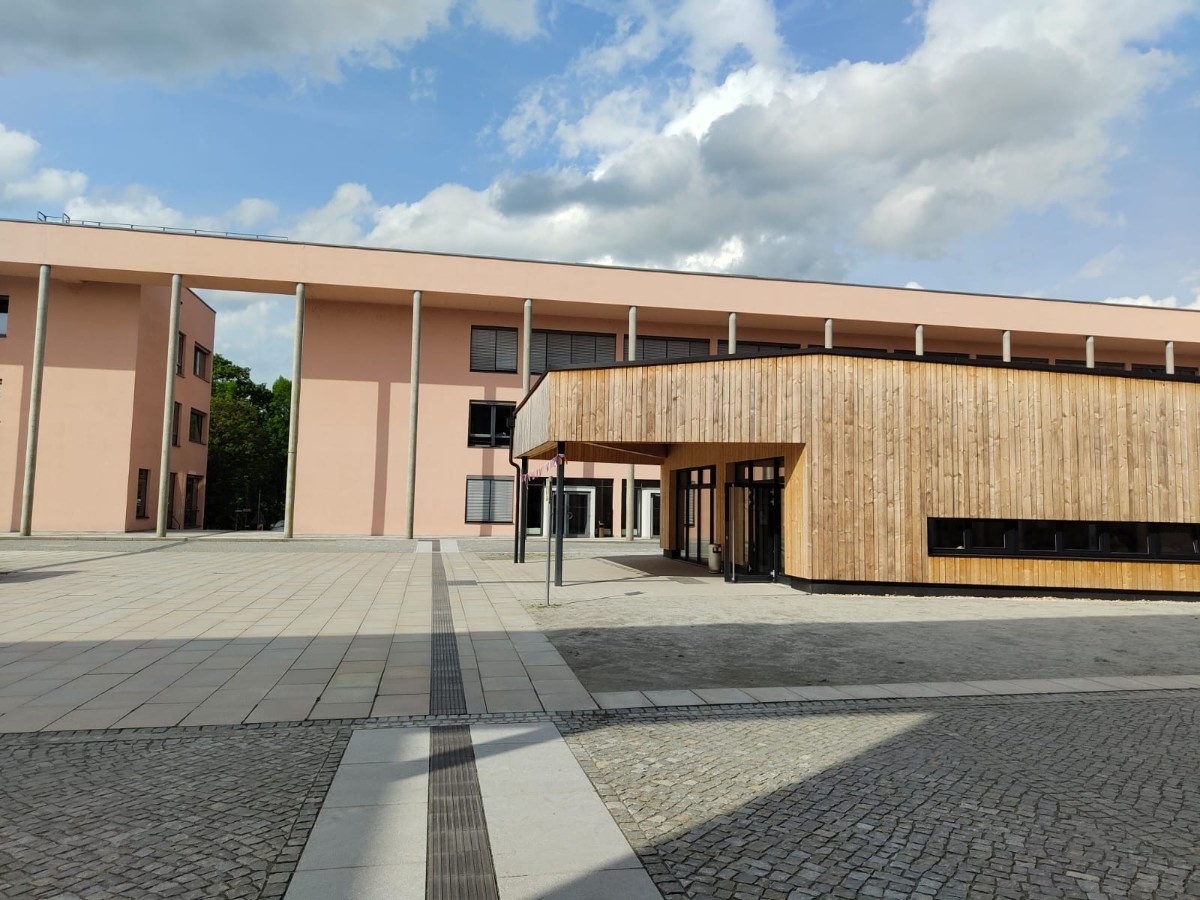
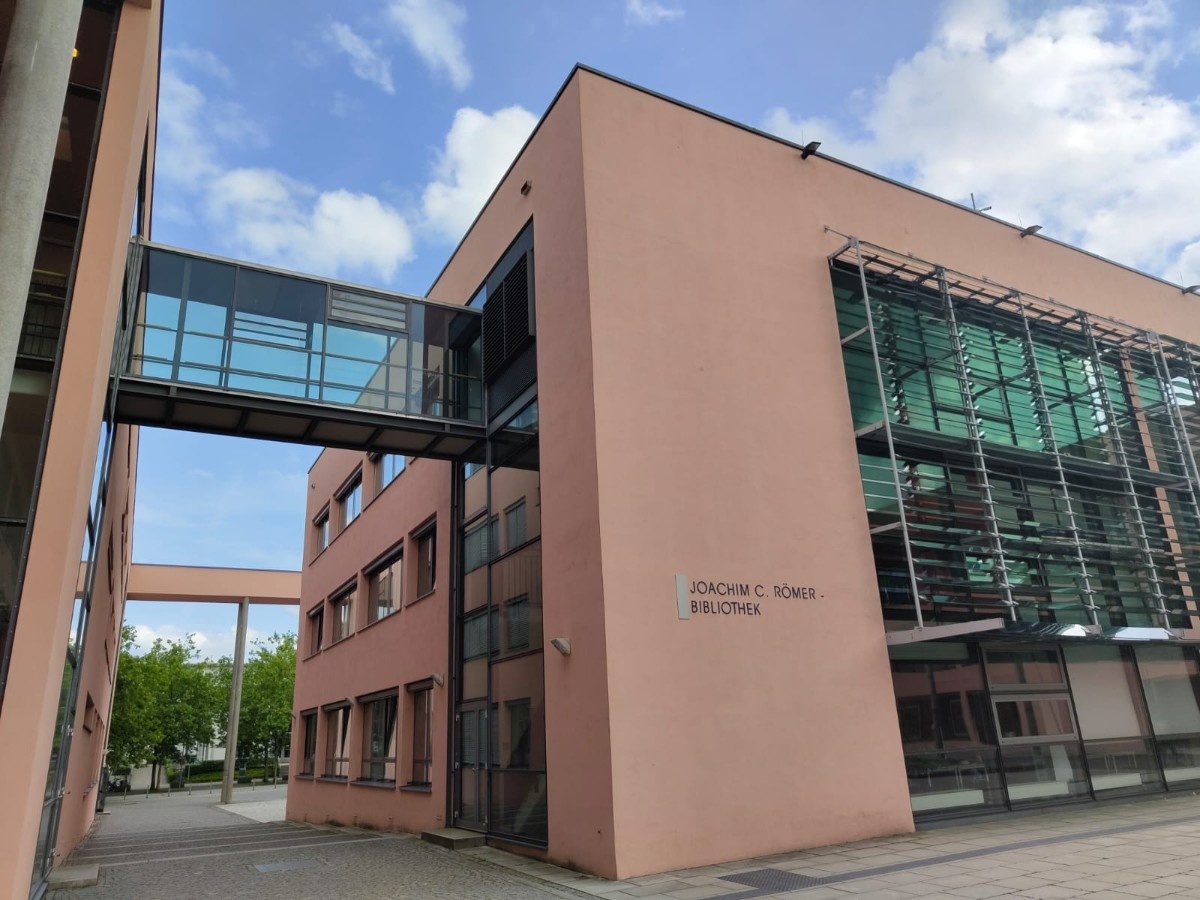
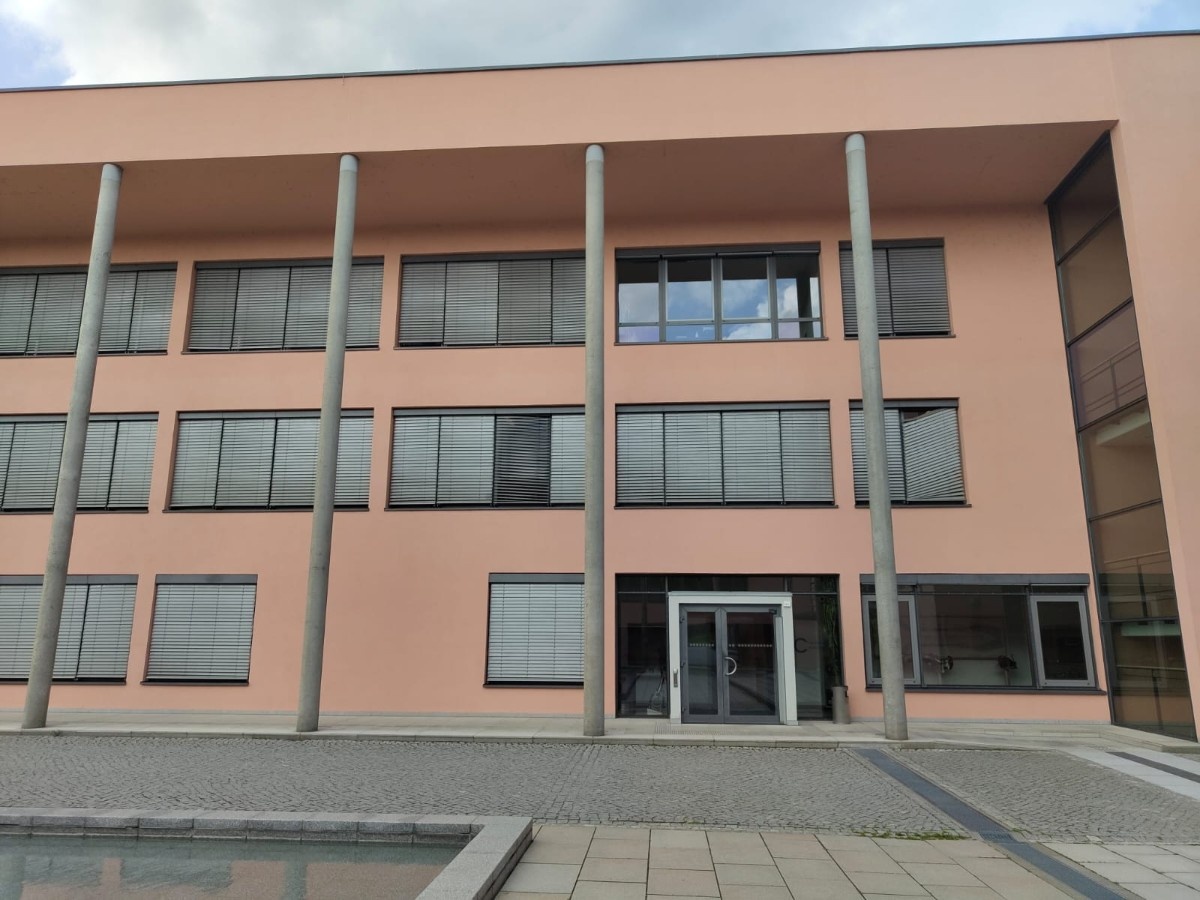
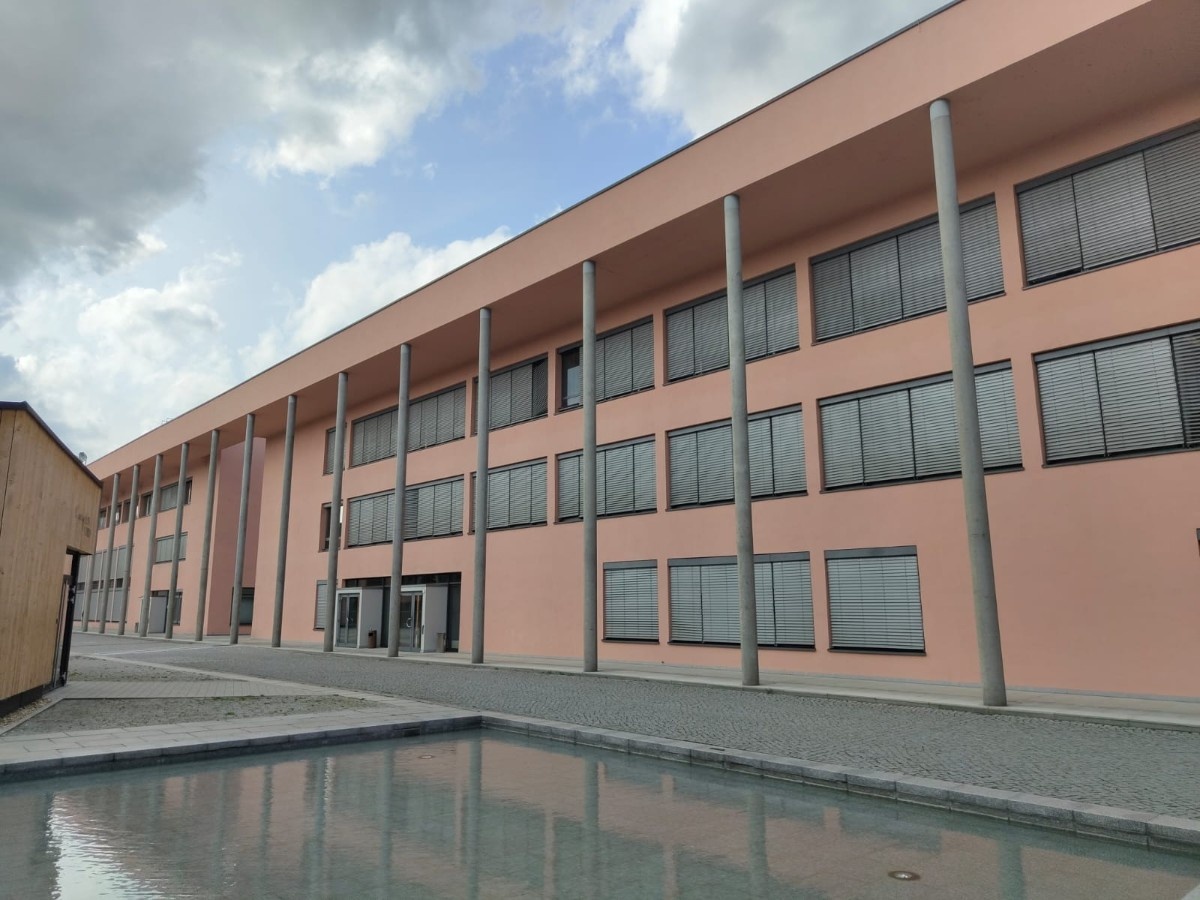
- Open campus, no hassle for entering, no walls, no doors, no locks; anyone can join the library.
- Perfectly connected to nature; due to presence of no boundaries, nature seems everywhere and never-ending
- No attendance needed; you can chose which subjects to study each semester and which exam to give each semester. your education is completely controlled by you.
Dislikes
- There is nothing in particular I don't dislike; I mean, no place is perfect, and we should learn to adapt and find peace where we are. As such, I have not encountered any bad experiences. So right now I don't have anything in the top of my head that recalls any bad memory or service regarding the college.
- Coming here and learning how to use all the it services like student mail, DIT website and ilearn could be a bit confusing.
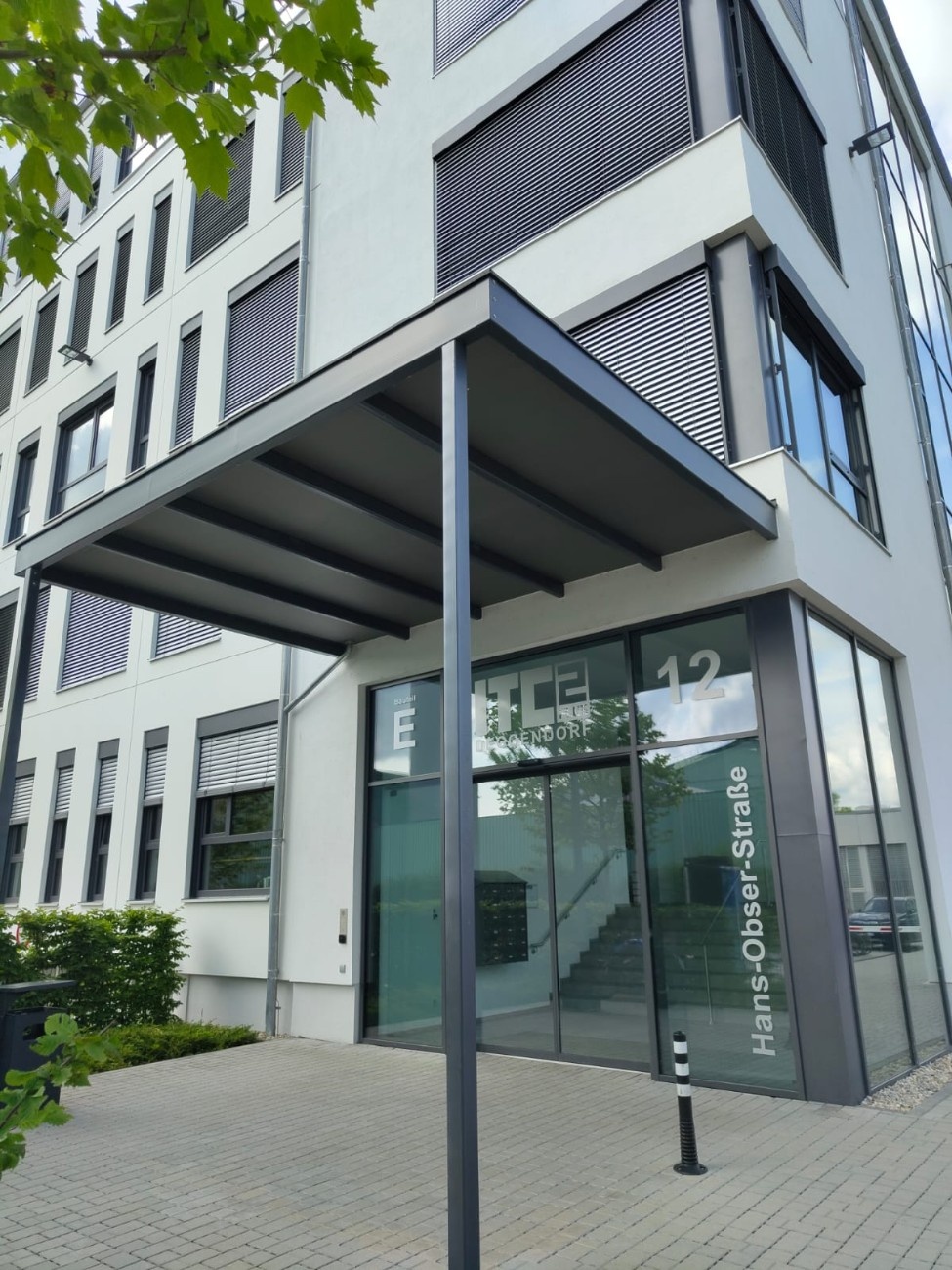
- Finding the classes could be a bit trying and confusing too, as the campus is located in the city center, a corporate building, and the main campus. Navigating between them is fun when you are full of energy and the weather is nice, which in my experience never has been super good. HAHAH
Scholarship
- I did not receive any scholarship, but there are many scholarships here, and they're for everybody depending on your social and financial conditions. My friend Sans gets 300 euros every month from a Deutschpidum scholarship.
- The students are limited, as the number of students has grown by 10x and the amount depends on the scholarship and your financial conditions.
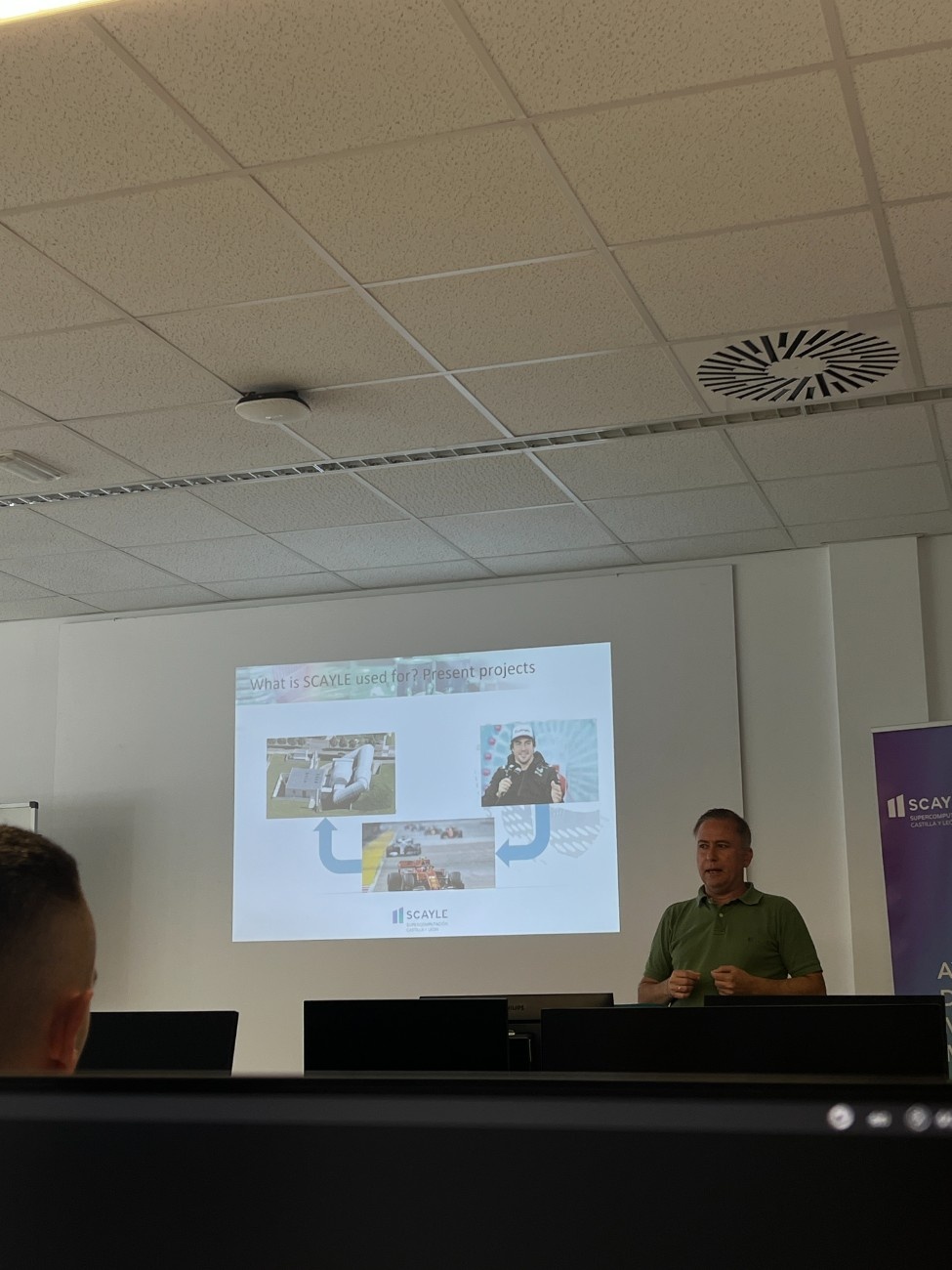
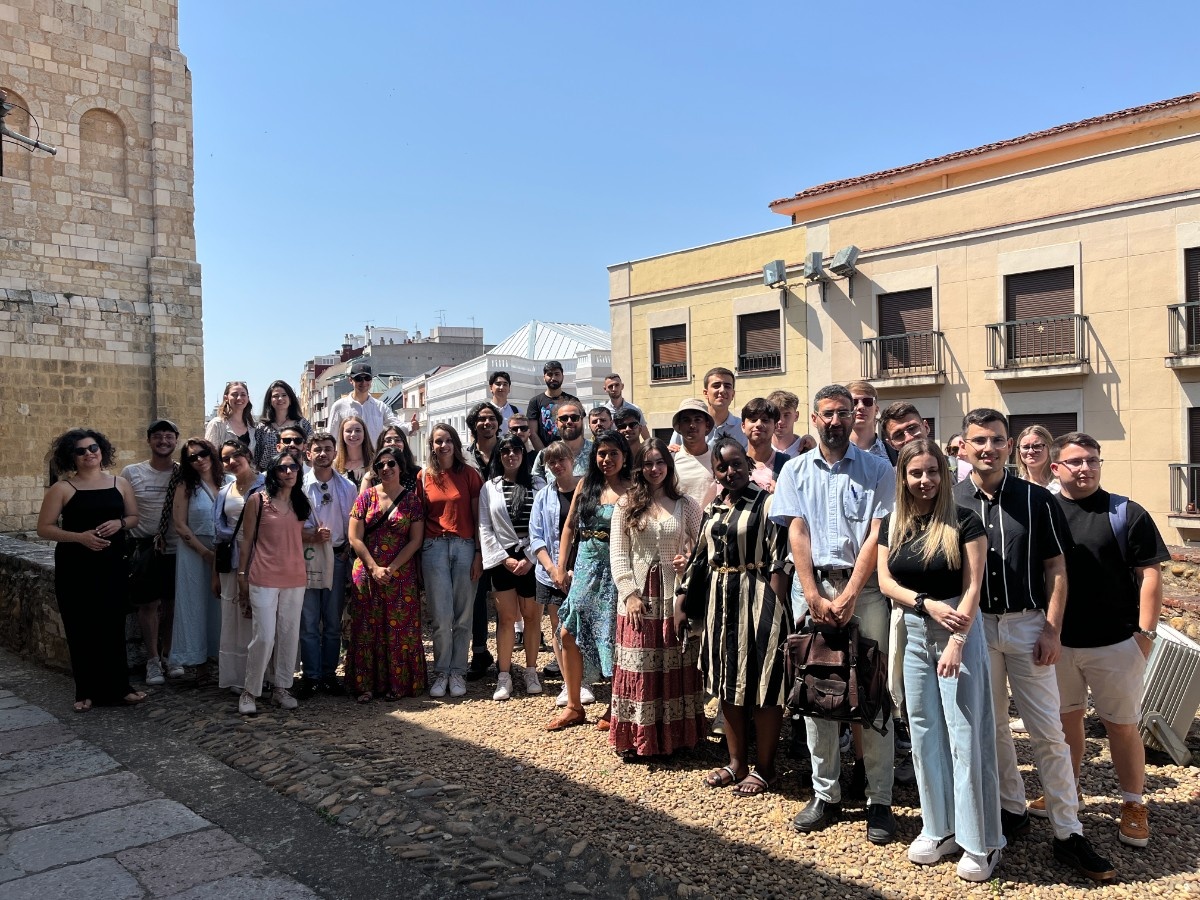
Likes
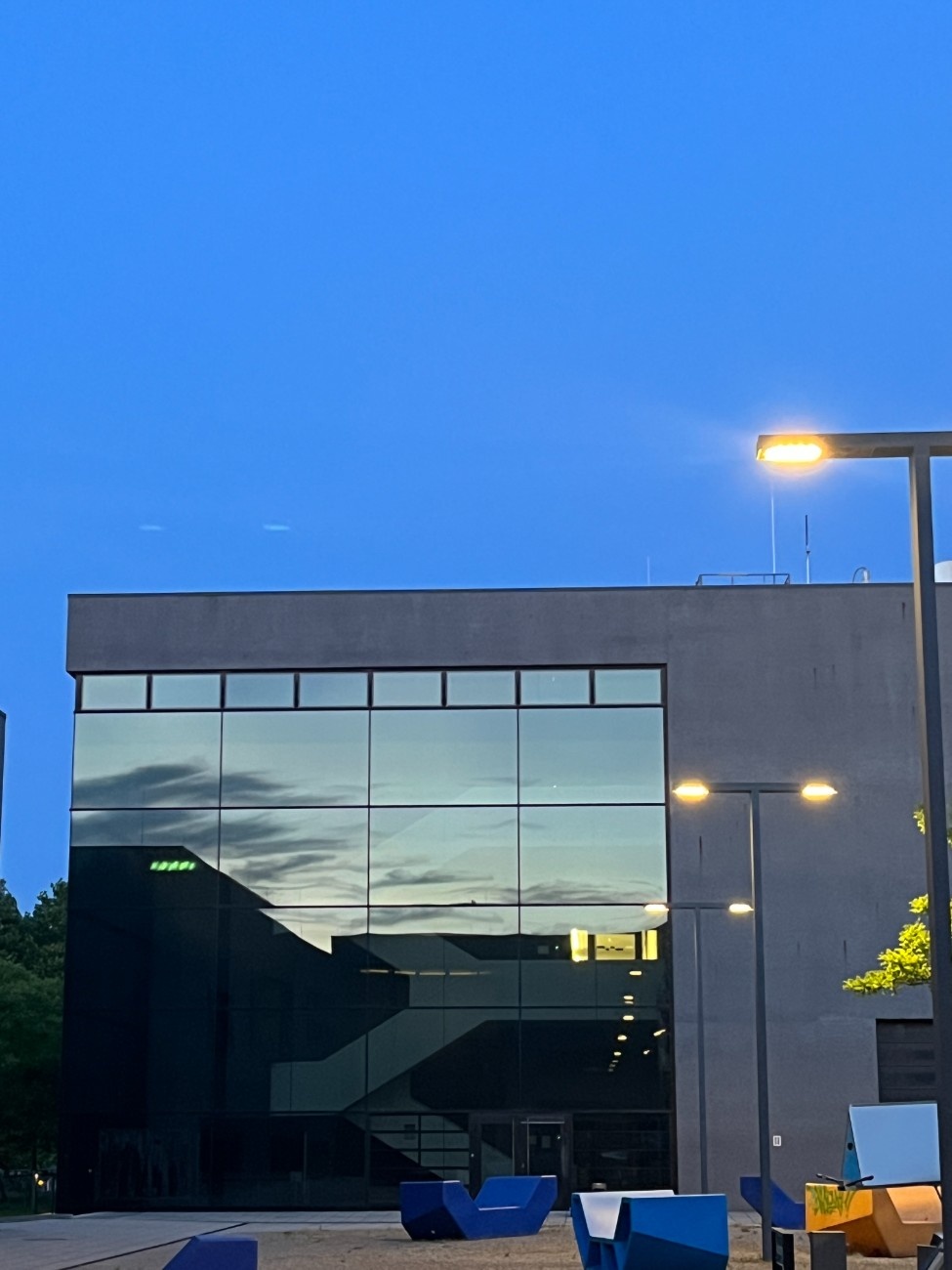
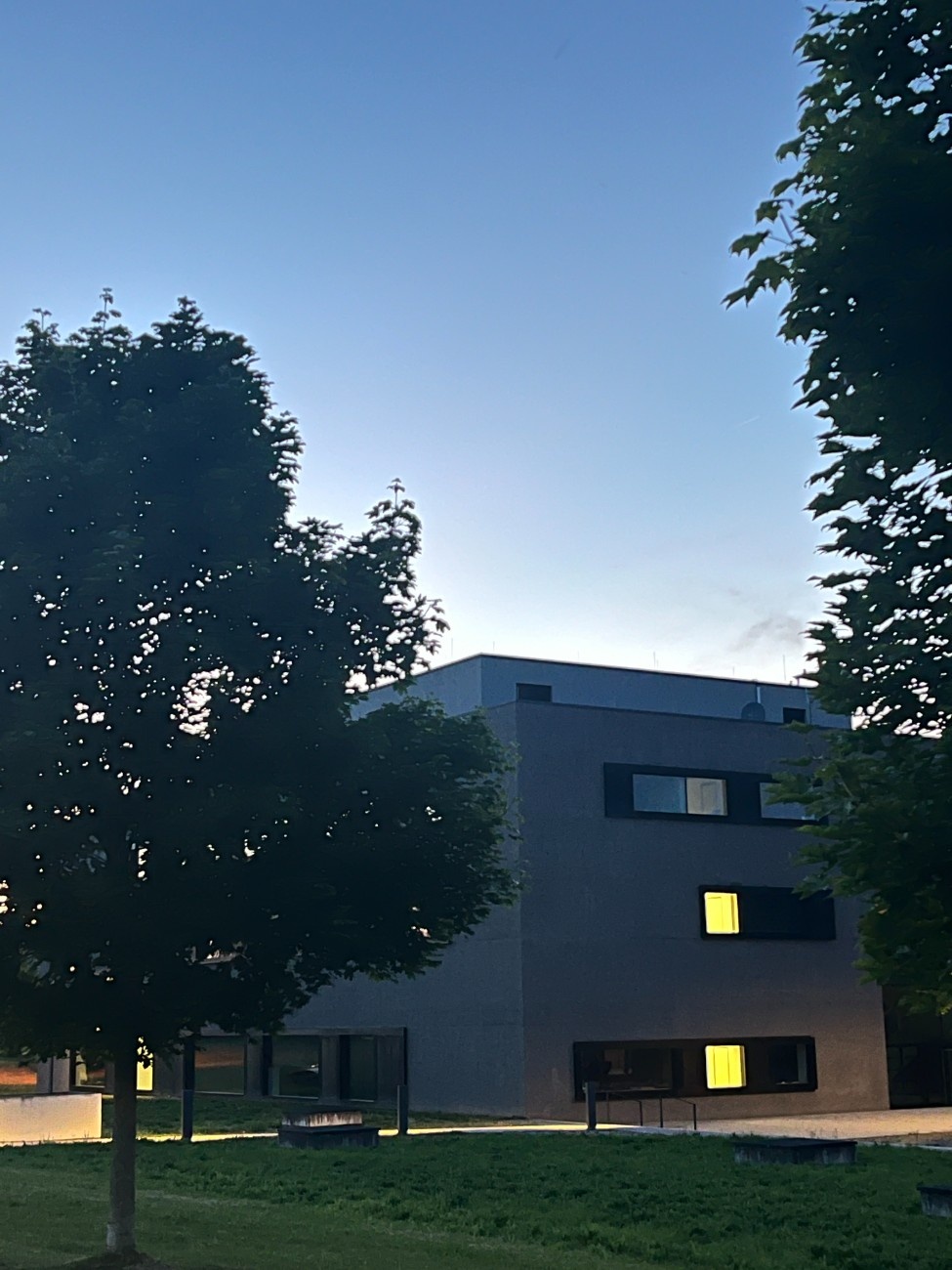
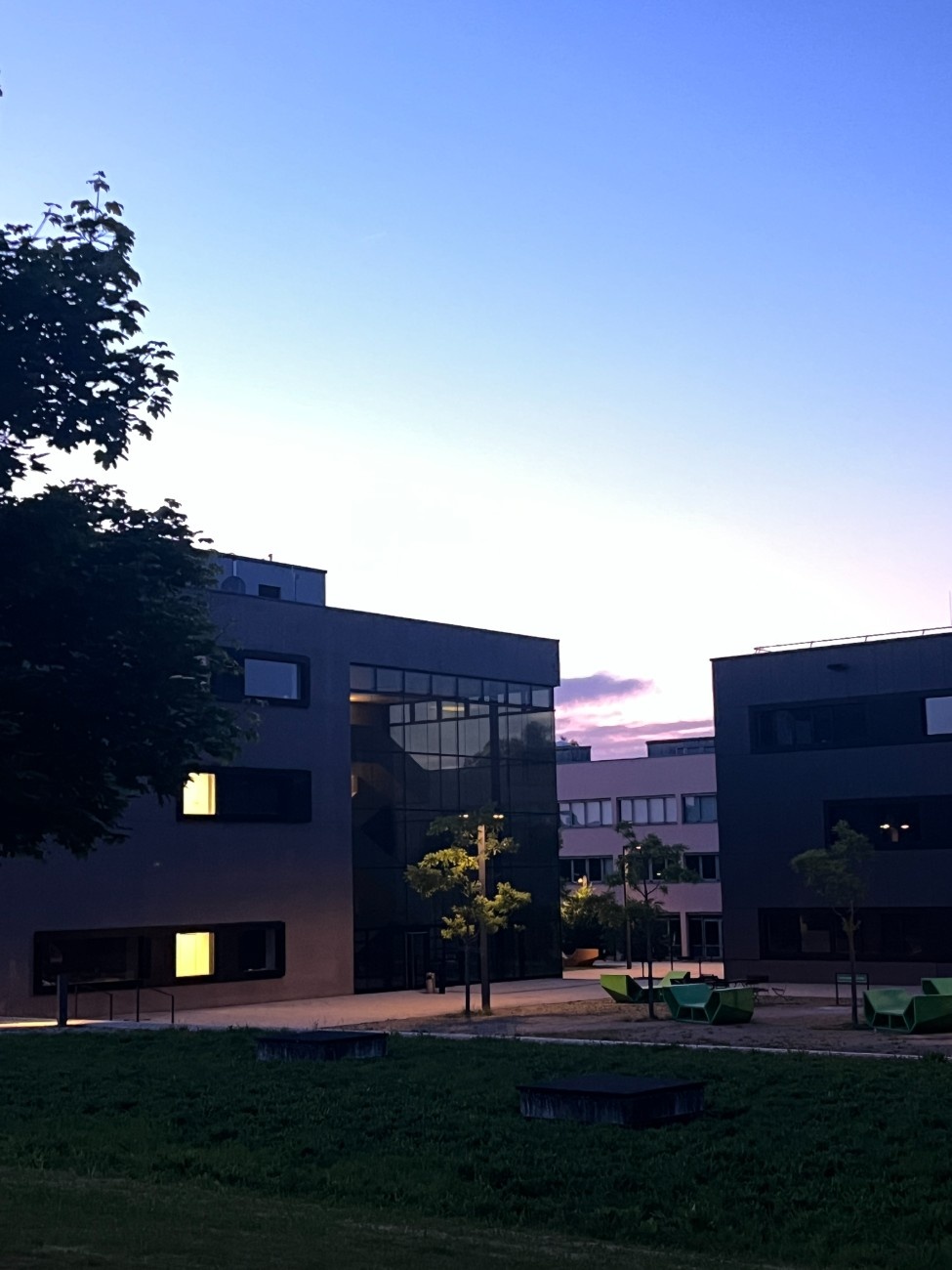
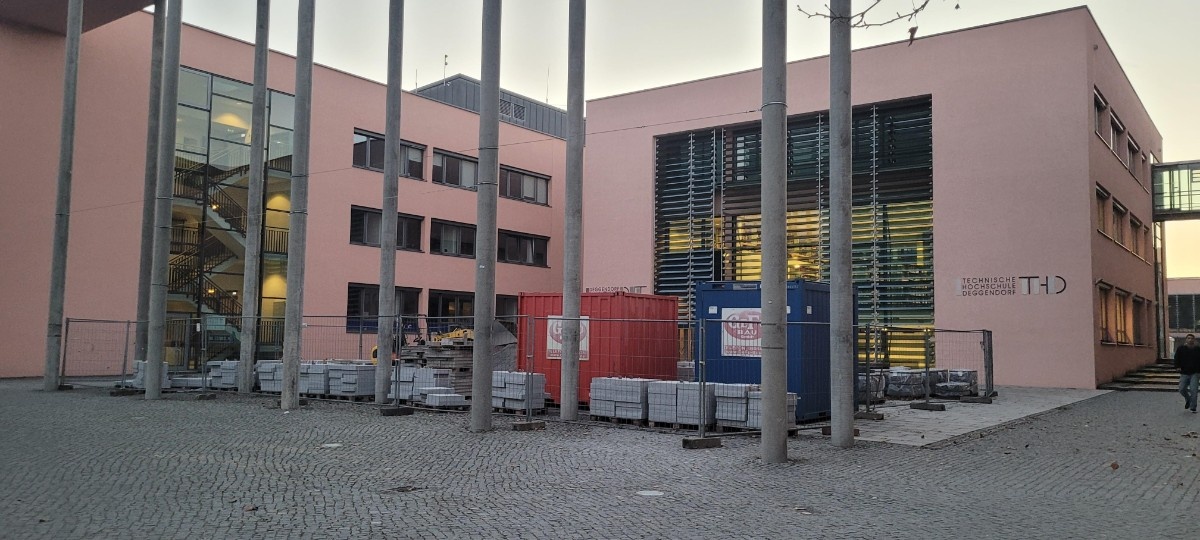
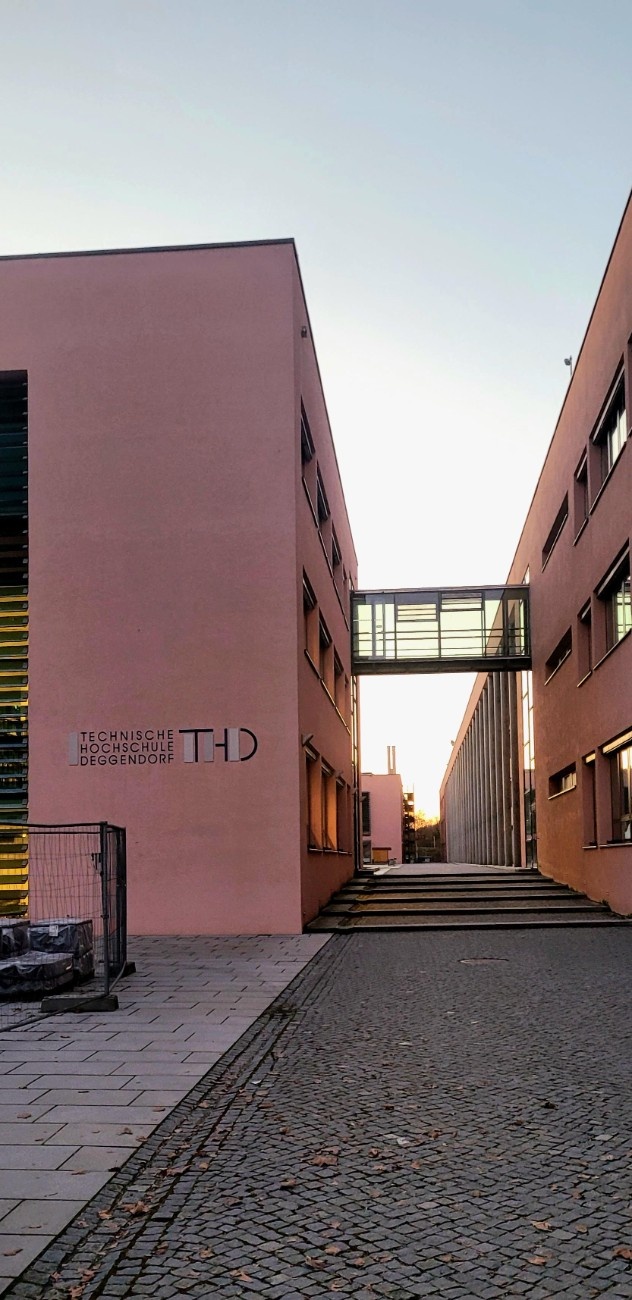
- Located right next to the river Donau in Deggendorf makes for a calming atmosphere.
- Friendly and helpful staff and faculty members.
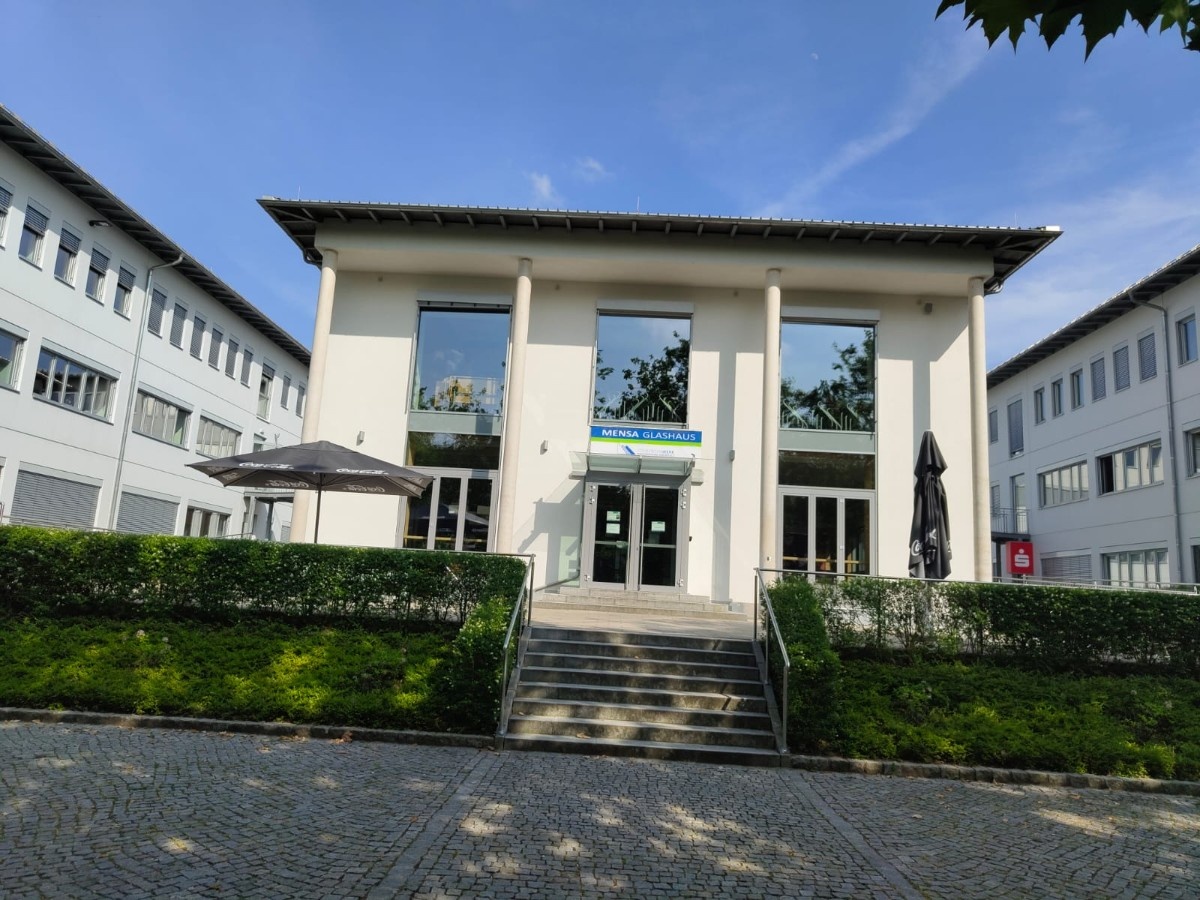
- Facilities like the library and cafeteria(Mensa) are very well maintained.
Dislikes
- Located in a small town/village, connectivity from other places might be an issue especially when there is bad weather.
- Language barrier is strong as this is a small town and not many people speak good English.
- Campus does not include a dedicated sports ground or a sports arena, even though there are plenty, but not just in the campus itself
Scholarship
- I am not aware of scholarships that much because the overall fee itself is less in German universities, but then I did hear about some scholarships where if one studied for a semester and he is facing hardships, he can contact the university further.
- Till now none of my batchmates have applied for any kind of scholarship, as they are managing their expenses by doing part-time jobs.
- I would suggest the students who are in need of scholarships directly contact the university, and they would guide them further on.
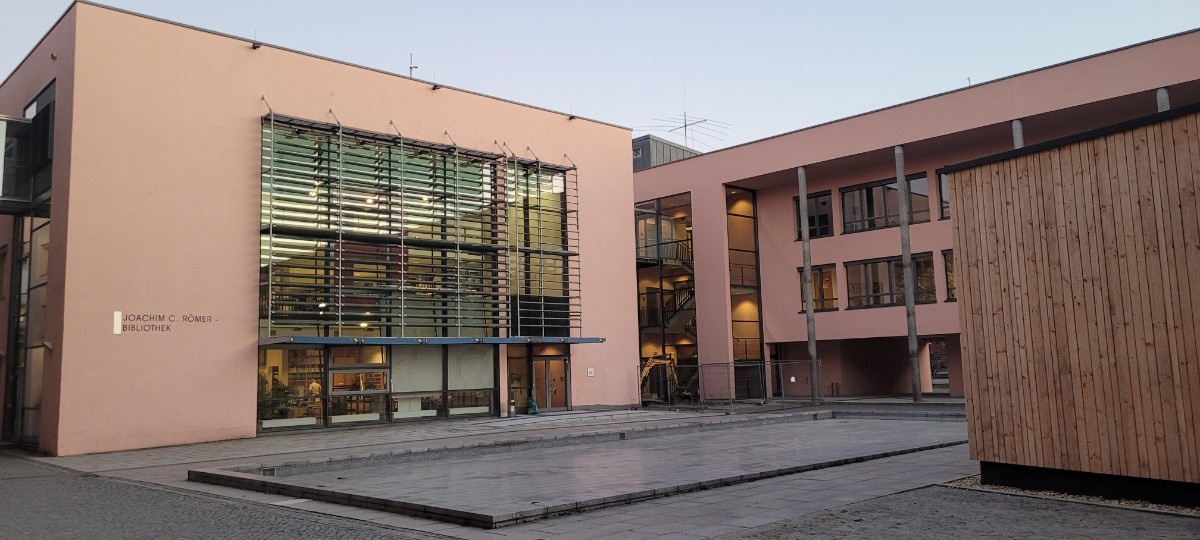
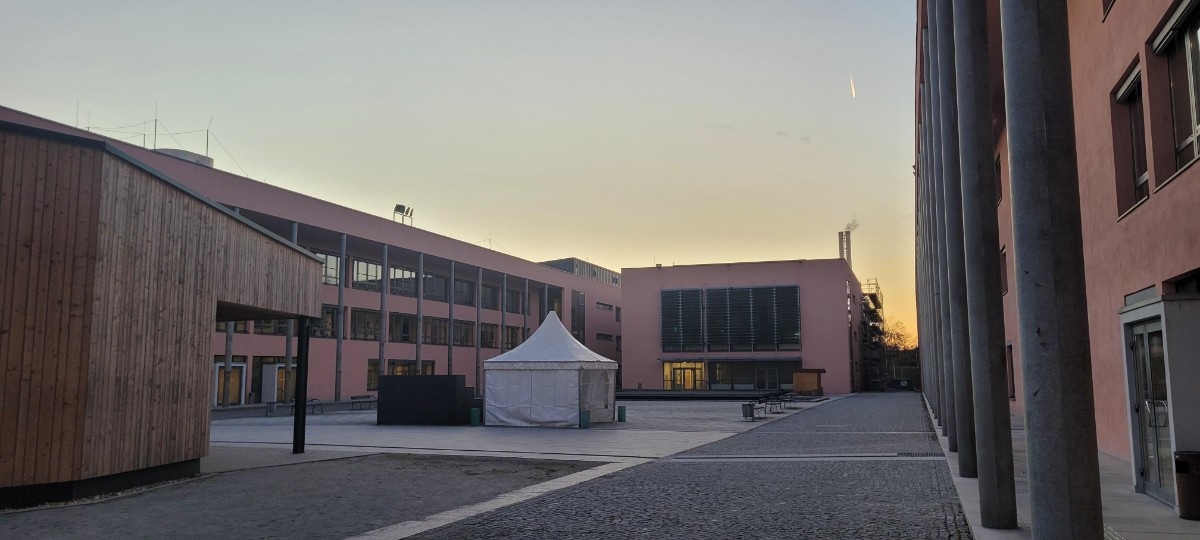
Likes
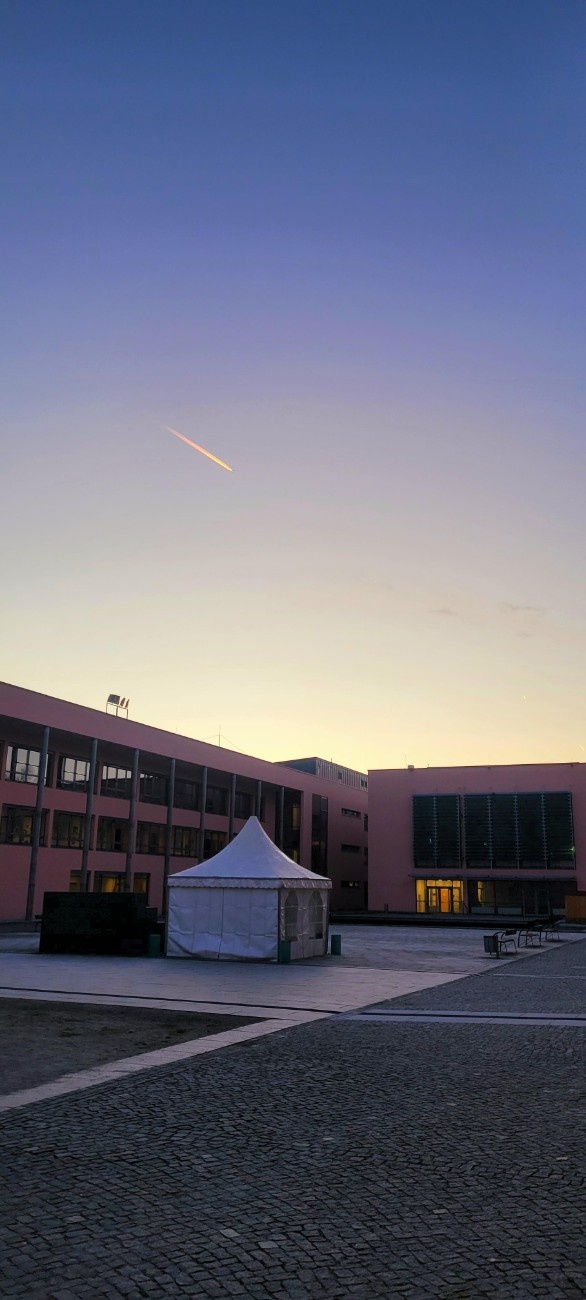
- Beautiful location
- Practical skill based teaching approach which makes you job ready.
- Very knowledgeable profs who teach masterfully.
Dislikes
- Accomodation is hard to find (problem everywhere in Germany). Dorm rooms are limited so most people stay in a rented room
- People who are used to rote learning and have forgot to use their brain in exams will not like the courses here.
- Little to no placement support
Likes
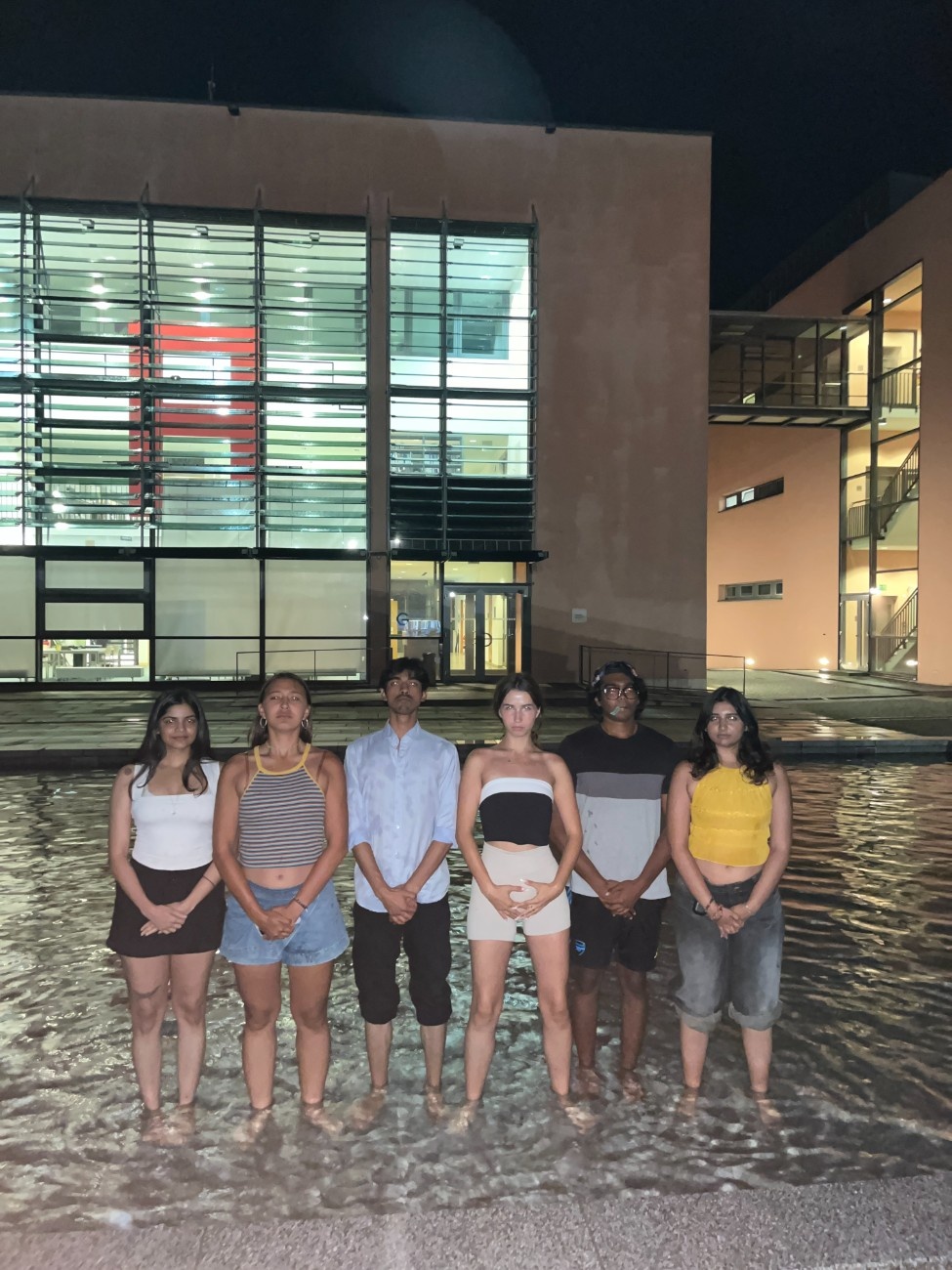
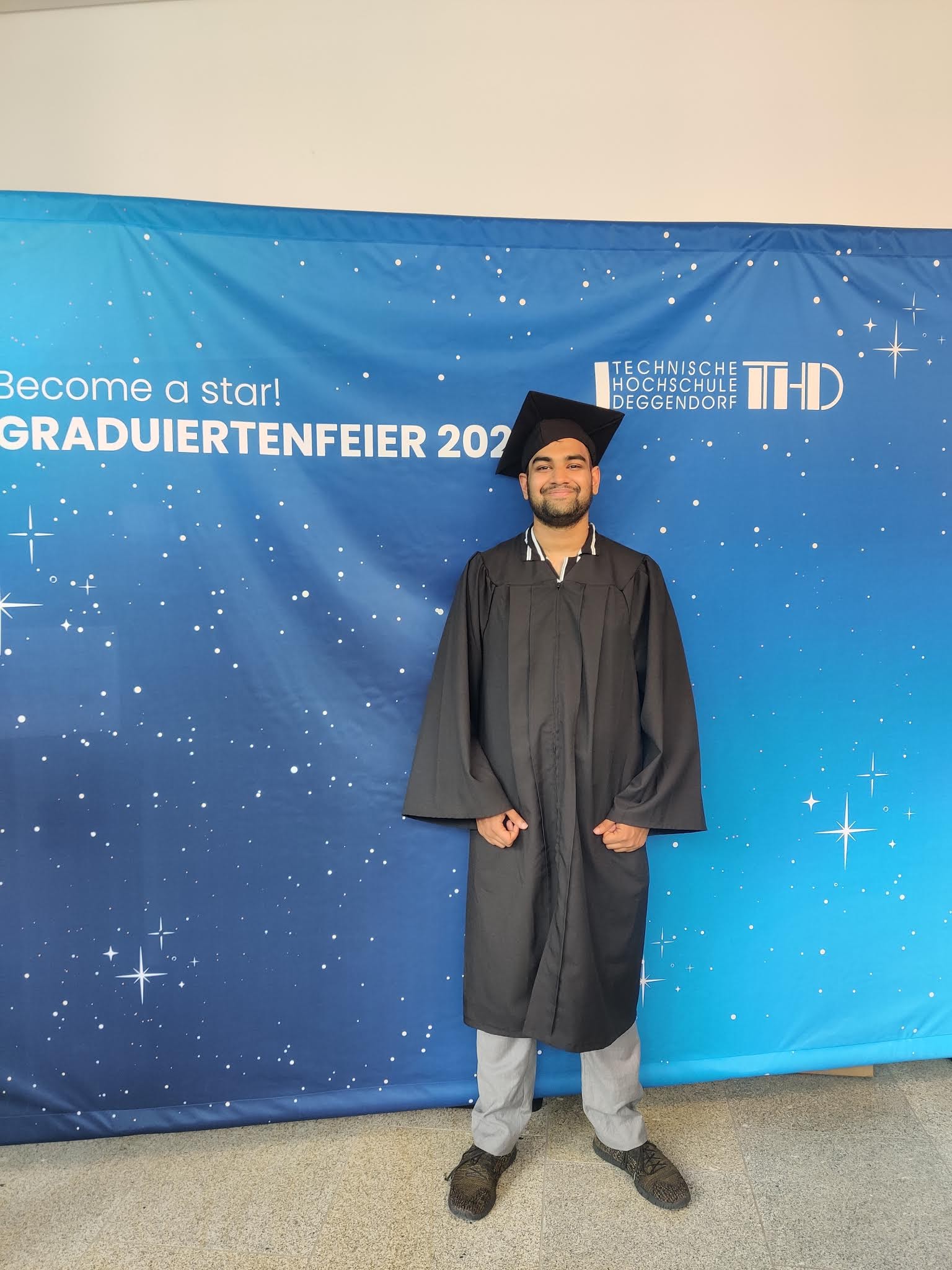
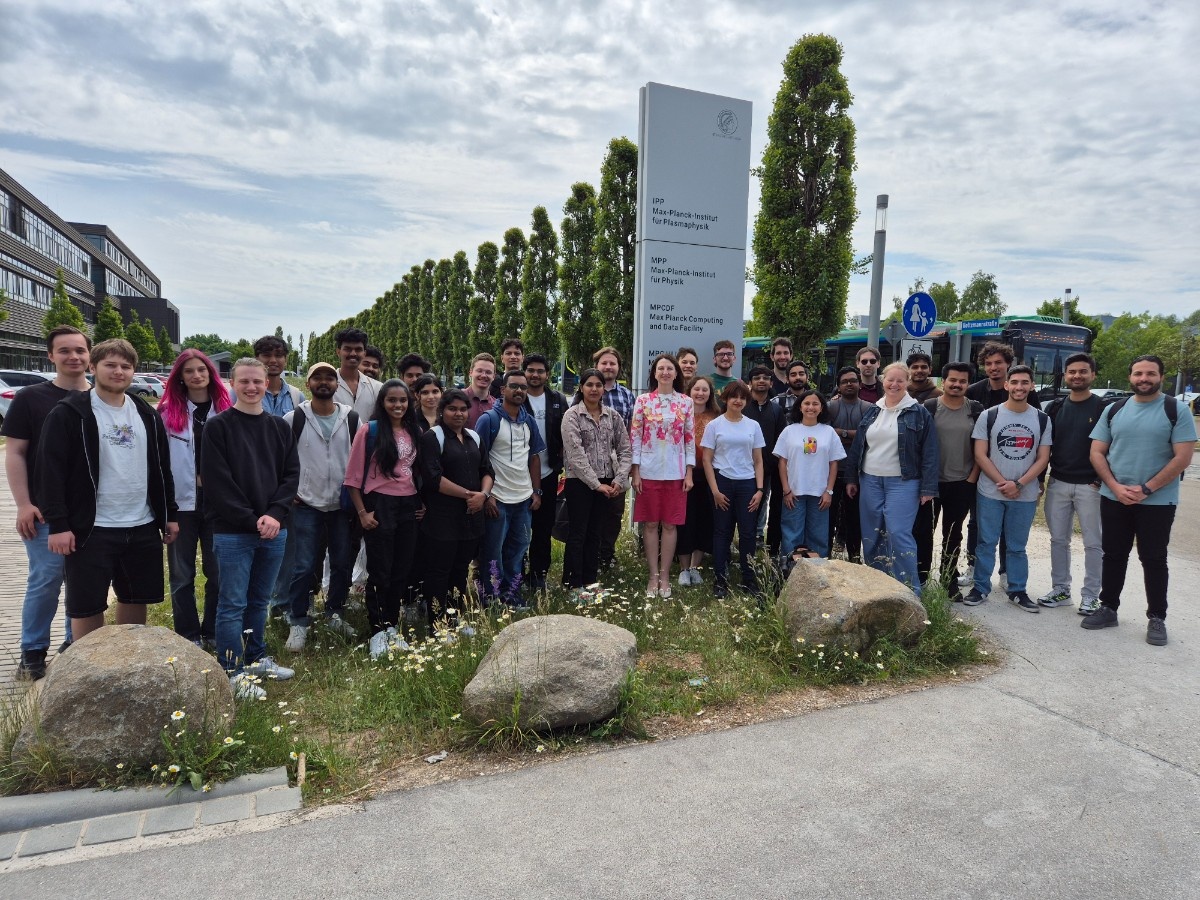
- A diverse student community that gave me opportunities to learn teamwork and leadership
Dislikes
- Limited exposure to real-world industry practices (more theory-heavy than practical)
Likes
- Its a Public University, which means there is no tution fees
- The Campus is located in beautiful and clean city
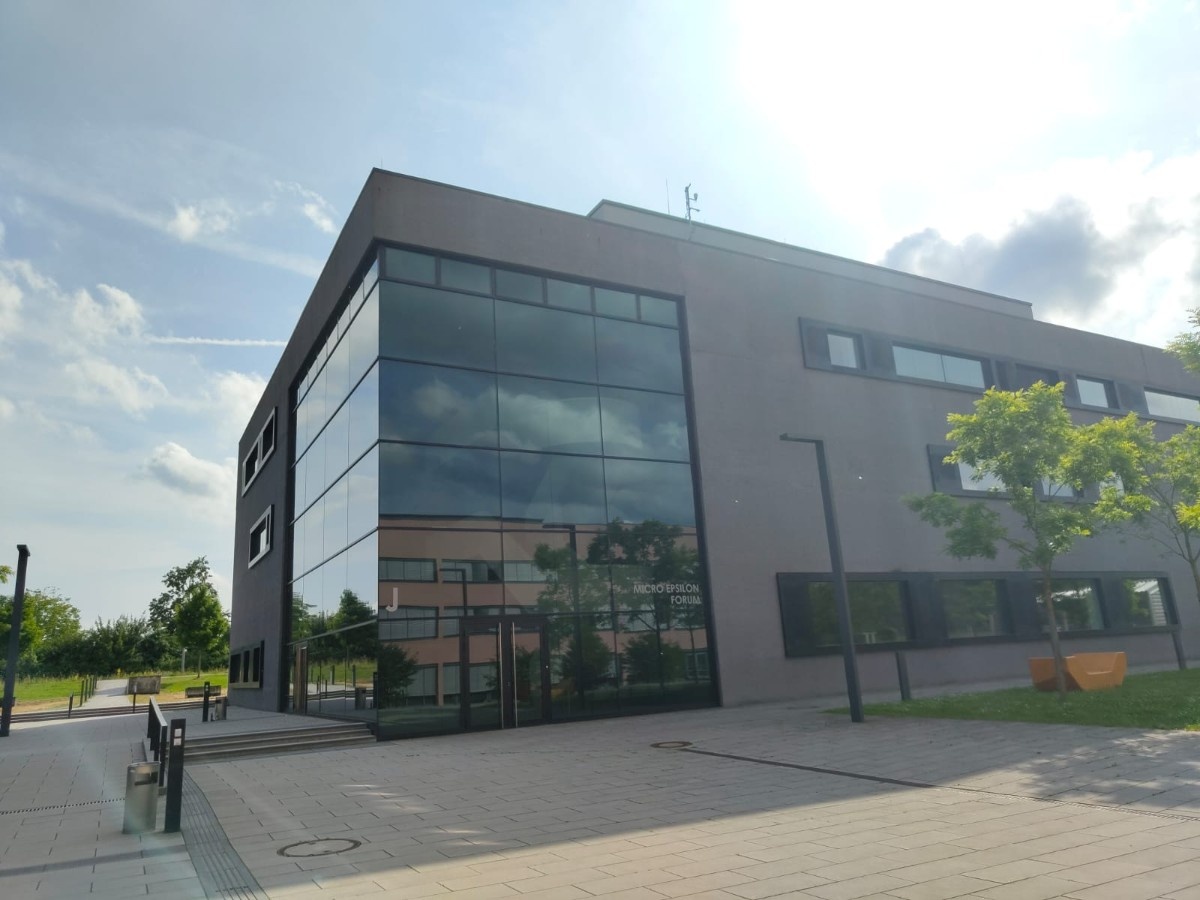
- The Campus is modern and the labs are well equipped.
Dislikes
- Student housing is hard to find and is bit expensive.
- There aren’t many food choices on campus.
- It’s hard to find a part-time job because the town is small.
Scholarship
- Yes, There are some Scholarships available for international students.
- No, I Didn't receive any scholarship for the course.
- Yes, a few of my batchmates received DAAD scholarships or small grants based on academic performance.
- Only a small and selected number of students receive scholarships, and Typical award amount ranges from 600 to 1000 euros.
Likes
- I like the intercultural exposure and mutual effort from the university to help students achieve their goals. Support is provided when required by the university on professional and personal living in Germany.
Dislikes
- More practical courses could be appreciated, and industrial visits must be planned more often. An appropriate amount of national and international students would be good.
Overview
I chose this college while keeping in mind multiple factors like Course Curriculum, University Fee, Country, International exposure etc. My overall experience was good with respect to the course curriculum, practical experience, lab, professors, international exposure, and extracurricular activities.
Likes
- Small campus, so faculty is easily accessible.
Dislikes
- Since it is a small campus and a small town, limited housing and part-time jobs.
Overview
The reason why I chose this is due to the interdisciplinary and industry-ready course structure. It has courses on state-of-the-art technologies like 3d printing, Autonomous driving, robotics and ARVR. Job perspective was also higher in this course and the course structure was only 3 semesters.
Likes
- University management always takes initiatives so that students feel good and have a low stress level regarding their studies by organizing day trips and outdoor activities.
- University is relatively new but innovative, there are multiple research projects that are going on in the university in collaboration with many big german manufacturers.
- Modern Infrastructure and supportive staff that sums it up to a healthy and friendly environment.
Dislikes
- There is nothing that I find worse or not acceptable but there is no university which is perfect.
- Shortage of accommodation options and less frequency of public transport in some campuses made it inconvenient and a waste of time but could be solvable if some can travel with private means of transport.
Overview
I chose this college because of it's modern course curriculum, they provide variety of options to specialize and build career, easy to switch lines after bachelor via this course. The journey at DIT was like a roller coaster ride or I can say full of adventure which i enjoyed a lot over the time. Have learnt a lot of new things and developed myself for the modern industry with good knowledge of the latest technologies.
Likes
- I applied randomly for a lot of universities and particular courses among the one's I preferred. This University had so many courses I was eligible for.
- The classes and teachings. The extra curricular activities. Curriculum. Professors Student life balancing the studies and work. Not much pressure on studies rather they help mentally and gives positive responses for students.
Dislikes
- I don't dislike anything here. The only thing is the public transport here which runs few times. Other than that there is nothing wrong or anything to be disliked here.
Overview
The university is situated in ourskirts of the area and reaching there is a crucial task as public transport is only once in an hour. But you can have your private vehicle or cycle and get there easily because the whole area is small. The classes and the resources provided are very good and case studies help us get to know into subjects really good. The professors are really helpful and understanding and they help us in any way possible. All the students are extremely friendly and into activities and fun. Overall I would say the experience here is wonderful.
interested in this College ?
Follow & Share this college to get information about admission.



Comments