





University of Duisburg-Essen admissions route through Germany’s central uni-assist platform for most Bachelor’s and Master’s tracks. Indian applicants need Class XII at 65% for undergraduate entry, or a course-related Bachelor’s at a German 2.5 GPA (roughly 65% Indian) with CEFR B2 English for Master’s programs.
- Next primary intake deadline: 15 July 2027 for Winter Semester 2027/2028 non-EU applicants.
- Base tuition zero, semester fee €312.40 (₹34,458), uni-assist application fee €75 (₹8,273).
- UG needs Class XII 65% with Maths. PG needs Bachelor’s 65% plus IELTS 6.0 or MoI.
- Acceptance rate estimated at 40 to 55% across NC-free and restricted courses.
Popular Indian picks include M.Sc. Computer Engineering, M.Sc. Water Science, and M.Sc. Mechanical Engineering, with cohorts praising affordable public funding and Ruhr industry projects. See our full University of Duisburg-Essen profile for placement and campus context.
Table of Contents
- University of Duisburg-Essen Application Deadlines
- UDE Eligibility for Indian Students
- Uni Duisburg-Essen PG Programs and English Scores
- UDE UG Programs and English Requirements
- University of Duisburg-Essen PhD Admissions
- UDE Application Process for Indian Students
- Uni Duisburg-Essen Admission Decisions Timeline
- UDE Documents Required for Indian Applicants
- University of Duisburg-Essen Acceptance Rate
- Germany Student Visa Process
- UDE Application Tips and Checklist
- University of Duisburg-Essen Admissions FAQs
University of Duisburg-Essen Application Deadlines for Indian Students
University of Duisburg-Essen runs a two-intake calendar — a large October start (Winter) and a smaller April start (Summer). Most programs, including engineering and natural sciences, open only in the Winter cycle, which is the primary intake for Indian applicants. NC stands for Numerus Clausus, meaning admission-restricted: seats are capped and applicants are ranked by grade. Admission-free courses admit any applicant who meets the stated requirements.
The dates below are drawn from the official University of Duisburg-Essen international admissions page and its programme-specific application notes. University of Duisburg-Essen’s primary intake for Indian students is Winter Semester (October start) — most programs open here.
| Intake | Level | App Opens | Deadline | App Fee | Portal |
|---|---|---|---|---|---|
| Summer 2027 | UG and PG (NC-restricted) | 1 November 2026 | 15 December 2026 | €75 (₹8,273) | uni-assist |
| Summer 2027 | UG and PG (admission-free) | 1 November 2026 | 31 January 2027 | €75 (₹8,273) | uni-assist |
| Winter 2027/2028 (Primary intake) | UG (NC-restricted) | 1 May 2027 | 15 June 2027 | €75 (₹8,273) | uni-assist |
| Winter 2027/2028 (Primary intake) | UG and PG (admission-free) | 1 May 2027 | 31 July 2027 | €75 (₹8,273) | uni-assist |
| Winter 2027/2028 (Primary intake) | PG (English-taught, non-EU) | 1 May 2027 | 15 July 2027 | No fee | UDE portal |
Insider note: The Winter 2026/2027 cycle closed on 31 July 2026, so any application filed now targets Summer 2027 at the earliest. Indian applicants aiming for the primary Winter 2027/2028 intake should begin APS certification in the first quarter of 2027, well before the 15 July 2027 non-EU cutoff.
University of Duisburg-Essen Eligibility for Indian Students
Eligibility at University of Duisburg-Essen is set at two layers — the institution-wide floor set by the university, and each programme’s own academic pre-conditions. Grades are converted using the modified Bavarian formula, where the German 1.0 is best and 4.0 is passing. Indian percentages map roughly as follows: 90%+ to German 1.0-1.5, 75-89% to 1.6-2.5, 60-74% to 2.6-3.5.
- UG general entry: Class XII (12 years of schooling) at 65% or above from a recognised Indian board, with the subject stream matching the target degree.
- UG engineering and sciences: Class XII with Mathematics and Physics, minimum 65% aggregate, plus one year of undergraduate study in India for direct entry to specialised streams.
- PG general entry: Course-related Bachelor’s degree with 180 ECTS equivalence, at a German 2.5 GPA or better (roughly 65% Indian).
- PG engineering: Bachelor’s in engineering, natural sciences, computer science, or a comparable discipline, at 2.5 German GPA.
- English requirement: CEFR B2 (IELTS 6.0, TOEFL iBT 80, PTE 55, or Duolingo 105 accepted equivalents) for Master’s programmes; B1 for Bachelor’s.
- German requirement: DSH 2 or TestDaF TDN 4 for German-taught programmes; DSH 3 for Medicine, Business Administration Duisburg M.Sc., and German as a Second Language M.A.
University of Duisburg-Essen IELTS Waiver for Indian Students
University of Duisburg-Essen accepts Medium of Instruction (MoI) proof as an alternative to IELTS or TOEFL, per the international admissions page. Indian applicants who completed their Bachelor’s in an English-medium university — most Indian technical universities qualify — can submit an MoI letter from the previous institution instead of an English test score. This waiver is not automatic: the certificate must explicitly state that the medium of instruction was English throughout the entire programme, and the Examination Board reserves the right to request an IELTS or TOEFL score if the certificate is unclear.
APS Certificate for Indian Applicants
Every Indian applicant to a German university must clear the Akademische Prüfstelle (APS) at the German Embassy in Delhi before applying. APS verifies academic documents and issues a certificate that uni-assist and University of Duisburg-Essen accept in place of raw transcripts. Processing takes 3 to 4 weeks, and the certificate is valid indefinitely, so applicants should start APS at least two months before the target uni-assist deadline.
University of Duisburg-Essen PG Programs for Indian Students
The PG portfolio at University of Duisburg-Essen is anchored in the International Studies in Engineering (ISE) faculty, which delivers most Master’s programmes in a 50 percent English, 50 percent German split. A shrinking group of fully English-taught programmes exists for applicants who cannot commit to German. Base tuition is zero for all consecutive Master’s programmes; only the €312.40 (₹34,458) semester fee — which includes a public transit pass valid across North Rhine-Westphalia — applies each semester. For a course-wise fees breakdown, see the University of Duisburg-Essen programs page.
| Programme | Duration | Minimum Eligibility | English Req. Min. |
|---|---|---|---|
| M.Sc. Computer Engineering (ISE) | 4 semesters | Bachelor’s in CS or EE at 2.5 German GPA (roughly 65% Indian) | IELTS 6.0 (B2 CEFR) |
| M.Sc. Automation and Safety (ISE) | 4 semesters | Bachelor’s in engineering, natural sciences, or CS at 2.5 GPA | IELTS 6.0 (B2 CEFR) |
| M.Sc. Communications Engineering (ISE) | 4 semesters | Bachelor’s in EE or related at 2.5 GPA | IELTS 6.0 (B2 CEFR) |
| M.Sc. Computational Mechanics | 4 semesters | Bachelor’s in mechanics, mathematics, or engineering at 2.5 GPA | IELTS 6.0 (B2 CEFR) |
| M.Sc. Embedded Systems Engineering (ISE) | 4 semesters | Bachelor’s in CS or EE at 2.5 GPA | IELTS 6.0 (B2 CEFR) |
| M.Sc. Mechanical Engineering (ISE) | 4 semesters | Bachelor’s in mechanical engineering at 2.5 GPA | IELTS 6.0 (B2 CEFR) |
| M.Sc. Power Engineering (ISE) | 4 semesters | Bachelor’s in EE or energy at 2.5 GPA | IELTS 6.0 (B2 CEFR) |
| M.Sc. Water Science (fully English) | 4 semesters | Bachelor’s in chemistry, biology, or environmental sciences at 2.5 GPA | IELTS 6.0 (B2 CEFR) |
| M.Sc. Medical Informatics | 4 semesters | Bachelor’s in informatics, health sciences, or medicine at 2.5 GPA | IELTS 6.0 (B2 CEFR) |
| M.Sc. Management and Technology of Water and Wastewater | 4 semesters | Bachelor’s in engineering or environmental sciences at 2.5 GPA | IELTS 6.0 (B2 CEFR) |
Planning note: ISE programmes are 50 percent German — students who arrive with only English proficiency must complete a preparatory German course before enrolling in the German-taught modules. Fully English-taught Master’s like Water Science and Environmental Toxicology avoid this constraint entirely.
Note: Program-specific entry requirements, fees, and intake availability may differ from the institution-wide minimums shown above. Always confirm on the official University of Duisburg-Essen page for your chosen program before applying.
University of Duisburg-Essen UG Programs and English Requirements
The Bachelor’s portfolio at University of Duisburg-Essen is predominantly German-taught. Indian applicants without German proficiency are typically restricted to the two anglophone Bachelor programmes or to the ISE engineering Bachelors, which run 50 percent English but require B2 German by the third semester. Direct entry is possible for applicants who have completed one year of undergraduate study in India; those with only Class XII must first complete a Studienkolleg preparatory year.
| Programme | Duration | Minimum Eligibility | English Req. Min. |
|---|---|---|---|
| B.A. Contemporary East Asian Studies | 6 semesters | Class XII at 65% or above from a recognised Indian board | IELTS 5.5 (B1 CEFR) |
| B.A. Modern East Asian Studies | 6 semesters | Class XII at 65% or above with humanities background | IELTS 5.5 (B1 CEFR) |
| B.Sc. Mechanical Engineering (ISE) | 6 semesters | Class XII at 65% with Mathematics and Physics, one year of undergraduate study in India | IELTS 5.5 (B1 CEFR) |
| B.Sc. Computer Engineering (ISE) | 6 semesters | Class XII at 65% with Mathematics, one year of undergraduate study in India | IELTS 5.5 (B1 CEFR) |
All UG applications go through uni-assist and every applicant must complete the APS Delhi certificate first. Source: University of Duisburg-Essen engineering programs.
University of Duisburg-Essen PhD Admissions
University of Duisburg-Essen runs an individual PhD model rather than a structured doctoral school. Applicants first identify a supervising professor whose research aligns with their proposal, then apply directly to the relevant Faculty Doctoral Committee. There is no institution-wide PhD application deadline — most faculties admit on a rolling basis, with new candidates starting each semester.
PhD Eligibility for Indian Applicants
The core requirement is a Master’s degree at 2.5 German GPA or better in a relevant field, an APS certificate, and a formal acceptance letter (Betreuungszusage) from a UDE professor. The Faculty of Engineering also expects a research proposal of 3 to 5 pages and evidence of English at B2 or German at B2, depending on the working language of the group.
PhD Funding at University of Duisburg-Essen
Most PhD candidates are hired as research associates on the German public pay scale TV-L E13 (65 to 100 percent position), paying roughly €3,200 to €4,800 gross per month (₹3.53 Lakhs to ₹5.29 Lakhs) in the 2026/2027 academic year. External scholarships such as DAAD Research Grants, Konrad Adenauer Stiftung, and the state-funded NRW graduate school programmes also support PhD candidates. See funding for Indian students on the University of Duisburg-Essen ranking page.
Note: A confirmed Betreuungszusage from a UDE professor is the single most difficult step in the German PhD path — most rejections happen because applicants approach supervisors with generic emails rather than proposals tuned to that professor’s active research.
University of Duisburg-Essen Application Process for Indian Students
The application flow depends on the target programme. Most Bachelor’s programmes and many Master’s programmes route through uni-assist for document verification; a subset of English-taught Master’s programmes accepts direct applications through University of Duisburg-Essen’s own campus portal. Indian applicants must complete APS Delhi certification before either route.
- Complete APS Delhi certification — submit transcripts to the APS office at the German Embassy in Delhi at least 8 weeks before the target deadline. APS fee is €40 (₹4,412).
- Create a uni-assist account at the uni-assist portal and select University of Duisburg-Essen plus your target programme.
- Upload documents — APS certificate, Class XII marksheet, Bachelor’s degree (for PG), IELTS or MoI, SOP, LORs, CV, and passport bio-page.
- Pay the application fee of €75 (around ₹8,273) on the uni-assist portal for the first application; each additional programme in the same semester costs €30 (₹3,309).
- Wait for VPD (preliminary review) — uni-assist issues a Vorpruefungsdokumentation within 4 to 6 weeks, confirming that grades and documents meet German standards.
- Direct English-taught PG applicants: Skip uni-assist and apply via the University of Duisburg-Essen campus portal. This portal charges no application fee.
- Await admission decision from University of Duisburg-Essen’s International Office by post or portal notification.
Before you apply: The uni-assist €75 fee is non-refundable even if you are rejected. Batch multiple German universities in the same application window to spread cost — each additional university adds only €30 (₹3,309).
University of Duisburg-Essen Admission Decisions Timeline
Admission decisions at University of Duisburg-Essen roll out on a set post-deadline calendar. Indian applicants should plan visa appointments around these dates because the German consulate in Delhi asks for an admission letter at every visa interview.
- Offer letter (Zulassungsbescheid): Released 4 to 8 weeks after the deadline for admission-free courses, and 8 to 10 weeks after the deadline for NC courses.
- Acceptance deadline: Applicants must confirm and enrol within the window stated on the offer letter — usually 2 to 4 weeks — by emailing einschreibung-io@uni-due.de with the enrolment documents.
- Conditional offers: Common for Indian applicants whose Bachelor’s is still in progress. Conditions typically include submitting the final transcript before the semester start.
- Deferral policy: University of Duisburg-Essen does not allow deferral. A deferred candidate must reapply in the next intake and pay uni-assist fees again.
- Rejection appeal: Applicants may request written justification within 4 weeks of the decision, though appeals rarely change outcomes for grade-based NC rejections.
University of Duisburg-Essen Documents Required for Indian Applicants
The document list below covers what the University of Duisburg-Essen International Office and uni-assist together demand from Indian applicants. Every document must be in English or German; Hindi or regional-language documents need a sworn translation.
- APS certificate issued by the German Embassy in Delhi — mandatory for every Indian applicant.
- Valid passport bio-page scan with at least 18 months of validity beyond the intended arrival date.
- Class X and XII marksheets plus school-leaving certificate, attested by CBSE or the relevant state board.
- Bachelor’s degree certificate and consolidated transcripts (for PG applicants).
- Statement of Purpose (SOP) of 500 to 800 words, tailored to the specific programme.
- Two Letters of Recommendation (LORs) on institutional letterhead from academic referees.
- Curriculum Vitae (CV) in Europass or standard German format.
- English proficiency proof — IELTS, TOEFL, PTE, Duolingo score report, or Medium of Instruction certificate.
- German language certificate (if applicable) — DSH, TestDaF, telc, or Goethe.
- Passport-size photo in JPEG format, taken within the last 6 months.
- Blocked account confirmation of €11,904 (₹13.13 Lakhs) — required at visa stage, not application stage.
- Health insurance proof from a German statutory or approved private provider.
University of Duisburg-Essen Acceptance Rate for Indian Students
University of Duisburg-Essen does not publish an official institutional acceptance rate. Based on the mixed admission model — where most Bachelor’s and Master’s programmes are admission-free (Zulassungsfrei) while a small NC-restricted group like Medicine and Business Administration Duisburg carries strict cutoffs — the overall admit rate is estimated at 40 to 55%.
Which UDE Courses Are Easiest to Get Into?
Admission-free ISE Master’s programmes such as Automation and Safety, Computational Mechanics, Power Engineering, and Metallurgy and Metal Forming admit almost every applicant who clears the 2.5 GPA and B2 English floor — the effective acceptance rate here sits above 70 percent for well-prepared Indian candidates.
Which UDE Courses Are Most Competitive?
Medicine, Dentistry, Psychology, and Business Administration Duisburg M.Sc. are NC-restricted with per-cycle cutoffs. These programmes admit under 20 percent of applicants because seats are ranked by German grade, and Indian applicants without a German 1.5 GPA equivalent are usually not competitive. See the University of Duisburg-Essen ranking band for global context.
Insider note: The 40 to 55% headline masks a wide split — admission-free ISE and science Master’s admit almost every qualified Indian applicant, while NC courses like Medicine reject most non-German applicants outright. Indian applicants should benchmark by target programme, not by an institutional average.
Germany Student Visa Process for University of Duisburg-Essen Applicants
Indian students admitted to University of Duisburg-Essen apply for a National Visa (D-type) for study purposes at the German consulate in Delhi, Mumbai, Bengaluru, Chennai, or Kolkata. The visa fee is €75 (₹8,273), paid in INR at the current consular rate. Applicants book a slot on the VFS Germany portal 8 to 12 weeks before their intended travel date because Delhi slots fill rapidly between April and August.
The core financial proof is a blocked account (Sperrkonto) holding €11,904 (₹13.13 Lakhs), which covers the mandatory one-year student living cost benchmark set by the Federal Ministry. Accepted providers include Fintiba, Expatrio, Coracle, and Deutsche Bank. Applicants must also submit the University of Duisburg-Essen admission letter, APS certificate, valid passport, CV, motivation letter, English or German test score, and health insurance covering the first 3 months. After arrival in Duisburg or Essen, students register their address at the local Bürgeramt within 14 days and apply for a residence permit at the Ausländerbehörde before the visa expires.
2026 update: The blocked account requirement was raised from €11,208 to €11,904 for the 2026/2027 academic year to reflect the German Federal Government’s revised BAföG maximum. Indian applicants should confirm the current figure with the consulate before wiring funds.
University of Duisburg-Essen Application Tips and Checklist
The following tips and steps are drawn from Indian-applicant patterns at University of Duisburg-Essen — start early on the sequential dependencies (APS before uni-assist, admission before visa slot) and leave slack for postal delays between Delhi and Duisburg.
- Book APS Delhi 5 months before the deadline — appointment slots at the Embassy fill by December for the July cutoff, and the certificate itself takes 3 to 4 weeks to issue.
- Batch 4 to 6 German universities into one uni-assist cycle — the fee scales at €75 for the first plus €30 per additional, so applying to five costs €195 (₹21,509) instead of €375 (₹41,363) as separate applications.
- Prepare an MoI letter early — Indian applicants from IITs, NITs, and central universities can skip IELTS entirely with a well-worded MoI letter, saving ₹17,000 in test fees.
- Open the Sperrkonto only after admission — providers like Fintiba release the €11,904 back within 24 hours if you withdraw before visa filing, but many applicants lock the money too early.
- Request transcripts 8 weeks before the deadline — Indian universities take 4 to 6 weeks to issue attested consolidated transcripts, and APS needs originals.
- Attempt B1 German before arrival — the Duisburg Ausländerbehörde processes residence permits faster for applicants with basic German, and campus jobs require it.
- Book the visa slot the same day the admission letter arrives — Delhi and Mumbai VFS slots for the September intake vanish within 48 hours of release.
- Keep three certified copies of every document — one for uni-assist, one for the consulate, one to carry to Germany for local registration.
University of Duisburg-Essen’s admission pipeline rewards early planners over strong grades: the APS bottleneck, uni-assist verification, and consular slot scarcity together set the real timeline, not the university’s own 15 July deadline. Indian applicants who clear APS by March and file uni-assist by early May clear all downstream steps with time to spare.
University of Duisburg-Essen Admissions: Frequently Asked Questions
Ques. What is the University of Duisburg-Essen application deadline for Indian students in 2027?
Ans. The Summer Semester 2027 deadline is 15 December 2026 for NC-restricted courses and 31 January 2027 for admission-free courses. The primary Winter 2027/2028 intake closes 15 July 2027 for non-EU applicants via the University of Duisburg-Essen portal, or 15 June 2027 (NC) and 31 July 2027 (admission-free) via uni-assist.
Ques. Does University of Duisburg-Essen accept Indian students without IELTS?
Ans. Yes. University of Duisburg-Essen accepts a Medium of Instruction (MoI) certificate as an alternative to IELTS or TOEFL. Indian applicants from English-medium Bachelor’s programmes at recognised universities can submit an MoI letter signed by their institution instead of an English test score.
Ques. What is the minimum IELTS score for a University of Duisburg-Essen Master’s programme?
Ans. The institution-wide minimum is IELTS 6.0, matching CEFR B2. Programme-specific pages may raise this to IELTS 6.5 for fully English-taught Master’s like Water Science and Environmental Toxicology.
Ques. How much is the University of Duisburg-Essen application fee?
Ans. Applications via uni-assist cost €75 (₹8,273) for the first university and €30 (₹3,309) for each additional university in the same semester. University of Duisburg-Essen’s own campus portal, used for a subset of English-taught Master’s programmes, charges no application fee.
Ques. Is APS certification mandatory for Indian applicants to University of Duisburg-Essen?
Ans. Yes. Every Indian applicant must submit an APS certificate from the German Embassy in Delhi with their uni-assist or campus-portal application. Processing takes 3 to 4 weeks, and the fee is €40 (₹4,412).
Ques. What is the University of Duisburg-Essen acceptance rate?
Ans. The university does not publish an official acceptance rate. Based on the mixed admission model, the overall figure is estimated at 40 to 55%, with admission-free ISE Master’s above 70 percent and NC courses like Medicine under 20 percent.
Ques. What is the primary intake at University of Duisburg-Essen?
Ans. The Winter Semester (October start) is the primary intake — most programmes open only in this cycle. The Summer Semester (April start) offers a smaller subset of programmes, mostly in engineering and natural sciences.
Ques. Does University of Duisburg-Essen offer an MBA?
Ans. No. University of Duisburg-Essen does not run a traditional MBA. Its closest equivalent is the M.Sc. Business Administration at the Mercator School of Management, Duisburg — a research-based Master’s, not an MBA. Admission requires DSH 3 German proficiency and a Bachelor’s in business or economics.
Ques. Can Indian students study for free at University of Duisburg-Essen?
Ans. Yes. All consecutive Bachelor’s and Master’s programmes are tuition-free. Students pay only the semester fee of €312.40 (₹34,458), which includes a public transit pass valid across North Rhine-Westphalia.
Ques. How long does University of Duisburg-Essen take to send an admission decision?
Ans. Admission decisions are released 4 to 8 weeks after the deadline for admission-free courses, and 8 to 10 weeks for NC-restricted courses. Indian applicants receive the Zulassungsbescheid by post or campus-portal notification, and must confirm enrolment within 2 to 4 weeks.
Ques. What documents does an Indian student need for a University of Duisburg-Essen visa?
Ans. The German National Visa D-type requires the University of Duisburg-Essen admission letter, APS certificate, valid passport, IELTS or MoI proof, blocked account of €11,904 (₹13.13 Lakhs), health insurance for 3 months, CV, and motivation letter. The visa fee is €75 (₹8,273) paid at VFS Delhi, Mumbai, Bengaluru, Chennai, or Kolkata.
Ques. Does University of Duisburg-Essen accept a 3-year Indian Bachelor’s for Master’s admission?
Ans. Yes, provided the Bachelor’s carries 180 ECTS equivalence — most Indian 3-year Bachelor’s from recognised universities qualify. UGC-recognised 4-year Bachelor’s programmes (BTech, BE) are also accepted directly. APS verification confirms ECTS equivalence during pre-application review.
College Student Profiles

Course Finder - Search from 50K+ courses
Popular Streams:
Reviews
10 Reviews Found
Likes
- The college is very international friendly, there are a lot of courses in English.
- The college is situated in Ruhr-area, which is one of the most industry-heavy areas in Germany, which opens up a lot of job prospects.
- The university is located in two cities, Essen and Duisburg, which means there are lot of courses on offer, spoiling you for choices.
Dislikes
- The university does not have a proper programme to help incoming international students. They do not invest enough resources to help new foreign students, that means, instead the incoming students have to rely on information from their seniors to navigate the initial days in Germany
- The university website and the student portal are very complicated to understand, and the whole process of registering/deregistering from exams is very complicated to understand. Also, the University office is quite unresponsive for this matter, and people have to rely on information from fellow students/seniors.
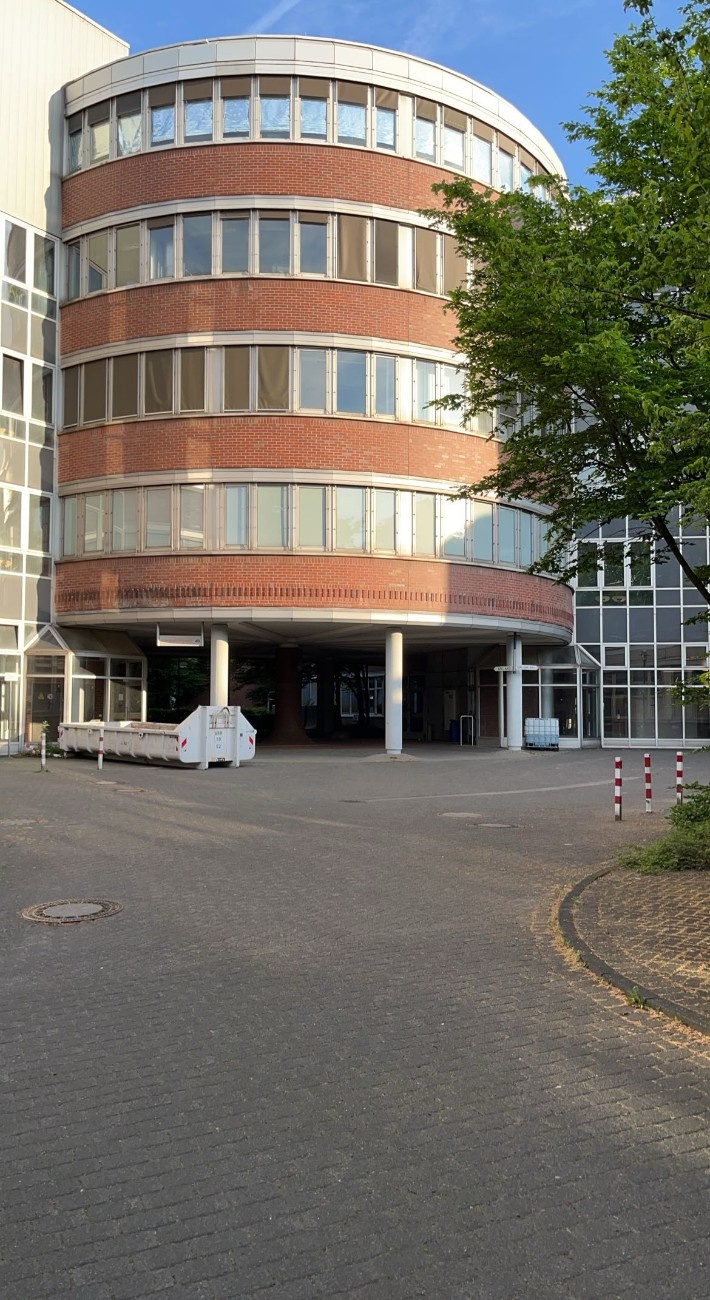
- The infrastructure of the University is quite old/outdated. They have started building a new campus plus renovations, but it will be a long time before we can reap the benefits of those.
Scholarship
- You do not need a scholarship because the course does not have a tuition fee. You only need money for living expenses. I neither applied for nor won any scholarship, because I found it unnecessary.
- There are some other scholarships for PHD students, but for Master studies, the DAAD scholarship schemes are the only ones that I know of. But they are only useful when you are attending a university that has tuition fees.
Likes
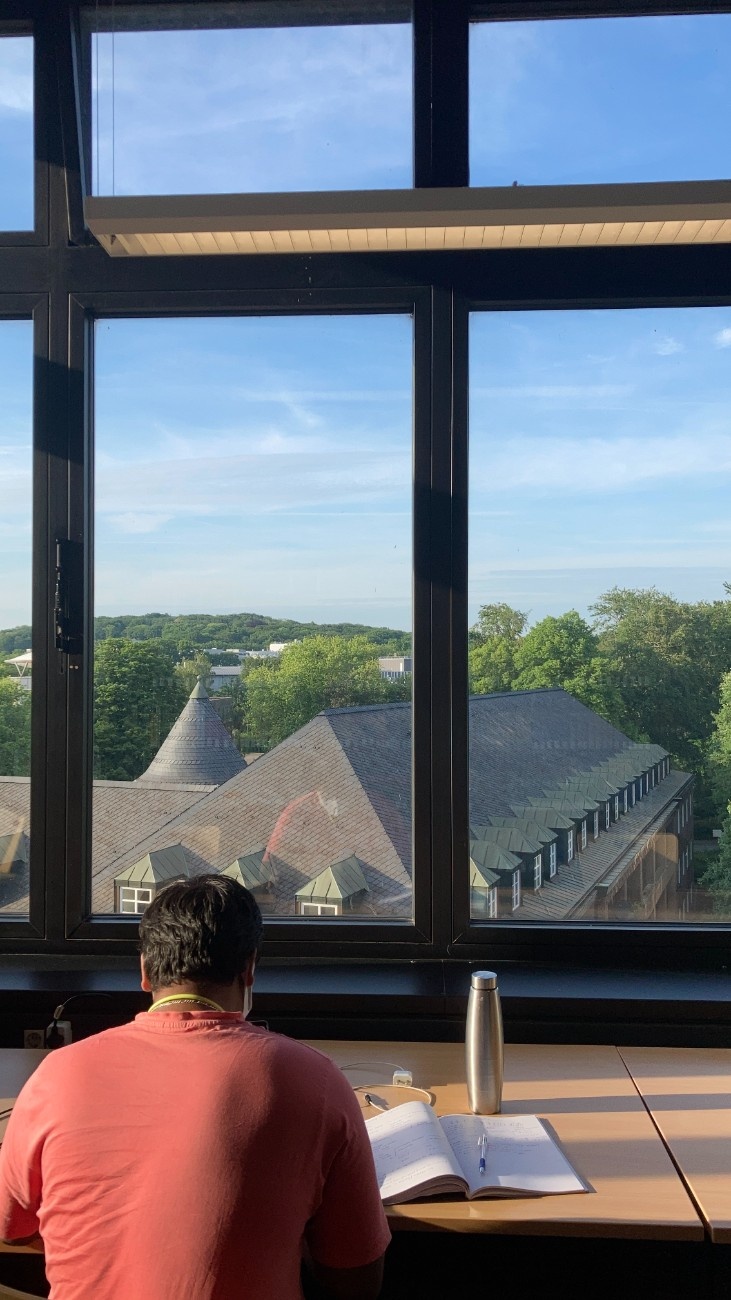
- The university library is the best place to study.
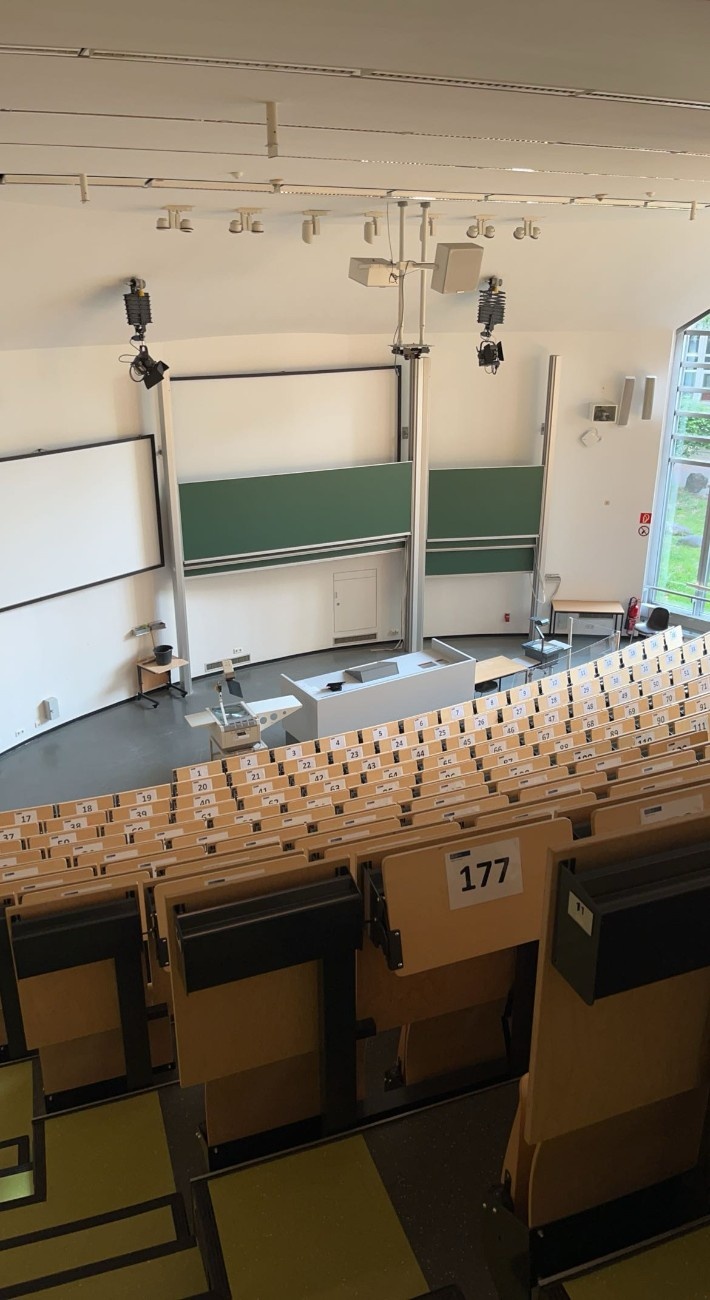
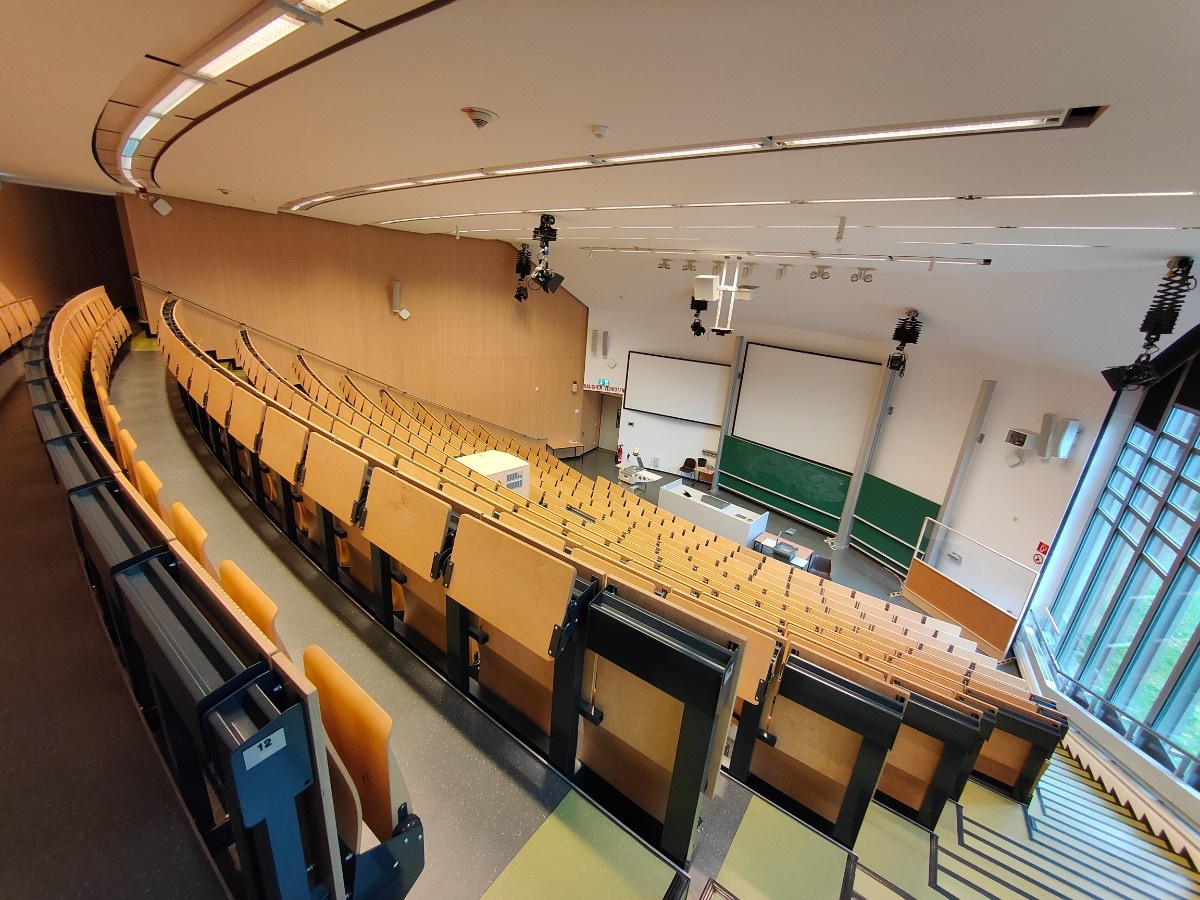
- The classrooms are very good and quiet.
- The teachers always help you, even apart from your syllabus.
Dislikes
- Less interaction with other students.
- Less attendance to the lectures.
- Less clarity in the content of some courses.
Scholarship
- No, as this is a public university, the chances of scholarships are very low. They do have some scholarships, but the usual criteria is higher grades in each semester. But mostly due to lower fees and no other costs, public universities have fewer scholarship offers.
- The data about the students who get the scholarships are not disclosed, but among my friends Not a single person received any scholarships for the current course.
- The PhD candidates may receive the scholarships but have no experience or any idea how it can be done.
Likes
- I do not dislike this but Technical Unis are very theoritical and research oriented and most people suggest them to others.
Dislikes
- It takes more time to complete a course in Technical Unis and most of the stuff taught is not really helpful in the Job Market.
- Just go to Hochschule or Fachhochschule as the course is easy compared to Technical Unis and curriculum is Industry oriented (Practical)
- But if you are going to work in the Industry, you do not have to attend them.
Likes
- Strong research focus in theoretical chemistry and electrocatalysis
- Access to high-performance computing clusters for advanced simulations
- Supportive and approachable supervisor and faculty
Dislikes
- Bureaucratic hurdles in Germany can sometimes delay processes (residence permits, contracts)
- Limited extracurricular activities compared to larger universities
Likes
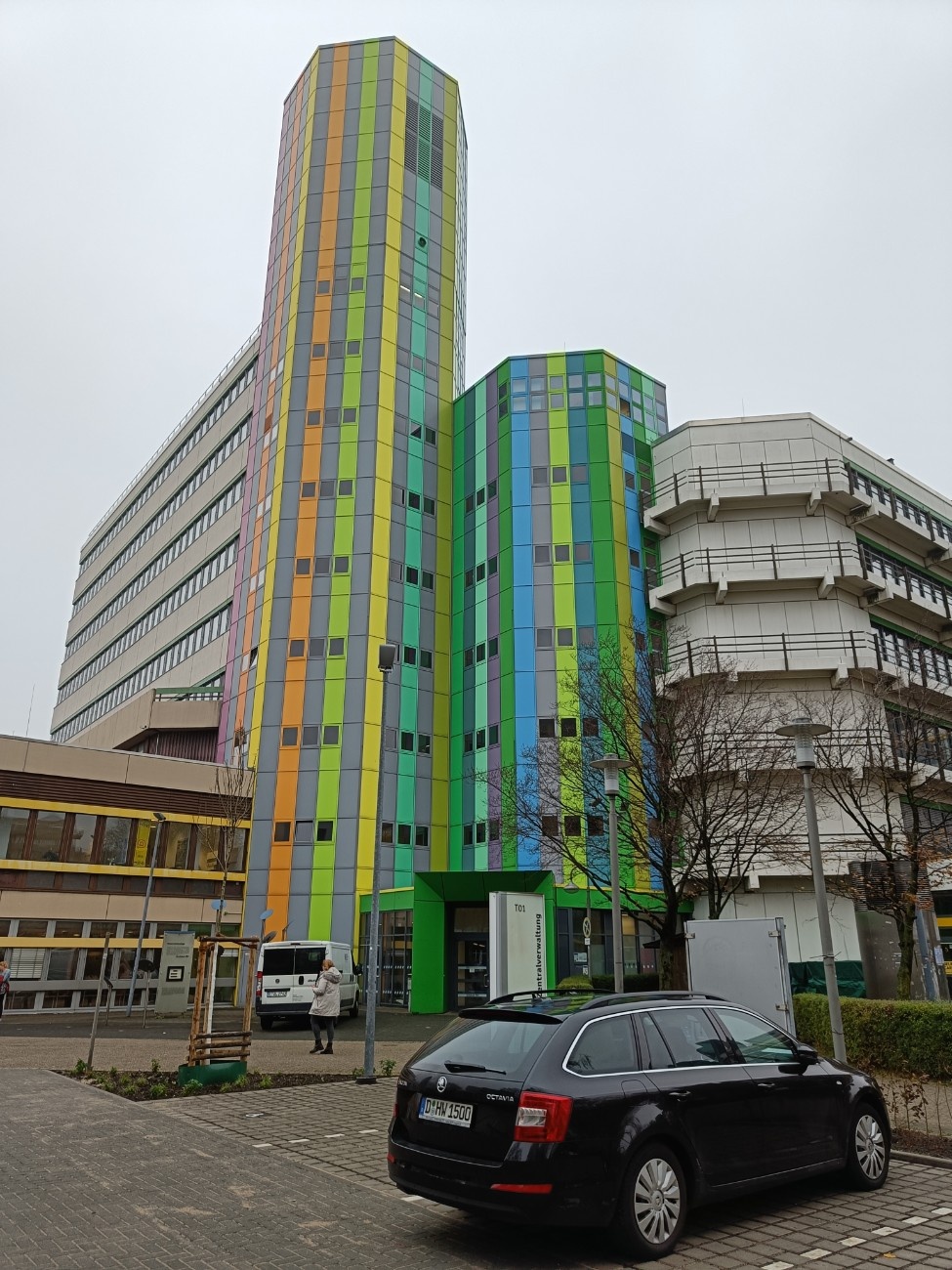
- The campus is spread across two cities Duisburg and Essen, hence it is called University of Duisburg-Essen. This makes the infrastructure of the university very attractive.
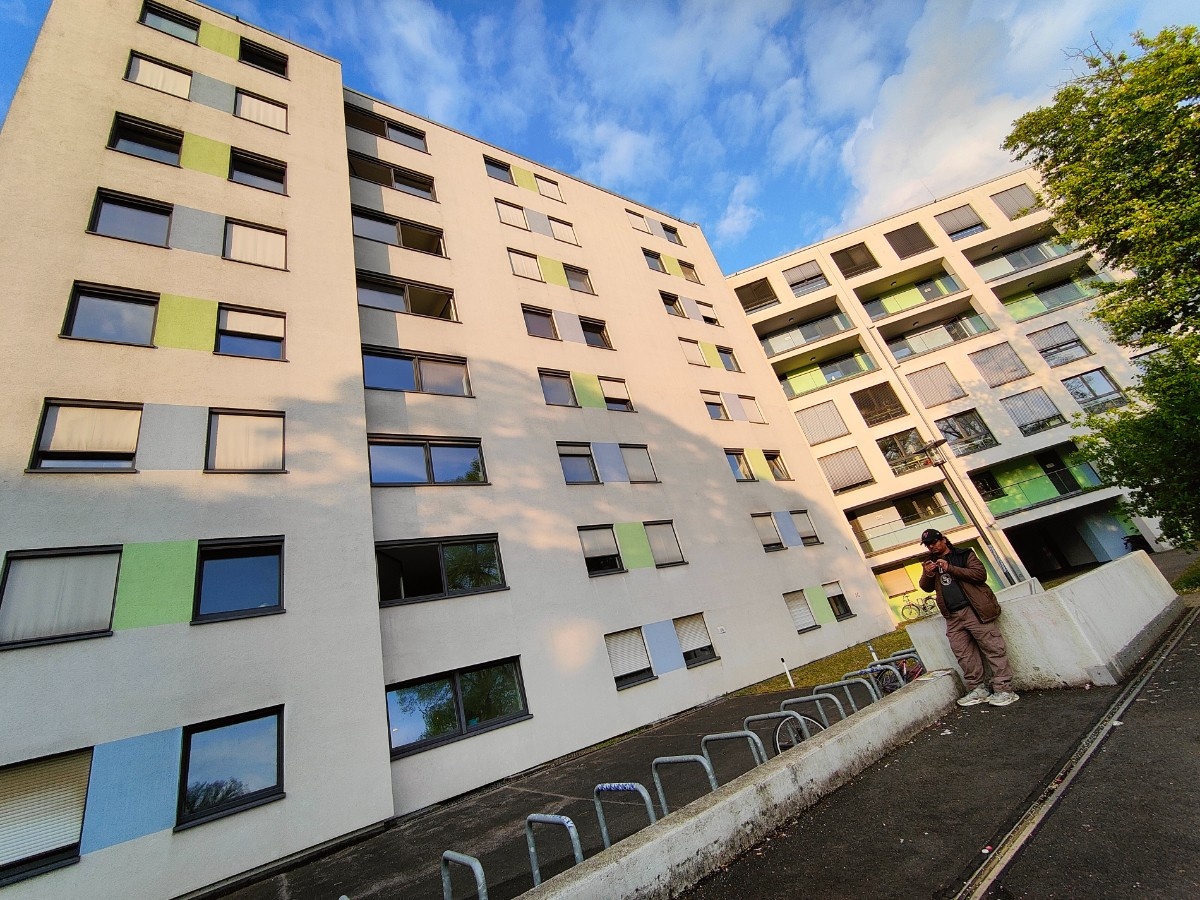
- The university offers affordable and spacious student hostels.
- You are provided with your personal student portal where you can handle all your academic stuff.
Dislikes
- German language is essential to integrate, without language it can be sometimes difficult for international students.
- Since the campus is spread between two cities, there can sometimes be long commutes.
- The food provided in canteen is mostly German based and I found it not so suitable when you have Indian background.
Scholarship
- I did not receive any scholarship. But yes, scholarships are provided depending on your performance in academics. The amount usually ranges from 300 to 1000 € per month depending upon the scholarship program.
- So if you are aiming for scholarships, you have to perform well in academics. Also, some universities provide financial aid as well for which you need to submit the necessary requested documents.
Likes
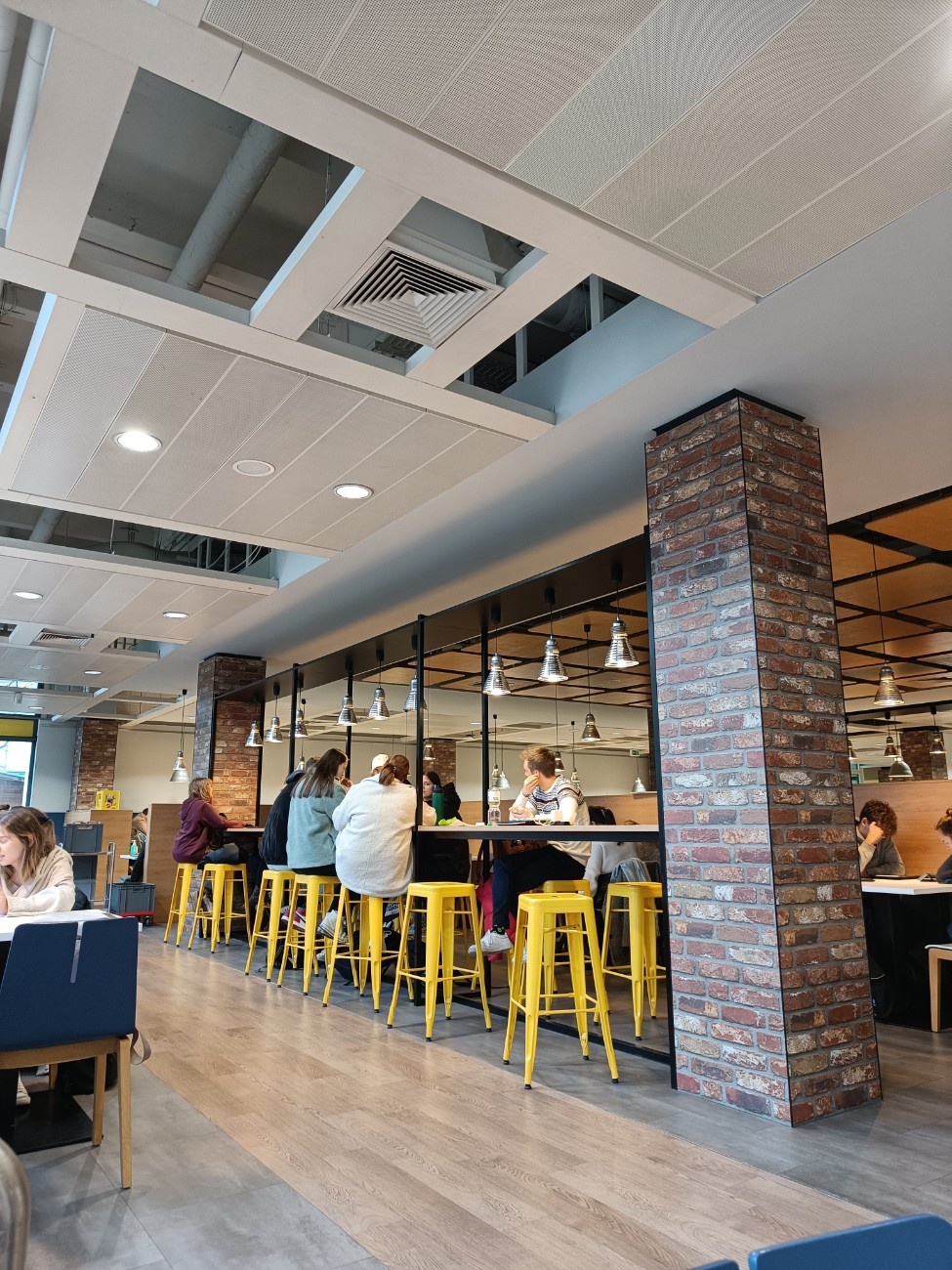
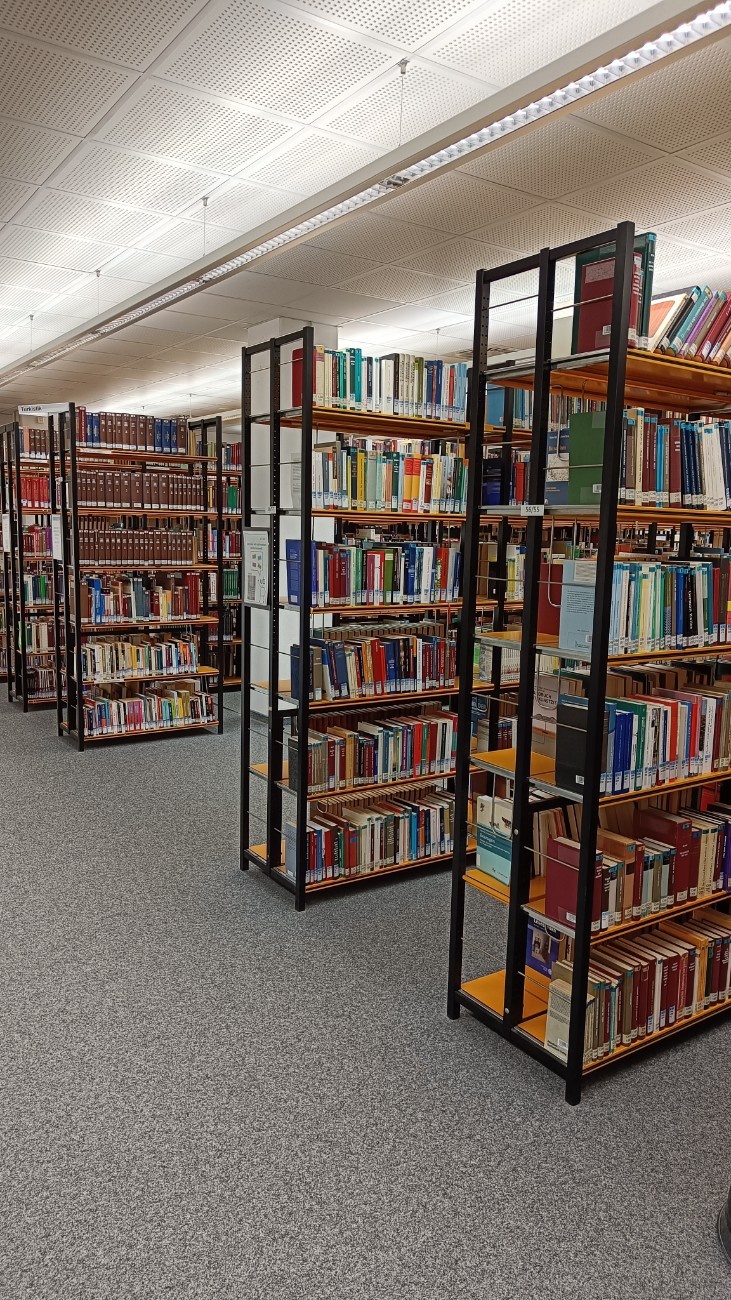
- Infrastructure (classrooms, great libraries, canteens, cafes etc); availability of all facilities online (starting from course information, course contents, exam registration, receiving mails for each class to checking the current day menu in canteens);
- Connectivity between two campuses (university has bus service between two campuses); Ease of subject selection (there are teams to make personal suggestions);
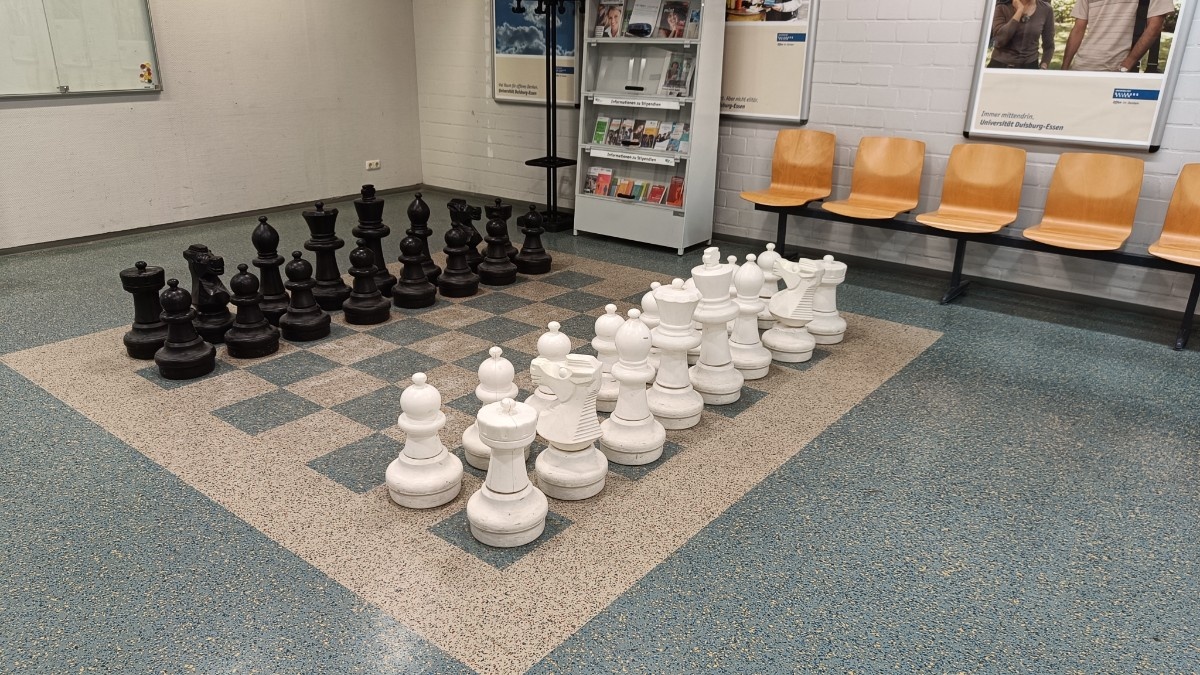
- Stipend Facility (University has own stipend programms for the students, which anyone can apply for); Cultural Activities (two internal organisations are responsible for multiple type of social activies, like language learning, performing music, art, making friends, datin etc);
Dislikes
- Students cannot always get close to professors like in India, which is initially a problem, but with time, one can get accustomed to;
- Time limit during semester exams (normally 50 questions including long numericals are asked online within 60 minutes for many subjects);
- Study is too dependant on online contents; classes for each subject are conduct once a week, one needs to study the rest on his/her own;
Scholarship
- Currently I am not receiving any, but there are plenty of scholarships. University itself offers a scholarship, available from the 2nd semester onwards for students of all countries and all subjects.
- During each semester, an event named "Stipendientag" is organised, where students can visit and talk to several institutions offering scholarships. There they can know about timelines, requirements, process of application, etc.
Likes
- Because i got the exact course here that i was looking for. And Totally in German
- freedom, Relaxed atmosphere, flexibility and Less pressure and more opportunities. You'll have to carve your own path through your own channels, nothing will be spoon fed to you and i think that's what makes it so efficient and healthy.
Dislikes
- You'll have to carve your own path through your own channels, nothing will be spoon fed to you that can be challenging to some but at the end of the day it's all worth it.
Overview
As i mentioned, it's great if you are ready to integrate and understand and apply how things here work. You should really be passionate about doing good work here at the Uni to make your life better.
Scholarship
Yes ERASMUS exchange during my bachelors.
Likes
- The field I have studied in the bachelors and the experiences I have gained drove my attention to choose the course Logistics Engineering at this university as a part of my study, and as the government pays the tuition fees to study at this university in Germany, I chose this university.
- The research facilities are very good, and the overall teaching staff is very qualified. The extracurricular activities organized by many student unions also help you find and meet new people and learn about the new culture.
Dislikes
- The exam system is the most stressful because, as an international student, you need to pass an exam in less than or equal to three attempts. Additionally, due to its diverse locations, you might need to go to various locations to attend the lectures and exams.
Overview
However, the university and department I am studying are very old, the exam system is very hard, as you need to pass the exams with a maximum of 3 attempts for a given subject. If you exceed that, you can be ex-matriculated and can been departed back to home country.
Scholarship
No.
Likes
- I was interested in german universities as it was economical for middle class students. Adding to that I come from Mechanical background so I felt logistics fits perfectly for my master's degree. Additionally Duisburg-Essen University is renowned for Logistics branch. So I chose this degree and university
- My university is very well known for its logistics department. So I would suggest this one for every logistics aspirants. One can come study here and get international experience. As you can see people coming for every corner of the world, there is no space for racism. And it is also located in Nrw, which is very student friendly state.
Dislikes
- It's bit hard to get thesis supervisor other than that it's all good to go university. It only has 3 attempts to clear the subject so many people who haven't cleared the subject has to leave the country being an international student.
Overview
It was very good experience for me to get graduated from such an old University. It gave me international experience and my university was student friendly in every aspect. I would recommend to learn German and apply for such a good university.
Scholarship
No fees for my university
Overview
Because I am intrested in research and development of automobile sector so selected Computational Mechanics stream and found this university as one the best in it.
interested in this College ?
Follow & Share this college to get information about admission.



Comments