



University of Duisburg-Essen Courses and Fees 2026


University of Duisburg-Essen fees for Indian students total zero for tuition at both undergraduate and postgraduate levels, with only a €312.40 (INR 34,048) semester fee covering the Deutschlandticket transport pass and student services. The five programmes Indian students most commonly apply to are the MSc Computer Science Engineering, MSc Mechanical Engineering, MSc Energy & Environment, MSc Industrial Engineering, and MSc Chemistry, and all of them charge no per-year tuition.
The Winter Semester 2026/27 window closes 31 July 2026 for unrestricted programmes, but the German student visa takes 6 to 12 weeks to process, so a fresh Indian applicant cannot realistically start this October. The next workable entry is Winter Semester 2027/28 starting October 2027, with the Summer Semester 2027 open only for a small subset of Master’s programmes.
- UG tuition: €0 (INR 0)
- PG tuition: €0 (INR 0)
- Semester fee: €312.40 (INR 34,048) per term, €624.80 (INR 68,097) annually
- Blocked account (Sperrkonto): €11,904 (INR 12.97 Lakhs), government-set visa requirement
- Deutschlandstipendium (top award): €300 per month (INR 32,697) for one year
A full 2-year Master’s at University of Duisburg-Essen runs Indian students around INR 30.88 Lakhs in total, of which nearly INR 30 Lakhs is living cost rather than tuition, and a 3-year Bachelor’s totals close to INR 46.16 Lakhs.
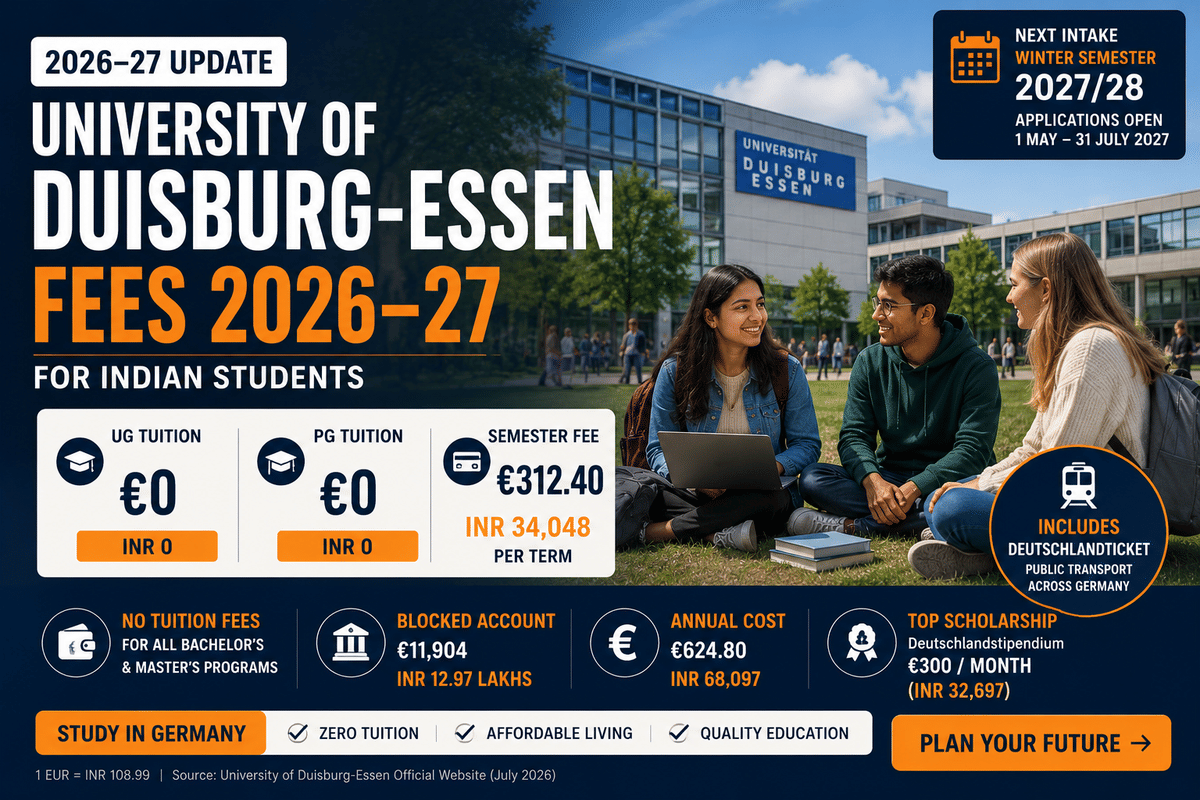
All INR figures use 1 EUR = INR 108.99.
Winter Semester 2027/28 Intake: Planning Cycle for Indian Applicants
Intake: Winter Semester 2027/28 applications open 1 May 2027 and close 15 June 2027 for restricted programmes and 31 July 2027 for unrestricted programmes. Summer Semester 2027 (April 2027 start) opens 1 November 2026 and closes 31 January 2027, but most engineering Master’s are Winter-only.
Fee update: The 2026/27 semester fee is €312.40 (INR 34,048) and applies to Winter 2027/28 barring a student union revision. Tuition stays at €0 for every Bachelor and standard Master’s programme.
When to pay: There is no upfront tuition deposit; the €11,904 (INR 12.97 Lakhs) blocked account is funded 2 to 3 months before the visa interview and unlocks in monthly instalments after arrival.
Scholarships: The DAAD Study Scholarship application for the 2027/28 academic year closes around 15 October 2026. Deutschlandstipendium applications for the October 2027 cohort open in June 2027.
Check University of Duisburg-Essen Admission Requirements for Indian Students →
Table of Contents
- University of Duisburg-Essen Tuition Fees by Programme for Indian Students
- University of Duisburg-Essen Fee Trend and Semester Fee Composition
- Cost of Living in Duisburg and Essen for Indian Students
- Total Cost of Studying at University of Duisburg-Essen for Indian Students
- University of Duisburg-Essen Scholarships for Indian Students
- University of Duisburg-Essen Semester Fee Payment and Blocked Account Guide
- Hidden Costs of Studying at University of Duisburg-Essen for Indian Students
- Fee Saving Strategies at University of Duisburg-Essen for Indian Students
- Is University of Duisburg-Essen Worth the Cost for Indian Students
- FAQs
University of Duisburg-Essen Tuition Fees by Programme for Indian Students
University of Duisburg-Essen is a public research university in North Rhine-Westphalia and charges €0 tuition for every consecutive Bachelor’s and every standard Master’s programme, regardless of nationality. The only compulsory teaching cost is the semester fee of €312.40 (INR 34,048), which covers the Deutschlandticket, student services, and student body contributions.
Undergraduate Fees at University of Duisburg-Essen: Winter 2027/28
Bachelor’s programmes at University of Duisburg-Essen are taught primarily in German, so Indian students need DSH-2 or TestDaF-4 language proof. All Bachelor programmes charge the same flat semester fee.
| Bachelor Programme | Tuition per Year (EUR) | Semester Fee per Term (EUR) | Annual Cost (INR) |
|---|---|---|---|
| BSc Mechanical Engineering | €0 | €312.40 | INR 68,097 |
| BSc Electrical Engineering and Information Technology | €0 | €312.40 | INR 68,097 |
| BSc Computer Science | €0 | €312.40 | INR 68,097 |
| BSc Industrial Engineering | €0 | €312.40 | INR 68,097 |
| BSc Chemistry | €0 | €312.40 | INR 68,097 |
| BA Business Administration | €0 | €312.40 | INR 68,097 |
Source: University of Duisburg-Essen, After Admission page (uni-due.de/international/after_admission.php) and semester fee notice.
Postgraduate Fees at University of Duisburg-Essen: Winter 2027/28
Master’s programmes carry the same €0 tuition as Bachelor’s, and Indian students most commonly enter through the International Studies in Engineering (ISE) family and Computer Science Master’s. Application processing through uni-assist adds a one-time fee of €75 (INR 8,174) for the first course choice and €30 (INR 3,270) per additional choice in the same semester.
| Master Programme | Tuition per Year (EUR) | Semester Fee per Term (EUR) | Annual Cost (INR) |
|---|---|---|---|
| MSc Computer Science Engineering | €0 | €312.40 | INR 68,097 |
| MSc Mechanical Engineering | €0 | €312.40 | INR 68,097 |
| MSc Energy & Environment (ISE) | €0 | €312.40 | INR 68,097 |
| MSc Industrial Engineering | €0 | €312.40 | INR 68,097 |
| MSc Chemistry | €0 | €312.40 | INR 68,097 |
| MSc Automotive Engineering & Management | €0 | €312.40 | INR 68,097 |
Source: University of Duisburg-Essen International Admissions page (uni-due.de/international/international-admissions-en.php).
Note: The University of Duisburg-Essen statement is explicit, "The University of Duisburg-Essen does not charge tuition fees." The €312.40 (INR 34,048) is a semester contribution, not a tuition instalment, and is paid only after enrollment in Germany, never before departure from India.
Compare Courses in Germany in English →
University of Duisburg-Essen Fee Trend and Semester Fee Composition
Tuition at University of Duisburg-Essen has been €0 since 2014, the year North Rhine-Westphalia abolished the general tuition fee for higher education. What does change is the semester contribution, which the AStA (student union) renegotiates when the Deutschlandticket price or student services levy is revised, but the movement is typically a few euros per semester.
| Semester Fee Component (Winter 2026/27) | Amount (EUR) | Amount (INR) |
|---|---|---|
| Student services contribution (Studierendenwerk) | €92.00 | INR 10,027 |
| AStA and student body fee | €12.00 | INR 1,308 |
| Deutschlandticket (all-Germany transport) | €176.40 | INR 19,226 |
| Administrative and registration fee | €32.00 | INR 3,488 |
| Total semester fee | €312.40 | INR 34,048 |
Source: University of Duisburg-Essen semester contribution notice, verified via after_admission and tuition_fees pages. Component breakdown is representative and rounded to the announced figures.
Key Insight: The Winter 2027/28 intake is expected to carry the same €312.40 (INR 34,048) semester fee, so budget €624.80 (INR 68,097) for a full academic year of fees. This is roughly 1/60th of the equivalent annual tuition at a mid-tier UK Russell Group university, and it already bundles unlimited train travel across Germany.
Cost of Living in Duisburg and Essen for Indian Students
Living expenses in Duisburg and Essen sit well below Berlin, Munich, or Frankfurt, which is one reason the Ruhr region draws so many Indian students. The German government sets the visa-benchmark at €992 per month (INR 1.08 Lakhs), matching the annual blocked account figure of €11,904 (INR 12.97 Lakhs), and a frugal student in a WG (Wohngemeinschaft, shared flat) can usually live inside this envelope.
| Expense | Monthly (EUR) | Monthly (INR) | Annual (INR) | Notes for Indian Students |
|---|---|---|---|---|
| Rent (WG room or Studierendenwerk hall) | €300 to €400 | INR 32,697 to INR 43,596 | INR 3.92 to 5.23 Lakhs | Duisburg is cheaper than Essen; apply to Studierendenwerk halls the day you get admission. |
| Groceries | €200 (INR 21,798) |
INR 21,798 | INR 2.62 Lakhs | Aldi, Lidl, Kaufland; Indian groceries at Duisburg-Marxloh keep spice budget low. |
| Public health insurance (mandatory) | €130 (INR 14,169) |
INR 14,169 | INR 1.70 Lakhs | TK, AOK, or Barmer for under-30 students; enrollment is blocked without proof. |
| Utilities and internet | €80 (INR 8,719) |
INR 8,719 | INR 1.05 Lakhs | Usually bundled into the WG rent (Warmmiete); confirm before signing. |
| Transport | €0 | INR 0 | INR 0 | Deutschlandticket is inside the semester fee and covers regional trains, U-Bahn, and buses across all of Germany. |
| Mobile, personal, and leisure | €180 (INR 19,618) |
INR 19,618 | INR 2.35 Lakhs | Prepaid SIM at Aldi Talk or Lidl Connect costs €8 to €10; mensa lunch is €4 to €5. |
| Books and study materials | €30 (INR 3,270) |
INR 3,270 | INR 39,236 | Most engineering readings sit in the university library or on Moodle at no cost. |
| Realistic monthly total | €920 to €1,020 | INR 1.00 to 1.11 Lakhs | INR 12.03 to 13.34 Lakhs | Slightly below the €992 blocked account benchmark for a WG-based lifestyle. |
Sources: German Federal Foreign Office blocked account benchmark of €11,904 for 2026 (auswaertiges-amt.de) and Numbeo Duisburg city index for household categories, cross-checked with Studierendenwerk Duisburg-Essen rate cards.
Note: Health insurance is the single biggest expense many Indian applicants forget. It is compulsory before matriculation, costs about €130 (INR 14,169) per month, and unlike a private travel policy, it must be a German statutory or German-recognised provider, so buy it on arrival in Germany, not from India.
Duisburg rents run roughly 15% cheaper than Essen, so students in North-Duisburg WGs often stay below €350 (INR 38,147) rent and use the Deutschlandticket to commute to Essen campus. That single choice keeps monthly outgoings under the €992 (INR 1.08 Lakhs) benchmark.
Currency Tip: Fund the €11,904 (INR 12.97 Lakhs) blocked account through a specialist provider such as Fintiba or Expatrio using SWIFT, and it lands within 3 working days at 0.4% to 0.8% spread over the mid-market rate. A domestic Indian wire through a retail bank often loses 2% to 3%, or roughly INR 25,000 to INR 40,000 on the same €11,904 transfer.
Total Cost of Studying at University of Duisburg-Essen for Indian Students
The full picture for an Indian Master’s student, using the blocked account benchmark for living cost, is dominated almost entirely by living expenses because tuition is zero. First year totals land in the INR 14 to 15 Lakhs band, and a full two-year Master’s stays under INR 31 Lakhs.
| Scenario | Tuition (Year 1) | Living (12 months) | Mandatory Fees Year 1 | Total Year 1 (INR) |
|---|---|---|---|---|
| Bachelor (single, WG room) | €0 | €11,904 (INR 12.97 Lakhs) |
€700 (INR 76,293) |
INR 13.74 Lakhs |
| Master (single, WG room) | €0 | €11,904 (INR 12.97 Lakhs) |
€775 (INR 84,467) |
INR 13.82 Lakhs |
| Master (Studierendenwerk hall) | €0 | €10,800 (INR 11.77 Lakhs) |
€775 (INR 84,467) |
INR 12.62 Lakhs |
Mandatory Fees include semester contribution (€624.80), visa fee (€75), uni-assist first application (€75) for Master, and blocked account setup fee (€49 typical). Living is UG basis 12-month blocked account benchmark; PG identical because both intakes require the same visa proof. Sources: University of Duisburg-Essen fees notice, Federal Foreign Office visa fee schedule, and Fintiba blocked account fee card.
A full 2-year Master’s at University of Duisburg-Essen therefore totals around €28,338 (INR 30.88 Lakhs), and a 3-year Bachelor’s comes to about €42,357 (INR 46.16 Lakhs). If the entire Master’s is loan-funded at INR 31 Lakhs, the EMI on a 10-year education loan at 10.5% is roughly INR 41,700 per month, which a mid-level engineer’s salary in Germany covers with room to save.
Key Insight: Winning a Deutschlandstipendium for the October 2027 cohort cuts €3,600 (INR 3.92 Lakhs) off your Year 1 outflow, taking the Master’s total to about INR 27 Lakhs. Apply in June 2027 the moment your matriculation number is issued; the award is need-and-merit-based and the shortlist skews toward CGPA holders above 8.5.
Check Out Cost of Living of Germany →
University of Duisburg-Essen Scholarships for Indian Students
Because tuition is already zero, scholarships at University of Duisburg-Essen target the €11,904 (INR 12.97 Lakhs) annual living cost, not fees. The three that Indian students most successfully win are the Deutschlandstipendium, DAAD Study Scholarships for graduates from developing countries, and the DAAD-EPOS programme for Master’s in development-related fields.
University-Administered Scholarships at University of Duisburg-Essen
| Scholarship | Amount | Duration | Indian Eligibility and Deadline |
|---|---|---|---|
| Deutschlandstipendium (UDE-Stipendium) | €300/month (INR 32,697), €3,600/year (INR 3.92 Lakhs) | 12 months | Open to enrolled Indian students; apply in June for the October cycle. Merit-based, no separate form required beyond enrollment number. |
| STIBET Merit Scholarship (DAAD-funded, administered by UDE) | €300/month (INR 32,697) | 6 to 12 months | Open to matriculated international students in their final study phase; nomination by department. |
| DUE-Mobil Scholarship | €500 to €1,200 (INR 54,495 to INR 1.31 Lakhs) one-off | One-time | For UDE students doing part of their studies abroad; useful for exchange semesters. |
Source: University of Duisburg-Essen scholarship information (uni-due.de/de/marketing/students.php) and European Funding Guide UDE-Stipendium record.
External Indian and DAAD Scholarships for University of Duisburg-Essen
The following external awards are currently open or set to reopen for Indian students planning a Winter Semester 2027/28 entry.
| Scholarship | Amount | Deadline | Best For |
|---|---|---|---|
| DAAD Study Scholarships for Foreign Graduates (Development-Related) | €992/month (INR 1.08 Lakhs) + travel + insurance | 15 October 2026 (for 2027/28) | Master’s in Development-Related fields; strong CGPA and 2 years work experience. |
| Inlaks Shivdasani Foundation Scholarship | Up to USD 100,000 (INR 86 Lakhs) | Late March 2027 | Under-30 Indian Master’s applicants with an unconditional offer. |
| JN Tata Endowment Loan Scholarship | INR 10 Lakhs loan + up to INR 7.5 Lakhs gift | Late March 2027 | Any Indian Master’s applicant abroad; no repayment on gift component. |
| KC Mahindra Scholarship for PG Studies Abroad | Up to INR 10 Lakhs interest-free loan | Late March 2027 | Indian PG students starting Master’s in 2027. |
| Narotam Sekhsaria Foundation Loan Scholarship | Up to INR 20 Lakhs (interest-free loan) | April 2027 | Indian Master’s applicants with offer letters. |
Sources: DAAD India scholarship portal (daad.in), Inlaks Foundation, JN Tata Endowment, KC Mahindra Education Trust, and Narotam Sekhsaria Foundation official pages.
Tip for Indian Students: The single highest-value action for the Winter 2027/28 intake is submitting the DAAD Study Scholarship before 15 October 2026. It pays €992 (INR 1.08 Lakhs) per month and, uniquely, waives the blocked account requirement entirely, saving you the INR 12.97 Lakhs upfront lockup.
Explore University of Duisburg-Essen Scholarships in Depth →
University of Duisburg-Essen Semester Fee Payment and Blocked Account Guide
University of Duisburg-Essen does not ask for a tuition deposit before arrival because tuition is zero. The functional equivalent for Indian applicants is the Sperrkonto (blocked account) of €11,904 (INR 12.97 Lakhs), which German authorities require before issuing a student visa. The semester fee of €312.40 (INR 34,048) is billed only after you enrol in Germany.
Methods of Payment for University of Duisburg-Essen Fees
- SEPA bank transfer within Germany: The default channel once you open a local current account; fees are effectively zero and the semester fee reference is issued by the Registrar.
- Specialist blocked account providers (Fintiba, Expatrio, Deutsche Bank): Handle both the €11,904 (INR 12.97 Lakhs) blocked deposit and often a linked current account; setup fee €49 to €89 (INR 5,341 to 9,700), monthly service €0 to €5.
- Forex card from India: Best route for pocket money on arrival before the German bank account is opened; loading spread is 0.5% to 1% vs 2% to 3% on a raw SWIFT wire.
- Education loan disbursement via lender’s forex partner: Public and NBFC lenders in India route the €11,904 blocked deposit directly, saving a second-mile currency conversion.
Steps to Pay Tuition and Blocked Account Funds for International Students
- Accept the admission letter issued by the University of Duisburg-Essen International Office or through uni-assist within the reply window on the letter.
- Open the blocked account with Fintiba, Expatrio, or Deutsche Bank and transfer €11,904 (INR 12.97 Lakhs) plus the €49 to €89 (INR 5,341 to 9,700) setup fee.
- Book the visa appointment at the German Consulate in Delhi, Mumbai, Chennai, Kolkata, or Bengaluru, and pay the €75 (INR 8,174) visa fee at the counter.
- Fly to Germany, register your address (Anmeldung) within 14 days, open a German current account, and buy statutory health insurance at about €130 (INR 14,169) per month.
- Pay the semester fee of €312.40 (INR 34,048) using the bank transfer slip issued by the Registrar; matriculation is complete only after the payment posts.
- Keep every receipt, especially the blocked account statement and the semester fee proof, because the residence permit renewal after Year 1 asks for both.
Source: University of Duisburg-Essen After Admission page (uni-due.de/international/after_admission.php) and German Federal Foreign Office visa services.
Note: The blocked account must be funded and confirmed at least 4 weeks before the visa appointment, because Consulates ask for the Fintiba or Expatrio confirmation letter at submission. For a Winter Semester 2027/28 start (October 2027), block the funds by early June 2027 to give the visa 6 to 12 weeks of processing runway.
Hidden Costs of Studying at University of Duisburg-Essen for Indian Students
The advertised zero tuition can lull applicants into under-budgeting. Real out-of-pocket costs cluster around visa, insurance, and setup, and they hit before the first classroom day.
- Blocked account setup and forex spread: €49 to €89 (INR 5,341 to 9,700) setup plus 0.4% to 1% forex spread on €11,904; total lost float is around INR 12,000 to INR 20,000.
- German student visa fee: €75 (INR 8,174) paid at the Consulate; non-refundable even if rejected.
- Statutory health insurance from Day 1: €130 (INR 14,169) per month, so €1,560 (INR 1.70 Lakhs) per academic year, absolutely non-negotiable.
- Uni-assist processing fees: €75 (INR 8,174) for the first application and €30 (INR 3,270) per additional programme in the same semester.
- APS (Akademische Prüfstelle) certificate for Indian applicants: Now mandatory for Indian degree-holders, €250 (INR 27,248) one-off fee.
- Rundfunkbeitrag (German TV/radio licence): €18.36 per month (INR 2,001) per household; exempted only via a BAföG letter, not for most self-funded international students.
- Initial setup on arrival: Deposit for WG room (typically 2 months rent), bedding, kitchen basics, winter jacket, together around €1,500 (INR 1.63 Lakhs).
- Return flight home during semester break: INR 55,000 to INR 90,000 round-trip if booked 3 months ahead.
Budget approximately INR 2.75 Lakhs to INR 3.25 Lakhs for first-year hidden costs on top of the semester fee and living envelope.
Note: The one hidden cost Indian families consistently miss is the APS certificate at €250 (INR 27,248). Since 2022, every Indian applicant to a German university must submit an APS number, and processing takes up to 8 weeks, so trigger the application the moment you begin the uni-assist file.
Fee Saving Strategies at University of Duisburg-Essen for Indian Students
For the Winter Semester 2027/28 intake, the highest-leverage saving is not on tuition (already zero) but on the €11,904 (INR 12.97 Lakhs) annual living envelope and the mandatory hidden fees.
- Apply to Studierendenwerk halls the day admission arrives: Rents from €260 to €330 (INR 28,337 to 35,967) beat private WG rates by €50 to €120 (INR 5,450 to 13,079) per month, saving INR 65,000 to INR 1.57 Lakhs across the Master’s.
- Take a Werkstudent job for up to 20 hours/week during term: Legal for students, pays €12.82 to €15 per hour (INR 1,397 to 1,635), worth €800 to €1,000 (INR 87,192 to 1.09 Lakhs) per month during term.
- Claim Section 80E tax deduction in India on the education loan interest: Interest paid on an Indian education loan is fully deductible for 8 assessment years starting from the year of repayment.
- Deutschlandstipendium in Year 2: Once you have a UDE transcript, apply in June for the October cohort; €3,600 (INR 3.92 Lakhs) for 12 months lands directly.
- Post-study EU Blue Card route: A Master’s graduate earning above the annual salary threshold gets an EU Blue Card, and after 21 to 33 months of qualifying work can convert it to permanent residence, letting the education loan run off salary rather than family funds.
- Eat at the Mensa: Studierendenwerk Duisburg-Essen serves student lunches at €3.50 to €5.50 (INR 381 to 599), saving €150 to €200 (INR 16,349 to 21,798) per month vs eating out.
Tip for Indian Students: The single biggest lever for a Winter 2027/28 entrant is the Werkstudent job, worth roughly €9,000 (INR 9.81 Lakhs) across a 2-year Master’s if you work the full 20 hours a week during term. Landing that job requires B1 or B2 German, so start language classes at Goethe-Institut India by early 2027.
Is University of Duisburg-Essen Worth the Cost for Indian Students
Yes, a full 2-year Master’s at University of Duisburg-Essen totals about INR 30.88 Lakhs and unlocks a German starting salary of €45,000 to €60,000 gross per year (INR 49.05 to 65.39 Lakhs) in engineering and computer science roles, giving a payback horizon of roughly 18 to 24 months. That is the shortest tuition-to-salary ratio in any major Western study destination.
Return evidence, all sourced from official rankings on the generation date: University of Duisburg-Essen ranks #301-350 in the THE World University Rankings 2026, #801-850 in QS World 2027, and #314 in the US News Best Global Universities 2025-26. Subject-level, THE 2026 places its Computer Science at #251-300, Engineering at #301-400, and Medical & Health at #201-250, all strong for a young merged-research university founded in 2003.
The post-study runway is generous. Every Master’s graduate receives an 18-month Job Seeker Visa to find qualified employment, and a job offer above the current EU Blue Card salary threshold triggers permanent residence eligibility in as little as 21 months of work. This is the rule in force on 29 July 2026 and is not scheduled to change for the 2027/28 cohort.
On EMI framing, a Master’s fully loan-funded at INR 31 Lakhs costs about INR 41,700 per month for 10 years at 10.5%. A first-year engineer in Germany takes home roughly €2,600 to €3,000 (INR 2.83 to 3.27 Lakhs) per month, so the EMI is under 15% of net income from Day 1 of work.
Key Insight: The Winter 2027/28 intake gets you into a top-350 THE-ranked university for a total cost of INR 30 Lakhs, roughly half the cost of a UK Master’s and one-third the cost of a US MS, while giving you an 18-month post-study visa and a path to EU permanent residence. On pure INR-per-outcome, there is no cheaper credentialed route into the EU labour market than a German public Master’s.
See University of Duisburg-Essen Global and Subject Rankings →
For the Winter Semester 2027/28 intake, an Indian applicant should budget a headline INR 30.88 Lakhs for a full 2-year Master’s or INR 46.16 Lakhs for a 3-year Bachelor’s at University of Duisburg-Essen, with the Deutschlandstipendium cutting Year 1 by INR 3.92 Lakhs and a Werkstudent job clawing back up to INR 9.81 Lakhs across the programme. On a fully-loaned INR 31 Lakh package, the EMI of INR 41,700 per month is comfortably absorbed by a first-year German engineering salary. The one action to lock in now for a 2027/28 start is filing the DAAD Study Scholarship before 15 October 2026, because that single award waives the entire INR 12.97 Lakh blocked account upfront.
FAQs
Ques. What is the total tuition fee at University of Duisburg-Essen for Indian students?
Ans. Tuition is €0 (INR 0) for every consecutive Bachelor’s and every standard Master’s programme at University of Duisburg-Essen, for Indian and every other nationality. The only compulsory teaching cost is the semester fee of €312.40 (INR 34,048) per term, which comes to €624.80 (INR 68,097) per academic year and includes unlimited German public transport via the Deutschlandticket.
Ques. How much money does an Indian student need in total for a Master’s at University of Duisburg-Essen?
Ans. A full 2-year Master’s totals about €28,338 (INR 30.88 Lakhs), with almost all of it going to living costs and mandatory insurance rather than tuition. First year outflow is roughly INR 13.82 Lakhs for a WG-based student, and the Deutschlandstipendium can knock INR 3.92 Lakhs off the second year.
Ques. What is the blocked account requirement for a University of Duisburg-Essen visa in 2026?
Ans. The Federal Foreign Office requires €11,904 (INR 12.97 Lakhs) in a blocked account for a 2026 or 2027 student visa, unlocking at €992 (INR 1.08 Lakhs) per month. Fund it through Fintiba, Expatrio, or Deutsche Bank at least 4 weeks before the visa interview.
Ques. Does University of Duisburg-Essen charge an application fee for Indian applicants?
Ans. The university itself charges no application fee, but Indian applicants pay €75 (INR 8,174) to uni-assist for the first course and €30 (INR 3,270) for each additional course in the same semester. Add the mandatory APS certificate at €250 (INR 27,248), which is now compulsory for every Indian degree-holder applying to a German university.
Ques. When is the next intake I can realistically start at University of Duisburg-Essen?
Ans. For an Indian applicant with no German visa on hand, the next realistic intake is Winter Semester 2027/28, starting October 2027, because the Winter 2026/27 window closes 31 July 2026 and the visa takes 6 to 12 weeks. A small subset of Master’s programmes opens for Summer Semester 2027 (April 2027 start) with applications between 1 November 2026 and 31 January 2027.
Ques. What is the semester fee at University of Duisburg-Essen for 2026/27?
Ans. The semester contribution for 2026/27 is €312.40 (INR 34,048) per term, made up of the Studierendenwerk contribution, AStA fee, Deutschlandticket, and administrative fee. It is paid only after enrollment in Germany, using a bank transfer slip issued by the UDE Registrar.
Ques. How much can an Indian student earn working part-time while at University of Duisburg-Essen?
Ans. Non-EU students including Indians can work 140 full days or 280 half days per year, and during term the standard Werkstudent role runs 20 hours/week at €12.82 to €15 per hour (INR 1,397 to 1,635). That is €800 to €1,000 (INR 87,192 to 1.09 Lakhs) per month during term, enough to cover the full monthly living envelope.
Ques. What scholarships can Indian students win at University of Duisburg-Essen?
Ans. The three highest-hit awards are the Deutschlandstipendium at €300/month (INR 32,697) for 12 months, the DAAD Study Scholarship at €992/month (INR 1.08 Lakhs) for the full Master’s, and the STIBET Merit Scholarship at €300/month (INR 32,697) in the final study phase. Indian applicants should also file the Inlaks and JN Tata scholarships, both closing in late March 2027.
Ques. Is health insurance mandatory at University of Duisburg-Essen and how much does it cost?
Ans. Yes, statutory health insurance is compulsory for enrollment and costs about €130 (INR 14,169) per month for under-30 students with providers like TK, AOK, or Barmer. That works out to €1,560 (INR 1.70 Lakhs) per academic year, and the university will not process matriculation without a valid insurance certificate.
Ques. Is University of Duisburg-Essen worth it compared to a UK or US Master’s for Indian students?
Ans. On pure cost, yes; the University of Duisburg-Essen Master’s at INR 30.88 Lakhs is roughly 60% cheaper than a UK Russell Group Master’s at INR 45 to 55 Lakhs and about 65% cheaper than a US MS at INR 65 to 90 Lakhs. The trade-off is programme language (German for Bachelor’s, mixed for Master’s) and a lower QS World rank (#801-850) than most UK Russell Group universities, though THE 2026 places it in the global top 350 and Computer Science in the top 300.
STEM Course
Master of Science [MS] Computer Engineering
Do you think the fees are wrong ? Report Here
Bachelor of Science [BS] Applied Computer Science - Focus on Engineering or Media Informatics
Master of Science [MS] Computer Science
Master of Science [MS] Automation and Safety
Bachelor of Science [BS] Psychology
Bachelor of Science [BS] Energy Science
Bachelor of Science [BS] Molecular Biology
Bachelor of Science [BS] Mathematics
Bachelor of Science [BS] Aquatic Biology
Bachelor of Science [BS] Biology
Master of Science [MS] Chemistry
Master of Science [MS] Econometrics
Bachelor of Science [BS] Technomathematics
Bachelor of Science [BS] Medical Biology
Bachelor of Science [BS] Medical Engineering
Bachelor of Science [BS] Chemistry
Bachelor of Science [BS] Civil Engineering
Master of Science [MS] Biology
Bachelor of Science [BS] Physics
Bachelor of Science [BS] NanoEngineering
Master of Science [MS] Biodiversity
Course Finder - Search from 50K+ courses
Popular Streams:
University of Duisburg-Essen Reviews
10 Reviews Found
Likes
- The college is very international friendly, there are a lot of courses in English.
- The college is situated in Ruhr-area, which is one of the most industry-heavy areas in Germany, which opens up a lot of job prospects.
- The university is located in two cities, Essen and Duisburg, which means there are lot of courses on offer, spoiling you for choices.
Dislikes
- The university does not have a proper programme to help incoming international students. They do not invest enough resources to help new foreign students, that means, instead the incoming students have to rely on information from their seniors to navigate the initial days in Germany
- The university website and the student portal are very complicated to understand, and the whole process of registering/deregistering from exams is very complicated to understand. Also, the University office is quite unresponsive for this matter, and people have to rely on information from fellow students/seniors.
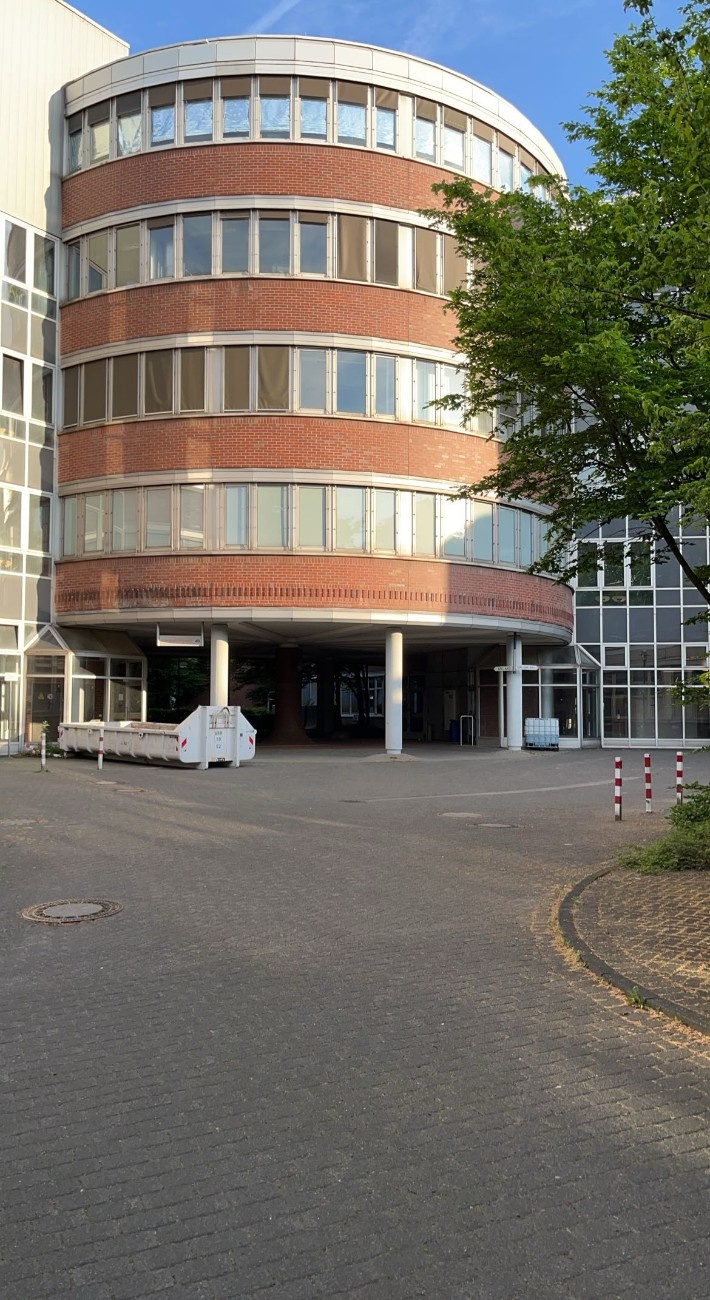
- The infrastructure of the University is quite old/outdated. They have started building a new campus plus renovations, but it will be a long time before we can reap the benefits of those.
Course Curriculum
- The difficulty of the course is relatively high because you are also learning in German.
- Learning in German has both positive and negative aspects, as on one hand, you are improving your language, but on the other hand, you find it very difficult to understand technical concepts in German.
- The advantage of the course is the flexibility. There is no fixed curriculum. You choose the subjects you want to take in that semester and plan your timetable accordingly. You decide your own workload. And the choice of subjects is huge. You have around 50-60 subjects to choose from, and for your degree, you only need around 20 of them.
- Average number of students depends on your subject, because there are a lot of common subjects within different courses; that means you can end up meeting new people at every class from different streams. Number of students in one class can range from around 20 to around 100. There is no fixed number.
- I would say around 30 Indian students started the degree together with me. I do not have the numbers on the Junior or the seniors.
Fees
- The college does not have a tuition fee; you only pay a semester fee for administrative purposes, which is around 350 euros per semester. Monthly, you can expect to spend around 900-950 euros depending on where you live.
- The rent is between 300-400 euros. You pay around 140-150 for health insurance. Around 200 euros per month on groceries and the rest is miscellaneous experience. You do not need to spend anything on transportation, because as a student, you can travel free of cost on public transportation.
Likes
- The university library is the best place to study.
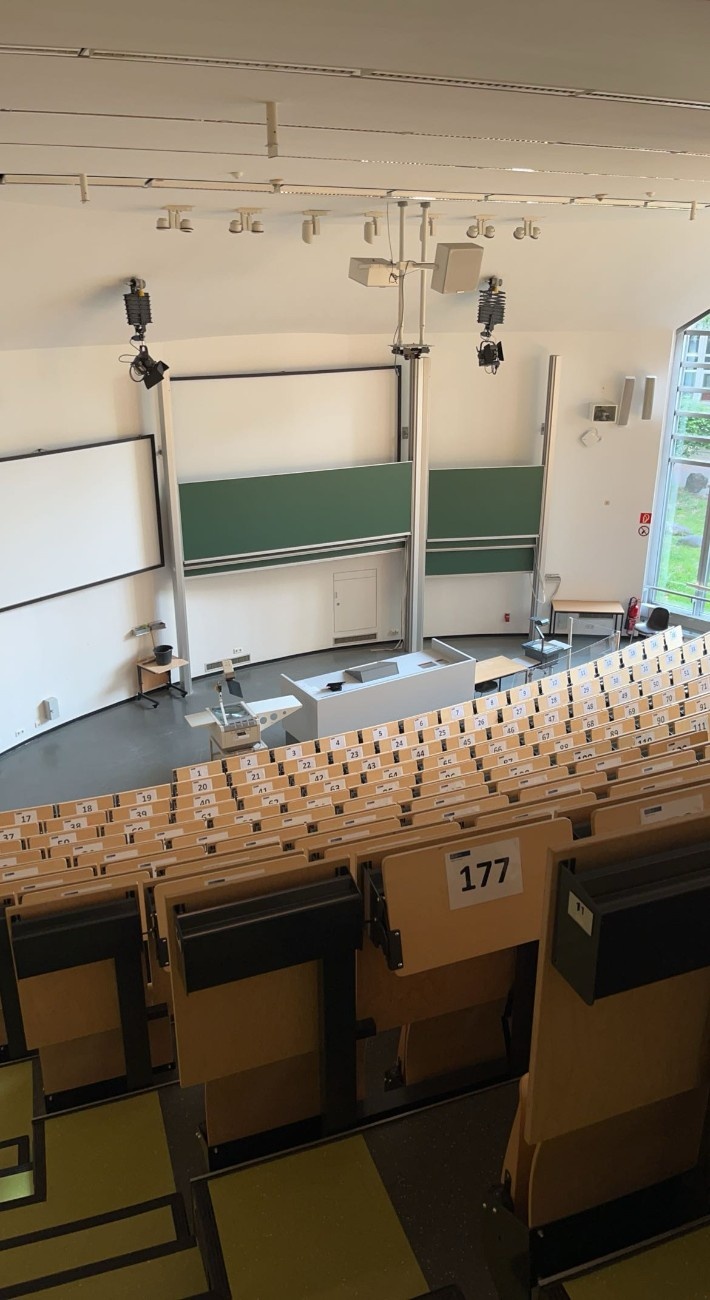
- The classrooms are very good and quiet.
- The teachers always help you, even apart from your syllabus.
Dislikes
- Less interaction with other students.
- Less attendance to the lectures.
- Less clarity in the content of some courses.
Course Curriculum
- The difficulty level is a little bit high compared to India; the course is a mixture of both theory and practical. This is a public university, so the research site is also explored in the public university. In applied science universities, more practical courses are designed.
- The course is very well structured, and the outline is defined so that students get an idea of a topic and are helped to clear the exams. Some courses are very difficult, and you have to give the exam in the German language. The course at the university I taught in both languages, so some compulsory subjects are only in the German language.
- Average students in the course will be better, because in the university you have to choose your subjects by yourself from given options. So students from other branches can also study some of your subjects.
- So average students for any subject may be 100-120, based on exams given by students.
- And in the University of Duisburg-Essen, the number of Indian students is very high. Among the 120 students, 50-60 may be Indian students.
Fees
- Total university fees are different every semester; they vary between 300 and 350 euros per semester.
- So this is only for 6 months of university fees.
- In this fee, the university provides us free transportation in the North Rhine-Westphalia state. With this ticket we can take any regional train within the state.
- Currently, because of the Deutschland ticket, with which we can travel within the whole of Germany, the University of Duisburg-Essen includes the Deutschland ticket in its semester fees only. There is no need to buy any other tickets for transportation; it includes regional trains, buses, trams and U-Bahns.
- The rent usually is between 320 and 380 euros in the city centre, even in student dormitories. outside the city it will be between 250-320 euros for 13-15m square room.
- Private rentals may be between 300 and 400 for one single room of around 15 square metres.
- In this city, monthly groceries will cost around 150-200 euros, and if you eat regularly in the university canteen and outside, then it will go up to 300 euros monthly.
- No other expenses are required. Personal shopping may cost you 100-150 euros, depending on the individual.
- If you visit places nearby, the transportation is free, but you have to pay the ticket price to see the historical places, museums, etc. With a student card, the ticket price will be lower than normal.
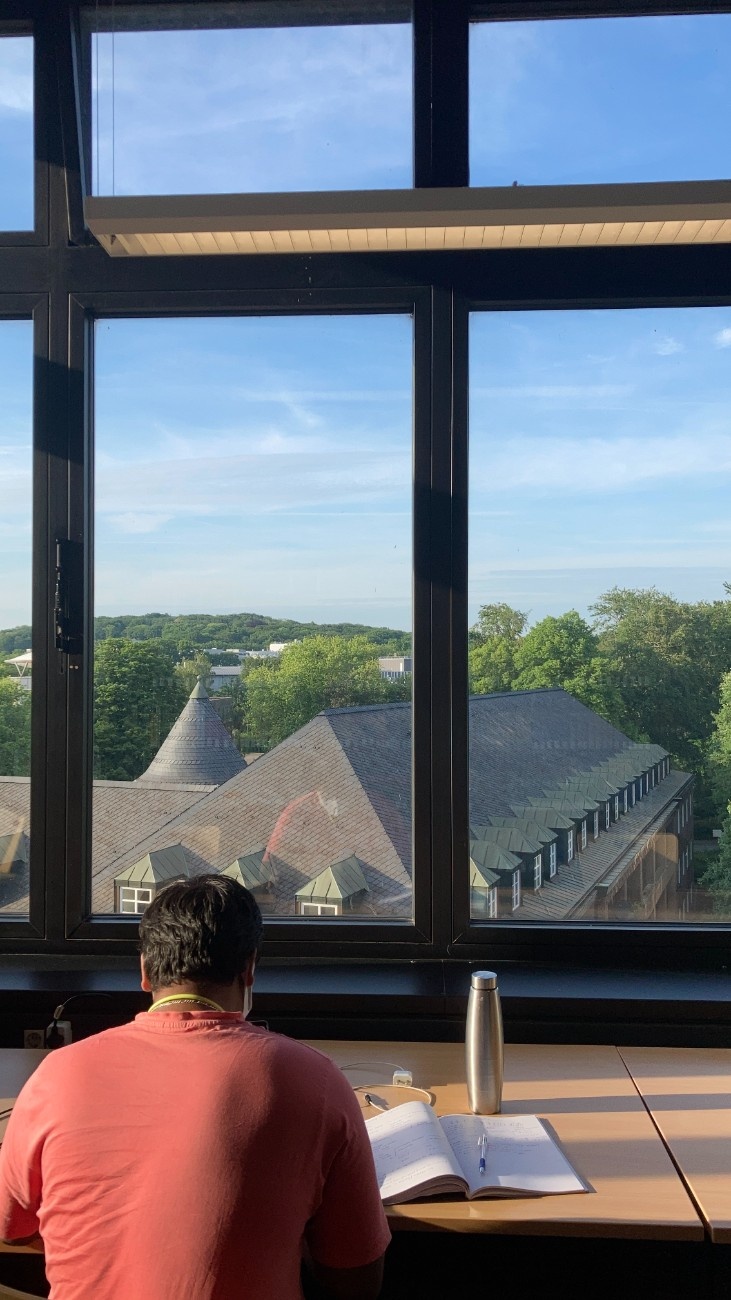
Likes
- I do not dislike this but Technical Unis are very theoritical and research oriented and most people suggest them to others.
Dislikes
- It takes more time to complete a course in Technical Unis and most of the stuff taught is not really helpful in the Job Market.
- Just go to Hochschule or Fachhochschule as the course is easy compared to Technical Unis and curriculum is Industry oriented (Practical)
- But if you are going to work in the Industry, you do not have to attend them.
Course Curriculum
- Syllabus is regularly updated. Some subjects are outdated, but that's how traditional Technical Unis work. I was not given any industrial exposure or research experience, as I did not ask for it, but it is provided where it is required. Class timings are fixed offline but the same content is available online on Moodle as prerecorded lectures due to Covid.
- You choose how many subjects you want to take and register for the exam. If you want to just attend classes and not attempt the exam, that is completely fine. Average number of students in your class keeps changing for each class; for some classes, it's very high and for some, it's very low. But it is never overcrowded.
Fees
- There are no tuition fees for most courses, as Technical Universities are government funded. Students have to pay around 350 Euros as a semester contribution for the Deutschlandticket to travel during the semester and for other contributions (Non ICE trains).
Likes
- Strong research focus in theoretical chemistry and electrocatalysis
- Access to high-performance computing clusters for advanced simulations
- Supportive and approachable supervisor and faculty
Dislikes
- Bureaucratic hurdles in Germany can sometimes delay processes (residence permits, contracts)
- Limited extracurricular activities compared to larger universities
Course Curriculum
- The PhD is entirely research-oriented with a flexible schedule, rather than fixed classes. Coursework is minimal; the focus is on advanced DFT, electrocatalysis, and HPC training. Industrial exposure is indirect through conferences and collaborations. Group size is medium (11–13 students), ensuring close mentorship.
Fees
- PhD students pay only a semester contribution (~€350 per semester, including a public transport ticket). No tuition fees.
Likes
- The campus is spread across two cities Duisburg and Essen, hence it is called University of Duisburg-Essen. This makes the infrastructure of the university very attractive.
- The university offers affordable and spacious student hostels.
- You are provided with your personal student portal where you can handle all your academic stuff.
Dislikes
- German language is essential to integrate, without language it can be sometimes difficult for international students.
- Since the campus is spread between two cities, there can sometimes be long commutes.
- The food provided in canteen is mostly German based and I found it not so suitable when you have Indian background.
Course Curriculum
- I would rate the difficulty of my course overall 7/10. My curriculum is a mix of both theoretical teachings along with a compulsory internship in Industry. The most positive aspect of my course was that since it is bilingual, it helped me develop my German language.
- The negative aspect can be that some lectures are in German, which can make it difficult at the start to understand the concepts. Most professors are aged so lectures are kind of traditional types with presentations and no other digital platforms.
- Typically you will have around 3 to 4 lectures per week, also depending on how many subjects you have registered for.
- Average number of students can be considered 60.
Fees
- The University of Duisburg-Essen is a public university.
- No tuition fees
- You need to pay around 350 € in semester fees, in which transportation around all of Germany is included. The semester fees you have to pay in each semester.
- Monthly Expenses
- Rent—300to 400 €, but also varies depending upon your city.
- Health insurance – 150 €
- Mobile and Internet - 10 €
- Gym - 25 €
- Food—150to 200 €
- Entertainment and other – 50 to 100 €
- So overall expenses are 800 to 1000 € on average depending upon the city.
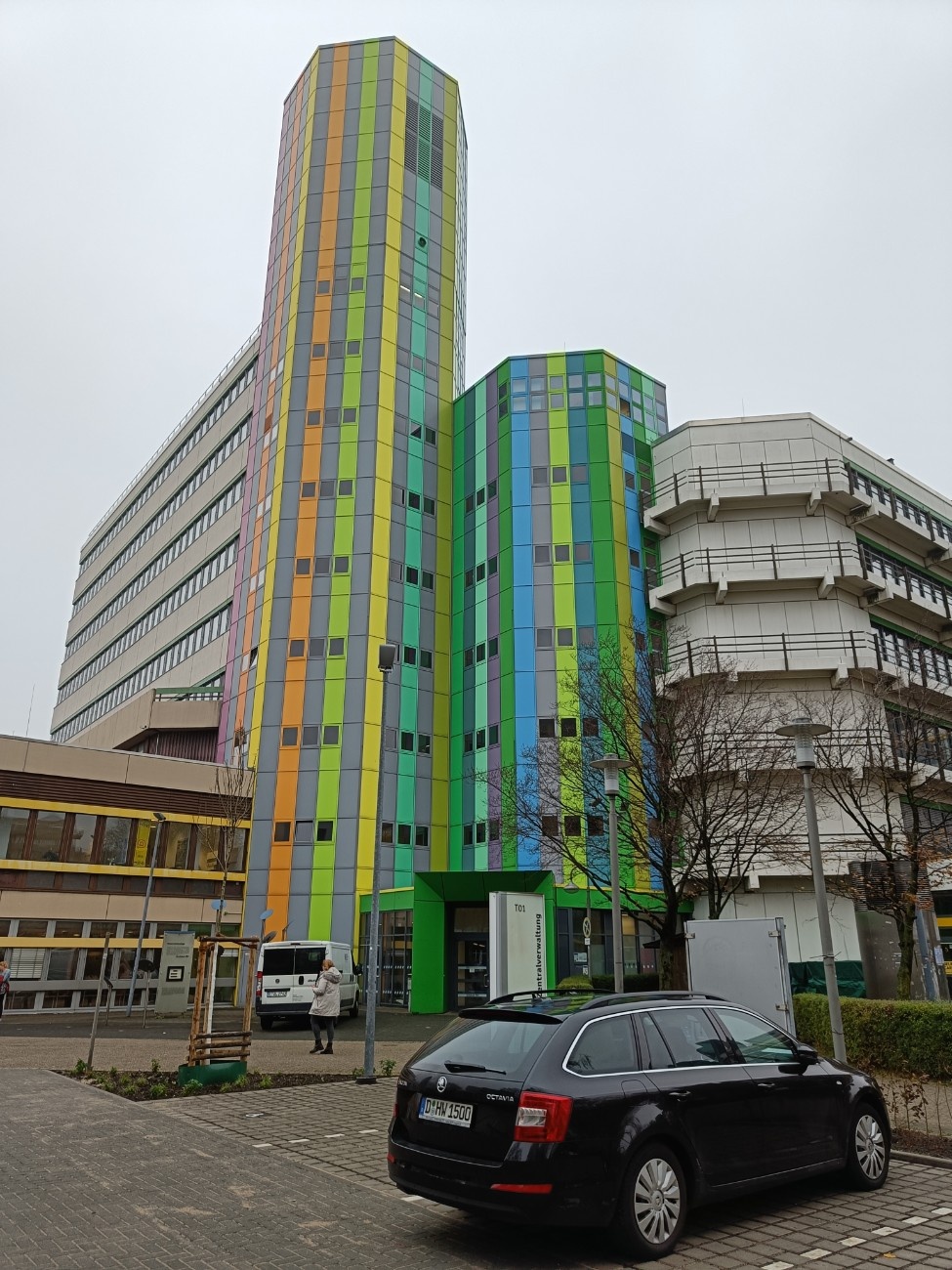
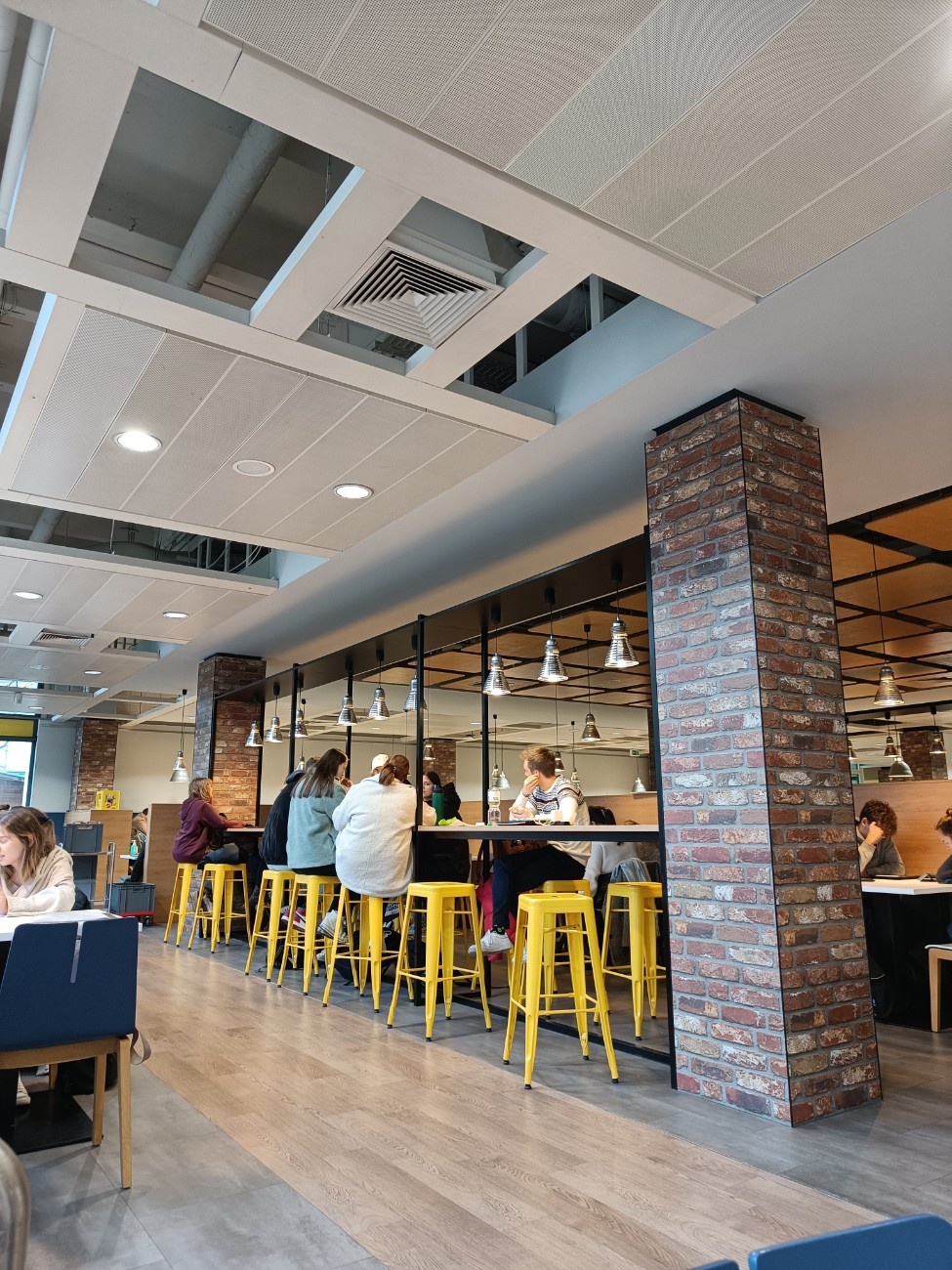
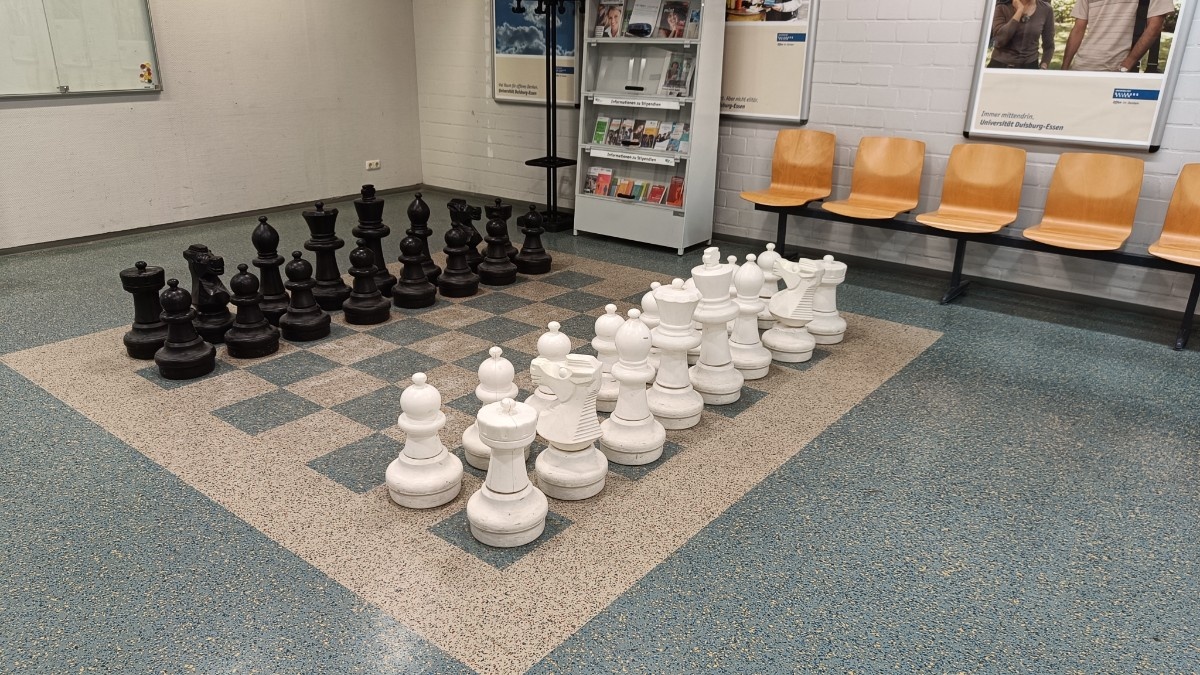
Likes
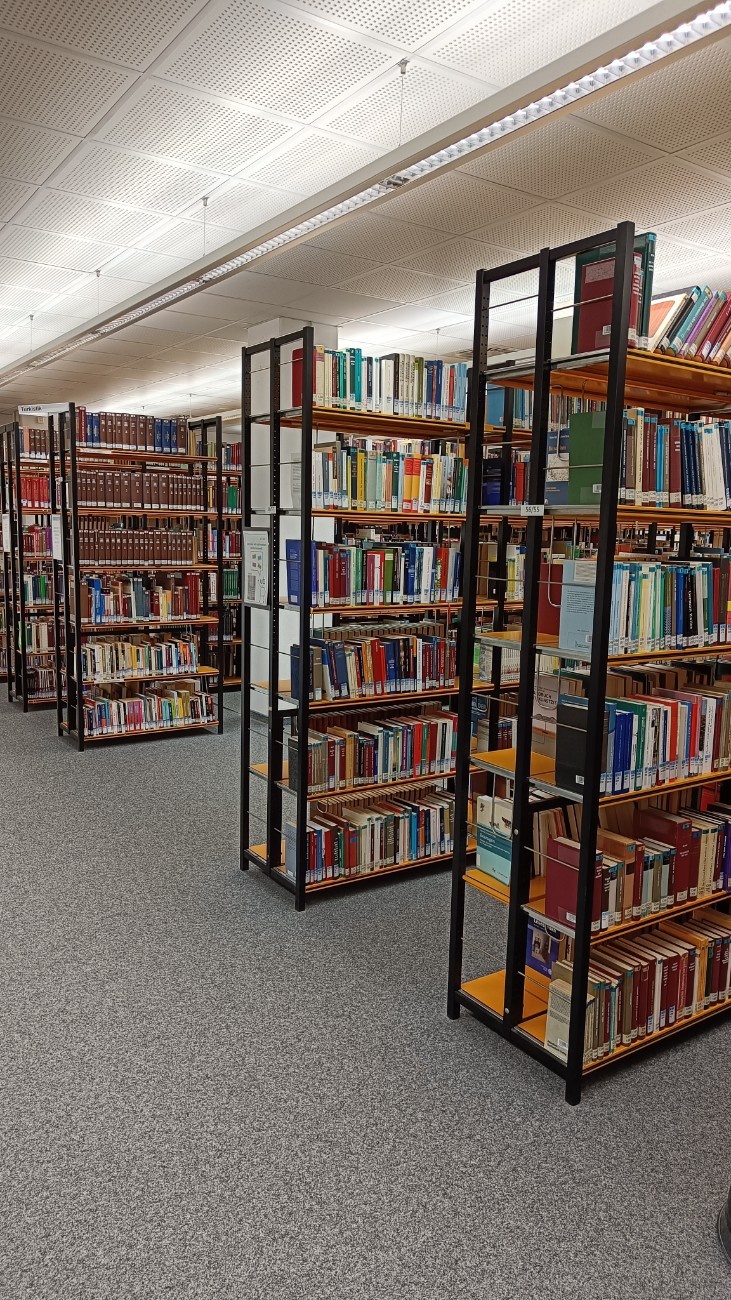
- Infrastructure (classrooms, great libraries, canteens, cafes etc); availability of all facilities online (starting from course information, course contents, exam registration, receiving mails for each class to checking the current day menu in canteens);
- Connectivity between two campuses (university has bus service between two campuses); Ease of subject selection (there are teams to make personal suggestions);
- Stipend Facility (University has own stipend programms for the students, which anyone can apply for); Cultural Activities (two internal organisations are responsible for multiple type of social activies, like language learning, performing music, art, making friends, datin etc);
Dislikes
- Students cannot always get close to professors like in India, which is initially a problem, but with time, one can get accustomed to;
- Time limit during semester exams (normally 50 questions including long numericals are asked online within 60 minutes for many subjects);
- Study is too dependant on online contents; classes for each subject are conduct once a week, one needs to study the rest on his/her own;
Course Curriculum
- Materials are normally available online on a website called Moodle. Professors show the same PDFs or presentations while giving lectures. Some professors give lectures in english, some in german, some in both. Videos are also available for many subjects. Students need to spend time to understand the subjects properly. Contents are normally not that difficult to understand, but the number of items is huge. To solve the easy questions or problems within a limited time limit during exams, one needs to spend much time practicing. Some subjects need research works, making reports and giving presentations. For those, it's better to have good preparation. For each subject, normally one class takes place a week, lasting from 1 hr 30 min to 3 hrs. Students need to decide which subjects they are willing to study and time schedules if they want to attend the classes. But not attending classes is also common in germany. Number of students in our class is about 150; the number of Indian students is about 70.
Fees
- There is no tuition fee at the University of Duisburg-Essen, but students need to pay a social contribution fee, including deutschland ticket for 6 months, which is about 350 Euro in total and needs to be paid twice a year, for each semester. Rents in university hostels cost between 350 and 400 euros per month; a deposit of caution money is extra. For students living in Duisburg or in Essen, 150 to 250 euros can be the average expense, depending on their lifestyle.
Likes
- Because i got the exact course here that i was looking for. And Totally in German
- freedom, Relaxed atmosphere, flexibility and Less pressure and more opportunities. You'll have to carve your own path through your own channels, nothing will be spoon fed to you and i think that's what makes it so efficient and healthy.
Dislikes
- You'll have to carve your own path through your own channels, nothing will be spoon fed to you that can be challenging to some but at the end of the day it's all worth it.
Course Curriculum
Absolutely great, very in accordance to the on-going things going in the german automotive industry.
Fees
None, Only semester contribution of 302 EUR per semester.
Likes
- The field I have studied in the bachelors and the experiences I have gained drove my attention to choose the course Logistics Engineering at this university as a part of my study, and as the government pays the tuition fees to study at this university in Germany, I chose this university.
- The research facilities are very good, and the overall teaching staff is very qualified. The extracurricular activities organized by many student unions also help you find and meet new people and learn about the new culture.
Dislikes
- The exam system is the most stressful because, as an international student, you need to pass an exam in less than or equal to three attempts. Additionally, due to its diverse locations, you might need to go to various locations to attend the lectures and exams.
Course Curriculum
As suggested in the modules on the university website, I gained knowledge. Additionally, many industrial visits sponsored by the department and the thesis (as a part of the study) helped me to gain theoretical as well as practical knowledge for the course I am studying.
Fees
No tuition fees, just fees for services like student unions and semester tickets: 340€
Likes
- I was interested in german universities as it was economical for middle class students. Adding to that I come from Mechanical background so I felt logistics fits perfectly for my master's degree. Additionally Duisburg-Essen University is renowned for Logistics branch. So I chose this degree and university
- My university is very well known for its logistics department. So I would suggest this one for every logistics aspirants. One can come study here and get international experience. As you can see people coming for every corner of the world, there is no space for racism. And it is also located in Nrw, which is very student friendly state.
Dislikes
- It's bit hard to get thesis supervisor other than that it's all good to go university. It only has 3 attempts to clear the subject so many people who haven't cleared the subject has to leave the country being an international student.
Course Curriculum
It was really well planned as we had good projects in our subjects, it was much easier for our university students to get good internships
Fees
During 2019 it started with 288€ per semester and in 2022 it was around 320€
Course Curriculum
Course curriculum was mentioned throughout on the basis of industrial needs and they are very easy to handle and learn throughout
Fees
Student contribution only ?324 and no tuition fee
SUBSCRIBE TO OUR NEWS LETTER



Comments