





University of Stuttgart admissions run entirely through the C@MPUS portal, not through uni-assist, and Indian applicants must clear an APS certificate from the German Embassy in New Delhi before uploading documents. Undergraduate entry expects Class XII at 70 percent or above with German language proof at C1, while Master’s entry expects a Bachelor’s degree of six semesters or more, at 70 percent or better, plus IELTS 6.0 to 7.0 depending on the program.
- Next live deadline (winter 2027-28, primary intake): English-taught Master’s window is 15 November 2026 to 15 February 2027.
- Base tuition: EUR 1,500 per semester (around INR 1.64 Lakhs) for non-EU students, and Stuttgart charges no application fee for C@MPUS applicants.
- Basic eligibility: UG expects Class XII at 70 percent with German C1, PG expects a Bachelor’s of 6+ semesters at 70 percent with IELTS 6.0 (WAREM) to 7.0 (INFOTECH).
- Acceptance rate: around 71 percent, well above the German TU9 median.
Indian students most often target INFOTECH, Aerospace Engineering, WAREM, and Computational Mechanics (COMMAS) at Stuttgart, and reviews on the University of Stuttgart page consistently flag Bosch and Daimler internship access as the deciding factor over rival TU9 offers.
Table of Contents
- University of Stuttgart Application Deadlines
- Stuttgart Eligibility for Indian Students
- University of Stuttgart PG Programs and Scores
- Stuttgart UG Programs for Indian Applicants
- University of Stuttgart PhD Application Route
- Stuttgart C@MPUS Application Process Steps
- Stuttgart Admission Decisions and Offers
- University of Stuttgart Documents Required
- Stuttgart Acceptance Rate for Indians
- Germany Student Visa Process for Stuttgart
- Tips and Checklist for Stuttgart Admissions
- University of Stuttgart Admissions: FAQs
University of Stuttgart Application Deadlines for Indian Students
Stuttgart runs two intakes each year: winter (October start) and summer (April start). Winter is the primary intake because nearly every English-taught Master’s program admits only in winter, and most German-taught Bachelor’s programs open only in this cycle. All dates below come from the official Stuttgart application deadlines page for the 2026-27 and 2027-28 cycles.
Stuttgart’s primary intake for Indian students is the Winter Semester (October) since most English-taught Master’s and all Bachelor’s programs open here.
| Intake | Level | App Opens | Deadline | App Fee | Portal |
|---|---|---|---|---|---|
| Winter 2027-28 (Primary intake) | English-taught PG (INFOTECH, WAREM, Aerospace, COMMAS) | 15 November 2026 | 15 February 2027 | No application fee | C@MPUS |
| Winter 2027-28 | German-taught PG | 15 May 2027 | 15 July 2027 | No application fee | C@MPUS |
| Winter 2027-28 | UG (selective, with entrance test) | 15 May 2027 | 15 July 2027 | No application fee | C@MPUS |
| Winter 2027-28 | UG (open-admission) | 15 May 2027 | 15 September 2027 | No application fee | C@MPUS |
| Summer 2027 | German-taught PG | 1 December 2026 | 15 January 2027 | No application fee | C@MPUS |
Bachelor’s programs at Stuttgart admit only in the winter semester, so there is no April entry route for undergraduates. Provisional admission is possible when the Bachelor’s degree certificate arrives late, but the missing evidence must reach the university by 31 March for winter entry and by 30 September for summer entry.
Planning note: The APS interview at the German Embassy in New Delhi takes roughly 8 to 12 weeks. Book it before you start the C@MPUS form because the certificate must be uploaded during the application window.
University of Stuttgart Eligibility for Indian Students
Stuttgart’s eligibility floor has three layers: academic qualification, language proof, and country-specific pre-approval (the APS certificate for Indians). Eligibility is set per program, so the numbers below are the institutional floor. Individual course pages may sit higher.
Stuttgart Academic Eligibility for UG and PG
- UG general entry: Class XII at 70 percent or above from a CBSE, ICSE, or state board recognised by Anabin with H+ status.
- UG subject prerequisites: Mathematics and one science (Physics or Chemistry) at Class XII for all engineering Bachelor’s tracks.
- PG general entry: A Bachelor’s degree of at least six semesters in the same or a closely related field, at 70 percent or better (roughly 2.5 on the German 1.0 to 4.0 scale).
- PG ECTS floor: Provisional PG admission requires roughly 110 ECTS credits completed at application time, with the full degree evidenced by 31 March.
- Anabin institution check: Your Bachelor’s-awarding university must carry H+ status in the Anabin database. Most IITs, NITs, IIITs, BITS, and top state universities do.
Stuttgart English Language Requirements for Master’s
| Test | Institutional minimum | INFOTECH minimum |
|---|---|---|
| IELTS Academic | 6.0 overall | 7.0 overall |
| TOEFL iBT | 79 | 95 |
| PTE Academic | 65 | 76 |
| Cambridge CAE or CPE | C1 | C1 or C2 |
University of Stuttgart IELTS Waiver for Indian Students
Stuttgart does not accept Medium of Instruction (MOI) letters as a waiver for English proficiency on any English-taught Master’s program, and INFOTECH states this explicitly with no exceptions. Indian applicants who studied in English-medium schools still need to submit a valid IELTS, TOEFL iBT, PTE Academic, or Cambridge score.
German-taught Bachelor’s programs require German C1 (TestDaF 4 or DSH-2), and no English test can substitute this.
Note: Program-specific entry requirements, fees, and intake availability may differ from the institution-wide minimums shown above. Always confirm on the official University of Stuttgart page for your chosen program before applying.
University of Stuttgart PG Programs and English Scores
Stuttgart’s PG catalogue leans heavily engineering, and the English-taught tracks are the practical entry route for Indian applicants who do not carry German C1. Base tuition sits at EUR 1,500 per semester (around INR 1.64 Lakhs) for non-EU Master’s students. For a full course-wise fees breakdown, use the Fees page.
| Programme | Duration | Minimum Eligibility | English Req. Min. |
|---|---|---|---|
| M.Sc. Information Technology (INFOTECH) | 2 years | B.Sc. or B.Tech in EE, CS, or related at 70 percent+, Anabin H+ university | IELTS 7.0 |
| M.Sc. Water Resources Engineering and Management (WAREM) | 2 years | Bachelor’s in Civil, Environmental, or related engineering with a strong grade average | IELTS 6.0 |
| M.Sc. Aerospace Engineering | 2 years | Bachelor’s in Aerospace, Mechanical, or closely related at 70 percent+ | IELTS 6.5 |
| M.Sc. Mechanical Engineering | 2 years | Bachelor’s in Mechanical Engineering at 70 percent+ with core mechanics coursework | IELTS 6.5 |
| M.Sc. Electrical Engineering | 2 years | Bachelor’s in EE or related at 70 percent+ | IELTS 6.5 |
| M.Sc. Computational Mechanics of Materials and Structures (COMMAS) | 2 years | Bachelor’s in Civil, Mechanical, or Aerospace Engineering at 70 percent+ | IELTS 6.5 |
| M.Sc. Civil Engineering | 2 years | Bachelor’s in Civil Engineering at 70 percent+ (German-taught) | Not required (German C1 needed) |
| M.Sc. Photonic Engineering | 2 years | Bachelor’s in Physics, EE, or Optics-related at 70 percent+ | IELTS 6.5 |
| M.Sc. Engineering Cybernetics | 2 years | Bachelor’s in EE, Mechanical, or CS at 70 percent+ (German-taught) | Not required (German C1 needed) |
| M.Sc. Physics | 2 years | Bachelor’s in Physics at 70 percent+ | IELTS 6.5 |
Insider note: INFOTECH takes only 80 seats per intake against 800+ applications, and Bachelor’s percentage is the primary shortlisting filter. Applicants below 75 percent should apply to WAREM, Aerospace, or COMMAS in parallel.
Note: Program-specific entry requirements, fees, and intake availability may differ from the institution-wide minimums shown above. Always confirm on the official University of Stuttgart Master’s page for your chosen program before applying.
University of Stuttgart UG Programs for Indian Applicants
Almost every Bachelor’s program at Stuttgart is taught in German, which shapes UG admission for Indian students in two ways: you need German C1 (TestDaF 4 or DSH-2) before applying, and you have only one intake each year (winter). Base tuition matches the PG figure at EUR 1,500 per semester (around INR 1.64 Lakhs).
| Programme | Duration | Minimum Eligibility | English Req. Min. |
|---|---|---|---|
| B.Sc. Mechanical Engineering | 3 years | Class XII at 70 percent+ with Physics, Chemistry, Mathematics | Not required (German C1 needed) |
| B.Sc. Electrical Engineering and Information Technology | 3 years | Class XII at 70 percent+ with Mathematics and Physics | Not required (German C1 needed) |
| B.Sc. Computer Science | 3 years | Class XII at 70 percent+ with Mathematics | Not required (German C1 needed) |
| B.Sc. Architecture and Urban Planning | 3 years | Class XII at 70 percent+ with a portfolio and aptitude test | Not required (German C1 needed) |
| B.Sc. Aerospace Engineering | 3 years | Class XII at 70 percent+ with Physics and Mathematics | Not required (German C1 needed) |
Indian Class XII from CBSE, ICSE, or a state board recognised in Anabin qualifies for direct entry once translated. Applicants below 70 percent, or from a board not recognised by Anabin, must complete a one-year Studienkolleg (foundation year) before starting the Bachelor’s.
Insider note: Because UG teaching is in German, Indian applicants planning a Bachelor’s at Stuttgart typically take a full year in India to reach German B2/C1, then apply. The 70 percent Class XII floor is not negotiable.
University of Stuttgart PhD Application Route
Stuttgart does not run a centralised PhD admission cycle. Doctoral candidates apply directly to a supervising professor at an institute or faculty, and the process is rolling all year. The two most common routes are individual PhD (working with a Chair) and structured programs at graduate schools like the Graduate School Simulation Technology (GS SimTech) and IMPRS Intelligent Systems.
Stuttgart PhD Eligibility and Timeline
- Master’s requirement: A relevant Master’s degree at 75 percent+ from an Anabin H+ university.
- English proof: IELTS 6.5 or TOEFL iBT 88 (waived if your Master’s was fully English-taught, at supervisor’s discretion).
- Research proposal: 3 to 5 pages aligned with the target institute’s active projects.
- Timeline: Rolling admission, but structured schools like GS SimTech open a formal call in February or March each year.
Stuttgart PhD Funding for Indian Candidates
Most doctoral candidates hold a TV-L E13 research assistant contract at 65 to 100 percent, paying roughly EUR 3,300 to 4,900 gross per month (around INR 3.60 to 5.34 Lakhs) for the 2026-27 academic year. Structured schools also offer DFG-funded scholarships. See the Scholarships page for a fuller list of funding for Indian students.
Planning note: Email your prospective supervisor a one-page pitch, CV, and Master’s thesis summary before submitting a formal application. Cold formal applications without a prior email are usually declined.
Note: PhD funding levels, scholarship availability, and supervisor openings change each cycle. Confirm on the official University of Stuttgart doctoral studies page for your target institute before applying.
University of Stuttgart C@MPUS Application Process Steps
Stuttgart processes every application through its own C@MPUS Management Portal, not through uni-assist or any central platform. This is a distinctive point: many German universities route non-EU applicants through uni-assist and its EUR 75 handling fee, but Stuttgart does not. There is no application fee at any stage.
- Create a C@MPUS account on the Stuttgart C@MPUS portal and confirm your email. This is the only application route Stuttgart accepts.
- Book your APS interview at the German Embassy in New Delhi 10 to 12 weeks before the deadline.
- Upload documents in C@MPUS. All non-German or non-English documents need certified sworn translations attached.
- Pay the application fee: not applicable, since Stuttgart charges no application fee and the C@MPUS portal is free to use.
- Submit and confirm. C@MPUS closes at midnight German time on the deadline day. No paper applications, no extensions.
- Track status in C@MPUS. English-taught Master’s decisions land within 4 to 8 weeks after the deadline closes.
Before you apply: Check that your undergraduate university sits in the Anabin database with H+ status. If it is missing or listed as H+/-, C@MPUS will reject the application at the eligibility stage.
Stuttgart Admission Decisions and Offer Letter
Stuttgart releases decisions in three stages after the application window closes. English-taught Master’s programs are the strictest, with a fixed seat cap and no rolling review, while German-taught programs typically issue decisions on a rolling basis.
- English-taught PG: Decisions arrive within 4 to 8 weeks after the 15 February close. Selection is grade-driven.
- German-taught PG: Decisions from early August for winter entry, or early February for summer entry.
- Bachelor’s: Notifications from mid-August for the October start.
- Provisional admission: If the final Bachelor’s certificate is missing at application time, Stuttgart may issue a provisional letter with the final degree due by 31 March (winter) or 30 September (summer).
- Acceptance deadline: Enrolment must be confirmed within roughly 4 weeks of the offer date. Missing this releases your seat.
- Deferral: Deferrals are not routinely granted, and admitted students who cannot enrol usually re-apply for the next cycle.
Reality check: Before 15 February the WAREM Admissions Committee will not confirm any decision status. Do not email asking for a mid-window update, it will not change the timeline.
University of Stuttgart Documents Required
Every document uploaded to C@MPUS must be in German or English. If your original is in another language, upload the original scan plus a certified sworn translation. Stuttgart is strict on this and rejects uncertified translations.
- APS certificate from the German Embassy in New Delhi (mandatory for all Indian applicants).
- Passport bio page (valid for at least 12 months beyond the intended start date).
- Class XII marksheet and passing certificate, certified copy plus translation.
- Bachelor’s transcripts for all completed semesters, with the grading system explained.
- Bachelor’s degree certificate (or the provisional certificate if the final is pending).
- Module handbook or syllabus extract for the Bachelor’s, showing subject content per semester.
- English language test scorecard (IELTS, TOEFL iBT, PTE Academic, or Cambridge).
- Curriculum Vitae in Europass or plain reverse-chronological format.
- Motivation letter (Statement of Purpose) of 1 to 2 pages tied to the target program.
- Programme-specific supplementary application (INFOTECH, WAREM, and COMMAS all require an extra form).
- Two Letters of Recommendation (optional for WAREM, mandatory for GS SimTech PhD).
- Work certificates if you claim professional experience.
Stuttgart Acceptance Rate for Indian Applicants
Stuttgart’s institution-wide acceptance rate sits at around 71 percent, which is one of the more accessible admission bands within Germany’s TU9 alliance. The overall figure hides sharp variation across programs: English-taught Master’s programs like INFOTECH admit under 10 percent of applicants, while several German-taught engineering Bachelor’s programs are close to open admission for candidates who meet the German language and Class XII floor.
Which Stuttgart programs are hardest for Indian students?
INFOTECH is the most competitive route, followed by the Aerospace and Engineering Cybernetics Master’s. WAREM sits in the middle, and COMMAS is typically the easiest of the English-taught engineering PGs to convert with a 70 to 75 percent Bachelor’s average.
How Stuttgart compares to peer TU9 universities
Stuttgart’s 71 percent overall figure is higher than TU Munich (roughly 8 percent for popular Master’s) and RWTH Aachen (around 10 percent), but the seat-capped English-taught Master’s routes are just as selective. Indian applicants targeting a specific program should benchmark against that program’s seat cap, not the institution rate.
Insider note: Stuttgart’s acceptance rate is inflated by the large German-taught catalogue with lower competition. For English-taught PG programs the effective admit rate is closer to 10 to 20 percent.
Germany Student Visa Process for Stuttgart Admits
Indian admits to Stuttgart apply for a National Visa for Study Purposes (Type D) at the German Consulate in Mumbai, Chennai, Kolkata, or Bengaluru, depending on your state of residence. Book the appointment as soon as the Stuttgart offer arrives because visa slots book out 6 to 10 weeks in advance during peak season (June and July).
You will need to show a blocked account (Sperrkonto) holding at least EUR 11,904 (around INR 12.98 Lakhs) for one year of living costs, health insurance, the Stuttgart admission letter, APS certificate, and academic documents. On arrival, register your address at the local Bürgeramt within 14 days and convert the entry visa into a residence permit at the Ausländerbehörde. Stuttgart’s International Office assists with both steps during orientation.
2026 update: The German blocked-account minimum rose to EUR 11,904 per year in September 2025. Older figures (EUR 10,332 or EUR 11,208) are outdated for 2026-27 visa filings.
Tips and Application Checklist for University of Stuttgart
The following tips and steps are drawn from Indian-applicant patterns at Stuttgart and align with the timeline of the winter 2027-28 English-taught Master’s cycle.
- Book the APS interview by early October 2026 for a winter 2027-28 INFOTECH or WAREM application, since the certificate must be uploaded to C@MPUS before 15 February 2027.
- Sit the IELTS by end of December 2026 to leave a buffer for a retake if you miss the INFOTECH 7.0 floor.
- Get certified sworn translations of your Bachelor’s transcript, degree, and Class XII marksheet from a court-registered translator by early January 2027.
- Verify Anabin H+ status for your undergraduate university before starting the C@MPUS form. If it is listed as H+/-, contact the target program office for a workaround.
- Prepare a module-level syllabus extract matching your Bachelor’s transcript. Stuttgart uses this to check content overlap with the Master’s core.
- Keep INFOTECH plus one backup live: WAREM, Aerospace, or COMMAS in parallel gives you a fallback if the INFOTECH seat cap closes you out.
- Submit by 12 February 2027, not on the last day. C@MPUS peaks on 15 February and rejected uploads cannot be resubmitted after midnight German time.
- Open your Sperrkonto the day the admission email lands. Fintiba and Expatrio approve Indian applicants in under 72 hours.
Winter 2027-28 English-taught Master’s applications close on 15 February 2027, INFOTECH’s 80-seat cap and 70 percent Bachelor’s floor make it the tightest gate at Stuttgart, and Indian applicants who clear APS, IELTS 7.0, and Anabin H+ well before that deadline typically secure a seat. See the University of Stuttgart Overview page for the broader ranking, campus, and placement context.
University of Stuttgart Admissions: Frequently Asked Questions
Ques. When do University of Stuttgart admissions open for winter 2027-28?
Ans. English-taught Master’s applications open on 15 November 2026 and close on 15 February 2027. German-taught Master’s and Bachelor’s for the same intake open on 15 May 2027 and close on 15 July 2027 (selective) or 15 September 2027 (open-admission).
Ques. Does the University of Stuttgart charge an application fee for Indian students?
Ans. No. Stuttgart uses its own C@MPUS portal instead of uni-assist, and no application fee is charged at any stage for any level.
Ques. What is the minimum IELTS score required for a Master’s at Stuttgart?
Ans. The institutional floor is IELTS 6.0 (WAREM), most engineering Master’s programs expect 6.5, and INFOTECH requires IELTS 7.0 overall.
Ques. Does Stuttgart accept a Medium of Instruction (MOI) letter in place of IELTS?
Ans. No. Stuttgart, and INFOTECH in particular, explicitly rejects MOI letters. Every English-taught Master’s applicant from India must submit a valid IELTS, TOEFL iBT, PTE Academic, or Cambridge score.
Ques. Is APS certification mandatory for Indian applicants at Stuttgart?
Ans. Yes. Indian applicants must submit an APS certificate from the German Embassy in New Delhi with every UG and PG application. The interview takes 8 to 12 weeks, so book it before starting the C@MPUS form.
Ques. What is the acceptance rate at University of Stuttgart?
Ans. The institution-wide acceptance rate is roughly 71 percent, but English-taught Master’s programs like INFOTECH, Aerospace, and Engineering Cybernetics run at 10 to 20 percent because of fixed seat caps.
Ques. Does Stuttgart require GRE or GMAT scores?
Ans. No. Neither GRE nor GMAT is required for any Master’s program at Stuttgart, including INFOTECH, WAREM, Aerospace, and COMMAS.
Ques. Can I apply to a Bachelor’s program at Stuttgart without German language proof?
Ans. No. Almost every Bachelor’s at Stuttgart is taught in German and needs TestDaF 4 or DSH-2 (German C1). Applicants without C1 either complete a Studienkolleg or pivot to an English-taught Master’s after finishing a Bachelor’s in India.
Ques. What is the Bachelor’s percentage cutoff for Stuttgart Master’s programs?
Ans. The institutional floor is 70 percent (roughly 2.5 on the German 1.0 to 4.0 scale). INFOTECH is grade-driven, so realistic candidates carry 75 percent or higher and a strong core coursework match.
Ques. Does my undergraduate university need to be listed in Anabin?
Ans. Yes. Your Bachelor’s-awarding institution must carry H+ status in the Anabin database. IITs, NITs, IIITs, BITS Pilani, and top state universities generally qualify. Applicants from H+/- institutions face extra scrutiny.
Ques. How long does it take Stuttgart to release admission decisions?
Ans. English-taught Master’s decisions arrive 4 to 8 weeks after the 15 February close, German-taught Master’s decisions from early August for winter entry, and Bachelor’s decisions from mid-August.
Ques. Is there a separate application fee if I apply through uni-assist for Stuttgart?
Ans. Stuttgart does not use uni-assist. All applications go through C@MPUS directly, so the uni-assist EUR 75 first-application fee and the EUR 30 per additional-application fee do not apply.
College Student Profiles

University of Stuttgart Program Fees & Deadlines
| Program | Important Dates | Fees | Eligibility |
|---|---|---|---|
MS Computer Science 2 years | Application Deadline for Winter 2027 Intake (15th Jan 2027) | USD 3,360 /Yr EUR 3,000 /Yr | Bachelor's Degree, TOEFL: 4.5, IELTS: 7.0, PTE: 76 |
MS Aerospace Engineering 2 years | Application Deadline for Summer 2027 Intake (15th Jan 2027) | USD 3,360 /Yr EUR 3,000 /Yr | Bachelor's Degree, German: DSH Level -2 |
MS Electrical Engineering 2 years | Application Deadline for Winter 2027 Intake (15th Jan 2027) | USD 3,360 /Yr EUR 3,000 /Yr | Bachelor's Degree, TOEFL: 4.5, IELTS: 7.0, PTE: 76 |
MS Computational Linguistics 2 years | Application Deadline for Summer 2027 Intake (15th Jan 2027) | USD 3,360 /Yr EUR 3,000 /Yr | Bachelor's Degree, TOEFL: 4.5, IELTS: 7.0, PTE: 76 |
MS Mechanical engineering 2 years | Application Deadline for Summer 2027 Intake (15th Jan 2027) | USD 3,360 /Yr EUR 3,000 /Yr | Bachelor's Degree, German: DSH Level -2 |
MS Information Technology 2 years | Application Deadline for Summer 2027 Intake (15th Jan 2027) | USD 3,360 /Yr EUR 3,000 /Yr | Bachelor's Degree, TOEFL: 4.0, IELTS: 6.0 |
| USD 3,360 /Yr EUR 3,000 /Yr | Bachelor's Degree, TOEFL: 4.0, IELTS: 6.0 | ||
MS Mechatronics 2 years | Application Deadline for Summer 2027 Intake (15th Jan 2027) | USD 3,360 /Yr EUR 3,000 /Yr | Bachelor's Degree, German: DSH Level -2 |
Application Deadline for Winter 2027 Intake (15th Feb 2027) | USD 3,360 /Yr EUR 3,000 /Yr | Bachelor's Degree, TOEFL: 4.0, IELTS: 6.5 | |
| USD 3,360 /Yr EUR 3,000 /Yr | Bachelor's Degree, German: DSH Level -2 |
Do you think the Dates are wrong ? Report Here
Course Finder - Search from 50K+ courses
Popular Streams:
Reviews
35 Reviews Found
Likes
- Professors were approachable and genuinely open to discussions outside class.
- Strong focus on research
- Cultural events on campus
Dislikes
- Courses could be better
- Course structure could have been better
- Some institutes have separate rules regarding everything
Scholarship
- Yes. I received the Deutschlandstipendium, which is a national German scholarship not tied to a specific course.
Likes
- Research and Development
Dislikes
- A very little apart from studies to do, lesser students interaction
Likes
- They respected the time and scheduled review sessions one-on-one, which was a better experience than the sessions I had in Italy and India.
Likes
- I like the academic freedom the institution gives which means you have autonomy in conducting research.
Dislikes
- From my personal experience, there are many things that I dislike. There is no integration with the community here, lack of transparency, high bureaucratic process, people are super closed and also a bit conserved mindset.
Likes
- Nice catalog of subjects that can be studied in the course
- Good alignment topics towards specialization.
- Decent collaboration of projects with industry.
Dislikes
- Sometimes few subjects of interest overlap and one needs to then choose any one for that semester.
- Exams for a subject may not be available at both semesters.
- International students have to pay a state fee of 1500€ extra per semester.
Scholarship
- Scholarship I received:
- Name: Deutschland Stipendium
- Eligibility criteria: You have to fill out a form highlighting the following:
- Your scores
- academic projects
- socialism’s extracurricular activities
- letter of motivation.
- Based on this, you may be selected.
- Scholarship amount: 300€/monthfor 1 year.
- How many students selected: The Number varies per year but approximately 150-160 students from all courses get it.
Likes
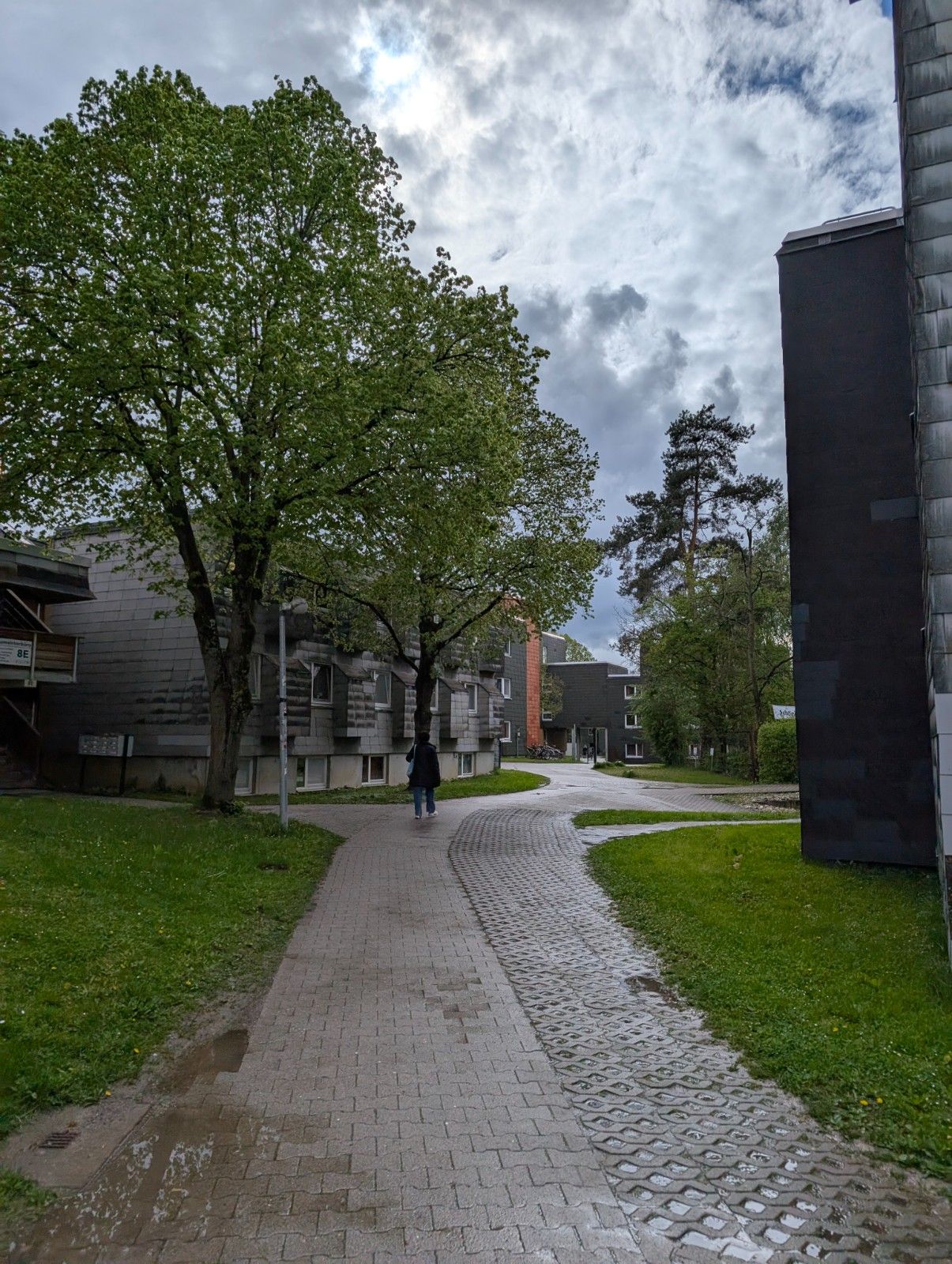
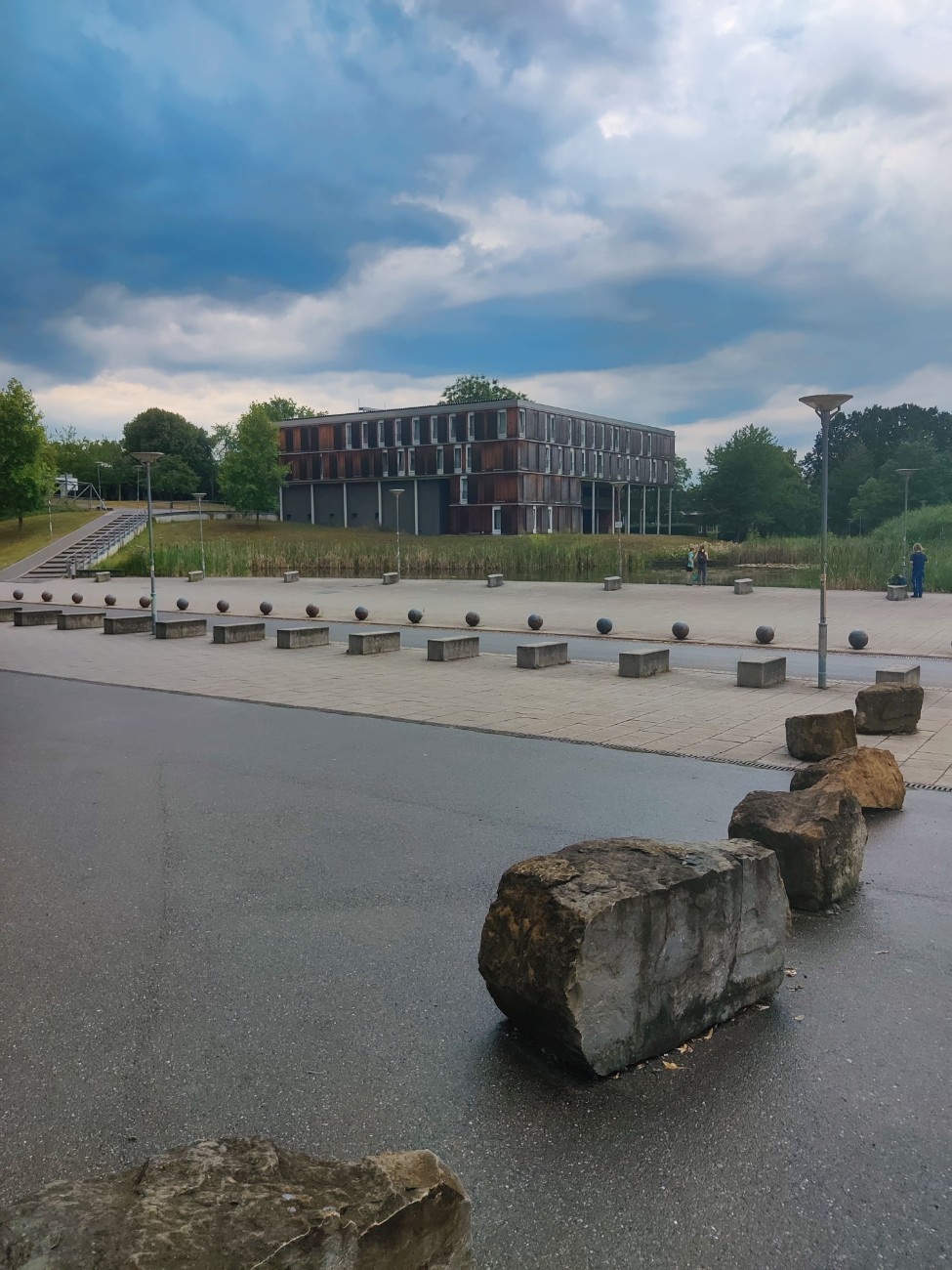
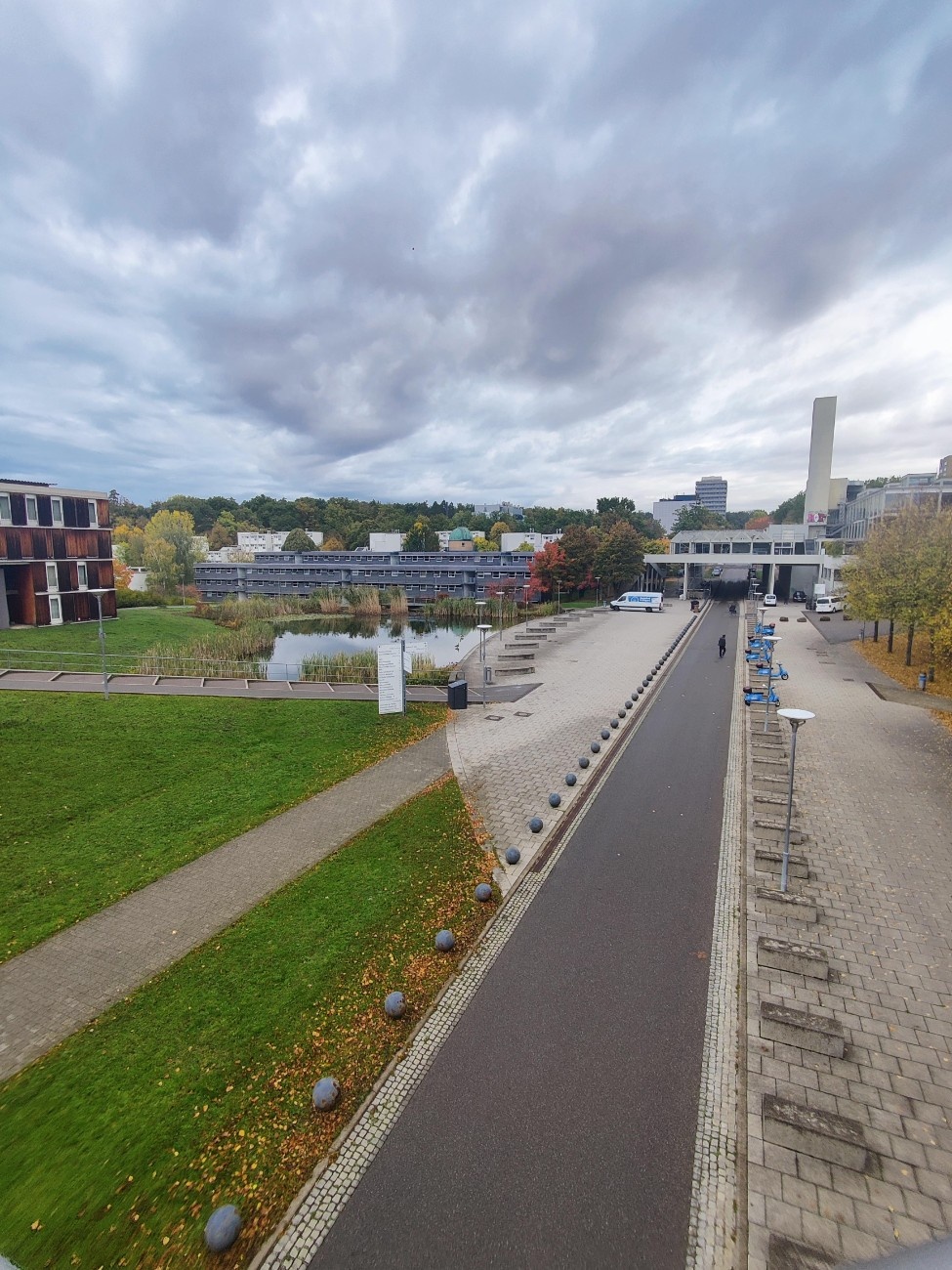
- The location of campus far from the distractions of the city makes it cosy and peaceful. There student accomodations are excellent and within an easy reach of each lecture halls. The technical facilities of every depertment- especially the engineering and physics, are at the top. Stuttgart is a stunning city.
Dislikes
- The inter department events are lacking. Some courses are too focused to specific subjects that could limit the inter disciplinary aspects for some students.
Likes
- University offers very good student work opportunities .
- Univeristy offers collaboration with industry professionals .
Dislikes
- The curriculum is demanding , it is better to be well equipped with required software skills to pursue master course.
Scholarship
- In most of the STEM courses there are no scholarships, but if you apply to some different courses from DAAD, then there are chances you can receive a scholarship.
- 2 of my batchmates have received any scholarship but usually the scholarship amounts to around 300 euros per month but that also depends on your financial situation. You need to have good grades during your master's and a great cover letter for the scholarship.
Likes
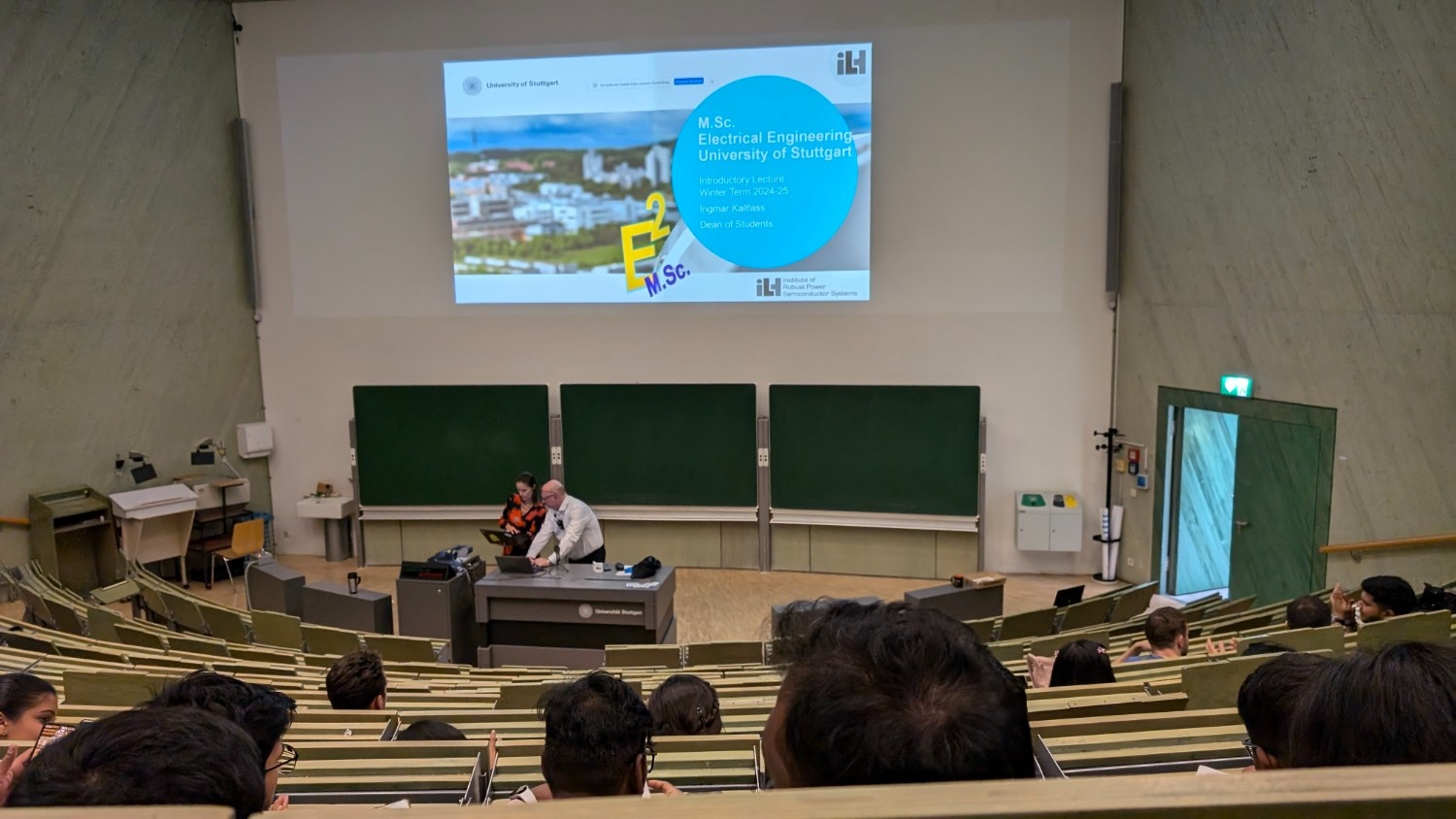
- The University of Stuttgart has strong presence of International students making it culturally diverse and offers a chance to connect with students from other countries.
- The quality of education is very high and the teaching content is closely related to the skills required in the industry. Especially in Electrical Engineering there are many different majors to choose from targeting many sub-domains in Electrical field ranging from Power Electronics, Smart systems and Semiconductors etc.
- Many student activities and cultural events take place in the University which provides an opportunity to connect with others and network.
Dislikes
- Being in Stuttgart which is a developed city, the cost of rent and living is expensive compared to other German cities. This extends to facilities inside the University.
- Although you can find student jobs(HiWi) in the campus, they are not available for all the domains. It may take a long time to find a student job in most cases and the responses from Professors are delayed.
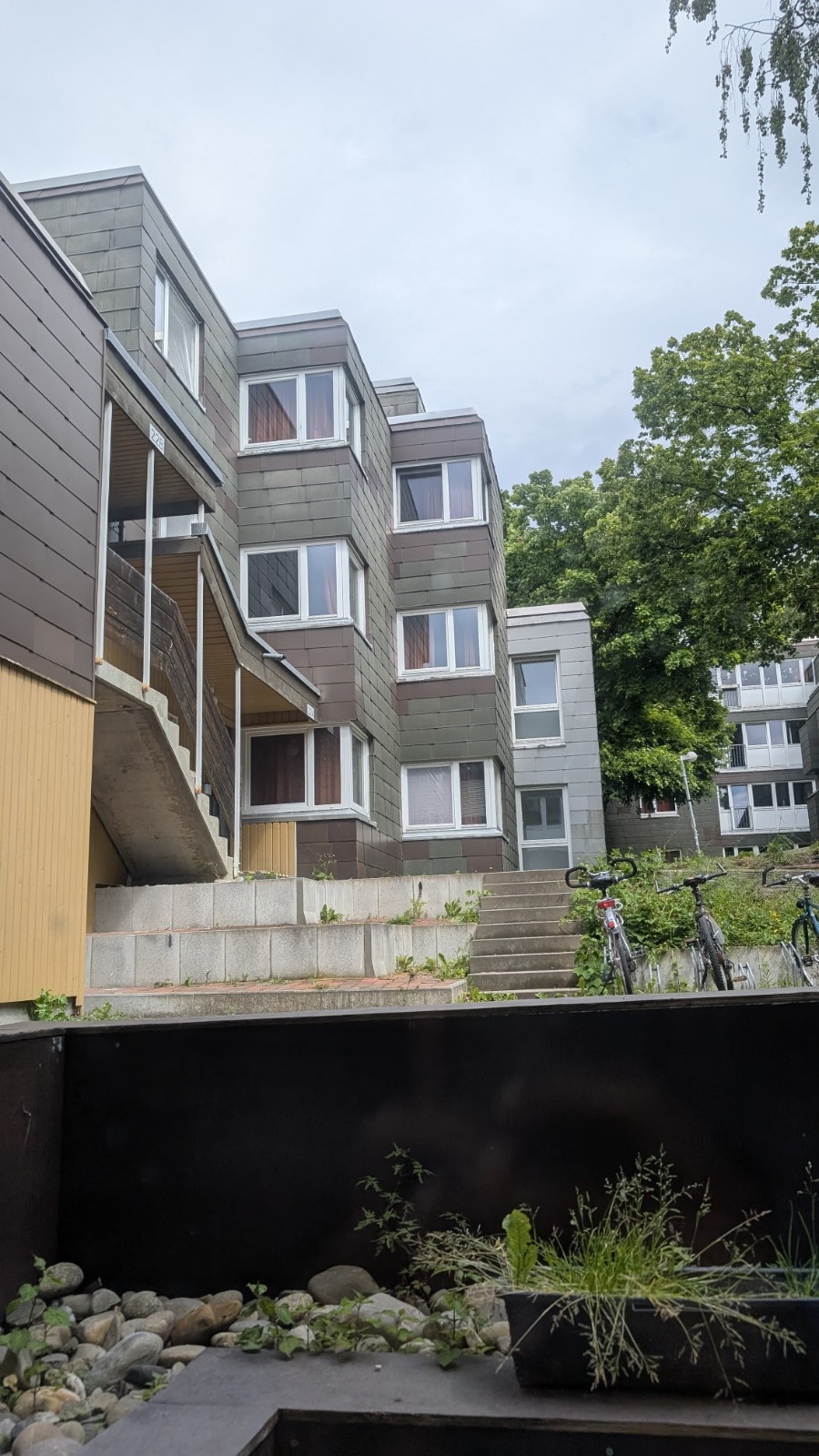
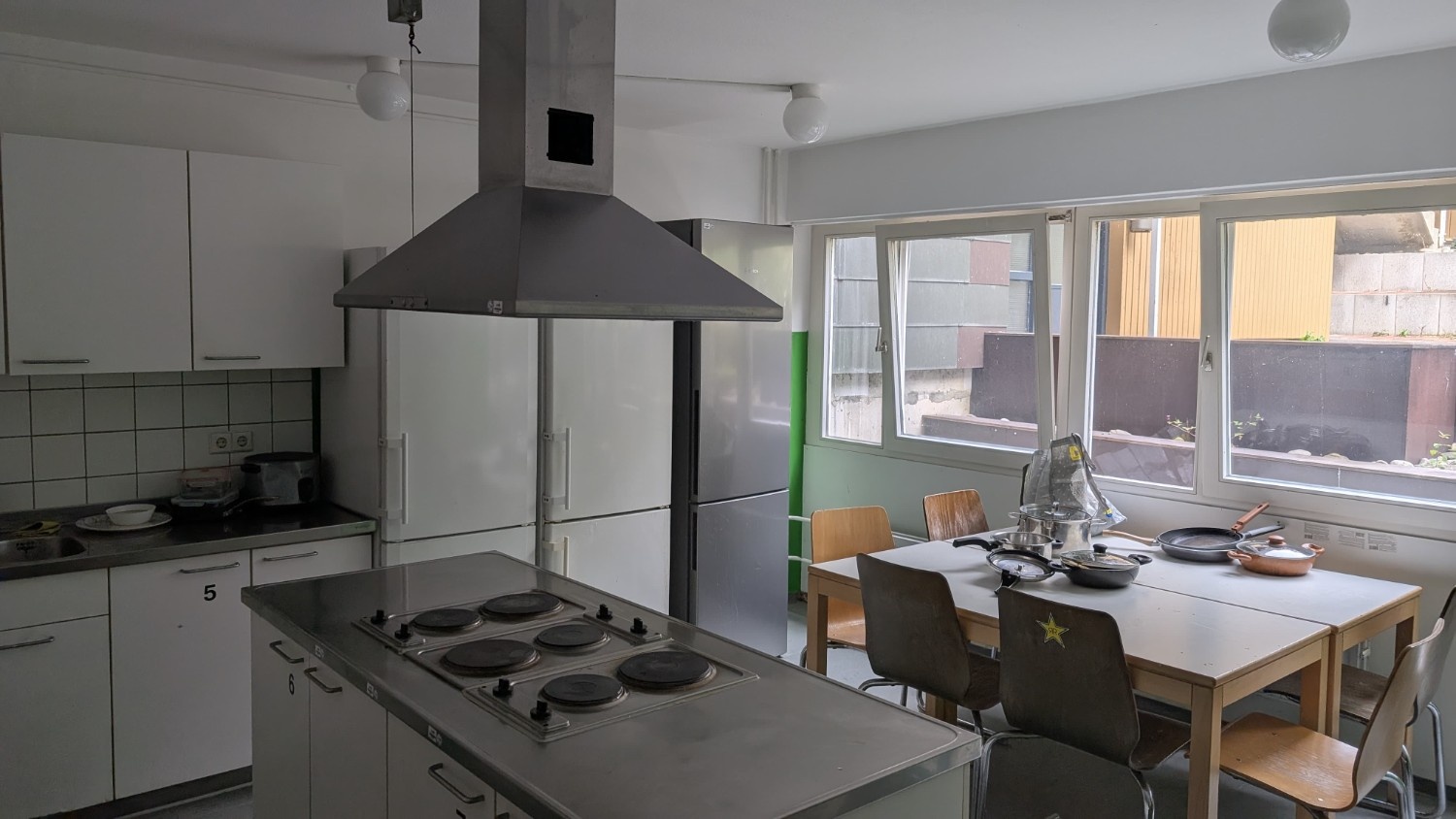
- The student dormitories are great but you have to share it with multiple people (ranging from 4 to 11 people) based on the rent price. Most of the dorms have a single shower and restrooms with 11 people sharing them.
Scholarship
- I have not received any scholarships but there are a few scholarships available from DAAD for specific courses. There is a Deutschland Stipendium Scholarship, which offers 300 Euros per semester to a student until their end of studies. The number of students receiving scholarships is very low and between 50-100 though I'm not exactly sure.
- There are some scholarships offered by private individuals and organizations to students with good academic records who are actively involved in Civil activities and political movements. These are offered on a case-by-case basis.


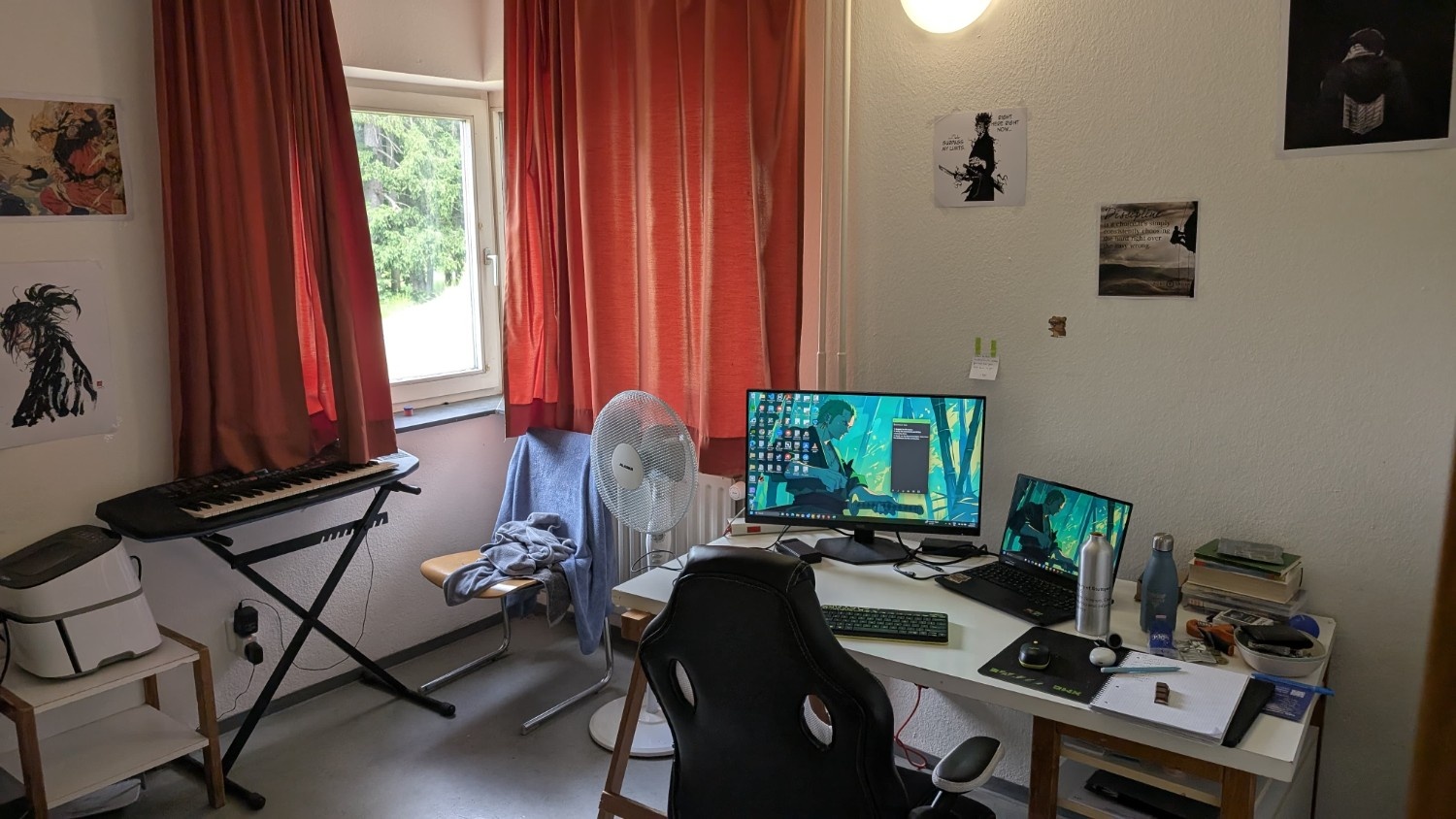
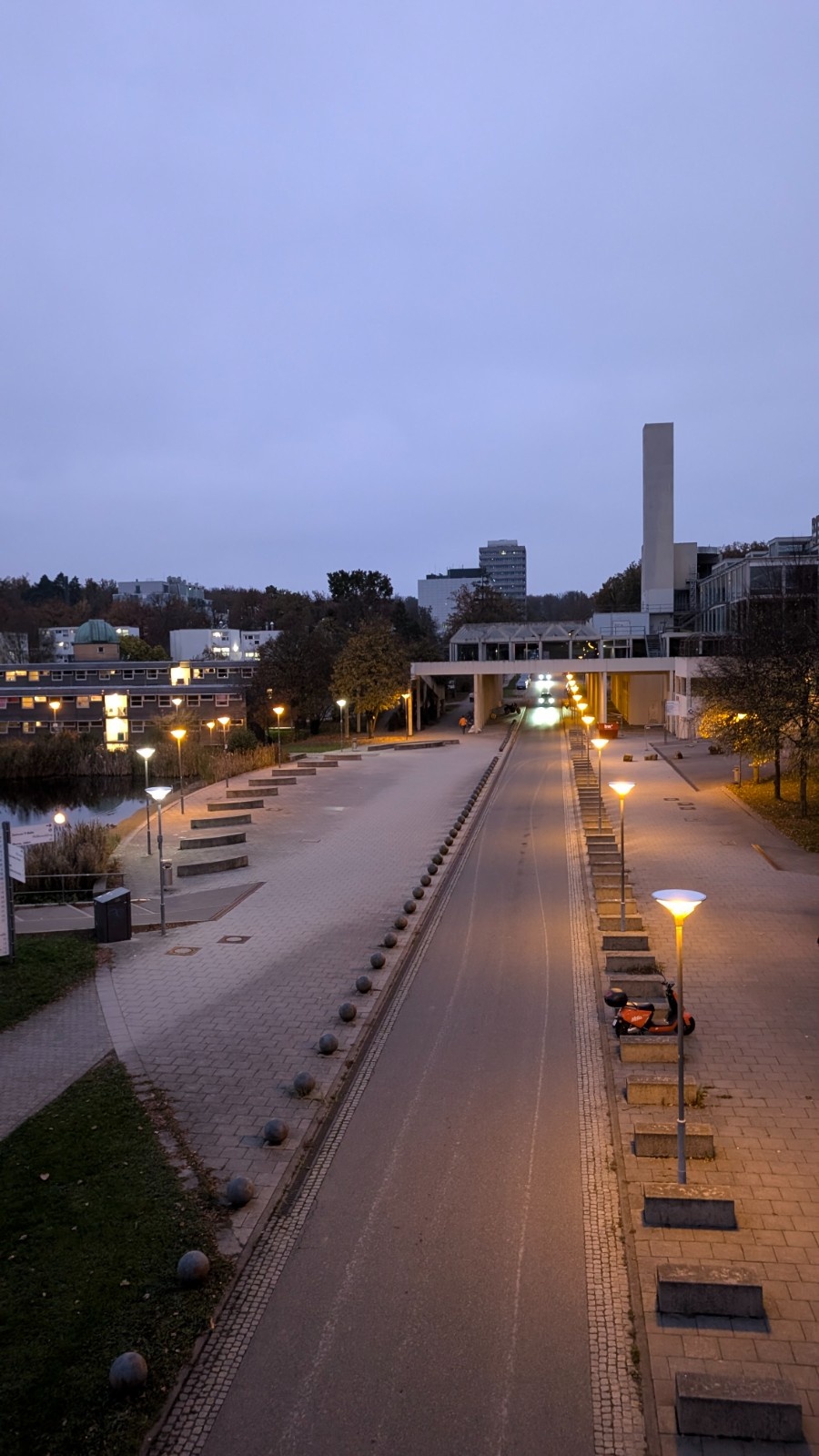
Likes
- It is really one of the top university in Germany i.e TU9 which makes it a popular destination
- The university has a International Zentrum that helps students from abroad to settle in quickly and helps in all official things
- The university also offers free language courses every semester to improve their German
Dislikes
- There is literally no semester break unless you choose the exams correctly and semesters are usually continuous
- There is not mandatory internship in my course that sometimes add a strain
- Sometimes the exam schedule gets messed up two subjects at the same time that needs to be changed afterwards
Scholarship
- I am not sure about any specific scholarships for the course but there are things like Deutschland Stipendium that you can apply if you get really good grades, like 1.0
- I am not sure about the eligibility criteria and others
- There is also a scholarship called PROMOS which I had for pursuing an internship in South Korea for which I needed to give my - Grade sheet an internship offer from a Korean University and then decide based on the the applicants
- The scholarship is 450 Euro per month and a Airway airfare of 1500 net (as it was COVID the quarantine and tests were also covered)
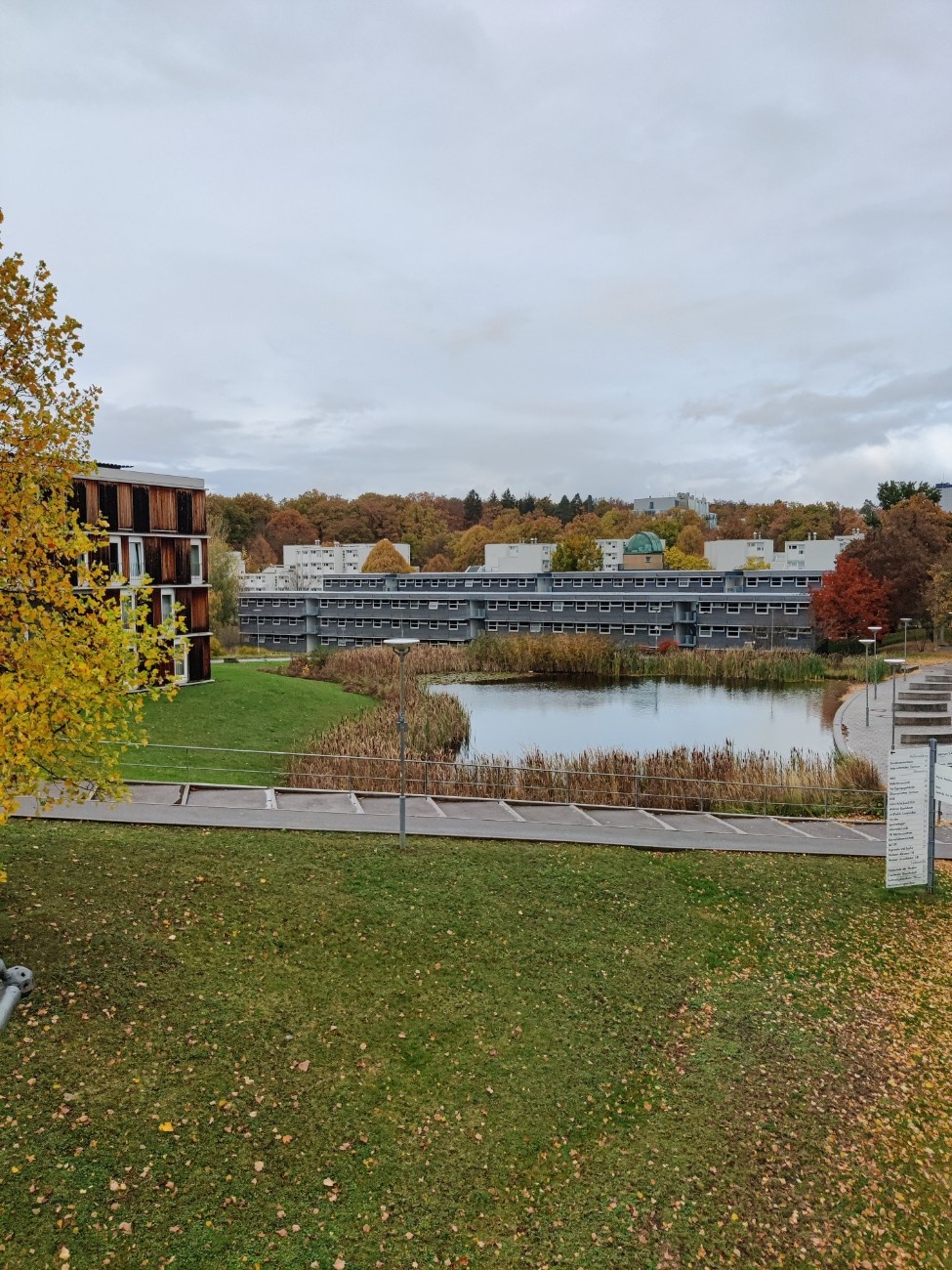
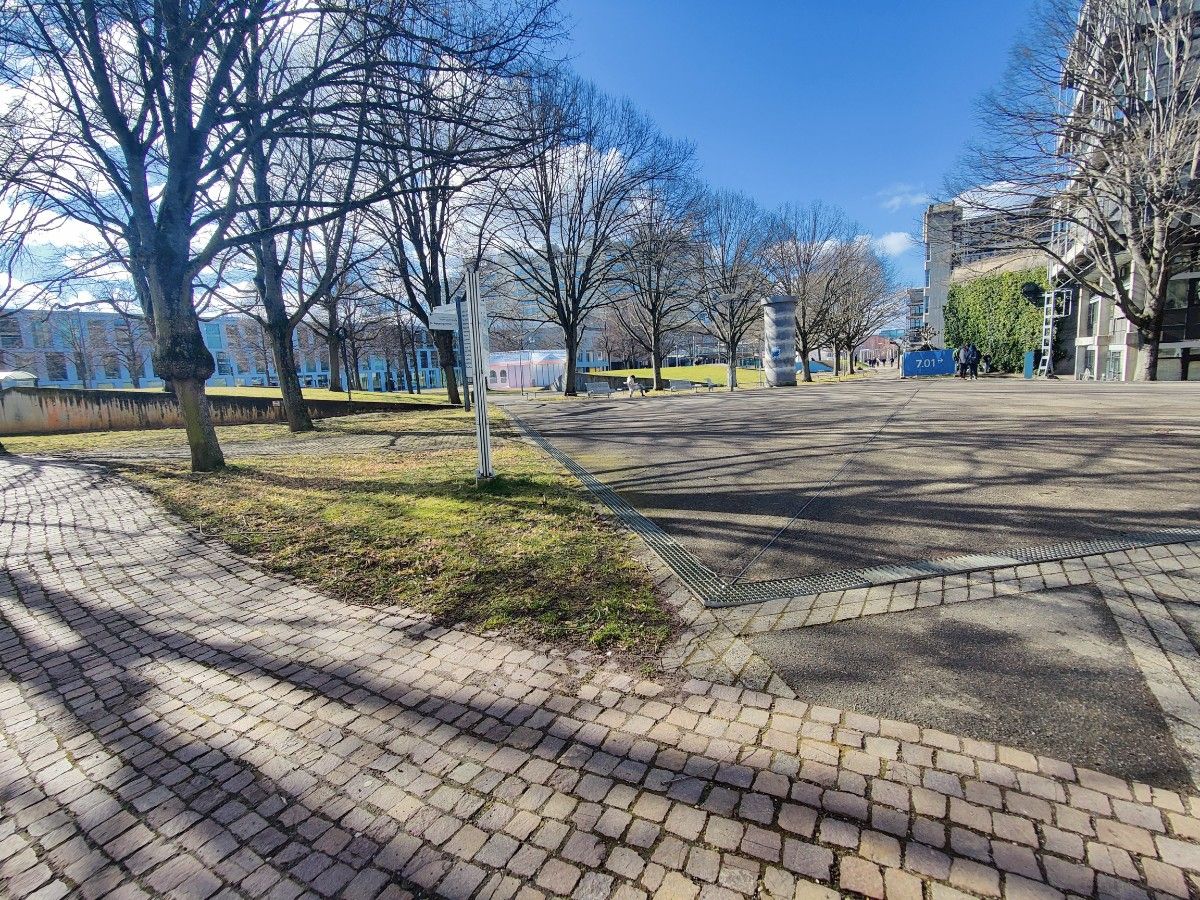
interested in this College ?
Follow & Share this college to get information about admission.



Comments