





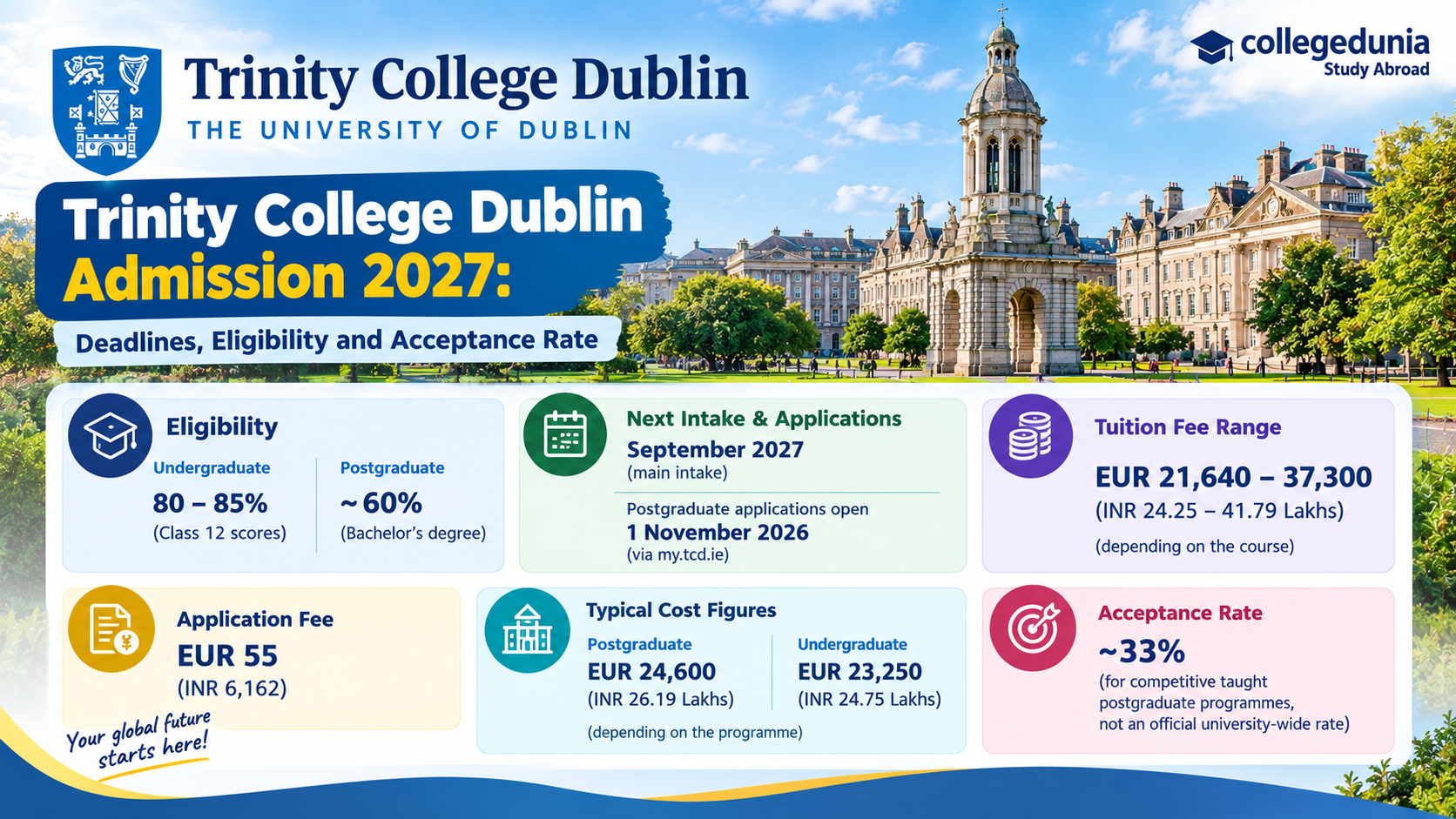
Trinity College Dublin welcomes Indian applicants with Class 12 scores of around 80 - 85% for undergraduate entry and a bachelor’s degree with approximately 60% for postgraduate entry, depending on the programme. English-language requirements commonly include IELTS 6.5, with no band below 6.0, subject to course requirements. Trinity is ranked #75 in QS and #173 in THE in the rankings cited.
- Next main intake: September 2027; postgraduate applications are expected to open on 1 November 2026 via my.tcd.ie.
- Tuition range: EUR 21,640 - 37,300 (INR 24.25 - 41.79 Lakhs), depending on the course.
- Application fee: EUR 55 (INR 6,162).
- Typical cost figures: EUR 24,600 (INR 26.19 Lakhs) for postgraduate study and EUR 23,250 (INR 24.75 Lakhs) for undergraduate study, depending on the programme.
- Acceptance rate: Approximately 33% is an estimate for competitive taught postgraduate programmes, not an official university-wide rate.
Popular choices among Indian applicants include MSc Business Analytics with AI, MSc Computer Science and MSc Finance. Actual tuition and admission requirements vary by course, so applicants should check the relevant programme page before applying.
Also check, Trinity College Dublin: Admissions, Courses and Fees
Table of Contents
- Trinity College Dublin Application Deadlines
- TCD Eligibility for Indian Students
- Trinity Postgraduate Programs and Fees
- TCD Undergraduate Programs Table
- Trinity College Dublin MBA Admissions
- TCD PhD Application Steps
- Trinity Application Process for Indians
- TCD Documents Required Checklist
- Trinity College Dublin Acceptance Rate
- Ireland Student Visa for Indian Applicants
- FAQs
Trinity College Dublin Application Deadlines
Trinity College Dublin’s main intake for Indian students is September, when most postgraduate and all undergraduate programmes begin. A limited number of MSc courses may offer January entry. Applications for September 2027 are stated to open on 1 November 2026, with rolling review from 31 January 2027. Oversubscribed programmes may close earlier, often by 30 June or 31 July 2027, so applicants should check their course-specific deadlines on Trinity’s official website.
| Intake | Level | App Opens | Deadline | App Fee |
|---|---|---|---|---|
| September 2027 (Primary intake) | PG (Taught) | 1 November 2026 | Rolling from 31 January 2027 (oversubscribed close 30 June 2027) | EUR 55 (INR 6,162) |
| September 2027 | UG (Non-EU) | 1 November 2026 | 1 February 2027 (restricted), 1 May 2027 (others) | EUR 55 (INR 6,162) |
| September 2027 | PhD (Structured) | Open now | Rolling, school-set | EUR 55 (INR 6,162) |
| January 2027 | PG (select MSc) | 1 July 2026 (passed) | 30 September 2026 (Closed) | EUR 55 (INR 6,162) |
Insider note: Trinity reviews on a rolling basis after 31 January, so complete early submissions often receive offers by mid-February, well before oversubscribed courses hit their close date.
Trinity College Dublin Eligibility for Indian Students
Trinity College Dublin uses selective academic thresholds pegged to the Irish honours framework. Indian applicants map to these thresholds via their Class 12 percentage or Bachelor’s degree grade. English proficiency is a separate hard requirement, verified by an accepted test score or, in narrow cases, a Medium of Instruction letter.
Academic Thresholds for Trinity College Dublin
- Undergraduate general entry: Class 12 with 80 to 85 percent, board-verified.
- UG competitive programs: Class 12 at 85 percent or higher, with prerequisite subjects (Maths for CS or Economics, Biology and Chemistry for Human Health).
- Postgraduate taught masters: Bachelor’s with 60 percent or CGPA 6.0 out of 7.0 (a UK 2.1 honours equivalent).
- PG competitive masters: 65 to 70 percent Bachelor’s in a related discipline, sometimes with pre-requisite modules.
- PhD: Bachelor’s plus a research masters, or a first-class Bachelor’s for direct PhD entry.
English Language Requirements
Trinity accepts multiple English tests. Higher-entry programs (LLM, Journalism, MPhil Applied Linguistics) require IELTS 7.0, while standard entry sits at 6.5.
| Test | Standard Entry | Higher Entry |
|---|---|---|
| IELTS Academic | 6.5 (no band below 6.0) | 7.0 (no band below 6.5) |
| TOEFL iBT | 90 | 100 |
| PTE Academic | 63 to 69 | 75 |
| Duolingo English Test | 120 | 130 |
Note: Trinity College Dublin may consider an English-language test waiver for applicants whose most recent full qualification was completed at an English-medium institution. Indian students can submit a signed Medium of Instruction (MOI) letter on official university letterhead, subject to programme rules. However, competitive programmes may still require a valid IELTS or TOEFL score, so check the course-specific requirements before applying.
Trinity College Dublin Postgraduate Programs
Trinity College Dublin offers 300+ taught postgraduate programmes across Arts, Humanities and Social Sciences; Engineering, Mathematics and Science; and Health Sciences. Options include MSc, MPhil, MEd, LLM and MEconSc degrees, with most full-time master’s programmes lasting one academic year. Annual tuition for non-EU students ranges from EUR 21,640 to EUR 37,300 (INR 24.25–41.79 Lakhs), depending on the course.
| Programme | Duration | Minimum Eligibility | English Req. Min. |
|---|---|---|---|
| MSc Business Analytics (with AI) | 1 year | Bachelor’s with 60 percent (2.1 honours), quantitative background preferred | IELTS 6.5 |
| MSc Computer Science (Intelligent Systems) | 1 year | Bachelor’s with 60 percent in CS, IT or related, with Java or Python fluency | IELTS 6.5 |
| MSc Computer Science (Data Science) | 1 year | Bachelor’s with 60 percent in CS, Maths, Statistics or Engineering | IELTS 6.5 |
| MSc Finance | 1 year | Bachelor’s with 60 percent in Finance, Economics or a quantitative field | IELTS 6.5 |
| MSc Marketing | 1 year | Bachelor’s with 60 percent in any discipline | IELTS 6.5 |
| MSc International Management | 1 year | Bachelor’s with 60 percent in any discipline | IELTS 6.5 |
Trinity College Dublin Undergraduate Programs
Trinity College Dublin offers four-year undergraduate Bachelor’s (Moderatorship) degrees, including single-honour and joint-honour options. Indian non-EU applicants generally apply directly through my.tcd.ie rather than Ireland’s CAO system. Annual non-EU undergraduate tuition ranges from EUR 22,650 to EUR 34,290 (INR 25.38–38.42 Lakhs), depending on the course.
| Programme | Duration | Minimum Eligibility | English Req. Min. |
|---|---|---|---|
| BA (Mod.) Computer Science | 4 years | Class 12 at 85 percent including Mathematics | IELTS 6.5 |
| BA (Mod.) Business, Economic and Social Studies | 4 years | Class 12 at 80 percent | IELTS 6.5 |
| BA (Mod.) Economics | 4 years | Class 12 at 80 percent including Mathematics | IELTS 6.5 |
| BA (Mod.) Law | 4 years | Class 12 at 85 percent | IELTS 6.5 |
| Bachelor in Human Health and Disease | 4 years | Class 12 at 85 percent with Biology and Chemistry | IELTS 6.5 |
Indian applicants should note that Trinity treats the CBSE, ISC, and state-board Class 12 as directly convertible to the Irish Leaving Certificate on a percentage-weighted basis. Predicted grades are accepted for early rounds if final results are pending.
Also check, Trinity College Dublin (TCD) Courses and Fees 2026
Trinity College Dublin MBA Admissions
The Trinity MBA runs as a one-year full-time program at Trinity Business School, aimed at mid-career professionals from India who want a compressed European MBA with EU work rights afterwards. A part-time Executive MBA extends over 24 months for candidates who continue working.
- Full-time MBA experience floor: Minimum 3 years post-degree, average intake carries 5 to 8 years.
- Executive MBA experience floor: Minimum 5 years, with at least 2 in a managerial role.
- Academic base: Bachelor’s with 60 percent (2.1 honours), any discipline accepted.
- GMAT or GRE: Recommended, waivable with a strong quantitative Bachelor’s or a professional qualification like CA or CFA.
- English: IELTS 6.5 (7.0 preferred for interview rounds).
The full-time MBA runs multiple rolling rounds from October to July, with interview invitations sent within three weeks of a complete application. The interview is a 45-minute panel format, shortlisted on academic record, work impact, and career clarity. The base tuition for the Trinity MBA sits near EUR 37,300 (INR 41.79 Lakhs), and funding routes are covered on the Scholarships page.
Insider note: Round 1 and Round 2 applicants get the widest scholarship consideration at Trinity Business School. Applying after Round 3 typically means merit-scholarship pools are already committed.
Also check, MBA in Ireland 2027: Top Universities, Eligibility, and Fees
Trinity College Dublin PhD Application Process
Trinity offers structured four-year PhD programs across all three faculties, from AI and Immunology to Digital Humanities and Pharmacy. Indian applicants apply directly to the target school via my.tcd.ie after identifying a supervisor whose research area matches the applicant’s proposal. There is no central PhD deadline. Schools review on rolling basis with September, January, and April entry points.
PhD Application Steps at Trinity College Dublin
- Shortlist supervisors from the school’s staff directory and email a 1-page research summary.
- On supervisor interest, complete the online application with a full research proposal.
- Submit transcripts, degree certificates, two academic references, and CV.
- Provide English proficiency proof (IELTS 6.5 minimum, higher for research-writing intensive fields).
- Pay the EUR 55 (INR 6,162) application fee.
Also check,
- Top PHD Colleges & Universities in Ireland in 2026
- Top Education Universities & Colleges in Ireland in 2026
Trinity College Dublin Application Process
Trinity uses a single online portal for non-EU postgraduate and undergraduate applications. The step sequence below follows the my.tcd.ie flow, valid for the September 2027 intake opening on 1 November 2026.
- Register on the my.tcd.ie portal using a personal email, and select up to two program choices per cycle.
- Complete the personal and academic sections, uploading provisional transcripts, Class 12 or degree certificate, and a valid passport bio page.
- Upload the Statement of Interest (400 to 600 words), CV, and two academic or professional references.
- Attach English language evidence (IELTS score report or MOI letter).
- Pay the application fee of EUR 55 (INR 6,162) on the my.tcd.ie portal to trigger review.
- Track status through the applicant dashboard, and respond promptly to any request for missing documents.
Trinity Admission Decision Timeline
- Non-competitive PG: Decision within 4 to 6 weeks of a complete file.
- Oversubscribed PG: Decision held until round close, typically 30 June 2027 for competitive MSc programs.
- Offer acceptance window: 4 weeks to accept and pay the deposit.
- Deferral: Available on a case-by-case basis, requested via the applicant portal before term start.
Trinity College Dublin Documents Required for Indian Students
Trinity College Dublin asks for a compact document set at application, with originals or certified copies produced later on enrolment. The list below covers the paperwork Indian applicants must upload through my.tcd.ie.
- Passport bio page: Valid for at least 12 months beyond program start.
- Official transcripts: Semester-wise mark sheets from every enrolled institution.
- Degree certificate: Provisional acceptable if final not yet issued.
- Class 12 certificate: Required for UG and for select PG programs.
- Statement of Interest (SOP): 400 to 600 words, program-specific.
- Two academic references: On institutional letterhead, signed and dated.
- Curriculum Vitae: Two pages, chronological, listing internships and projects.
- English test score report: IELTS, TOEFL, PTE, or Duolingo, or MOI letter where accepted.
- Portfolio or writing sample: Program-specific (Interactive Digital Media, Creative Writing).
- Work experience letters: For MBA and select PG programs.
- GMAT or GRE score report: For MBA, waiver requests allowed.
Also check,
Trinity College Dublin Acceptance Rate
Trinity College Dublin does not publish an official overall acceptance rate. Third-party estimates place it at around 33%, but this figure is not officially confirmed and admission rates vary by programme and faculty. Applicants should check course-specific entry requirements and selection criteria rather than relying on a single institutional estimate.
Insider note: Trinity readers weigh subject-relevant electives heavily. A Class 12 or Bachelor’s transcript that shows depth in Maths, Statistics, or Programming carries more signal than a broad but shallow topper profile.
Also check, Cost of Living in Ireland for International Students
Ireland Student Visa for Trinity College Dublin Applicants
Indian students admitted to Trinity College Dublin generally apply for an Irish Type D long-stay study visa through the official application process in India. After arrival, they must register with Irish Immigration and obtain an Irish Residence Permit (IRP) within the required timeframe. Applications typically require an offer letter, proof of tuition payment, medical insurance and evidence of approximately EUR 10,000 (INR 11.20 Lakhs) in maintenance funds, subject to current rules. Processing may take 4–8 weeks, so students should apply early.
Eligible Trinity graduates may qualify for Ireland’s Third Level Graduate Programme (Stamp 1G), which allows graduates to work full-time while seeking suitable employment. Eligible Level 9 master’s graduates may receive up to 24 months, while Level 8 bachelor’s graduates may receive up to 12 months, subject to programme conditions. Graduates may then seek a General or Critical Skills Employment Permit if they meet the relevant requirements.
2026 update: The Irish Department of Justice moved study visa applications fully online through the AVATS system in 2025. Indian applicants no longer submit paper forms, and the biometric appointment at VFS is the only in-person step.
Also check, Ireland Student Visa for Indian Students
Indian students planning for Trinity College Dublin’s September 2027 intake should prepare their documents and financial proof early, checking programme deadlines before applying. Applications are submitted through my.tcd.ie, and some postgraduate programmes review applications on a rolling basis. Entry requirements, including the required bachelor’s grades and IELTS score, vary by course; IELTS 6.5 is accepted for some programmes, but applicants should confirm the exact requirement. Students should also verify Ireland’s current student immigration and post-study work rules, as Stamp 2 and Stamp 1G have different conditions and durations.
FAQs
Ques. When do applications for the September 2027 intake at Trinity College Dublin open for Indian students?
Ans. Postgraduate applications open on 1 November 2026 through my.tcd.ie. Undergraduate non-EU applicants apply through the same portal from that date. Early submission is advised, since programs shift to rolling review from 31 January 2027.
Ques. What are the minimum eligibility requirements for a taught MSc at Trinity College Dublin?
Ans. You need an honours Bachelor’s with 60 percent or CGPA 6.0 out of 7.0, mapped to a UK 2.1 honours. Programs like MSc Business Analytics and MSc Data Science look for a stronger quantitative background.
Ques. Does Trinity College Dublin accept TOEFL or PTE in place of IELTS?
Ans. Yes. TCD accepts TOEFL iBT 90, PTE Academic 63 to 69, and Duolingo English Test 120 for standard entry. Higher-entry programs like LLM need IELTS 7.0 or TOEFL 100.
Ques. What is the application fee for a Trinity College Dublin postgraduate programme?
Ans. The application fee is EUR 55 (INR 6,162), paid online via my.tcd.ie at submission. It is non-refundable and covers a single course application. A second choice attracts a separate fee.
Ques. How competitive is Trinity College Dublin for Indian students?
Ans. The overall acceptance rate is estimated near 33 percent, based on competitive-intake taught masters, since Trinity does not publish an official institutional figure. Business, computer science, and law programs run tighter due to volume.
Ques. What documents do Indian applicants need to submit for a Trinity College Dublin MSc?
Ans. You need a passport bio page, official transcripts, degree certificate, an SOP, two academic references, a CV, and an IELTS or equivalent score report. Some programs also ask for a research proposal, portfolio, or writing sample.
College Student Profiles

Trinity College Dublin Program Fees & Deadlines
| Program | Important Dates | Fees | Application Fees | Eligibility | Financial Aid |
|---|---|---|---|---|---|
| INR 23.1 L/Yr EUR 21,640 /Yr | 55 | TOEFL- 90 | IELTS- 6.5 | Duolingo- 120 | PTE- 69 | |||
| INR 25.6 L/Yr EUR 24,000 /Yr | 55 | TOEFL- 90 | IELTS- 6.5 | Duolingo- 120 | PTE- 69 | |||
| INR 23.9 L/Yr EUR 22,430 /Yr | 55 | TOEFL- 90 | IELTS- 6.5 | Duolingo- 120 | PTE- 69 | |||
| INR 17.3 L/Yr EUR 16,210 /Yr | 55 | TOEFL- 90 | IELTS- 6.5 | Duolingo- 120 | PTE- 69 | |||
M.S Neuroscience 1 year | INR 27.3 L/Yr EUR 25,540 /Yr | 55 | TOEFL- 90 | IELTS- 6.5 | Duolingo- 120 | PTE- 69 | ||
| INR 29.7 L/Yr EUR 27,790 /Yr | 55 | TOEFL- 90 | IELTS- 6.5 | Duolingo- 120 | PTE- 69 | |||
| INR 31.6 L/Yr EUR 29,570 /Yr | 55 | TOEFL- 90 | IELTS- 6.5 | Duolingo- 120 | PTE- 69 | |||
| INR 25.6 L/Yr EUR 24,000 /Yr | 55 | TOEFL- 100 | IELTS- 7 | Duolingo- 130 | PTE- 75 | |||
M.S Management 1 year | INR 25.6 L/Yr EUR 24,000 /Yr | 55 | TOEFL- 90 | IELTS- 6.5 | Duolingo- 120 | PTE- 69 | ||
| INR 24 L/Yr EUR 22,520 /Yr | 55 | TOEFL- 90 | IELTS- 6.5 | Duolingo- 120 | PTE- 69 |
Do you think the Dates are wrong ? Report Here
Course Finder - Search from 50K+ courses
Popular Streams:
Reviews
17 Reviews Found
Likes
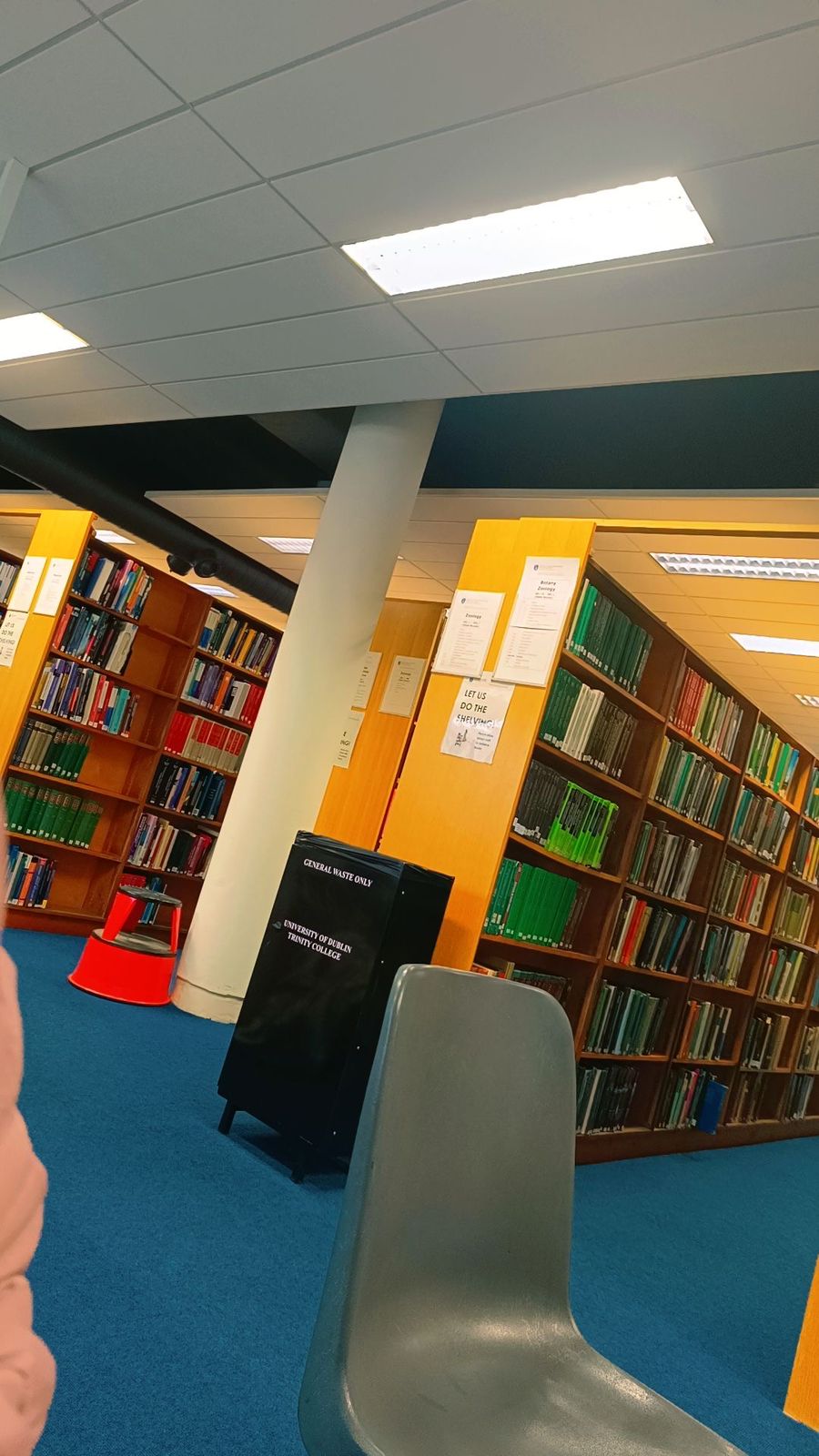
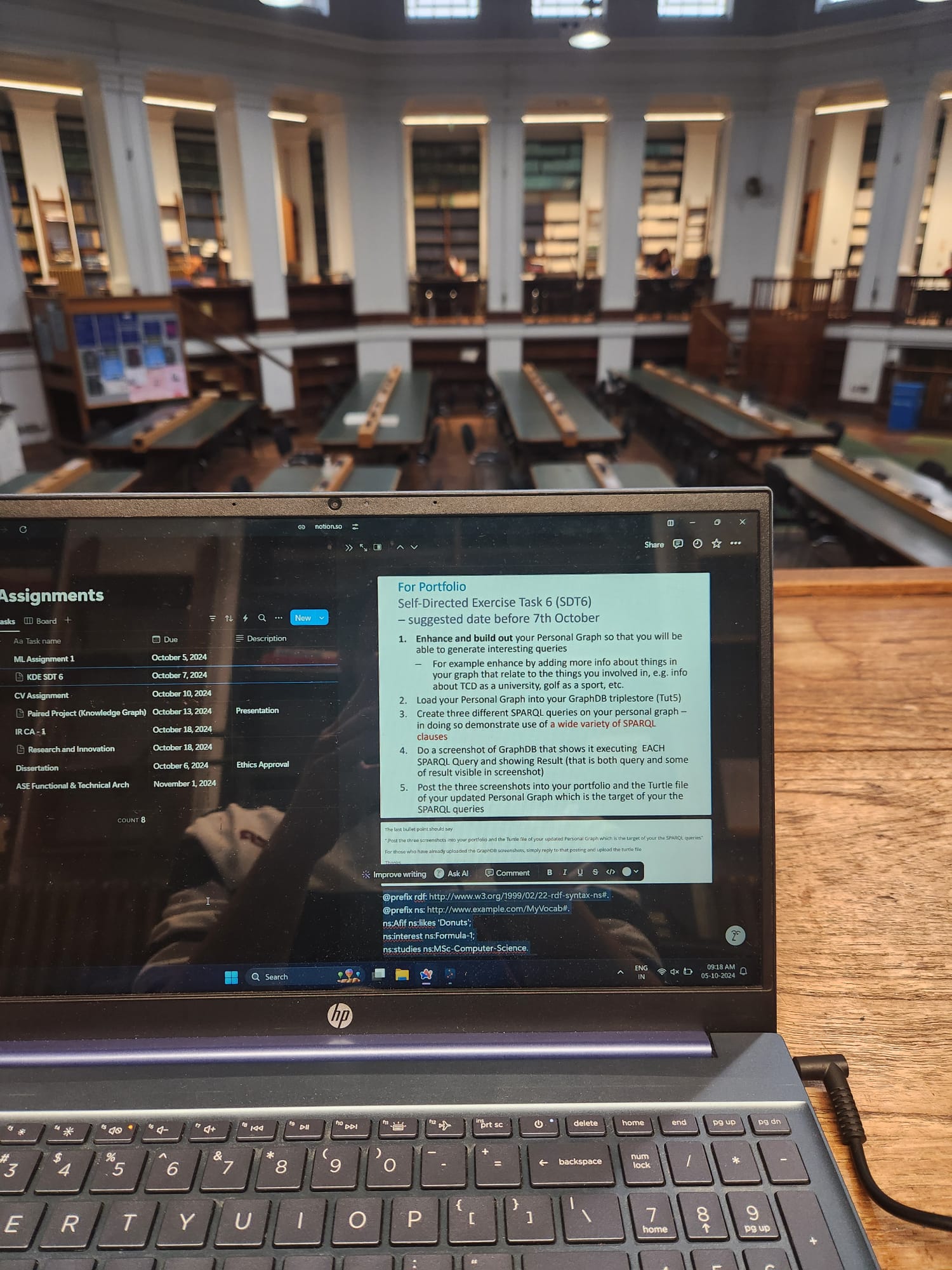
- The library is the biggest in Ireland and is 24 hours open
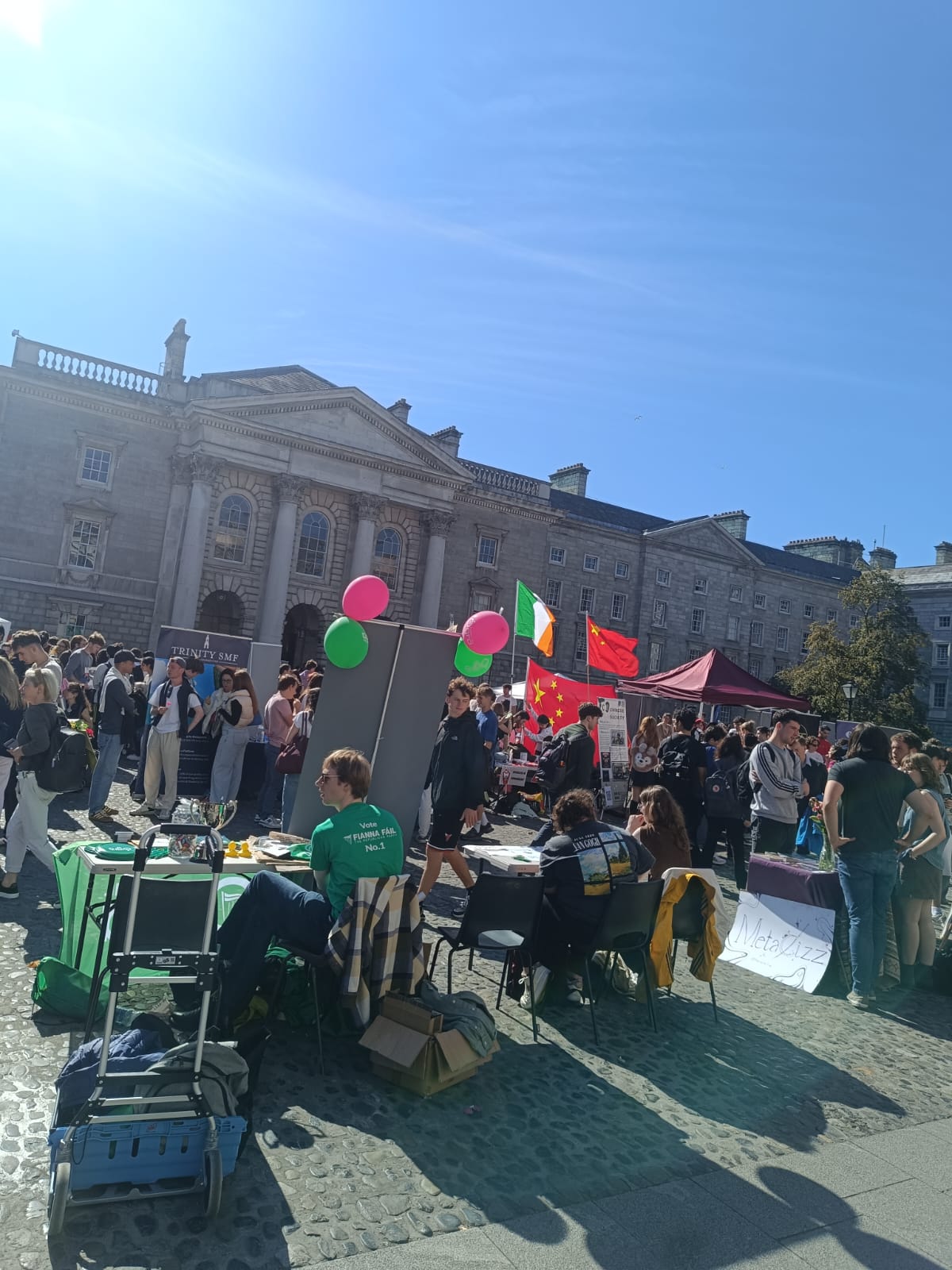
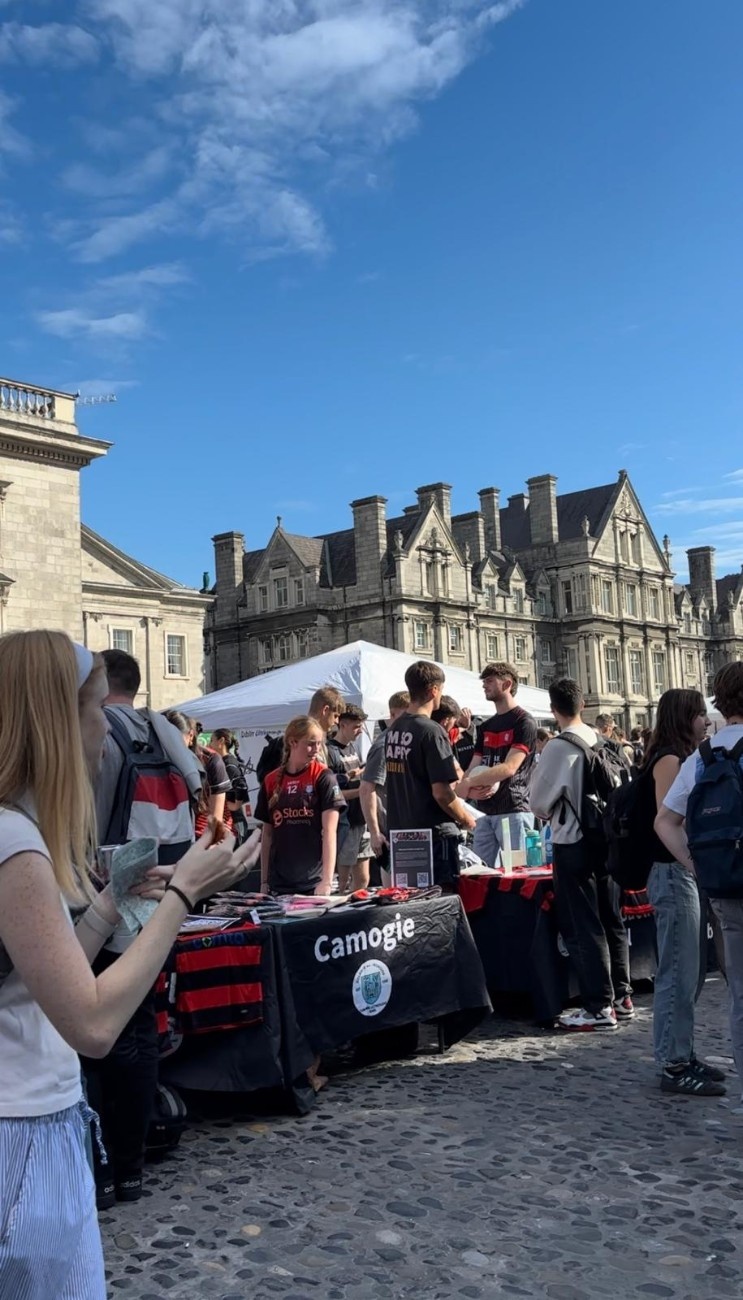
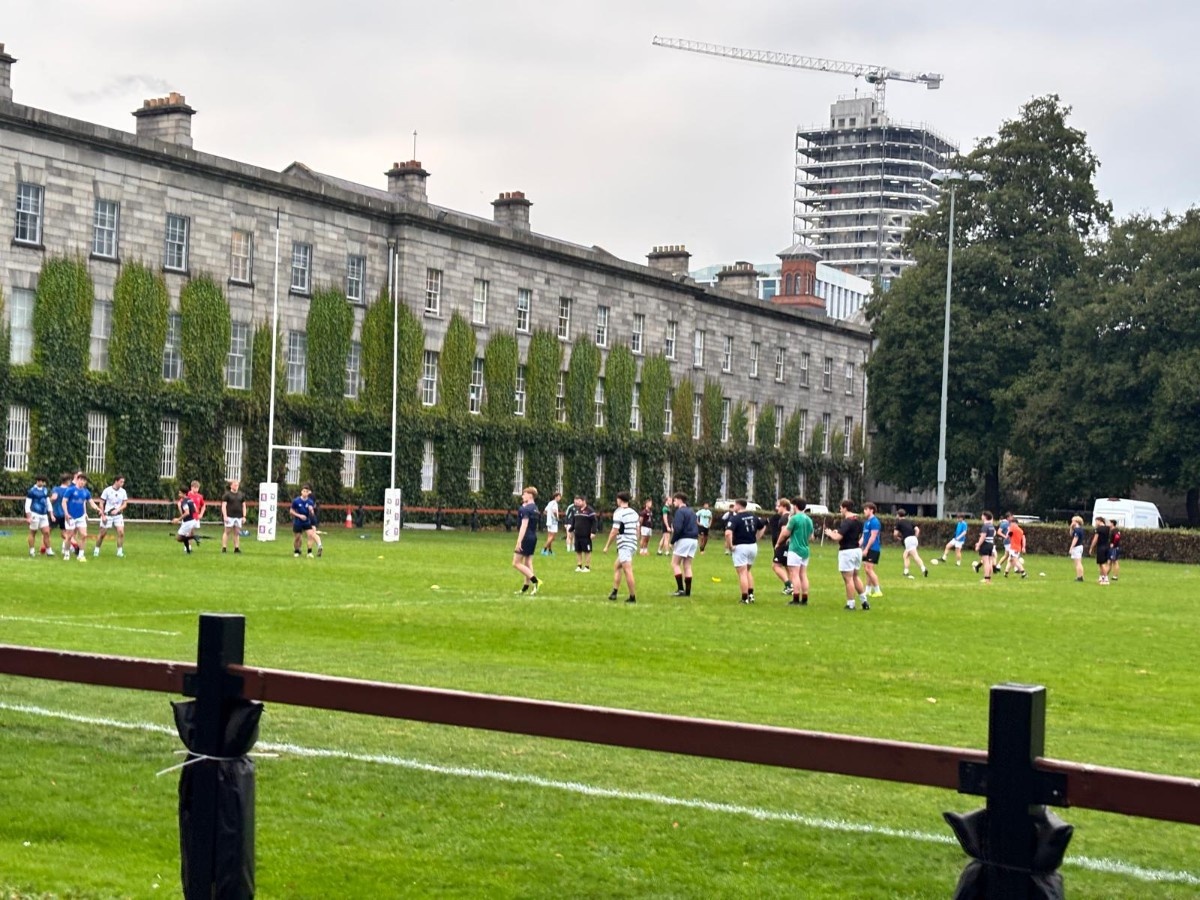
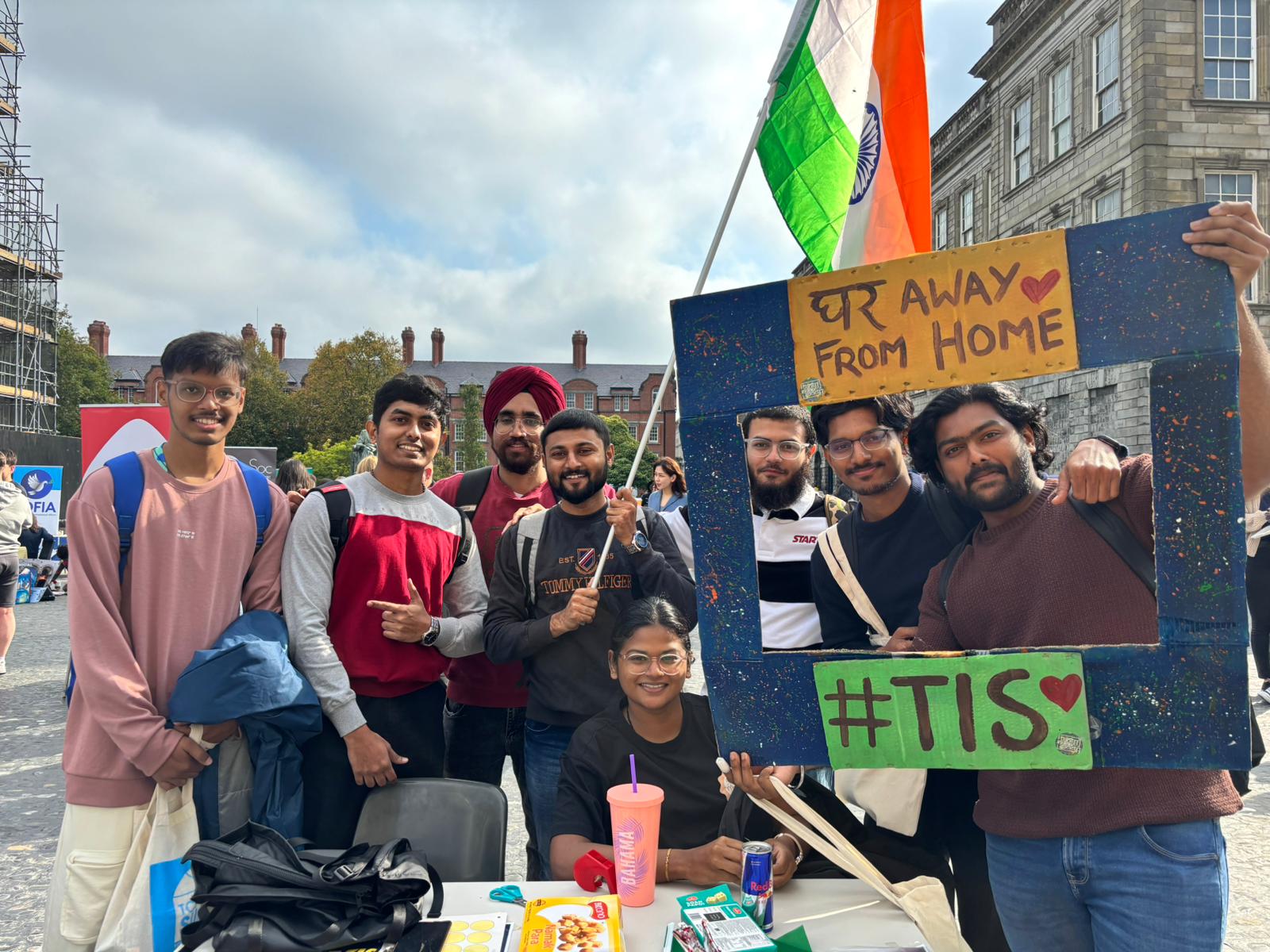
- There are more than 100 societies ranging from cultural, arts, sports for us to be a part of
- The college is in the city Centre, so the transportation is very easy and accessible
Dislikes
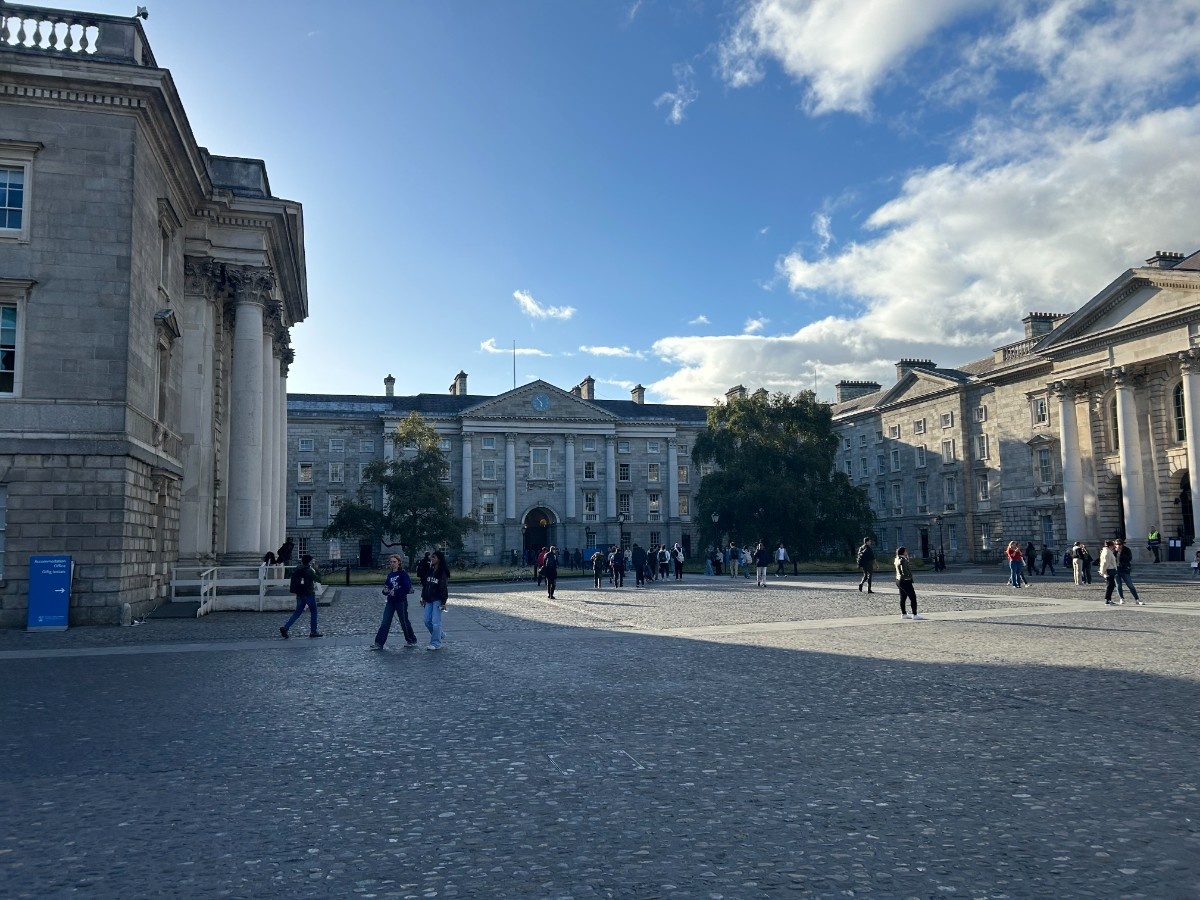
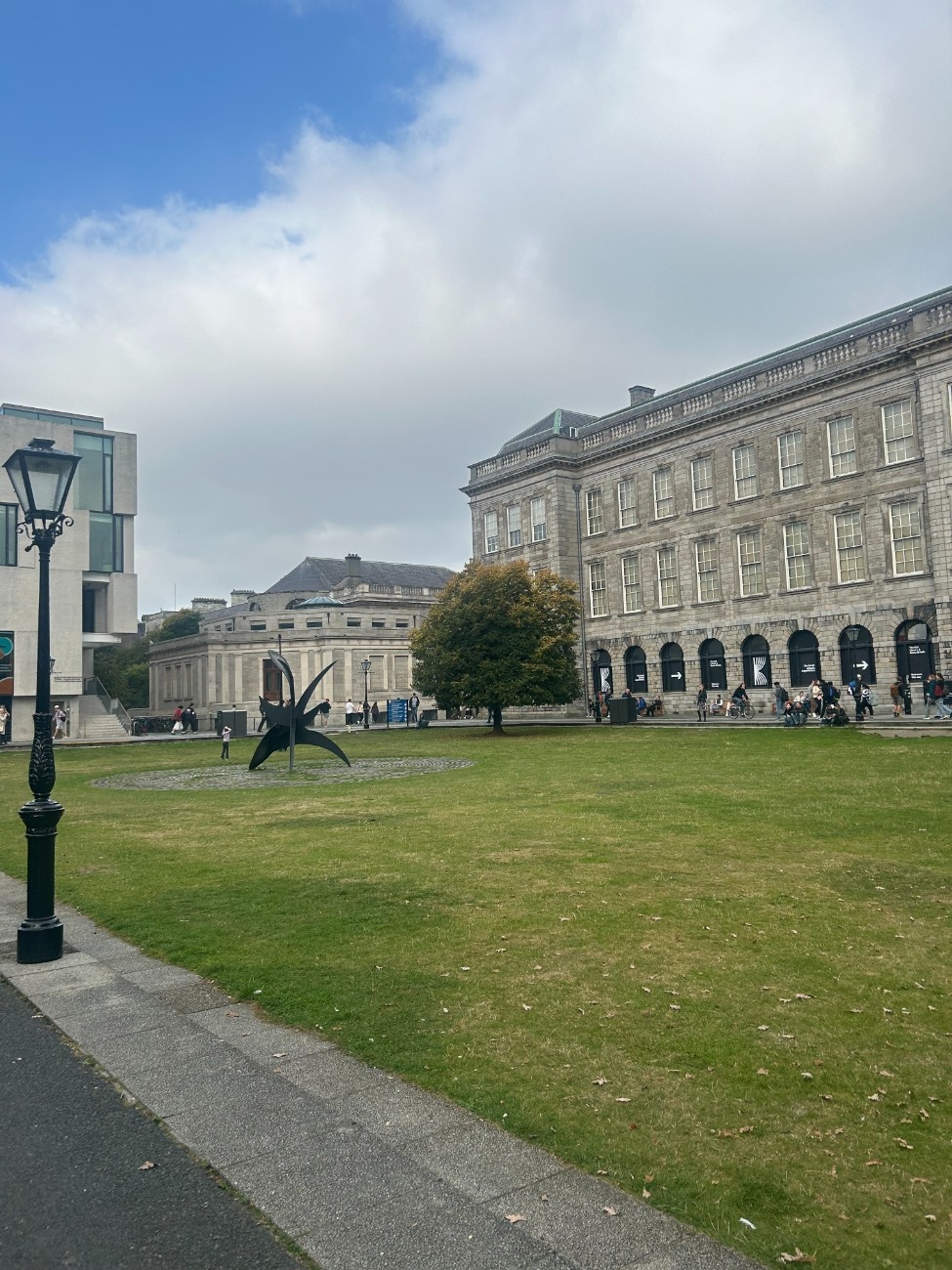
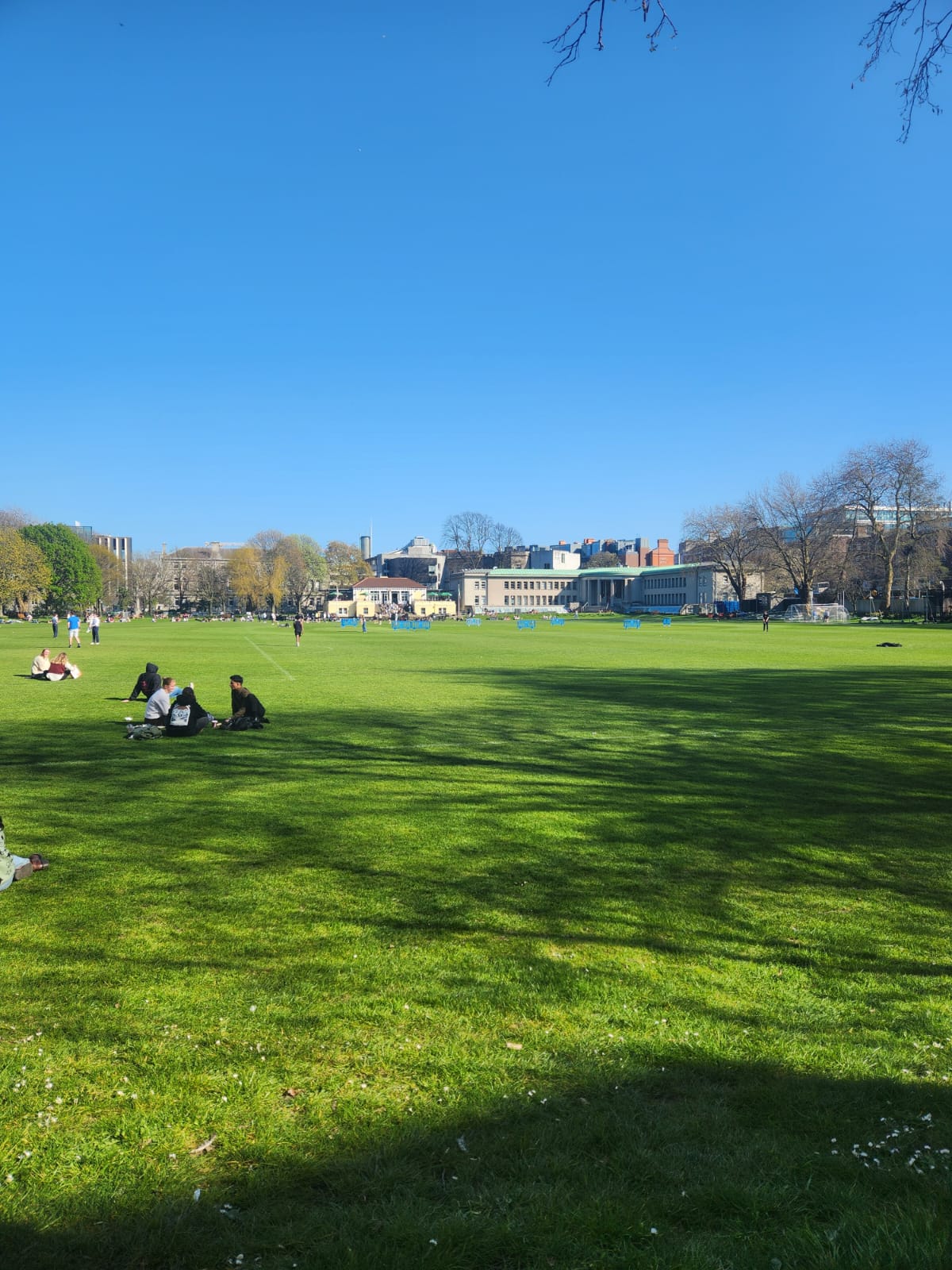
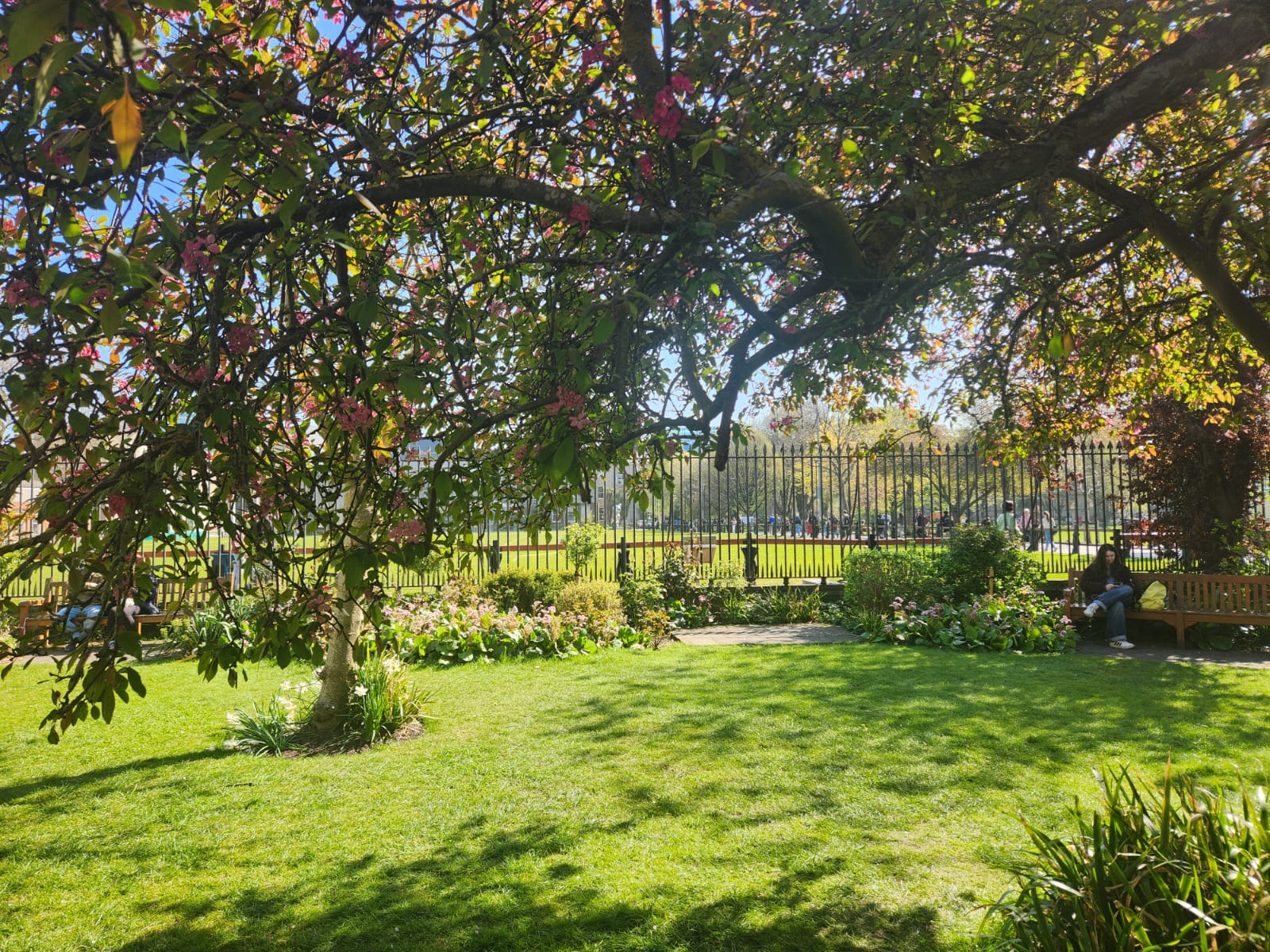
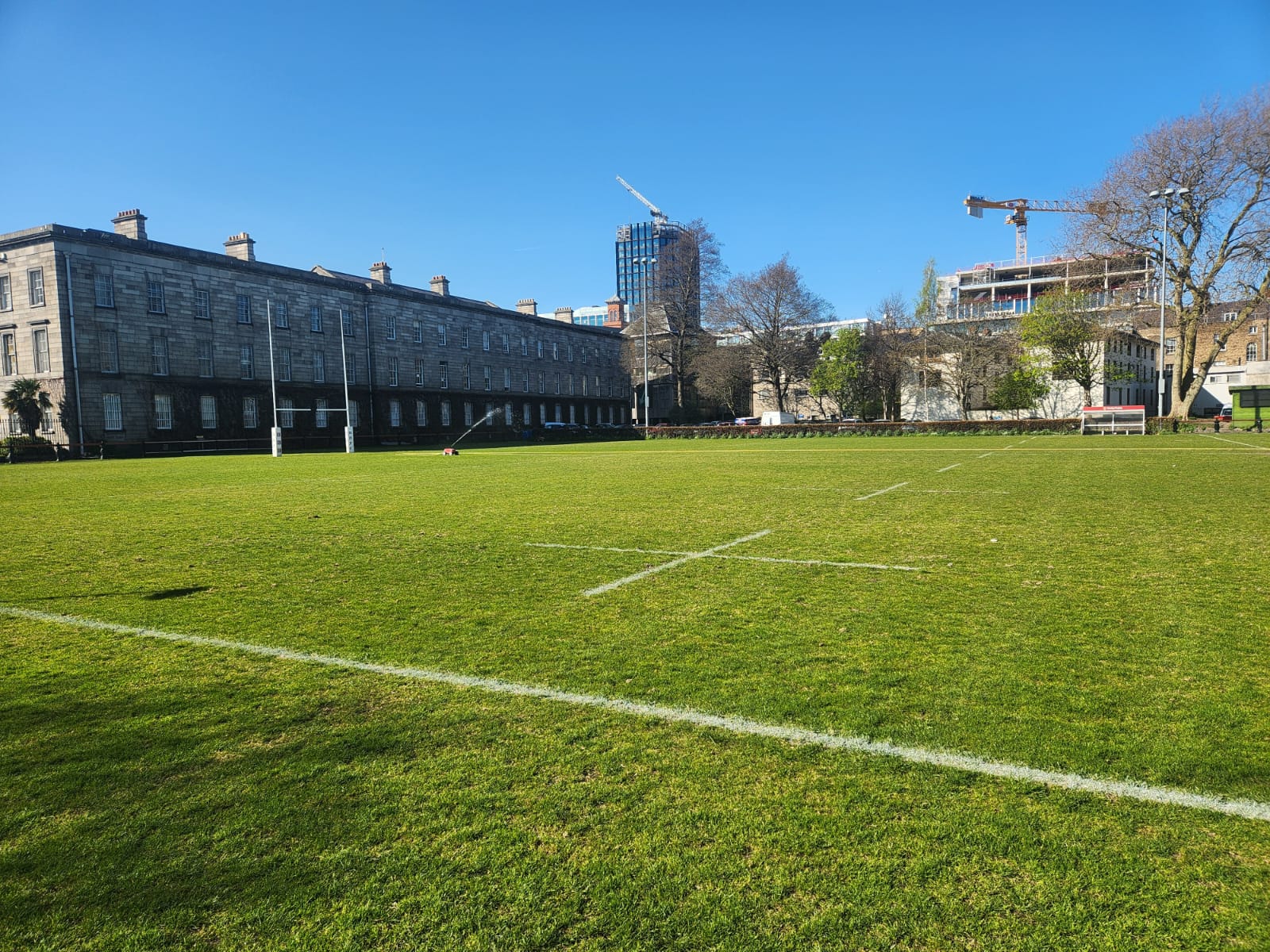
- The campus yet beautiful, however is small. Some of the departments are outside the main campus
- The professors are very busy and can be contacted only after class or via email
- Due to the harsh windy and rainy weather conditions in Ireland, it gets harder to come to college sometimes.
Scholarship
- Unfortunately, I didn't receive any scholarships. However there are a few scholarships available in the website based on the countries. For international students there is a scholarship, the Global Excellence Postgraduate Scholarship, which offers a scholarship from 2000 to 5000 euros. This scholarship is available to a non-EU student. The deadline of the scholarship is usually on 15th June.
Likes
- I love the Old Library at Trinity, they have really good books and its always very quiet and feels like i am in a completely different world.
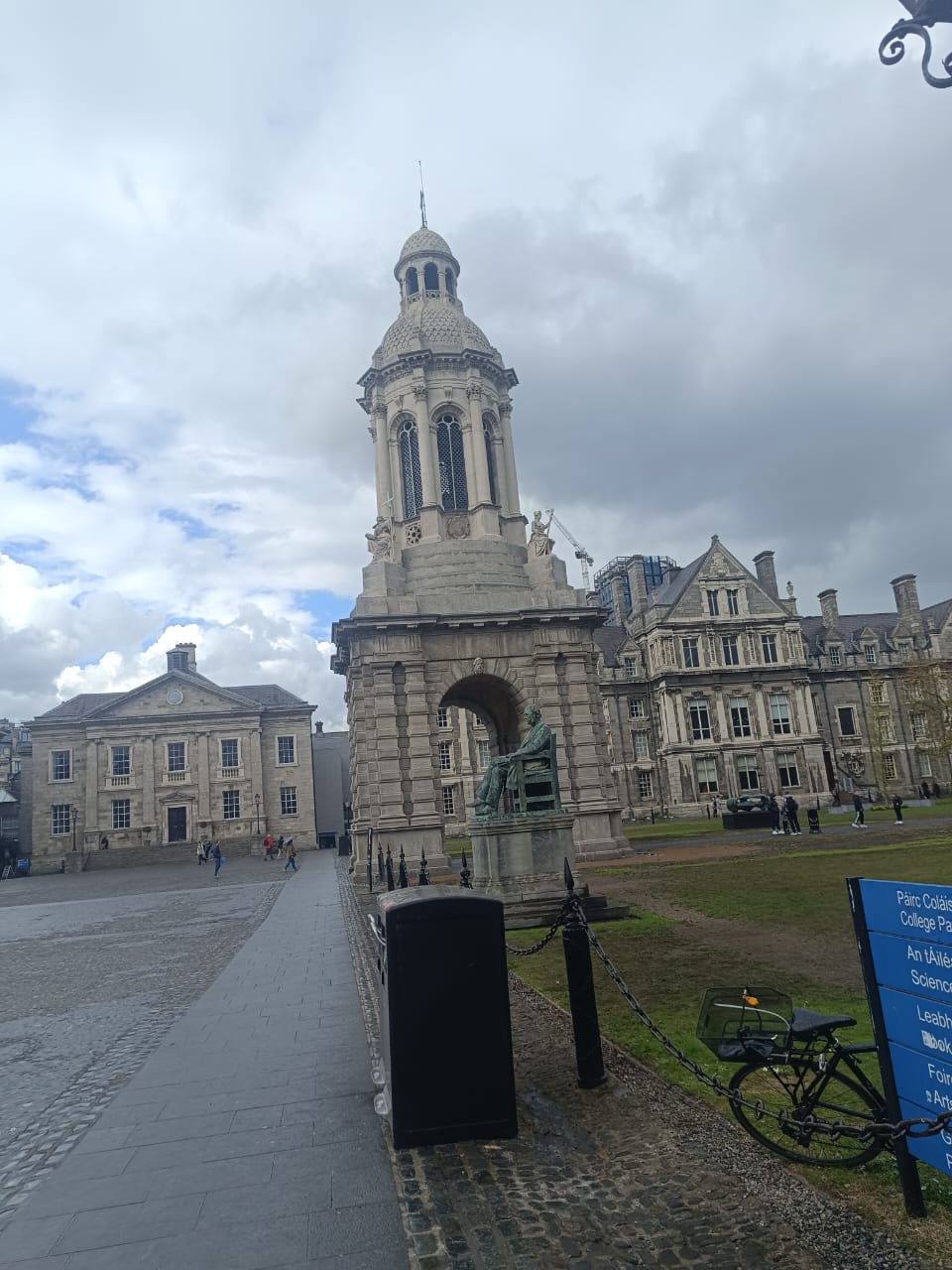
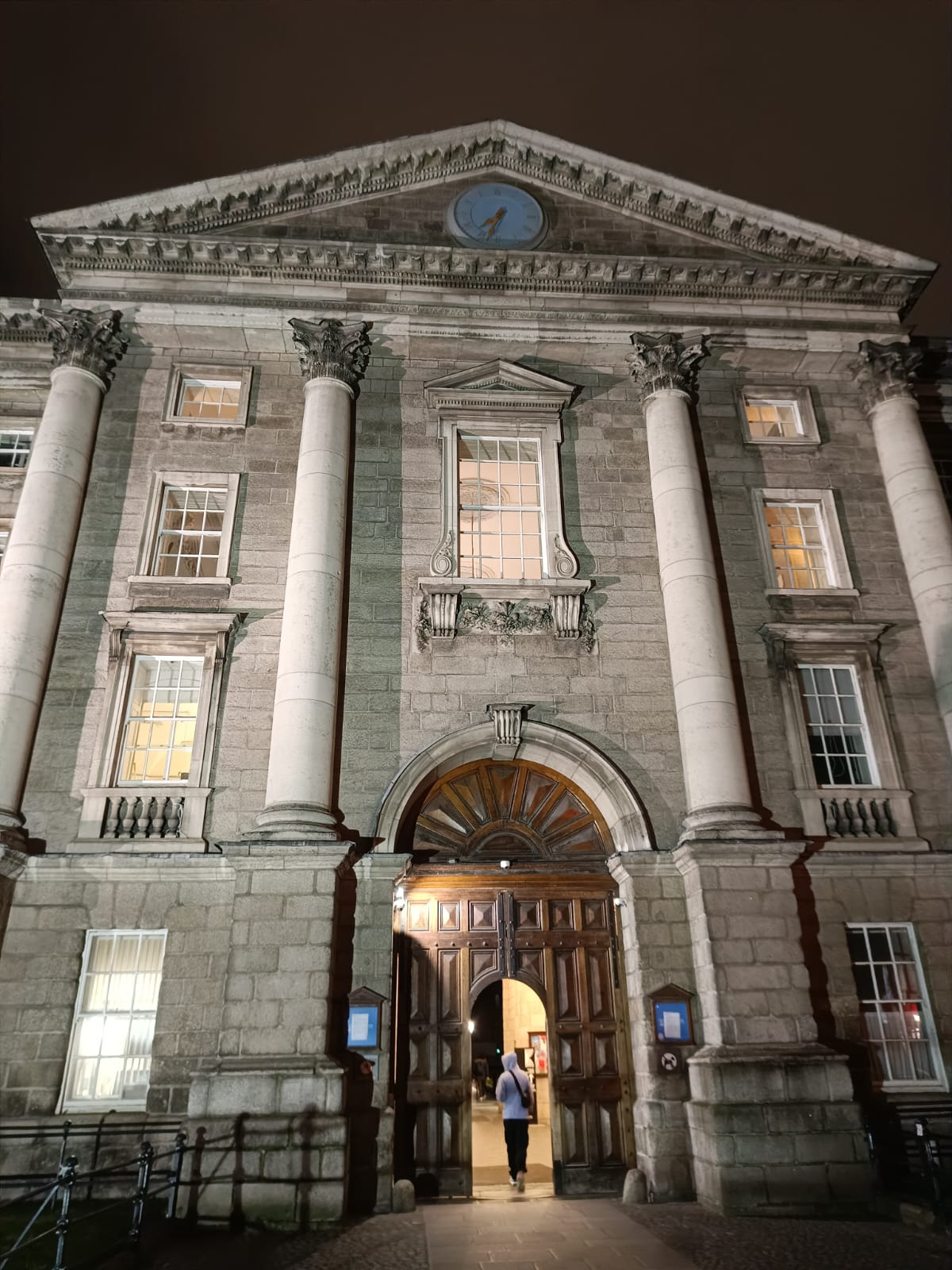
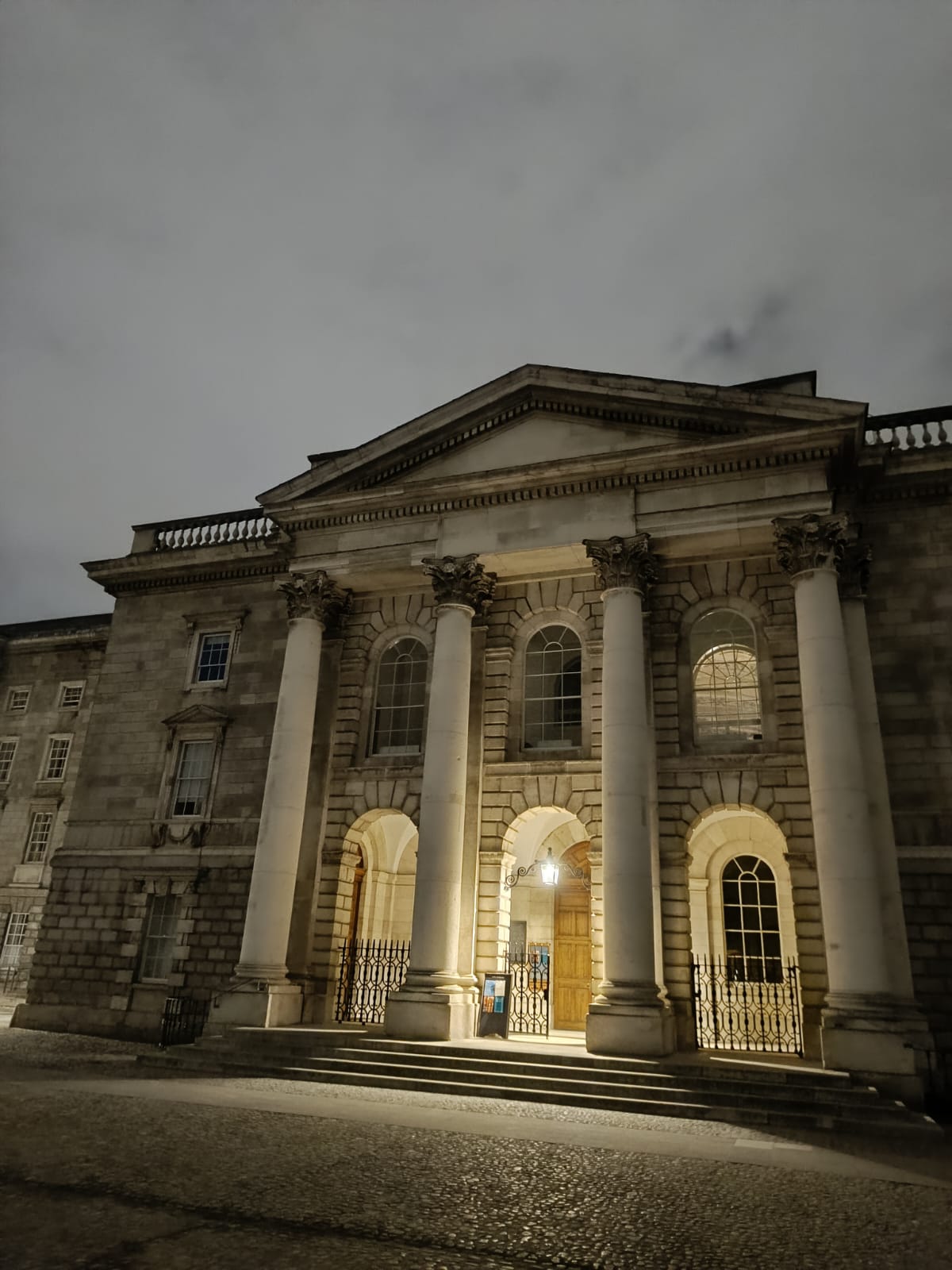
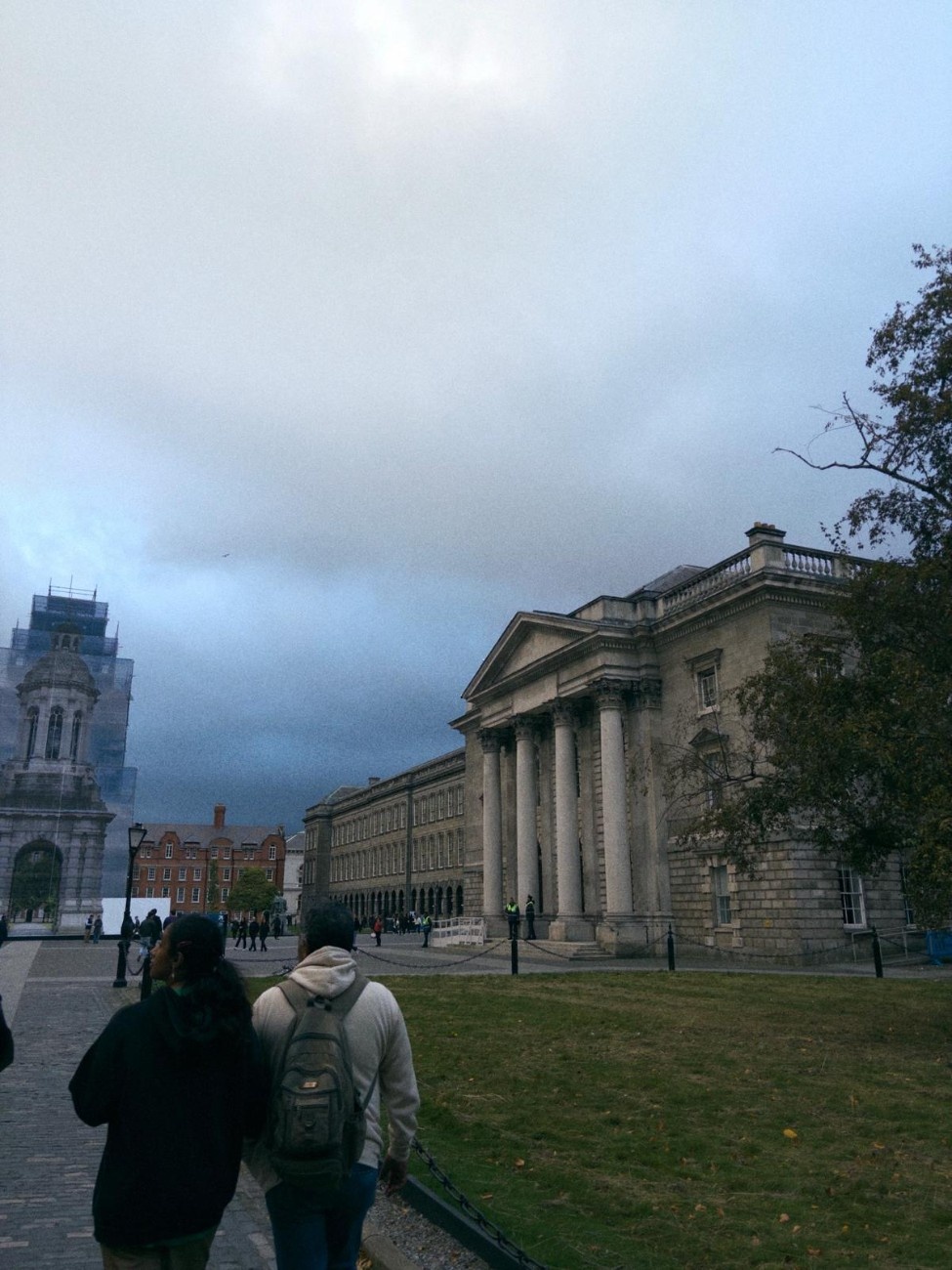
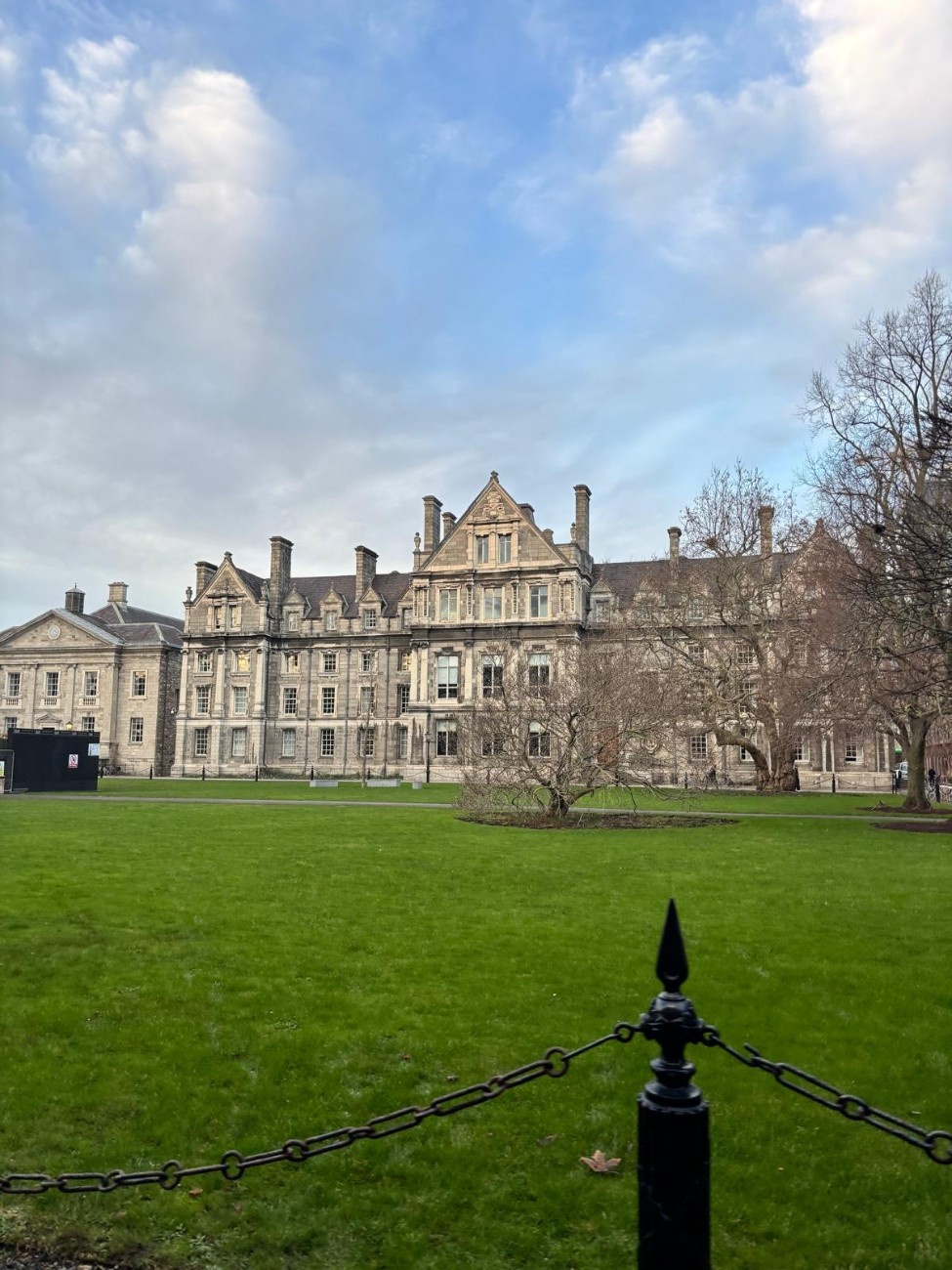
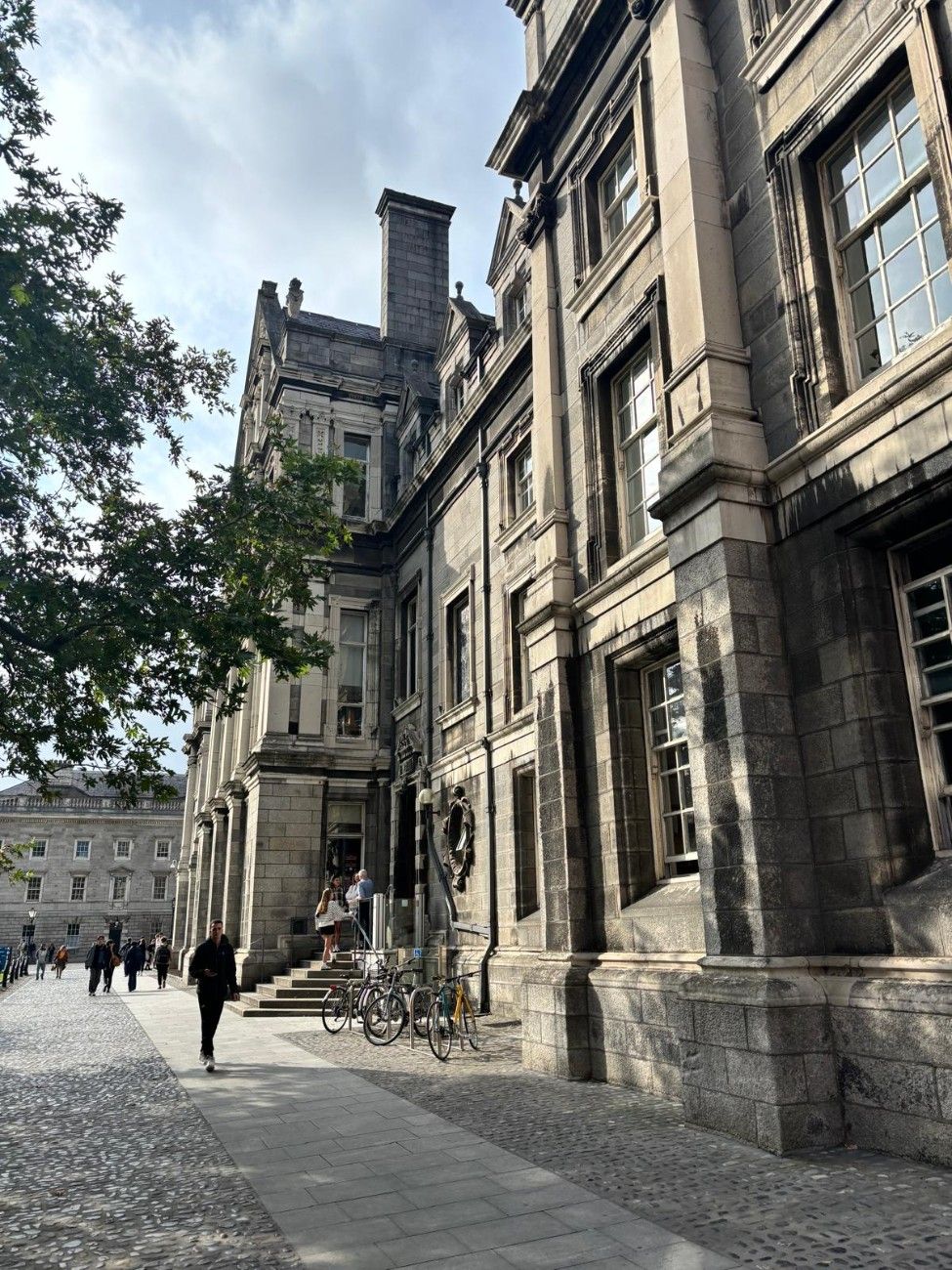
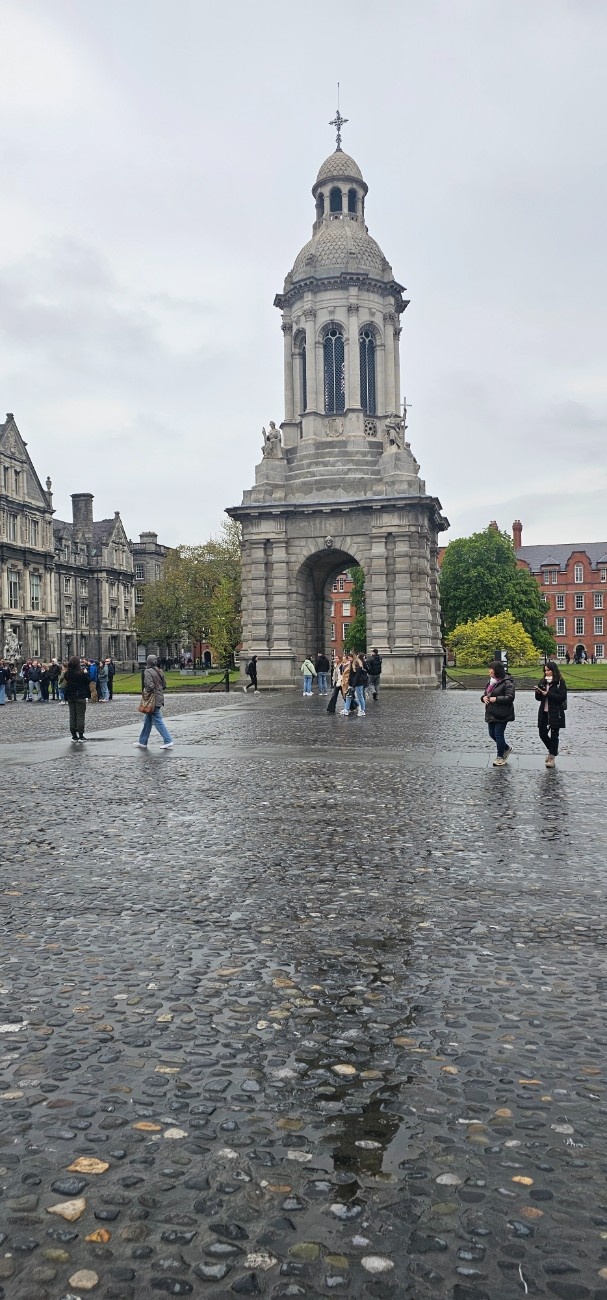
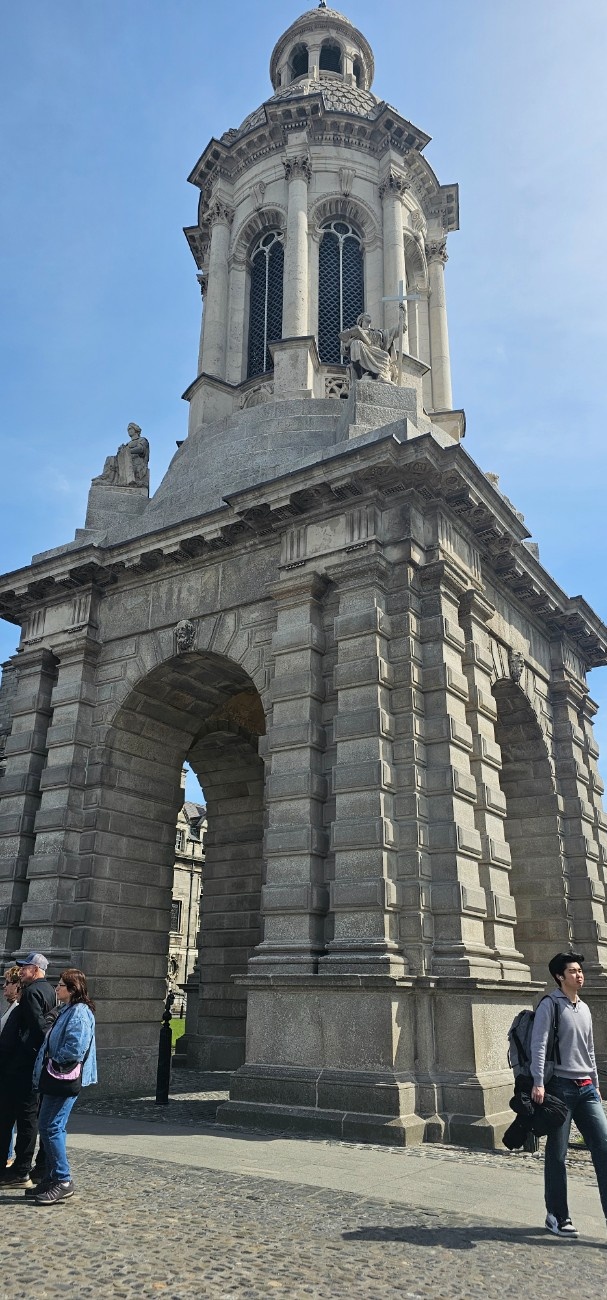
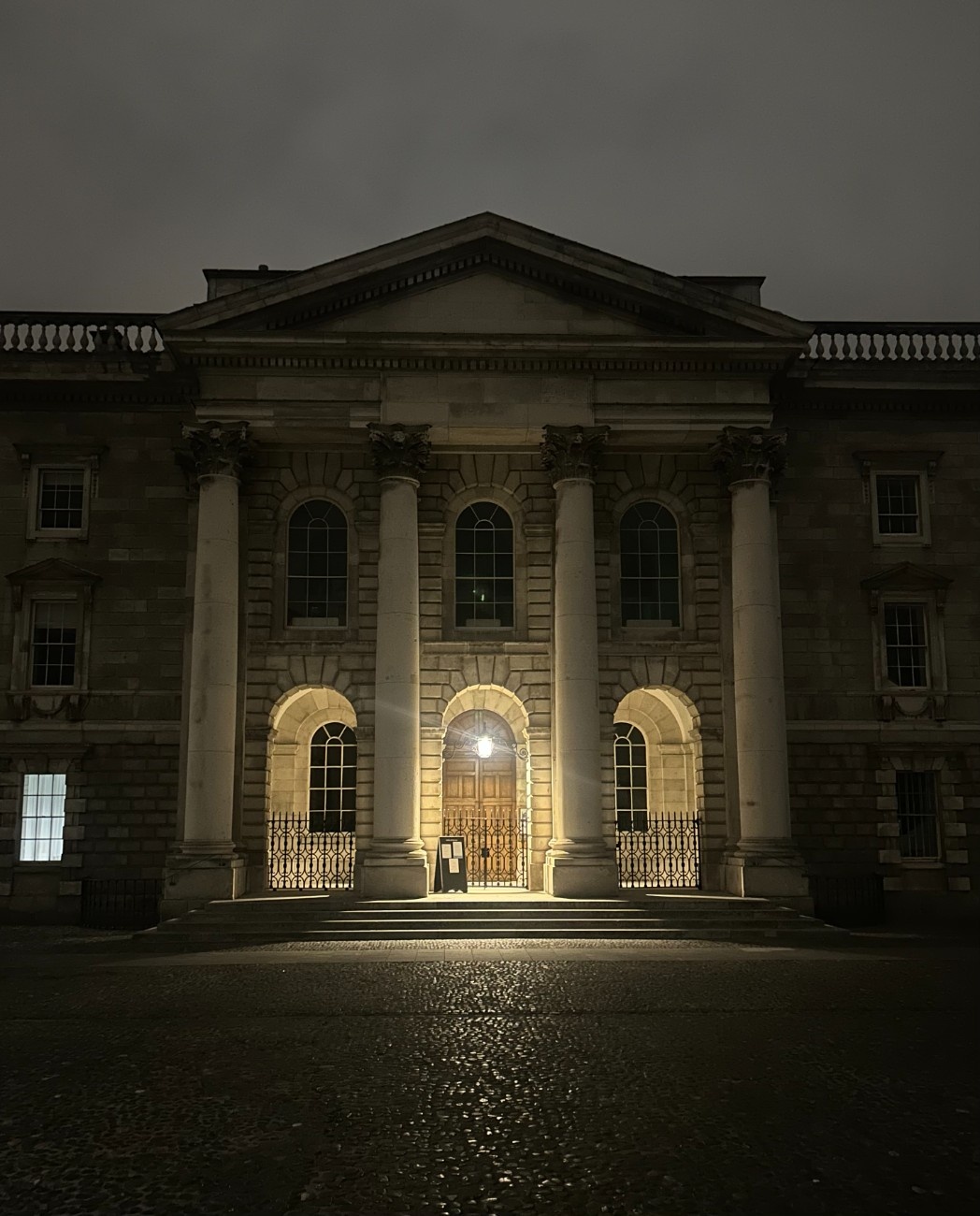
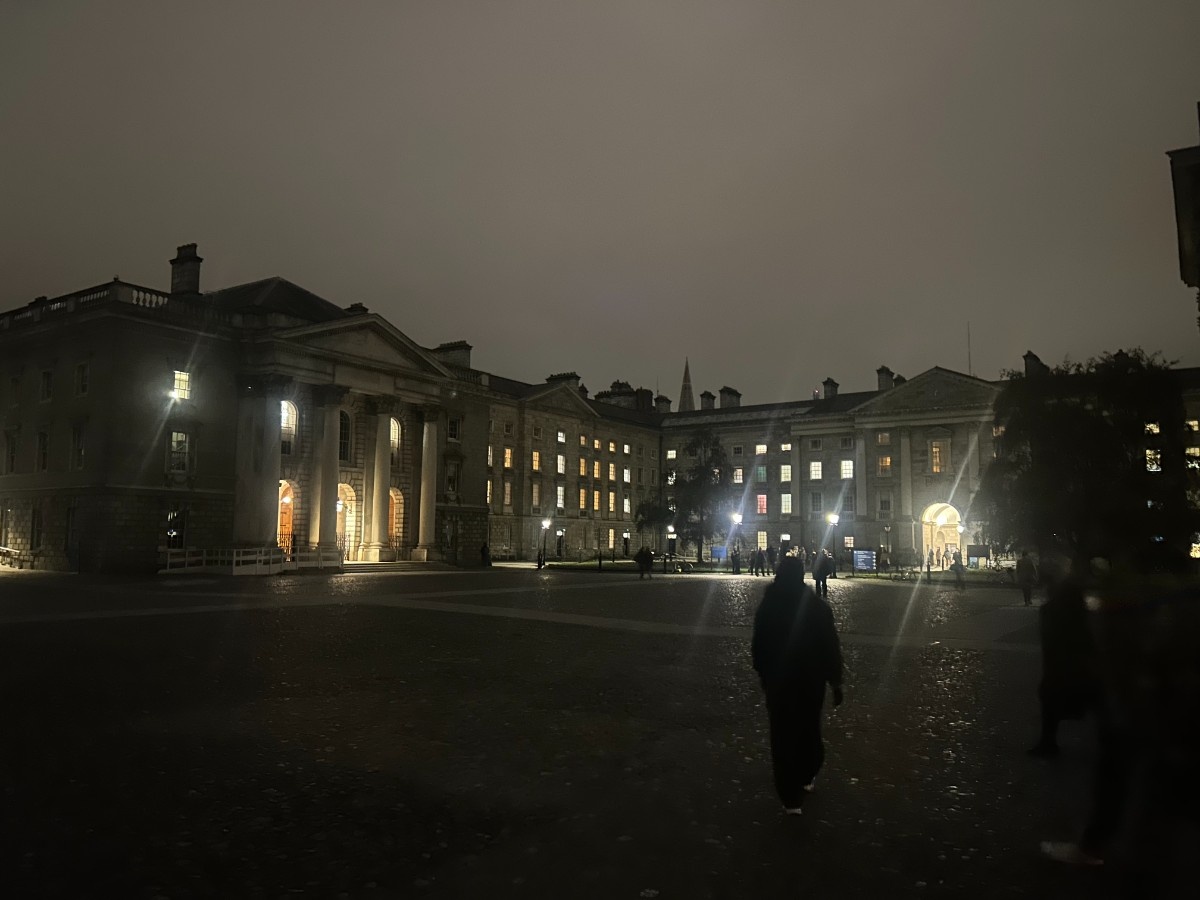
- The college building and architecture is fantastic. Its very old and has great history for the entire Ireland and Dublin city.
- I also loved the international student crowd. Its a great place to connect with other students and make good connections.
Dislikes
- It's really hectic sometimes, managing academic and part time jobs
- Trinity is strict when it comes to studies , we hardly had time for extracurricular activities.
- Trinity ball which is the biggest event is very costly fee for students it should have been free like other colleges
Scholarship
- No I did not receive any scholarship, there were 3 scholarships, i applied for all of them, but it was completely merit and profile based. I don't remember the exact name to be honest ,One is EMEA Scholarship ,Global Excellence Postgraduate Scholarship,One is Irish government scholarship.
- It depends on scholarships students get upto 2000-7000 euros generally
- I am not sure if any of my close friends had it, as its very competitive and very few students get it
- Few students receive this around 10-15 only and typical amount is 5000 euros

Likes
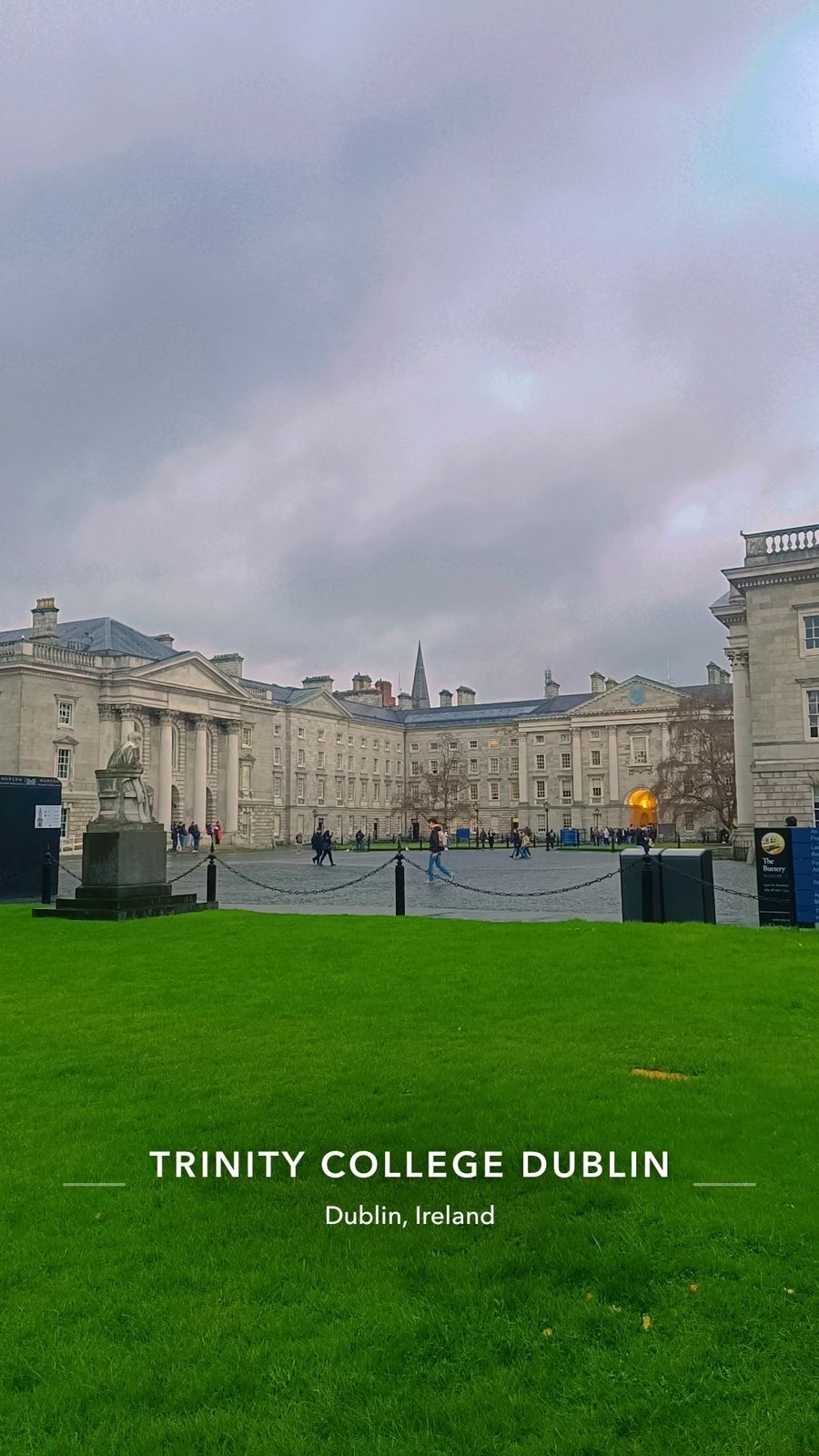
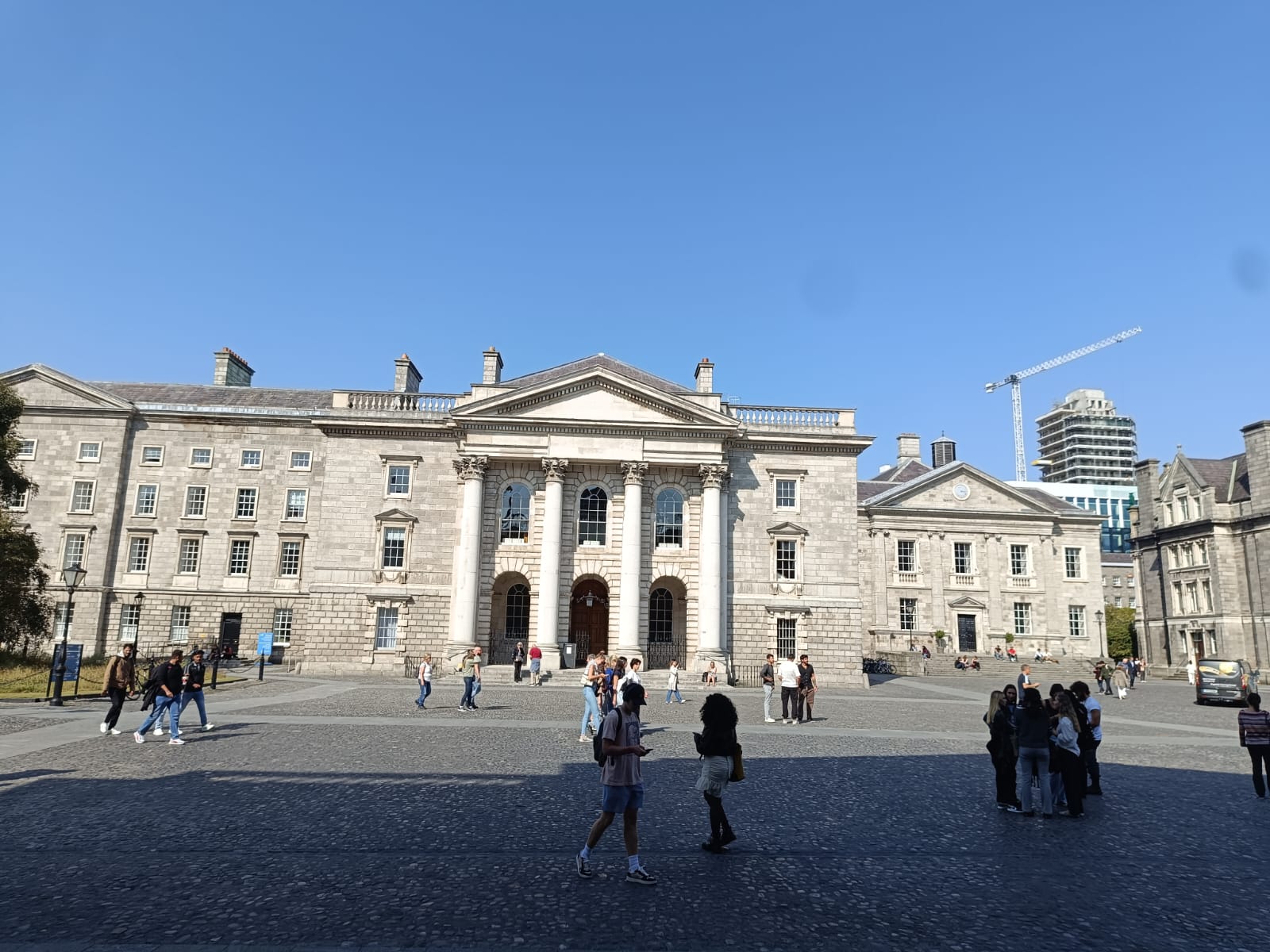
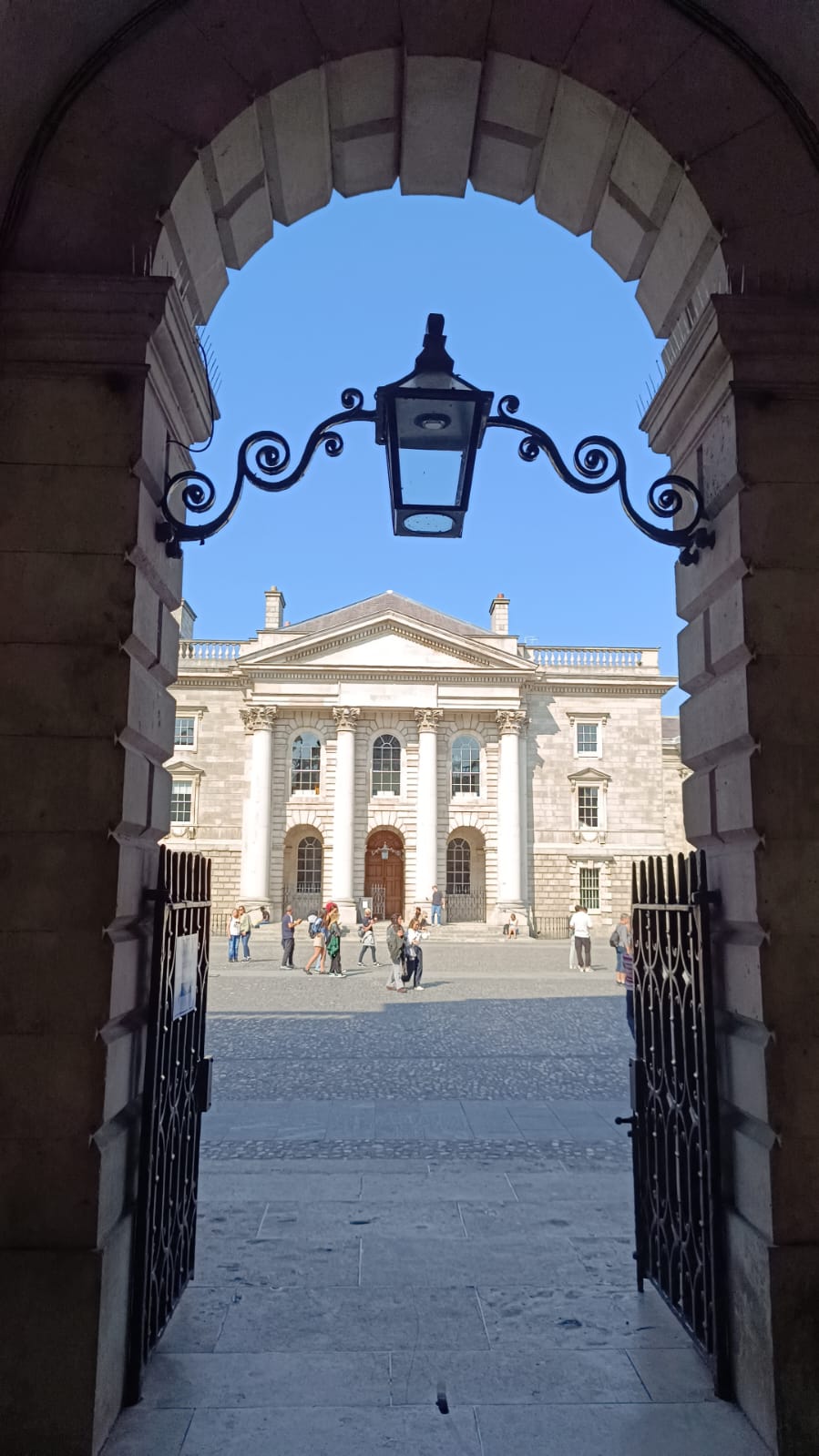
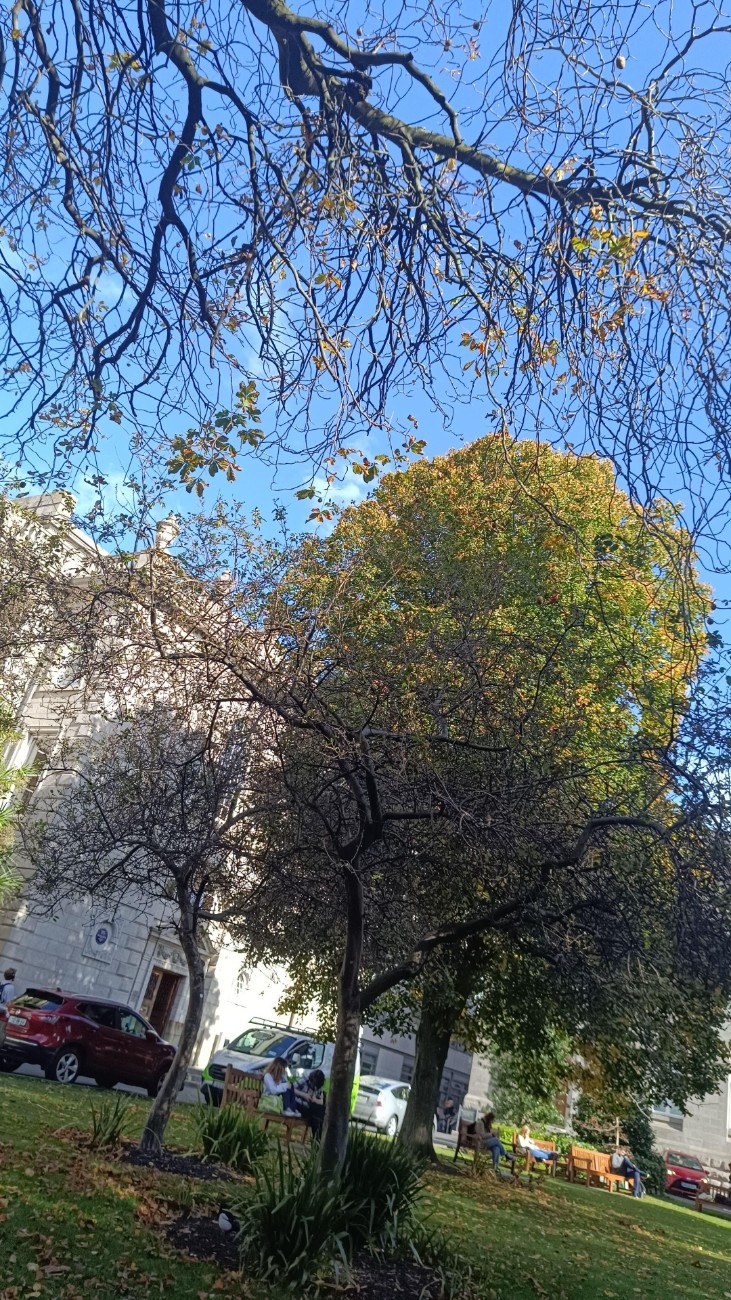
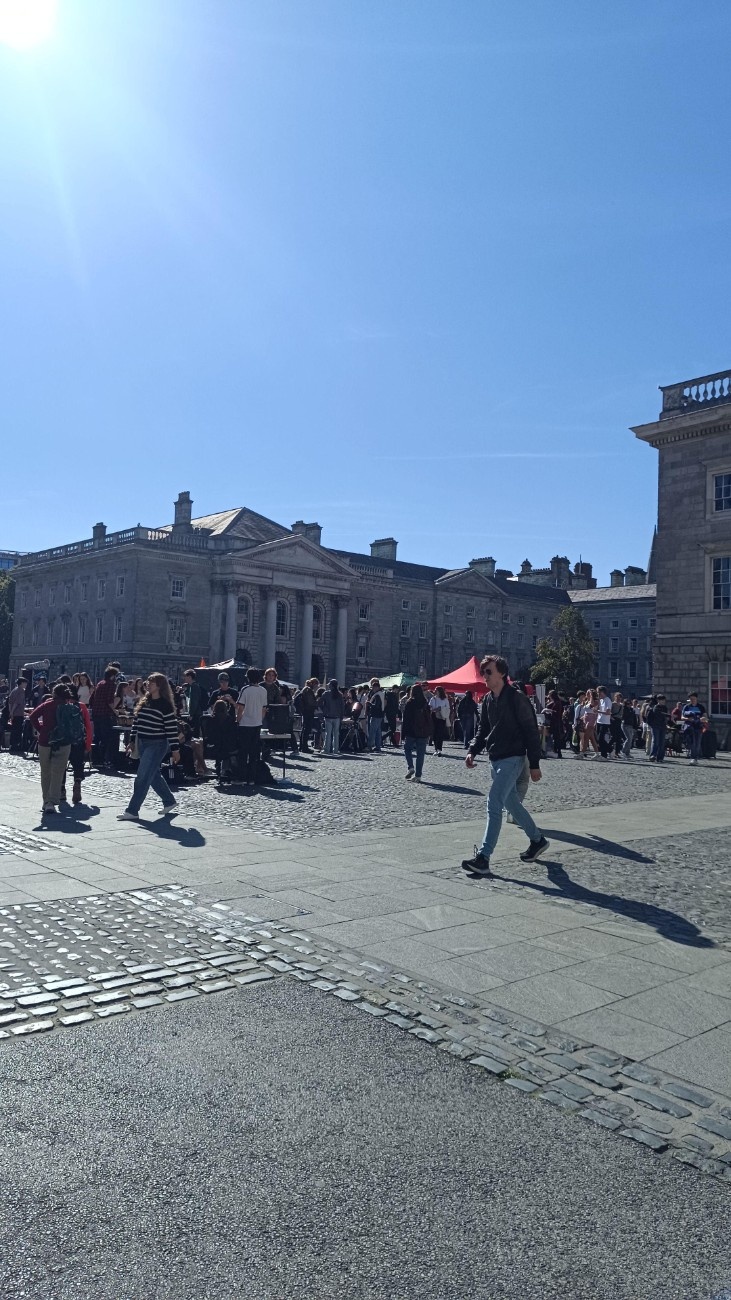
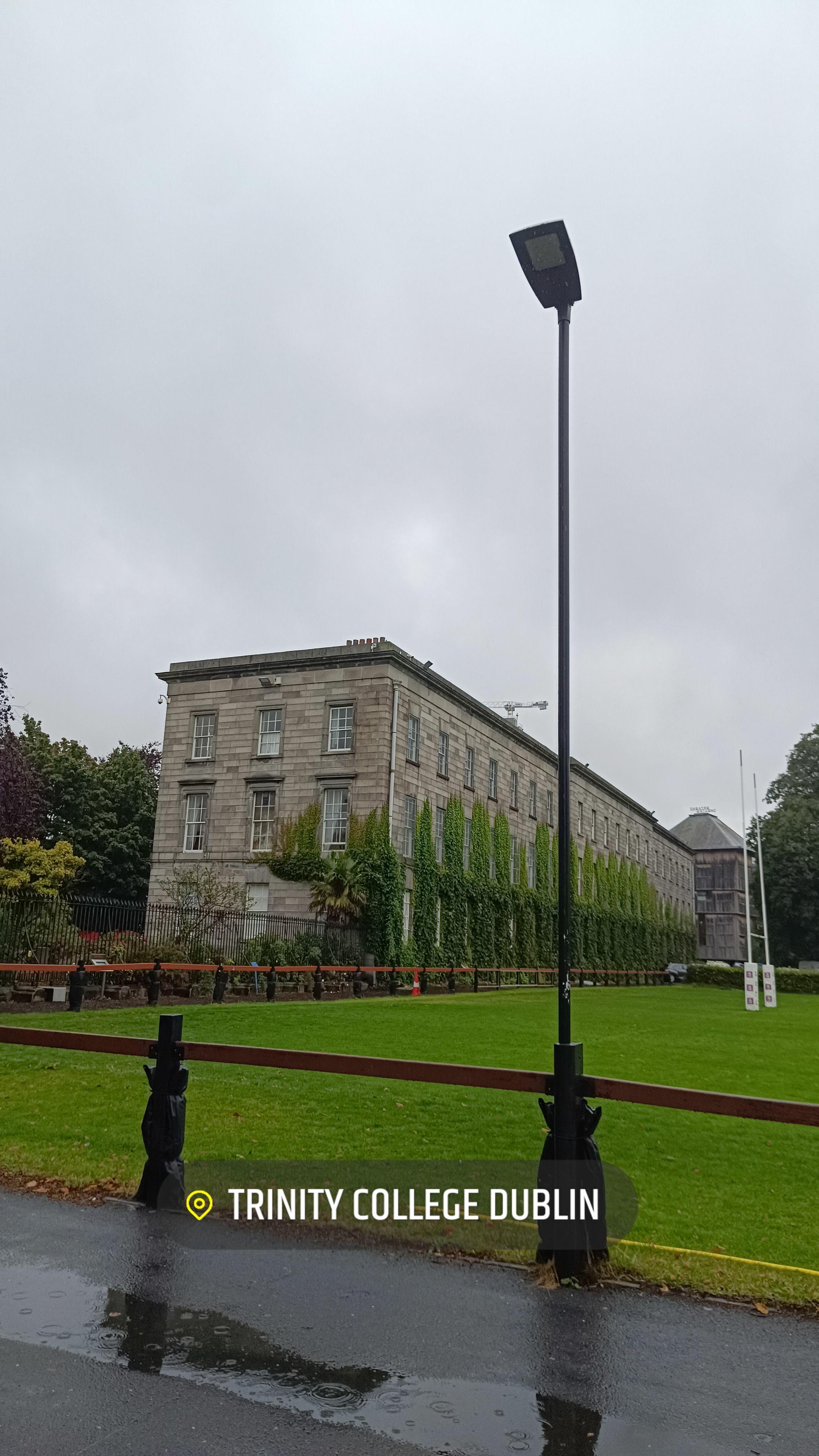
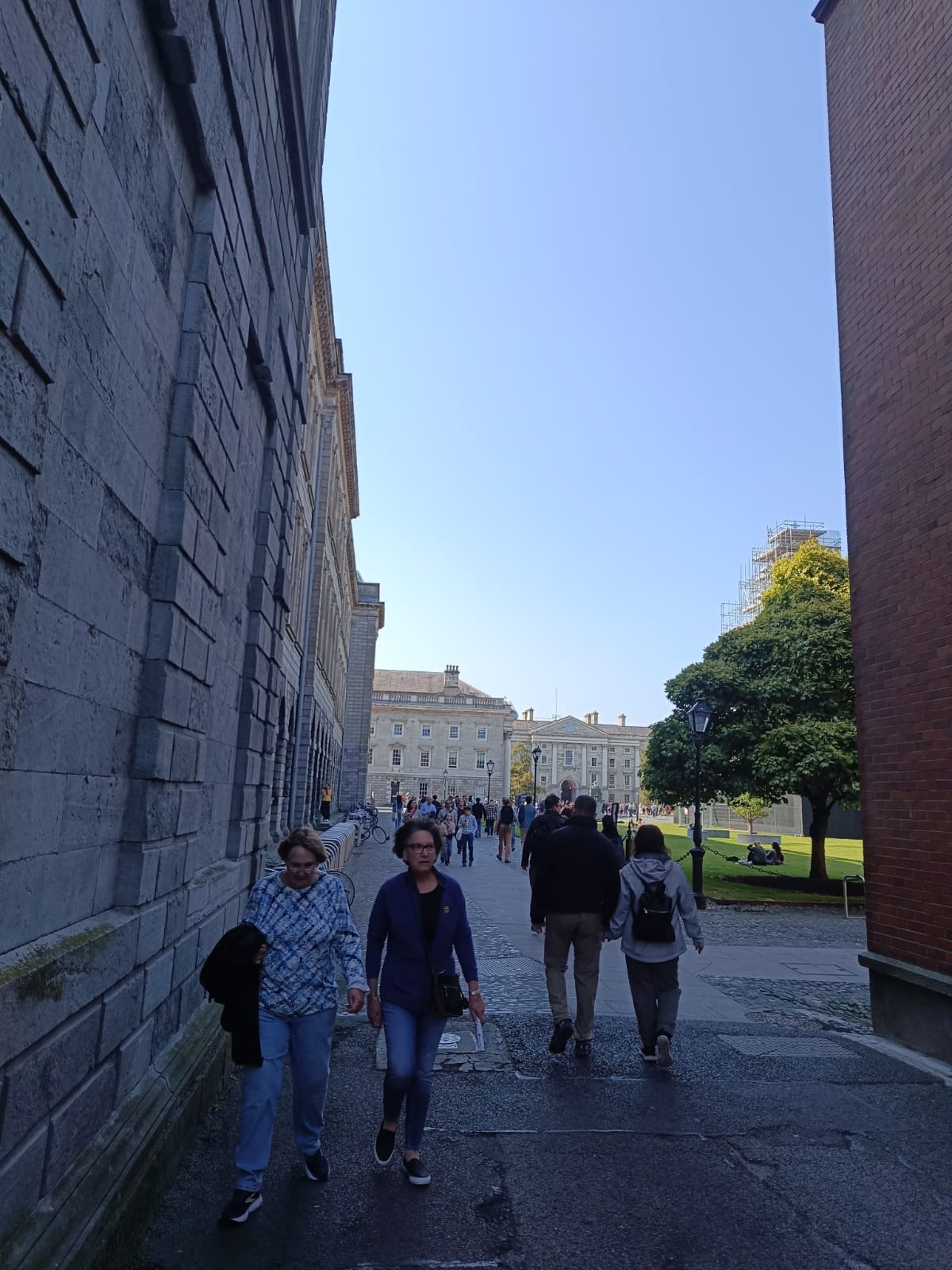
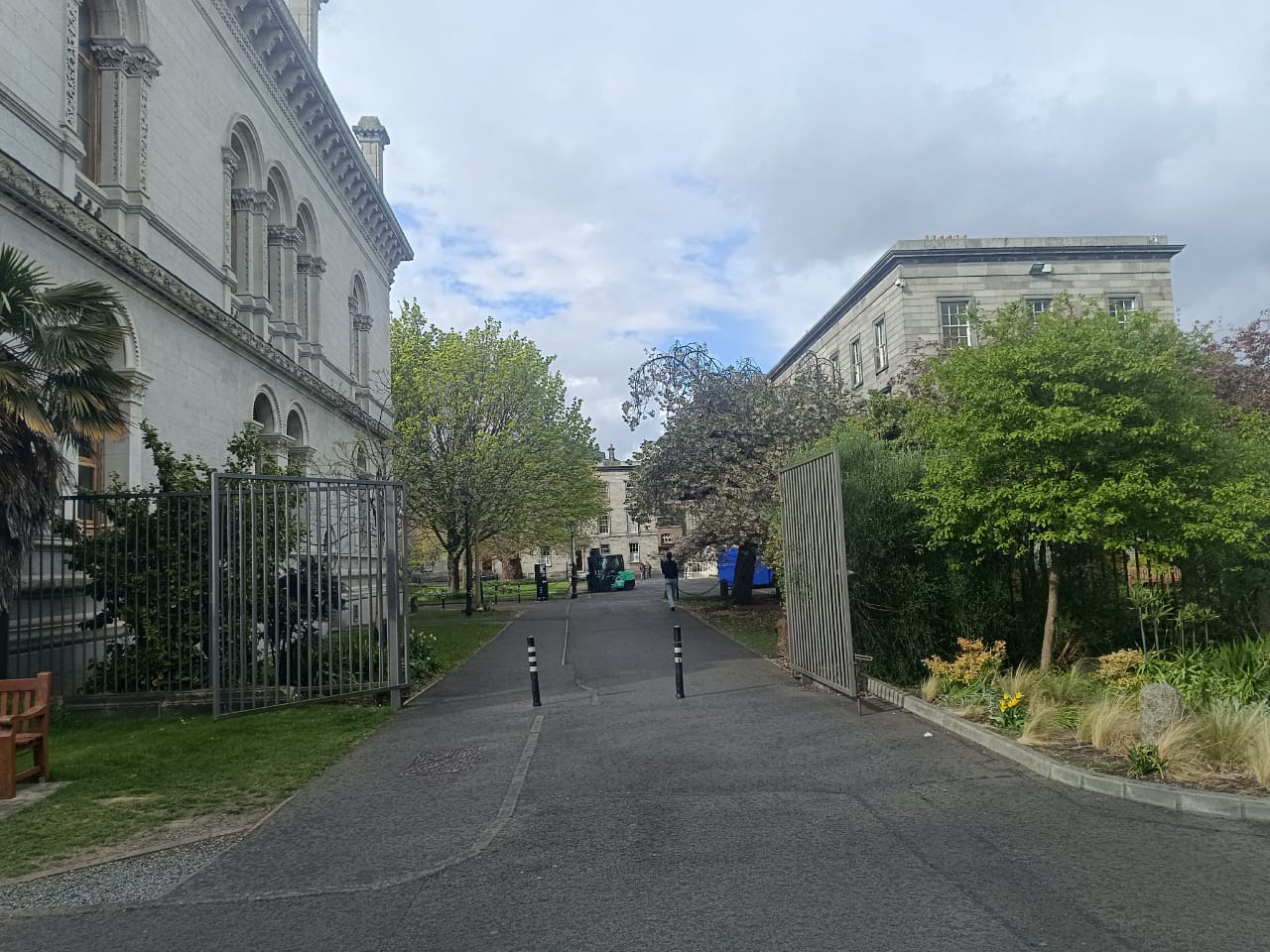
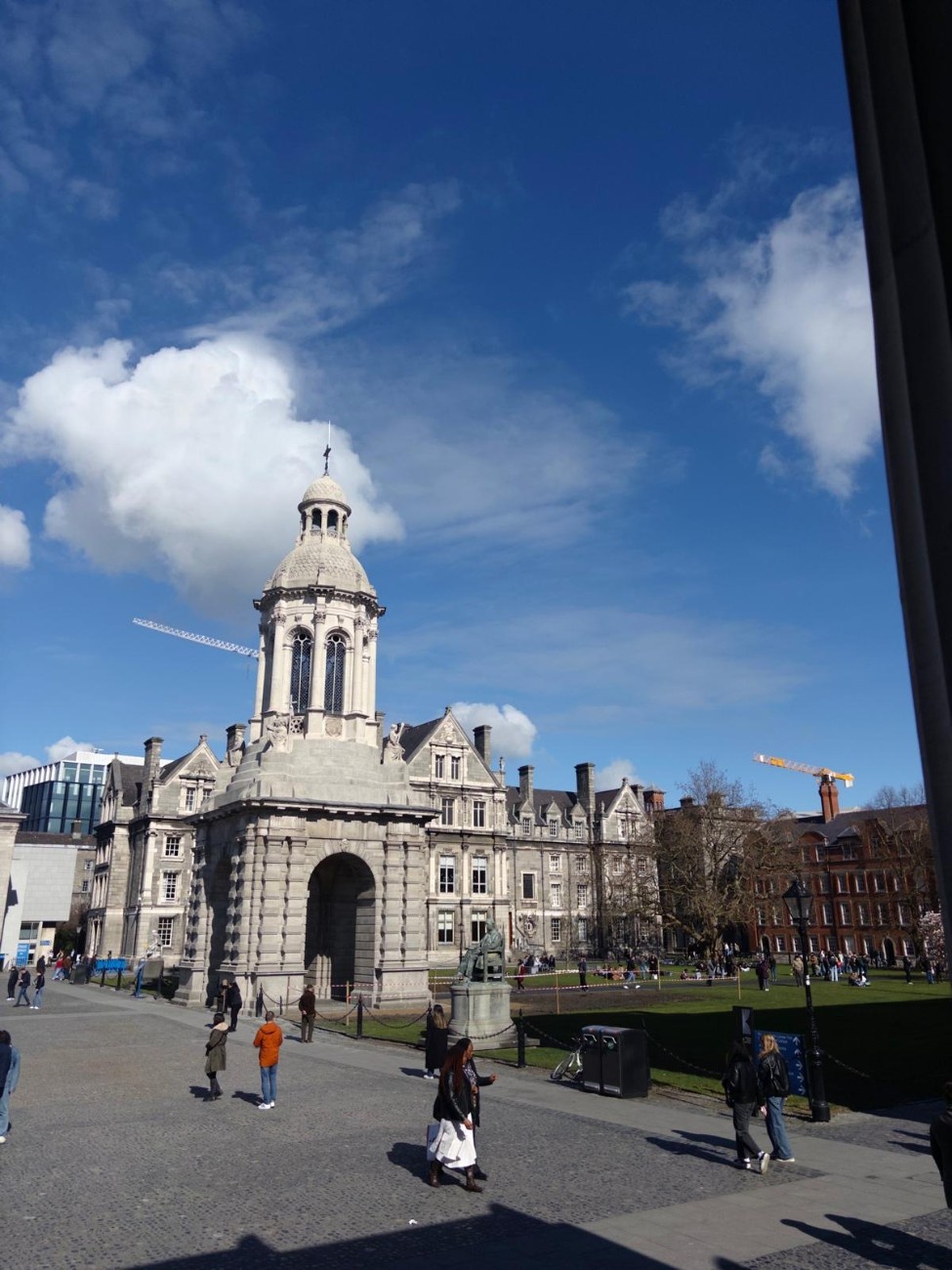
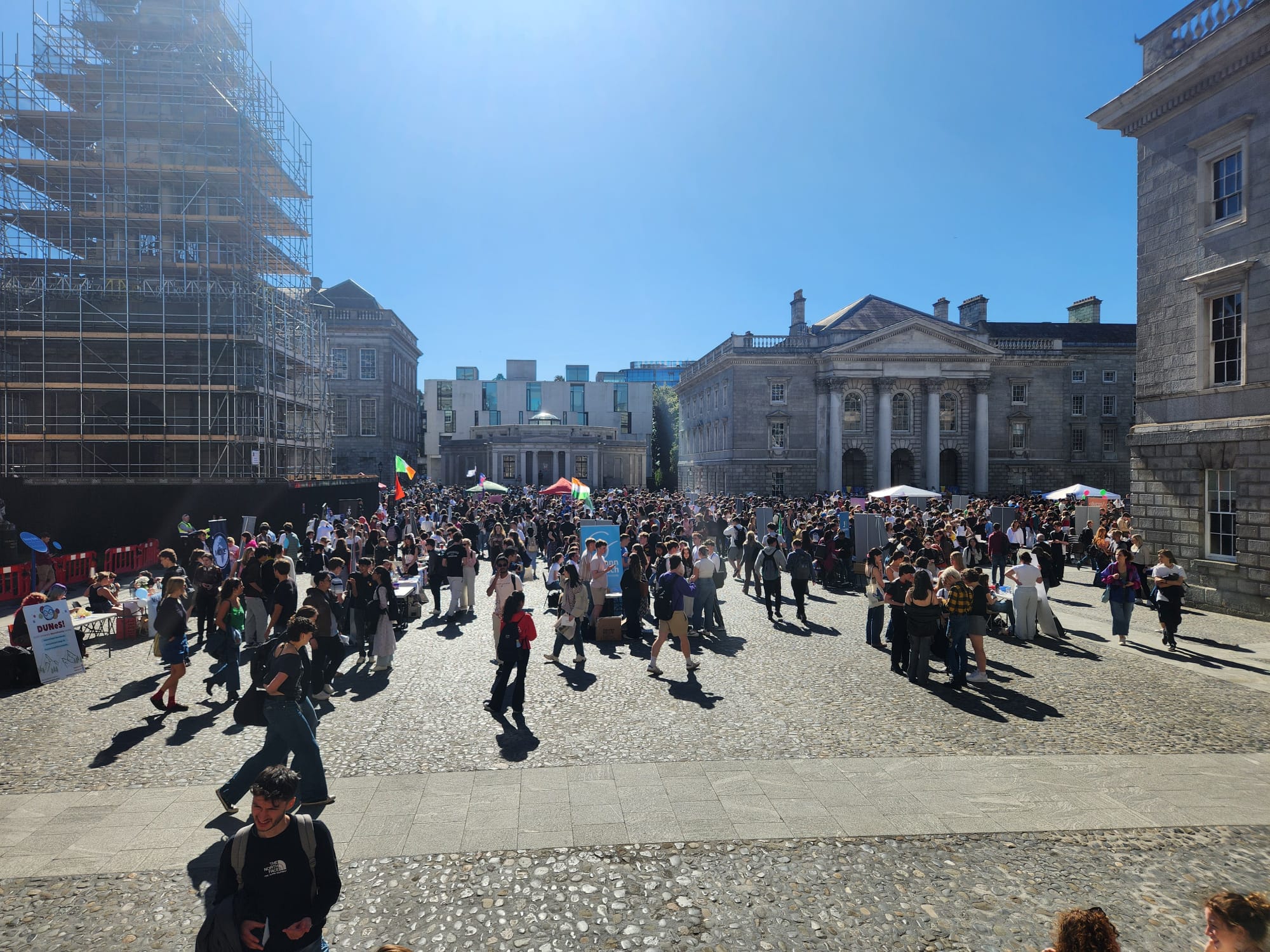
- The college buildings are absolutely stunning. I loved them a lot and it feels like I am in the Harry Potter world.
- There are so many Trinity clubs and societies, I made good friends and connections through them.
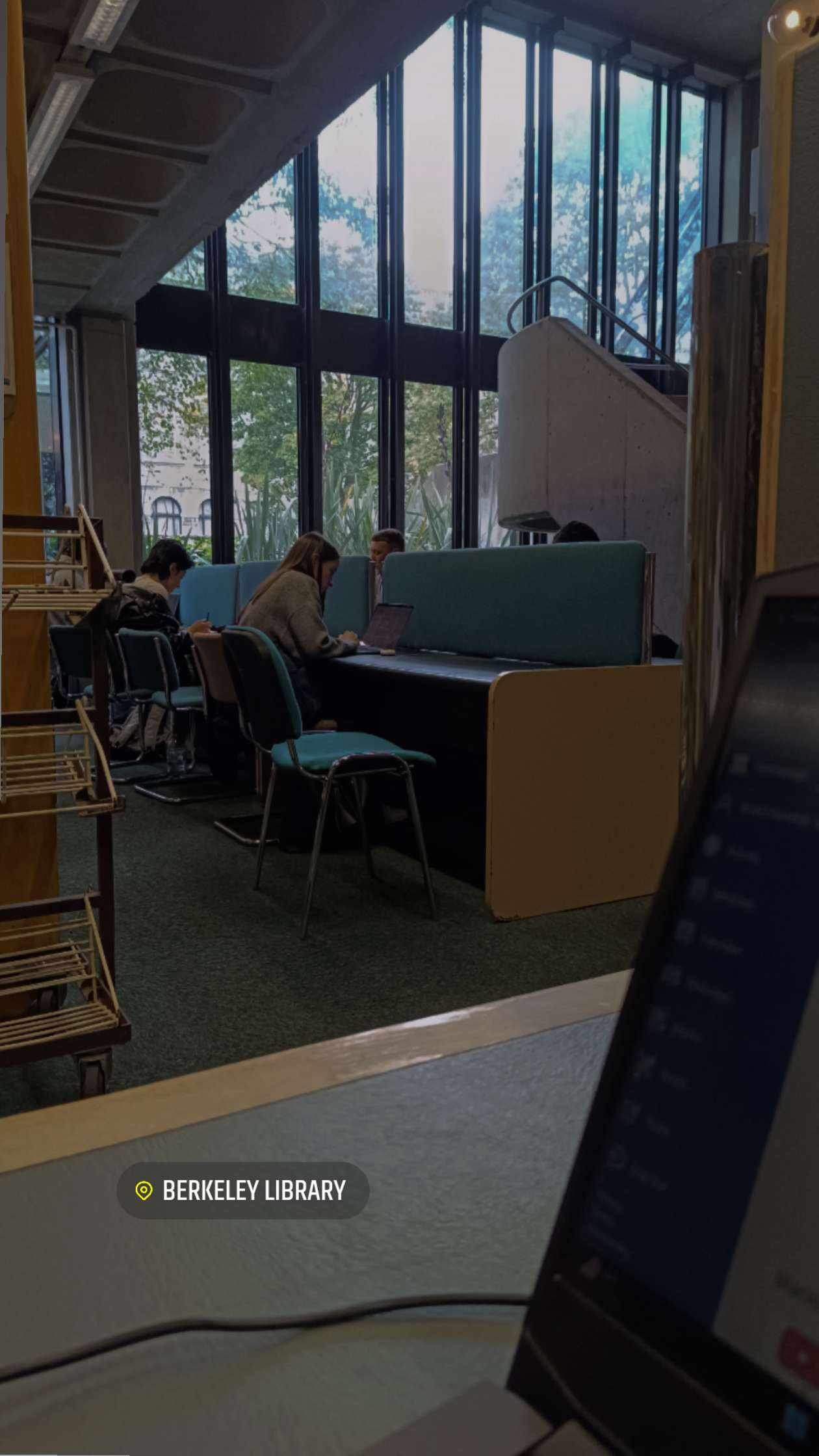
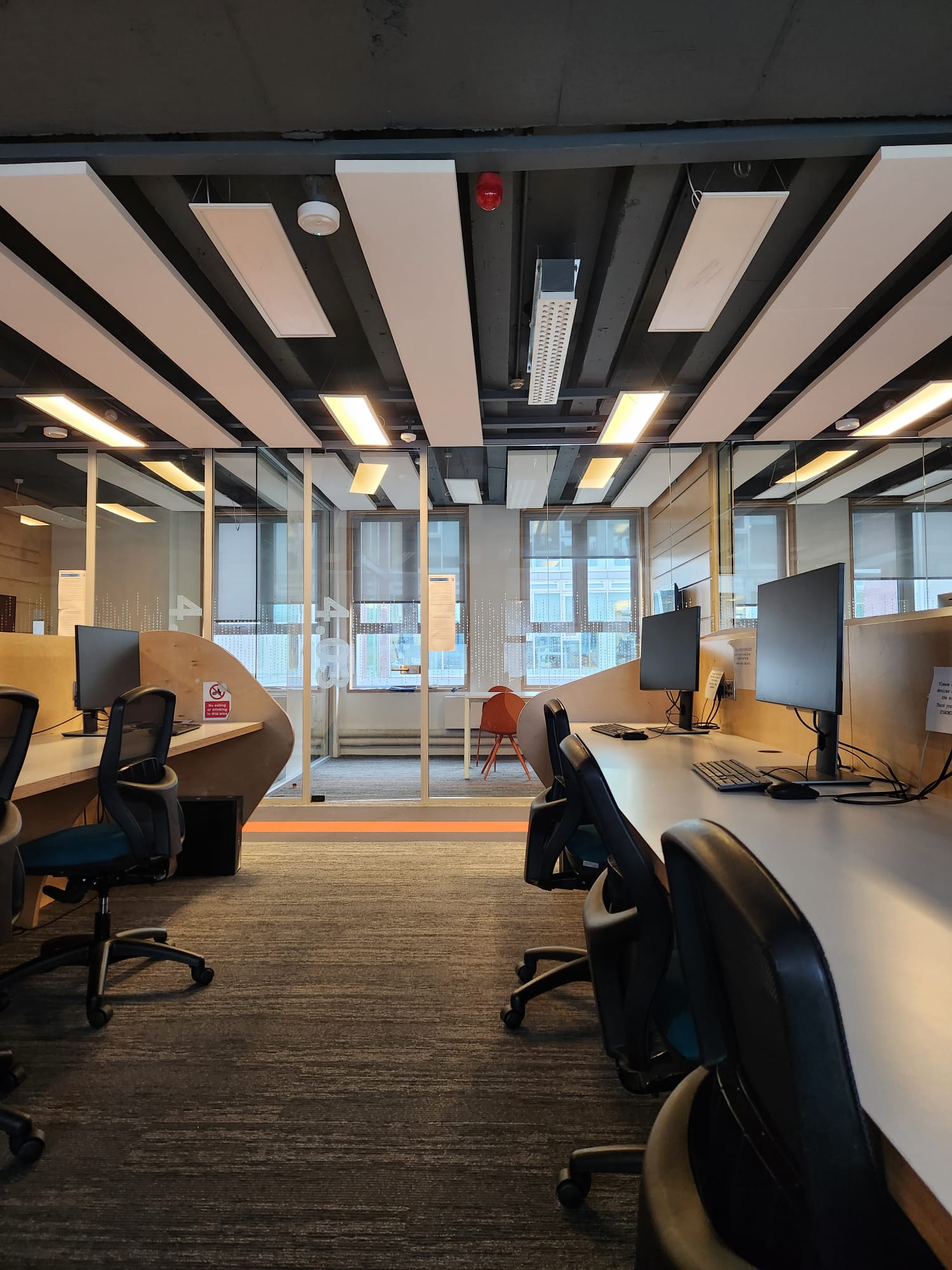
- Pheonic labs is amazing place for CS Grads, I would say the best place on campus to study
Dislikes
- Trinity is great but it focuses more on research which may be a little down point for students looking for internship opportunities during the course.
- Trinity is very very Strict. Very harsh policies towards plagiarism and AI use for assignments. They detain you for such things.
- It can be very stressful sometimes to manage academics and yourself if you are an international student.
Scholarship
- No I did not receive any scholarship, there were 3 scholarships, i applied for all of them, but it was completely merit and profile based.
- Scholarship are- One is EMEA Scholarship ,Global Excellence Postgraduate Scholarship,One is Irish government scholarship.
- It depends on scholarships students get up to 2000-7000 euros generally.
- I am not sure if any of my close friends had it, as its very competitive and very few students get it.
- Few students receive this around 10-15 only and typical amount is 5000 euros.

Likes
- Structure of curriculum : Almost all contents taught are state of art or very least being advancements in field.
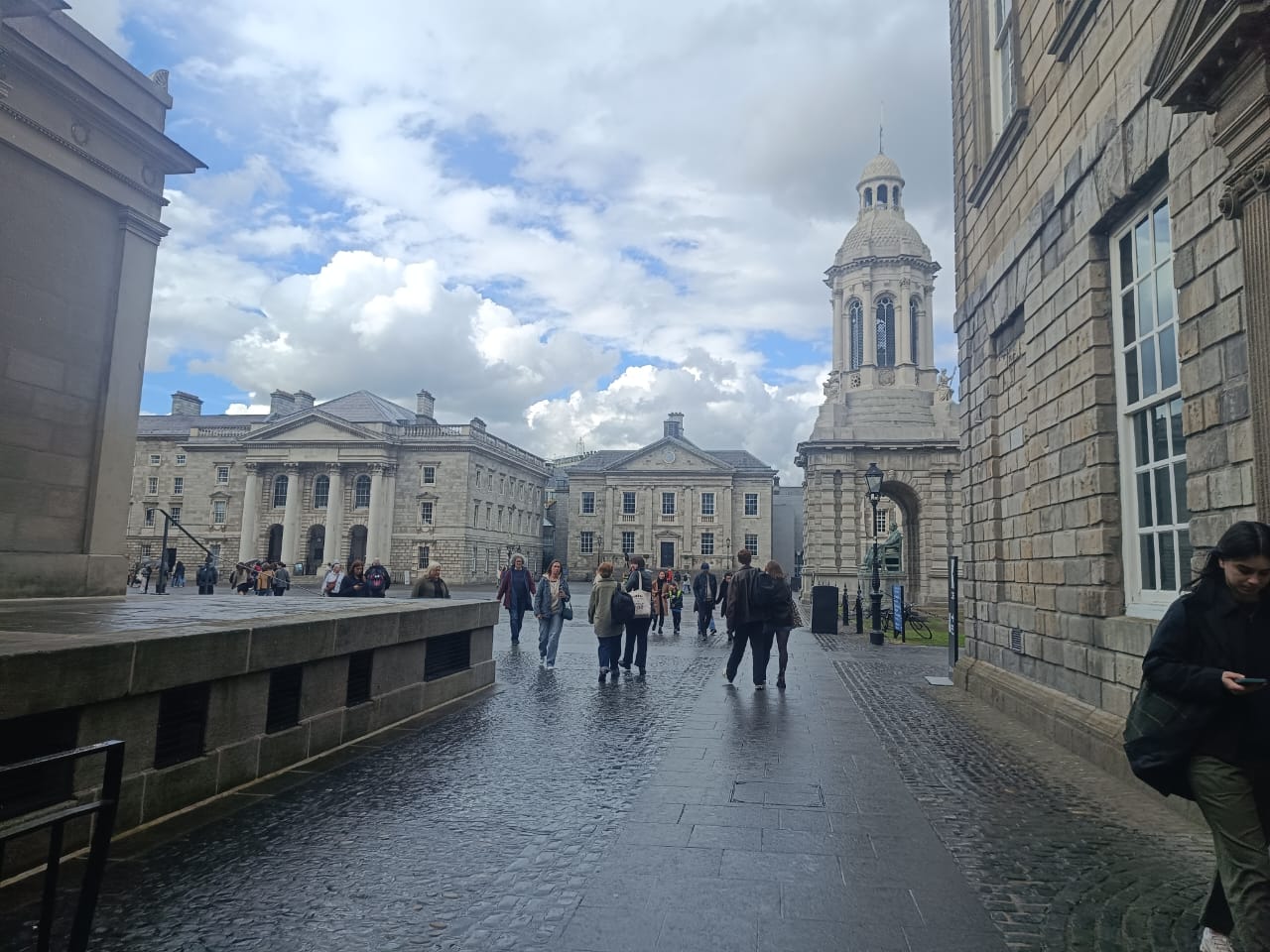
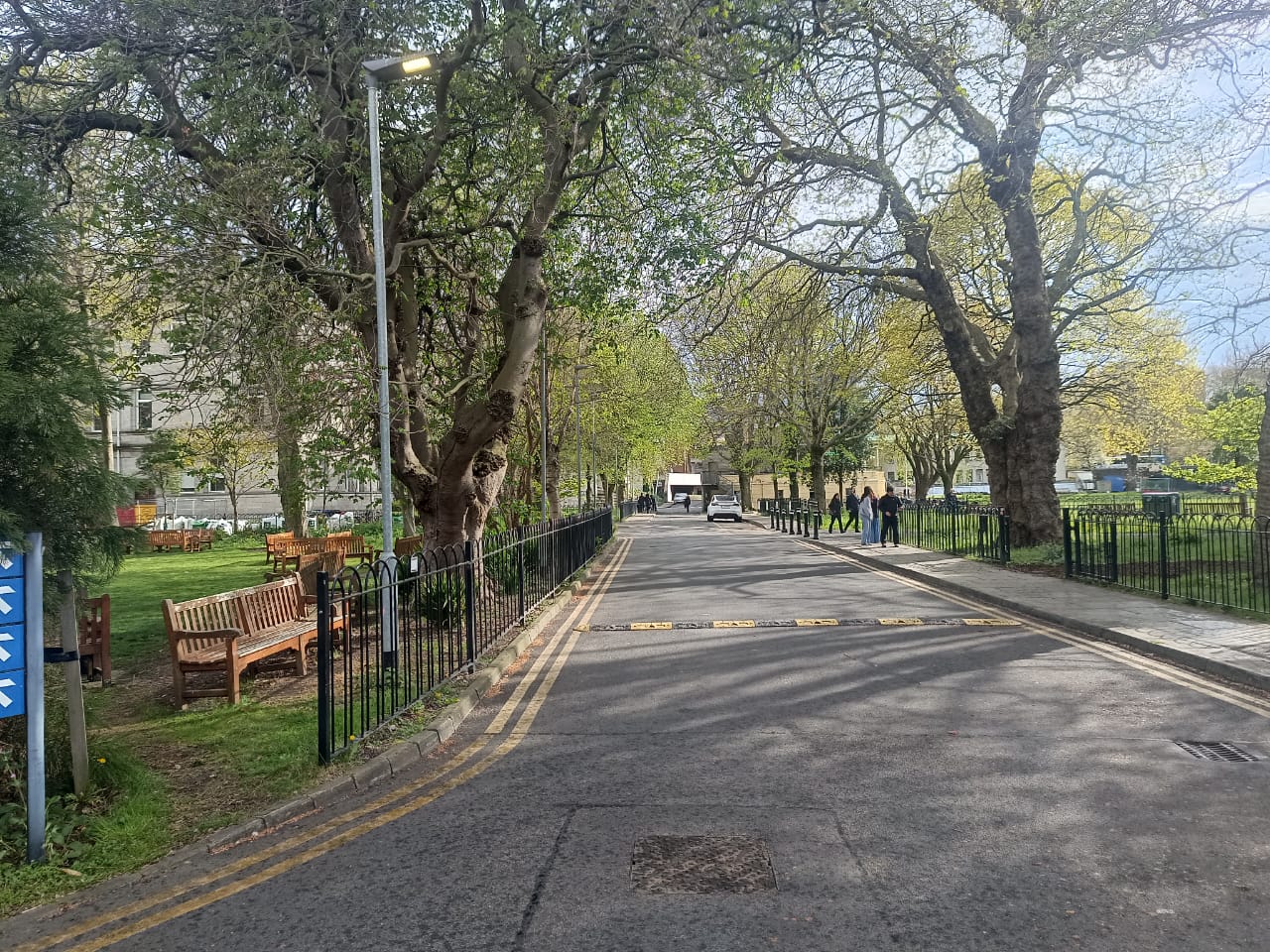
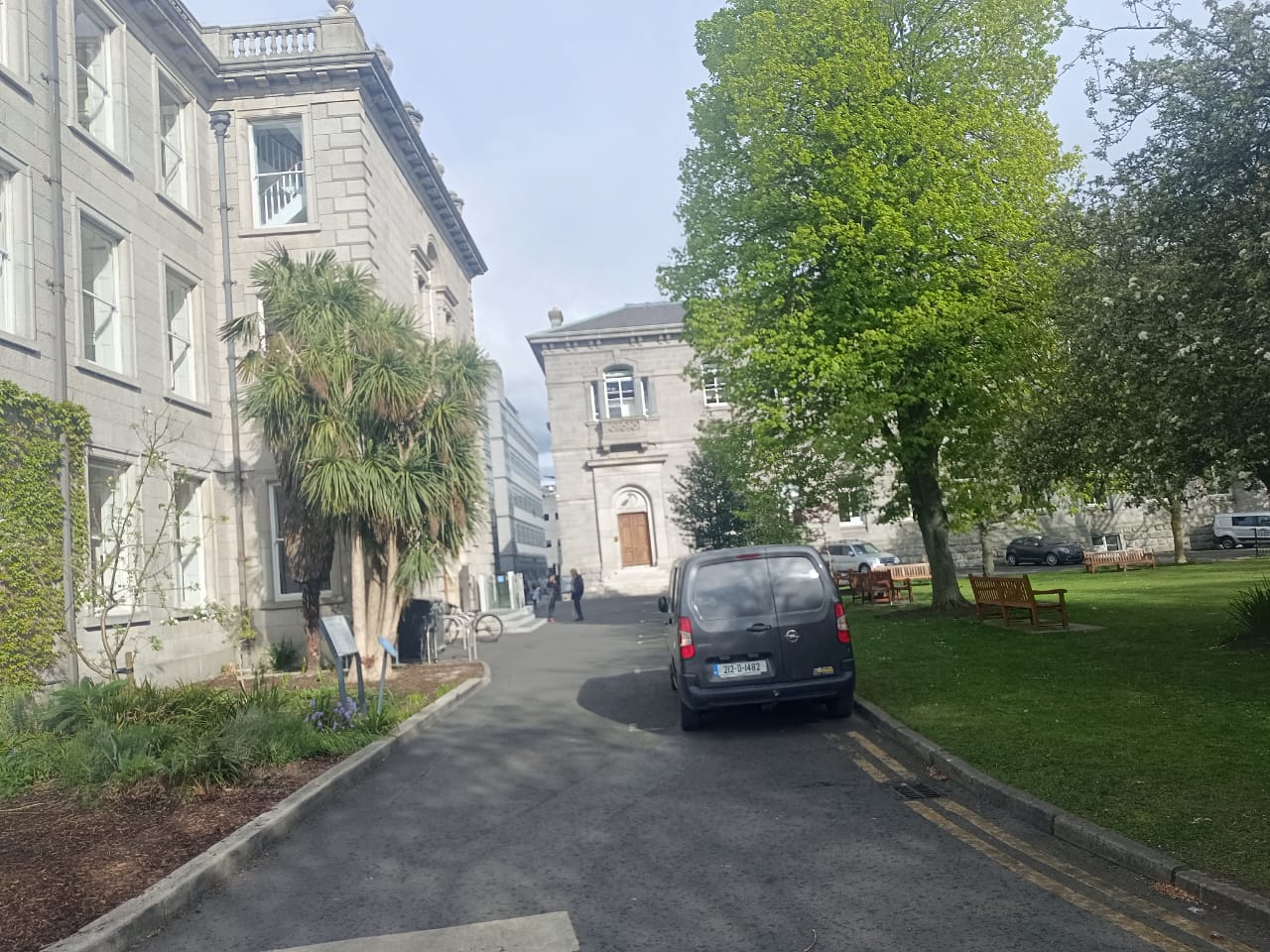
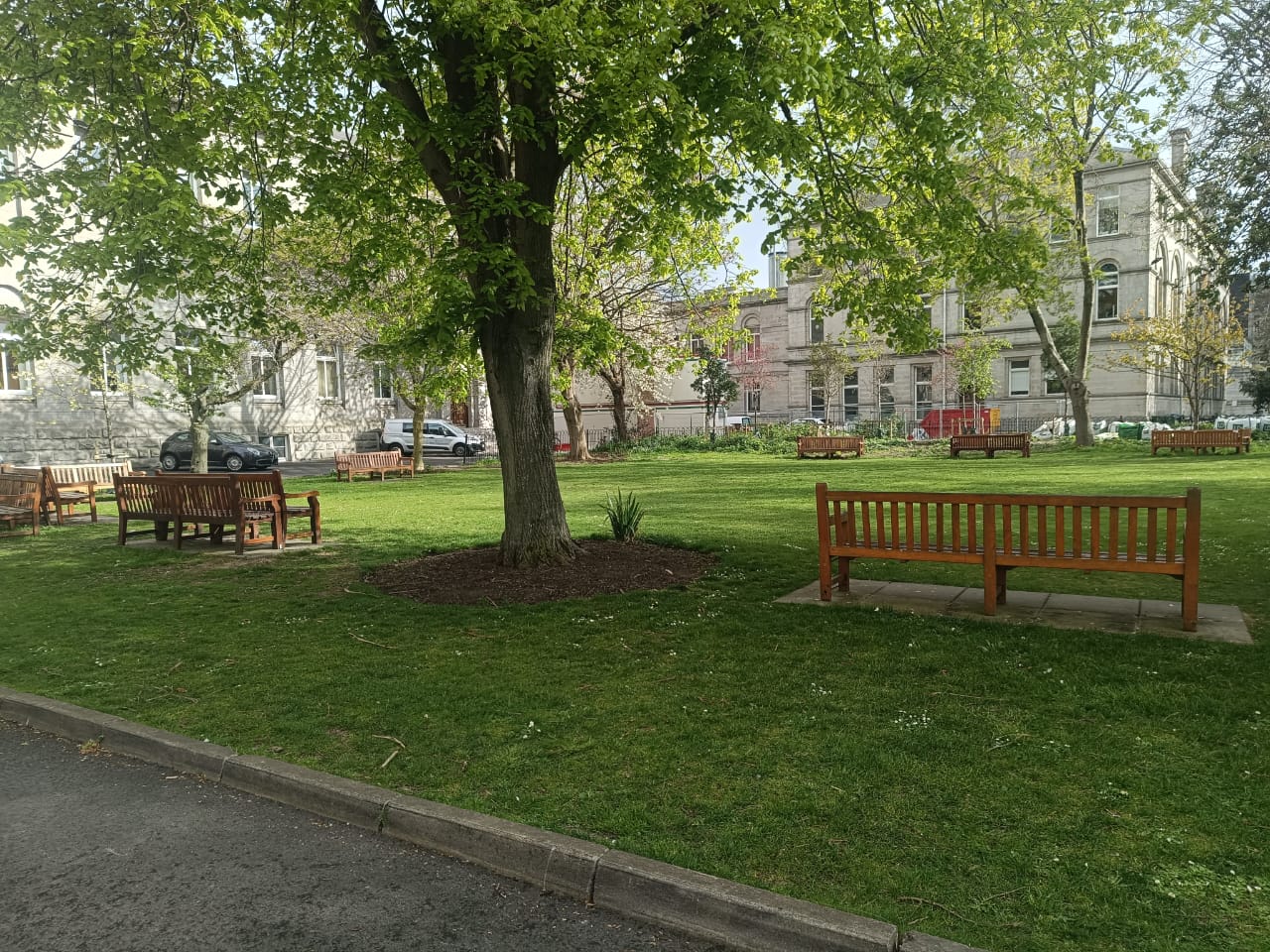
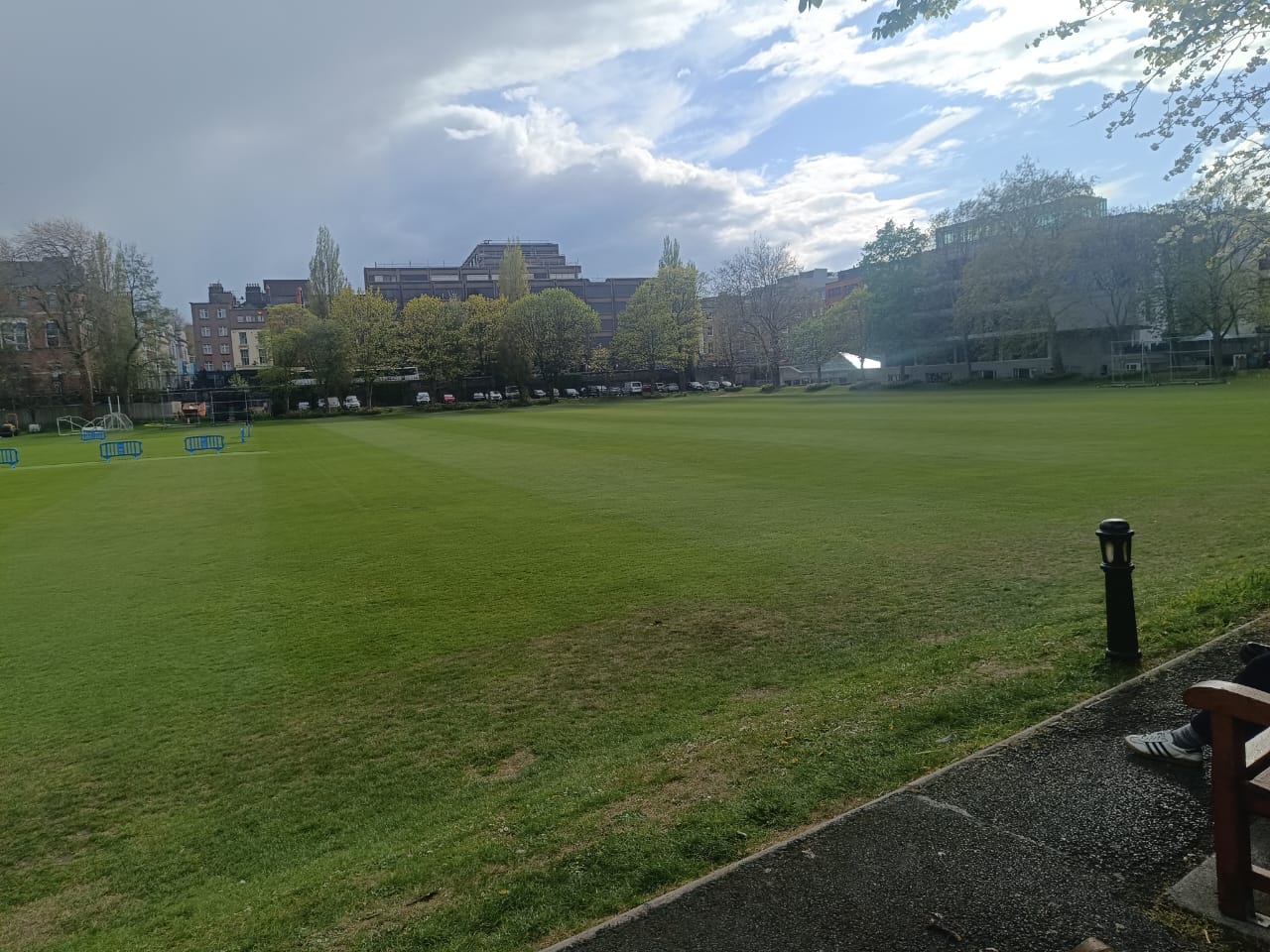
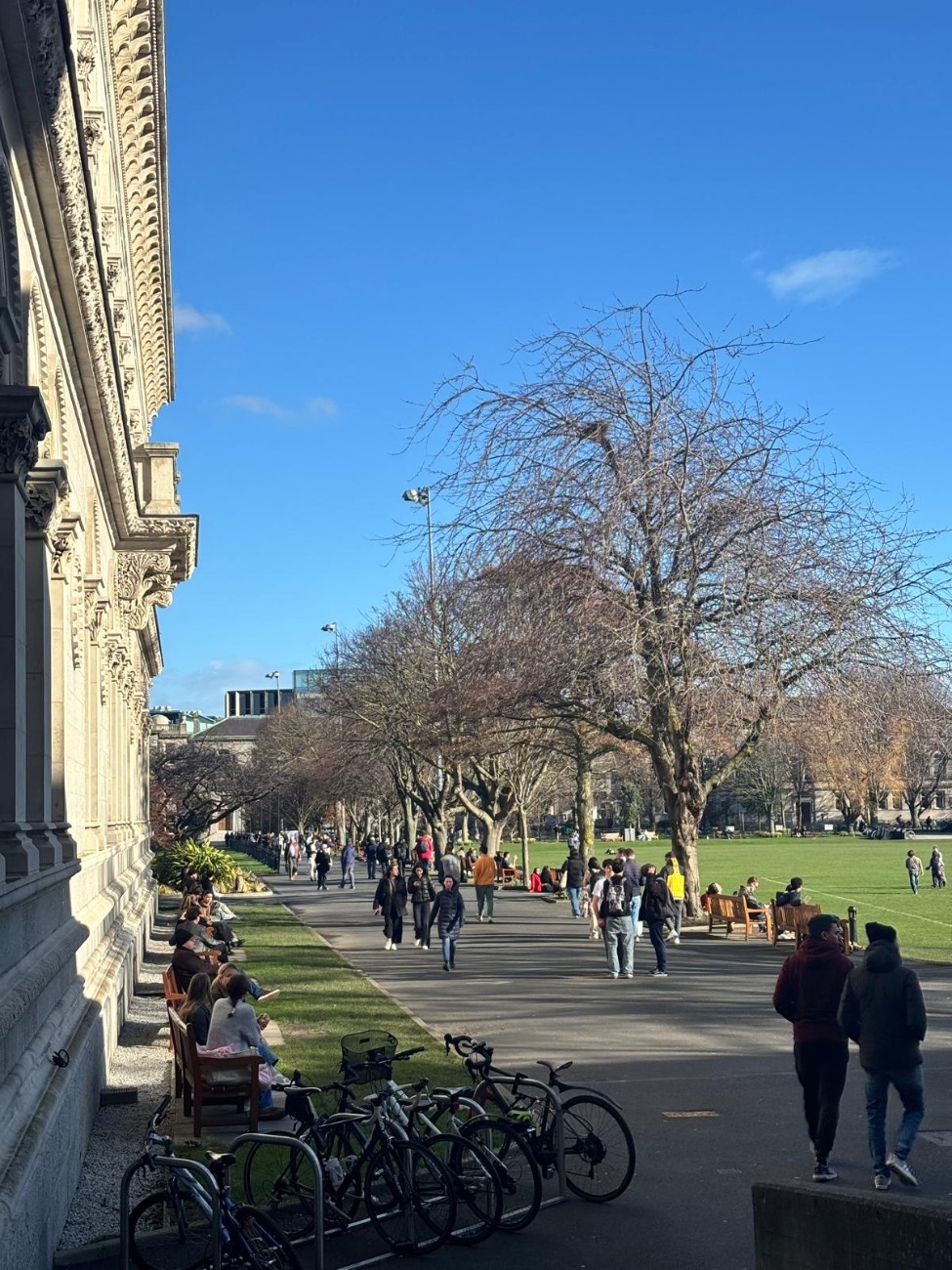
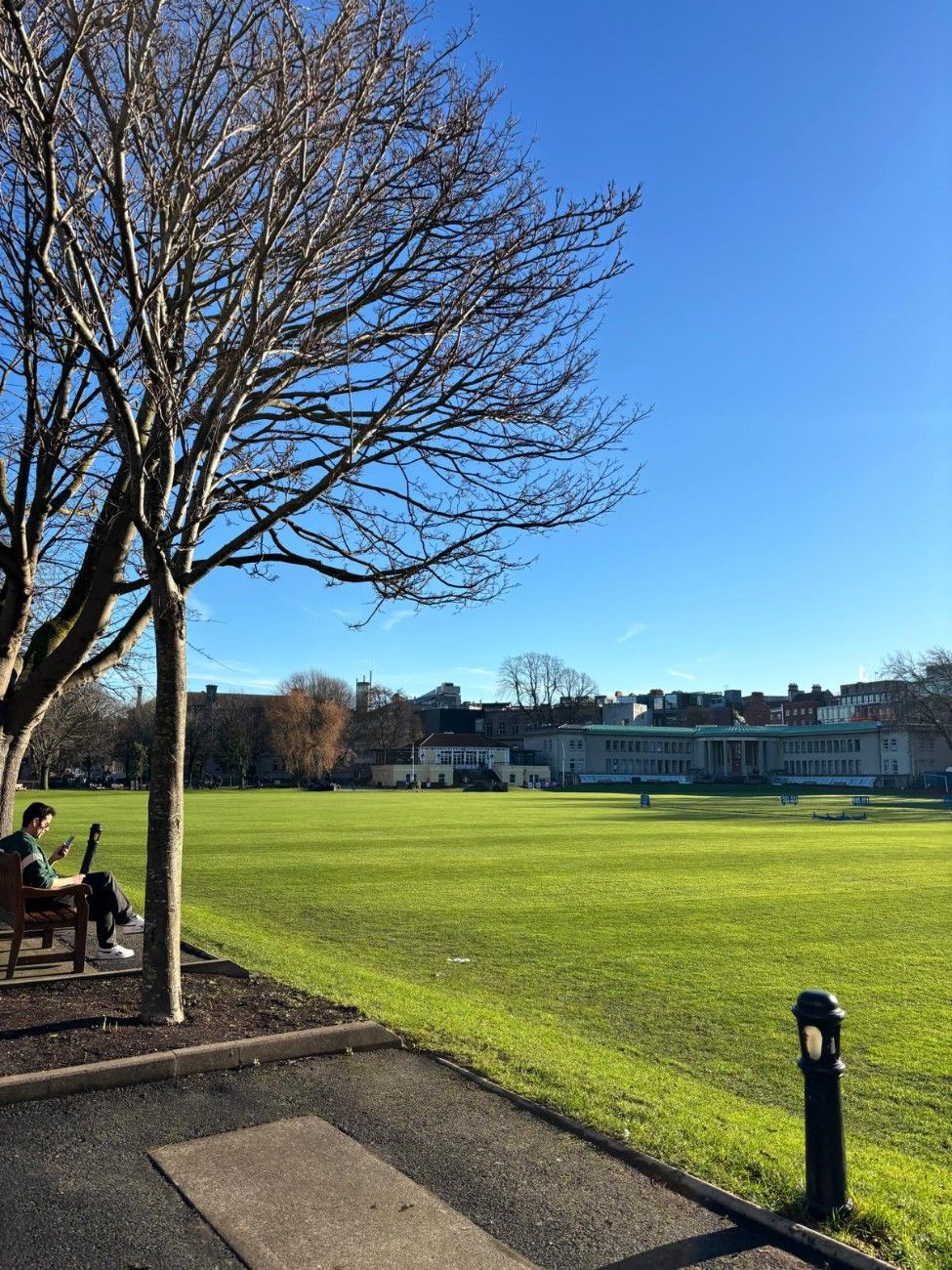
- Campus : Campus is huge and there is lot of diversity.
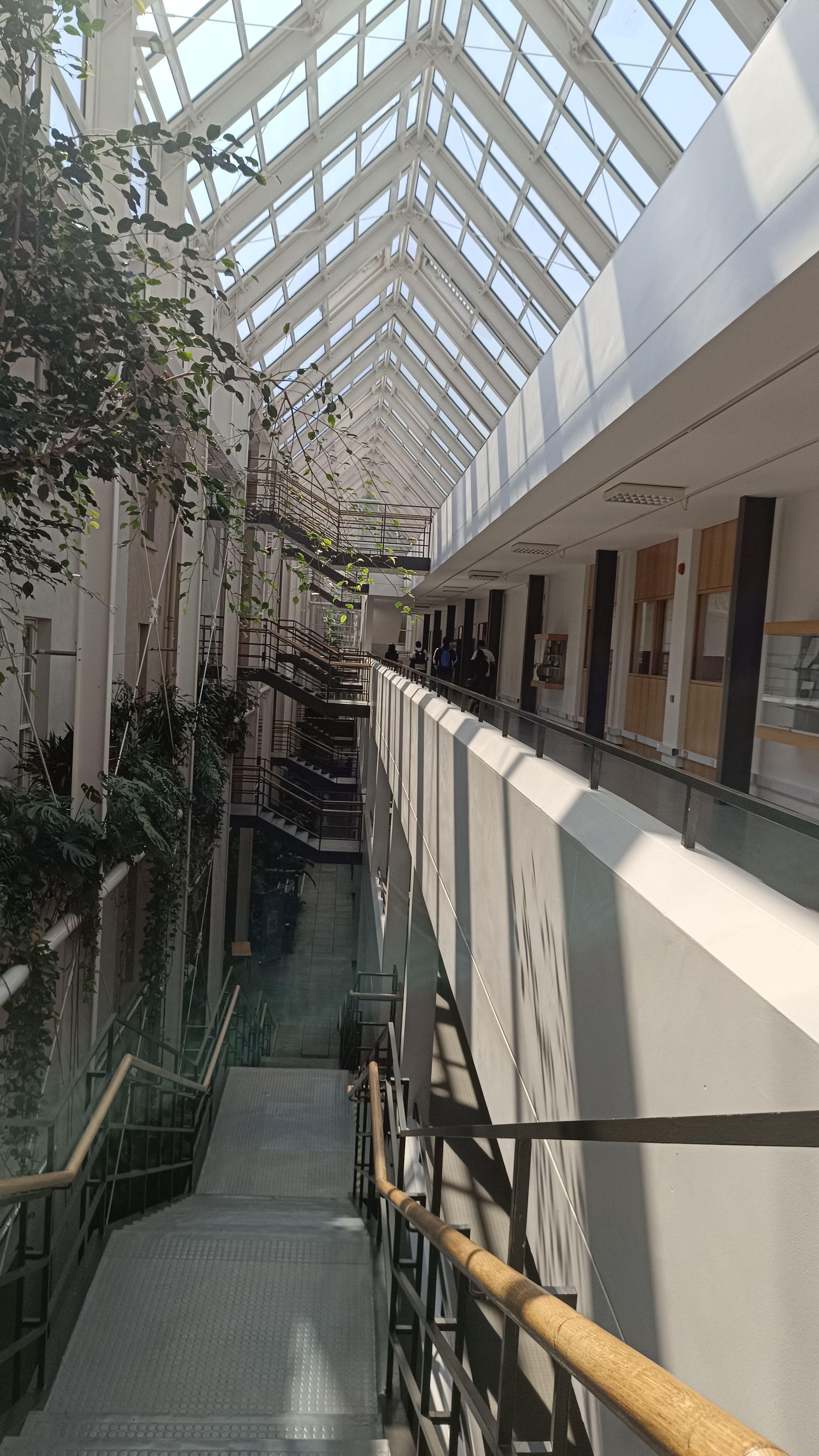
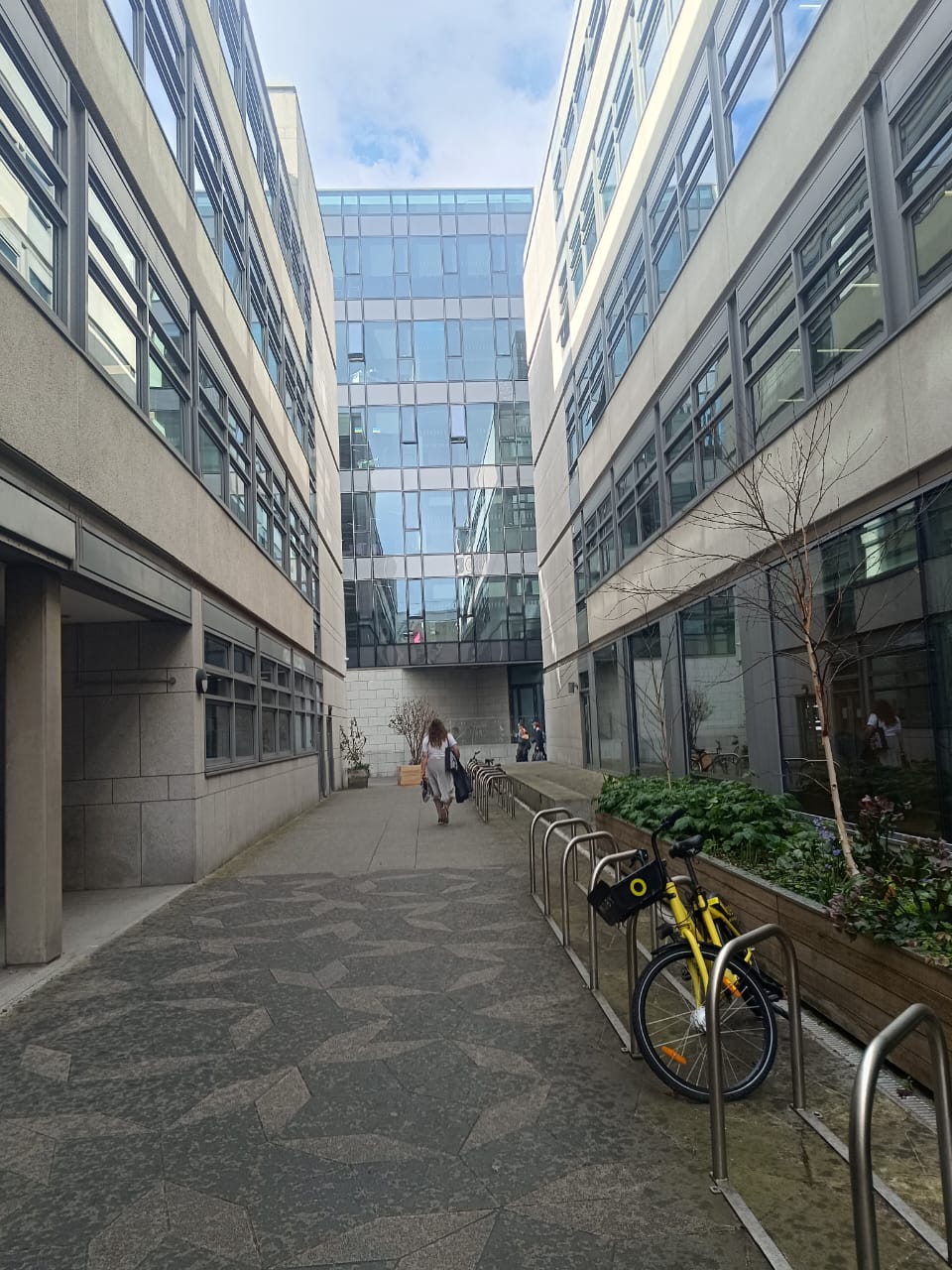
- Lab Infrastructure : All the machines are fitted with latest hardware and software components which are essential for experiments and research.
Dislikes
- Too Fast Teaching Sem : Limited time available, requiring highly efficient time management.
- Compulsory Dissertation : Flexibility to do internship should have been an option.
- Lack of space for eating : Most of the libraries lack eating spacing making it difficult to manage.
Scholarship
- I did not receive any scholarship.
- Two available scholarships that I know about, which my friends got.
- Global Excellence Postgraduate Scholarships—2000 to 5000 €
- Postgraduate E3 Balanced Solutions for a Better World Scholarship—2000 to 5000 €
- Around 12 students, on average, receive two scholarships each year, amounting to €5000.



Likes
- The infrastructure of the college made it feel nice to be able to come to college every day.
- Facilities provided, TCD has very good career consultant. And there are many study rooms which you can book for group meeting or just exam prep.
- The one year course duration, it's nice to be able to complete a masters degree within 1 year.
Dislikes
- The selection of students, I feel like they could have refined the selection of students a bit better, it often felt like I was one of the smartest in the room out of a class of 100 people.
- My course was mostly graded by group projects, Sometimes I personally had to carry the workload for the entire project.
- Professors were a bit too lenient, I feel like a lot of students settled for the bare minimum in projects because of how calm and relaxed the Professors were.
Scholarship
- No, my course was not eligible for a scholarship. When asked the reason why, we were not given any details about it.
- No, we did not receive any award amount for the scholarship.
- None of my batchmates received scholarships or other forms of financial aid .
- I would say around 100 to 150 students per year over multiple masters programs and the typical award amount is from 2000 euros to 4000 euros.


Likes
- It has a mix of both technical and practical aspects in its programmes.
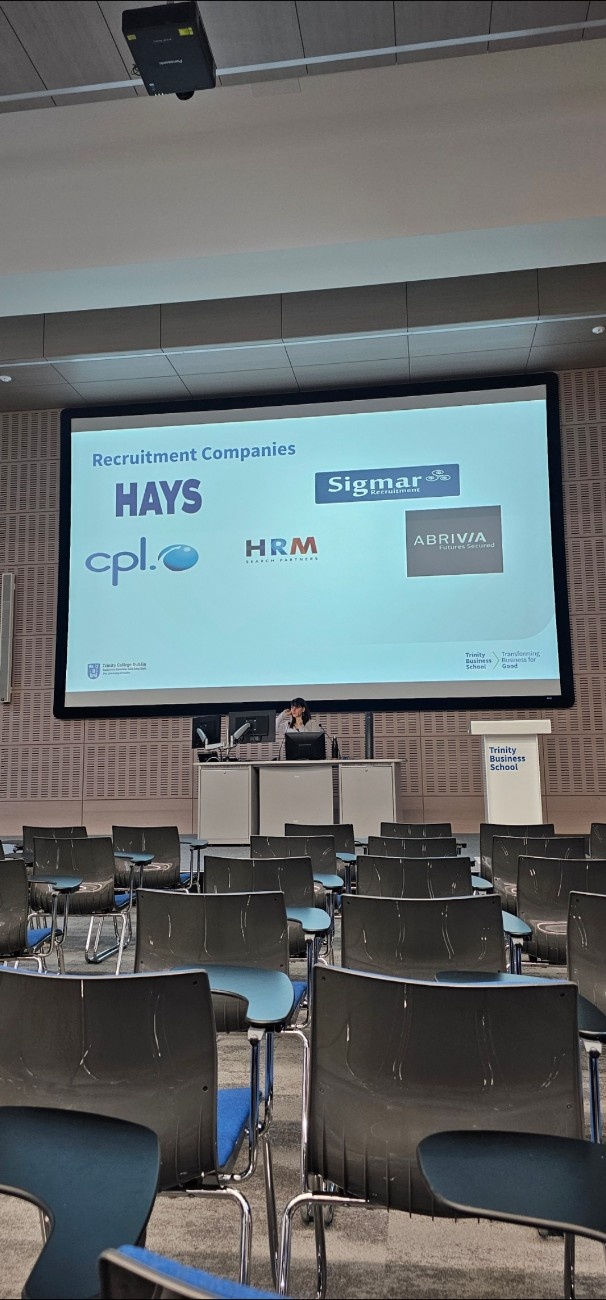
- You get amazing career services and consultancy from career counsellors.
- More than the academic bit, it also becomes one of the cultural points of learning a lot about Ireland as well as the college. It has Kells of Experience which is one of the biggest libraries in the Europe and has a lot of historical information.
Dislikes
- Sometimes the schedule gets a bit hectic but its different for different courses.
- It is very difficult to get accommodation in the college as very less number of rooms are available.
- Specifically, apart from these, there is not much to hate about the college at all.
Scholarship
- Trinity was not providing any scholarship for my course last year. But you can try applying for government scholarships if any available.
- None of my batchmates have received any scholarship at all.
- On an average engineering and science students mostly get a scholarship and that is based on merit in TCD and other colleges. The typical award amount could be 2000-4000 euros

Likes
- The course structure is intensive enough to cover a vast number of topics regarding Artificial Intelligence and Intelligent Systems
- The assignments are very detailed and provide a great way of learning the state of the art techniques.
- The campus being in the centre of the city provides a lot of opportunities for job search, recruiting events happening around Dublin with a great connectivity with public transport.
Dislikes
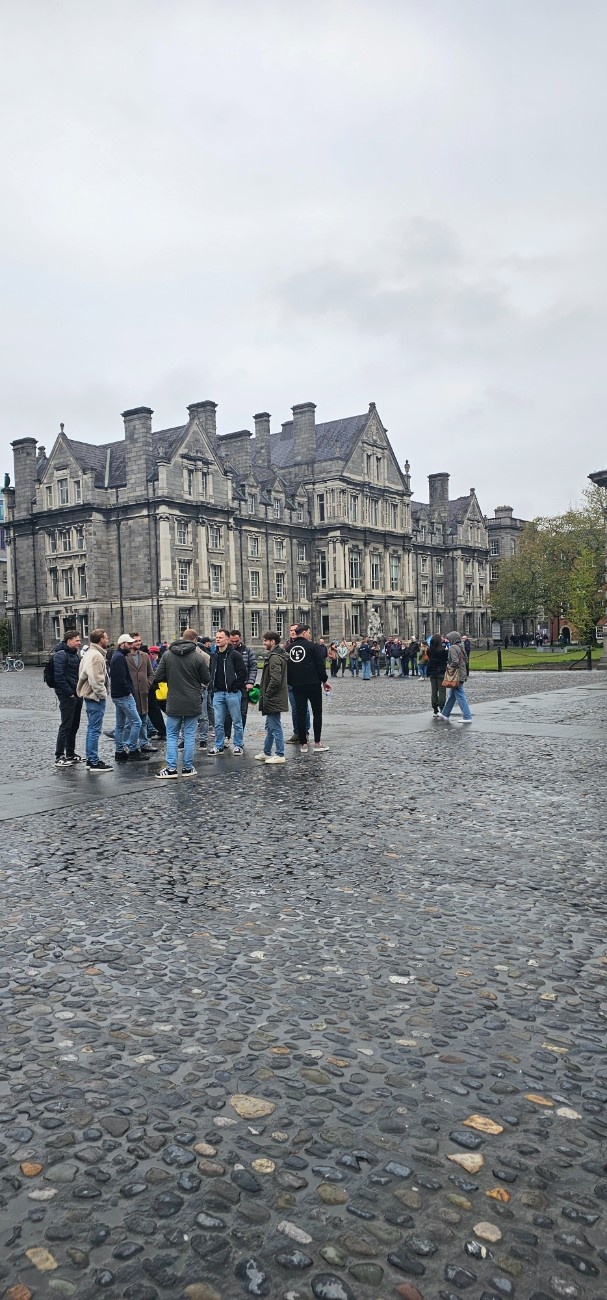
- Due to being a major tourist attraction from around the world, Trinity faces a lot of overcrowding and often during day major spots and lunch areas are crowded with tourists.
- High cost and limited student living options are available which forces students to find accommodation outside of campus and travel time to and fro college increases.
- The course being very particular and hectic does not provide often much time to explore student activities or enjoy college organised events.
Scholarship
-
No, I did not receive any scholarship for the course. Although I had applied for E3 scholarship which amounts to 8000 Euros and anyone in computer science can apply for it.
-
3 of my batchmates have received scholarships ranging from 1000 to 2500 Euros in total. Some also received grants for living aid.
On average 2-3 students out of 100 receive a scholarship, and the average is 2000 euros.
Likes
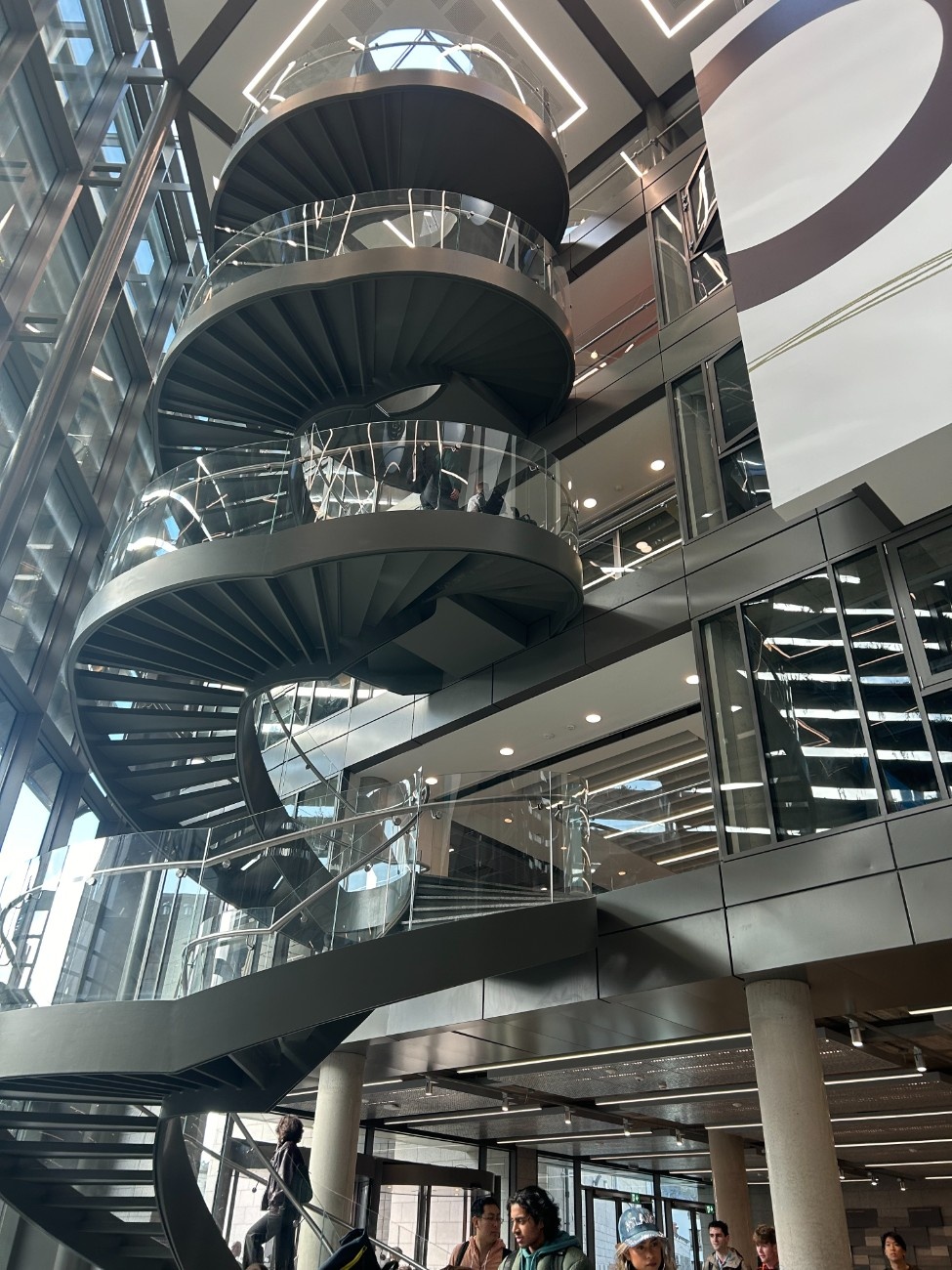
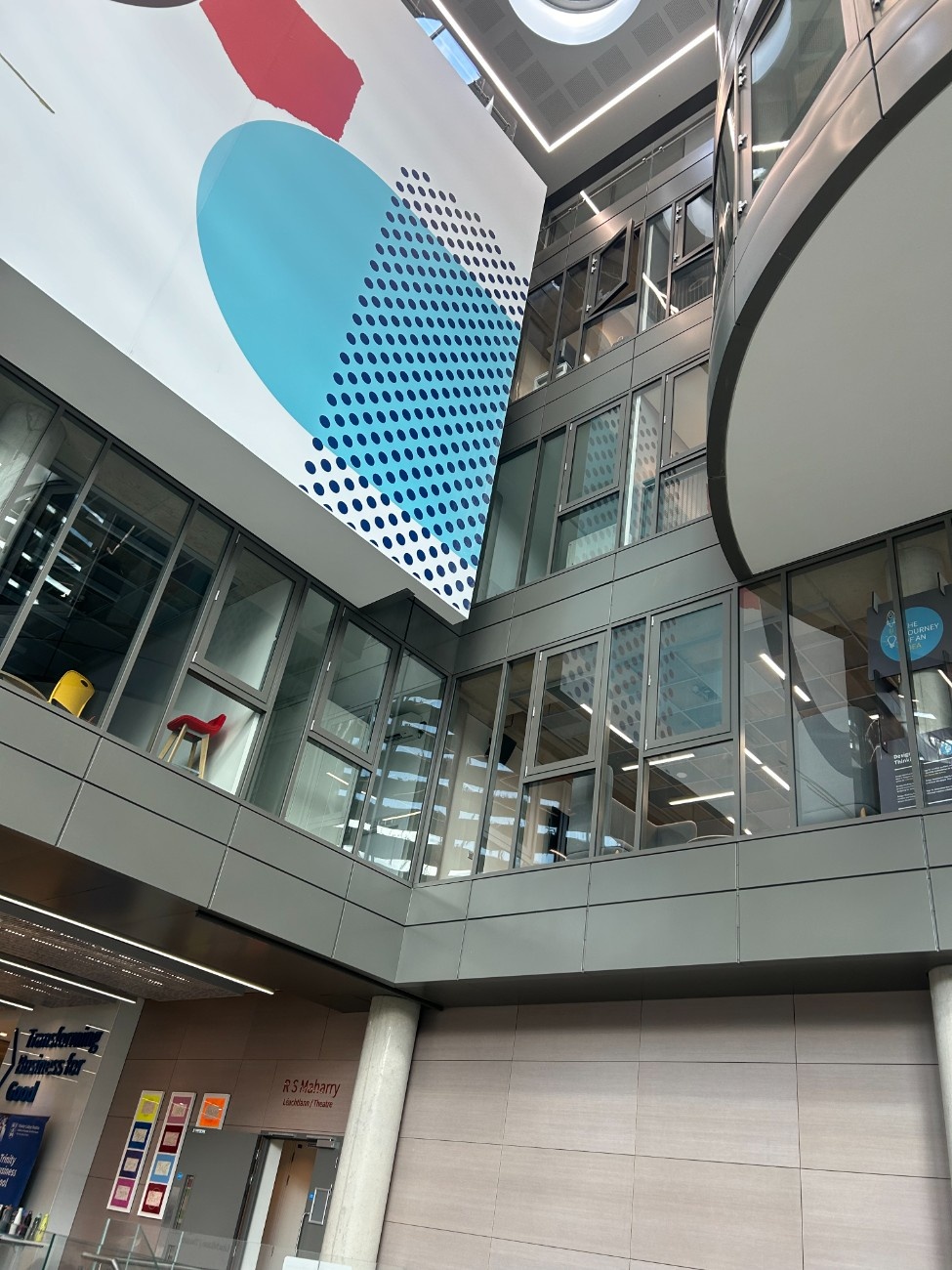
- The college provides best in class infrastructure, Students have access to dedicated labs with GPUs and libraries that are accessible 24/7.
- Courses are highly practical based, majority of the grading is done on the basis of Assignments rather than written examinations.
- The faculty are very knowledgeable and are experts in their field with many of them having relevant industry experience as well.
Dislikes
- Very difficult to get a scholarship especially as a taught postgraduate student compared to other universities.
- Assignment work load is very high leaving no time to prepare for job interviews or working part time.
- Due to campus being located in the city centre it is expensive to live close by and you need to find accommodation further away to save on rent.
Scholarship
- No, I did not receive any scholarship. I had Applied for the Global Excellence Postgraduate Scholarship and the E3 Scholarship, for each of these scholarship applications I was required to write a 200 word statement on how I would contribute to Trinity College and had to provide a resume describing my past accomplishments.
- I only know of one person in my batch who received a scholarship, the amount was around 2000€. They most likely received the Global Excellence Postgraduate Scholarship.
- Very few students receive a scholarship (1 or 2), the typical reward amount ranges from 2000€ - 5000€.

Likes
- Student support throughout the course, be it mentally or financially. Designated counseling facilities. A lot of extracurricular activities to participate in.
Dislikes
- Level of depth of the classes conducted. The professor would not go into the details of the subject. Less availability for the professors to ask queries and doubts as most of them were visiting faculty.
Overview
I chose this university as having good experience in an Insurance company back in India, I wanted to pursue my further education in the Risk Management field. Trinity was the best one to study in Ireland. Overall experience was positive, the college is very international with good infrastructure and facilities on campus. Good overall support was available to students for any problems faced during the course.
Scholarship
No, I haven't applied for any scholarships as I was a bit late to apply for the course.
Likes
- Even the professors are highly knowledgeable and extremely helpful.
Dislikes
- Having said that a few of the courses however have a high teacher to student ratio which makes it a little difficult to get individual attention
Overview
I chose this college as Trinity ranks among the top 100 universities in the world and is the top Irish university. I've had an excellent time here and I'd definitely recommend Trinity for masters.





interested in this College ?
Follow & Share this college to get information about admission.



Comments