





Dublin City University (DCU) is a public research university located in Dublin, Ireland, ranked #408 in the QS World University Rankings 2027. Founded in 1980 and granted university status in 1989, DCU serves over 20,000 students across three academic campuses in North Dublin.
The university delivers more than 150 undergraduate and postgraduate programmes, all taught in English, across business, computing, engineering, humanities, science and nursing. DCU is one of the more India-friendly Irish institutions, with a dedicated India Office in New Delhi, active recruitment through MS universities in Ireland pathways, and named India Merit Scholarships every intake.
- QS World Rank 2027: #408
- Acceptance Rate: 35% to 45% (estimated)
- Primary Intakes: September (main) and January (selected postgraduate)
- PG Tuition Range: EUR 9,800 to EUR 25,000/year (INR 9.3 to 23.6 lakh)
- Average MS Starting Salary: EUR 38,000 to EUR 45,000 (INR 35.9 to 42.5 lakh)
Also Check: MS Universities in Ireland
DCU tuition is set per programme rather than a flat rate, and Indian applicants can layer the India Merit Scholarship on top of course fees for savings up to EUR 2,000. Ireland’s two-year Third Level Graduate Programme visa lets DCU graduates stay and work after a master’s, which drives most Indian applicant demand.
Exchange rate used: 1 EUR = INR 94.5 as of August 2026
Admission Status: Opens October 2026 (est.) for September 2027 intake. Applications for selected postgraduate programmes with January 2027 entry remain open, with an International deadline of 30 September 2026. The September 2027 cycle is expected to open October 2026 on a rolling basis, with the International deadline typically 30 June 2027 for most programmes.
Table of Contents
- Popular Courses and Fees at Dublin City University 2027
- Dublin City University Admission 2027
- Dublin City University Admission Requirements for Indian Applicants 2027
- Dublin City University Acceptance Rate 2027
- DCU Fees and Cost of Living for Indian Students 2027
- Dublin City University Campus, Facilities and Student Life
- Dublin City University Scholarships 2027
- Dublin City University Rankings 2027
- Dublin City University Placements and Career Outcomes 2027
- Dublin City University vs Peer Universities
- Dublin City University FAQs
Popular Courses and Fees at Dublin City University 2027
Dublin City University charges tuition per programme rather than a flat annual rate, with most one-year taught postgraduate degrees falling between EUR 9,800 and EUR 25,000 for the full course. Undergraduate degrees run three or four years, with each academic year priced separately. Business, Finance and Computing programmes sit at the higher end of the fee band.
DCU’s postgraduate programmes for Indian students concentrate in the Business School and the Faculty of Engineering and Computing, with several one-year MS and MSc options priced at a single-year total.
DCU PG Fees for Indian Students 2027
| Program | Total Fee (EUR) | Total Fee (INR lakh) | Entry Requirement |
|---|---|---|---|
| MS Computing | EUR 16,600 | 15.7 lakh | Bachelor’s with 60% or CGPA 6.0/10 (recommended) |
| MS Data Analytics | EUR 17,000 | 16.1 lakh | Bachelor’s with 60% or CGPA 6.0/10 (recommended) |
| MS Finance | EUR 19,900 | 18.8 lakh | Bachelor’s with 65% or CGPA 6.5/10 (recommended) |
| MS Digital Marketing | EUR 15,600 | 14.7 lakh | Bachelor’s with 60% or CGPA 6.0/10 (recommended) |
| MEng Electronic and Computer Engineering | EUR 18,900 | 17.9 lakh | Bachelor’s with 60% or CGPA 6.0/10 (recommended) |
| MSc International Accounting and Business | EUR 15,700 | 14.8 lakh | Bachelor’s with 60% or CGPA 6.0/10 (recommended) |
| MSc Management (Business) | EUR 16,600 | 15.7 lakh | Bachelor’s with 60% or CGPA 6.0/10 (recommended) |
| MSc Cloud Computing | EUR 16,600 | 15.7 lakh | Bachelor’s with 60% or CGPA 6.0/10 (recommended) |
| MSc Cyber Security | EUR 16,600 | 15.7 lakh | Bachelor’s with 60% or CGPA 6.0/10 (recommended) |
| MA in Journalism | EUR 15,700 | 14.8 lakh | Bachelor’s with 60% or CGPA 6.0/10 (recommended) |
DCU UG Fees for Indian Students 2027
Undergraduate programmes are priced per year, with total fees below covering one academic year only.
| Program | Fee per Year (EUR) | Fee per Year (INR lakh) | Entry Requirement |
|---|---|---|---|
| BSc Computing | EUR 15,700 | 14.8 lakh | Class 12 with 70% to 85% (recommended) |
| BEng Electronic and Computer Engineering | EUR 16,400 | 15.5 lakh | Class 12 with 75% (recommended) |
| BBS Bachelor of Business Studies | EUR 15,700 | 14.8 lakh | Class 12 with 70% (recommended) |
| BA Journalism | EUR 15,000 | 14.2 lakh | Class 12 with 70% (recommended) |
| BSc Data Science | EUR 15,700 | 14.8 lakh | Class 12 with 75% (recommended) |
Insider note: Indian students overwhelmingly choose MS Computing, MS Data Analytics and MS Finance at DCU. These three account for well over half of the incoming Indian postgraduate cohort each September, largely because they map cleanly onto Ireland’s post-study work permit categories.
Read More: DCU Fees and Cost of Living Guide
Dublin City University Admission 2027
DCU runs a rolling admissions system with two intakes per year: a main September intake for all programmes and a smaller January intake limited to selected postgraduate degrees. Indian applicants apply via the DCU online portal directly, not through the CAO system used for Irish domestic students.
| Milestone | Date | Notes for Indian Applicants |
|---|---|---|
| January 2027 intake deadline (International) | 30 September 2026 | Limited postgraduate programmes only; verify at official page |
| September 2027 application opens | Expected October 2026 (based on prior cycle) | Rolling admissions; early submission improves scholarship chances |
| September 2027 International deadline | Expected 30 June 2027 (based on prior cycle) | Some competitive programmes close earlier |
| Credential verification (WES) | Start 6 weeks before deadline | Allow buffer for transcript apostille and attestation |
| Programme start | September 2027 | Orientation week begins in early September |
Planning note: DCU releases scholarship decisions in rounds tied to application submission date, not deadline date. Applying by mid-February 2027 gives Indian students the strongest shot at the India Merit Scholarship before the annual pool depletes.
Read More: DCU Admissions Guide for Indian Students
Dublin City University Admission Requirements for Indian Applicants 2027
DCU sets programme-specific academic thresholds for Indian applicants, with common English-language and credential-verification requirements across all master’s degrees.
PG Requirements
- Academic: A three or four-year bachelor’s degree with 60% or CGPA 6.0/10 (recommended) for most MS programmes; Finance and select Business degrees expect 65% or CGPA 6.5/10 (recommended)
- English language: DCU typically accepts IELTS 6.5 overall with no band below 6.0, TOEFL iBT 92, PTE Academic 63, or Duolingo English Test 120; verify programme-specific minimums at DCU’s International English Language Requirements page
- Credentials: WES evaluation is not mandatory for most Indian degrees; official transcripts and degree certificates in English suffice
- Programme-specific: MS Finance and MSc International Accounting expect a quantitative bachelor’s; MS Computing accepts non-CS backgrounds via the conversion pathway
UG Requirements
- Academic: Class 12 (CBSE, ISC or state board) with 70% to 85% (recommended) depending on programme; engineering courses expect a 75% floor
- English language: IELTS 6.0 to 6.5 overall or equivalent; verify at DCU International Office
Key insight: DCU waives IELTS for Indian applicants who completed Class 12 with English as the medium of instruction and scored 70% or above in English. Attach your Class 12 mark sheet and a medium-of-instruction letter from your school with the application.
Dublin City University Acceptance Rate 2027
Dublin City University does not publish an official acceptance rate. Based on cross-referenced third-party analyses of admissions data, the university’s overall acceptance rate is estimated at 35% to 45% (estimated), placing it in the moderately selective band among Irish research universities.
Postgraduate acceptance rates skew higher than undergraduate figures because Indian applicants are competing in a smaller international pool with clearly defined thresholds. Programme selectivity varies sharply, with MS Finance and MS Data Analytics tighter than MS Digital Marketing or MA Journalism.
Reality check: Meeting the published 60% bachelor’s cutoff does not guarantee admission. Competitive Indian applicants for DCU’s flagship MS Computing and MS Finance typically present 70% or higher, plus relevant internships or full-time work experience of six months or more.
Read More: DCU Acceptance Rate
DCU Fees and Cost of Living for Indian Students 2027
The total annual cost for an Indian student at DCU works out to EUR 22,800 to EUR 38,000 (INR 21.5 to 35.9 lakh), combining tuition and living expenses in Dublin.
DCU Tuition Fees for Indian Students 2027
| Level | Annual Fee (EUR) | Annual Fee (INR lakh) |
|---|---|---|
| Undergraduate | EUR 15,000 to EUR 16,400 | 14.2 to 15.5 lakh |
| Postgraduate (Taught) | EUR 9,800 to EUR 25,000 | 9.3 to 23.6 lakh |
Monthly Cost of Living in Dublin for Indian Students
| Expense | Monthly (EUR) | Monthly (INR) |
|---|---|---|
| Accommodation (shared) | EUR 700 to EUR 1,100 | INR 66,000 to 1,04,000 |
| Food and groceries | EUR 300 to EUR 400 | INR 28,000 to 38,000 |
| Transportation (Leap card) | EUR 90 to EUR 120 | INR 8,500 to 11,300 |
| Books and supplies | EUR 50 to EUR 80 | INR 4,700 to 7,600 |
| Personal and utilities | EUR 150 to EUR 250 | INR 14,200 to 23,600 |
| Total monthly | EUR 1,290 to EUR 1,950 | INR 1.2 to 1.8 lakh |
| Annual | EUR 15,500 to EUR 23,400 | INR 14.6 to 22.1 lakh |
[Source: DCU International Office cost estimate, estimated]
Insider note: Dublin’s rental market is Ireland’s tightest, and DCU on-campus accommodation is guaranteed only to a small share of postgraduate international students. Indian arrivals typically pay EUR 800 to EUR 1,100 for a shared room in Glasnevin, Drumcondra or Ballymun, all within a 15-minute bus commute of the Glasnevin campus.
Read More: Study in Ireland Guide for Indian Students
Dublin City University Campus, Facilities and Student Life
DCU operates three academic campuses in North Dublin (Glasnevin, St Patrick’s and All Hallows), connected by a free inter-campus shuttle, all within Dublin’s public transport network.
- Location and transport: Glasnevin campus is 4 kilometres north of Dublin city centre, served by Dublin Bus routes 4, 9, 11 and 13, and 20 minutes by Leap card
- Housing: On-campus rooms cost EUR 175 to EUR 240 per week; roughly 15% of international postgraduates get an on-campus room
- Facilities: The Nubar student bar, a 25-metre swimming pool, and the O’Reilly Library open 24 hours during exam term
- Indian community: DCU’s Indian Students Society hosts Diwali and Holi celebrations, plus career meetups with alumni working across Dublin’s tech and financial services corridor
What Indian students say: The Glasnevin campus feels self-contained and safer than central Dublin at night. On-campus housing sells out within days of the offer letter; those who miss it often share flats in Drumcondra with two or three other Indian students to keep rent under EUR 700 per month each.
Dublin City University Scholarships 2027
DCU offers targeted scholarships for Indian students that layer on top of its programme-specific merit awards. Applicants are automatically considered for most awards on submitting the main application.
| Scholarship | Type | Award Value | Eligibility | Deadline |
|---|---|---|---|---|
| DCU India Merit Scholarship | Merit-based | EUR 2,000 (INR 1.9 lakh) | Indian nationals with strong academic record | 30 June 2027 (est.) |
| DCU Business School Scholarship | Merit-based | EUR 2,000 to EUR 4,000 (INR 1.9 to 3.8 lakh) | Taught MSc Business applicants with First Class | 30 June 2027 (est.) |
| DCU Global Excellence Scholarship | Merit-based | EUR 2,000 (INR 1.9 lakh) | International postgraduate applicants | Rolling, verify at official page |
| DCU Sports Scholarship | Sports-based | EUR 1,500 to EUR 5,000 (INR 1.4 to 4.7 lakh) | National-level sports achievement | Verify at official page |
Planning note: The DCU India Merit Scholarship pool is finite and awarded in the order applications are received. Submitting by mid-February 2027 dramatically improves your chance versus a June submission, even if academic profiles are identical.
Read More: Universities in Ireland
Dublin City University Rankings 2027
DCU’s strongest performance is in QS World Rankings, where it climbed from #490 in 2022 to #408 in 2027, a 82-place gain in five editions.
| Ranking Body | Latest Edition | Previous Edition | Two Editions Back |
|---|---|---|---|
| QS World | 2027: #408 | 2026: #410 | 2025: #421 |
| THE World | 2026: #301-350 | 2025: #351-400 | 2024: #401-500 |
| US News Global | 2025-2026: #828 | Not published | Not published |
| Collegedunia Study Abroad | #419 (Ireland National #6) | NA | NA |
[Source: QS, THE, US News, Collegedunia Study Abroad]
DCU is ranked #1 in Ireland for Research Quality by THE 2026, and its subject strengths include QS Top 200 rankings in Communication, Nursing, Accounting and Finance, Education, Linguistics, Modern Languages, and Sport. Collegedunia Study Abroad ranks DCU #131 globally for Social Studies and #155 for Arts and Humanities.
Key insight: DCU sits comfortably inside the QS Top 500, which is the threshold Indian public-sector loan providers and most PSU employers use for foreign-degree recognition. This is one of the reasons India Merit Scholarship demand consistently exceeds supply.
Read More: DCU Rankings Analysis
Dublin City University Placements and Career Outcomes 2027
DCU reports strong employment outcomes across postgraduate cohorts, with career support routed through its INTRA (Integrated Training) programme, which places over 1,500 students into paid work assignments each year.
- Postgraduate employment rate: 92% in employment or further study within 6 months (DCU Graduate Outcomes Survey)
- Median MS starting salary: EUR 38,000 to EUR 45,000 (INR 35.9 to 42.5 lakh), market median for Dublin postgraduate hires
- Top hiring sectors: Technology, financial services, pharma, consulting and digital media, with roles concentrated in Dublin’s Silicon Docks and IFSC districts
- Post-study visa: Ireland’s Third Level Graduate Programme grants a two-year stay-back for master’s graduates, enabling job search without employer sponsorship
- Indian alumni notes: DCU alumni hold analytics, product and engineering roles across Google, Meta, Accenture and LinkedIn’s Dublin offices, per LinkedIn Alumni data
Insider note: Indian graduates from MS Computing and MS Data Analytics consistently secure roles above the EUR 40,000 mark, which comfortably clears the critical skills employment permit threshold for a longer-term Irish work visa route.
Dublin City University vs Peer Universities
The peer set below covers Ireland’s top research universities plus one UK cross-border comparison, matched on programme mix and Indian student demand.
| University | QS Rank 2027 | Collegedunia Study Abroad | Avg Annual PG Fee | Differentiator |
|---|---|---|---|---|
| Dublin City University | #408 | #419 | EUR 16,600 (INR 15.7 lakh) | Best value in Dublin; India Merit Scholarship |
| University College Dublin | #125 | NA | EUR 27,000 (INR 25.5 lakh) | Ireland’s top-ranked; Michael Smurfit Business School |
| Trinity College Dublin | #75 | NA | EUR 25,000 (INR 23.6 lakh) | Oldest Irish university; strongest global brand |
| University of Galway | #289 | NA | EUR 17,500 (INR 16.5 lakh) | Lower cost of living outside Dublin |
| Queen’s University Belfast (UK) | #193 | NA | EUR 21,000 (INR 19.8 lakh) | UK degree with post-study work visa |
DCU stands out for balancing a QS Top 500 position with tuition roughly 40% below UCD or Trinity, making it the most cost-efficient Dublin option for Indian postgraduates. The India Office in New Delhi and dedicated India Merit Scholarship reinforce that positioning.
Dublin City University fits Indian applicants who want a Dublin location and QS Top 500 credibility without the EUR 25,000-plus fee tag of UCD or Trinity, especially in Computing, Finance and Data Analytics where the total investment of EUR 32,000 to EUR 41,000 pays back inside two years of the median EUR 42,000 starting salary. Ireland’s two-year post-study work visa makes this maths cleaner still.
DCU is not the right fit for applicants chasing pure global brand prestige or a specific research supervisor pipeline; Trinity College Dublin or University College Dublin serve that need better for candidates with the budget to match.
Dublin City University FAQs
Ques. Can Indian students work part-time while studying at DCU?
Ans. Yes. Non-EEA students on a valid Stamp 2 study visa can work up to 20 hours per week during term time and 40 hours per week during summer and Christmas holidays. Common part-time roles for Indian DCU students include retail, hospitality, campus jobs and paid teaching assistantships. Minimum wage in Ireland is EUR 13.50 per hour in 2026, so 20 hours a week covers a meaningful share of monthly living costs.
Ques. Does DCU require GRE or GMAT for its MS programmes?
Ans. Dublin City University does not require GRE or GMAT for any of its taught MS or MSc programmes, including MS Computing, MS Data Analytics and MS Finance. Admission is decided on bachelor’s academic record, statement of purpose, professional experience where relevant, and English proficiency. This is a significant edge over US and Canadian peers, saving Indian applicants both test-prep time and roughly INR 25,000 in exam fees.
Ques. How does DCU handle education loan disbursement for Indian students?
Ans. DCU is recognised by all major Indian public and private lenders including SBI, HDFC Credila, Avanse and Auxilo. The university issues an unconditional offer letter and a fee invoice that lenders accept as sanctioning documents. Loan disbursement is typically wired directly to DCU in two installments matching the January and June fee schedule, and lenders accept the CAS letter equivalent for visa financial proof.
Ques. What is the application fee for Dublin City University?
Ans. DCU charges an application fee of EUR 50 (roughly INR 4,725) for most postgraduate programmes, payable online at application submission. This fee is non-refundable regardless of admission outcome. Undergraduate applications routed through the CAO system carry a separate CAO fee of EUR 45. DCU occasionally waives this fee during promotional application windows targeted at Indian applicants; check the DCU India page for current waivers.
Ques. Are there English-taught bachelor’s programmes at DCU for Indian students?
Ans. Yes. Every undergraduate and postgraduate programme at Dublin City University is delivered in English, so Indian students never need to learn Irish or another European language to study or graduate. The Class 12 medium-of-instruction letter often waives the IELTS requirement for applicants who scored 70% or above in Class 12 English, provided the school confirms English was the medium in writing.
Ques. Which documents do Indian students need for the Irish study visa from DCU?
Ans. For the Irish D-Study visa, DCU applicants submit a Letter of Acceptance from DCU, proof of full tuition payment, financial proof of EUR 10,000 in a personal or family account, private medical insurance, academic transcripts, English test scores, and a valid passport. The visa fee is EUR 60, and processing takes four to eight weeks from the New Delhi VFS centre. Book biometrics within 30 days of application submission.
Ques. Does DCU offer refunds if the Irish student visa is refused?
Ans. Yes. Dublin City University refunds tuition fees minus a EUR 300 administrative charge if an Indian student’s D-Study visa is refused and refusal documentation is submitted within four weeks of the decision. The application fee of EUR 50 is not refundable under any circumstances. Refunds process in six to eight weeks to the original payment source, and DCU accepts appeal support letters if the applicant wishes to reapply for the visa.
Ques. How long does the OSP work visa last after graduating from DCU?
Ans. DCU master’s graduates qualify for Ireland’s Third Level Graduate Programme, which grants a two-year Stamp 1G permission to remain in Ireland and search for or accept employment without an employer sponsor. Bachelor’s graduates receive a one-year permission under the same scheme. Once a graduate secures a job paying above EUR 32,000 (or EUR 38,000 for critical skills), they can transition to a work permit and eventually apply for Stamp 4 long-term residency.
Dublin City University Program Fees & Deadlines
| Program | Important Dates | Fees | Application Fees | Eligibility | Financial Aid |
|---|---|---|---|---|---|
MS Computing 1 year | Application Deadline for September 2027 Intake (6th Apr 2027) | USD 28,750 /Yr EUR 25,000 /Yr | 50 | Grade: 65%, TOEFL: 4.5, IELTS: 6.5, PTE: 63, Duolingo: 120 | - |
Application Deadline for January 2027 Intake (5th Dec 2026) | USD 28,750 /Yr EUR 25,000 /Yr | 50 | Grade: 55%, TOEFL: 4.5, IELTS: 6.5, PTE: 63, Duolingo: 120 | - | |
MS Finance 1 year | Application Deadline for January 2027 Intake (5th Dec 2026) | USD 26,450 /Yr EUR 23,000 /Yr | 50 | Grade: 65%, TOEFL: 4.5, IELTS: 6.5, PTE: 63, Duolingo: 120 | |
| USD 26,450 /Yr EUR 23,000 /Yr | 50 | Grade: 55%, TOEFL: 4.5, IELTS: 6.5, PTE: 63, Duolingo: 120 | - | ||
MS Digital Marketing 1 year | USD 26,450 /Yr EUR 23,000 /Yr | 50 | Grade: 55%, TOEFL: 4.5, IELTS: 6.5, PTE: 63, Duolingo: 120 | - | |
Application Deadline for January 2027 Intake (5th Dec 2026) | USD 28,750 /Yr EUR 25,000 /Yr | 50 | Grade: 55%, TOEFL: 4.5, IELTS: 6.5, PTE: 63, Duolingo: 120 | - | |
BS Computing for Business 4 years | USD 20,585 /Yr EUR 17,900 /Yr | 50 | Grade: 80%, TOEFL: 4.5, IELTS: 6.5, PTE: 63, Duolingo: 120 | - | |
BA Multimedia 3 years | USD 19,895 /Yr EUR 17,300 /Yr | 50 | Grade: 80%, TOEFL: 4.5, IELTS: 6.5, PTE: 63, Duolingo: 120 | - | |
MS Management (Business) 1 year | USD 26,450 /Yr EUR 23,000 /Yr | 50 | Grade: 55%, TOEFL: 4.5, IELTS: 6.5, PTE: 63, Duolingo: 120 | ||
| USD 19,550 /Yr EUR 17,000 /Yr | 50 | Grade: 80%, TOEFL: 4.5, IELTS: 6.5, PTE: 63, Duolingo: 120 | - |
Do you think the Dates are wrong ? Report Here
Find A Program
Top Recommended Courses
Master of Science [MS] Computing
Do you think the fees are wrong ? Report Here
Master of Science [MS] Digital Marketing
Do you think the fees are wrong ? Report Here
Course Finder - Search from 50K+ courses
Popular Streams:
Dublin City University comparison
| University Name | Dublin City University | University College Dublin |
|---|---|---|
| Collegedunia Score | 4.2 Out of 10 | 5.3 Out of 10 |
| Overall Ranking |
|
|
| Subject Strength |
|
|
| Programs |
|
|
| Acceptance Rate | 49.0 % | 42.0 % |
| Cost to Study |
|
|
| Placement | 92% of the students find employment within 6 months of graduation. The programs and average salary received are as follows: MBA: $75,000 Bachelor: $59,000 Executive MBA: $88,000 Masters in Finance: $71,000 Doctorate: $77,000 | The average salary for different programs are as follows: MBA: $88,000 Executive MBA: $82,000 LLM: $70,000 Masters in Finance: $72,000 Master (other): $62,000 |
| - | Read Full Comparison |
Do you think the data is wrong ? Report Here

Overall 408 out of 1504 in Global Ranking
Do you think the Rankings are wrong ? Report Here
Dublin City University Reviews
Most Popular Tags
19 Reviews Found
Likes
- Campus is large and well equiped
- Everything else is wonderful about DCU.
- Trending and high level data tools for certifications available on campus.
Dislikes
- Not the college but the housing crisis is quite troublesome in Ireland
- Some campuses are bit far from City centre
Campus Life
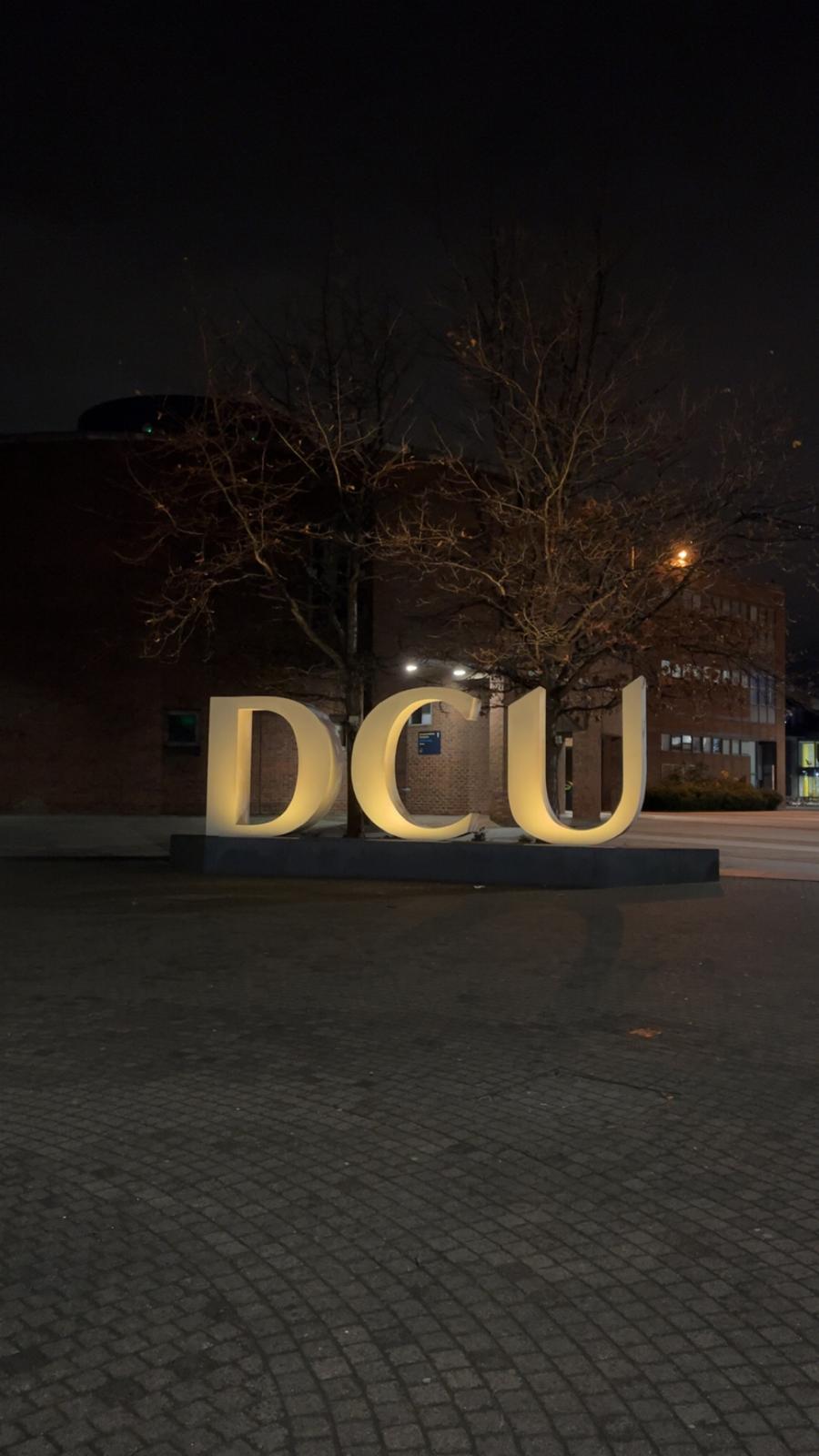
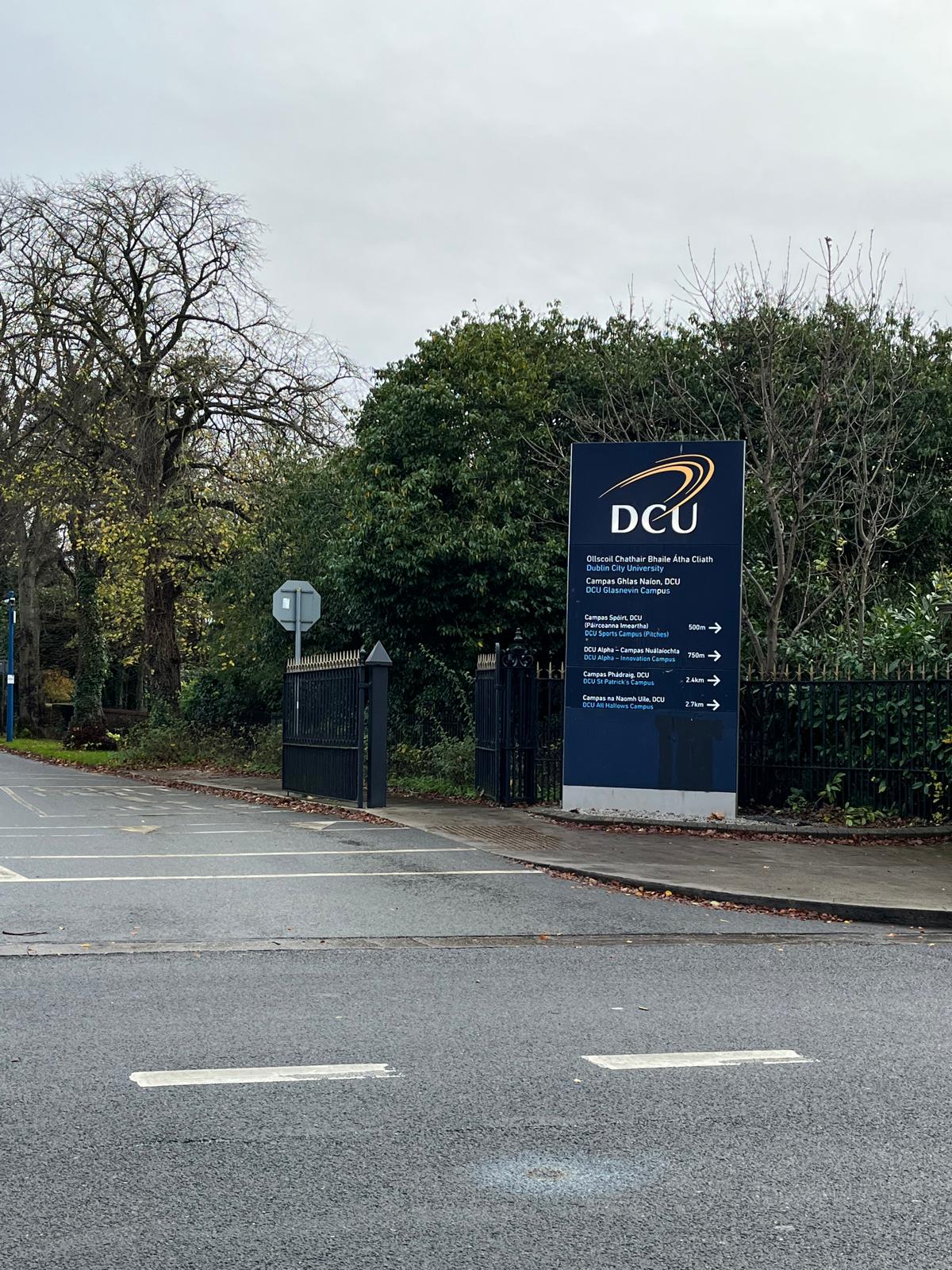
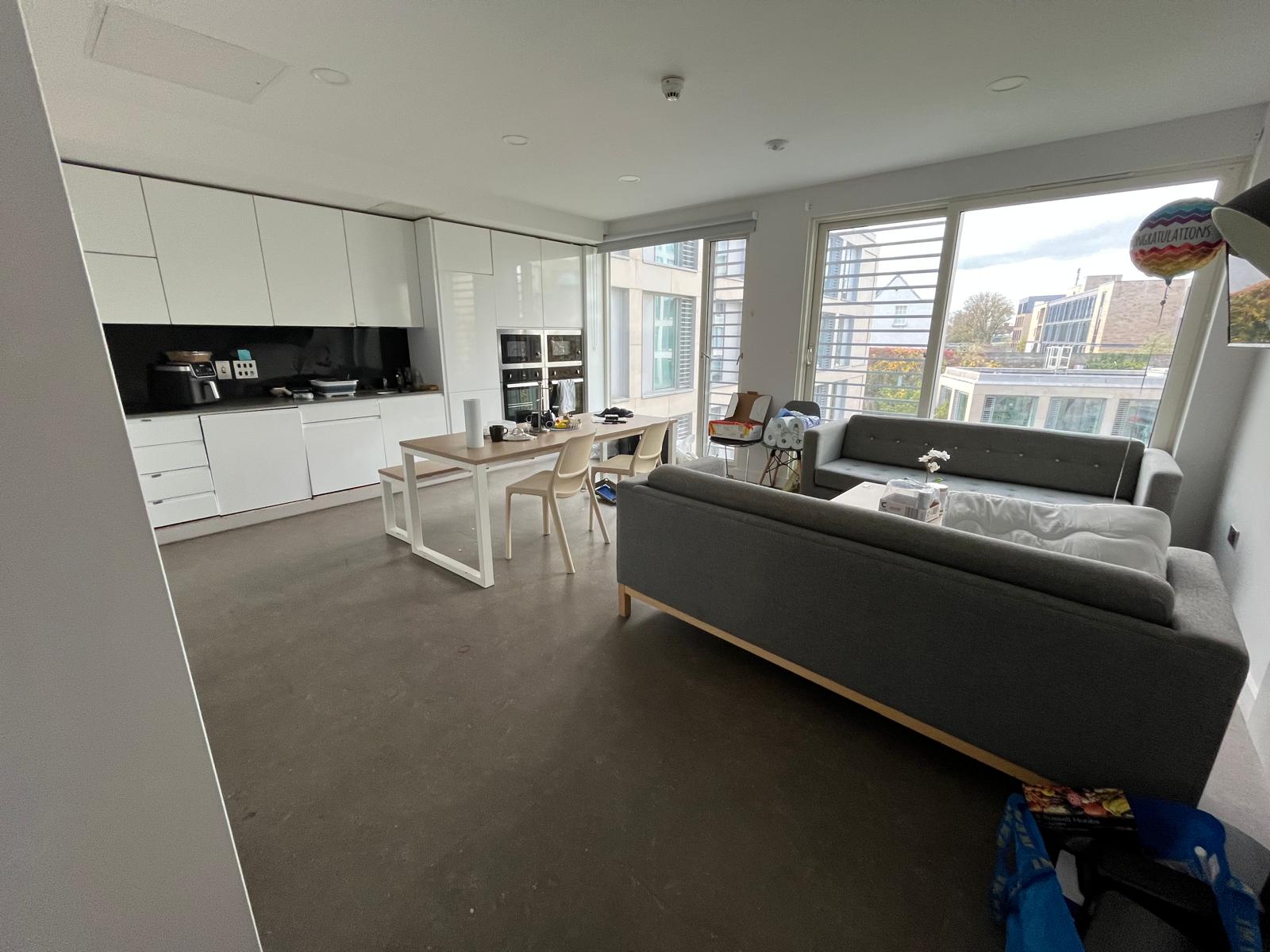
- There are 4 Dublin City University campuses: DCU Main campus, DCU All Hallows campus, DCU St. Patrick's campus and DCU Sports College. There are medical stores, printing stores, a restaurant and a pub on campus, which makes it easier if you forget to bring lunch someday. Also, there are several coffee shop options available.


Likes
- Education and training facilities
- Modern buildings
- Well-equipped teaching facilities
Dislikes
- Less diversity in specific courses
- Appointments should be considered to meet the professor or faculties
- Different professors have different ways of teaching
Campus Life
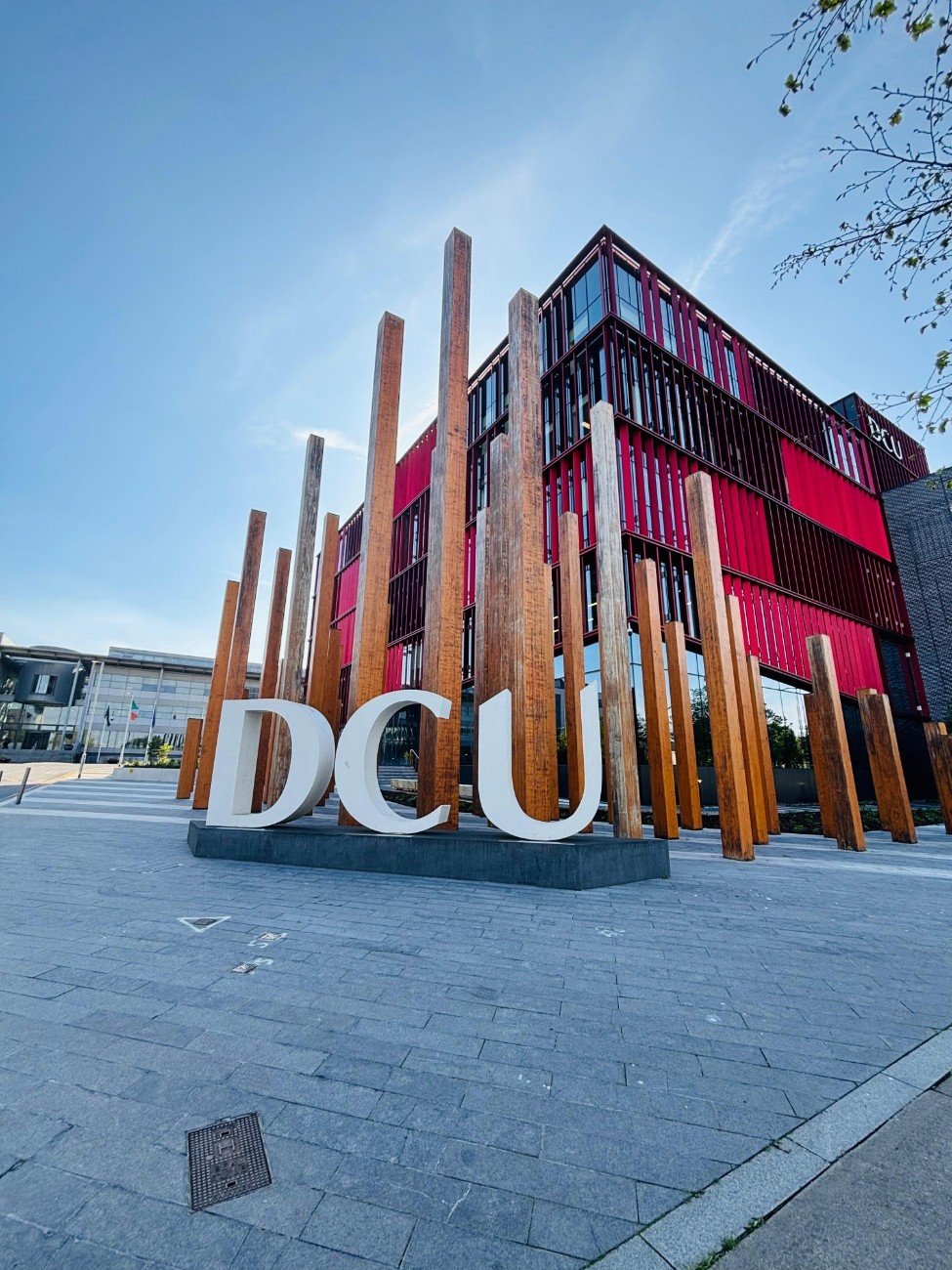
- Two campuses: Dublin City University Glasnevin Campus and Dublin City University St. Patricks Campus.
- Library, sports facilities, and medical services are available on both campuses.
- Clubs: photography, investment societies, outdoor adventures, cricket, football, badminton, hiking clubs, mental health awareness campaigns.
- Major festivals: Halloween, Diwali, Holi
Fees
- The fee for a master's in finance is 17,600 euros; this includes every charge.
- It is yearly; we can pay the first half of the fee while applying, and the rest can be paid after some time, basically in the second semester.
- 1000 euros is the monthly regular expense that usually happens which includes rent, transportation and necessities.
- It again depends on different individuals and their expenses.
Likes
- Professors understanding of the concepts.
- Study material provided by the professors.
- Good mixture of industry based projects and research oriented projects.
Dislikes
- Number of student intake was too large.
- Not every professor was very good at teaching.
- Course content was a bit too generic.
Campus Life
- My university has around 4 campus accommodations. The campus accommodations are - 1. Postgrad Apartments 2. College Park 3. Hamstead Apartments (All these 3 are in the DCU Glasnevin campus). Then there are 4. All Hallows campus accommodations. The campus has facilities like a library, pharmacy, bar, restaurants, praying areas, open areas for leisure, a theater (only has university-related shows, not an actual movie theatre), a gym, a sports ground for football, and a swimming pool in the gym. I don't remember the major ones but there are always some or other events going on within the campus, especially until summer starts (by May).
- Once the summer starts, there are no events. Events like student meetups, diwali, christmas, small events; there are also clubs like anime fan clubs and any other club that you can imagine.
Fees
- The total fees that I had to pay were 17,500 euros (although they have increased now). I paid approximately 720 euros a month (including bills) for the university accommodation (although that too has increased now). It was a single ensuite room shared with 4 other people.
- The fees are charged yearly (at least that was the case for me). Monthly expenses completely depend on the person and how much that person spends on their daily needs and other leisurely activities.
Likes
- Teaching Pedagogy - Industry relevant teaching, teaching is done using interactive slides
- Infrastructure - Lovely Campus, equipped with all the latest infrastructure. Dolby Speakers, Interactive Screens and charging ports present
- Strong Alumni Network - Alumni working in almost every big company and spread across Ireland and Europe
Dislikes
- Slight Redundancy - Some courses seem redundant to a degree
- Language Barrier - Communication becomes slightly difficult due to differences in nationality
- Timings - On some days, multiple exams and classes can build certain pressure
Campus Life
- We have two campuses, the St. Patrick’s Campus and the Glasnevin Campus. The college has all types of activities that include various sports clubs, hobby clubs a swimming pool and a gym. Major Indian as well as Irish festivals are celebrated at the campus.
- Medical services are present on campus along with a huge library. There are a host of societies to join, including boxing, drama, fencing and archery, just to name a few.
Fees
- The total tuition fees for Non EU students are EUR 17,600. The fees can be paid in 2 semesters. Monthly expenses are relative but on average it costs 1200 EUR per month to live in Dublin.
- Dublin is one of the most expensive places to live in Europe. Rent is high, and for a shared room, the cost is EUR 700. For a single apartment, it can go up to EUR 1000. Food, transport, and electricity cost another 200 to 300 EUR.

Likes
- Research based studies , Time to research
- Short period of semester (Quick sems)
- Extra time to think on Research projects
Dislikes
- No placement support given in University
- No Accommodation support given by University
- Syllabus is something of free video's available on Youtube :)
Campus Life
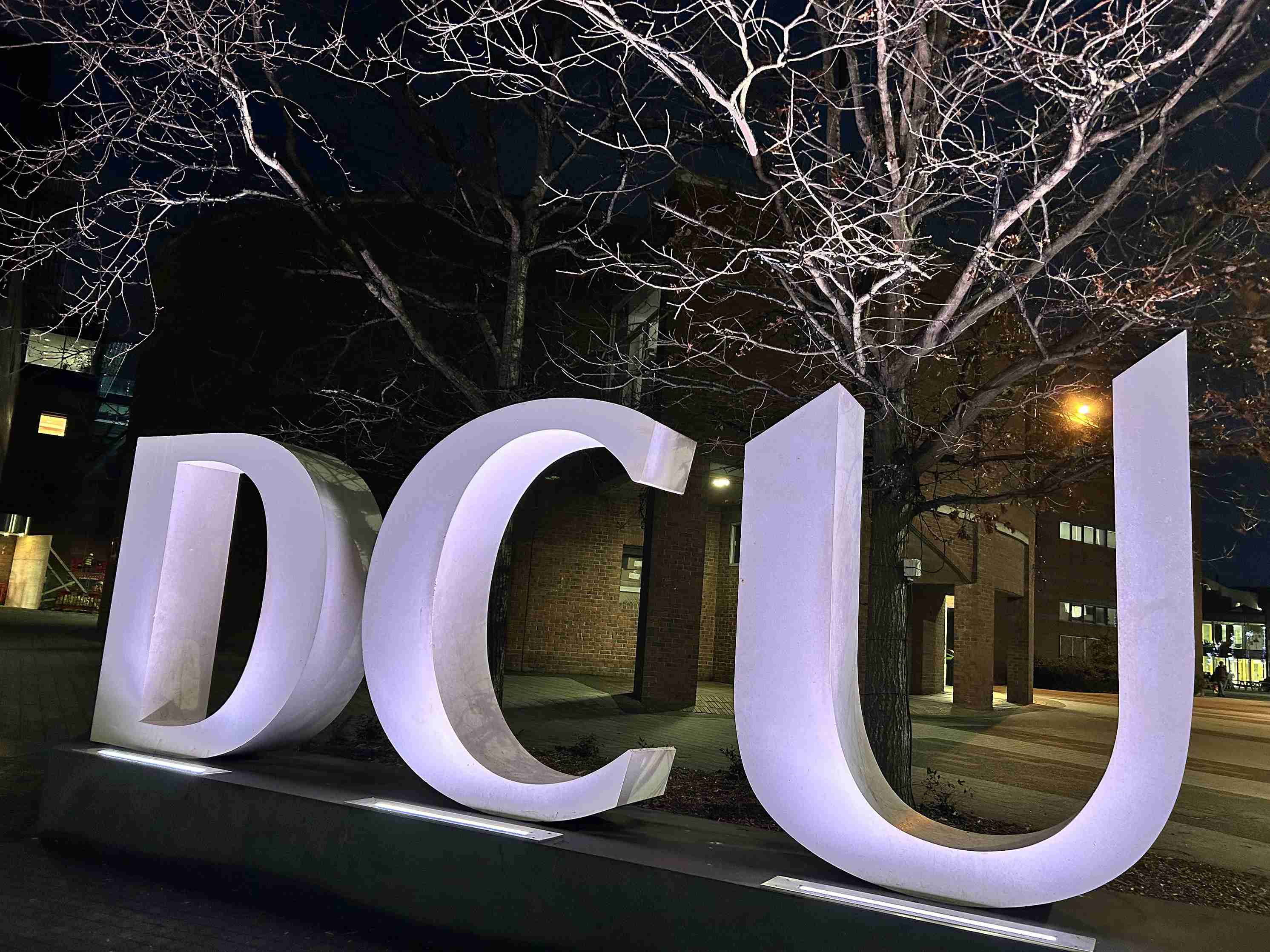
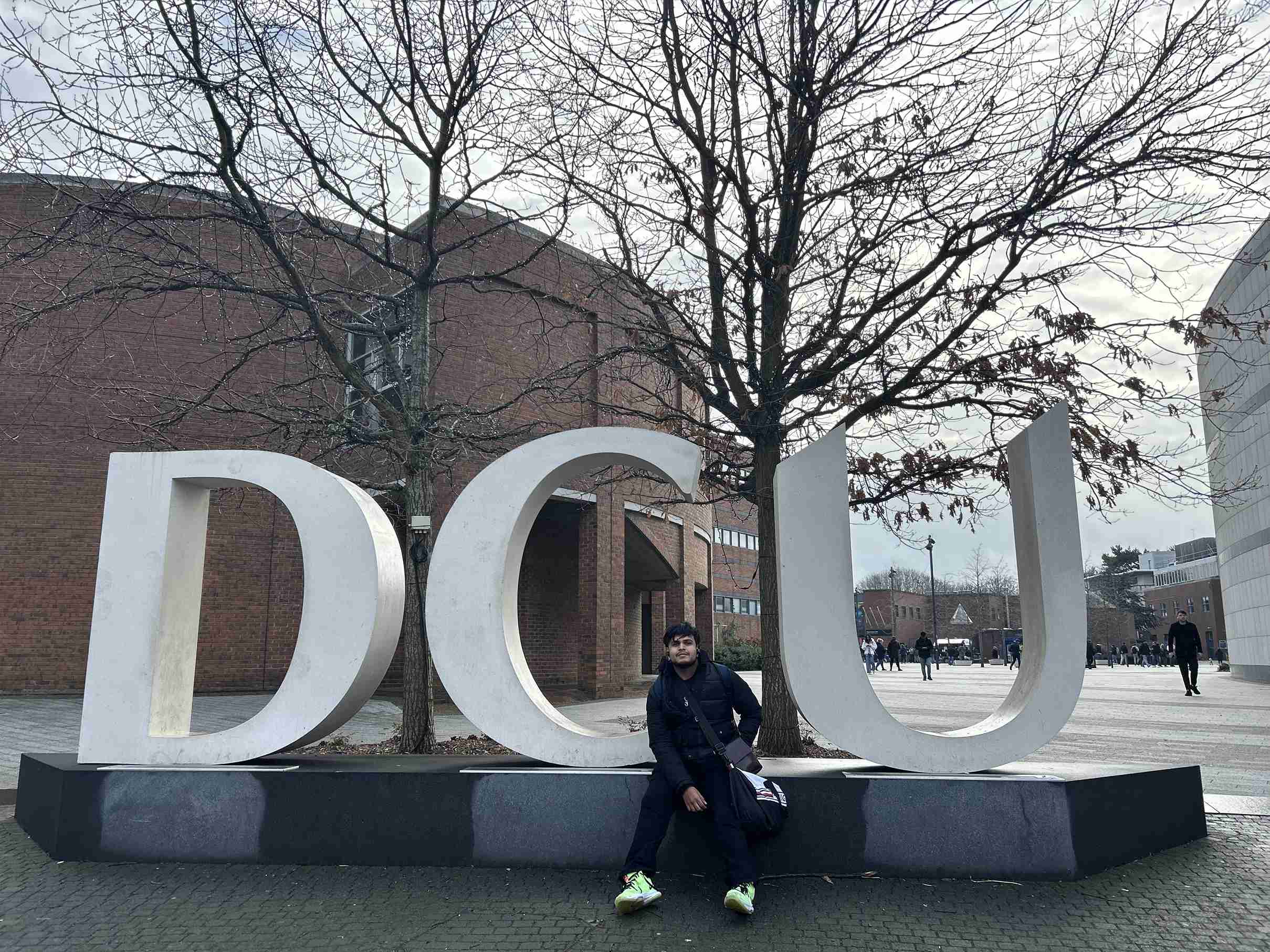
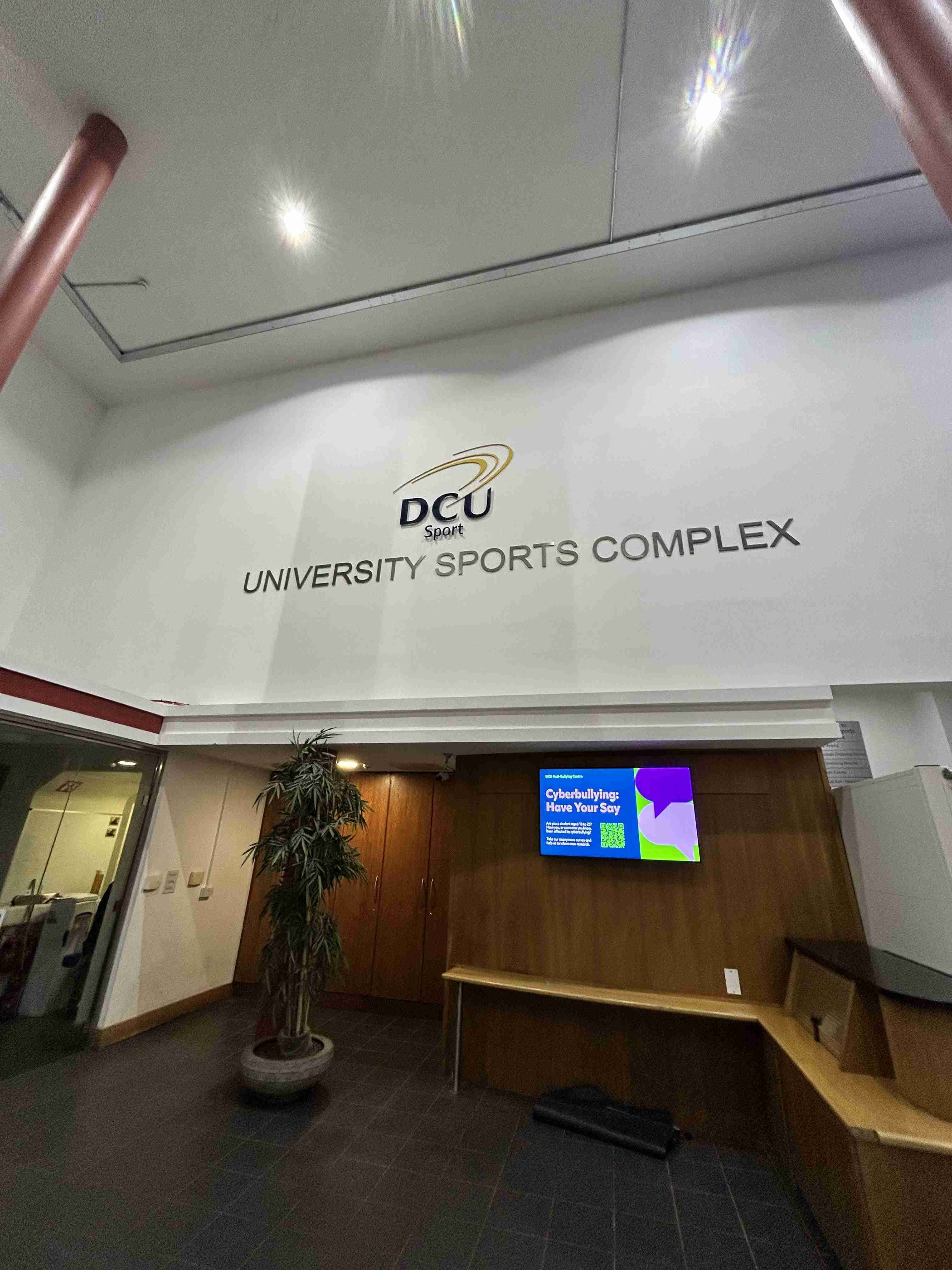
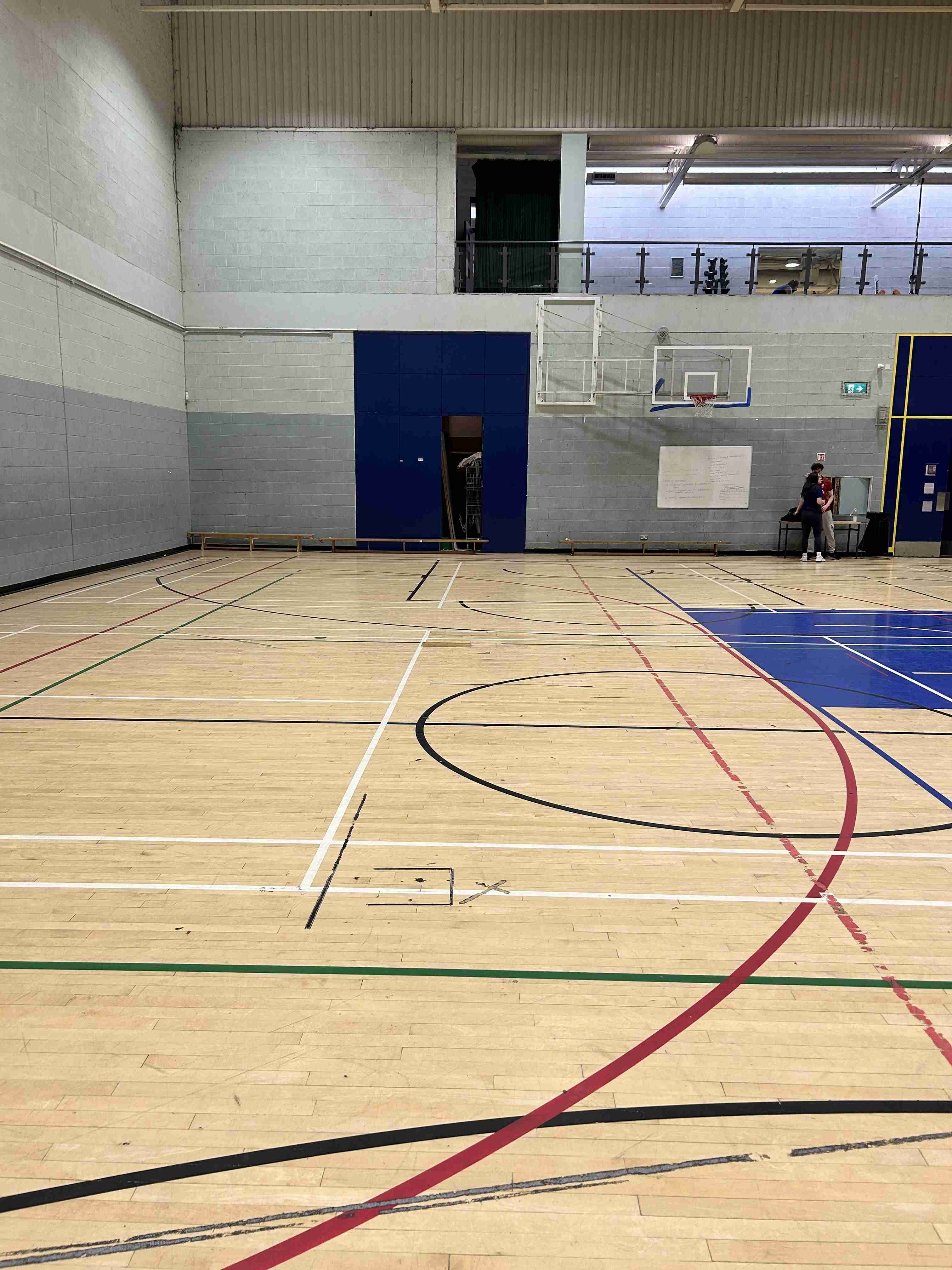
- DCU has three main campuses: Glasnevin Campus, St. Patrick’s Campus, and All Hallows Campus. Each campus is well-equipped with excellent facilities, including modern libraries, extensive sports complexes (like the DCU Sports Complex), on-campus medical centers, and multiple study spaces.
- The main Glasnevin Campus is where most major events and activities take place. DCU is very active when it comes to student life. It hosts a variety of events and festivals, such as the famous DCU Clubs and Societies Day, where students can join over 140 different clubs and societies.
Likes
- College location - Excellent connectivity with 24 hour buses
- Campus - There is a super store on and a pub on campus where students can sit to chill
- Professors - They actually take interest in their students' work and treat as their own to make sure reports and research work is top-notch
Dislikes
- Course could've been more hectic, it wasn't intense enough for me
- Some advanced topics were not covered during coursework, as someone who has experience I wanted to learn about advanced material
- College assignments could've been more detailed and of higher complexity
Campus Life
- DCU has 3 campuses: Glasnevin, St. Patrick's and All Hallows. These are all located in the Dublin 9 area and are about 4 km away from each other. There is a prayer room, cafe, bar, sports room, games room, gym, and a swimming pool. There are about 3 cafes in the Glasnevin campus, which also has a superstore inside. Every campus also has a library. There are events lined up every day to celebrate various occasions. There is also an event for Holi and Diwali. Energy drinks also keep having events. There is an Indian club which has a 5 euro entry charge.
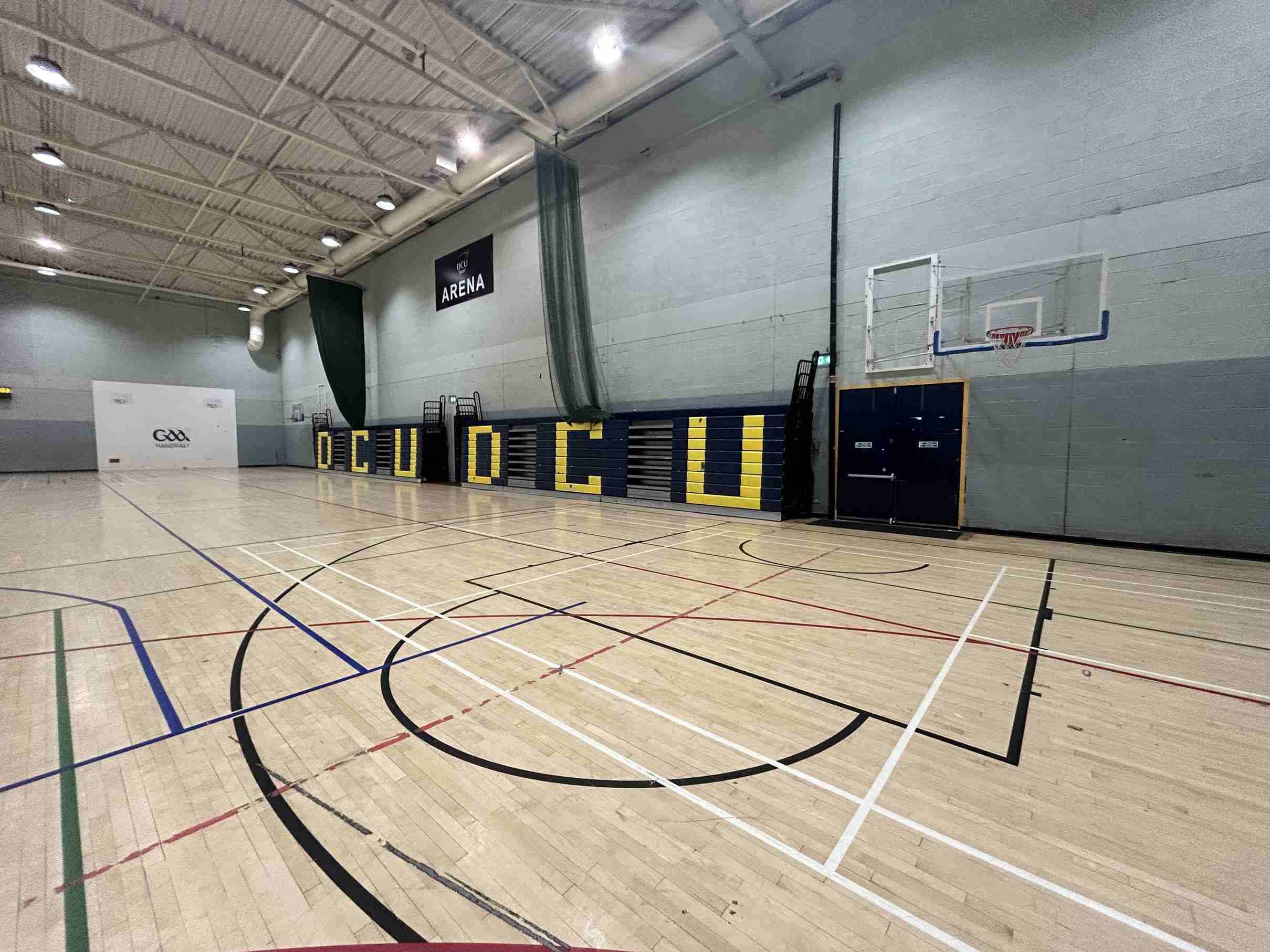
- The bar on campus is the place where students like to sit and party after classes or just chill. There are also 3 astro-turfs and a basketball court that you can book via the DCU Bookings website.
- The Student Organisation allows students from all backgrounds to run for president no matter the length of the course. They are really active and prompt with their replies.
Fees
- Total fees were 18,000 Euros for 12 months. Where I had to pay 500 to confirm my seat, this is part of the fees so it is adjusted. Then I had to pay 60% of the entire fees by 1st September, i.e., before classes start and pay the rest before the start of the second semester. You can also pay the entire amount in one go.
- I didn't stay on campus; I stayed in a student accommodation where my monthly rent was 1136 Euros but this included everything, such as electricity and bins but we had to pay for laundry.
%20-%20Ayan%20Sabharwal%20(1).jpg)
Likes
- Strong Curriculum relevant to the industry expectations
- Highly skilled, resourceful, helpful and polite professors
- Excellent Location wrt to ease of commute
Dislikes
- The on campus facilities like Gym, Swimming pools could've been free or at least provided at a discounted rates
- An internship option should've been introduced in the last semester instead of the dissertation to help new grads to gain relevant experience
- More number of paid RA and TA opportunities must open up
Campus Life
- My college has 3 campuses - DCU Glasnevin in Glasnevin, DCU St Patricks and DCU All Hallows both in Drumcondra
- There is a huge library in the Glasnevin campus of DCU which is accessible to all and also printing and photocopy services available at discounted rates.
- DCU hosted many annual events - like Halloween party, The annual prom, Diwali Party and Holi hosted by the DCU Indian society
- There was a dedicated sports building having a gym, swimming, spa, sauna, indoor game courts like badminton, volley ball, basketball, trampoline, etc. Also, there were football and rugby courts
Fees
- I received a scholarship of 2000 EUR and hence my fees after scholarship was 15000 EUR. This included only the tuition fees. I was not living on campus and hence there was an additional expense of 1000 EUR per month (12000 EUR yearly) on rent, utilities and food.
- I paid the fees in full before the start of the curriculum. But you could pay it in two parts. 50% upfront and the remaining after the first semester.
- ALl of monthly expenses including rent, utilities, transportation, stationary amounted to about 1000 EUR a month
Likes
- I chose DCU due to its curriculum and research that professors were doing. Also I liked the academic structure of DCU
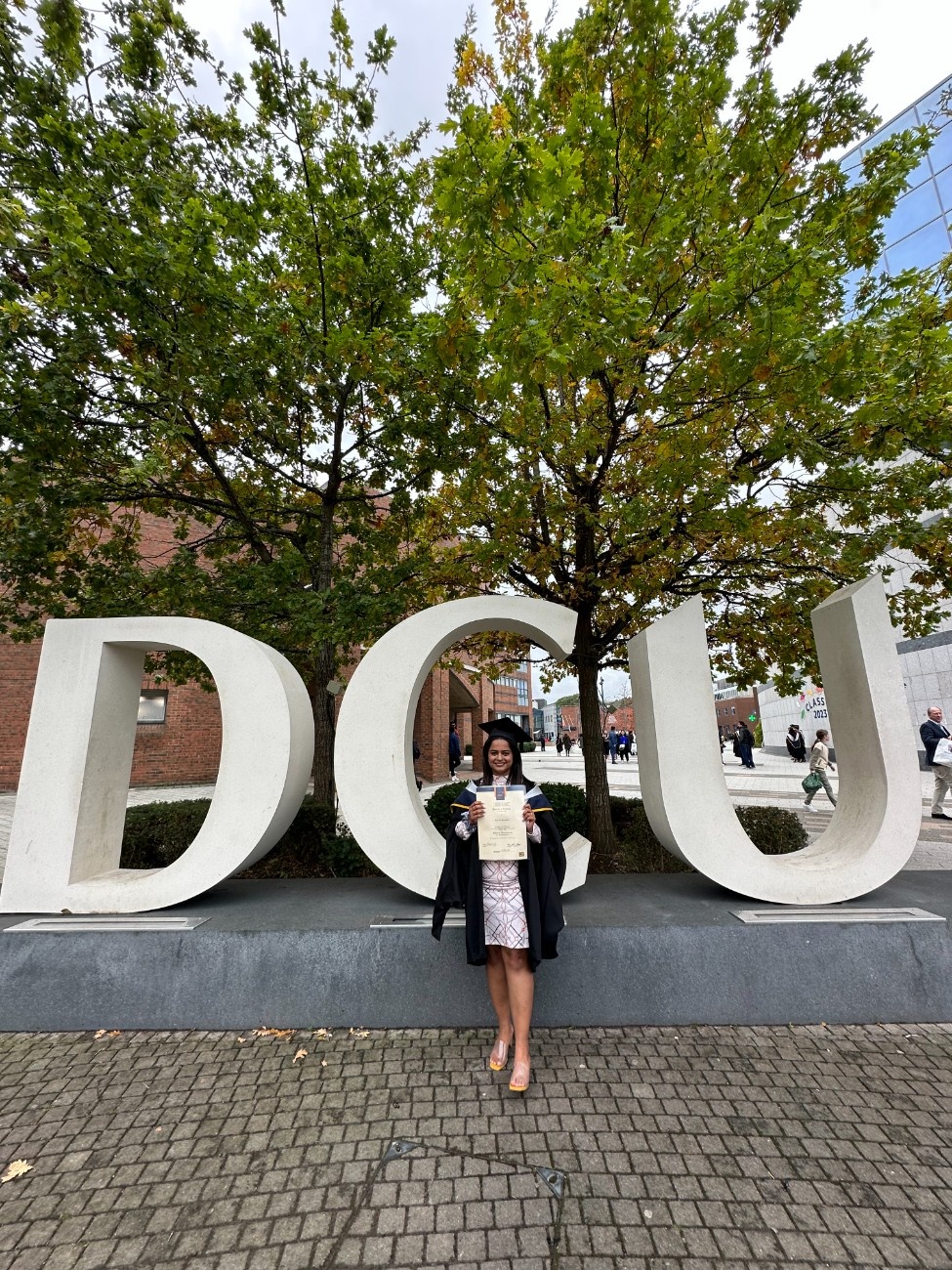
- DCU Campus is really good with a really beautiful library for studying, Also the people in DCU are really helpful and supportive which generally doesn't happen anywhere else
Dislikes
- Nothing for now to dislike about the university since each and every thing is well organised and everything is kept in mind when it comes to academics or anything else.
Overview
Overall experience is very good, Good faculty, Good University, Helping people
Campus Life
Campus life is good, there are many clubs and societies that you can join and yearly they have atleast 2 days for the clubs and societies to market themselves in the campus.
Likes
- The main purpose for choosing this university was the course they where offering and the course structure. The subjects I wanted to study in my masters where available so I decided to go with this university as they have one of the best alumni network in Ireland and the best job opportunity university in the world.
- The course structure and the faculty and the campus location and the campus facilities which make you visit the campus multiple times if you don't have lectures also then also you can visit the different campus and have a quality time.,
Dislikes
- There are not such dislike only the main would be that if the masters would have been of 1.5 years or 2 years it would have been great. As 1 years of masters is little hectic and it gives you less time for modules and as the masters project requires a lot of time so it becomes hectic some time to complete all the 8 modules along with the masters project .
Overview
The experience is very much nice as I enjoyed my time in the university with the academics as well as the other activities and chilling in the campus and different function by the university . The playground areas movie nights which will make you feel like a home in the university itself.
Campus Life
The campus is humungous and the university has 3 campus which gives you variety to visit different campus library and enjoy the weather and study for you exams and assignments. There are different functions concerts going on in the university every week which will keep you engage and you will not feel bored if you are alone in a new country and you will get a great exposure and make new friends.The campus has free wifi throughout the campus.
Likes
- One of the best in Ireland. Comes in the top 5 universities Considered the best for business School.
- Extra curricular activities Diversity and Inclusivity Big campus and sports facilities Student support services Location and student accommodation Faculty is diverse with good academic experience. They are friendly and very cooperative and supportive.
Dislikes
- Learning materials for all the course modules can be updated as per the modern standards. The materials are still based on conventional studies which might be a drawback especially when pursuing a degree like Masters. Faculty should be hired on the basis of experience but also on their communication skills. Few of the faculty members, coming from different countries sometimes lack in their communication skills.
Overview
Overall experience is good. If you have the will and enthusiasm to participate in different activities along with your studies, then it can be a very good learning experience.
Campus Life
Campus infrastructure is brilliant. Campus life is amazing. Full of college events and activities throughout the year in collaboration with clubs and societies.
Dublin City University Scholarships
| Name | Scholarship Per Student | Level of Study | Type | |
|---|---|---|---|---|
| TU Dublin Centenary Scholarship | Scholarship per studentVariable Amount | Level Of StudyMaster | TypeCollege-Specific | |
| Axol Science Scholarship | Scholarship per student$2,000 | Level Of StudyBachelor | TypeCompany-Sponsored |
Do you think the Scholarship is wrong ? Report Here
Attendance Cost
The table shows average yearly cost of attendance for international students. Amount may vary with the course opted, nature of accommodation, and personal spending habits of a candidate.Check Program wise Fees
Dublin City University Campuses, Schools & Faculties

interested in this College ?
Follow & Share this college to get information about admission.



Comments
Found 12 Comments
For international students (non-EU students) the applications are to be submitted by July 1 each year. If you have submitted before 1st July then you may have chance
Eligibility & Entry Requirement:
For more information, You can check here.
The Requirements are: