

Hubstaff and the Future of Campus Hiring: Transforming How Organizations Recruit, Manage, and Develop Emerging Talent

Introduction
Campus hiring has long been one of the most important talent acquisition strategies for organizations worldwide. For decades, companies have visited universities, attended career fairs, conducted on-campus interviews, and hired graduates with the expectation that they would become the next generation of leaders, innovators, and specialists.
However, the landscape of campus recruitment is changing rapidly. Digital transformation, remote work, global talent competition, changing student expectations, and advances in workforce technology are reshaping how organizations identify and develop early-career talent.
Today's graduates are entering a workplace that looks very different from what previous generations experienced. Hybrid work environments, virtual internships, remote onboarding, global collaboration, and digital-first communication have become increasingly common. As a result, employers need modern solutions to effectively recruit, manage, and support these new professionals.
One platform that is playing a growing role in this transformation is Hubstaff. Traditionally known for workforce management, time tracking, and productivity analytics, Hubstaff has become increasingly valuable for organizations managing interns, graduate trainees, apprentices, and entry-level employees in distributed environments.
As campus hiring evolves, organizations are looking beyond traditional recruitment methods and focusing on the entire employee lifecycle—from attracting talent to onboarding, development, performance management, and retention. Hubstaff provides tools that help employers navigate this changing landscape while creating better experiences for both managers and graduates.
This comprehensive guide explores how Hubstaff is influencing the future of campus hiring, why organizations are adopting workforce management technology, and how digital tools are transforming graduate recruitment and development in the modern workplace.
The Evolution of Campus Hiring
Campus hiring has undergone significant changes over the years.
In the past, recruitment processes were heavily dependent on physical interactions.
Typical campus recruitment involved:
- Career fairs
- Classroom presentations
- On-campus interviews
- Networking events
- Assessment centers
- Internship programs
Employers would often hire graduates who lived near company offices and expected them to work on-site full-time.
Today, that model is changing.
Several factors are driving this transformation:
- Remote work adoption
- Hybrid workplaces
- Digital recruitment platforms
- Global talent competition
- Increased student mobility
- Technological innovation
Organizations are no longer limited by geography when recruiting talent.
Why Campus Hiring Remains Important
Despite technological advancements, campus hiring remains a critical strategy for many organizations.
Recent graduates bring:
- Fresh perspectives
- Modern technical skills
- Adaptability
- Creativity
- Strong learning potential
Many organizations view graduate hiring as a long-term investment.
Campus recruitment helps companies:
- Build leadership pipelines
- Address future skill shortages
- Strengthen organizational culture
- Improve workforce diversity
- Develop specialized talent
Companies that invest in graduate programs often create sustainable talent ecosystems that support long-term growth.
The New Expectations of Graduates
Today's graduates have different workplace expectations compared to previous generations.
Many seek:
- Flexible work arrangements
- Career development opportunities
- Meaningful work
- Technology-driven workplaces
- Continuous feedback
- Work-life balance
Employers must adapt to these expectations to remain competitive.
The organizations that succeed in attracting top graduates are often those that offer both flexibility and professional growth opportunities.
The Rise of Remote Campus Recruitment
One of the most significant shifts in recent years has been the growth of virtual recruitment.
Organizations now use digital channels for:
- Career fairs
- Candidate assessments
- Interviews
- Information sessions
- Networking events
Virtual recruitment offers several advantages:
- Broader talent access
- Reduced costs
- Faster hiring cycles
- Increased scalability
However, it also creates new challenges related to engagement, onboarding, and workforce management.
Challenges Facing Modern Campus Hiring Programs
Recruiting graduates remotely is only the first step.
Organizations must also ensure that new hires successfully transition into professional roles.
Common challenges include:
Limited Visibility
Managers often struggle to understand how remote graduates are performing.
Without visibility, identifying support needs becomes difficult.
Onboarding Difficulties
Remote onboarding can feel impersonal.
New employees may experience:
- Confusion
- Isolation
- Information overload
- Reduced confidence
Organizations need structured onboarding systems to address these issues.
Engagement Challenges
Graduates often thrive on interaction and collaboration.
Remote environments can reduce opportunities for:
- Networking
- Mentorship
- Informal learning
Maintaining engagement requires intentional effort.
Performance Management
Evaluating performance in distributed environments can be challenging.
Managers need objective data to support development discussions.
Skills Development
Employers must ensure graduates continue learning after joining the organization.
Without structured development opportunities, growth may slow.
Introducing Hubstaff
Hubstaff is a workforce management platform designed to help organizations manage teams more effectively.
The platform includes features such as:
- Time tracking
- Productivity insights
- Workforce analytics
- Scheduling
- Project tracking
- Reporting
- Payroll integrations
While these capabilities benefit organizations of all sizes, they are particularly valuable for companies managing distributed early-career talent.
Why Hubstaff Fits the Future of Campus Hiring
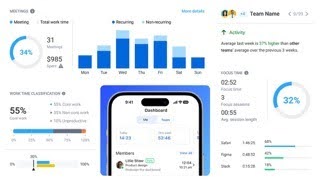
Modern campus hiring programs require visibility, accountability, flexibility, and support.
Hubstaff addresses these needs by helping organizations create structured yet adaptable environments for new employees.
Instead of relying solely on supervision, managers gain access to meaningful workforce data that supports development and decision-making.
Supporting Virtual Internships
Virtual internships have become increasingly common.
Many organizations now offer internship programs that operate entirely online.
However, managing interns remotely presents unique challenges.
Employers need to ensure that interns:
- Remain engaged
- Receive mentorship
- Develop professional skills
- Contribute meaningfully
Hubstaff helps organizations monitor project participation and provide structured guidance throughout the internship experience.
Enhancing Graduate Onboarding
The first few months of employment often determine long-term success.
Effective onboarding helps graduates:
- Understand expectations
- Learn company processes
- Build relationships
- Gain confidence
Hubstaff supports onboarding through structured workflows and performance visibility.
Managers can monitor progress and identify areas where additional support may be needed.
Creating Accountability for New Professionals
Many graduates are entering professional environments for the first time.
Developing accountability is an essential part of career growth.
Hubstaff helps employees:
- Track their work
- Manage their time
- Understand productivity patterns
- Build professional habits
These skills become valuable throughout their careers.
Encouraging Better Time Management
Time management is one of the most important professional skills graduates must develop.
In remote environments, employees often have greater autonomy.
While flexibility offers advantages, it can also create challenges.
Hubstaff helps employees understand:
- How they spend their time
- Which tasks consume the most effort
- Opportunities to improve efficiency
This encourages stronger work habits.
Data-Driven Coaching and Development
Traditional performance evaluations often rely on subjective observations.
Hubstaff introduces objective data into development conversations.
Managers can discuss:
- Project contributions
- Productivity trends
- Time allocation
- Workflow improvements
This creates more meaningful coaching opportunities.
Supporting Graduate Training Programs
Many organizations operate structured graduate programs.
These initiatives typically include:
- Rotational assignments
- Skills training
- Mentorship
- Leadership development
Hubstaff helps track participation and engagement throughout these programs.
This allows organizations to measure outcomes more effectively.
Workforce Analytics and Talent Development
Workforce analytics are becoming increasingly important in talent management.
Organizations want answers to questions such as:
- Which graduates are progressing fastest?
- Where are training gaps emerging?
- Which teams need additional support?
- How effective are development programs?
Hubstaff provides insights that support evidence-based decision-making.
The Role of Technology in Graduate Success
Technology is no longer optional in modern workforce management.
Graduates entering today's workplace expect digital tools that simplify work processes.
Hubstaff contributes by providing:
- Real-time visibility
- Performance data
- Workflow organization
- Reporting capabilities
This creates a more structured work environment.
Building Stronger Mentorship Programs
Mentorship remains one of the most effective methods for developing early-career talent.
Mentors help graduates:
- Navigate workplace challenges
- Build confidence
- Develop professional skills
- Expand networks
Hubstaff supports mentorship by providing data that helps mentors understand how mentees are progressing.
This enables more personalized guidance.
Managing Global Graduate Talent
Organizations increasingly recruit graduates from multiple countries.
Global hiring provides access to broader talent pools but introduces management complexity.
Challenges include:
- Time zones
- Cultural differences
- Communication barriers
- Scheduling coordination
Hubstaff helps organizations manage distributed teams more effectively through centralized workforce management.
Improving Communication and Collaboration
Collaboration is essential for graduate development.
Hubstaff integrates with many workplace platforms, including:
- Slack
- Trello
- Asana
- Jira
- ClickUp
These integrations improve workflow visibility and collaboration.
Graduates gain better insight into team activities and project objectives.
Supporting Hybrid Work Environments
Hybrid work has become a preferred model for many organizations.
Employees split time between:
- Remote locations
- Company offices
- Shared workspaces
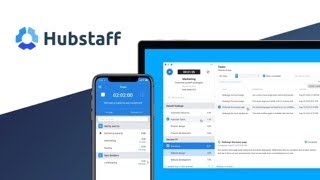
Hubstaff helps ensure consistency regardless of work location.
Managers maintain visibility while employees enjoy flexibility.
Helping Employers Measure Program ROI
Graduate hiring programs require significant investment.
Organizations often spend resources on:
- Recruitment
- Training
- Mentorship
- Development programs
Leaders increasingly want measurable outcomes.
Hubstaff provides workforce data that helps organizations evaluate:
- Productivity
- Engagement
- Program effectiveness
- Talent retention
This supports better investment decisions.
Identifying High-Potential Talent
One of the primary goals of campus hiring is identifying future leaders.
Organizations want to recognize employees who demonstrate:
- Initiative
- Consistency
- Adaptability
- Strong performance
Hubstaff provides data that helps managers identify emerging talent earlier.
This supports succession planning and leadership development.
Encouraging Employee Ownership
Successful professionals take ownership of their work.
Hubstaff encourages employees to:
- Monitor progress
- Set goals
- Track achievements
- Improve productivity
This self-management approach supports long-term career success.
Strengthening Employer Branding
Employer branding plays a major role in attracting graduates.
Students increasingly evaluate organizations based on:
- Workplace culture
- Technology adoption
- Development opportunities
- Employee experience
Companies that leverage modern workforce tools often appear more innovative and attractive to candidates.
Addressing Graduate Retention Challenges
Graduate turnover can be costly.
Many organizations struggle to retain early-career employees due to:
- Lack of engagement
- Limited development opportunities
- Poor communication
- Unclear career progression
Hubstaff supports retention by improving visibility, feedback, and development planning.
Supporting Continuous Learning
The future workplace requires continuous learning.
Graduates must constantly develop new skills to remain competitive.
Organizations can use Hubstaff insights to identify:
- Skill gaps
- Learning needs
- Development opportunities
This enables more targeted training initiatives.
Artificial Intelligence and Workforce Analytics
AI is increasingly influencing workforce management.
Future workforce platforms may offer:
- Predictive performance insights
- Personalized development recommendations
- Automated workflow optimization
- Enhanced reporting
Hubstaff's emphasis on workforce analytics positions it well for future innovation.
Diversity and Inclusion in Campus Hiring
Organizations are placing greater emphasis on diversity and inclusion.
Remote hiring expands access to talent by removing geographic barriers.
This allows companies to recruit graduates from:
- Different regions
- Diverse educational backgrounds
- Underrepresented communities
Hubstaff supports distributed workforce management, making broader talent recruitment more practical.
The Future of Graduate Recruitment
Campus hiring is likely to continue evolving in several ways.
Future trends may include:
Global Talent Pipelines
Organizations will increasingly recruit talent internationally.
Skills-Based Hiring
Employers may focus more on skills than traditional qualifications.
Virtual Assessment Centers
Digital evaluation methods will become more common.
Data-Driven Talent Decisions
Analytics will play a larger role in hiring and development.
Personalized Career Development
Technology will help organizations create customized growth pathways.
Why Workforce Management Matters More Than Ever
As work becomes more distributed, organizations need better systems to manage talent effectively.
Workforce management platforms help employers:
- Support employees
- Improve visibility
- Enhance productivity
- Develop talent
For graduate programs, these benefits are especially valuable.
Industries Leading the Adoption of Digital Campus Hiring
Several industries are embracing technology-driven graduate programs.
These include:
Technology
Software companies often recruit globally and operate remote teams.
Consulting
Consulting firms increasingly use digital onboarding and workforce analytics.
Marketing
Distributed agencies rely on workforce management platforms for collaboration.
Financial Services
Graduate analysts frequently work in hybrid environments.
Healthcare Administration
Remote administrative teams require effective workforce coordination.
Best Practices for Using Hubstaff in Campus Hiring Programs
Organizations achieve the best outcomes when they:
Be Transparent
Explain how workforce data is used.
Focus on Development
Use analytics to support growth rather than surveillance.
Encourage Feedback
Create regular opportunities for discussion.
Combine Data with Human Judgment
Metrics should support—not replace—manager insights.
Invest in Mentorship
Technology works best when paired with strong mentorship programs.
Preparing Graduates for the Future Workplace
The future workplace will require professionals who can:
- Work independently
- Collaborate digitally
- Manage time effectively
- Adapt to change
- Learn continuously
Hubstaff helps graduates develop many of these skills early in their careers.
This creates long-term benefits for both employees and employers.
The Strategic Value of Hubstaff in Campus Hiring
Hubstaff is no longer simply a time-tracking tool.
For many organizations, it has become part of a broader talent development strategy.
Its capabilities support:
- Recruitment
- Onboarding
- Performance management
- Employee development
- Workforce analytics
These functions align closely with the evolving needs of campus hiring programs.
Conclusion
The future of campus hiring is increasingly digital, distributed, and data-driven. Organizations are no longer limited to recruiting talent from nearby universities or managing graduates exclusively through traditional office environments. Instead, employers are embracing remote work, hybrid models, virtual internships, and global talent acquisition strategies.
As these changes continue, the need for effective workforce management becomes more important than ever. Organizations must find ways to support, engage, develop, and retain early-career professionals while maintaining productivity and accountability.
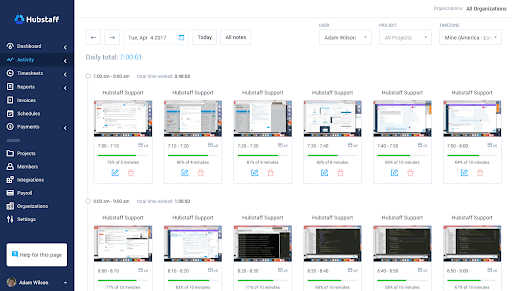
Hubstaff helps address these challenges by providing visibility, structure, workforce analytics, and development insights that support modern graduate programs. From onboarding and mentorship to performance management and workforce planning, the platform enables organizations to create stronger experiences for emerging talent.
Most importantly, Hubstaff helps bridge the gap between traditional campus hiring practices and the future of work. By combining technology with thoughtful talent development strategies, organizations can build more successful graduate programs, strengthen leadership pipelines, and prepare the next generation of professionals for long-term success.
As campus hiring continues to evolve, tools like Hubstaff will play an increasingly significant role in shaping how organizations recruit, manage, and develop the workforce of tomorrow.
.png)





.png)

SUBSCRIBE TO OUR NEWS LETTER


