





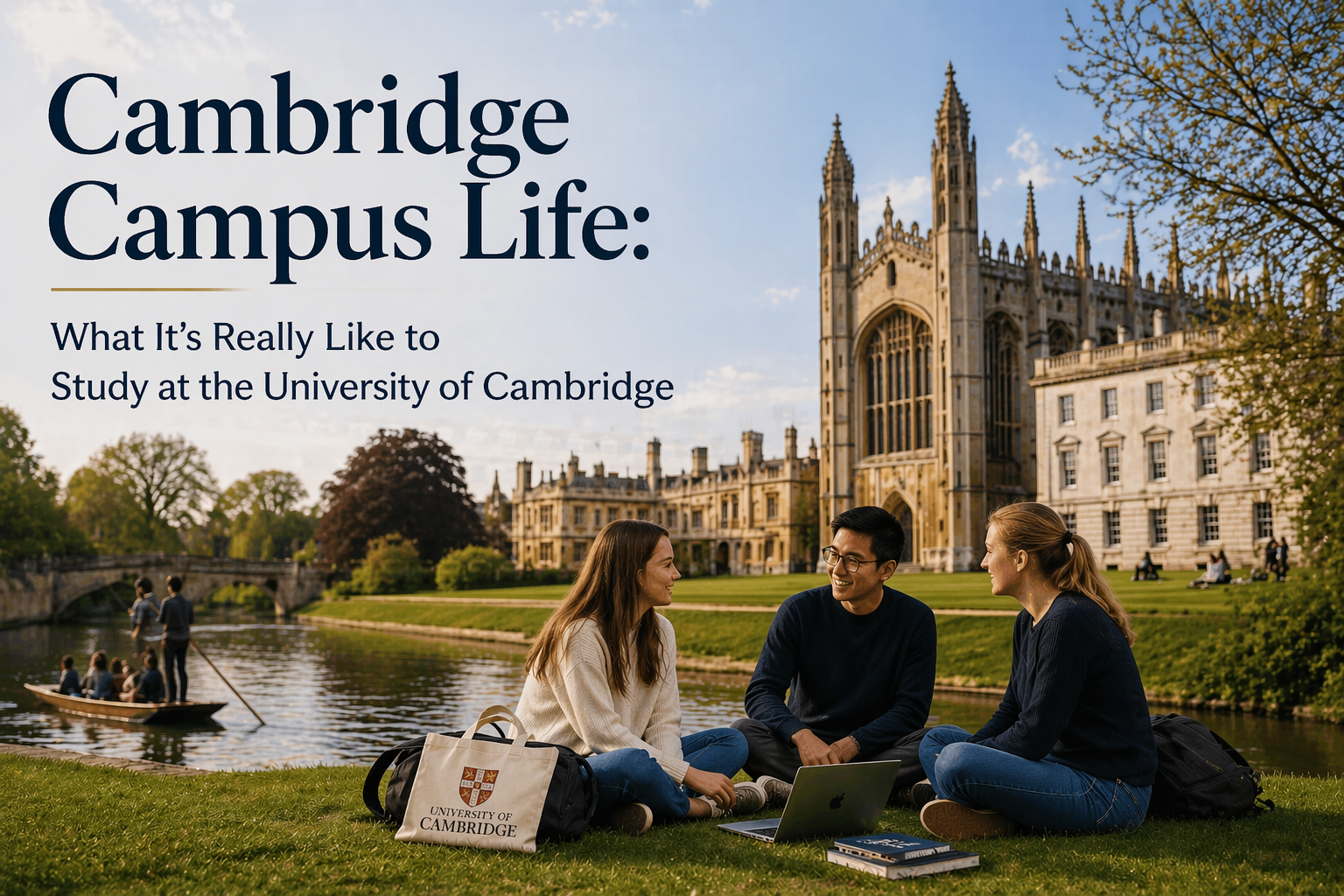
The University of Cambridge is one of the oldest and most respected universities in the world. Founded in 1209, it has been home to some of the greatest minds in history. For Indian students dreaming of studying abroad, Cambridge is often at the very top of the list.
But what is it actually like to live and study there? The answer is more layered than just "world-class education." Life at Cambridge runs on a unique system, a tight academic calendar, and a culture that is intense, rewarding, and unlike anything you will find back home. In January 2026, Cambridge also made a big move for Indian students by announcing that CBSE Class XII scores will now be accepted for select undergraduate courses. That is a direct door opening for students coming straight from Indian boards.
Conversion Note: All GBP figures are converted at approximately £1 = ₹107
- Cambridge's 31 Colleges: What Are They and How Do They Work?
- The College System: Your Home Within the University
- How Teaching Works: Supervisions Are the Real Deal
- Accommodation and Living Costs: What You Need to Budget
- Tuition Fees for International Students (2026 Entry)
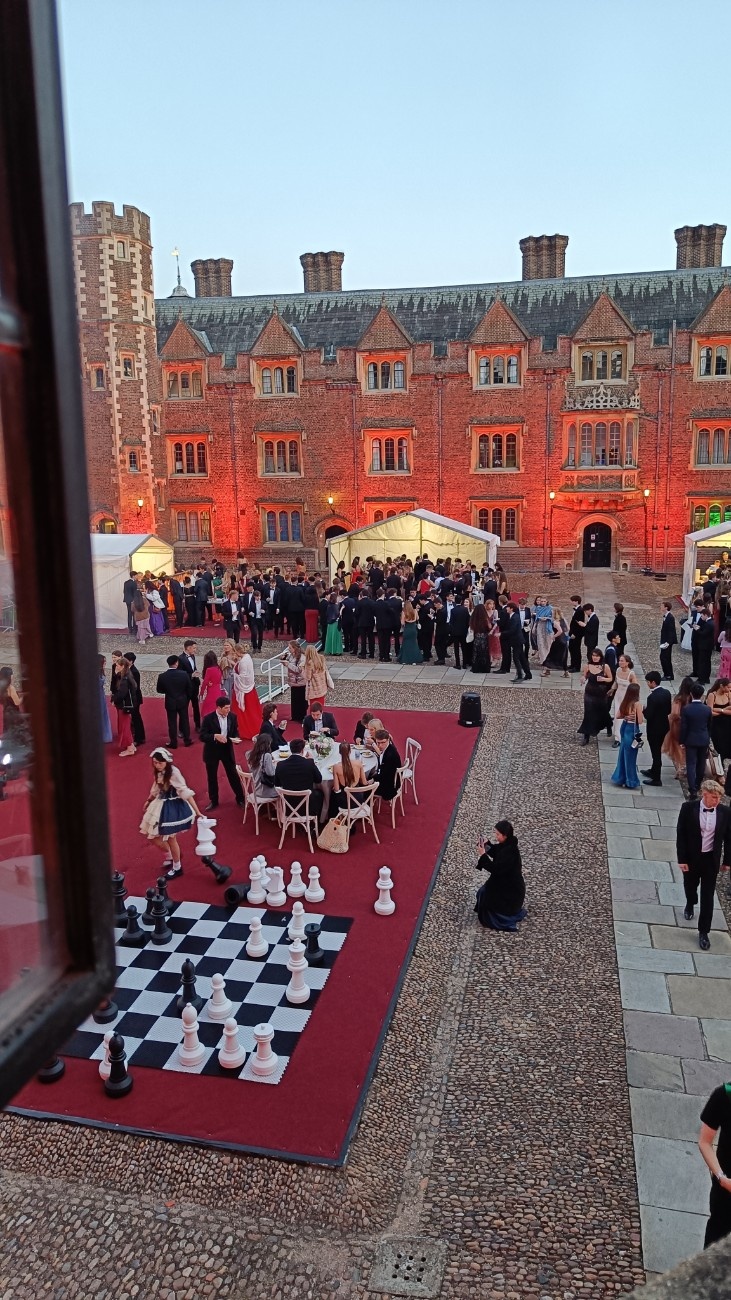
- Sports, Clubs and Societies: Life Beyond the Books
- The City of Cambridge: Small Town, Big Energy
- Student Support: You Are Not on Your Own
- Libraries and Study Facilities: World-Class Resources
- Cambridge and India: A Growing Connection
- FAQs
Cambridge's 31 Colleges: What Are They and How Do They Work?
This is the most unique thing about Cambridge. You do not just apply to the university, you apply to a College within the university.
Each College is self-governing with its own rules, traditions, and character. They select their own students (within University guidelines), provide accommodation, dining, and pastoral support.
Here is the full list of all 31 Colleges:
| College | Founded |
|---|---|
| Peterhouse | 1284 |
| Clare College | 1326 |
| Pembroke College | 1347 |
| Gonville & Caius College | 1348 |
| Trinity Hall | 1350 |
| Corpus Christi College | 1352 |
| King's College | 1441 |
| Queens' College | 1448 |
| St Catharine's College | 1473 |
| Jesus College | 1496 |
| Christ's College | 1505 |
| St John's College | 1511 |
| Magdalene College | 1428 |
| Trinity College | 1546 |
| Emmanuel College | 1584 |
| Sidney Sussex College | 1596 |
| Downing College | 1800 |
| Girton College | 1869 |
| Fitzwilliam College | 1869 |
| Newnham College | 1871 |
| Selwyn College | 1882 |
| Hughes Hall | 1885 |
| St Edmund's College | 1896 |
| Murray Edwards College | 1954 |
| Darwin College | 1964 |
| Clare Hall | 1965 |
| Lucy Cavendish College | 1965 |
| Wolfson College | 1965 |
| Robinson College | 1979 |
| Homerton College | 1768 |
| Churchill College | 1960 |
29 of these 31 colleges admit undergraduates. All 31 admit postgraduate students.
The College System: Your Home Within the University
Note: At Cambridge, the word "College" does not mean a separate institution. It is your residential and social community within the University. Think of it like your hostel, your mess, your common room, and your support system all rolled into one.
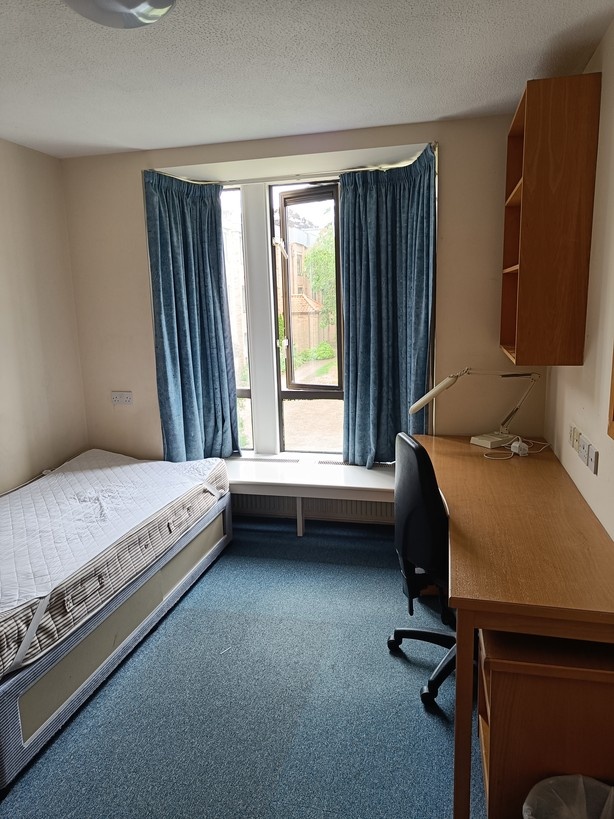
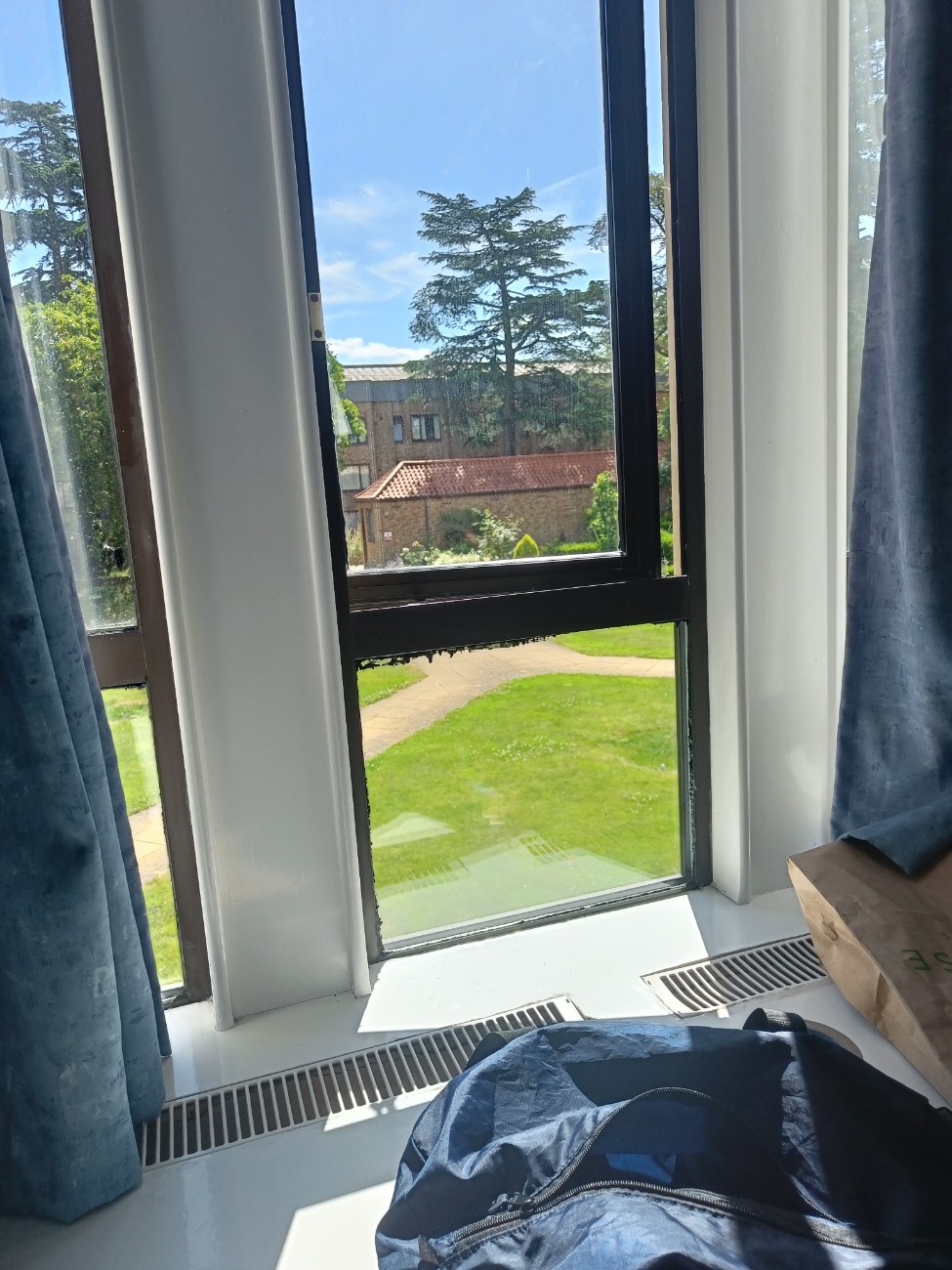
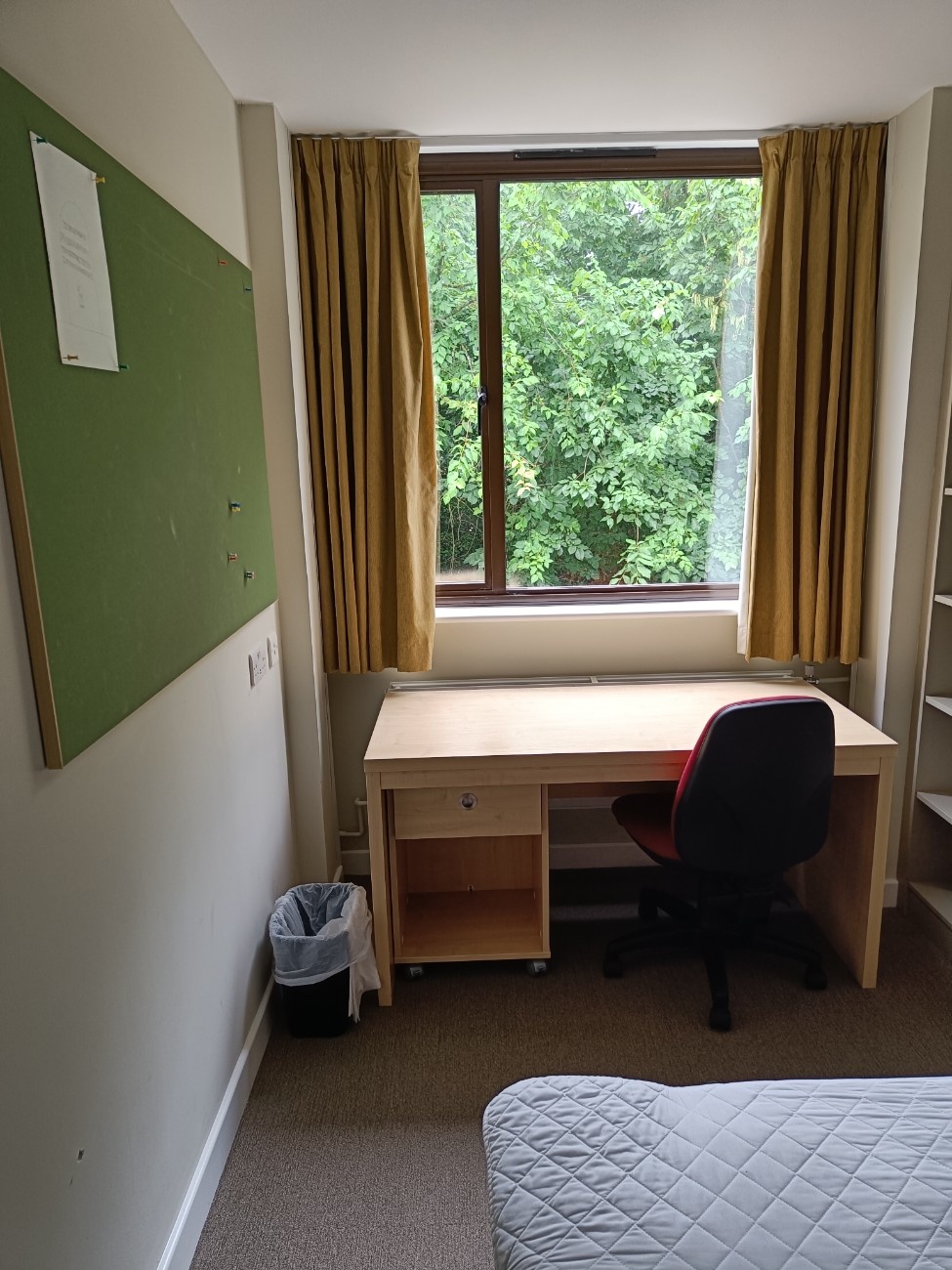
Cambridge has 29 undergraduate Colleges. When you get admitted, you are assigned to one of them. Your College is where you live, eat, study, and socialise.
Each College has:
- A dining hall or cafeteria
- A library
- A gym and sports grounds
- Pastoral and academic support staff
You do not apply for accommodation separately. Accommodation is guaranteed for 3 to 4 years for all students without children. This is a big relief compared to most other UK universities where you are on your own after the first year.
You must live within a 3-mile radius of Cambridge city centre during term time. This is measured from Great St Mary's Church.
To know more about the overall Cambridge experience, check out the University of Cambridge
How Teaching Works: Supervisions Are the Real Deal
Cambridge runs on a system called supervisions. This is small-group teaching, usually just 1 to 3 students with a leading academic or researcher. It is not a regular lecture. It is a focused, one-on-one style session where you discuss your work in depth.
This is very different from what Indian students are used to in large classroom settings. You are expected to come prepared, ask questions, and defend your thinking.
Lectures are shared across all Colleges. So even if you are in King's College, you attend the same lectures as students from Trinity or St John's.
The academic year is divided into 3 terms: Michaelmas (October), Lent (January), and Easter (April). Each term is only 8 weeks long, which makes the pace very fast.
Accommodation and Living Costs: What You Need to Budget
As an Indian student, understanding the cost of living is crucial before you plan your move. Here is a clear breakdown of estimated monthly costs for 2026-27, as published by the University:
| Expense | Monthly Cost (GBP) | Monthly Cost (INR) |
|---|---|---|
| Accommodation | £865 | ~₹92,555 |
| Food | £195 | ~₹20,865 |
| Social Activities | £95 | ~₹10,165 |
| Personal Items | £80 | ~₹8,560 |
| Study Costs | £20 | ~₹2,140 |
| Miscellaneous | £50 | ~₹5,350 |
| Total | £1,305 | ~₹1,39,635 |
For 9 months (term time only), you need around £11,745 (~₹12.57 lakh). For a full 12 months, budget around £15,660 (~₹16.76 lakh) — excluding tuition fees.
Accommodation contracts are shorter than a full year, ranging from 27 to 39 weeks. So you are not paying rent for 12 months, which saves a significant amount.
Cafeteria meals typically cost £3 to £10 (~₹321 to ₹1,070) per meal. Formal Hall dinners cost around £12 to £25 (~₹1,284 to ₹2,675).
To get a detailed picture of fees and funding options, check out Cambridge Fees and Funding
Tuition Fees for International Students (2026 Entry)
As an Indian student, you will be classified as an international/overseas fee status student. Here is what you will pay per year in tuition fees:
| Course Group | Courses | Annual Fee (GBP) | Annual Fee (INR) |
|---|---|---|---|
| Group 1 | Economics, Law, History, English, etc. | £29,052 | ~₹31.09 lakh |
| Group 2 | Mathematics | £32,406 | ~₹34.67 lakh |
| Group 3 | Architecture, Geography, Music, Design | £38,010 | ~₹40.67 lakh |
| Group 4 | Engineering, Computer Science, Natural Sciences, etc. | £44,214 | ~₹47.31 lakh |
| Group 5 | Medicine and Veterinary Science | £70,554 | ~₹75.49 lakh |
On top of tuition, international students also pay an annual College fee, which covers educational, domestic, and pastoral services. These fees are fixed for the duration of your course.
For a full breakdown of admission requirements and costs, visit Cambridge Admissions
Sports, Clubs and Societies: Life Beyond the Books
Cambridge is not just about studying. There is a huge amount going on outside the classroom.
The University has more than 75 sports clubs, covering everything from cricket and football to rowing and martial arts. Cambridge is also a Talented Athlete Scholarship Scheme (TASS) Dual Career Accredited institution, which means elite athletes get structured support to balance sport and academics.
On the societies side, there is something for everyone:
- Cambridge Footlights — one of the most famous student comedy groups in the world
- ADC Theatre — a dedicated student performance venue
- Drama, music, politics, food, religion, culture, and more
- Around 100 cultural and faith societies registered with the Students' Union
The Cambridge Students' Union (Cambridge SU) runs the annual Freshers' Fair, provides grants to societies, and has a free Student Advice Service for all students.
Every College also has its own Junior Common Room (JCR), which is the student union at the College level. You can run for election and have a direct say in how your College is run.
The City of Cambridge: Small Town, Big Energy
Cambridge is a compact city, just 60 miles (95 km) from London. Most University buildings are in or near the city centre. Students mostly get around on foot or by bicycle.
There is a Universal ('U') bus that connects various University sites at discounted student fares.
The city has a lot to offer beyond academics:
- Theatres, cinemas, comedy clubs, and live music venues
- The Cambridge Folk Festival and Cambridge Music Festival are annual highlights
- Pubs, bars, cafes, and restaurants for every budget
- Market Square with street food, books, and clothing stalls
- Mill Road — a popular student-friendly street with independent shops and affordable eateries
Cambridge is also a Purple Flag city, which means there are active safety initiatives in place for the night-time economy. For Indian students moving abroad for the first time, this is reassuring.
Direct trains connect Cambridge to London, Brighton, and Birmingham. Airports like Stansted and Gatwick have direct train links too.
Student Support: You Are Not on Your Own
Moving to a new country is a big deal. Cambridge has a strong support system in place.
Each College has:
- A nurse, counsellor, and chaplain
- A Director of Studies (DoS) for academic guidance
- A pastoral Tutor for personal and financial matters
New students are often assigned College parents — senior students who help you settle in during your first weeks.
The Student Advice Service run by Cambridge SU offers free, confidential, and impartial advice to all students. There are also around 100 cultural and faith societies, including groups that represent international students, making it easier to find your community.
There are multi-faith prayer rooms across the University and most Colleges have a dedicated faith space. The University also has a Directory of Faith and Belief Communities for students of all religions.
Libraries and Study Facilities: World-Class Resources
Cambridge has more than 100 libraries. The main University Library holds over 9 million items, from ancient manuscripts to digital databases.
Each College has its own library with course texts and subject materials. Faculty libraries have specialised collections and access to journals, e-books, and research databases.
Beyond libraries, students get access to:
- 9 specialist museums and collections on campus
- Free software including Microsoft 365
- Wi-Fi, printers, file storage, and IT training
- Language learning resources for more than 180 languages at the Language Centre
For Indian students who are used to competitive academic environments, the resources at Cambridge are genuinely on another level.
Check out Cambridge Rankings to see how it stacks up globally.
Cambridge and India: A Growing Connection
Cambridge has a 150-year-old relationship with India. Some of the most well-known Indians in history studied here, including:
- Jawaharlal Nehru, Rajiv Gandhi, and Manmohan Singh (former Prime Ministers)
- Amartya Sen (Nobel Laureate in Economics)
- Srinivasa Ramanujan (legendary mathematician)
- Jagadish Chandra Bose, Venki Ramakrishnan, Subhash Chandra Bose
In January 2026, Cambridge announced the launch of the Cambridge-India Centre for Advanced Studies (CAS), a major hub for research, learning, and student mobility between the two countries.
The University also set up the Cambridge India Research Foundation in India as a Section 8 company. This allows Indian alumni and donors to fund bursaries and scholarships for Indian students at Cambridge.
These are not just symbolic gestures. They are real structural changes that make Cambridge more accessible for Indian students than ever before.
FAQs
Ques. Is accommodation guaranteed at Cambridge for all years?
Ans. Yes. Cambridge guarantees College accommodation for 3 to 4 years for students without children. You do not need to apply separately.
Ques. What is a "supervision" at Cambridge?
Ans. A supervision is a small-group teaching session, usually with just 1 to 3 students and a senior academic. It is the core of how Cambridge teaches and is very different from regular classroom lectures.
Ques. Can Indian students with CBSE scores apply to Cambridge now?
Ans. Yes. As of January 2026, Cambridge officially accepts CBSE Class XII scores for select undergraduate courses, along with additional requirements where applicable.
Ques. What is a "Formal Hall" at Cambridge?
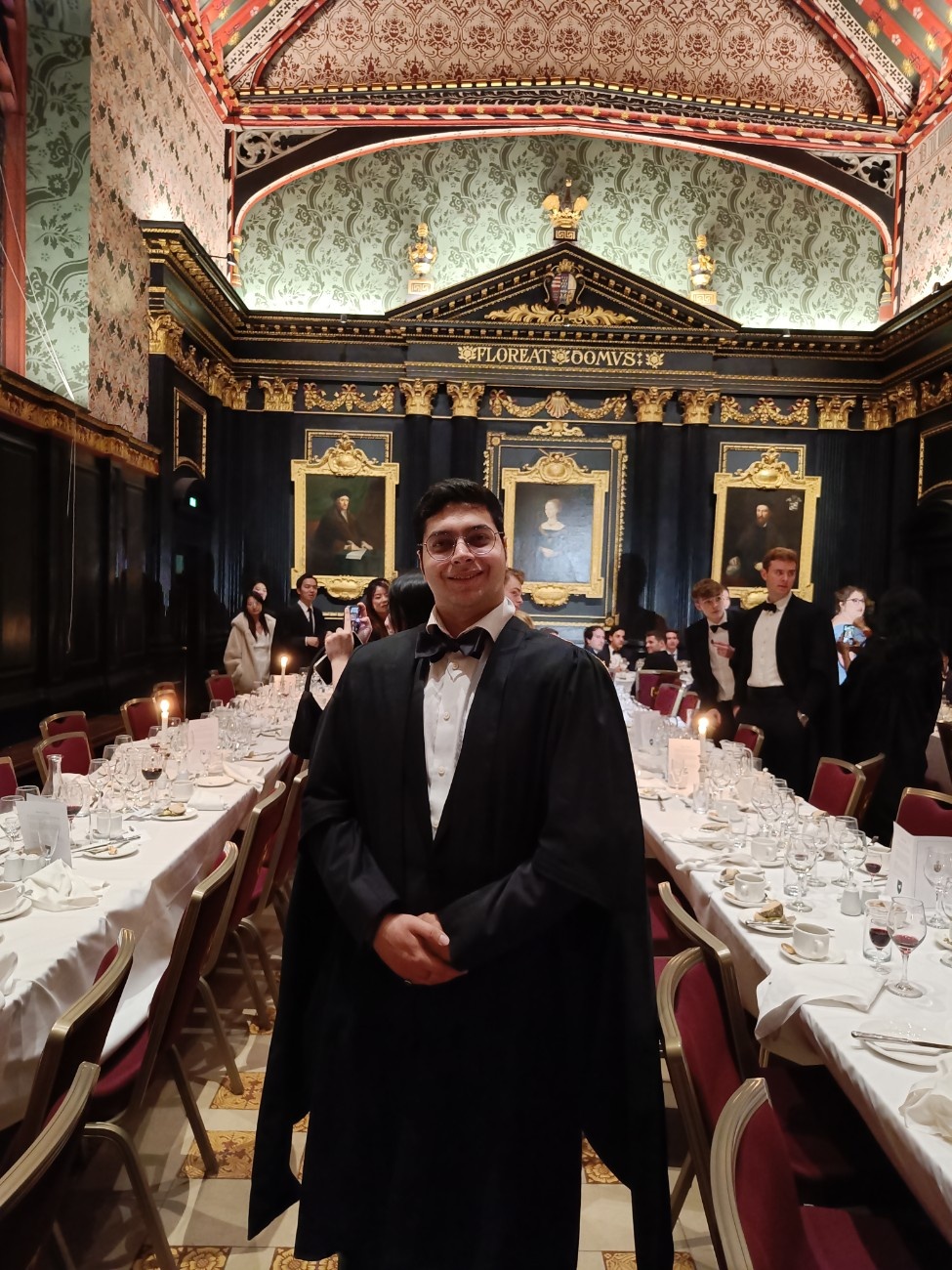
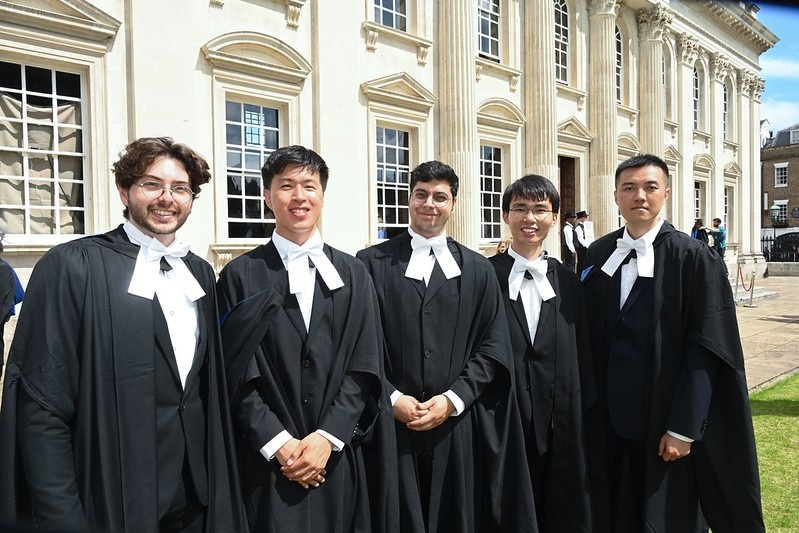
Ans. Formal Hall is a traditional three-course dinner held in the College dining hall, usually a few times a week. It is completely optional and costs around £12 to £25 (~₹1,284 to ₹2,675). It is a unique Cambridge tradition. Note on "Formal Hall": This is a Cambridge-specific tradition where students dine together in academic gowns in the College hall. It is not compulsory but is considered a key part of the Cambridge experience.
Ques. How much does it cost to live in Cambridge per month as an international student?
Ans. The estimated monthly living cost for 2026-27 is £1,305 (~₹1,39,635), covering accommodation, food, personal expenses, and social activities.
Ques. Is Cambridge a safe city for international students?
Ans. Yes. Cambridge is a Purple Flag city, which means it has active safety programmes in place, especially for the night-time economy. The University also has strong on-campus support systems.
Ques. What is the JCR at Cambridge?
Ans. JCR stands for Junior Common Room. It is the student union at the College level. Every College has one, and students can run for election to represent their peers. Note on "JCR": Unlike a central student union, the JCR is specific to each College. It handles welfare, events, and student representation within that College community.
Ques. Are there Indian student communities at Cambridge?
Ans. Yes. Cambridge has around 100 cultural and faith societies, including groups that cater to South Asian and Indian students. The city also has diverse food options and faith spaces for students of all religions.
Ques. How long is each term at Cambridge?
Ans. Each term is only 8 weeks long. There are 3 terms in a year: Michaelmas (October), Lent (January), and Easter (April). The pace is fast, so being prepared is key.


interested in this College ?
Follow & Share this college to get information about admission.



Comments