





Cardiff University admissions run through UCAS for undergraduate courses and Cardiff’s own online postgraduate portal for taught and research masters, with a September primary intake and a small January PG cycle. Indian undergraduates need 78% or higher in Class XII in the best four academic subjects, while postgraduate applicants need a relevant Bachelor’s at 55% to 60% from a recognised Indian institution.
- Next live deadline: UCAS main cycle closes 14 January 2027 for the September 2027 primary intake, with medicine and dentistry closing earlier on 15 October 2026.
- Base tuition and application fee: PG tuition from GBP 32,450 (INR 41.91 Lakhs) per year, UG tuition from GBP 24,700 (INR 31.90 Lakhs) per year, with no Cardiff application fee for PG direct submissions (UCAS collects its own fee for UG applicants).
- Basic eligibility: UG entry needs Class XII at 78% plus in top four subjects, PG entry needs a Bachelor’s at 55 to 60%, with an institutional IELTS 6.5 floor (5.5 in each sub-band).
- Acceptance rate: approximately 20% for international applicants across taught programmes.
MSc Data Science and Analytics, MSc Cybersecurity, MSc Advanced Computer Science, LLM, and the Cardiff MBA remain the most-picked routes for Indian applicants. Recent cohorts describe the Cardiff portal as responsive, with taught PG decisions typically returned in four to eight weeks.
Admission status. Open. Cardiff University’s primary September 2027 intake is live. UCAS undergraduate applications for the 2027 cycle opened for submissions on 1 September 2026, close 15 October 2026 for medicine and dentistry and 14 January 2027 for all other courses via the UCAS platform. Postgraduate applications run on a rolling basis via the Cardiff online portal, with the scholarship-consideration cut-off on 31 March 2027. Cardiff charges no direct application fee for postgraduate applicants, and UCAS collects its own fee for undergraduate applications.

Check Out: UK Universities List 2027
Table of Content
- Cardiff University Application Deadlines
- Cardiff University Eligibility for Indian Students
- Cardiff PG Programs and English Scores
- Cardiff University UG Programs
- Cardiff MBA Admission Requirements
- Cardiff University PhD Admission Process
- Cardiff Application Process Step by Step
- Cardiff University Admission Decisions Timeline
- Cardiff Documents Required for Indian Applicants
- Cardiff University Acceptance Rate
- UK Student Visa Process for Indian Students
- Cardiff University Admissions Tips and Checklist
- FAQs
Cardiff University Application Deadlines for 2027 Intake
The September 2027 primary intake dominates Cardiff’s admissions calendar and covers almost every undergraduate and postgraduate programme, while the smaller January 2027 intake opens a limited slate of postgraduate taught courses. Deadlines below are drawn from the Cardiff postgraduate applying pages and UCAS for undergraduate cycles.
Cardiff’s primary intake for Indian students is September 2027 — most undergraduate and postgraduate programmes open in this cycle.
| Intake | Level | App Opens | Deadline | App Fee | Portal |
|---|---|---|---|---|---|
| Primary intake September 2027 | UG Medicine and Dentistry | 1 September 2026 | 15 October 2026 | Charged by UCAS | UCAS |
| Primary intake September 2027 | UG all other courses (equal consideration) | 1 September 2026 | 14 January 2027 (18.00 UK) |
Charged by UCAS | UCAS |
| September 2027 | UG international final | 1 September 2026 | 30 June 2027 | Charged by UCAS | UCAS |
| Primary intake September 2027 | PG Taught (rolling) | Autumn 2026 | Rolling. 31 March 2027 scholarship cut-off | No application fee | Cardiff online portal |
| September 2027 | PG Research (PhD) | Rolling | Project-specific, typically 12 weeks pre-start | No application fee | Cardiff online portal |
| January 2027 | PG Taught (limited programmes) | Open | Early December 2026 (Closing Soon) |
No application fee | Cardiff online portal |
Insider note: Cardiff processes PG applications on a rolling basis, so submitting by February 2027 for September entry keeps the widest scholarship pool live rather than waiting till the 31 March cut-off.
Explore: MS in UK 2027
Cardiff University Eligibility for Indian Students
Cardiff’s eligibility framework sets an institution-wide floor on academic percentages and English proficiency, then layers programme-specific asks on top for competitive courses such as medicine, law, dentistry, and computer science.
- UG general entry: Around 78 to 81% in the best four Standard XII subjects, excluding Hindi and Physical Education.
- UG competitive subjects: Class XII at 85% or higher for law, computer science, and business management.
- PG taught entry: Bachelor’s degree at 55 to 60% in a relevant subject from a UGC-recognised university.
- PG research (PhD) entry: A relevant Master’s plus a strong research proposal aligned to a supervisor’s active project.
- English floor: IELTS Academic 6.5 overall with 5.5 in each sub-skill, with several programmes asking 7.0 overall.
| English Test | Cardiff Institutional Minimum |
|---|---|
| IELTS Academic | 6.5 overall, 5.5 in each sub-skill |
| TOEFL iBT | 90 overall, 20 in Listening and Writing, 22 in Reading, 23 in Speaking |
| PTE Academic | 69 overall, 62 in each communicative skill |
| Duolingo English Test | 120 overall (accepted for most taught programmes) |
Cardiff University IELTS Waiver for Indian Students
Cardiff University accepts an Indian Class XII English score of 70% or higher from CBSE, ISC, and most state boards in place of IELTS for the majority of undergraduate and taught postgraduate programmes. The waiver still needs to satisfy UKVI Student Route rules for visa purposes, and clinical, journalism, and law programmes typically insist on the formal test regardless of the Class XII marks. Applicants who took a Bachelor’s degree fully taught and assessed in English at a recognised Indian university may also qualify for a medium-of-instruction exemption, decided case by case.
Planning note: The 70% Class XII English waiver is convenient but not automatic. Attach your Class XII marksheet and board certificate at application time so the admissions team can rule on it before you commit to booking an IELTS slot.
Note: Program-specific entry requirements, fees, and intake availability may differ from the institution-wide minimums shown above. Always confirm on the official Cardiff University page for your chosen program before applying.
Also Check: Study in UK without IELTS
Cardiff University Postgraduate Programs and English Scores
Cardiff’s postgraduate taught catalogue for Indian applicants is anchored around the Business School, School of Computer Science and Informatics, School of Law and Politics, and the School of Journalism. Base tuition for international taught masters sits between GBP 32,450 (around INR 41.91 Lakhs) and GBP 34,700 (around INR 44.81 Lakhs) per year; see the course-wise fees breakdown for programme-level splits.
| Programme | Duration | Minimum Eligibility | English Req. Min. |
|---|---|---|---|
| MSc Data Science and Analytics | 1 year (Sep start) | Bachelor’s at 60% in Computing, Maths, or a related quantitative subject | IELTS 6.5, 5.5 sub-bands |
| MSc Cybersecurity | 1 year | Bachelor’s at 60% in Computer Science or related | IELTS 6.5, 5.5 sub-bands |
| MSc Advanced Computer Science | 1 year | Bachelor’s at 60% in Computer Science or Software Engineering | IELTS 6.5, 5.5 sub-bands |
| MSc AI and Data Science | 1 year | Bachelor’s at 60% in Computing, Maths, or Statistics | IELTS 6.5, 5.5 sub-bands |
| MSc Business Analytics | 1 year | Bachelor’s at 60% in any discipline with quantitative modules | IELTS 6.5, 5.5 sub-bands |
| Cardiff MBA (Full-time) | 1 year | Bachelor’s at 55% plus 3 years of full-time work experience | IELTS 6.5, 6.0 sub-bands |
| LLM Master of Laws | 1 year | Bachelor’s in Law (LLB) at 55% or higher | IELTS 7.0, 6.5 sub-bands |
| MSc International Journalism | 1 year | Bachelor’s at 55% with a strong writing portfolio | IELTS 7.5, 7.0 sub-bands |
Note: Program-specific entry requirements, fees, and intake availability may differ from the institution-wide minimums shown above. Always confirm on the official Cardiff University page for your chosen program before applying.
Cardiff University Undergraduate Programs for Indian Applicants
Cardiff’s undergraduate degrees run through UCAS on the standard three-year Bachelor’s structure, with four-year integrated masters (MEng, MPharm, MPhys) and the five-year MBBCh medicine track. Base tuition ranges from GBP 24,700 (around INR 31.90 Lakhs) to GBP 30,700 (around INR 39.65 Lakhs) per year for international students depending on subject group.
| Programme | Duration | Minimum Eligibility | English Req. Min. |
|---|---|---|---|
| BSc Computer Science | 3 years | Class XII at 85% including Mathematics | IELTS 6.5, 5.5 sub-bands |
| BSc Business Management | 3 years | Class XII at 80% in best four subjects | IELTS 6.5, 5.5 sub-bands |
| LLB Law | 3 years | Class XII at 85% in best four subjects | IELTS 7.0, 6.5 sub-bands |
| BEng Civil Engineering | 3 years | Class XII at 80% with Mathematics and Physics | IELTS 6.5, 5.5 sub-bands |
| BA Journalism, Media and English Literature | 3 years | Class XII at 78% with English at 70% | IELTS 7.0, 6.5 sub-bands |
Insider note: The Class XII 78% floor is calculated on your best four academic subjects excluding Hindi and Physical Education. Applicants often miscalculate by including all five, so recheck before you write your personal statement.
Cardiff University MBA Admission Requirements
The Cardiff MBA at Cardiff Business School is a one-year full-time programme starting in September, delivered by a triple-accredited school (AACSB, AMBA, EQUIS). Applications run rolling until the cohort fills, with no fixed rounds.
Cardiff MBA Eligibility and Work Experience
- Academic: A 2:1 honours Bachelor’s or equivalent, translating to an Indian Bachelor’s at 60% or higher.
- Work experience: Minimum 3 years of full-time post-degree work experience, backed by an employer reference letter.
- GMAT and GRE: Not required. A strong GMAT above 600 can strengthen borderline applications but never replaces the experience floor.
- English: IELTS 6.5 overall with 6.0 in each sub-skill, waivable for applicants holding a completed UK degree.
Cardiff MBA Interview and Timeline
Every applicant meeting the academic and experience thresholds is invited to an interview, held either in person in Cardiff or online for Indian applicants. The interview lasts around 45 minutes and probes the depth of your work experience, motivation for the programme, and readiness for group-based teaching. Cardiff typically returns a decision within four to eight weeks of a complete application. Submitting by February 2027 for a September 2027 start gives Indian applicants the fullest scholarship consideration; see the Vice-Chancellor’s International Scholarship for Indian students for the flagship funding route.
MBA base tuition for 2027 entry sits around GBP 34,000 (approximately INR 43.91 Lakhs) for the full one-year programme, with no additional Cardiff application fee for direct MBA applications.
Explore: UK Scholarships for Indian Students 2026-27
Cardiff University PhD Admission Process
Cardiff PhDs run rolling year-round across the university’s three colleges (Arts, Humanities and Social Sciences; Biomedical and Life Sciences; Physical Sciences and Engineering). Indian PhD applicants apply either to a specific funded project or with a self-proposed topic aligned to an active supervisor.
Cardiff PhD Application Steps
- Browse open funded projects on the Cardiff Postgraduate Research Portal, or draft a research proposal on a topic within a supervisor’s active area.
- Contact the prospective supervisor by email with a CV and a short pitch, and secure informal agreement before formal submission.
- Submit the online PhD application with transcripts, degree certificates, research proposal, CV, English score (or waiver evidence), and two academic references.
- Attend an interview, usually online for Indian candidates, covering research fit and methodology.
Cardiff PhD Funding for Indian Students
Cardiff-funded PhD studentships cover full tuition plus a tax-free stipend at the UKRI 2026-27 rate of GBP 21,805 per year (around INR 28.16 Lakhs), plus a Research Training Support Grant. Indian applicants are also eligible for the fully-funded Commonwealth PhD Scholarship (open annually until December) and Chevening (opens August each year for the following academic session).
Cardiff University Application Process
The application flow differs between undergraduate (routed through UCAS) and postgraduate (routed through the Cardiff online portal). Both routes require the same broad set of documents, differing mainly in the platform and the presence or absence of an application fee.
- Choose your programme and confirm you meet the academic and English floors on the Cardiff India entry-requirements page.
- For undergraduate courses, register on UCAS (the 2027 cycle opened for submissions on 1 September 2026) and pay the UCAS application fee at submission. For postgraduate courses, register on the Cardiff online postgraduate portal directly (no Cardiff application fee).
- Upload Class XII marksheets, Bachelor’s transcripts and degree certificate where relevant, personal statement, IELTS or waiver evidence, CV, and two references.
- Submit and track through the applicant dashboard. Cardiff PG decisions are typically returned within 4 to 8 weeks of a complete application.
- Accept the conditional or unconditional offer, meet any conditions (final transcripts, English test), pay the tuition deposit, and receive your CAS for the UK Student visa.
Cardiff University Admission Decisions Timeline
Once your application is complete, Cardiff issues one of three outcomes: unconditional offer, conditional offer (subject to final marks, English test, or deposit), or rejection. Understanding the acceptance window is important for CAS timing.
- Offer letter timing: 4 to 8 weeks after a complete PG application, longer for research and clinical programmes.
- Offer acceptance window: Typically 4 weeks from offer to accept and pay the deposit for taught PG programmes.
- Tuition deposit: GBP 2,500 (around INR 3.23 Lakhs) for most PG taught programmes, credited against first-year tuition.
- Deferral policy: One-time deferral to the next equivalent intake permitted, subject to programme availability.
- CAS issuance: Cardiff issues the CAS around 3 months before course start, once the offer is unconditional-firm and the deposit is paid.
Cardiff University Documents Required for Indian Applicants
The document checklist for Indian applicants is the same across taught PG programmes, with additional research-specific items for PhDs and portfolio items for creative subjects. Assemble all documents in PDF (colour scans, under 5 MB each) before you begin the online form.
- Valid passport (bio-page, minimum 12 months validity beyond course start).
- Class X and Class XII marksheets and passing certificates.
- Bachelor’s transcripts (all semesters) and degree certificate or provisional certificate.
- Statement of purpose or personal statement (500 to 1,000 words, programme-specific).
- Two academic reference letters on institutional letterhead.
- Updated CV (2 pages maximum).
- English proficiency score report or waiver evidence (Class XII English marksheet).
- Work experience letters on company letterhead for MBA and executive programmes.
- Research proposal (1,500 to 3,000 words) for PhD applicants.
- Portfolio or writing samples for journalism, architecture, and creative programmes.
Cardiff University Acceptance Rate
Cardiff University’s overall acceptance rate sits at approximately 20% across international applications. As a Russell Group research university, the rate reflects a moderately selective posture rather than an ultra-competitive one — Indian applicants meeting the published academic and English floors have a realistic path to an offer.
Which Cardiff Programmes are Hardest to Get Into?
The most competitive Cardiff programmes for Indian applicants are MBBCh Medicine, BDS Dentistry, and LLB Law, where acceptance falls into single digits after the UCAT and interview stage. Postgraduate offer rates are more forgiving, with MSc Data Science, MSc Cybersecurity, and the LLM programmes typically converting a much higher share of qualified applicants.
How to Strengthen a Cardiff Application
Cardiff weights Class XII and Bachelor’s marks heavily but reads the personal statement carefully for programme-specific motivation. A clear alignment between your degree subject, work experience, and the target Cardiff programme signals fit and lifts a borderline file into an offer.
Insider note: Cardiff admissions officers publicly state they read every personal statement in full. A tailored, programme-specific statement of 700 to 900 words performs better than a generic UK-wide template.
UK Student Visa Process for Indian Students
Indian students at Cardiff apply for the UK Student Route visa (formerly Tier 4) after they receive an unconditional offer, pay the tuition deposit, and get their CAS from Cardiff. From 8 April 2026, the visa application fee is GBP 558 (INR 72,060), and the Immigration Health Surcharge (IHS) is GBP 776 per year (INR 1.00 Lakh). For a one-year taught masters, the visa covers roughly 16 months, so applicants pay IHS for two years at GBP 1,552 (INR 2.00 Lakhs).
The financial-proof rule requires 28 consecutive days of bank statements ending within 31 days of your visa application, showing first-year tuition (less any deposit paid) plus GBP 1,023 per month (INR 1.32 Lakhs) for 9 months of living costs (Cardiff is outside London). Biometrics are collected at a VFS Global centre, and standard processing runs 3 weeks from biometrics.
2026 update: The Graduate Route stays at 2 years for master’s students whose visa applications are made on or before 31 December 2026. Applications made from 1 January 2027 onwards see the Graduate Route shorten to 18 months, so Cardiff September 2027 starters should factor this into post-study plans.
Explore: How to Apply to UK Universities as an Indian Student
Cardiff University Admissions Tips and Checklist
The tips and steps below are drawn from Indian-applicant patterns at Cardiff. Sequence matters more than volume: front-loading transcripts, references, and English evidence prevents the last-minute rush that pushes offers into deferred intakes.
- Confirm the IELTS waiver early: Send your Class XII English marksheet to admissions before booking an IELTS slot.
- Apply by February 2027 for PG: Rolling admissions favour early applicants for scholarship consideration.
- Tailor the personal statement: Cardiff reads for programme fit, not general UK enthusiasm.
- Request academic references 8 weeks before deadline: Indian institutions can be slow to issue letters on institutional letterhead.
- Book IELTS 10 to 12 weeks before deadline: Allows one retake if your first score misses a sub-band.
- Attest documents in advance: Cardiff needs colour-scanned originals, not notarised copies.
- Track offer conditions weekly: Conditional offers convert to unconditional only after you upload final marksheets and IELTS.
- Pay the tuition deposit within 4 weeks of offer: Late payment delays CAS issuance and stalls visa filing.
- Apply for the UK visa 8 to 10 weeks before course start: Gives buffer for biometrics and CAS corrections.
Cardiff University combines a Russell Group research profile with a UCAS-plus-direct-portal application design that suits Indian applicants who prepare early. Meeting the Class XII or Bachelor’s floor is the entry bar, but tailored statements, clean IELTS or waiver evidence, and February PG submission are what convert applications into September 2027 offers.
Frequently Asked Questions
Ques. When does Cardiff University open applications for September 2027 entry?
Ans. UCAS undergraduate applications for the 2027 cycle opened for submissions on 1 September 2026. Cardiff postgraduate applications opened in autumn 2026 and run rolling on the Cardiff online portal.
Ques. Does Cardiff University charge an application fee?
Ans. Cardiff does not charge a direct application fee for postgraduate applications. UG applicants pay the standard UCAS platform fee, collected by UCAS, at submission.
Ques. What is the minimum IELTS score for Cardiff University?
Ans. The institutional minimum is IELTS 6.5 overall with 5.5 in each sub-skill. Law, journalism, and some clinical programmes require IELTS 7.0 or higher.
Ques. Can Indian students get an IELTS waiver at Cardiff?
Ans. Yes. Cardiff accepts a Class XII English score of 70 percent or higher from CBSE, ISC, and most state boards in place of IELTS for the majority of undergraduate and taught postgraduate programmes.
Ques. What acceptance rate should Indian applicants plan for at Cardiff?
Ans. Cardiff’s overall acceptance rate sits at approximately 20 percent. Indian applicants who clear the academic and English floors have a realistic path to an offer at most taught PG programmes.
Ques. Does Cardiff MBA require GMAT for Indian applicants?
Ans. No. The Cardiff MBA does not require GMAT or GRE. A 2:1 Bachelor’s plus 3 years of full-time work experience is the entry floor, with an interview stage for shortlisted candidates.
Ques. What is the primary intake at Cardiff University?
Ans. September is Cardiff’s primary intake and covers almost every undergraduate and postgraduate programme. A smaller January intake opens a limited slate of PG taught programmes.
Ques. How long does Cardiff take to reply after I submit my postgraduate application?
Ans. Cardiff typically returns a taught postgraduate decision within 4 to 8 weeks of a complete application. Research (PhD) decisions take longer, depending on supervisor availability.
Ques. What documents do Indian students need to apply to Cardiff University?
Ans. Passport, Class X and XII marksheets, Bachelor’s transcripts and degree certificate, personal statement, CV, two academic references, IELTS or waiver evidence, and work experience letters where relevant.
Ques. Do I need to apply through UCAS for a Cardiff postgraduate programme?
Ans. No. Only undergraduate applications route through UCAS. All Cardiff taught and research postgraduate applications go directly to the Cardiff online portal.
Ques. What is the tuition deposit for Cardiff University?
Ans. Most PG taught programmes require a tuition deposit of GBP 2,500 (around INR 3.23 Lakhs) within 4 weeks of accepting an offer. The deposit is credited against your first-year tuition.
Ques. What is the last deadline to apply to Cardiff University for September 2027 entry?
Ans. The UCAS international final deadline for UG courses is 30 June 2027. Cardiff PG applications remain open on a rolling basis but typically close 4 to 6 weeks before course start to allow CAS and visa processing.
College Student Profiles

Cardiff University Program Fees & Deadlines
| Program | Important Dates | Fees | Application Fees | Eligibility | Financial Aid |
|---|---|---|---|---|---|
MBBS 5 years | USD 62,634 /Yr GBP 47,450 /Yr | - | 78%, TOEFL(100), IELTS(7.0) | - | |
LLB 3 years | UCAS Application Deadline for 2027 Intake (13th Jan 2027) | USD 32,604 /Yr GBP 24,700 /Yr | 29 | IELTS: 6.5, TOEFL: 4.5, PTE: 69 | - |
MPharm 4 years | Equal Consideration Deadline for 2027 Intake (13th Jan 2027) Final Application Deadline for 2027 Intake (30th Jun 2027) | USD 40,524 /Yr GBP 30,700 /Yr | 29 | IELTS: 7.0, TOEFL: 5.0, PTE: 76 | |
BSc Architecture Studies 3 years | UCAS Application Deadline for 2027 Intake (13th Jan 2027) | USD 40,524 /Yr GBP 30,700 /Yr | 29 | IELTS: 6.5, TOEFL: 4.5, PTE: 69 | - |
MBBS 4 years | UCAS Application Deadline for 2027 Intake (13th Jan 2027) | USD 62,634 /Yr GBP 47,450 /Yr | 29 | IELTS: 6.5, TOEFL: 4.5, PTE: 42 | - |
BA Media and Communications 3 years | UCAS Application Deadline for 2027 Intake (13th Jan 2027) | USD 32,604 /Yr GBP 24,700 /Yr | 29 | IELTS: 7.0, TOEFL: 5.0, PTE: 76 | - |
UCAS Application Deadline for 2027 Intake (13th Jan 2027) | USD 40,524 /Yr GBP 30,700 /Yr | 29 | IELTS: 6.5, TOEFL: 4.5, PTE: 42 | - | |
UCAS Application Deadline for 2027 Intake (13th Jan 2027) | USD 32,604 /Yr GBP 24,700 /Yr | 29 | IELTS: 6.5, TOEFL: 4.5, PTE: 69 | - | |
M.B.A Media 1 year | USD 45,804 /Yr GBP 34,700 /Yr | - | - | - | |
UCAS Application Deadline for 2027 Intake (13th Jan 2027) | USD 32,604 /Yr GBP 24,700 /Yr | 29 | IELTS: 6.5, TOEFL: 4.5, PTE: 69 | - |
Do you think the Dates are wrong ? Report Here


Course Finder - Search from 50K+ courses
Popular Streams:
Reviews
Most Popular Tags
22 Reviews Found
Likes
- The University has excellent research environment and faculty.
- The collaboration among the other UK universities and international universities are also remarkable.
Likes
- They have very clean and tidy environment.
- Libraries are super helpful for even all night study sessions.
- Professors areamazing and very kind
Dislikes
- Even though they have a lot of communities and support system the way you feel at home is different.
- Finding job in Cardiff is very difficult, I did not have a part time job in my academic year, I only got a job after I submitted my dissertation.
- People are very friendly and nice, but during tough times it's a battle on your own.
Scholarship
- Yes, there was one scholarship, but they only waived £2000-£5000; for me, it was £2000. I think the name of the scholarship is Vice Chancellor's International Scholarship, and this depends on which course you choose. I received financial aid throughout the year cause I have a disability and I did not work part-time due to this issue.
- So whenever I asked for help, the university did help me. It was really mind-blowing how they were able to manage to give a few hundred pounds whenever I felt the need. As I said before, everyone receives this scholarship, but be sure to check out, some courses might not be eligible for the scholarship. But this is an automated process, so if there is a scholarship, the fund will be waived from your tuition fee automatically; no need to apply for it separately.





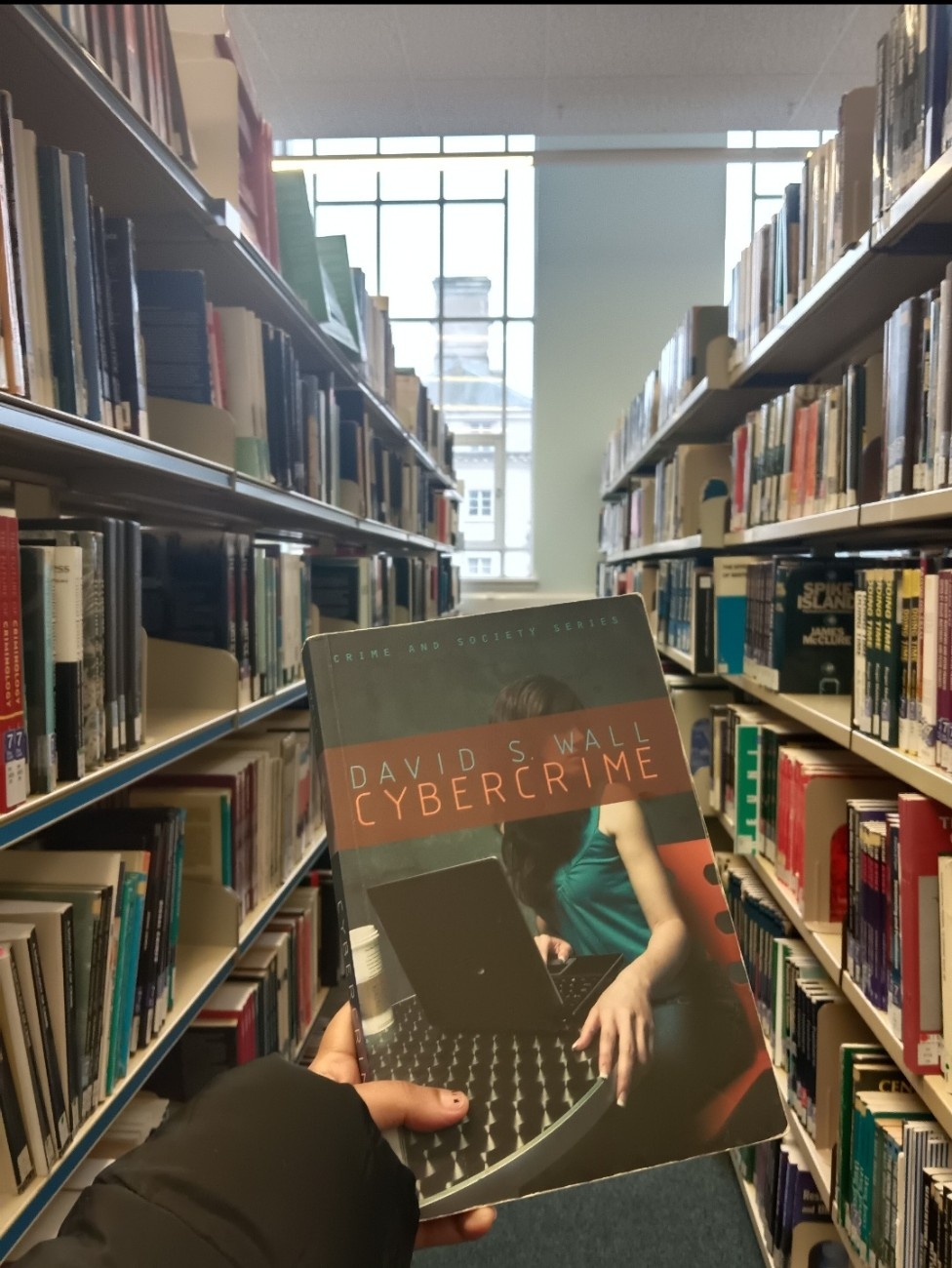
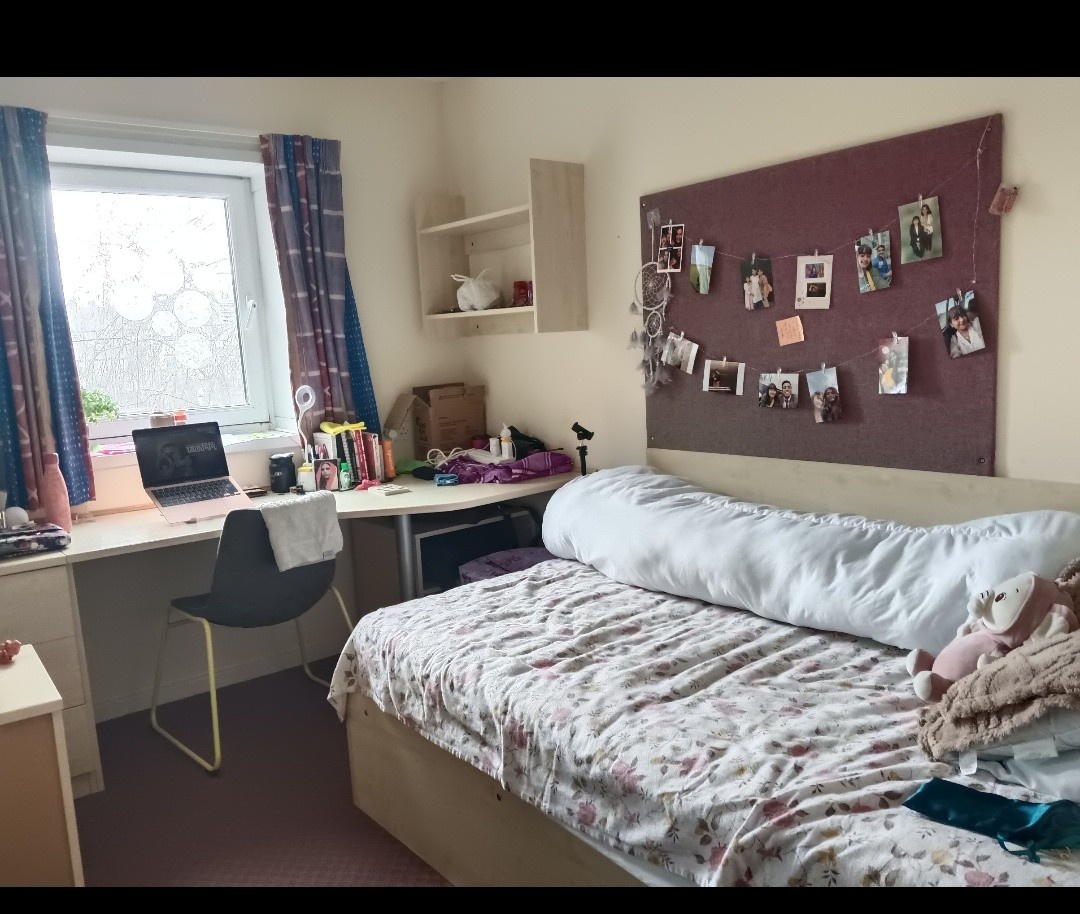

Likes
- Style of teaching: practical approach with problem solving mindset as the base for learning. Compare it with Indian style of college education where focus is more on theory and passing exams
- Research environment: research as integral part of learning
- Supportive faculty: faculty providing resources as required for projects.
Dislikes
- Lack of proper job support
- Bad weather (atleast for me)
- Potential situations of racial abuse (I avoided a lot of situations like this)
Scholarship
- There were various scholarships, including ones provided by University, the UK government and the Indian government.
- I received the university's Chancellor's scholarship of £5000. This was presented because of my academic background.
- There were few students from India that were sponsored by the indian government.
- There were also scholarships from UK government, but I didn't have the chance to meet someone with one
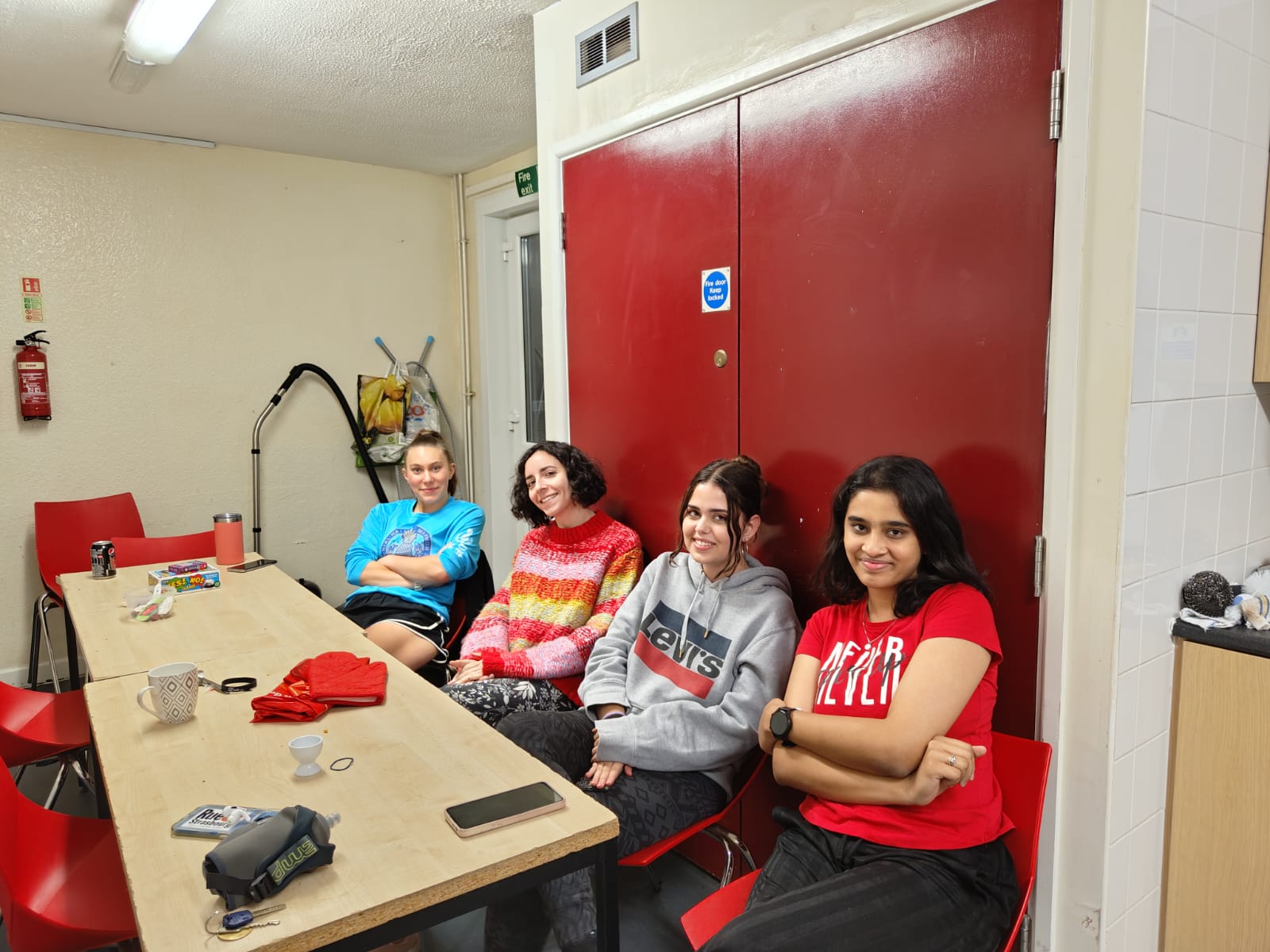
Likes
- The location it was situated in.
- The student crowd and the student union.
- The curriculum that was taught and the manner in which it was taught (the professors were the best part!).
Dislikes
- In my course, there were not enough students, like it was not that in the forefront, even though we had an amazing faculty and group of professors.
- It might get a little daunting for international student especially Indians, as the teaching method is quite fast paced.
- The distance was a problem (for me since I was in business school, it was right at the end of the college premises).
Scholarship
- Yes, I had received a scholarship; it was the International bursary that was given, GBP 2000 off from the tuition fees. But there are a multitude of other scholarships, like the Cardiff India Scholarship and externally funded options, like the Chevening Scholarship and Commonwealth Scholarships. On an average, almost 70-80% students receive scholarships from Cardiff every year

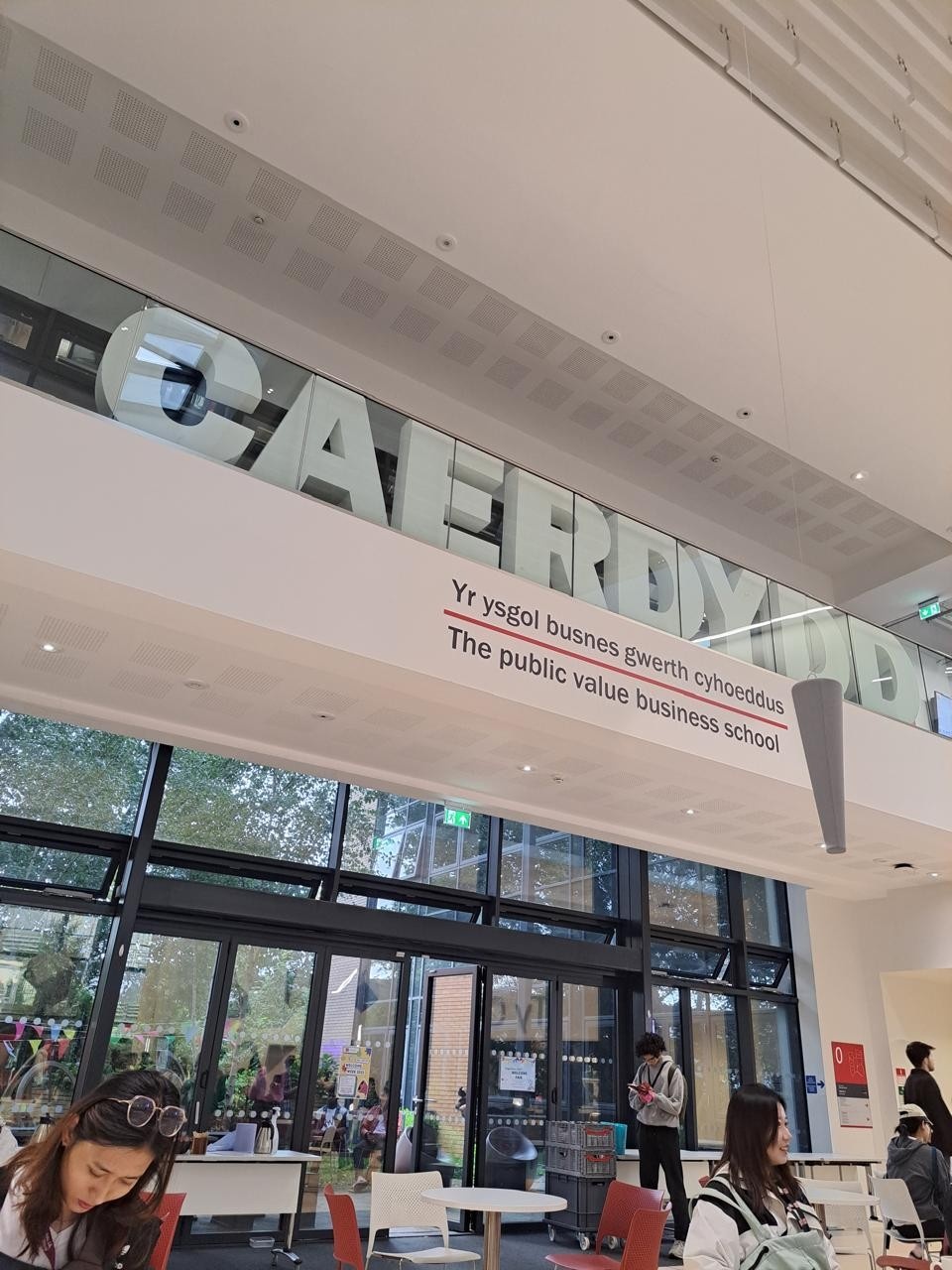

Likes
- Well-read, experienced professors who would go the extra mile to make you successful every step of the way
- Curriculum was hands-on and allowed you to hone skills to the point that buy the time you left college you had a portfolio ready, contacts nurtured and in your kitty
- The college takes care of international student in case of emergencies, especially if you run out of money and have no job
Dislikes
- Expensive for international students
- My course wasnt NCTJ accredited which is a requirement for most news agencies, esp in the UK but also most news agencies will train you in the course if you are hired
- If you plan to come back to India, you will feel a clash of ethics as the college teaches you very high standards of ethics
Scholarship
- Some of the scholarships are INLAKS (up to 100%), VC Scholarship (about £2k to 3k), and Commonwealth (if you take this, you need to come back after the course). you will not be allowed to work in the UK. During my time, due to COVID, INLAKS was discontinued. It's back on now. I got the VC one. There were about 4 people with scholarships that I know of. Batch had 30 students.



Likes
- It has a supportive faculty with learned, kind professors.
- I like my peers who are supportive and friendly
- Teaching here is a group discussion rather than a one way teaching from the professor alone
Dislikes
- Certain things are pretty vague about the education process - atleast in my course.
- Lack of enough understanding of what is expected from the professors or the assessment reviewers when they access reviews
- College library lacks a few resources

Likes
- Faculty: Some of the faculty members are very experienced and knowledgeable. There are some who are great researchers but not that great teachers
- Academics: Pretty content with the courses and options we had with the electives.
- Extracurricular activities: There are ample societies (sports, cultural) you can be part of.
Dislikes
- Placements: There are career fairs in the first sem for the graduate roles. Not really helpful if you have senior work experience and need to get into senior roles
Likes
- A good university overall with good faculty good modules but can definitely improve module content.
- Overall learning experience was great. Faculty was really helpful.
Likes
- Uni Culture and uni trying to help everyone and the societies being made for every community so that a student feels homely and engaged.
- The professors are really helpful and they try to help ypu out with any issues you go to them.
Likes
- The infrastructure in the campus was really beautiful and equipped with all the necessary things
- The staff was very friendly and understanding and highly educated individuals
- Various clubs and societies were present, and you could even make your own club
Dislikes
- There were too many students in one class
- There were a lot of international students in the class
- They did not assign groups to us and asked us to make our own groups, which did not give us a lot of chance to interact with other students from other countries



interested in this College ?
Follow & Share this college to get information about admission.



Comments