





Teesside University admissions run on a rolling model with three intakes a year and offer decisions typically within 4 weeks of a complete submission. Indian applicants need Class XII at 65 percent for undergraduate entry, or a bachelor’s degree at 55 percent (CGPA 5.8 of 10) for most postgraduate courses.
- Next live intake: September 2027 (primary) via UCAS opened 1 September 2026; equal consideration deadline 13 January 2027.
- Base tuition: GBP 17,000 (INR 21.95 Lakhs) per year for UG and PG taught; UCAS platform fee GBP 34.50 (INR 4,455), direct applications to Teesside are free.
- Eligibility floor: UG needs Class XII at 65 percent with IELTS 5.5 overall; PG needs a Bachelor’s at 55 percent with IELTS 6.0 overall.
- Acceptance rate: estimated at 60 to 70 percent for international applicants based on rolling-admission volume, since the university does not publish an official institutional figure.
Indian applicants most often pick MSc Computer Science, MSc Data Science, and MSc Computing at Teesside for the fee-efficient one-year format, with student sentiment leaning to the low tuition, direct-application route, and the 2026 Modern University of the Year win. See the Teesside University overview for context on courses, campus, and rankings before you go deeper on admissions.
Table of Contents
- Teesside University Application Deadlines
- TU Eligibility for Indian Students
- Teesside University PG Programs and English Scores
- TU UG Programs and Entry Requirements
- Teesside University MBA Admissions
- TU PhD Application Route
- Teesside University Application Process
- TU Documents Required for Admission
- Teesside University Acceptance Rate
- UK Student Visa Process
- Tips and Checklist for Teesside University
- Teesside University Admissions FAQs
Teesside University Application Deadlines for Indian Students
Teesside runs three intakes a year — September (primary), January, and May — with September carrying the widest program menu and both minor intakes limited to select courses. Dates below are drawn from the official international application deadlines page, with the UCAS 2027 cycle date sourced from ucas.com.
Teesside’s primary intake for Indian students is September — most programs open here, and it is the intake to plan around.
| Intake | Level | App Opens | Deadline | App Fee | Portal |
|---|---|---|---|---|---|
| September 2027 (Primary intake) | UG | 1 September 2026 | 13 January 2027 (UCAS equal consideration) | GBP 34.50 (INR 4,455) | UCAS |
| September 2027 (Primary intake) | PG taught | Open now (rolling) | Rolling; final conditions deadline expected early September 2027 | Free | Teesside Direct |
| January 2027 | UG and PG (limited) | Open now | Rolling; final deadline TBC on official page | Free direct / GBP 34.50 UCAS | Teesside Direct or UCAS |
| May 2027 | UG and PG (limited) | Open now | Rolling; final deadline TBC on official page | Free | Teesside Direct |
| September 2026 | Any | Closed | 7 September 2026 (Closed) | — | — |
Planning note: The UCAS 13 January 2027 deadline is for equal consideration only; Teesside continues to accept UCAS applications after this date while course places remain, and the direct portal stays open longer still.
Teesside University Eligibility for Indian Students
Teesside is an access-oriented UK university, meaning it admits most Indian applicants who meet its stated academic and English thresholds. The floors below are institution-wide; individual programs, especially in Health, may set stricter requirements.
- UG general entry: Class XII at 65 percent from CBSE or ICSE, or 70 percent from state boards.
- PG general entry: Indian Bachelor’s at 55 percent (CGPA 5.8 of 10), from a UGC-recognised university.
- PG reduced threshold: 50 percent (CGPA 5.5) accepted from Delhi, Pune, Mumbai, Jadavpur, and Kolkata University.
- Health courses: Higher subject-specific thresholds and a stricter English floor apply.
Teesside accepts IELTS Academic, PTE Academic, TOEFL iBT, LanguageCert, OET, and Trinity ISE. All figures below come from the official Teesside English requirements page.
| Test | UG Minimum | PG Minimum | Health Courses |
|---|---|---|---|
| IELTS Academic | 5.5 overall (5.5 per band) | 6.0 overall (5.5 per band) | 6.5 to 7.0 overall |
| TOEFL iBT | L 17, R 18, W 17, S 20 | L 17, R 18, W 17, S 20 | Higher — confirm per course |
| PTE Academic | 59 | 59 | 65+ |
| Trinity ISE | ISE II Pass | ISE II Merit | Not typically accepted |
Teesside University IELTS Waiver for Indian Students
Indian applicants can skip a formal English test where the academic record covers the reading and writing side and a Teesside interview covers speaking and listening. Two pathways qualify.
- Class XII English at 65 percent+ from CBSE or ICSE boards, paired with a Teesside admissions interview.
- Class XII English at 70 percent+ from state boards, paired with a Teesside admissions interview.
Teesside’s own free TELT English test is not offered in India, so applicants who do not qualify for the waiver must submit an accepted 4-skills test result such as IELTS.
Teesside University PG Programs and English Requirements
Teesside’s postgraduate portfolio for Indian students centres on computing, AI, data science, and business. Base tuition sits at GBP 17,000 (INR 21.95 Lakhs) per year for most PG taught programs; see the course-wise fees breakdown for course-specific figures. The Minimum Eligibility column expresses each program’s UK 2:2 requirement in Indian terms.
| Programme | Duration | Minimum Eligibility | English Req. Min. |
|---|---|---|---|
| MSc Computer Science | 12 months | Bachelor’s at 55%+ in computing or related | IELTS 6.0 (5.5 bands) |
| MSc Data Science | 12 months | Bachelor’s at 55%+ in computing, maths, or related | IELTS 6.0 (5.5 bands) |
| MSc Applied Data Science | 12 months | Bachelor’s at 55%+ in a related discipline | IELTS 6.0 (5.5 bands) |
| MSc Computer Science and Artificial Intelligence | 12 months | Bachelor’s at 55%+ in computing or related | IELTS 6.0 (5.5 bands) |
| MSc Applied Artificial Intelligence (with Advanced Practice) | 15 to 24 months | Bachelor’s at 55%+ in a related discipline | IELTS 6.0 (5.5 bands) |
| MSc Artificial Intelligence with Data Analytics | 12 months | Bachelor’s at 55%+ in computing or maths | IELTS 6.0 (5.5 bands) |
| MSc Computing | 12 months | Bachelor’s at 55%+ in any discipline (conversion route) | IELTS 6.0 (5.5 bands) |
| MSc Data Science and Analytics (Teesside London) | 12 months | Bachelor’s at 55%+ in computing, maths, or related | IELTS 6.0 (5.5 bands) |
Insider note: The "with Advanced Practice" variants extend the course by an internship or industry placement block — useful for Indian applicants targeting the UK Graduate Route since the extra placement time counts within visa duration.
Note: Program-specific entry requirements, fees, and intake availability may differ from the institution-wide minimums shown above. Always confirm on the official Teesside University page for your chosen program before applying.
Teesside University UG Programs and Entry Requirements
Undergraduate applications from India route through UCAS (with a GBP 34.50 platform fee for the 2027 cycle) or via the free Teesside direct portal. Base UG tuition is GBP 17,000 (INR 21.95 Lakhs) per year across the below programs.
| Programme | Duration | Minimum Eligibility | English Req. Min. |
|---|---|---|---|
| BSc (Hons) Computer Science | 3 years (4 with placement) | Class XII at 65%+ with Maths | IELTS 5.5 (5.5 bands) |
| BSc (Hons) Computer Science and Artificial Intelligence (Teesside London) | 3 years | Class XII at 65%+ with Maths | IELTS 5.5 (5.5 bands) |
| BSc (Hons) Business and Management | 3 years | Class XII at 65%+ | IELTS 5.5 (5.5 bands) |
| BEng (Hons) Mechanical Engineering | 3 years (4 with placement) | Class XII at 65%+ with Maths and Physics | IELTS 5.5 (5.5 bands) |
| BSc (Hons) Cyber Security | 3 years (4 with placement) | Class XII at 65%+ with Maths | IELTS 5.5 (5.5 bands) |
Applicants scoring below the 65 percent floor by 3 to 5 marks are often redirected to Teesside’s integrated Foundation Year pathway, which adds a preparatory year before the main degree.
Teesside University MBA Admissions for Indian Students
Teesside runs two MBA formats: a one-year MBA based in Middlesbrough or Darlington, and a two-year Global MBA designed for international applicants adding a professional practice block. Entry is direct — no GMAT or GRE required.
Teesside University MBA Entry Requirements
- One-year MBA: Bachelor’s at 55%+ AND minimum 3 years of managerial or professional work experience.
- Global MBA (2 years): Bachelor’s at 55%+ with limited or no work experience accepted for applicants strengthening their profile.
- English: IELTS 6.0 overall with 5.5 in each band, or accepted equivalent.
- Interview: An admissions interview may be scheduled for borderline profiles or where the personal statement leaves work experience unclear.
Teesside MBA Fees Reference
Base tuition is GBP 17,000 (INR 21.95 Lakhs) for the one-year MBA, and GBP 10,000 (INR 12.91 Lakhs) per year for the two-year Global MBA. See the Teesside University profile for campus and student services detail relevant to MBA planning.
Reality check: The one-year MBA is quicker and cheaper on paper, but the two-year Global MBA gives more time on the UK Graduate Route runway and is often the better placement play for Indian mid-career applicants.
Note: MBA-specific entry requirements, fees, and intake availability may differ from the institution-wide minimums shown above. Always confirm on the official Teesside University page for your chosen program before applying.
Teesside University PhD Admissions Route
Teesside PhDs run in two formats: funded studentships attached to research projects, and self-funded PhDs where the applicant proposes their own topic. Indian applicants apply through the Doctoral College, not UCAS.
Teesside University PhD Application Steps
- Identify a supervisor in your research area via the Teesside staff research profile pages.
- Draft a research proposal (typically 2,000 to 3,000 words) and share informally with the supervisor.
- Submit the formal application via the Teesside Direct portal with proposal, CV, transcripts, and 2 references.
- Sit an interview (usually online for India-based applicants) with the proposed supervisory team.
Teesside PhD Funding and Fees
Research Council Doctoral Training Partnership Studentships cover full fees plus a UKRI stipend of GBP 21,805 (INR 28.16 Lakhs) per year from October 2026; international students are capped at 30 percent of studentship intake. University Research Studentships offer full fees plus a 3-year UKRI-rate stipend.
Note: PhD-specific entry requirements, funding, and intake availability may differ from the institution-wide minimums shown above. Always confirm on the official Teesside University page for your chosen program before applying.
Teesside University Application Process
Undergraduate applicants can route through UCAS (the UK’s central UG platform) or apply free directly to Teesside; postgraduate applicants apply direct only. Steps below assume the direct-portal route unless flagged.
- Undergraduate only — choose your route. UCAS gives up to five UK university choices on a single form and opened for the 2027 cycle on 1 September 2026; direct application is Teesside-only and free.
- Register on the portal. Set up a Teesside Direct account (PG and UG direct) or a UCAS Hub account (UG only).
- Pay the application fee. UCAS charges GBP 34.50 (INR 4,455) for the 2027 cycle; Teesside Direct is free of charge for both UG and PG.
- Upload documents. Scanned transcripts, degree certificate (or predicted Class XII), passport bio page, personal statement, English test report, and references.
- Sit any English interview. If claiming the Class XII English waiver, complete the Teesside admissions interview.
- Receive decision. Complete applications typically get an offer decision within 4 weeks; complex profiles or Health courses may take longer.
- Accept the offer and pay the tuition deposit. Teesside requires a deposit before issuing the CAS (Confirmation of Acceptance for Studies).
- Get your CAS and file your UK Student Visa. CAS is issued after deposit and conditions met, and is valid for 6 months.
Offer conditions and maintenance documents for a September start must reach the university before the published final deadline for that intake (7 September 2026 was the last such deadline; the September 2027 equivalent will be published nearer intake).
Teesside University Documents Required for Admission
Teesside accepts scanned uploads at application stage; certified copies are only required at the CAS stage. Missing any of the below slows the offer decision.
- Passport bio page (valid at least 6 months beyond intended UK arrival).
- Class X and Class XII mark sheets and certificates.
- Bachelor’s transcripts and provisional or final degree certificate (for PG applicants).
- Personal statement (typically 500 to 800 words explaining course choice and career plan).
- Two academic or professional references on letterhead.
- CV highlighting internships, projects, and work experience (mandatory for MBA).
- English test score report (IELTS, PTE, TOEFL, or equivalent) unless claiming the waiver.
- Portfolio or work samples for design, media, and creative courses.
- Post-offer only: tuition deposit receipt, financial evidence for CAS, ATAS certificate if the course requires it.
Before you apply: Request university transcripts and degree certificate copies from your Indian institution 6 to 8 weeks in advance — Indian university registrar offices are the most common cause of Teesside application delays for Indian applicants.
Teesside University Acceptance Rate for Indian Students
Teesside does not publish an official acceptance rate. Third-party estimates put the international acceptance rate at 60 to 70 percent, and the Indian-applicant rate slightly higher, based on Teesside’s rolling-admission volume and access-oriented positioning.
Teesside University Admission Odds by Course Type
Computing, business, and engineering PG courses are the most-applied categories from India and see broad admits from applicants meeting the 55 percent Bachelor’s floor with IELTS 6.0. Health courses (Nursing, Physiotherapy, Occupational Therapy) run tighter due to capped seats and the higher IELTS 6.5 to 7.0 English requirement.
What Improves Your Teesside University Odds
Applying to the September intake with a complete file at first submission is the single strongest signal. Personal statements that name specific Teesside modules or research groups, IELTS scores above the floor (6.5+ for PG), and 6+ months of relevant work experience for PG business courses all shift borderline profiles to offer.
Insider note: Rolling admission means early September-intake applicants (before December) get more supervisor and course-team attention than late spring-cycle applicants competing for a shrinking pool of confirmed seats.
Cross-check Teesside’s latest ranking band to gauge how competitive the applicant pool is running each cycle.
UK Student Visa Process for Teesside University Applicants
Indian students admitted to Teesside apply for the UK Student Visa (previously Tier 4) from India before travel. The route requires an unconditional offer, a valid CAS from Teesside, English proficiency evidence, and 28 days of maintained financial proof. Middlesbrough sits outside the London zone, so the lower maintenance rate applies.
Financial proof for Middlesbrough must show GBP 1,171 (INR 1.51 Lakhs) per month for 9 months (total GBP 10,539 or INR 13.61 Lakhs), held in a regulated bank account continuously for 28 days before the visa application. Add first-year tuition or the unpaid tuition balance on top. Standard visa processing is around 3 weeks; priority visa cuts this to 5 working days, super priority to 1 working day.
File the visa application on gov.uk, book biometrics at a VFS Global centre in India, attach financials and CAS, and travel no earlier than the visa’s stated start date. Teesside international grads on the Student Visa qualify for the UK Graduate Route — 2 years of post-study work if the visa was granted pre-January 2027, 18 months for later grants — regardless of whether a job offer is in hand.
2026 update: UK universities including Teesside now ask to see financial evidence before issuing CAS, not just at visa stage — hold your 28-day funds well before requesting your CAS.
Tips and Application Checklist for Teesside University Admissions
The following tips and steps are drawn from Indian-applicant patterns at Teesside for the September 2027 primary intake.
- Apply direct rather than via UCAS if Teesside is your only UK choice — saves GBP 34.50 and lets you use up to five UCAS slots elsewhere.
- Book IELTS 8 weeks before your planned submission date to leave room for a resit if you fall short of PG 6.0 or Health 6.5.
- Use the Class XII English waiver only if your Class XII English mark clearly exceeds 65 percent — borderline scores get the interview but rarely the waiver.
- Request the Vice-Chancellor’s Scholarship personal statement box in your application to be considered — it is not automatic and only 30 seats are offered a year.
- Submit by early December 2026 for the September 2027 intake to leave 8 weeks for offer decision, deposit, CAS, and visa.
- Have the tuition deposit ready once you receive an unconditional offer — Teesside asks for GBP 4,000 (INR 5.17 Lakhs) before issuing the CAS.
- Hold financial proof for 28 days before requesting CAS, not before the visa application, since Teesside now checks funds pre-CAS.
- Book priority visa if applying inside 6 weeks of intake start — the standard 3-week timeline cuts too close for August–September travel bookings.
Teesside University admissions reward early, complete submissions to the September primary intake — Indian applicants who pair a strong Class XII or Bachelor’s record with an IELTS 6.0 result typically get an offer within 4 weeks and clear time to secure funds, CAS, and visa before the UK academic year opens.
Teesside University Admissions: Frequently Asked Questions
Ques. Is there an application fee at Teesside University?
Ans. Teesside charges no application fee for direct applications at either UG or PG level. If you apply for undergraduate courses through UCAS, the UCAS platform fee for the 2027 cycle is GBP 34.50 (INR 4,455), which covers up to five UK university choices.
Ques. What is the minimum IELTS score for Teesside PG programs?
Ans. Most postgraduate taught programs require IELTS 6.0 overall with 5.5 in each band. Health courses (Nursing, Physiotherapy, Midwifery) require 6.5 to 7.0 overall. Applicants with Class XII English at 65 percent (CBSE/ICSE) or 70 percent (state boards) can waive IELTS via a Teesside admissions interview.
Ques. When does the Teesside September 2027 intake close?
Ans. UCAS UG applications for September 2027 close for equal consideration on 13 January 2027. Direct applications to Teesside remain open on a rolling basis after that date, with the final deadline to meet offer conditions published closer to intake start (7 September 2026 was the September 2026 equivalent).
Ques. Do I need GMAT or GRE for the Teesside MBA?
Ans. No. Teesside’s one-year MBA and two-year Global MBA do not require GMAT or GRE. Entry is based on your Bachelor’s degree at 55 percent minimum plus work experience (3 years for the one-year MBA) and an IELTS 6.0 English score.
Ques. Can Indian students apply directly without UCAS?
Ans. Yes. Teesside’s Direct Application Portal accepts both undergraduate and postgraduate applications from Indian students free of charge. UCAS is only mandatory for UG applicants applying to multiple UK universities on a single form.
Ques. What is the minimum percentage for a Teesside PG course from an Indian Bachelor’s?
Ans. The institutional minimum is 55 percent (CGPA 5.8 of 10) from a UGC-recognised Indian university. Graduates from Delhi, Pune, Mumbai, Jadavpur, or Kolkata University are accepted at 50 percent (CGPA 5.5). Some competitive PG courses may set stricter subject-specific requirements.
Ques. How long does Teesside take to issue an offer?
Ans. Complete applications typically receive an offer decision within 4 weeks of submission. Applications missing transcripts, English scores, or references sit in queue until the file is complete, so the 4-week clock effectively starts when everything is uploaded.
Ques. What documents do I need for the Teesside CAS?
Ans. To receive your CAS you need an unconditional offer, tuition deposit payment (GBP 4,000, INR 5.17 Lakhs), passport copy, English test evidence, and financial proof for 28 days. Teesside now reviews financial evidence pre-CAS, so hold funds before requesting your CAS rather than before the visa filing.
Ques. Does Teesside accept Class XII English as an IELTS waiver for Indian students?
Ans. Yes. Class XII English at 65 percent+ from CBSE or ICSE, or 70 percent+ from state boards, qualifies for a waiver when combined with a Teesside admissions interview that assesses your speaking and listening. The waiver does not apply to Health courses, which require IELTS 6.5 to 7.0 regardless.
Ques. Can I apply to Teesside for January 2027 intake now?
Ans. Yes. The January 2027 intake is open on a rolling basis via the Teesside Direct Portal for a limited set of programs. Apply as early as possible since seats fill on a first-come basis and visa processing needs 3 to 6 weeks before intake start.
Ques. Do Teesside international students qualify for the UK Graduate Route?
Ans. Yes. Teesside international grads on a Student Visa qualify for the UK Graduate Route: 2 years of post-study work if the visa was granted before January 2027, and 18 months for grants after that date. No job offer is required to apply.
Ques. What is the tuition deposit at Teesside University?
Ans. Teesside requires a tuition deposit of GBP 4,000 (INR 5.17 Lakhs) once you accept an unconditional offer. The deposit unlocks the CAS issuance and is credited against the first-year tuition fee of GBP 17,000 (INR 21.95 Lakhs).
College Student Profiles

Teesside University Program Fees & Deadlines
| Program | Important Dates | Fees | Application Fees | Eligibility | Financial Aid |
|---|---|---|---|---|---|
| USD 22,610 /Yr GBP 17,000 /Yr | - | IELTS: 6.0, PTE: 59, Master's Degree in Business Administration, minimum 50% | |||
MPH Public Health 1 year | USD 22,610 /Yr GBP 17,000 /Yr | - | IELTS: 6.5, PTE: 62, Master's Degree in Public Health, minimum 50% | ||
| USD 13,300 /Yr GBP 10,000 /Yr | - | IELTS: 6.0, PTE: 59, Master's Degree in 3D Games Art, minimum 50% | |||
MSc Computer Science 1 year | USD 22,610 /Yr GBP 17,000 /Yr | - | IELTS: 6.0, PTE: 59, Master's Degree in Computer Science, minimum 50% | ||
| USD 22,610 /Yr GBP 17,000 /Yr | - | IELTS: 6.0, PTE: 59, Master's Degree in Food Science and Biotechnology, minimum 50% | |||
MSc Cyber Security 1 year | USD 22,610 /Yr GBP 17,000 /Yr | - | IELTS: 6.0, PTE: 59, Master's Degree in Cyber Security, minimum 50% | ||
MSc Chemical Engineering 1 year | USD 22,610 /Yr GBP 17,000 /Yr | - | IELTS: 6.0, PTE: 59, Master's Degree in Chemical Engineering, minimum 50% | ||
MSc Data Science 1 year | USD 22,610 /Yr GBP 17,000 /Yr | - | IELTS: 6.0, PTE: 59, Master's Degree in Data Science, minimum 50% | ||
BS Computer Science 3 years | Fall 2027 undergraduate UCAS application deadline (13th Jan 2027) | USD 22,610 /Yr GBP 17,000 /Yr | 29 | IELTS: 6.0, PTE: 59, Bachelor's Degree in Computer Science, minimum 50% | |
BS Nursing Studies (Adult) 3 years | Fall 2027 undergraduate UCAS application deadline (13th Jan 2027) | USD 22,610 /Yr GBP 17,000 /Yr | 29 | IELTS: 7.0, Bachelor's Degree in Nursing Studies (Adult), minimum 50% |
Do you think the Dates are wrong ? Report Here


Course Finder - Search from 50K+ courses
Popular Streams:
Reviews
15 Reviews Found
Likes
- I like my university because the lecturers are supportive and there are lots of opportunities to meet new people
Dislikes
- I dislike that the workload can be stressful and some facilities are always crowded.
Likes
- University is exteremely supportive - both academics and well-being wise
Likes
- Good studying practice which includes right subjects according to industrial needs
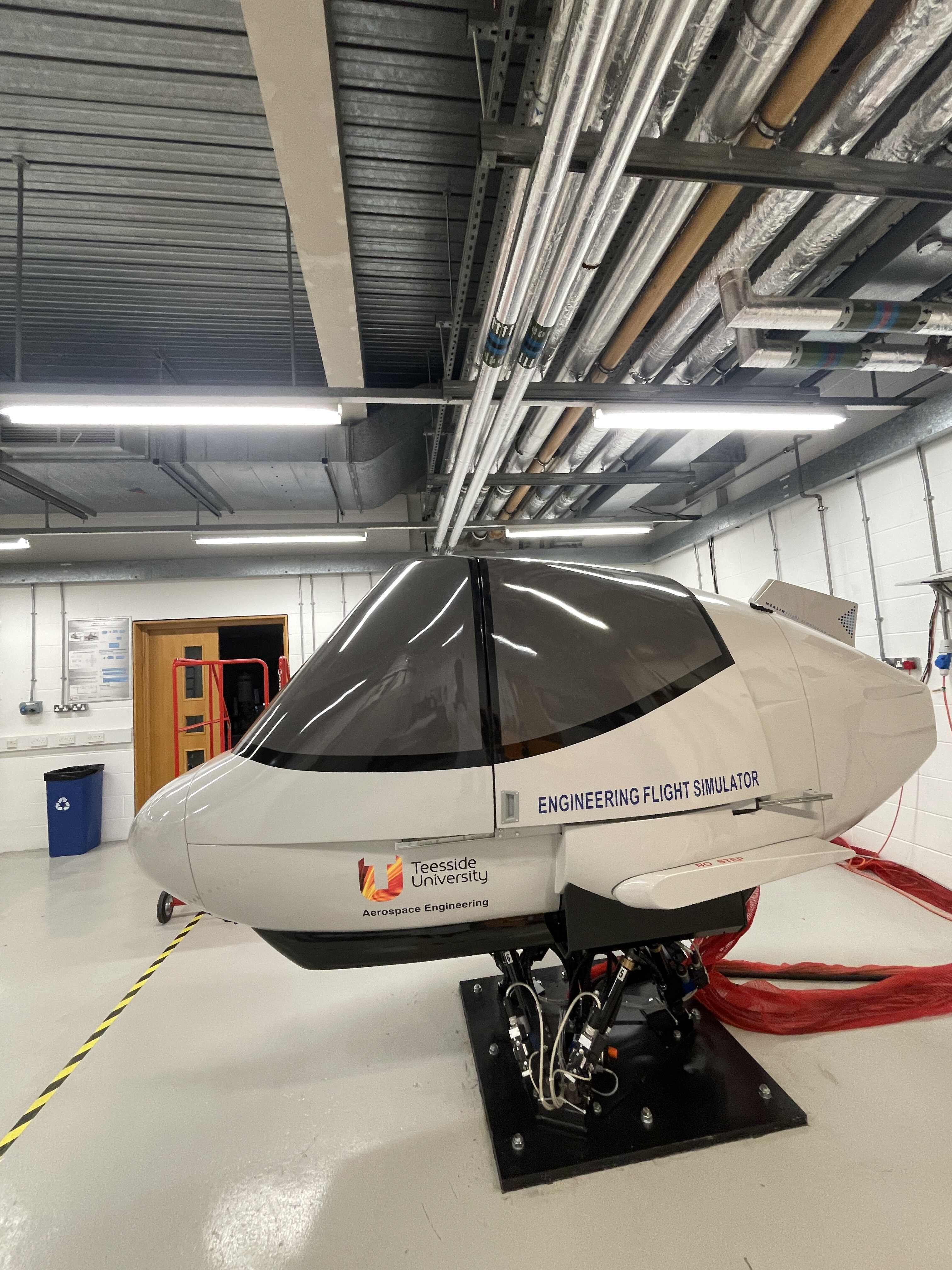
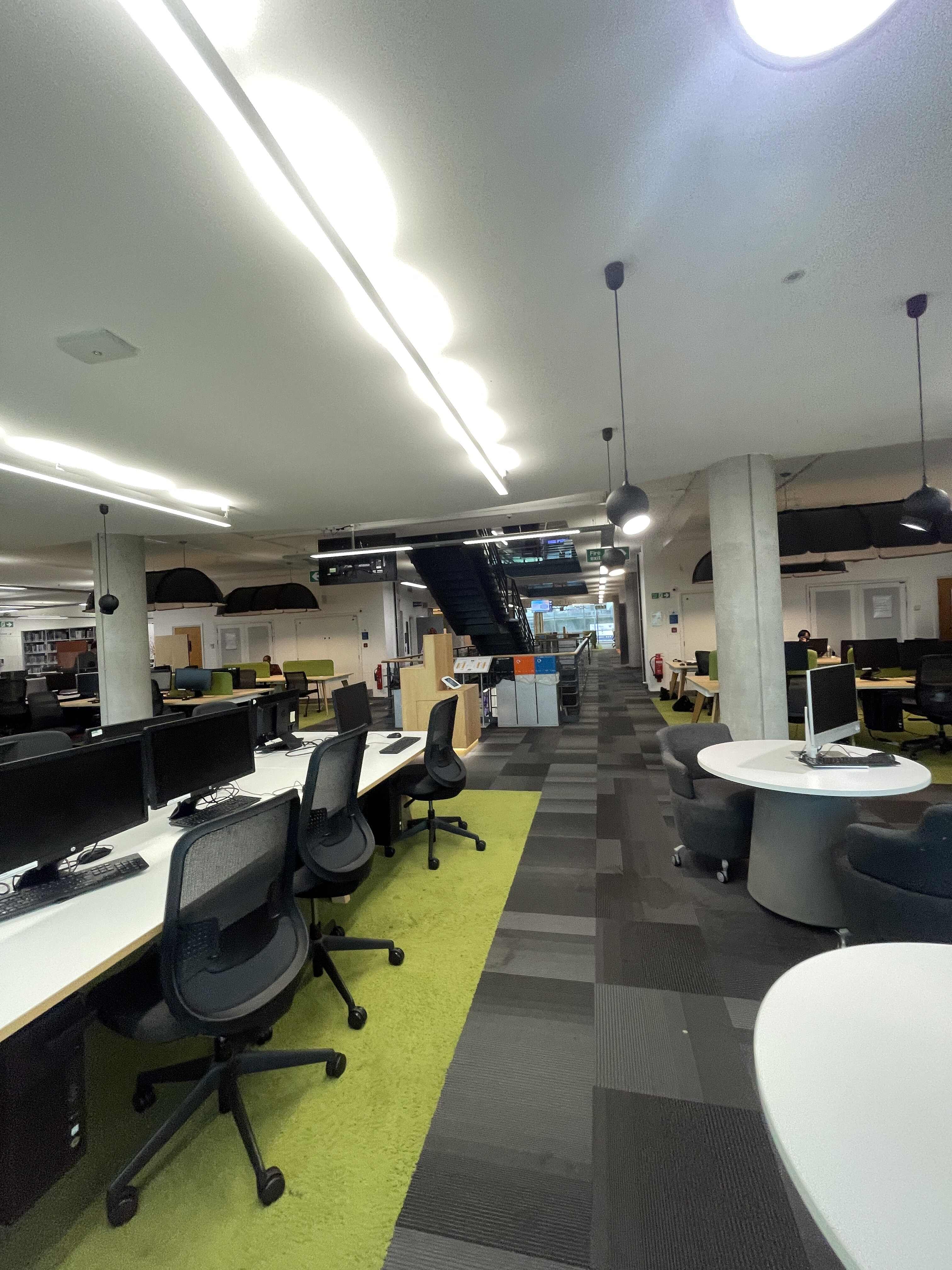
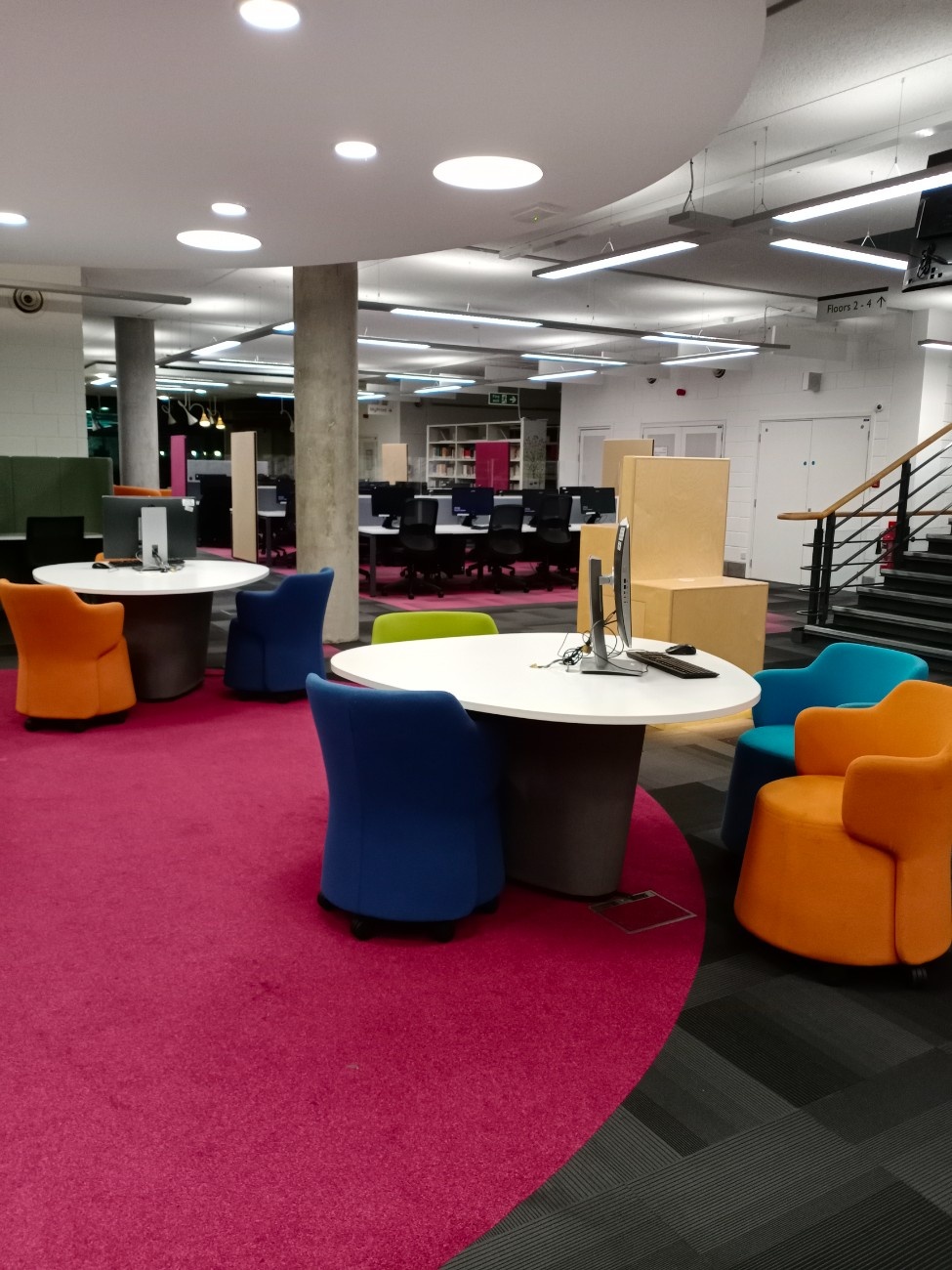
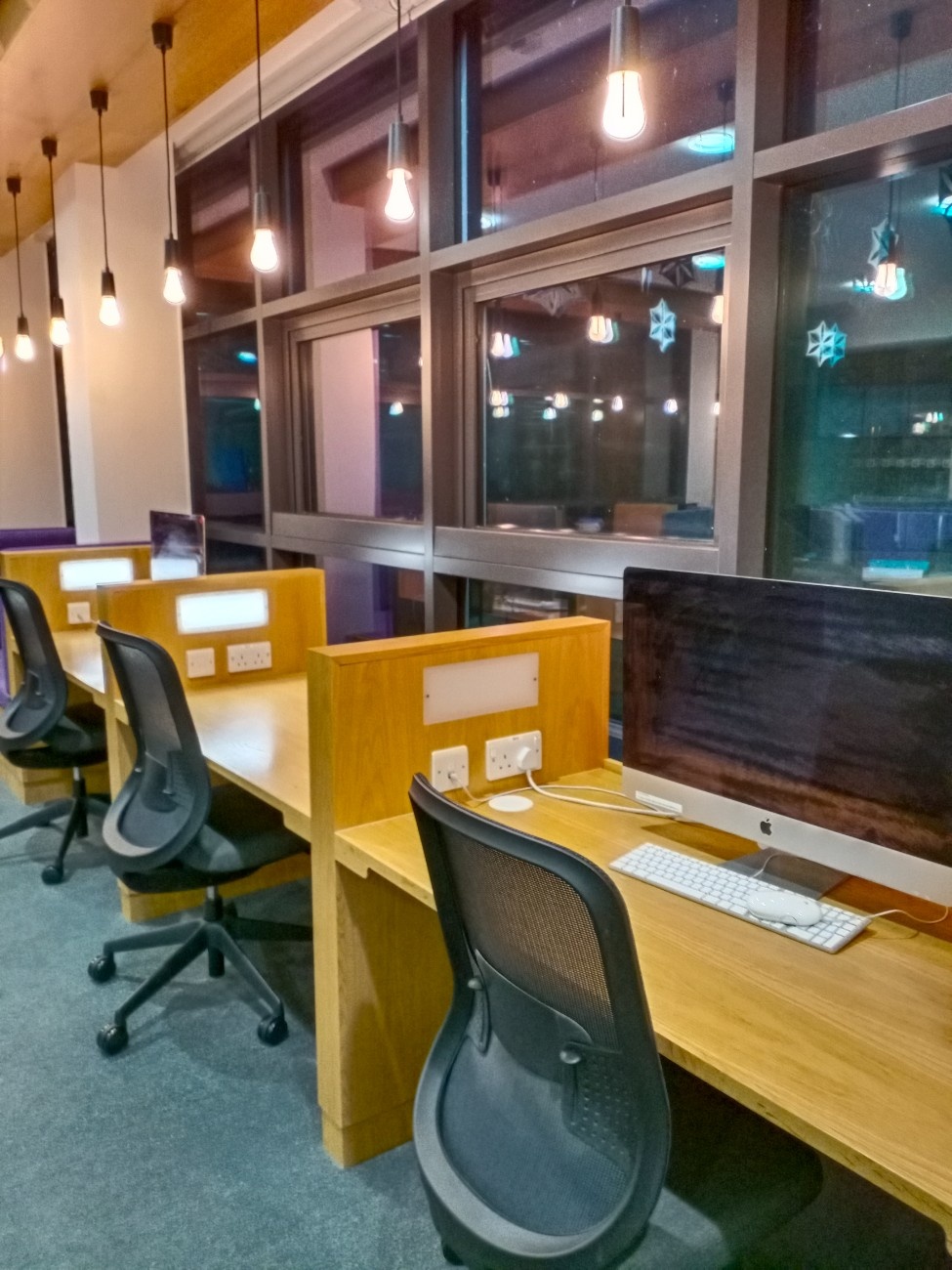
- Advance library which is digital and modern. Personal study space is best to study.
- Hands on experience
Dislikes
- Overall University is good but there are some cons. First of all its based in Middlesbrough which has increased crime rates.
- Some type of courses are not up to date.
- Reduced opportunity for professional work role due to massive incoming of students from abroad
Scholarship
- I have not received any scholarship, but there are some scholarships available on the university website.
- Vice Chancellor is one of the best scholarships.
- Some of my friends received that scolarship which is almost 4000 £
- There are a few places in each course to opt for scolarship.
- Eligibility criteria are all about academics, experience, and projects during the previous degree.

Likes
- It's actually in a student city so it's very easy to connect and make friends. The university is inclusive of all religions like we played holi there in the university itself.
- Even in the college, it's very inclusive of you if you are actually trying to connect and make friends, there are different clubs that are actually dedicated to make students feel at home and help them communicate.
- There are a lot of clubs and societies where you can participate and pursue your interests, so the university tries to make a balance between your education and social life.
Dislikes
- Not too many native english students, which would have been cool if I could befriend some of them.
- Small city, not to do much if you are not social enough.
- Not enough jobs in the same city, the university has some but still you are required to commute to new castle or other cities for jobs
Scholarship
- Yes, there are some scholarships available from the university, but I, as an exchange student, was not eligible for the scholarship. Some of my friends received some scholarships; the reward amount was around 2000 pounds, and it was called a merit scholarship. There are also some scholarships based on your nationality. The scholarship also varies based on your profile, but it starts from around 1500 pounds, and it can go up to a 100% scholarship, but that is very rare
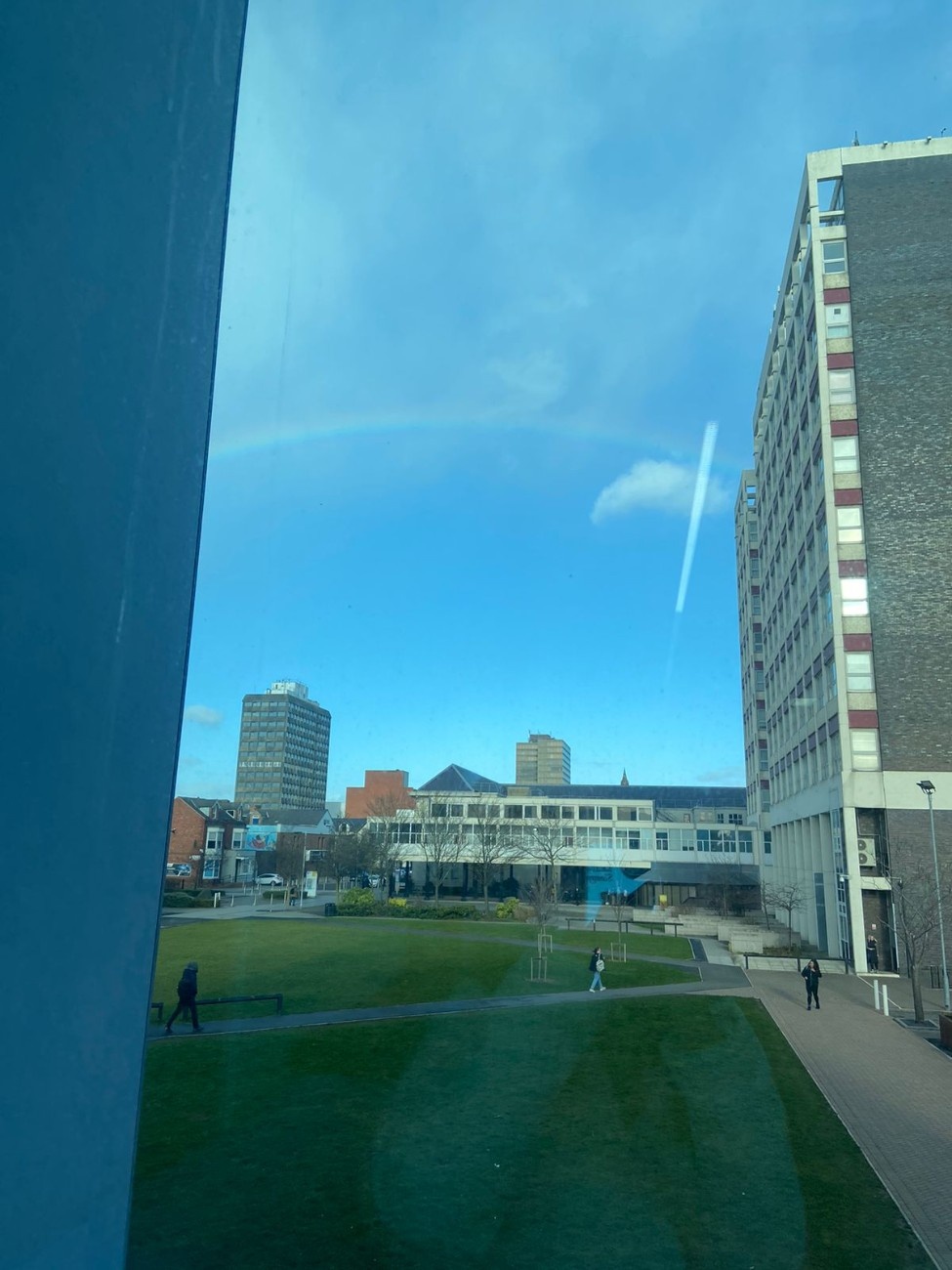






Likes
- I love the library because it was 24/7, variety of books, comfortable.
- My Digital forensic lab, I had accessed to all the tools and software that could required in my study.
- Campus, it good to have variety of events, I joined many from student union events.
Dislikes
- Study experience, was too complicated for me to adapt new education system, I study extra long time to learn.
- Isolation, in classroom I felt isolated, local student don't interact much and I was introvert as well, so it was very hard to cope with that hideous feeling.
- Student support, once I failed the subject and wasn't give another chance, so I had to come to my home country, apply for new visa, went back for study, I was in so much depression, wasted so much time and money, even my study was interrupted.
Scholarship
- I received a £1,500 scholarship based on good marks in my 10th standard, particularly in English. There was also a £500 discount for paying the remaining fee in one go.
- I’m not aware of other scholarships the university offered for my course. The eligibility seemed to focus on academic performance, but the criteria were not explained in great detail. I don’t know how many students got similar scholarships, but it definitely helped reduce my upfront fee.

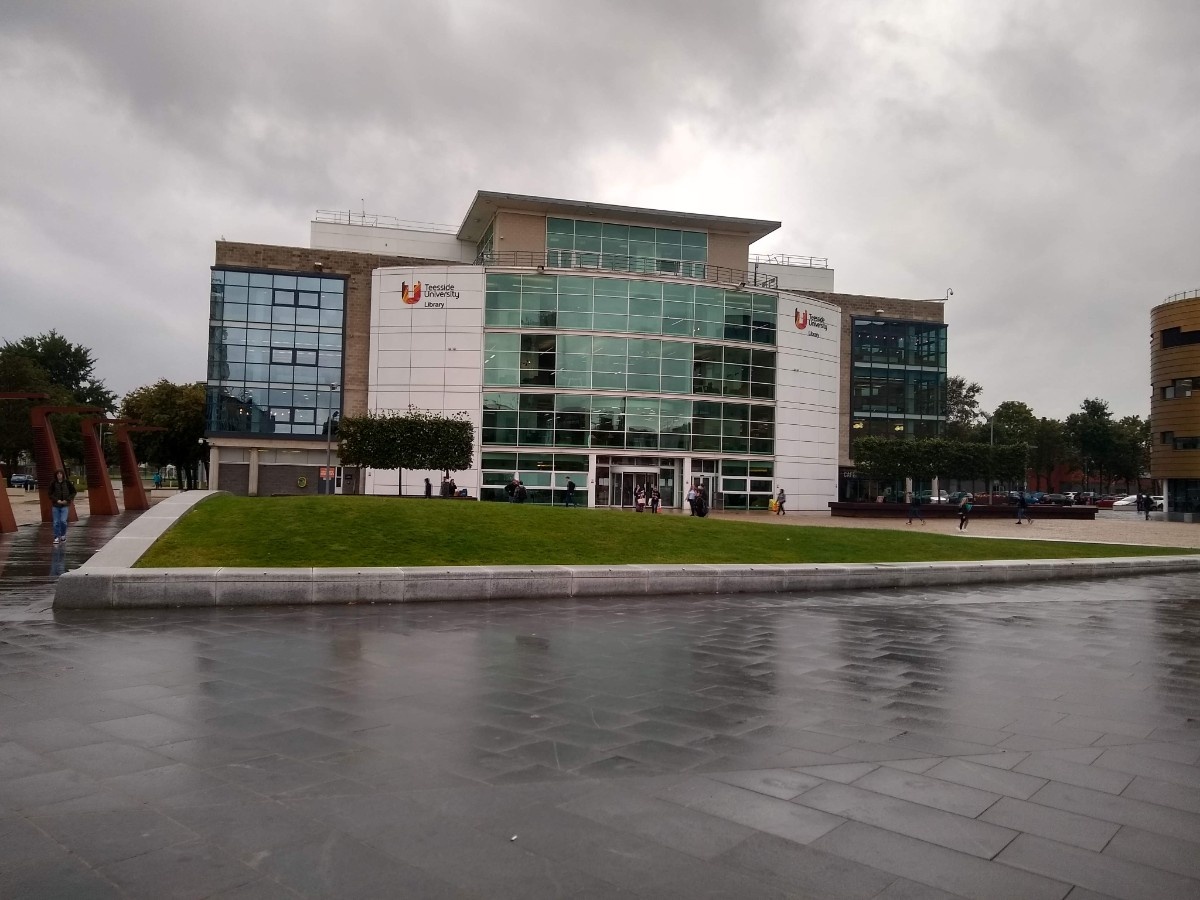

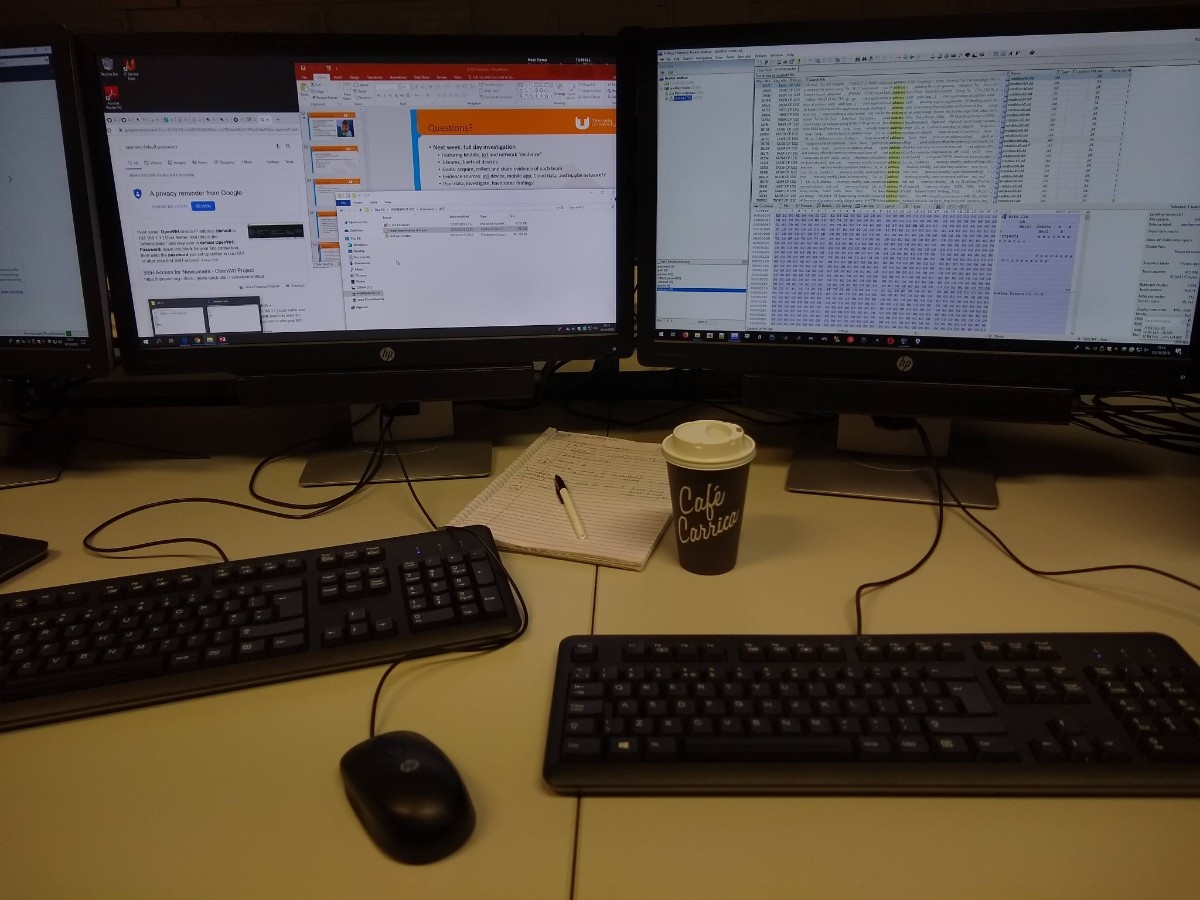

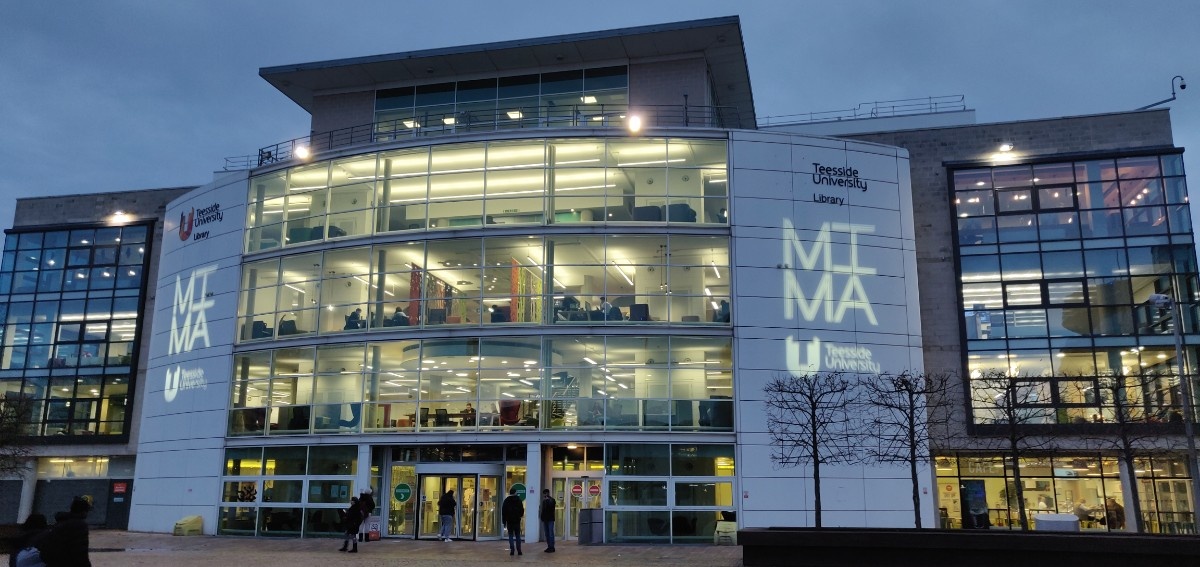

Likes
- Rich community of students.
- International friendly.
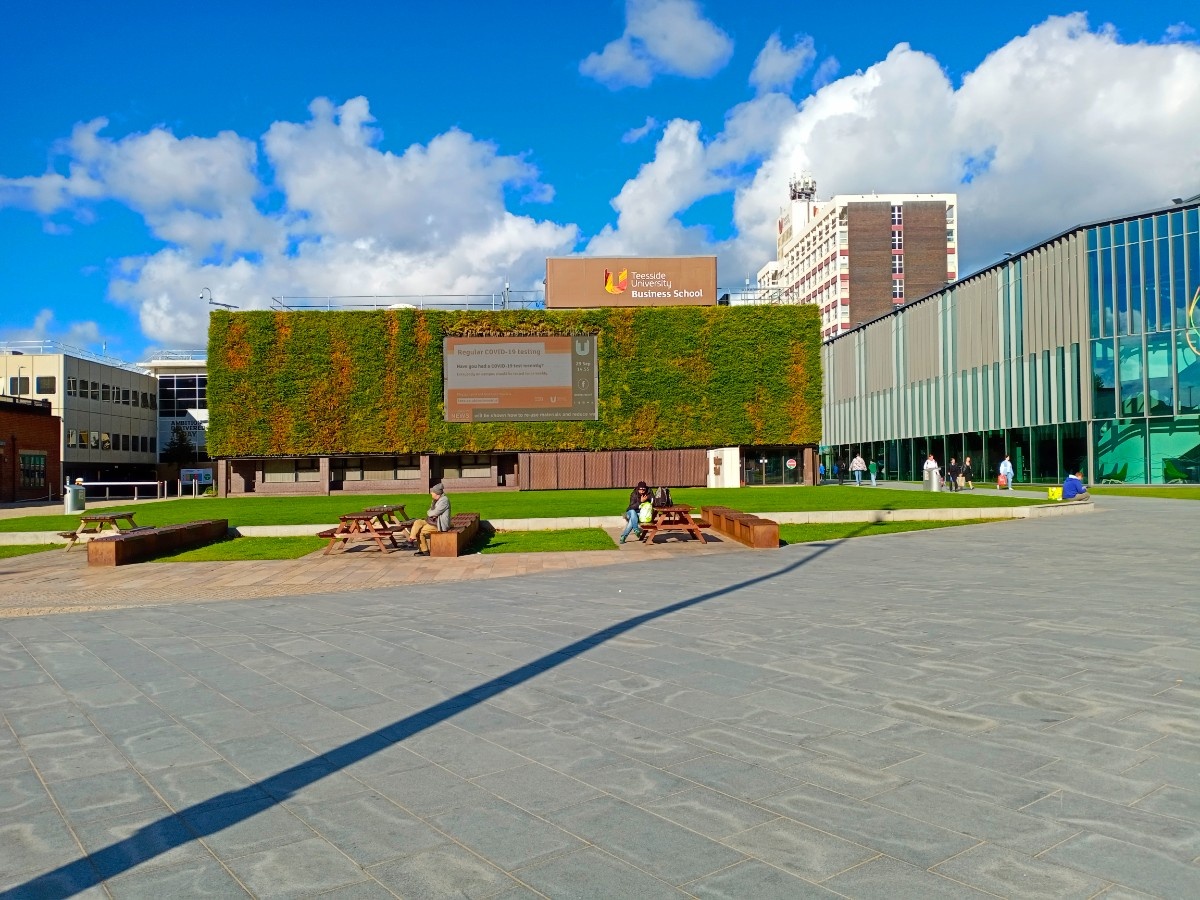
- All buildings are in walkable distance.
Dislikes
- I felt like the cafe is comparatively small. But it doesn't affect the studies.
- Whenever there is an expo it is general ones and I never got any emails or any other form of communication regarding that
- The chances of collaboration with home students are minimum
Scholarship
- Yes. There was a £2000 scholarship and the eligibility criteria was at least a 55% mark in your previous qualification. I am not sure what the scholarship they provide now is.
- It was £2000
- All my batchmates received scholarships, and I am not aware of anyone who received other forms of financial aid. You always had an option to pay the fee as an instalment, which is great
- The award amount at that time was £2000 and almost all students got eligible.
Likes
- Affordable Tuition and Living costs
- Supportive International Office - Good support is provided to International students
- Diverse Student Community
Dislikes
- Limited Job opportunities in the Local Area
- Weather and Location
- Slow Admin Processes - Delays in CAS or transcripts
Scholarship
- There were a few scholarships available, like the Vice-Chancellor's Scholarship of 7000 GBP, the Global Excellence Scholarship of 2000 GBP for first-year students Alumni Scholarship of 1000 GBP for international students who completed bachelor's degrees at the same University. I was very late when applying for the scholarships, so I wasn't eligible for any. Few of my batchmates, however, did receive the scholarships.
Likes
- Infrastructure like accommodation and lab facilities with high class amenities
- Affordability for all range of individuals to pursue there career
- Well located to commute all the nearest places around northern england
Dislikes
- Most of the british professors are well known in english language and they teach the lessons very quickly and its not a drawback from the university but before joining an individual should have good ability english skills to cope up with this pace. Nothing much to dislike
Scholarship
- No scholarships i have received
- Scholarship would be available varying schemes yearly on the university portal should be checking it.
- If there is any scholarship the university will surely extend their support to fulfil these.



Likes
- There are several reasons why the university is a good choice for someone. I will mention and summarize my overall experience with the university, explaining why I liked it. You may have your reasons for choosing this university, but you will likely agree with at least some of the points mentioned below before making a decision on which university to attend for your master's or higher education.
- Extremely supportive staff, very friendly master thesis supervisors and very well-organised library.
- The fee is affordable. Compared to other UK universities, I found through my research that the fees were significantly more affordable. My other peers who studied in the UK paid almost double the amount in tuition fees that I paid. My tuition fee was around £5,500 in my first year and £7,000 for the following year. I spent around £12,500 on tuition fees, which seems to be significantly cheaper than those of US universities and most British universities.
Dislikes
- Too much racism and politics against people of colour, no proper job guidance, and most of the UK firms will tell you straight no to a position if you do not have a permanent residency or a British Passport. You cannot land a good job on a visa. Needless to say, the chances of them sponsoring your visa are next to impossible.
- Lower QS ranking compared to other universities: Let me be very honest with you in this regard; if you have plans to move into further education after your masters, like I myself did by enrolling in a PhD program, then sometimes during admissions, the QS university ranking does matter while you apply to other universities.
- Limited city life exposure: As I mentioned earlier, if you are a party and booze person, you may miss out on something very significant. Middlesbrough is a village, and it may offer you nature, but not posh nightlife, bars, and late-night party DJs.
Scholarship
- Teesside University Merit Scholarship (based on your academic profile in previous degree, like in my case, it was a BTECH degree. I received a sum of £2500 in the first year.
- Some did receive.
- Around 10-12 international candidates. But it also depends upon the number of international students who take admission each year. If the number of students are more, then definitely competition is higher in disbursal of grants





Overview
University location is good . For my course this university is better than other universities.
Scholarship
Yes I received scholarship from university for English language score

interested in this College ?
Follow & Share this college to get information about admission.



Comments