





Cranfield University admissions run on a postgraduate-only, rolling-with-fixed-deadlines model, where most Indian applicants need a Bachelor’s degree at 60 to 65 percent (a UK 2:1) plus IELTS 6.5 overall for taught MSc and MBA entry. Cranfield is one of the few UK universities without a Bachelor’s programme, so all admissions are Master’s, MBA, or PhD.
- Primary intake: September 2027, taught MSc deadline 3 July 2027 for international applicants.
- Base tuition: £20,100 to £40,175 (₹25.90 to ₹51.79 Lakhs) for MSc; no separate application fee published on Cranfield’s online portal.
- PG eligibility floor: UK 2:1 Bachelor’s equal to a 60 to 65 percent Indian aggregate, with IELTS 6.5 (5.5 in all components).
- Acceptance rate: Cranfield does not publish an official institutional figure; the School of Management is regarded as the more selective route.
Indian applicants cluster heavily in the MBA (46.3 percent of the class is Indian) and in engineering MScs like Aerospace Vehicle Design and Automotive Engineering, and consistently rate the industry-linked teaching highly. See the Cranfield University overview for identity, ranking, and campus context before diving into the admissions detail below.
Table of Contents
- Cranfield University Application Deadlines and Intakes
- Cranfield Eligibility for Indian Students
- Cranfield University MSc Programs and English Scores
- Cranfield MBA Deadlines and Class Profile
- Cranfield University PhD Admissions Guide
- Cranfield Application Process Step-by-Step
- Cranfield University Admission Decisions Timeline
- Documents Required for Cranfield Admissions
- Cranfield University Acceptance Rate for Indians
- UK Student Visa for Cranfield University
- Tips and Checklist for Cranfield University
- Cranfield University Admissions: Frequently Asked Questions
Cranfield University Application Deadlines and Intakes
Cranfield uses rolling admissions with a hard back-stop deadline for each intake, per the official Cranfield application guide. There are three live entry points across the academic year, and Indian applicants sit under earlier country-specific deadlines for the MBA to allow visa processing time.
Cranfield’s primary intake for Indian students is September, and most taught MScs open here. January and March are limited mid-year intakes for selected MScs only.
| Intake | Level | App Opens | Deadline | Portal |
|---|---|---|---|---|
| September 2027 (Primary intake) | Taught MSc | Rolling, apply 8 to 10 months ahead | 3 July 2027 | Cranfield EVE portal |
| September 2027 | Full-time MBA, India stream | Rolling | Late June 2027 (est., based on 2026 pattern) | Cranfield EVE portal |
| September 2027 | Full-time MBA, other international | Rolling | Mid July 2027 (est.) | Cranfield EVE portal |
| January 2027 | Select MSc (mid-year) | Open, Closing Soon | 1 October 2026 | Cranfield EVE portal |
| March 2027 | Select MSc (mid-year) | Rolling | Recommended 6 months ahead | Cranfield EVE portal |
Deadlines confirmed from Cranfield’s course pages and mid-year intake listing. The MBA September 2026 India deadline of 29 June 2026 has passed and is not shown.
Planning note: Cranfield says there are no set MSc deadlines, but it does return decisions faster when applications land 8 to 10 months before the intake, so plan around January of the same calendar year for a September start.
Cranfield University Eligibility Requirements for Indian Students
Cranfield’s institutional entry bar is a UK first or upper-second class Bachelor’s honours degree in a relevant subject, per its entry-requirements page. For Indian students, that translates to a four-year technical Bachelor’s (BE, BTech, BSc) or a three-year academic Bachelor’s followed by a Master’s, with the classification thresholds below.
- UK 2:1 equivalent: a first-class Indian degree at 60 to 65 percent aggregate, or a CGPA of about 6.5 out of 10.
- UK 2:2 equivalent: around 55 percent aggregate, considered only with strong work experience.
- Relevant subject: the discipline must match the MSc, for example Mechanical or Automotive engineering for the Advanced Mechanical Engineering MSc.
- Three-year Indian Bachelor’s: accepted for most SoM MScs; engineering MScs usually expect a four-year technical degree.
Cranfield accepts a range of English-language tests. The institution-wide minimums are IELTS Academic 6.5 overall with 5.5 in all four skills, TOEFL iBT 92 (from the pre-January-2026 test), PTE Academic 65 with 59 in all skills, and Cambridge 180 with 160 in all components. Some technical MScs raise the IELTS floor to 7.0.
Cranfield IELTS Waiver for Indian Students
Cranfield waives the English test in three cases published on its entry-requirements page. Indian applicants can pursue the third route where their Bachelor’s was taught and assessed in English.
- UKVI majority English-speaking country nationals: automatic waiver.
- UK higher-education qualification holders: completed degree in the UK is accepted in place of a test.
- Continuous UK employment for five years: verified in writing by the employer.
Indian applicants whose degree was fully in English can request an MOI-based waiver by contacting admissions before applying. The decision is at the admissions team’s discretion, so most Indian applicants still submit an IELTS or PTE score to keep the file clean.
Cranfield University MSc Programs and English Requirements
Cranfield is a postgraduate-only institution, so its taught catalogue is entirely MSc, MDes, and MBA. Base overseas tuition sits between £20,100 and £40,175 (₹25.90 to ₹51.79 Lakhs) for a 12-month full-time MSc in 2026-27. See the course-wise fees breakdown for individual programme fees, since Cranfield sets tuition by course rather than by faculty.
| Programme | Duration | Minimum Eligibility | English Req. Min. |
|---|---|---|---|
| MSc Management | 12 months | Bachelor’s at 60%+ in any discipline | IELTS 6.5 |
| MSc Finance | 12 months | Bachelor’s at 60%+ in Finance, Economics, Mathematics, or Engineering | IELTS 6.5 |
| MSc Business Data Analytics | 12 months | Bachelor’s at 60%+ in a numerate discipline | IELTS 6.5 |
| MSc Strategic Marketing | 12 months | Bachelor’s at 60%+ in any discipline | IELTS 6.5 |
| MSc Logistics and Supply Chain Management | 12 months | Bachelor’s at 60%+ in a relevant subject | IELTS 6.5 |
| MSc Procurement and Supply Chain Management | 12 months | Bachelor’s at 60%+ with work experience preferred | IELTS 6.5 |
| MSc Banking, Economics and Finance | 12 months | Bachelor’s at 60%+ in Economics, Finance, or Mathematics | IELTS 6.5 |
| MSc Aerospace Vehicle Design | 12 months | BE or BTech Aerospace, Mechanical, or related engineering at 60%+ | IELTS 6.5 |
| MSc Aerospace Manufacturing | 12 months | BE or BTech engineering at 60%+ | IELTS 6.5 |
| MSc Automotive Engineering | 12 months | BE or BTech Mechanical or Automotive at 60%+ | IELTS 6.5 |
| MSc Advanced Mechanical Engineering | 12 months | BE or BTech Mechanical at 60%+ | IELTS 6.5 |
Insider note: Cranfield engineering MScs run 40 percent taught modules, 20 percent group project, and 40 percent individual project. Indian applicants coming from theory-heavy BE programmes should expect to spend the second half of the year in industry-facing lab and project work.
Note: Program-specific entry requirements, fees, and intake availability may differ from the institution-wide minimums shown above. Always confirm on the official Cranfield University page for your chosen program before applying.
Cranfield University MBA Admissions
The Cranfield full-time MBA (branded The Transformation MBA) is a 12-month programme with a class of 40 to 50 students and a 2026-27 fee of £49,500 (₹63.80 Lakhs) for both home and overseas fee-payers. Indian students formed 46.3 percent of the class in the most recent Bloomberg profile, making it one of the most India-heavy UK MBAs.
Cranfield MBA Admission Criteria
- Work experience: at least three years post-qualification, no upper cap, though the class averages 25 to 33 years old.
- Standardised test: GMAT (class average 680), GRE (80th percentile verbal and quant), or the in-house Cranfield Admission Test (CAT).
- English: IELTS Academic 6.5 overall with 5.5 in components, or equivalent, taken within two years of course start.
- Interview: shortlisted applicants take a video-conference interview, or an in-person interview at Cranfield if travel is possible.
Cranfield MBA Deadlines for September 2027
Cranfield staggers MBA deadlines by nationality to protect visa processing time. Based on the published 2026-cycle pattern, the September 2027 windows for Indian applicants are shown below. The programme runs on rolling admissions inside these deadlines.
| Applicant Group | Deadline (est.) | Interview Route |
|---|---|---|
| India, Bangladesh, Ghana, Nigeria, Pakistan | Late June 2027 | Video conference |
| Other international, visa-required | Mid July 2027 | Video conference |
| UK and Ireland | Late September 2027 | On-campus preferred |
Insider note: Cranfield offers a 10 percent early-application discount on tuition when the deposit is paid by mid-November of the previous year. For a £49,500 fee, that is roughly ₹6.38 Lakhs off, more than most Cranfield India scholarships offer standalone.
See the funding for Indian students guide for MBA-eligible scholarships, since the Cranfield Excellence and India-specific awards target MSc, not MBA, offer holders.
Cranfield University PhD Admissions Guide
PhD applications at Cranfield are led by the supervisor-and-project route, per the Cranfield how-to-apply page. Applicants first identify a funded project or a supervisor, then submit a formal application. Cranfield does not run a fixed PhD deadline, so files are considered as they arrive.
Cranfield PhD Eligibility
- Master’s degree at merit level or higher in the relevant discipline, or a first-class Bachelor’s in exceptional cases.
- Research proposal aligned with a Cranfield theme or a supervisor’s active project.
- IELTS 6.5 overall with 5.5 in all skills (some centres, notably Water and Environment, ask for 7.0).
Cranfield PhD Funding for Indian Applicants
The flagship funded award is the Sir Peter Gregson Doctoral Scholarship, which pays a stipend of £16,000 per year (₹20.62 Lakhs) plus fees for eligible PhD candidates in Engineering, Applied Sciences, and Business and Management. Self-funded PhD applicants pay overseas research fees set by the relevant Cranfield centre.
Planning note: Contact a prospective supervisor with a two-page research summary before submitting the formal PhD application. Cranfield centres run few unsolicited-topic admissions.
Cranfield University Application Process
Cranfield applications run entirely through the EVE applicant portal, per the Cranfield how-to-apply page. There is no central UK platform for postgraduate study, so applicants apply directly to Cranfield (UCAS is UG-only in the UK and does not apply). The process runs in the following steps.
- Create an EVE account at eve.cranfield.ac.uk and start an application for the chosen course.
- Complete the eight-section online form: personal details, contact, agent, qualifications, experience, personal statement, referees, and funding.
- Upload a 500-word personal statement, transcripts (interim if still studying), CV, and passport bio-page.
- Add two academic or professional referees, whom Cranfield contacts directly.
- Submit and wait for a decision, which Cranfield returns in four to six weeks for most MScs.
- Where required, pay the £49 (₹6,316) qualification-verification service fee for eCTIS-type checks; this is deducted from tuition on registration.
- On offer, pay the tuition deposit (typically £2,000, ₹2.58 Lakhs) to confirm and trigger the CAS letter for visa.
No standard application fee is published on Cranfield’s portal for taught MScs. The £49 verification service is a separate, refundable-against-tuition item for applicants whose credentials go through eCTIS-style checks.
Cranfield University Admission Decisions Timeline
Cranfield turns around most taught MSc applications in four to six weeks after receipt of a complete file, per the application guide. The offer letter arrives via the EVE portal and covers the timeline below.
- Offer type: almost always conditional, with English test, final transcript, or ATAS certificate pending.
- Acceptance window: offers are usually valid for four weeks from issue, extendable by request.
- Deposit: a tuition deposit (~£2,000, ₹2.58 Lakhs) is required to confirm the offer and trigger the CAS.
- Deferral: Cranfield allows one deferral to the next comparable intake, subject to programme availability.
- CAS letter: issued once the deposit lands and conditions are met, usually within two weeks.
Applicants who miss a condition can request a Pre-Master’s pathway through Kaplan International College London, mentioned on the international applicants page as the official pre-sessional route.
Documents Required for Cranfield University Admission
The document set below is uploaded to the EVE portal at application. Cranfield accepts electronic copies at application stage and asks for certified originals only after an offer is made.
- Passport bio-page scan for identity and visa eligibility.
- Academic transcripts for every year of the Bachelor’s (and Master’s, if any), interim marksheets accepted while studying.
- Degree certificate or provisional certificate for graduates.
- English test score report (IELTS, TOEFL, PTE, or Cambridge) or MOI letter, if the waiver is being requested.
- Personal statement of up to 500 words, tailored to the course.
- Two reference letters, at least one academic for MSc, at least one professional for MBA.
- Updated CV or resume, one to two pages.
- Work-experience letters for MBA and for MScs asking for experience.
- GMAT, GRE, or CAT score report for the MBA.
- ATAS certificate for engineering, aerospace, defence, and applied-science courses on the government list.
- Financial evidence for the deposit and, later, for CAS.
Cranfield University Acceptance Rate for Indian Students
Cranfield does not publish an official institutional acceptance rate. Third-party estimates place the overall rate somewhere around 50 to 60 percent, with the Cranfield School of Management running closer to 30 percent based on MBA and Business Analytics intake patterns. See the ranking band for context on how the university sits alongside other UK PG destinations.
How Cranfield Actually Selects
Selection is portfolio-based, not score-based. Cranfield weighs the Bachelor’s percentage, subject fit, personal statement, references, and, for MBA and technical MScs, work experience. English scores are threshold-only, not competitive.
What This Means for Indian Applicants
A clean Bachelor’s at 65 percent with a strong statement and an on-topic BE or BTech typically converts to an offer at Cranfield in engineering MScs. SoM applicants should expect closer scrutiny of work experience and career story, especially for the MBA and Management MSc.
Insider note: Cranfield’s engineering MScs favour applicants who have done a final-year project or internship in the target area. Naming your Cranfield-relevant project on page one of the personal statement moves files faster.
UK Student Visa Process for Cranfield University Applicants
Indian students admitted to Cranfield apply for a UK Student visa (Route) under Cranfield’s sponsor licence, per the gov.uk Student visa page. The visa application opens as soon as Cranfield issues the CAS letter, and no earlier than six months before the course start date.
The visa fee is £558 (₹71,921), paid online at application. The Immigration Health Surcharge applies for every year of visa validity and is paid alongside the fee. Applicants also show financial evidence of £1,171 per month for up to nine months (₹10.54 Lakhs total, since Cranfield is outside London), held for at least 28 consecutive days ending within 31 days of the application date.
Biometric enrolment is booked at a VFS Global centre in India, and a decision usually lands within three weeks of biometrics. Cranfield’s international office runs a free arrival transfer from London Heathrow, London Gatwick, and London Luton for eligible students.
2026 update: UK immigration rules still support the two-year post-study Graduate Route for Indian graduates from Cranfield, letting alumni work at any skill level in the UK for two years after the MSc or MBA ends.
Tips and Application Checklist for Cranfield University
The following tips and steps are drawn from Indian-applicant patterns at Cranfield across the last three MSc and MBA cycles. Combine them with the section-specific detail above to keep the file clean.
- Apply 8 to 10 months ahead: submit MSc files by December for a September intake to leave room for scholarships and CAS.
- Lead with subject fit: personal statement should open with a Cranfield-specific project, module, or research group, not general career goals.
- Book IELTS early: secure an IELTS 6.5 (or 7.0 for select technical MScs) before applying, since Cranfield rarely defers on unconditional English.
- Check ATAS for engineering: most Aerospace, Defence, and Applied Sciences MScs need an ATAS certificate that itself takes four to six weeks.
- Time the MBA discount: pay the tuition deposit by mid-November of the previous year for the 10 percent early-application discount.
- Sync scholarship rounds: for MSc, submit the Cranfield SoM India Scholarship application within two weeks of receiving the offer to catch the first round.
- Hold visa funds early: arrange the ₹10.54 Lakhs maintenance in a compliant account 30 days before the visa slot.
- Line up references: ask both referees three months before the application; Cranfield emails them directly through EVE.
Indian student reviews of the campus and teaching are useful reality-checks before locking in the offer, so read a spread of firsthand accounts alongside the official page. Alumni sentiment on the Cranfield reviews page covers accommodation, teaching, and post-study outcomes.
Cranfield’s admissions run on quiet rolling review inside firm intake deadlines, and Indian applicants who plan against the September window, hit IELTS 6.5 early, and align scholarship rounds with the offer date consistently clear it in one cycle. Watch the January 2027 mid-year deadline of 1 October 2026 if you want to start sooner.
Cranfield University Admissions: Frequently Asked Questions
Ques. When does Cranfield’s application open for the September 2027 intake?
Ans. The September 2027 intake is already open on Cranfield’s EVE portal. Taught MSc applications for international students close on 3 July 2027, and MBA India-stream applications close in late June 2027 based on the 2026 pattern.
Ques. What is the minimum IELTS score for Cranfield MSc programs?
Ans. Cranfield’s institution-wide minimum is IELTS Academic 6.5 overall with 5.5 in all four skills. Selected technical MScs, including some Water and Environment courses, raise the floor to IELTS 7.0.
Ques. Does Cranfield accept a three-year Indian Bachelor’s degree?
Ans. Yes, three-year Indian Bachelor’s degrees are accepted for most School of Management MScs and for the MBA. Engineering MScs generally expect a four-year BE or BTech in a relevant subject.
Ques. Is a GMAT required for the Cranfield MBA?
Ans. The Cranfield MBA accepts GMAT (class average 680), GRE (80th percentile verbal and quant), or the in-house Cranfield Admission Test. A score is required unless the admissions team waives it based on a strong quantitative profile.
Ques. What Indian percentage equals a UK 2:1 for Cranfield admissions?
Ans. A UK 2:1 equates to a first-class Indian Bachelor’s at 60 to 65 percent aggregate, or a CGPA of about 6.5 out of 10. Applicants with 55 to 60 percent may be considered with strong work experience, especially for MBA and Procurement MScs.
Ques. Does Cranfield charge an application fee for MSc programs?
Ans. Cranfield does not publish a standard application fee on its online portal for taught postgraduate applications. A £49 (₹6,316) qualification-verification service fee applies for eCTIS-type credential checks and is deducted from tuition on registration.
Ques. When should Indian applicants apply for the UK Student visa?
Ans. Indian applicants can apply for the UK Student visa up to six months before the Cranfield course start date, and no earlier. The £558 (₹71,921) fee plus IHS is paid at application, and a decision usually arrives within three weeks of biometrics.
Ques. What is ATAS and do I need it for Cranfield?
Ans. ATAS is the Academic Technology Approval Scheme, a UK government clearance required for certain science, engineering, and technology postgraduate courses. Most Cranfield Aerospace, Defence, and Applied Sciences MScs require ATAS, which itself takes four to six weeks to obtain.
Ques. How long does Cranfield take to send an offer decision?
Ans. Cranfield returns most taught MSc decisions within four to six weeks of a complete file. MBA files may take longer because they include an interview and referee checks.
Ques. Does Cranfield offer conditional offers on IELTS?
Ans. Yes, Cranfield routinely issues conditional offers pending an IELTS score. Applicants who miss the score by a small margin can be redirected to a Pre-Master’s pathway with Kaplan International College London.
Ques. What deposit does Cranfield require after an offer?
Ans. Cranfield asks for a tuition deposit of about £2,000 (₹2.58 Lakhs) to confirm the MSc offer and trigger the CAS letter. The MBA deposit is higher and is linked to the 10 percent early-application discount when paid by mid-November.
Ques. Can I apply to more than one Cranfield course at the same time?
Ans. Yes, Cranfield allows multiple applications through EVE, each as a separate submission. The admissions team reviews each application on its own merits and any relevant course-specific requirements.
College Student Profiles

Cranfield University Program Fees & Deadlines
| Program | Important Dates | Fees | Eligibility | Financial Aid |
|---|---|---|---|---|
| USD 42,240 /Yr GBP 32,000 /Yr | IELTS: 6.5, TOEFL: 4.5, PTE: 65, Duolingo: 120, Bachelor's Degree in Any discipline, minimum 55% | |||
| USD 43,619 /Yr GBP 33,045 /Yr | IELTS: 6.5, TOEFL: 4.5, PTE: 65, Duolingo: 120, Bachelor's Degree in Engineering, Physics or Mathematics, minimum 55% | |||
| USD 65,340 /Yr GBP 49,500 /Yr | IELTS: 6.5, TOEFL: 4.5, PTE: 65, Duolingo: 120, Bachelor's Degree in Any discipline, minimum 55% | |||
| USD 38,313 /Yr GBP 29,025 /Yr | IELTS: 6.5, TOEFL: 4.5, PTE: 65, Duolingo: 120, Bachelor's Degree in Engineering, Mathematics or Computer Science, minimum 55% | |||
| USD 38,313 /Yr GBP 29,025 /Yr | IELTS: 6.5, TOEFL: 4.5, PTE: 65, Duolingo: 120, Bachelor's Degree in Engineering, Mathematics or Applied Science, minimum 55% | |||
MSc Finance 1 year | Spring 2027 intake application deadline (26th Oct 2026) | USD 39,138 /Yr GBP 29,650 /Yr | IELTS: 6.5, TOEFL: 4.5, PTE: 65, Duolingo: 120, Bachelor's Degree in Mathematics, Statistics, Engineering or Economics, minimum 55% | |
MSc Management 1 year | USD 47,454 /Yr GBP 35,950 /Yr | IELTS: 6.5, TOEFL: 4.5, PTE: 65, Duolingo: 120, Bachelor's Degree in Any discipline, minimum 55% | ||
MSc Strategic Marketing 1 year | USD 39,138 /Yr GBP 29,650 /Yr | IELTS: 6.5, TOEFL: 4.5, PTE: 65, Duolingo: 120, Bachelor's Degree in Any discipline, minimum 55% | ||
Fall 2026 intake application (22nd Jun 2027) | USD 43,619 /Yr GBP 33,045 /Yr | IELTS: 6.5, TOEFL: 4.5, PTE: 65, Duolingo: 120, Bachelor's Degree in Engineering, minimum 60% | ||
| USD 38,313 /Yr GBP 29,025 /Yr | IELTS: 6.5, TOEFL: 4.5, PTE: 65, Duolingo: 120, Bachelor's Degree in Science or Engineering, minimum 55% |
Do you think the Dates are wrong ? Report Here
Important Alerts
| Events | Dates |
|---|---|
| Finance and Management Spring 2027 intake application deadline | Closing in 15 days |


Course Finder - Search from 50K+ courses
Popular Streams:
Reviews
32 Reviews Found
Likes
- Faculty is excellent. Professors have really good experience and the course is delivered. A great format.
Likes
- The Advantage is Called Cranfield Advantage, Strong Industry Links, Strong Alumni support across globally, Strong Visibility and Credibility for Automotive and Aersospace STEM courses. Strong reputation now joined with King's College london and now also a part of the Esteemed Russell Group.
Dislikes
- The disadvantage is no after college life, remote location to major cities like London, Birmingham. Expensive Tuition fees. Less Diverse and Majorly Indian cohort, Food and amenities are expensive part time job necessary for upkeep of financials.
Likes
- All the professors were very supportive and approachable.
- They provided tailored help for each student if requested.
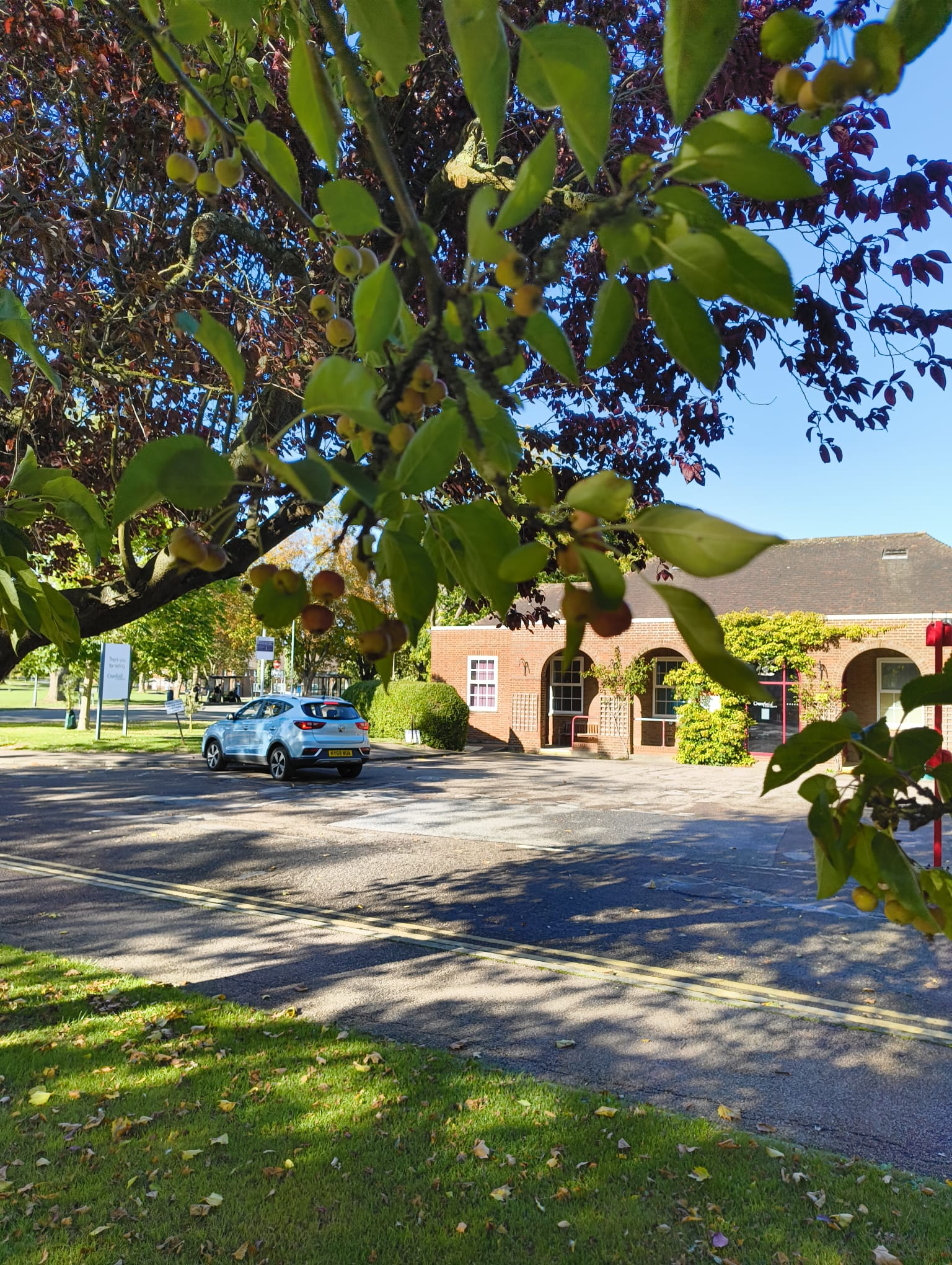
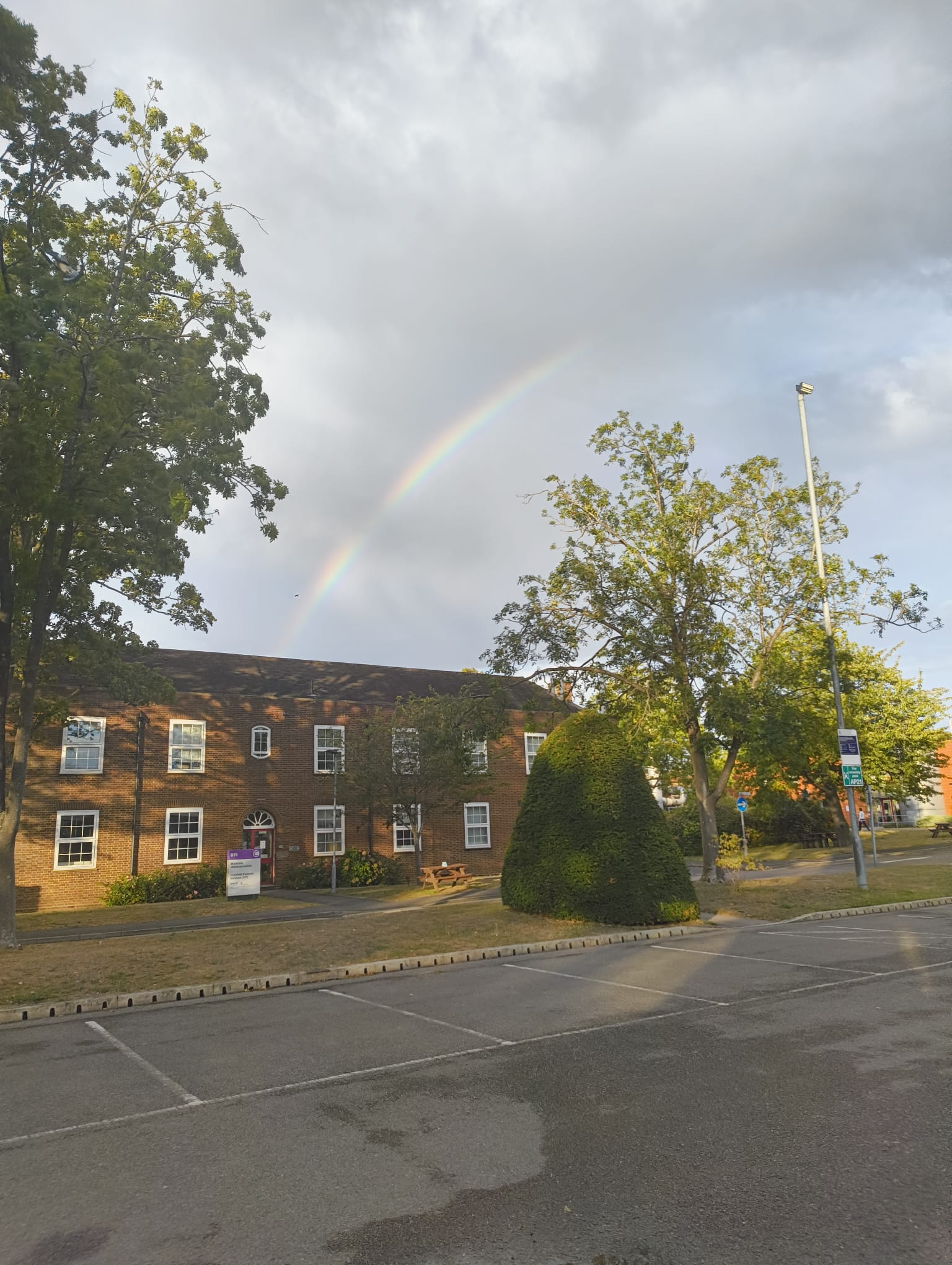
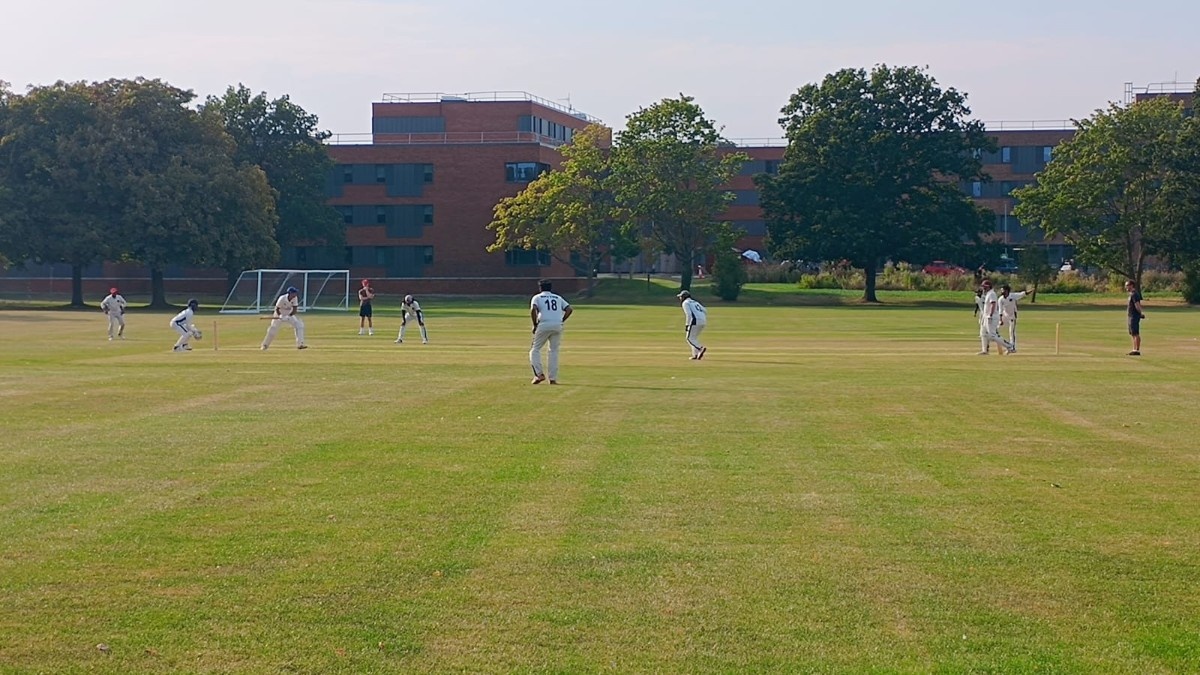
- The campus is in a rural area and is very beautiful.
Dislikes
- But, some people found it too quiet.
Likes
- The college is a postgraduate only college, making the atmosphere perfect for studying and focusing on your career if you are a career oriented person.
- The college has world class facilities which help you to grow and develop skills which you would require for your development in your field.
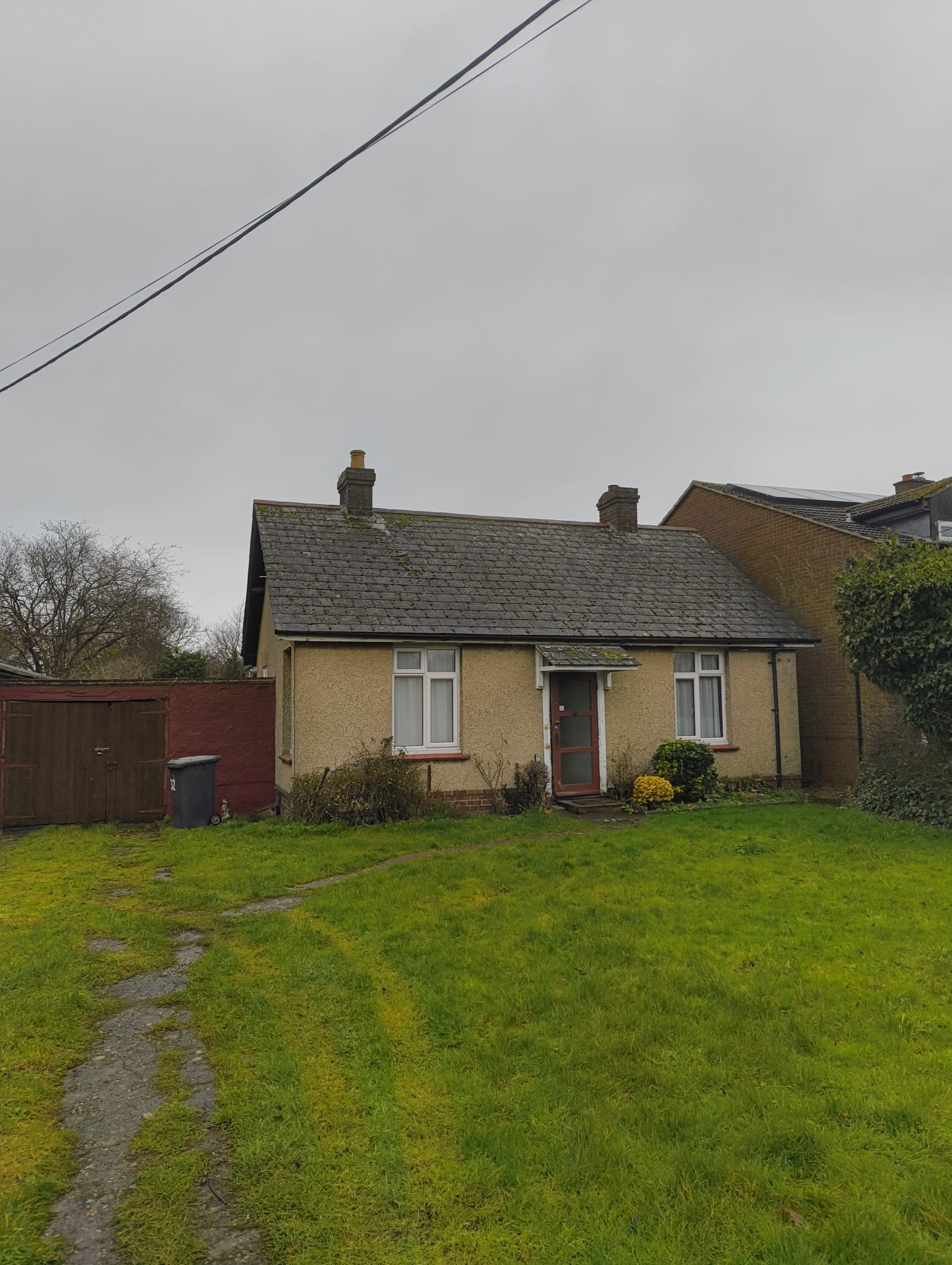
- The college has a huge campus and is located in a village, making the place a quiet and serene area to study.
Dislikes
- Basic necessities are available but scarce in the village.
- Bus service is there but not totally reliable.
- The weather is too cold in the winters, but if you can manage cold weather, it's perfect.
Likes
- The secluded campus but well connected at the same time,
- Diversity of people from different parts of the world,
- Opportunities to learn and develop skills,
Dislikes
- The food is definitely something that takes getting used to.
- The weather is really something that hits very different as it's cold gloomy and rainy
- There is not a lot of social things to do around campus with CSA just being the only
Scholarship
- Yes, there are different scholarships that are available on the university website. I got the transformative scholarship for £10,000 and an early application discount of £2,300
- One batch mate got the Cheving's Scholarship, and another one got the Joe Nellis Scholarship
- There are other scholarships like the Commonwealth Scholarship and other UK govt scholarships
Likes
- Love the research atmosphere
- Like that there’s so many facilities we have access to
- Like how the college is isolated and peaceful making it an ideal study and focused environment
Dislikes
- It’s a fast moving college, there’s not much time for anything else other than academics
- High tuition cost
- Academic Pressure
Scholarship
- I got the Manipal - Cranfield Bursary, which was 20% of the tuition fee. There are other course-specific scholarships as well, my course offered a 10% so naturally I chose the bursary since that was better for me.
- There's the Chevening scholarship, the GREAT India scholarship, etc. You will need a minimum of 2 years of work experience prior master's to be eligible for the Chevening scholarship. I’ve received a bursary of 5582 pounds. A couple of classmates got the course-specific scholarship. A decent number receive scholarships for very.
Likes
- I liked everything.
Dislikes
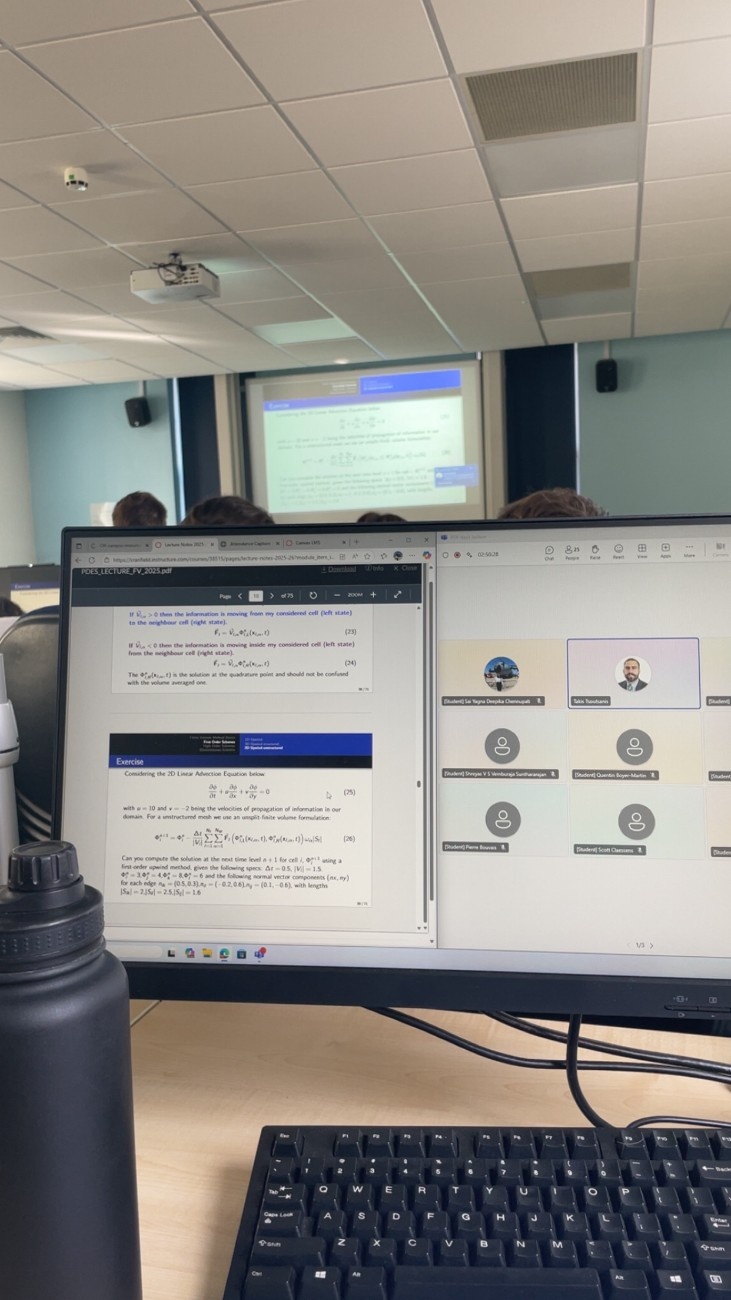
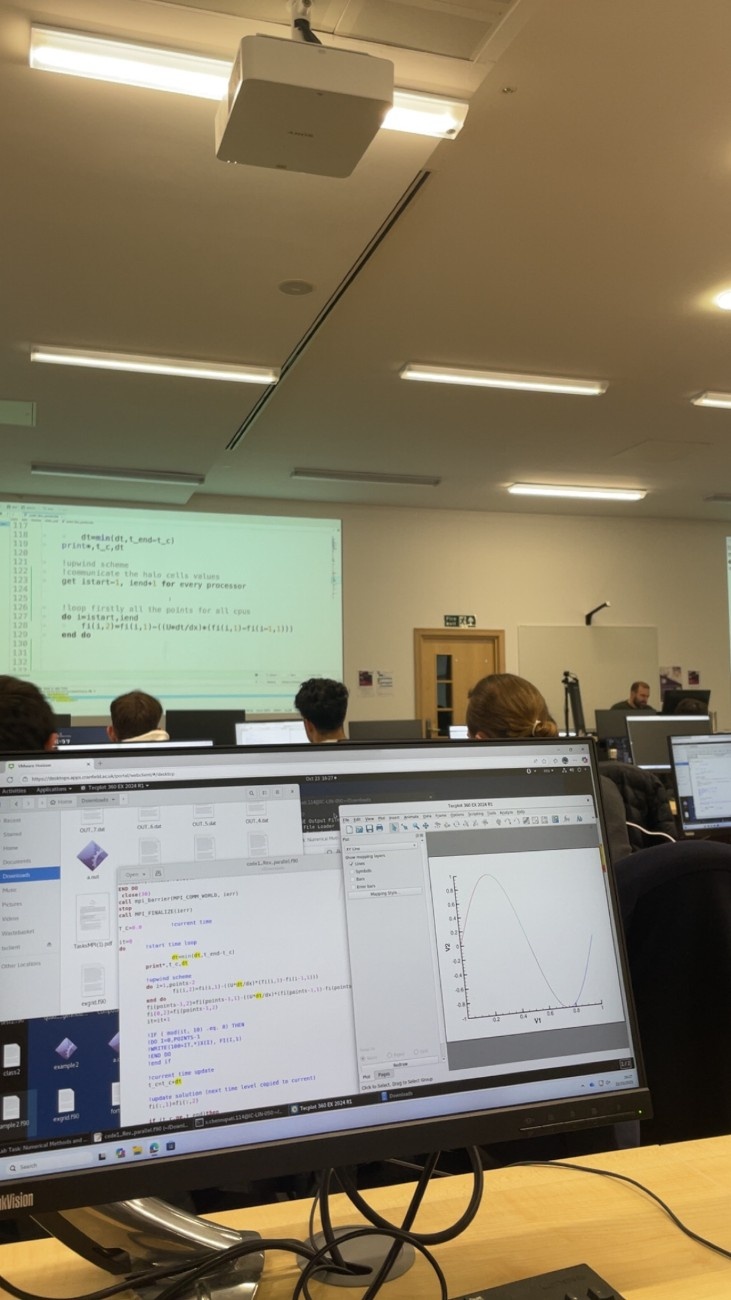
- Other than teaching method, especially how the syllabus is completed, may be most of the foreign university happens like this, people don't write on the board, everything is on ppt, and they fast forworded very fast, honestly speaking course content is not possible cover in the 1 year course structure.
Likes
- Environment in and around the college
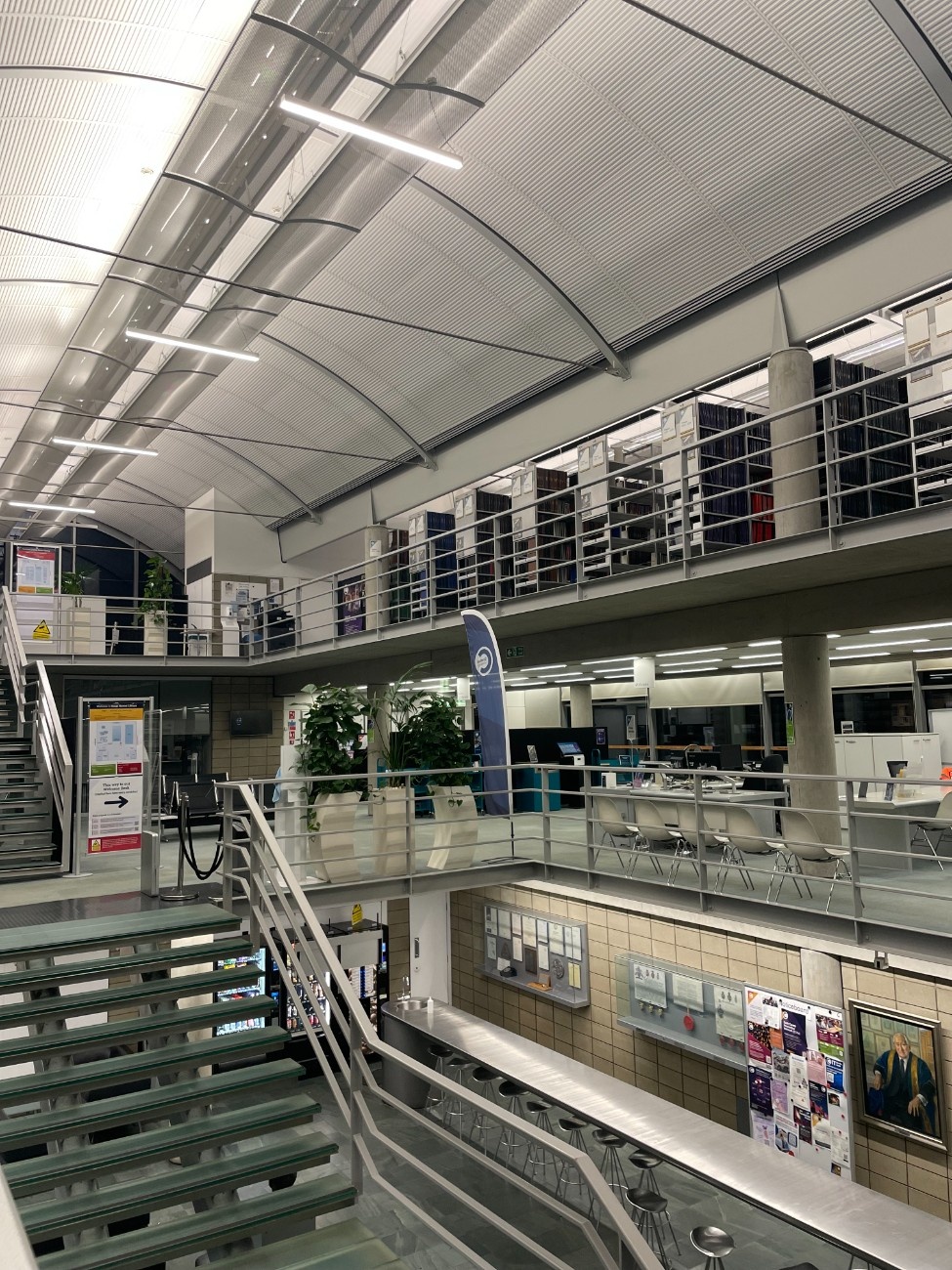
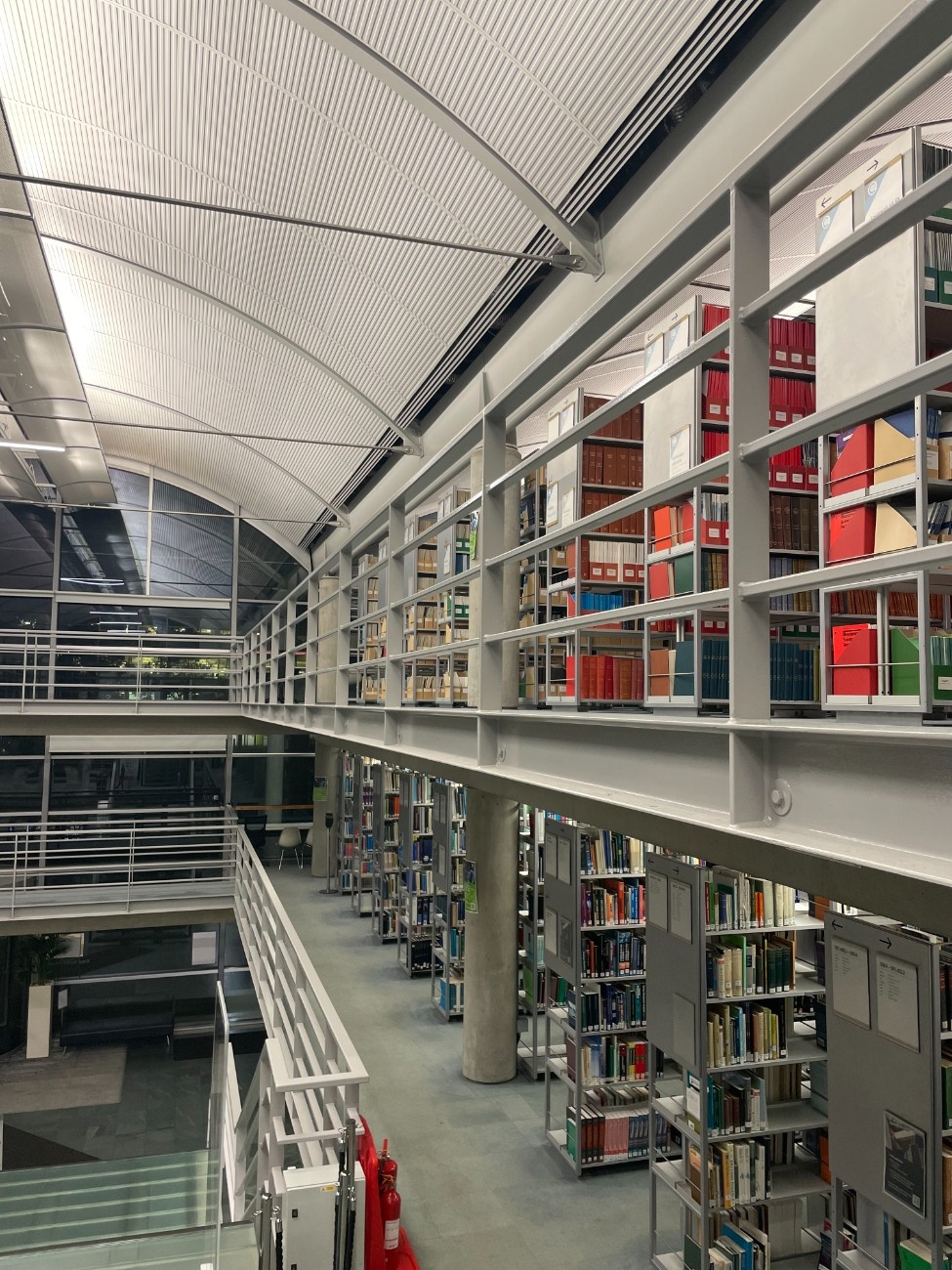
- The library services are available 24x7
- Greenery in the university meant, calm and soothing space for mental health
Dislikes
- Public transport (bus) commute is minimal in off-peak hours
- Accessibility to large grocery stores was dependent on the availability of the buses
- Feels a little fast-paced
Scholarship
- I received a scholarship through the Cranfield India Scholarship
- I was awarded £8000 scholarship
- Yes, they have received scholarships from £8000 to full tuition fees through country-specific scholarships, Brian Meredith scholarship, excellence and merit scholarships
- 1-10 students (based on the course chosen) - varies from £8000 to Full tuition fee
Likes
- The university is close to the village and the nearby cities are around 45 mins via public transport.
- This causes the part time opportunities a bit difficult.

interested in this College ?
Follow & Share this college to get information about admission.



Comments