





Queen’s University Belfast admissions favour Indian applicants with Class XII at 70 percent or higher for undergraduate entry and a Bachelor’s at 60 percent or higher (a UK 2:1 equivalent) for postgraduate taught programmes.
- Next live deadline: 13 January 2027 for undergraduate courses via UCAS for the primary September 2027 intake.
- Base tuition starts at £22,400 (around ₹29.00 Lakhs) per year for UG, with an application fee of £34.50 (around ₹4,466) via UCAS. Postgraduate applicants pay no application fee on the Queen’s Portal.
- Eligibility floor: Class XII at 70 percent for UG with IELTS 6.0, and a Bachelor’s at 60 percent for PG with IELTS 6.5 (5.5 in each band).
- Acceptance rate: around 35 percent, reflecting selective Russell Group intake standards.
Popular routes for Indian students include the 12-month MBA, MSc Business Analytics, MSc Finance, and MSc Molecular Biology and Biotechnology, with the MPharm as the flagship health-sciences programme. Applicant sentiment on offer timelines is positive: most PG decisions arrive within four to six weeks of a complete file. For the broader institutional context, see the Queen’s University Belfast overview.
Table of Contents
- Queen’s University Belfast Application Deadlines
- QUB Eligibility for Indian Students
- Queen’s Belfast PG Programs and English Scores
- QUB Undergraduate Programs and IELTS Waiver
- Queen’s University Belfast MBA and Interview Route
- QUB PhD Admissions and Research Proposals
- Queen’s Belfast Application Process
- QUB Documents Required for Indian Students
- Queen’s University Belfast Acceptance Rate
- United Kingdom Student Visa Process
- Tips and Checklist for Queen’s University Belfast
- Queen’s University Belfast Admissions FAQs
Queen’s University Belfast Application Deadlines for Indian Students
Queen’s University Belfast runs two intakes each year, and September is the primary window where the widest range of undergraduate and postgraduate programmes opens. January is a smaller intake carrying a limited list of PG taught courses. Deadlines below are drawn from the Queen’s international applying page for undergraduate applications routed through UCAS and postgraduate applications routed through the Queen’s Portal.
Primary intake for Indian students is September 2027. Most programs open here.
| Intake | Level | App Opens | Deadline | App Fee | Portal |
|---|---|---|---|---|---|
| Primary intake — September 2027 | UG (most courses) | 1 September 2026 | 13 January 2027 | £34.50 (₹4,466) | UCAS |
| September 2027 | UG Medicine, Dentistry | 1 September 2026 | 15 October 2026 | £34.50 (₹4,466) | UCAS |
| September 2027 | PG Taught | 1 October 2026 | 30 June 2027 (rolling) | No application fee | Queen’s Portal |
| September 2027 | PhD Research | Year-round | Programme-specific, funded closes vary | No application fee | Queen’s Portal |
| January 2027 | PG Taught (limited list) | Currently open | 30 November 2026 | No application fee | Queen’s Portal |
UCAS applications for the 2027 cycle can be submitted from 1 September 2026, and the equal-consideration principle means every UG application that lands by 13 January 2027 receives the same weight. Applications after that date are considered only if places remain. Queen’s reserves the right to close a PG programme early once quotas fill, so early submission is safer than waiting for the June cutoff.
Planning note: The five-choice UCAS ceiling means Indian applicants should place Queen’s within their five preferences before 13 January 2027 and avoid the post-deadline pool.
Queen’s University Belfast Eligibility for Indian Students
Queen’s applies UK-style entry standards and translates Indian qualifications into 2:1 or 2:2 Bachelor’s honours equivalents. Eligibility here covers academic thresholds and English proficiency only — paperwork lives in the Documents section below.
QUB Undergraduate Academic Floor
- UG general entry: Class XII at 70 percent from CBSE, CISCE, or an accepted state board, with any required subjects (Mathematics for engineering, Chemistry and Biology for life sciences).
- UG competitive courses: Class XII at 80 to 85 percent with subject requirements, applicable to Law, Business Management, Pharmacy, and Medicine or Dentistry.
- UG English (standard): IELTS 6.0 overall with 5.5 in each component, or equivalent PTE, TOEFL iBT, or Duolingo score.
QUB Postgraduate Academic Floor
- PG Taught (2:2 equivalent): Indian Bachelor’s at 55 percent or higher, accepted for most Master’s programmes outside Queen’s Business School.
- PG Taught (2:1 equivalent): Indian Bachelor’s at 60 percent or higher, needed for Queen’s Business School and competitive Master’s.
- PG English: IELTS 6.5 overall with 5.5 in each component, or PTE 62, TOEFL iBT 90, or Duolingo 120.
| English Test | UG Minimum | PG Minimum |
|---|---|---|
| IELTS Academic | 6.0 (5.5 each) | 6.5 (5.5 each) |
| TOEFL iBT | 78 (17 R, 17 L, 18 S, 17 W) | 90 (17 R, 17 L, 20 S, 17 W) |
| PTE Academic | 59 (59 each) | 62 (59 each) |
| Duolingo English Test | 110 | 120 |
Queen’s Belfast IELTS Waiver for Indian Students
Queen’s accepts 70 percent in Class XII English from CBSE, CISCE, or an accepted state board (Karnataka, Maharashtra, Tamil Nadu, or West Bengal) in place of IELTS for most Bachelor’s programmes and PG Taught programmes outside health sciences. This waiver does not apply to Medicine, Dentistry, or Pharmacy, which need a formal English test score. A Bachelor’s degree taught in English at a recognised Indian university is separately accepted as evidence of proficiency for most PG courses.
Queen’s University Belfast Postgraduate Programs and English Scores
The table lists popular one-year Master’s programmes for Indian applicants with their eligibility floors and English minimums, all verified against the corresponding Queen’s course pages. Base tuition for PG Taught programmes runs from £23,000 (around ₹29.78 Lakhs) to £27,600 (around ₹35.73 Lakhs) per year; for the full course-wise fees breakdown, see the Queen’s Belfast programmes and fees page.
| Programme | Duration | Minimum Eligibility | English Req. Min. |
|---|---|---|---|
| MSc Business Analytics | 1 year | Bachelor’s with 60%+ in a numerate discipline | IELTS 6.5 |
| MSc Finance | 1 year | Bachelor’s with 60%+ in Finance, Economics, or related | IELTS 6.5 |
| MSc Financial Analytics | 1 year | Bachelor’s with 60%+, quantitative background preferred | IELTS 6.5 |
| MSc Accounting, Finance and Analytics | 1 year | Bachelor’s with 60%+ in Accounting or Finance | IELTS 6.5 |
| MSc Marketing | 1 year | Bachelor’s with 60%+ in any discipline | IELTS 6.5 |
| MSc Data Analytics | 1 year | Bachelor’s with 60%+ in a numerate discipline | IELTS 6.5 |
| MSc Molecular Biology and Biotechnology | 1 year | Bachelor’s with 60%+ in Biological Sciences | IELTS 6.5 |
| MSc Software Development | 1 year | Bachelor’s with 55%+ in any discipline (conversion course) | IELTS 6.5 |
| LLM International Business Law | 1 year | Bachelor’s with 60%+ in Law or a cognate discipline | IELTS 6.5 (6.0 W) |
Applicants meeting a 2:1 threshold with strong quantitative coursework typically receive PG Business School decisions within four to six weeks. Conversion Master’s such as Software Development and Business Analytics accept non-numerate Bachelor’s, which broadens the pool for humanities-background Indian applicants.
Note: Program-specific entry requirements, fees, and intake availability may differ from the institution-wide minimums shown above. Always confirm on the official Queen’s University Belfast page for your chosen program before applying.
Queen’s University Belfast Undergraduate Programs and IELTS Waiver
Undergraduate courses at Queen’s run for three years (four for integrated Master’s such as MEng, MSci, or MPharm). Base tuition starts at £22,400 (around ₹29.00 Lakhs) and rises to £26,600 (around ₹34.44 Lakhs) for laboratory-heavy and health-sciences courses. Applications route through UCAS with the £34.50 cycle fee. Eligibility figures for Indian applicants come from the Queen’s international qualifications page.
| Programme | Duration | Minimum Eligibility | English Req. Min. |
|---|---|---|---|
| BSc Computer Science | 3 years | Class XII at 75% with Mathematics | IELTS 6.0 |
| BEng Mechanical Engineering | 3 years | Class XII at 75% with Mathematics and Physics | IELTS 6.0 |
| BSc Business Management | 3 years | Class XII at 80% with Mathematics preferred | IELTS 6.0 |
| LLB Law | 3 years | Class XII at 80% in five academic subjects | IELTS 6.5 |
| MPharm Pharmacy | 4 years | Class XII at 85% with Chemistry and Biology | IELTS 7.0 (6.5 each) |
The Class XII English waiver applies across most UG programmes but is closed for Medicine, Dentistry, and Pharmacy. Indian applicants without a UK Foundation year are considered directly for first-year entry on the strength of their Class XII scores; A-Level or IB equivalents are not required.
Queen’s University Belfast MBA Admissions and Interview
The Queen’s MBA is a 12-month full-time programme starting in late September 2027 for the next cohort. It is a general-management degree that does not require GMAT or GRE, unlike many US and Asia-Pacific MBAs. The 2026/27 tuition is £29,400 (around ₹38.06 Lakhs); for funding routes, see the QUB funding options for Indian students. Program specifics are on the Queen’s Belfast MBA page.
Queen’s Belfast MBA Eligibility for Indian Applicants
- Academic: A Bachelor’s degree at 2:1 Honours or equivalent — an Indian Bachelor’s at 60 percent or higher.
- Experience: Minimum 3 years of quality full-time professional experience after graduation. Internships and part-time work are excluded.
- English: IELTS 6.5 overall with 6.0 in each component, or an accepted equivalent.
- Documents: Up-to-date CV and a personal statement setting out career goals and reasons for pursuing an MBA at Queen’s.
QUB MBA Interview and Selection
Shortlisted candidates are invited to an online interview with the MBA Director or a Queen’s Business School faculty member. The interview covers career trajectory, motivation for the programme, and fit with the Queen’s cohort model. Decisions land within three to four weeks of the interview. There is a single full-time MBA variant at Queen’s; part-time and executive routes are not run for international students.
Insider note: Queen’s Business School auto-considers eligible MBA applicants for a £6,000 (around ₹7.77 Lakhs) International Office scholarship, which is deducted from tuition on enrolment.
Note: Program-specific entry requirements, fees, and intake availability may differ from the institution-wide minimums shown above. Always confirm on the official Queen’s University Belfast page for your chosen program before applying.
Queen’s University Belfast PhD Admissions and Research Proposals
Queen’s accepts PhD applications throughout the year with flexible start dates in October, January, April, and July. Applicants target either a listed advertised project or propose a self-directed topic to a supervisor. For Indian students, Queen’s runs the Four-Year International PhD pathway with additional research skills training in the first year.
QUB PhD Entry Requirements
- Academic: Master’s degree with a good pass (or a Bachelor’s at 65 percent-plus for direct entry into strong departments).
- Research proposal: A 1,500 to 3,000 word proposal outlining the research question, methodology, and fit with a Queen’s supervisor.
- English: IELTS 6.5 overall with 5.5 in each; some Schools require 7.0.
Queen’s Belfast PhD Funding Windows
Queen’s advertises around 175 fully-funded studentships for the 2026-27 academic year covering full tuition. Faculty-specific studentship deadlines fall between December 2026 and February 2027 for October 2027 start dates. Self-funded applicants apply outside these windows.
Planning note: Contact a prospective supervisor 8 to 12 weeks before submitting the formal application. A supervisor endorsement is the strongest signal in Queen’s PhD selection.
Note: Program-specific entry requirements, fees, and intake availability may differ from the institution-wide minimums shown above. Always confirm on the official Queen’s University Belfast postgraduate research page for your chosen program before applying.
Queen’s University Belfast Application Process
The application steps below split by level — UCAS handles undergraduate, and the Queen’s Portal handles postgraduate taught and PhD. Both are online-only.
- Undergraduate step 1: Register on UCAS from 12 May 2026 and submit from 1 September 2026, adding Queen’s Belfast among your five choices. Pay the UCAS application fee of £34.50 (around ₹4,466) at submission on the UCAS platform.
- Postgraduate step 1: Create a login on the Queen’s Portal via the Queen’s international applying page and select your programme. There is no application fee for most PG programmes.
- Upload documents: Attach transcripts, degree certificate (if awarded), passport ID page, English test score, CV (for PG), and a personal statement. Two academic references are required for PG Taught; one is enough for UG.
- Submit and track: Applications land in the Faculty Admissions team. Track status on the portal, and expect an initial acknowledgement within 5 working days.
QUB Admission Decisions Timeline
PG offers arrive within 4 to 6 weeks for standard programmes, and within 2 to 3 weeks if the file is complete and self-evident. UG UCAS decisions arrive on or before 18 May 2027 for on-time applicants. Offers are conditional (usually on English score or final results) or unconditional. Firm and Insurance UCAS choices must be confirmed by 10 June 2027. PG offer holders must accept within four weeks and pay a £1,500 (around ₹1.94 Lakhs) tuition deposit to secure the place.
Queen’s University Belfast Documents Required for Indian Students
Queen’s asks for a compact document set. Certified digital copies work at application; originals or attested copies are needed only at CAS-issuance stage after the offer.
- Passport: Bio-data page, valid for the full duration of study.
- Academic transcripts: Class X, Class XII, and every Bachelor’s or Master’s semester marksheet.
- Degree certificate: Provisional or final, whichever is available.
- English test score report: IELTS, TOEFL iBT, PTE, or Duolingo, dated within the last 2 years.
- Personal statement: 500 to 700 words on programme fit, career goals, and reasons for choosing Queen’s.
- Academic references: Two for PG Taught, one for UG, on institutional letterhead.
- CV: Mandatory for MBA and executive Master’s, optional for standard PG Taught.
- Work experience letters: Required for MBA (minimum 3 years) and preferred for MSc Marketing or MSc Management.
- Financial proof: Bank statement or loan sanction letter covering tuition and living costs, needed for the CAS and visa stage.
Queen’s University Belfast Acceptance Rate and Selectivity
Queen’s is estimated to admit around 35 percent of applicants overall, placing it in the moderately selective band among Russell Group members. The rate varies sharply by programme, with health sciences and Law closer to 15 percent and standard PG Taught closer to 50 percent for Indian applicants who meet the 2:1 threshold.
QUB Selectivity by Programme Group
- Medicine, Dentistry, and MPharm: 10 to 20 percent, with Class XII above 90 percent typical among admitted Indian applicants.
- Business School PG Taught: 40 to 55 percent for 2:1-equivalent Bachelor’s applicants with IELTS 6.5.
- Engineering and Computer Science: 55 to 65 percent, aided by conversion Master’s routes.
Queen’s Belfast Ranking Signal for Applicants
Queen’s sits at QS World 174 for 2027 and inside the top 200 on Times Higher Education, which places it inside the top 1 percent of universities globally. See the full Queen’s Belfast ranking band for subject-wise positions.
Insider note: An IELTS 6.5 with a 7.0 in Writing lifts a borderline PG Business School file noticeably. Writing scores are the most-cited weakness in Queen’s admissions feedback.
United Kingdom Student Visa Process for Queen’s University Belfast
Indian offer holders apply for the UK Student Route visa (previously Tier 4) once Queen’s issues a Confirmation of Acceptance for Studies (CAS). The visa allows 20 hours per week of term-time work and full-time work during vacations. The application opens online at gov.uk with a UKVI account, followed by biometrics at a VFS Global centre in India.
Applicants pay the visa fee of £524 (around ₹67,877) and the Immigration Health Surcharge (IHS) of £776 (around ₹1.00 Lakh) per year of study, covering NHS access. Financial proof must show tuition plus £1,023 (around ₹1.32 Lakhs) per month for up to 9 months of living costs in Belfast, held in the applicant’s or parent’s account for 28 consecutive days. Post-arrival, students collect the BRP within 10 days of landing and register with the university’s international student support office.
2026 update: The Graduate Route remains active, allowing Indian graduates a 2-year post-study work visa (3 years for PhD graduates) with no employer sponsorship required.
Tips and Application Checklist for Queen’s University Belfast
The following tips and steps are drawn from Indian-applicant patterns at Queen’s. They cover sequencing rather than restating documents already listed above.
- Request transcripts 8 weeks early: Indian universities often take 4 to 6 weeks for attested marksheets and degree certificates, so start before Diwali for a January UCAS deadline.
- Book IELTS 10 weeks before deadline: A weak first attempt still leaves room for a retake without breaking the timeline.
- Line up two academic references early: Ask your Bachelor’s project guide and one subject professor. Queen’s PG needs a second reference at submission, not later.
- Apply by 30 November 2026 for the Vice-Chancellor’s Scholarship auto-round: International Office scholarships assess against submission date order.
- Use Class XII English waiver only for eligible boards: CBSE, CISCE, or the four accepted state boards. Other boards must supply IELTS.
- Draft the personal statement in December: Leaves January free to focus on UCAS submission and visa document collection.
- Pay the £1,500 (around ₹1.94 Lakhs) tuition deposit within 4 weeks of offer: Missing this window releases the seat to the next offer holder.
- Start visa file 8 weeks before intake: UKVI processing takes 3 weeks on average, and the CAS is issued only after the tuition deposit clears.
Queen’s University Belfast admissions favour Indian applicants who plan around the primary September intake, secure a 2:1 or Class XII 70 percent, and clear the IELTS 6.5 bar for PG or use the Class XII English waiver for eligible UG courses. Prioritise the 13 January 2027 UCAS deadline for UG and submit PG files by 30 November 2026 to stay inside scholarship consideration.
Queen’s University Belfast Admissions: Frequently Asked Questions
Ques. What is the acceptance rate at Queen’s University Belfast for Indian students?
Ans. The overall acceptance rate at Queen’s University Belfast is estimated at around 35 percent, though it varies from 15 percent for Medicine to 55 percent for Business School PG Taught, depending on the programme and applicant profile.
Ques. What is the primary intake at Queen’s University Belfast?
Ans. September is the primary intake at Queen’s University Belfast where most undergraduate and postgraduate programmes open. January is a smaller intake for a limited list of PG Taught courses only.
Ques. Does Queen’s University Belfast require IELTS for Indian students?
Ans. Queen’s accepts a Class XII English score of 70 percent or higher from CBSE, CISCE, or accepted state boards in place of IELTS for most Bachelor’s and PG Taught programmes. Medicine, Dentistry, and Pharmacy still require a formal IELTS 6.5 or 7.0.
Ques. What is the application fee for Queen’s University Belfast?
Ans. Undergraduate applications go through UCAS with a fee of £34.50 (around ₹4,466) for the 2027 cycle. Postgraduate applications via the Queen’s Portal typically carry no application fee.
Ques. What is the deadline for September 2027 intake at Queen’s University Belfast?
Ans. The UCAS undergraduate equal-consideration deadline is 13 January 2027 for most courses and 15 October 2026 for Medicine and Dentistry. Postgraduate applications close 30 June 2027 with rolling reviews for programmes that fill early.
Ques. Does the Queen’s Belfast MBA require GMAT?
Ans. No, Queen’s Business School does not require GMAT or GRE for the MBA. Instead, applicants need a 2:1 Bachelor’s, at least 3 years of full-time professional experience, IELTS 6.5, and a shortlisting interview.
Ques. What academic score does Queen’s University Belfast need from Indian PG applicants?
Ans. Queen’s needs an Indian Bachelor’s at 60 percent or higher (a UK 2:1 equivalent) for Business School and competitive Master’s, and 55 percent (2:2 equivalent) for most other PG Taught programmes.
Ques. How long does it take to receive an admission decision from Queen’s University Belfast?
Ans. Postgraduate offers usually arrive within 4 to 6 weeks of a complete application, and within 2 to 3 weeks for straightforward files. UCAS undergraduate decisions arrive on or before 18 May 2027 for on-time applicants.
Ques. Does Queen’s University Belfast accept a 3-year Indian Bachelor’s for PG entry?
Ans. Yes, Queen’s accepts a standard 3-year Indian Bachelor’s degree from a recognised university as a full 2:2 or 2:1 equivalent, subject to the 55 percent or 60 percent thresholds by programme.
Ques. What visa do Indian students need for Queen’s University Belfast?
Ans. Indian students need the UK Student Route visa. It requires a CAS from Queen’s, proof of tuition and 9 months of living funds (£1,023 or around ₹1.32 Lakhs per month), and the Immigration Health Surcharge of £776 (around ₹1.00 Lakh) per year.
Ques. Can I apply to Queen’s University Belfast without a Bachelor’s degree certificate in hand?
Ans. Yes. Final-year Bachelor’s students can apply with a provisional transcript. Queen’s issues a conditional offer that converts to unconditional on submission of the final degree certificate and consolidated marksheet.
Ques. Does Queen’s University Belfast offer scholarships to Indian students at the application stage?
Ans. Yes, the International Office Postgraduate Taught Scholarship of £6,000 (around ₹7.77 Lakhs) is auto-considered for eligible self-funded international applicants at the offer stage. No separate application is needed for this award.
College Student Profiles

Queen's University Belfast Program Fees & Deadlines
| Program | Important Dates | Fees | Application Fees | Eligibility | Financial Aid |
|---|---|---|---|---|---|
M.B.A 1 year Course Offered by: | USD 33,000 /Yr GBP 25,000 /Yr | - | Grade- 53%, IELTS- 6.5, TOEFL- 90, PTE- 69, Duolingo- 120 | ||
M.Sc Business Analytics 1 year | USD 34,980 /Yr GBP 26,500 /Yr | - | GPA: 2.7, IELTS: 6.5, TOEFL iBT: 90, Duolingo-120 | ||
| USD 30,360 /Yr GBP 23,000 /Yr | - | GPA: 2.7, IELTS: 6.0, TOEFL iBT: 90, Duolingo-120 | |||
M.P.H Public Health 1 year | USD 30,360 /Yr GBP 23,000 /Yr | - | Grade- 53%, IELTS- 6.5, TOEFL- 90, PTE- 69, Duolingo- 120 | ||
M.S Finance 1 year | USD 34,980 /Yr GBP 26,500 /Yr | - | 55% in 12th, IELTS: 6.5, TOEFL: 90, PTE: 64,Duolingo:- 110 | ||
| USD 30,360 /Yr GBP 23,000 /Yr | - | GPA: 2.7, IELTS: 6.5, TOEFL iBT: 90, Duolingo-120 | |||
| USD 27,456 /Yr GBP 20,800 /Yr | - | Duolingo-110 | |||
| USD 30,360 /Yr GBP 23,000 /Yr | - | Grade- 53%, IELTS- 6.5, TOEFL- 90, PTE- 69, Duolingo- 120 | |||
| USD 30,360 /Yr GBP 23,000 /Yr | - | GPA: 2.7, IELTS: 6.0, TOEFL iBT: 90, Duolingo-120 | |||
B.S Zoology 3 years | USD 35,112 /Yr GBP 26,600 /Yr | 28 | IELTS: 6.5, TOEFL iBT: 90, PTE: 69, Duolingo-110 |
Do you think the Dates are wrong ? Report Here


Course Finder - Search from 50K+ courses
Popular Streams:
Reviews
Most Popular Tags
16 Reviews Found
Likes
- The platform to participate in co curricular and volunteering works.
- There are many activities for students at the SU.
Likes
- The campus is really good, work culture , education is top class.
Dislikes
- Fees might be expensive but cheaper than mainland.
Likes
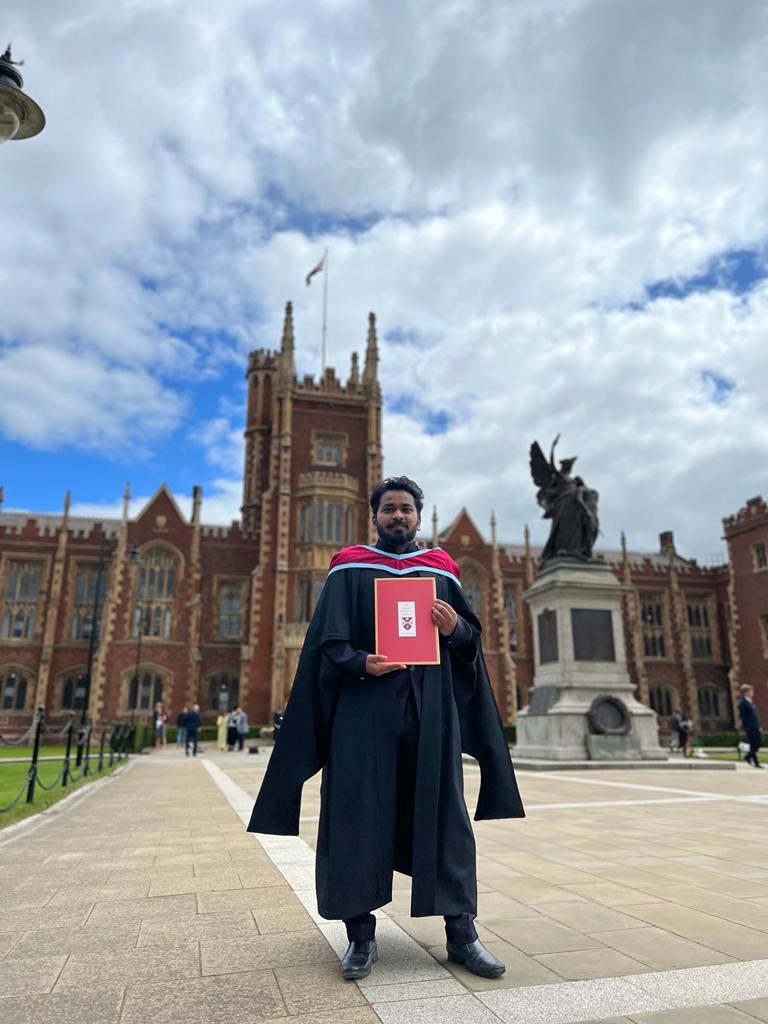
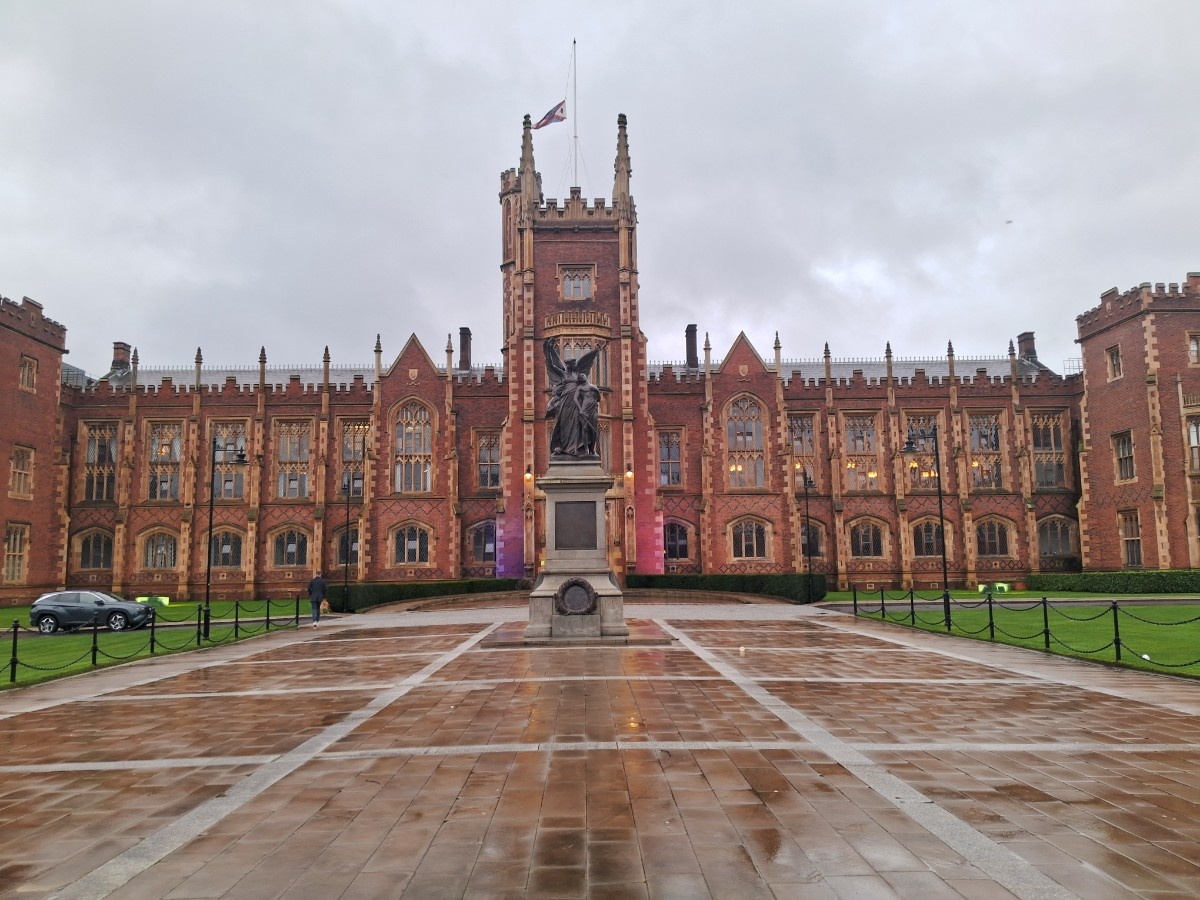
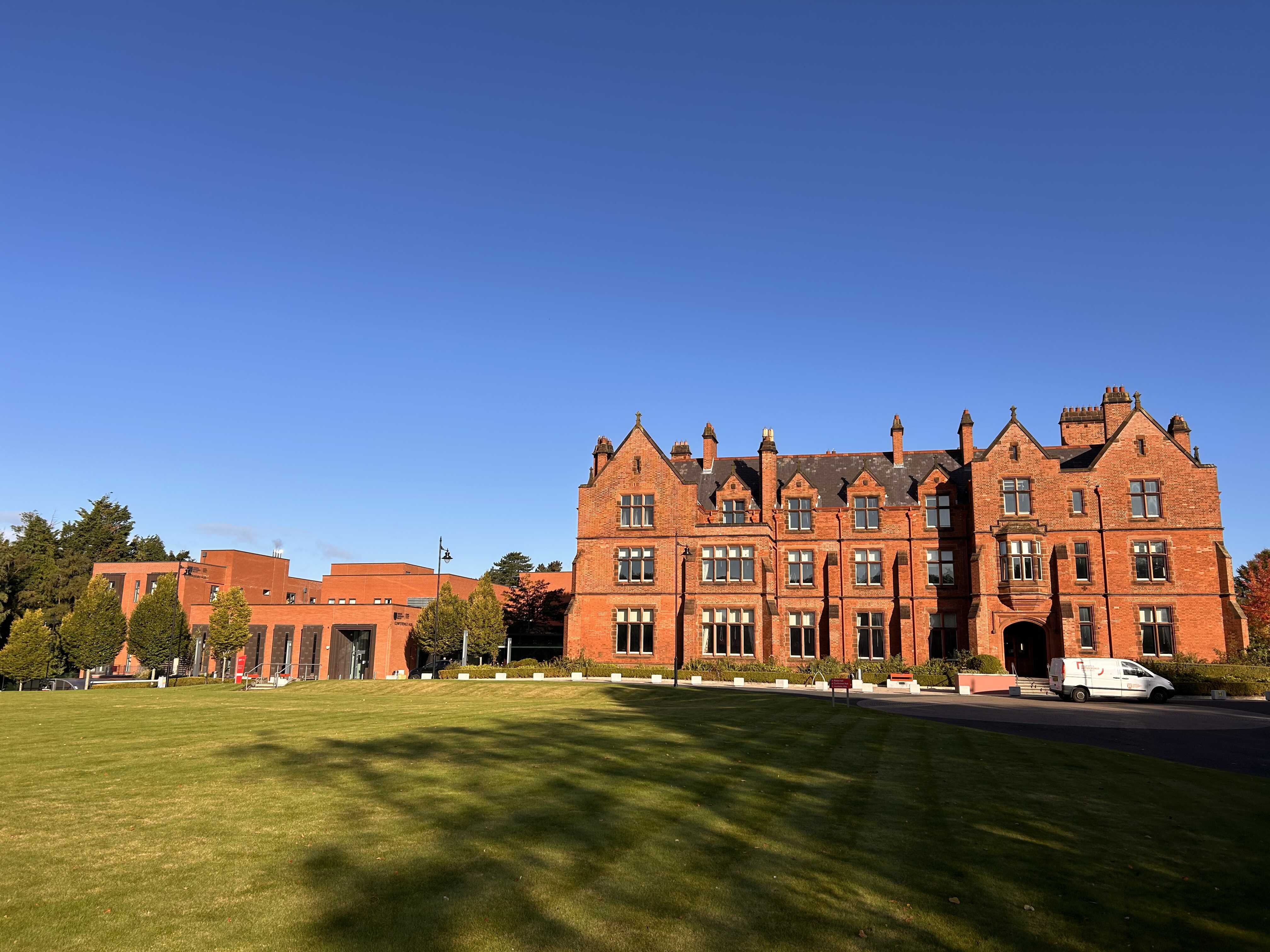
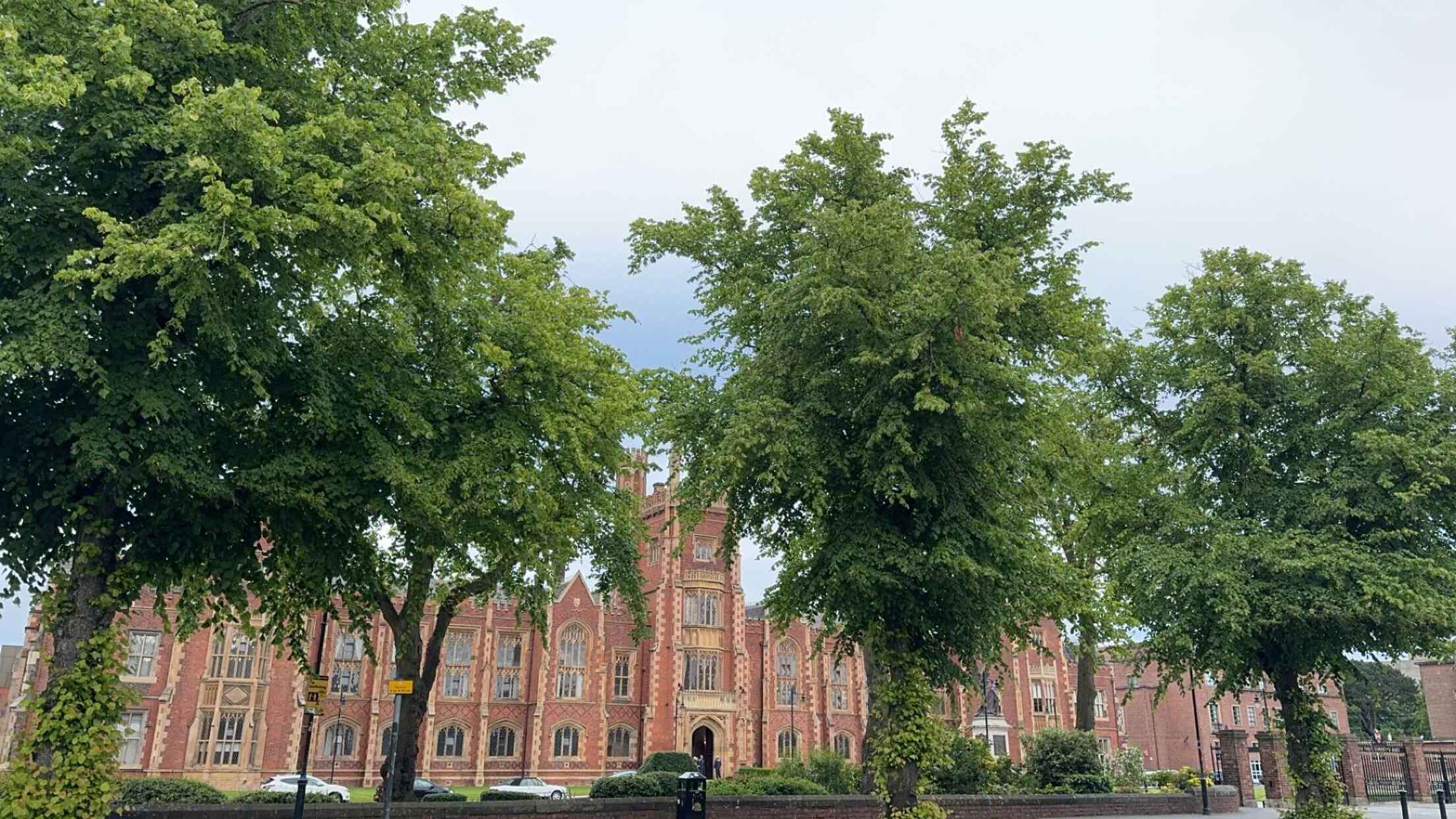
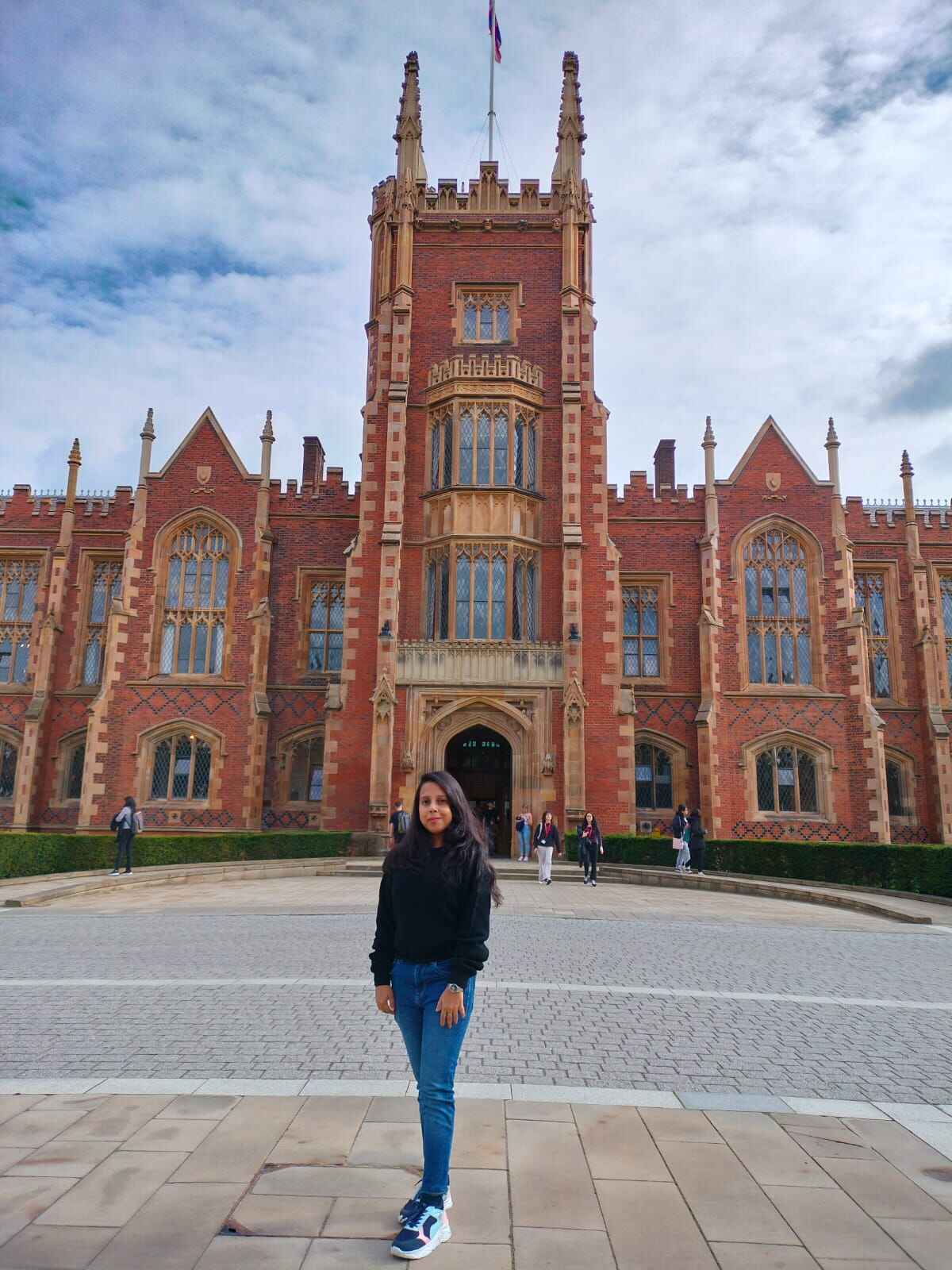
- The Campus is huge and reminds one of a beautiful city castle.
- The library is massive, and one can find texts you usually will not find otherwise.
- There is good amount of greenery and students can sit anywhere in the campus.
Dislikes
- One of the buildings is extremely confusing to navigate and finding my way to class was a task.
- The distance between buildings felt like a brisk walking marathon to get there just in the nick of time.
- Winter was a hassle because walking took much longer than usual and the slopes and stairs get too slippery to make it to class in time.
Scholarship
- Yes, I received an in-house scholarship given by the college. But there are many extended scholarships available otherwise.
- I had to pay half of the tuition fee only. I do not remember the exact amount.
- Yes, some did.
- I am not aware of the number. The numbers keep varying depending on how many students can apply for said scholarships, and the awarded amounts vary, too.
Likes
- I like Academics, Infrastructure, Student help
Dislikes
- I dislike that there is nothing like direct placements of students to the companies.
Likes
- It's Reputation and Rankings QUB is part of the Russell Group, known for its high-quality research and education.
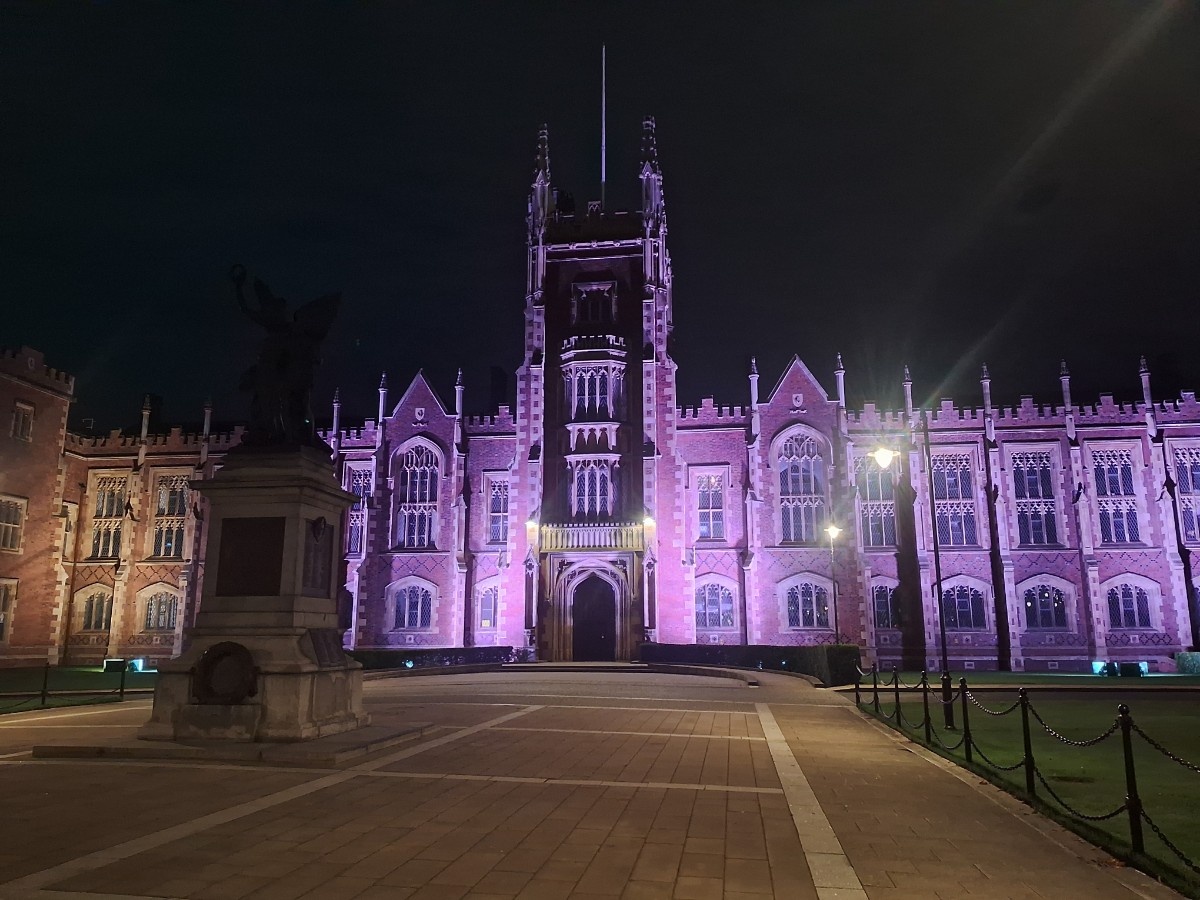
- University features a stunning campus with historical architecture, particularly the iconic Building.
- Strong emphasis on research with many opportunities for students to engage in cutting-edge projects.
Dislikes
- Weather: Northern Ireland's weather can be quite rainy and cold, which might not appeal to everyone.
- Cost of Living: While generally lower than some other UK cities, the cost of living can still be high for students.
Likes
- As an international student, the important thing I liked was about internal scholarship programme and career help facilities.
- Queen's University is a Russel group University and their facilities and courses provided are outstanding.
- Though there were no placements, the career counselling mentors have helped us in resumes preparations and optimizing LinkedIn.

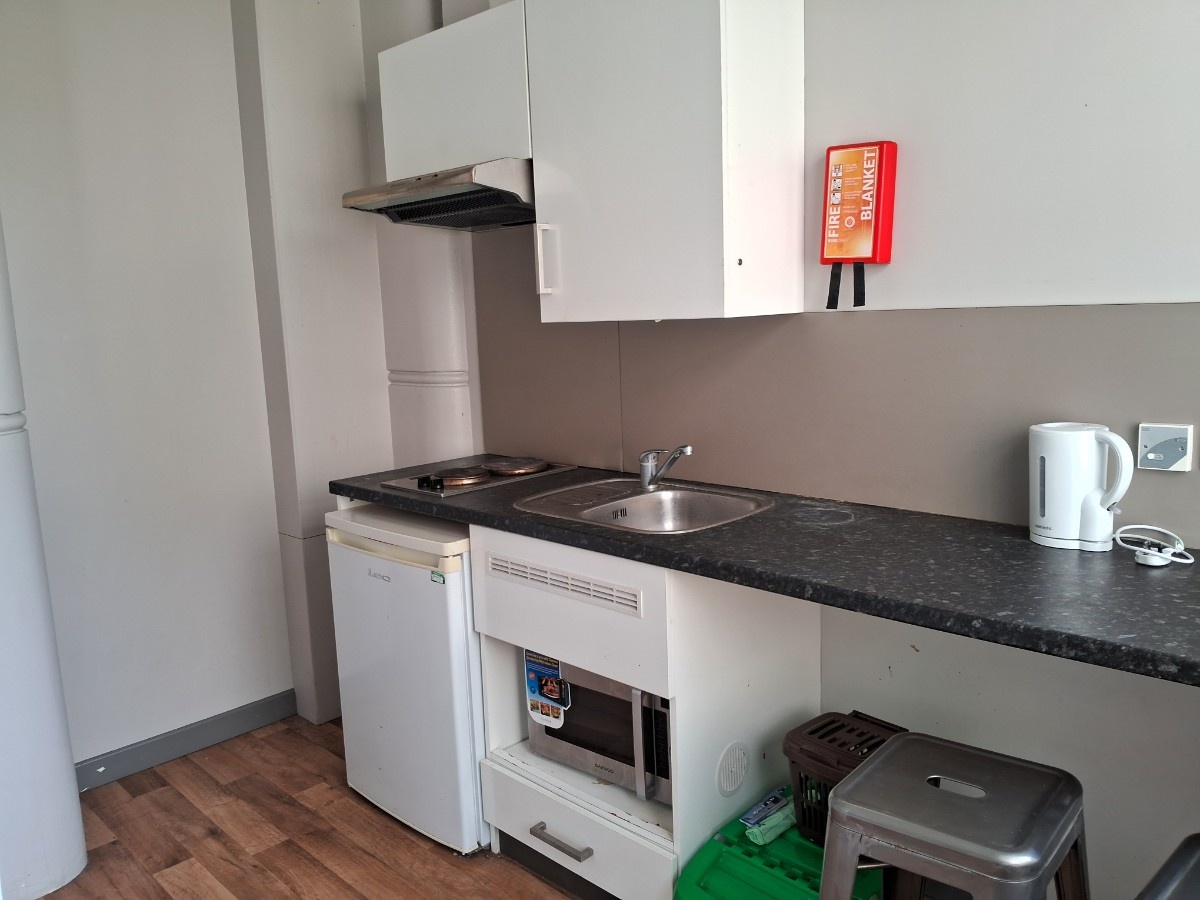

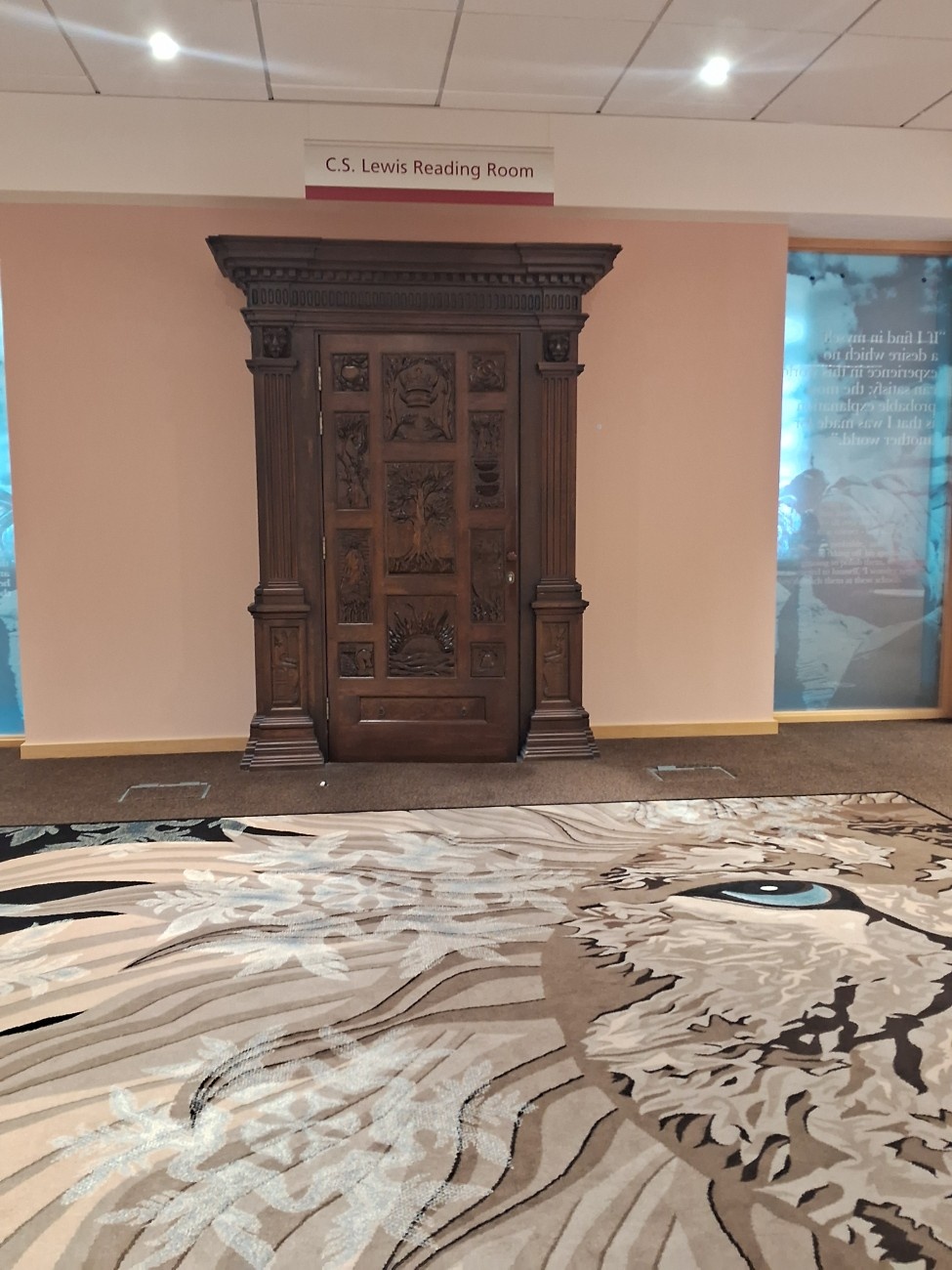
Likes
- Location (Belfast), Is a great place. Not too small or to big just the right size. everything is accessible and transport system is pretty efficient. The land is not only beautiful but filled with friendly and helping people. Sufficient Jobs in the market in terms of Part-Time.
- Academic Staff Roster. The professors are absolutely the best. Many of them are industry leaders and their research is world famous. A few of the professors have written multiple book and have yearly volumes with updates. They teach amazing and have the right tools to do so.
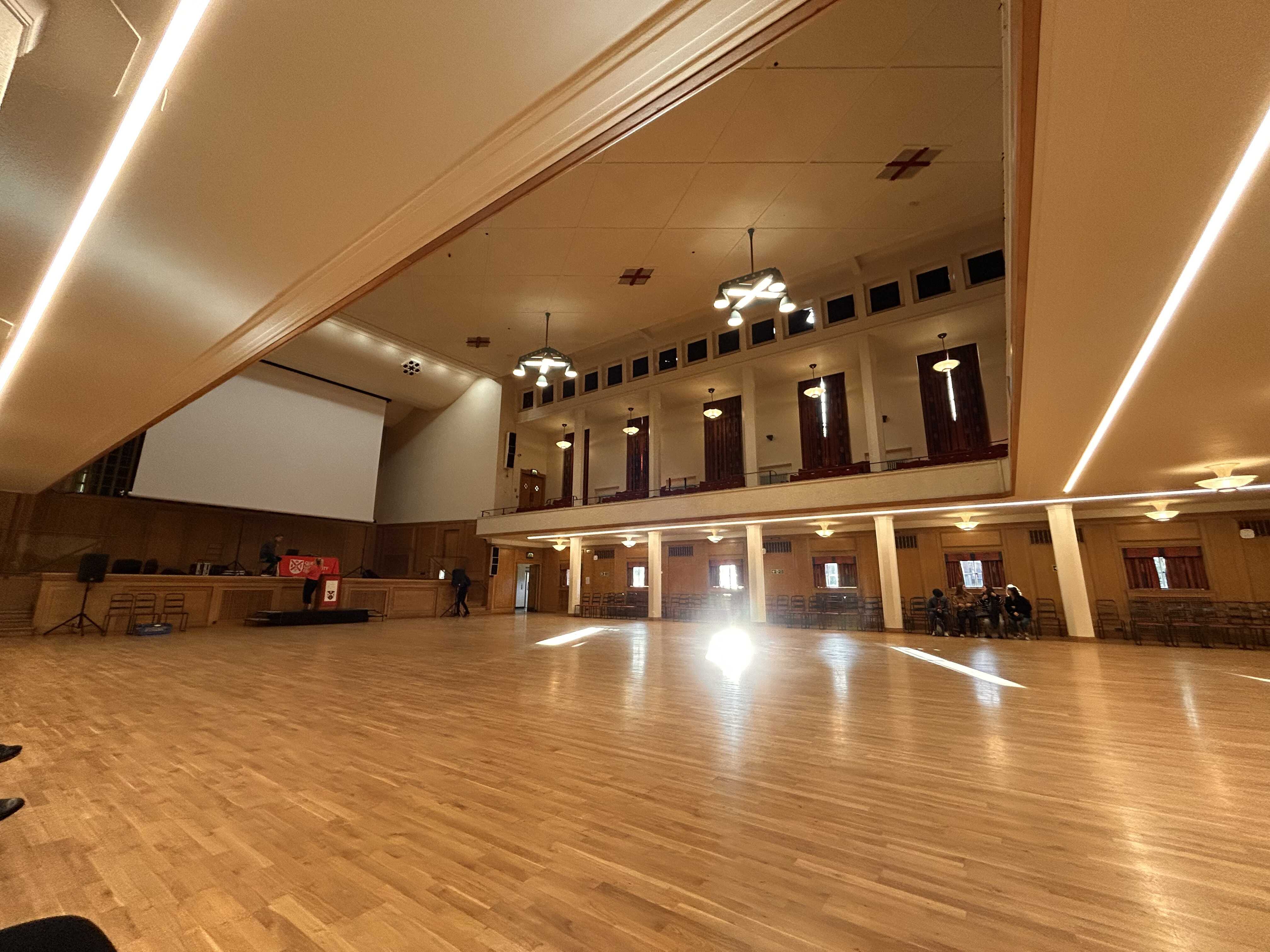
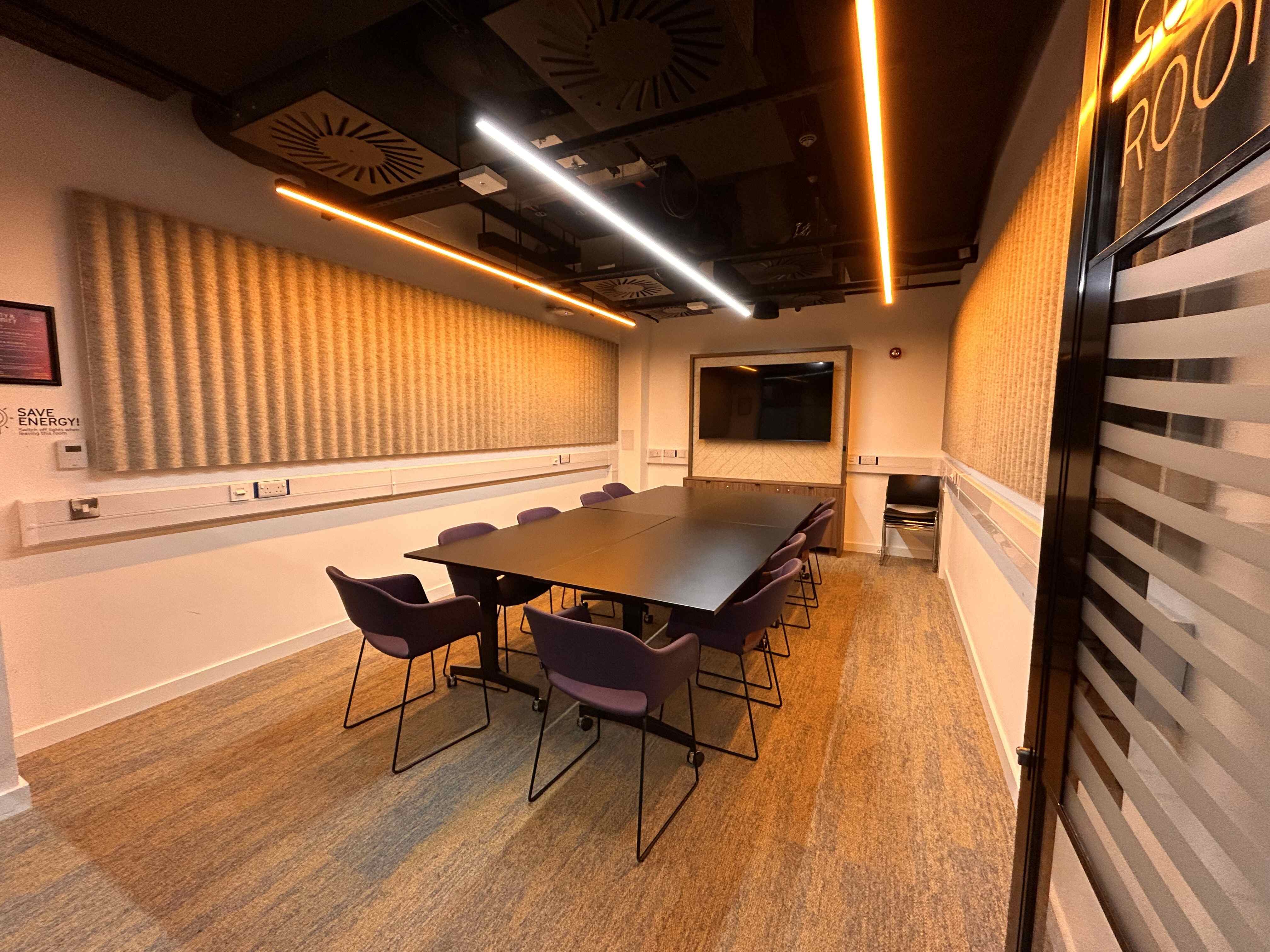
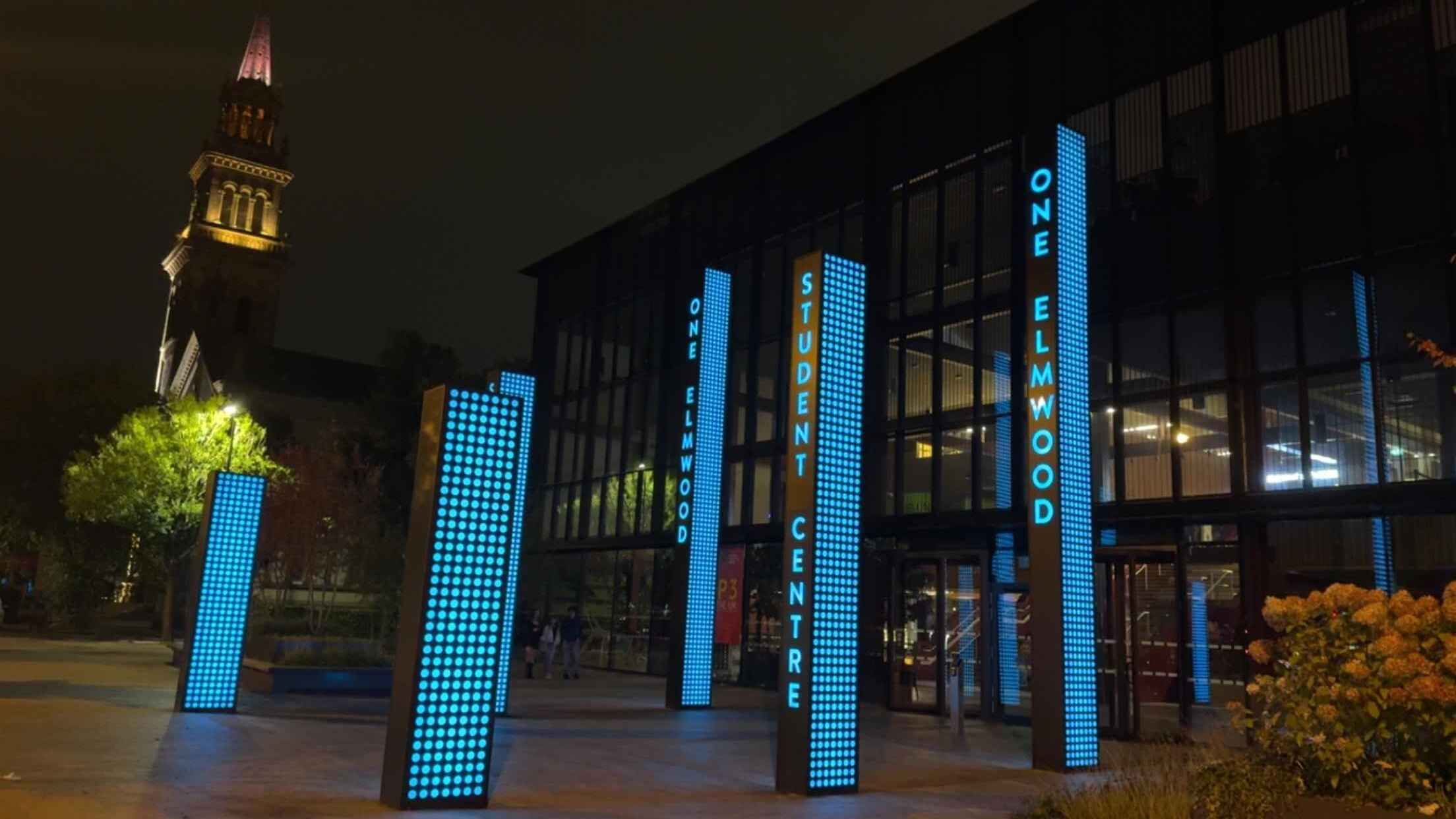
- Facilities are world class. They have library size of a small village. Sufficient computer labs and electronic assessment centers. Classes are fully equipped with tech for teachers aids and students aid. The university has its own Student Union building as well. Has all that anyone can imagine from breakout rooms to group discussion rooms. Chill space and Union Bar. The University has its own clinic and hospital as well.
Dislikes
- Nothing particularly. Enough opportunities and university aims to improve everyday.
- The candidate needs to be open for the opportunities and keep ups killing with the community. University has all the supports in place to help but won't be served on a golden plate.
Scholarship
- I was awarded a QMS Scholarship of £6,000 (for academic fees), an Early Confirmation Award of £1500 and a £1000 accommodation bursary. For Business School, though, £6,000 is the maximum scholarship in academics. Yes, many did receive either £4000 or £6000. I have no idea how many receive but I believe a good chunk of people do. If you give your application right and have a strong profile, almost certainly you will receive a scholarship.
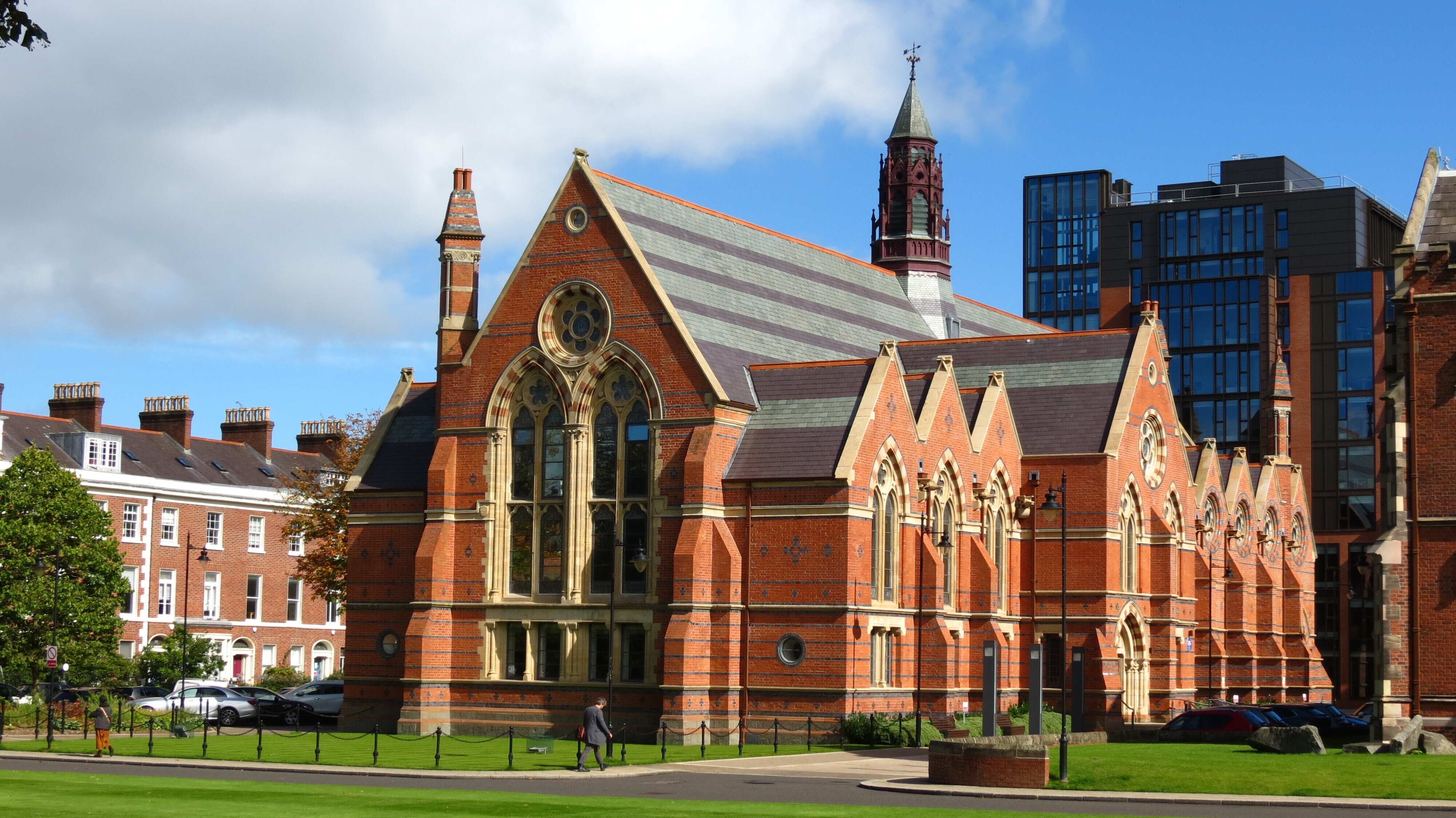

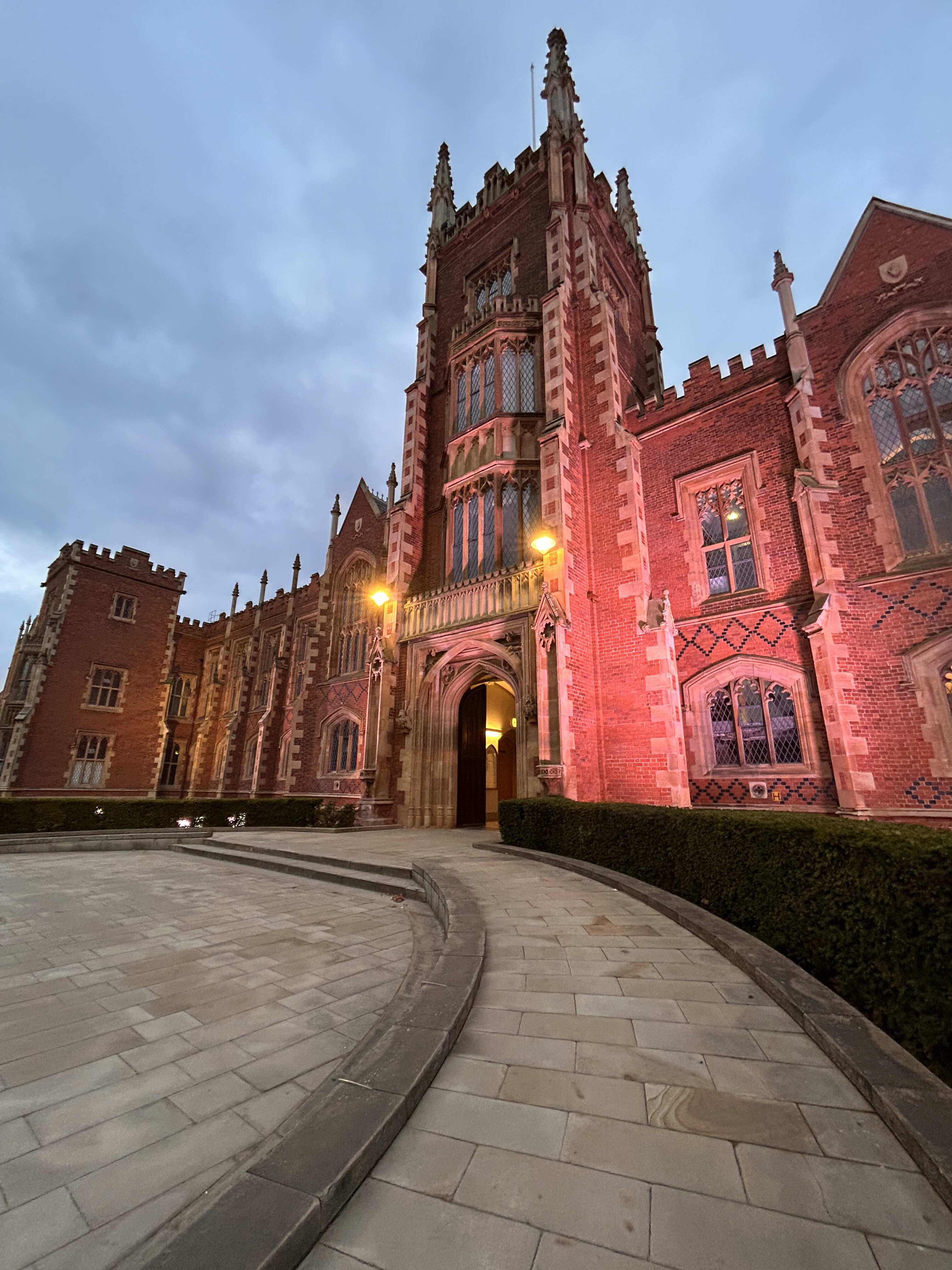
Likes
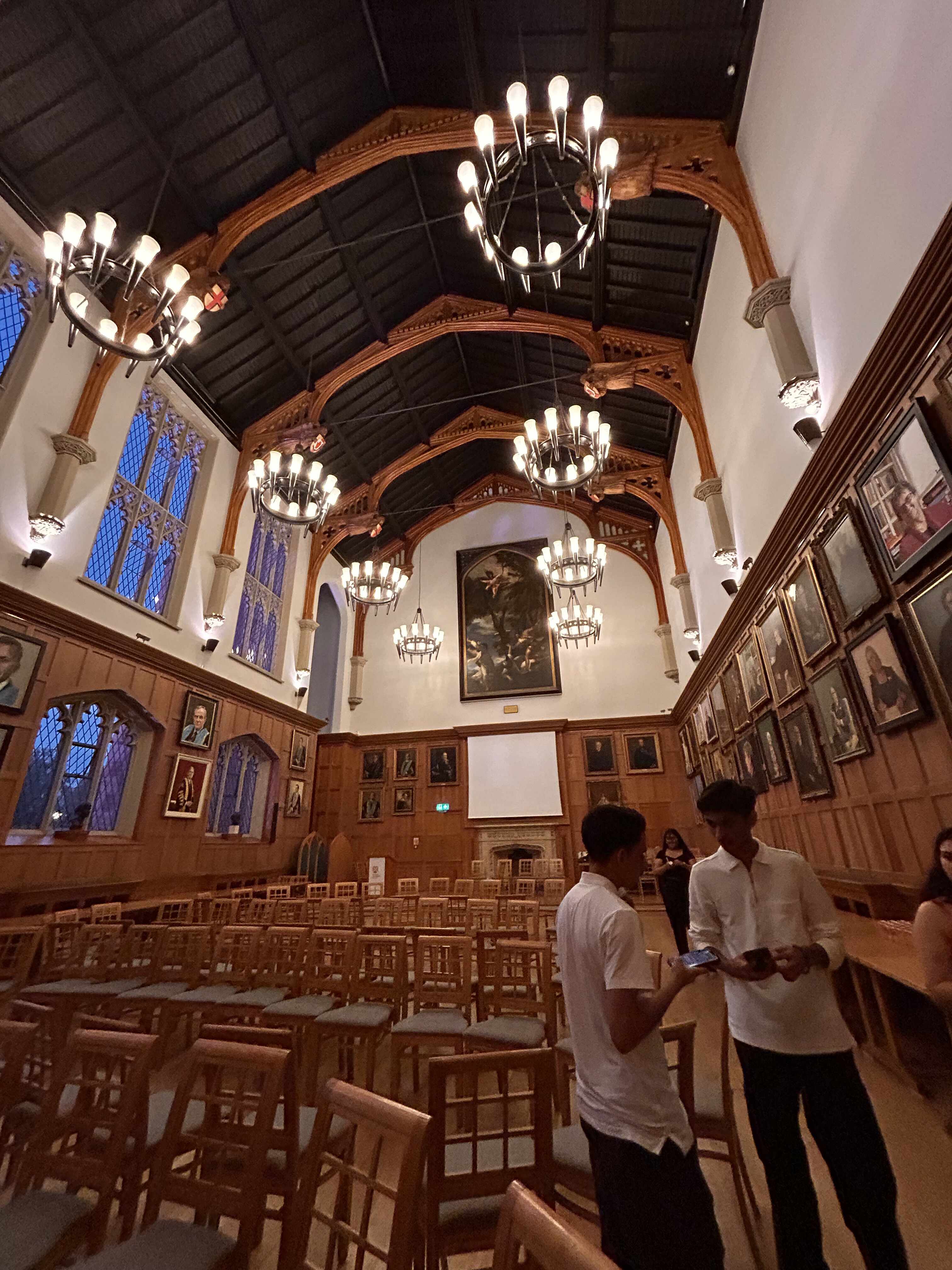
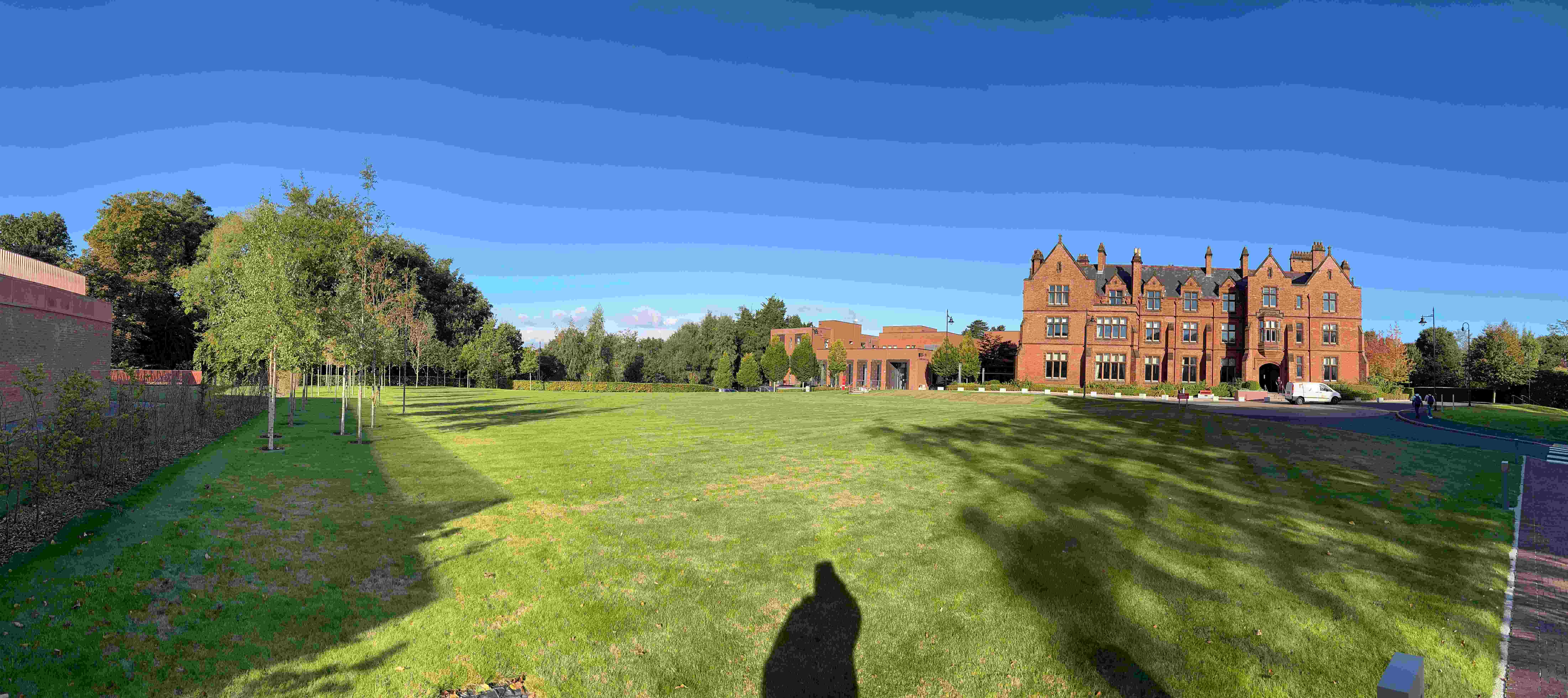
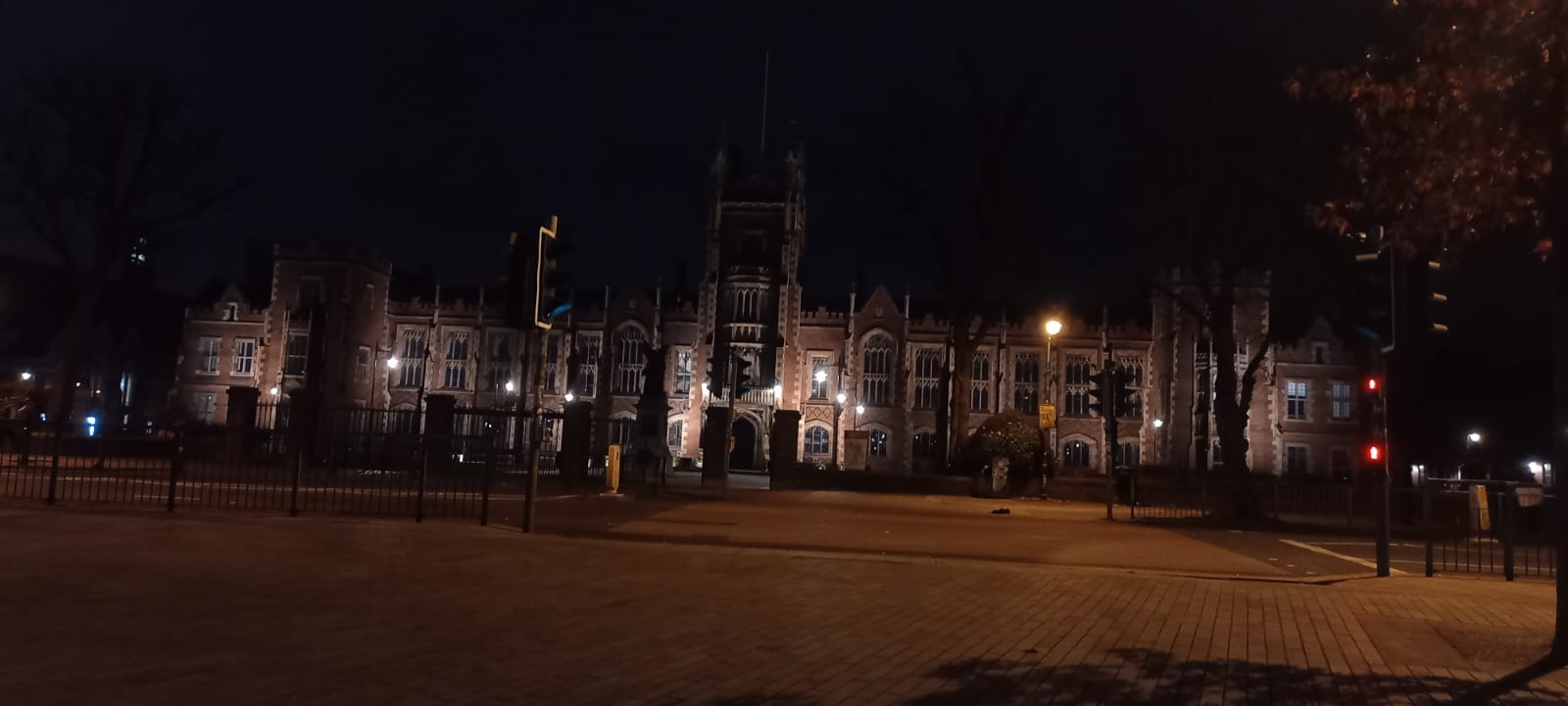
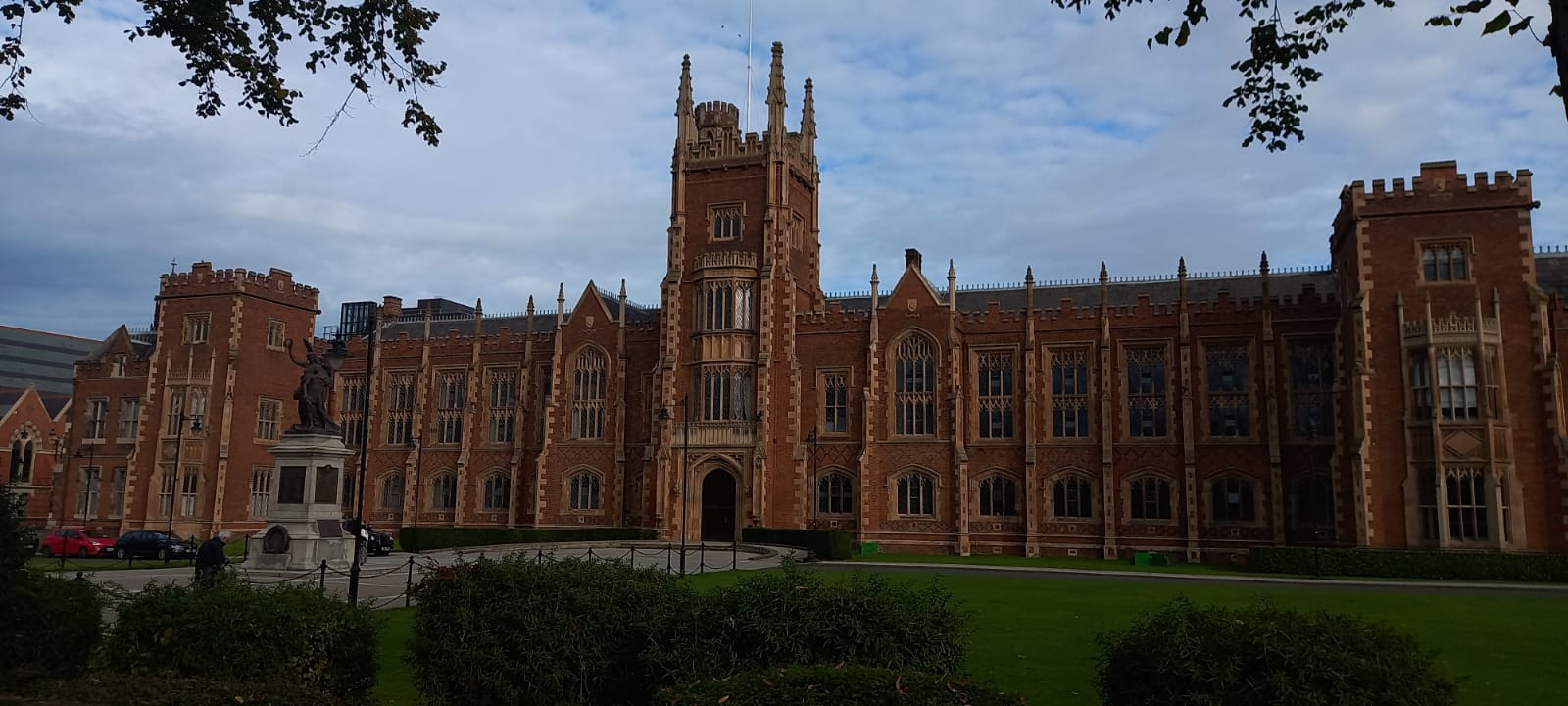
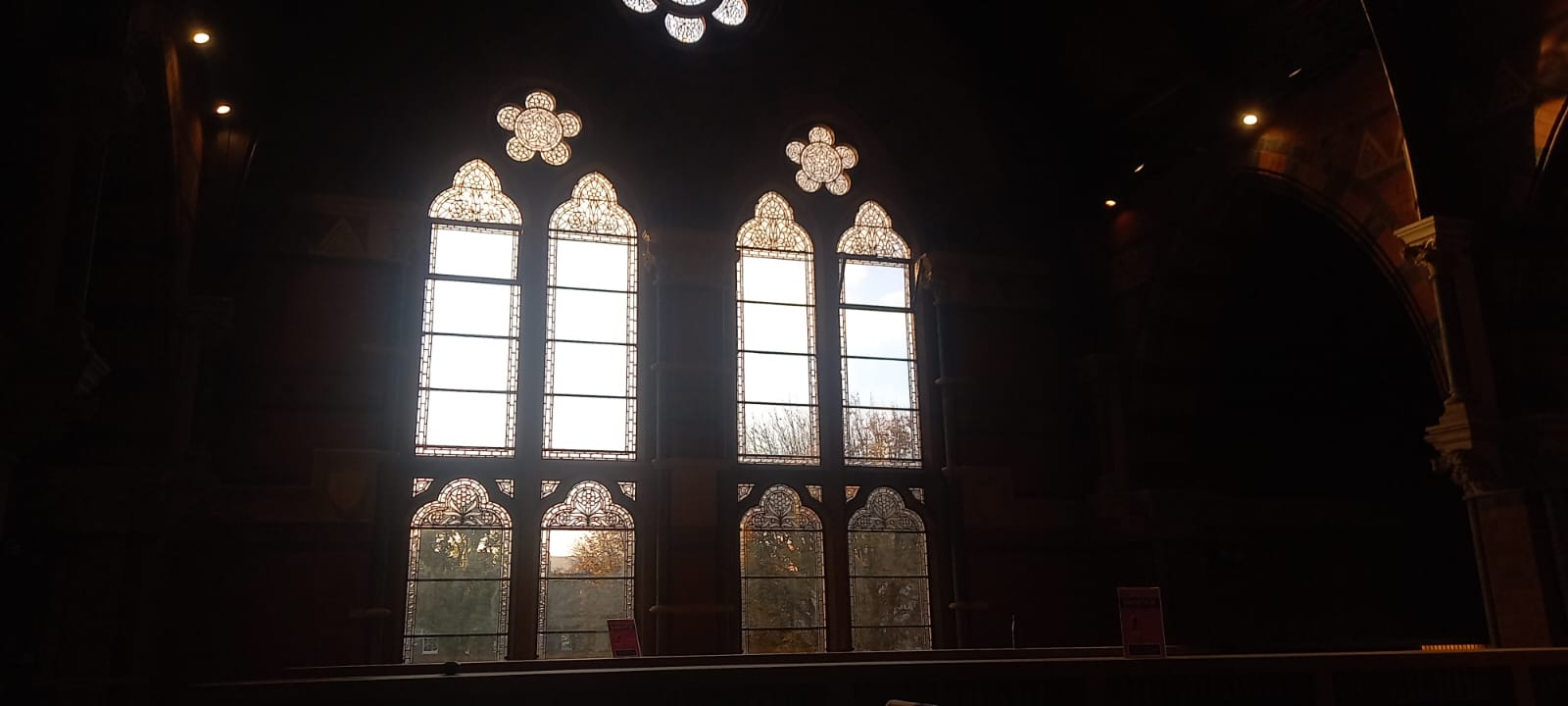
- Awesome architecture and building
- Very smooth processing of requests
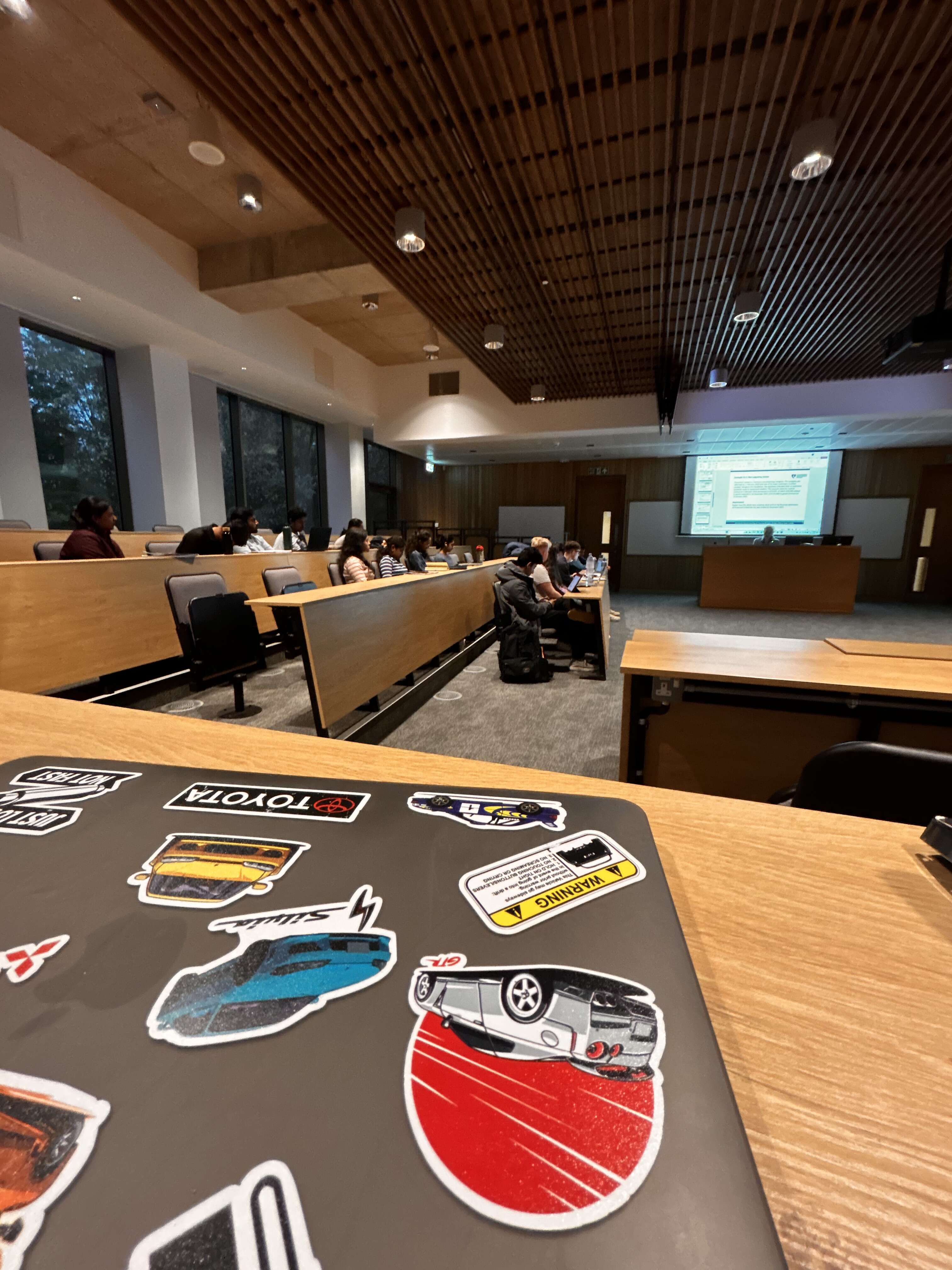
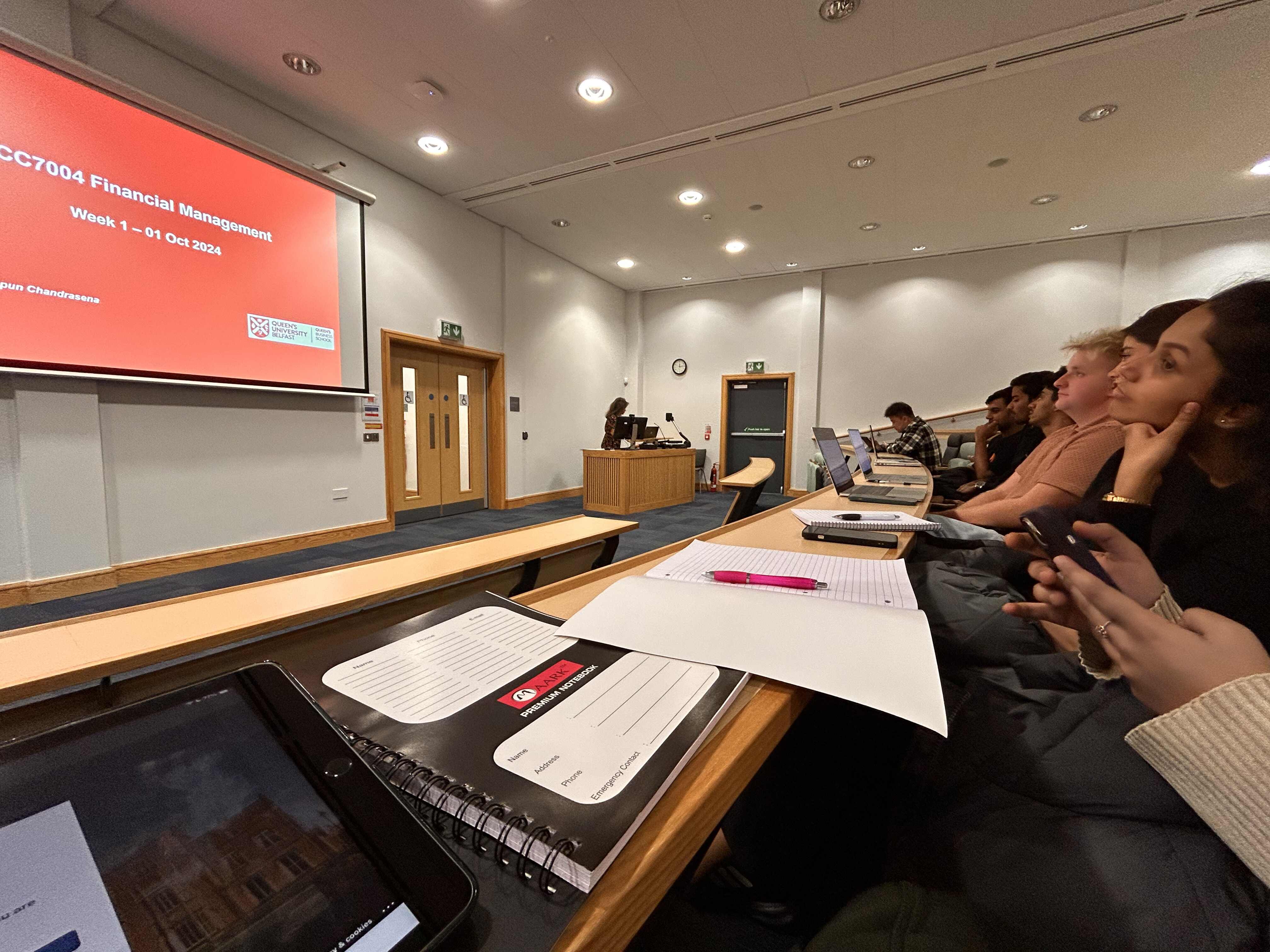
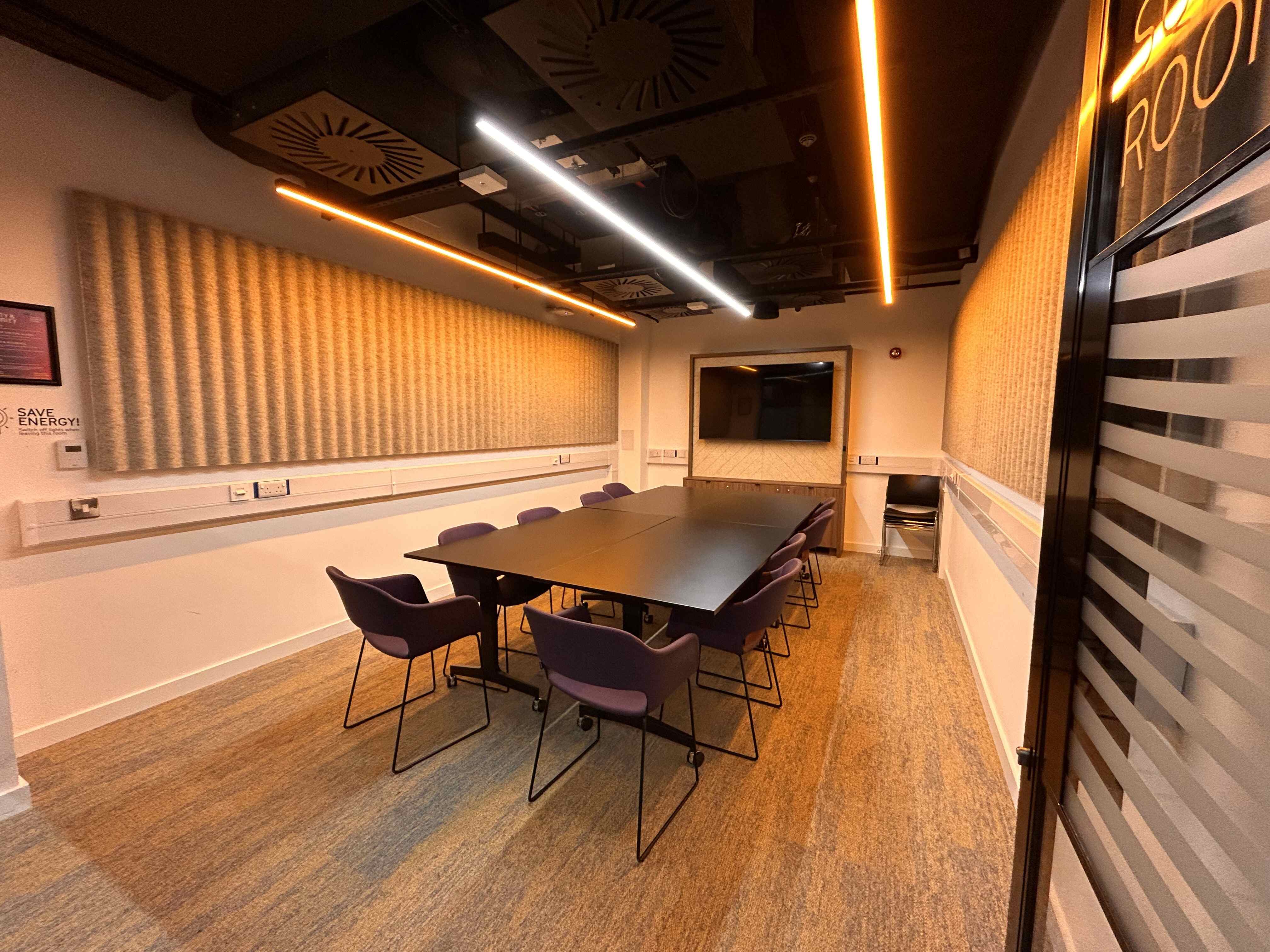
- Provide an excellent platform for studies ( Silent study area in graduate School, McCLay Library)
Dislikes
- High Shopping Costs: Daily essentials and groceries are notably more expensive in university areas around Queen’s University, which strains student budgets.
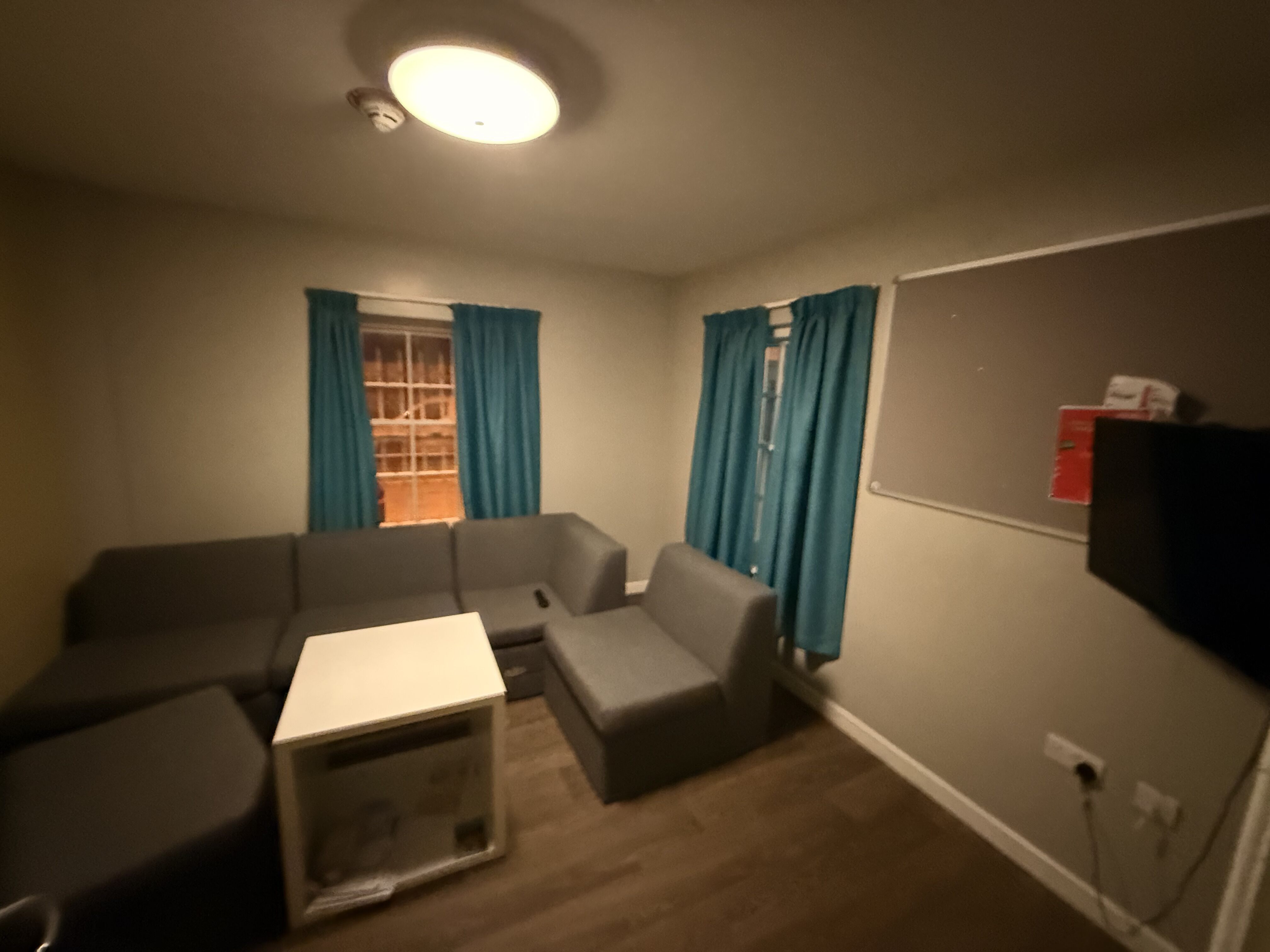
- Expensive Studio Apartments: Accommodation rent, especially for studio apartments in Queen’s housing, is high, making it challenging for students seeking affordable housing close to campus.
- Limited Budget Flexibility: Students often depend on scholarships or part-time work, and the higher expenses in the area can create financial pressure.
Scholarship
- I received PhD studentship under EPSRC they cover the tuition fees and living stipend.
- Annual tuition: £25,600 and Stipend of £1608 for a month.
- Eligibility criteria:- The proposed project must fall within the EPSRC remit
- Demonstrate a clear commitment to remaining in academia
- PhD thesis submission must be within six months prior to starting the fellowship
- Hold qualifications or experience equal to an honours degree at a first or upper second class level, or a masters from a UK academic research organisation
- Hold fellowships aimed at later career stages from EPSRC, Royal Society, or Royal Academy of Engineering
- Residency status determines eligibility for full fees and stipend
%20-%20Nikhil%20Bajpayee.jpeg)
%20-%20Nikhil%20Bajpayee.jpeg)
Likes
- High Research Output: My course involved a lot of research work whether it is dry lab or wet lab, and Queen’s University Belfast had a high research output. Even the assignments and exams were devised in a way which required a lot of research and creative thinking which enriched my academic experience and allowed me to think out of the box and find the reason behind every line in the research papers. There was nothing as rote-learning, I had to logically think before writing every answer.
- State-of-the-Art Facilities: As mentioned, Molecular Biology and Biotechnology was all about lab work and the university provided access to modern labs and research equipment. There were no restrictions on the amount or type of reagents that we could use. The lab managers made sure that we had access to all the right chemicals, required for our practical. The University encouraged hands-on research. We had access to all the research papers published till date with the university email ID and could even print them free of cost at the library.
- Supportive Professors: The professors and lab managers were incredibly knowledgeable and supportive. They never doubted us if we made mistakes, rather would encourage us to repeat the experiments and find out the mistake on our own. They supported me when I would not obtain the desired experimental results. I went to them with the silliest of questions and they would patiently explain them till my doubts were cleared. They were instrumental in shaping my research mind and building my analytical and logical skills.
Dislikes
- High Tuition fees: The tuition fees are high for international students, which put financial burden on me and my family.
- High Accommodation and Living Costs: Student accommodations were relatively expensive as well, due to which I had to do part-time jobs to support my living costs. Even the public transport was expensive which forced me to walk most of the times even in bitter cold.
- Limited food options: The variety of food options available on campus were limited and costly.
Scholarship
- I received an International Office Postgraduate Scholarship of £3000 (as of 2022). All international students who are selected and have a 2:1 grade are eligible for this scholarship.
- It was £3000.
- I am not sure about the number of students receiving scholarships but I assume all the students who score a 2:1 grade receive the amount.

Likes
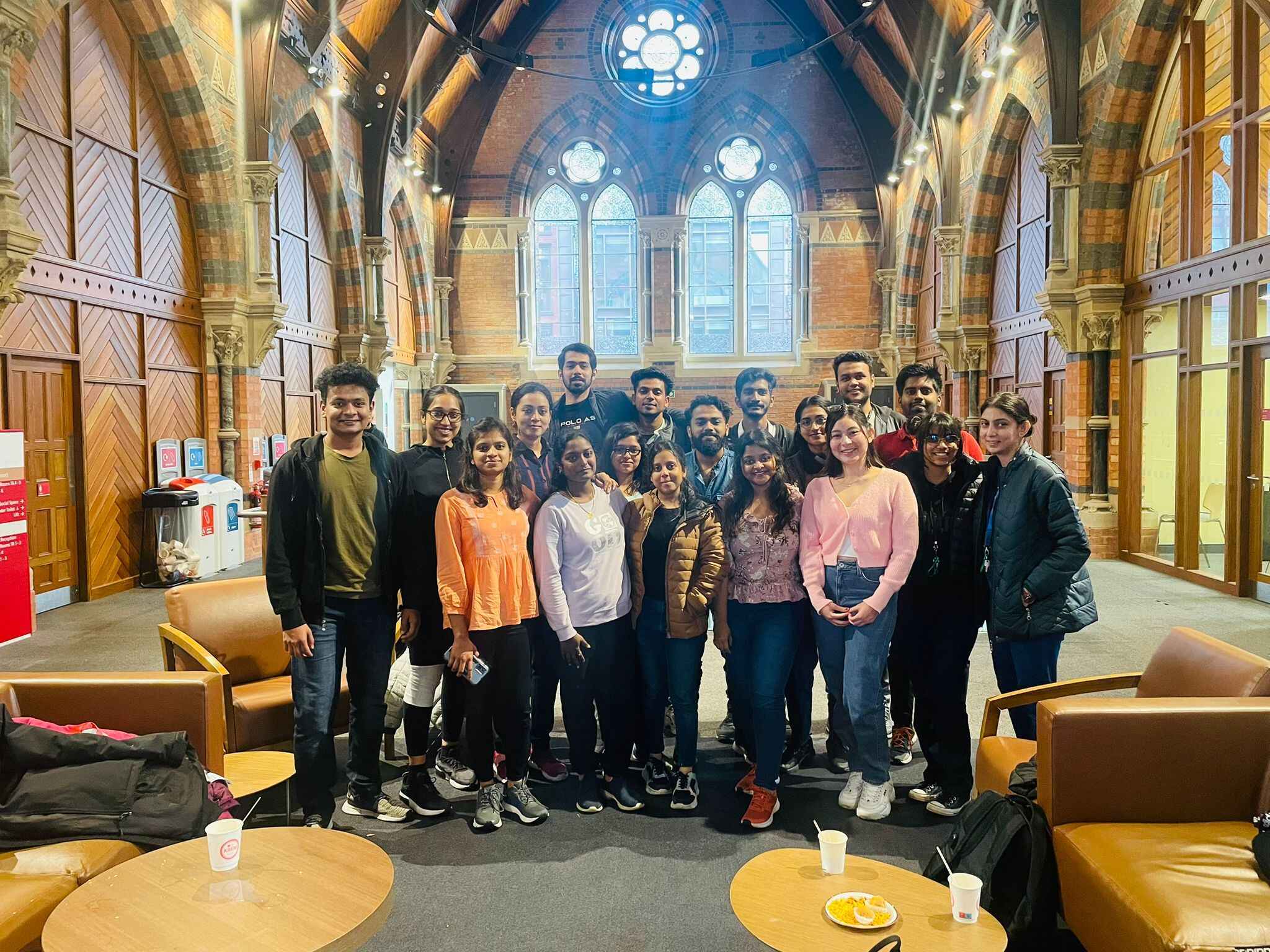
- A really interesting point about QUB was their engagement with students. my department, HAPP, often organised events to make sure the students are connected and remain cordial.
- Friendly and supportive professors that made the 3 years of the degree really enjoyable and less stressful
- Teaching assistants: our TA's would usually take non-lecture classes which were less formal and more interactive. this helped us students to clarify our doubts at a more relaxed pace.
Dislikes
- The university campus is spread on a vast broken up scale. there are many buildings that are in different locations so going from one location to another with 5 minutes in hand between classes was a big challenge at times.
- The unpredictable nature of the weather would really bring down the morale of many international students and also the will to go to classes in a sudden downpour. thw winters are also unbearable at times.
- My course, in my opinion, needs to be heavily decolonised. Majority of its content is western influenced and lacks diversity. Even in talking about political instabilities in countries, very less focus is on the eastern world.
Scholarship
- I got the international office scholarship for about 1000 GBP just for my first year. All international students for their first year mostly get this scholarship.
- One of my batchmate got India academic excellence scholarship too.
- There is no specific data for the number of students who get such scholarships open to students but I think the administration can provide such information on request.
%20-%20Prakkriti%20Modi.jpeg)
%20-%20Prakkriti%20Modi.jpeg)
%20-%20Prakkriti%20Modi.jpeg)
%20-%20Prakkriti%20Modi.jpeg)
%20-%20Prakkriti%20Modi.jpeg)

interested in this College ?
Follow & Share this college to get information about admission.



Comments