





University of Liverpool admissions run on a rolling international cycle where undergraduate offers flow through UCAS and postgraduate offers flow through the university’s own portal, with Class XII marks of 65 to 85 percent opening the undergraduate door and a Bachelor’s degree at 55 percent or higher opening the postgraduate one.
- Next live deadline: January 2027 postgraduate intake closes 18 December 2026 for international applicants, and the September 2027 primary intake opens in early October 2026.
- Base tuition and application fee: most taught master’s programmes sit at £34,000 (around ₹43.99 Lakhs) per year with no application fee for direct PG applications, while UCAS undergraduate applications carry a fee of £34.50 (around ₹4,464).
- Basic eligibility: UG needs Class XII at 65 to 85 percent with IELTS 6.0 overall (no band under 5.5), PG needs a Bachelor’s at 55 percent or higher with IELTS 6.5 overall (no band under 5.5 to 6.0 by course).
- Acceptance rate: the university does not publish an official institutional figure, and offer rates by course generally fall in the 45 to 60 percent band based on program competitiveness.
Popular Indian-applicant picks include MSc Computer Science, MSc Data Science and Artificial Intelligence, The Liverpool MBA, and MSc International Business, and Indian student sentiment tracks well on teaching quality, Russell Group brand pull, and post-study work outcomes at the University of Liverpool.
Table of Contents
- University of Liverpool Application Deadlines
- Liverpool Eligibility for Indian Students
- University of Liverpool PG Programs and English Scores
- Liverpool UG Programs and A-Level Equivalents
- University of Liverpool MBA Admissions
- Liverpool PhD Admissions and Funding
- University of Liverpool Application Process
- Liverpool Documents Required
- University of Liverpool Acceptance Rate
- United Kingdom Student Visa Process
- Tips and Checklist for Liverpool Applications
- University of Liverpool Admissions FAQs
University of Liverpool Application Deadlines for Indian Students
Deadlines below are drawn from the official postgraduate applying page and the UCAS 2027 undergraduate cycle. The University of Liverpool’s primary intake for Indian students is September, when nearly all of the 240-plus taught master’s programmes open alongside every UCAS undergraduate route.
The University of Liverpool’s primary intake for Indian students is September, when almost all master’s and undergraduate programmes open, so plan the year around the September window and use January as a smaller backup.
| Intake | Level | App Opens | Deadline (International) | App Fee | Portal |
|---|---|---|---|---|---|
| September 2026 (Primary intake) | PG Taught | Closed cycle | 21 August 2026 (Closed) | No application fee | Liverpool Portal |
| January 2027 | PG Taught | Open now | 18 December 2026 | No application fee | Liverpool Portal |
| January 2027 (select engineering and nuclear science) | PG Taught | Open now | 30 November 2026 | No application fee | Liverpool Portal |
| September 2027 (Primary intake) | PG Taught | Early October 2026 | Late July 2027 (course-specific) | No application fee | Liverpool Portal |
| September 2027 (Primary intake) | Undergraduate (UCAS) | 12 May 2026 (Open) | 13 January 2027 (Equal Consideration, 18:00 UK time) | £34.50 (around ₹4,464) | UCAS |
| September 2027 | Undergraduate (UCAS late) | — | 30 June 2027 (late applications) | £34.50 (around ₹4,464) | UCAS |
| September 2027 (Medicine and Dentistry) | Undergraduate (UCAS) | 12 May 2026 (Open) | 15 October 2026 (Closed) | £34.50 (around ₹4,464) | UCAS |
Planning note: The 21 August 2026 international deadline for the September 2026 intake has passed, so Indian applicants aiming to start soon should target the January 2027 intake (course subset only) or wait for the September 2027 primary intake window that opens in early October 2026.
University of Liverpool Eligibility for Indian Students
Eligibility at the University of Liverpool is set at the course level, but the institution-wide floors below (from the international entry requirements page) show what an Indian applicant needs to hit before a Liverpool course page will read as a match.
- UG general entry: Class XII at 65 to 85 percent from CBSE, ISC, or a recognised state board.
- UG competitive courses (Law, Psychology, Medicine, Dentistry): Class XII at 80 to 90 percent with subject prerequisites.
- PG taught floor: Bachelor’s at 55 percent or higher (a UK 2:2 equivalent), rising to 60 to 65 percent for courses requiring a UK 2:1.
- English floor UG: IELTS 6.0 overall with no band under 5.5, rising to 6.5 or 7.0 for Business, Law, and Psychology.
- English floor PG: IELTS 6.5 overall with no band under 5.5 for most MSc, and no band under 6.0 for Business School courses.
Country-specific grade translation is worth noting for Indian readers used to percentages: a UK 2:2 honours degree maps to roughly 55 to 60 percent in an Indian Bachelor’s, and a UK 2:1 maps to 60 to 65 percent. A CGPA of 6.0 on 10 or 3.0 on 4 will typically satisfy 2:2 courses.
University of Liverpool IELTS Waiver for Indian Students
The university publishes a direct English test waiver for Indian applicants. If you scored 75 percent or higher in Class XII English (CBSE or ISC) or 80 percent or higher in Class XII English from a recognised state board, the University of Liverpool will accept that in place of IELTS for both undergraduate and most postgraduate courses.
Certain state boards (Punjab, Haryana, Gujarat, Uttar Pradesh, Uttarakhand, and NIOS) are not accepted for the English waiver without an IELTS, TOEFL, PTE, or Duolingo score alongside. Business School master’s and Psychology programmes may also require the test even where the CBSE waiver holds, so confirm on the course page before skipping the exam.
University of Liverpool PG Programs and English Scores
Base tuition for a full-time taught master’s at the University of Liverpool for the 2026/27 session sits in the £32,000 to £35,500 (around ₹41.40 Lakhs to ₹45.93 Lakhs) band, with a £2,000 (around ₹2.59 Lakhs) tuition deposit due at offer acceptance. See the course-wise fees breakdown for a full comparison across programmes.
| Programme | Duration | Minimum Eligibility | English Req. Min. |
|---|---|---|---|
| MSc Computer Science | 12 months FT | Bachelor’s at 55 percent or higher in a science or engineering discipline (UK 2:2), not open to CS graduates | IELTS 6.5 (no band under 5.5) |
| MSc Data Science and Artificial Intelligence | 12 months FT | Bachelor’s at 55 percent or higher in a non-CS subject (UK 2:2) | IELTS 6.5 (no band under 5.5) |
| MSc Finance | 12 months FT | Bachelor’s at 55 percent or higher in Finance, Accounting or Economics (UK 2:2) | IELTS 6.5 (no band under 6.0) |
| MSc International Business | 12 months FT | Bachelor’s at 55 percent or higher in any subject (UK 2:2) | IELTS 6.5 (no band under 6.0) |
| MSc Marketing | 12 months FT | Bachelor’s at 55 percent or higher in any subject except Marketing (UK 2:2) | IELTS 6.5 (no band under 6.0) |
| MSc Accounting and Finance | 12 months FT | Bachelor’s at 60 percent or higher with 8 modules in Accounting or Finance (UK 2:1) | IELTS 6.5 (no band under 6.0) |
Business School master’s such as Finance, Marketing, and International Business hold a firmer IELTS 6.5 with no band under 6.0 and a UK 2:2 floor, while conversion MSc programmes in Computer Science and Data Science and AI actively exclude graduates who already hold a CS degree. TOEFL iBT alternatives sit at 88 overall (or 4.5 under the new January 2026 scale), PTE Academic at 61 overall with no band under 59, and Duolingo at 125 overall.
Note: Program-specific entry requirements, fees, and intake availability may differ from the institution-wide minimums shown above. Always confirm on the official University of Liverpool page for your chosen program before applying.
University of Liverpool UG Programs and A-Level Equivalents
Undergraduate offers at the University of Liverpool are pegged to A-level grades, and the table below translates each course’s A-level ask into a working Indian Class XII benchmark for CBSE and ISC. Undergraduate tuition for international students for 2026/27 sits in the £27,000 to £32,000 (around ₹34.94 Lakhs to ₹41.40 Lakhs) per-year band.
| Programme | Duration | Minimum Eligibility | English Req. Min. |
|---|---|---|---|
| BSc (Hons) Computer Science | 3 years FT | AAB at A-level including Mathematics or Computer Science, around Class XII 80 to 85 percent with Mathematics | IELTS 6.0 (no band under 5.5) |
| BA (Hons) Business Management | 3 years FT | AAB at A-level, around Class XII 80 to 85 percent with Mathematics at Class X | IELTS 6.5 (no band under 5.5) |
| LLB (Hons) Law | 3 years FT | AAA at A-level, around Class XII 85 to 90 percent | IELTS 6.5 (no band under 5.5) |
| BSc (Hons) Psychology | 3 years FT | ABB at A-level with a Science subject at B or above, around Class XII 75 to 80 percent with Science | IELTS 7.0 (no band under 6.5) |
Indian applicants who fall short of the direct-entry Class XII score can enrol in the Foundation Certificate at the University of Liverpool International College, which is an integrated pathway that adds a fifth year of study and progresses into Year 1 of the degree on successful completion. Foundation entry usually starts at Class XII 60 to 65 percent depending on the target course.
Insider note: The year in industry add-on carries a nominal fee of only £1,955 (around ₹25,308) for that placement year, which lets Indian students extend the UK stay by 12 months and build a work reference before the Graduate Route visa kicks in after the final year.
University of Liverpool MBA Admissions
The Liverpool MBA is the flagship of the Management School and holds triple-crown accreditation from AACSB, AMBA, and EQUIS, plus a Financial Times 2026 global MBA top-100 placement. The programme has a small cohort and admits year-round for its September start, with the international application fee waived for direct PG applications.
The Liverpool MBA Entry Requirements
- Academic: UK 2:1 honours (around Indian Bachelor’s 60 to 65 percent) in any discipline.
- Work experience: at least 3 years in a professional or managerial role. Non-graduates with 5 years plus of managerial experience are also considered.
- GMAT or GRE: not mandatory, but a valid score (within 5 years) strengthens the file.
- Interview: shortlisted applicants sit an informal online interview with the MBA team, usually within 3 to 4 weeks of application review.
- English: IELTS 6.5 overall with no band under 6.0, TOEFL iBT 88, PTE Academic 61.
Liverpool MBA Fees and Intakes
The full-time MBA runs for 12 months starting September, and the part-time route runs for 24 months. International tuition for the 2026/27 cohort is £35,500 (around ₹45.93 Lakhs) for the full-time programme, and the fee bundles a European study trip including accommodation. The September 2026 intake international deadline of 21 August 2026 has passed; September 2027 applications open early October 2026 through the Liverpool Application Portal.
Note: Program-specific entry requirements, fees, and intake availability may differ from the institution-wide minimums shown above. Always confirm on the official University of Liverpool MBA page for your chosen route before applying.
University of Liverpool PhD Admissions and Funding
PhD applications at the University of Liverpool are open year-round, with the standard start windows of October (main), January, April, and July. Applications are made directly to the doctoral school after a supervisor has expressed interest, and there is no application fee.
Liverpool PhD Entry Requirements
- Academic: Master’s degree at Merit or Distinction (around Indian PG 60 to 65 percent), or a strong Bachelor’s at 65 percent or higher with research evidence for direct entry.
- Research proposal: 2 to 4 pages laying out the question, method, and fit with a Liverpool supervisor.
- English: IELTS 6.5 overall with no band under 5.5 (some Humanities and Business PhDs require IELTS 7.0).
Liverpool PhD Funding for Indian Students
Fully-funded UKRI-linked doctoral awards at the University of Liverpool cover the international tuition rate and pay a £21,805 (around ₹28.21 Lakhs) annual maintenance stipend for the 2026/27 academic year, in line with the UK Research and Innovation minimum rate. Indian applicants can also apply to the Commonwealth Scholarship, the Felix Scholarship, and university-specific studentships listed on the funding for Indian students page.
Insider note: Most Liverpool doctoral offers hinge on securing a supervisor first. Send a targeted 500-word research pitch to two or three named academics in your field 3 to 4 months before the intended start date, and only file the formal application after one confirms willingness to supervise.
Note: Program-specific entry requirements, funding, and start dates may differ from the doctoral-school minimums shown above. Always confirm on the official University of Liverpool postgraduate research page for your chosen department before applying.
University of Liverpool Application Process
The application route splits by level. Undergraduate applications route through UCAS, whose 2027 cycle opened on 12 May 2026, with the first submissions accepted from 1 September 2026. Postgraduate applications file directly on the University of Liverpool Application Portal.
Steps for Liverpool Postgraduate Applications
- Register on the University of Liverpool Application Portal and pick up to two courses per application. There is no application fee for direct PG applications.
- Upload the required documents (see next section) as scanned PDFs before submission.
- Submit, then track status inside the portal. Standard decision turnaround is 4 to 6 weeks for Business and Engineering, and 6 to 8 weeks for Health and Life Sciences programmes.
- Accept the offer and pay the £2,000 (around ₹2.59 Lakhs) tuition deposit to secure the CAS (Confirmation of Acceptance for Studies) needed for the student visa.
Steps for Liverpool Undergraduate Applications
- Register on UCAS Hub, list Liverpool as one of your five course choices, and pay the UCAS fee of £34.50 (around ₹4,464). This is the application fee that reaches Liverpool.
- Attach a personal statement, one academic reference, and predicted or actual Class XII grades.
- Submit by the equal consideration deadline of 13 January 2027 (18:00 UK time) for guaranteed review, or by 30 June 2027 for late-application review.
- Track offers on UCAS Hub, respond by the reply-by date, and pay the deposit once the offer is firm.
Offers are usually conditional on final results, English scores, and the tuition deposit. A conditional offer becomes an unconditional CAS once all conditions clear, typically 8 to 10 weeks before the intake starts.
University of Liverpool Documents Required
The document set below is the paperwork Indian applicants upload with the application file. Academic thresholds and English test scores are covered in the Eligibility section and are not repeated here.
- Passport bio page: valid for at least the duration of the intended stay.
- Class X and Class XII certified transcripts and mark sheets: board-attested copies, translated to English where issued in another language.
- Bachelor’s transcripts and consolidated marksheet: for PG applicants, plus a provisional or final degree certificate.
- Statement of Purpose: 500 to 800 words tailored to the specific programme and Liverpool faculty.
- Two Letters of Recommendation: at least one from an academic referee for taught programmes; two academic references for research programmes.
- CV or resume: mandatory for MBA and PhD applicants; strongly recommended for other PG courses.
- English test score report: IELTS, TOEFL, PTE or Duolingo scorecard (skip if the Class XII English waiver applies per Rule 22 of Eligibility).
- Work experience letters: mandatory for MBA (minimum 3 years), useful for MSc International Business and Marketing.
- Research proposal: PhD applicants only, 2 to 4 pages.
- Financial evidence: uploaded post-offer with the visa application, not with the initial application file.
University of Liverpool Acceptance Rate
The University of Liverpool does not publish an official institutional acceptance rate, and admission is decided course by course. Estimated offer rates fall in the 45 to 60 percent band across most taught programmes, based on published Russell Group offer-share patterns and Liverpool’s competitive intake structure.
Which University of Liverpool Courses Are Most Selective?
The Medical School (MB ChB), Dentistry, Veterinary Science, and LLB Law hold the tightest intake, with offer rates estimated at 15 to 25 percent for international applicants. Psychology and Architecture sit at 30 to 40 percent, and MSc Business School programmes and MSc Computer Science tend to hold offer rates in the 50 to 65 percent range for applicants who meet the published minimums.
How Indian Applicants Can Improve Their Odds at Liverpool
The biggest lift for Indian applicants comes from applying before the semester fills (September deadline is nominally end of August, but competitive courses close soft when quota is met) and from clearing English requirements via the Class XII 75 percent CBSE waiver rather than a marginal IELTS score. Business School programmes weight quantitative rigor in the Bachelor’s transcript heavily; MSc Finance and MSc Accounting and Finance are noticeably tougher than MSc International Business.
Insider note: Liverpool’s conversion MSc programmes in Computer Science and Data Science and AI explicitly exclude graduates who already hold a Computer Science Bachelor’s, so a B.Tech CS applicant needs to apply to the standard MSc Advanced Computer Science route instead of the conversion streams.
United Kingdom Student Visa Process for University of Liverpool
Indian students admitted to the University of Liverpool apply for the Student Route visa (formerly Tier 4), which the UK Home Office issues once the university has issued a Confirmation of Acceptance for Studies (CAS). Apply through the UK Visas and Immigration online portal up to 6 months before the course start date. The visa application fee is £524 (around ₹67,800), plus the Immigration Health Surcharge of £776 per year (around ₹1.00 Lakh).
Financial evidence must cover the first year’s tuition (after the deposit is applied) plus £1,483 per month (around ₹1.92 Lakhs) for up to 9 months of living costs in Liverpool (outside London rate). Funds must sit in the applicant’s or their parents’ account for at least 28 consecutive days before the visa file is opened. Post-arrival, students register with a GP, collect the Biometric Residence Permit within 10 days, and enrol at the University of Liverpool to activate their CAS.
2026 update: The UK Graduate Route visa remains open for the 2027 intake, letting Indian graduates stay and work in the UK for 2 years after a Bachelor’s or Master’s, and 3 years after a PhD, without a sponsor. Confirm current terms on the Home Office site before travel.
Tips and Application Checklist for University of Liverpool
The following pointers are drawn from Indian-applicant patterns at the University of Liverpool over recent September and January intakes, mixing timing advice with document-sequence steps.
- Start 9 months out: begin the Liverpool file by early January for a September start to hit deposit, CAS, and visa windows without a rush.
- Apply early in the cycle: Liverpool reads on a rolling basis, and competitive MSc courses (Finance, Data Science and AI) can close before the published deadline once the quota fills.
- Test the English waiver first: if your Class XII English mark clears 75 percent (CBSE or ISC), skip the IELTS and save the test fee and prep time.
- Line up references 8 weeks ahead: academic referees at Indian universities take time to write; brief them with the specific Liverpool course and your SOP draft.
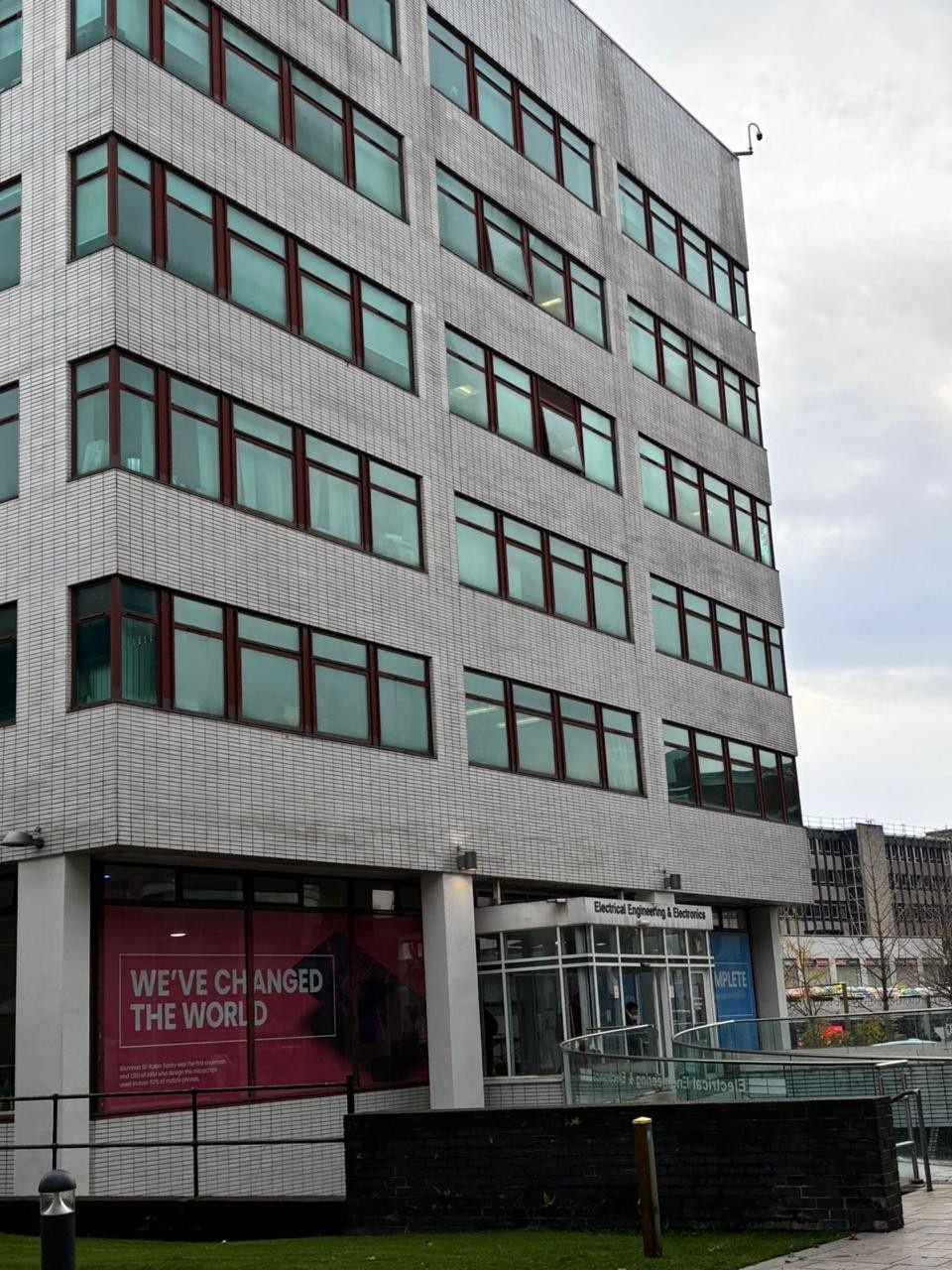
- Tailor the SOP per course: the Business School reads for quantitative rigor and clear career goals; the School of Electrical Engineering and Electronics reads for technical fit.
- Pay the deposit on time: the CAS will not release until the £2,000 (around ₹2.59 Lakhs) tuition deposit lands, and visa processing needs at least 8 to 10 weeks.
- Book the visa slot immediately: Delhi, Mumbai, and Bengaluru VFS Global centres run tight for July and August visa slots each year, so book the moment the CAS arrives.
The University of Liverpool admissions cycle rewards applicants who target the September primary intake early, use the Class XII English waiver where it applies, and treat the £2,000 tuition deposit as the trigger for both the CAS and the UK student visa timeline. Indian applicants who file 8 to 9 months ahead of their target start rarely miss the window.
University of Liverpool Admissions: Frequently Asked Questions
Ques. What is the University of Liverpool application deadline for Indian students for the September 2027 intake?
Ans. Undergraduate applications close on 13 January 2027 through UCAS (equal consideration deadline), with late applications accepted until 30 June 2027. Postgraduate applications for September 2027 open in early October 2026 on the Liverpool Application Portal, with course-specific closing dates in late July 2027.
Ques. Is there an application fee at the University of Liverpool?
Ans. There is no application fee for postgraduate applications made directly to the University of Liverpool Application Portal. Undergraduate applications go through UCAS, which charges £34.50 (around ₹4,464) for up to five course choices in the 2027 cycle.
Ques. What is the minimum IELTS score for a master’s at University of Liverpool?
Ans. Most taught master’s programmes ask for IELTS 6.5 overall with no band under 5.5, and Business School courses ask for no band under 6.0. Alternatives are TOEFL iBT 88, PTE Academic 61, and Duolingo 125 overall.
Ques. Can Indian students skip IELTS at the University of Liverpool?
Ans. Yes. If you scored 75 percent or higher in Class XII English from CBSE or ISC, or 80 percent or higher from a recognised state board, the university accepts that in place of IELTS. Punjab, Haryana, Gujarat, Uttar Pradesh, Uttarakhand, and NIOS state boards are not covered by this waiver.
Ques. What percentage is required in Class XII for undergraduate admission?
Ans. The general undergraduate floor is 65 to 85 percent in Class XII from a recognised Indian board. Competitive courses such as Law (LLB), Medicine (MB ChB), and Dentistry require 80 to 90 percent with subject prerequisites.
Ques. What are the master’s entry requirements for Indian students?
Ans. A Bachelor’s degree at 55 percent or higher (UK 2:2 equivalent) is the institutional floor. Business School programmes and courses requiring a UK 2:1 push this to 60 to 65 percent. A CGPA of 6.0 on 10 or 3.0 on 4 typically satisfies 2:2 courses.
Ques. Does the Liverpool MBA require GMAT for Indian applicants?
Ans. No. GMAT is not mandatory for The Liverpool MBA, but a valid score (within 5 years) strengthens the application. Applicants need a UK 2:1 honours Bachelor’s (around Indian 60 to 65 percent) and 3 years of professional or managerial experience.
Ques. How much is the tuition deposit at the University of Liverpool?
Ans. The tuition deposit is £2,000 (around ₹2.59 Lakhs), payable after accepting the offer. It is deducted from the first-year tuition fee and secures the Confirmation of Acceptance for Studies (CAS) needed for the UK student visa.
Ques. What is the acceptance rate at the University of Liverpool?
Ans. The university does not publish an official institutional acceptance rate. Offer rates are estimated at 45 to 60 percent across most taught programmes, with Medicine, Dentistry, Veterinary Science, and LLB Law running tighter at 15 to 25 percent for international applicants.
Ques. How long does the University of Liverpool take to reply to an application?
Ans. Standard decision turnaround for postgraduate applications is 4 to 6 weeks for Business and Engineering courses, and 6 to 8 weeks for Health and Life Sciences. Undergraduate decisions via UCAS typically land within 6 to 8 weeks of submission during peak season.
Ques. Can I apply to the January 2027 intake at University of Liverpool?
Ans. Yes, the January 2027 intake is open to international applicants until 18 December 2026 for most courses, with select engineering and nuclear science programmes closing on 30 November 2026. Only a subset of taught master’s programmes offer January starts, so confirm on the course page.
Ques. Do Indian students need a visa to study at University of Liverpool?
Ans. Yes. Indian students need the UK Student Route visa, which costs £524 (around ₹67,800) plus the Immigration Health Surcharge of £776 per year (around ₹1.00 Lakh). Apply online up to 6 months before the course start date after receiving the CAS from the University of Liverpool.
College Student Profiles

University of Liverpool Program Fees & Deadlines
| Program | Important Dates | Fees | Application Fees | Eligibility | Financial Aid |
|---|---|---|---|---|---|
MBA Business Administration 12 months | Spring 2027 intake application deadline (18th Dec 2026) | USD 46,860 /Yr GBP 35,500 /Yr | - | IELTS: 6.5, TOEFL: 4.5, PTE: 61, Duolingo: 125, Bachelor's Degree | |
Spring 2027 intake application deadline (18th Dec 2026) | USD 44,880 /Yr GBP 34,000 /Yr | - | IELTS: 6.5, TOEFL: 4.5, PTE: 61, Duolingo: 125, Bachelor's Degree | ||
MSc Business Analytics and Big Data 12 months | USD 42,240 /Yr GBP 32,000 /Yr | - | IELTS: 6.5, TOEFL: 4.5, PTE: 61, Duolingo: 125, Bachelor's Degree | ||
MSc Advanced Computer Science 12 months | Spring 2027 intake application deadline (18th Dec 2026) | USD 44,880 /Yr GBP 34,000 /Yr | - | IELTS: 6.5, TOEFL: 4.5, PTE: 61, Duolingo: 125, Bachelor's Degree in Computer Science | |
BS Computer Science 3 years | Fall 2027 intake application deadline (13th Jan 2027) | USD 42,240 /Yr GBP 32,000 /Yr | 29 | IELTS: 6.0, TOEFL: 4.5, PTE: 59, Duolingo: 115, High School Diploma | |
MSc International Business 12 months | Spring 2027 intake application deadline (18th Dec 2026) | USD 42,240 /Yr GBP 32,000 /Yr | - | IELTS: 6.5, TOEFL: 4.5, PTE: 61, Duolingo: 125, Bachelor's Degree | |
BS Dental Surgery 5 years | Fall 2027 intake application deadline (15th Oct 2026) | USD 67,320 /Yr GBP 51,000 /Yr | 29 | IELTS: 7.0, TOEFL: 5, PTE: 69 | |
L.L.B 3 years | Course Start Date (28th Sep 2026) | USD 35,640 /Yr GBP 27,000 /Yr | 29 | Grade: 70-85%, IELTS: 6.5, TOEFL: 88, Duolingo: 125, PTE: 61 | |
Fall 2027 intake application deadline (13th Jan 2027) | USD 42,240 /Yr GBP 32,000 /Yr | 29 | IELTS: 6.0, TOEFL: 4, PTE: 59, Duolingo: 115, High School Diploma | ||
BEng Aerospace Engineering 3 years | Fall 2027 intake application deadline (13th Jan 2027) | USD 42,240 /Yr GBP 32,000 /Yr | 29 | IELTS: 6.0, TOEFL: 4, PTE: 59, Duolingo: 115, High School Diploma |
Do you think the Dates are wrong ? Report Here
Important Alerts
| Events | Dates |
|---|---|
| Dental Surgery Fall 2027 intake application deadline | Closing in 6 days |
| Geology Course Start Date | Opened since 11 days |
| Biochemistry Course Start Date for Fall 2026 Intake | Opened since 11 days |


Course Finder - Search from 50K+ courses
Popular Streams:
Reviews
Most Popular Tags
28 Reviews Found
Likes
- The university was great
- The professors were great and helpful. The university administration and professors were always available to clear doubts and any issues students faced.
- I was particularly happy about the Archaeology Labs University of Liverpool offered.
Dislikes
- I do not dislike anything as such, but I'd love Uni of Liverpool to bring delegates for campus placements which will help their students land jobs or internships with a good guidance and that'll be a good kickstart to their career.
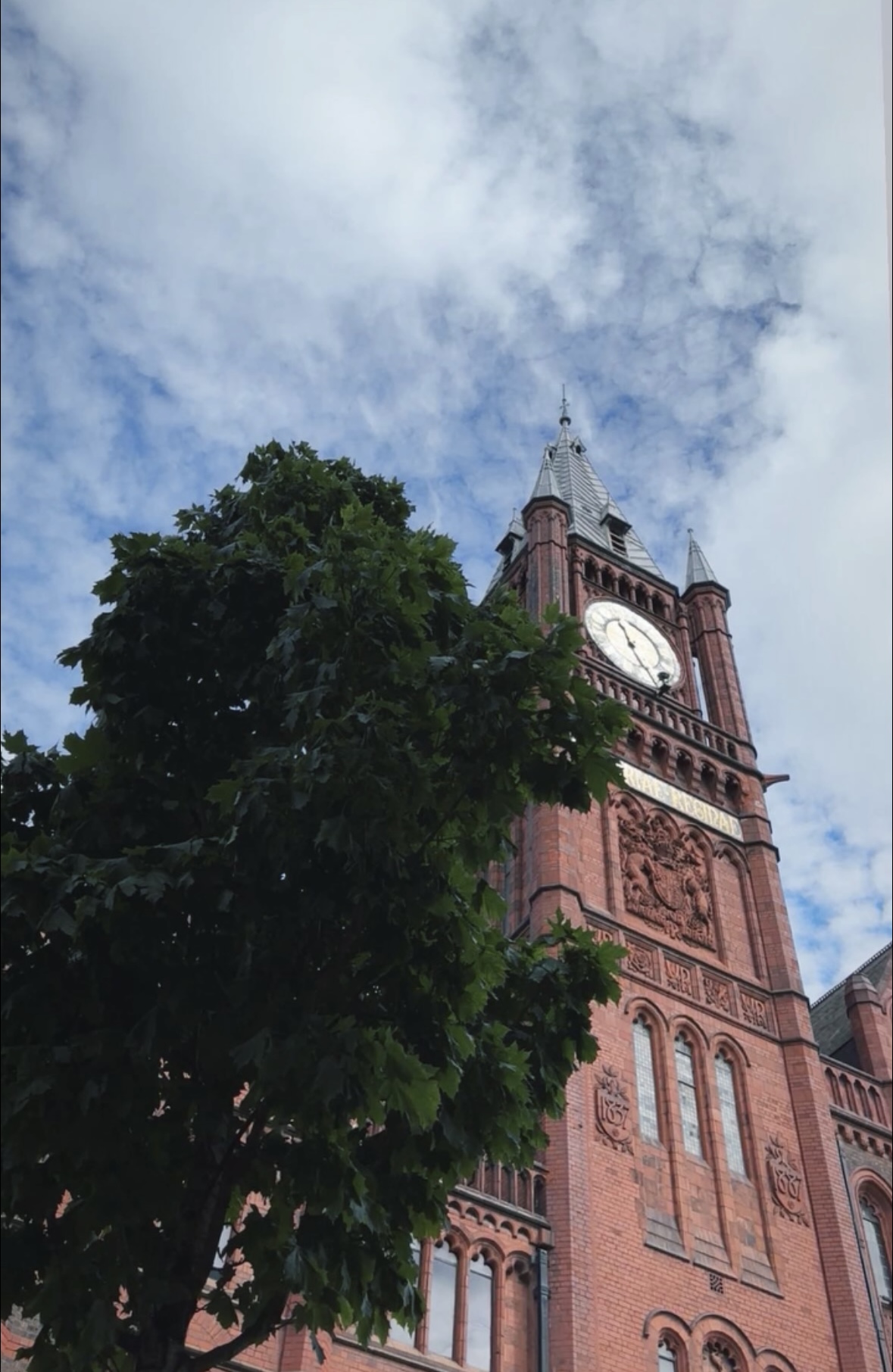
Likes
- Quality of Education
- Professional Exposure
- Vibrant Culture
Dislikes
- Limited On-campus Accomodation options
- Not a London-level job market
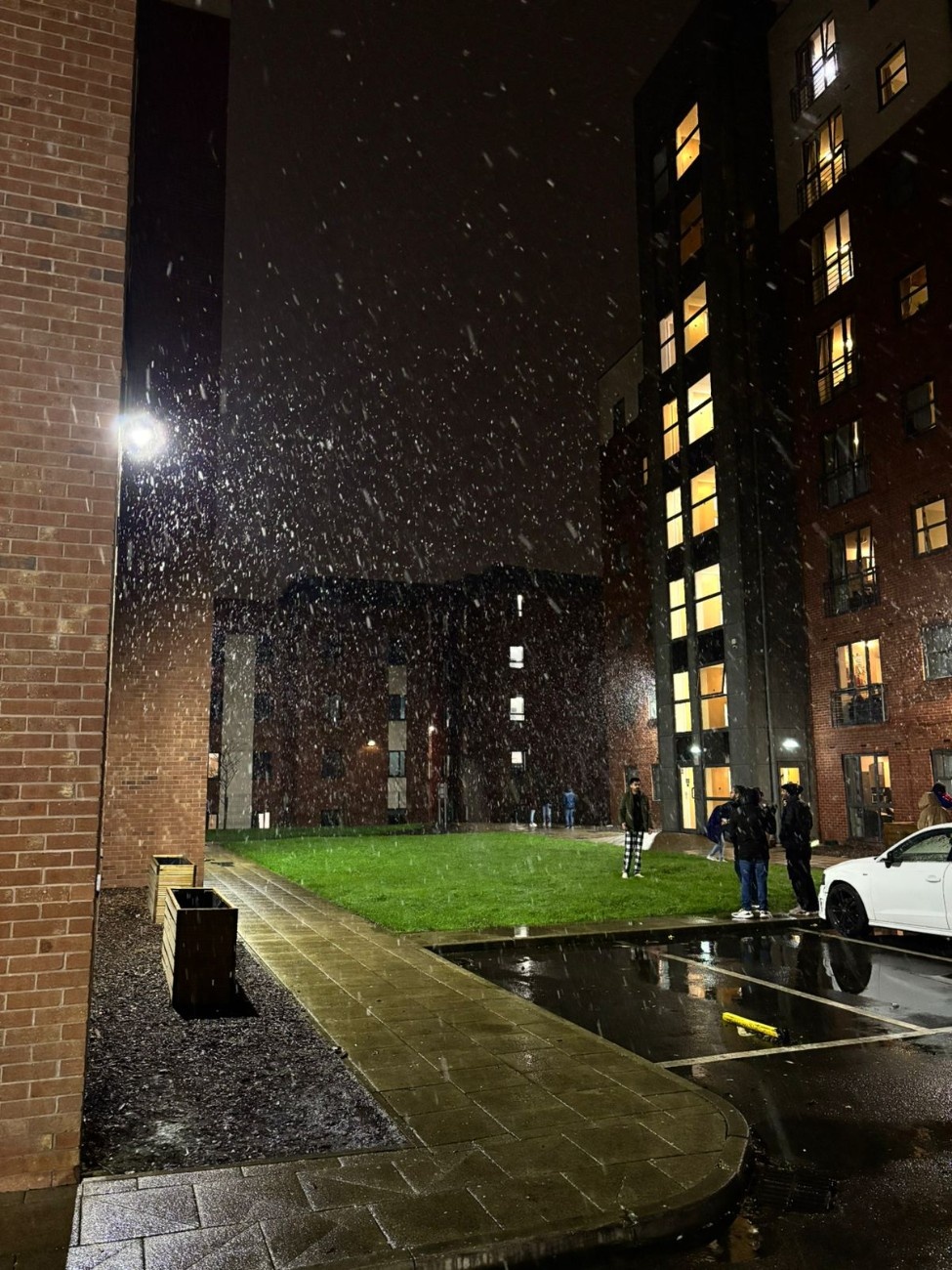
- Everchanging weather
Scholarship
- Yes, there are scholarships available, such as the Commonwealth Scholarship, Dean's Excellence Scholarship.
- You can enroll through the scholarship websites and apply with a professional application explaining your eligibility and why you deserve this scholarship.
- I was awarded a £ 5000 scholarship.
- Only 20-30 Students from my course received this scholarship.
Likes
- Industry-relevant curriculum (SQL, Python, Tableau, Predictive Modeling).
- Exposure to real business case studies.
- Practical assignments instead of only theoretical exams .Diverse international student community.
Dislikes
- Limited structured campus placements. Accommodation costs were high.
- Some modules felt slightly rushed due to one-year course format.
Likes
- Amazing Campus
- Very nice and friendly staff
- Lots of societies and clubs that you can take part in apart from your studies, for example, cricket, table tennis, art & craft, theatre, swimming, water polo, drama, fencing and many more.
Dislikes
- Campus halls are very expensive
- There is no campus placement. If you need a job, you need to find it and apply for it.
- Not specific about the college, but the job market in the UK is not so good for international students. So, now think twice before coming to spend lots of money when there is no job guarantee.
Scholarship
- Advancement Scholarships, the Vice-Chancellor’s International Attainment Scholarship, and the Postgraduate Opportunity Bursary are available.
- I received £2,500 (VC International Attainment) + £2,000 (Commonwealth Bursary)
- £2,500 + £2,000 (tuition fee deductions) award amounts
- Other high-achieving international students often receive similar awards

Likes
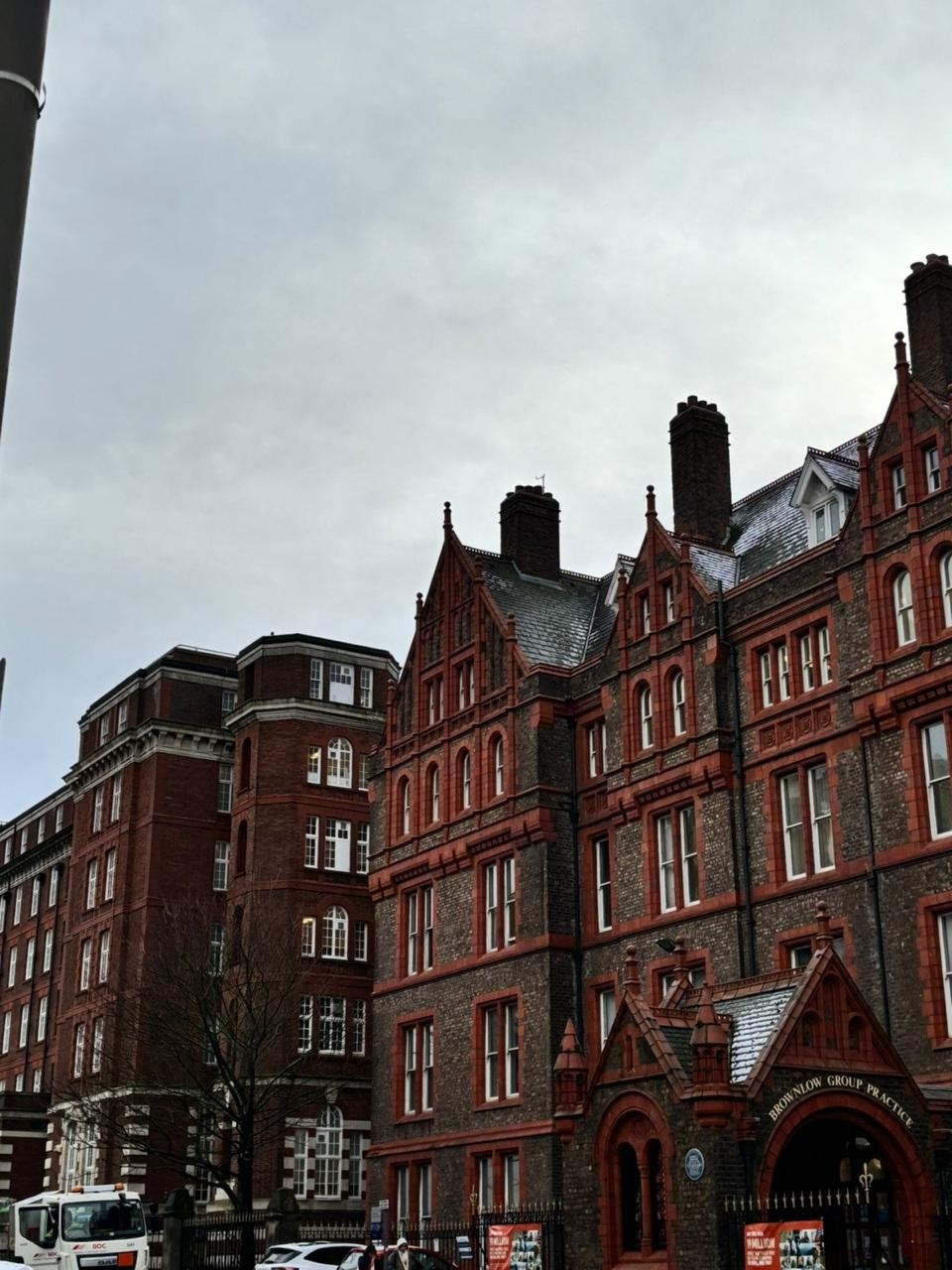
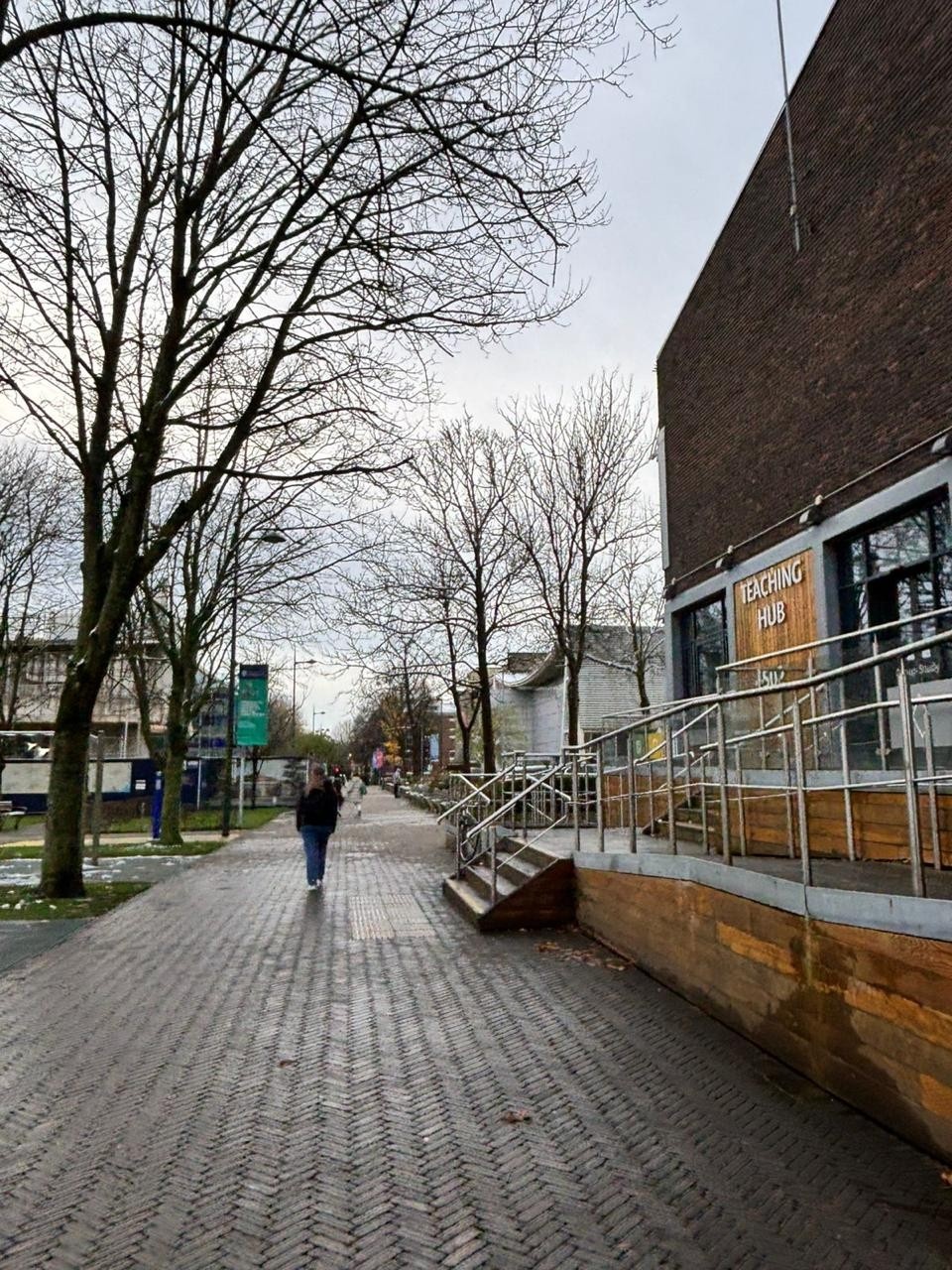
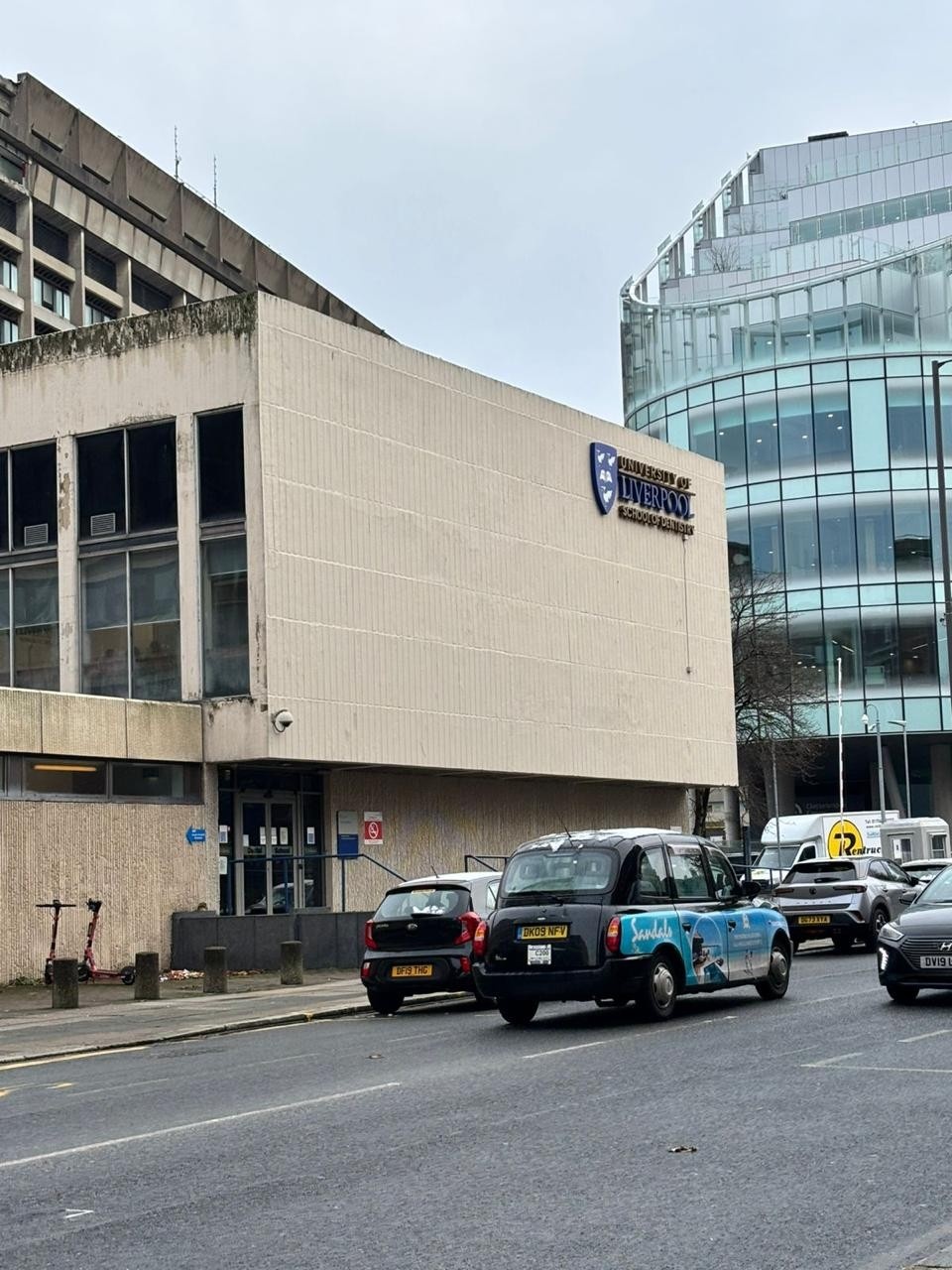
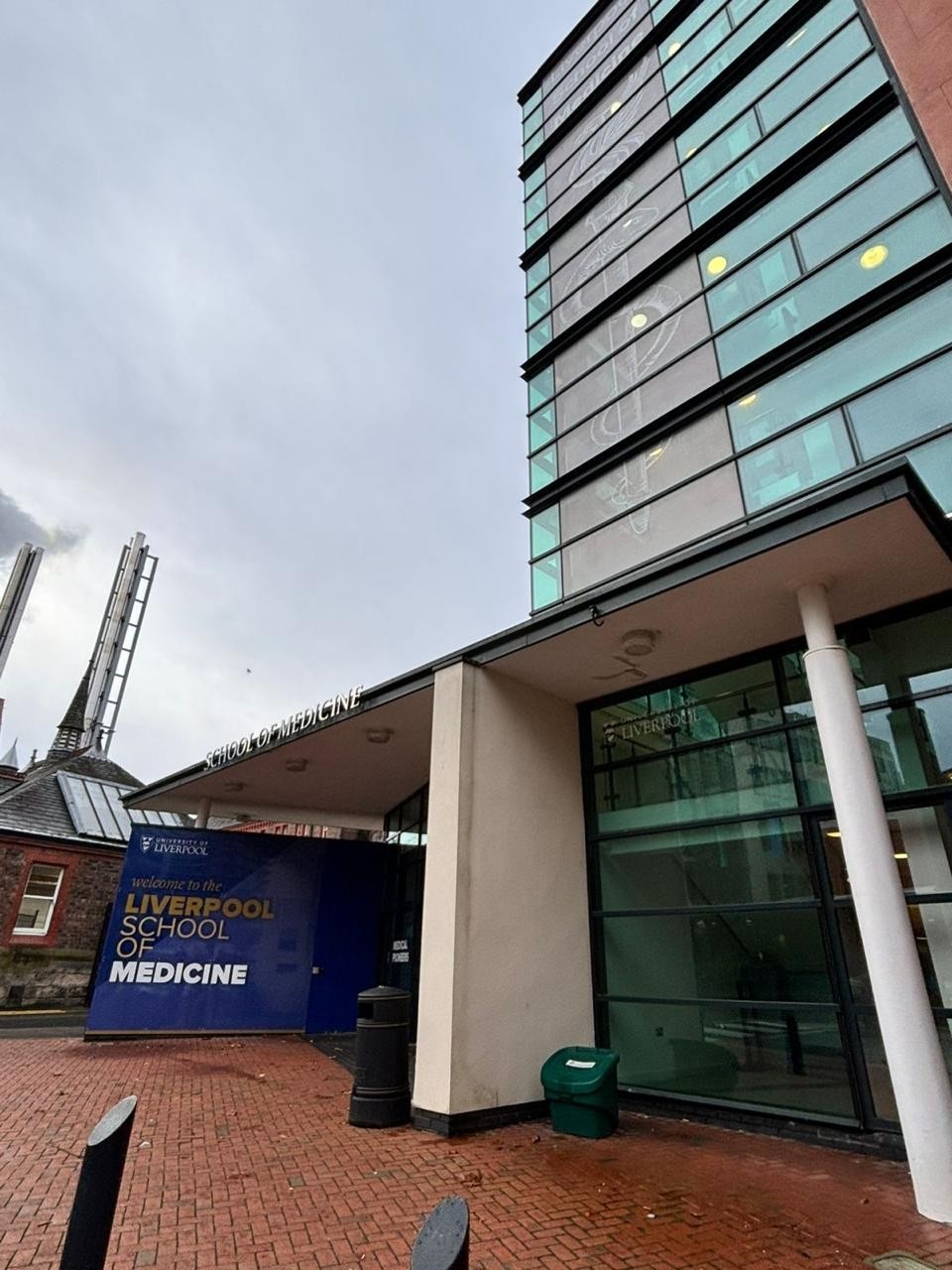
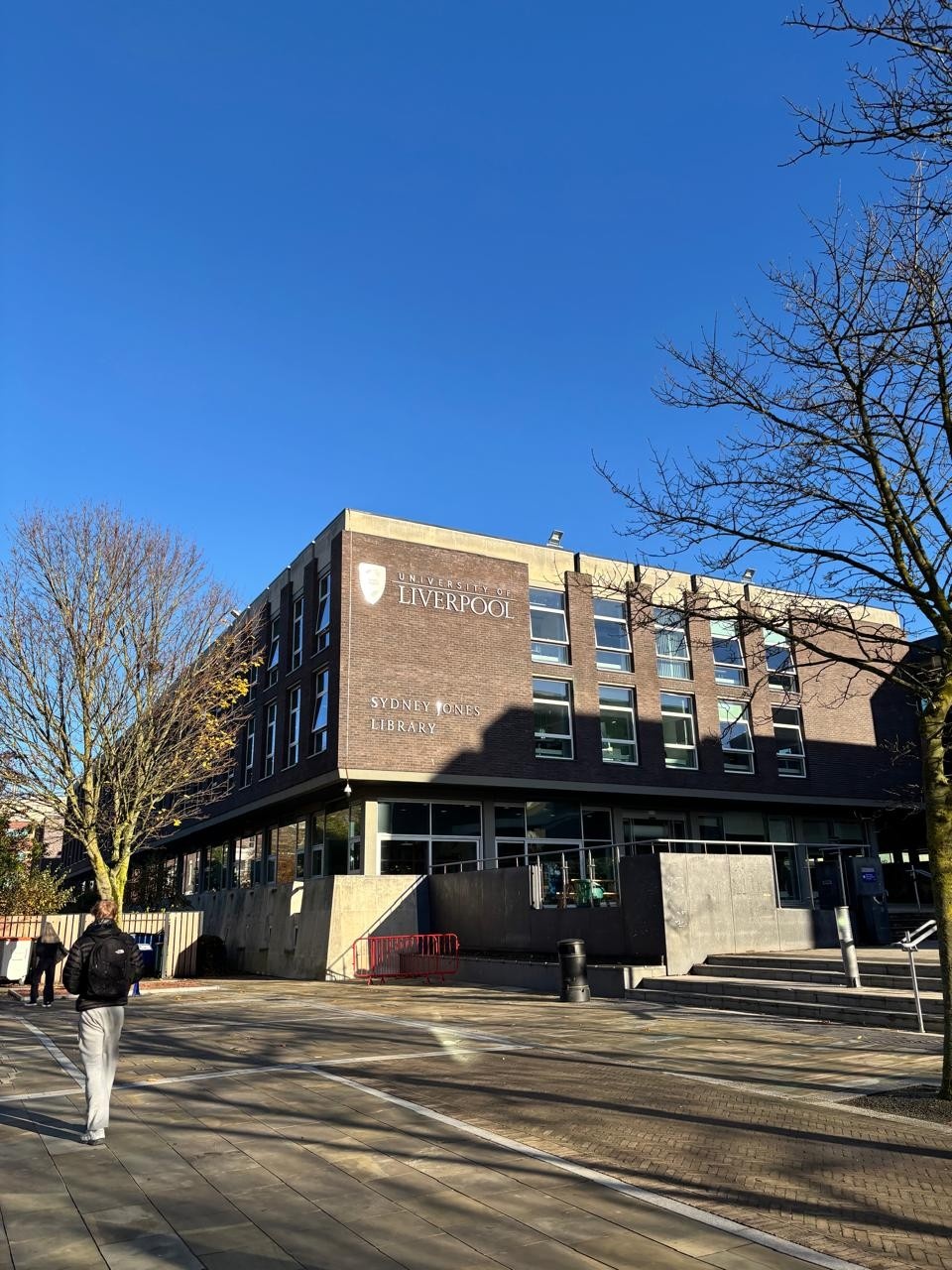
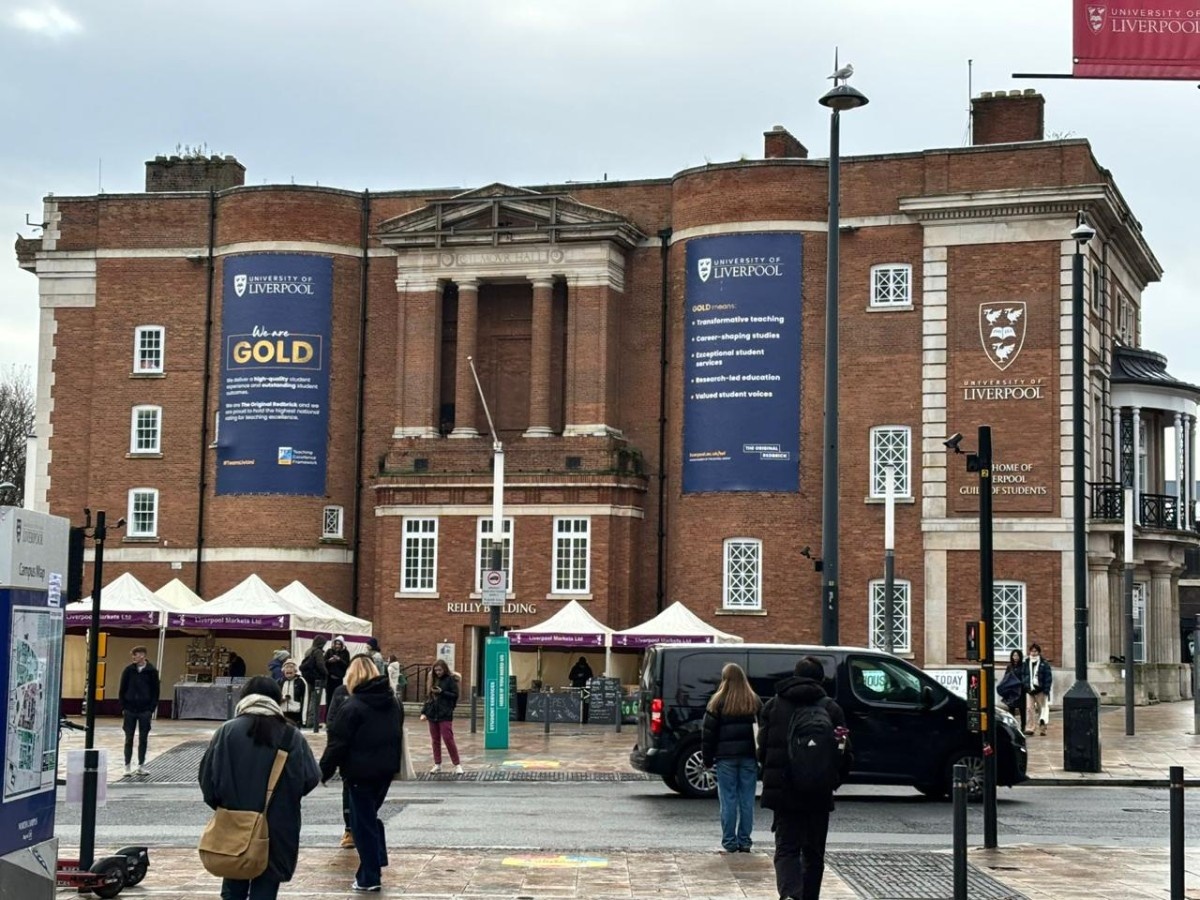
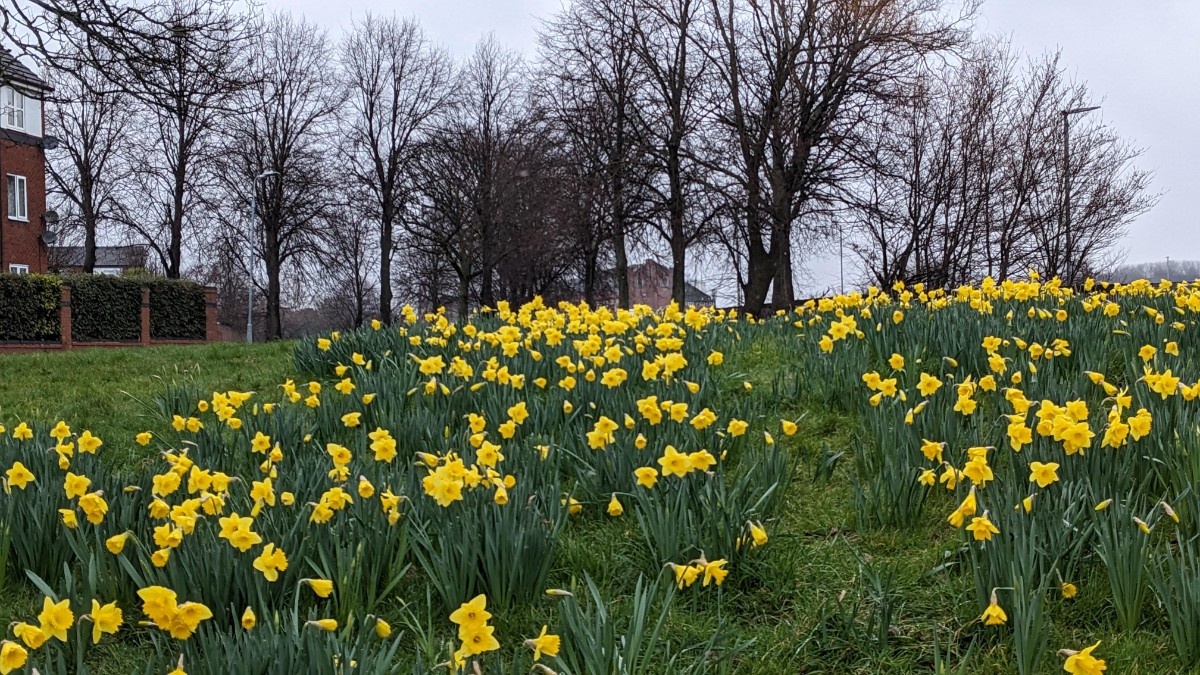
- Campus: the campus is absolutely amazing. - - The buildings with very big classrooms and lecture halls. Very spacious and well ventilated for all seasons. There are lecture halls as well with a seating capacity for ~100 students. Designed in a way that everyone can see the professor and vice a versa. - The library: the campus has two very big and well equipped libraries with numerous rooms spaces and desks to book and study. From human body to astronomy, You can find books on every subject there. Very secure access as well. - The abercromby garden: An amazing patch of grass, rather a garden, which looks calm in winter with the dew droplets frozen and a thin blanket of snow and in summers, bustling with students, some reading, some sat with friends with sodas and some even sunbathing.
- The professors: all of them, very well qualified and resourceful. Some of them are task-masters but that is because they are perfectionists and just want the best for us.
- The curriculum: amazing course work. The professors make it even more interesting because of their teaching methodologies. The subject matter is very relevant to the real world and gives an insight into how companies function.
Dislikes
- Class timings: sometimes the class timings were not comfortable for people leaving a little aways from the campus.
- Diversity: Majority of the students were indians in my class. Wish it was more diverse.
- Medical facilities: could have had an on-campus / inhouse doctor who could help students with everyday ailments.
Scholarship
- Yes, i did receive a scholarship, as mentioned in my previous response.
- One was a Commonwealth scholarship (which was offered to almost all students from Commonwealth countries)
- The other was for a good candidate, but I cannot exactly remember the criteria. But we did not have to apply for a scholarship. If the admissions committee thinks that you are eligible and qualify for a scholarship, they will offer it to you in the offer letter.
- There are other scholarships as well, which include 50% and 100% ones. All applicants are automatically considered and awarded at the discretion of the committee.

Likes
- The campus is huge, especially the sports area, which includes massive stadiums, courts, a gym with advanced equipment, and professional personal trainers
- The two libraries and the support provided by them are commendable. Like if you have a laptop to work on your assignments, you have to take it from the library.
- The university's diversity is amazing, with students coming from different countries. You will be asked to work on group assignments where you can interact with students.
Dislikes
- The course structure is designed in a way where various topics are covered, but not in enough depth, so they add little to no value in your CV
- Assignments were too research-based based than practical. I would expect computer or technical courses to have technical assignments or projects where they can learn and work on skills in demand, and can help in your job search. Assignments are too theoretical
- A one-year master course is not enough with so many holidays in middle, capstone or industry internship ,certifications should be added
Scholarship
- Yes, there are many scholarships. I received a scholarship of around 4000 GBP but if you apply early, as soon as the forms are out, there are good chances of getting a 100% scholarship.
- I joined during covid times so there was little financial help given to students travelling to universities abroad. My friend had received 1000 GBP of financial help from Adar Poonawalla for students arriving in the UK.
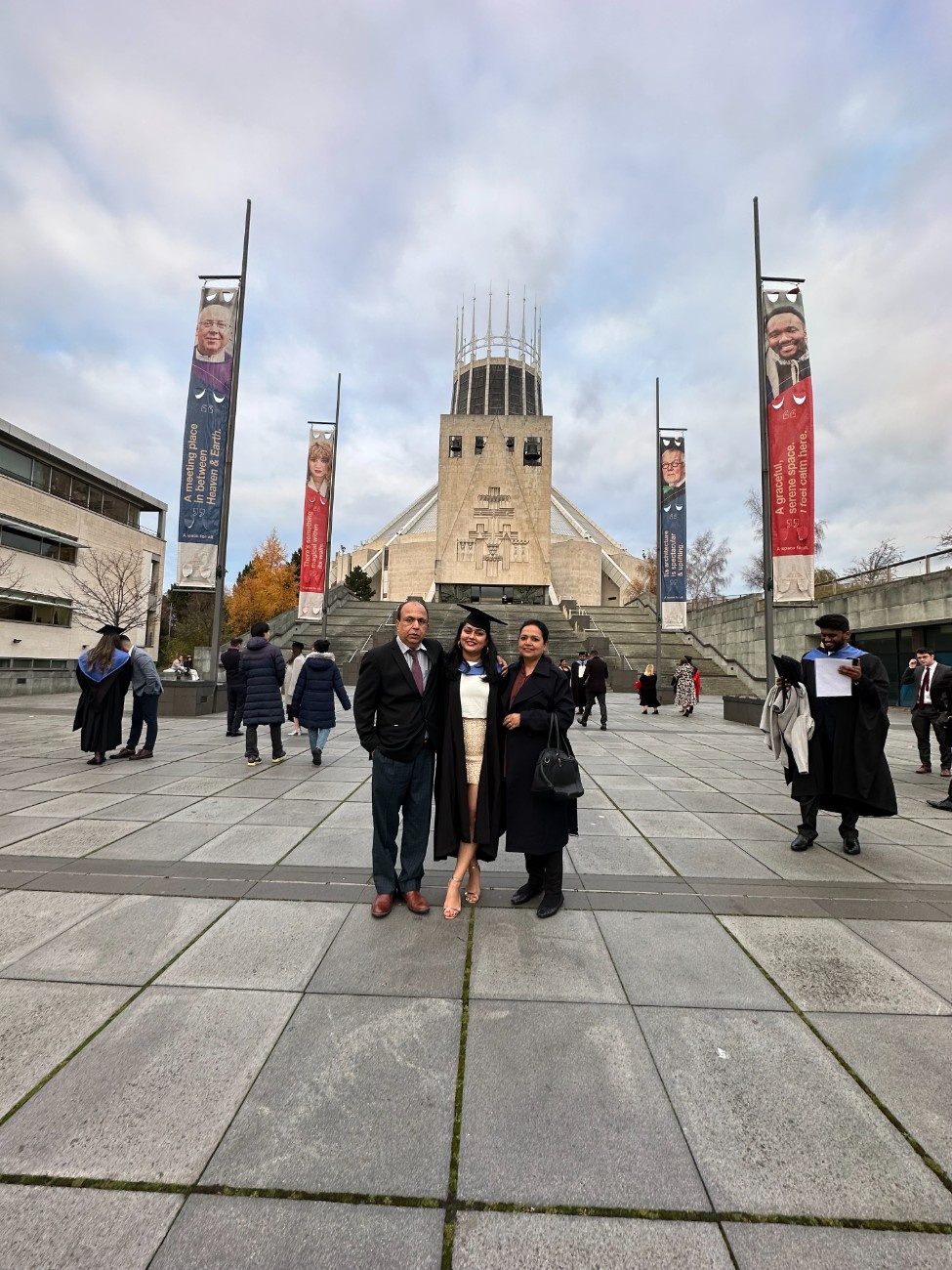
Likes
- It's a Russel group university
- The exposure is great
- The students union has numerous facilities
Dislikes
- It's expensive overall
- It's uni accomodation is quite expensive and not everyone can afford it
- Applying for scholarships and funding is a bit complicated
Scholarship
- I did receive scholarships. Your achievements will make you gain more scholarships. Scholarships can vary from 1000 pounds to completely free. It's not common to get full scholarships but there were students in my class who did receive them.
- On average, international students could get up to 3000 pounds in reduction, but anything other than that requires applying for it.
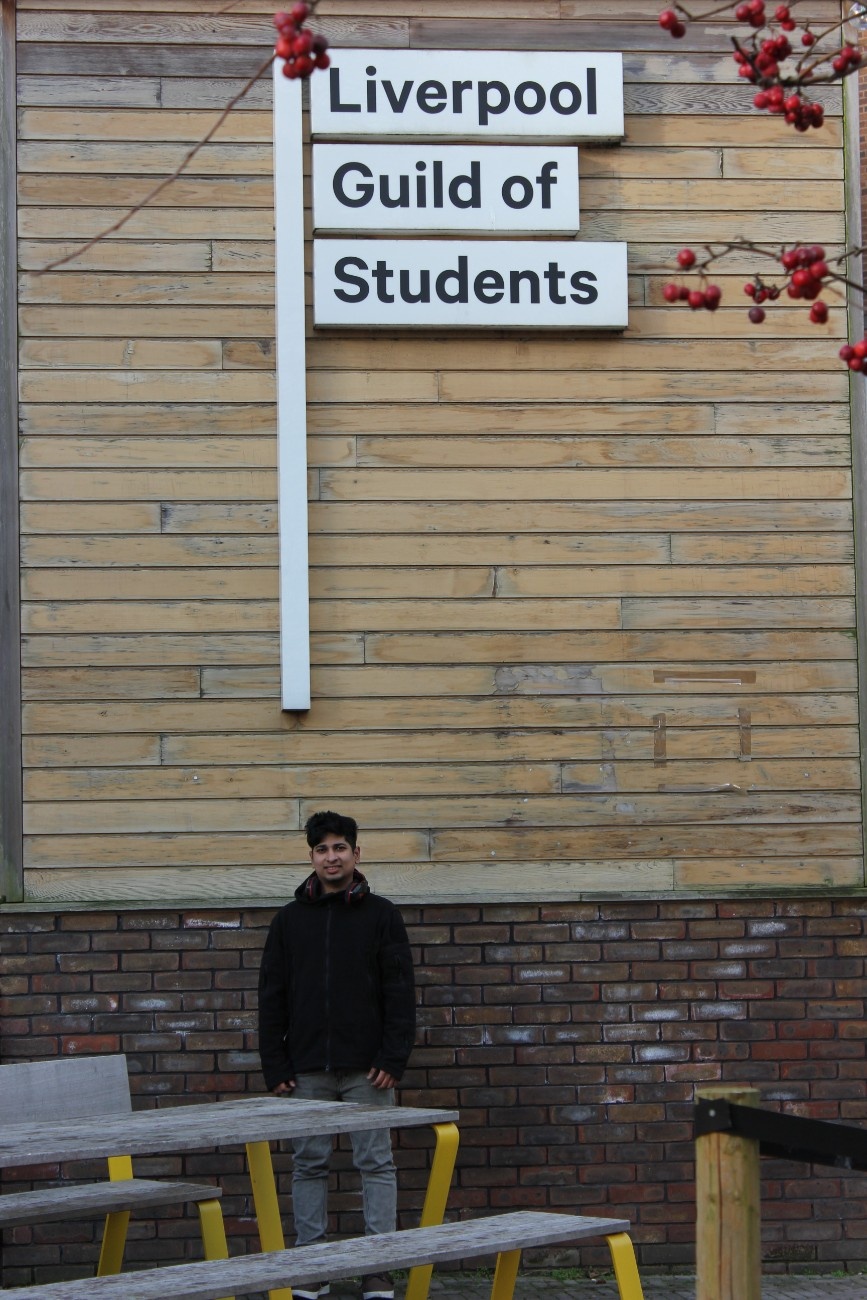
Likes
- Liverpool Location is too good and friendly
- Staffs are very welcoming and easily approachable
- Campus is very neat and pleasant
Dislikes
- Career support is not enough proactive
- Limited employee engagement for my course
- Tuition fees keeps increasing every year
Scholarship
- Yes , there are two different scholarships. One for all international students by default. And other scholarships are given for students with undergraduate marks more than 85%. However, the amount changes every year. There are other scholarships specific to departments. I received £5000 in total and I got two scholarships. Most of my batchmates got this scholarship



Likes
- Friendly staff.
- Student support throughout the campus.
- Many events to help unfold the students talents other than studies.
Dislikes
- Mass lectures combining other students.
- Using one student from every course to represent.
- Class representatives were selected without getting into others notice.
Scholarship
- Yes, I did receive two scholarships.
- Commonwealth country scholarships and the scholarships awarded based on my academic performance.
- The criteria to get the scholarship is to have a 6.5 CGPA and also scholarships work on a first-come, first-served basis.
- I received £4000 in scholarships. Yes, many of my batchmates received scholarships if they were eligible.

interested in this College ?
Follow & Share this college to get information about admission.



Comments