





University of Stirling admissions run on Scotland’s four-year undergraduate calendar and a rolling postgraduate cycle. Indian applicants enter undergraduate degrees with Class XII at 65% and taught masters with a Bachelor’s at 50 to 55% (UK 2:2 equivalent) from a recognised university.
- Primary intake September 2027. UCAS undergraduate submissions open 1 September 2026, equal consideration deadline 13 January 2027 at 18:00 UK time. Postgraduate applications are open now.
- Base tuition starts at £19,500 (INR 25.33 Lakhs) for UG and £24,300 (INR 31.57 Lakhs) for PG, with a UCAS application fee of £34.50 (INR 4,482) for UG and no application fee for PG.
- Undergraduate needs Class XII 65% and IELTS 6.0 (no band below 5.5); postgraduate needs a Bachelor’s at 50 to 55% and IELTS 6.0 (no band below 5.5).
- Institutional acceptance rate is estimated at 55 to 65%, based on Stirling’s offer-heavy Scottish widening-access pattern; the university does not publish an official figure.
Popular Indian-student choices at University of Stirling include MSc Business Analytics, MSc Finance, and MSc Investment Analysis, alongside its top-150 sport-related and philosophy programmes. Applicants recurrently describe the smaller Airthrey campus as approachable, with quick turnaround on visa-related queries.
Table of Contents
- University of Stirling Application Deadlines
- Stirling Eligibility for Indian Students
- Stirling Postgraduate Programs Overview
- University of Stirling Undergraduate Programs
- Stirling MBA Admissions Guide
- Stirling Application Process Step by Step
- University of Stirling Documents Required
- Stirling Acceptance Rate for Indian Students
- UK Student Visa for Stirling Applicants
- Tips and Checklist for Stirling Admissions
- University of Stirling Admissions FAQs
University of Stirling Application Deadlines for Indian Students
Stirling runs one large undergraduate intake per year in September and two main taught-postgraduate intakes in September and January. Undergraduate applications route through UCAS (the UK’s central university admissions service), while postgraduate applications go direct to Stirling’s own portal. The table below sets out the live cycle, drawn from the UCAS 2027 key dates and Stirling’s postgraduate how-to-apply page.
Stirling’s primary intake for Indian students is September (Semester 1) — most undergraduate and postgraduate courses open here.
| Intake | Level | App Opens | Deadline | App Fee | Portal |
|---|---|---|---|---|---|
| September 2027 (Primary intake) | Undergraduate | 1 September 2026 | 13 January 2027, 18:00 UK | £34.50 (INR 4,482) | UCAS |
| September 2027 (late window) | Undergraduate | 14 January 2027 | 30 June 2027 | £34.50 (INR 4,482) | UCAS |
| September 2027 (Primary intake) | Postgraduate taught | Rolling (open now) | Recommended by 30 June 2027 | No application fee | Stirling direct |
| January 2027 | Postgraduate taught | Rolling (open now) | Recommended by 31 October 2026 for visa timing | No application fee | Stirling direct |
Planning note: UCAS opens submissions on 1 September 2026, but you can register and start drafting your application from 12 May 2026. Register early so your reference and personal statement are ready when the portal opens.
University of Stirling Eligibility for Indian Students
Stirling’s international office publishes country-specific floors for Indian qualifications. Undergraduate entry uses Class XII from CBSE, ISC, or a recognised state board; postgraduate entry maps Indian bachelor’s percentages to the UK 2:2 or 2:1 honours bands. English language proficiency is separate from academic eligibility and can be waived where the medium of instruction was English within the last five years.
- UG direct entry (Year 1): Class XII at 65% from a recognised board.
- UG advanced entry (Year 2): Class XII at 75% or a completed first year of Indian bachelor’s study.
- PG 2:2 pathway: Indian Bachelor’s at 50% from a Tier 1 university or 55% from a Tier 2 university (equivalent to UK high 2:2, roughly 55 to 60%).
- PG 2:1 pathway (selective courses): Bachelor’s at 60% or 6.5/10 CGPA (equivalent to UK 2:1).
- English floor for most courses: IELTS 6.0 overall with no sub-band under 5.5; higher for MSc Nursing and PGDE Secondary Education (IELTS 7.0).
Alternative English tests carry equivalent floors: TOEFL iBT 78 (listening 17, reading 18, speaking 20, writing 17), PTE Academic 60 (with 59 in every sub-skill), Cambridge C1 Advanced, and LanguageCert International ESOL B2 Communicator. Duolingo acceptance varies by course, so confirm on the offer letter.
University of Stirling IELTS Waiver for Indian Students
Stirling waives the IELTS requirement on a case-by-case basis where the medium of instruction in your most recent qualification was English and completed within the last five years. Indian applicants typically supply a formal medium-of-instruction letter from their college or university on official letterhead, listing the language of teaching and assessment. Applicants from CBSE, ISC, and most private universities where English was the delivery language often qualify. The waiver does not apply to courses with an IELTS 7.0 minimum.
Note: Program-specific entry requirements, fees, and intake availability may differ from the institution-wide minimums shown above. Always confirm on the official University of Stirling international entry requirements page for your chosen program before applying.
University of Stirling Postgraduate Programs for Indian Students
Stirling’s taught postgraduate portfolio spans business analytics, finance, environmental science, marketing, sport, media, and the humanities. Most one-year MSc courses cost roughly £19,900 to £24,300 (INR 25.85 to 31.57 Lakhs) as base tuition for 2026-27 — see the course-wise fees breakdown for exact per-programme figures. The table lists eligibility and English floors for programmes popular with Indian applicants.
| Programme | Duration | Minimum Eligibility | English Req. Min. |
|---|---|---|---|
| MSc Business Analytics | 12 months | Bachelor’s at 55% in business, computing, mathematics, or a numerate discipline | IELTS 6.0 |
| MSc Investment Analysis | 12 months | Bachelor’s at 55% in finance, economics, or a quantitative field | IELTS 6.0 |
| MSc Big Data | 12 months | Bachelor’s at 55% in computing, mathematics, or a science subject | IELTS 6.0 |
| MSc Environmental Management | 12 months | Bachelor’s at 50 to 55% in environmental, biological, or geographical science | IELTS 6.0 |
| MSc Finance | 12 months | Bachelor’s at 55% in finance, economics, business, or accounting | IELTS 6.0 |
| MSc International Marketing | 12 months | Bachelor’s at 50 to 55% in any discipline; portfolio not required | IELTS 6.0 |
| MSc Human Resource Management | 12 months | Bachelor’s at 55% in any discipline, work experience preferred | IELTS 6.0 |
| MSc English Language and Linguistics | 12 months | Bachelor’s at 55% in English, linguistics, or a language discipline | IELTS 6.5 |
Insider note: Stirling’s £7,000 Postgraduate Scholarship is auto-applied to every self-funded international PGT student in Year 1, cutting the net masters bill by around INR 9.09 Lakhs. See the funding options for Indian students for stackable awards.
Note: Program-specific entry requirements, fees, and intake availability may differ from the institution-wide minimums shown above. Always confirm on the official University of Stirling postgraduate page for your chosen program before applying.
University of Stirling Undergraduate Programs Overview
Scottish undergraduate degrees run four years, with an option for direct Year 2 entry if Class XII scores reach 75%. Base international tuition is £19,500 (INR 25.33 Lakhs) per year for 2026-27, held flat for the four-year duration. Popular Indian-applicant courses cluster in business, computing, media, and sport-related subjects.
| Programme | Duration | Minimum Eligibility | English Req. Min. |
|---|---|---|---|
| BA Business Studies | 4 years | Class XII at 65% overall; no specific subject prerequisite | IELTS 6.0 |
| BSc Psychology | 4 years | Class XII at 65% including English and one science or mathematics | IELTS 6.0 |
| BSc Computing Science | 4 years | Class XII at 65% with Mathematics studied through Class XII | IELTS 6.0 |
| BA Media and Communications | 4 years | Class XII at 65% overall; portfolio not required | IELTS 6.0 |
| BSc Sport and Exercise Science | 4 years | Class XII at 65% with Biology or Physical Education preferred | IELTS 6.0 |
Planning note: Scottish universities often make conditional offers within two to four weeks of a complete UCAS application. Applying in early September gives the fastest turnaround and the widest scholarship visibility.
University of Stirling MBA Admissions Guide
The Stirling MBA is a one-year full-time programme delivered by the Stirling Management School, structured around core management modules, an in-company consultancy project, and international residentials. GMAT and GRE are not required. Base tuition is set on the Management School’s fees page — see the Stirling ranking band for the school’s positioning in QS Marketing Masters (101 to 150).
Stirling MBA Eligibility for Indian Applicants
Applicants need a Bachelor’s degree at 55% or higher plus a minimum of three years of full-time managerial or professional work experience. A no-degree pathway exists for candidates with significant senior-level experience (typically eight years or more) at admissions’ discretion. English floor is IELTS 6.5 overall with no sub-band below 6.0.
Stirling MBA Selection Process
Shortlisted applicants sit a competency-based interview (video or in person) with the MBA Director covering leadership, career trajectory, and fit with the cohort. Interviews are scheduled once your CV, transcripts, and two references are on file, usually within four weeks of a complete application. Rolling admissions apply for the September start.
Note: Program-specific entry requirements, fees, and intake availability may differ from the institution-wide minimums shown above. Always confirm on the official University of Stirling MBA page for your chosen program before applying.
University of Stirling Application Process Step by Step
Undergraduate applicants use UCAS, the UK’s central admissions service, while postgraduate applicants apply direct through Stirling’s online portal. Both routes accept scanned copies of academic documents at the application stage, with certified originals due before enrolment.
- Register on the correct portal. UG applicants create a UCAS account from 12 May 2026 and submit from 1 September 2026 on the UCAS Hub. PG applicants apply direct at Stirling’s online postgraduate application form.
- Pay the application fee of £34.50 (about INR 4,482) on UCAS for undergraduate (covers up to five course choices). Postgraduate has no application fee.
- Upload documents: Class XII / Bachelor’s transcripts and certificates, English test score, passport bio page, personal statement, and one to two references.
- Track your offer on UCAS Hub (UG) or the Stirling applicant portal (PG). Conditional offers typically arrive in two to four weeks for PG and by March for UG.
- Accept and prepare CAS. Once you accept, Stirling issues a Confirmation of Acceptance for Studies (CAS) letter, the trigger document for your Student visa application.
University of Stirling Admission Decisions and Deferral
Postgraduate offers are typically valid for the intake stated on the letter; you can request a one-year deferral in writing to admissions@stir.ac.uk provided fees have not been increased for the new intake. Undergraduate offers via UCAS can be deferred at the point of accepting through the UCAS Hub.
University of Stirling Documents Required for Indian Applicants
Paperwork is uploaded at the application stage; certified originals are checked before enrolment. Missing documents are the most common reason for offer delays, so prepare the full set before you open the portal.
- Passport bio-data page, valid at least six months beyond course end.
- Class XII marksheet and pass certificate from CBSE, ISC, or the relevant state board.
- Bachelor’s transcripts (year-wise or semester-wise) plus provisional or final degree certificate (for PG applicants).
- English test score report: IELTS, TOEFL iBT, PTE Academic, or Cambridge C1 (or a medium-of-instruction letter for waiver).
- Personal statement (500 to 800 words) covering academic motivation and career plan.
- One to two academic or professional references on institutional letterhead with signatory contact details.
- CV or resume for MBA and experience-preferred courses.
- Work experience letters for MBA applicants (three years minimum).
- Photograph in UK visa format and Statement of Purpose where the course requests one.
Insider note: Indian applicants routinely underestimate reference lead time. Request academic references six to eight weeks before submitting, especially if your college requires HOD sign-off.
University of Stirling Acceptance Rate for Indian Students
Stirling does not publish an official institutional acceptance rate. Third-party estimates place its offer-making rate at roughly 55 to 65% of qualified applicants, based on Scottish widening-access patterns and Stirling’s history as an access-oriented university that admits most applicants who clearly meet its stated requirements. Course-level competitiveness varies: high-demand programmes like MSc Investment Analysis and BSc Psychology see tighter shortlisting than open-access management courses.
What Drives a Stirling Offer for Indian Applicants
Meeting the academic floor and English test cut-off is usually enough for an offer on non-competitive courses. Admissions weigh (a) the fit between your Bachelor’s discipline and the masters, (b) grade trajectory across your final two years, and (c) a personal statement that names specific Stirling modules or research groups.
Reasons Stirling Applications Are Rejected
Common rejection triggers are Bachelor’s percentages below the 2:2 line, English scores with one weak sub-band, and generic statements that could apply to any UK university. Rework and reapply for the next intake — Stirling accepts fresh applications from the same student.
UK Student Visa for University of Stirling Applicants
Indian offer-holders apply for a UK Student visa (formerly Tier 4 General) after receiving their Confirmation of Acceptance for Studies (CAS) from Stirling. The visa is granted for the length of the course plus a short wrap-up period, and permits 20 hours of term-time work per week. Apply online, book biometrics at a VFS Global centre in India, and expect a decision in around three weeks under the standard service (or five working days under the priority route for an extra fee).
Financial proof must cover Year 1 tuition minus any deposit paid, plus £1,023 per month of living costs for up to nine months (£9,207 total, roughly INR 11.96 Lakhs) if studying outside London. Funds must sit in an eligible account for 28 consecutive days. Post-arrival, register with the university within two weeks, collect your Biometric Residence Permit, and open a UK bank account for stipend and part-time earnings.
2026 update: The UK Immigration Health Surcharge (IHS) is £776 per year for students, paid alongside the visa fee. Budget for the full course duration up front, as it is charged in one lump sum.
Tips and Application Checklist for University of Stirling
The following tips and steps are drawn from Indian-applicant patterns at Stirling over recent intakes. Use them alongside the deadlines table to time each moving piece.
- Apply 10 to 12 weeks before your intended intake so the CAS letter arrives with enough runway for a UK visa decision.
- Route MoI letters through official channels — HOD or Registrar signature on institution letterhead — as departmental drafts are often rejected.
- Personalise the statement per programme: name two Stirling modules and one research group or centre that maps to your career plan.
- Book IELTS eight weeks before the deadline so a retake window exists if any sub-band lands under the 5.5 or 6.0 floor.
- Six months before intake: confirm eligibility, shortlist courses, request academic references.
- Four months before: submit application through UCAS or Stirling portal, upload transcripts and English score.
- Two to three months before: respond to conditional offer, arrange finances for CAS, book visa biometrics.
- One month before: secure accommodation via Stirling’s applicant portal, arrange onward travel to Edinburgh or Glasgow airport.
Reality check: Stirling’s rolling PG cycle rewards early applicants — scholarships and popular hall places are allocated on a first-in basis, not held back until a deadline.
Stirling admissions reward preparation over speed: verified transcripts, a clean English score, and a course-specific statement clear most offers within a month of submission, leaving space to lock in the £7,000 postgraduate scholarship, plan the CAS-to-visa runway, and settle Airthrey campus housing before Freshers’ Week.
University of Stirling Admissions: Frequently Asked Questions
Ques. What is the University of Stirling application deadline for Indian students in 2027?
Ans. Undergraduate applications for September 2027 entry must reach UCAS by 13 January 2027 at 18:00 UK time for equal consideration, with a late window running to 30 June 2027. Postgraduate applications are open year-round with no fixed deadline, but visa applicants should submit at least 10 to 12 weeks before their intake start.
Ques. What are the eligibility requirements for University of Stirling for Indian students?
Ans. Undergraduate entry needs Class XII at 65% from a recognised board plus IELTS 6.0 (no sub-band under 5.5). Postgraduate taught entry needs an Indian Bachelor’s at 50 to 55% (equivalent to UK 2:2) with the same IELTS floor, rising to IELTS 6.5 or 7.0 for select courses like nursing and PGDE Secondary.
Ques. Does University of Stirling accept IELTS waivers for Indian applicants?
Ans. Yes. Stirling waives the IELTS on a case-by-case basis where the medium of instruction in your most recent qualification was English and completed within the last five years. You need to submit a formal MoI letter on institutional letterhead. Waivers do not apply to courses requiring IELTS 7.0.
Ques. Is there an application fee for University of Stirling?
Ans. Postgraduate applications carry no application fee. Undergraduate applicants pay UCAS £34.50 (about INR 4,482) for the 2027 cycle, which covers up to five course choices across all UK universities.
Ques. What English test scores does University of Stirling accept?
Ans. Stirling accepts IELTS Academic 6.0 (no band below 5.5), TOEFL iBT 78, PTE Academic 60 (with 59 in every sub-skill), Cambridge C1 Advanced, and LanguageCert International ESOL B2 Communicator for most courses. Selected programmes require IELTS 6.5 or 7.0.
Ques. What intakes does University of Stirling offer for postgraduate courses?
Ans. September is the primary intake, hosting nearly all taught masters. A smaller January intake covers popular business and computing courses. Undergraduate degrees start only in September, following the Scottish four-year academic calendar.
Ques. Do I need work experience for the Stirling MBA?
Ans. Yes. The Stirling MBA requires a minimum of three years of full-time managerial or professional work experience alongside a Bachelor’s at 55%. Applicants without a degree but with eight or more years of senior-level experience are considered on a case-by-case basis. GMAT and GRE are not required.
Ques. How long does University of Stirling take to reply to postgraduate applications?
Ans. Most complete postgraduate applications receive a decision within two to four weeks of submission. MBA and research applications take longer because of the interview or supervisor-matching step. Missing transcripts and references are the top delay triggers.
Ques. Can I defer my Stirling offer to the next intake?
Ans. Yes, both undergraduate and postgraduate offers can typically be deferred by one year. UG deferrals go through the UCAS Hub at the acceptance stage; PG deferrals require a written request to admissions@stir.ac.uk before you enrol. Fee changes for the new intake may apply.
Ques. What documents do Indian students need for a Stirling application?
Ans. You will need passport bio page, Class XII marksheet and certificate, Bachelor’s transcripts and provisional certificate (for PG), English test score report or MoI letter, personal statement, one to two references, and a CV for MBA or experience-based courses.
Ques. Is University of Stirling difficult to get into for Indian students?
Ans. Stirling is an access-oriented university with an estimated 55 to 65% offer rate. Meeting the academic and English floors clears most offers, though high-demand courses like MSc Investment Analysis, MSc Finance, and BSc Psychology see tighter shortlisting. The university does not publish an official acceptance rate.
Ques. What comes after receiving a University of Stirling offer letter?
Ans. Accept the offer through UCAS Hub or Stirling’s applicant portal, pay the tuition deposit (usually £2,000, around INR 2.60 Lakhs), and request your CAS letter. Use the CAS to apply for a UK Student visa, arrange accommodation on the applicant portal, and register with the university within two weeks of arrival in Stirling.
College Student Profiles

University of Stirling Program Fees & Deadlines
| Program | Important Dates | Fees | Application Fees | Eligibility | Financial Aid |
|---|---|---|---|---|---|
MSc Business Analytics 1 year | USD 32,076 /Yr GBP 24,300 /Yr | - | IELTS: 6.0, TOEFL: 4, second-class Honours degree in any subject | ||
MSc Finance 1 year | USD 32,076 /Yr GBP 24,300 /Yr | - | IELTS: 6.0, TOEFL: 4, second-class Honours degree or equivalent | ||
| USD 32,076 /Yr GBP 24,300 /Yr | - | IELTS: 6.0, TOEFL: 4, second-class Honours degree or equivalent | |||
| USD 32,076 /Yr GBP 24,300 /Yr | - | IELTS: 6.0, TOEFL: 4, second-class Honours degree or equivalent | |||
B.Sc. Economics (Hons) 3 years | USD 24,288 /Yr GBP 18,400 /Yr | 28 | 65%, IELTS 6.0, TOEFL 78 | - |
Do you think the Dates are wrong ? Report Here


Course Finder - Search from 50K+ courses
Popular Streams:
Reviews
15 Reviews Found
Likes
- I liked the faculty and campus and accommodation of my university and disliked that there was no such placement offers from there.
Likes
- Great and beautiful campus
Dislikes
- But no support towards placements
Likes
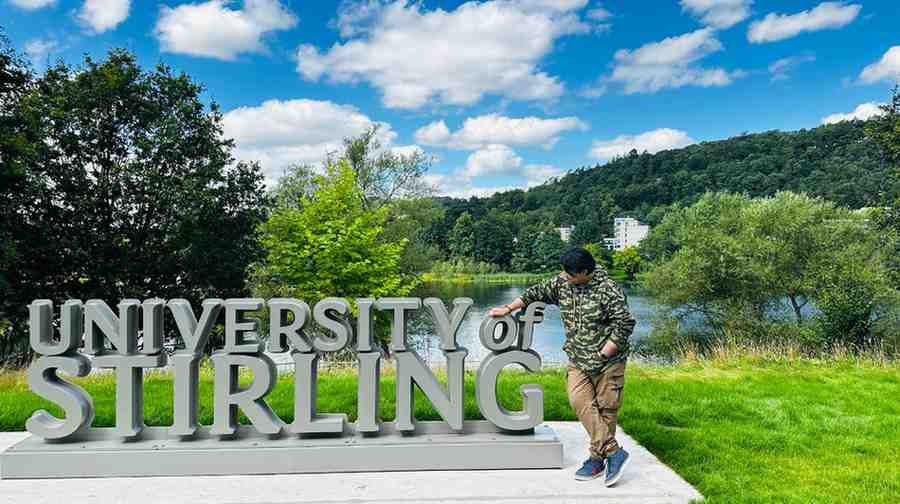
- The picturesque Campus
- Excellent Academic Support
- Strategic Professional Support from Alumni Relation, Careers and Work Based Learning Team
Dislikes
- It’s really hard for me to find out negatives about the University of Stirling as I call the experience as a Paradigm Shift in my life.
- The distance from City Centre and all popular shops like Tesco, Waitrose, Aldi, LiDL is more
Scholarship
- I received a country-specific scholarship which was £3000. The eligibility criteria were:
- I had to be an Indian which I was and I think they wanted me to have 55%+ in my previous education which I had too.
- £3000. Yes, some of my peers who were from India, Pakistan or Bangladesh received the same scholarship.
- Almost all International students receive some kind of scholarship depending on their eligibility. Typical award amount is between £2000 and £3000. There was another scholarship called the Saltire Scholarship, which was approx. £8000. Although I applied, I was not selected.
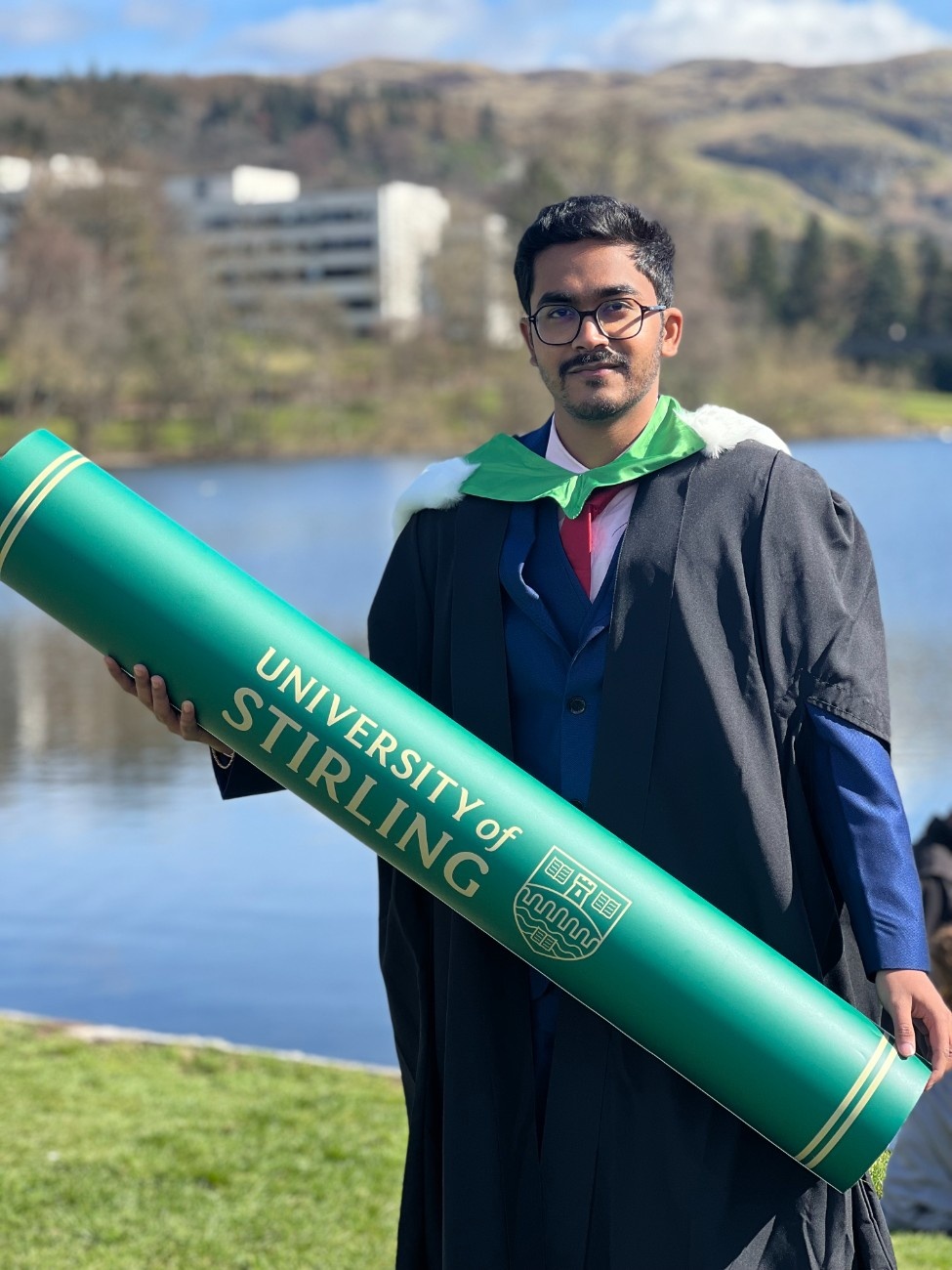
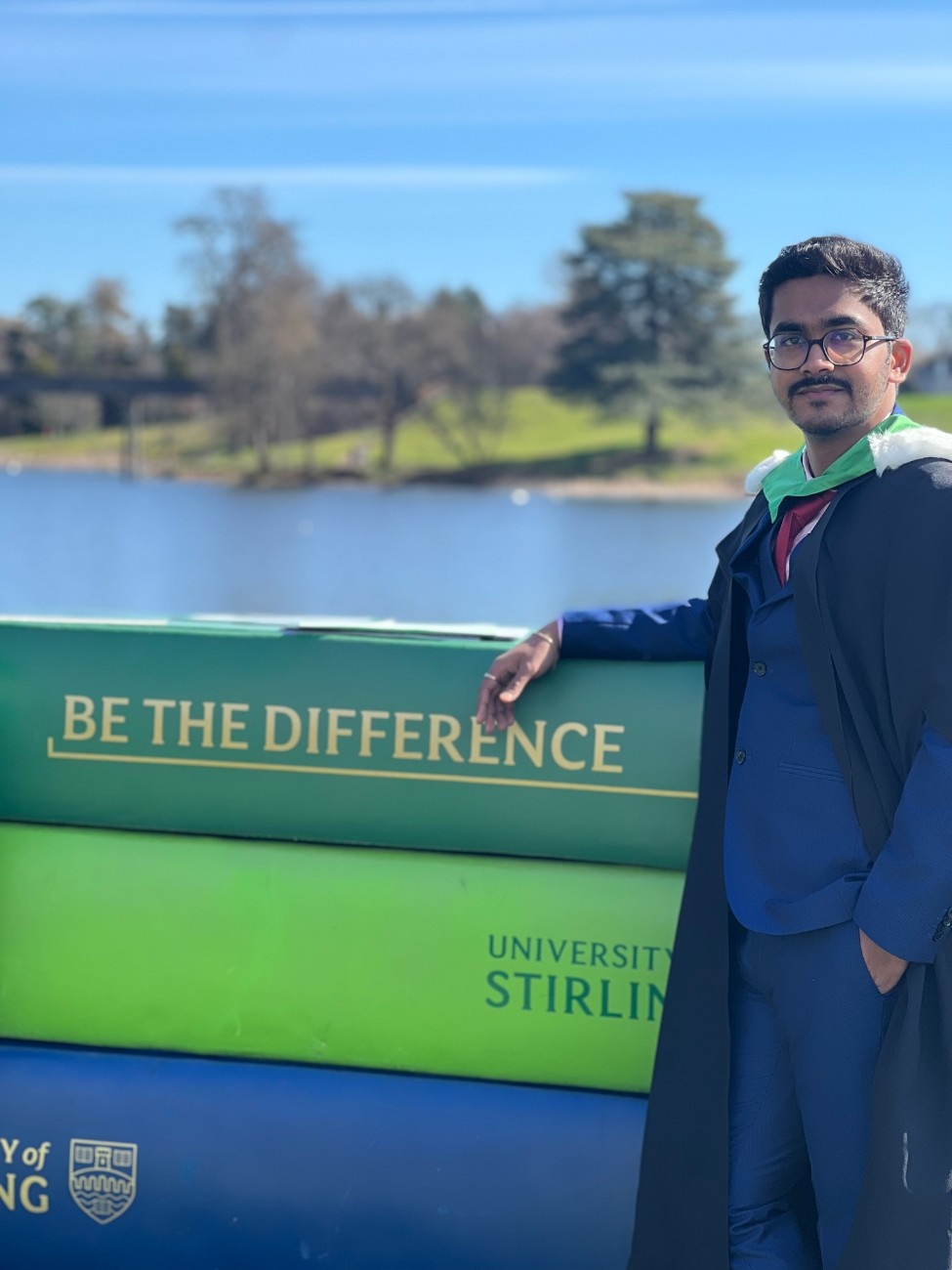
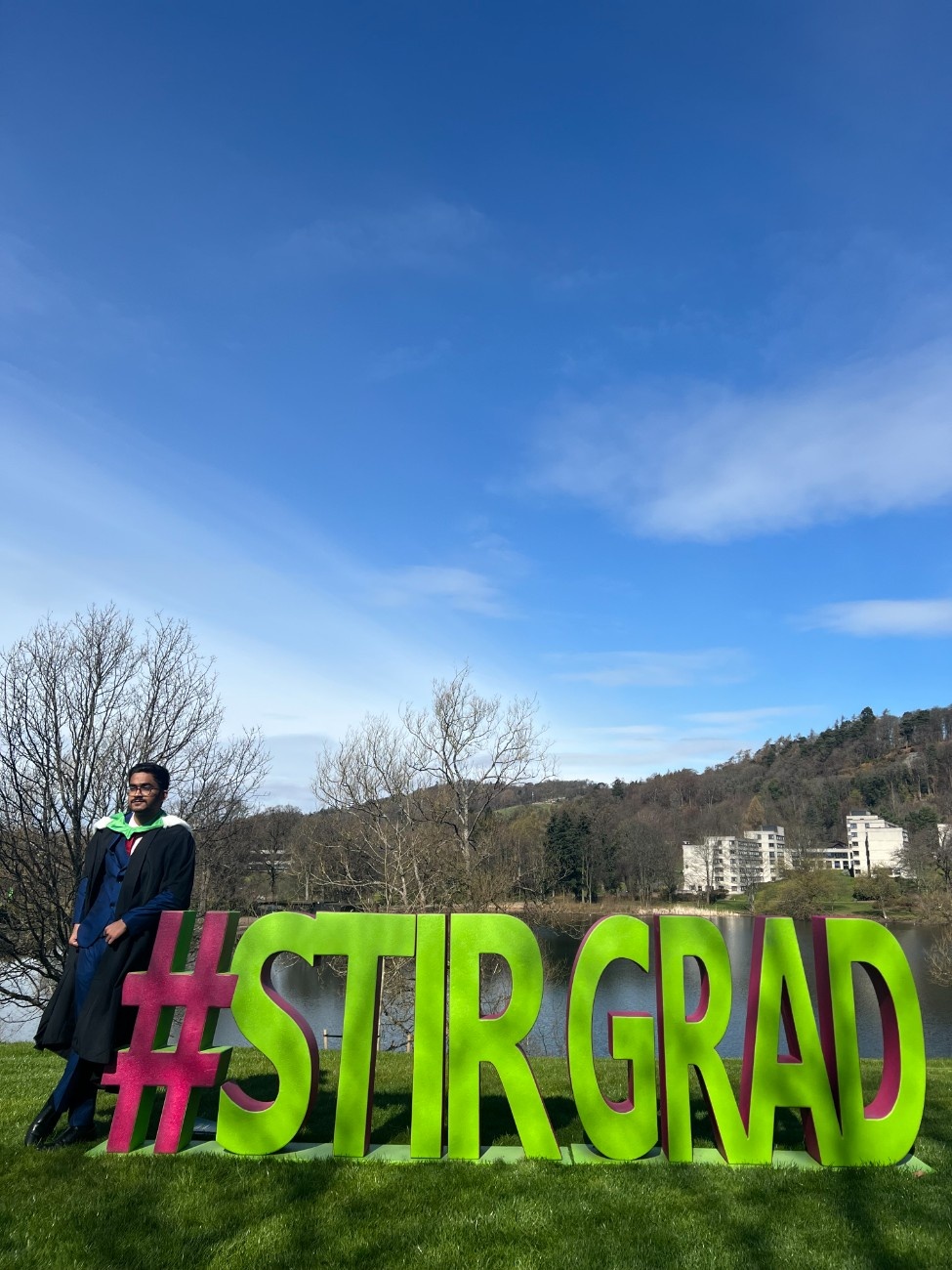
Likes
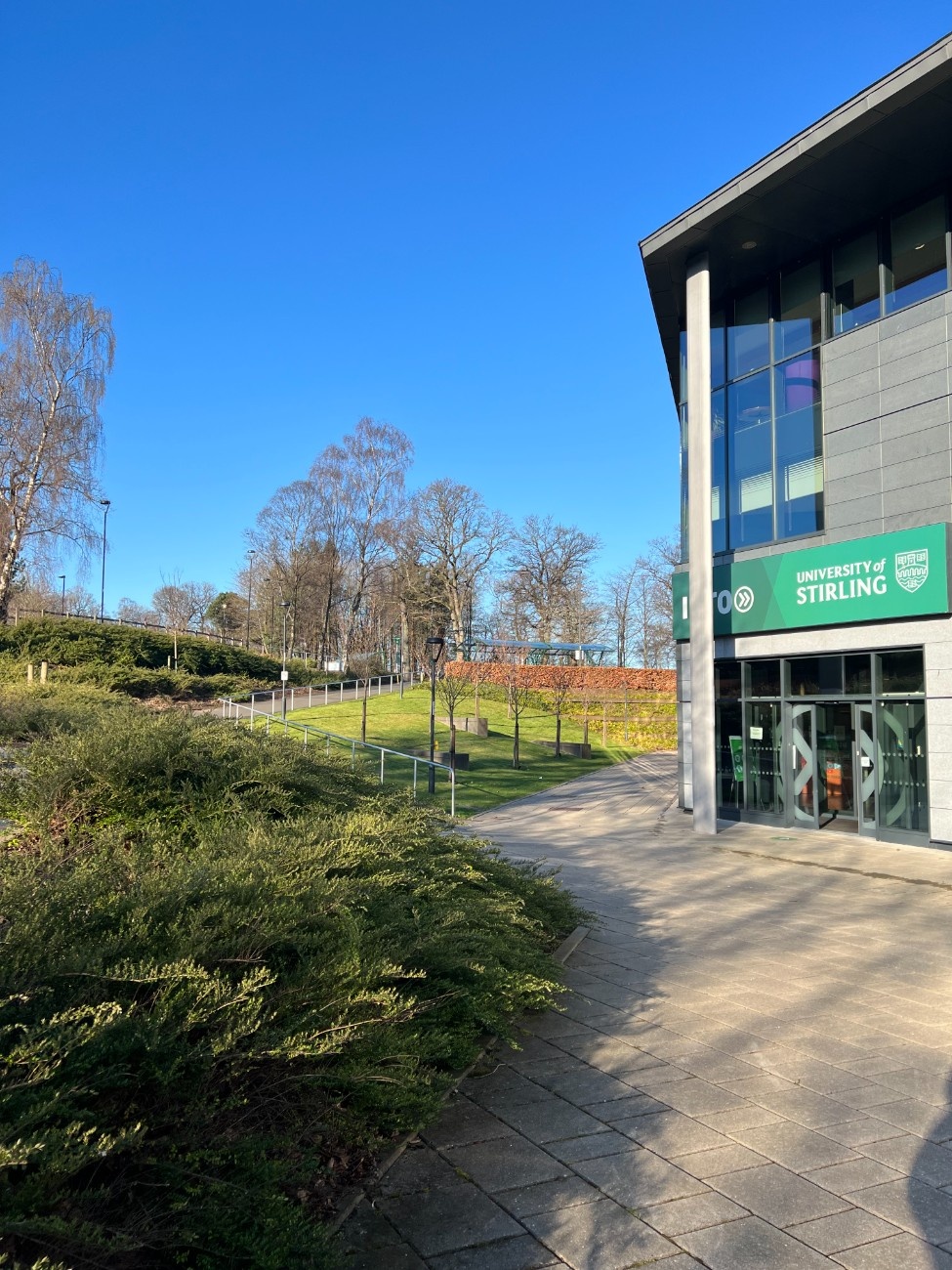
- So many options for societies and activities
- Mental health support services
- Freebies every now and then through events and how welcoming the university is for freshers.
Dislikes
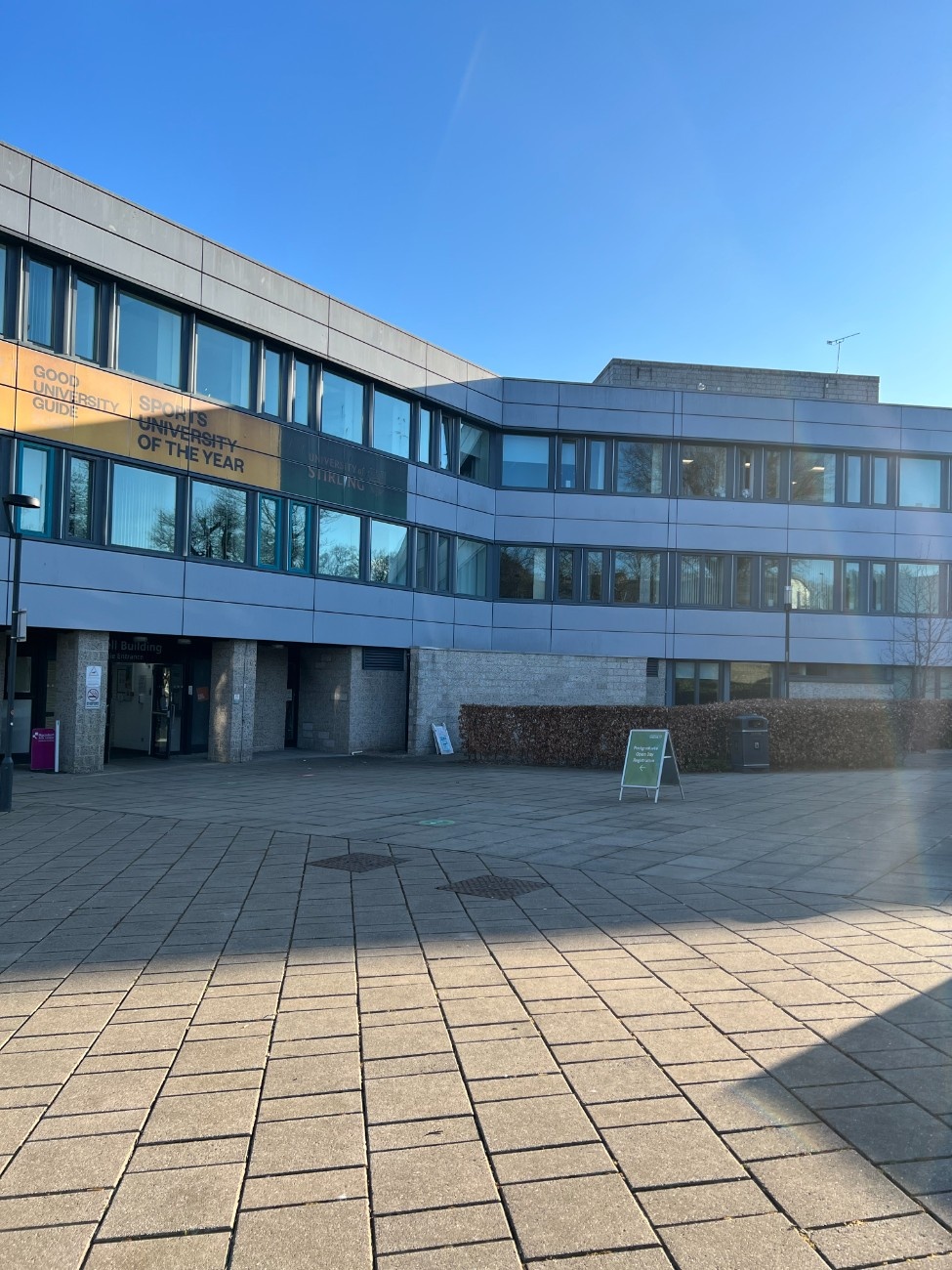
- It’s really hard to find the classrooms, because there is no specific order and it’s all over the place.
- The uni is not in a very high profile city, it’s on the outskirts, so all the exposure you get is only from the campus.
- Hard to get flat on campus after 2nd year.
Scholarship
- Yes, I did get a scholarship of £2000 p.a., which made my tuition fee 13,900 p.a.—the scholarship was under the name of “international undergraduate award,” but once I reached the University I got to know everybody from India got that scholarship.
- Undergrads get £2000 and on average I think 30-50 students get this scholarship (I am not aware, though)—I mean, I am not sure of this; it's just my assumption.
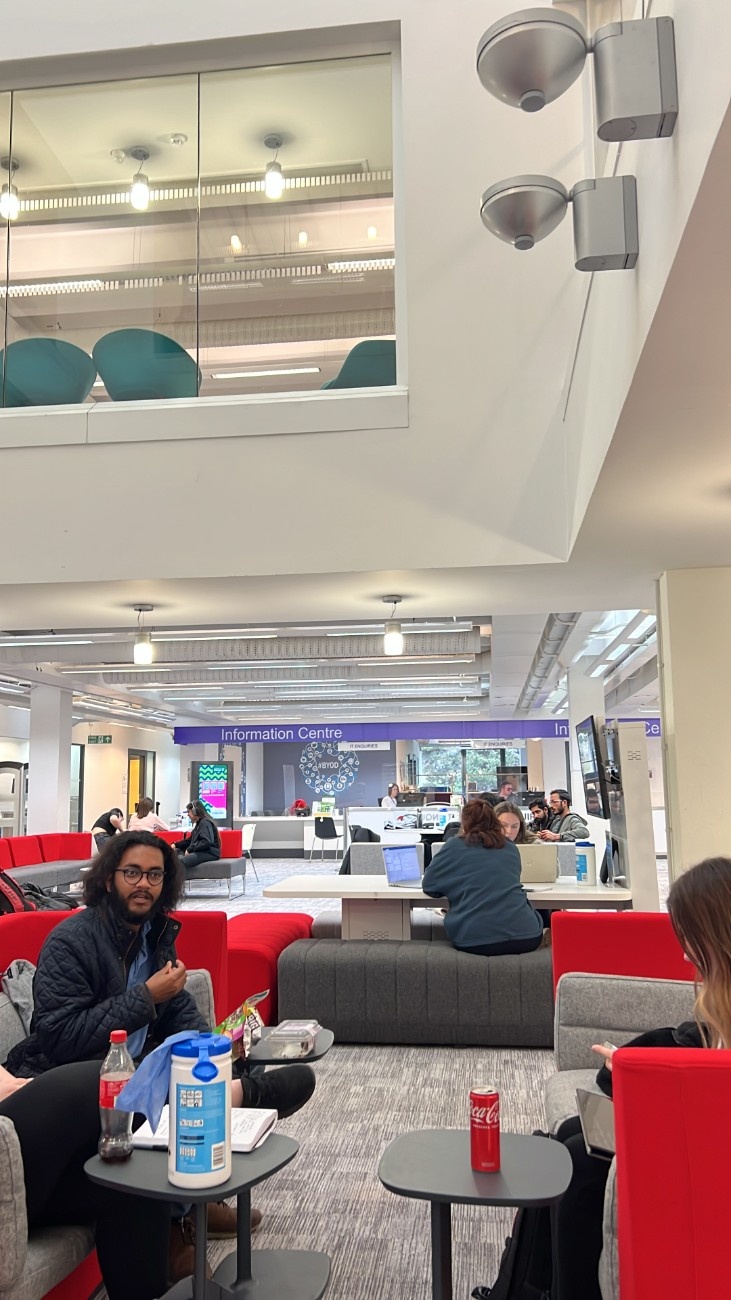



Likes
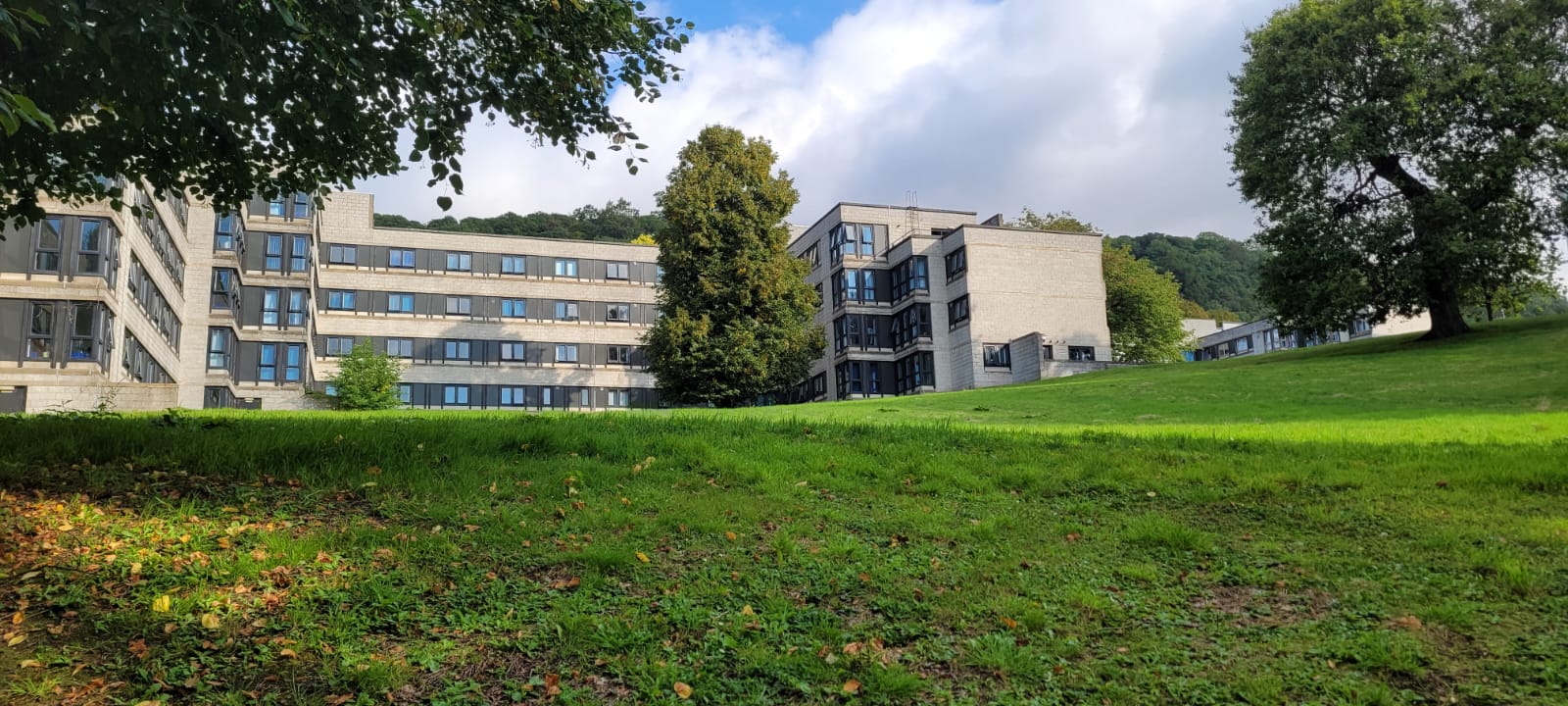
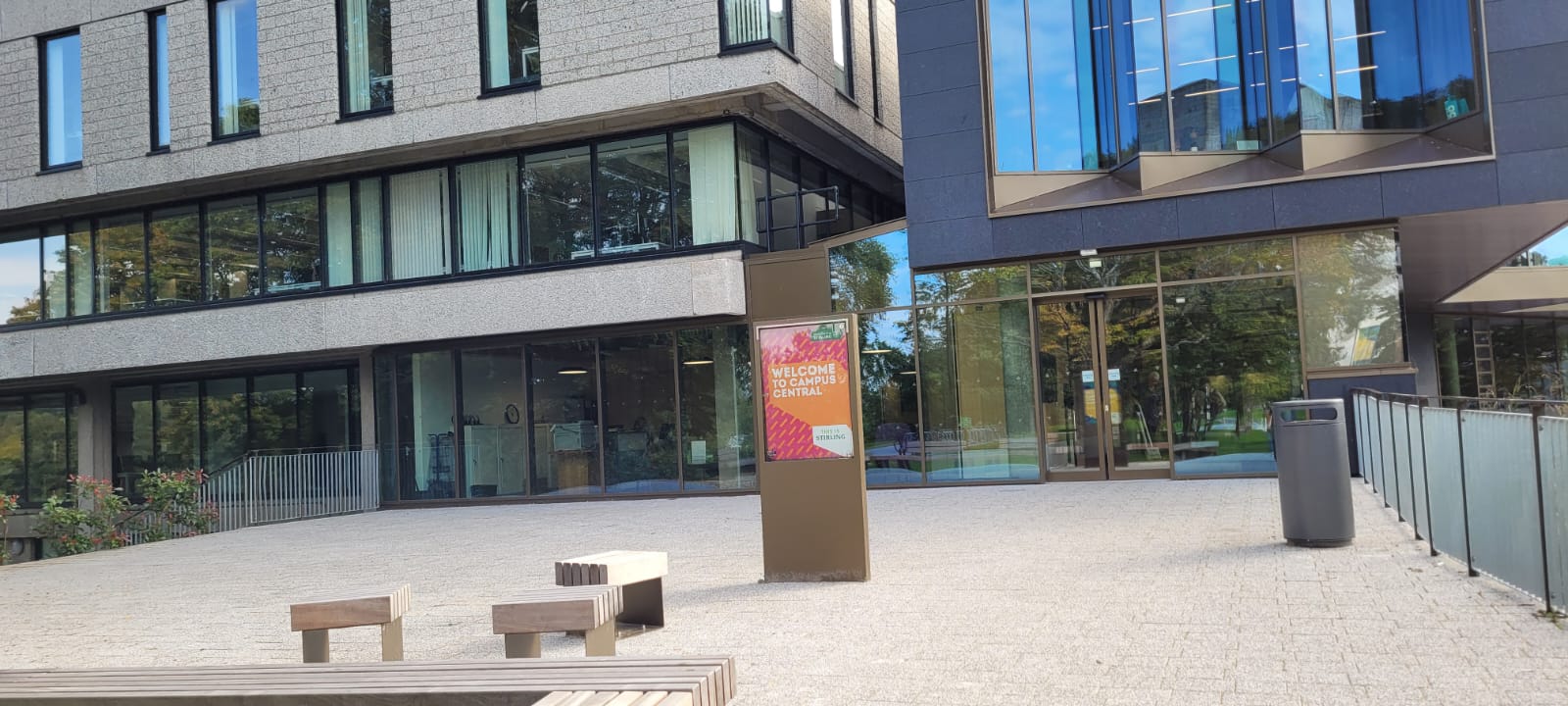
- The campus
- The facilities provided in the campus
- The faculty were very helpful and supportive.
Dislikes
- There could have been more classes in a day.
- There could have been a better placement prospective.
- Some more activities to network with other people.
Scholarship
- Yes, I received a scholarship as an Indian.
- The award amount was 4000 pounds.
- Yes, all my fellow Indian batchmates received this scholarship, one of my flatmates received a sports scholarship, I am not sure of how much. But this university gives a lot of importance to sports and we have had 2/3 Olympic champions in swimming from this university.
- I assume at least thousands of students receive scholarships every year.

Dislikes
- There's more focus required for the career aspects. However, one has to be very active and independent otherwise it will be hard to grasp opportunities. This struggle should be made a bit easier by the careers team.
Overview
The major three things I liked were Good outreach, experienced faculty and recreational activities. Moreover, the campus environment is also great, full of events and opportunities.
Likes
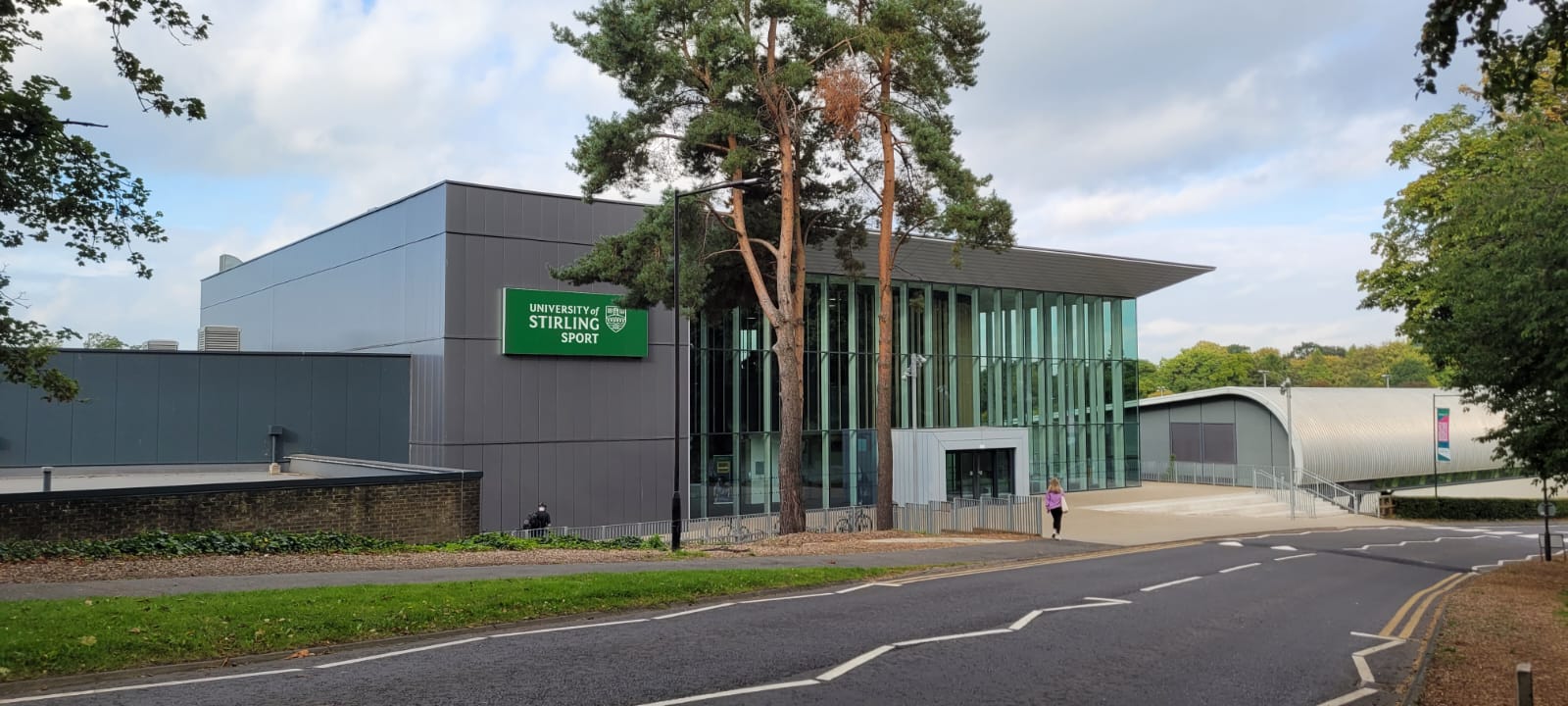
- I was attracted by the enormous sports facilities and Stirling is world's 3rd largest University for Sports.
- The Sports Facilty is the major attraction. Atfterall the University is known for Sports. Then The Campus is also very eco friendly and quiet. It is great place for people who like Nature
Dislikes
- I was not Happy with Medical Services. It is difficult if you get sick. NHS is not very much accessable. Also there is aspects of racism among students, which is not addressed properly.
Overview
It was an mixed experience. It was Covid during the period, so I was not able to explore many areas of campus life. But I see my Juniors have got a better experience past covid.
Scholarship
There was a scholarship for Indian studentd GBP 4000 which I received and no seperate application was required for it.
Likes
- Firstly, finances. Scotland is a great place to study on a budget in comparison to its other UK counter parts. My options were between Germany, Dublin and Scotland but due to COVID-19 restrictions my plans did not go as planned. For me Scotland was an easy pick because of its cost of living, education fees and the hub of Climate Change Conference - Glasgow. UoS secondly was quite transparent in its admission process, providing me with adequate guidelines & support. I had read about the professors beforehand and was intrigued to learn from them. Moreover, Scotland is quite famous of its rich libraries and heritage. A part of which was stored at UoS. So, it makes every researcher's dream place come true. The university provides ample of learning, mental & physical well-being resources to the students. I wanted my experience to be a blend of different communities and learning about cultures. At UoS you can find community spaces, friends and professors who could be your home away from home. Upholding this notion the university provides a healthy and inclusive environment for all with no space for any harshness, unkindness or harassment at any level.
- Libraries and Health & Well Being Unit showcasing that the university really cared about its students holistic development and growth. Student led advocacy units where every student if represented and it's ensured that students understand the importance of unions and participate in union activities too!
Dislikes
- I guess that too much was happening at the same time, which I believe for freshers can be overwhelming or confusing. The early few months of navigating the college space and finding your niche is often difficult.
Overview
For academic purposes it was quite engaging and a fulfilling experience. Where I was able to participate in various research groups. The professors were helpful and are still in touch with students. The university provided me that space of academic endeavor that I was looking for and an engaging student life.
Scholarship
Yes, University of Stirling provides scholarship worth £4000 to Indian Nationals. Other than that University Provides Aids to International Students which depends from year to year to manager their monthly budget, hostel rent and other student amenities.
Likes
- I wanted to pursue higher education in my field only and this university's program was inclined to my needs.
- Overall experience was good, as the library, sports facilities and the campus. Our campus had ample space to either get fresh or study hard. Various cultural societies and job fairs were organized.
Dislikes
- Mainly the early classes, and also they can enhance there job portal and the job process. They can provide internships so that it can help the students for international exposure.
Overview
It was good, the course material. faculty and the campus. The easy accessibility to books and online material was quite helpful in my journey.
Scholarship
I received the basic scholarship that is GBP4000 reduced from total fees.
Likes
- University Environment, Research in Sports, Great Sports Programs, Skilled Lecturers.
Overview
On the scale of 1-10, I would rate my experience 8 out of 10.
Scholarship
There was a scholarship for Indian students which valued at 4000 GBP.

interested in this College ?
Follow & Share this college to get information about admission.



Comments