




Class 11 History Chapter 1 Writing and City Life is a high-frequency theme in the CBSE Class 11 History exam, asked as long-answer and source-based questions. These class 11 history handwritten notes chapter 1 Writing and City Life follow the 2026-27 NCERT and cover Mesopotamia, its cities, cuneiform writing, and daily life. This page hosts the notes PDF, a timeline, and key terms.
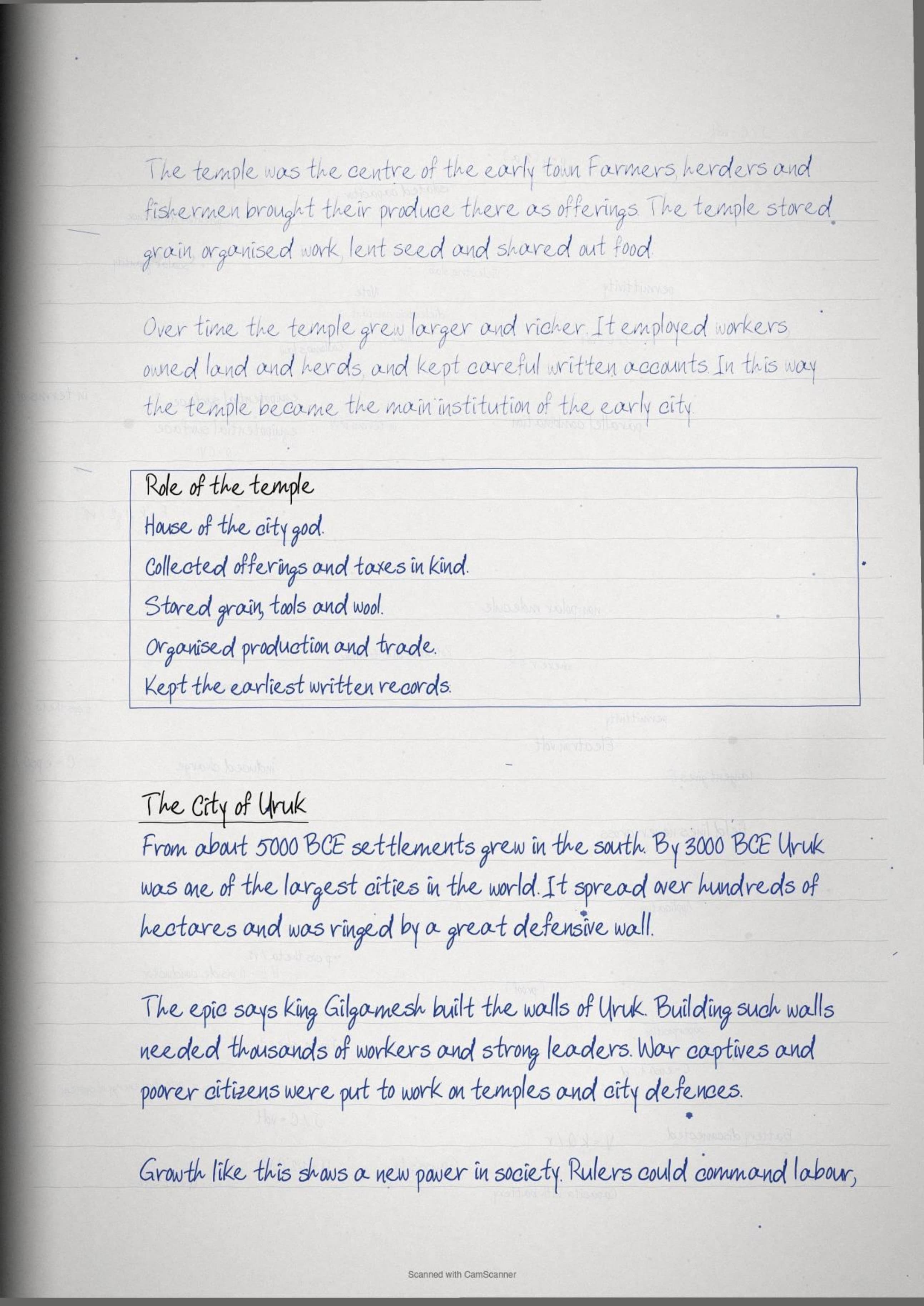
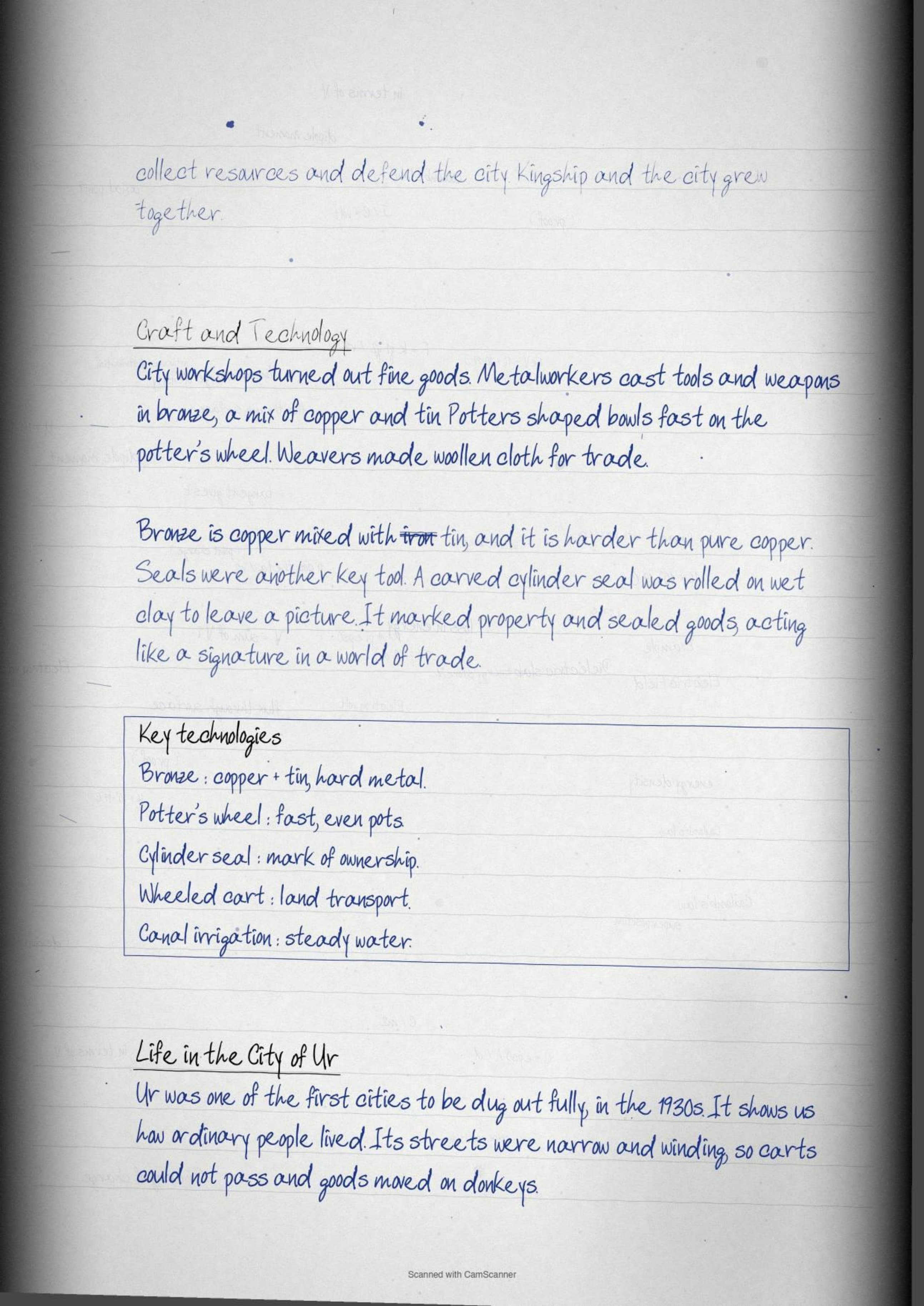
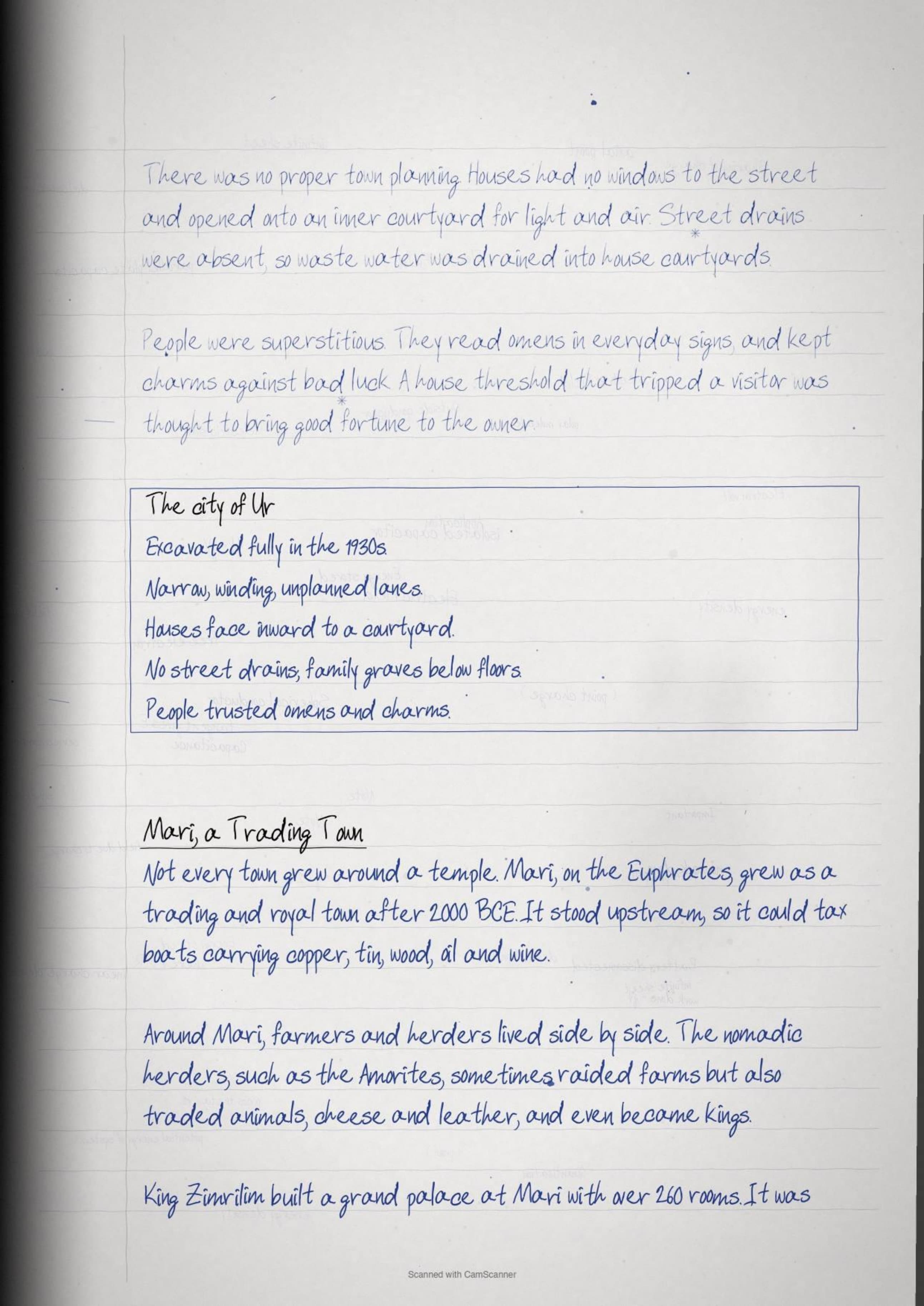
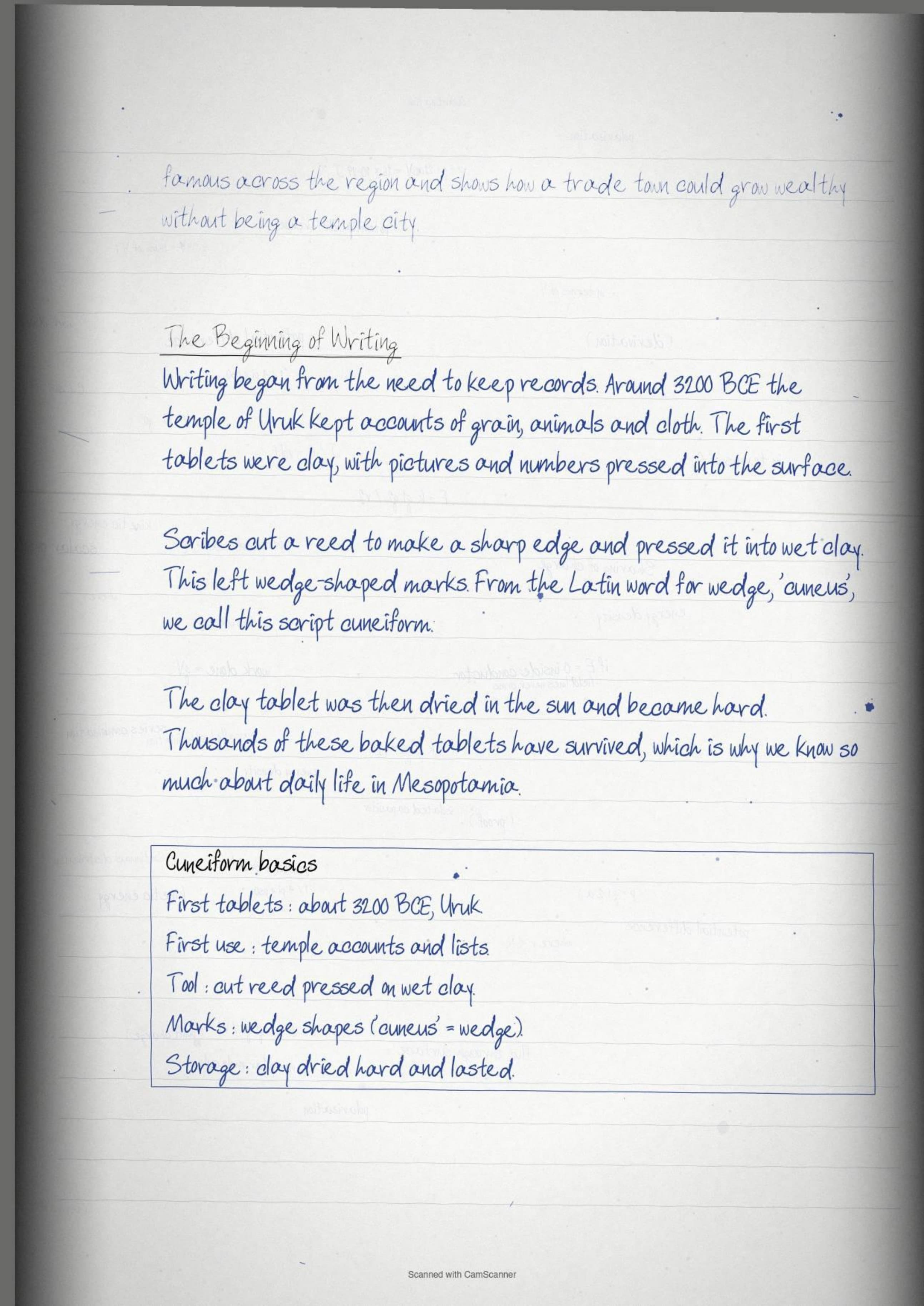
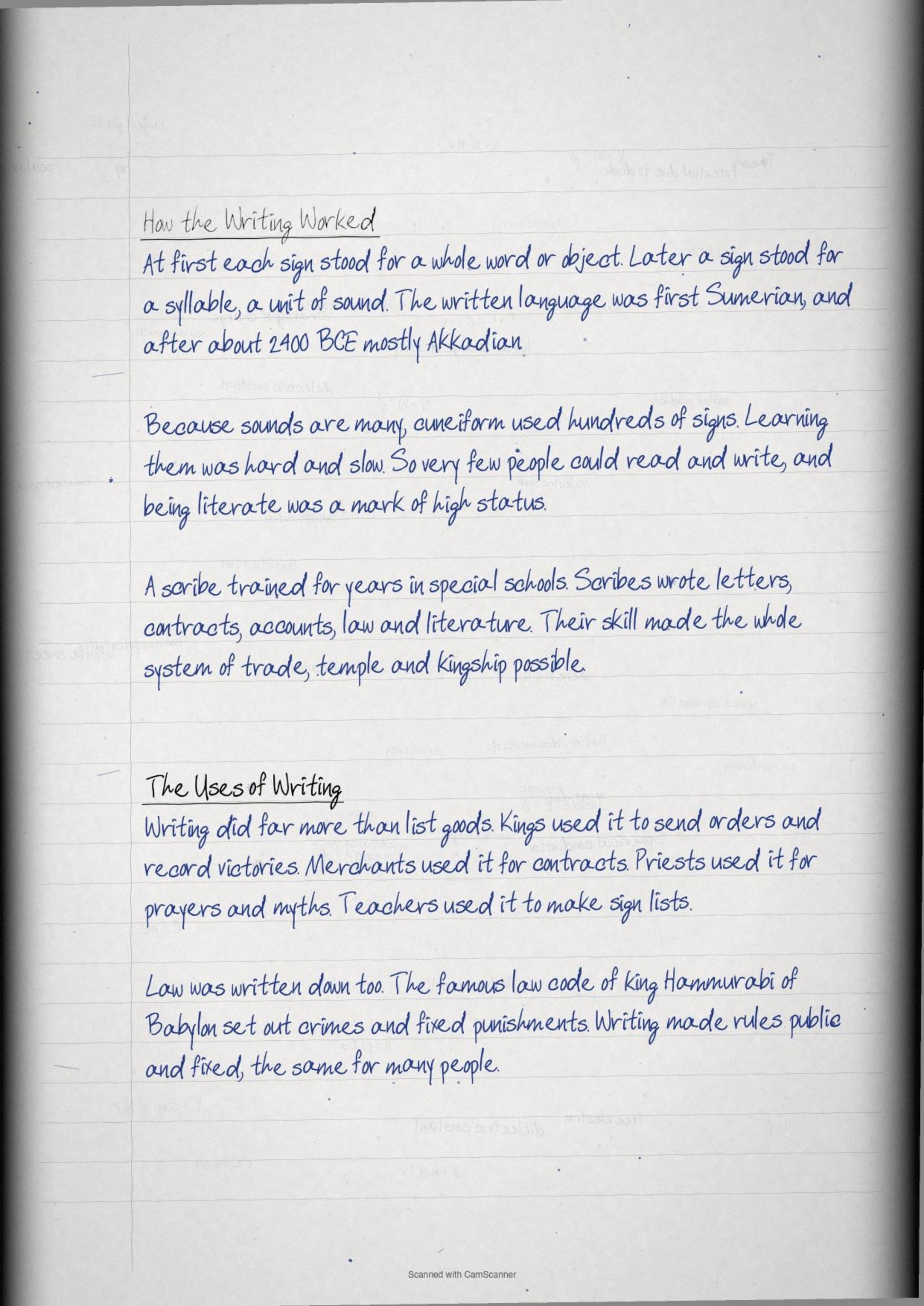
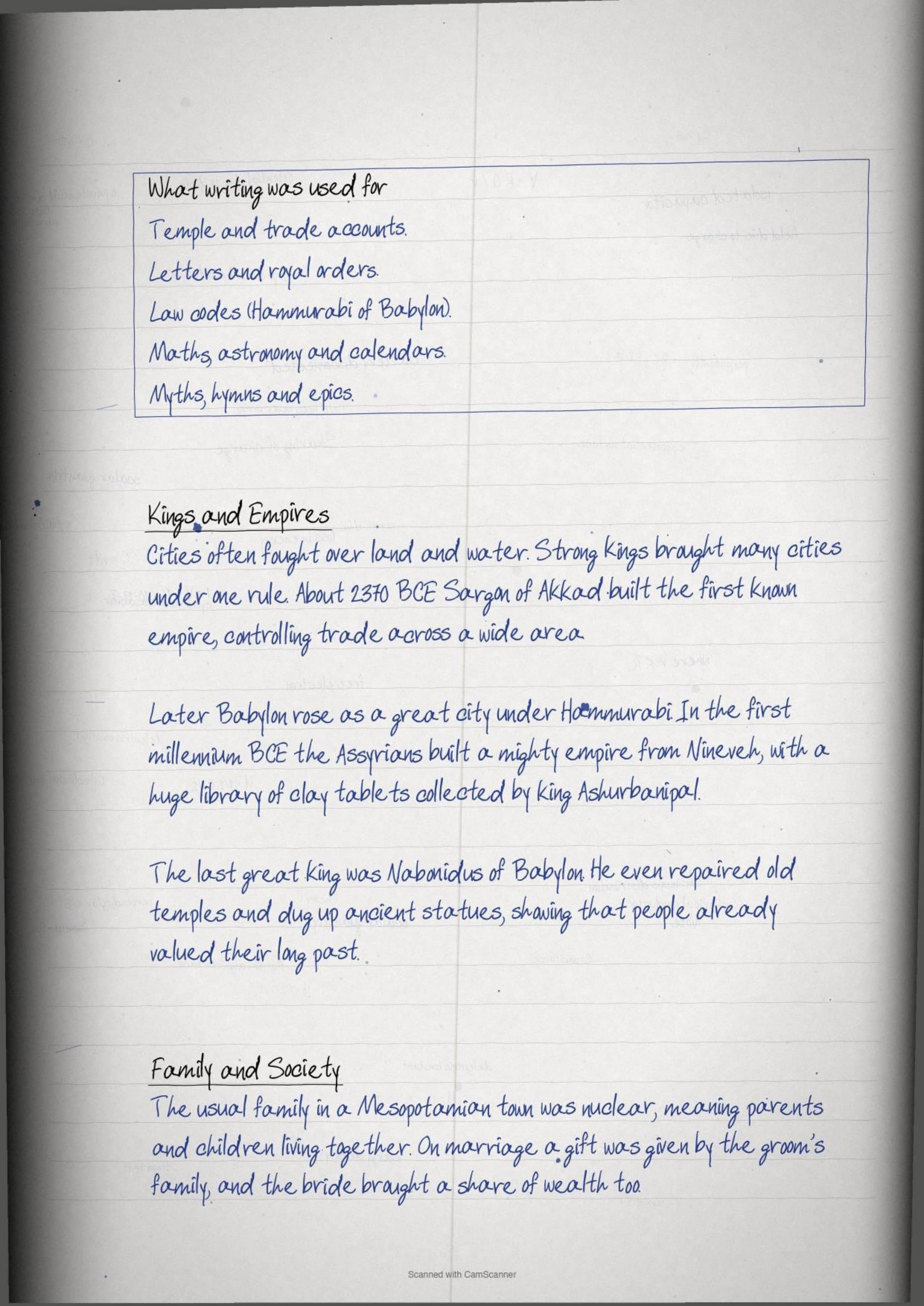
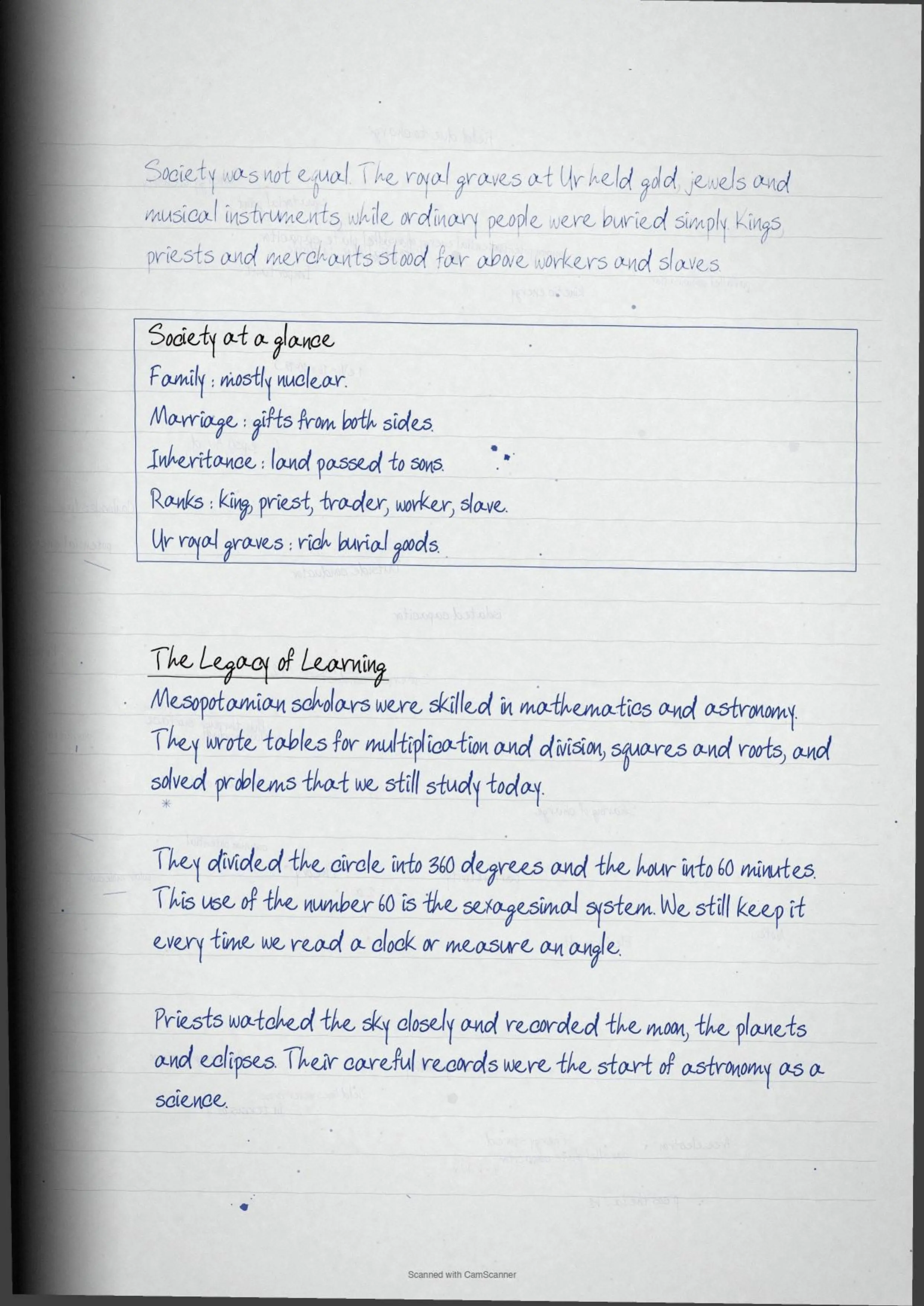
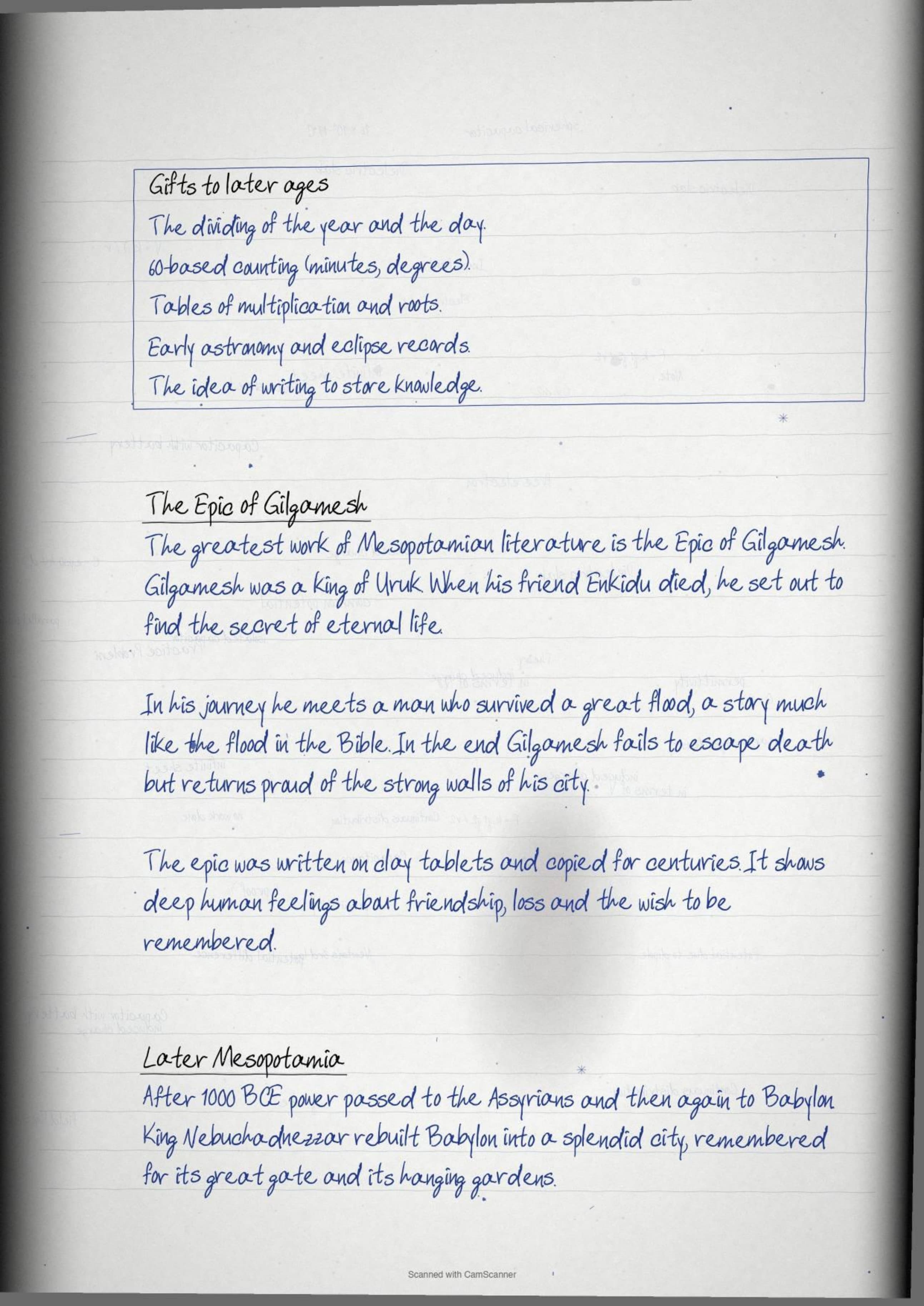
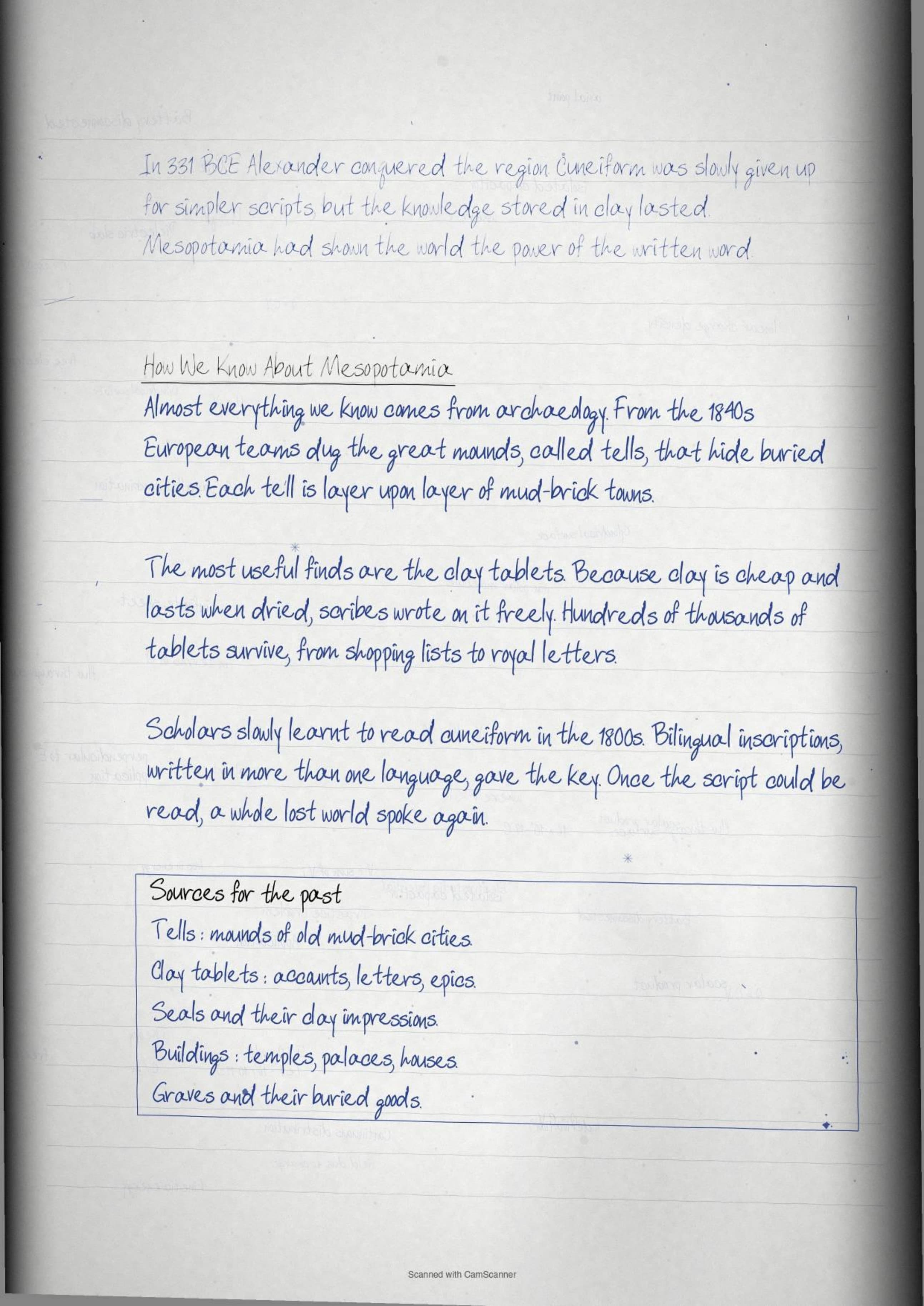
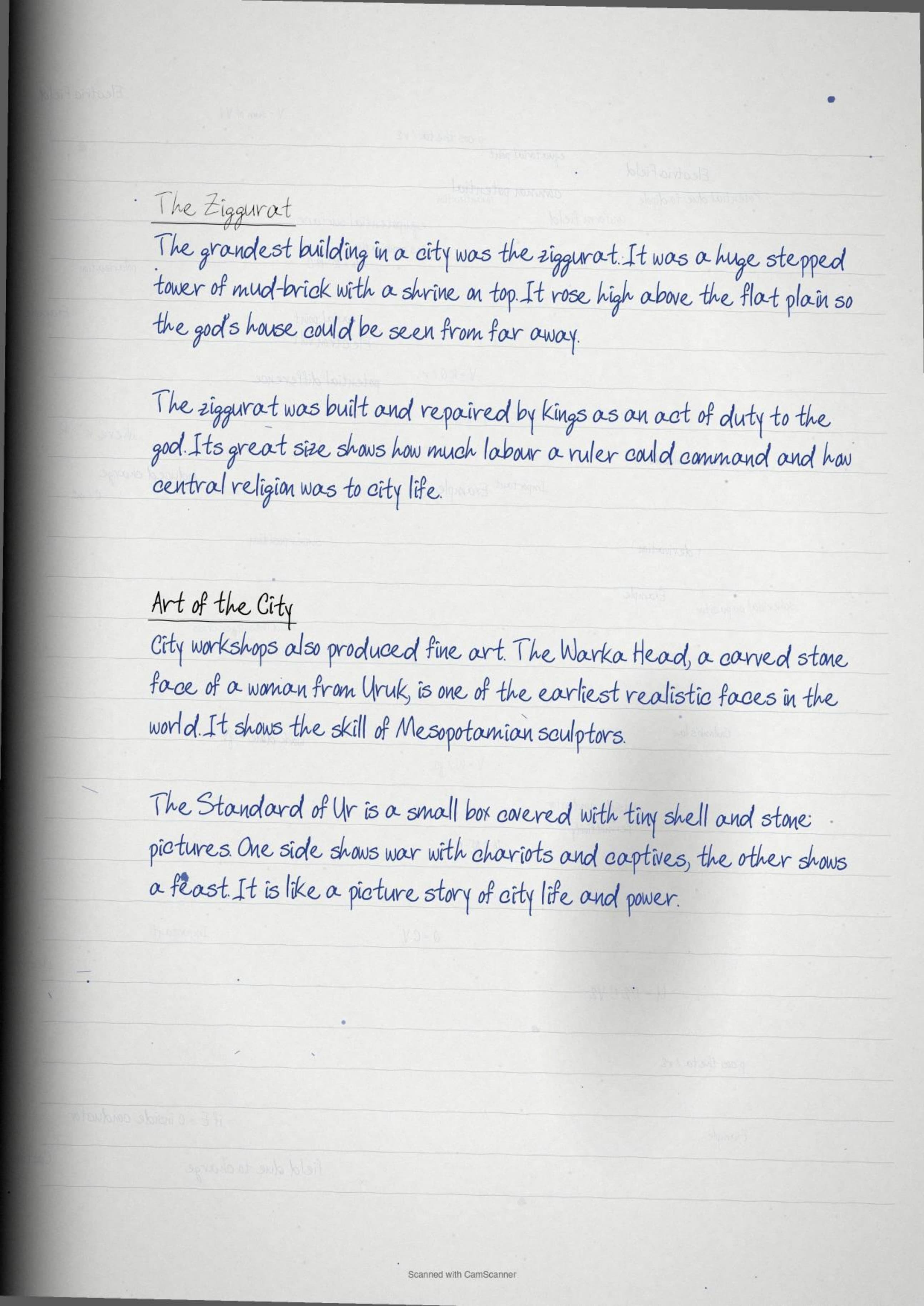
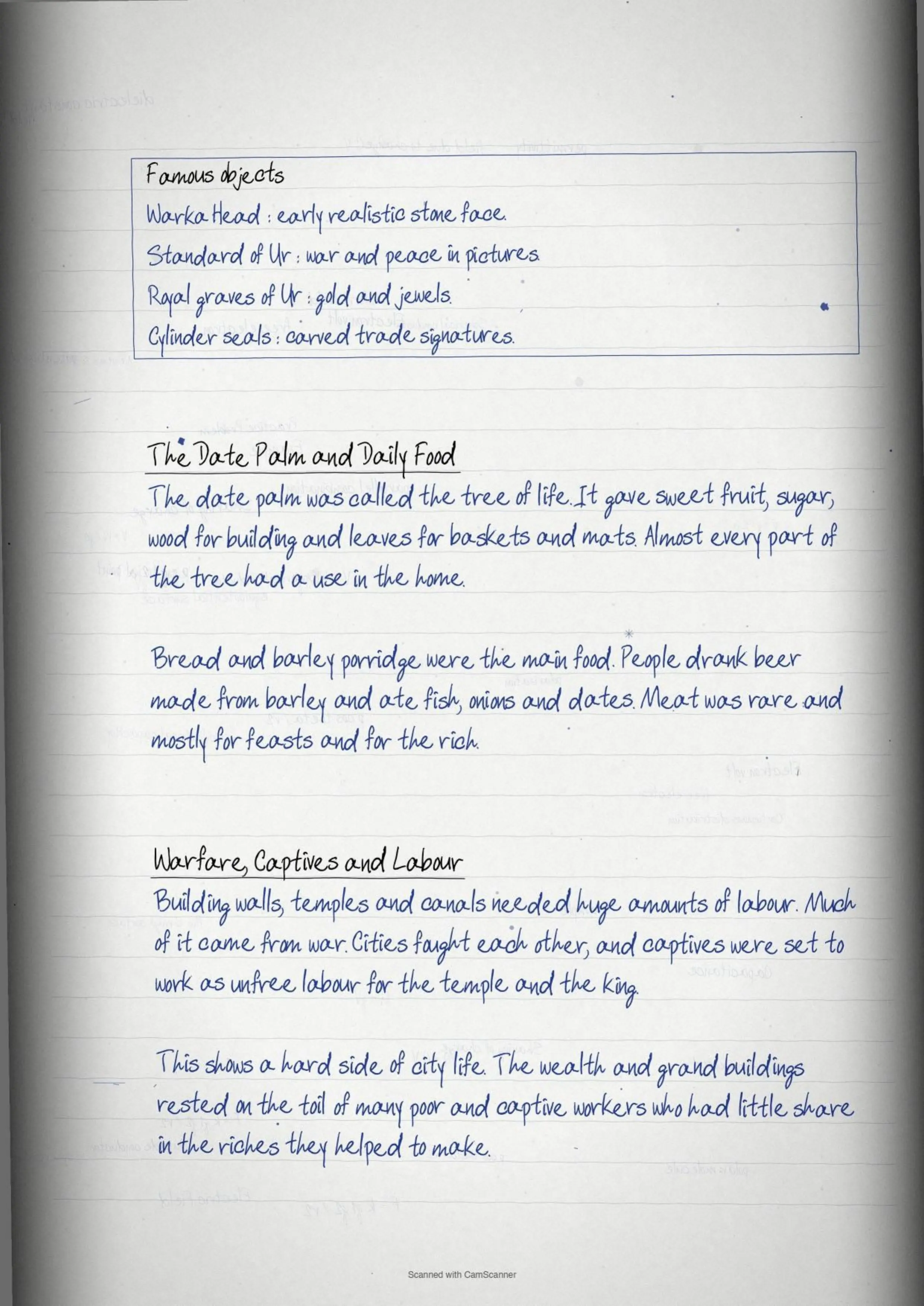
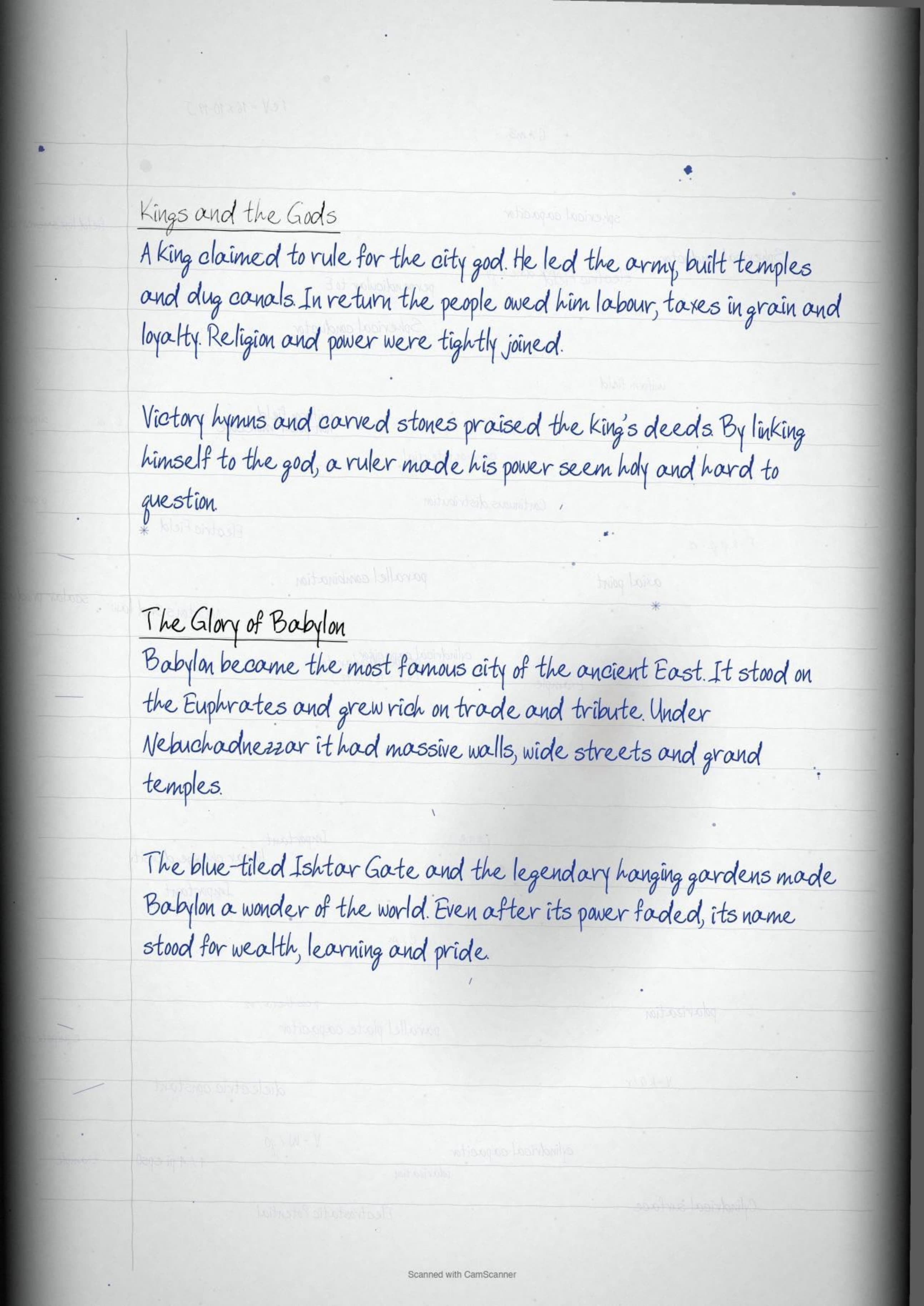
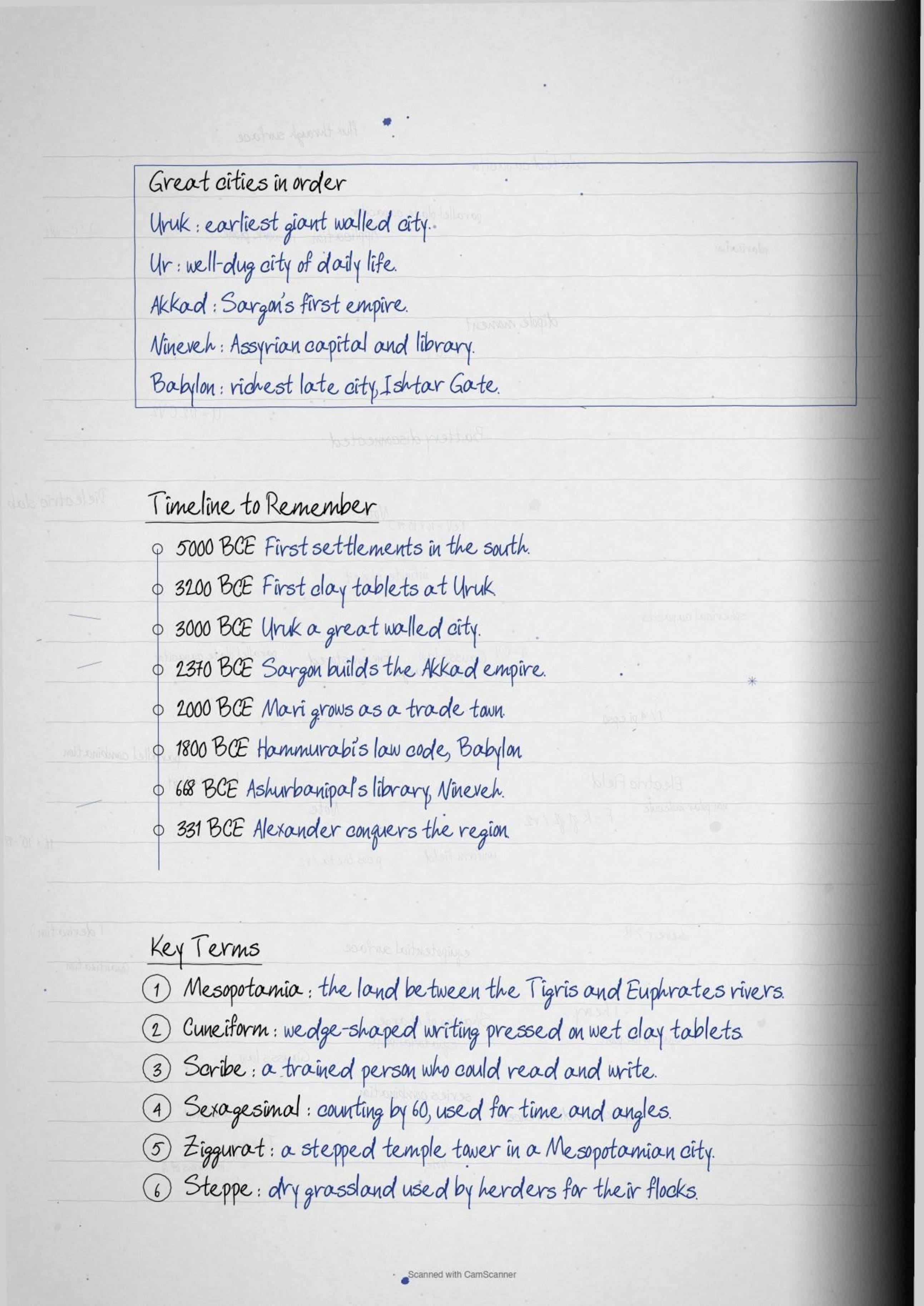
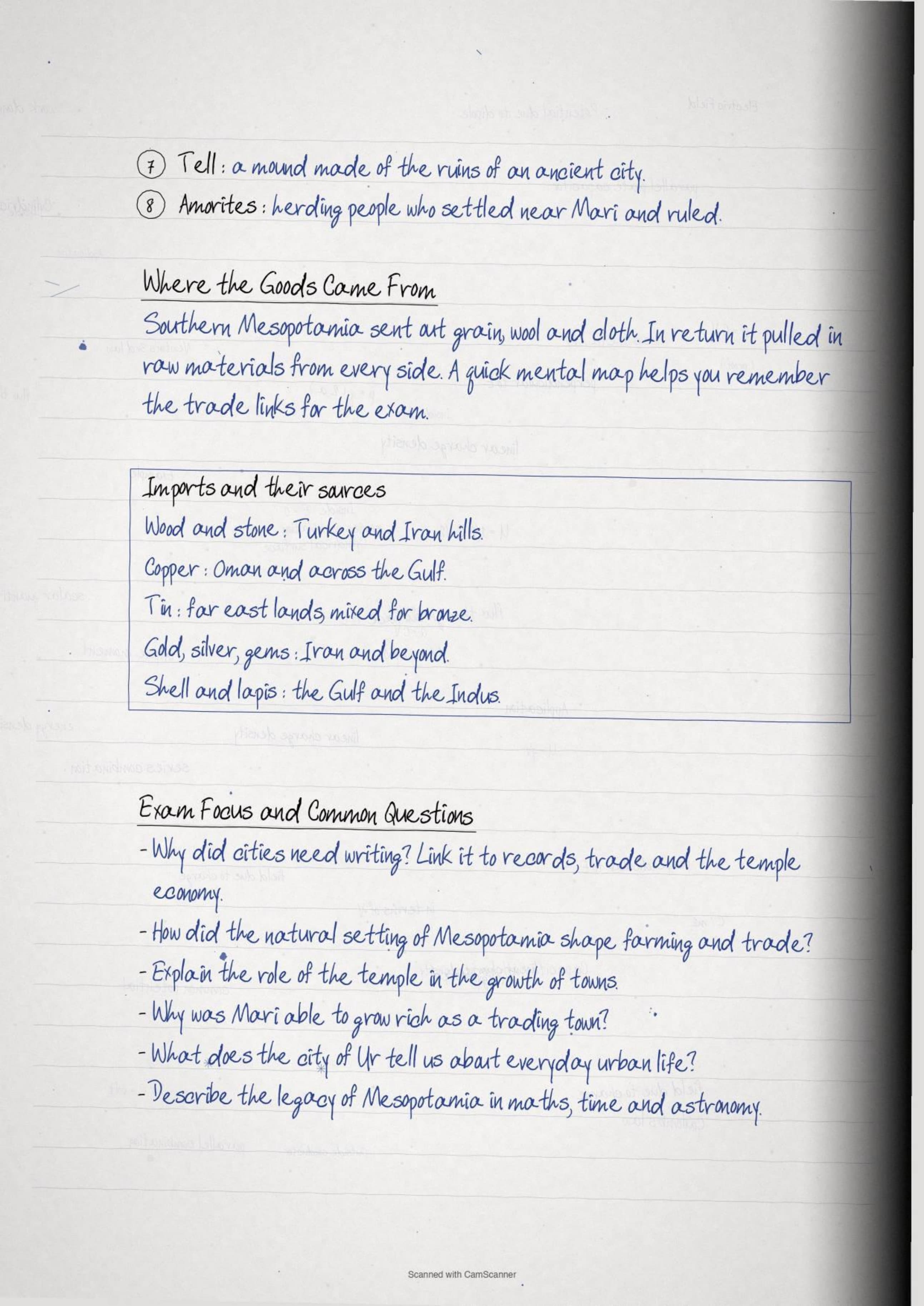
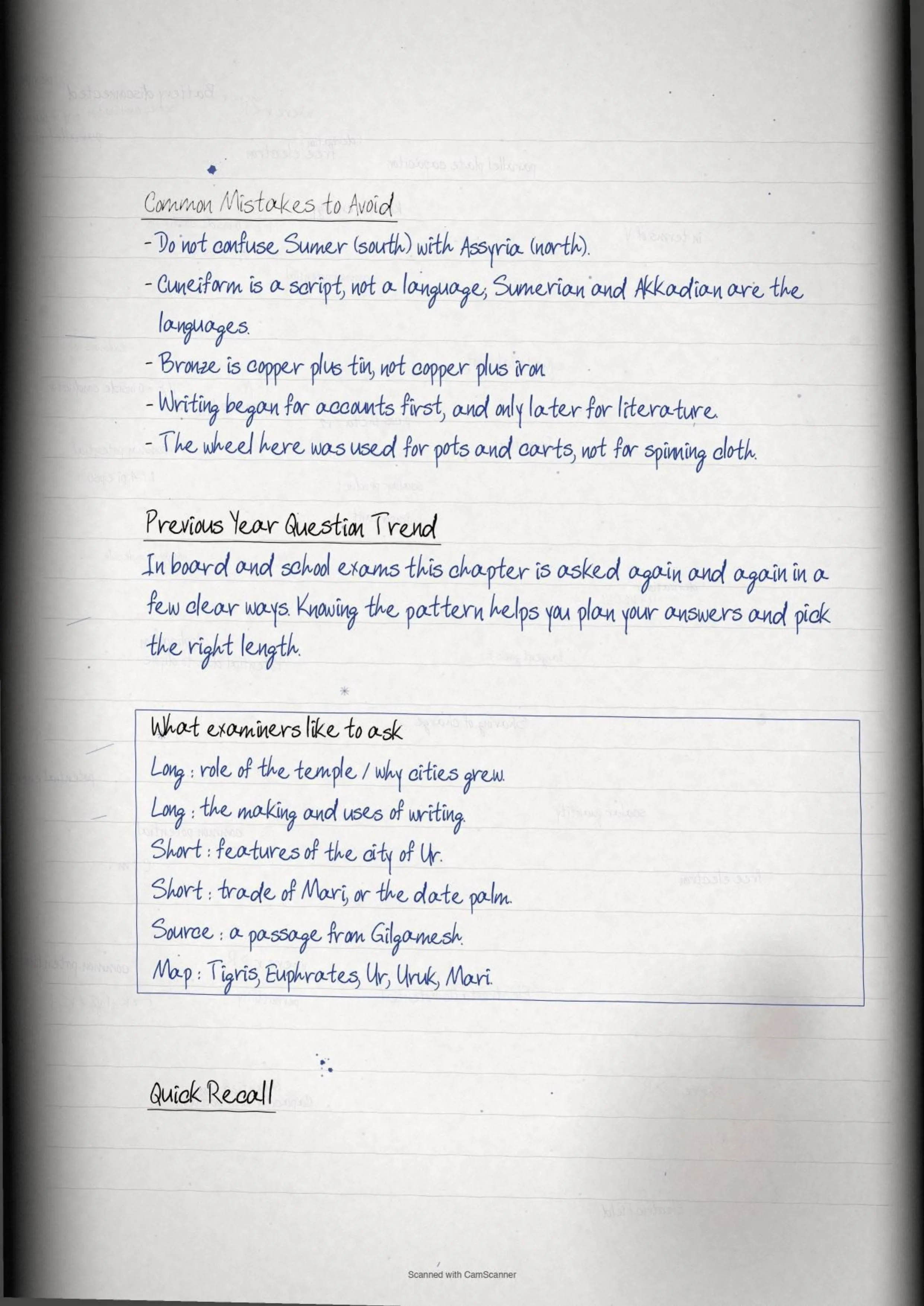
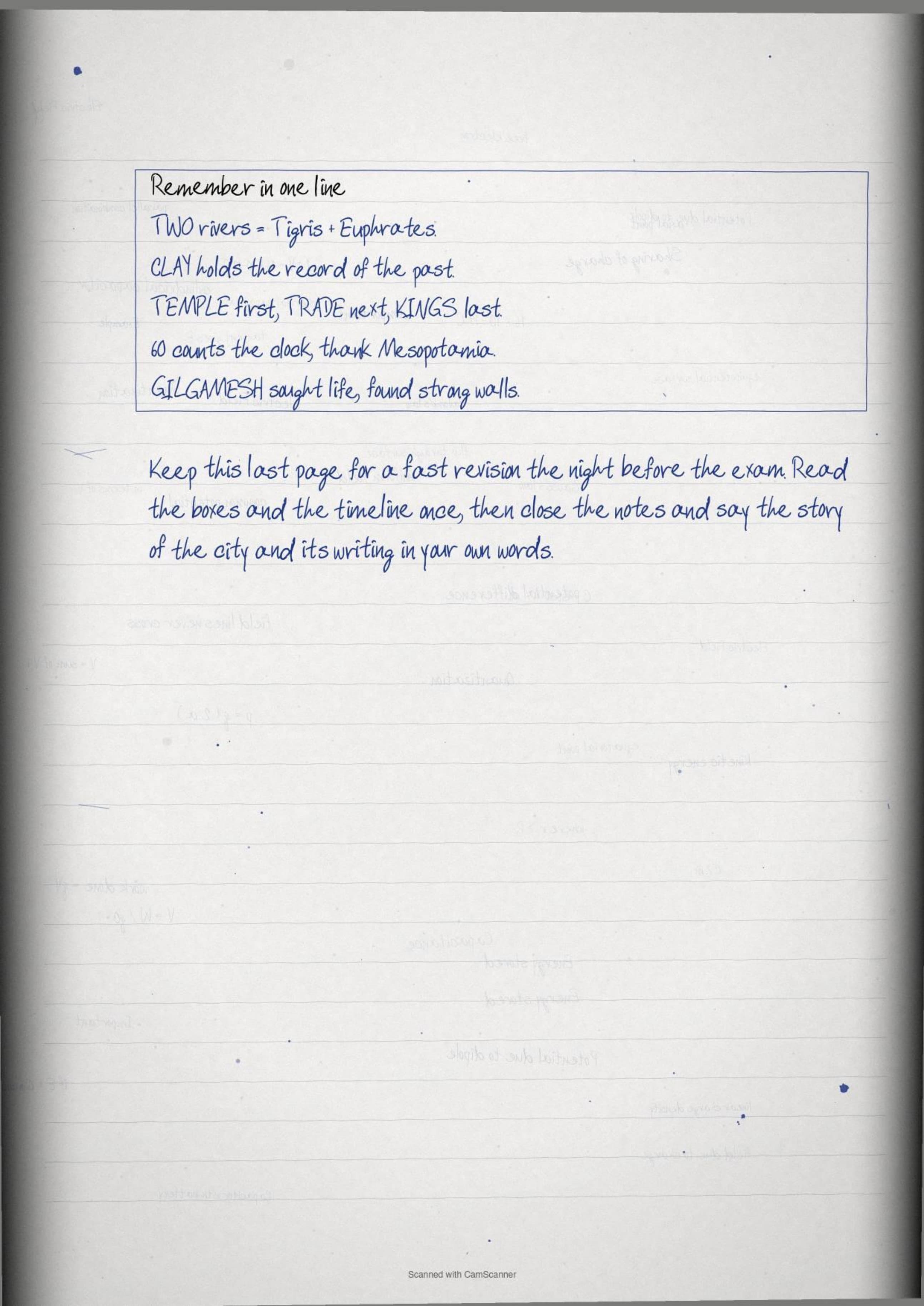
- CBSE Class 11 Weightage: a core theme in the World History section, asked as long-answer and source-based questions.
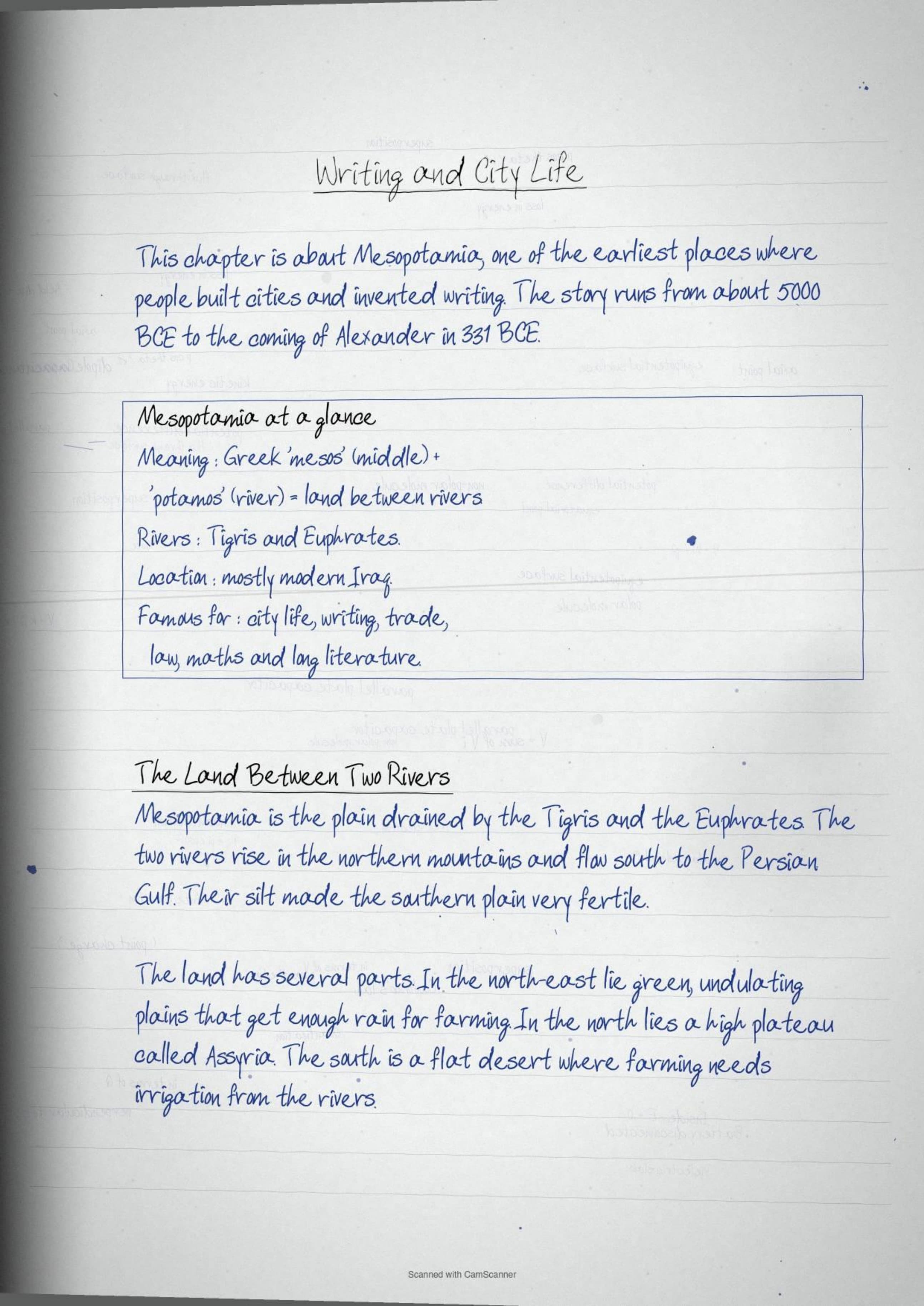
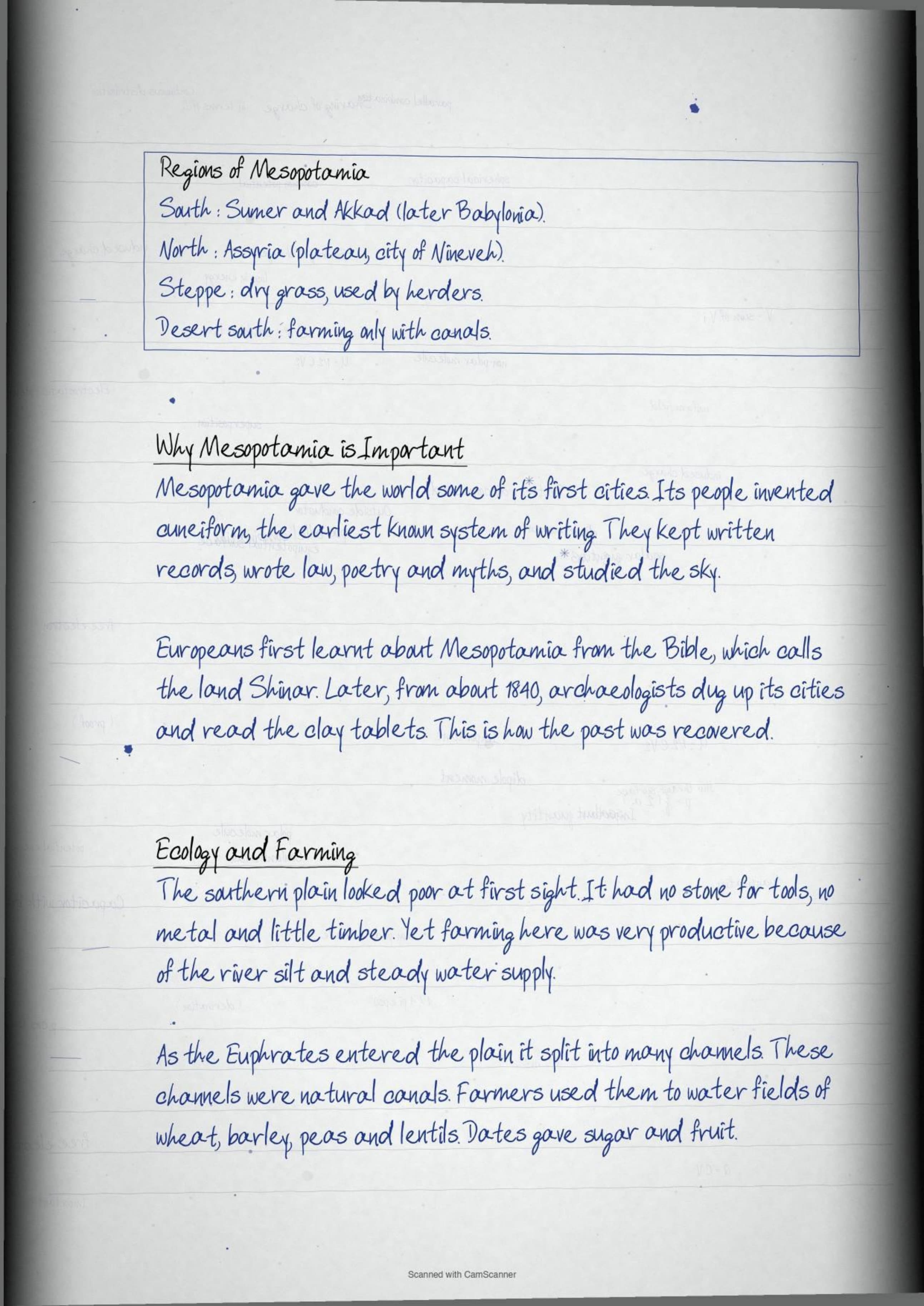
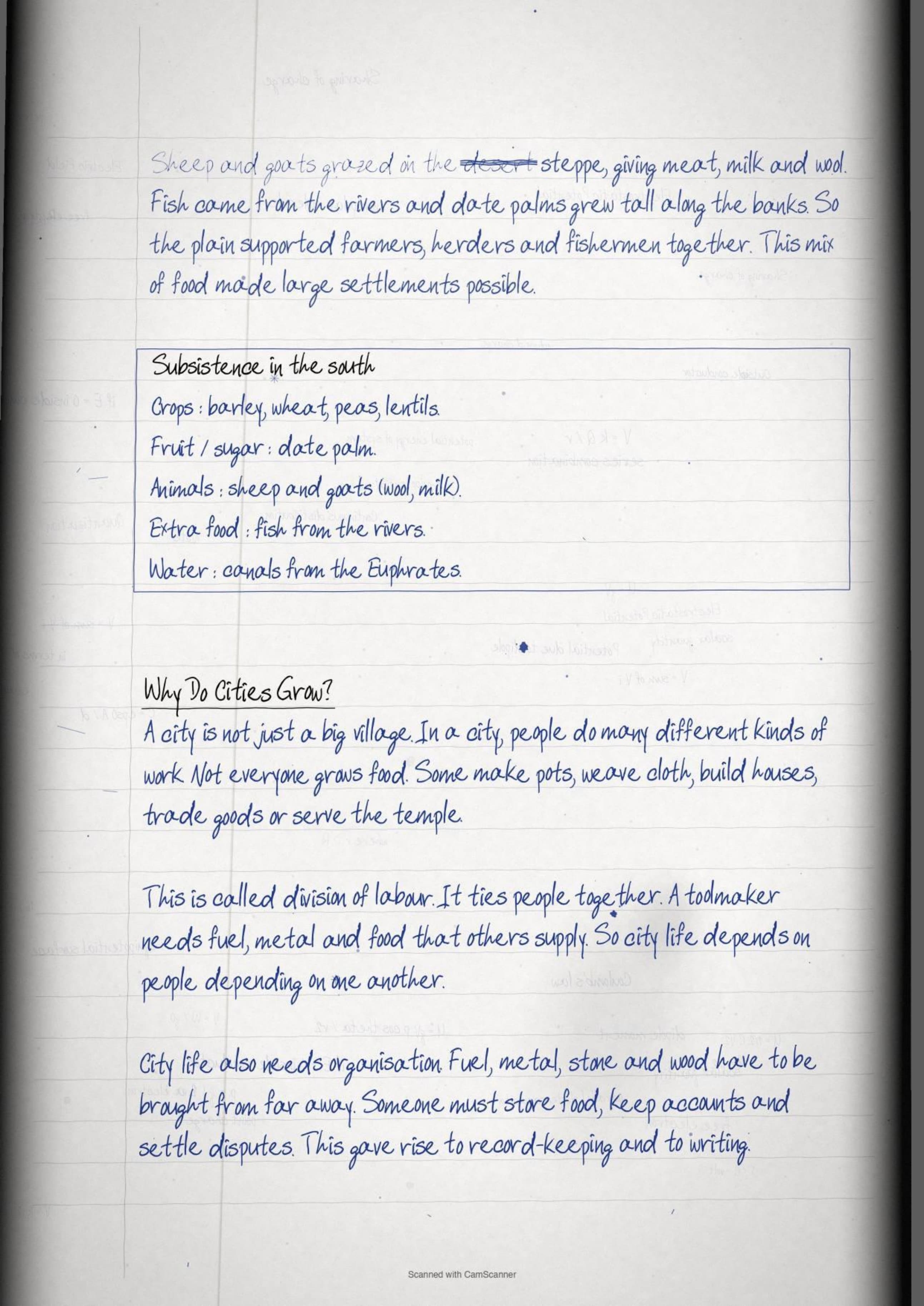
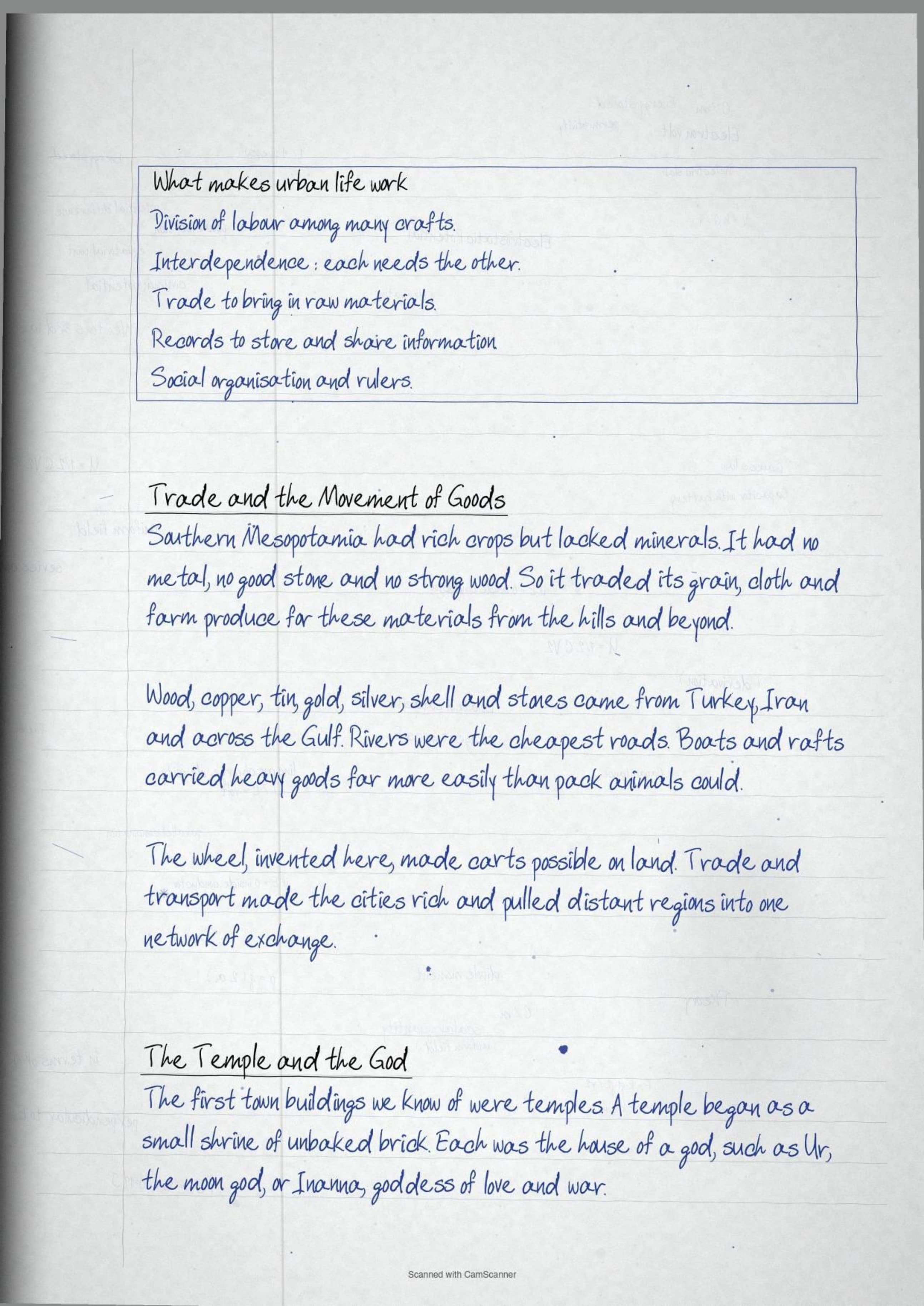
- What the notes cover: Mesopotamia's cities, cuneiform script, the temple economy, trade, and city life.
- Best for: fast revision before Class 11 exams and a base for CUET and UPSC later.
You can read the complete class 11 history handwritten notes for Writing and City Life, with the timeline, key terms, and hand-drawn boxes, in the PDF below.
These handwritten notes are written by subject teachers, mapped to the 2026-27 NCERT, and checked against the last five years of CBSE Class 11 History papers.
What the Writing and City Life Handwritten Notes Cover
Chapter 1 is about Mesopotamia, the land between the Tigris and Euphrates rivers. The notes walk through how cities grew and how writing began. Each idea is kept short and boxed for quick recall.
- The land and rivers of Mesopotamia and its regions.
- Why cities grew, and the role of the division of labour.
- The temple as the first centre of the city and its economy.
- The growth of Uruk, Ur, and the trade town of Mari.
- The start of cuneiform writing and how it worked.
- The uses of writing, from trade accounts to the law and the Epic of Gilgamesh.
Writing and City Life Topic-wise Weightage for CBSE Class 11 History
Some parts of this chapter are asked far more often than others. The table below shows which sub-topics to revise first. It is based on recent CBSE Class 11 question trends.
| Sub-topic | Weightage | CBSE Frequency |
|---|---|---|
| Cuneiform writing and its uses | High | Almost every year |
| The city of Ur and daily life | High | Almost every year |
| The temple and the urban economy | Medium | 3 of the last 5 years |
| Trade and the town of Mari | Medium | 3 of the last 5 years |
| Legacy: maths, time, and Gilgamesh | Low | 1 of the last 5 years |
Key Dates and Timeline for Writing and City Life
History answers score more when you fix the order of events. Learn this short timeline so you can date each stage of Mesopotamian city life in the exam.
| Date | Event |
|---|---|
| 5000 BCE | First settlements grow in southern Mesopotamia. |
| 3200 BCE | The first clay tablets appear at Uruk. |
| 3000 BCE | Uruk becomes a large walled city. |
| 2370 BCE | Sargon of Akkad builds the first empire. |
| 1800 BCE | Hammurabi's law code is written in Babylon. |
| 331 BCE | Alexander conquers the region. |
How Collegedunia's Handwritten Notes Help You Revise Writing and City Life
These notes are made for the night before the exam. They keep the facts short and easy to scan. Collegedunia maps every point to the 2026-27 NCERT.
- Clear handwriting: each theme is written in neat, easy-to-read handwriting.
- Boxed key terms: words like cuneiform, scribe, and ziggurat are boxed by hand for fast recall.
- Timeline and maps: a hand-drawn timeline and simple maps fix the order of events.
- Colour-coded headings: new sub-topics stand out, so you find any section in seconds.
Writing and City Life Self-Assessment Quiz
Try these quick questions after you read the notes. Tap each question to check your answer. They cover the points CBSE asks most often.
Q1. What does the word Mesopotamia mean?
(a) City of gods (b) Land between two rivers (c) Land of writing (d) River of trade
Answer: (b) Land between two rivers - from the Greek words for "middle" and "river".
Q2. What was the first use of cuneiform writing?
(a) Poetry (b) Law (c) Temple accounts (d) Letters
Answer: (c) Temple accounts - the first tablets listed grain and animals.
Q3. Which city grew as a trade town on the Euphrates?
(a) Ur (b) Uruk (c) Mari (d) Babylon
Answer: (c) Mari - it taxed boats carrying wood, copper, and oil.
Q4. Who is the hero of the great Mesopotamian epic?
(a) Sargon (b) Gilgamesh (c) Hammurabi (d) Enkidu
Answer: (b) Gilgamesh - a king of Uruk who searched for eternal life.
Q5. Which counting system from Mesopotamia do we still use?
(a) Base 10 (b) Base 2 (c) Base 60 (d) Base 12
Answer: (c) Base 60 - it still shapes our minutes and the degrees of a circle.
How to Use These Handwritten Notes for Class 11 History Revision
Use these class 11 history handwritten notes in two passes. Read them slowly once for the full story. Then, near the exam, read only the boxes and the timeline for a fast recall.
- Read the notes once with the NCERT chapter open beside you.
- Say the story of the city and its writing in your own words.
- Practise one long-answer and one source question from a past paper.
- On the last day, revise only the timeline, key terms, and boxes.
Class 11 History Handwritten Notes for All Chapters
The table below links the class 11 history handwritten notes for every chapter of Themes in World History. Use it to jump to any other chapter's notes.
| Chapter | Resource |
|---|---|
| Chapter 1 | Writing and City Life Handwritten Notes |
| Chapter 2 | An Empire Across Three Continents Handwritten Notes |
| Chapter 3 | Nomadic Empires Handwritten Notes |
| Chapter 4 | The Three Orders Handwritten Notes |
| Chapter 5 | Changing Cultural Traditions Handwritten Notes |
| Chapter 6 | Displacing Indigenous Peoples Handwritten Notes |
| Chapter 7 | Paths to Modernisation Handwritten Notes |
Writing and City Life Class 11 History Handwritten Notes FAQs
Ques. Where can I download Writing and City Life Class 11 History Handwritten Notes PDF?
Ans. You can download the Writing and City Life Class 11 History Handwritten Notes PDF directly from this page. Both the Normal and HD versions are free.
Ques. Are these handwritten notes aligned with the 2026-27 NCERT?
Ans. Yes. These notes follow the current 2026-27 syllabus for Class 11 History. They cover Mesopotamia, cuneiform writing, and city life as printed in the new NCERT edition.
Ques. How many pages is the Class 11 History Writing and City Life Handwritten Notes PDF?
Ans. The notes run about 20 pages. They cover the full chapter with a timeline, key terms, hand-drawn boxes, and a short self-assessment quiz.
Ques. What is the main idea of the 11th standard History chapter Writing and City Life?
Ans. The chapter shows how the cities of Mesopotamia grew and how writing began there. It links city life to farming, trade, the temple, and written records.
Ques. Are these Writing and City Life notes enough for the CBSE Class 11 exam?
Ans. Yes, for revision. The Collegedunia handwritten notes cover every key point and exam term. Read them with the NCERT chapter and practise past questions for full marks.



Comments