




Class 11 History Chapter 5 Changing Cultural Traditions is a high-frequency theme in the CBSE Class 11 History exam, asked as long-answer and source questions. These class 11 history handwritten notes chapter 5 Changing Cultural Traditions follow the 2026-27 NCERT and cover the Renaissance, humanism, art, printing, and modern science.
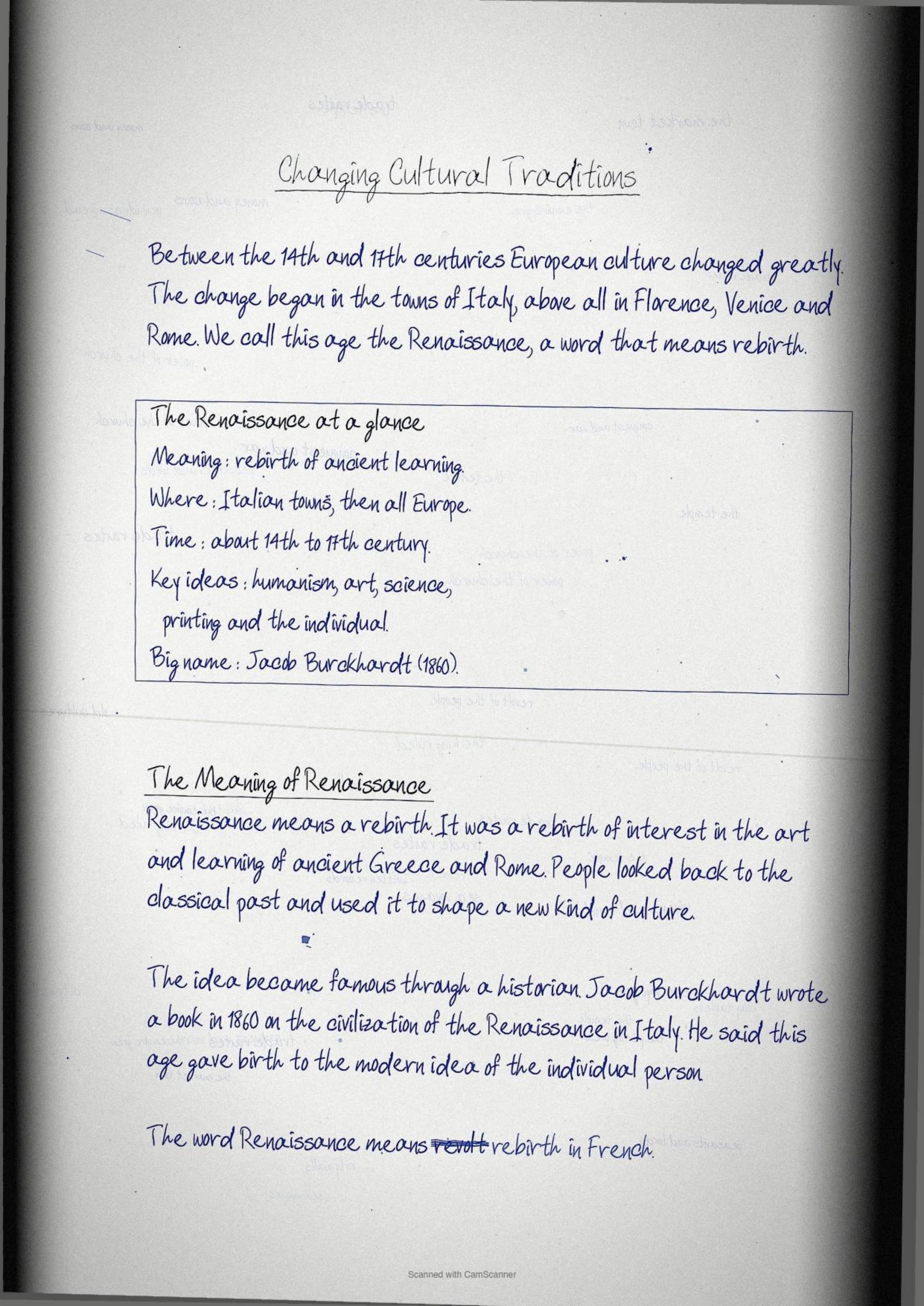
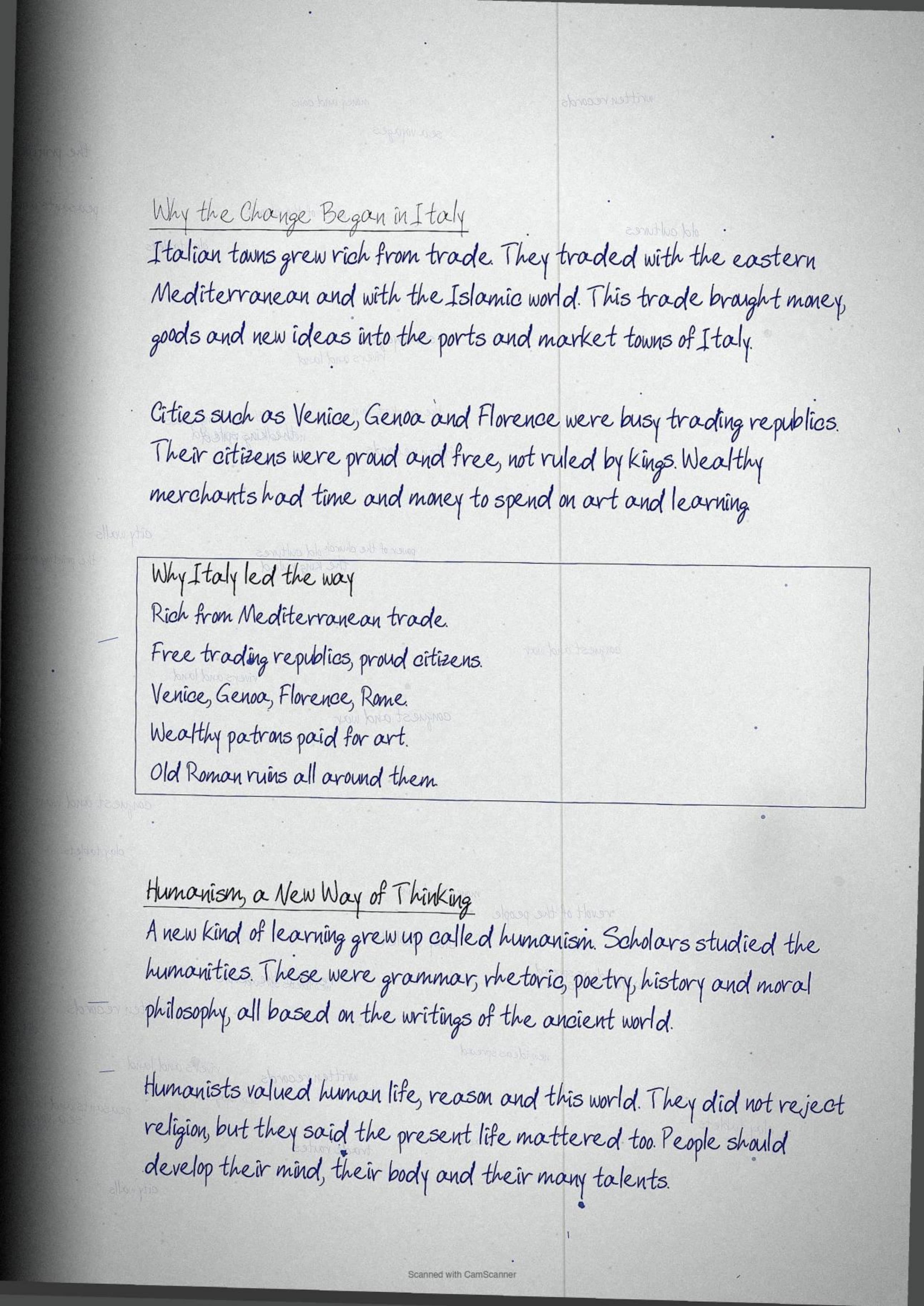
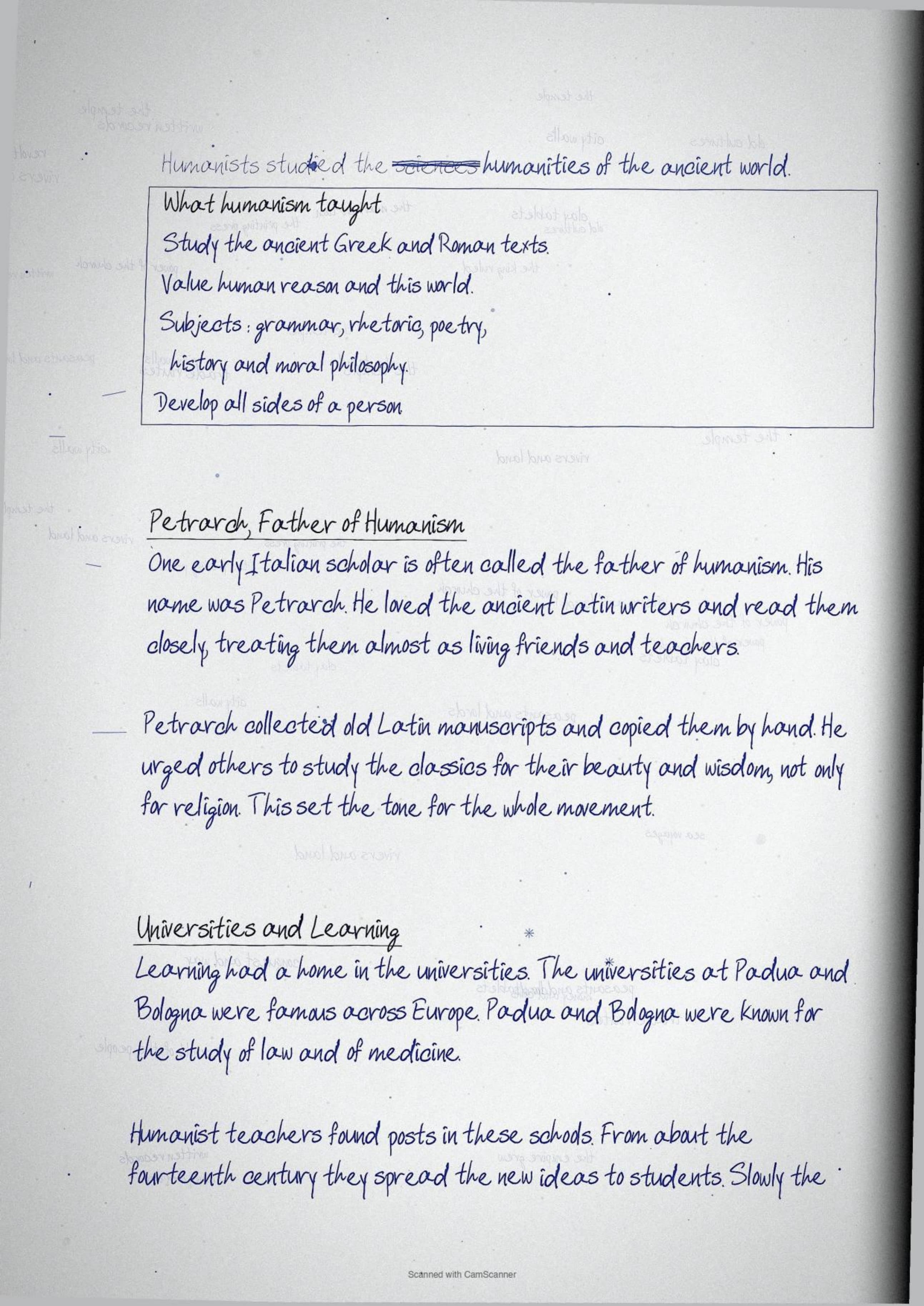
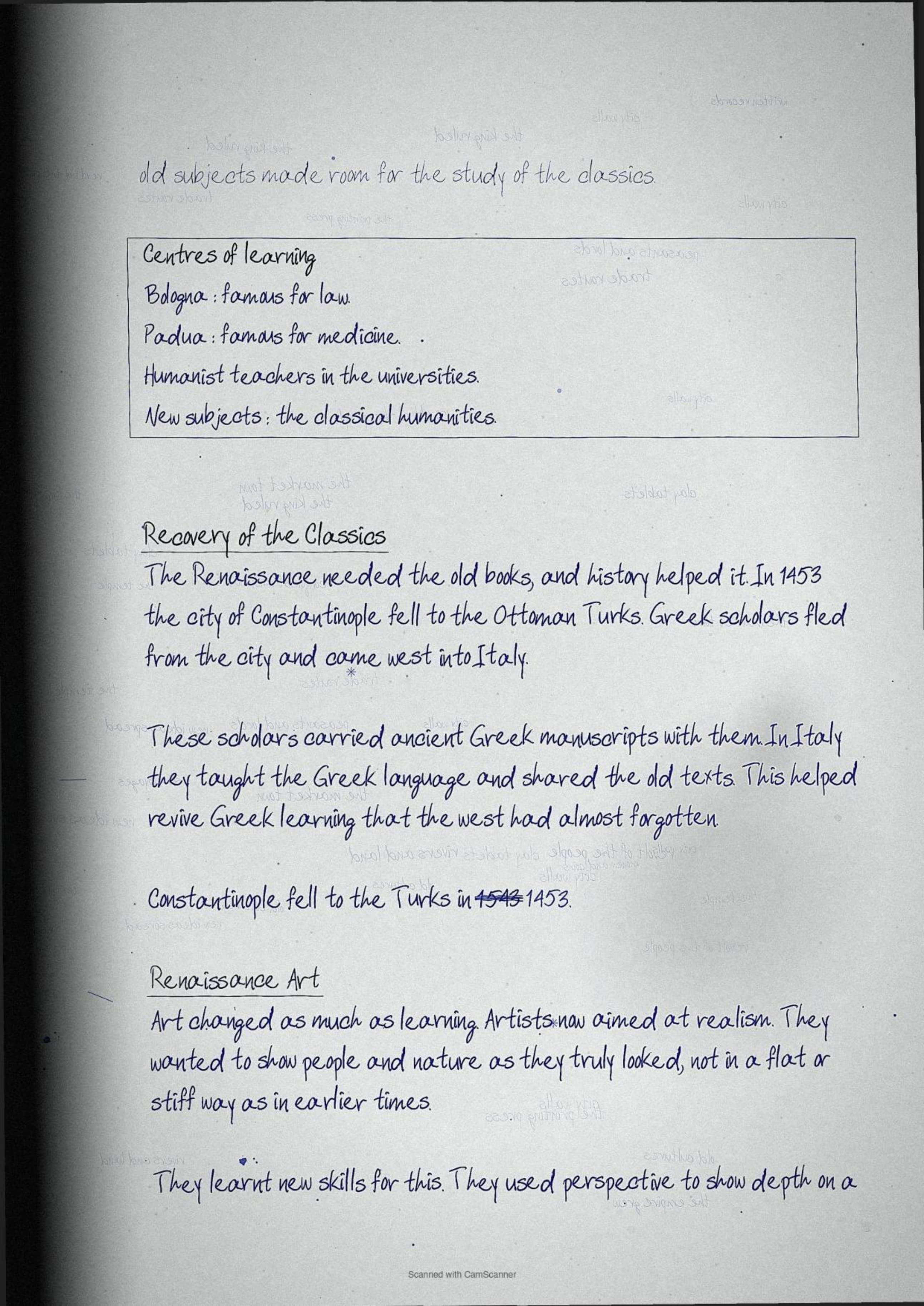
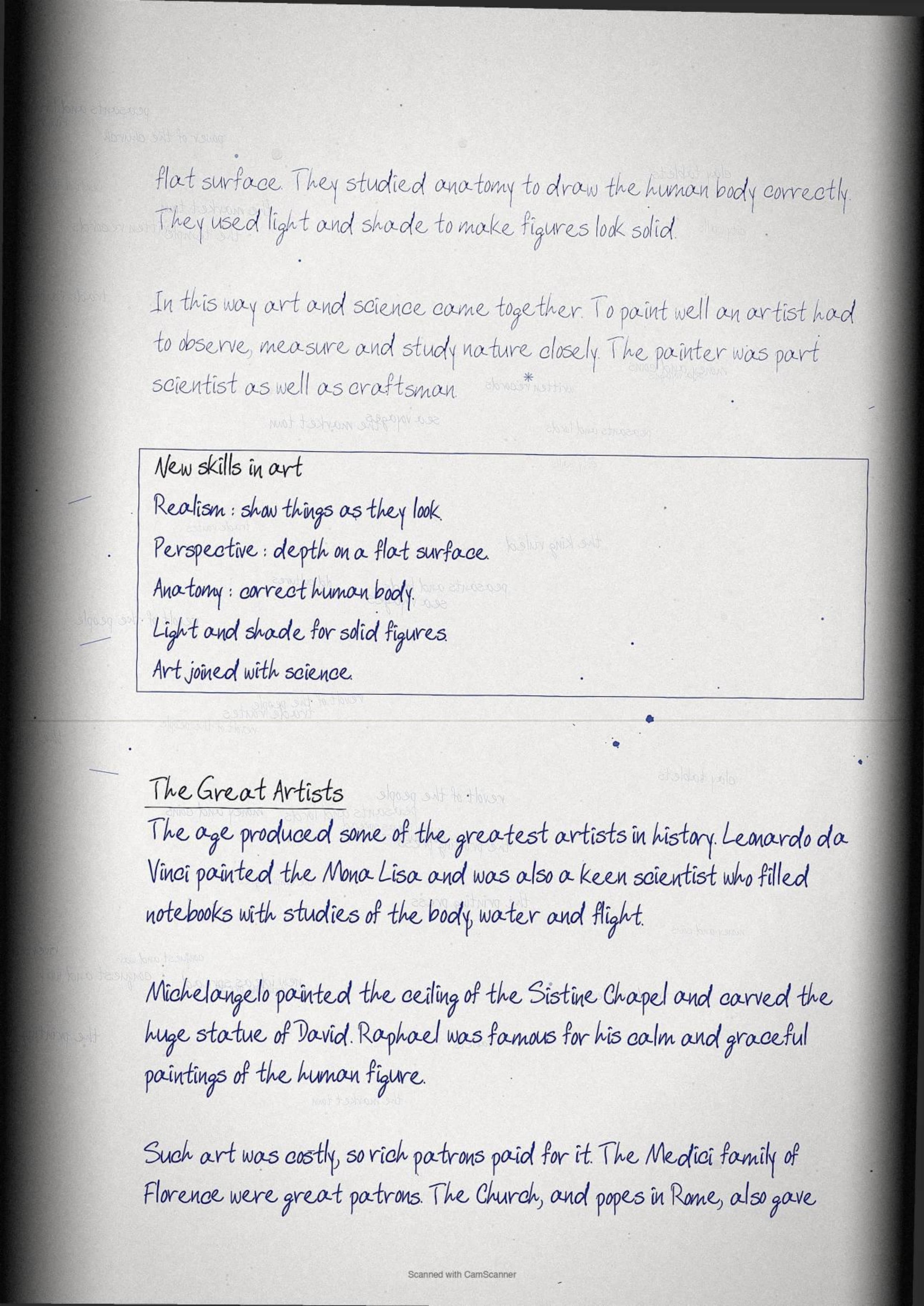
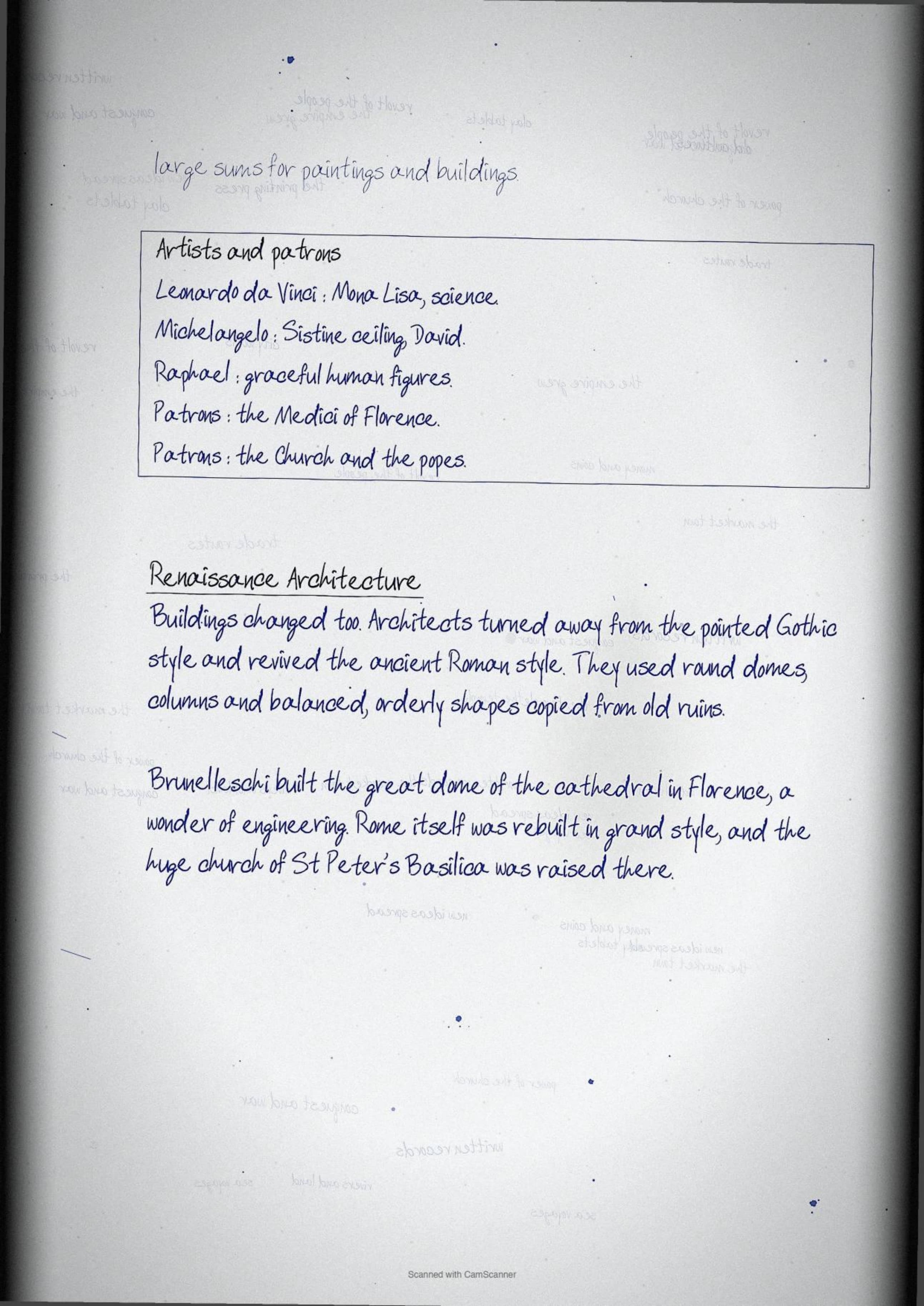
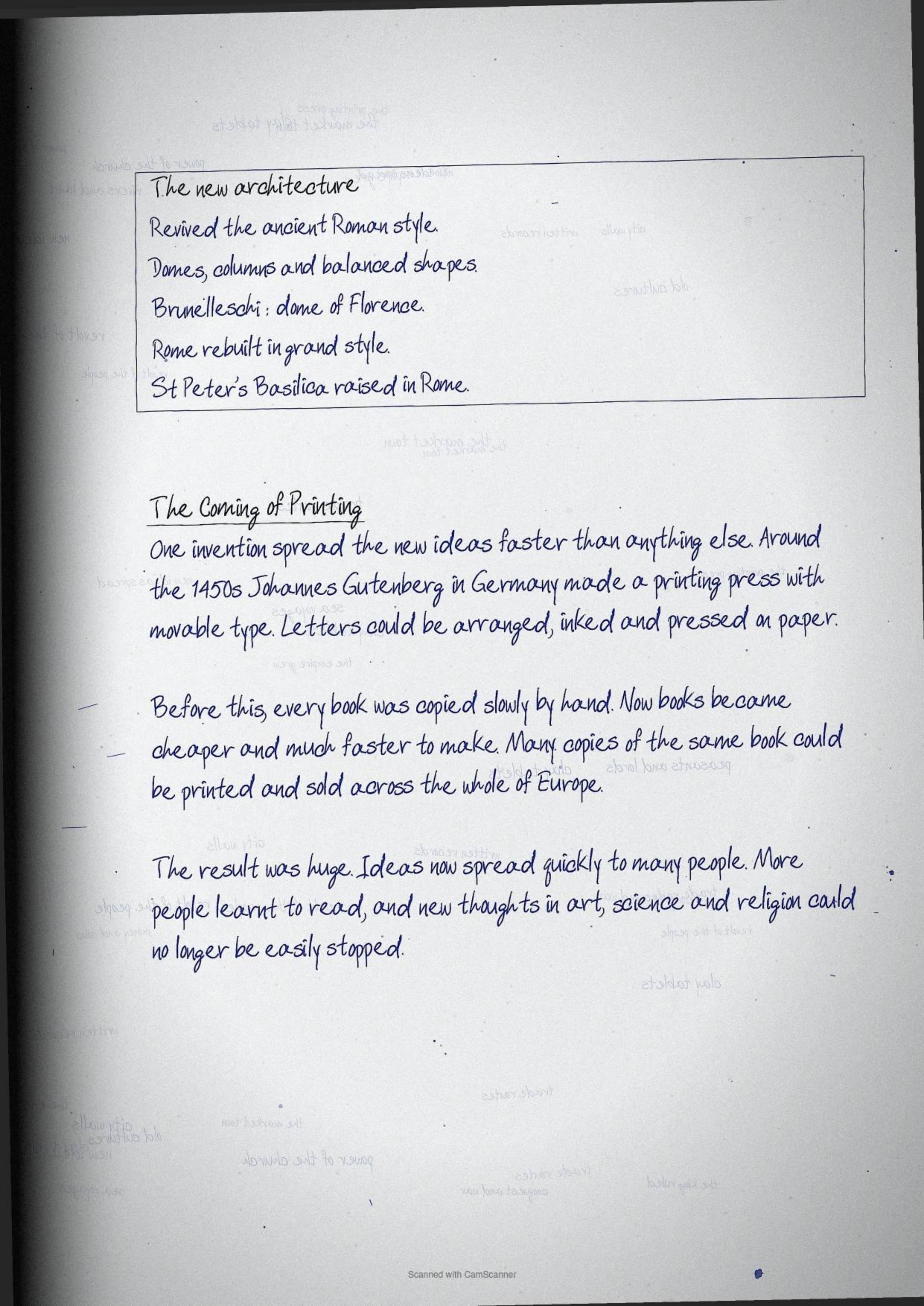
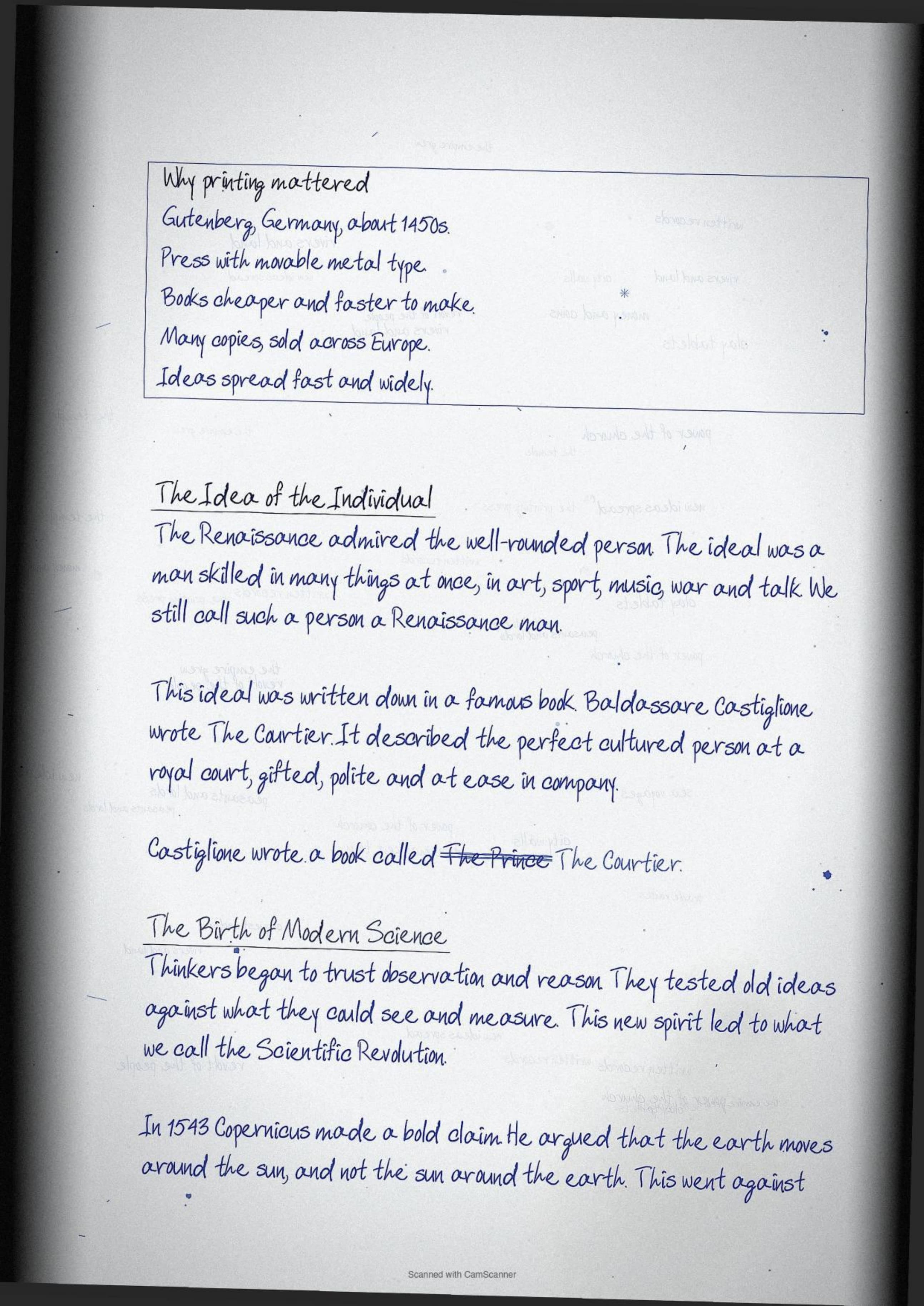
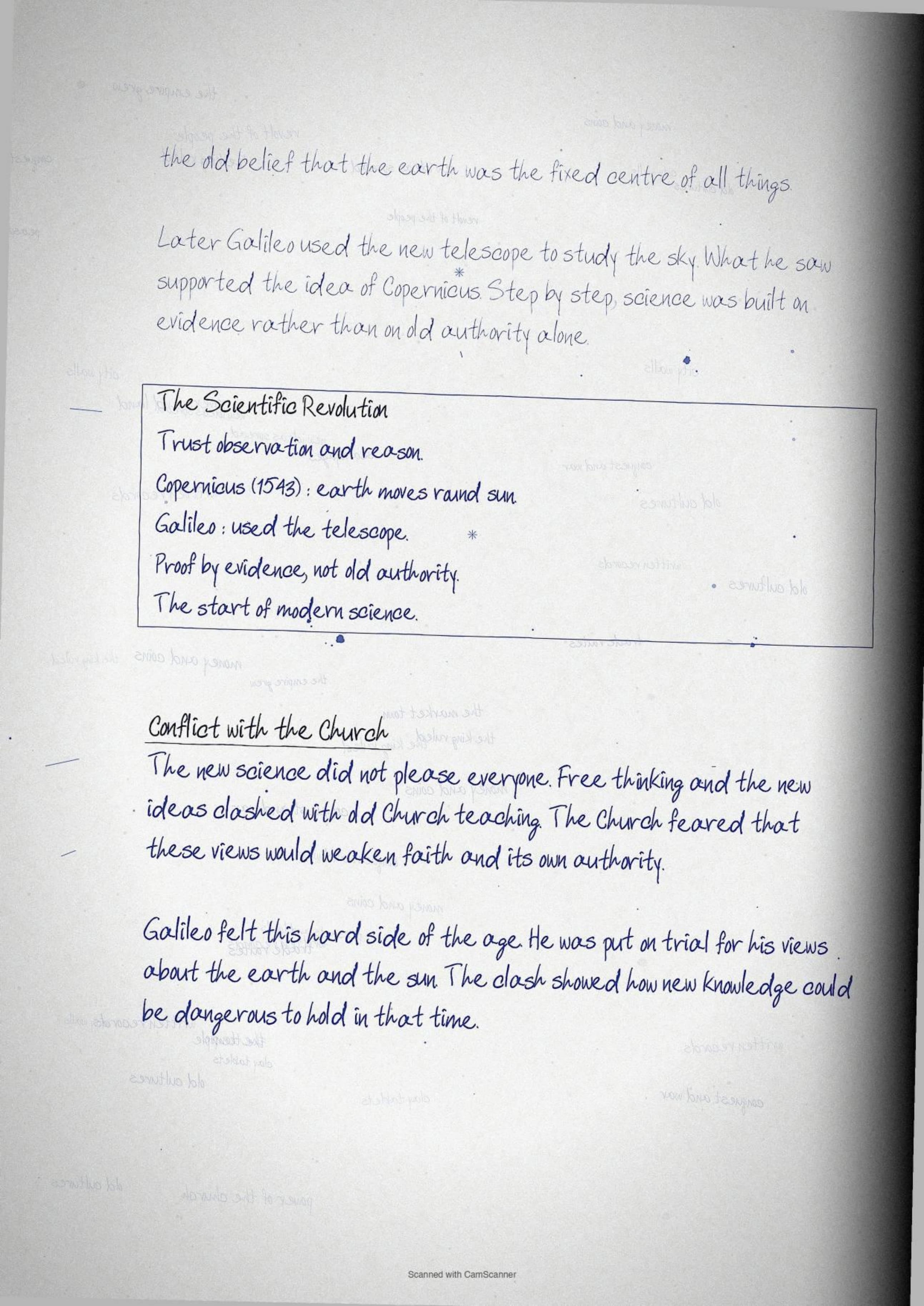
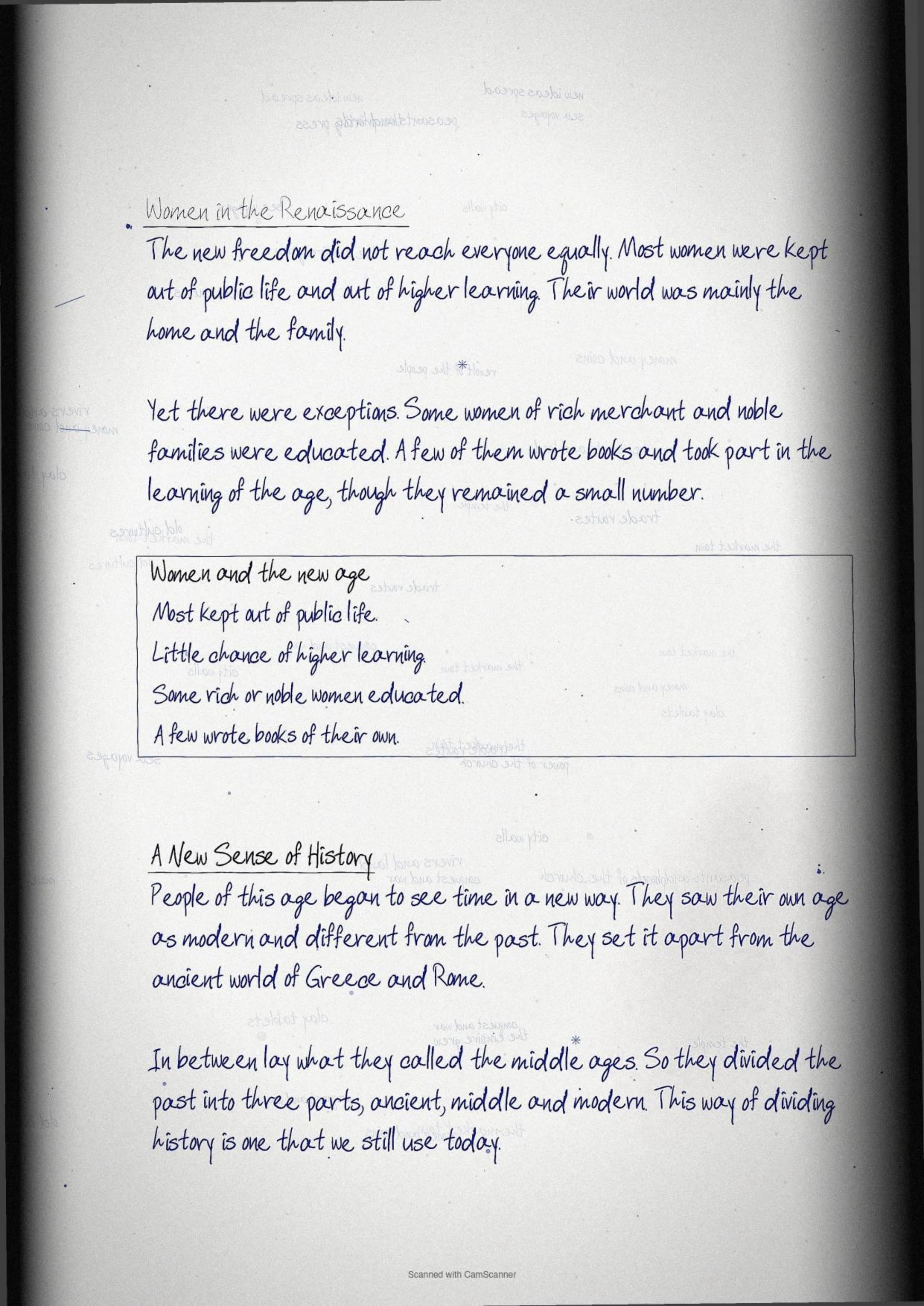
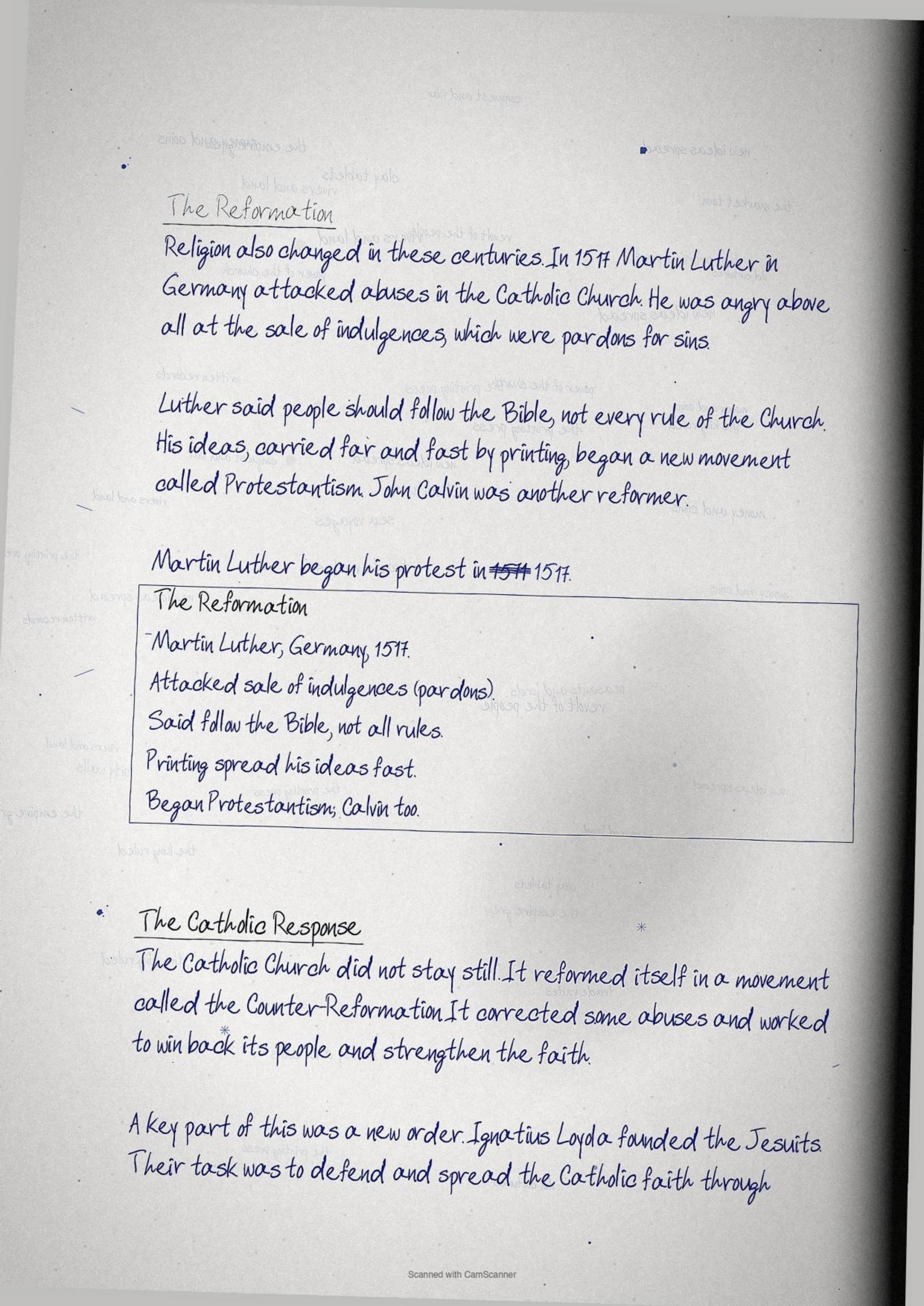
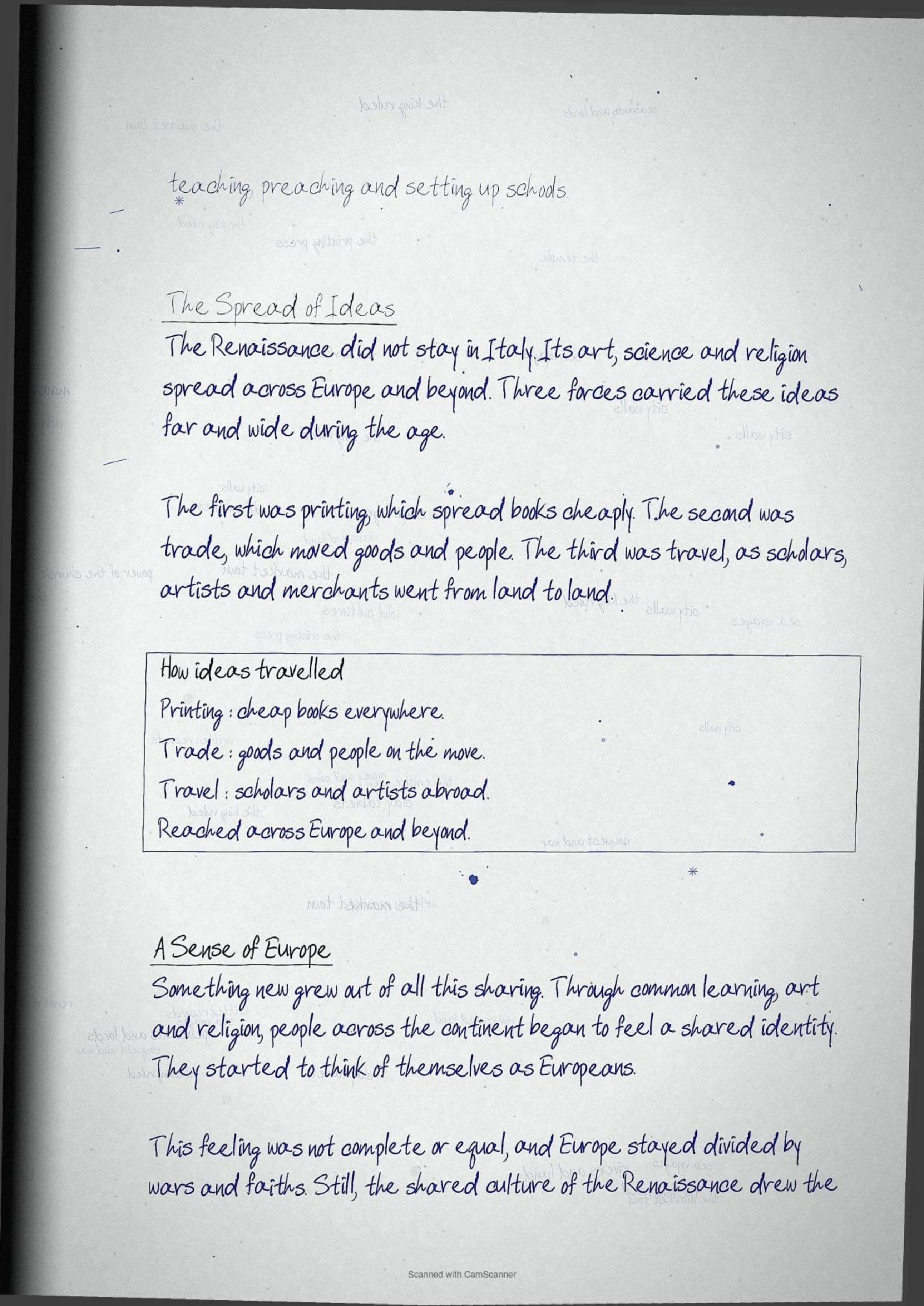
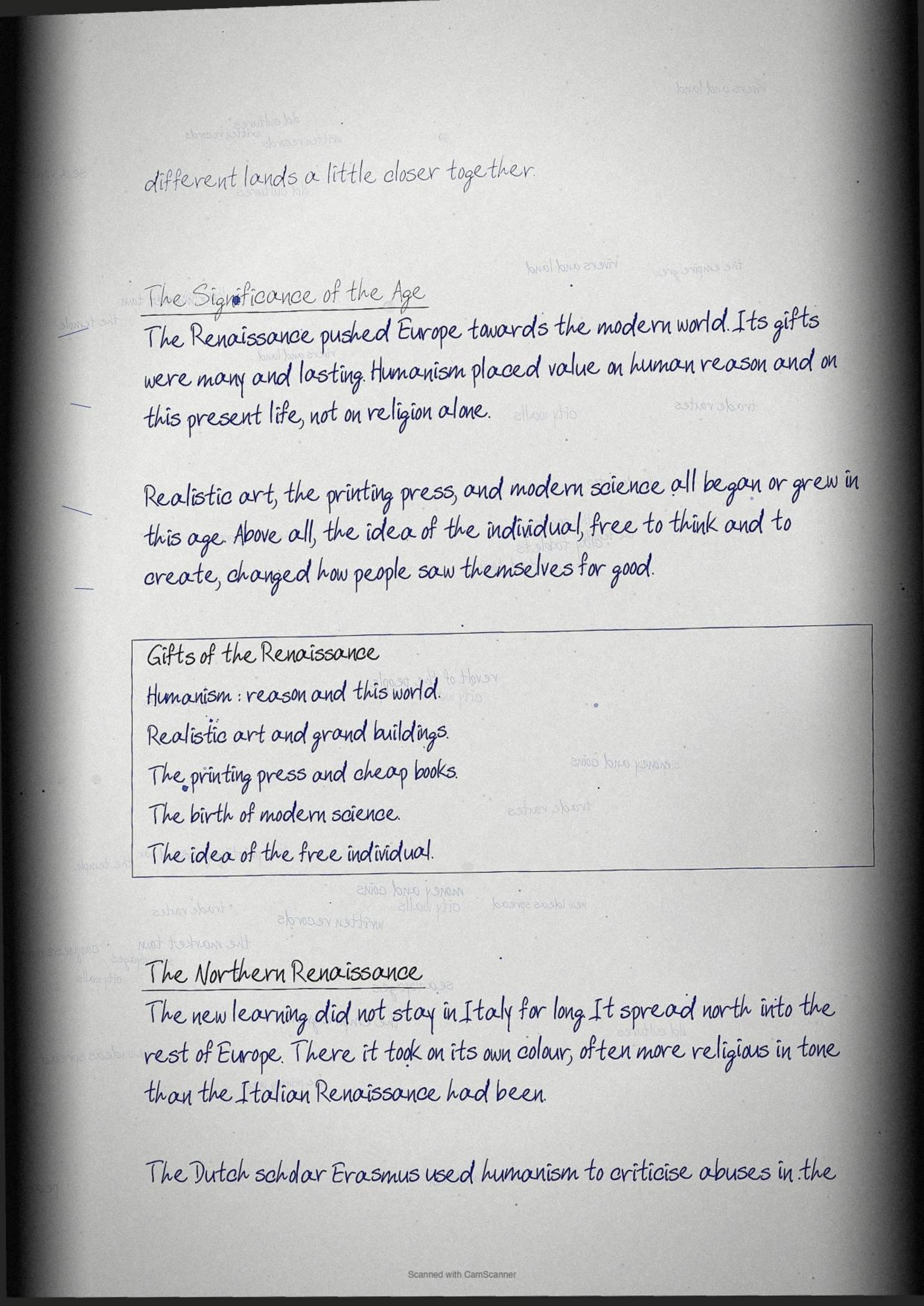
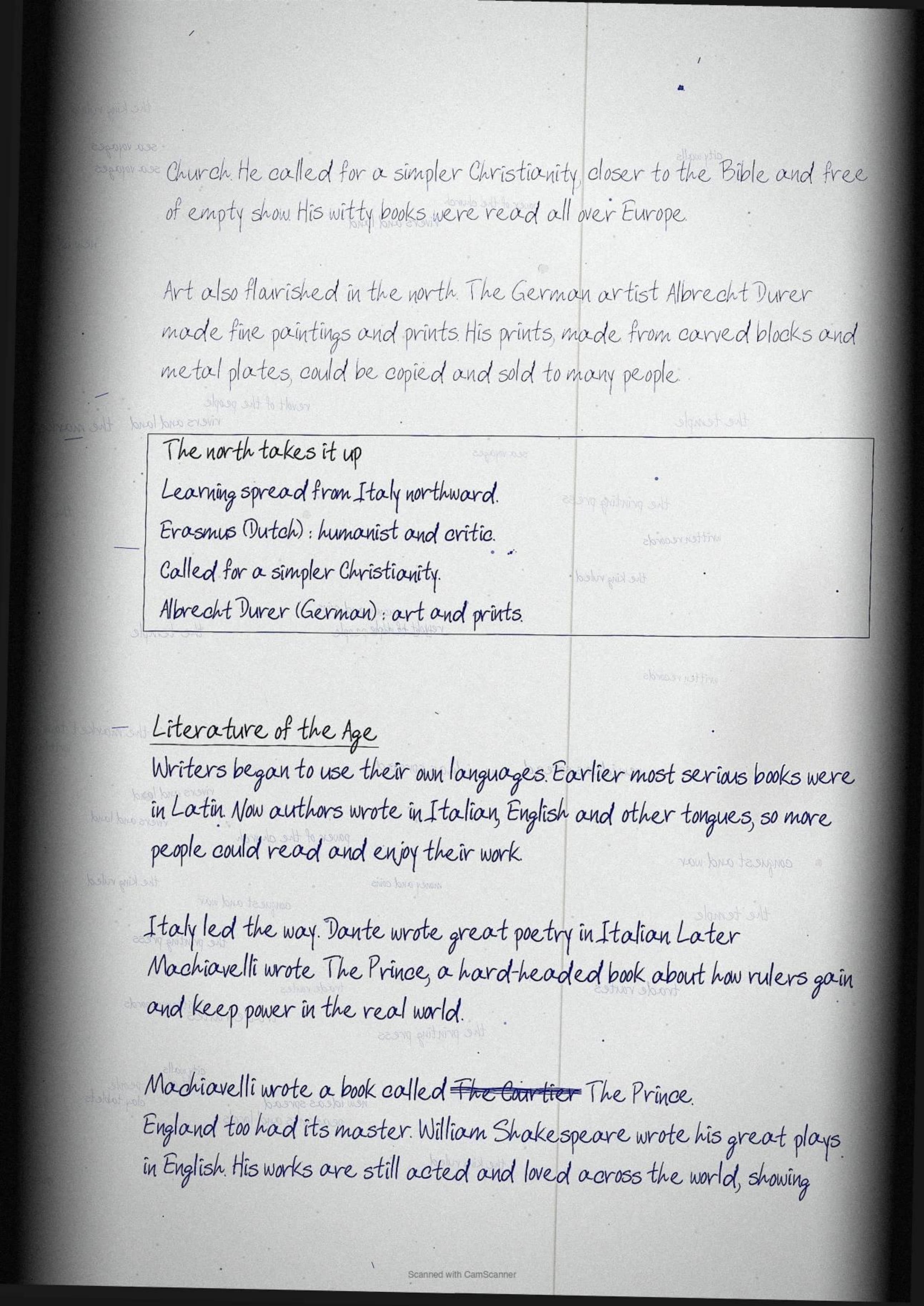
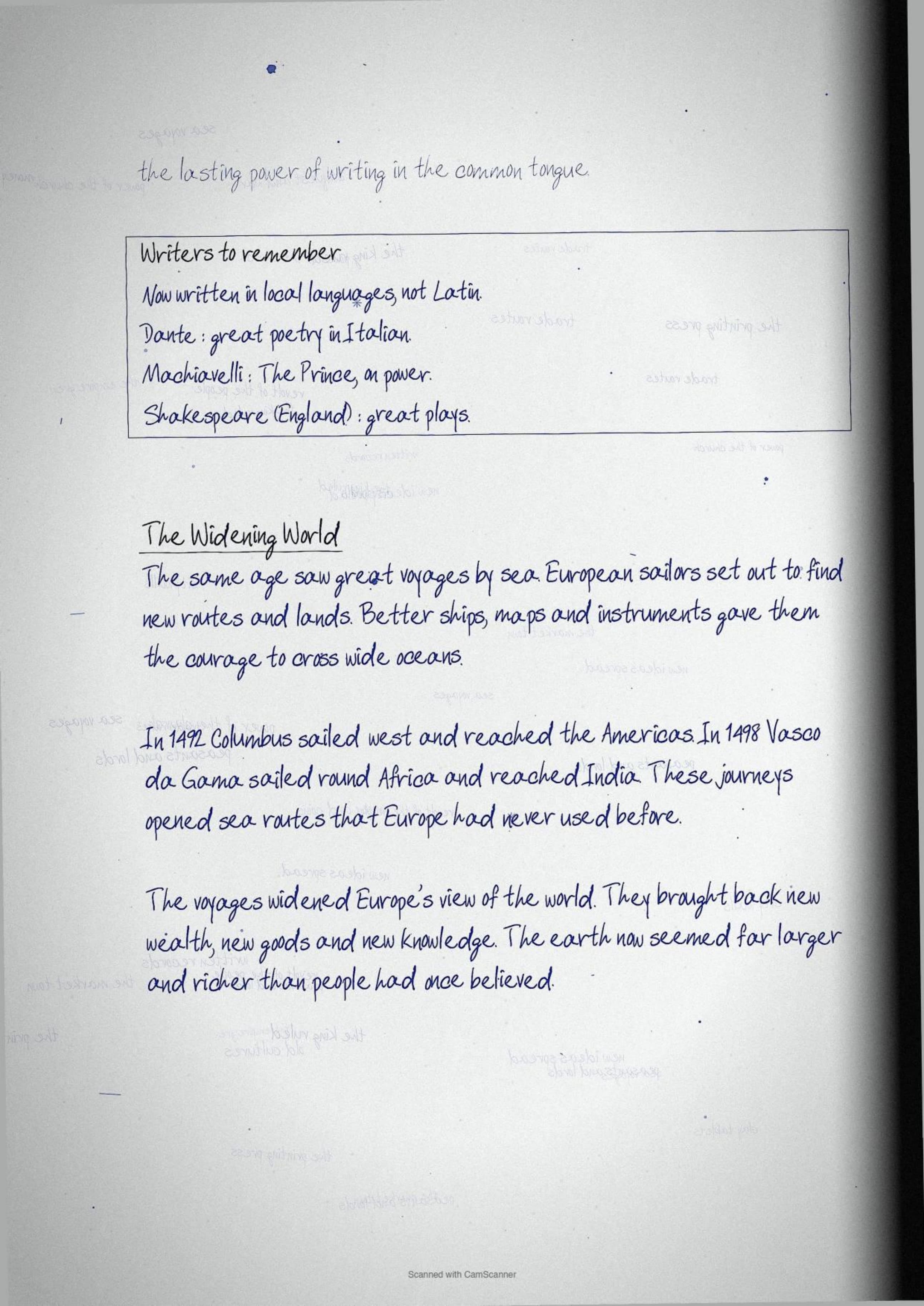
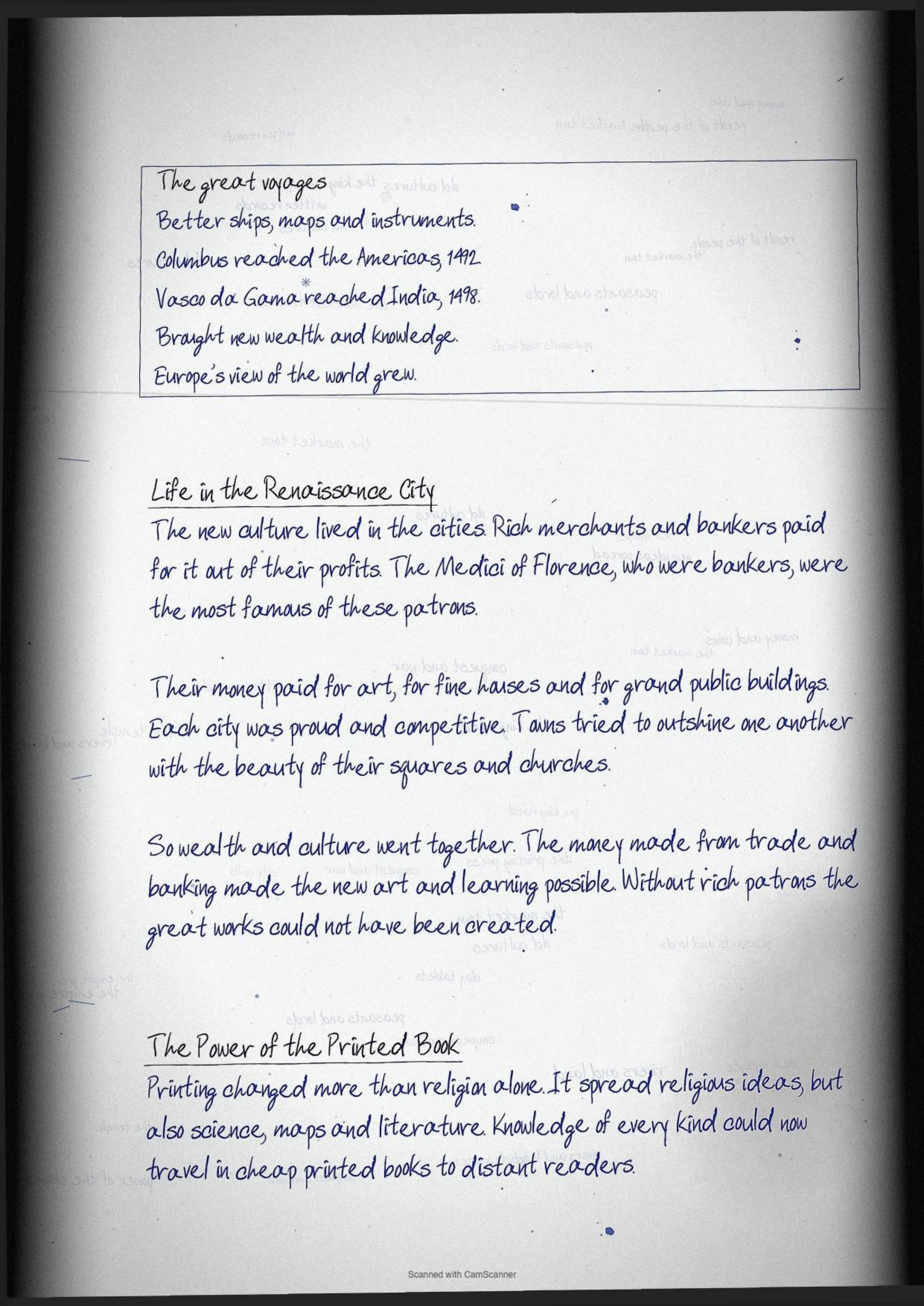
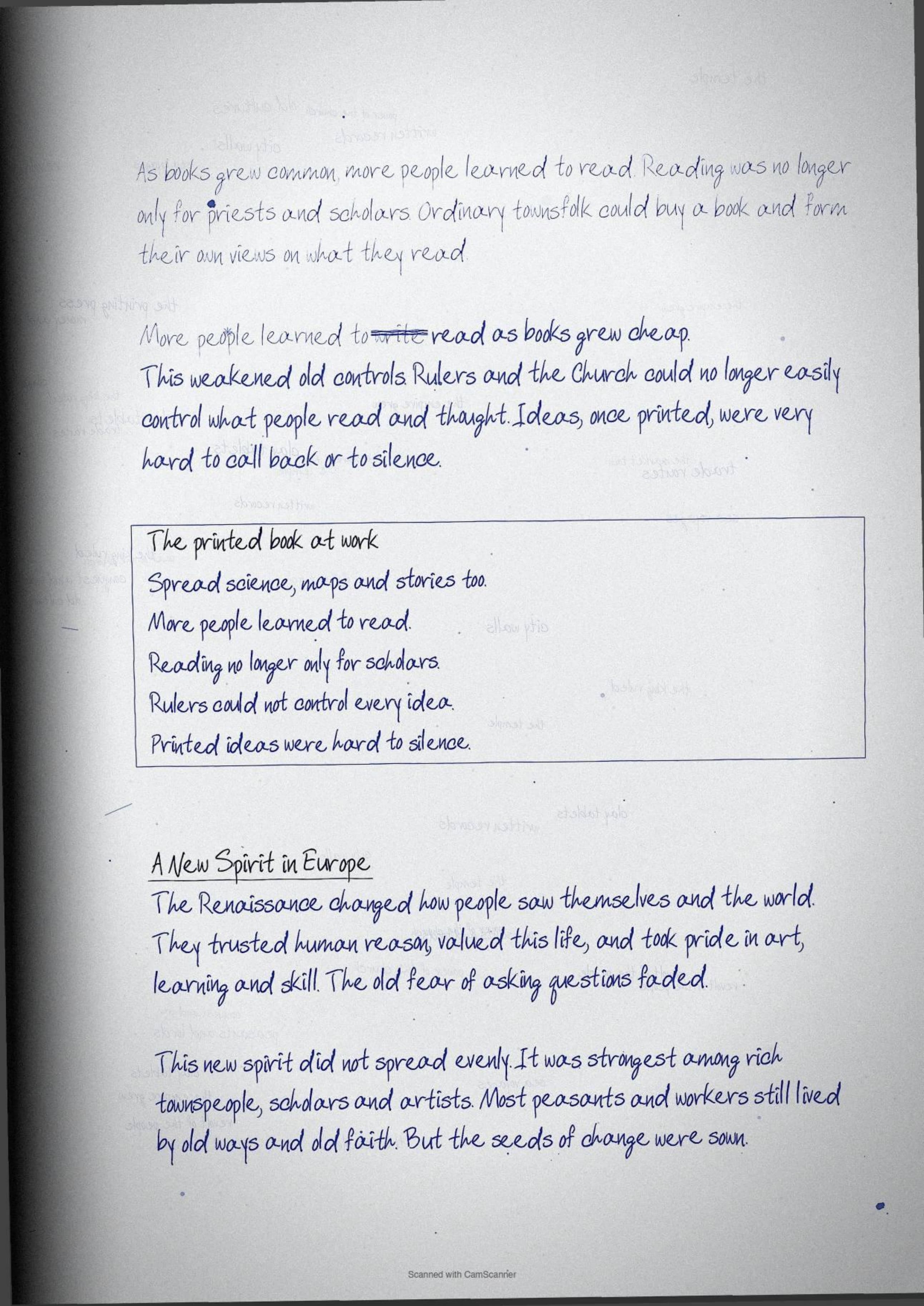
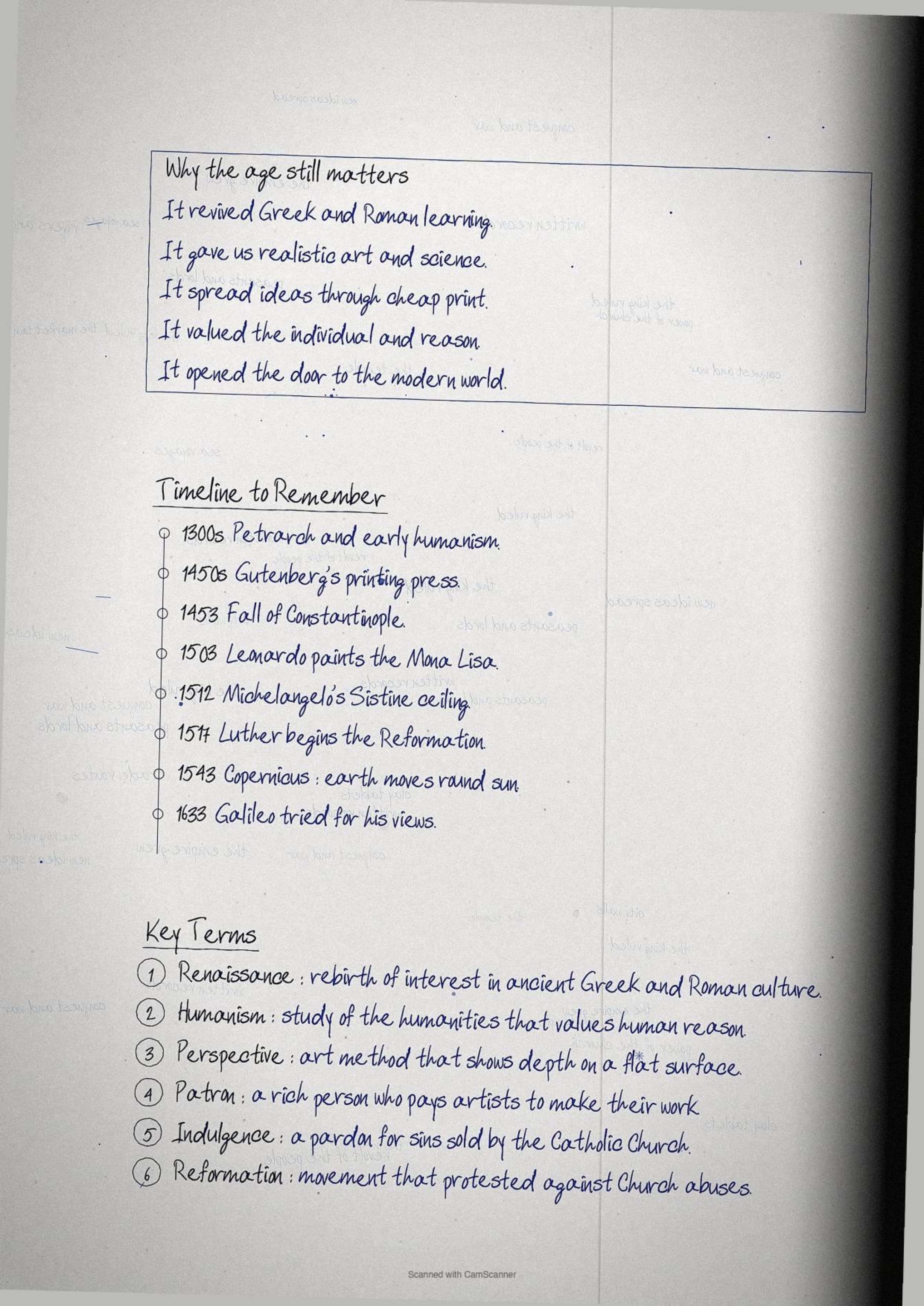
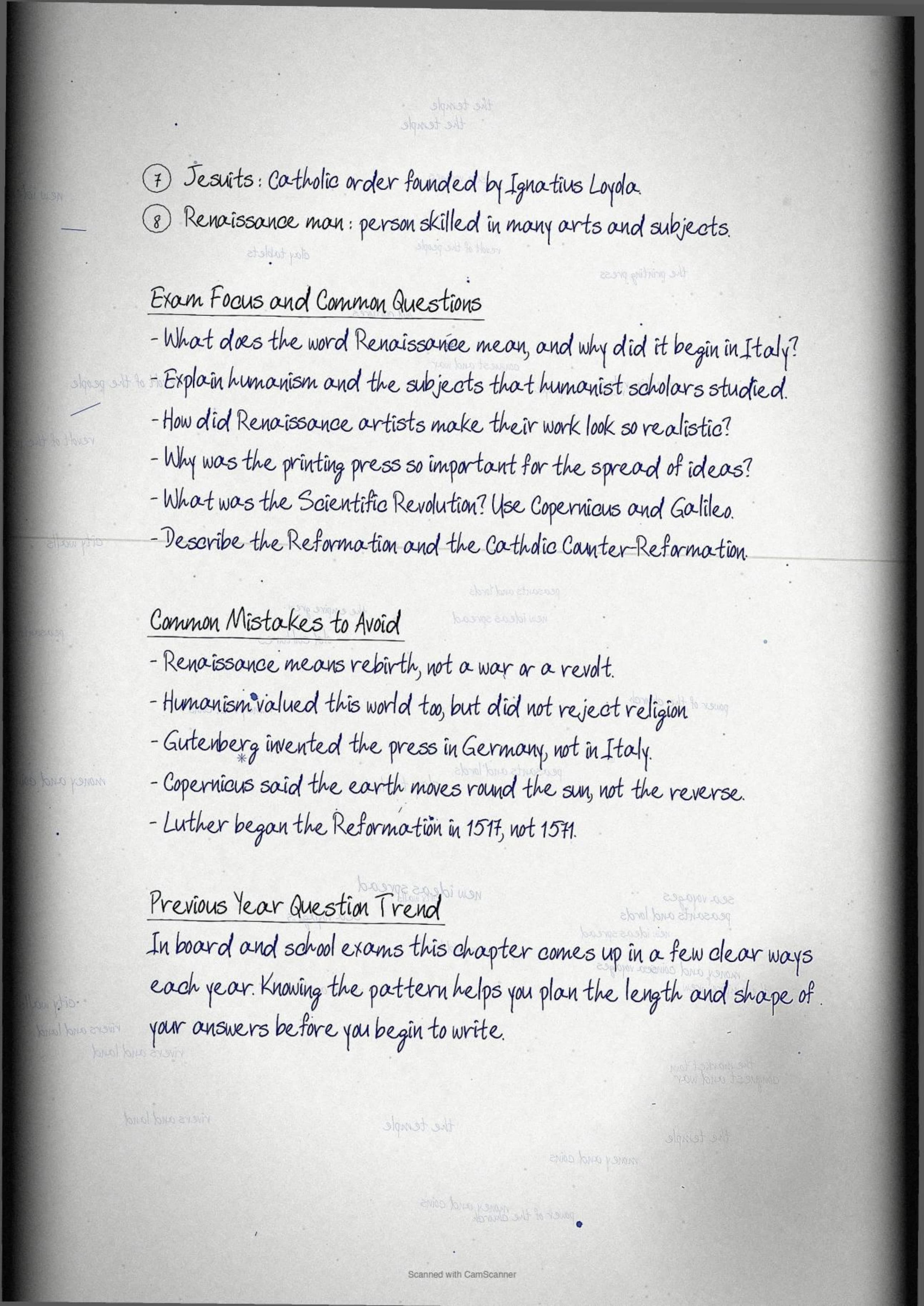
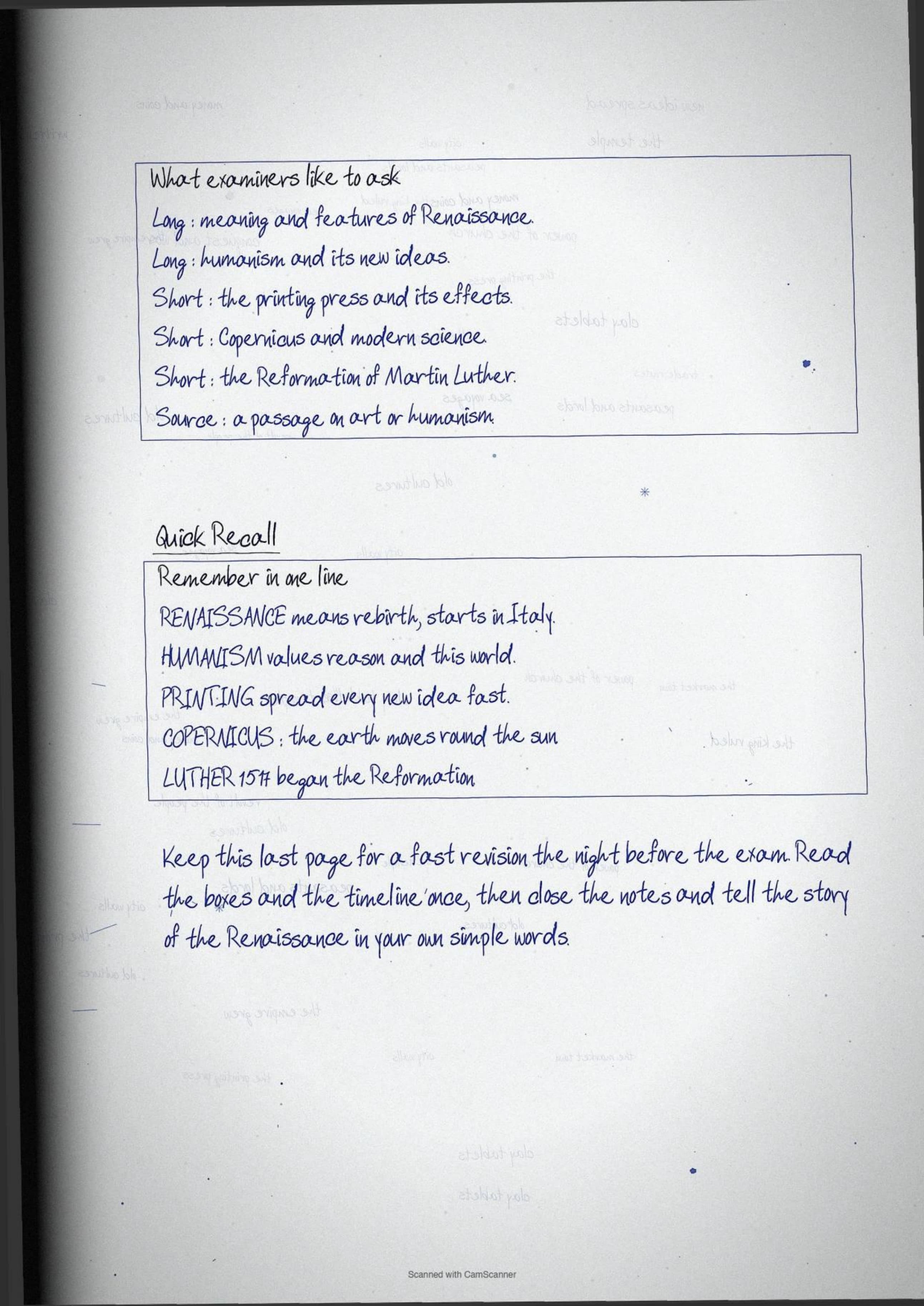
- CBSE Class 11 Weightage: a core theme in the World History section, asked as long-answer and source questions.
- What the notes cover: the Renaissance, humanism, art, printing, science, and the Reformation.
- Best for: fast revision before Class 11 exams and a base for CUET and UPSC later.
You can read the complete class 11 history handwritten notes for Changing Cultural Traditions, with the timeline, key terms, and hand-drawn boxes, in the PDF below.
These handwritten notes are written by subject teachers, mapped to the 2026-27 NCERT, and checked against the last five years of CBSE Class 11 History papers.
Changing Cultural Traditions Topic-wise Weightage for CBSE Class 11 History
Some parts of this chapter are asked far more often than others. The table below shows which sub-topics to revise first. It is based on recent CBSE Class 11 question trends.
| Sub-topic | Weightage | CBSE Frequency |
|---|---|---|
| Humanism and the revival of the classics | High | Almost every year |
| Renaissance art and its great artists | High | Almost every year |
| Printing and the spread of ideas | Medium | 3 of the last 5 years |
| The birth of modern science | Medium | 3 of the last 5 years |
| The Reformation | Low | 1 of the last 5 years |
What the Changing Cultural Traditions Handwritten Notes Cover
Chapter 5 is about the Renaissance in Europe, from the 14th to the 17th century. The notes explain the new ideas in art, learning, and science. Each point is short and boxed for quick recall.
- The meaning of the Renaissance, a rebirth of learning.
- Humanism and the study of the classics.
- The revival of Italian towns and trade.
- Realistic art: Leonardo, Michelangelo, and Raphael.
- Printing and the spread of ideas.
- The birth of modern science: Copernicus and Galileo.
- The Reformation and the response of the Church.
Key Dates and Timeline for Changing Cultural Traditions
History answers score more when you fix the order of events. Learn this short timeline so you can date each stage in the exam.
| Date | Event |
|---|---|
| 1300s | Petrarch leads early humanism. |
| 1450s | Gutenberg builds the printing press. |
| 1453 | Constantinople falls; scholars flee to Italy. |
| 1492 | Columbus reaches the Americas. |
| 1517 | Martin Luther begins the Reformation. |
| 1543 | Copernicus argues the earth moves round the sun. |
How Collegedunia's Handwritten Notes Help You Revise Changing Cultural Traditions
These notes are made for the night before the exam. They keep the facts short and easy to scan. Collegedunia maps every point to the 2026-27 NCERT.
- Clear handwriting: each theme is written in neat, easy-to-read handwriting.
- Boxed key terms: the main names and terms are boxed by hand for fast recall.
- Timeline and maps: a hand-drawn timeline and simple maps fix the order of events.
- Colour-coded headings: new sub-topics stand out, so you find any section in seconds.
Changing Cultural Traditions Self-Assessment Quiz
Try these quick questions after you read the notes. Tap each question to check your answer. They cover the points CBSE asks most often.
What does the word 'Renaissance' mean?
(a) Revolt (b) Rebirth (c) Reform (d) Revival of trade
Answer: (b) Rebirth - of ancient Greek and Roman learning.
Who is called the father of humanism?
(a) Leonardo (b) Petrarch (c) Gutenberg (d) Luther
Answer: (b) Petrarch - he loved and collected ancient texts.
Who invented the printing press?
(a) Copernicus (b) Michelangelo (c) Gutenberg (d) Galileo
Answer: (c) Gutenberg - his press used movable type.
Who argued the earth moves around the sun?
(a) Galileo (b) Copernicus (c) Petrarch (d) Raphael
Answer: (b) Copernicus - in 1543; Galileo later gave proof.
Who began the Reformation in 1517?
(a) John Calvin (b) Erasmus (c) Martin Luther (d) Ignatius Loyola
Answer: (c) Martin Luther - he attacked abuses in the Church.
How to Use These Handwritten Notes for Class 11 History Revision
Use these class 11 history handwritten notes in two passes. Read them slowly once for the full story. Then, near the exam, read only the boxes and the timeline for a fast recall.
- Read the notes once with the NCERT chapter open beside you.
- Say the main story of the chapter in your own words.
- Practise one long-answer and one source question from a past paper.
- On the last day, revise only the timeline, key terms, and boxes.
Class 11 History Handwritten Notes for All Chapters
The table below links the class 11 history handwritten notes for every chapter of Themes in World History. Use it to jump to any other chapter's notes.
| Chapter | Resource |
|---|---|
| Chapter 1 | Writing and City Life Handwritten Notes |
| Chapter 2 | An Empire Across Three Continents Handwritten Notes |
| Chapter 3 | Nomadic Empires Handwritten Notes |
| Chapter 4 | The Three Orders Handwritten Notes |
| Chapter 5 | Changing Cultural Traditions Handwritten Notes |
| Chapter 6 | Displacing Indigenous Peoples Handwritten Notes |
| Chapter 7 | Paths to Modernisation Handwritten Notes |
Changing Cultural Traditions Class 11 History Handwritten Notes FAQs
Ques. Where can I download Changing Cultural Traditions Class 11 History Handwritten Notes PDF?
Ans. You can download the Changing Cultural Traditions Class 11 History Handwritten Notes PDF directly from this page. Both the Normal and HD versions are free.
Ques. Are these handwritten notes aligned with the 2026-27 NCERT?
Ans. Yes. These notes follow the current 2026-27 syllabus for Class 11 History. They cover the Renaissance, humanism, art, printing, and science as printed in the new NCERT edition.
Ques. How many pages is the Class 11 History Changing Cultural Traditions Handwritten Notes PDF?
Ans. The notes run about 20 pages. They cover the full chapter with a timeline, key terms, hand-drawn boxes, and a short self-assessment quiz.
Ques. What is the main idea of the 11th standard History chapter Changing Cultural Traditions?
Ans. The chapter studies the Renaissance in Europe, a rebirth of learning that began in Italy. It links humanism, art, printing, science, and the Reformation.
Ques. Are these Changing Cultural Traditions notes enough for the CBSE Class 11 exam?
Ans. Yes, for revision. The Collegedunia handwritten notes cover every key point and exam term. Read them with the NCERT chapter and practise past questions for full marks.



Comments