




The handwritten notes on Class 12 Fine Arts Chapter 2 The Deccan Schools of Painting have been carefully prepared for one-shot revision, according to the 2026-27 NCERT print of An Introduction to Indian Art Part 2.
- Best for revision: revise Ahmadnagar, Bijapur, Golconda and later Hyderabad themes quickly.
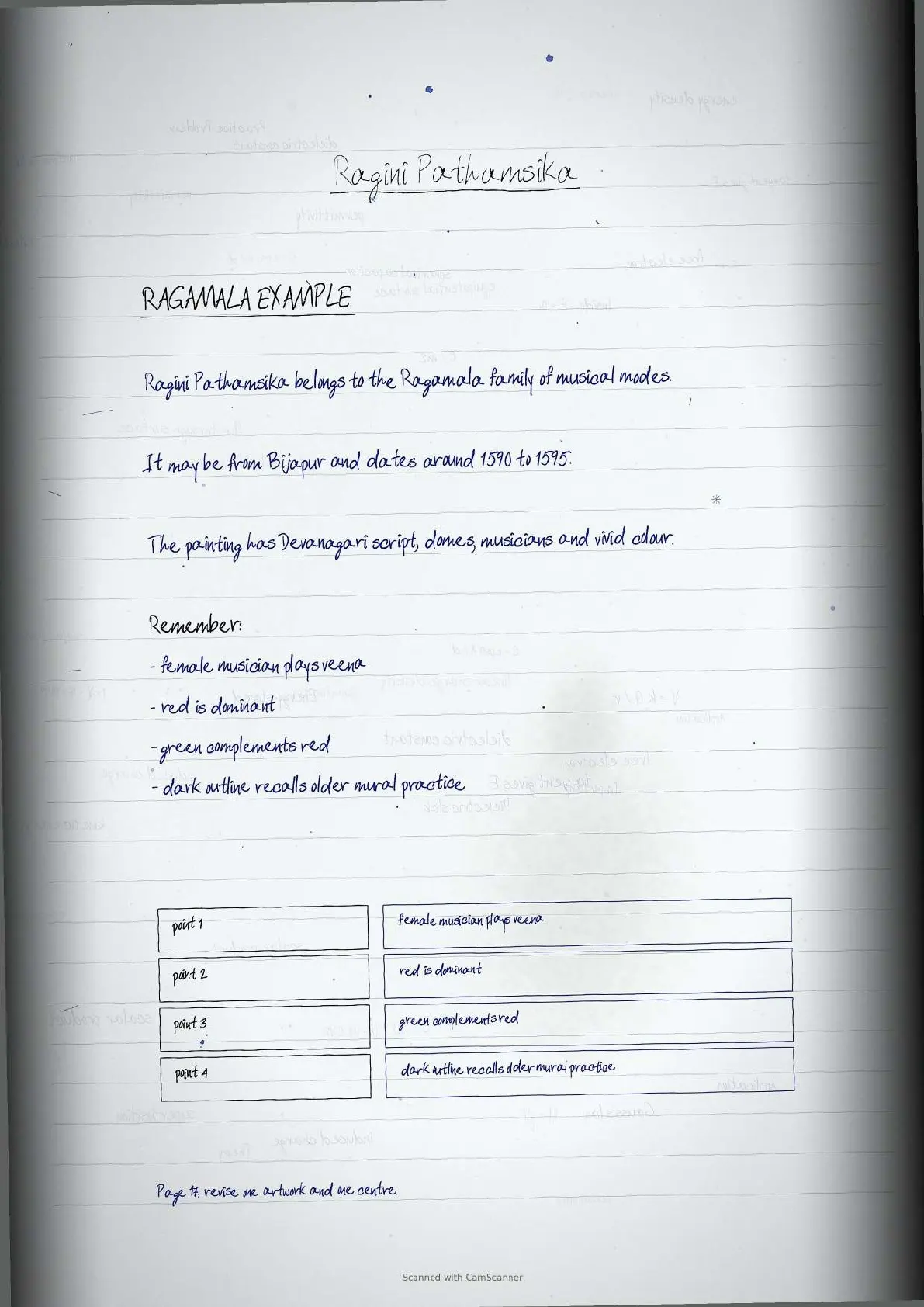
- Artwork focus: remember Yogini, Composite Horse, Ragini Pathamsika and Chand Bibi playing Polo.
- Exam focus: compare Deccani colour, romance and symbolism with Mughal documentary portraiture.
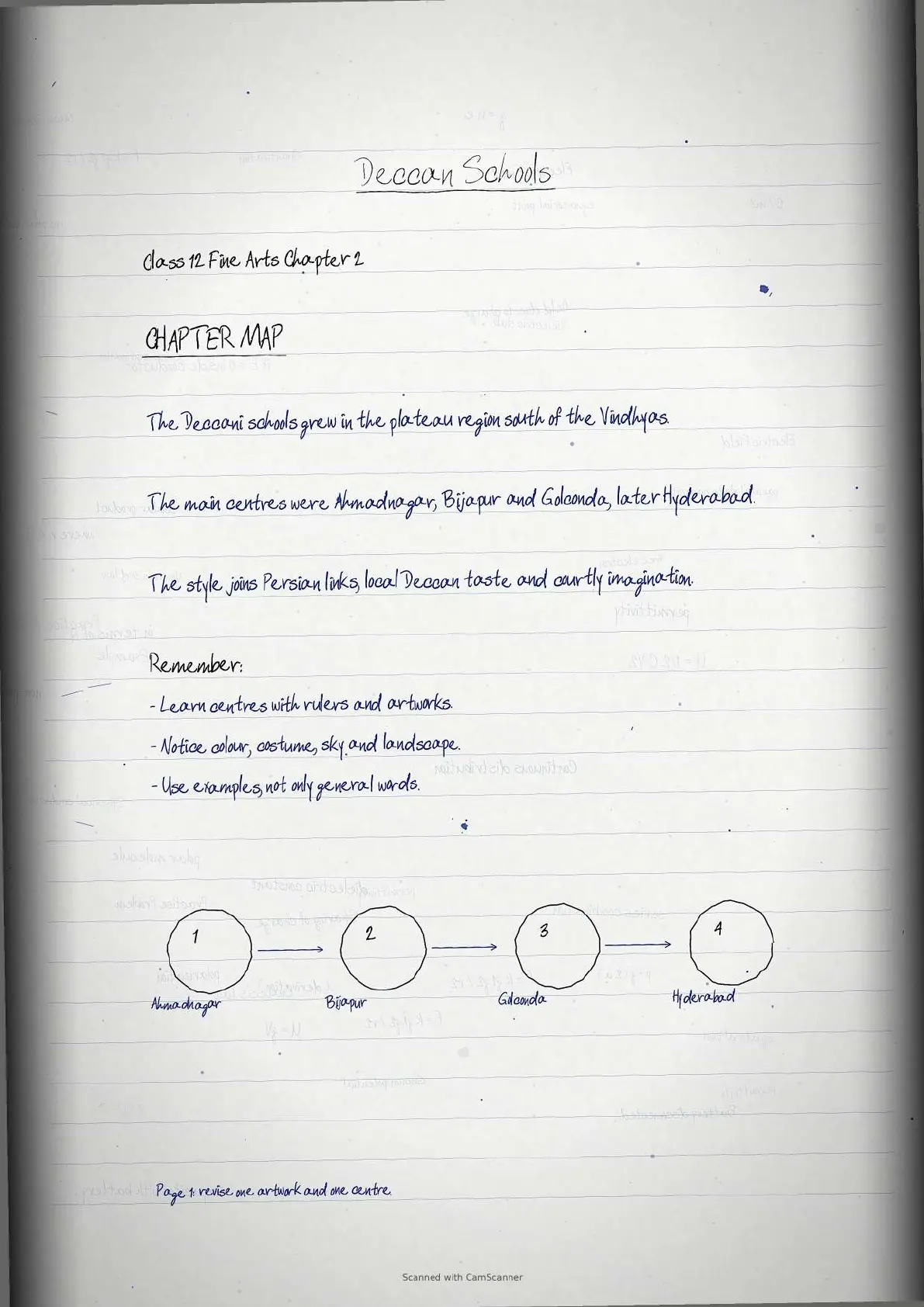
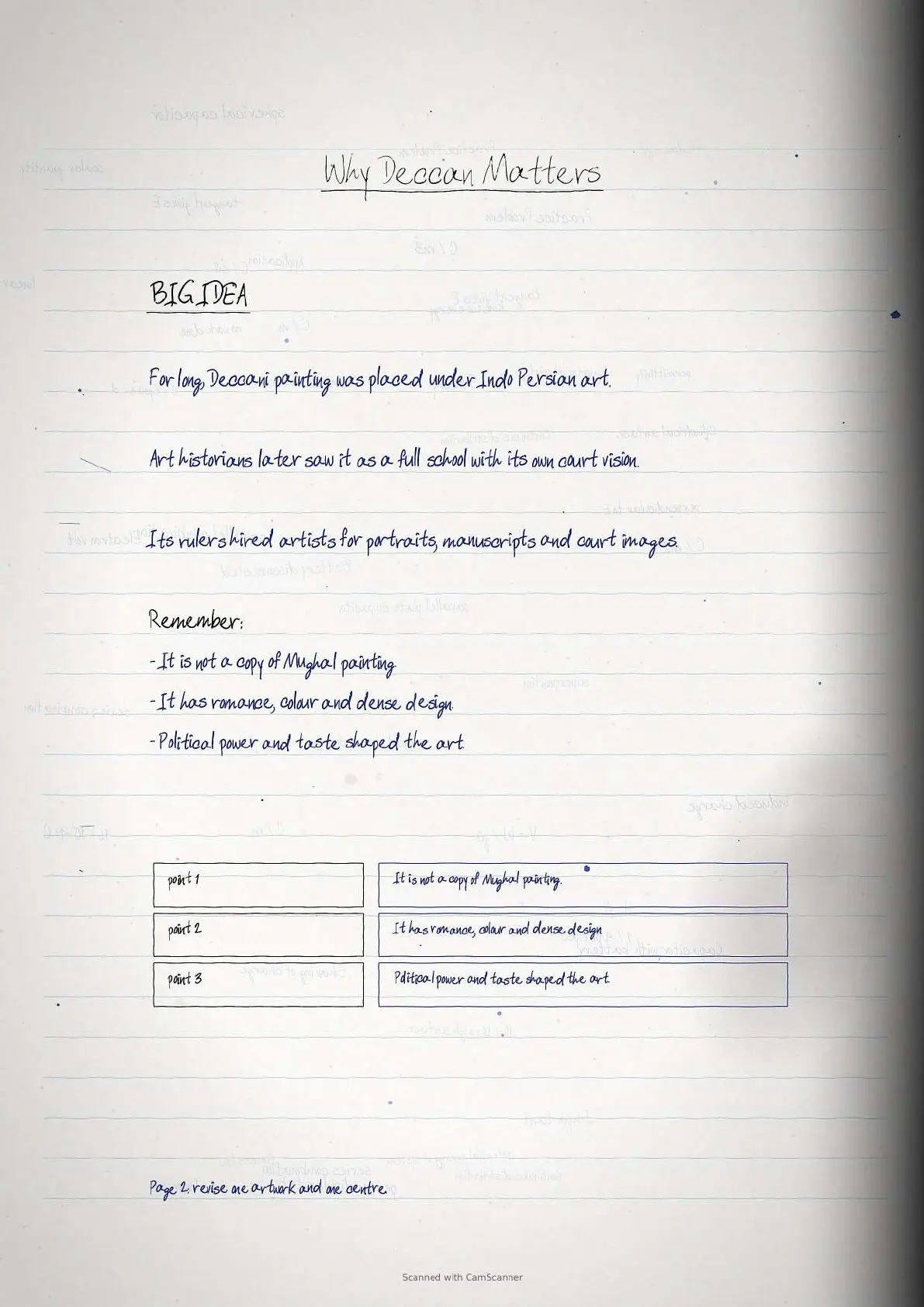
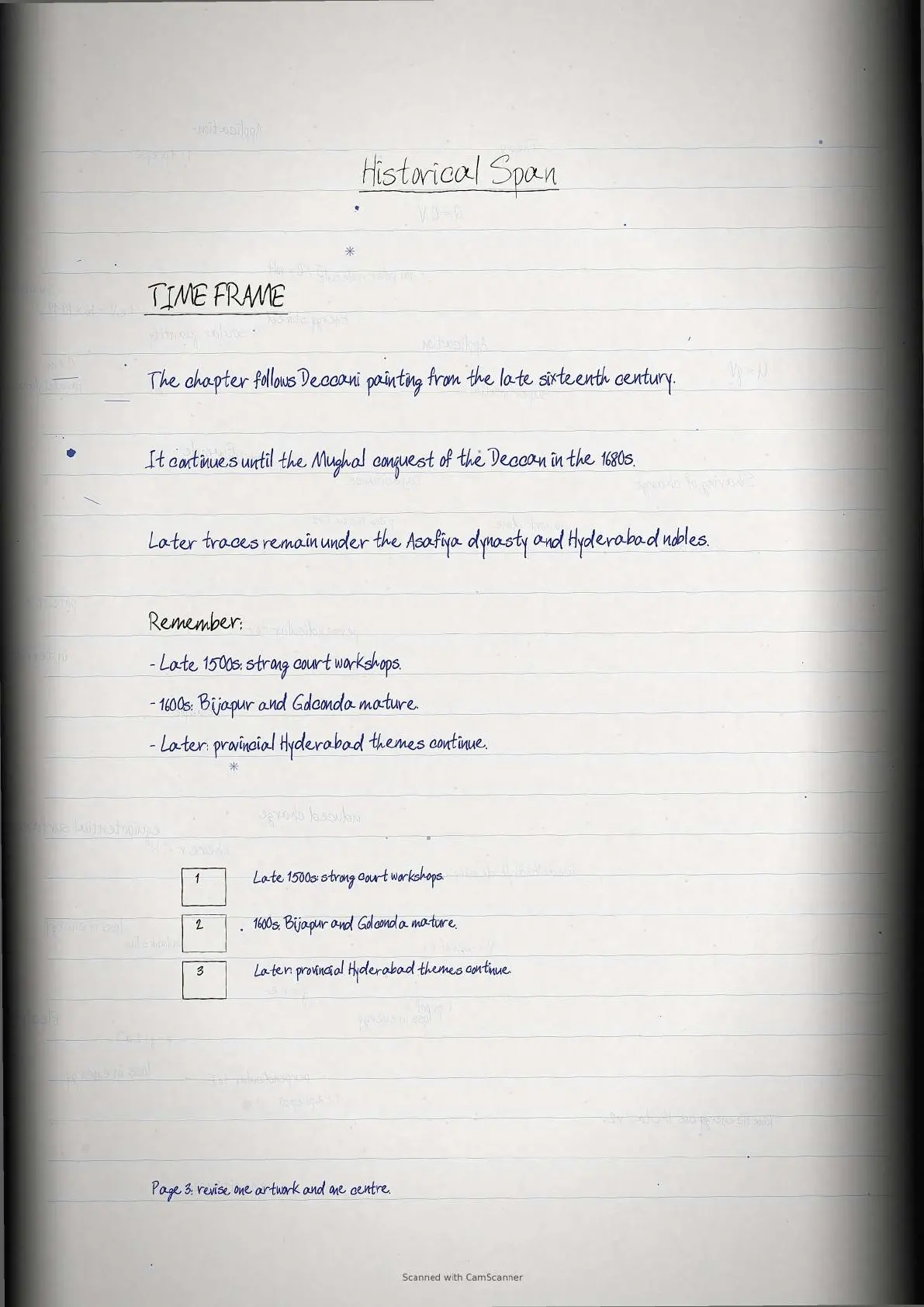
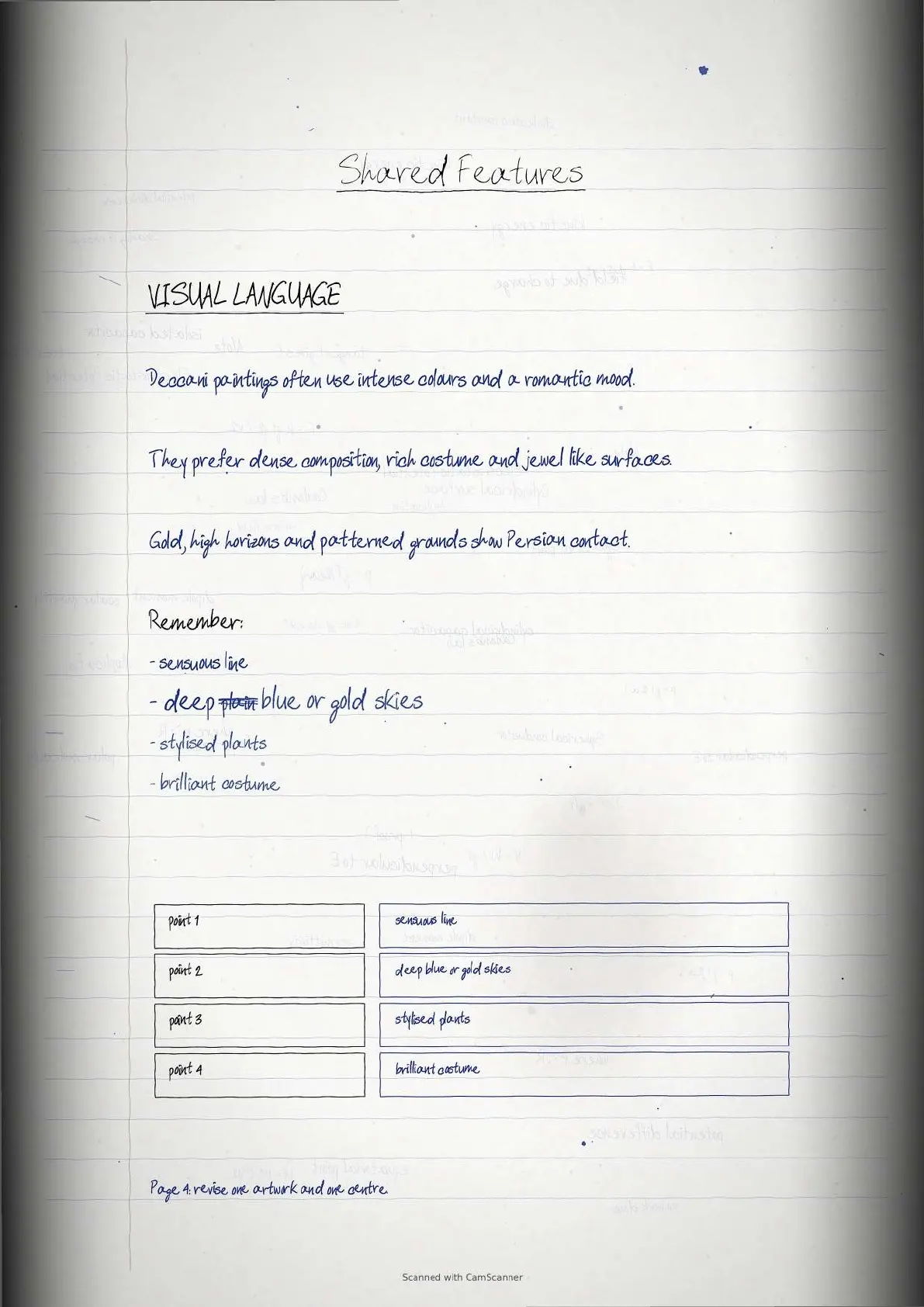
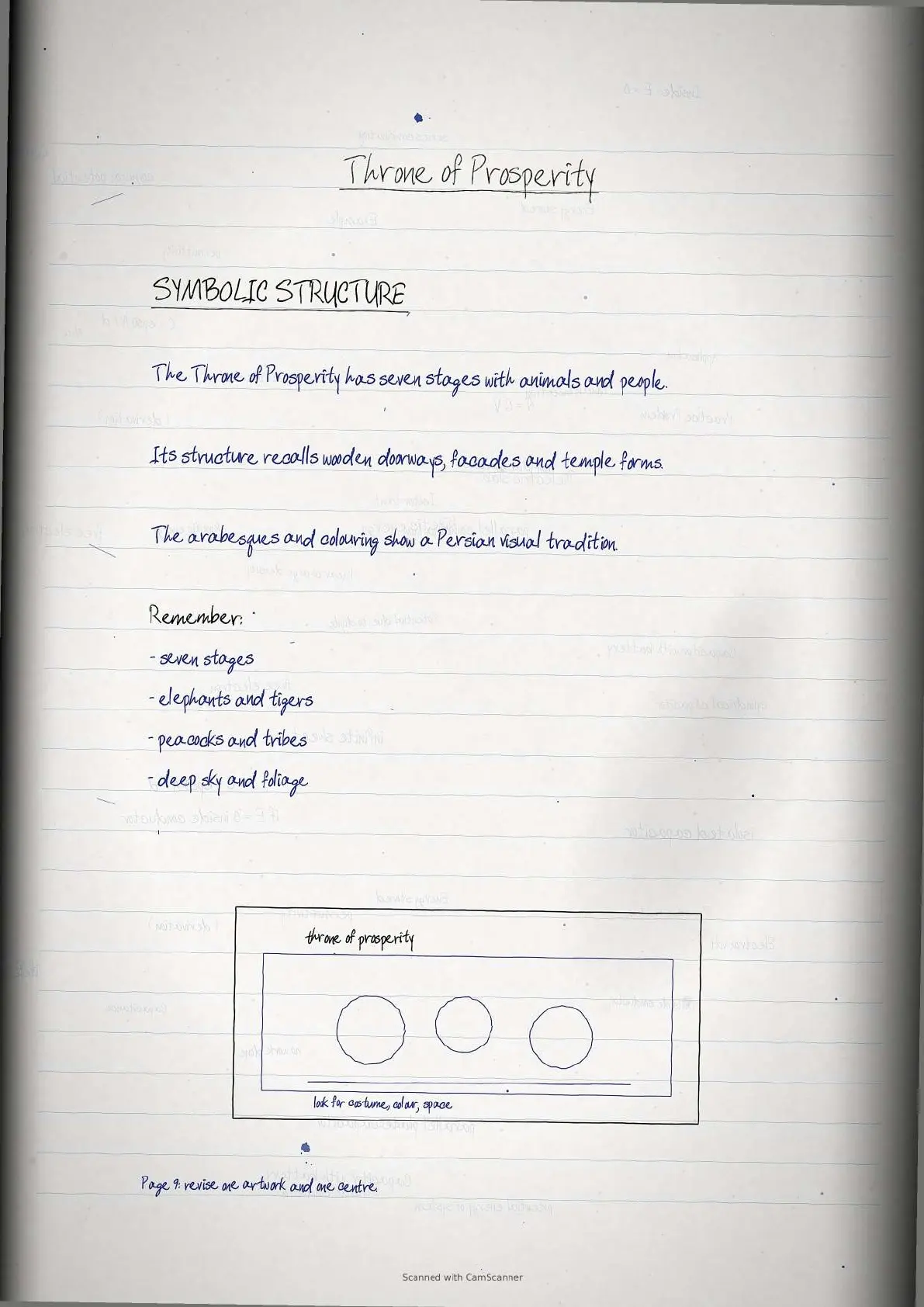
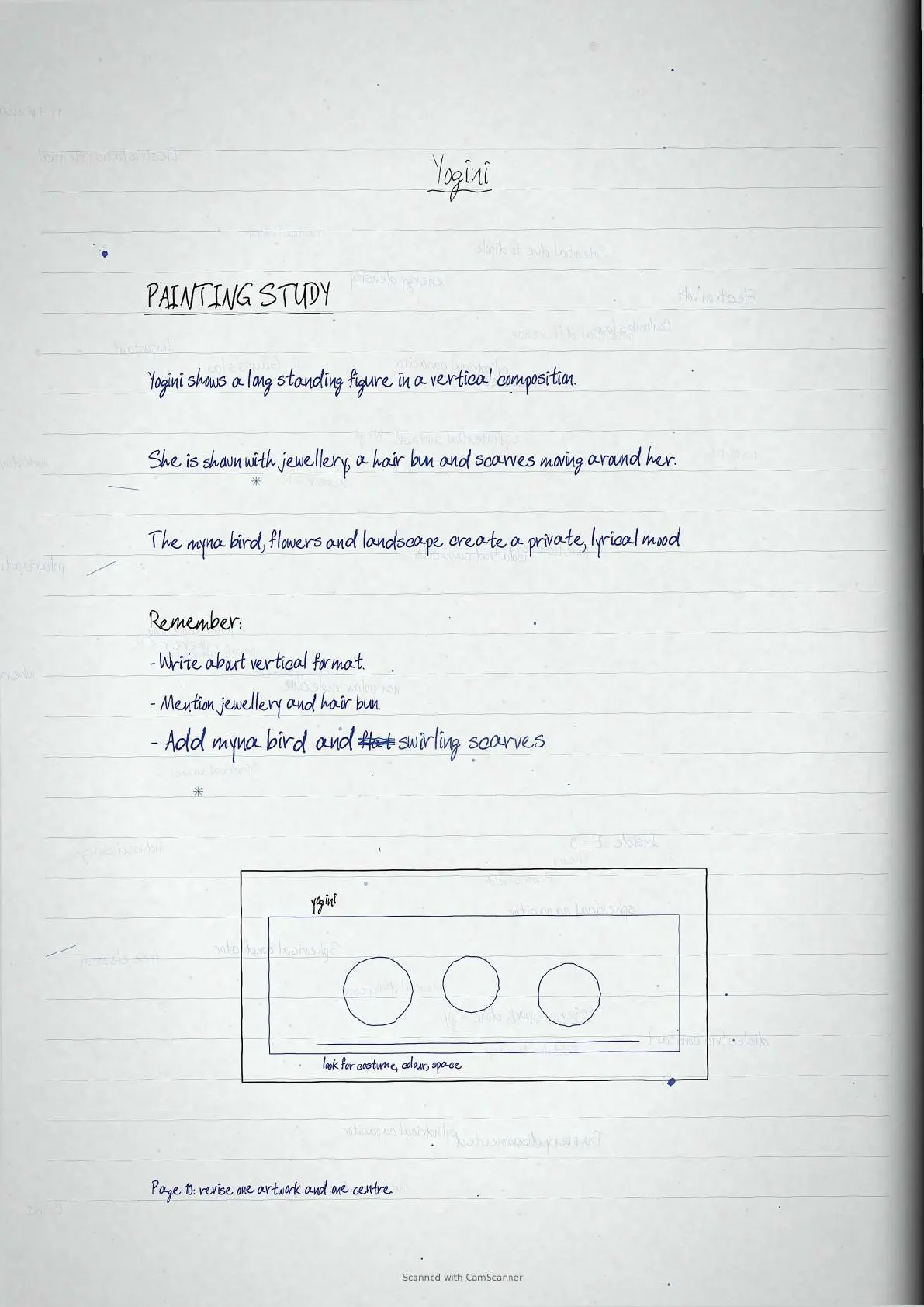
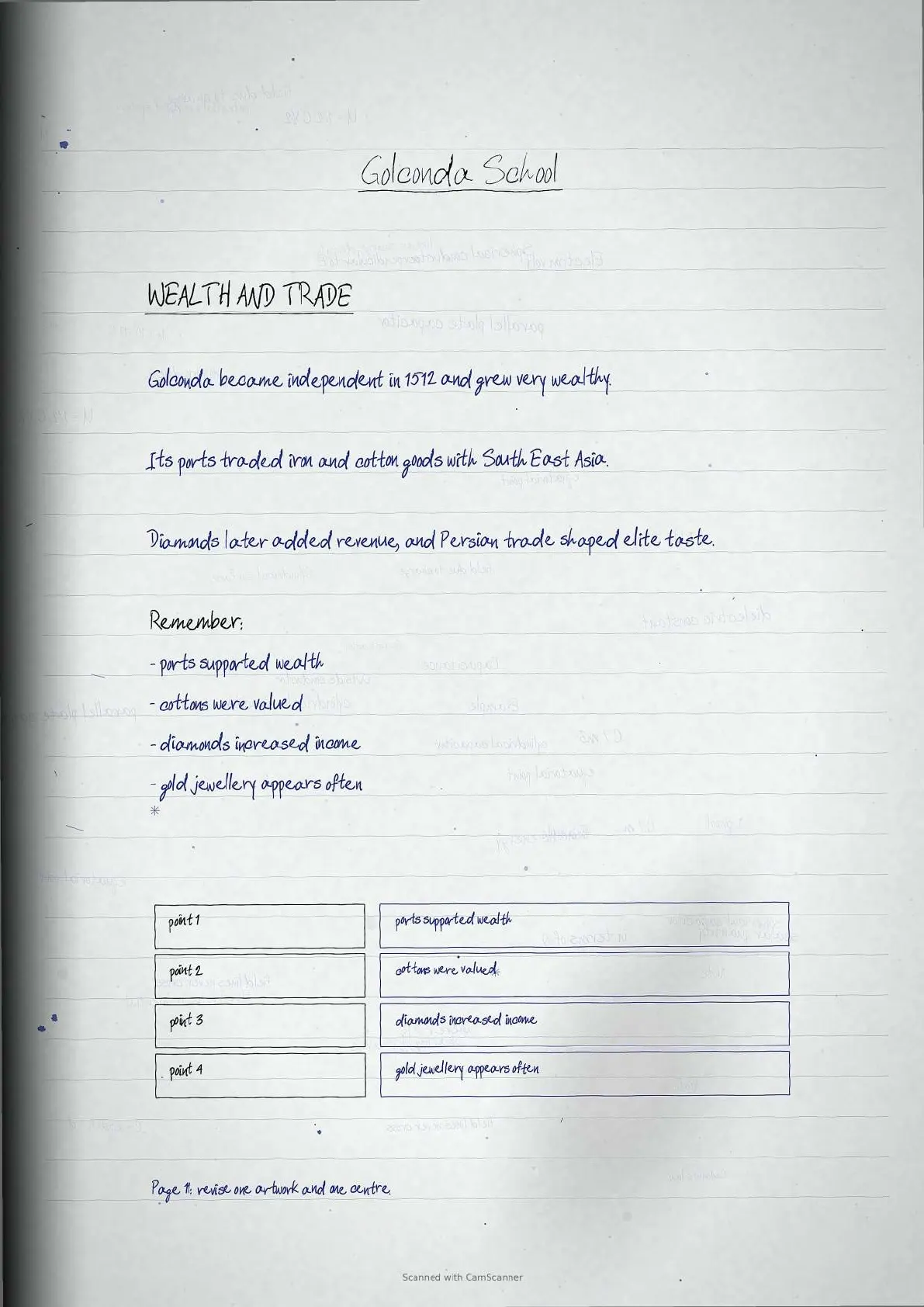
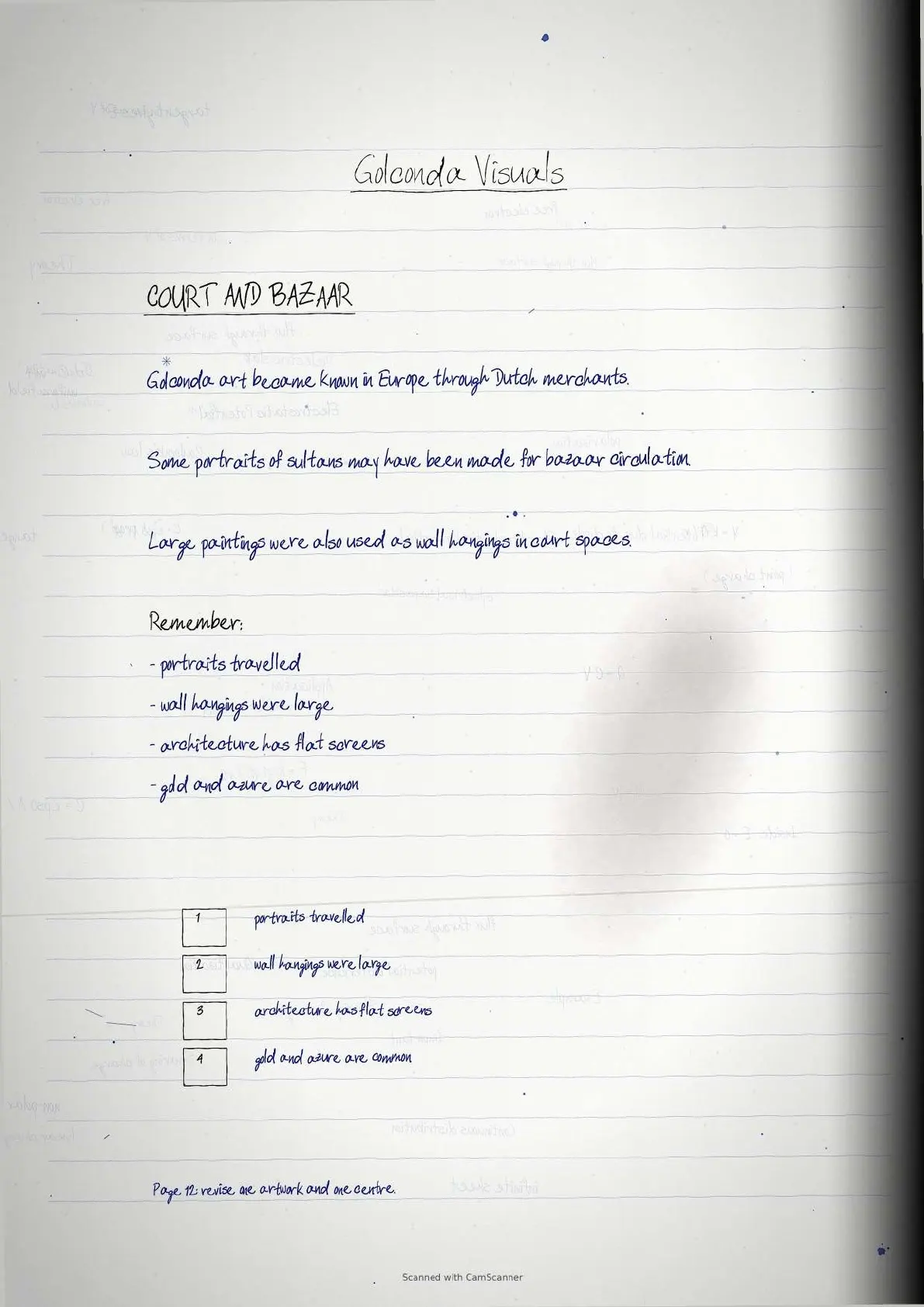
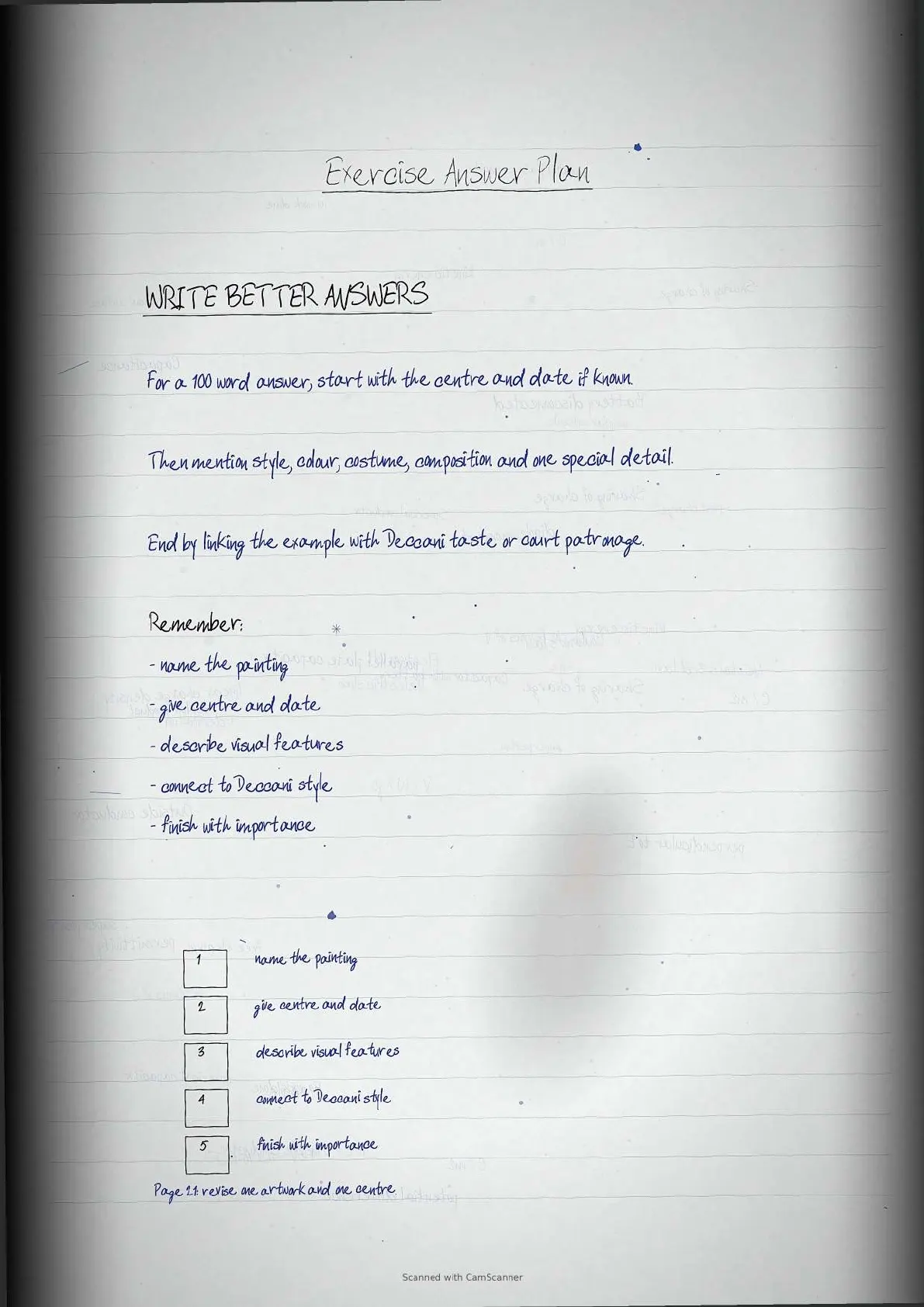
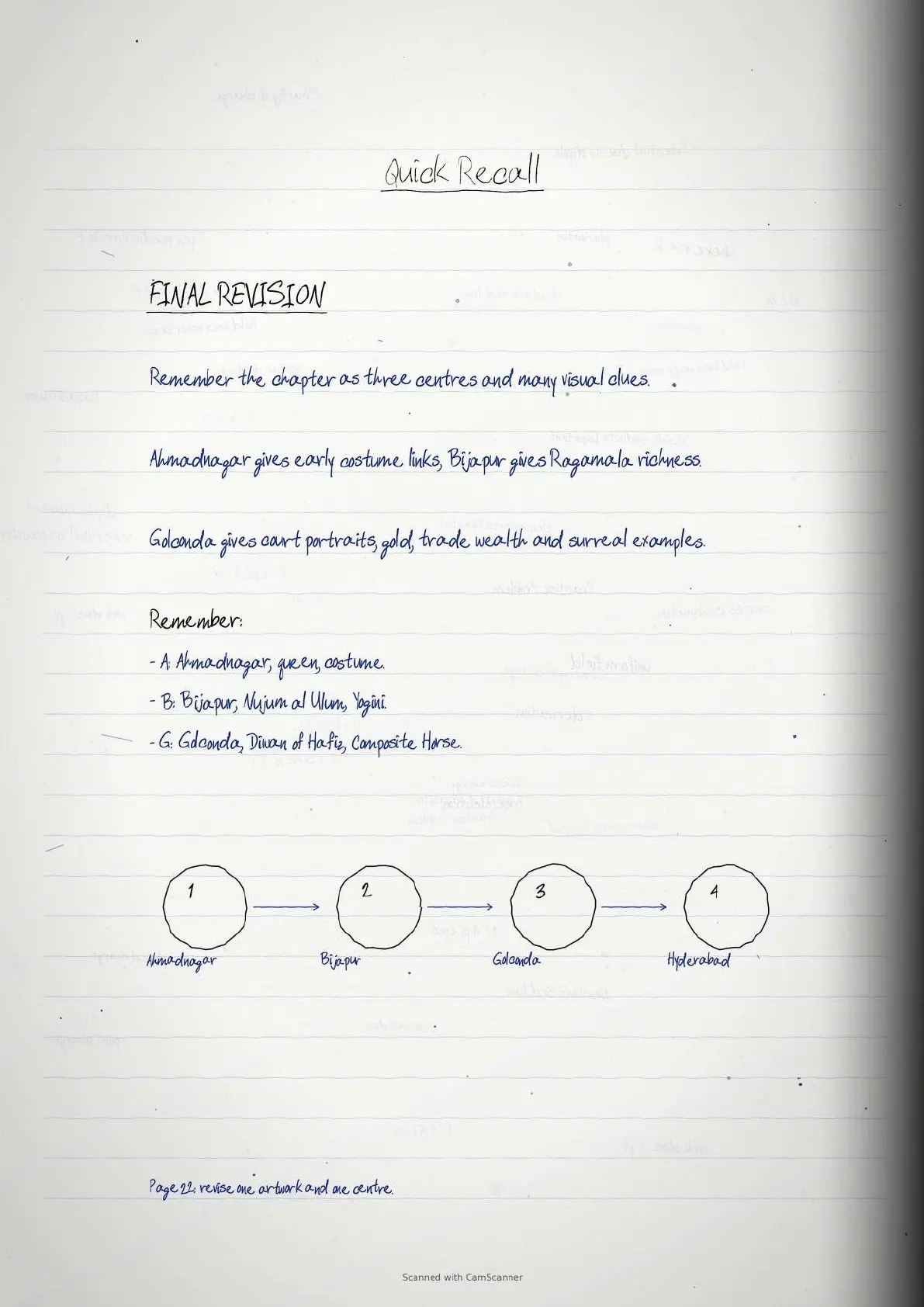
These Deccan Schools of Painting handwritten notes follow the official 2026-27 NCERT chapter and keep the revision order close to the board exam answer pattern.
Student Feedback: In a Collegedunia Fine Arts revision poll of 12,640 students conducted before the 2026 boards, students found this chapter easier when they revised it centre by centre.
- 76% needed a quick table for Ahmadnagar, Bijapur and Golconda.
- 68% mixed up Deccani and Mughal painting features.
- 61% wanted artwork names placed with one exam-ready clue.
Deccan Schools of Painting Quick Revision Map for Class 12 Fine Arts
The Deccani schools grew in the plateau region south of the Vindhyas. NCERT treats them as a distinct court school, not as a copy of Persian or Mughal art. The key is to revise the chapter through centres, patrons, artworks and visual clues.
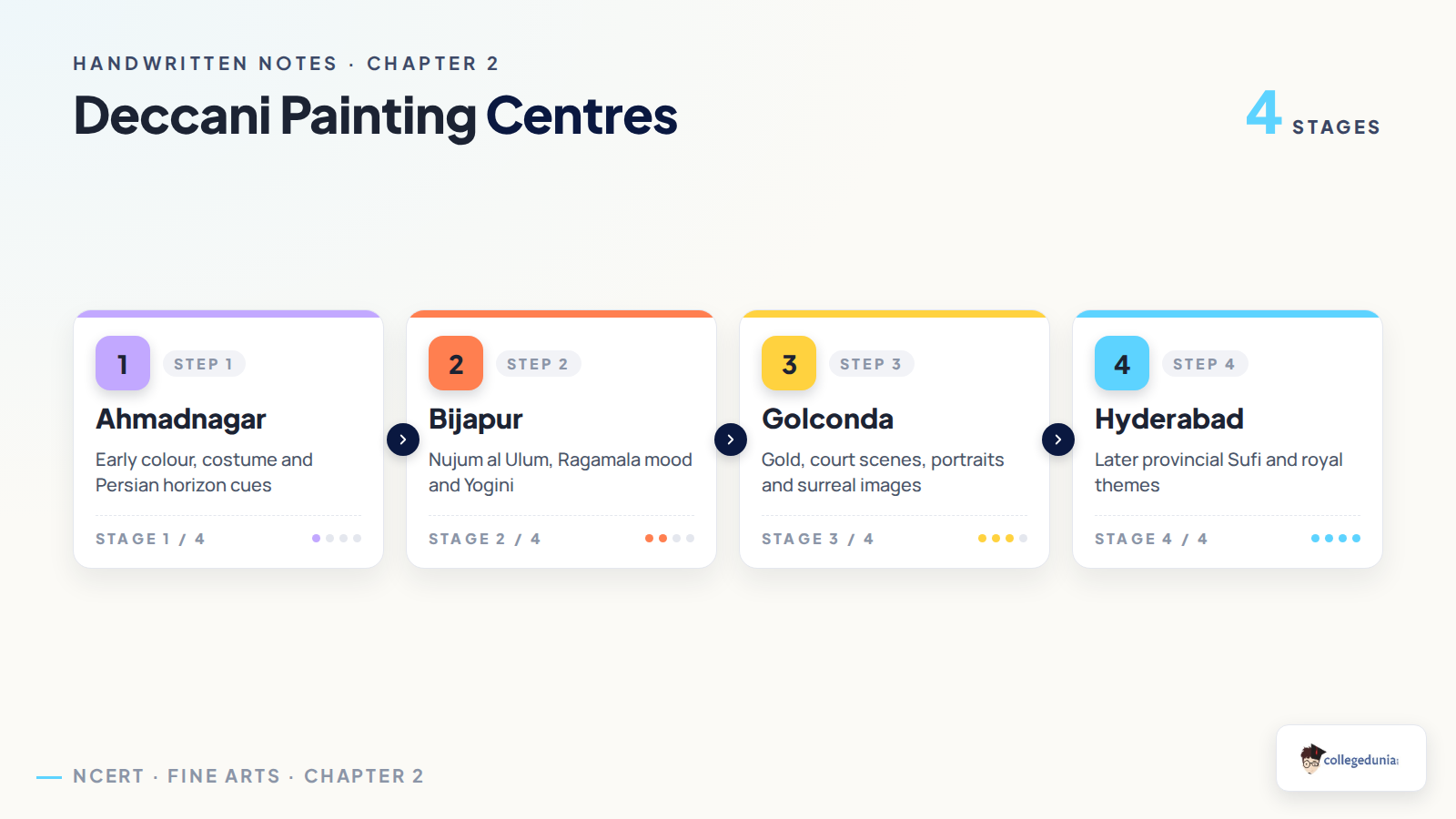
- Ahmadnagar: early court painting, bright palette, costumes and Persian landscape cues.
- Bijapur: Nujum al Ulum, Ragamala mood, Yogini and rich court patronage.
- Golconda: gold, portraits, court scenes, trade wealth and unusual visual fantasy.
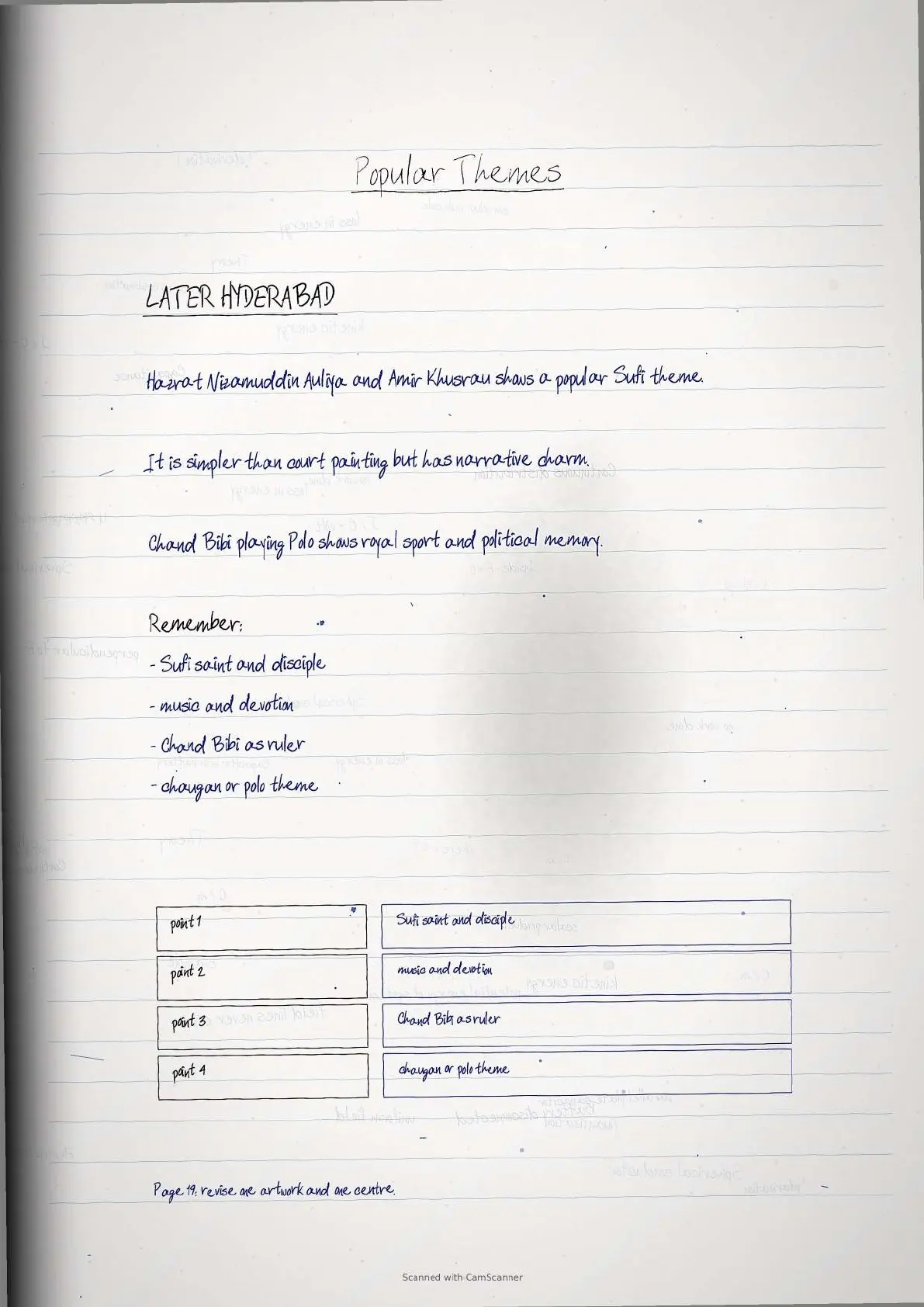
- Hyderabad: later provincial themes, Sufi music and royal memory.
Ahmadnagar Bijapur and Golconda Centres in Deccani Painting
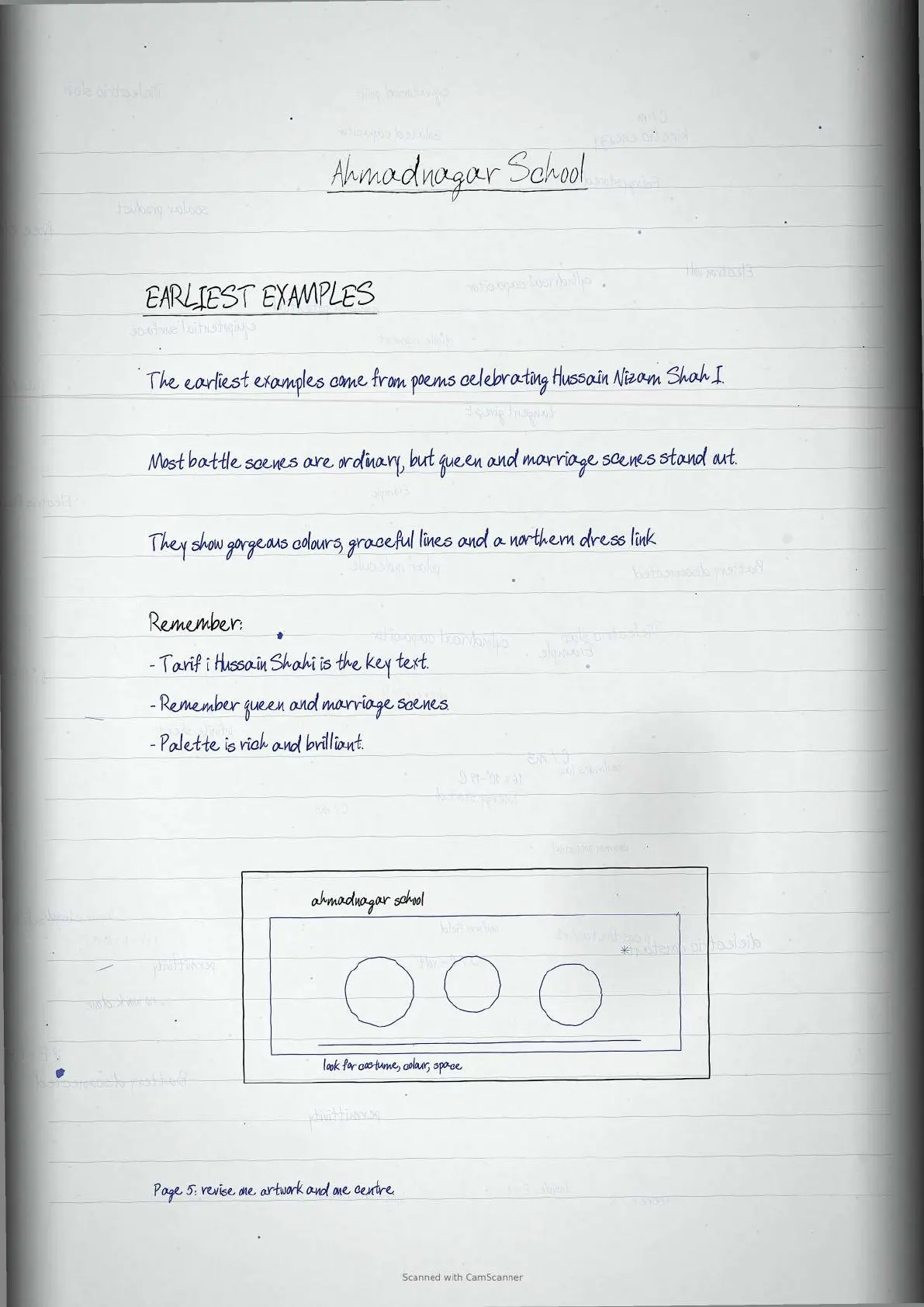
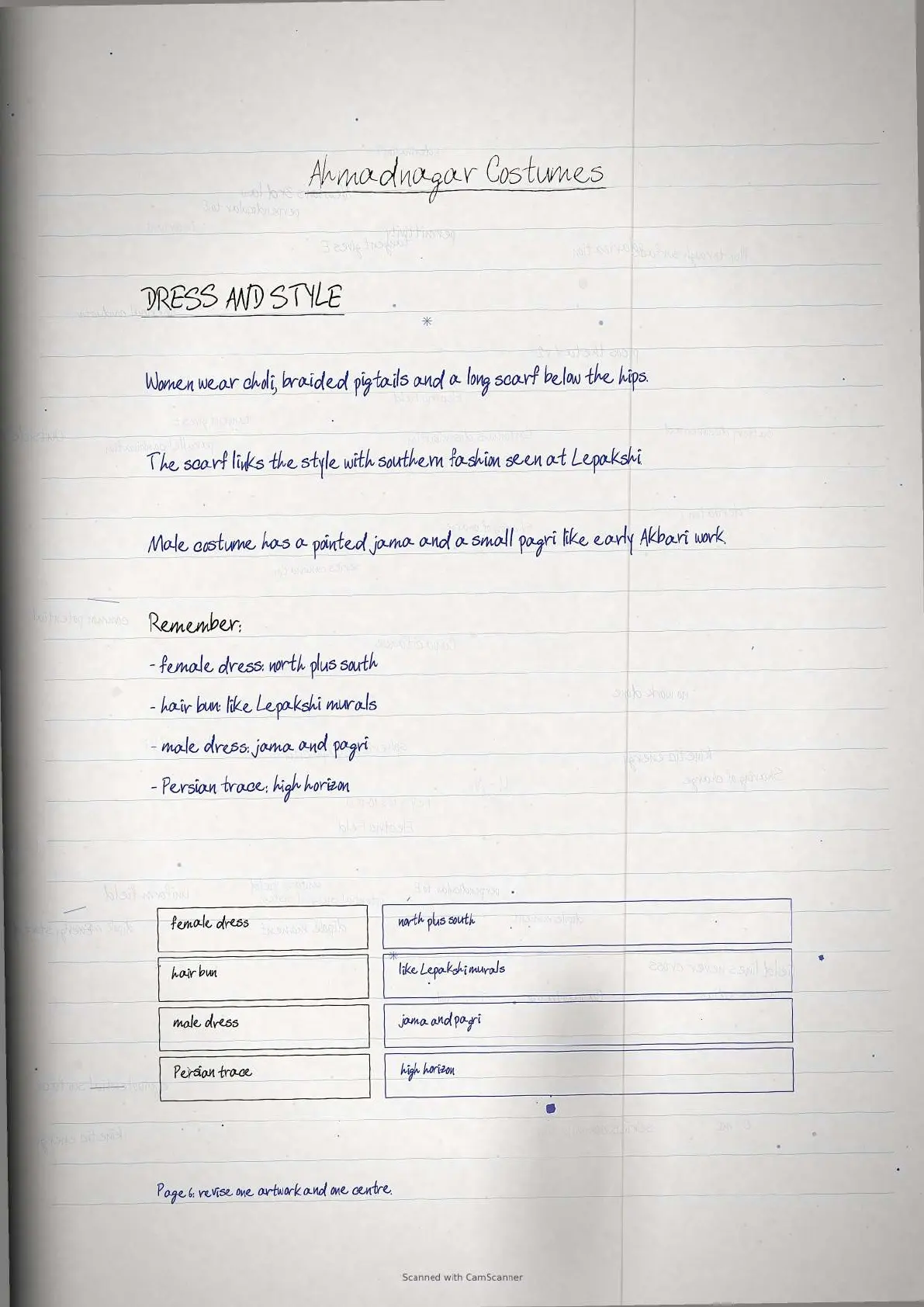
Ahmadnagar gives the earliest strong examples in the chapter. The queen and marriage scenes from Tarif i Hussain Shahi are useful for answers on costume, colour and sensuous line. Students should mention the choli, braided pigtail and long scarf below the hips.
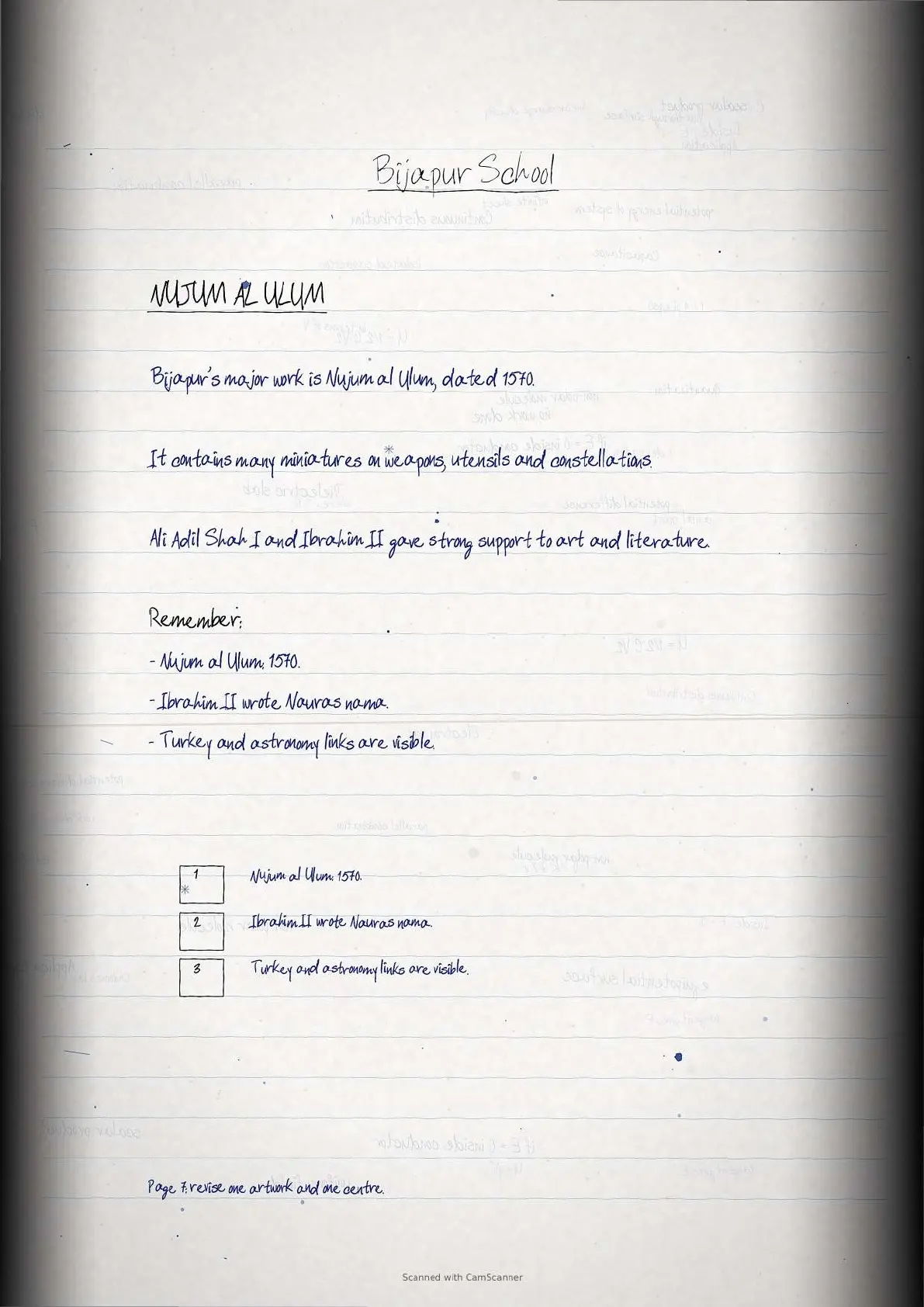
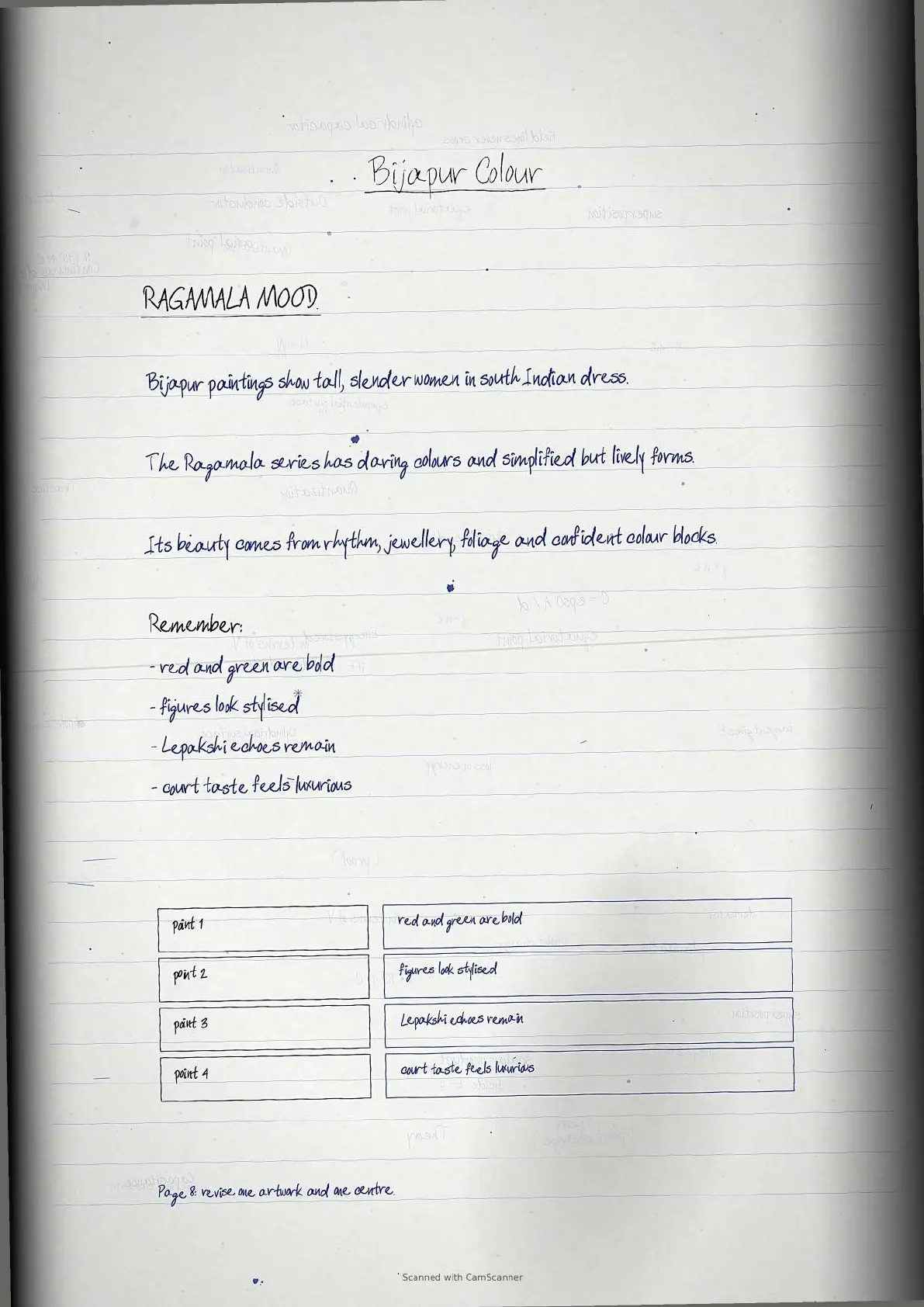
Bijapur is tied to Nujum al Ulum, Ali Adil Shah I and Ibrahim II. The chapter links this court with daring colour, simplified forms and a luxurious Ragamala mood. Yogini is the easiest Bijapur painting to describe in 100 words.
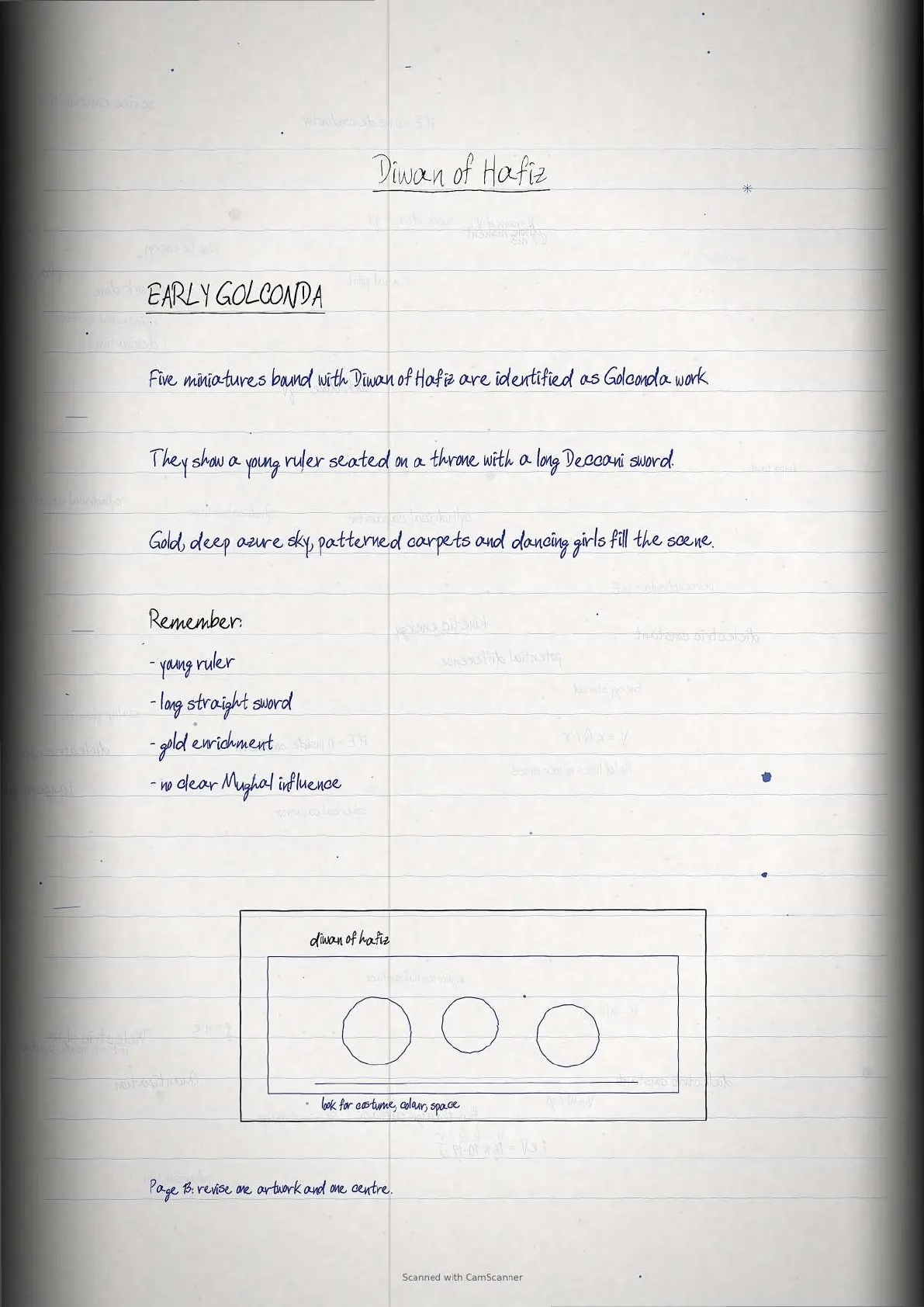
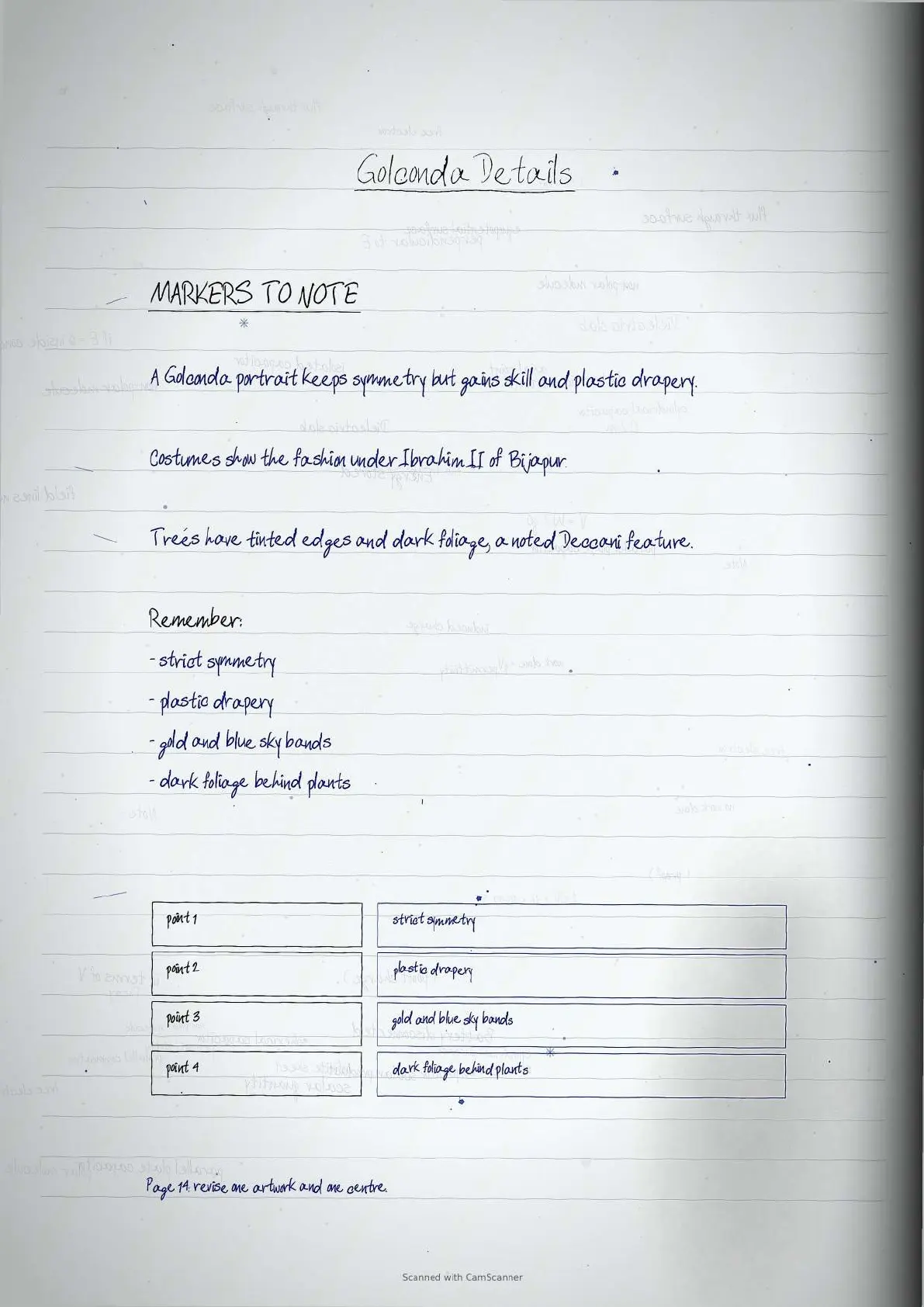
Golconda grew wealthy through ports, cotton trade and diamonds. Its paintings use gold, deep azure skies, patterned carpets, jewellery and court settings. Dutch merchants later carried royal portraits to Europe.
Important Deccani Paintings and Royal Symbols for Class 12 Boards
| Painting | Centre or Theme | One exam-ready clue |
|---|---|---|
| Yogini | Bijapur | Vertical figure, myna bird, jewellery, hair bun and swirling scarves. |
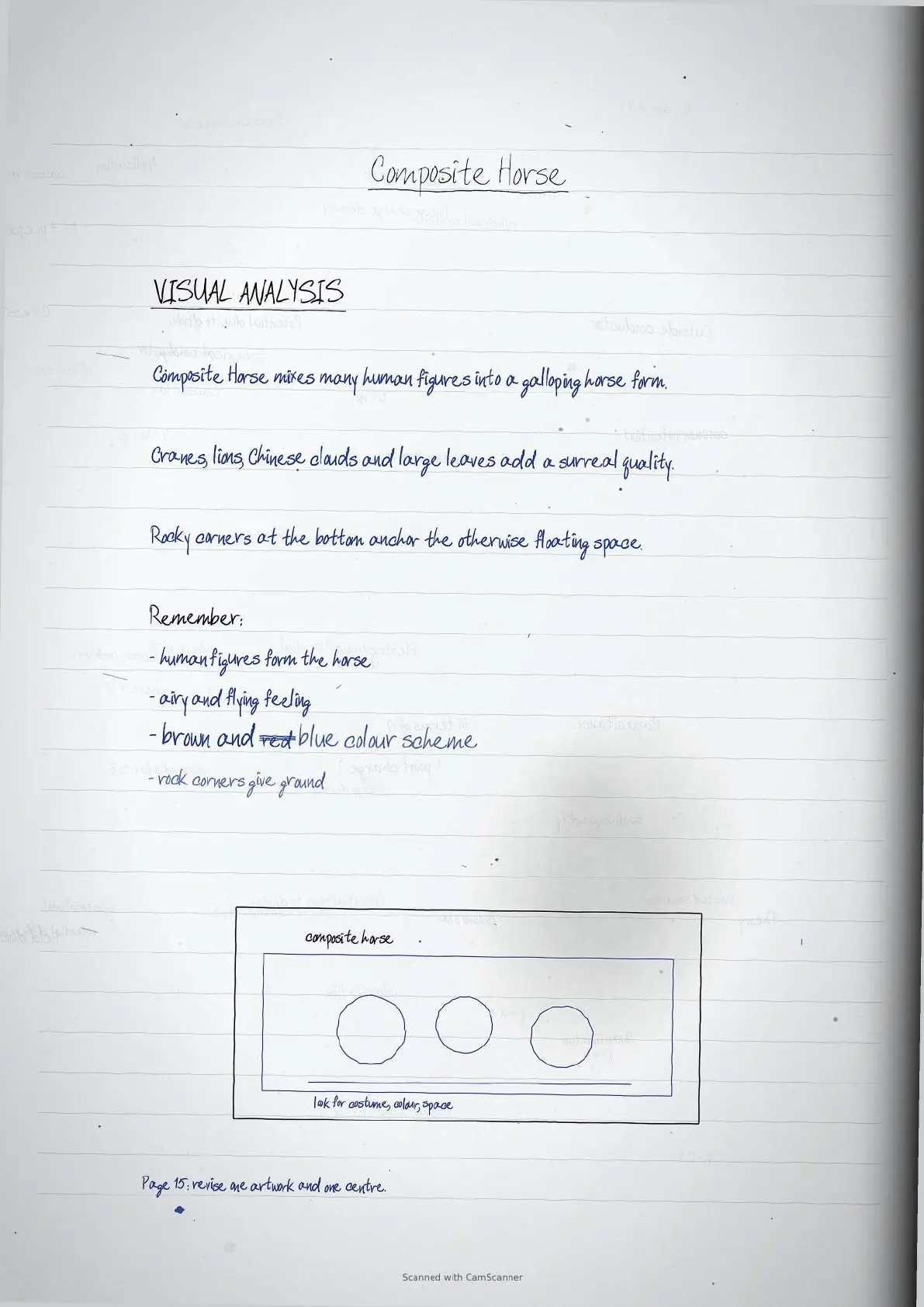
| Composite Horse | Golconda | Human figures combine into a galloping horse with cranes and clouds. |
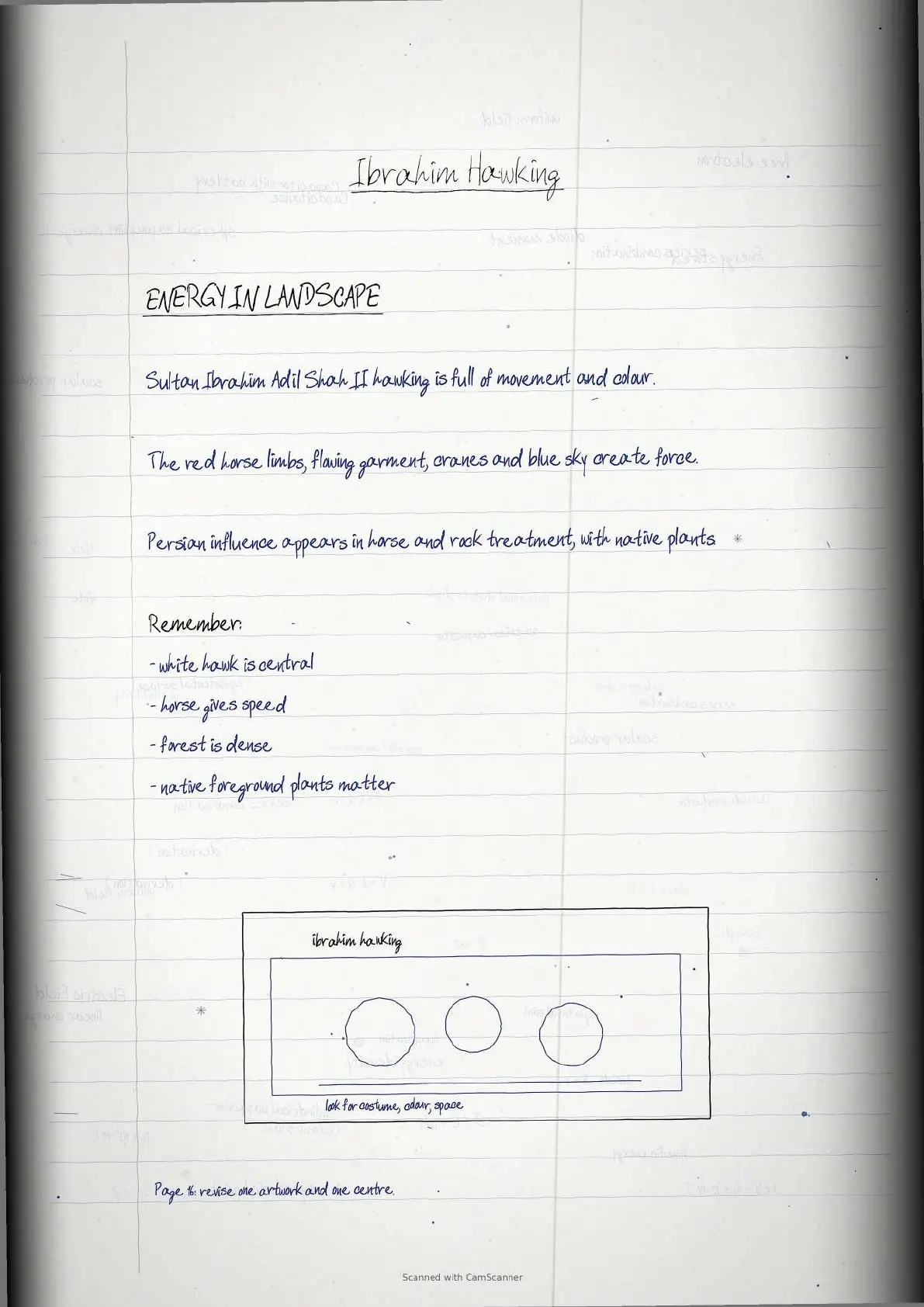
| Sultan Ibrahim Adil Shah II hawking | Bijapur | Energetic horse, white hawk, dense forest and Persian rock treatment. |
| Ragini Pathamsika | Ragamala | Female musician, red and green palette, domes and Devanagari writing. |
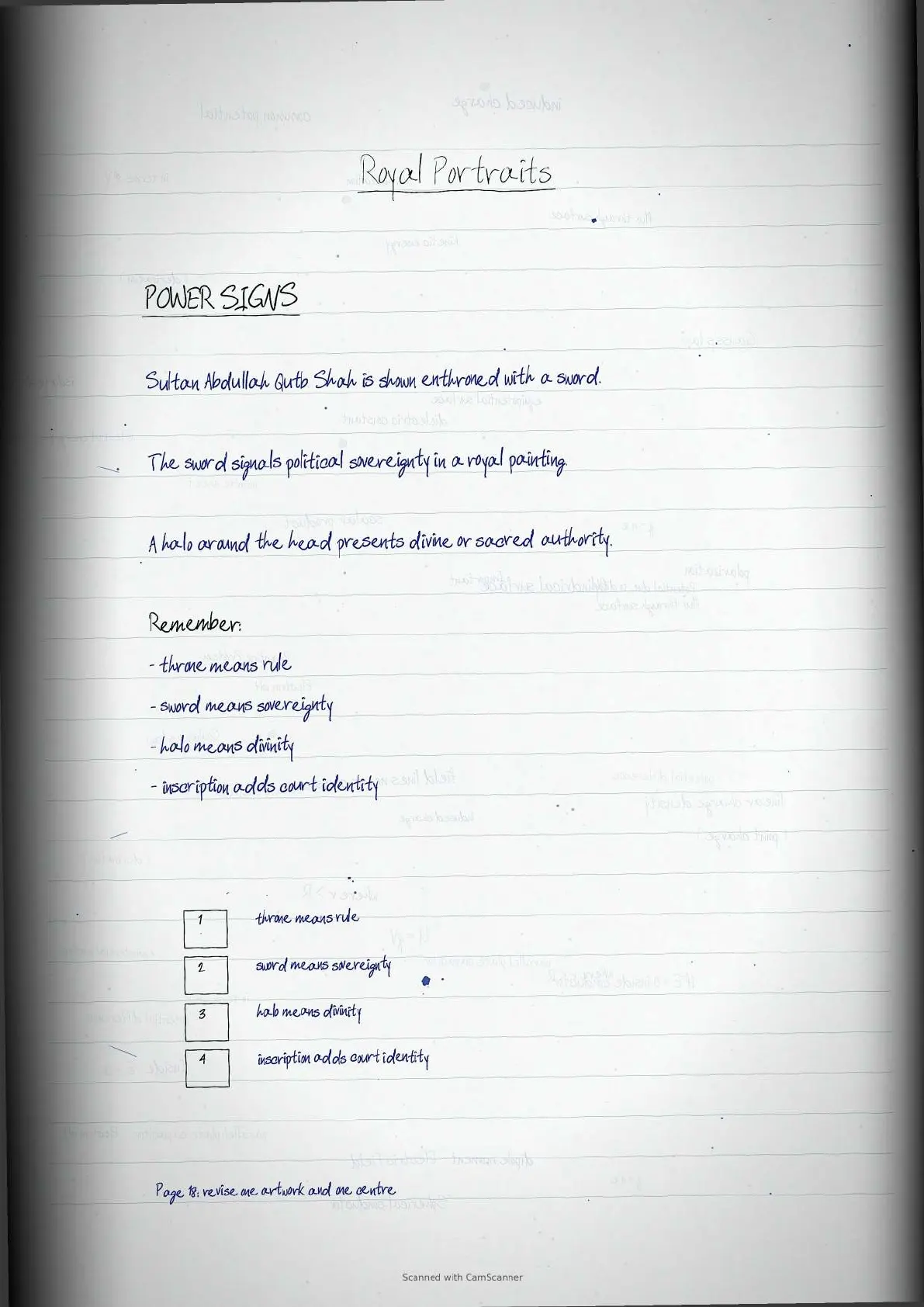
| Sultan Abdullah Qutb Shah | Royal portrait | Throne, sword and halo show sovereignty and sacred authority. |
For royal painting answers, write the symbol first and then explain it. A sword signals political power. A halo suggests divinity. A throne places the ruler at the centre of court authority.
Deccani Style vs Mughal Style for Board Answers
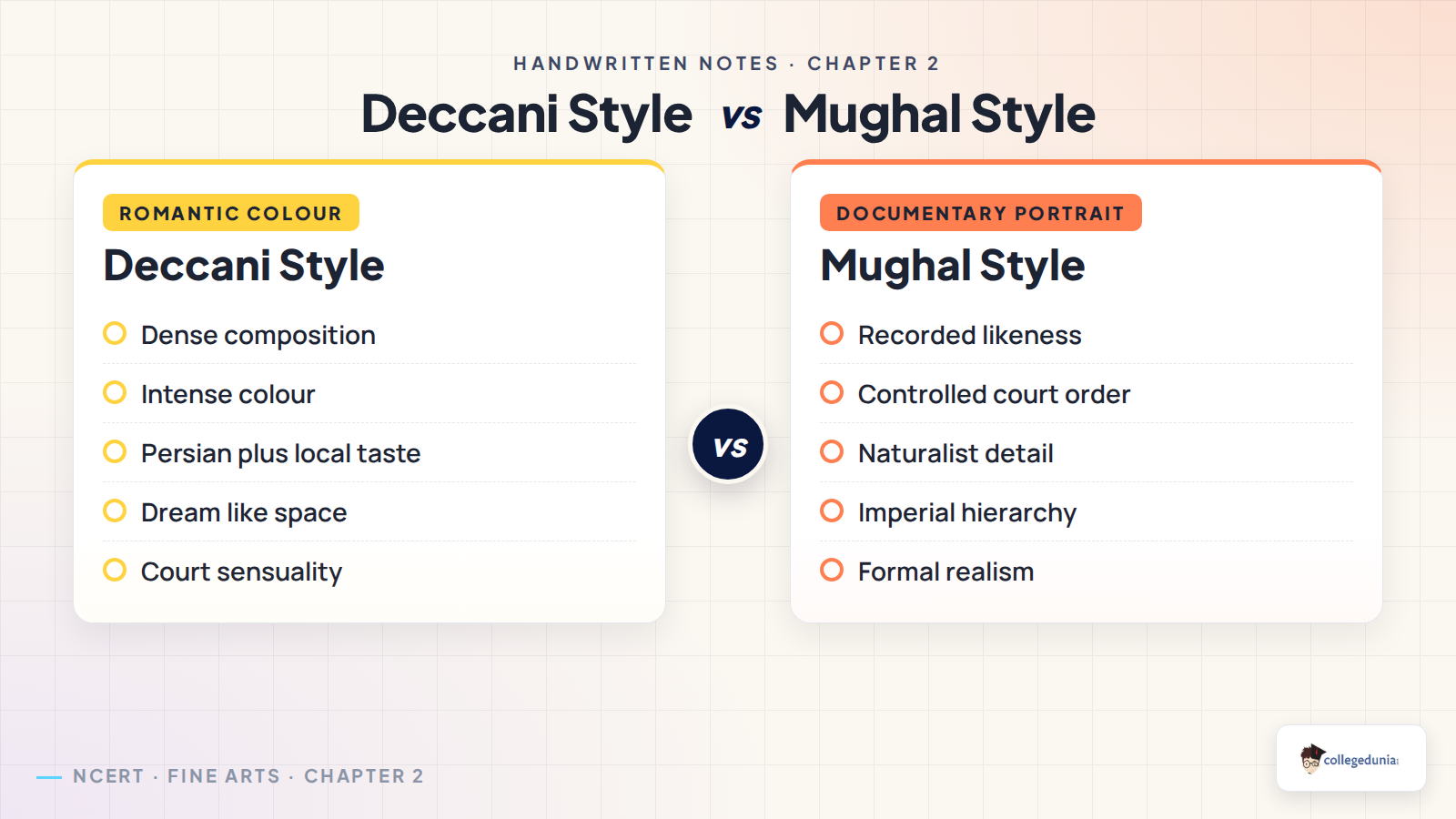
Students often lose marks by writing that Deccani painting is only Persian. NCERT's point is sharper. Deccani painting has Persian links, but it also has regional colour, native landscape details, court taste and a dreamy sense of space.
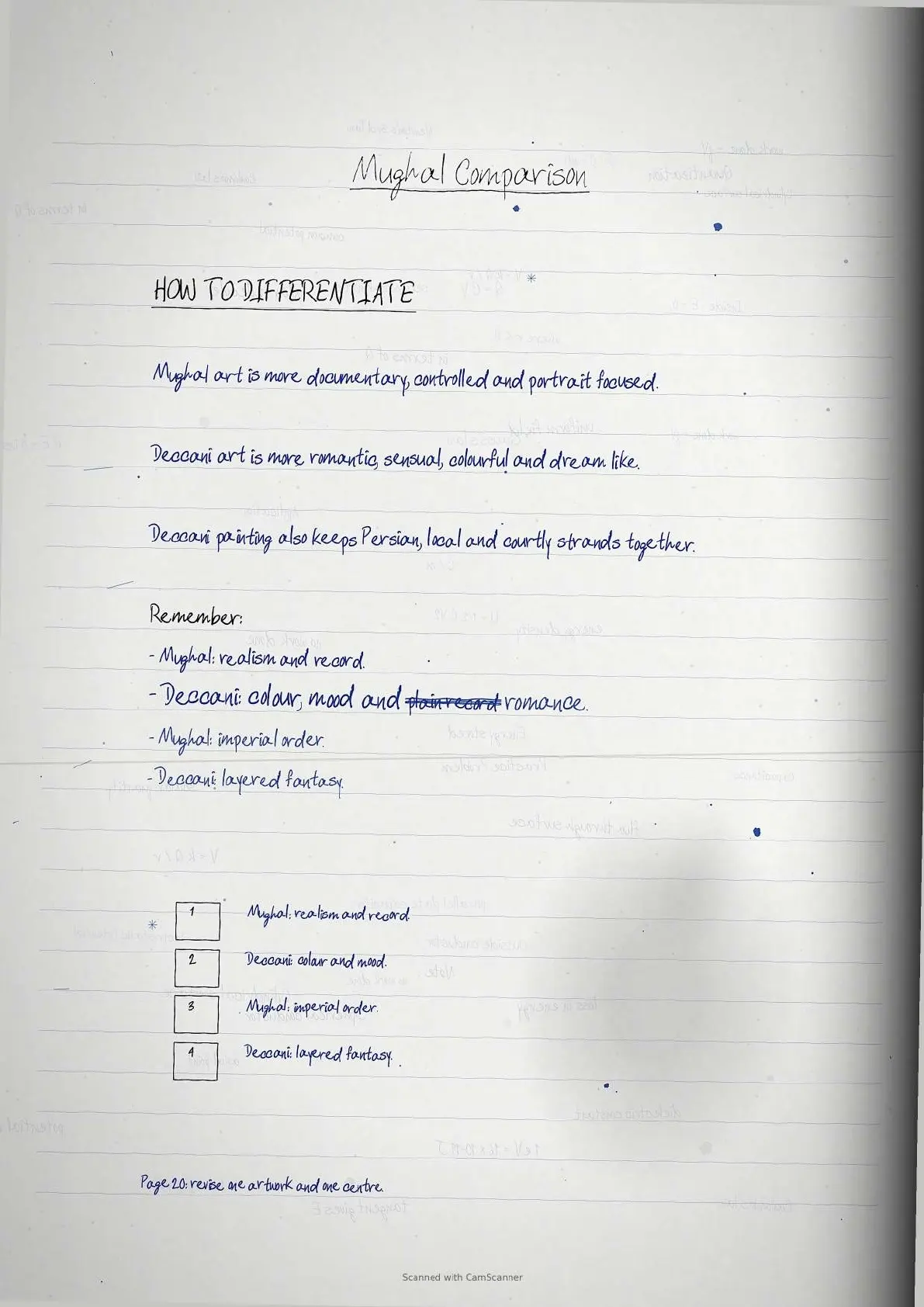
- Deccani style: intense colours, dense composition, romance and stylised plants.
- Mughal style: documentary portraiture, court order, naturalism and exact likeness.
- Shared point: both court schools used patronage, manuscript culture and royal symbols.
The Deccan Schools of Painting Video Recap for Class 12 Fine Arts
This video gives a quick explanation of Deccan School of Painting themes before students revise the handwritten notes.
Source: Cafe Pedia on YouTube
Related Class 12 Fine Arts Resources for The Deccan Schools of Painting
Use these resources with the handwritten notes when you want the official text or a typed revision version of the same chapter.
| Resource | Use It For | Link |
|---|---|---|
| NCERT Book PDF | Read the official chapter text and artwork captions. | The Deccan Schools of Painting Book PDF |
| Class 12 Fine Arts Notes | Revise the same chapter in typed notes format. | The Deccan Schools of Painting Notes |
| Previous Chapter | Compare Deccani painting with the Mughal school. | Mughal School Handwritten Notes |
All Class 12 Fine Arts Handwritten Notes
The table below keeps the same resource type together, so students can move chapter by chapter through Class 12 Fine Arts handwritten notes.
| Chapter | NCERT chapter title | Handwritten notes link |
|---|---|---|
| Chapter 1 | The Mughal School of Miniature Painting | Open handwritten notes |
| Chapter 2 | The Deccan Schools of Painting | Current handwritten notes |
| Chapter 3 | The Rajasthani Schools of Painting | Open handwritten notes |
| Chapter 4 | The Pahari Schools of Painting | Open handwritten notes |
| Chapter 5 | The Bengal School and Cultural Nationalism | Open handwritten notes |
| Chapter 6 | Modern Indian Art | Open handwritten notes |
| Chapter 7 | The Company School | Open handwritten notes |
| Chapter 8 | Living Art Traditions of India | Open handwritten notes |
Class 12 Fine Arts The Deccan Schools of Painting Handwritten Notes FAQs
Ques. What is covered in Class 12 Fine Arts The Deccan Schools of Painting handwritten notes?
Ans. The handwritten notes cover Ahmadnagar, Bijapur, Golconda, later Hyderabad themes, important paintings, royal symbols and Deccani versus Mughal style points.
Ques. Which Deccani painting examples are important for Class 12 boards?
Ans. Important examples include Yogini, Composite Horse, Sultan Ibrahim Adil Shah II hawking, Ragini Pathamsika, Sultan Abdullah Qutb Shah, Hazrat Nizamuddin Auliya and Amir Khusrau, and Chand Bibi playing Polo.
Ques. How is Deccani painting different from Mughal painting?
Ans. Deccani painting is known for intense colour, romance, dense composition and dream like space, while Mughal painting is more documentary, naturalistic and portrait focused.
Ques. Why should students use handwritten notes for The Deccan Schools of Painting?
Ans. These handwritten revision notes help students recall centres, artworks, patrons and comparison points quickly before a Fine Arts theory test.



Comments