




Class 12 Physical Education Chapter 3 Yoga as Preventive Measure for Lifestyle Disease is the chapter where students lose marks for putting the right asana under the wrong disease. The handwritten notes below keep the five disease lists separate and in the exact order the 2026-27 CBSE textbook numbers them.
- Length: 66 handwritten pages covering all five lifestyle diseases, with technique, benefits and contraindications for every asana.
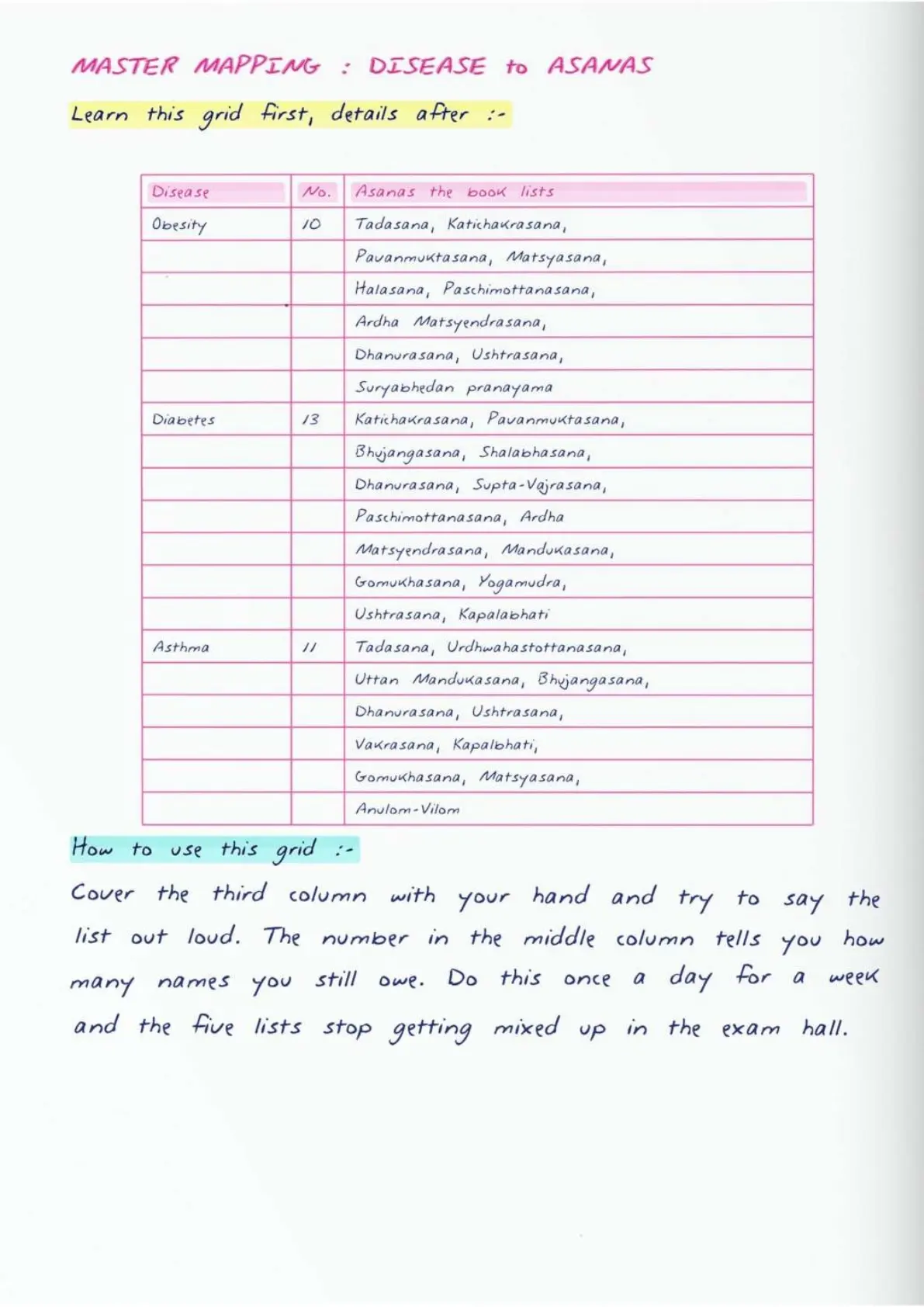
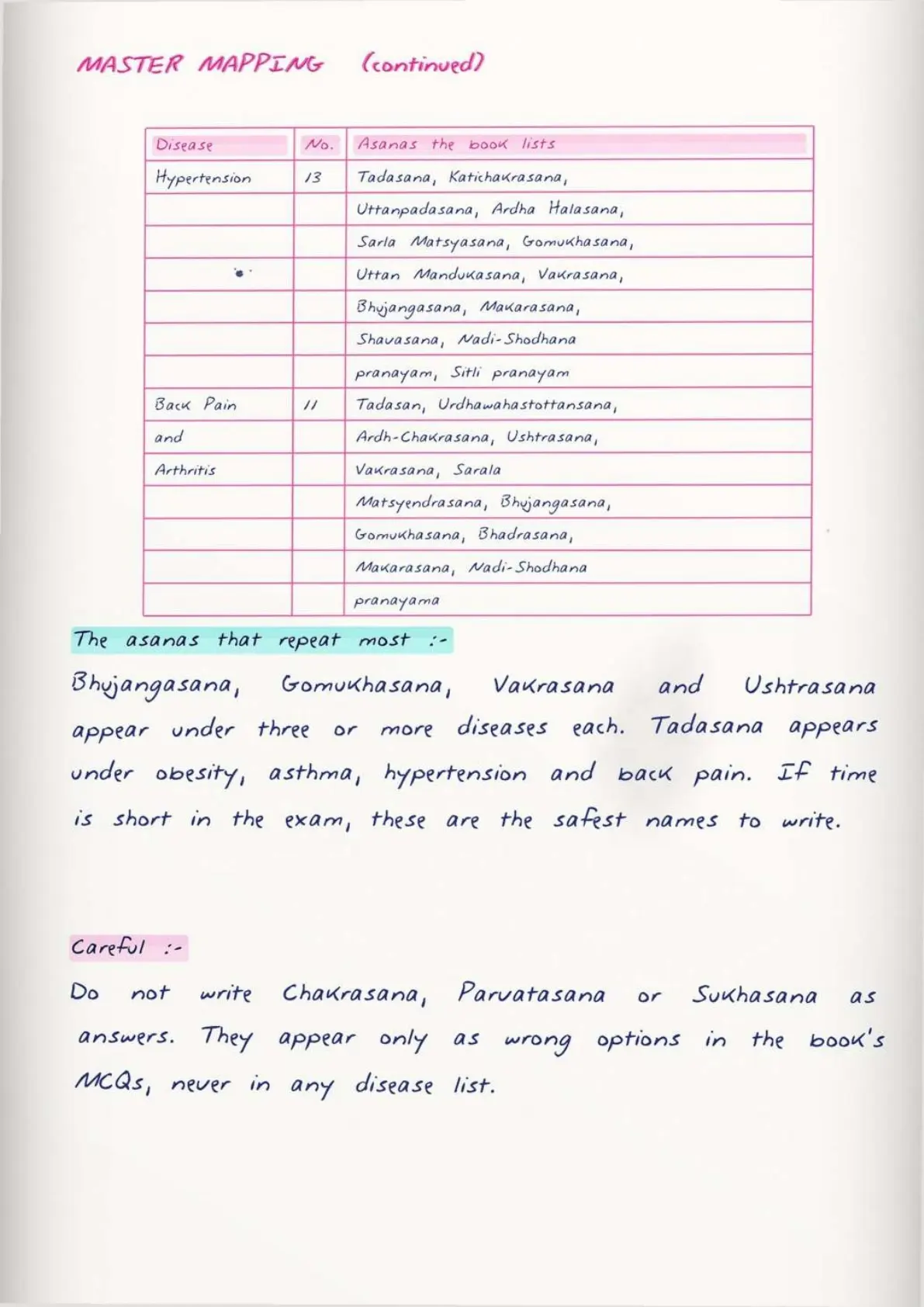
- The list that decides your marks: obesity 10 asanas, diabetes 13, asthma 11, hypertension 13, back pain and arthritis 11.
- Also on this page: an overlap map of asanas that repeat across diseases, a quick recall sheet and the five traps that cost easy marks.
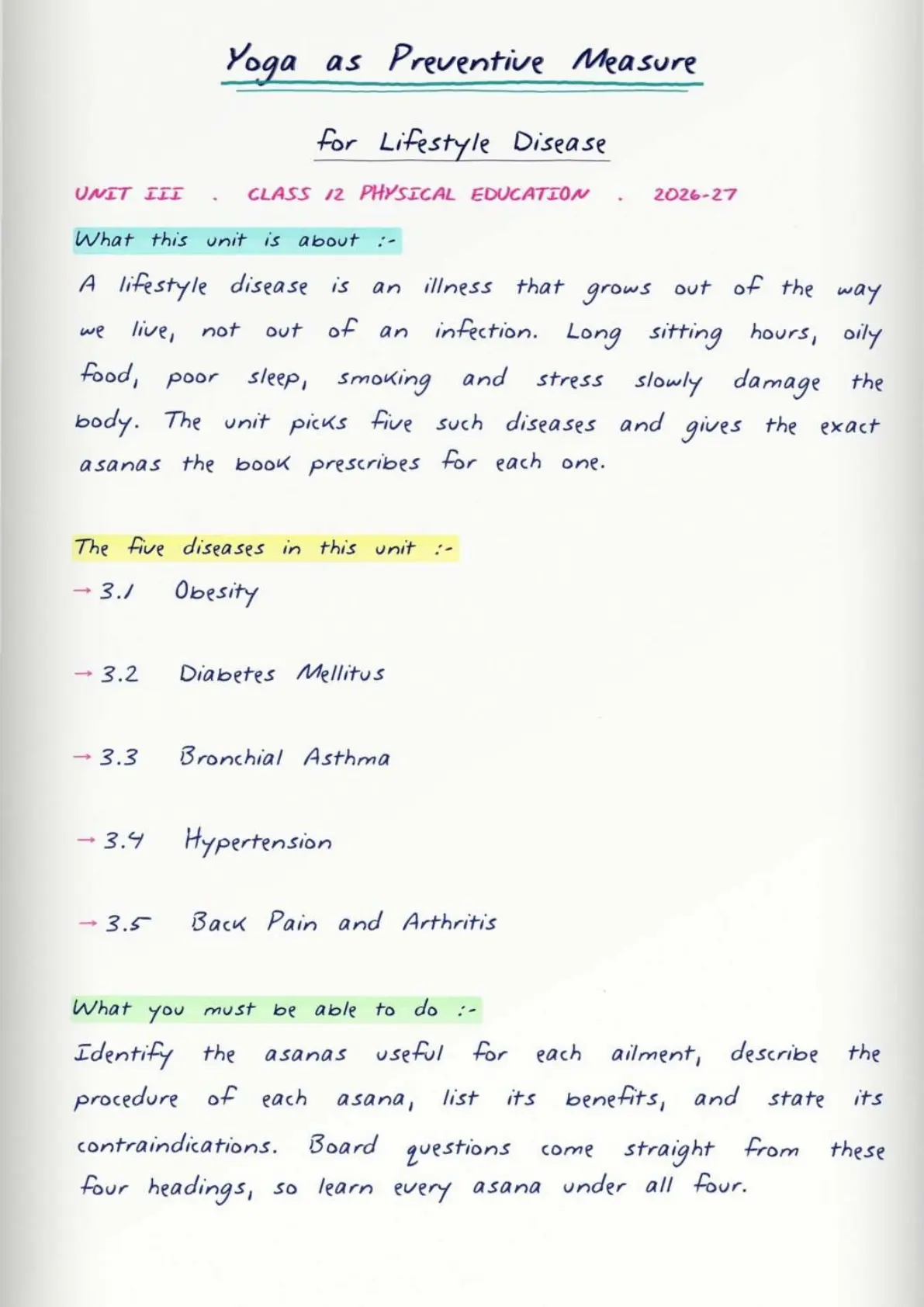
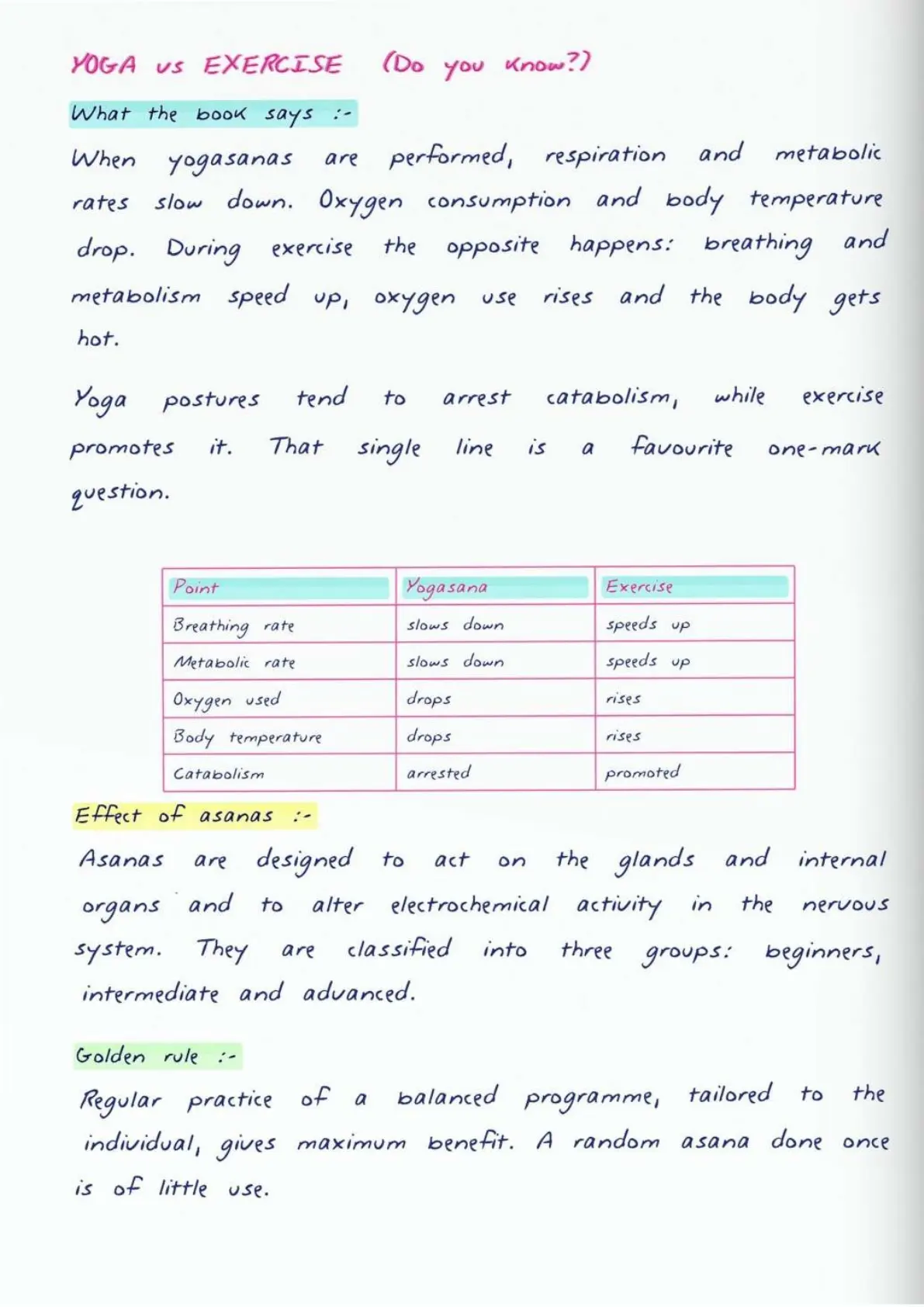
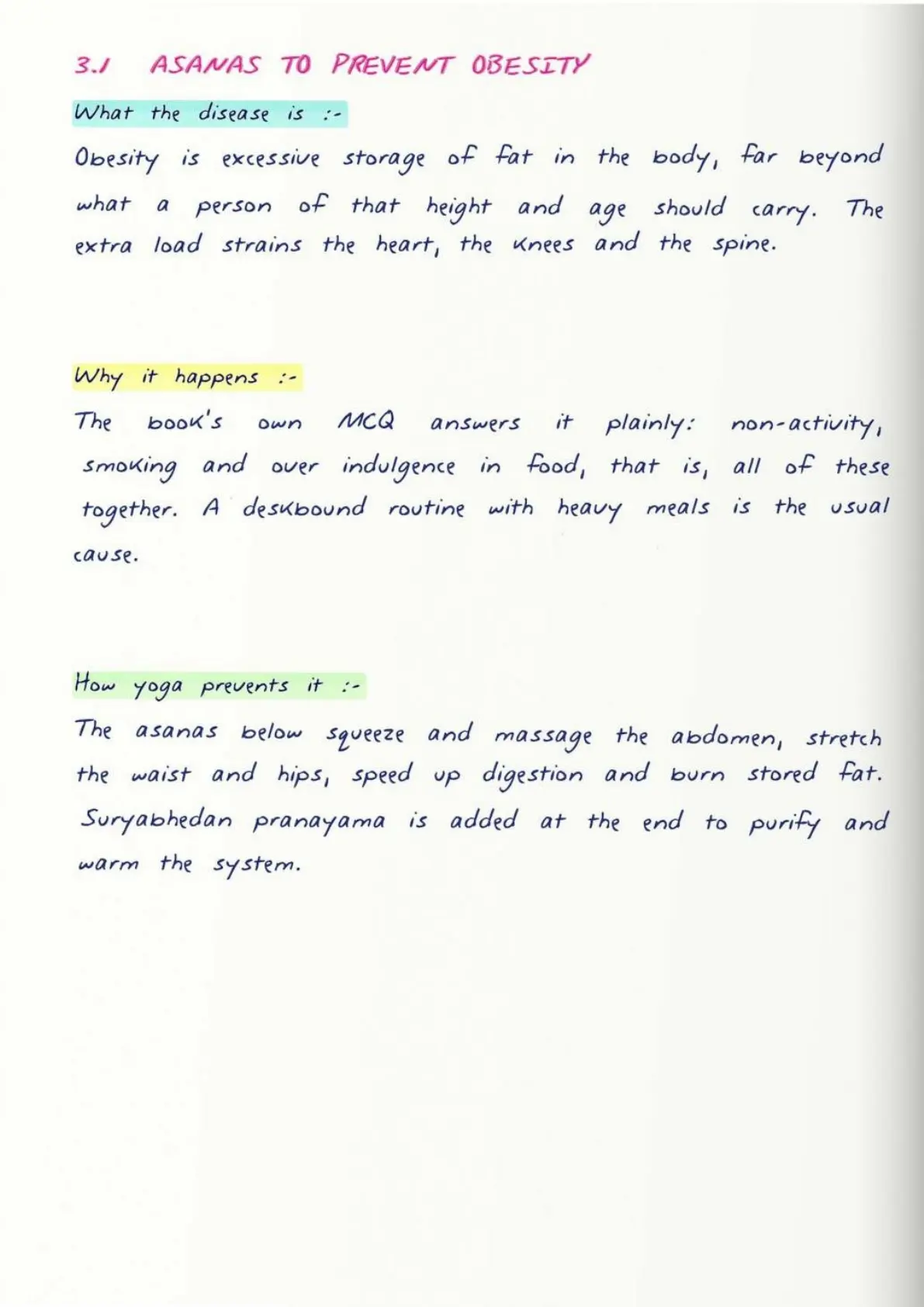
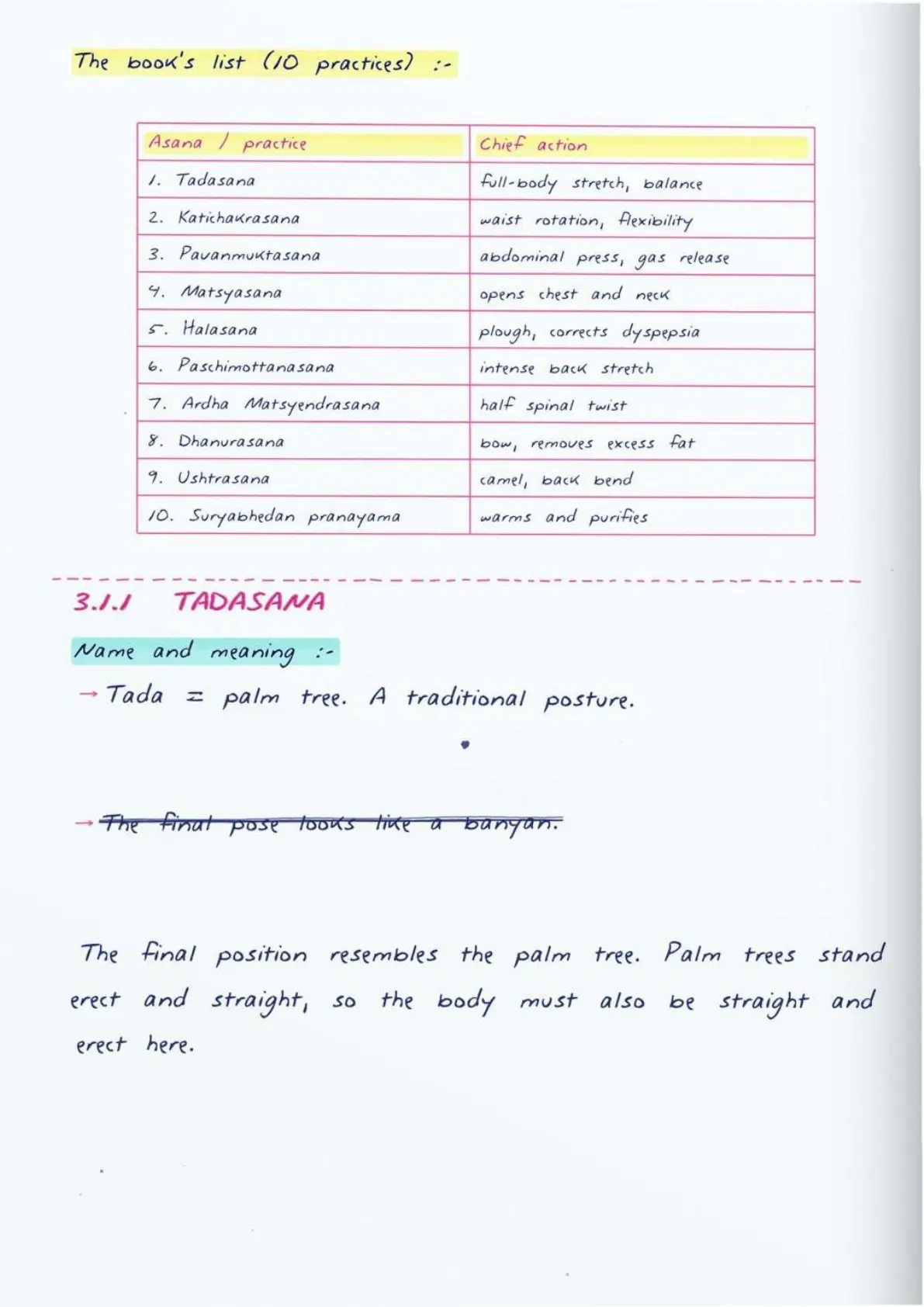
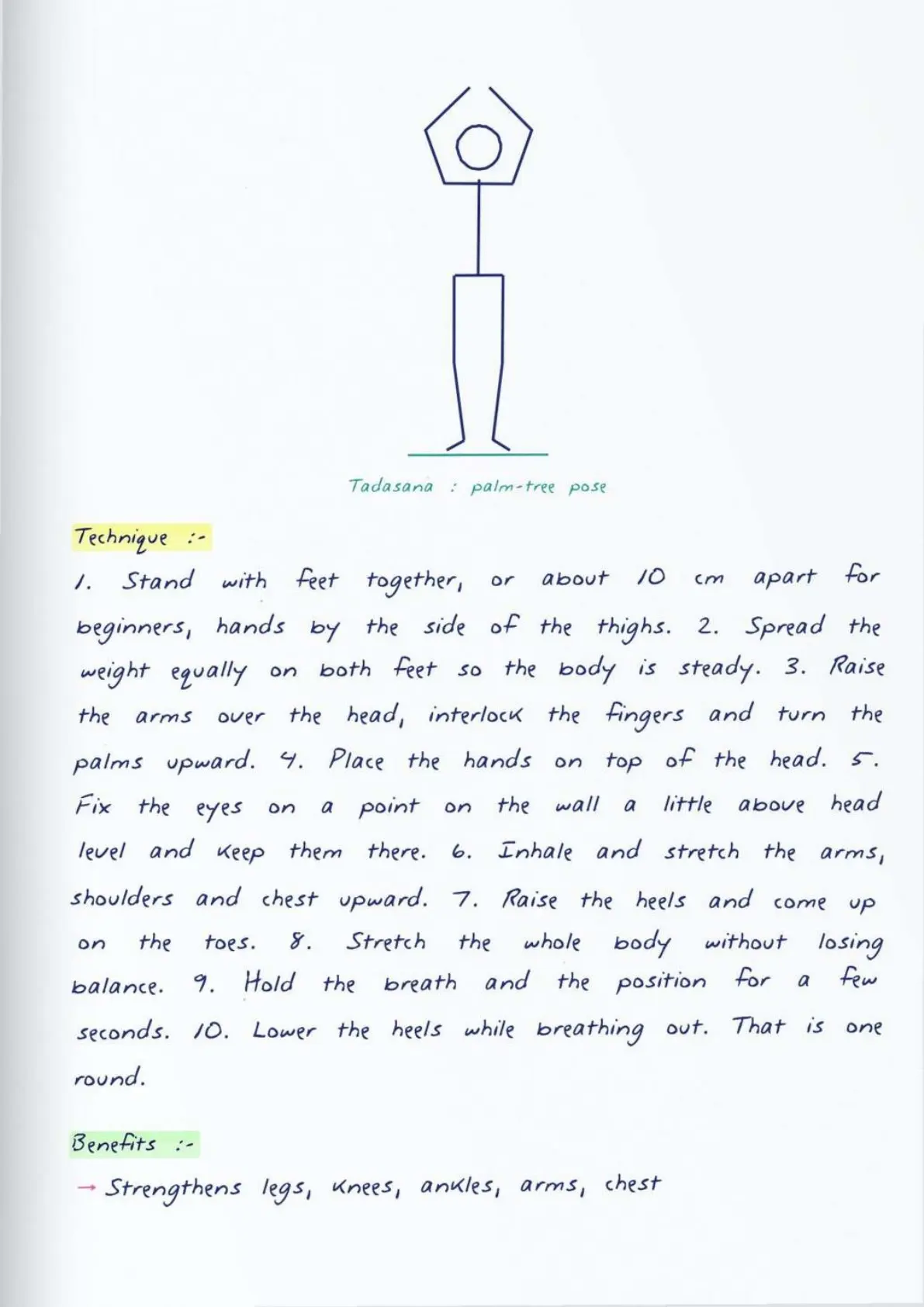
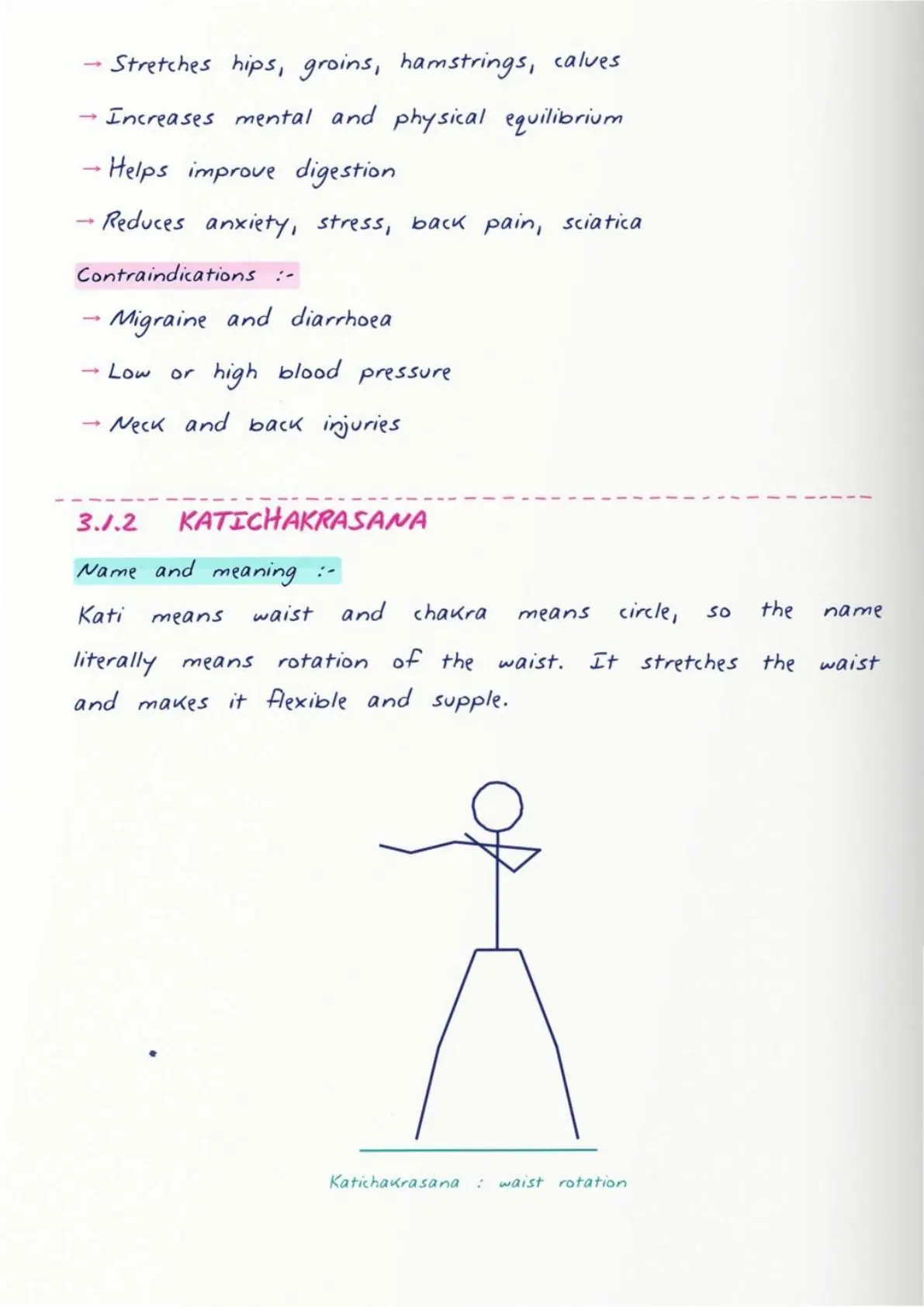
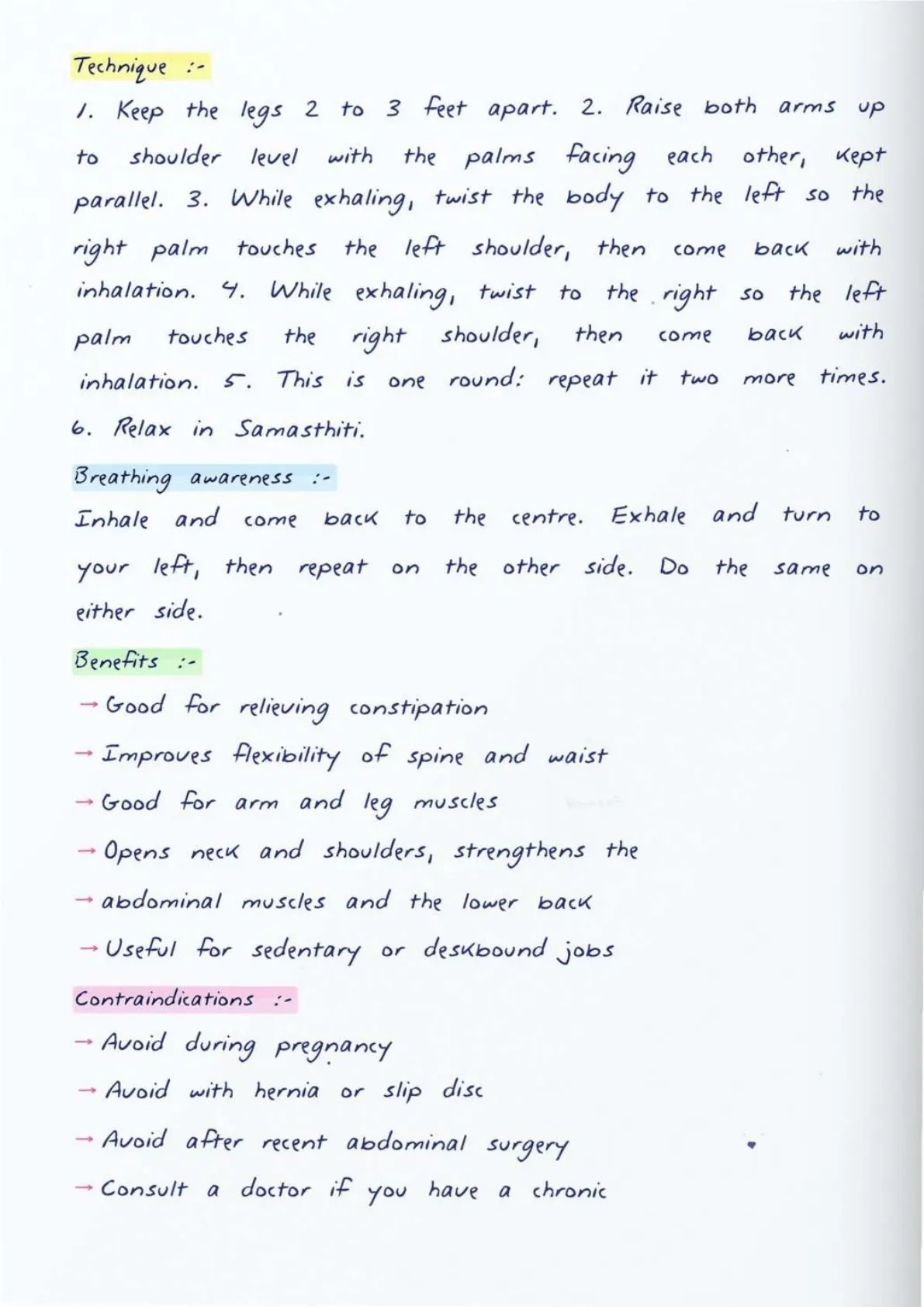
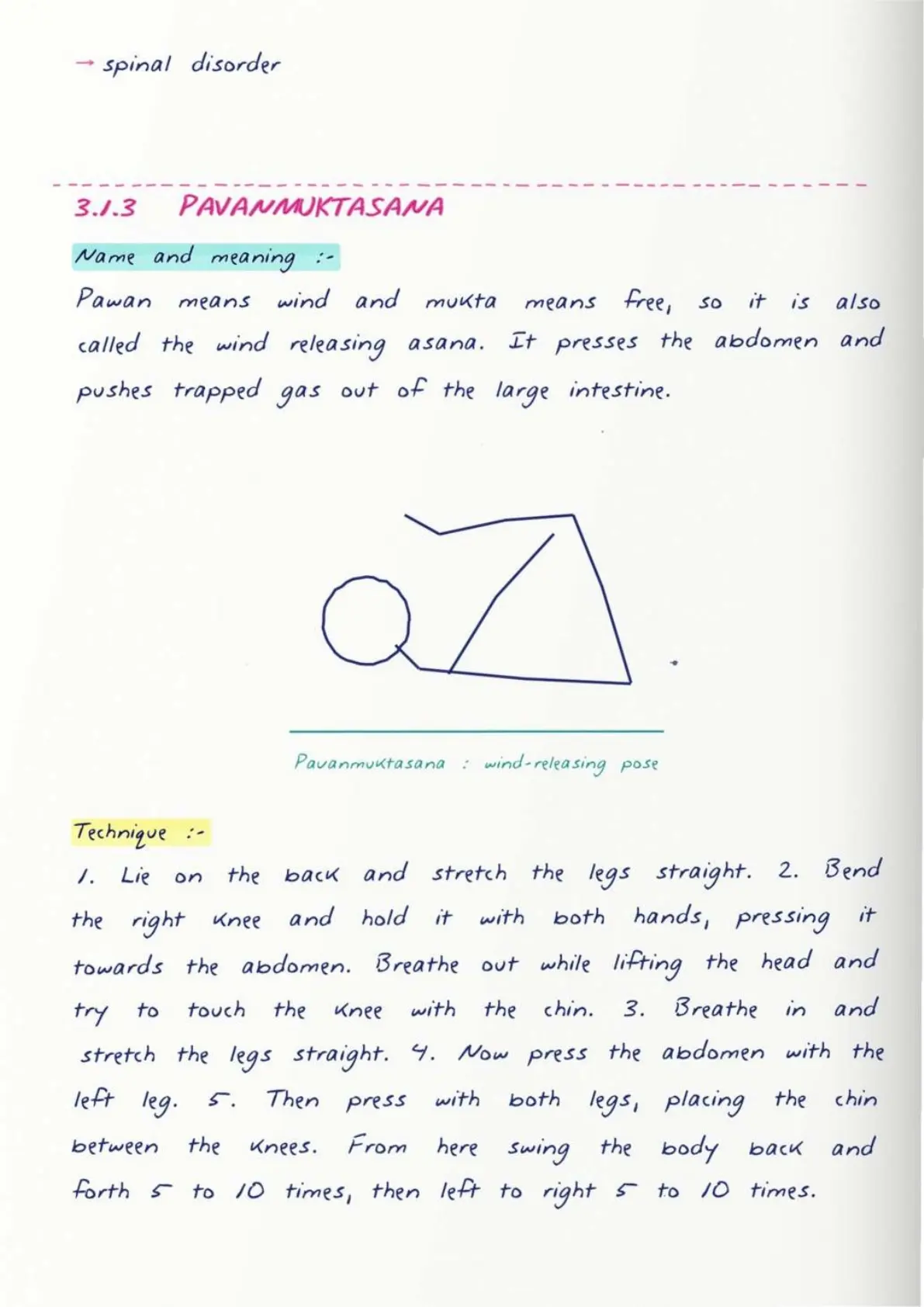
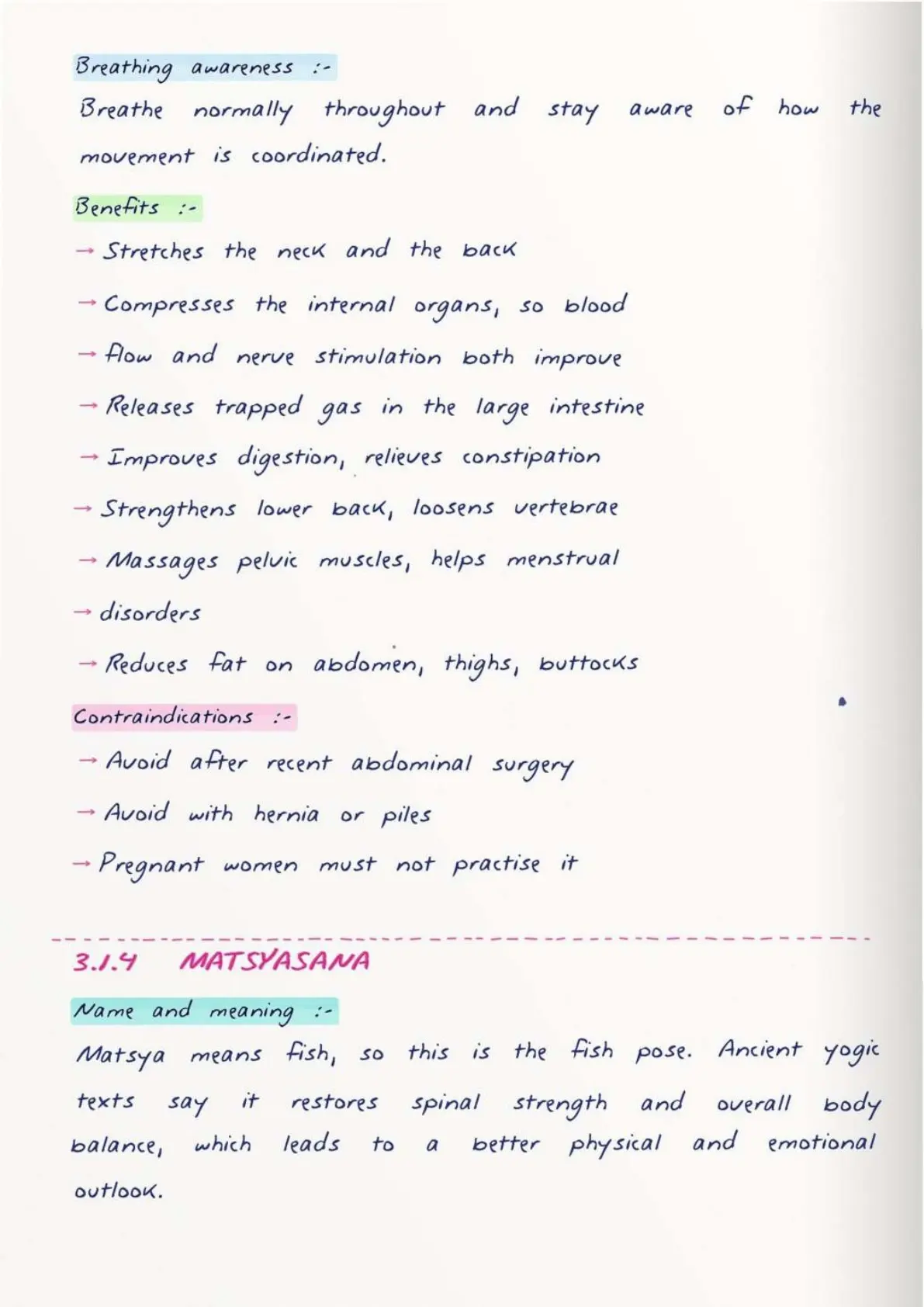
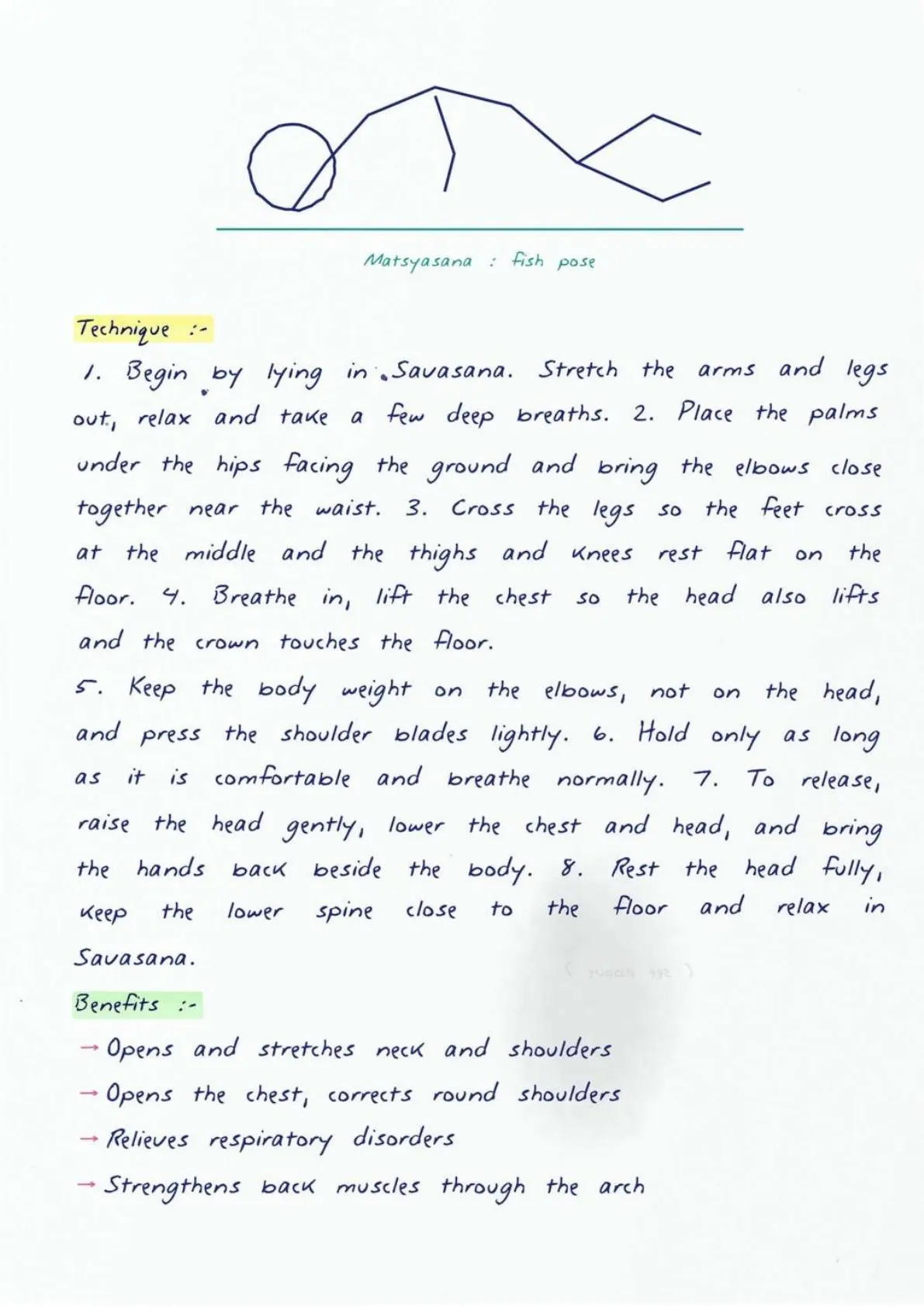
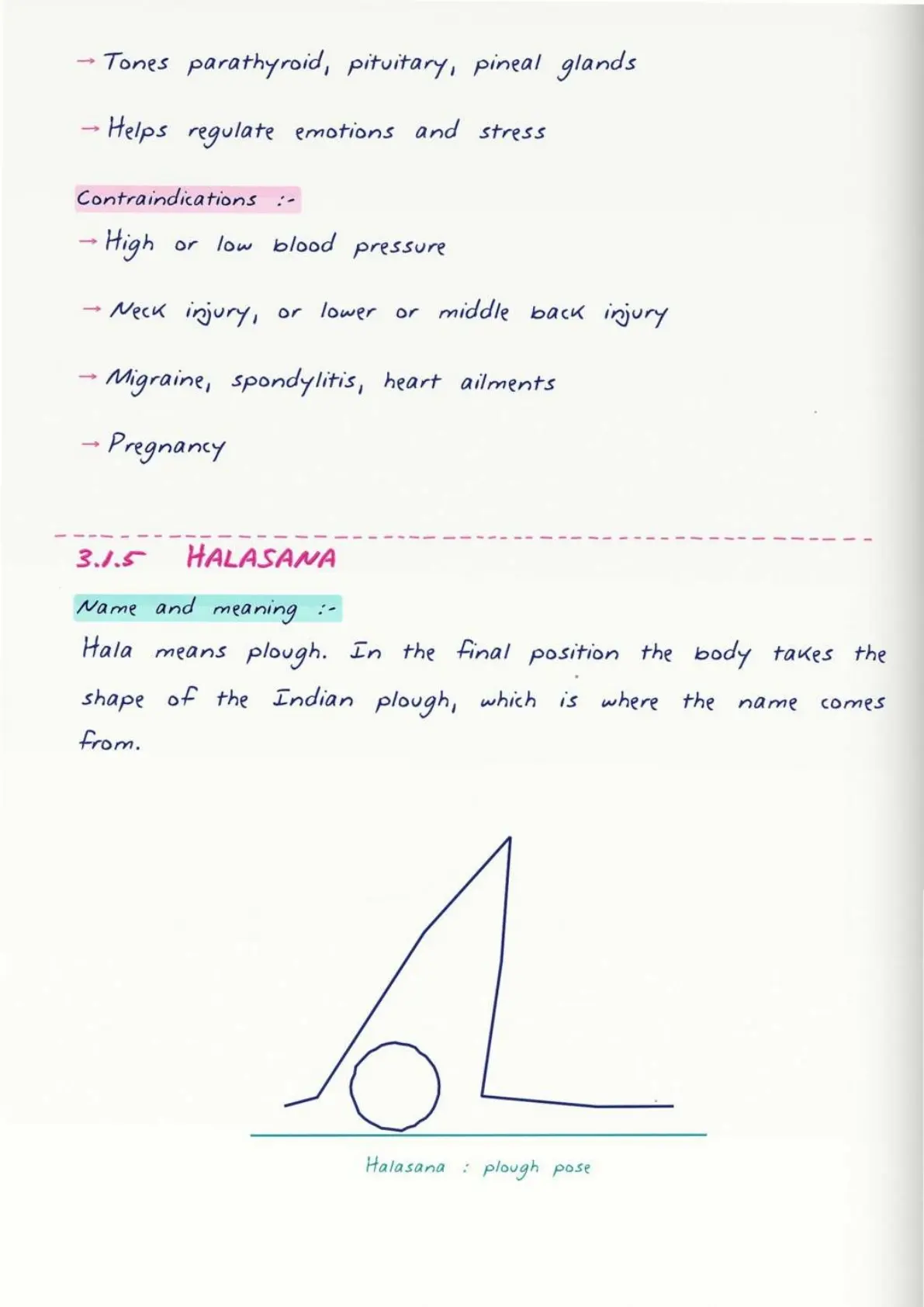
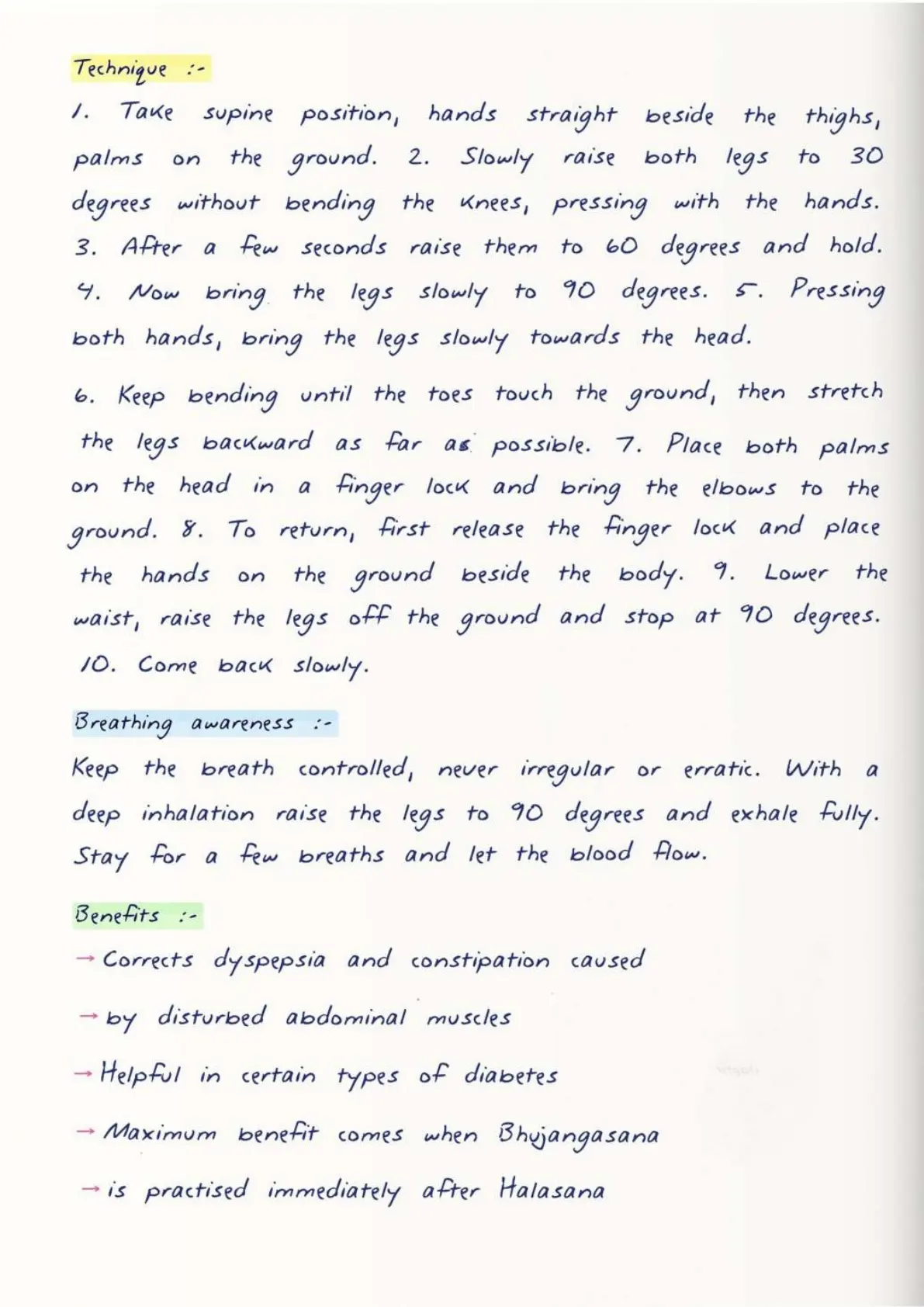
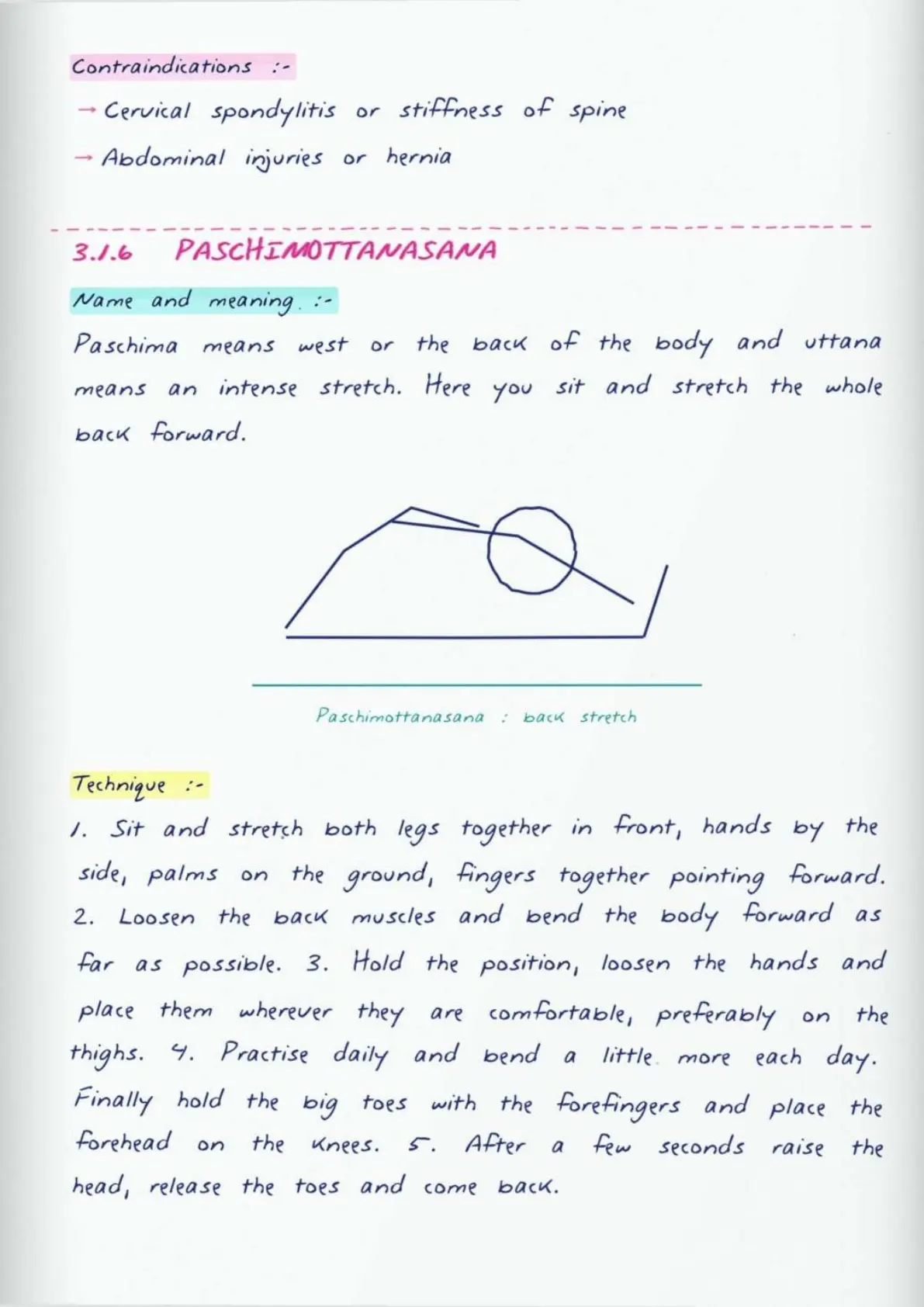
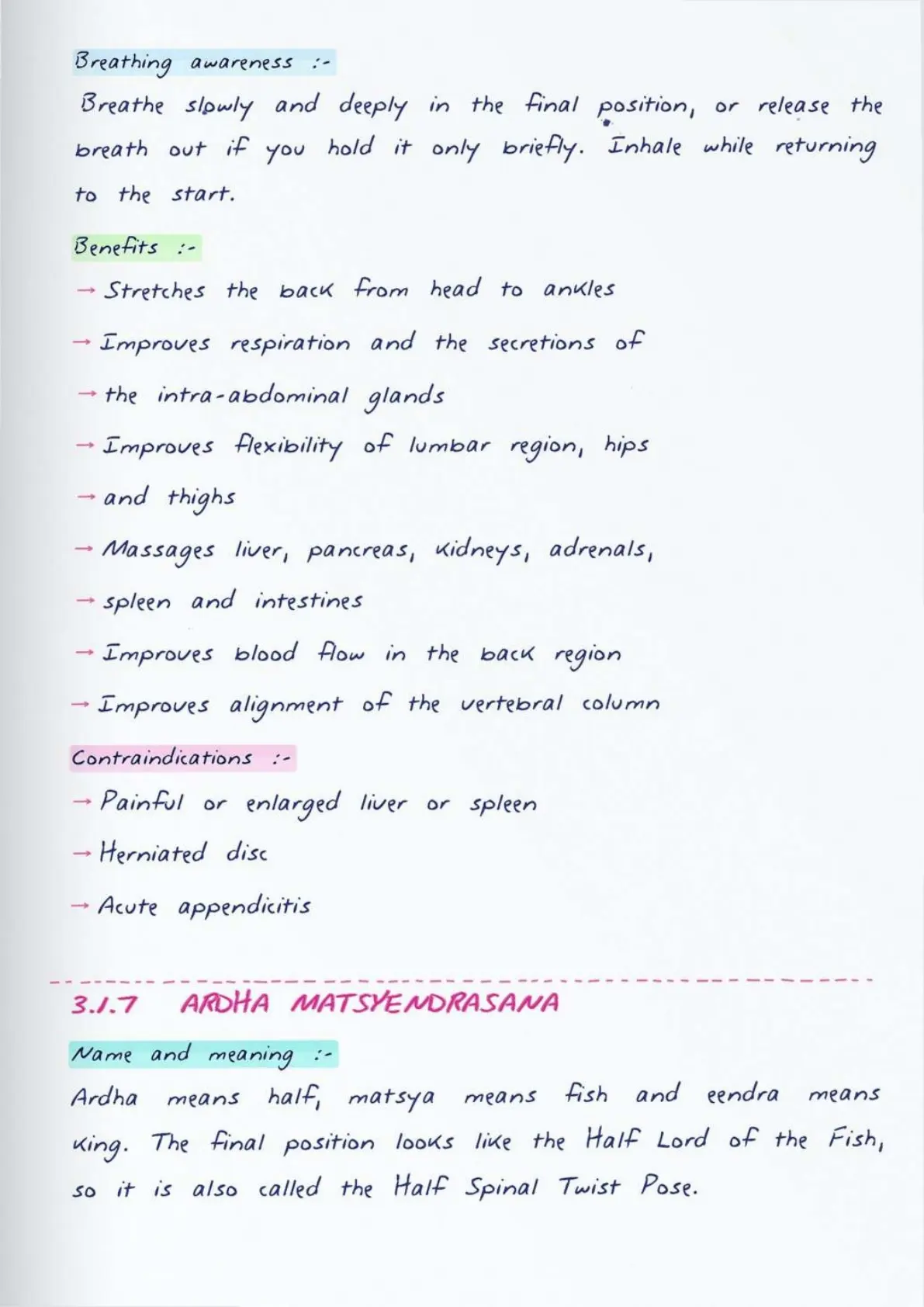
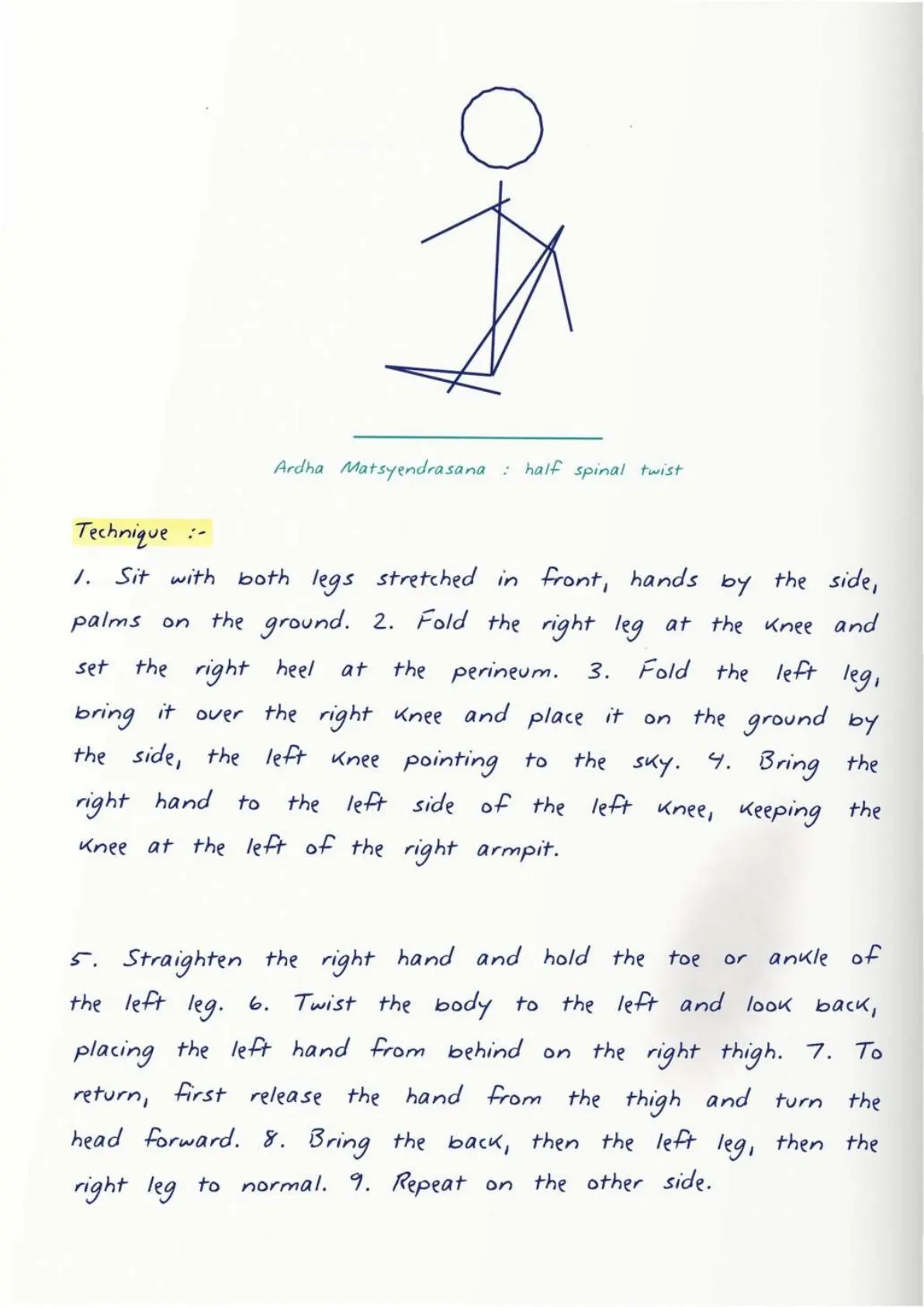
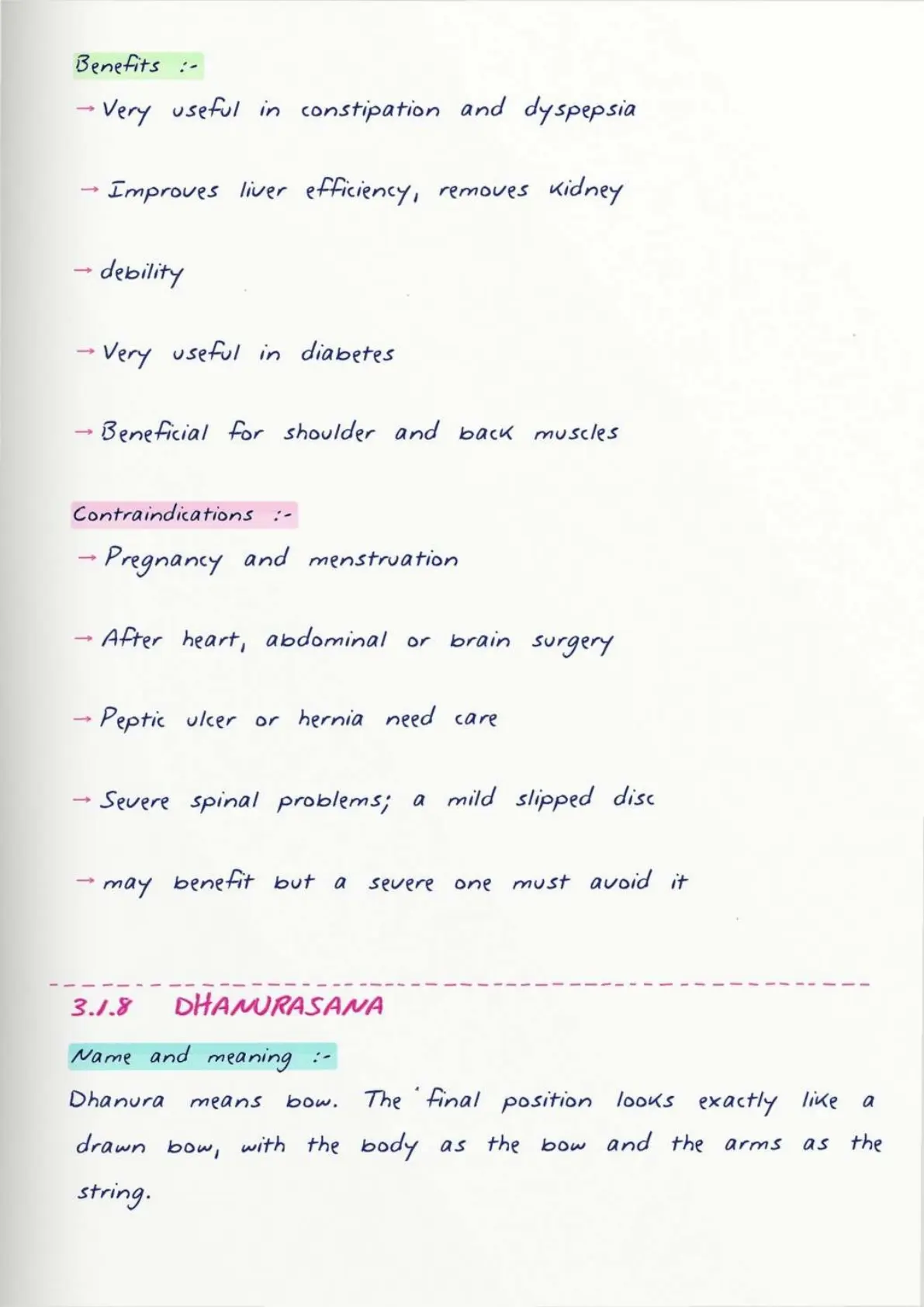
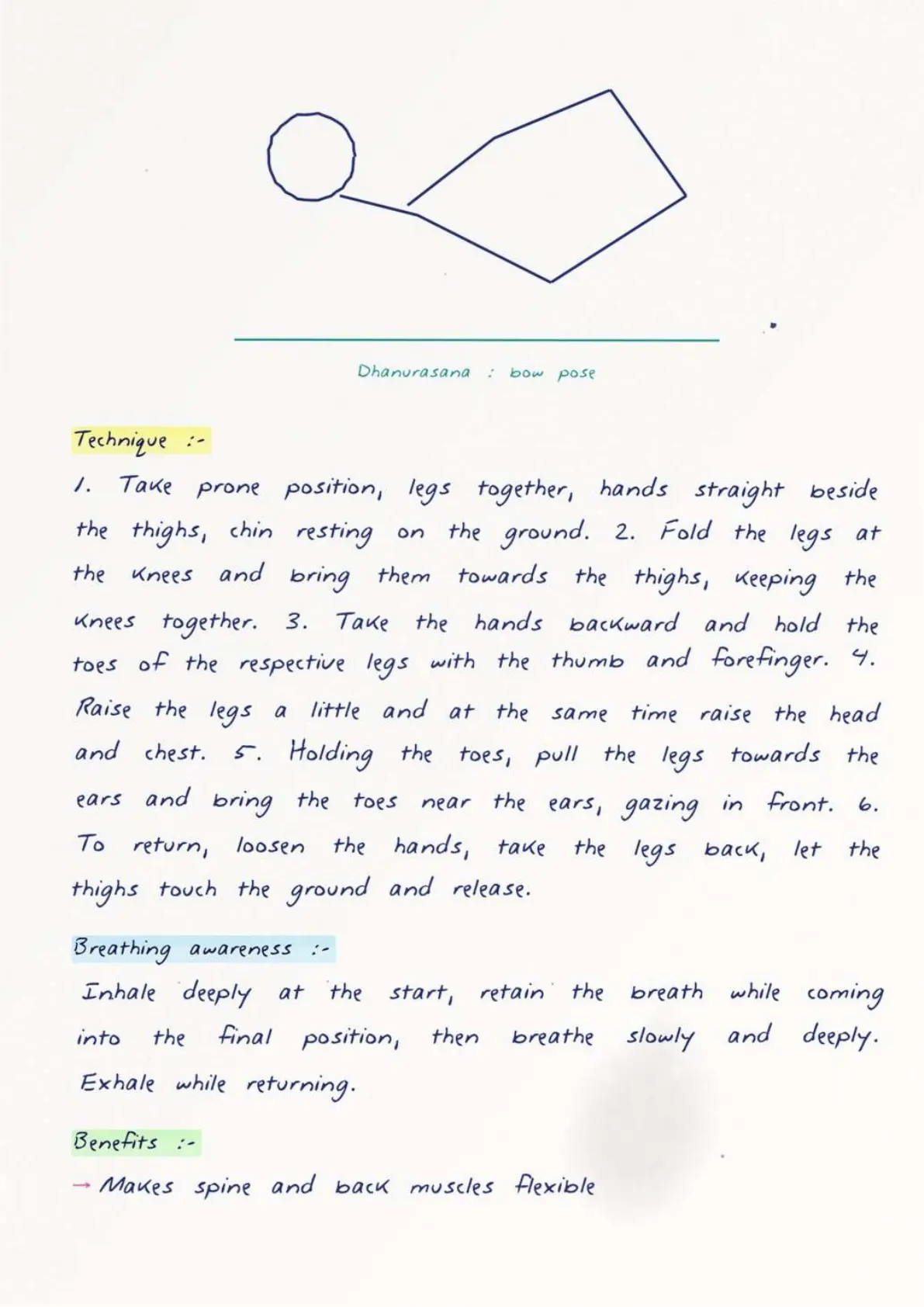
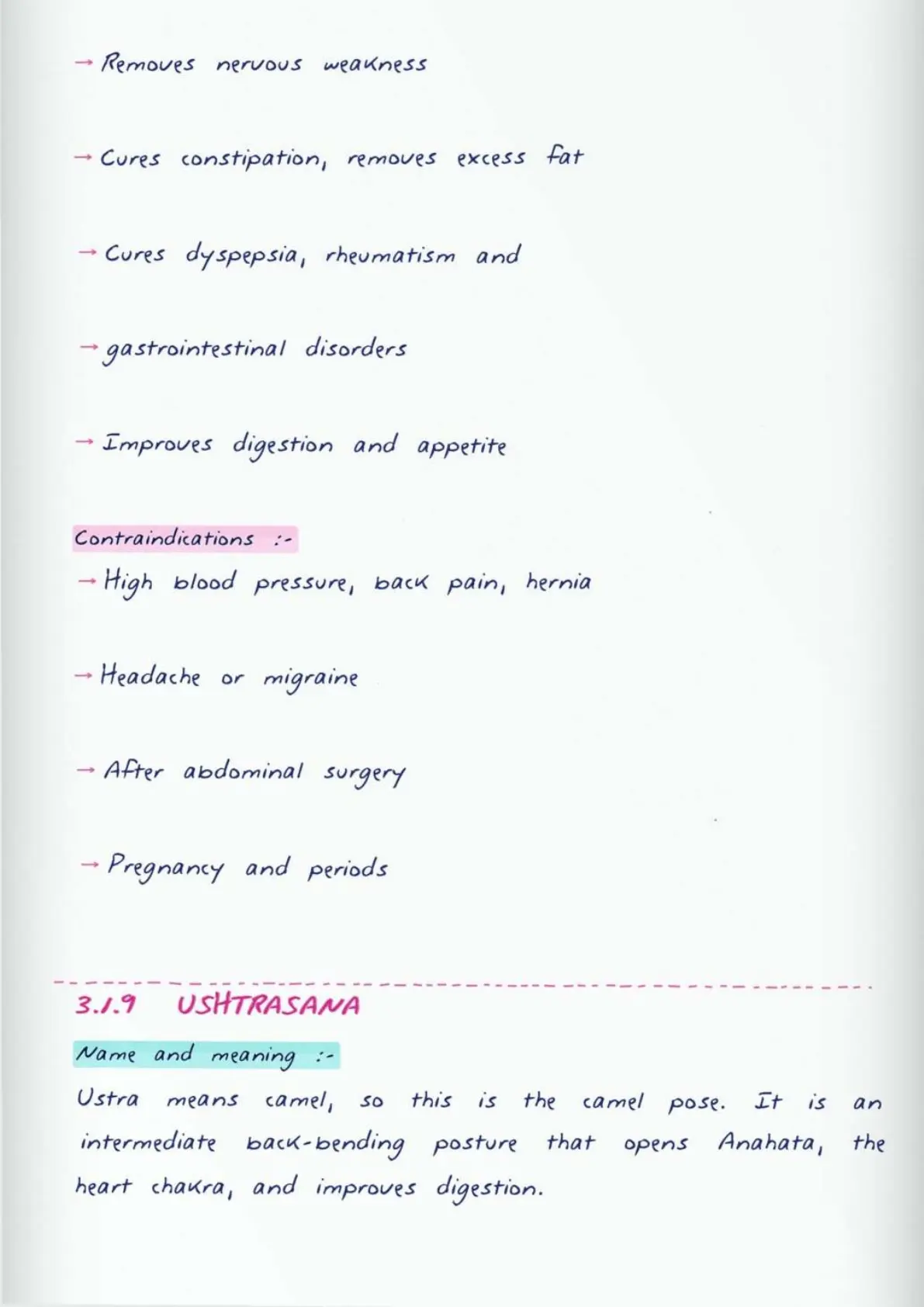
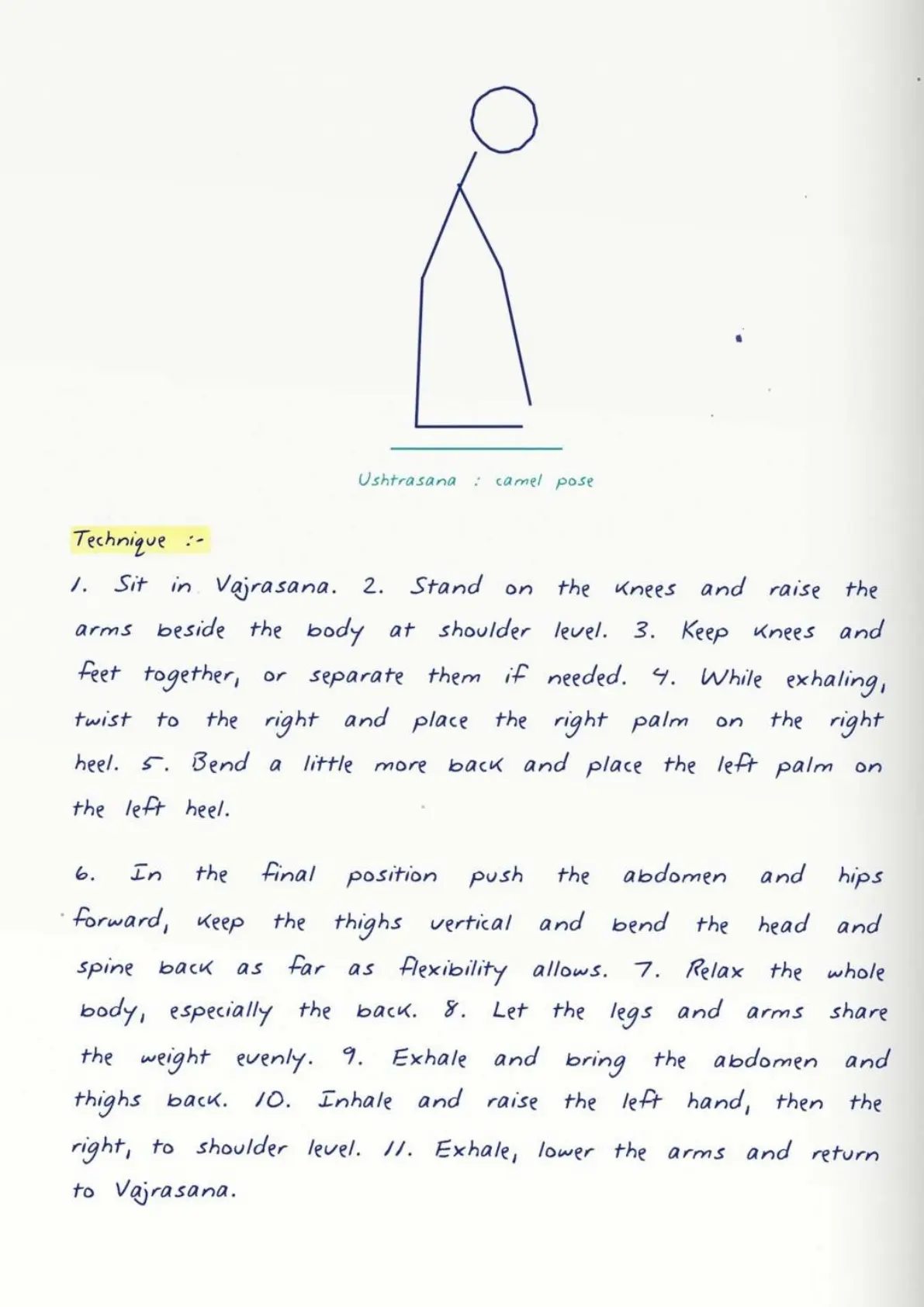
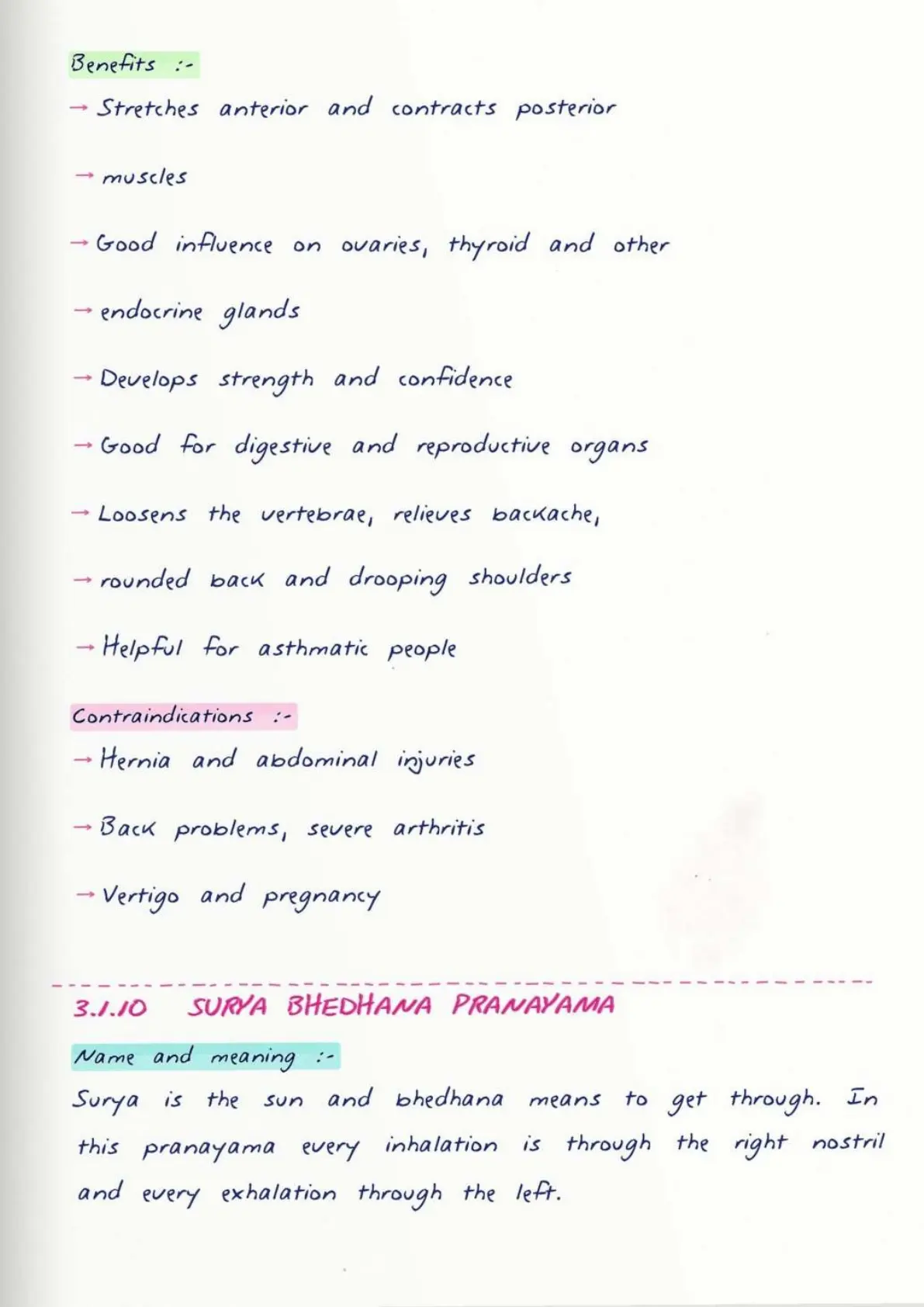
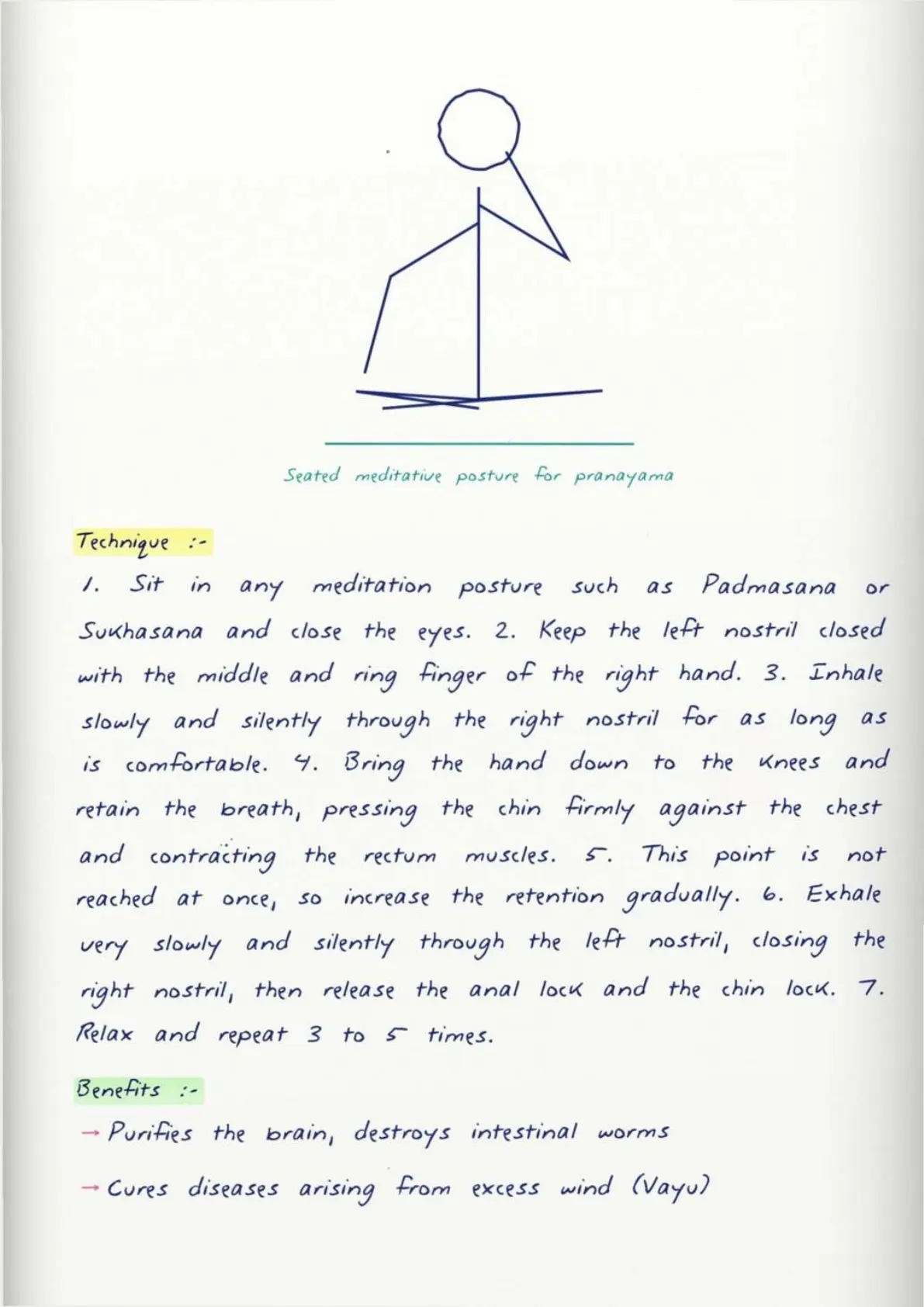
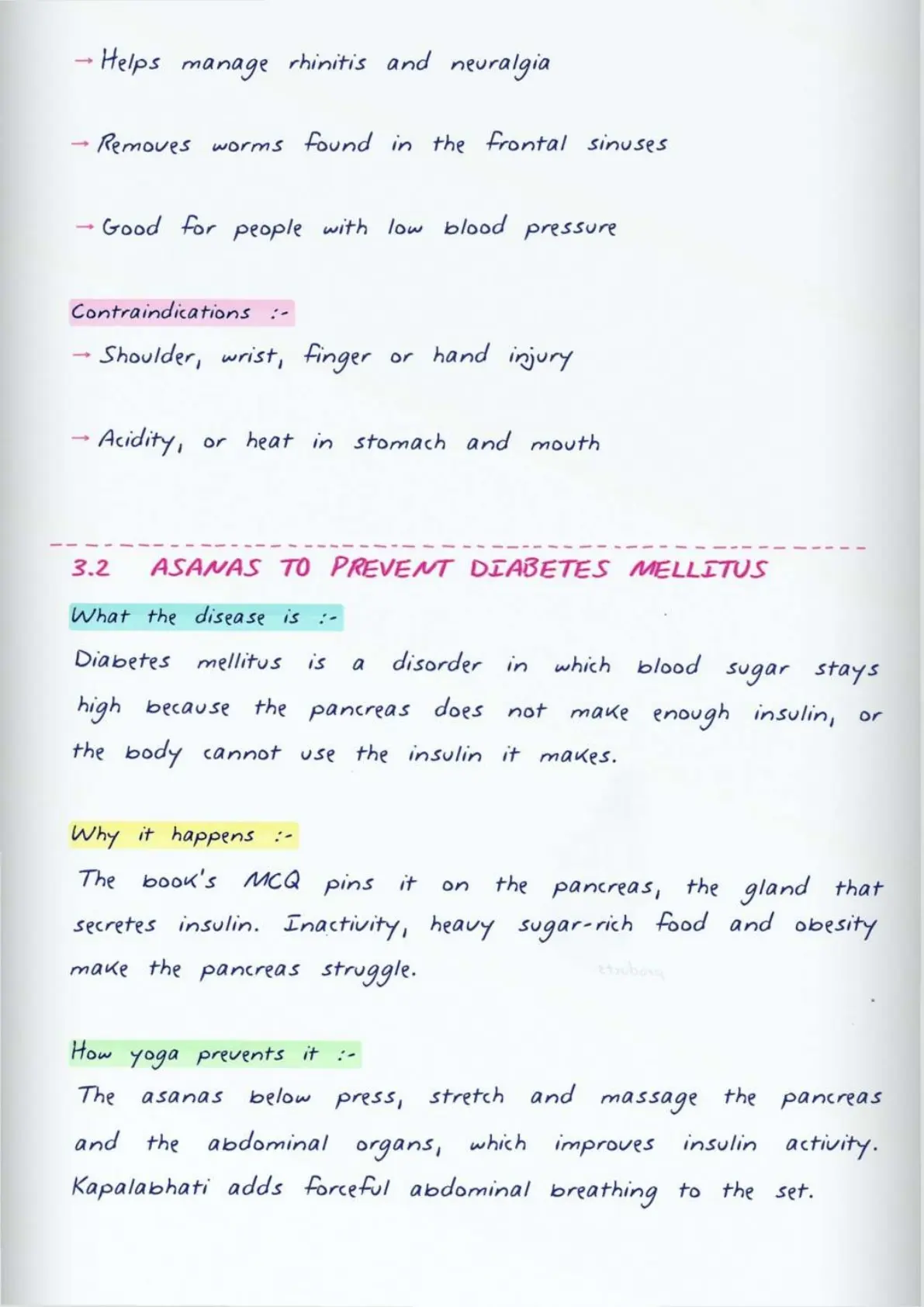
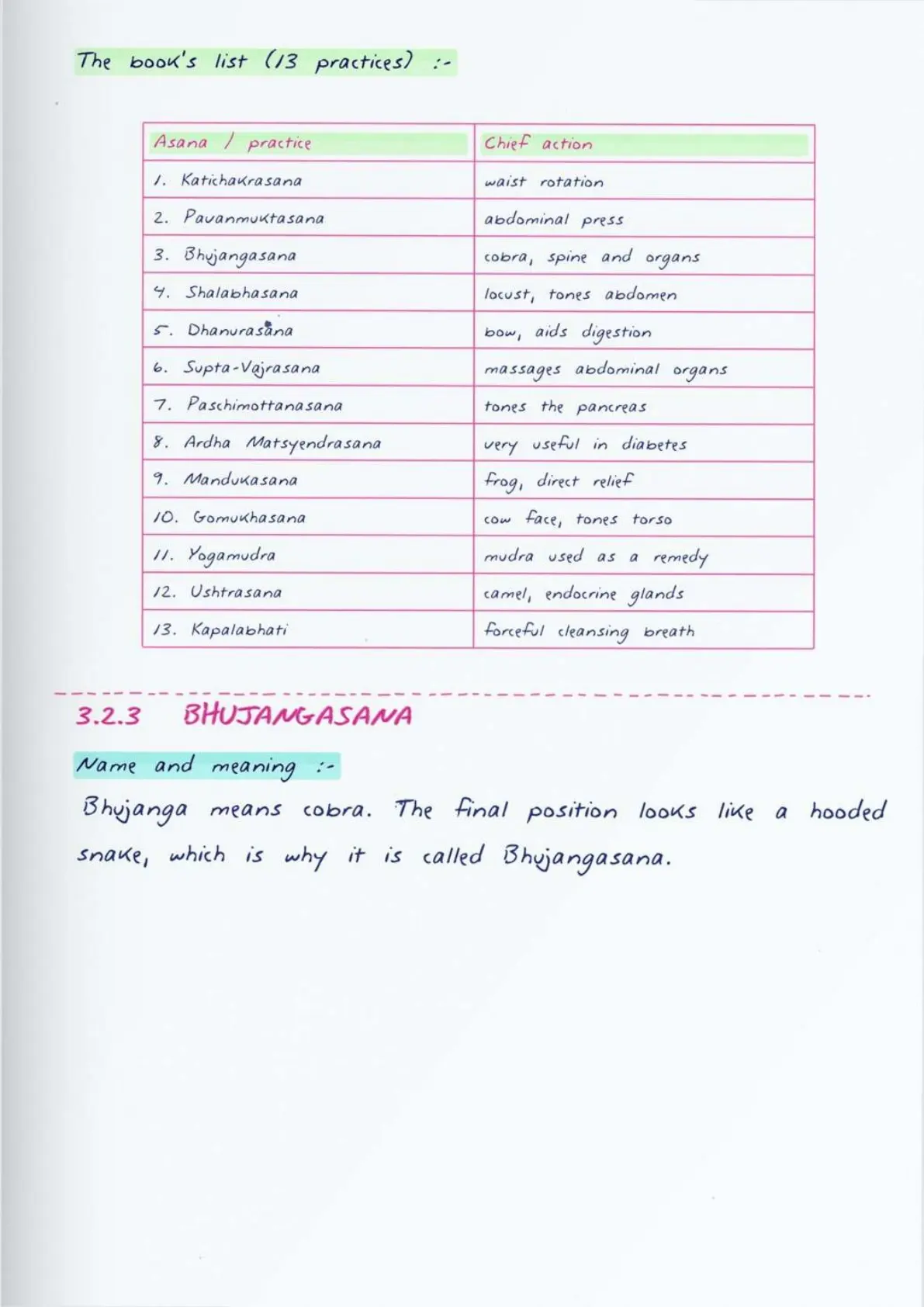
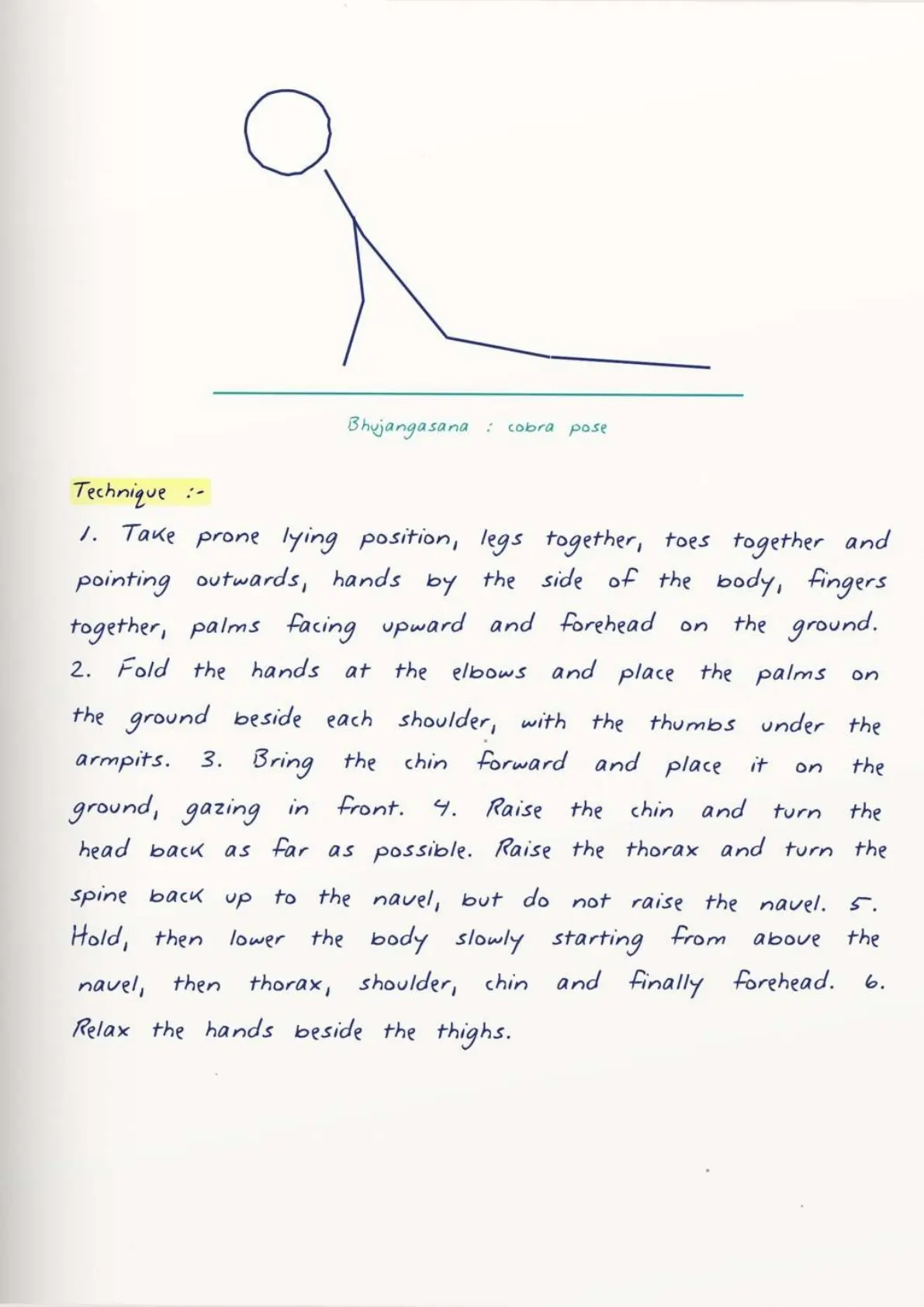
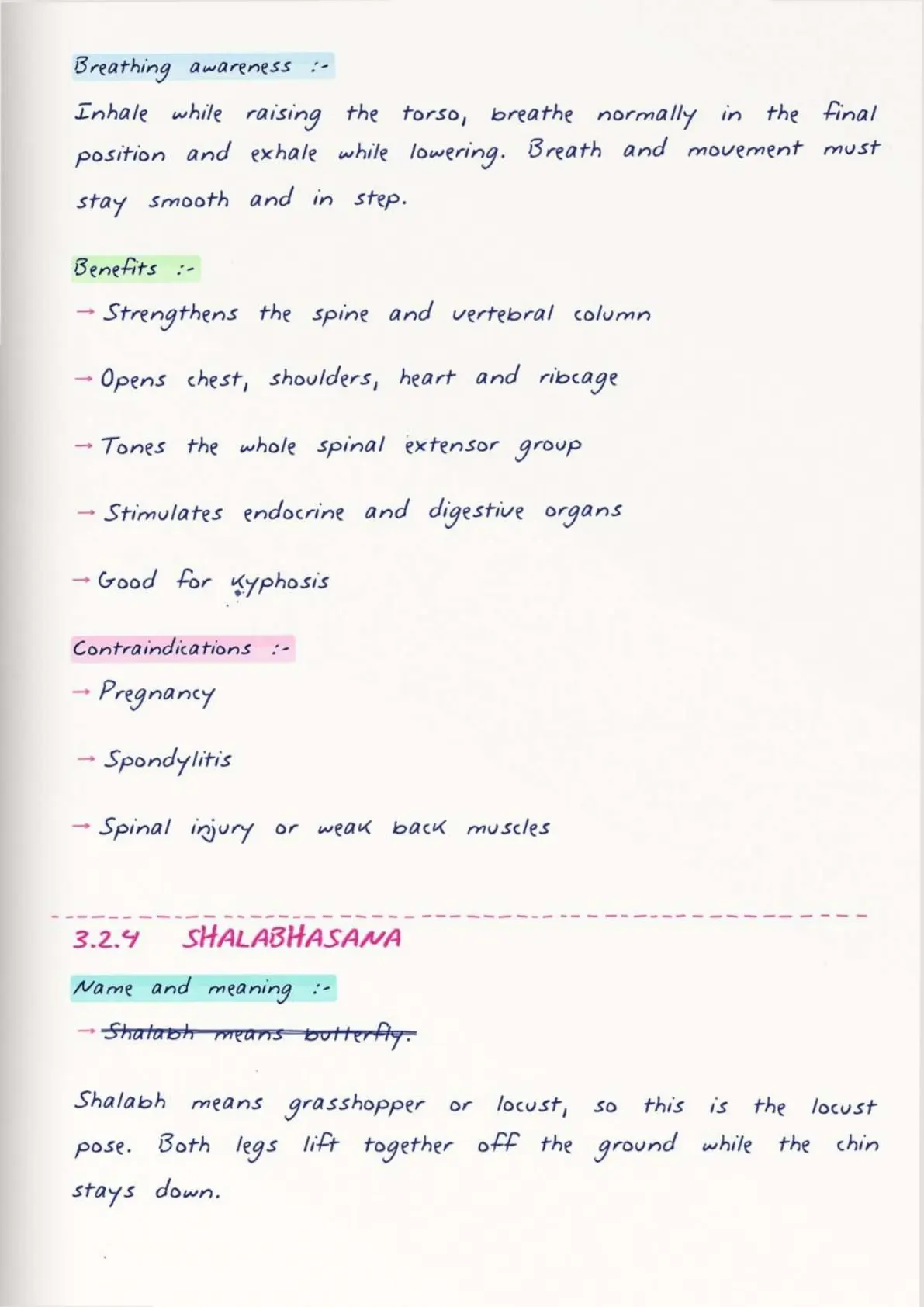
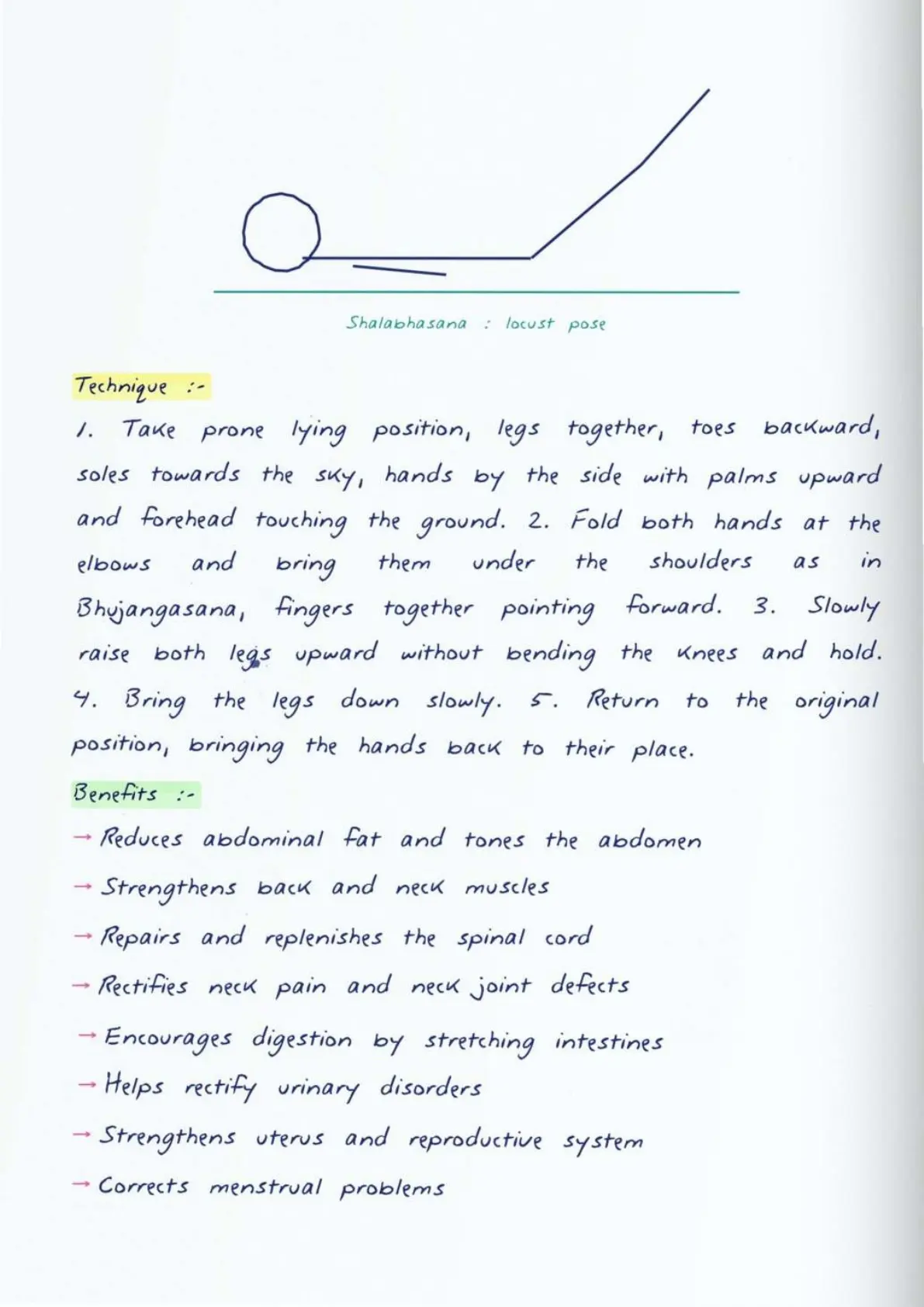
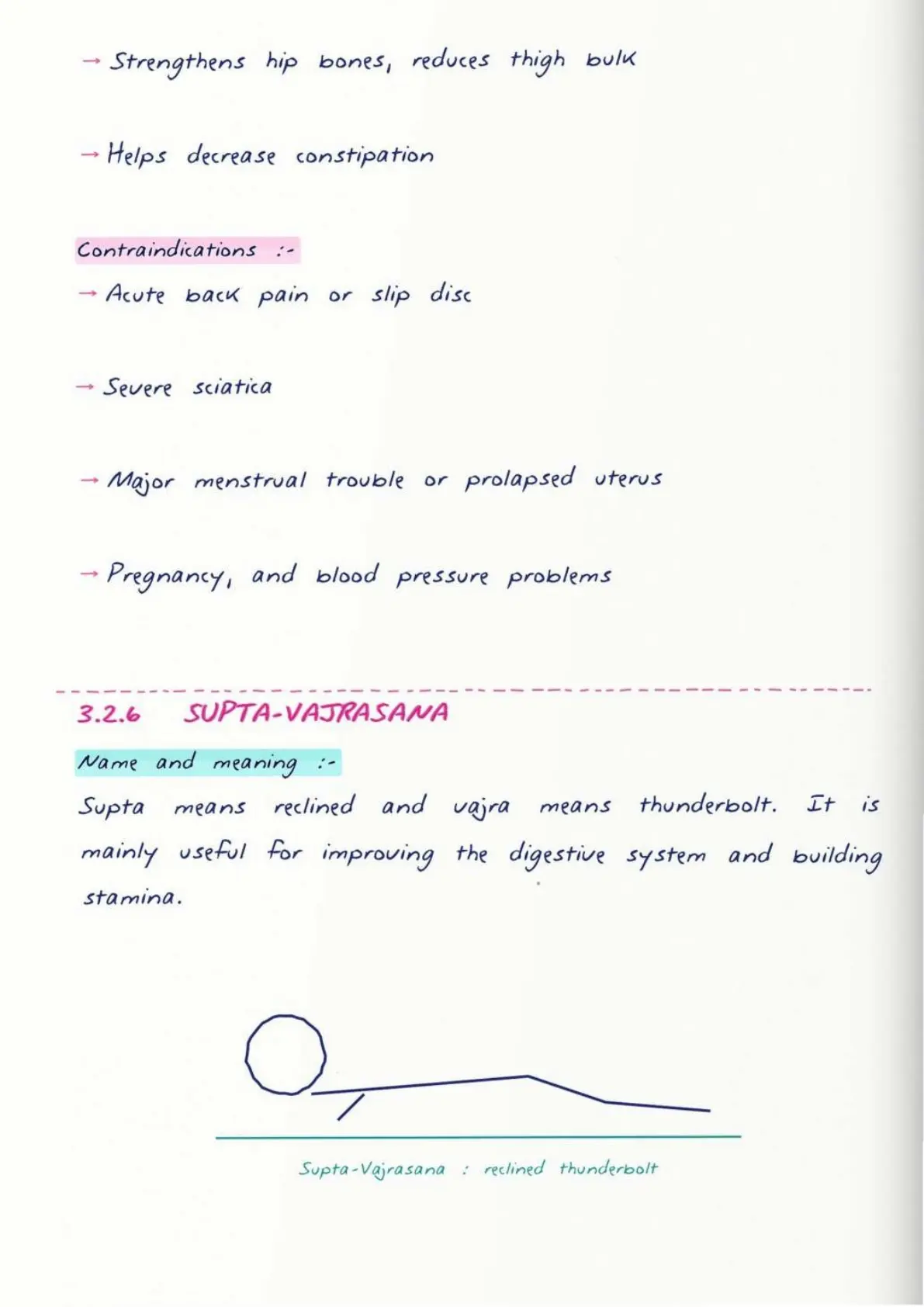
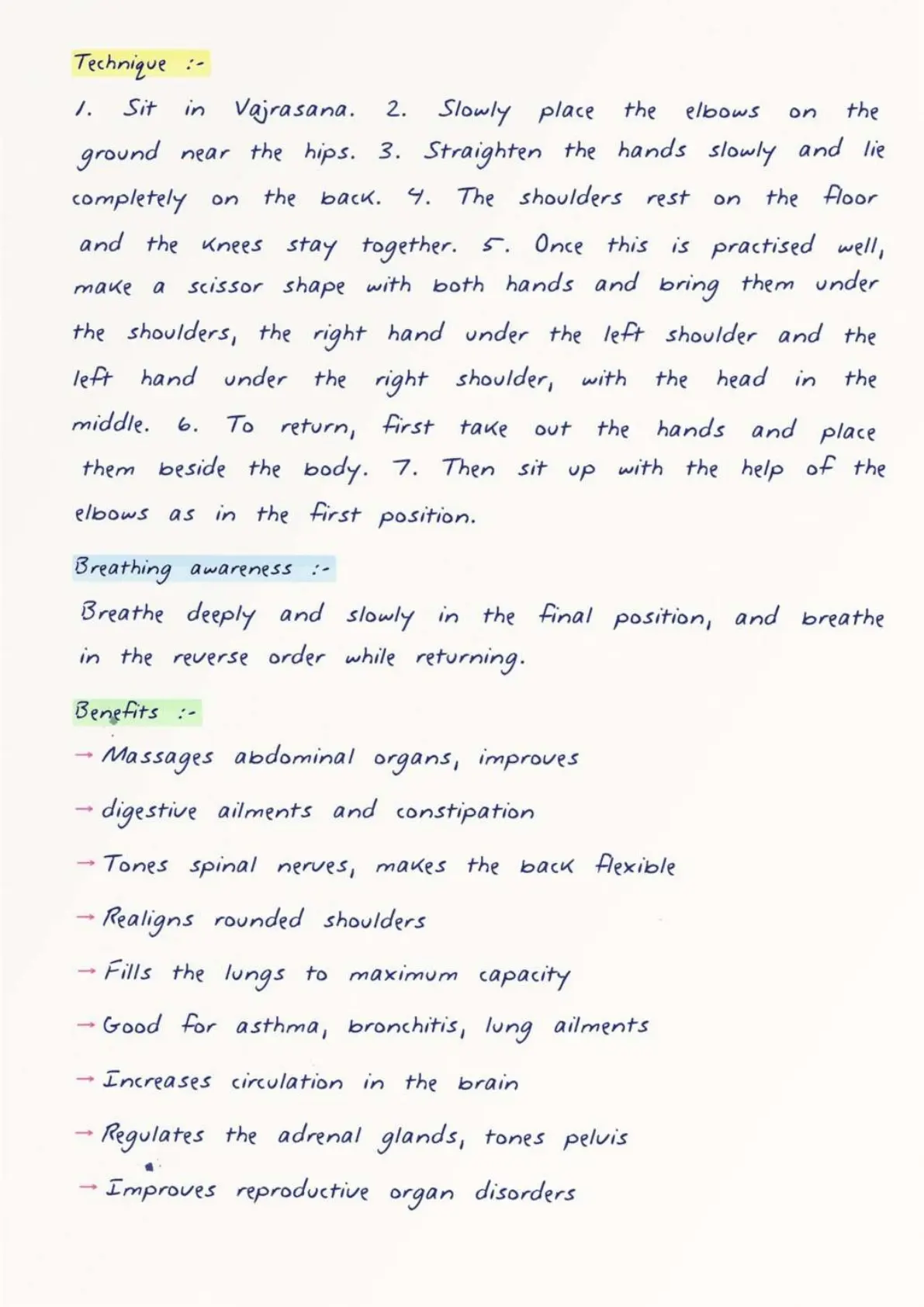
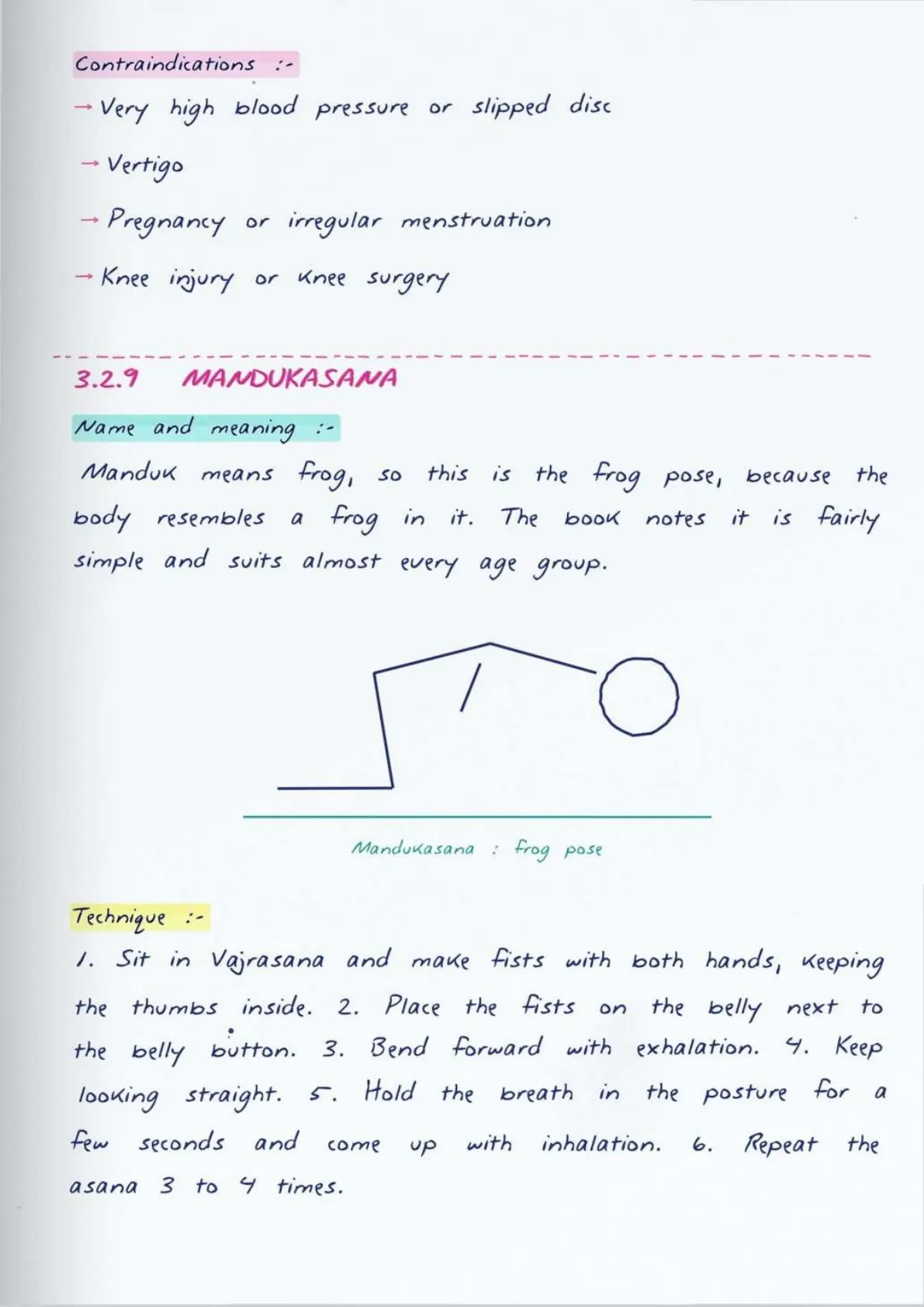
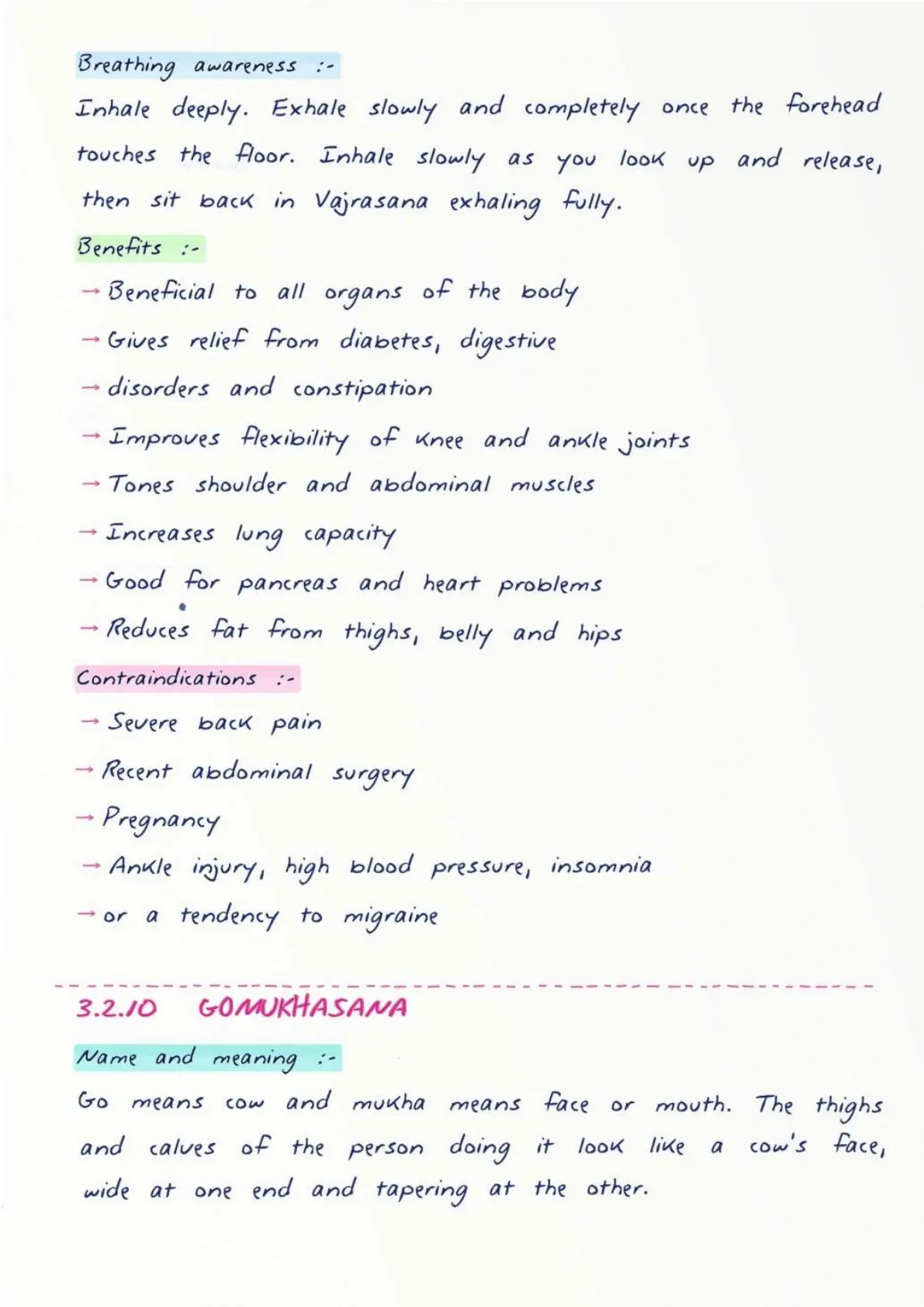
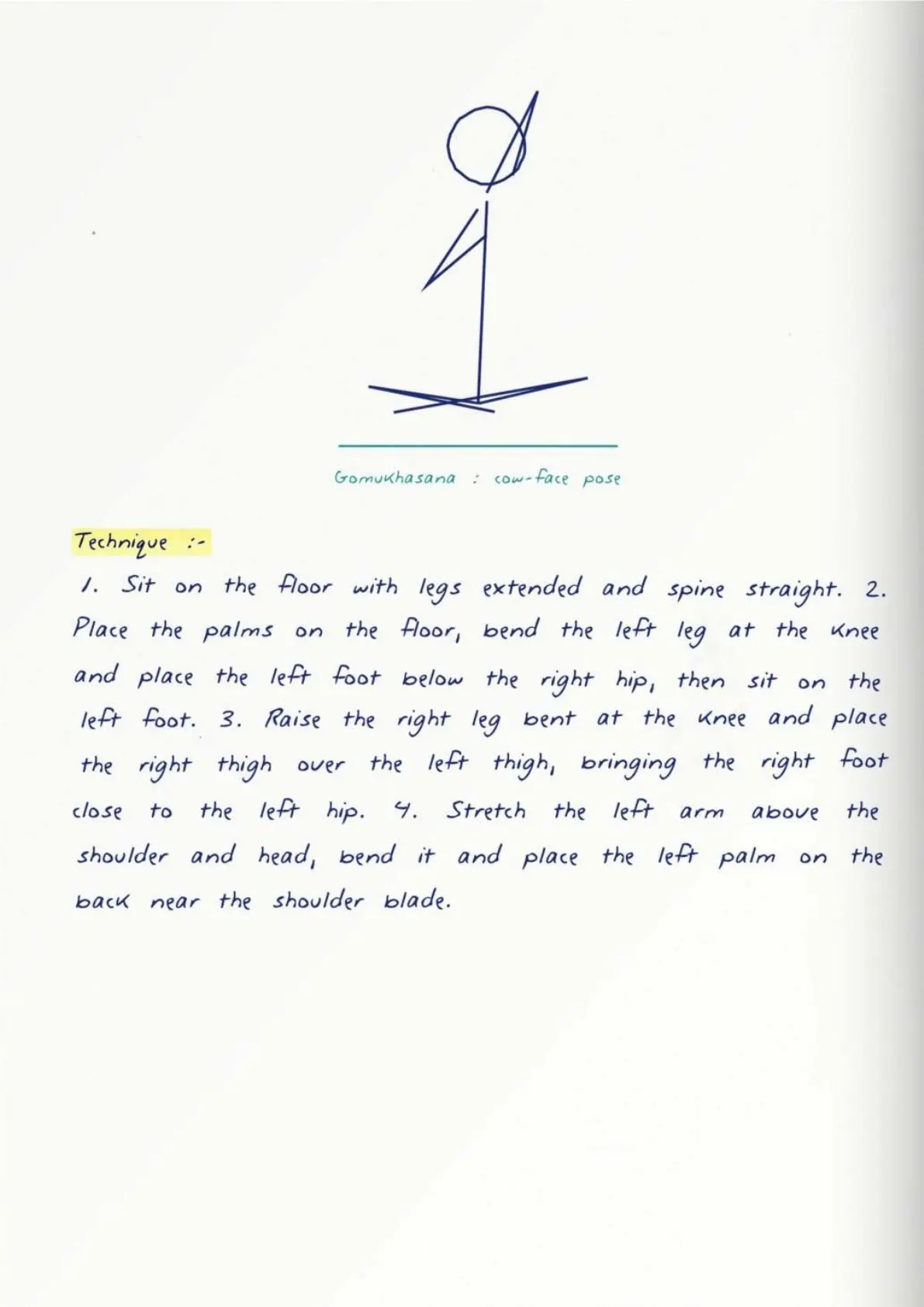
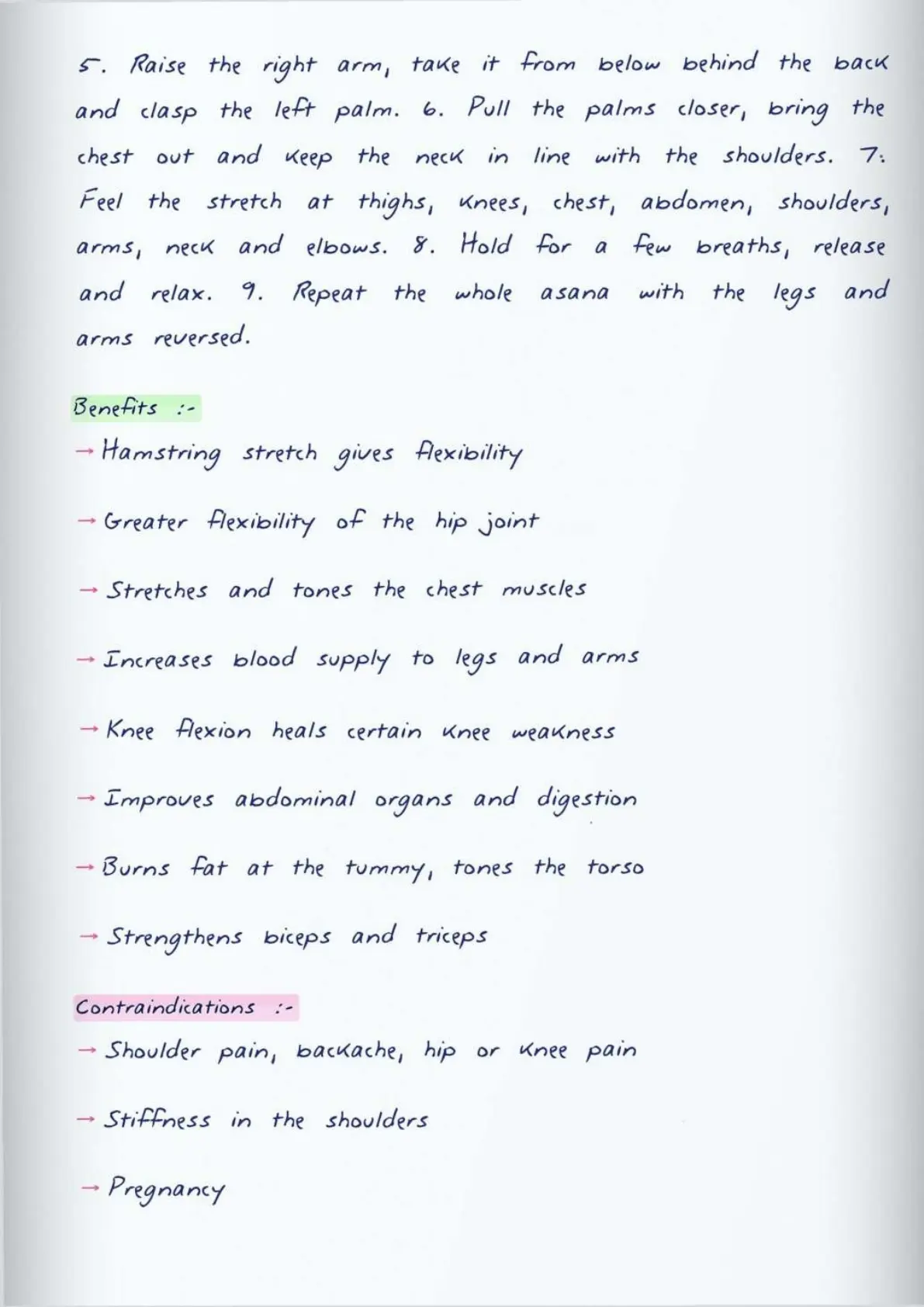
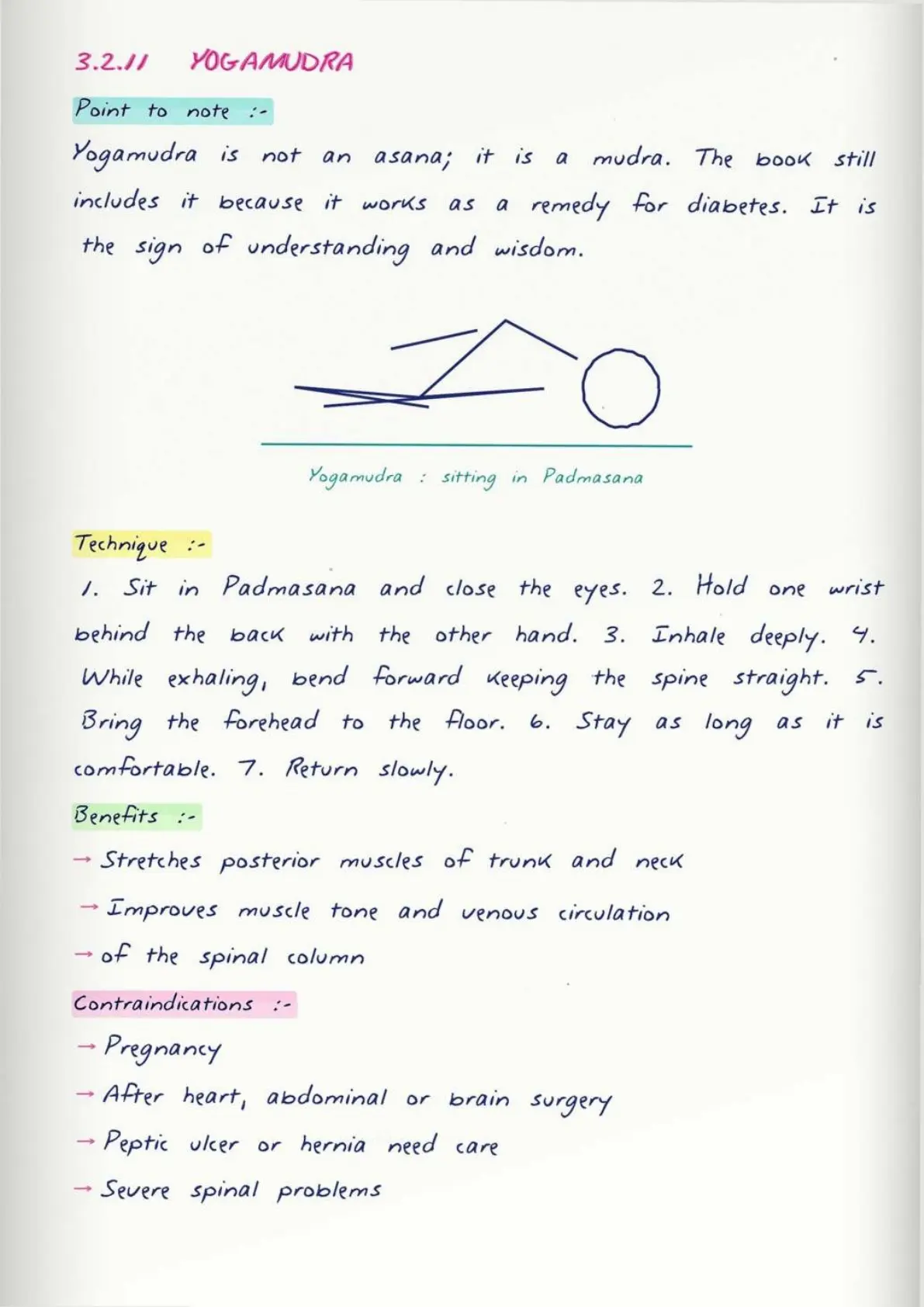
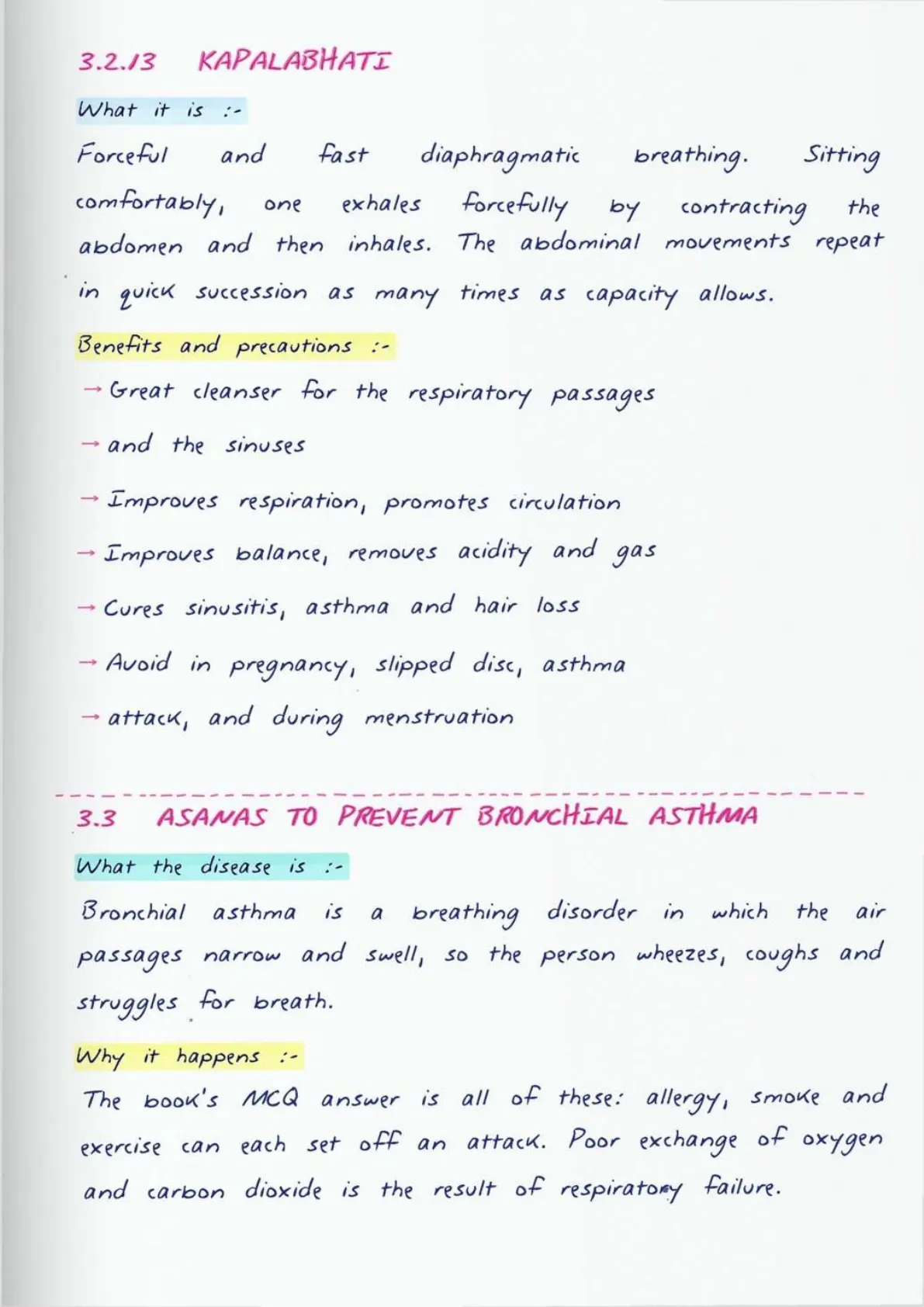
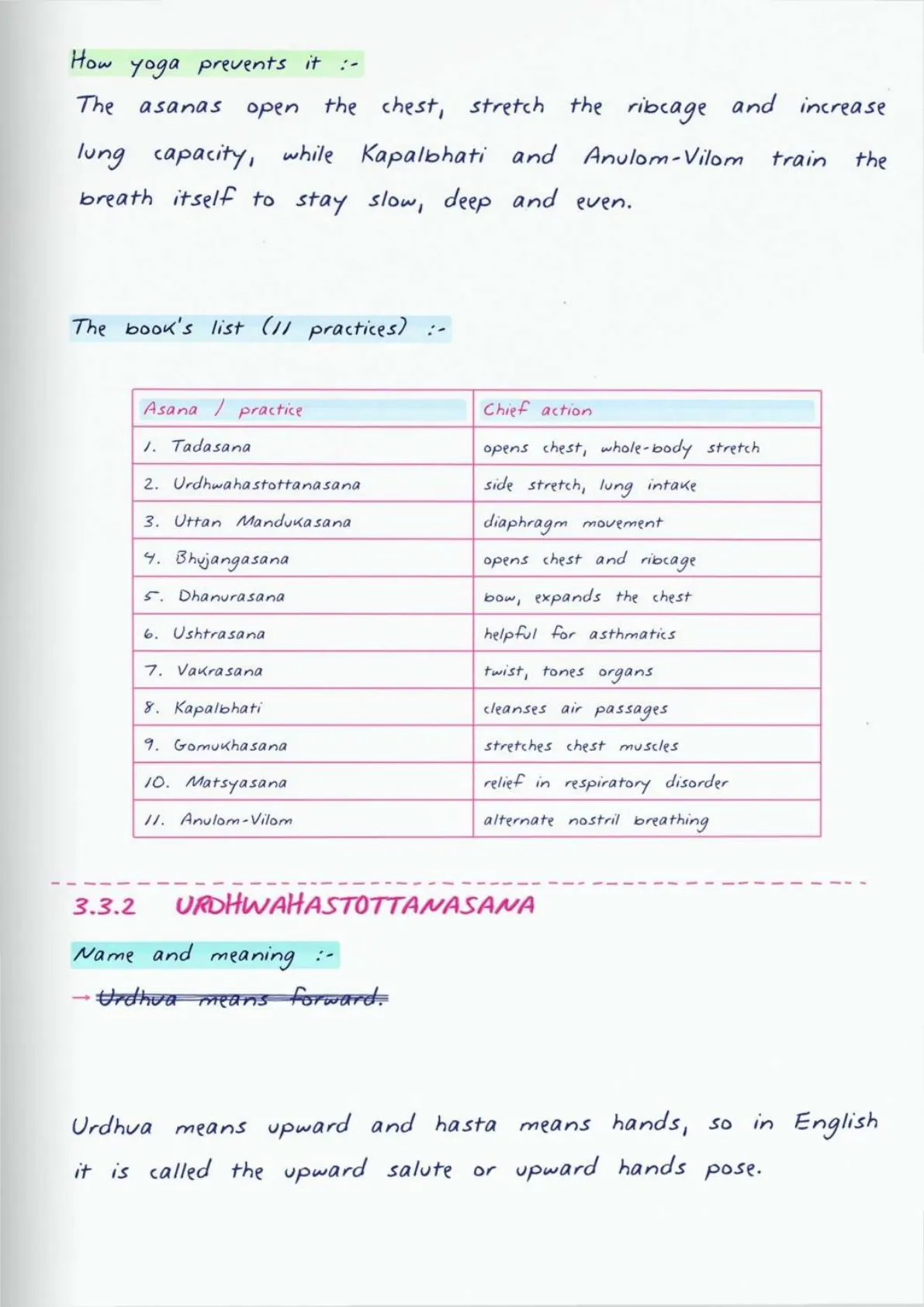
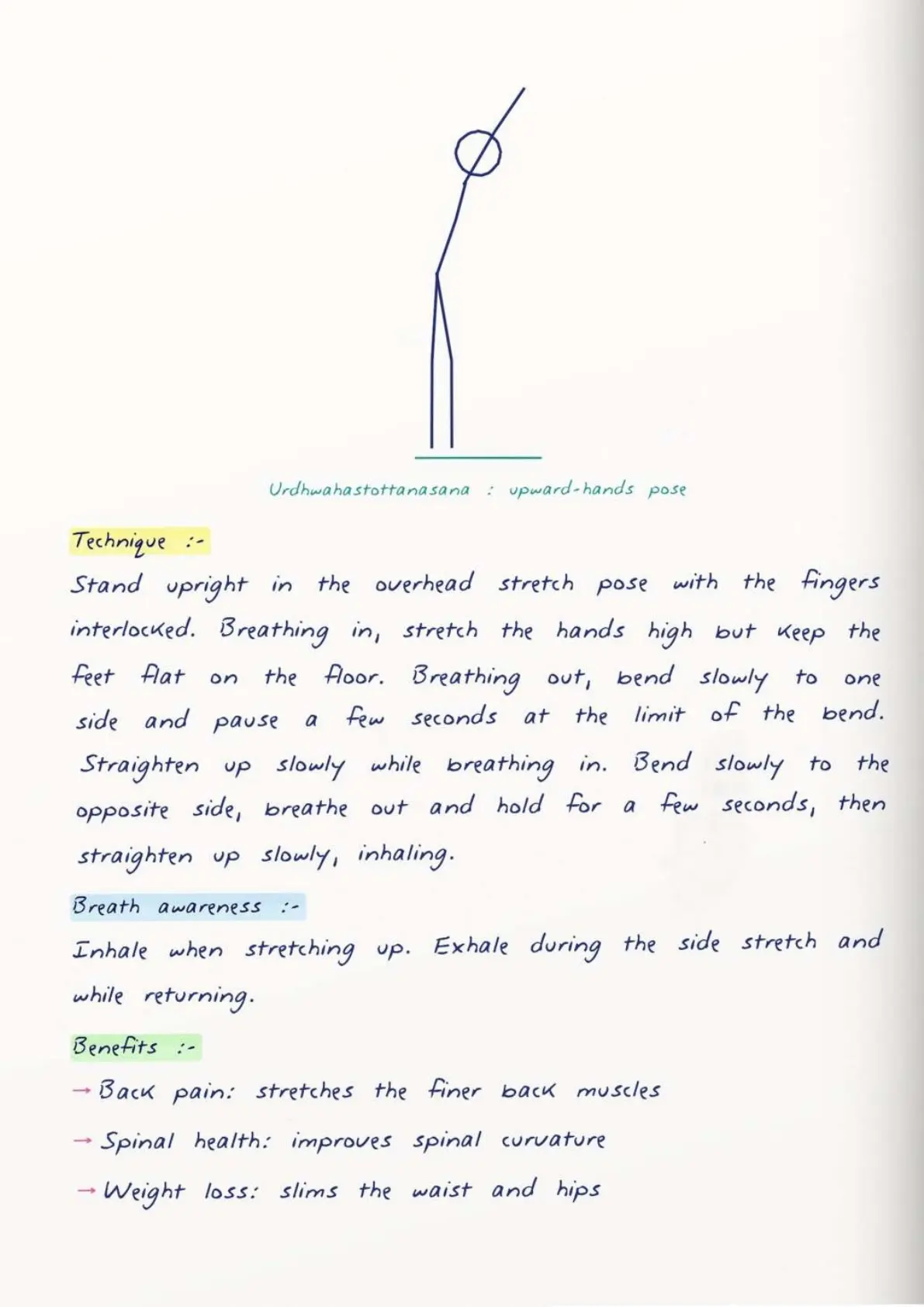
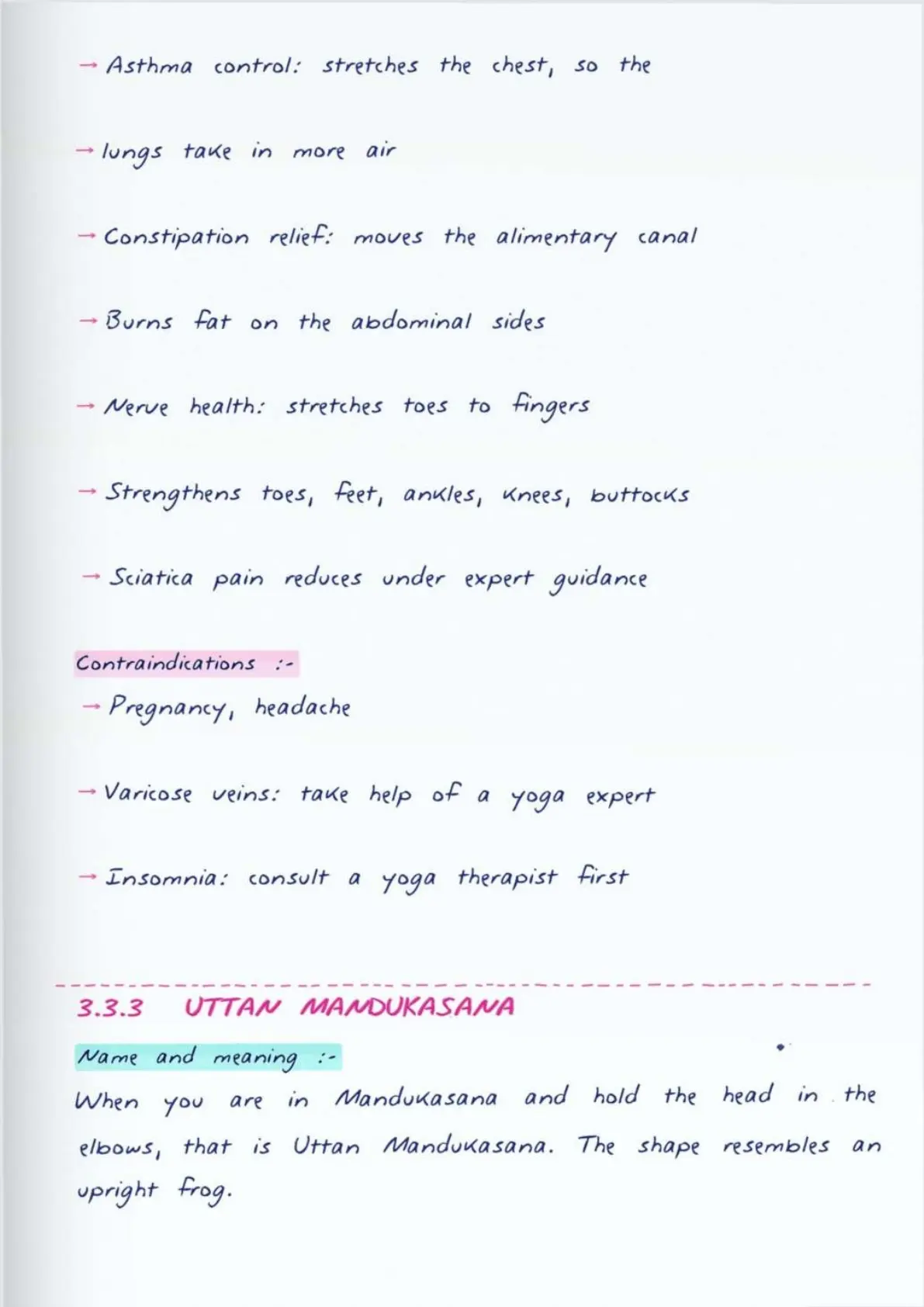
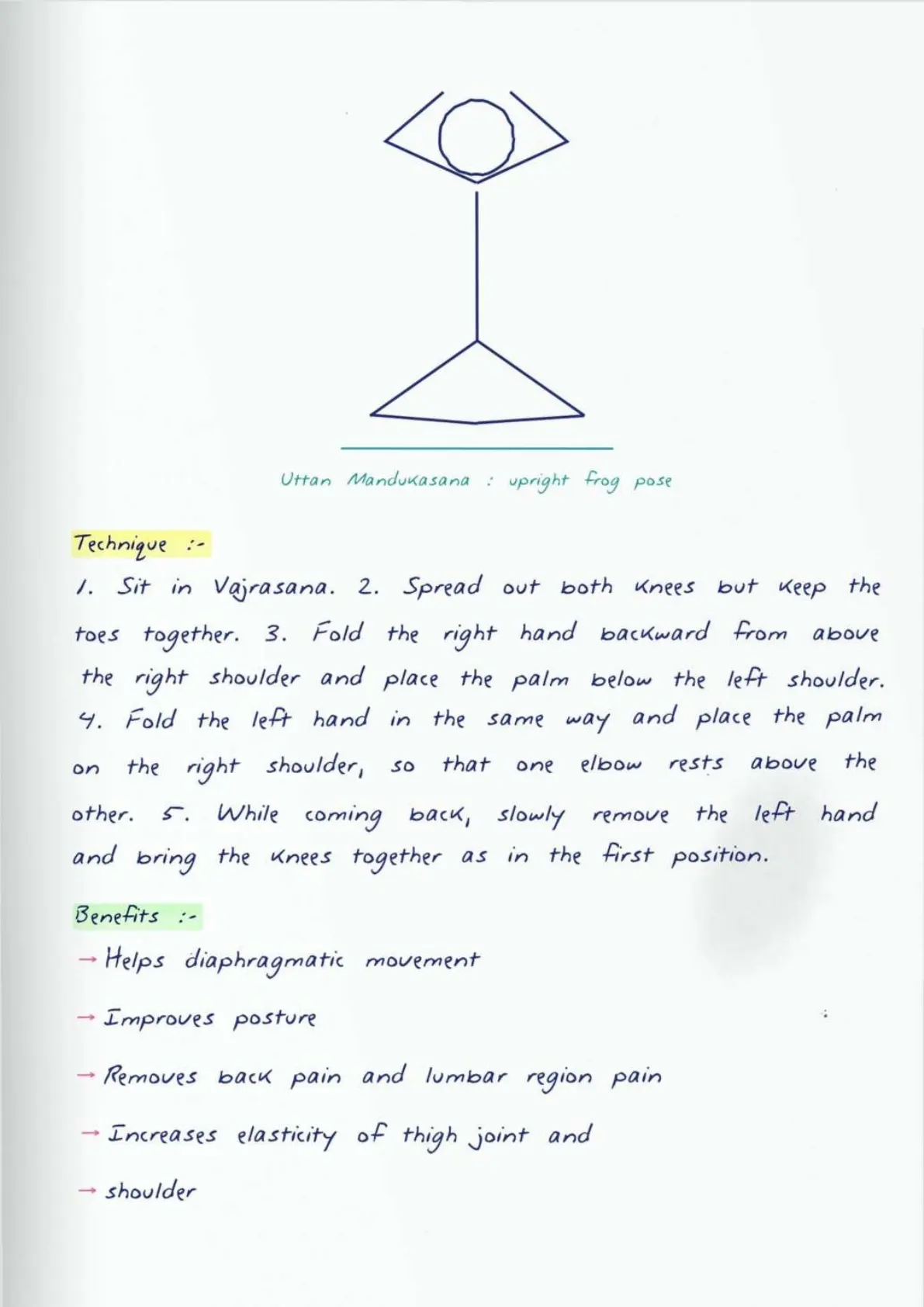
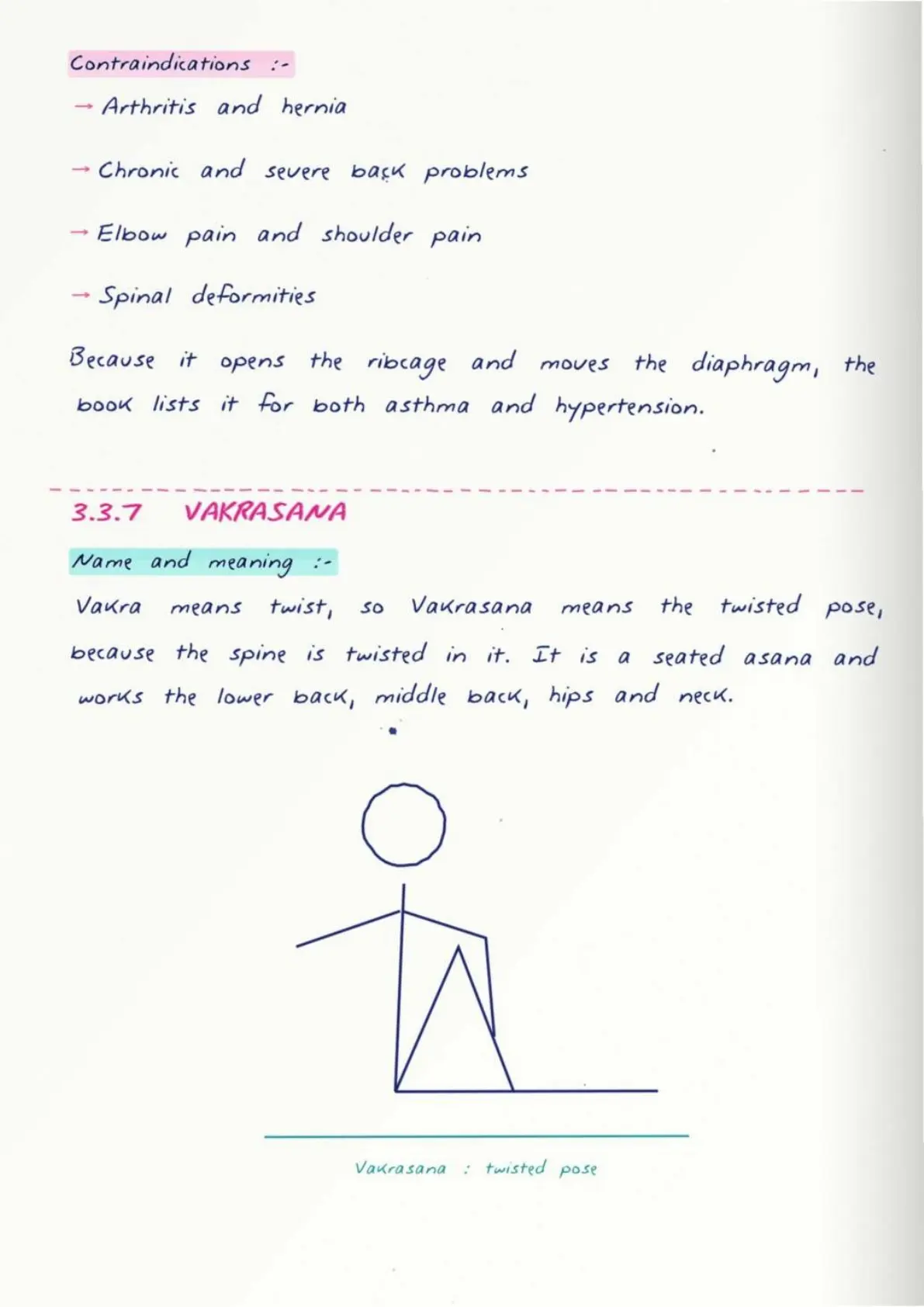
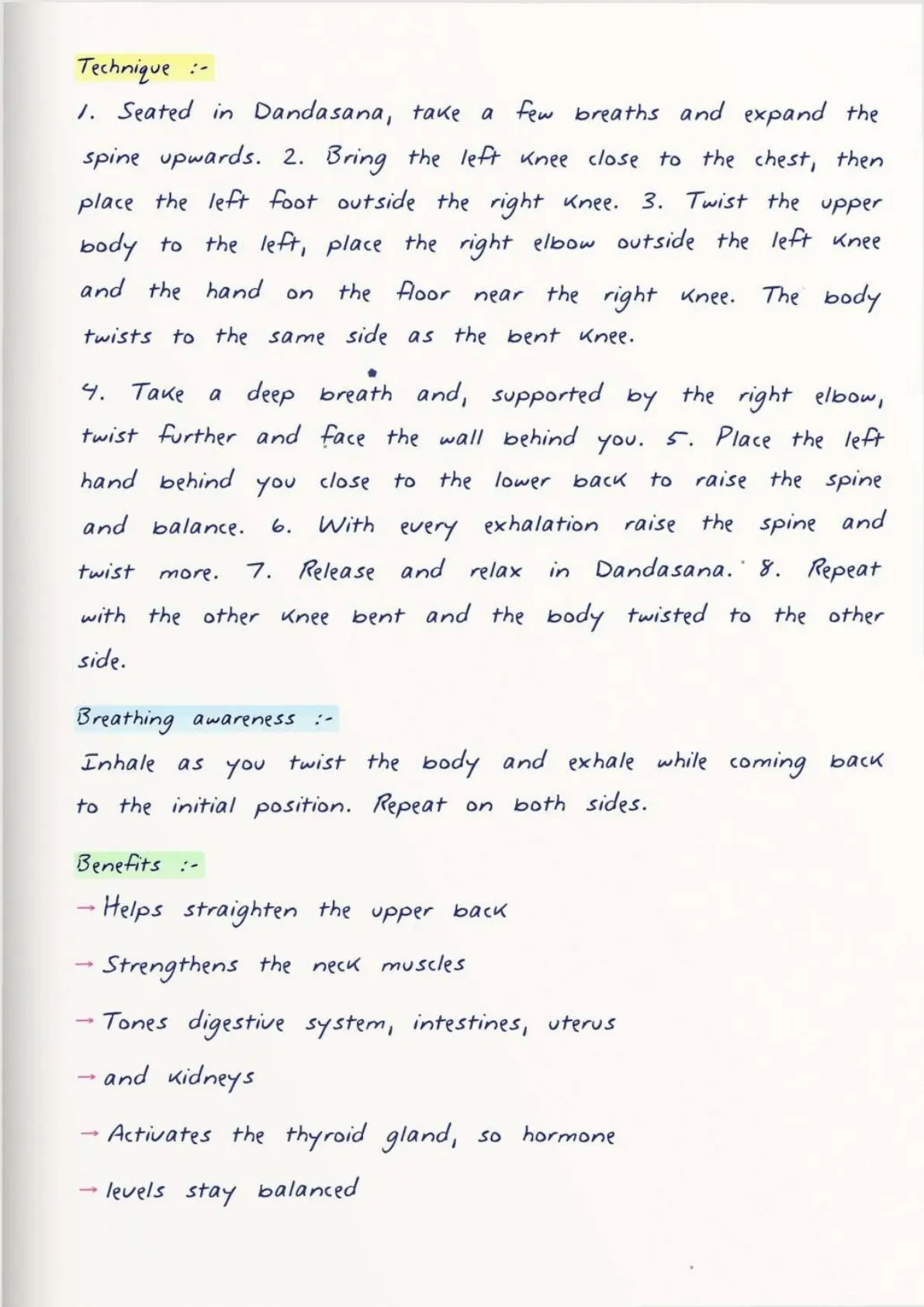
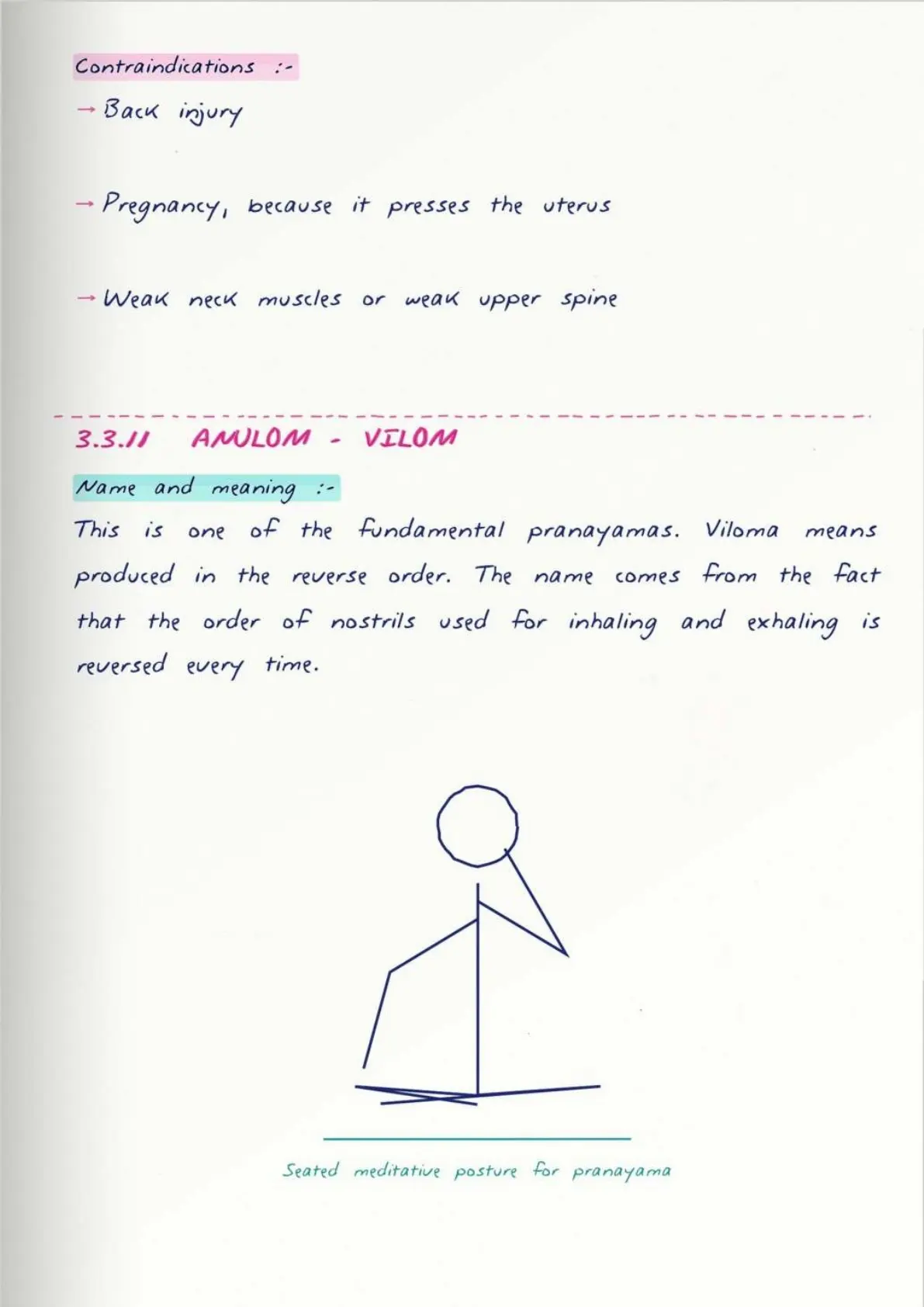
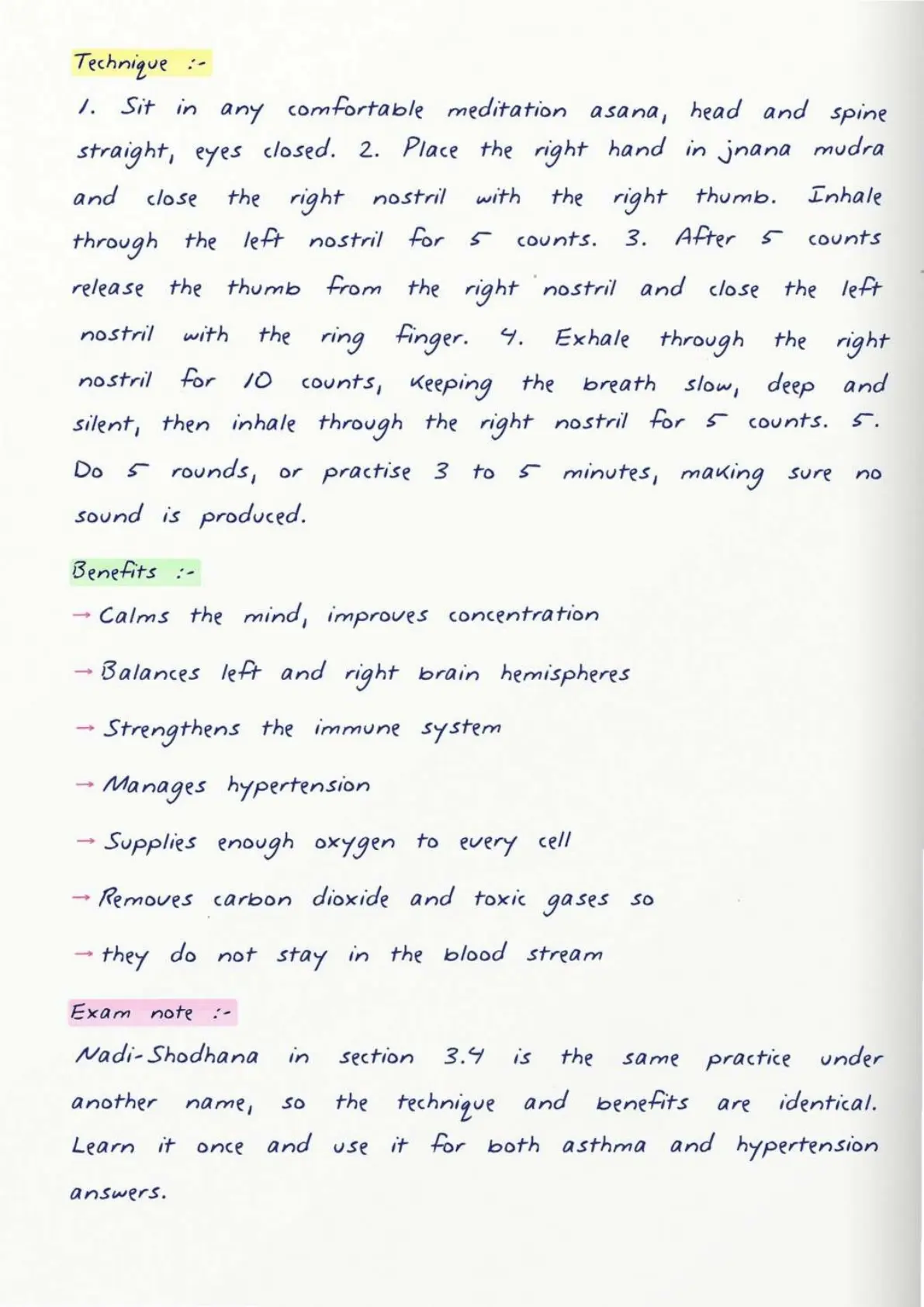
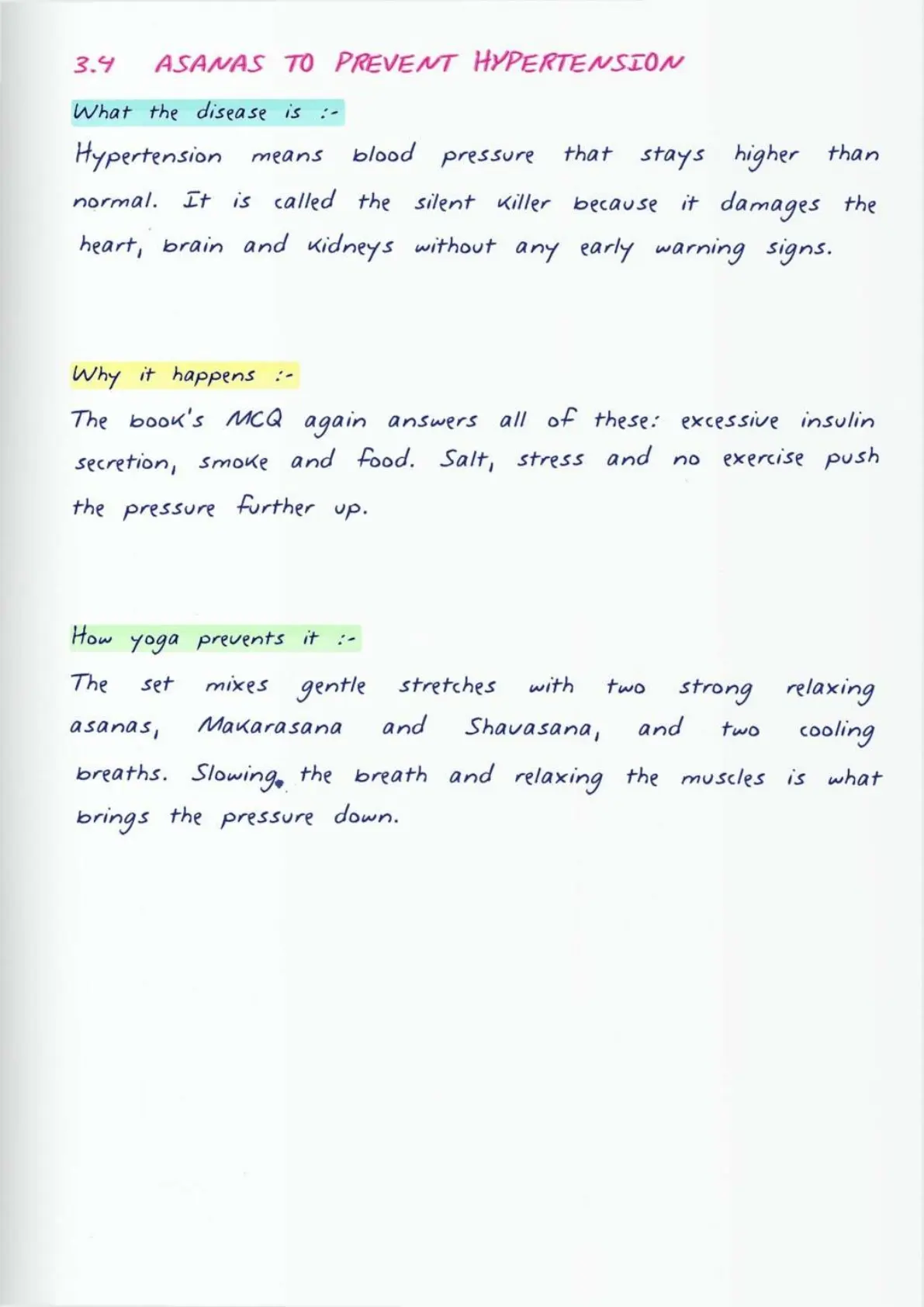
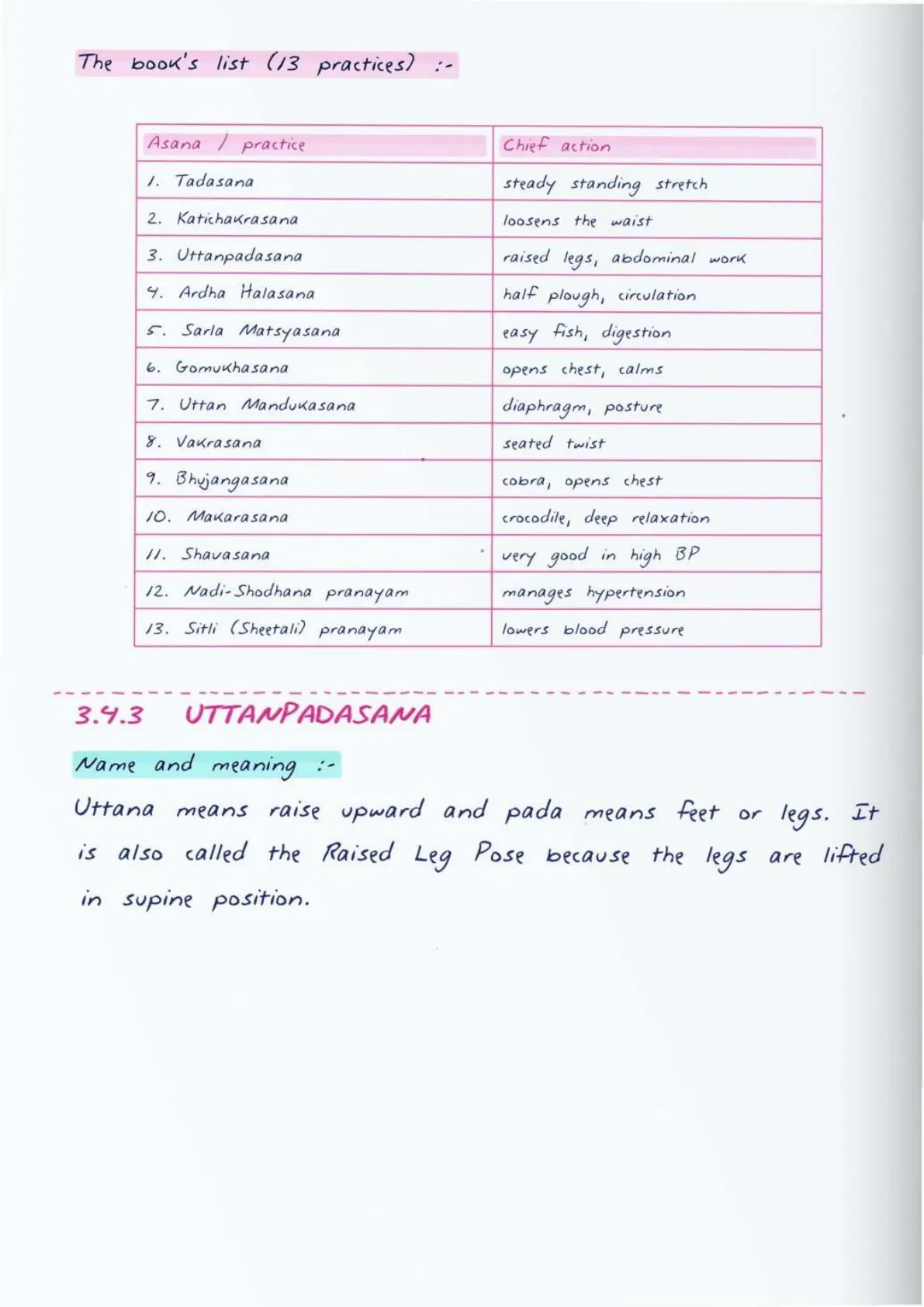
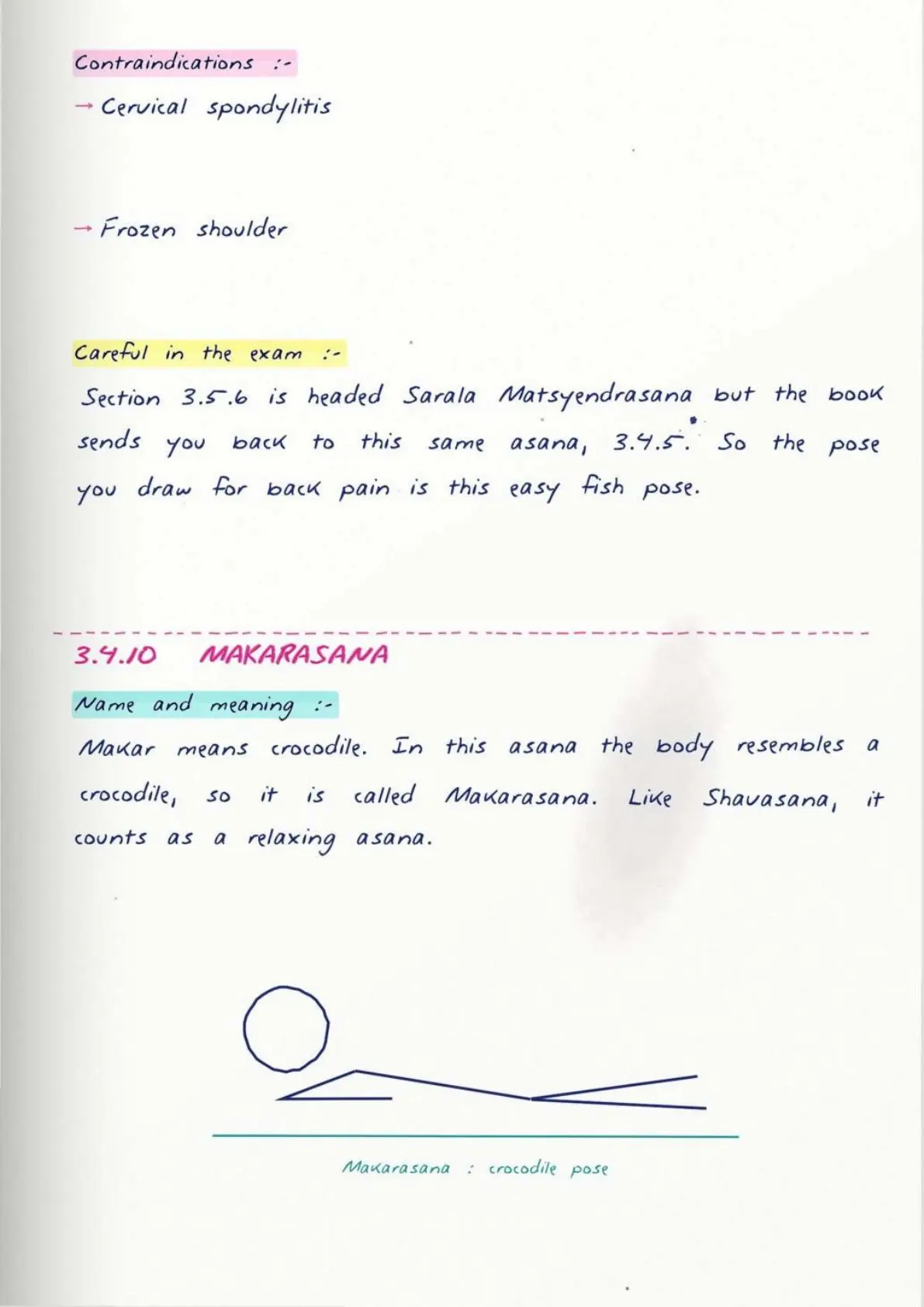
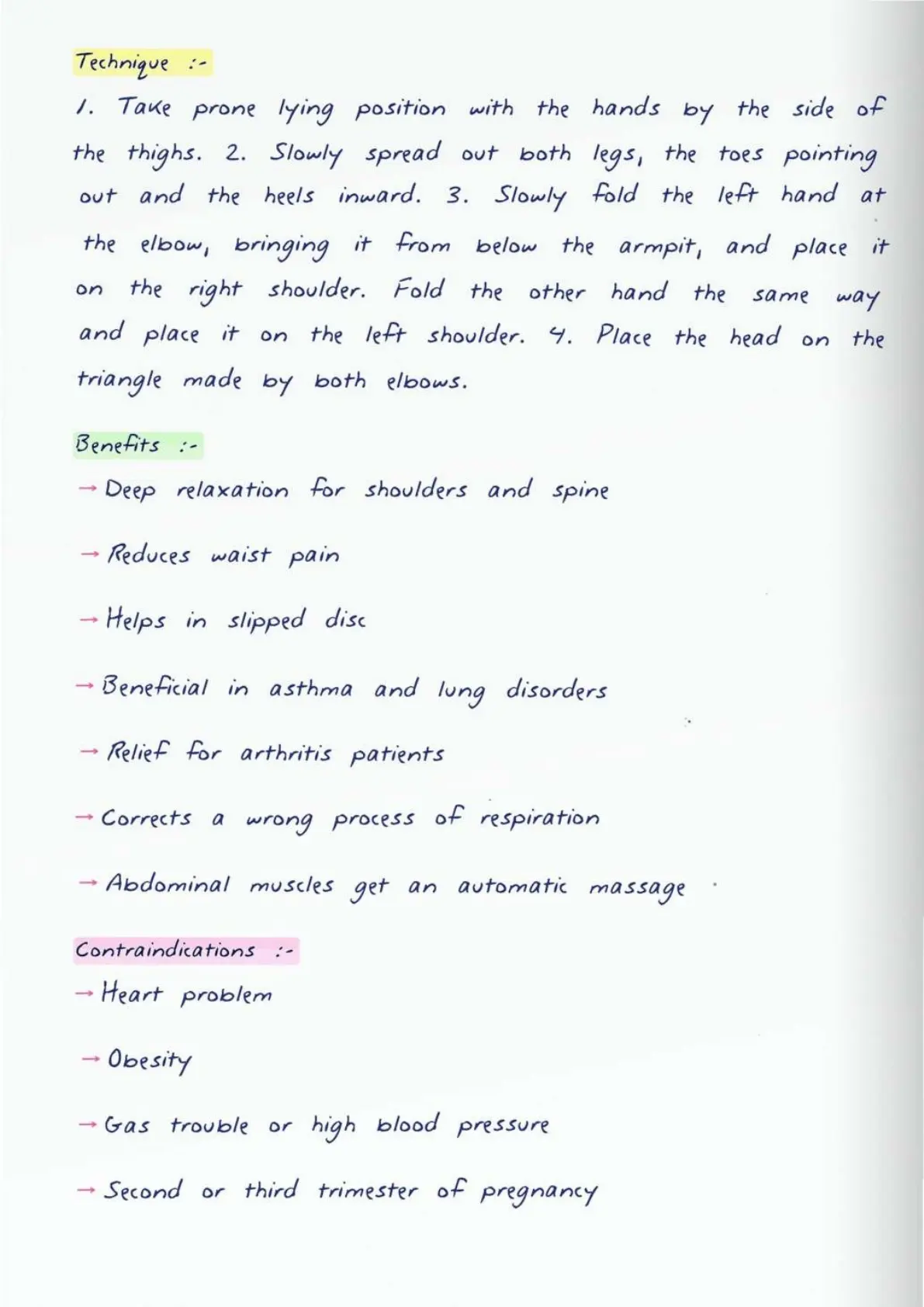
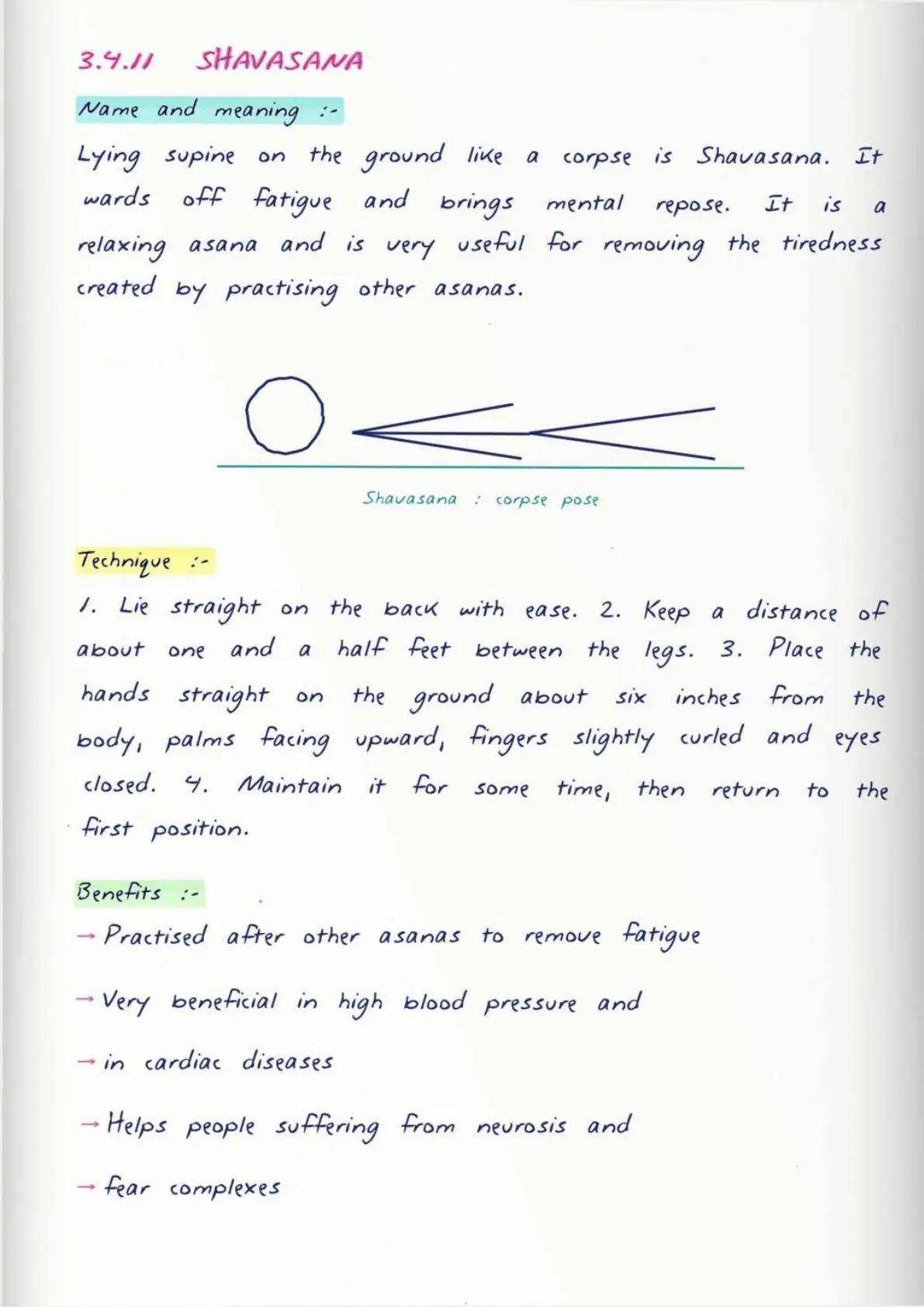
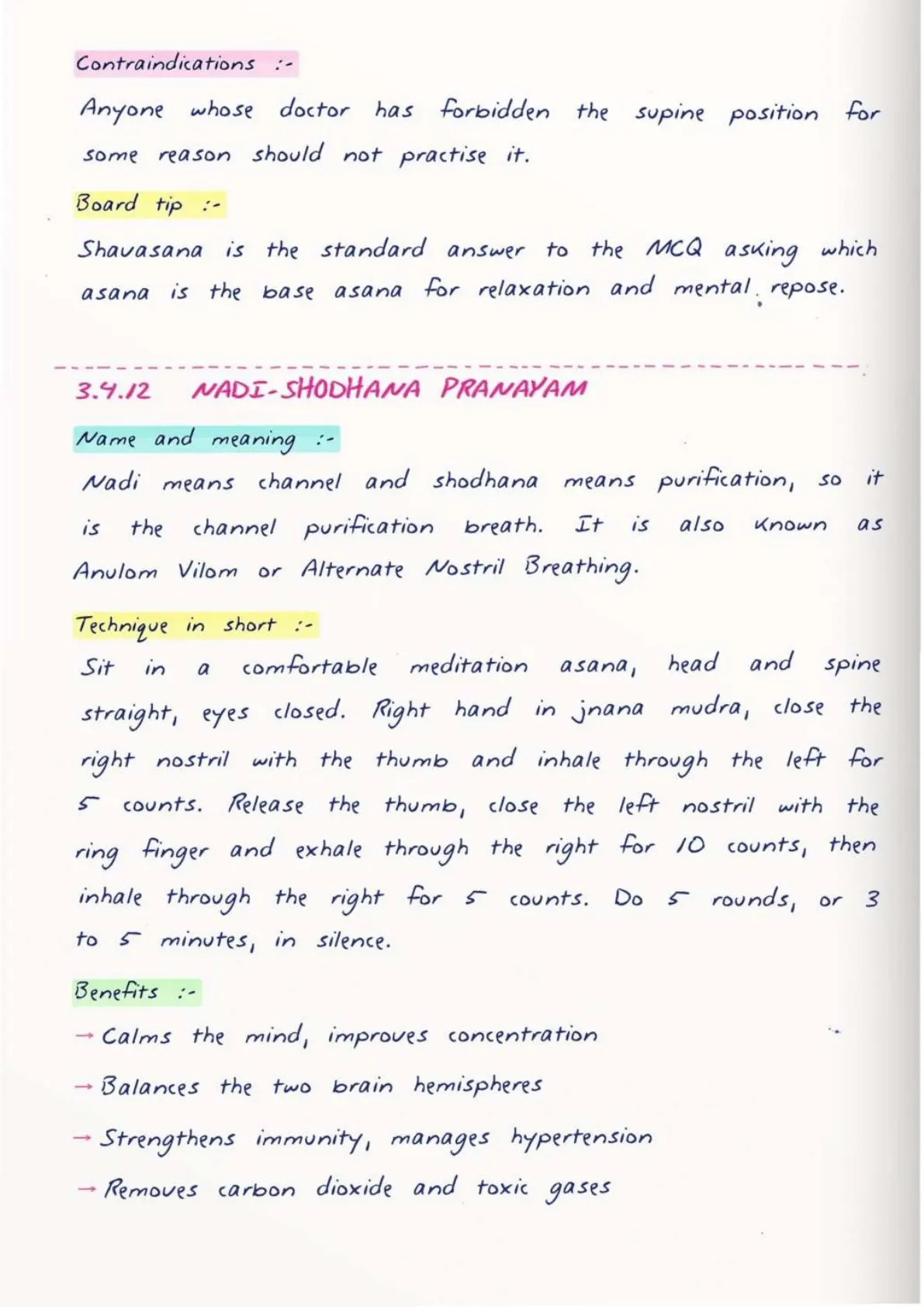
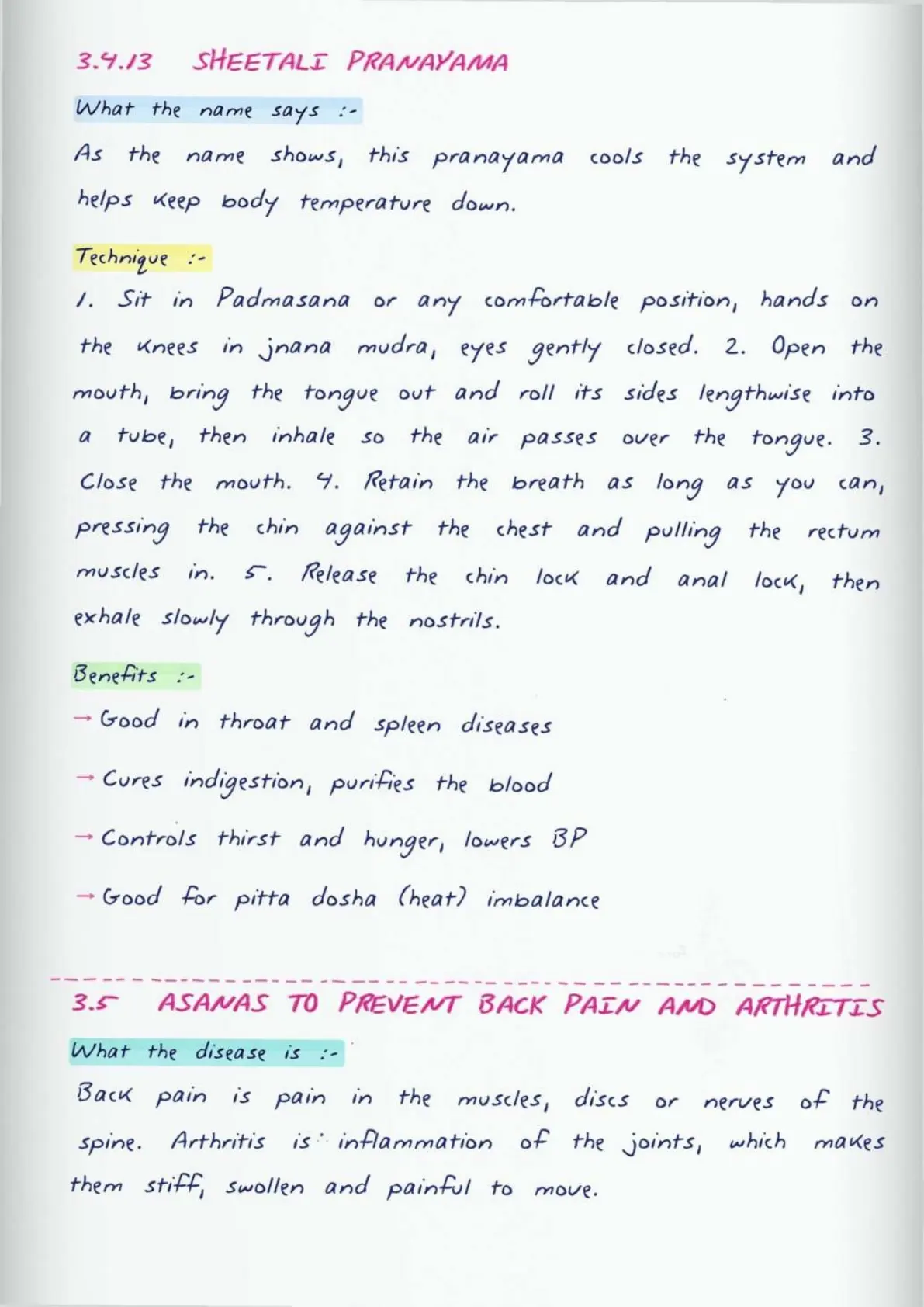
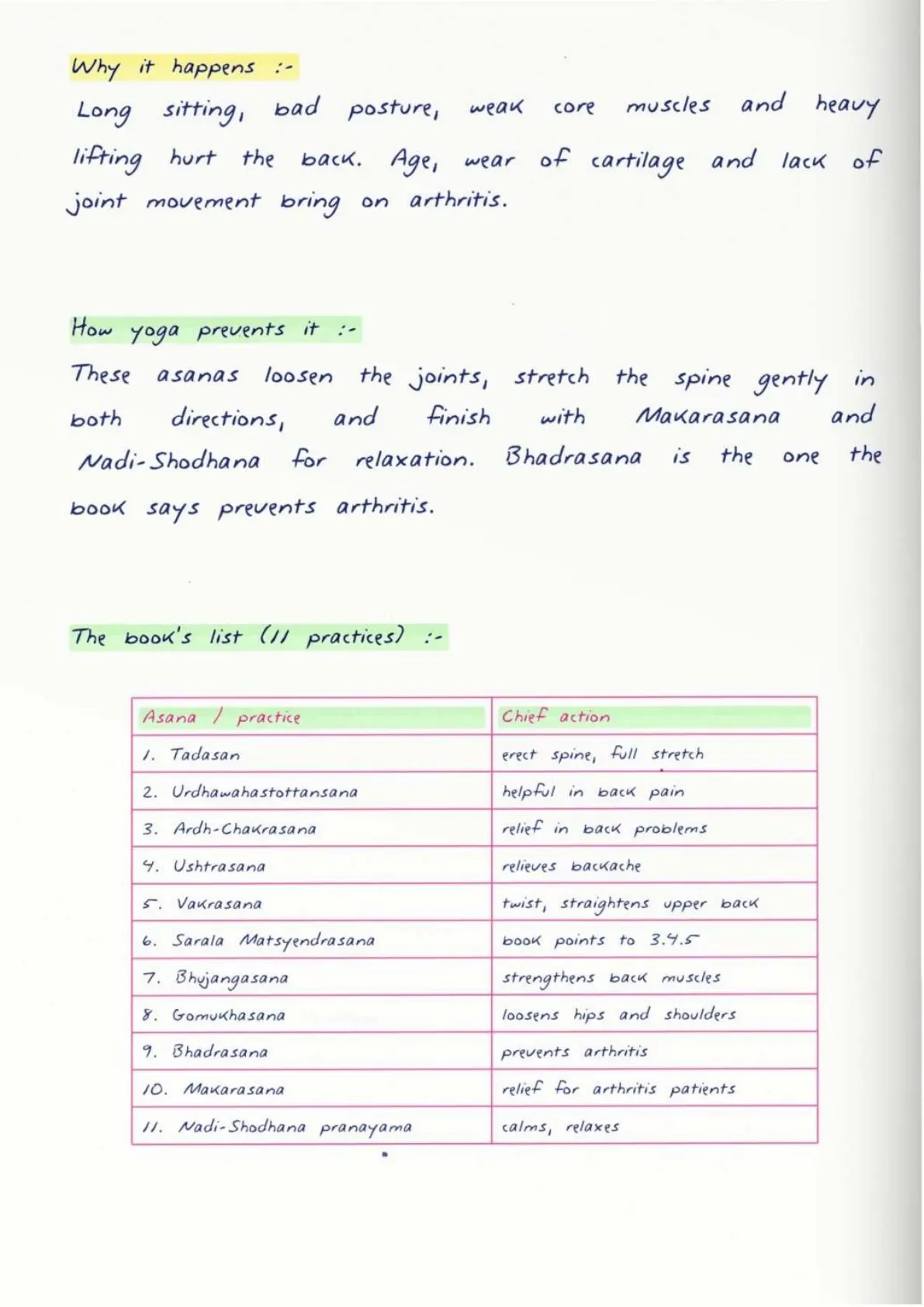
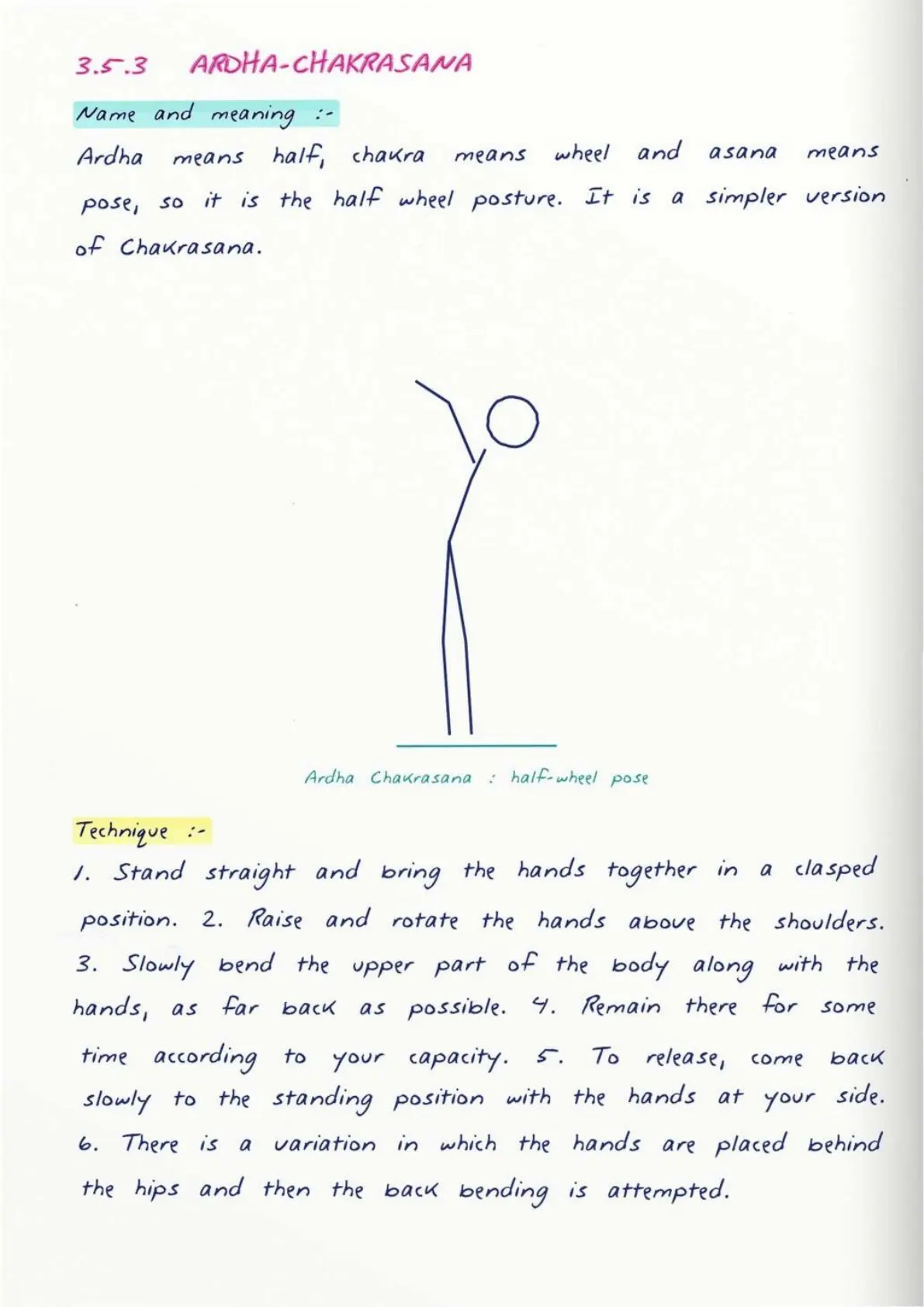
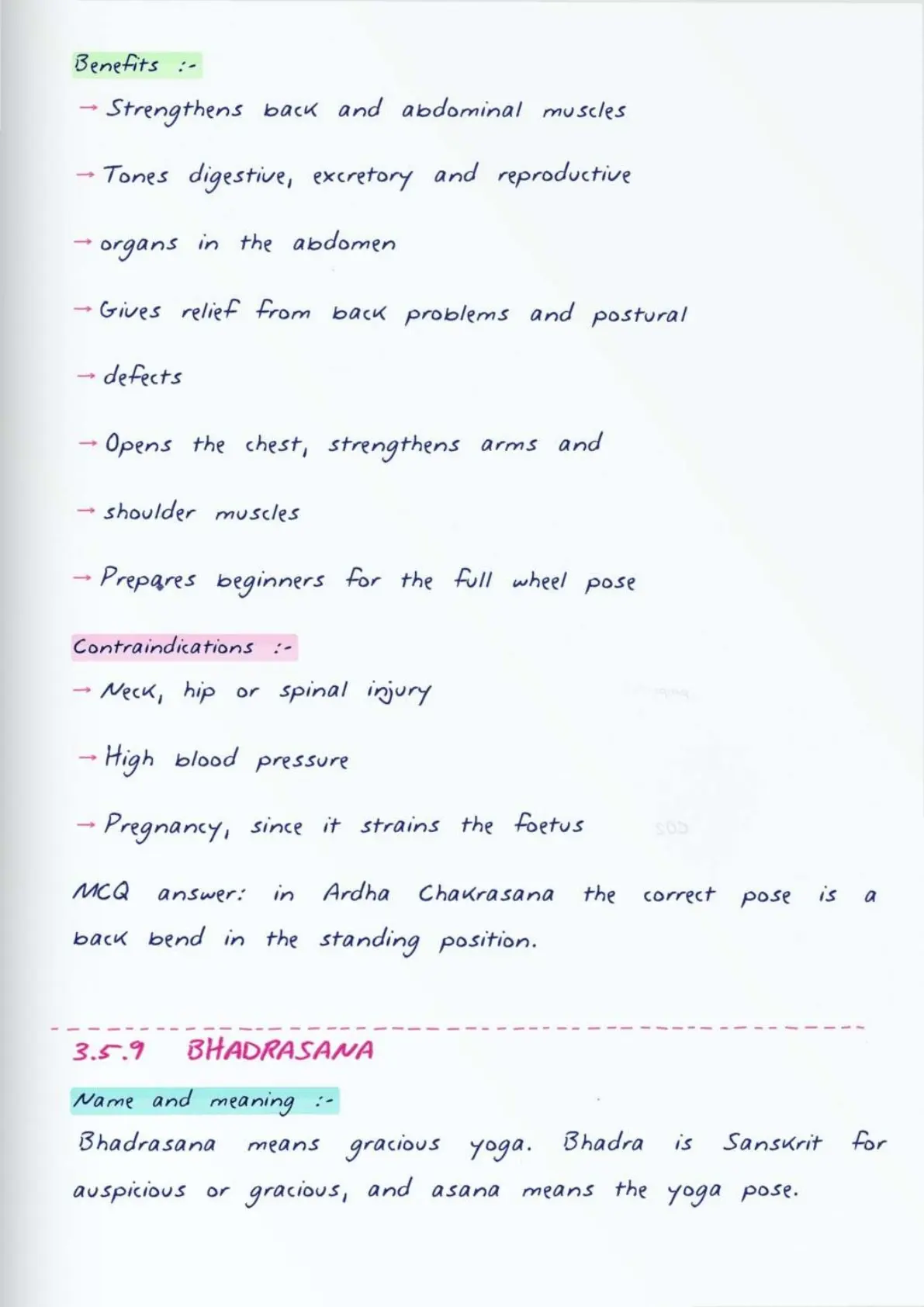
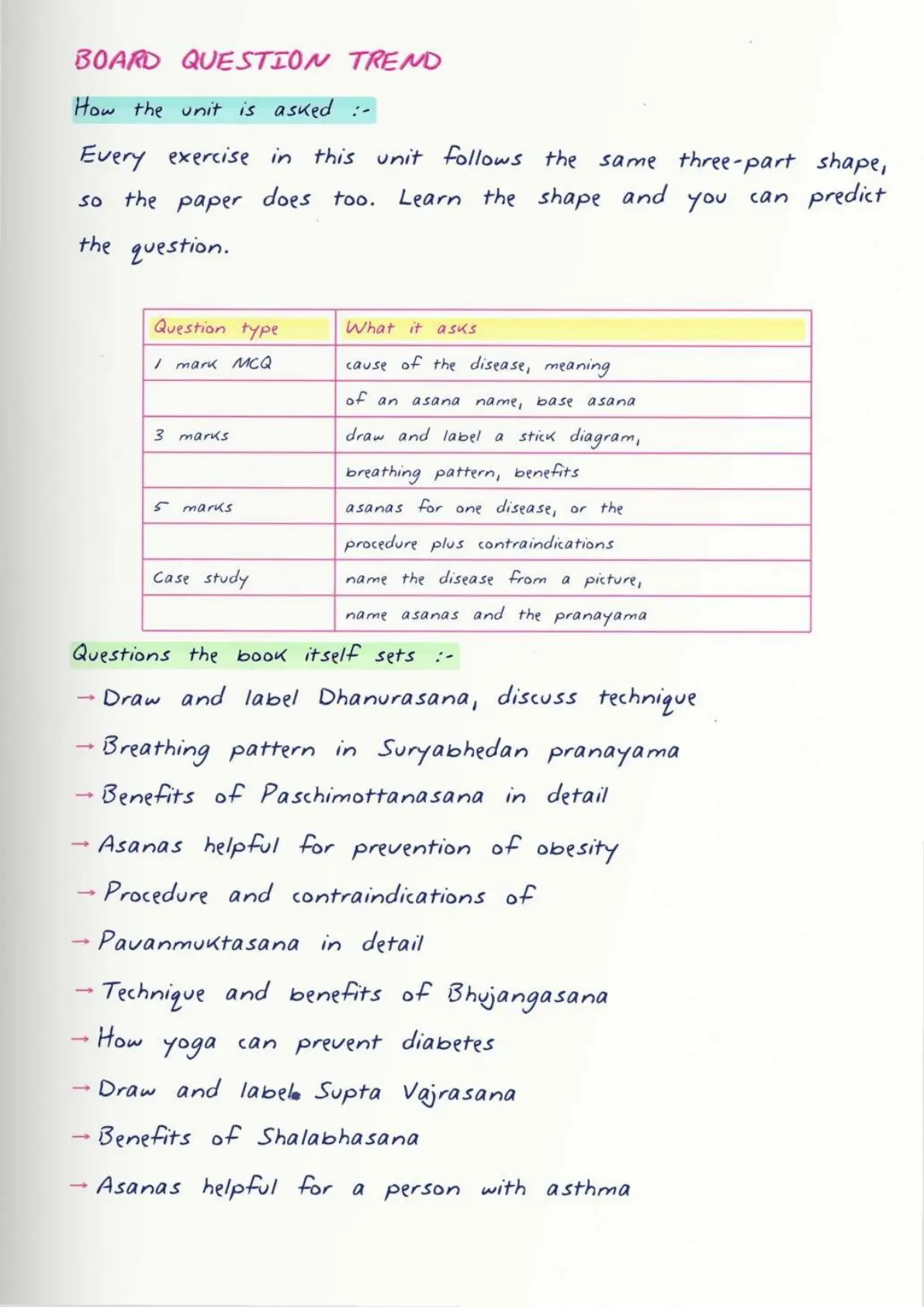
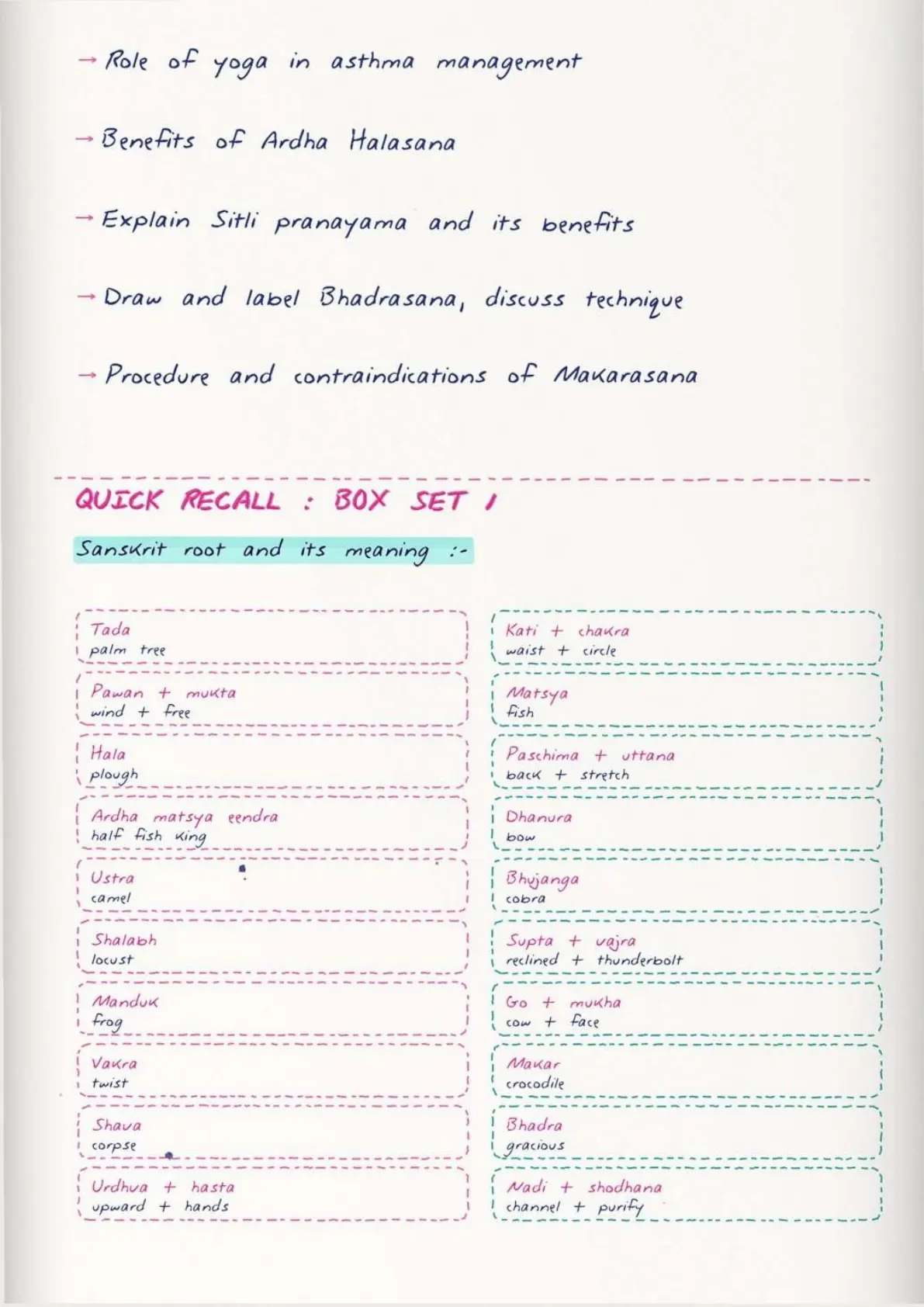
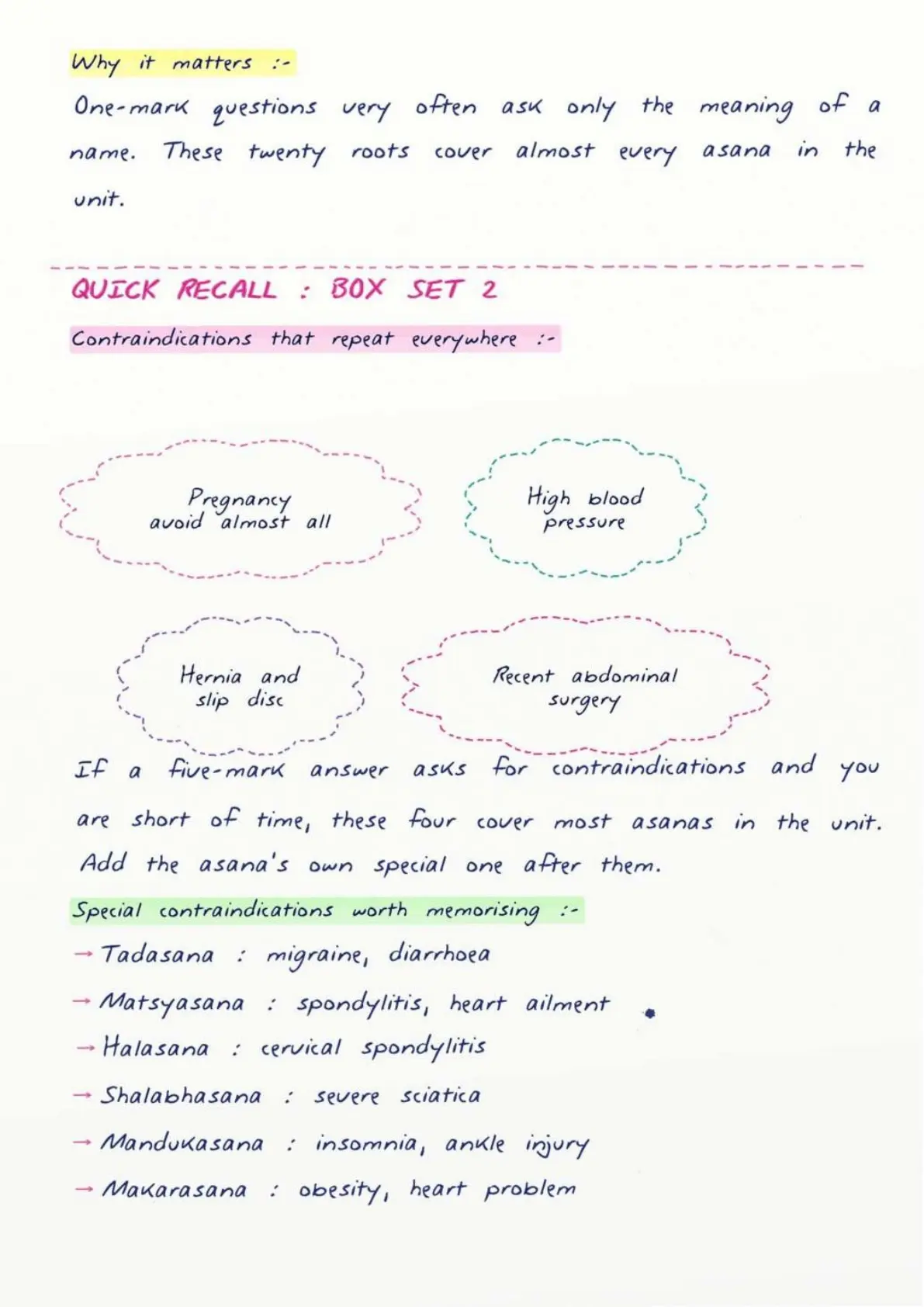
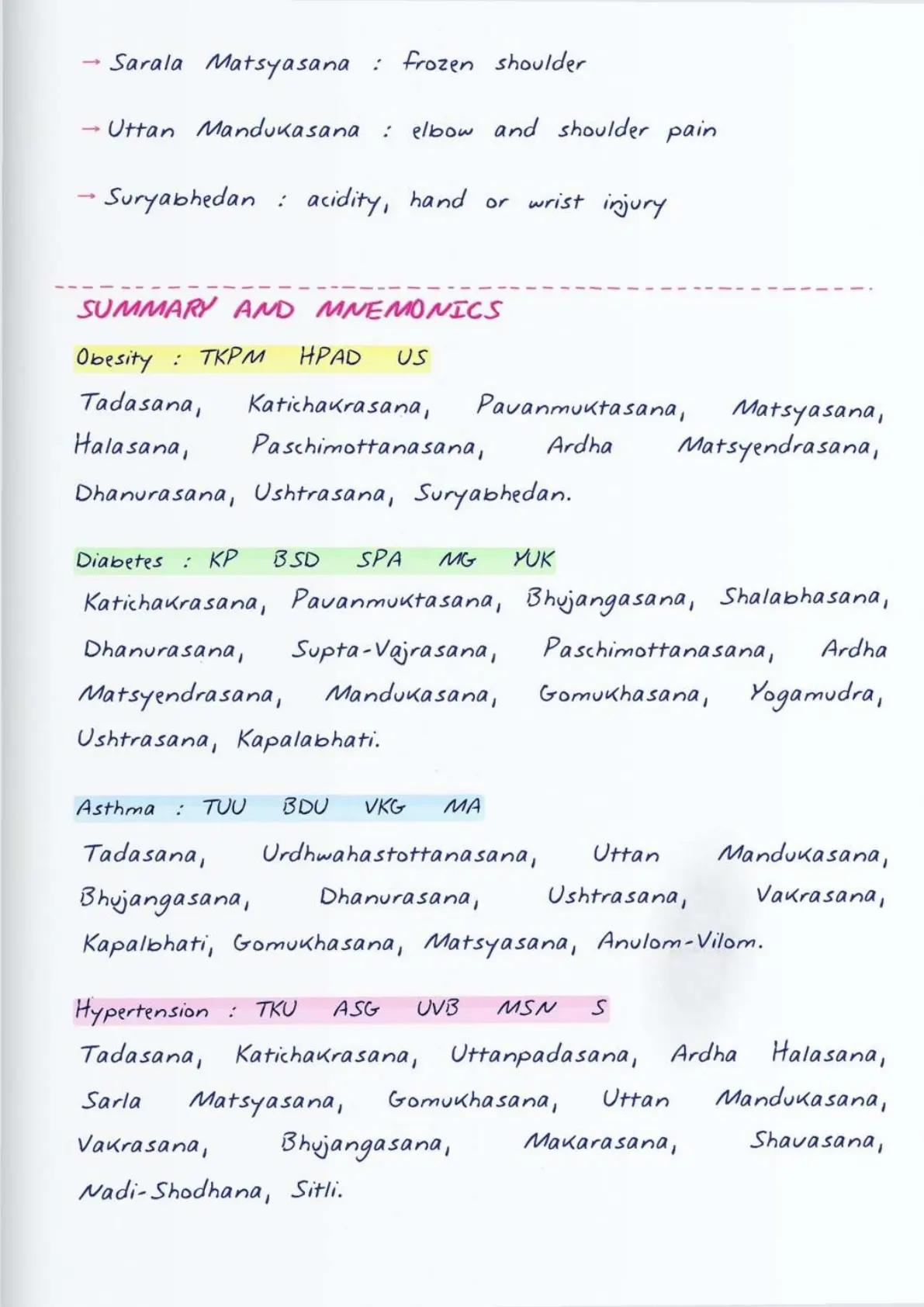
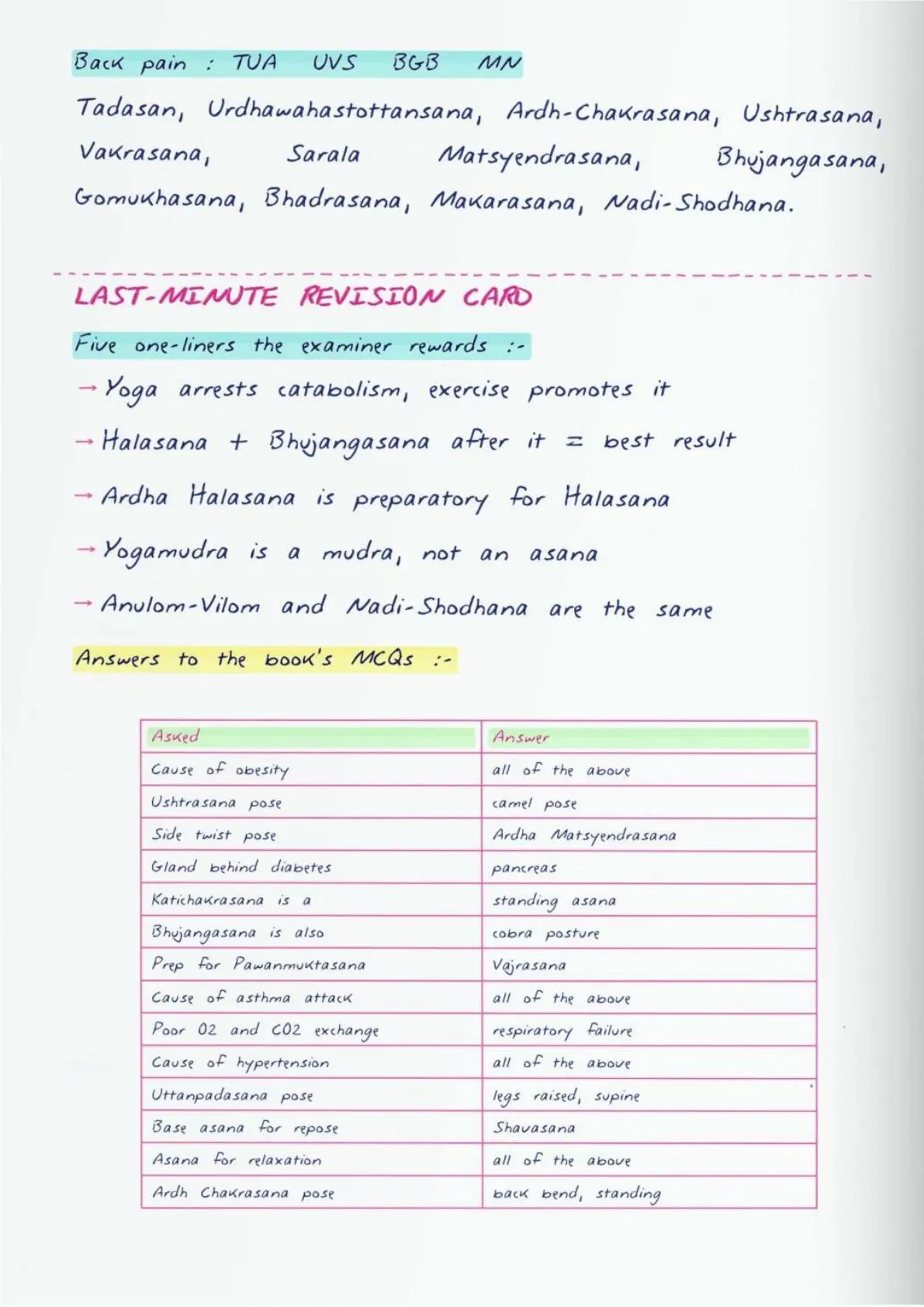
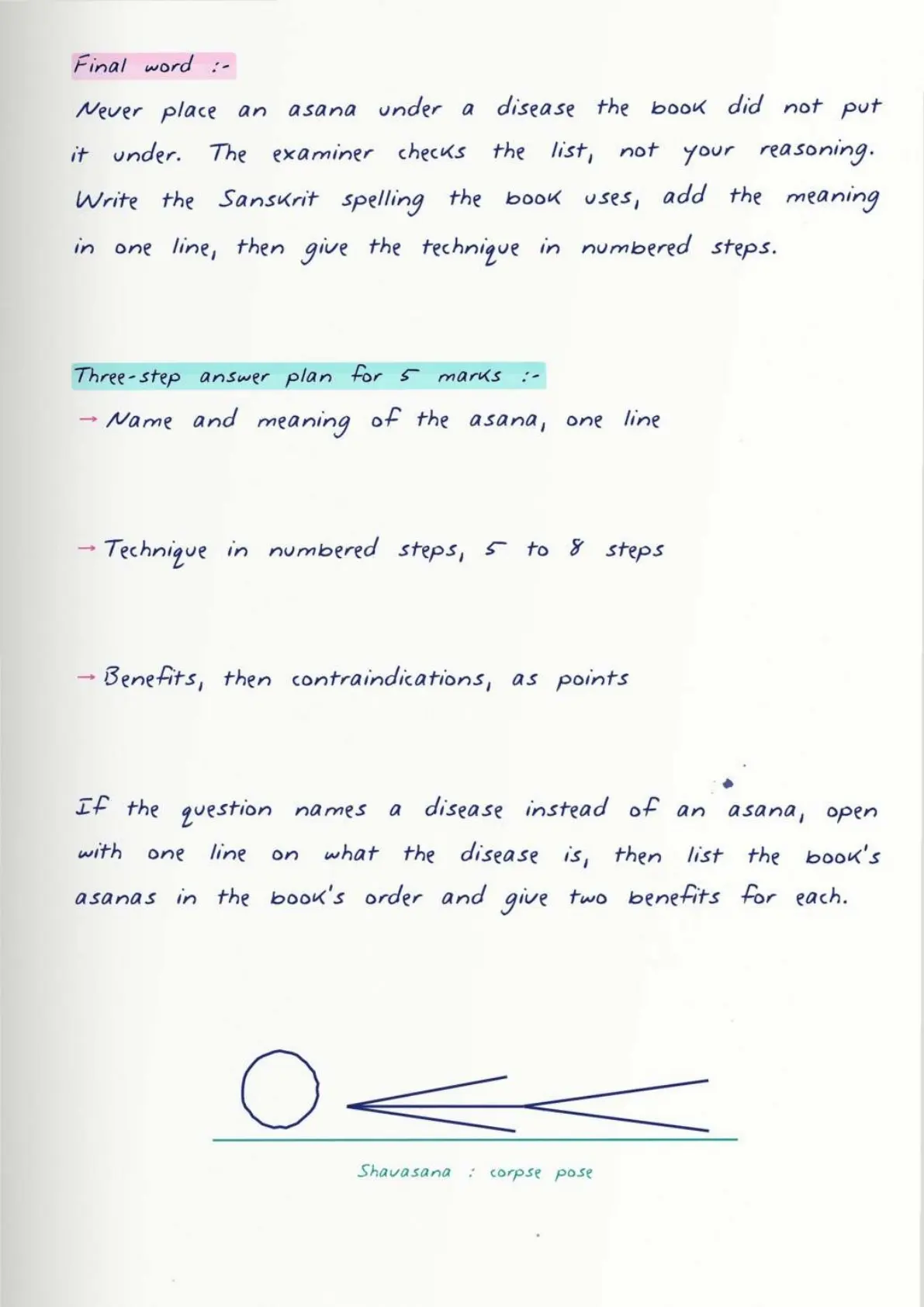
Every asana in these notes is written by hand, checked name by name against the 2026-27 CBSE Physical Education print, and grouped under the same disease the textbook groups it under, so nothing gets moved from one list to another.
Student Feedback: In a Collegedunia survey of 12,840 Class 12 Physical Education students conducted before the 2026 boards, 71% of students said they had written at least one asana under the wrong disease in a school test. The fix most students named was simple. Learn the five lists as five separate blocks first, and only then look at which asana repeats.
Source: 2026-27 Class 12 Physical Education student poll. Sample of 12,840 students from CBSE schools across 18 states.
What Yoga as Preventive Measure for Lifestyle Disease Covers: Five Diseases, Five Asana Lists
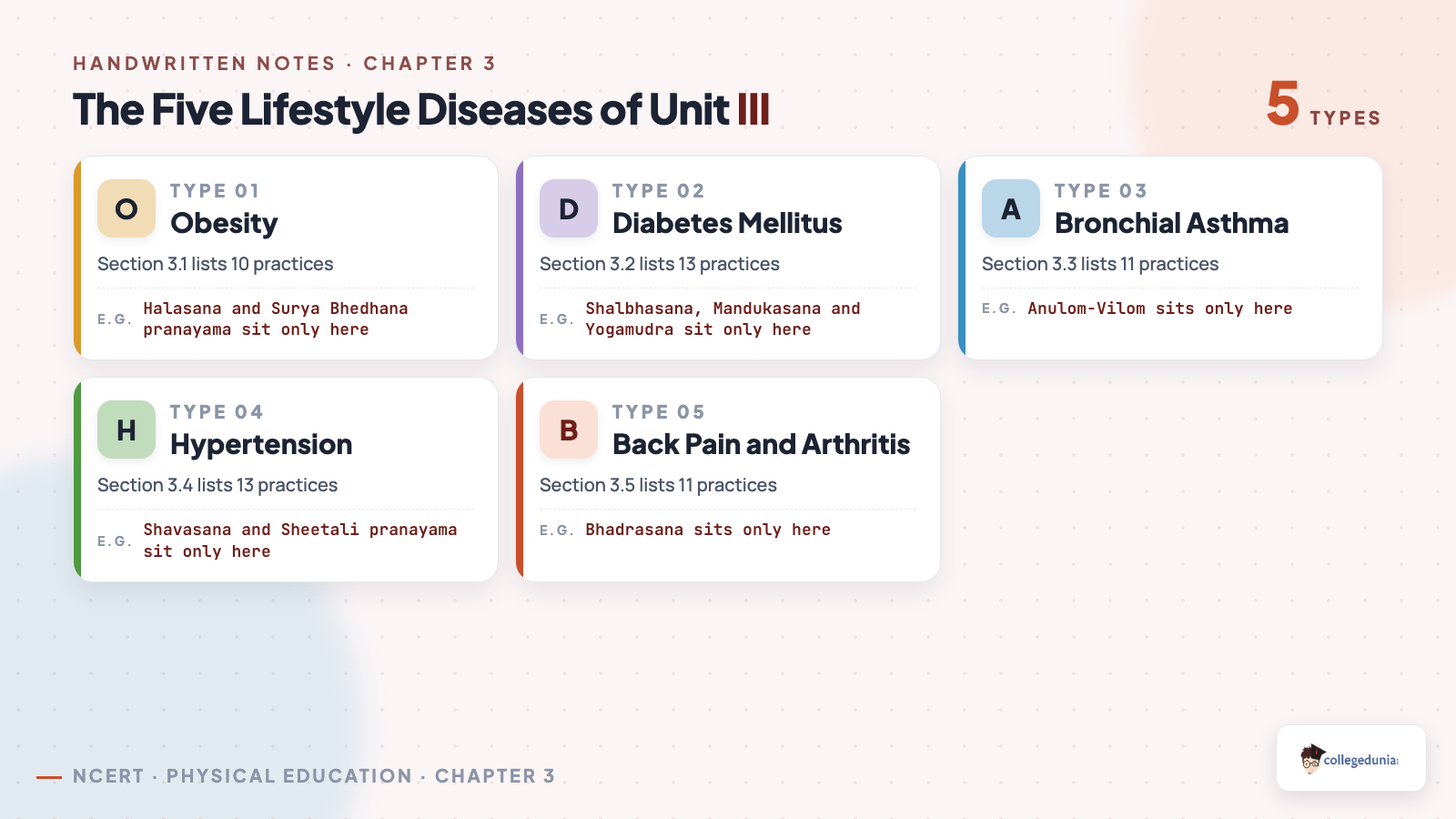
CBSE places this chapter in Unit III. It has no theory section on what a lifestyle disease is. The whole chapter is five numbered lists of asanas, one list per disease, and each asana comes with a technique, a benefits list and a contraindications list.
| Section | Disease | Number of entries |
|---|---|---|
| 3.1 | Obesity | 10 |
| 3.2 | Diabetes Mellitus | 13 |
| 3.3 | Bronchial Asthma | 11 |
| 3.4 | Hypertension | 13 |
| 3.5 | Back Pain and Arthritis | 11 |
That is 58 numbered entries in total, but far fewer distinct asanas, because the book repeats an asana under every disease it helps. When the book repeats one, it does not print the technique again. It simply writes "See 3.1.2" and points back to the first appearance, which is why the lists look shorter in the textbook than they really are.
Asanas to Prevent Obesity: The 10 Practices Listed Under Section 3.1
Section 3.1 is the only list that carries Halasana and Surya Bhedhana pranayama. Both are worth marking, because a question that names either one is asking about obesity and nothing else.
| Asana | Name meaning | Point the paper asks for |
|---|---|---|
| Tadasana | Palm tree pose | Eyes stay fixed on one point above head level, or balance is lost |
| Katichakrasana | Kati is waist, chakra is circle | Waist rotation, good for sedentary or deskbound work |
| Pavanmuktasana | Wind removing asana | Reduces fat in the abdomen, thighs and buttocks |
| Matsyasana | Matsya is fish | Body weight rests on the elbows, never on the head |
| Halasana | Hala is plough | Legs travel 30, then 60, then 90 degrees |
| Paschimottanasana | Paschima is back of the body, uttana is intense stretch | Forehead placed on the knees in the final position |
| Ardha Matsyendrasana | Half Lord of the Fish, or Half Spinal Twist | Gaze goes backward while the trunk twists |
| Dhanurasana | Dhanura is bow | Cures constipation and removes excess fat |
| Ushtrasana | Ustra is camel | A back bend that opens the Anahata or heart chakra |
| Surya Bhedhana pranayama | Surya is sun, bhedhana is to get through | Inhale through the right nostril, exhale through the left |
One benefit line in Halasana is a favourite of examiners. The book says the maximum benefit of Halasana comes when Bhujangasana is practised immediately after it. Halasana itself sits only in the obesity list, so this is a cross-reference, not a second entry.
Yoga and Lifestyle Disease Unit 3 Full Chapter Revision
Source: Zaki Saudagar on YouTube
Asanas to Prevent Diabetes Mellitus: The 13 Practices Under Section 3.2
This is the longest list along with hypertension, and it is the one with a practice that is not an asana at all. The book says plainly that Yogamudra is a mudra, not an asana, but can be performed as a remedy for diabetes.
- Katichakrasana, Pavanmuktasana, both carried over from the obesity list.
- Bhujangasana, cobra pose, named for the hooded snake shape of the final position.
- Shalbhasana, from shalabh, meaning grasshopper or locust.
- Dhanurasana and Supta-Vajrasana, where supta is reclined and vajra is thunderbolt.
- Paschimottanasana and Ardha Matsyendrasana, both described as very useful in diabetes.
- Mandukasana, the frog pose, which the book links directly to the pancreas.
- Gomukhasana, from go meaning cow and mukha meaning face.
- Yogamudra and Ushtrasana.
- Kapalabhati, forceful and fast diaphragmatic breathing.
Mandukasana is the single strongest answer for a diabetes question, because the textbook names both diabetes and the pancreas in its benefits. Ardha Matsyendrasana runs it close, since the book writes "It is very useful in diabetes" as a numbered benefit. Halasana also mentions diabetes in its benefits, but Halasana is printed under obesity, so it does not belong in a diabetes answer list.
Asanas to Prevent Bronchial Asthma: 11 Practices That Open the Chest
Section 3.3 is titled Asanas to Prevent Bronchial Asthma. Every entry either opens the chest, lifts lung capacity or works on the breath directly.
| Practice | Why the book puts it here |
|---|---|
| Tadasana | Full-body stretch, first asana of the chapter |
| Urdhvahastottansana | Urdhva is upward, hasta is hands; stretches the chest and raises lung intake capacity |
| Uttan Mandukasana | Mandukasana with the head held in the elbows, giving diaphragmatic movement |
| Bhujangasana | Opens the chest, shoulders, heart and ribcage |
| Dhanurasana | Back bend that makes the spine and back muscles flexible |
| Ushtrasana | The book states directly that it is helpful for asthmatic people |
| Vakrasana | Vakra is twist; a seated twist that activates the thyroid gland |
| Kapalbhati | Cleanses the respiratory passages including the sinuses |
| Gomukhasana | Stretches and tones the muscles of the chest |
| Matsyasana | Gives relief from respiratory disorders by encouraging deep breathing |
| Anulom-Vilom | Viloma means produced in the reverse order; the nostril order reverses every round |
Read the Kapalbhati page twice. Its benefits say it cures sinusitis, asthma and hair loss. Its precautions say pregnant women, slipped disc patients and asthma patients should avoid it. Both lines are in the textbook, so write both exactly as printed if the question asks for benefits and precautions together.
Asanas to Prevent Hypertension: 13 Practices Built Around Relaxation
Hypertension is the only list that carries two relaxing asanas and two cooling or balancing pranayamas. It is also the list where the four exclusive entries sit, so it is the easiest list to identify in a question.
- Tadasana and Katichakrasana, the two standing entries.
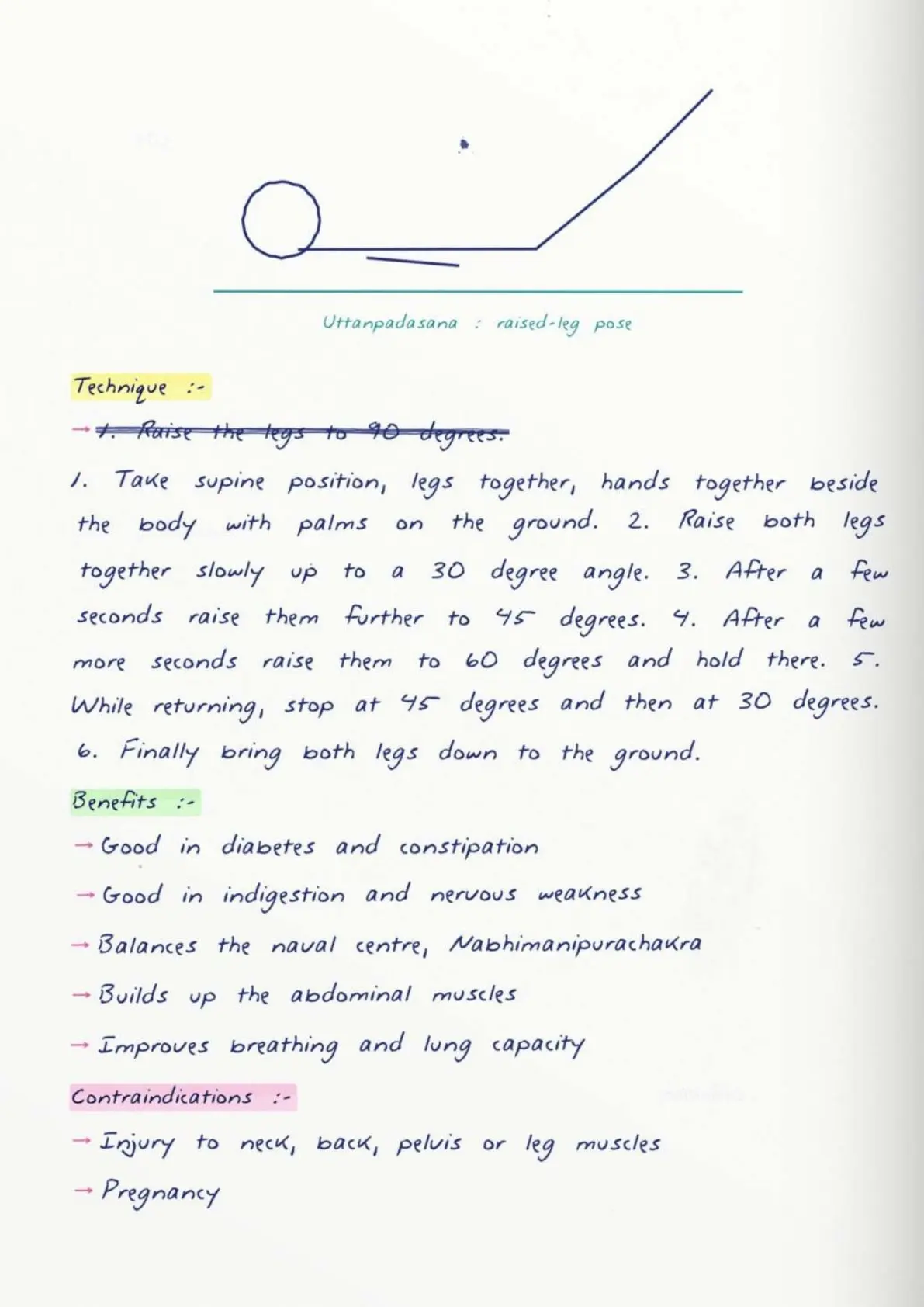
- Uttanpadasana, from uttana meaning raise upward and pada meaning legs; the raised leg pose worked at 30, 45 and 60 degrees.
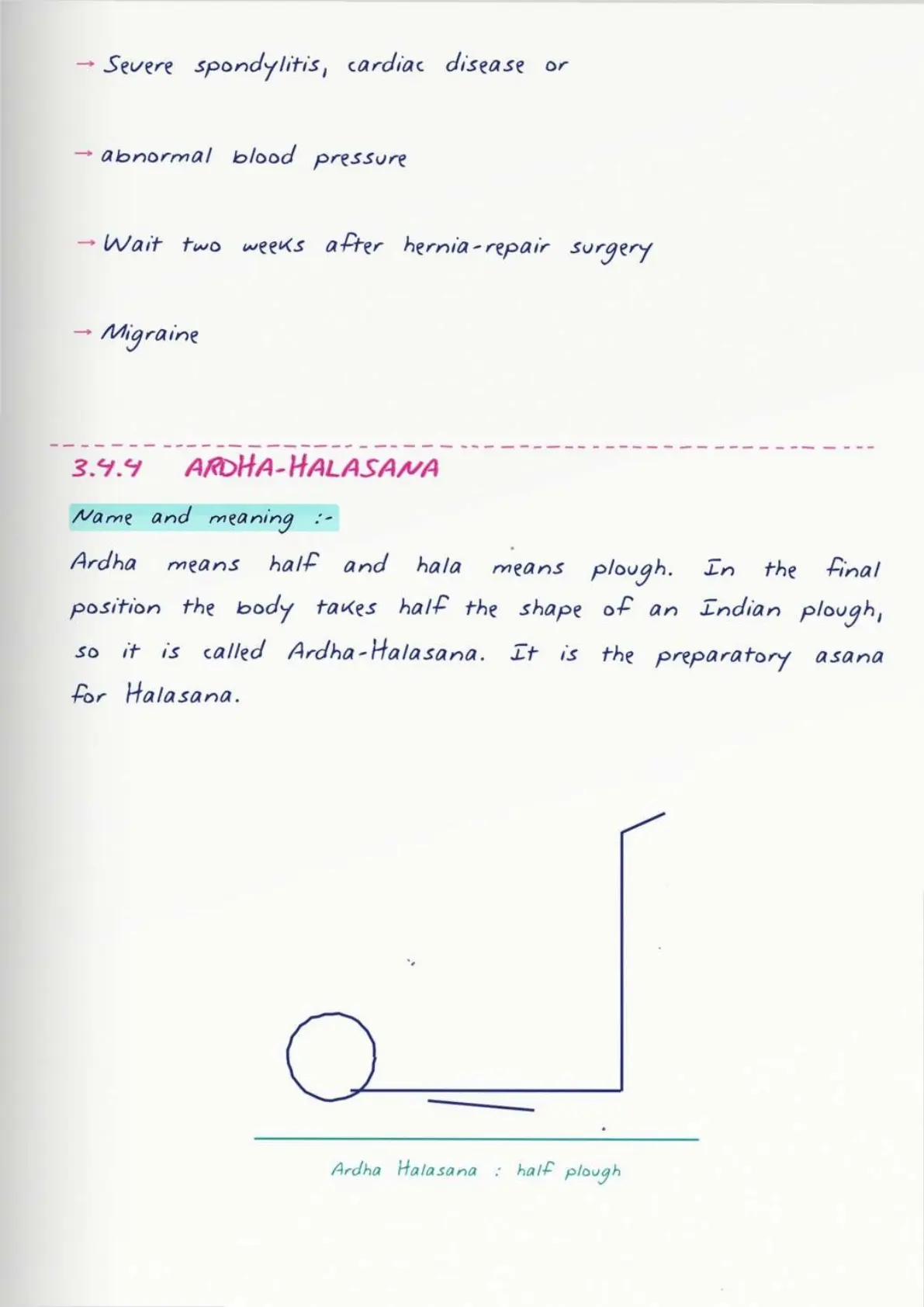
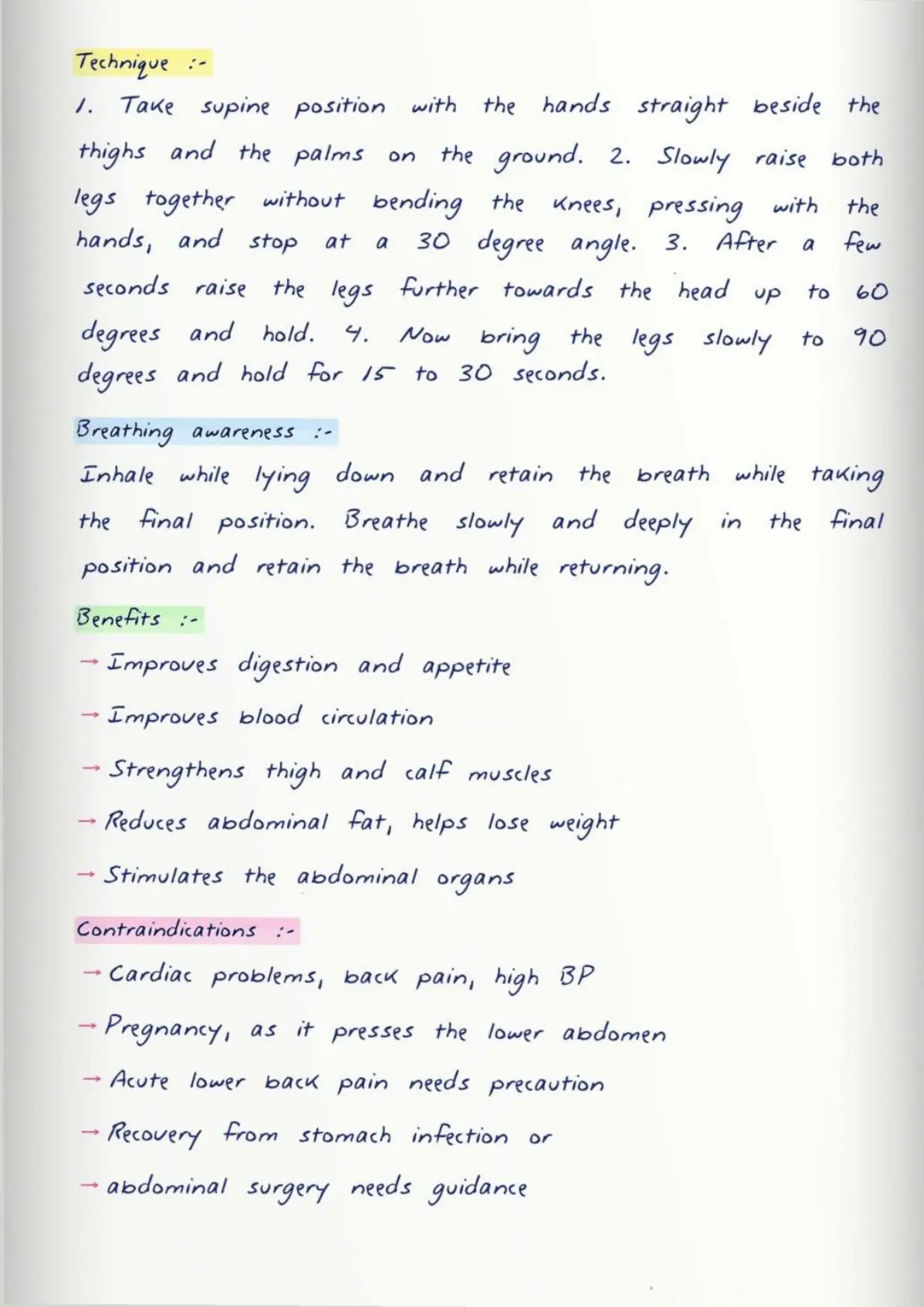
- Ardha Halasana, the preparatory asana for Halasana, held at 90 degrees for 15 to 30 seconds.
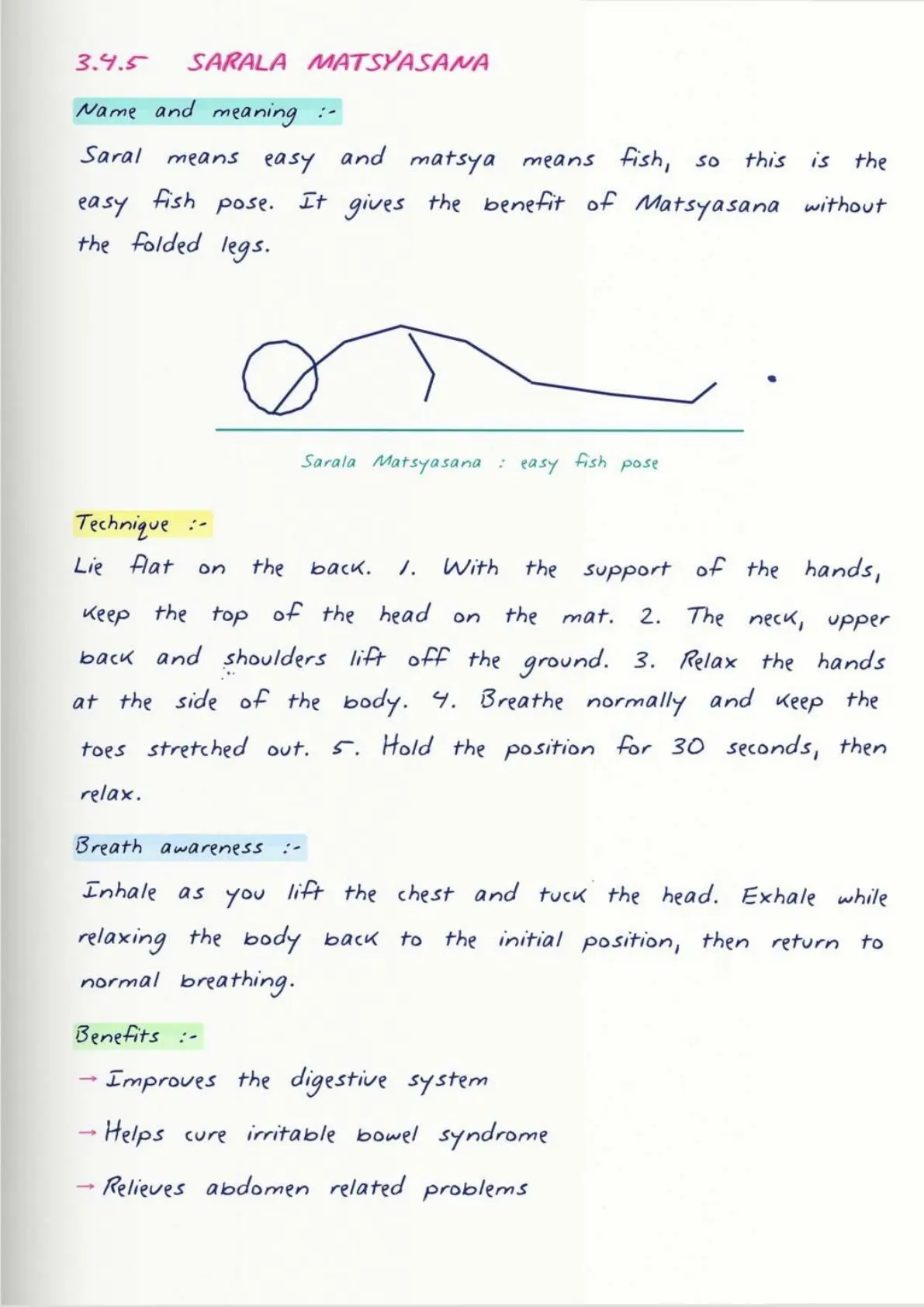
- Sarala Matsyasana, where saral means easy and matsya means fish; hold for 30 seconds.
- Gomukhasana, Uttan Mandukasana, Vakrasana and Bhujangasana.
- Makarasana, the crocodile pose, treated as a relaxing asana like Shavasana.
- Shavasana, lying supine like a corpse, which the book calls very beneficial in high blood pressure and cardiac diseases.
- Nadi-Shodhana pranayam, where nadi is channel and shodhana is purification.
- Sheetali pranayama, which cools the system and lowers blood pressure.
Sheetali is the one practice in the chapter where the tongue is rolled into a cylinder and the inhalation happens through the mouth. The book also links it to diseases caused by an imbalance of pitta dosha, or heat, which is a detail short-answer questions like to pick up.
Asanas to Prevent Back Pain and Arthritis: The 11 Practices in Section 3.5
Section 3.5 closes the chapter. Nine of its eleven entries have already appeared under an earlier disease, so only two are new here.
| Practice | New here? | Key line from the book |
|---|---|---|
| Tadasana | No | Reduces anxiety, stress, back pain and sciatica |
| Urdhwahastottansana | No | Regular practice helps in overcoming back pain |
| Ardha-Chakrasana | Yes | Ardha is half and chakra is wheel; a simpler version of Chakrasana, done as a standing back bend |
| Ushtrasana | No | Loosens the vertebra, relieving backache and rounded back |
| Vakrasana | No | Helps straighten the upper back |
| Sarala Matsyendrasana | No | The book points this entry back to Sarala Matsyasana in the hypertension list |
| Bhujangasana | No | Tones the entire spinal extensor group of back muscles |
| Gomukhasana | No | Greater flexibility of the hip joint |
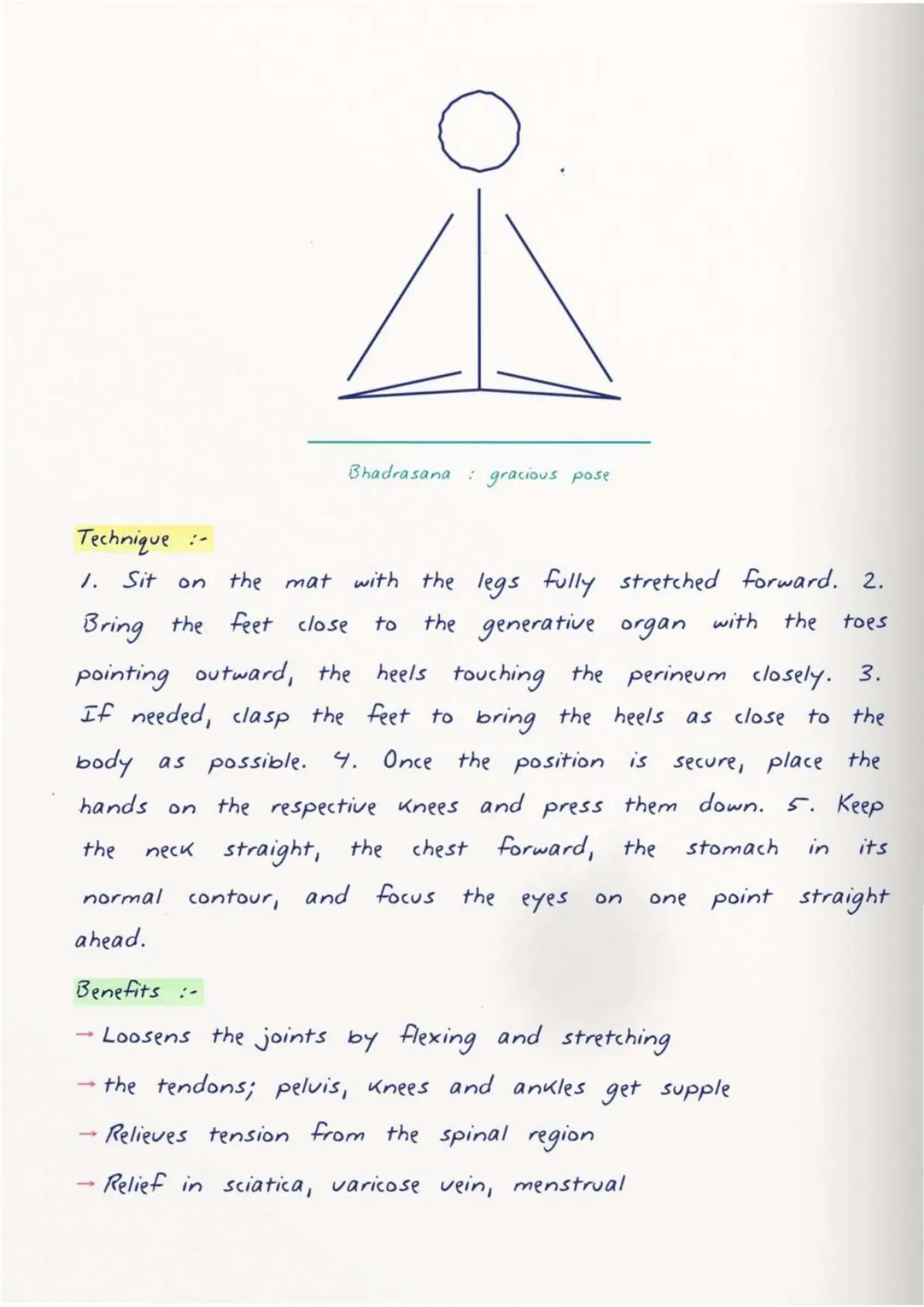
| Bhadrasana | Yes | Bhadra means auspicious or gracious; the book says it prevents arthritis |
| Makarasana | No | Relief for arthritis patients, helps in slipped disc |
| Nadi-Shodhana pranayama | No | Alternate nostril breathing, 5 counts in and 10 counts out |
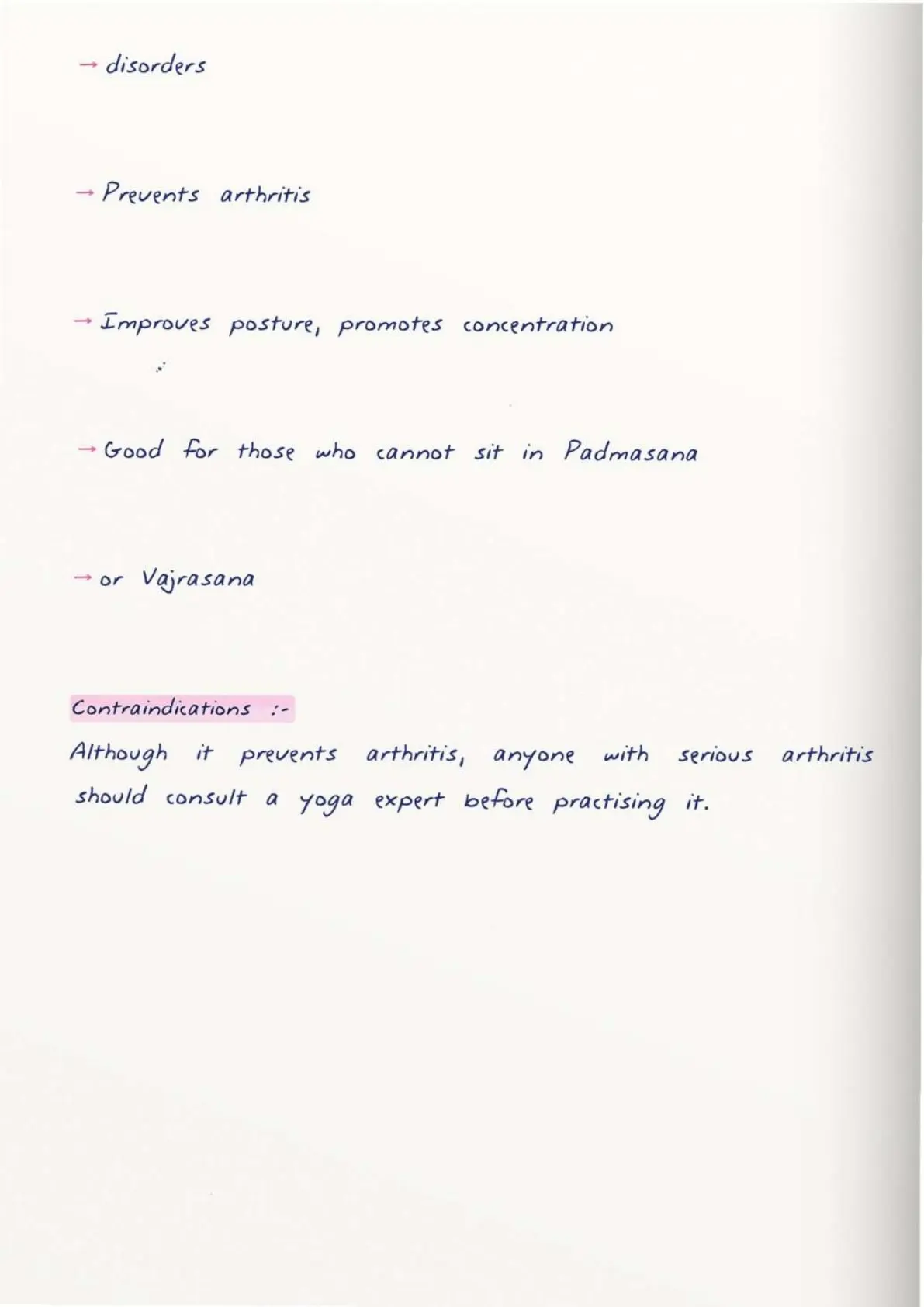
Bhadrasana carries its own careful warning. The book says it prevents arthritis, then adds that a practitioner with serious arthritis should consult a yoga expert before practising it. A full-mark answer includes both halves of that sentence.
The Overlap Map: Which Asana Appears Under More Than One Lifestyle Disease
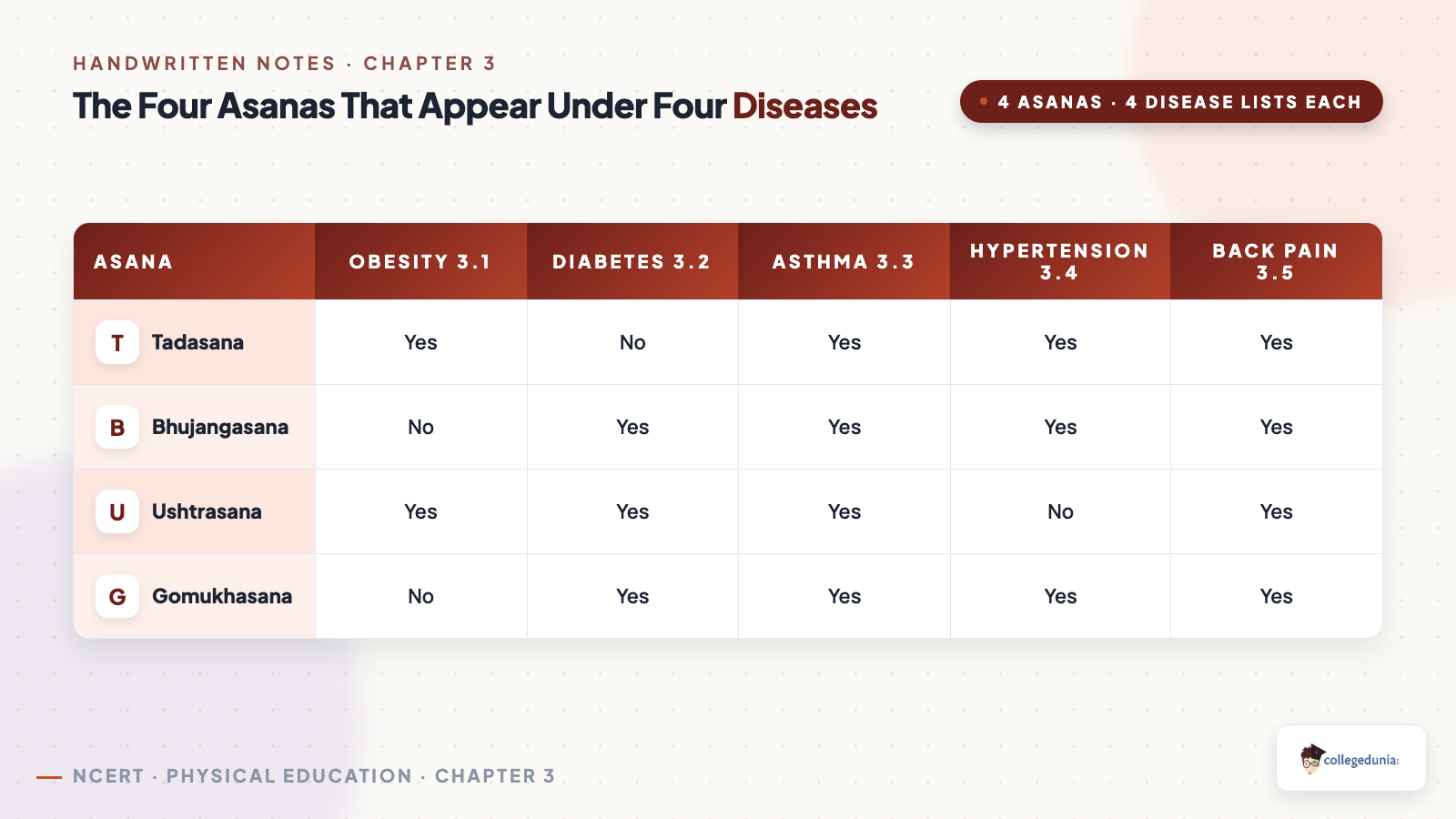
Once the five lists are learnt separately, the overlap map is what stops a wrong answer. Four asanas appear four times each, and they are the four most likely to be misplaced under a fifth disease they do not belong to.
| Asana | Appears under | Times |
|---|---|---|
| Tadasana | Obesity, asthma, hypertension, back pain and arthritis | 4 |
| Bhujangasana | Diabetes, asthma, hypertension, back pain and arthritis | 4 |
| Ushtrasana | Obesity, diabetes, asthma, back pain and arthritis | 4 |
| Gomukhasana | Diabetes, asthma, hypertension, back pain and arthritis | 4 |
| Katichakrasana | Obesity, diabetes, hypertension | 3 |
| Dhanurasana | Obesity, diabetes, asthma | 3 |
| Vakrasana | Asthma, hypertension, back pain and arthritis | 3 |
Tadasana is the only asana missing from the diabetes list, and Bhujangasana is the only one of the four missing from the obesity list. Those two gaps are exactly where students slip, because both asanas feel general enough to fit anywhere.
Practices That Belong to Only One Disease in the Yoga Chapter
The single-disease entries are the fastest marks in this chapter. If a question names one of them, the disease is already decided.
- Obesity only: Halasana, Surya Bhedhana pranayama.
- Diabetes only: Shalbhasana, Supta-Vajrasana, Mandukasana, Yogamudra.
- Asthma only: Anulom-Vilom.
- Hypertension only: Uttanpadasana, Ardha Halasana, Sarala Matsyasana, Shavasana, Sheetali pranayama.
- Back pain and arthritis only: Ardha-Chakrasana, Bhadrasana.
Learn these fourteen first. They cover every disease, they never overlap, and they turn a blank in a 5-mark question into two or three safe lines.
Pranayama in the Yoga Chapter: Five Breathing Practices and What Each One Does
Five breathing practices are numbered in this chapter, and each sits under a different disease. Confusing Surya Bhedhana with Nadi-Shodhana is common, so the nostril pattern is worth writing out.
| Pranayama | Listed under | Breathing pattern |
|---|---|---|
| Surya Bhedhana | Obesity | Every inhalation through the right nostril, every exhalation through the left |
| Kapalabhati | Diabetes and asthma | Forceful, fast exhalation by contracting the abdomen, then inhalation |
| Anulom-Vilom | Asthma | Nostril order reverses each round; inhale 5 counts, exhale 10 counts |
| Nadi-Shodhana | Hypertension and back pain | Alternate nostril breathing, the book's own name for Anulom Vilom |
| Sheetali | Hypertension | Tongue rolled into a cylinder, inhalation through the mouth, exhalation through the nostrils |
The book treats Nadi-Shodhana and Anulom-Vilom as the same practice and prints the same technique and benefits for both. Where they differ is placement. Anulom-Vilom is numbered under asthma and Nadi-Shodhana under hypertension and back pain, so answer with the name the question's disease uses.
Common Mistakes Students Make in the Yoga as Preventive Measure Chapter
Five traps that cost easy marks in this chapter:
- Adding Trikonasana to a disease list. Trikonasana does not appear anywhere in this chapter. Neither does Vajrasana, Sukhasana, Chakrasana, Parvatasana or Hastasana as a numbered asana under any disease.
- Putting Halasana under diabetes. Its benefits mention diabetes, but the book numbers it only under obesity. The diabetes list has Ardha Halasana nowhere either; Ardha Halasana belongs to hypertension.
- Calling Yogamudra an asana. The book states it is a mudra, performed as a remedy for diabetes.
- Skipping contraindications. Most questions in this chapter ask for procedure, benefits and contraindications together. An answer with two of the three loses a third of the marks.
- Mixing up the two frog poses. Mandukasana sits under diabetes. Uttan Mandukasana, where the head is held in the elbows, sits under asthma and hypertension.
Write these five out from memory once before the exam. Students who did this reported that the wrong-disease error stopped repeating after a single revision round.
Quick Recall Sheet for Yoga as Preventive Measure for Lifestyle Disease
| Name | What it means and where it sits |
|---|---|
| Tadasana | Palm tree pose; four lists, not diabetes |
| Katichakrasana | Waist rotation; obesity, diabetes, hypertension |
| Pavanmuktasana | Wind removing asana; obesity and diabetes |
| Halasana | Plough pose; obesity only |
| Shalbhasana | Grasshopper or locust pose; diabetes only |
| Supta-Vajrasana | Reclined thunderbolt; diabetes only |
| Mandukasana | Frog pose, linked to the pancreas; diabetes only |
| Uttan Mandukasana | Upright frog, head in the elbows; asthma and hypertension |
| Vakrasana | Twisted pose; asthma, hypertension, back pain and arthritis |
| Uttanpadasana | Raised leg pose at 30, 45 and 60 degrees; hypertension only |
| Shavasana | Corpse pose, removes fatigue; hypertension only |
| Ardha-Chakrasana | Half wheel, standing back bend; back pain and arthritis only |
| Bhadrasana | Gracious pose, prevents arthritis; back pain and arthritis only |
| Makarasana | Crocodile pose, a relaxing asana; hypertension, back pain and arthritis |
The notebook also carries the running order of the chapter as a five-letter cue: O-D-A-H-B, standing for Obesity, Diabetes, Asthma, Hypertension and Back pain with arthritis.
What the Yoga as Preventive Measure for Lifestyle Disease Handwritten Notes PDF Contains
The file runs to 66 pages in clear handwriting, with each disease starting on a fresh page so the five lists never bleed into each other.
- Pages 1 to 16: the ten obesity asanas from Tadasana to Surya Bhedhana pranayama, with technique, benefits and contraindications.
- Pages 17 to 33: the thirteen diabetes entries, including Yogamudra and the note that it is a mudra.
- Pages 34 to 44: the eleven asthma entries, with the chest-opening benefit written beside each one.
- Pages 45 to 58: the thirteen hypertension entries, ending with Nadi-Shodhana and Sheetali pranayama.
- Pages 59 to 66: back pain and arthritis, plus the overlap map and the quick recall sheet.
Textbook Exercise Questions and How These Notes Answer Them
Each of the five sections closes with its own exercise set, and the chapter ends with a table to complete and two case study questions. The table below shows where the answer material sits.
| Exercise question | Where the answer is built |
|---|---|
| Discuss the asanas helpful for prevention of obesity | The ten-row obesity table with technique and benefit cues |
| Explain how yoga can prevent diabetes | The thirteen-item diabetes list, led by Mandukasana and Ardha Matsyendrasana |
| Discuss the asanas helpful for a person suffering from asthma | The eleven-row asthma table plus the Kapalbhati precaution note |
| Discuss the asanas helpful for a person suffering from hypertension | The thirteen-item hypertension list with Shavasana and Makarasana |
| Discuss the asanas helpful for a person suffering from arthritis | The back pain and arthritis table, with Bhadrasana and Makarasana |
| Complete the table of disease, asanas and benefits | The overlap map and the single-disease list, used together |
| Write the procedure and contraindications of Pavanmuktasana or Makarasana in detail | The full technique pages for each asana in the PDF |
How to Use These Handwritten Notes Most Effectively
Five lists learnt in one sitting turn into one blurred list. Splitting the chapter across short blocks works better, and students who used this split reported finishing the chapter in about four hours.
- Block 1, 45 minutes. Obesity, all ten entries, with Halasana and Surya Bhedhana marked as exclusive.
- Block 2, 45 minutes. Diabetes, all thirteen, with Yogamudra flagged as a mudra.
- Block 3, 40 minutes. Asthma, all eleven, plus the Kapalbhati benefit and precaution pair.
- Block 4, 45 minutes. Hypertension, all thirteen, ending with the two pranayamas.
- Block 5, 35 minutes. Back pain and arthritis, then the overlap map read top to bottom.
- Night before, 15 minutes. Quick recall sheet and the five common mistakes, nothing else.
How These Handwritten Notes Pair with Other Class 12 Physical Education Resources
| Resource | Best used for | Open it |
|---|---|---|
| Class 11 Physical Education Handwritten Notes | Elements of yoga and why it matters today, the base for this chapter | Yoga and its Relevance in the Modern Times Class 11 Handwritten Notes |
| Class 11 Physical Education Handwritten Notes | Health, its determinants and lifestyle risk factors behind these five diseases | Understanding Health Class 11 Handwritten Notes |
| Class 8 Physical Education Handwritten Notes | Basic asana technique written in simpler language for a quick refresher | Yoga Class 8 Handwritten Notes |
| Class 12 Physical Education Notes | Typed revision notes with the five disease lists set out in full | Yoga as Preventive Measure for Lifestyle Disease Class 12 Notes (coming soon) |
| Class 12 Physical Education Book PDF | The official chapter text with every technique and exercise question | Yoga as Preventive Measure for Lifestyle Disease Class 12 Book PDF (coming soon) |
| Class 12 Physical Education Chapter 4 Handwritten Notes | Physical Education and Sports for CWSN, the chapter that follows this one | Physical Education & Sports for CWSN Class 12 Handwritten Notes (coming soon) |
NCERT Handwritten Notes for Class 12 Physical Education: All Chapters
| Chapter | Class 12 Physical Education Handwritten Notes |
|---|---|
| Chapter 1 | Management of Sporting Events Class 12 Handwritten Notes |
| Chapter 2 | Children and Women in Sports Class 12 Handwritten Notes |
| Chapter 3 | Yoga as Preventive Measure for Lifestyle Disease Class 12 Handwritten Notes (this page) |
| Chapter 4 | Physical Education & Sports for CWSN Class 12 Handwritten Notes |
Yoga as Preventive Measure for Lifestyle Disease Class 12 Handwritten Notes FAQs
Ques. Which asanas are listed for the prevention of obesity in Class 12 Physical Education?
Ans. Section 3.1 lists ten practices: Tadasana, Katichakrasana, Pavanmuktasana, Matsyasana, Halasana, Paschimottanasana, Ardha Matsyendrasana, Dhanurasana, Ushtrasana and Surya Bhedhana pranayama. Halasana and Surya Bhedhana pranayama appear only in this list, so naming either one points straight to obesity.
Ques. Which asanas does the chapter list for diabetes?
Ans. Section 3.2 lists thirteen: Katichakrasana, Pavanmuktasana, Bhujangasana, Shalbhasana, Dhanurasana, Supta-Vajrasana, Paschimottanasana, Ardha Matsyendrasana, Mandukasana, Gomukhasana, Yogamudra, Ushtrasana and Kapalabhati. Mandukasana is the strongest single answer because the textbook links it to both diabetes and the pancreas.
Ques. Which asanas help prevent bronchial asthma according to the textbook?
Ans. Section 3.3 lists eleven: Tadasana, Urdhvahastottansana, Uttan Mandukasana, Bhujangasana, Dhanurasana, Ushtrasana, Vakrasana, Kapalbhati, Gomukhasana, Matsyasana and Anulom-Vilom. Anulom-Vilom is the only practice that belongs to the asthma list alone.
Ques. What are the asanas for hypertension in Class 12 Physical Education?
Ans. Section 3.4 lists thirteen: Tadasana, Katichakrasana, Uttanpadasana, Ardha Halasana, Sarala Matsyasana, Gomukhasana, Uttan Mandukasana, Vakrasana, Bhujangasana, Makarasana, Shavasana, Nadi-Shodhana pranayam and Sheetali pranayama. Shavasana is called very beneficial in high blood pressure and cardiac diseases.
Ques. Which asanas are recommended for back pain and arthritis?
Ans. Section 3.5 lists eleven: Tadasana, Urdhwahastottansana, Ardha-Chakrasana, Ushtrasana, Vakrasana, Sarala Matsyendrasana, Bhujangasana, Gomukhasana, Bhadrasana, Makarasana and Nadi-Shodhana pranayama. Ardha-Chakrasana and Bhadrasana are the only two entries that appear here and nowhere else.
Ques. Is Yogamudra an asana or a mudra?
Ans. The textbook says clearly that Yogamudra is not an asana but a mudra, and that it can be performed as a remedy for diabetes. It is done sitting in padmasana, holding one wrist behind the back with the other hand, then bending forward on the exhalation until the forehead reaches the floor.
Ques. What is the difference between Surya Bhedhana and Nadi-Shodhana pranayama?
Ans. In Surya Bhedhana, every inhalation is through the right nostril and every exhalation through the left, and it is listed under obesity. Nadi-Shodhana is alternate nostril breathing, where nadi means channel and shodhana means purification, and it is listed under hypertension and under back pain with arthritis.
Ques. Which asana appears under the largest number of diseases?
Ans. Four asanas appear four times each. Tadasana covers obesity, asthma, hypertension and back pain with arthritis. Bhujangasana and Gomukhasana cover diabetes, asthma, hypertension and back pain with arthritis. Ushtrasana covers obesity, diabetes, asthma and back pain with arthritis.
Ques. What is Kapalabhati and why does the chapter mention it twice?
Ans. Kapalabhati is forceful, fast diaphragmatic breathing, where a sharp exhalation by contracting the abdomen is followed by an inhalation, repeated in quick succession. It is numbered under diabetes and again under asthma. Its benefits include cleansing the respiratory passages and sinuses, while its precautions ask pregnant women, slipped disc patients and asthma patients to avoid it.
Ques. How many marks does this chapter carry in the Class 12 board paper?
Ans. Yoga as Preventive Measure for Lifestyle Disease usually contributes a short answer question plus one long answer question in the CBSE Physical Education paper. Long answer questions in the textbook exercises are set at 150 to 200 words, and they ask for the asanas of one named disease along with procedure, benefits and contraindications.
Ques. Where can I download the Class 12 Physical Education Chapter 3 handwritten notes PDF?
Ans. Use the download option at the top of this page. The file is free and printable, runs to 66 handwritten pages, and follows the 2026-27 chapter order from obesity through to back pain and arthritis, so it can sit open beside the textbook while you revise.



Comments