




The handwritten notes on Class 7 Vocational Education Chapter 1 Plant Nursery help students revise the 2026-27 Kaushal Bodh project quickly. The PDF covers nursery conditions, tools, safety, seed germination, raised beds, seedling trays, stem cuttings, growth records and costing.
- Best use: revise the plant nursery project before drawing the layout or filling activity tables.
- PDF focus: plant needs, propagation methods, shade-net setup, germination percentage and nursery records.
- Revision style: topper's handwritten notes with short points, project flow charts and diagrams drawn by hand.
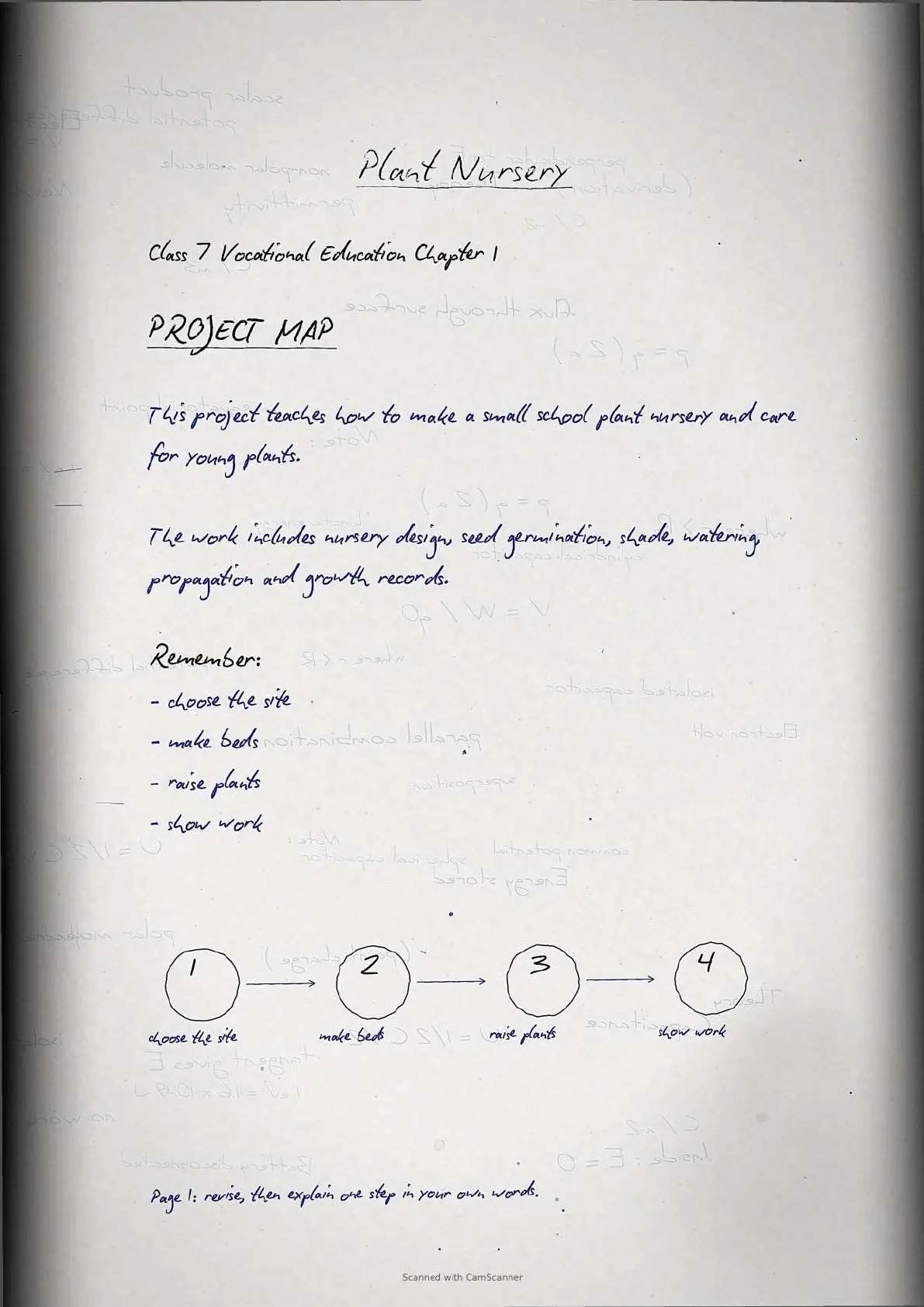
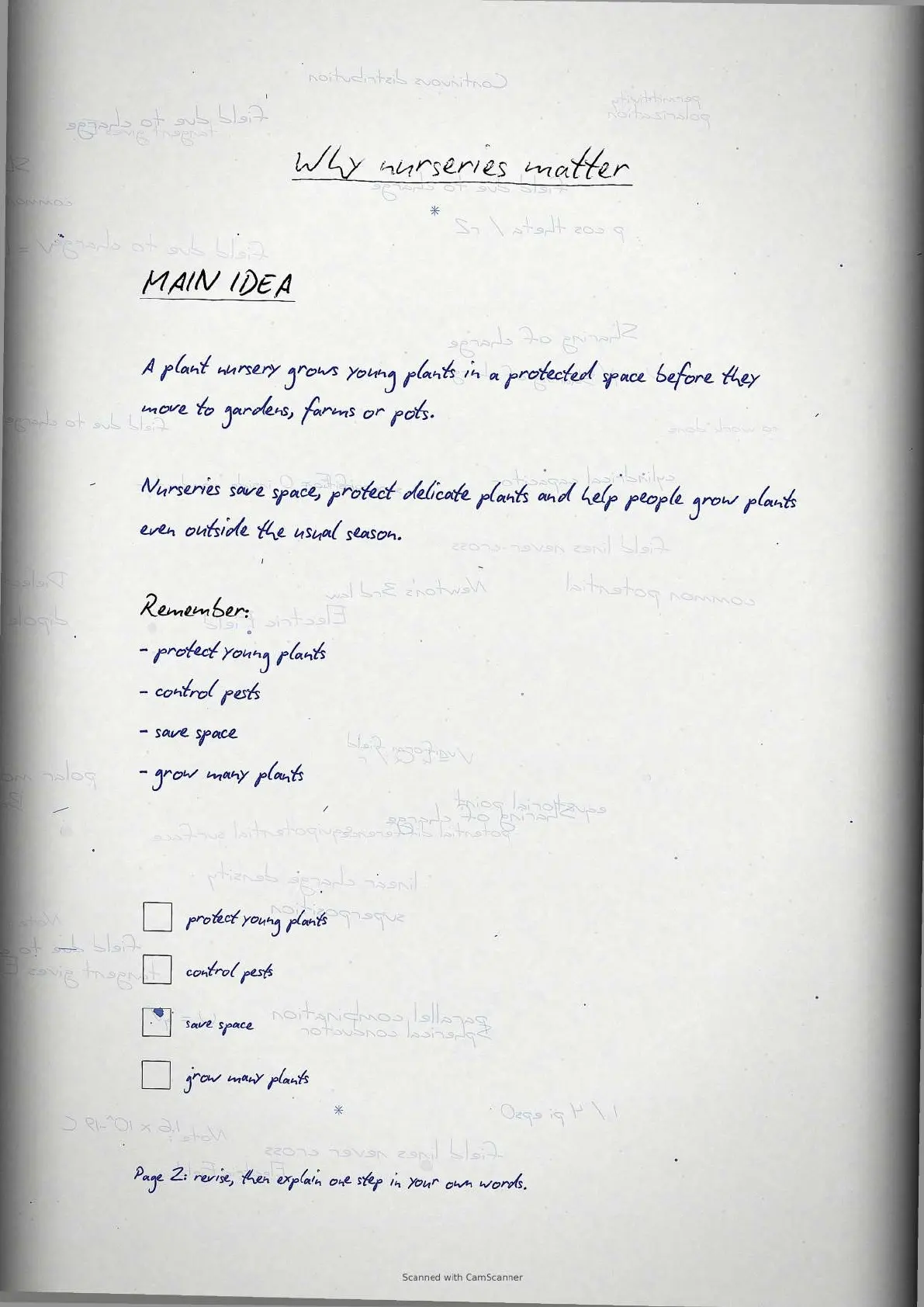
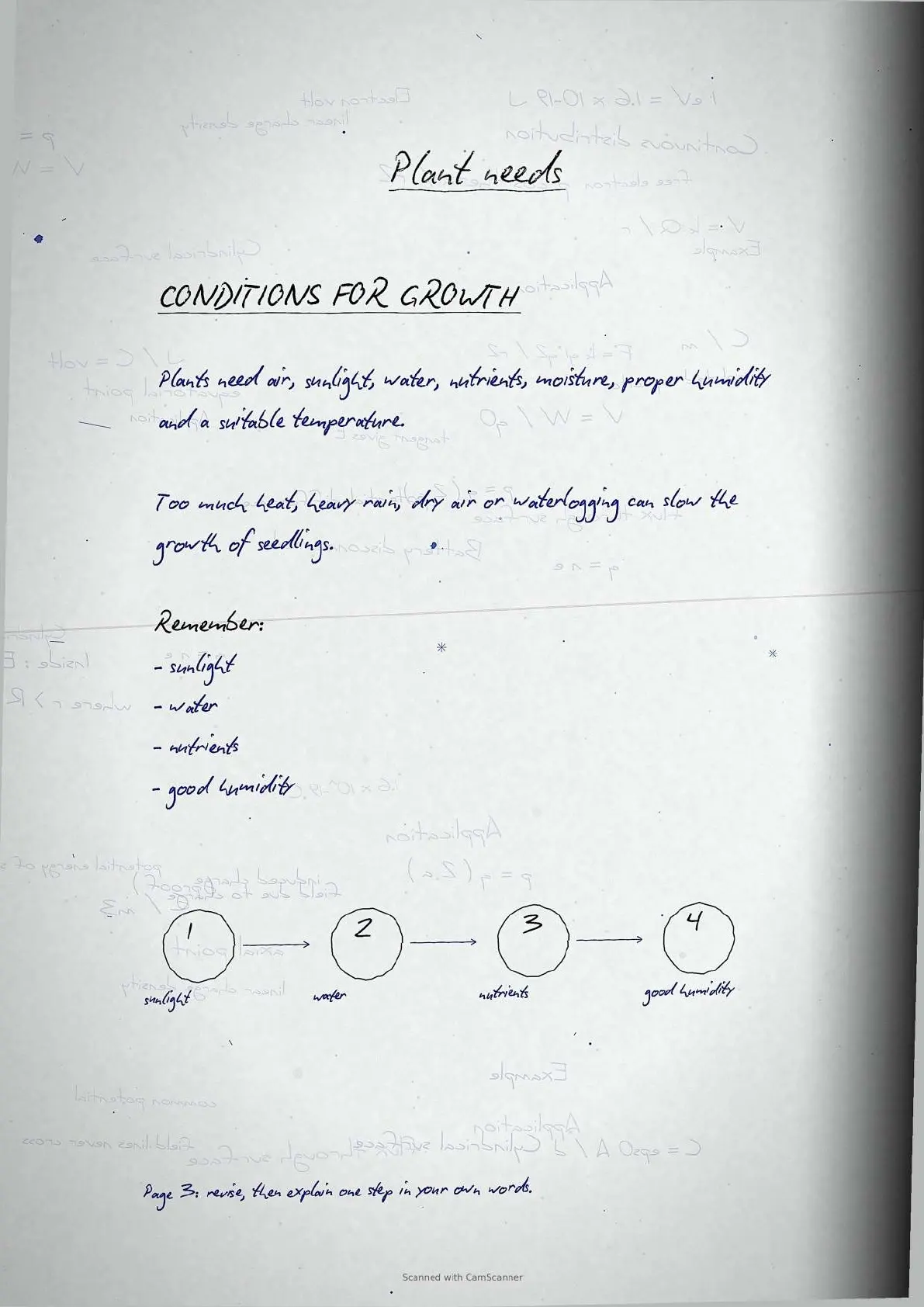
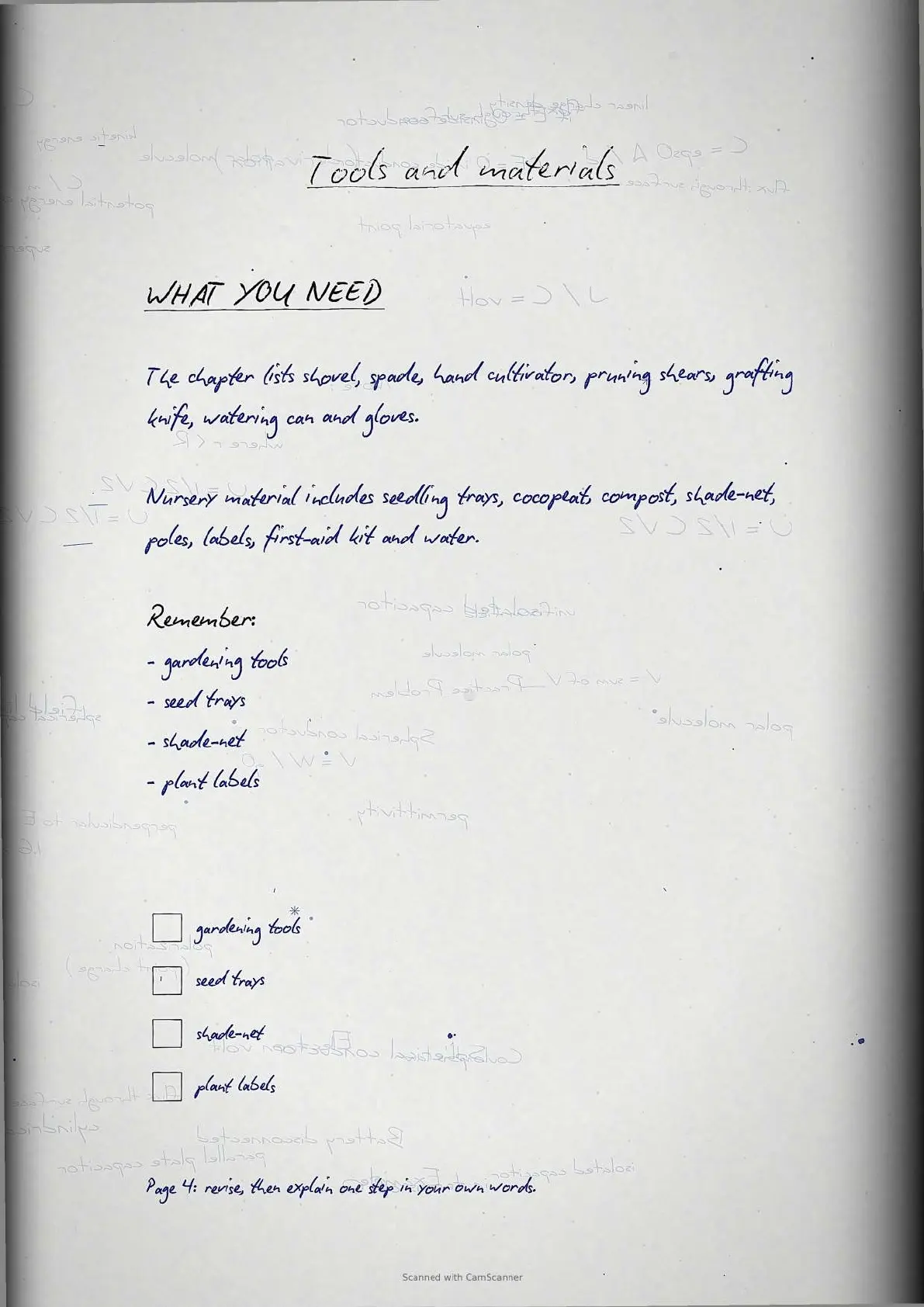
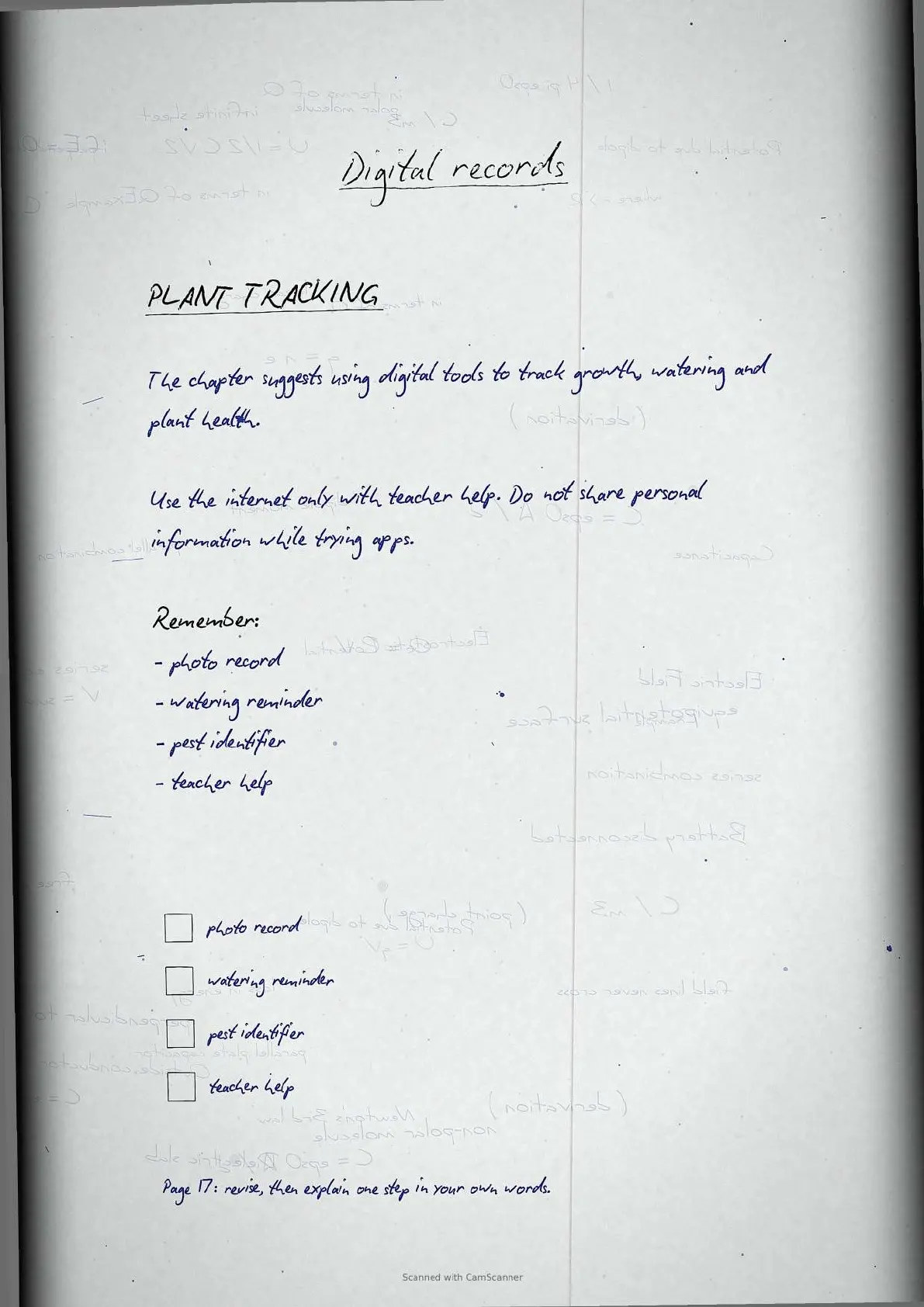
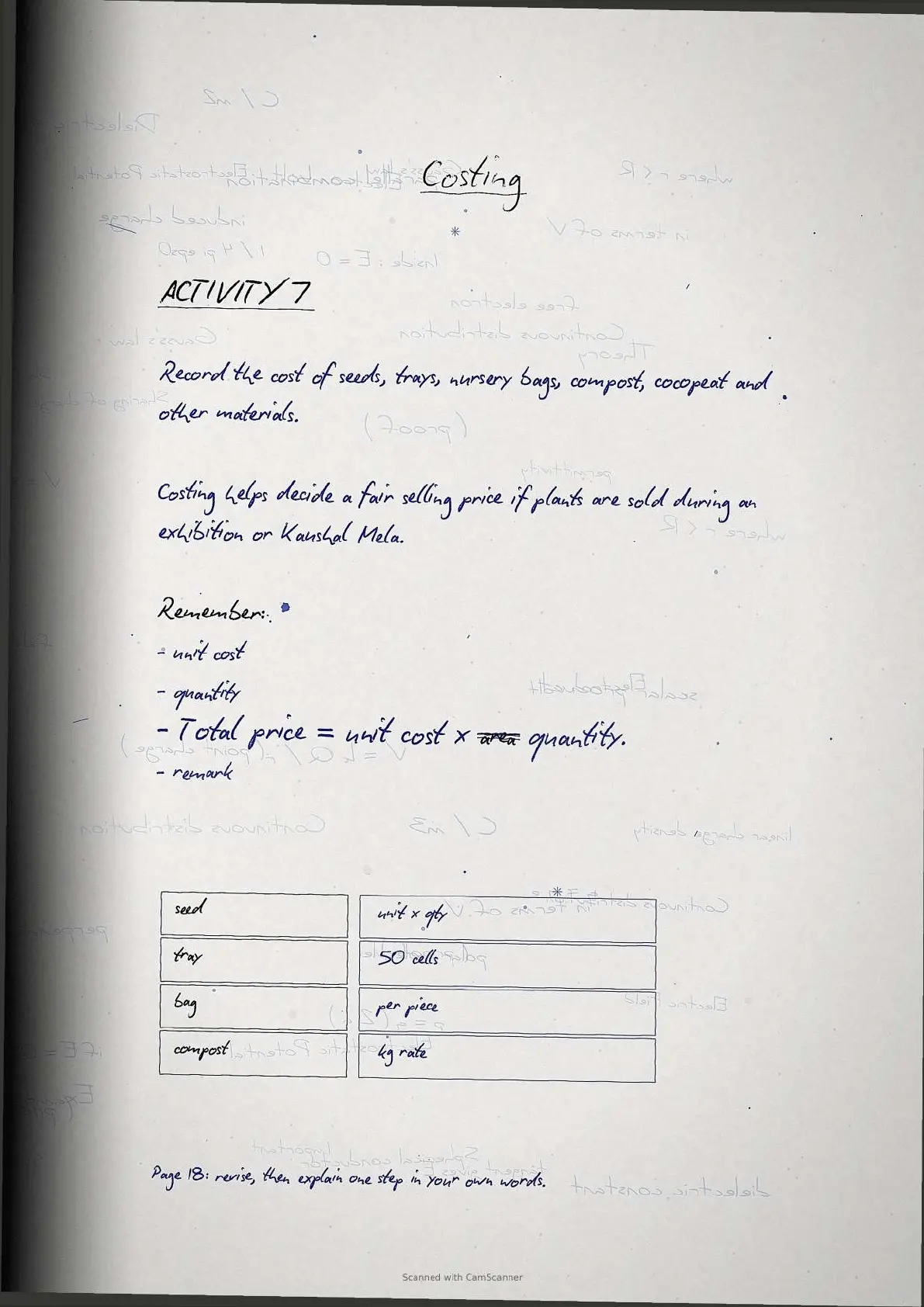
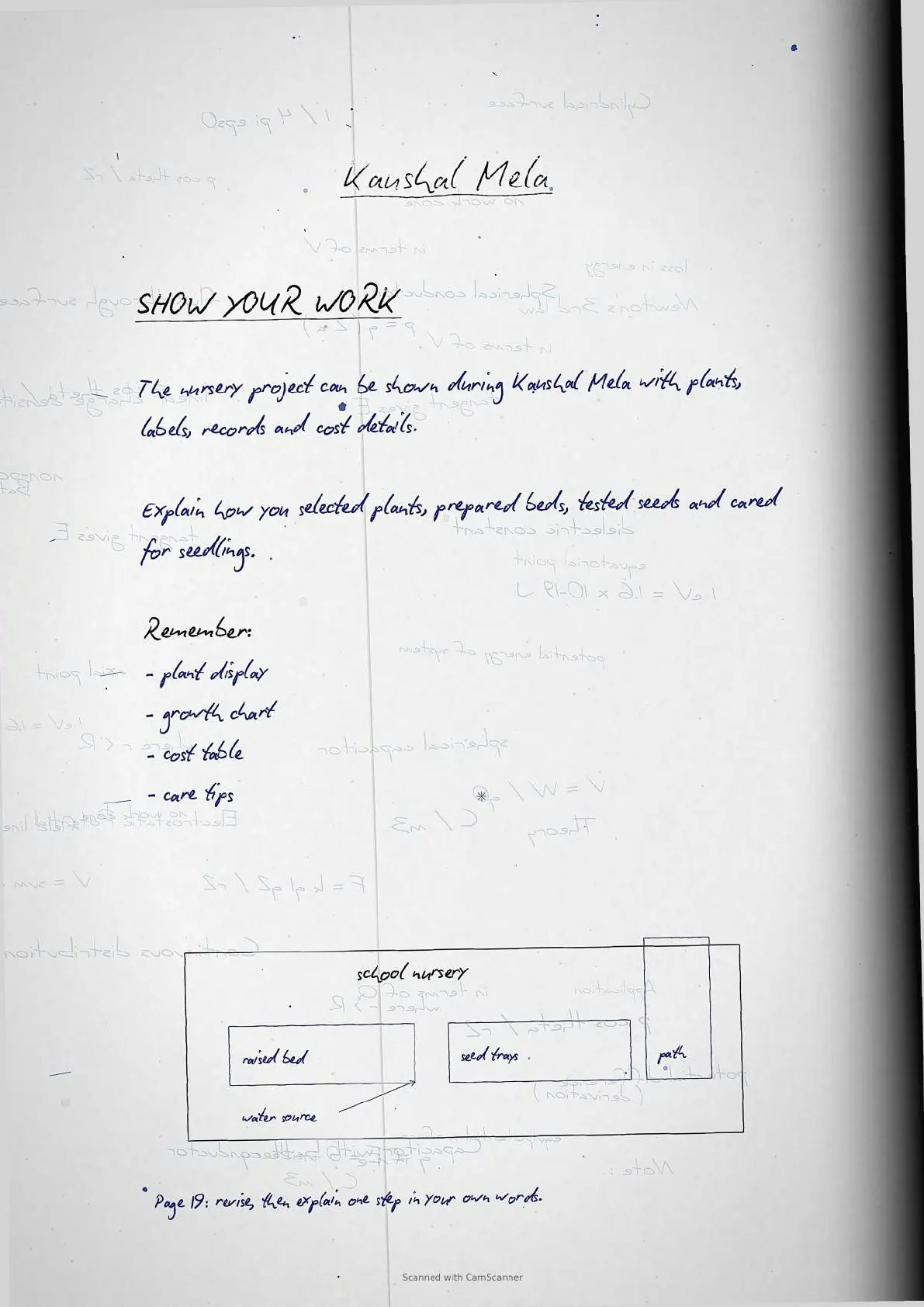
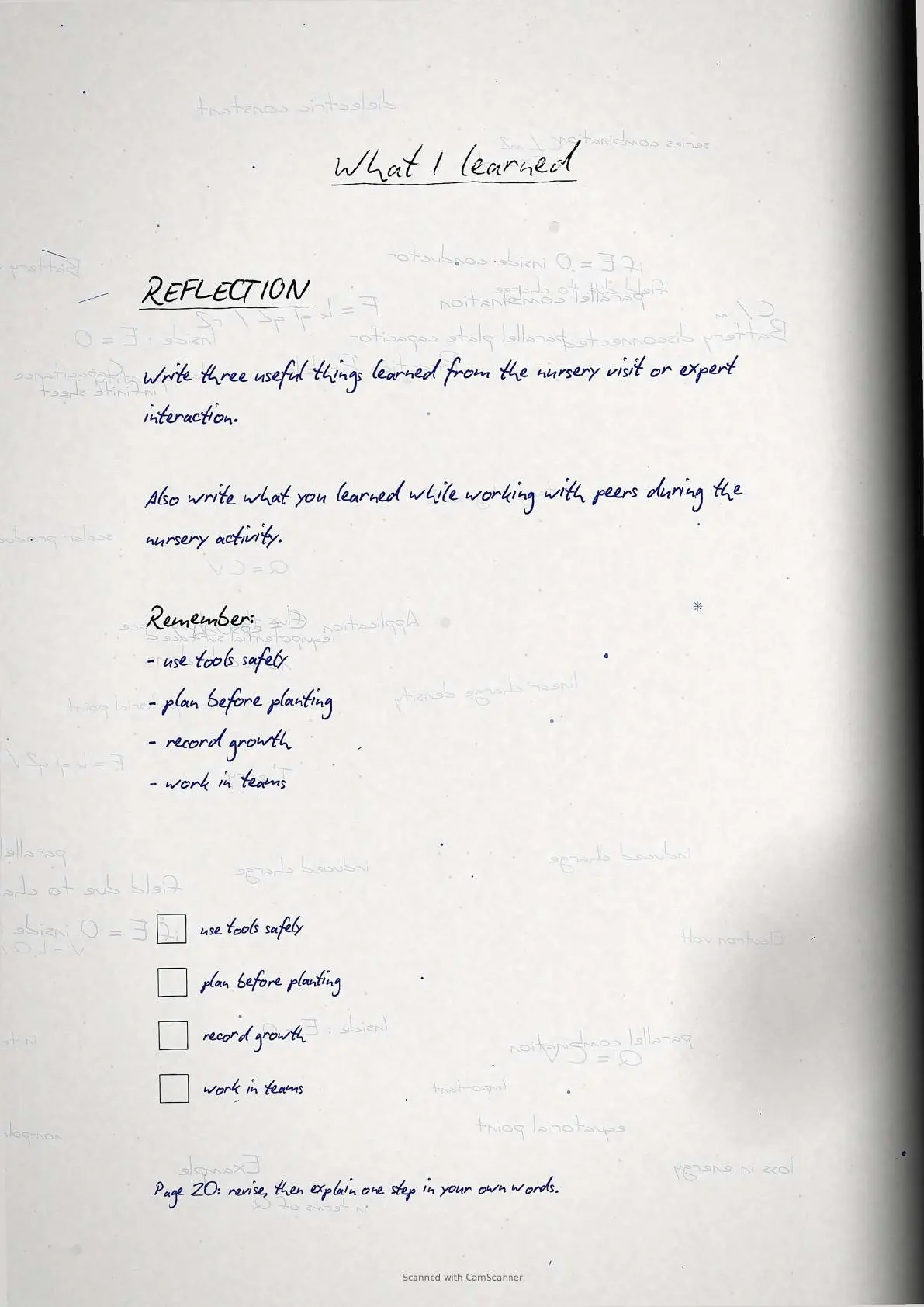
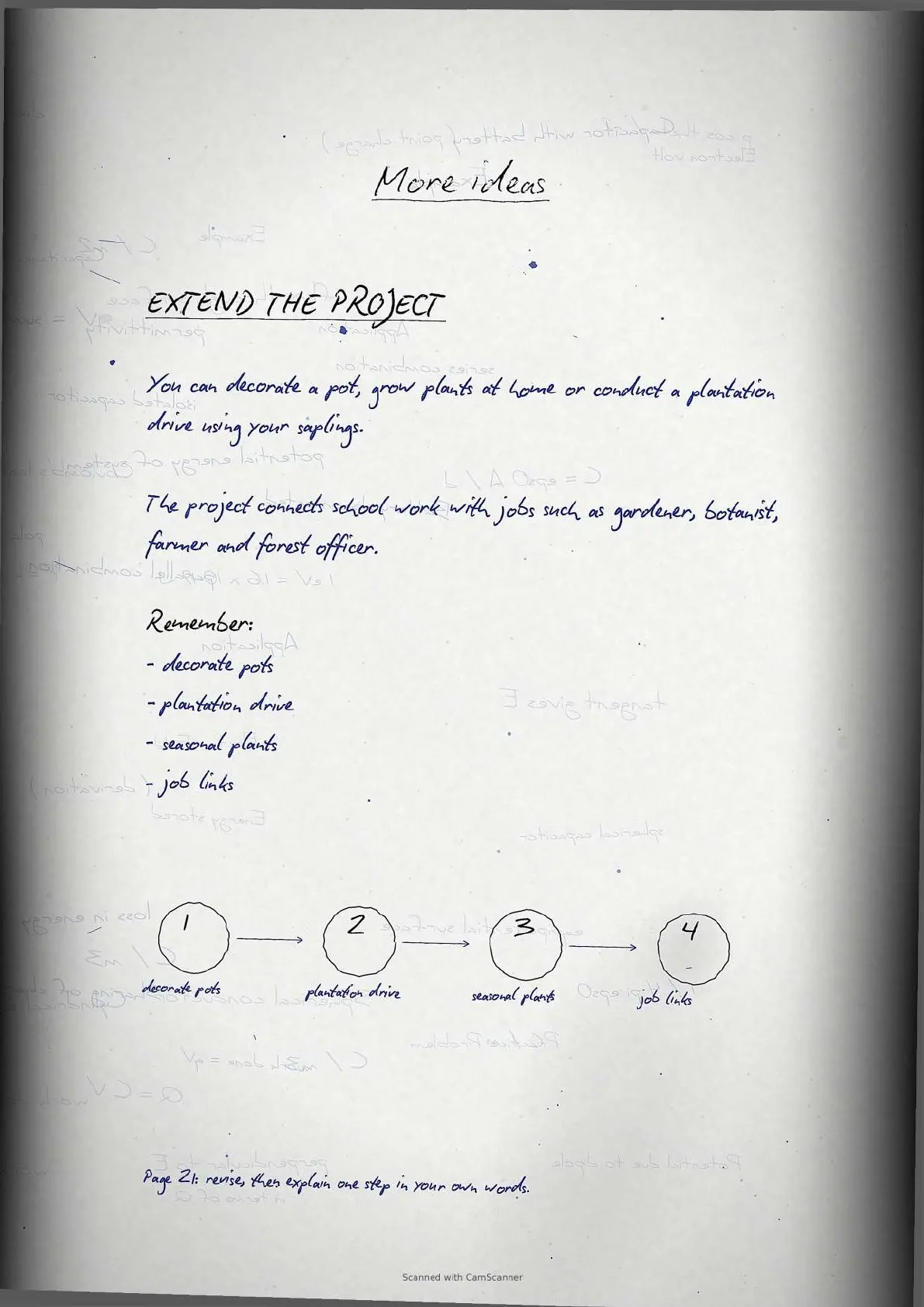
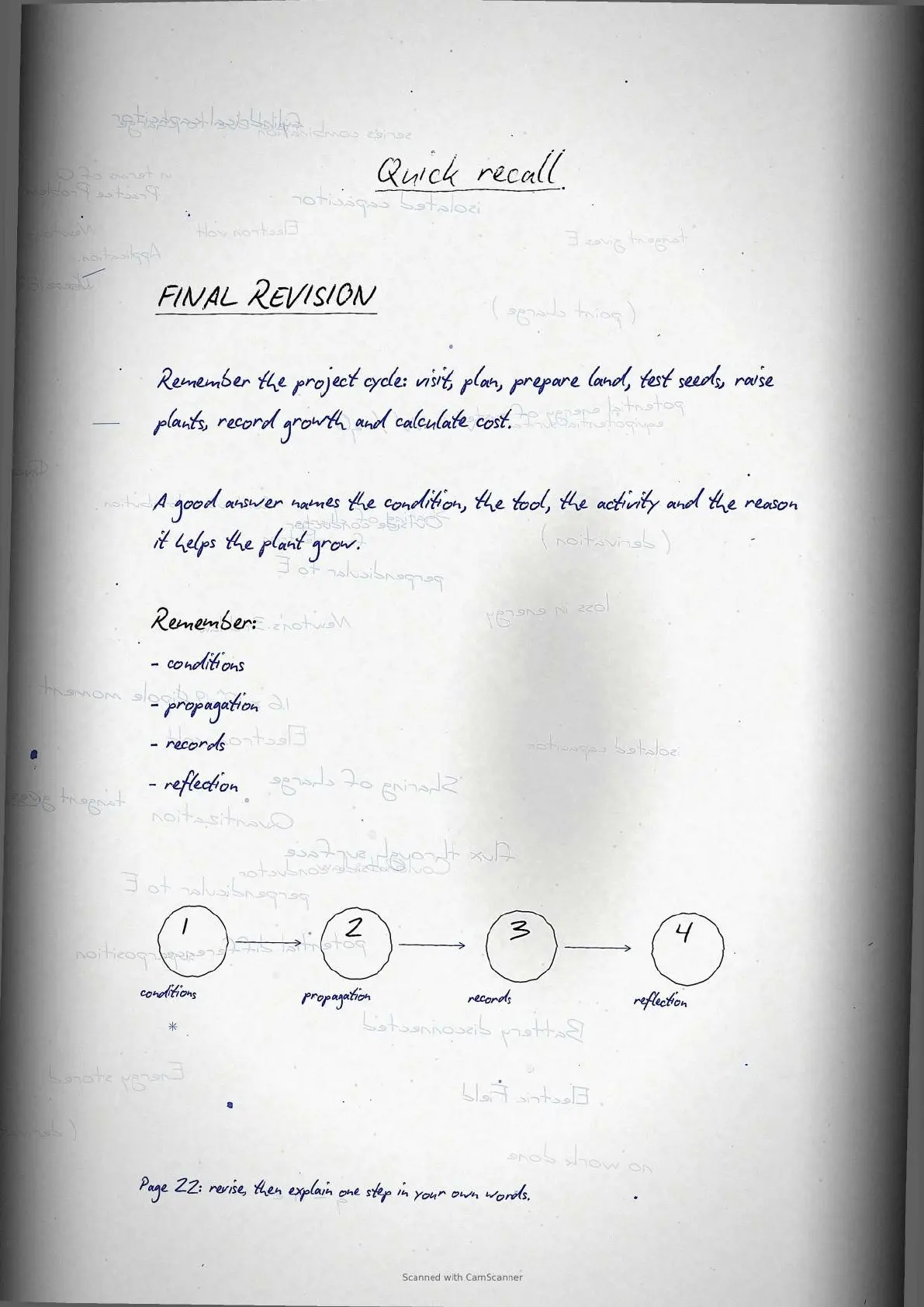
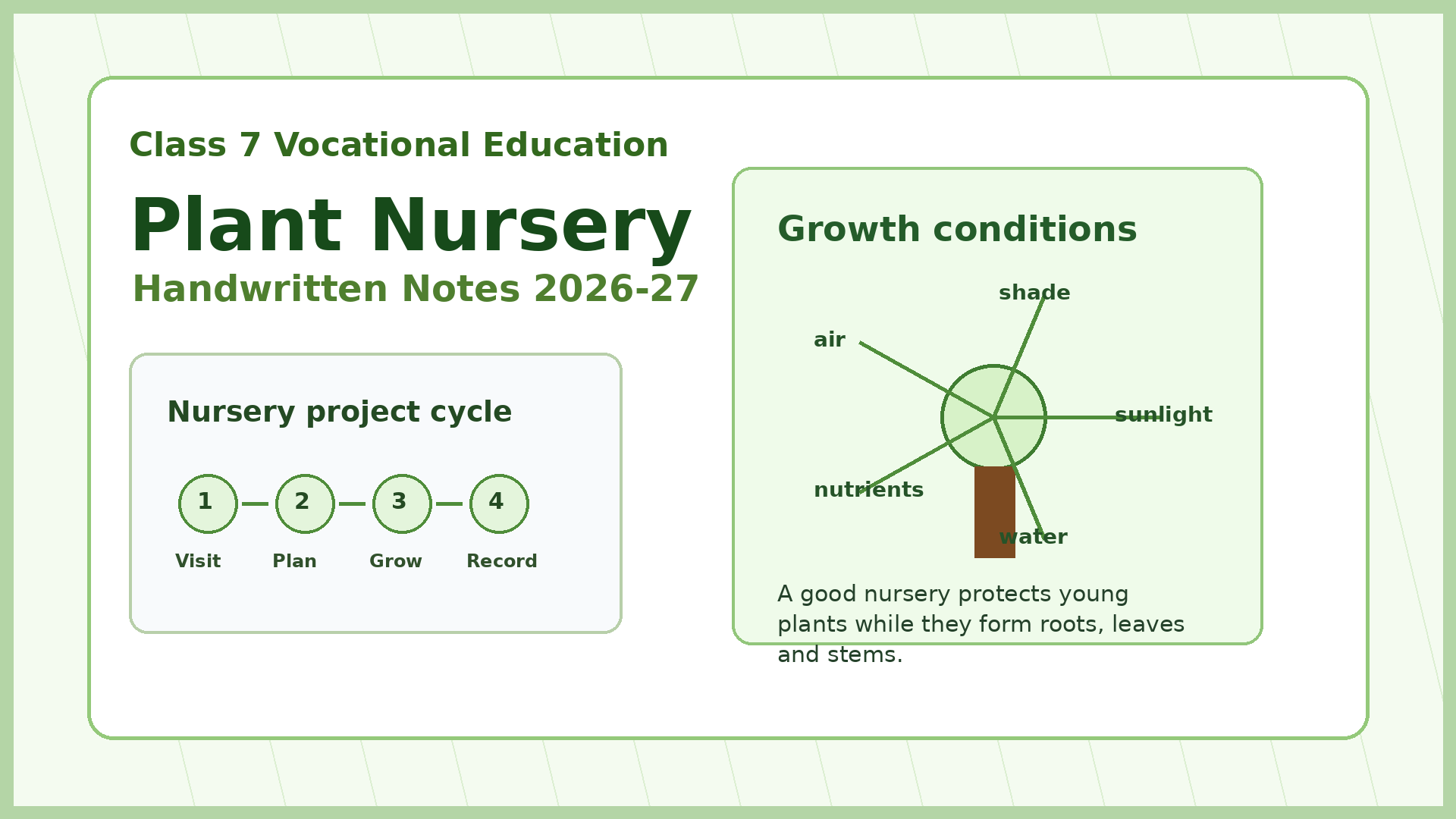
These handwritten revision notes follow the 2026-27 NCERT Kaushal Bodh Plant Nursery chapter and keep the project steps easy to revise.
Student Feedback: In a Collegedunia classroom check of 10,480 middle-school students, students found Plant Nursery easier after separating the work into visit, layout, propagation, record and cost.
Plant Nursery Handwritten Notes Overview
Plant Nursery is Project 1 in Class 7 Kaushal Bodh. It teaches students how young plants are grown in a protected space before they move to pots, beds, gardens or farms.
The handwritten PDF turns the project chapter into short revision pages. It is useful before visiting a nursery, drawing the school nursery layout or explaining propagation methods.
- Nurseries protect delicate plants from heat, pests, waterlogging and rough handling.
- Students learn seed sowing, raised beds, seedling trays and stem cuttings.
- The project also covers growth records, material cost and Kaushal Mela display.
- A good nursery gives plants the right place, medium, moisture and care.
Plant Growth Conditions and Safety
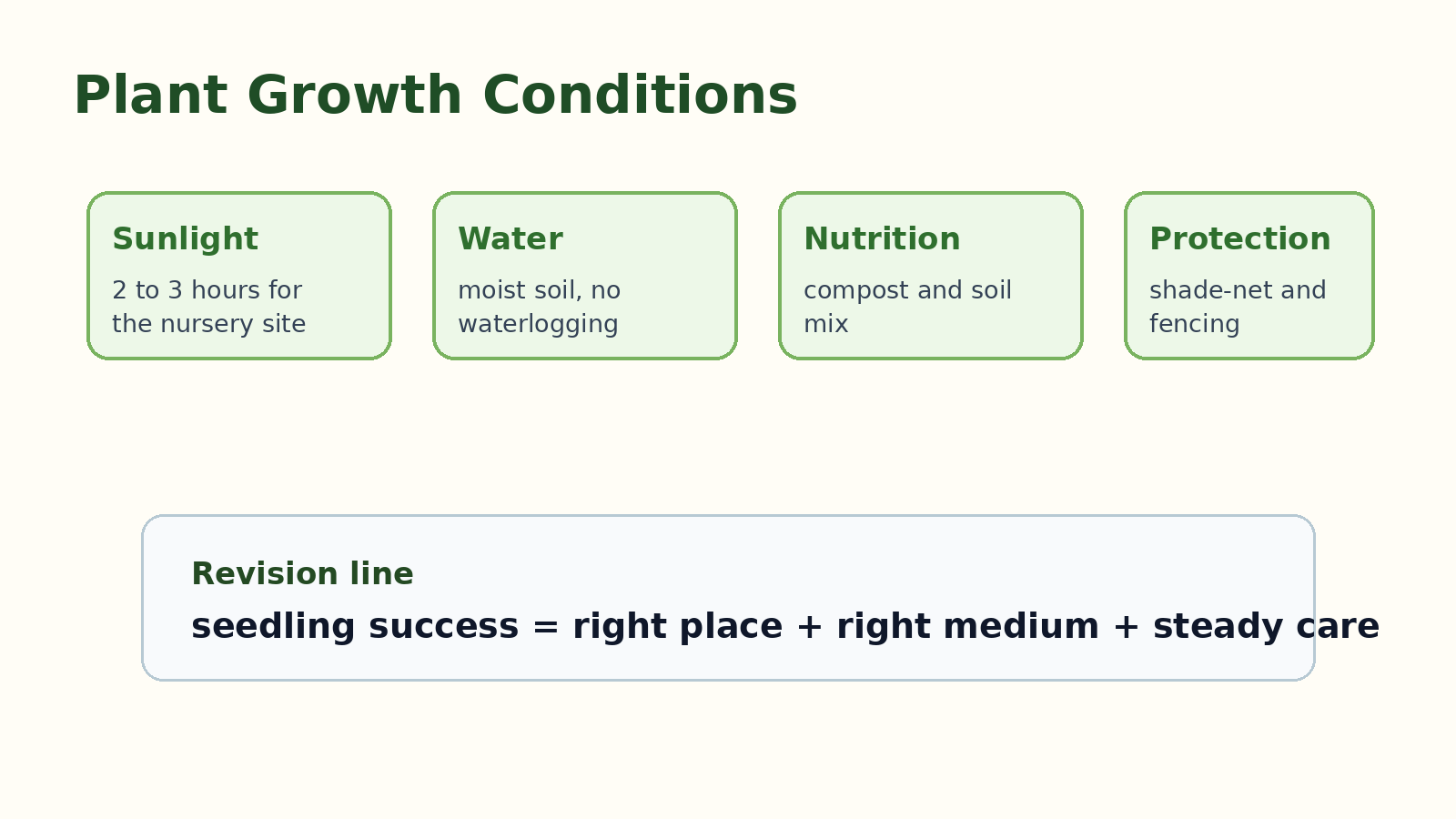
Plants need sunlight, air, water, nutrients, humidity and the right temperature. Young seedlings also need protection from heavy rain, very strong sunlight and animals.
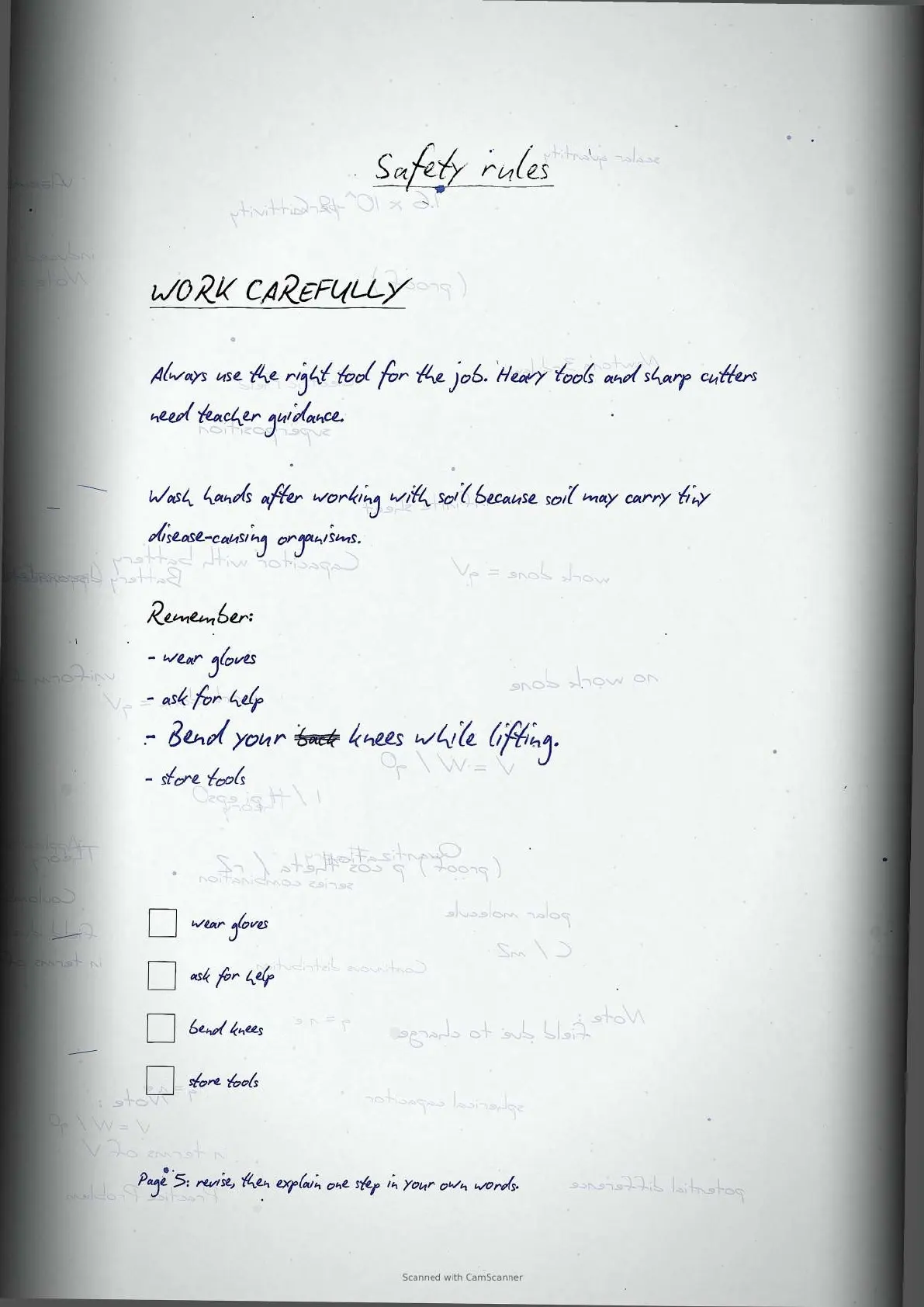
The notes also revise safety rules from the chapter. Students should use the right tool, wear gloves, ask for help with sharp tools and wash hands after working with soil.
- Sunlight: choose a site that gets about 2 to 3 hours of sunlight.
- Water: keep soil moist, but avoid waterlogging.
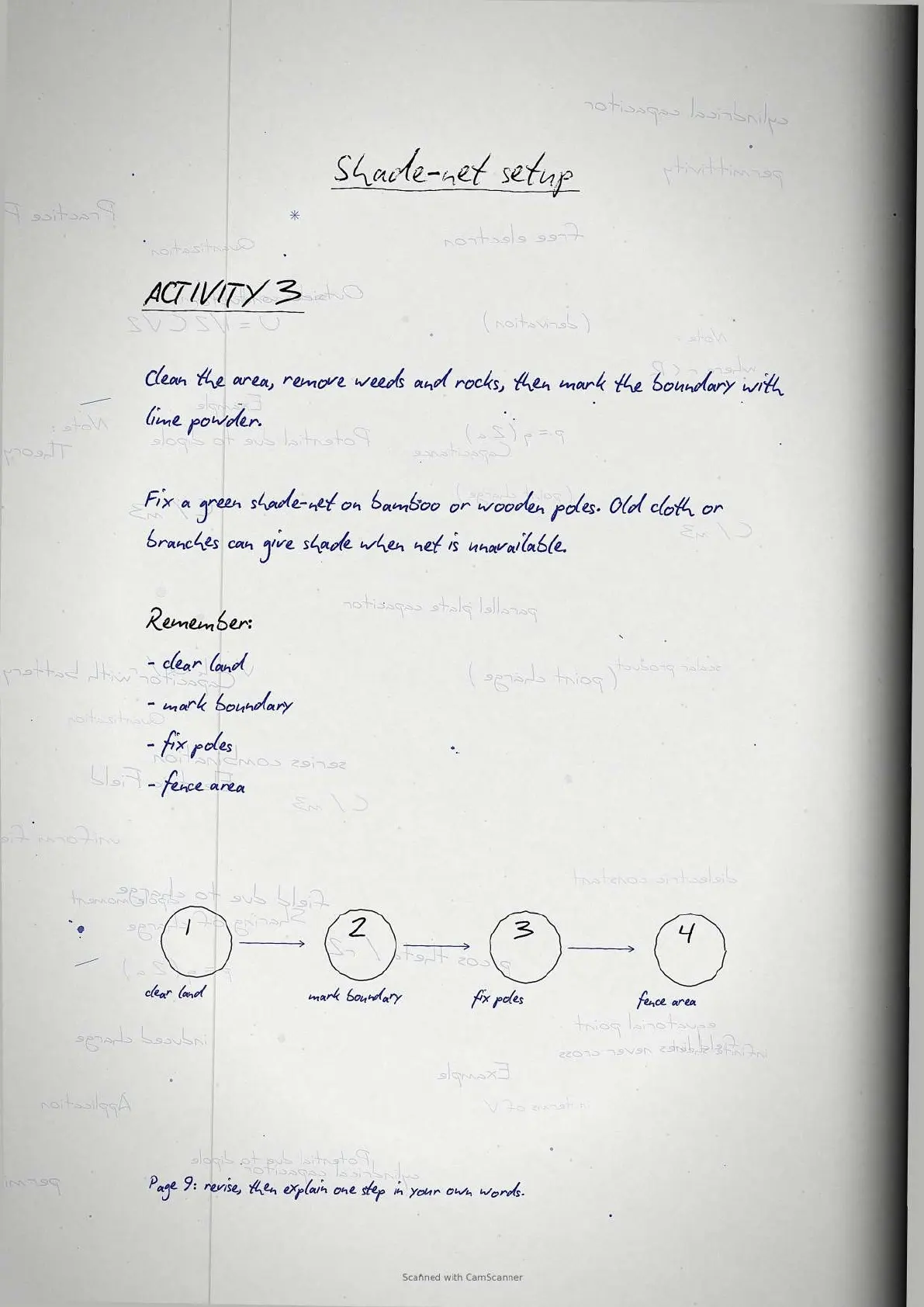
- Shade: use shade-net, old cloth or branches when plants need protection.
- Tools: store spades, cutters and knives in marked places after work.
Nursery Visit and Layout Planning
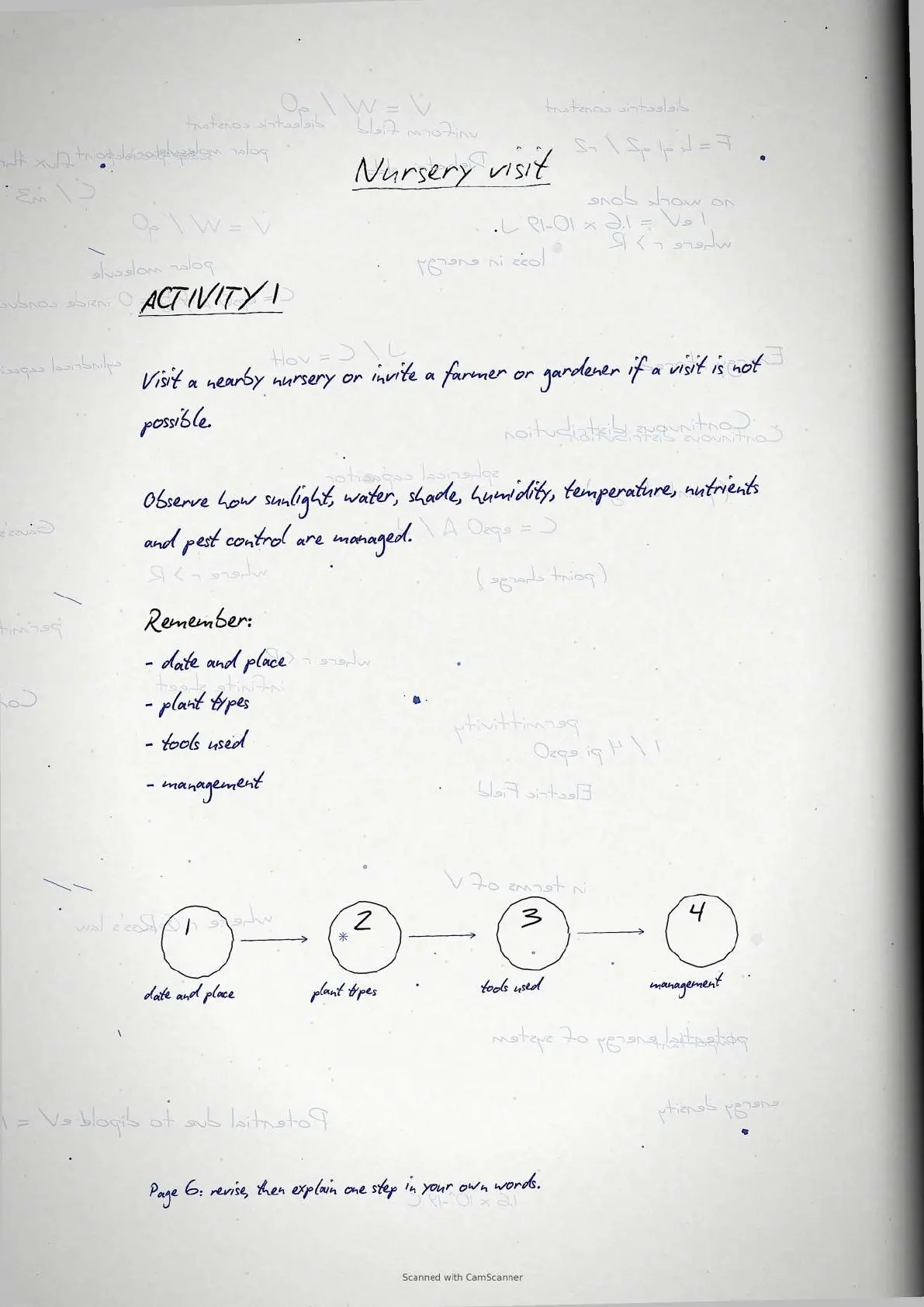
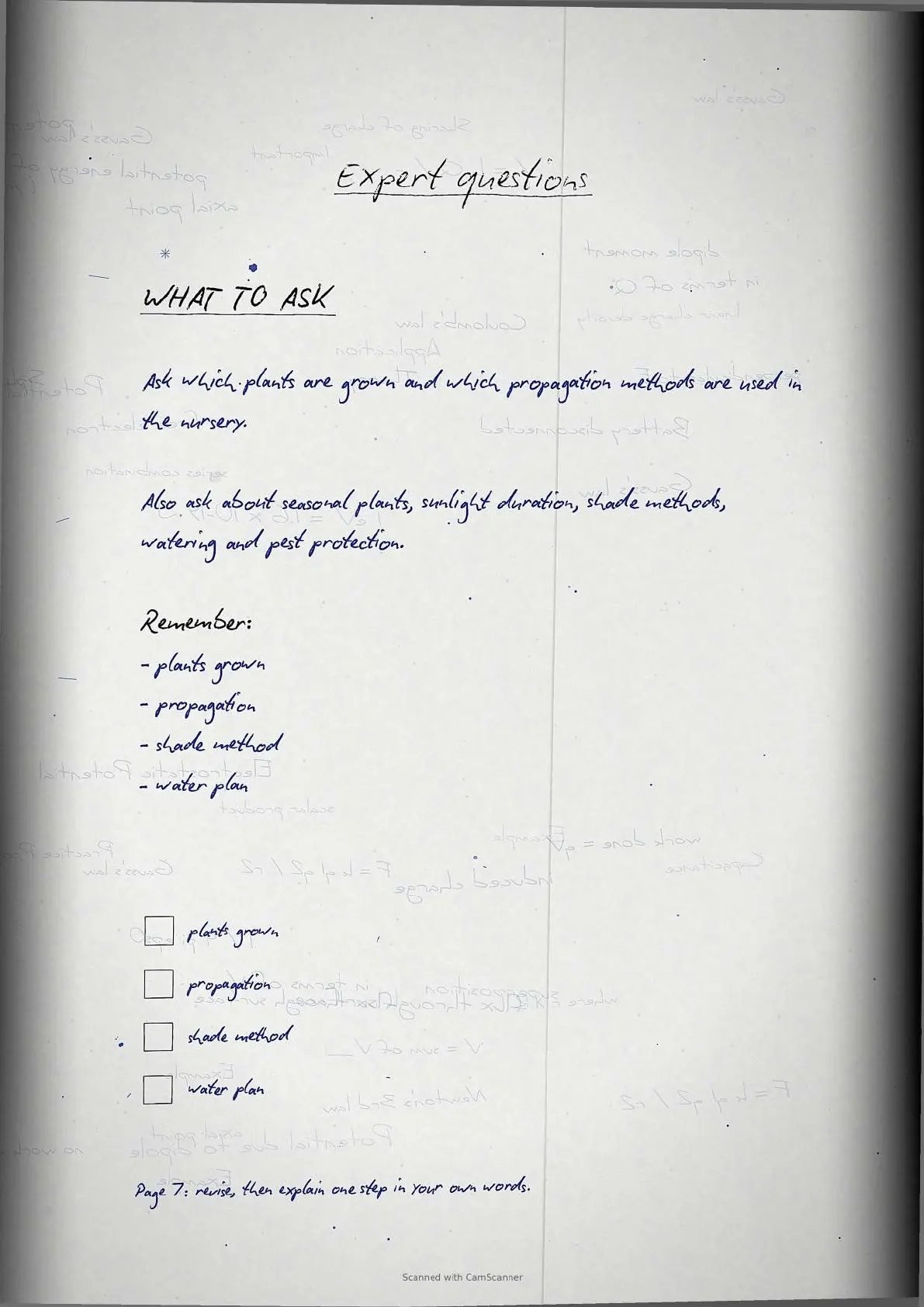
The first activity asks students to visit a nearby nursery or interact with an expert. Students should observe the plants grown, tools used, watering method, shade method and pest protection.
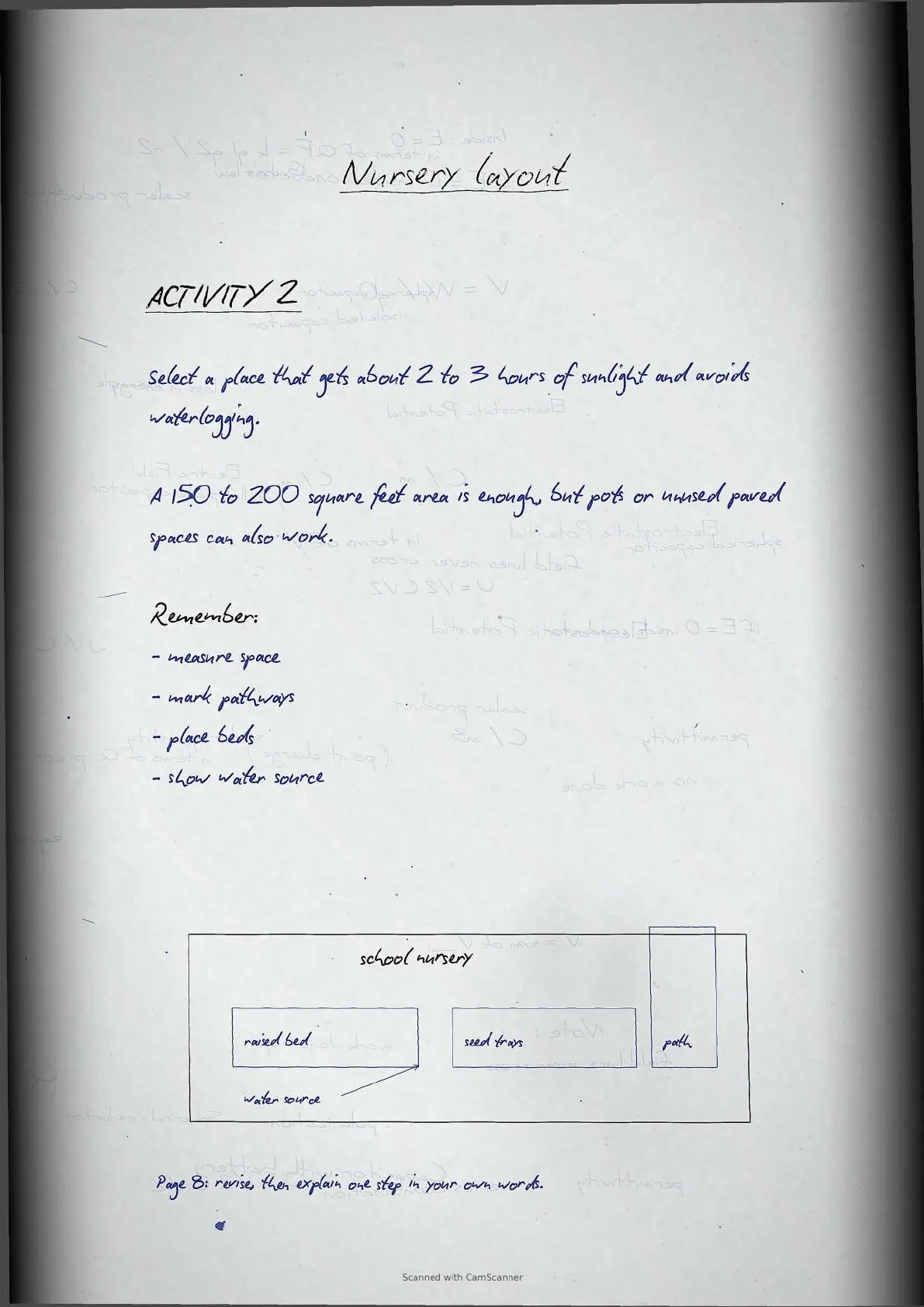
After the visit, students plan a school nursery. The selected area should avoid waterlogging and should have pathways, plant beds, water access and enough working space.
- Record the date, nursery name, plant types and tools observed.
- Ask which propagation methods are used by the nursery.
- Draw a layout with length, width, paths, beds and water source.
- Use lime powder to mark boundaries before setting up the shade-net.
Plant Nursery Project Video Recap
Source: NCERT OFFICIAL on YouTube
Seed Germination and Propagation Methods
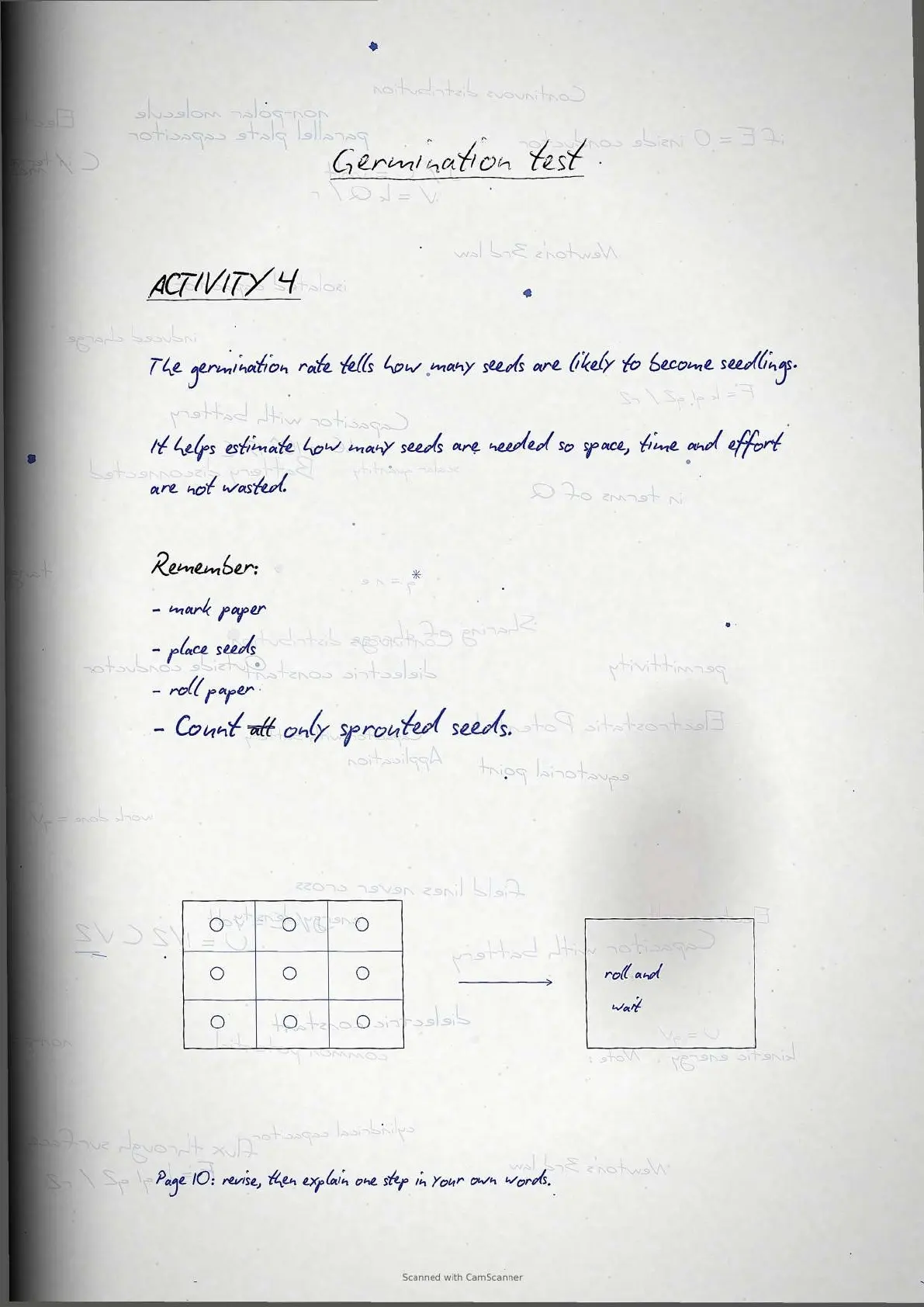
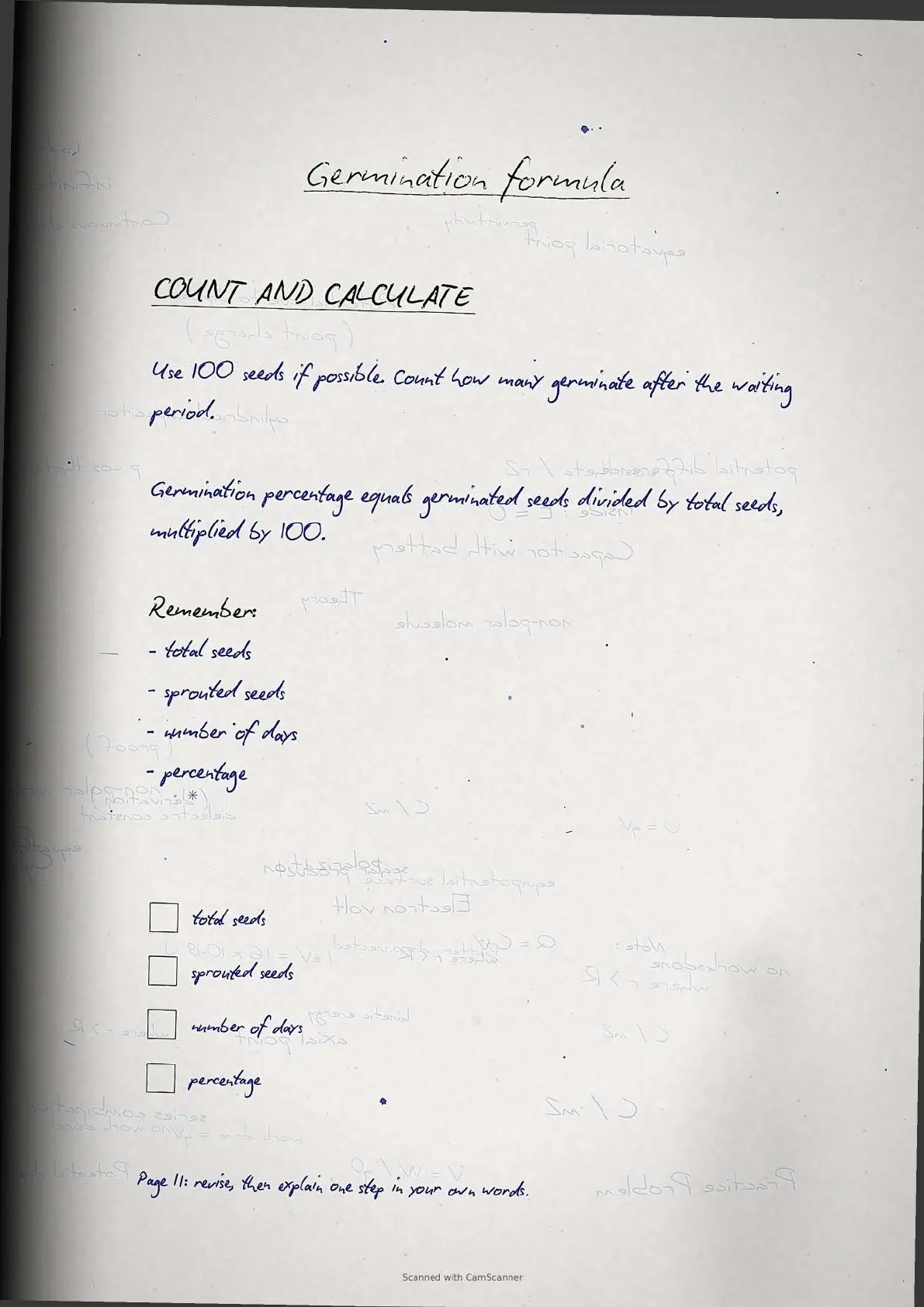
The chapter explains that all seeds may not germinate. Students conduct a germination test so they can estimate how many seeds are needed for the nursery.
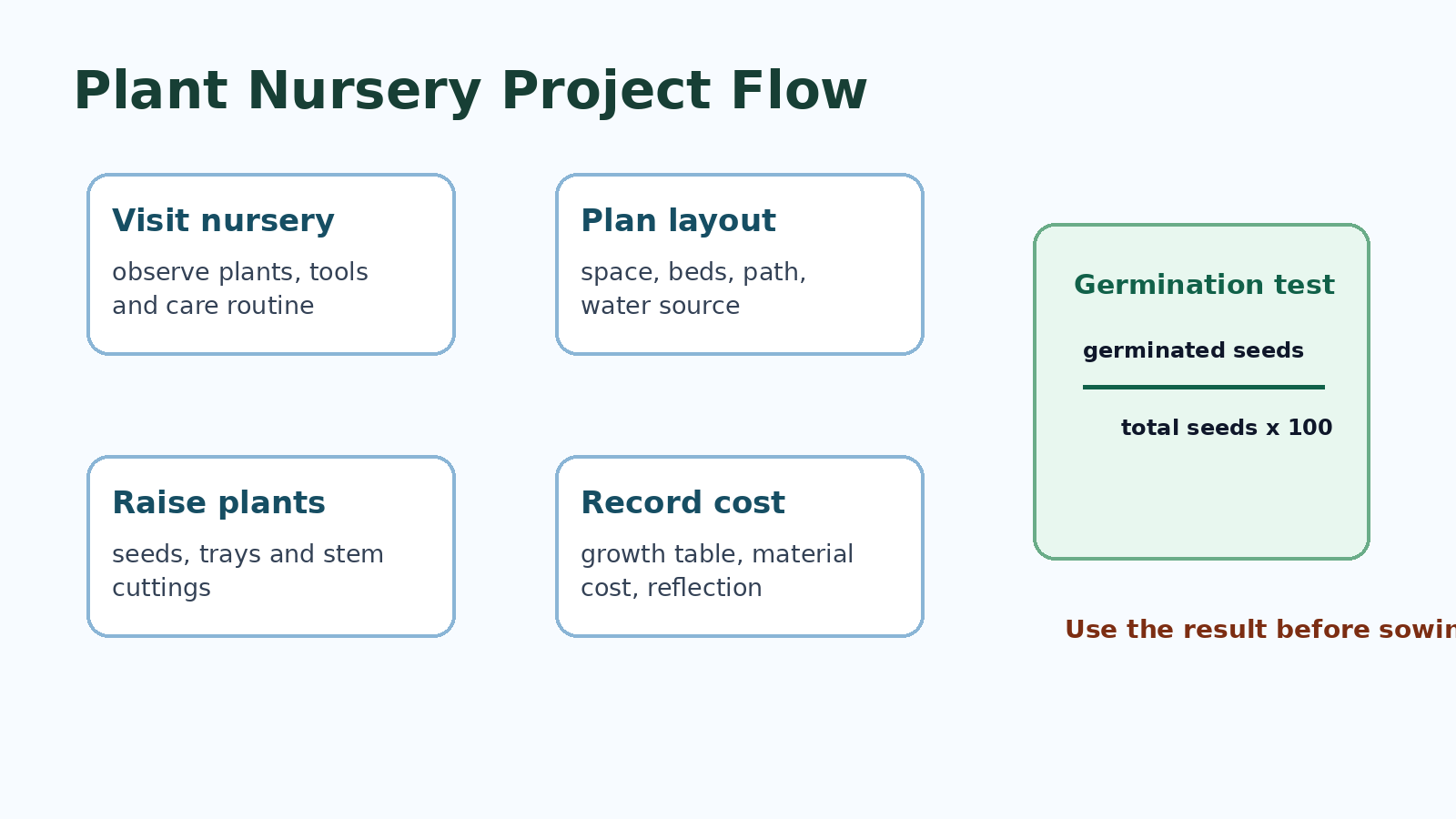
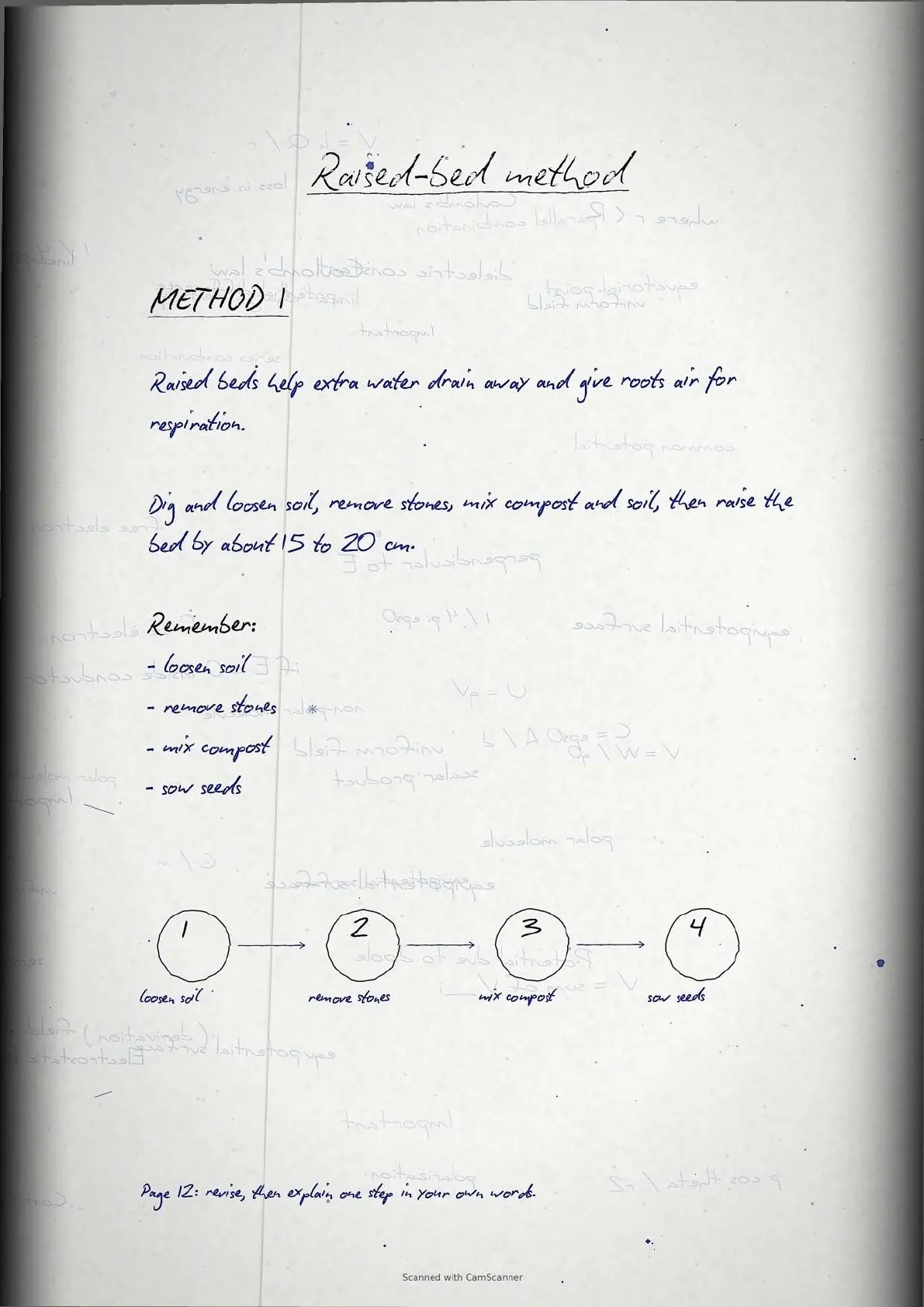
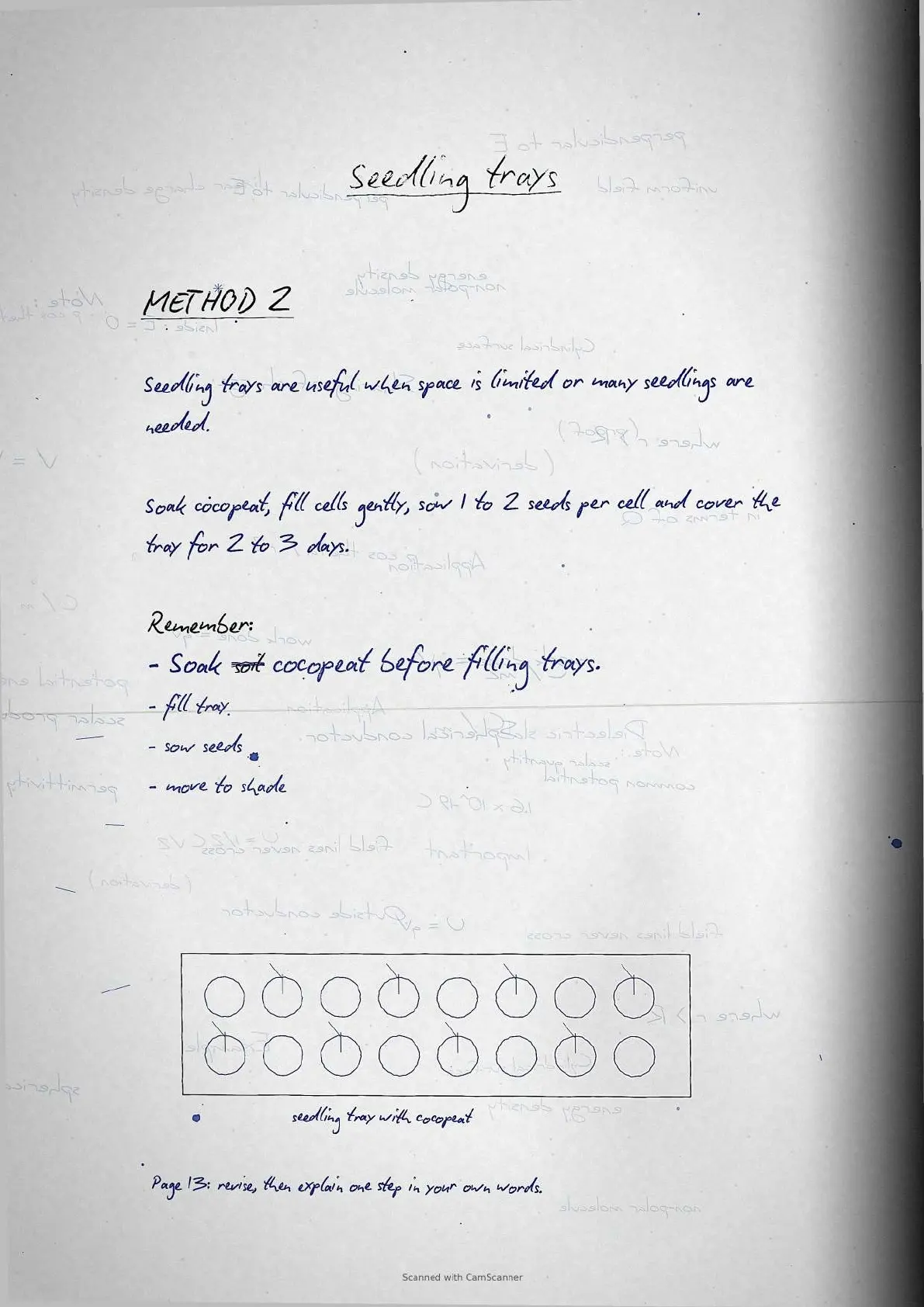
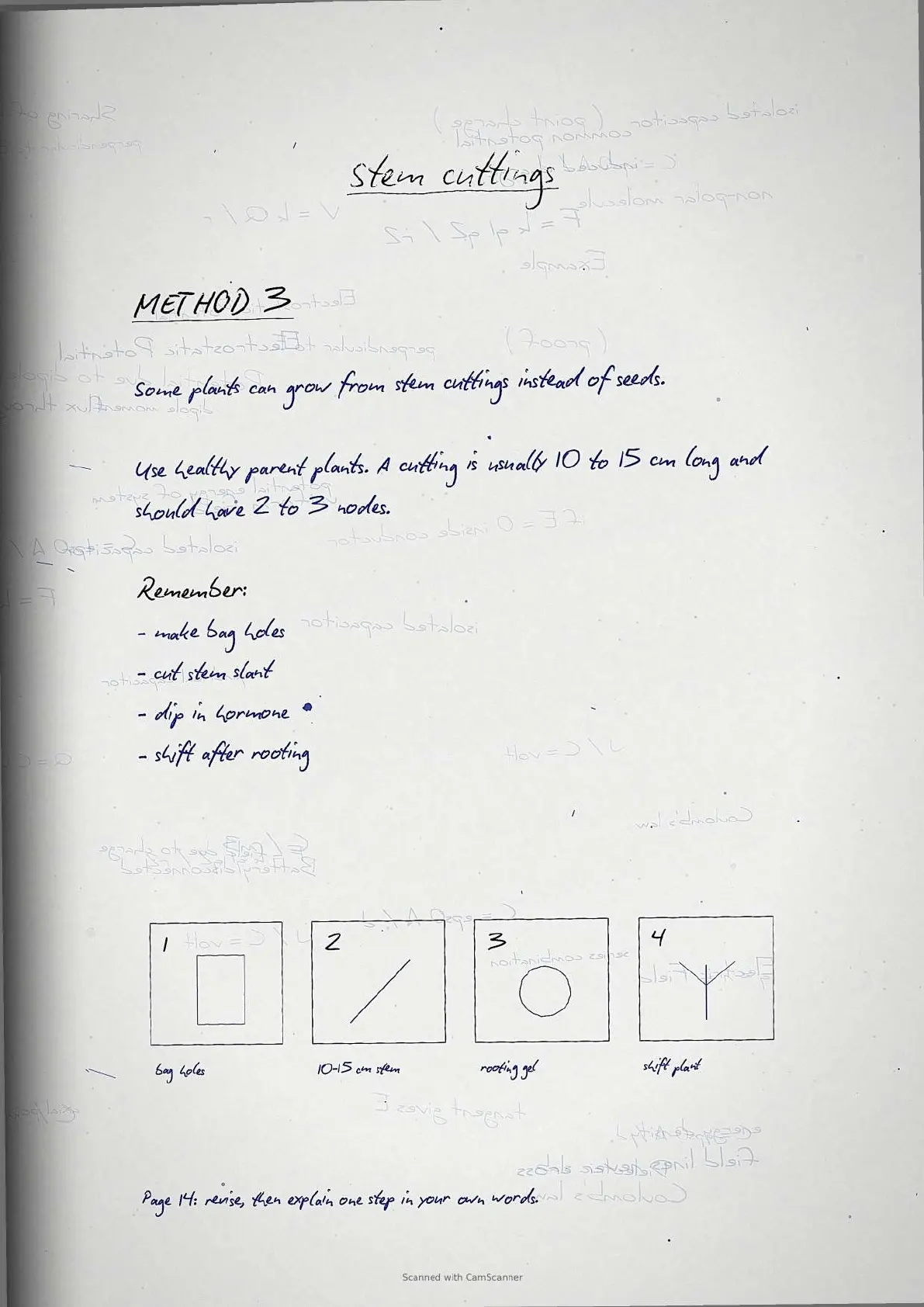
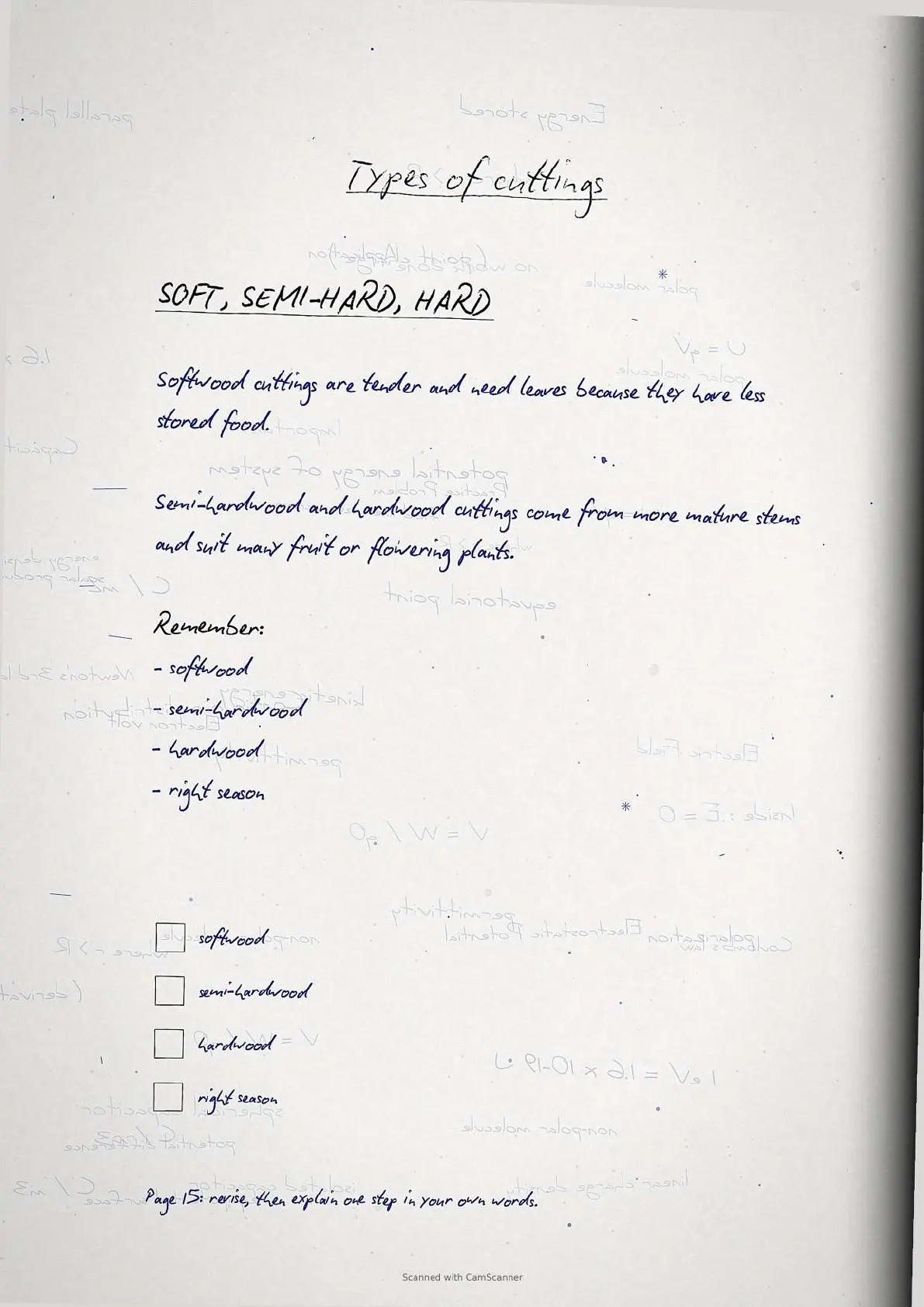
Students then raise plants by three main methods: sowing seeds in raised beds, sowing seeds in plug or seedling trays and using stem cuttings from healthy plants.
- Raised beds help extra water drain out from the root zone.
- Seedling trays are useful when space is limited.
- Cocopeat holds moisture around roots and helps tray seedlings grow.
- Stem cuttings are useful for plants such as rose, bougainvillea and croton.
Growth Record, Costing and Reflection
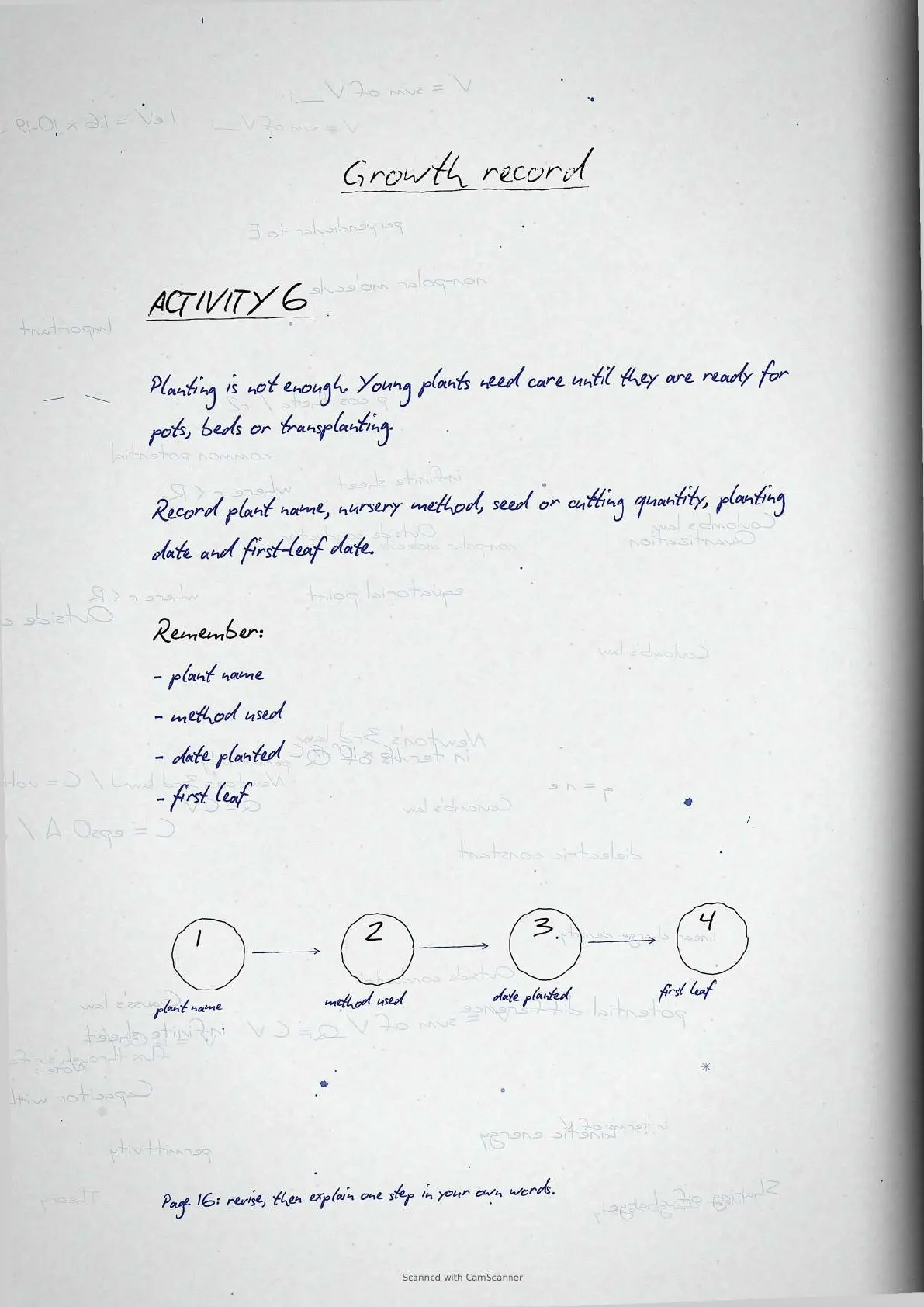
Planting is only the start. Students must record the plant name, nursery method, seed or cutting quantity, planting date and first-leaf date.
Costing is also part of the project. Students record seed cost, tray cost, nursery bag cost and other material costs. This helps them decide a fair selling price if plants are displayed or sold.
- Maintain a plant growth record for each batch.
- Record unit cost, quantity and total price for materials.
- Write three useful things learned from the nursery visit.
- Connect the work to jobs such as gardener, botanist, farmer and forest officer.
How to Use These Notes for the Project
Use the handwritten notes while filling the NCERT activity tables. They help students remember what to observe, what to draw and what to write after each activity.
A good project answer should name the condition, the tool, the activity and the reason it helps the plant grow. This makes the answer clear during classroom presentation.
- For Activity 1, use the nursery visit and expert questions pages.
- For Activity 2 and 3, use the layout, marking and shade-net pages.
- For Activity 4 and 5, revise germination rate, raised beds, trays and cuttings.
- For Activity 6 and 7, use growth record and costing pages.
Related Plant Nursery Class 7 Resources
Use the links below with the handwritten notes. They help students move from quick revision to the official chapter and other chapter resources.
| Resource | Use it for | Link |
|---|---|---|
| NCERT Notes | Read the chapter summary and project points | Open notes |
| NCERT Book PDF | Official chapter text, figures and activity tables | Open book PDF |
| Next Handwritten Notes | Revise the next project after Plant Nursery | Open School Habitat Garden notes |
All Class 7 Vocational Education Handwritten Notes
Students revising Kaushal Bodh can move through the handwritten notes chapter by chapter.
| Chapter | Topic | Handwritten notes link |
|---|---|---|
| Chapter 1 | Plant Nursery | Current page |
| Chapter 2 | School Habitat Garden | Open Chapter 2 notes |
| Chapter 3 | Tie and Dye | Open Chapter 3 notes |
| Chapter 4 | AI Assistant | Open Chapter 4 notes |
| Chapter 5 | Storytime with Puppets | Open Chapter 5 notes |
| Chapter 6 | Family Health Handbook | Open Chapter 6 notes |
Plant Nursery Class 7 Handwritten Notes FAQs
Ques. What is covered in Plant Nursery handwritten notes?
Ans. The notes cover plant needs, nursery tools, safety, nursery visit, layout planning, shade-net setup, germination test, raised beds, seedling trays, stem cuttings, growth records and costing.
Ques. How do these handwritten notes help in the Class 7 project?
Ans. They break the project into short revision pages so students can fill activity tables, draw the nursery layout and explain each plant-care step clearly.
Ques. What conditions do plants need in a nursery?
Ans. Plants need air, sunlight, water, nutrients, moisture, suitable humidity, proper temperature and protection from pests, animals, heavy rain and heat.
Ques. What are the main propagation methods in this chapter?
Ans. The chapter covers sowing seeds on raised beds, sowing seeds in seedling trays and raising plants through stem cuttings.



Comments