



The NCERT Class 11 Accountancy Chapter 1 Introduction to Accounting PDF brings together the meaning, need, objectives, users and basic terms of accounting according to the 2026-27 textbook.
- Core focus: accounting as an information system for business decisions.
- Best use: read the PDF with the process chart and user categories beside you.
- Exam value: definitions, objectives and bookkeeping comparisons are commonly tested.
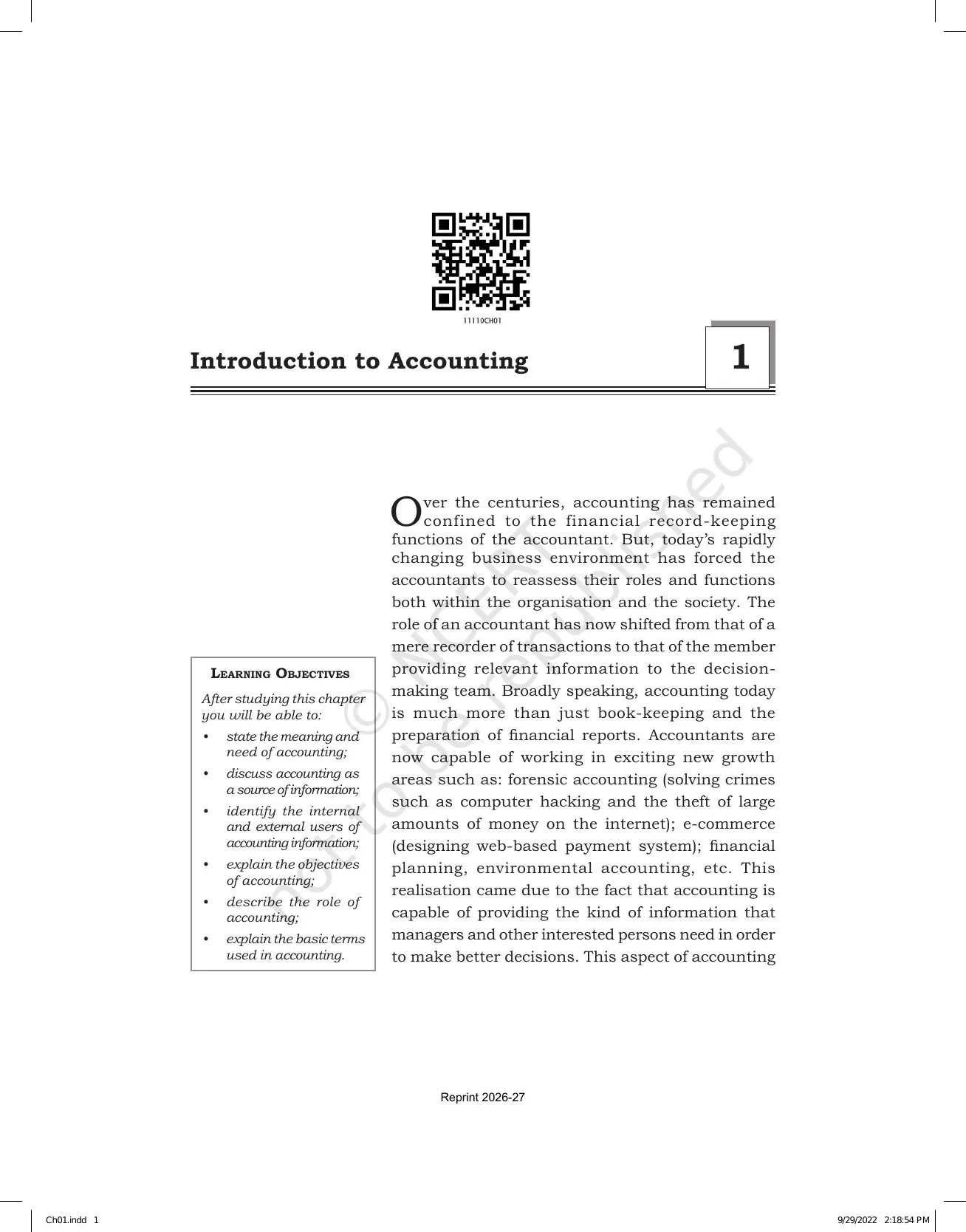
This Collegedunia chapter guide follows the 2026-27 NCERT Accountancy textbook and keeps the official definitions, examples and revision tables together for careful study.
Student Feedback: In a Collegedunia classroom poll of 10,000 students, definition charts and comparison tables were rated most useful for starting Accountancy in Class 11.
Introduction to Accounting Concepts Covered in the NCERT PDF
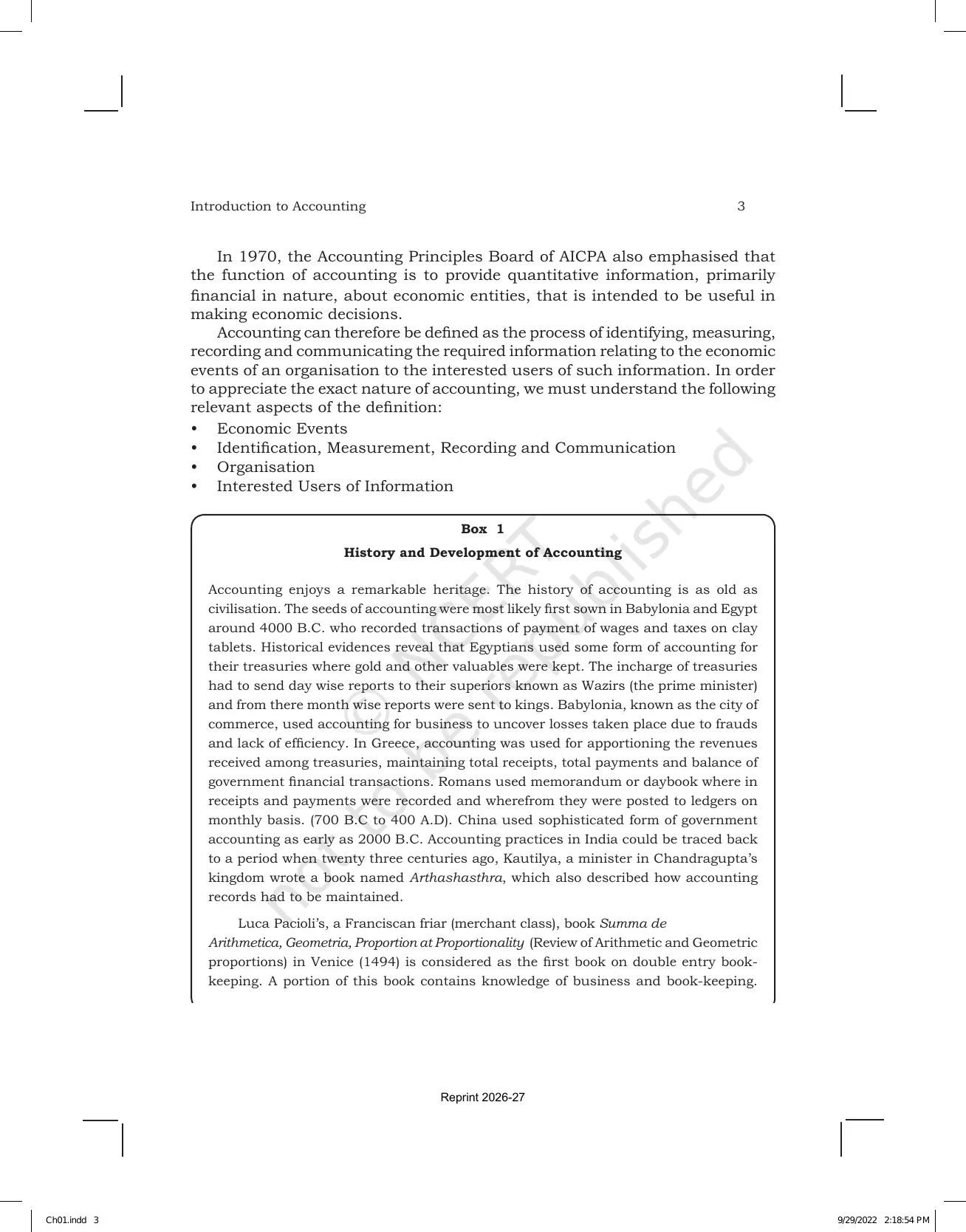
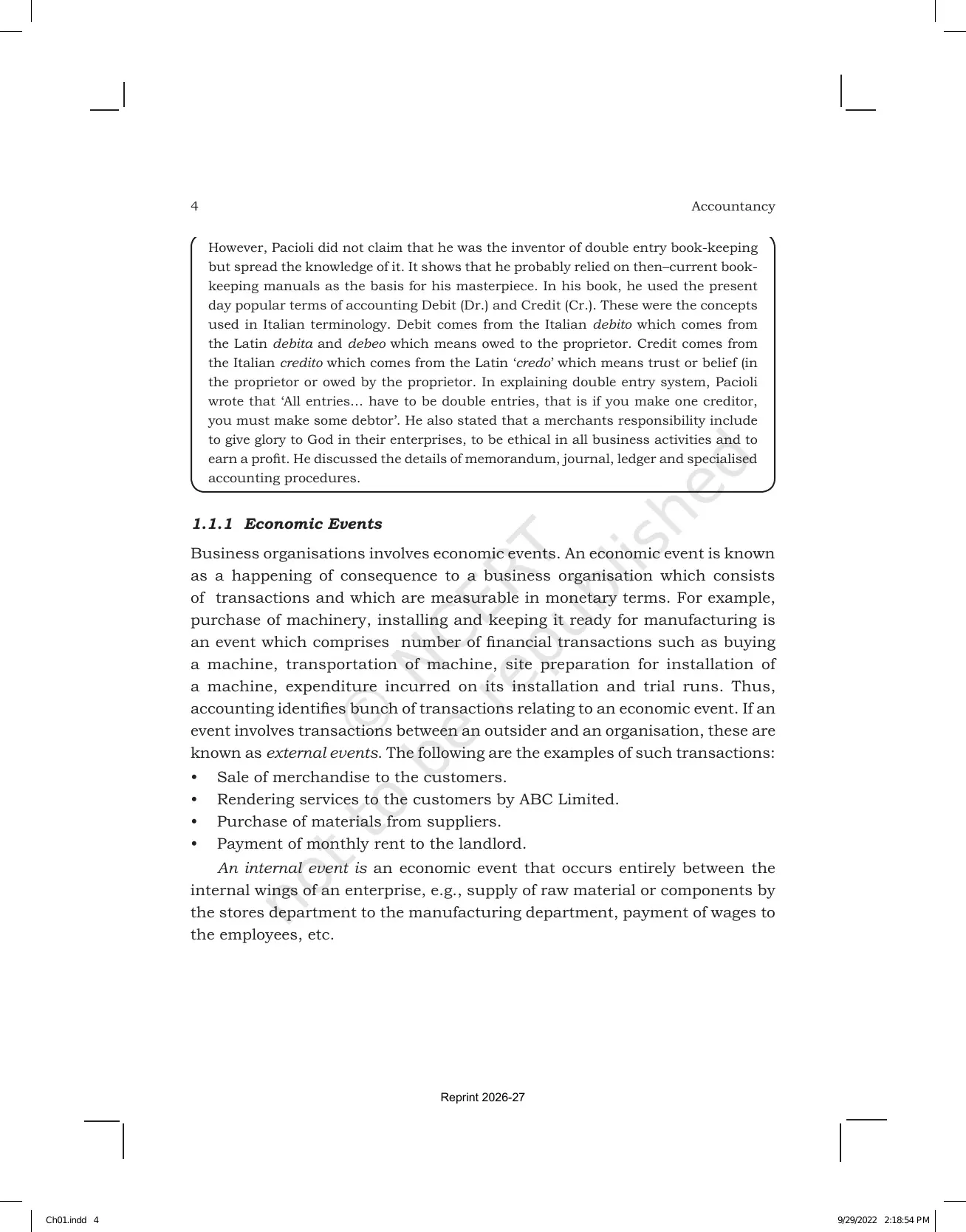
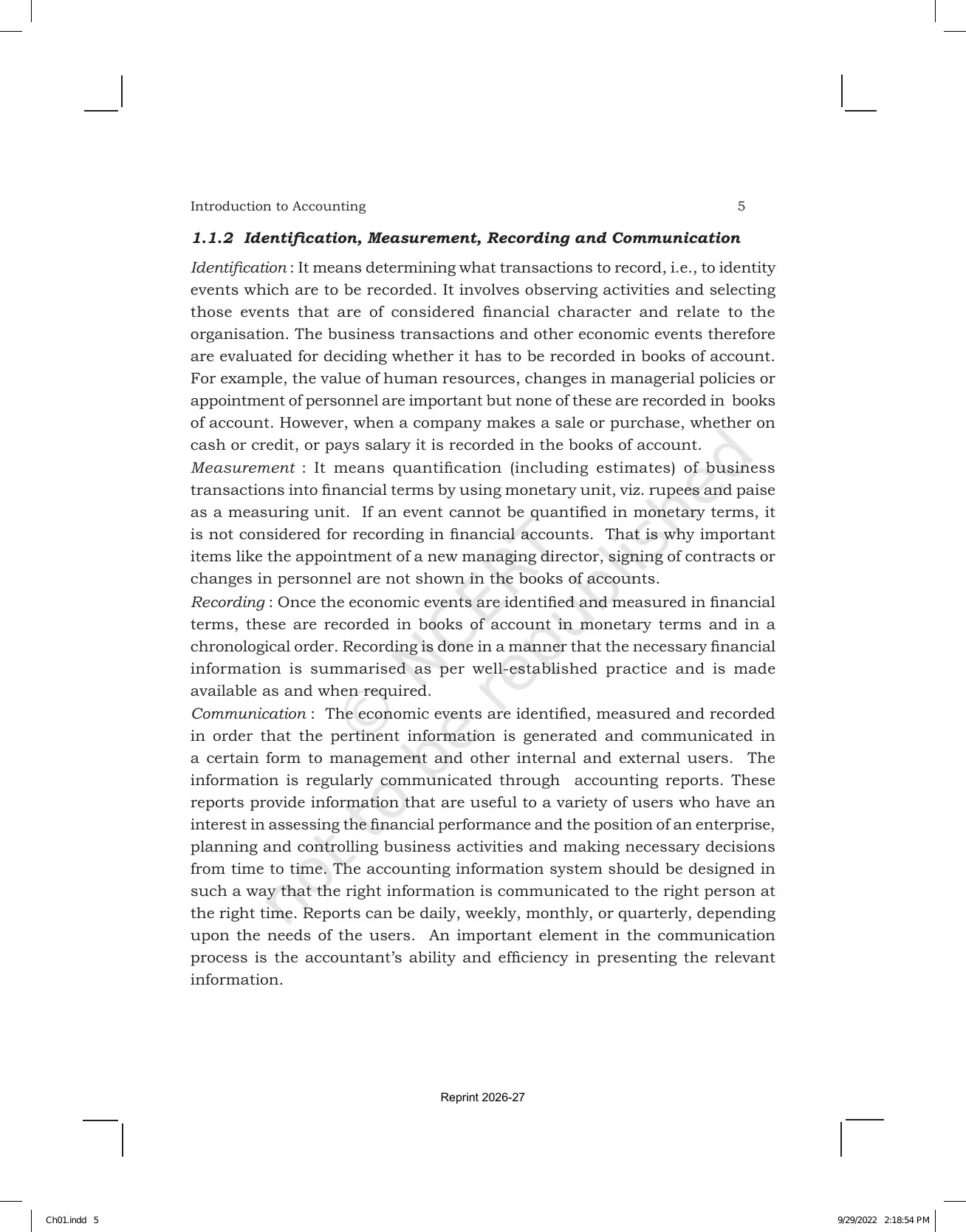
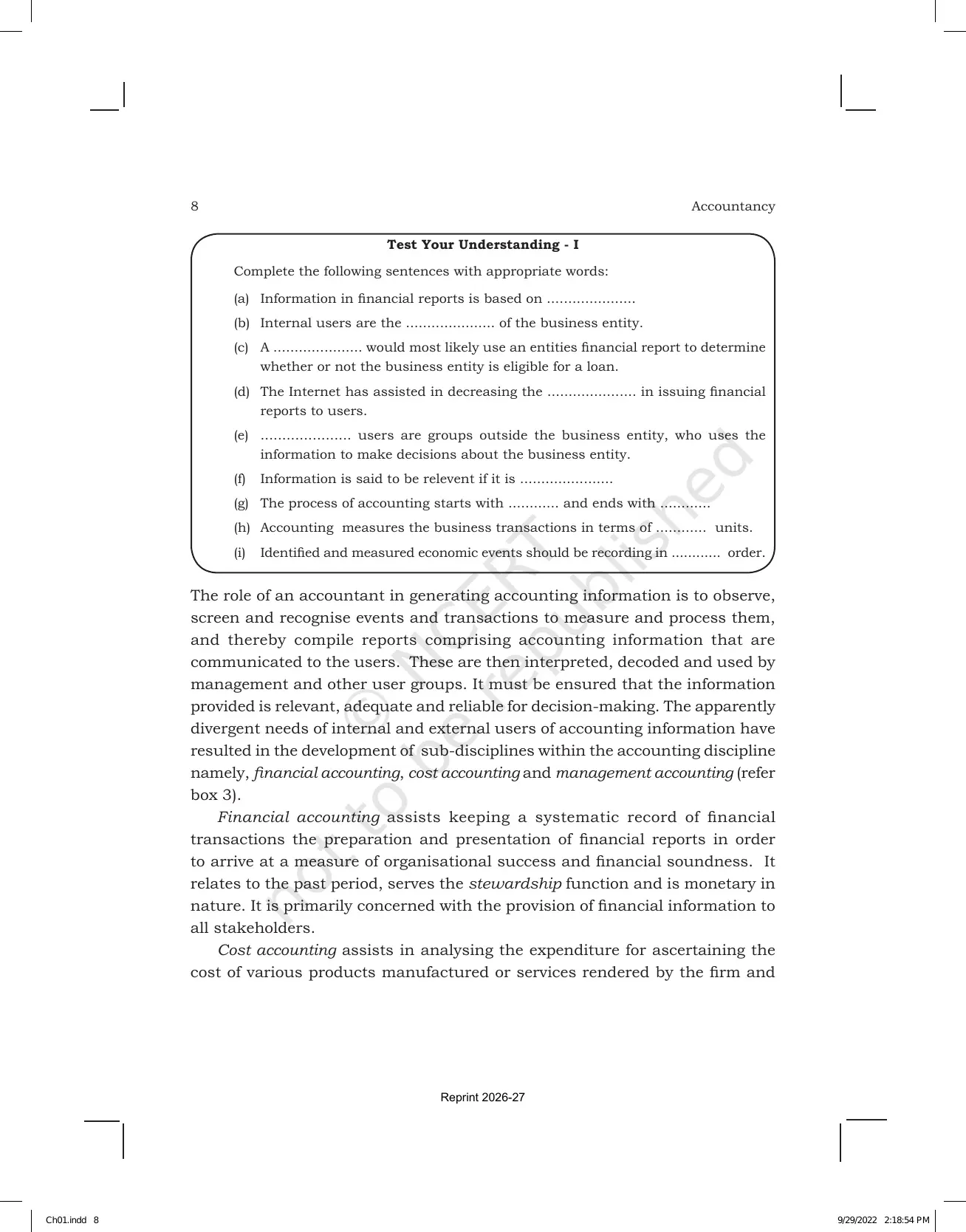
Introduction to Accounting begins by moving accounting beyond simple record keeping. NCERT explains accounting as a process that identifies, measures, records and communicates economic information to people who need it for decisions.
| Area | What to learn | Why it matters |
|---|---|---|
| Meaning | AICPA, AAA and modern definitions of accounting | Builds the base for every later chapter |
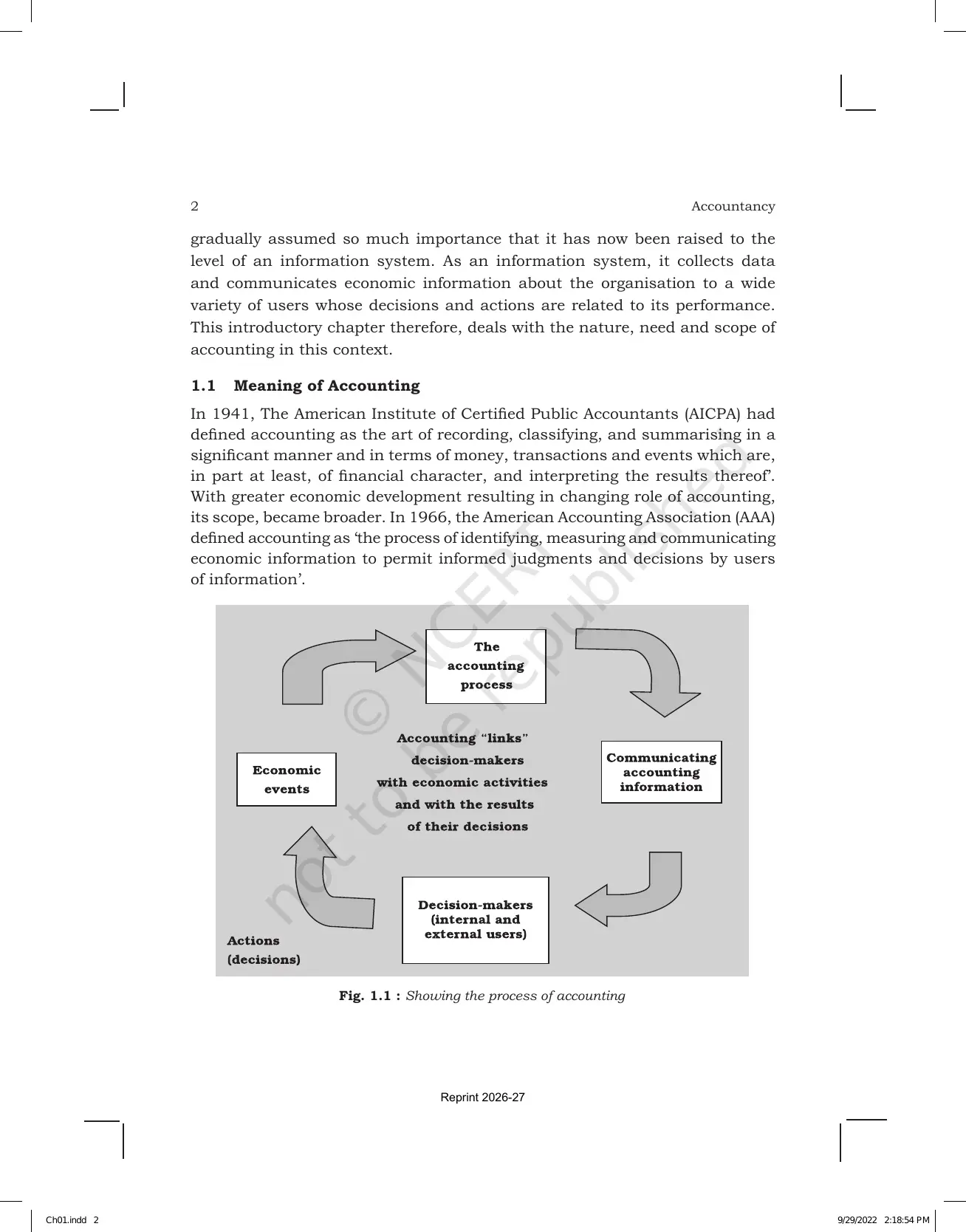
| Process | Identification, measurement, recording and communication | Shows how business data becomes information |
| Users | Internal and external users of accounting information | Connects reports with decision making |
| Terms | Assets, liabilities, capital, revenue, expenses and drawings | Prepares students for journal entries |
Accounting is treated as an information system in this chapter. That idea explains why accountants record transactions and also help managers, owners, lenders and government agencies understand business performance.
Meaning and Process of Accounting for Class 11
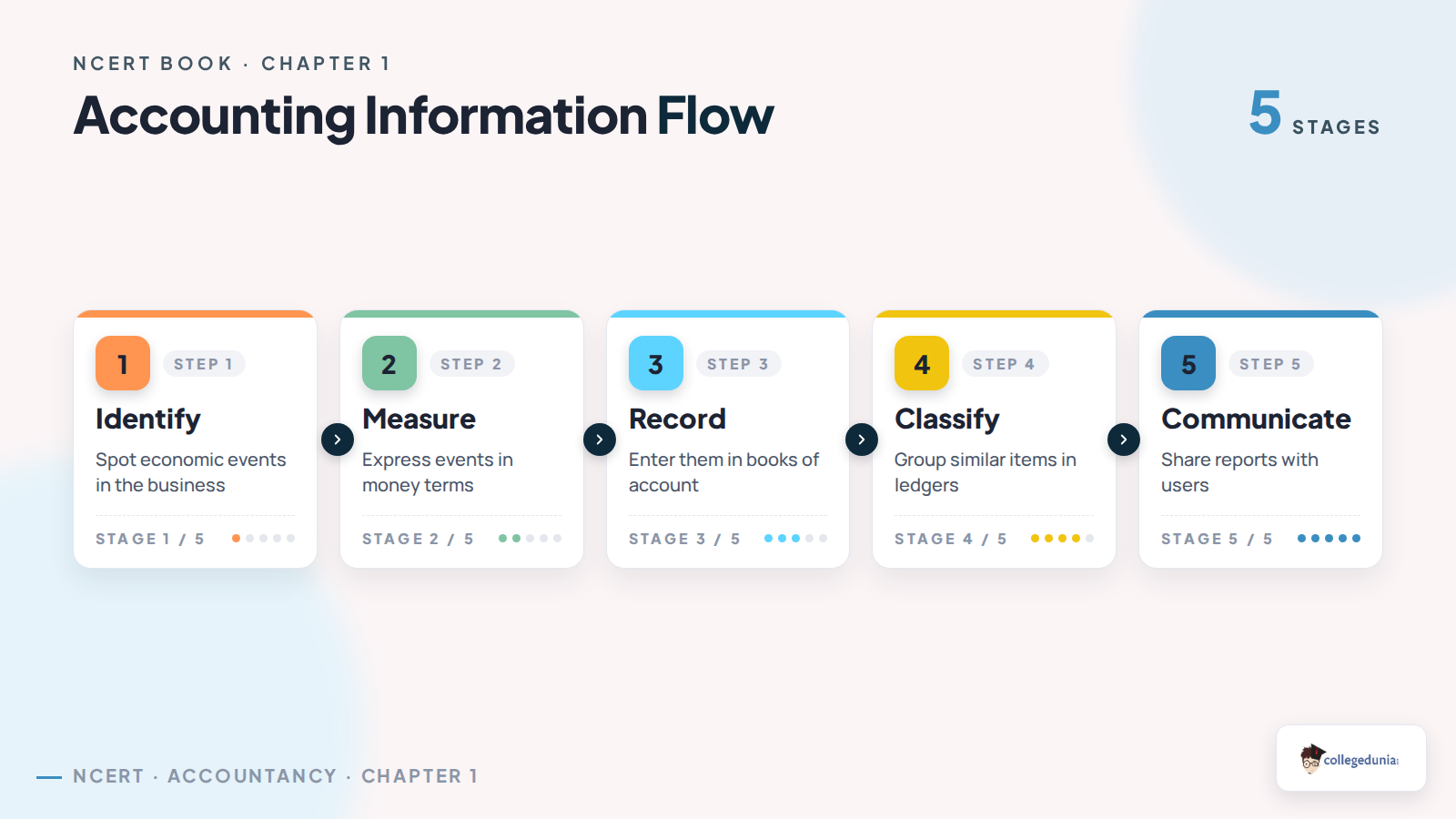
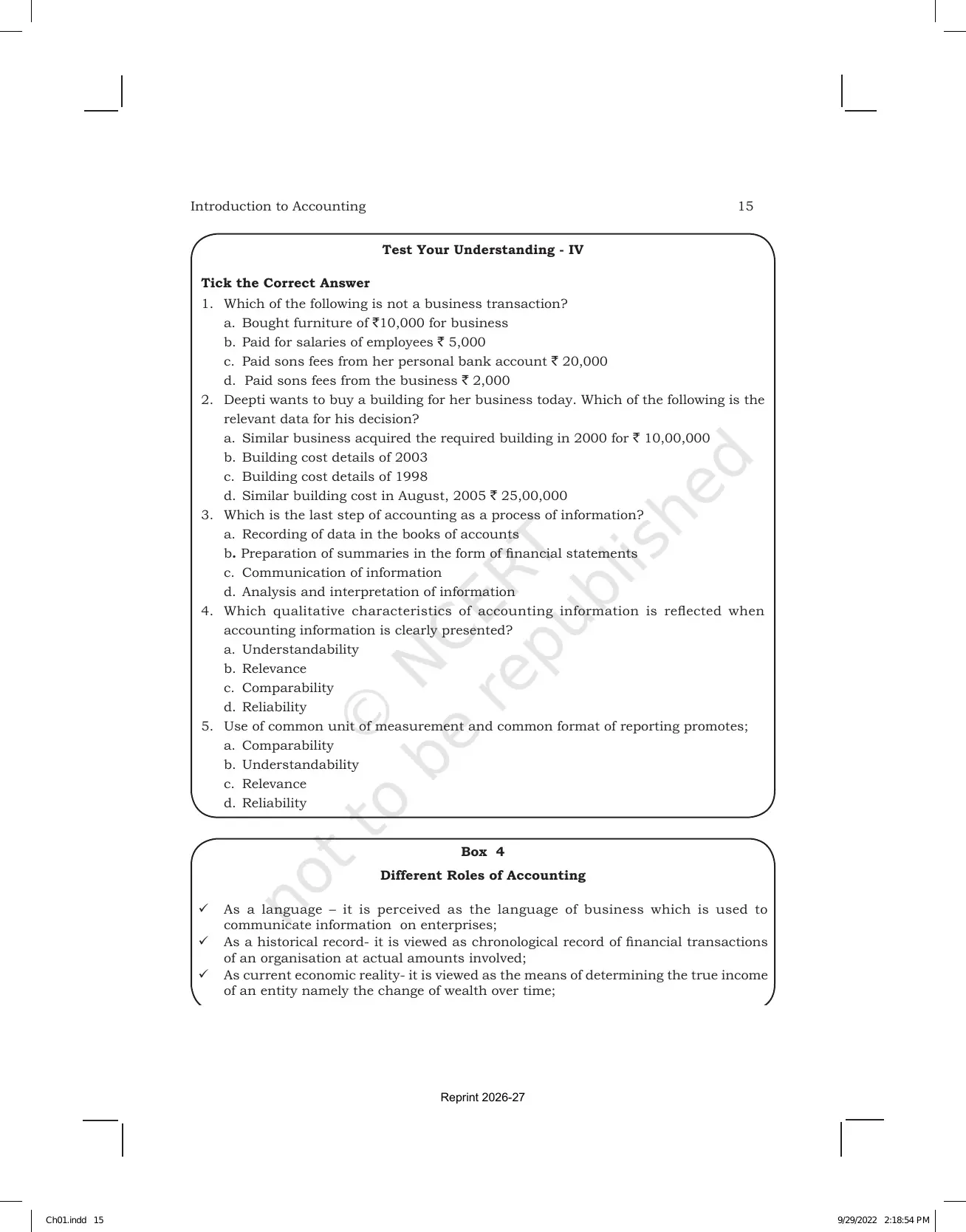
The chapter defines accounting through a clear sequence. First, the business identifies events that can be measured in money. Then it records them in books, classifies similar items and communicates the results through reports.
- Identify: choose events that affect the business financially.
- Measure: express those events in money terms.
- Record: enter transactions in a systematic manner.
- Communicate: share useful information with interested users.
The communication step is the final purpose. Without it, accounting would remain a set of entries instead of becoming useful business information.
Introduction to Accounting Video Explanation
Source: Magnet Brains on YouTube
Users and Objectives of Accounting Information
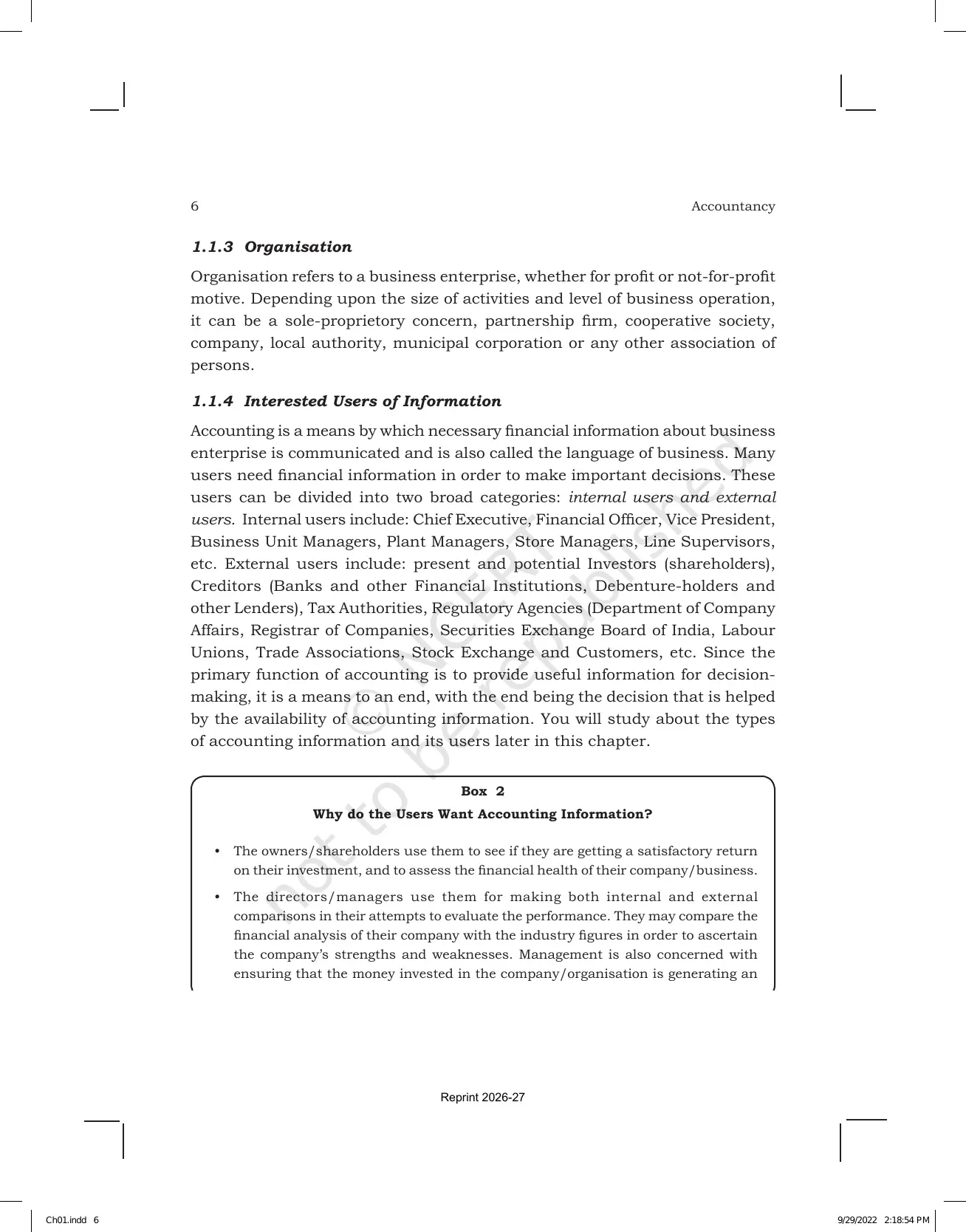
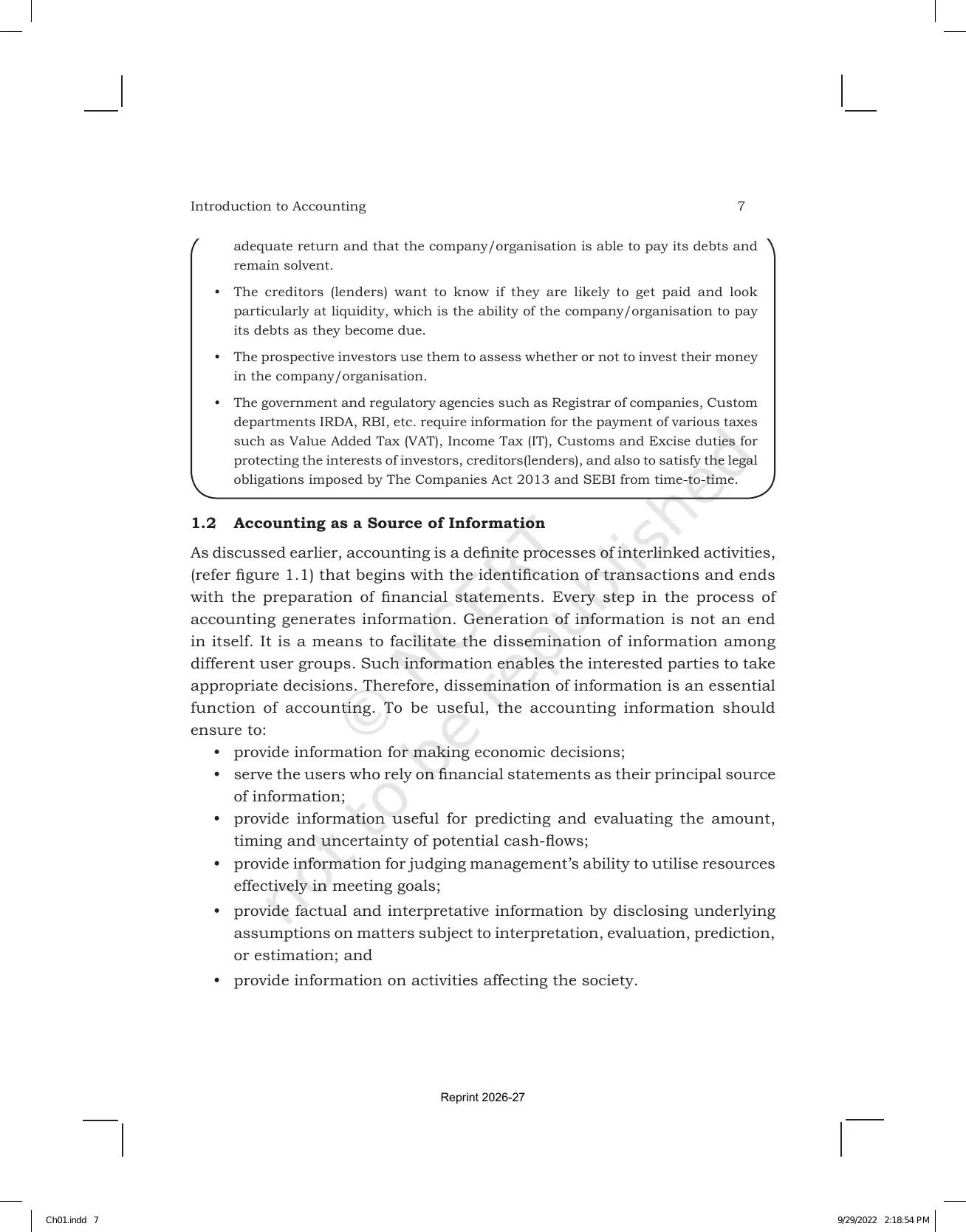
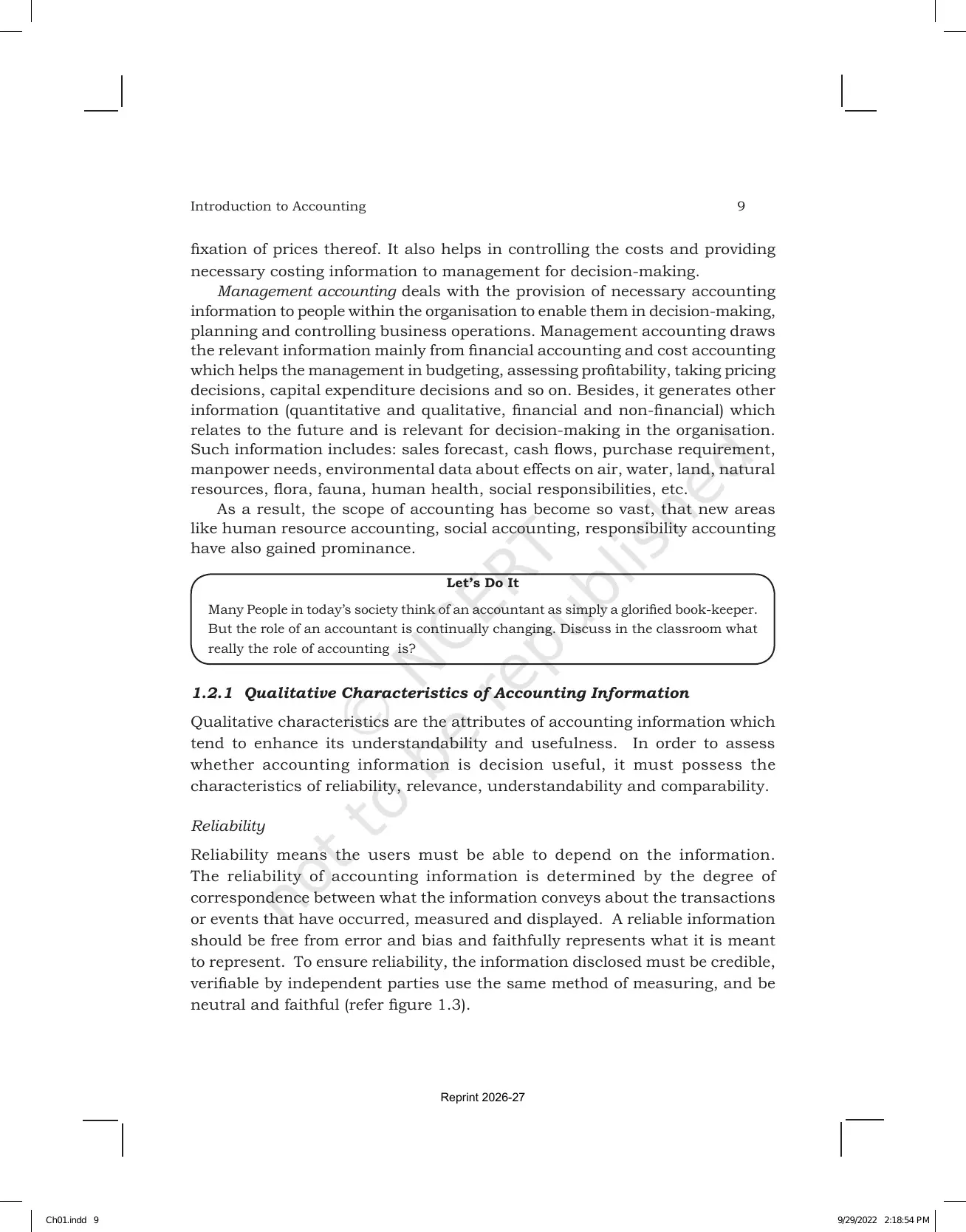
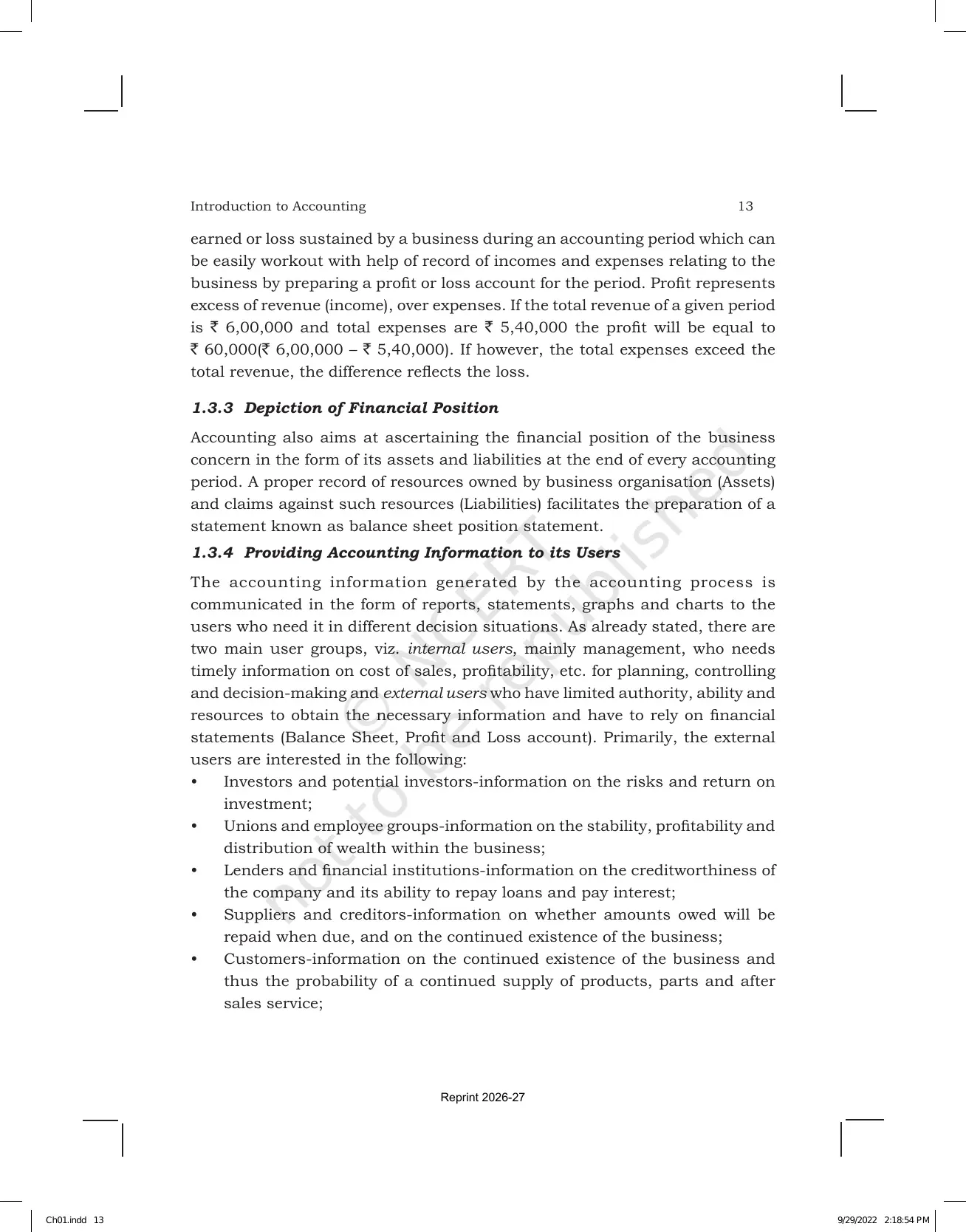
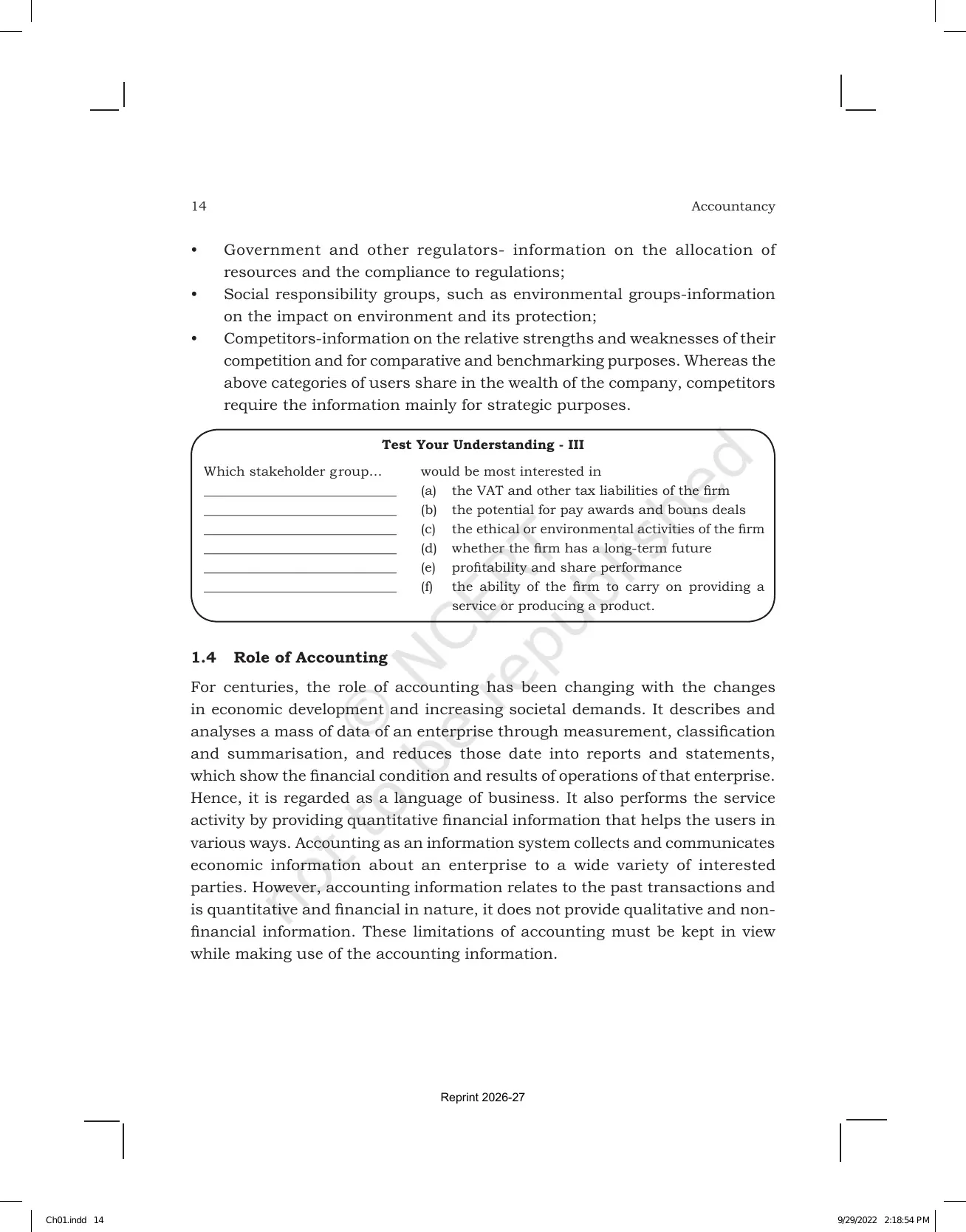
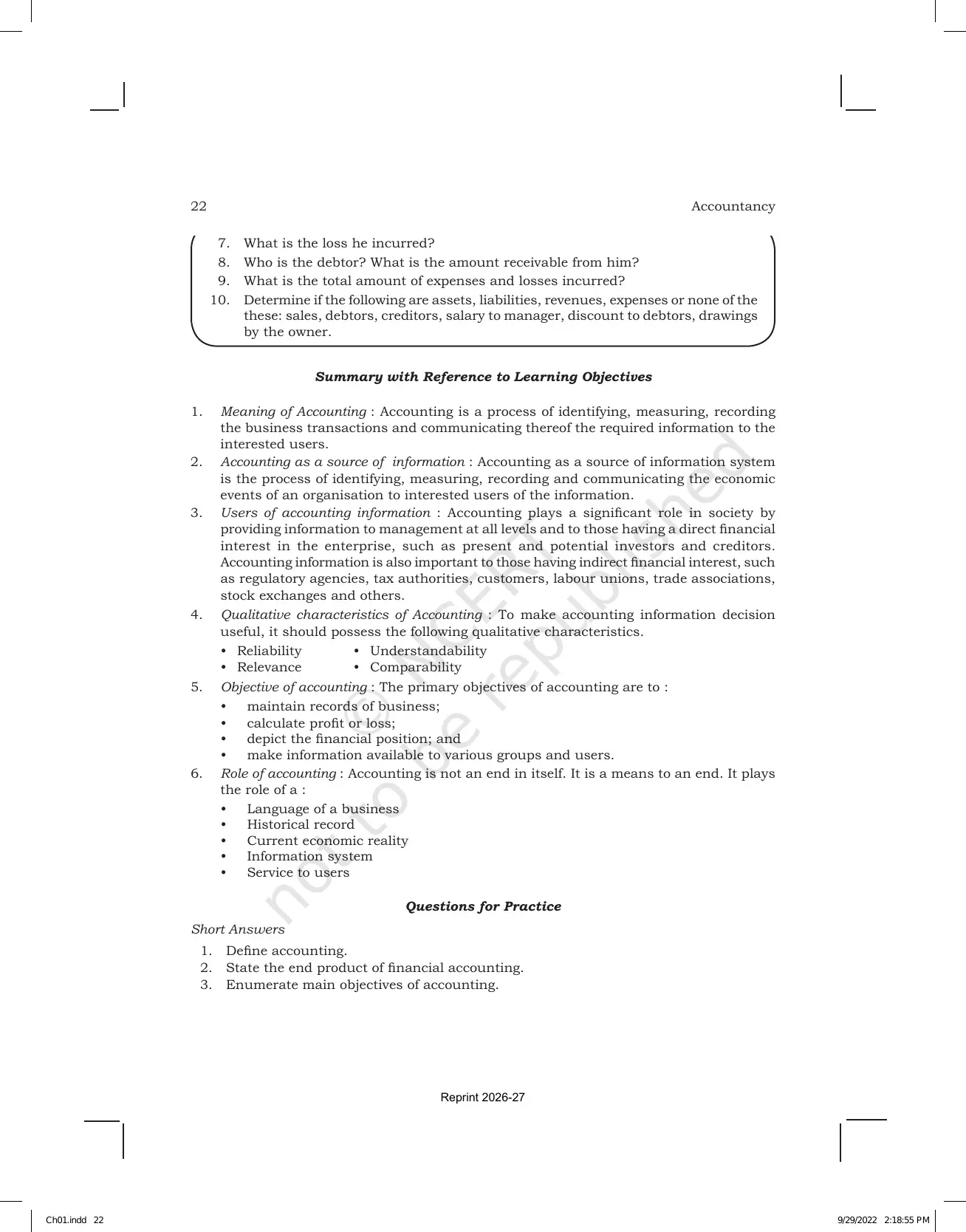
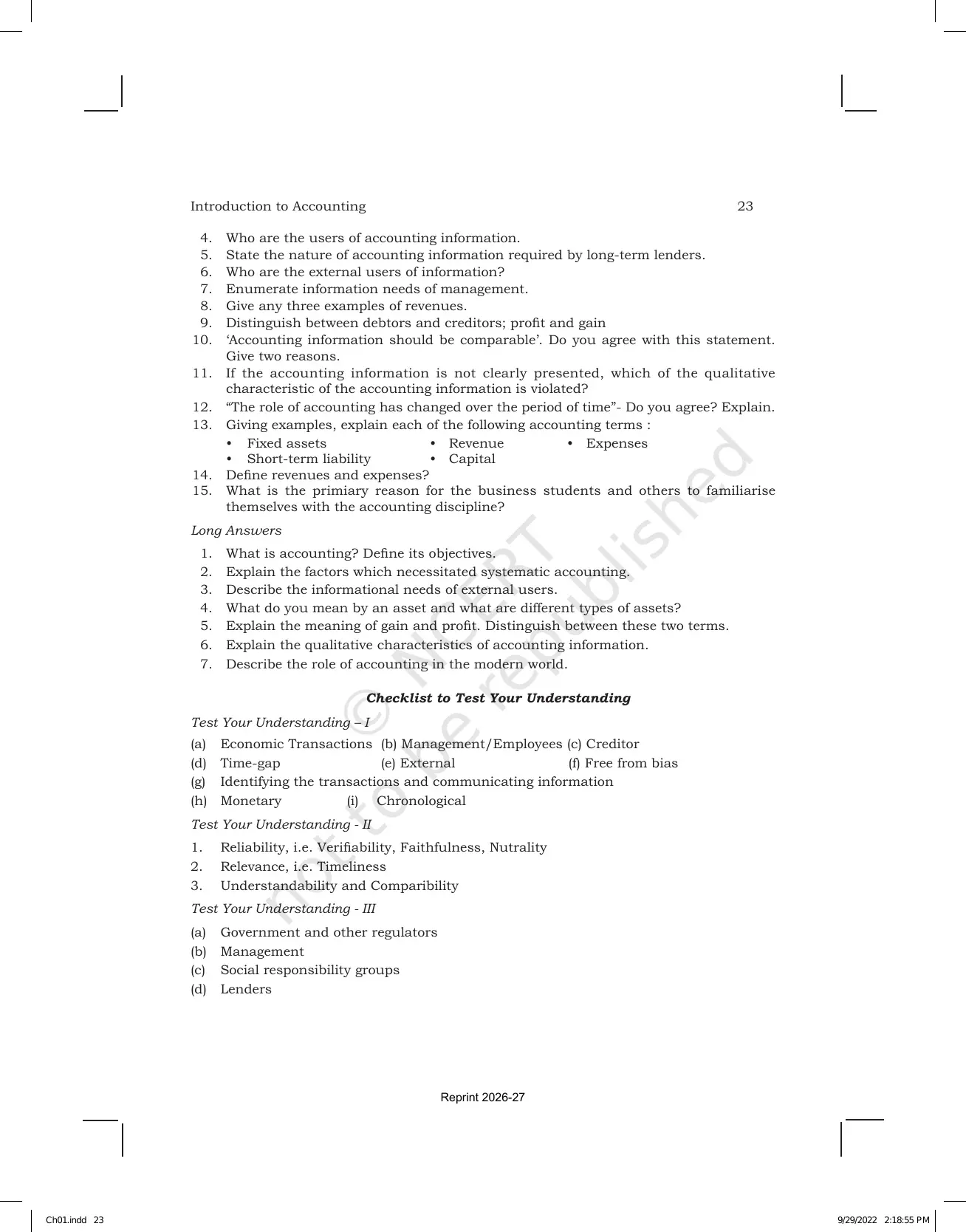
Accounting information is used inside and outside the organisation. Owners check profit and financial position. Managers plan and control operations. Lenders study repayment capacity. Government authorities use accounts for tax and regulation.
| User group | Information needed | Common decision |
|---|---|---|
| Owners | Profit, loss and capital position | Whether the business is performing well |
| Management | Costs, revenue and resource use | How to plan and control activities |
| Lenders | Assets, liabilities and cash position | Whether loans can be repaid on time |
| Government | Revenue, tax details and compliance data | Whether rules and taxes are being followed |
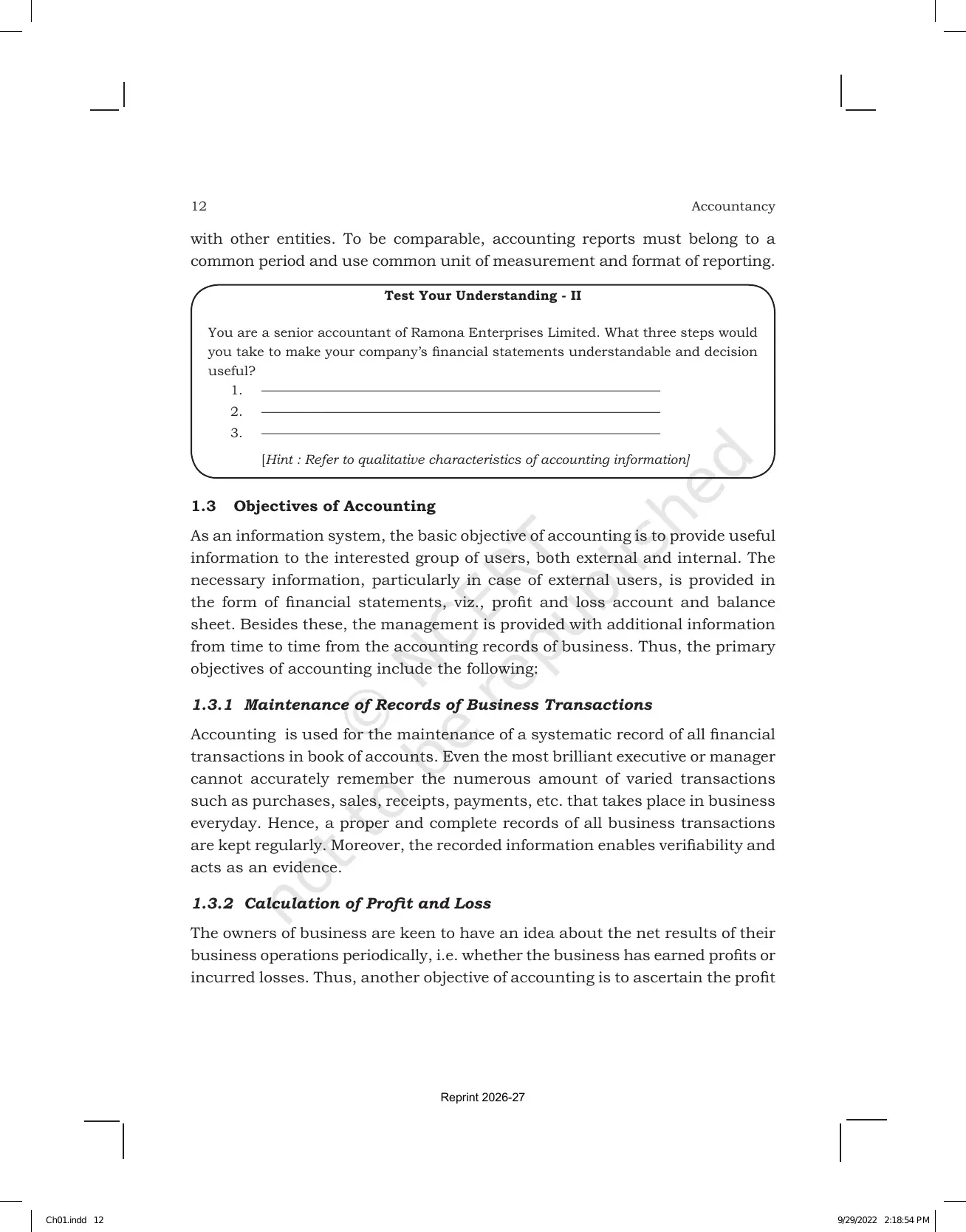
The main objective is useful communication. Accurate records help only when they are converted into reports that different users can understand.
Bookkeeping and Accounting Compared Clearly
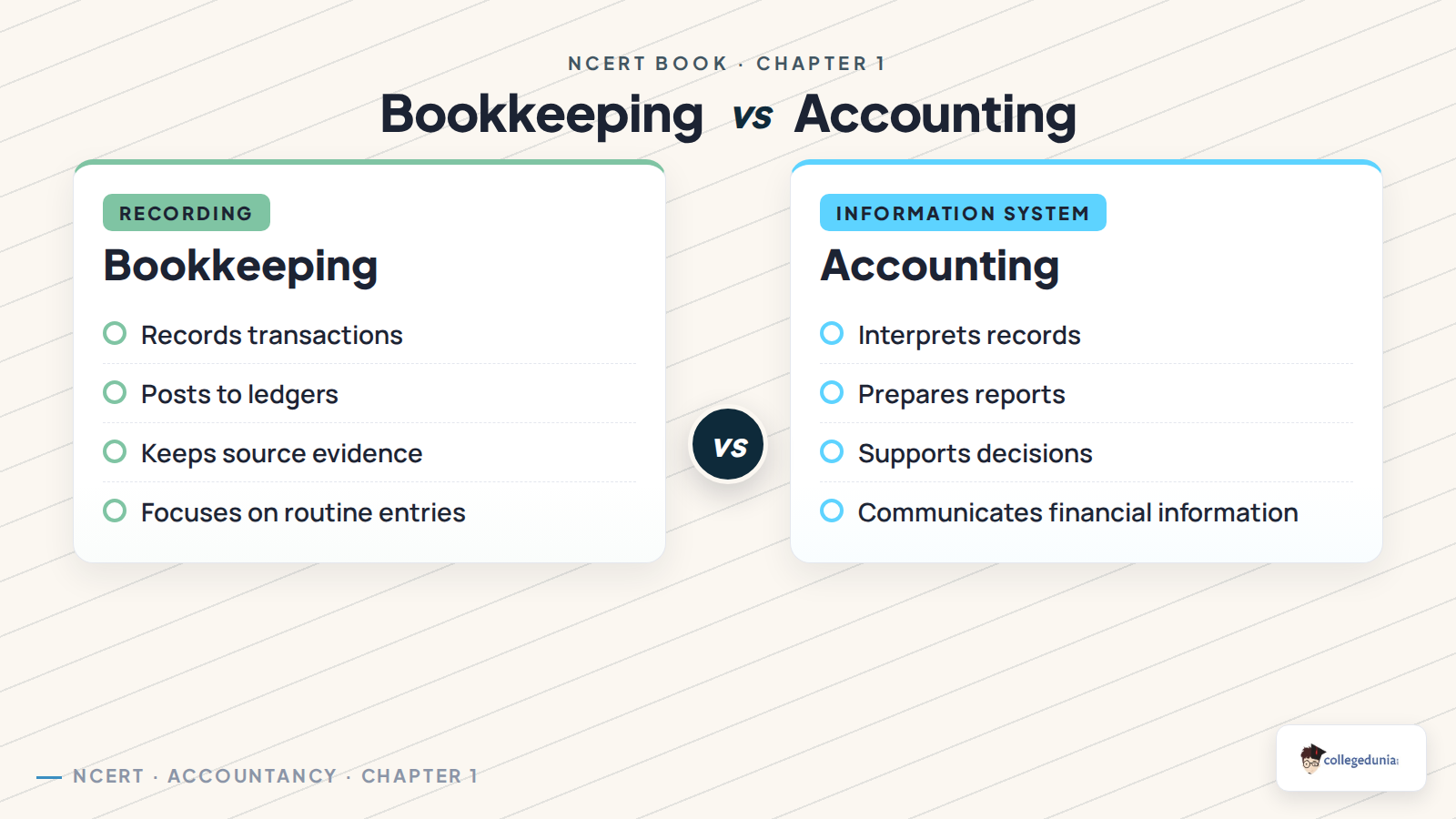
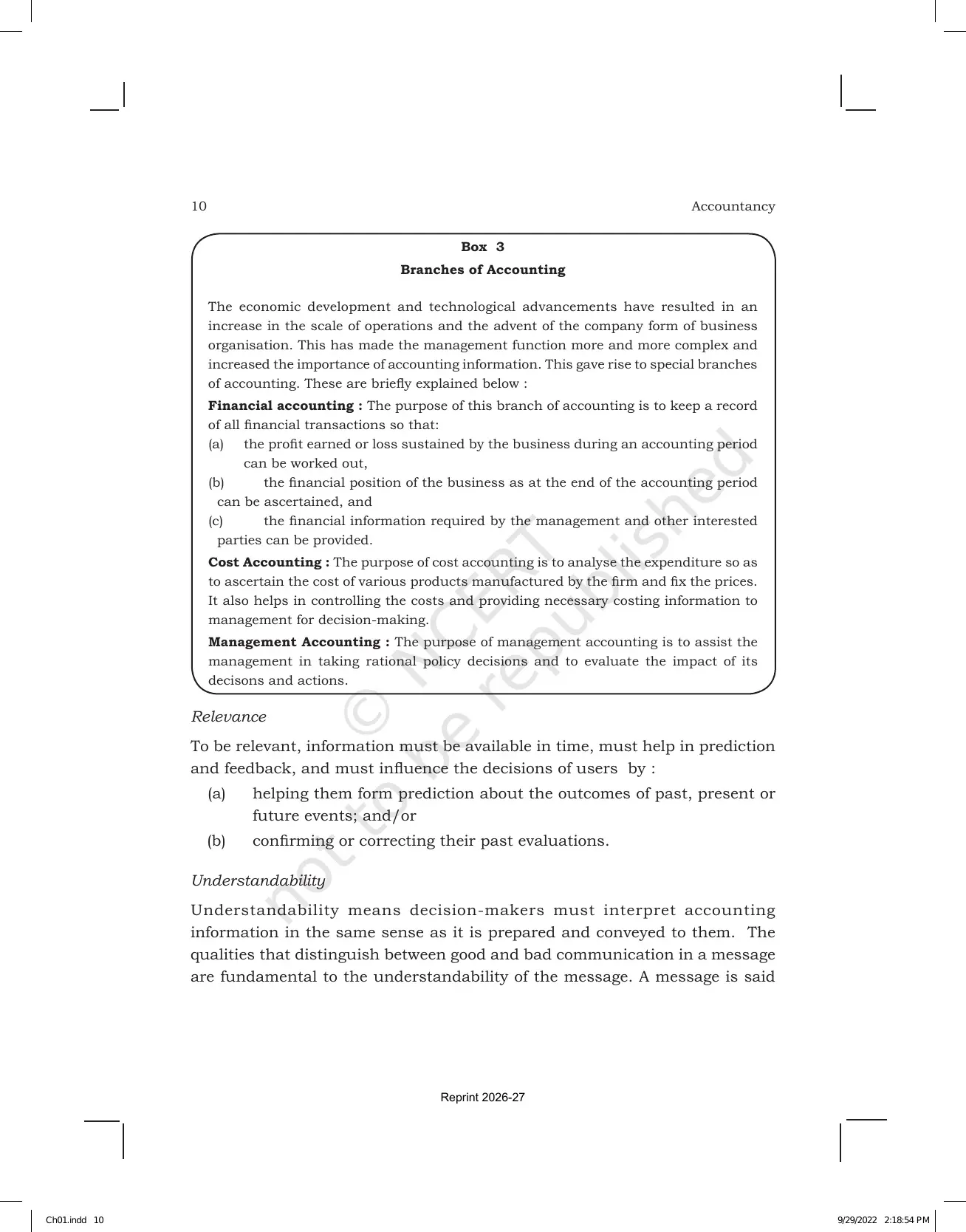
NCERT separates bookkeeping from accounting because both words are often confused. Bookkeeping is mainly concerned with recording transactions. Accounting has a wider role because it also analyses, interprets and communicates financial information.
- Bookkeeping records business transactions and keeps source evidence.
- Accounting uses those records to prepare useful reports.
- Accountancy is the wider body of knowledge that includes principles and practice.
A bookkeeping entry tells what happened. An accounting report helps explain what that event means for the business.
Basic Accounting Terms Revision Checklist
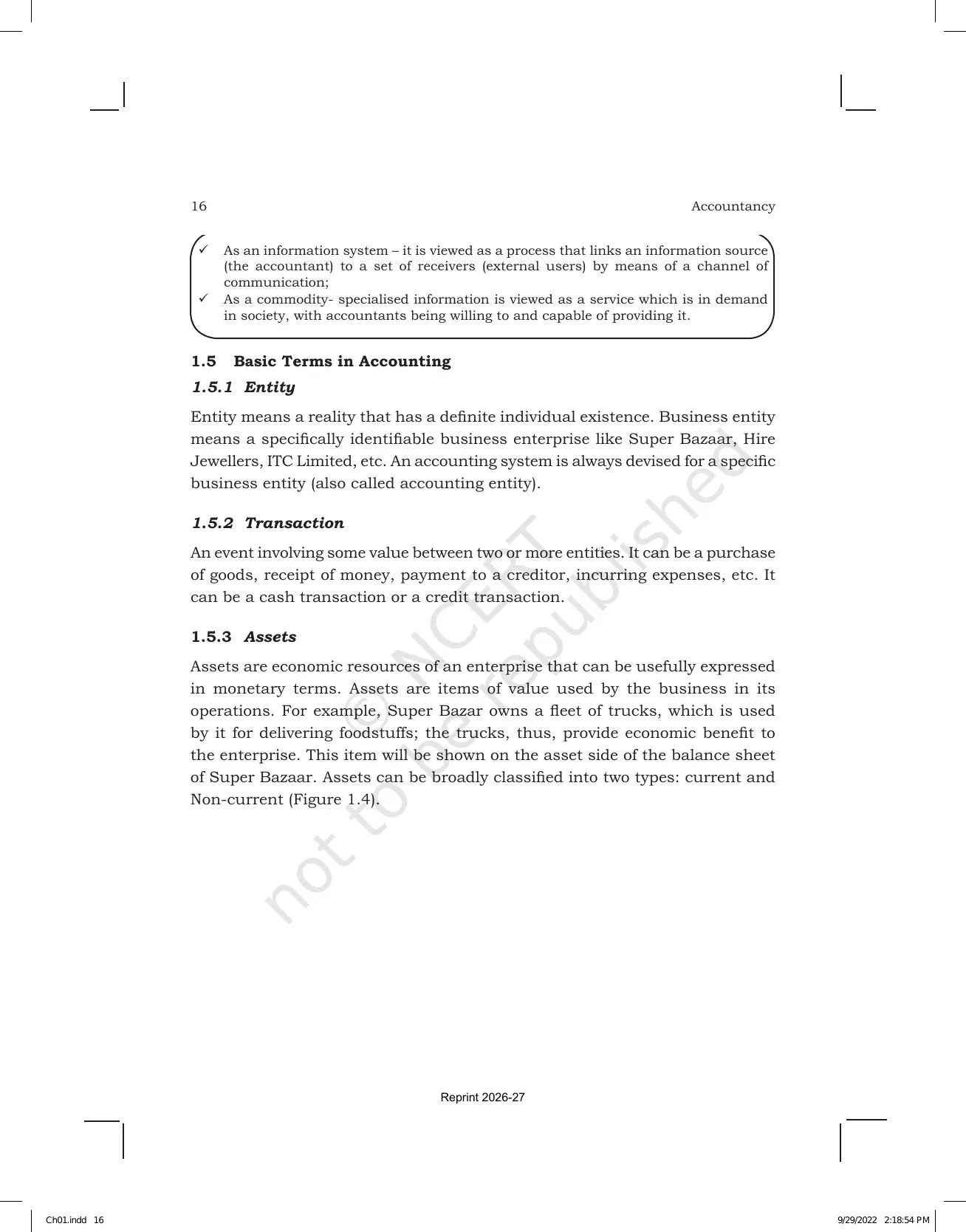
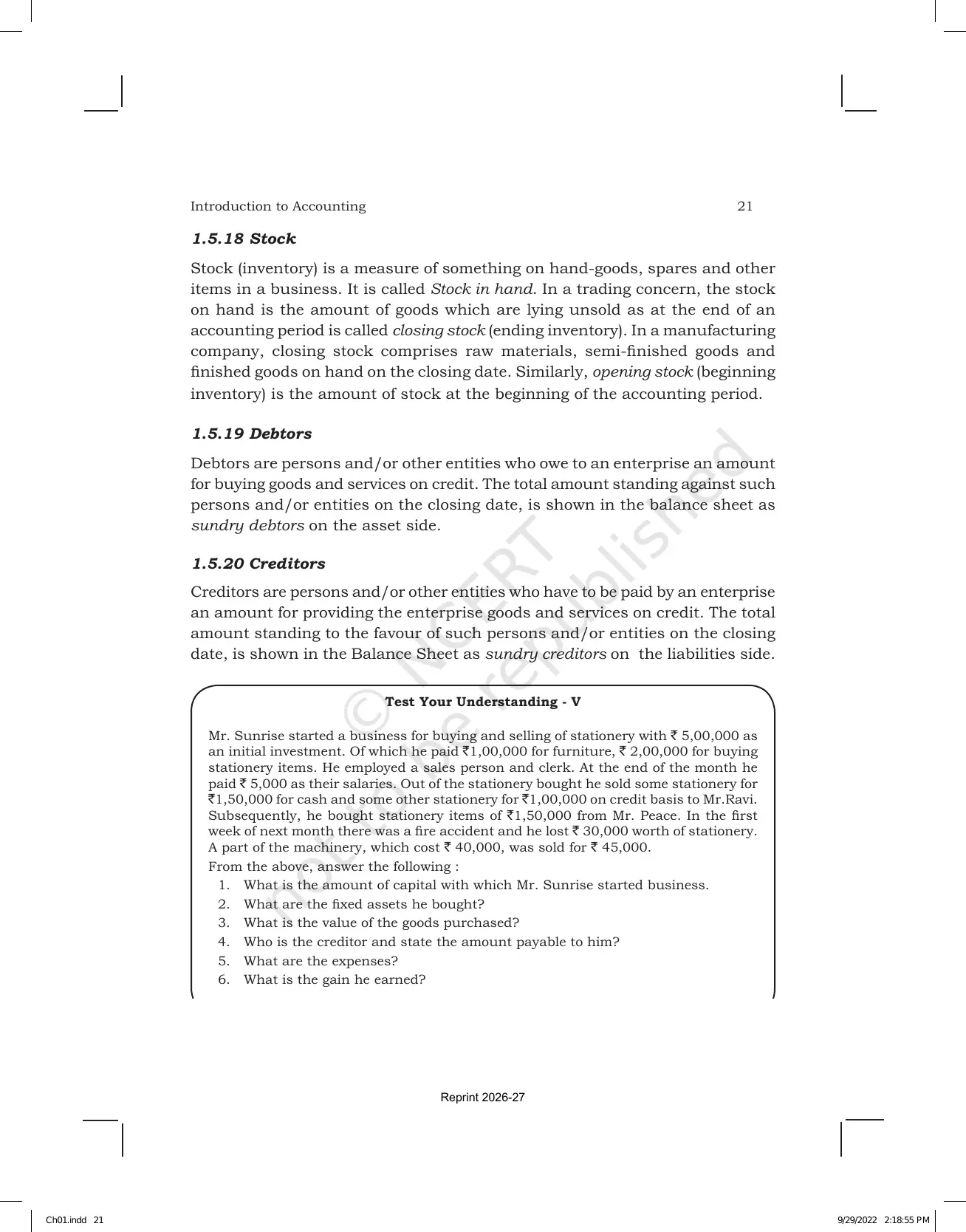
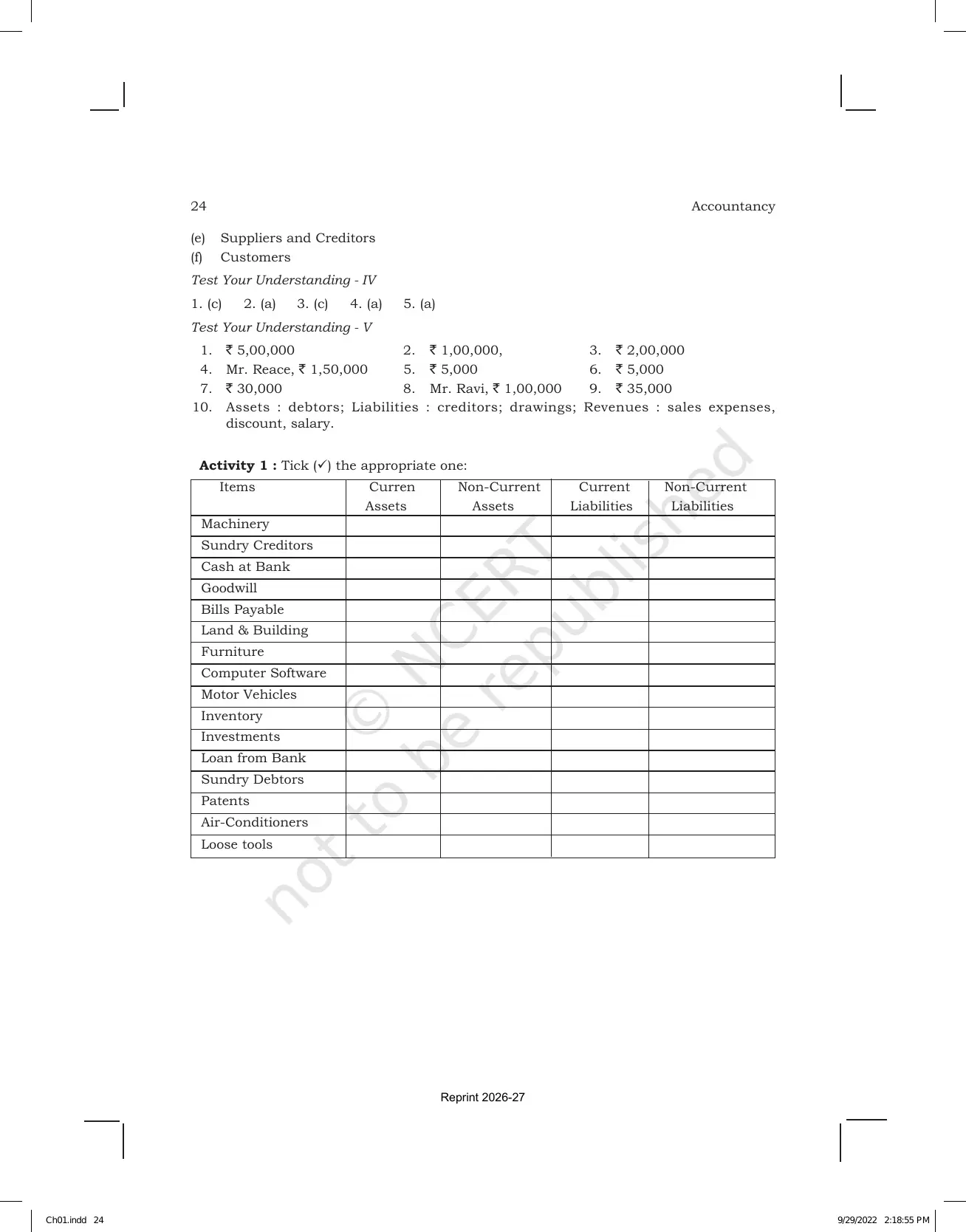
The last part of the chapter introduces terms that appear throughout Class 11 Accountancy. Revise each term with one example, because later chapters on journal, ledger and trial balance use this vocabulary without repeating the basics.
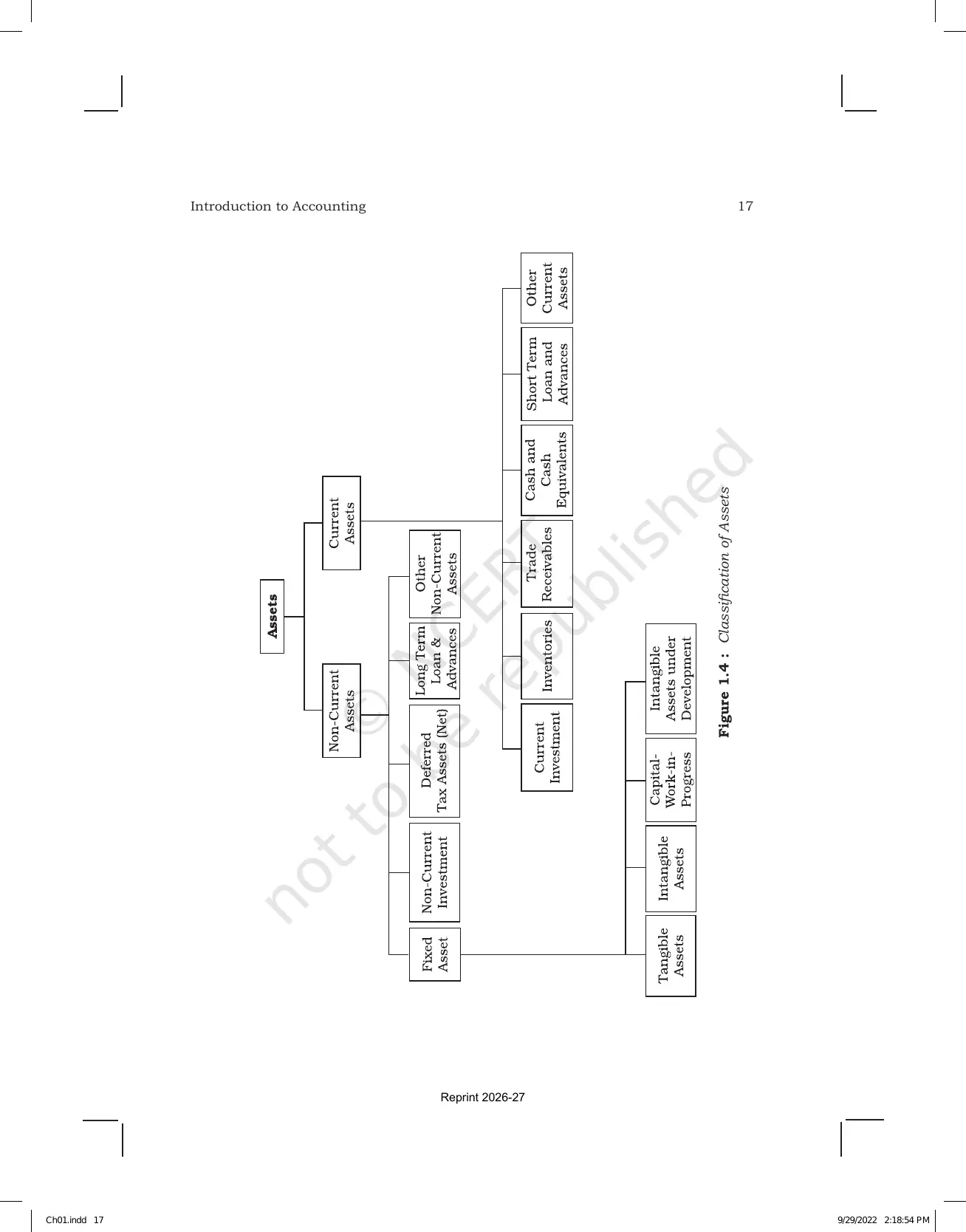
- Assets: resources owned by the business, such as cash, furniture or machinery.
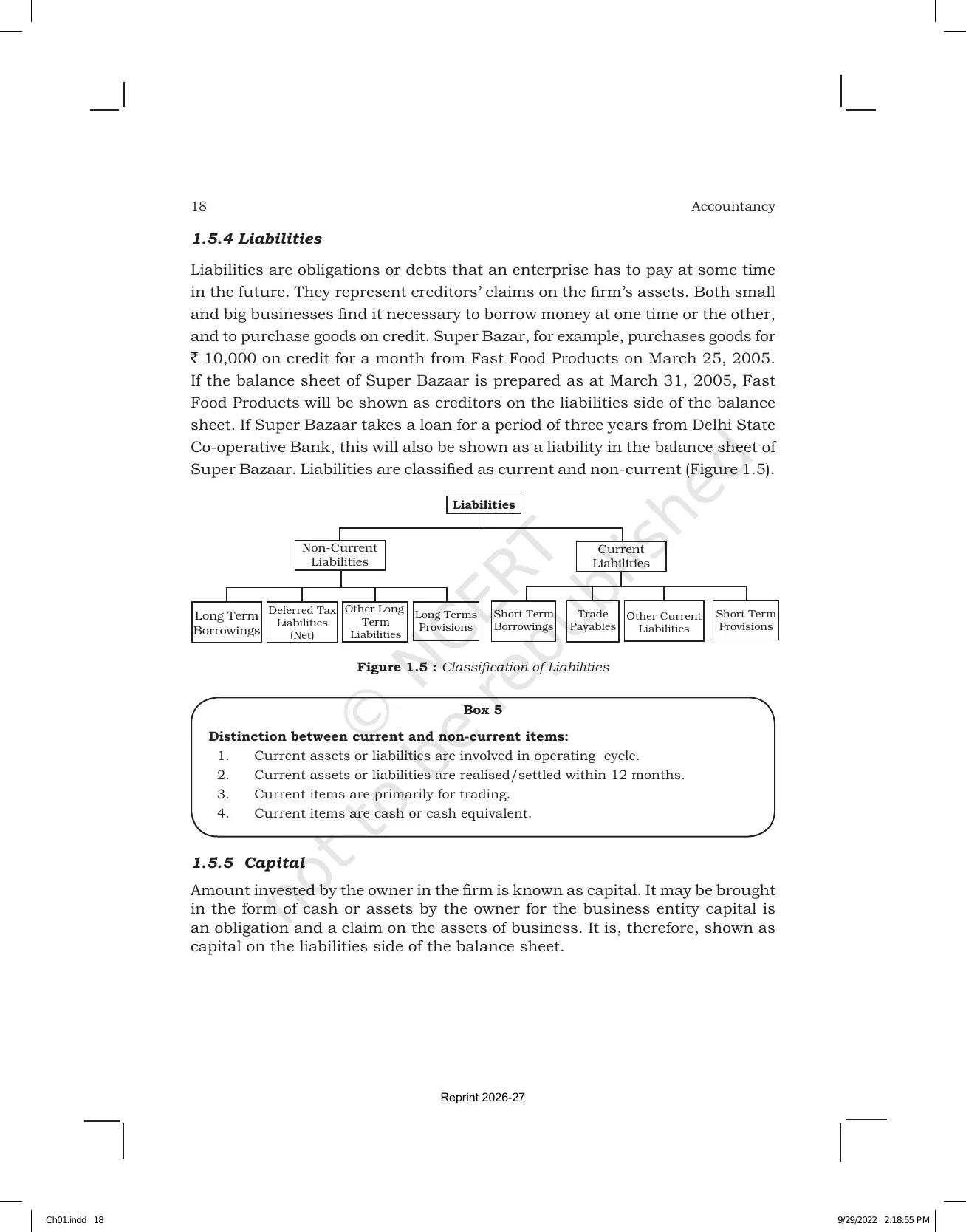
- Liabilities: amounts payable to outsiders, such as creditors or bank loans.
- Capital: amount invested by the owner in the business.
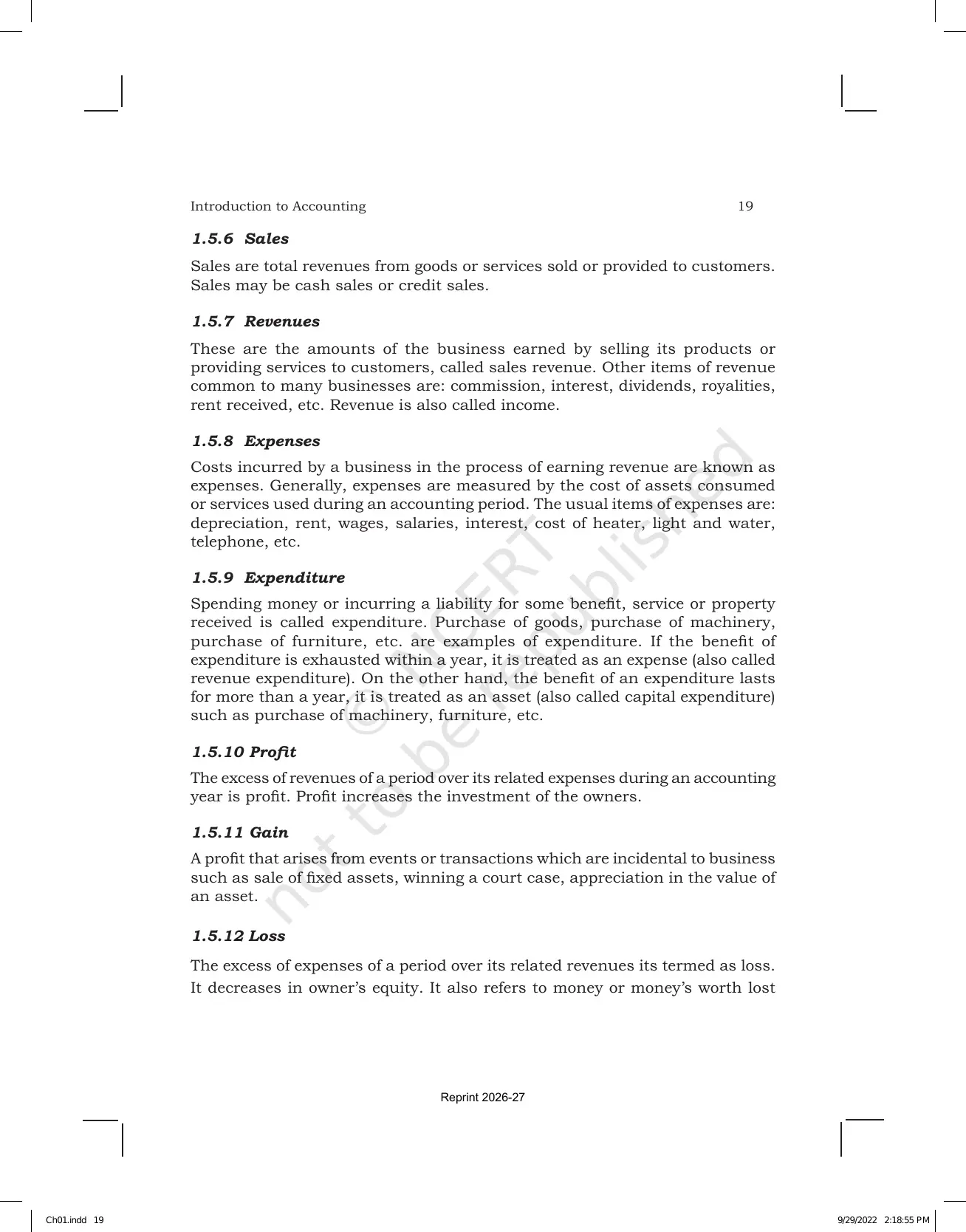
- Revenue: income earned from business operations.
- Expense: cost incurred to earn revenue.
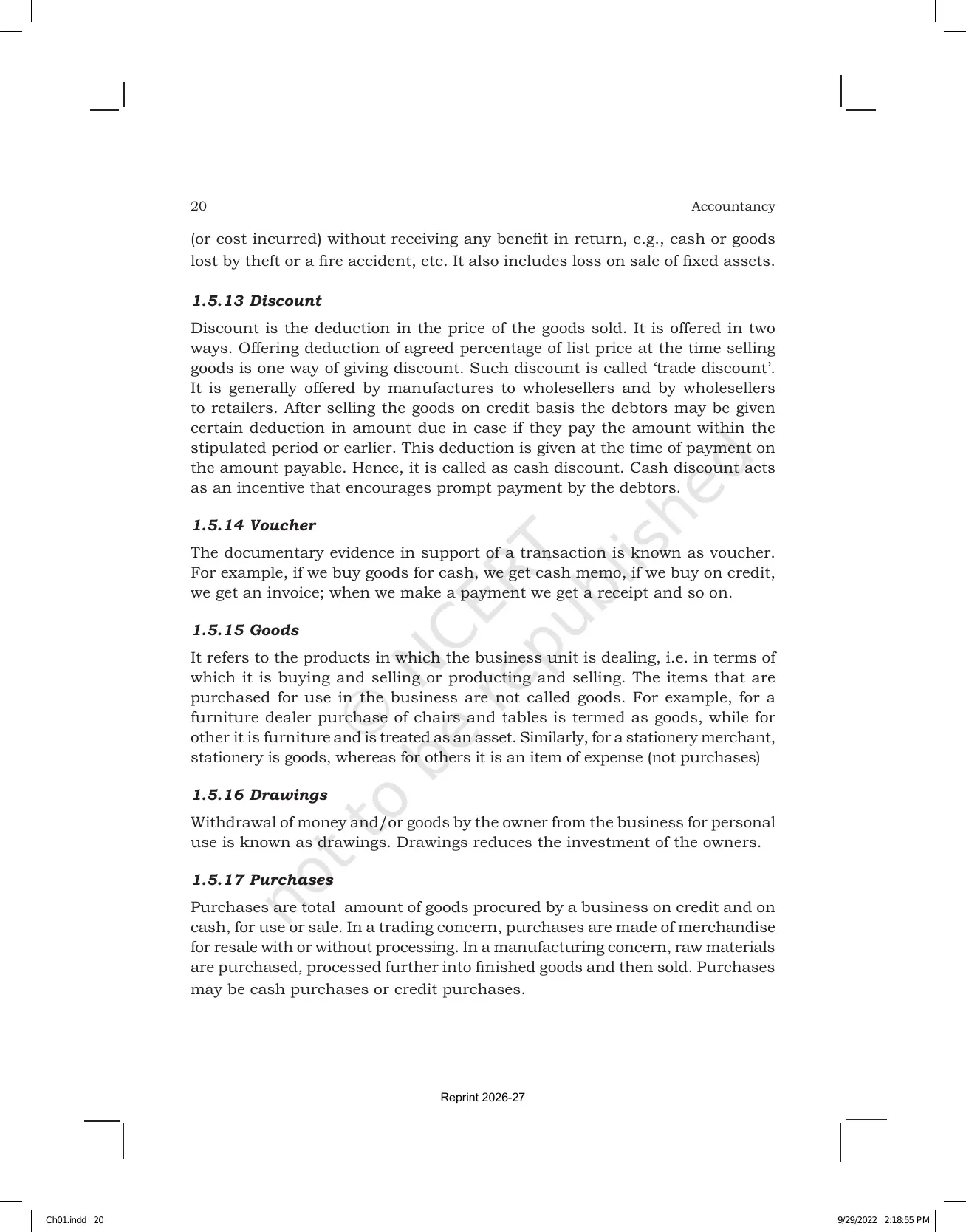
- Drawings: cash or goods taken by the owner for personal use.
These terms become the language of journal entries. A weak hold on assets, liabilities, capital, revenue and expenses makes the next chapter harder.
Introduction to Accounting Class 11 Related Resources
| Resource | Best use |
|---|---|
| Introduction to Accounting Class 11 NCERT Solutions | Check textbook answers and definition-based questions |
| Introduction to Accounting Class 11 Notes | Revise the chapter in a shorter format |
| Introduction to Accounting Class 11 Handwritten Notes | Use scanned notes for a quick final recap |
All Class 11 Accountancy NCERT Book Chapters
| Chapter | NCERT Book PDF |
|---|---|
| 1 | Introduction to Accounting |
| 2 | Theory Base of Accounting |
| 3 | Recording of Transactions - I |
| 4 | Recording of Transactions - II |
| 5 | Bank Reconciliation Statement |
| 6 | Trial Balance and Rectification of Errors |
| 7 | Depreciation, Provisions and Reserves |
| 8 | Financial Statements - I |
| 9 | Financial Statements - II |
Introduction to Accounting Class 11 NCERT Book FAQs
Ques. What does Introduction to Accounting explain?
Ans. It explains the meaning, need, objectives, users, role and basic terms of accounting as used in the Class 11 Accountancy textbook.
Ques. What is accounting according to this chapter?
Ans. Accounting is the process of identifying, measuring, recording and communicating economic information to users who make decisions.
Ques. How is accounting different from bookkeeping?
Ans. Bookkeeping mainly records transactions. Accounting also classifies, summarises, interprets and communicates the financial information.
Ques. Who uses accounting information?
Ans. Owners, managers, employees, lenders, investors, creditors, government departments and other interested groups use accounting information.
Ques. Which basic terms should be revised first?
Ans. Revise assets, liabilities, capital, revenue, expense, drawings, purchases, sales, debtors and creditors before moving to journal entries.



Comments