




Class 11 Applied Mathematics Chapter 11 Basics of Financial Mathematics NCERT Book PDF gives students the official chapter text for simple interest, compound interest, growth, depreciation, annuity, instalment payments and present value. The PDF follows the 2026-27 NCERT chapter and helps students practise money-based questions with the original examples beside them.
- Official source: download the original NCERT chapter PDF with theory, examples and practice questions.
- Exam value: financial mathematics supports interest, loan, investment and instalment case questions.
- Best for practice: read this PDF before solving questions on amount, present value, EMI and annuity.
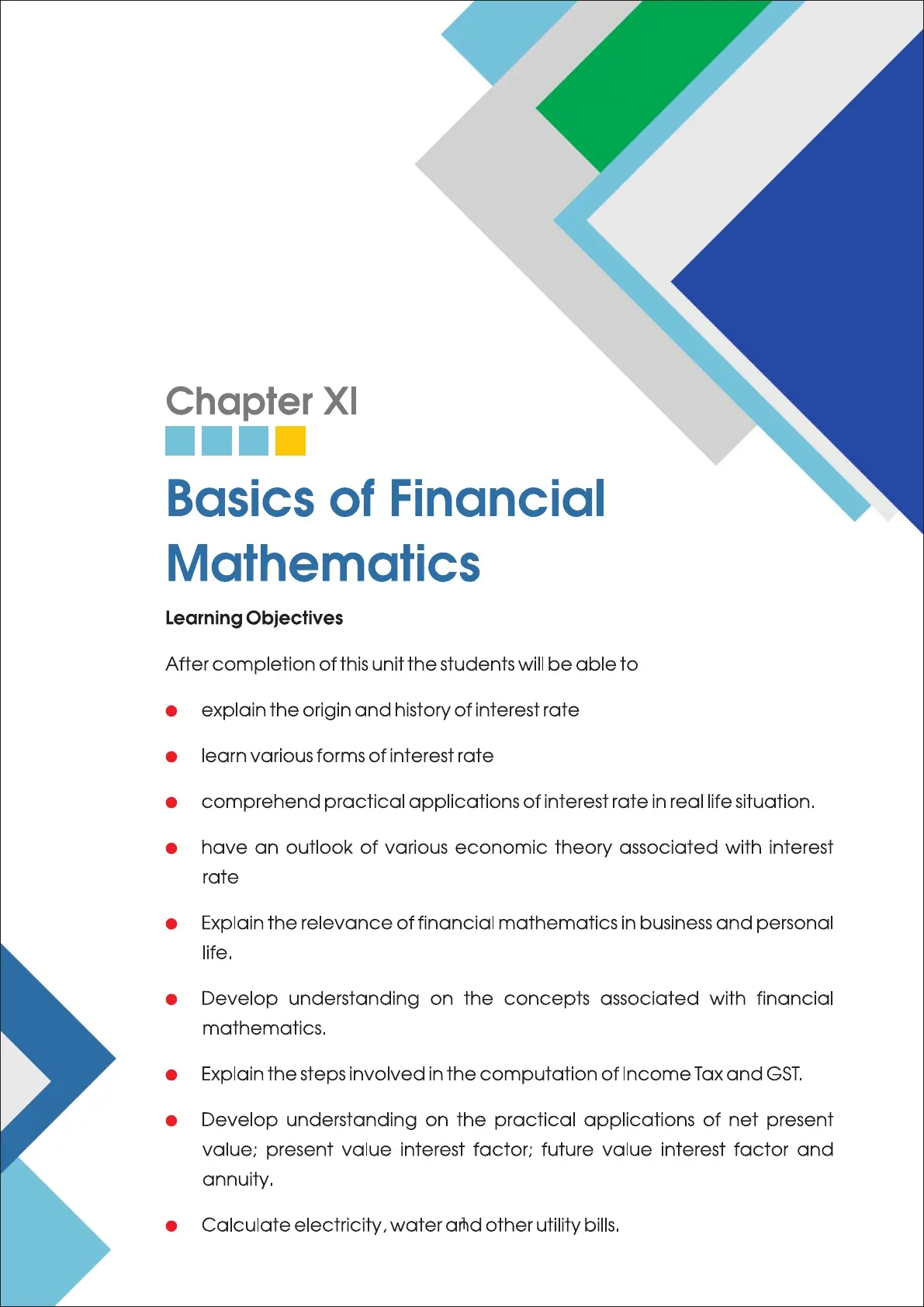
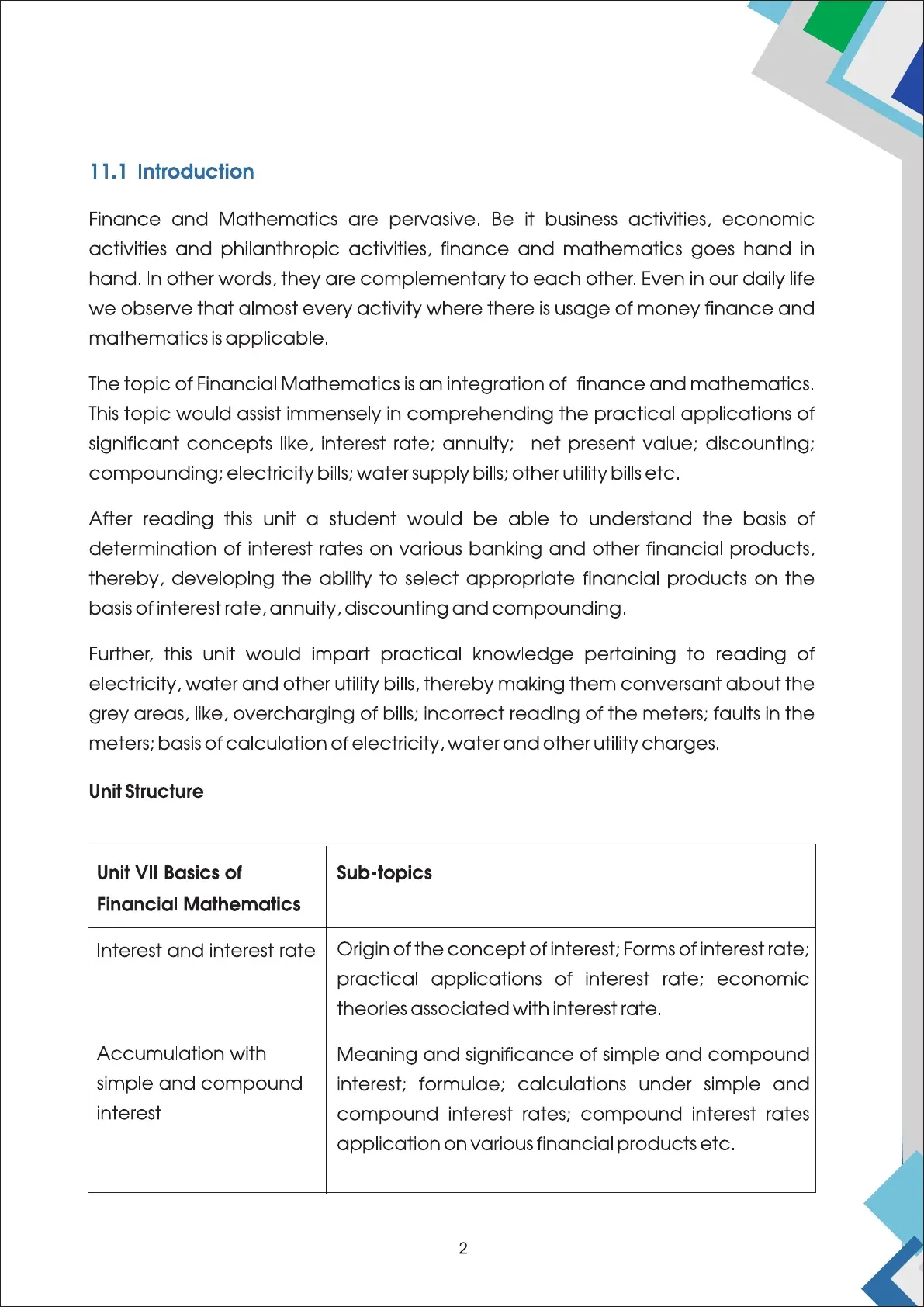
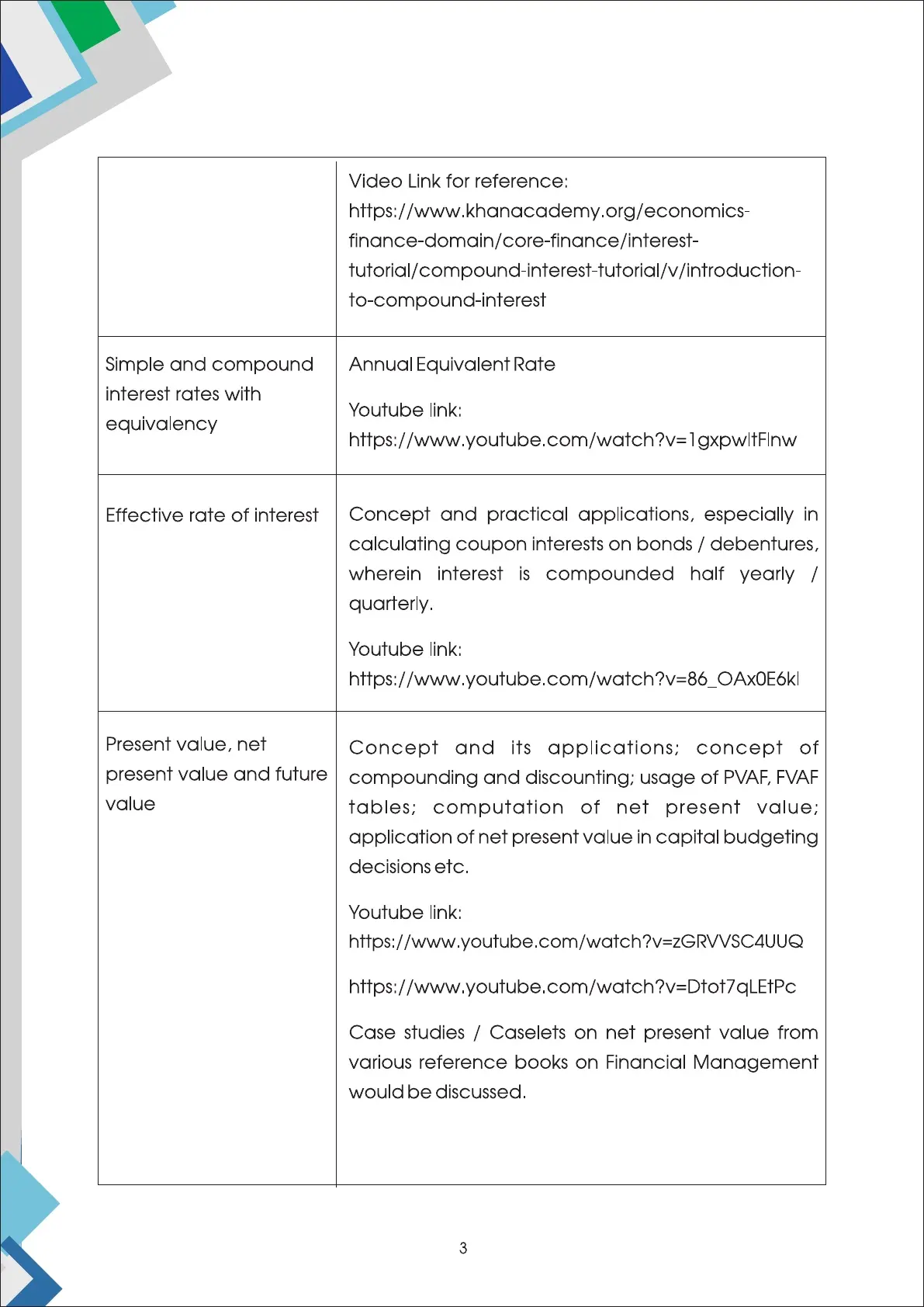
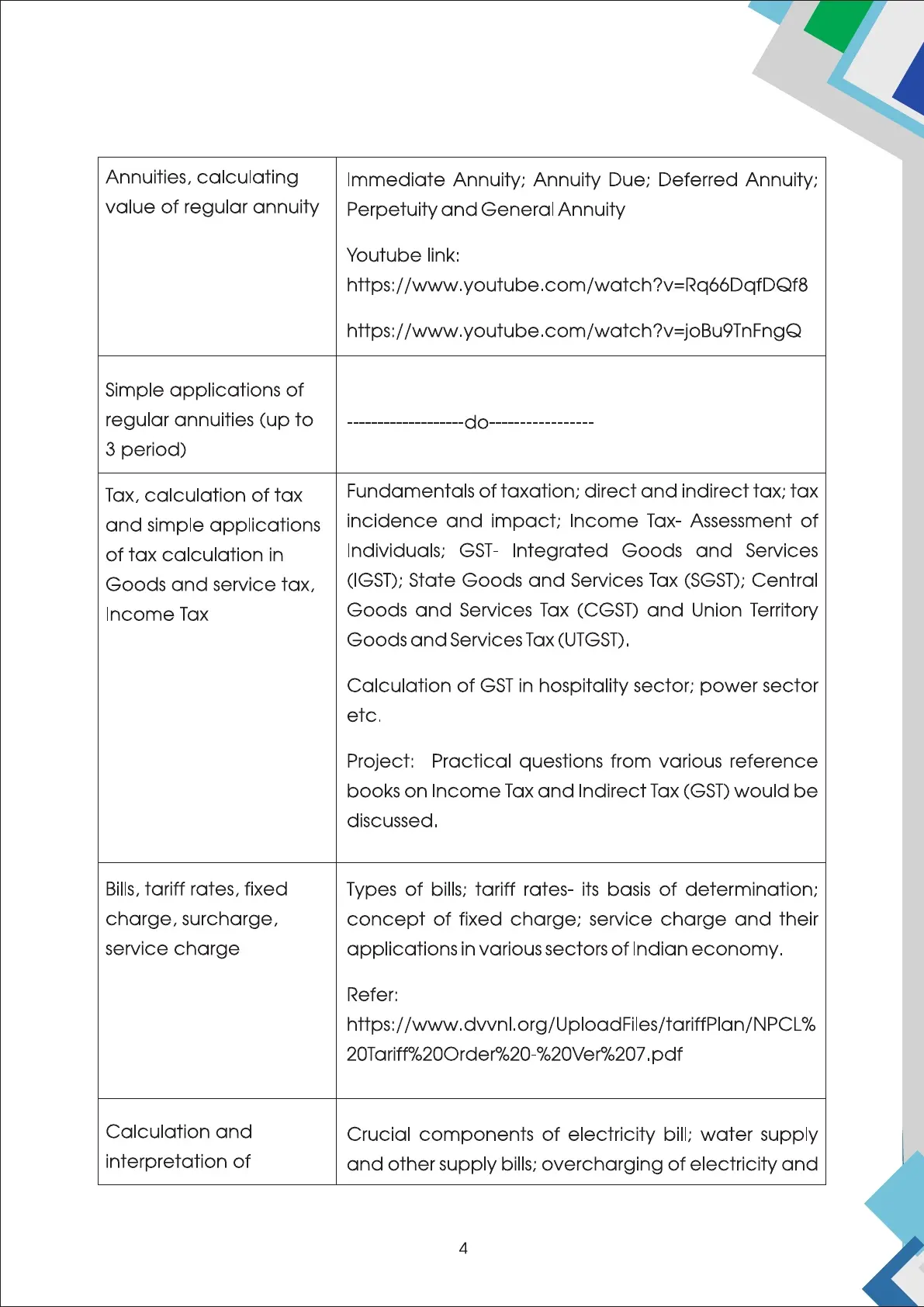
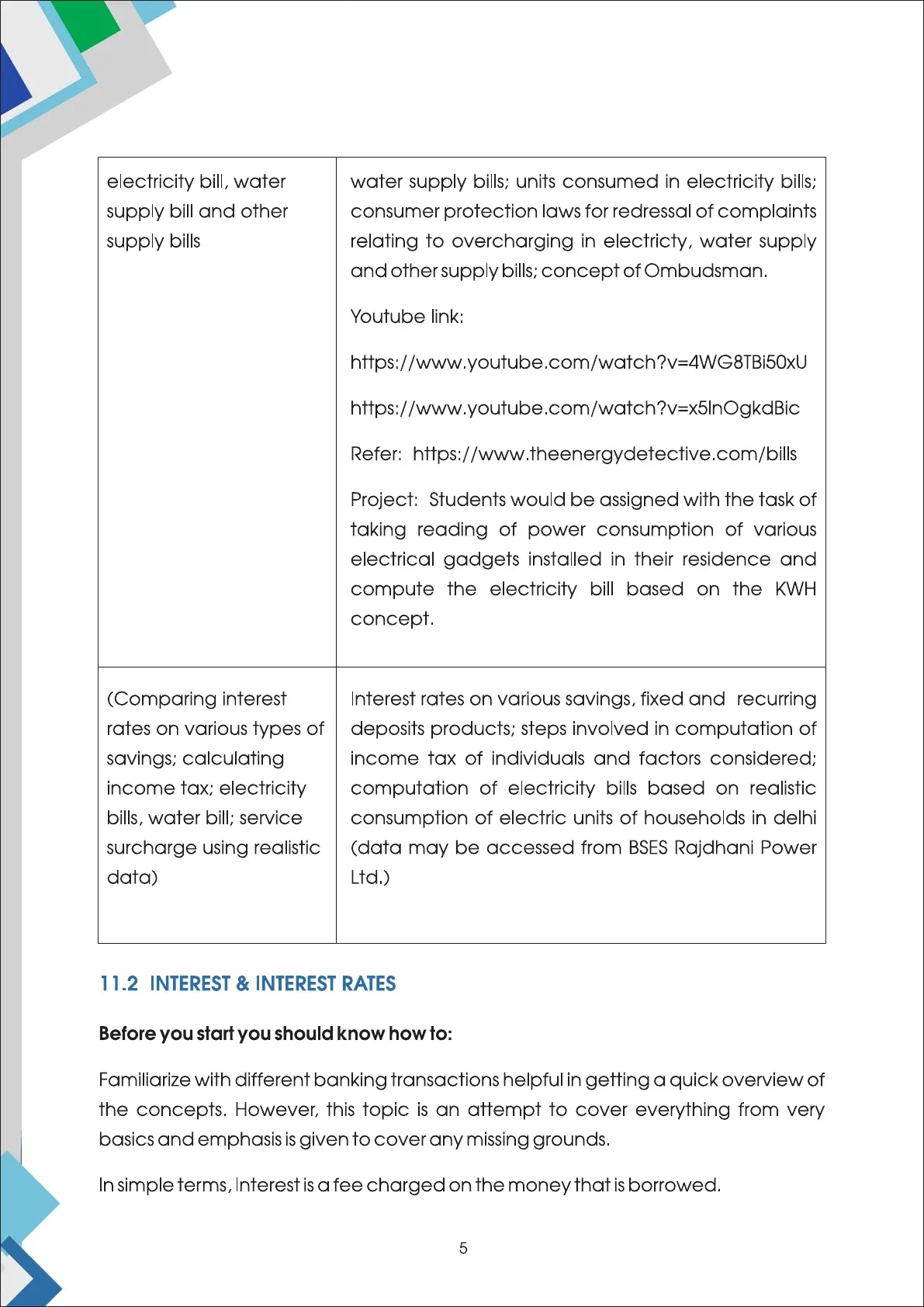
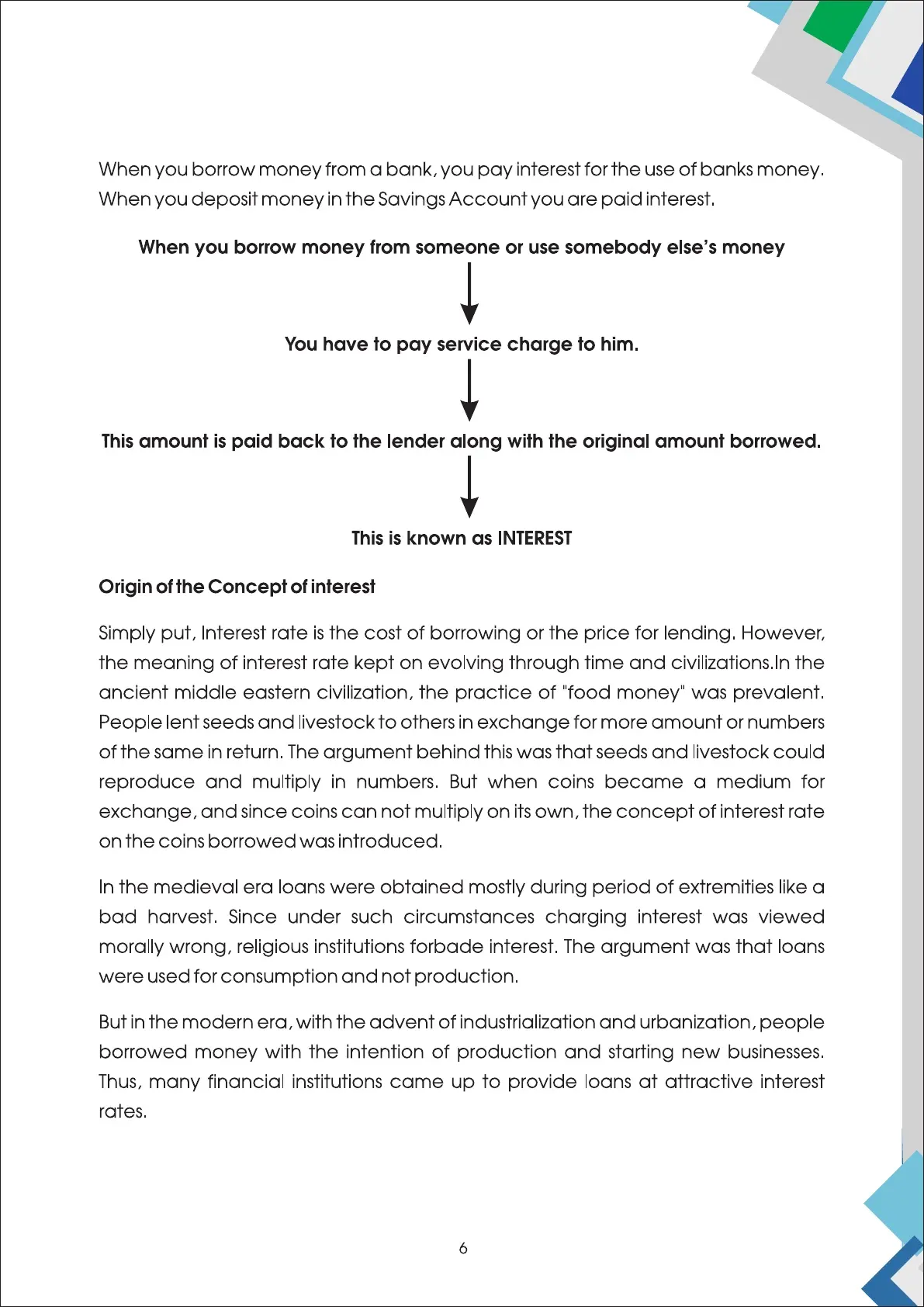
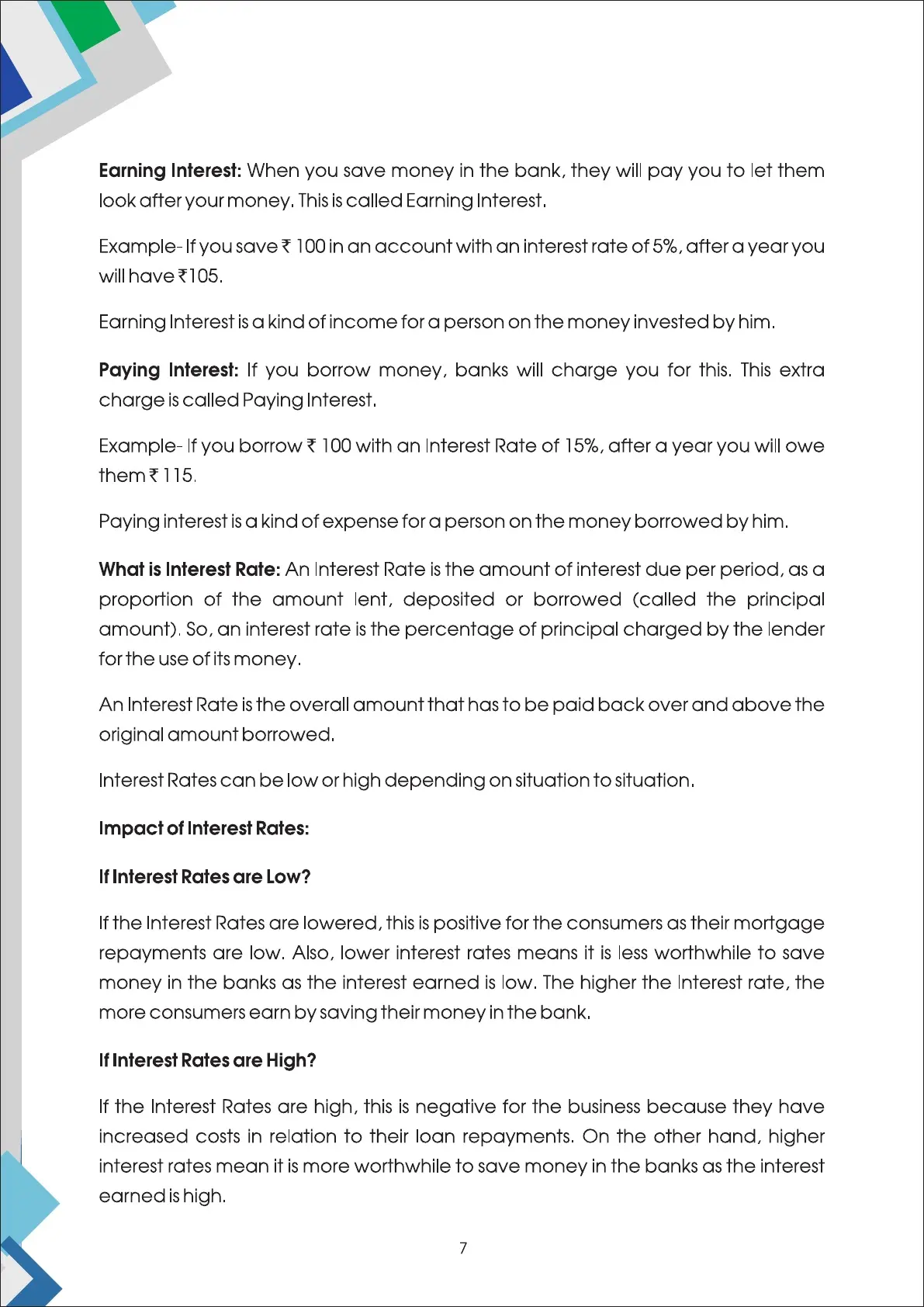
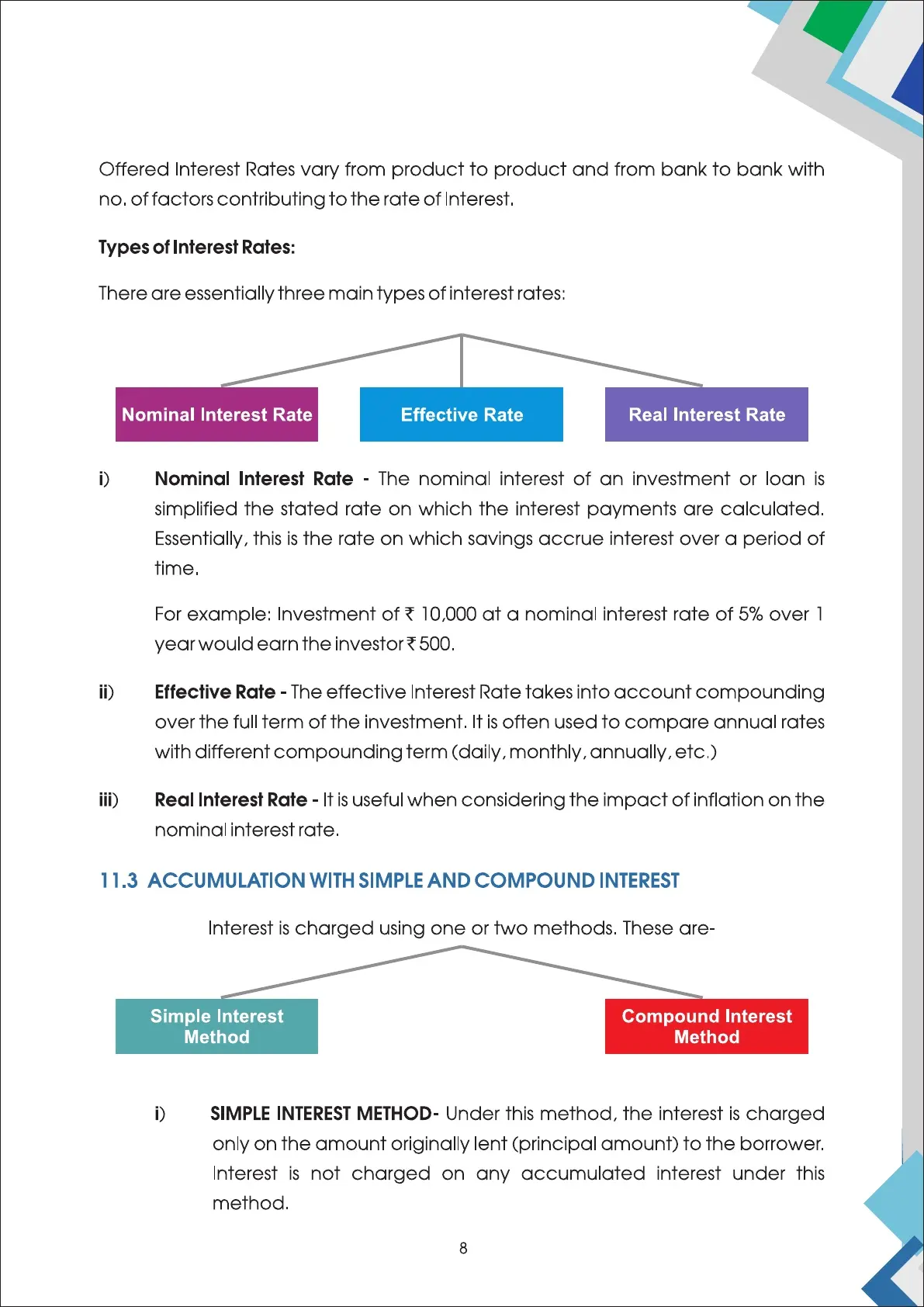
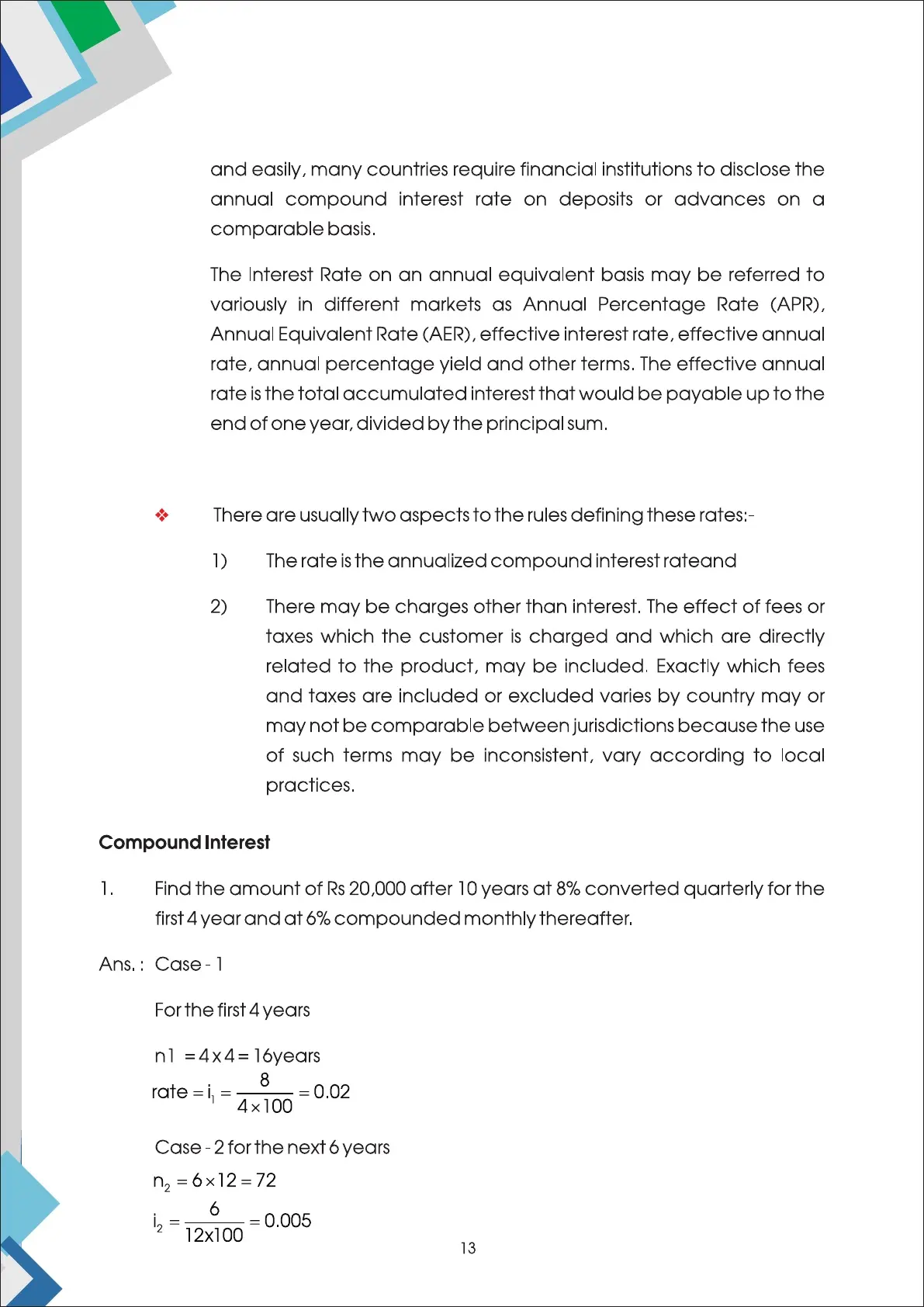
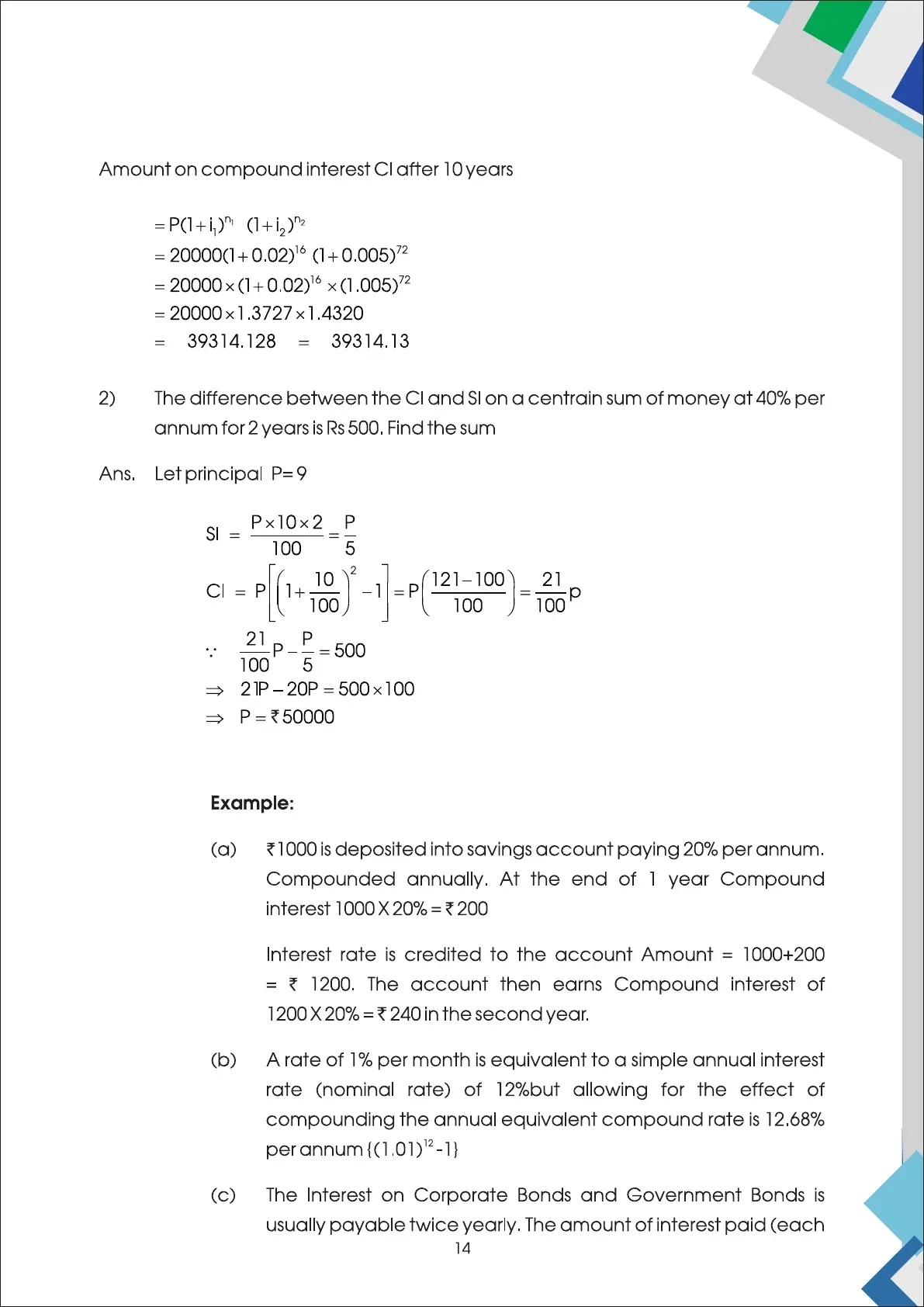
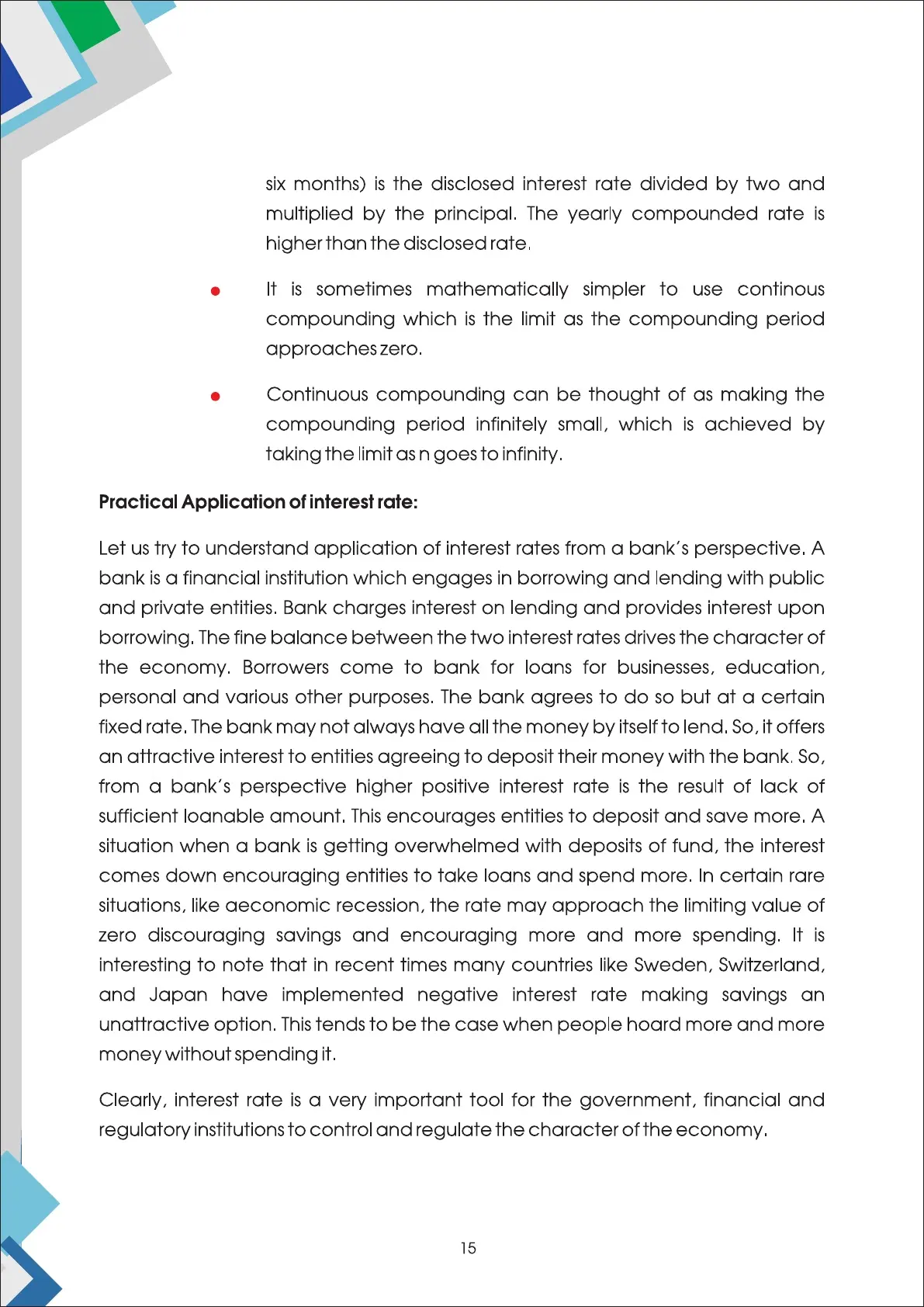
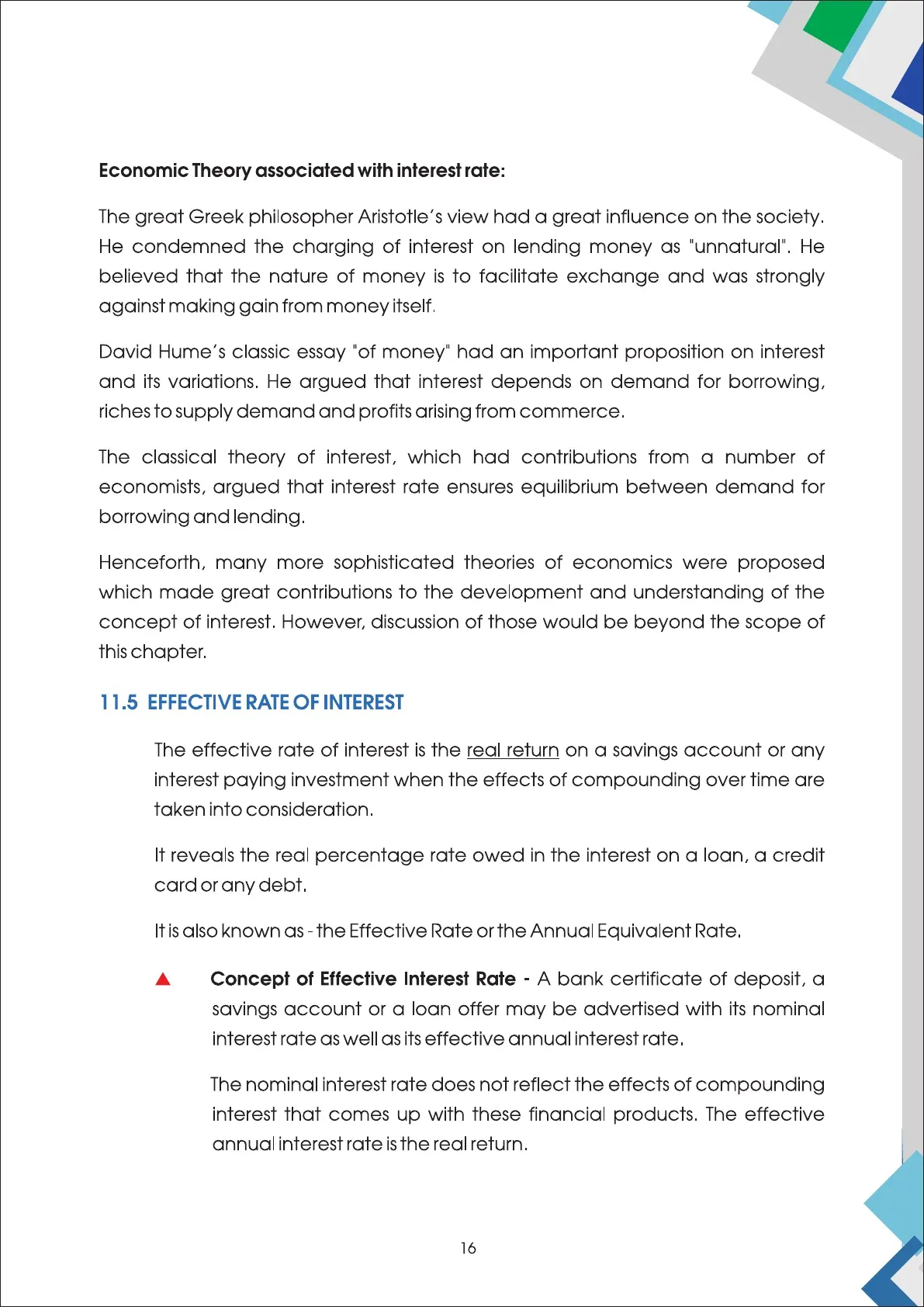
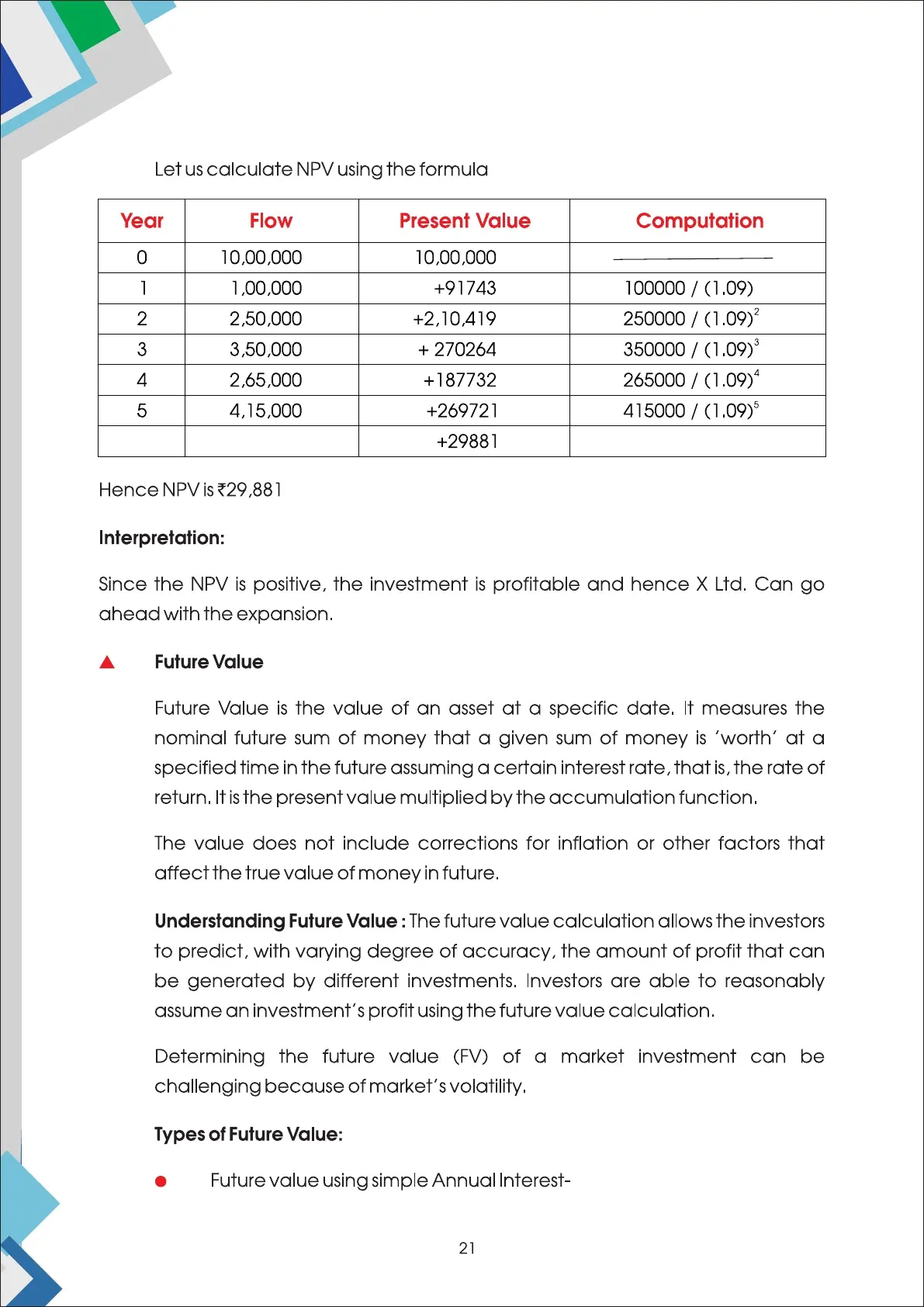
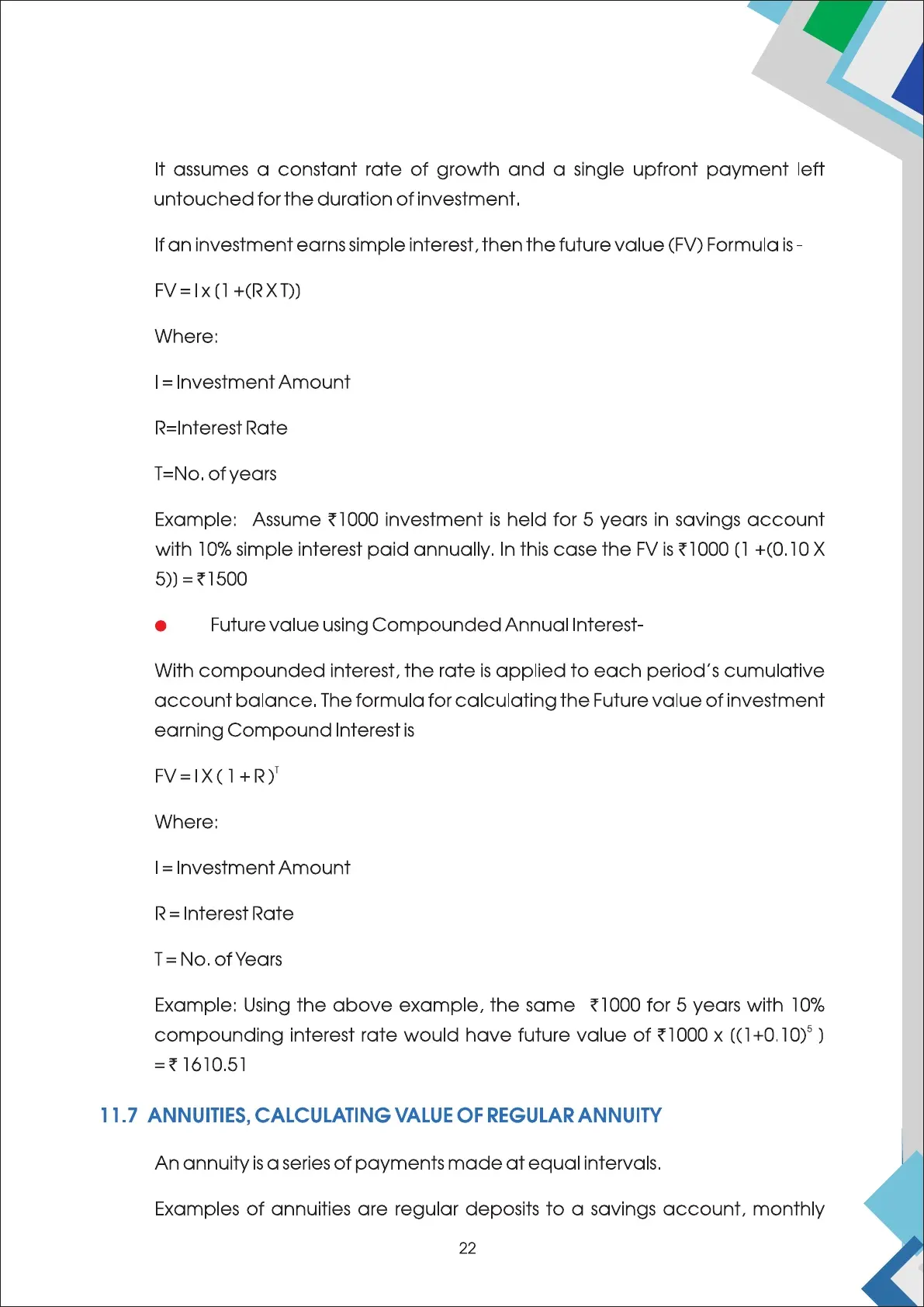
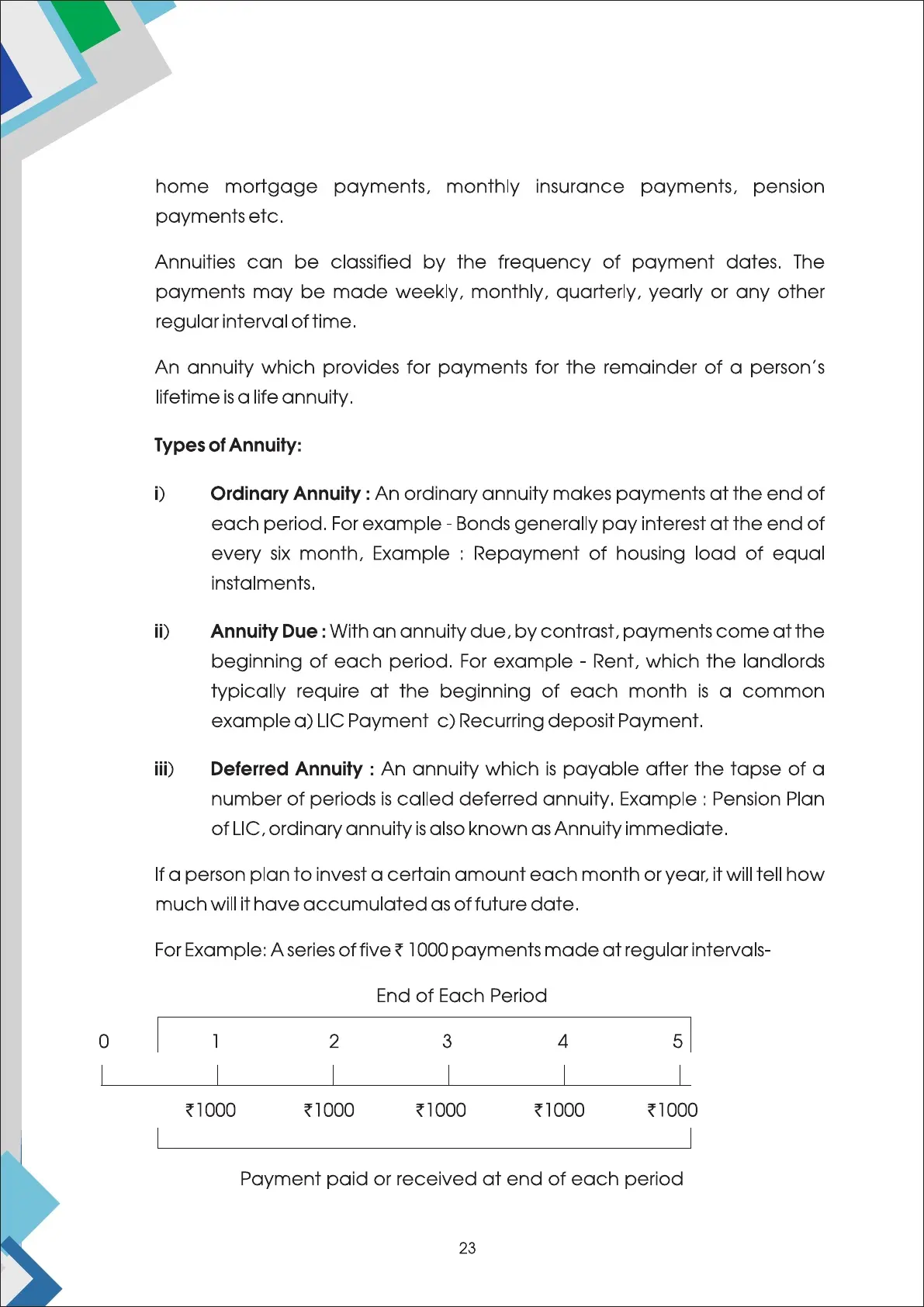
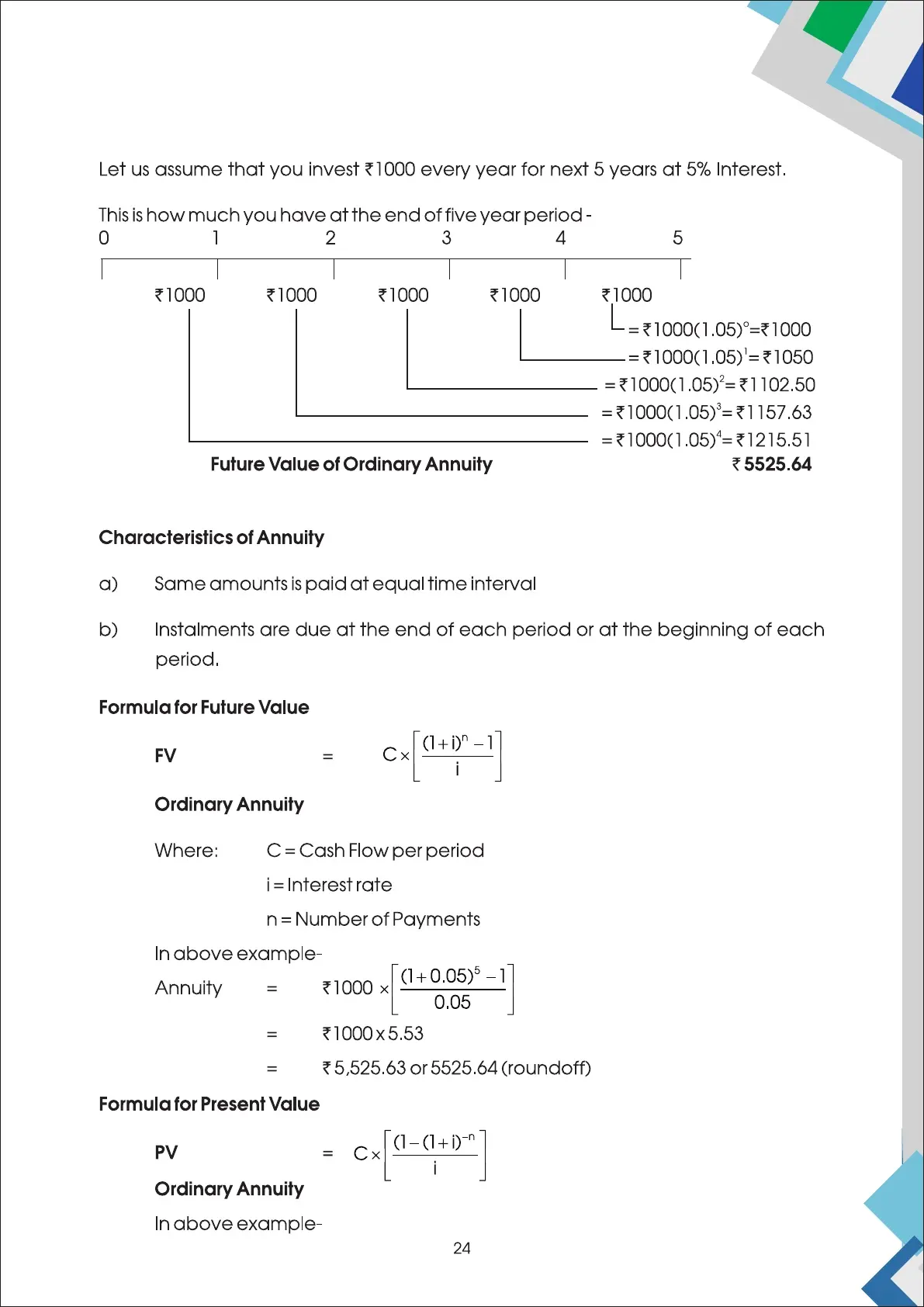
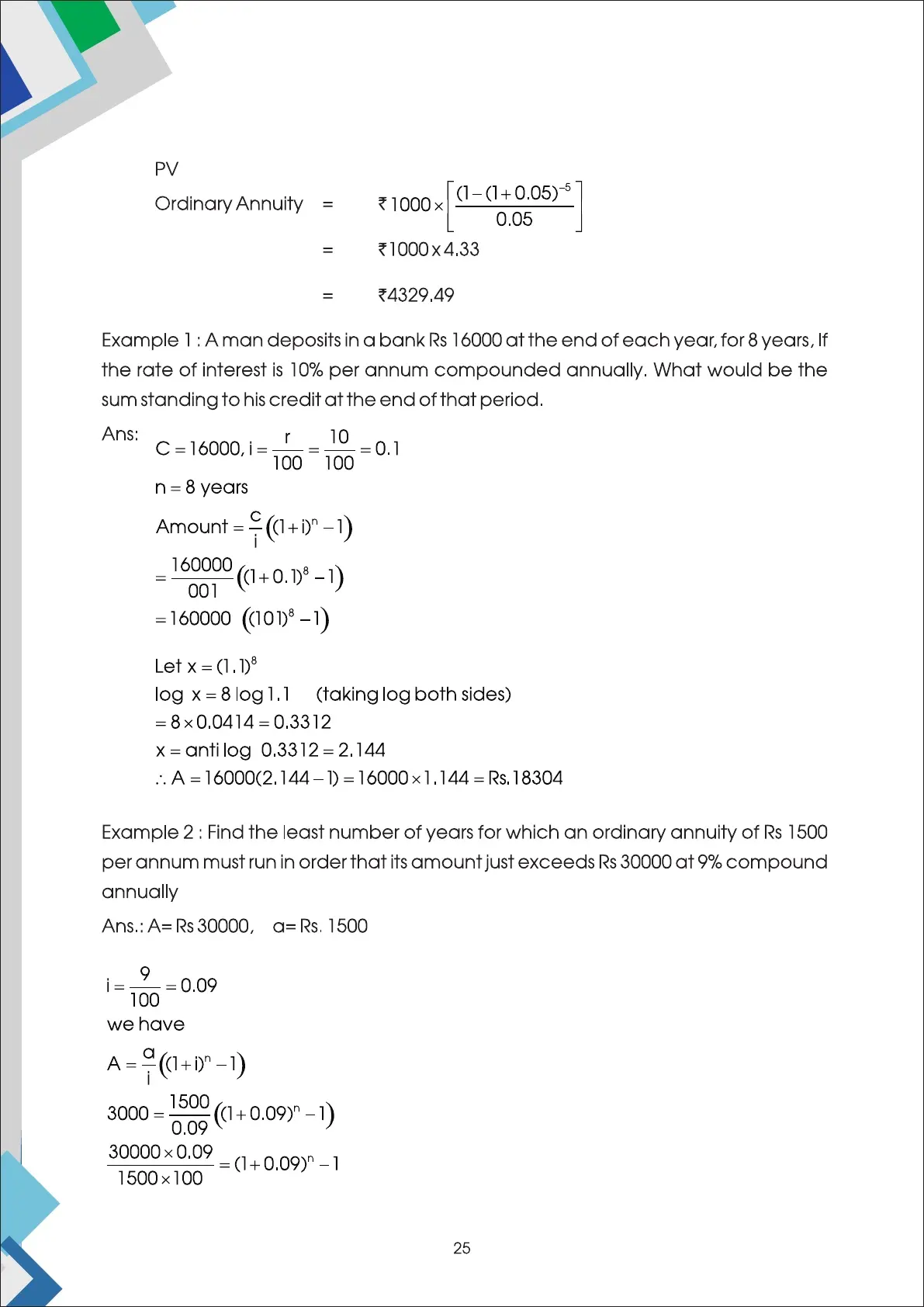
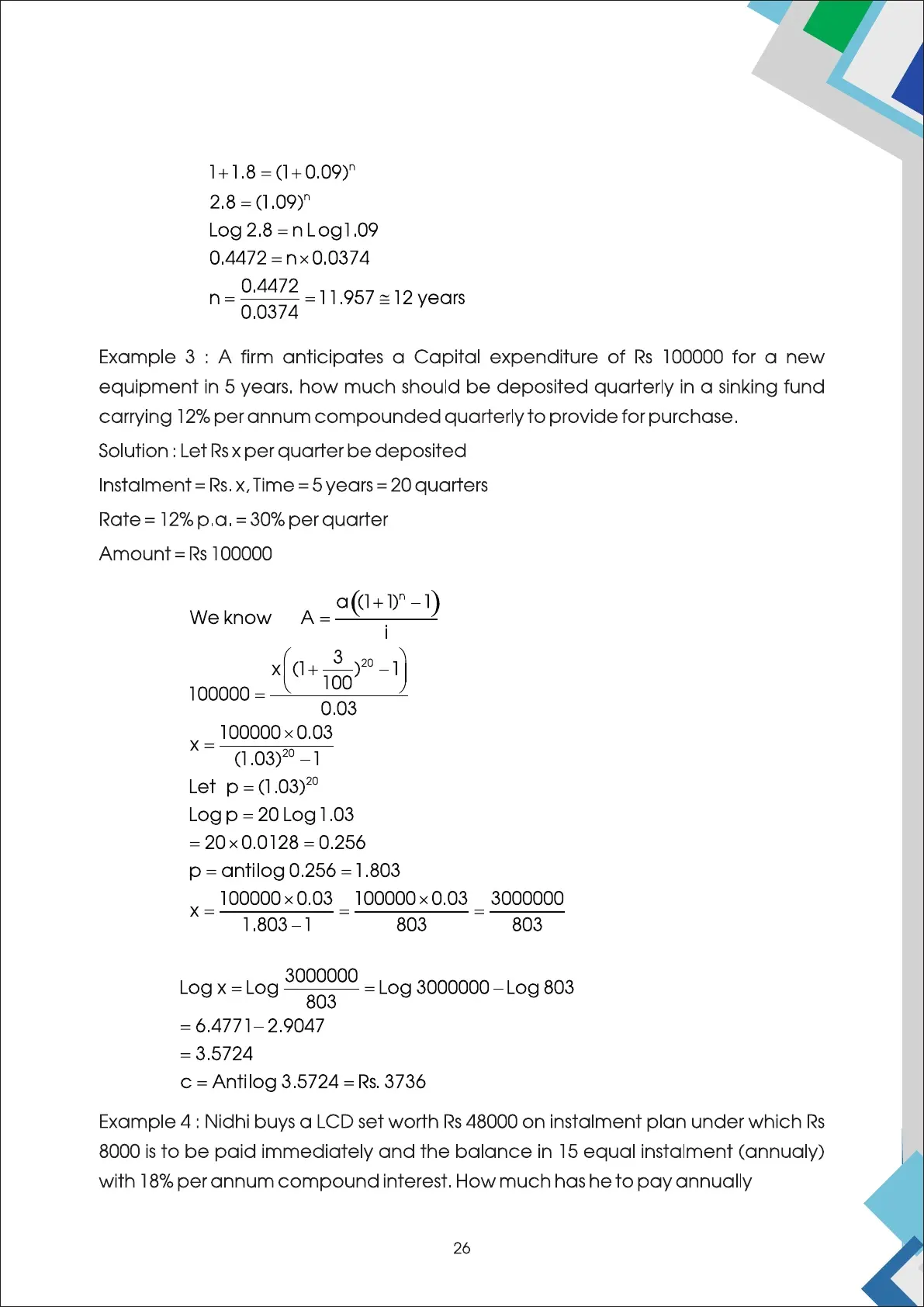
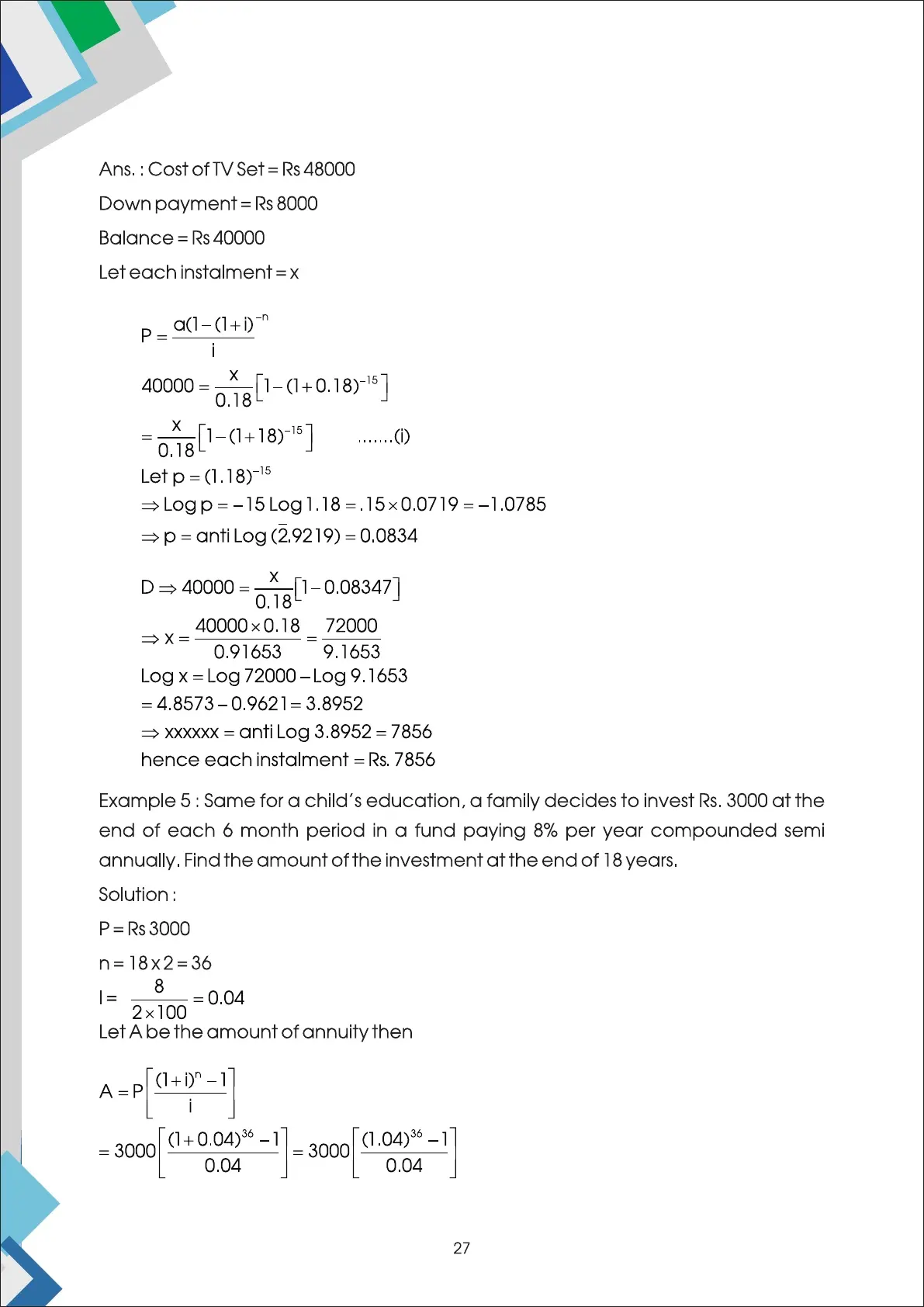
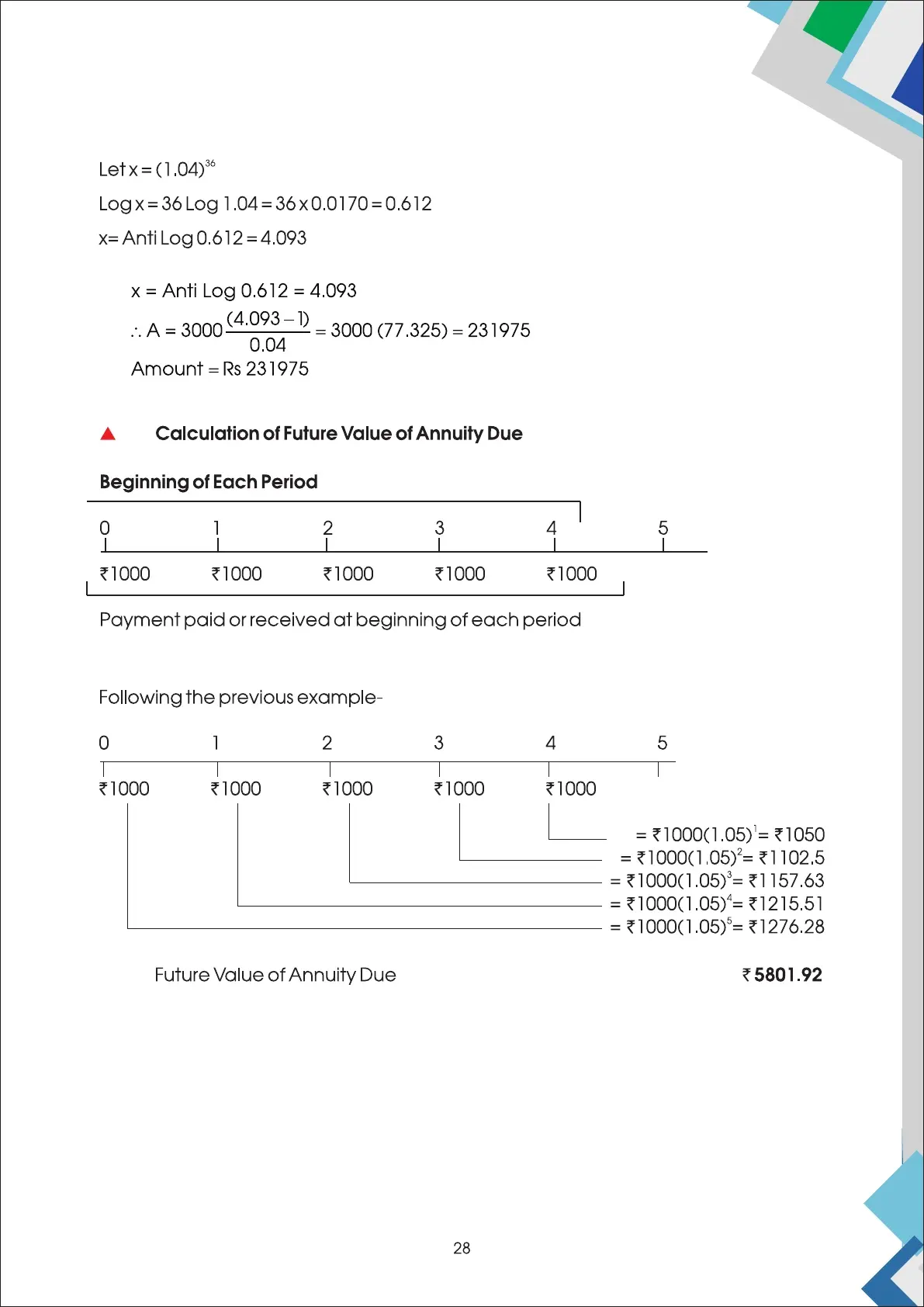
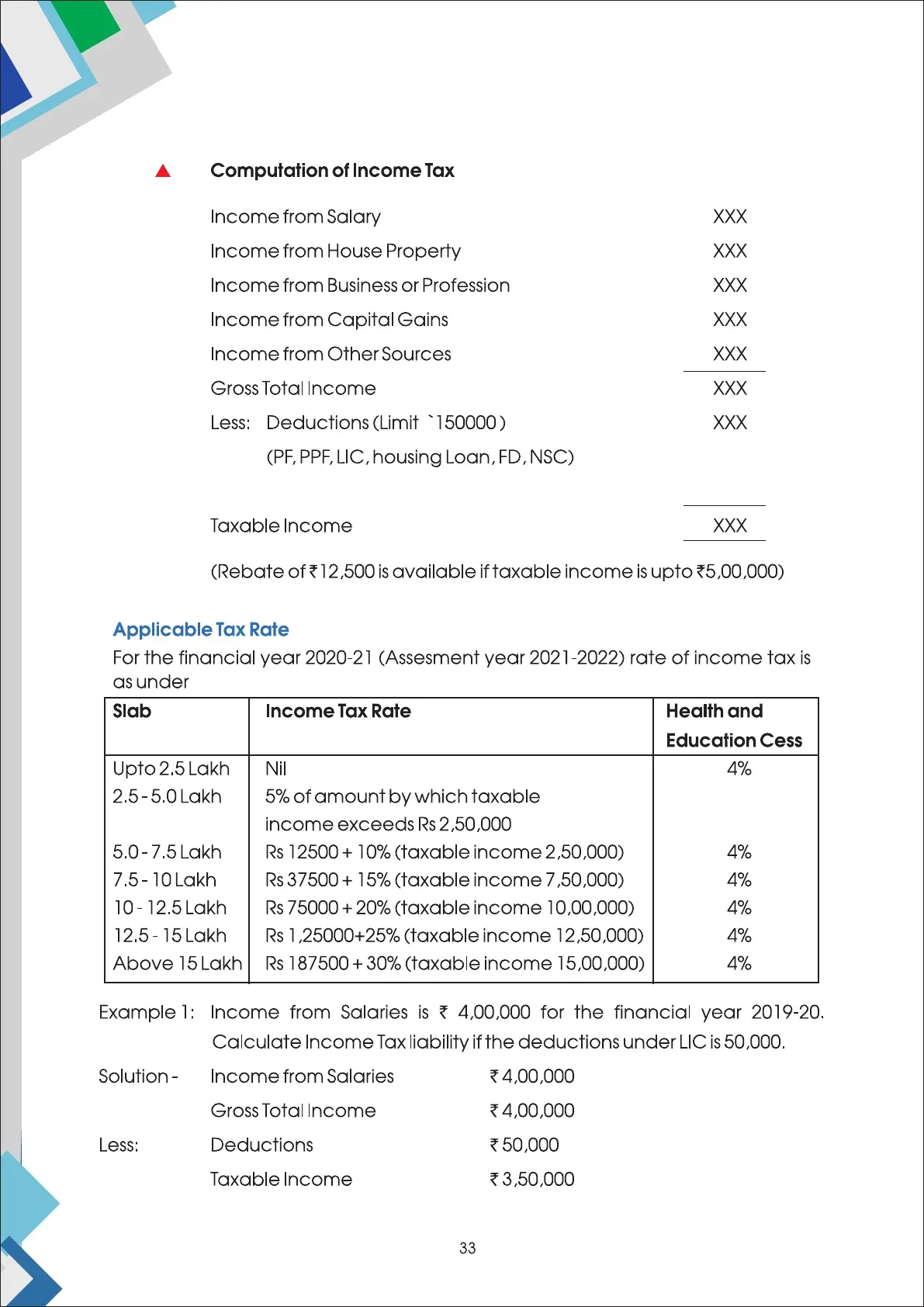
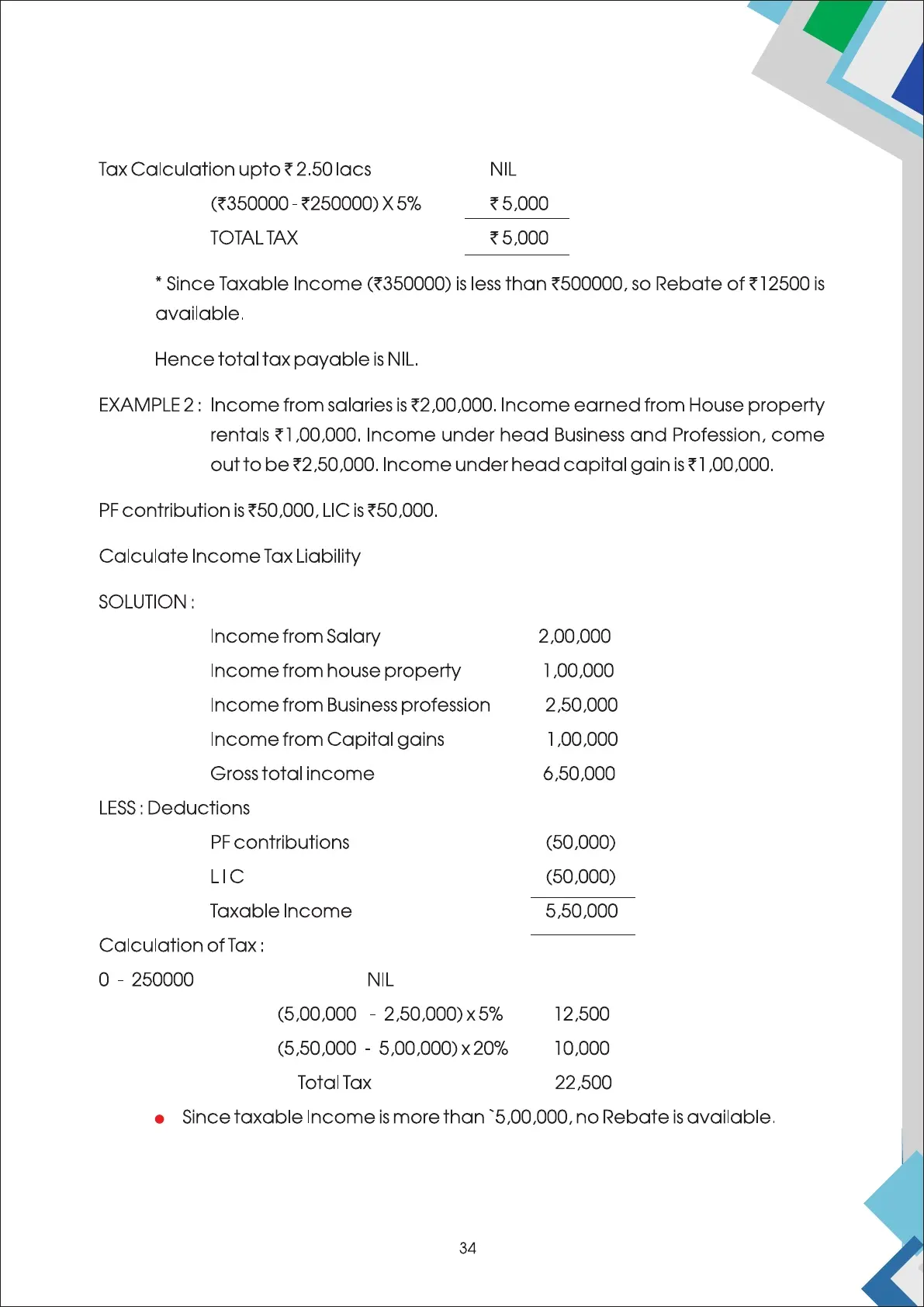
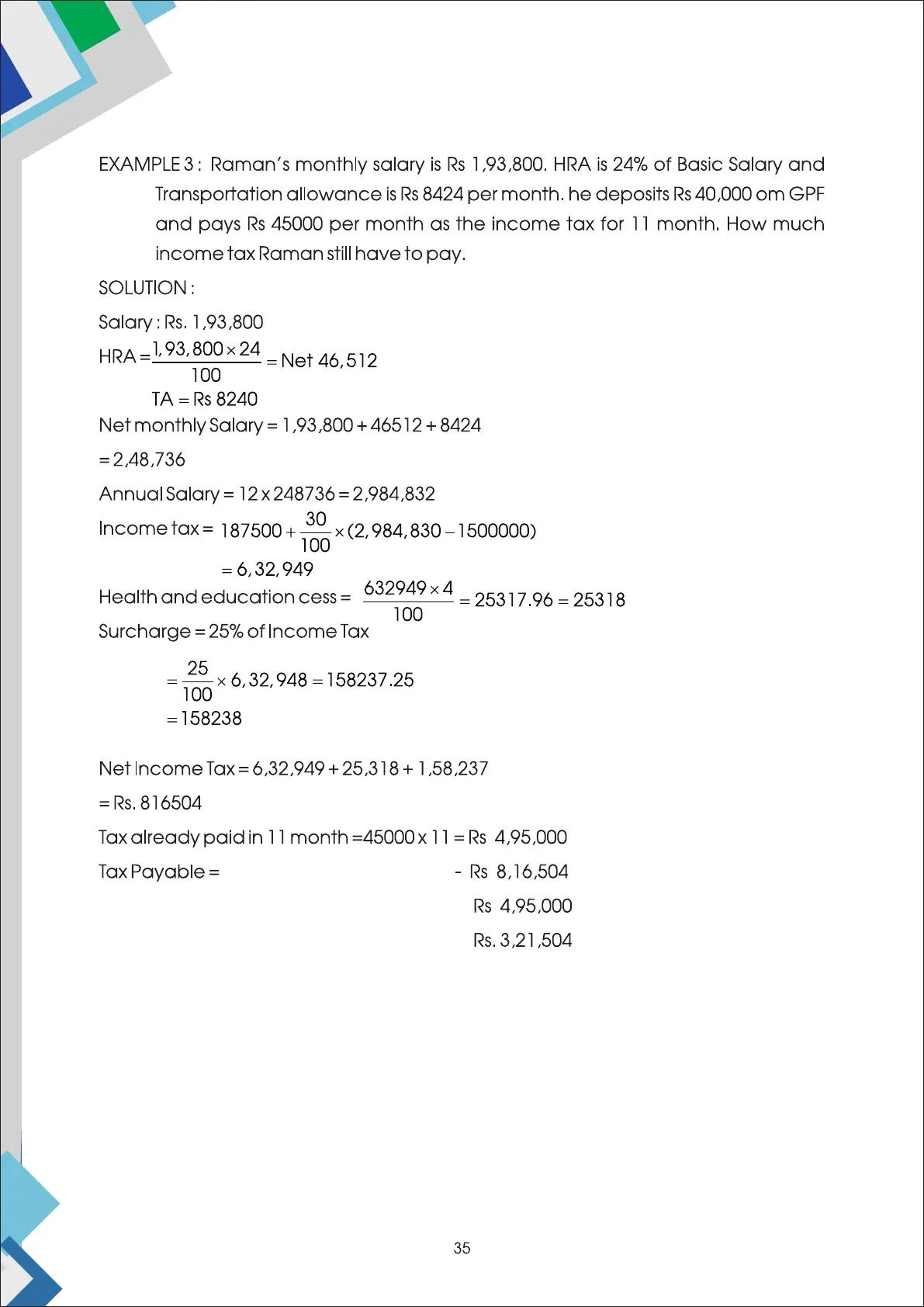
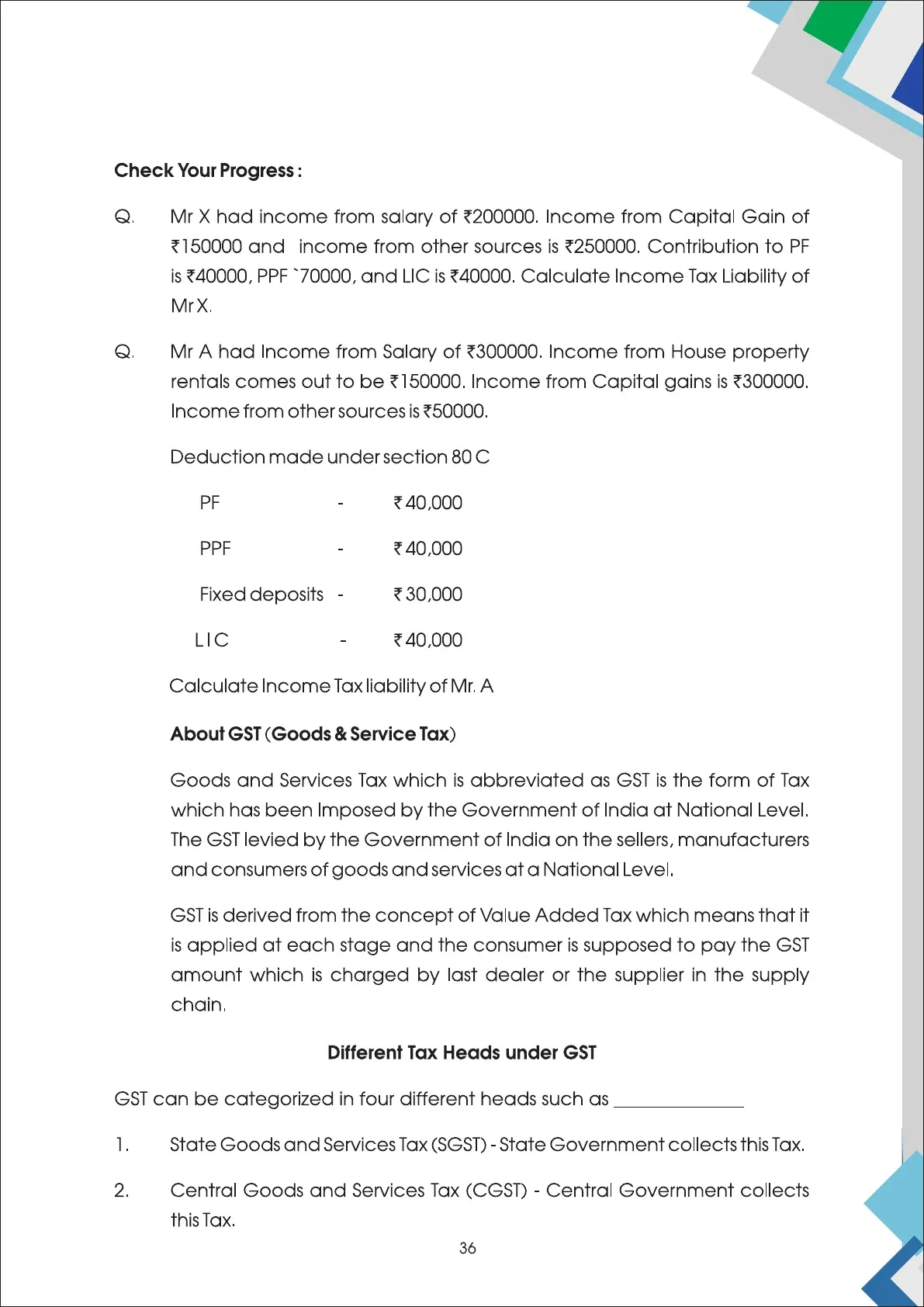
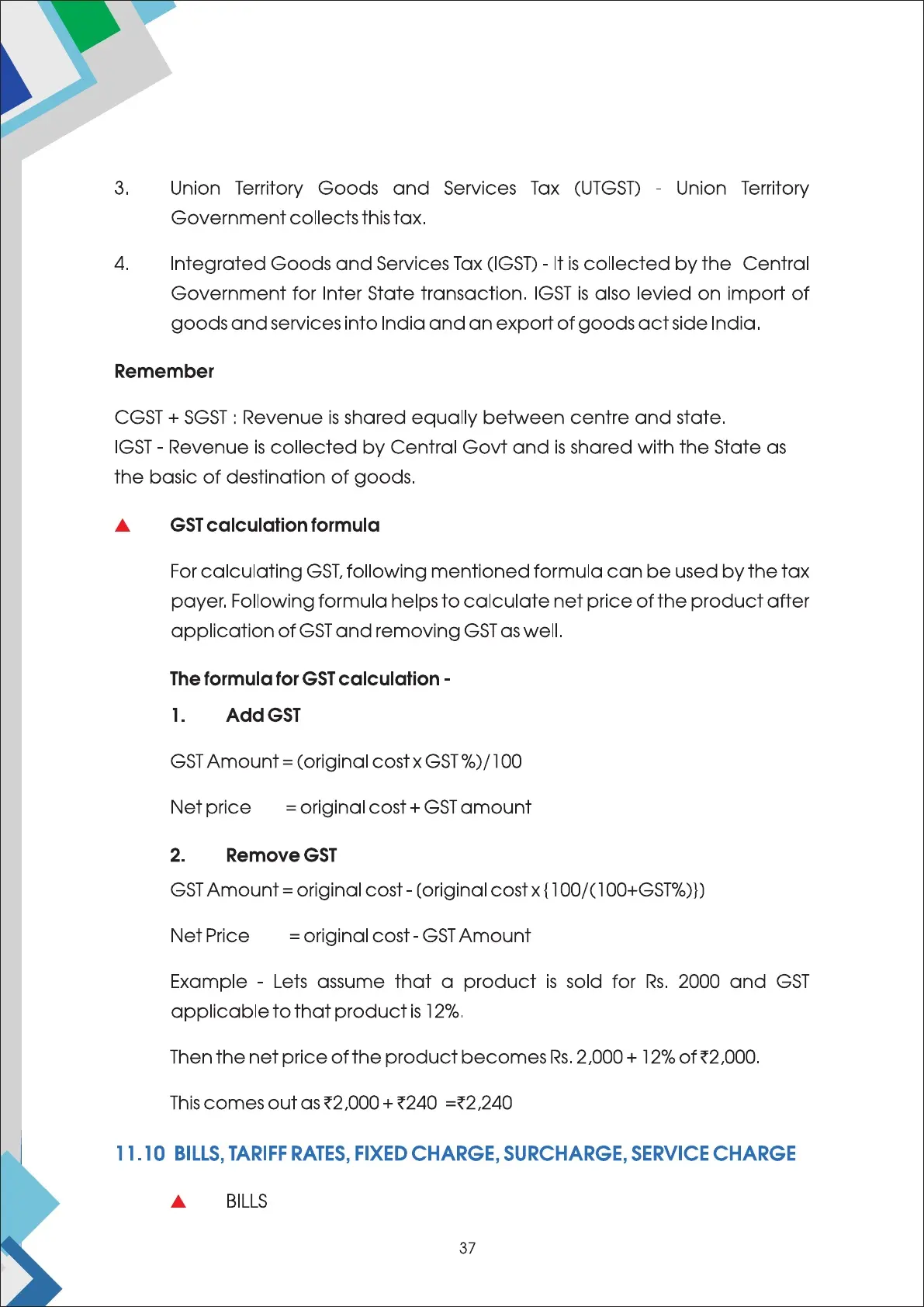
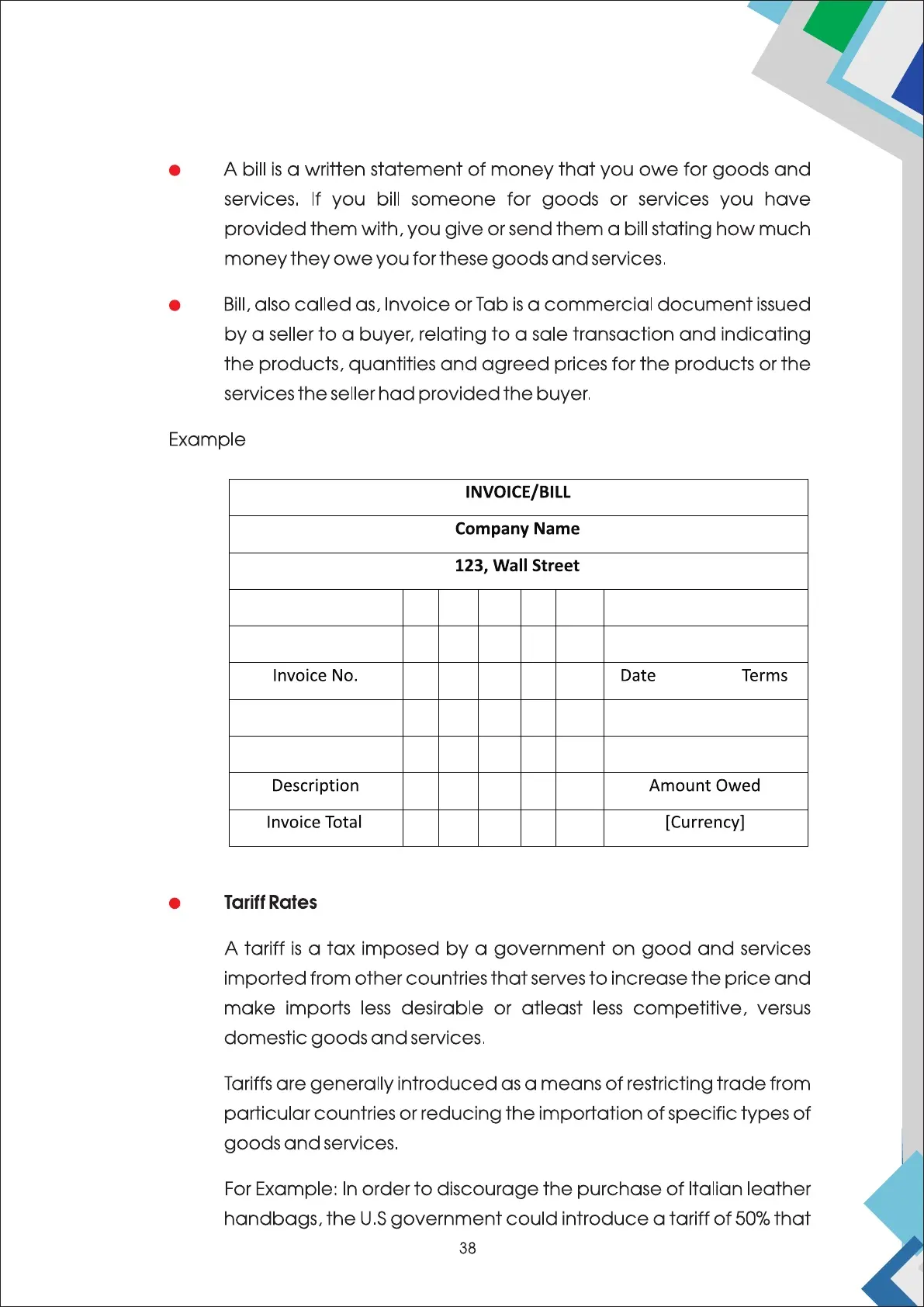
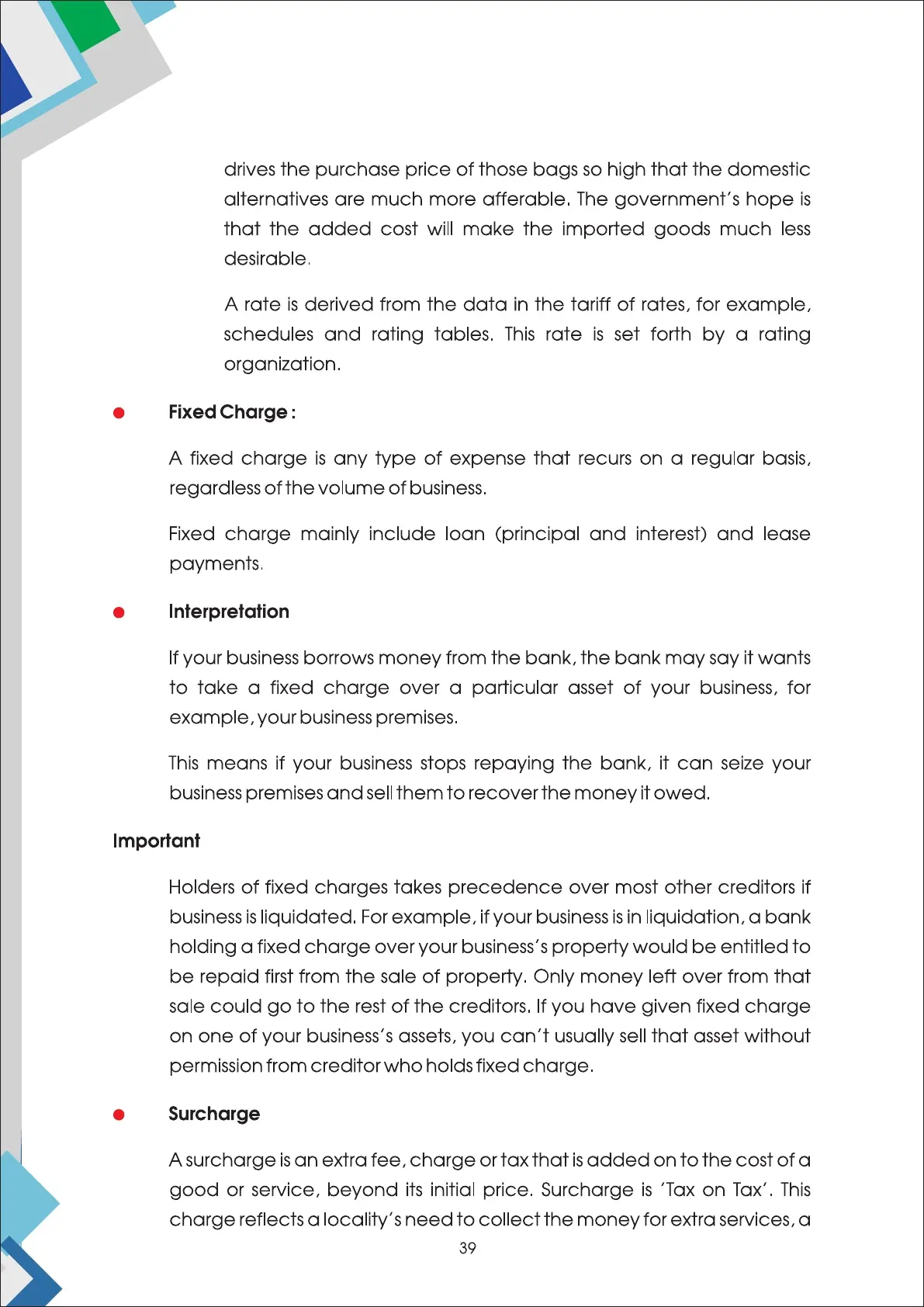
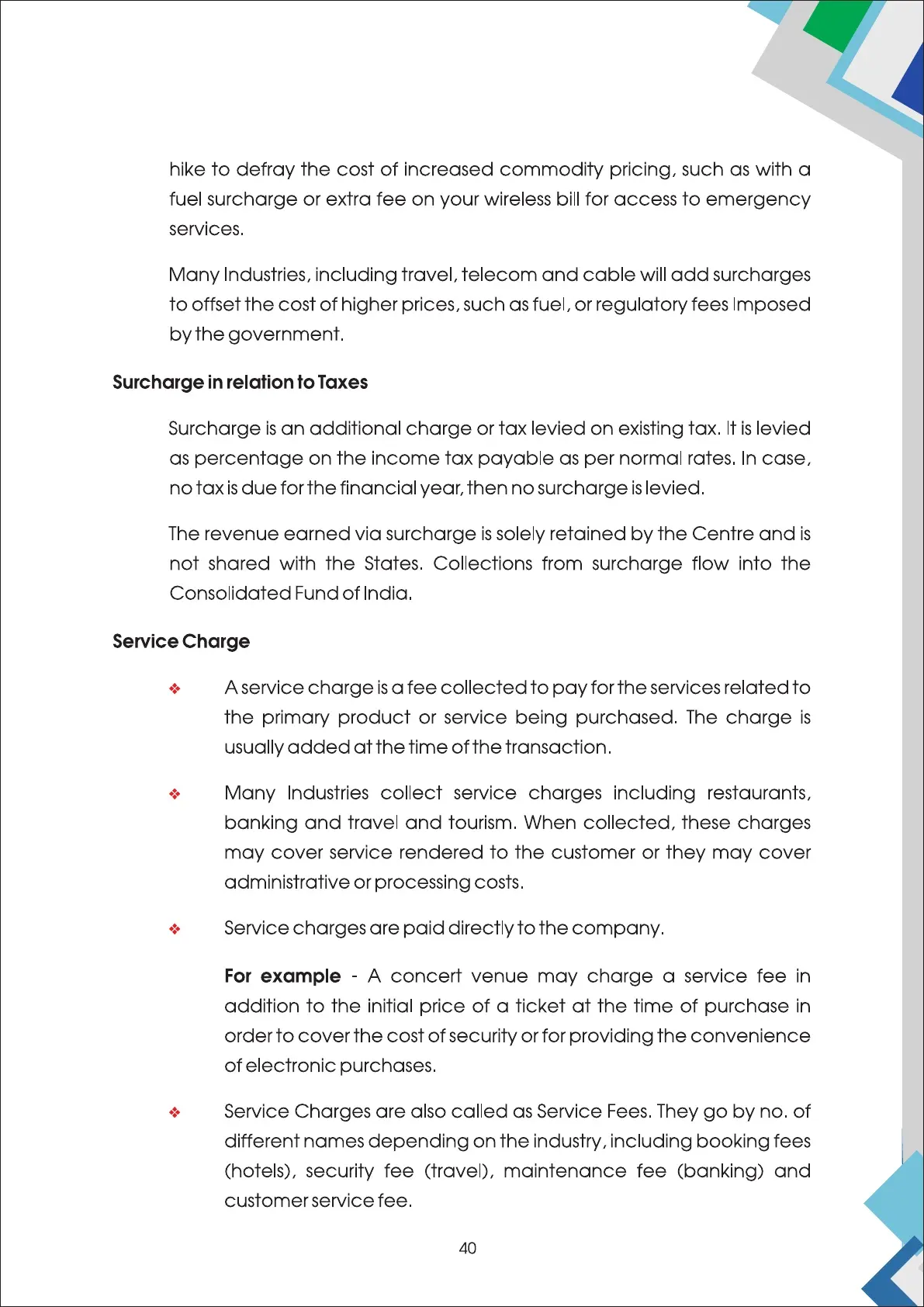
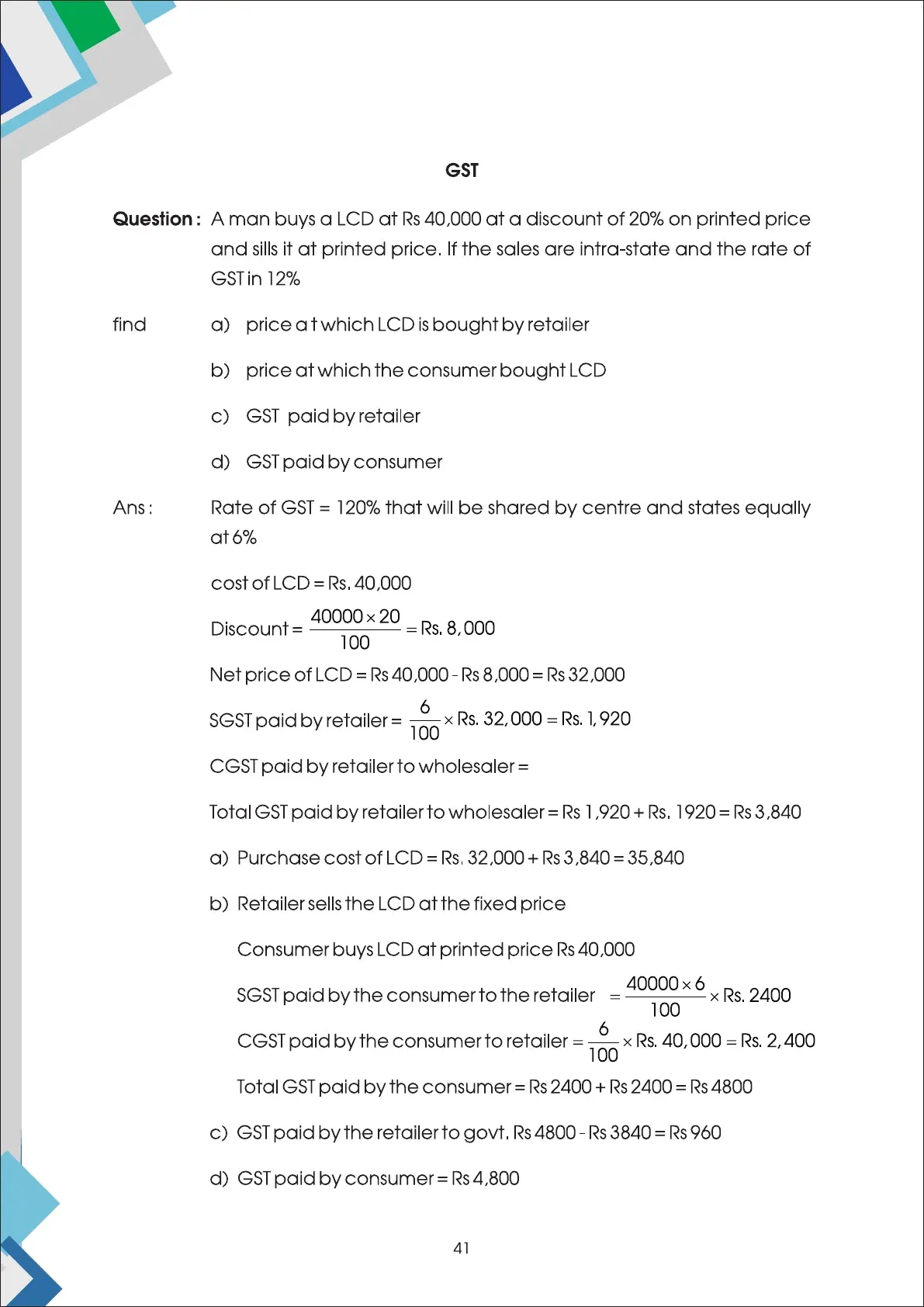
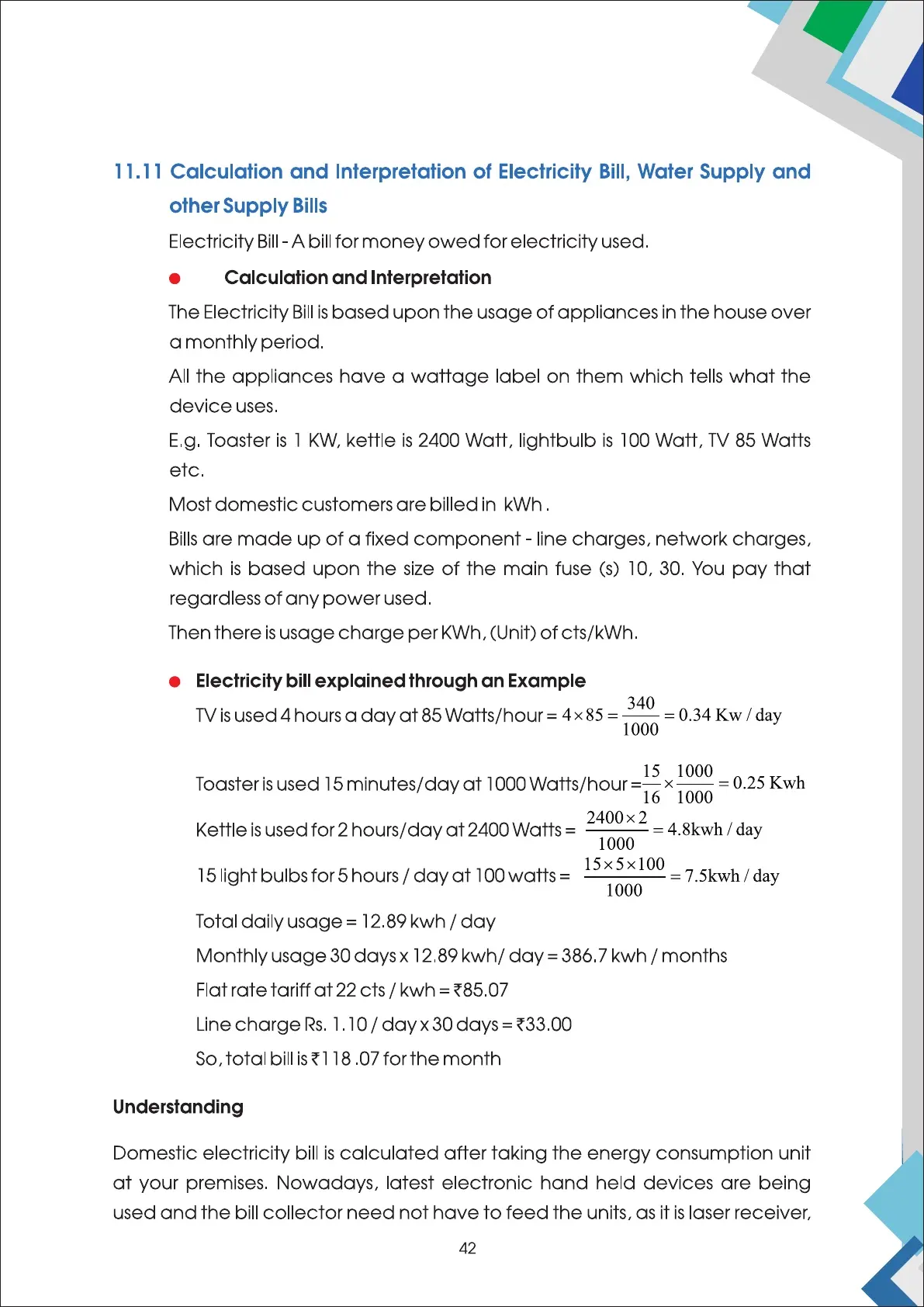
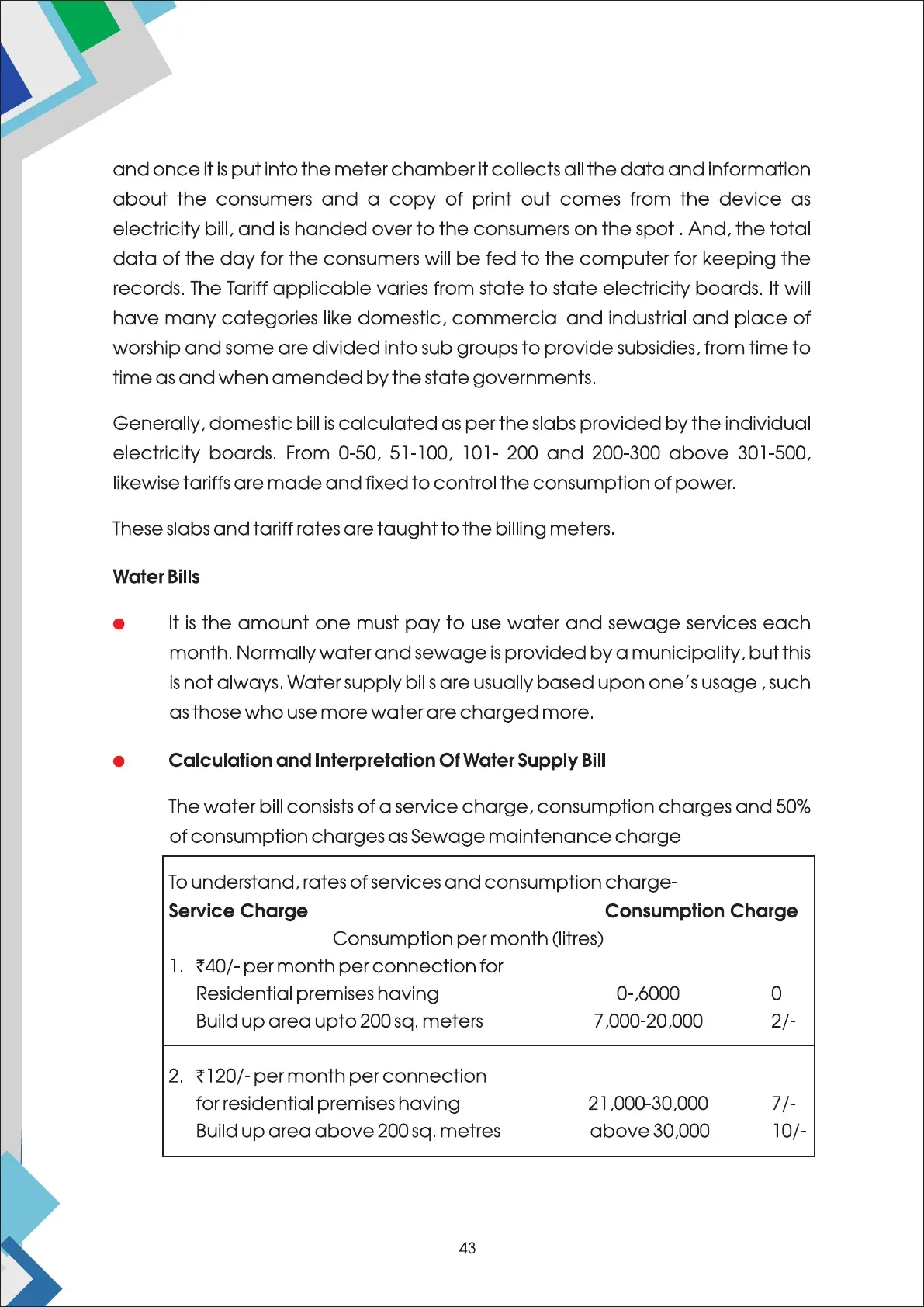
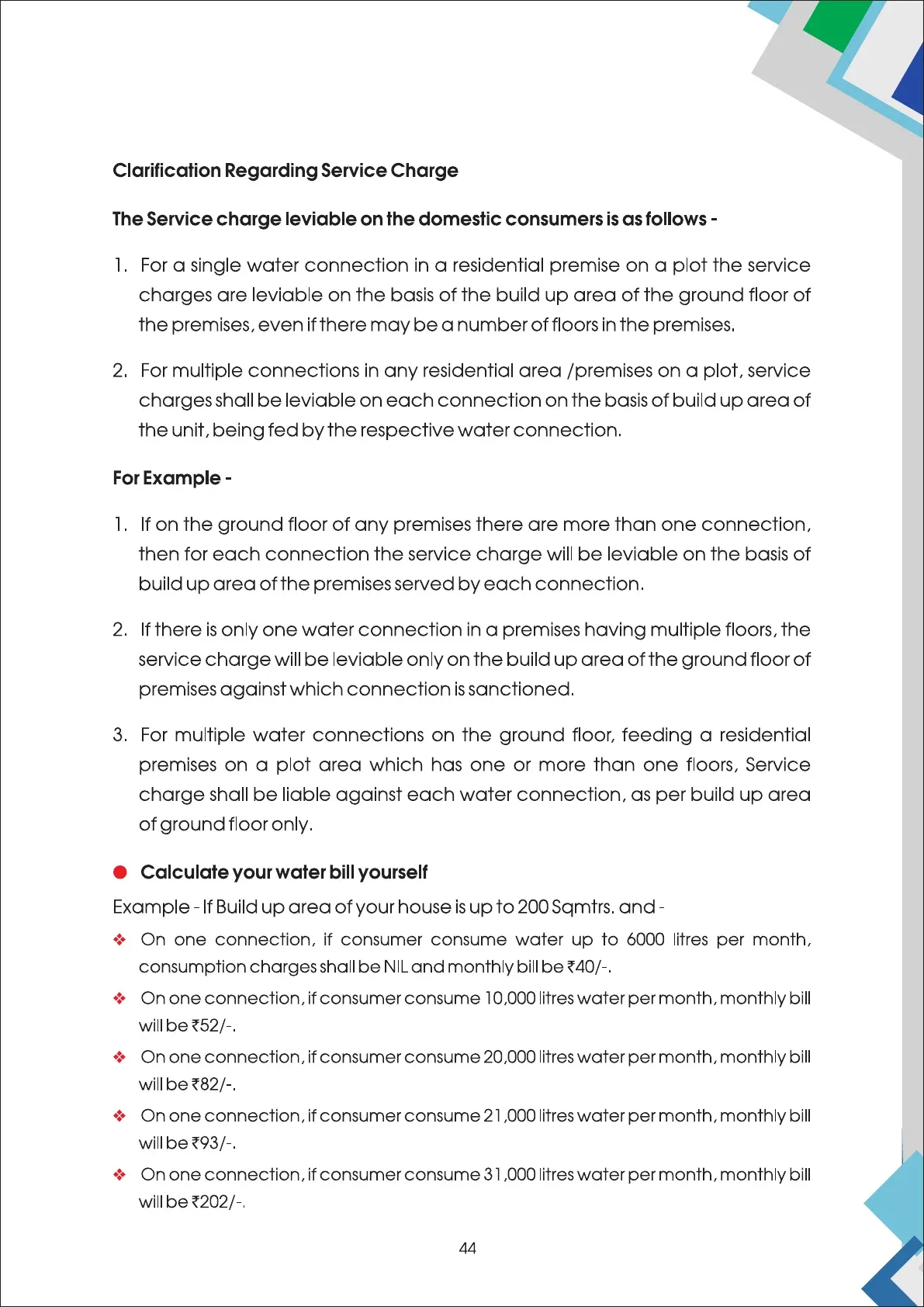
This chapter PDF is the reference text students should keep open while revising interest, annuity and instalment formulas.
Student Feedback: In a Collegedunia poll of more than 12,000 students before the 2026 boards, many students said this chapter became easier after they sorted each question into interest, growth, depreciation or annuity before choosing a formula.
Basics of Financial Mathematics NCERT Book PDF for Class 11 Applied Mathematics
The NCERT Book PDF is the base text for this financial mathematics chapter. It explains how money changes over time because of interest, repeated compounding, regular payments and changing value.
| Chapter part | What students read in the PDF | Why it matters |
|---|---|---|
| Simple interest | Principal, rate, time and interest earned on the original amount | Builds the base for bank deposit and loan sums |
| Compound interest | Interest added to the amount after each period | Explains growth when interest earns more interest |
| Growth and depreciation | Repeated increase or decrease by a fixed rate | Helps with asset value, population and price-change questions |
| Annuity and instalments | Regular payments, future value, present value and EMI logic | Connects formulas to real loan and investment cases |
Interest Growth and Depreciation in Financial Mathematics
Financial Mathematics starts with the idea that money has a time value. A rupee today and the same rupee after one year are not equivalent when interest, inflation or opportunity cost is considered.
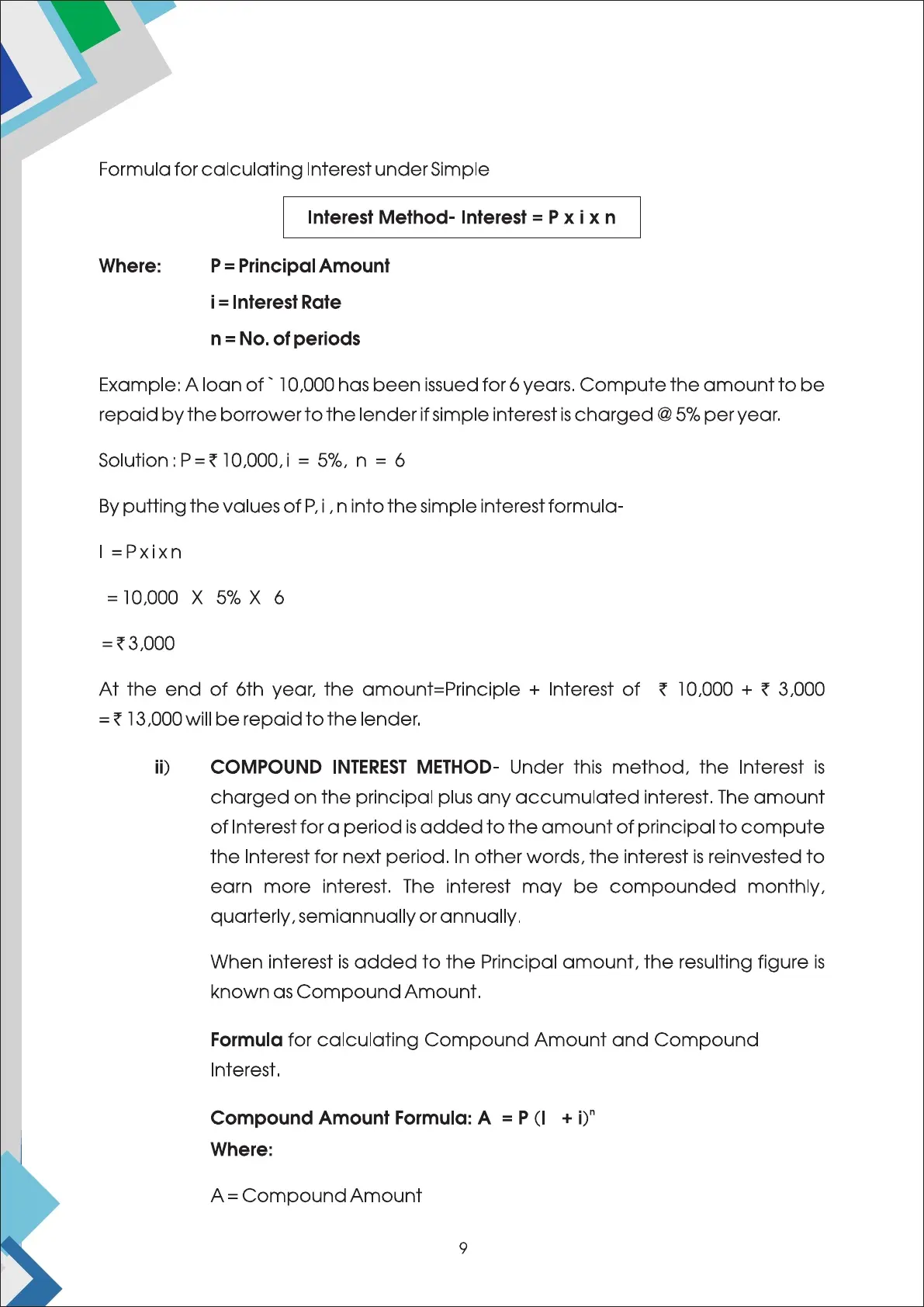
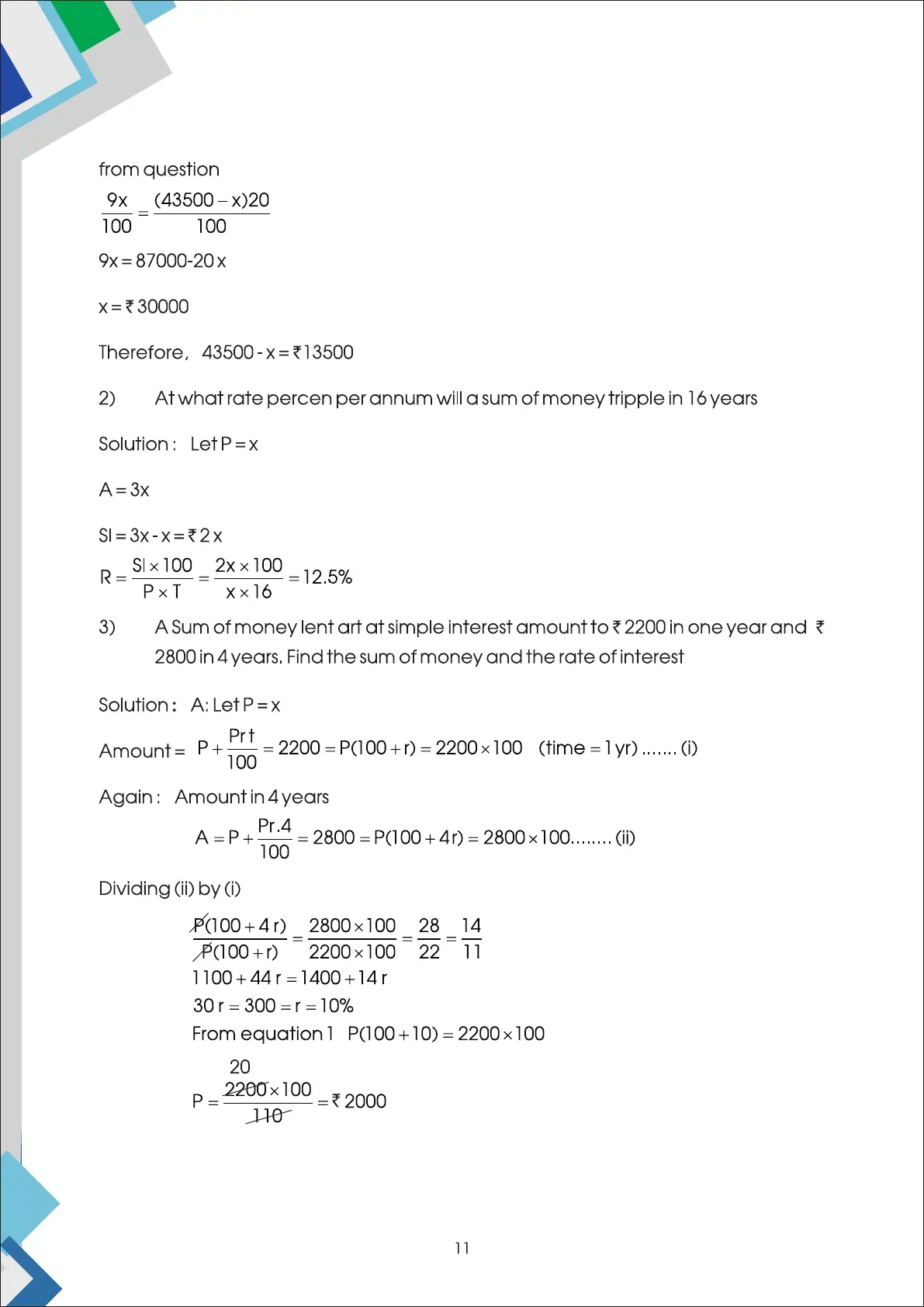
- Simple interest: interest is calculated only on the principal.
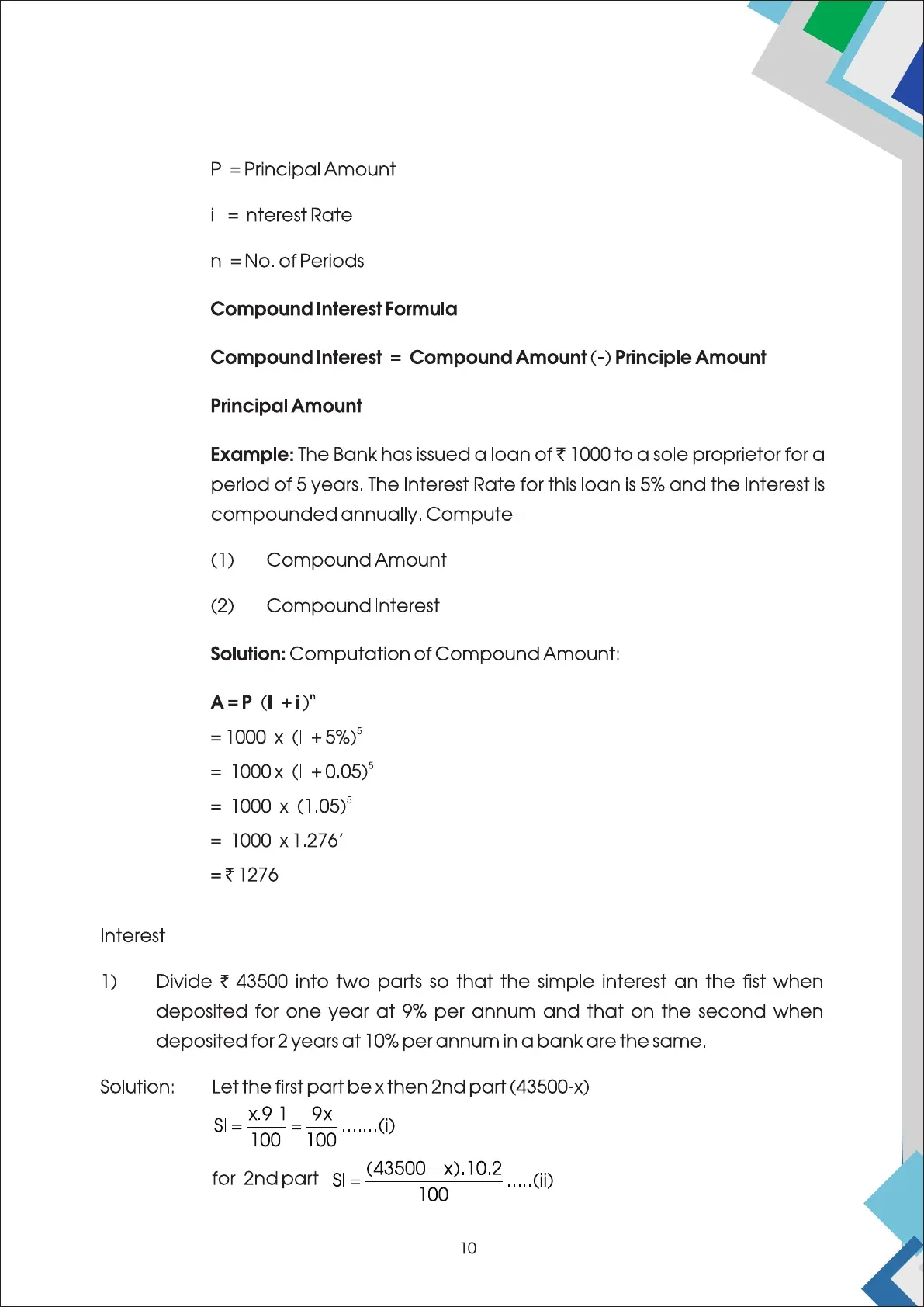
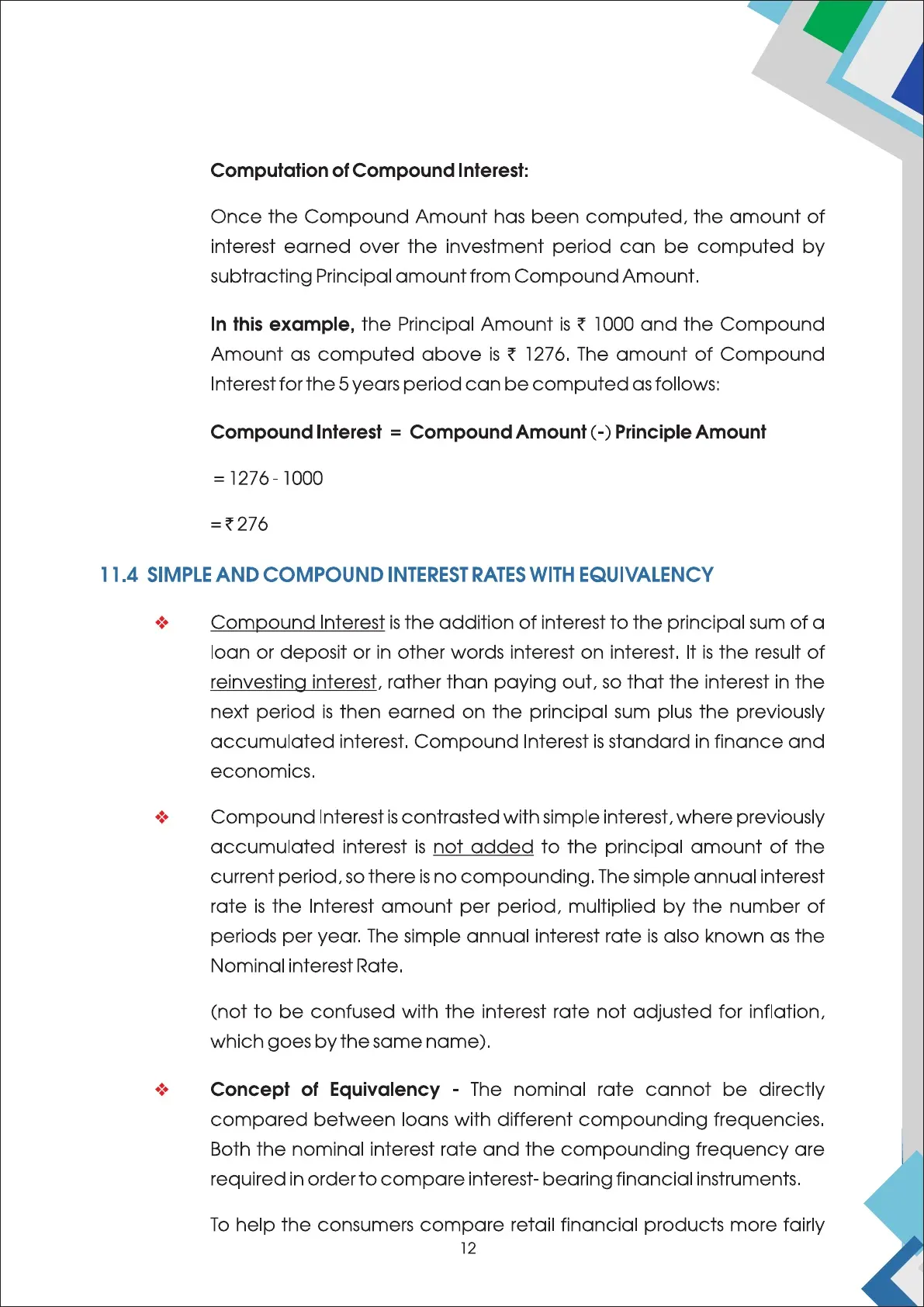
- Compound interest: interest is calculated on the updated amount after every period.
- Growth: a value increases by a fixed percentage for each period.
- Depreciation: a value decreases by a fixed percentage for each period.
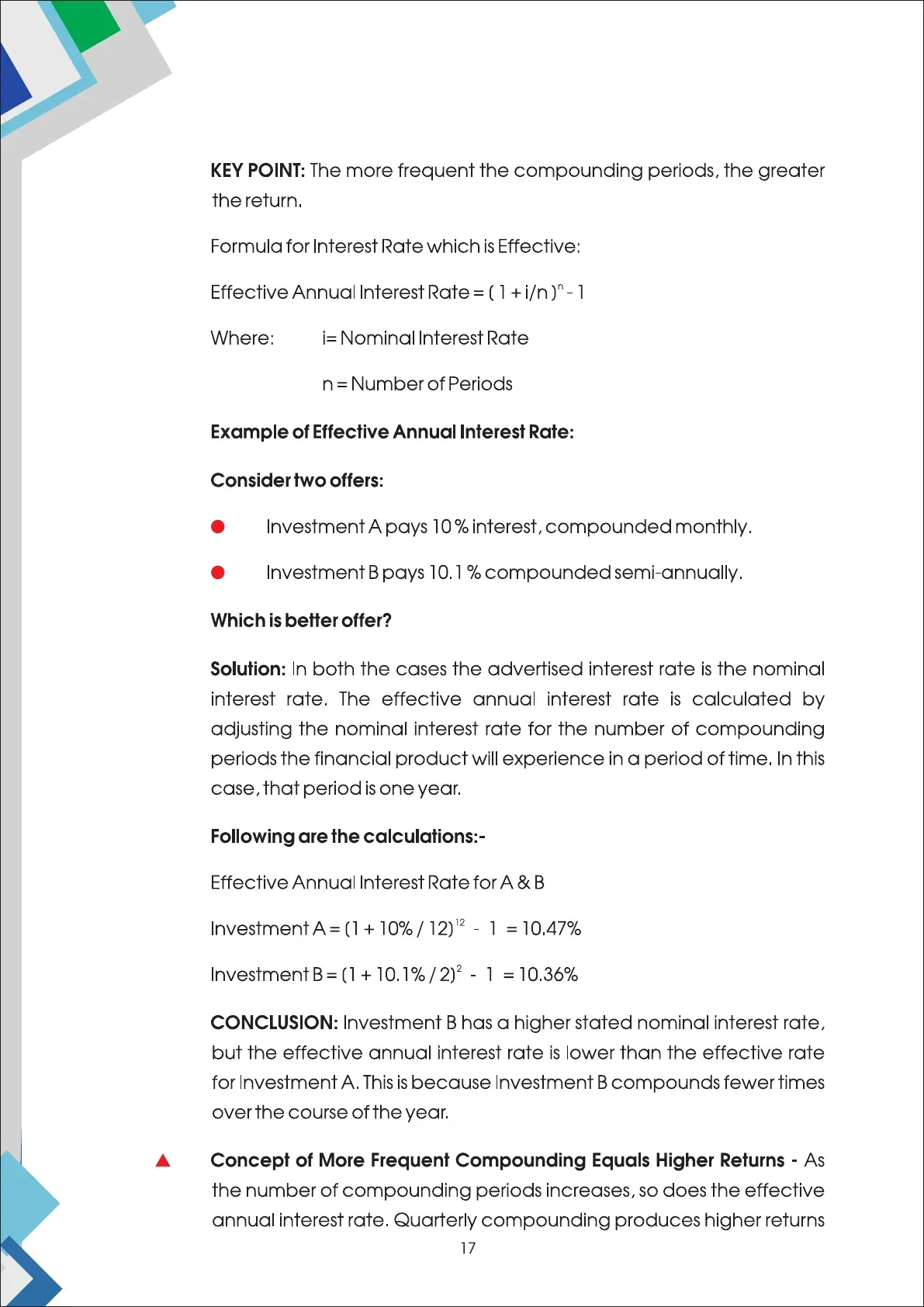
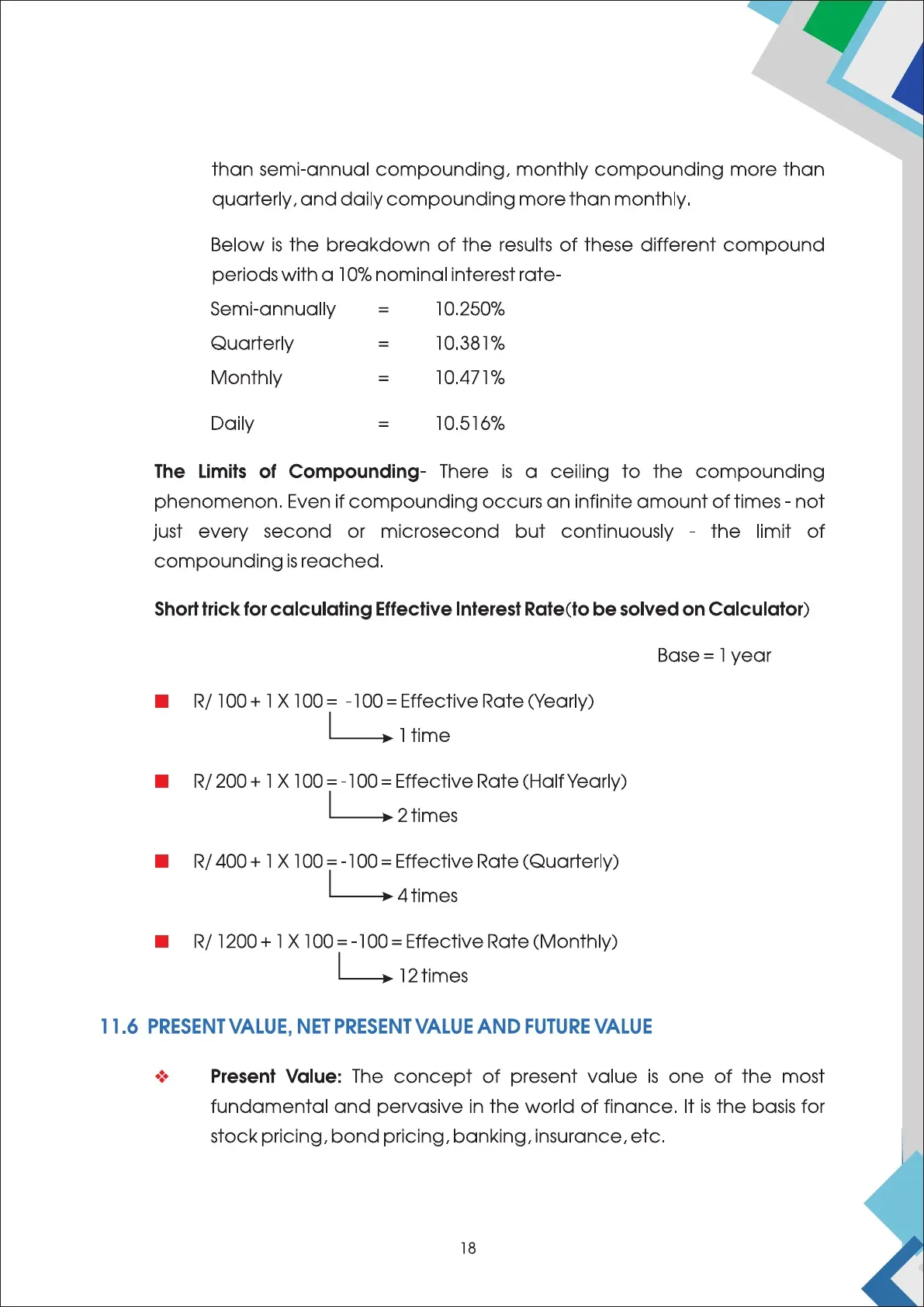
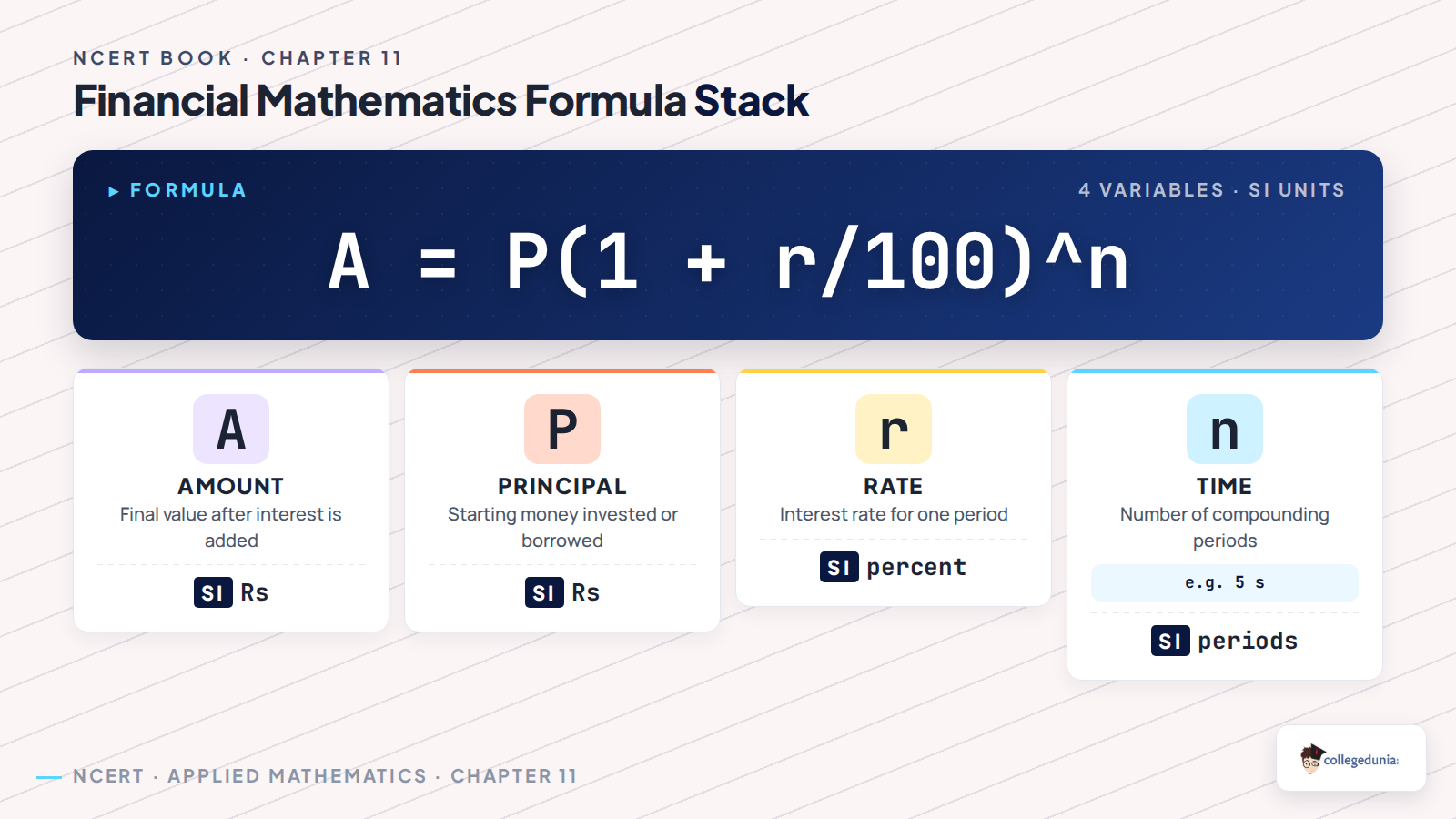
The most important habit is to match the compounding period with the rate period before substituting values. If the rate is annual but interest is compounded quarterly, the rate and number of periods both need adjustment.
Annuity EMI and Present Value
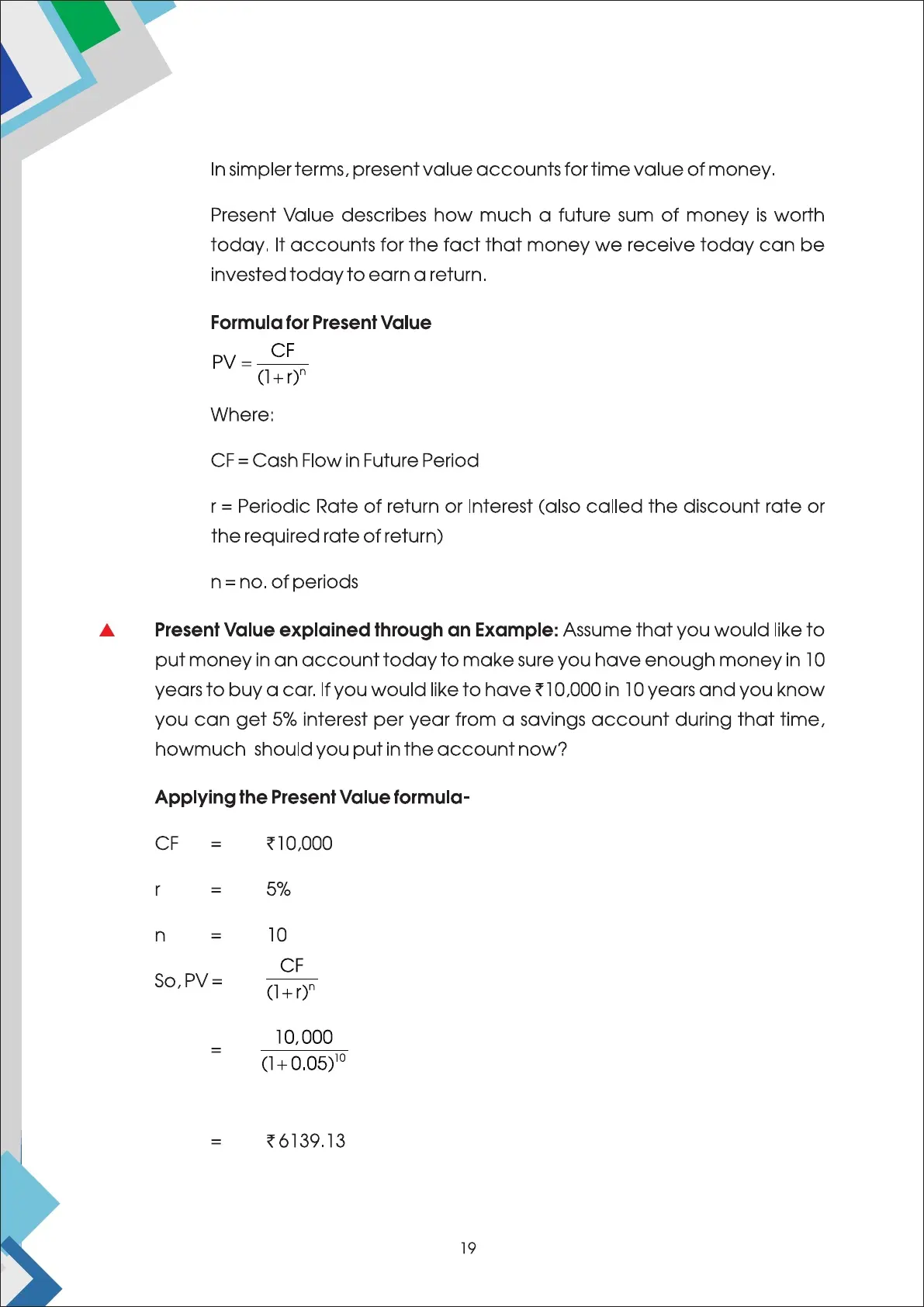
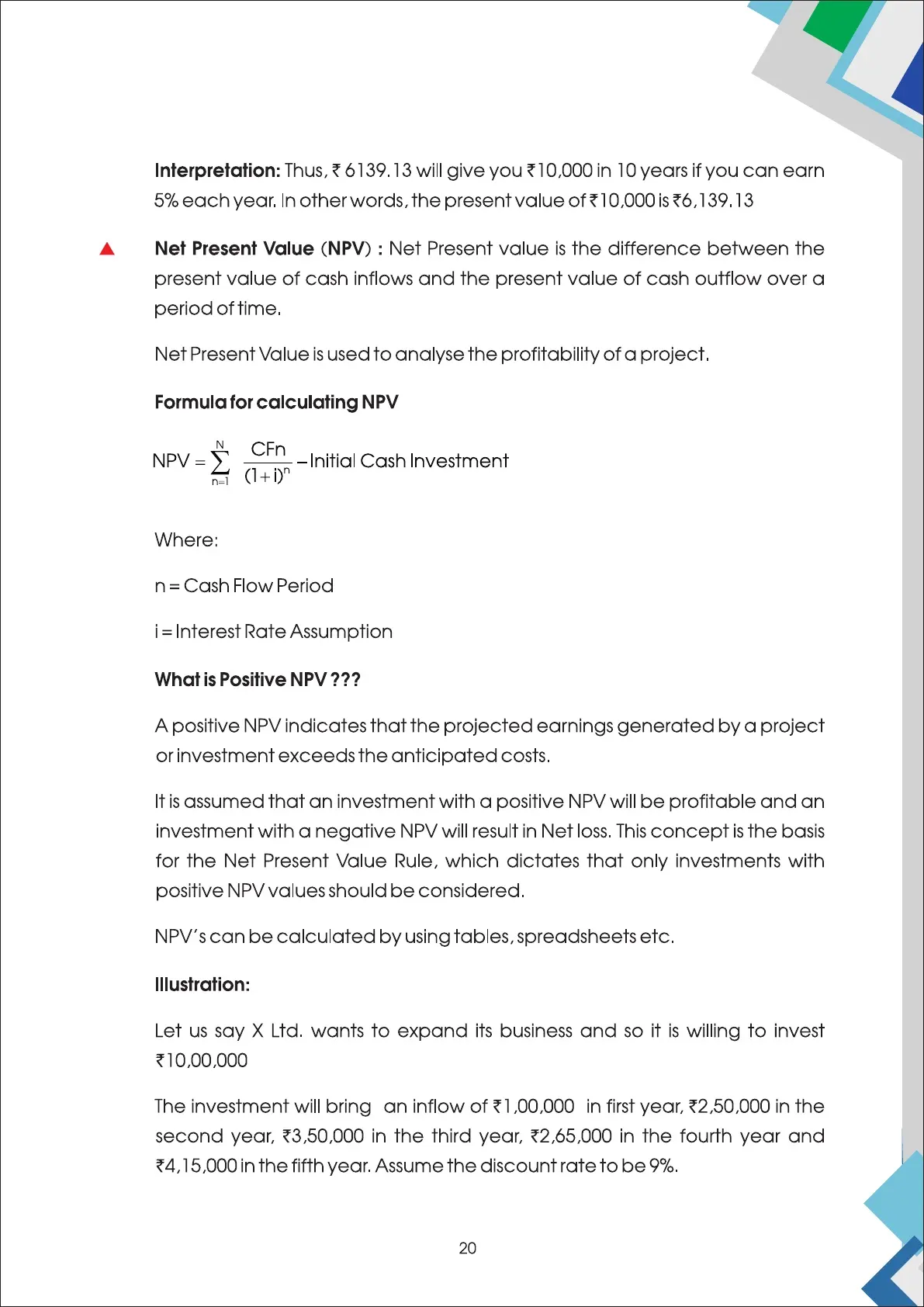
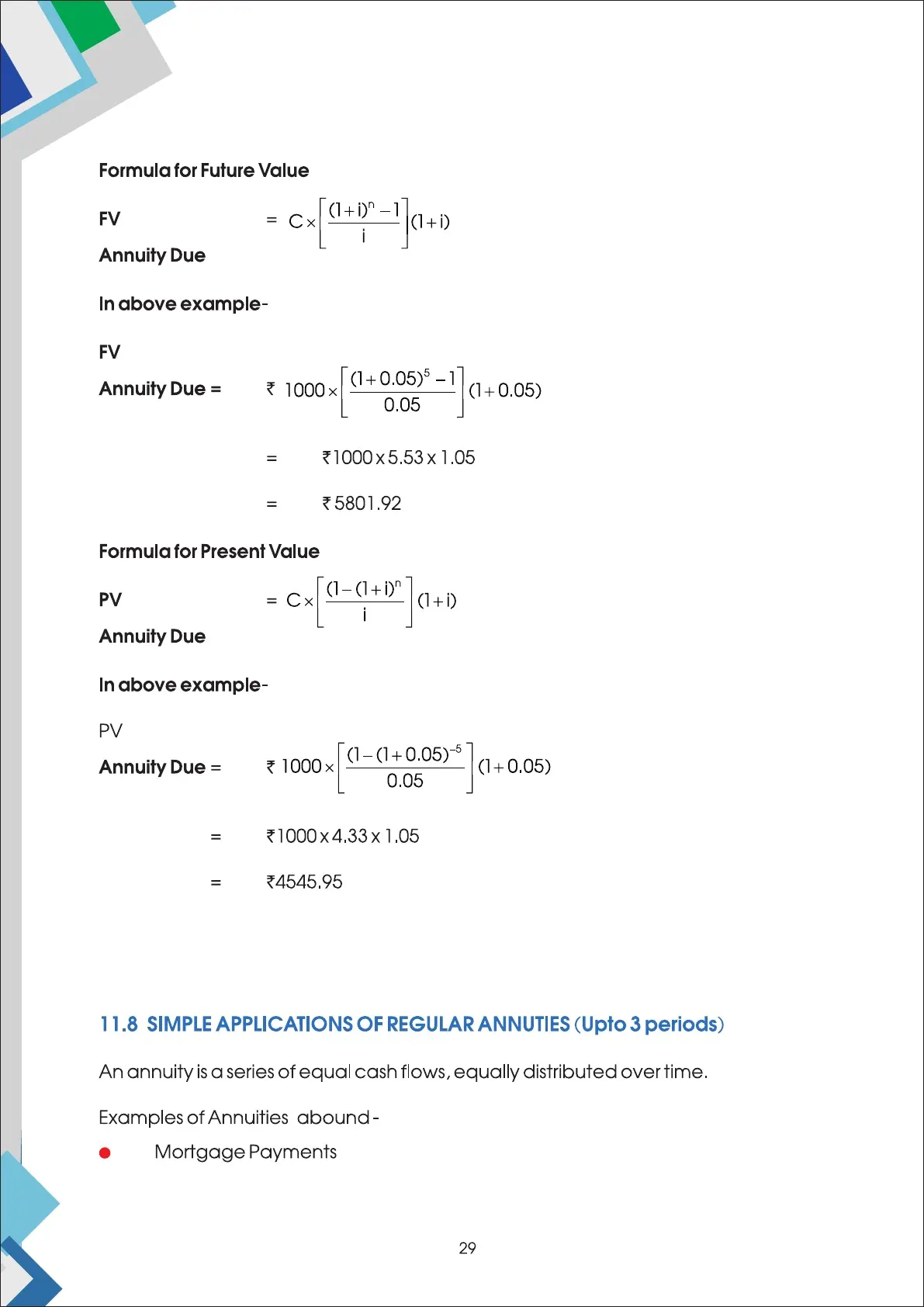
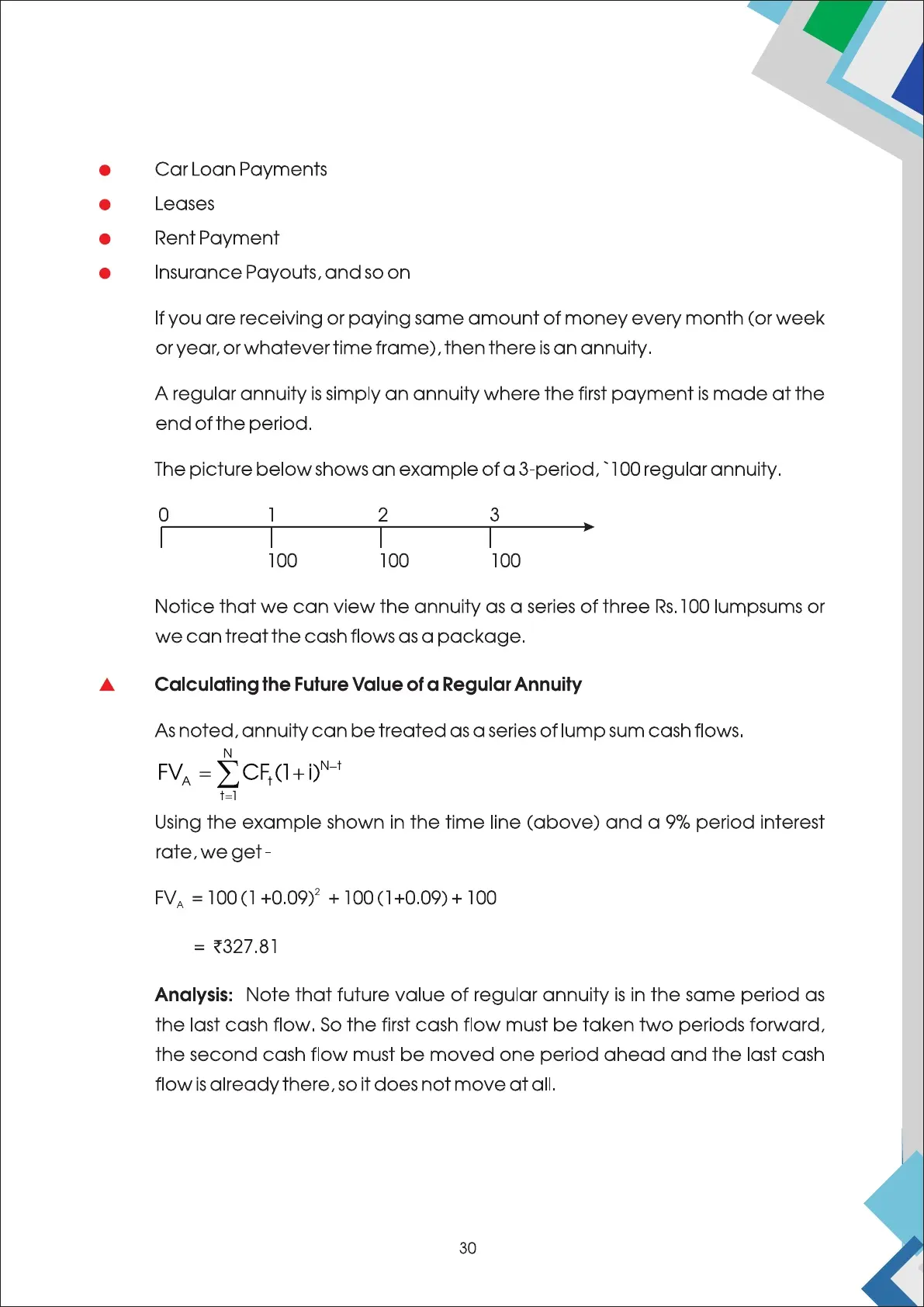
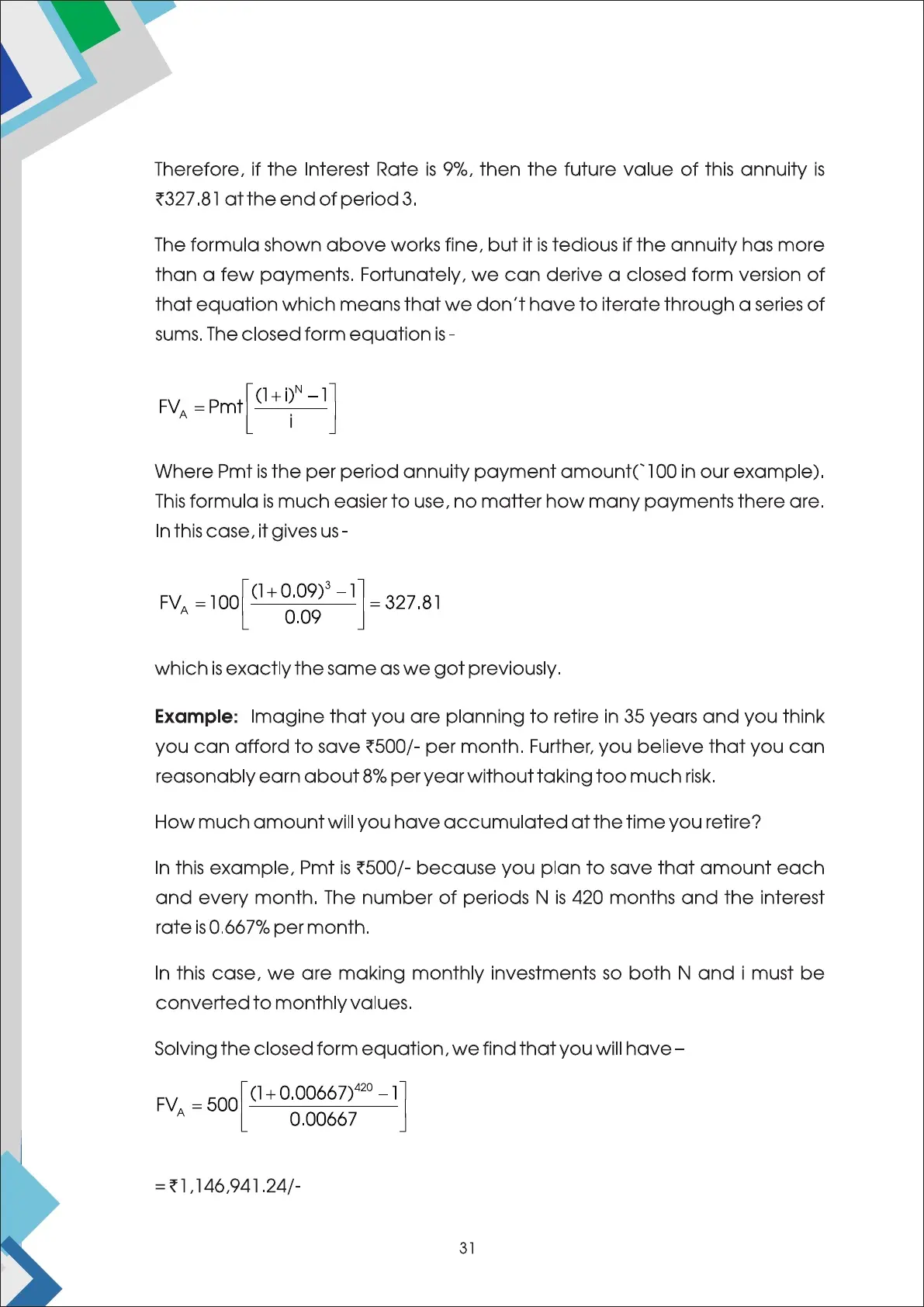
An annuity is a sequence of equal payments made at regular intervals. The chapter uses this idea to explain savings plans, loan instalments and the value of future payments in today's terms.
| Concept | What to check first | Common mistake |
|---|---|---|
| Future value | Payments grow to a later date | Using present value formula by accident |
| Present value | Future payments are discounted to today | Ignoring the timing of each instalment |
| EMI | Loan amount, rate per period and total number of payments | Mixing monthly rate with yearly time |
| Annuity due | Payment is made at the start of each period | Treating it like an ordinary annuity |
Compound Interest and Annuity Revision Video
Source: Magnet Brains on YouTube
How to Use the Class 11 Applied Mathematics Financial Mathematics PDF
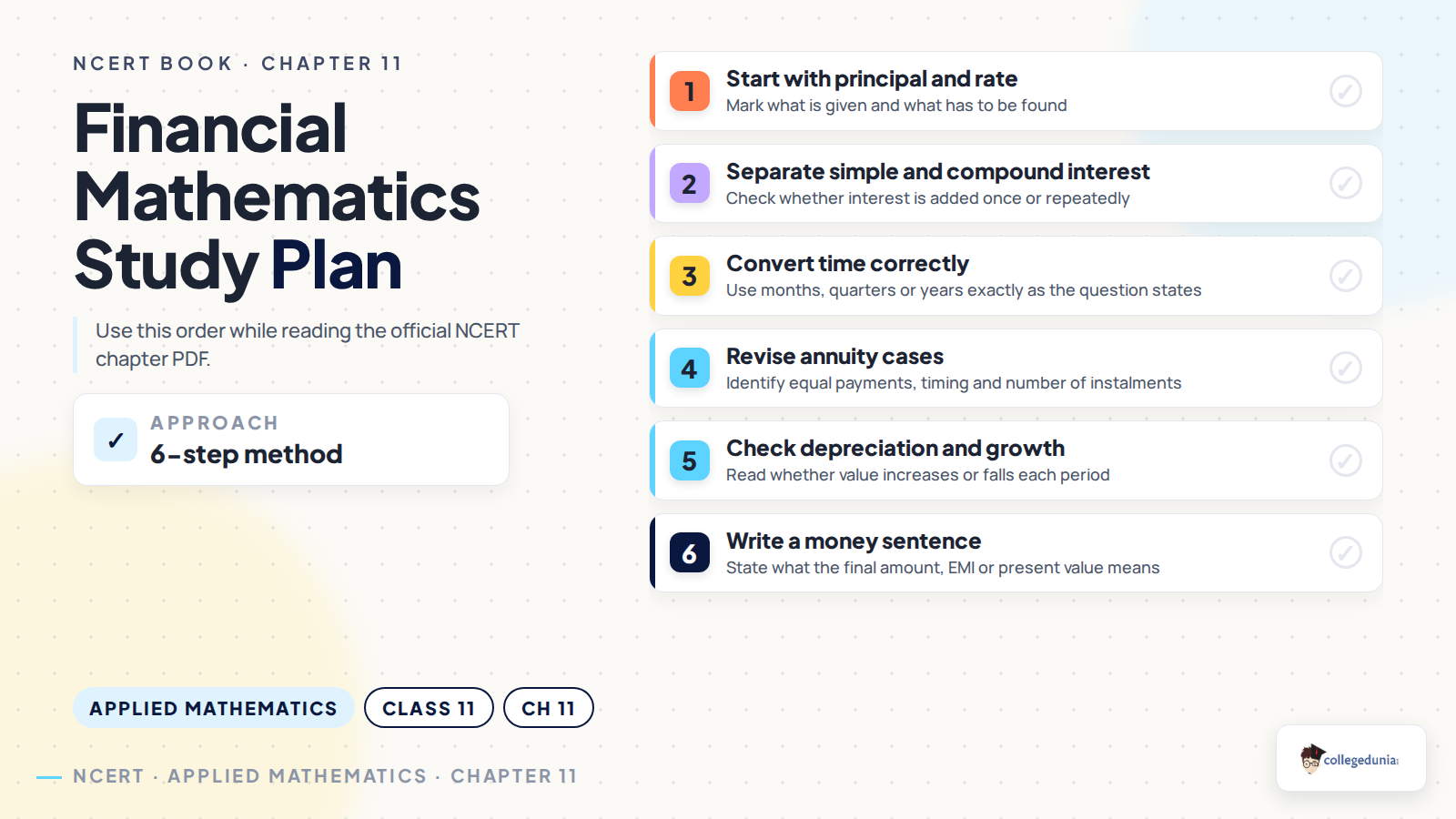
The PDF works best when students read each solved example as a decision tree. First identify whether the question asks for interest, amount, present value, future value or regular instalment. Then check whether payments happen once or repeatedly.
| Study pass | What to do | Target |
|---|---|---|
| Pass 1 | Mark principal, rate, time and compounding words | Choose the correct formula family |
| Pass 2 | Copy simple interest and compound interest examples | Separate one-time and repeated interest |
| Pass 3 | Practise annuity and EMI examples slowly | Control payment timing and period count |
| Pass 4 | Write one final money sentence after each answer | Explain what the calculated value means |
Quick tip: Do not use yearly rate directly in a monthly EMI formula. Convert the rate and number of periods first.
Related Class 11 Applied Mathematics Resources for Basics of Financial Mathematics
Also Check: use the original book PDF with the matching handwritten notes for the same chapter.
| Resource | Best used for | Link |
|---|---|---|
| NCERT Book PDF | Official theory and examples | Current page |
| Handwritten Notes | Quick visual recall before practice | Basics of Financial Mathematics Class 11 Handwritten Notes |
| NCERT Notes | Typed explanation and formula tables | Basics of Financial Mathematics Class 11 Notes |
Class 11 Applied Mathematics NCERT Book PDFs for All Chapters
Related Links: download neighbouring NCERT Book PDFs in the same Applied Mathematics format.
| Chapter | Class 11 Applied Mathematics NCERT Book PDF |
|---|---|
| Chapter 6 | Permutations and Combinations Class 11 NCERT Book PDF |
| Chapter 7 | Mathematical and Logical Reasoning Class 11 NCERT Book PDF |
| Chapter 8 | Calculus Class 11 NCERT Book PDF |
| Chapter 9 | Probability Class 11 NCERT Book PDF |
| Chapter 10 | Descriptive Statistics Class 11 NCERT Book PDF |
| Chapter 11 | Basics of Financial Mathematics Class 11 NCERT Book PDF |
| Chapter 12 | Coordinate Geometry Class 11 NCERT Book PDF |
| Chapter 13 | Practical and Project Work Class 11 NCERT Book PDF |
Basics of Financial Mathematics Class 11 Applied Mathematics NCERT Book PDF FAQs
Ques. What does the Basics of Financial Mathematics NCERT Book PDF contain?
Ans. It contains the official NCERT chapter text, examples and exercises on simple interest, compound interest, growth, depreciation, annuity, EMI and present value.
Ques. Is this Class 11 Applied Mathematics Chapter 11 PDF useful for 2026-27 exams?
Ans. Yes. The PDF follows the 2026-27 Applied Mathematics syllabus and helps students revise financial mathematics from the official chapter.
Ques. Which formulas are important in Basics of Financial Mathematics?
Ans. Simple interest, compound amount, depreciation, future value, present value and EMI formulas are important in this chapter.
Ques. How should students use this NCERT Book PDF?
Ans. Read the solved examples first, identify the formula type, convert the rate and time units, then solve the exercise questions step by step.



Comments