




NCERT Class 11 Fine Arts Post-Mauryan Trends in Indian Art and Architecture PDF gives students the official Chapter 4 textbook chapter from An Introduction to Indian Art Part I for the 2026-27 syllabus. The chapter covers Bharhut, Sanchi, Mathura, Gandhara, Amaravati, Ajanta, Ellora, Elephanta and the main exercise questions from the same source PDF.
- Download the complete 34-page official NCERT chapter PDF for Class 11 Fine Arts.
- Revise sculpture schools, Buddhist stupas, cave halls, murals and major artworks together.
- Use the site map and artwork table to prepare short board and CUET notes.









Student Feedback: More than 10,000 Collegedunia students use NCERT PDF pages to revise source-based chapters quickly. They usually find this chapter easier after sorting the sites by region: North India, South India, western caves and eastern caves.
Post-Mauryan Trends in Indian Art and Architecture NCERT Book PDF: What This Chapter Covers
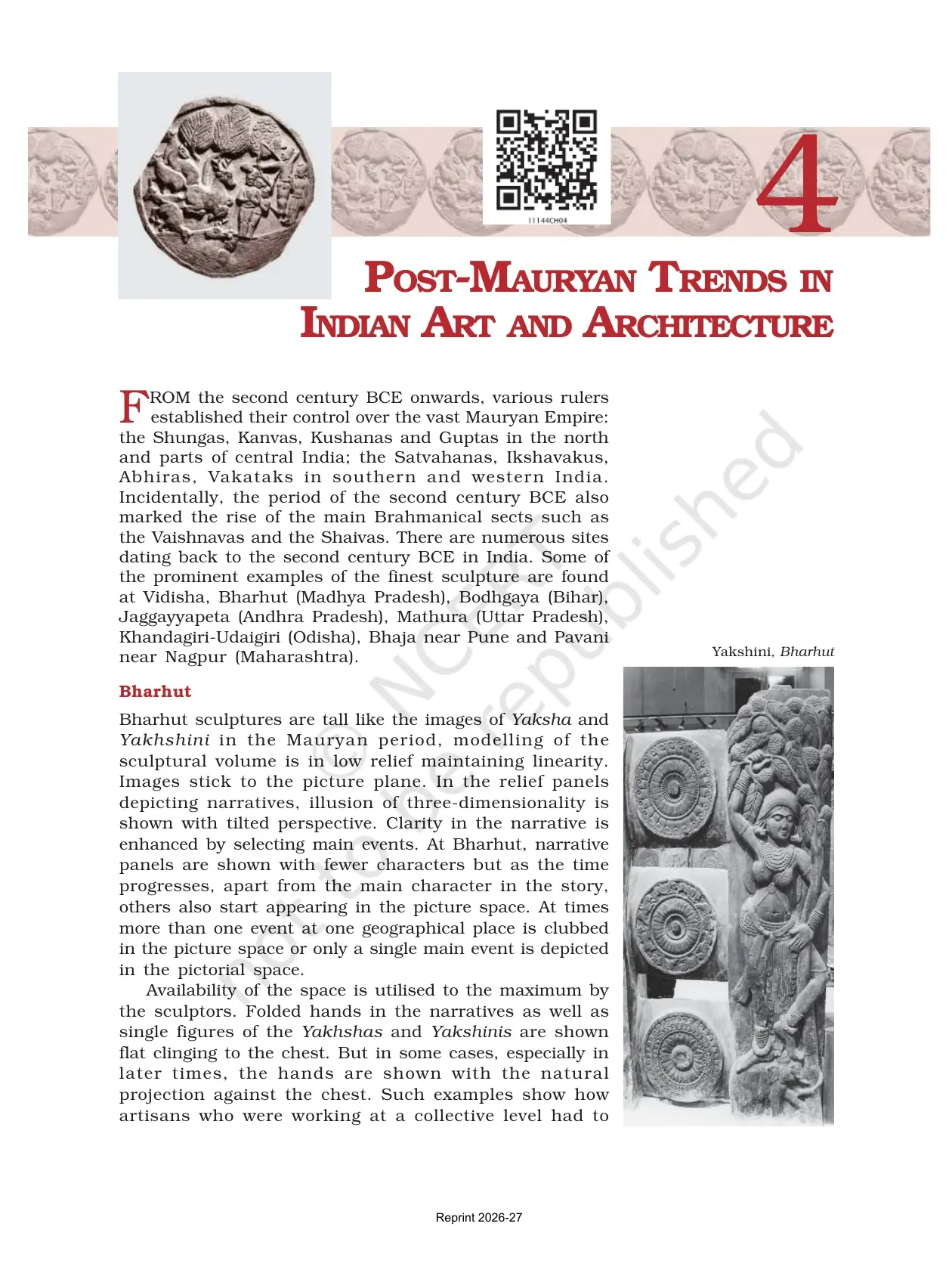
The NCERT chapter begins after the Mauryan empire and follows new regional centres of art. Bharhut and Sanchi show how Buddhist narrative reliefs became clearer, fuller and more natural over time. Mathura, Gandhara and Sarnath then show different ways of making Buddha images.
The PDF is useful because it connects sculpture, architecture and painting in one long timeline. Students should learn each site with its period, faith context, medium and visual feature. The most important examples include Stupa-1 at Sanchi, the Mathura Buddha, the Taxila Buddha head, the Sarnath Buddha and Ajanta's Padmapani Bodhisattva.
Post-Mauryan Trends Explained for Class 11 Fine Arts
Source: PW OnlyIAS Prarambh on YouTube
Section-by-Section Breakdown of Post-Mauryan Trends in Indian Art and Architecture

| NCERT focus area | Key point for revision | Why it matters |
|---|---|---|
| Bharhut and Sanchi | Narrative relief panels, toranas, Jataka stories and symbolic Buddha forms become central. | These sites help students compare early and later stupa sculpture. |
| Mathura, Gandhara and Sarnath | The Buddha image develops in different regional styles, materials and facial types. | This is the main comparison area for sculpture questions. |
| South Indian Buddhist monuments | Amaravati, Nagarjunkonda and Goli show movement, overlapping figures and relief slabs. | It explains how Buddhist art changed outside the Gangetic region. |
| Western Indian caves | Ajanta, Karla, Nashik, Bhaja, Junnar, Kanheri and Ellora show chaitya and vihara forms. | Architecture answers need these examples with cave-plan vocabulary. |
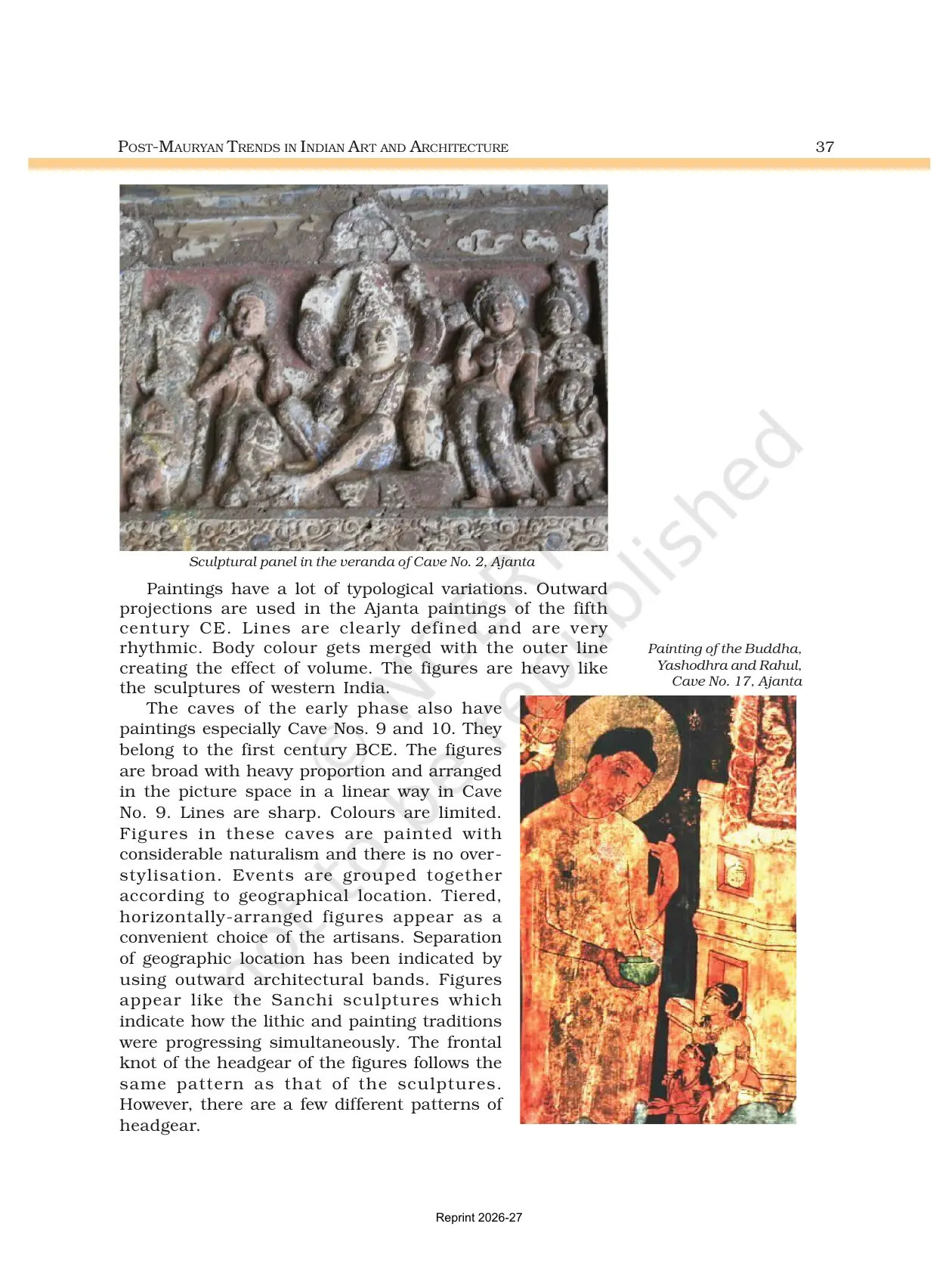
| Ajanta paintings | Caves 1, 2, 16 and 17 preserve major Jataka and Bodhisattva paintings. | These paintings prepare students for the next Fine Arts chapter. |
| Elephanta and eastern caves | Maheshmurti, Udaigiri-Khandagiri and Guntapalle show regional cave traditions. | They complete the regional map of post-Mauryan art. |
Post-Mauryan Art Centres Every Class 11 Fine Arts Student Should Know

The chapter becomes easier when students group the sites by region instead of memorising them as one long list. North India gives the main sculpture schools and stupa sites. Western India gives the strongest cave architecture sequence through Ajanta, Karla, Nashik, Junnar, Kanheri, Ellora and Elephanta.
- North India: Bharhut, Sanchi, Mathura, Gandhara, Sarnath and Kosambi.
- South India: Amaravati, Nagarjunkonda, Goli, Guntapalle and Sannati.
- Western India: Bhaja, Karla, Nashik, Junnar, Kanheri, Ajanta and Ellora.
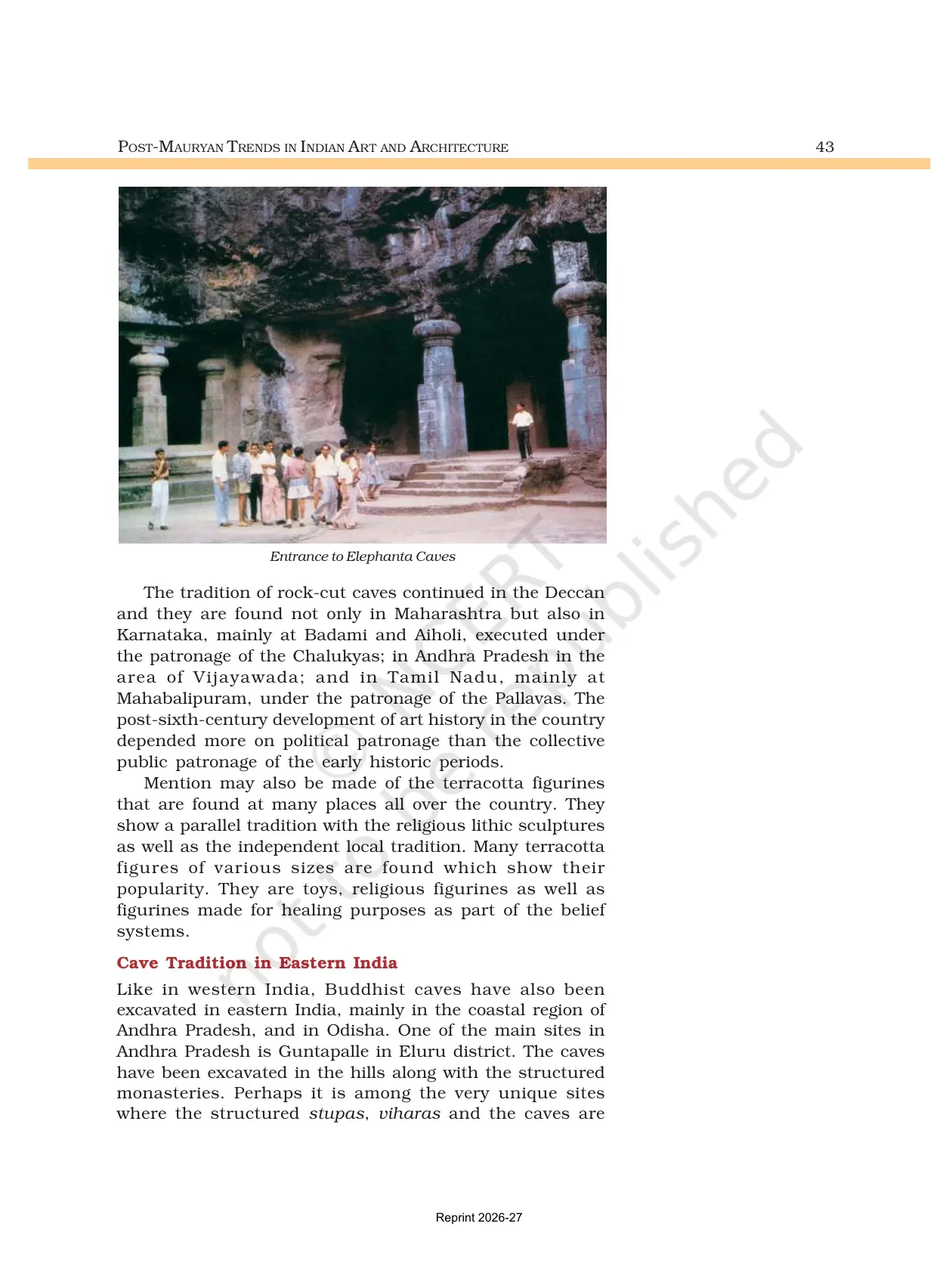
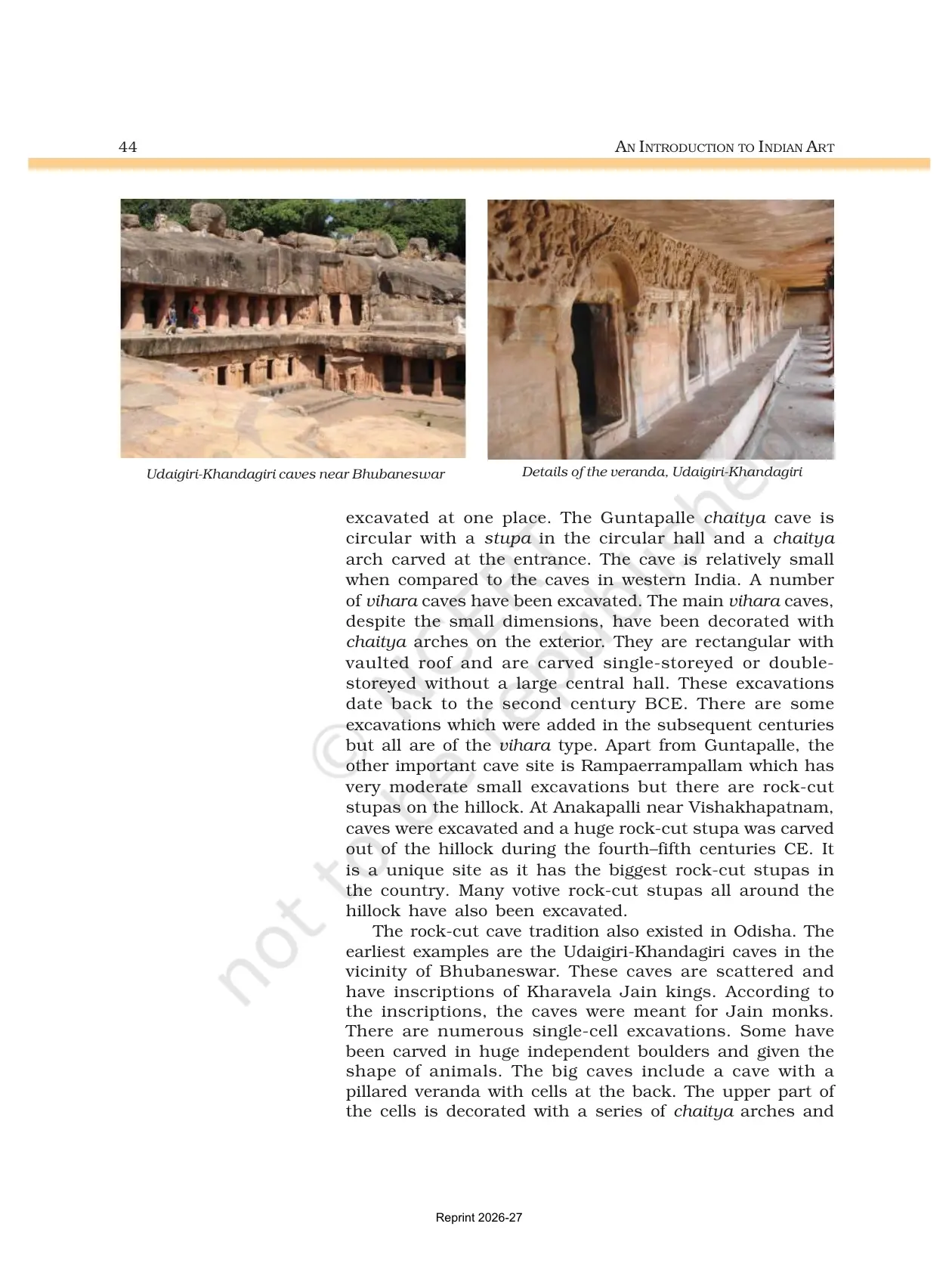
- Eastern India: Udaigiri-Khandagiri, Guntapalle and Anakapalli.
Important Artworks in Post-Mauryan Trends in Indian Art and Architecture
The named artworks are the safest way to revise this PDF. For each work, write the site first, then add material, posture, iconography and style. The comparison between Mathura, Gandhara and Sarnath Buddha images is one of the most useful revision points in this chapter.
| Artwork or site | Revision cue |
|---|---|
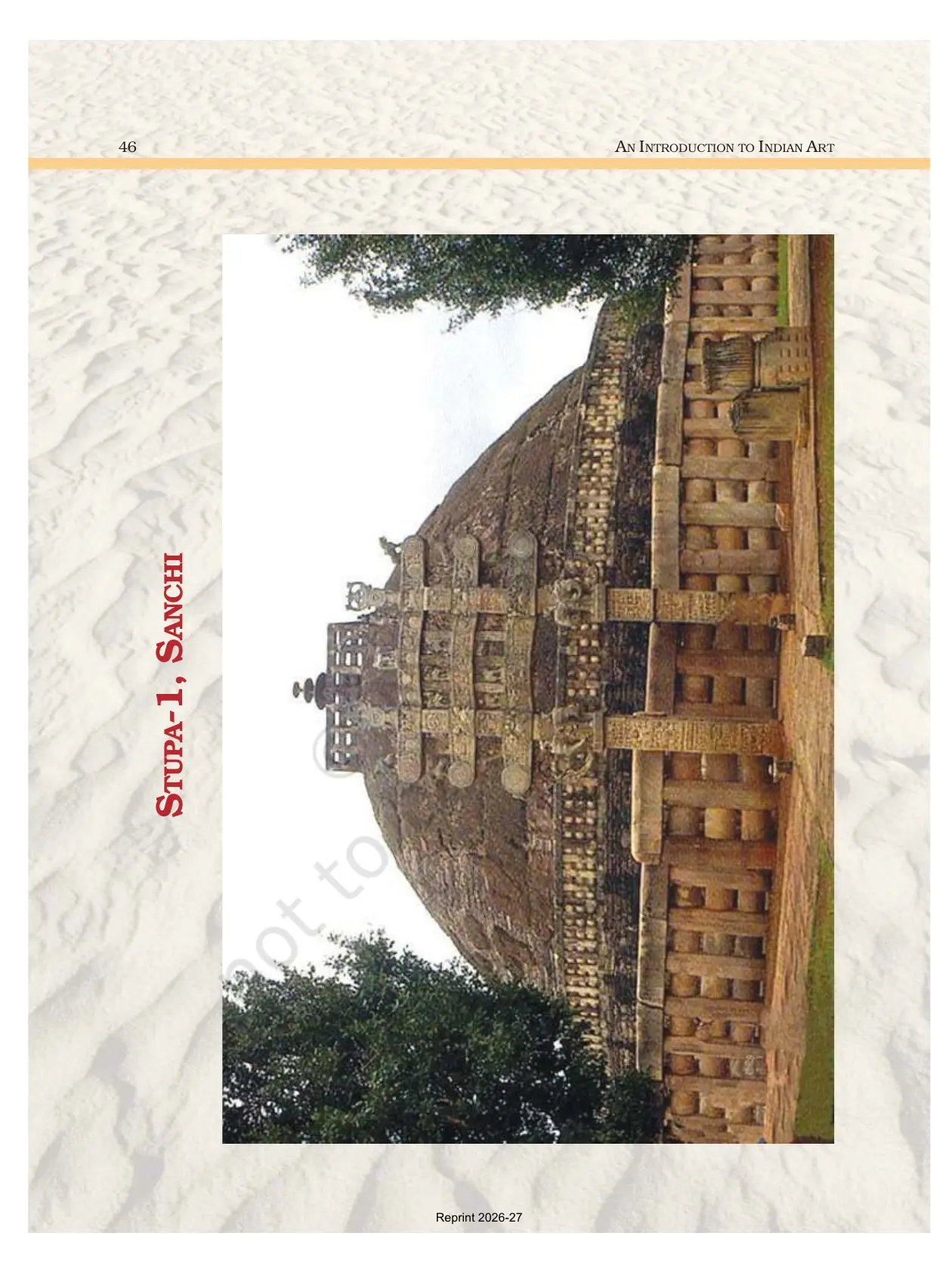
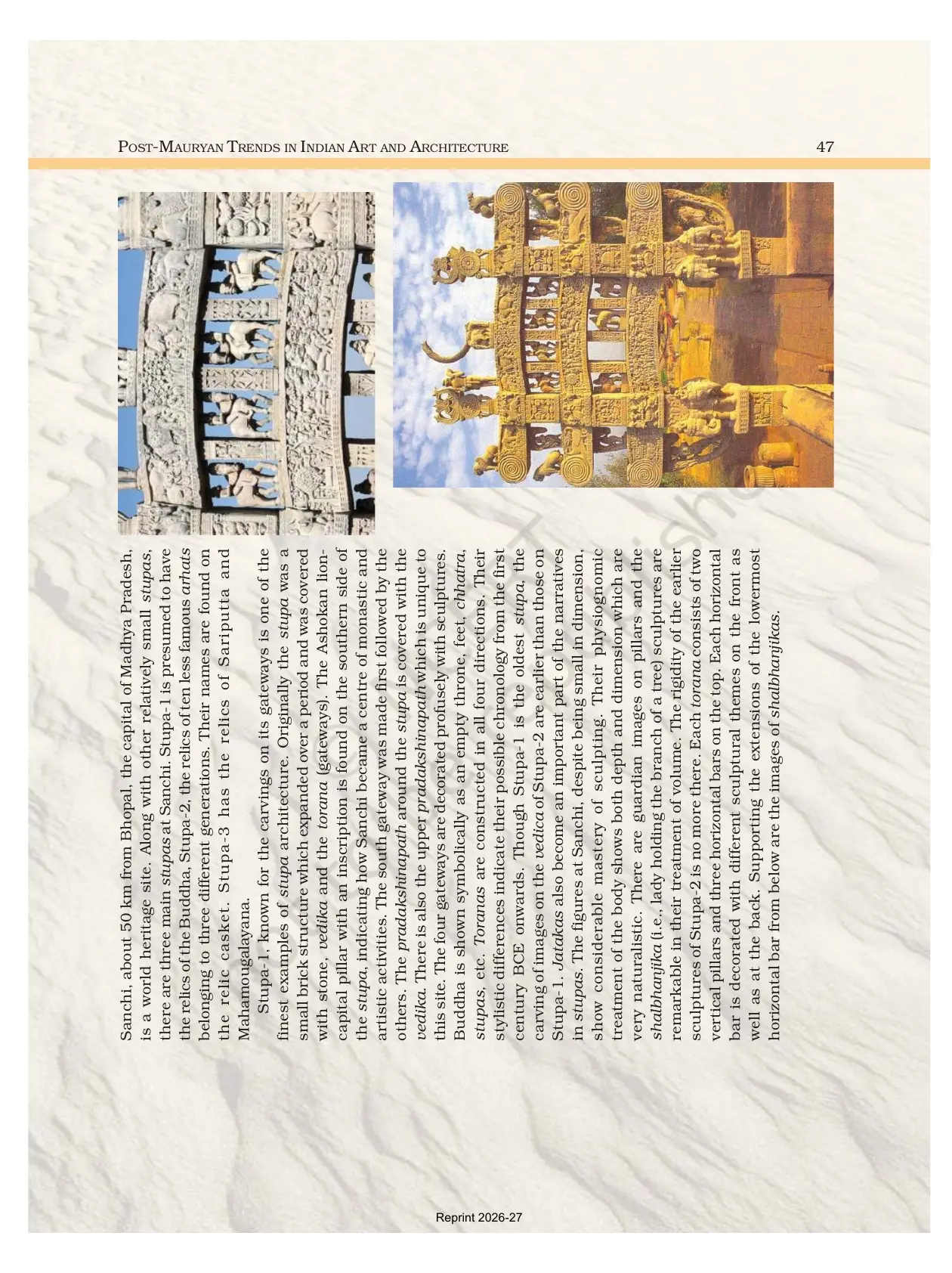
| Stupa-1, Sanchi | Four toranas, pradakshinapatha, symbolic Buddha forms, Jataka scenes and shalbhanjika figures. |
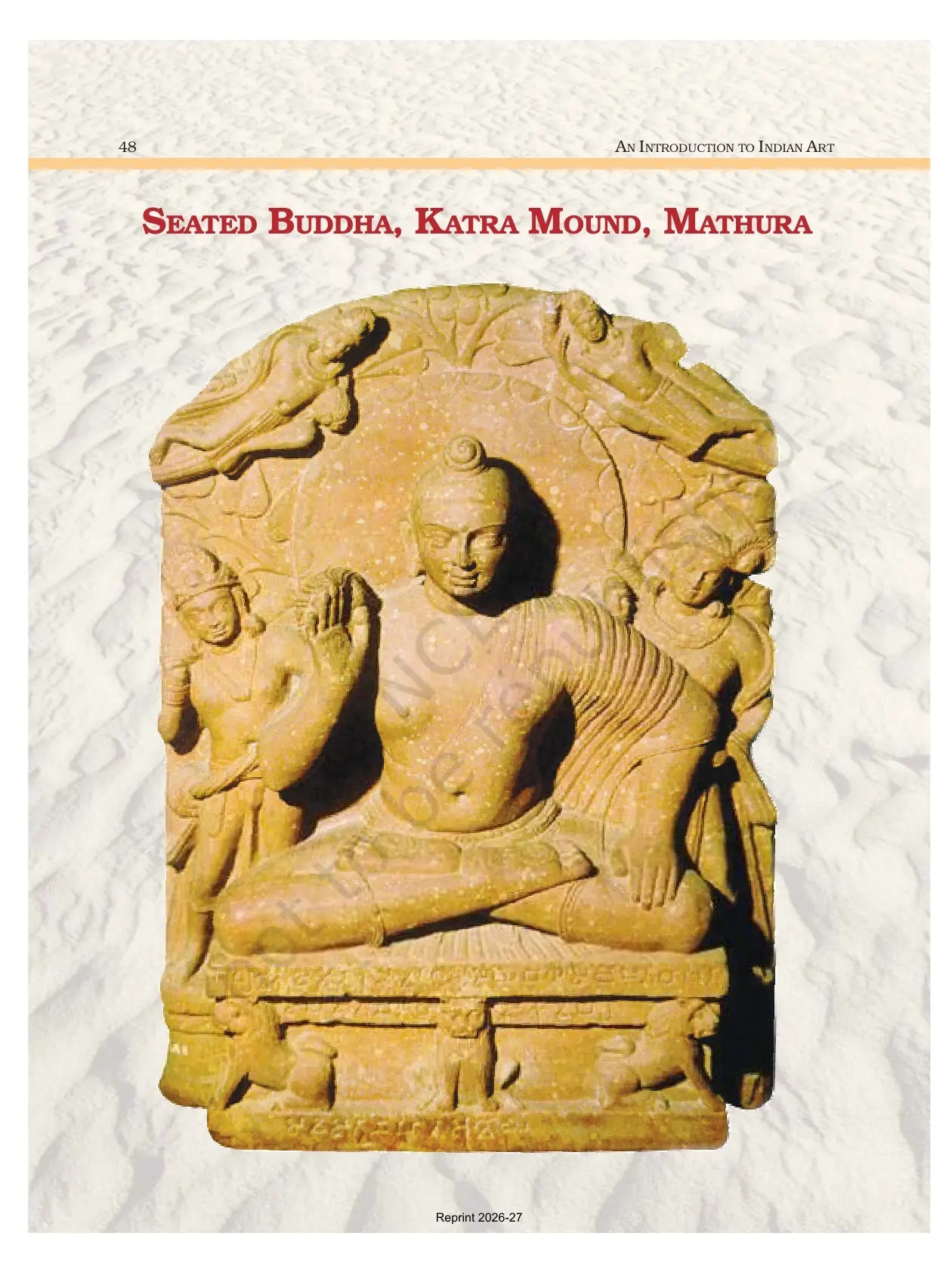
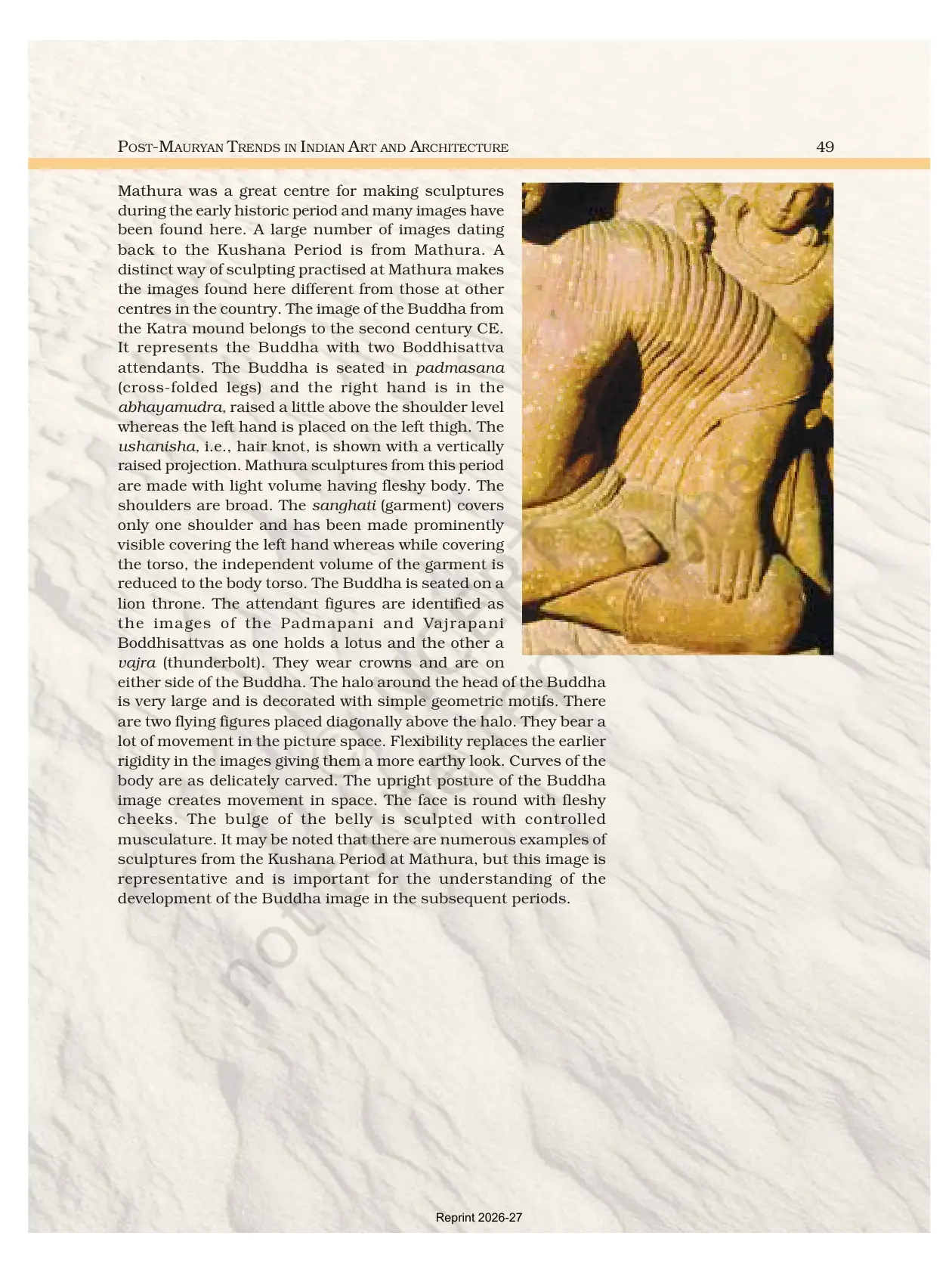
| Seated Buddha, Katra Mound, Mathura | Padmasana, abhayamudra, broad shoulders, one-shoulder garment and large decorated halo. |
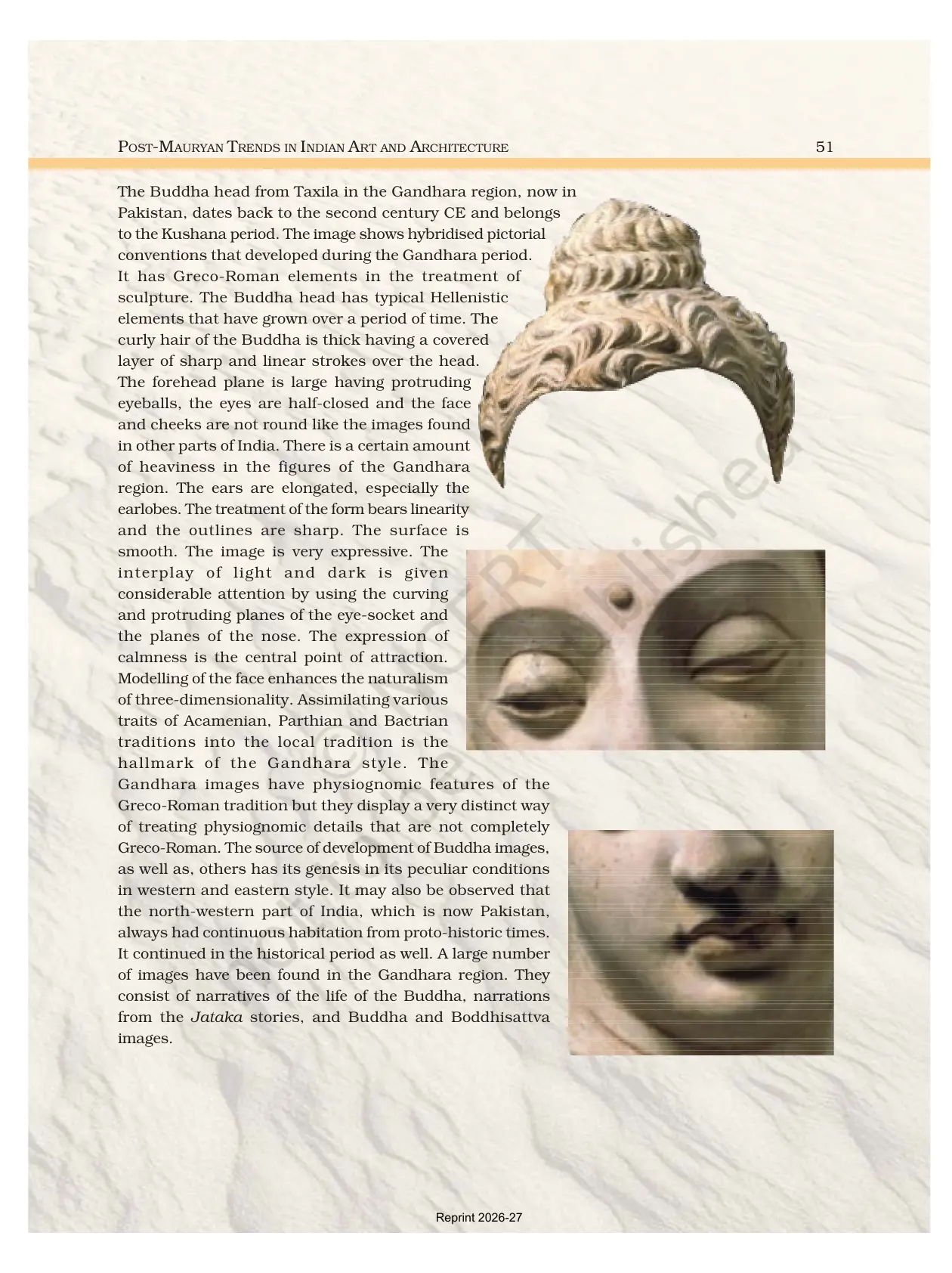
| Buddha Head, Taxila | Gandhara style with curly hair, sharp outlines, smooth surface and Greco-Roman features. |
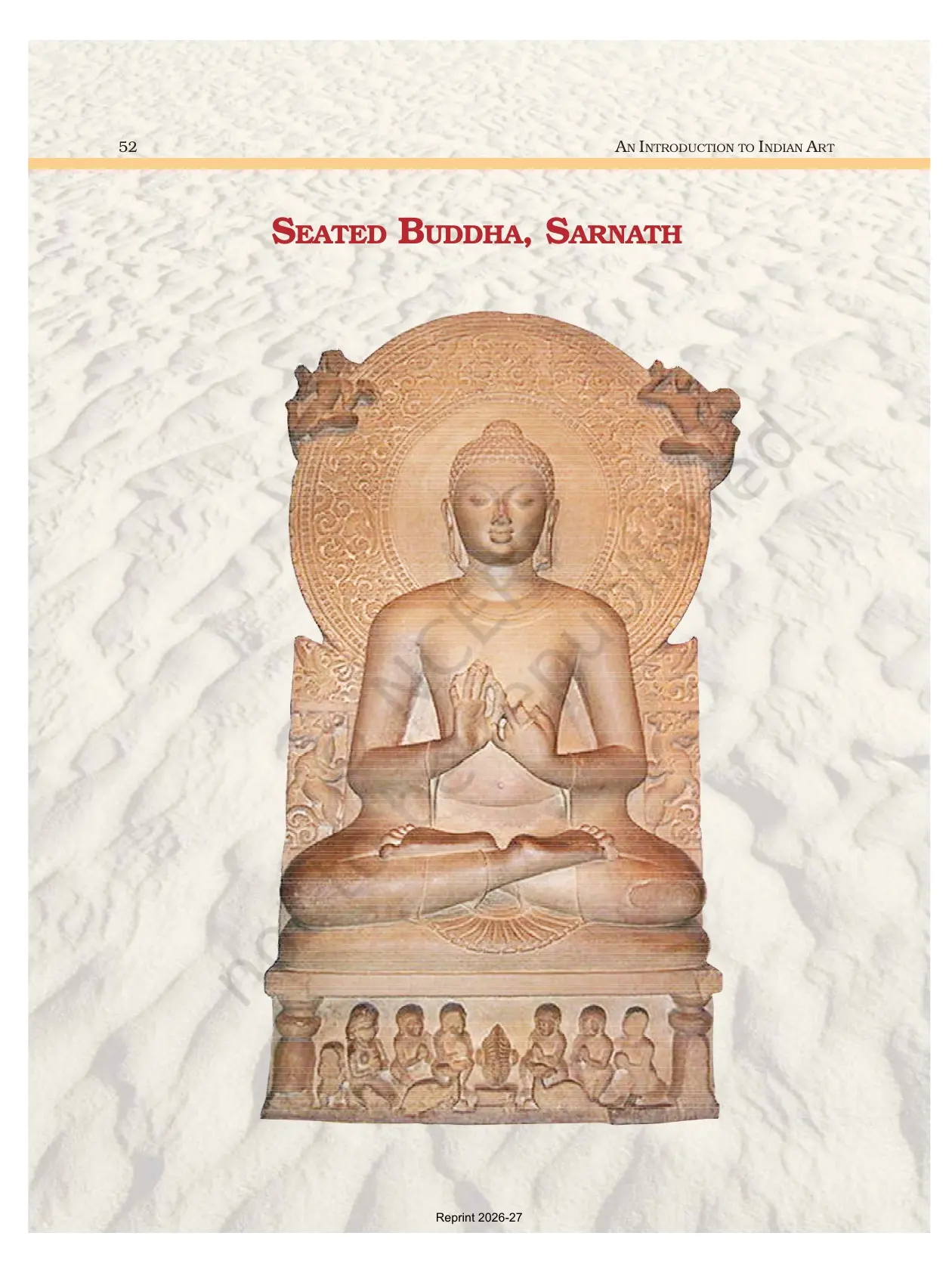
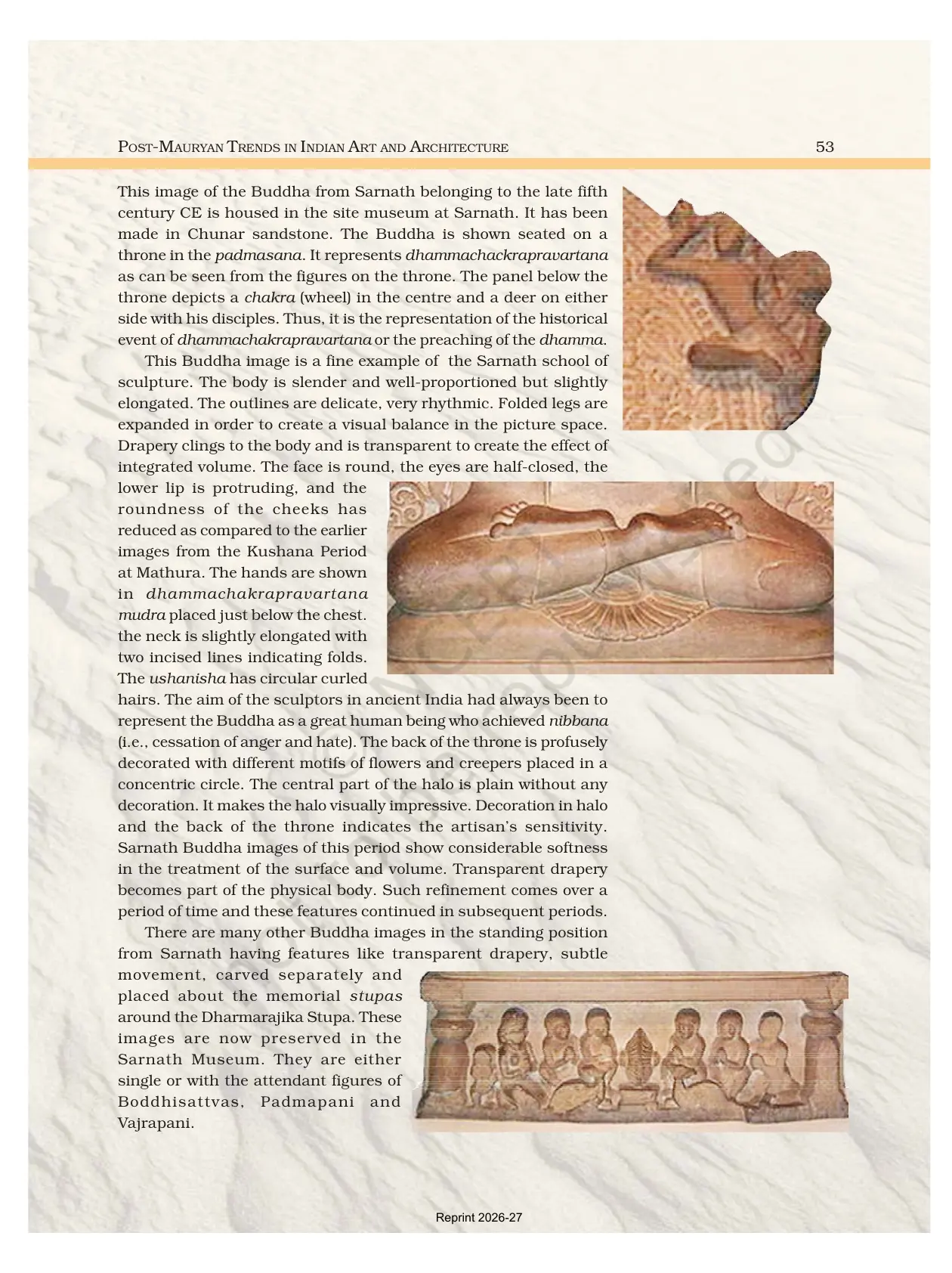
| Seated Buddha, Sarnath | Dhammachakrapravartana mudra, transparent drapery, slender body and calm facial treatment. |
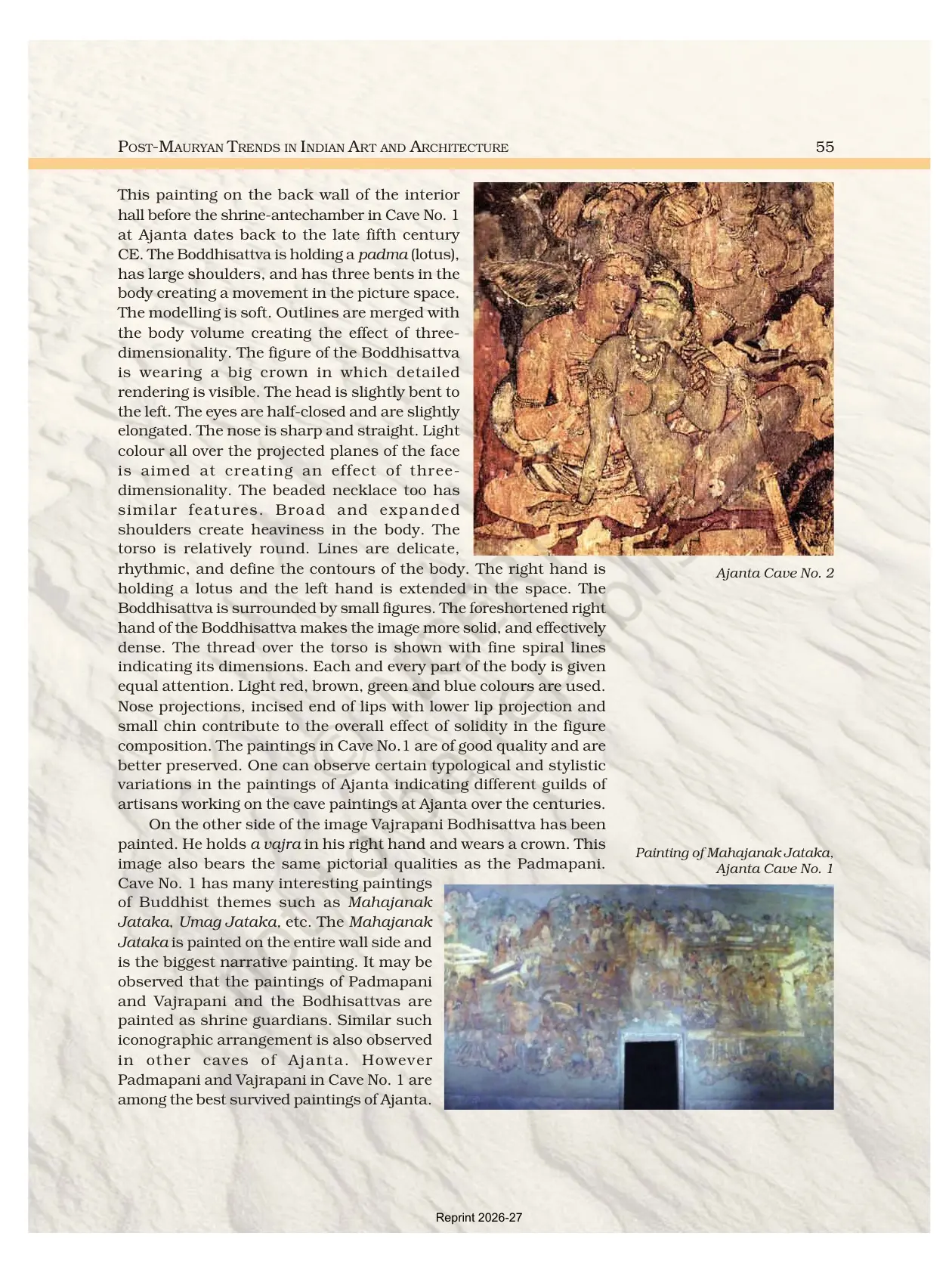
| Padmapani Bodhisattva, Ajanta | Lotus, soft modelling, rhythmic lines, half-closed eyes and shrine-guardian placement. |
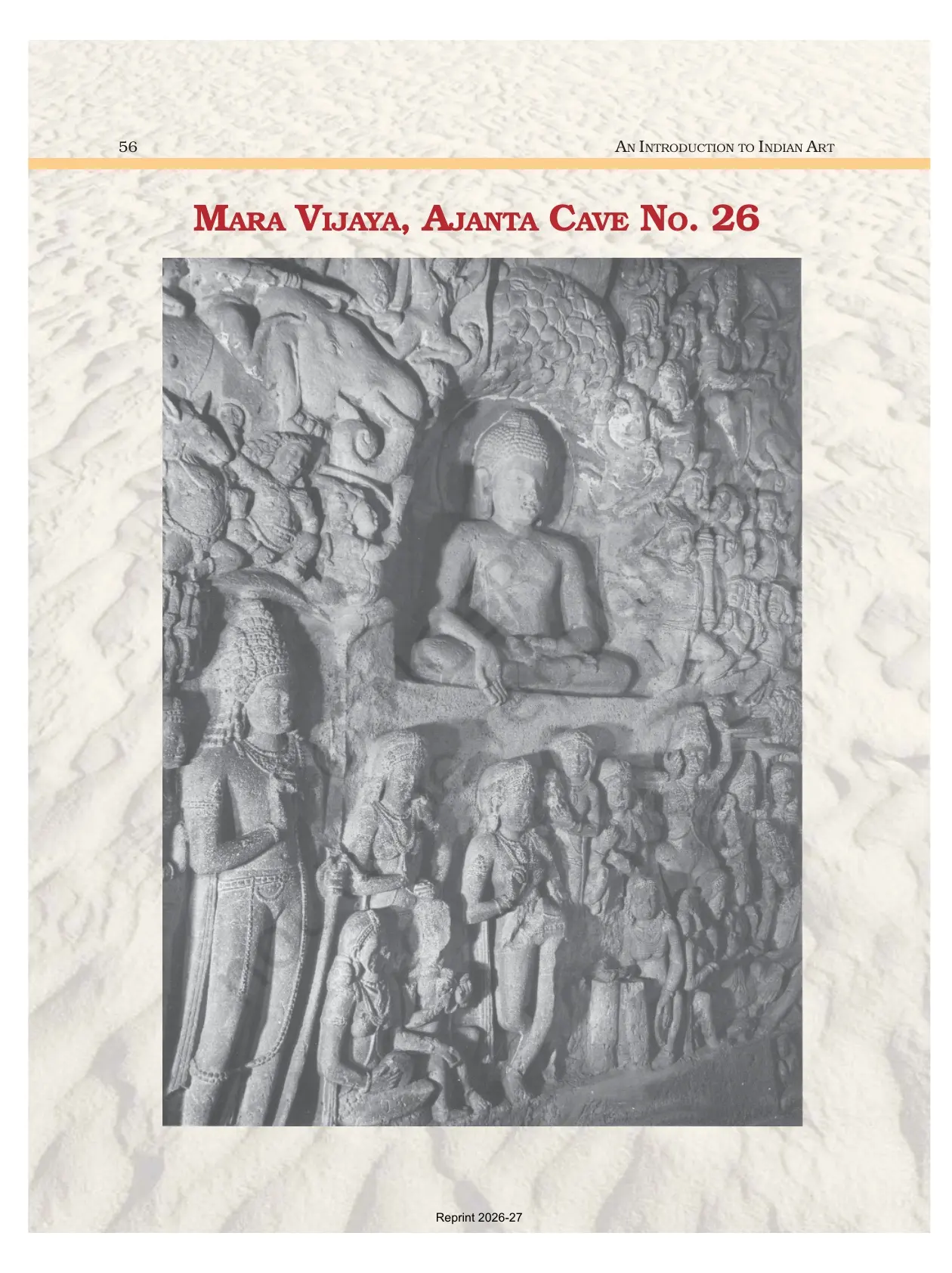
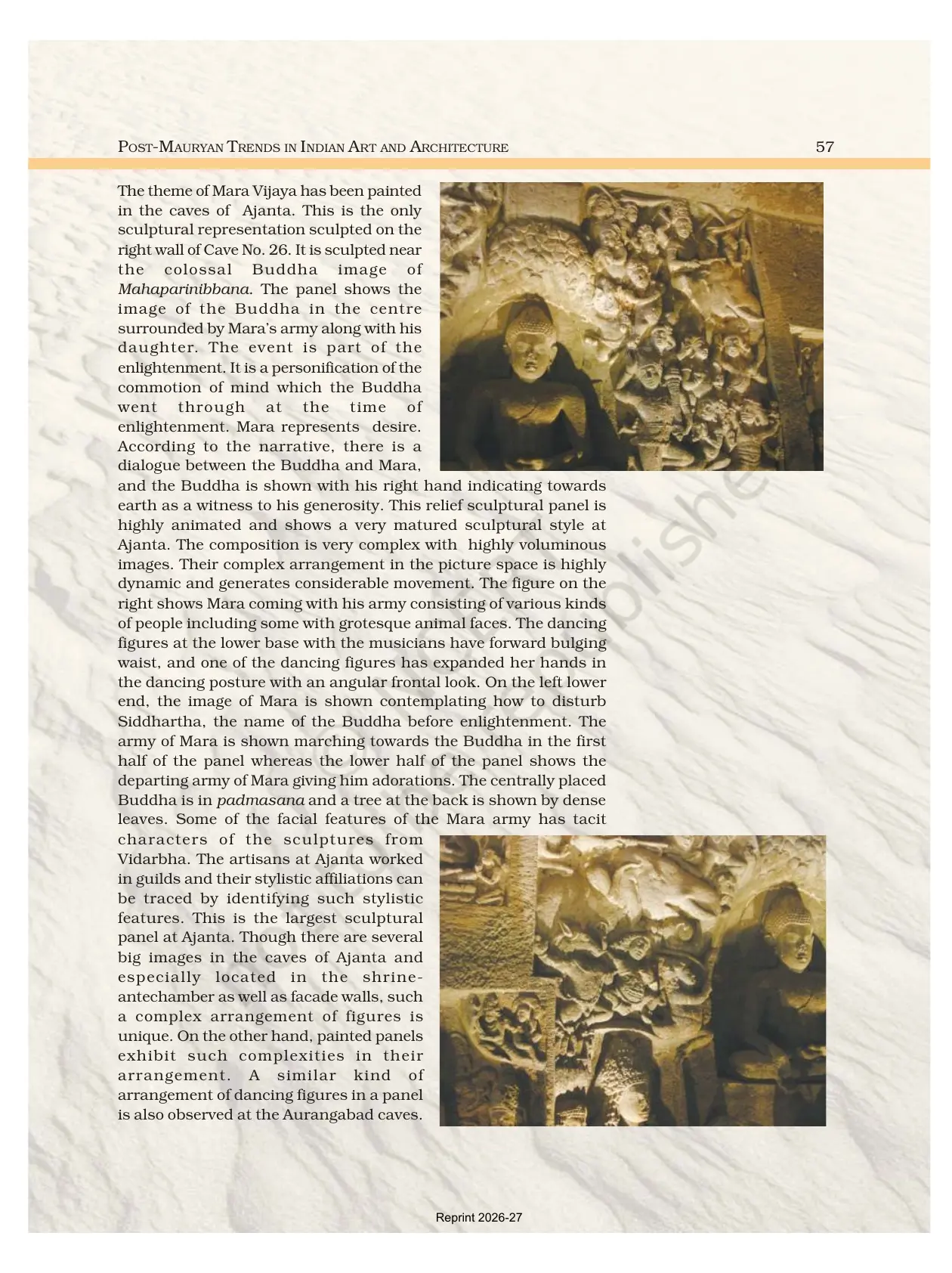
| Mara Vijaya, Ajanta Cave No. 26 | Animated panel with Buddha, Mara's army and the earth-touching gesture. |
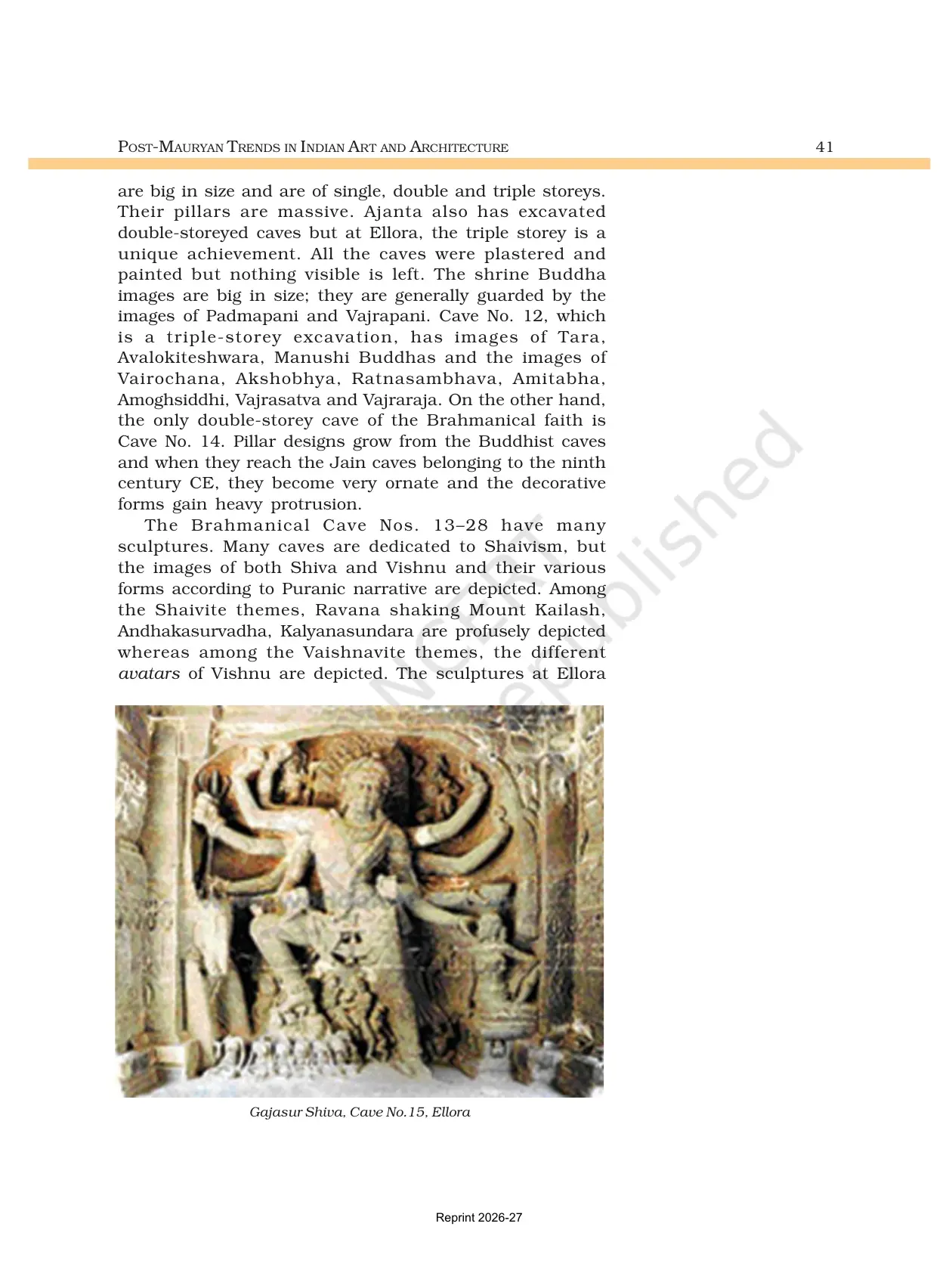
| Maheshmurti, Elephanta | Three visible faces of Shiva, large scale, smooth surface and strong light-dark effect. |
Cave Architecture in Post-Mauryan Trends: Ajanta, Ellora, Elephanta and Odisha
The cave section is long because the chapter tracks many regions. Students should first learn the difference between a chaitya hall and a vihara. A chaitya is a prayer hall with a stupa, while a vihara is a monastery plan with cells for monks.
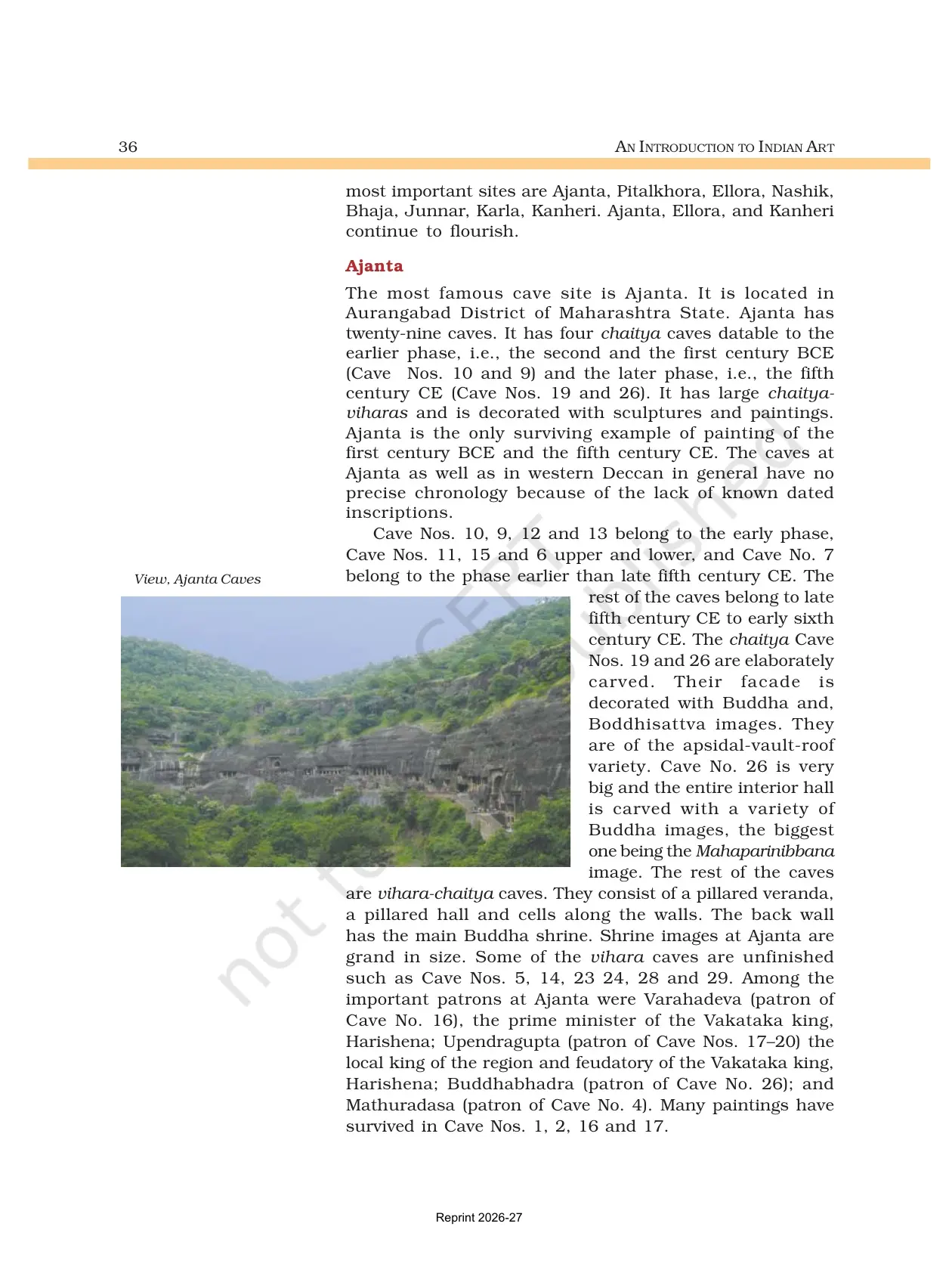
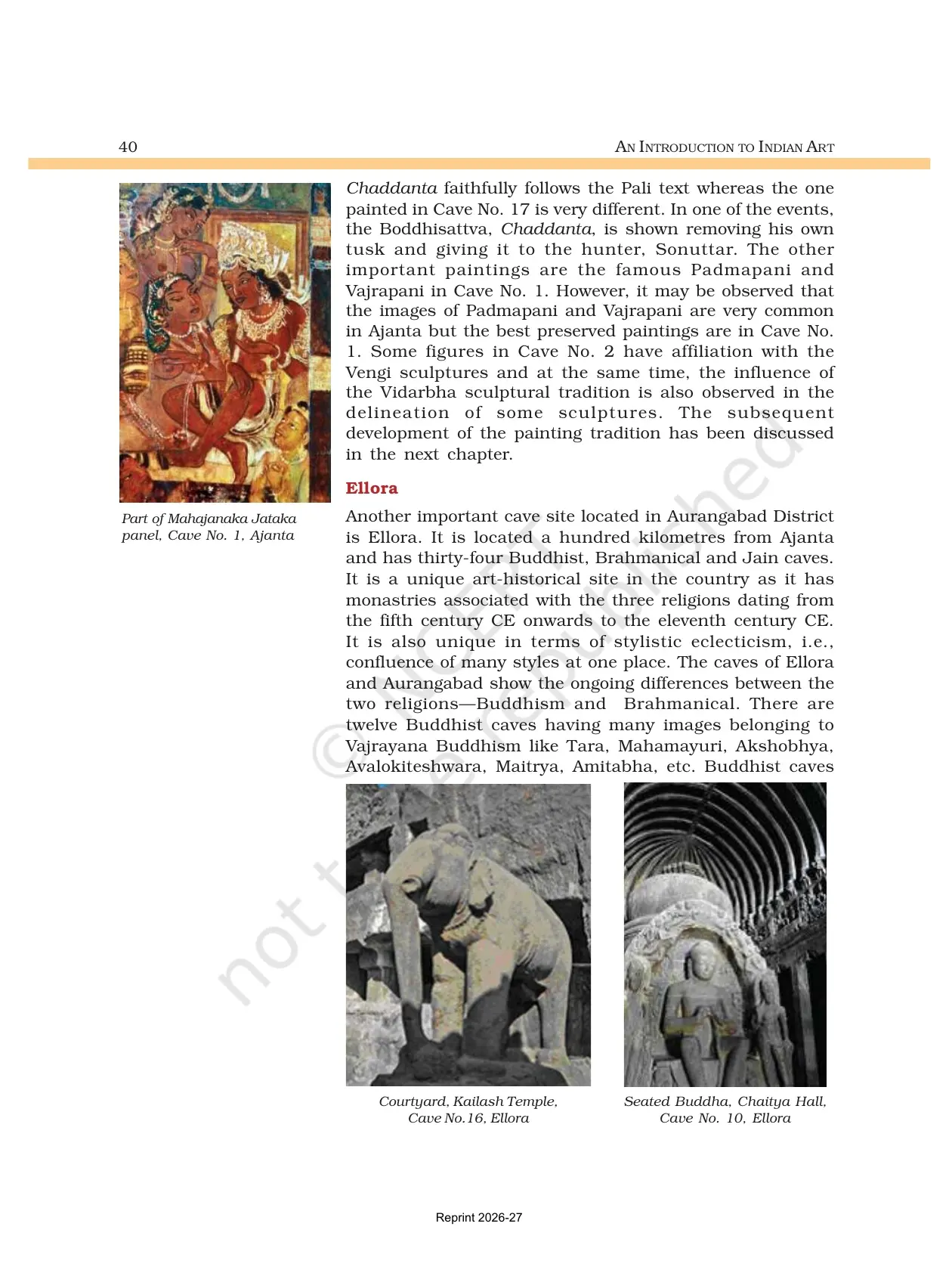
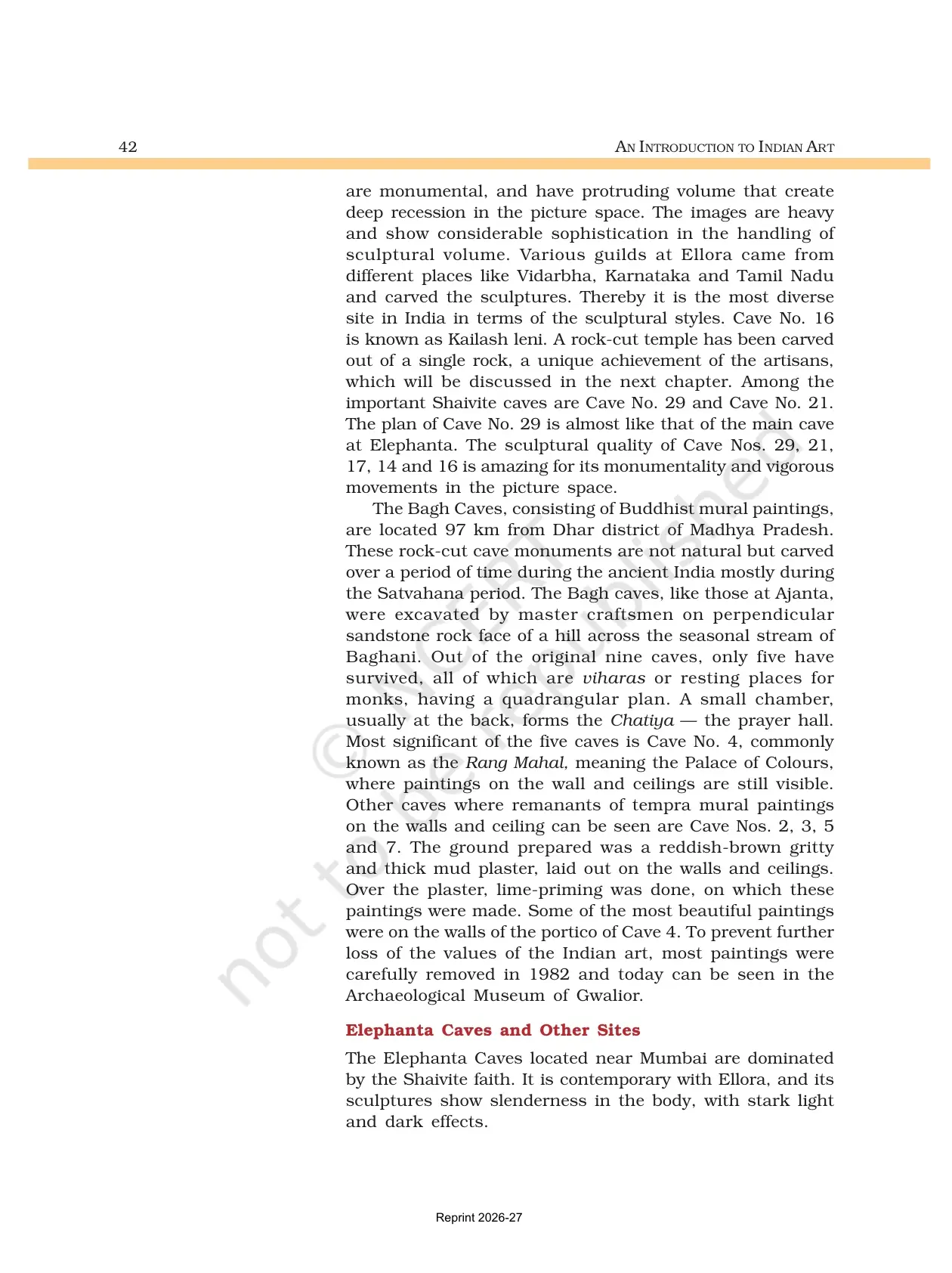
Ajanta is important for both architecture and painting. Cave Nos. 9 and 10 belong to the early phase, while Cave Nos. 1, 2, 16, 17, 19 and 26 show later painting and sculptural work. Ellora adds Buddhist, Brahmanical and Jain caves at one site. Elephanta is mainly remembered for Shaivite sculpture, especially the Maheshmurti.
How to Use the Post-Mauryan Trends PDF for Exam Preparation
Start with the images and captions, then read the paragraph around each image. Fine Arts answers score better when students combine identification with appreciation, so revise every major work through four cues: name, site, visual feature and meaning.
- Make a one-page site chart for Bharhut, Sanchi, Mathura, Gandhara, Amaravati and Ajanta.
- Practise one comparison paragraph on Mathura and Gandhara Buddha images.
- Revise cave terms: chaitya, vihara, apsidal plan, torana, vedika and pradakshinapatha.
- Attempt the four exercise questions after one full reading of the PDF.
Common Mistakes in Post-Mauryan Trends in Indian Art and Architecture Notes
Most mistakes happen when students mix sites from different regions. Keep a rough map in mind while revising. The chapter moves from North Indian stupa sculpture to South Indian Buddhist monuments, then to western and eastern cave traditions.
| Common mistake | Better revision cue |
|---|---|
| Calling every Buddha image Gandhara style | Compare Mathura, Gandhara and Sarnath through body type, drapery and facial treatment. |
| Skipping South Indian stupa sites | Add Amaravati, Nagarjunkonda, Goli, Guntapalle and Sannati to the regional map. |
| Confusing chaitya and vihara | Chaitya is the prayer hall with a stupa. Vihara is the monastery with cells. |
| Writing Ajanta only as a painting site | Ajanta includes chaitya caves, vihara-chaityas, sculptures and paintings. |
Class 11 Fine Arts Chapter 4 Resources
Use this PDF as the official source chapter. Companion resources for the same chapter should be used only after they are live, because the book PDF is the authority for figures, spellings, exercise questions and 2026-27 chapter order.
| Resource | Best use | Link |
|---|---|---|
| NCERT Book PDF | Official source chapter for 2026-27 | Open book PDF page |
| NCERT Notes | Quick topic-wise revision | Scheduled |
| Handwritten Notes | Fast recall before tests | Scheduled |
NCERT Book PDF for Class 11 Fine Arts: All Chapters
Class 11 Fine Arts students should keep the full book map nearby while revising. Chapter 4 links Mauryan art with later mural, temple, bronze and Indo-Islamic traditions.
| Chapter | NCERT Book PDF |
|---|---|
| Chapter 1 | Prehistoric Rock Paintings |
| Chapter 2 | Arts of the Indus Valley |
| Chapter 3 | Arts of the Mauryan Period |
| Chapter 4 | Post-Mauryan Trends in Indian Art and Architecture |
Post-Mauryan Trends in Indian Art and Architecture Class 11 Fine Arts NCERT Book PDF FAQs
Ques. Where can I download Post-Mauryan Trends in Indian Art and Architecture Class 11 Fine Arts NCERT Book PDF?
Ans. You can download the Post-Mauryan Trends in Indian Art and Architecture Class 11 Fine Arts NCERT Book PDF directly from this page. The chapter PDF is free and follows the official NCERT book.
Ques. Is this NCERT Book PDF aligned with the 2026-27 syllabus?
Ans. Yes. This page uses the current 2026-27 NCERT chapter for Class 11 Fine Arts and keeps the same chapter order, exercise questions and examples.
Ques. How many pages are in the Class 11 Fine Arts Post-Mauryan Trends PDF?
Ans. The PDF has 34 pages and covers stupa sculpture, Buddha images, Amaravati reliefs, Ajanta paintings, Ellora, Elephanta and eastern cave traditions.
Ques. Which artworks are most important in Post-Mauryan Trends in Indian Art and Architecture?
Ans. Students should revise Stupa-1 at Sanchi, Seated Buddha from Mathura, Buddha Head from Taxila, Sarnath Buddha, Padmapani, Mara Vijaya and Maheshmurti.
Ques. What should 11th std students revise first from this chapter?
Ans. Students should revise the regional site map first. Then compare sculpture schools, cave types, Ajanta paintings and the four exercise questions.



Comments