





University of Bristol admissions follow the United Kingdom’s standard route, UCAS for undergraduate programmes and direct portal applications for postgraduate degrees, with Indian applicants needing Class XII marks of 80 percent or above for most UG courses and a Bachelor’s with 60 percent minimum for PG entry.
- Next live deadline: UCAS equal consideration 13 January 2027, 11:30 pm IST (September 2027 primary intake)
- Base tuition: £25,500 to £49,700 (₹32.59 Lakhs to ₹63.52 Lakhs) per year, application fee £60 (₹7,668) for PGT programmes
- Eligibility floor: UG Class XII at 80 percent, PG Bachelor’s at 60 percent, IELTS 6.5 to 7.5 overall per programme profile
- Acceptance rate: estimated 11 to 13 percent for international applicants, based on offer and conversion patterns
Popular programmes for Indian students include MSc Finance and Investment, MSc Data Science, and MSc Computer Science Conversion, with applicants typically citing Bristol’s rolling PGT admissions and strong placement support in finance and engineering. See the University of Bristol page for subject strengths and campus details.
Admission Status: Open. The primary September 2027 intake is accepting applications. UCAS equal consideration closes 13 January 2027 at 11:30 pm IST, and most PGT programmes assess on a rolling basis with programme-specific deadlines through 30 June 2027. PGT applicants pay a £60 (₹7,668) application fee at submission on the eVision portal.
Table of Contents
- University of Bristol Deadlines
- University of Bristol Eligibility
- University of Bristol PG Programmes
- University of Bristol UG Programmes
- University of Bristol MBA
- University of Bristol PhD
- University of Bristol Application Process
- University of Bristol Admission Decisions
- University of Bristol Documents Required
- University of Bristol Acceptance Rate
- United Kingdom Student Visa
- Tips for University of Bristol Admissions
- University of Bristol Admissions Checklist
- University of Bristol Admissions FAQs
University of Bristol Admission Deadlines for Indian Students
Dates below apply to the September 2027 primary intake, per the official University of Bristol when-to-apply page. Undergraduate applications route through UCAS, while postgraduate taught and research degrees run on rolling programme-specific deadlines through the eVision portal.
Bristol’s primary intake for Indian students is September 2027, where most programmes open. The medicine and dentistry cycle for September 2027 entry closed on 15 October 2026, so medical applicants must now target the 15 October 2027 UCAS deadline for September 2028 entry.
| Intake | Level | App Opens | Deadline | App Fee | Portal |
|---|---|---|---|---|---|
| September 2027 (Primary intake) | UG (most courses) | September 2026 | 13 January 2027, 11:30 pm IST (UCAS equal consideration) | None via UCAS | UCAS |
| September 2027 (Primary intake) | PGT | Autumn 2026 | Rolling with programme-specific deadlines through 30 June 2027 | £60 (₹7,668) | eVision |
| September 2028 | UG Medicine and Dentistry | September 2027 | 15 October 2027, 11:30 pm IST (September 2027 cycle closed on 15 October 2026) | None via UCAS | UCAS |
| September 2027 | PhD (funded) | Open now | Science and engineering scholarships close around 19 January 2027 | None | eVision |
| September 2027 | UG International (final window) | September 2026 | 30 June 2027 (final international UCAS deadline) | None via UCAS | UCAS |
University of Bristol Eligibility Criteria for Indian Students
Bristol sets Indian-specific academic benchmarks in CBSE and CISCE Class XII percentages, with programme-level English profiles ranging from A (highest) to E (lowest). Admissions tutors expect NAAC A++ accredited or NIRF top 200 Indian universities for postgraduate entry.
- UG general entry: Class XII at 80 percent average (ABB A-level equivalent)
- UG selective entry: Class XII at 90 percent for A*AA courses such as Computer Science and Medicine
- PGT entry: Bachelor’s at 60 percent minimum or 6.0 CGPA
- LLM entry: Bachelor’s in Law at 55 to 60 percent, Bar Council of India accredited LLB accepted
- English Profile B: IELTS 7.0 overall with 6.5 in each component, TOEFL iBT 95, PTE 71
- English Profile A (highest): IELTS 7.5 overall with 7.0 all skills, TOEFL iBT 103, PTE 78
- English Profile E (lowest): IELTS 6.5 overall with 6.0 all skills, TOEFL iBT 88, PTE 67
University of Bristol IELTS Waiver for Indian Students
Indian applicants qualify for an English test waiver if CBSE or CISCE Class XII English scored 70 to 80 percent or above, if a Medium of Instruction (MOI) letter (a declaration from the applicant’s school confirming English-medium teaching) is submitted, or if the applicant completed four years of English-medium secondary education. Bristol accepts all three pathways in place of IELTS or TOEFL.
Each programme reviews the Indian Bachelor’s grading scale against its own entry threshold. Engineering and quantitative programmes often require Mathematics studied through Class XII, and some MSc courses expect specific subject prerequisites verified against transcript syllabi.
Insider note: Candidates from NAAC A++ or NIRF top 200 Indian universities often receive faster conditional offers because Bristol’s admissions team already maps these institutions to its UK 2:1 Honours benchmark (around 60 to 65 percent in Indian terms).
University of Bristol PG Programmes for Indian Students
Postgraduate taught programmes at Bristol run September to September across one year full-time for most degrees. Base tuition for PGT courses ranges from £5,700 to £59,400 (₹7.29 Lakhs to ₹75.92 Lakhs) depending on programme. See the course-wise fees breakdown for programme-level detail.
| Programme | Duration | Minimum Eligibility | English Req. Min. |
|---|---|---|---|
| MSc Finance and Investment | 1 year | Bachelor’s 60%+ in finance, economics or quantitative discipline | IELTS 7.0 |
| MSc Data Science | 1 year | Bachelor’s 60%+ in computing, mathematics or statistics | IELTS 6.5 |
| MSc Computer Science (Conversion) | 1 year | Bachelor’s 60%+ in any discipline | IELTS 6.5 |
| MSc Management | 1 year | Bachelor’s 60%+ with 2:1 equivalent (65% Indian) | IELTS 7.0 |
| MSc Economics | 1 year | Bachelor’s 60%+ in economics with calculus and statistics | IELTS 7.0 |
| MSc Financial Technology | 1 year | Bachelor’s 60%+ in STEM or finance | IELTS 7.0 |
| MSc Aerospace Engineering | 1 year | Bachelor’s 60%+ in aerospace or mechanical engineering | IELTS 6.5 |
| MSc Civil Engineering | 1 year | Bachelor’s 60%+ in civil engineering or related | IELTS 6.5 |
| MSc Electrical and Electronic Engineering | 1 year | Bachelor’s 60%+ in electrical or electronic engineering | IELTS 6.5 |
| LLM Law | 1 year | Bachelor’s in Law at 55 to 60 percent (BCI accredited) | IELTS 7.0 |
Note: Programme-specific entry requirements, fees, and intake availability may differ from the institution-wide minimums shown above. Always confirm on the official University of Bristol apply page for your chosen programme before applying.
University of Bristol UG Programmes for Indian Students
Undergraduate admissions at Bristol run through UCAS with programme-level A-level benchmarks that map directly to Indian Class XII percentages. Base tuition for UG courses ranges from £25,500 to £49,700 (₹32.59 Lakhs to ₹63.52 Lakhs) per year, with Medicine at the top of the band.
| Programme | Duration | Minimum Eligibility | English Req. Min. |
|---|---|---|---|
| BSc Computer Science | 3 years | Class XII at 90 percent (A*AA) with Mathematics | IELTS 7.0 |
| BEng Aerospace Engineering | 3 years | Class XII at 90 percent with Mathematics and Physics | IELTS 7.0 |
| BEng Civil Engineering | 3 years | Class XII at 85 percent (AAA) with Mathematics | IELTS 7.0 |
| BSc Economics | 3 years | Class XII at 80 percent (ABB) with Mathematics | IELTS 7.0 |
| LLB Law | 3 years | Class XII at 85 percent (AAA) | IELTS 7.0 |
| MBChB Medicine | 5 years | Class XII at 90 percent plus UCAT (UK clinical aptitude test) | IELTS 7.5 |
Indian applicants may also enter through the Global Transfer Programme, which accepts transfer credits from recognised Indian universities into selected UG courses after Year 1 or Year 2 of an Indian Bachelor’s.
University of Bristol MBA for Indian Students
The University of Bristol Business School MBA is a 1-year full-time programme designed for mid-career professionals with substantive postgraduate work experience. GMAT is not required, which simplifies the application pathway for Indian applicants.
- Minimum degree: 2:2 Honours or above (Indian Bachelor’s at 55 percent or higher)
- Work experience: 3 years of relevant postgraduate professional experience
- GMAT and GRE: not required, strong CV and references weighted instead
- English: IELTS 7.0 overall with 6.5 all skills (Profile B)
- Interview: shortlisted candidates attend a competency-based interview on Microsoft Teams
Applications assess on rolling cycles through the eVision portal with programme-specific deadlines through June 2027 for the September 2027 entry. The £60 application fee (₹7,668) applies at submission like other PGT programmes. Base tuition sits at the upper end of Bristol’s PGT fee range.
University of Bristol PhD for Indian Students
Bristol offers PhD and MSc by Research opportunities across all faculties. Indian applicants typically secure funding through the Bristol PGR Scholarship or UKRI partnership awards. See the University of Bristol PhD programmes list for subject-wise supervisors.
- Minimum degree: UK 2:1 Honours or Indian Bachelor’s at 65 percent plus a relevant Master’s at 65 percent
- Research proposal: 1,000 to 2,000 word proposal aligned with a prospective supervisor
- English: IELTS 7.0 overall with 6.5 in each skill (Profile B)
- UKRI standard stipend 2026-27: £21,805 per year (₹27.87 Lakhs), tax free
- Bristol PGR Scholarship: full fees plus UKRI stipend plus up to £2,100 (₹2.68 Lakhs) research expenses over 4 years
- Funded cycle deadline: science and engineering scholarship applications close around 19 January 2027 for September 2027 entry
PhD applications assess year-round through the eVision portal, with faculty-specific interview rounds via Microsoft Teams. Shortlisted candidates meet two or three supervisors before an offer is issued.
Planning note: Indian PhD applicants should contact supervisors informally with a CV and draft proposal at least 3 months before the funding deadline. Early supervisor backing often decides scholarship outcomes.
University of Bristol Application Process for Indian Students
Bristol routes undergraduate applications through UCAS and postgraduate applications through its direct eVision portal (Bristol’s online application and student records system). Both platforms accept Indian transcripts and English test scores at submission.
- Shortlist your programme on the official Bristol course directory and verify entry requirements, English profile and prerequisites against your Class XII or Bachelor’s transcript.
- Prepare documents, including certified transcripts, English score report or MOI letter, CV, personal statement, and reference letters.
- Submit your application, with UG applicants filing through UCAS and PGT applicants registering on the eVision application portal.
- Pay the application fee of £60 (₹7,668) on the eVision portal at submission for PGT applicants. UG applications via UCAS carry no Bristol-specific fee.
- Track your application on eVision for conditional or unconditional offer decisions, typically within 4 to 8 weeks for PGT and up to 16 weeks for PhD.
- Pay the international deposit of £2,000 (₹2.56 Lakhs) within 4 weeks of accepting a PGT offer. The deposit is deducted from first-year tuition.
- Apply for a CAS (Confirmation of Acceptance for Studies, Bristol’s visa-sponsorship reference) once your offer is unconditional and deposit is paid.
University of Bristol Admission Decisions Timeline
Bristol issues decisions on a rolling basis for most PGT programmes. UG applicants receive responses through the UCAS Hub, while PGT and PhD candidates receive emails from Bristol admissions through eVision.
- PGT decision window: 4 to 8 weeks after a complete application
- UG UCAS decision: by 18 May 2027 for applications submitted before the 13 January 2027 equal consideration deadline
- Offer acceptance: 4 weeks from offer date to accept and submit the £2,000 (₹2.56 Lakhs) deposit
- Conditional offers: met by uploading pending Class XII results or English test scores before the CAS deadline
- Deferral: one-year deferral permitted on written request before CAS issue, granted at department discretion
University of Bristol Documents Required for Indian Students
Bristol accepts digital uploads at application stage with certified originals verified at enrolment. Submit all documents in English or with a certified translation. Keep both PDF and clear scans ready before you start the eVision form.
- Passport bio-page: valid for at least 6 months beyond the course start date
- Class XII and Bachelor’s transcripts: certified by the issuing institution with institutional seal
- Degree certificates or provisional degree letter for ongoing graduates
- Statement of Purpose: 500 to 1,000 words covering motivation, academic fit and career plans
- Two academic reference letters on institutional letterhead with signatory email
- CV or resume listing education, projects, publications and relevant work
- English test score report or MOI letter from an English-medium school
- Passport-size photograph as per UK visa biometric standard
- Financial proof: 28-day bank statement showing fees plus living costs for the CAS stage
- Work experience letters on company letterhead for MBA applicants
University of Bristol Acceptance Rate for Indian Students
University of Bristol does not publish an official institutional acceptance rate. Based on competitive-intake patterns and offer-to-enrolment ratios, the offer rate sits at 60 to 68 percent, while the final acceptance rate for enrolled international students estimates 11 to 13 percent.
Bristol’s ranking band (QS World 57 in 2027 and Russell Group membership) sets admissions standards above most non-Oxbridge UK universities. Competitive courses like MBChB Medicine, LLB Law and MSc Finance and Investment see conversion rates well below the institutional average.
What drives University of Bristol admission outcomes?
Transcripts from NAAC A++ or NIRF top 200 universities, meeting the exact English profile, and clear subject prerequisites alignment often tip conditional offers to unconditional offers. Applicants who miss the English profile by 0.5 bands typically receive a Pre-Sessional English pathway offer (a short English course before the main programme) instead of outright rejection.
How competitive is MSc Finance and Investment at University of Bristol?
MSc Finance and Investment is one of Bristol’s most selective PGT programmes, with Indian applicants reporting conversion rates below 20 percent. A quantitative Bachelor’s at 70 percent plus and a CFA Level 1 pass measurably strengthens the application.
Insider note: Bristol favours applicants who name faculty and research clusters in their SOP. Generic finance or data interest statements convert at lower rates than SOPs referencing specific Bristol modules or research groups.
United Kingdom Student Visa for University of Bristol Students
Indian applicants need a Student Route visa (formerly Tier 4, the UK’s main study visa category) to study at Bristol for programmes over 6 months. Apply up to 6 months before course start with your Confirmation of Acceptance for Studies.
Application steps run through the UK Visas and Immigration online portal, followed by biometric enrolment at a VFS Global centre in India. Standard processing takes 3 weeks from biometric submission. Financial proof must show £1,483 per month for up to 9 months (₹1.90 Lakhs per month) for Bristol (outside London rate) plus one year of tuition, held in a 28-day consecutive statement.
The Immigration Health Surcharge (IHS, the UK’s upfront NHS access fee for visa holders) costs £776 per year (₹99,173). Post-arrival, Indian students register with the local Bristol GP practice and complete police registration if required by the visa vignette.
2026 update: The UK Graduate Route (post-study work visa) remains at 2 years for Master’s graduates and 3 years for PhDs. A government review in early 2026 confirmed continuation without changes for the 2027 intake cohort.
Tips for University of Bristol Admissions
The following tips are drawn from Indian-applicant patterns at University of Bristol over the last three admission cycles.
- Apply within 6 weeks of eVision opening, as rolling PGT programmes fill subject caps early, especially MSc Data Science and MSc Finance and Investment.
- Name faculty in your SOP, because Bristol admissions reviewers weight programme-specific motivation over generic UK interest statements.
- Submit MOI letter and English score together if your IELTS is borderline, as Bristol accepts the stronger of the two.
- Request transcripts in July if applying for the September 2027 intake, since Indian institutional seal turnaround takes 2 to 4 weeks.
- Explore the Think Big scholarship, a Bristol merit award for international PGT students. See the funding options for Indian students for current amounts.
- Email india-office@bristol.ac.uk for grade-equivalency clarifications on Indian Bachelor’s percentages before you submit.
- Pay the £2,000 (₹2.56 Lakhs) deposit on time, because Bristol issues CAS only after cleared payment and VFS appointment slots in Delhi and Mumbai book out 4 weeks ahead.
University of Bristol Admissions Checklist
The following steps cover what Indian applicants typically complete for a September 2027 intake at University of Bristol.
- 12 months before intake: shortlist 2 to 3 Bristol programmes against your transcript and English profile
- 10 months before: book IELTS or TOEFL slot if MOI waiver does not apply
- 8 months before: request certified Class XII and Bachelor’s transcripts and arrange two reference letters
- 6 months before: submit the eVision application for PGT or UCAS form for UG and pay the £60 (₹7,668) application fee
- 4 months before: accept offer, pay £2,000 (₹2.56 Lakhs) deposit, request CAS from Bristol
- 3 months before: book VFS biometric slot and submit UK Student Route visa application
- 6 weeks before: arrange accommodation, travel insurance and flights to Bristol
University of Bristol’s September 2027 intake is open now, with UCAS equal consideration closing 13 January 2027 and PGT applications assessed on rolling programme-specific deadlines through 30 June 2027. Indian applicants with Class XII at 80 percent, Bachelor’s at 60 percent and IELTS 6.5 to 7.5 clear the entry floor across most courses.
University of Bristol Admissions: Frequently Asked Questions
Ques. What is the next live deadline for University of Bristol?
Ans. The UCAS equal consideration deadline for September 2027 UG entry is 13 January 2027, 11:30 pm IST. PGT programmes assess on a rolling basis with programme-specific deadlines through 30 June 2027.
Ques. Does University of Bristol require IELTS for Indian students?
Ans. No, if your CBSE or CISCE Class XII English scored 70 to 80 percent or above, or if you have an MOI letter from an English-medium school, or completed 4 years of English-medium secondary education. Otherwise IELTS 6.5 to 7.5 is required depending on the programme profile.
Ques. What is the acceptance rate at University of Bristol?
Ans. Bristol does not publish an official acceptance rate. Third-party estimates place the offer rate at 60 to 68 percent and the final enrolment rate at 11 to 13 percent for international applicants.
Ques. What is the application fee for University of Bristol?
Ans. £60 (₹7,668) for PGT applications paid on the eVision portal at submission. UG applications via UCAS carry no Bristol-specific fee, though UCAS itself charges £28.50 (₹3,642) for 2027 entry.
Ques. Does University of Bristol accept Indian Bachelor’s degrees for PG entry?
Ans. Yes. Bristol accepts Indian Bachelor’s degrees at 60 percent minimum or 6.0 CGPA for PGT entry. NAAC A++ or NIRF top 200 institutions receive preferential review mapping to UK 2:1 Honours.
Ques. What is the primary intake at University of Bristol?
Ans. September is the primary intake for Indian students, where most UG and PG programmes open. Some PGT and PhD programmes also accept January starts, but availability is limited.
Ques. Does University of Bristol MBA require GMAT?
Ans. No. The University of Bristol Business School MBA does not require GMAT or GRE. Admissions assess 3 years postgraduate work experience, a 2:2 Honours minimum, and an interview via Microsoft Teams.
Ques. How long does University of Bristol take to issue an admission decision?
Ans. PGT decisions arrive 4 to 8 weeks after a complete application. UCAS UG decisions reach applicants by 18 May 2027 for 13 January submissions. PhD decisions take up to 16 weeks given supervisor interviews.
Ques. What is the international deposit at University of Bristol?
Ans. £2,000 (₹2.56 Lakhs) within 4 weeks of accepting a PGT offer. The deposit is deducted from first-year tuition and is required before Bristol issues the CAS for visa application.
Ques. Can I defer my University of Bristol offer by one year?
Ans. Yes. One-year deferrals are permitted on written request before CAS issue, granted at the department’s discretion. Scholarship awards may not transfer to the deferred intake and must be reapplied for.
Ques. Does University of Bristol accept LLB from Indian Bar Council-approved universities?
Ans. Yes. Bristol LLM accepts Indian LLB degrees at 55 to 60 percent from Bar Council of India-accredited institutions. Specialist LLM pathways in International Law and Commercial Law are the most popular tracks for Indian students.
College Student Profiles

University of Bristol Program Fees & Deadlines
| Program | Important Dates | Fees | Eligibility | Financial Aid |
|---|---|---|---|---|
MSc Data Science 1 year | USD 48,545 /Yr GBP 36,500 /Yr | IELTS: 6.5, TOEFL: 4.5, PTE: 67, Bachelor's Degree (2:1, 65%+) in Numerate Science, Computer Science or Engineering | ||
| USD 51,870 /Yr GBP 39,000 /Yr | IELTS: 7.0, TOEFL: 5, PTE: 71, Bachelor's Degree (2:1) in a Quantitative Subject | |||
| USD 48,678 /Yr GBP 36,600 /Yr | IELTS: 6.5, TOEFL: 4.5, PTE: 67, Bachelor's Degree in a Non-Computer Science Subject | |||
MSc Business Analytics 1 year | USD 45,087 /Yr GBP 33,900 /Yr | IELTS: 7.0, TOEFL: 5, PTE: 71, Bachelor's Degree (2:1) in a Quantitative Subject | ||
MSc Robotics 1 year | USD 48,545 /Yr GBP 36,500 /Yr | IELTS: 6.5, TOEFL: 4.5, PTE: 67, Bachelor's Degree (2:1) in Any Subject | ||
MSc Management 1 year | USD 45,087 /Yr GBP 33,900 /Yr | IELTS: 7.0, TOEFL: 5, PTE: 71, Bachelor's Degree (2:1) in Any Discipline | ||
B.Sc Data Science 3 years | USD 41,629 /Yr GBP 31,300 /Yr | - | ||
B.Sc. Computer Science 3 years | USD 44,422 /Yr GBP 33,400 /Yr | Grade: 70-80%, IELTS: 6.5, TOEFL: 88 | ||
| USD 45,087 /Yr GBP 33,900 /Yr | IELTS: 7.0, TOEFL: 5, PTE: 71, Bachelor's Degree (2:1) in Any Subject | |||
| USD 40,432 /Yr GBP 30,400 /Yr | IELTS: 6.5, TOEFL: 4.5, PTE: 67, Bachelor's Degree (2:1) in Any Discipline |
Do you think the Dates are wrong ? Report Here
Important Alerts
| Events | Dates |
|---|---|
| Philosophy Spring 2027 international application deadline | Closing in 24 days |


Course Finder - Search from 50K+ courses
Popular Streams:
Reviews
Most Popular Tags
18 Reviews Found
Likes
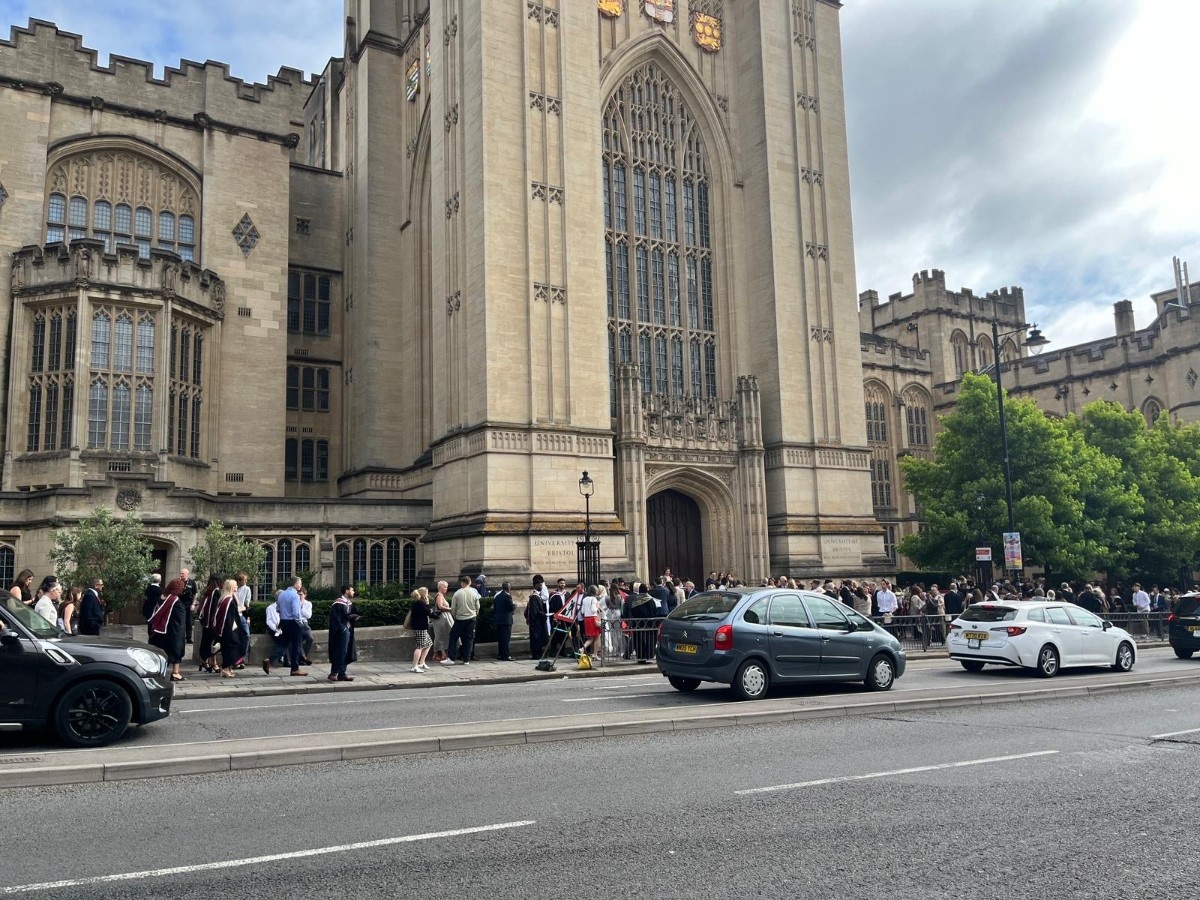
- The university has a great reputation and the city of Bristol itself is absolutely brilliant.
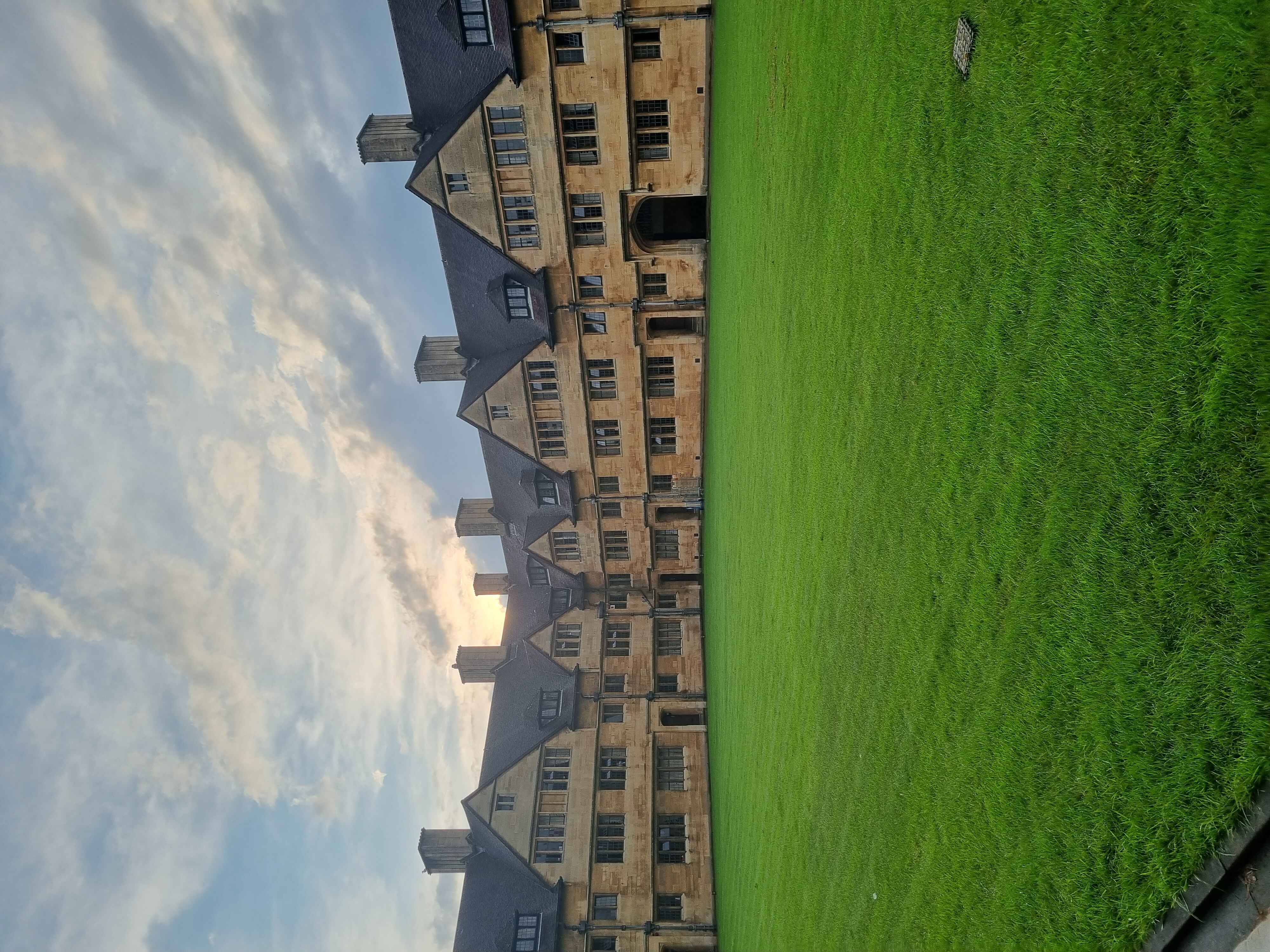
- The architecture is beautiful throughout the campus and the city, and the faculty is genuinely good.
- There is a strong academic culture and the Russell Group status really does show in the quality of teaching and resources.
Dislikes
- Accommodation is quite expensive and the general cost of living around the university area feels inflated.
- You really need to budget carefully, especially if you are living off campus.
Likes
- What I really liked about the MSc at the University of Bristol was its focus on 'Data Engineering' and practical application, not just abstract theory. Specifically, modules like 'Large-Scale Data Engineering' were a highlight for me. They didn't just teach us how to build a model in a notebook; they taught us how to deploy pipelines and handle data at scale—skills I immediately applied at Jaguar Land Rover to optimize ETL workflows. I also loved the Data Science Mini-Project, where we worked with external clients. It gave me early exposure to the reality of messy, real-world data and stakeholder management, which bridged the gap between academia and industry.
Dislikes
- If I had to pick a dislike, it would be that the program was extremely condensed. Because it covers everything from 'Introduction to AI' to complex 'Visual Analytics' in just one year, we often had to move very quickly through deep mathematical concepts. At times, I wished we had more time to linger on specific topics like Bayesian optimization or advanced time-series analysis within the lecture hours. However, this actually pushed me to be a self-starter; I ended up researching those specific topics deeply for my dissertation on stock trend prediction, so it ultimately refined my research skills.
Dislikes
- College is good, but it needs to work on how placement functions.


Likes
- Just to clarify, my course was jointly taught by 2 universities, UoB and UWE. and is managed by UoB. each of these universities have their own pros and cons.
- Both of these university had good infra, campus, and all the required facilities.
Dislikes
- Yet both of them lag in teaching. I will say the learning I got from these two is 2/10.
Likes
- I like the part where the university take good care of its student and how diverse Is the university which could to meet people and make friends across the world. It offers good life around it many clubs, unions and events.
Dislikes
- I didn’t like the part where university provides its masters courses only just for one year and how complicated it can be to understand its career service centre, and its short staff for career services for around 30000 students they literally around 20-30 people that’s it which is bad actually.
Likes
- Latest curriculum: when compared to my college in undergraduate the curriculum over here seems it gets revised a lot frequently
- State of the art facilities and labs: we have a lot of latest equipment in the lab
- Diverse international student community: There are people from all around the world
Dislikes
- Limited practical industry exposure compared to the academic focus: Compared to other courses which have capstone project done with industry we dont have that exposure
- Availability of specialized electives in emerging areas: there are no electives in this course at least for me so choose your program wisely
- Limited flexibility in tailoring modules to individual career goals: you expect this as you are paying so much and everyone says that foreign academics are the best
Scholarship
- There are multiple scholarships available for the university. im not too sure they give scholarships for a particular course. the most notable one is the Think big scholarship. you can find the details for that on the university's website. The only eligibility criterion was that you have applied for the course.
- There are 3 categories of tuition waivers that are 6.5k, 13k and 26k pounds per year. I know some students who received this scholarship and there are many other scholarships available which you can check on the university's website.
- Well for the numbers, the university doesn't disclose this data for post graduate students but I think the number is less, as I have not met many people who got this scholarship.

Likes
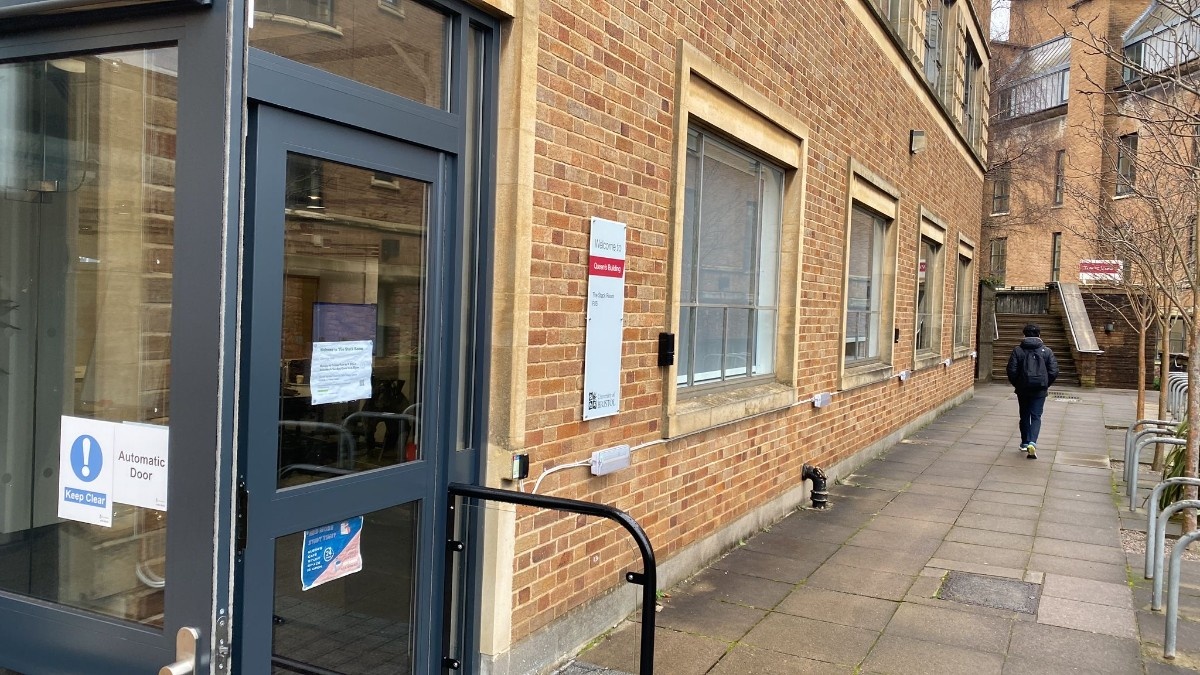
- I loved the infrastructure.
- Faculty is world class and made the experience at college easy.
- Student community support was helpful and made the journey as a student easier.
Dislikes
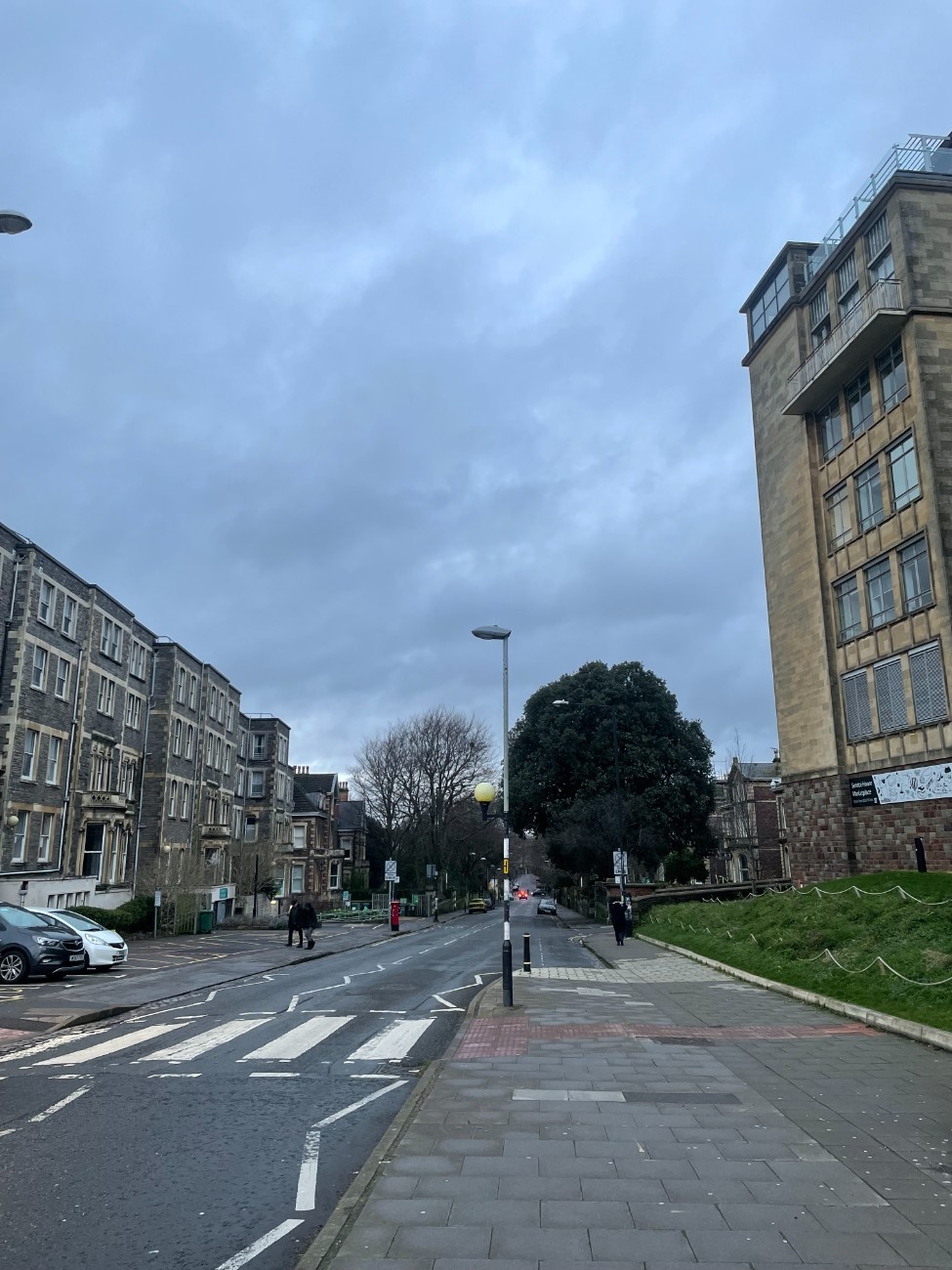
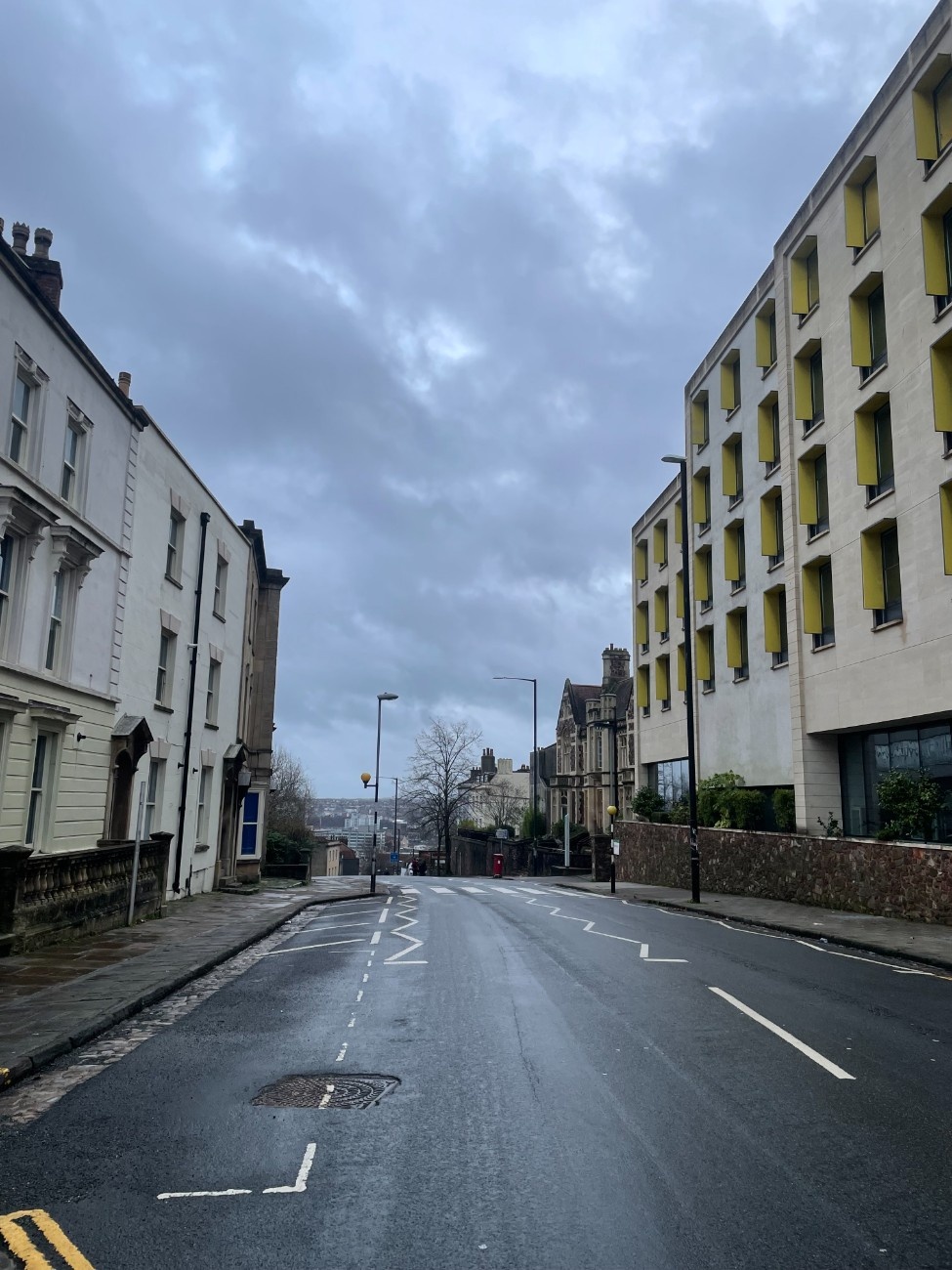
- It does not have a campus, it's spread throughout the city.

Likes
- City, Culture, Friendly Staffs
- People, Locals, Students, facilities
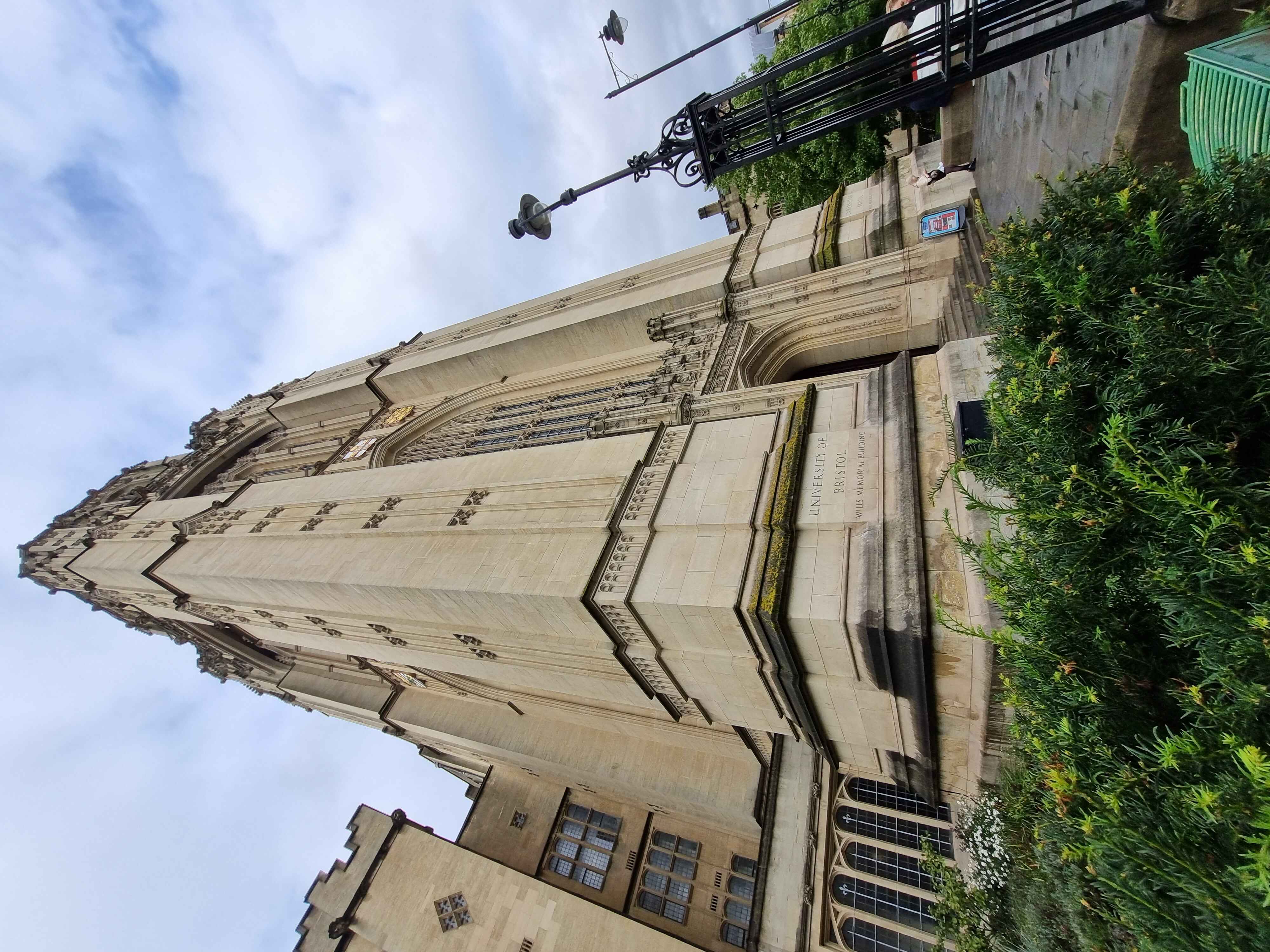
- Rich history, buildings, reputation.
Dislikes
- Could have better university accommodation especially for postgrad students
- Could have better harmonized University events rather than scattered events.
- Academic timelines can be adjusted but guess its same across all Unis in the UK so fair.
Likes
- I like that my course at the University of Bristol, had learned professors who had a lot of expertise in their subject and also an experience on how to teach the subject. They always linked theoretical knowledge with practical examples which helped to understand how is the theoretical knowledge linked with the practical implementations in real life.
- There were sufficient assignments given to us, along with synchronous and asynchronous classes and materials to gain more knowledge in all aspects.
- We were also provided with the names of books that were easily found in the library and e-books were also available for free from the library which helped a lot to get comprehensive details on the subject we were studying.
Dislikes
- There were language barriers sometimes where the professors were not able to be comprehensive about what they wanted to teach.
- What I didn't like was mostly that it was quite expensive. Even printouts were not free and took some amount and I being a person who wants hard copies of stuff, was facing some difficulties.
- There were not many practical sessions to get better practical exposure.
Overview
The University of Bristol was my second choice in terms of what university I should choose since it was the second best university in my course as it is very famous for engineering. I liked that it is one of the red brick universities since it is very reputed to be in the red brick universities. Moreover, it was in Bristol, which is a very beautiful place to be in. The curriculum intrigued me since all the subjects were that I wanted to study. I have a B.Tech degree in Electronics and Communication and 3.5 years of experience as a software engineer in networking. Thus, I had an interest in getting theoretical knowledge in computer networks, and I saw my curriculum matching all courses I was expecting to learn to bridge the gap between the practical and theoretical expertise that I wanted to acquire. I thus accepted my offer of admission. My overall experience at the university was more than hopeful. I got to learn so much, including studies and extracurriculars, talking to various people from all parts of the world, and living with each other with fun and laughter. People in the university being so helpful, motivating, and persuading me to reach my goal helped me reach new heights. It has built confidence in me, and it feels like a dream coming true.
Likes
- It has a very reputable image and part of prestigious community plus it is a top 9th University in Bristol.
Dislikes
- One aspect of my college/university experience that I find particularly challenging is the lack of flexibility in the curriculum. Many of the courses are structured in a rigid manner, leaving little room for exploration or customization based on individual interests or career goals. This limited flexibility can be frustrating, especially for students who seek to delve deeper into specific subjects or pursue interdisciplinary studies. Additionally, the scheduling of classes and availability of elective courses often pose constraints, making it difficult to create a well-rounded educational experience. Furthermore, the bureaucratic processes within the institution can sometimes hinder efficient communication and problem-solving, leading to delays and inefficiencies in academic matters. Overall, while I appreciate the resources and opportunities provided by my college/university, I believe that greater flexibility and adaptability in the curriculum and administrative processes would greatly enhance the learning experience for students.
Overview
My experience was good, overall it was worth going there, but I find that the experience counts more than the studies.
Scholarship
No

interested in this College ?
Follow & Share this college to get information about admission.



Comments