





Admissions status: Open. The September 2027 primary intake is open on the RISIS postgraduate portal, with a recommended visa-clearing deadline of 1 July 2027. The UCAS 2027 undergraduate cycle opens on 1 September 2026, with the equal-consideration deadline on 13 January 2027. Reading charges no application fee for master’s programmes; the UCAS system fee for the 2027 UG cycle is GBP 29.50 (around INR 3,856).
University of Reading admissions run on a two-track system for Indian students: undergraduate applications route through UCAS (Reading’s institution code is R12), while master’s and PhD applications go directly to the RISIS portal. The undergraduate floor is 70 to 83 percent in Class XII depending on the programme, and master’s programmes ask for a three-year Bachelor’s at 50 to 85 percent or a GPA of 6.0 to 8.5 on a 10-point scale.
- Next live deadline: January 2027 intake for master’s programmes closes on the RISIS portal on 1 November 2026; September 2027 intake opens now.
- Base tuition and fees: PG tuition sits at GBP 25,850 to 31,650 (around INR 33.79 to 41.37 Lakhs) per year; Reading charges no application fee, and the UCAS platform fee for UG is GBP 29.50 (around INR 3,856).
- Eligibility floor: UG asks Class XII at 70 to 83 percent plus IELTS 6.5 (5.5 each band); PG asks a Bachelor’s at 50 percent or higher with the same IELTS floor.
- Acceptance rate: an estimated 20 to 30 percent across international applications, moderately selective for the QS World rank of 194.
Popular Indian-applicant programmes include the MSc Finance, MSc Construction Management, MSc Data Science, and the Henley full-time MBA. Reading rests in the QS top-200 ranking band, and Indian students on Reddit and alumni forums flag the September start, direct email support from admissions, and the CBSE/ICSE English waiver as the three biggest process advantages over most other UK options; see the University of Reading overview for the campus, placements, and living-cost picture.
Table of Contents
- University of Reading Application Deadlines
- Reading Eligibility for Indian Students
- University of Reading PG Programs and English Scores
- Reading UG Programs and Class XII Cut-offs
- Henley MBA at University of Reading
- Reading PhD Admissions and Funding
- University of Reading Application Process
- Documents Required for Reading Applications
- University of Reading Acceptance Rate
- UK Student Visa Process for Indian Students
- Tips and Checklist for Reading Admissions
- University of Reading Admissions: Frequently Asked Questions
University of Reading Application Deadlines
Reading runs two intakes each year, per the official master’s application page. September is the primary intake, where every taught master’s, undergraduate degree, and MBA opens; January carries a smaller taught-master’s slate. Reading does not charge an application fee for master’s programmes, so the only fee at application stage is the UCAS system fee for UG applicants.
University of Reading’s primary intake for Indian students is September — most programmes open here.
| Intake | Level | App Opens | Deadline | App Fee | Portal |
|---|---|---|---|---|---|
| September 2027 (Primary intake) | UG | 1 September 2026 | 13 January 2027 | GBP 29.50 (INR 3,856) | UCAS |
| September 2027 (Primary intake) | PG taught | Open now | 1 July 2027 (visa recommended) | No fee | RISIS |
| September 2027 (Oxbridge/medicine only) | UG | 1 September 2026 | 15 October 2026 | GBP 29.50 (INR 3,856) | UCAS |
| January 2027 | PG taught | Open now | 1 November 2026 | No fee | RISIS |
| September 2027 | Henley full-time MBA | Open now | 1 July 2027 (rolling) | No fee | RISIS |
| Rolling | PhD | Year-round | Aligned to supervisor and funding | No fee | RISIS |
Planning note: The UCAS 2027 cycle opens on 1 September 2026. Indian applicants requiring the January equal-consideration slot should have their personal statement, predicted grades, and referee ready in August, since UCAS submissions cannot be made before 1 September.
University of Reading Eligibility for Indian Students
Reading assesses Indian qualifications on a programme-by-programme basis, with the university-wide floors drawn from the Reading English language requirements page. Academic thresholds sit alongside an English proficiency floor; a country-specific IELTS waiver is available to most, but not all, Indian applicants.
- UG general entry: Class XII at 70 to 83 percent, with the exact floor set by the programme. Prerequisite subjects apply for STEM and Life Sciences.
- PG taught entry: Three-year Bachelor’s at 50 to 85 percent, or GPA 6.0 to 8.5 on a 10-point scale, with the floor tied to your awarding institution’s UK-recognised band.
- Henley MBA entry: Good first degree plus at least three years of managerial experience, English at IELTS 7.0.
- PhD entry: Master’s with merit or distinction in a related field, plus a research proposal aligned to a Reading supervisor.
| Test | UG minimum | PG minimum | Henley MBA |
|---|---|---|---|
| IELTS Academic | 6.5 (5.5 each) | 6.5 (5.5 each) | 7.0 (6.0 each) |
| TOEFL iBT | 88 (L17, W17, R18, S20) | 88 (L17, W17, R18, S20) | 100 |
| PTE Academic | 69 (59 each) | 69 (59 each) | 76 |
| Duolingo | 125 (100 each) | 125 (100 each) | 140 |
Reading IELTS Waiver for Indian Students
Reading waives the IELTS requirement for Indian applicants who meet a Class XII English score threshold. CBSE and ICSE candidates need at least 70 percent in Class XII English; State Board and other Indian board candidates need at least 75 percent. The waiver applies across UG and most PG programmes.
Exceptions where the waiver does not apply: Speech and Language Therapy (needs IELTS 8.0 overall, 7.5 in each band), BA English Language and Literature, and the Henley MBA. Applicants to these programmes must sit a formal English test regardless of Class XII English marks.
University of Reading PG Programs and English Scores
Master’s applications sit inside the RISIS portal and open year-round for the September 2027 intake, with the January 2027 intake closing on 1 November 2026. Base tuition across PG programmes ranges from GBP 25,850 to 31,650 (around INR 33.79 to 41.37 Lakhs) per year; see the course-wise fees breakdown for per-programme figures.
| Programme | Duration | Minimum Eligibility | English Req. Min. |
|---|---|---|---|
| MSc Finance | 12 months | Bachelor’s with 60%+ in a numerate discipline | IELTS 6.5 |
| MSc Construction Management | 12 months | Bachelor’s with 55%+ in engineering, construction, or built environment | IELTS 6.5 |
| MSc Data Science and Advanced Computing | 12 months | Bachelor’s with 55%+ in CS, maths, or a related discipline | IELTS 6.5 |
| MSc International Business and Finance | 12 months | Bachelor’s with 55%+ in any discipline, quantitative background preferred | IELTS 6.5 |
| MSc Climate Change and Development | 12 months | Bachelor’s with 55%+ in environmental science, geography, or a related field | IELTS 6.5 |
| MSc Cyber Security | 12 months | Bachelor’s with 55%+ in CS or a related field | IELTS 6.5 |
| LLM International Commercial Law | 12 months | LLB with 55%+ or equivalent | IELTS 7.0 (6.0 each) |
| MA International Relations | 12 months | Bachelor’s with 55%+ in politics, IR, or a related field | IELTS 7.0 (6.0 each) |
| MSc Real Estate | 12 months | Bachelor’s with 55%+ in any discipline | IELTS 6.5 |
Note: Program-specific entry requirements, fees, and intake availability may differ from the institution-wide minimums shown above. Always confirm on the official University of Reading page for your chosen program before applying.
Insider note: Reading issues offers on a rolling basis for PG applications. Indian applicants applying by mid-February typically receive a conditional offer within 4 to 6 weeks, leaving a comfortable window to arrange finances, sit IELTS if needed, and clear the visa timeline before the September start.
University of Reading UG Programs and Class XII Cut-offs
Undergraduate applications for September 2027 entry route through UCAS, using Reading’s institution code R12. Base tuition for international undergraduates sits between GBP 25,850 and 30,650 (around INR 33.79 to 40.06 Lakhs) per year, depending on programme, with the higher end reserved for laboratory, agriculture, and food science courses.
| Programme | Duration | Minimum Eligibility | English Req. Min. |
|---|---|---|---|
| BSc Computer Science | 3 years | Class XII at 75%+ including Mathematics | IELTS 6.5 |
| BA International Relations | 3 years | Class XII at 70%+ in five academic subjects | IELTS 6.5 |
| BSc Economics | 3 years | Class XII at 80%+ including Mathematics | IELTS 6.5 |
| BA English Language and Literature | 3 years | Class XII at 75%+ with 80% in English | IELTS 7.0 (6.0 each) |
| BSc Meteorology and Climate | 3 years | Class XII at 75%+ with Mathematics and Physics | IELTS 6.5 |
| BSc Pharmacy (MPharm) | 4 years | Class XII at 83%+ with Chemistry and Biology | IELTS 6.5 (6.0 each) |
Henley MBA at University of Reading
Reading delivers the MBA through Henley Business School at the Greenlands campus, a Triple-Crown-accredited school with a UK top-10 reputation for its MBA cohort. Three MBA variants are offered: Full-Time MBA (12 months), Executive MBA (24 to 30 months, part-time and delivered in Malaysia, Denmark, and the UK), and the Flexible Executive MBA (30 months, online plus on-campus workshops).
| MBA Variant | Experience floor | Duration | Next intake |
|---|---|---|---|
| Full-Time MBA | 3 years managerial | 12 months | September 2027 |
| Executive MBA (Global) | 5 years managerial | 24 months | January 2027 and September 2027 |
| Flexible Executive MBA | 3 years managerial (no degree pathway with 7+ years senior experience) | 30 months | January 2027 and September 2027 |
Henley MBA English and Test Requirements
The MBA needs IELTS 7.0 overall with 6.0 in each band and does not accept the Class XII English waiver open to other Reading programmes. Henley does not require GMAT or GRE for admission, but a strong quantitative background helps. Applicants are shortlisted on file review and then invited to a competency-based admissions interview with a Henley MBA director, typically 3 to 4 weeks after submission.
Base Tuition and Funding
Base tuition for the Henley Full-Time MBA is GBP 44,900 (around INR 58.69 Lakhs) for 2026-27. See the Reading course-wise fees breakdown for MBA variant pricing.
University of Reading PhD Admissions and Funding
PhD applications are submitted through the RISIS portal year-round, with three main entry points: October, February, and April. Every PhD application must be attached to an identified Reading supervisor, so the workflow starts with a pre-application email to the target school.
How Indian Students Apply
- Identify a Reading academic and email a two-page research proposal for informal endorsement.
- Once the supervisor confirms interest, submit the formal RISIS application with proposal, CV, transcripts, and two academic references.
- Fully-funded scholarship candidates apply in parallel to the school’s PhD funding calls, typically closing in January 2027 for the October 2027 start.
PhD Stipend at Reading
UKRI-aligned PhD stipends at Reading for the 2025-26 academic year stand at GBP 22,780 (around INR 29.78 Lakhs) per year, plus a full tuition-fee waiver at the home rate. International fee-waiver scholarships are announced school by school; the Doctoral and Researcher College lists live calls. For a full picture of external funding open to Indian PhD applicants, see the Reading funding for Indian students guide.
University of Reading Application Process
The Reading application flow splits by level. Undergraduates use UCAS on a fixed cycle; postgraduates and doctoral candidates apply directly through the RISIS portal.
Undergraduate route (UCAS)
- Register a UCAS account and select up to five course choices. UCAS opens on 1 September 2026 for the 2027 entry cycle.
- Pay the UCAS platform fee of GBP 29.50 (around INR 3,856) at submission. Reading does not charge a separate application fee.
- Submit the personal statement, predicted grades, and one academic reference by 13 January 2027 for equal consideration.
- Reading responds via UCAS Hub within four to eight weeks; accept as Firm or Insurance and meet the CAS conditions.
Postgraduate and PhD route (RISIS)
- Create a RISIS applicant account and complete the programme-specific form.
- Upload transcripts, degree certificate (or interim results), passport bio page, SOP, two academic references, and English test score.
- Submit the application. Reading does not charge a PG or PhD application fee.
- Accept the offer, pay the tuition deposit of GBP 2,000 (around INR 2.61 Lakhs), satisfy any English conditions, and receive your CAS by email.
Admission Decisions and Deferral
Reading returns most PG decisions within 4 to 6 weeks of a complete application. Offer letters state a firm acceptance deadline (usually one month for conditional offers, three months for unconditional). Deferrals to the next intake are considered case by case and are typically processed within four weeks of a written request.
Documents Required for Reading Applications
The Reading document checklist is short but strict: the RISIS portal will not process an application without every mandatory upload. Have scanned PDFs ready before starting the form to avoid session timeouts.
- Passport bio-data page, valid for at least 6 months beyond the course end date.
- Class X and Class XII marksheets (Indian secondary and senior-secondary certificates).
- Bachelor’s degree transcripts and provisional or final degree certificate; interim transcripts for candidates still in the final year.
- Two academic references on institutional letterhead; managerial references for MBA and executive PG applicants.
- Statement of Purpose of 500 to 1,000 words, addressing your fit with the specific Reading programme.
- Updated CV listing academic history, internships, projects, and any relevant work experience.
- English test score report (IELTS, TOEFL, PTE, or Duolingo), or a Class XII English marksheet if claiming the CBSE/ICSE/State Board waiver.
- Passport-size photograph in line with UKVI specifications.
- Financial documents for CAS issuance and visa, drawn from a family or self bank account.
University of Reading Acceptance Rate
Reading does not publish an official institutional acceptance rate. Independent trackers estimate the international-applicant admit rate at 20 to 30 percent, based on the visible fill rate across its September intakes and the moderately selective profile of a QS top-200 university. Indian applicants meeting the stated eligibility floor and English requirement typically fare better than the headline rate suggests, since Reading’s PG portfolio is admissions-oriented rather than yield-capped.
What Improves an Indian Application’s Odds
- Overshoot the floor: a Bachelor’s at 65 percent-plus (against the 50 to 55 percent floor) meaningfully lifts your file for competitive MSc programmes in Finance, Data Science, and Cyber Security.
- Programme-fit SOP: Reading readers weight fit heavily; a generic SOP is the single most common reason for a soft rejection.
- Early submission: October-to-December PG submissions carry the highest offer rate, since scholarship funds and popular electives are still open.
Where the Rate Tightens
Henley MBA, Speech and Language Therapy, and Meteorology run tighter than the institutional band, with the MBA at roughly 15 to 20 percent and Speech and Language Therapy under 10 percent by cohort size.
Insider note: Reading’s admissions team is unusually responsive by UK standards. A brief, specific email to the school office (not the central inbox) about a border-line qualification often returns a definitive answer within 3 to 5 working days.
UK Student Visa Process for Indian Students
Indian applicants to Reading apply for the UK Student Route visa (formerly Tier 4) once Reading issues a CAS (Confirmation of Acceptance for Studies). The visa is granted by UK Visas and Immigration and processed at TLScontact centres across India.
The core visa steps: complete the online application at gov.uk, pay the visa fee of GBP 490 (around INR 64,048) and the Immigration Health Surcharge of GBP 776 per year (around INR 1.01 Lakhs), book biometrics at your nearest visa application centre, and clear a UKVI-approved TB test at an IOM-listed clinic. Standard decisions arrive within three weeks; the Priority service returns a decision in five working days for an extra GBP 500 (around INR 65,355).
Financial proof for Reading, which sits outside London, requires GBP 1,483 per month for up to nine months (around INR 1.94 Lakhs per month), held in a bank account for 28 consecutive days without dropping below the threshold. Tuition-fee balance after any deposit paid also needs to sit in the account or be evidenced through an approved loan sanction letter.
2026 update: UKVI raised the maintenance-fund requirement in January 2026 and the IHS in April 2026. Refresh both numbers on the official gov.uk visa page one week before submission, since UKVI updates rates without prior notice.
Tips and Checklist for University of Reading Admissions
The following tips and steps are drawn from Indian-applicant patterns at Reading and reflect what makes the Reading process feel calmer than most UK applications, if you sequence it right.
- Confirm the English waiver early: if your Class XII English is 70 percent (CBSE/ICSE) or 75 percent (State Board), email the school office before submitting so the waiver is noted on file — this avoids a conditional offer.
- Target October to December PG submission: file the RISIS application 4 to 6 months before the intake to secure both a decision and scholarship consideration.
- Request transcripts 8 weeks before deadline: Indian university transcript turnaround is the single most common bottleneck for a January 2027 UCAS submission or a November 2026 PG deadline.
- Book IELTS by end of October if you cannot claim the waiver, so a re-sit is possible before the equal-consideration date.
- Pay the GBP 2,000 tuition deposit within 30 days of accepting the PG offer to trigger the CAS pipeline.
- Hold the maintenance funds for 28 days before your visa application date, in a personal or parental account with an official relationship letter if the latter.
- Book biometrics as soon as CAS arrives: TLScontact slots in Delhi, Mumbai, Bengaluru, and Chennai tighten between May and August.
- Complete UKVI-approved TB test 2 weeks before biometrics — the certificate is valid for six months and must be uploaded before the appointment.
Reading is a good-value option for Indian students who value a September start with a genuine second intake in January, a Class XII English waiver that removes IELTS for most candidates, and a strong Henley Business School badge for finance and management applicants. Sequence the RISIS submission early, target October to December for the September 2027 intake, and use the direct school-office email route to resolve any borderline call.
University of Reading Admissions: Frequently Asked Questions
Ques. Does the University of Reading charge an application fee?
Ans. Reading does not charge an application fee for master’s, MBA, or PhD programmes submitted through the RISIS portal. Undergraduate applicants pay the UCAS platform fee of GBP 29.50 (around INR 3,856), which UCAS collects on behalf of the system, not Reading.
Ques. Do Indian students need IELTS for University of Reading?
Ans. Most programmes waive IELTS for Indian applicants who scored at least 70 percent in Class XII English (CBSE or ICSE) or 75 percent (State Board and other boards). Speech and Language Therapy, BA English Literature, and the Henley MBA require a formal test regardless.
Ques. When does the University of Reading application open for September 2027?
Ans. The RISIS postgraduate portal accepts September 2027 master’s applications now, and the UCAS 2027 undergraduate cycle opens on 1 September 2026. The UCAS equal-consideration deadline is 13 January 2027.
Ques. What is the January 2027 intake deadline at Reading?
Ans. The January 2027 taught master’s deadline on the RISIS portal is 1 November 2026. The January intake carries a smaller programme slate than September, so confirm your course is offered before applying.
Ques. What is the minimum GPA for University of Reading master’s admission?
Ans. Reading asks for a three-year Bachelor’s at 50 to 85 percent, or GPA 6.0 to 8.5 on a 10-point scale, with the exact floor tied to your awarding Indian institution’s UK-recognised band. Competitive MSc programmes typically expect 60 percent or higher.
Ques. How long does University of Reading take to reply to a master’s application?
Ans. Reading returns most postgraduate decisions within 4 to 6 weeks of a complete application. Decisions on borderline files or programmes needing academic review can stretch to 8 weeks.
Ques. Does the Henley MBA at Reading require GMAT?
Ans. No. The Henley Full-Time MBA does not require GMAT or GRE. Applicants must show at least three years of managerial experience, a good first degree, and IELTS 7.0 with 6.0 in each band, followed by a competency-based admissions interview.
Ques. How much is the University of Reading tuition deposit?
Ans. The standard tuition deposit for international postgraduate offer-holders is GBP 2,000 (around INR 2.61 Lakhs). The deposit is due within 30 days of accepting the offer and triggers CAS issuance.
Ques. What documents does University of Reading require from Indian applicants?
Ans. Reading requires a passport bio-data page, Class X and XII marksheets, Bachelor’s transcripts and certificate, two academic references, a Statement of Purpose, an updated CV, an English test score report (or Class XII English marksheet for waiver), a passport-size photo, and financial documents for CAS.
Ques. What is the University of Reading acceptance rate for Indian students?
Ans. Reading does not publish an official rate. Independent estimates place the international admit rate at 20 to 30 percent, with Indian applicants who meet the eligibility floor and English requirement typically faring better on programmes outside the Henley MBA, Speech and Language Therapy, and Meteorology cohorts.
Ques. Can I defer my University of Reading offer to the next intake?
Ans. Yes. Reading accepts deferral requests through an online form and processes most within four weeks. Deferrals are considered case by case; the deposit is transferred to the deferred intake if approved.
Ques. What visa do Indian students need for University of Reading?
Ans. Indian students apply for the UK Student Route visa (formerly Tier 4) once Reading issues a CAS. The application fee is GBP 490 (around INR 64,048), the Immigration Health Surcharge is GBP 776 per year (around INR 1.01 Lakhs), and standard decisions arrive within three weeks.
College Student Profiles

University of Reading Program Fees & Deadlines
| Program | Important Dates | Fees | Application Fees | Eligibility | Financial Aid |
|---|---|---|---|---|---|
MSc Science Finance 1 year | USD 38,478 /Yr GBP 29,150 /Yr | - | IELTS: 6.5, good second-class degree with numeracy | ||
Spring 2027 intake application deadline (1st Feb 2027) | USD 34,914 /Yr GBP 26,450 /Yr | - | IELTS: 6.5, 2:2 honours degree or equivalent | ||
Fall 2027 international application deadline (1st Jul 2027) | USD 41,778 /Yr GBP 31,650 /Yr | - | IELTS: 7.0, 2:1 degree in psychology with an empirical project | ||
MSc Project Management 1 year | Spring 2027 intake application deadline (1st Feb 2027) | USD 34,914 /Yr GBP 26,450 /Yr | - | IELTS: 6.5, 2:2 honours degree or equivalent | |
BSc Building Surveying 3 years | UCAS 2027 undergraduate application deadline (13th Jan 2027) | USD 35,442 /Yr GBP 26,850 /Yr | 29 | IELTS: 6.5, TOEFL: 88, Duolingo: 125 | |
Fall 2027 international application deadline (1st Jul 2027) | USD 41,778 /Yr GBP 31,650 /Yr | - | IELTS: 6.5, 2:2 degree in a relevant subject | ||
BSc Biochemistry 3 years | UCAS 2027 undergraduate application deadline (13th Jan 2027) | USD 41,976 /Yr GBP 31,800 /Yr | 29 | IELTS: 6.5, TOEFL: 88, Duolingo: 125 | |
BScc Geography (Physical) 3 years | UCAS 2027 undergraduate application deadline (13th Jan 2027) | USD 41,976 /Yr GBP 31,800 /Yr | 29 | IELTS: 6.5, TOEFL: 88, Duolingo: 125 | |
Fall 2027 international application deadline (1st Jul 2027) | USD 41,778 /Yr GBP 31,650 /Yr | - | IELTS: 6.5, high 2:2 degree in a relevant quantitative subject | ||
UCAS 2027 undergraduate application deadline (13th Jan 2027) | USD 41,976 /Yr GBP 31,800 /Yr | 29 | IELTS: 6.5, TOEFL: 88, Duolingo: 125 |
Do you think the Dates are wrong ? Report Here


Course Finder - Search from 50K+ courses
Popular Streams:
Reviews
Most Popular Tags
13 Reviews Found
Likes
- Diverse cohort from over 20 nationalities, supportive faculty, state of the art campus (accommodation, sports facilities, cafes, library), international project trip.
Dislikes
- Not much support towards placements as advertised.
Likes
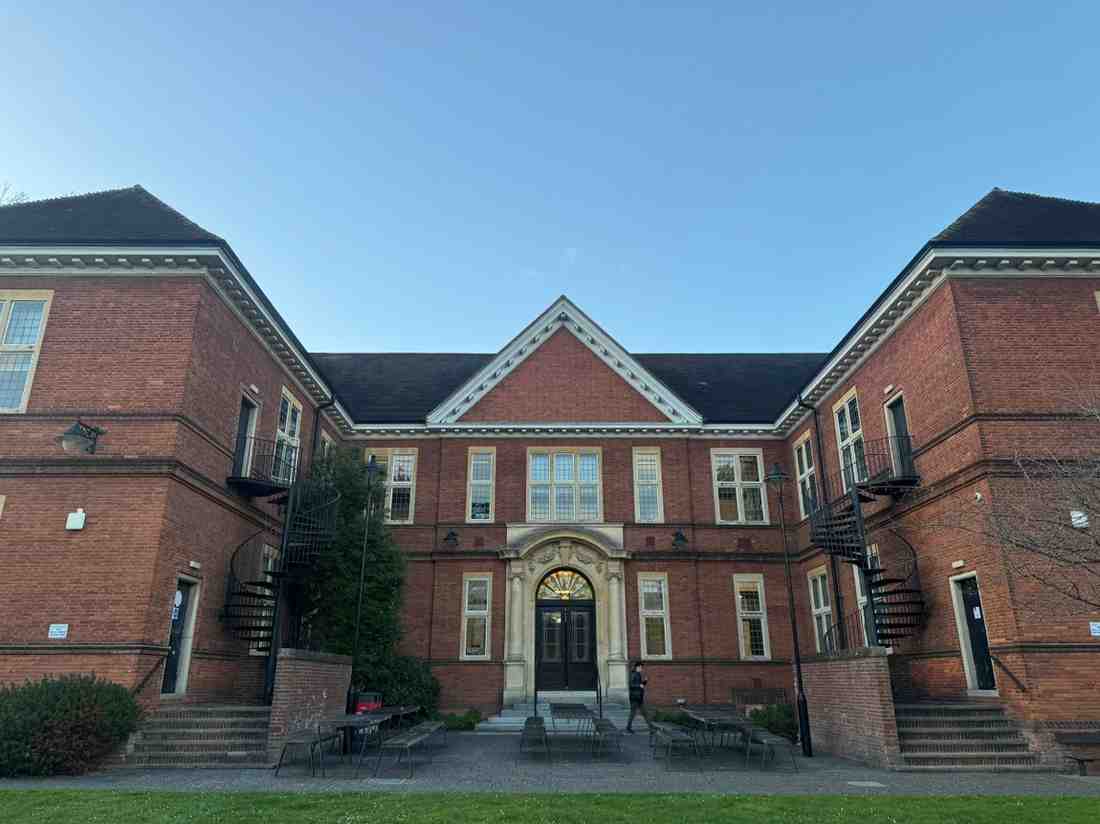
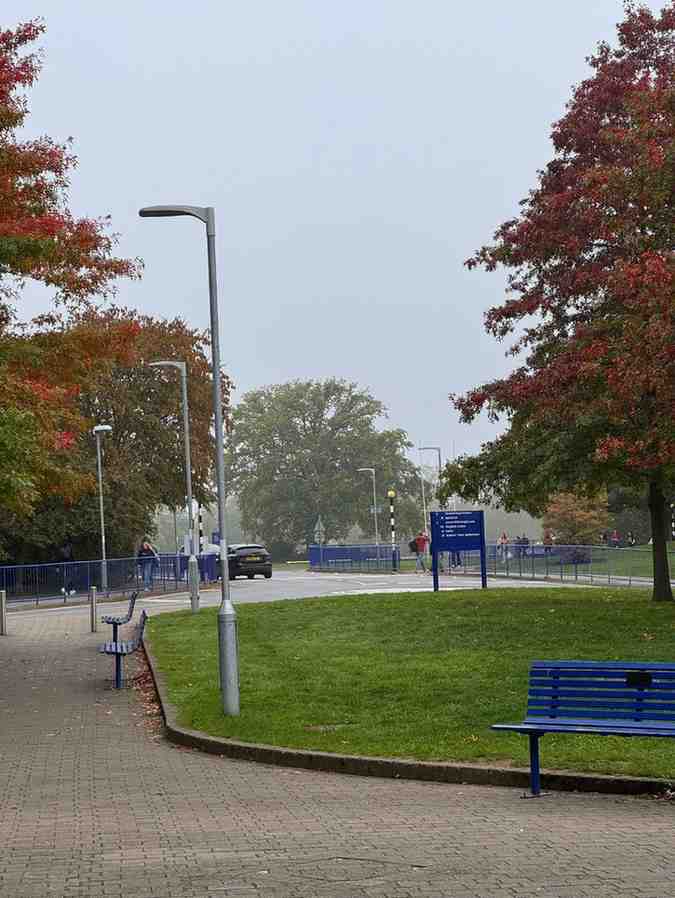
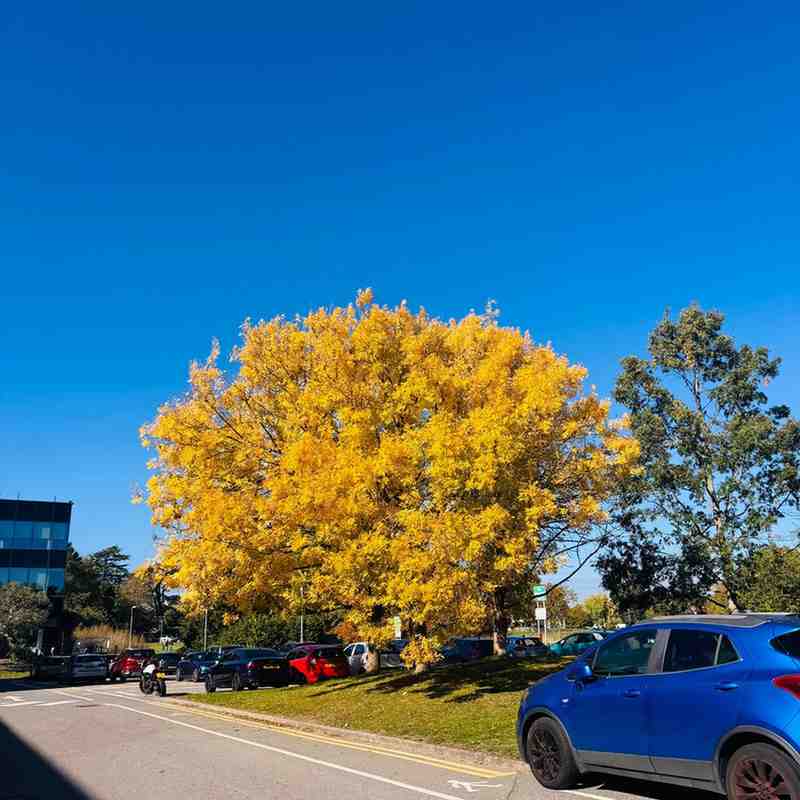
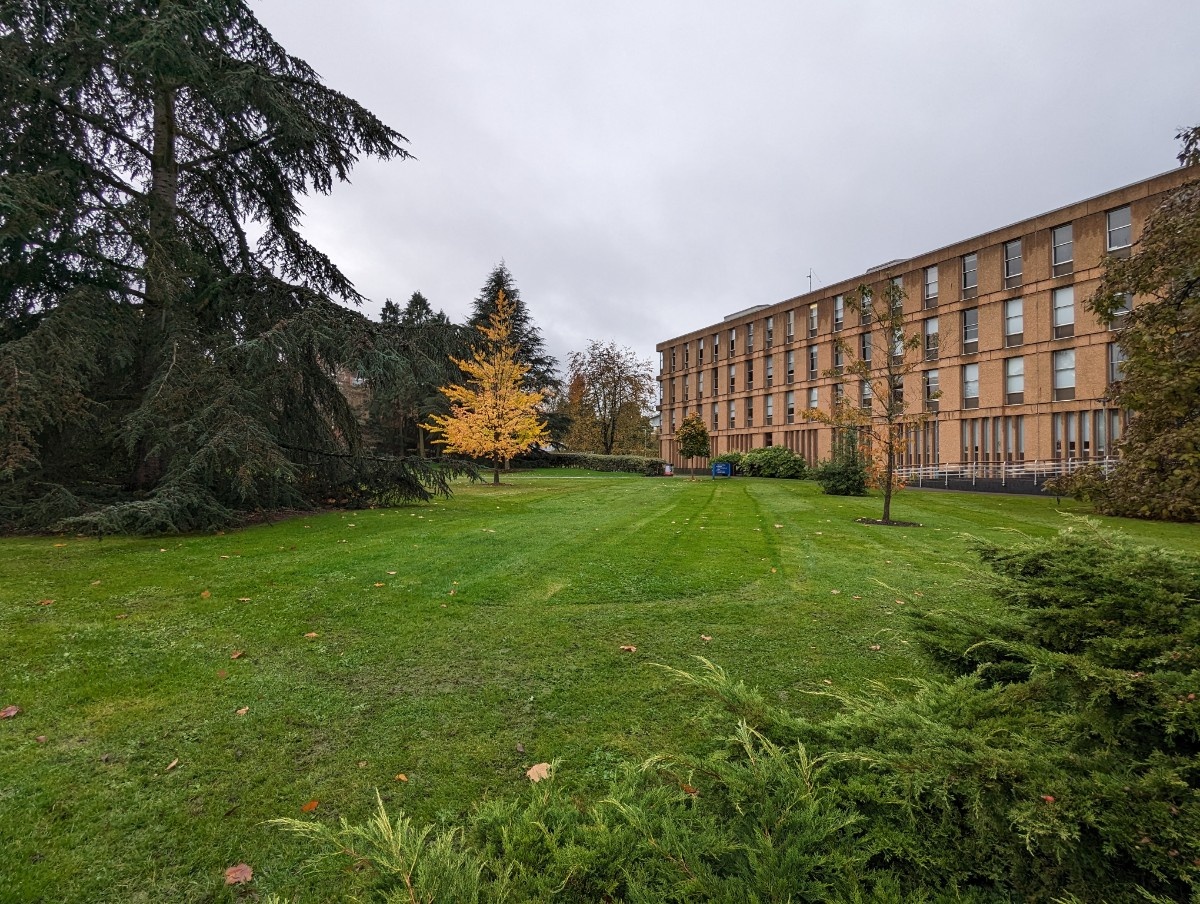
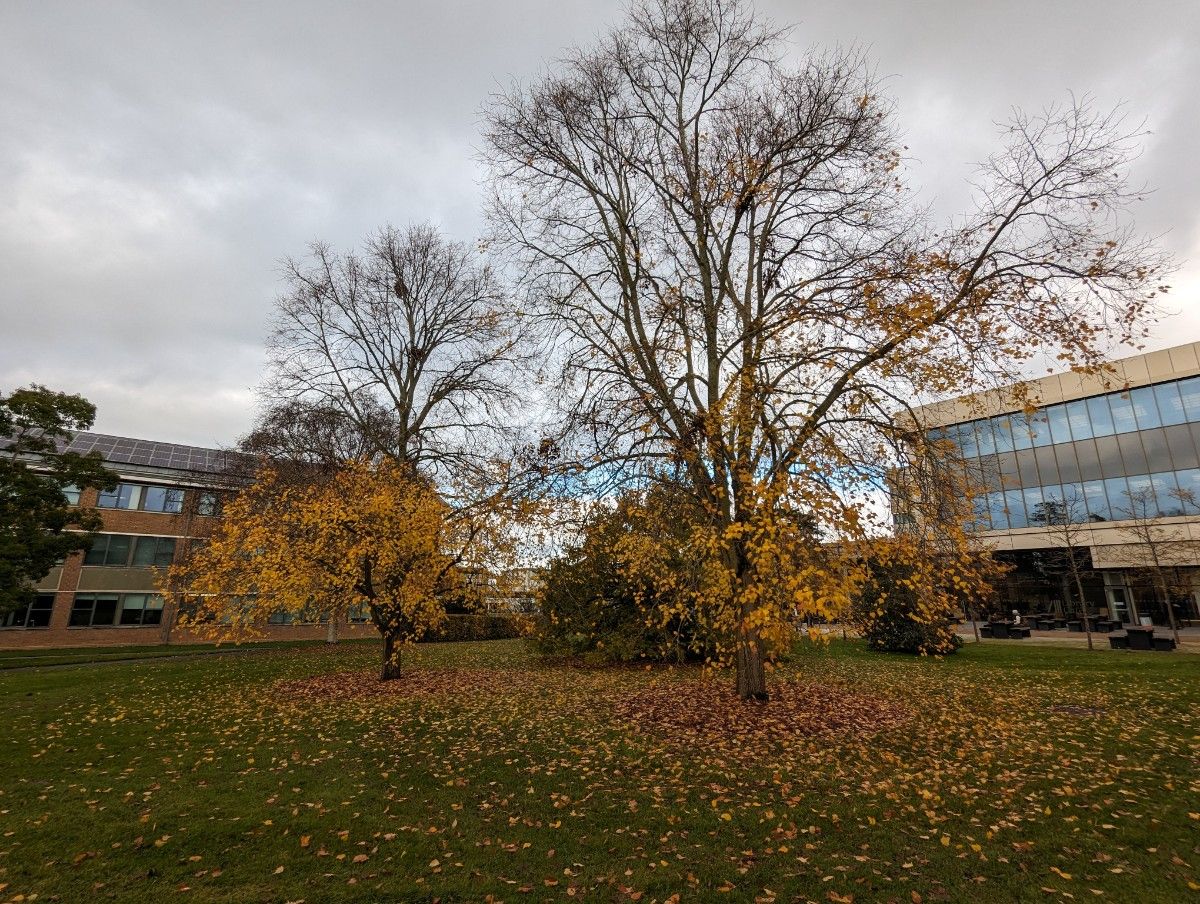
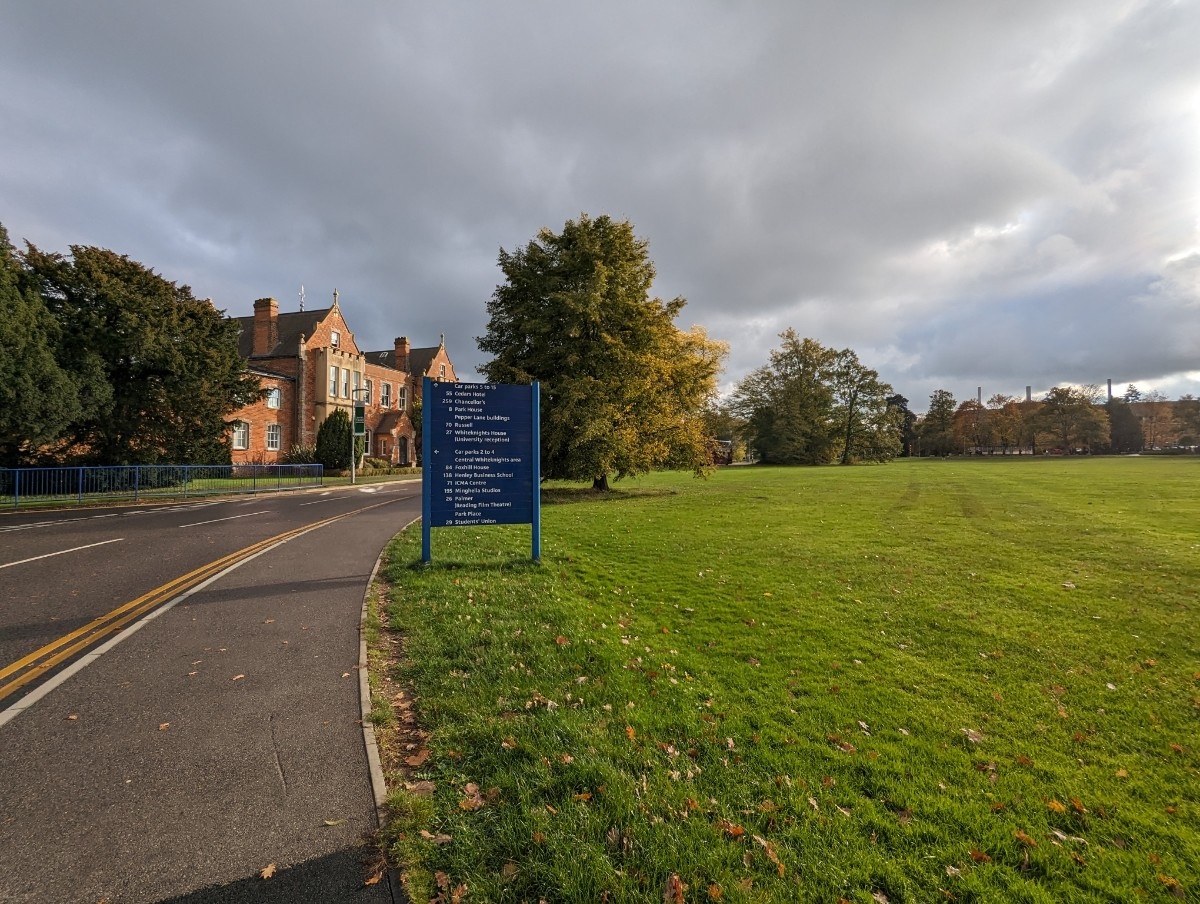
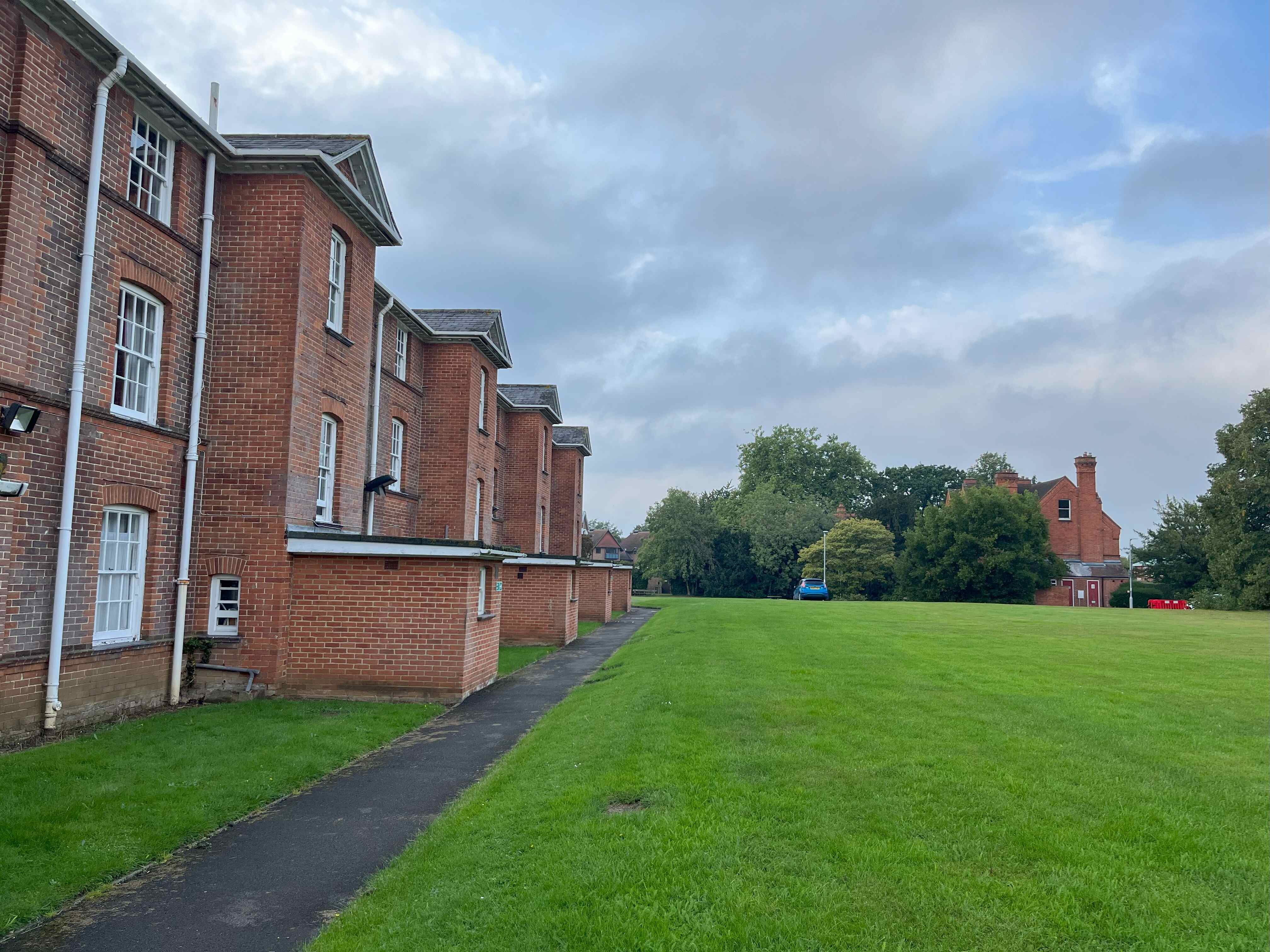
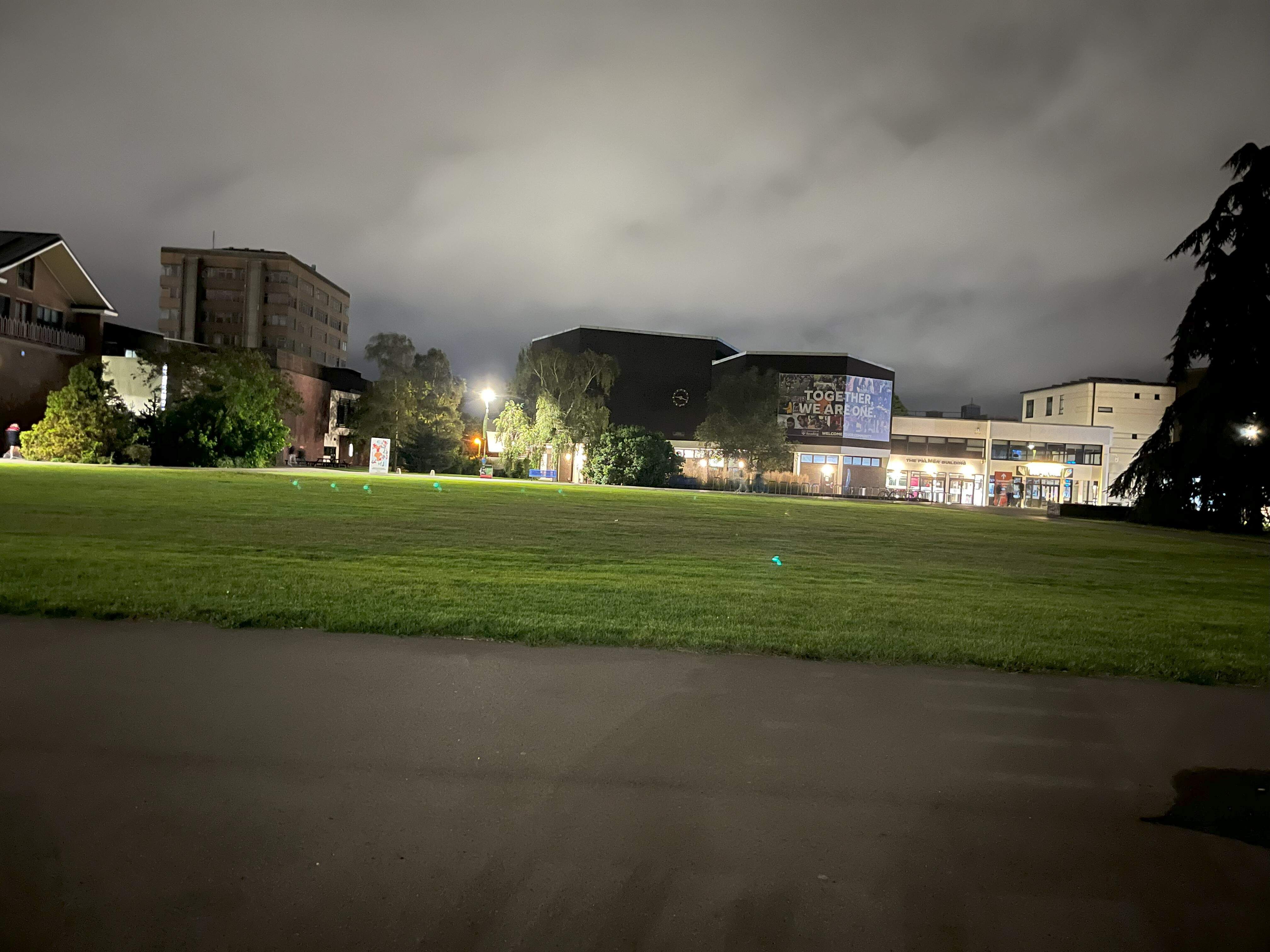
- Studying at University of Reading is delightful because of the campus's abundance of open space, lake, and greenery.
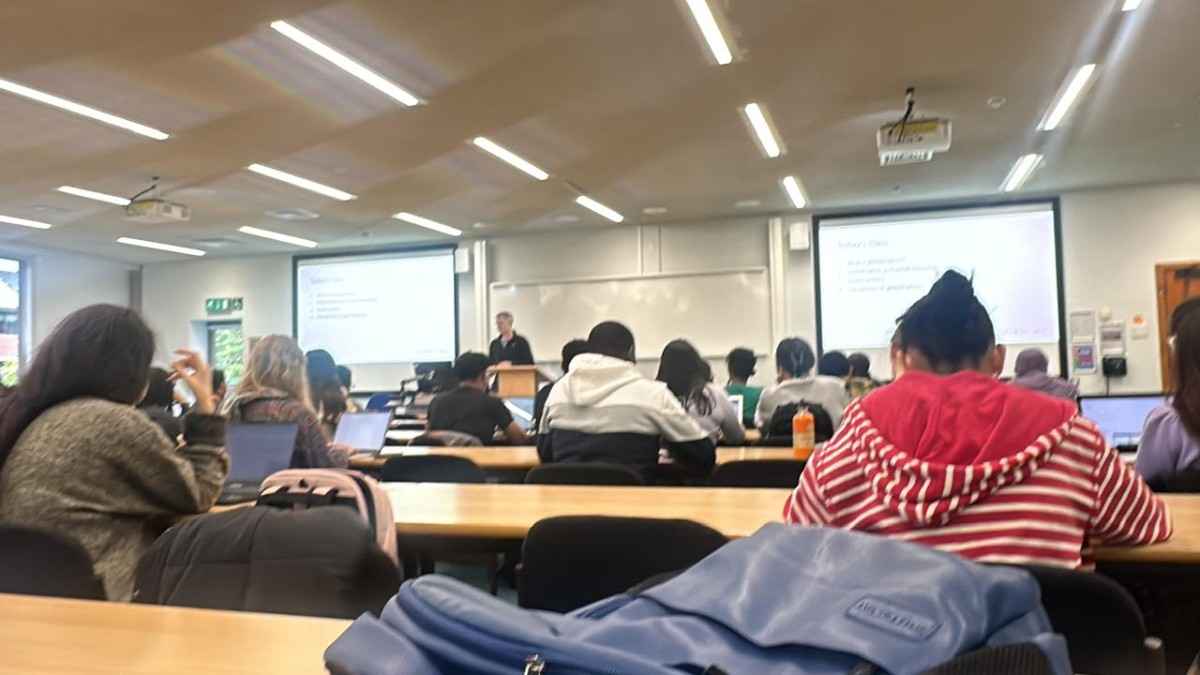
- A lot of instructors are friendly and helpful, particularly when it comes to advice on projects and research.
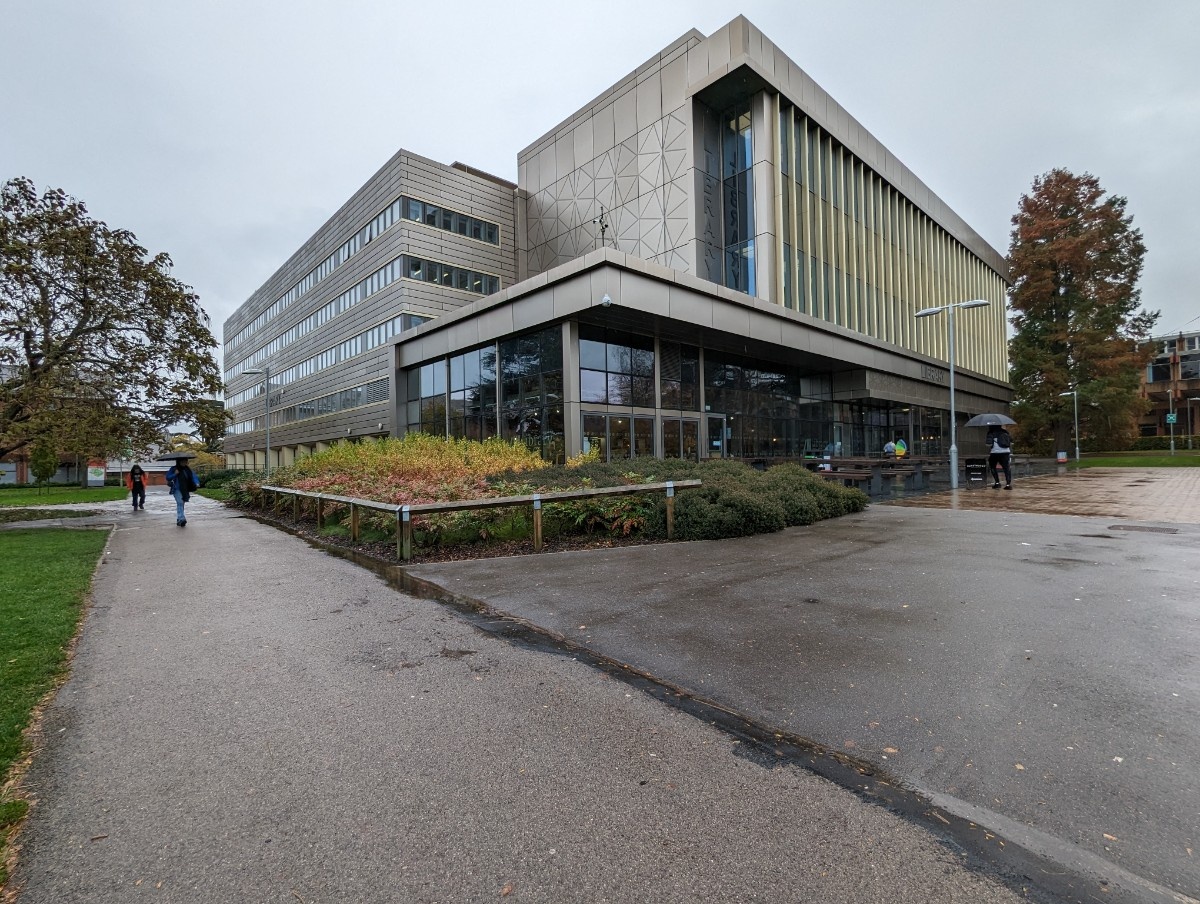
- The labs, study areas, library, and internet services are all up-to-date and kept up.
Dislikes
- The cost of living was bit high.
- The part time jobs were limited on campus.
- The class sizes were large.
Scholarship
- Yes. I was awarded £5000 for merit. I received a Centenary Scholarship. Scholarships are offered for the University of Reading's MSc in Food Security and Development.
- These include GREAT scholarships, the University of Reading Excellence Scholarship, and outside support like Chevening. Awards for tuition fee reductions often fall between £3,000 and £10,000. While some of their classmates were self-funded, others were awarded these scholarships.

Likes
- I like the overall atmosphere, facilities, curriculum, research standard, ethics, culture, diversity, location, beautiful award winning campus, and the reputation it has in terms of research output and collaboration.
Likes
- Loved the research experience that i got during my masters dissertation
- Many opportunities for part time jobs on campus (helped with getting experience)
- Loved the careers team- helped me with prepping my CV and interview
Dislikes
- No guaranteed placement year
Likes
- Strong research reputation
- Beautiful campus
- World class facilities
Dislikes
- Less international support within the department;
- Diversity in faculty;
- Distance from London;
Scholarship
- No, I did not receive any scholarship during the course. However, the University has scholarships available for international students and there are department-specific scholarships as well.
- The necessary information is available on the university's website and more can be known through contacting the admissions team. It would be advisable to look at course-specific scholarship availability as well.
Likes
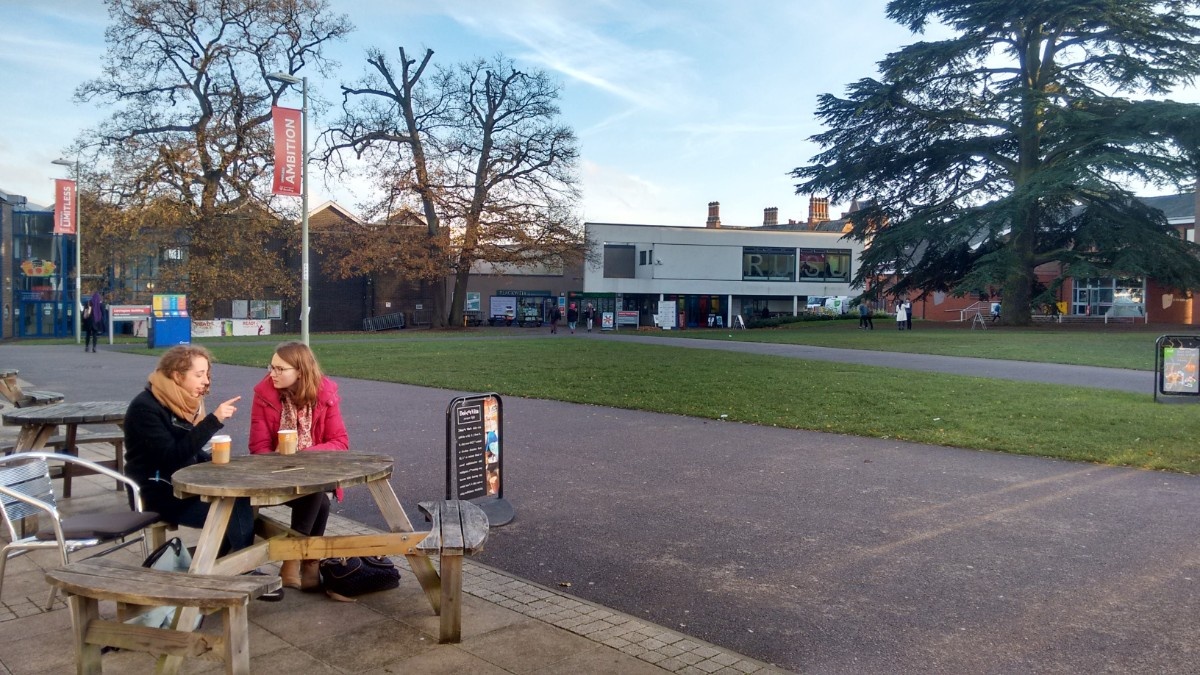
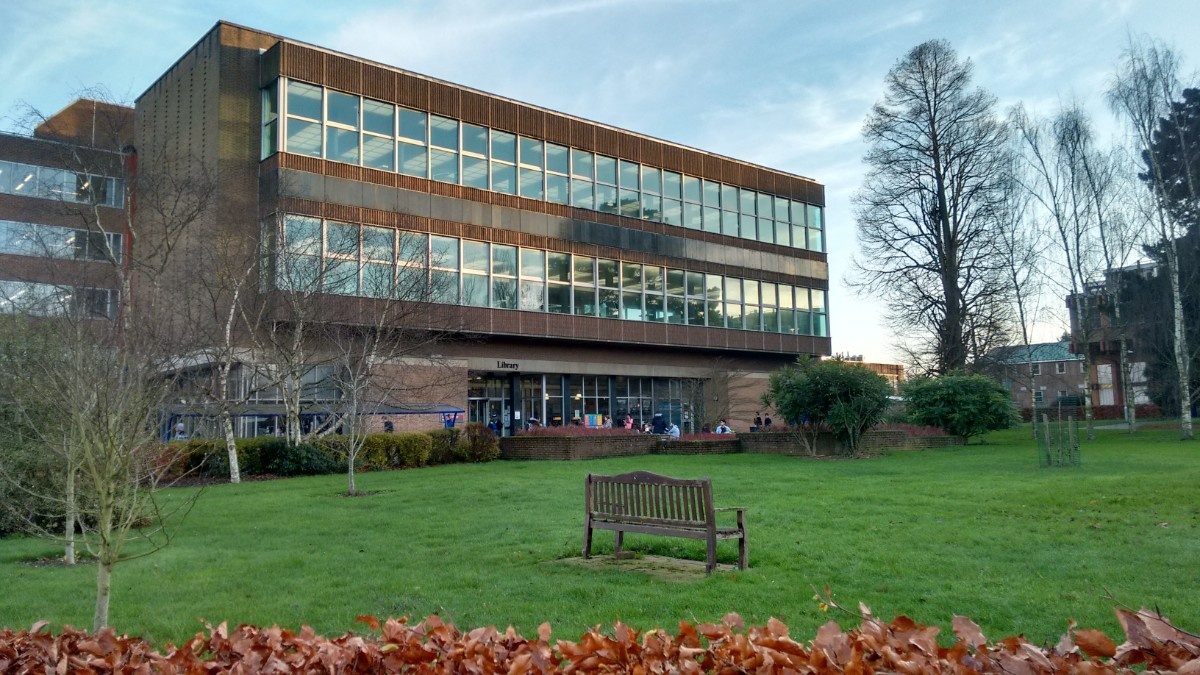
- College Accommodation. I missed a lot once I came out.
- Professors who go beyond than their counterparts
- Faculties' friendly nature help students to open before them more freely
Dislikes
- Not detailed analysis. For example some of the concepts and theoretical analysis could have been dealt more comprehensive.
- Too much focus on global north scholars
- Professors sometimes will be unavailable due to holidays. But this doesn't impact one's engagement with faculty.
Likes
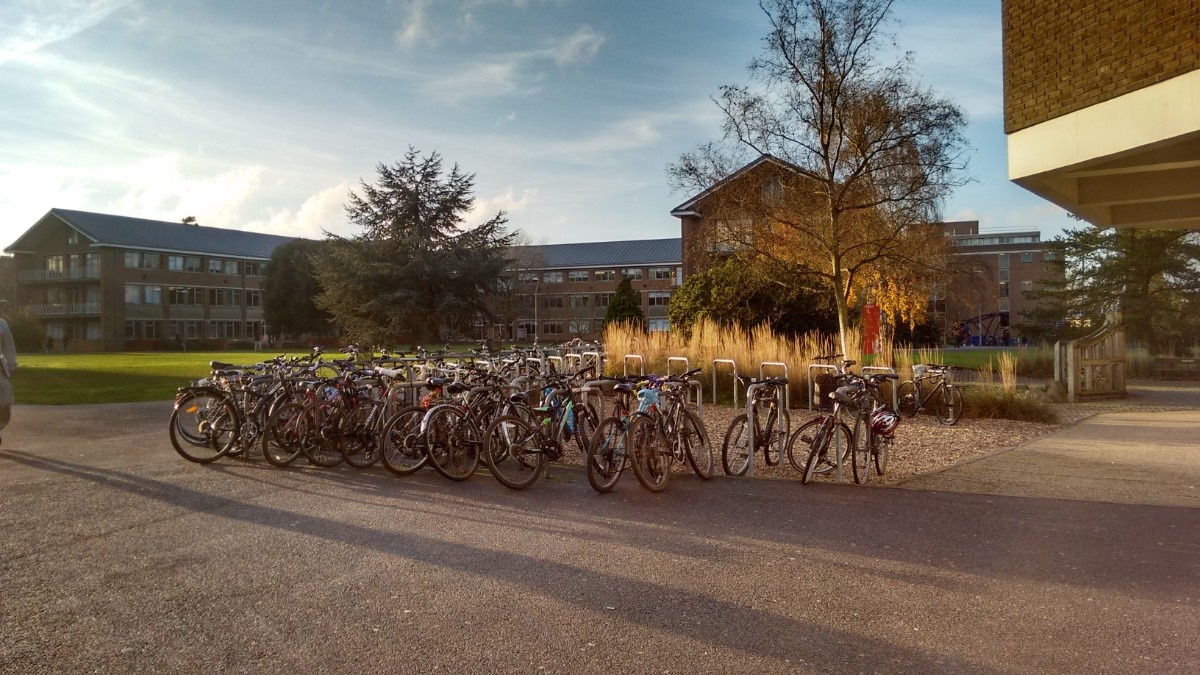
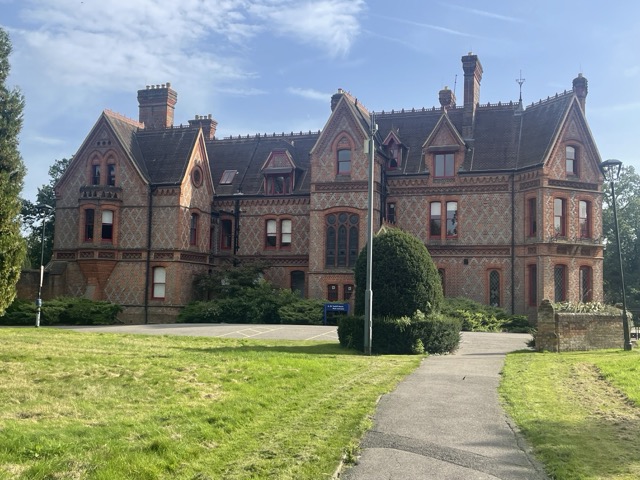
- Green Campus. There is forest inside the campus which I really liked.
- Helpful nature of teachers.
- Responsive University staff.
Dislikes
- It's about the UK in general that the weather gets quite terrible many times.Too windy, and rains a lot.
- Libraries were closed during the vacation which I didn't like.
- . There was no Alumni meet for our department.
Scholarship
- Yes there are scholarship available for my course. I got Felix Scholarship which is given to South Asian students including India. In my scholarship I got around 5000 pounds.
- But it doesn't cover Visa fees. So I had to bear that. The selection criteria was merit based and overall profile of the student. The stipend is good enough to live nicely even if one does not have a part time job. Every year 20 scholars from Are given this scholarship to study in one of the universities (University of Reading, University of Oxford and SOAS London)
Likes
- The location, it is not in London but very close to London which is the main hub in UK.
- The staff in University of Reading are very polite and teach everything from bas even if you are from different university.
- The university is very big and has lot of things to roam around
Dislikes
- The fact that this is close to London the rent is very high
- It is a small town and sometimes can be difficult for someone coming from metropolitan cities
- The population is very less and can be very quite at times
Scholarship
- Yes I am a Felix scholarship student that covers everything and would reccomend anyone to apply for it.
- It was fully funded fees covering my tuition and other fees, flight ticket, arrival and departure expenditure and and monthly stipend of 1400 pounds.
- Apart from 5 students recieving the felix scholarship, many students did recieve 4000 pounds scholarships
- 30% of the students recieved the 4000 pounds scholarships
Overview
Close to London which is the financial capital of England, the Course was being offered for more than 20+ years, a Reputable university.
Scholarship
No, I didn't receive any scholarship.
Overview
Aspects that drove me to accepting the offer of admission was the central location of the university. I also was drawn to the fact that the university was strong and well known for the LLB Law program I was attending.
Scholarship
No I did not receive any scholarships or external funding throughout my university degree.
interested in this College ?
Follow & Share this college to get information about admission.



Comments