





King’s College London admissions run through UCAS for undergraduate entry and King’s Apply for postgraduate taught programmes, with Class XII at 85 to 90 percent (CBSE or ISC) expected for most Bachelor’s courses and a Bachelor’s at 60 to 70 percent for most Master’s.
- Next live deadline: 13 January 2027 at 18:00 UK time for UCAS equal consideration, September 2027 intake
- Base tuition: £24,000 to £42,900 (around ₹28.50 Lakhs to ₹50.94 Lakhs) per year, UCAS application fee £34.50 (around ₹4,097) with course-specific postgraduate fee on King’s Apply
- Eligibility floor: Class XII at 85 to 90 percent for Bachelor’s, Bachelor’s at 60 to 70 percent for Master’s, IELTS 6.5 to 7.0 depending on faculty
- Acceptance rate: estimated at 13 to 29 percent overall, basis competitive-intake offer patterns, university does not publish an official institutional figure
Popular programmes with Indian students include the LLM, MSc Banking and Finance, MSc Data Science, BSc Computer Science and the MBBS, with students citing London placements and research culture as the strongest pulls. Programme-specific detail sits on the King’s College London profile page.
Admission Status: Open. The primary intake is September 2027 across undergraduate and most postgraduate taught programmes. The nearest live window is the UCAS equal consideration deadline on 13 January 2027 at 18:00 UK time for Bachelor’s applications, which carries a UCAS application fee of £34.50 (around ₹4,097). Postgraduate taught applications are open on King’s Apply with course-specific deadlines running from late June to late July 2027.
Table of Contents
- King’s College London Application Deadlines
- King’s College London Eligibility Criteria
- King’s College London Postgraduate Programs
- King’s College London Undergraduate Programs
- King’s College London Executive MBA
- King’s College London PhD Admissions
- King’s College London Application Process
- King’s College London Admission Documents
- King’s College London Acceptance Rate
- UK Student Visa for King’s College London
- Tips for King’s College London Admissions
- King’s College London Admissions Checklist
- King’s College London Admissions FAQs
King’s College London Application Deadlines for Indian Students
King’s runs a primary September intake across almost all undergraduate and postgraduate taught programmes, with a small January window for a handful of PGT courses. UCAS deadlines are fixed, while King’s Apply postgraduate deadlines sit on each course page. Dates below are per the official KCL postgraduate applications page and the UCAS 2027 cycle.
King’s College London’s primary intake for Indian students is September — most Bachelor’s and Master’s courses open here.
| Intake | Level | App Opens | Deadline | App Fee | Portal |
|---|---|---|---|---|---|
| Primary intake — September 2027 | Bachelor’s (all non-Medicine) | 1 September 2026 | 13 January 2027, 18:00 UK | £34.50 (₹4,097) | UCAS |
| September 2027 | Bachelor’s — Medicine, Dentistry | 1 September 2026 | 15 October 2026 (Closed) | £34.50 (₹4,097) | UCAS |
| Primary intake — September 2027 | Postgraduate Taught | mid-October 2026 | Late June to late July 2027 (course-specific) | Course-specific on King’s Apply | King’s Apply |
| January 2027 | Postgraduate Taught (select courses) | mid-October 2025 | Mostly Closed, limited rolling slots | Course-specific on King’s Apply | King’s Apply |
| September 2027 | PhD (Postgraduate Research) | Rolling | Rolling, 6 to 9 months before start | Course-specific on King’s Apply | King’s Apply |
| October 2027 | Executive MBA | Rolling | Rolling, apply at least 3 months prior | Course-specific on King’s Apply | King’s Apply |
Late UCAS applications for undergraduate courses may be considered where capacity remains, but King’s treats any submission after 13 January 2027 as late for the September 2027 cycle. Medicine and Dentistry do not accept late submissions.
Planning note: Postgraduate taught deadlines are course-specific, so an MSc Data Science or MSc Banking and Finance can close as early as mid-June 2027 while an MA course runs into late July. Check your target course page in King’s Apply the day you decide to apply.
King’s College London Eligibility Criteria for Indian Students
King’s assesses Indian academic records against UK degree classifications, pairs them with a published English language band, and expects supporting documentation at submission rather than at offer stage. The academic floor varies by faculty, with Medicine and Law set higher than Humanities.
King’s College London Academic Entry Requirements
- Undergraduate general entry: Class XII at 85 percent and above from CBSE or ISC, roughly A*AA at A-level or 36 points at IB
- Undergraduate Medicine (MBBS): Class XII at 90 percent and above plus UCAT, from CBSE or ISC only
- Undergraduate Law (LLB): Class XII at 90 percent and above, roughly A*AA at A-level
- Postgraduate taught 2:1 courses: Bachelor’s at 60 percent and above (around a UK 2:1), in a related discipline
- Postgraduate taught 2:2 courses: Bachelor’s at 55 percent and above (around a UK 2:2), in a related discipline
- Postgraduate research (PhD): Bachelor’s at 65 percent and above with a related Master’s at Merit
King’s College London English Language Requirements
King’s uses a three-band system (Band B, C and D) covering accepted tests. The band depends on the faculty, so a Band B course asks higher than a Band D course even if both are at Master’s level.
| Test | Band B (highest, Law/Business/Social Sciences/Informatics) | Band C (Arts and Humanities) | Band D (Dentistry/Medicine/Natural Sciences/Engineering) |
|---|---|---|---|
| IELTS Academic | 7.0 overall, 6.5 each skill | 7.0 overall, 6.5 reading and writing, 6.0 listening and speaking | 6.5 overall, 6.0 each skill |
| TOEFL iBT | 100 overall, 25 writing, 23 other skills | 100 overall, 25 writing, 23 reading, 20 listening and speaking | 92 overall, 23 writing, 20 other skills |
| PTE Academic | 69 overall, 62 each skill | 69 overall, 62 reading and writing, 59 listening and speaking | 62 overall, 59 each skill |
| Trinity ISE III | Merit in each skill | Merit reading and writing, pass in listening and speaking | Pass in each skill |
King’s does not accept TOEFL MyBest scores or IELTS One Skill Retake scores. All four skills must come from a single test sitting, and King’s cannot combine scores across two attempts.
King’s College London IELTS Waiver for Indian Students
Medium of Instruction (MOI) waivers from an English-taught Indian Bachelor’s are not accepted at King’s. The only exemptions open are citizenship of a UKVI-approved majority English-speaking country, or completion of a prior degree from such a country within 5 years. Indian applicants from English-medium schools and colleges still need a King’s-accepted test. The alternative route is King’s Pre-sessional English, which replaces an external score with Band 7 for Band B or C courses and Band 6.5 for Band D courses.
Note: Programme-specific entry requirements, fees, and intake availability may differ from the institution-wide minimums shown above. Always confirm on the official King’s College London page for your chosen program before applying.
King’s College London Postgraduate Programs for Indian Students
King’s postgraduate taught catalogue runs across nine faculties, with Business, Law, Informatics and Life Sciences drawing the largest Indian cohorts. Base tuition for 2027/28 international entrants sits in the £28,000 to £50,000 (around ₹33.25 Lakhs to ₹59.38 Lakhs) range per year, with a few professional Master’s higher. Full fee-by-course detail sits in the course-wise fees breakdown.
| Programme | Duration | Minimum Eligibility | English Req. Min. |
|---|---|---|---|
| MSc Data Science | 1 year full-time | Bachelor’s at 60%+ (UK 2:1) in CS, Mathematics or related quantitative discipline | IELTS 7.0 (6.5 each) |
| MSc Banking and Finance | 1 year full-time | Bachelor’s at 60%+ in finance, economics or related, with quantitative content | IELTS 7.0 (6.5 each) |
| MSc Global Affairs | 1 year full-time | Bachelor’s at 60%+ in a relevant social science discipline | IELTS 7.0 (6.5 each) |
| LLM Master of Laws | 1 year full-time | Bachelor’s in Law at 60%+ (UK 2:1 or equivalent) | IELTS 7.0 (6.5 each) |
| MSc International Management | 1 year full-time | Bachelor’s at 60%+ in any discipline | IELTS 7.0 (6.5 each) |
| MSc Advanced Computing | 1 year full-time | Bachelor’s at 60%+ in Computer Science or a strongly related subject | IELTS 7.0 (6.5 each) |
| MSc Physics | 1 year full-time | Bachelor’s at 60%+ in Physics | IELTS 6.5 (6.0 each) |
| MSc Nutrition | 1 year full-time | Bachelor’s at 60%+ in a biological or health science | IELTS 6.5 (6.0 each) |
| MA Education | 1 year full-time | Bachelor’s at 60%+ in a relevant discipline | IELTS 7.0 (6.5 rw, 6.0 ls) |
| MA Modern Literature and Culture | 1 year full-time | Bachelor’s at 65%+ in English or a related humanities subject | IELTS 7.0 (6.5 rw, 6.0 ls) |
Successful postgraduate applicants pay a £2,000 (around ₹2.38 Lakhs) deposit after accepting an offer, credited to tuition at enrolment. Finance programmes within King’s Business School charge a higher £3,000 (around ₹3.56 Lakhs) deposit.
Insider note: King’s assesses the recognised list of Indian universities when scoring academic eligibility. Degrees from NIRF top-100 institutions typically clear the UK 2:1 bar at 60 percent, while others may be asked for 65 or 70 percent for the same programme.
Note: Programme-specific entry requirements, fees, and intake availability may differ from the institution-wide minimums shown above. Always confirm on the official King’s College London page for your chosen program before applying.
King’s College London Undergraduate Programs for Indian Students
Undergraduate entry runs through UCAS with the 13 January 2027 equal consideration deadline for September 2027 entry. Indian applicants submit Class XII (CBSE or ISC) results with predicted or final marks, and most courses expect 85 percent and above, with a UK high A*AA profile.
| Programme | Duration | Minimum Eligibility | English Req. Min. |
|---|---|---|---|
| BSc Computer Science | 3 years full-time | Class XII at 90% with Mathematics (CBSE or ISC) | IELTS 7.0 (6.5 each) |
| BSc Psychology | 3 years full-time | Class XII at 90% including a science subject | IELTS 7.0 (6.5 each) |
| LLB Law | 3 years full-time | Class XII at 90% with strong essay-based subjects | IELTS 7.5 (7.0 each) |
| MBBS Medicine | 5 to 6 years full-time | Class XII at 90%+ in Chemistry, Biology and a third subject, with UCAT | IELTS 7.5 (7.0 each) |
| BA English | 3 years full-time | Class XII at 85% with English and a humanities subject | IELTS 7.0 (6.5 rw, 6.0 ls) |
UCAS allows up to five course choices on a single £34.50 (around ₹4,097) application. Only four of those can be Medicine or Dentistry.
King’s College London Executive MBA Admissions
King’s Business School runs an Executive MBA as the only MBA format at King’s, aimed at mid-career professionals rather than fresh graduates. The programme is part-time blended over two years, with the next intake in October 2027.
International tuition for the 2027 intake is set at £60,600 (around ₹71.96 Lakhs) across the two-year programme, invoiced in annual instalments. King’s Business School carries triple accreditation from AACSB, EQUIS and AMBA, which Indian employers in the UK commonly recognise for sponsorship decisions.
Executive MBA Entry Profile
- Bachelor’s degree with 60 percent or above, or significant senior experience in lieu of academic criteria for exceptional candidates
- Minimum five years of post-graduation work experience, typically with managerial responsibility
- GMAT or GRE is not required; strong CV and references carry more weight
- Admissions interview with the Programme Director forms part of the shortlisting process
- English language at Band B (IELTS 7.0 overall, 6.5 each) if English is not your first language
Executive MBA Admissions Rounds
King’s EMBA runs on rolling admissions rather than fixed rounds, so applications are reviewed in order of submission until the cohort fills. Indian applicants aiming for October 2027 should submit by June 2027 to leave room for interview, offer, Student Visa (if attending in person) and deposit payment.
Reality check: The EMBA is designed to run while you work, so visa routes depend on your UK work status. Indian applicants on a Skilled Worker visa typically continue to work; those applying from India should discuss attendance mode with the admissions team before paying the deposit.
Note: Programme-specific entry requirements, fees, and intake availability may differ from the institution-wide minimums shown above. Always confirm on the official King’s Business School page for your chosen program before applying.
King’s College London PhD Admissions for Indian Students
King’s hosts over 4,000 doctoral students across nine faculties and admits on rolling applications through King’s Apply, with no fixed deadline window outside funded studentship competitions.
PhD Application Steps
- Identify a supervisor whose research area overlaps with yours, using the faculty staff directory
- Email the supervisor with a 1-page outline plus your CV to secure in-principle agreement
- Prepare a 2,000 to 3,000 word research proposal and finalise your IELTS or TOEFL score
- Submit the application on King’s Apply with transcripts, two academic references and the proposal
- Attend the admissions interview if invited, usually online for Indian applicants
PhD Funding and Stipend
King’s offers both UKRI-aligned studentships (which pay the UKRI stipend of £20,780 per year for 2025/26, roughly ₹24.68 Lakhs annually) and institutional NMES, LAHP and A&H PhD scholarships. Indian applicants are eligible for most schemes, including the King’s-China Scholarship Council pairing where competitive. Full detail sits with the funding options for Indian students on the Scholarships page.
Note: Programme-specific entry requirements, fees, and intake availability may differ from the institution-wide minimums shown above. Always confirm on the official King’s College London postgraduate research page for your chosen program before applying.
King’s College London Application Process for Indian Students
Postgraduate applications run on King’s Apply (apply.kcl.ac.uk), while undergraduate applications route through UCAS (ucas.com). Both portals accept Indian educational records directly without requiring pre-assessment by a third-party credential evaluator.
King’s College London Postgraduate Application Steps
- Shortlist the course on the KCL course finder and note its deadline and English band
- Register on the King’s Apply portal, selecting September 2027 entry
- Upload Class XII mark sheet, Bachelor’s transcript (with degree certificate if available), CV and personal statement
- Add one academic reference contact (King’s requests the reference by email after submission)
- Upload your IELTS, TOEFL or PTE score report, or indicate that one will follow for conditional offer processing
- Pay the course-specific application fee built into King’s Apply at submission
- Submit and track status within the portal; messaging is in-portal only
King’s College London Undergraduate Application Steps
- Create a UCAS Apply account from 15 May 2026 (registration) and submit from 1 September 2026
- Add up to five course choices across universities, with King’s as one
- Upload Class XII (if available) or predicted marks, personal statement and one teacher reference
- Pay the UCAS application fee of £34.50 (around ₹4,097) at submission
- Track application status in King’s Apply once UCAS forwards the choice to KCL
King’s College London Decision Timeline
Postgraduate decisions typically arrive six to twelve weeks after submission, longer for programmes with interviews or portfolio review. Undergraduate decisions on applications submitted by 13 January 2027 are released by late March 2027, in line with UCAS equal consideration policy. Offer-holders have five weeks on the UCAS tracker to accept firm and insurance choices once all decisions are in.
Conditional offers wait on pending IELTS, final Class XII results or Bachelor’s transcripts. Deferral to the following September is handled case-by-case through King’s Apply.
King’s College London Admission Documents
Documents are uploaded within King’s Apply or UCAS at submission. Original hard copies are not required at application stage; certified copies are requested only if an offer is made and visa processing begins.
- Passport bio-data page: machine-readable copy of the first and last pages
- Class XII (CBSE or ISC) mark sheet: for undergraduate and postgraduate applications
- Bachelor’s degree transcript: consolidated or semester-wise, with any grading-system key
- Bachelor’s degree certificate: if the degree is complete; provisional certificate acceptable
- Personal statement: UCAS 4,000-character format for UG, course-specific 500 to 1,000 words for PG
- Academic reference(s): one for most PGT courses, two for PhD and competitive Master’s
- CV or resume: required for PGT courses with experience components, mandatory for EMBA
- English test score report: IELTS Academic, TOEFL iBT, PTE Academic, Cambridge C1/C2 or Trinity ISE III
- Research proposal: PhD only, typically 2,000 to 3,000 words
- Work experience letters: EMBA only, documenting at least 5 years post-graduation experience
King’s does not ask for financial proof at application stage. Those documents (bank statements, CA letter, sponsor affidavit) move onto the UK Student Visa checklist after you accept your offer.
King’s College London Acceptance Rate for Indian Students
King’s does not publish an official institutional acceptance rate. Third-party estimates place the overall figure in the 13 to 29 percent band, with the UCAS undergraduate offer rate reportedly around 50 percent in the 2025 cycle. Within that overall band, international applicants face sharper competition than UK-domiciled applicants.
Programme-Level Acceptance Patterns
Medicine and Dentistry sit around 6 to 8 percent for international applicants, Law and Computer Science around 15 to 20 percent, and most Humanities and Social Sciences Master’s courses between 25 and 40 percent based on competitive-intake patterns at Russell Group peers.
Indian Applicant Profile That Clears the Bar
From admitted-student profiles, Indian offer-holders typically carry Class XII at 90 percent and above for competitive UG courses, a Bachelor’s at 70 percent and above for Band B Master’s, IELTS at 7.0 or above, and strong SOPs that connect their programme choice to a specific career plan. For context on where KCL sits globally, see the current ranking band.
Insider note: King’s reports a 52 percent international student share, with India among the top three source countries after China. That depth means admissions officers see hundreds of Indian applications per course and treat Class XII percentages, grading scales and university tiers with real precision.
UK Student Visa for King’s College London Students
Admitted Indian students apply for the UK Student Visa (Short-Term is not applicable), formerly called Tier 4, using the Confirmation of Acceptance for Studies (CAS) number King’s issues after the deposit is paid. The visa fee is £524 (around ₹62,243) for applications from outside the UK, and the Immigration Health Surcharge (IHS, the NHS access charge) is £776 per year (around ₹92,140 per year of study). The IHS is paid as a single sum upfront for the full visa length.
The standard caseworker service clears decisions in three weeks for applications from India, with priority (five working days) and super-priority (next working day) available for extra fees. Submit biometrics at a VFS Global centre in India after booking online.
Student Visa applicants must evidence tuition for year one plus living costs for nine months. Inner London living costs under UKVI rules are £1,483 per month (around ₹1.76 Lakhs per month), so the full nine-month maintenance figure is £13,347 (around ₹15.85 Lakhs). Funds must sit in a qualifying account in your name (or your parent’s with a consent letter) for 28 consecutive days before the visa submission date.
2026 update: UKVI increased the IHS to £776 per year in February 2024 and has not revised the maintenance threshold since. Build these costs into your funding plan before accepting the King’s offer; many Indian applicants pair them with the funding for Indian students on offer at King’s.
Tips for King’s College London Admissions
The following tips are drawn from Indian-applicant patterns at King’s College London across recent cycles.
- Lead with the course, not the university: SOPs that open with KCL ranking rarely convert; those that open with a specific research group or module do
- Match band to course: if your IELTS is 6.5 and your target programme is Band B at 7.0 overall, retake rather than apply weak
- Submit before Christmas: popular Band B Master’s close in June 2027, but offer-holder deposit windows peak in April, so earlier applications see broader scholarship routes
- Treat the £2,000 deposit as the real deadline: this triggers CAS issuance, which drives your visa window
- Pre-check your Bachelor’s university tier: KCL does prefer NIRF top-100 Indian universities for Band B programmes
- Keep two academic referees on standby: the referee system is email-based and slow referees have cost Indian applicants their round every cycle
King’s College London Admissions Checklist
The following steps cover what Indian applicants typically complete across a King’s admissions cycle.
- Six months before: finalise target course, confirm its English band and deadline on the KCL course page
- Five months before: book IELTS or TOEFL slot (minimum four-week gap for score release)
- Four months before: draft personal statement, line up one or two academic referees
- Three months before: request Bachelor’s or Class XII transcripts and attestations
- Two months before: submit on King’s Apply or UCAS, pay the application fee
- On offer: accept, pay the £2,000 deposit (or £3,000 for Business School) and request your CAS
- Four weeks before travel: book your Student Visa biometrics appointment at VFS India
King’s College London admissions reward Indian applicants who match the course band early, submit well before the course-specific deadline, and plan the £2,000 deposit alongside UKVI maintenance funds. Primary intake is September 2027; the live 13 January 2027 UCAS deadline is the first anchor to hit.
King’s College London Admissions: Frequently Asked Questions
Ques. What is the next live King’s College London application deadline for Indian students?
Ans. The UCAS equal consideration deadline is 13 January 2027 at 18:00 UK time for Bachelor’s courses starting September 2027. Postgraduate taught deadlines are course-specific, running from late June to late July 2027 on King’s Apply.
Ques. What is the minimum IELTS score for King’s College London Master’s programmes?
Ans. Band D courses (Dentistry, Medicine, Natural Sciences, Engineering) accept IELTS 6.5 overall with 6.0 in each skill. Band B courses (Law, Business, Social Sciences, Informatics) require IELTS 7.0 overall with 6.5 in each skill.
Ques. Does King’s College London accept Medium of Instruction (MOI) waivers?
Ans. No. King’s does not grant MOI waivers to Indian applicants from English-medium schools or colleges. The accepted alternative to a test score is King’s Pre-sessional English, with Band 7 for Band B and C courses or Band 6.5 for Band D.
Ques. What percentage in Class XII do I need for King’s College London?
Ans. Most Bachelor’s courses look for 85 percent and above from CBSE or ISC. Medicine, Dentistry and Law typically expect 90 percent and above, with specific subject prerequisites.
Ques. How much is the application fee at King’s College London?
Ans. UCAS undergraduate applications cost £34.50 (around ₹4,097) and cover up to five course choices. Postgraduate taught applications carry a course-specific fee set within King’s Apply at submission.
Ques. Can I apply to King’s College London without GRE or GMAT?
Ans. Yes. King’s does not require GRE or GMAT for taught Master’s programmes, including Banking and Finance, Data Science and the Executive MBA. Submit transcripts, references and English scores only.
Ques. How long does King’s College London take to send an admission decision?
Ans. Postgraduate taught decisions arrive six to twelve weeks after submission in most cases, with interview-based courses taking longer. Undergraduate decisions on UCAS applications meeting the 13 January deadline are released by late March 2027.
Ques. What deposit does King’s College London charge after I accept my offer?
Ans. International offer-holders pay a £2,000 (around ₹2.38 Lakhs) deposit for most postgraduate taught courses, or £3,000 (around ₹3.56 Lakhs) for finance programmes within King’s Business School. The deposit is credited to tuition at enrolment.
Ques. What is the acceptance rate at King’s College London for Indian students?
Ans. King’s does not publish an official institutional acceptance rate. Third-party estimates place the overall figure between 13 and 29 percent, with Medicine and Dentistry around 6 to 8 percent for international applicants.
Ques. Which documents does King’s College London ask for at application?
Ans. Passport bio-data page, Class XII mark sheet, Bachelor’s transcript, personal statement, one academic reference (two for PhD and competitive courses), CV where required, and an English test score report. Financial documents move to the UK Student Visa stage.
Ques. Can I defer my King’s College London offer by one year?
Ans. Deferral is handled case-by-case through King’s Apply and is more commonly approved for personal, medical or visa-related reasons than for preference. Submit the request before the course start date.
Ques. How much are UK Student Visa fees for King’s College London?
Ans. The visa application fee is £524 (around ₹62,243) and the Immigration Health Surcharge is £776 per year (around ₹92,140 annually) paid upfront for the full visa duration.
College Student Profiles

King's College London Program Fees & Deadlines
| Program | Important Dates | Fees | Application Fees | Eligibility | Financial Aid |
|---|---|---|---|---|---|
LLM 1 year | USD 50,939 /Yr GBP 38,300 /Yr | 130 | Bachelor’s (honours) degree, IELTS:7, TOEFL: 5 | ||
MBBS 5 years | Final Application Deadline for 2027 Intake (30th Jun 2027) | USD 75,544 /Yr GBP 56,800 /Yr | 29 | CBSE or CISCE board, IELTS:7, TOEFL: 4.5 | |
MSc Banking and Finance 1 year | USD 59,983 /Yr GBP 45,100 /Yr | 130 | Bachelor’s (honours) degree, IELTS:7, TOEFL: 4.5 | ||
MSc Data Science 1 year | USD 53,799 /Yr GBP 40,450 /Yr | 130 | Bachelor’s (honours) degree, IELTS:7, TOEFL: 4.5 | ||
| USD 53,799 /Yr GBP 40,450 /Yr | 130 | Bachelor’s (honours) degree, IELTS:7, TOEFL: 4.5 | |||
MSc Cyber Security 1 year | USD 67,963 /Yr GBP 51,100 /Yr | 130 | Bachelor’s (honours) degree, IELTS:6.5, TOEFL: 4.5 | ||
| USD 56,924 /Yr GBP 42,800 /Yr | 130 | Bachelor’s (honours) degree, IELTS:7, TOEFL: 4.5 | |||
| USD 53,799 /Yr GBP 40,450 /Yr | 130 | Bachelor’s (honours) degree, IELTS:7, TOEFL: 4.5 | |||
| USD 50,939 /Yr GBP 38,300 /Yr | 130 | Bachelor’s (honours) degree, IELTS:7, TOEFL: 4.5 | |||
BS Computer Science 3 years | Equal Consideration Deadline for 2027 Intake (13th Jan 2027) Final Application Deadline for 2027 Intake (30th Jun 2027) | USD 53,799 /Yr GBP 40,450 /Yr | 29 | CBSE or CISCE board, IELTS:6.5, TOEFL: 4.5 | - |
Do you think the Dates are wrong ? Report Here


Course Finder - Search from 50K+ courses
Popular Streams:
Reviews
Most Popular Tags
28 Reviews Found
Likes
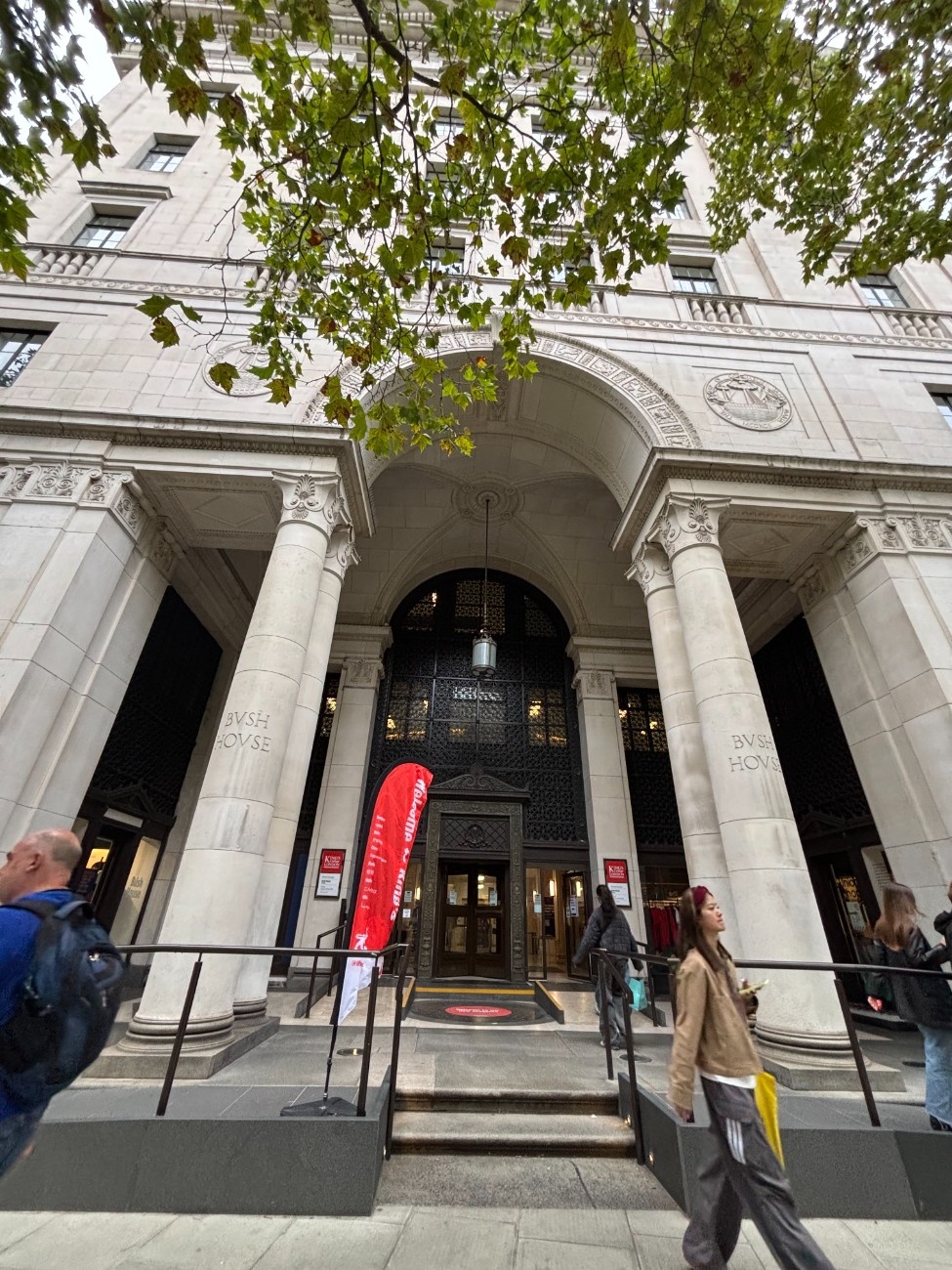
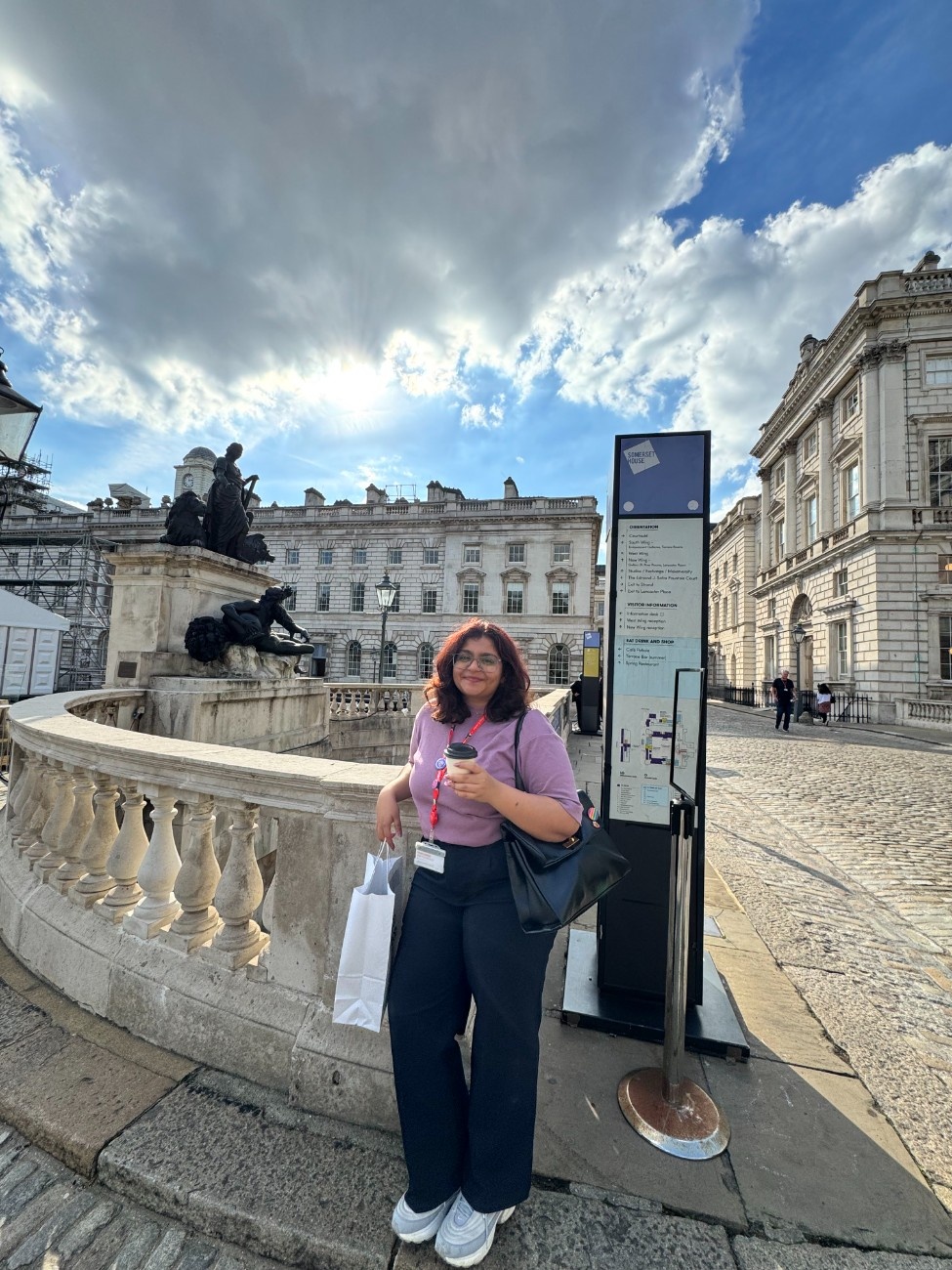
- There were different campuses based on the fields -- for example, I was doing LL.M and had the Strand Campus which was based in Central London.
- Being near the Indian embassy (Strand campus) I was able to attend lots of functions of the embassy itself and even met the Chancellor.
- The student body of King's is very active and one can imagine that a society already exists for each of their interests and it is comparatively easier to join them.
Dislikes
- You had to pay for your own freshers and the tickets were first come, first serve.
- Most of the events apart from the society and career events were behind a paywall. You buy the tickets which were costly for a student (ranging from £70-£90) per person.
- The student accomodation was very expensive. So I opted to find my own place to stay.
Scholarship
- I studied LL.M and at the School of Law (Dickson Poon School of Law), where there are not only law based scholarship available. However, the one that I received was £10,000 under the Vice Chancellor Awards. It was open to various departments such as Medicine, MBA, STEM, and Law.
- It is only given to 30 students. In my batch, no one else had received a scholarship.

Likes
- Loved the campus, the extra curricular activities.
- Different clubs to participate in. Opportunities are endless.
- There’s always something going on. Love the infrastructure.
Dislikes
- Disliked the career placement (UK is tricky!). In particularly my course had a skewed culture.
- Most were Asians. However overall the college has very diverse cultures.
- The faculty did have mixed accents. Also no group tasks were given so didnt get chance to mingle with others.
Likes
- The vast variety of activities, societies and clubs to join in and expand your network. Most of them are free to join or have a very minimal fee for joining.
- The faculty and the professors are kind and cooperative. They are really knowledgeable, and I have received an immense amount of support from them.
- King's has one of the best libraries for all students. The library's collection is also amazing!
Dislikes
- Sometimes the common places and study spaces are entirely full, and they can have a better management to manage the spaces so that everyone is accommodated.
- Few buildings in strand campus are extremely confusing and I found it hard to navigate through those sometimes.
- The timetables setup sometimes is poorly managed, sometimes I have no gaps between 4-5 classes and it's back to back or I'll have 4-5 hours of free time between two lectures.
Scholarship
- No, there aren't many scholarships available for my course given and provided by King's College. I didn't receive any scholarships. Also, none of my batchmates had any scholarships.
- However your home country might have some scholarships (external scholarships) which can fund your studies, if you are eligible according to their criteria. For example there are some government funded scholarships for students from India to UK like chevening scholarship, fulbright nehru scholarships etc.

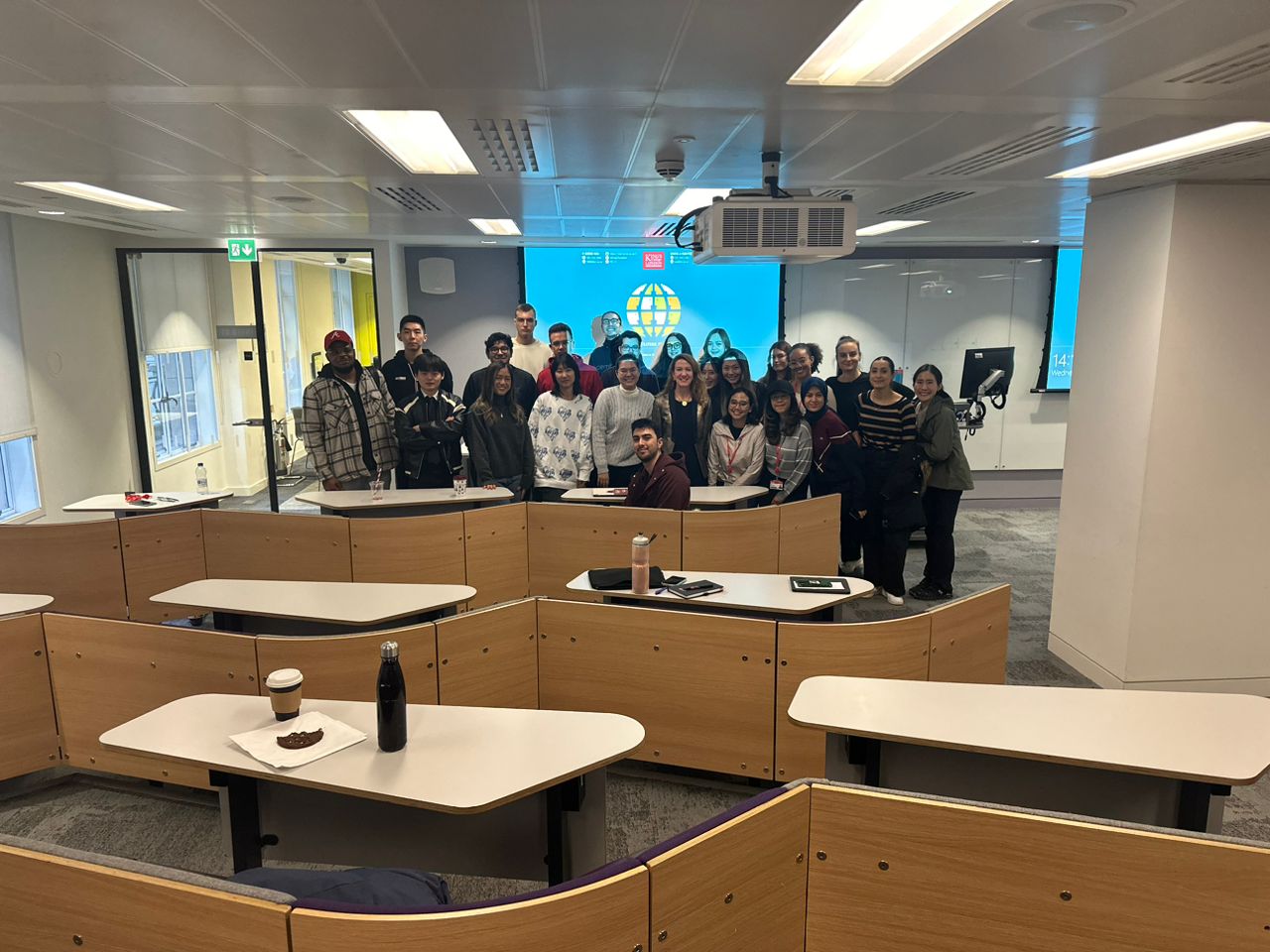
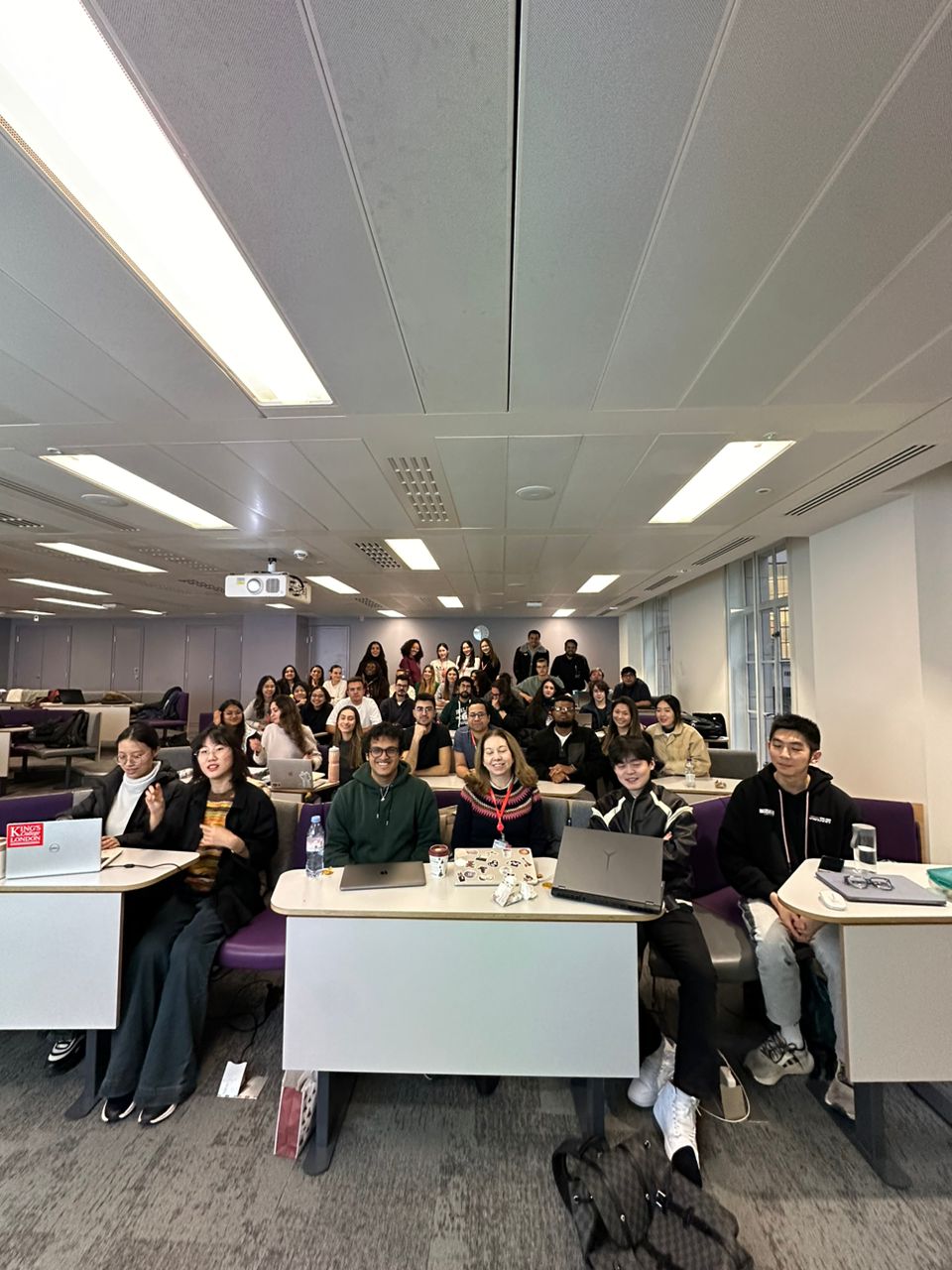


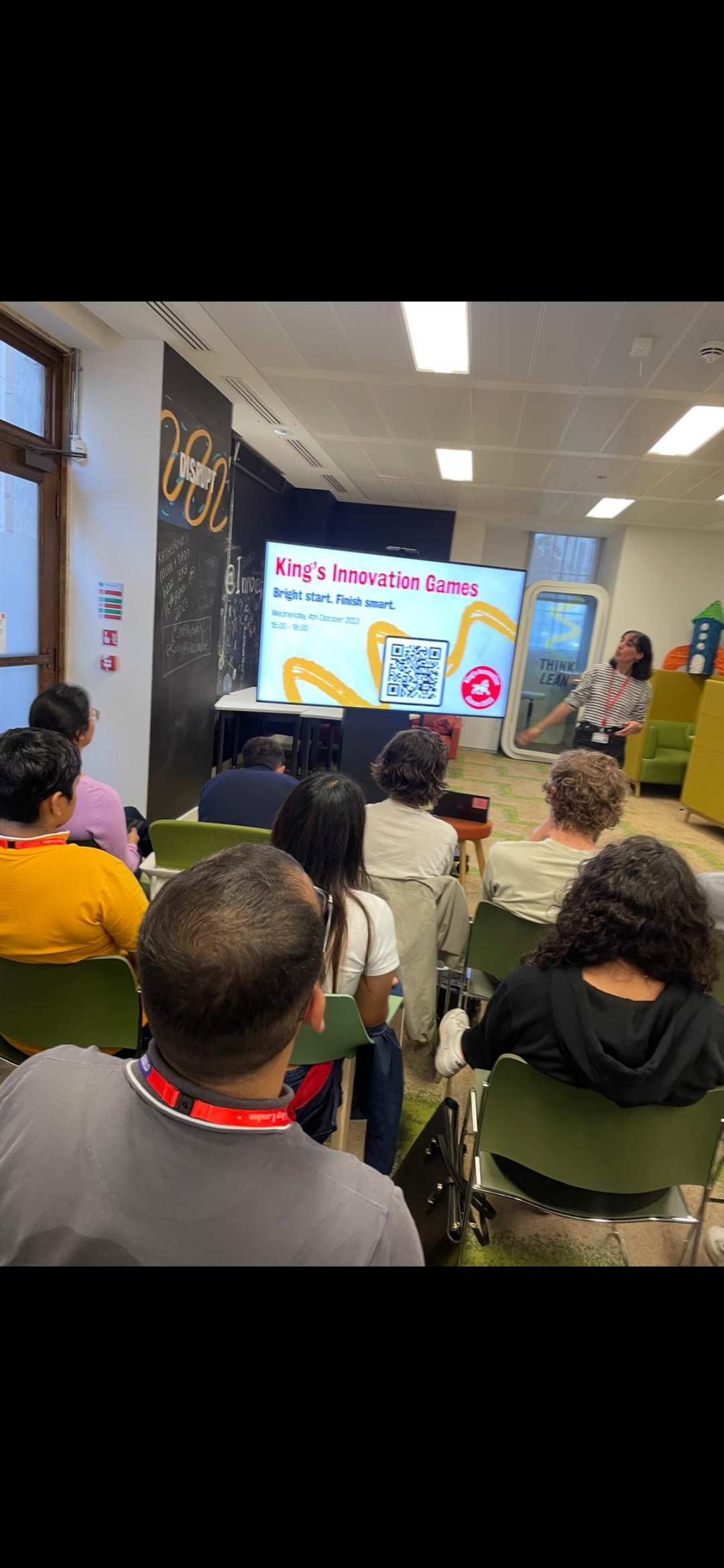





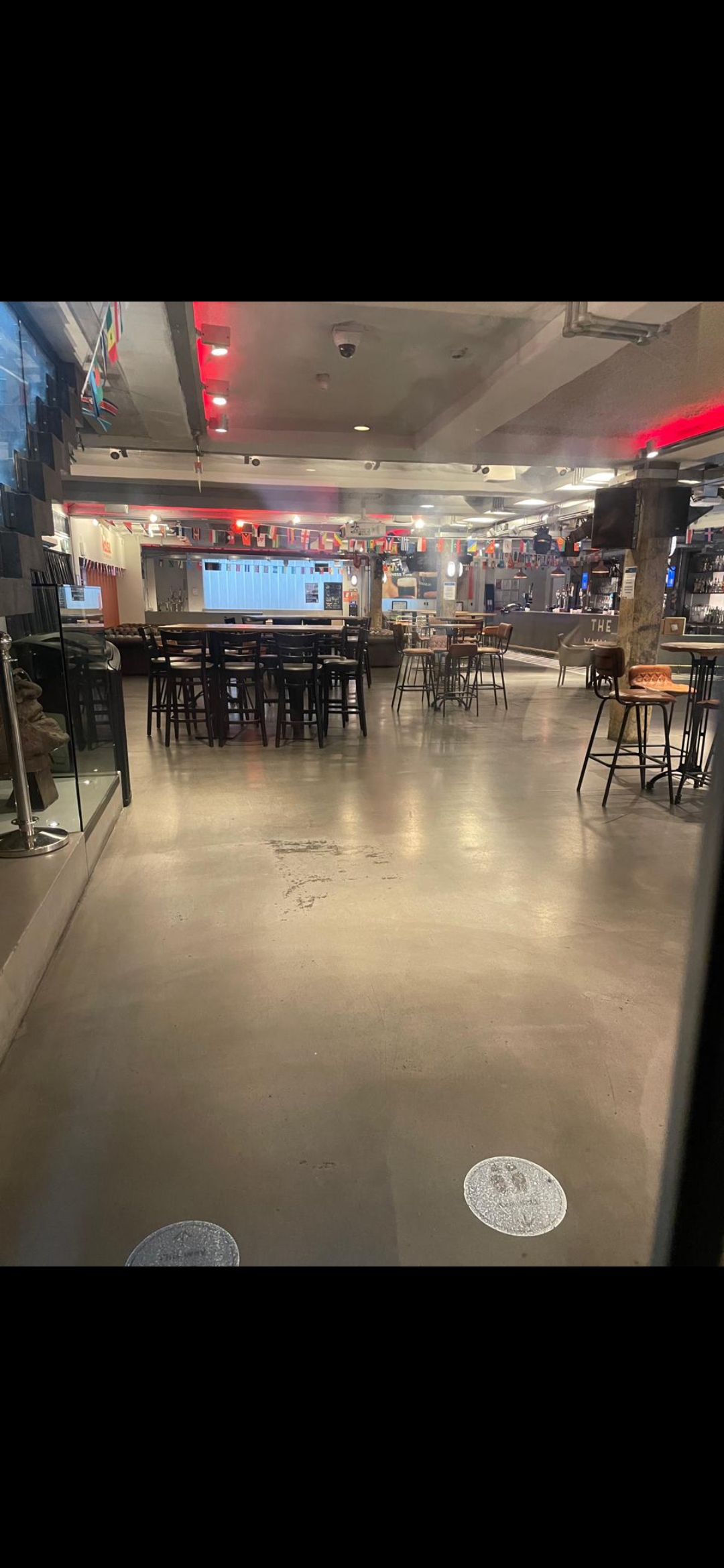
Likes
- Location is a prime one in London, at the very heart of the city
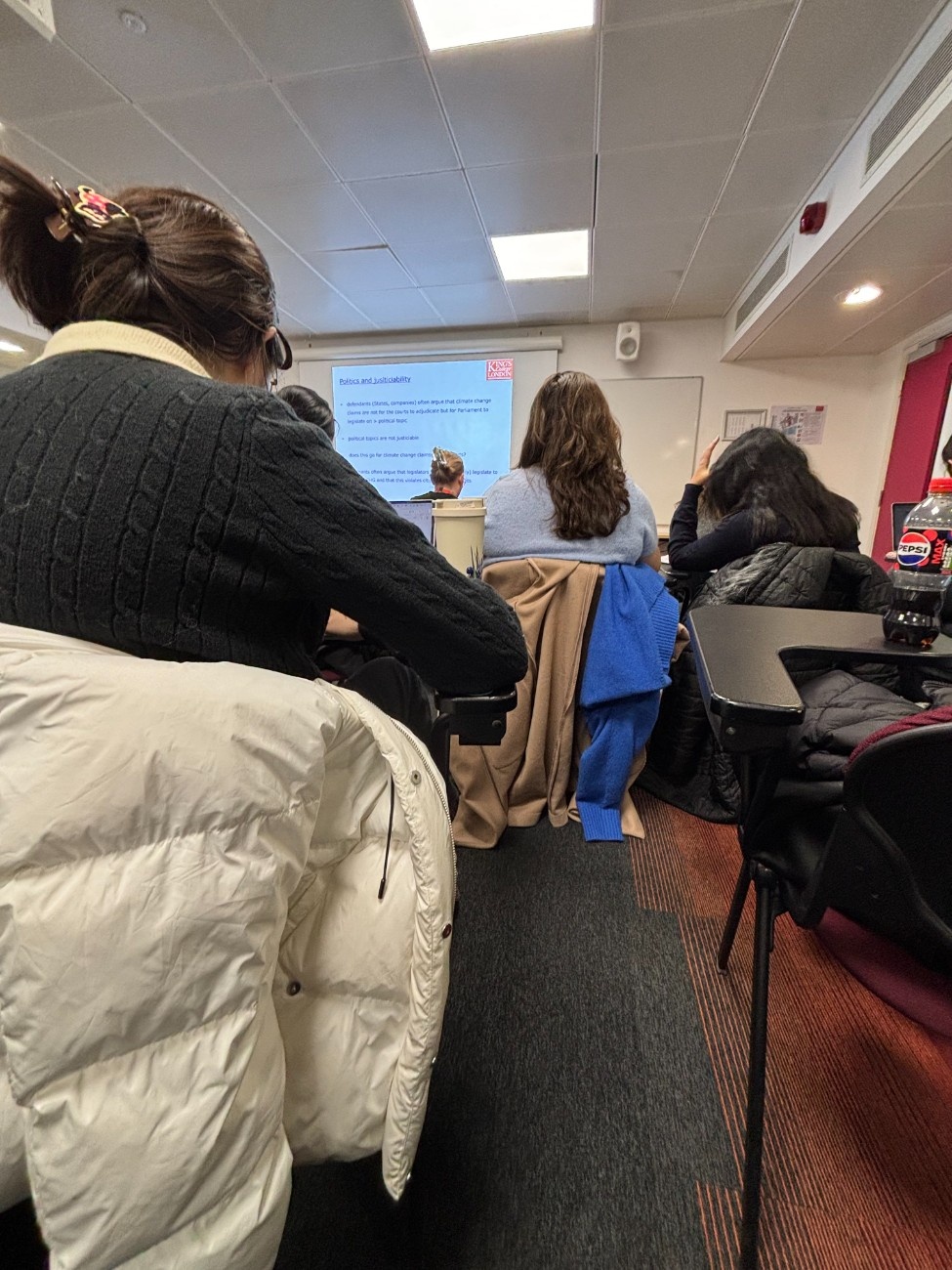
- Teaching Style is good and involves a mix of presentations and interactive sessions
- Events are the highlight with something for everyone to learn and have fun
Dislikes
- At times even presentation style of teaching can become boring
- Some subjects were not very interesting
- Eventually could get the best help to land a job there
Scholarship
- There are certain scholarships available with their details on the college website. I applied for a normal scholarship.
- The process involved submitting an essay and expressing need for the scholarship but I was not selected for any of them.
- I don't know of any friends as well being beneficiaries of such scholarship although they had applied as well.
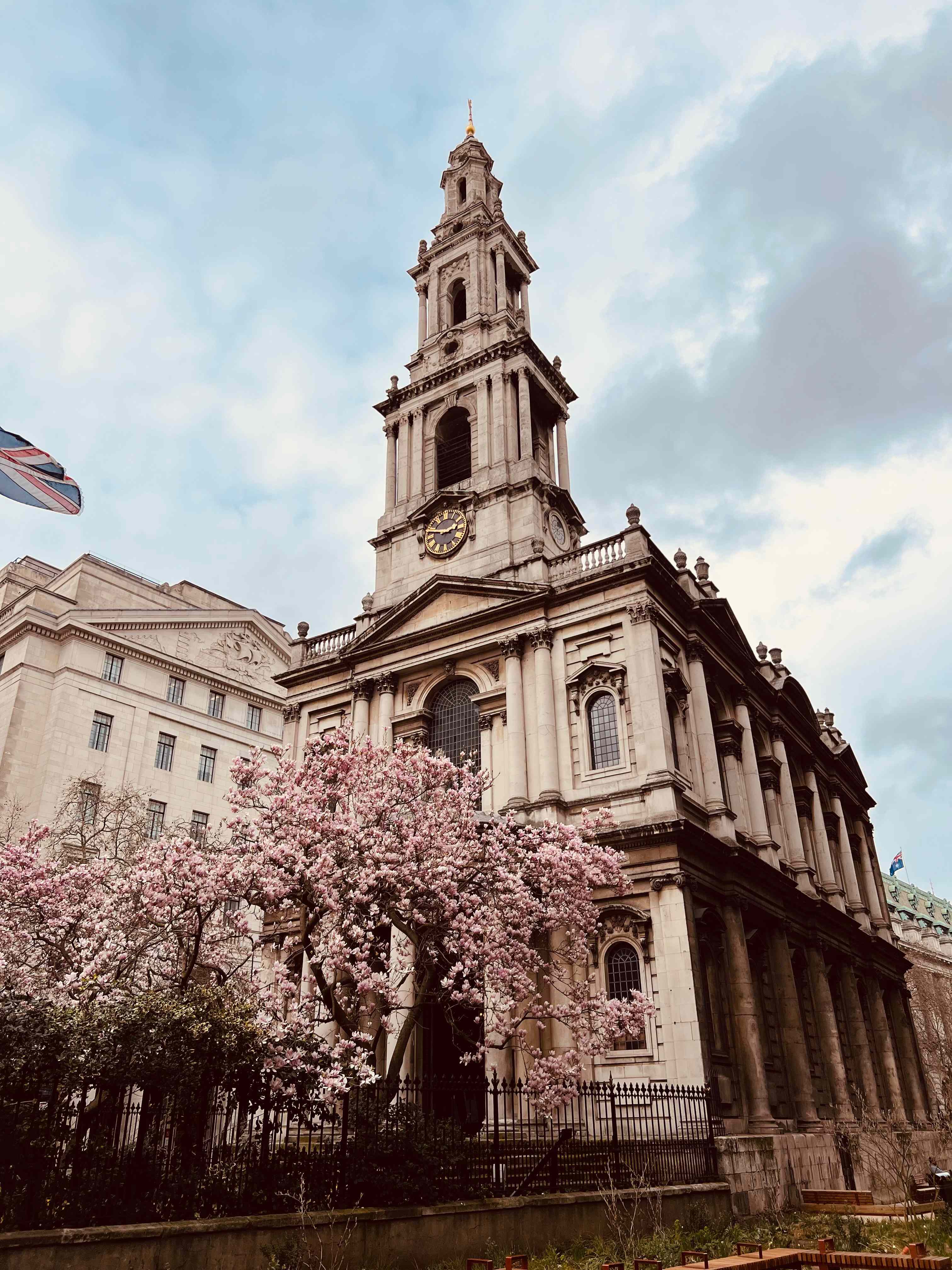
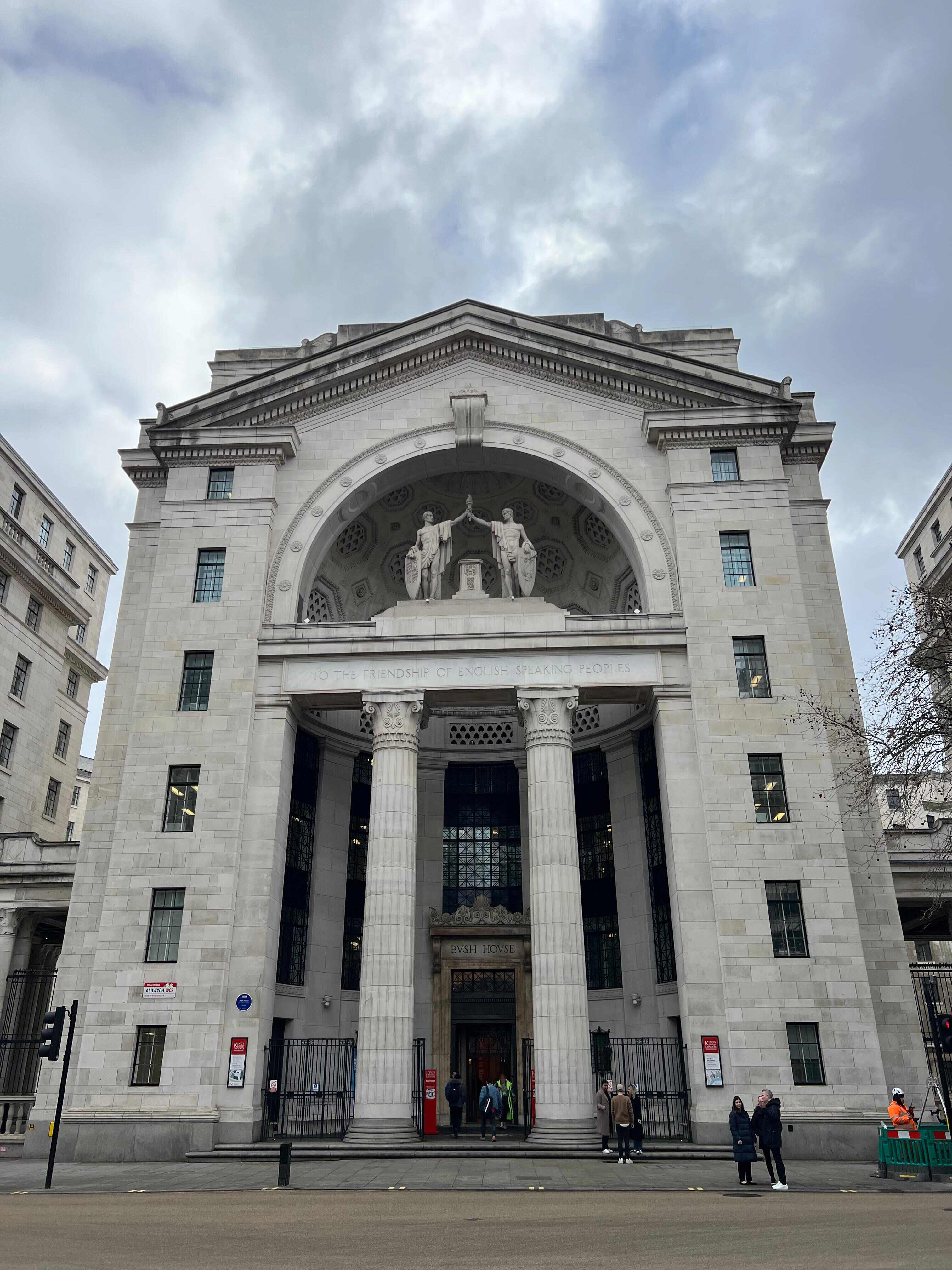
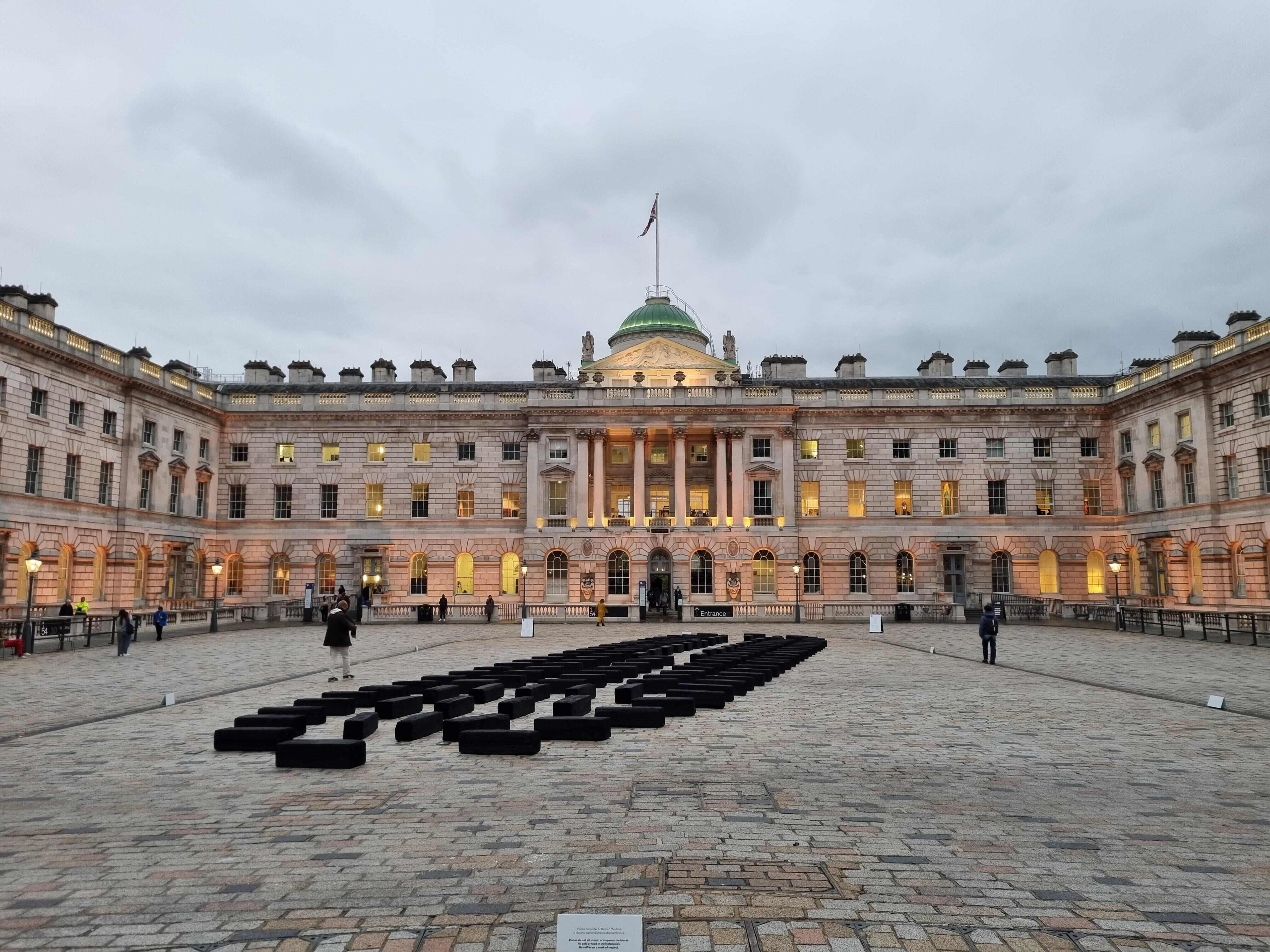

Likes
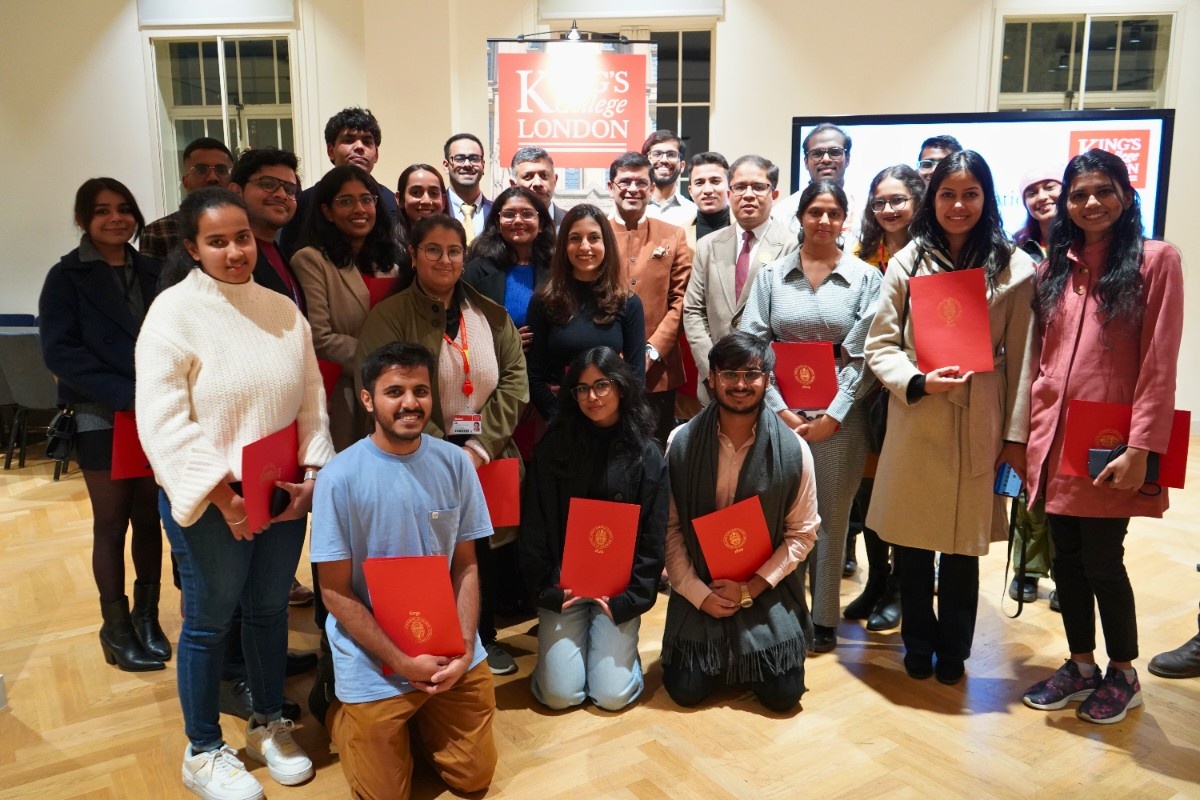
- Diversity in the cohort- The class was a combination of people from different places from all around the globe.
- Support from staff- Staff was always there to guide and support wherever required.
- Part-time work opportunities- There were plenty of on-campus and work from very flexible home opportunities.
Dislikes
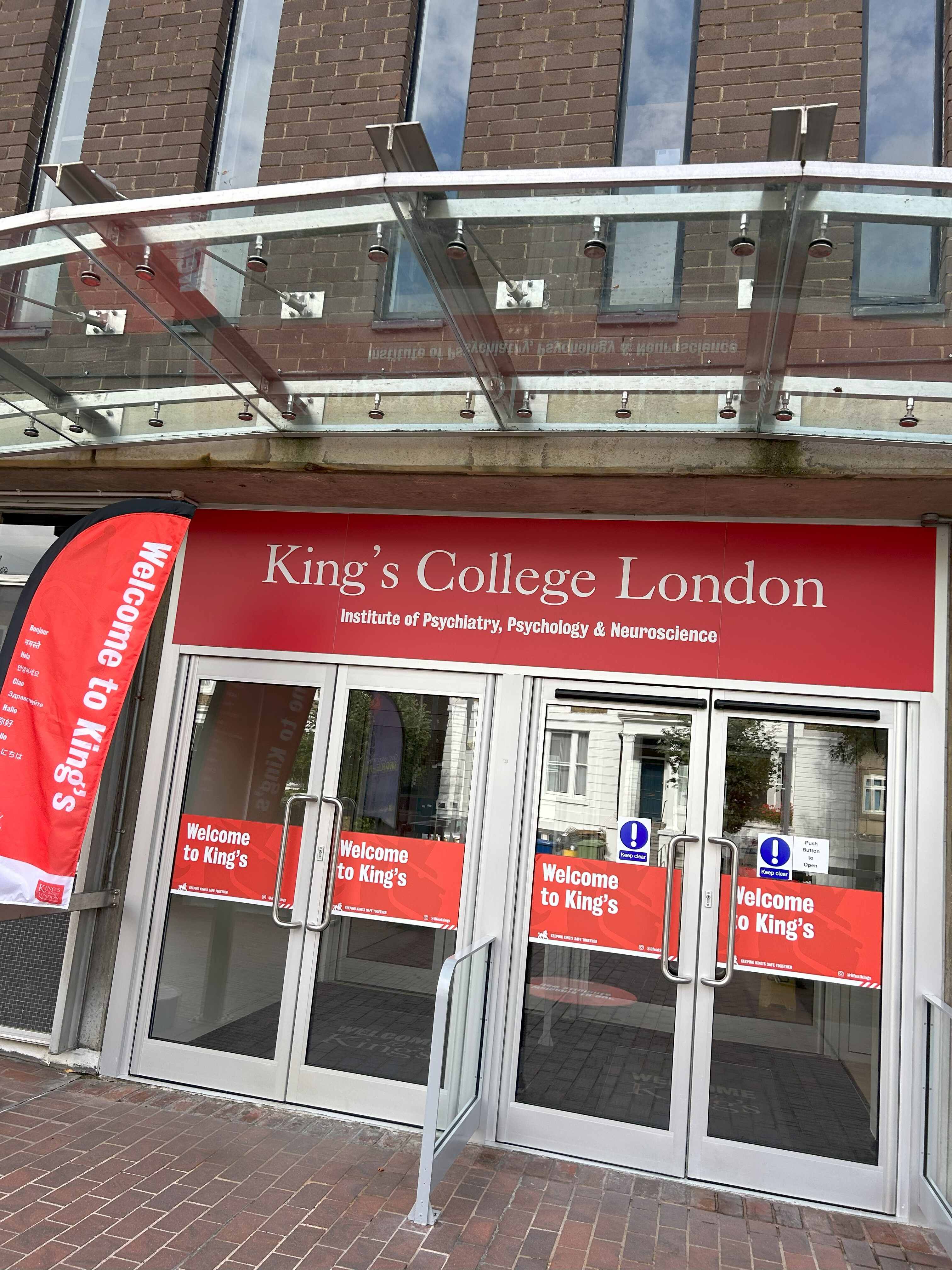
- My campus (Denmark Hill)- This campus is for the Institute of Psychiatry and Psychology and is far from the main campus, which makes it a little less happening compared to other campuses.
- Lack of practical exposure to real-life industry- My course lacked practical aspects and applicability of theoretical knowledge in the real world.
Scholarship
- No, I got delayed in filling out the form for scholarships. So, anybody willing to fill a form for a scholarship should do it as early as possible in November or December.
- Always keep an eye on when the forms come, as there are multiple Indian scholarships as well besides the scholarships provided by the university. I am unaware of the number of students who get the scholarships each year.




Likes
- Course Structure for one year degrees
- Societies, clubs and their scope of exposure
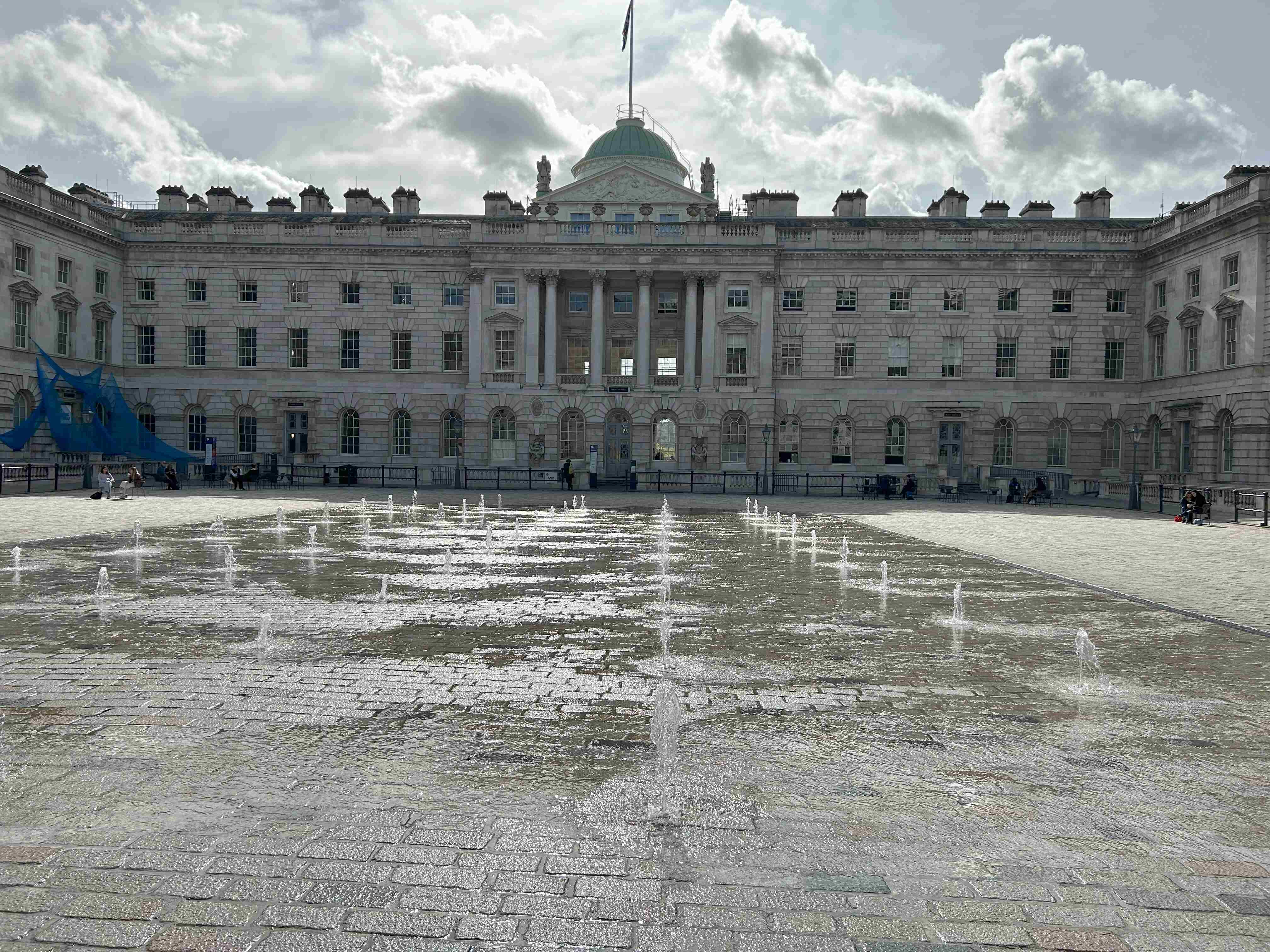
- Architecture of the university
Dislikes
- Long distances between different campuses
- Low on study spaces inside Strand campus
- Some teachers are very good researchers but not very good as "teachers"


Likes
- Student support teams, infrastructure, study spaces, library, academic resources
Dislikes
- Graduation ceremony fee (should be included in tuition fee)
- Limited one-to-one time with academics
- Departments often in silos (lack of collaborative approach at times between departments)
Overview
Admission Experience
- I chose UK to pursue public policy due to its similarity with Indian parliamentary system. I particularly opted for King's due to high academic ranking as well as the optional Internship module offered under the degree. London is a great city to explore - both academic and non-academic experiences.
- My overall experience at King's has been great, I'm grateful for the academic and professional opportunities as well as extracurricular activities. The student life has been exciting. However, I expected a more practical approach with my degree (MA Public Policy) and was a bit disappointed to see the core modules be more theoretical.
Likes
- Infrastructure, College Bar (You’ll network with a vibrant mix of people there), Social Events, Kings Ball, Faculty, Staff
Dislikes
- Course (As it was just theoretical)
Overview
King's College London was always my dream college. At first, my application was rejected, but then all of a sudden I got a mail saying I was acknowledged. I always wanted to go to King's because of variety of courses available there and as I wanted to get into marketing, I decided to pursue International Marketing but what came to my disappointment was that the Course Fee was too high and the course structure was designed in away that there was no practical experience included in the course. However, it was genuinely the best experience of my life. I made new friends, learned so many new things and got an experience of living independently.
Likes
- The program structure - 6 months of teaching followed by 3 months of dissertation.
- The course was quite practical in terms of the knowledge imparted and the skills developed.
- The faculty in the 2nd trimester was industry professionals who shared industry insights.
Dislikes
- The dissertation support was minimal and it wasn't conducted in an ideal manner.
- The cohort was mostly people with 0-1 years of work experience and not as diverse as I was expecting.
Overview
I chose this college because of the reputation and rankings of the university and its location being London. My overall experience was good, with a few pros and cons as mentioned above.
Likes
- I like the Campus.
Dislikes
- I dislike the Assessment Methods (More exams than practical application)
Overview
My main motivation for choosing this college was that they provided a unique list of modules that were not available in other top-ranking colleges.


interested in this College ?
Follow & Share this college to get information about admission.



Comments