





The University of Manchester admissions use UCAS for undergraduate applications and a direct portal for postgraduate courses. Indian applicants need Class XII of 80 to 95 percent for UG entry, and a Bachelor’s with First Class (60 to 80 percent) for taught PG entry, plus IELTS 6.5 to 7.0 overall.
- Next live deadline: UCAS equal consideration on 13 January 2027 for the September 2027 primary intake.
- Base tuition and application fee: UG tuition from £26,500 to £38,000 per year (around INR 34.26 to INR 49.13 Lakhs); UCAS application fee £34.50 (around INR 4,461).
- Eligibility floor: UG requires Class XII 80 to 95 percent with IELTS 6.5; PG requires a Bachelor’s at First Class from a recognised university with IELTS 7.0.
- Acceptance rate: University does not publish an official figure; estimates place selectivity between 51 and 60 percent overall.
Popular Indian choices at The University of Manchester include MSc Finance, MSc Data Science, and BSc Economics, with over 1,500 Indian students on campus and strong Russell Group placement outcomes drawing repeat interest year on year.
Table of Contents
- The University of Manchester Application Deadlines
- Manchester Eligibility for Indian Students
- Manchester PG Programs and English Scores
- The University of Manchester UG Programs
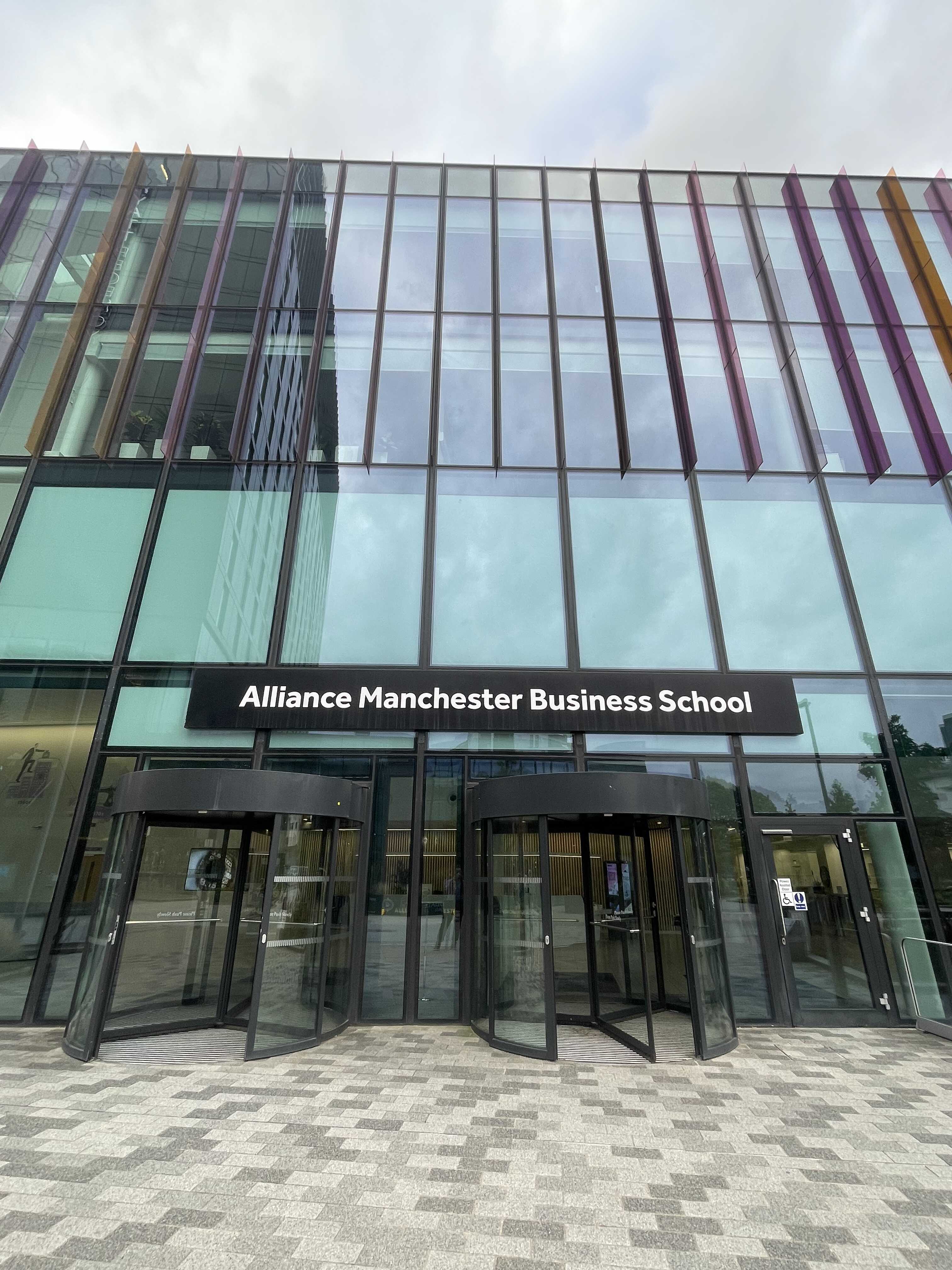
- Manchester MBA Admissions at Alliance MBS
- Manchester PhD Admissions
- The University of Manchester Application Process
- Manchester Documents Required
- Manchester Acceptance Rate
- United Kingdom Student Visa for Manchester
- Manchester Admissions Tips and Checklist
- The University of Manchester Admissions FAQs
The University of Manchester Application Deadlines
The University of Manchester runs one main annual intake in September, with a small January intake for a handful of foundation and PG programmes. Undergraduate applications route through UCAS, the UK’s central undergraduate platform, while postgraduate applications go directly through the university’s own portal. Dates below are drawn from the official international undergraduate applications page and the AMBS MBA calendar.
The University of Manchester’s primary intake for Indian students is September — all UG, PG, MBA, and PhD programmes open here. The January window covers only limited foundation courses.
| Intake | Level | App Opens | Deadline | App Fee | Portal |
|---|---|---|---|---|---|
| September 2027 (Primary intake) | UG (excluding Medicine and Dentistry) | 1 September 2026 | 13 January 2027 (equal consideration); 30 June 2027 (final) | £34.50 (INR 4,461) | UCAS |
| September 2027 | UG Medicine and Dentistry (MBChB, BDS) | 1 September 2026 | 15 October 2026, 6pm UK time | £34.50 (INR 4,461) | UCAS |
| September 2027 | PG Taught Masters (most courses) | Rolling (open now) | Rolling; apply 6 to 9 months before start | No fee (most courses) | Manchester direct portal |
| September 2027 | MBA Full-time (Alliance MBS) | 1 September 2026 | Round 4: 4 January 2027; Round 9: 1 July 2027 (final) | £100 (INR 12,929) | AMBS portal |
| September 2027 | PhD (Doctoral research) | Rolling (open now) | Rolling; scholarship rounds close January and April 2027 | No fee | Manchester direct portal |
Insider note: Manchester allots offers on a first-come basis for competitive Masters like Finance and Data Science, so Indian applicants aiming for September 2027 should submit by December 2026 rather than waiting for the final window.
The University of Manchester Eligibility for Indian Students
Manchester assesses Indian applicants using board-specific percentage floors for undergraduate entry and a First Class Bachelor’s benchmark for postgraduate entry. English language proficiency is required from every Indian applicant unless they hold citizenship of a majority English-speaking country. There is no MOI (medium of instruction) waiver for Indian applicants at Manchester, so an IELTS, TOEFL, or PTE score is mandatory regardless of prior schooling in English.
Undergraduate Academic Requirements
- CBSE and ISC Class XII: 80 to 95 percent overall, with the specific floor set by the chosen course.
- Recognised State Boards: Maharashtra, West Bengal, Tamil Nadu, Karnataka, Gujarat — 80 to 95 percent; not accepted for Medicine.
- Foundation Year (Science and Engineering): Class XII 70 percent overall, with 75 percent in Maths and Physics and 65 percent in English.
- Subject prerequisites: Mathematics for Economics, Engineering, and Computer Science; Chemistry and Biology for Medicine.
Postgraduate Academic Requirements
Taught masters require a three or four-year Bachelor’s with First Class honours, mapped to a percentage floor by the applicant’s home university tier. From top-ranked Indian universities (IITs, IIMs, top NITs, Delhi University, top private research universities) Manchester accepts 60 to 65 percent, from other reputable universities 70 to 80 percent. A subject match is required for specialised MSc programmes such as Data Science or Chemical Engineering.
Accepted English Language Tests
| Test | UG Minimum | PG Minimum |
|---|---|---|
| IELTS Academic | 6.5 overall, no band below 6.0 | 7.0 overall, no band below 6.5 |
| TOEFL iBT | 90 overall, 22 in each section | 100 overall, 22 in each section |
| PTE Academic | 65 overall, no section below 59 | 76 overall, no section below 70 |
| Cambridge C1 Advanced | 176 overall, 169 in each | 185 overall, 176 in each |
Planning note: Manchester accepts IELTS One Skill Retake for IELTS Academic and IELTS UKVI, so a single weak band can be raised without redoing the full test. PTE Academic Online and PTE Academic Home are not accepted for visa applications.
Note: Program-specific entry requirements, fees, and intake availability may differ from the institution-wide minimums shown above. Always confirm on the official Manchester India entry requirements page for your chosen programme before applying.
The University of Manchester PG Programs and English Scores
Postgraduate taught masters at Manchester run for one year full-time, priced between £22,500 and £38,000 per year in base tuition (around INR 29.09 to INR 49.13 Lakhs). Fees vary by faculty and by domestic classification, and the figures below are 2026 to 2027 published rates. For a full course-wise breakdown, see the detailed programme catalogue.
| Programme | Duration | Minimum Eligibility | English Req. Min. |
|---|---|---|---|
| MSc Finance | 1 year | Bachelor’s 2:1 (65 percent+) in finance, economics, or quant discipline | IELTS 7.0 (6.5 min) |
| MSc Management | 1 year | Bachelor’s 2:1 (65 percent+) in any discipline; no prior business needed | IELTS 7.0 (6.5 min) |
| MSc Marketing | 1 year | Bachelor’s 2:1 (65 percent+) in business, marketing, or social science | IELTS 7.0 (6.5 min) |
| MSc International Business and Management | 1 year | Bachelor’s 2:1 (65 percent+) in business or management | IELTS 7.0 (6.5 min) |
| MSc Advanced Computer Science | 1 year | Bachelor’s 2:1 (65 percent+) in computer science with strong programming | IELTS 6.5 (6.0 min) |
| MSc Data Science | 1 year | Bachelor’s 2:1 (65 percent+) in computing, maths, statistics, or engineering | IELTS 6.5 (6.0 min) |
| MSc Business Analytics: OR and Risk Analysis | 1 year | Bachelor’s 2:1 (65 percent+) with quantitative content | IELTS 7.0 (6.5 min) |
| MSc Chemical Engineering with Environmental Technology | 1 year | Bachelor’s 2:1 (65 percent+) in chemical or process engineering | IELTS 6.5 (6.0 min) |
| MSc Development Finance | 1 year | Bachelor’s 2:1 (65 percent+) in economics, finance, or related | IELTS 7.0 (6.5 min) |
Insider note: Alliance MBS courses (Finance, Management, Marketing, Business Analytics) close informally 4 to 8 weeks before term start for international applicants, well ahead of the stated rolling deadline. Indian applicants targeting September 2027 should submit by January 2027 for the best chance at Alliance MBS offers.
Note: Program-specific entry requirements, fees, and intake availability may differ from the institution-wide minimums shown above. Always confirm on the official Manchester postgraduate applications page for your chosen programme before applying.
The University of Manchester UG Programs
Undergraduate courses at Manchester run three years for a BSc or BA and four to six years for integrated masters or professional programmes such as Medicine (MBChB) and Dentistry (BDS). Indian applicants meeting the CBSE, ISC, or recognised State Board thresholds apply through UCAS, listing Manchester (institution code M20 MANU) as one of up to five choices. Base tuition sits between £26,500 and £38,000 per year (around INR 34.26 to INR 49.13 Lakhs); Medicine tuition runs materially higher.
| Programme | Duration | Minimum Eligibility | English Req. Min. |
|---|---|---|---|
| BSc Computer Science | 3 years (4 with placement) | Class XII 90 percent+ with A grade in Mathematics | IELTS 6.5 (6.0 min) |
| BSc Economics | 3 years | Class XII 90 percent+ with 90 percent in Mathematics | IELTS 7.0 (6.5 min) |
| BSc Mechanical Engineering | 3 years (4 with placement) | Class XII 85 percent+ in Maths and Physics | IELTS 6.5 (6.0 min) |
| BSc Business Management | 3 years | Class XII 85 percent+ from CBSE, ISC, or recognised State Board | IELTS 7.0 (6.5 min) |
| MBChB Medicine | 5 years | Class XII 95 percent+ in Chemistry, Biology, and Mathematics; UCAT required | IELTS 7.5 (7.0 in each) |
Reality check: Manchester is one of the few Russell Group universities that accepts CBSE and ISC Class XII for direct first-year entry — most peers require a UK Foundation Year first. Indian applicants with 90 percent+ Class XII can therefore apply directly to Year 1, saving one year and around INR 30 Lakhs in Foundation-year cost.
The University of Manchester MBA Admissions at Alliance MBS
The Manchester Full-time MBA runs at Alliance Manchester Business School (AMBS), the university’s triple-accredited business school. The 2027 intake starts in September 2027 and accepts applications in nine sequential rounds. Base tuition is £50,000 for the full 18-month programme (around INR 64.65 Lakhs); see funding options for Indian students for AMBS-specific scholarships and India Merit awards.
Alliance MBS MBA Deadlines and GMAT
- Application rounds: Round 4 (4 January 2027), Round 5 (1 February 2027), Round 6 (1 March 2027), Round 7 (1 April 2027), Round 8 (9 May 2027), Round 9 (1 July 2027).
- GMAT or GRE: Required for most Indian applicants; average incoming GMAT is 650, with 600 as a soft floor.
- Work experience: Minimum 3 years full-time post-graduation for the Full-time MBA; average 5 to 7 years.
- Application fee: £100 (around INR 12,929) payable on the AMBS portal.
AMBS MBA Interview Process
Shortlisted applicants sit a competency-based interview, held virtually for Indian candidates, typically 4 to 6 weeks after the round deadline. The interview panel probes leadership, career clarity, and fit with the Manchester Method (Manchester’s project-based teaching approach where cohorts solve real client problems in cross-industry teams). Offers land within 2 to 3 weeks of the interview.
Planning note: AMBS restricts UK-based sponsorship rounds and executive-track rounds to onshore applicants — Indian candidates applying from India should focus on the Full-time MBA rounds only. Round 4 in January is typically the strongest round for international scholarships.
The University of Manchester PhD Admissions
Manchester runs doctoral admissions on a rolling basis across all four faculties: Science and Engineering, Biology Medicine and Health, Humanities, and the Alliance MBS. Indian PhD applicants typically hold a taught Masters at Merit (60 percent+) with a subject-matched research proposal, though direct Bachelor-to-PhD entry is possible for exceptional candidates from IITs, IIMs, or top research universities.
Manchester PhD Funding Rounds
- President’s Doctoral Scholar (PDS) Award: Full tuition plus £19,237 annual stipend (around INR 24.87 Lakhs) for the 2026 to 2027 academic year; open to top-decile international applicants across all faculties.
- UKRI-funded studentships: Full tuition and stipend, but restricted to Home-fee status and long-term UK residents; Indian applicants generally not eligible.
- ESRC NWSSDTP awards (Humanities and Social Sciences): Open to international applicants, close in January 2027 for September 2027 entry.
- Faculty-specific scholarships: Individual departments hold ring-fenced international PhD scholarships; deadlines cluster around January and April 2027.
PhD Application Steps at Manchester
Applicants first identify two potential supervisors in their target school, share a 1,500 to 3,000-word research proposal, and confirm supervisor interest before submitting a formal PhD application. Offers are typically conditional on IELTS and on a follow-up interview held over Zoom for Indian candidates.
The University of Manchester Application Process
Manchester runs two parallel application tracks: UCAS for undergraduate courses and the university’s direct portal for postgraduate taught, MBA, and PhD applications. Indian applicants should allow 4 to 6 weeks to gather references, write the personal statement or SOP (Statement of Purpose), and complete the online submission.
Undergraduate Application via UCAS
- Register on the UCAS Hub; the 2027 cycle opened on 1 September 2026.
- Add up to five course choices, listing Manchester (institution code M20 MANU) among them.
- Upload Class XII certificates or predicted grades, plus one academic reference from a teacher familiar with your work.
- Write a 4,000-character personal statement using the new three-section UCAS format (motivation, preparedness, extracurriculars).
- Pay the UCAS application fee of £34.50 (around INR 4,461), which covers all five choices.
- Submit before the 13 January 2027 equal consideration deadline; Medicine and Dentistry must submit by 15 October 2026.
Postgraduate Direct Application Steps
- Create an account on the Manchester postgraduate applications portal.
- Select up to three PG programmes; Alliance MBS allows only one course choice per application cycle.
- Upload degree transcripts, degree certificate (if graduated), a two-page CV, an SOP tailored to the course, and two academic or professional references.
- Submit with no application fee for most taught masters; MBA carries a £100 (INR 12,929) fee.
- Decisions typically arrive within 6 to 8 weeks for taught masters and 2 to 3 weeks after interview for MBA rounds.
Before you apply: Manchester’s Offer Holder Days for Indian applicants run virtually in February and March 2027. Attending these events is a strong signal of intent and often unlocks early scholarship consideration.
The University of Manchester Documents Required
The following paperwork must be uploaded to UCAS or the Manchester direct portal when applying. Documents in Indian languages need certified English translations; degree certificates from Indian universities require university-issued mark sheets rather than provisional transcripts.
- Passport: Bio-data page, valid for at least 24 months from intended start.
- Class X and Class XII mark sheets: Board-issued, showing subject-wise grades.
- Bachelor’s degree transcripts: Semester or year-wise mark sheets from the awarding Indian university (PG applicants only).
- Bachelor’s degree certificate: Provisional or final, if already awarded.
- English test score report: IELTS, TOEFL, PTE, or Cambridge — original TRF from the test centre.
- Personal Statement or SOP: 4,000 characters for UCAS UG; 500 to 1,000 words for PG programmes.
- Two references: Academic for freshers; one academic and one professional for MBA and experienced PG applicants.
- CV or resume: Two pages for PG and MBA applicants, listing internships and full-time work.
- Work experience letter: On company letterhead, mandatory for MBA applicants (minimum 3 years).
- GMAT or GRE score report: MBA and select analytics MSc programmes only.
- UCAT report: Mandatory for MBChB Medicine applicants.
The University of Manchester Acceptance Rate
The University of Manchester does not publish an official institutional acceptance rate. Independent estimates place selectivity between 51 and 60 percent overall for international applicants, based on UCAS acceptance patterns across Russell Group universities and Manchester’s declared applications-to-offer ratio in annual returns. Course-level acceptance is materially tighter for competitive programmes.
Manchester Acceptance Rate by Programme Tier
- MBChB Medicine: 6 to 8 percent; the tightest programme, with UCAT and interview cut-offs.
- MSc Finance and MSc Business Analytics (Alliance MBS): 15 to 20 percent for Indian applicants; competitive on GMAT and prior institution rank.
- BSc Computer Science and BSc Economics: 20 to 30 percent for Class XII applicants above 90 percent.
- Taught masters in humanities and social sciences: 45 to 60 percent; the broadest offer window.
How to Improve Odds at Manchester
Beyond academic scores, Manchester weighs the personal statement or SOP heavily. Indian applicants with a well-benchmarked ranking band — check the Manchester ranking band for context — typically demonstrate subject depth through a project, publication, or internship in the personal statement rather than relying on grades alone. Manchester rewards subject clarity.
Insider note: Manchester does not use standardised interview scoring for most non-Medical courses. The personal statement is often the sole differentiator between two Indian applicants with 90 percent+ Class XII scores, so investing time in a subject-specific, project-anchored draft pays off.
United Kingdom Student Visa for The University of Manchester Applicants
Indian students admitted to Manchester apply for the UK Student Visa (Student Route, previously Tier 4) after receiving their CAS (Confirmation of Acceptance for Studies) from the university. The visa allows study for the full course length plus a short buffer, and gives eligible graduates access to the 18-month Graduate Route from January 2027. The Student Visa application fee is £558 (around INR 72,144), and the IHS (Immigration Health Surcharge, which grants access to the UK’s National Health Service) is £776 per year (around INR 1.00 Lakhs), paid upfront for the full visa length.
Applicants must show first-year tuition already paid or held, plus living costs of £1,136 per month for up to nine months for Manchester (around INR 13.22 Lakhs), held in the applicant or parent’s account for 28 consecutive days before applying. The visa is processed at the VFS Global centre in the applicant’s Indian metro city, with priority service returning a decision in 5 working days.
2026 update: The UK Home Office confirmed that the Graduate Route drops from 24 to 18 months for all applicants starting a course after 1 January 2027. Manchester Indian applicants targeting the September 2027 intake are the first cohort affected, so factor the shorter post-study window into placement and settlement plans.
The University of Manchester Admissions Tips and Checklist
The following tips and steps are drawn from Indian-applicant patterns at The University of Manchester over the last three admission cycles. Times below are anchored to the September 2027 intake.
- Book IELTS by August 2026: Test slots in metros fill 6 to 8 weeks ahead; retakes need buffer time before the January 2027 UCAS deadline.
- Start the UCAS personal statement in September 2026: The new three-section format needs 4 to 6 drafts to hit Manchester’s subject-depth bar.
- Secure two academic references by October 2026: Teachers need 3 weeks minimum for a strong reference letter through UCAS.
- Register with UCAT by August 2026 (Medicine only): Test window closes 27 September 2026; Manchester screens on UCAT before offer.
- File UCAS by 13 December 2026, not 13 January 2027: Manchester issues offers on a rolling basis after the October deadline for Medicine and after November for other courses.
- Apply for AMBS Round 4 (January 2027): Round 4 carries the largest MBA scholarship pool for Indian candidates.
- Complete financial documentation by March 2027: Parents’ 28-day bank balance must date after 1 March 2027 for a June or July 2027 visa filing.
- Book visa slot in June 2027: UK visa slots at VFS metros peak in July, so an early June booking avoids Term 1 delays.
Popular Indian courses like MSc Finance, MSc Data Science, and the Manchester MBA fill first, so applicants aiming for September 2027 should treat the January 2027 UCAS date and Alliance MBS Round 4 as their real targets rather than the stated final deadlines.
The University of Manchester Admissions: Frequently Asked Questions
Ques. Does The University of Manchester accept CBSE and ISC Class XII directly for undergraduate entry?
Ans. Yes. Indian applicants with CBSE or ISC Class XII scoring 80 to 95 percent qualify for direct first-year entry, no Foundation year required. The specific percentage floor depends on the chosen course; Economics and Computer Science require 90 percent+, while Medicine requires 95 percent+.
Ques. Which Indian State Boards does Manchester recognise?
Ans. Manchester recognises five State Boards for direct entry: Maharashtra, West Bengal, Tamil Nadu, Karnataka, and Gujarat. The 80 to 95 percent floor applies to State Board applicants as well. State Board scores are not accepted for MBChB Medicine — CBSE or ISC is required for medical admission.
Ques. Is there an IELTS waiver for Indian applicants who studied in English-medium schools?
Ans. No. Manchester does not offer an MOI-based English waiver for Indian applicants. Only citizens of 17 designated majority-English-speaking countries are exempt from submitting an English test score. Every Indian applicant must submit IELTS, TOEFL, PTE, or Cambridge English.
Ques. What is the UCAS application fee for the 2027 cycle?
Ans. UCAS charges a flat £34.50 (around INR 4,461) for the 2027 cycle, covering up to five course choices. Applicants pay once regardless of how many Manchester or non-Manchester courses they list.
Ques. When should Indian applicants submit for the September 2027 intake?
Ans. Undergraduate applicants should submit UCAS by 13 January 2027 for equal consideration; earlier submission by December 2026 is safer for competitive courses. Postgraduate applicants should apply 6 to 9 months before September 2027. AMBS MBA candidates should target Round 4 (4 January 2027) for scholarship access.
Ques. Does Manchester interview Indian PG applicants?
Ans. Most taught masters at Manchester make decisions on the written application alone. Interviews are standard for MBBS Medicine (multi-mini interview format), Alliance MBS MBA (virtual competency-based panel), and select clinical or professional programmes. PhD applicants are always interviewed by potential supervisors.
Ques. What Bachelor’s percentage does Manchester need for taught masters?
Ans. Manchester accepts Bachelor’s scores between 60 and 80 percent depending on the applicant’s home university tier. From IITs, IIMs, top NITs, top private research universities, and Delhi University the floor sits at 60 to 65 percent; from other reputable Indian universities the floor rises to 70 to 80 percent for a First Class equivalent.
Ques. Can Indian applicants apply to Manchester with GRE instead of GMAT for MBA?
Ans. Yes. Alliance MBS accepts both GMAT and GRE for the Full-time MBA. The average incoming GMAT is 650 (equivalent GRE around 325 combined). Strong quantitative sections matter more than the total score; applicants with GMAT below 600 are usually asked to retake before an interview invite.
Ques. What is the UK Student Visa cost for Manchester students?
Ans. The Student Visa fee is £558 (around INR 72,144), plus the IHS of £776 per year (around INR 1.00 Lakhs) per year of visa length. For a one-year masters, total visa outlay lands around £2,110 (around INR 2.73 Lakhs). Financial proof of £1,136 per month for 9 months (around INR 13.22 Lakhs) is required in addition to first-year tuition.
Ques. Is there an application fee for Manchester’s postgraduate courses?
Ans. Most taught postgraduate courses at Manchester charge no application fee. Alliance MBS MBA carries a £100 (INR 12,929) fee, and some specialist clinical or executive programmes charge separately. Confirm the fee on the specific programme page before submitting.
Ques. How competitive is Manchester’s Medicine (MBChB) programme for Indian applicants?
Ans. Manchester Medicine is highly competitive, with an estimated acceptance rate of 6 to 8 percent. Indian applicants need CBSE or ISC Class XII at 95 percent+ in Chemistry, Biology, and Mathematics, a strong UCAT score, and a multi-mini interview performance. State Board applicants are not eligible for Medicine.
Ques. Does Manchester defer offers if an Indian applicant misses the visa deadline?
Ans. Yes, Manchester allows a one-year deferral for most courses on request, subject to the offer conditions. Medicine, Dentistry, and MBA deferrals require a fresh interview or written justification. Deferral requests should be filed within 4 weeks of receiving the original offer.
College Student Profiles

The University of Manchester Program Fees & Deadlines
| Program | Important Dates | Fees | Application Fees | Eligibility | Financial Aid |
|---|---|---|---|---|---|
MBA 15 months | Stage 2 Application Deadline for 2027 Intake (16th Nov 2026) Stage 3 Application Deadline for 2027 Intake (4th Jan 2027) | USD 52,800 /Yr GBP 40,000 /Yr | 60 | IELTS: 6.5, TOEFL: 4.5, PTE: 59 | |
MSc Data Science 1 year | Stage 1 Application Deadline for 2027 Intake (7th Dec 2026) Stage 2 Application Deadline for 2027 Intake (1st Mar 2027) Stage 3 Application Deadline for 2027 Intake (3rd May 2027) Stage 4 Application Deadline for 2027 Intake (5th Jul 2027) | USD 46,464 /Yr GBP 35,200 /Yr | 60 | IELTS: 7.0, TOEFL: 5.0, PTE: 76 | |
Stage 1 Application Deadline for 2027 Intake (7th Nov 2026) Stage 2 Application Deadline for 2027 Intake (2nd Jan 2027) Stage 3 Application Deadline for 2027 Intake (27th Feb 2027) Stage 4 Application Deadline for 2027 Intake (22nd May 2027) | USD 52,008 /Yr GBP 39,400 /Yr | 60 | IELTS: 7.0, TOEFL: 5.0, PTE: 76 | ||
LLM 1 year | Stage 1 Application Deadline for 2027 Intake (7th Dec 2026) Stage 2 Application Deadline for 2027 Intake (1st Mar 2027) Stage 3 Application Deadline for 2027 Intake (3rd May 2027) | USD 40,920 /Yr GBP 31,000 /Yr | 60 | IELTS: 7.0, TOEFL: 5.0, PTE: 76 | |
BSc Computer Science 3 years | USD 49,896 /Yr GBP 37,800 /Yr | 29 | IELTS: 7.0, TOEFL: 5.0 | ||
LLB 3 years | Equal Consideration Application Deadline for September 2027 Intake (13th Jan 2027) | USD 37,488 /Yr GBP 28,400 /Yr | 29 | IELTS: 7.0, TOEFL: 5.0 | |
| USD 47,124 /Yr GBP 35,700 /Yr | 60 | TOEFL: 100, IELTS: 7, PTE:76 | |||
MSc Economics 1 year | Stage 1 Application Deadline for 2027 Intake (7th Dec 2026) Stage 2 Application Deadline for 2027 Intake (1st Mar 2027) Stage 3 Application Deadline for 2027 Intake (3rd May 2027) Stage 4 Application Deadline for 2027 Intake (5th Jul 2027) | USD 44,352 /Yr GBP 33,600 /Yr | 60 | IELTS: 7.0, TOEFL: 5.0, PTE: 76 | |
Stage 1 Application Deadline for 2027 Intake (7th Dec 2026) Stage 2 Application Deadline for 2027 Intake (1st Mar 2027) | USD 46,464 /Yr GBP 35,200 /Yr | 60 | IELTS: 7.0, TOEFL: 5.0, PTE: 76 | ||
Stage 1 Application Deadline for 2027 Intake (7th Nov 2026) Stage 2 Application Deadline for 2027 Intake (2nd Jan 2027) Stage 3 Application Deadline for 2027 Intake (27th Feb 2027) Stage 4 Application Deadline for 2027 Intake (22nd May 2027) | USD 52,008 /Yr GBP 39,400 /Yr | 60 | IELTS: 7.0, TOEFL: 5.0, PTE: 76 |
Do you think the Dates are wrong ? Report Here
Important Alerts
| Events | Dates |
|---|---|
| Master of Business Administration [MBA] Stage 2 Application Deadline for 2027 Intake | Closing in 28 days |


Course Finder - Search from 50K+ courses
Popular Streams:
Reviews
Most Popular Tags
38 Reviews Found
Likes
- It's is a very Multicultural Campus
- The campus is very high tech.
- Nobel Laureate Faculties
Dislikes
- The campus is very spread out and somethings it tiring to go from one class to another.
- The accommodation is very expensive.
- Sometimes its hard to get time post lecture from professors.
Scholarship
- No i did not receive any scholarship during my course. At that time i did not even know what scholarships to apply for.
- My batchmate from Turkey received a fully paid master's from his government.
- In the batch of 18 we had 4 people on scholarships. Mostly the ones who were from European nations. Asian students tend not to get a lot of scholarships. Mostly due to lack of funds but also due to lack of information.

Likes
- Upto date academia
- Modern ambience
- Various talks by professionals both in industry and academia.
Dislikes
- No spoon feeding wrt to teaching
- Exams structure is very different
- Based on personal initiation meaning that here they don’t make you attend events or make anything compulsory. You are basically on your own when it comes to attending networking events and keep an eye out on your mails.
Scholarship
- Yes and the university sends out mail as usual; scholarships depend on the course as well. But the Bicentenary Scholarship, which I mentioned, is for all the courses and only for international students.
- But there are a lot of other scholarships but for my course there was just this one but I have heard people from other courses getting some different scholarships. Again, keep a look out on your mail, as university send out mail to eligible students.
Likes
- Academic excellence- The course was intellectually rigorous, well structured , and delivered by knowledgeable faculty
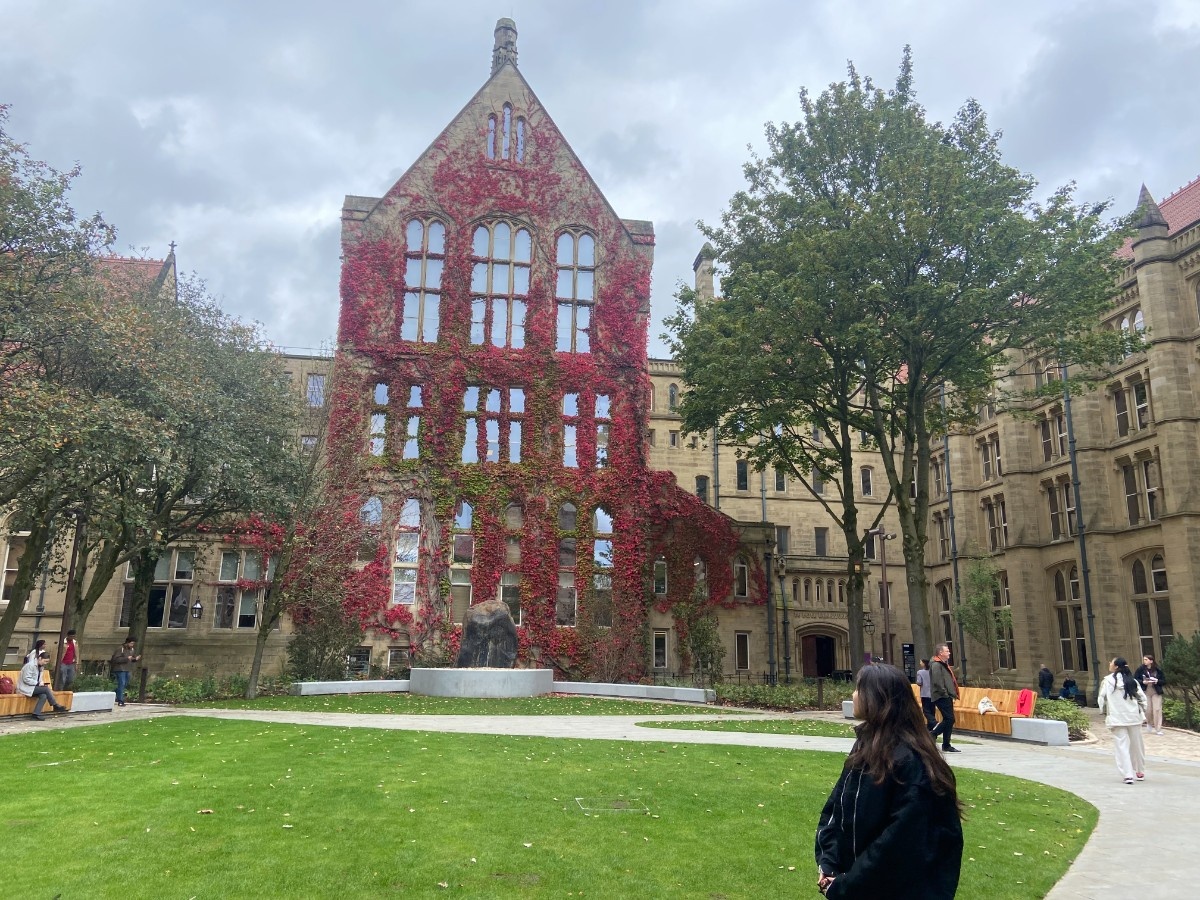
- World class infrastructure and learning environment
- Diverse and inclusive community
Dislikes
- Career support for international students
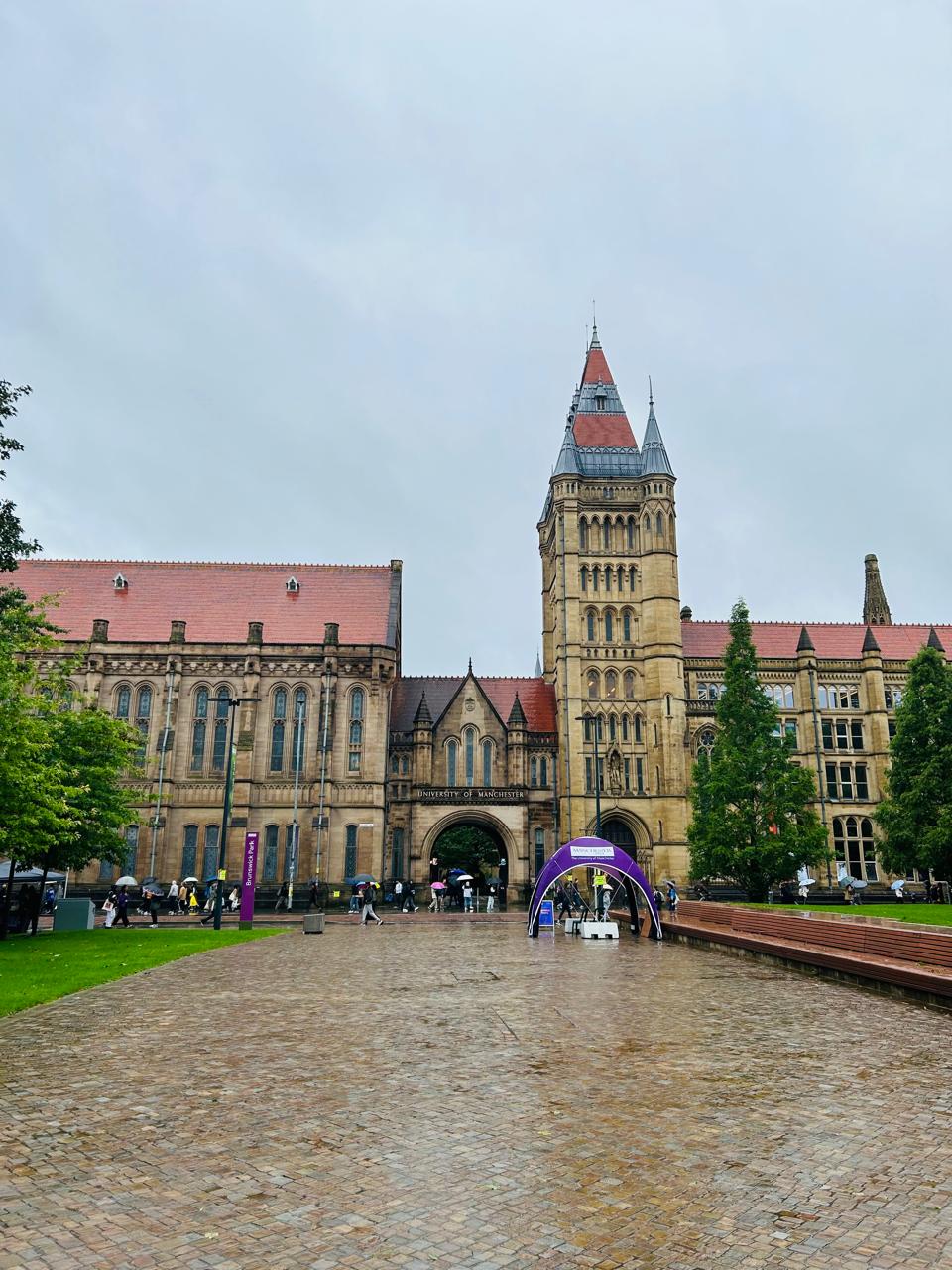
- Uk weather - frequent rain and cold weather
- Administrative delays specially during busy academic periods
Likes
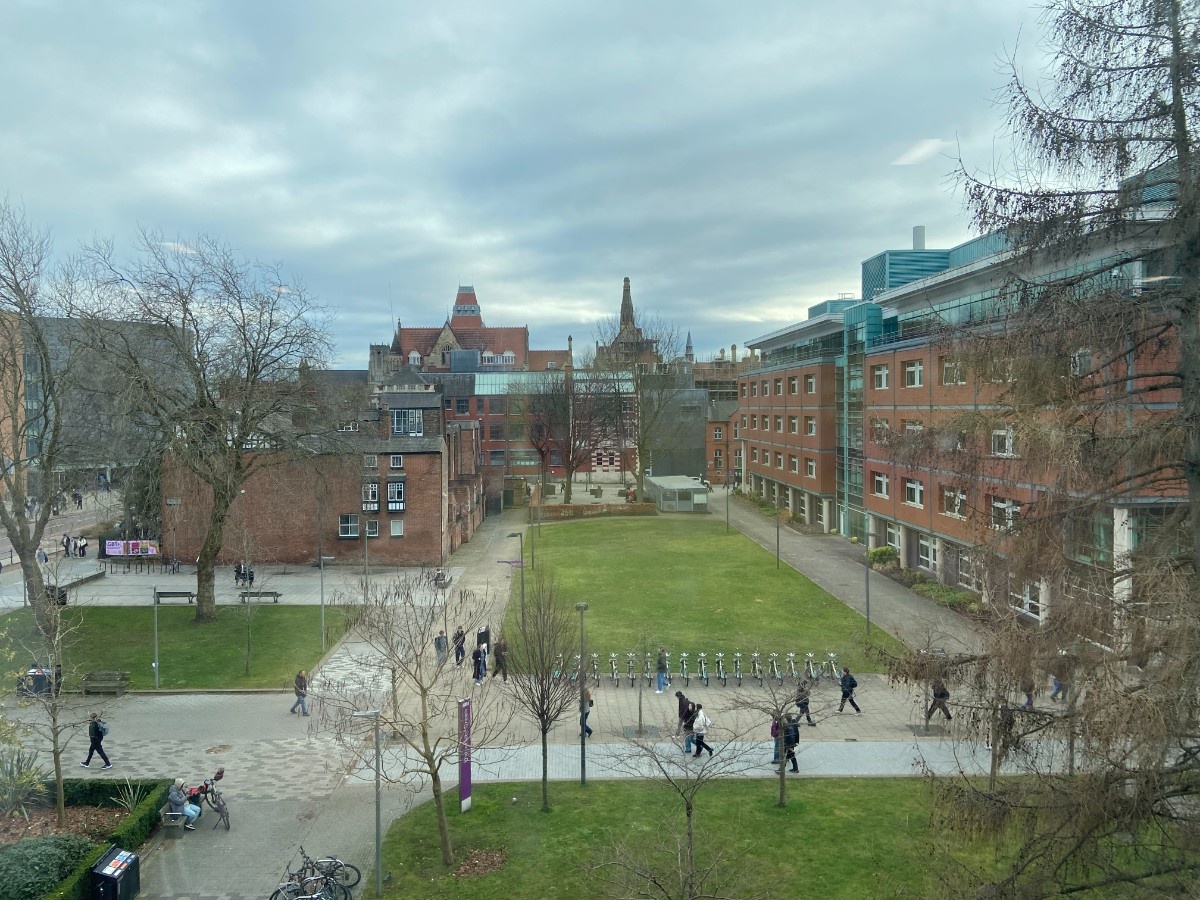
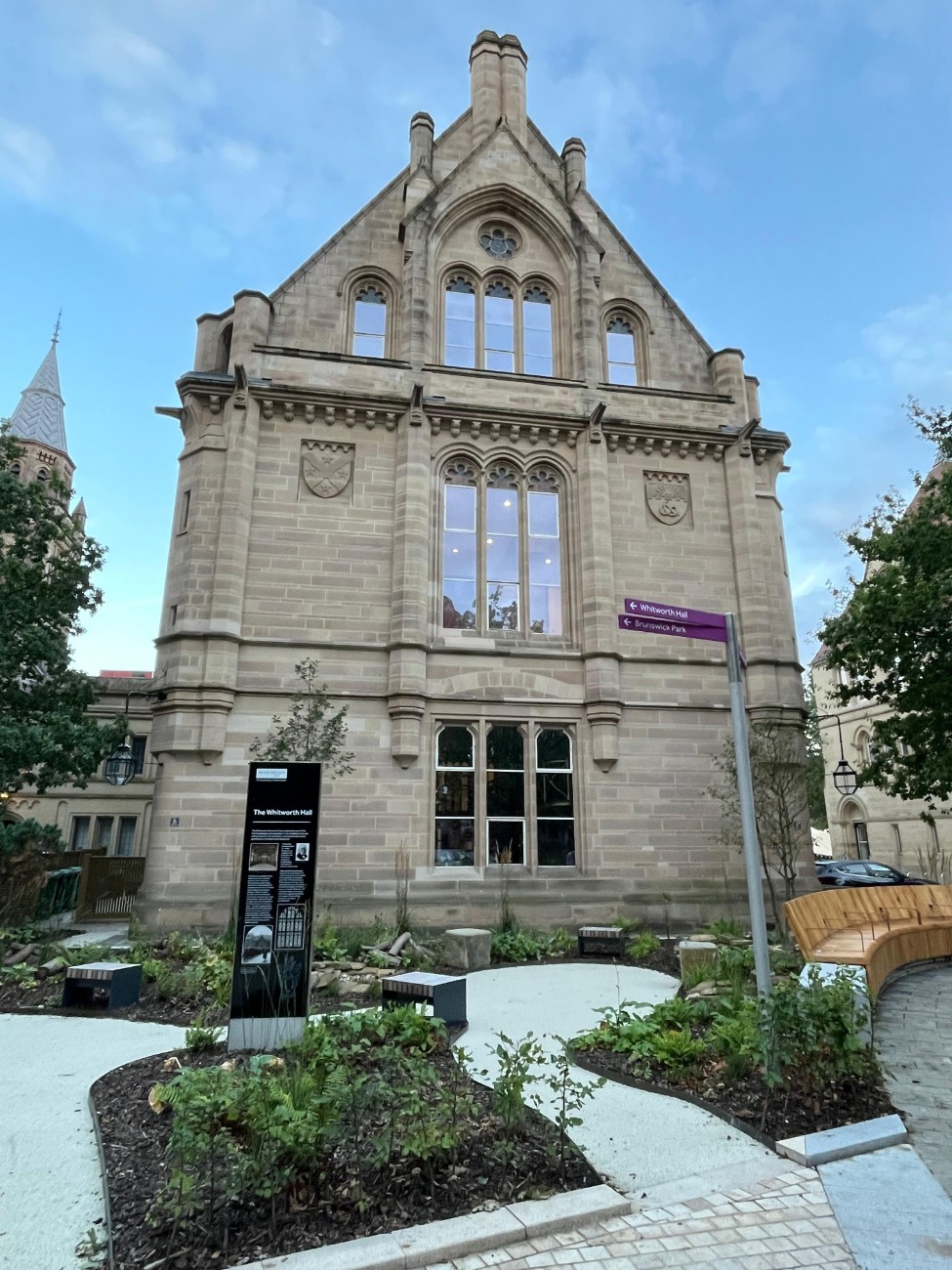
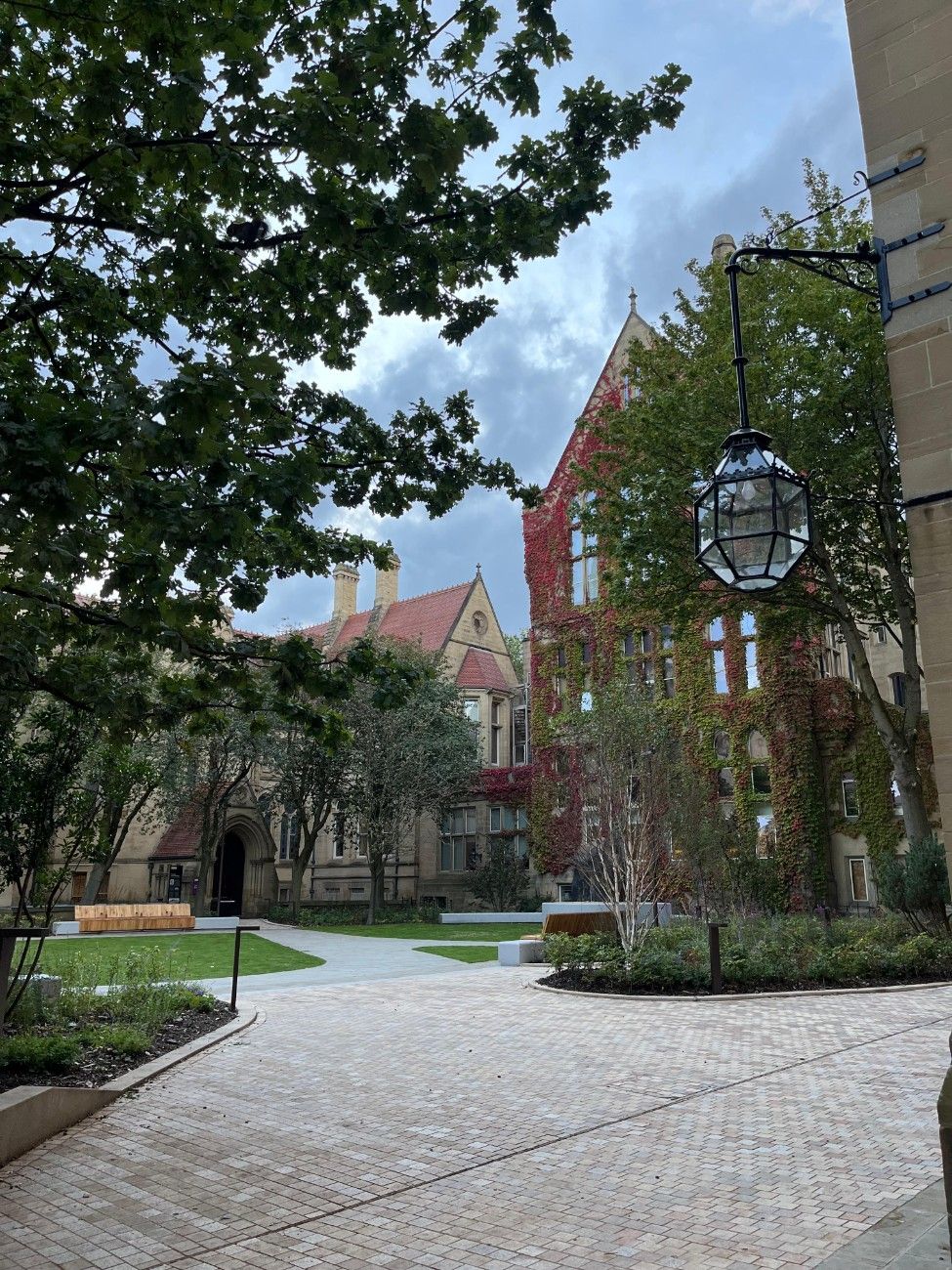
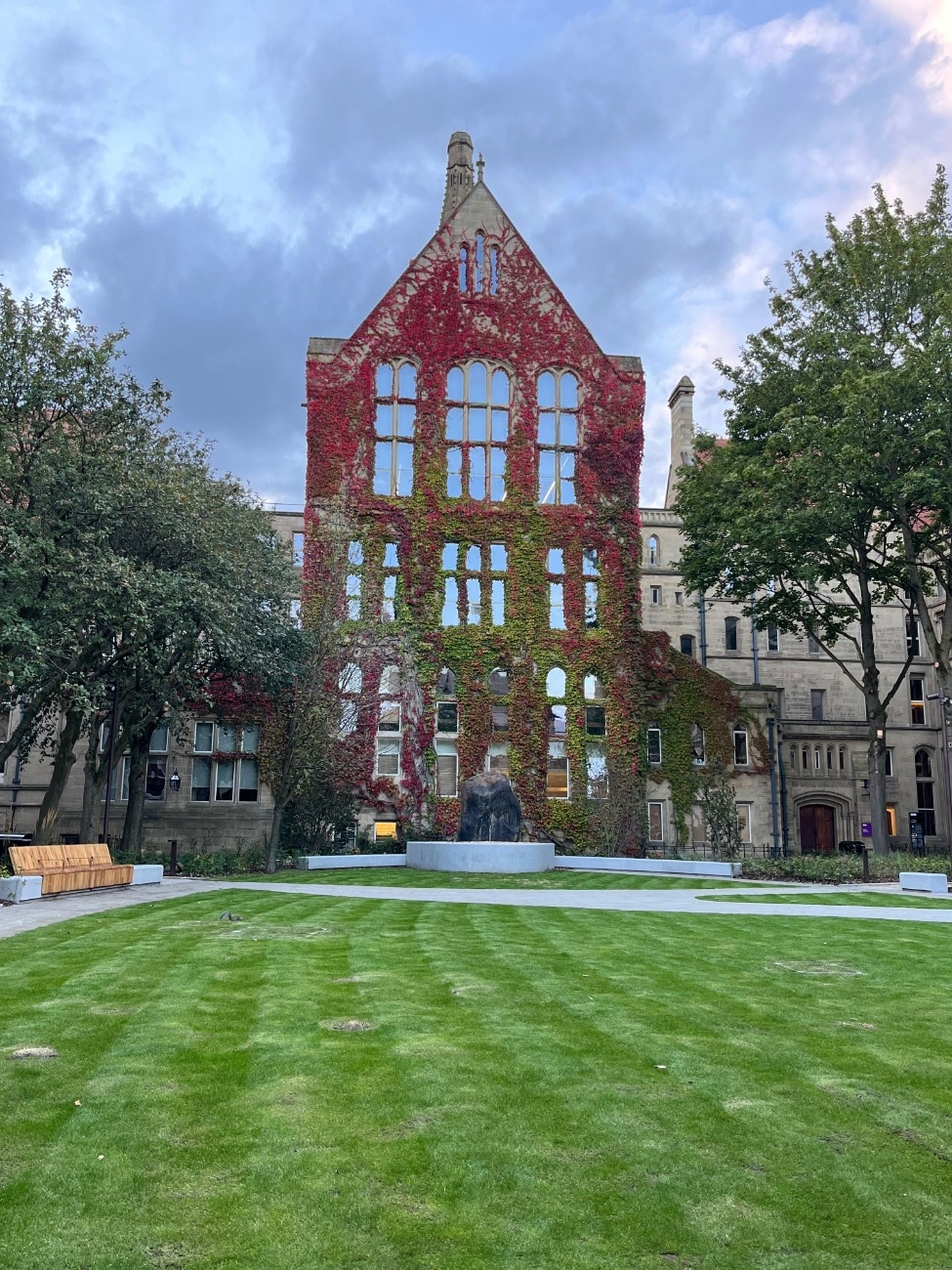
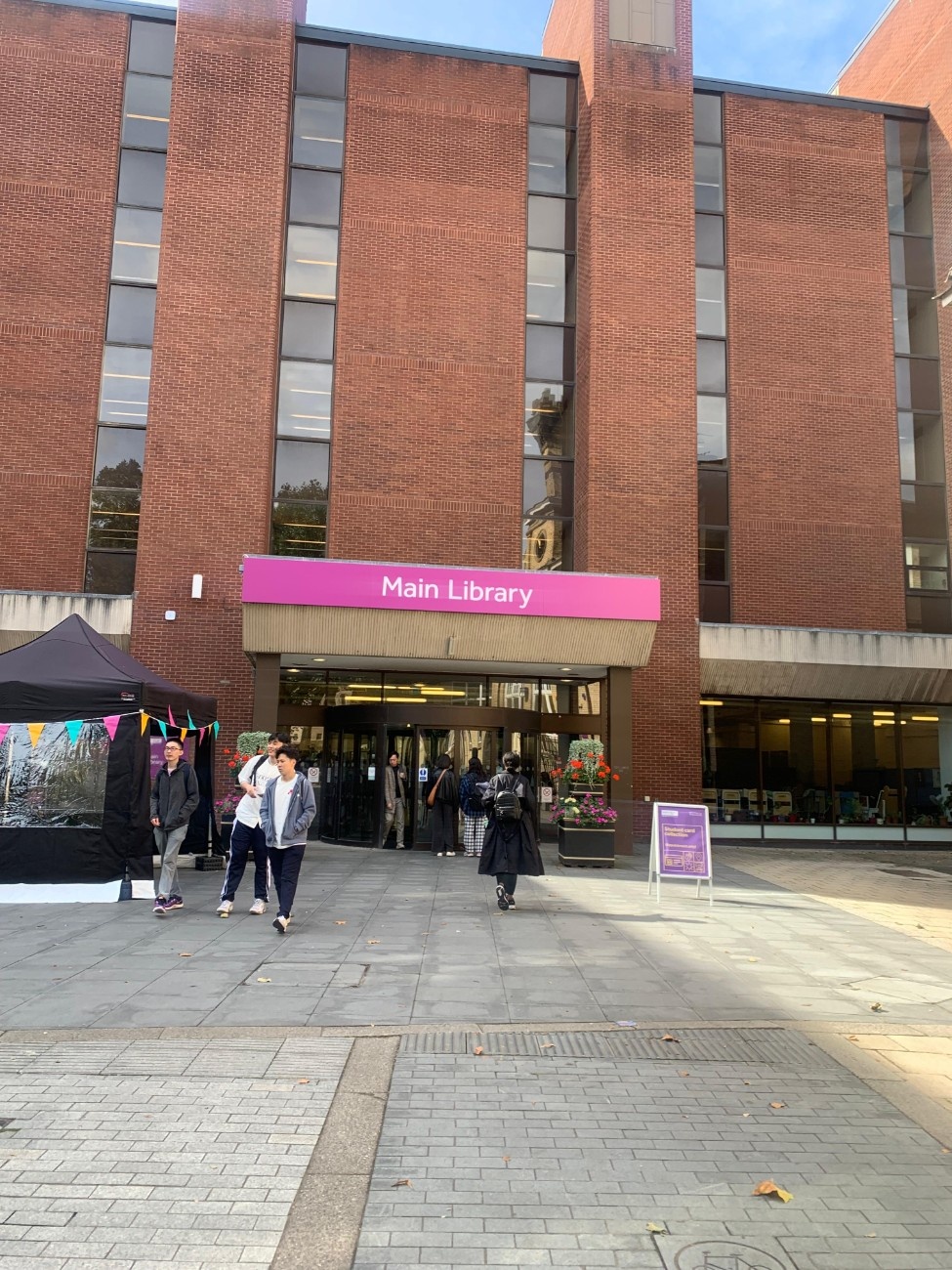
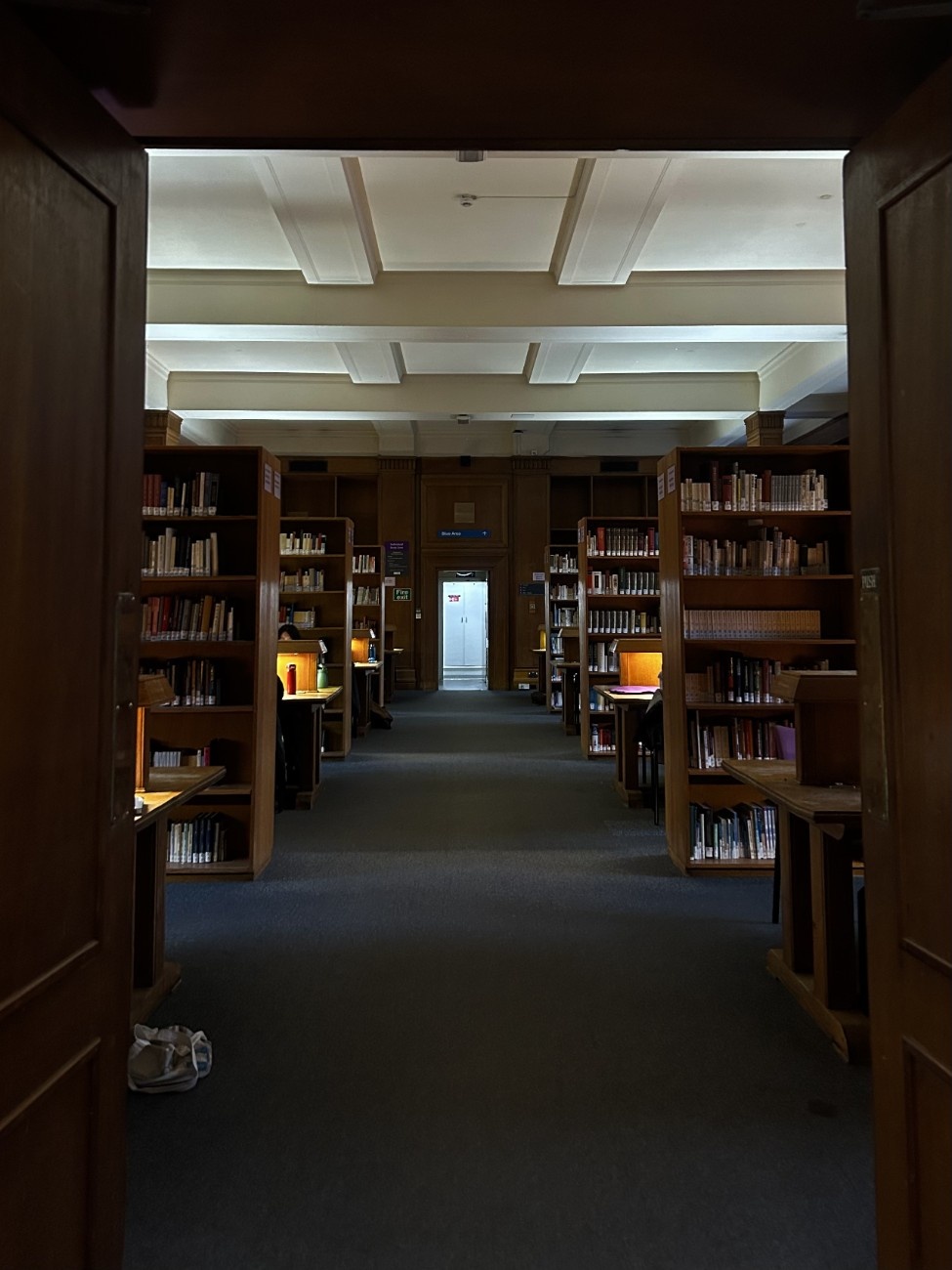
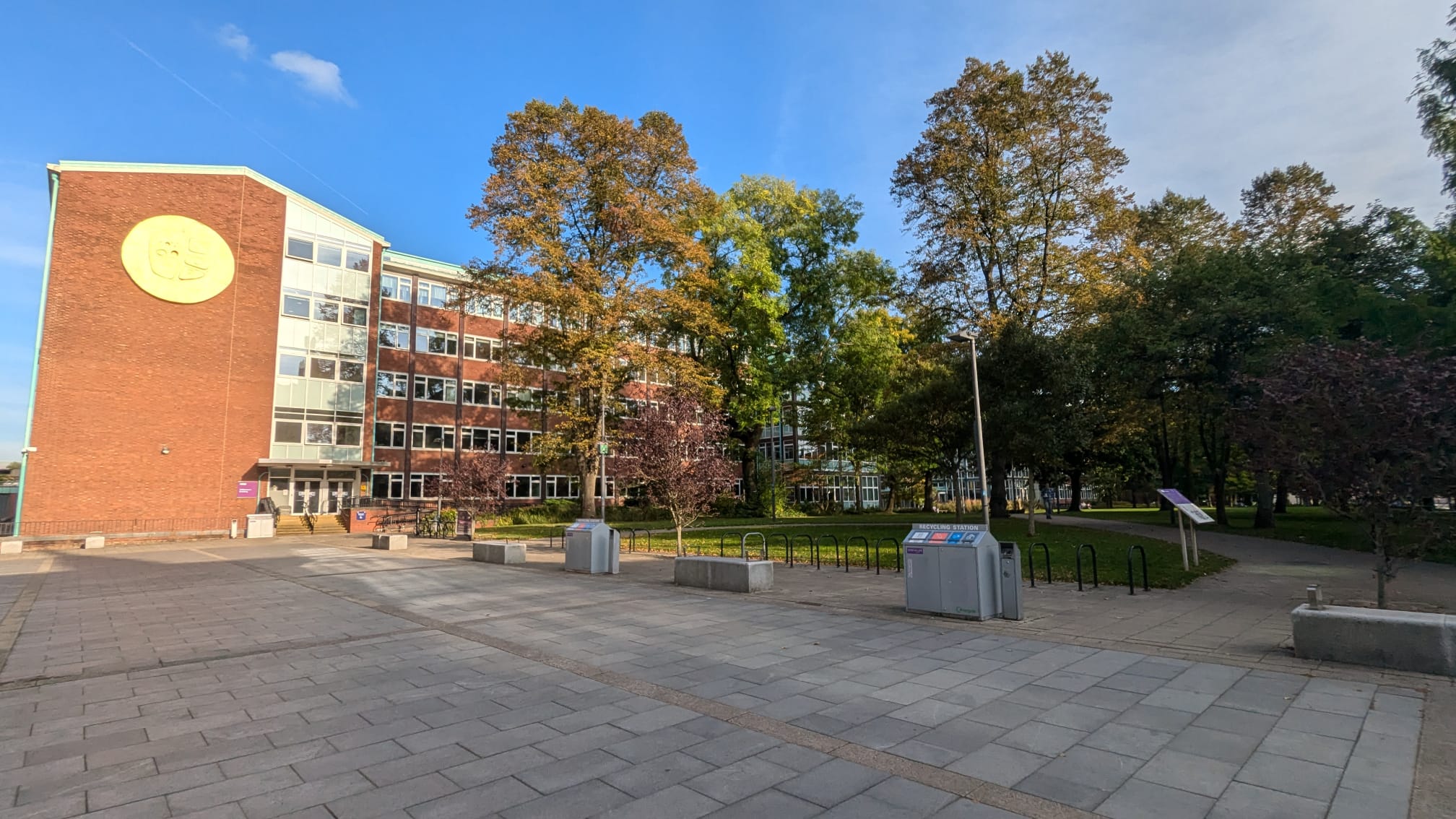
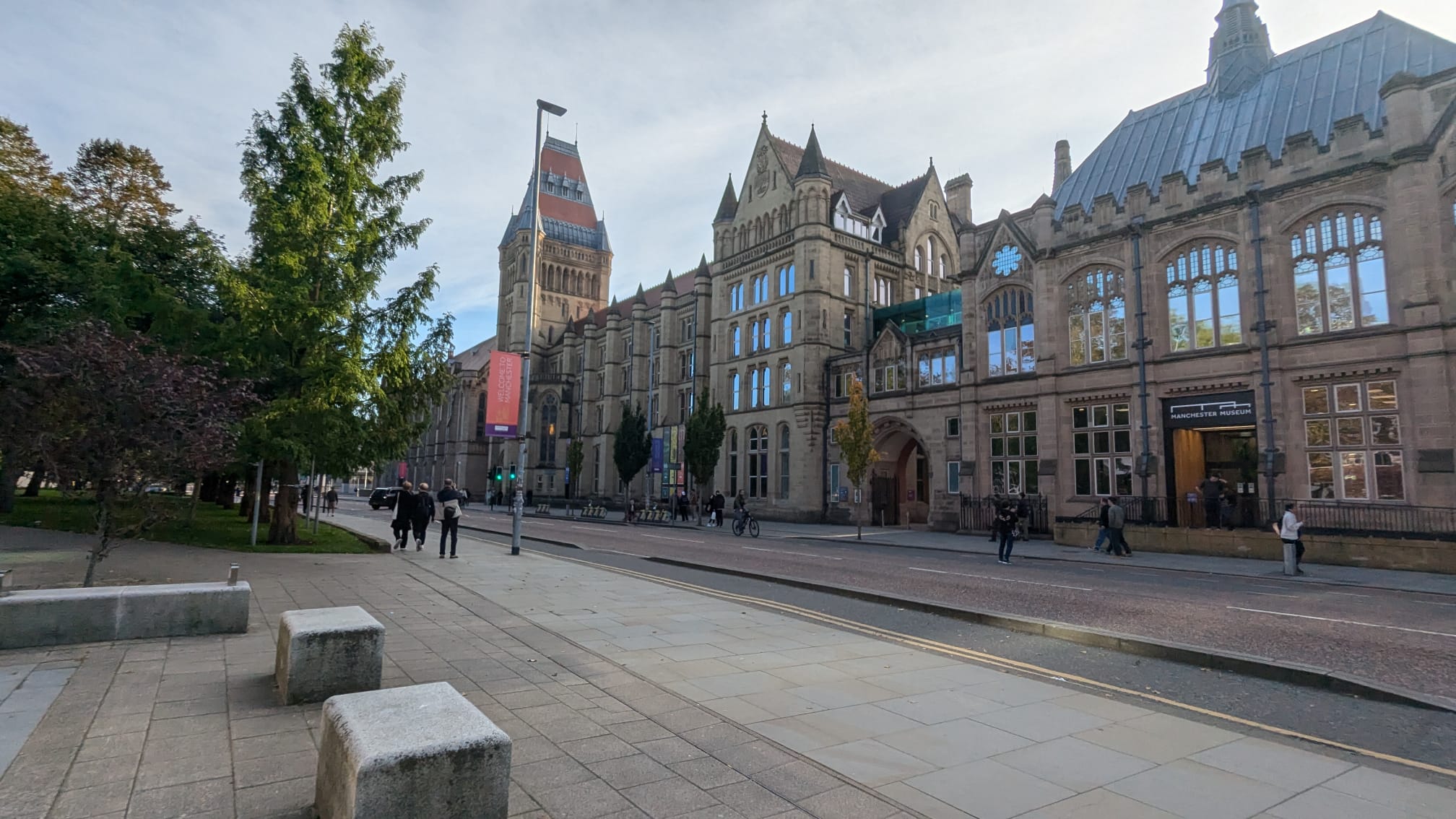
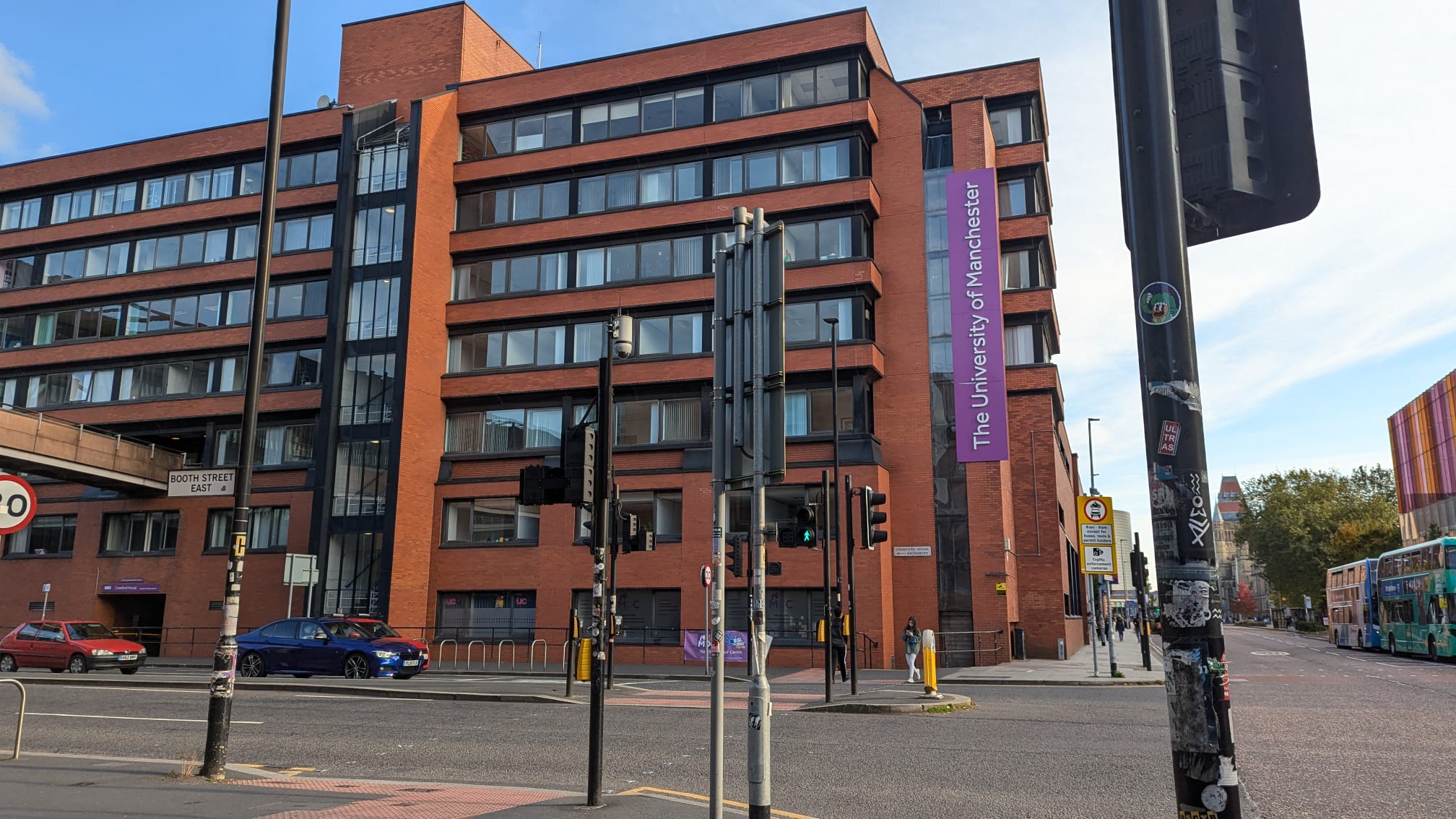
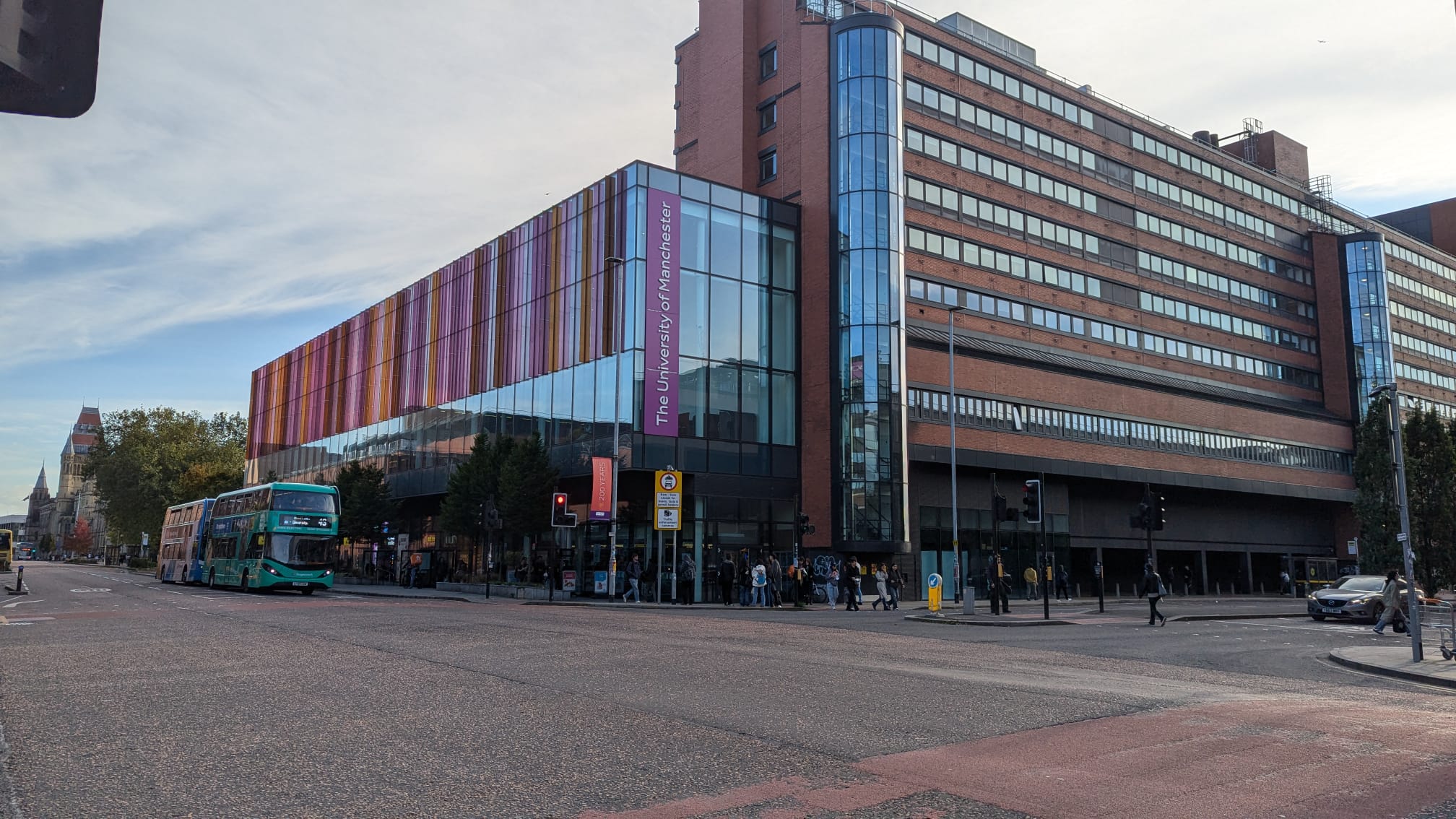
- The campus and infrastructure: It is a vastly spread campus with ample study rooms, labs, eateries and green spaces.
- Ease of communication with faculty
- The accommodation
Dislikes
- Rigorous course: Since the course is rolled into one year, it can get difficult to keep pace with the syllabus.
- A few accommodations are poorly managed.
- Scholarships getting over pretty quickly.
Scholarship
- I did not receive a scholarship since I applied late and the scholarship deadlines had lapsed by then. My batchmates received the Bicentenary scholarship amounting to 8000 GBP. There are many scholarships available for undergraduate and postgraduate students, but I am unfortunately not sure of the statistics and the typical award amount. It could start from 2000 GBP.

Likes
- Inclusivity-- The environment is very inclusive and welcoming so one doesn't feel left out.
- Diversity-- People of all backgrounds and ethnicities come together to study and it helps create a wonderful experience.
- Support-- The professors, faculty and admin really go to great lengths to help and support you with whatever you may need.
Dislikes
- I haven't found the course to be as extensive as i had expected it to be.
- The careers' service is a bit partial towards business courses and doesn't represent arts courses much.
- The assessment and feedback is quite rushed into the semester, so it can feel very quick at times.
Scholarship
- I received a bursary scholarship from the Arts school, and I had to fill out an application form for the same.
- I received a scholarship of 2500 pounds.
- Yes, there were others who received the Global Futures Scholarship of 8000 pounds.
- There are hundreds of students who get scholarships and the typical award amount ranges from 2500 pounds to 10000 pounds.


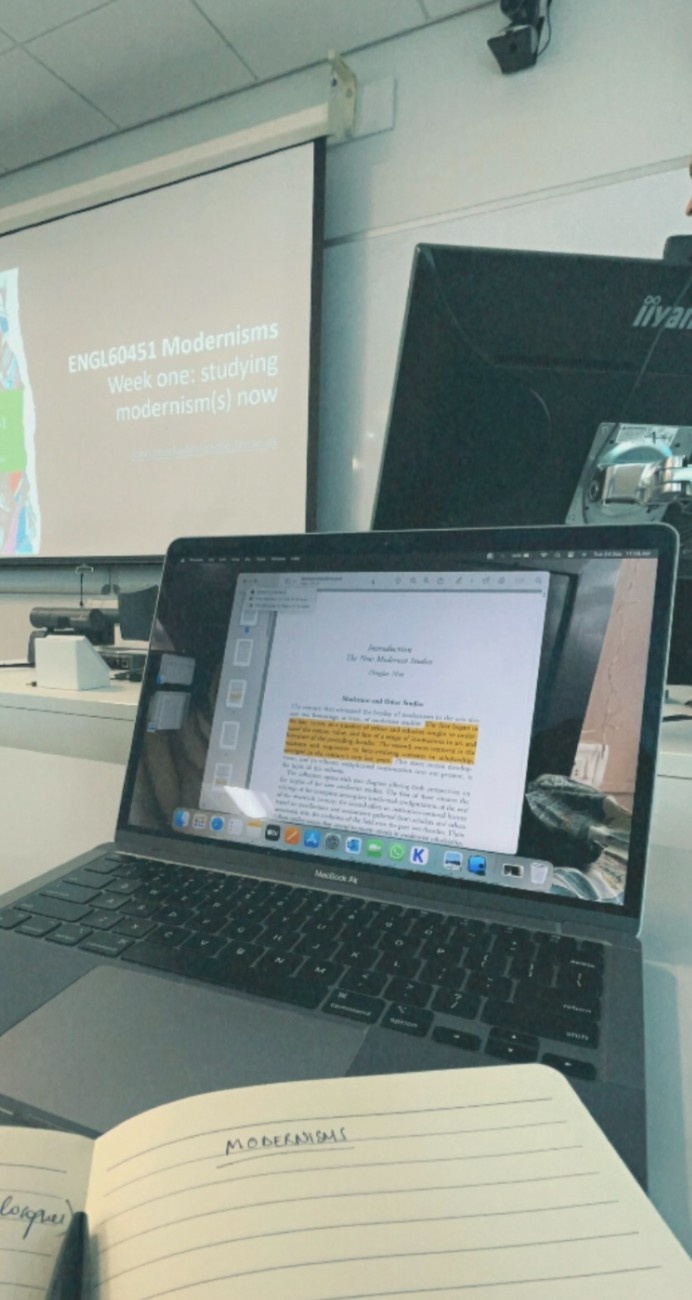
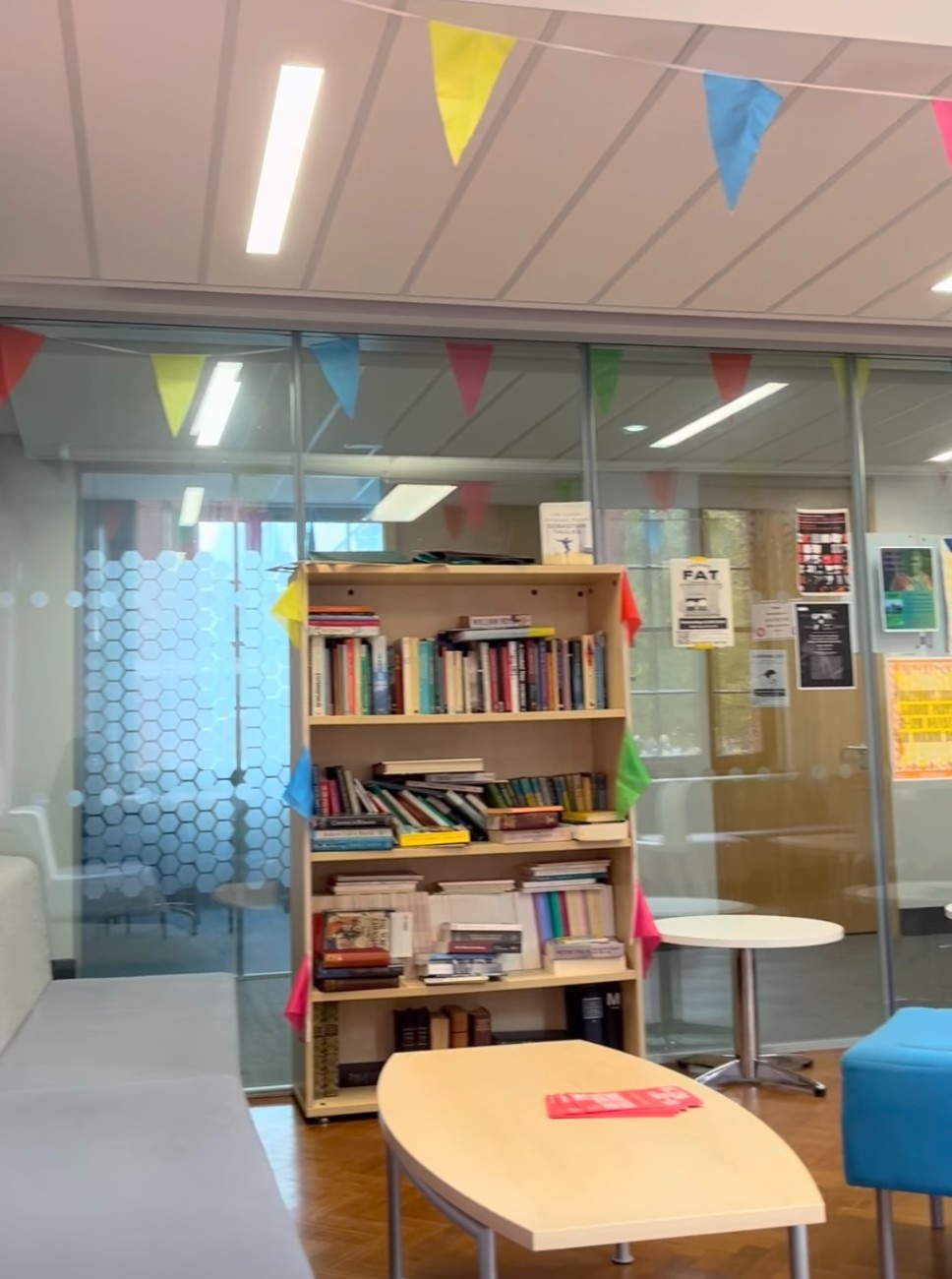
Likes
- Inclusivity of all international students
- Regular student’s union activities
- Sportcipate - an initiative to make sports inclusive for all
Dislikes
- I don't think I'm unhappy with anything on campus The commute to university can be a task I really cannot think of anything else
Scholarship
- Yes, a 10000 pound scholarship is available but I did not receive it :(
- I am not sure how many students get it but many people I know have got it. Depends course wise, the amount can range from 2500 - 10000
- It is called the Bursary Scholarship Award. You need to write an essay for it, why you think you deserve it and all sorts.
- That is all I know about scholarships.
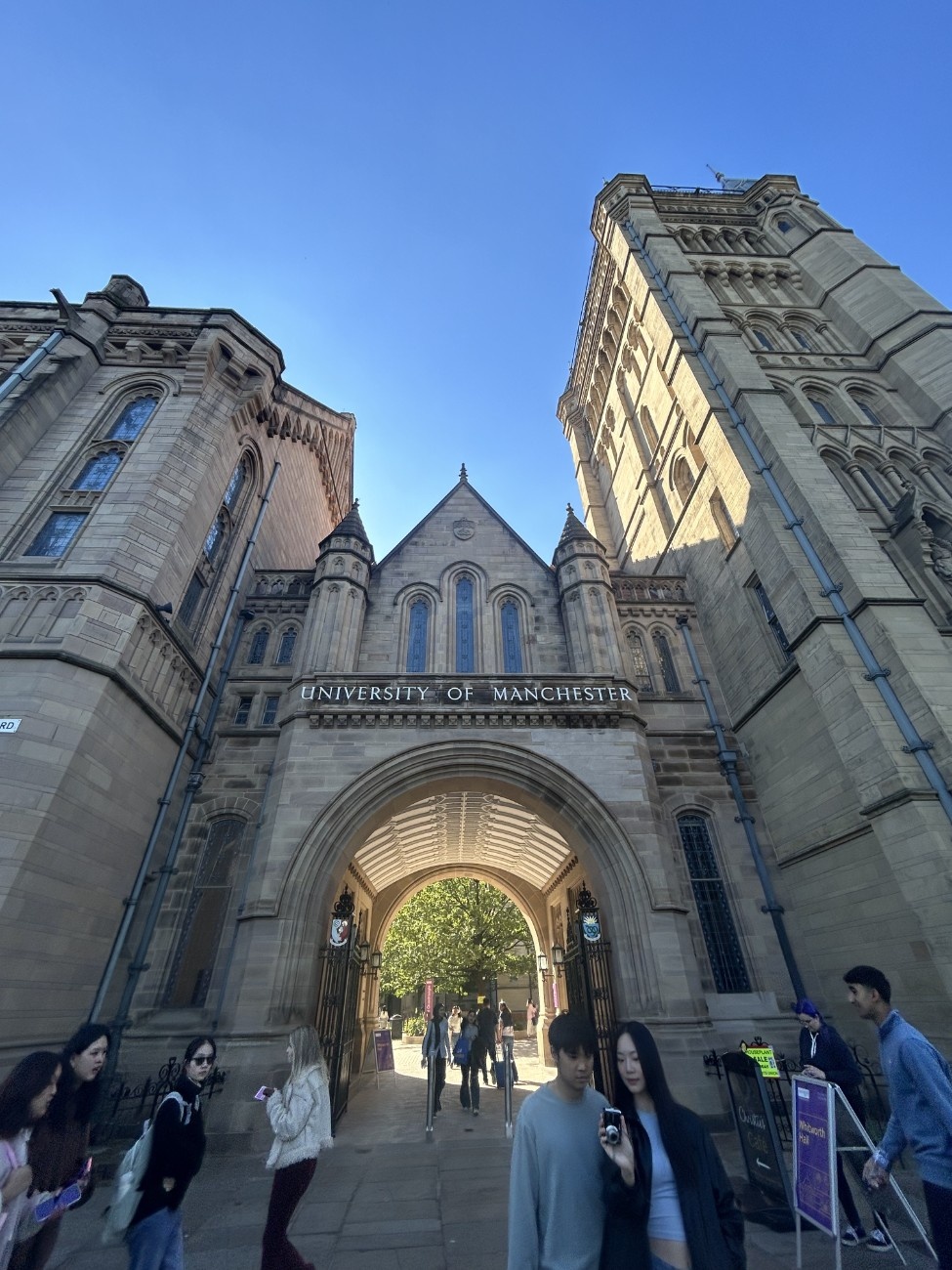
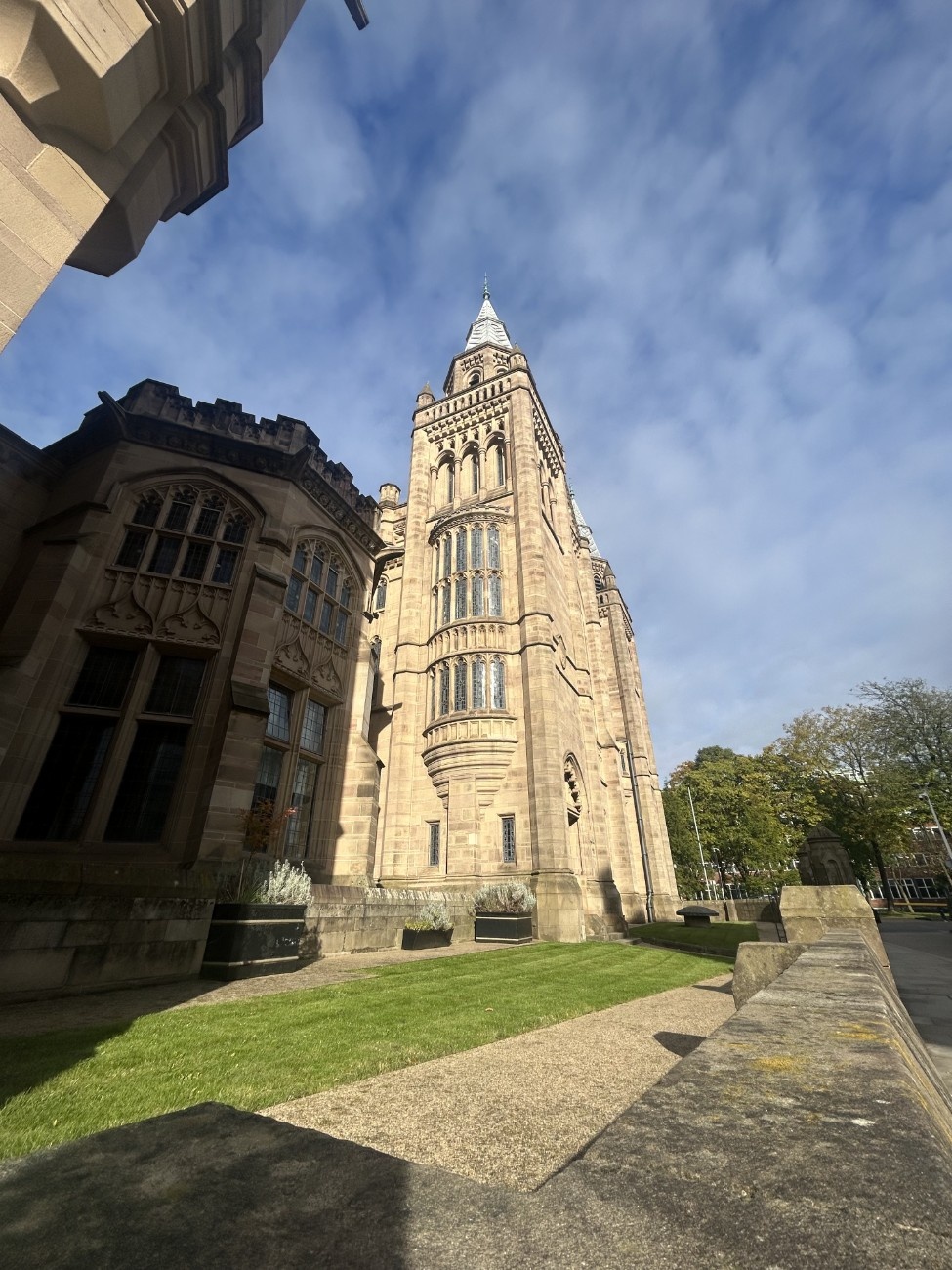

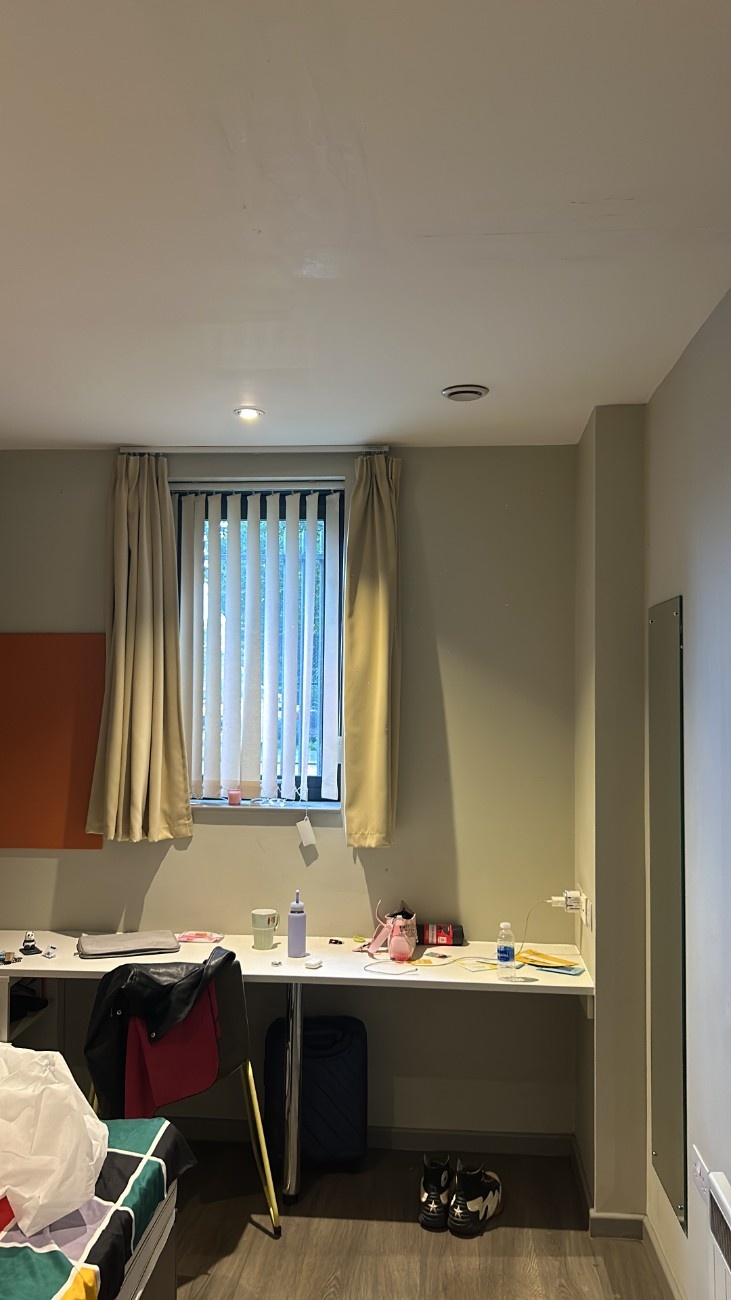
Likes
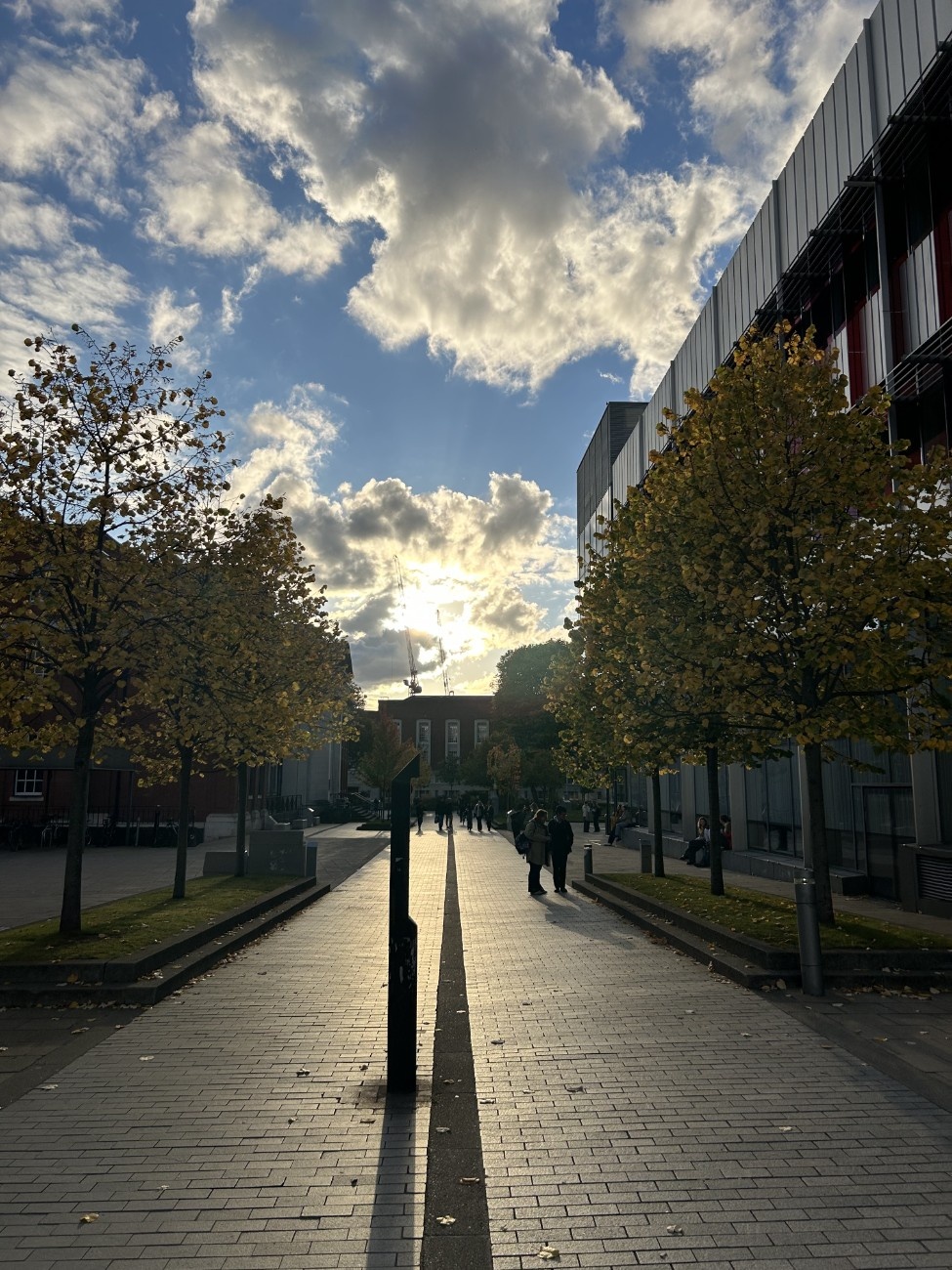
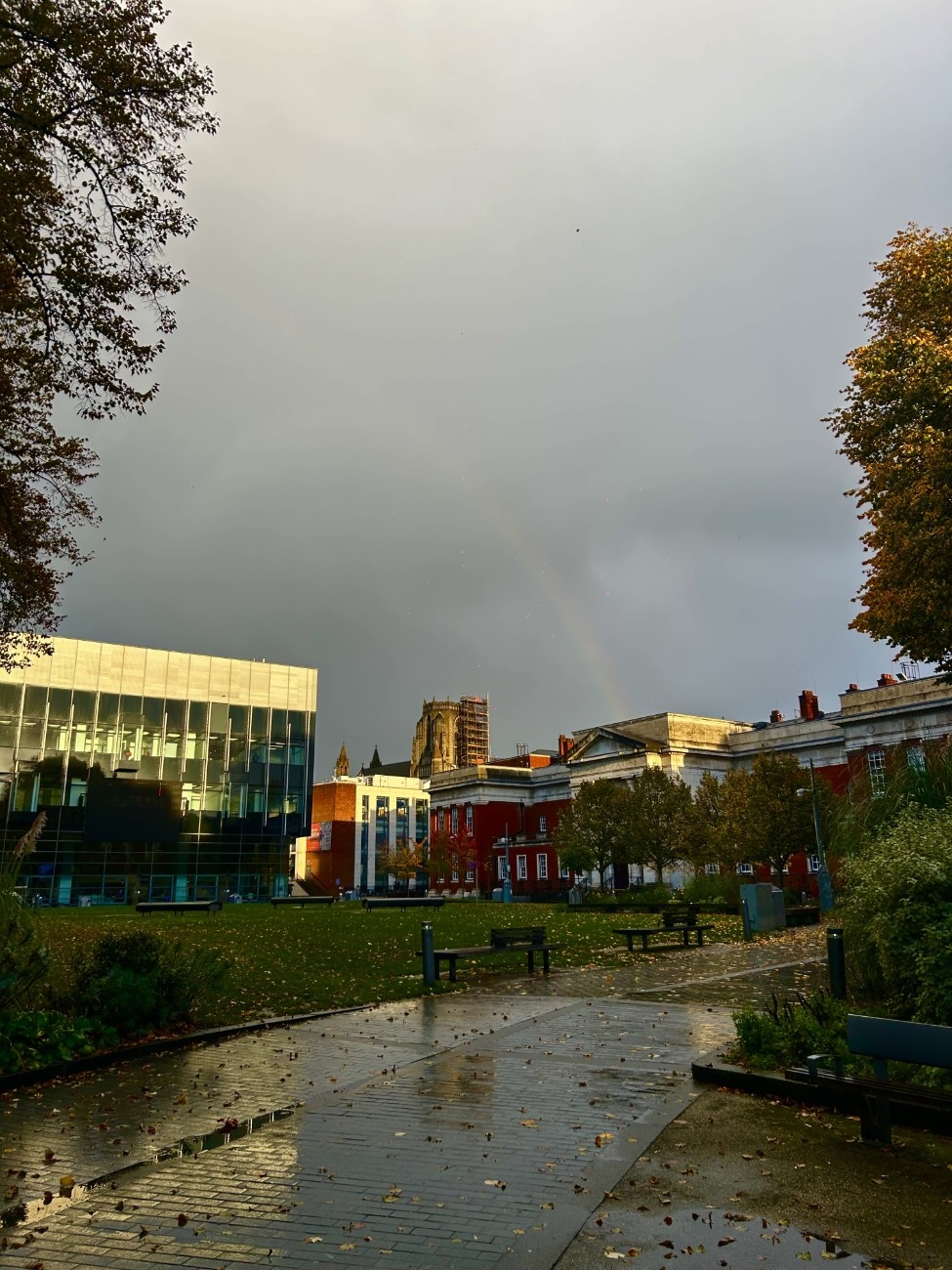
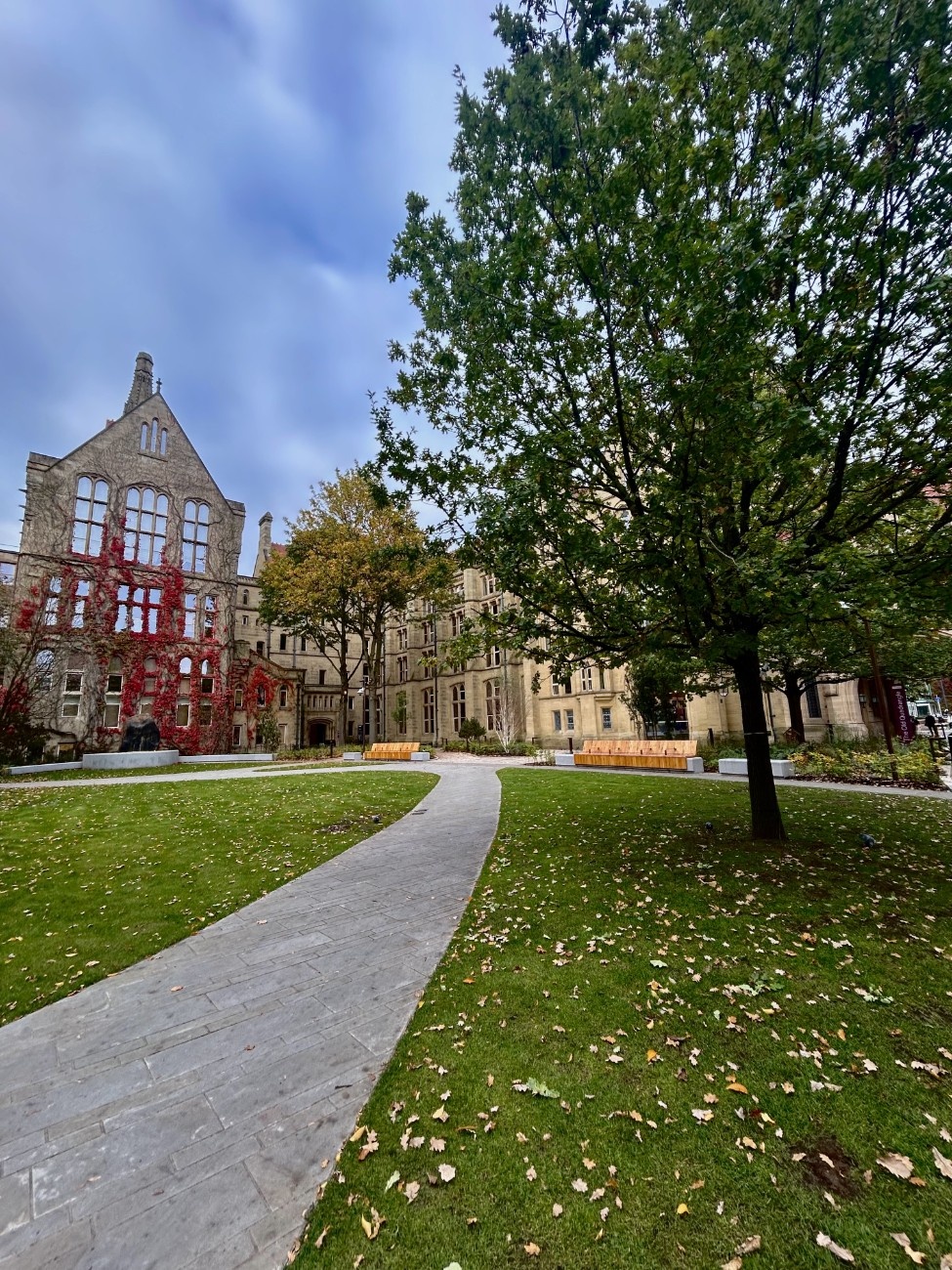
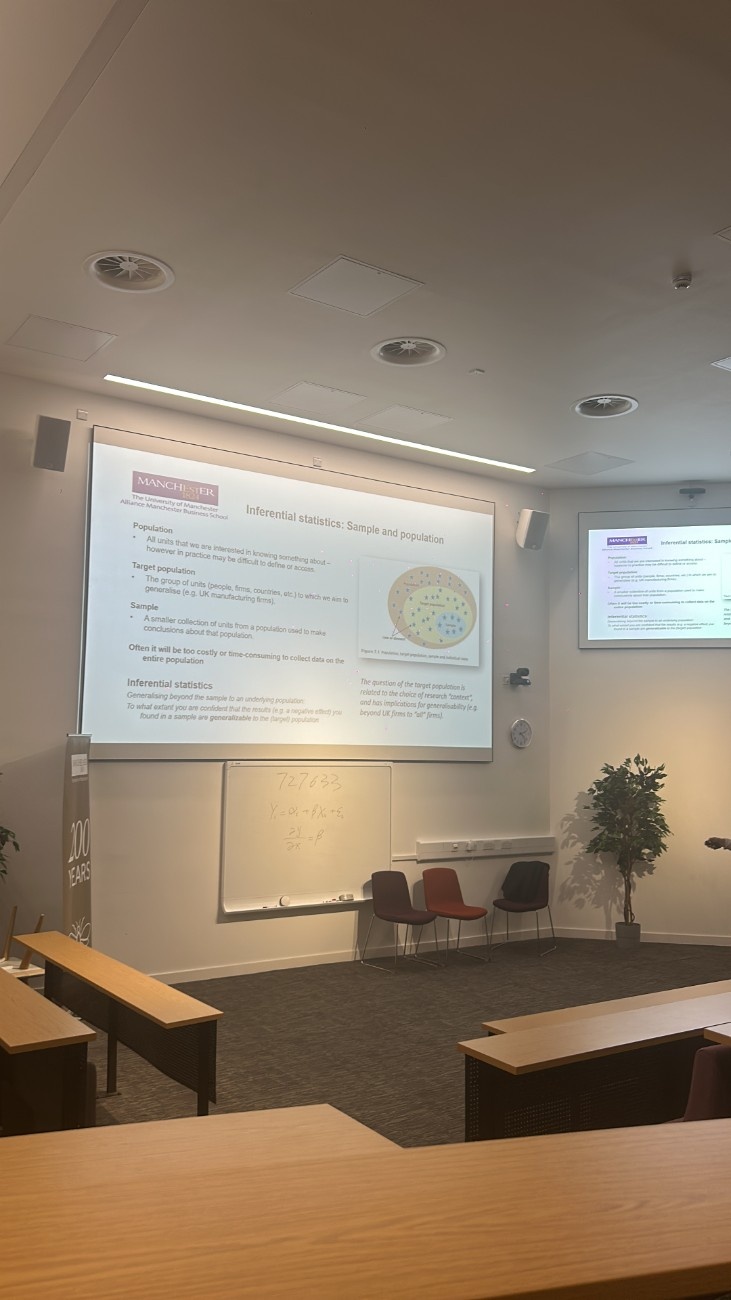
- Campus infrastructure, Weekly Tutorial Sessions, Wonderful lecture delivery
- Nancy Rothwell Building (Formerly Engineering Building A)- home to Department of Mechanical, Aerospace and Civil Engineering
- Collaboration with top Industry players
Dislikes
- The process throughout was very smooth and responsive- nothing to dislike
- The lecture delivery was great- no complains
- Well maintained classrooms, facilities- full points
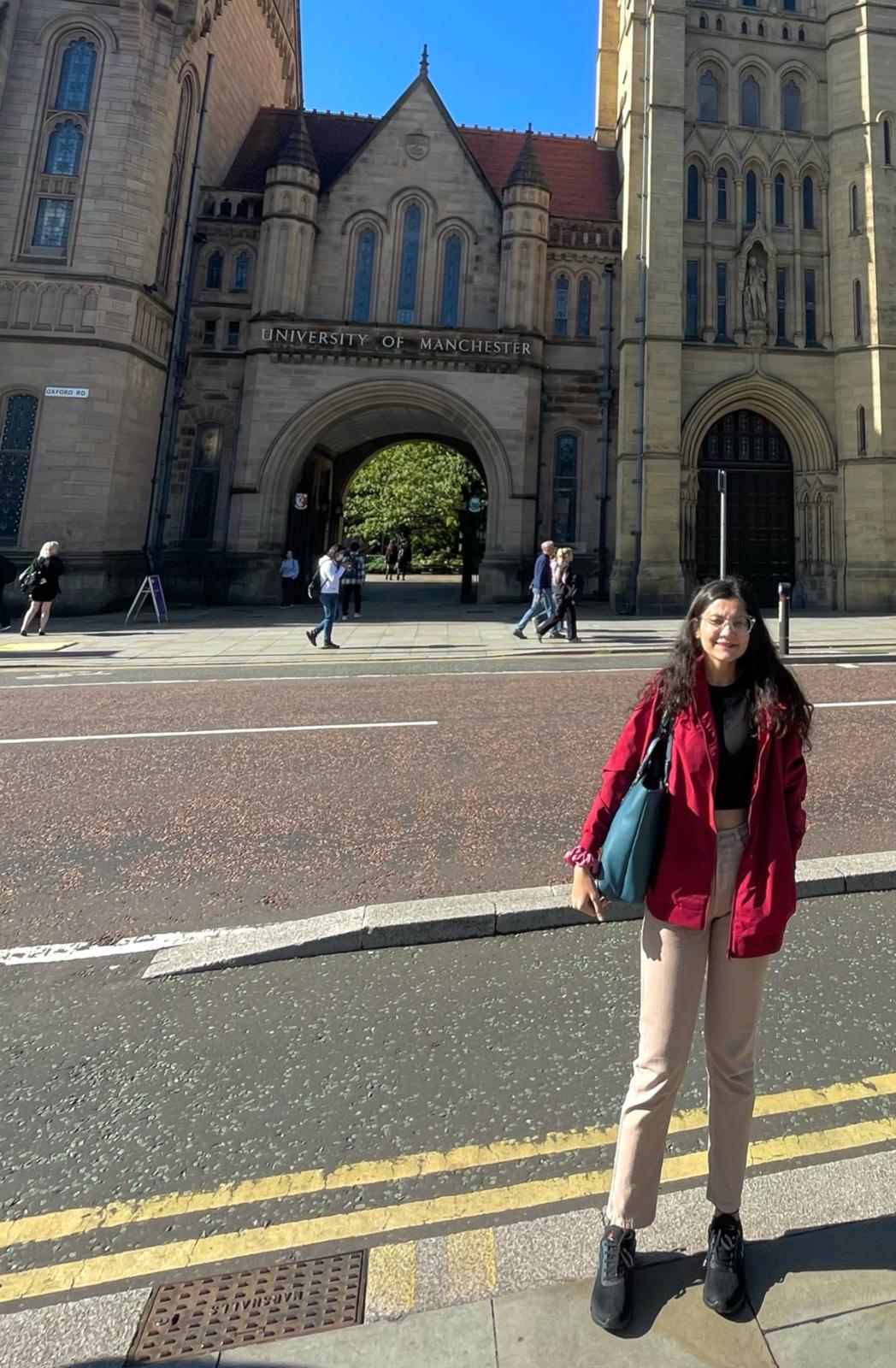
Likes
- Research based exams and students should read and understand varied research papers about their topics to excel in their course.
- Accessible software such as Bloomberg, STATA available for student use.
- Lecture podcasts and help is available for students
Dislikes
- Once you are finalized with the subjects/project topics, its nearly impossible to get it changed after the deadline.
- For international students, its harder to adjust to the study patern of the university, as it is more research based.
- Tuition fee is quite high as a student
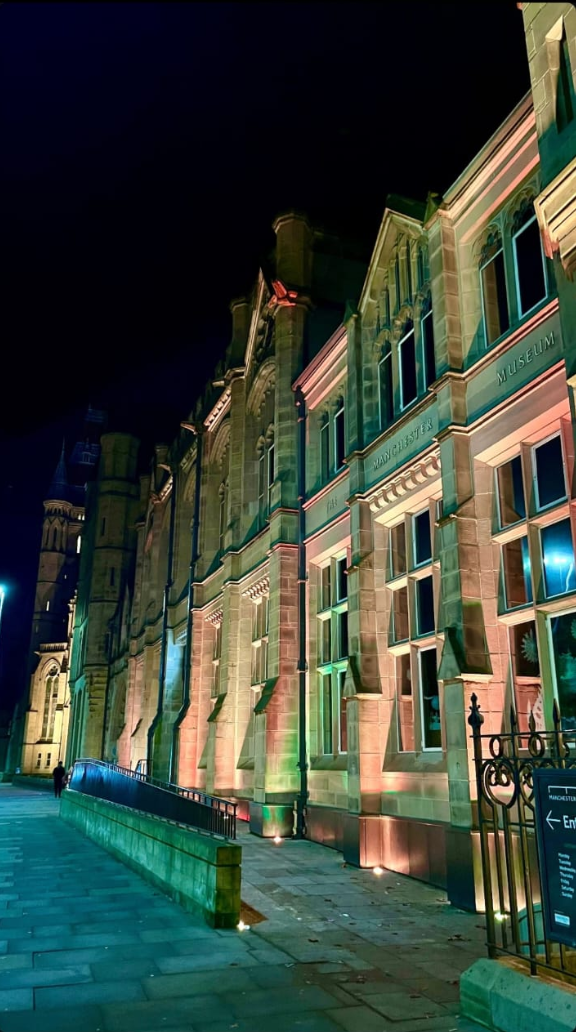
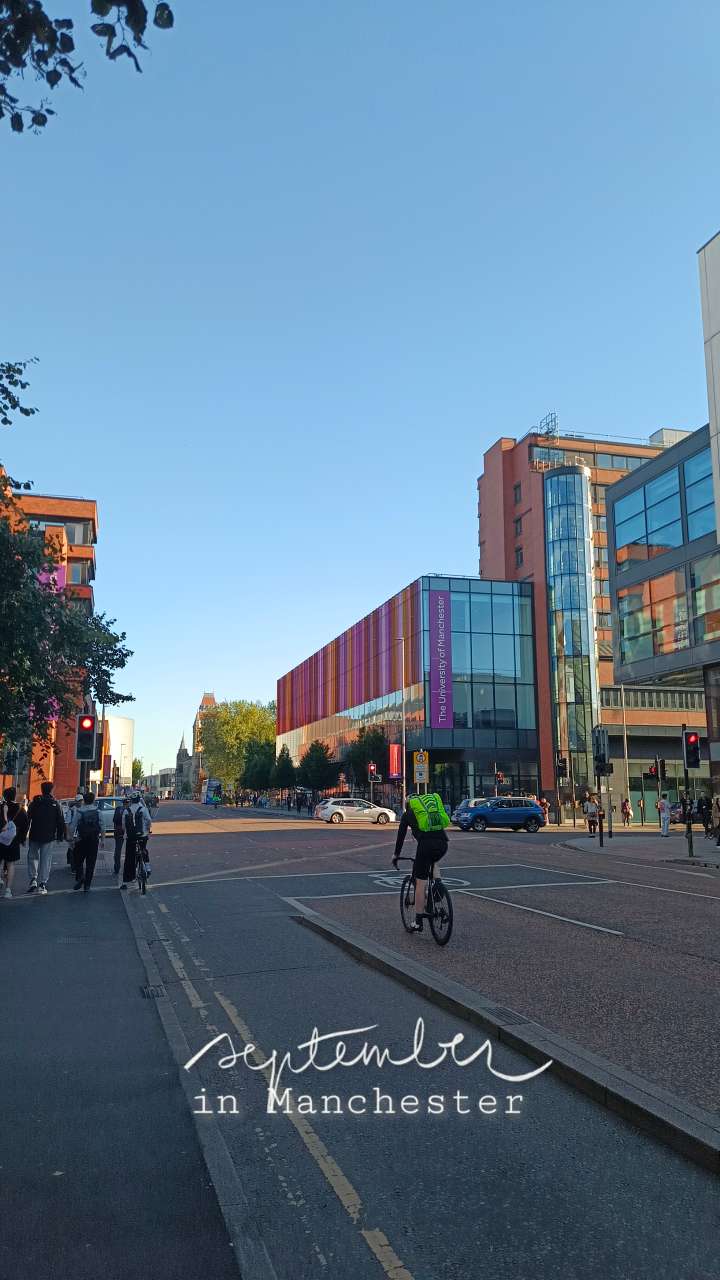
Likes
- There were so many memorable and enjoyable events throughout my college life. Though covid really made it all to make it sufferable but I'm sure if that never happened then these years would've been even better infinitely which sucks honestly.
- I am an engineering student so idk about other majors like arts or business (Though they do seem to have no work at all) but the curriculum here is mostly hands on-experience, reports, experiments, labs, workshops, projects, and group/team work related events and stuff which is very exciting and make sure you never miss on those. It's something quite unique that I am very sure the Indian curriculum never taps our students' potential on. Though at the end there is always a theory exam which has 80% weightage but that's a given.
- Since it's a foreign university, you'll get to meet lots of people from all the countries over the world and you'll be able to learn a lot from them because it's basically a different perspective of how they grew up. Make sure you make lots of friends!!
Dislikes
- I'll say things I disliked in general because it's not really college alone but the situation as an International student altogether: It's expensive. As an Indian I know you guys understand me the most that living in the UK or anywhere in the world as an international student is quite expensive. Even if you think you can get a part-time job (hard to immediately get as an international) to offset some of your personal expenses. It's not always feasible because you gotta balance your studies and social life as well and to have it three ways with work when you'll be having constant deadlines it will be very tough. So when you choose a foreign university make sure you're ready to empty your pockets which honestly sucks but such is life.
- I'd say Indian food is best so you always miss home food. Whenever I come back home I just bulk up as much with no questions asked. Food is something which generally sucks in the UK so it might be a UK thing lol.
- Getting a job as an International student is a nightmare. This thing might come as a shock but this was something which shocked me as well. TBF i've seen dumb people get hired more often than smart ones so it might be the job market or companies fault but I'd say this yeah studying in foreign university increases your employability worth but its not certain and you will like me and many others will struggle whether to get part time or full time job. Though Ivy leagues are different but then again USA best country raaaahh so companies prefer them in general.
Scholarship
- Yeah I received 5,000 pounds scholarship/year. There are even more academic scholarships available which every student can apply for. I know 3 friends who also received it and typical reward amount in my uni at least ranged from 5000 to 8000 pounds/year.
- There's even bigger ones but that's limited to special needs students and are max 1 or 2 per year which are 100% scholarships. But definitely doable.
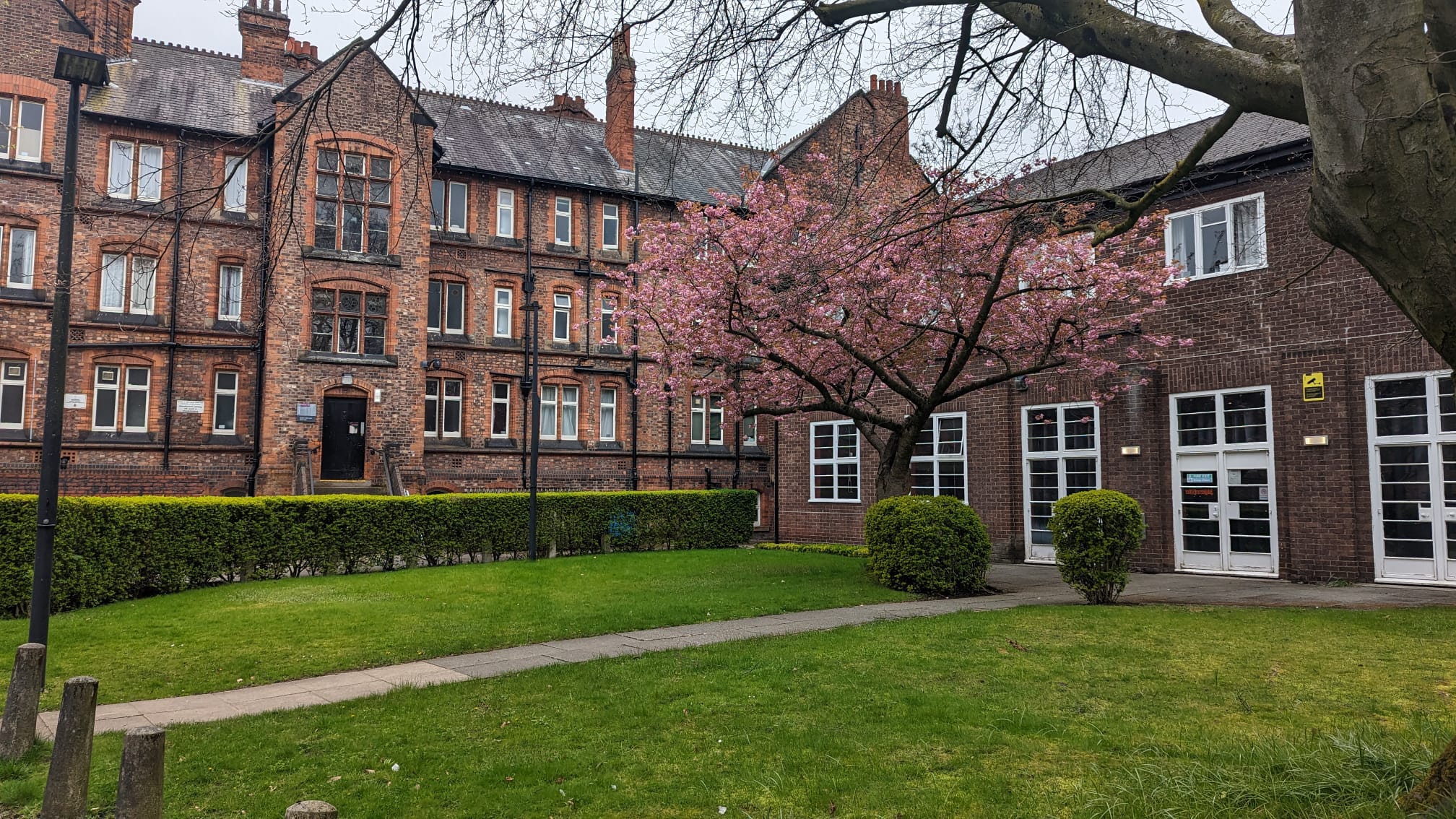
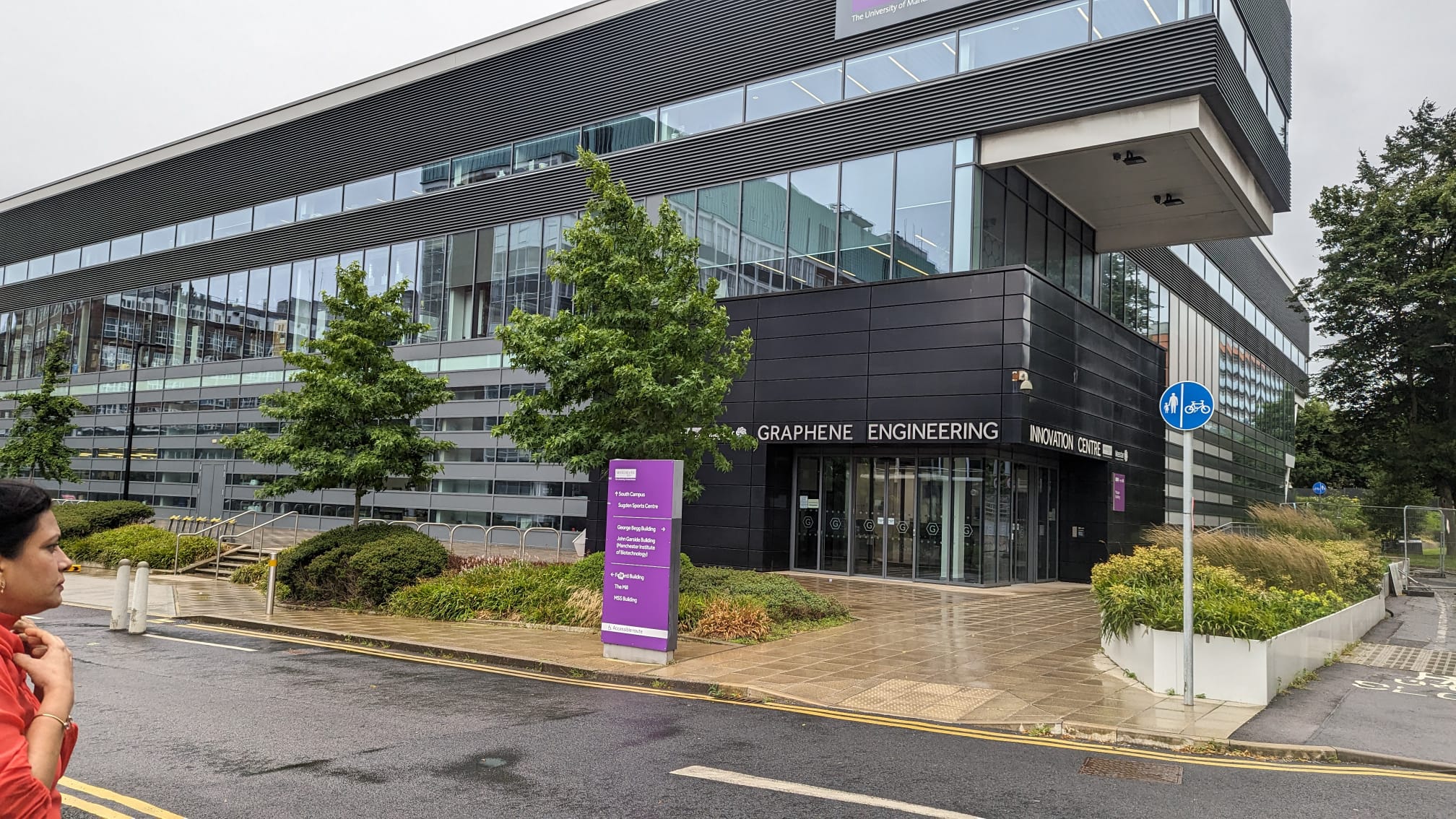
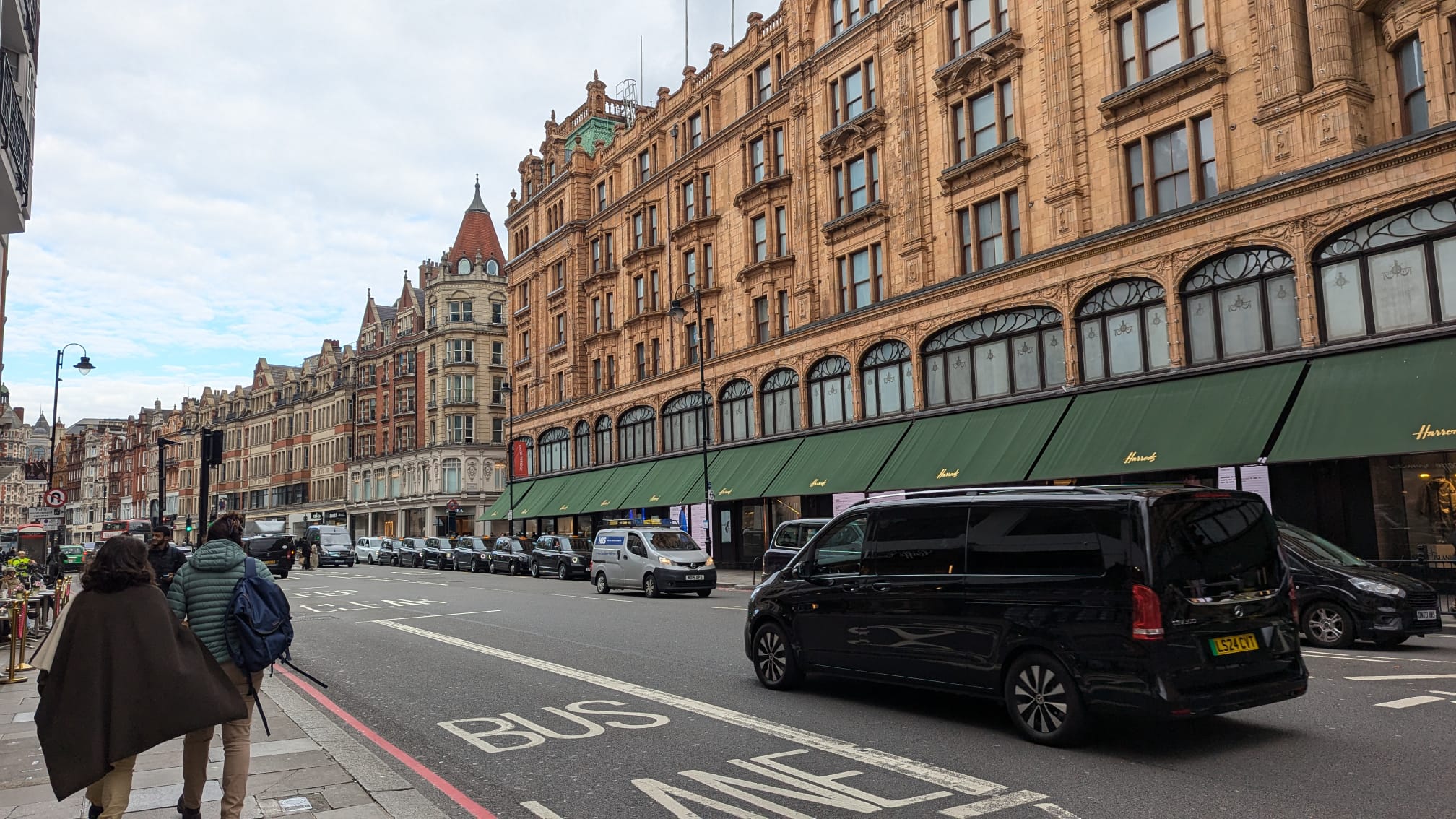
Likes
- Location- close to city center
- Location- close to city center Faculty - Highly qualified and experienced
- The accepting environment for people from all backgrounds, races.
Dislikes
- Very active in 1st sem, very low energy and activities in 2nd and 3rd sem.
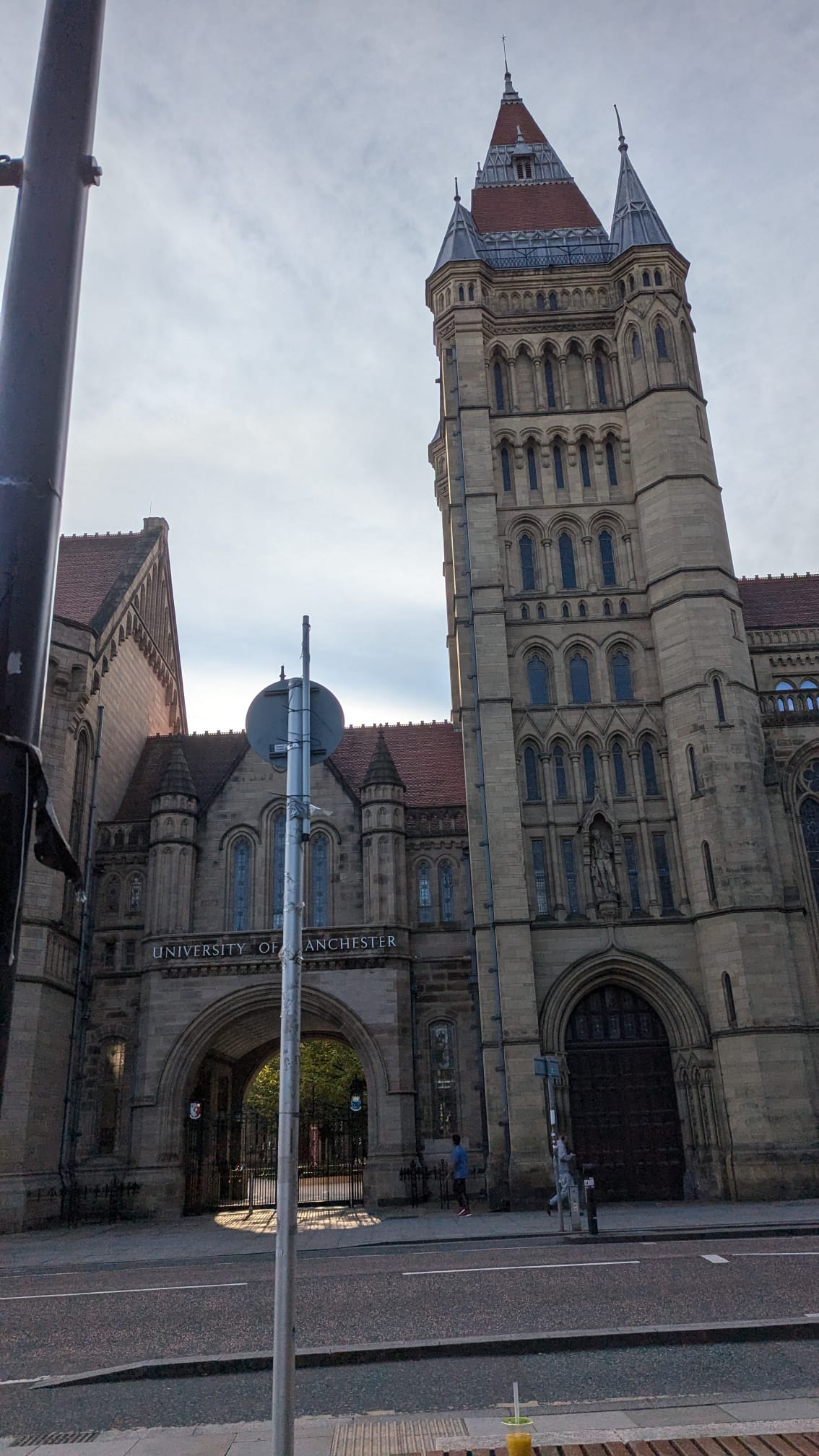
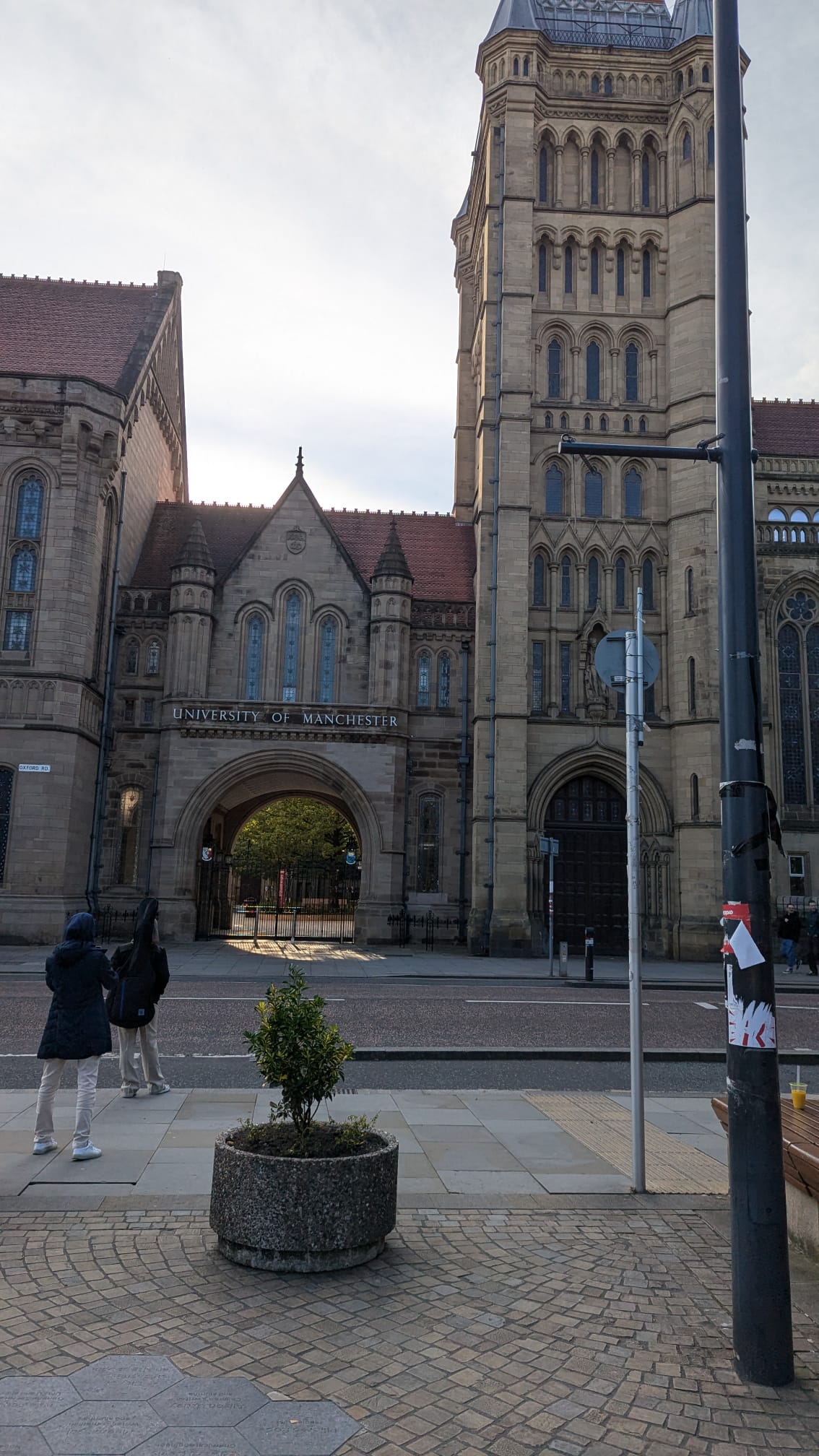
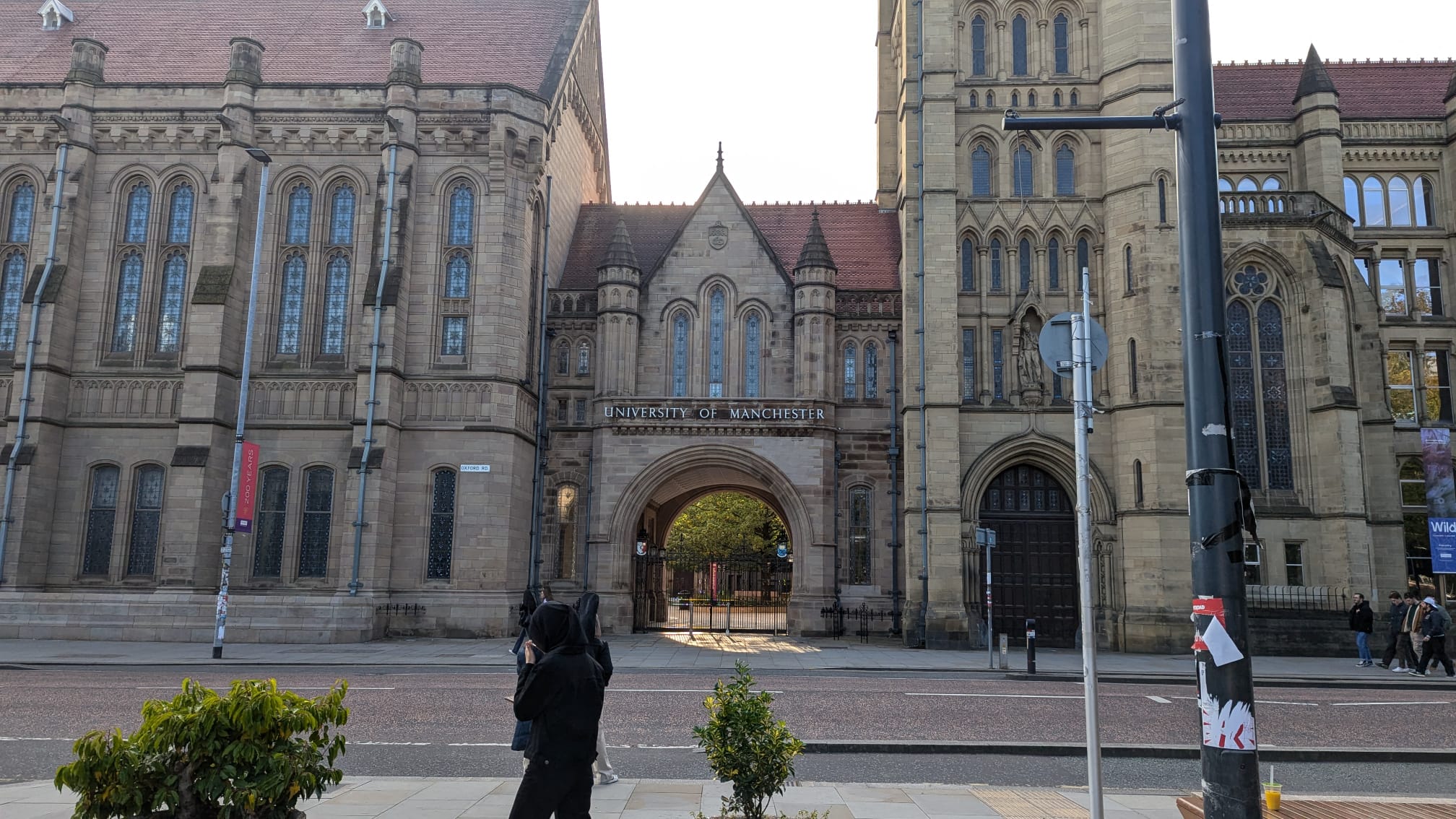
- Very large campus- makes it difficult to commute within the campus.
- Food at cafe - very average in taste
Scholarship
- Yes, based on Academic excellence- there is a humanities scholarship. There is 10% off on tuition fees.
- My batchmates got different scholarships and received upto 30% off on their tuition fees.
- In a single course, approx 20% students in the batch, get scholarships.
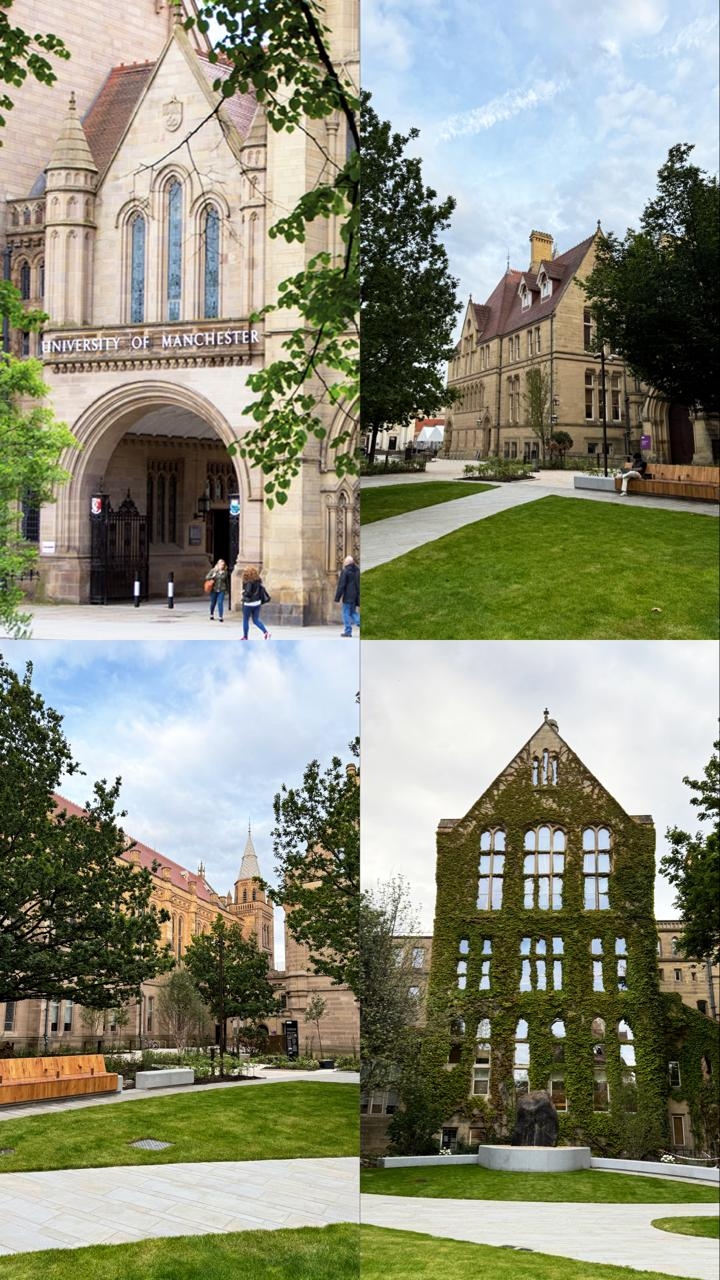
.jpeg)


interested in this College ?
Follow & Share this college to get information about admission.



Comments
Found 1 Comment
Yes, students applying for admission in the MBA program of the University of Manchester must have a good GMAT or GRE score. A GMAT score of 650 is preferrable for admission in the MBA program of this university.