





University of Minnesota Twin Cities is a public land-grant research university spread across a 1,200-acre urban campus in Minneapolis and Saint Paul, Minnesota. Founded in 1851, the university sits at #72 in the US News Best Global Universities 2026-2027 edition.
UMN Twin Cities runs more than 150 undergraduate majors and 140 graduate programmes, all taught in English, across seventeen colleges including Carlson School of Management, College of Science and Engineering and School of Public Health. The Twin Cities campus hosts around 6,800 international students from 130+ countries, and Indian applicants form a major Fall cohort in MS Computer Science, Business Analytics and Public Health tracks at these universities in USA.
- Ranking: #72 in US News Best Global Universities 2026-2027
- Acceptance rate: 77% overall; 34% for international undergraduates (estimated)
- Intakes: Fall (August) primary; Spring (January) for select graduate programmes
- Nonresident Full-Time MBA tuition: $64,460 per year (₹61.7 lakh)
- International students: 6,800+ from 130+ countries
- Full-Time MBA starting salary (Class of 2024): $141,471 base (₹135.4 lakh)
Also Check: MS universities in USA
Nonresident tuition applies to Indian students identically across most master’s and MBA tracks, with the Global Excellence Scholarship offering $5,000 to $20,000 per year to admitted international undergraduates. STEM-designated masters programmes qualify for the F-1 STEM OPT extension (a 24-month US work authorisation for STEM-designated graduates), giving Indian graduates up to 36 months of authorised post-study employment.
Exchange rate used: 1 USD = ₹95.76 as of August 2026
Admission Status: Closed (Fall 2026 intake). Fall 2027 international freshman applications carry three published deadlines: Early Action I on 1 November 2026, Early Action II on 1 December 2026, and Regular on 1 January 2027. Select graduate programmes accept Spring 2027 applications with programme-specific deadlines running through October 2026; track the Graduate School programme pages.
Table of Contents
- University of Minnesota Twin Cities Popular Courses and Fees 2027
- University of Minnesota Twin Cities Admission 2027
- University of Minnesota Twin Cities Admission Requirements for Indian Applicants 2027
- University of Minnesota Twin Cities Acceptance Rate 2027
- University of Minnesota Twin Cities Fees and Cost of Living for Indian Students 2027
- University of Minnesota Twin Cities Campus, Facilities and Student Life
- University of Minnesota Twin Cities Scholarships 2027
- University of Minnesota Twin Cities Rankings 2027
- University of Minnesota Twin Cities Placements and Career Outcomes 2027
- University of Minnesota Twin Cities vs Peer Universities
- University of Minnesota Twin Cities FAQs
University of Minnesota Twin Cities Popular Courses and Fees 2027
UMN Twin Cities charges nonresident tuition on a per-credit basis for most graduate programmes and a flat annual rate for full-time undergraduates. Master’s programmes typically span 30 to 45 credits over 3 to 4 semesters; the Full-Time MBA at Carlson runs 21 months. Fees below reflect nonresident tuition; Indian applicants pay the international rate identical to all other out-of-state students.
Top 10 PG programmes for Indian applicants by application volume and career-outcome fit; two-year totals assume full-time enrolment, and compare against peer MBA universities in USA where relevant.
| Program | Total fee (USD) | Total fee (INR lakh) | Entry requirement |
|---|---|---|---|
| MBA Full-Time (Carlson, 2 yrs) | $128,920 | 123.4 lakh | Bachelor’s with 60% or CGPA 6.0/10 (recommended); TOEFL 100, IELTS 7.0, GMAT/GRE required |
| MS Computer Science | $60,000 to $75,000 (estimated) | 57.4 to 71.8 lakh (estimated) | Bachelor’s in CS with 65% or CGPA 6.5/10 (recommended); TOEFL 79, IELTS 6.5 |
| MS Data Science | $55,000 to $70,000 (estimated) | 52.7 to 67.0 lakh (estimated) | Bachelor’s with 60% or CGPA 6.0/10 (recommended); TOEFL 79, IELTS 6.5 |
| MS Business Analytics | $60,000 to $80,000 (estimated) | 57.4 to 76.6 lakh (estimated) | Bachelor’s with 60% or CGPA 6.0/10 (recommended); TOEFL 100, IELTS 7.0, GMAT/GRE |
| MS Chemical Engineering | $55,000 to $70,000 (estimated) | 52.7 to 67.0 lakh (estimated) | Bachelor’s in engineering with 65% or CGPA 6.5/10 (recommended); TOEFL 79, IELTS 6.5 |
| MS Mechanical Engineering | $55,000 to $70,000 (estimated) | 52.7 to 67.0 lakh (estimated) | Bachelor’s in engineering with 65% or CGPA 6.5/10 (recommended); TOEFL 79, IELTS 6.5 |
| MS Electrical Engineering | $55,000 to $70,000 (estimated) | 52.7 to 67.0 lakh (estimated) | Bachelor’s in engineering with 65% or CGPA 6.5/10 (recommended); TOEFL 79, IELTS 6.5 |
| Master of Public Health (MPH) | $60,000 to $75,000 (estimated) | 57.4 to 71.8 lakh (estimated) | Bachelor’s with 60% or CGPA 6.0/10 (recommended); TOEFL 79, IELTS 6.5 |
| MS Health Informatics | $55,000 to $70,000 (estimated) | 52.7 to 67.0 lakh (estimated) | Bachelor’s with 60% or CGPA 6.0/10 (recommended); TOEFL 79, IELTS 6.5 |
| MS Applied Economics | $50,000 to $65,000 (estimated) | 47.9 to 62.2 lakh (estimated) | Bachelor’s in economics or quant with 60% or CGPA 6.0/10 (recommended); TOEFL 79, IELTS 6.5 |
Top 5 UG programmes for Indian freshmen; four-year totals assume flat nonresident tuition and 12 to 18 credits per semester.
| Program | Total fee (USD, 4 yrs) | Total fee (INR lakh) | Entry requirement |
|---|---|---|---|
| BS Computer Science | $160,000 to $175,000 (estimated) | 153.2 to 167.6 lakh (estimated) | Class 12 with 85% or above (recommended); TOEFL 79, IELTS 6.5 |
| BS Business (Carlson) | $165,000 to $180,000 (estimated) | 158.0 to 172.4 lakh (estimated) | Class 12 with 85% or above (recommended); TOEFL 79, IELTS 6.5 |
| BS Mechanical Engineering | $160,000 to $175,000 (estimated) | 153.2 to 167.6 lakh (estimated) | Class 12 Science with 85% or above (recommended); TOEFL 79, IELTS 6.5 |
| BS Biology | $155,000 to $170,000 (estimated) | 148.4 to 162.8 lakh (estimated) | Class 12 Science with 80% or above (recommended); TOEFL 79, IELTS 6.5 |
| BA Economics | $150,000 to $165,000 (estimated) | 143.6 to 158.0 lakh (estimated) | Class 12 with 80% or above (recommended); TOEFL 79, IELTS 6.5 |
Insider note: Indian applicants concentrate in Carlson MS Business Analytics, MS Computer Science, MS Data Science and Master of Public Health cohorts. These four tracks see the highest India-applicant volume each Fall and the strongest US employment outcomes.
Read More: University of Minnesota Twin Cities Fees and Programs Guide
University of Minnesota Twin Cities Admission 2027
UMN Twin Cities runs a Fall (August) primary intake for international freshman and most graduate programmes, plus a limited Spring (January) intake for select master’s and doctoral tracks. Indian applicants apply via the Common App or the Golden Gopher Application for undergraduate entry and through the Graduate School portal for master’s programmes.
| Milestone | Date | Notes for Indian Applicants |
|---|---|---|
| International Freshman Early Action I (Fall 2027) | 1 November 2026 | Decision by 31 January 2027; earliest scholarship consideration |
| International Freshman Early Action II (Fall 2027) | 1 December 2026 | Decision by 15 February 2027 |
| International Freshman Regular (Fall 2027) | 1 January 2027 | Decision by 31 March 2027 |
| Graduate deadlines (Fall 2027) | Varies by programme; commonly 1 December 2026 to 15 January 2027 | Verify at grad.umn.edu programme pages |
| Programme start (Fall 2027) | Late August 2027 | Orientation typically 7 to 10 days before classes |
Planning note: Graduate deadlines cluster in early December for STEM masters at the College of Science and Engineering, and in early January for Humphrey School and Carlson School programmes. Book your GRE or GMAT window against the specific programme deadline, not a generic date.
Read More: University of Minnesota Twin Cities Admissions Guide for Indian Students
University of Minnesota Twin Cities Admission Requirements for Indian Applicants 2027
The most decisive Indian-applicant requirement across UMN Twin Cities graduate programmes is the English proficiency minimum combined with programme-specific quantitative preparation. Undergraduate applicants are evaluated on Class 12 board results and a holistic academic profile.
Postgraduate (masters and PhD)
- Bachelor’s academic eligibility: Four-year Indian bachelor’s degree with minimum 60% or CGPA 6.0/10 (recommended for most masters); Carlson School typically expects 70% or CGPA 7.0/10.
- English proficiency (official): TOEFL iBT minimum 79 with Writing subscore 21; IELTS Academic 6.5; Duolingo English Test 105; PTE Academic 59; CAE C1 Advanced 176. Individual programmes may set higher minimums.
- Credential verification: WES ICAP course-by-course evaluation preferred by most graduate programmes; start 4 to 6 weeks before submission.
- Standardised tests: GRE required for most STEM masters (Chemical Engineering, ECE); GMAT or GRE required by Carlson Full-Time MBA and MS Business Analytics.
Undergraduate
- Class 12 academic eligibility: CBSE, ISC or state board with 80% or above (recommended); holistic review considers subject rigour and consistency across grades 10 to 12.
- English proficiency: TOEFL iBT 79 or IELTS 6.5, or an approved English-medium instruction waiver document.
- SAT or ACT: Test-optional for Fall 2027 entry; applicants without scores receive full consideration for admission and scholarships.
Key insight: UMN Twin Cities does not accept TOEFL MyBest Scores. Every subscore must come from a single test date, so book a test window that lets you retake before December if your first attempt splits the required subscores.
University of Minnesota Twin Cities Acceptance Rate 2027
UMN Twin Cities’ overall undergraduate acceptance rate sits at 77% for the most recent cycle, placing it in the moderately selective band among top public US research universities. The rate for international undergraduates runs materially lower at 34% (estimated) for Fall 2023, reflecting a smaller quota and stronger academic thresholds.
| Year | Acceptance Rate | Trend |
|---|---|---|
| 2025 | 77% | Stable |
| 2024 | 80% | Down |
| 2023 | 75% | Baseline |
For international undergraduates specifically, the Fall 2023 acceptance rate was 34% (estimated), down from 39% for Fall 2022. The tightening reflects record application volume rather than a change in admission standards.
Reality check: An Indian applicant with 85%+ in Class 12, strong quantitative subjects and TOEFL 100+ sits well above the median admitted profile. The 34% international rate reflects applicant pool skew, not a fixed ceiling.
Read More: University of Minnesota Twin Cities Acceptance Rate Analysis
University of Minnesota Twin Cities Fees and Cost of Living for Indian Students 2027
An Indian student at UMN Twin Cities should budget between $55,000 and $85,000 (₹52.7 to 81.4 lakh) per academic year. That combines nonresident tuition, university fees, on-campus or nearby housing, meals, health insurance and personal expenses. Full-Time MBA sits at the top of this band; humanities masters at the lower end.
University of Minnesota Twin Cities Tuition Fees for Indian Students 2026-27
Nonresident tuition applies to Indian students identically to other out-of-state applicants. Programme-specific per-credit charges apply for most masters; Full-Time MBA and undergraduate programmes are billed as flat annual or per-term rates.
| Programme Level | Annual Tuition (USD) | Annual Tuition (INR lakh) |
|---|---|---|
| Undergraduate (nonresident, flat) | $39,000 to $42,000 (estimated) | 37.3 to 40.2 lakh (estimated) |
| Master’s (STEM, per year) | $30,000 to $45,000 (estimated) | 28.7 to 43.1 lakh (estimated) |
| Master’s (Business, per year) | $45,000 to $60,000 (estimated) | 43.1 to 57.5 lakh (estimated) |
| Full-Time MBA (Carlson, per year) | $64,460 | 61.7 lakh |
| PhD (nonresident, per year, often waived with assistantship) | $20,000 to $28,000 (estimated) | 19.2 to 26.8 lakh (estimated) |
[Source: University of Minnesota Twin Cities and Carlson School of Management official fee pages]
Monthly Cost of Living in Minneapolis for Indian Students
Minneapolis and Saint Paul carry significantly lower rents than New York, Boston or San Francisco. Indian students on campus can budget conservatively without cutting quality of life.
| Category | Monthly (USD) | Monthly (INR) |
|---|---|---|
| Accommodation (on-campus or shared off-campus) | $660 to $900 (estimated) | ₹63,200 to ₹86,200 (estimated) |
| Food and groceries | $400 to $550 (estimated) | ₹38,300 to ₹52,700 (estimated) |
| Transportation (U-Pass and campus shuttles) | $100 to $150 (estimated) | ₹9,600 to ₹14,400 (estimated) |
| Books and course materials | $80 to $120 (estimated) | ₹7,700 to ₹11,500 (estimated) |
| Personal and health insurance | $250 to $400 (estimated) | ₹23,900 to ₹38,300 (estimated) |
| Total monthly | $1,490 to $2,120 (estimated) | ₹1.43 to 2.03 lakh (estimated) |
| Total annual (9-month academic year) | $13,410 to $19,080 (estimated) | 12.84 to 18.27 lakh (estimated) |
[Source: University of Minnesota Twin Cities on-campus housing and dining rates; UMN Housing off-campus listings]
Insider note: One-bedroom apartments in Dinkytown and Como near East Bank campus rent for $850 to $1,200 (₹81,400 to ₹1.15 lakh) per month. Sharing a two-bedroom brings the per-person figure down to $500 to $700 (₹47,900 to ₹67,000). Winter heating is included in most leases.
Read More: Study in USA Guide for Indian Students
University of Minnesota Twin Cities Campus, Facilities and Student Life
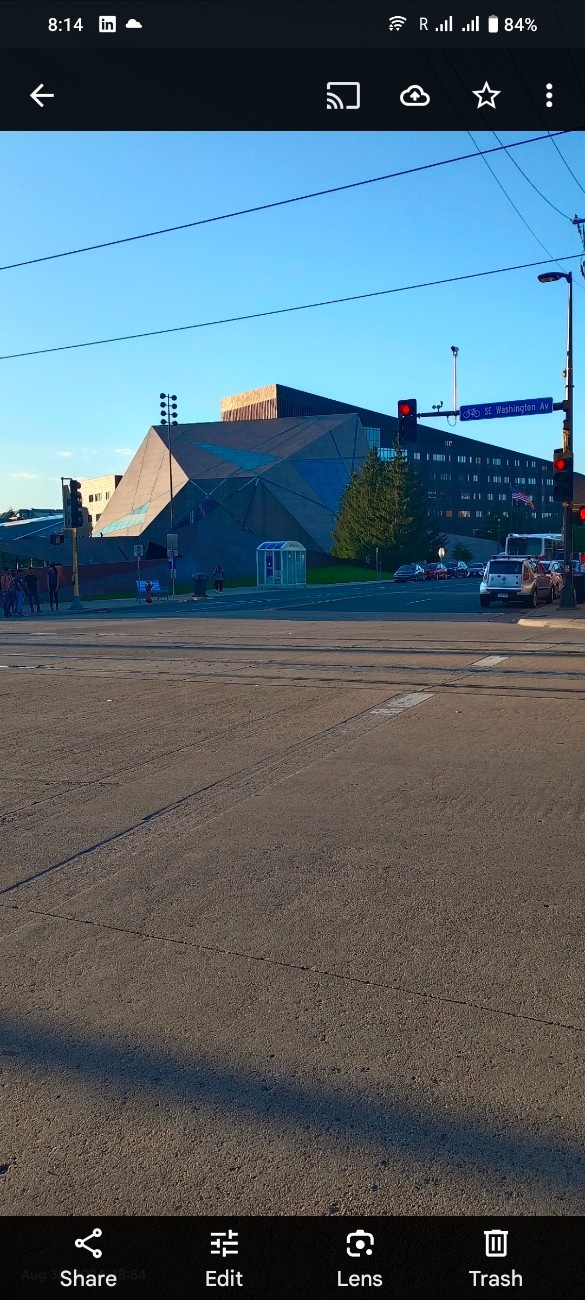
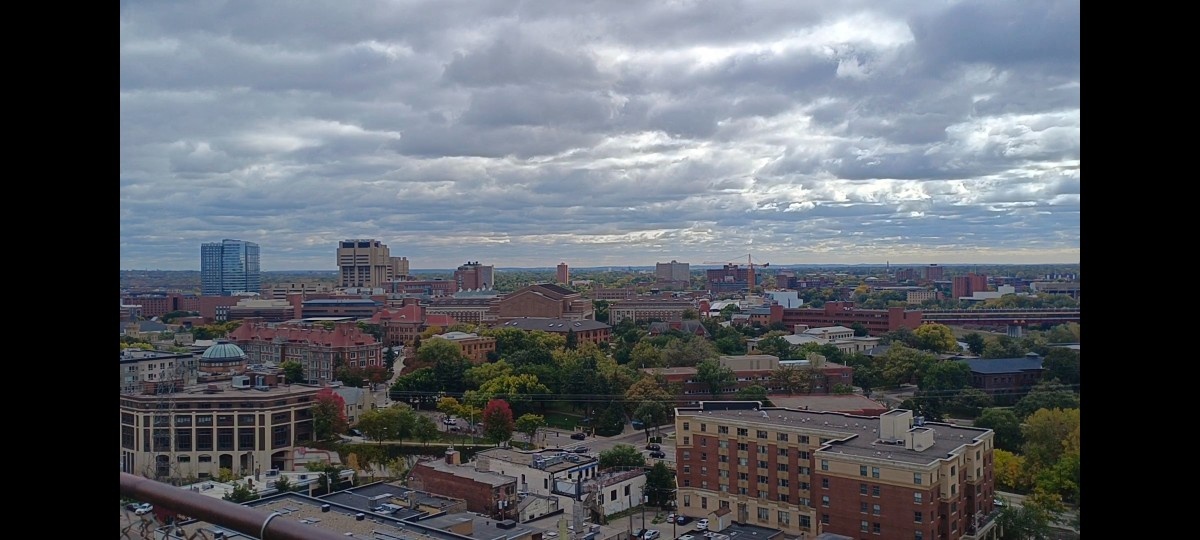
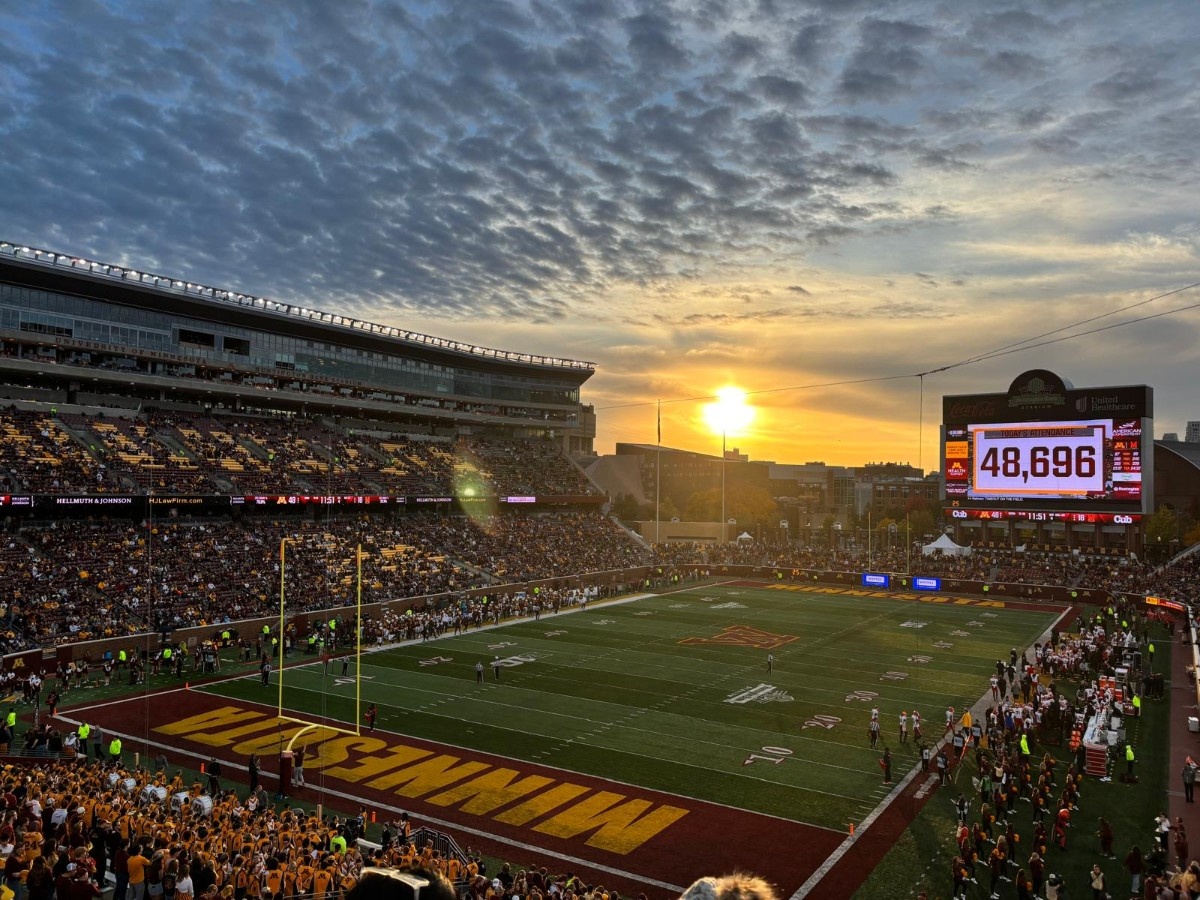
UMN Twin Cities operates three adjacent campus areas linked by a free Campus Connector shuttle: East Bank (main academic quad) and West Bank (arts and social sciences) in Minneapolis, plus the Saint Paul campus a few miles east. The 1,200-acre urban footprint sits walking distance from downtown Minneapolis, the Mississippi River and the light rail.
- Location and transport: Minneapolis campus is a 30-minute light rail ride from Minneapolis-Saint Paul International Airport; the free Campus Connector runs between East Bank, West Bank and Saint Paul every few minutes.
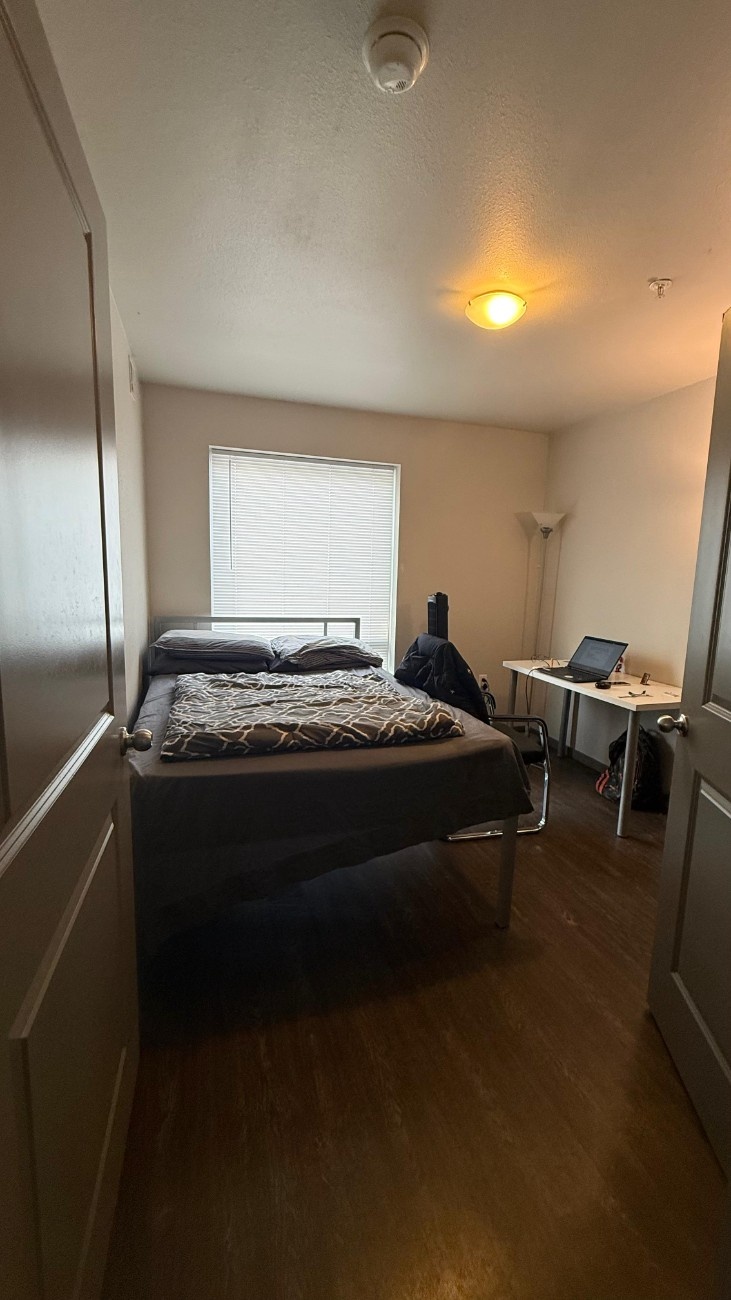
- Housing: On-campus housing costs $660 to $900 per month (₹63,200 to ₹86,200); first-year undergraduate housing is guaranteed for admitted freshmen who apply by 1 May.
- Facilities: 24-hour computing labs, the Recreation and Wellness Center, Weisman Art Museum on East Bank, and the Charles Babbage Institute archive for CS students.
- Indian community: Active India Association and Indian Graduate Students Association (IGSA) chapters host Diwali, Holi and cricket events; Indian restaurants cluster on Dinkytown and Como Avenue.
What Indian students say: Winters are the biggest culture shift; invest in a proper down jacket, boots and gloves before December. The upside: heated tunnels and skyways (Minneapolis’s climate-controlled elevated walkways) connect major East Bank buildings so you rarely walk outside for class hops.
University of Minnesota Twin Cities Scholarships 2027
UMN Twin Cities offers merit-based scholarships for international undergraduates and departmental fellowships or assistantships for graduate students. The flagship international award is the Global Excellence Scholarship, awarded automatically at time of admission.
| Scholarship | Type | Award value | Eligibility | Deadline |
|---|---|---|---|---|
| Global Excellence Scholarship | Merit, international UG | $5,000 to $20,000 per year (₹4.79 to 19.15 lakh) for up to 4 years | Admitted international freshmen and transfer students; automatic consideration | Same as freshman admission deadline (1 November 2026 for Early Action I) |
| Carlson School Departmental Fellowships | Merit, graduate | Partial to full tuition | Admitted Carlson MBA and MS Business Analytics candidates | Same as Carlson programme deadline |
| Graduate School Fellowship (department-nominated) | Merit, PhD and select MS | Full tuition plus stipend | Nominated by academic department at admission | Verify at grad.umn.edu programme pages |
Planning note: There is no separate scholarship application for the Global Excellence award. Apply for admission by 1 November 2026 to maximise your consideration window. Graduate fellowship awards are communicated with the admission decision; asking your programme office after admission rarely changes the outcome.
Read More: University of Minnesota Twin Cities Scholarships Guide
University of Minnesota Twin Cities Rankings 2027
The strongest ranking for UMN Twin Cities is its #72 tie in the US News Best Global Universities 2026-2027 edition, alongside University of Wisconsin Madison. The trajectory across QS, THE and ARWU sits stably within the top-100 to top-300 global band.
| Ranking Body | Latest Edition | Previous Edition | Two Editions Back |
|---|---|---|---|
| QS World | 2027: #255 | 2026: #210 | 2025: #203 |
| THE World | 2026: #88 | 2025: Not confirmed | 2024: #85 |
| US News Best Global Universities | 2026-2027: #72 (tied) | 2025-2026: #123 | 2024-2025: Not confirmed |
| ARWU Shanghai | 2025: #51 | 2024: Not confirmed | 2023: Not confirmed |
| Collegedunia Study Abroad | #149 of 824 (Global) | NA | NA |
[Source: QS, Times Higher Education, US News, ARWU Shanghai Ranking, Collegedunia Study Abroad]
Collegedunia Study Abroad 2026 also places UMN Twin Cities at #55 of 357 in USA, #188 of 370 globally in Engineering, #145 of 243 in Law and #299 of 392 in Computer Science.
Key insight: A US News Best Global top-100 position and QS top-300 stability matter for Indian applicants seeking Government of India loan-scheme recognition and employer credibility with Indian MNCs recruiting F-1 STEM OPT candidates.
Read More: University of Minnesota Twin Cities Rankings Analysis
University of Minnesota Twin Cities Placements and Career Outcomes 2027
UMN Twin Cities posts strong placement outcomes across its business and STEM tracks, anchored by Carlson School of Management’s Full-Time MBA and the College of Science and Engineering masters cohorts.
- Full-Time MBA placement (Class of 2024): 89% received job offers within 90 days of graduation
- Full-Time MBA median starting salary: $141,471 base (₹135.4 lakh); mean signing bonus $30,317 (₹29.0 lakh)
- MS starting salary (market median, STEM masters): $80,000 to $110,000 (₹76.6 to 105.3 lakh) for computer science, data science and business analytics tracks
- Top recruiter sectors: management consulting, healthcare analytics, financial services, retail analytics (Target, Best Buy, UnitedHealth Group headquartered locally) and technology
- Career support: Graduate Business Career Center at Carlson; CSE Career Center for engineering masters; year-round employer treks to Chicago, Bay Area and New York
Insider note: Minneapolis-Saint Paul hosts 17 Fortune 500 headquarters including Target, Best Buy, UnitedHealth Group, US Bank and 3M. Indian graduates on F-1 STEM OPT get access to a deep local hiring market without competing exclusively against Bay Area or NYC talent.
University of Minnesota Twin Cities vs Peer Universities
The peer set includes flagship public research universities that Indian applicants weigh alongside UMN Twin Cities on ranking, fees and starting salary.
| University | QS Rank 2027 | Collegedunia Study Abroad 2026 | Avg Annual PG Fee (USD / INR lakh) | Differentiator |
|---|---|---|---|---|
| University of Minnesota Twin Cities | #255 | #149 | $45,000 to $65,000 / 43.1 to 62.2 lakh (estimated) | Broadest programme catalogue; strong Fortune 500 employer pool |
| University of Michigan Ann Arbor | #44 | NA | $55,000 to $75,000 / 52.7 to 71.8 lakh (estimated) | Higher global brand; more competitive admission |
| University of Wisconsin Madison | #66 | NA | $50,000 to $70,000 / 47.9 to 67.0 lakh (estimated) | Comparable US News Global rank; stronger biosciences |
| Pennsylvania State University | #93 | NA | $45,000 to $60,000 / 43.1 to 57.5 lakh (estimated) | Larger STEM masters cohort; higher tuition |
| University of Iowa | Not ranked | NA | $35,000 to $50,000 / 33.5 to 47.9 lakh (estimated) | Lower cost; smaller international network |
UMN Twin Cities stands out for the combination of top-100 US News global rank, moderate acceptance profile (77% overall) and access to 17 Fortune 500 headquarters in the same metro. Indian applicants get top-tier academic credibility without top-20 selectivity.
UMN Twin Cities suits Indian applicants who want a top-100 global research university with a moderate acceptance profile and a deep Fortune 500 employer market in the same metro. Total investment for a two-year masters runs $90,000 to $130,000 against a median STEM masters starting salary near $95,000; F-1 STEM OPT extends work authorisation to 36 months for STEM graduates.
It is not the right pick for applicants targeting a top-30 US ranking or a specific Ivy peer group. Those candidates should consider University of Michigan Ann Arbor as a stronger stretch option with similar academic breadth.
University of Minnesota Twin Cities FAQs
Ques. Is GRE required for all masters programmes at University of Minnesota Twin Cities?
Ans. No. GRE is required by most College of Science and Engineering masters (Chemical Engineering, ECE, Mechanical) and by Carlson School MS Business Analytics. Several programmes waive GRE for applicants with strong quantitative undergraduate coursework or relevant work experience. Humphrey School policy tracks, MPH and select humanities masters accept applications without GRE. Verify at the specific programme page before scheduling a test date.
Ques. How many hours can UMN Twin Cities international students work on campus?
Ans. F-1 students at UMN Twin Cities may work up to 20 hours per week on campus during the academic term and up to 40 hours per week during official university breaks. On-campus employment does not require additional US Citizenship and Immigration Services authorisation. Off-campus work needs Curricular Practical Training or Optional Practical Training approval processed through the International Student and Scholar Services (ISSS) office.
Ques. What English-medium waiver documents does University of Minnesota Twin Cities accept?
Ans. UMN Twin Cities may waive the English test for applicants whose entire secondary or bachelor’s degree was taught in English in one of a set of approved countries, or for applicants who complete an approved US-based English program. Indian applicants generally cannot claim a country-based waiver, but a formal letter from your Indian university certifying English as the medium of instruction, plus transcripts, can be submitted for programme-level review.
Ques. Can Indian applicants apply for both Fall and Spring intakes at UMN Twin Cities?
Ans. Fall is the primary intake for international freshman and most graduate programmes. Spring intake is limited to select master’s and doctoral tracks (typically not offered for Carlson MBA or first-year undergraduate international admits). Applicants should check the specific programme page for Spring availability before submitting an application, and confirm whether scholarship consideration differs by intake window.
Ques. What is the international application fee at UMN Twin Cities?
Ans. The international freshman application fee is $75, and Graduate School application fees typically range $75 to $95 depending on the college. Fees are non-refundable and payable by international credit card at submission. UMN Twin Cities does not routinely waive application fees for international applicants; fee waivers are reserved for narrowly defined US-based programmes such as McNair Scholars.
Ques. Are Indian education loans accepted for financial proof at UMN Twin Cities?
Ans. Yes. UMN Twin Cities accepts sanction letters from Indian nationalised and private banks (SBI, HDFC Credila, ICICI, Axis, Avanse, Auxilo, Prodigy Finance, MPOWER Financing) as valid financial documentation for the I-20 issuance. The sanction letter must cover at least one year of tuition plus living expenses, be dated within the last six months, and be issued in the applicant’s name.
Ques. Does UMN Twin Cities require WES for Indian academic transcripts?
Ans. Most Graduate School programmes prefer or require a course-by-course evaluation from World Education Services (WES ICAP) or an equivalent NACES-member evaluator for Indian bachelor’s transcripts. Undergraduate applicants typically submit official transcripts directly from the Indian secondary board; some colleges may also request an evaluation. Confirm the exact evaluator name and format required by your programme before ordering.
Ques. Can UMN Twin Cities international students bring a spouse on F-2 dependent visa?
Ans. Yes. F-1 students at UMN Twin Cities can sponsor a spouse and unmarried children under 21 on the F-2 dependent visa. The primary applicant must show additional financial proof (typically $8,000 to $10,000 per year per dependent) at I-20 issuance. F-2 spouses cannot work in the US but can enrol part-time in academic study; F-2 children can attend K-12 public school.
University of Minnesota - Twin Cities Program Fees & Deadlines
| Program | Important Dates | Fees | Application Fees | Eligibility | Financial Aid |
|---|---|---|---|---|---|
MS Computer Science 2 years | Application Deadline for Fall Intake (1st Mar 2027) | USD 35,162 /Yr | 95 | GPA: 3.0, TOEFL: 4.5, IELTS: 6.5 | |
MS Data Science 2 years | Application Deadline for Fall Intake (1st Mar 2027) | USD 35,162 /Yr | 95 | GPA: 3.0, TOEFL: 4.5, IELTS: 6.5 | |
Early Application Deadline for Fall Intake (1st Dec 2026) Application Deadline for Fall Intake (15th May 2027) | USD 35,162 /Yr | 95 | GPA: 3.0, TOEFL: 4.5, IELTS: 6.5 | ||
MS Business Analytics 1 year | Round 1 Application Deadline for 2027 Intake (1st Nov 2026) Round 2 Application Deadline for 2027 Intake (15th Jan 2027) Round 3 Application Deadline for 2027 Intake (15th Mar 2027) | USD 56,250 /Yr | 95 | GPA: 3.0, TOEFL: 4.5, IELTS: 6.5 | |
BS Business - Finance 4 years | Early Action I Application Deadline (1st Nov 2026) Early Action II Application Deadline (1st Dec 2026) Final Application Deadline for 2027 Intake (1st Jan 2027) Early Action I Decision Deadline (31st Jan 2027) Early Action II Decision Deadline (15th Feb 2027) Final Application Decision for 2027 Intake (31st Mar 2027) | USD 42,694 /Yr | 55 | Class 12, TOEFL: 4.5, IELTS: 6.5 | |
MS Neuroscience 2 years | Application Deadline for Fall Intake (20th Nov 2026) | USD 35,162 /Yr | 95 | GPA: 3.0, TOEFL: 4.5, IELTS: 6.5 | |
MS Mechanical Engineering 2 years | USD 35,162 /Yr | 95 | GPA: 3.0, TOEFL: 4.5, IELTS: 6.5 | - | |
Application Deadline for Fall Intake (1st Mar 2027) | USD 35,162 /Yr | 95 | GPA: 3.0, TOEFL: 4.5, IELTS: 6.5 | ||
MBA 2 years | Round 2 Application Deadline for 2027 Intake (1st Dec 2026) Round 3 Application Deadline for 2027 Intake (1st Feb 2027) | USD 62,280 /Yr | 75 | GPA: 3.0, TOEFL: 4.5, IELTS: 6.5 | - |
MS Applied Plant Sciences 2 years | Application Deadline for Spring Intake (15th Oct 2026) Application Deadline for Fall Intake (1st Dec 2026) | USD 35,162 /Yr | 95 | GPA: 3.0, TOEFL: 4.5, IELTS: 6.5 |
Do you think the Dates are wrong ? Report Here
Important Alerts
| Events | Dates |
|---|---|
| Business Analytics Round 1 Application Deadline for 2027 Intake | Closing in 21 days |
| Applied Plant Sciences Application Deadline for Spring Intake | Closing in 4 days |
| Bioinformatics and Computational Biology Application Deadline for Spring Intake | Closing in 4 days |


Find A Program
Top Recommended Courses
Master of Science [MS] Data Science
Do you think the fees are wrong ? Report Here
Master of Science [MS] Computer Science
Master of Science [MS] Business Analytics
Do you think the fees are wrong ? Report Here
Course Finder - Search from 50K+ courses
Popular Streams:
University of Minnesota - Twin Cities comparison
| University Name | University of Minnesota - Twin Cities | University of Minnesota- Duluth | University of Southern California | University of Wisconsin | Virginia Tech | University of Michigan | University of Massachusetts | Pennsylvania State University | University of Iowa |
|---|---|---|---|---|---|---|---|---|---|
| Collegedunia Score | 6.1 Out of 10 | 4.8 Out of 10 | 5.9 Out of 10 | 6.8 Out of 10 | - Out of 10 | 7.5 Out of 10 | 4.5 Out of 10 | 5.9 Out of 10 | 5.2 Out of 10 |
| Overall Ranking |
|
|
|
|
|
|
|
|
|
| Programs |
|
|
|
|
|
|
|
|
|
| Acceptance Rate | 77.0 % | 82.0 % | 10.0 % | 45.0 % | 55.0 % | 16.0 % | 0.0 % | 54.0 % | 84.7 % |
| Exam Score | - | - | - | - | - | - | - | - | |
| Cost to Study |
|
|
|
|
|
|
|
|
|
| CollegeDunia Reviews | 8.3/10 Read 16 reviews | 5.5/10 Read 1 reviews | 7.8/10 Read 37 reviews | 7.7/10 Read 21 reviews | 8.6/10 Read 6 reviews | 8.5/10 Read 17 reviews | 7.8/10 Read 11 reviews | 7.4/10 Read 19 reviews | 7.5/10 Read 7 reviews |
| - | Read Full Comparison | Read Full Comparison | Read Full Comparison | Read Full Comparison | Read Full Comparison | Read Full Comparison | Read Full Comparison | Read Full Comparison |
Do you think the data is wrong ? Report Here

Overall 149 out of 824 in Global Ranking

View More >>
Do you think the Rankings are wrong ? Report Here
University of Minnesota - Twin Cities Reviews
Most Popular Tags
16 Reviews Found
Likes
- Location, heart of minneapolis
- Inclusivity, inclusive atmosphere for international students
- Infrastructure, excellent infra
Dislikes
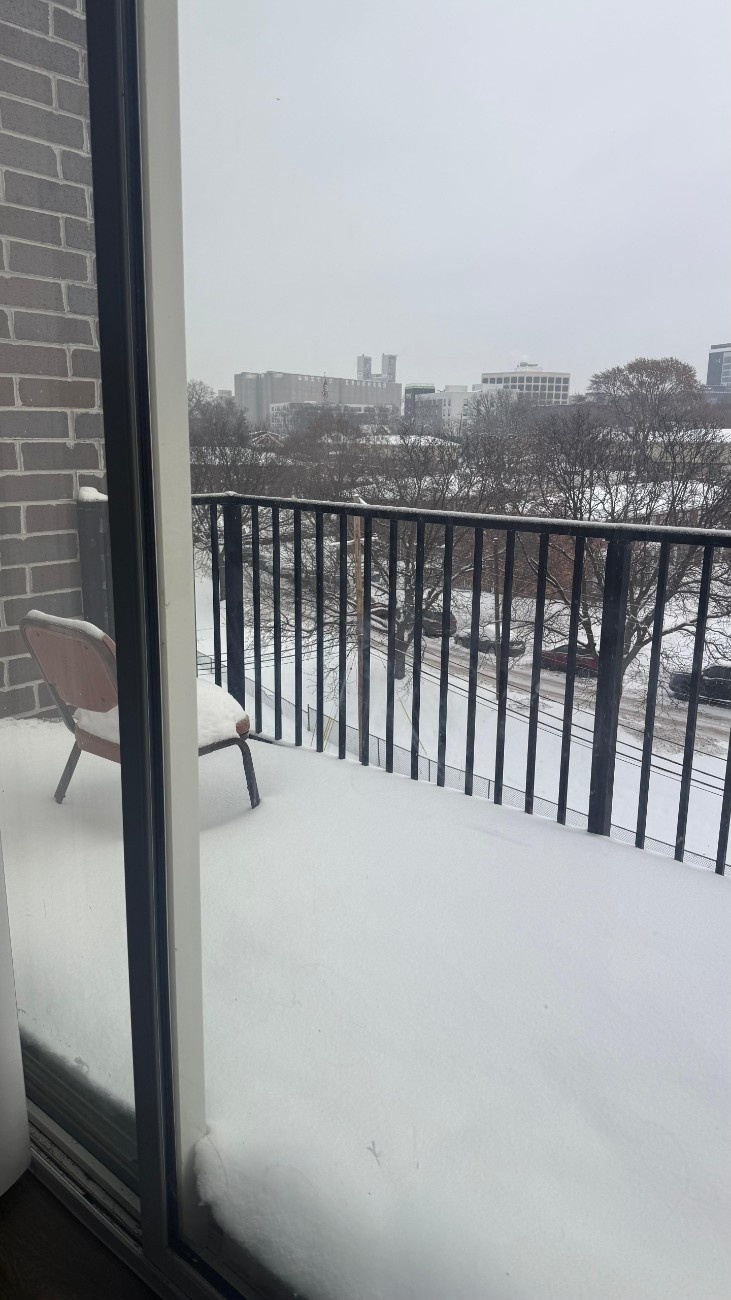
- Winter, MN has extreme temperatures
- Crime rate has slightly increased compared to before, students have to always look out for them and friends.
- Safety, a lot of theft, gun violence is around
Campus Life
- UMN offers a lively campus experience with strong academic and extracurricular balance.
- The university has five campuses: Twin Cities, Duluth, Morris, Crookston, and Rochester, with Twin Cities being the main hub.
- Facilities include large libraries like Walter and Wilson, modern gyms, sports complexes, and Boynton Health for medical services. Popular events include Homecoming, Spring Jam, and cultural fests.
- There are hundreds of clubs, including ISA, sports, tech, and cultural groups, encouraging active student engagement.
Fees
- $18,000/semester, this is for 6-14 credits and if you take below 6 or more than 14, you have to pay $2774/ credit along with others and insurance is around $1500/ semester.
- They have also increased the fees this FY and it is close to $20,000/semester for international students. Assistantships are available for TA's and RA's to waive the fees.My monthly living expenses is $900 tops.

Likes
- The campus community is very vibrant. As an urban campus, there are many activities available to you.
- It is a very research-oriented school, with a lot of projects that go on across a variety of fields.
- The teaching standard and quality of professors are also on par with competing top schools.
Dislikes
- On the negative side, the Twin Cities campus is split across three internal campuses, and while you have the ability to take classes across all three campuses, it involves a bit of travel. You do have campus connectors that run every 5 mins, but it isn't the same as hopping between buildings for classes. This is very specific to your program and field of study; in most cases, you might not have this issue.
- The second negative is probably the weather. Minnesota is the third coldest state in the country; winter lows can drop to roughly -25°C and lower on some days. Personally, I love the winters, but it isn't everyone's cup of tea. While it might seem intimidating, you get used to it!
Campus Life
- The university is very vibrant, with more than 300 active clubs and associations, ranging from technical clubs to sporting and extracurricular activities. I helped initiate and currently serve as the head of a graduate students' association for international students from India that helps students move to Minnesota and coordinates with organizations for temporary accommodation, furniture drives, events, etc.
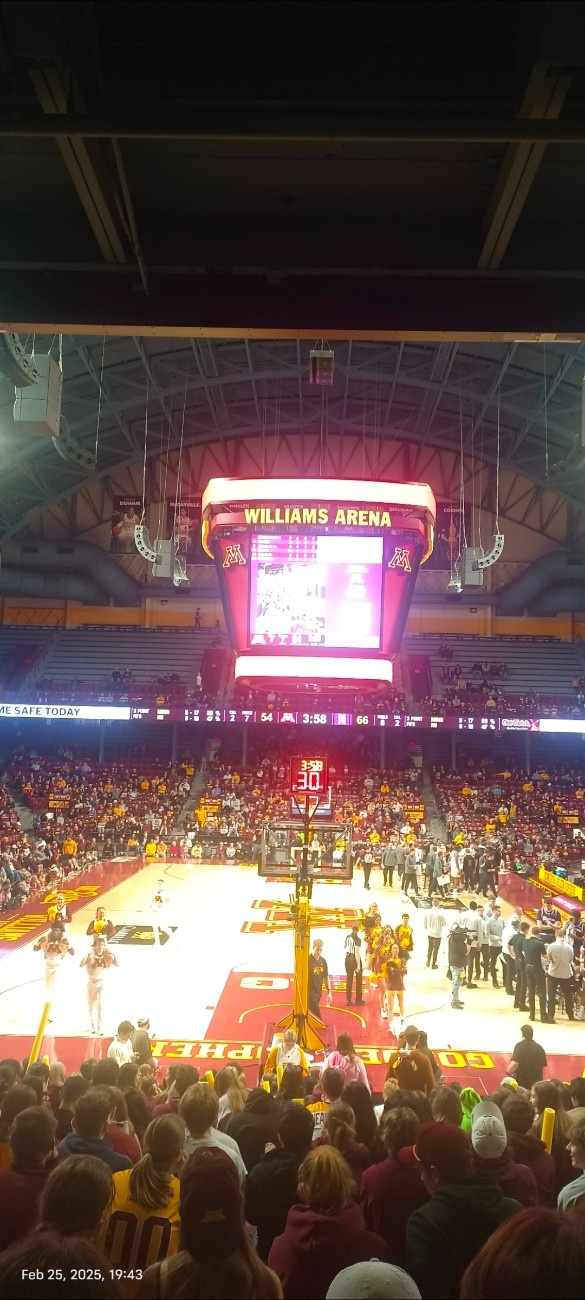
- UMN is part of the Big Ten association, making it very active in sports, and all sports facilities are constantly updated and state-of-the-art. In many programs, tuition covers 6-14 credits; some students take 1-credit PE courses if they don't max out the 14-credit limit in their coursework. I had taken Sabre Fencing as a course in one of my earlier semesters.
- The campus has a couple of museums as well, and with the Mississippi River running right through it, there is a hiking trail along the riverbanks, making it well connected to Nature. There are a bunch of hidden gems, like the Raptor Center that collaborates with the Veterinary School, which gives free tours to students, and you get to see a bunch of owls, eagles, and falcons that the center fosters and gives treatment to.
Fees
- As part of the engineering school, tuition is roughly $ 17,000 per semester, plus an additional $ 2,000 to cover insurance and other fees. Master's programs are usually 30 credits; I've seen some students complete in 3 semesters and others in 4. In cases involving research, I've seen students take more semesters as well.
- TAs and RAs, based on the number of hours covered, receive at least a portion of their tuition and a very comfortable stipend. For living expenses, factor in about $ 1,500 per month.

Likes
- I liked the support from the university in terms of part time jobs and availability of TA/RA
Dislikes
- Career fairs were not up to the mark and I had to use external help to get jobs (Alumni are very helpful)
Campus Life
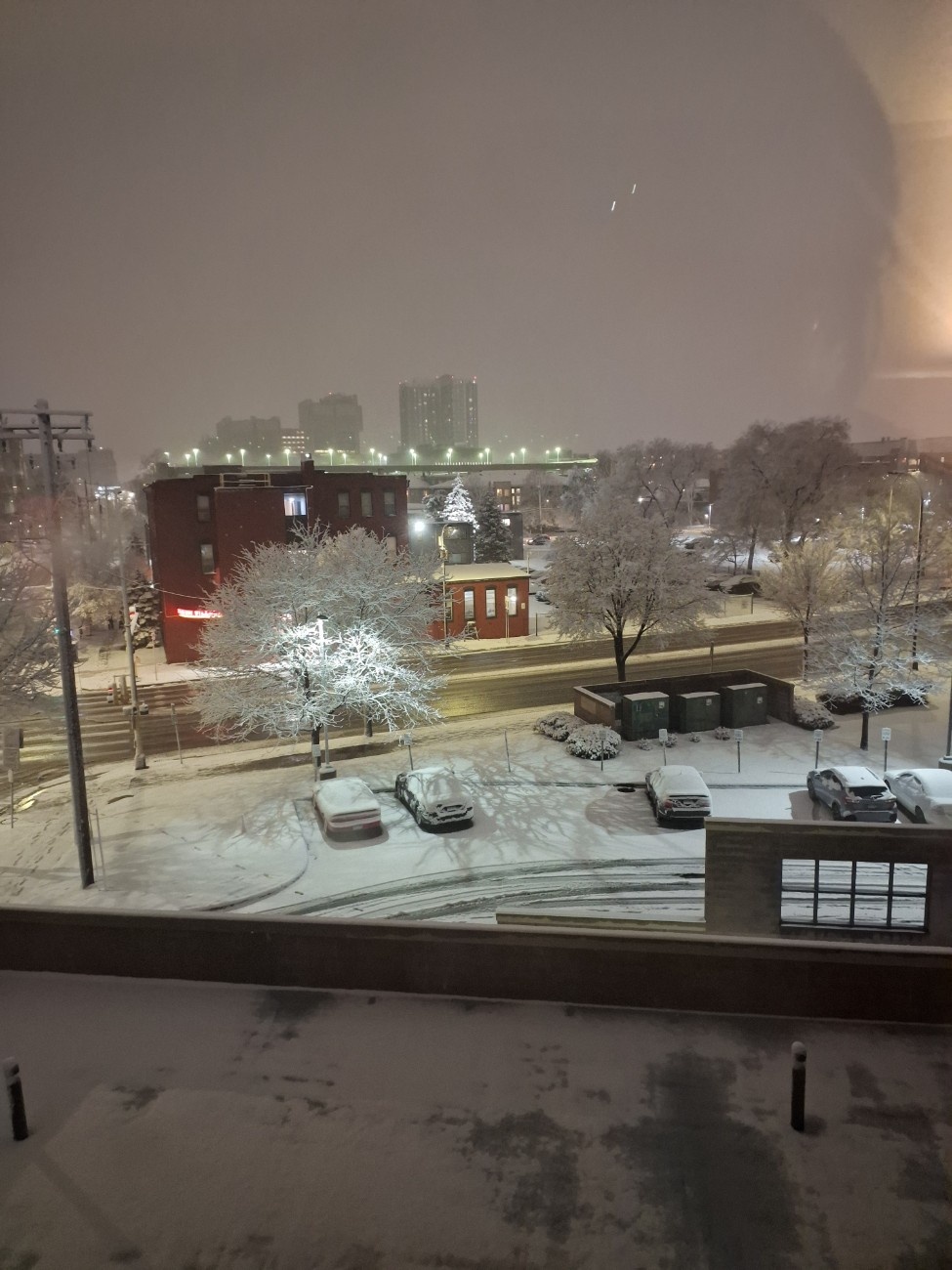
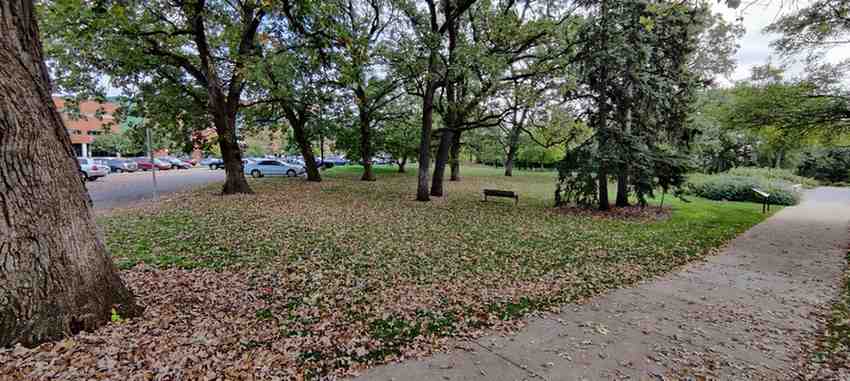
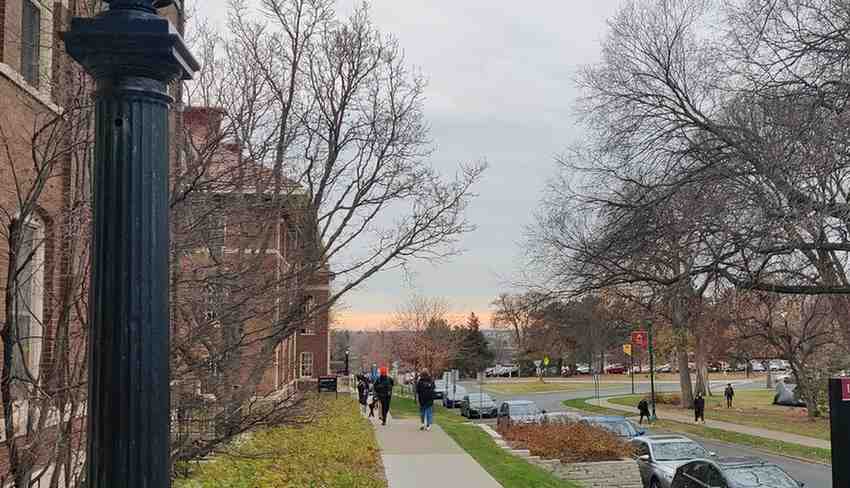
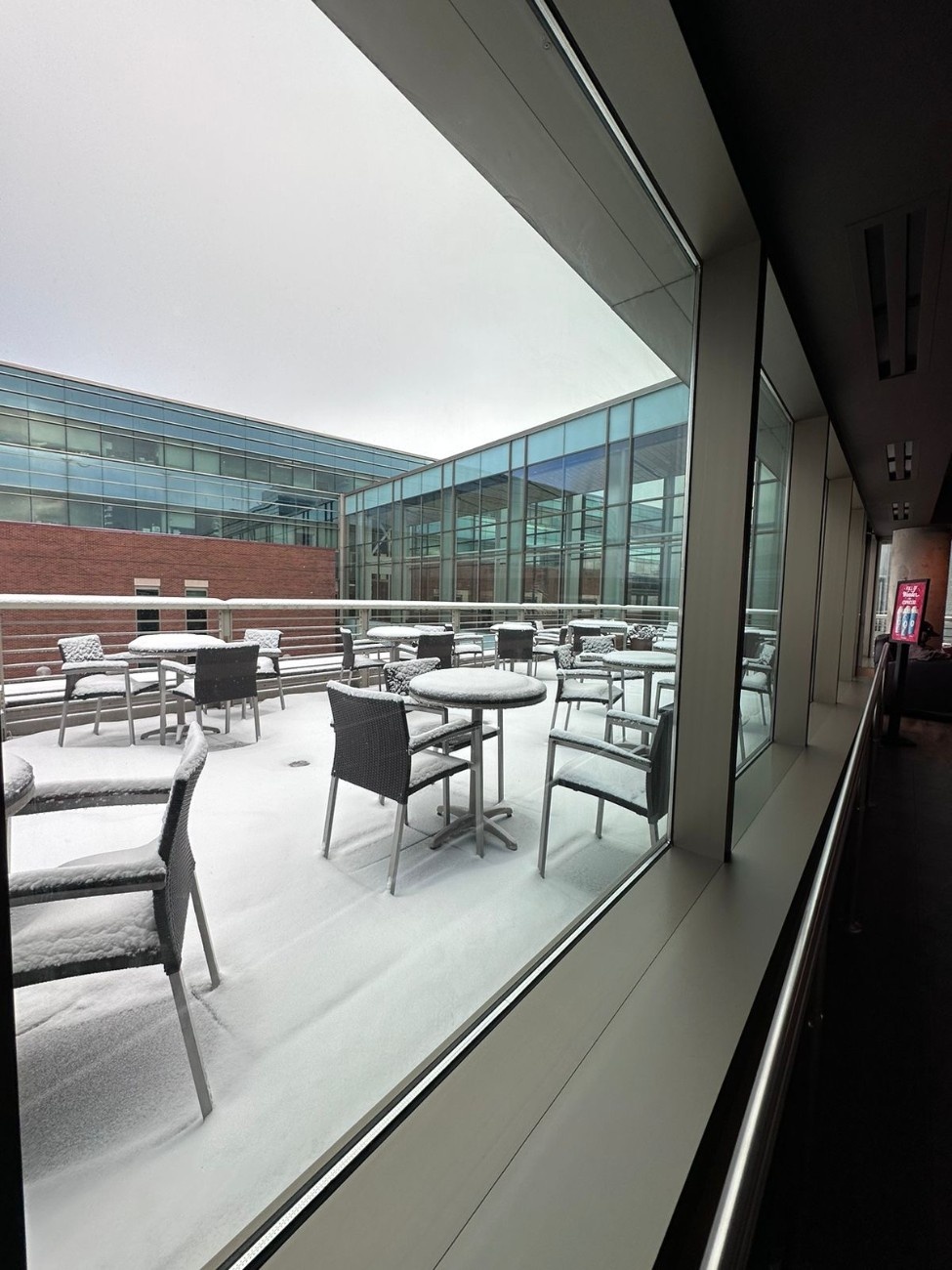
- Winters are harsh, but the campus is very lively in the summertime with lots of events.
Fees
- I got a TA discount, so it was $45000 for me for 3 semesters
Likes
- Great University for VLSI backend specialization.
- Have a really well established arts and business school too.
- Peaceful environment and beautiful campus.
Campus Life
- Campus is in the heart of the city and surrounded with a lot of fun. An infinite number of clubs, chapters, and sports fill the extracurricular activities part, too.
Fees
- 60 Lakhs INR only for tuition for 2 years.
Likes
- Culturally diverse, strong career cell, great public transport amenities and support provided by the university, peaceful and calm environment, technically savvy. I would suggest attending as the surrounding areas had cheap rent as well as good people
Dislikes
- Unsafe on the West Bank, expensive, gets a little boring during the winter as it’s the Midwest, be careful about the cold as it can get strikingly chilly, it’s easy to make friends but do engage with the college community otherwise it’s another college degree that way.
Campus Life
- I think they have 4 campuses all around Minnesota; all facilities include a library, sports facilities and medical services, along with basketball courts, a gym, a tennis court, and a swimming pool, it was pretty great; there were a lot of NBA games around in the city, and ice skating is pretty famous at our university; the Minnesota state fair is one of the largest in the country; there are sororities and fraternities along with Indian events. A lot of Halloween celebrations too. The city is fun even in the winter season.
Fees
- I paid 75000 for tuition with no scholarship; in total it cost me 95000 to attend with rent and allowance; fees are charged semester-wise; monthly expenses were 1000 dollars for me and it was a 10 month course; I was there for 5 more months for a job search.
- Rent was 489 for me; for transportation, I used the light rail, which was free for my university ID card; and groceries were 200. I barely ate so that was compensated and roommates would split bills.
Likes
- Great campus with lot's of places to hangout close to campus.
- There's many opportunities for research based learning at labs headed by various professors' which provides a platform for getting funding and focusing on specialized areas.
- Housing near campus is pretty affordable. There are options further away from campus but with the extensive coverage of the light rail distance isn't really an issue.
Dislikes
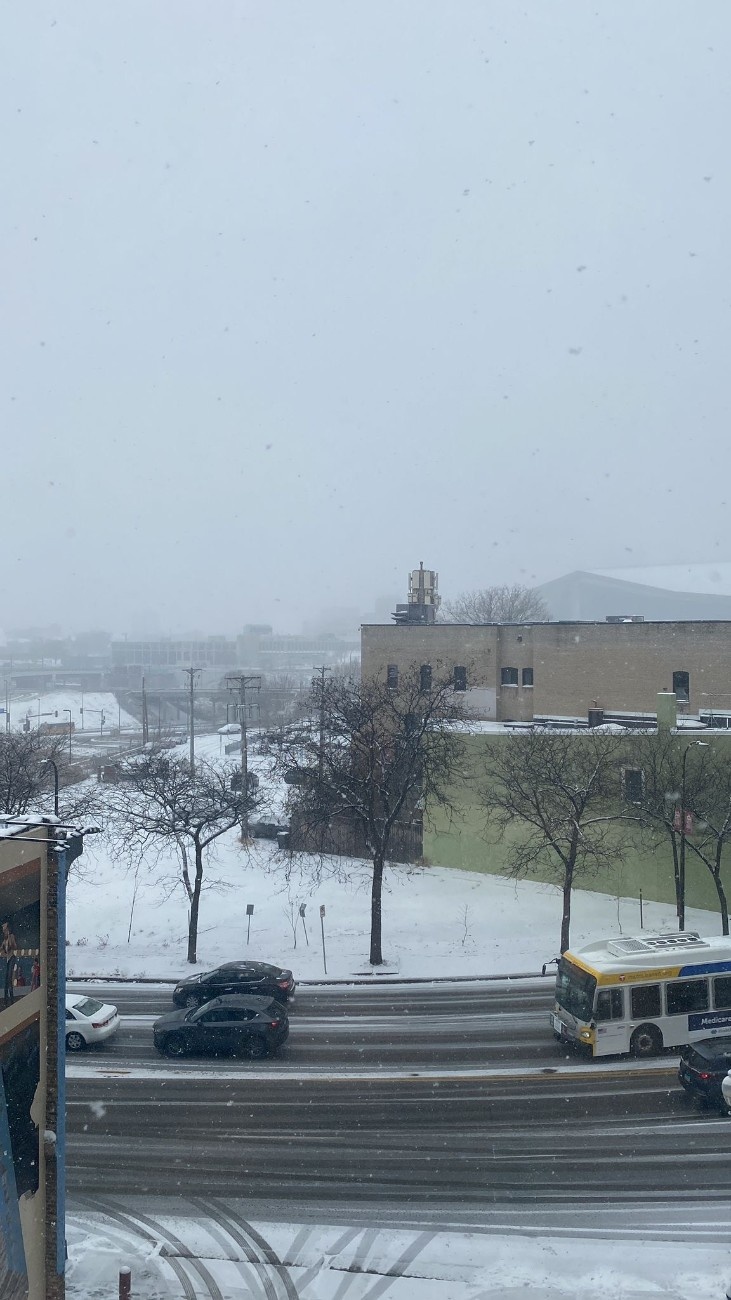
- Despite the extreme cold weather during the some of the winter days, the university does not officially declare a holiday which really isn't a big issue.
Campus Life
- The university has 2 main campuses, one in Minneapolis and the other in St. Paul. Both campuses have state-of-the-art infrastructure and facilities. There are a lot of events on campus during the semester usually organized by student clubs. More information is available on their websites or social media.
- You can find all kinds of extracurricular activities or sports you are interested in here; it will be really hard to come up with a list.
Fees
- Tuition fee is charged per semester and is based on per credit for this program. The tuition fee is 1315 usd per credit and students are expected to complete 31 academic credits. Other fees charged are for health insurance, public transport, university maintenance, etc., which can vary.
- If you live off campus, which is what 99% of grad students do, depending on the place you stay, rent can be on average between 600 and 750. Other expenses, including groceries and food, would not exceed 100 dollars. Since public transportation is included in the fee to the university, that would not be counted as a personal expense. On average, monthly personal expenses would not exceed 750 usd.
Likes
- Great faculty to talk and work with. In addition, great facilities which are open to all. In addition to this, many events are organized by student bodies making international students feel more welcome.
Dislikes
- While I do not feel that I dislike my college, I do not like the weather in Minneapolis. It gets colder during the winter months making it difficult to go out.
Overview
I chose this university as it is one of the best university in the world for Chemical Engineering. Overall, my experience has been good. Since there is a significant population of Indian students, it is easy to adjust into the university culture. In addition, a lot of sporting facilities are available in the university where one can spend time apart from academics. The library in the university is very vast with nearly all the books.
Campus Life
Great facilities available in the university. Multiple research facilities, strong WiFi and great sports facilities.
Overview
I chose this university because of the business program, the Carlson School of Management is ranked very highly across the nation for business schools. So far the college experience is great and I have zero complaints, I would definitely recommend to other students!
Campus Life
The campus is very inclusive and there are a ton of clubs and extracurriculars to engage in
Likes
- University of Minnesota, ranked amongst Top 20 University in the United States and there aid package plus the location drove me to choose the university. They have one of the most diverse campus across all 5 of them, with majors so unique and real world use, there was no doubt in my mind to choose this university in particular and go with their international business program.
- One of the safest and most well-preserved with diverse student body campuses in all of the United States. All resources are provided and explained how to and where to utilise them to the most.
Dislikes
- The campus is a little far from the cities, which may not be a big Yikes since there are transportation available for free, and paid as well. Good opportunity to earn money while on campus but still not enough, since mostly goes to the Work-Study program funds, which is for Domestic Students only.
Overview
So far as an freshman, I got to make some friends for life and experiences beyond of what I could of with traditional upbringing and to be dependency on my own self has definitely molded me into a better version with time and I am happy and grateful for this.
Campus Life
If I had to describe the campus life in one word- Happening. There is always something you can take part in, to relax for, and always an escape from the academic pressure if there is anything: Happening.
Likes
- During my research journey, I have been following up to Professor Bo Hu who is famous faculty in my area of research. I have known him through various publications and conference. I contacted him over email incorporating CV, Cover Letter, SOP etc.
- The staffs were so helpful. Right from the evening of visa process, they helped me out every step in detail. For the English proficiency test, the University has its own certified English Exam. It allowed me to give my 40 mins virtual exam and give. Moreover, Research is all about the supervisor and student team work.
- The mentor was super cool and supportive. Weekly meeting, supervisor's constructive feedback made my hardship time or covid time research a successful one. All the faculties, lab group, analytical facilities were wonderful. Best part was that, during the covid, they provide a huge lab with full of facilities or single student.
Dislikes
- I don't have much dislike to point out from University perspective. But the winter there was extremely cold. As my stay was short duration, I was not able to access few of intranet sit which updates about the University activities, holidays, bus service etc. The bus service information did not update sometimes and I missed most of it
Overview
It was wonderful and great. I feel great that I could get the chance to extend to bilateral development and cultural exchange.
Campus Life
Everything was on top notch especially the infrastructure, the facilities etc. Spring was full of flowers, autumn was like another summer, winter with full of snow and summer with lustrous green.
University of Minnesota - Twin Cities Scholarships
| Name | Scholarship Per Student | Level of Study | Type | |
|---|---|---|---|---|
| Bharat Petroleum Scholarship | Scholarship per studentVariable Amount | Level Of StudyMaster | TypeMerit-Based | |
| Comindware Scholarship | Scholarship per student$4,000 | Level Of StudyApprenticeship | TypeMerit-Based | |
| Forktip Women’s- Innovation Scholarship | Scholarship per studentVariable Amount | Level Of StudyBachelor | TypeCollege-Specific | |
| FINCAD Women in Finance Scholarship | Scholarship per student$20,000 | Level Of StudyMaster | TypeMerit-Based | |
| Jane M. Klausman Women in Business Scholarship | Scholarship per student$5,000 | Level Of StudyBachelor | TypeMerit-Based | |
| The Google Lime Scholarship | Scholarship per student$10,000 | Level Of StudyBachelor | TypeMerit-Based |
Do you think the Scholarship is wrong ? Report Here
University of Minnesota - Twin Cities Admissions
Application Portal: https://www.uofminn.org/apply/splitter.htm?&isndsl
Early Action Deadlines
Important Date: November1 (Application deadline)Important Date: April1 (Application results)Regular Decision Deadlines
Important Date: January15 (Application deadline)Important Date: April1 (Application results)
Attendance Cost
The table shows average yearly cost of attendance for international students. Amount may vary with the course opted, nature of accommodation, and personal spending habits of a candidate.Check Program wise Fees
University of Minnesota - Twin Cities Campuses, Schools & Faculties
University of Minnesota - Twin Cities Accreditations
Faculty
| Total Faculty | Full Time | Part Time | Graduate Assistants |
|---|---|---|---|
| 46545 | 37549 | 8996 | 5560 |

interested in this College ?
Follow & Share this college to get information about admission.



Comments
Found 5 Comments
Hello! Do you have scholarships for international students with a biology degree?
The University of Minnesota offers various scholarships for international students pursuing a biology degree, though specific options and availability might vary depending on your circumstances. However, you can explore the University of Minnesota scholarships to know more about the requirements and other details.
The University of Minnesota has already closed the application process for the Fall 2023 intake. But the university is accepting applications for the Fall 2024 intake. The deadline for regular admission for the Fall 2024 session is January 1.