




CUET PG Geography Biogeography and Soil Handwritten Notes, free to download as a 20-page PDF. HUQP08 asks 75 questions at four marks each, and this closing part of Part A takes roughly two days to learn, so plan two sittings.
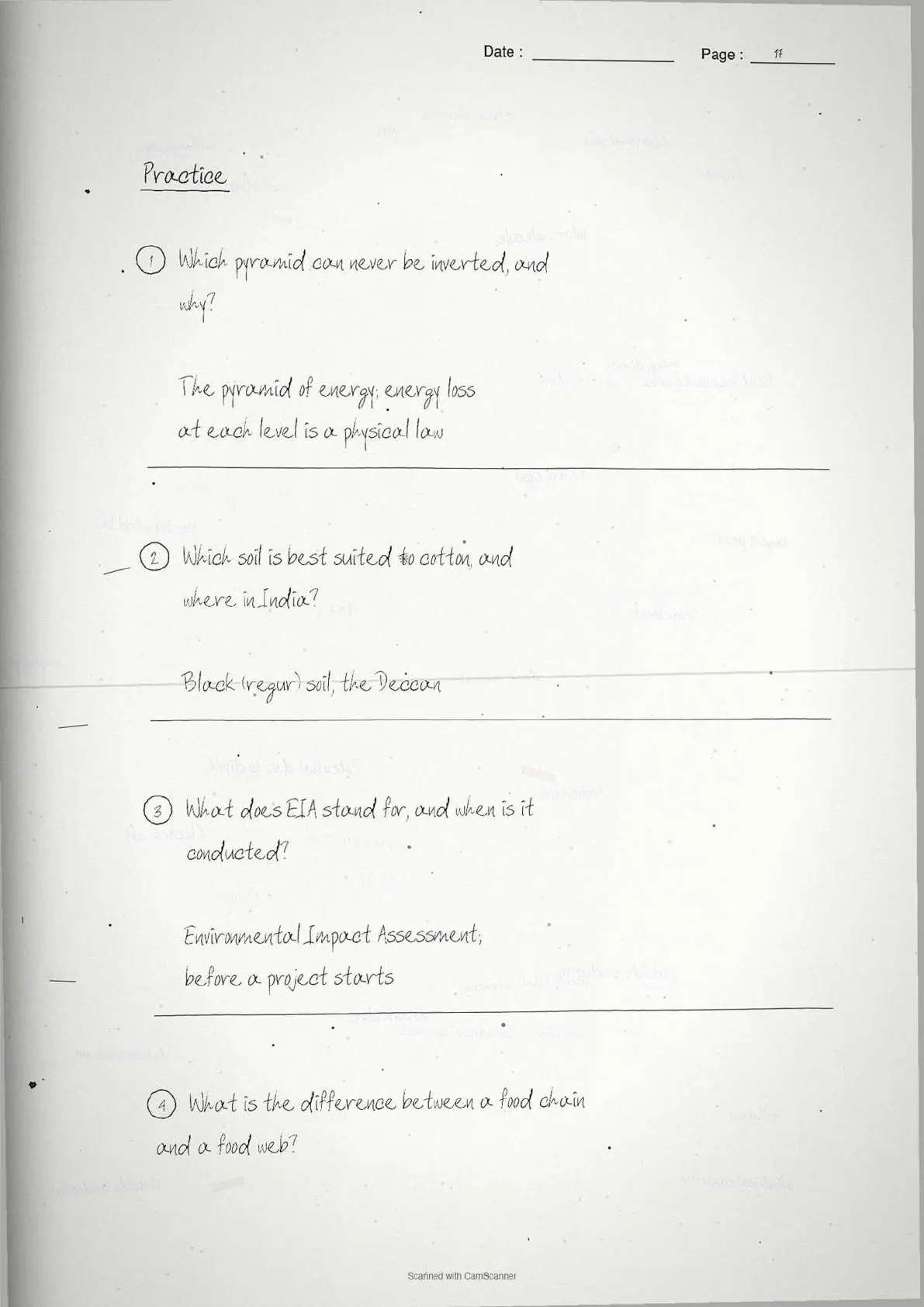
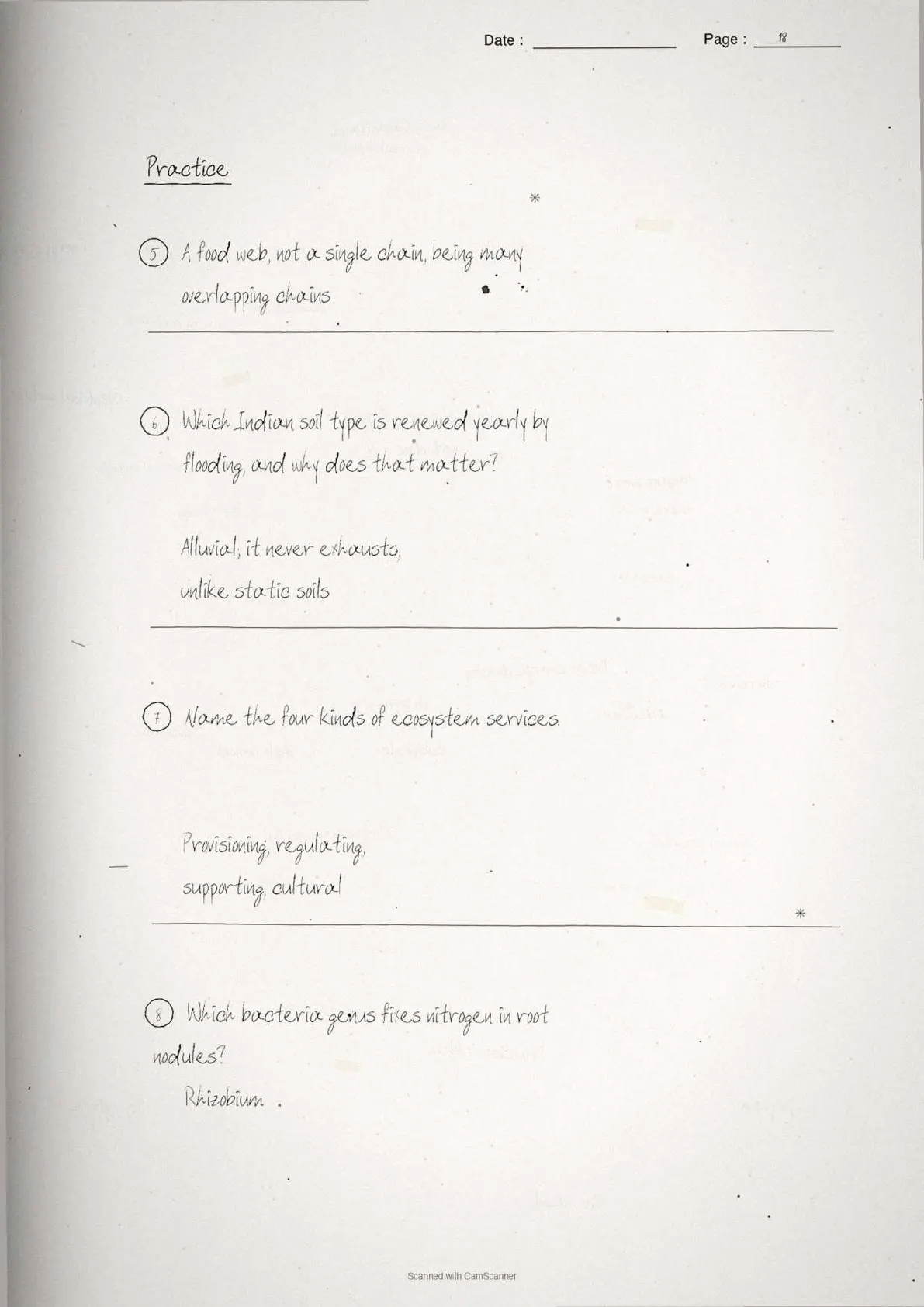
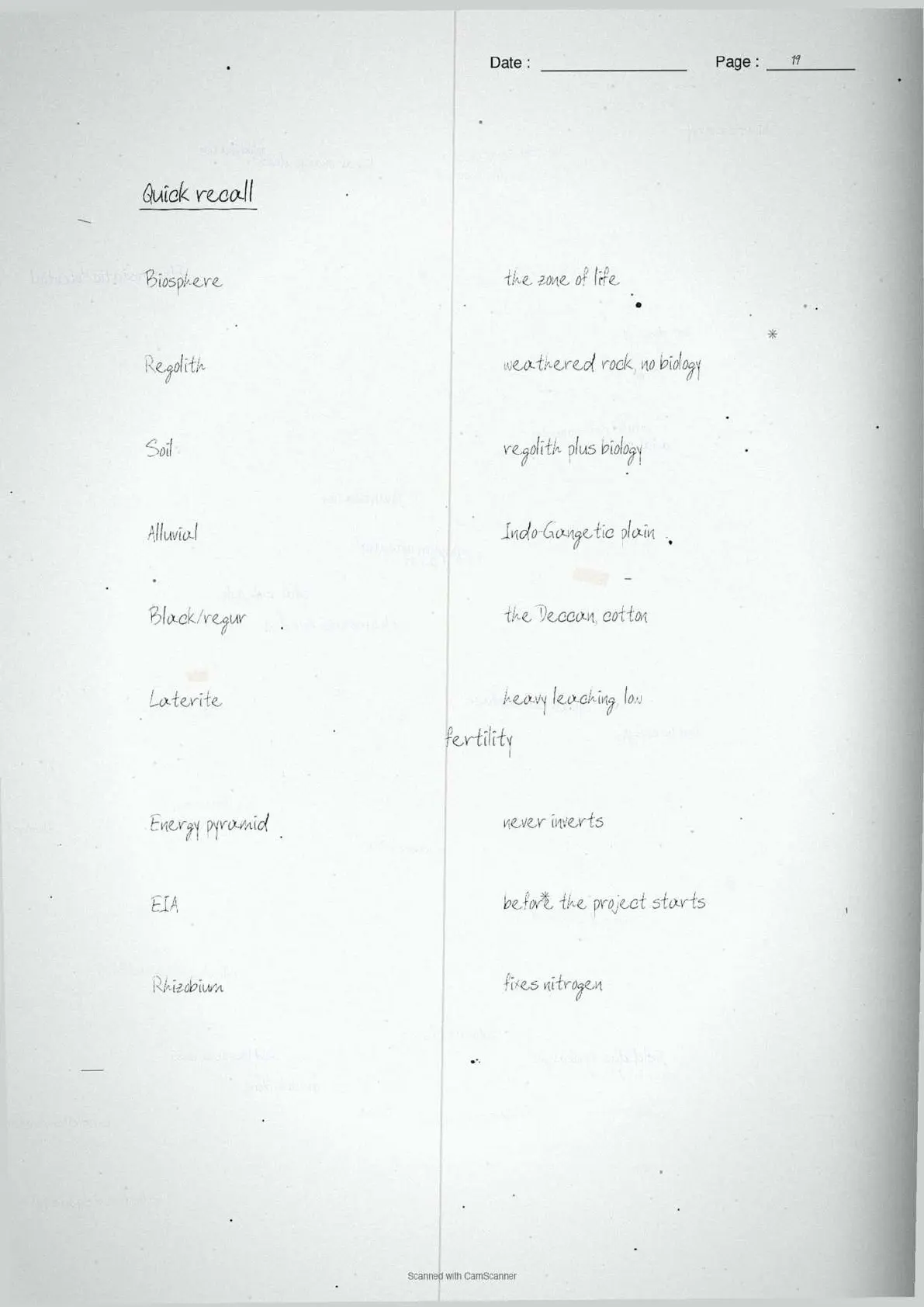
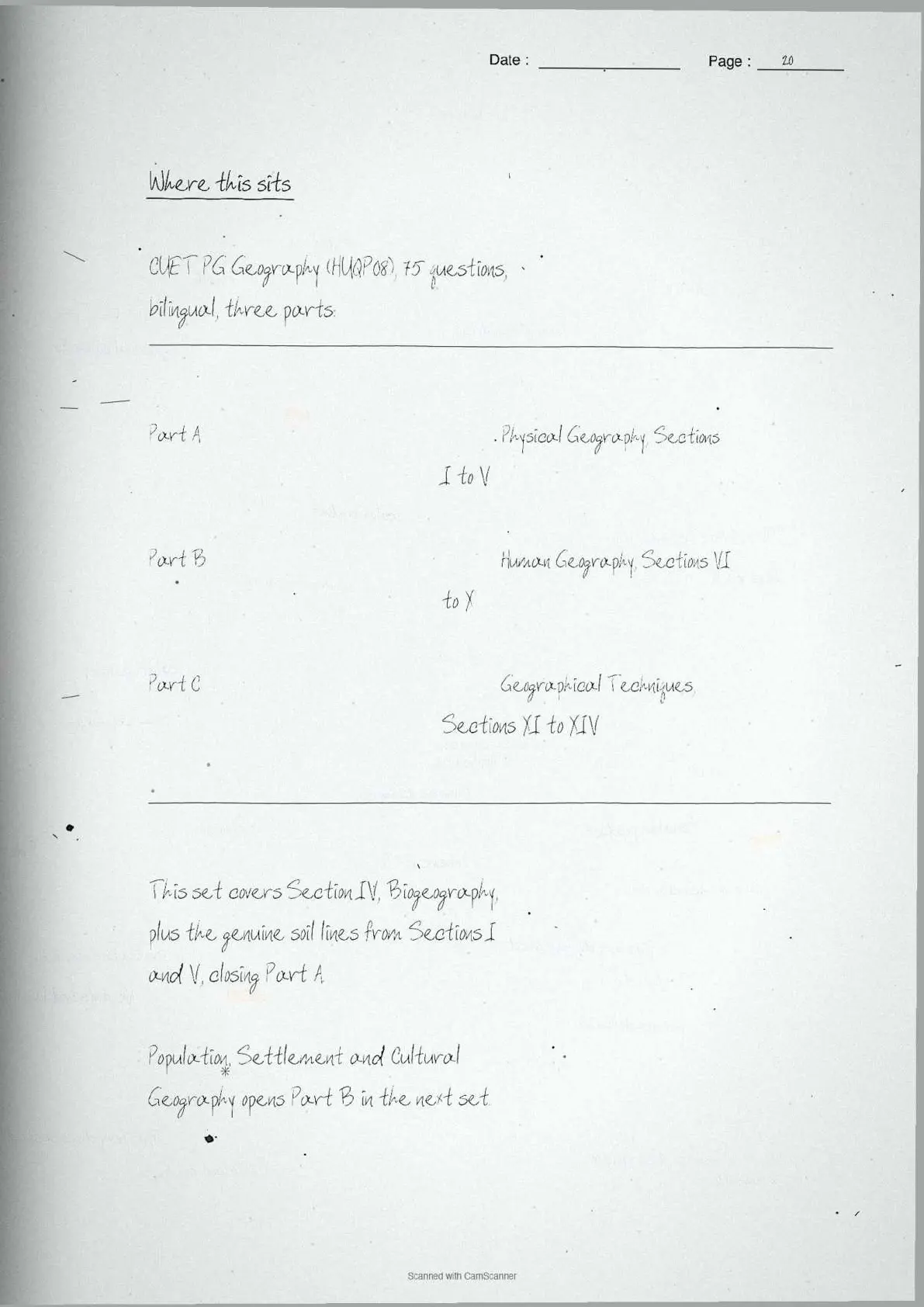
The notes are scans of a real notebook: short lines, boxed rules, and a margin note wherever something is easy to get wrong.
Where This Sits in HUQP08
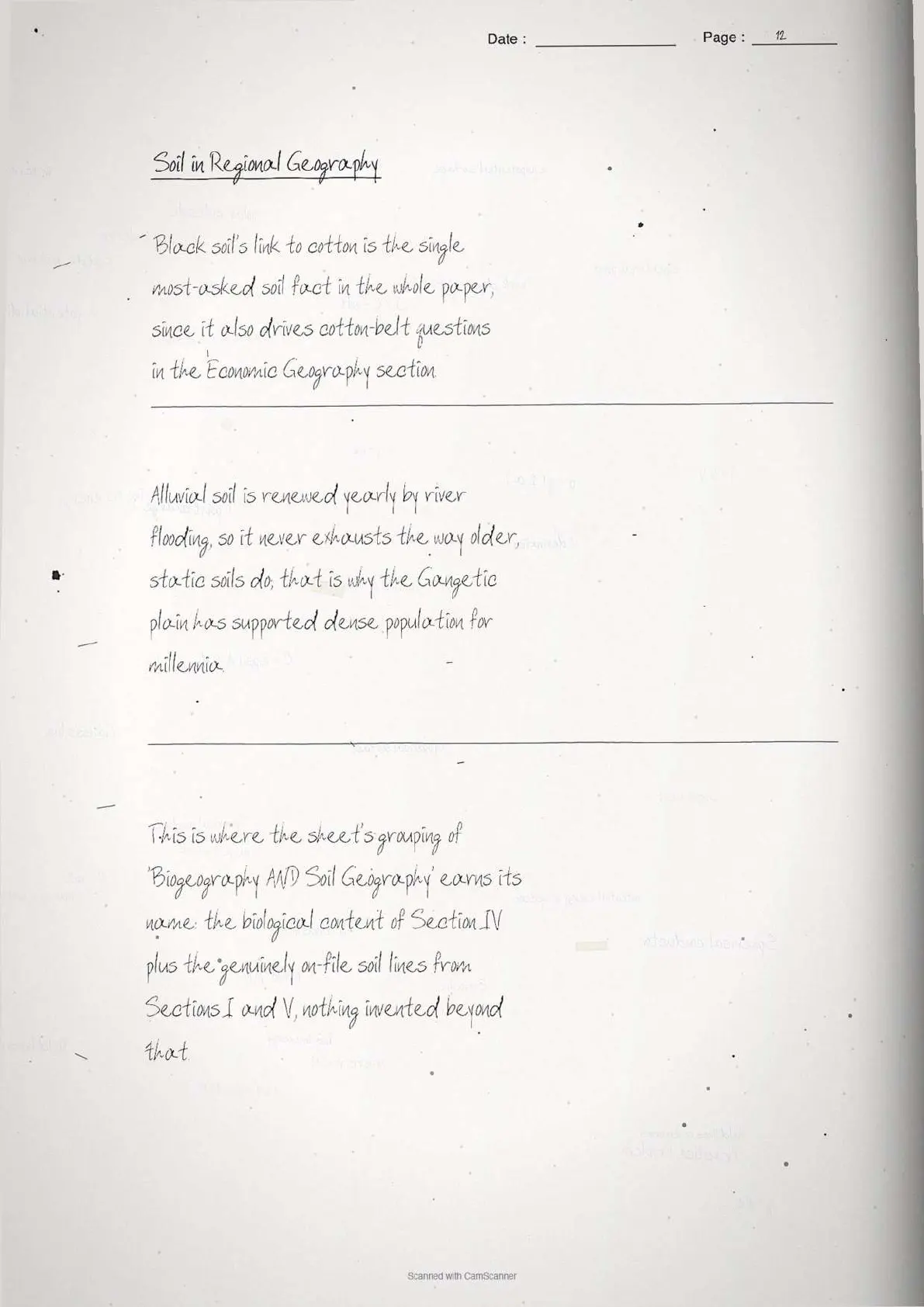
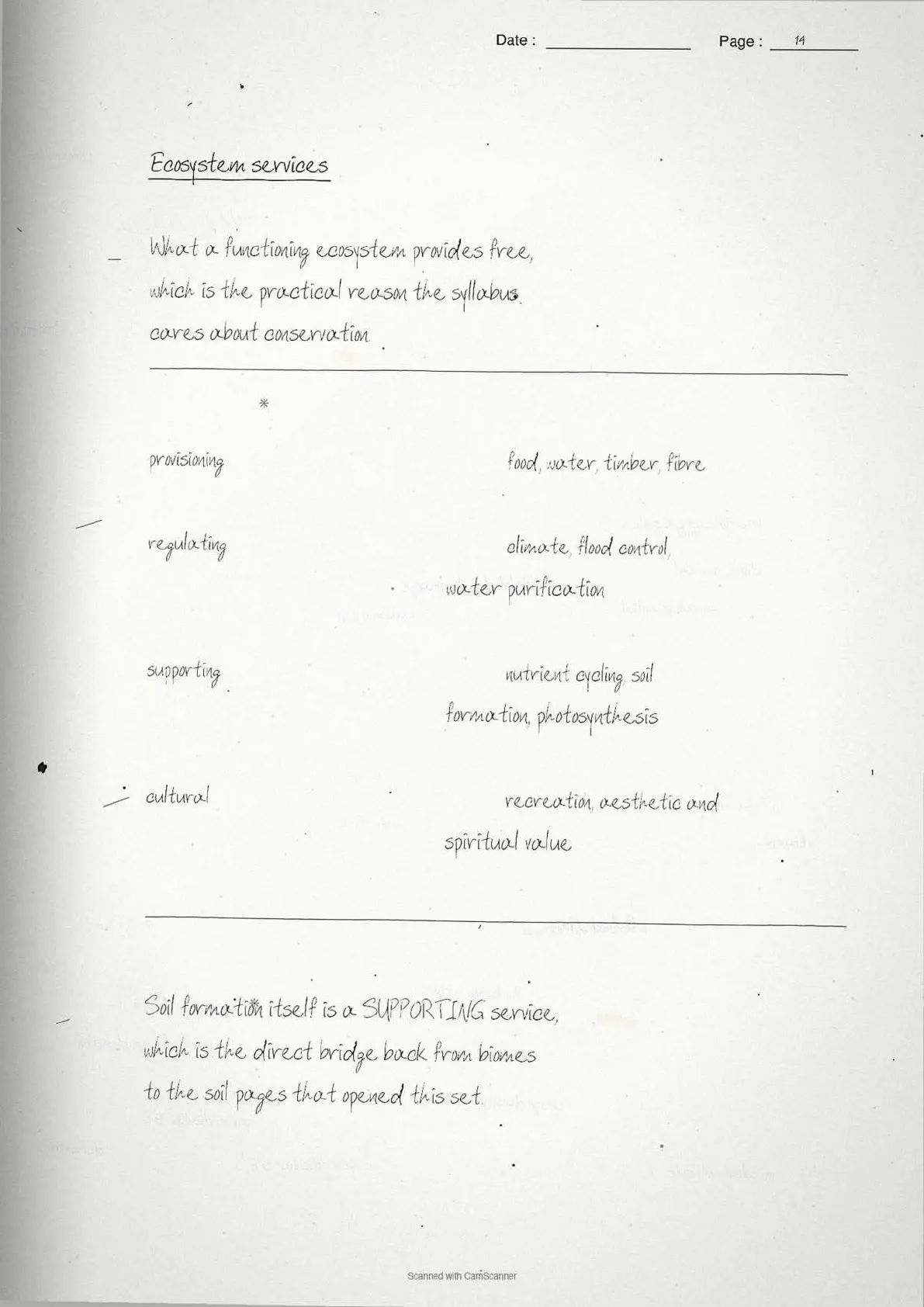
Biogeography is Section IV, closing Part A, Physical Geography. There is no separate official "Soil Geography" section in HUQP08; the soil content on file sits inside Section I (formation of regolith and soil) and Section V (soil types and distribution in India), and this set draws only on those genuine lines.
| Part | Content | Sections |
|---|---|---|
| A | Physical Geography | I to V |
| B | Human Geography | VI to X |
| C | Geographical Techniques | XI to XIV |
What the Notes Cover
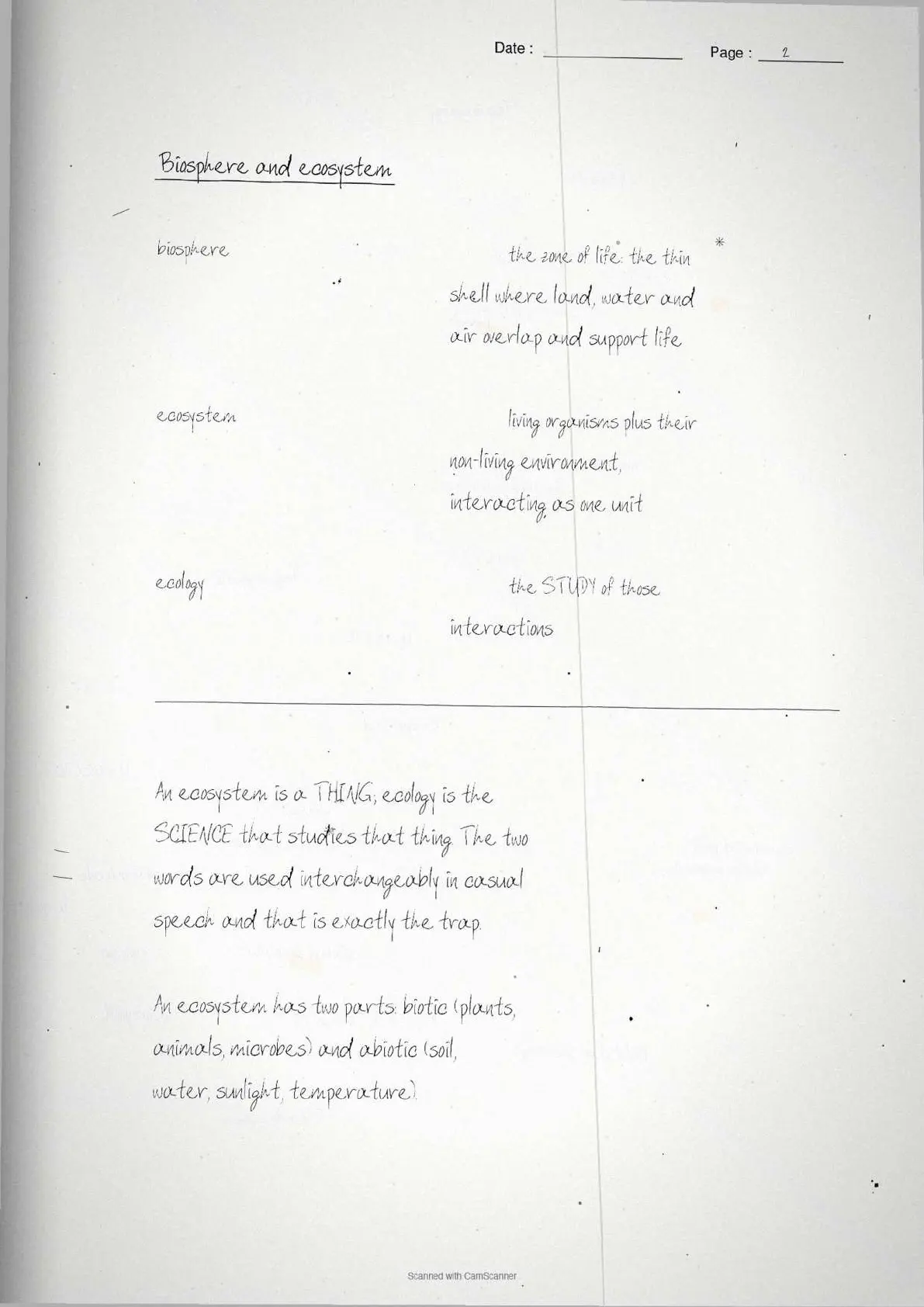
- The biosphere, ecosystem and ecology, and how the three terms differ
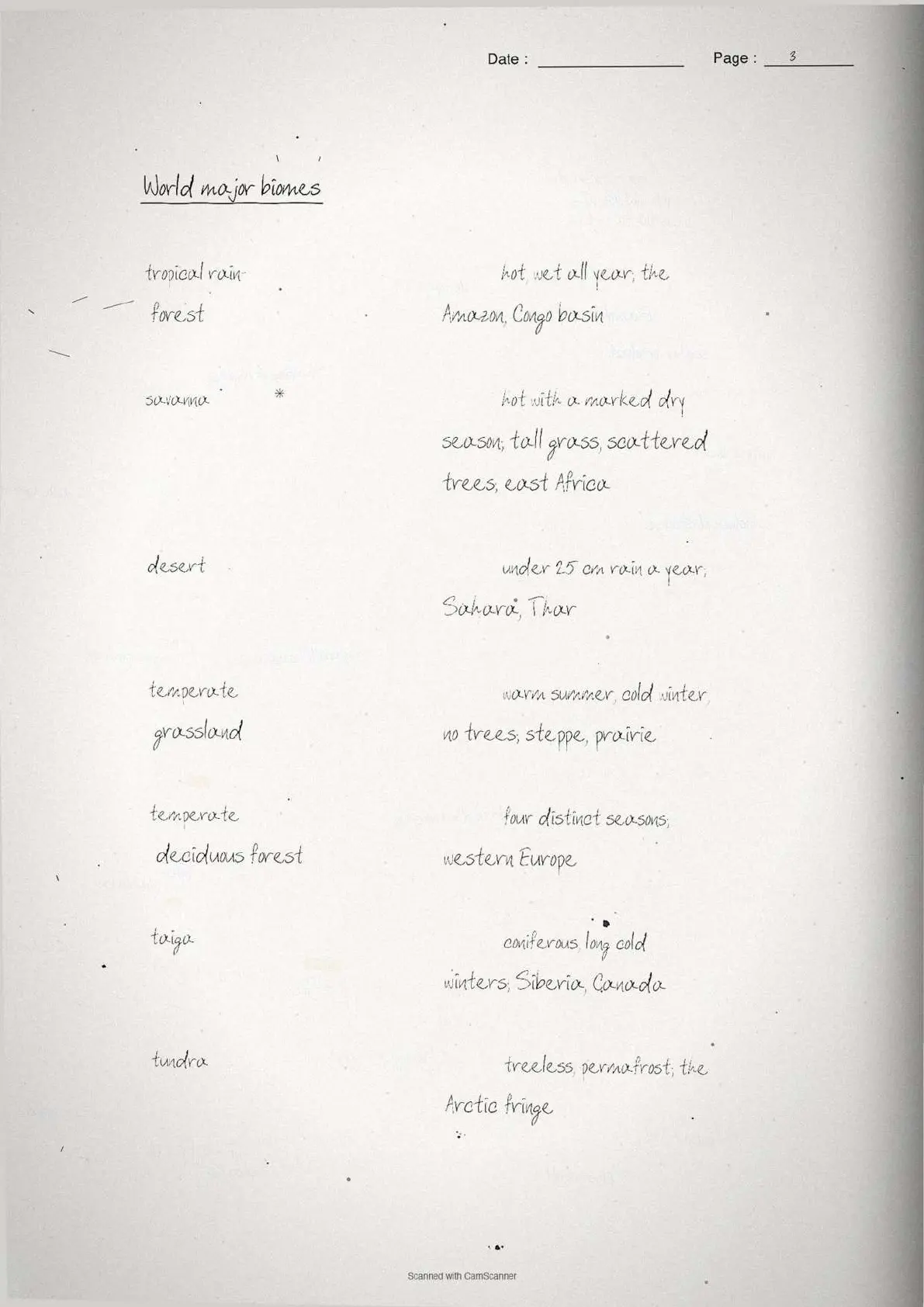
- The world's major biomes, from tropical rainforest to tundra
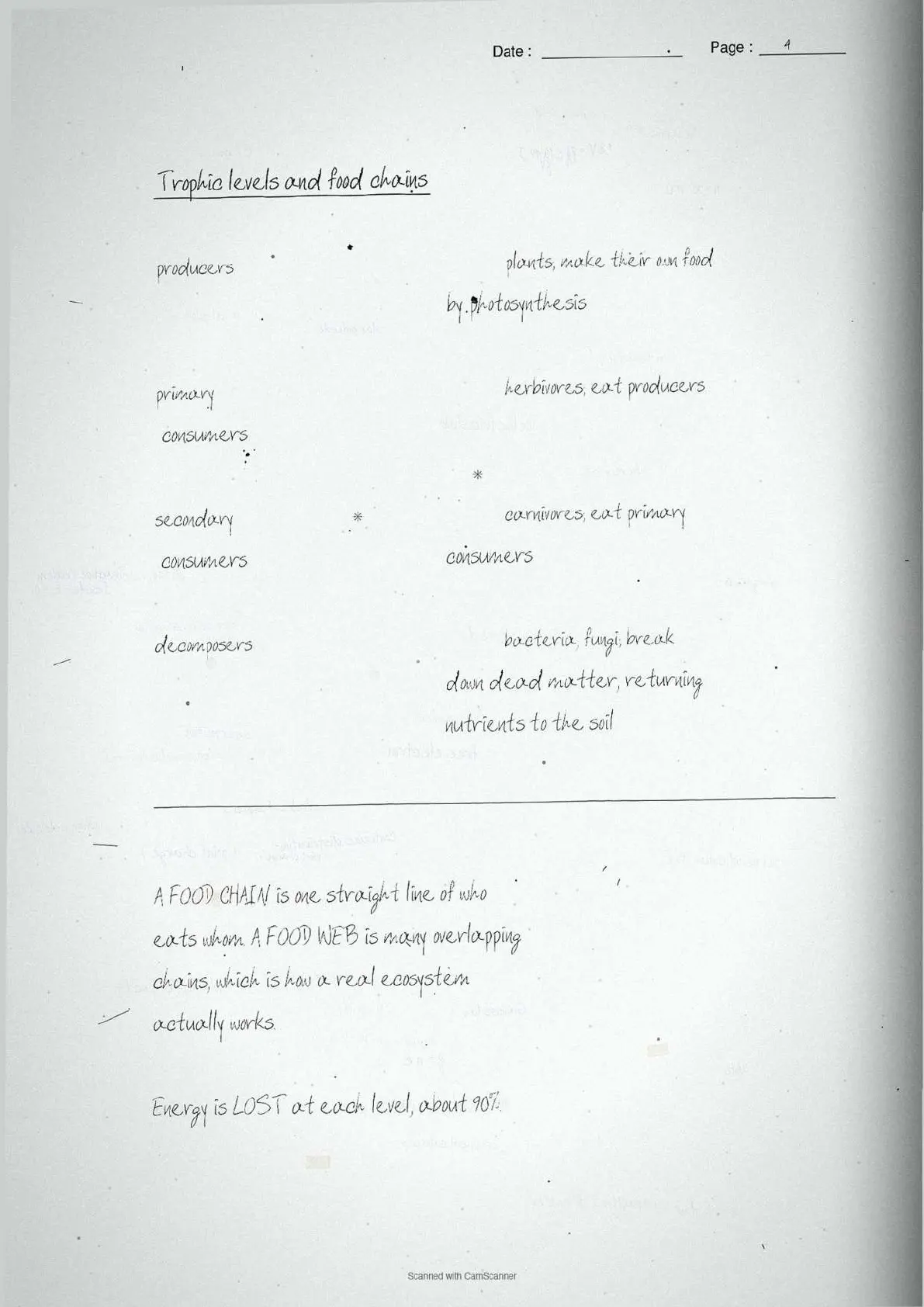
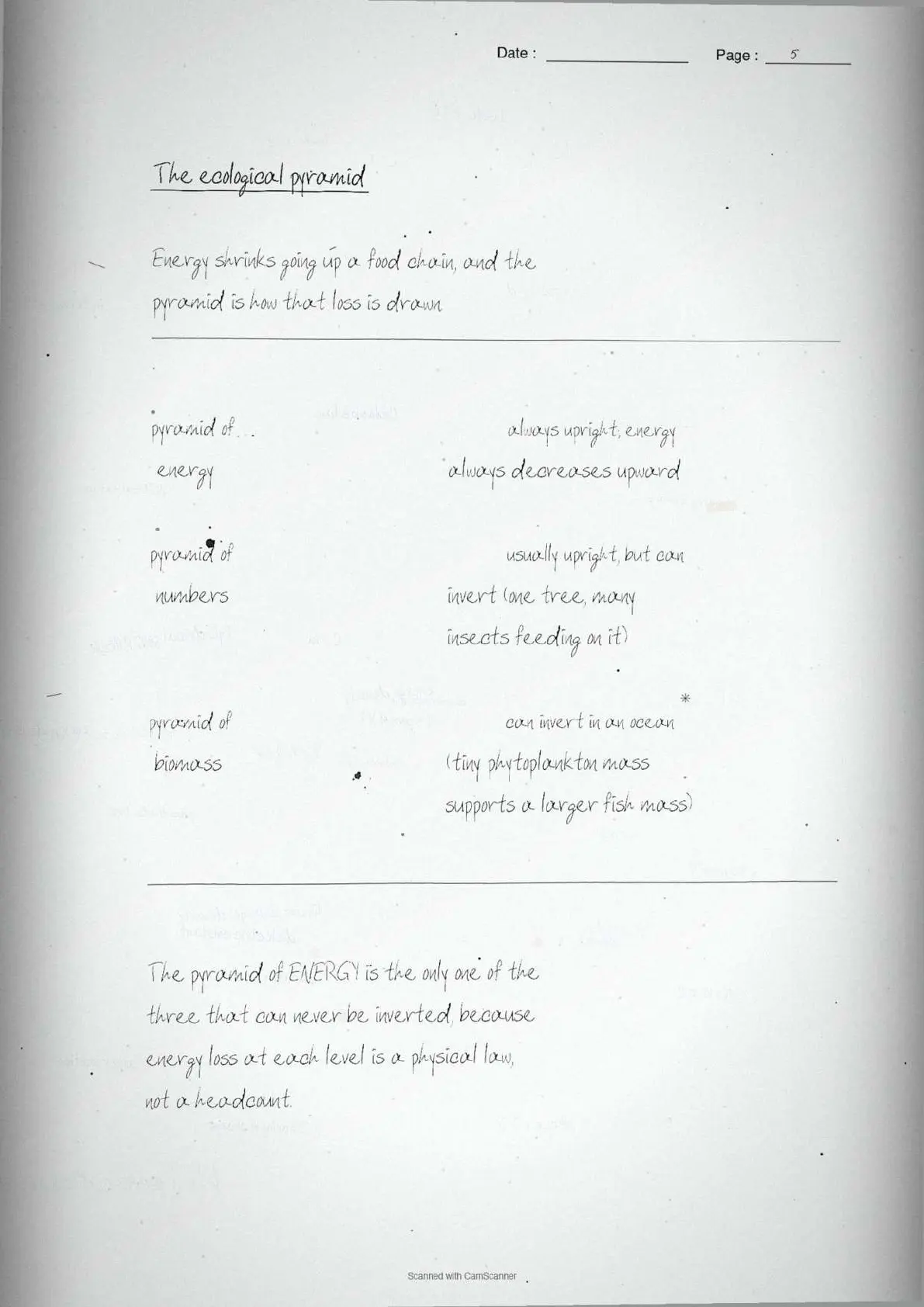
- Trophic levels, food chains, food webs and the ecological pyramid
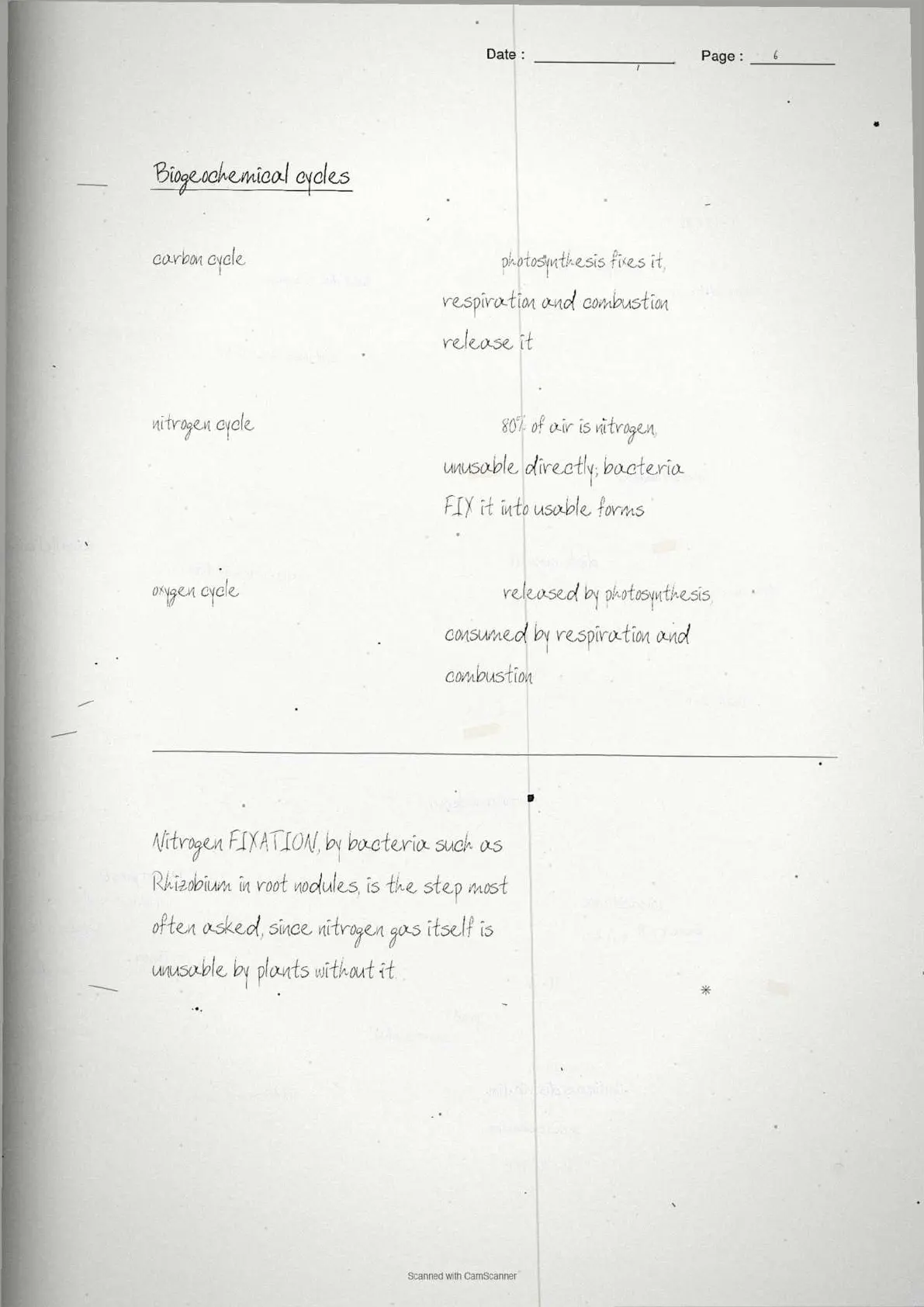
- The carbon, nitrogen and oxygen cycles
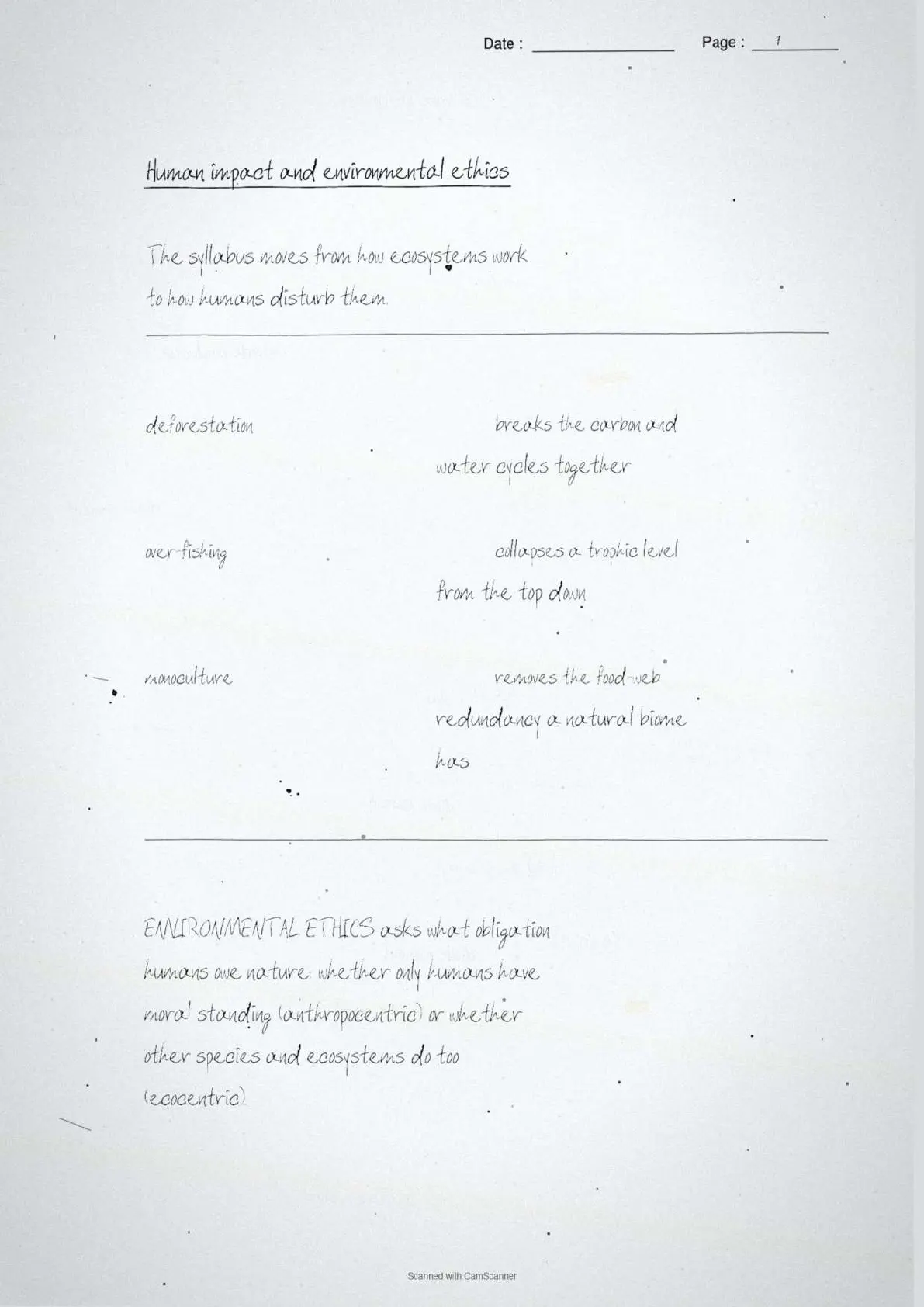
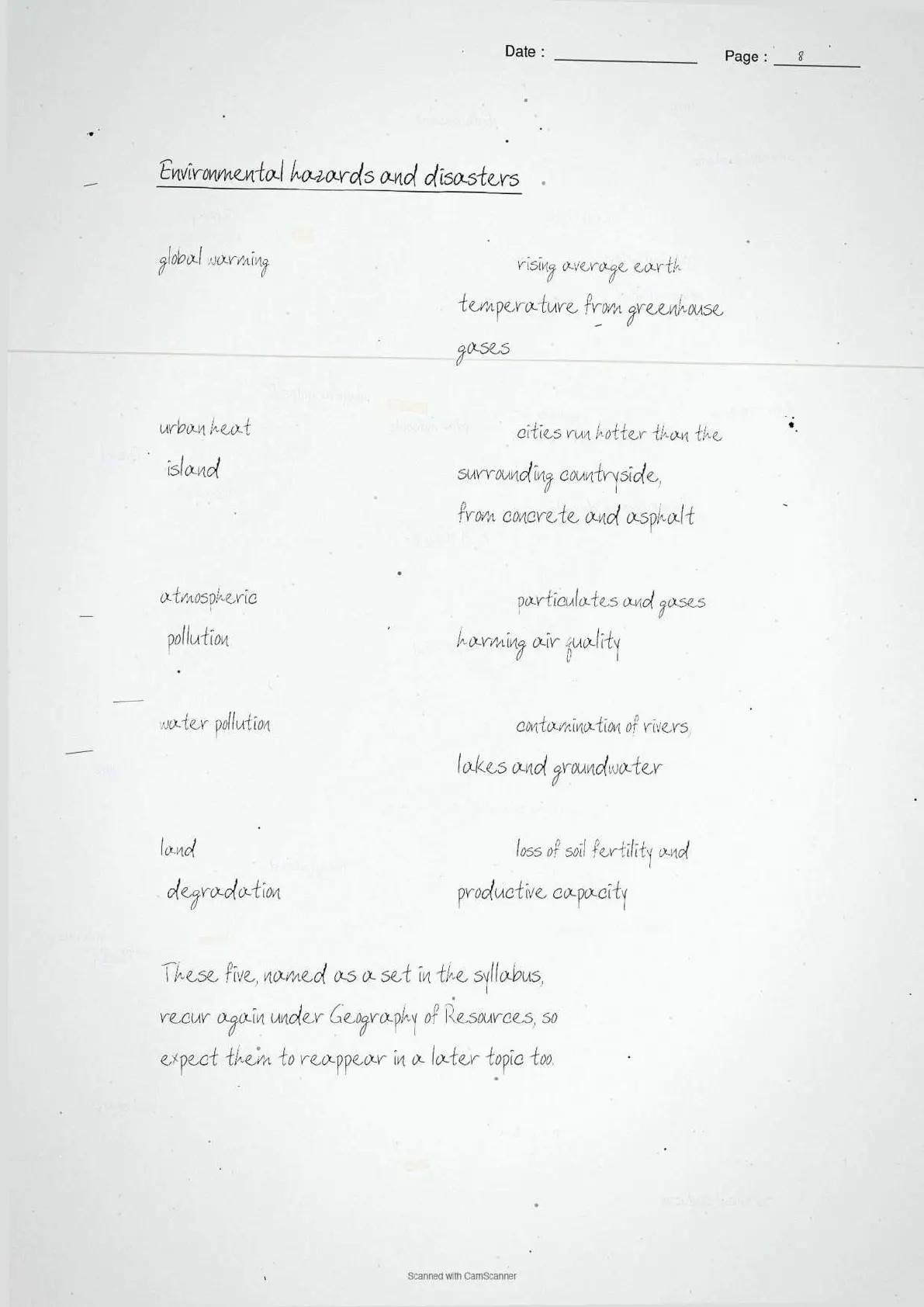
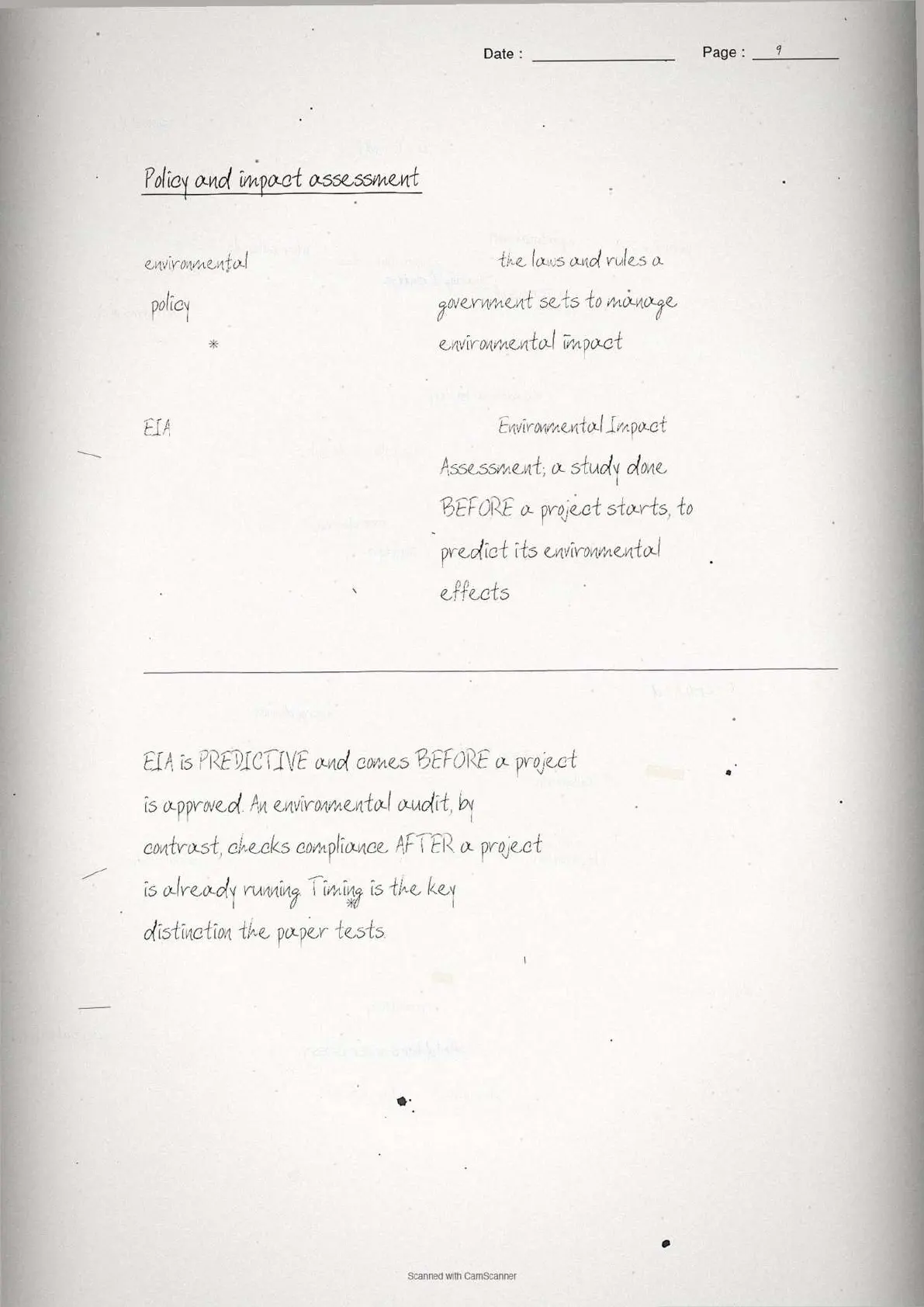
- Environmental hazards, ethics, policy and impact assessment
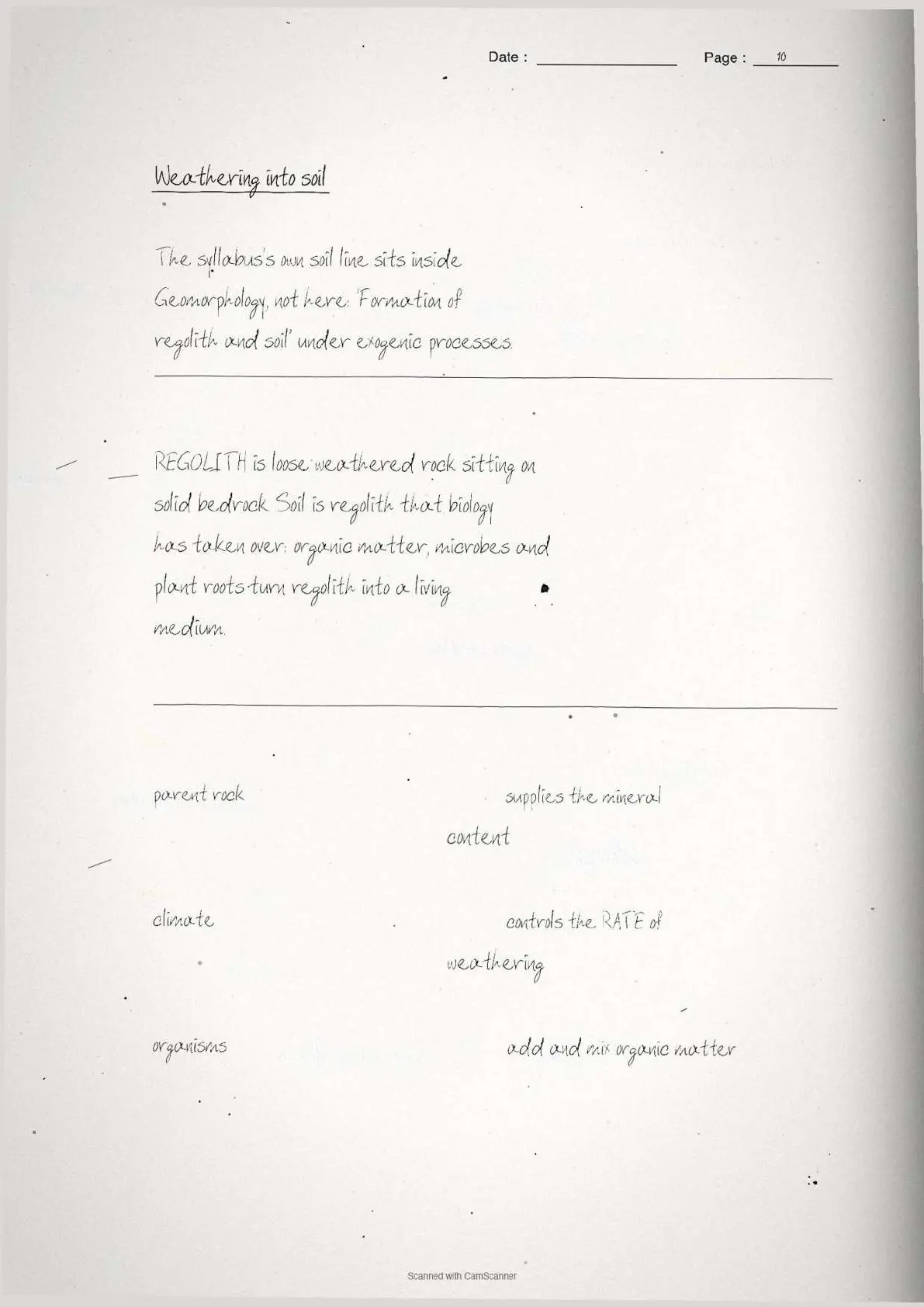
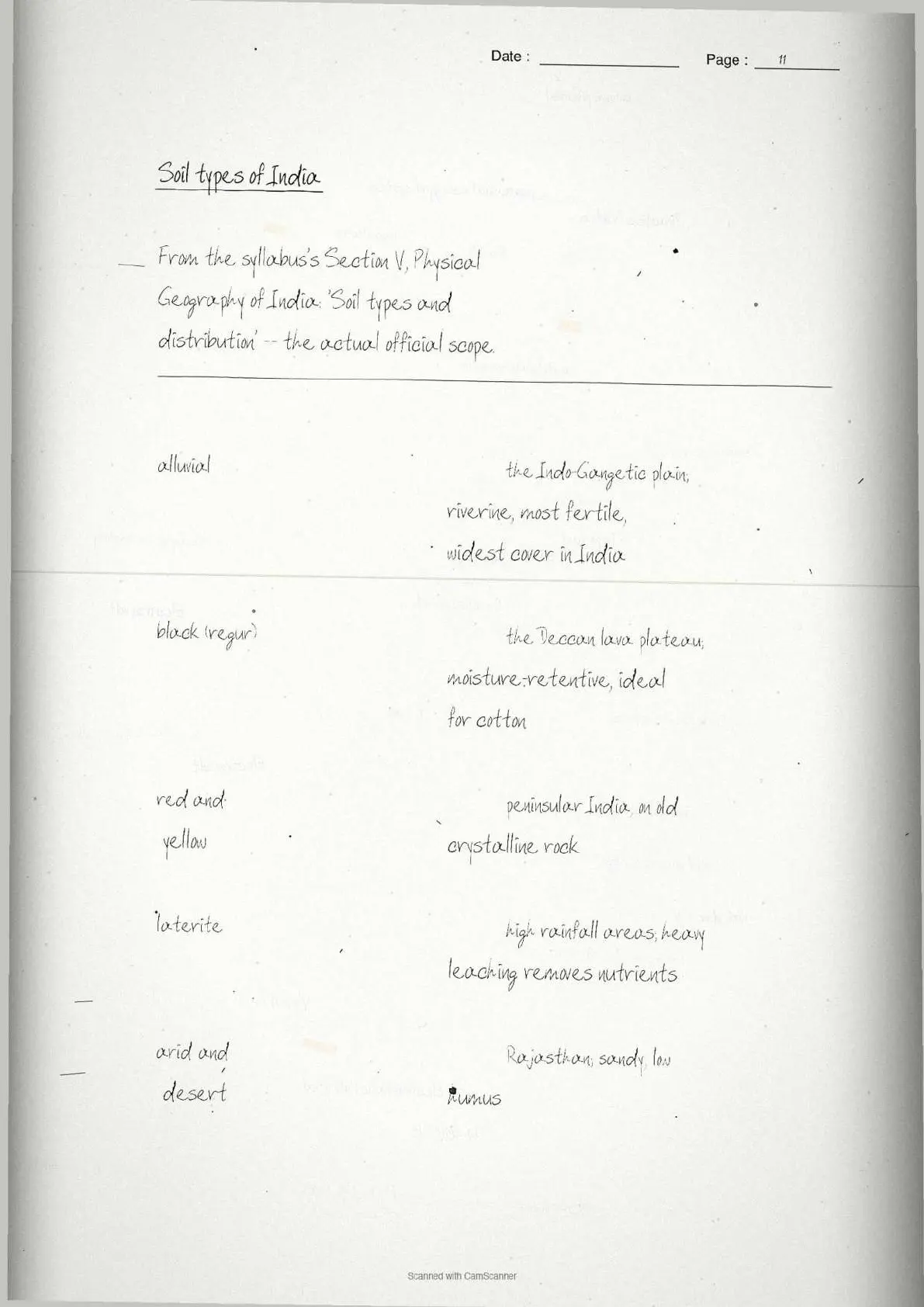
- How regolith becomes soil, and the six major soil types of India
How to Approach the Topic
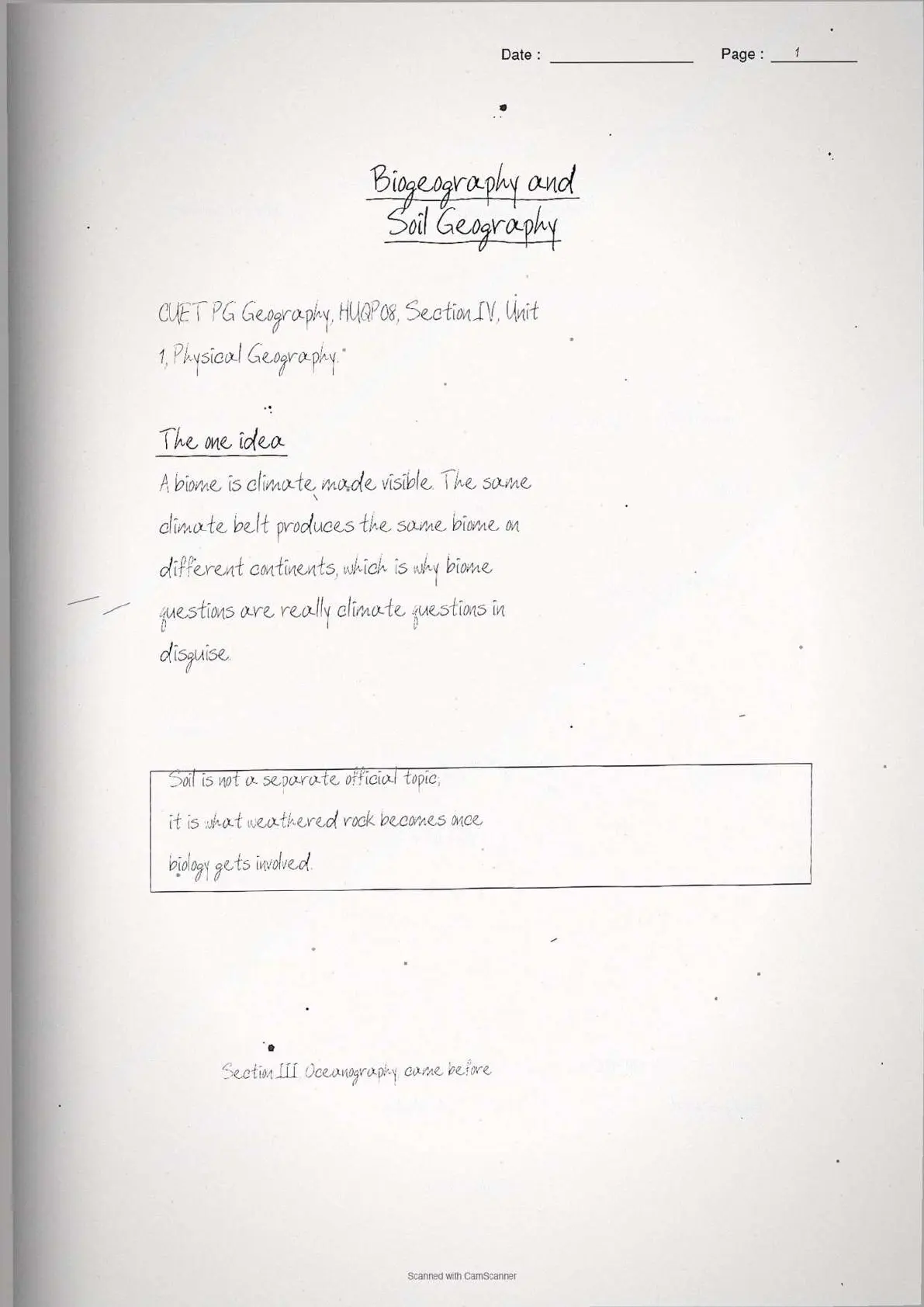
A biome is climate made visible: the same climate belt produces the same biome on different continents, so a biome question is usually a climate question wearing different vocabulary.
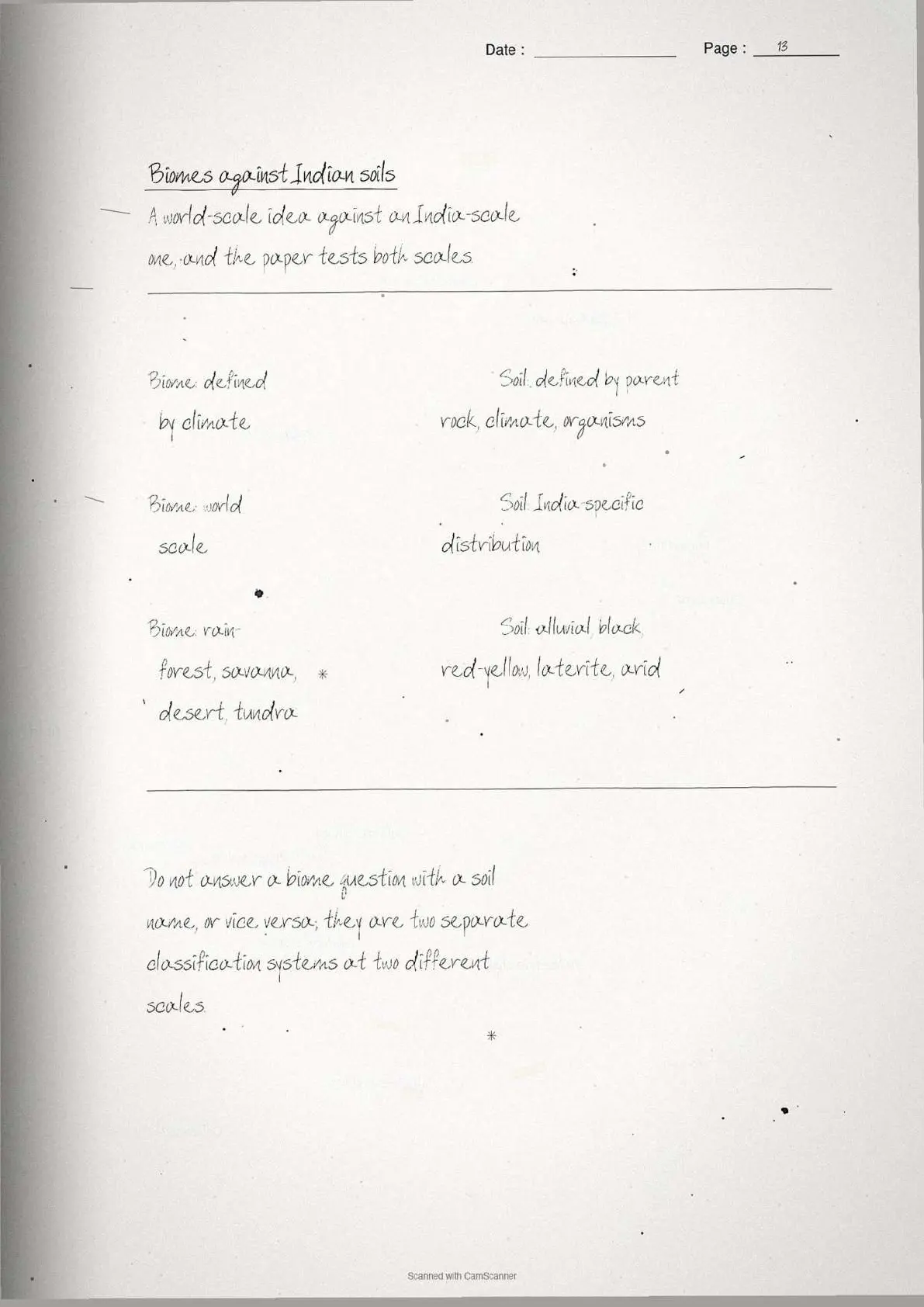
Soil is treated at a different scale entirely from biomes. Biomes are a world-scale climate classification; the soil content in this syllabus is India-specific, tied to particular parent rocks and regions, and the two should never be answered with each other's terms.
Environmental Impact Assessment is the one process term most often tested wrong: it is predictive and happens before a project is approved, unlike a compliance audit, which checks a project already running.
Common Mistakes
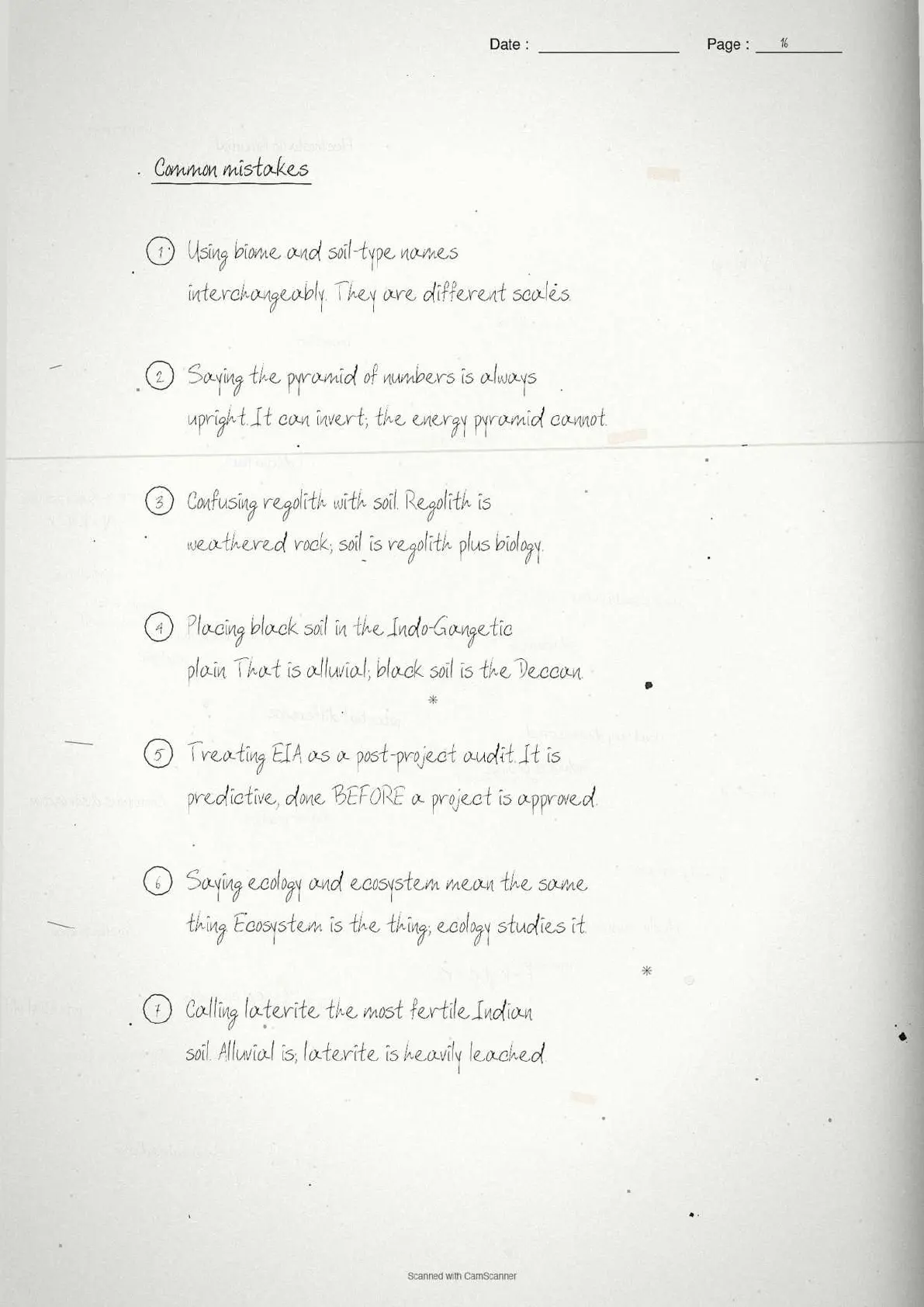
- Using biome and soil-type names interchangeably, when they classify at two different scales
- Saying the pyramid of numbers is always upright, when it can invert, unlike the pyramid of energy
- Confusing regolith with soil, when regolith is weathered rock and soil is regolith plus biology
- Placing black soil in the Indo-Gangetic plain, when that is alluvial; black soil belongs to the Deccan
- Treating EIA as an audit conducted after a project, when it is predictive and comes before approval
- Calling laterite the most fertile Indian soil, when heavy leaching leaves it among the least fertile
Video Revision
Source: Sharad Samrat
How to Use These Notes
Page 11 is the soil-types-of-India table, and page 19 is the recall grid.
Page 13 sets biomes against Indian soils side by side, which is worth reading before any practice paper, since confusing the two scales is the single most common error in this topic.
The previous set covers Climatology and Oceanography, and the next one opens Part B with Population, Settlement and Cultural Geography.
CUET PG Geography Biogeography and Soil Notes FAQs
Ques. Is Soil Geography an official section of HUQP08?
Ans. No. Soil content sits inside Section I, on the formation of regolith and soil, and Section V, on the soil types and distribution of India. There is no standalone soil section.
Ques. What is the difference between regolith and soil?
Ans. Regolith is loose weathered rock resting on bedrock, with no biology involved yet. Soil is regolith that organic matter, microbes and plant roots have taken over, turning it into a living medium.
Ques. Which Indian soil is best suited to cotton?
Ans. Black soil, also called regur, found on the Deccan lava plateau. It retains moisture well, which suits cotton's water needs.
Ques. Can the pyramid of numbers be inverted?
Ans. Yes, unlike the pyramid of energy. A single large tree can support far more insects feeding on it than its own numbers, inverting the usual shape; energy loss at each trophic level, by contrast, is a physical law that never inverts.
Ques. Can the notes be downloaded free?
Ans. Yes. All 20 pages can be read on this page and downloaded at no cost.



Comments