




Class 7 Physical Education Unit 1 Foundational Basis of Physical Education and Well-being sets the ground rules for the year. These class 7 physical education handwritten notes chapter 1 Foundational Basis of Physical Education and Well-being follow the 2026-27 NCERT Khel Yatra and cover fitness, teamwork and safety.
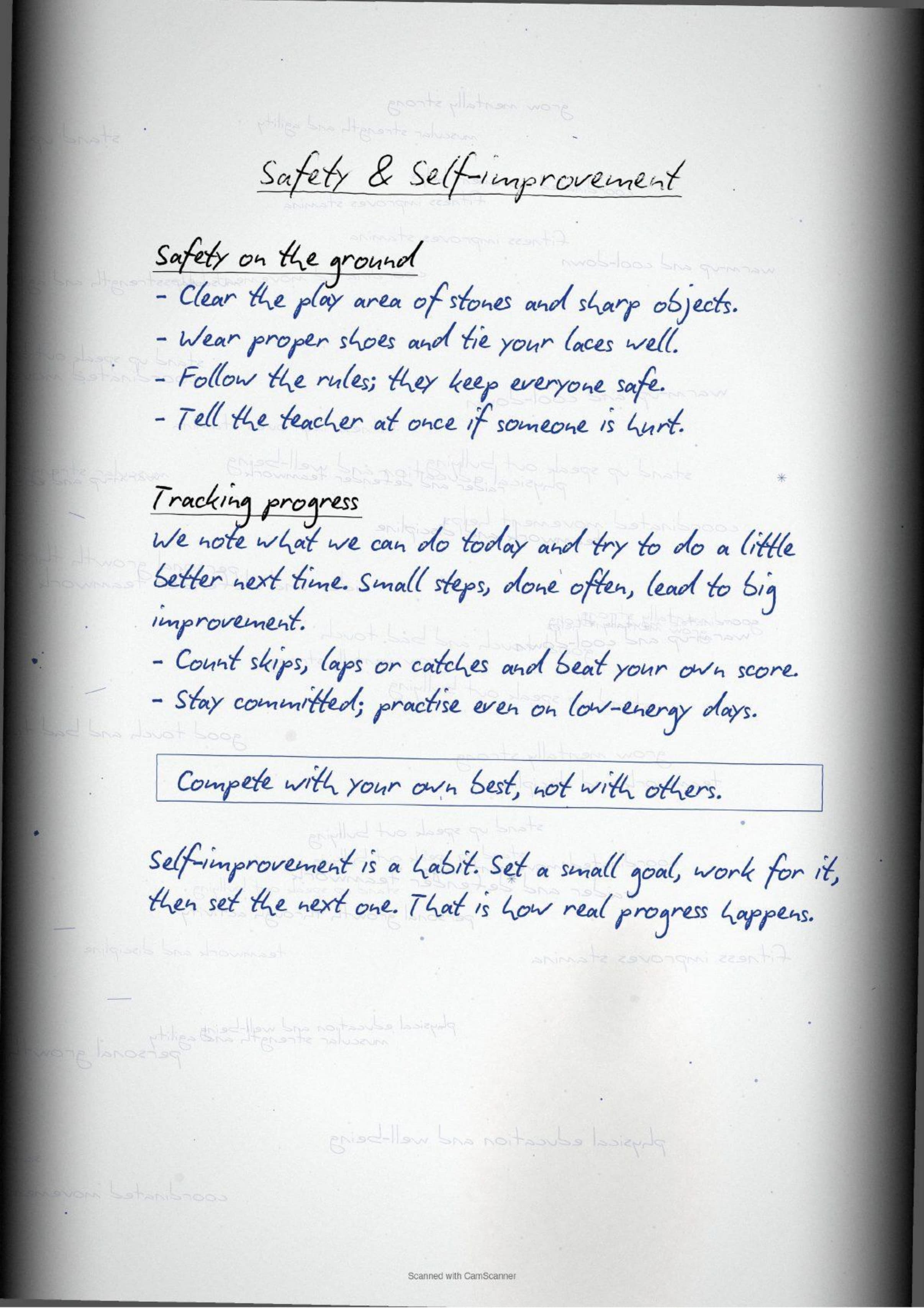
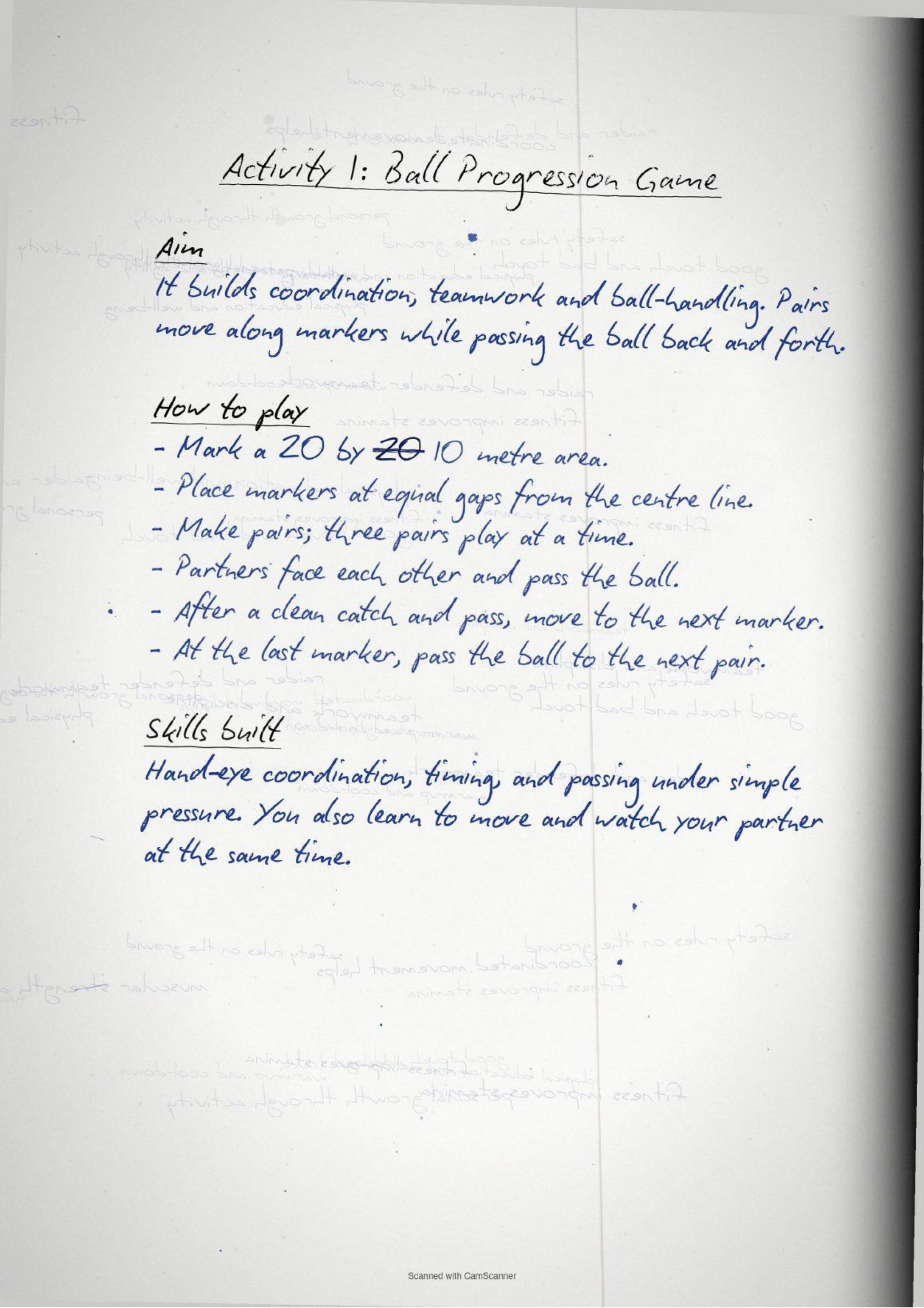
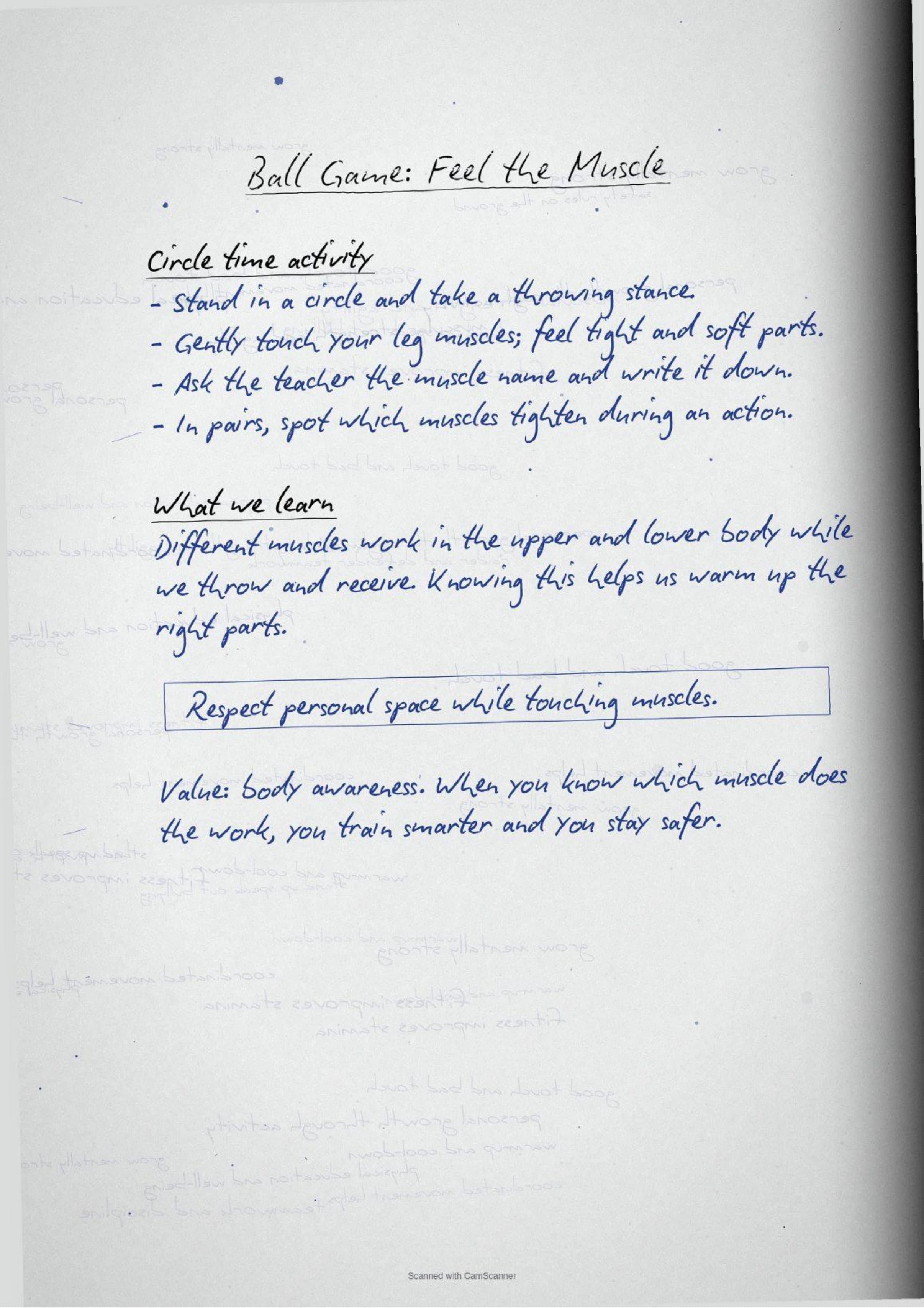
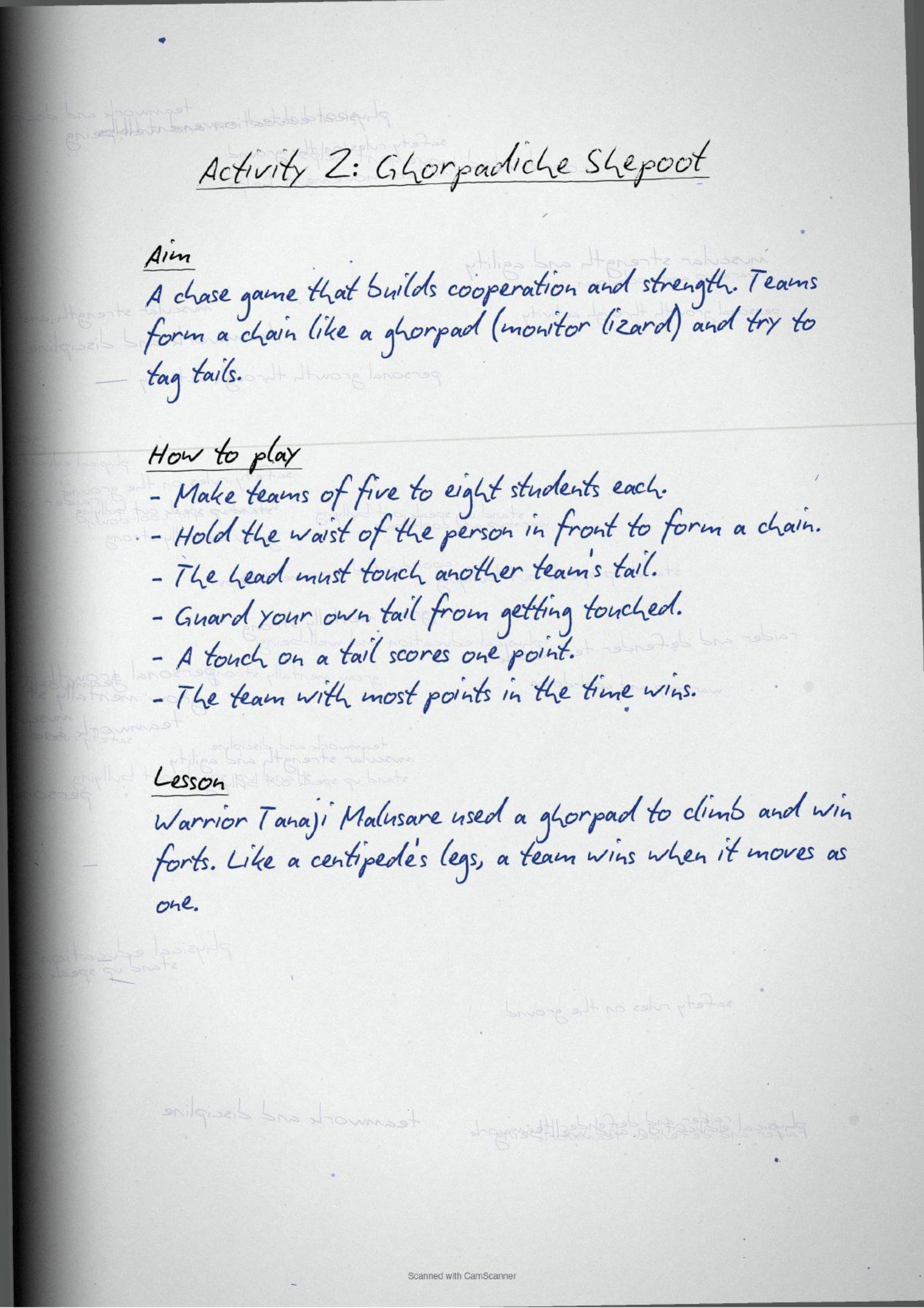
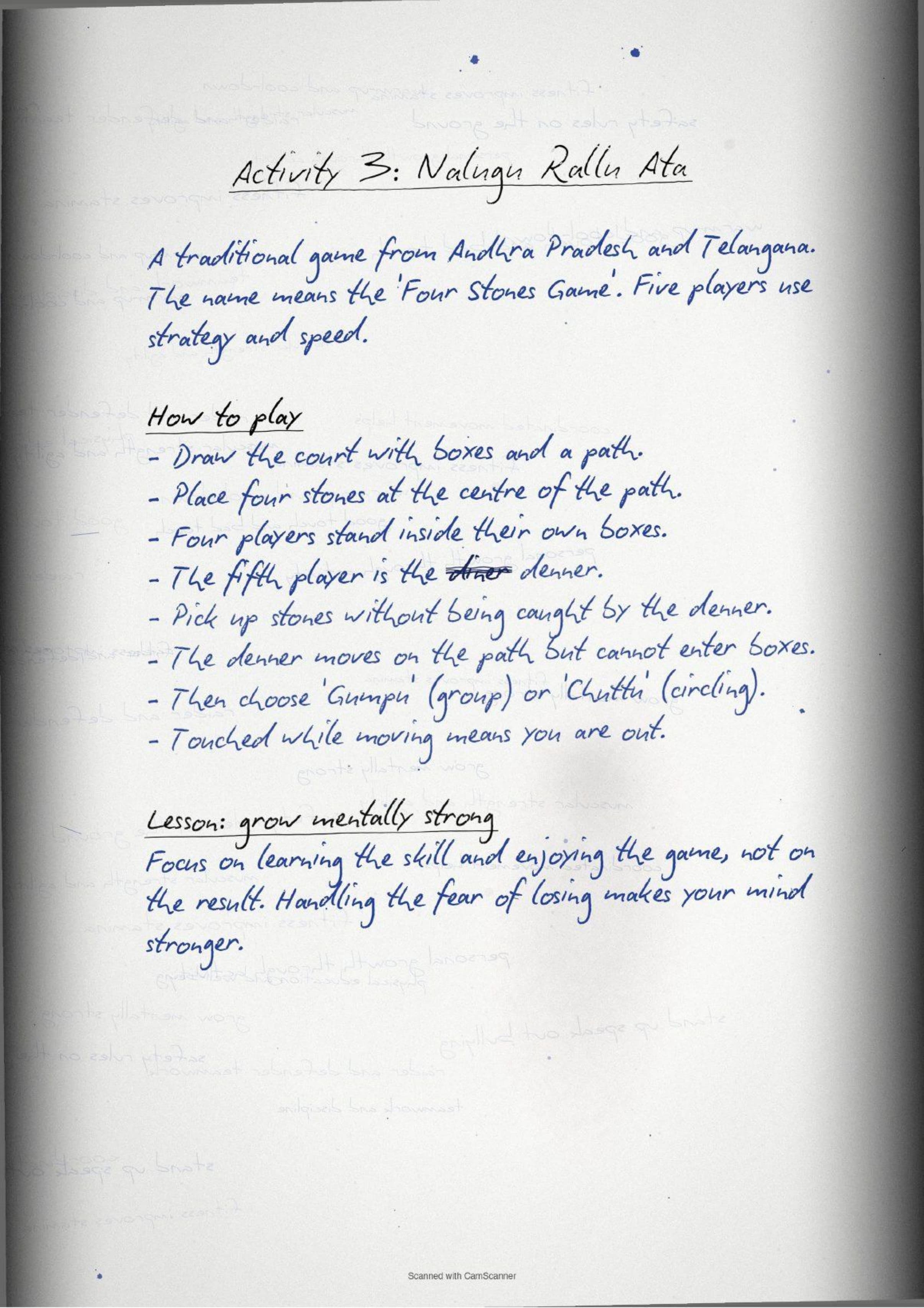
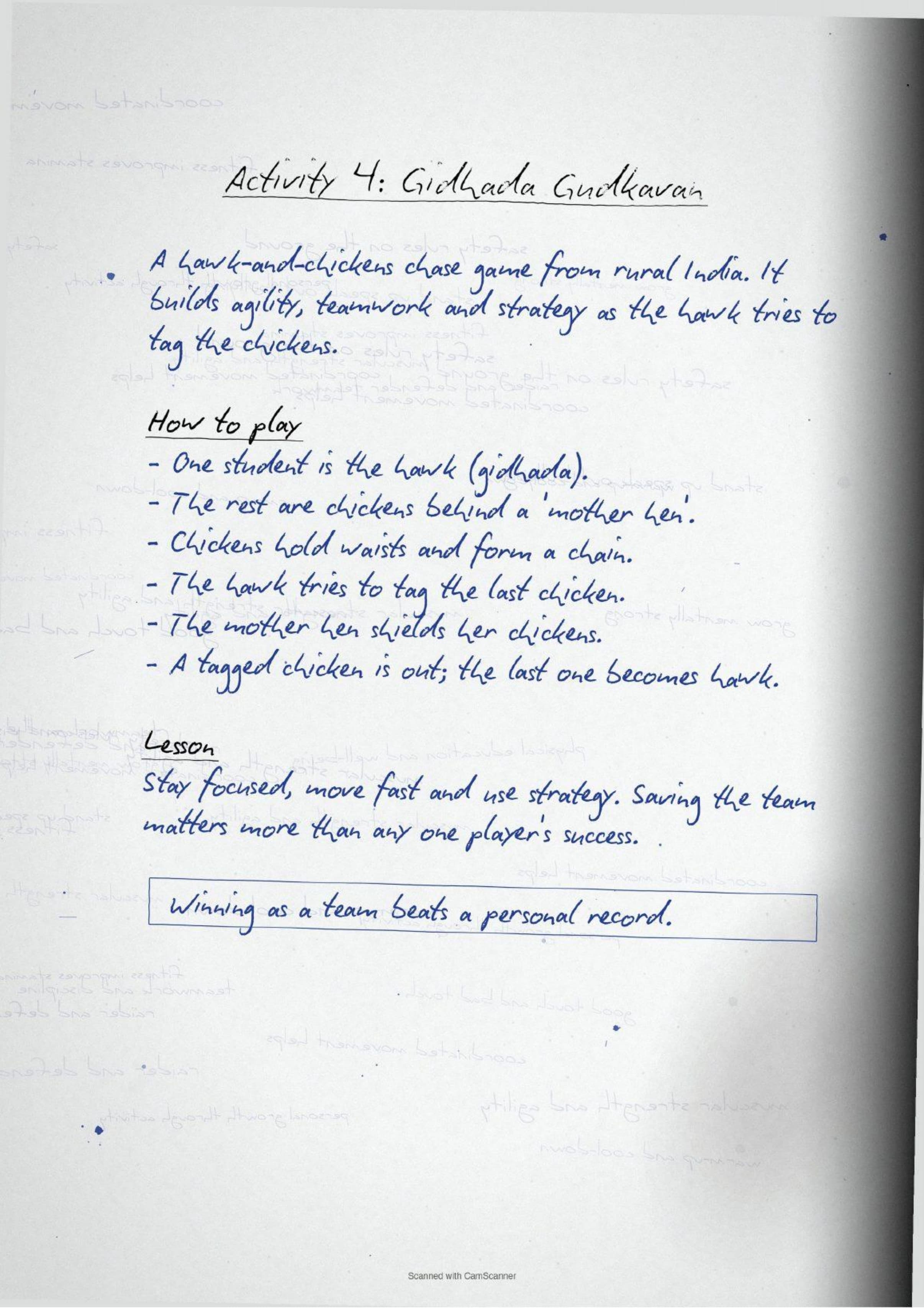
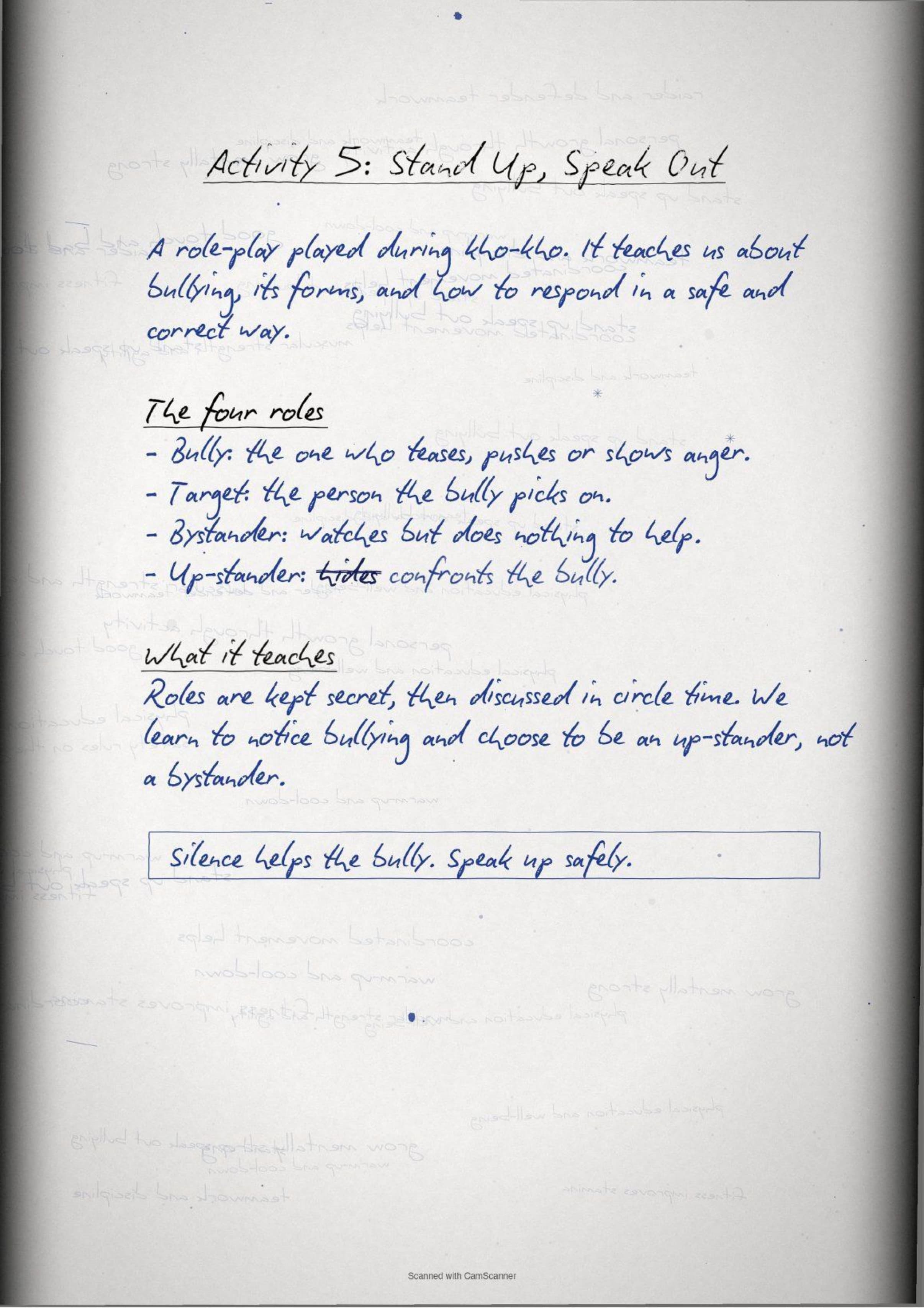
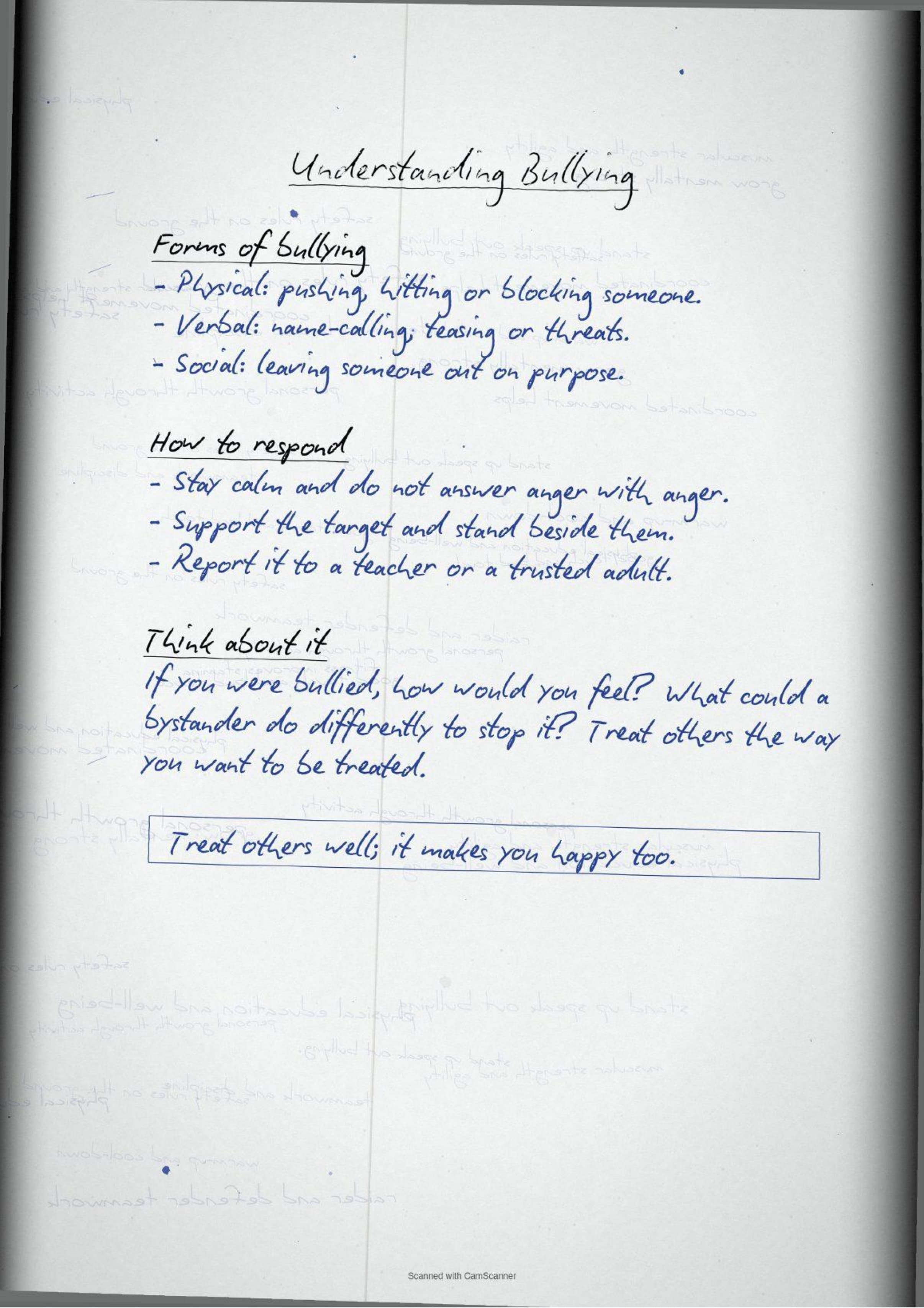
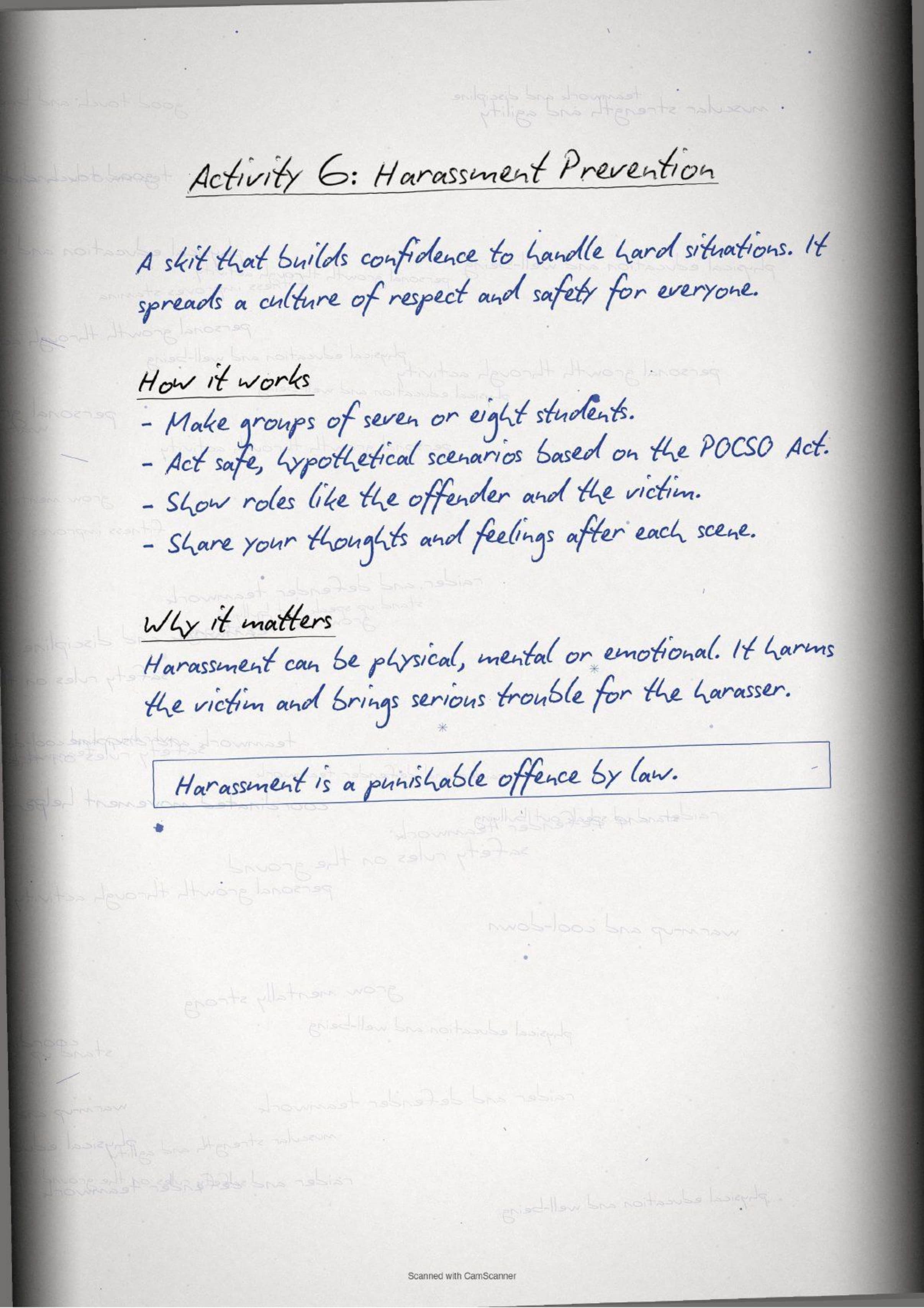
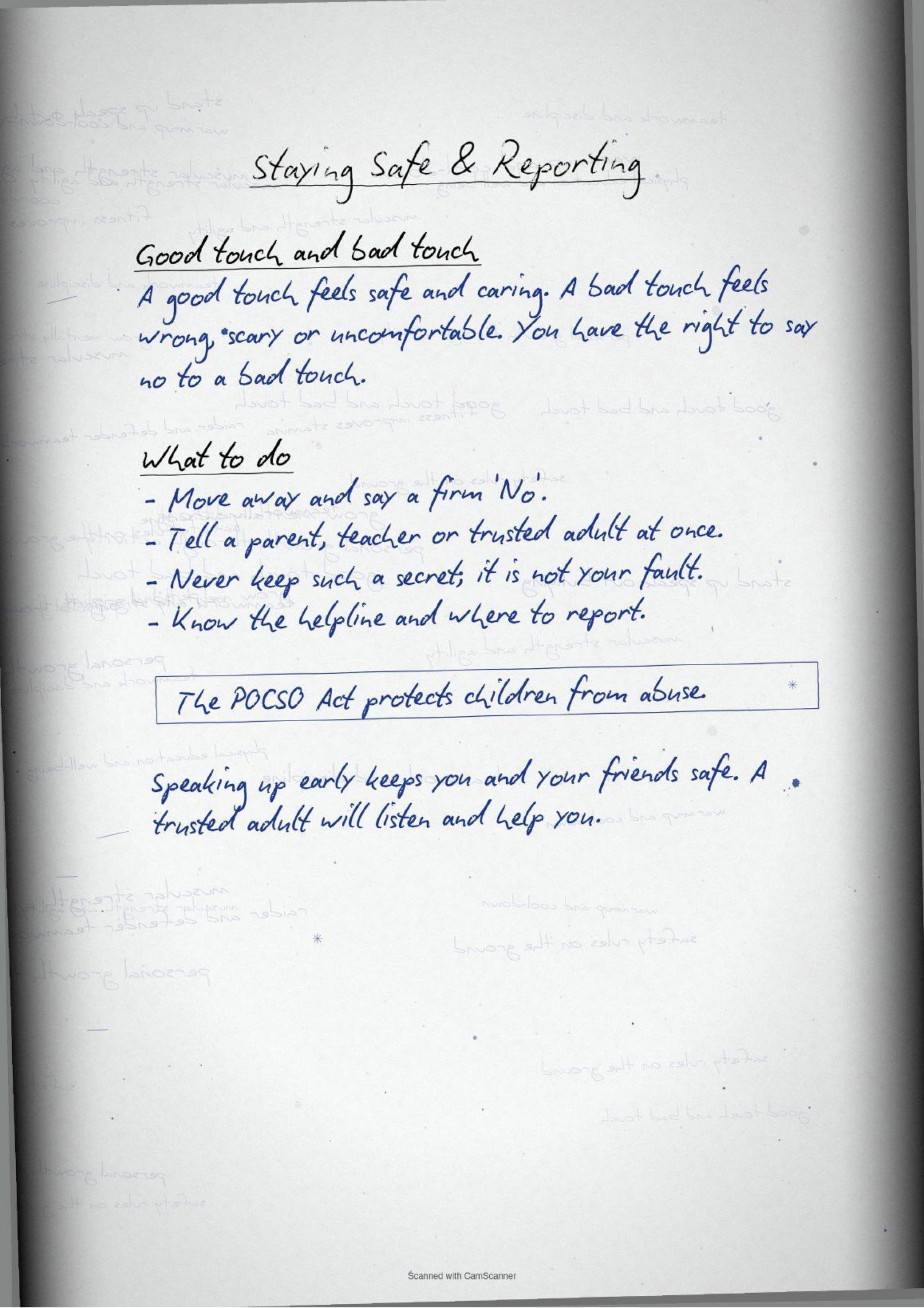
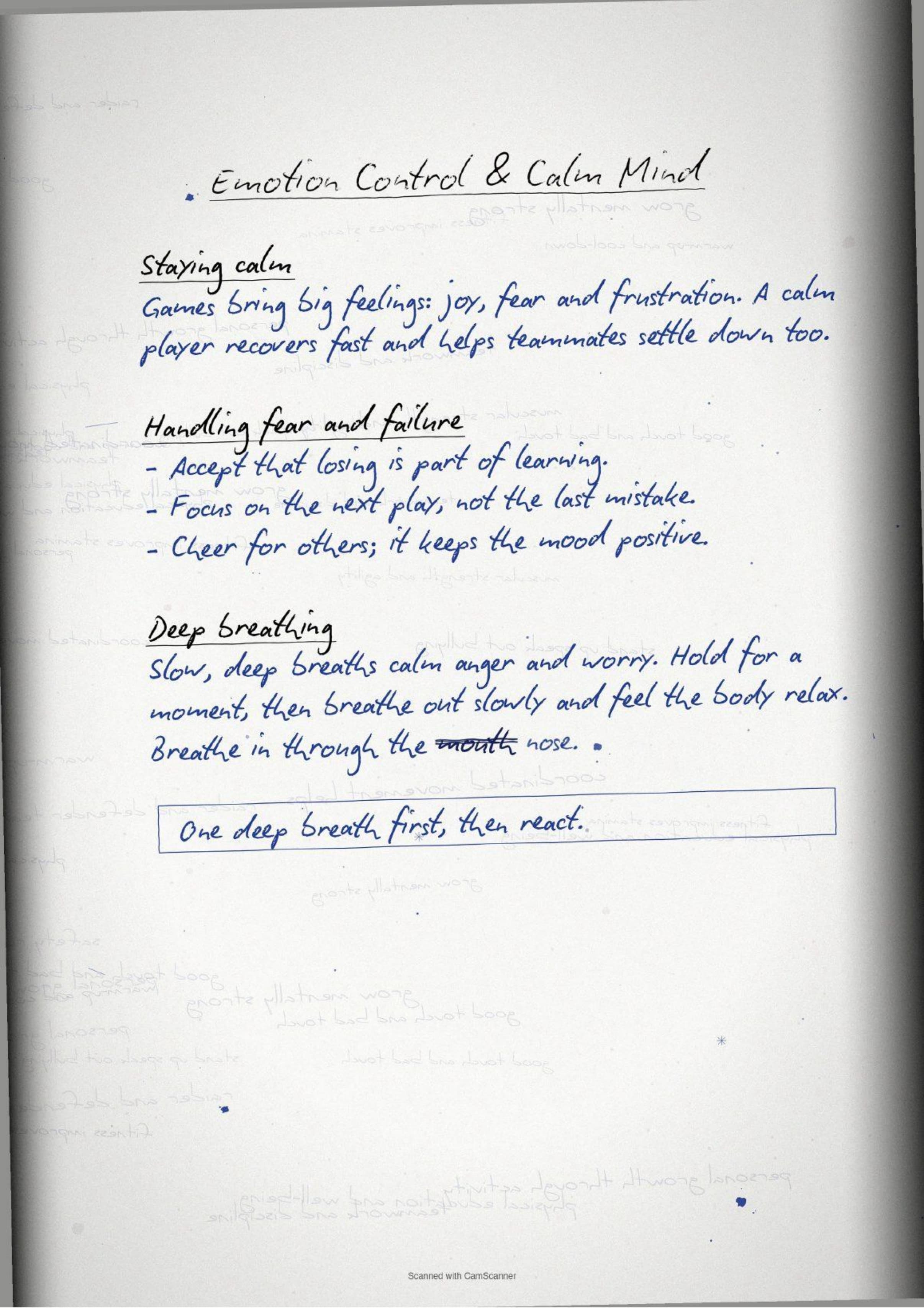
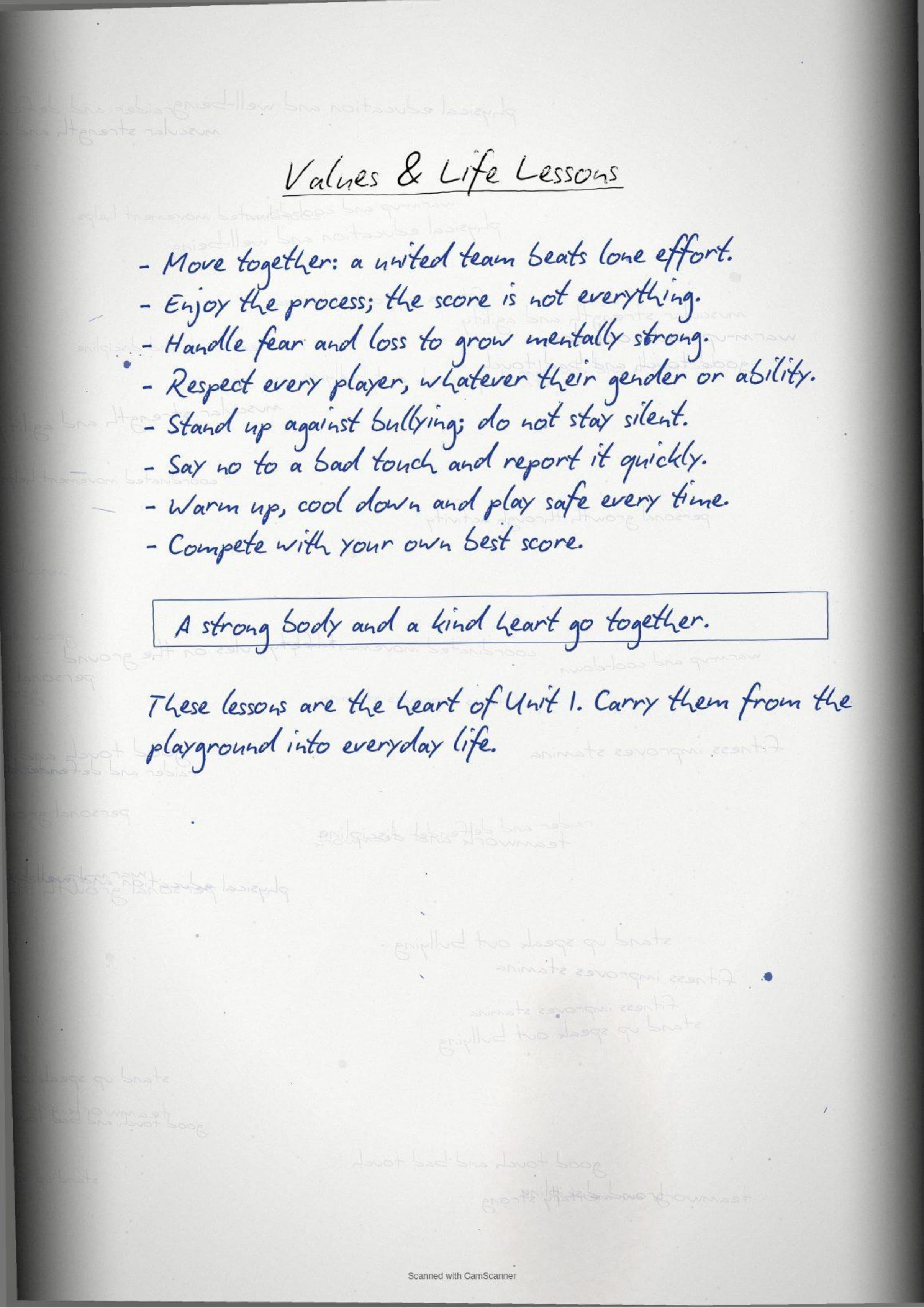
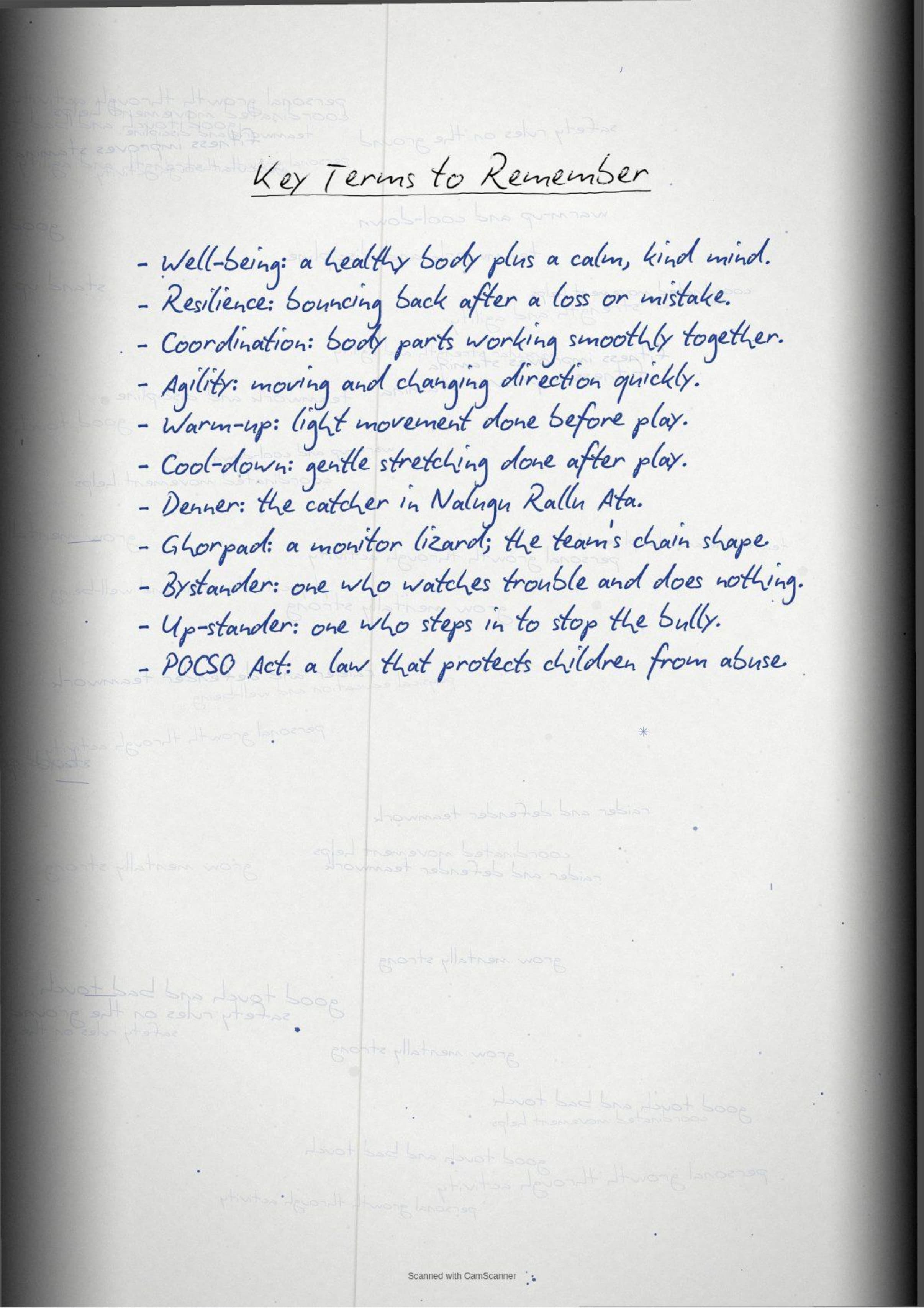
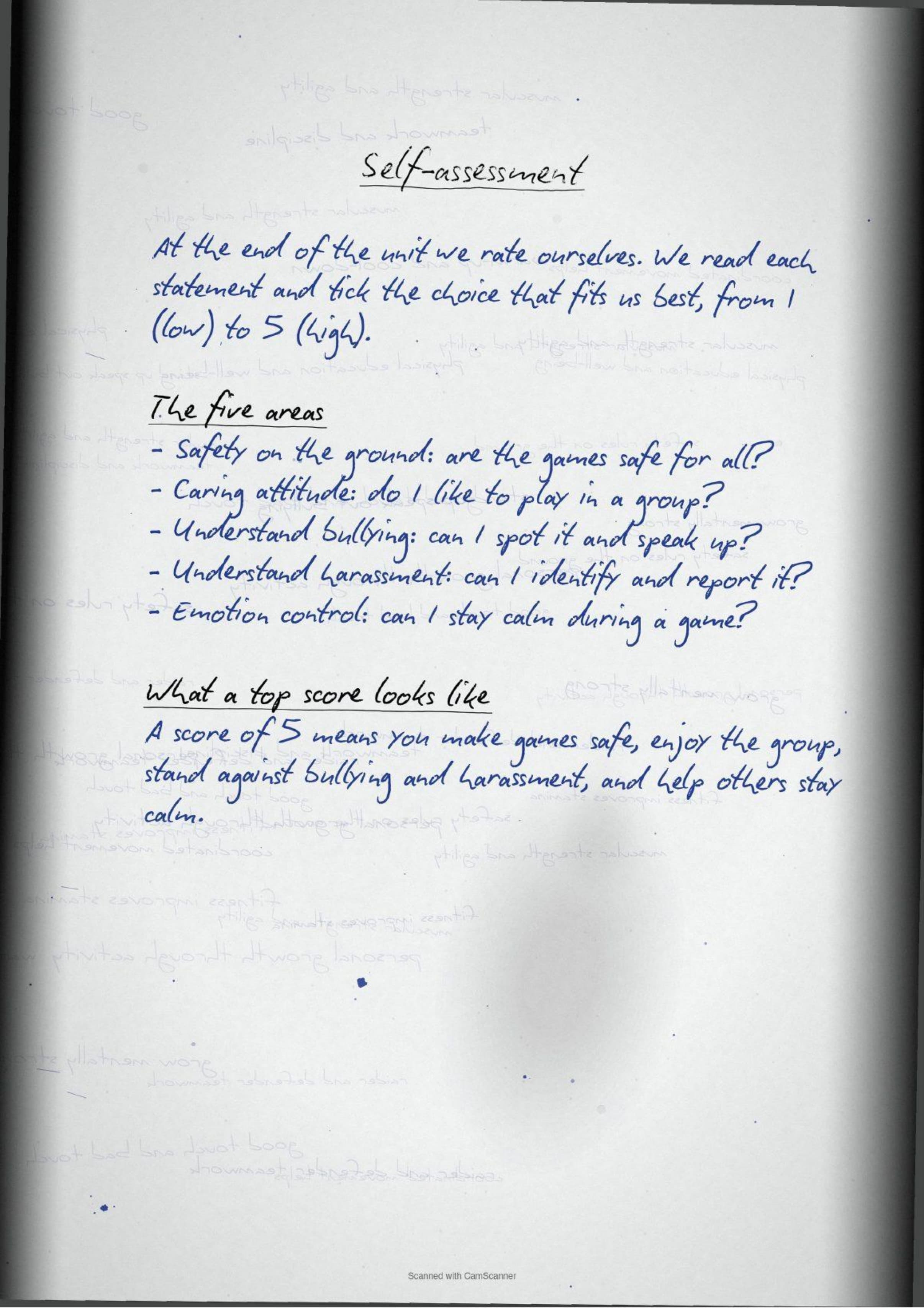
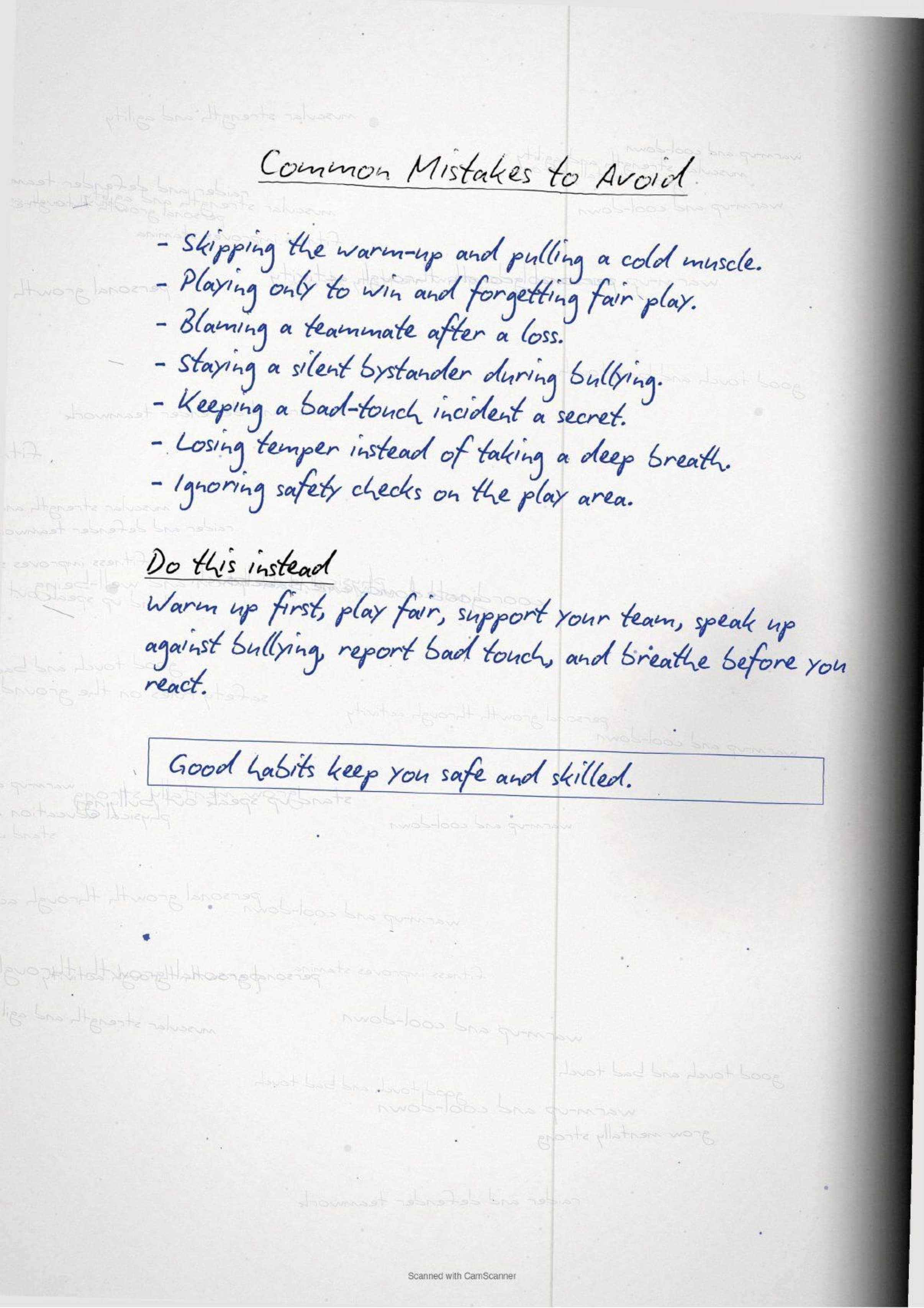
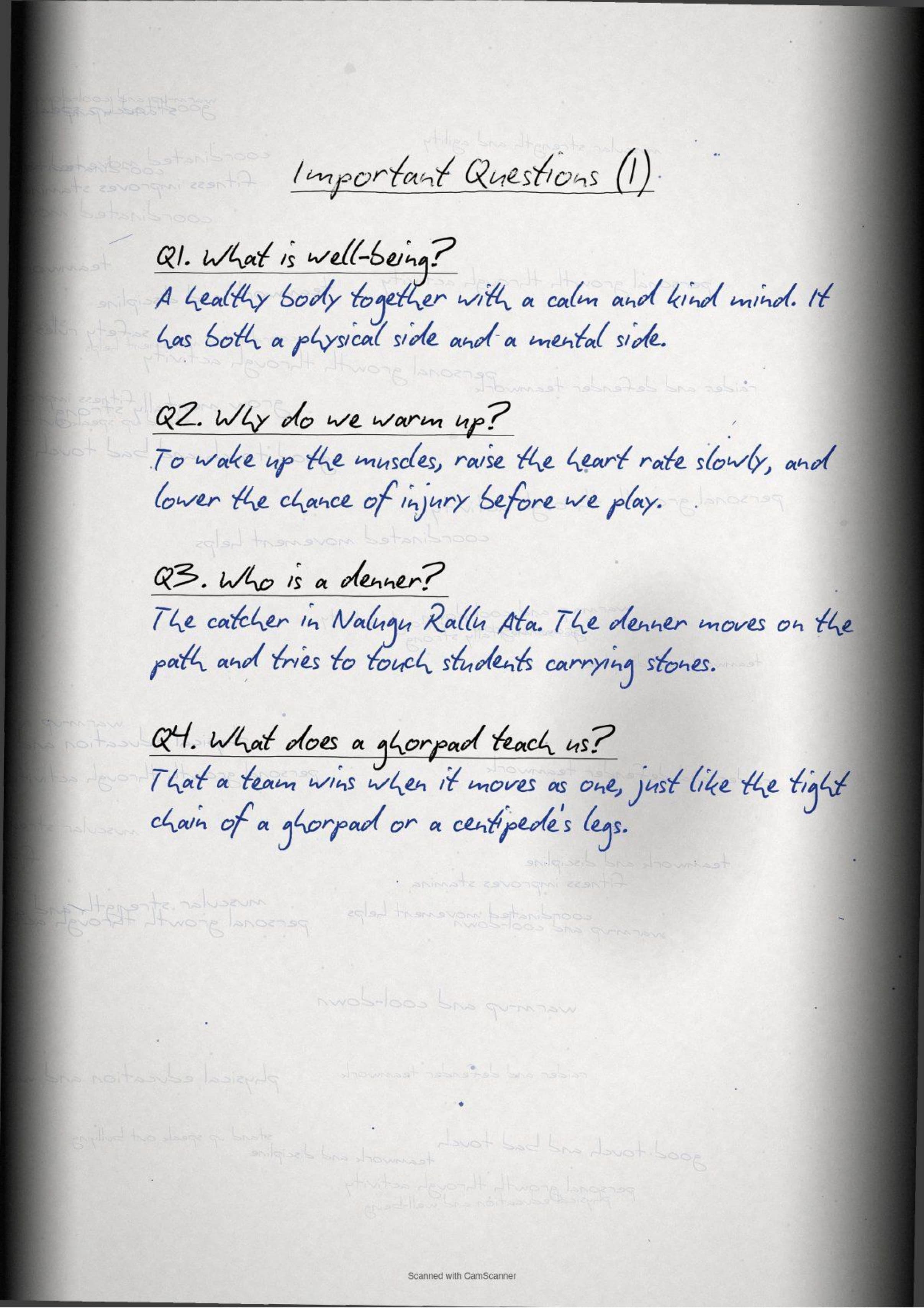
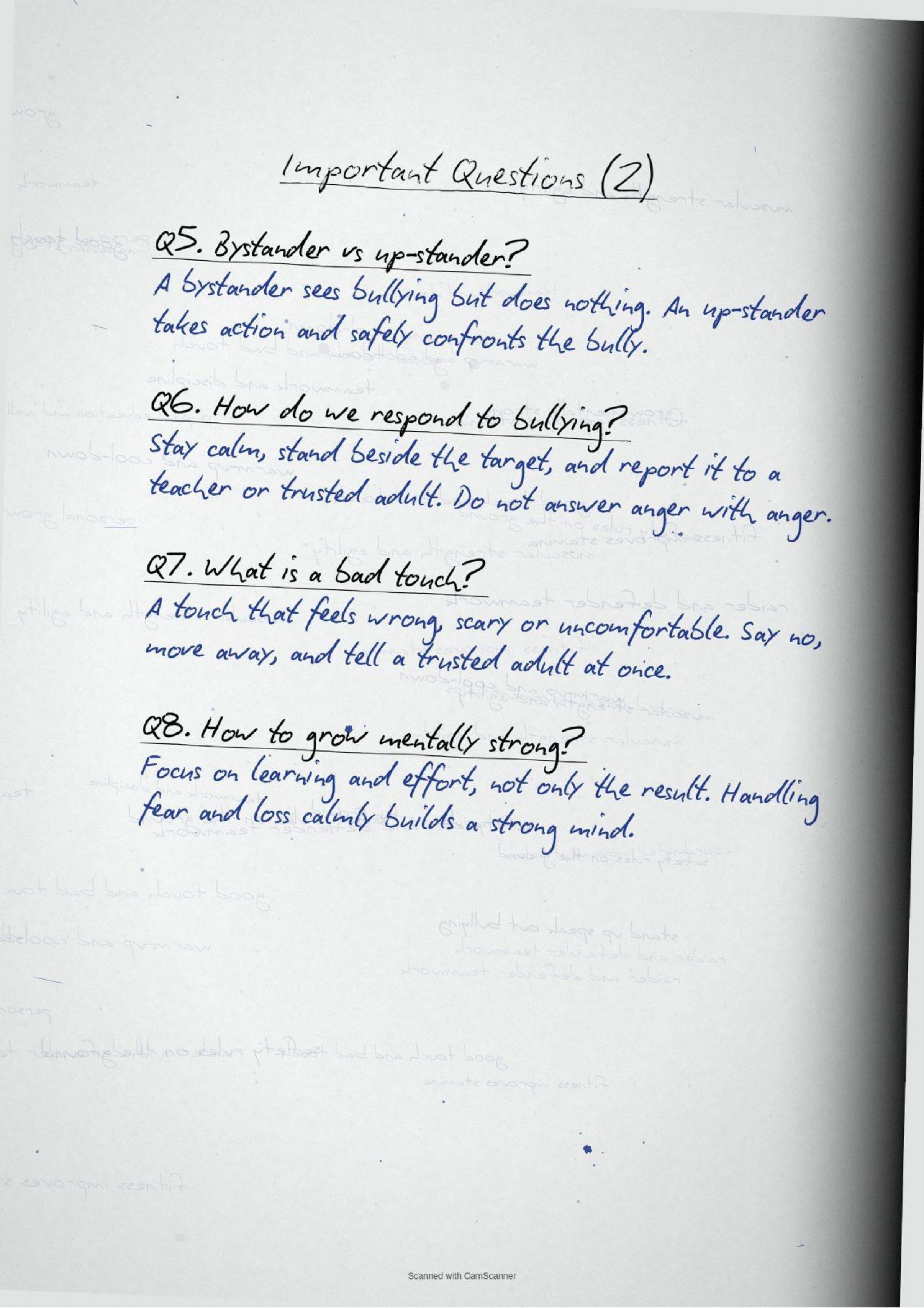
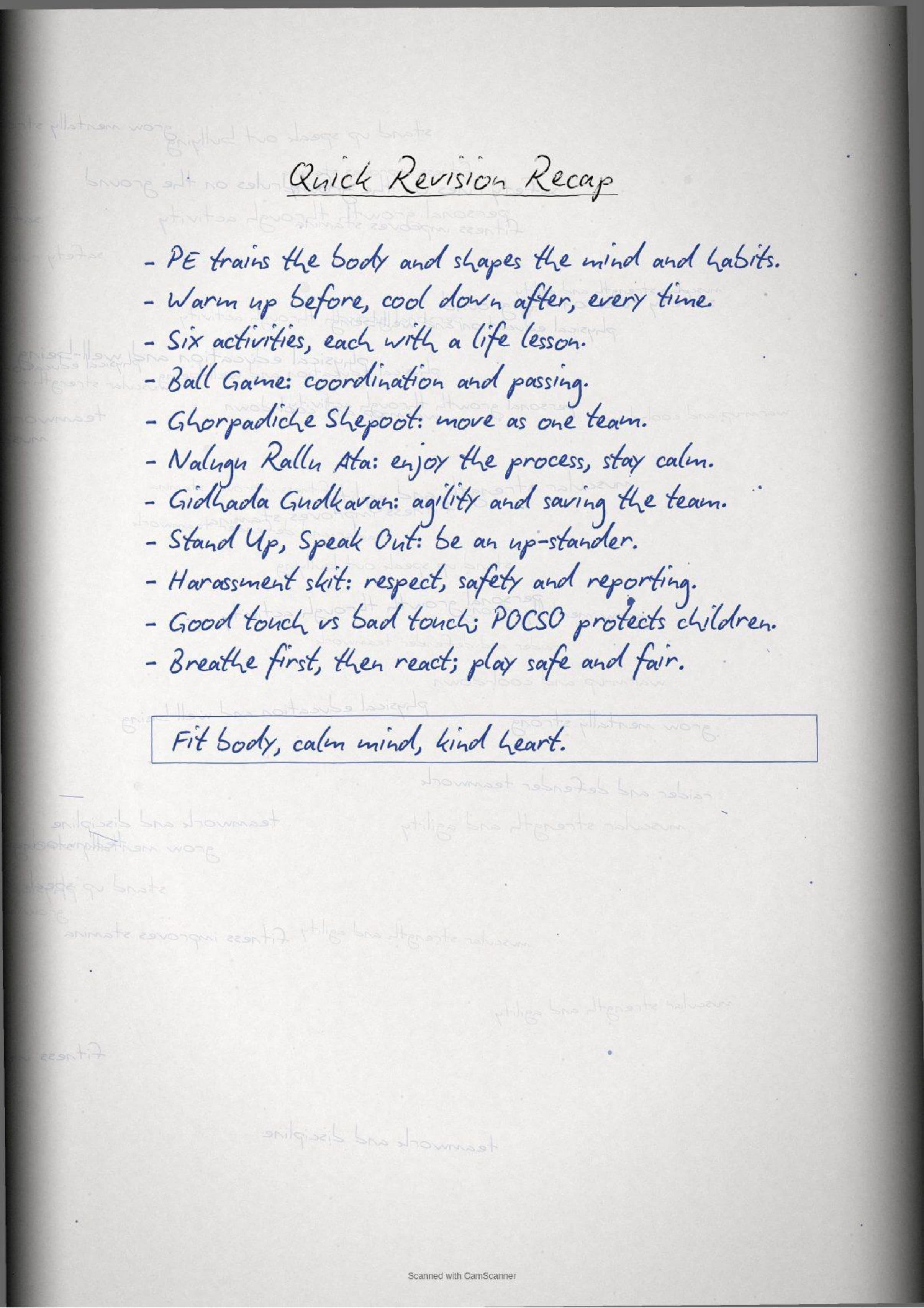
- Six activities written out: the six Unit 1 activities with their aim and how to play
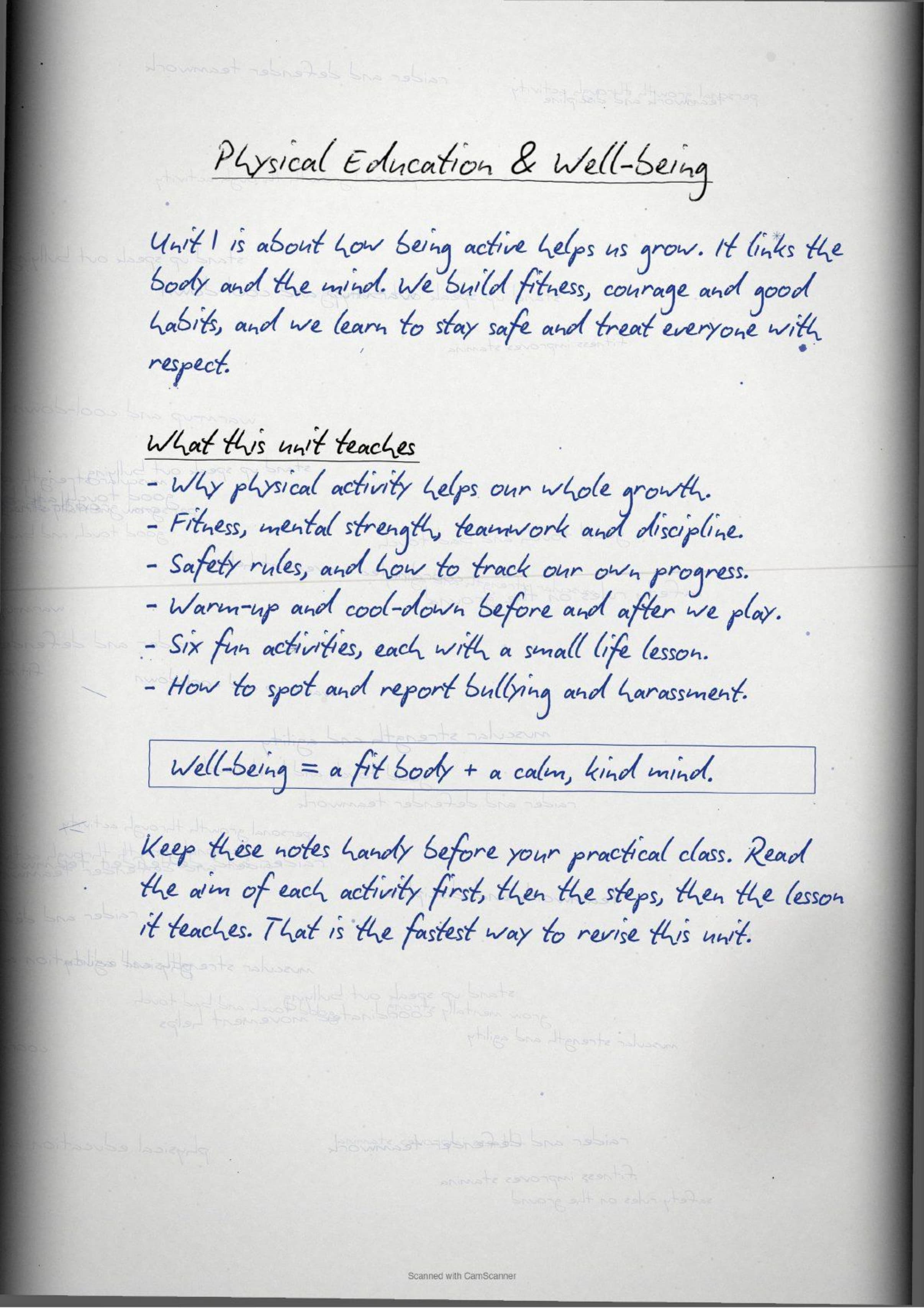
- What the notes cover: why physical activity matters, safety rules, teamwork, and reporting bullying or harassment
- Best for: the written part of Physical Education assessment and the activity record book
Open the PDF below for the complete class 7 physical education handwritten notes covering Foundational Basis of Physical Education and Well-being from the first page to the last.
These handwritten notes are written by Physical Education teachers and mapped to the 2026-27 NCERT Khel Yatra book.
Where Students Lose Marks in Foundational Basis of Physical Education and Well-being
Students often treat Physical Education as only practical. The written part carries marks too, and this unit supplies most of them.
- Safety rules are the most asked written question in this unit
- The benefits of physical activity make a short list answer
- Bullying and harassment questions are set as value-based answers
- The traditional games are recorded in the activity book
Why Students Pick Collegedunia's Foundational Basis of Physical Education and Well-being Handwritten Notes
Collegedunia has these class 7 physical education handwritten notes written by teachers who set Class 7 papers. Every activity is written up the same way, so filling your record book takes minutes.
- Activity table: each of the six activities with its aim, set-up and rules
- Safety box: the do and do-not list for any physical session
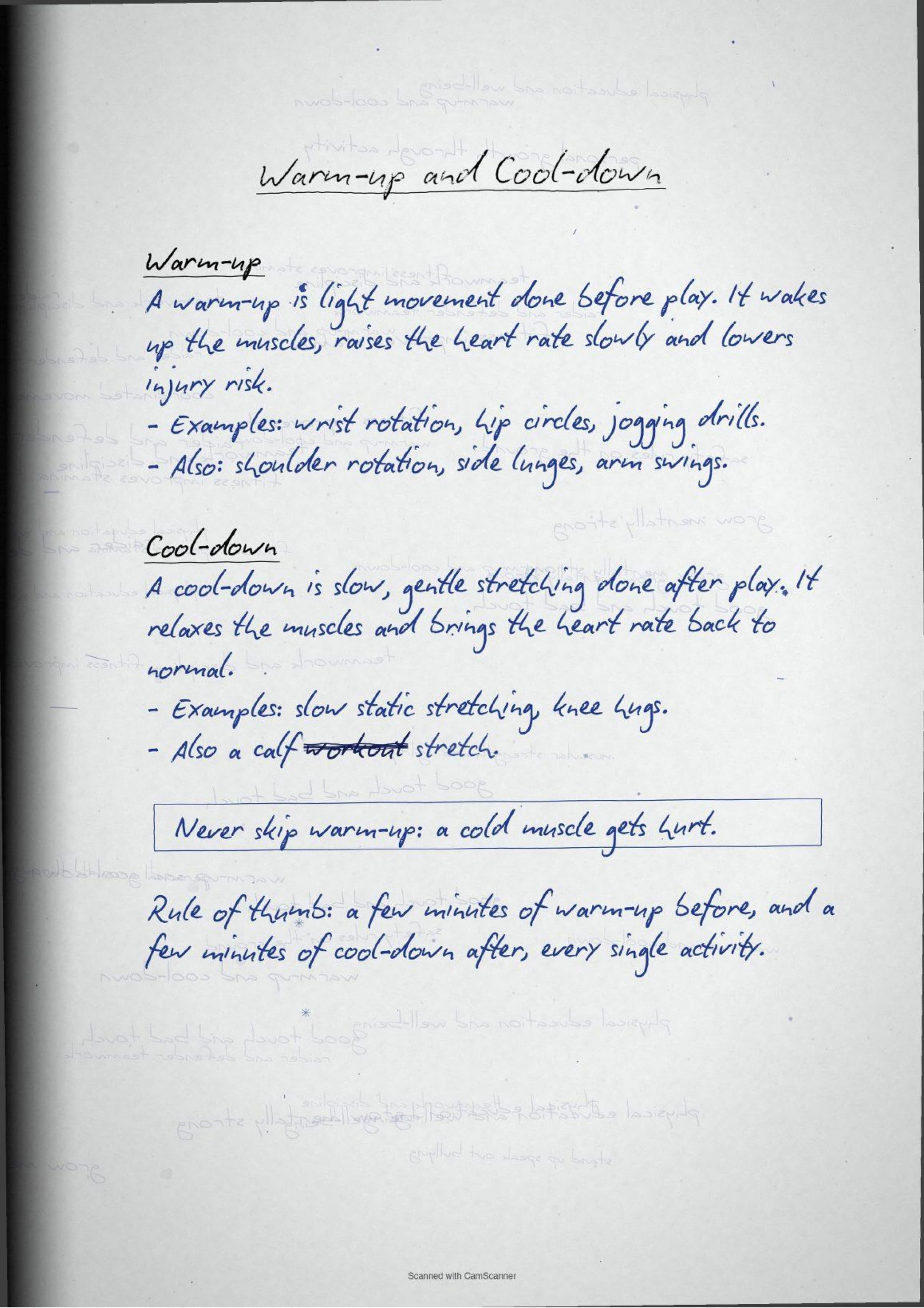
- Warm-up and cool-down list: the exact stretches the unit names
- Colour-coded sub-headings: sub-topics written in red so each part is easy to find
Test Yourself on Foundational Basis of Physical Education and Well-being
Five written-assessment questions from Unit 1. Tap to check.
Every physical activity session should begin with a
(a) match (b) warm-up (c) cool-down (d) test
Answer: (b) warm-up, which prepares the muscles
Which of these is a traditional game in Unit 1?
(a) Badminton (b) Nalugu Rallu Ata (c) Football (d) Table tennis
Answer: (b) Nalugu Rallu Ata
If a classmate is being bullied, you should
(a) ignore it (b) join in (c) tell a trusted adult (d) laugh
Answer: (c) tell a trusted adult
Cool-down exercises after activity help to
(a) waste time (b) recover the muscles and prevent stiffness (c) win the game (d) raise the heart rate
Answer: (b) recover the muscles and prevent stiffness
Fair play means
(a) winning at any cost (b) following the rules and respecting opponents (c) playing alone (d) arguing with the referee
Answer: (b) following the rules and respecting opponents
Topics Written Out in the Foundational Basis of Physical Education and Well-being Notes
Unit 1 links moving your body to growing as a person. It covers fitness and courage, and it also teaches you to speak up when something is wrong.
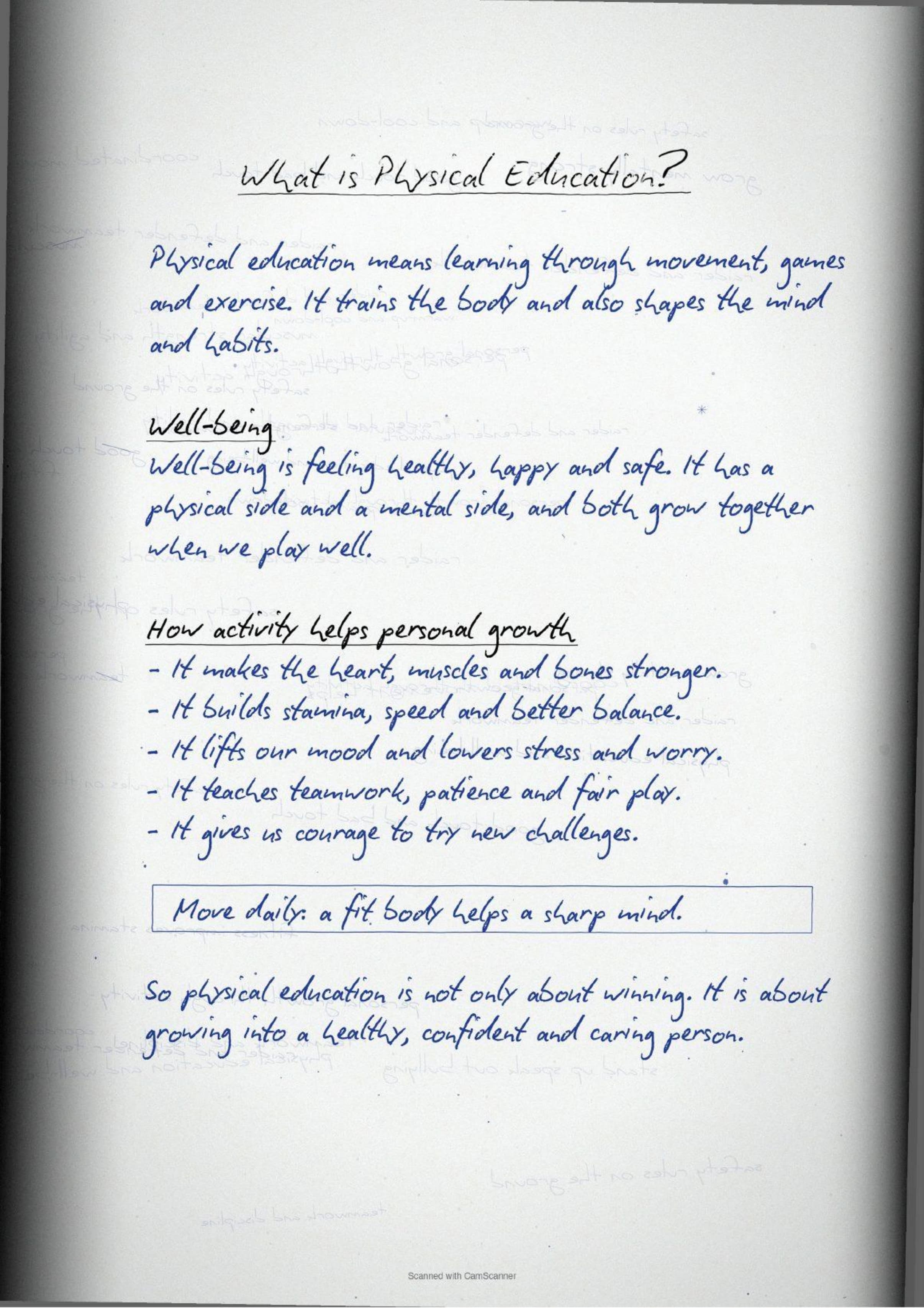
- Why physical activity matters for the body and the mind
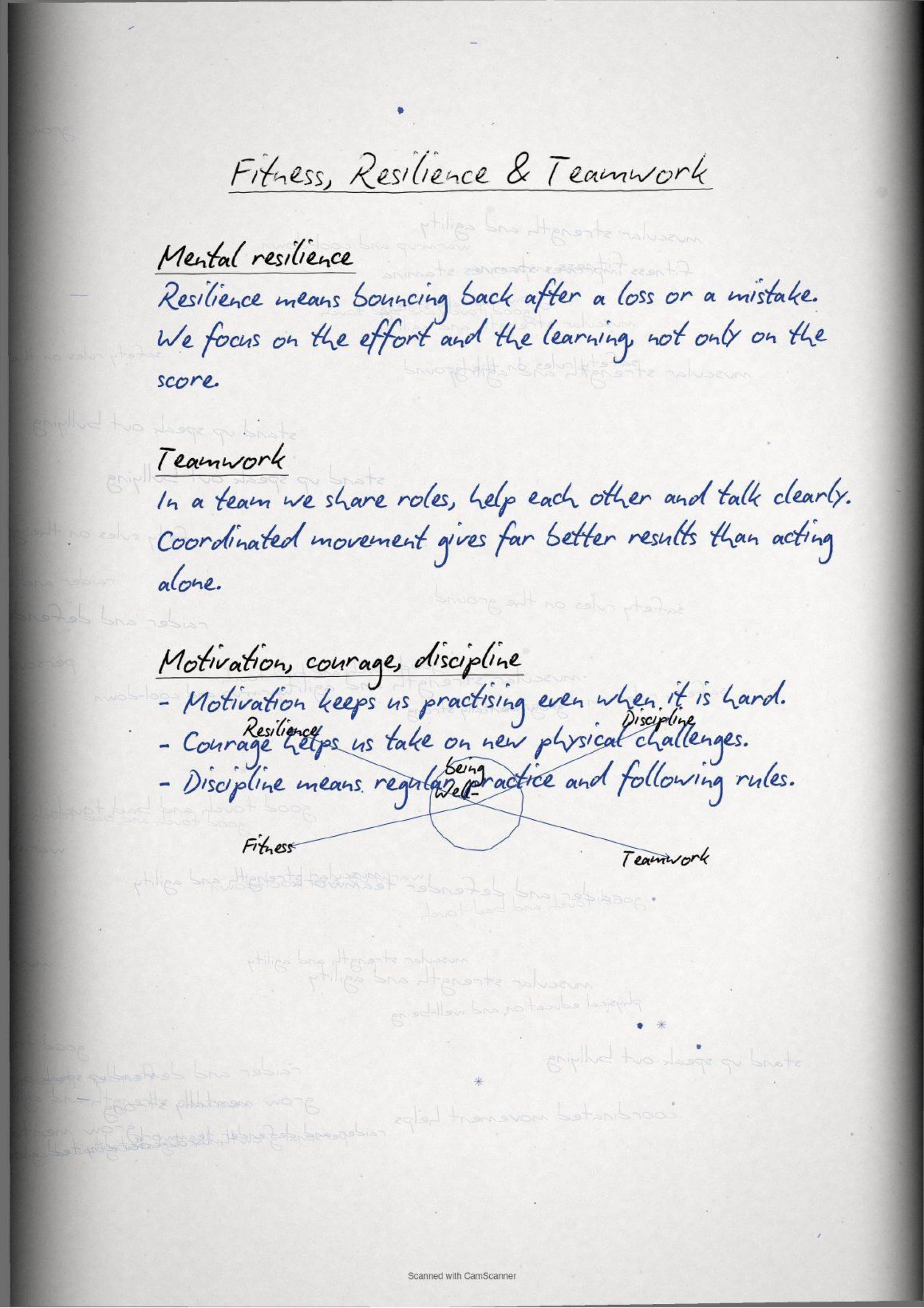
- Fitness, mental strength and self-discipline
- Teamwork and playing fair
- Safety rules before, during and after activity
- The Ball Progression Game
- Ghorpadiche Shepoot, a traditional game
- Nalugu Rallu Ata, a traditional game
- Gidhada Gudkavan, a traditional game
- Stand Up, Speak Out: recognising and reporting bullying
- Harassment prevention and staying safe
Foundational Basis of Physical Education and Well-being Sub-topic Priority List for Class 7 Physical Education
Written assessment in this unit leans on safety and well-being. The games are assessed in the practical record.
| Sub-topic | Weightage | How often asked |
|---|---|---|
| Safety rules during physical activity | High | asked often |
| Benefits of physical activity | High | asked often |
| Recognising and reporting bullying | High | asked often |
| Teamwork and fair play | Medium | asked sometimes |
| Traditional games of India | Medium | asked sometimes |
| Personal goal setting | Low | asked rarely |
Foundational Basis of Physical Education and Well-being in the Last Hour Before the Exam
The short version, for the day of the written test.
- Session order: warm-up, skill, cool-down
- Physical activity builds fitness, mental strength and discipline
- Fair play means following rules and respecting opponents
- Report bullying to a trusted adult
- Traditional games in Unit 1: Ghorpadiche Shepoot, Nalugu Rallu Ata, Gidhada Gudkavan
Hand-drawn Sketches Inside the Foundational Basis of Physical Education and Well-being Notes
The unit is practical, so the notes draw the set-ups rather than describe them.
| Figure drawn by hand | What it shows |
|---|---|
| Session structure strip | warm-up, skill, cool-down and circle time in order |
| Ball progression set-up | the marked area with players and the ball path |
| Traditional game layouts | the courts for Ghorpadiche Shepoot and Nalugu Rallu Ata |
| Safety box | the do and do-not list drawn as a bordered panel |
Words and Ideas the Foundational Basis of Physical Education and Well-being Notes Box Off
These are the terms the written paper and the record book both use.
| Term / Idea | What it means |
|---|---|
| Physical education | learning that uses movement and play to build health and character |
| Well-being | the state of being healthy in body and mind |
| Fitness | the ability of the body to do daily work without getting too tired |
| Teamwork | working together with others towards a shared goal |
| Fair play | following the rules and respecting opponents |
| Bullying | repeated behaviour that hurts or frightens another person |
| Self-discipline | the habit of controlling your own actions without being told |
Best Way to Read the Foundational Basis of Physical Education and Well-being Handwritten Notes
A short plan works better than one long sitting with the class 7 physical education handwritten notes. Read the safety box first. Everything else in the year rests on it.
- Learn the safety do and do-not list by heart
- Write two benefits of physical activity for the body and two for the mind
- Fill the activity table in your record book after each session
- Before the written test, revise the safety box and the terms table
Where to Go After the Foundational Basis of Physical Education and Well-being Notes
Pair the notes with the solved questions and the Khel Yatra book.
- Class 7 Physical Education NCERT Solutions
- Class 7 Physical Education Revision Notes
- Class 7 Khel Yatra Book PDF
Chapter-wise Class 7 Physical Education Handwritten Notes
Khel Yatra has six units at Class 7 level. Use the table to open the class 7 physical education handwritten notes for any other chapter.
Foundational Basis of Physical Education and Well-being Class 7 Physical Education Handwritten Notes FAQs
Ques. Where can I download the Class 7 Physical Education Unit 1 Handwritten Notes PDF?
Ans. The PDF is on this page, free, in both the normal and the HD version.
Ques. What does Unit 1 of Khel Yatra cover?
Ans. The reasons physical activity matters, fitness and mental strength, teamwork, safety rules, and how to recognise and report bullying or harassment.
Ques. How many pages is the Unit 1 handwritten notes PDF?
Ans. It runs 22 pages, with an activity table, the safety box and a written-assessment quiz.
Ques. Why is a warm-up important before physical activity?
Ans. A warm-up raises the heart rate slowly and loosens the muscles and joints. That lowers the chance of a strain or a tear during the main activity.
Ques. What should a student do about bullying according to this unit?
Ans. Speak up and report it to a trusted adult, such as a teacher or a parent. The unit treats reporting as the correct and responsible action.



Comments