




The NCERT Class 11 Sociology Chapter 10 Indian Sociologists PDF gives students the official 2026-27 chapter on the making of sociology in India. Use it to revise early anthropology, G. S. Ghurye, D. P. Mukerji, A. R. Desai and M. N. Srinivas.
- Core focus: how sociology adapted to colonial India, democracy and planned development.
- Best use: read the PDF with one name, one concept and one contribution for every thinker.
- Exam value: long answers often ask how Indian sociology became different from Western sociology.
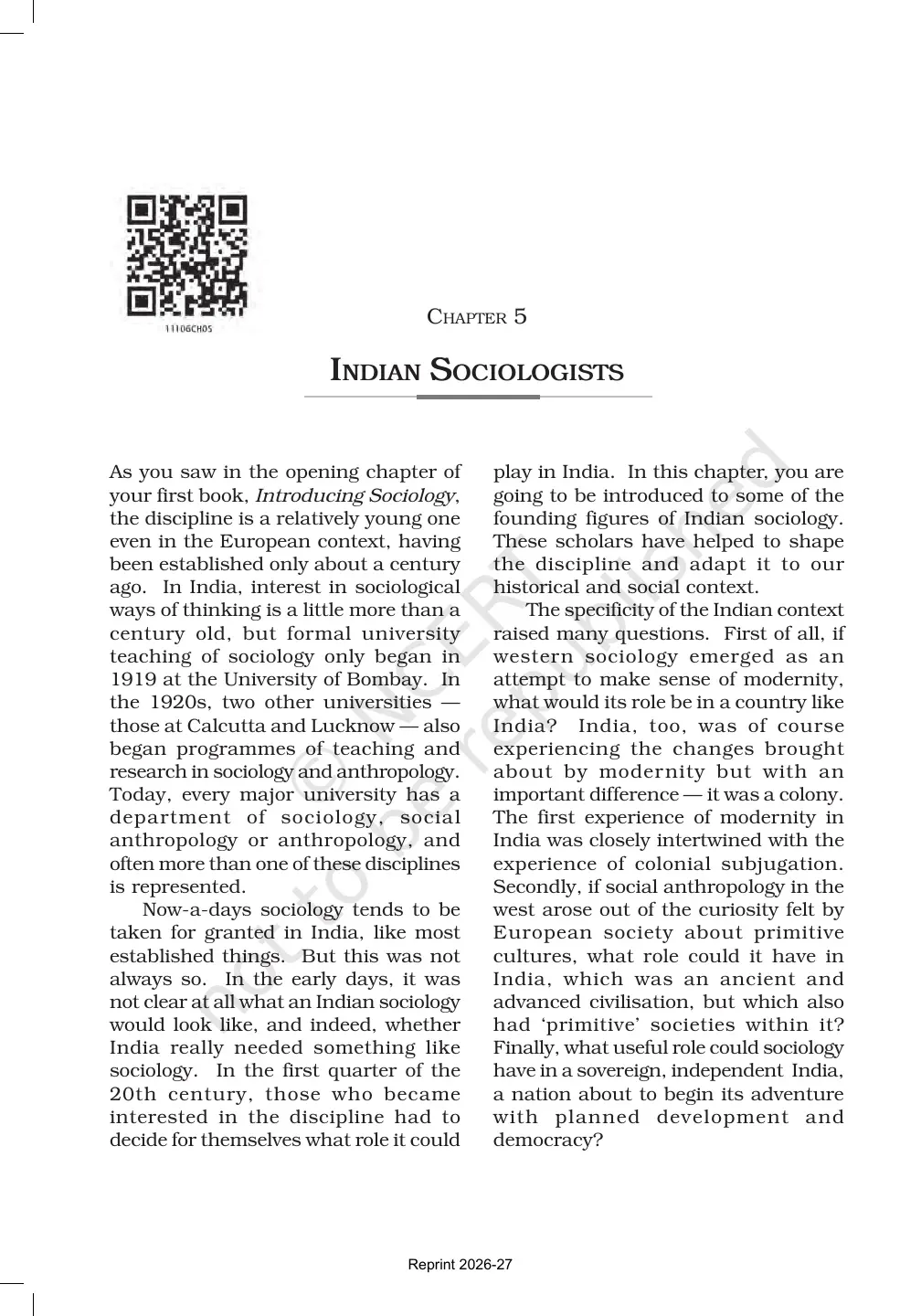
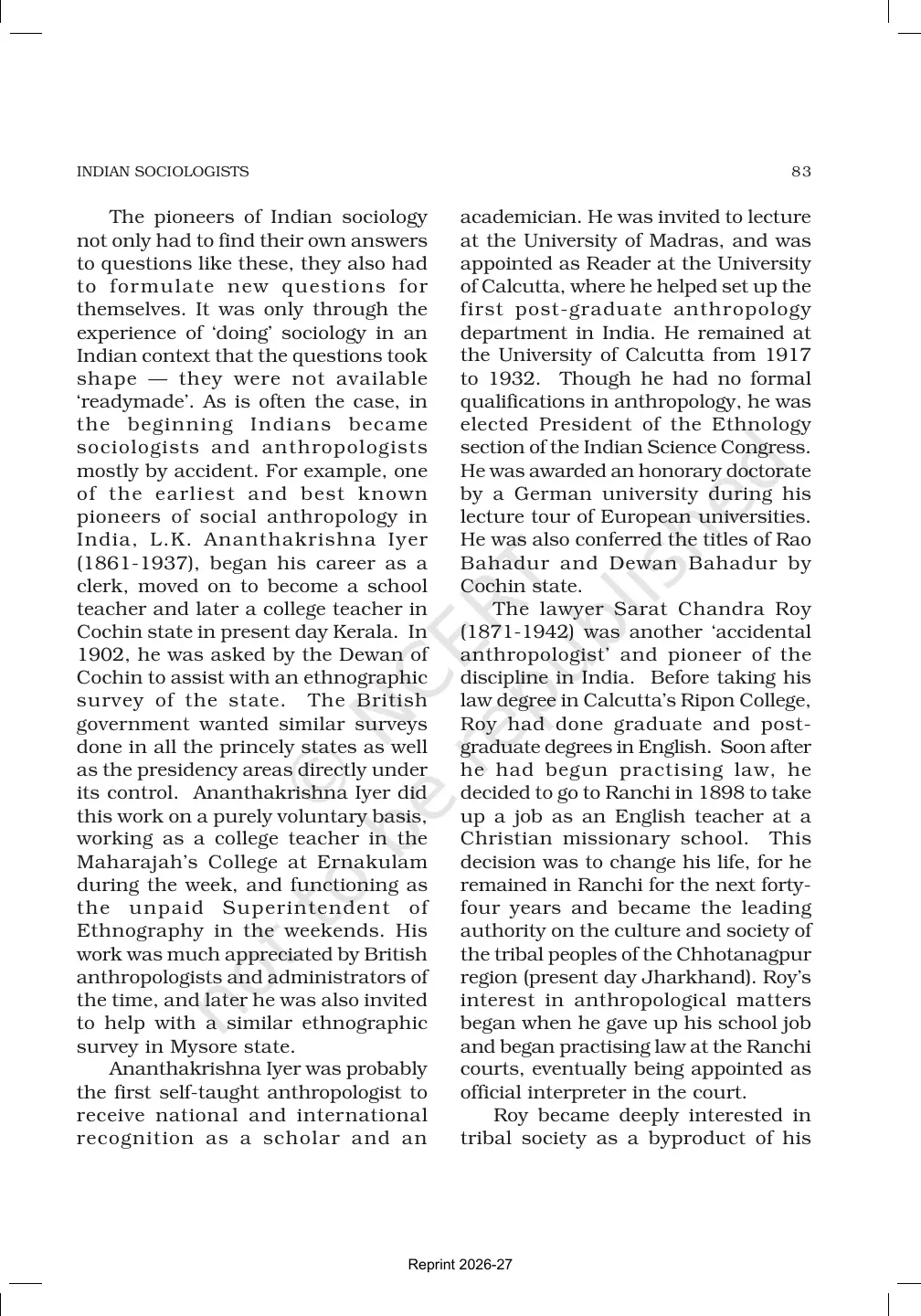
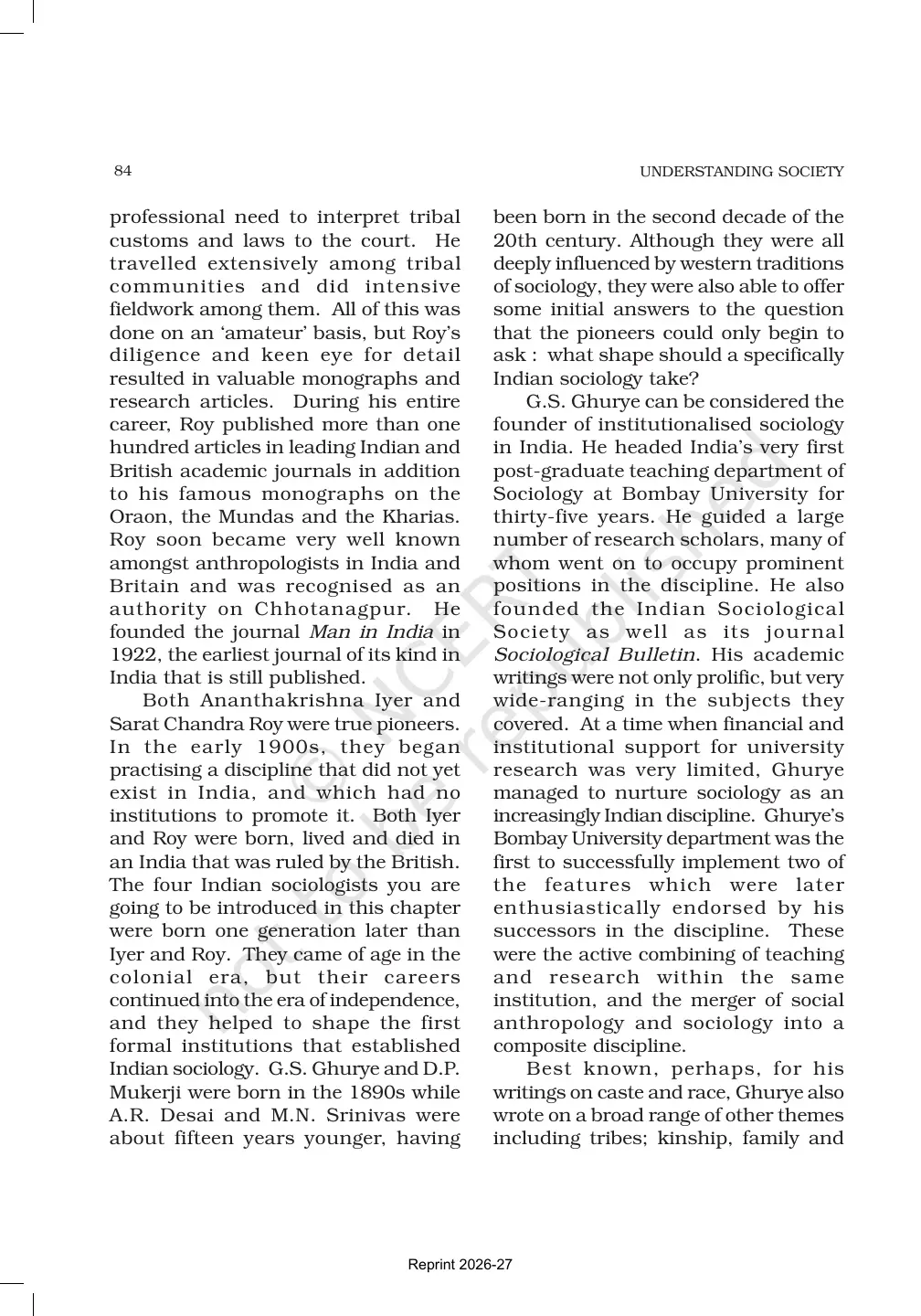
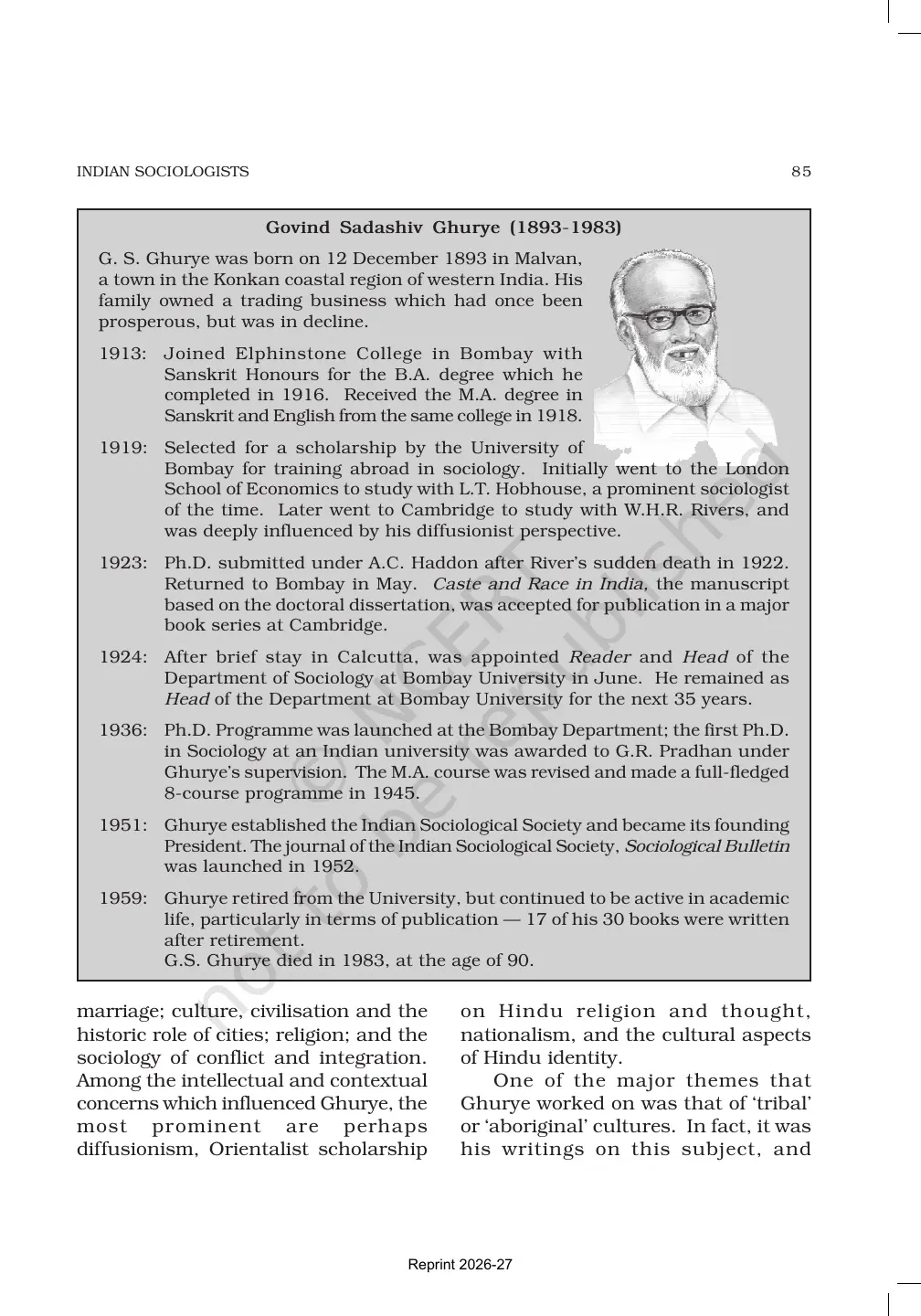
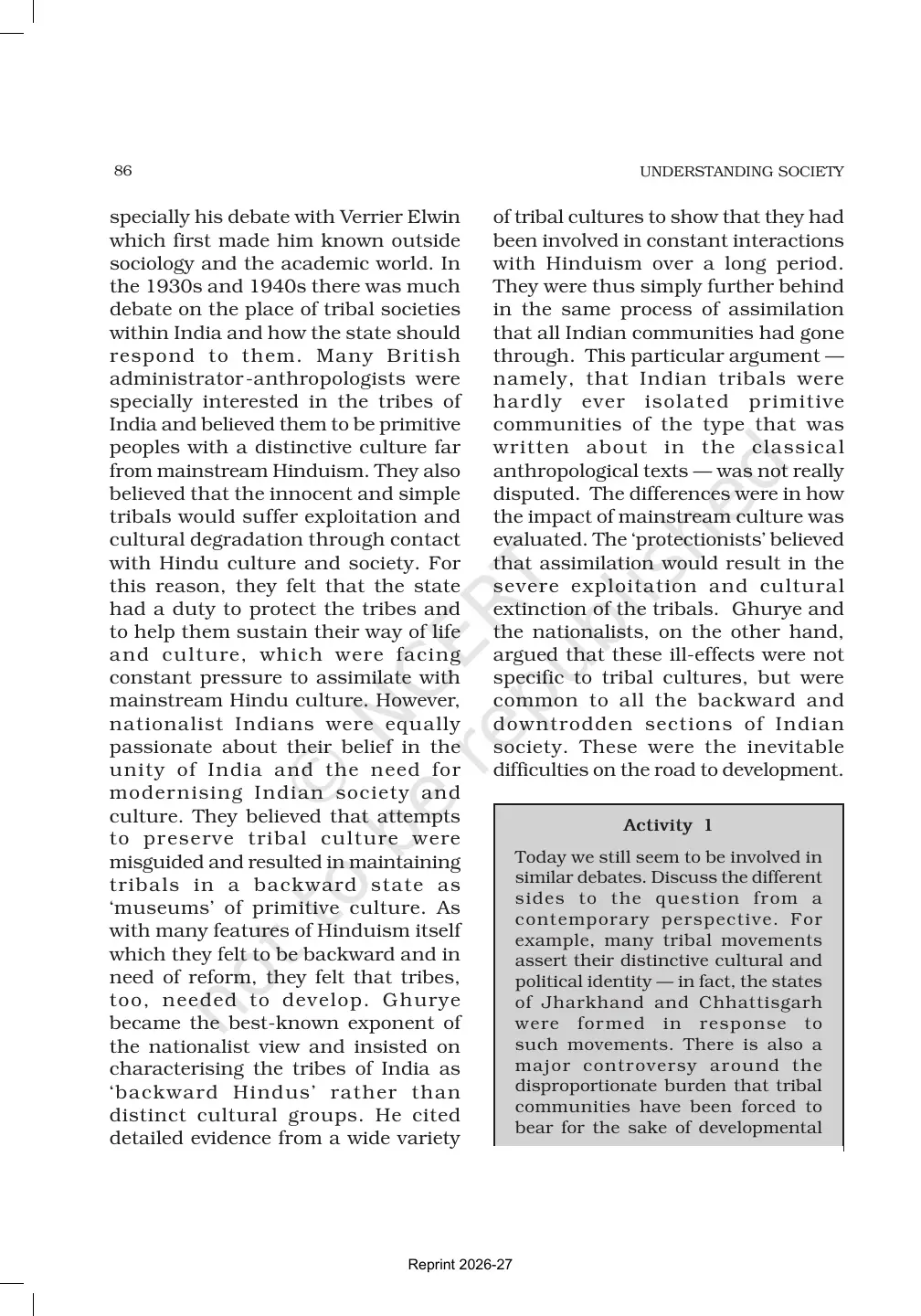
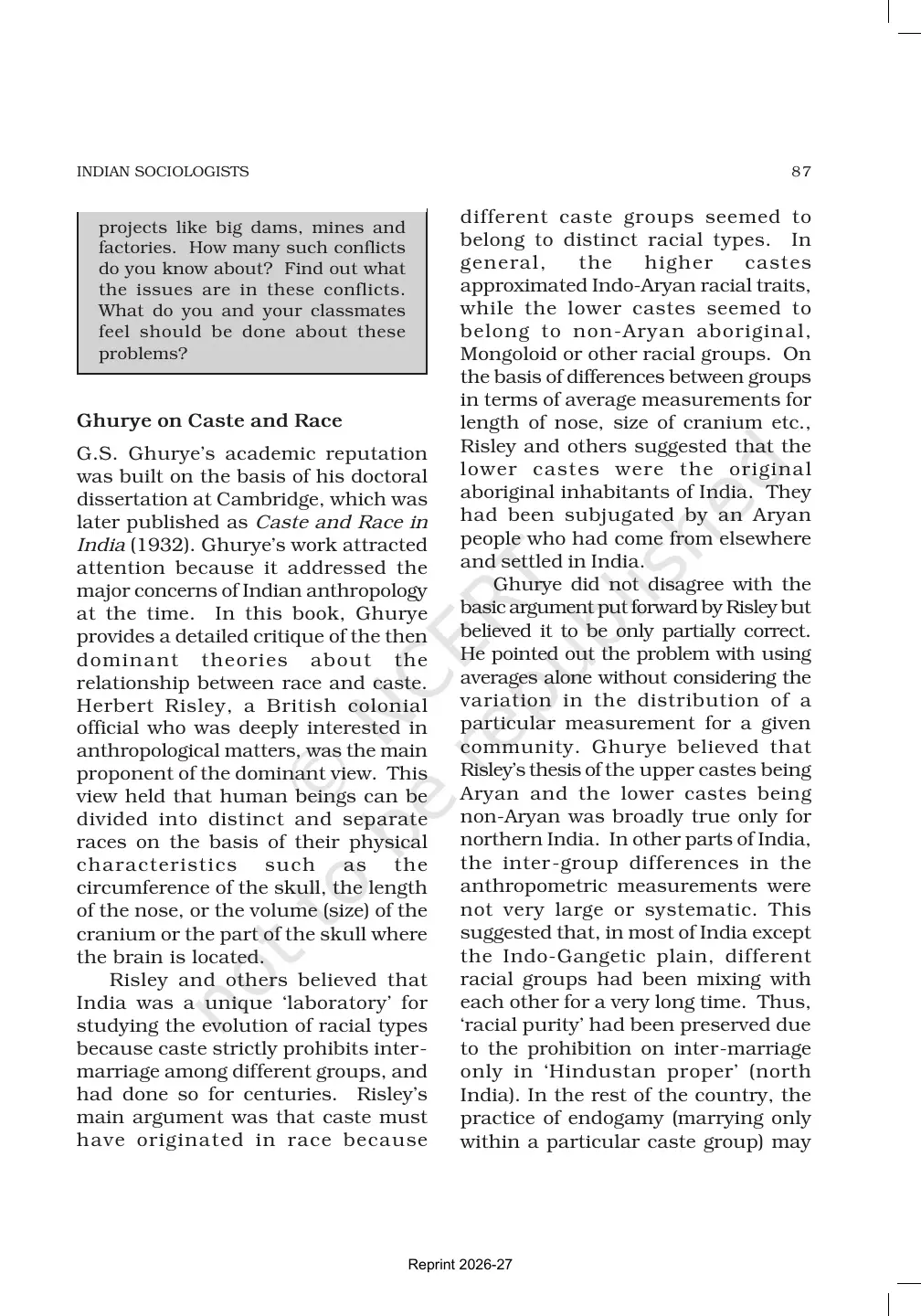
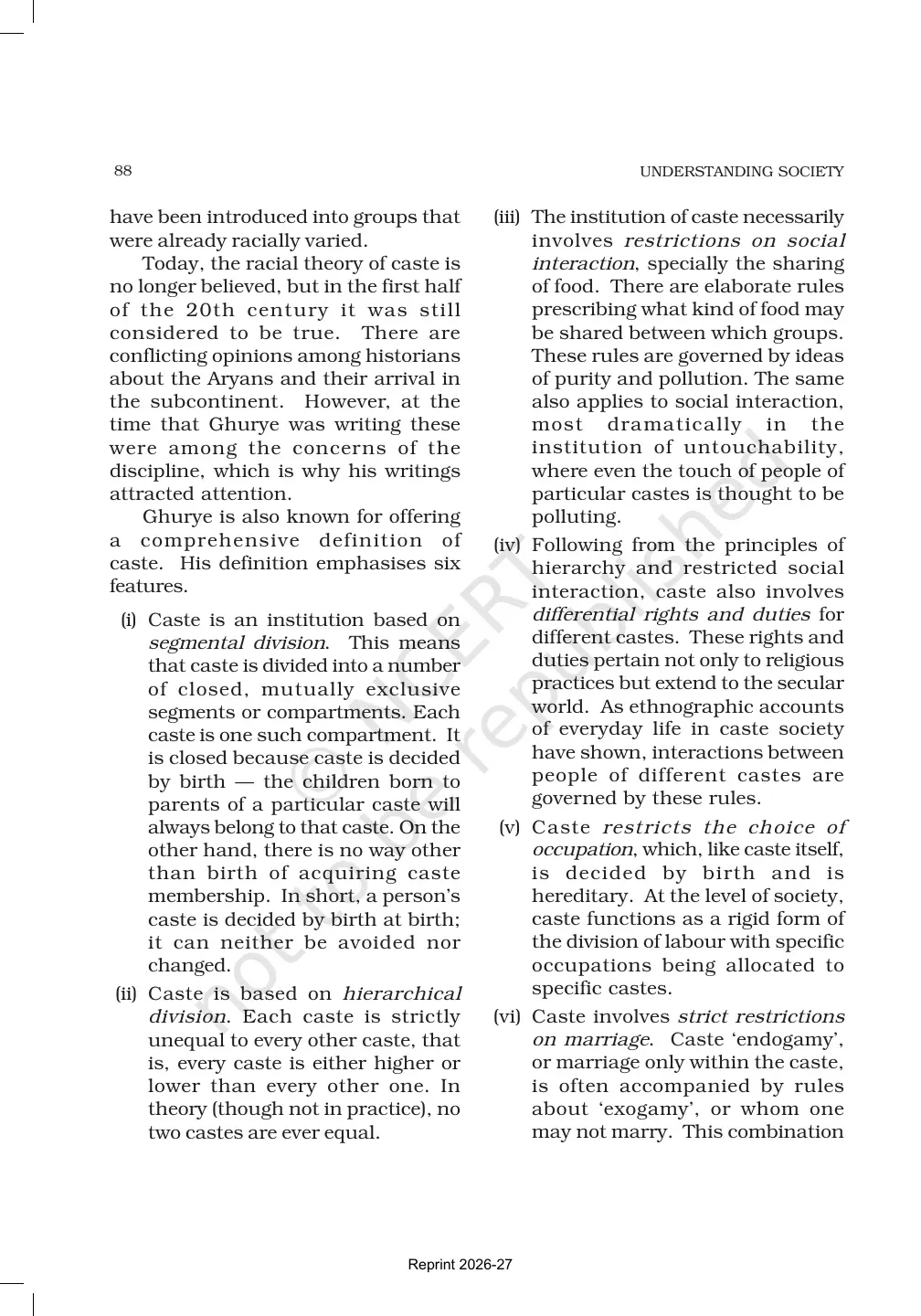
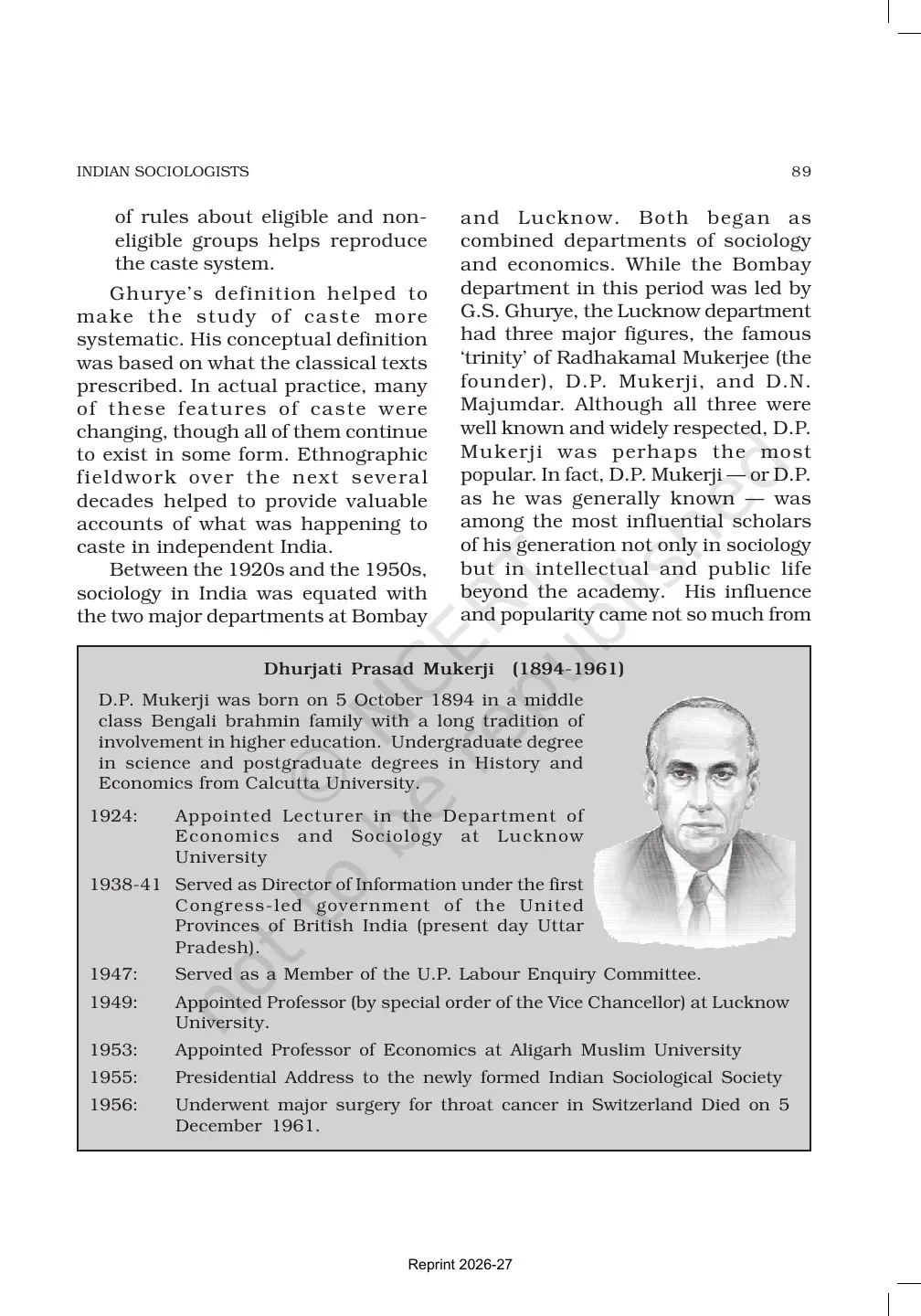
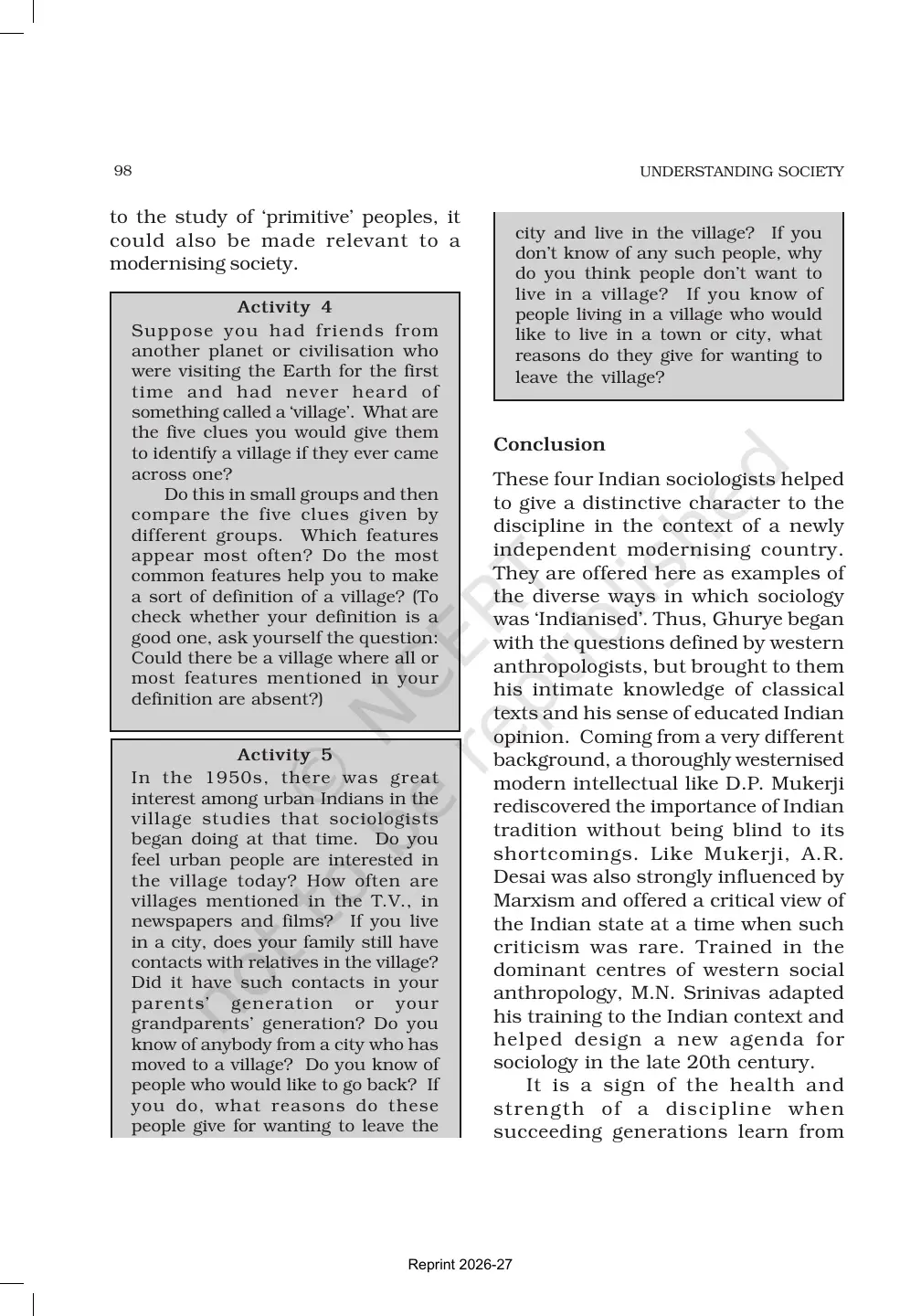
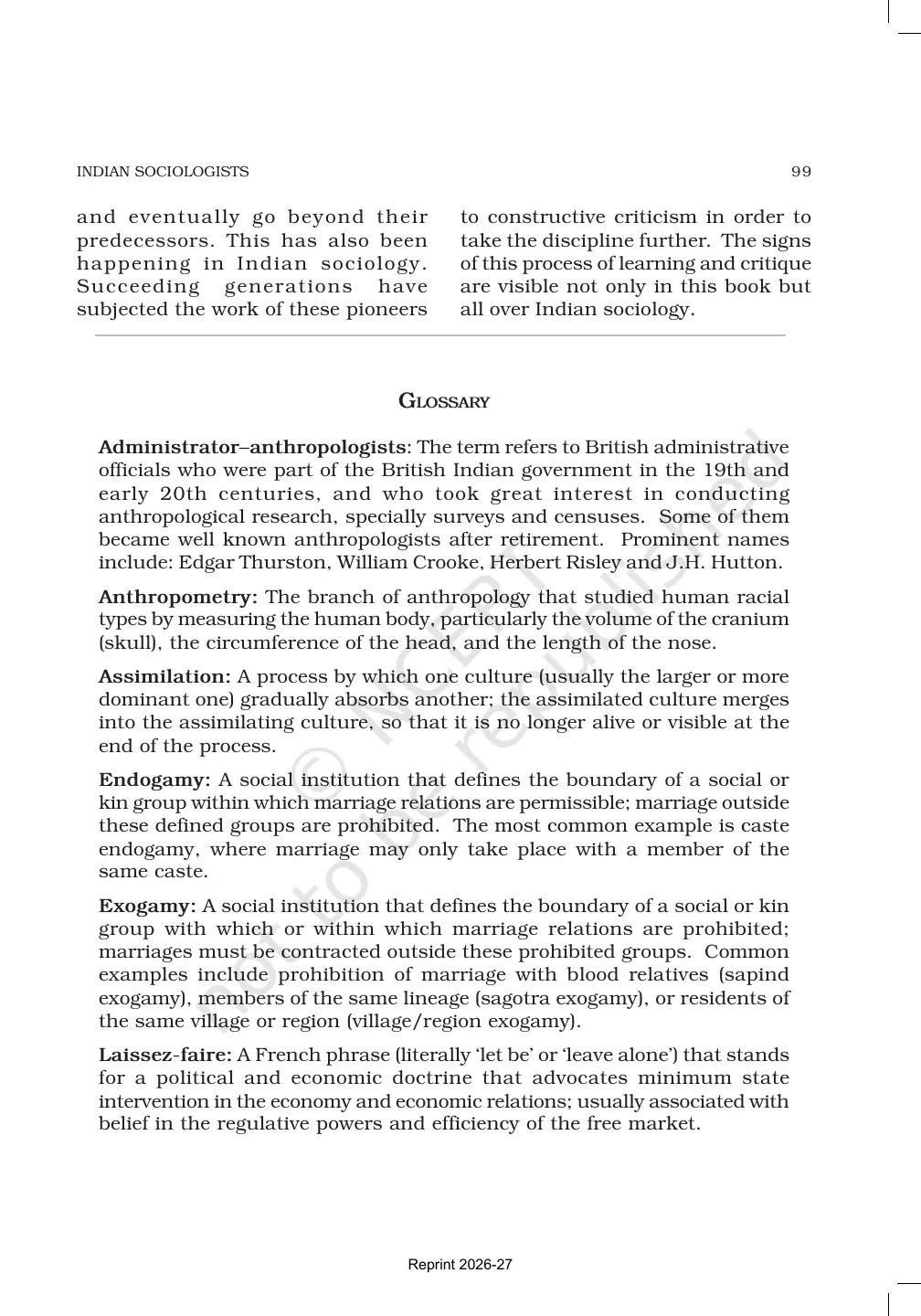
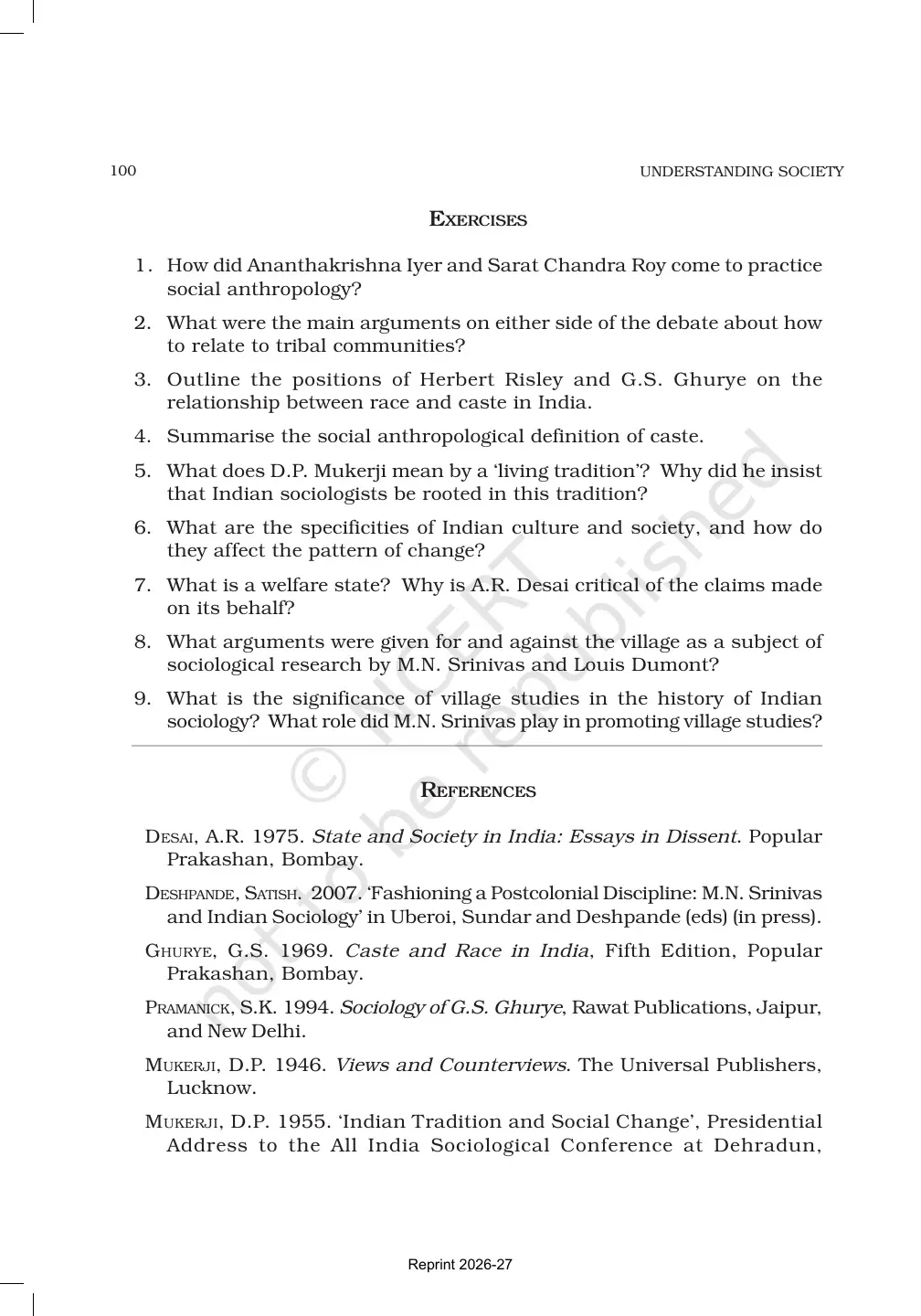


The official NCERT Class 11 Sociology Chapter 10 PDF helps students connect Indian fieldwork, caste, tribe, tradition, nationalism and village studies.
Student Feedback: In a Collegedunia check of 10,180 Class 11 humanities students, most students said this chapter became easier after they made a founder-wise revision table.
|
Table of Contents |
What the Indian Sociologists NCERT PDF Covers
NCERT begins with a simple question. If sociology was born in Europe to study modern society, what role would it play in India? Indian sociology had to study modernity, colonial rule, caste, tribe, village life, nationalism and planned development together.
The chapter first introduces early accidental anthropologists such as L. K. Ananthakrishna Iyer and Sarat Chandra Roy. It then moves to four major Indian sociologists who shaped the discipline after formal university teaching began.
- L. K. Ananthakrishna Iyer: worked on ethnographic surveys and became an early self-taught anthropologist.
- Sarat Chandra Roy: studied tribal society in Chhotanagpur and founded Man in India.
- G. S. Ghurye: built institutional sociology at Bombay University.
- M. N. Srinivas: made village studies and fieldwork central to Indian sociology.
Indian Sociologists Video Recap
Source: Easy Points on YouTube
Indian Sociology Founder Timeline
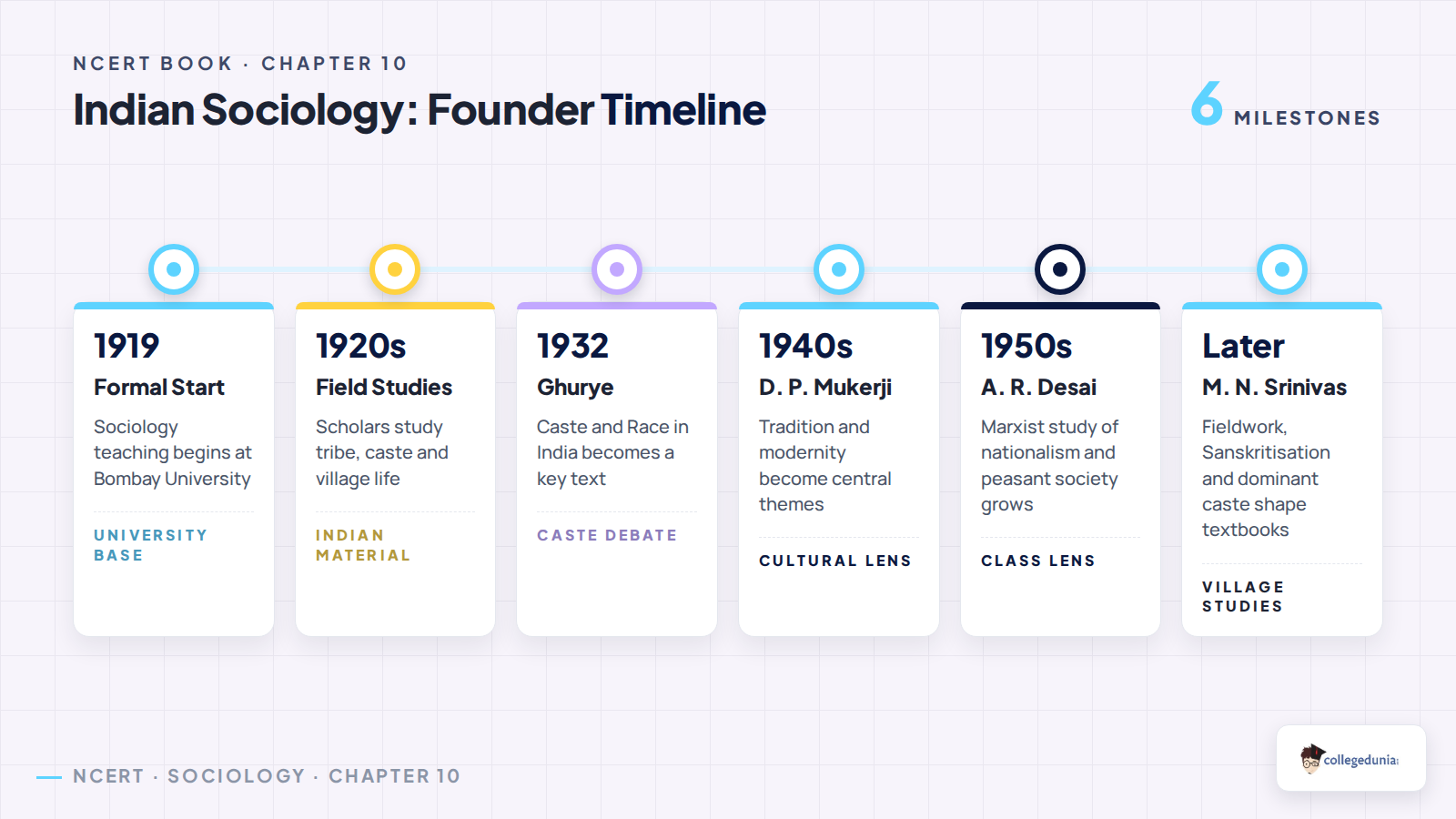
The timeline helps students see the chapter as a history of the discipline. Sociology teaching began at Bombay University in 1919. By the 1950s, Indian scholars had built strong themes around caste, tribe, nationalism, tradition, class and village fieldwork.
A strong answer should not only list names. It should connect every scholar with one problem in Indian society. This keeps the answer specific and easy to check.
Early Pioneers and Accidental Anthropologists
NCERT calls some early scholars accidental anthropologists because they did not enter the field through a ready-made sociology career. Their work grew from surveys, law, teaching, local administration and field contact.
The key point is that Indian sociology grew by doing fieldwork in Indian conditions. The pioneers did not simply copy textbook questions from Europe. They had to ask what caste, tribe, custom and colonial rule meant in India.
- Ananthakrishna Iyer: worked on ethnographic surveys in Cochin and Mysore.
- Sarat Chandra Roy: became an authority on tribal communities of Chhotanagpur.
- Field detail: both helped create knowledge before sociology had strong Indian institutions.
- Revision cue: write pioneer plus region plus type of work.
G. S. Ghurye and Institutional Sociology
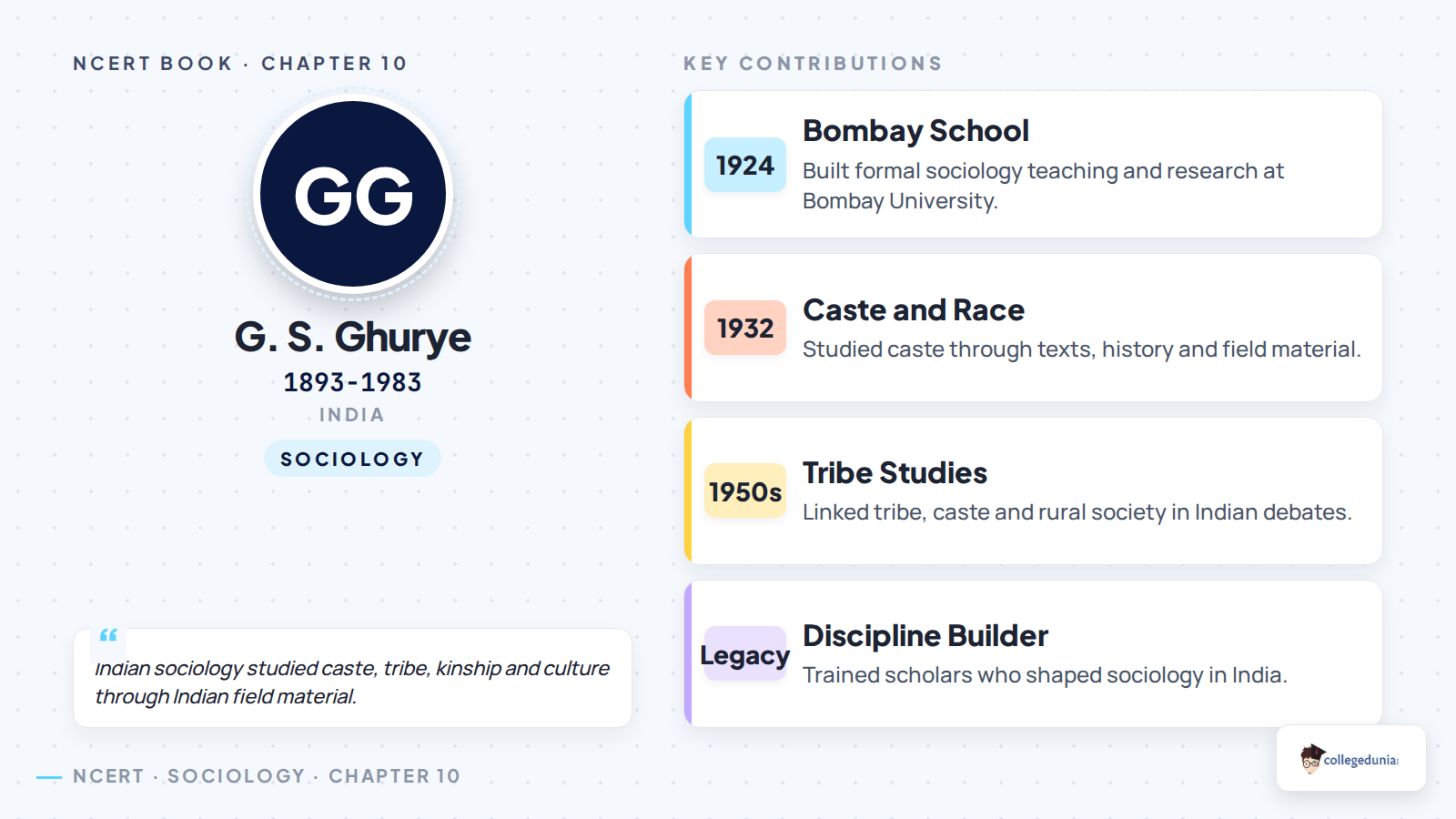
G. S. Ghurye is presented as a founder of institutional sociology in India. He headed the Sociology department at Bombay University for many years, guided research scholars and helped build the Indian Sociological Society.
For revision, remember Ghurye through institution, caste, tribe and culture. His famous work on caste and race is one part of a much wider body of writing.
- Institution builder: built teaching and research together at Bombay University.
- Caste and race: studied caste through historical and cultural material.
- Tribe debate: argued that many tribal groups had long interaction with Hindu society.
- Wide range: wrote on kinship, family, cities, religion and cultural integration.
D. P. Mukerji Tradition and Modernity
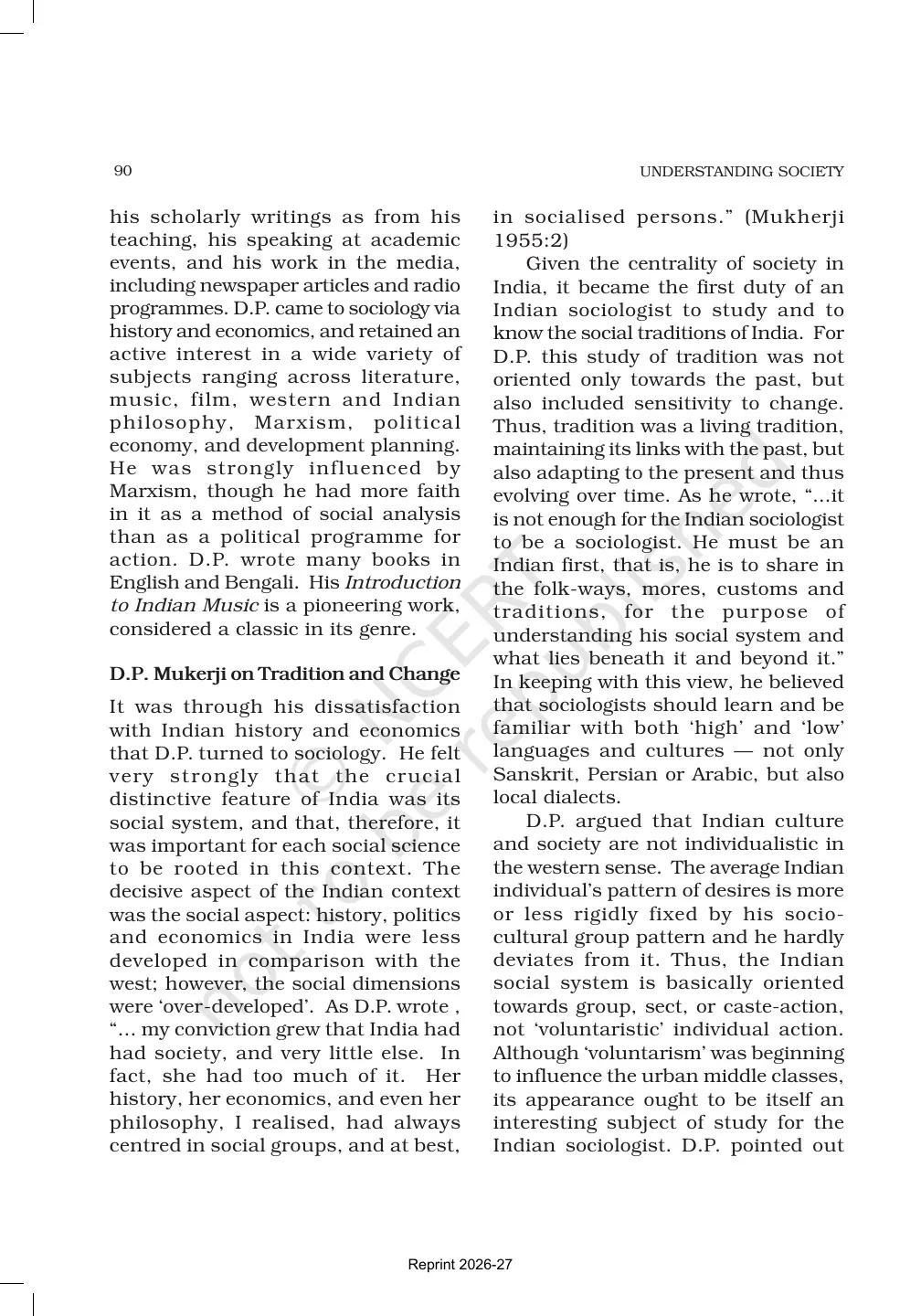
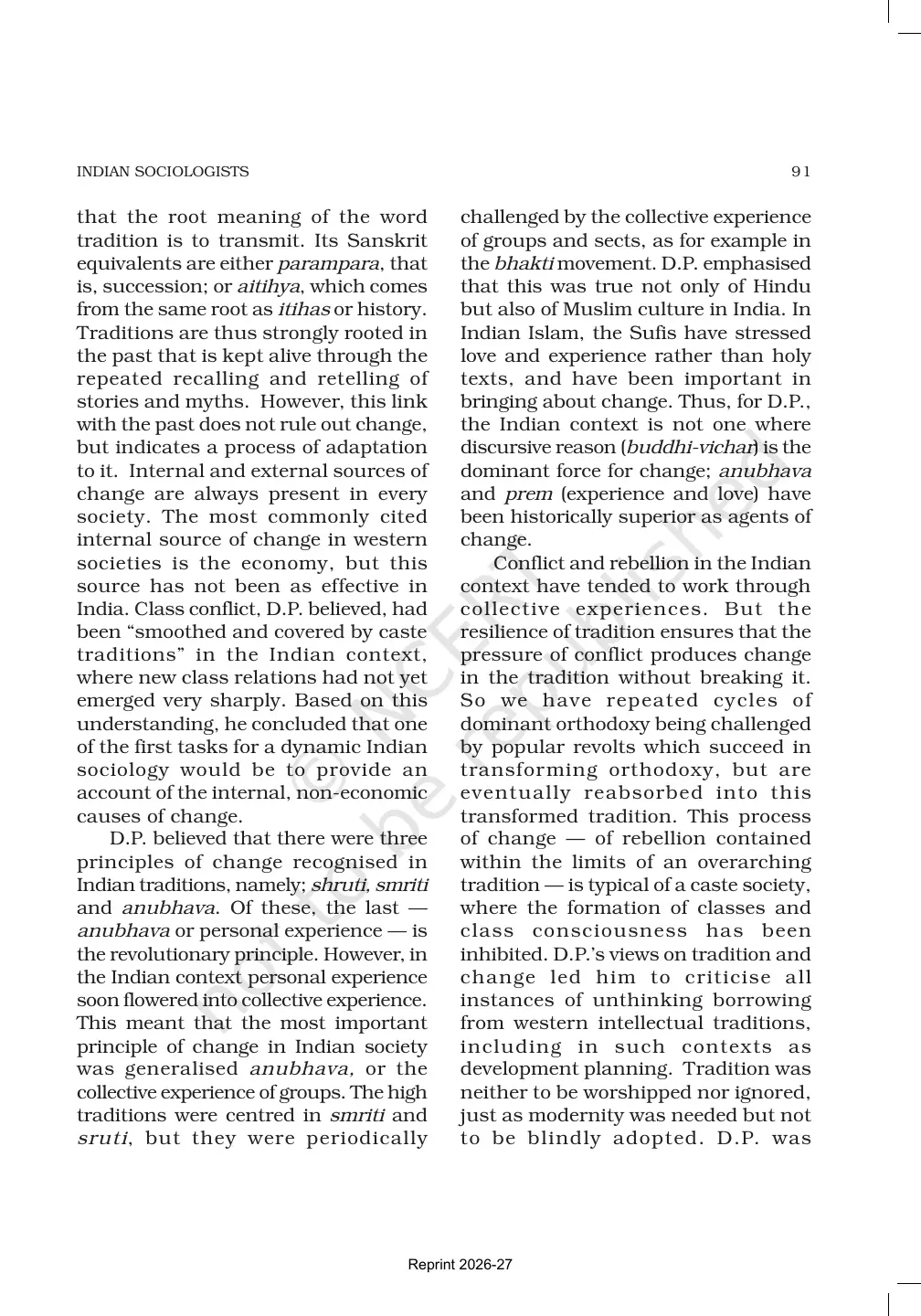
D. P. Mukerji is important because he studied Indian society through history, culture and tradition. He did not treat tradition as a dead past. He saw it as something that continued to shape modern Indian life.
Use Mukerji when an answer asks how sociology should understand India on its own terms. His work reminds students that Indian modernity did not grow in the same way as European modernity.
| Theme | What to write | Answer cue |
|---|---|---|
| Tradition | Living cultural inheritance, not only old custom. | Tradition shapes modern change. |
| History | Indian society must be read through its own past. | Context matters. |
| Modernity | Modern institutions arrived through colonial and national change. | India followed its own path. |
A. R. Desai and Marxist Sociology
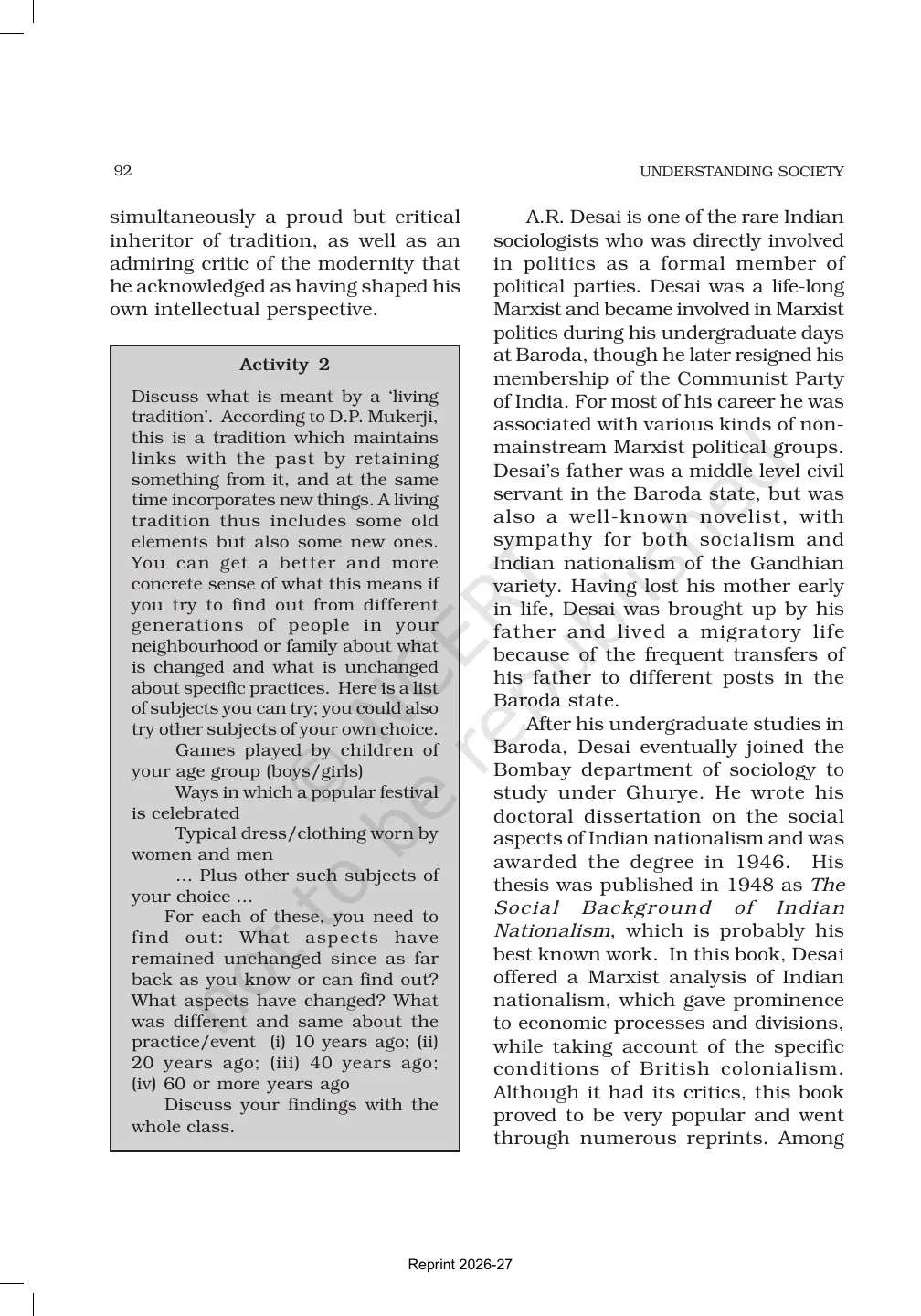
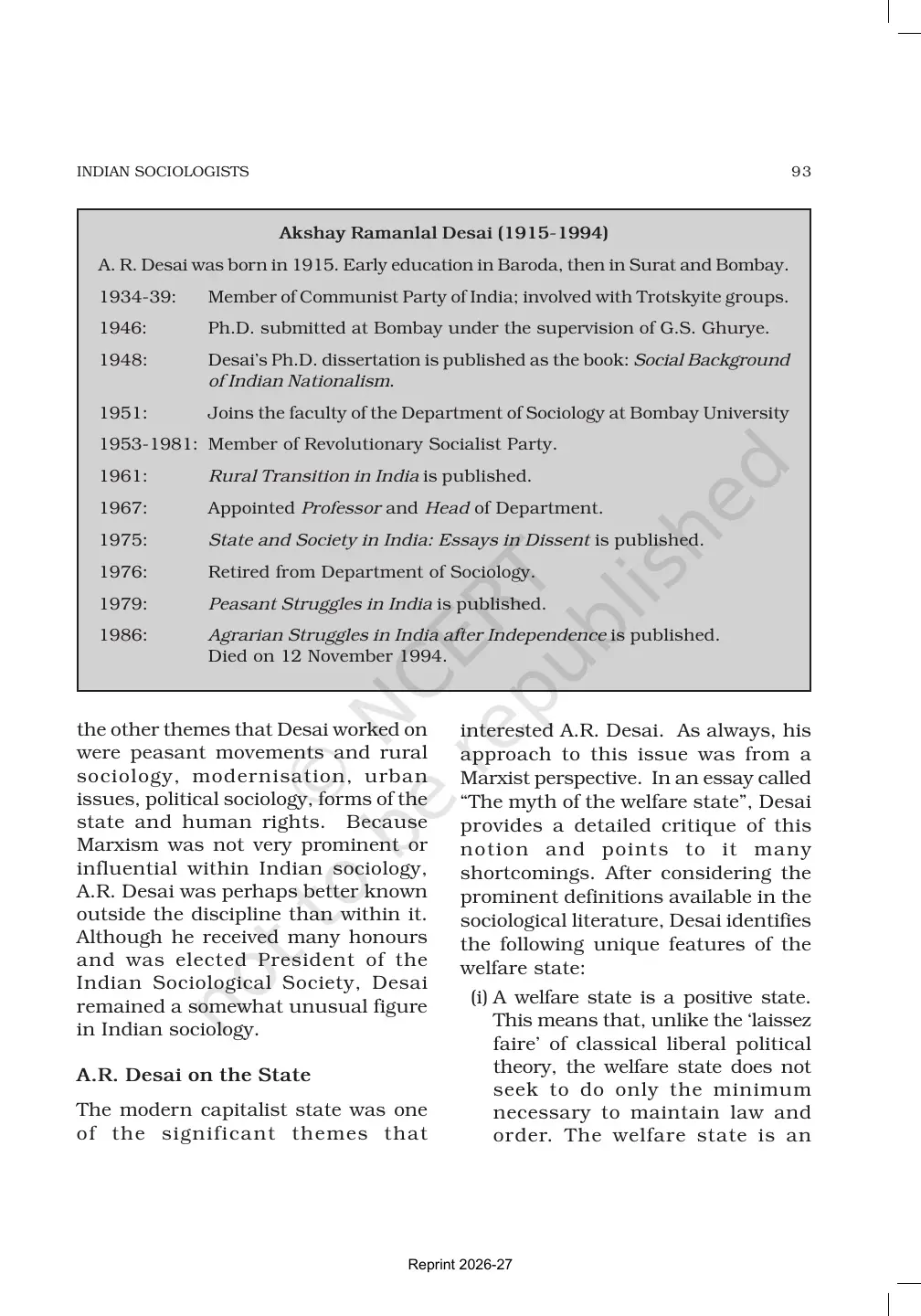
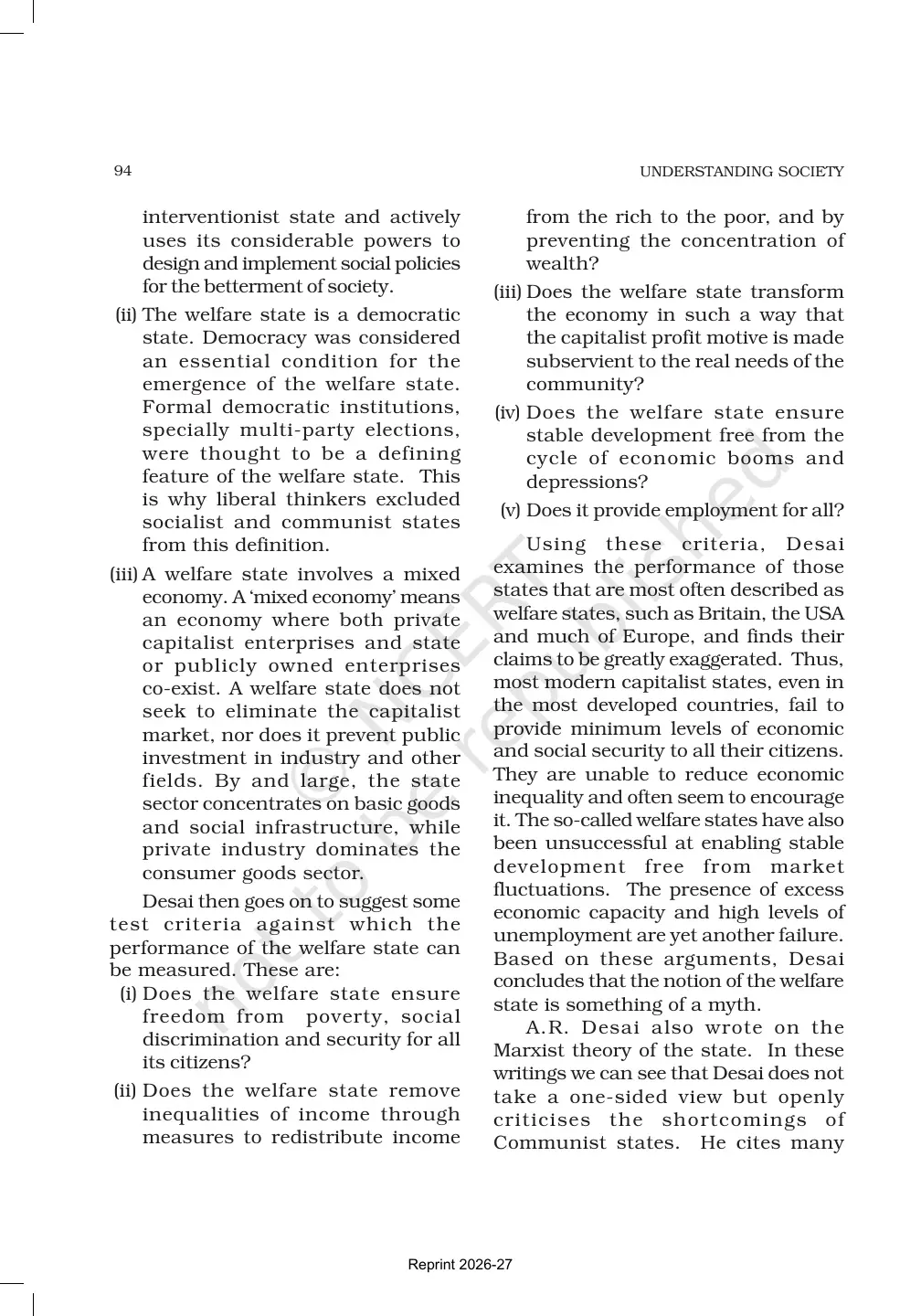
A. R. Desai is linked with a Marxist view of Indian society. He studied nationalism, class, state, peasant struggles and social change through material conditions and power relations.
For Desai, nationalism and development must be studied with class and economic structure. This makes him different from scholars who focus mainly on culture or tradition.
- Nationalism: studied the social background of Indian nationalism.
- Class lens: read society through economic relations and conflict.
- State and development: examined how planned change affected different groups.
- Answer cue: connect Desai with Marxist analysis, nationalism and class.
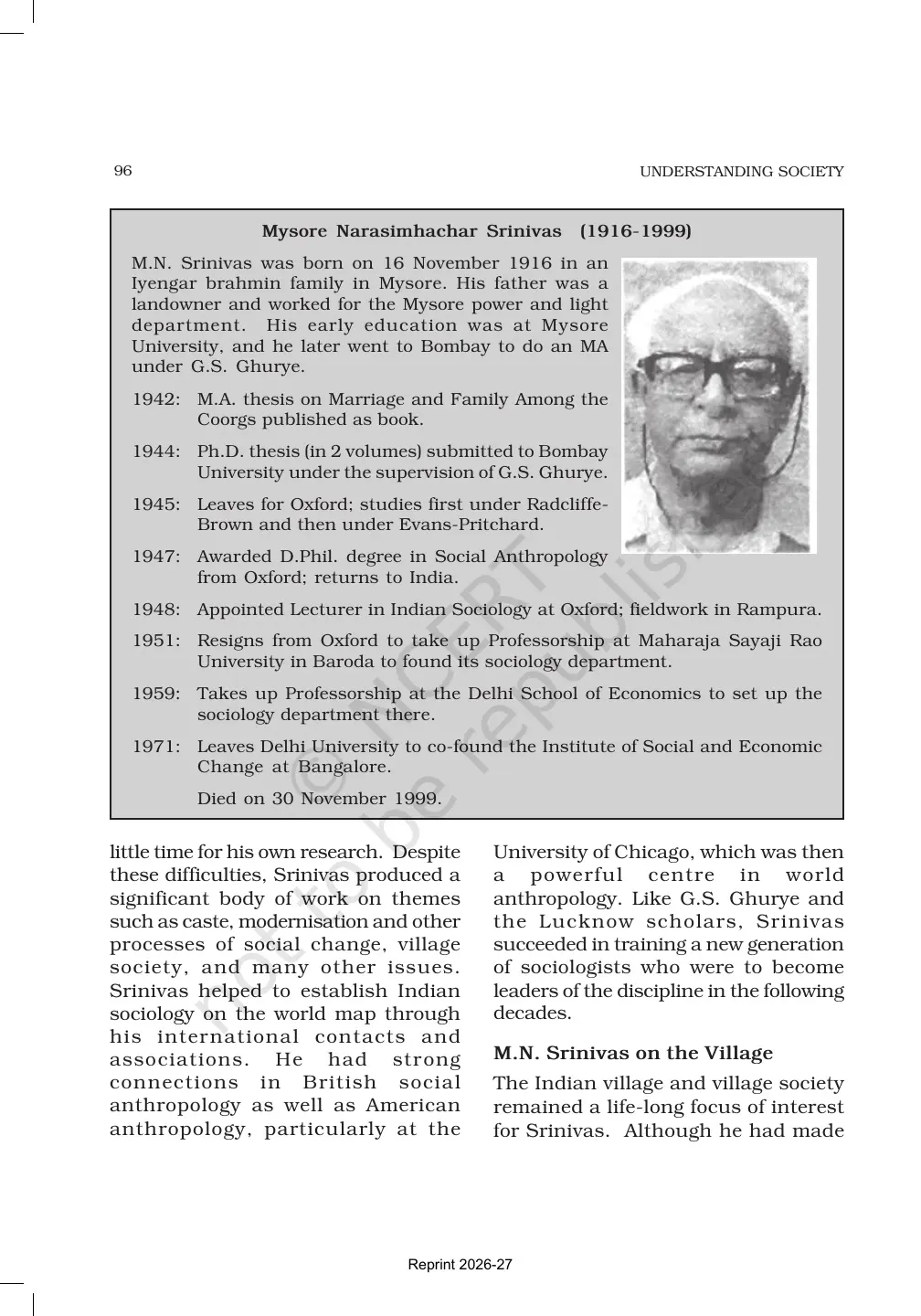
M. N. Srinivas Fieldwork and Village Studies
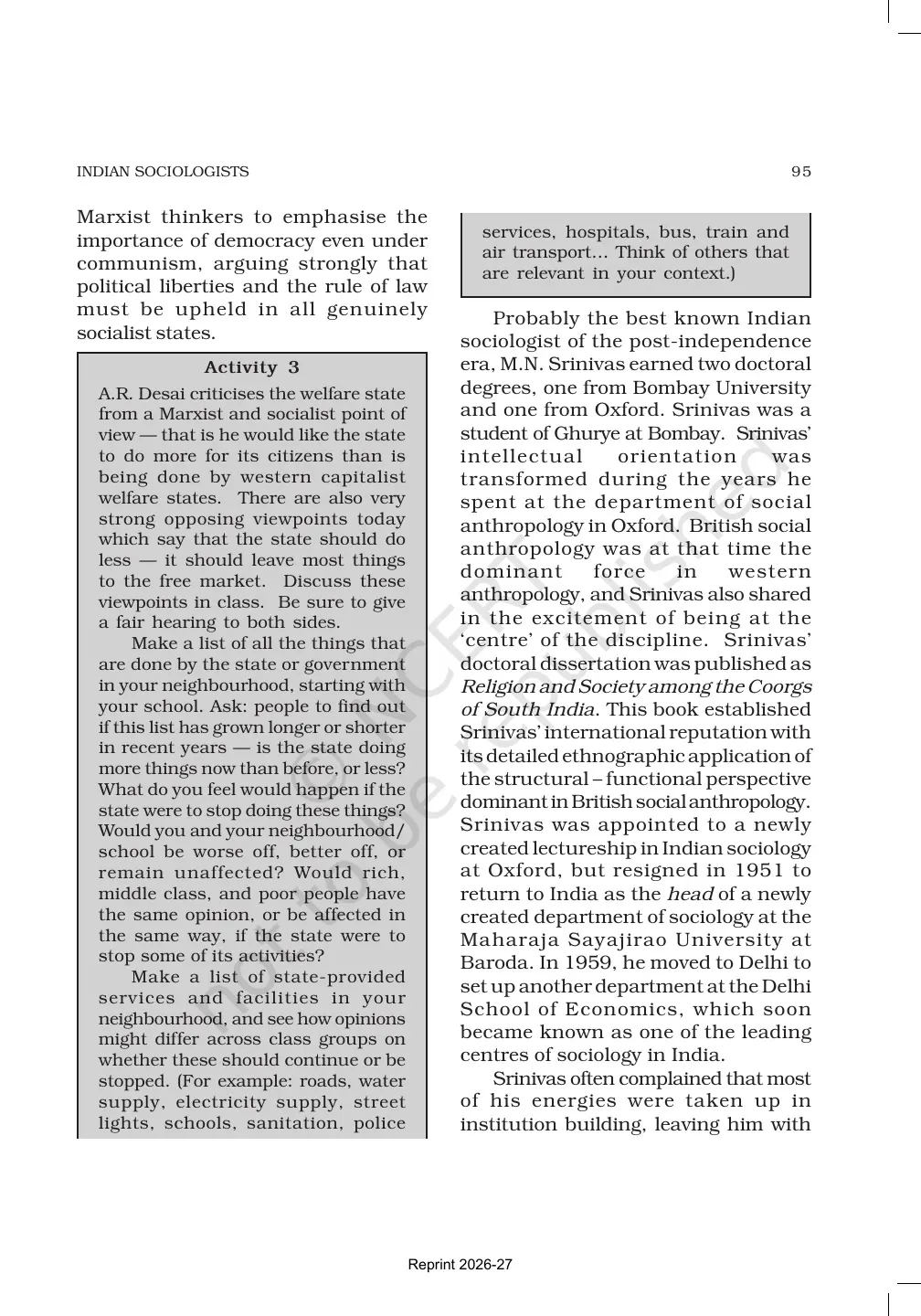
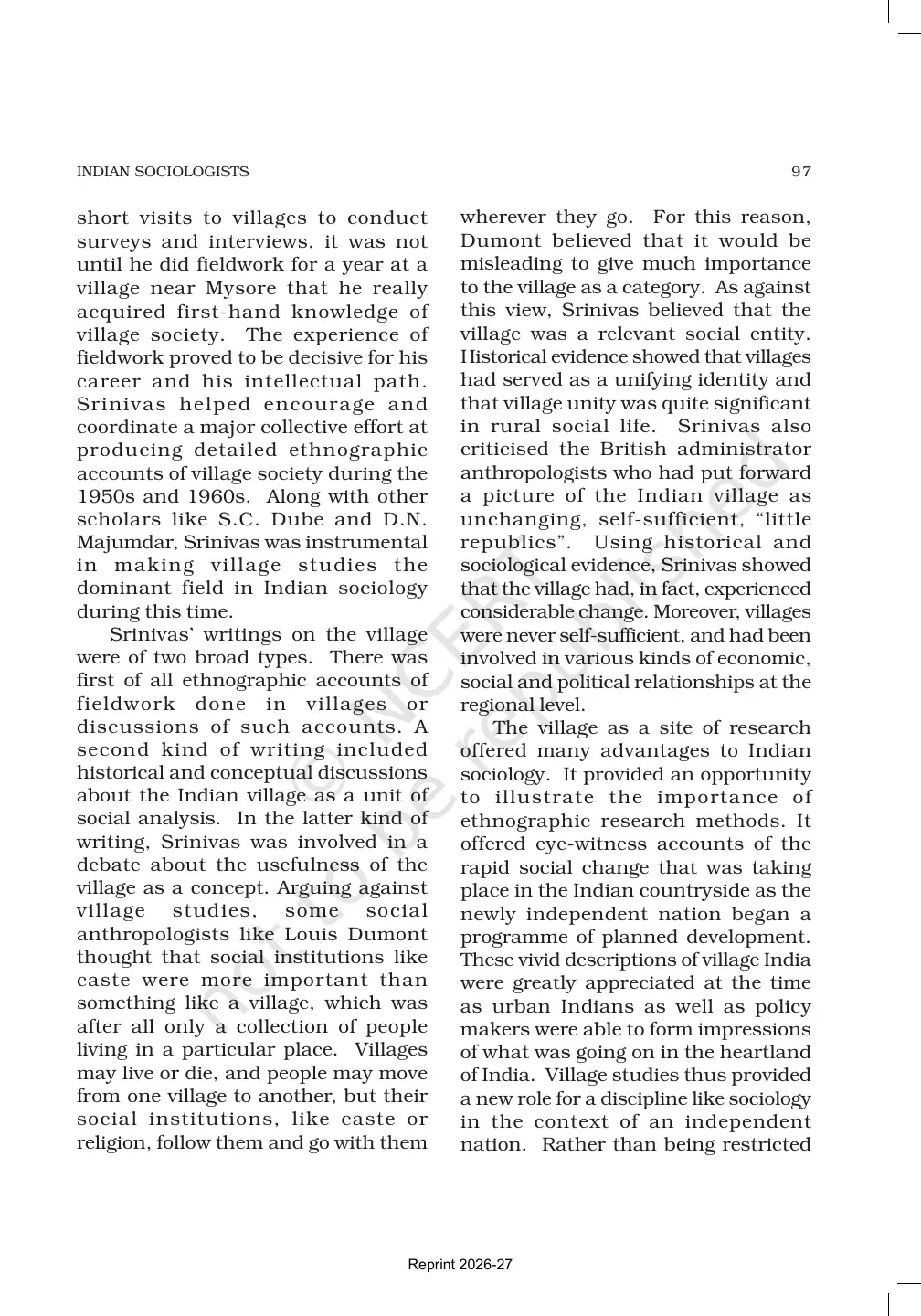
M. N. Srinivas helped make fieldwork a central method in Indian sociology. He is known for concepts such as Sanskritisation, dominant caste and the study of village social structure.
Students should remember that Srinivas did not only describe villages. He used village studies to explain caste, mobility, power and social change in India.
- Sanskritisation: lower or middle groups adopt practices linked with higher status groups.
- Dominant caste: a caste with local power because of land, numbers and status.
- Fieldwork: close study of social life through direct contact.
- Village studies: a way to understand caste, kinship and local power.
How to Use the Chapter 10 Book PDF for Revision
Use the official PDF in three rounds. First, mark all thinker names and dates. Second, write one keyword for each scholar. Third, practise one short answer on each contribution.
- For short answers: write the thinker name and one specific contribution.
- For long answers: explain how the scholar responded to Indian society.
- For comparison: keep Ghurye, Mukerji, Desai and Srinivas in separate columns.
- For quick recap: revise caste, tribe, tradition, class and fieldwork together.
Indian Sociologists Related Resources
| Resource | Best use |
|---|---|
| Indian Sociologists NCERT Solutions | Use for textbook exercise answers on Indian sociologists. |
| Indian Sociologists Notes | Use for shorter explanations once the notes page is live. |
| Indian Sociologists Handwritten Notes | Use for one-shot revision of names and concepts. |
All Class 11 Sociology NCERT Book Chapters
Indian Sociologists Class 11 NCERT Book FAQs
Ques. What is included in the Class 11 Sociology Chapter 10 NCERT PDF?
Ans. It includes the official chapter on Indian sociology pioneers, Ghurye, Mukerji, Desai and Srinivas for 2026-27.
Ques. Why is G. S. Ghurye important in this chapter?
Ans. Ghurye built institutional sociology at Bombay University and wrote on caste, tribe, kinship, religion and culture.
Ques. What should students remember about D. P. Mukerji?
Ans. Students should remember Mukerji for tradition, history and the Indian path to modernity.
Ques. What is A. R. Desai known for?
Ans. A. R. Desai is known for a Marxist study of nationalism, class, state, peasant struggles and development.
Ques. What is M. N. Srinivas's main contribution?
Ans. Srinivas is linked with fieldwork, village studies, Sanskritisation and the idea of dominant caste.



Comments