



Content Curator
Polyester is manufactured from petroleum. These polyesters are a category of polymers containing the ester group in the chain. Polyesters are used to manufacture products like clothes, computers, industrial elements and many more.
| Table of Content |
Key Terms: Polymers, Petroleum, Fossil Fuels, Clothes, Synthethic, Ester Group, Biodegradable
What Is Polyester?
[Click Here for Sample Questions]
Polyester is explained below:
- Polyester is a class of polymer.
- Polyester in its primary chain contains polymers.
- The fibres of polyester in a combination with natural fibres are used for clothing purposes.
- Natural polyesters and a few synthetic polyesters are biodegradable.
- The softness and texture of fibre depend upon the synthetic materials.
- Polyesters are made in India, Korea, Taiwan, Japan and Indonesia.

Polyester
Uses Of Polyester
[Click Here for Previous Year's Questions]
The uses of polyester are:
- Polyesters are majorly used in clothing fabrics.
- Polyester is required for manufacturing types of car tyre reinforcements.
- Polyester utilized in the manufacturing of home furnishing materials.
- Polyesters are also used in the manufacture of dielectric films and film insulation
- Polyester is also used in upholstered furniture.
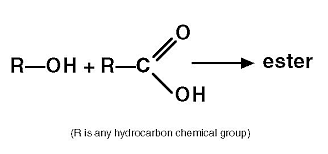
Structure Of Polyester
- The types of polyesters are utilized for manufacturing bottles. Furthermore, certain types of polymers are also employed in the production of tarpaulin.
- Polyester is also used in the manufacturing of coated fabrics.
- Polymer is used to produce mouse pads.
- The safety belts in automobiles are made up of polyester.
- In the production of LCDs polyesters are involved.
- Polyester fabrics are used in conveyor belts.
- Polymer is used in the production of pillows.
- Polymer is also used in upholstery padding.
Also Read:
| Important Topics Related Content | ||
|---|---|---|
| Nylon and Polyester | Difference between Natural and Synthetic Fiber | Fibre to Fabric |
Properties Of Polyester
[Click Here for Sample Questions]
The properties of polyester are:
- Polyester retains its shape
- Polyester is durable
- Polyester can be coarse
- Polyester is non-biodegradable
- Polyester is moisture resistant
Advantages Of Polyester
[Click Here for Previous Year's Questions]
The advantages of polyester are:
- Polyester is strong
- Polyester is inexpensive
- Polyester dries in no time
- Polyester is flexible
- Polyester resists wrinkles & shrinking
Disadvantages Of Polysrer
[Click Here for Sample Questions]
The disadvantages of polyester are:
- Polyester is temperature sensitivity
- Polyester is not so breathable
- Polyester is low thermal resistance
- Polyester is poor solvent resistance
- Polyester is subject to attack by acid n base
Also Read:
| Chapter Related Topic | ||
|---|---|---|
| History of Clothing Material | Yarn to Fabric | Nylon |
Things To Remember
- Polyester is manufactured from petroleum.
- Polymers are widely used in clothing.
- Polymer is used to produce mouse pads.
- Polyester is durable
- Polyester is not so breathable
Previous year's questions
Sample Questions
Ques. Define polyester. (2 Marks)
Ans. Polyester is explained below:
- Polyester is a class of polymer.
- Polyester in its primary chain contains polymers.
- The fibres of polyester in a combination with natural fibres are used for clothing purposes.
- Natural polyesters and a few synthetic polyesters are biodegradable.
- The softness and texture of fibre depend upon the synthetic materials.
- Polyesters are made in India, Korea, Taiwan, Japan and Indonesia.
Ques. State the usage of polyester. (7 Marks)
Ans. The uses of polyester are:
- Polyesters are majorly used in clothing fabrics.
- Polyester is required for manufacturing types of car tyre reinforcements.
- Polyester utilized in the manufacturing of home furnishing materials.
- Polyesters are also used in the manufacture of dielectric films and film insulation
- Polyester is also used in upholstered furniture.
- The types of polyesters are utilized for manufacturing bottles. Furthermore, certain types of polymers are also employed in the production of tarpaulin.
- Polyester is also used in the manufacturing of coated fabrics.
- Polymer is used to produce mouse pads.
- The safety belts in automobiles are made up of polyester.
- In the production of LCDs polyesters are involved.
Ques. What type of material is polyester? (1 Mark)
Ans. Polyester is a synthetic material.
Ques. State two advantages and two disadvantages of polyester. (4 Marks)
Ans. The advantages of polyester are:
- Polyester is strong
- Polyester is inexpensive
The disadvantages of polyester are:
- Polyester is temperature sensitivity
- Polyester is not so breathable
Ques. What are the various uses of polyester in the clothing industry? (3 Marks)
Ans. Various uses in the clothing industry are:
- Polyesters are majorly used in clothing fabrics.
- Polyester is utilized in the manufacturing of home furnishing materials like bedsheets, pillow covers, sofa covers etc.
- Polyester is also used in the manufacturing of coated fabrics.
Ques. what are the advantages of polyester? (2.5 Marks)
Ans. The advantages of polyester are:
- Polyester is strong
- Polyester is inexpensive
- Polyester dries in no time
- Polyester is flexible
- Polyester resist wrinkles & shrinking
Ques. What are the different types of clothing polyester? (2 Marks)
Ans. The different types of clothing polyester are:
- Ethylene Polyester
- PCDT Polyester
- Plant based Polytser
Ques. Is polyester used in the making of gadgets? (1 Mark)
Ans. Yes, polyester is involved in the production of LCDs
Ques. Are there any disadvantages of polyester? (2.5 Marks)
Ans. The disadvantages of polyester are:
- Polyester is temperature sensitivity
- Polyester is not so breathable
- Polyester is low thermal resistance
- Polyester is poor solvent resistance
- Polyester is subject to attack by acid n base
Ques. Identify the polyester fabric (1 Mark)
(a) Rayon
(b) Nylon
(c) Dacron
(d) Wool
Ans. c. Dacron
Explanation: Dacron is a polyester fabric. The company manufactures both chemicals and synthetic fabrics.
Also Read:



Comments