





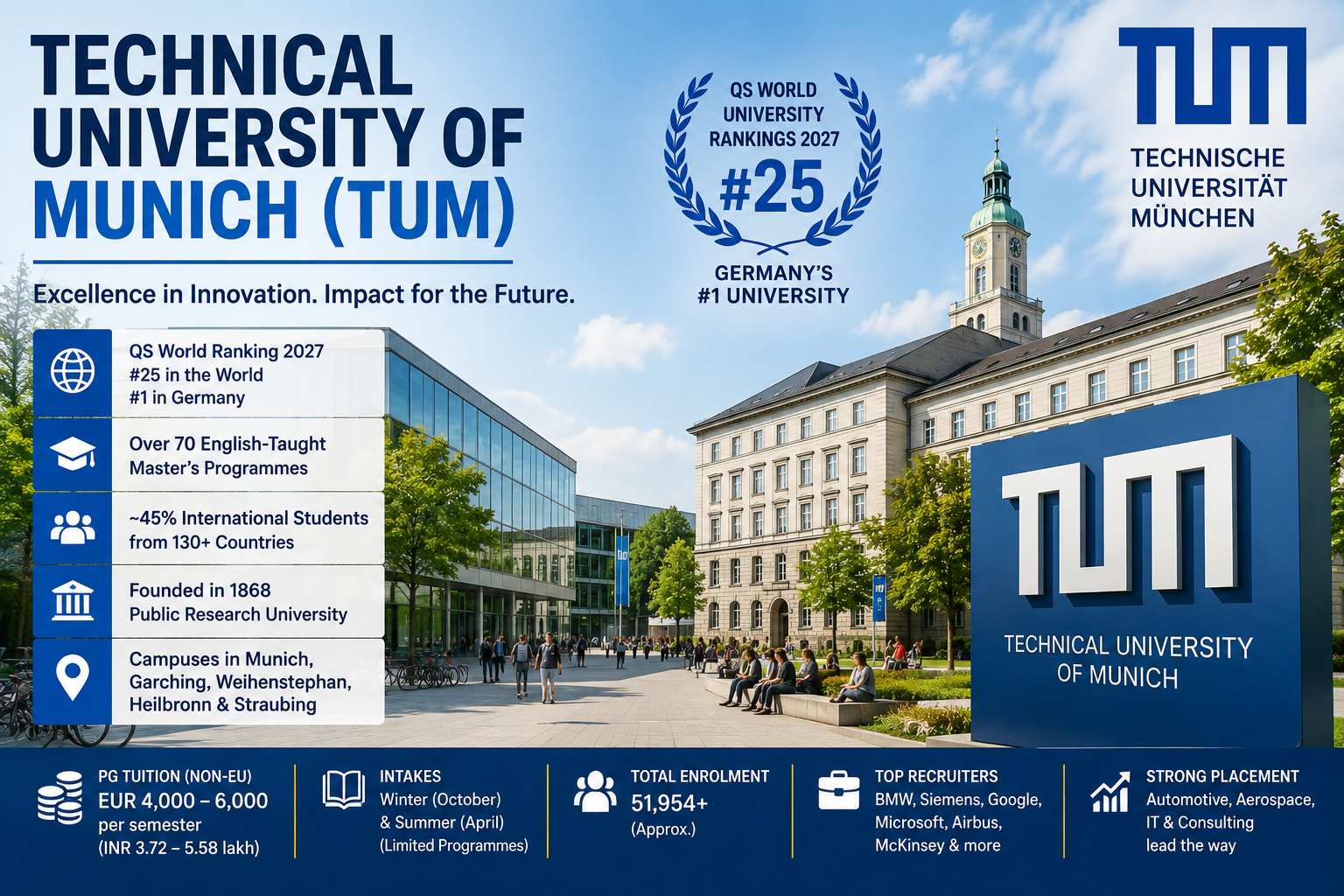
Technical University of Munich (TUM) is a public research university headquartered in Munich, Bavaria, founded in 1868. It ranks #25 in the QS World University Rankings 2027 and holds Germany’s #1 spot across all universities.
TUM operates additional campuses at Garching, Weihenstephan, Heilbronn and Straubing across Bavaria. The university offers roughly 70 English-taught masters across engineering, computer science, natural sciences and management. Winter and summer intakes admit international applicants, with October the primary start for most masters programmes.
- QS World Ranking: #25 in 2027 (Germany #1 across all universities)
- Acceptance rate: 8-10% (estimated) for competitive masters
- Intakes: Winter (October start) and Summer (April, limited masters)
- PG tuition: EUR 4,000-6,000 per semester (INR 3.72-5.58 lakh) for non-EU
- International students: approximately 45% of 51,954 total enrolment
- Placement direction: Automotive, aerospace, IT and consulting recruit heavily from Munich
Also Check: MS in Germany for Indian Students
Non-EU tuition took effect from Winter Semester 2024/25, with waiver scholarships supporting eligible high-performing candidates. Indian applicants must submit an APS certificate through the German Embassy office in New Delhi before applying to TUM. Universities in Germany receive federal Excellence Strategy funding, and TUM holds this status across research clusters in quantum and mobility.
Exchange rate used: 1 EUR = INR 93 as of August 2026
Admission Status: Closed (Winter 2026/27 intake). Summer 2027 applications open 1 October 2026 and close 15 January 2027 for a limited set of masters programmes that accept summer entry. Winter 2027/28 applications open 1 April 2027 and close 15 July 2027 for Indian applicants across all programmes and remain the primary route for Indian STEM applicants.
Table of Contents
- Popular Courses and Fees at Technical University of Munich 2027
- Technical University of Munich Admission 2027
- Technical University of Munich Admission Requirements for Indian Applicants 2027
- Technical University of Munich Acceptance Rate 2027
- TUM Fees and Cost of Living for Indian Students 2027
- Technical University of Munich Campus, Facilities and Student Life
- Technical University of Munich Scholarships 2027
- Technical University of Munich Rankings 2027
- Technical University of Munich Placements and Career Outcomes 2027
- Technical University of Munich vs Peer Universities
- FAQs
Popular Courses and Fees at Technical University of Munich 2027
Technical University of Munich structures its programmes across bachelors (6 semesters, 3 years) and masters (4 semesters, 2 years). Non-EU Indian applicants pay tiered tuition per semester introduced from Winter 2024/25, plus a standard semester contribution near EUR 85 covering student services and the Bavaria semester transit ticket.
Popular TUM Masters Programmes for Indian Students
The masters portfolio favours engineering, computer science and applied natural sciences. All fees below reflect the two-year, four-semester total for non-EU applicants at the standard Bavarian tuition tier.
| Program | Language | Total Fee (EUR) | Total Fee (INR lakh) | Entry Requirement |
|---|---|---|---|---|
| MSc Informatics | English | EUR 16,000 to 24,000 | INR 14.9 to 22.3 lakh | Bachelor’s with 70% or CGPA 7.5/10 |
| MSc Data Engineering and Analytics | English | EUR 16,000 to 24,000 | INR 14.9 to 22.3 lakh | Bachelor’s with 70% or CGPA 7.5/10 |
| MSc Computational Science and Engineering | English | EUR 16,000 to 24,000 | INR 14.9 to 22.3 lakh | Bachelor’s with 65% or CGPA 7.0/10 |
| MSc Mechanical Engineering | English | EUR 16,000 to 24,000 | INR 14.9 to 22.3 lakh | Bachelor’s with 65% or CGPA 7.0/10 |
| MSc Electrical Engineering and Information Technology | English | EUR 16,000 to 24,000 | INR 14.9 to 22.3 lakh | Bachelor’s with 65% or CGPA 7.0/10 |
| MSc Robotics, Cognition, Intelligence | English | EUR 16,000 to 24,000 | INR 14.9 to 22.3 lakh | Bachelor’s with 70% or CGPA 7.5/10 |
| MSc Management | English | EUR 16,000 to 24,000 | INR 14.9 to 22.3 lakh | Bachelor’s with 65%; GMAT/GRE optional |
| MSc Automotive Engineering | English | EUR 16,000 to 24,000 | INR 14.9 to 22.3 lakh | Bachelor’s with 65% or CGPA 7.0/10 |
| MSc Aerospace Engineering | English | EUR 16,000 to 24,000 | INR 14.9 to 22.3 lakh | Bachelor’s with 65% or CGPA 7.0/10 |
| MSc Chemical Engineering | English | EUR 16,000 to 24,000 | INR 14.9 to 22.3 lakh | Bachelor’s with 65% or CGPA 7.0/10 |
[Source: Technical University of Munich official tuition schedule, non-EU tier Winter 2024/25 onwards]
Popular TUM Bachelors Programmes
Most TUM bachelors are German-taught, so Indian applicants must clear the DSH-2 or TestDaF-4 language test alongside academics. Total fees cover the six-semester non-EU tier.
| Program | Language | Total Fee (EUR) | Total Fee (INR lakh) | Entry Requirement |
|---|---|---|---|---|
| BSc Informatics | German | EUR 12,000 to 18,000 | INR 11.2 to 16.7 lakh | Class 12 with 80% or higher |
| BSc Mechanical Engineering | German | EUR 12,000 to 18,000 | INR 11.2 to 16.7 lakh | Class 12 with 75% or higher |
| BSc Chemistry | German | EUR 12,000 to 18,000 | INR 11.2 to 16.7 lakh | Class 12 with 75% |
| BSc Aerospace | German | EUR 12,000 to 18,000 | INR 11.2 to 16.7 lakh | Class 12 with 80% or higher |
| BSc Management and Technology | German | EUR 12,000 to 18,000 | INR 11.2 to 16.7 lakh | Class 12 with 80% or higher |
Insider note: Indian applicants most commonly target MSc Informatics, Data Engineering and Analytics, and Automotive Engineering because those TUM programmes carry strong hiring signal with BMW, Siemens and Airbus in the Munich metro area.
Read More: Technical University of Munich Fees and Cost of Living Guide
Technical University of Munich Admission 2027
TUM runs two intakes each year, with Winter (October start) as the primary route for Indian applicants and Summer (April start) available only for a limited masters shortlist. Applications for the Winter 2026/27 cycle have closed as of TODAY.
| Milestone | Date | Notes for Indian Applicants |
|---|---|---|
| Summer 2027 application window | 1 October 2026 to 15 January 2027 | Limited masters set only; verify eligibility on the per-course TUMonline page |
| Winter 2027/28 application window | 1 April 2027 to 15 July 2027 | Primary intake open across all programmes for Indian applicants |
| APS certificate lead time | Start 8 to 12 weeks before deadline | Mandatory via the German Embassy Academic Evaluation Centre in New Delhi |
| Winter 2027 programme start | 1 October 2027 | Semester lectures commence at Munich, Garching and Weihenstephan campuses |
[Source: Technical University of Munich official application schedule for non-EU applicants]
Planning note: As per Technical University of Munich guidance, Indian applicants should begin APS verification at least three months before the target deadline because visa-appointment slots in Delhi and Mumbai fill quickly during the June to August window.
Read More: Technical University of Munich Admissions Guide for Indian Students
Technical University of Munich Admission Requirements for Indian Applicants 2027
Indian applicants clear an academic minimum, an English-language test and the mandatory APS credential check before submitting to TUM.
- Academic (PG): Four-year Indian bachelor’s degree with 65% to 70% or CGPA 7.0/10 (recommended) in a relevant engineering, science or management stream
- Academic (UG): Class 12 with 75% to 85% (recommended) plus DSH-2 or TestDaF-4 for German-medium bachelors
- English test: IELTS 6.5 minimum or TOEFL iBT 88 typical (verify per-programme minimum at the official TUM programme page)
- APS certificate: Mandatory for all Indian degrees, issued by the German Embassy in New Delhi
- Standout requirement: Programme-specific portfolio for MSc Management and CV letter for MSc Informatics
Key insight: The GRE is not required for most Technical University of Munich engineering masters, which differs from US STEM admissions and shifts the weight of the application onto the transcript, APS grade recalculation and statement of motivation.
Technical University of Munich Acceptance Rate 2027
TUM does not publish a central acceptance-rate figure. Third-party admissions data across recent cycles points to an 8% to 10% (estimated) acceptance band for the most competitive English masters like Informatics and Data Engineering, with broader engineering masters running higher.
Programme-specific selectivity varies widely. MSc Informatics and MSc Management run tighter than MSc Chemical Engineering or Weihenstephan campus programmes, so the raw university figure hides the true competitive picture.
Reality check: Indian applicants targeting MSc Informatics and MSc Data Engineering should treat Technical University of Munich as a stretch school and pair it with one Bavarian, one North Rhine-Westphalia and one Berlin backup even with strong CGPA scores.
TUM Fees and Cost of Living for Indian Students 2027
Total two-year masters cost for an Indian applicant sits between EUR 29,000 and EUR 45,000 (INR 27 lakh to INR 42 lakh) covering tuition and Munich living. Bachelors runs three years at a comparable annual living rate but lower tuition tier.
TUM Tuition Fees for Indian Students 2027
Bavaria applies a tiered non-EU fee across TUM programmes, revised each semester by the state education ministry. The figures below are the current semester tier for the 2026/27 academic year.
| Level | Per Semester (EUR) | Per Semester (INR lakh) | Total Programme (INR lakh) |
|---|---|---|---|
| Bachelors (non-EU) | EUR 2,000 to 3,000 | INR 1.86 to 2.79 lakh | INR 11.2 to 16.7 lakh |
| Masters (non-EU) | EUR 4,000 to 6,000 | INR 3.72 to 5.58 lakh | INR 14.9 to 22.3 lakh |
| Semester contribution | EUR 85 | INR 0.08 lakh | INR 0.24 to 0.48 lakh |
[Source: Technical University of Munich non-EU tuition schedule]
Monthly Cost of Living in Munich for Indian Students
Munich sits above the German cost-of-living average, driven by rental competition around Garching and central Munich. Figures below reflect UKCISA-style estimates for a single postgraduate student.
| Category | Monthly (EUR) | Monthly (INR lakh) |
|---|---|---|
| Accommodation (shared or student residence) | EUR 700 to 1,200 | INR 0.65 to 1.12 lakh |
| Food and groceries | EUR 250 to 350 | INR 0.23 to 0.33 lakh |
| Transportation (student semester ticket) | EUR 30 to 60 | INR 0.03 to 0.06 lakh |
| Books and study material | EUR 20 to 40 | INR 0.02 to 0.04 lakh |
| Personal, health insurance and leisure | EUR 150 to 250 | INR 0.14 to 0.23 lakh |
| Total monthly | EUR 1,150 to 1,900 | INR 1.07 to 1.77 lakh |
| Annual living cost | EUR 13,800 to 22,800 | INR 12.8 to 21.2 lakh |
[Source: DAAD student cost guidance and Munich Studentenwerk rental data]
Insider note: Studentenwerk residence rooms in Garching cost EUR 320 to EUR 450 per month but carry 12 to 18-month waitlists, so most Indian arrivals begin in shared private WG apartments at EUR 700 to EUR 900 before moving into residences.
Read More: Study in Germany Guide for Indian Students
Technical University of Munich Campus, Facilities and Student Life
TUM spreads across five campuses in Bavaria, with the main city campus in central Munich, the engineering and natural sciences hub at Garching, and life sciences and brewing at Weihenstephan. Heilbronn hosts management, and Straubing runs bioeconomy programmes.
- Location and transport: Garching connects to central Munich via the U6 metro line in under 30 minutes, and the semester ticket covers all Munich MVV zones
- Housing: Studentenwerk residences cover roughly 12% of TUM students; private WG shares fill the balance
- Research facilities: FRM II research reactor at Garching, the Deep Learning Institute, and shared labs with Fraunhofer and Max Planck institutes
- Indian student community: Active TUM Indian Students Association hosts Diwali, Holi and orientation meetups for incoming cohorts
What Indian students say: Access to industry projects with BMW, Siemens and MAN through TUM’s practicum system is the standout draw. Munich rent is the pain point, and Garching over Munich-Stadt is the common compromise for first-year budgets.
Technical University of Munich Scholarships 2027
TUM administers institutional scholarships alongside external federal and state schemes. Indian applicants most commonly secure Deutschlandstipendium and DAAD funding, with TUM tuition-waiver support available for high-performing non-EU candidates.
| Scholarship | Type | Award Value | Eligibility | Deadline |
|---|---|---|---|---|
| Deutschlandstipendium | Federal merit | EUR 300/month (INR 27,900/month) for 2 semesters | Enrolled TUM students, top academic percentile | Annual autumn round; verify at official TUM page |
| DAAD WISE Scholarship | Federal exchange | EUR 934/month (INR 86,862/month) research stipend | Indian STEM undergraduates for summer research | Applications open October each year |
| TUM Tuition Fee Waiver | Merit-based waiver | Full or partial tuition offset per semester | Non-EU applicants with academic distinction | Applied at admission stage; verify at official TUM page |
| DAAD EPOS Scholarship | Development-cooperation | EUR 992/month (INR 92,256/month) plus travel | Two years post-degree work experience in relevant field | Programme-specific deadlines, mostly October to December |
| Bavarian State Scholarship (BayBIDS) | State exchange | EUR 700-900/month living stipend | Alumni of German schools abroad or specific bilateral programmes | Annual spring round |
[Source: Technical University of Munich scholarships portal and DAAD India scholarships database]
Insider note: As per DAAD India, only about 7% of Indian applicants secure a full DAAD masters funding line in a given cycle, so Indian candidates should treat DAAD as a bonus rather than the base plan and lean on the TUM tuition waiver as the primary cost lever.
Read More: Technical University of Munich Scholarships Guide
Technical University of Munich Rankings 2027
Technical University of Munich sits inside the global top 30 across QS and THE, with a five-year trajectory from #49 (QS 2023) to #25 in QS 2027 that positions TUM as Germany’s #1 university on both major world tables.
| Ranking Body | Latest Edition | Previous Edition | Two Editions Back |
|---|---|---|---|
| QS World University Rankings | 2027: #25 (Germany #1) | 2026: #22 | 2025: #28 |
| THE World University Rankings | 2026: #27 (Germany #1) | 2025: #26 | 2024: #30 |
| US News Best Global Universities | 2026-2027: #79 | Not sourced this session | Not sourced this session |
| ARWU Shanghai Ranking | 2025: #45 | 2024: #47 | 2023: #59 |
| Collegedunia Study Abroad | #23 of 824 (2026) | NA | NA |
[Source: QS, Times Higher Education, US News, ARWU Shanghai, Collegedunia Study Abroad]
Subject-level, as per QS 2025, TUM sits at #19 for Engineering and Technology, #35 for Computer Science, #25 for Mechanical Engineering and #29 for Electrical Engineering. According to Collegedunia Study Abroad 2026, TUM’s MSc Automotive Engineering holds #17 of 370 globally, one of the highest Indian-facing subject positions across all German publics.
Key insight: Technical University of Munich clears the University Grants Commission list of foreign institutions recognised for Indian government service equivalency, so a TUM degree carries recognition weight for public-sector career applications back in India.
Technical University of Munich Placements and Career Outcomes 2027
TUM graduates enter Germany’s dense engineering, automotive and technology hiring market through the TUM Career Service, campus fairs and industry practicum links.
- Median starting salary (masters, market context): EUR 55,000 to EUR 65,000 per year (INR 51.1 lakh to INR 60.4 lakh)
- MBA and MSc Management median (market context): EUR 65,000 to EUR 80,000 per year (INR 60.4 lakh to INR 74.4 lakh)
- Hiring sectors: Automotive, aerospace, semiconductors, enterprise software, management consulting and pharmaceutical R&D
- Representative employers: BMW, Siemens, Airbus, MAN, Infineon, Google Munich, Microsoft, McKinsey (verify at TUM Career Service annual report)
- Post-study visa: Germany permits 18 months post-degree to secure skilled employment, converting to an EU Blue Card once hired
Insider note: Indian STEM graduates from Technical University of Munich typically convert Munich internships into full-time offers, and the working-student (Werkstudent) route in semester 2 or 3 is the standard on-ramp used by 70% of the Indian cohort.
Technical University of Munich vs Peer Universities
Peers below are drawn from Germany’s technical and research-focused publics that Indian STEM applicants shortlist alongside TUM.
| University | QS World 2027 | Avg Annual PG Fee (EUR) | Fee (INR lakh) | Differentiator |
|---|---|---|---|---|
| Technical University of Munich | #25 | EUR 8,000 to 12,000 | INR 7.44 to 11.16 lakh | Germany’s QS #1, engineering-led research and Munich industry access |
| LMU Munich | #58 | EUR 8,000 to 12,000 | INR 7.44 to 11.16 lakh | Broader research spread across humanities and medicine, Bavaria fee tier |
| RWTH Aachen | #99 | Semester fees only | INR 0.56 lakh | Engineering flagship, no non-EU tuition in NRW state |
| KIT Karlsruhe | #102 | EUR 3,000 | INR 2.79 lakh | Physics and energy research strength, moderate BW state fee |
| TU Berlin | #147 | Semester fees only | INR 0.56 lakh | Berlin location, no non-EU tuition, strong ML and robotics labs |
[Source: QS World University Rankings 2027 and institutional tuition pages; peer rank positions labeled where cross-verification is pending]
Technical University of Munich stands out for the combined signal of a top-25 QS position and structural access to the Munich engineering labour market. The fee gap versus RWTH and TU Berlin is real, and Indian applicants trading price against ranking should quantify it against expected salary uplift.
Key insight: As per QS World University Rankings 2027, TUM is the only German university inside the global top 30, which materially shifts perceived brand value for Indian recruiters back home compared to RWTH or TU Berlin at similar tuition-plus-living totals.
For Indian STEM applicants aiming at German technical publics, Technical University of Munich fits candidates ready to commit around INR 42 lakh across two masters years including tuition and Munich living. Graduates in automotive, aerospace and software report median starting packages near INR 55 lakh (market context), which supports a workable payback horizon backed by Germany’s 18-month post-study visa.
TUM is not the right pick for applicants who need US-style full-ride scholarships or a January-heavy Spring intake calendar. Candidates focused on management should compare TUM School of Management with MBA in Germany options like Mannheim before committing.
FAQs
Ques. Can Indian students apply to TUM without German language skills?
Ans. Yes for the English-taught masters portfolio, which covers roughly 70 programmes including Informatics, Data Engineering, Management and Automotive Engineering. German-taught bachelors and select masters still require DSH-2 or TestDaF-4 certification. Indian applicants who plan to enter the German job market are strongly advised to reach at least German B1 level during their studies to widen internship access.
Ques. How long does the TUM APS certificate process take for Indian applicants?
Ans. The APS office at the German Embassy in New Delhi typically issues certificates within 4 to 6 weeks of a completed document submission and paid fee. Indian applicants should start the APS process at least 12 weeks before the TUM application deadline because interview scheduling, document notarisation and transcript translations add unpredictable time. APS validity carries across multiple German university applications in the same cycle.
Ques. What is the tuition-fee waiver process at Technical University of Munich?
Ans. TUM screens non-EU applicants for merit-based tuition waivers during the admissions cycle, applying academic performance, socioeconomic hardship and programme quotas. There is no separate application form; the waiver decision is issued with or shortly after the admission letter. Full waivers are limited, and partial waivers of 50% or 30% are more common outcomes for Indian applicants with strong CGPA scores.
Ques. Are GRE scores required for TUM masters programmes?
Ans. The GRE is not mandatory for most TUM engineering and computer science masters. MSc Management and select interdisciplinary programmes accept GMAT or GRE as an optional supporting document rather than a required test. Indian applicants targeting MSc Informatics or MSc Data Engineering can strengthen a borderline transcript with a strong GRE Quantitative score, though a competitive CGPA remains the primary academic signal.
Ques. Which Indian banks fund TUM education loans for Indian students?
Ans. State Bank of India, HDFC Credila, Axis Bank, ICICI Bank, Avanse and Auxilo currently list TUM under their approved foreign university panels. Loan ceilings usually cover the full tuition plus living cost estimate provided in the TUM admission letter. Indian applicants should present the offer letter, APS certificate and blocked account confirmation as the standard documentation set for sanction.
Ques. How much part-time work is allowed on a Munich student visa?
Ans. Germany permits non-EU students on a student visa to work up to 140 full days or 280 half days per calendar year. Indian students at TUM commonly take Werkstudent contracts at BMW, Siemens or startup labs paying EUR 15 to EUR 25 per hour. Working during semester breaks does not consume the annual quota. Any work beyond the cap requires Ausländerbehörde approval and can risk visa status.
Ques. Does TUM accept 3-year Indian bachelor’s degrees for masters admission?
Ans. TUM generally requires a four-year Indian bachelor’s degree for direct masters admission because German masters are structured on a 240 ECTS academic base. Three-year BSc holders from Indian universities are typically routed to a preparatory Studienkolleg or a bridge programme, or asked to complete additional coursework. Four-year BTech and BE degrees from AICTE-approved institutions map cleanly onto TUM masters entry with APS certification.
Ques. What are typical starting salaries for TUM graduates in Germany?
Ans. Masters graduates from TUM in engineering, computer science and automotive fields report median starting packages between EUR 55,000 and EUR 65,000 per year (INR 51.1 lakh to INR 60.4 lakh), based on market compensation surveys for Munich. MSc Management graduates trend higher at EUR 65,000 to EUR 80,000. Salaries scale quickly with tenure, and EU Blue Card holders unlock permanent residency after 21 months of qualifying employment.
Most Liked Reviews
My Master's at Technical University Munich Experience
Likes
- World class education - the way the courses are structured and the way the lectures are delivered with dedicated classes for practicals, numericals, and general Q&A, really hammers home the subject in the student's mind. Along with this, just the
- Quality of Research - The university offers its student limitless opportunity to conduct research in their fields of interest. There are numerous chairs that do research in almost anything a person might be interested in a particular filed. The university also has a lot of resources, and tie ups with top companies that allow students to have ample research opportunities.
- Attitude of Professors - Professors are extremely passionate about what they are teaching and this enables students to understand the course better. They are also top of the field so I was many times studying from the people that know the most in the particular field, many times learning about topics that the professor themselves formulated.
Dislikes
- The German Education system - while it hammers home subjects very properly in you and makes you understand your subjects, the system is quite difficult if you are the kind of person who studies days or even weeks before the exam. All of the courses I took just had one exam, and while there were assignments, for their marks to be included we needed to have cleared the main exam. Unlike unis in the US, the final exam is the only exam which can determine if a person passes or not, which just outs excess pressure.
- Housing - the main issue with TUM is that you are not guaranteed a housing in a dorm. You need to find your own accommodation for the first couple of semesters. This creates added stress during the first couple of weeks of landing in Munich.
- Apathy of the Professors : While being world class and good people in general, due to the sheer volume of students the professors might not be able to give attention to students. Our ML course had 1000+ students and the professor is one of the best people in the world ML and DA, but there is no way he could've given his attention to everyone. There are tutorials but it still falls on the student to study by themselves.
Required Exams for Admission
Admission Experience
-
I had applied to 7 Universities.
- Admitted: Arizona State University, Technical University of Munich, RWTH Aachen, Delft University of Technology
- Rejected: NYU, UPenn, USC
- I think I got rejected because of my CGPA. It was only 8.13 which is quite low for these Universities. I also think I did not have a clear picture of what I wanted to research. Initially I was thinking about Computer Vision, but then in university I fell in love with NLP which shows that I did not quite have my thought process ironed out when I applied.
-
I chose this university because:
- It is one of the best universities in the world, consistently ranking in the top 30 in all the top rankings. While name and rank alone do not matter, it sure is better to study in a place that the wider world respects.
- German education and Engineering is world famous, and I wanted to immerse myself in that culture of getting things done.
- The main reason why I chose TUM was because I did not need to take expensive loans just to complete my education.
- Admission Process:
- GRE: Compulsory; they checked only the Quantitative Reasoning section, requiring a minimum of 165.
- TOEFL: Accepted with a minimum of 90 in the iBT.
- Other exams: GATE was also accepted, although I did not apply through GATE.
- While this process has changed in the past years, I will highlight the process that I followed. I had to submit my exam details (GRE, TOEFL), a Motivation Letter, a detailed analysis of the course I took as part of my Bachelor's, and a scientific essay on one of the given topics. I had to submit the original transcripts (I obtained multiple from my University) to UniAssist, and they converted my scores to the German scale. I think I submitted that along with my syllabus. The challenge was that certain things had to be sent by mail, which was quite a hassle and was a bit expensive, as I had to opt for fast delivery.
- I applied to the 2022 intake. I always wanted to pursue my master's, and it seemed like the right time to do so, as I had some money saved up and also had 3 years of work experience.
- I had given my TOEFL and GRE in November 2020, while I started applying for universities in 2021. I started with the 2022 intake seriously at around August, preparing my SOPs and LORs, etc.
Faculty
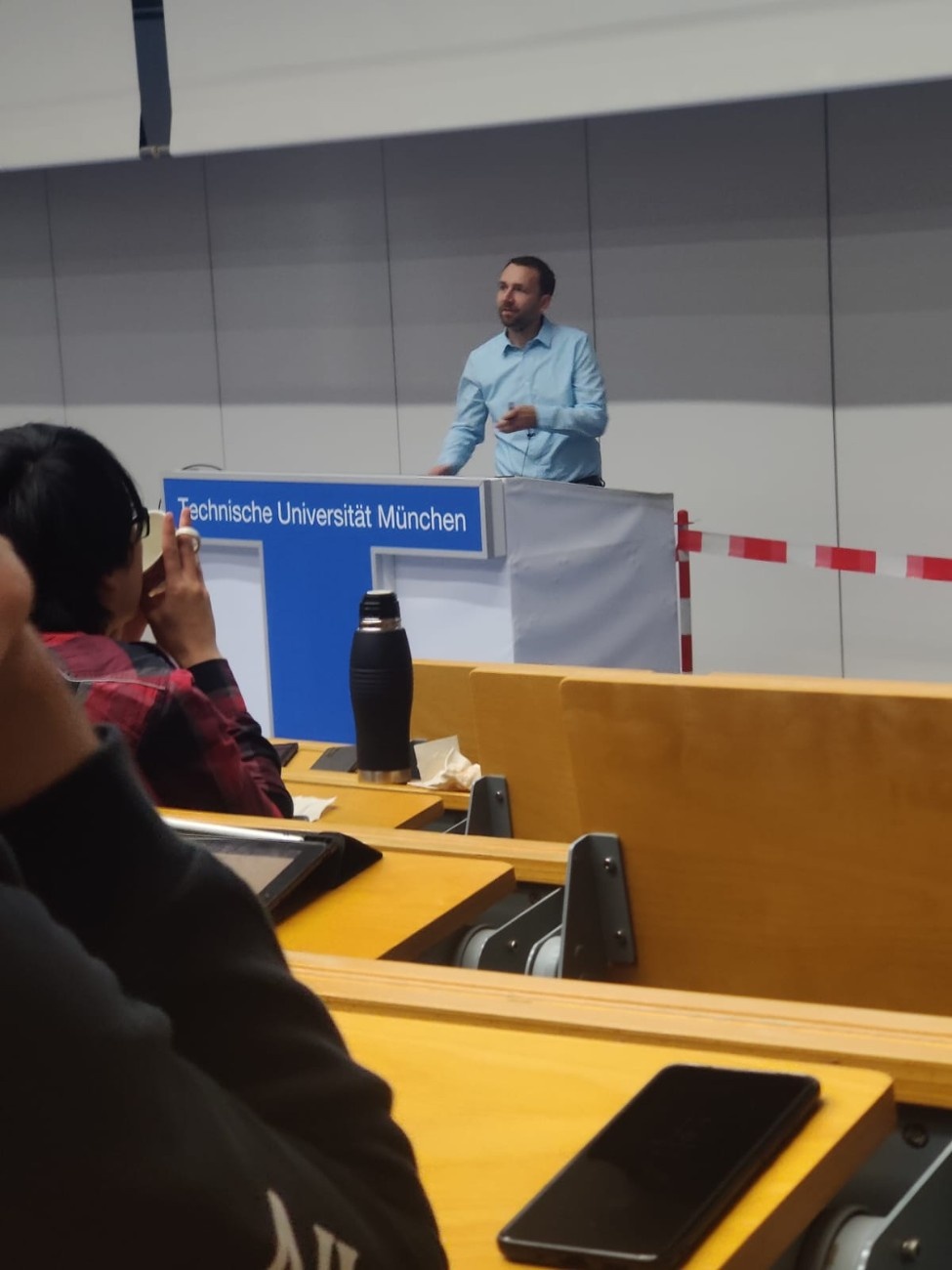
- It is difficult to talk about a faculty-to-student ratio, as it varies widely from class to class. Since one can go through university without having to take a course from a particular area, this varies wildly. In general every class has a professor (sometimes more) and a number of PhD students that help the professor and sometimes teach the main course themselves.
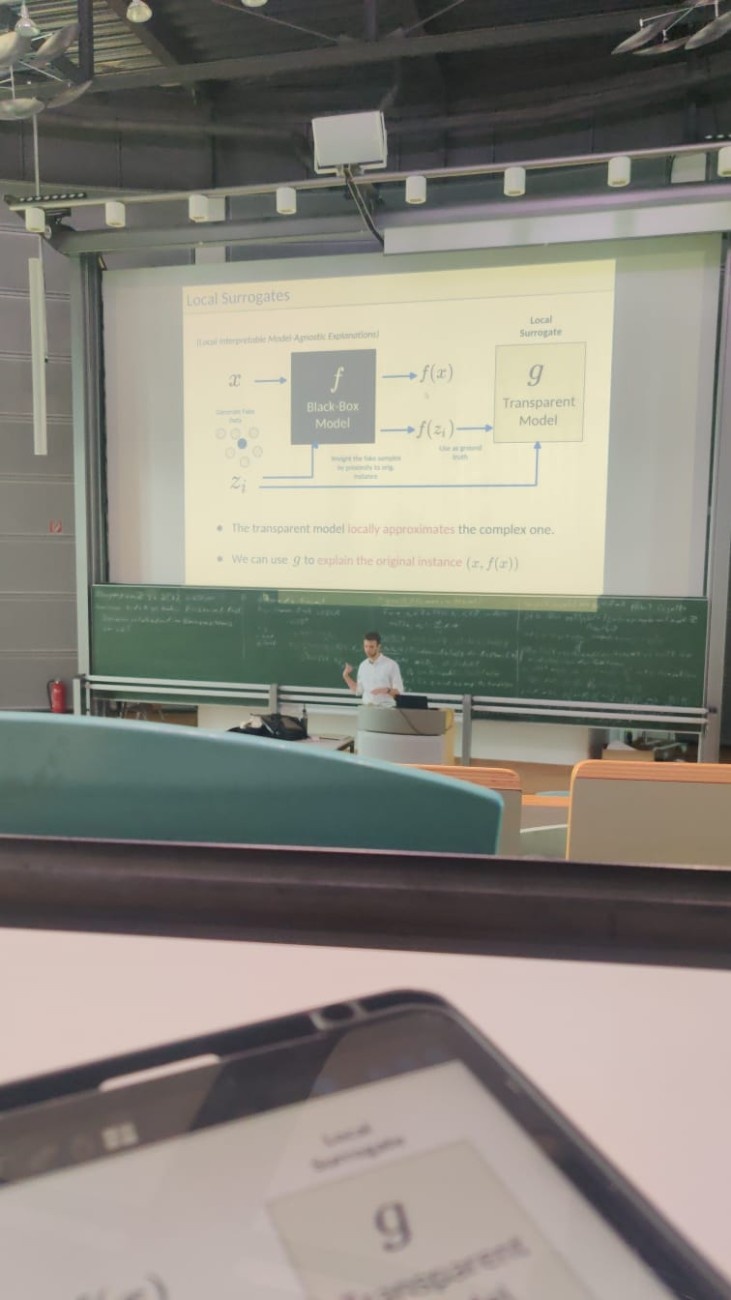
- Professors are very passionate about what they are teaching and they give lots of emphasis on the practical and numerical. Since there are dedicated numerical and practical classes for a course, we also got very good exposure to the actual course rather than just the bookish knowledge.
- Faculty do assist students, although it all depends on whether the student can approach the professor. Professors are extremely busy and mostly can't make dedicated time for students, although they do give whatever time they can gracefully.
- I really admire Prof. Groh. He is the reason why I really like NLP and am now working as a senior ML Engineer focusing on NLP. His teaching style is unorthodox but very interesting.
Campus Life
-
TUM has 6 campuses across Germany and Singapore. These are :
- Munich City Campus - Maxvorstadt, central Munich
- Garching Research Campus - Garching
- Weihenstephan Campus - Freising
- Straubing Campus - Straubing, Lower Bavaria
- Heilbronn Campus - Heilbronn, Baden-Württemberg
- TUM Asia - Singapore
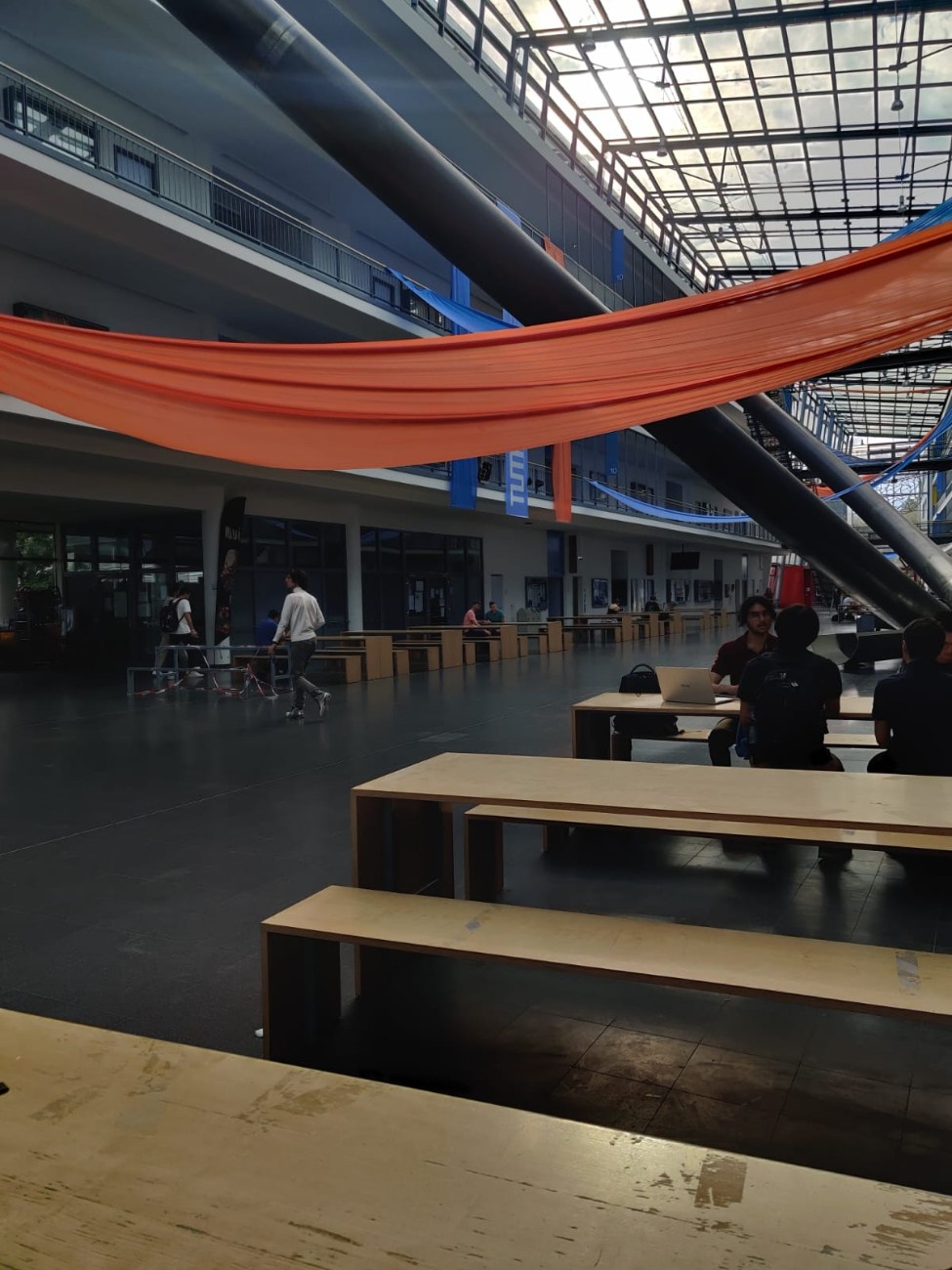
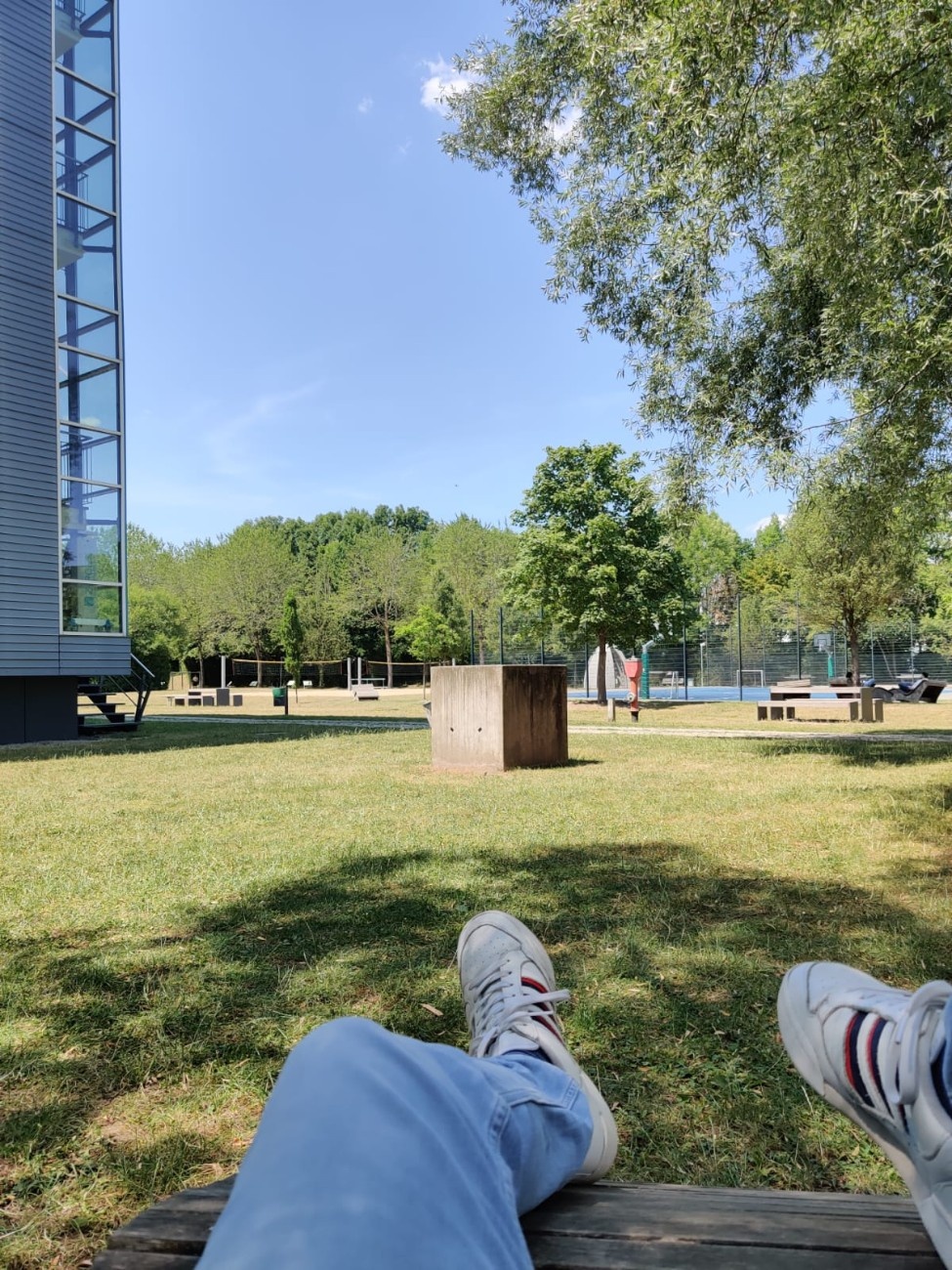
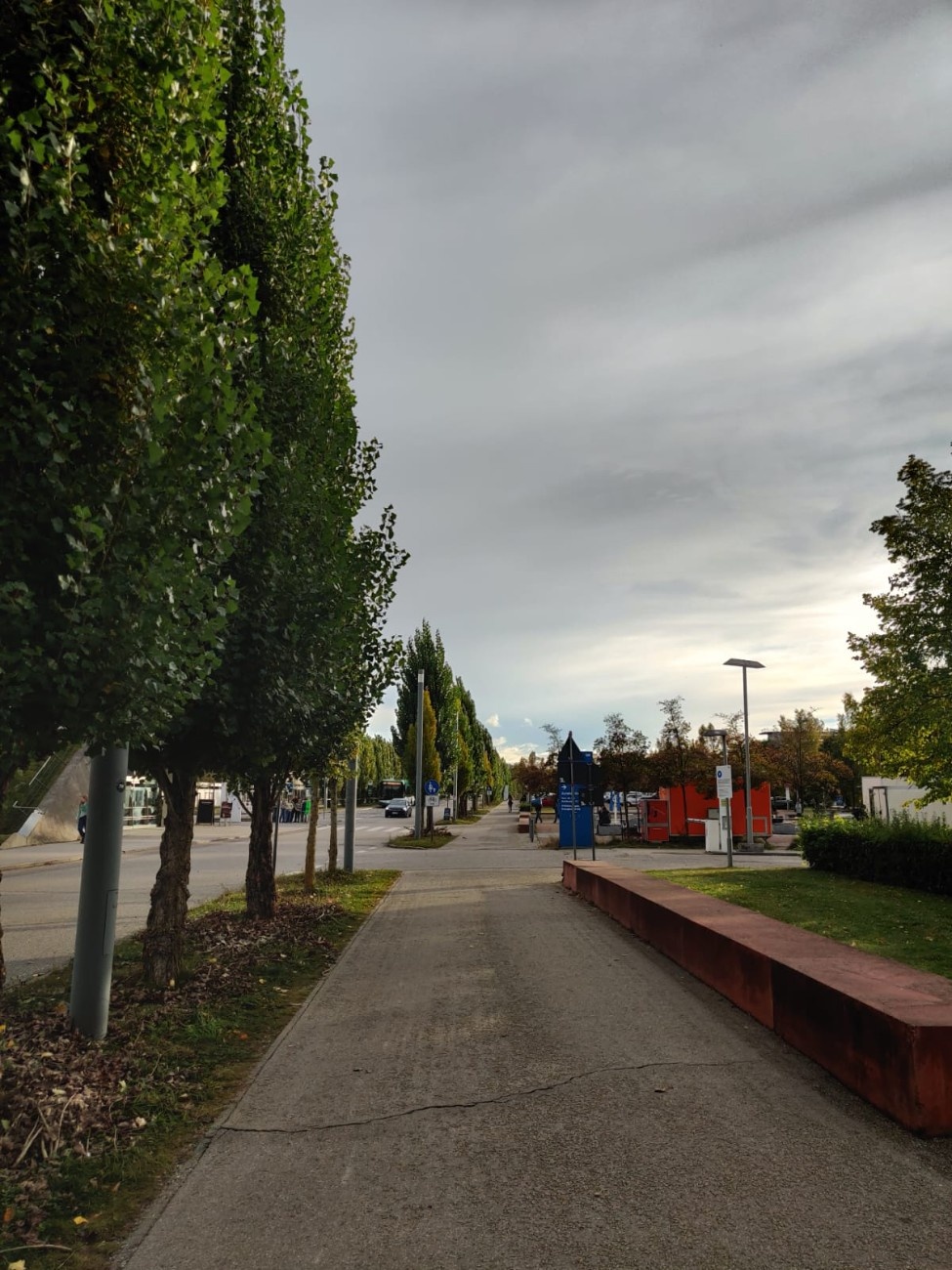
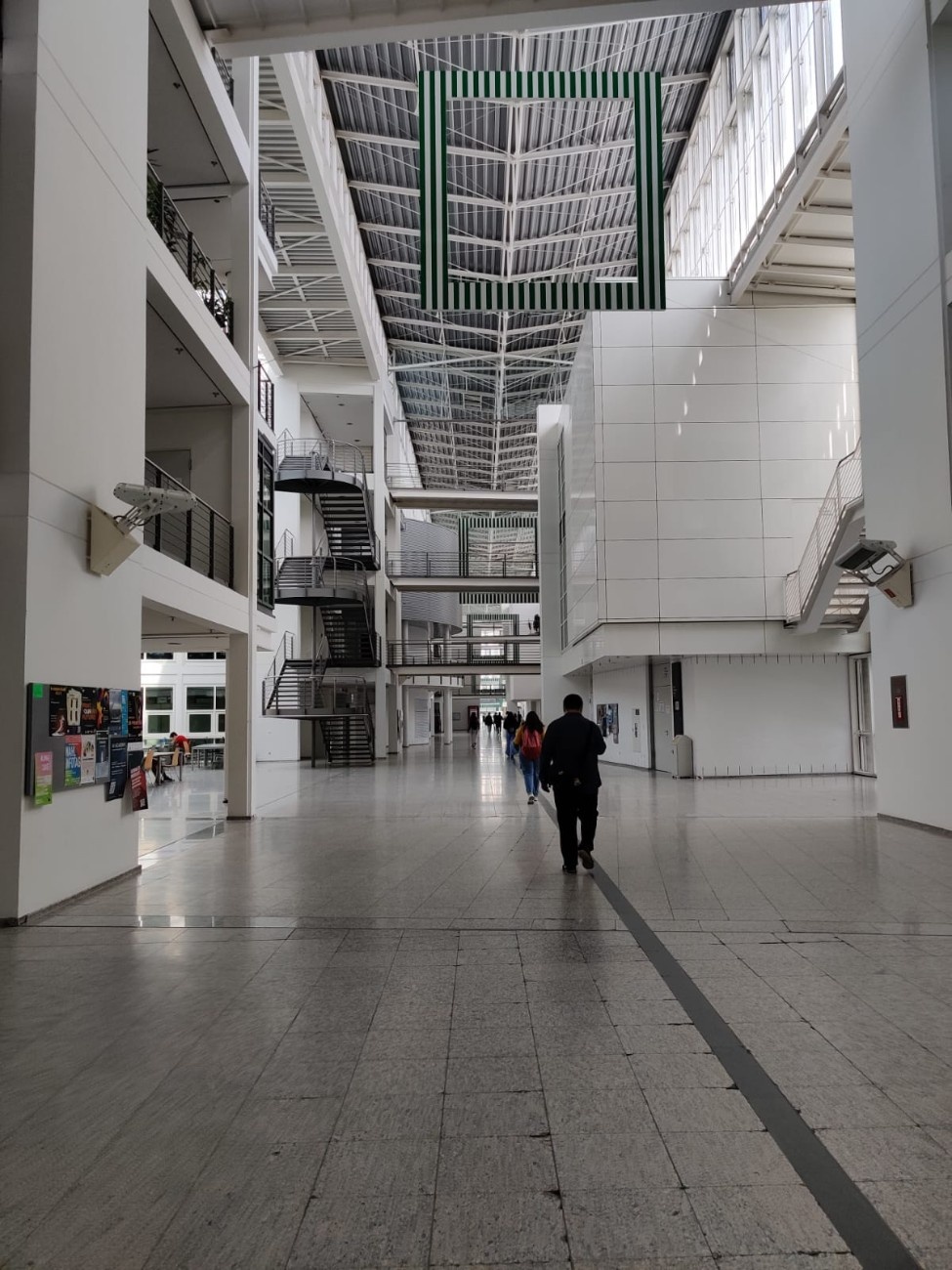
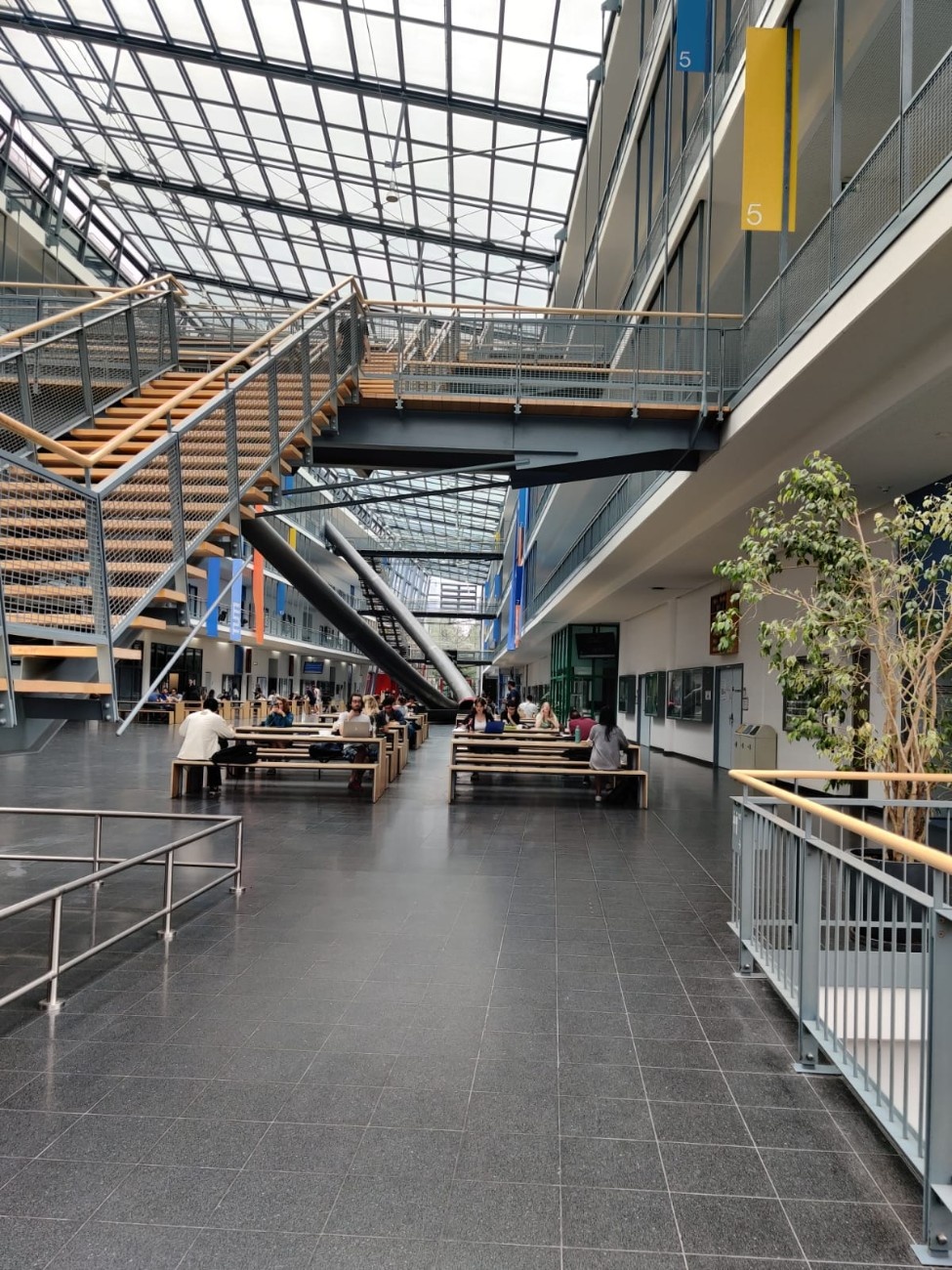
- Our campus has a gym, every department has its own library, and there are dedicated buildings for medical facilities.
- While there are many festivals, especially during the summer, I did not partake in most of them, as I was too busy with my studies.
- There are sports clubs; some of my friends were part of the chess clubs, and there are lots of facilities to play any and all kinds of sports. Every student is entitled to a €10 per semester subscription for the facilities developed during the 1972 Olympics. There are other student-led organisations, but I was never active in them
Part Time Jobs
- There are students who go into TA positions, especially for guiding bachelor's students. Usually the base rate is €13 per hour if I remember correctly. We were allowed to work 20 hrs/week, and we could legally work for any organization with a contract. I for example, worked for Accenture for 6 months and then later joined an early-stage startup as their first engineer. It is moderately difficult to get a part-time job, though one can always opt for jobs like working in a Cafe etc.
- I am not sure about the averages, especially of Indian students but it was decent enough - enough to survive in Munich, which is an expensive city. It is quite a task to manage a job and studying, but it isn't impossible. We had the option to reduce our workload both in uni and at work. I applied through linkedIn and got my first Job. My second job I got because the startup was incubated by the university and we had to complete a mandatory Internship like course, which then converted to a working student position.
Placement Experience
- I am not sure about these numbers, as I returned to India after my master's. Average salary range is usually >50k and <100k for a starting position, as I have seen, somewhere around 60k. Students have to search for a job themselves, usually through job fairs, online, etc.
- There is no such thing as placements in European universities; however, the university organizes job fairs that one can use to network and obtain jobs. All companies, from ESA to Google to Meta to new startups, hire from our university, as it is one of the best universities in the world.
Accomodation
- It is extremely difficult to find affordable accommodation in Munich. There are dorm available but it usually takes at least 2 semesters to get a chance to stay there. Even then, you are only given accommodation for a set number of semesters. The housing market in Munich is quite broken, where it is difficult to even get ads about affordable housing, especially for students. There are other private dorms, but since the university dorms get filled up so quickly, they too are in high demand.
- My monthly rent was €600 which included the rent for a single furnished room, a washer and dryer, water, electricity, heating and high-speed internet. I shared the flat with another person.
- There were numerous challenges I faced while trying to find accommodation. Firstly, they expect you to be present for the house viewing, which becomes difficult when you are not there and you would need to ask other people to view the flat for you. Other than that, once the ad for a room is posted, it is booked within the first 5 mins of posting, so I had to constantly be online to find a place. It was just the worst experience of my stay in Munich. My recommendation would be to start early, preferably months in advance.
- My accommodation was quite close to the university, and was easily accessible via public transport. Indian students lived all across the city; there isn't a specific Indian block in Munich.
Entrance Preview
-
Exams required:
- Either TOEFL or IELTS or other English Proficiency exams.
- Either GRE or GATE qualified. I am not sure about Bachelor's admission.
- Documents necessary
- Statement of Purpose, CV, Mailed Transcripts and attested Degree certificate from University, Proof of English Proficiency, Syllabus, Detailed report on subjects taken at Bachelor's, Scientific essay on provided topic.
- TUM grades your application on a scale of 1-100; for anyone scoring above and equal to 70, they get direct admission, for those scoring between 50 and 69 there is a interview and those scoring below 50 are rejected. I had a score >70 so did not need to give any interviews.
Course Curriculum Overview
-
The course was very difficult; however, it also depends on what kind of subjects one takes. I took very math-heavy courses and so it was quite difficult for me.
- Positive - I know my subject very well because we are expected to know the subject in depth to be able to pass the exams.
- Negatives - Due to this pressure, it increases stress in the students, especially those who are looking to finish university quickly.
- Again, it depends on the students and how much the students take. There might be overlaps depending on the course a student takes. Courses are scheduled from 8am to 5pm.
- Difficult to say the average, as I have had classes with only 20 people attending to one that had 1000+ people attending. I would say 50-70 students on average are present in the rather popular courses.
Fee Structure And Facilities
- We did not have fees. We had a student contribution worth less than €120 a semester. This was mainly for the students union.
- The contribution was charged before the starting of every semester.
- My monthly expenses were around €900 which is around Rs.80-90k. A major chunk of this was for my rent, which is quite expensive in Munich. Other than that, most of my expenses went towards groceries and food in general. We could buy a €29 countrywide ticket, which allowed us to travel on any public transport throughout the country (except "bullet" trains).
Loan/ Scholarship Provisions
- I am not sure if there is any scholarship particularly for my course, but there are plenty for education in general. I know of the Deutschlandstipendium that one of my friends got, which paid him €300 a month.
- This was awarded to students that have a history of public service and volunteering work and involved the student helping out in programs such as blood donation drives. Other than this, I am not sure about any other scholarships and I did not have to pay any tuition fees and I had a job before even completing one year at Munich.
...Read More
Technical University Munich Program Fees & Deadlines
| Program | Important Dates | Fees | Eligibility | Financial Aid |
|---|---|---|---|---|
| USD 13,440 /Yr EUR 12,000 /Yr | IELTS 6.5, TOEFL 4.5 | |||
Application Deadline for 2027 Summerr Semester (30th Nov 2026) | USD 13,440 /Yr EUR 12,000 /Yr | IELTS 6.5, TOEFL 4.5 | ||
Application Deadline for 2027 Summerr Semester (30th Nov 2026) | USD 13,440 /Yr EUR 12,000 /Yr | IELTS 6.5, TOEFL 4.5 | ||
MS Aerospace Engineering 2 years | Application Deadline for 2027 Summerr Semester (30th Nov 2026) | USD 13,440 /Yr EUR 12,000 /Yr | IELTS 6.5, TOEFL 4.5 | |
MS Mechanical Engineering 2 years | Application Deadline for 2027 Summerr Semester (30th Nov 2026) | USD 13,440 /Yr EUR 12,000 /Yr | IELTS 6.5, TOEFL 4.5 | |
MSc Automotive Engineering 2 years | Application Deadline for 2027 Summerr Semester (30th Nov 2026) | USD 13,440 /Yr EUR 12,000 /Yr | IELTS 6.5, TOEFL 4.5 | |
Application Deadline for 2027 Summerr Semester (30th Nov 2026) | USD 13,440 /Yr EUR 12,000 /Yr | IELTS 6.5, TOEFL 4.5 | ||
Application Deadline for 2027 Summerr Semester (30th Nov 2026) | USD 13,440 /Yr EUR 12,000 /Yr | IELTS 6.5, TOEFL 4.5 | ||
MS Informatics 2 years | Application Deadline for 2027 Summerr Semester (30th Nov 2026) | USD 13,440 /Yr EUR 12,000 /Yr | IELTS 6.5, TOEFL 4.5 | |
Application Deadline for 1st application period (15th Mar 2027) | USD 13,440 /Yr EUR 12,000 /Yr | IELTS 6.5, TOEFL 4.5 |
Do you think the Dates are wrong ? Report Here
Find A Program
Top Recommended Courses
Do you think the fees are wrong ? Report Here
Do you think the fees are wrong ? Report Here
Course Finder - Search from 50K+ courses
Popular Streams:
Technical University Munich comparison
| University Name | Technical University Munich | Technical University Dresden | Ludwig Maximilian University of Munich | RWTH Aachen University | Saarland University | Massachusetts Institute of Technology | Technical University Berlin | Free University of Berlin |
|---|---|---|---|---|---|---|---|---|
| Collegedunia Score | 6.2 Out of 10 | 5.5 Out of 10 | 6.2 Out of 10 | 5.9 Out of 10 | 4.2 Out of 10 | 9 Out of 10 | 5.6 Out of 10 | 6.1 Out of 10 |
| Overall Ranking |
|
|
|
|
|
|
|
|
| Subject Strength |
|
|
|
|
|
|
|
|
| Programs |
|
|
|
|
|
|
|
|
| Cost to Study |
|
|
|
|
|
|
|
|
| Placement | Tie-ups with around 800 start-ups set up by alumni and faculty. | Graduate Employability Rankings (‘20): #181-190. | Ludwig-Maximilians-Universität München is one of the top public universities in Munich, Germany. It is ranked #59 in QS World University Rankings 2023. Average Salaries are listed below :
| Average Salaries by Degree:
| The average salary for the programs are as follows: Master in Science: $48,000 LLM: $75,000 Doctorate: $79,000 | Average Salaries Of Degree:
| Technische Universität Berlin (TU Berlin) is one of the top public universities in Berlin, Germany. It is ranked #158 in QS World University Rankings 2023. Average Salaries By Degree:
| According to the British Times Higher Education World University Rankings 2022 the FU Berlin ranks 83rd globally and seventh in Germany. Average Salaries By Degree Are:
|
| Application Requirement | Applications are invited through Uni-assist, German language proficiency is required for most UG program, GRE/GATE scores are required for some masters programs. | Apply through uni-assist. | German language proficiency is required for most UG program and some PG programs, aptitude tests are conducted for various advanced courses | 60% in previous degree; Statement of Purpose; Resume | Submit official transcripts of all previous education Submit English language proficiency test scores Submit letters of recommendation Submit personal statement Check program specific requirements | Letter of recommendations (two, preferrably from teachers of subjects maths and science or humanities) | Applications are accepted through Uni-assist, vocational experiences, and internship certificates should also be submitted. | Admission application via uni-assist; graduation certificate & transcripts; translated documents in German or English; proof of English language proficiency; sufficient knowledge of German language (if required for master’s program); Statement of purpose; Financial guarantee proof; LORs; Resume (if applicable); Motivational letter. |
| - | Read Full Comparison | Read Full Comparison | Read Full Comparison | Read Full Comparison | Read Full Comparison | Read Full Comparison | Read Full Comparison |
Do you think the data is wrong ? Report Here

Overall 25 out of 1504 in Global Ranking

Overall 25 out of 2298 in Global Ranking
Do you think the Rankings are wrong ? Report Here
Technical University Munich Reviews
17 Reviews Found
Likes
- Courses are well designed.
- Good mix of theory and practical lab work.
- Good opportunities for internships.
Dislikes
- No handholding. This is not a criticism per se but students should be aware of this.
Campus Life
- Infrastructure is world-class. There isn't a lot of time for extracurricular activities, but there are various clubs available for those interested.
Fees
- Tuition fees were minimal during my time (a few hundred Euros per semester). But now TUM charges 4000-6000 Euros per semester for international students pursuing Master's degrees.
Likes
- The courses were academically rigorous, it helped us to clear and establish our fundamentals;
- Student Network was very amazing , we got to interact with students of different countries, had access to multiple conferences and workshops where we met industry professional;
- Excellent research culture, The program was designed to help us to identify what area of research we would like to go into, be it experimental or theoretical; Flexibility of choosing your graduation timeline, and there was no tuition fees apart from an 85 euro semester fees;
Dislikes
- While not necessary in the course itself, not knowing German language can be a hurdle in other areas of life, like when dealing with the government/banks;
- Independent research is encouraged but it sometimes can be a drawback as the students can get overwhelmed with the vast amount of resources;
- Majority of the students are from germany or Munich itself and have their established social groups, so one needs to make an effort to socialise and make friends or it can be isolating at times; While there is no tuition fees, living in Munich rentwise can be a bit pricey ;
Campus Life
- There are as such no campus fests or such.. there are different events organised by different groups that everyone can take part in. TU Munich has 3 campuses and each of them have some fests going on during varipus times of the year.
- There are also city wide fests like Oktober fest, Fruhlingsfest, Maibaum fest, auerdult which are open to everyone to take part in. every department has its own library which is very nice, there is a centralised gym and sports complex, but if its not close to your home, there are cheaper gyms availbale in the city too.
Fees
- Zero tuition fees, semester fees of 85 euros, monthly health insurance around 150 euros, rent around 600 euros, monthly public transport fees of 39 euros.
- An amount of around 12000 euros needs to be shown in a separate blocked account at the time of applying for a visa to show that one can cover their expenses during the period.This is done via a third party service like coracle or expatrio.
Likes
- It has great professors and they are highly motivated and qualified
- Infrastructure of the college
- Research oriented and has lot of funding for research
Dislikes
- Stressful exam period
- Not sufficient material provided so you have to learn topics on your own
- Class will be held in different buildings , different rooms every day hard to navigate
Campus Life
- We have our like three main campuses and there is one more in Heilbronn, but their locations are quite far away from each other. I live on a main campus, which is near the city.
- All sorts of facilities are available on the main campus, like library but there is no specific sports facility. Medical service, yes. Major campus festivals like tunics, garnics, and there are so many clubs that you can join that takes place at the college. Extracurricular activities are not essentially in the curriculum but you can do them on your own since you're in the master's.
Fees
- I don't have any tuition fees, as I started my master's in 2022 and i have to pay some 85 euros as an administrative fee and thats all but now they have implemented a fee for non EU countries of something around 4,500 for bachelor's and 6,500 for master's.
- It is semester-wise.
- The monthly expenses is nearly 1000 euro; if you live in cities like Munich, rent would be somewhere around 500-700, travel 38 (Deutschland ticket for students), 150 for groceries, 144 for health nsurance (mandatory), and radio tax (18 euros)
Likes
- World class education - the way the courses are structured and the way the lectures are delivered with dedicated classes for practicals, numericals, and general Q&A, really hammers home the subject in the student's mind. Along with this, just the
- Quality of Research - The university offers its student limitless opportunity to conduct research in their fields of interest. There are numerous chairs that do research in almost anything a person might be interested in a particular filed. The university also has a lot of resources, and tie ups with top companies that allow students to have ample research opportunities.
- Attitude of Professors - Professors are extremely passionate about what they are teaching and this enables students to understand the course better. They are also top of the field so I was many times studying from the people that know the most in the particular field, many times learning about topics that the professor themselves formulated.
Dislikes
- The German Education system - while it hammers home subjects very properly in you and makes you understand your subjects, the system is quite difficult if you are the kind of person who studies days or even weeks before the exam. All of the courses I took just had one exam, and while there were assignments, for their marks to be included we needed to have cleared the main exam. Unlike unis in the US, the final exam is the only exam which can determine if a person passes or not, which just outs excess pressure.
- Housing - the main issue with TUM is that you are not guaranteed a housing in a dorm. You need to find your own accommodation for the first couple of semesters. This creates added stress during the first couple of weeks of landing in Munich.
- Apathy of the Professors : While being world class and good people in general, due to the sheer volume of students the professors might not be able to give attention to students. Our ML course had 1000+ students and the professor is one of the best people in the world ML and DA, but there is no way he could've given his attention to everyone. There are tutorials but it still falls on the student to study by themselves.
Campus Life
-
TUM has 6 campuses across Germany and Singapore. These are :
- Munich City Campus - Maxvorstadt, central Munich
- Garching Research Campus - Garching
- Weihenstephan Campus - Freising
- Straubing Campus - Straubing, Lower Bavaria
- Heilbronn Campus - Heilbronn, Baden-Württemberg
- TUM Asia - Singapore
- Our campus has a gym, every department has its own library, and there are dedicated buildings for medical facilities.
- While there are many festivals, especially during the summer, I did not partake in most of them, as I was too busy with my studies.
- There are sports clubs; some of my friends were part of the chess clubs, and there are lots of facilities to play any and all kinds of sports. Every student is entitled to a €10 per semester subscription for the facilities developed during the 1972 Olympics. There are other student-led organisations, but I was never active in them
Fees
- We did not have fees. We had a student contribution worth less than €120 a semester. This was mainly for the students union.
- The contribution was charged before the starting of every semester.
- My monthly expenses were around €900 which is around Rs.80-90k. A major chunk of this was for my rent, which is quite expensive in Munich. Other than that, most of my expenses went towards groceries and food in general. We could buy a €29 countrywide ticket, which allowed us to travel on any public transport throughout the country (except "bullet" trains).
Likes
- There are many great opportunities is research field.
- The campus life and environment is really awesome, The infrastructure is also really good.
- The course structure is really good and the best part is that there is no tuition fees
Dislikes
- The classes are too big so its hard for professors to communicate with students and vice versa.
- The campus is far away from the many city so students not living in the dorms, like myself for them the travel time increases
- There are no textbooks or proper study material provided which makes it hard to study but it is good in one sense as we have to do all the research work.
Campus Life
There are events happening, and there are some extracurricular activities present, too, I have not participated in much, so I don't know, but yeah, they are there. TUM has three campuses, and there are facilities available on the campus, libraries, sports and TUM, and even a hospital itself. I haven't done much of extracurricular activities in college, so I don't have much idea about those.
Likes
- I chose TUM since it is one of the top 3 universities in Germany. I love the German language and culture. Also, it is a public university, which meant the tuition fee was quite low. I chose this particular program because it offers a vast number of courses to choose from.
- I like the vast amount of opportunities the university presents students with. One can really grow as an individual in such an environment. It is student-friendly. The culture is open such that international students can feel at home.
Dislikes
- I did not like that one is left on their own when it comes to curriculum planning. It can get really overwhelming for international students and a bit more hand-holding in the first semester would go a long way. Also, the professors consider that you know everything about the academic system (exams, etc) there already, and do not give personal attention to international students.
Overview
Great for developing overall intercultural competence and networking opportunities.
Campus Life
Just excellent! I found myself bewildered looking at the abundance of extracurricular activities at TUM. There was always some or the other event going on. The student community is very active. There are various clubs such as Studentische Verein for student politics and ESN TUMi for foreign students. They organise regular trips and treks; language meets, food and movie fests etc. so one never feels alone in a foreign country. The Gym membership and sports facilities at ZHS were accessible and affordable. The library was very well organised too.
Likes
- Germany has always been a country that provides top quality education and the fact that there was no tuition fee was a bonus. TUM is one of the top universities in Germany with a good atmosphere not just for academic growth but also for various other extracurricular pursuits. The faculty and chairs of the particular course I wanted to pursue were very well established which made this a dream opportunity for me.
- The university offers support to not only our academic pursuits but also to the holistic growth of the students. They understand the hardships of the students and provide various support systems, such as counselling, career advice, accommodation advice etc to help us out. As previously mentioned, there are numerous student activities and initiatives to choose from that help the student be part of a community, make connections and assist in their personal growth.
Dislikes
- There are no particular things I dislike about the university. But one thing I'm not used to is the examinations. For example, for most of the exams, we are not provided with the previous year's question papers to practice. This is not ideal, especially in a problematic subject where ample practice and understanding of the previous exam patterns are essential. There is also no separate question-and-answer paper, we are provided with questions printed with space left for answers. Some papers have space in the back for the correction but one of the exams I gave did not so rewriting the answer was not possible. The exams are also notorious for having really little time.
Overview
Deciding to pursue my Master's at TUM was the best decision I ever made. Not only am I provided with a world-class education and academic infrastructure, but I am also provided with invaluable personal growth opportunities. I am proud to be part of the diverse and inclusive student community. I have made efforts to participate in and volunteer for the various clubs and events at the university that have provided me with an opportunity to meet like-minded students as well as interact with the esteemed professors. But I have to admit that for a new student not used to the German education system, the studies can be a bit challenging, especially during the exam seasons.
Campus Life
There are around 180 student clubs with everything ranging from Business and entrepreneurship to religious and spiritual. We also have numerous social, cultural, casual as well as career-oriented events frequently. The university also has support for the startup ideas of the students. The library offers a variety of free resources to assist the studies and also provides a large study space. The wifi is unlimited and free to use. There are no sports facilities on my campus but they have a separate campus for sports science which the TUM students can access at a very cheap price.
Likes
- Best university in Germany and it is located in Munich which is an industrial city thus plenty of internship opportunities.
- The course structure and faculty. The course is very well organised and the classes are oriented in a way such that students can also do part time job without clashing with lecture hours.
Dislikes
- Exams are very tough here and there is no proper book where we can study from. The lectures are taught in the form of slides and one has to understand everything in order to pass the exams
Overview
I would say that TUM is a top tier university and can be compared to MIT standards. The engineering students here are one of the best brains on the planet and therefore it is very tough to compete the engineering courses here. However the School of management is not as difficult as compared to engineering school. However one should not take it lightly. The faculty here are very experienced and have very good English skills. Most of the people here in the Uni can speak English and therefore it becomes easier for international students. There is also a buddy program for new students which can help them get to know about the Uni and the course better.
Campus Life
Campus life is very good and diverse. Students from all over the world come here to study and the infrastructure is very modern.
Likes
- Quality of education, reduce fees and Job opportunity here, as well as student friendly environment. Also in the universe, you can do the course on your own time frame and esay to navigate
- Research facilities and ongoing project, teaching staff and infrastructure and lot of stuff, the Vibe here is quite amazing for students and they can actually have good time here and learn a lot
Dislikes
- "Accomodation is very tough thing here and if you really are considering coming here, then I would advise you to research your things thoroughly . Also you need to be self dependent here and have to try and work it out yourself . "
Overview
Overall I am quite satisfied as for where I am and it is ofcourse the best universities in Germany so you have to make the most of it .
Campus Life
The campus is amazing, and have lot of clubs. The culture here is pretty laid-back and cool. Research facilities are top notch and library is one of the best thing here.
Overview
It was closer to home and tied up with Nanayang Technological University, Singapore.
Campus Life
The campus of NTU was beautiful, TUM-Asia wasnt much of a campus but a building, so we used NTU facilities on a daily basis.
Technical University Munich Scholarships
| Name | Scholarship Per Student | Level of Study | Type | |
|---|---|---|---|---|
| VueVille Future Technology Scholarship | Scholarship per student$1,000 | Level Of StudyBachelor | TypeMerit-Based | |
| MAWISTA Scholarship | Scholarship per student$6,691 | Level Of StudyBachelor | TypeEasy-to-Apply | |
| Kurt Hansen Science Scholarship | Scholarship per student$10,000 | Level Of StudyDoctorate | TypeNeed-Based | |
| Bharat Petroleum Scholarship | Scholarship per studentVariable Amount | Level Of StudyMaster | TypeMerit-Based | |
| Google's Women Techmakers Program | Scholarship per studentVariable Amount | Level Of StudyBachelor | TypeMerit-Based | |
| Axol Science Scholarship | Scholarship per student$2,000 | Level Of StudyBachelor | TypeCompany-Sponsored |
Do you think the Scholarship is wrong ? Report Here
Attendance Cost
The table shows average yearly cost of attendance for international students. Amount may vary with the course opted, nature of accommodation, and personal spending habits of a candidate.Check Program wise Fees
Faculty
| Total Faculty | Full Time | Part Time | Graduate Assistants |
|---|---|---|---|
| 8354 | - | - | - |
interested in this College ?
Follow & Share this college to get information about admission.



Comments
Found 141 Comments