





University College London admissions accept Indian applicants who meet A-level A*AA to A*A*A or IB 38 to 40 points (or complete a UCL Undergraduate Preparatory Certificate) for undergraduate entry, and an upper second-class UK Bachelor’s (roughly 60 to 65 percent Indian equivalent) for taught master’s.
- Primary intake: September 2027, UCAS deadline 13 January 2027, UCL PG rolling from October 2026.
- Fees floor: PG tuition from GBP 42,700 (INR 55.25 Lakhs), UCL PG application fee GBP 90 (INR 11,645).
- Eligibility floor: UG needs A*AA A-levels or IB 38, PG needs 2:1 Bachelor’s, IELTS 7.0 baseline.
- Acceptance rate: Estimated 30 to 40 percent, UCL does not publish an official institutional figure.
Popular Indian-applicant picks include MSc Data Science and Machine Learning, MSc Finance, and MSc Management, chosen for the Bloomsbury address that puts recruiters within walking distance. Reddit sentiment praises the London career pipeline but flags large master’s cohorts on flagship courses. Explore programme mix and ranking context on our University College London profile.
Table of Contents
- University College London Application Deadlines
- UCL Eligibility for Indian Students
- UCL PG Programs and English Requirements
- University College London UG Programs and A-levels
- UCL PhD Applications and Funding
- UCL Application Process for Indian Students
- UCL Admission Decisions and Response Times
- University College London Documents Required
- UCL Acceptance Rate and Selectivity
- UK Student Visa Process for UCL Applicants
- Tips and Application Checklist for UCL
- University College London Admissions FAQs
University College London Application Deadlines
UCL runs one main teaching cycle per academic year, so Indian applicants planning for autumn arrival apply for the September 2027 intake. Undergraduate routes go through UCAS, while taught master’s and PhD applications go through UCL’s own admissions portal on a rolling basis until course caps fill.
UCL’s primary intake for Indian students is September 2027. Most programmes open here, per the official UCL guidance for international applicants and the UCAS 2027 entry calendar.
| Intake | Level | App Opens | Deadline | App Fee | Portal |
|---|---|---|---|---|---|
| September 2027 (Primary intake) | UG (main) | 12 May 2026 (register), 1 September 2026 (submit) | 13 January 2027, 18:00 UK time | GBP 34.50 (INR 4,464) | UCAS Undergraduate |
| September 2027 | UG Medicine, Oxbridge routes | 12 May 2026 | 15 October 2026, 18:00 UK time | GBP 34.50 (INR 4,464) | UCAS Undergraduate |
| September 2027 | PG Taught (MSc, MA, MArch) | Late October 2026 | Rolling per course, most close by April to June 2027 | GBP 90 (INR 11,645) per course | UCL Admissions Portal |
| September 2027 or flexible start | MPhil, PhD, MRes | Late October 2026 | Rolling per programme, some tied to funding rounds | GBP 90 (INR 11,645) per course | UCL Admissions Portal |
Insider note: Only Medicine, Oxford, and Cambridge share the 15 October deadline. All other UCL undergraduate courses accept applications up to 13 January 2027, but UCAS advises submitting well before the cut-off since UCAS traffic peaks in the final week.
University College London Eligibility for Indian Students
UCL’s academic thresholds sit at the upper end of Russell Group entry. Indian applicants meet the requirement through recognised UK-comparable qualifications for undergraduate study, and through a strong Bachelor’s degree for taught master’s programmes. Every applicant must also clear an approved English language test at the level UCL sets for the specific course.
- UG general entry: A-levels A*AA to A*A*A, or IB Diploma 38 to 40 points with grade 7 in required higher-level subjects.
- UG for Class XII holders: CBSE or ISC Class XII alone is generally not accepted, so Indian applicants complete a UCL Undergraduate Preparatory Certificate (UPC) or take A-levels or IB before applying.
- PG Taught general entry: Upper second-class UK Bachelor’s degree, roughly 60 to 65 percent in Indian percentage or a first-division degree from a recognised university.
- PG quantitative or law courses: Programme-specific prerequisites like Mathematics at first-year university level, GRE Quantitative 162+, or the LNAT for Law.
UCL English Language Levels for Indian Applicants
UCL sets five English levels. The programme page for your chosen course states which level applies. Indian applicants do not qualify for the country-based English-medium exemption, so an in-date test result is required regardless of school medium. Scores must be received within two years of the proposed enrolment date.
| Level | IELTS Academic | TOEFL iBT | PTE Academic | Cambridge C1 or C2 |
|---|---|---|---|---|
| Level 1 (Standard) | 6.5 overall, 6.0 each | 92 overall (as per UCL bands) | 75 overall, 67 each | 176 overall, 169 each |
| Level 2 (Good) | 7.0 overall, 6.5 each | 100 overall | 76 overall, 75 each | 180 overall, 172 each |
| Level 3 (Advanced) | 7.0 overall, 7.0 each | 109 overall | 76 overall, 76 each | 185 overall, 180 each |
| Level 4 (Advanced-plus) | 7.5 overall, 7.0 each | 114 overall | 80 overall, 76 each | 191 overall, 180 each |
| Level 5 (Exceptional) | 8.0 overall, 8.0 each | 122 overall | 88 overall, 80 each | 210 overall, 200 each |
English scores from IELTS Academic, TOEFL iBT, PTE Academic, and Cambridge C1 Advanced or C2 Proficiency are all accepted. UCL does not accept IELTS General Training, IELTS Indicator, or Duolingo for degree entry. Medium of Instruction (MOI) letters from Indian schools or universities are not a substitute for a test result.
UCL PG Programs and English Requirements
UCL offers over 400 taught postgraduate degrees. Most run as intensive one-year masters starting in September, with base tuition set per course rather than by faculty. Overseas taught tuition for 2026 to 2027 ranges from GBP 35,400 (around INR 45.80 Lakhs) for MArch programmes up to GBP 48,250 (around INR 62.43 Lakhs) for MSc Finance. Base tuition here is the annual sitting fee only, per the official UCL fees pages. For the full course-wise breakdown, see our UCL programme listing with per-course pricing.
| Programme | Duration | Minimum Eligibility | English Req. Min. |
|---|---|---|---|
| MSc Data Science and Machine Learning | 1 year | Upper 2:1 in quantitative field, evidence of linear algebra, calculus, probability, statistics | IELTS 7.0 (Level 2) |
| MSc Management | 1 year | Upper 2:1 in any subject, no work experience required | IELTS 7.0 (Level 2) |
| MSc Finance | 1 year | Upper 2:1, GRE Q 162+ or GMAT 80th percentile strongly preferred | IELTS 7.0 (Level 2) |
| MSc Computer Science | 1 year | Upper 2:1, Mathematics to A-level standard, programming exposure | IELTS 7.0 (Level 2) |
| MSc Economics | 1 year | Upper 2:1 Economics with quantitative content, GRE Q 162+ for non-UK first degree | IELTS 7.0 (Level 2) |
| MSc Business Analytics | 1 year | Upper 2:1 from a UK university or overseas equivalent | IELTS 7.0 (Level 2) |
| MArch Architecture | 2 years | Upper 2:1 in Architecture, portfolio may be requested | IELTS 7.0 (Level 2) |
| MSc International Public Policy | 1 year | Upper 2:1 from a UK university or overseas equivalent | IELTS 7.5 (Level 4) |
Planning note: UCL caps candidates at two taught master’s applications per admissions cycle. Choose the two courses carefully, since a rejected application cannot be reopened and a second course cannot be added later in the same cycle.
Note: Program-specific entry requirements, fees, and intake availability may differ from the institution-wide minimums shown above. Always confirm on the official UCL page for your chosen program before applying.
University College London UG Programs and A-levels
UCL undergraduate courses run three or four years, taught at Bloomsbury with placement or study-abroad years attached to selected engineering and language degrees. Indian Class XII alone does not meet the direct-entry requirement for most UCL bachelor’s programmes. Applicants either present A-levels, an IB Diploma, or complete UCL’s own Undergraduate Preparatory Certificate before formal admission. Overseas UG tuition for 2026 to 2027 spans GBP 35,400 (around INR 45.80 Lakhs) for LLB Law up to GBP 46,700 (around INR 60.43 Lakhs) for Computer Science BSc, per the official course pages.
| Programme | Duration | Minimum Eligibility | English Req. Min. |
|---|---|---|---|
| Computer Science BSc | 3 years | A*A*A A-levels with A* in Mathematics or Further Mathematics, or IB 40 with grade 7 in Mathematics | IELTS 6.5 (Level 1) |
| Economics BSc (Econ) | 3 years | A*AA with A* in Mathematics, or IB 39 with grade 7 in HL Mathematics | IELTS 7.0 (Level 2) |
| Mechanical Engineering MEng | 4 years | A*AA with Mathematics and Physics required, or IB 19 in HL Maths and Physics | IELTS 6.5 (Level 1) |
| Law LLB | 3 years | A*AA plus LNAT (Law National Aptitude Test), or IB 39 plus LNAT | IELTS 7.5 (Level 4) |
Some engineering, language, and dual-honours programmes ask for specific subject prerequisites at A-level or HL IB, so the UCL entry page for each course is the definitive check before you build the UCAS list.
UCL PhD Applications and Funding
UCL admits doctoral students through department-specific programmes rather than a central PhD intake. Most students first enter an MPhil, then upgrade to PhD after 12 to 18 months of successful research. Full-time doctorates run three to four years, with a further one-year write-up period available in most disciplines. Overseas PhD fees for 2026 to 2027 sit near GBP 32,100 (around INR 41.53 Lakhs) per year across most faculties, subject to department confirmation.
UCL PhD Structure and Duration
Every research candidate needs a named supervisor before submitting an application. UCL expects a research proposal aligned with the supervisor’s active work, plus a thesis-length ambition set at the department level. The IELTS floor for research entry is Level 3 (7.0 overall, 7.0 in each skill) for humanities and social sciences and Level 2 for most STEM disciplines. Deadlines are rolling, though department funding cycles (like UCL Research Excellence Scholarships) close in January or February for September start dates.
How to Apply for UCL Research Programmes
Identify a supervisor by scanning the departmental staff page and academic publications, then send a short introduction with your CV, research proposal outline, and transcripts. If the supervisor supports the application, submit the formal application on the UCL Admissions Portal with the same GBP 90 (INR 11,645) application fee. Fully funded studentships often cover tuition plus a stipend around GBP 22,780 per year (around INR 29.47 Lakhs), aligned with UKRI rates for the 2026 to 2027 academic year, with details on our UCL funding options for Indian students.
Note: UCL does not admit unfunded PhDs in every department. Some engineering and life sciences groups only accept applicants who arrive with a scholarship offer, so secure funding before completing the application.
Note: Program-specific entry requirements, fees, and intake availability may differ from the institution-wide minimums shown above. Always confirm on the official UCL page for your chosen program before applying.
UCL Application Process for Indian Students
Indian applicants apply on different platforms depending on level. Undergraduate applicants use UCAS, the centralised UK undergraduate service. Taught master’s and research applicants use the UCL Admissions Portal directly. Both routes need the same core evidence, but the sequencing and fee flow differ, so plan by level before starting.
- Register on the correct portal. For UG create a UCAS account at ucas.com (2027 cycle opened 12 May 2026, submissions from 1 September 2026). For PG create an account on the UCL Admissions Portal (opens late October 2026).
- Add up to five undergraduate choices on UCAS in the single application, or up to two taught master’s courses on the UCL portal for one cycle.
- Draft a personal statement of around 4,000 characters for UCAS UG, or a course-specific statement of purpose for the UCL PG portal, matching the course learning outcomes.
- Request academic references. UG needs one reference through UCAS. Most PG masters need two academic references submitted online by the referees.
- Upload transcripts, degree certificates or provisional letters, passport bio page, and the English test scorecard once available.
- Pay the application fee: UCAS UG GBP 34.50 (around INR 4,464) covers all UG choices, or UCL PG GBP 90 (around INR 11,645) per course on the UCL Admissions Portal.
- Submit before the relevant deadline. Track offer decisions through UCAS Hub for UG and the Portal Application Tracker for PG.
UCL Admission Decisions and Response Times
UCL takes six to ten weeks for most PG taught decisions in the peak December-to-March window, with popular management, finance, and computer science courses running closer to twelve weeks. UG decisions come through UCAS between January and April 2027 for on-time applications. Decisions can be direct offers, conditional offers listing pending grades or English scores, or rejections. Offers issued after English test submission are typically unconditional.
UCL Offer Timelines and Acceptance Response
UG applicants have to Firm and Insurance response deadlines set by UCAS, typically early June 2027 for offers received by early May. PG offer holders get 4 to 8 weeks to accept and pay a tuition deposit of GBP 2,000 (around INR 2.59 Lakhs), which is deducted from Year 1 tuition. Deferral to September 2028 is possible on many courses for a valid reason, requested in writing to the admissions team before accepting. UCL’s overall standing at rank 8 in the QS World University Rankings 2027 helps applicants clear scholarship deadlines quickly, and Indian applicants can compare offer strength against our detailed UCL ranking band.
University College London Documents Required
Prepare the paperwork before opening either portal. Files are uploaded as PDFs on the UCL portal and either uploaded or courier-verified through UCAS depending on the referee’s process. Missing documents pause the application until submitted, so batch-scan every academic record upfront.
- Academic transcripts: Class X and Class XII marksheets for UG, plus Bachelor’s semester transcripts for PG applicants.
- Degree certificate: Provisional certificate or degree letter from the awarding Indian university for PG applicants.
- Two academic references: Uploaded online by referees. Post-experience courses may accept one academic plus one professional referee.
- Personal statement or SOP: UCAS UG personal statement of around 4,000 characters, or a course-specific statement of purpose for PG.
- Curriculum vitae: PG only, one to two pages showing academic and work timeline.
- English test scorecard: IELTS Academic, TOEFL iBT, PTE Academic, or Cambridge C1 or C2, dated within two years of enrolment.
- Passport bio page: Valid for the full course duration plus six months.
- Portfolio or writing sample: Only where the course requires it, like MArch Architecture or MA Fine Art.
- Additional test scores: LNAT for Law LLB, BMAT or UCAT for Medicine, GRE or GMAT for finance and economics where the course page requests it.
UCL Acceptance Rate and Selectivity
UCL does not publish an official institutional acceptance rate. Third-party estimates place the overall admit rate around 30 to 40 percent, based on aggregated offer data across subject areas. Selectivity varies sharply by course, with flagship computer science, economics, and management master’s running considerably tighter than the institutional average.
UCL Undergraduate Selectivity for International Students
UG offer rates track predicted grades and school context. Medicine sits under 10 percent based on published UCAS interview-to-offer ratios. Engineering and computer science courses typically make offers to roughly a quarter of applicants, and most humanities and social science courses stay near the 40 to 50 percent mark. LNAT and BMAT scores materially shape offer chances for the tests they gate.
UCL Postgraduate Programme-Level Rates
PG offer rates depend on cohort size and university reputation of the applicant’s degree. MSc Management, MSc Finance, and MSc Business Analytics see the highest volume and the tightest bar. Data-driven and computational programmes screen for quantitative background even beyond the stated eligibility. Full context on per-course competition is in our UCL acceptance rate breakdown for Indian applicants.
Reality check: A 2:1 UK Bachelor’s is a floor, not a competitive edge, for UCL’s most subscribed master’s. Indian applicants targeting MSc Finance or MSc Management typically present a first-division degree with a quantitative component and a demonstrable interest through internships or coursework.
UK Student Visa Process for University College London Applicants
After accepting a UCL offer and paying the tuition deposit, UCL issues a Confirmation of Acceptance for Studies (CAS) reference. Indian students apply for the UK Student Route visa through UK Visas and Immigration (UKVI), using the CAS number, English test evidence, tuition proof, and maintenance funds. The visa lets you study, work part-time up to 20 hours per week during term, and stay two years after graduation under the Graduate Route.
Financial proof for London-based courses is set at GBP 1,483 per month (around INR 1.92 Lakhs) for up to nine months of living costs, totalling GBP 13,347 (around INR 17.27 Lakhs) held in an accepted bank account for 28 consecutive days. Applicants also pay the Immigration Health Surcharge (IHS) at around GBP 776 per year of study (around INR 1.00 Lakhs), plus the visa application fee. After arrival, collect the Biometric Residence Permit (BRP) or activate the eVisa, then complete UCL online enrolment before teaching begins.
2026 update: The UK Home Office has migrated most Student Route visa records to the eVisa system, so incoming Indian students in 2027 will confirm their status through the UKVI online account rather than a physical BRP card.
Tips and Application Checklist for University College London
The following tips and steps are drawn from Indian-applicant patterns at UCL. Sequencing is the biggest lever, since UCL fills popular master’s on a rolling basis and UCAS deadlines are hard cut-offs. Treat every date as a working-day target, not a submit-at-midnight window.
- Book IELTS by August 2026: Level 4 and Level 5 courses need higher band scores, so give a re-take window before the primary application month.
- Draft the UCAS statement across two months: Rewrite it three or four times, focusing on academic reasoning rather than personal narrative.
- Request transcripts eight weeks before deadline: Indian universities can take four to six weeks to certify transcripts, and UCL will not review an application without them.
- Line up referees in September 2026: Confirm each referee’s availability and upload email in advance, since UCL flags any reference stuck outside the university domain.
- Apply for two PG courses strategically: Pair one high-ambition course with one strong-fit backup, since only two applications are allowed per cycle.
- Submit PG applications by November 2026: Rolling admissions favour early files, especially for MSc Management, MSc Finance, MSc Business Analytics, and MSc Data Science.
- Save the tuition deposit early: GBP 2,000 (around INR 2.59 Lakhs) is due within four to eight weeks of firm offer, and delayed payment can void the CAS.
- File the visa 3 months before start: UKVI accepts Student Route applications from six months out for course starts, and 3 months is the sweet spot for CAS validity plus visa processing.
Meeting UCL’s academic and English floors is only step one for Indian applicants, since the September 2027 primary intake fills competitive master’s on rolling review from October 2026 onward. File early, keep transcripts and English scores ready by summer 2026, and use the two-course PG limit to balance ambition with fit before UCAS or UCL portal deadlines close.
University College London Admissions: Frequently Asked Questions
Ques. What is UCL’s application deadline for September 2027 entry?
Ans. Undergraduate applications close on 13 January 2027 at 18:00 UK time through UCAS. Medicine, Oxford, and Cambridge applicants must file by 15 October 2026. Taught master’s on the UCL Admissions Portal open in late October 2026 and close on a rolling per-course basis, mostly between April and June 2027.
Ques. Is Indian Class XII enough for direct UCL undergraduate entry?
Ans. No. CBSE or ISC Class XII on its own is generally not accepted for direct entry to most UCL bachelor’s programmes. Indian applicants present A-levels, an IB Diploma, or complete a UCL Undergraduate Preparatory Certificate (UPC) before entering the first year.
Ques. What IELTS score does UCL require for master’s programmes?
Ans. The floor is IELTS Academic 7.0 overall with 6.5 in each component (Level 2). MSc International Public Policy, Law LLM, and some other humanities courses need 7.5 with 7.0 in each skill (Level 4). Only IELTS Academic is accepted, and the test must be dated within two years of enrolment.
Ques. Does UCL accept MOI letters or waive IELTS for Indian students?
Ans. No. India is not on UCL’s list of Home Office majority English-speaking countries, so a Medium of Instruction (MOI) letter from an Indian school or university does not substitute for an accepted test result. Every Indian applicant provides IELTS Academic, TOEFL iBT, PTE Academic, or Cambridge C1 or C2 evidence.
Ques. Can I apply to more than two UCL master’s courses in one cycle?
Ans. No. UCL caps taught graduate applications at two courses per admissions cycle, and both must be different programmes. If an application fee is charged, it is charged separately for each of the two applications.
Ques. What is UCL’s application fee for Indian students?
Ans. UCAS charges a single GBP 34.50 (around INR 4,464) fee for the whole UG application covering up to five course choices. UCL charges GBP 90 (around INR 11,645) per taught master’s application on its own Admissions Portal. Research applications use the same UCL portal fee structure.
Ques. Does UCL require GRE or GMAT for master’s programmes?
Ans. Most UCL master’s do not mandate GRE or GMAT. MSc Economics requires a GRE Quantitative score of 162 or above from applicants whose Bachelor’s is from outside the UK. MSc Finance treats strong GRE or GMAT scores as a positive signal but not a requirement.
Ques. What is UCL’s acceptance rate for Indian applicants?
Ans. UCL does not publish an official acceptance rate. Third-party estimates place the overall figure around 30 to 40 percent, but flagship master’s like MSc Finance, MSc Management, and MSc Data Science and Machine Learning run much tighter. Medicine sits under 10 percent based on published interview ratios.
Ques. How long does UCL take to send master’s offer letters?
Ans. Typical decisions arrive within six to ten weeks of a complete application, extending closer to twelve weeks for the most subscribed courses in the December-to-March peak. Missing documents pause the review, so upload everything before submitting to keep the clock running.
Ques. Does UCL charge an admission deposit?
Ans. Most taught master’s require a GBP 2,000 (around INR 2.59 Lakhs) tuition deposit to secure the offer, payable within four to eight weeks of a firm offer. The deposit is deducted from Year 1 tuition. PhD and MRes deposits vary by department, often waived for fully funded studentships.
Ques. Can I defer my UCL offer to the next intake?
Ans. Deferral to September 2028 is possible on many taught master’s for a valid personal or professional reason. Request the deferral in writing to the admissions team before accepting the offer. Deferrals are not guaranteed for courses with capacity pressure, and some professional programmes decline deferral requests entirely.
Ques. What UK visa do I need to study at UCL?
Ans. Indian students apply for the UK Student Route visa through UKVI, using the Confirmation of Acceptance for Studies (CAS) issued by UCL after the tuition deposit. Financial proof of GBP 1,483 per month (around INR 1.92 Lakhs) for up to nine months of London living costs is required, held in an accepted account for 28 consecutive days.
College Student Profiles

University College London Program Fees & Deadlines
| Program | Important Dates | Fees | Application Fees | Eligibility | Financial Aid |
|---|---|---|---|---|---|
MArch 2 years | Application Deadline for 2027 Intake (27th Feb 2027) | USD 46,728 /Yr GBP 35,400 /Yr | 90 | IELTS: 7.0, TOEFL: 4.5, PTE: 76 | |
MBA 16 months | Application Deadline for 2027 Intake (27th Mar 2027) | USD 59,940 /Yr GBP 45,409 /Yr | 90 | IELTS: 6.5, TOEFL: 4.5, PTE: 75 | |
MSc Computer Science 1 year | Application Deadline for 2027 Intake (27th Mar 2027) | USD 56,364 /Yr GBP 42,700 /Yr | 90 | IELTS: 7.0, TOEFL: 4.5, PTE: 76 | |
Application Deadline for 2027 Intake (27th Mar 2027) | USD 56,364 /Yr GBP 42,700 /Yr | 90 | IELTS: 7.0, TOEFL: 4.5, PTE: 76 | ||
LLB 3 years | Equal Consideration Deadline for 2027 Intake (13th Jan 2027) Final Application Deadline for 2027 Intake (30th Jun 2027) | USD 46,728 /Yr GBP 35,400 /Yr | 29 | IELTS: 7.5, TOEFL: 5.5, PTE: 80 | - |
BSc Computer Science 3 years | Equal Consideration Deadline for 2027 Intake (13th Jan 2027) Final Application Deadline for 2027 Intake (30th Jun 2027) | USD 61,644 /Yr GBP 46,700 /Yr | 29 | IELTS: 6.5, TOEFL: 4.5, PTE: 75 | - |
MSc Finance 1 year | USD 63,690 /Yr GBP 48,250 /Yr | 90 | IELTS: 7.0, TOEFL: 4.5, PTE: 76, GRE: 162 | ||
MSc Data Science 1 year | Application Deadline for 2027 Intake (27th Mar 2027) | USD 61,644 /Yr GBP 46,700 /Yr | 90 | IELTS: 6.5, TOEFL: 4.5, PTE: 75 | |
MSc Business Analytics 1 year | USD 61,644 /Yr GBP 46,700 /Yr | 90 | IELTS: 7.0, TOEFL: 4.5, PTE: 76 | ||
Application Deadline for 2027 Intake (27th Mar 2027) | USD 56,364 /Yr GBP 42,700 /Yr | 90 | IELTS: 7.0, TOEFL: 4.5, PTE: 76 |
Do you think the Dates are wrong ? Report Here
Important Alerts
| Events | Dates |
|---|---|
| Medicine MBBS UCAS Application Deadline For Equal Consideration 2027 Intake | Closing in 4 days |


Course Finder - Search from 50K+ courses
Popular Streams:
Reviews
Most Popular Tags
13 Reviews Found
Likes
- What I liked about my University was that it gave me a lot of opportunity to connect with cohort and people of ambition.
Likes
- Great Campus, Good teaching environment and technology, supportive staff, Connecting other students worldwide, CAT team focused on wellbeing of the students in terms of home sickness, financial management, helping in part time jobs.
Dislikes
- Fees compared to other universities is very high, On campus placement companies are good but getting in their is a big struggle even after paying so much of fees, chinese professors are not good in explanation
Scholarship
- I received a scholarship of £5000. Some of my friends received scholarships of £13300. It depends upon your undergraduate score. If percentage are between 55-60 it is £3000, between 60-70% it is £5000 and above 70% - it is £8300.
- If the percentage is more than 75%, then it's £13300. Many students of my batch got scholarships; around 15-20 Indian students got them.






Likes
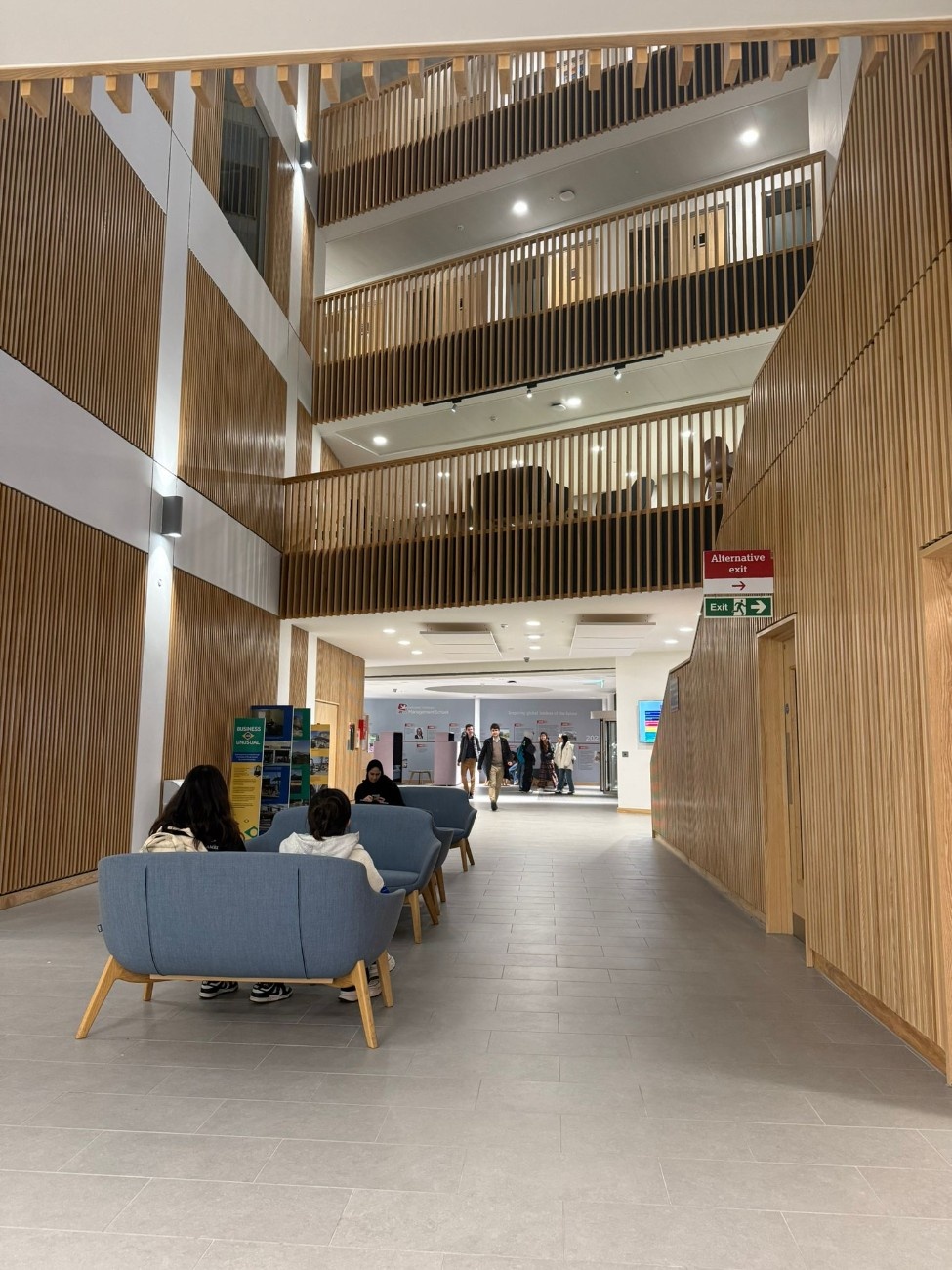
- Oldest Chemistry Department in England and hence consists of faculty who are pioneers in their respective field or are contributing to world leading research.
- The Royal Society of Chemistry accredits most of the courses offered by the Department of Chemistry which gives the students opportunity to attend seminars and connect to researchers who are members of the RSC and are conducting cutting edge research.
- The courses offered by the Department of Chemistry is highly research oriented which enables the students to learn by conducting critical analysis of the literature and by designing novel experiments, compared to the conventional method of classroom based education.
Dislikes
- Location of classes can be quite far apart from each other which sometimes lead to confusion and/or reaching classes later than the assigned time.
- The number of students in a particular course is extremely small (due to the difficult admission process, to maintain the academic standard of the institution) which makes it harder for students to make friends or acquaintances.
- Some of the modules can be quite advanced for students hailing from India even if the term "advanced" is not mentioned in the course title and irrespective of the fact that they might have taken the respective course in their undergraduate. Only thorough studying of the course and dedicating extra effort is the possible solution to a situation like this as UCL is an institution with a top 10 ranking in the world and hence an academic journey here is obvious to be a bit challenging.
Scholarship
- I received an external scholarship: the Tata Endowment Loan Scholarship. The eligibility criteria are being an Indian citizen applying for a full-time postgraduate course or PhD abroad, having a good academic record in their previous degree and certificates for extracurricular and co-curricular activities, already having an offer of admission from the respective university abroad and having two referrals.
- 10 lakh rupees (INR)
- I am not aware of that.
- Approximately 80 Indian students receive this scholarship and the typical award amount ranges from 4 lakh to 10 lakh based on academic merit through the screening processes.

Likes
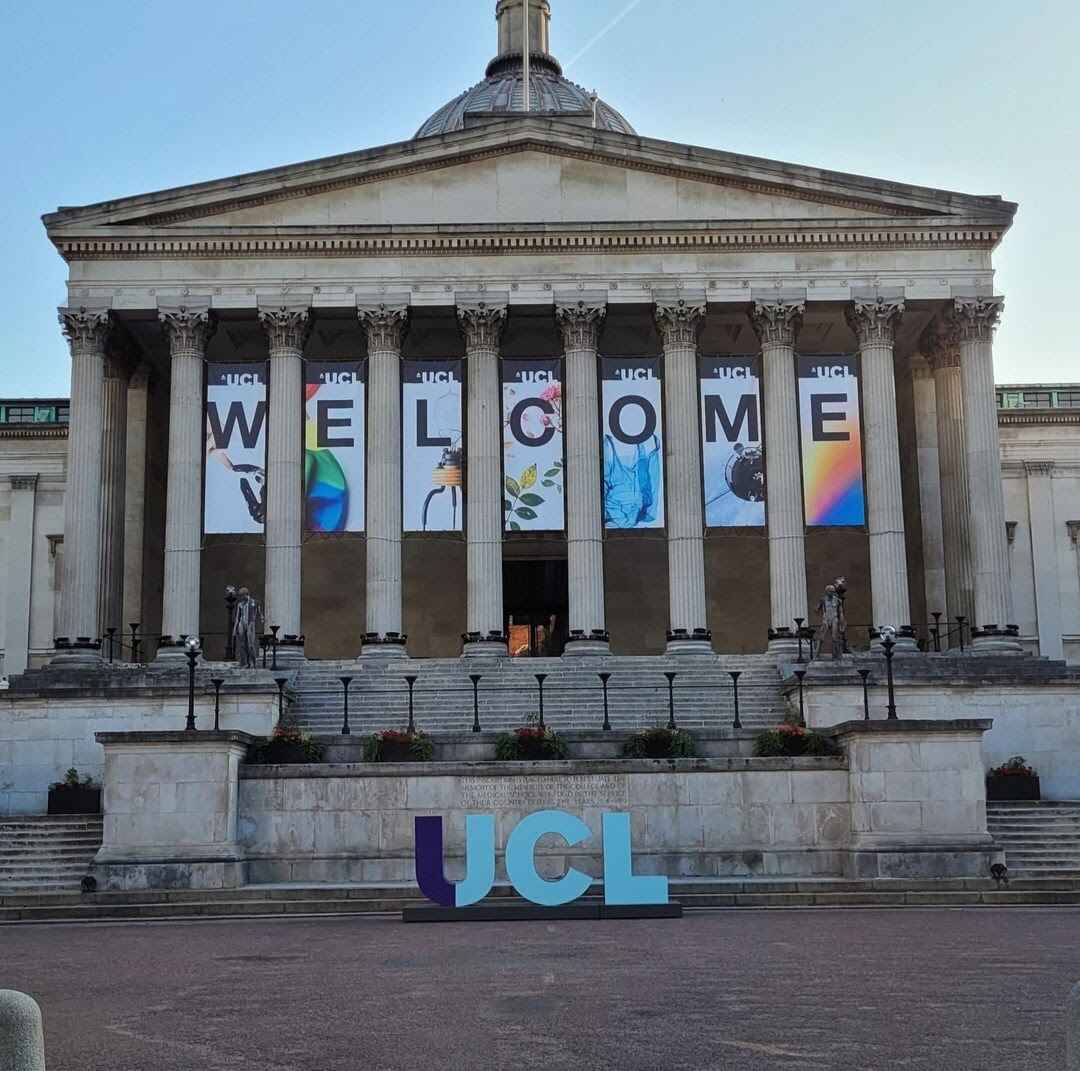
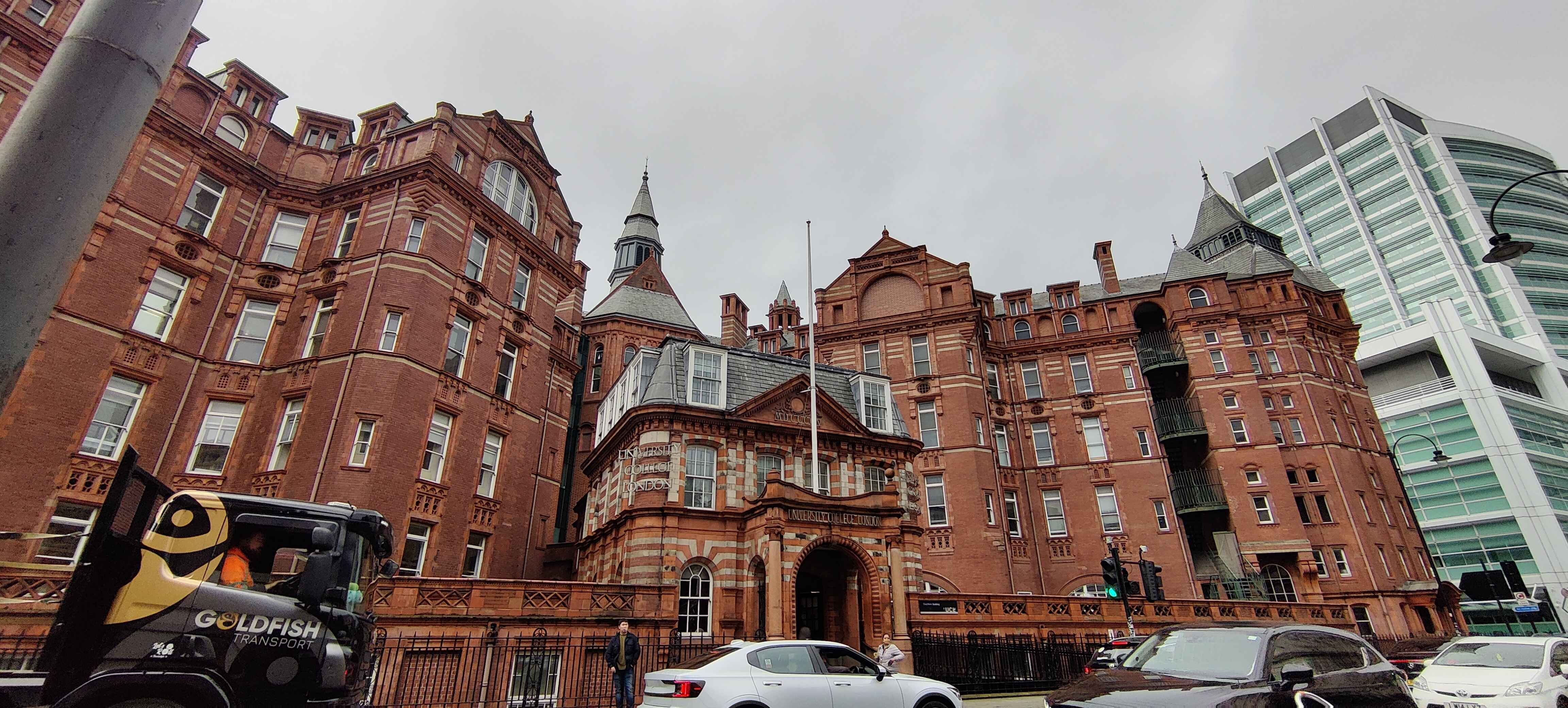
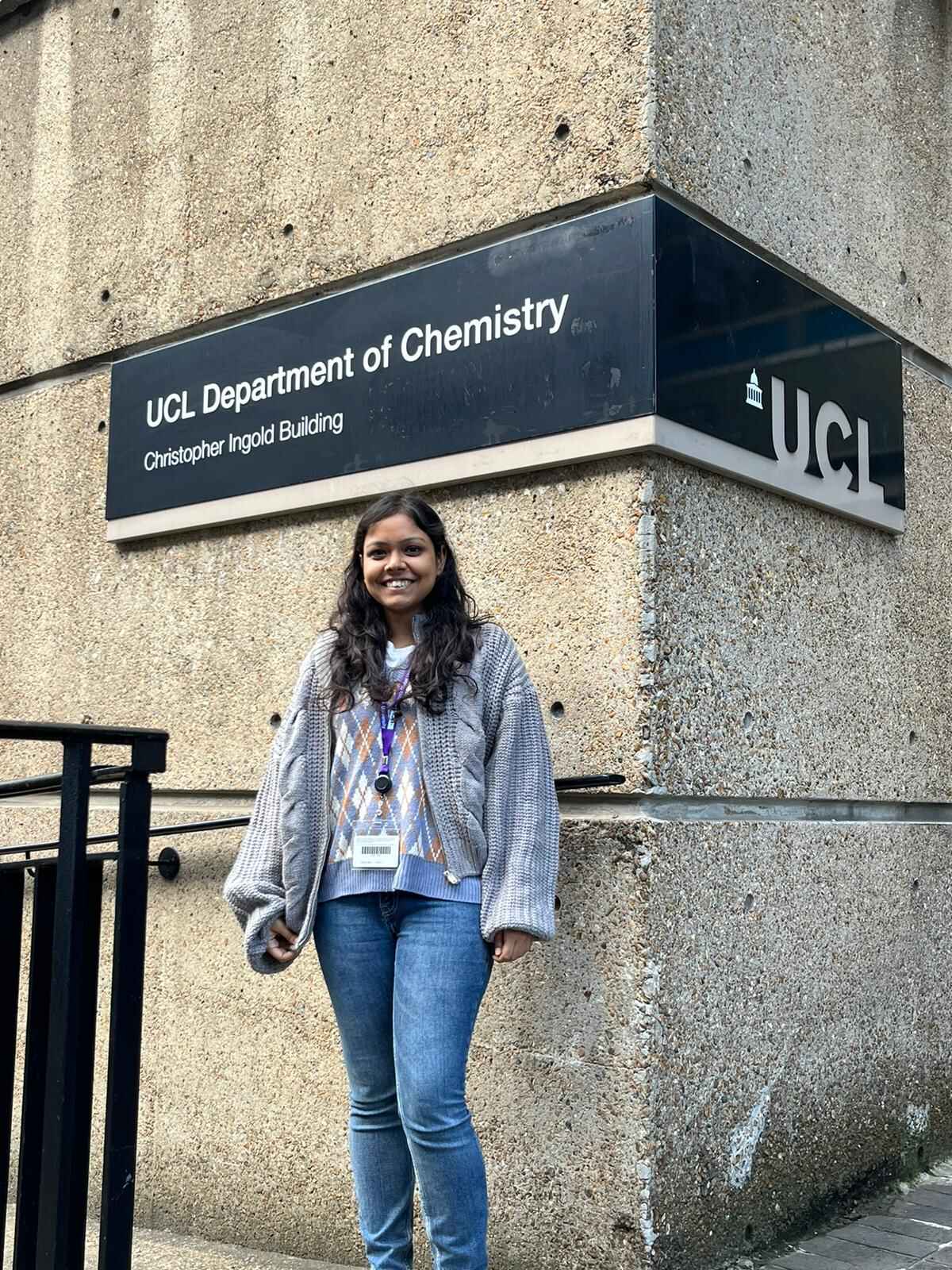
- The faculty members are very cooperative.
- World Class Exposure
- Different opportunities according to interest of students.
Dislikes
- It’s not in India
- Expensive - the fees is more than 35000 pounds.
- Time period is less - the course is only of 9 months
Scholarship
- I did not receive any scholarships, and I’m not aware about the scholarships because I was accepted late and all the scholarship deadlines passed.
- But there are options of scholarship on the portal, some provided by UCL and some by external sources, such as the Common Wealth Scholarship, which is very famous and tough to get.






Likes
- Support from Professors.
- Environment around is very motivating.
- Network you build here will support you a lot and help you a lot.
Dislikes
- Sometimes you don't know how and whom to contact for the issues you might face.
- Being an international student the study pattern is different here but you can cope with it.
- It's expensive to live in UK or especially in London,so you might focus more on jobs rather than studying.
Scholarship
- Yes, there are many scholarships from UCL as well as in general to study in UK. You just have to look from the very beginning for the scholarship. Some scholarships have deadlines before the year of the start of the course. So Start searching for scholarships from a year before you want to take admission.
- UCL itself has scholarships especially for Indian students. I don't know the exact number of students who get the scholarship. But there are 4-5 students who received it in my course itself.
Overview
Its very good university and its 8th in ranking all other the world. It was a honour for me to make in such a University also I had my brother studying in the same university so things in that University turned out to be pretty convenient for me.
Scholarship
NA
Overview
The factors that drove me to accept the offer were: World ranking, campus and location, well-rounded course structure related to all branches of Psychology, focus on scientific aspect of Psychology. What I liked most about University was the social aspect in terms of clubs and societies, and the focus on providing a well rounded Psychology background and the practical work we did. These factors also led me to choosing this particular program.
Scholarship
No
Overview
I choose this university because it was the best i could get and also because its located in central London.
Scholarship
NA
Overview
UCL is a brand and successfully securing a place in this university was a dream come true for me. I have my elder brother who graduated from this university and is doing well in his life.
Scholarship
NA

interested in this College ?
Follow & Share this college to get information about admission.



Comments