





University of Warwick admissions run on the UCAS route for undergraduate seats and Warwick’s own eVision portal for postgraduate taught entry, expecting a Class XII first-attempt band of 80 to 90 percent for UG and a Bachelor’s at 60 to 65 percent for most PG programs from India.
- Next live deadline: UCAS closes 13 January 2027 for the September 2027 UG intake.
- Base tuition and fees: UG GBP 27,870+ (INR 36.03 Lakhs+), UCAS GBP 28.50 (INR 3,684), PG direct GBP 75 (INR 9,694).
- Eligibility: UG Class XII 80 to 90 percent plus IELTS 6.0 to 7.0, PG Bachelor’s 60 to 65 percent plus IELTS 6.5 to 7.5.
- Acceptance rate: around 13 to 14 percent enrolled overall, UG offer rate 60 percent, PG offer rate 39 percent.
Popular pulls for Indian applicants sit in MSc Computer Science, MSc Business Analytics and Finance at Warwick Business School, the full-time WBS MBA, and Master of Public Health tracks. Students describe Warwick as demanding on first-attempt English scores and academic thresholds, but predictable once documents are ready. Read the University of Warwick overview for context on rankings, campus, and placement patterns.
- University of Warwick Application Deadlines
- Warwick Eligibility for Indian Students
- University of Warwick PG Programs and English
- Warwick UG Programs for Indian Applicants
- University of Warwick MBA Admissions at WBS
- Warwick PhD Admissions and Funding
- University of Warwick Application Process
- Warwick Documents Required for Indian Applicants
- University of Warwick Acceptance Rate
- UK Student Visa Process for Warwick Offer Holders
- Tips and Application Checklist for Warwick
- University of Warwick Admissions FAQs
University of Warwick Application Deadlines
Warwick runs one dominant September/October intake across UG, PG taught, MBA, and PhD entries, with a small handful of business-school programmes offering a January start. Undergraduate applications are routed through UCAS, the Universities and Colleges Admissions Service, which is the UK’s central UG application platform. Postgraduate taught and research applicants apply directly on eVision, Warwick’s own online student portal. All dates below are drawn from the Warwick UG key dates page and the Warwick postgraduate admissions page.
University of Warwick’s primary intake for Indian students is September/October 2027, and most programs open here.
| Intake | Level | App Opens | Deadline | App Fee | Portal |
|---|---|---|---|---|---|
| September 2027 (Primary intake) | UG (UCAS main) | Cycle open | 13 January 2027 (18:00 GMT) | GBP 28.50 (INR 3,684) | UCAS |
| September 2027 (Primary intake) | UG (UCAS Extra) | 23 February 2027 | 4 July 2027 | Included in UCAS fee | UCAS |
| September 2027 (Primary intake) | UG (Clearing) | 5 July 2027 | Rolling until seats fill | Included in UCAS fee | UCAS |
| September 2027 (Primary intake) | PG Taught (visa route) | Rolling | 2 August 2027 | GBP 75 (INR 9,694) | eVision |
| September 2027 | MBA Full-time (WBS) | Rolling (staged) | Late May 2027 (final stage) | GBP 75 (INR 9,694) | eVision and WBS |
| September 2027 | PhD (visa route) | Rolling | 2 August 2027 | GBP 75 (INR 9,694) | eVision |
Insider note: UCAS treats every application received before 13 January 2027 with equal weight, so a submission on 12 January carries the same standing as one filed in October. Apply once your predicted Class XII or Class XII pre-boards are in.
University of Warwick Eligibility for Indian Students
Warwick assesses Indian applicants against Class XII bands for UG and against Bachelor’s percentages for PG, with all English proficiency figures required to be met on the first sitting. The eligibility bands published on the Warwick India entry requirements page map competitive UK A-level offers to Indian Class XII percentages.
University of Warwick UG Eligibility for Indian Students
Undergraduate offers are pitched against Class XII scores achieved at first attempt from CBSE, ISC, or a recognised state board. Board averages must include prerequisite subjects for the chosen course, and Warwick treats CBSE Applied Mathematics as unsuitable for a fixed set of programmes.
- Standard offer (A*AA equivalent): Class XII at 90 percent first attempt.
- Standard AAA offer: Class XII at 85 percent first attempt.
- AAB offer courses: Class XII at 82 percent first attempt.
- ABB offer courses: Class XII at 80 percent first attempt.
- Subject rule: CBSE Applied Maths is not accepted for Computer Science, Mathematics, or Statistics.
How does Warwick assess Indian PG applicants?
Postgraduate taught eligibility maps a UK 2:1 (upper second) to Indian percentages that vary by the tier of the applicant’s undergraduate institution. Warwick sorts Indian universities into Category 1 (top research and IIT/NIT-style institutions) and Category 2 (recognised universities). PG Category thresholds sit below UG bands because Warwick weighs subject specialisation and grade trajectory.
- 2:1 equivalent, Category 1 institution: Bachelor’s at 65 percent.
- 2:1 equivalent, Category 2 institution: Bachelor’s at 60 percent.
- 2:2 equivalent, Category 1 institution: Bachelor’s at 60 percent.
- WBS quant courses: often ask 65 percent plus proven quantitative modules.
University of Warwick IELTS Waiver for Indian Students
Warwick accepts Class XII English at a first-attempt score as an IELTS-equivalent for many UG programmes when the board is CBSE, CISCE, or an English-medium recognised state board. The UG English language page and the PG English language page list the exact percentages by band.
- Band A courses: Class XII English at 75 percent first attempt.
- Band B courses: Class XII English at 80 percent first attempt.
- Band C courses: Class XII English at 85 percent first attempt.
- Retakes: Warwick does not accept the IELTS One Skill Retake, so applicants must clear the full test in one sitting.
Test validity is 2 years and 1 month before the course start date, so a September 2027 entrant needs a test dated no earlier than August 2025.
University of Warwick PG Programs and English Requirements
Warwick’s postgraduate portfolio is anchored by Warwick Business School (WBS), the Department of Computer Science, and Warwick Medical School. Base tuition for taught masters runs from GBP 25,340 to 44,950 (around INR 32.76 to 58.10 Lakhs) for 2026-27, and full living costs plus scholarship options are broken out on the course-wise fees breakdown. Every English figure below is the programme-page minimum.
| Accepted Test | Band A (min) | Band B (min) | Band C (min) | Band D (min) |
|---|---|---|---|---|
| IELTS Academic | 6.5 (6.0) | 7.0 (6.0 or 6.5) | 7.5 (6.5 or 7.0) | 8.0 (7.0 or 7.5) |
| TOEFL iBT | 92 (R21 L21 W21 S23) | 100 (R22 L21 W21 S23) | 110 (R24 L23 W23 S25) | 115 (R26 L25 W26 S28) |
| PTE Academic | 62 (min 59) | 70 (min 59 or 65) | 76 (min 65 or 70) | 82 (min 70 or 76) |
| Programme | Duration | Minimum Eligibility | English Req. Min. |
|---|---|---|---|
| MSc Computer Science | 1 year | Bachelor’s at 65 percent in CS or related, strong maths | IELTS 6.5 |
| MSc Data Analytics | 1 year | Bachelor’s at 65 percent with maths, stats, or CS content | IELTS 6.5 |
| MSc Cyber Security and Management | 1 year | Bachelor’s at 65 percent in a computing or engineering discipline | IELTS 6.5 |
| MSc Business Analytics | 1 year | Bachelor’s at 65 percent, quantitative background required | IELTS 7.0 |
| MSc Finance | 1 year | Bachelor’s at 65 percent in finance, economics, or maths | IELTS 7.0 |
| MSc Management | 1 year | Bachelor’s at 65 percent, any discipline, no work experience needed | IELTS 7.0 |
| MSc Marketing and Strategy | 1 year | Bachelor’s at 65 percent in any discipline | IELTS 7.0 |
| MSc Economics | 1 year | Bachelor’s at 65 percent in economics with econometrics | IELTS 7.0 |
| Master of Public Health | 1 year | Bachelor’s at 60 percent in health, science, or social science | IELTS 7.0 |
| LLM Advanced Legal Studies | 1 year | LLB at 60 percent from a recognised institution | IELTS 7.5 |
Note: Program-specific entry requirements, fees, and intake availability may differ from the institution-wide minimums shown above. Always confirm on the official University of Warwick page for your chosen program before applying.
University of Warwick UG Programs for Indian Applicants
Undergraduate tuition for international students in 2026-27 is banded at GBP 27,870 (around INR 36.03 Lakhs) for humanities and social sciences and GBP 35,530 (around INR 45.94 Lakhs) for STEM and lab-heavy tracks. MBChB has a separate two-tier fee. Dates and offers below draw from the Warwick India UG entry requirements page.
| Programme | Duration | Minimum Eligibility | English Req. Min. |
|---|---|---|---|
| BSc Computer Science | 3 years | Class XII at 90 percent first attempt with Mathematics (CBSE Applied Maths not accepted) | IELTS 6.5 |
| BSc Mathematics | 3 years | Class XII at 90 percent first attempt with Mathematics through Class XII | IELTS 6.0 |
| BSc Economics | 3 years | Class XII at 90 percent first attempt with Mathematics | IELTS 7.0 |
| BSc Management | 3 years | Class XII at 82 percent first attempt, no subject prerequisite | IELTS 6.5 |
| LLB Law | 3 years | Class XII at 85 percent first attempt, any subject stream | IELTS 7.0 |
| BSc Engineering | 3 to 4 years | Class XII at 90 percent first attempt with Mathematics and Physics | IELTS 6.5 |
Planning note: Warwick’s UCAS system rewards the strongest predicted Class XII score. Indian applicants planning to sit January board practicals should ask their school for a firm predicted grade before UCAS submission.
University of Warwick MBA Admissions at WBS
Warwick Business School (WBS) offers the MBA in full-time (one year), part-time (roughly two years), executive, and Distance Learning formats. Full-time MBA tuition for 2026-27 entry is GBP 59,500 (around INR 76.90 Lakhs), with a non-refundable deposit of GBP 5,000 (around INR 6.46 Lakhs) due on acceptance. The full WBS full-time MBA page is the authoritative source for staged decisions. Explore the funding for Indian students to weigh the WBS Scholar, Forte, and Distinguished Scholar awards.
University of Warwick MBA Eligibility for Indian Applicants
The full-time WBS MBA expects an undergraduate degree in any discipline, minimum 3 years of professional work experience at the point of enrolment, and a strong professional trajectory. GMAT or GRE is not compulsory for all applicants, but WBS will request a test score if the file does not otherwise evidence quantitative rigor. Executive MBA applicants typically need 8 or more years of work experience, with a leadership record. IELTS 7.0 with 6.5 in each component is the standard English floor.
University of Warwick MBA Application Rounds
WBS runs staged reviews rather than fixed rounds, with earlier submissions receiving earlier decisions and stronger consideration for scholarships. The application requires a CV, essays, two references, and an interview conducted online for international candidates. Interview decisions are typically returned within 4 weeks of the interview date. Book your interview slot as soon as the WBS team invites you.
University of Warwick PhD Admissions
PhD entry at Warwick starts by identifying a supervisor whose research aligns with the applicant’s proposal, then submitting a formal application through eVision. The visa route deadline for September 2027 entry is 2 August 2027, though most departments prefer applications well ahead of the deadline to allow supervisor allocation and funding review.
University of Warwick PhD Application Steps
Applicants first contact a potential supervisor via the department page with a two-page research proposal and CV. Once informal interest is confirmed, a formal eVision application is submitted with the proposal, transcripts, references, English scores, and any writing samples. Interviews are held online for shortlisted candidates. Departments issue offers subject to funding conditions and final transcript verification.
University of Warwick PhD Funding
Fully funded PhD studentships pay the UK Research and Innovation (UKRI) minimum stipend of GBP 21,300 (around INR 27.53 Lakhs) per year for 2026-27, plus tuition fees at the home rate. Warwick’s Chancellor’s International Scholarships and Chancellor’s Scholarships cover tuition at the international rate plus stipend for a small number of international awardees. India-specific PhD funding sits inside the wider funding portfolio, and eligible Indian applicants should apply to both departmental and central schemes in parallel.
University of Warwick Application Process
The application path splits by level. Undergraduate applicants apply through UCAS. Postgraduate taught, MBA, and PhD applicants apply directly on eVision, Warwick’s online application system. The steps below combine both routes and match the Warwick international admissions page.
- Register on the correct platform. UG applicants register on UCAS for the 2027 cycle. PG applicants create a Warwick eVision account.
- Complete personal, academic, and reference details. Enter Class XII marksheet data verbatim, list two academic referees for PG, and upload predicted grades for UG.
- Upload documents. Attach transcripts, degree certificate (if PG), English score report, CV or personal statement, and any subject-specific writing samples.
- Pay the application fee. Pay GBP 28.50 (around INR 3,684) on UCAS for UG, or GBP 75 (around INR 9,694) on the eVision portal for PG. UCAS collects its own fee, Warwick collects the eVision fee.
- Track the application. UCAS shows status updates by course, eVision shows decision status by programme. Decisions typically arrive within 6 to 8 weeks for PG and by mid-March for UG main-cycle applicants.
- Respond to the offer and complete conditions. Accept the offer within the stated window, submit any pending Class XII or IELTS results, and prepare for CAS issuance.
University of Warwick Admission Decisions Timeline
UG main-cycle decisions are typically returned in batches through January to March 2027, with all equal-consideration decisions returned by mid-May. Applicants can then hold one firm and one insurance offer through UCAS. PG taught decisions are issued on a rolling basis, typically within 6 to 8 weeks of a complete application. Conditional offers require applicants to meet outstanding conditions (Class XII results, English scores, degree completion) before Warwick issues an unconditional offer and a CAS. Deferrals are generally not offered on PG taught programmes, so plan the intake year carefully.
University of Warwick Documents Required for Indian Applicants
The checklist below is the paperwork Warwick expects at the point of submission. Keep every document in PDF form, named clearly by applicant name and document type. Requirements are drawn from the Warwick postgraduate application page.
- Passport bio page scanned in colour, valid beyond the intended course end date.
- Class X and Class XII marksheets and passing certificates for UG, plus Bachelor’s transcripts and provisional degree certificate for PG.
- English score report (IELTS, TOEFL, or PTE) or Class XII English marksheet if using the waiver.
- Personal statement (UCAS UG) or statement of purpose (PG), aligned to the specific course applied for.
- Two academic references for PG on institutional letterhead. UG UCAS references are handled by the school counsellor.
- Updated CV for PG, MBA, and PhD, listing internships, publications, projects, and awards.
- Research proposal (PhD only) of around 2,000 words with methodology and reading list.
- Portfolio for creative or design-adjacent programmes when the course page requires it.
- Financial evidence at CAS stage (28-day bank statement, education loan sanction, or funder letter).
University of Warwick Acceptance Rate
Warwick does not publish a single institutional acceptance rate. Based on applications and offer data, around 13 to 14 percent of applicants ultimately enrol, with an offer rate of roughly 60 percent at UG level and 39 percent at PG level. This places Warwick in the selective band of Russell Group universities, though the picture varies sharply by programme. See the ranking band for context on subject strength.
What University of Warwick’s Acceptance Rate Means
The gap between the 60 percent UG offer rate and the 13 to 14 percent enrolled rate reflects that many offer holders decline in favour of Oxford, Cambridge, LSE, Imperial, or UCL. Indian applicants meeting first-attempt Class XII bands and English floors have a strong shot at an offer. The tighter constraint is meeting predicted-grade language, since UCAS decisions weigh predicted Class XII scores.
University of Warwick Program-Level Selectivity
Warwick Business School programmes at both UG and PG level see the sharpest cuts, with MSc Business Analytics, MSc Finance, and the MBA running well below the institution-wide average. Computer Science, Mathematics, and Economics at UG are similarly competitive. Arts, humanities, and language programmes tend to sit at or above the UG offer average, so subject choice materially shifts the odds.
Insider note: The UG offer rate is not the acceptance rate. Warwick makes offers to about 60 percent of UG applicants but only a fraction convert to enrolment. Meeting the bands cleanly puts you inside the offer pool, not the enrolled cohort.
UK Student Visa Process for University of Warwick Offer Holders
Indian applicants entering Warwick need a UK Student Visa, applied for from India up to 6 months before the course start date. The application follows Warwick’s issuance of a Confirmation of Acceptance for Studies (CAS), a unique reference number linked to the offer and the course. Applicants pay the visa fee, the Immigration Health Surcharge (IHS) covering NHS access, and submit biometrics at a UK Visa and Immigration Application Support Centre in India.
Financial evidence must show tuition for the first academic year plus GBP 1,483 per month (around INR 1.92 Lakhs per month) for up to 9 months of living costs in Coventry, held in an eligible account for 28 consecutive days. Standard decisions arrive within 3 weeks. Full guidance sits on the Warwick student visa page. Post-arrival, students complete online enrolment on eVision, register with a UK GP, and open a UK bank account within the first two weeks.
2026 update: The IHS for a student visa is GBP 776 per year (around INR 1.00 Lakh per year), rounded up for part years. Factor this into the visa budget alongside the visa fee and biometrics.
Tips and Application Checklist for University of Warwick
The tips and steps below are drawn from Indian-applicant patterns at Warwick over recent intakes. Use them alongside the Documents section, not in place of it.
- Fix your English test 10 months before the deadline. Warwick does not accept the IELTS One Skill Retake, so keep buffer time to sit a full retest if the first sitting misses a component.
- Match your Class XII English band to the course band. If your Class XII English mark clears Band A/B/C at first attempt, you can skip IELTS on the eligible UG programmes.
- Ask referees eight weeks ahead. PG applicants need two references submitted on the eVision portal before Warwick releases a decision.
- Book your UCAS submission in October or November 2026. Applying earlier than the 13 January 2027 equal-consideration date frees you to focus on Class XII boards in the final quarter.
- Line up finances 90 days before CAS. The 28-day rule for financial statements is strict, and Warwick will not issue a CAS without cleared evidence.
- Check subject prerequisites individually. CBSE Applied Maths is not accepted for Computer Science, Mathematics, or Statistics, so switch to core Mathematics if targeting those UG courses.
- Layer scholarship applications. WBS, Chancellor’s, and India-specific awards close before or with the main application deadline, so submit early to open both files.
- Keep passport validity above 24 months at submission. A Student Visa needs passport validity through the course, and renewals in India can take weeks.
Warwick rewards early, clean applications that meet Class XII bands, first-attempt English, and subject prerequisites without workarounds. Indian applicants who file through UCAS by January 2027 for UG and by mid-year 2027 for PG give themselves the widest scholarship window and the strongest CAS timeline. Confirm every course-specific detail on the Warwick programme page before submitting.
University of Warwick Admissions: Frequently Asked Questions
Ques. What is the University of Warwick UCAS deadline for September 2027 entry?
Ans. Warwick’s UCAS equal-consideration deadline for September 2027 undergraduate entry is 13 January 2027 at 18:00 GMT. Applications received after this date are considered only if course capacity remains and are not guaranteed equal weight.
Ques. What Class XII percentage does Warwick expect from Indian applicants?
Ans. Warwick expects Class XII first-attempt scores of 90 percent for A*AA and AAA courses, 82 percent for AAB courses, and 80 percent for ABB courses. Subject prerequisites must be met, and CBSE Applied Maths is not accepted for Computer Science, Mathematics, or Statistics.
Ques. Does University of Warwick accept a Class XII English waiver instead of IELTS?
Ans. Yes. Warwick accepts a Class XII English first-attempt score of 75 percent for Band A courses, 80 percent for Band B, and 85 percent for Band C, drawn from CBSE, CISCE, or an English-medium recognised state board. This waiver applies to eligible UG programmes and select PG programmes.
Ques. What is the University of Warwick application fee for Indian students?
Ans. UG applicants pay a UCAS fee of GBP 28.50 (around INR 3,684) for the 2027 cycle. Postgraduate taught, MBA, and PhD applicants pay a direct application fee of GBP 75 (around INR 9,694) on the eVision portal. UCAS collects the UG fee, Warwick collects the PG fee.
Ques. What is the University of Warwick acceptance rate?
Ans. Warwick does not publish an institutional acceptance rate, but based on applications and offer data, roughly 13 to 14 percent of applicants enrol overall, with an offer rate of about 60 percent at UG level and 39 percent at PG level. Programme-level selectivity varies, with WBS and Computer Science running tighter.
Ques. Does Warwick require GMAT or GRE for the MBA and MSc programmes?
Ans. The full-time WBS MBA does not treat GMAT or GRE as compulsory, but WBS may request a score to evidence quantitative rigor when the file does not already show it. MSc Business Analytics, MSc Finance, and MSc Economics may ask for a GMAT or GRE result when the applicant’s degree lacks strong quantitative modules.
Ques. When do PG taught applications for September 2027 close at Warwick?
Ans. The PG taught visa-route deadline for September 2027 entry is 2 August 2027. Warwick reviews applications on a rolling basis, so popular MSc programmes at WBS can close earlier if seats fill. Submit at least 6 months before the deadline to secure a decision and scholarship review.
Ques. Does Warwick offer January intake for Indian applicants?
Ans. A small set of PG taught programmes (mostly Distance Learning tracks at WBS) open in January, but the vast majority of UG, PG taught, MBA, and PhD entries are September/October only. Indian applicants should default to the September 2027 intake unless the target programme page confirms a January start.
Ques. What documents does Warwick need for a CAS after acceptance?
Ans. After firm acceptance, Warwick asks for the final degree certificate or Class XII passing certificate, the English score report, tuition deposit proof (where applicable), and passport bio page. The CAS is issued once outstanding conditions are cleared, typically 3 to 4 months before course start.
Ques. Can Indian applicants defer a University of Warwick offer to the next intake?
Ans. Deferrals are generally not offered on PG taught programmes at Warwick, and reapplication in the next cycle is the standard route. UG deferrals through UCAS are considered on a case-by-case basis and depend on department approval. Confirm with the admissions office before committing.
Ques. How long does Warwick take to release admission decisions?
Ans. PG taught decisions are typically returned within 6 to 8 weeks of a complete application. UG UCAS main-cycle decisions arrive in batches through January to March 2027, with all equal-consideration decisions issued by mid-May. WBS MBA decisions follow the staged review timeline outlined on the WBS page.
Ques. What English score does Warwick accept for PhD applications?
Ans. PhD English requirements match the departmental Band assigned to the research area, typically IELTS 7.0 to 7.5 overall with 6.5 to 7.0 in each component. Warwick does not accept the IELTS One Skill Retake, so plan the test with buffer for a full resit if needed.
College Student Profiles

University of Warwick Program Fees & Deadlines
| Program | Important Dates | Fees | Application Fees | Eligibility | Financial Aid |
|---|---|---|---|---|---|
MBA 1 year | Round 2 Application Deadline for September 2027 Intake (9th Nov 2026) Round 3 Application Deadline for September 2027 Intake (11th Jan 2027) Round 4 Application Deadline for September 2027 Intake (22nd Mar 2027) Round 5 Application Deadline for September 2027 Intake (31st May 2027) | USD 78,540 /Yr GBP 59,500 /Yr | 80 | Grade: 55%, TOEFL: 5.0, IELTS: 7.0, PTE: 70, Duolingo: 130 | |
| USD 50,358 /Yr GBP 38,150 /Yr | 75 | Grade: 65%, TOEFL: 5.0, IELTS: 7.0, PTE: 70, Duolingo: 130 | |||
MSc Computer Science 1 year | USD 49,447 /Yr GBP 37,460 /Yr | 75 | Grade: 65%, TOEFL: 4.5, IELTS: 6.5, PTE: 62, Duolingo: 120 | ||
MBBS 4 years | UCAS Application Deadline for September 2027 Intake (13th Jan 2027) | USD 42,913 /Yr GBP 32,510 /Yr | 29 | Grade: 80%, TOEFL: 5.0, IELTS: 7.0, PTE: 75, Duolingo: 130 | |
MSc Data Analytics 1 year | USD 49,447 /Yr GBP 37,460 /Yr | 75 | 75%, TOEFL (4.5), IELTS (6.5), Duolingo-120 | ||
| USD 43,507 /Yr GBP 32,960 /Yr | 75 | Grade: 65%, TOEFL: 4.5, IELTS: 6.5, PTE: 62, Duolingo: 120 | |||
MPH 1 year | USD 43,171 /Yr GBP 32,705 /Yr | 75 | Grade: 55%, TOEFL: 4.5, IELTS: 6.5, PTE: 62, Duolingo: 120 | ||
| USD 54,833 /Yr GBP 41,540 /Yr | 75 | Grade: 65%, TOEFL: 5.0, IELTS: 7.0, PTE: 70, Duolingo: 130 | |||
MSc Finance 1 year | USD 59,334 /Yr GBP 44,950 /Yr | 75 | Grade: 65%, TOEFL: 5.0, IELTS: 7.0, PTE: 70, Duolingo: 130 | ||
LLB 3 years | UCAS Application Deadline for September 2027 Intake (13th Jan 2027) | USD 36,788 /Yr GBP 27,870 /Yr | 29 | Grade: 80%, TOEFL: 5.0, IELTS: 7.0, PTE: 75, Duolingo: 130 |
Do you think the Dates are wrong ? Report Here
Important Alerts
| Events | Dates |
|---|---|
| Master of Business Administration [MBA] Round 2 Application Deadline for September 2027 Intake | Closing in 30 days |


Course Finder - Search from 50K+ courses
Popular Streams:
Reviews
Most Popular Tags
58 Reviews Found
Likes
- Diverse set of mathematicians specialising in various fields.
- Scenic campus with forest trails and serenity.
- Cannot ask for a better education academically, on par with the cutting edge of the field.
Dislikes
- Limited and expensive food options.
- Loneliness and isolation can become tough to handle.
- There is no placement in the British system, there is support, but you are basically on your own when job hunting.
Scholarship
- No, I didn't receive any scholarship during my course since there wasn't any available or the scholarships were not applicable for the course I was taking. The University of Manchester did have a few, if I remember correctly.
- It is next to impossible to get a scholarship in STEM nowadays, in my opinion. Nor did any of the people I knew have one.
Likes
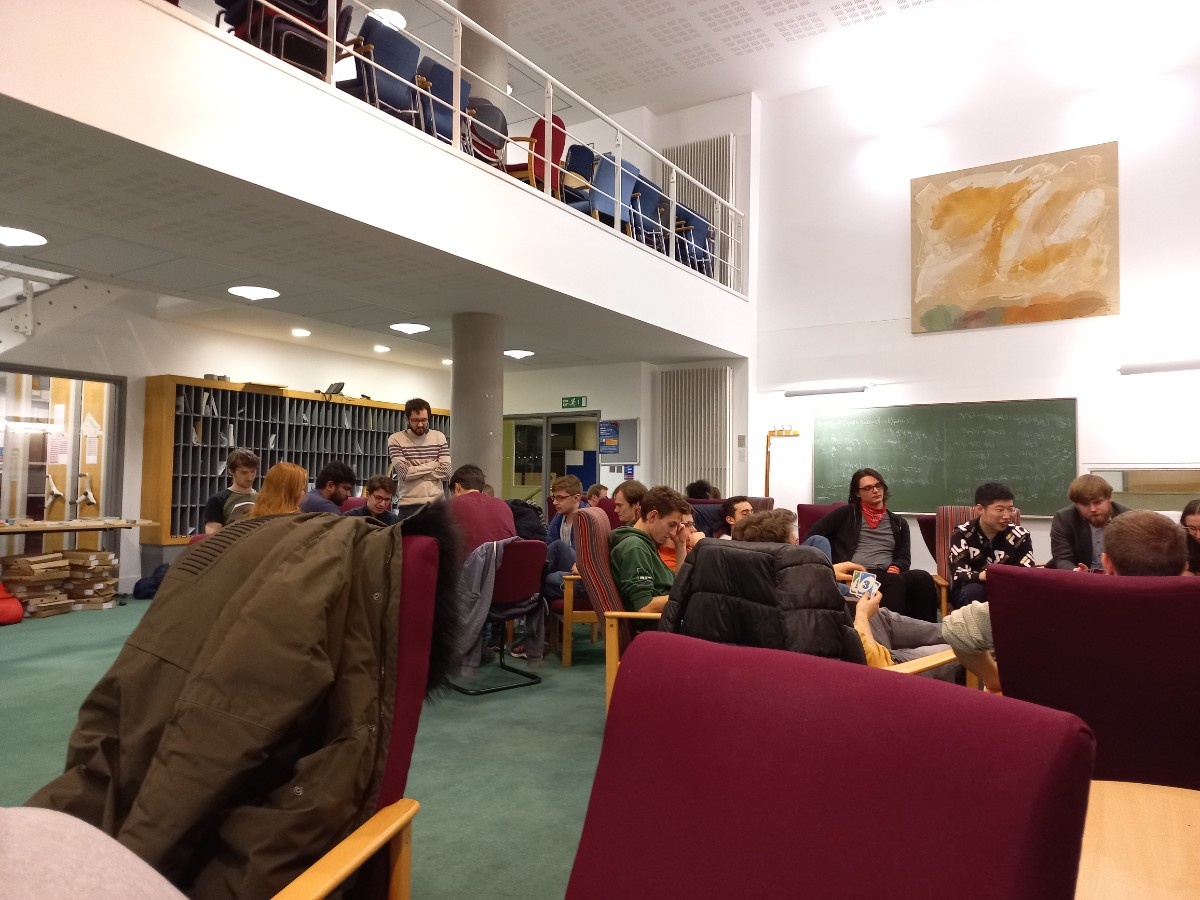
- Academic Structure is concrete with seminars, lectures and asynchronous tasks
- Scenery is beautiful with flowers and trees and usually snow.
- Closed campus which is very safe
Dislikes
- Food catering is not present
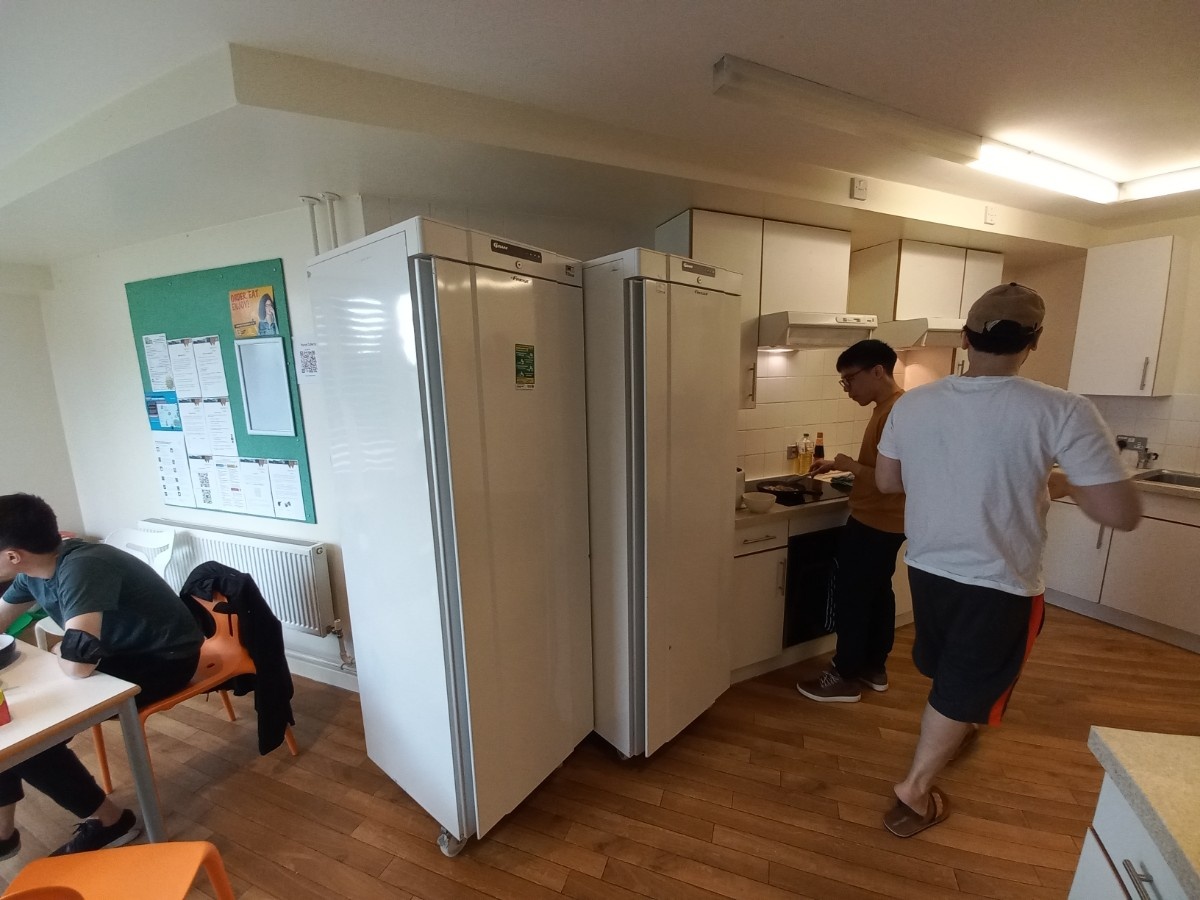
- Fire alarm checking every week early morning
- For my course very few electives in first year
Scholarship
- I did not apply for or receive any scholarships. None of my batchmates have scholarships but I recall there was an option regarding financial aid. The scholarships are pretty rare and must have strict criteria. There is a Global Excellence scholarship, which has many branches, with some including full fees or other benefits. I believe around 400 students receive scholarships every year.
Likes
- I really liked how diverse Warwick is, there are students from all over the world which give students the opportunity to engage with people from different backgrounds and learn about their cultures.
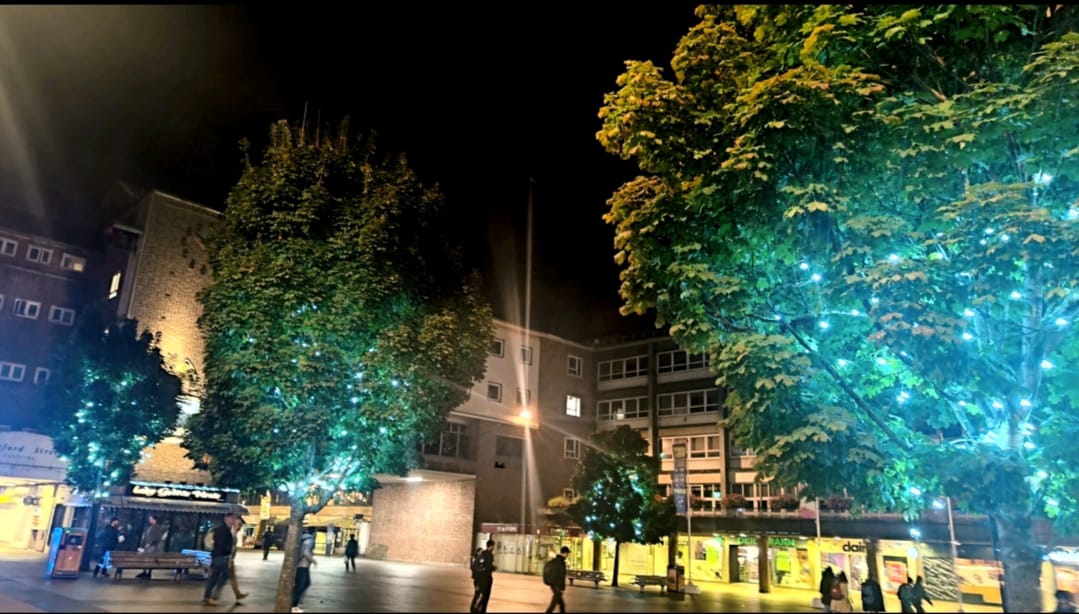
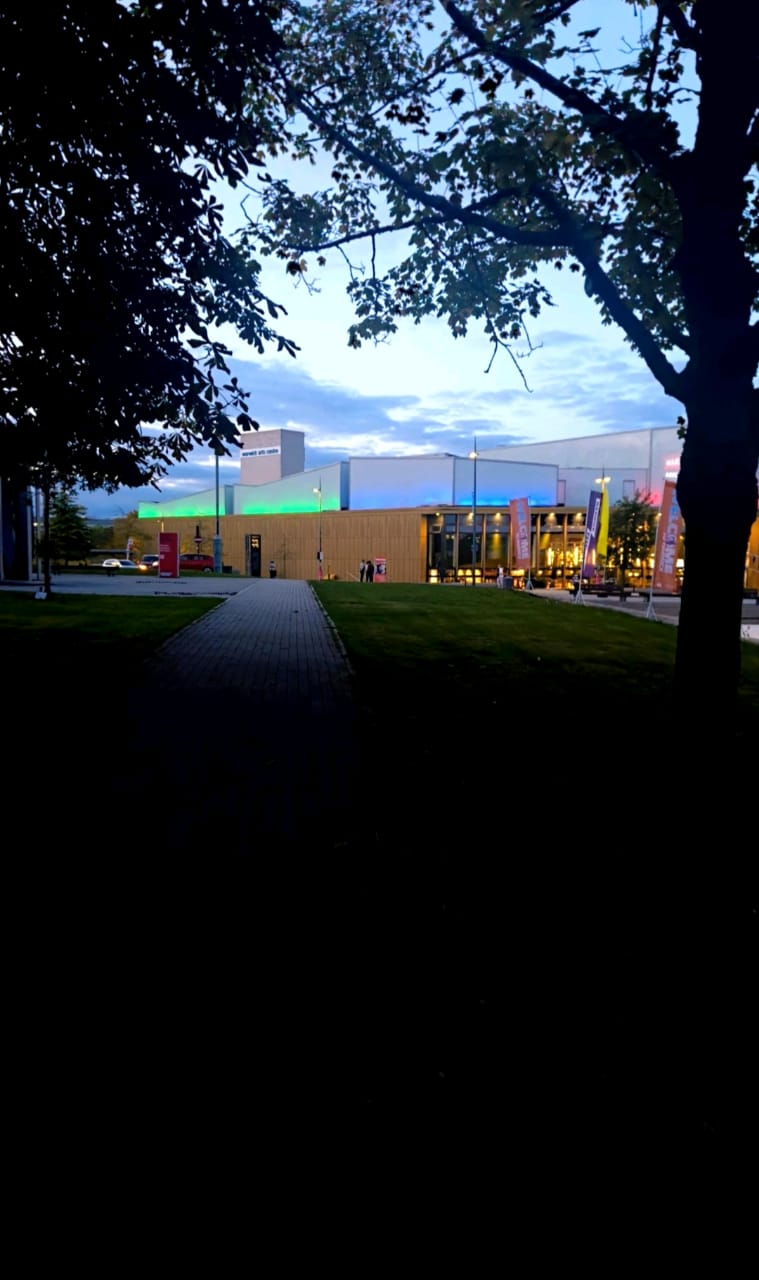
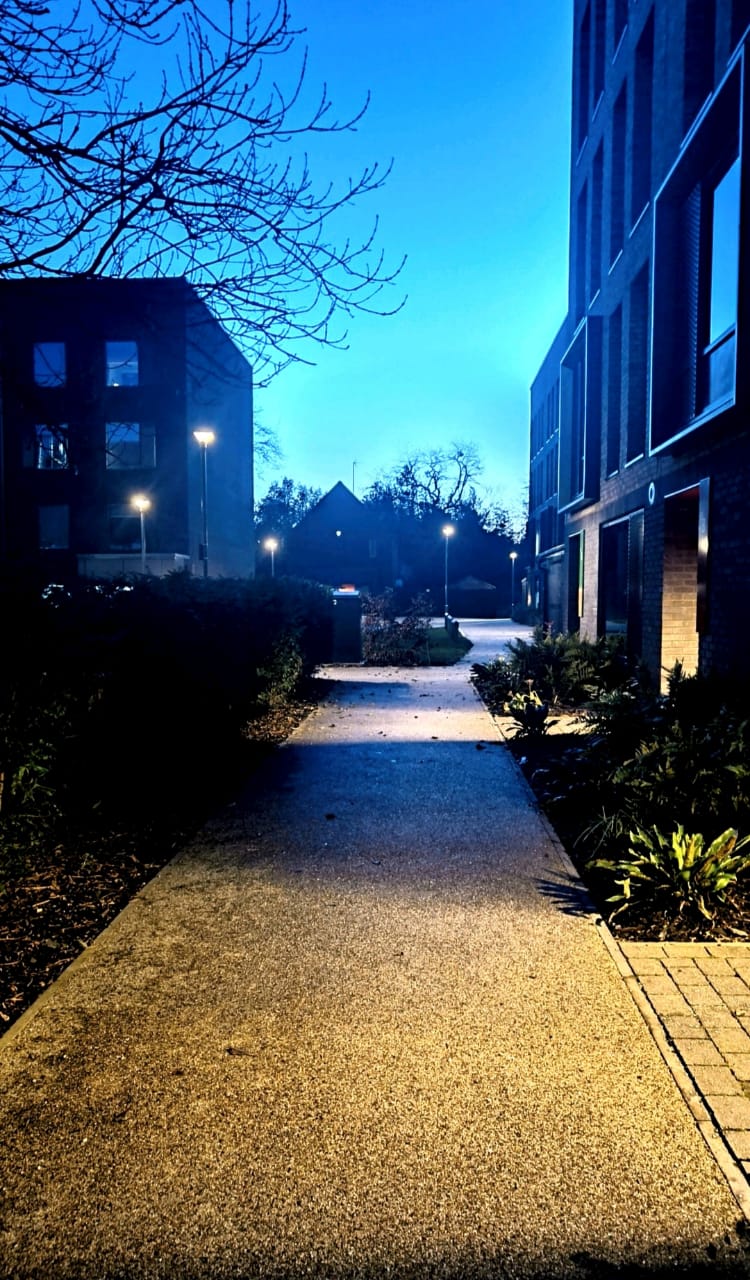
- It’s a massive 720 acres campus, felt like a small student city itself where one can do so much. There’s cafes, restaurants, pubs, sports complex, theatre etc everything within the same campus so it became super easy to socialise and make friends.
- There are 13 different accommodations to choose from, they all have different characteristics for example private washrooms, shared washrooms, small rooms, big rooms etc, basically a place for everyone based on your preferences. They also allocate your accommodate based on your personality by making you fill out a quick personality questionnaire which I think is a nice thing you do. For example, some people prefer party hostels which some prefer quiet ones.
Dislikes
- It’s an expensive place to study, the tuition fees can be quite exorbitant plus the living expenses on campus are quite high. Sometimes it can be a bit difficult to afford
- The wifi on campus used to buffer a lot and caused a lot of problems especially when I was in first year. I wish they had better wifi throughout campus
- The coursework and the grading can be quite intense sometimes. Given it’s a highly competitive university, it can be a bit difficult to understand the coursework and score high grades. The professors were quite strict in terms of grading assignments and didn’t give high scores too easily unless it was an exceptional piece of work.
Scholarship
- I didn't receive any scholarship but there was the undergraduate global excellence scholarship available in 2021. They had three different categories, covering 2000 GBP, 13000 GBP and full tuition fees.
- They had different number of scholarships available under every category and it also changes every year so it must be quite different than what it used to be 4 years back.
.jpg)
.jpg)
.jpg)

Likes
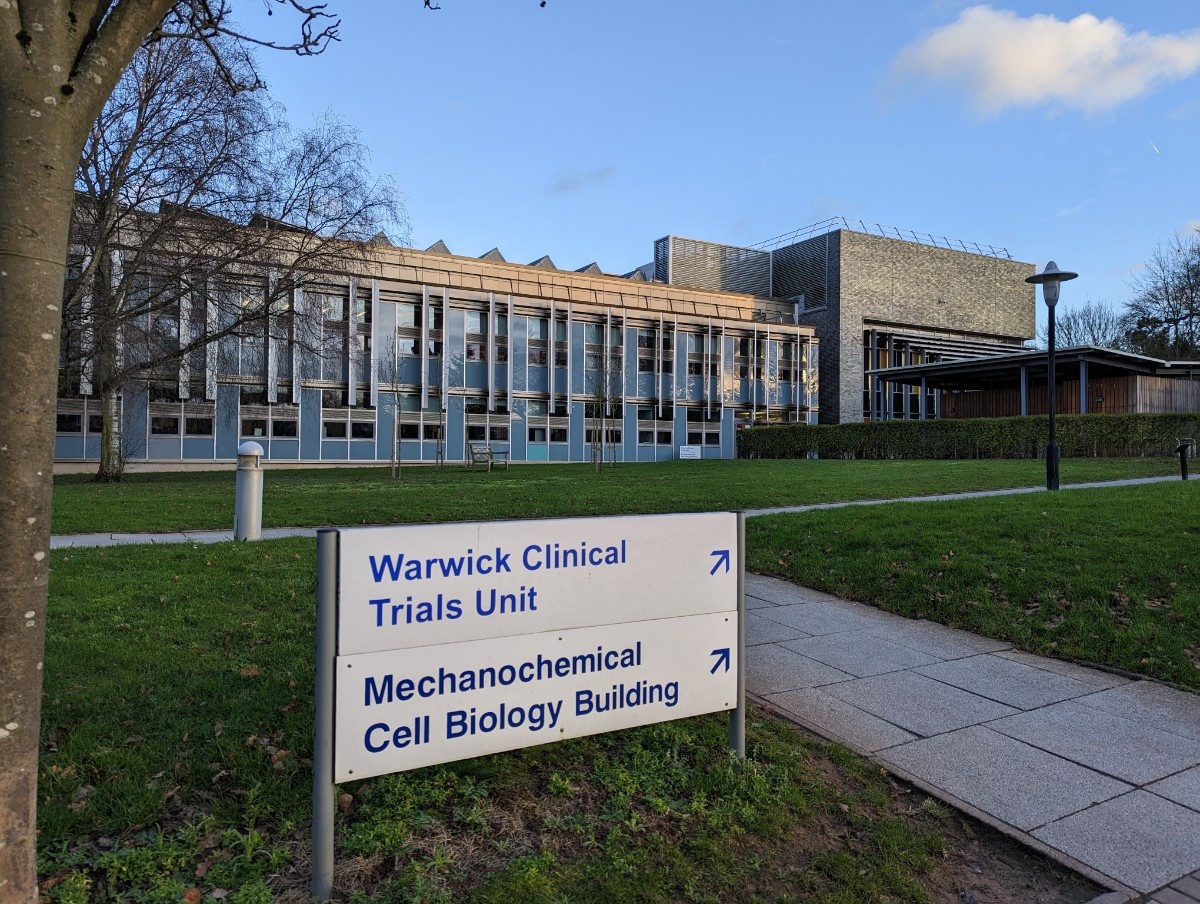
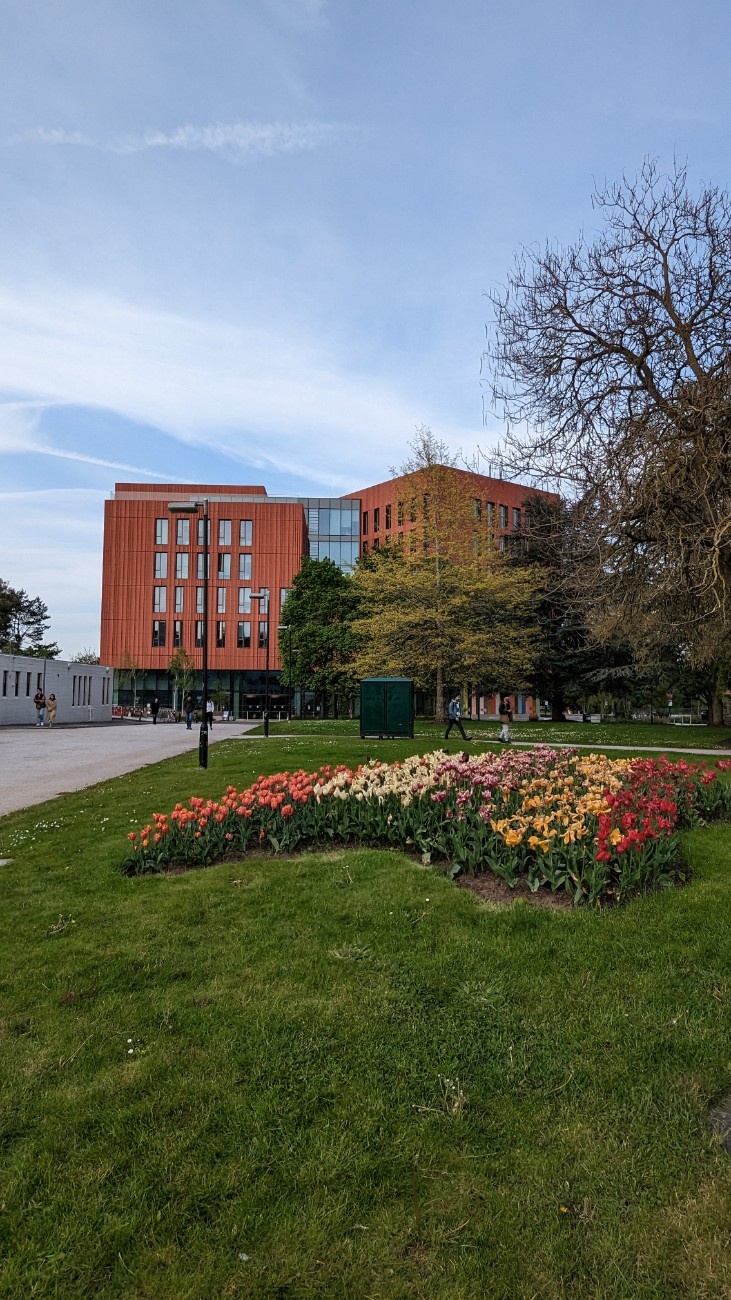
- The campus and green cover, especially the different forests and walkways
- The facilities associated with my department
- The classroom amenities
Dislikes
- Less no. of bikes to roam within the campus
- The area allocated to Life science department (it could have been bigger)
- The in-campus grocery store could have been cheaper
Scholarship
- No, I didn't receive any scholarship. Two of my classmates did receive School of Life Science scholarship (internal to the university) and one was a chevening scholar.
- The SLS scholarships at that time were awarded as 5000 GBP reduced from the tuition fees. On an average, 2 to 5 five people do get awarded internal scholarships from the SLS, Warwick.
- The rest can apply for the Vice chancellor's scholarships, If available. These have to be applied for very early during the application process.
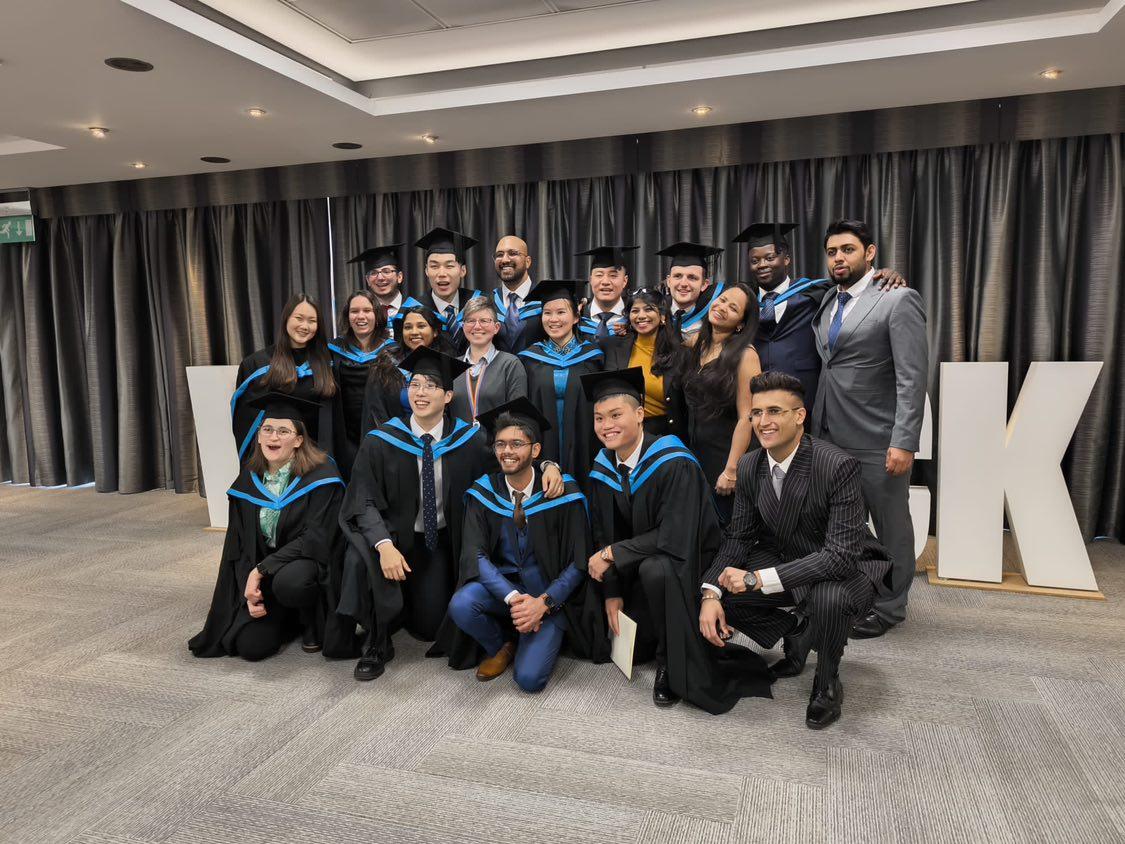
Likes
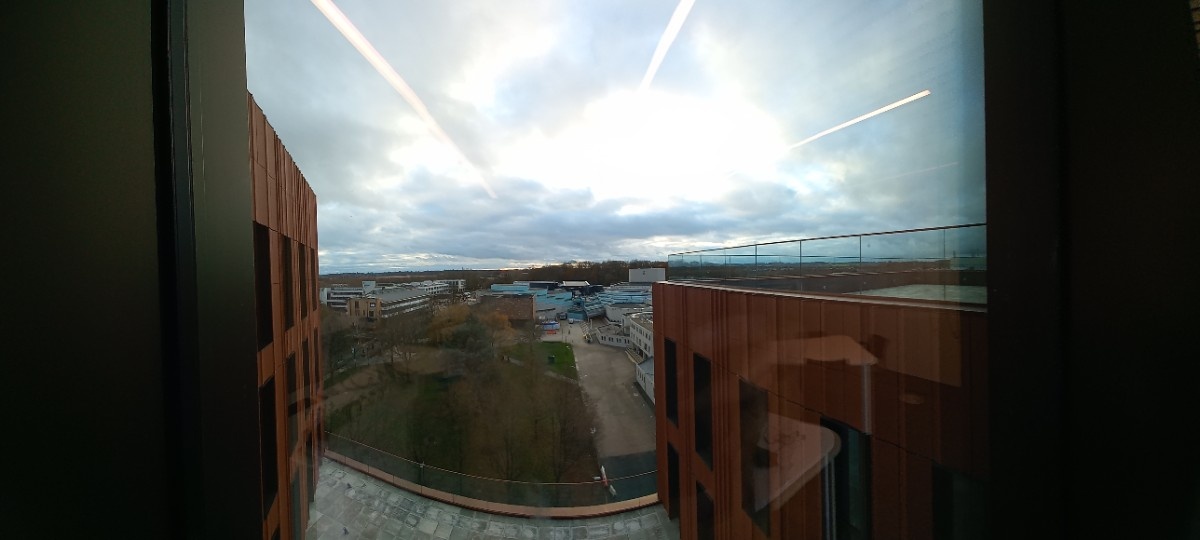
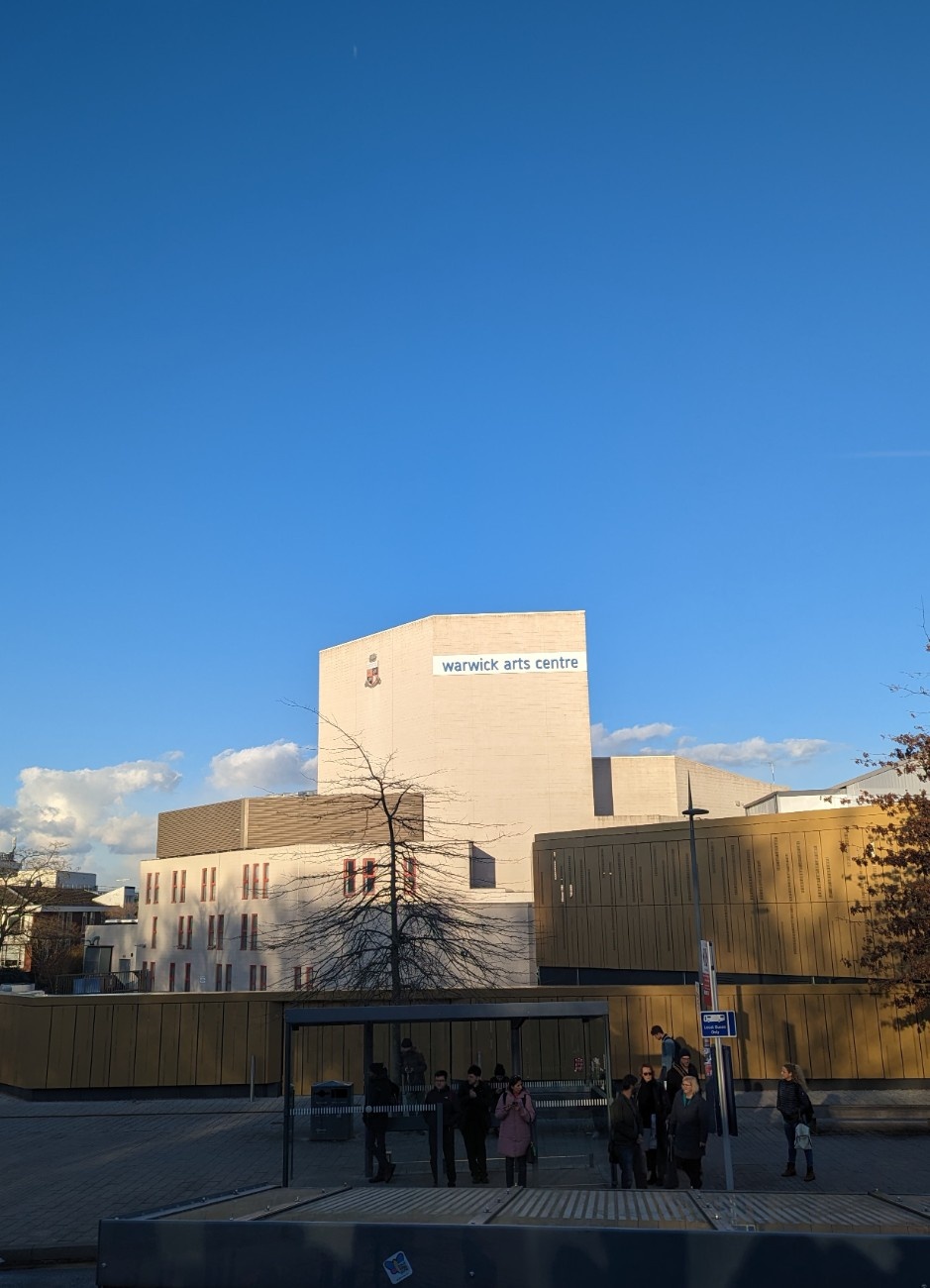
- The campus is huge and lovely to walk around in the evenings
- On-campus accommodations have nice diverse students living
- The professors and career coaches are really helpful
Dislikes
- Probably that they have online lectures and then smaller workshops
- There are just too many south-asian students feeling like I don't see a huge diverse crowd (But that's the case of any UK university)
- Time just flies by in self-studying, assignments, lectures, workshops and then internships and extra-curriculars
Likes
- I like the faculty members and the way they approach the students .
- Our college will support in all aspects like games ,cultural activities and even also in studies .
- When we come to studies or designing the app or something our faculty members will help us. And college supports all technical clubs .
Dislikes
- As we are migrating from one to another country first few days we have to adjust with some food .
- Weather conditions and climate these are the two main things we have to adjust .
- Nothing much every thing I like in this college .
Likes
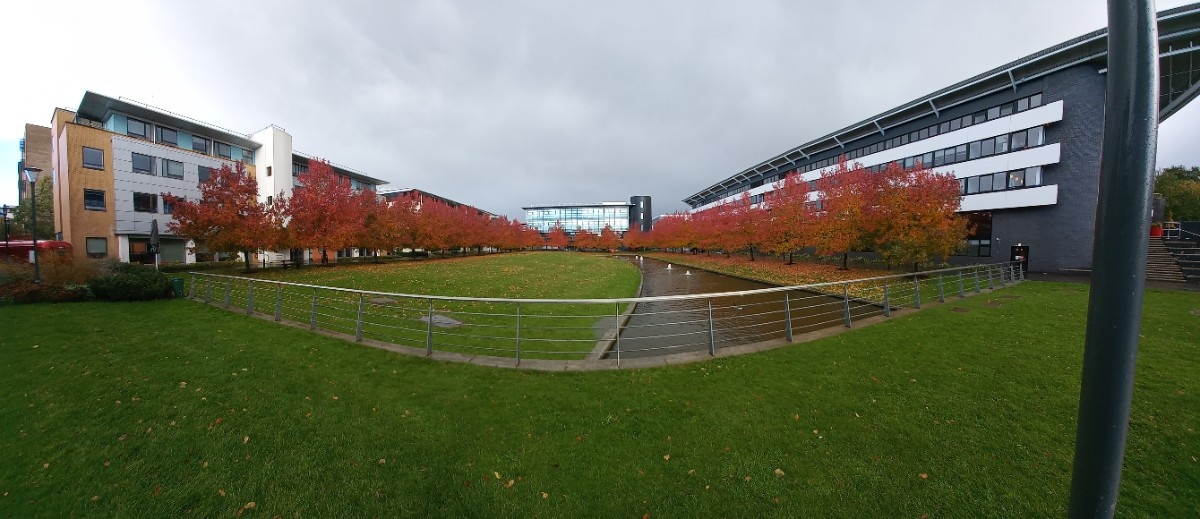
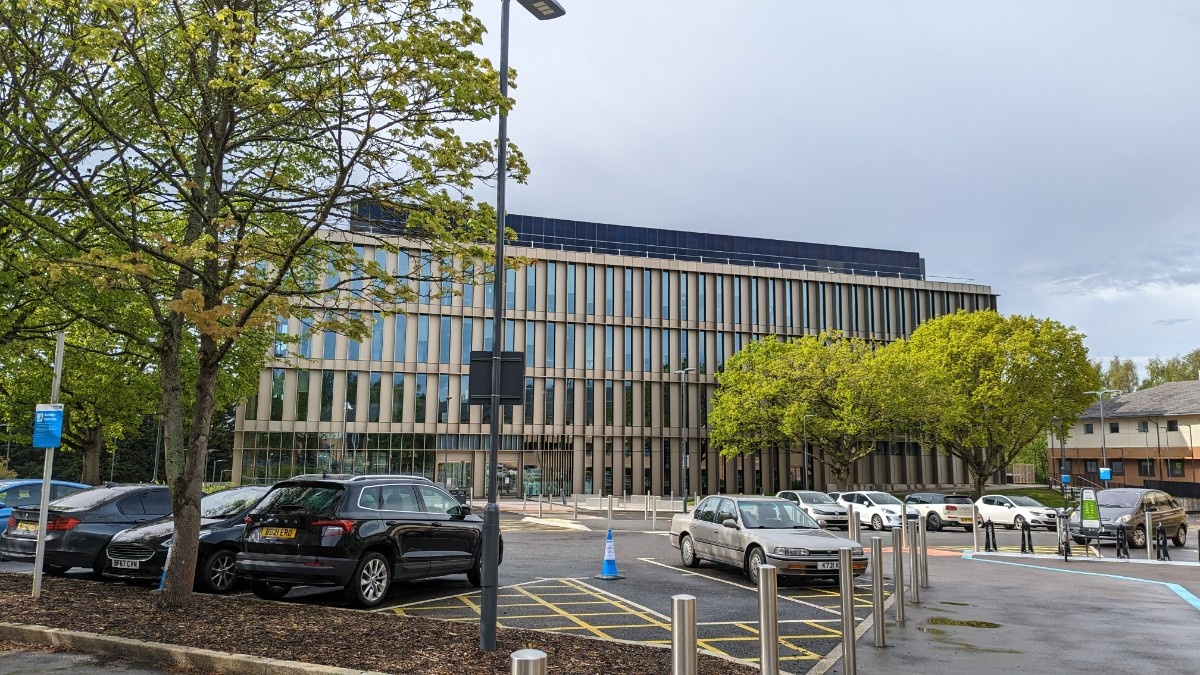
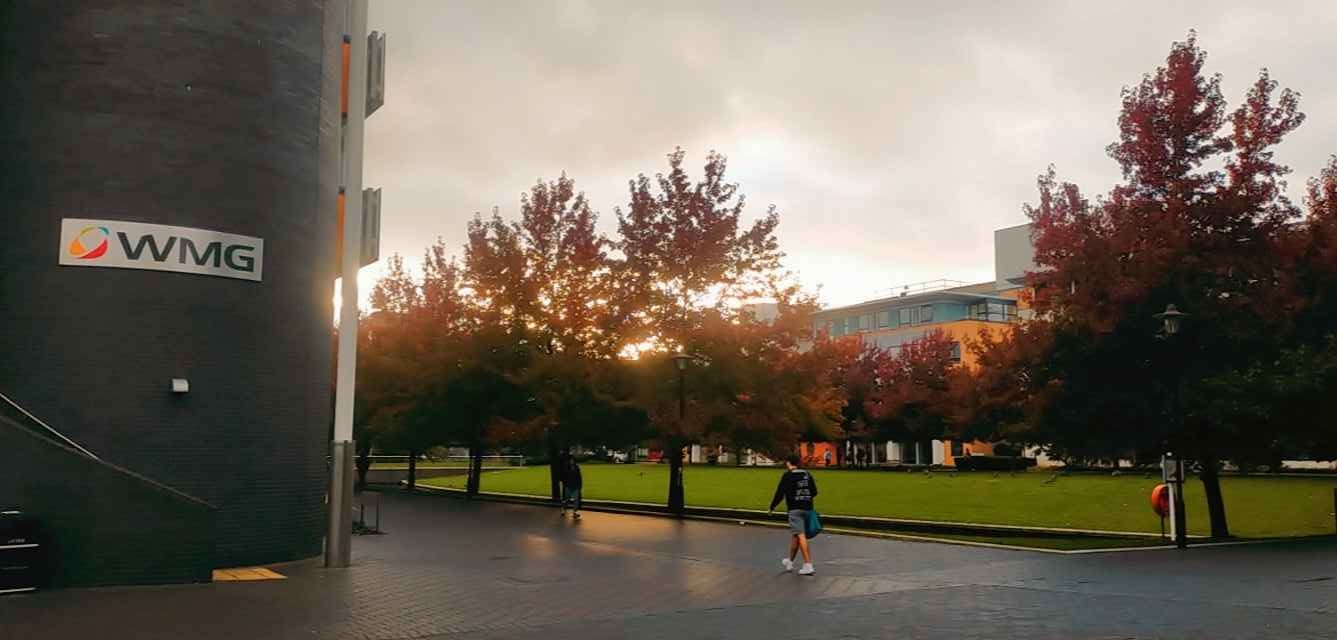
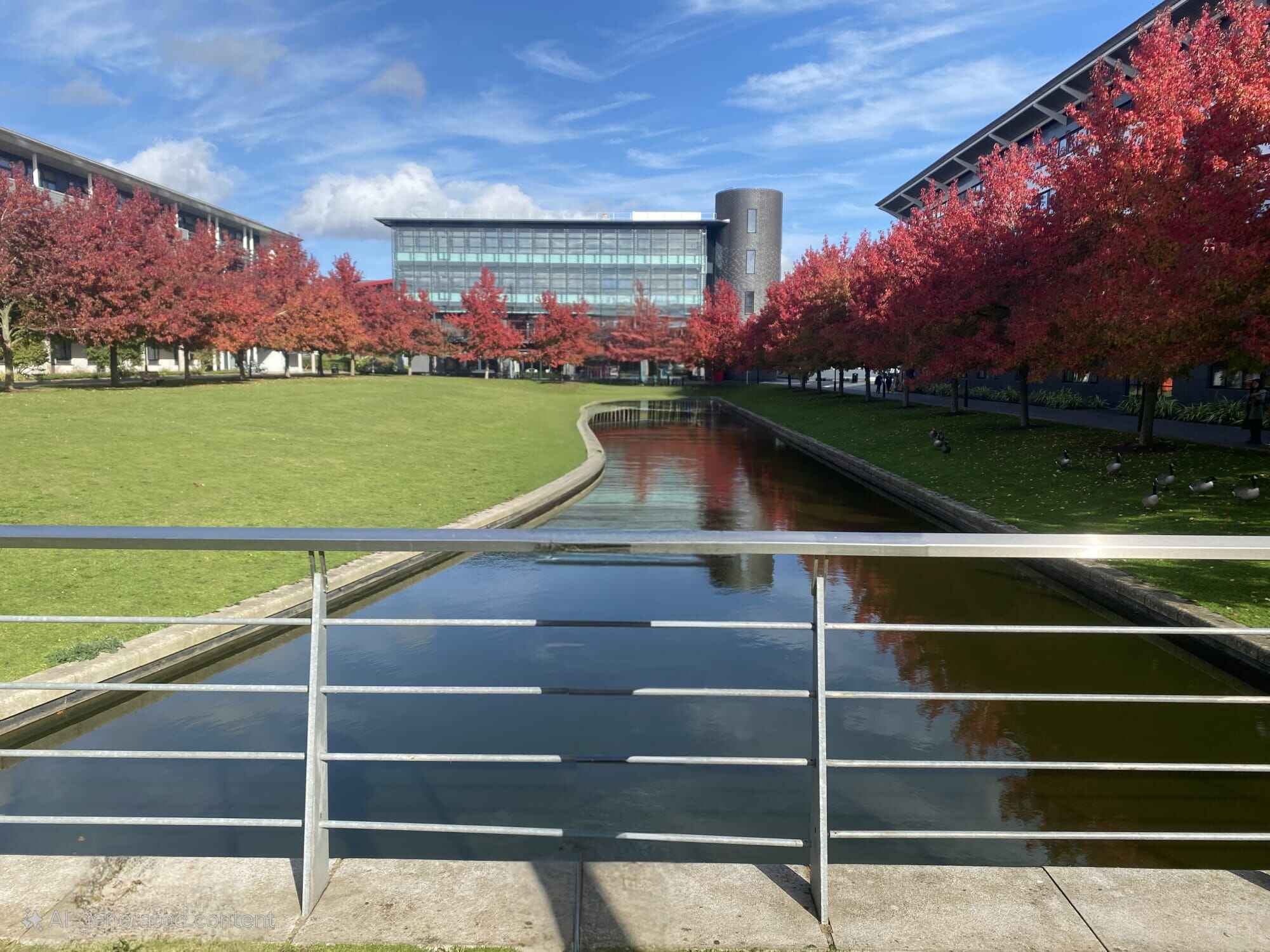
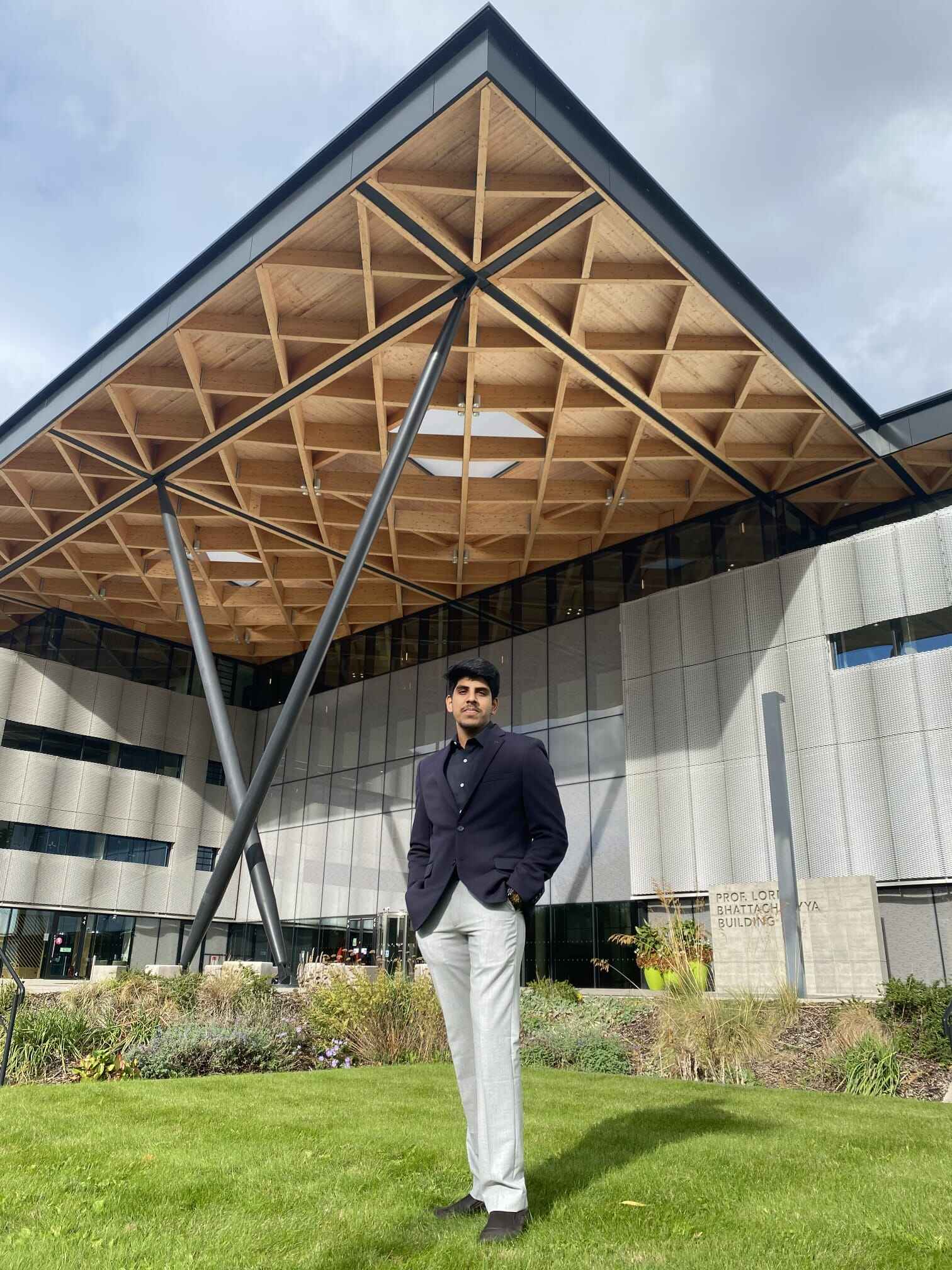
- The infrastructure of the university is amazing such that no two building would look the same. Despite that, every departments (WMG, WBS etc) facility are very unique and specific to those. The lake closer to WMG buildings are for all students of Warwick but sometimes you feel connected to it since you have classes every day, you see all 4 seasons of weather occurring by the trees as they start to change colour from red to yellow, wither off and grow again.
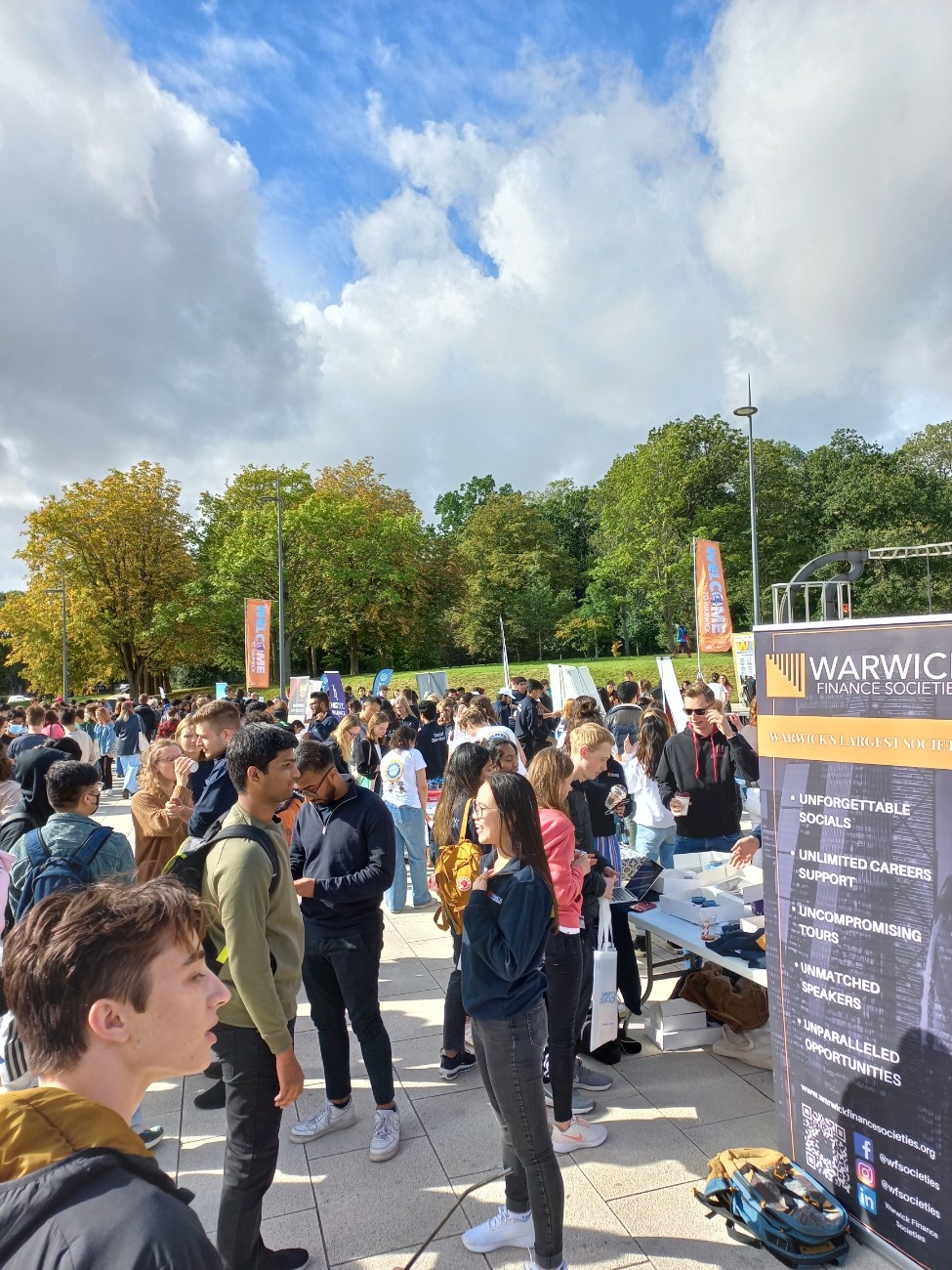
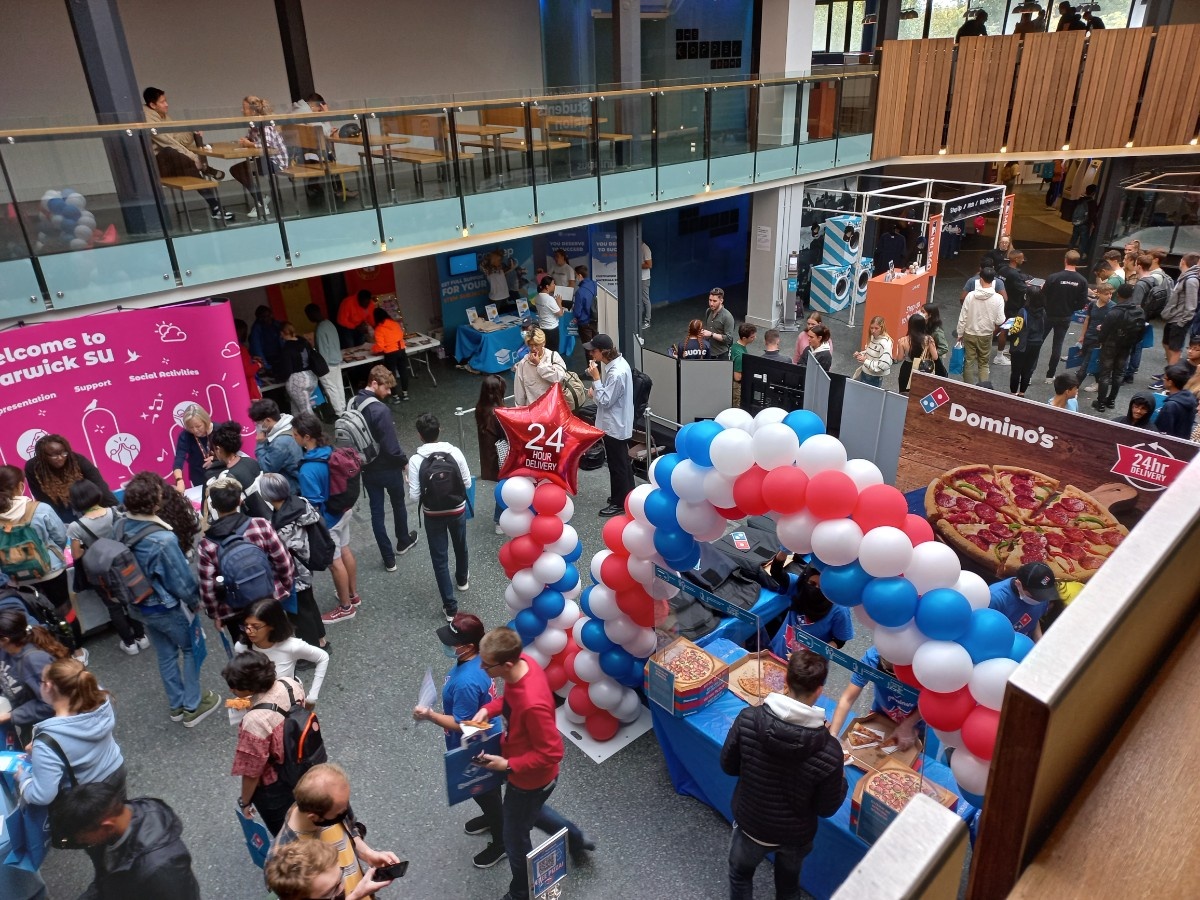
- The centre of the campus will always be my favourite where all events, food stalls happen every week. Also to note, there will be always something interesting happening every day – could be small art gallery, dance festival et.
- Networking events – As a Warwick student, I am lucky to attends many networking events with various companies of different sizes and different roles. During the induction period, networking sessions happen every day for roughly 1.5 months and still continues to happen later but as in weekly once.
Dislikes
- Certain modules (SFEO), I had replacement teacher teaching that module and wasn’t happy to how the first batch was taught. Though, every teacher teaches differently, SFEO was more of one way communication, a lecture where they was no interactive session at all.
- Modules likes BDAI were taught as literal lecture with 70 slides per day, no interaction between teacher and student. Despite that, there was no prerequisites for the module which meant that everything taught made zero sense to most of the students. It was so advanced directly focusing on advanced machine learning and algorithms. I wish it was more structures.
- I really wished the program I studied was given a placement year option since the program itself is very generic as you cover all subjects on the surface level. For example - Compared to people who do specialization in supply chain and studying supply chain on very basic level plays a significant role while applying for jobs.
Scholarship
- I didn’t receive any scholarships during my study.
- Many of my batchmates had received scholarships, which roughly ranged from 10 to 30%. I am not sure about the average scholarship given each award amount, but I believe about 20 students must have received scholarships, and each was different, some being Commonwealth, Entrepreneurial, and country-specific as well.

Likes
- It is a very diverse university. So you meet new kinds of people every day, and it is never a trouble to find fellow Indians. - The academics push you mentally. They foster overall growth.
Dislikes
- It is a campus university and not in a big city such as London, which can be a downside to some people.
Overview
I chose the University of Warwick as it is very prestigious and highly ranked for my course. My overall Uni experience has been a very good learning opportunity not just about academics but also about life skills.
Likes
- I was offered admission in a few other universities but I chose WBS because it is highly ranked in the world. It is in the top 20 business schools and the facilities at WBS are unmatched. The business school has many accreditations and also offers career service with its own career service portal. The university has a very high reputation and the teaching standards are peak. It really challenges me to push my limits and it offers the perfect inoculum for growth be it academic, professional or personal.
- The infrastructure, ambience, diversity, standards and reputation that we feel at this place is really awesome and it makes you want to work hard and bring out the best possible version of you. The challenges are really painstaking but the fruit of it is really worth it and prepares you for a life beyond campus life.
Dislikes
- It is quite expensive to even live a meagre life here. It can be financially challenging and the university is quite far away from major cities like London and Manchester. Getting medical attention in the UK is really challenging and is a big hurdle.
Overview
The course is very challenging and managing all of it far away from home really makes you come out of your comfort zone and do your best. The cohort is very diverse and enables you to make friends and acquaintances all over the world and let you understand their perspectives and thoughts. I am in deep awe of the infrastructure and standards set by the university and the very beautiful campus set in an English country side. Every subject is challenging and requires you to give your best. The faculty is really wonderful and so is the curriculum.
Likes
- I decided to come to University of Warwick as it is one of the most reputable universities out there. It is ranked 4th for Economics and that was deal sealer.
- It's diversity and inclusion of people from all cultures. It's helps me grow in my own space and provides enough opportunity to thrive. The classes are divided into smaller cohort which helps in better understanding of important concepts and problems.
Dislikes
- The time-frame for each module is really short and sometimes things feel a bit rushed, but I think it is a general problem for all Universities here. As, we get less time and simply we are not used such fast paced study back in India.

interested in this College ?
Follow & Share this college to get information about admission.



Comments