




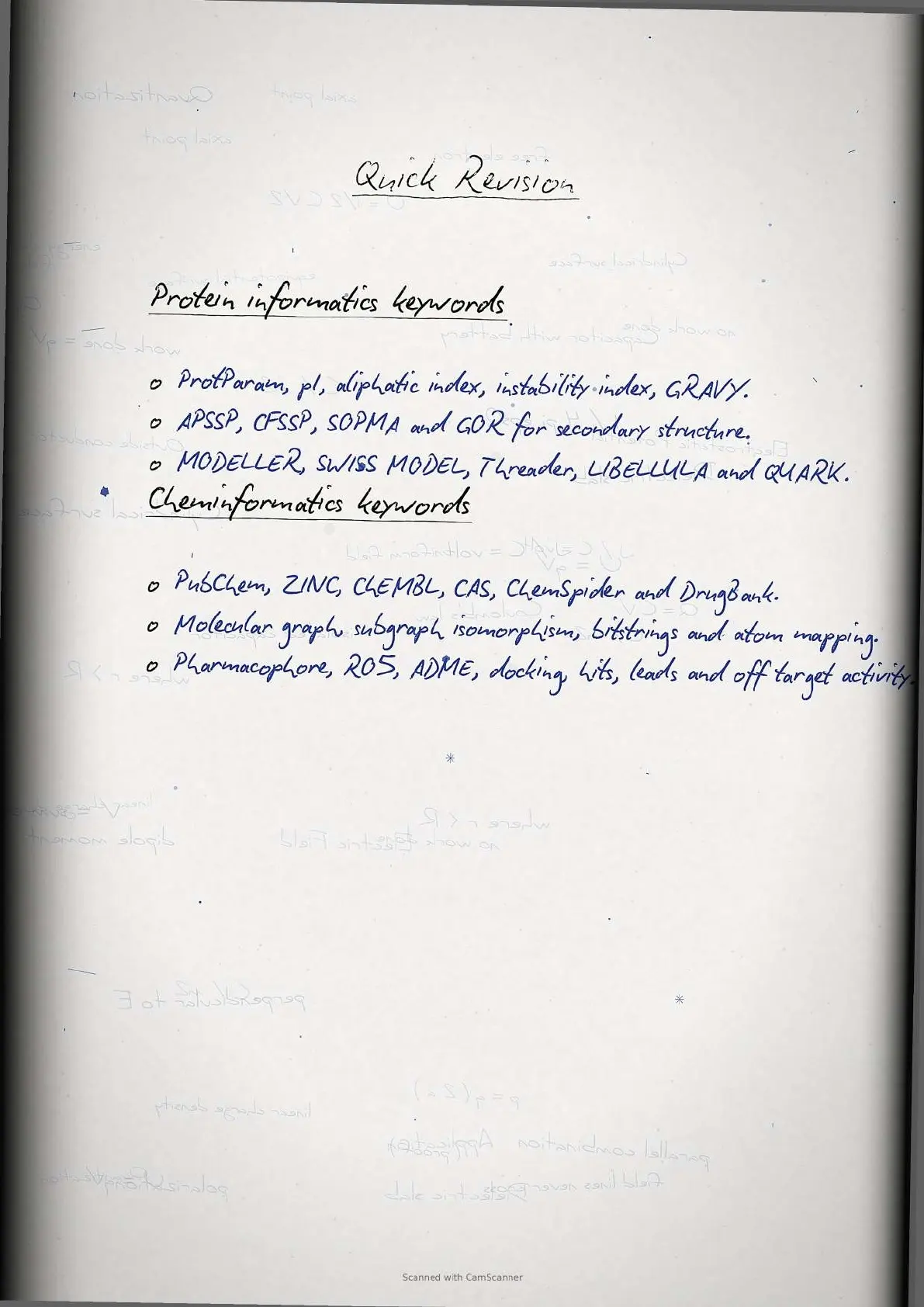
The handwritten notes on Class 11 Biotechnology Chapter 10 Protein Informatics and Cheminformatics have been prepared for quick revision from the 2026-27 NCERT textbook. The PDF covers protein data types, ProtParam properties, 3D structure prediction, domains, chemical databases, molecular graphs, pharmacophores, Lipinski's rule and virtual screening.
- Covers both protein informatics and cheminformatics in NCERT order.
- Includes tool names, database examples, prediction routes and drug-discovery terms.
- Useful for school tests, NCERT exercise revision and last-week concept recall.
Student Feedback: In a Collegedunia survey of 12,640 students before the 2026 boards, 78% said the protein prediction route and Lipinski rule numbers became easier after revising them in separate handwritten pages.
|
Table of Contents |
Protein Informatics and Cheminformatics PDF Highlights
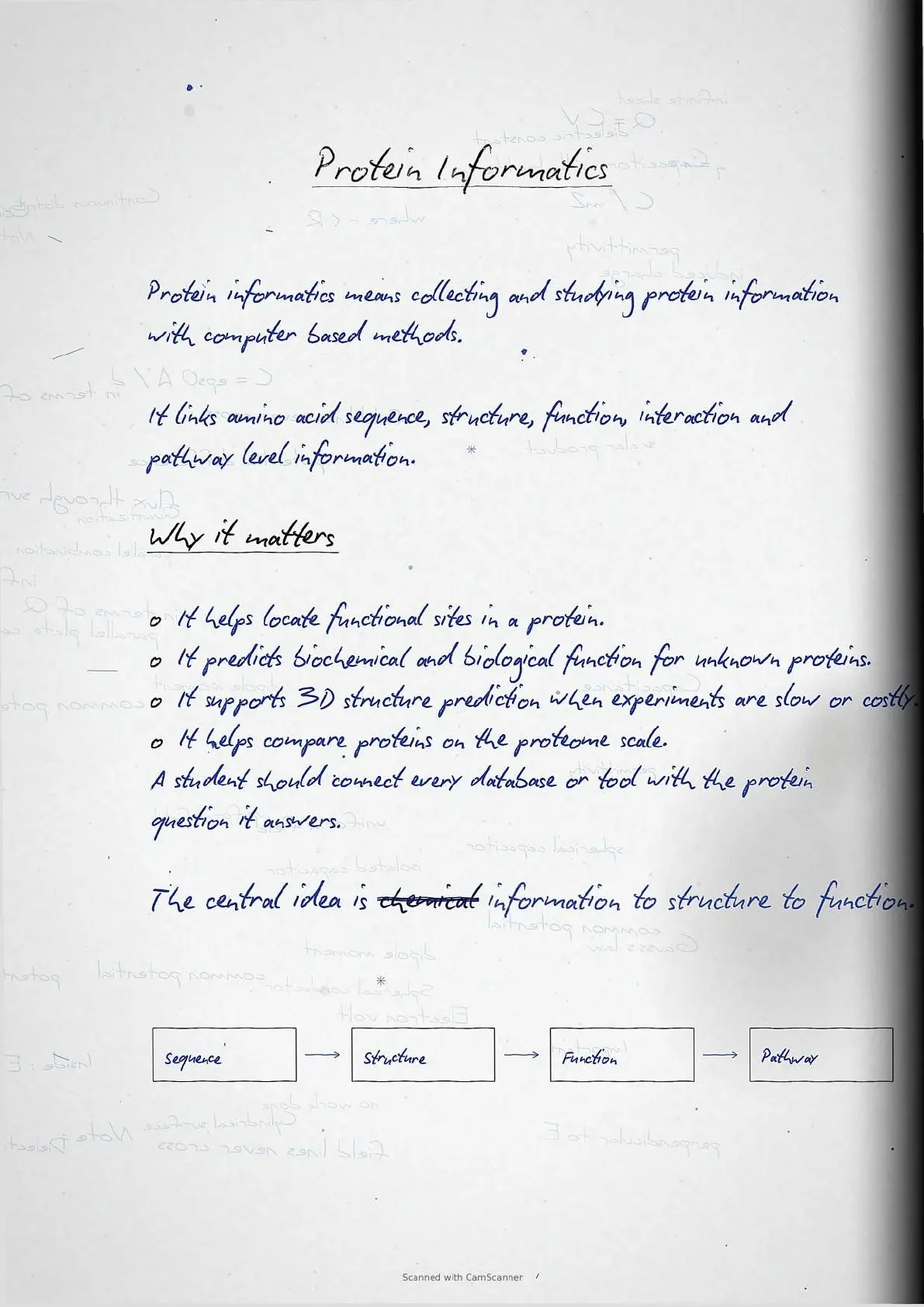
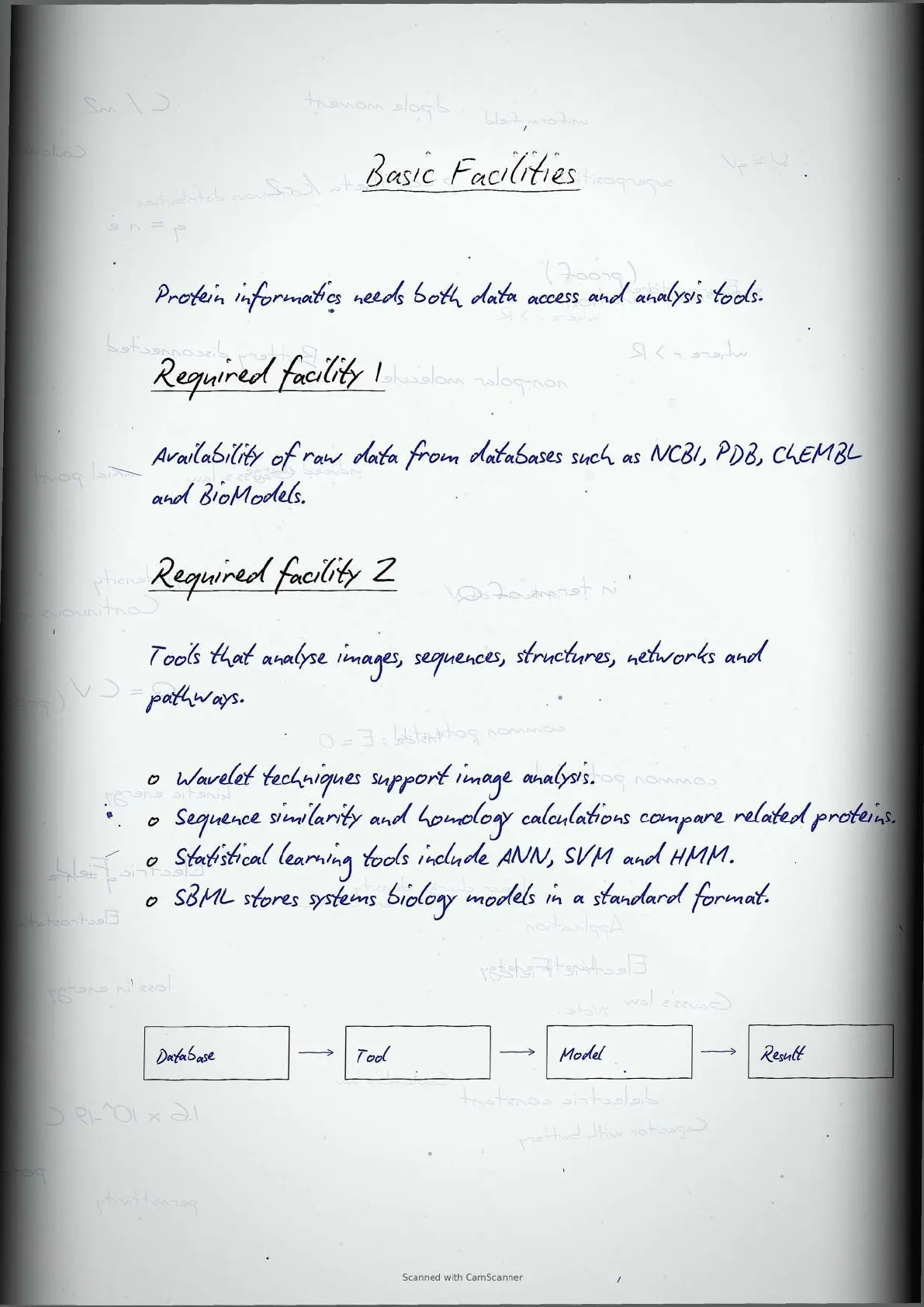
Protein Informatics and Cheminformatics links biological molecules with computer-based search, prediction and screening tools. The handwritten PDF keeps the chapter short enough for revision, but still covers the NCERT terms students are expected to define.
Important: revise the tool names with their use. Many questions ask for direct matching, not long explanation.
| Revision area | What the PDF covers |
|---|---|
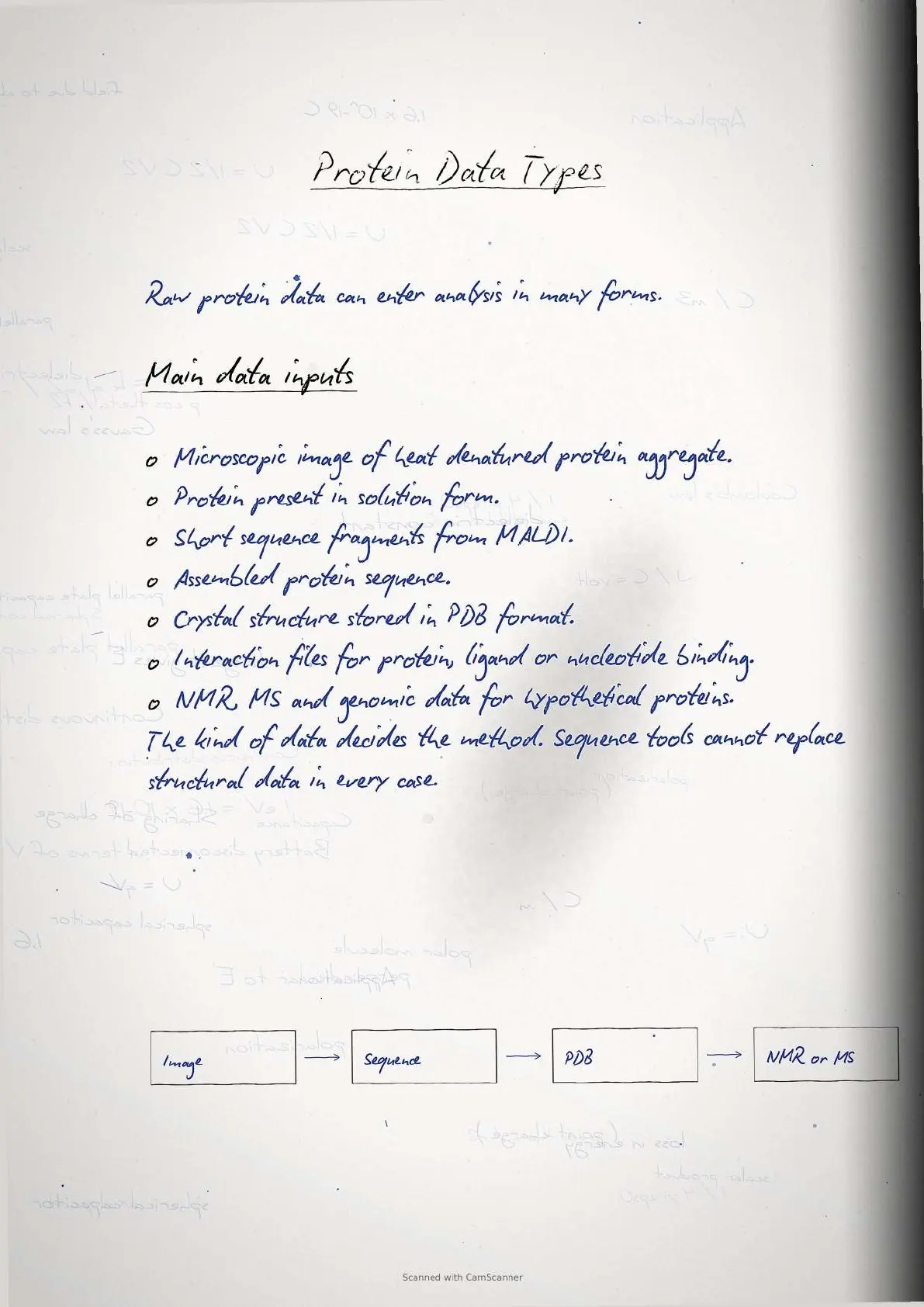
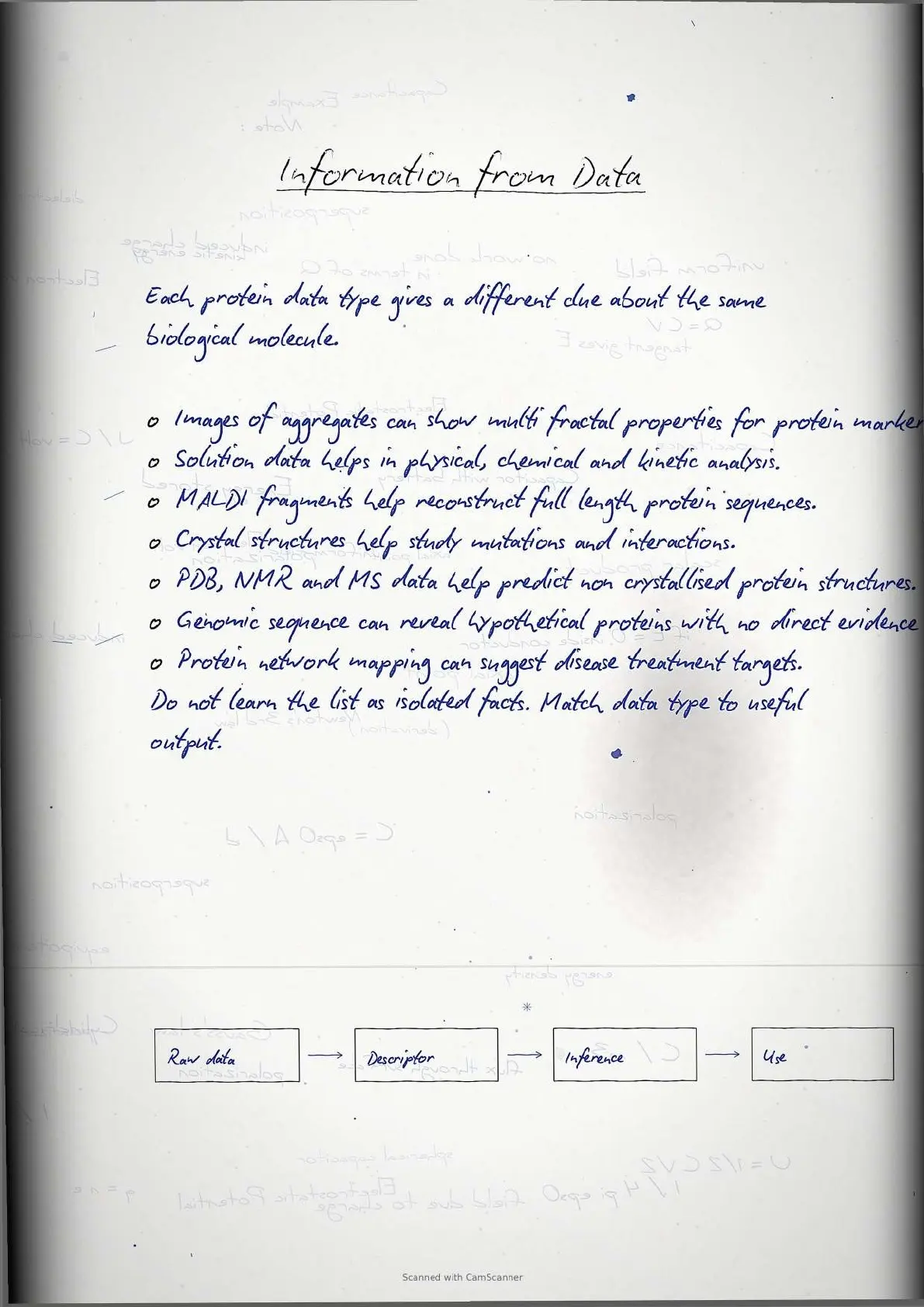
| Protein informatics | Protein data types, databases, primary properties, secondary tools and 3D prediction routes. |
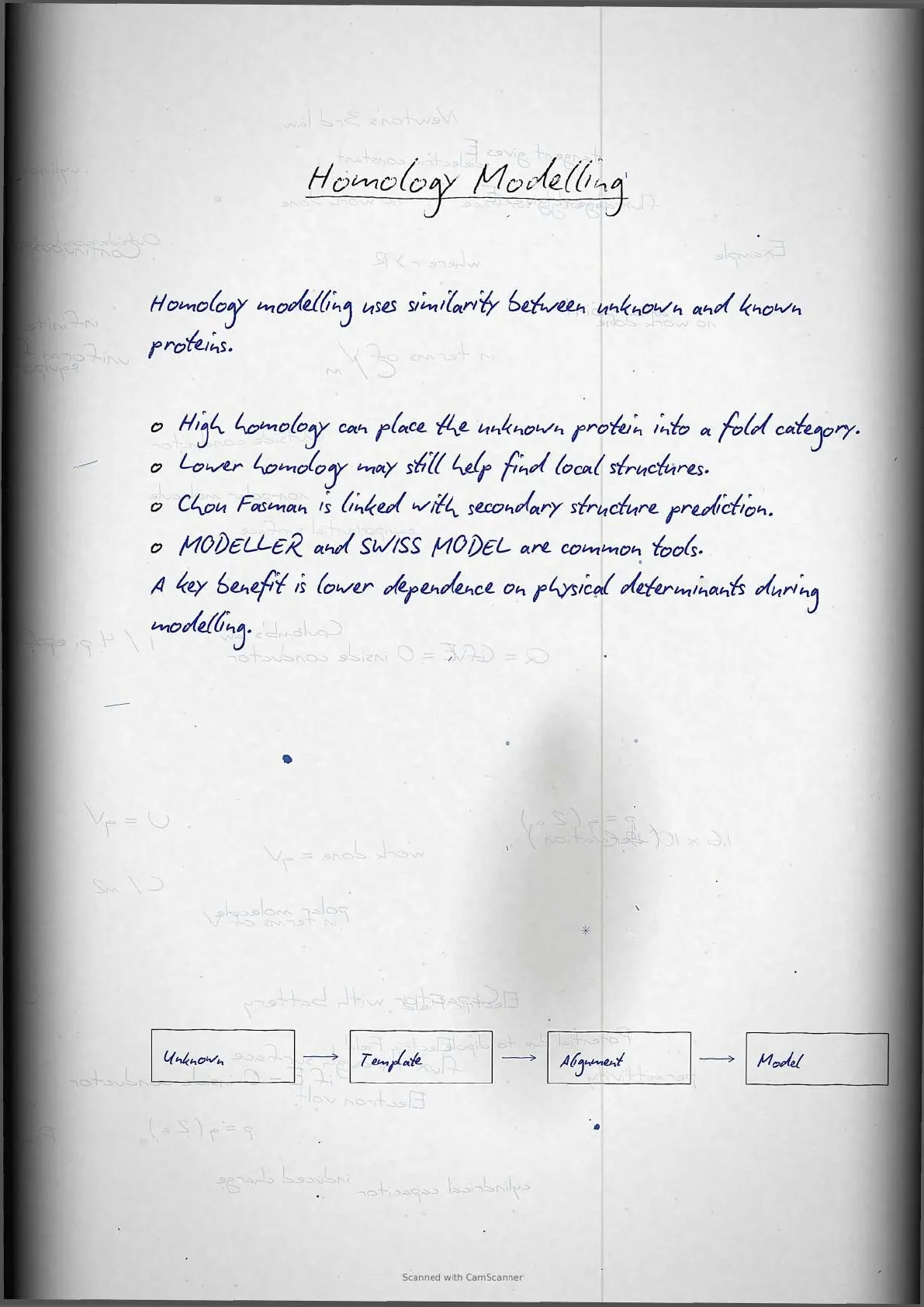
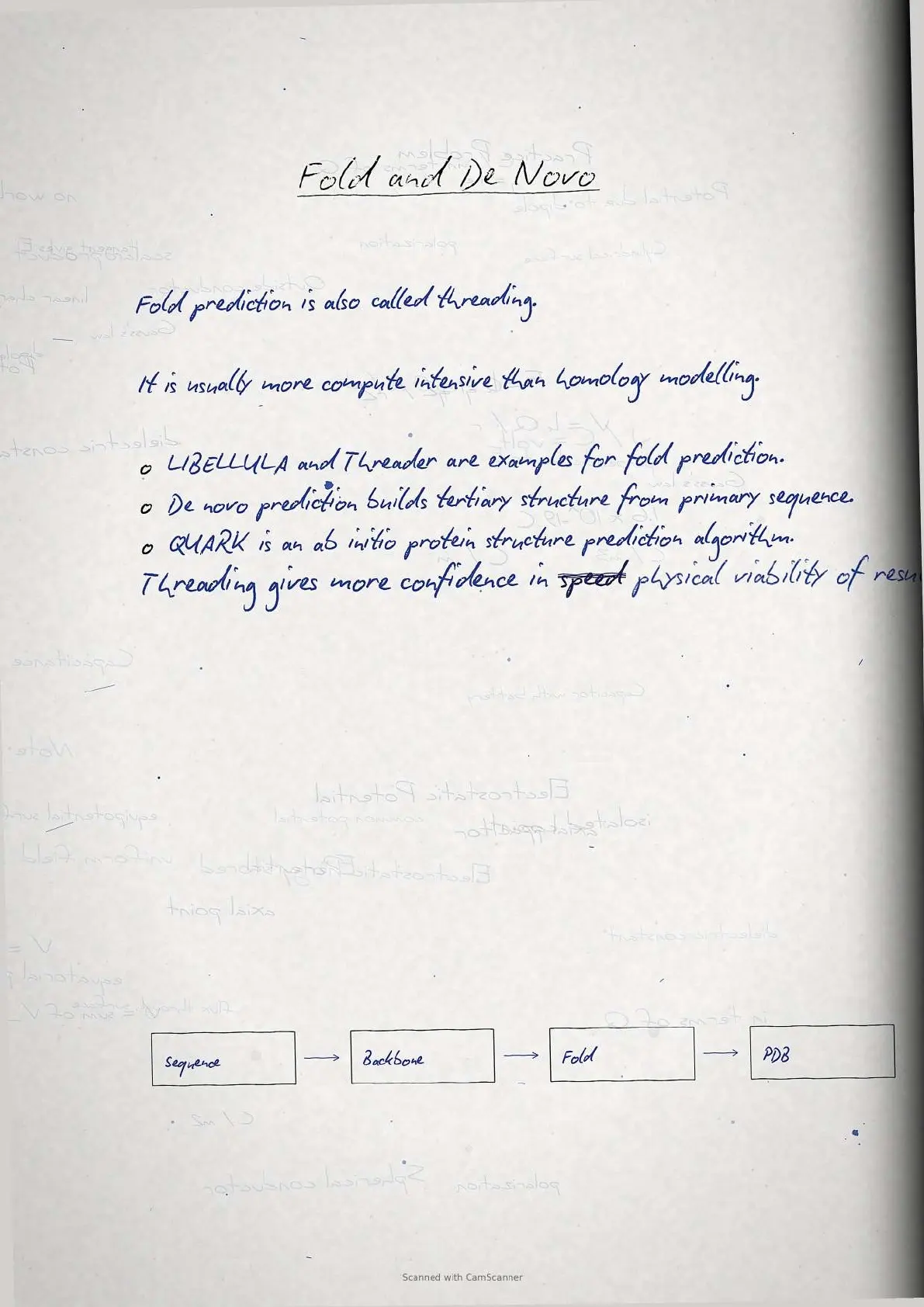
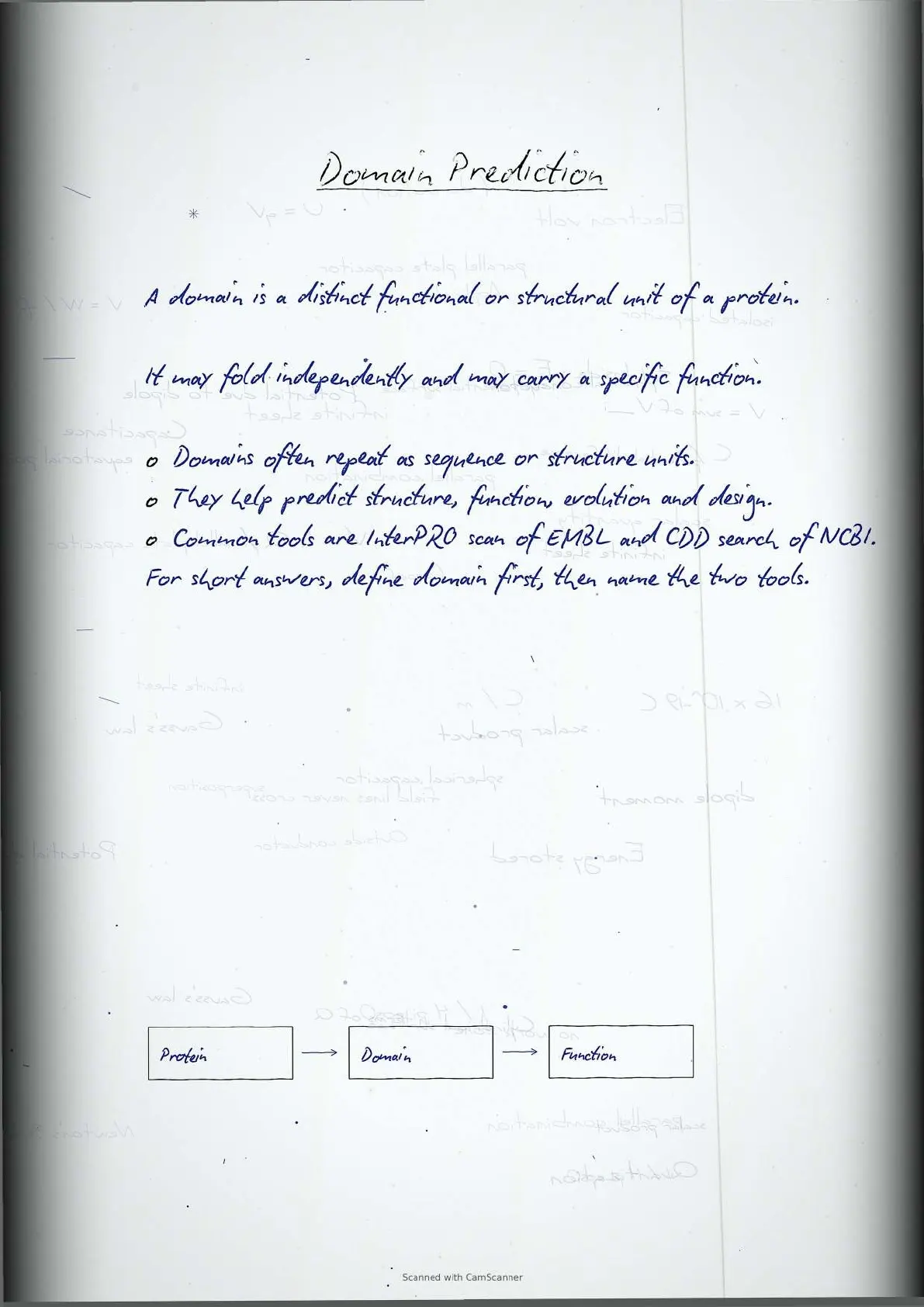
| Structure prediction | Homology modelling, threading, de novo prediction, PDB files and domain prediction. |
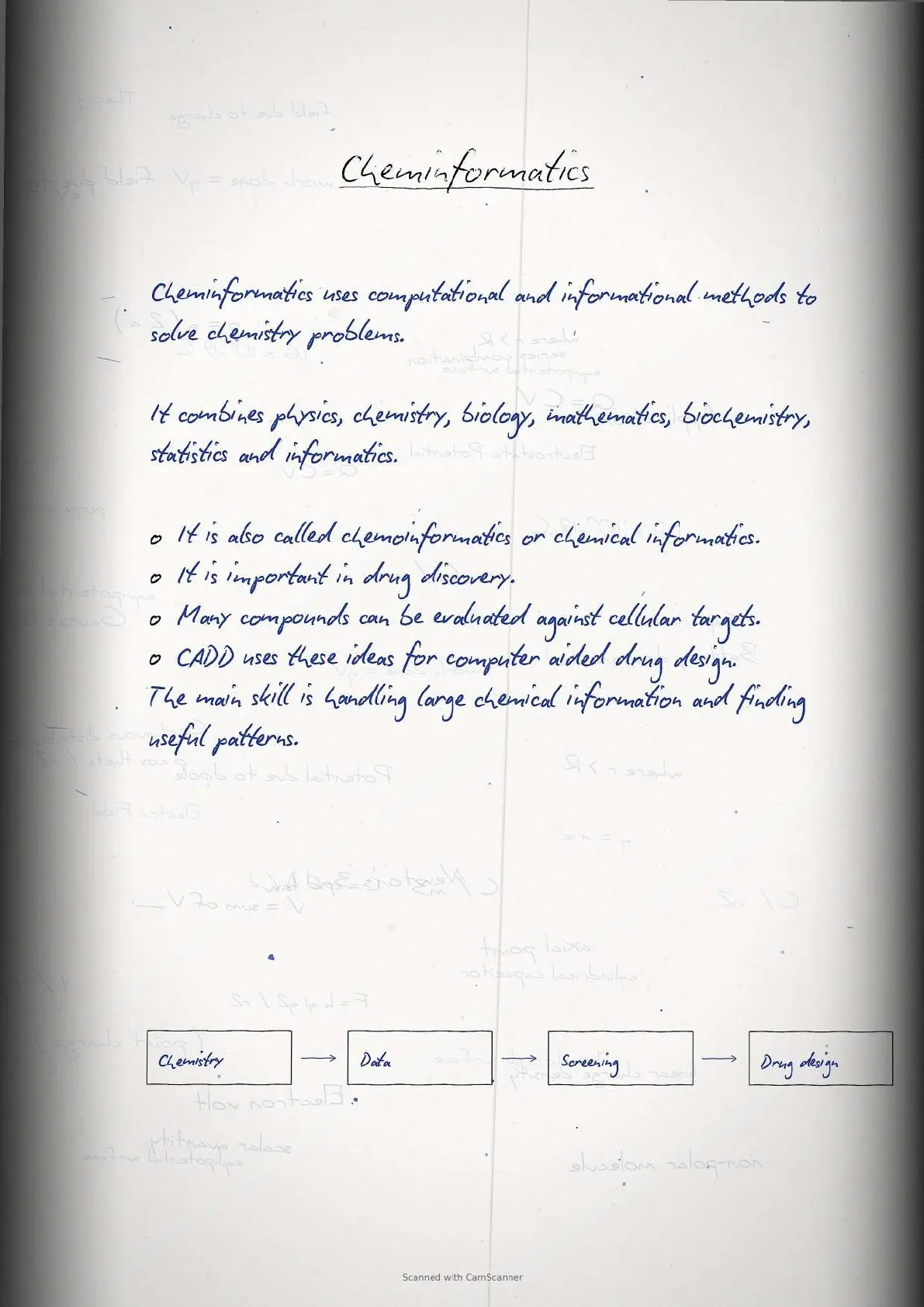
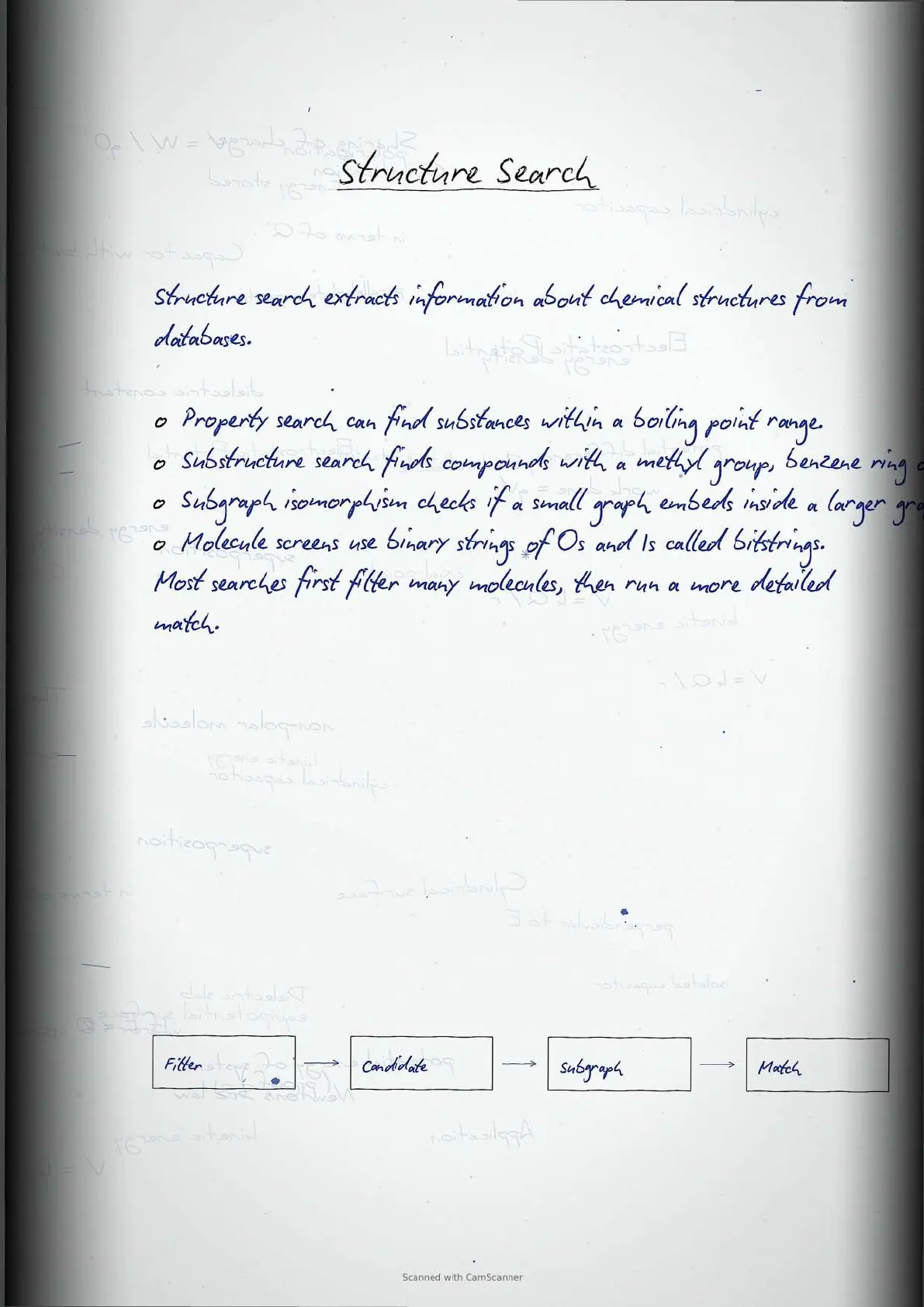
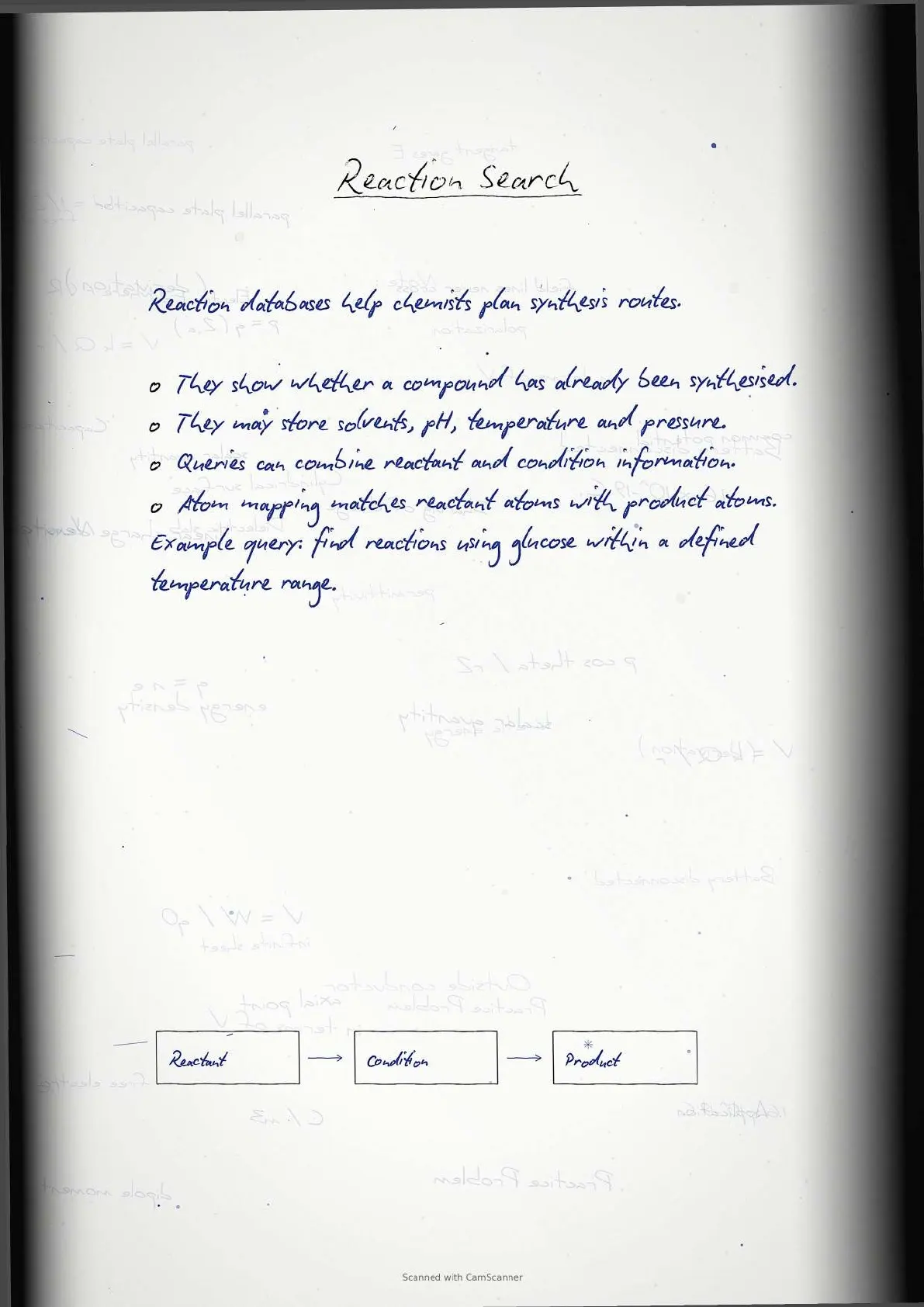
| Cheminformatics | Chemical databases, molecular graphs, substructure search, reaction search and drug screening. |
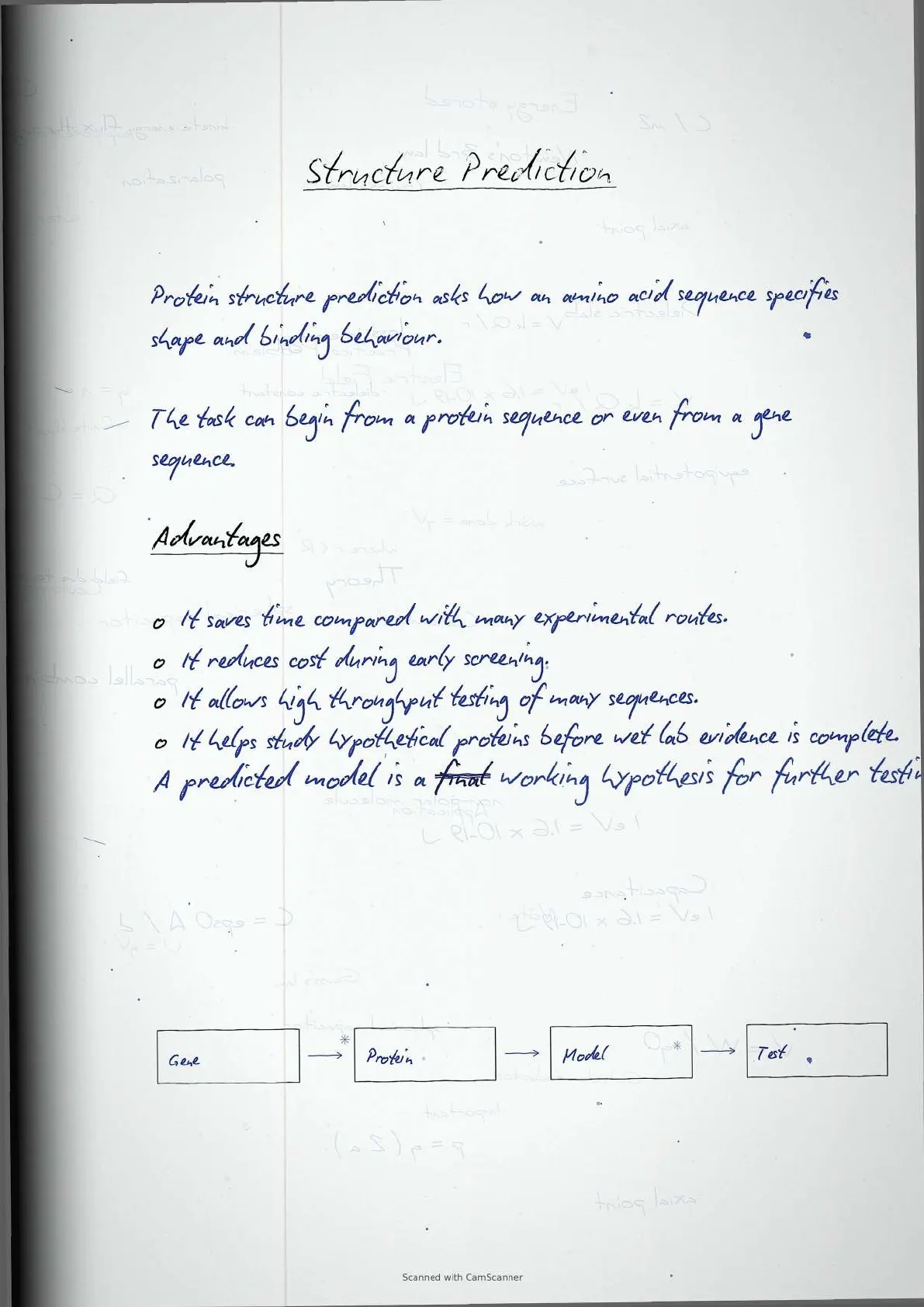
Protein Structure Prediction Workflow for Class 11 Biotechnology
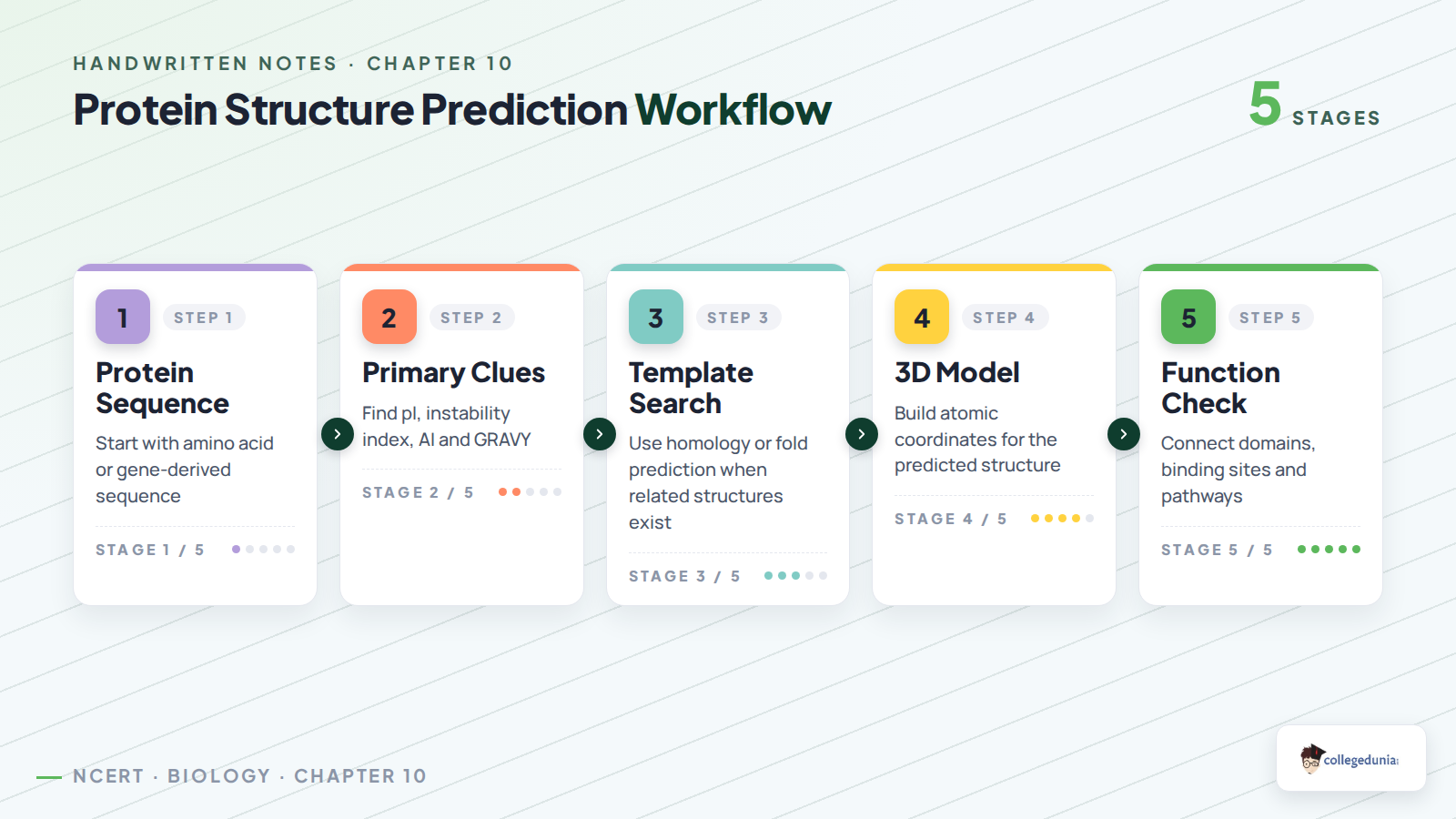
Protein structure prediction starts with sequence information. Tools then estimate basic properties, find related structures and build a 3D model. The final aim is to connect structure with function, domains, binding sites and pathways.
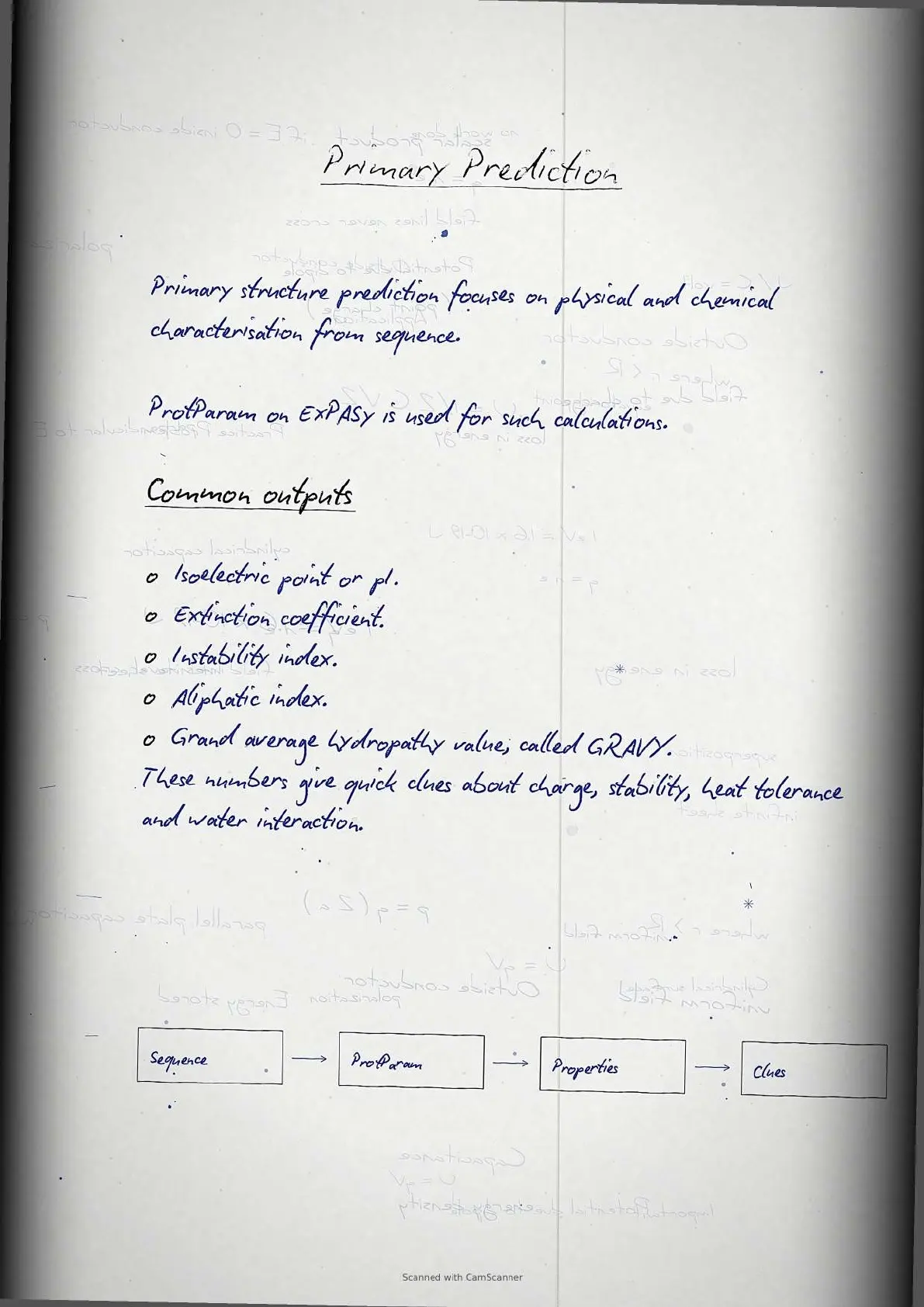
- Use ProtParam for pI, aliphatic index, instability index and GRAVY.
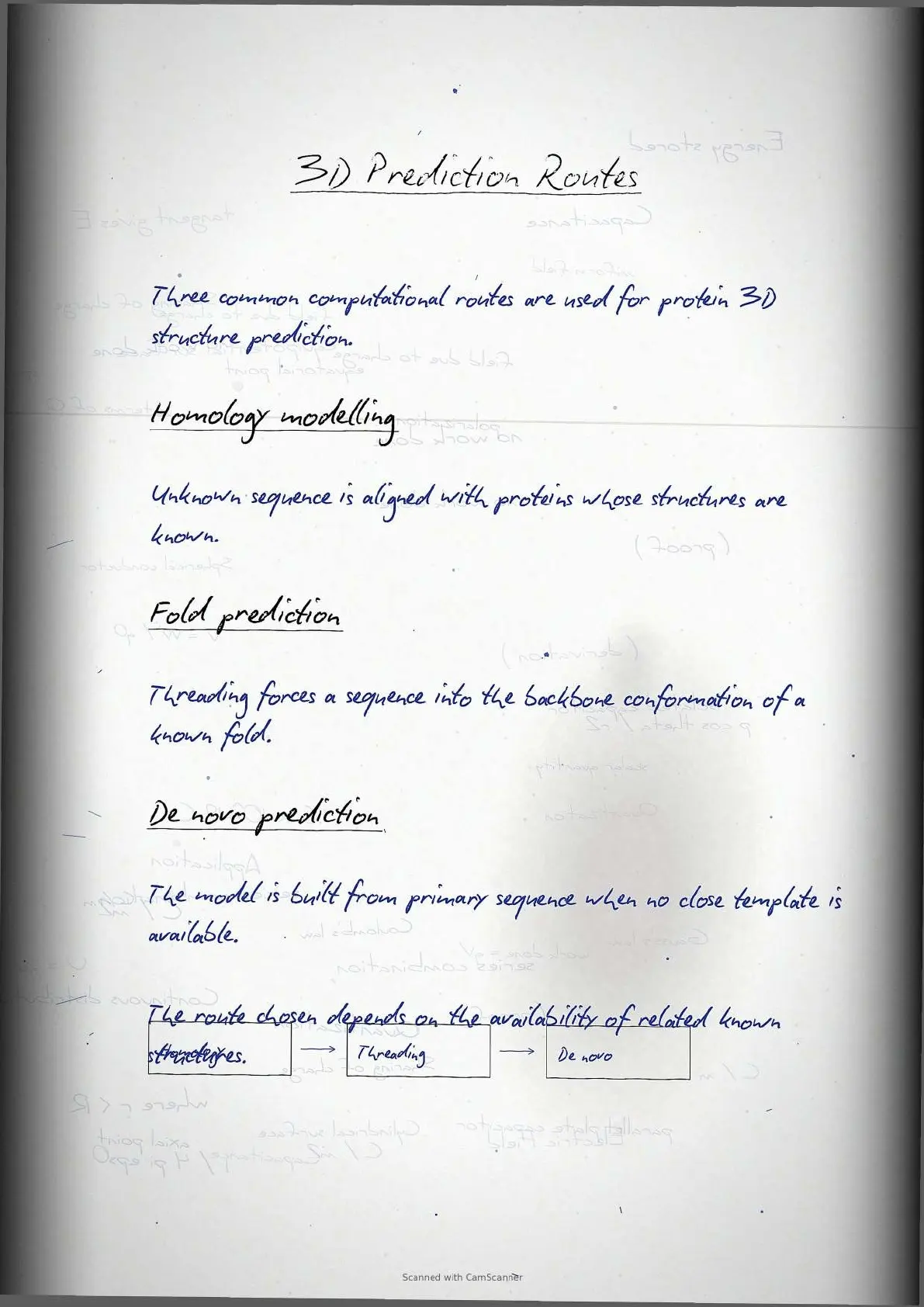
- Use homology modelling when a related known structure is available.
- Use threading or de novo prediction when templates are weak or missing.
Protein Informatics and Cheminformatics Video Revision
Source: Magnet Brains on YouTube
Primary, Secondary and 3D Protein Prediction Checklist
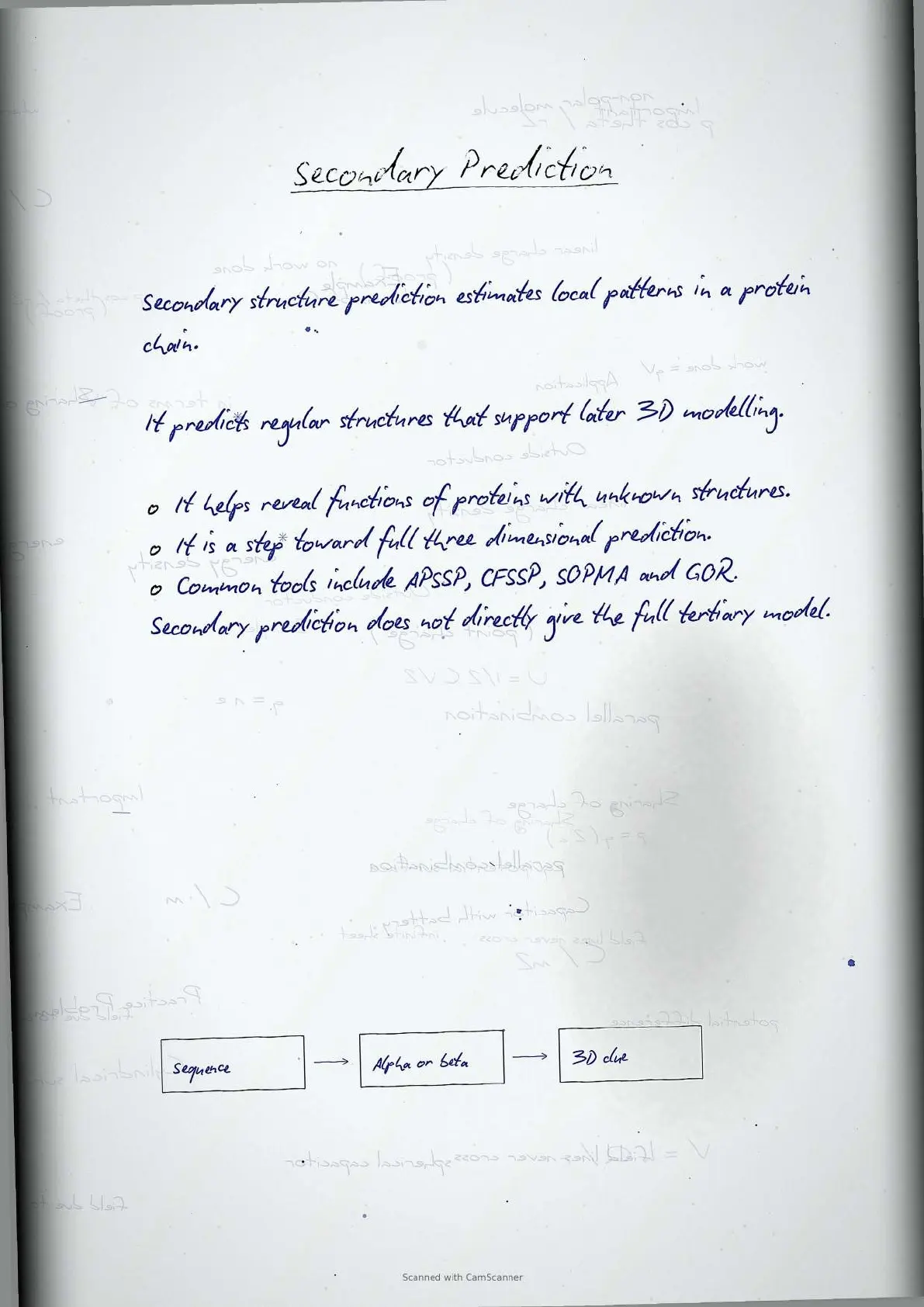
The protein prediction part of this chapter has three layers. Primary prediction gives measurable properties. Secondary prediction estimates local structural patterns. 3D prediction builds a full model from sequence and template information.
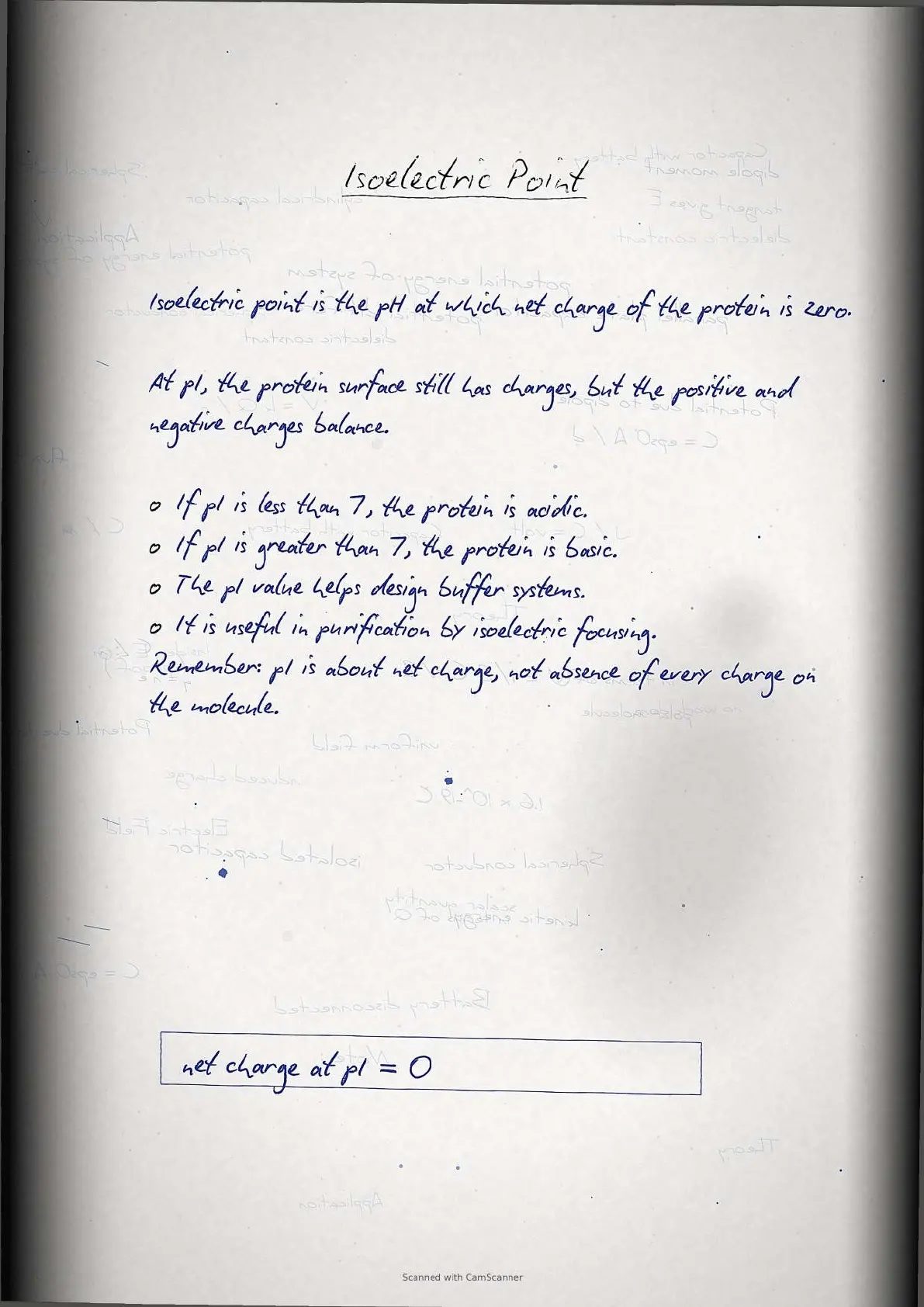
- pI: pH at which net protein charge is zero.
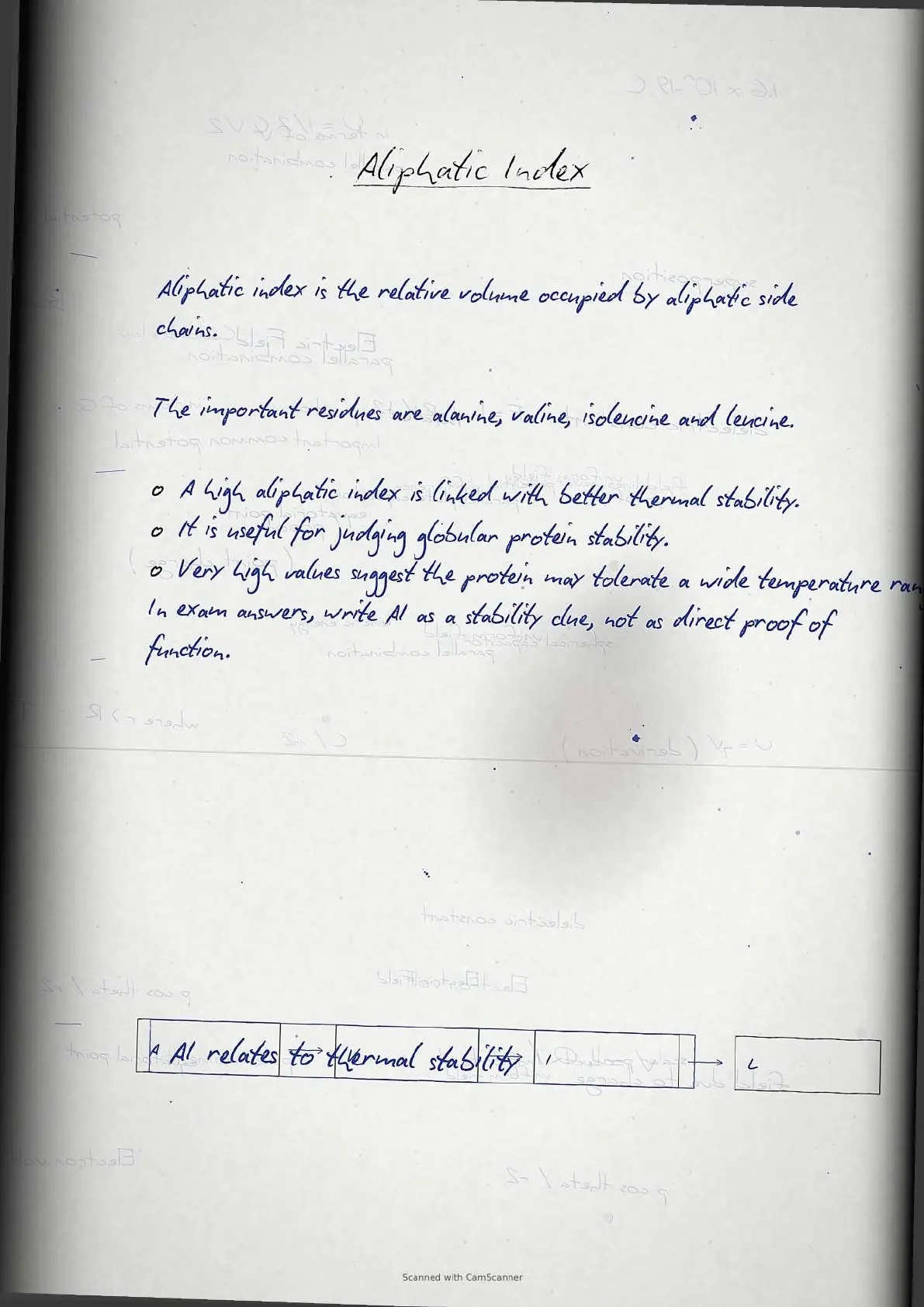
- Aliphatic index: clue for thermal stability of globular proteins.
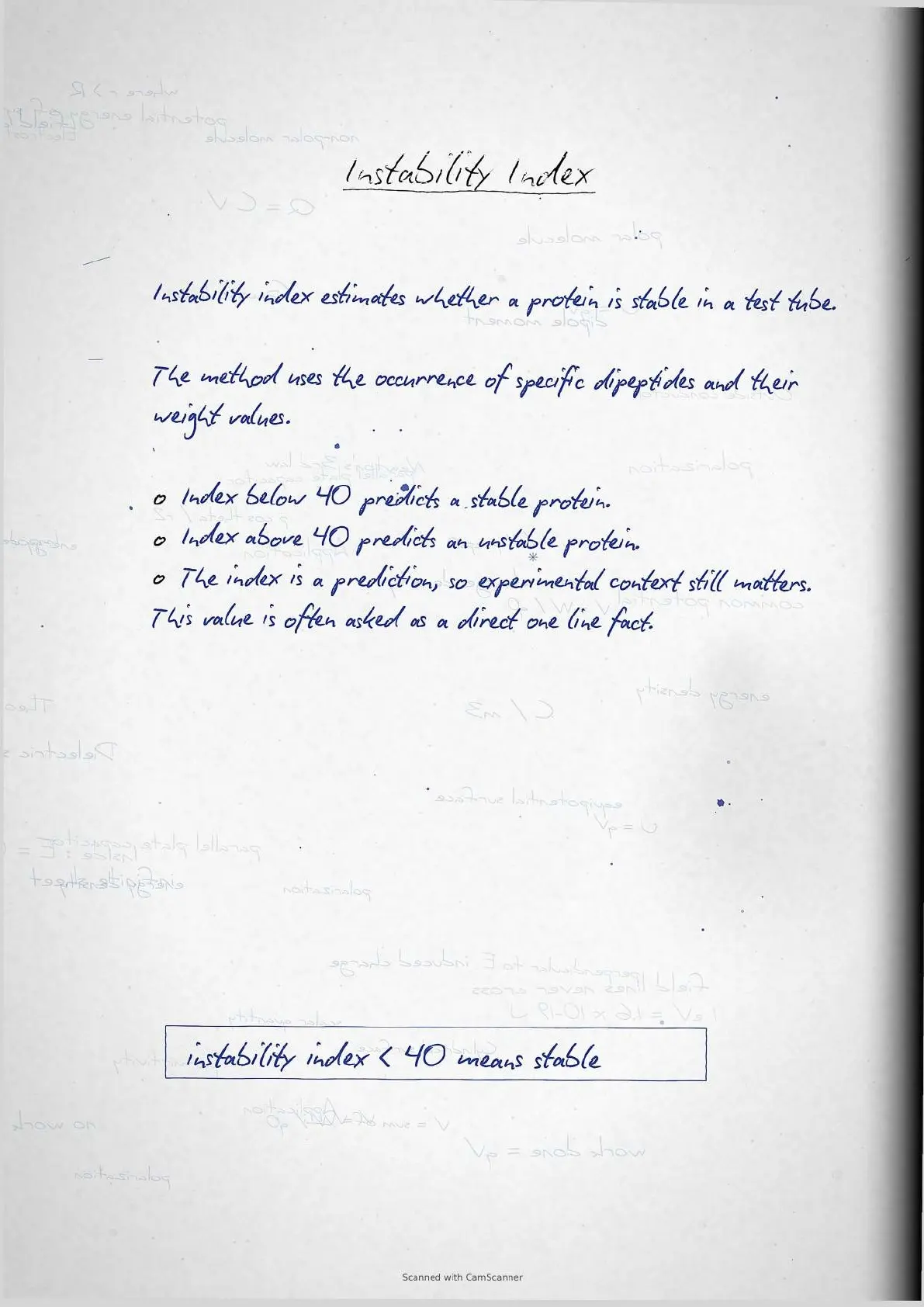
- Instability index: below 40 predicts stable protein in a test tube.
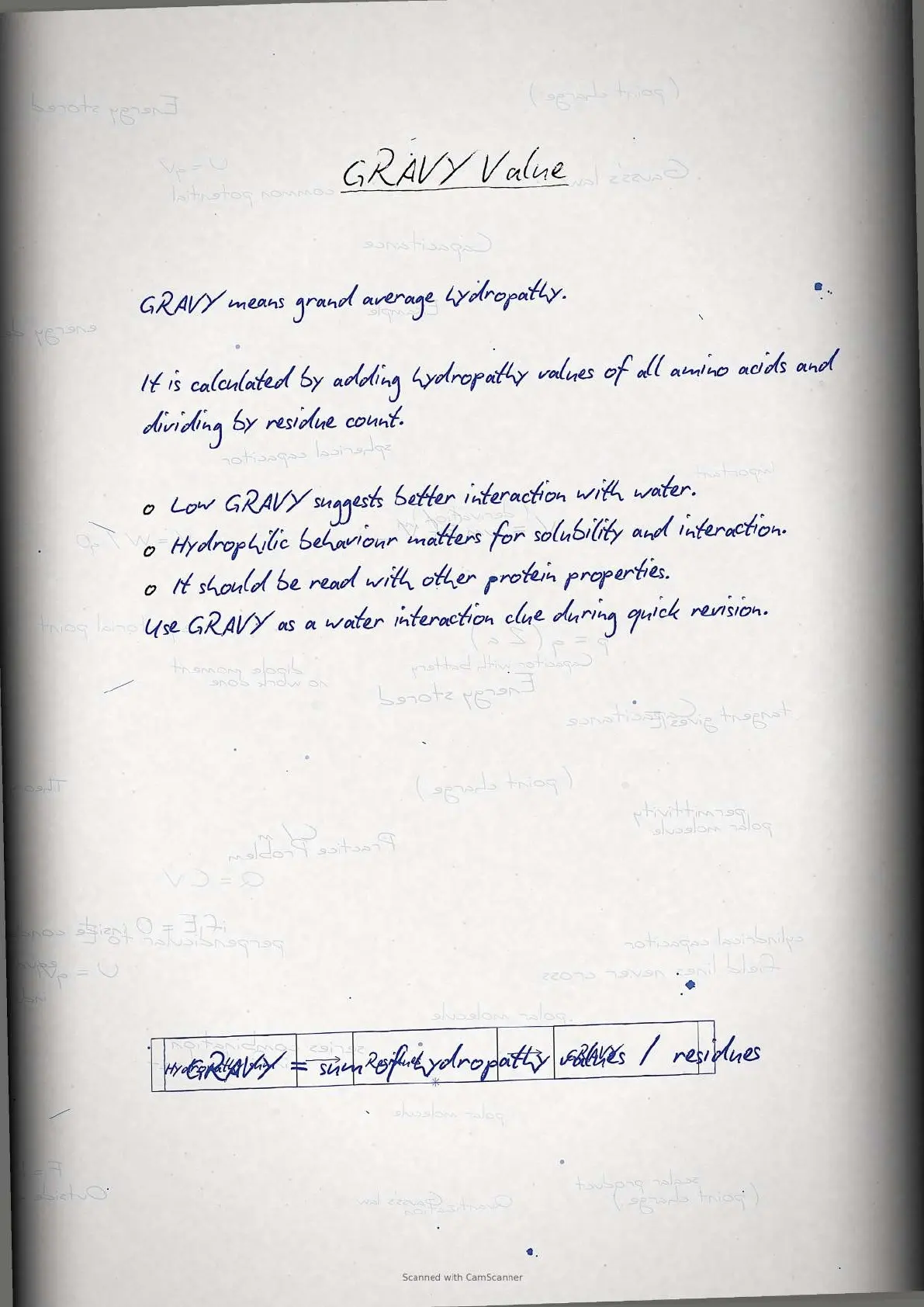
- GRAVY: low value suggests better interaction with water.
Cheminformatics Databases and Molecular Graphs Students Must Know
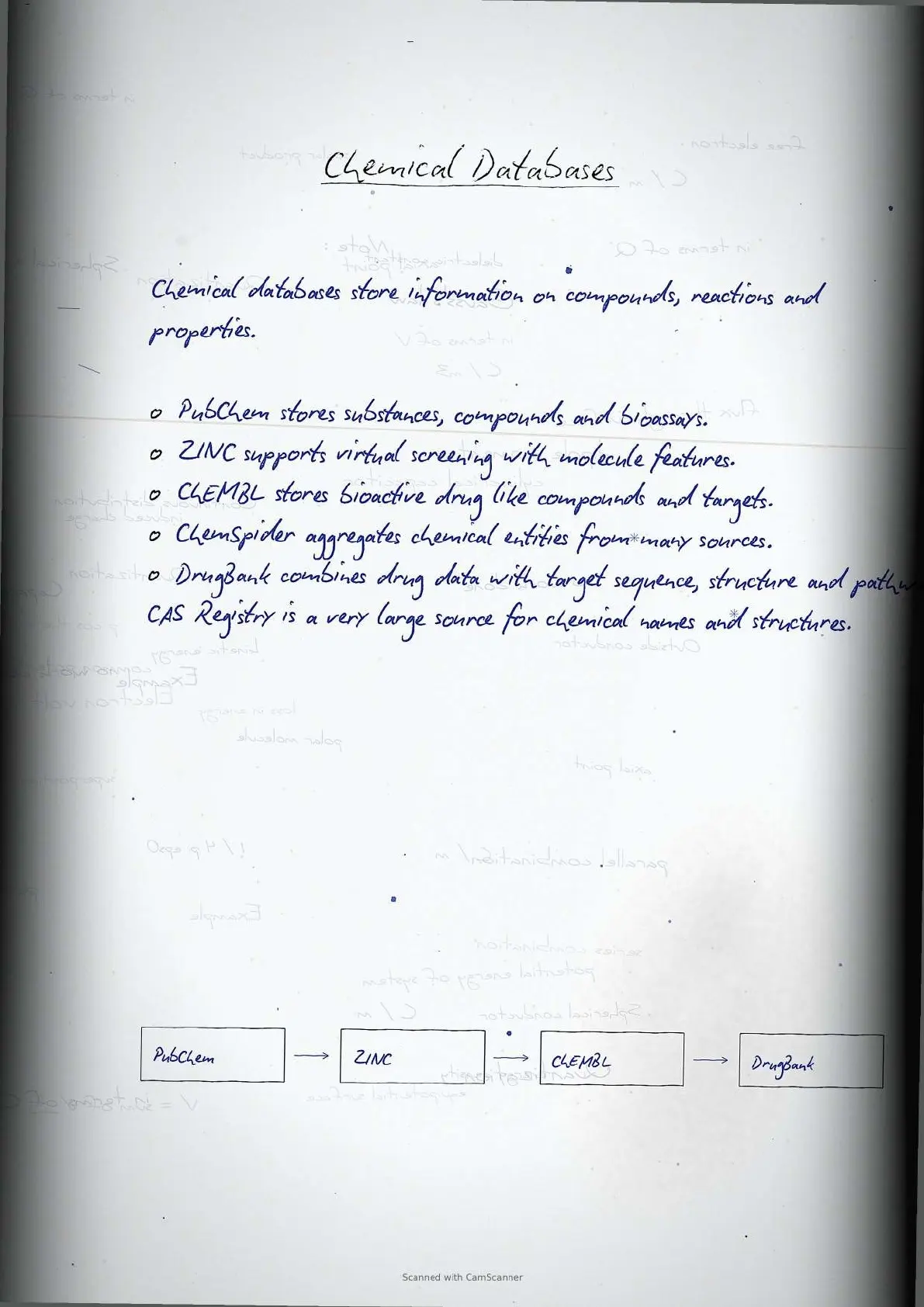
Cheminformatics stores and searches chemical information. Students should remember PubChem, ZINC, ChEMBL, NCI, ChemDB, ChemSpider, BindingDB, DrugBank, PharmaGKB and SuperDrug as examples from NCERT.
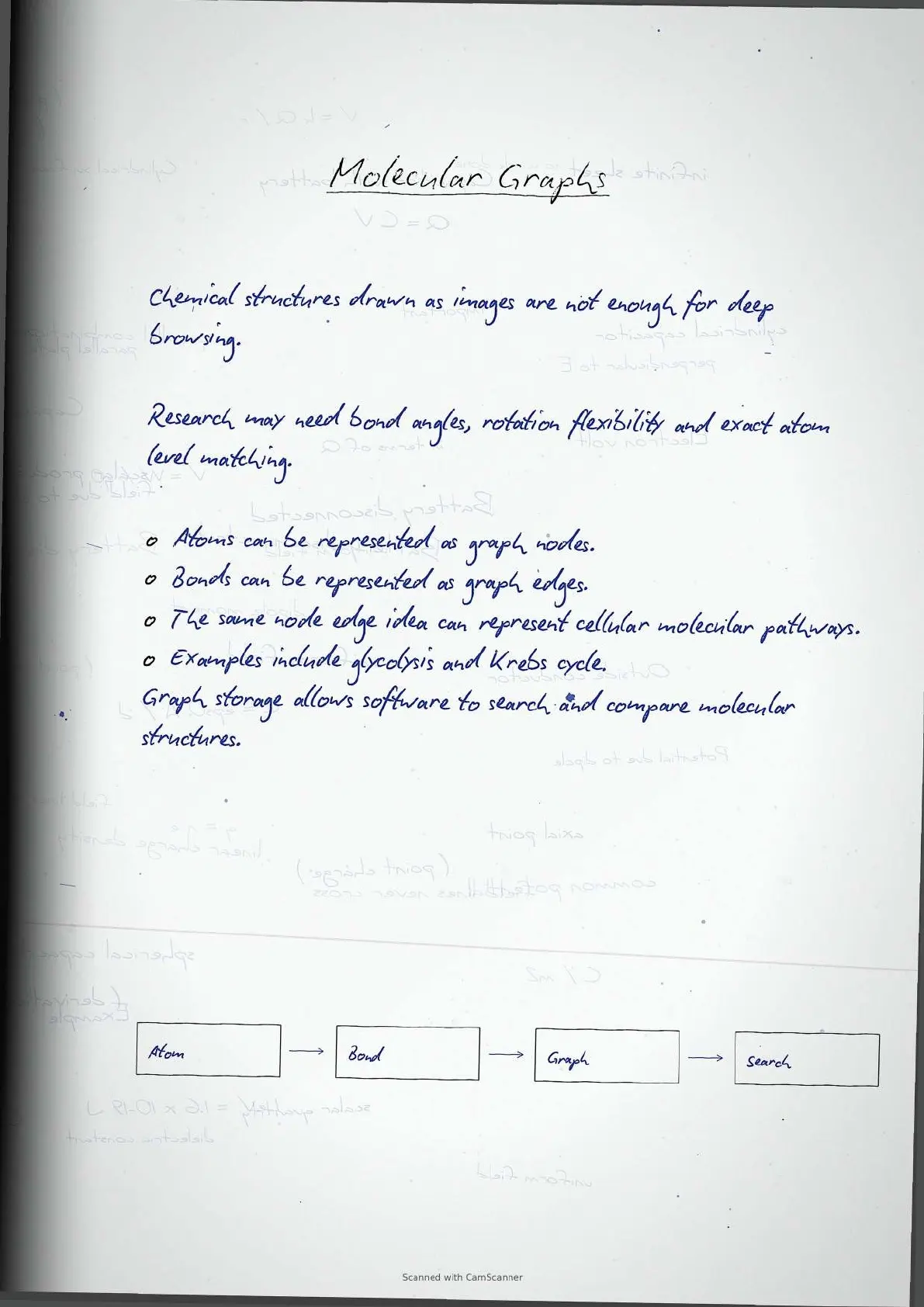
Chemical structures are stored as molecular graphs, where atoms act as nodes and bonds act as edges. This graph form helps software search substructures, reactions and pathways.
Pharmacophore, Lipinski Rule and Virtual Screening
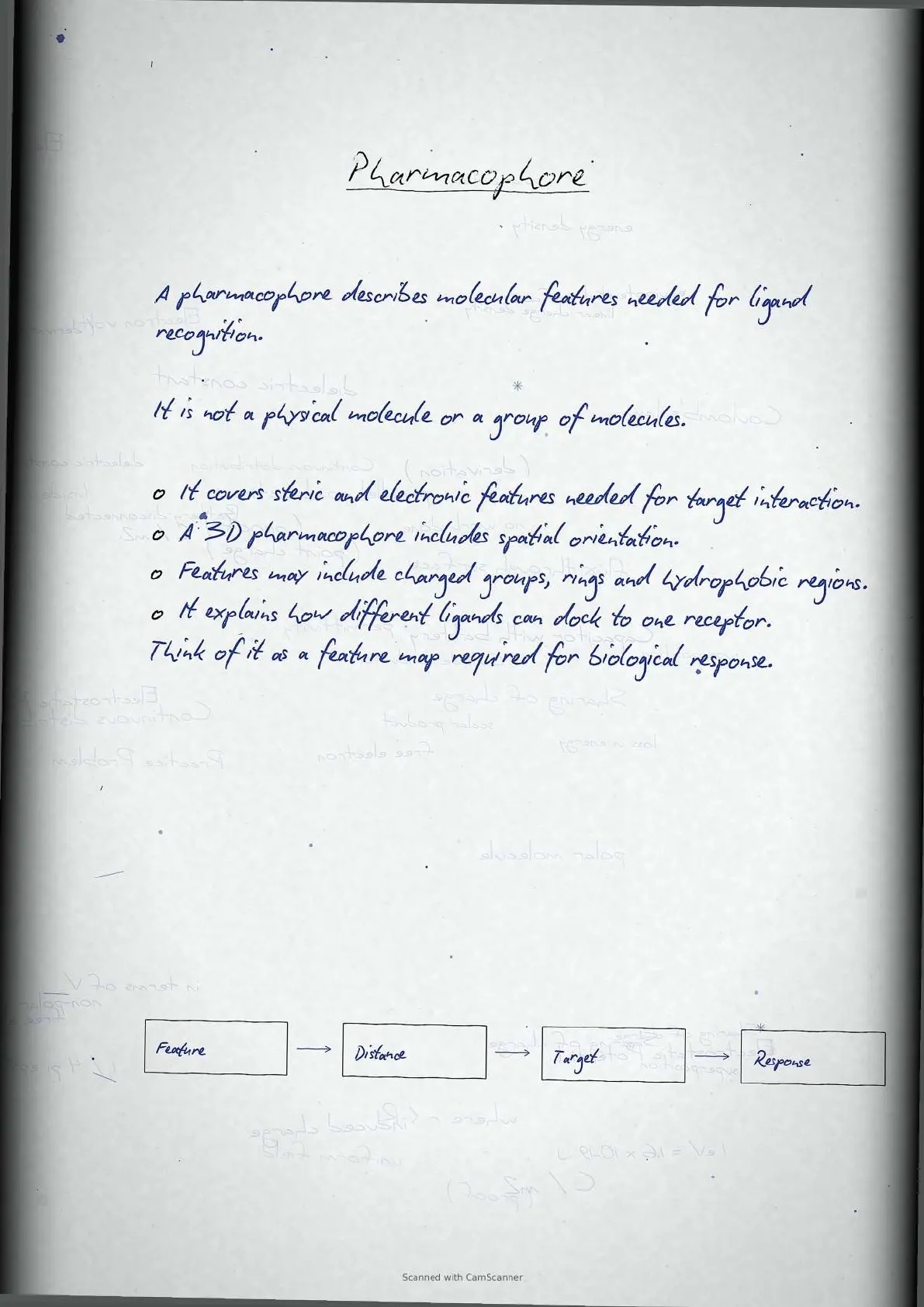
A pharmacophore is a feature map for ligand recognition. It is not a physical molecule. It describes steric, electronic and hydrophobic features needed for a ligand to interact with a target.
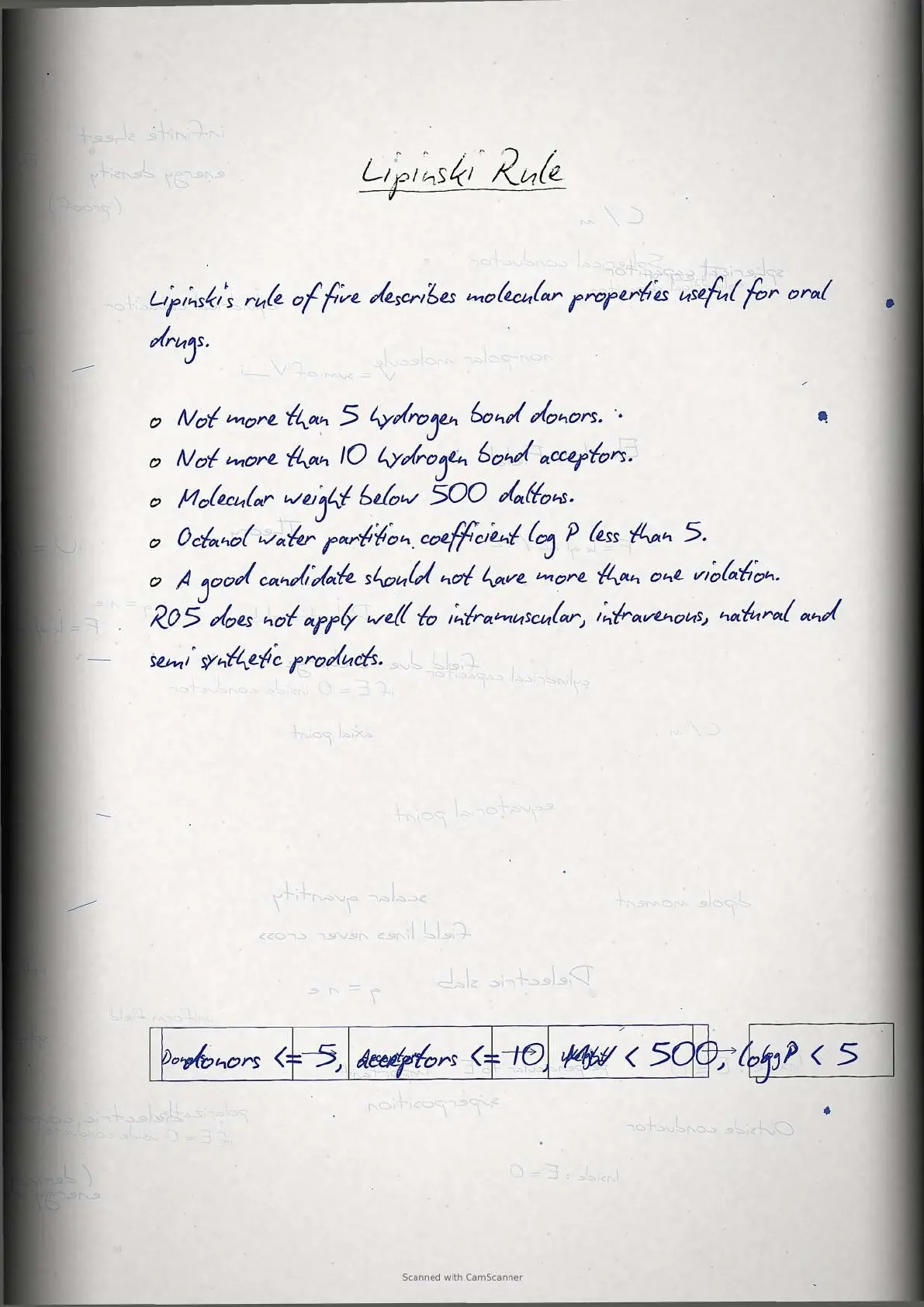
- Hydrogen bond donors should be not more than 5.
- Hydrogen bond acceptors should be not more than 10.
- Molecular weight should be below 500 daltons.
- Log P should be less than 5 for an oral drug candidate.
Protein Informatics vs Cheminformatics for Quick Revision
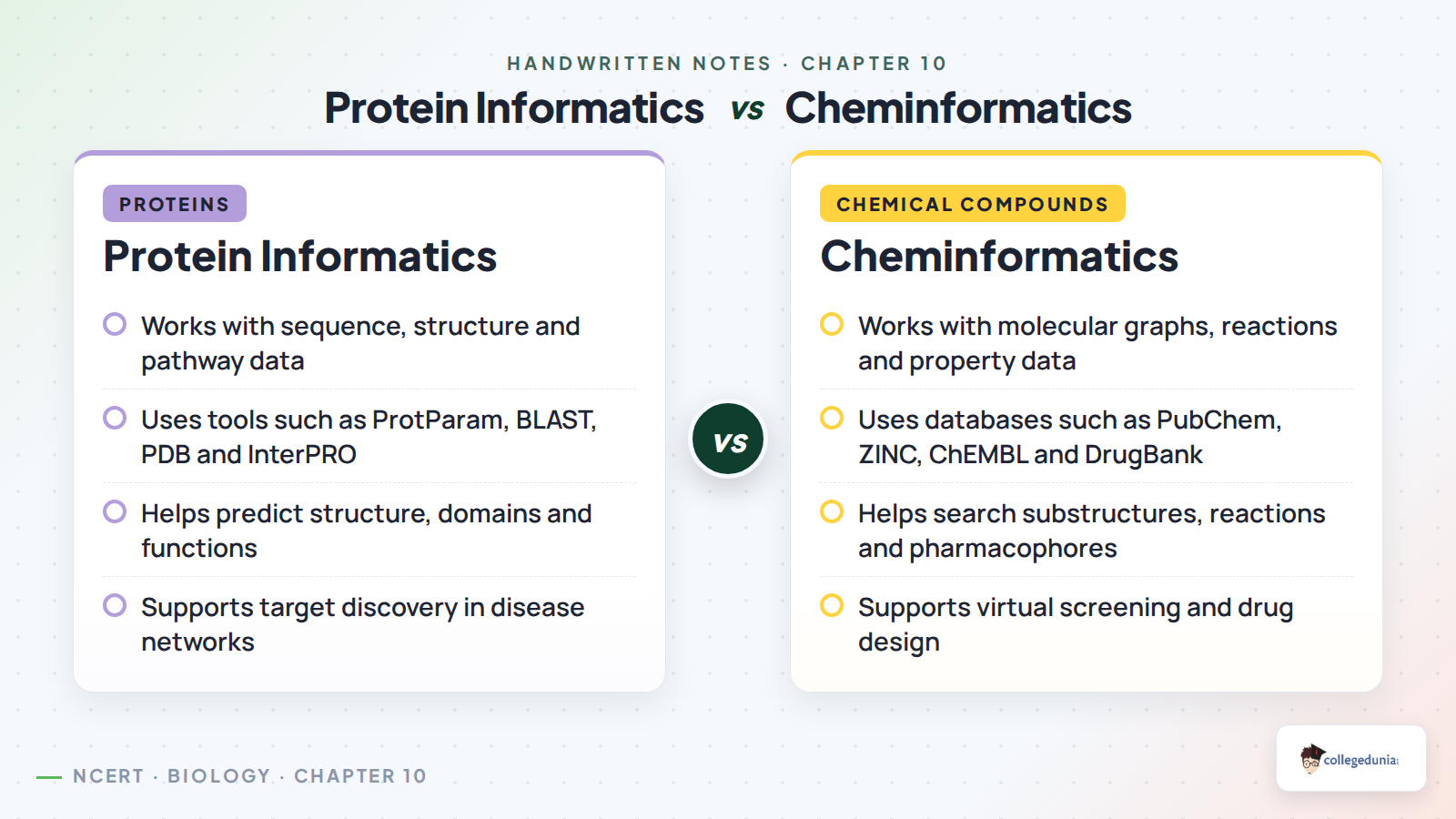
Protein informatics works mainly with protein sequence, structure, interaction and pathway data. Cheminformatics works mainly with compounds, reactions, molecular graphs and chemical property data.
Exam tip: if the question mentions ProtParam, PDB, InterPRO or domains, think protein informatics. If it mentions PubChem, ZINC, ChEMBL, molecular graphs or virtual screening, think cheminformatics.
How to Use These Protein Informatics and Cheminformatics Handwritten Notes
- Revise the protein data types before reading prediction tools.
- Learn the four ProtParam properties as short definition pairs.
- Compare homology modelling, threading and de novo prediction in one table.
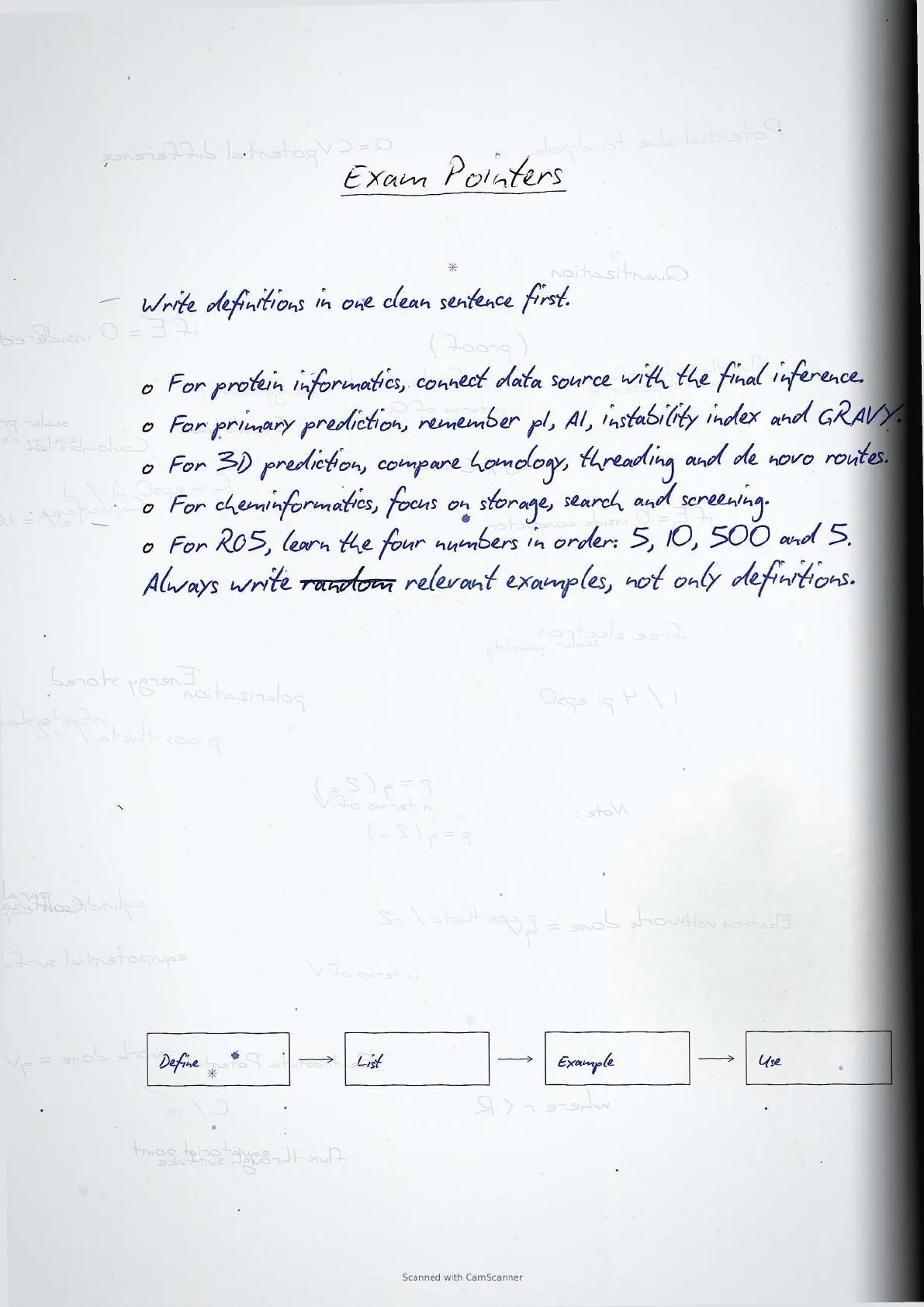
- Memorise Lipinski's four numbers in order: 5, 10, 500 and 5.
Related Class 11 Biotechnology Chapter 10 Resources
| Resource | Link |
|---|---|
| NCERT Notes | Class 11 Biotechnology Chapter 10 Notes |
| NCERT Book PDF | Class 11 Biotechnology Chapter 10 Book PDF |
| NCERT Solutions | Class 11 Biotechnology Chapter 10 Solutions |
Class 11 Biotechnology Handwritten Notes for Other Chapters
| Chapter | Handwritten Notes |
|---|---|
| Chapter 6 | Basic Principles of Inheritance |
| Chapter 7 | Basic Processes of DNA |
| Chapter 8 | Genetic Disorder |
| Chapter 9 | Introduction to Bioinformatics |
Protein Informatics and Cheminformatics Biotechnology Handwritten Notes FAQs
Ques. What is covered in Class 11 Biotechnology Chapter 10 handwritten notes?
Ans. The notes cover protein data types, ProtParam properties, 3D structure prediction, domains, chemical databases, molecular graphs, pharmacophores, Lipinski's rule and virtual screening.
Ques. Are these handwritten notes based on the 2026-27 NCERT textbook?
Ans. Yes. The topic order and revision points follow the 2026-27 NCERT Class 11 Biotechnology Chapter 10 source.
Ques. Which Lipinski rule numbers should students remember?
Ans. Remember 5 hydrogen bond donors, 10 hydrogen bond acceptors, molecular weight below 500 daltons and log P less than 5.



Comments