



The handwritten notes on Class 12 Fine Arts Chapter 8 Living Art Traditions of India are built for quick board revision from the 2026-27 NCERT print of An Introduction to Indian Art Part 2.
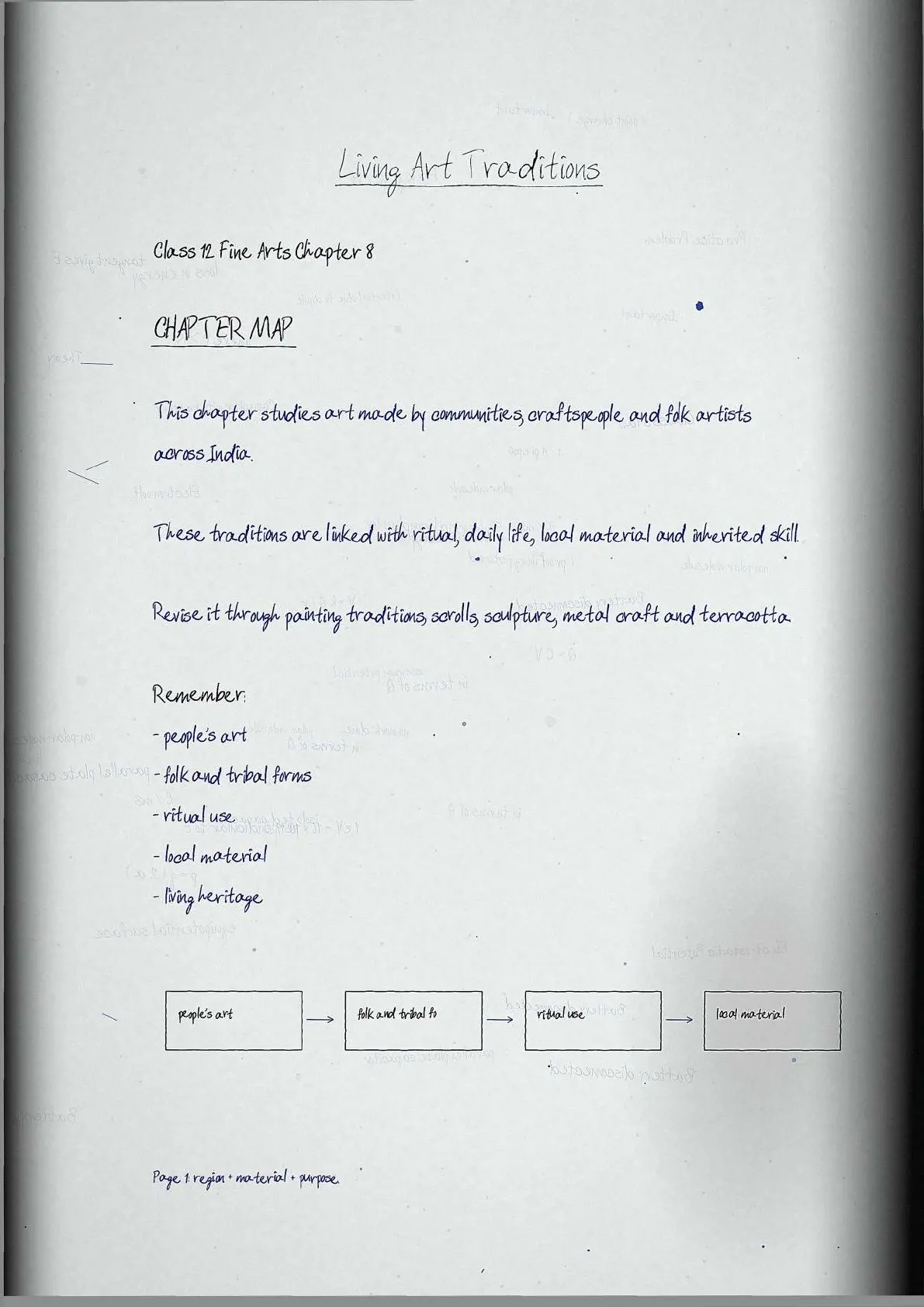
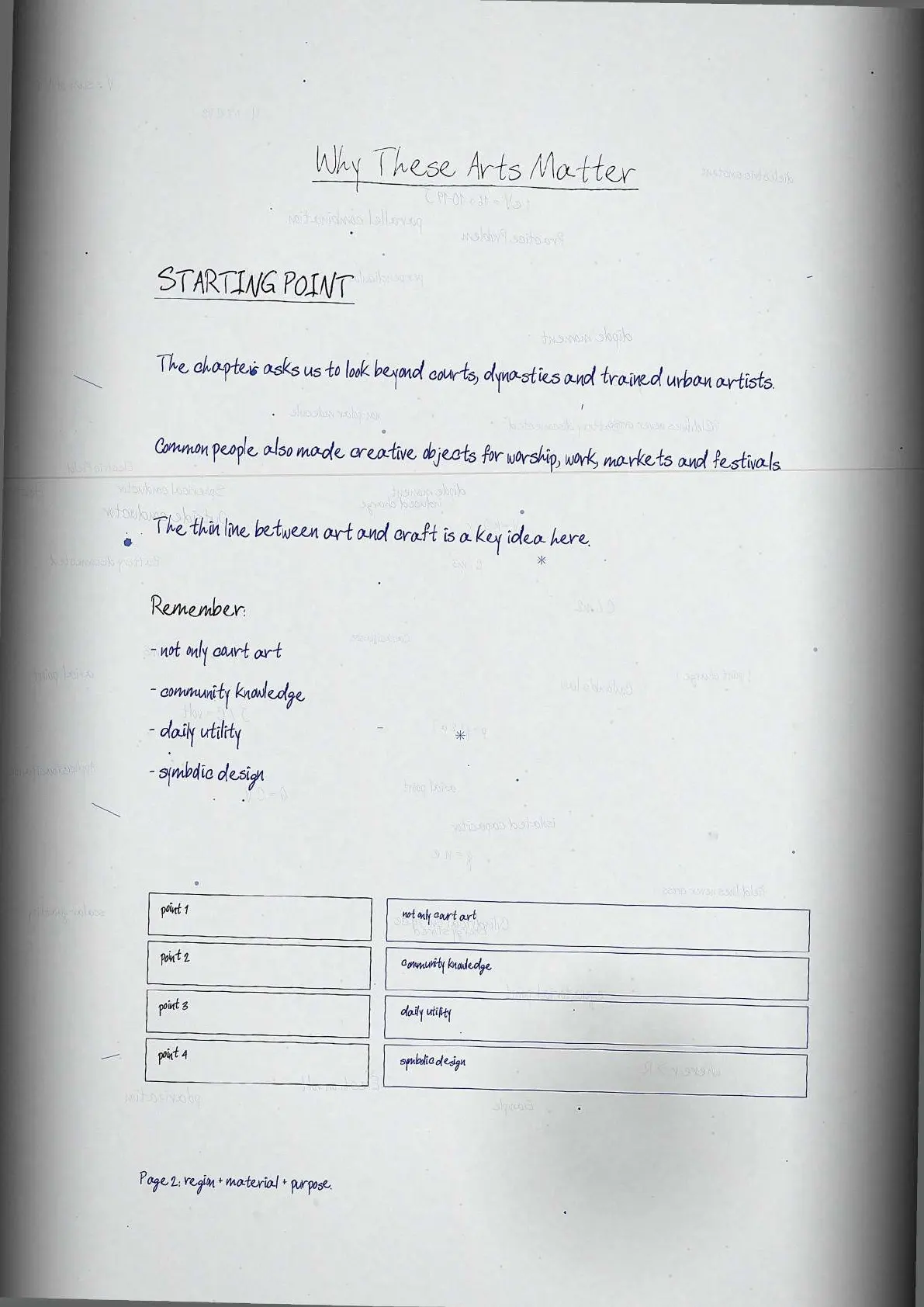
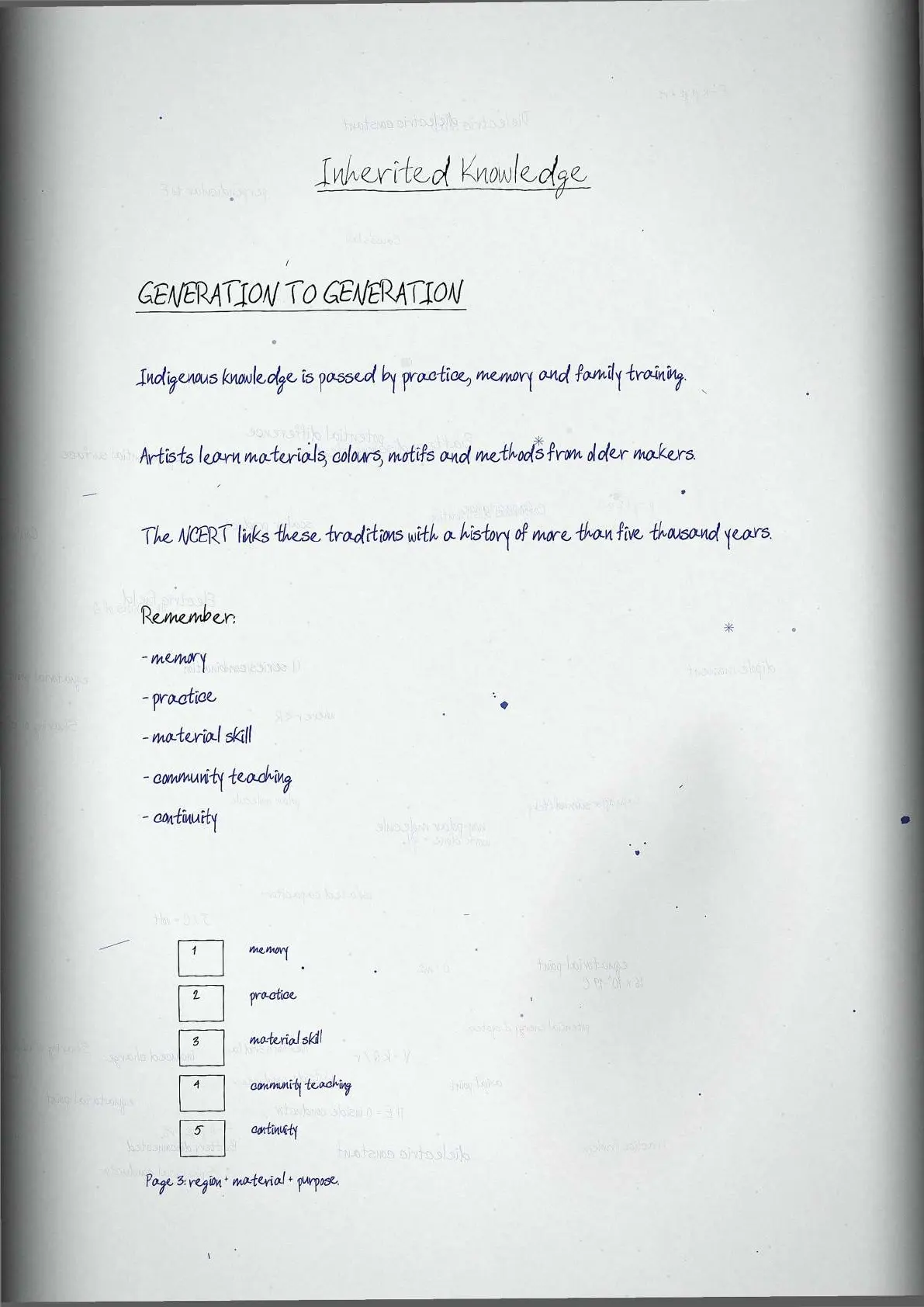
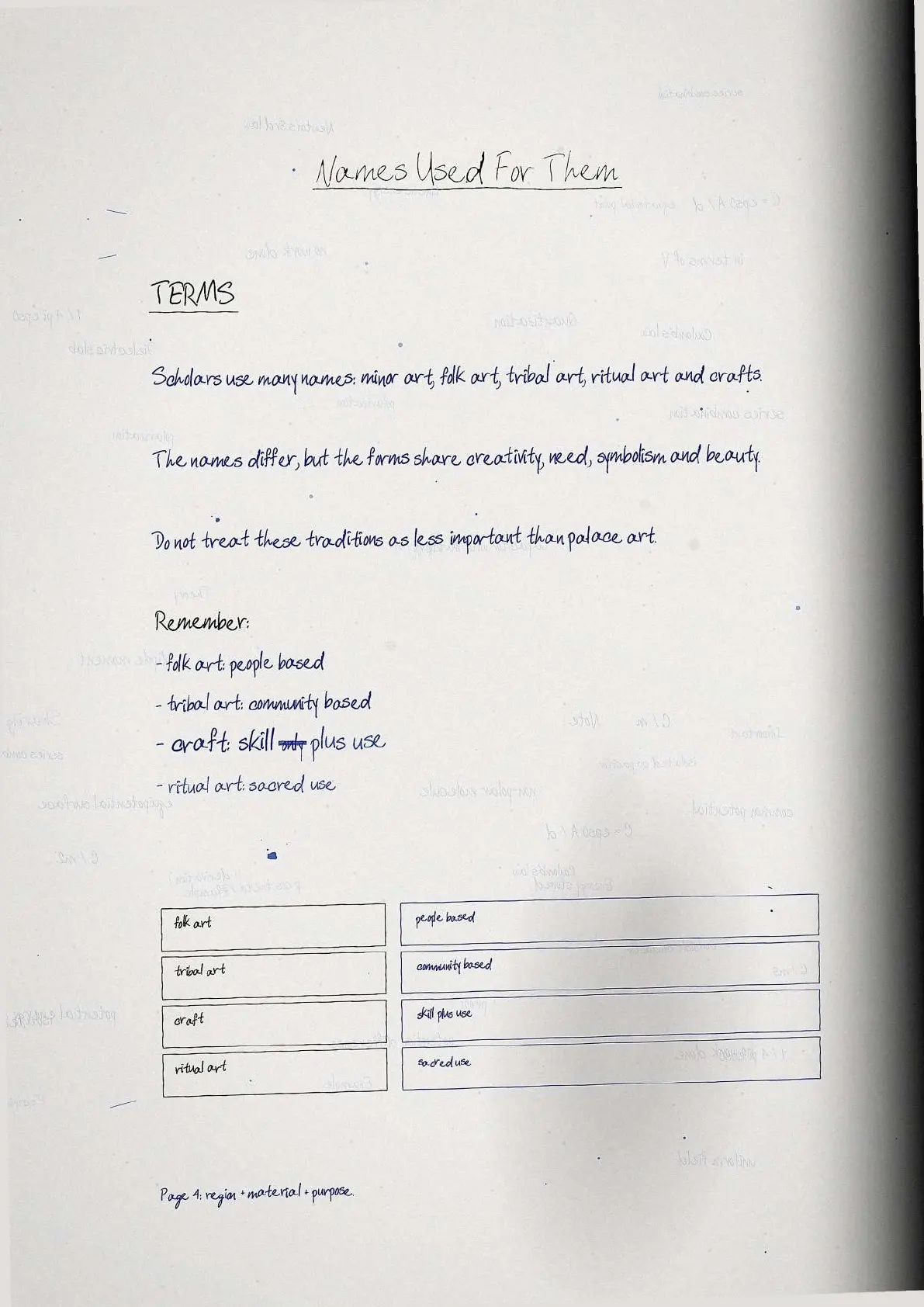
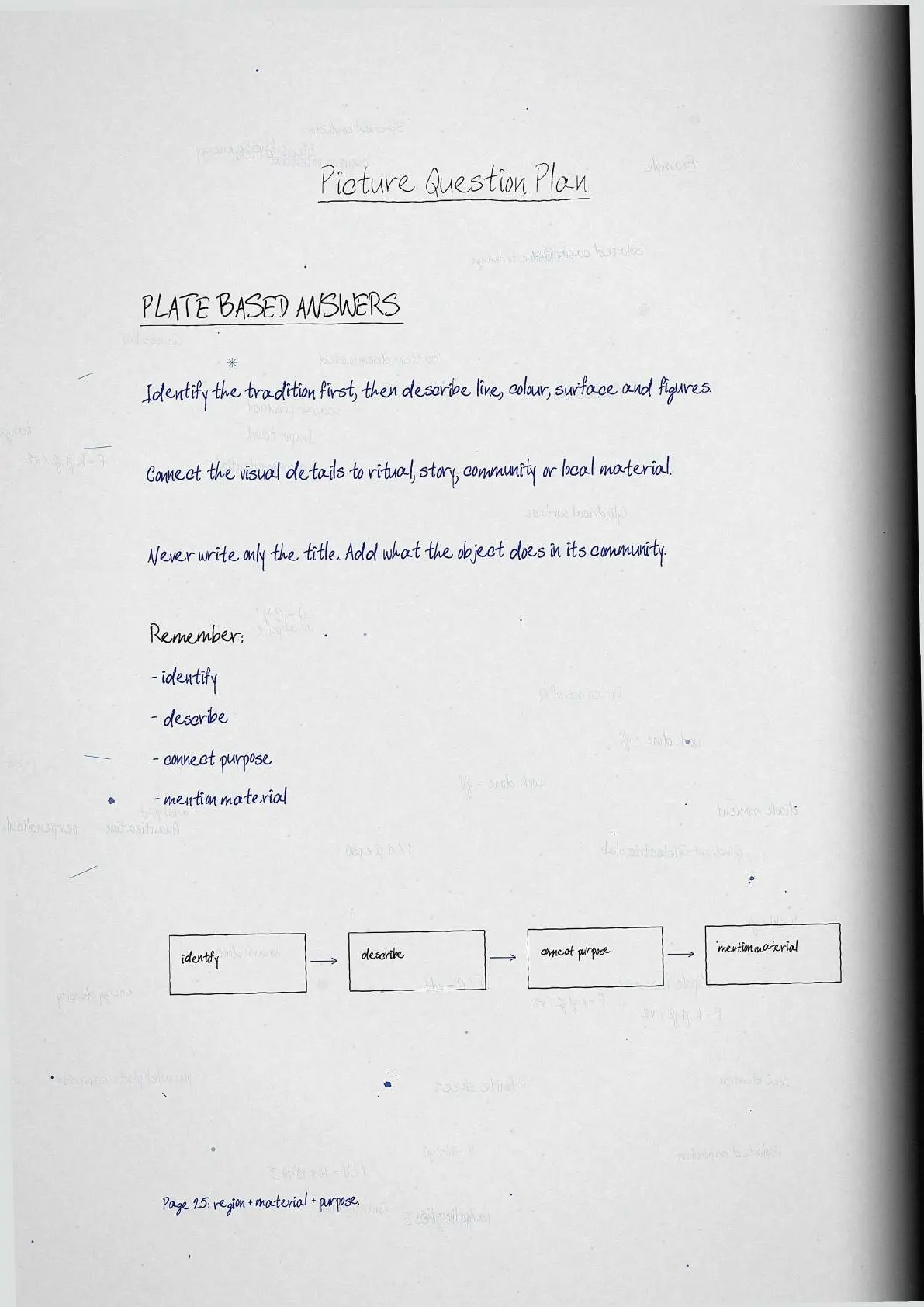
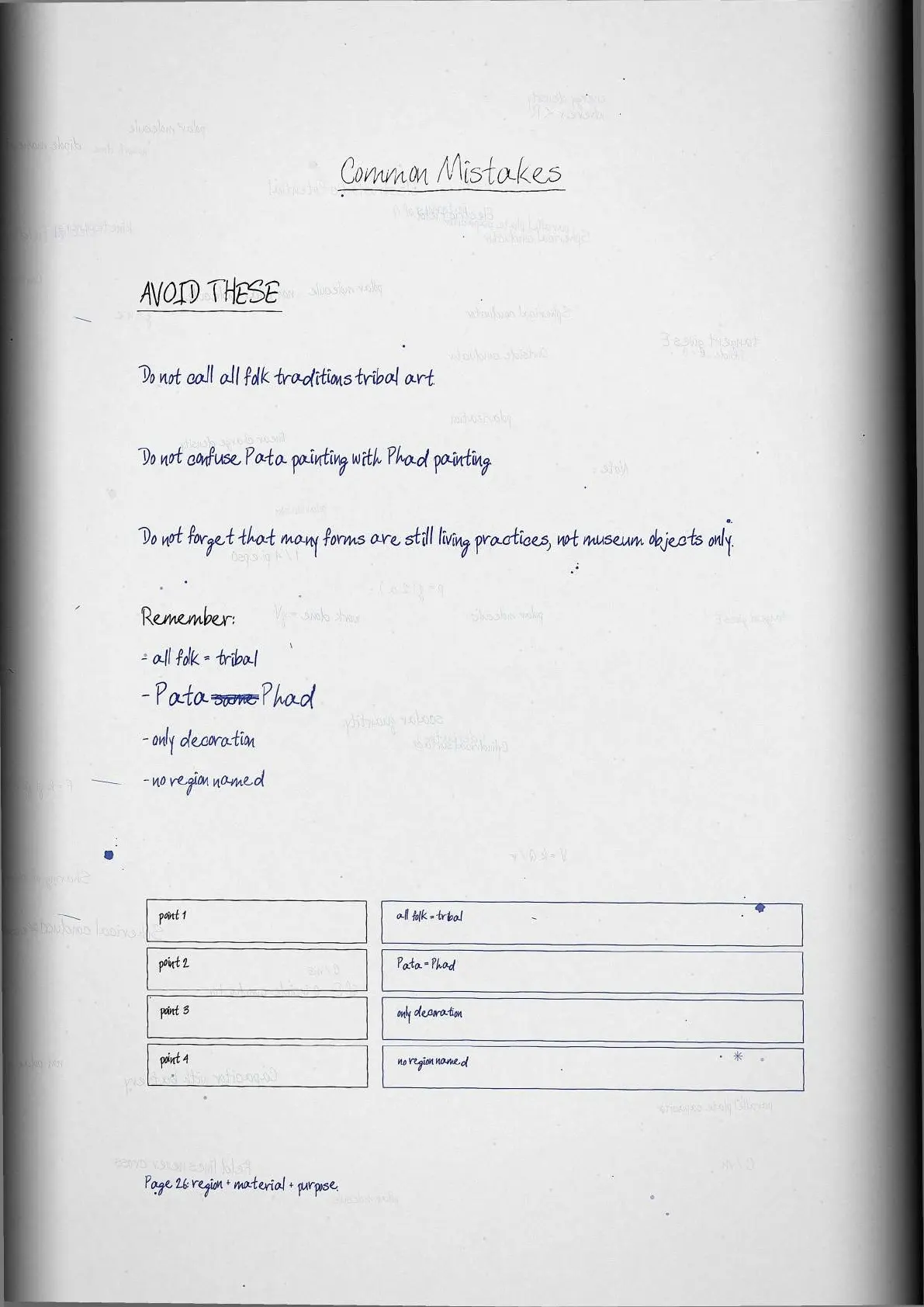
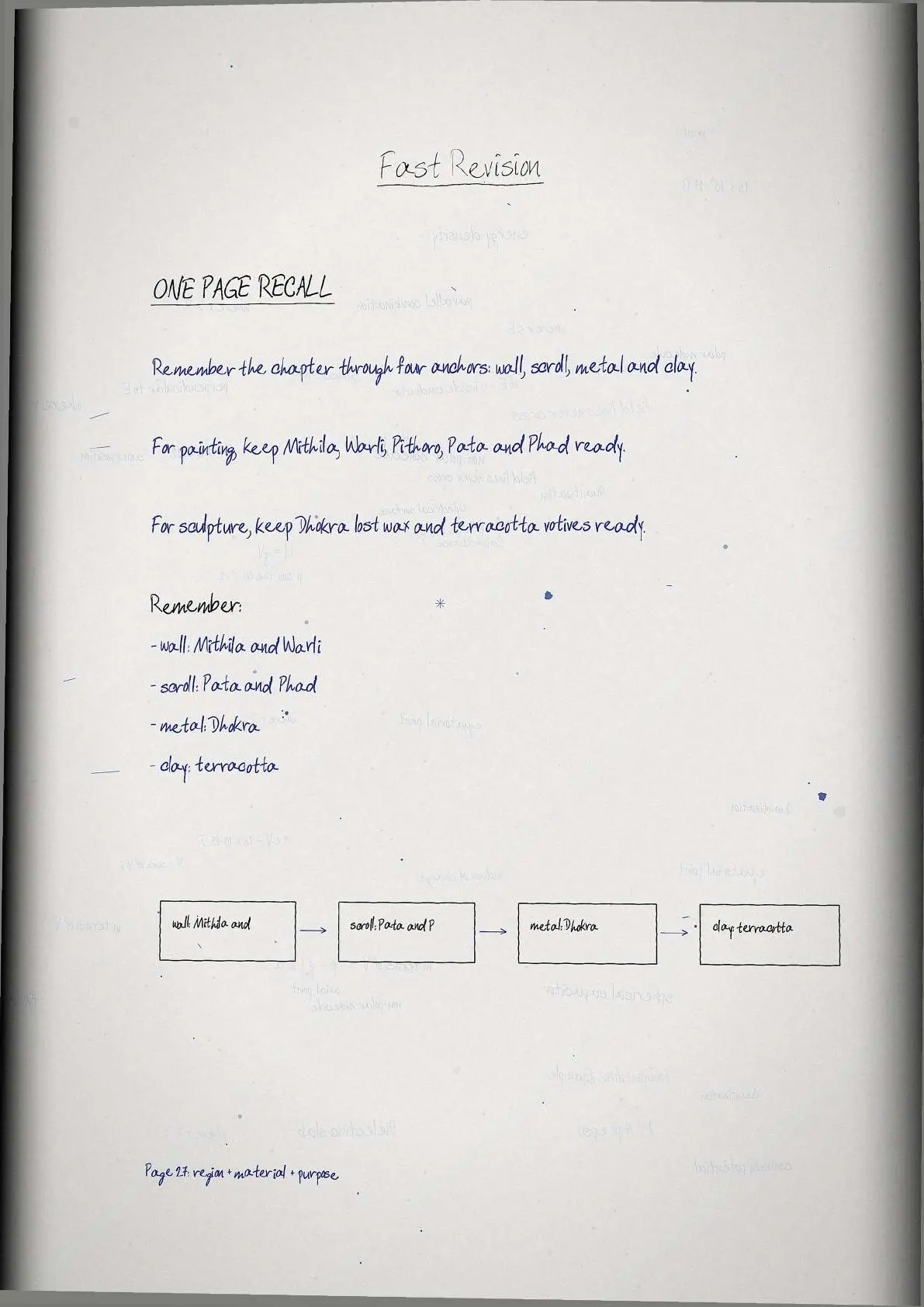
- Best for revision: connect folk art, craft, ritual use, local material and community memory.
- Chapter focus: revise Mithila, Warli, Gond, Pithoro, Pata, Phad, Dhokra and terracotta.
- Exam focus: write answers with region, material, surface, purpose and example.
These Living Art Traditions of India handwritten notes follow the official 2026-27 NCERT chapter and keep each page as a small revision card.
Student Feedback: In a Collegedunia Fine Arts revision poll of 11,480 students, students found this chapter easier after grouping traditions by surface, material and purpose.
- 79% wanted a quick table for Mithila, Warli, Pata and Phad.
- 73% confused scroll traditions with wall painting traditions in first revision.
- 69% wanted Dhokra and terracotta explained as process based examples.
Living Art Traditions Quick Revision Map for Class 12 Fine Arts
The chapter explains art made by communities, craftspeople and folk artists across India. The handwritten PDF turns the NCERT chapter into short notebook pages so students can revise traditions by region, material, surface and purpose.
- Living heritage: these practices continue through family training, community memory and local use.
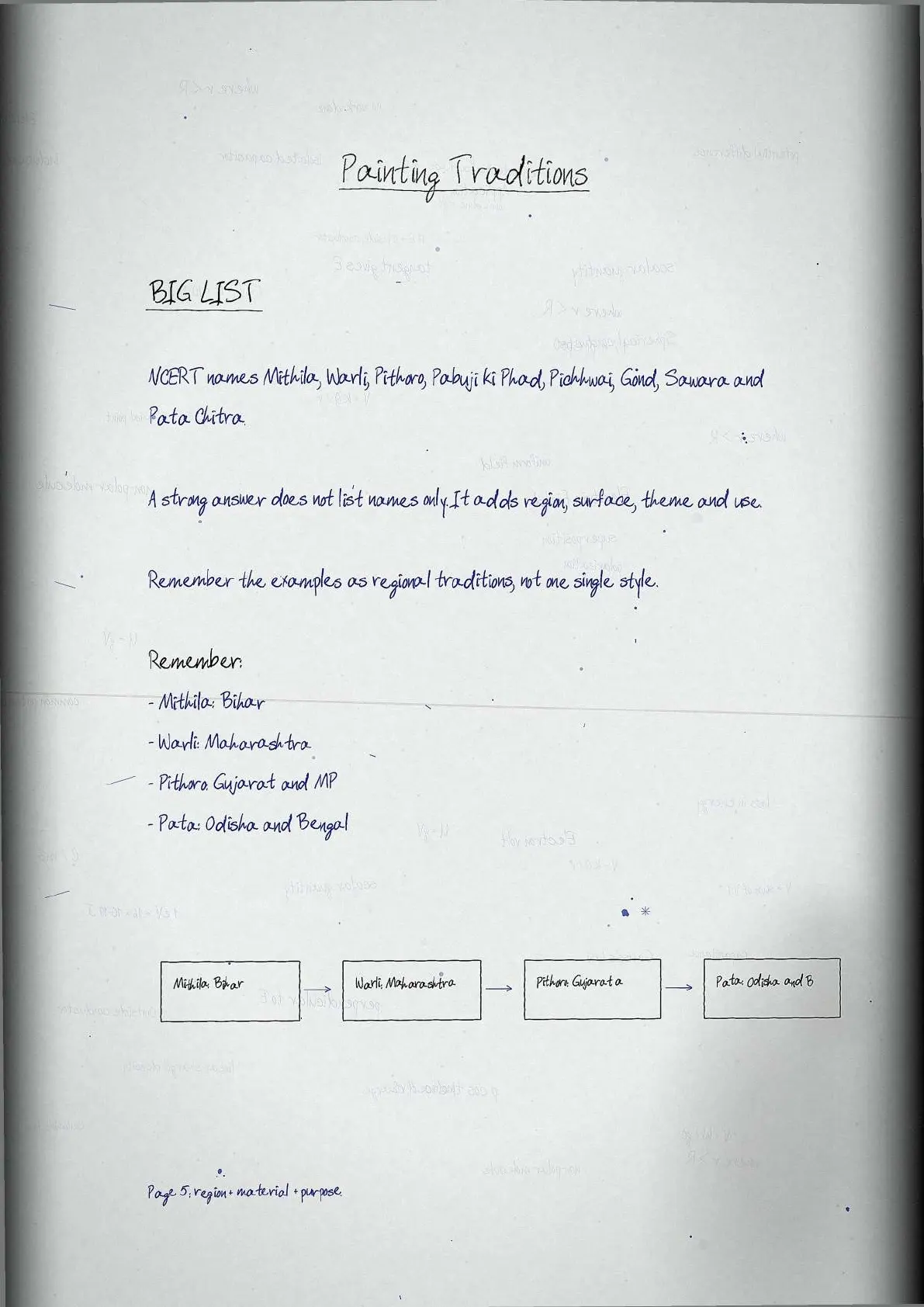
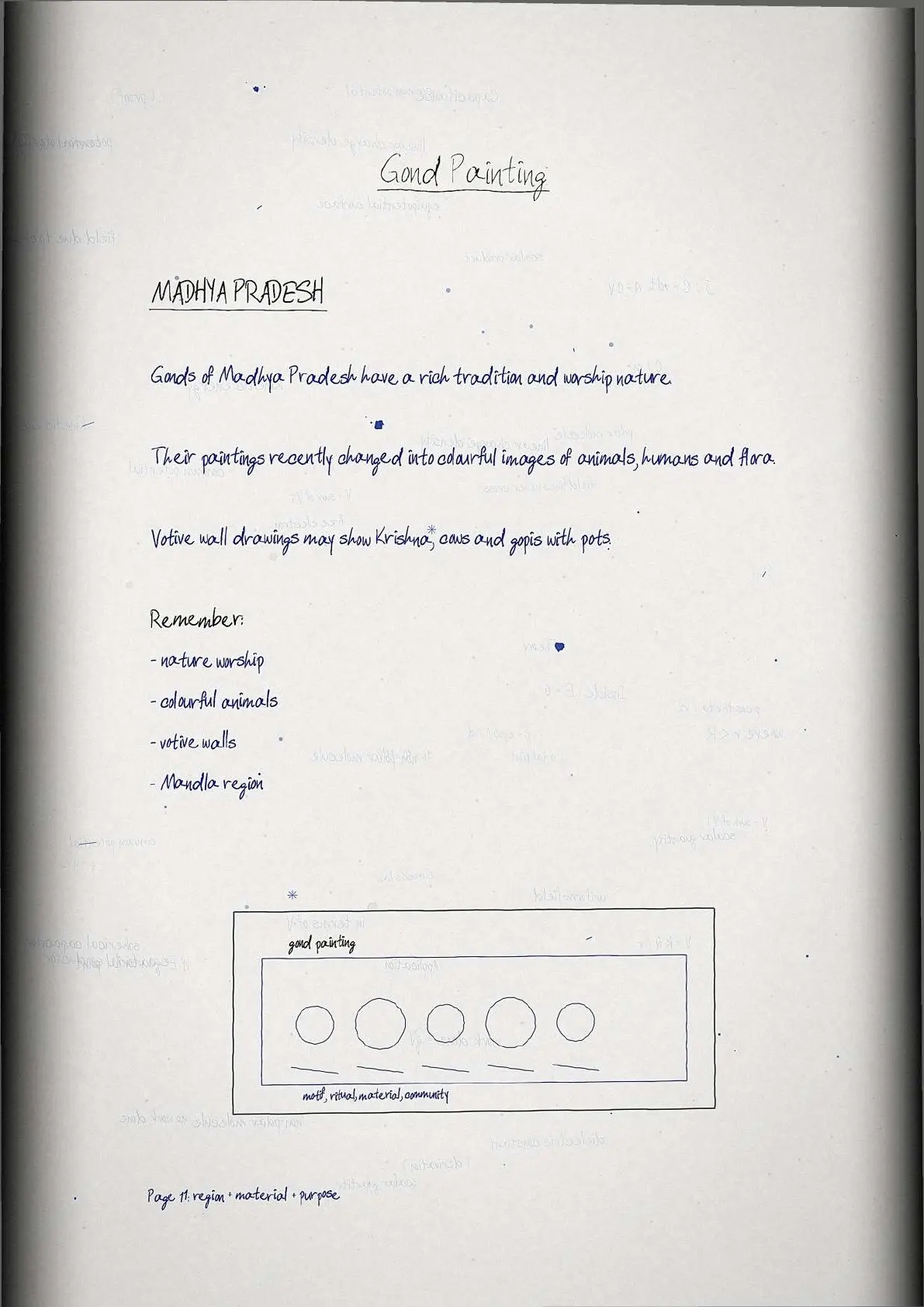
- Painting traditions: Mithila, Warli, Gond, Pithoro, Pata and Phad are the most useful answer examples.
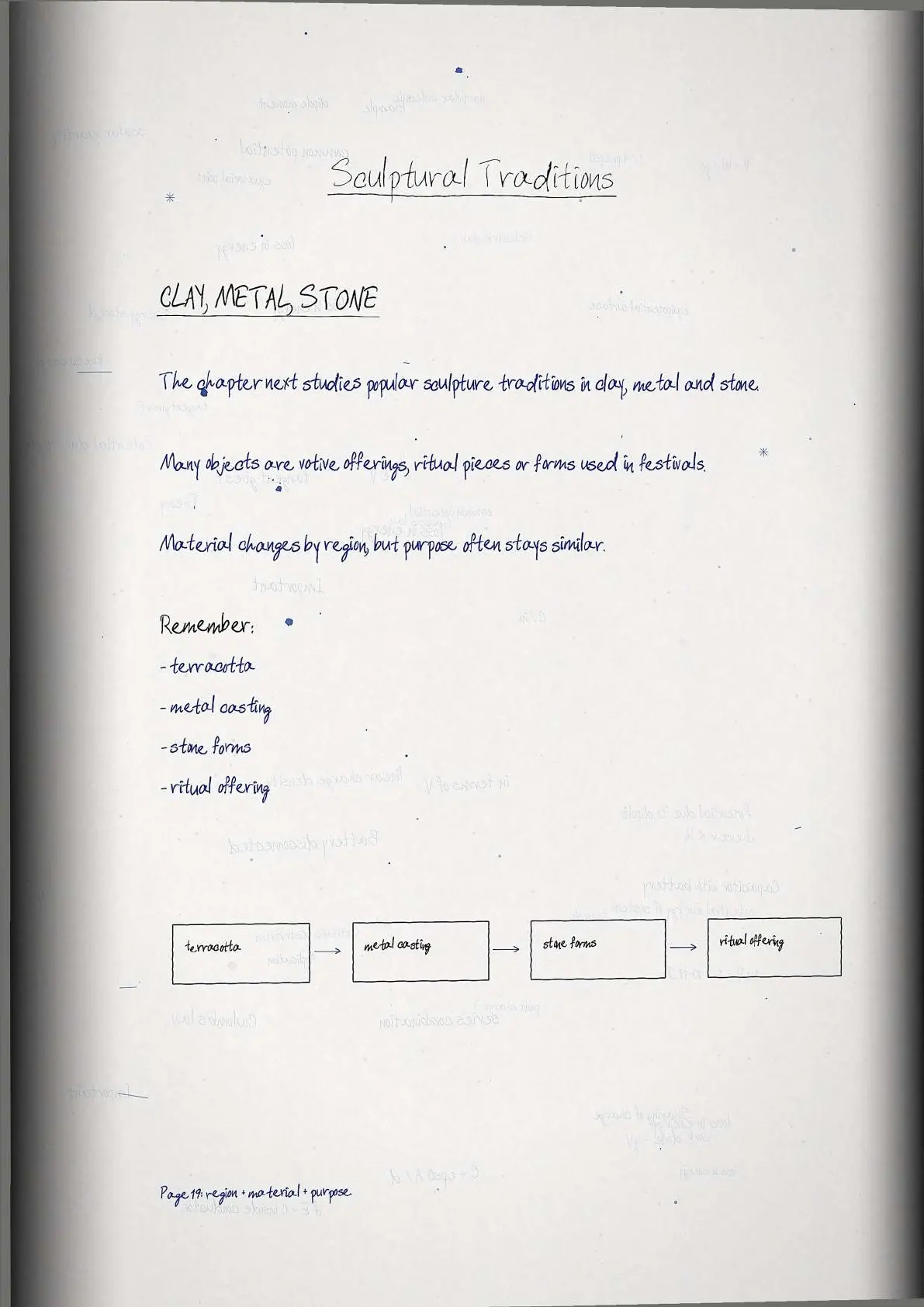
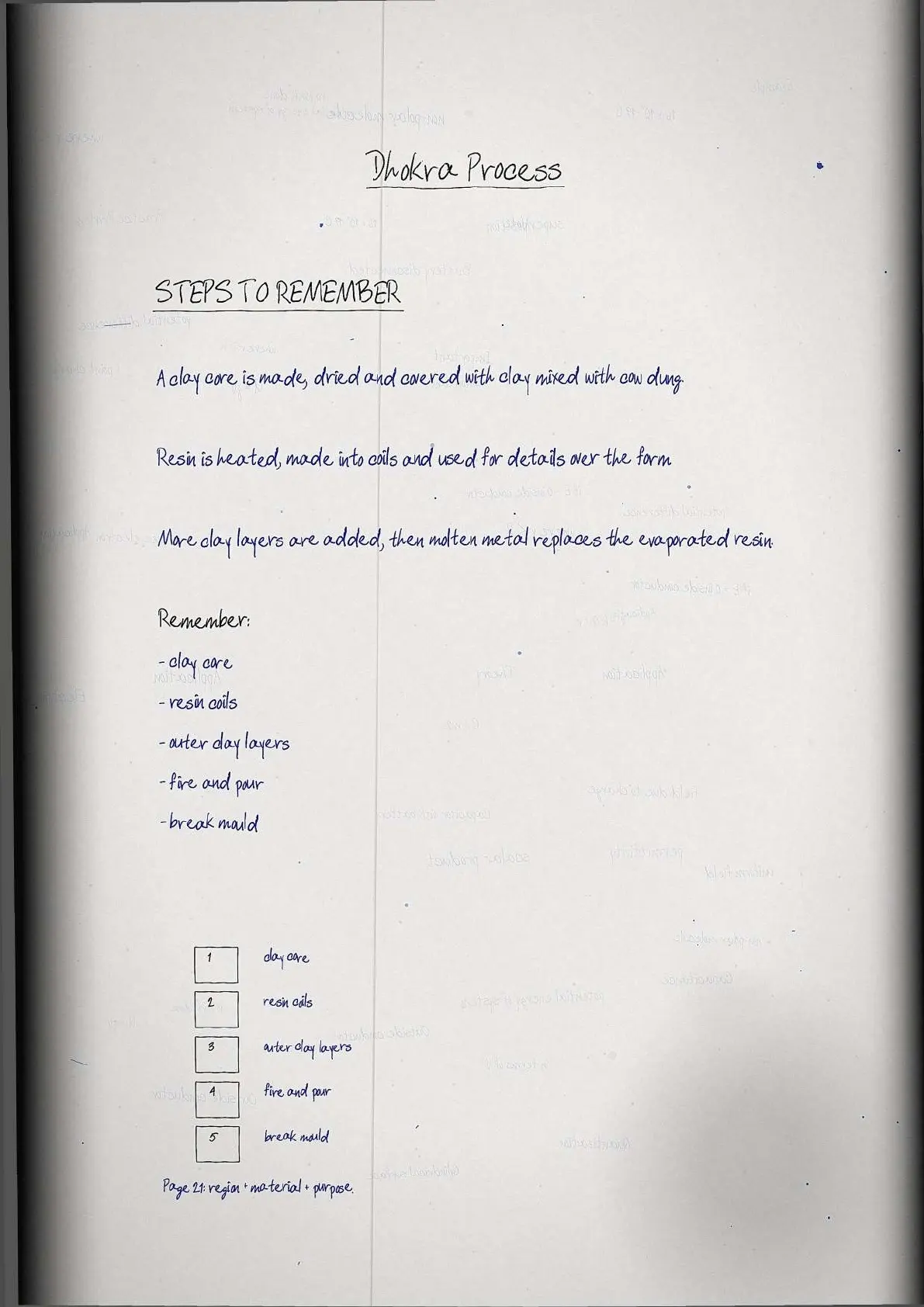
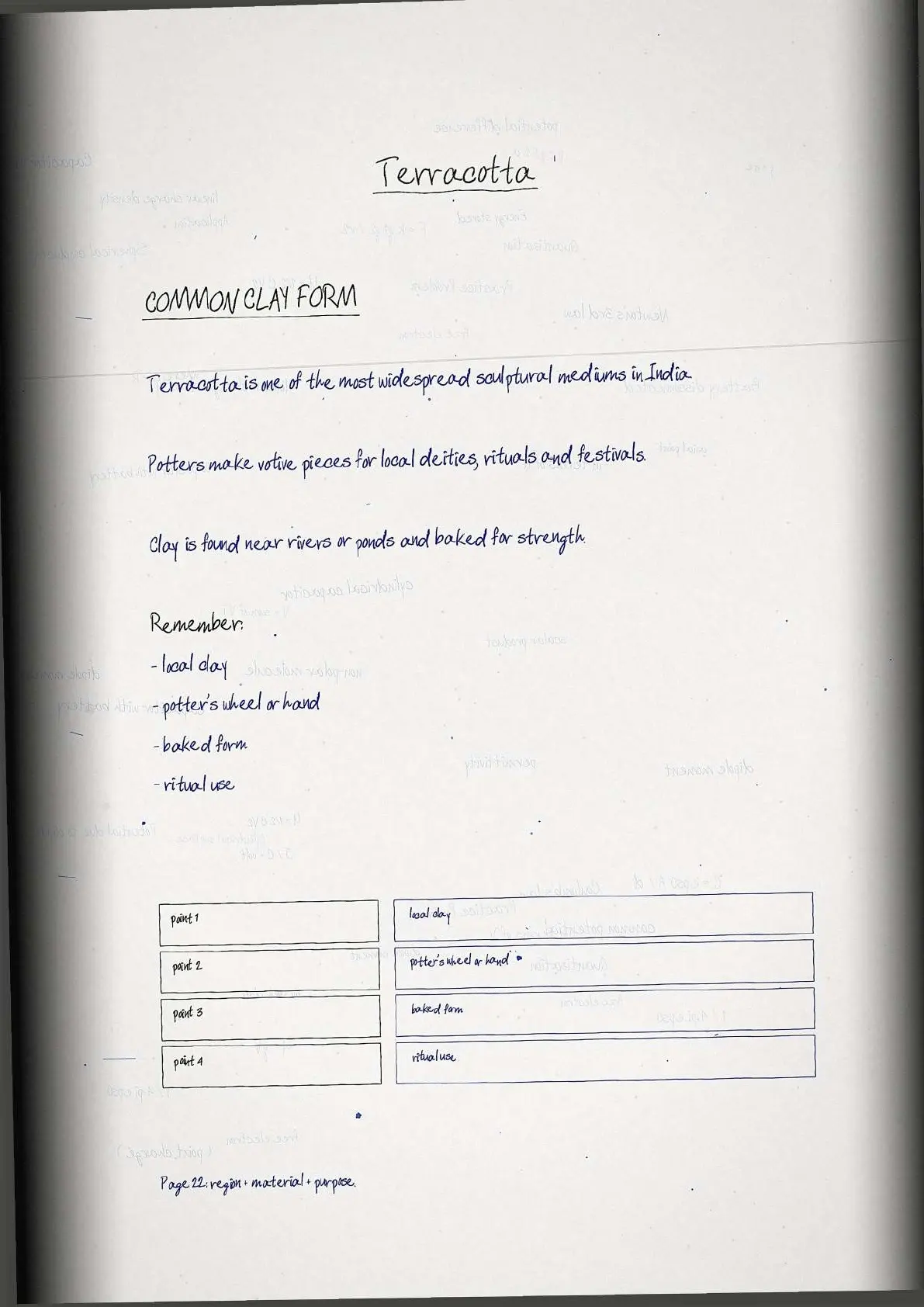
- Sculptural traditions: Dhokra and terracotta show how process and material matter.
- Exam angle: do not only name the tradition. Add who makes it, where it is used and why it matters.
How to Group the Chapter for Answers
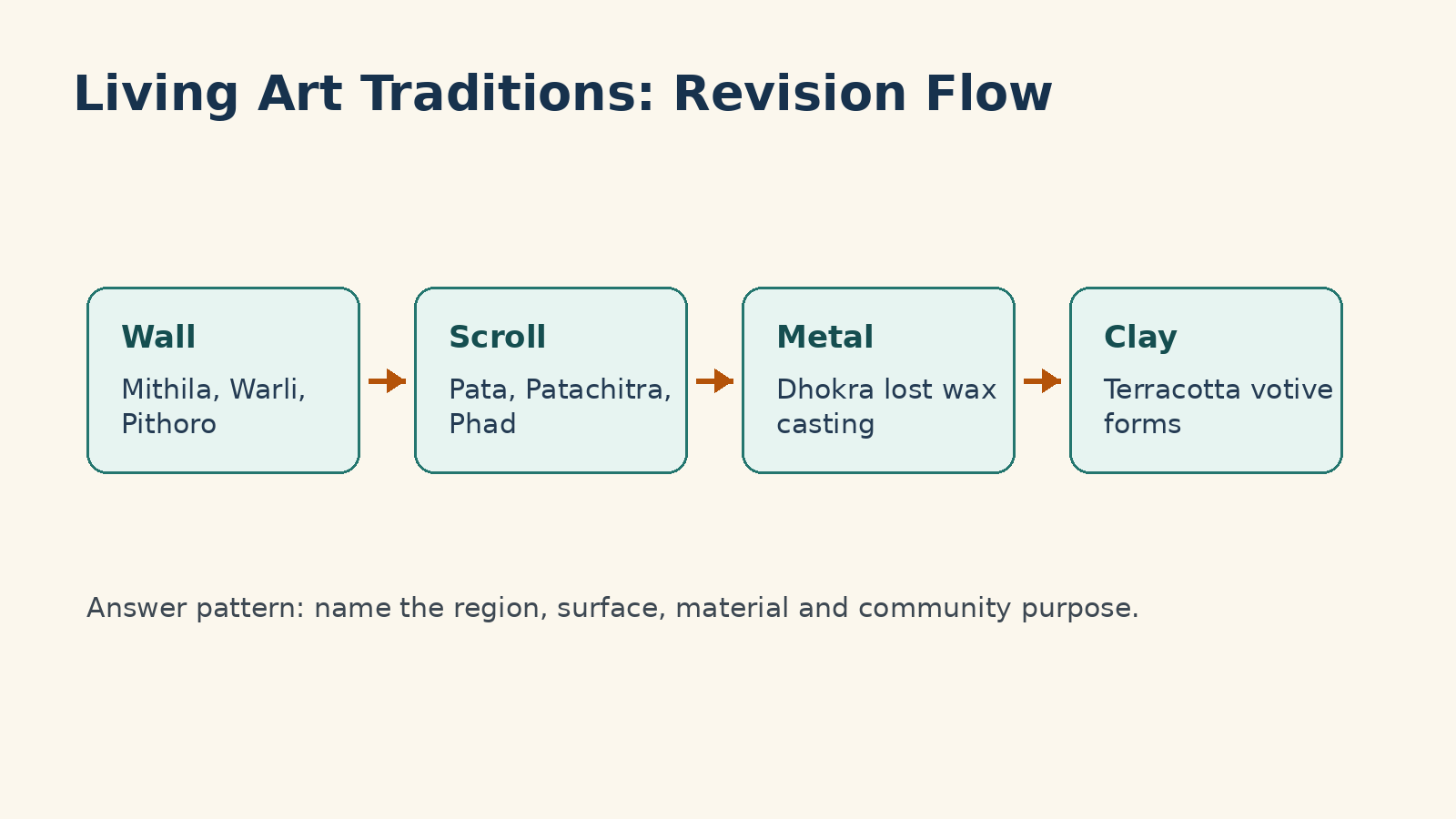
The easiest way to revise this chapter is to group the examples by surface and material. This prevents a common mistake where students remember names but cannot explain how the art is made or used.
| Group | Examples | What to remember |
|---|---|---|
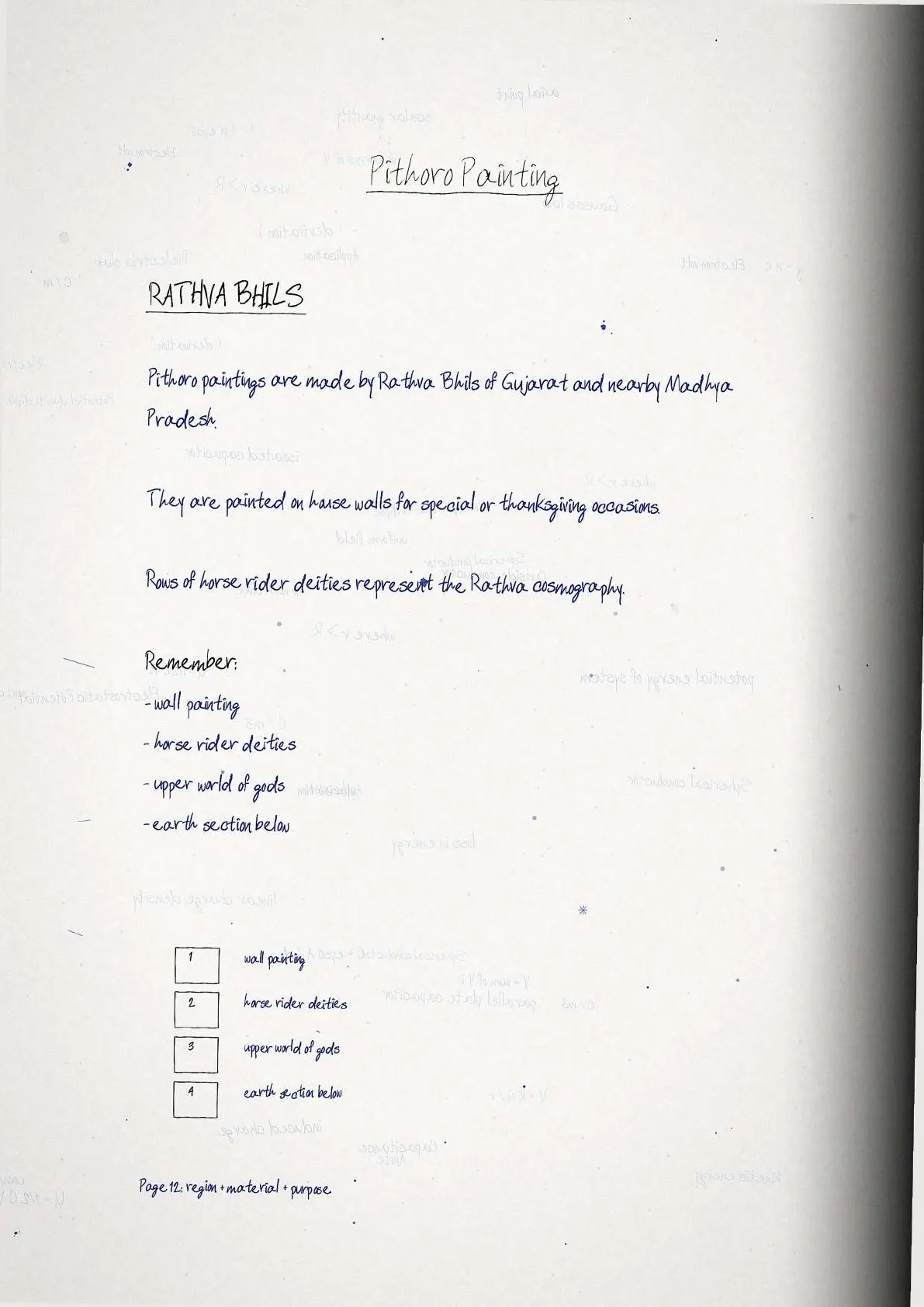
| Wall painting | Mithila, Warli, Pithoro | Ritual, household space, fertility, worship and community occasion. |
| Scroll and cloth painting | Pata, Patachitra, Phad | Storytelling, pilgrimage, performance and deity worship. |
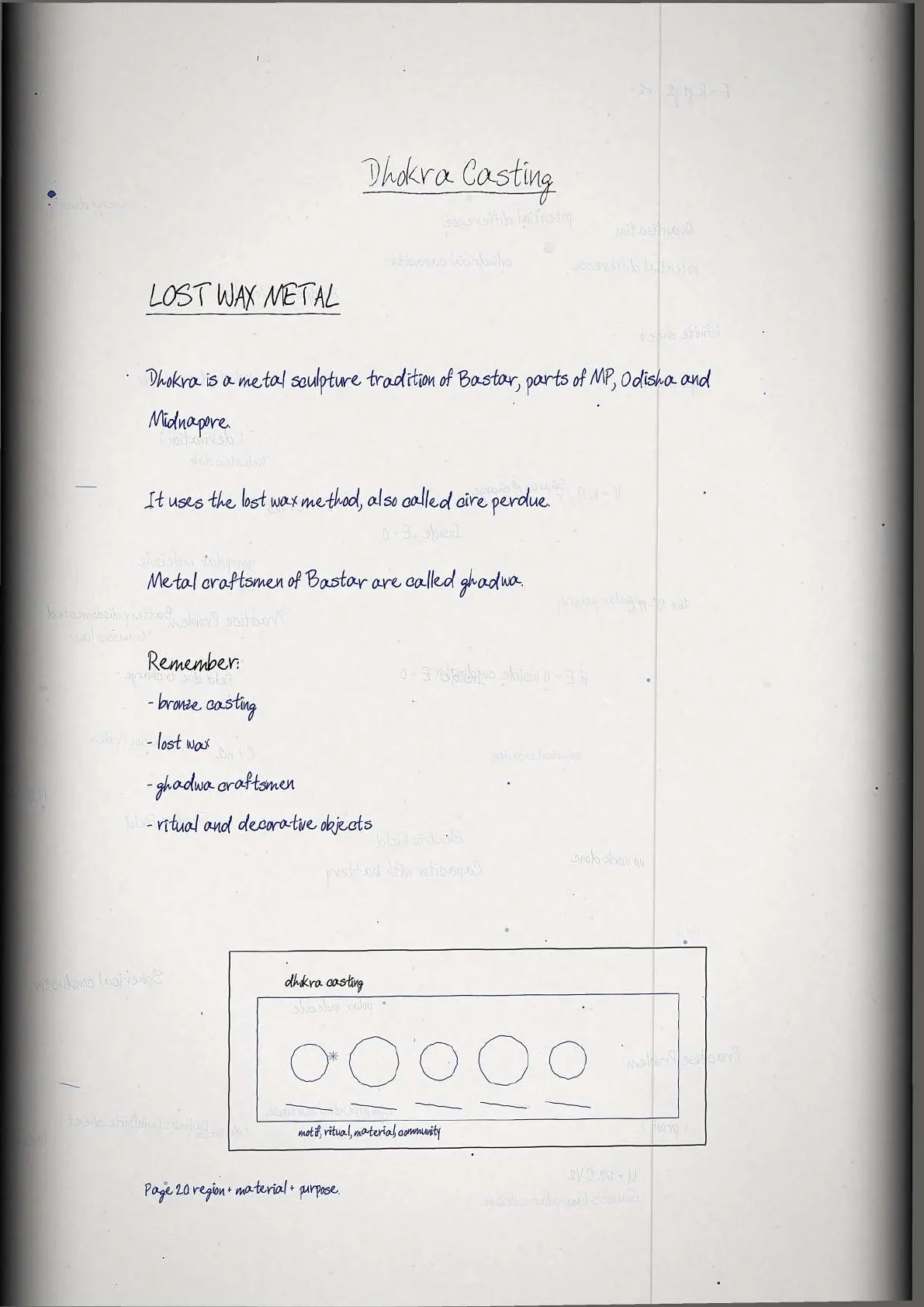
| Metal craft | Dhokra | Lost wax casting, ghadwa craftsmen and ritual or decorative objects. |
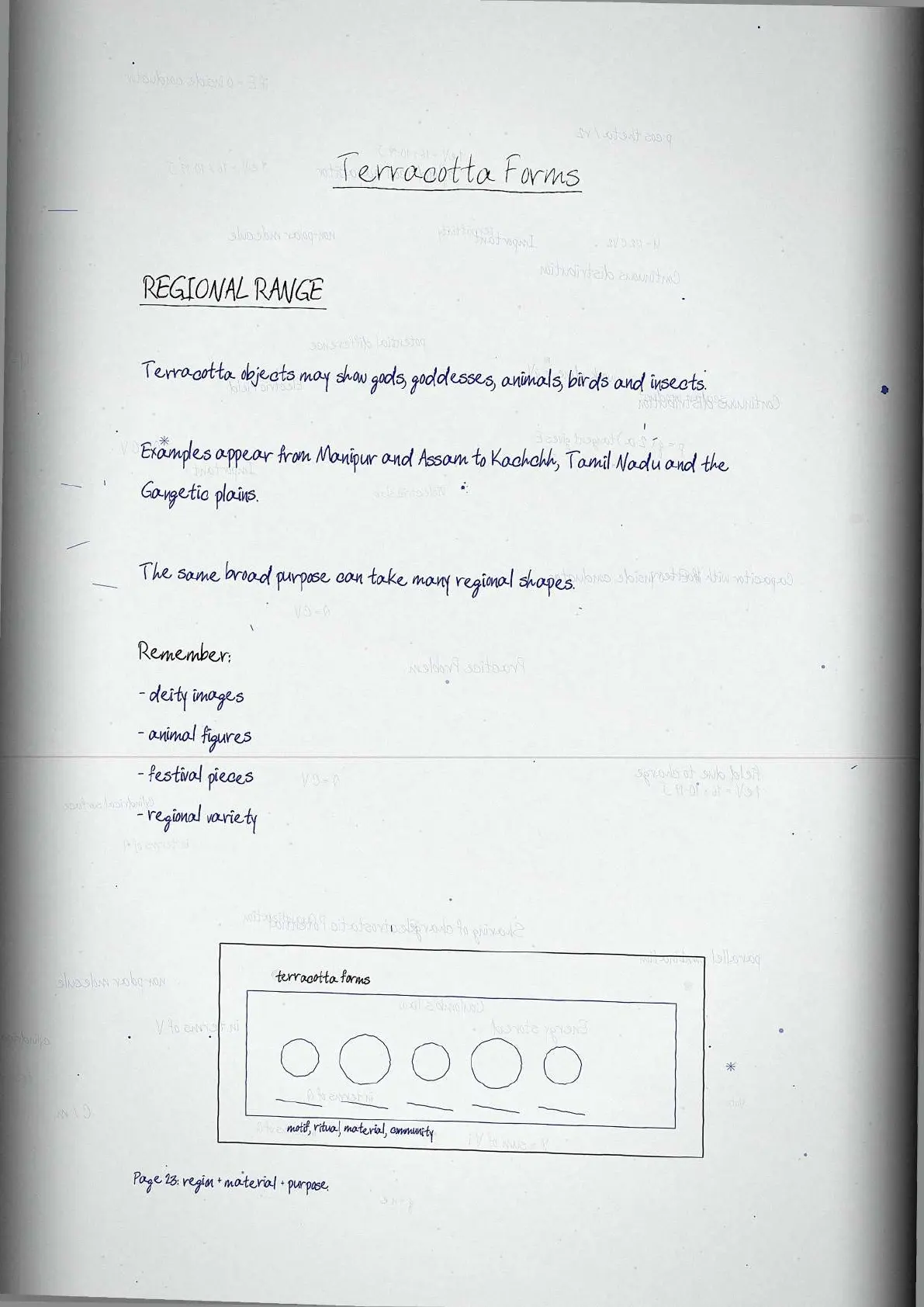
| Clay forms | Terracotta | Votive offerings, local deities, festivals and regional variety. |
Living Art Traditions Video Recap for Class 12 Fine Arts
This video can be used after the handwritten PDF to revise the main NCERT examples in the same chapter.
Source: Anu Sangwan on YouTube
Painting Traditions Compared for Quick Revision
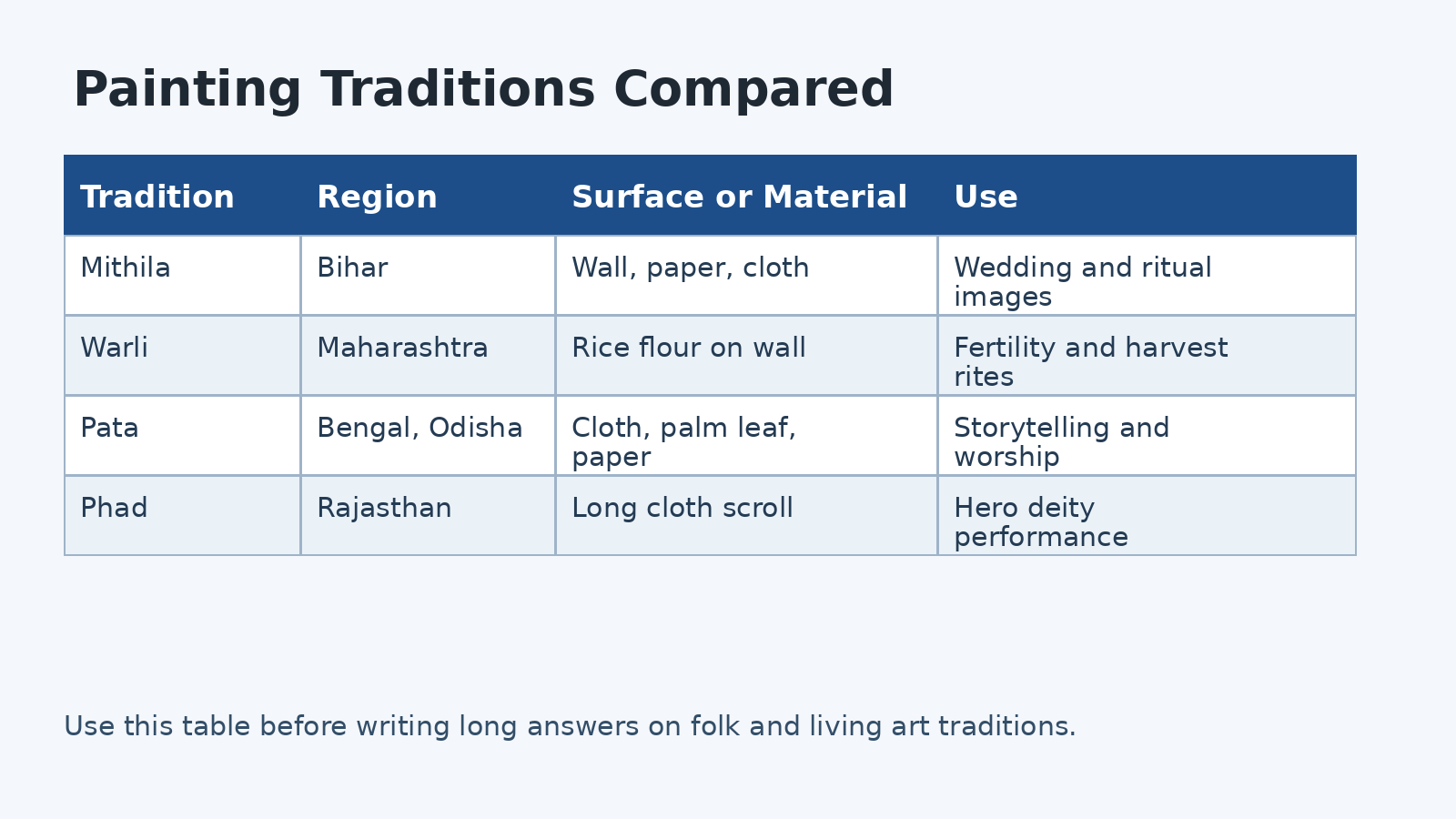
The safest comparison is built around region, surface, material and community purpose. Use this table before writing any long answer on painting traditions.
| Tradition | Region | Surface or material | Purpose |
|---|---|---|---|
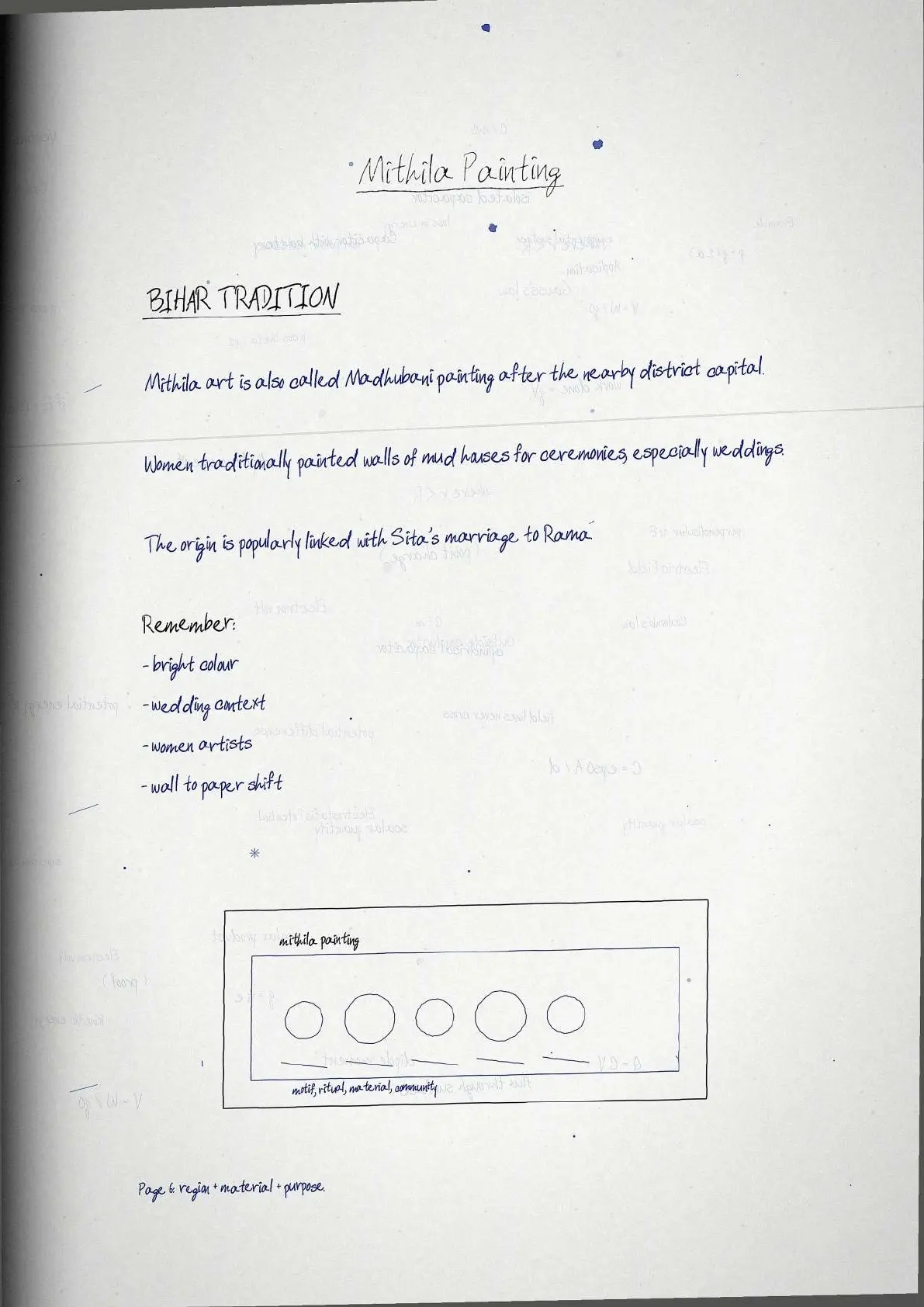
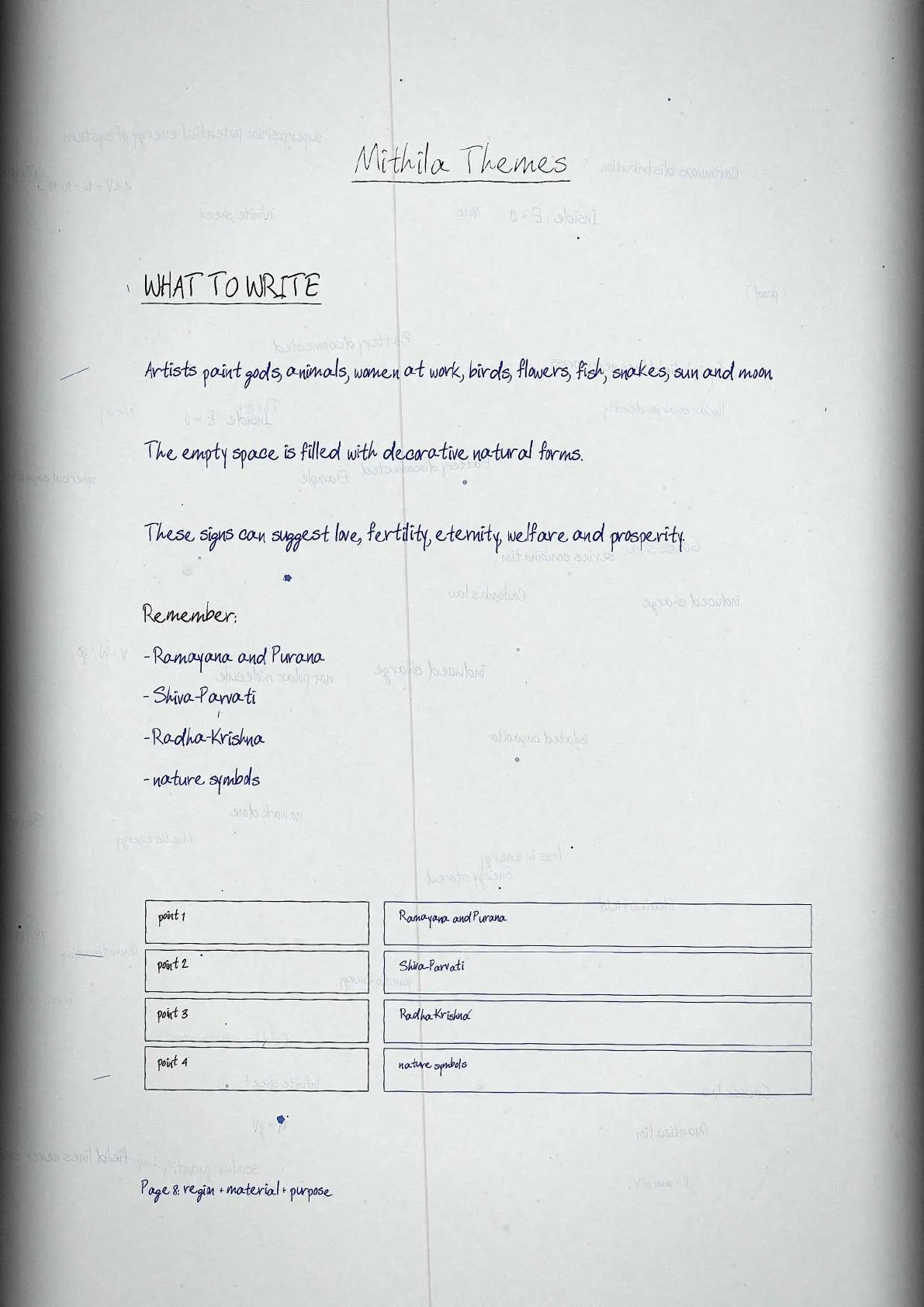
| Mithila or Madhubani | Bihar | House walls, paper, fabric and pots | Wedding, household ritual, gods, nature symbols and fertility signs. |
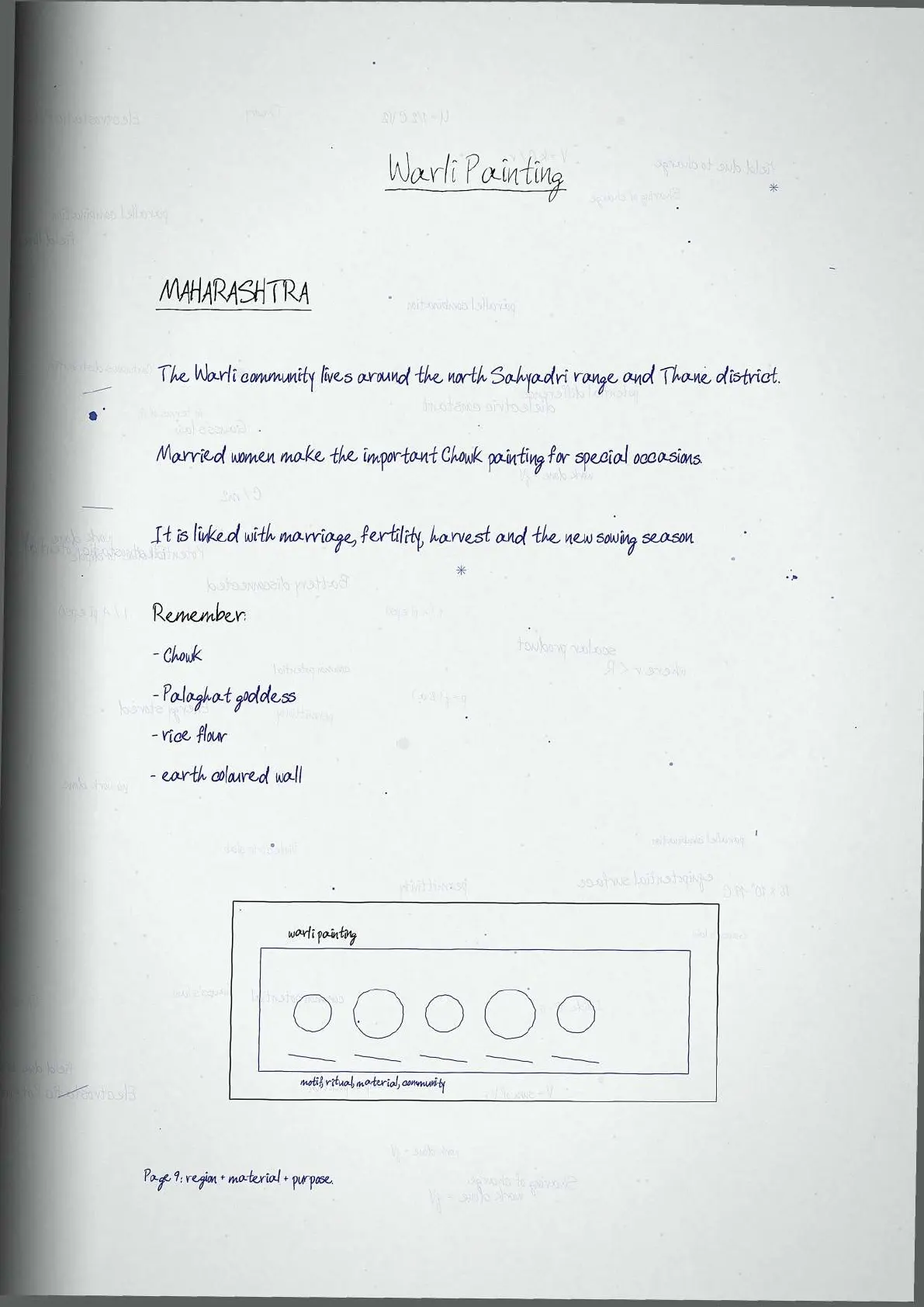
| Warli | Maharashtra, especially Thane region | Rice flour on earth coloured walls | Marriage, fertility, harvest and new sowing season. |
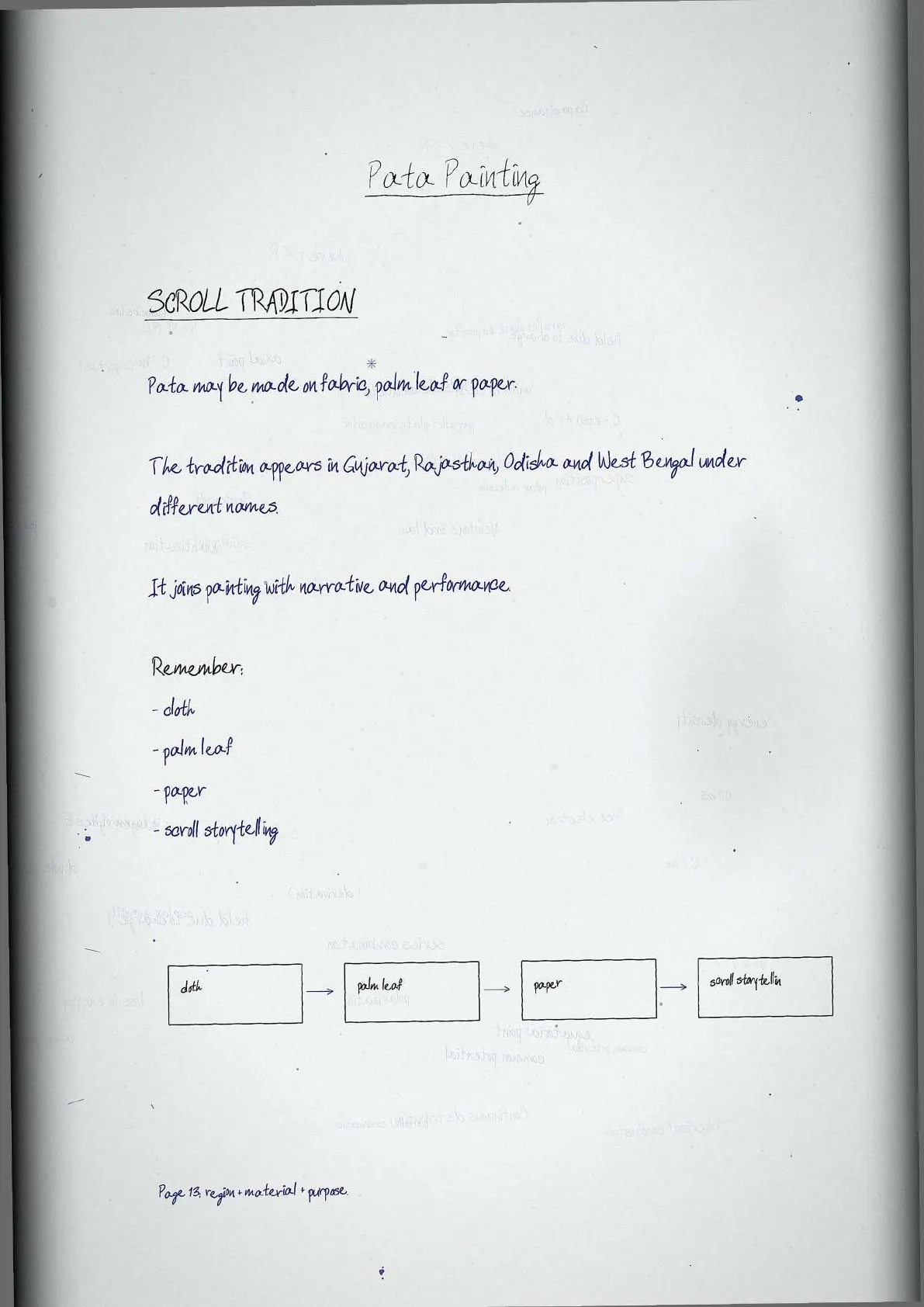
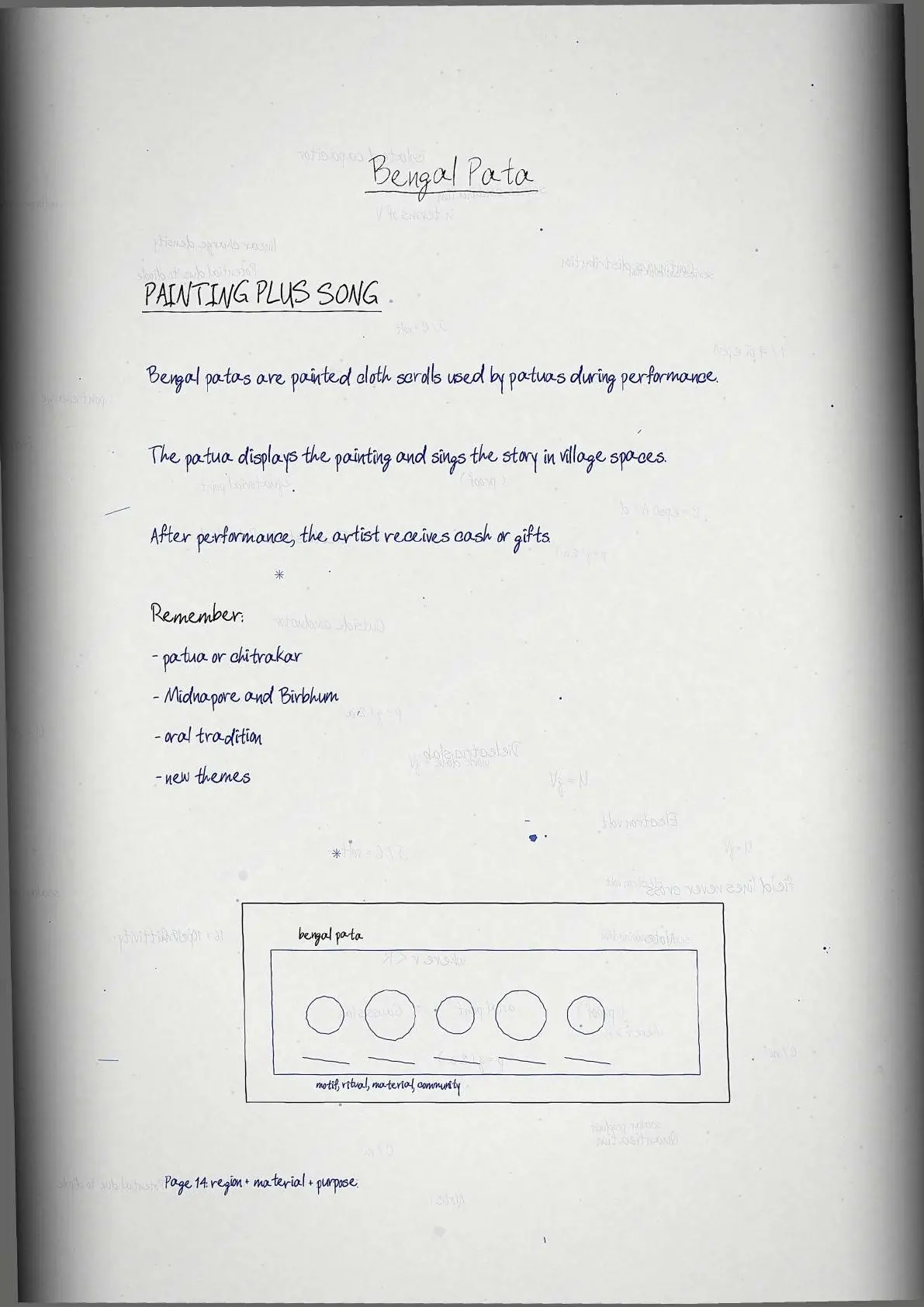
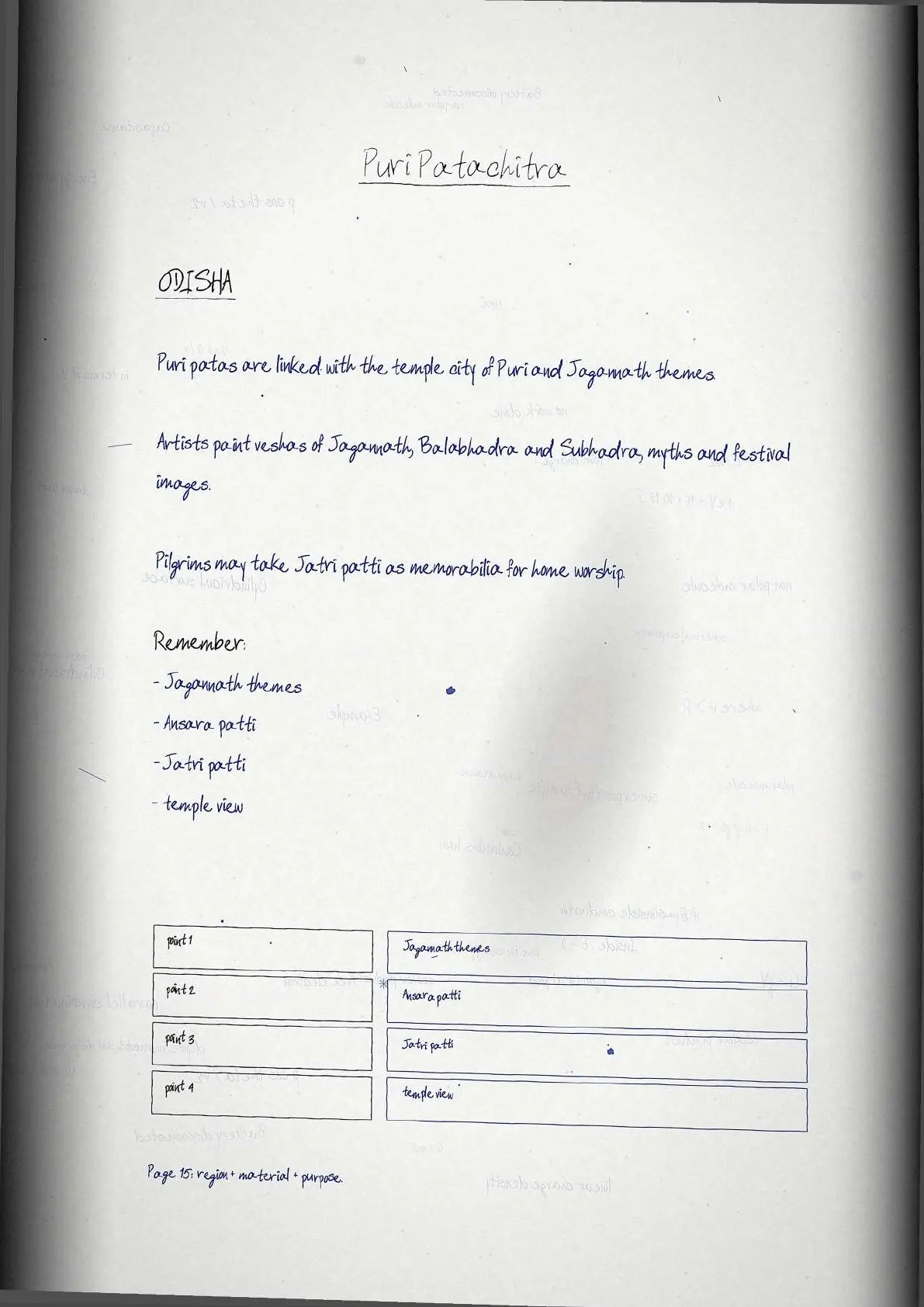
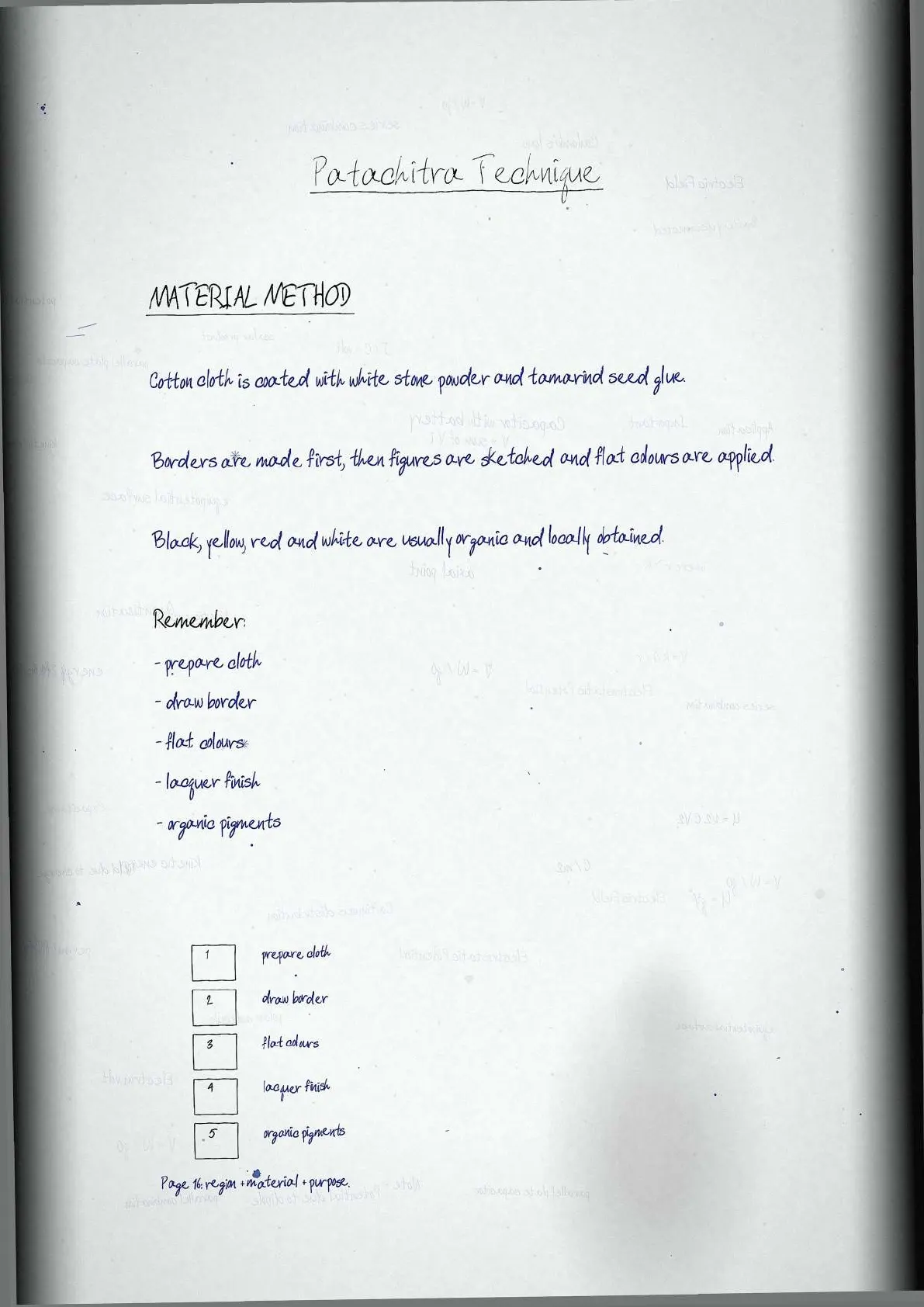
| Pata or Patachitra | Bengal and Odisha | Cloth, palm leaf or paper | Storytelling, Jagannath themes, pilgrimage memory and worship. |
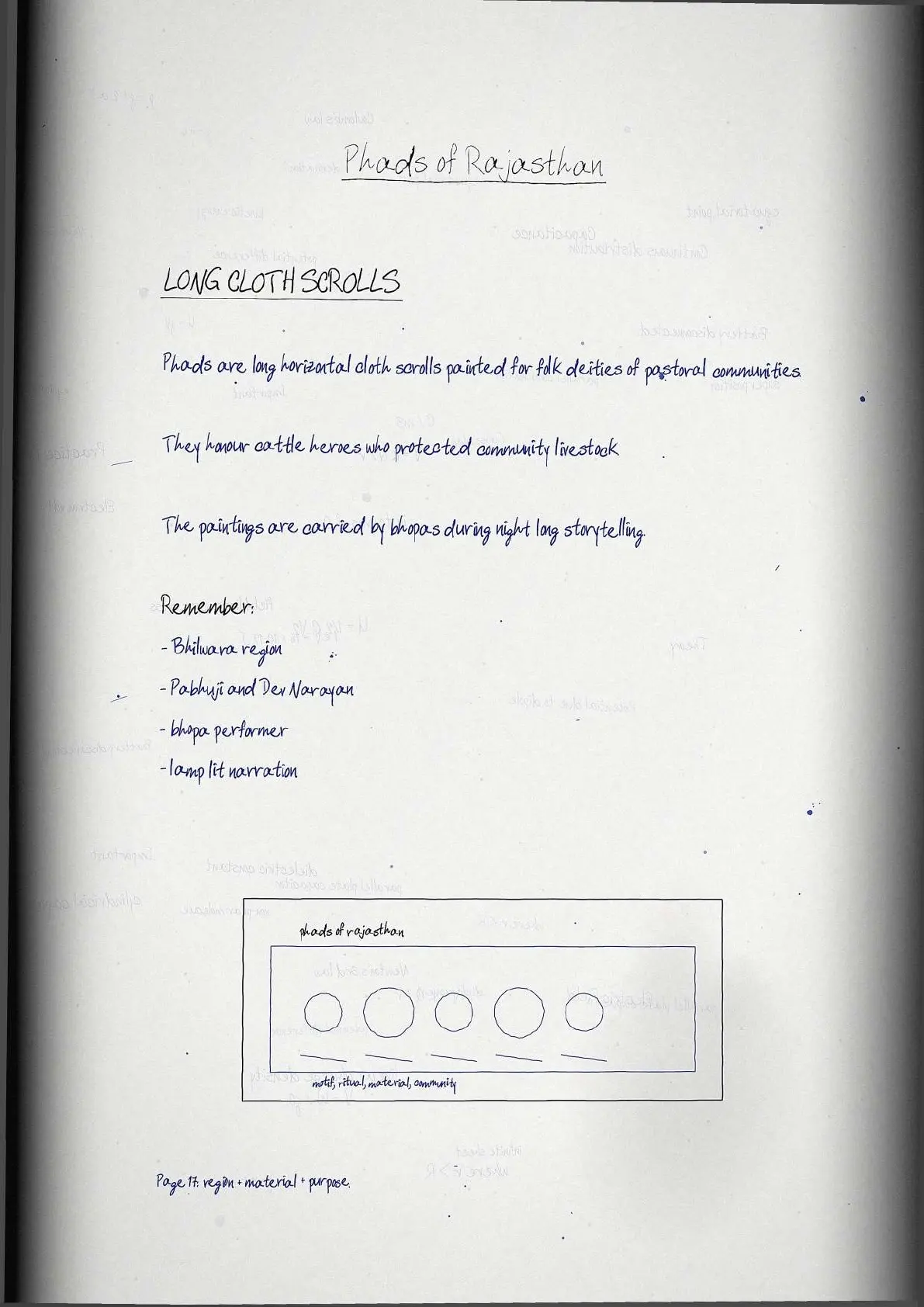
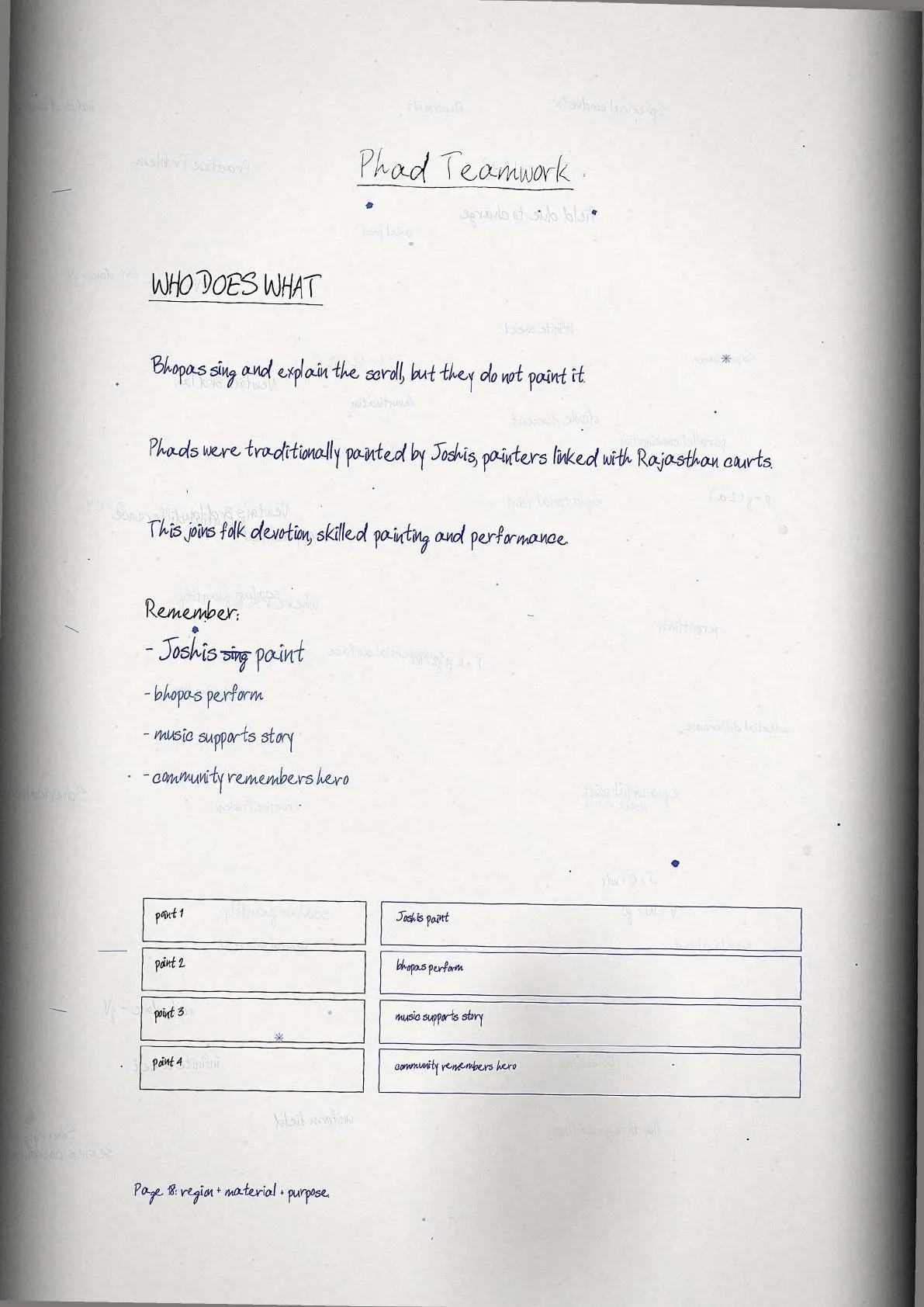
| Phad | Rajasthan | Long horizontal cloth scroll | Hero deity worship and night long performance by bhopas. |
Important Answer Points from the Handwritten Notes
The handwritten PDF keeps each page as a small revision card. These are the answer points students should keep ready before the Fine Arts theory exam.
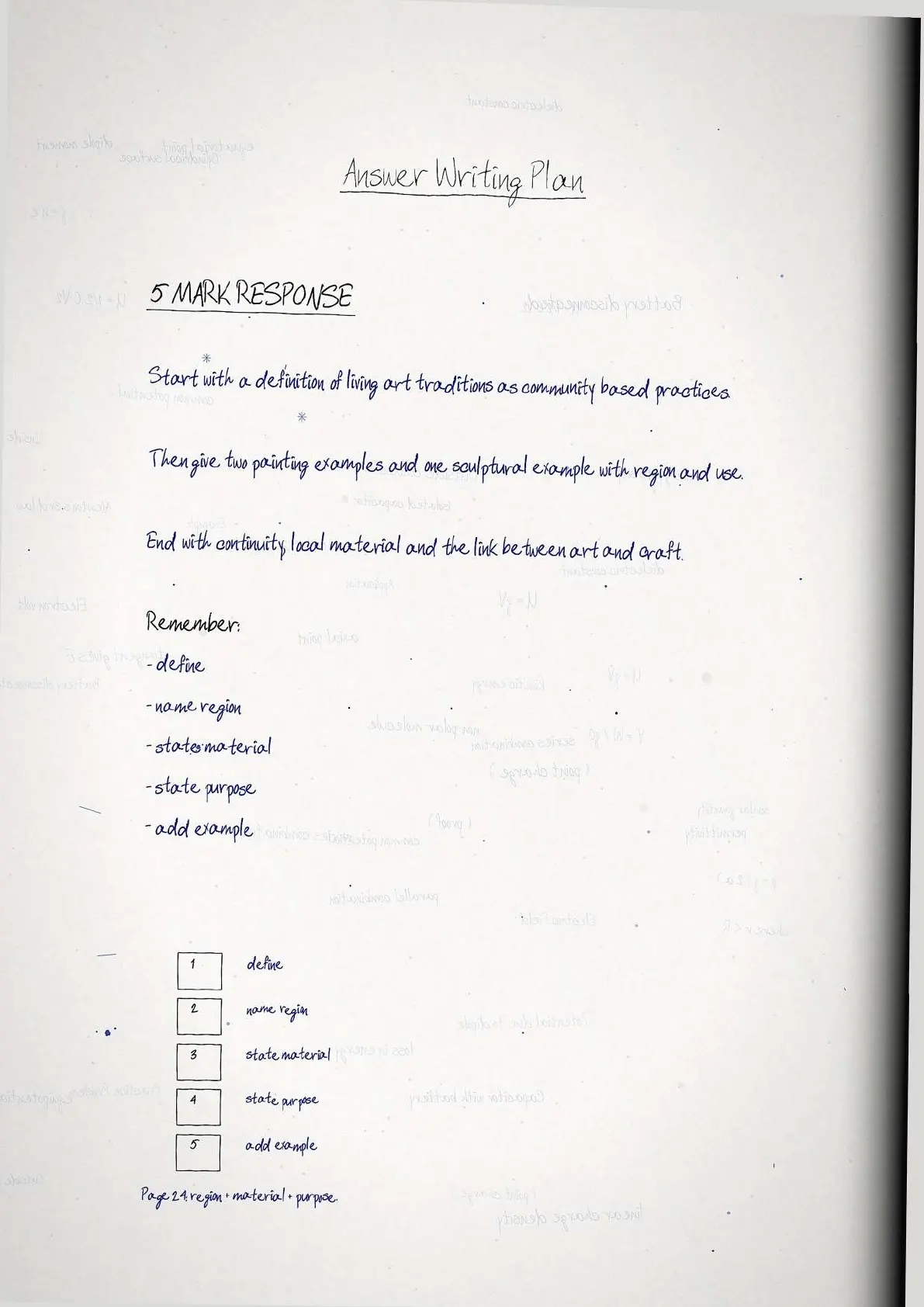
- Definition: living art traditions are community based practices passed through memory, practice and local material knowledge.
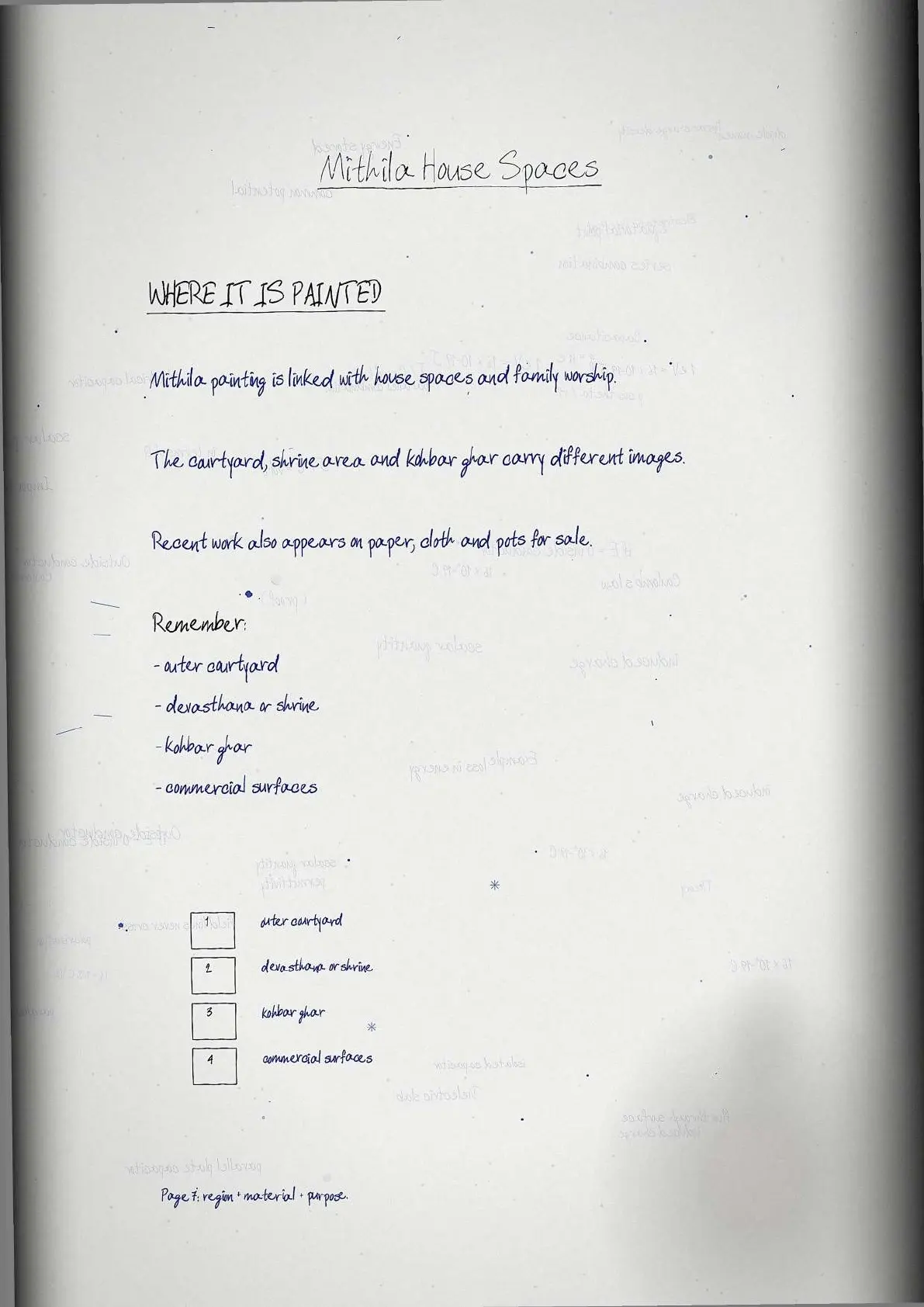
- Mithila clue: women traditionally painted walls for ceremonies, especially weddings and the kohbar room.
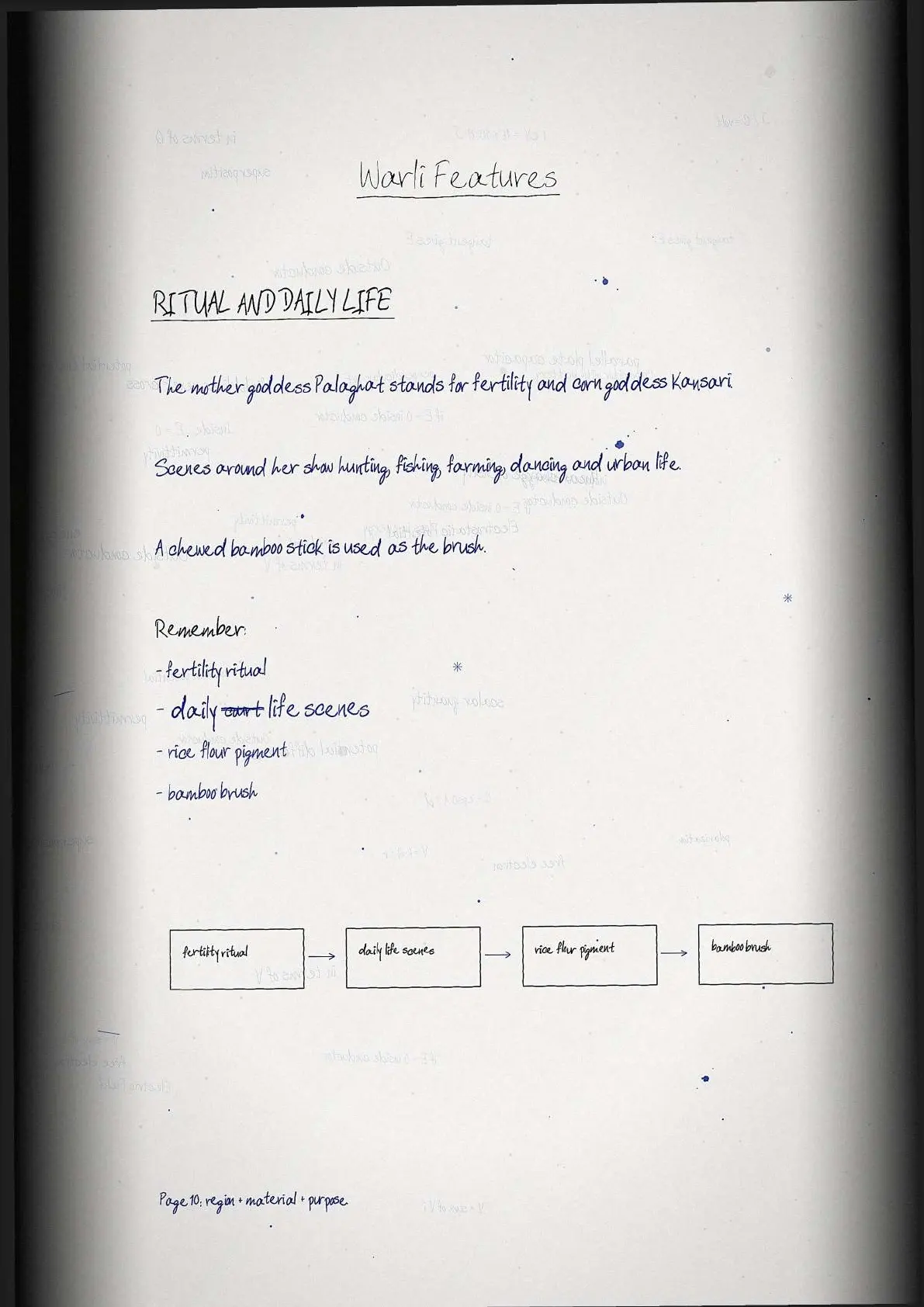
- Warli clue: Chowk painting centres on Palaghat, fertility, harvest and rice flour painting.
- Pata clue: Bengal patuas sing and narrate scroll paintings, while Puri patachitra links strongly with Jagannath themes.
- Dhokra clue: lost wax casting replaces resin coils with molten metal inside a clay mould.
- Terracotta clue: clay votives are baked and used for local deities, rituals and festivals.
Write answers with a simple chain: tradition name, region, material, maker, purpose and one NCERT example.
Related Class 12 Fine Arts Resources for Living Art Traditions of India
Use these resources with the handwritten notes when you want the official text or a typed revision version of the same chapter.
| Resource | Use It For | Link |
|---|---|---|
| NCERT Book PDF | Read the official NCERT chapter pages and artwork captions. | Living Art Traditions Book PDF |
| Class 12 Fine Arts Notes | Revise the same chapter in typed notes format. | Living Art Traditions Notes |
| Previous Chapter | Revise Company School before moving into living community traditions. | The Company School Handwritten Notes |
All Class 12 Fine Arts Handwritten Notes
The table below keeps the same resource type together, so students can move chapter by chapter through Class 12 Fine Arts handwritten notes.
| Chapter | NCERT chapter title | Handwritten notes link |
|---|---|---|
| Chapter 1 | The Mughal School of Miniature Painting | Open handwritten notes |
| Chapter 2 | The Deccan Schools of Painting | Open handwritten notes |
| Chapter 3 | The Rajasthani Schools of Painting | Open handwritten notes |
| Chapter 4 | The Pahari Schools of Painting | Open handwritten notes |
| Chapter 5 | The Bengal School and Cultural Nationalism | Open handwritten notes |
| Chapter 6 | Modern Indian Art | Open handwritten notes |
| Chapter 7 | The Company School | Open handwritten notes |
| Chapter 8 | Living Art Traditions of India | Current handwritten notes |
Class 12 Fine Arts Living Art Traditions Handwritten Notes FAQs
Ques. What is covered in Class 12 Fine Arts Living Art Traditions handwritten notes?
Ans. The handwritten notes cover folk and community art traditions such as Mithila, Warli, Gond, Pithoro, Pata, Phad, Dhokra and terracotta.
Ques. How should students revise Living Art Traditions of India?
Ans. Students should revise each tradition with region, surface, material, community purpose and one NCERT example. This makes long answers easier to structure.
Ques. What is the difference between Pata and Phad?
Ans. Pata is a scroll or cloth painting tradition linked with storytelling and worship in regions such as Bengal and Odisha, while Phad is a long cloth scroll tradition of Rajasthan performed by bhopas.
Ques. Why is Dhokra important in this chapter?
Ans. Dhokra is important because it explains the lost wax metal casting process and shows how material, craft skill and ritual use are connected in living art traditions.



Comments