




The handwritten notes on Class 12 Fine Arts Chapter 7 The Company School are built for quick board revision from the 2026-27 NCERT print of An Introduction to Indian Art Part 2.
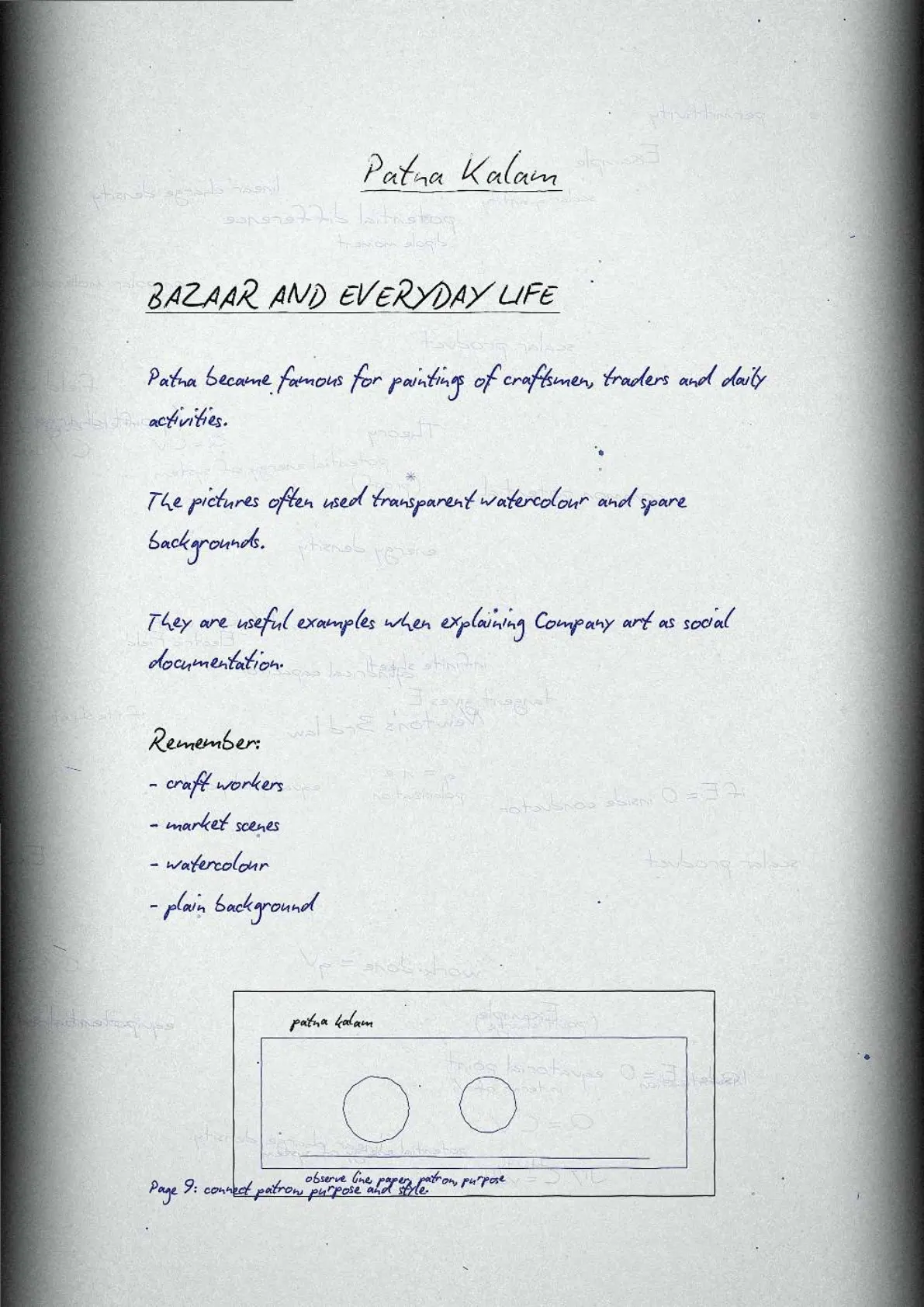
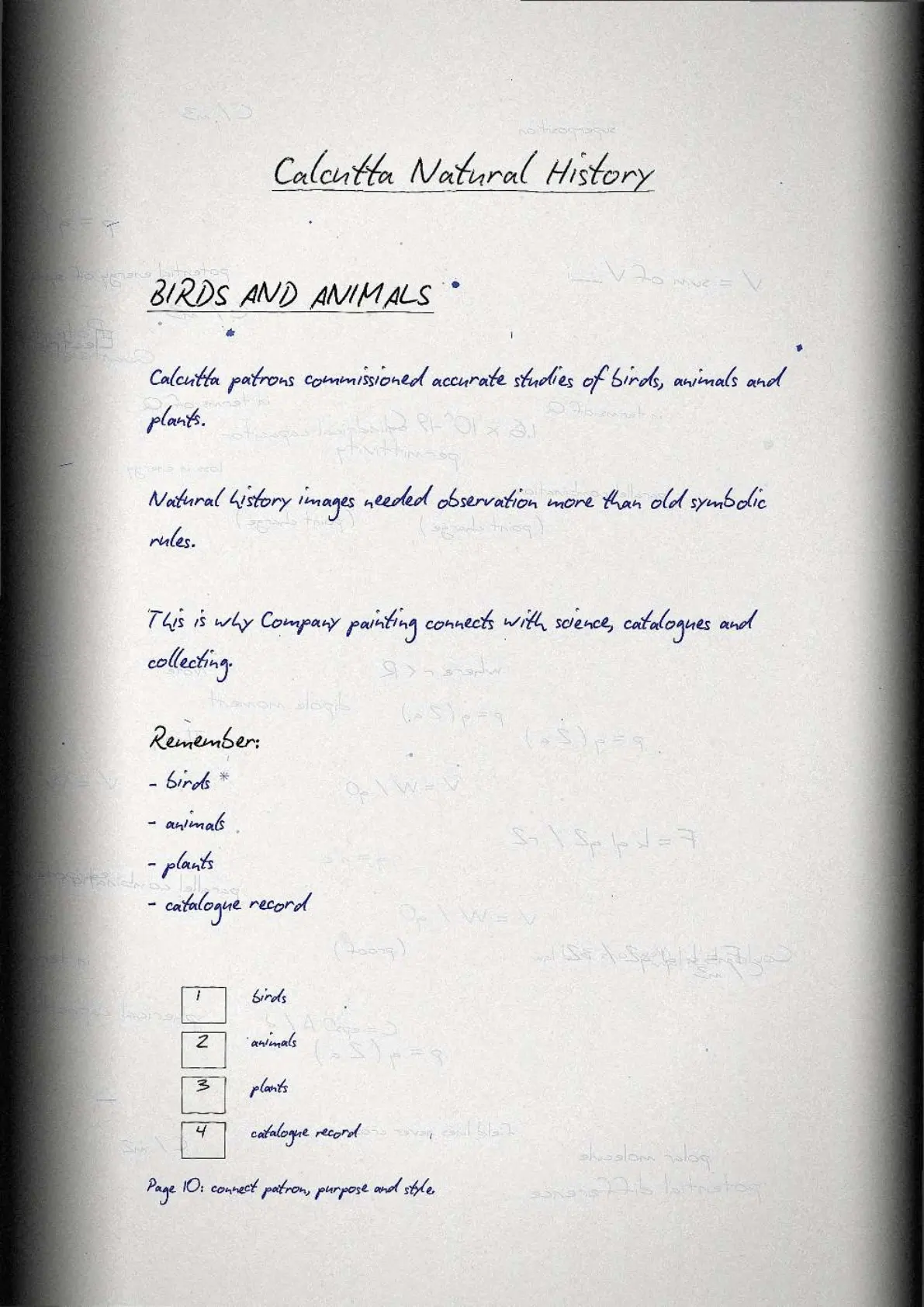
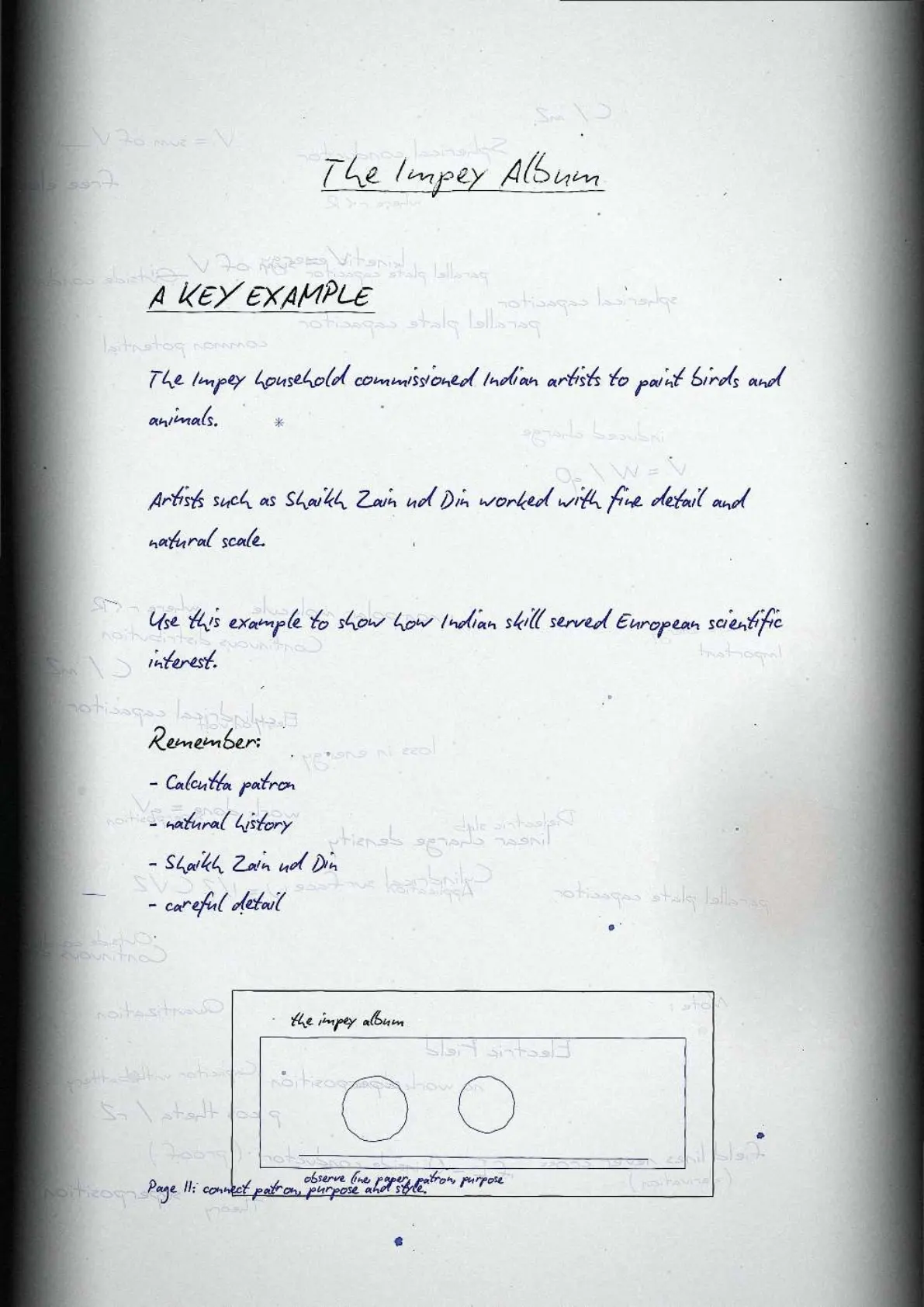
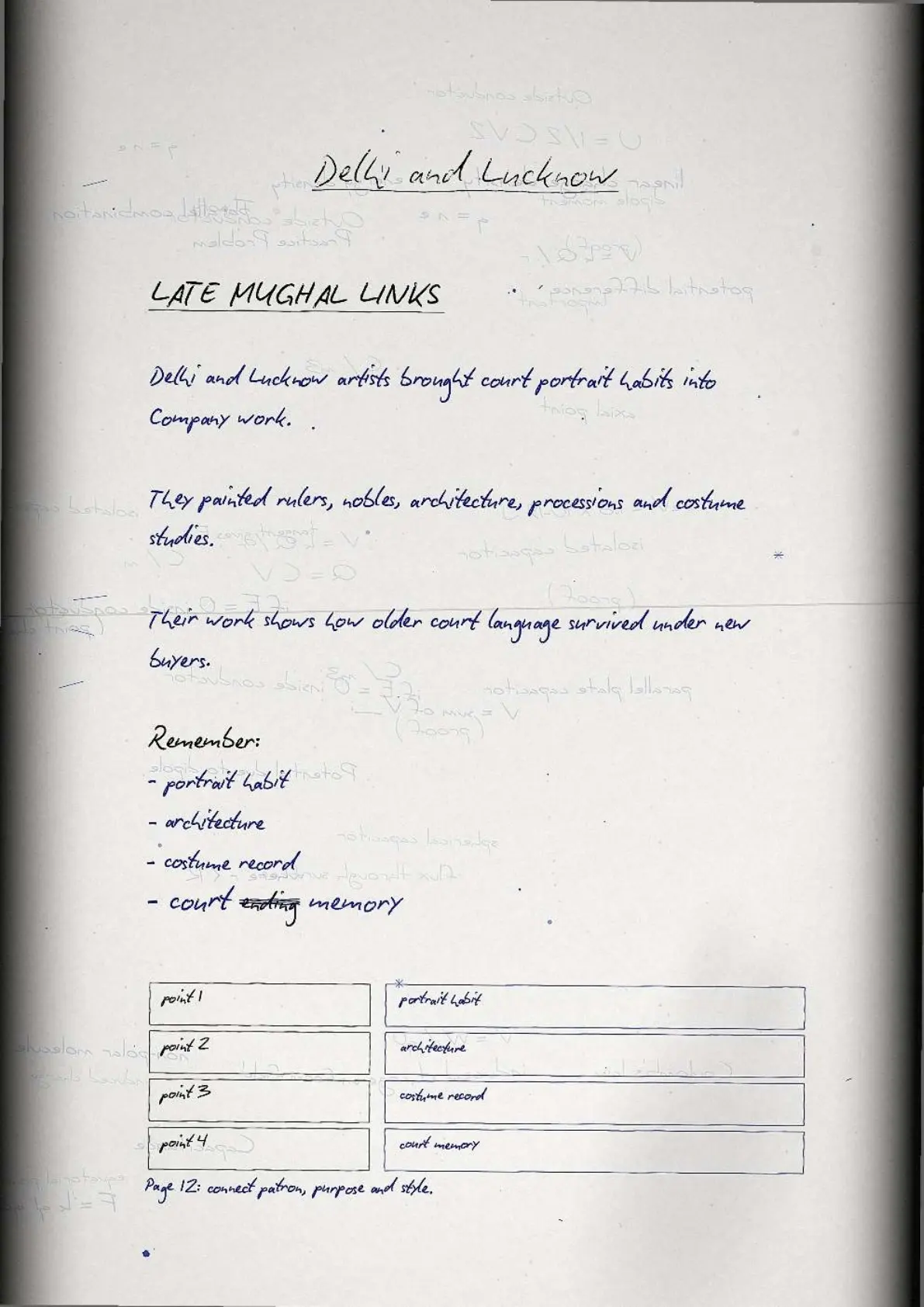
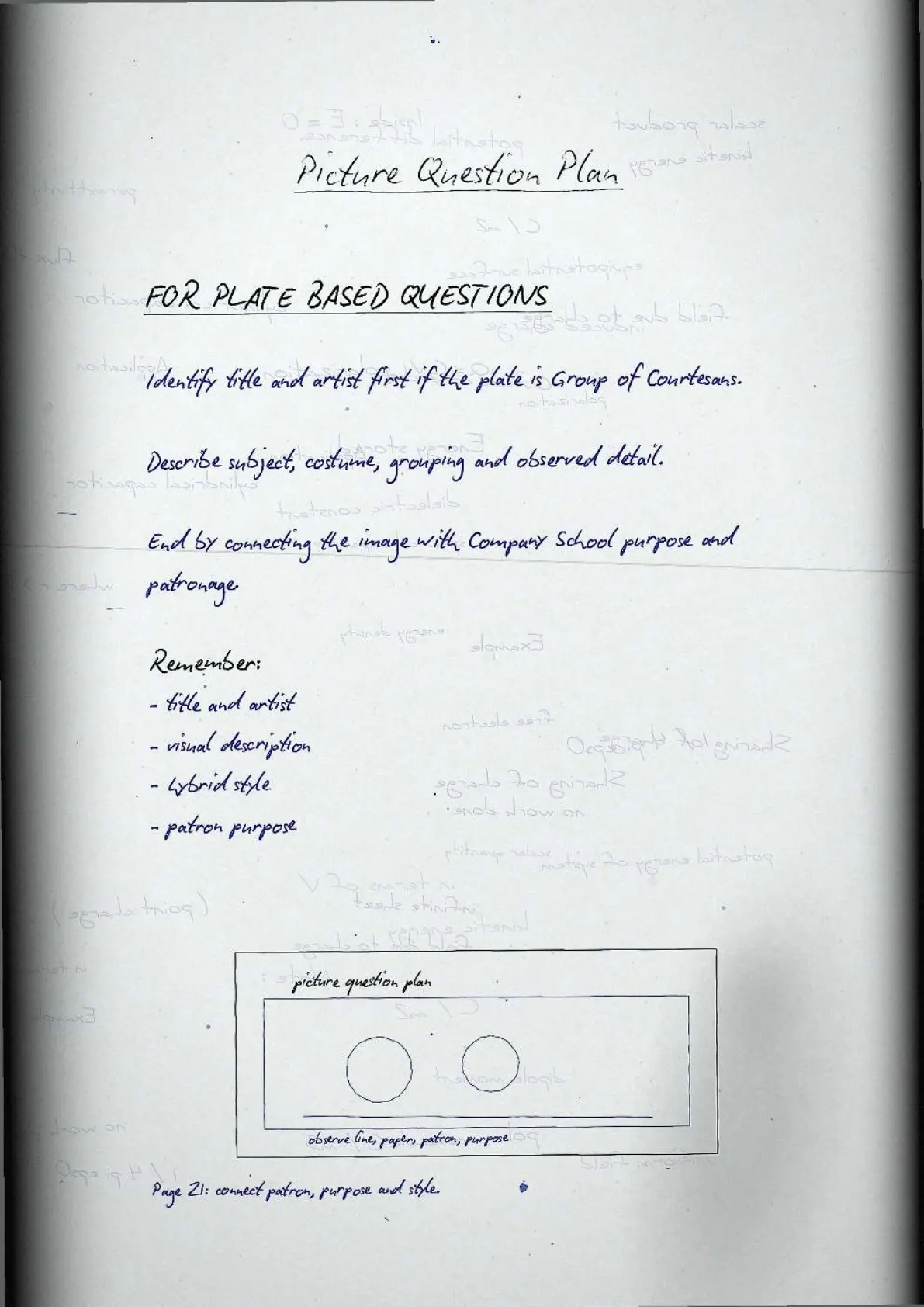
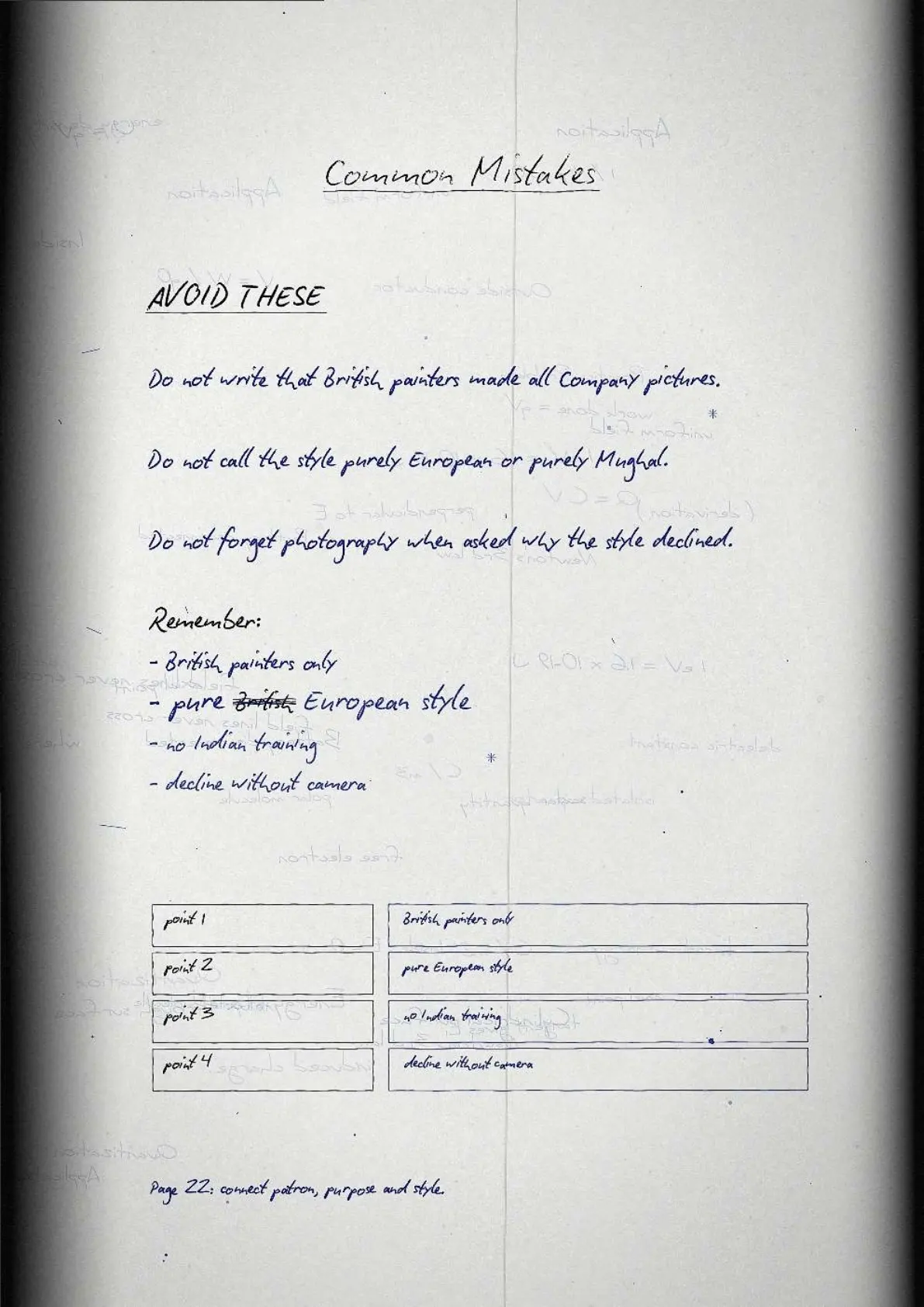
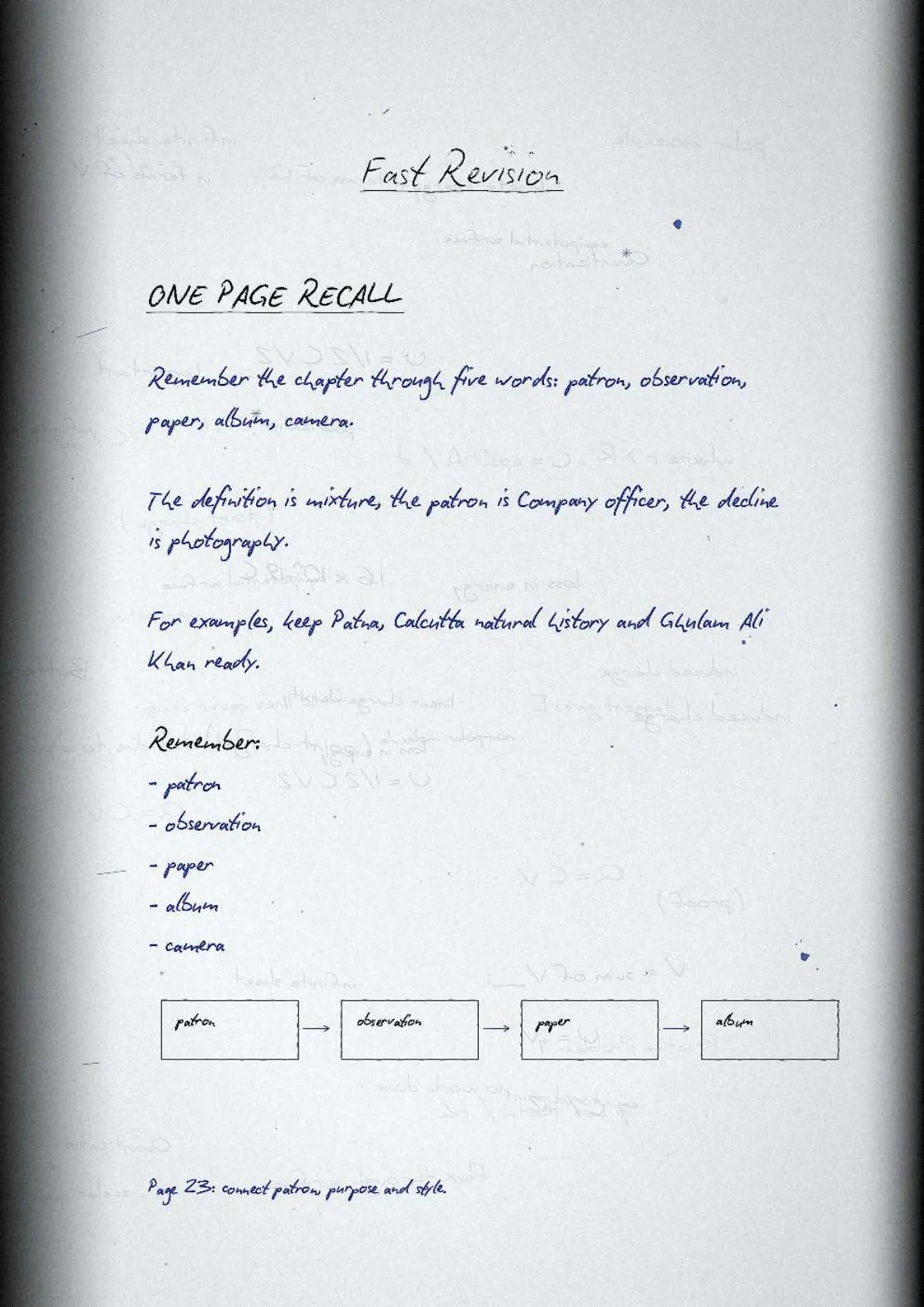
- Best for revision: connect British patrons, local Indian artists and the hybrid Company School style.
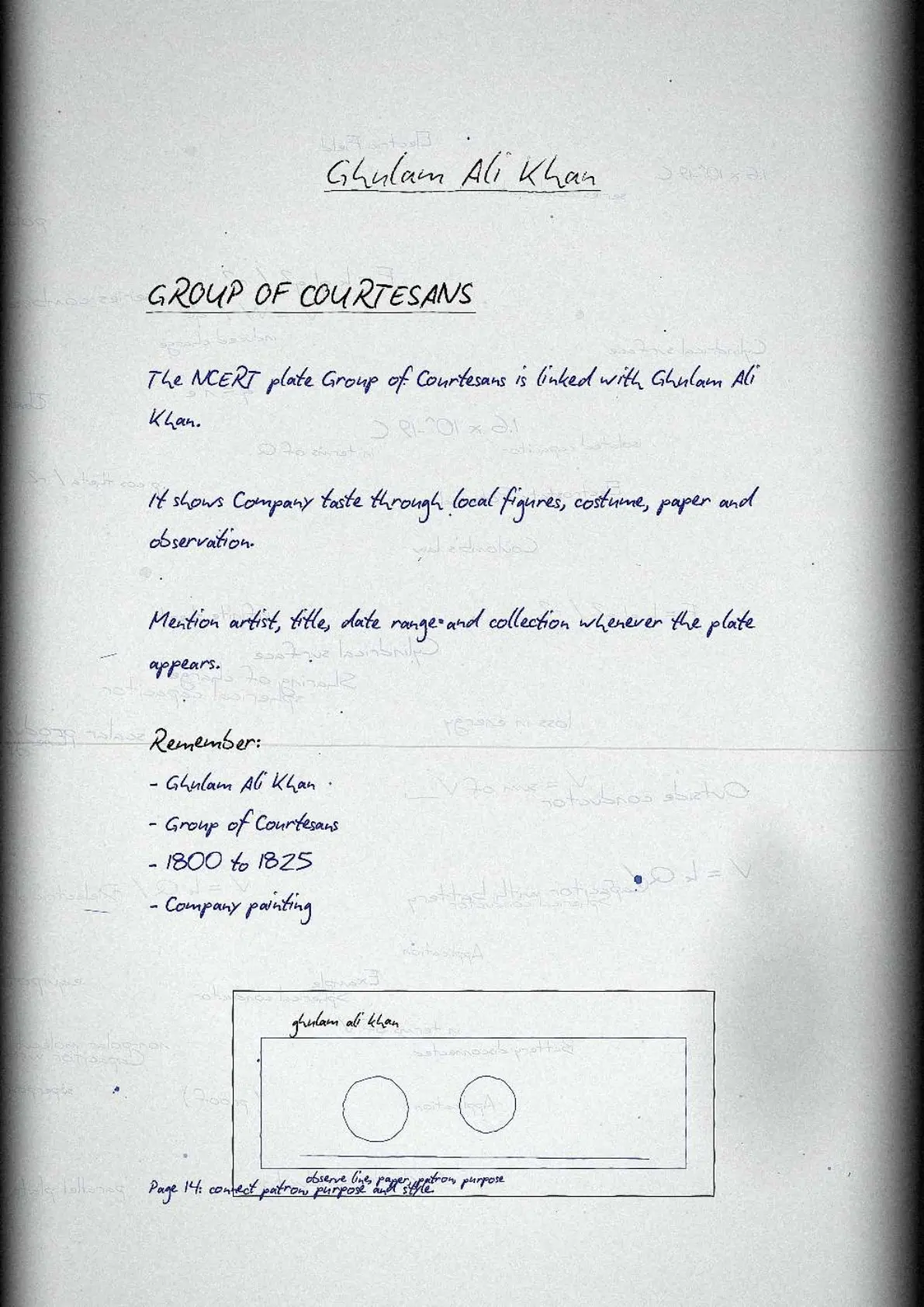
- Artwork focus: revise Group of Courtesans by Ghulam Ali Khan as the main plate clue.
- Exam focus: remember why close observation, albums and photography matter in this chapter.
These Company School handwritten notes follow the official 2026-27 NCERT chapter and keep the revision order close to the CBSE Fine Arts theory answer pattern.
Student Feedback: In a Collegedunia Fine Arts revision poll of 11,480 students, students found this topic easier after separating purpose, patron and painting method.
- 78% wanted a one-page comparison between traditional Indian painting and Company Painting.
- 72% mixed up Company School and academic oil painting in first revision.
- 68% wanted the decline of the style tied clearly to photography.
Company School Quick Revision Map for Class 12 Fine Arts
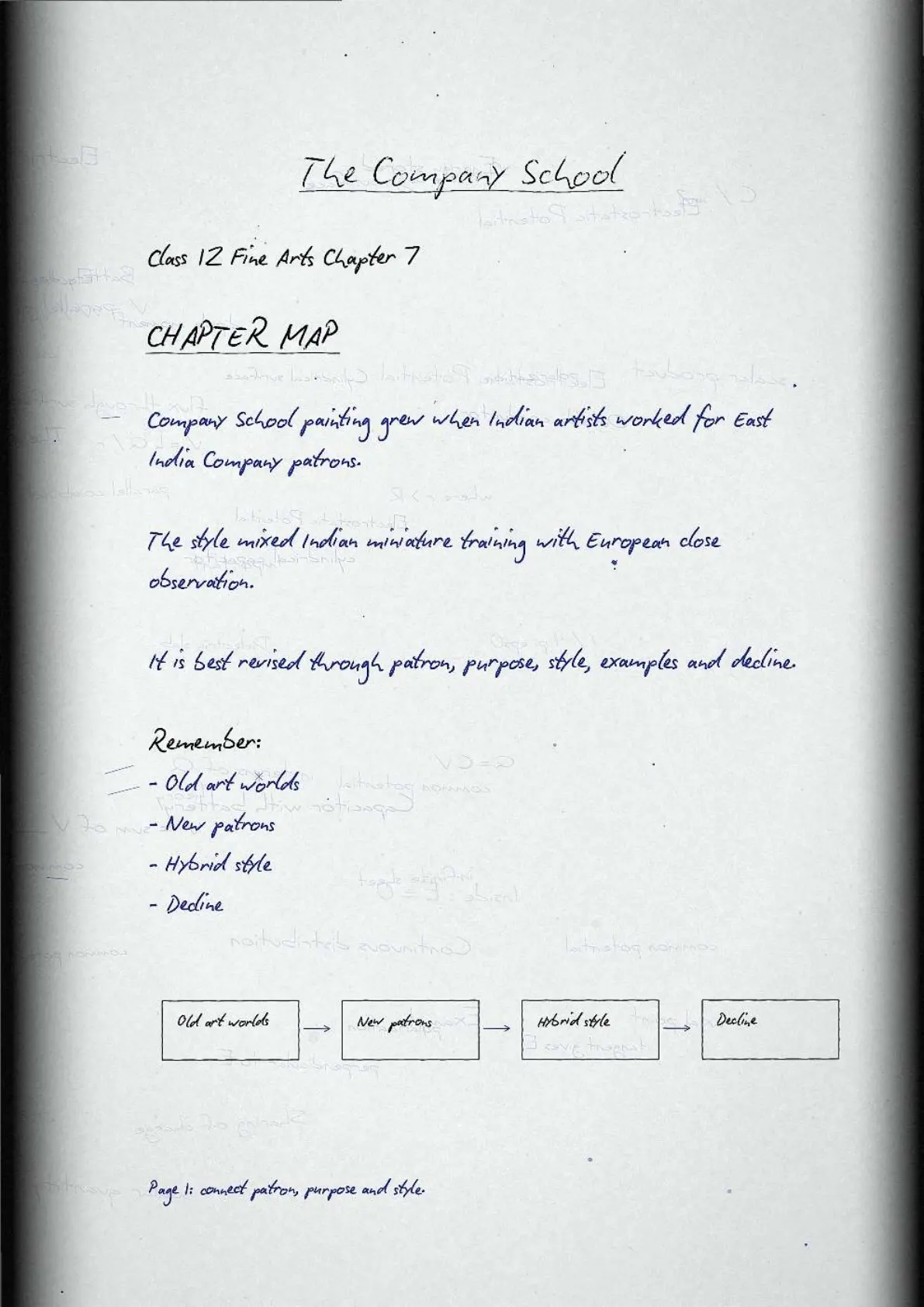
The Company School chapter explains how Indian painters adapted their older miniature training for a new group of British patrons. The handwritten notes arrange the topic through patron, purpose, method, examples and decline.
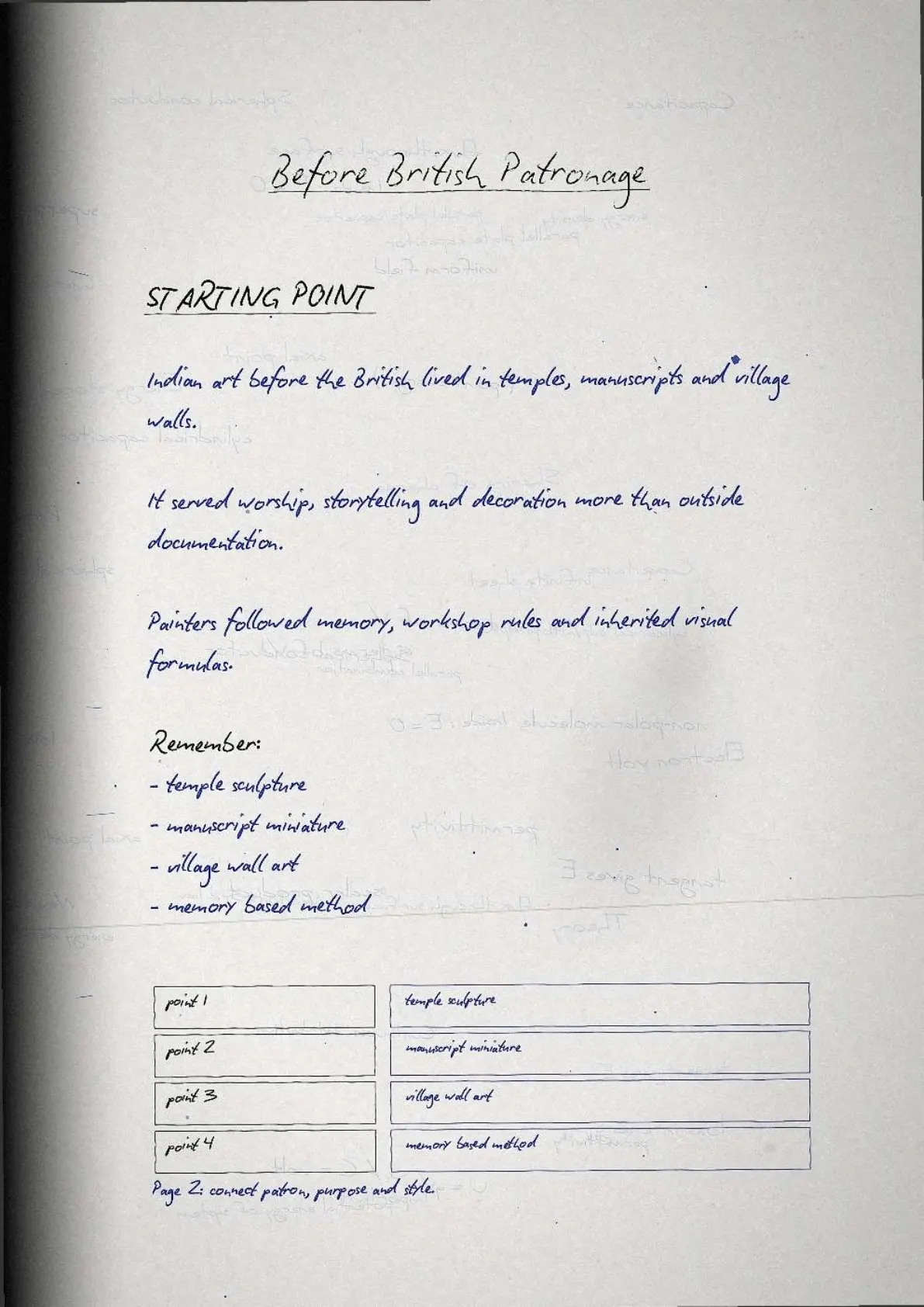
- Old art context: temple sculpture, manuscript miniatures and village wall decoration came before colonial patronage.
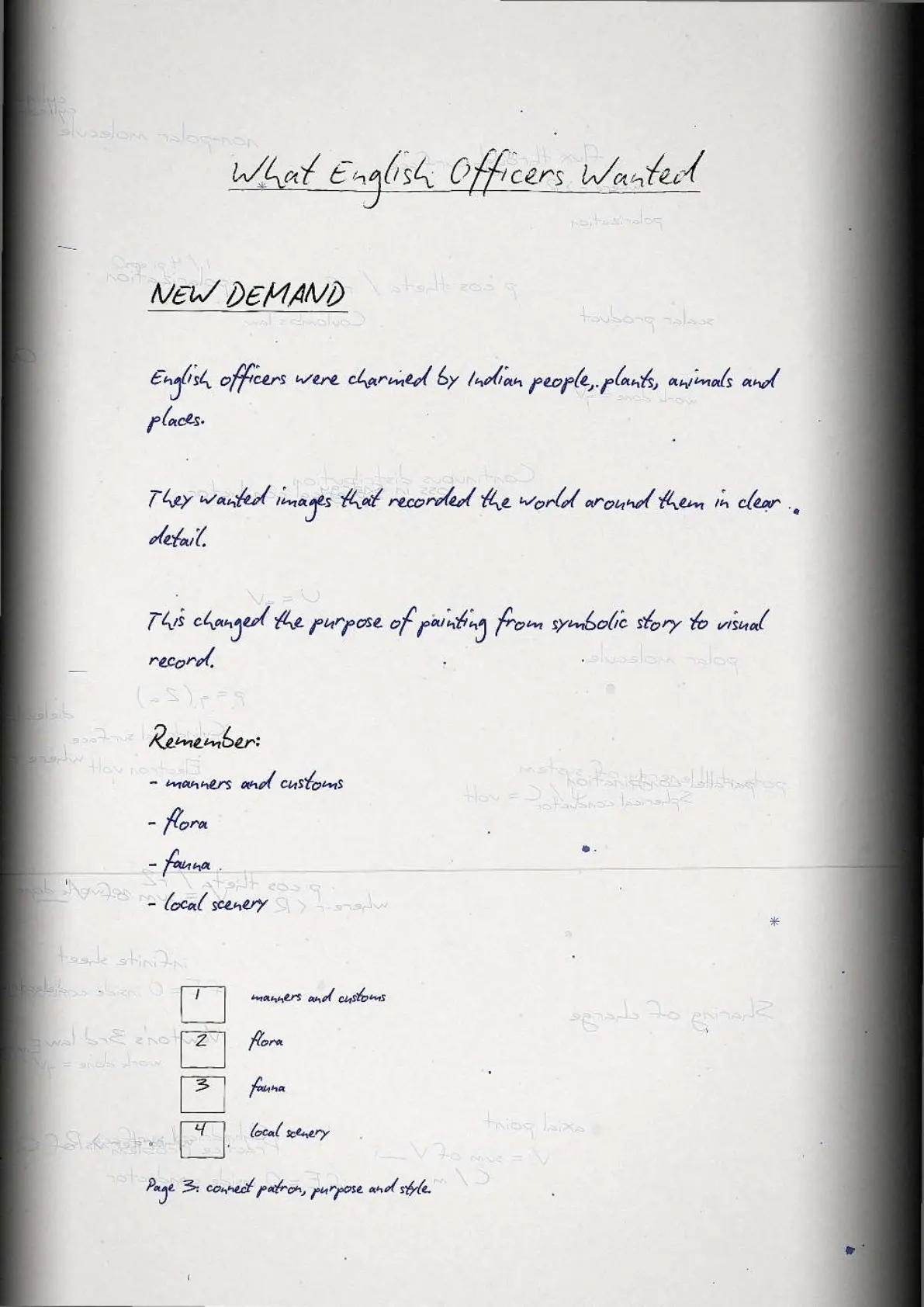
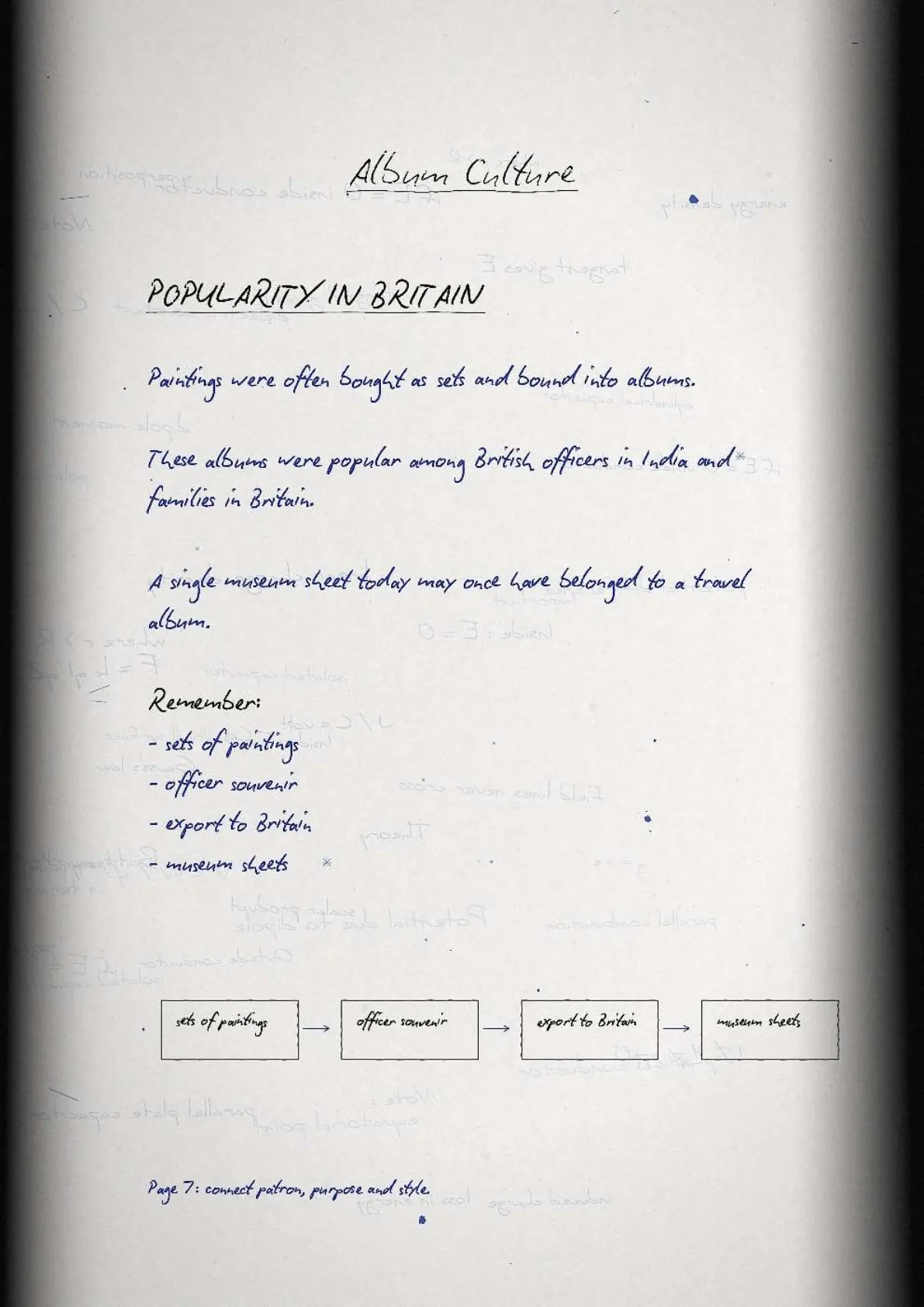
- New patron: English officers commissioned local artists to record people, plants, animals and places.
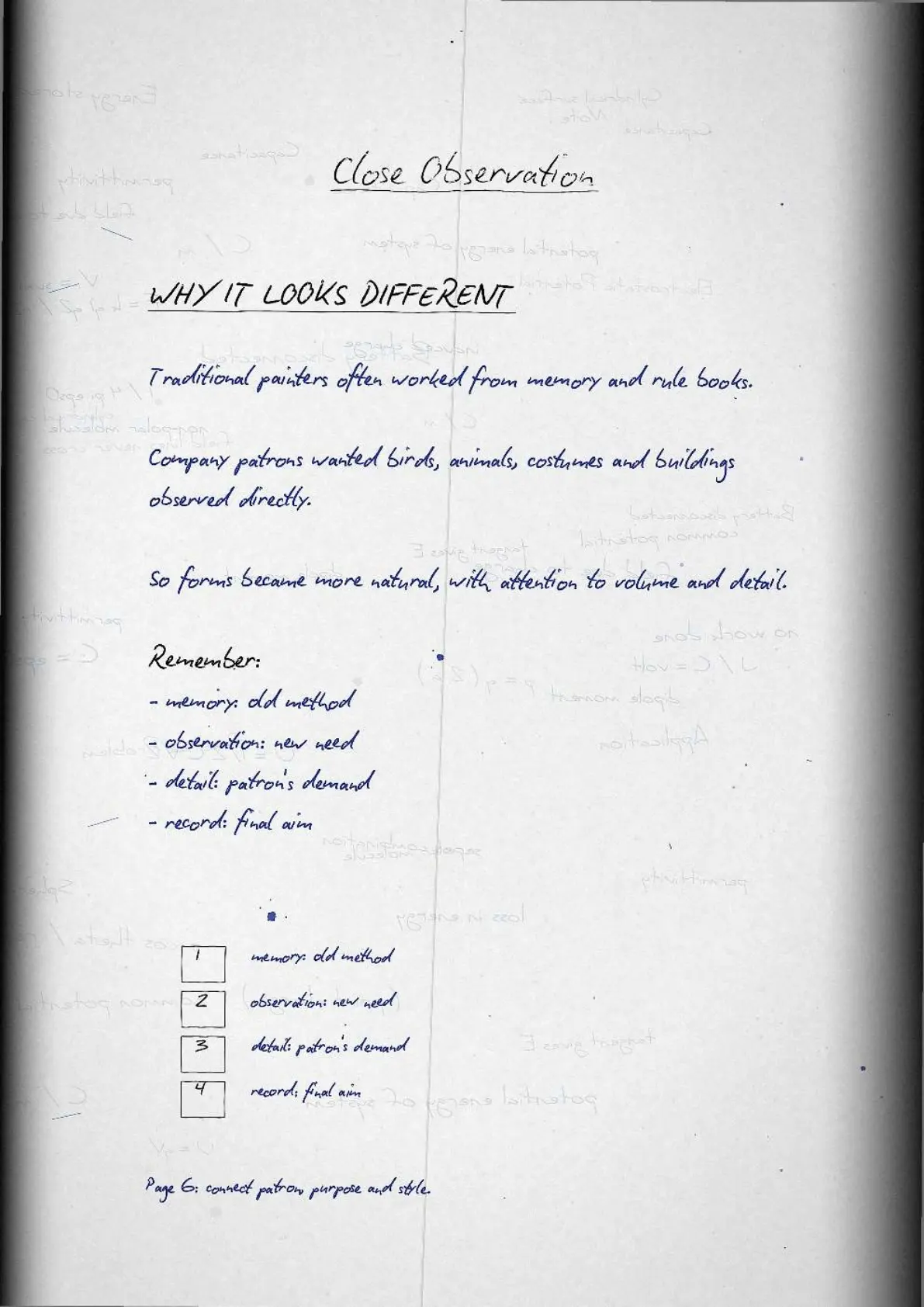
- New method: artists relied more on close observation than on memory and rule books.
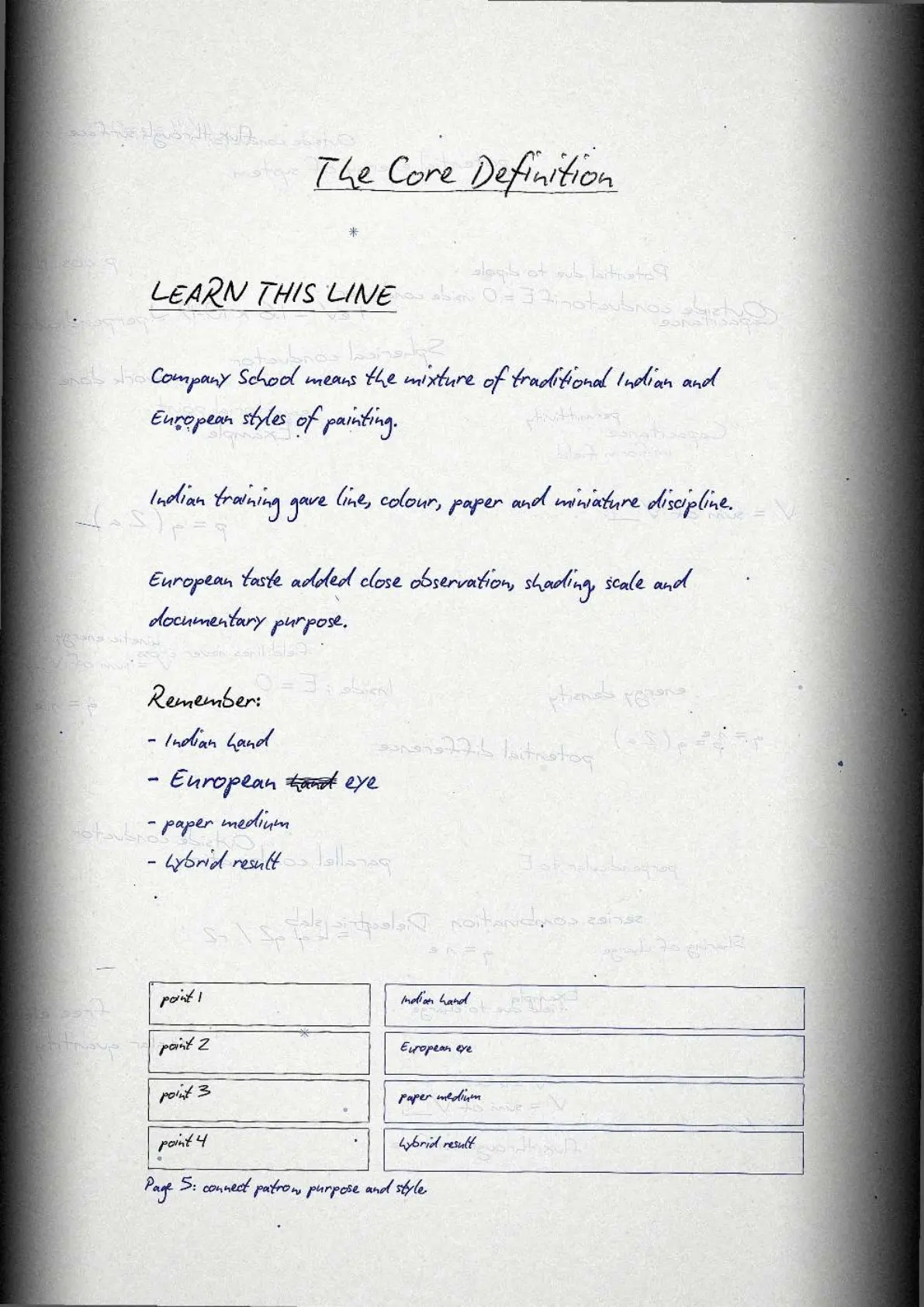
- Hybrid result: Indian brushwork met European documentary taste.
How Company Painting Took Shape
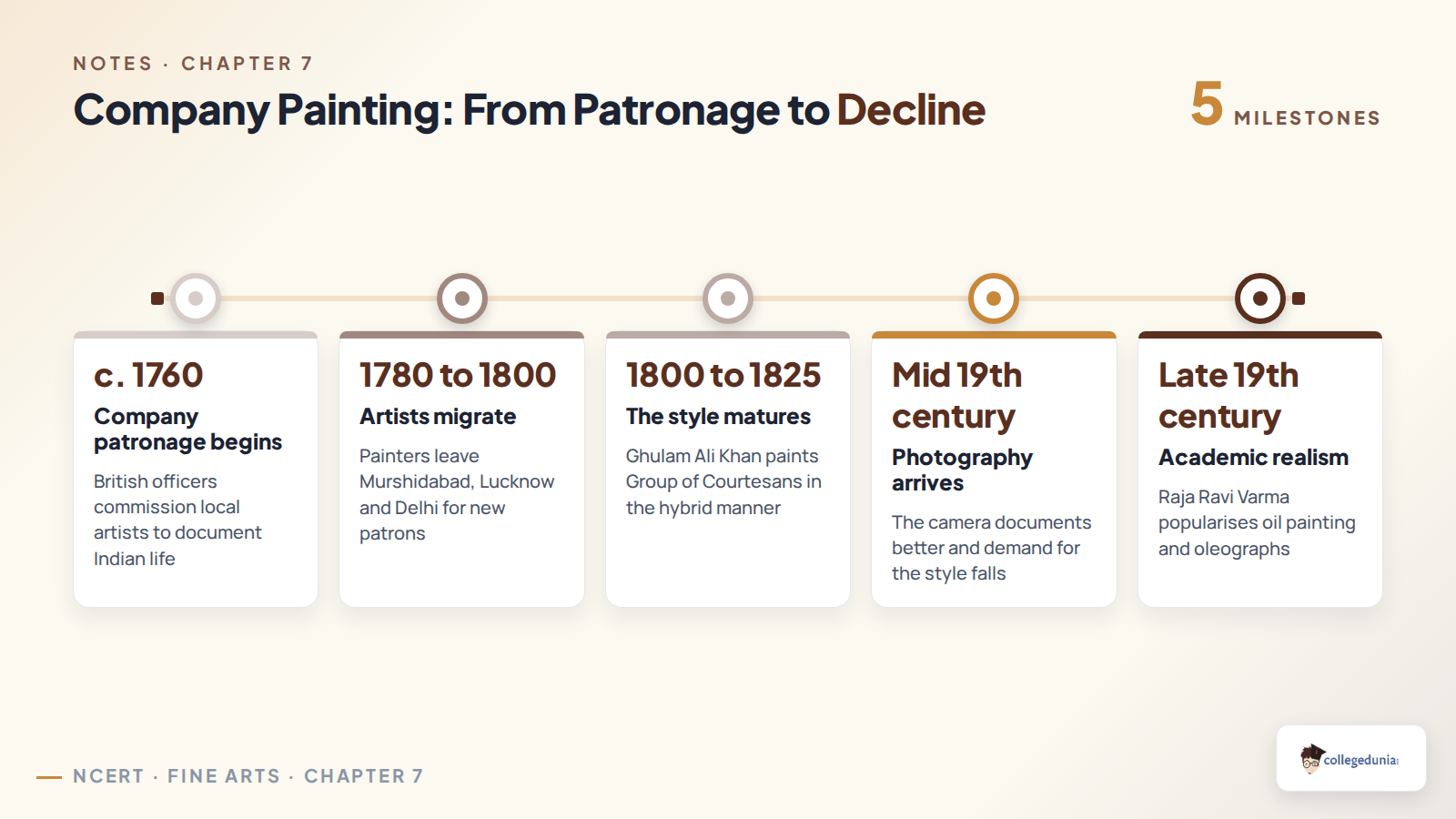
The notes begin with Indian art before the British, then move into the market created by Company officers. This order helps students write answers that explain why the style appeared instead of only listing features.
| Stage | What changed | Answer clue |
|---|---|---|
| Before colonial rule | Painting served worship, storytelling and court or village use. | Memory and rule books shaped the artist's method. |
| Company patronage | English officers wanted records of Indian life and nature. | Close observation became important. |
| Hybrid style | Indian artists kept paper, line and miniature skill while serving European taste. | This mixture is called Company School. |
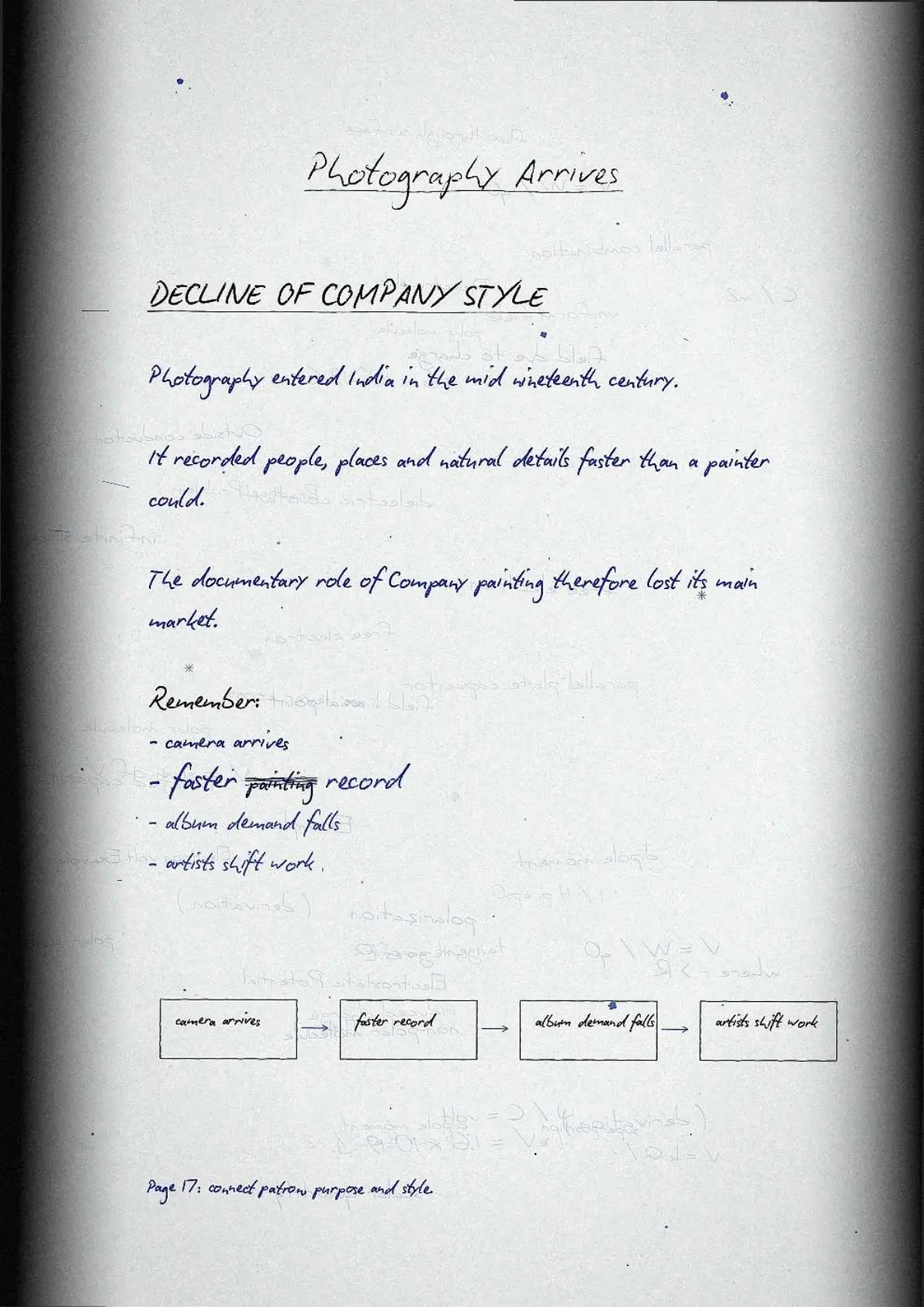
| Decline | Photography recorded people and places faster. | The documentary role of painting weakened. |
Company School Painting Video Recap for Class 12 Fine Arts
This video can be used after the handwritten PDF to revise the broad Company Painting idea once more.
Source: Cafe Pedia on YouTube
Traditional Painting and Company School Compared
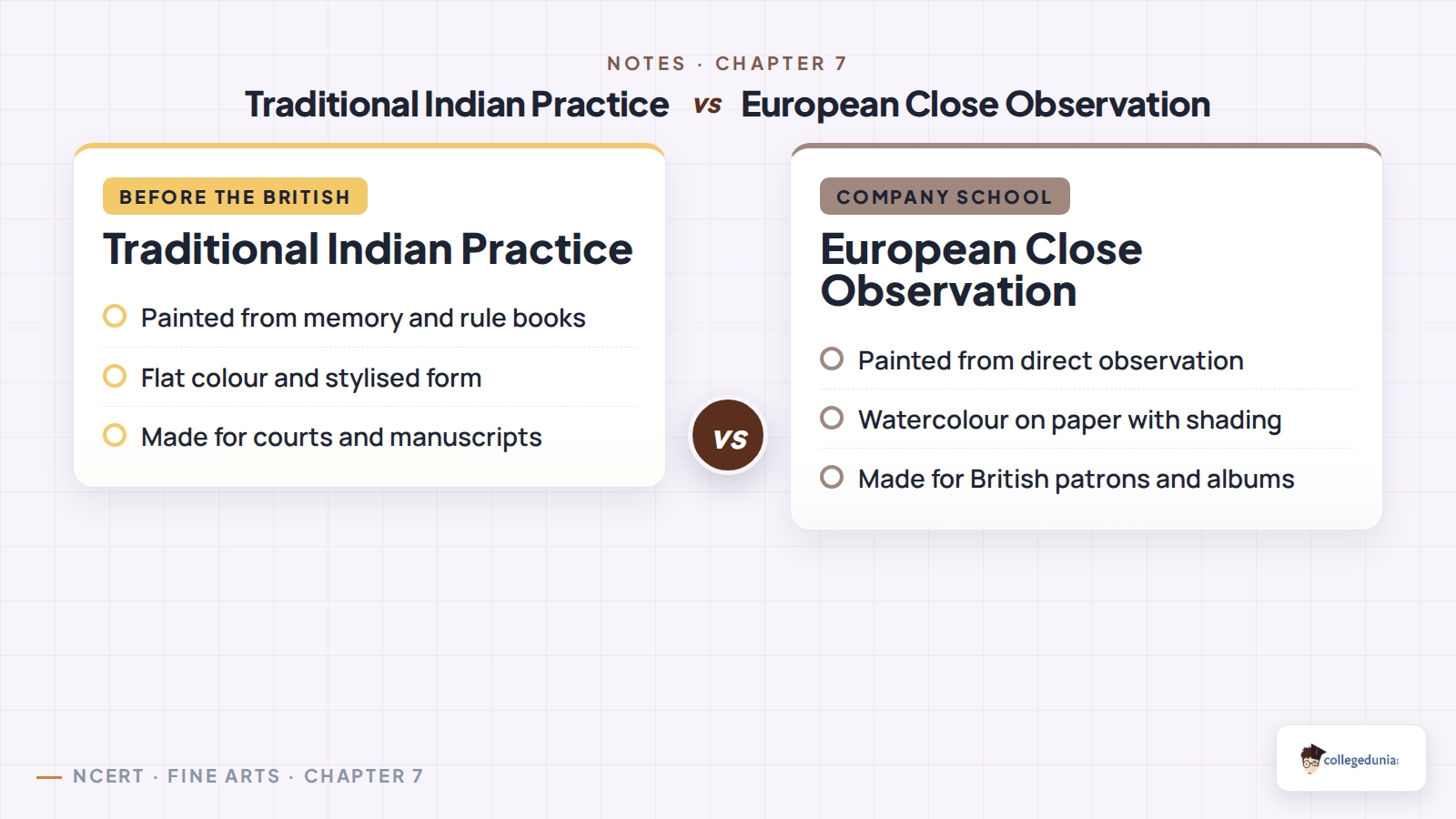
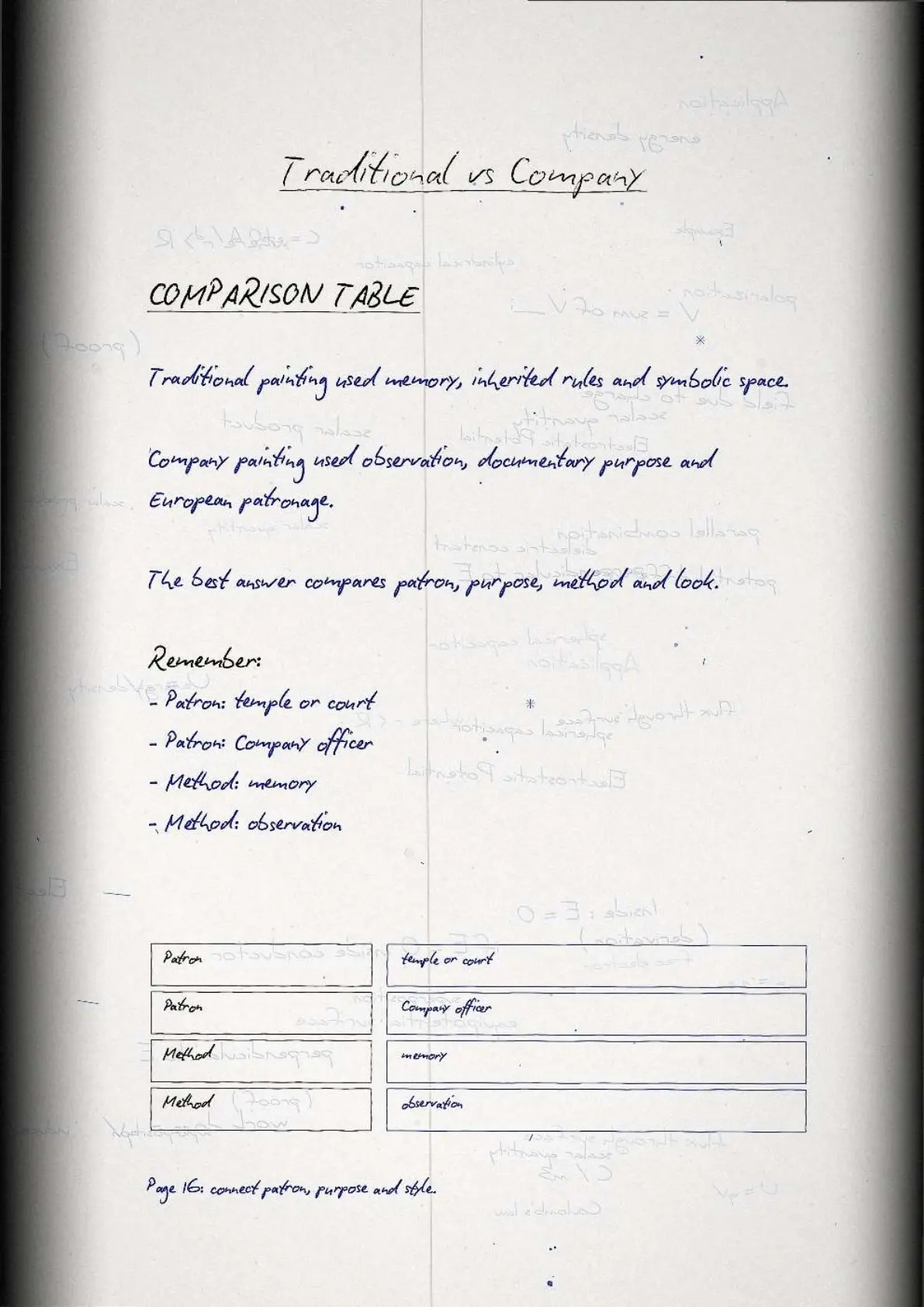
The safest comparison is built around patron, purpose, method and visual style. Use this table before writing any long answer.
| Point | Traditional Indian painting | Company School painting |
|---|---|---|
| Patron | Temple, court, manuscript or household setting | British officers and Company families |
| Purpose | Devotion, story, court record or decoration | Documentation and artistic souvenir |
| Method | Memory, workshop practice and rule books | Close observation of real people and objects |
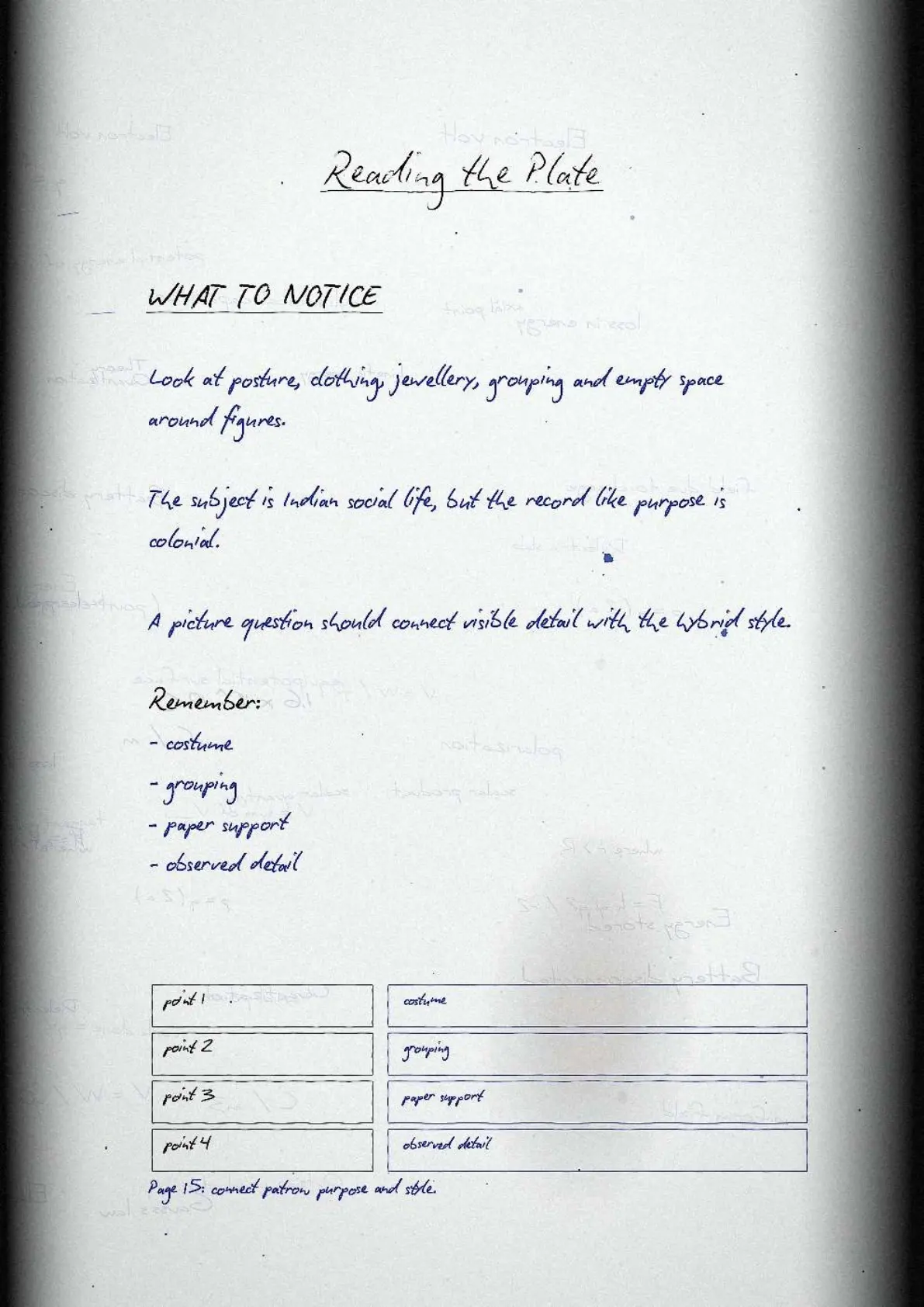
| Look | Symbolic space, flat colour and inherited formulas | Natural detail, paper albums and hybrid style |
Important Answer Points from the Handwritten Notes
The handwritten PDF keeps each page as a small revision card. These are the answer points students should keep ready before the Fine Arts theory exam.
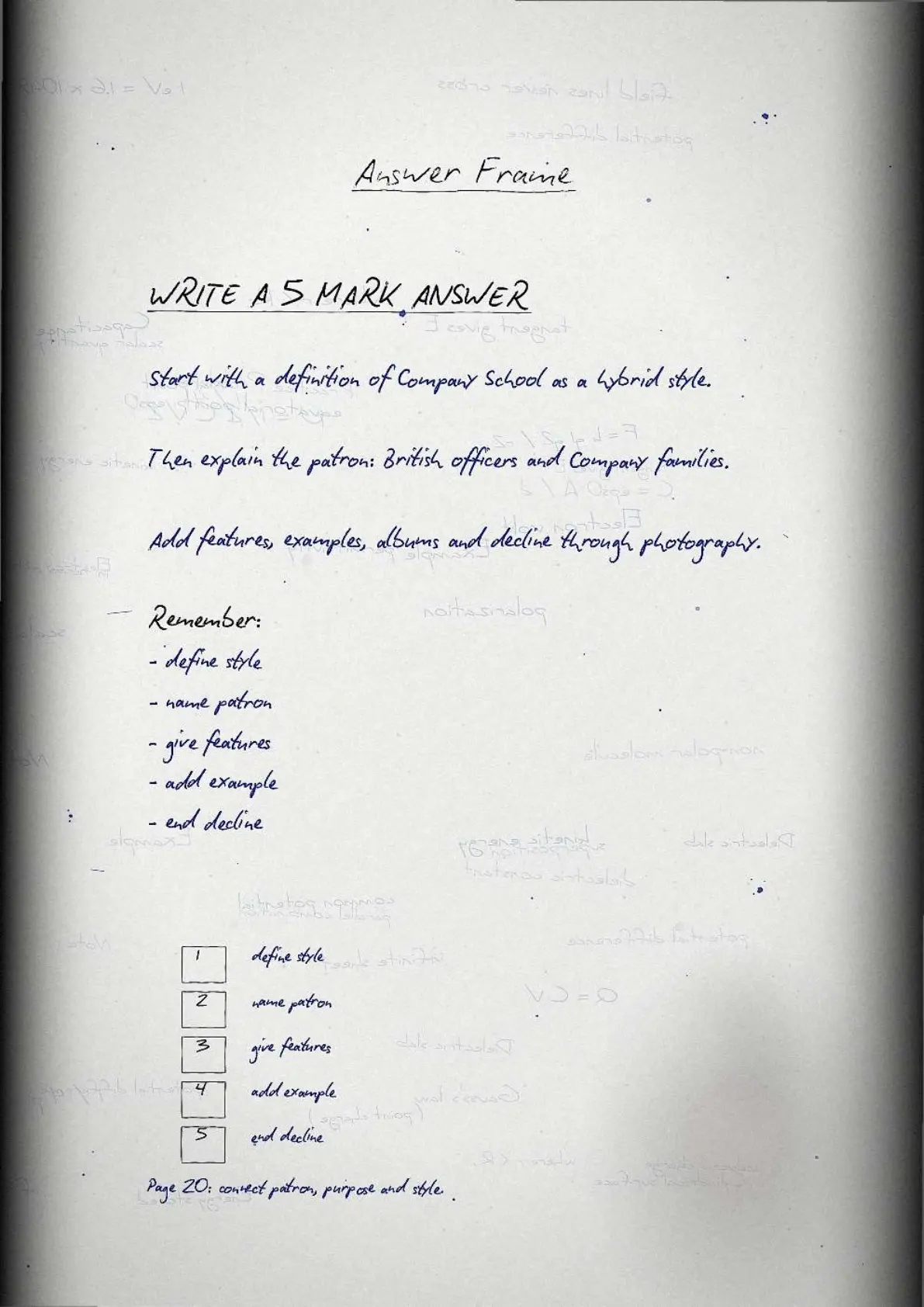
- Definition: Company School is a mixture of traditional Indian and European styles of painting.
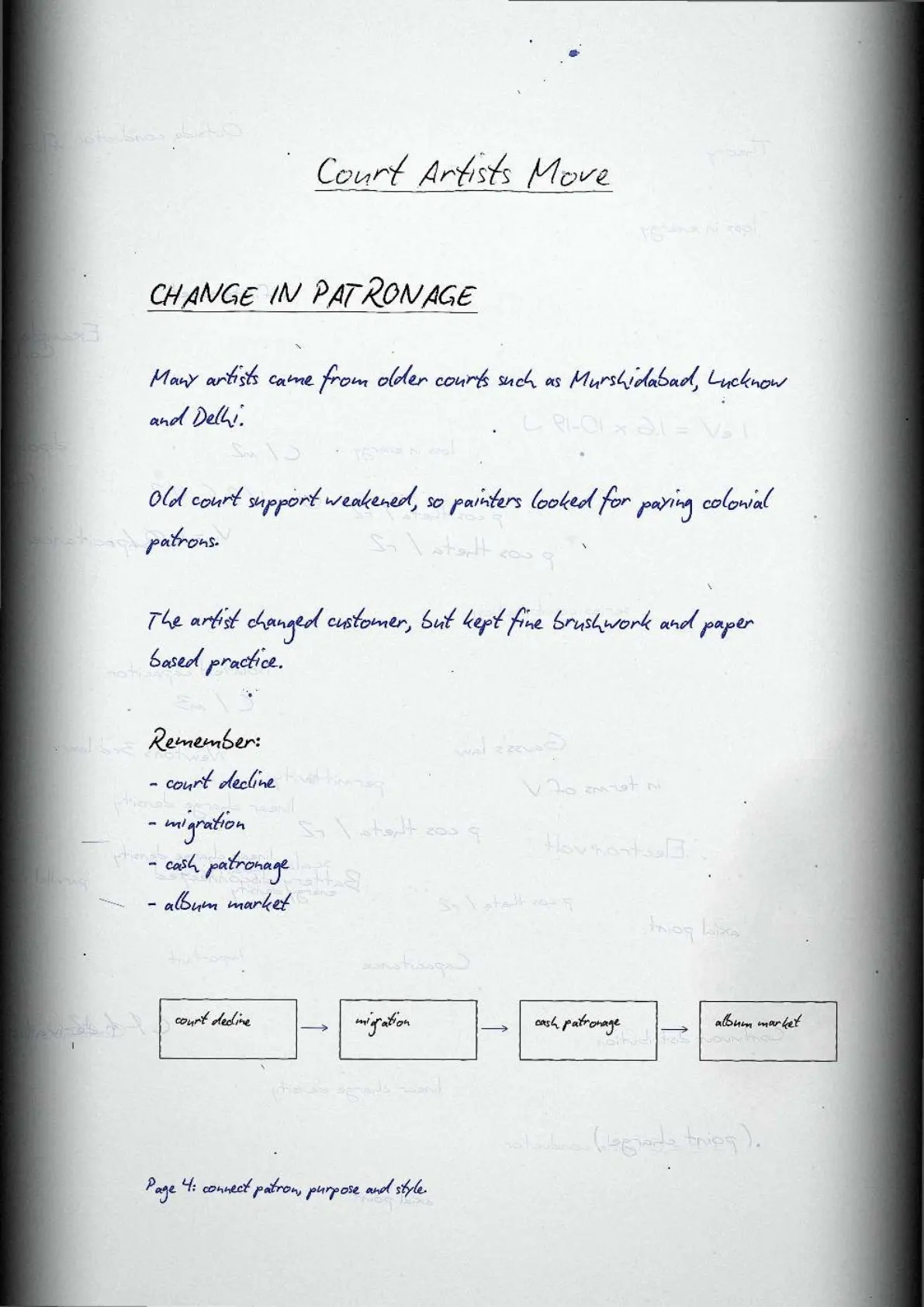
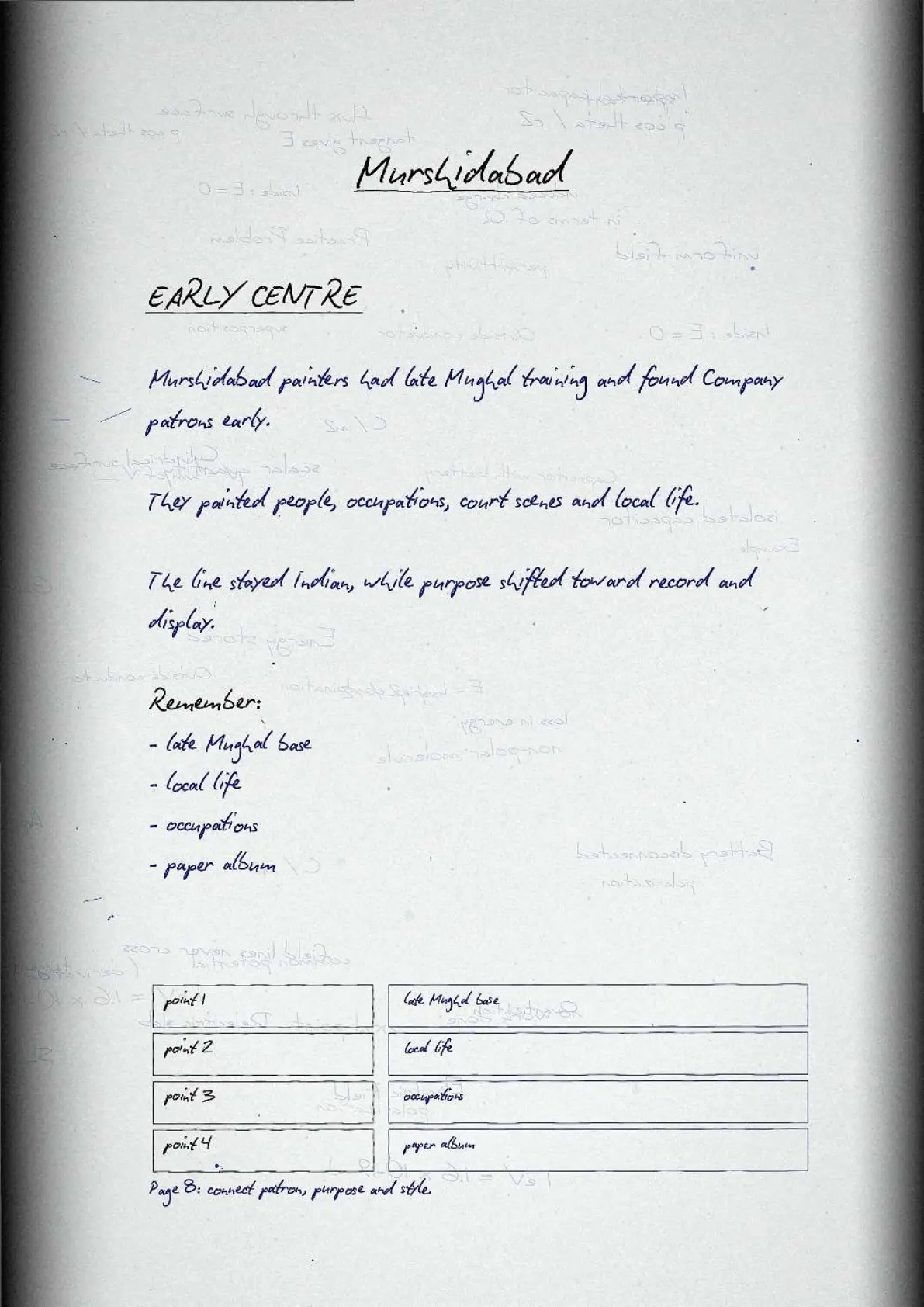
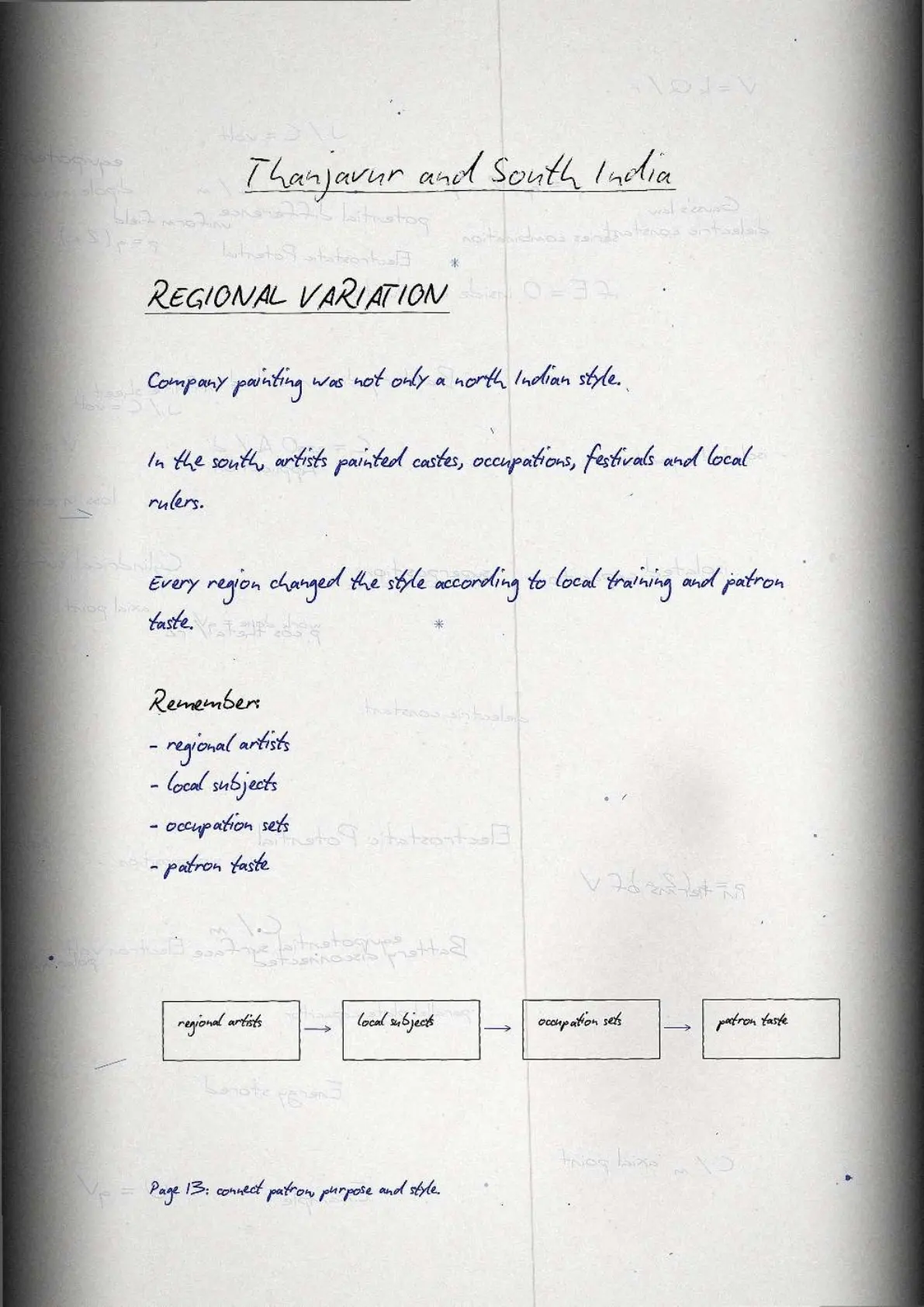
- Artists: many painters were local Indian artists who moved from older courts such as Murshidabad, Lucknow and Delhi.
- Plate clue: Group of Courtesans by Ghulam Ali Khan is the key artwork to revise for this topic.
- Decline clue: photography weakened the need for paintings that documented people, places and nature.
Write the answer as a change in purpose: painting moves from memory based court or sacred work to observed documentation for a colonial patron.
Related Class 12 Fine Arts Resources for The Company School
Use these resources with the handwritten notes when you want the official text or a typed revision version of the same chapter.
| Resource | Use It For | Link |
|---|---|---|
| NCERT Book PDF | Read the official NCERT chapter pages and artwork captions. | The Company School Book PDF |
| Class 12 Fine Arts Notes | Revise the same chapter in typed notes format. | The Company School Notes |
| Previous Chapter | Compare Company Painting with Modern Indian Art context. | Modern Indian Art Handwritten Notes |
All Class 12 Fine Arts Handwritten Notes
The table below keeps the same resource type together, so students can move chapter by chapter through Class 12 Fine Arts handwritten notes.
| Chapter | NCERT chapter title | Handwritten notes link |
|---|---|---|
| Chapter 1 | The Mughal School of Miniature Painting | Open handwritten notes |
| Chapter 2 | The Deccan Schools of Painting | Open handwritten notes |
| Chapter 3 | The Rajasthani Schools of Painting | Open handwritten notes |
| Chapter 4 | The Pahari Schools of Painting | Open handwritten notes |
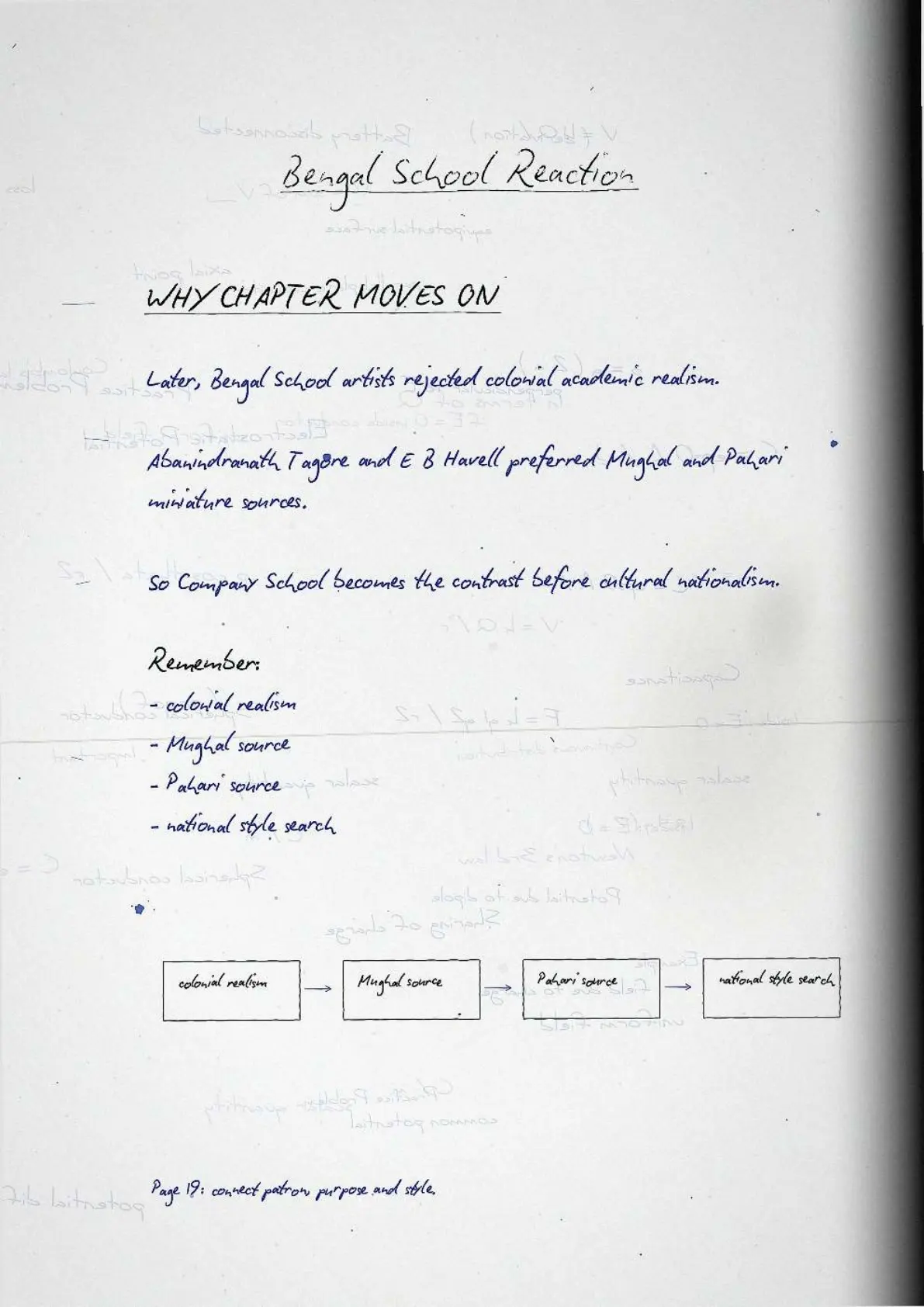
| Chapter 5 | The Bengal School and Cultural Nationalism | Open handwritten notes |
| Chapter 6 | Modern Indian Art | Open handwritten notes |
| Chapter 7 | The Company School | Current handwritten notes |
| Chapter 8 | Living Art Traditions of India | Open related notes |
Class 12 Fine Arts The Company School Handwritten Notes FAQs
Ques. What is covered in Class 12 Fine Arts The Company School handwritten notes?
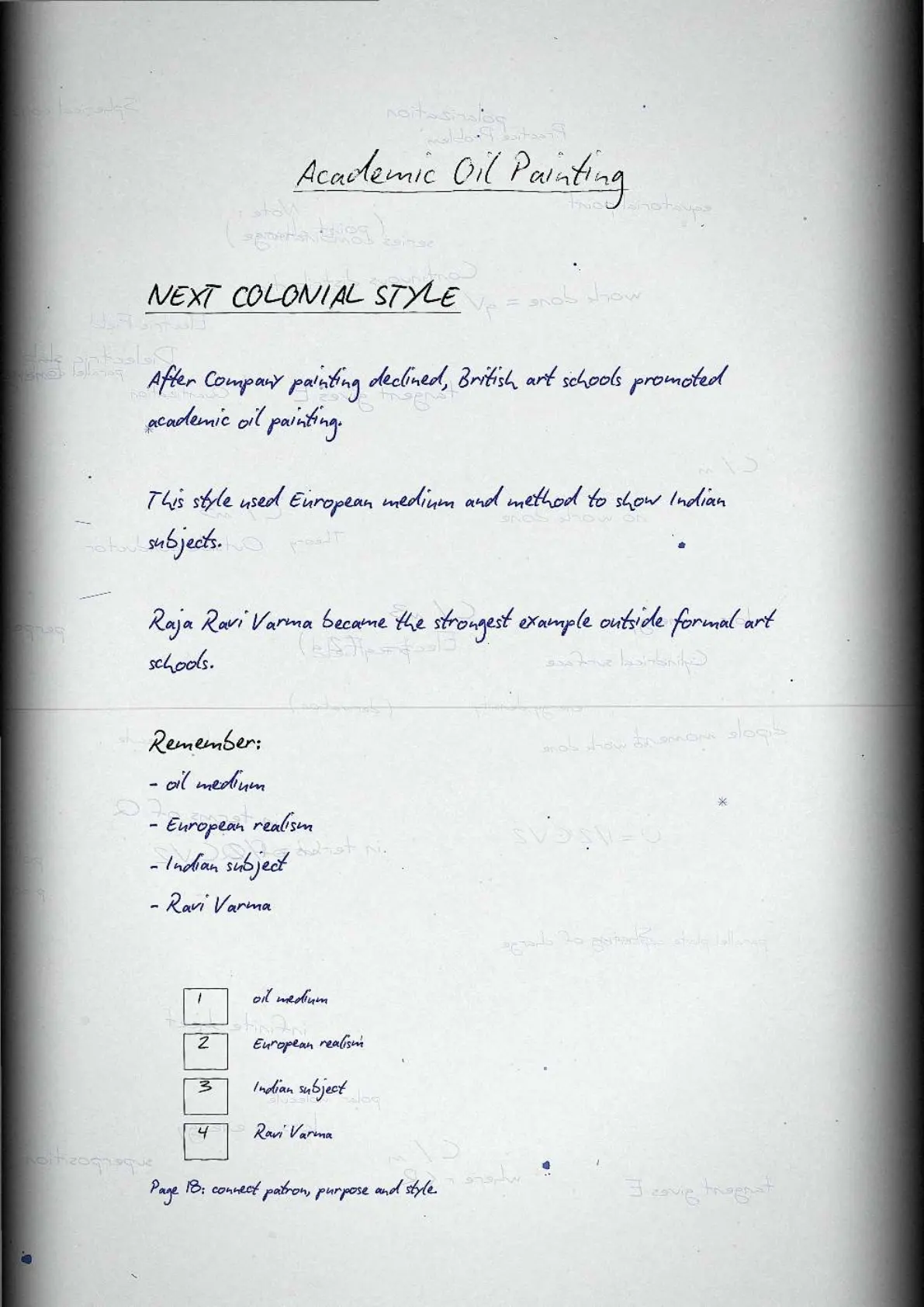
Ans. The handwritten notes cover Company School definition, British patronage, local Indian artists, close observation, Group of Courtesans, albums, photography and academic oil painting.
Ques. What is the Company School of Painting?
Ans. The Company School of Painting is the hybrid style that mixed traditional Indian painting methods with European close observation under East India Company patronage.
Ques. Which artwork should students revise for this chapter?
Ans. Students should revise Group of Courtesans by Ghulam Ali Khan, because it is the key Company Painting plate connected with this NCERT topic.
Ques. Why did Company Painting decline?
Ans. Company Painting declined after photography entered India in the mid nineteenth century, because photographs documented people and places more directly.



Comments