




The handwritten notes on Class 12 Fine Arts Chapter 3 The Rajasthani Schools of Painting have been carefully prepared for one-shot revision, according to the 2026-27 NCERT print of An Introduction to Indian Art Part 2.
- Best for revision: revise Mewar, Malwa, Bundi, Kota, Bikaner, Kishangarh, Jodhpur and Jaipur quickly.
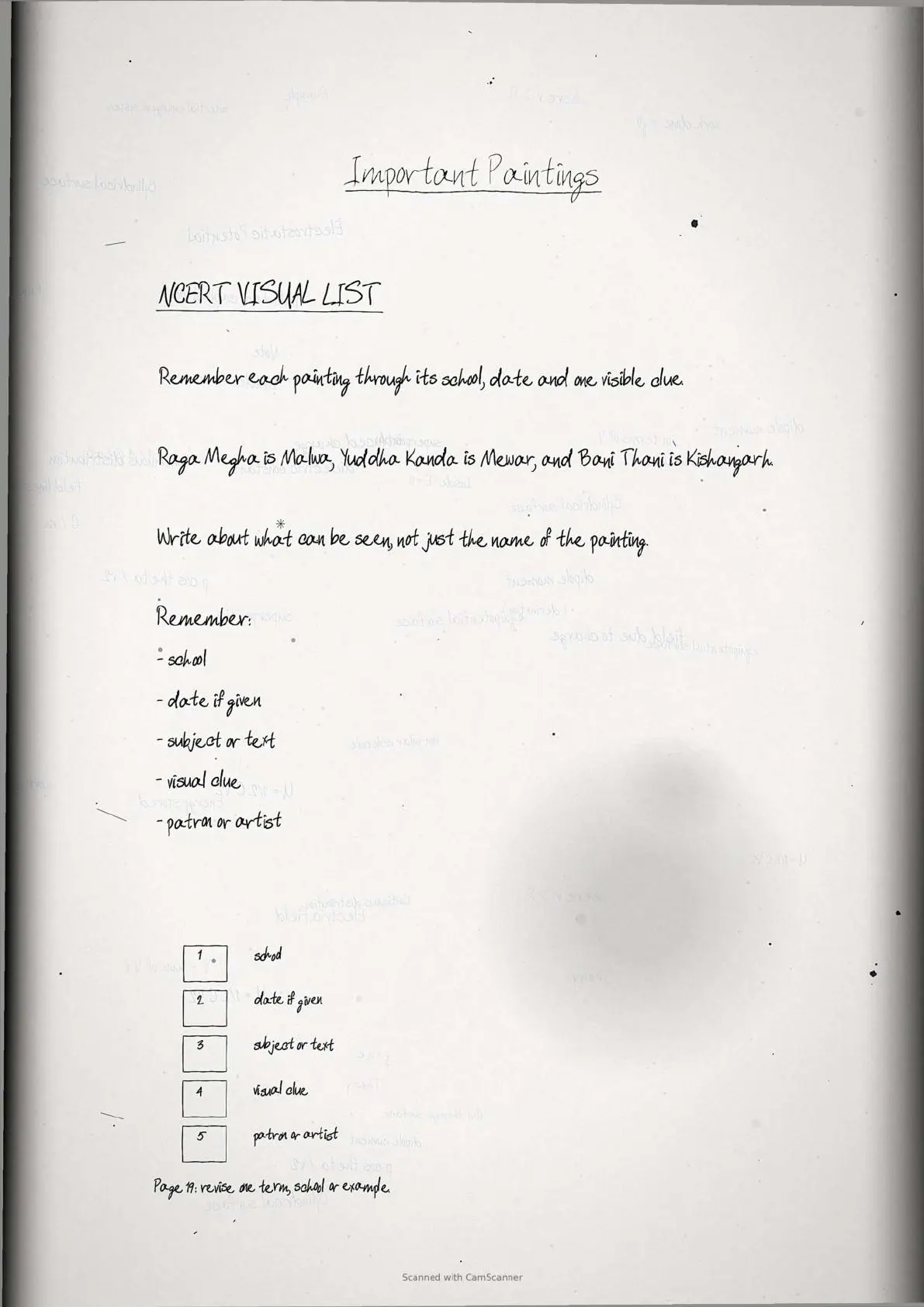
- Artwork focus: remember Raga Megha, Yuddha Kanda, Bani Thani and the court painting clues.
- Exam focus: compare materials, themes, patronage, colour and composition in short board answers.
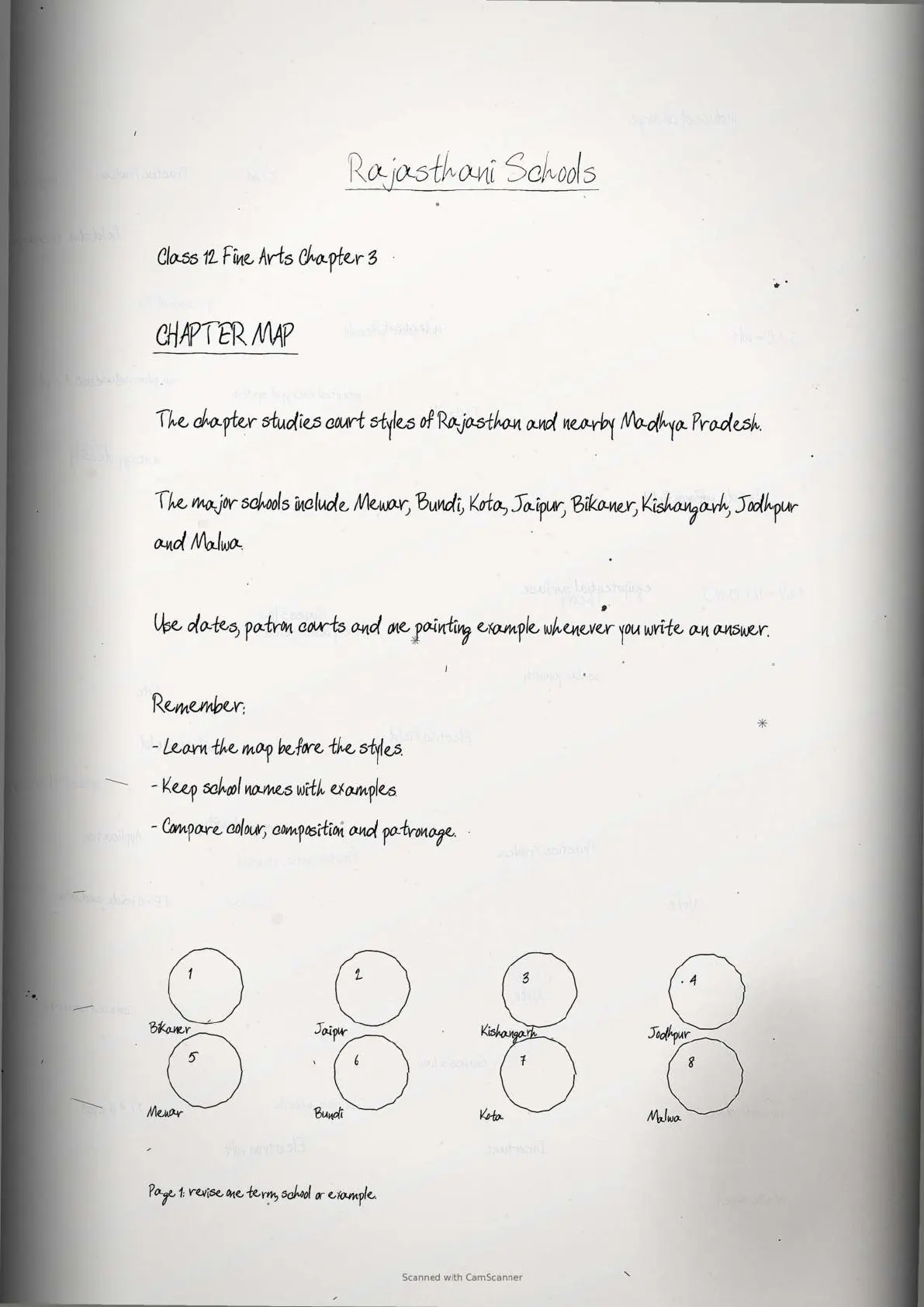
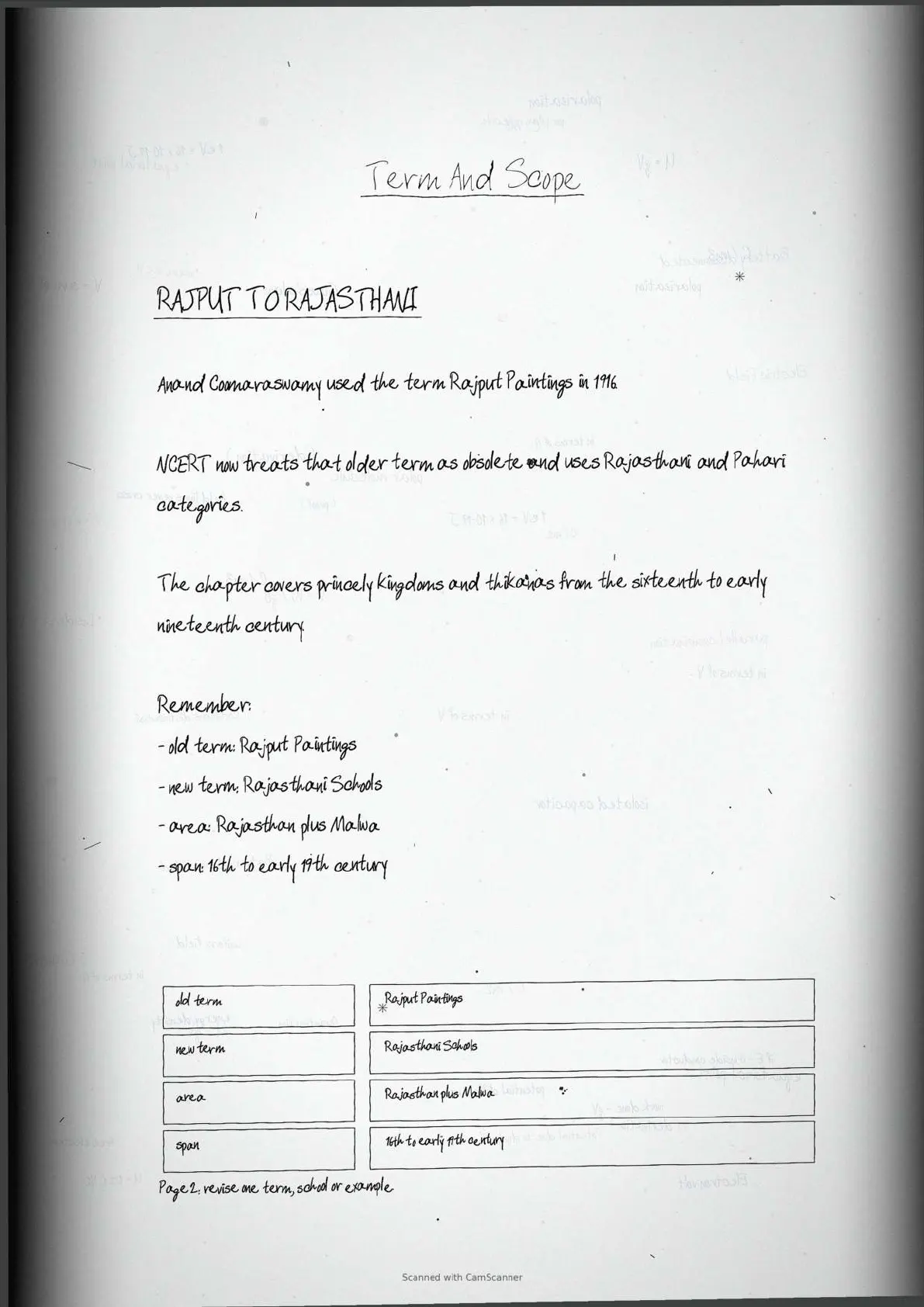
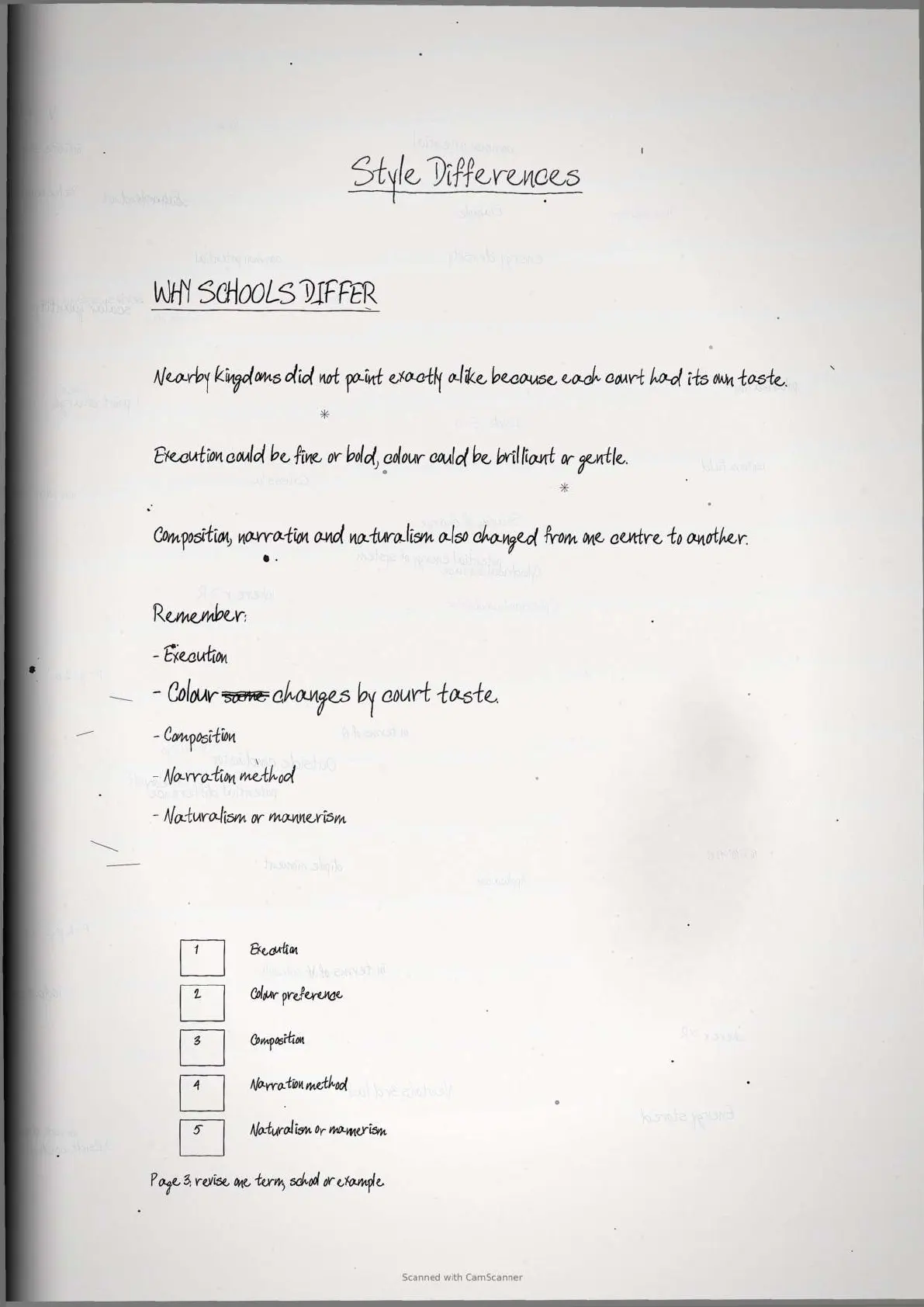
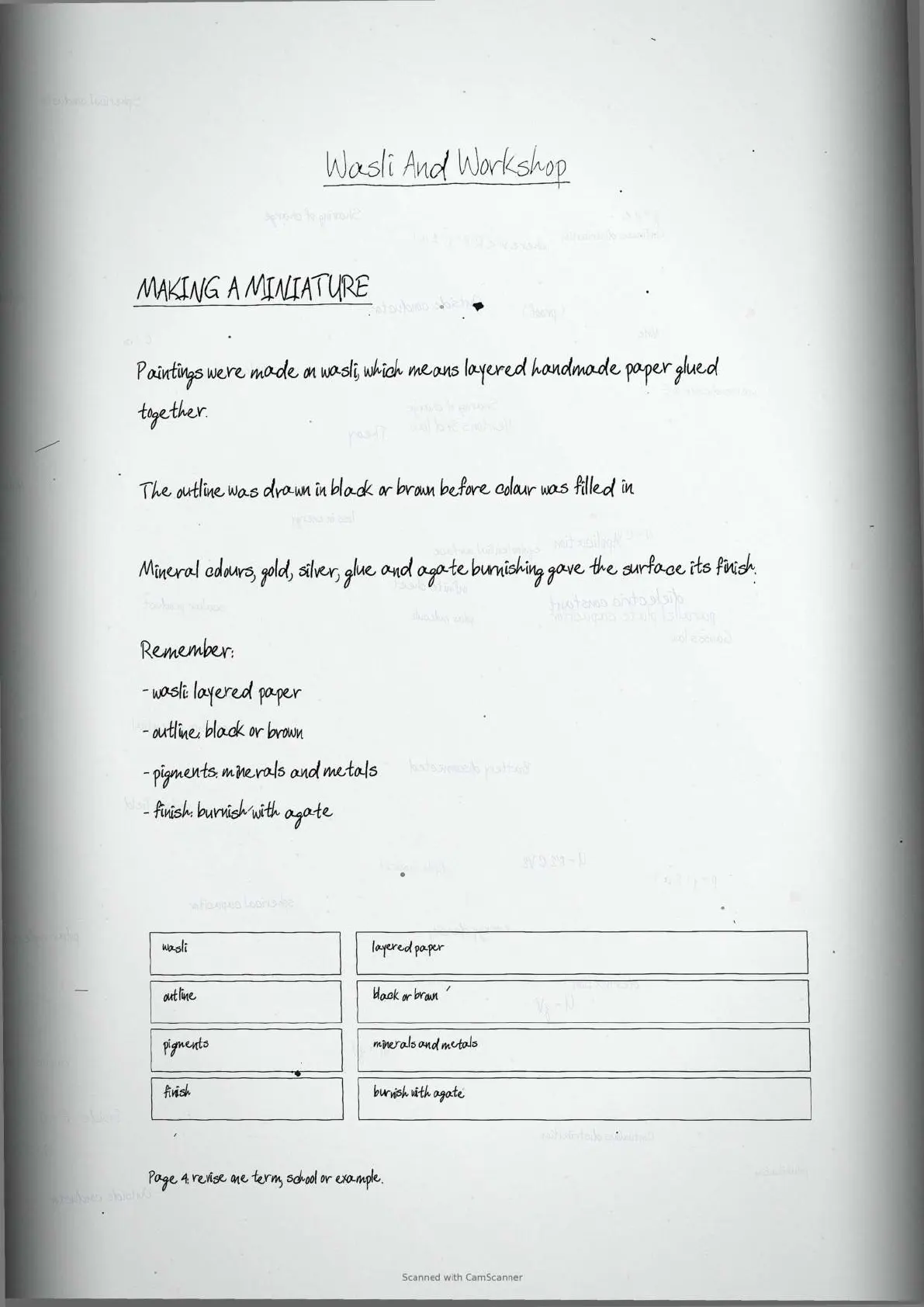
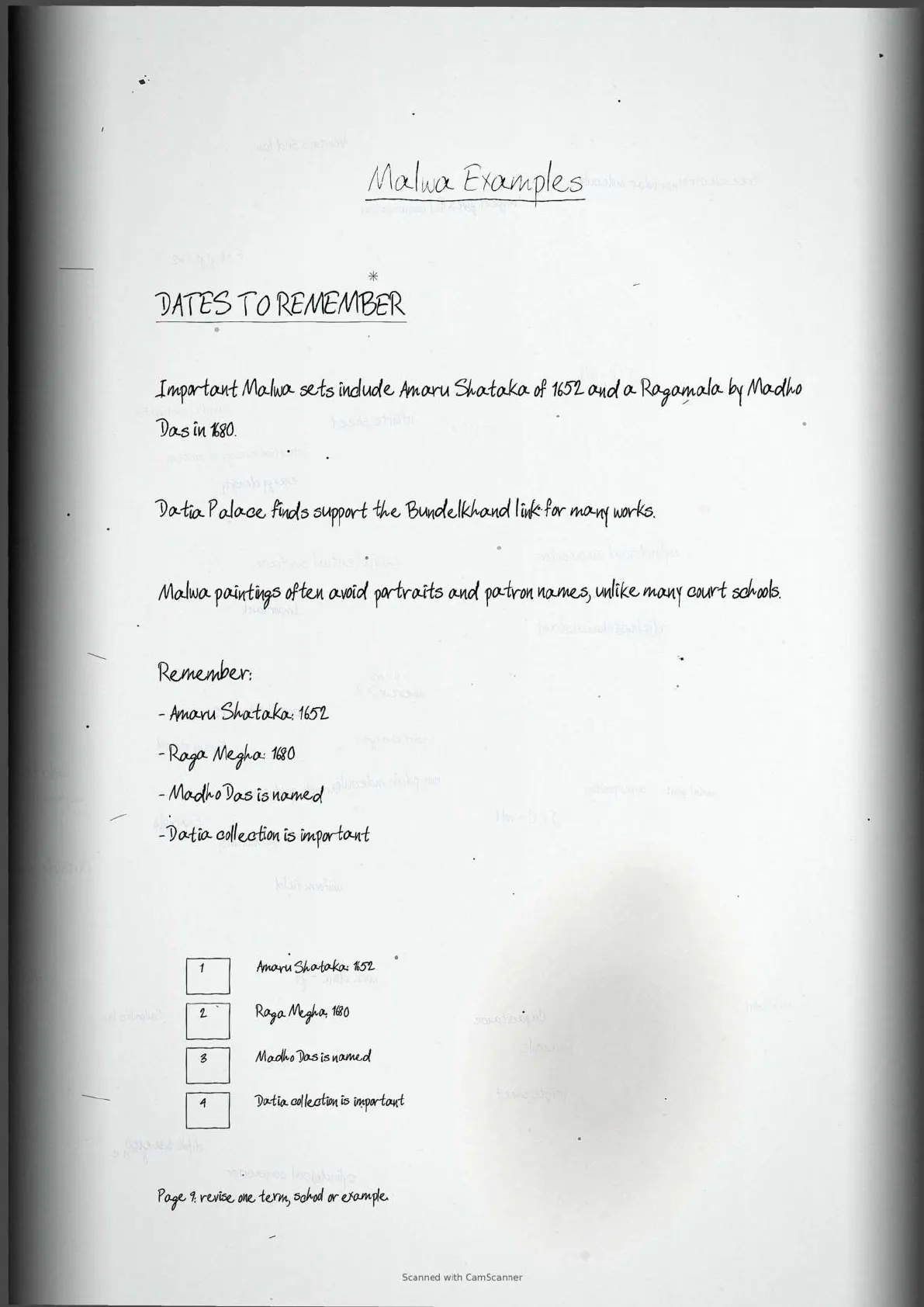
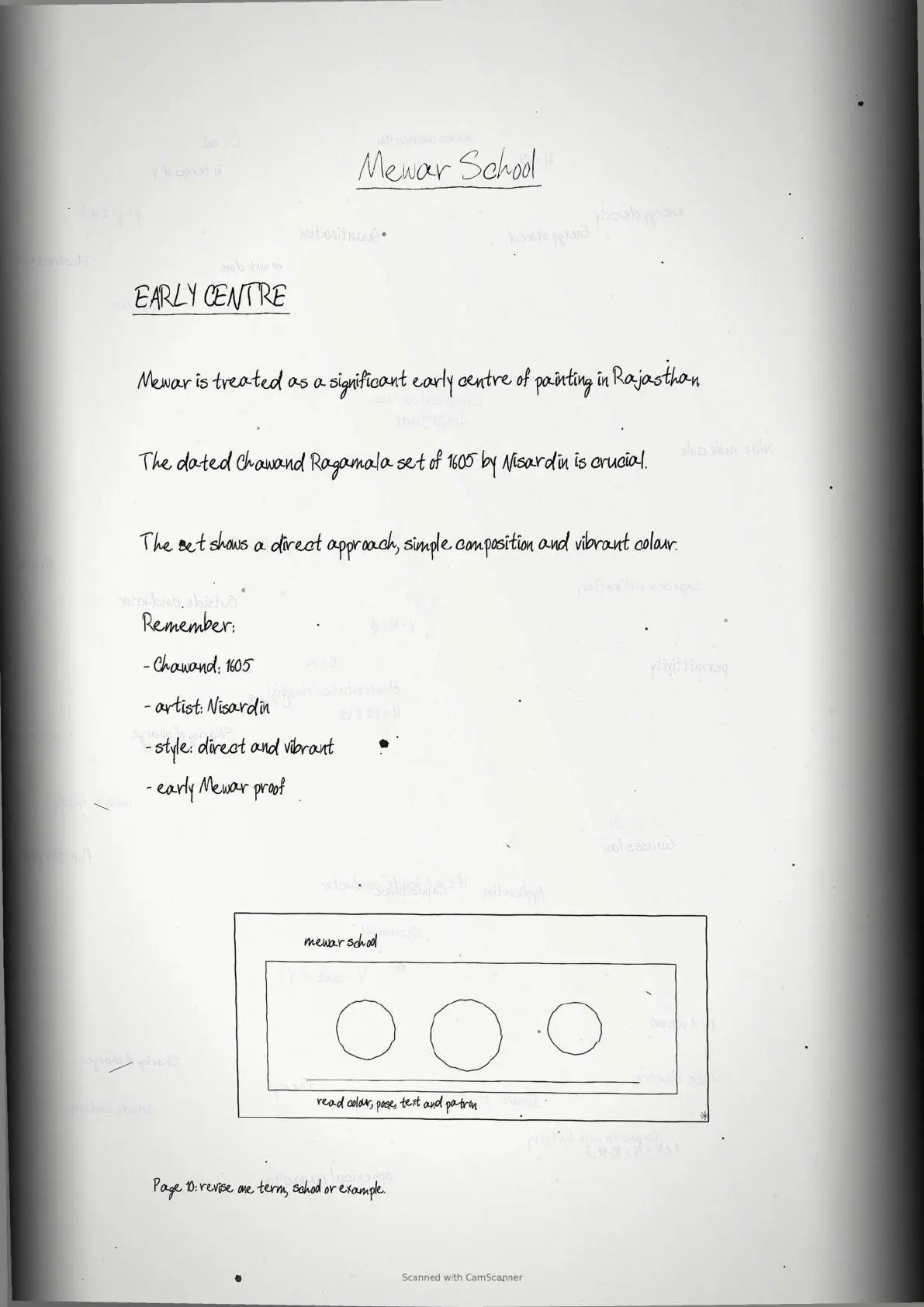
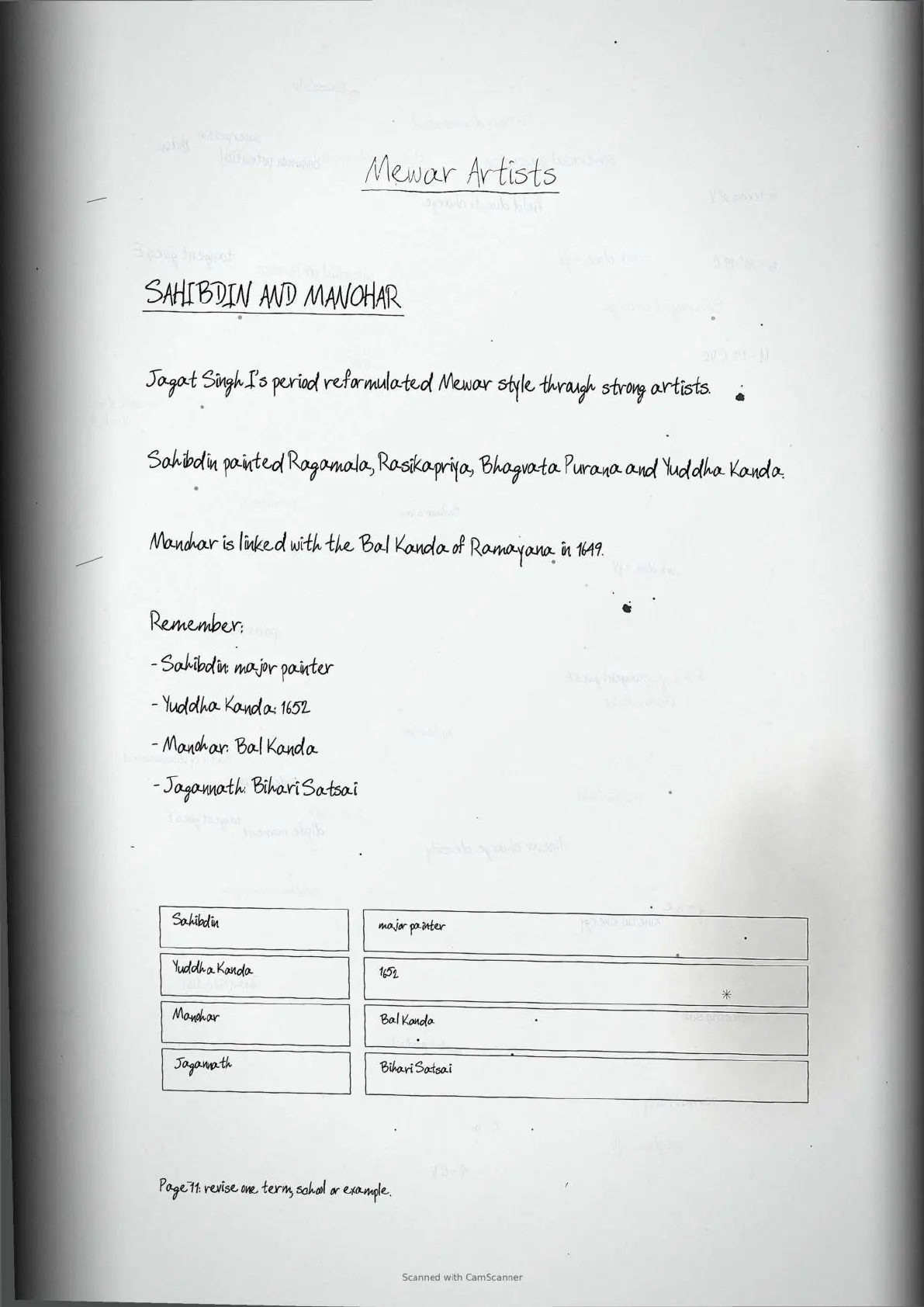
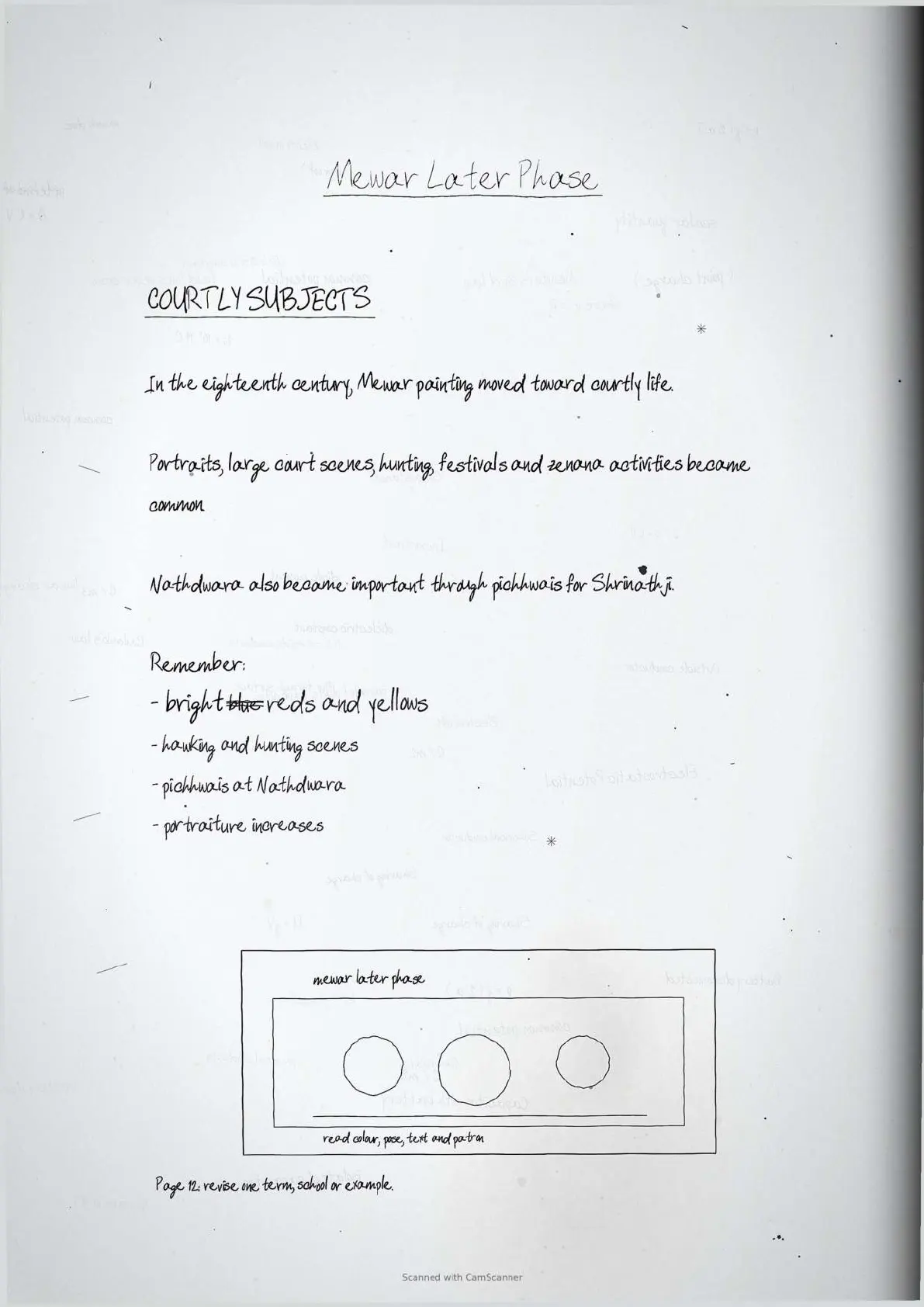
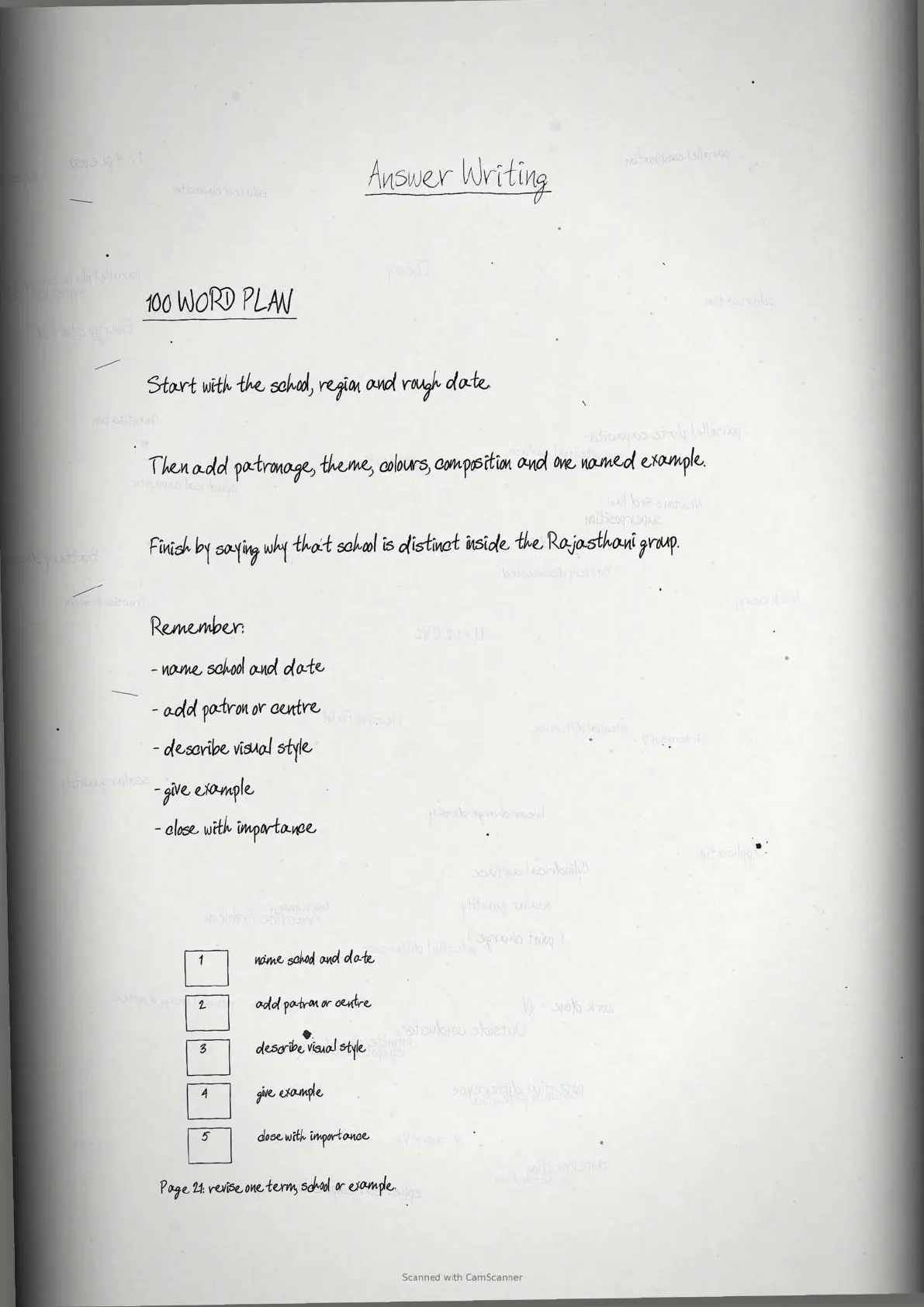
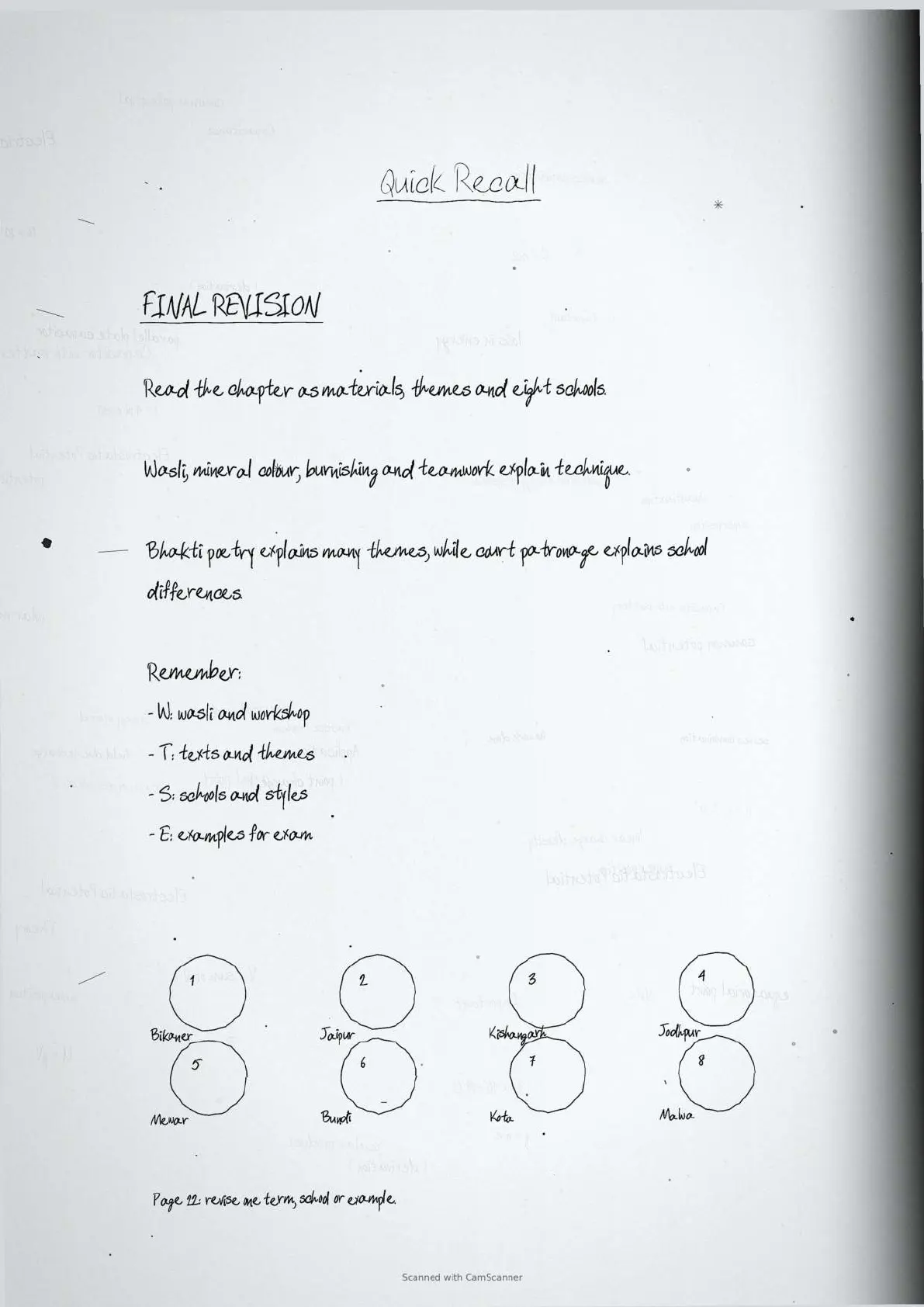
These Rajasthani Schools of Painting handwritten notes follow the official 2026-27 NCERT chapter and keep the revision order close to the board exam answer pattern.
Student Feedback: In a Collegedunia Fine Arts revision poll of 14,260 students conducted before the 2026 boards, students found this chapter easier when they revised it school by school.
- 78% needed a quick table for the major Rajasthani schools.
- 71% mixed up Malwa, Mewar, Bundi and Kota features.
- 64% wanted artwork names placed with one exam-ready clue.
Rajasthani Schools of Painting Quick Revision Map for Class 12 Fine Arts
The Rajasthani Schools are a group of court painting styles from princely kingdoms and thikanas of Rajasthan and nearby Madhya Pradesh. NCERT explains them through materials, poetic themes, patrons, schools and plate examples.
- Term: Anand Coomaraswamy used Rajput Paintings in 1916, but NCERT treats that term as obsolete.
- Material: paintings were made on waslis with mineral colours, metal pigments and agate burnishing.
- Themes: Bhakti poetry, Krishna themes, Ragamala, Baramasa, court scenes and royal life.
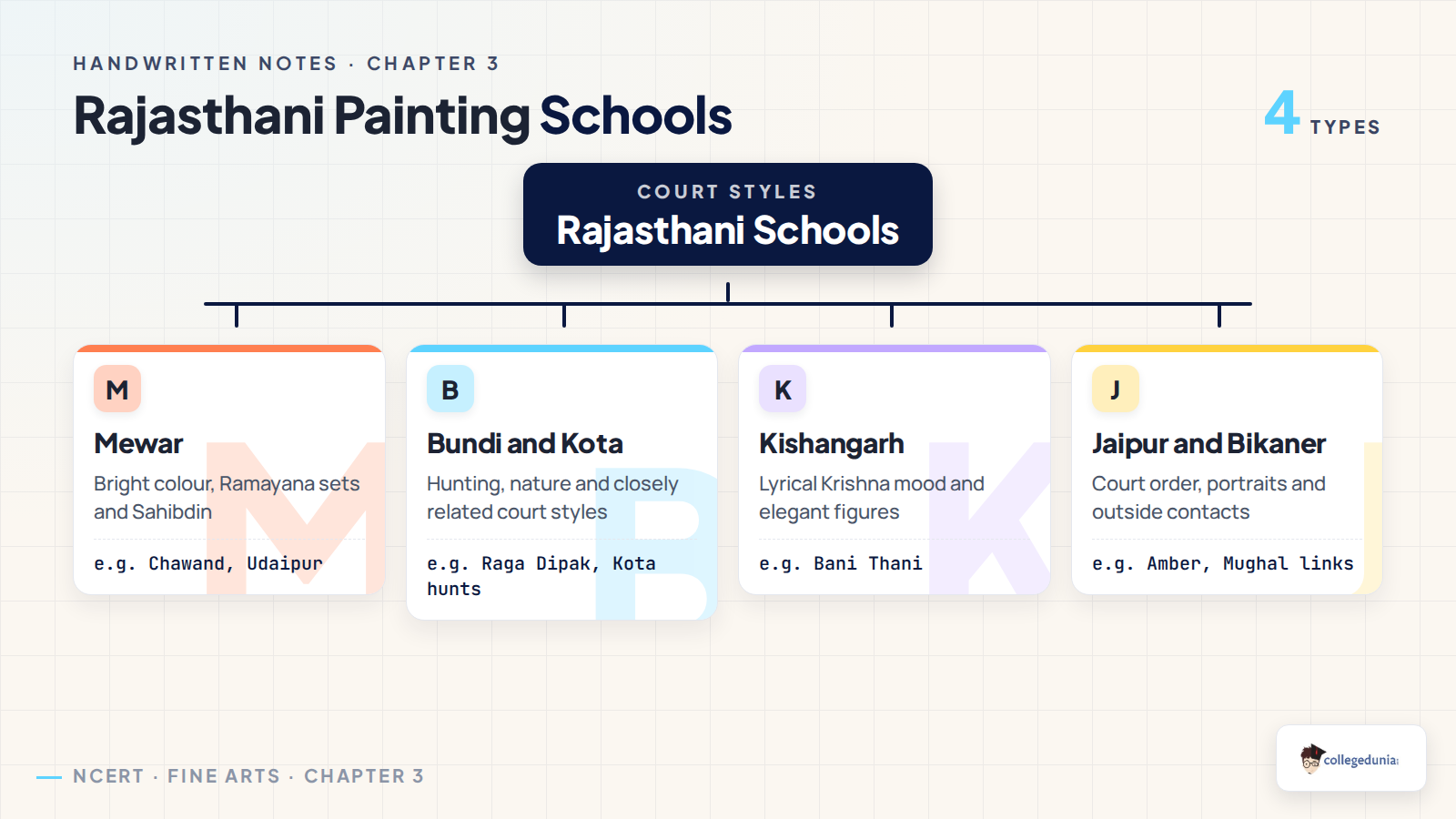
- Schools: Malwa, Mewar, Bundi, Kota, Bikaner, Kishangarh, Jodhpur and Jaipur need separate clues.
Materials Themes and Workshop Method in Rajasthani Painting
For technique answers, write the making process in order. A wasli is layered handmade paper glued to the desired thickness. The artist drew the outline in black or brown, then filled colour using mineral pigments and precious metals mixed with glue.
The finished painting was burnished with an agate. That final burnish gives the miniature its smooth sheen. Brushes were made from camel and squirrel hair, which helped artists move between broad colour areas and fine face details.
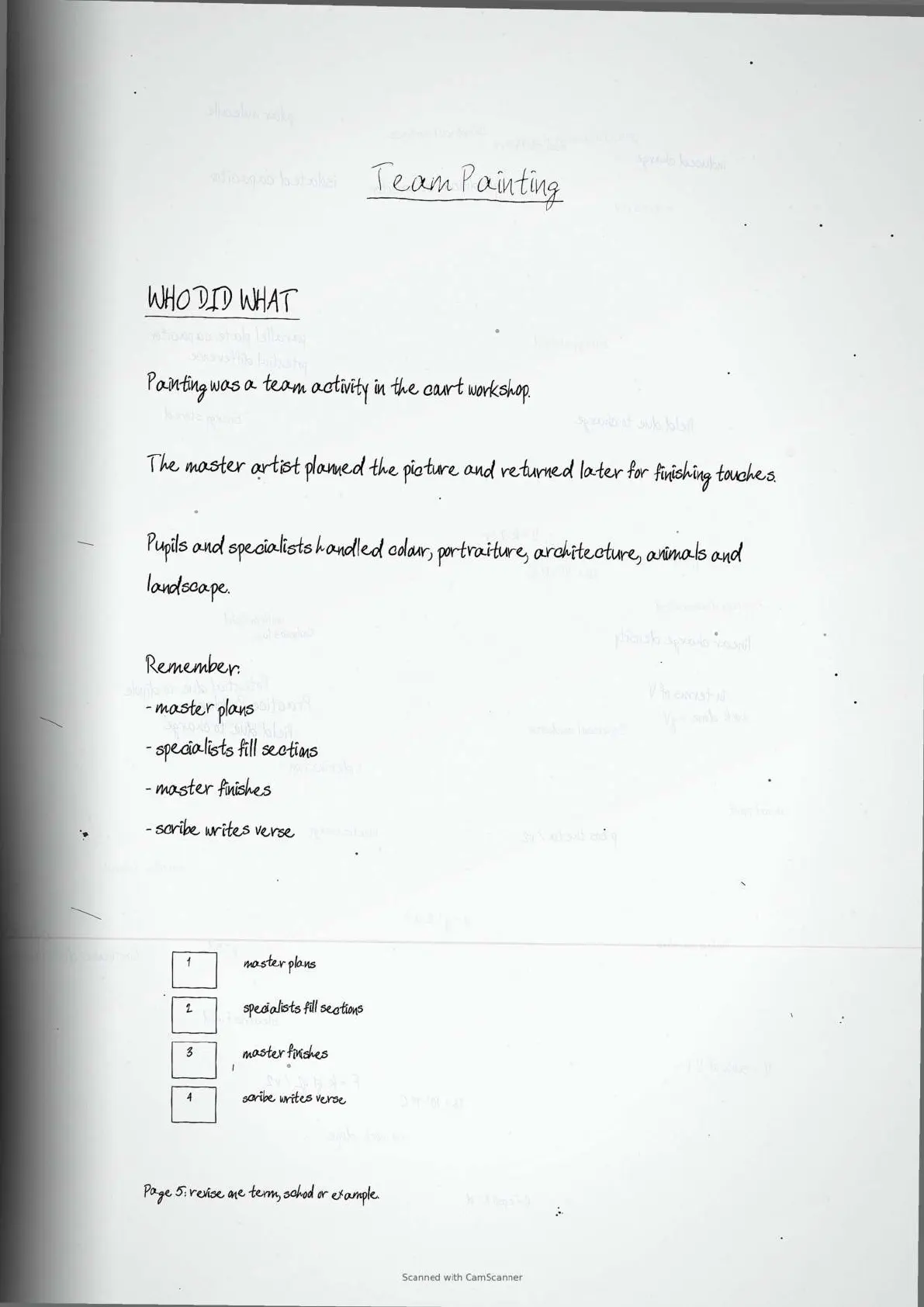
The workshop was also a team. The master artist composed the picture and made the first drawing. Specialists handled colour, portraiture, architecture, animals and landscape. The scribe wrote the verse in the blank space left for it.
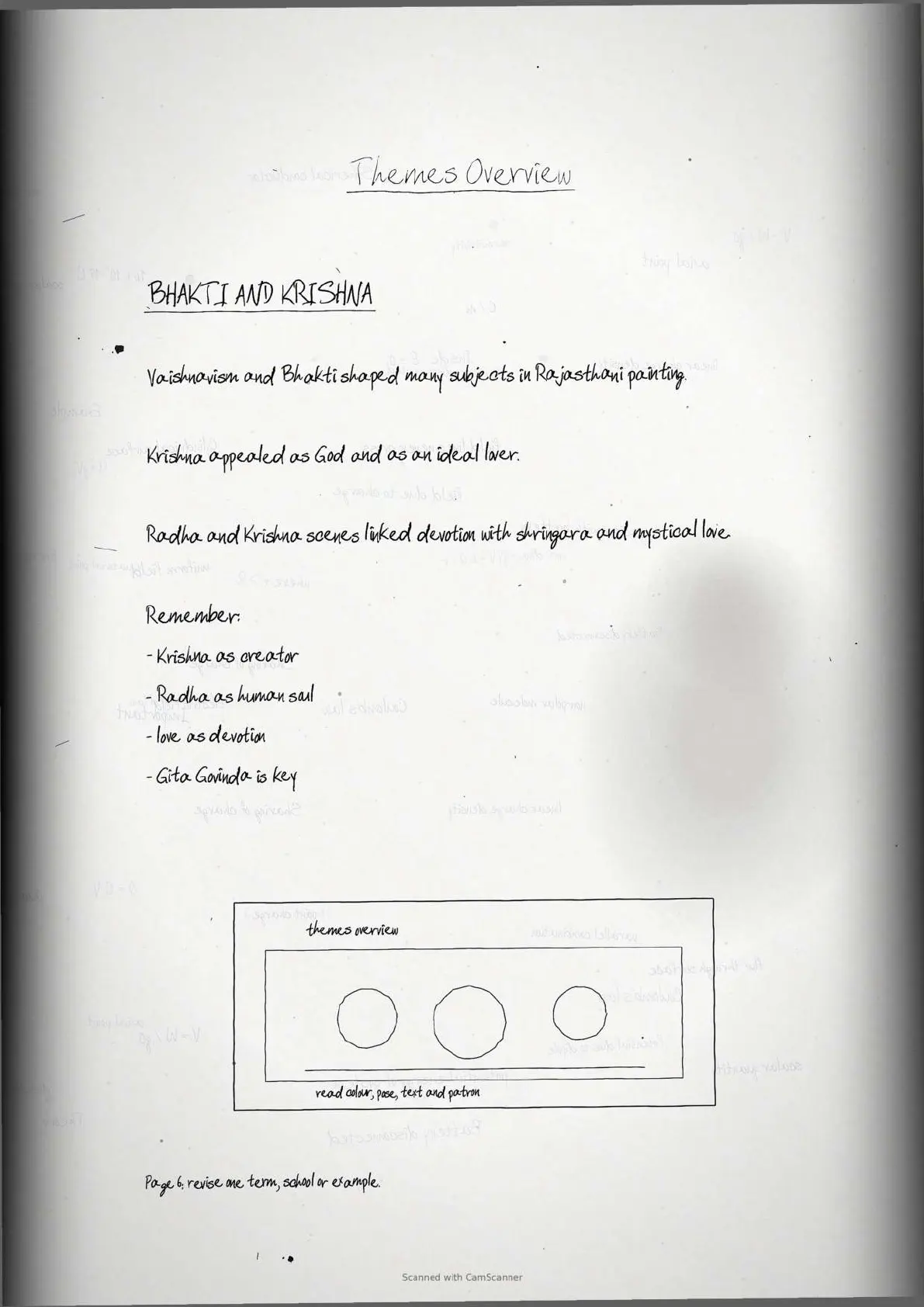
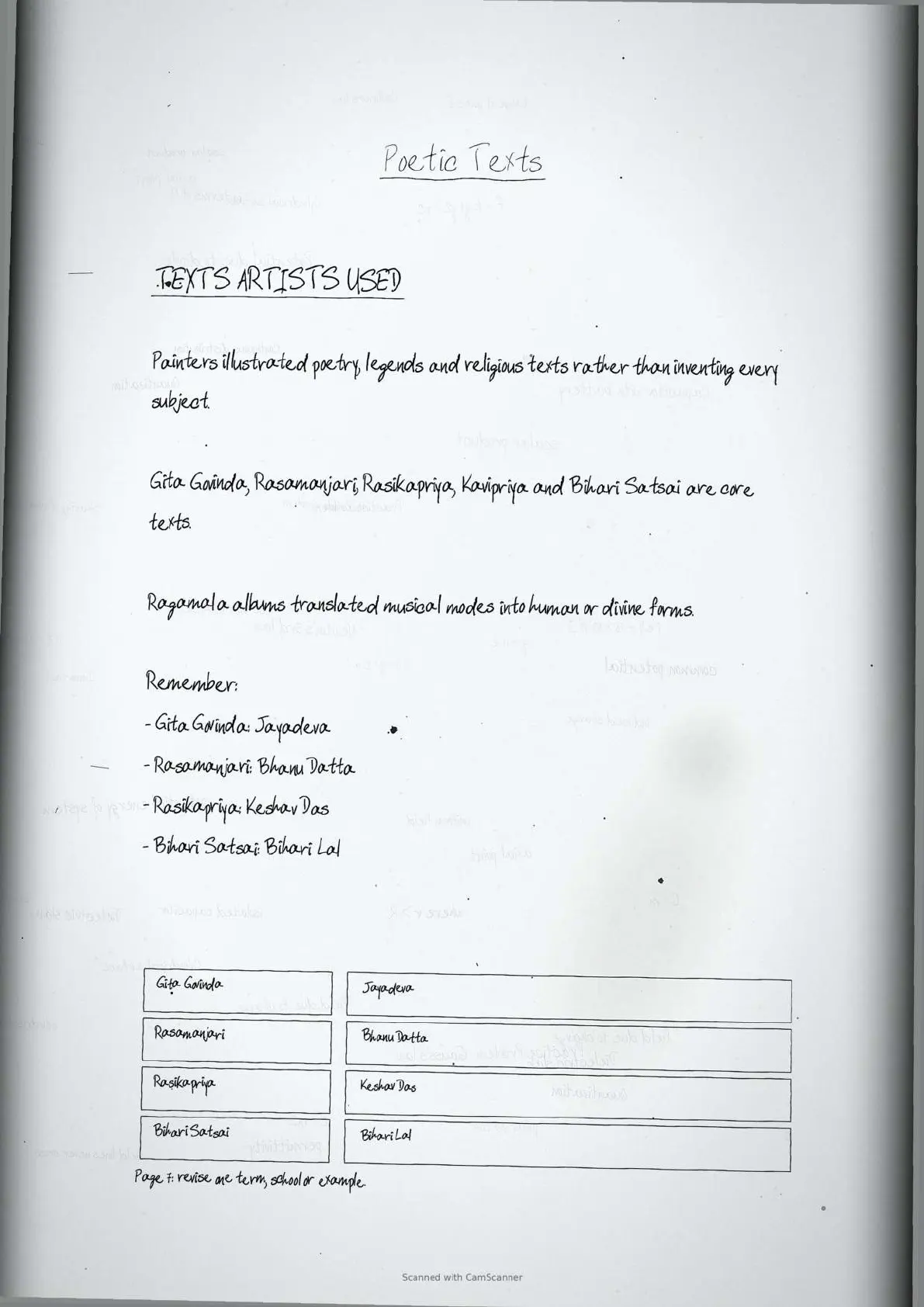
Most themes came from poems and stories. Gita Govinda, Rasamanjari, Rasikapriya, Kavipriya, Bihari Satsai and Ragamala are the key names to revise. Krishna and Radha themes connect devotion with love and visual beauty.
Major Rajasthani Painting Schools for Class 12 Boards
| School | What to remember | One exam-ready clue |
|---|---|---|
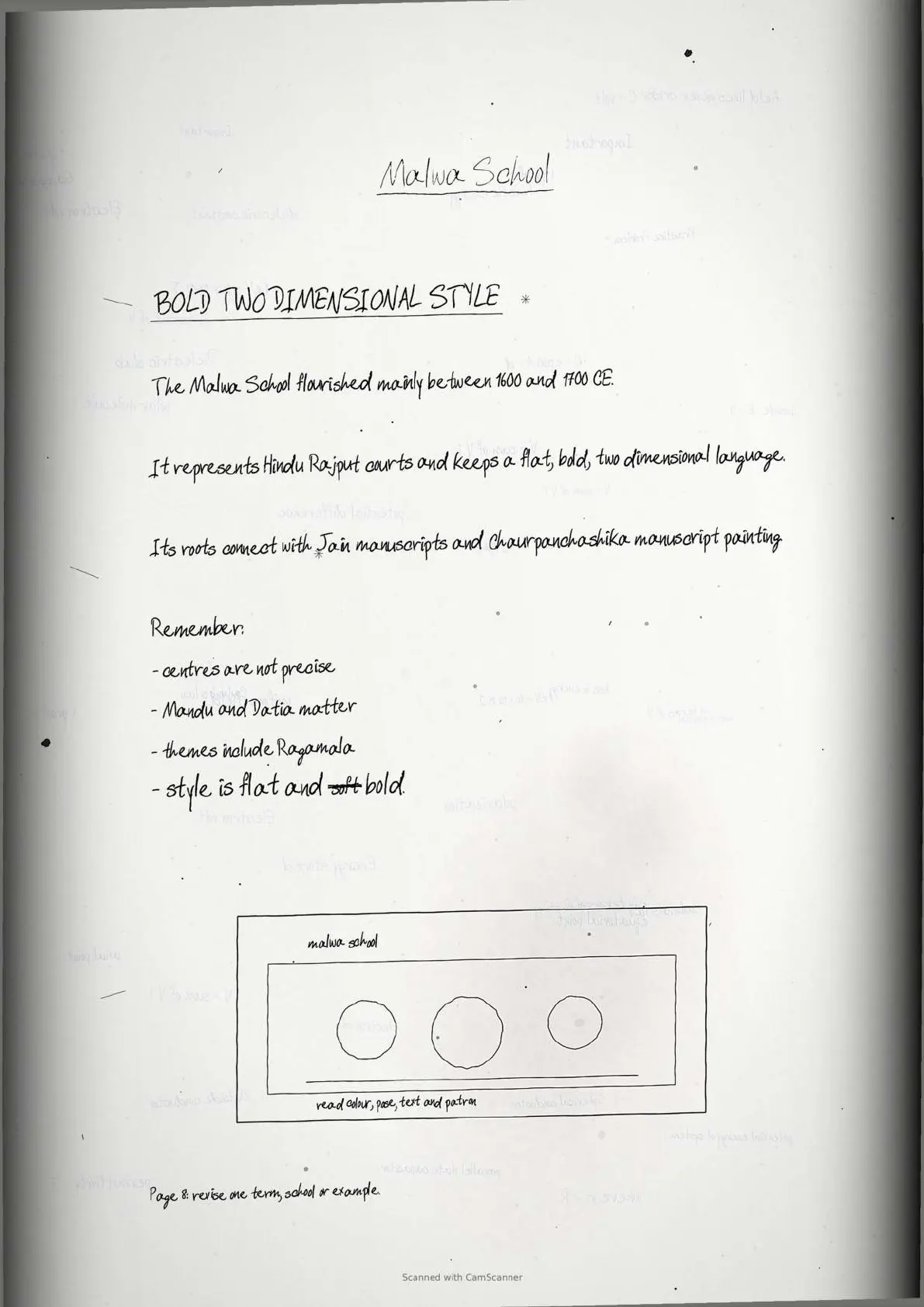
| Malwa | Flat, bold, two dimensional style from Central India. | Raga Megha by Madho Das, dated 1680. |
| Mewar | Early centre with direct approach, bright colours and Ramayana sets. | Chawand Ragamala of 1605 by Nisardin. |
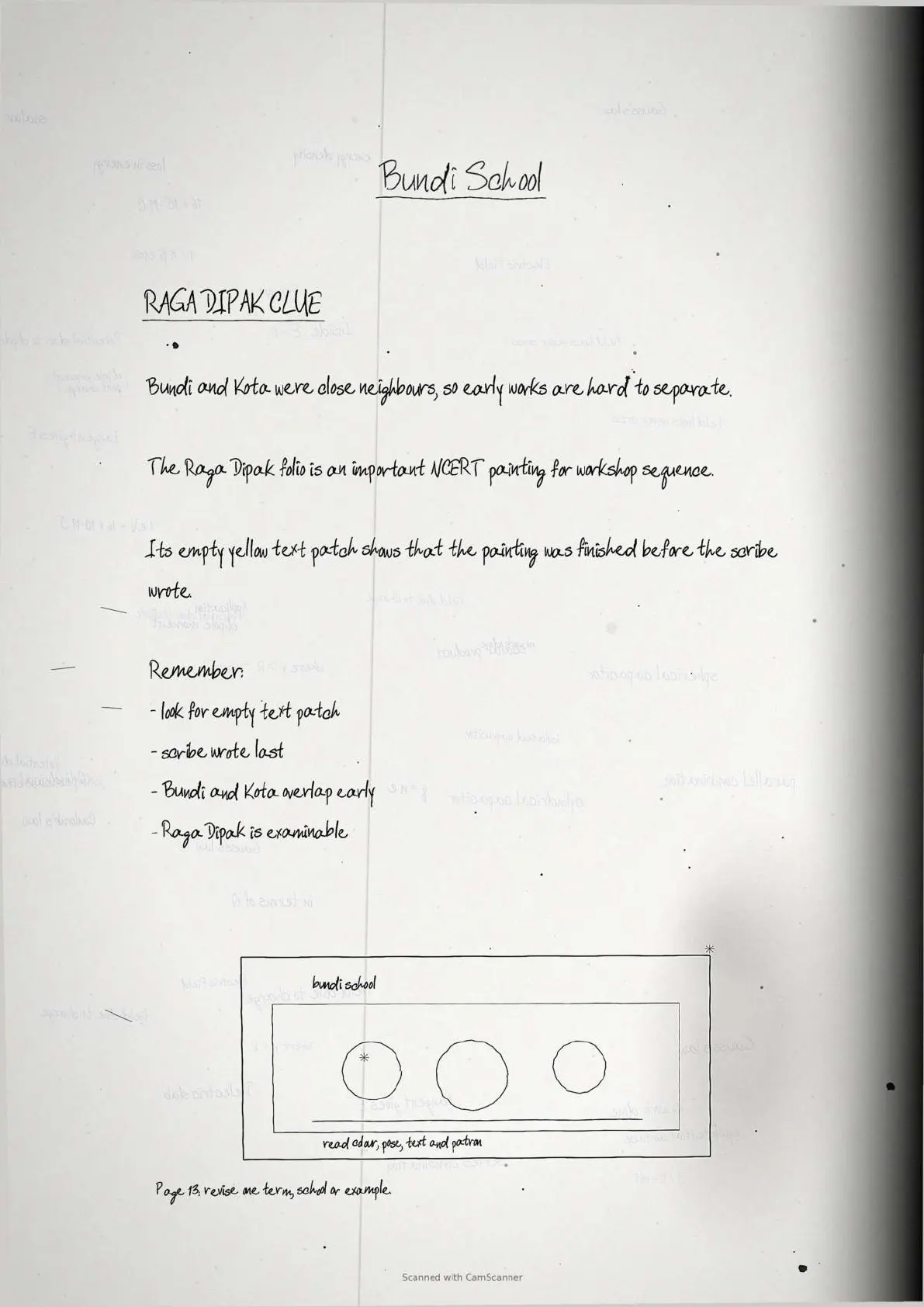
| Bundi | Closely linked with Kota in early phases. | Raga Dipak shows the scribe wrote after the painting. |
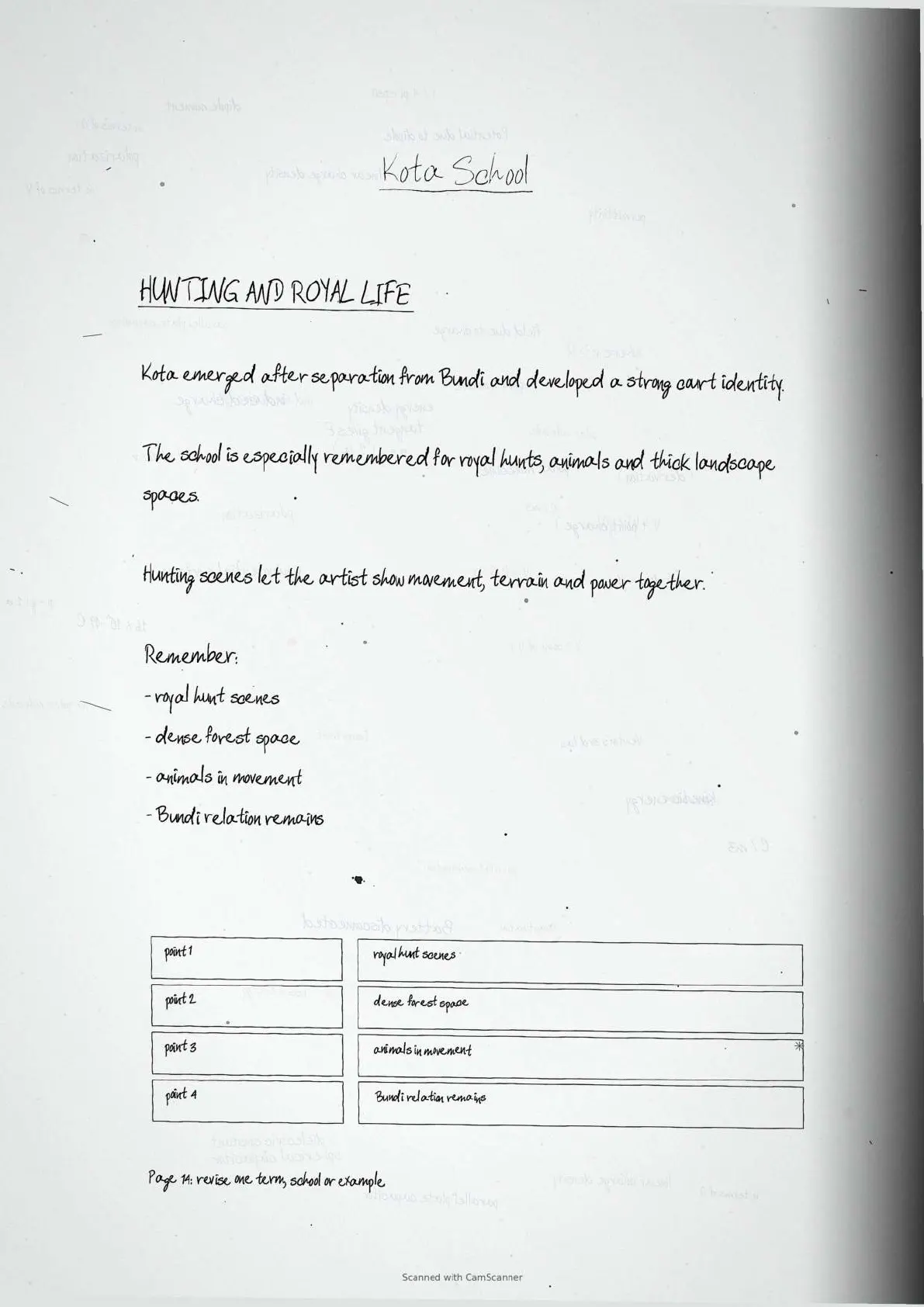
| Kota | Strong for royal hunting and animal movement. | Use hunting scenes for landscape and power. |
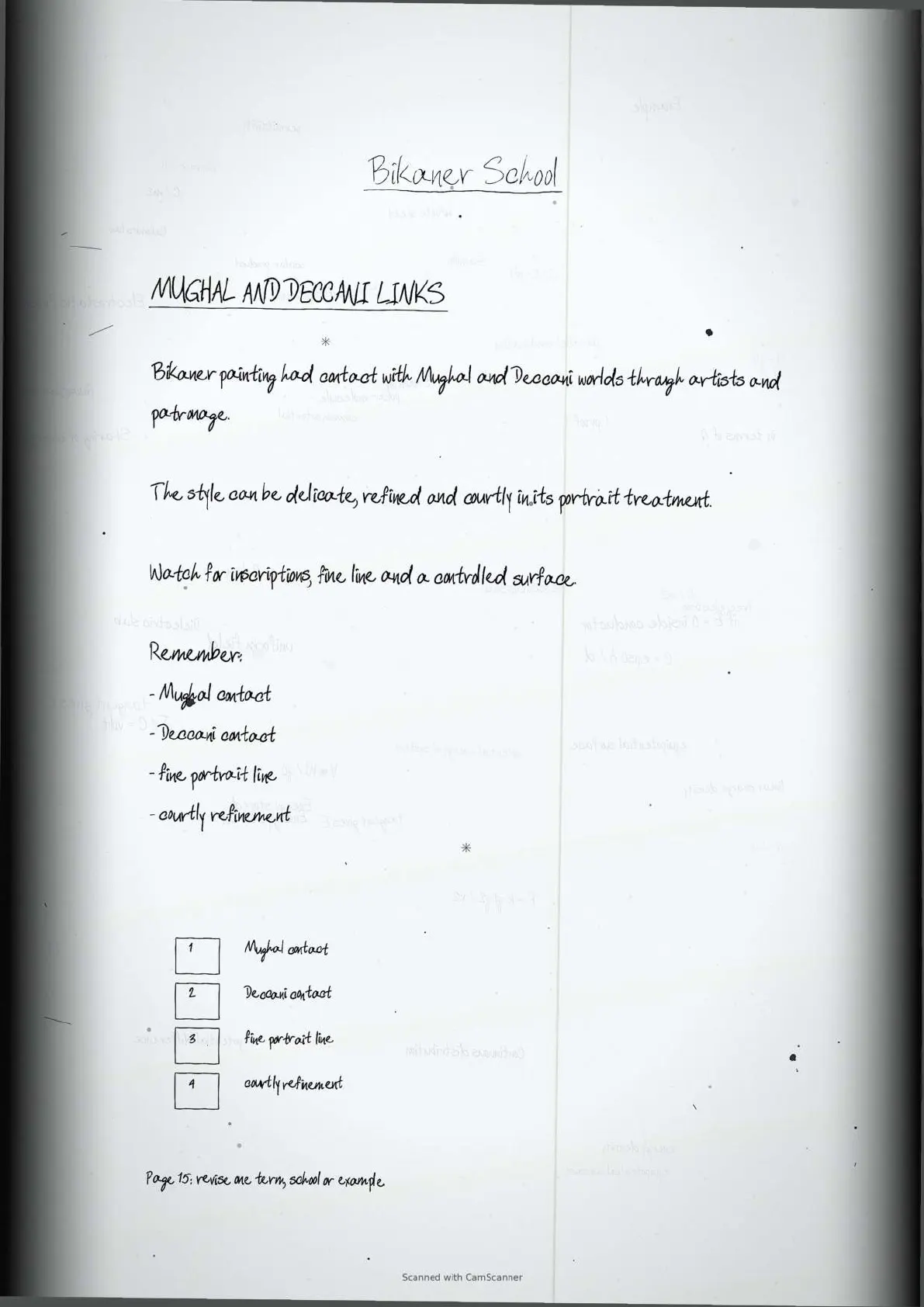
| Bikaner | Fine court style with outside contacts. | Remember Mughal and Deccani links. |
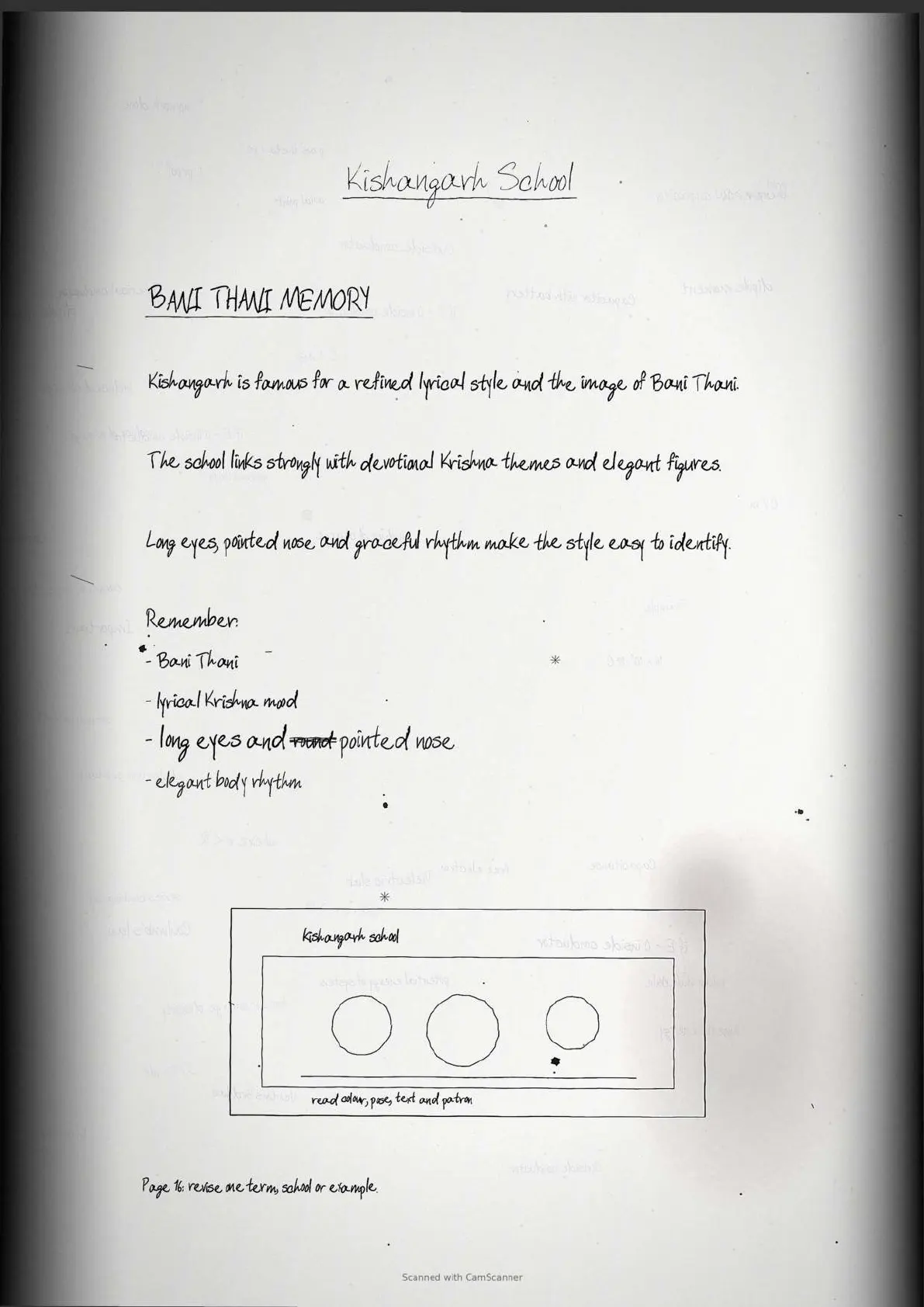
| Kishangarh | Lyrical Krishna mood and elegant figures. | Bani Thani is the key memory image. |
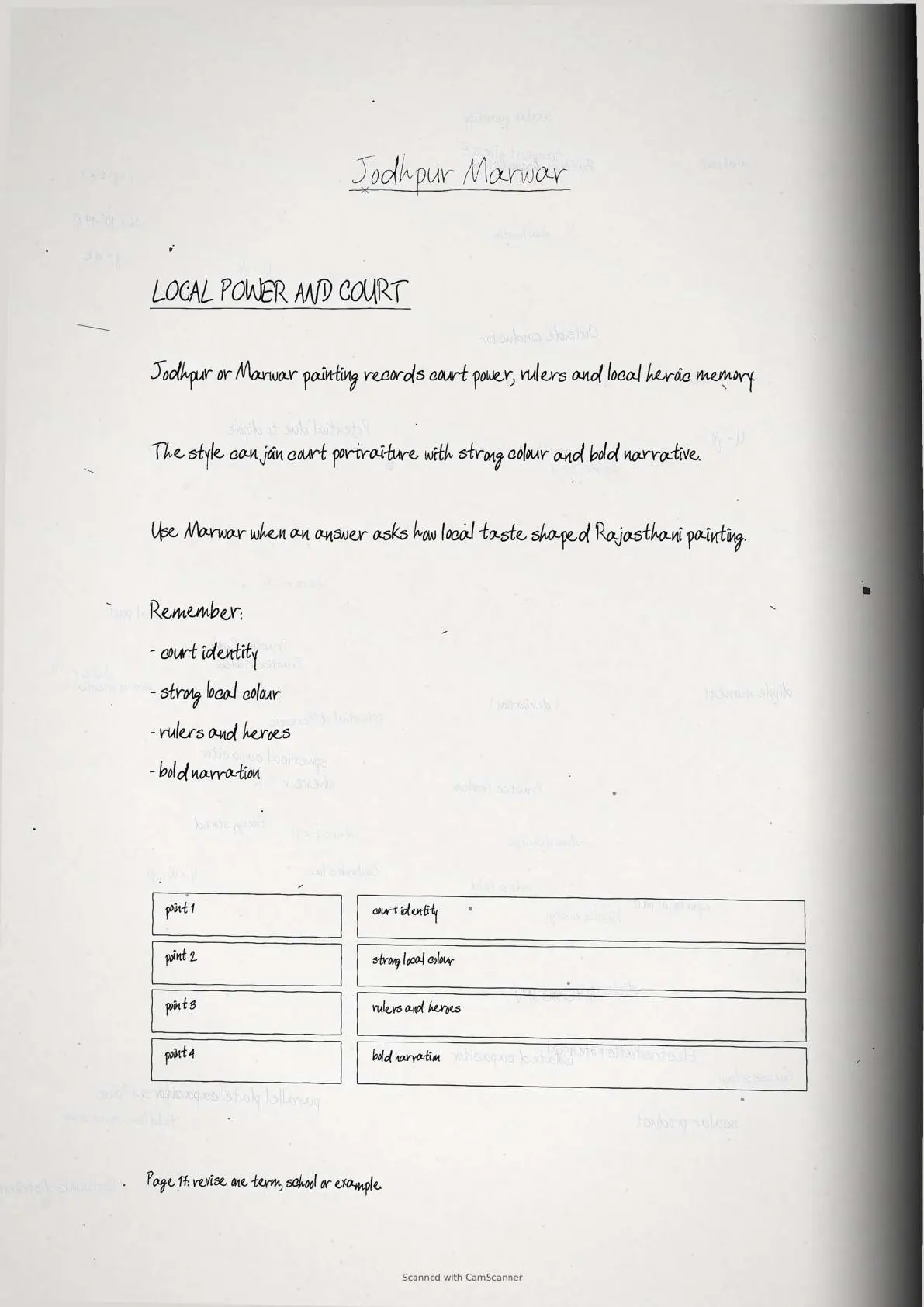
| Jodhpur or Marwar | Local power, rulers and heroic memory. | Use court identity and strong colour. |
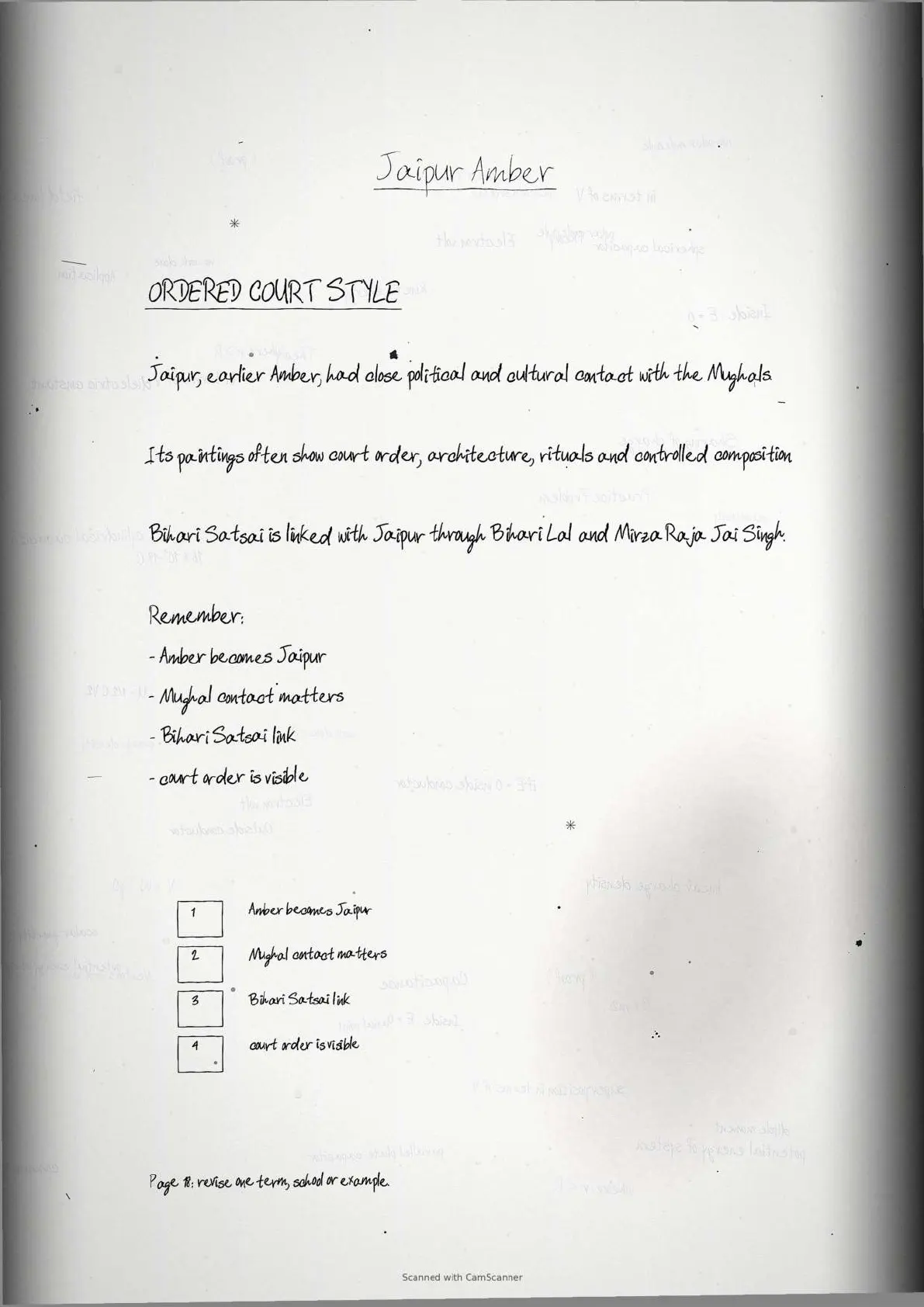
| Jaipur or Amber | Ordered court style with Mughal contact. | Bihari Satsai links with Jaipur court culture. |
Do not write the same line for every school. Board answers score better when each school gets one date, one patron or one painting example. The difference between schools is the point of the chapter.
Mewar Malwa Kishangarh and Kota Comparison for Quick Revision
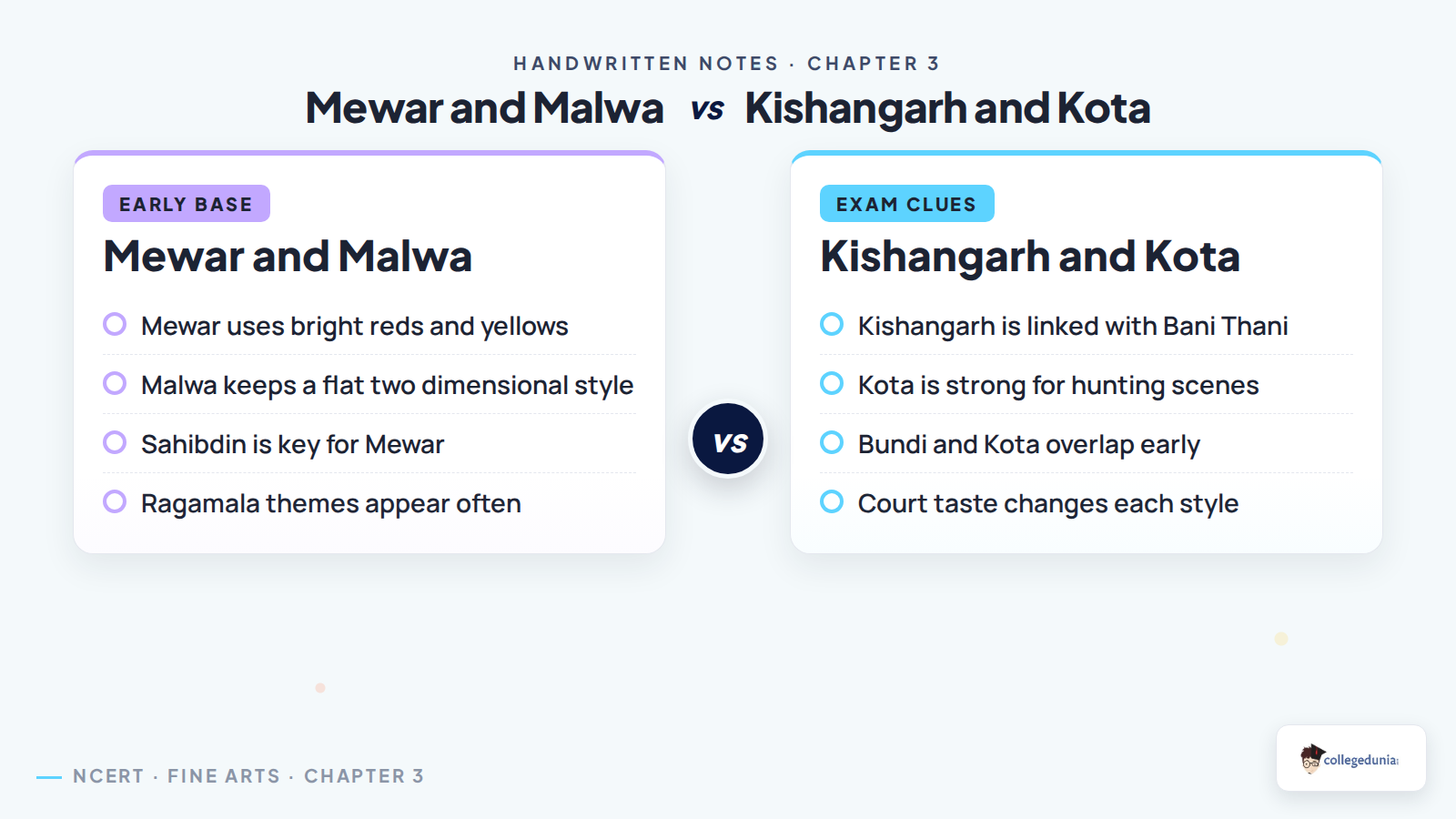
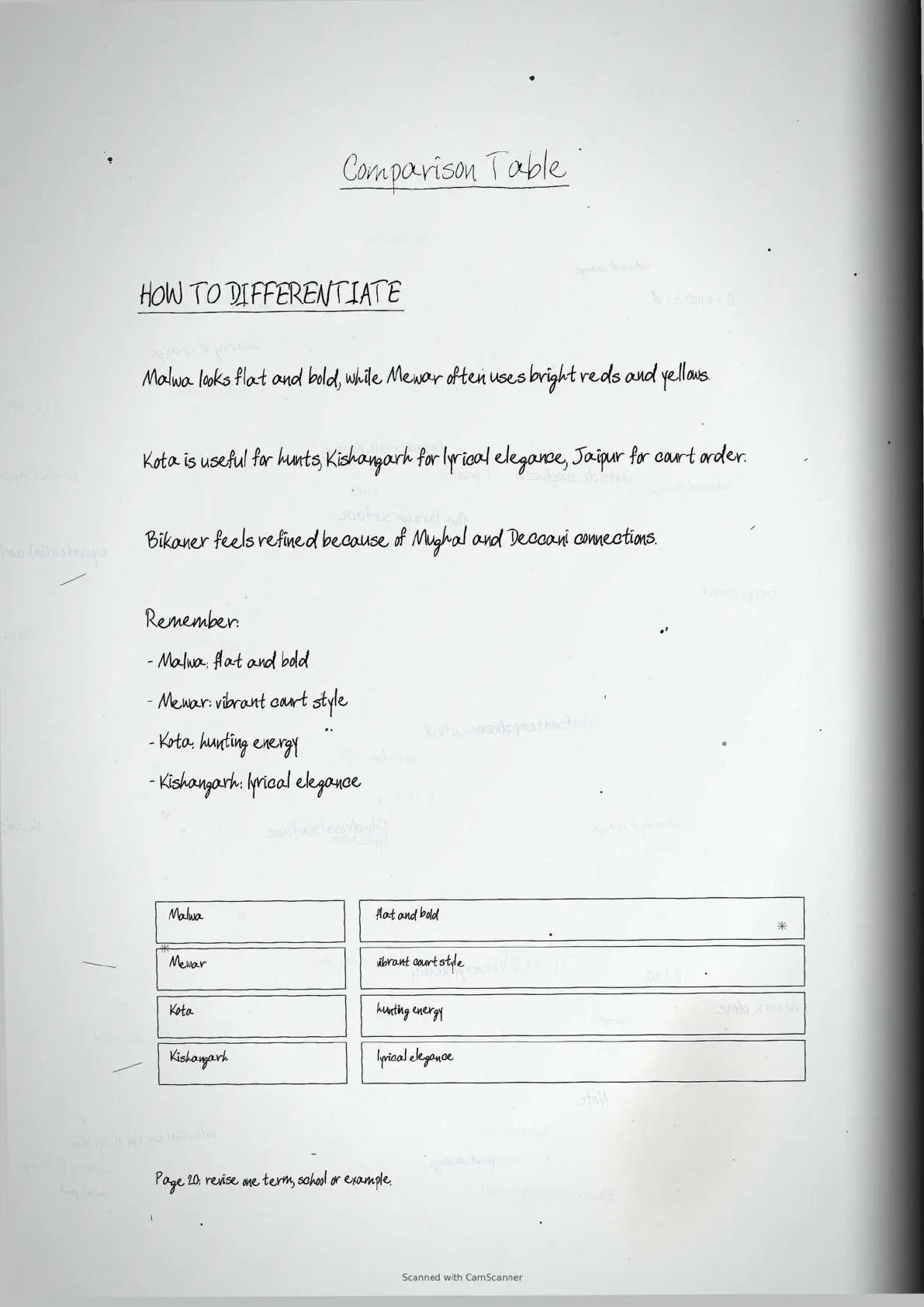
Students often lose marks by mixing the broad schools with individual paintings. Keep the answer simple. Malwa is useful for flat bold design. Mewar is useful for bright colour and Sahibdin. Kishangarh is useful for Bani Thani and lyrical Krishna devotion. Kota is useful for hunts and animals.
- Malwa: mention Central India, flat form, Chaurpanchashika link and Ragamala.
- Mewar: mention Chawand, Nisardin, Sahibdin, Ramayana and bright red-yellow palette.
- Kishangarh: mention refined line, long eyes, Bani Thani and devotional mood.
- Kota: mention hunting scenes, movement, animals and dense terrain.
Rajasthani Painting Unit 1 Video Recap for Class 12 Fine Arts
This video gives a quick explanation of Rajasthani School of Miniature Painting before students revise the handwritten notes.
Source: Study Box on YouTube
Related Class 12 Fine Arts Resources for The Rajasthani Schools of Painting
Use these resources with the handwritten notes when you want the official text or a typed revision version of the same chapter.
| Resource | Use It For | Link |
|---|---|---|
| NCERT Book PDF | Read the official chapter text and artwork captions. | The Rajasthani Schools of Painting Book PDF |
| Class 12 Fine Arts Notes | Revise the same chapter in typed notes format. | The Rajasthani Schools of Painting Notes |
| Previous Chapter | Compare Rajasthani painting with Deccani court style. | Deccan Schools Handwritten Notes |
All Class 12 Fine Arts Handwritten Notes
The table below keeps the same resource type together, so students can move chapter by chapter through Class 12 Fine Arts handwritten notes.
| Chapter | NCERT chapter title | Handwritten notes link |
|---|---|---|
| Chapter 1 | The Mughal School of Miniature Painting | Open handwritten notes |
| Chapter 2 | The Deccan Schools of Painting | Open handwritten notes |
| Chapter 3 | The Rajasthani Schools of Painting | Current handwritten notes |
| Chapter 4 | The Pahari Schools of Painting | Open handwritten notes |
| Chapter 5 | The Bengal School and Cultural Nationalism | Open handwritten notes |
| Chapter 6 | Modern Indian Art | Open handwritten notes |
| Chapter 7 | The Company School | Open handwritten notes |
| Chapter 8 | Living Art Traditions of India | Open handwritten notes |
Class 12 Fine Arts The Rajasthani Schools of Painting Handwritten Notes FAQs
Ques. What is covered in Class 12 Fine Arts The Rajasthani Schools of Painting handwritten notes?
Ans. The handwritten notes cover the term Rajasthani Schools, waslis, pigments, Bhakti themes, major schools, key paintings and exam-ready comparison points.
Ques. Which Rajasthani painting schools are important for Class 12 boards?
Ans. Important schools include Malwa, Mewar, Bundi, Kota, Bikaner, Kishangarh, Jodhpur or Marwar, and Jaipur or Amber.
Ques. What should students remember about Mewar painting?
Ans. Students should remember Chawand Ragamala of 1605, Nisardin, Sahibdin, Ramayana sets, bright colours and the later move toward courtly subjects.
Ques. Why should students use handwritten notes for The Rajasthani Schools of Painting?
Ans. These handwritten revision notes help students recall schools, artworks, materials, patrons and comparison points quickly before a Fine Arts theory test.



Comments