



Education Journalist | Study Abroad Lead
Brain helps in the proper functioning of a body but it gains the thoughts and energy from the mind. Mind isn't a physical organ of the body while the brain is the physical and the most complex body organ that can be touched. Brain helps in coordinating the thoughts and the movements of the human body while the mind basically defines how a person thinks. Mind is an intangible thing while the brain is a tangible organ that is critical to the functioning of our body. Often the terms mind and brain are used interchangeably. However, they are significantly different from each other. In this article, we will have a look at the brain and mind, and understand the differences between the two.
Read Also: Eye Diseases
| Table of Content |
Key Takeaways: Brain, mind, cerebrum, unconscious, conscious, subconscious, cerebellum, brainstem, hypothalamus
What is brain?
Brain is a critical component of our body, present in our central nervous system and located within our skull. It is the main point wherein information is received, organized, and then distributed throughout the body. Brain helps in controlling the functioning of most of the organs of our body.
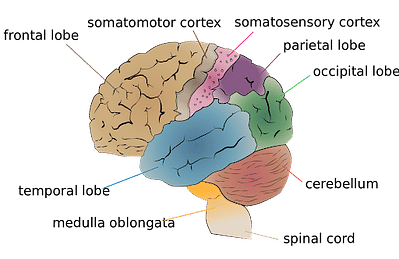
Check Important Notes for Diagram of Brain
The brain can mainly be divided into three main parts which include the cerebrum, cerebellum, and brainstem.
- Cerebrum
Cerebrum consists of the left and right hemispheres. It is also the largest part of our brain. It helps in controlling the voluntary muscles of the body. Voluntary muscles refer to those muscles that move when you want them. It helps in performing various functions such as aiding in the interpretation of vision, hearing, controlling emotions, etc. It is mainly involved in thinking.
Cerebrum stores both short-term and long-term memory. It has two halves, one located on each side of the body.
- Cerebellum
Cerebellum is located under the cerebrum at the back of the brain. It helps in coordinating muscle movements. It also helps in and balances among many things.
- Brainstem
Brainstem helps in connecting the cerebellum and cerebrum to the spinal cord. It also helps in performing various functions like regulating the body temperature, breathing rate, cycles of sleep, heart rate, and digestion.
- Pituitary Gland
Pituitary gland is a small gland that mainly releases hormones that help in the growth of the body. It plays a very important role in puberty.
- Hypothalamus
Hypothalamus basically helps in the regulation of our body temperature. Sweating and shivering are two responses of our body to get its temperature back to normal.
Also check:
What is mind?
Mind refers to the complex of facilities that basically involve perceiving, evaluating, remembering, deciding, and considering among many other functions. Even though brain and mind are mostly used interchangeably while both of them mean two distinct things. Our mind is basically divided into three different levels which are conscious, subconscious, and unconscious mind.
- Conscious Mind
Conscious is the first and foremost level of our consciousness. It includes our immediate experiences. It basically deals with the direct input from our senses, analyses the received information, and then make decisions based on that information.
- Subconscious mind
The next state of our mind is the subconscious. It holds the information that lies beneath our immediate awareness. This information can be archived in the form of memories, therefore they do not readily come to the front of our minds.
- Unconscious mind
Unconscious mind is deeper than our consciousness. It is made up of our instinctual and primitive desires. It also influences our behavior to a huge extent even when we remain unaware of it.

Three Layers of Mind
Read More: Nervous System Diseases: Symptoms & Damages
Difference between brain and mind
The differences between brain and mind are as given below:
| Brain | Mind |
|---|---|
| Brain is a tangible organ of our body. | Mind is intangible and it is also related to consciousness. |
| Brain performs specific functions such as processing thoughts and feelings. It also helps in coordinating movements and is the center of the nervous system. | Mind helps in perception and comprehension. It basically relates to the thought processes of a person. |
| Nerve cells and blood vessels are present in the brain. | Mind does not possess nerve cells or blood vessels. |
| Brain has a definite shape and it might also suffer from some brain diseases. | Such physical attributes aren't applicable to our mind. |
| Brain consists of mainly three parts which include the cerebrum, cerebellum, and brainstem. | Our mind basically consists of three levels of consciousness which include conscious, subconscious, and unconscious. |
Check Also: Difference between Sympathetic and Parasympathetic Nervous System
We can basically say that the mind is a metaphysical thing that exists hypothetically only. It is often associated with rational thinking, judgments, logic, and perception. Our brain on the other hand is a physical organ that is situated inside our head. It is a very important organ that helps in translating the mind and coordinating all the movements.
Things to Remember
- Brain helps in coordinating the thoughts and the movements of the human body while the mind basically defines how a person thinks.
- Brain helps in controlling the functioning of most of the organs of our body.
- Mind refers to the complex of facilities that basically involve perceiving, evaluating, remembering, deciding, and considering among many other functions.
- The brain can mainly be divided into three main parts which include the cerebrum, cerebellum, and brainstem.
- Mind is an intangible thing while the brain is a tangible organ that is critical to the functioning of our body.
- Our mind is basically divided into three different levels which are conscious, subconscious, and unconscious mind.
Also check:
Sample Questions
Ques. What is brain? (5 marks)
Ans. Brain is a physical and tangible organ of our body. It can be touched by us, unlike the mind. It is composed of multiple nerve cells and blood vessels.
- It has a definite weight due to its specific structure.
- It weighs approximately around 3 pounds and includes almost 60% of the body fat.
- It is the central nervous system (CNS) that helps in coordinating the movement of our body.
- It mainly receives and distributes information to all our body parts.
- It mainly has three parts including the brainstem, the cerebrum, and the cerebellum.
- Unlike the mind, our brain can develop certain diseases and medical conditions.
- The cerebrum is the largest part of our brain. Cerebellum is located below the cerebrum and helps in the coordination of our movements.
- The brainstem is mainly responsible for connecting the cerebrum and the cerebellum to the spinal cord.
Ques. Write a short note on mind. (5 marks)
Ans. Mind is not a physical organ inside our body. It is an intangible thing that can only be felt as it has no structure or shape.
- As it is not physical, it is not composed of nerve cells and blood vessels.
- It cannot develop any disease.
- It provides us with the energy to process, think, perceive, decide, and evaluate things.
- It has three levels which include the conscious, subconscious, and unconscious mind.
- The conscious mind includes all our immediate experiences.
Ques. Describe the main parts of the human brain. (5 marks)
Ans. Human brain can be divided into three parts:
- Forebrain
Forebrain is the largest part of the human brain that basically deals with hunger, emotions, regulating body temperature, etc. It is made up of cerebrum, thalamus, and hypothalamus.
- Cerebrum basically deals with controlling the thinking process, reasoning, intellect, and other senses. It is further divided into four lobes known as the temporal lobe, frontal lobe, occipital lobe, and parietal lobe.
- Thalamus plays an important role in sending sensory information from the organs and the motor information for their movements.
- Hypothalamus regulates all the important functions of the human body such as controlling blood pressure, regulating the body temperature, and controlling our sense of smell and taste along with performing many other functions.
- Midbrain
The central area of the brainstem located between the hypothalamus and the thalamus is referred to as the midbrain. It is mainly made of tectum and tegmentum.
- Tectum is mainly responsible for the reflex movements of our human body.
- Tegmentum is present within the brainstem and is mainly engaged with bodily motions and sleep.
- Hindbrain
The central part of our brain is referred to as the hindbrain. It helps in regulating our breathing and heartbeat patterns. It is made of three main parts which are the pons, medulla, and cerebellum.
- Cerebellum regulates the voluntary motions of our body. It also maintains the equilibrium of our body during cycling, walking, swimming, etc.
- Medulla Oblongata regulates the breathing and digestion processes of our body.
- Pons is a vital part of our brainstem that controls respiration and regulates our sleep cycle.
Ques. What are the three levels of the conscious mind? (3 marks)
Ans. The three levels of the consciousness of mind are:
- Conscious mind
All things that an individual is currently aware of and what they think about comprises the conscious mind. In terms of capacity, it is somehow limited and resembles a short-term memory.
- Subconscious mind
All the automatic actions and all the reactions that one can become aware of if they think about them refer to the subconscious. For instance, this may include one's ability to drive a car. Once we acquire that skill, we stop consciously thinking as to which gears to use, which pedals to press, or which mirror to look into.
- Unconscious mind
All the past memories and events are stored in the unconscious mind. Sometimes, these memories are inaccessible to us even when we try hard to remember them.
Ques. What is the nervous system? What are the two types of the human nervous system? (5 marks)
Ans. Nervous system is a sophisticated network of neurons that is entirely dedicated to the transmission of messages throughout the body. It is responsible for controlling the movement of an organism and influencing its environment by transmitting signals in the body. The human nervous system is mainly divided into two parts which are:
- Central Nervous System or CNS
This is the central processing unit of the body and is mainly composed of the brain and the spinal cord.
- Brain is the most vital organ of our neurological system. It helps us in learning new things and making decisions. It is mainly divided into forebrain, midbrain, and hindbrain.
- Spinal Cord refers to a bundle of tissues and nerve fibers. It helps in connecting various parts of the body to our brain.
Peripheral Nervous System or PNS mainly connects CNS to all the other parts of the body. It has two types of nerve fibers which are:
- Afferent Nerve Fibres
- Efferent Nerve Fibres
Ques. Write a short note on cerebrum. (5 marks)
Ans. The largest part of our brain that is divided into two halves or two hemispheres is known as the cerebrum. The two hemispheres are connected to each other through the corpus callosum. Each hemisphere is further divided into broad regions known as lobes which have various functions.
- Frontal Lobes
Frontal lobes are the largest lobes that are present in the front part of our brain. It helps in the coordination of high-level behaviors such as problem-solving, attention, planning, etc. The frontal lobes are also responsible for managing temper, emotions, and personality.
- Parietal Lobes
Located just behind the frontal lobes, the parietal lobes are mainly involved in organizing and interpreting the sensory information that is received from various parts of the body.
- Temporal Lobes
The auditory cortex is mainly located in the temporal lobe. They are present on both sides of the head near the ears and help in hearing, verbal memory, facial recognition, and the interpretation of reactions and interpretations of others.
- Occipital Lobes
Occipital lobes are present towards the back of the brain and are mainly involved in the processes of reading and recognizing shapes and colors.
Ques. What are the main functions of cerebellum? (5 marks)
Ans. Some of the main functions of the cerebellum are:
- Cerebellum has special sensors that help it in detecting shifts in movement and balance. It then sends signals for the body to accordingly move and adjust. Therefore, it helps in maintaining balance.
- Cerebellum also times muscular actions so that there is coordination in multiple muscle groups and all of them move together smoothly.
- The cerebellum is also responsible for coordinating eye movements.
- Cerebellum helps our body to learn movements and perform motor learning such as playing a musical instrument or riding a bicycle.
Ques. What are the protective layers of the brain? (5 marks)
Ans. Protective covering known as meninges surrounds the spinal cord and the brain. It is mainly of three types which are as follows:
- Dura mater is the outermost protective layer of the brain that is extremely thick and tough. It lines the cranium or the inner dome of the skull and the meningeal layer that exists below it. Spaces that exist between the layers allow the passage of arteries and veins that help in supplying blood to the brain.
- The Arachnoid mater is a thin layer that appears weblike. It is made up of connective tissues and does not have blood vessels or nerves. Below this layer, lies the CSF or the cerebrospinal fluid. This fluid covers the entire central nervous system which includes the brain and the spinal cord. The fluid continually moves around these structures in order to remove the impurities.
- Pia mater is the last layer of the brain and is a thin membrane. It hugs the surface of the brain following its contours. It is rich in arteries and veins.
Ques. What are some of the conditions affecting the brain? (5 marks)
Ans. Some of the conditions affecting the brain are:
- Brain aneurysm: In this condition, an artery of the brain develops a weak area that eventually swells in a balloon-like fashion. It can even cause a stroke.
- Concussion: It basically refers to a kind of brain injury that leads to temporary disruption or disturbances in the functions of the brain. Most of the concussions are formed as a result of traumatic head injuries.
- Meningitis: It is usually caused as a result of infection. It includes inflammation of the lining surrounding the spinal cord and the brain. Some of the common symptoms of meningitis are neck pain, stiff neck, fever, sleepiness, and headache.
- Dementia: It refers to a decline in the cognitive functions of the brain as a result of the death or the malfunction of the nerve cells present in the brain. Dementia can be caused by conditions in which the nerves present in the brain get degenerated as well as by strokes and alcohol abuse.
- Brain Tumor: It refers to the abnormal growth of any tissue inside the brain. Brain tumors usually result in problems as they exert pressure on the brain whether they are malignant (cancerous) or benign.
- Epidural hematoma: This is mainly the bleeding between the dura lining (the tough tissue) present on the inside of the skull and the skull itself. This is usually caused shortly after an injury to the head. Initially, it has some mild symptoms that can eventually progress rapidly causing unconsciousness and even death sometimes if it is left untreated.
Biology Related Links:



Comments