



Content Curator
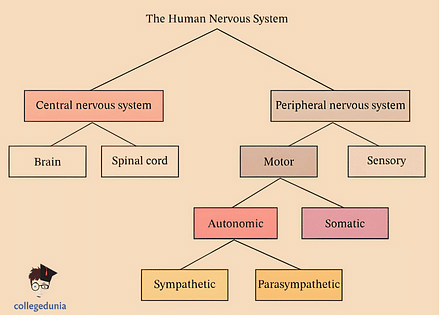
The Sympathetic and Parasympathetic nervous systems are the parts of the autonomic nervous system.
- The autonomic nervous system controls essential body functions, such as blood circulation, breathing, digestion, heartbeat, etc.
- The sympathetic nervous system is situated near the thoracic and lumbar regions of the spinal cord.
- The parasympathetic nervous system is situated between the spinal cord and the medulla.
- The main difference between the sympathetic and parasympathetic nervous systems lies in their response to stimuli.
- The sympathetic autonomic nervous system stimulates the fight-or-flight responses, while the parasympathetic autonomic nervous system stimulates the “rest and digest” and “feed and breed” responses of the body.
In this article, we will explore more about the difference between sympathetic and parasympathetic nervous systems.
| Table of Content |
Key Terms: Sympathetic nervous system, Parasympathetic nervous system, Autonomic nervous system, Spinal cord, Difference between sympathetic and parasympathetic nervous systems
The Autonomic Nervous System
[Click Here for Sample Questions]
The autonomic nervous system is known for its independent operations and controls a variety of essential functions of the body. These include blood circulation, digestion, breathing, urination, and heartbeat.
It is also involved in controlling and maintaining the following life processes:
- Body temperature
- Digestion
- Blood pressure
- Heartbeat
- Metabolism
- Urination
- Defecation
- Fluid balance
- Sexual response
- Breathing rate
The autonomic nervous system is of two types:
- Sympathetic nervous system
- Parasympathetic nervous system
Also check:
| Related Concepts | ||
|---|---|---|
| Vestigial Organs | Autotrophic Nutrition | Human Reproductive System |
| Excretion in Human Beings | Heterotrophic Nutrition | Nutrition in Human Beings |
What is the Sympathetic Nervous System?
[Click Here for Sample Questions]
The Sympathetic Nervous System (SNS) is one of the two main parts of the autonomic nervous system.
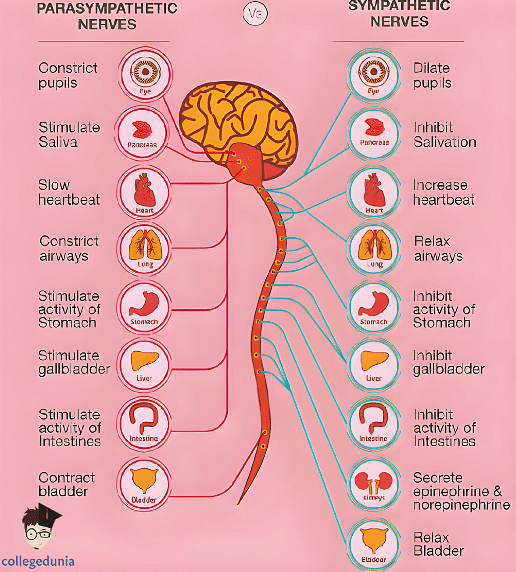
- Its main function is to stimulate the fight-or-flight responses of the body during any potential danger.
- It is located near the thoracic and lumbar regions of the spinal cord.
- The sympathetic nervous system regulates the heart rate, breathing system, and pupil response.
- It helps in improving physical speed, reducing tension, and increasing alertness.
What is the Parasympathetic Nervous System?
[Click Here for Sample Questions]
The Parasympathetic Nervous System (PNS) is also one of the two main parts of the autonomic nervous system.
- Its main function is to stimulate the “rest and digest” and “feed and breed” responses of the body.
- It is mainly responsible for the regulation of visceral organs.
- It is located between the spinal cord and the medulla.
- The nerves of this system help in relaxing, digesting, and lowering heart rate.
- It restores the body to a calm and composed state by inhibiting overworking.
Difference Between Sympathetic and Parasympathetic Nervous System
[Click Here for Sample Questions]
The major differences between sympathetic and parasympathetic nervous systems are given below:
| Characteristic | Sympathetic Nervous System | Parasympathetic Nervous System |
|---|---|---|
| Major Function | It prepares the body for potential stress or danger. | It aims to bring the body towards calmness and relaxation. |
| Heart Rate and Muscles | It increases heart rate and tense up the muscles, preparing the body for action. | It reduces heart rate and relaxes muscle cells. |
| Saliva Secretion | It prevents saliva secretion. | It increases saliva secretion and therefore digestion also increases. |
| Neuron Pathways | It has smaller neuron pathways resulting in a faster response time. | It has longer neuron pathways and therefore a slower response time. |
| Pupil | It makes the pupil enlarge to let in more light. | In parasympathetic, the pupil contracts. |
| Response | It is involved in the fight-or-flight response of the body. | It is involved in keeping homeostasis and allows rest and digest response. |
| Fight and Flight Situation | In this state, adrenaline is released by the adrenal glands and extra glycogen can be transformed into glucose. | It doesn’t have a fight-or-flight state. |
Also check:
| Related Concepts | ||
|---|---|---|
| Tap Root System | Hypertension | Inclusion Bodies |
| Chromoplasts | Peripheral Neural System | Neural Control and Coordination |
Things to Remember
- The main function of the autonomic nervous system is homeostasis.
- The sympathetic and parasympathetic nervous systems are the two parts of the autonomic nervous system.
- The sympathetic nervous system triggers the fight-or-flight response during threats or perceived risks.
- The parasympathetic nervous system helps in restoring physical calm.
- The sympathetic nervous system is a faster system as it moves along very short neurons.
- The parasympathetic nervous system is a slower system and moves along longer pathways.
Sample Questions
Ques: What is an Autonomous Nervous System? (2 Marks)
Ans: An autonomous nervous system is made up of peripheral nervous system neurons that conduct distinct functions. These neurons govern three categories of cells. The first is smooth muscle cells, which are found in all tissues throughout the body and are controlled by distinct neurons. The sympathetic nervous system and the parasympathetic nervous system are the two major components of the autonomic nervous system. The former begins in the middle of the spinal cord, while the latter emerges from the spinal cord as a plexus of interconnected nerve roots arranged to form single nerves.
Ques: What are parasympathetic ganglia? (1 Mark)
Ans: Parasympathetic ganglia are the autonomic ganglia of the parasympathetic nervous system that are placed near or within the organs they innervate.
Ques: What is the major difference between the parasympathetic and sympathetic nervous systems? (2 Marks)
Ans: The parasympathetic nervous system brings the body back to a state of calm and prevents it from overworking. In contrast, the sympathetic nervous system prepares the body for fight-or-flight responses.
Ques: What are the two main parts of the Autonomic Nervous System? (1 Mark)
Ans: The two main parts that make up the Autonomic Nervous System are the Sympathetic nervous system and the Parasympathetic nervous system.
Ques: What are the functions of the Sympathetic nervous system and the Parasympathetic nervous system? (3 Marks)
Ans: The sympathetic nervous system prepares the body for a fight or flight response, whereas the parasympathetic nervous system restores the body to a state of peace and relaxation while preventing it from overworking. The Sympathetic nervous system prepares the body to deal with anxiety and stress by responding through a network of interconnected neurons. The function of the parasympathetic nervous system is to respond to the body's relaxing, resting, and eating states. It reduces heart rate and breathing while increasing digestion.
Ques: What actions are controlled by the parasympathetic nervous system? (1 Mark)
Ans: The parasympathetic nervous system stimulates key bodily functions such as salivation, urine, lacrimation, feces, and digestion.
Ques: What are the components of the sympathetic and parasympathetic nervous systems? (1 Mark)
Ans: Cranial and spinal nerves make up the parasympathetic nervous system. The sympathetic nervous system is made up of cell bodies located within the grey column of the spinal cord.
Ques: What are the hormones released by the sympathetic and parasympathetic nervous systems? (2 Marks)
Ans: The sympathetic nervous system secretes the chemicals adrenaline and norepinephrine, which cause the heart to beat faster while the hormone named Acetylcholine is released by the parasympathetic nervous system that slows the heart rate.
Ques: What is Acetylcholine? (2 Marks)
Ans: Acetylcholine is a multitasking neurotransmitter that works in both the central nervous system (CNS) and the peripheral nervous system (PNS). Acetylcholine also plays an important role within the autonomic nervous system, the part responsible for involuntary functions like digestion and heart rate.
Ques: What happens when the parasympathetic nervous system is overactive? (1 Mark)
Ans: An overactive parasympathetic nervous system can cause digestive issues, slow heart rate, and difficulty with urination or sexual function.
For Latest Updates on Upcoming Board Exams, Click Here: https://t.me/class_10_12_board_updates
Also Read:



Comments