



Content Curator
Fermentation is used to manufacture items like wine, mead, cheese, and beer. Fermentation is the most common way for bacteria to produce adenosine triphosphate (ATP) through anaerobic breakdown of organic materials. It is a storage method that creates lactic acid, which is present in sour foods.
| Table of Content |
Key Terms: Fermentation, Primary Fermentation, Secondary Fermentation, Lactic acid, Ethanol, Acetic Acid
Read More: Catabolism and Anabolism
What is Fermentation?
[Click Here for Sample Questions]
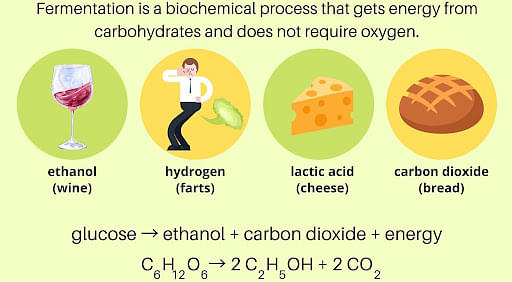
Fermentation is a metabolic mechanism in which a carb, such as starch or sugar, is converted into an alcohol or an acid by an organism. Fermentation, for example, is a process by which yeast obtains energy by turning sugar into alcohol. Fermentation is the process through which bacteria turn carbohydrates into lactic acid.
Science of fermentation is known as zymology. Most frequent route for bacteria to make adenosine triphosphate (ATP) is through the anaerobic breakdown of organic molecules, which is known as fermentation.
Also Read: Reproductive Health
Fermentation has been utilised by humans to make meals and beverages since the Neolithic period. Fermentation, for example, is used to preserve lactic acid, which is found in sour foods like pickled cucumbers, kombucha, kimchi, and yoghurt, and to make alcoholic beverages like wine and beer. Fermentation takes place in all species' gastrointestinal tracts, even humans.
What is Fermentation?
Stages of Fermentation
[Click Here for Sample Questions]
Primary, secondary, and conditioning (or lagering) are the three phases of fermentation:
Primary Fermentation
When yeast is added to cooled, aerated wort, primary stage of fermentation occurs. Accessible oxygen is promptly used by the yeast to make sterols, a crucial component for culture proliferation. When oxygen is no longer present, yeast enters anaerobic phase, in which bulk of wort carbohydrates are converted to ethanol and CO2. During primary fermentation, yeast grows. Synthesis of fragrance and flavour components is directly proportional to extent and rate of yeast growth.
Secondary Fermentation
Secondary stage of fermentation occurs after most of the wort sugars have been eaten and the pace of fermentation has dropped dramatically. During this time, most of the end sugars are depleted, and the yeast converts some secondary metabolites. Because of the rise in alcohol content and the loss of sugar and nutrients, yeast flocculation and settling begin.
Conditioning Stage
When the terminal gravity is attained and the tank is chilled to chilling temperatures (31-38 °F, 0-3 °C), the conditioning stage begins. The yeast proceeds to flocculate and settle throughout this period.
The yeast also helps to condition the beer by eliminating a variety of off-flavor chemicals. Long conditioning times aren't as beneficial to ales as they are to lagers. Because the ideal flavours in ales fade with age, it's best to condition them for as little time as possible before packing. At this point, exposure to air has a significant negative impact on the quality of the beer.
Read More: Energy Currency of Cell
Types of Fermentation
[Click Here for Sample Questions]
There are three different forms of fermentation used by people.
Lactic Acid Fermentation
No heat is required in the conversion of starches or sugars to lactic acid by yeast strains and bacteria. Pyruvic acid employs nicotinamide adenine dinucleotide + hydrogen (NADH) to create lactic acid and NAD+ in these anaerobic chemical processes. (Lactic acid fermentation takes place in human muscle cells as well.) Muscles can expend adenosine triphosphate (ATP) quicker than oxygen can be delivered to muscle cells during intensive activity, resulting in lactic acid accumulation and aching muscles.
In this situation, glycolysis produces ATP by breaking down a glucose molecule into two pyruvate molecules without using oxygen. Lactic acid bacteria are essential for the production and preservation of low-cost, nutritious meals, which is especially crucial for feeding disadvantaged people.
Ethanol Fermentation
Yeasts convert pyruvate molecules in starches or sugars to alcohol and carbon dioxide molecules, which is the result of the glycolysis (C6H12O6) metabolism. Wine and beer are made through alcoholic fermentation.
Acetic Acid Fermentation
Grain and fruit starches and sugars ferment to produce sour vinegar and sauces. Apple cider vinegar, wine vinegar, and kombucha are among examples.
Read More: Microbiology
Uses of Fermentation
[Click Here for Sample Questions]
Fermentation is a typical method for manufacturing alcoholic beverages, such as wine and beer, using fruit juice and grains. Potatoes may be fermented and processed to make gin and vodka because they are high in starch.
It is also widely used in the production of bread. When you add sugar, yeast, flour, and water to make dough, the yeast breaks down the sugar and releases carbon dioxide, which enables the bread to rise. Sourdough bread, for example, uses both yeast and lactobacilli. The dough's flexible flexibility and characteristic sour flavour are due to this mix.
Lactic acid fermentation is a method of flavouring and preserving dairy and vegetable products such as yoghurt, sauerkraut, pickles, and kimchi.
Read More:
Things to Remember
- Fermentation is an anaerobic phenomenon, which means it takes place without the presence of oxygen. Even when oxygen is plentiful, yeast cells favor fermentation to aerobic respiration if there is an adequate supply of sugar.
- Humans and other species' digestive systems go through fermentation.
- Gut fermentation syndrome, also known as auto-brewery syndrome, is a rare medical disorder in which ethanol synthesis causes intoxication in the human digestive tract.
- In human muscle tissue, fermentation takes place. Muscles can use ATP quicker than oxygen can be delivered to them. Glycolysis, which does not use oxygen, produces ATP under this scenario.
- Fermentation, like aerobic cellular respiration, is a way of extracting energy from molecules. This is the only mechanism that all bacteria and eukaryotes use. As a result, it is thought to be the earliest metabolic route, suitable for prehistoric settings — before vegetation, that is, before the presence of atmospheric oxygen.
- Alternate protein supplies can be produced by fermentation. Fermentation, for example, is used to make plant-based protein meals like tempeh.
Read More:
Sample Questions
Ques. What are industrial Applications of Fermentation? (2 Marks)
Ans. Fermentation is utilised in industry to produce ethanol, which is utilised to make biofuel. It is a desirable renewable source because it is derived from grains and crops like corn, sugar cane, sugar beets, and cassava. It's also found in trees, grasses, and agricultural and forestry waste. Fermentation can also produce hydrogen gas, as demonstrated by Clostridium pasteurianum's conversion of glucose to butyrate, acetate, co2, and hydrogen gas.
Ques. Why are fermented products supposed to be kept sealed? (2 Marks)
Ans. Keep your fermenting goods in a sealable storage container to prevent air contamination. A basic mason jar with a lid to shut out air is used by many home fermenters, but there are additional options. Storage vessels usually incorporate a valve that allows carbon dioxide gas created during fermentation to escape.
If you're dedicated to keeping a close eye on your ferment to ensure it doesn't rot, you can physically open sealed containers to discharge carbon dioxide. (You can skip the CO2 venting if you're creating kombucha, wine, or other goods that profit from carbonation.)
Ques. What is the role temperature plays in fermentation? (3 Marks)
Ans. You may influence the outcome of your fermentation by altering the temperature of the surroundings. Microbes thrive in a warm or room-temperature environment, but the ideal temperature varies depending on the microbes you're employing and what you're fermenting. Changing the temperature might have a significant impact on your process. Moving your food to a cooler location, such as a basement or refrigerator, will lower the pace of fermentation and, in some cases, totally stop it. On the other side, heating a ferment can kill your beneficial bacteria.
Ques. How Does Fermentation Process work? (3 Marks)
Ans. These beneficial microorganisms break down sugars and starches into alcohols and acids during the fermentation process, rendering food healthier and preserving it so it may be stored for longer periods of time without rotting.
Fermentation products contain the enzymes needed for digesting. This is essential because each person is born with a specific number of enzymes, which reduces as they age. Fermented foods include the enzymes required for digestion. Throughout the fermentation process, microbes feast on sugars and starches, breaking down food before it can be digested.
Ques. What is the Importance of fermentation? (4 Marks)
Ans. Since the gut produces antibiotics, anti-tumor, anti-viral, and antifungal chemicals, and pathogens don't thrive in the acidic medium created by fermented foods, probiotics help the immune system.
Fermentation also aids in the neutralisation of anti-nutrients such as phytic acid, that can cause mineral shortages and is found in grains, nuts, seeds, and legumes. Neutralizing phytates is particularly advantageous because they make carbs, proteins, and lipids less digestible. Fermented foods contain probiotics, enzymes, and lactic acid, which aid in the uptake of vitamins and nutrients into the body.
Ques. What is Glycolysis? (4 Marks)
Ans. The initial stage in fermentation is glycolysis and that is the metabolic route that transforms glucose to pyruvate. One glucose molecule, a six-carbon sugar, is broken down into two pyruvate molecules during glycolysis. The phosphorylation of ADP to ATP and the transformation of NAD+ to NADH are both aided by this exothermic process.
The pyruvate can then be metabolised through the tricarboxylic acid cycle in the presence of oxygen, a mechanism known as aerobic respiration. In the lack of oxygen, pyruvate can be converted to alcohol, lactic acid, or other compounds during the fermentation process.
Ques. What are the limitations or Disadvantages of Fermentation? (3 Marks)
Ans. Many store-bought fermented foods have been prepared differently than those that have been fermented traditionally. They contain too much acid and have been pasteurised to prevent them from spoiling quickly. According to studies, fermented cheese products contain far more salt than water.
According to the findings, a diet heavy in fermented soy foods raised the risk of stomach cancer whereas a diet high in non-fermented soy foods reduced the risk. While there are some drawbacks to consuming fermented foods, this does not mean you should avoid them. Just eat a balanced diet and anything in moderation.
Ques. How is Fermentation Good for Heart & Immune System? (3 Marks)
Ans. Dairy consumption has been linked to an increased risk of coronary heart disease. Certain fermented milk products, on the other hand, are thought to be beneficial to the heart. There is proof that fermented milk products can help to moderately lower extremely high blood pressure (also known as hypertension).
Consuming fermented foods strengthens the intestine, making it less susceptible to intestinal ailments. Fermented foods, such as kefir, an acidic beverage prepared by fermenting milk with grains, can also help to strengthen the immune system. Kefir is readily digested, but it also colonises the intestines with bacteria that aid in immune system health.
Read about: Vector Borne Diseases



Comments