



Education Journalist | Study Abroad Lead
Norepinephrine (NE), also called noradrenaline is a chemical that works as both hormone and neurotransmitter and helps in the functioning of the brain and body. This is an organic chemical and belongs to the catecholamine family. The name “Norepinephrine” is a Latin word that means “alongside kidneys”. The part of the body which comes in contact with or produces this chemical is referred to as noradrenergic. The main function of this chemical is to mobilize the body and the brain for work. The amount of norepinephrine in the body depends on the situation. It is very low during sleep and it starts rising during wakefulness and increases rapidly during stressful situations or when in danger.
| Table of Content |
Key Terms: Norepinephrine, Adrenaline, Hormones, Adrenal Medulla, Heartbeat, Heart Contraction, Arteries, Blood Pressure, Noradrenaline, Blood Supply
What is Norepinephrine?
[Click Here for Sample Questions]
Norepinephrine which is also known as noradrenaline is a hormone released by the Adrenal Medulla along with adrenaline or epinephrine. It is secreted rapidly in response to the stress of any kind and during emergency situations and is thus called emergency hormones or hormones of Fight or Flight.
Increased alertness, pupillary dilation, piloerection (raising of hairs), sweating etc are all due to Norepinephrine and it also increases the heartbeat by strengthening heart contraction and the rate of respiration.

Norepinephrine
Function of Norepinephrine
[Click Here for Sample Questions]
The main functions of the Norepinephrine hormone are stated below:
- Cellular Effects
Similar to other hormones, norepinephrine works after binding to the active receptors present on the cells. Norepinephrine has been classified into two major categories - alpha and beta-adrenergic. There are two types of alpha receptors- α1 and α2.
- Storage, Release, and Reuptake
It acts as a neurotransmitter inside the brain. There are a fixed set of mechanisms common to monoamine neurotransmitters. The transfer of norepinephrine from the cytosol to synaptic vesicles is done by vesicular monoamine transporter(VMAT). Reserpine is a counter for VMAT as it inhibits the process. Norepinephrine is accumulated in these vesicles until it is ejected into the synaptic cleft. It normally happens when any action causes the vesicles to release their contents directly to the synaptic cleft. This is called exocytosis.
Also Read: Differences between Endocytosis and Exocytosis
- Sympathetic Nervous System
Norepinephrine is the main neurotransmitter present in the sympathetic nervous system. There are about two dozen sympathetic chains present close to the spinal cord. Also, there is a set of prevertebral ganglia located in the chest and abdomen. The sympathetic effects of norepinephrine are-
- Increases the amount of pumped blood into the heart.
- Constricts blood vessels in the arteries which leads to an increase in blood pressure.
- Releases relins in the kidney and retention of sodium in the bloodstream.
- An increase in the calories burned to generate heat, in the brown adipose tissue.
- Increases the production of glucagon in the pancreas. Glucagon is a hormone that increases the production of glucose in the liver.
- Reduces the digestion process in the stomach and intestines.
Also Read: Difference between Arteries and Veins
- Central Nervous System
The noradrenergic neurons in the brain can influence a large part of the brain forming a neurotransmitter system. Noradrenergic neurons are very few in number and their cell bodies are confined to a few relatively small brain areas, but they send projections to many other parts of the brain and exert huge effects on their targets.
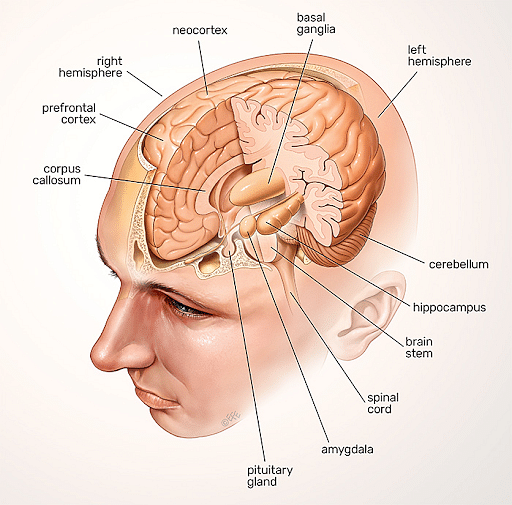
Central Nervous System
- Skin
Norepinephrine is produced by Merkel cells which belong to the somatosensory system due to which the afferent sensory neuron is activated.
Norepinephrine: Disease and Disorders
[Click Here for Sample Questions]
Dysfunction of the norepinephrine system in the body leads to a lot of medical problems. The major problems are as follows:
- Sympathetic Hyperactivation
This involves the hyperactivation of the norepinephrine system which occurs normally after taking sympathomimetic drugs. Its symptoms are - high heart rate, aches and pain, increased blood pressure, sweatiness, aggression, anxiety etc. In severe conditions, this can even lead to weight loss.
- Pheochromocytoma
It is a rare kind of tumour of the adrenal medulla. It is caused genetically or to the people suffering from certain types of cancer. It leads to a massive increase in the amount of norepinephrine and epinephrine in the blood. The symptoms of this disorder are mostly the same as that of sympathetic hyperactivation but in this case, increasing blood pressure can lead to serious medical conditions.
- Stress
Stress is a mental condition that affects the stability of the body and its functions. Stress affects many parts of the body system. The most activated system in the body due to stress is the norepinephrine system and hypothalamic pituitary adrenal axis.
Stressors of any type lead to an increase in noradrenergic activities. This accommodates the body for threatful or aggressive situations. Chronic stress can also lead to permanent damage to the brain. The consequences of stress are slow growth in children, sleeplessness, depression, etc.

Stress
Check More
Epinephrine and Norepinephrine
[Click Here for Sample Questions]
Epinephrine and Norepinephrine are two neurotransmitters that also function as hormones in the body. Both of these chemicals are almost identical. These belong to the catecholamine family, which contains a catechol group attached to the amine group. It is important for the body to have only the required amount of these chemicals. Too much more or too much less of them will lead to the dysfunction of many parts of the body. Epinephrine activates both alpha and beta receptors, whereas norepinephrine only activates alpha receptors.
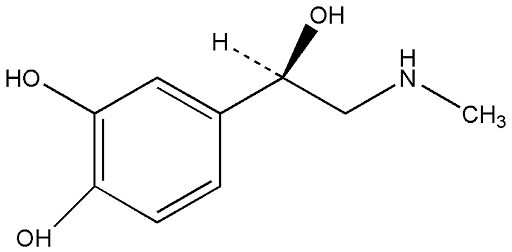
Structure of Epinephrine
Function of Epinephrine
[Click Here for Sample Questions]
Epinephrine is commonly known as adrenaline. It plays an important role in the body like-
- Increases blood sugar levels in the body
- Increases heartbeat
- Improves contractility
- Improves ventilation, smooth muscles in airways are relaxed
All these in some ways provide energy to the body. Our body produces a huge amount of epinephrine when being nervous or scared. The famous adrenaline rush is triggered in this way.
Things to Remember
- Norepinephrine (NE), also called noradrenaline is a chemical that works as both hormone and neurotransmitter and helps in the functioning of the brain and body.
- The name “Norepinephrine” is a Latin word that means “alongside kidneys”
- Norepinephrine has been classified into two major categories - alpha and beta-adrenergic receptors.
- The transfer of norepinephrine from the cytosol to synaptic vesicles is done by vesicular monoamine transporter(VMAT).
- Norepinephrine is produced by Merkel cells which belong to the somatosensory system.
- Stress is a mental condition that affects the stability of the body and its functions.
- Epinephrine activates both alpha and beta receptors, whereas norepinephrine only activates alpha receptors
Sample Questions
Ques. What kind of food affects the level of norepinephrine in the body? (3 Marks)
Ans. There are certain types of food that increase the amount of norepinephrine in the body. Food containing a high amount of tyrosine such as almonds, bananas, avocados, dairy products, etc increases norepinephrine in the body. Protein increases the amount of dopamine and norepinephrine in the brain. Meat, fish, chicken, eggs, etc are some foods that are linked to the number of neurotransmitters in the body.
Ques. Write some uses of Noradrenaline. (3 Marks)
Ans. A variety of medical drugs work by altering the Noradrenergic systems. Noradrenaline is a widely used injectable drug for the treatment of low blood pressure. Beta-blockers are substances that inhibit the effect of noradrenaline by binding to its receptors. It is frequently used to treat glaucoma, migraine and a lot of cardiovascular disorders. Numerous psychiatric drugs exert strong effects on noradrenaline systems in the brain, thus, resulting in side effects that may be helpful or harmful.
Ques. How does norepinephrine affect the organs in the body? (3 Marks)
Ans. The effect of norepinephrine on every kind of organ is to modify its state in some way that makes it more conducive to active body movement, even at a cost of increased energy use. It is contrasted to the acetylcholine-mediated effects of the parasympathetic nervous system, which modifies most of the same organs into a state more conducive to rest, recovery, and digestion of food, and usually less costly in terms of energy expenditure.
Ques. What are the functions of norepinephrine? (5 Marks)
Ans. Norepinephrine exerts its effect after binding to the alpha and beta-adrenergic receptor sites. In the blood vessels, it triggers vasoconstriction which increases blood pressure. Blood pressure is also increased by norepinephrine because it increases the blood pumped into the heart. Norepinephrine also increases glucose levels in the body and also the level of fatty acids.
Norepinephrine is also found to influence some types of immune cells. Norepinephrine activity is inhibited through inactivation by the enzymes such as catechol-O-methyltransferase (COMT) or a monoamine oxidase (MAO), by reuptake into nerve endings, or by diffusion from binding sites. Norepinephrine which diffuses away from nerve endings can also act on adrenergic receptors at distant sites.
Ques. Why is Norepinephrine called an emergency hormone? (3 Marks)
Ans. Norepinephrine is secreted rapidly in response to stress of any kind and during emergency situations and is thus called emergency hormones or hormones of Fight or Flight. Thus, it increases alertness, pupillary dilation, piloerection (raising of hairs), sweating etc. It also increases the heartbeat by strengthening heart contraction and the rate of respiration.
Ques. Give any three sympathetic effects of Norepinephrine. (3 Marks)
Ans. The sympathetic effects of Norepinephrine are as follows:
- It helps to increase the amount of pumped blood into the heart.
- It constricts blood vessels in the arteries that leads to an increase in blood pressure.
- Has an important role in the increased production of glucagon in the pancreas.
Ques. Comment on the structure of norepinephrine. (3 Marks)
Ans. Norepinephrine belongs to the catecholamine and phenethylamine. Its structure is different from epinephrine in only a binding group. It has a methyl group attached to the nitrogen but the methyl group is replaced by hydrogen in norepinephrine.



Comments