




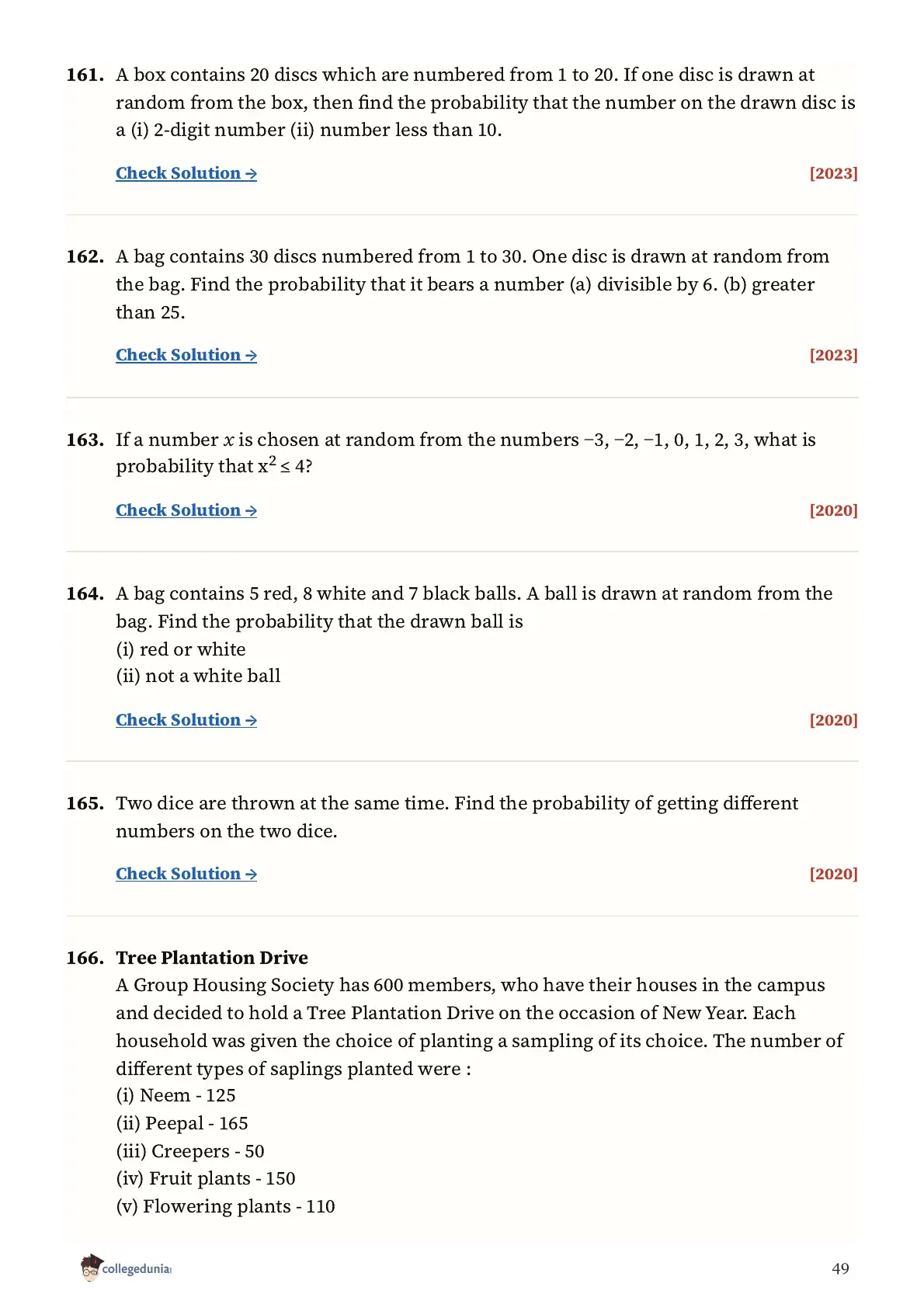
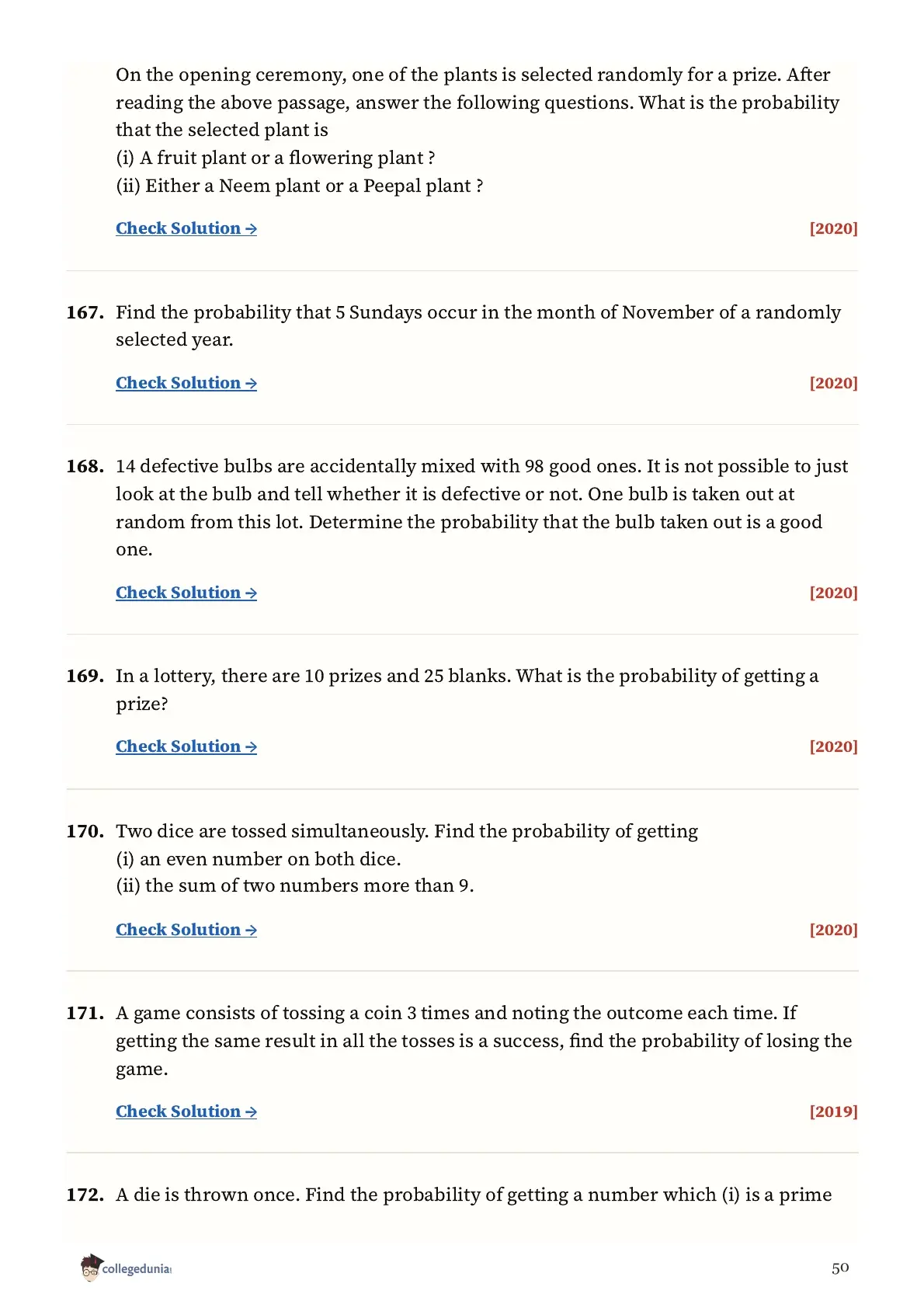
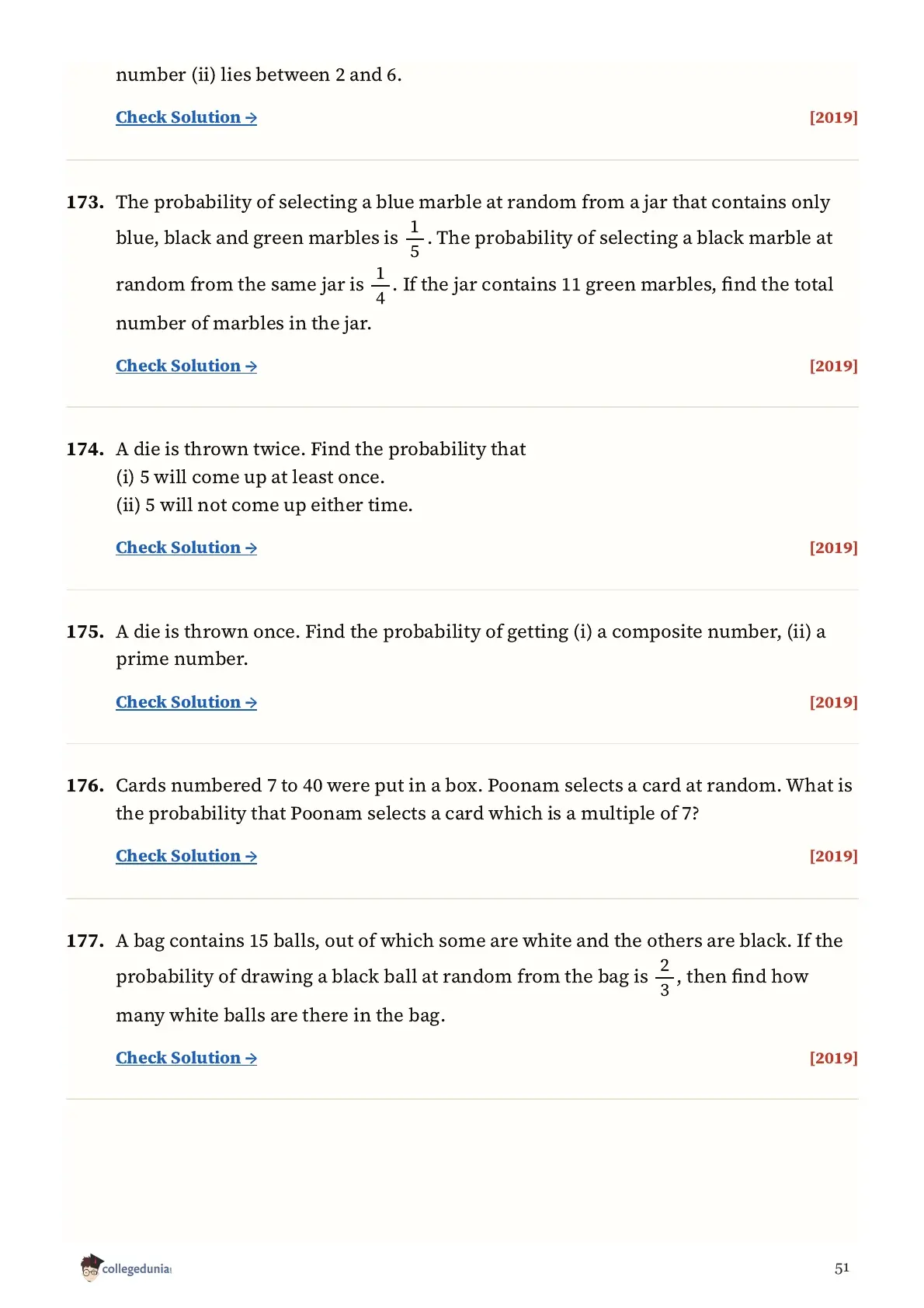
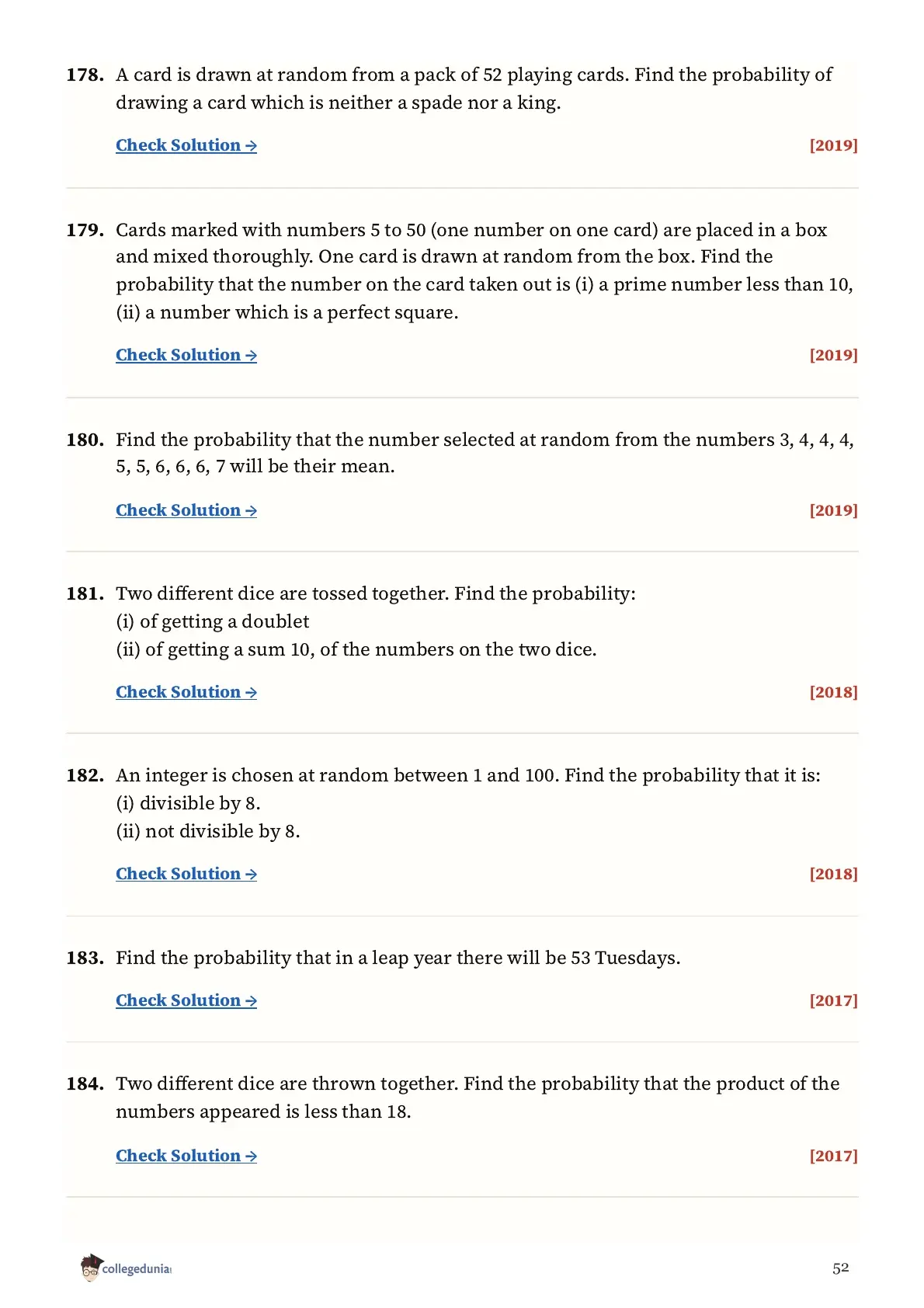
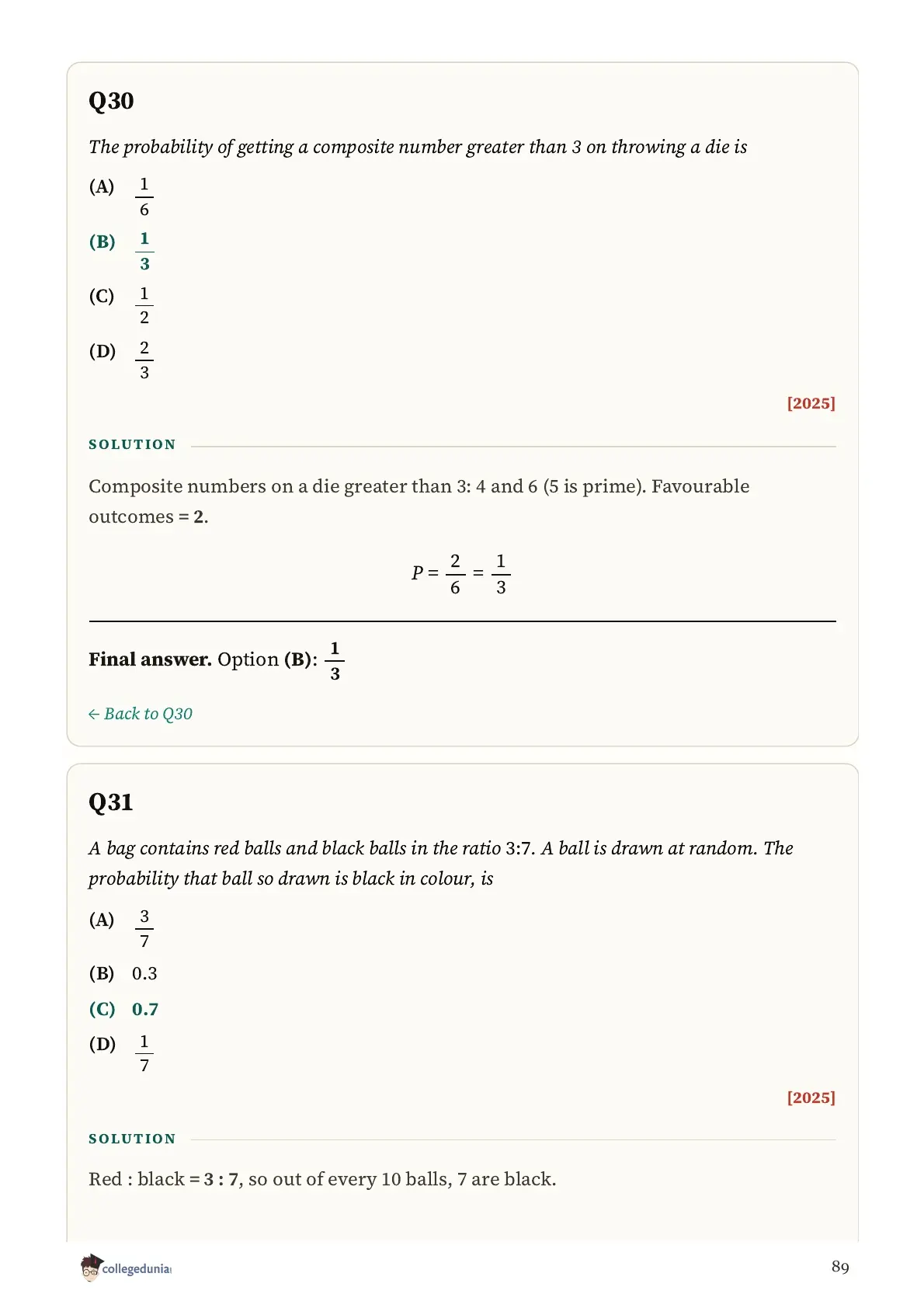
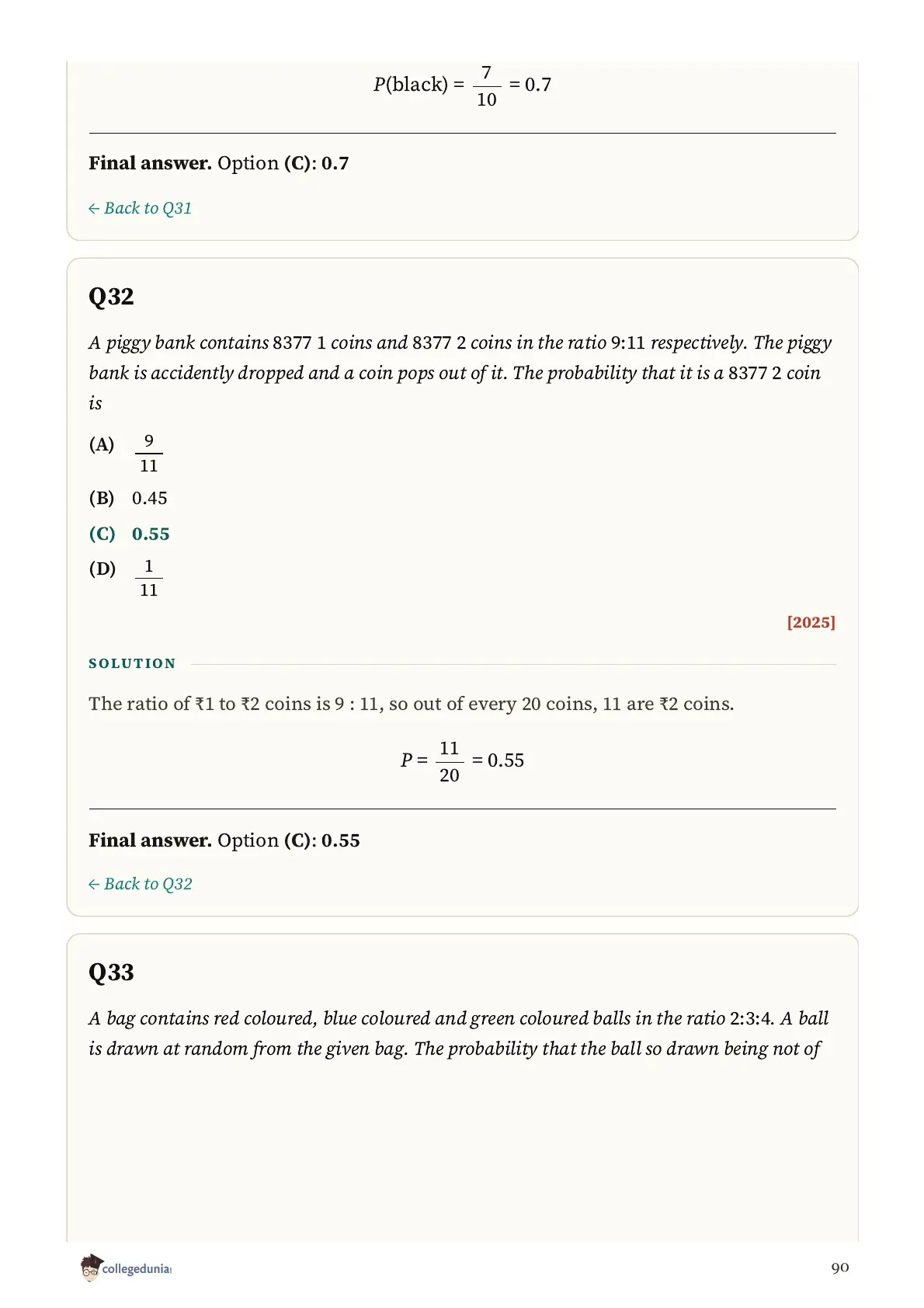
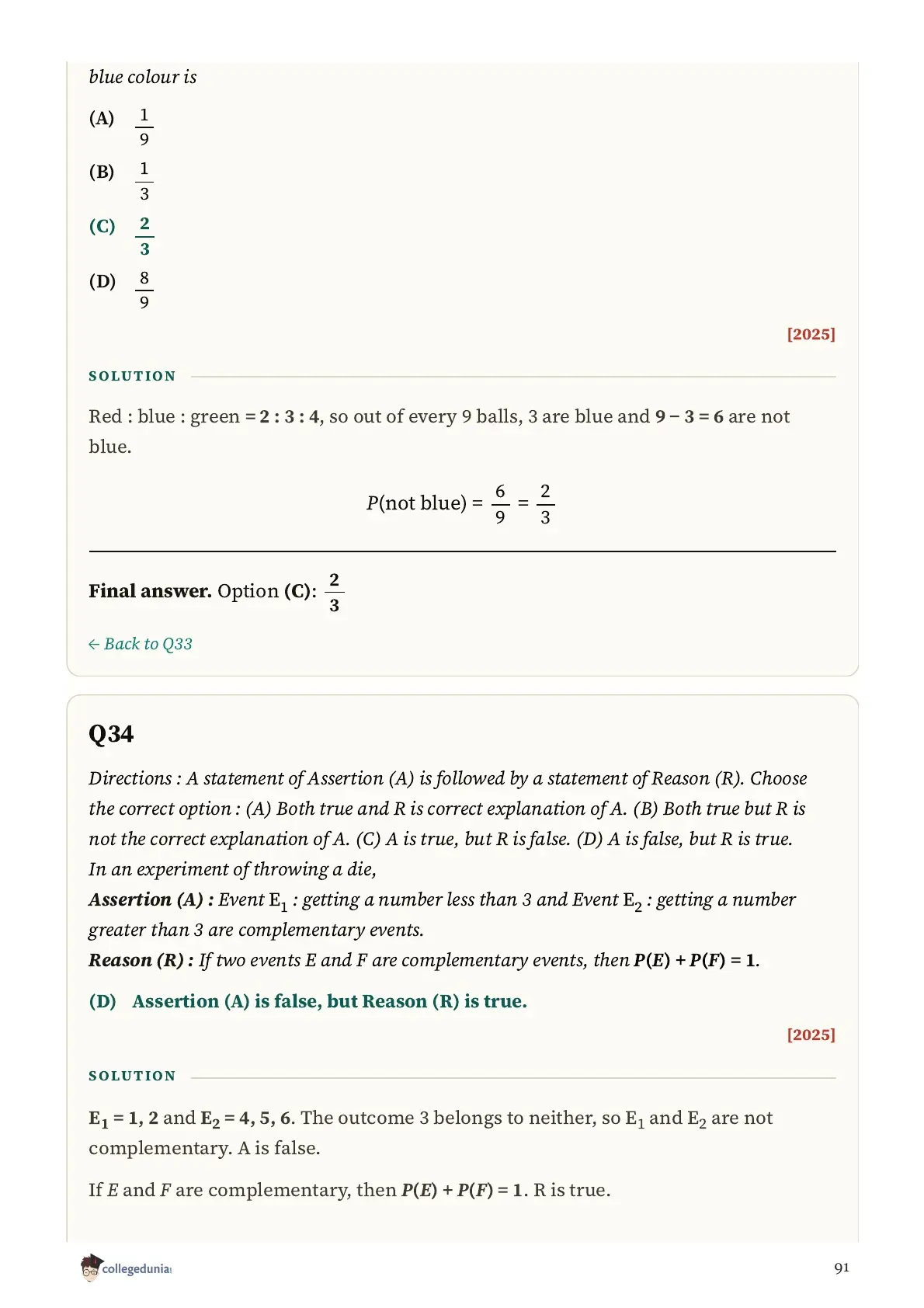
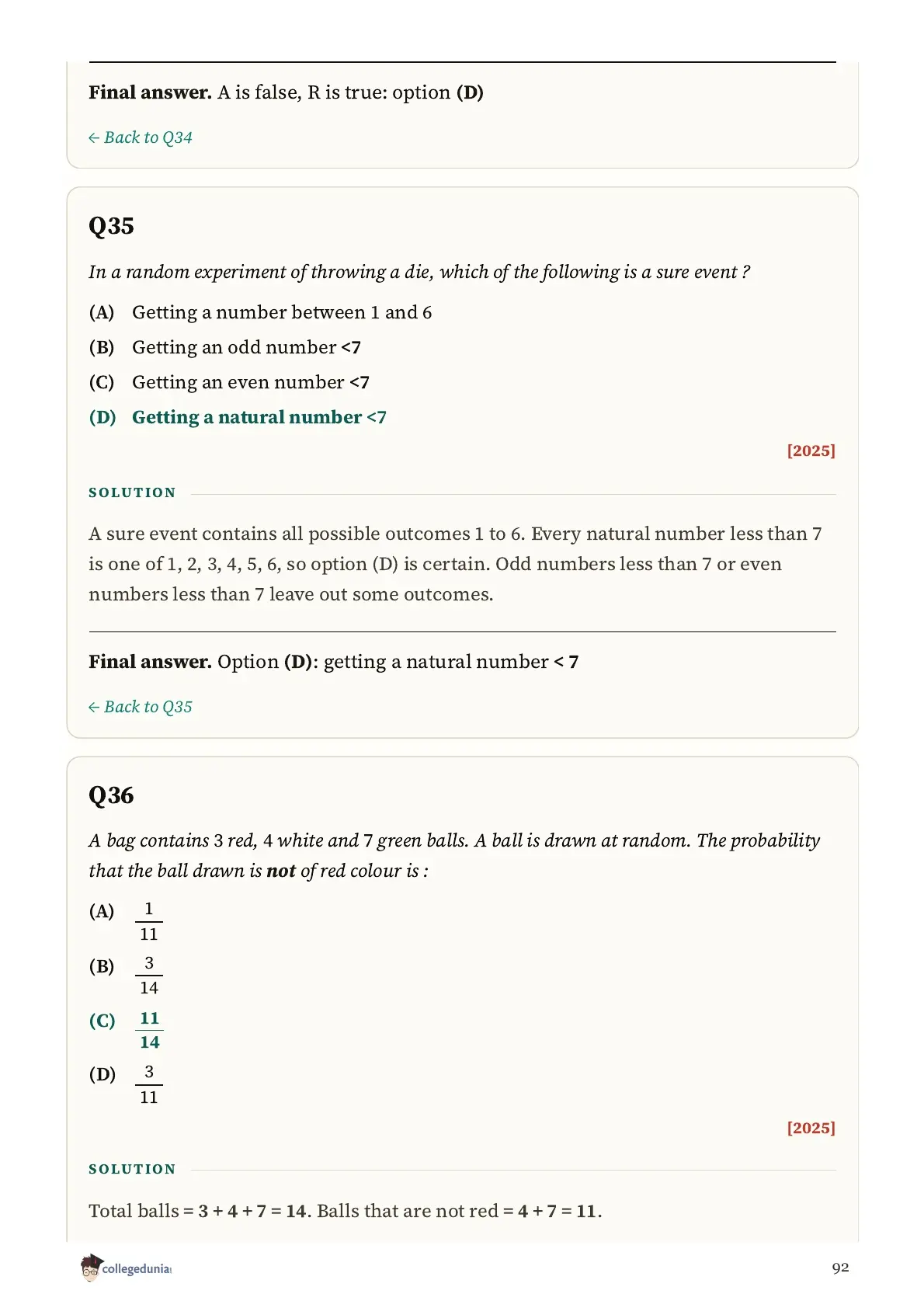
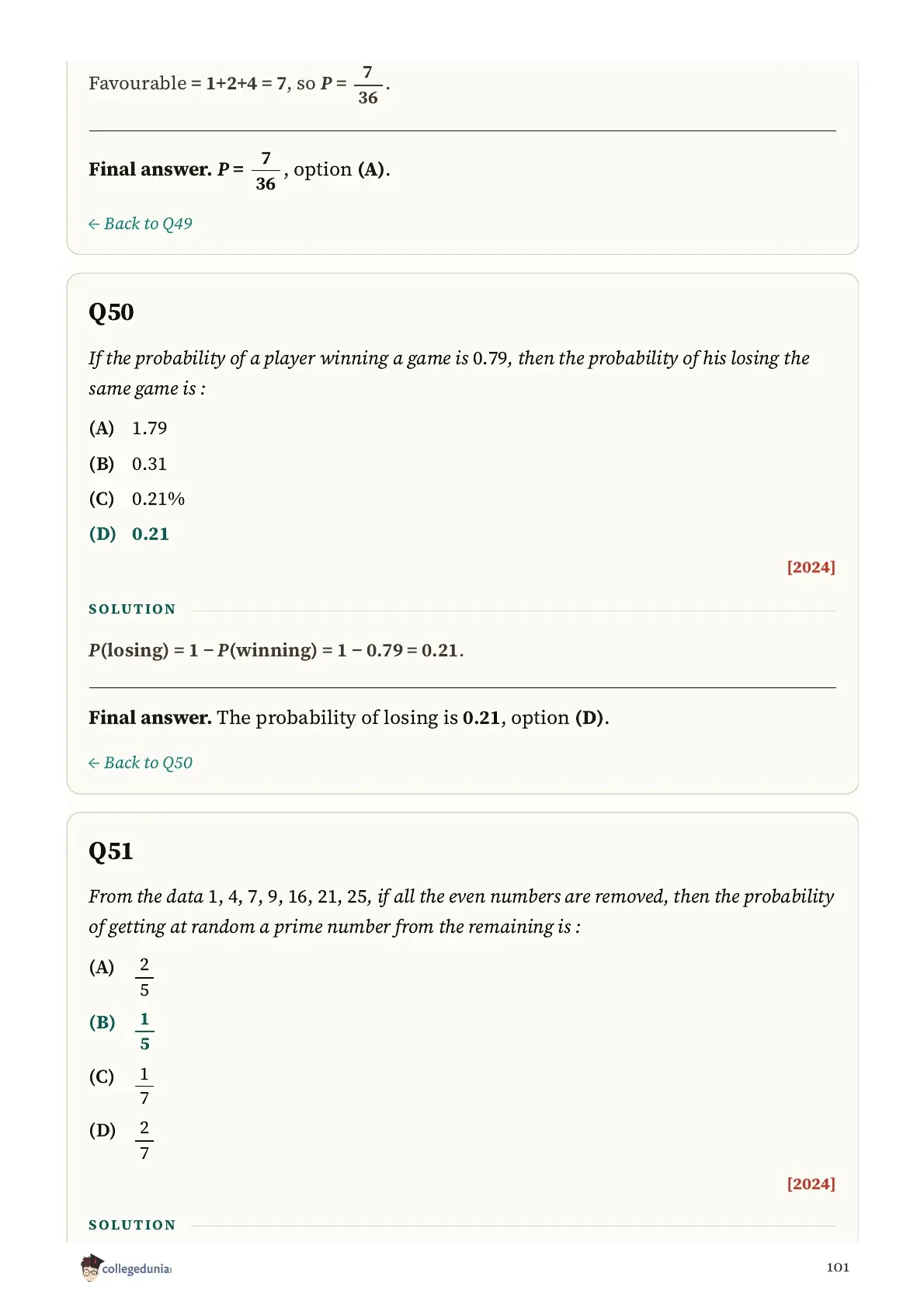
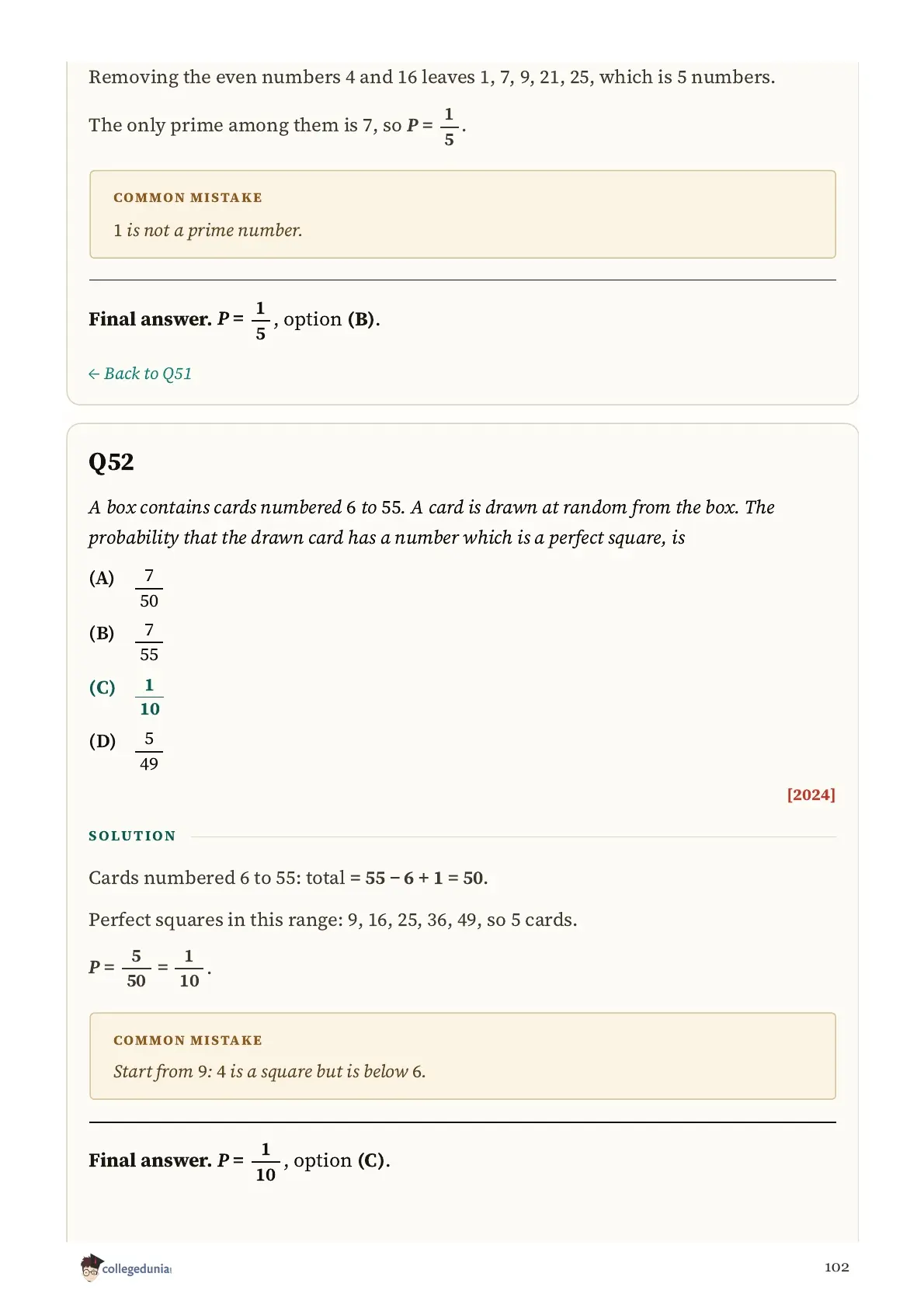
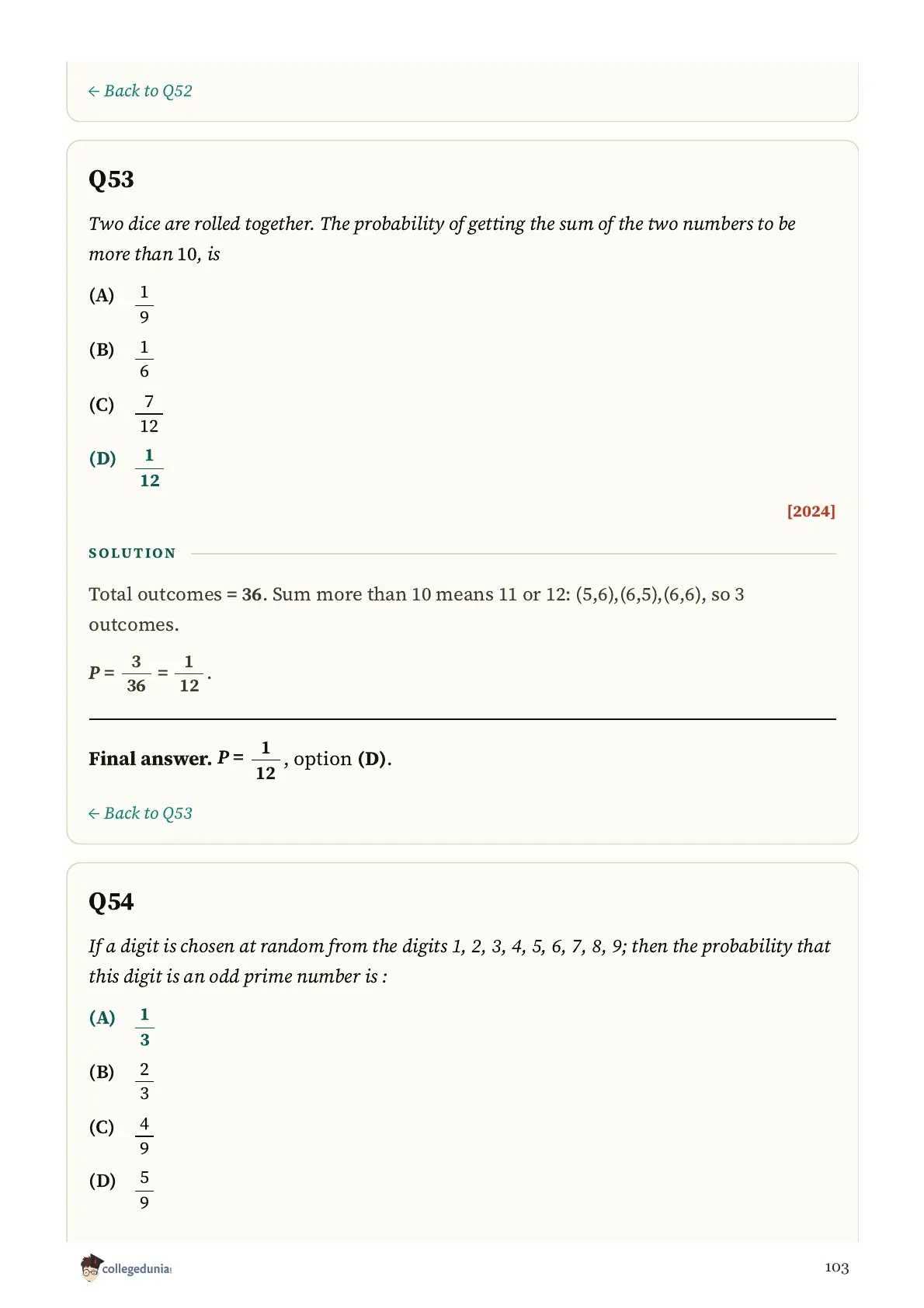
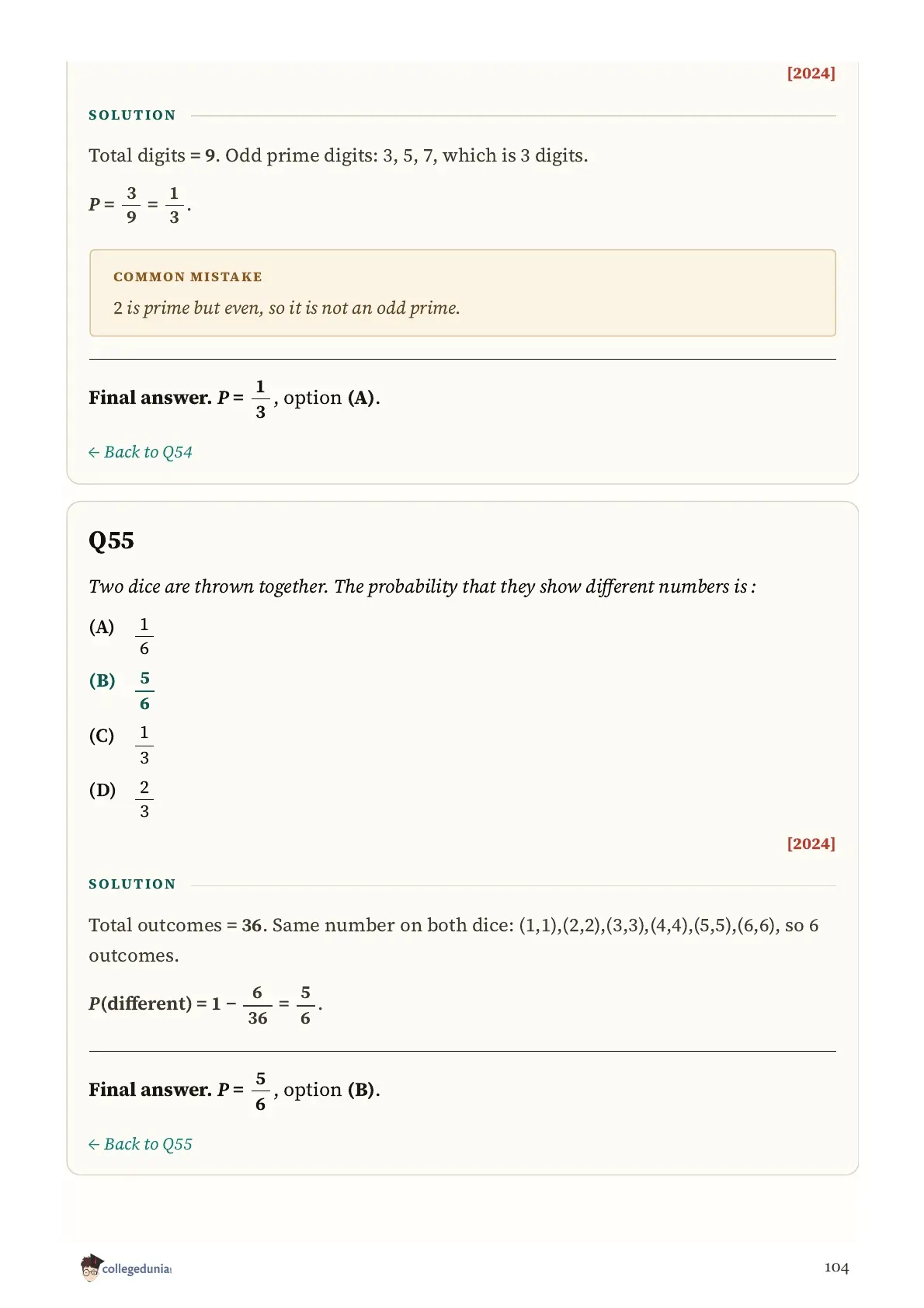
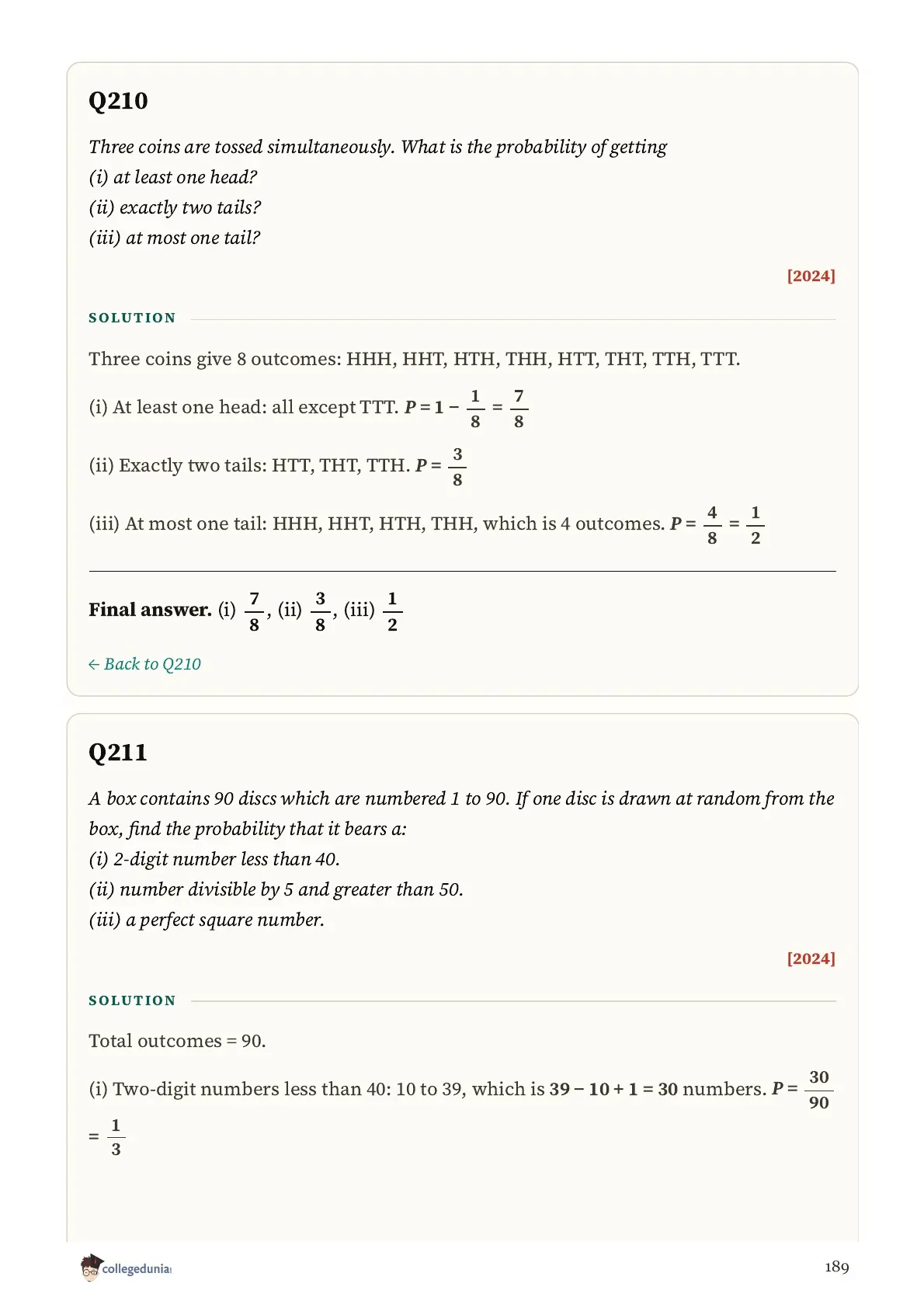
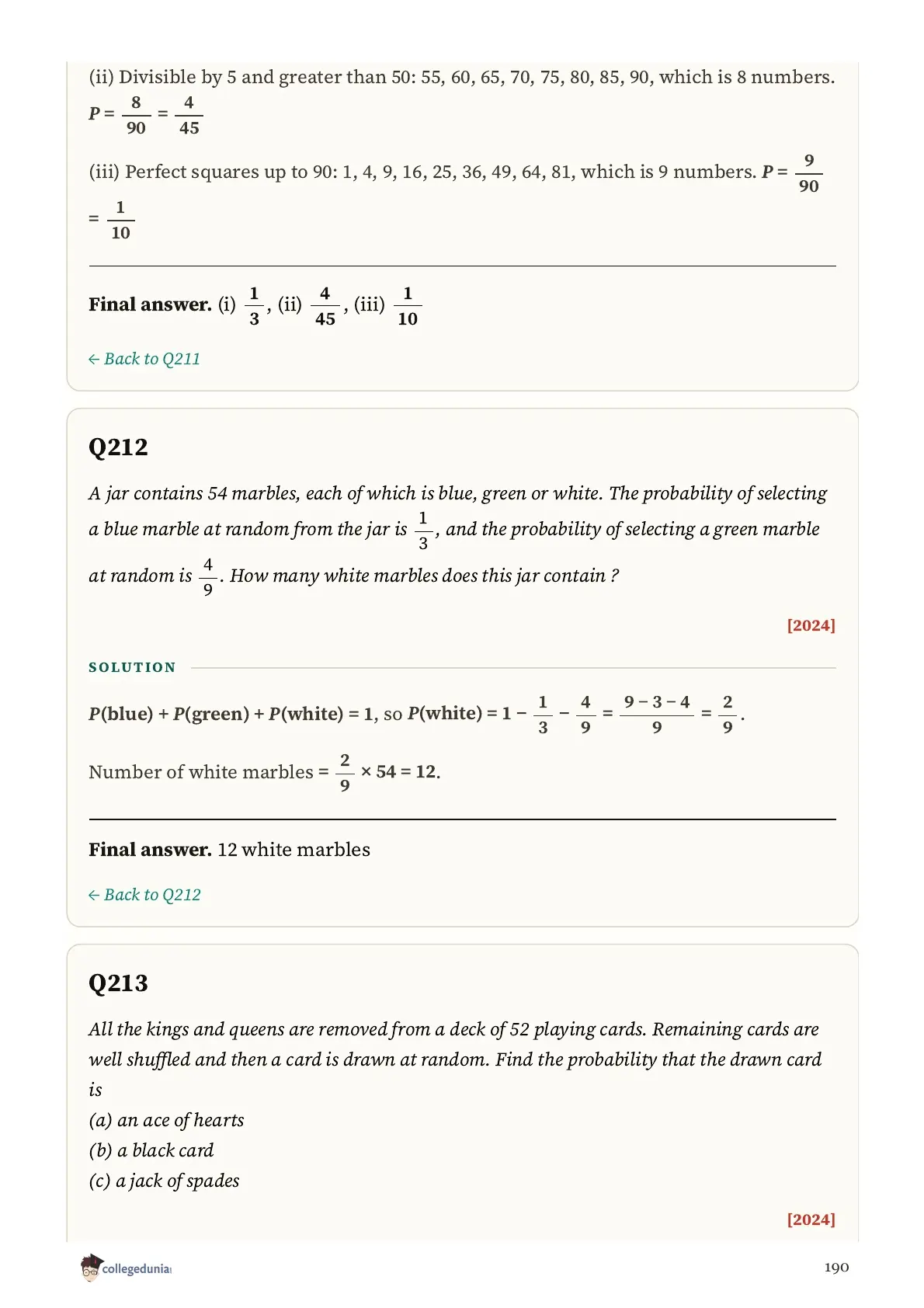
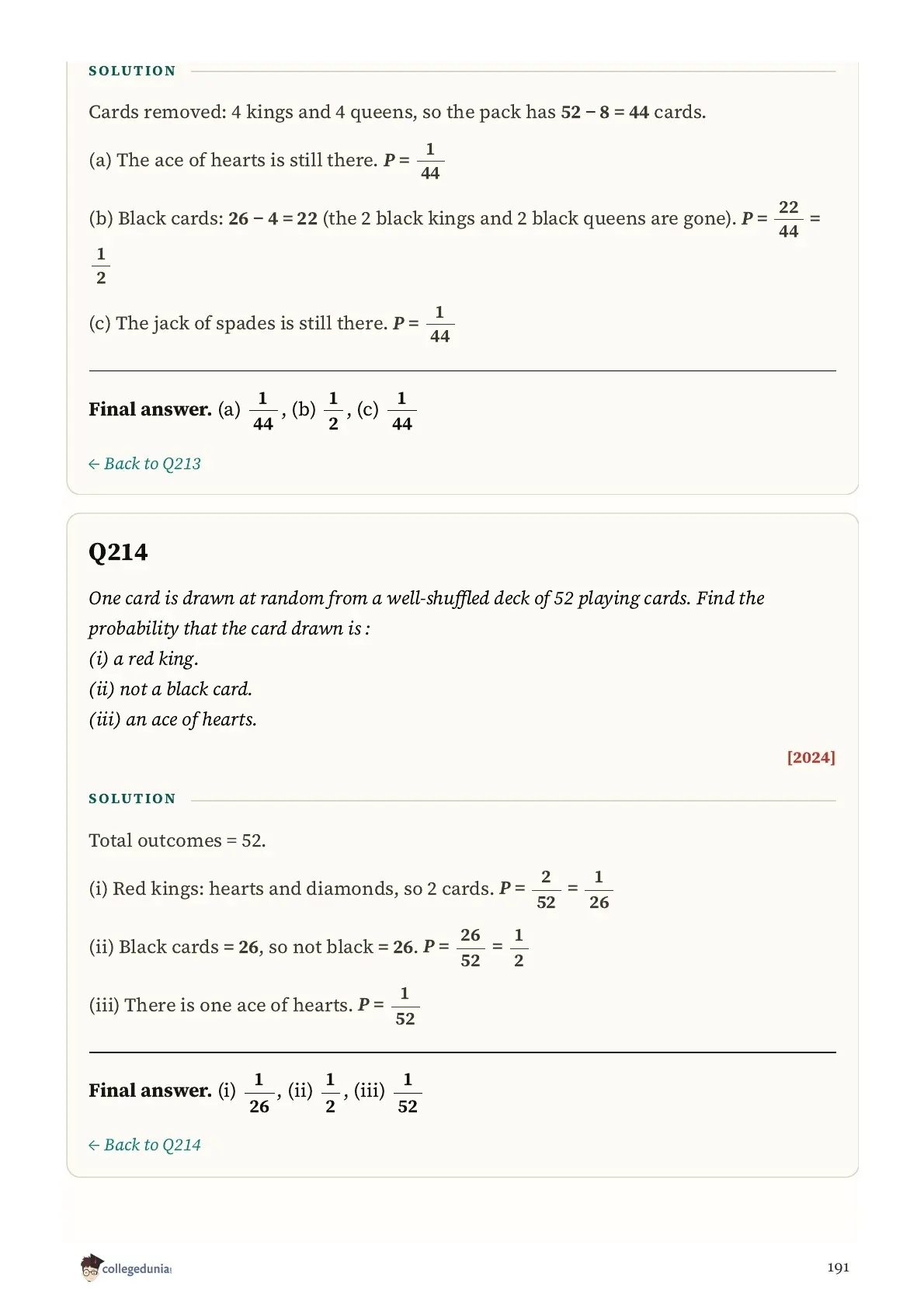
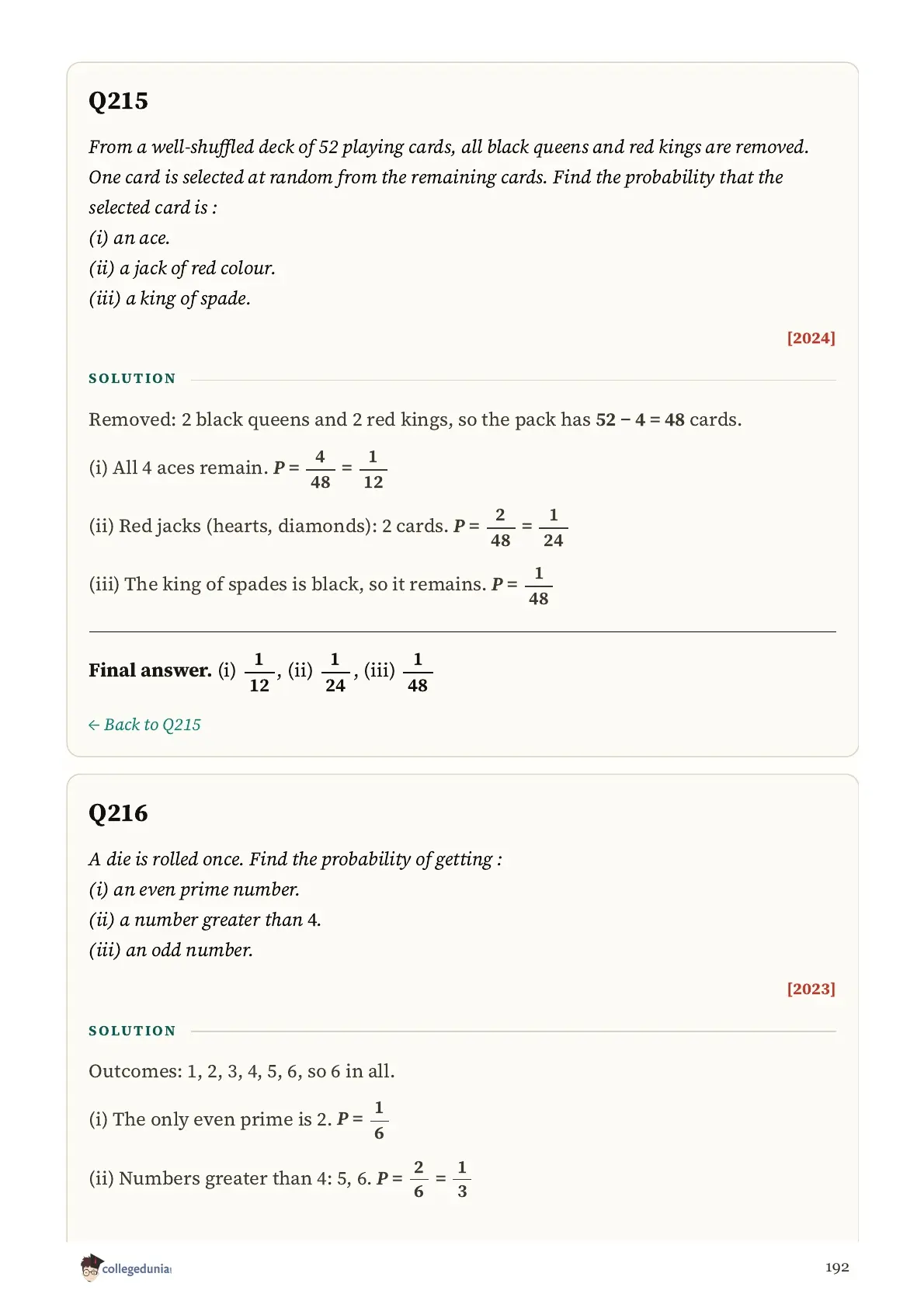
Class 10 Maths Probability PYQ, free to download as a 217-page PDF with 258 solved board questions from the 2003 to 2026 papers. Probability is Chapter 14 of the NCERT Class 10 Maths book and, with Statistics, forms the CBSE unit Statistics and Probability, which carries 11 of the 80 theory marks.
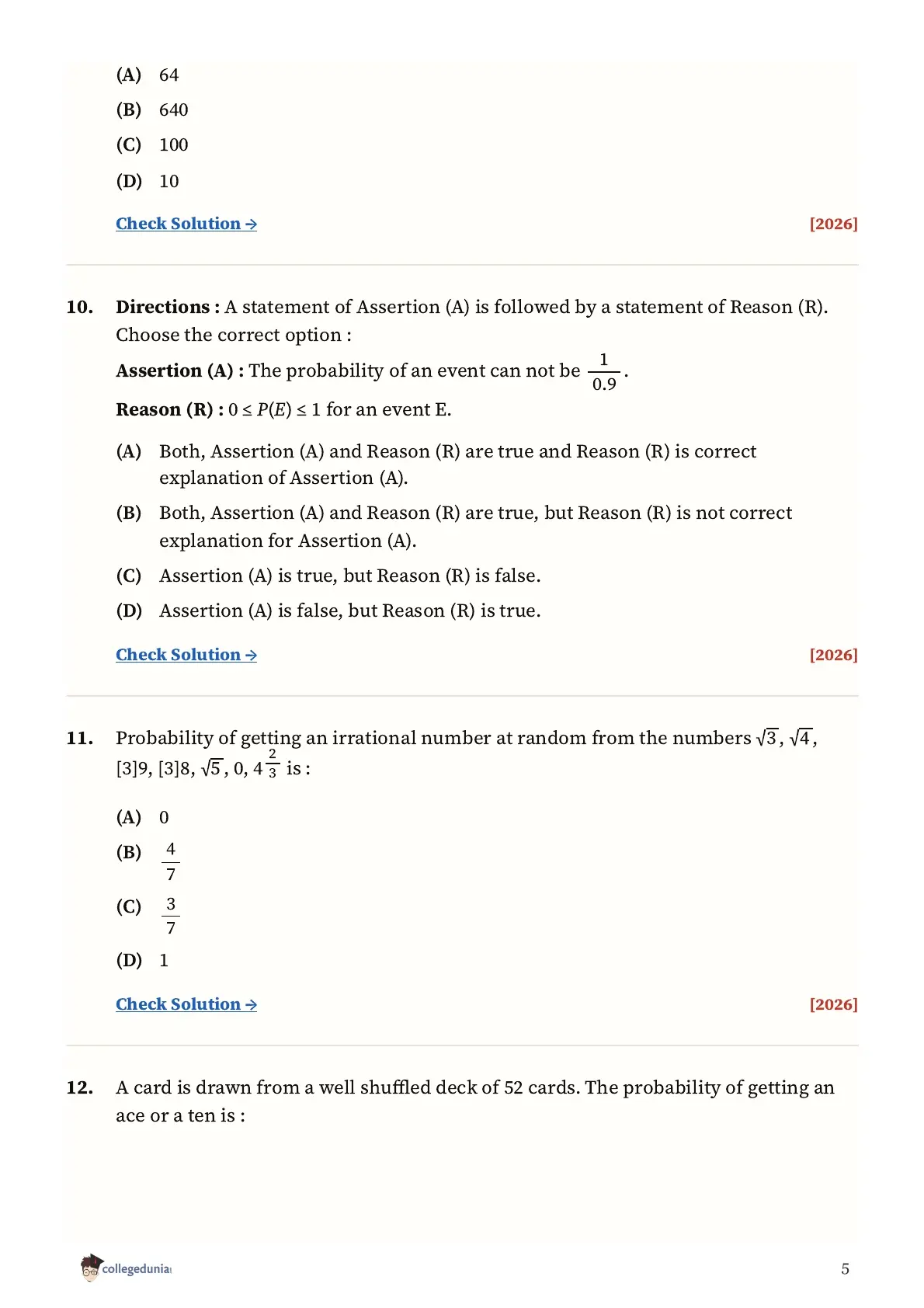
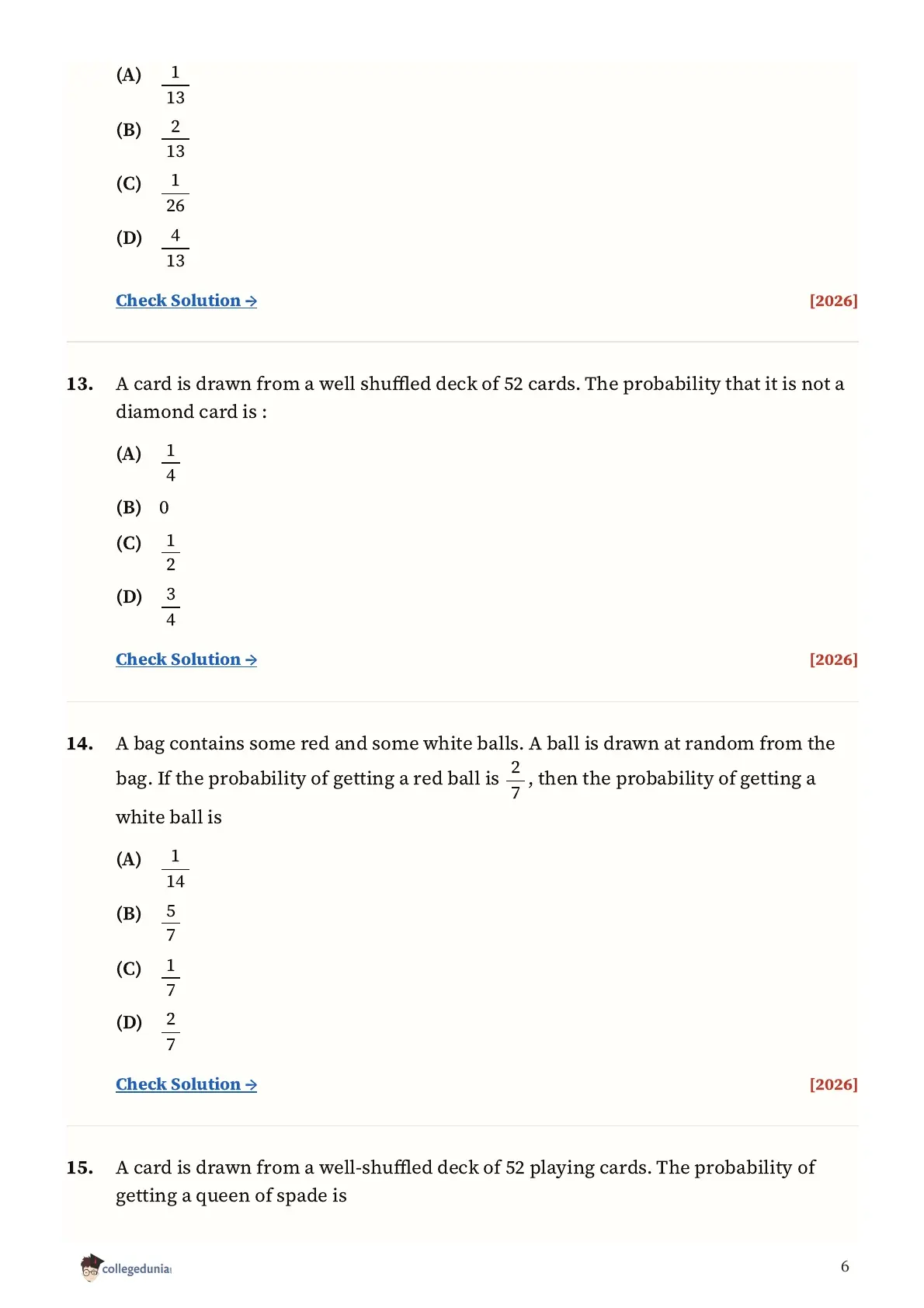
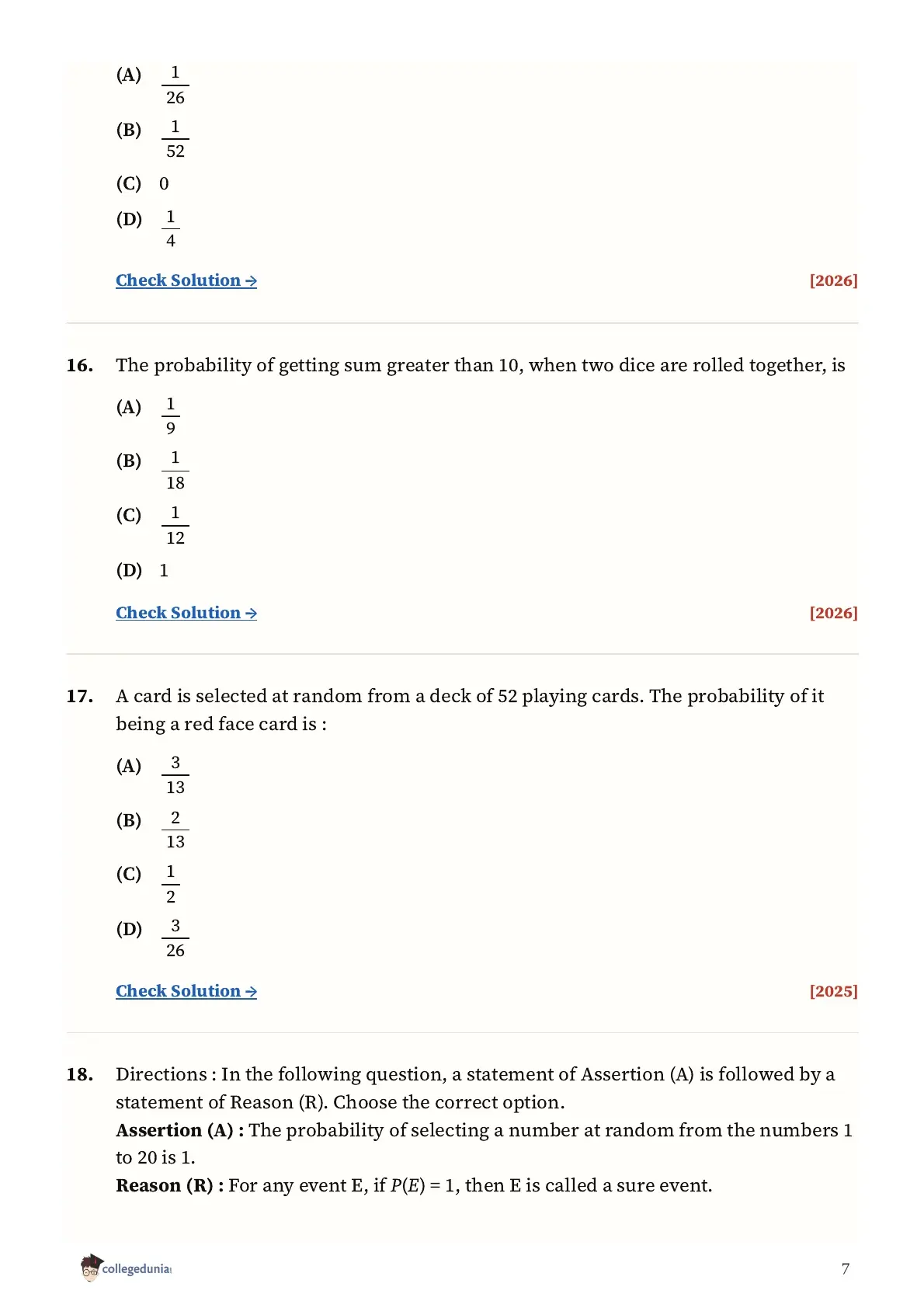
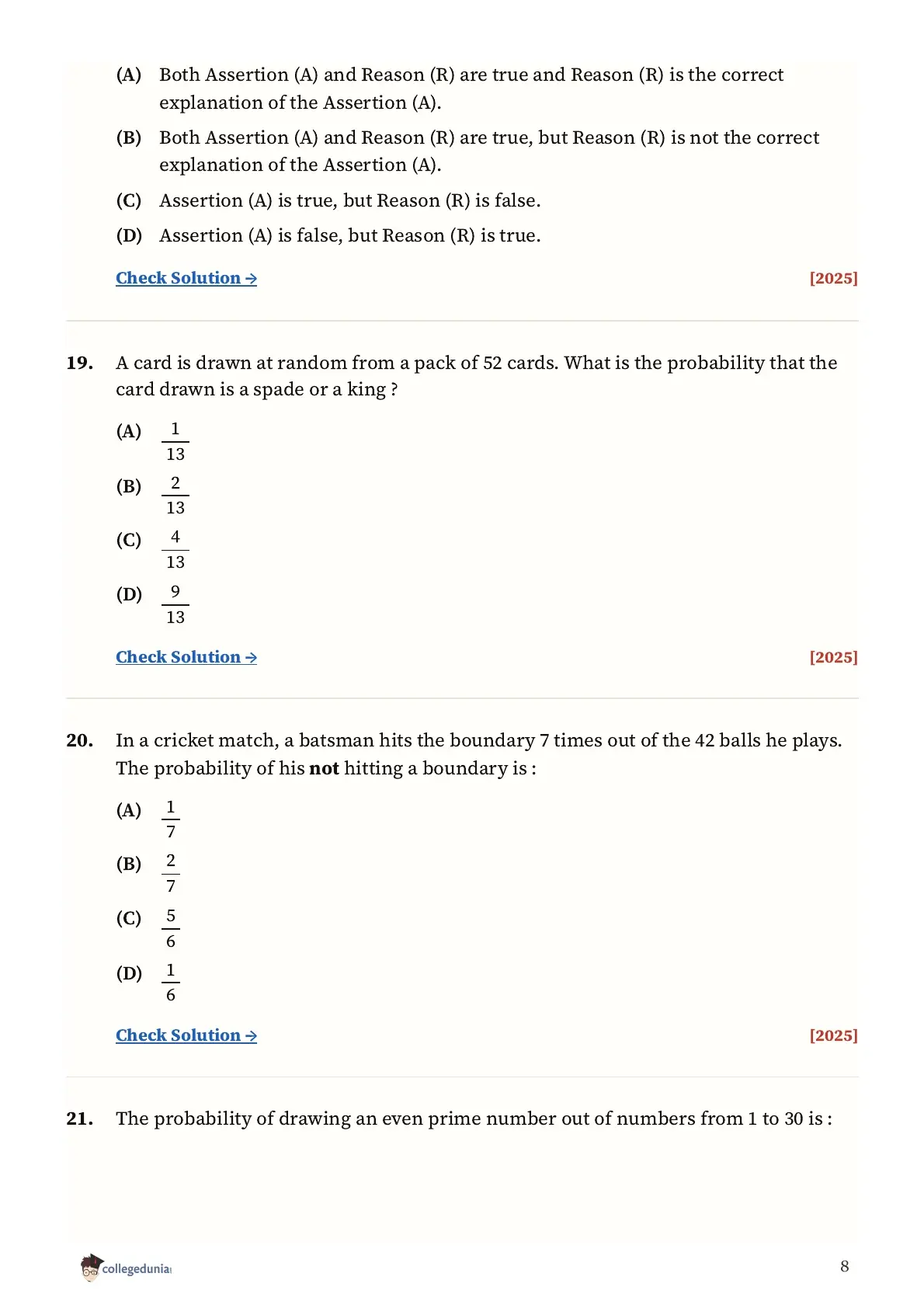
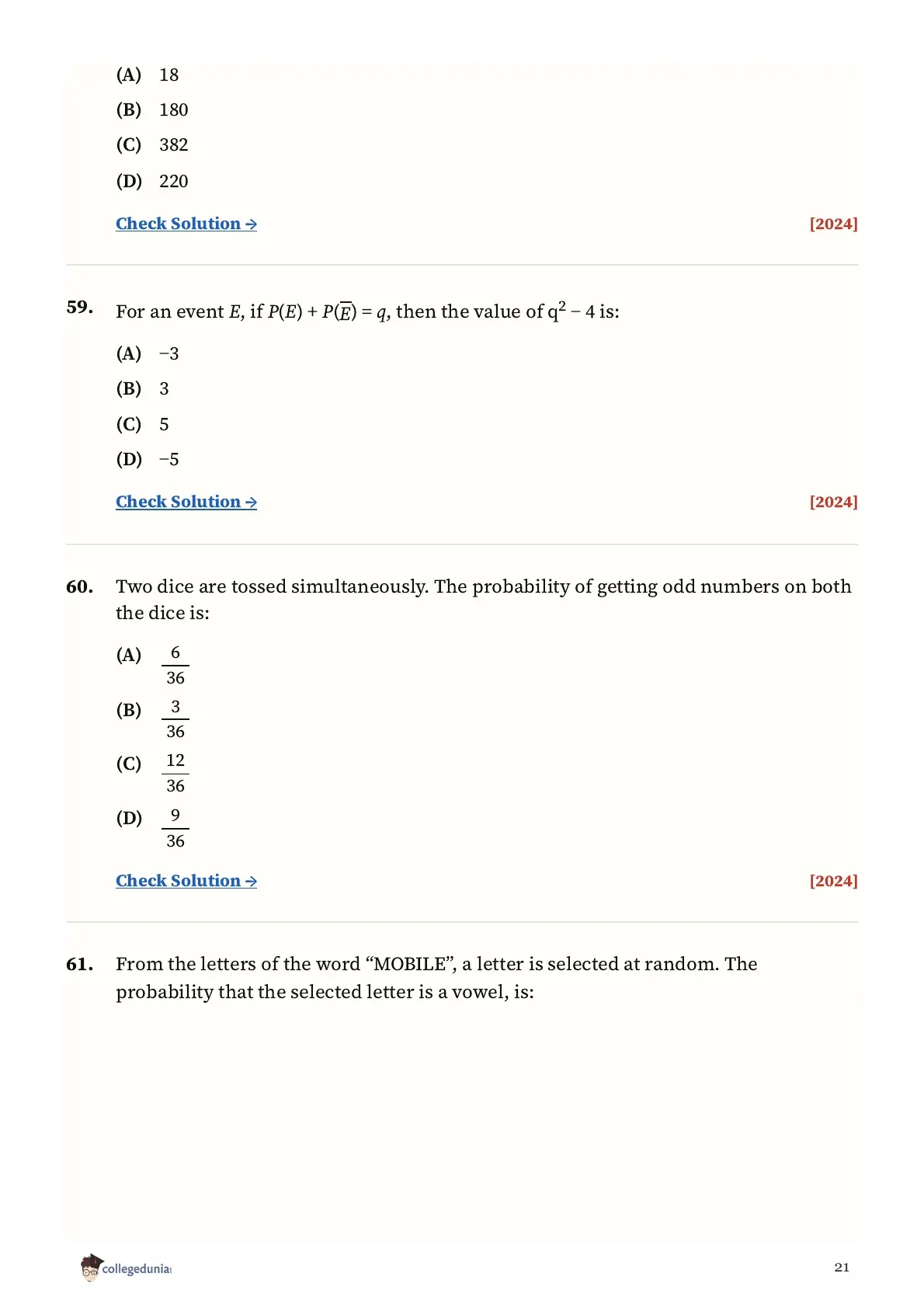
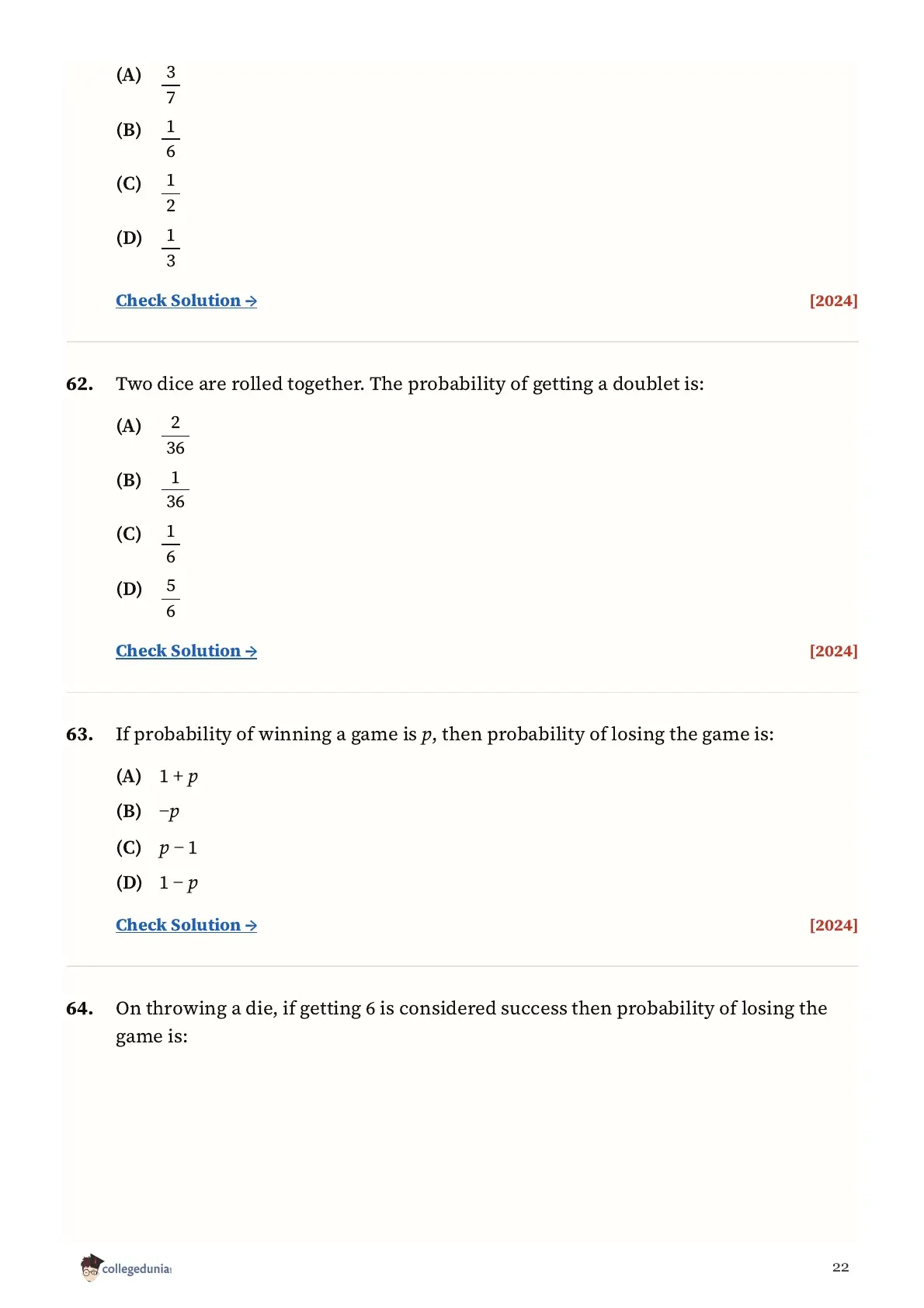
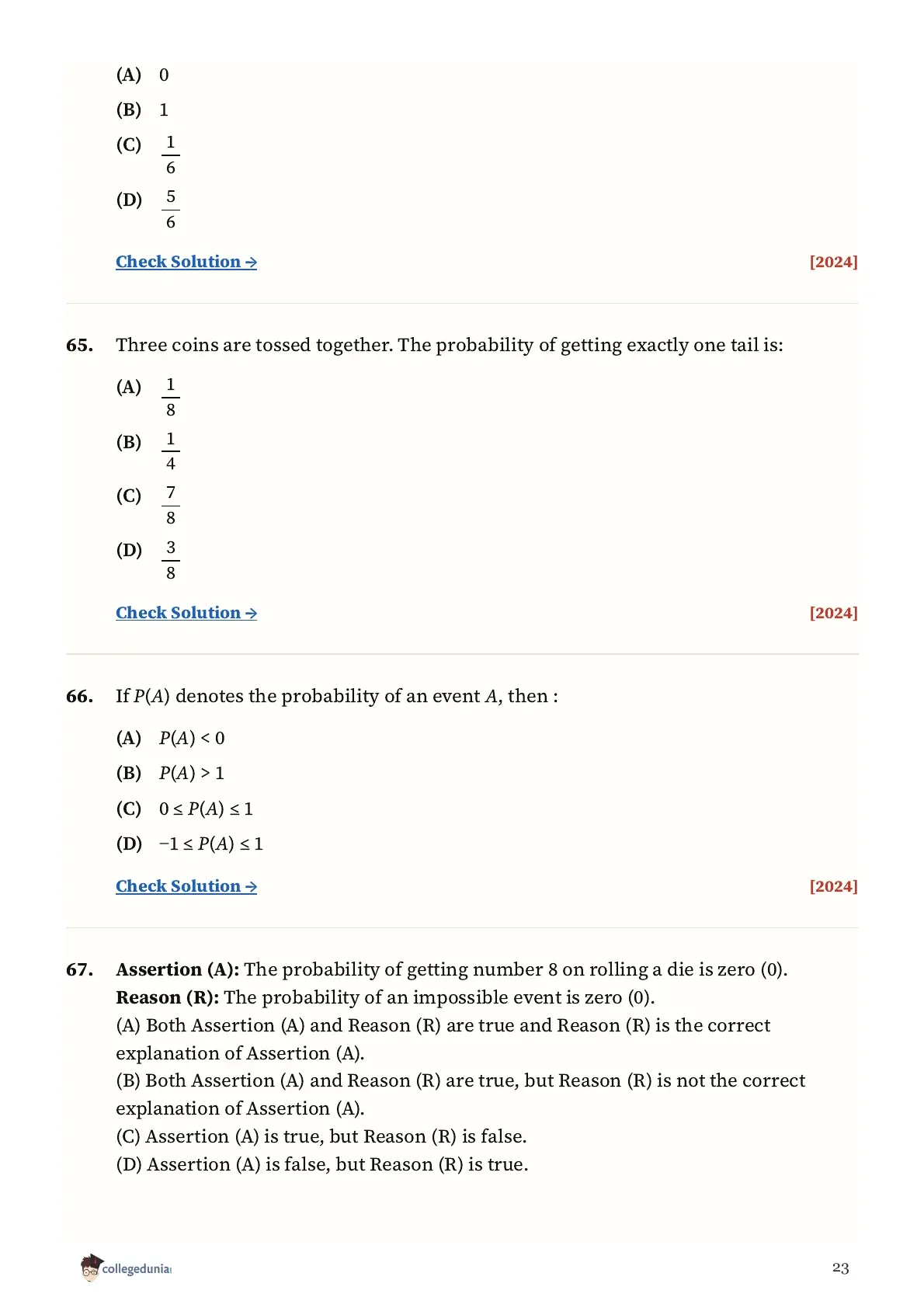
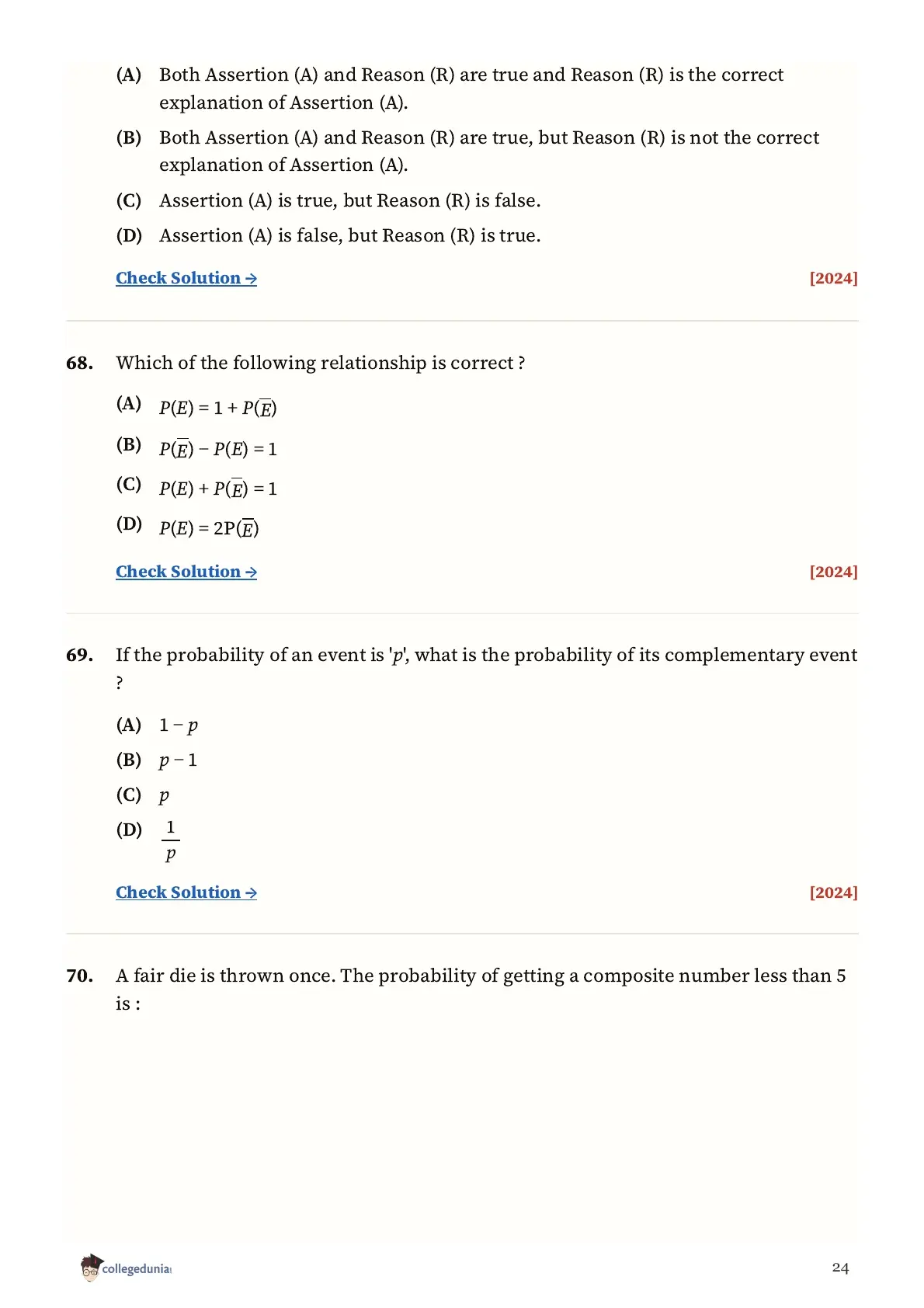
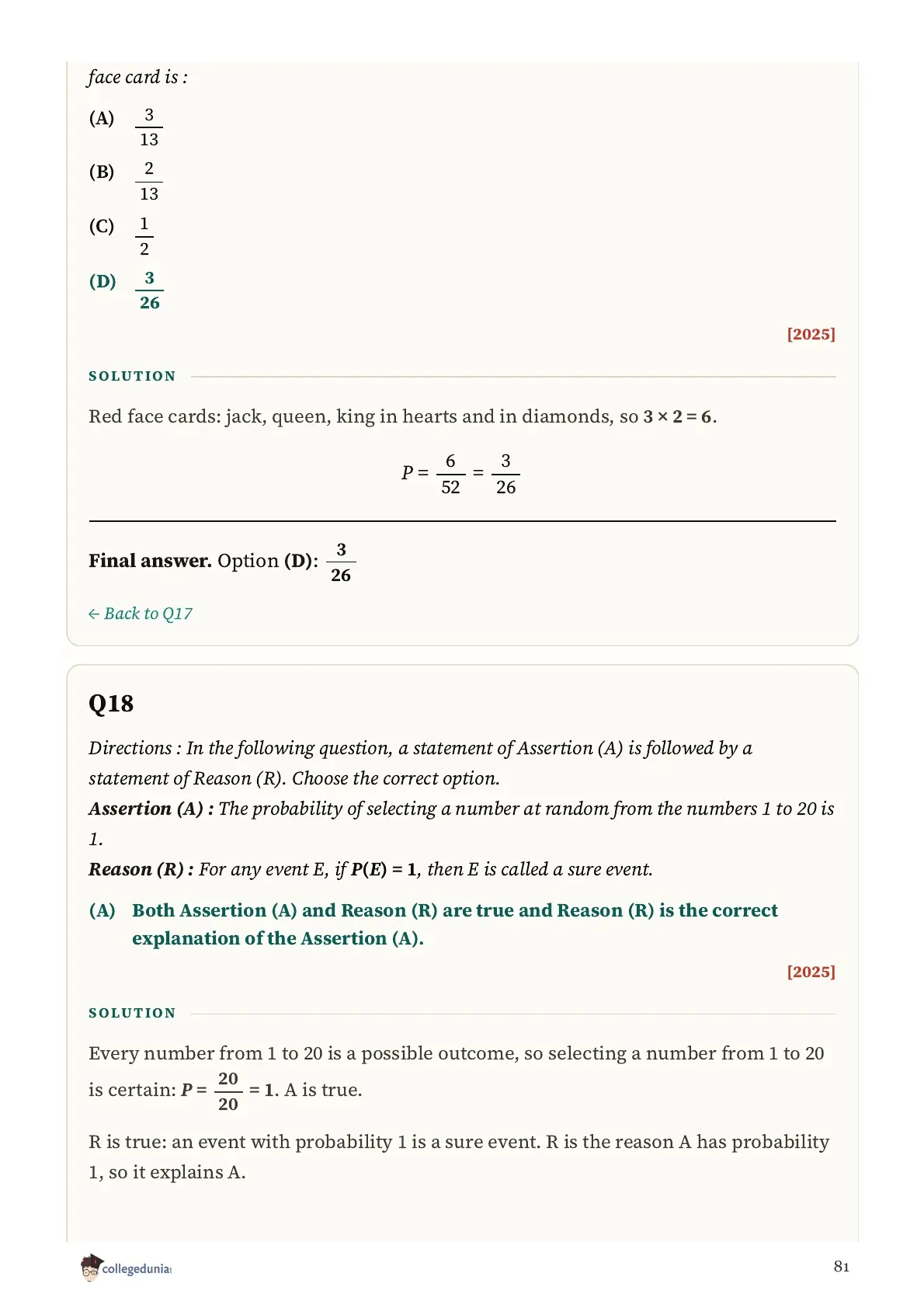
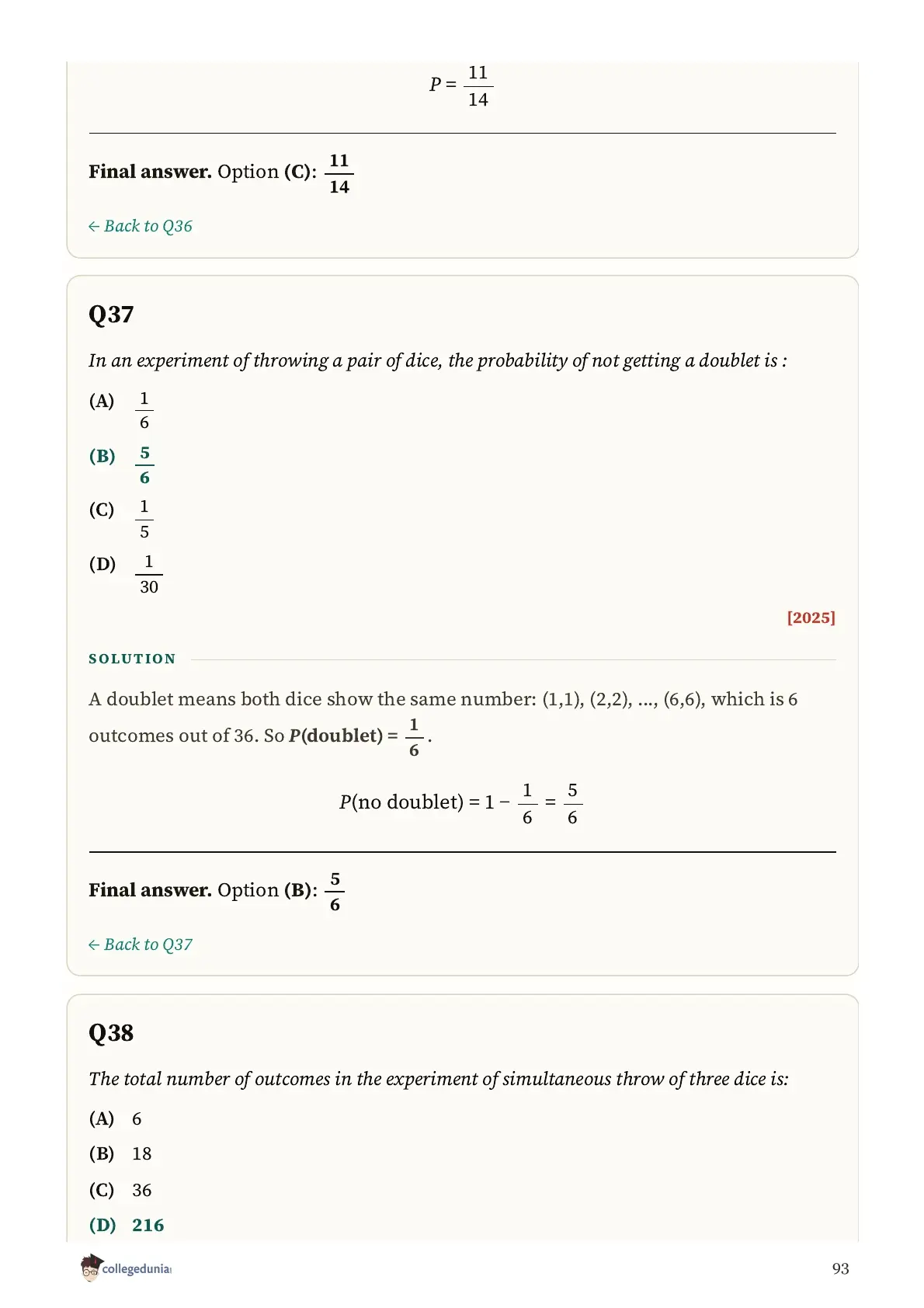
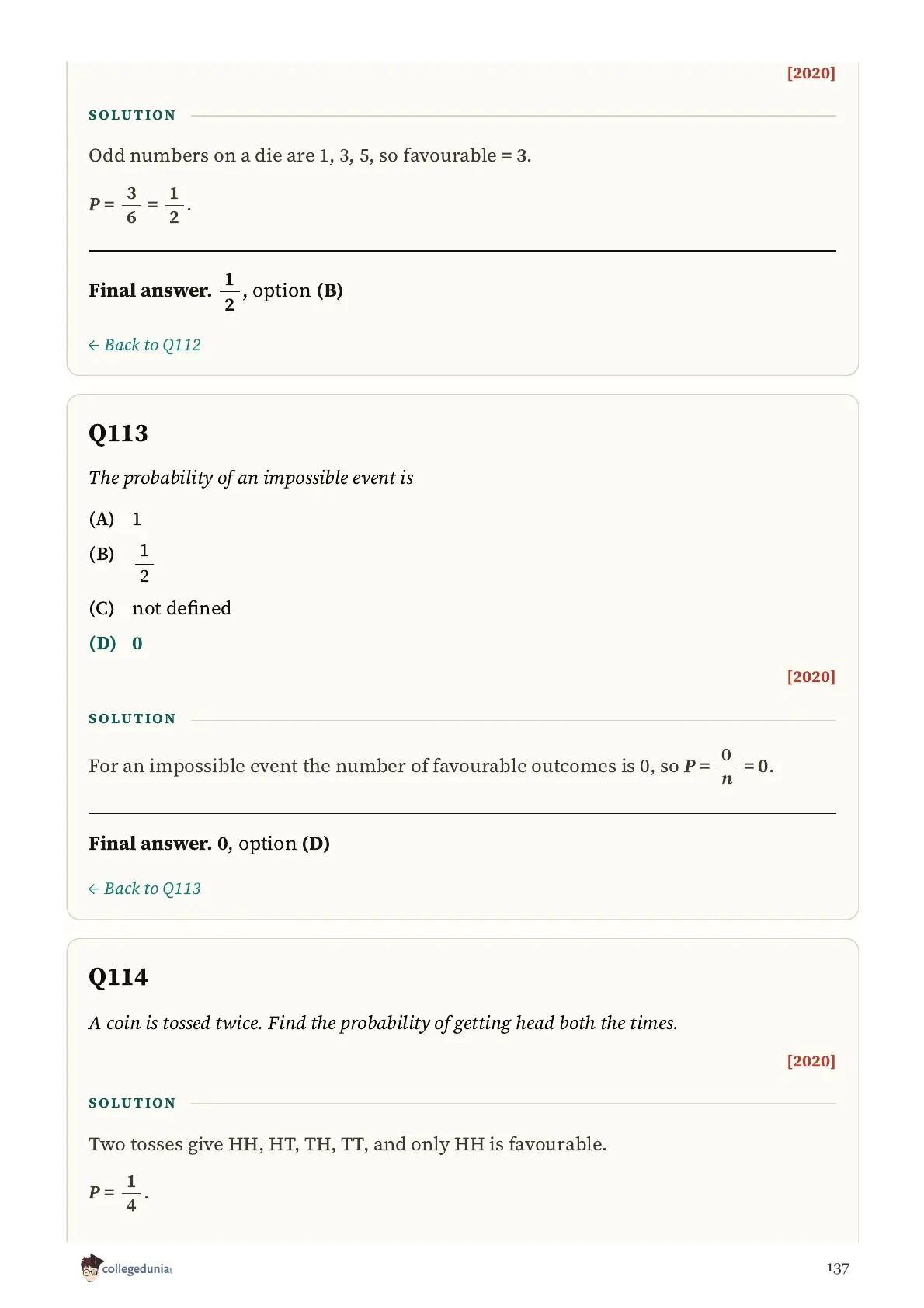
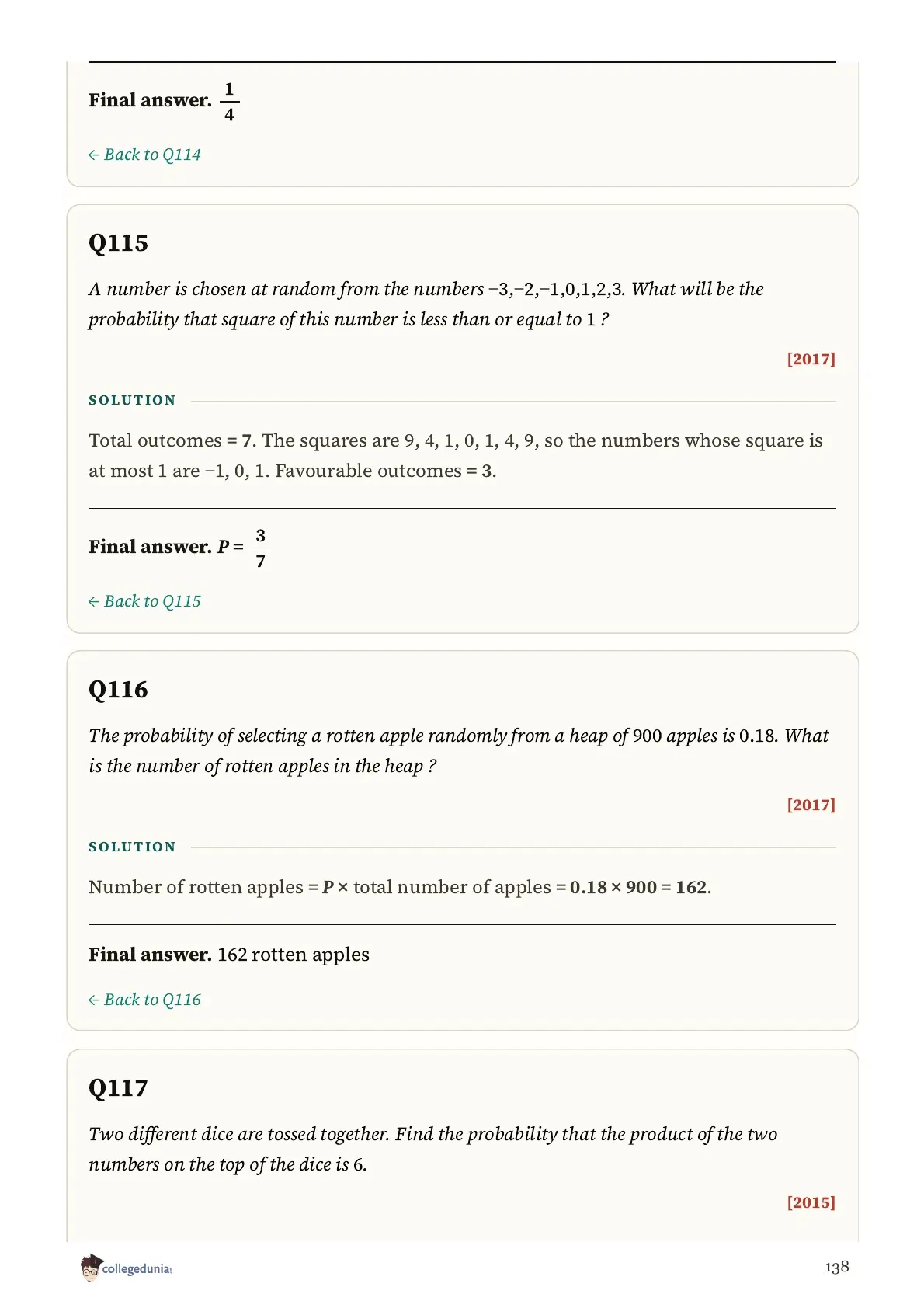
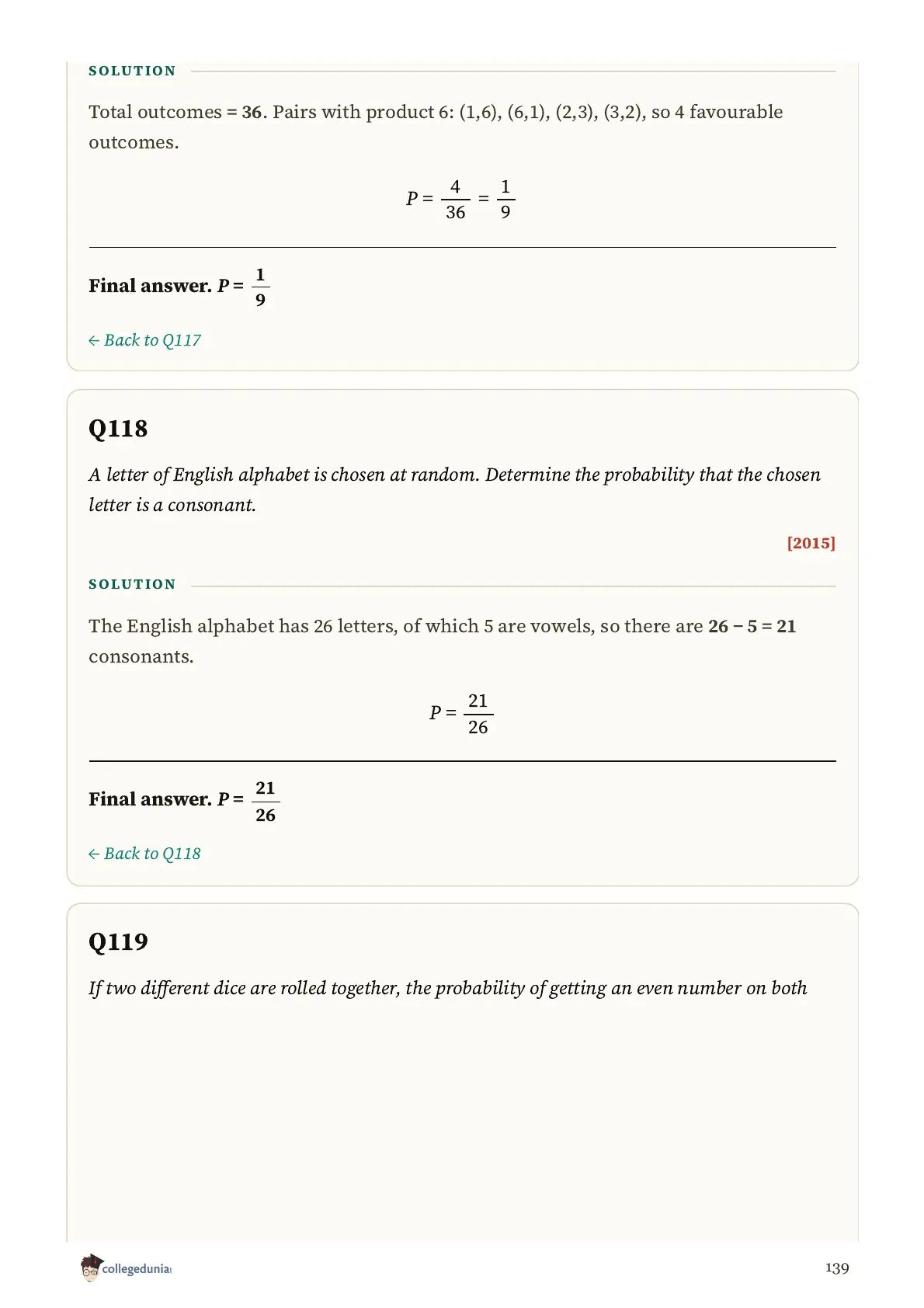
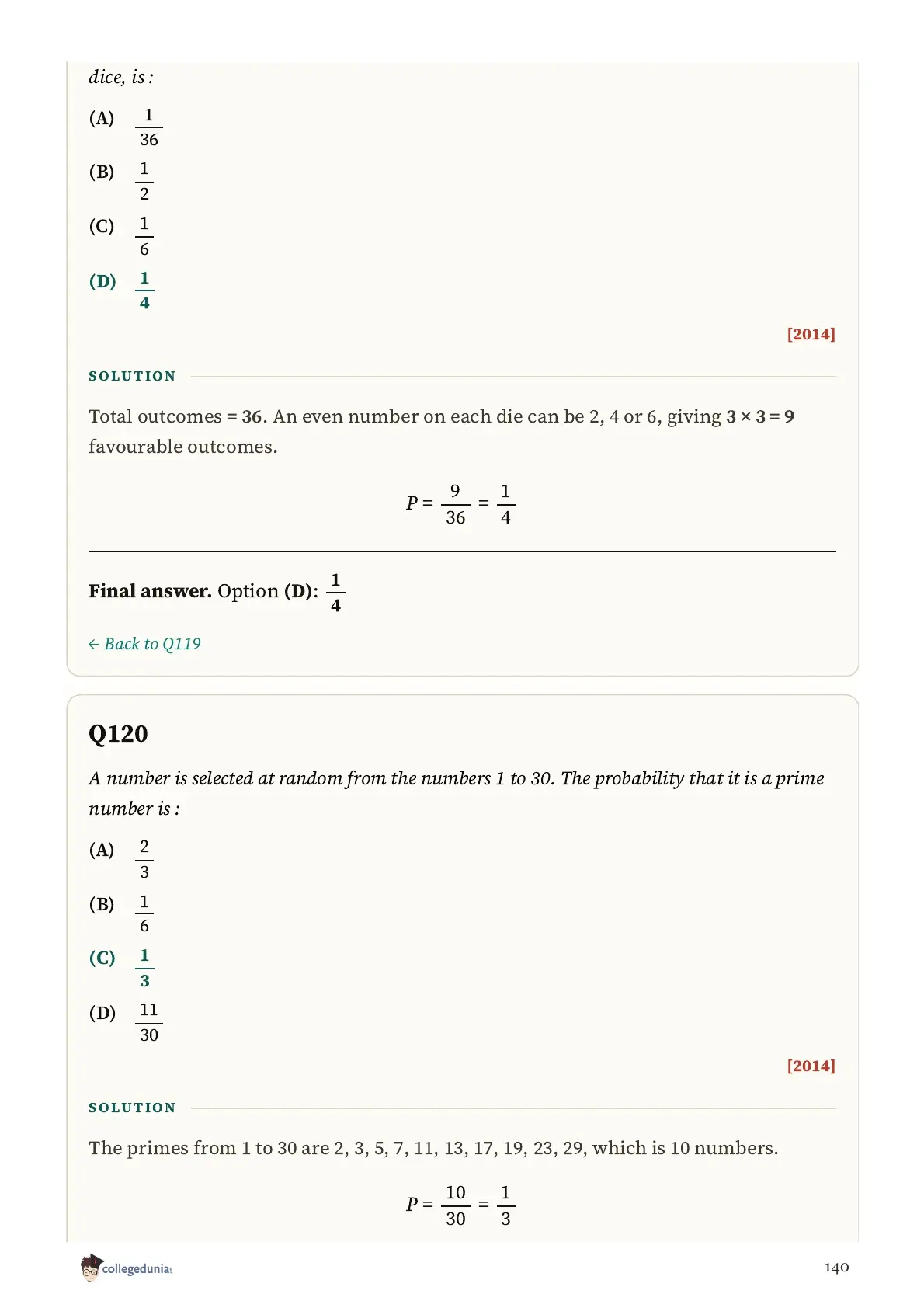
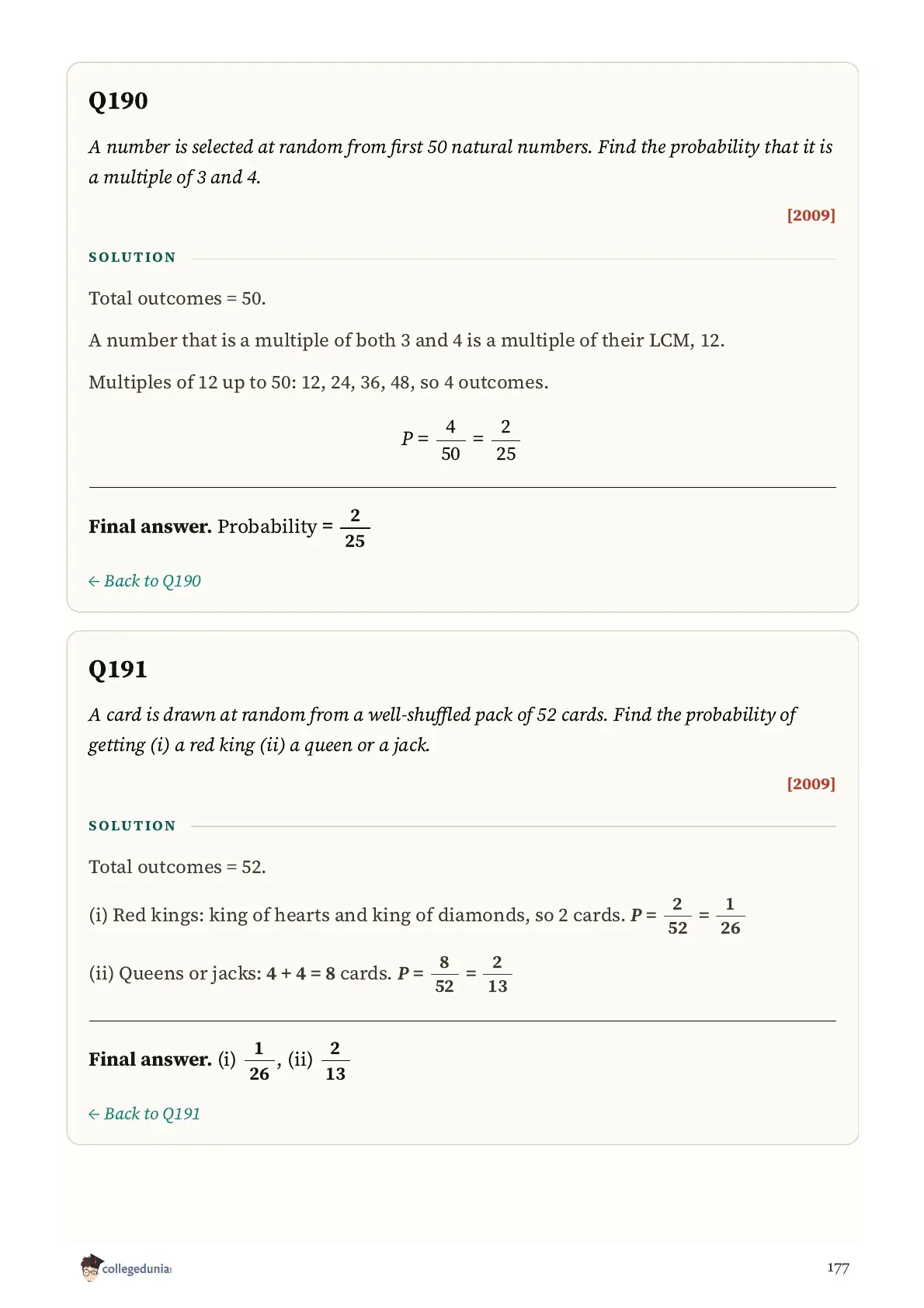
The questions keep returning to dice (68 questions), questions on the complement of an event or a "not" condition (50), face cards, kings, queens and aces (43), balls drawn from a bag (40), two dice thrown together (40), red cards or red balls (38), playing cards (37), prime numbers (26) and coins (21).
On this page you get:
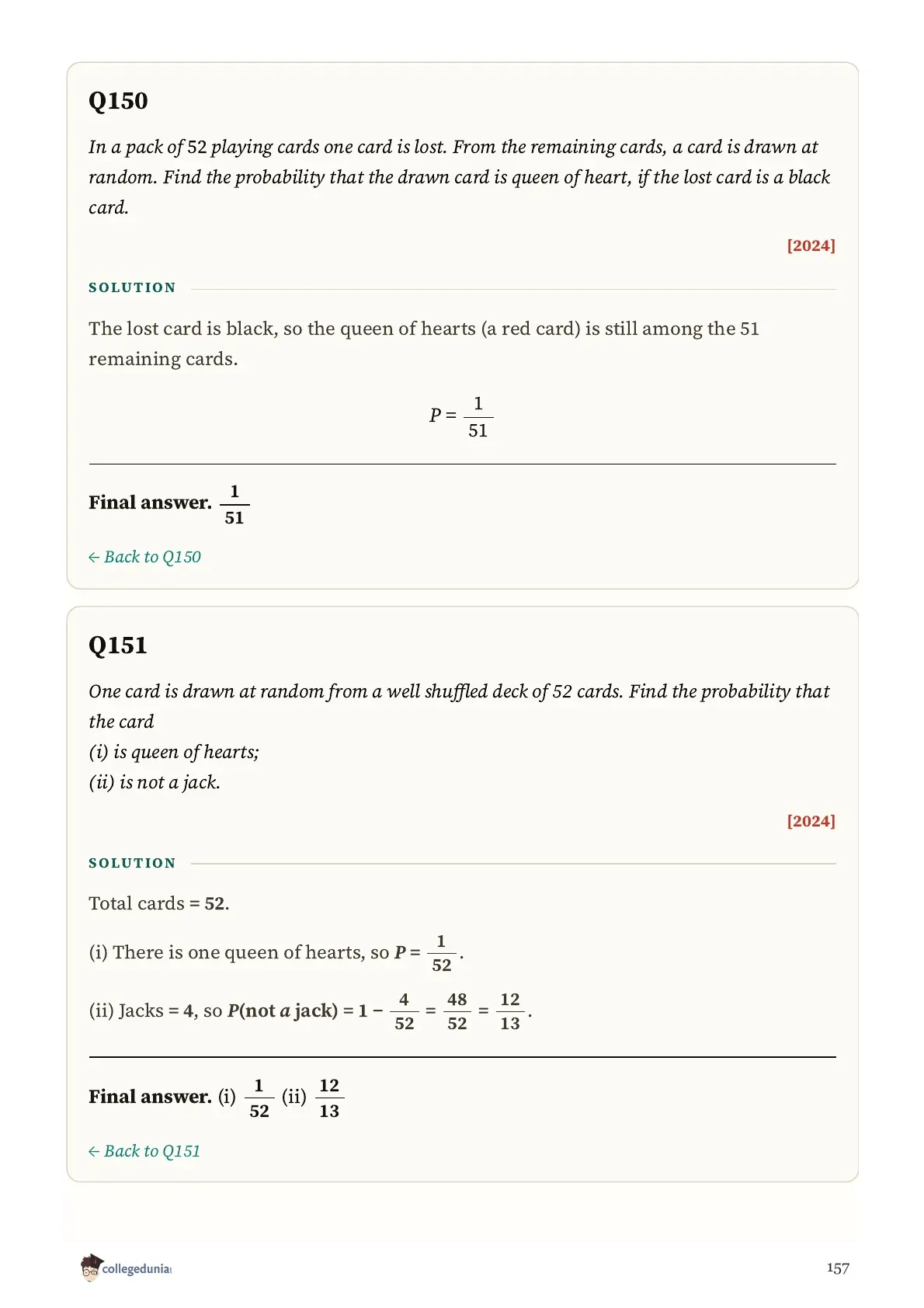
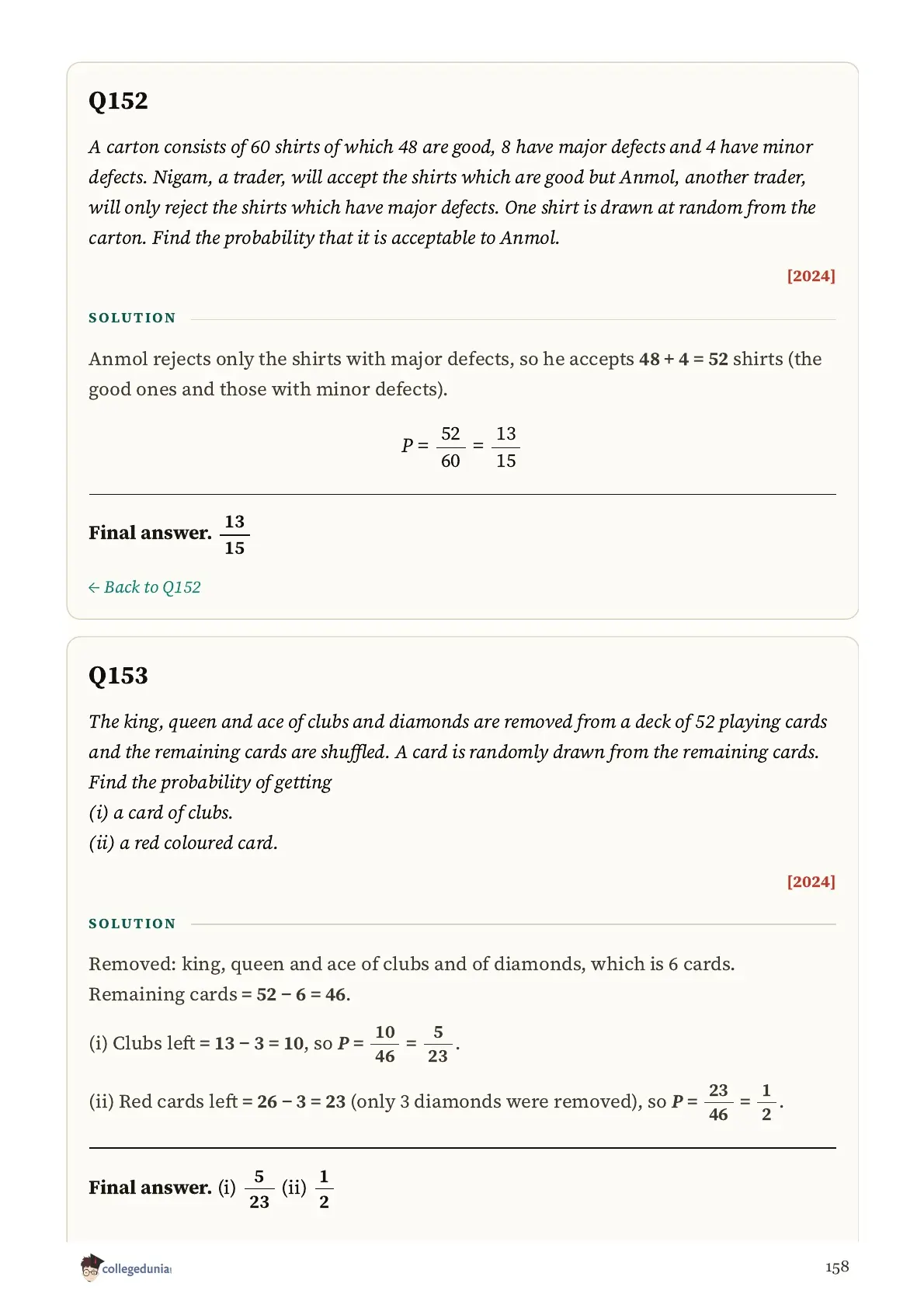
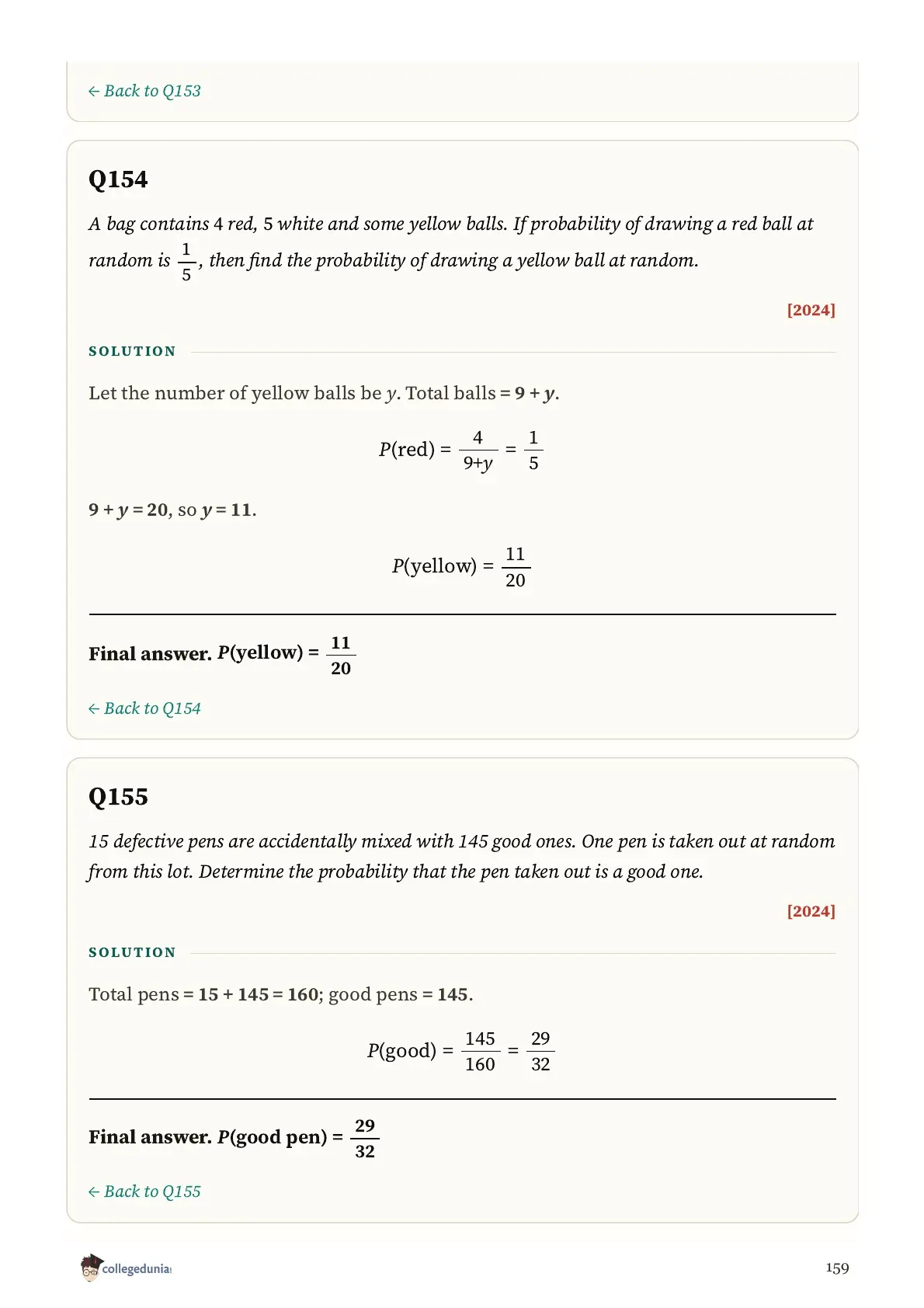
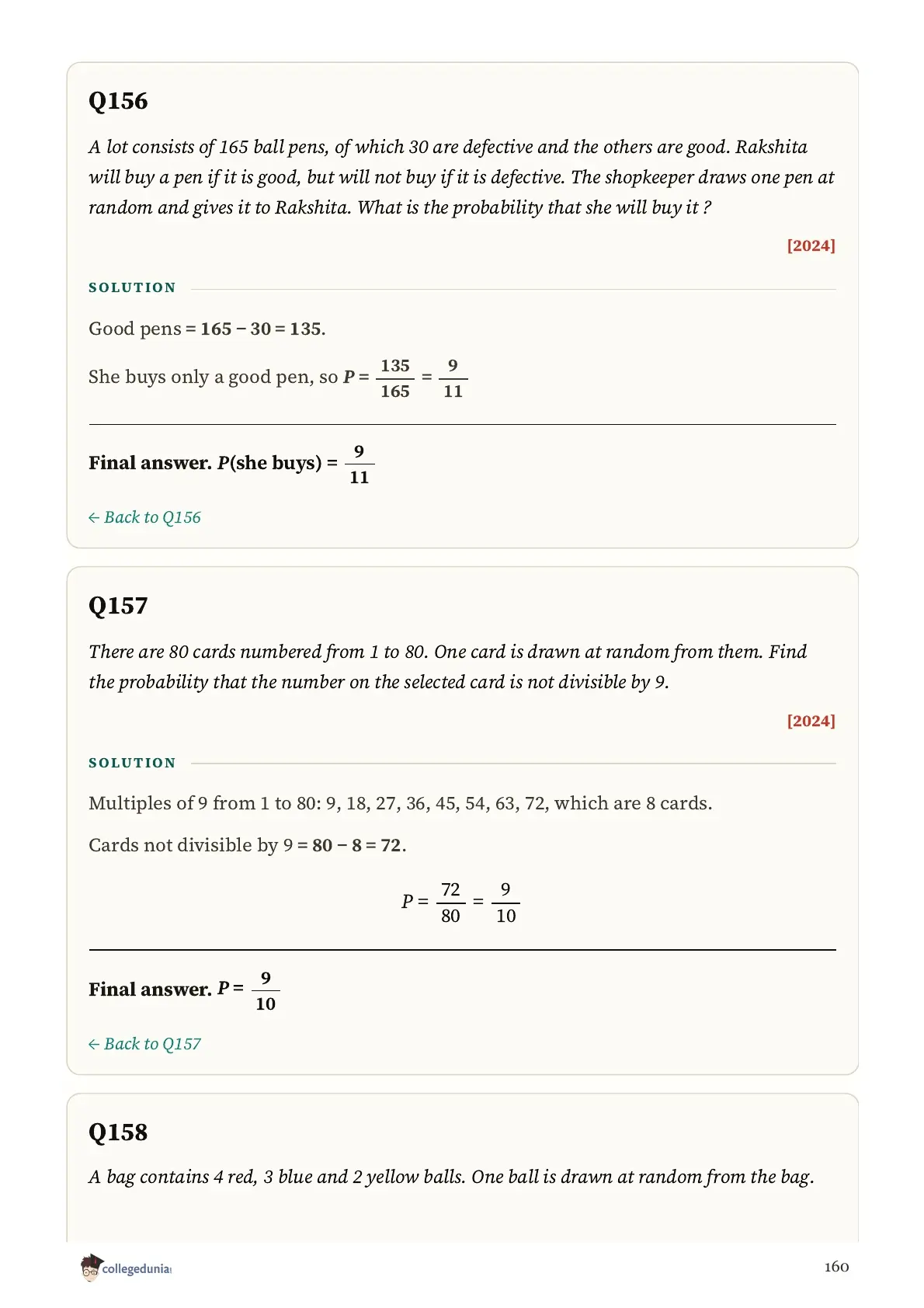
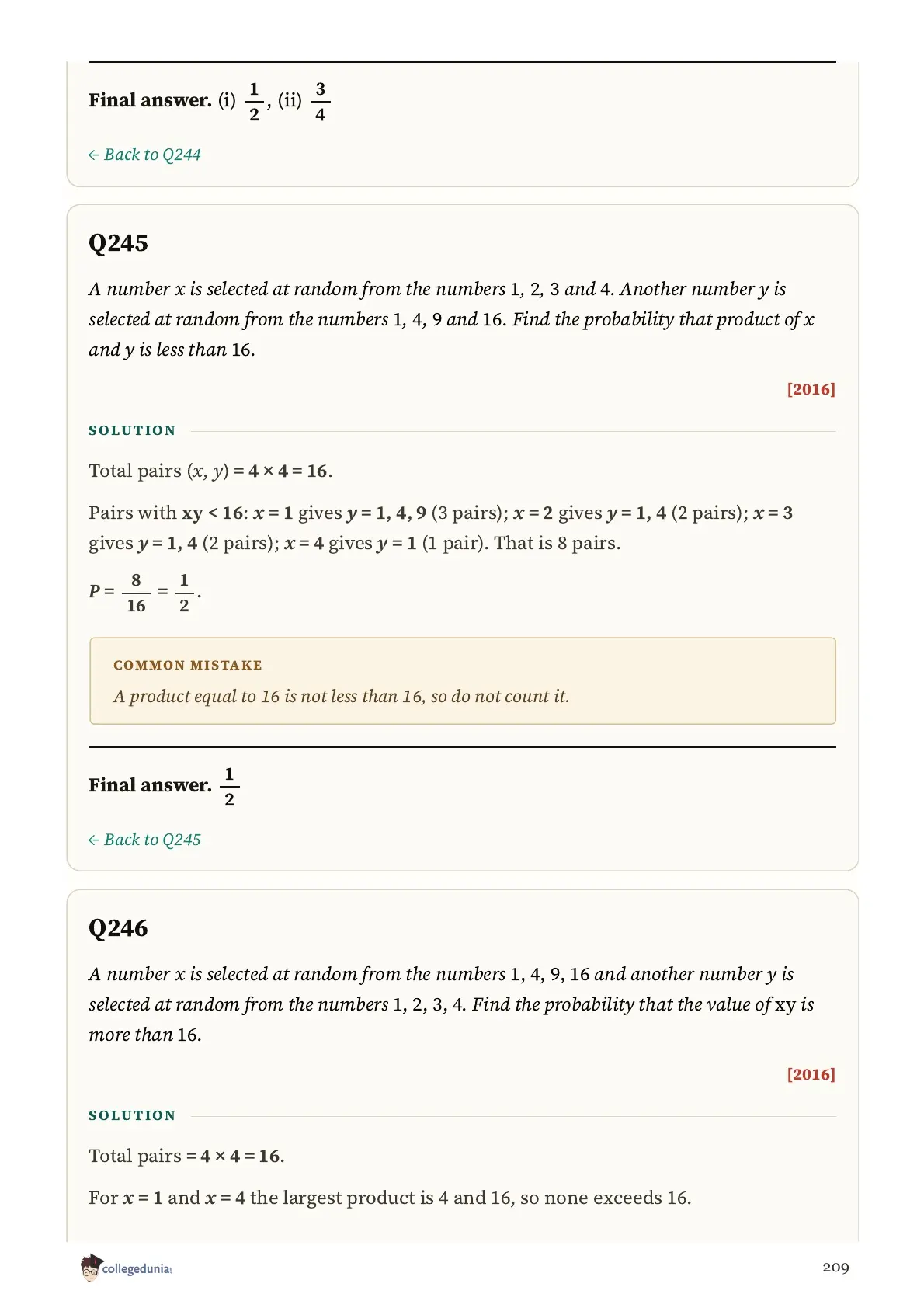
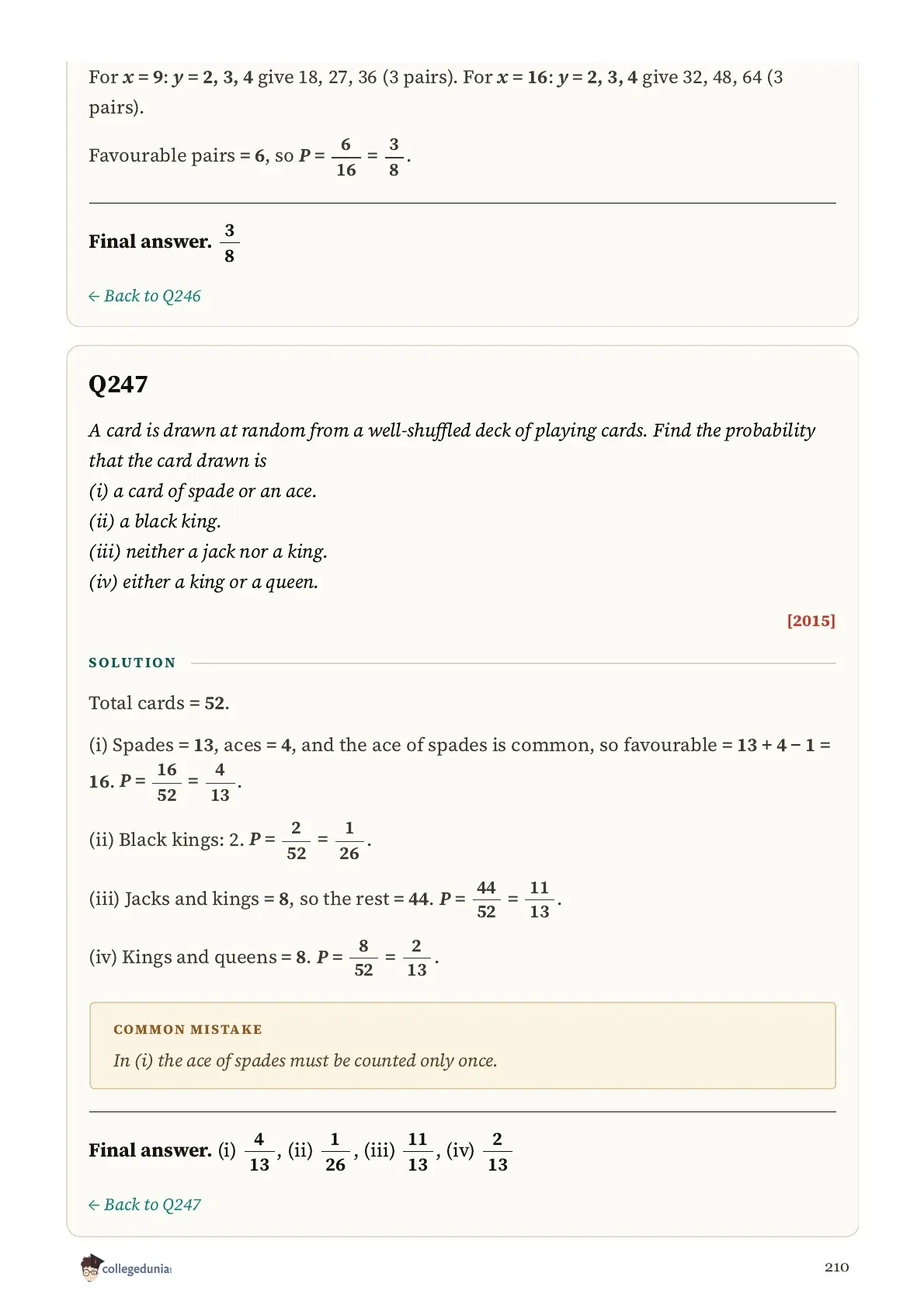
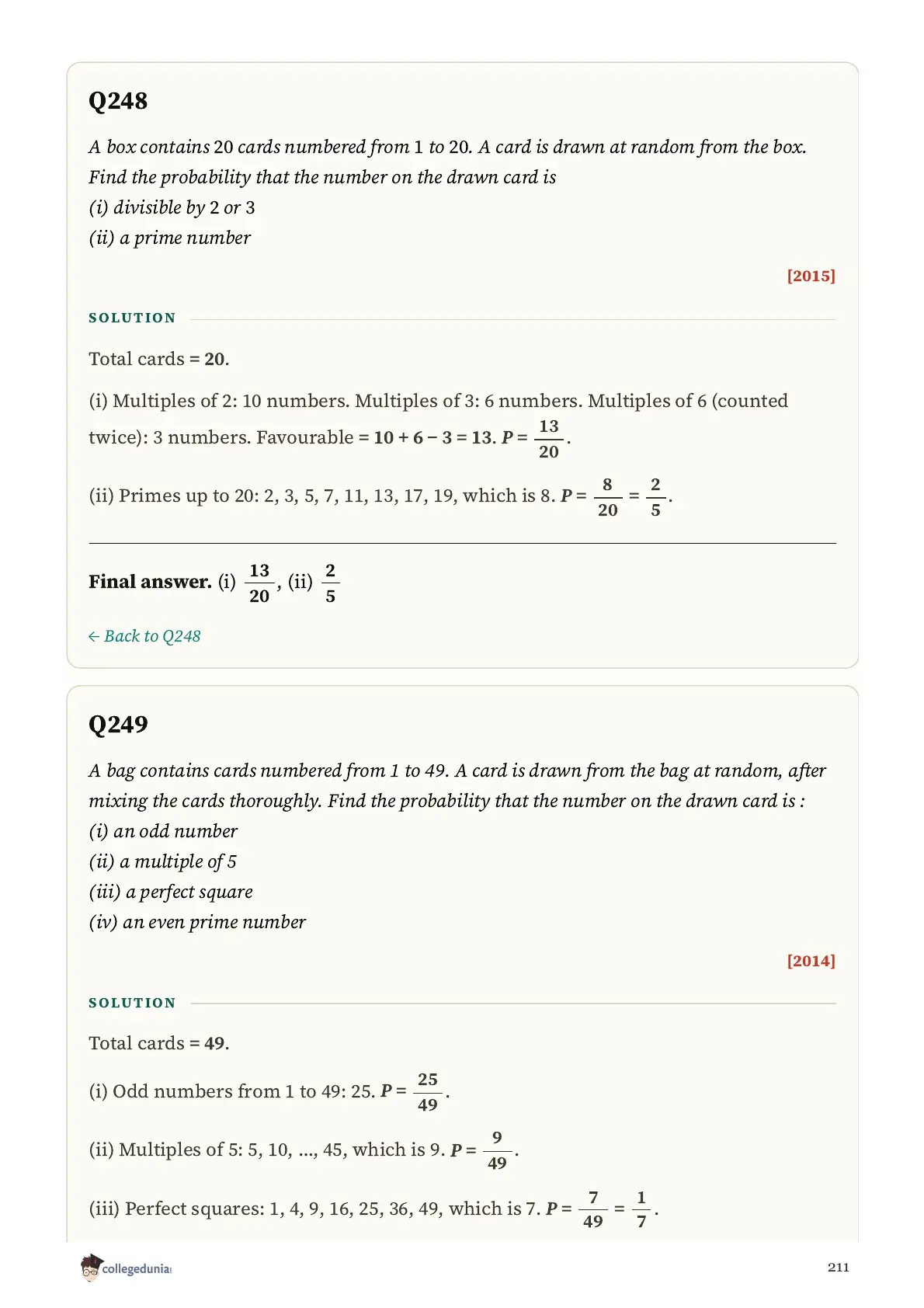
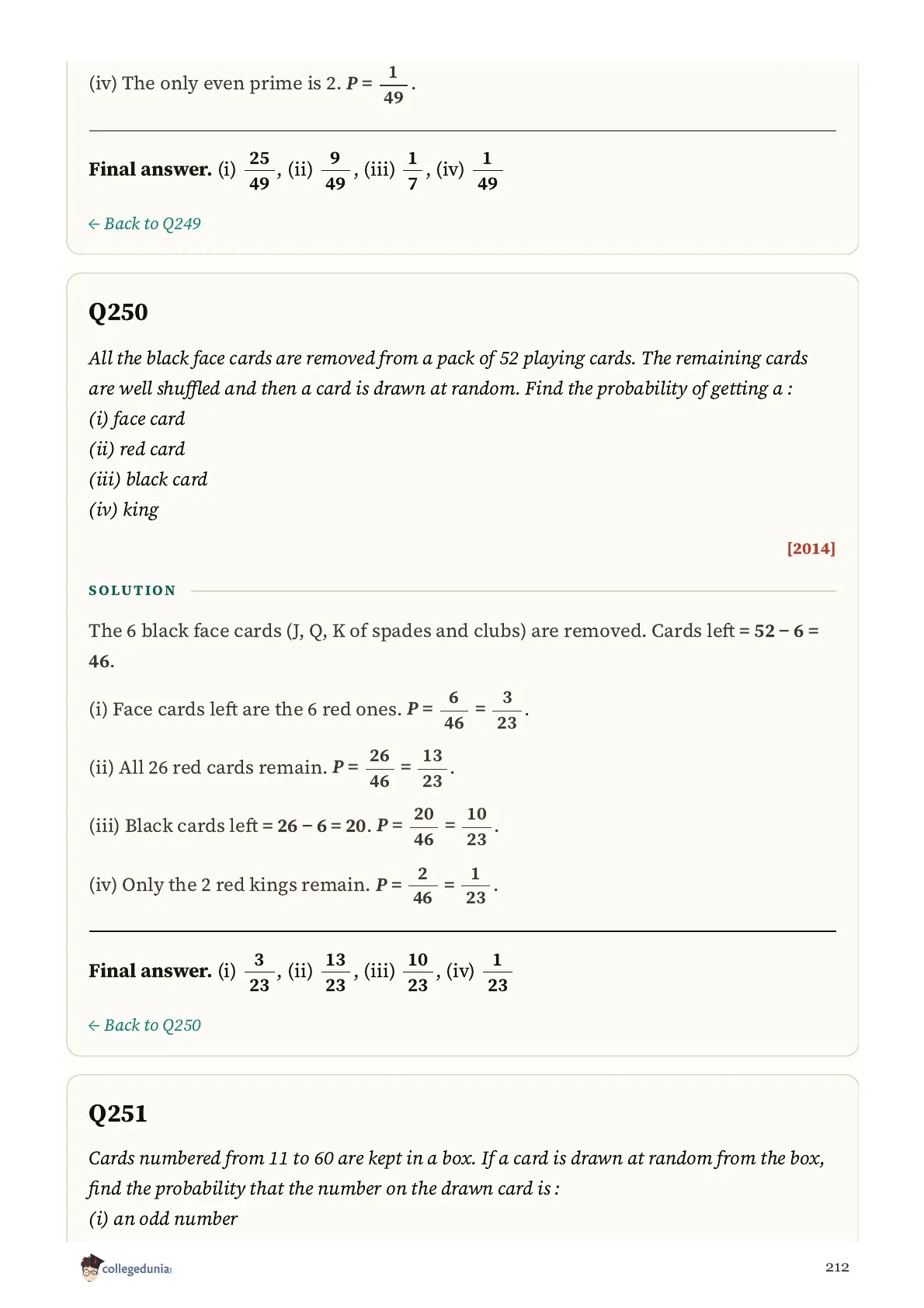
- 258 questions with a worked solution each: 109 MCQs and assertion-reason items, 24 one-line answers, 61 short answers and 19 four-mark questions, including case studies
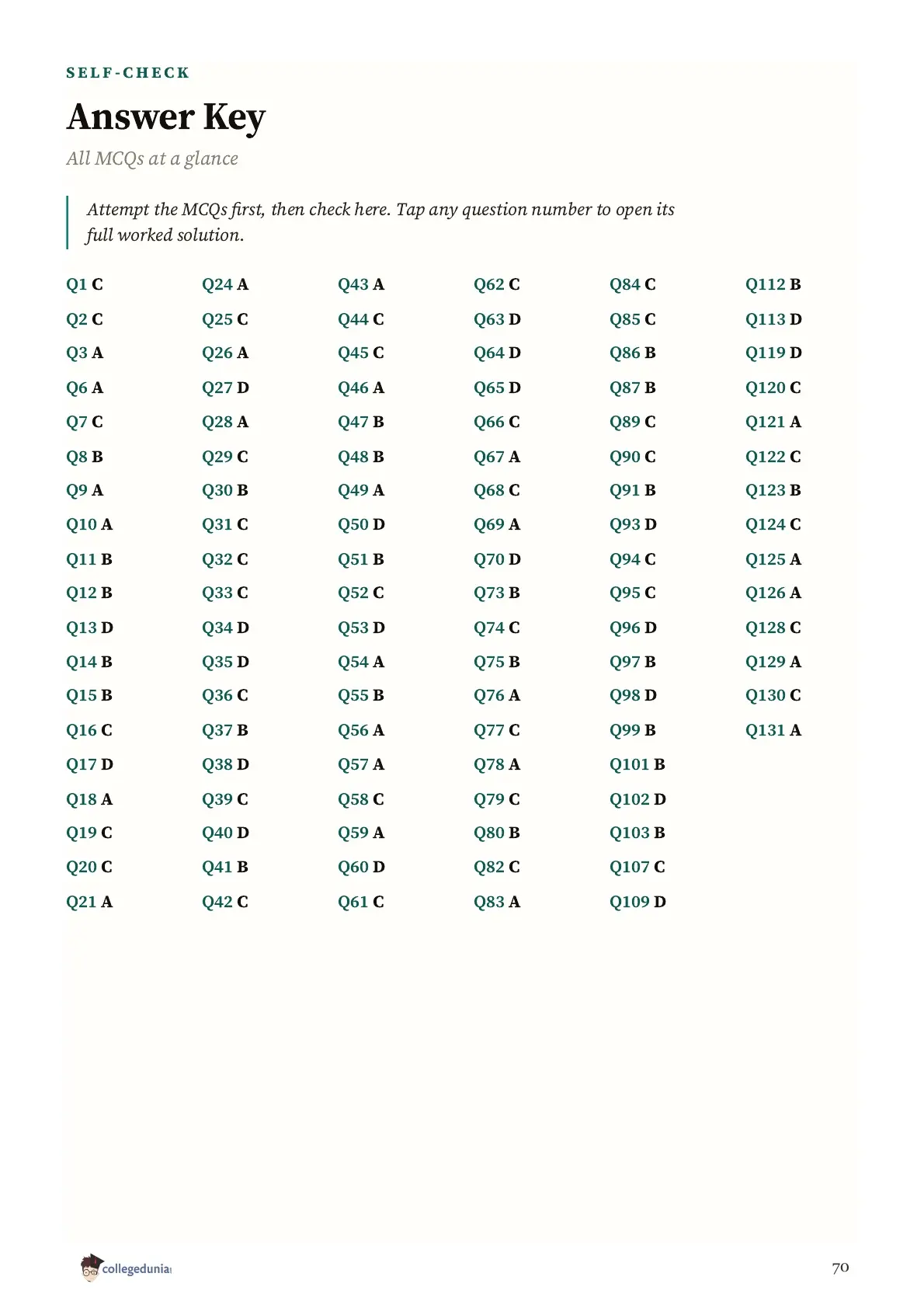
- An Answer Key that lists all 109 MCQs at a glance
- Question counts by topic, so you know whether to start with dice, cards or balls and coins
- A marks-wise table of questions (1, 2, 3 and 4 mark)
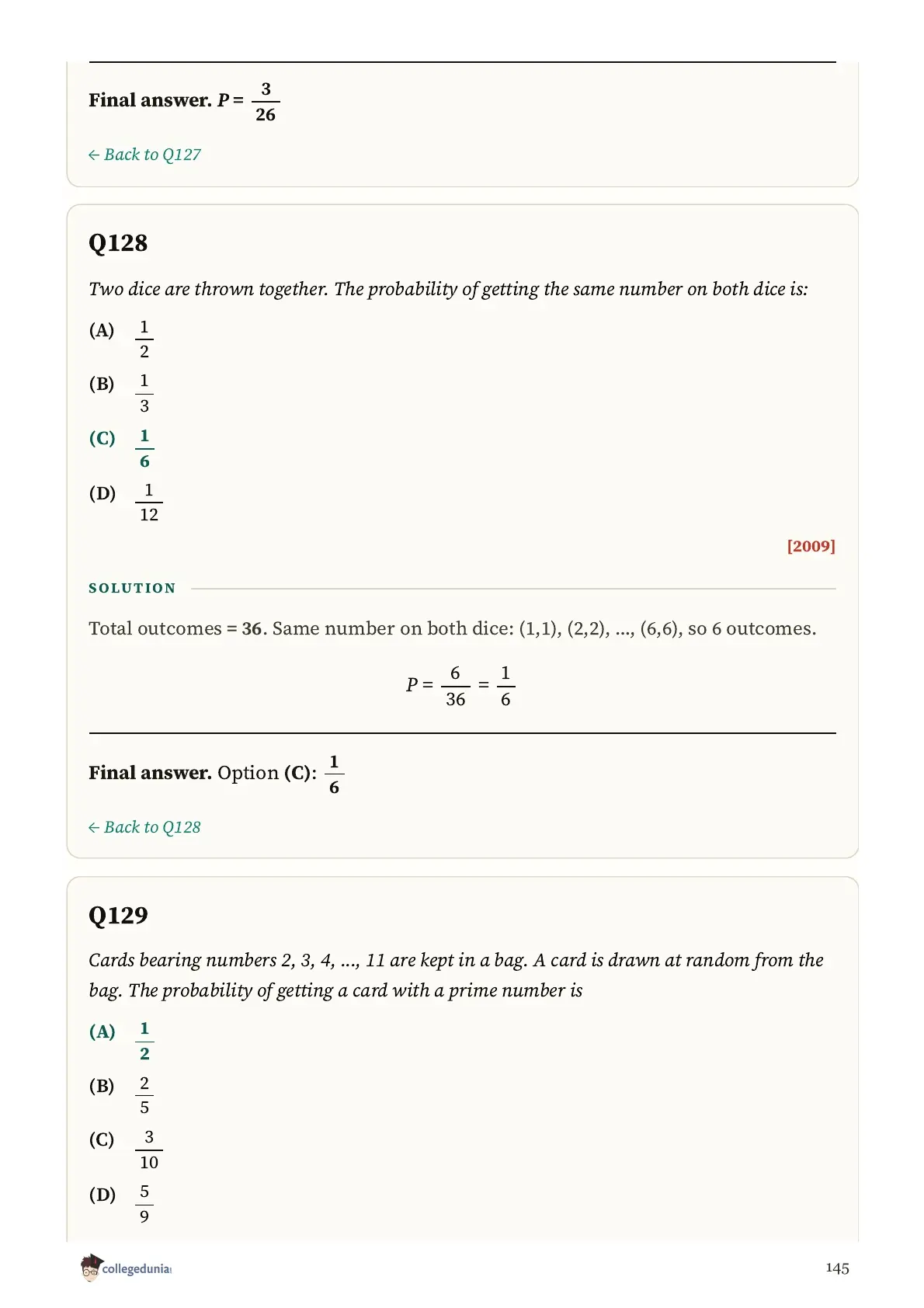
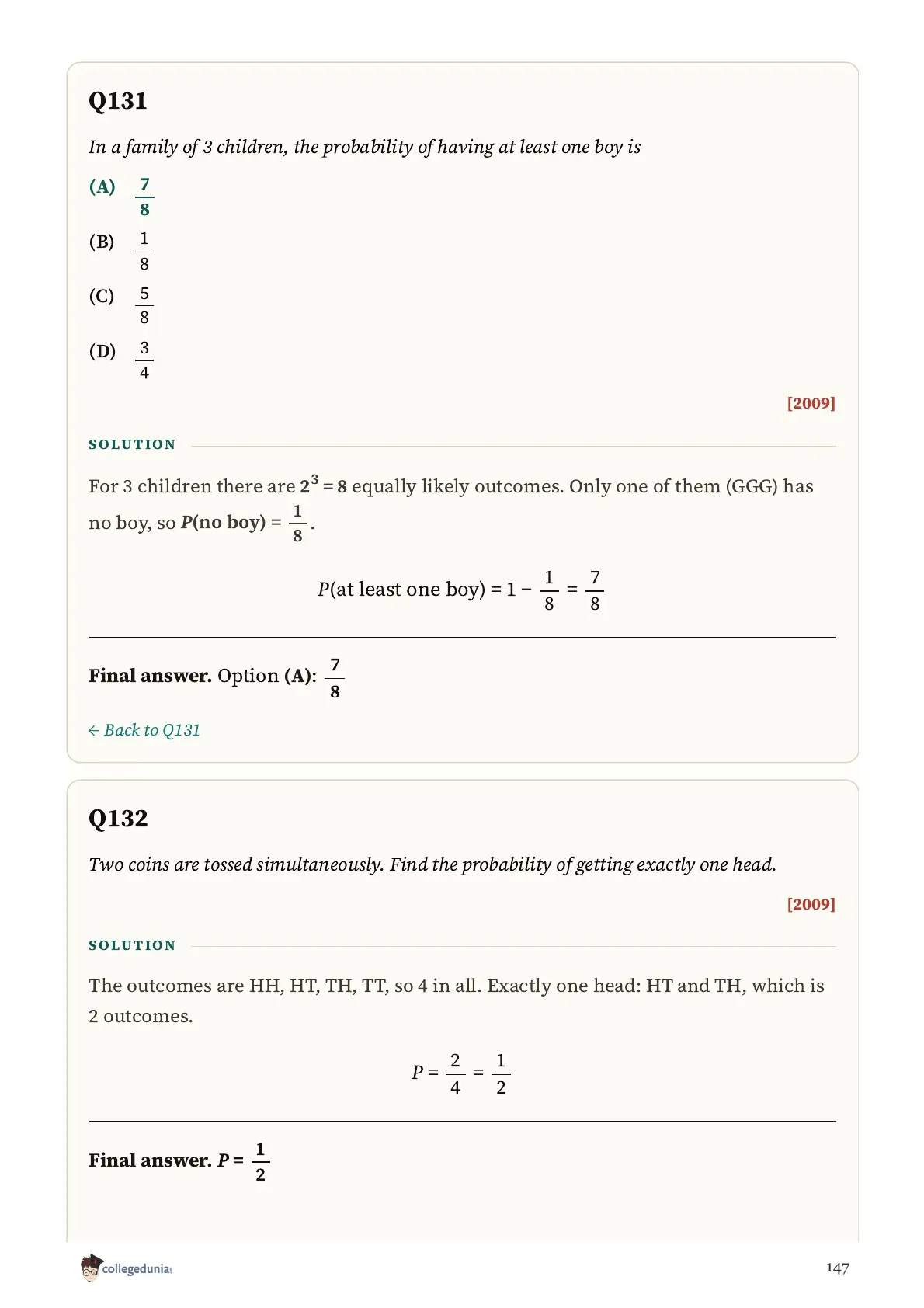
- The common mistakes students make, such as counting 12 outcomes instead of 36 for two dice, and a short FAQ
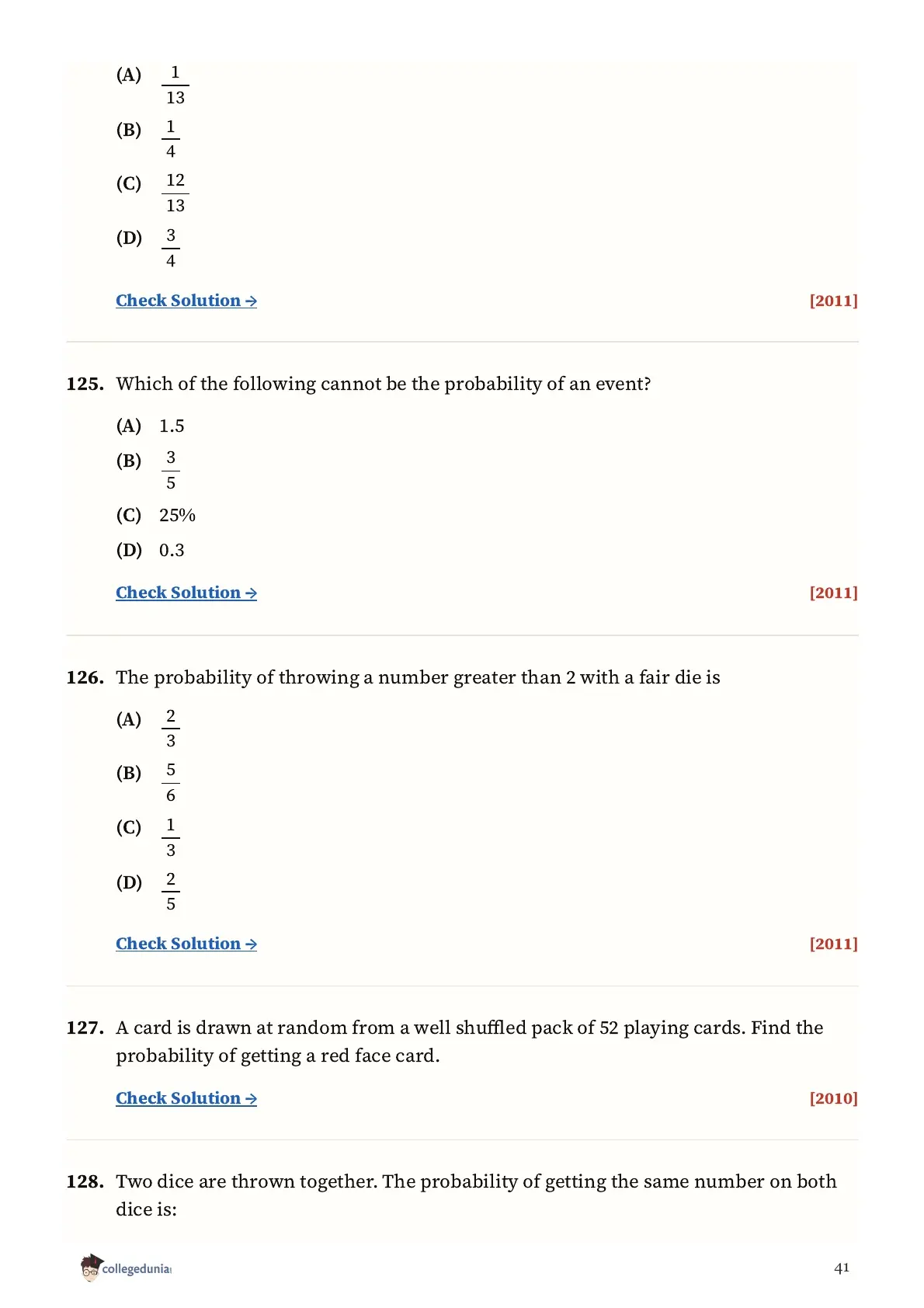
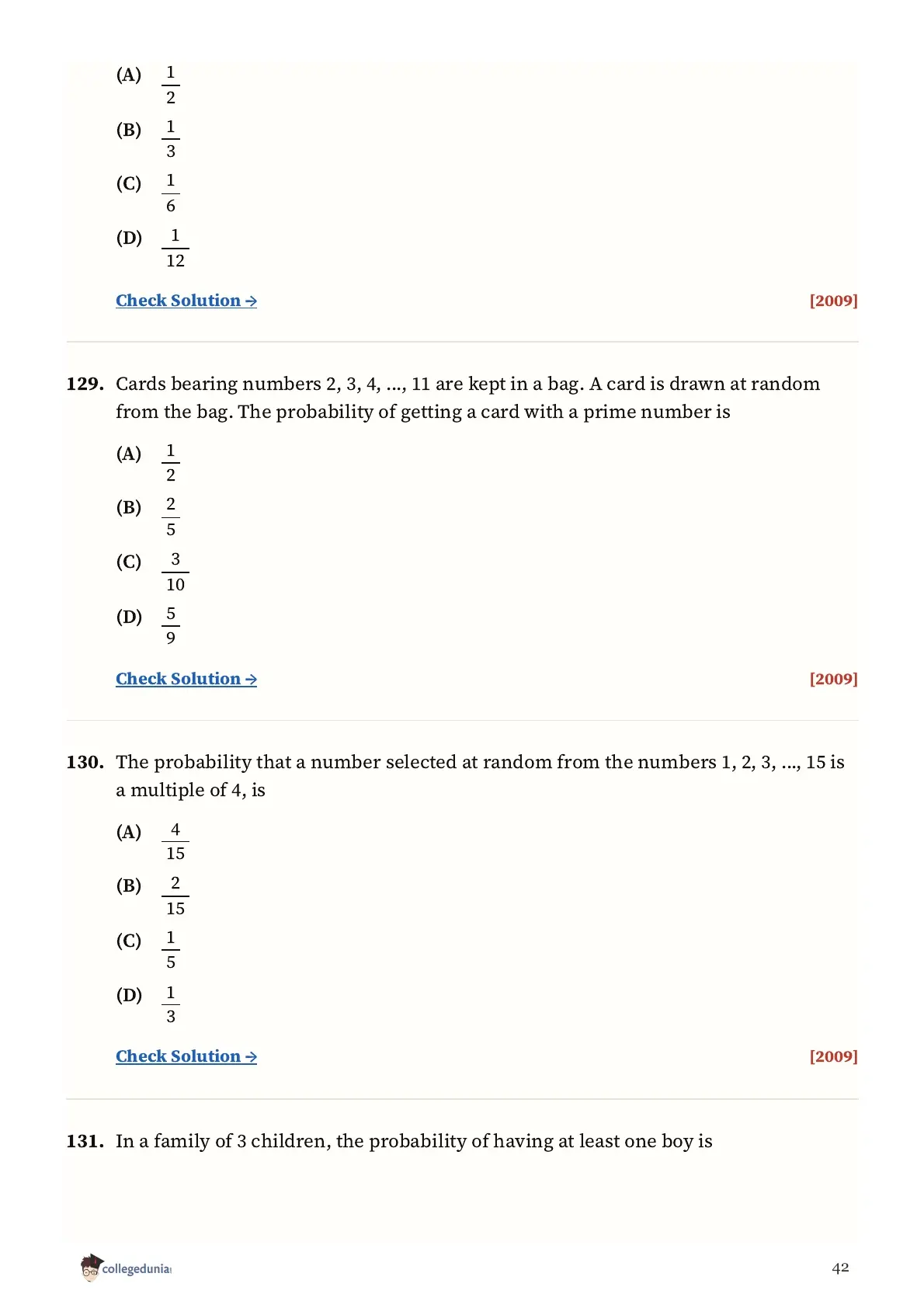
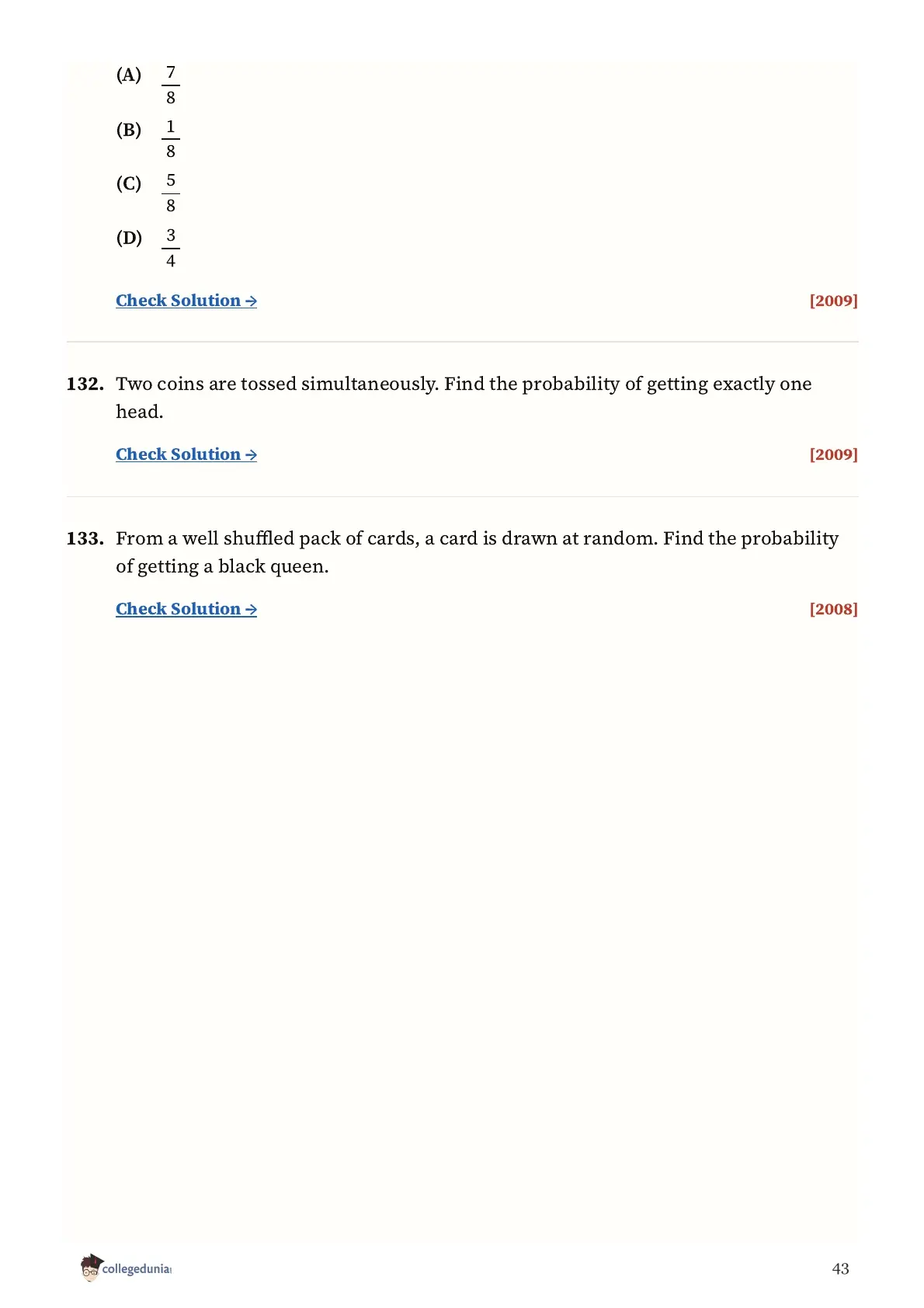
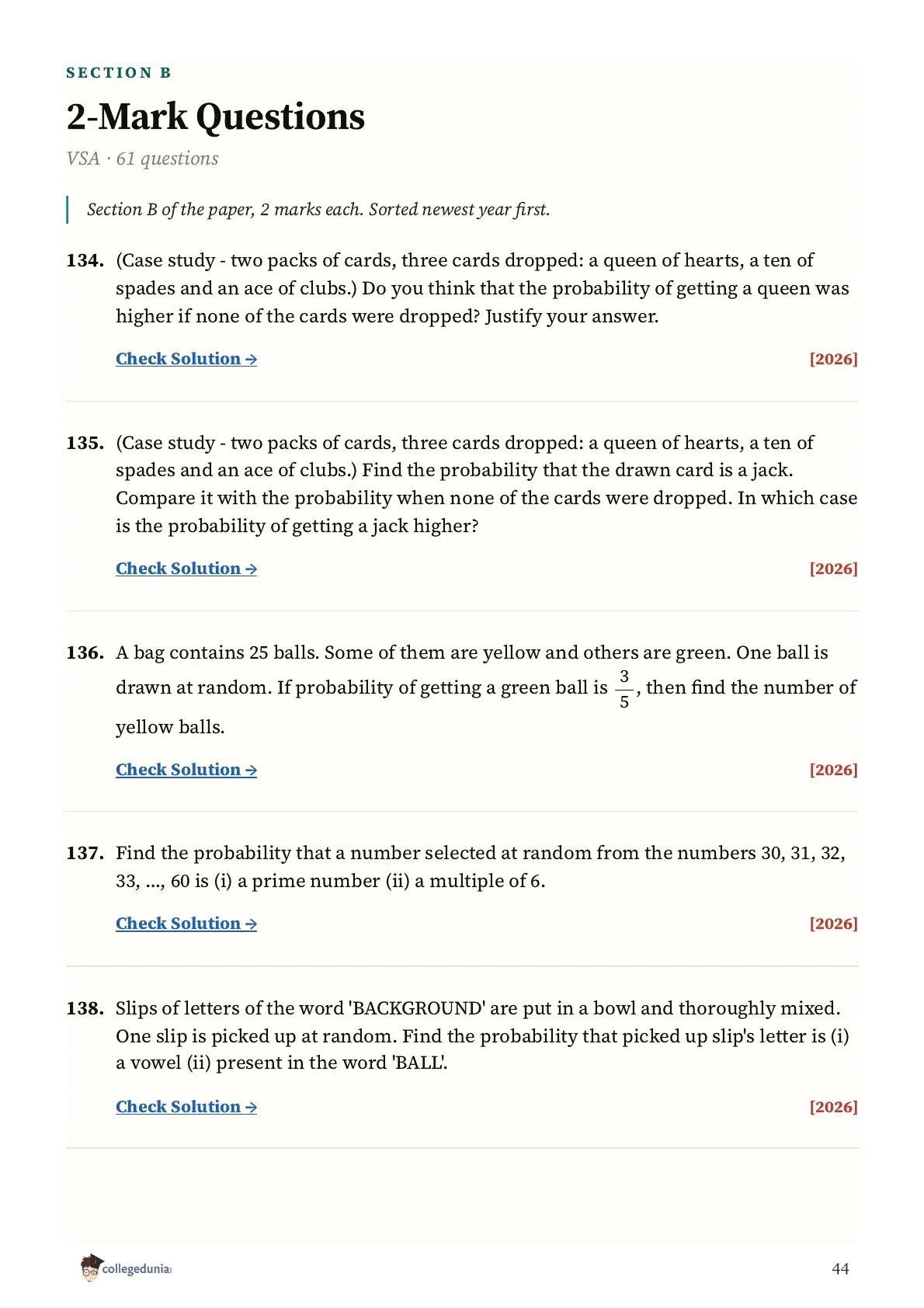
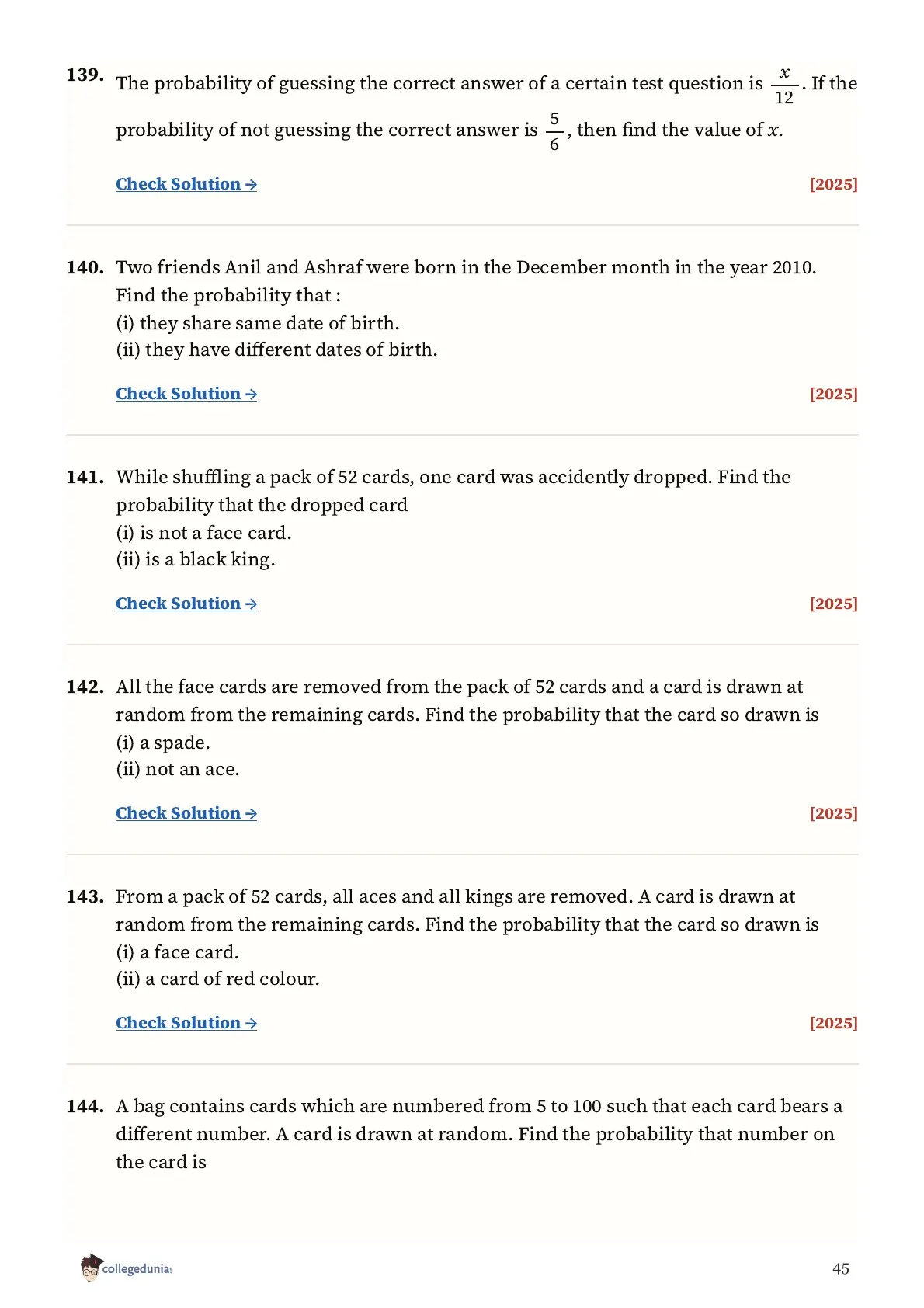
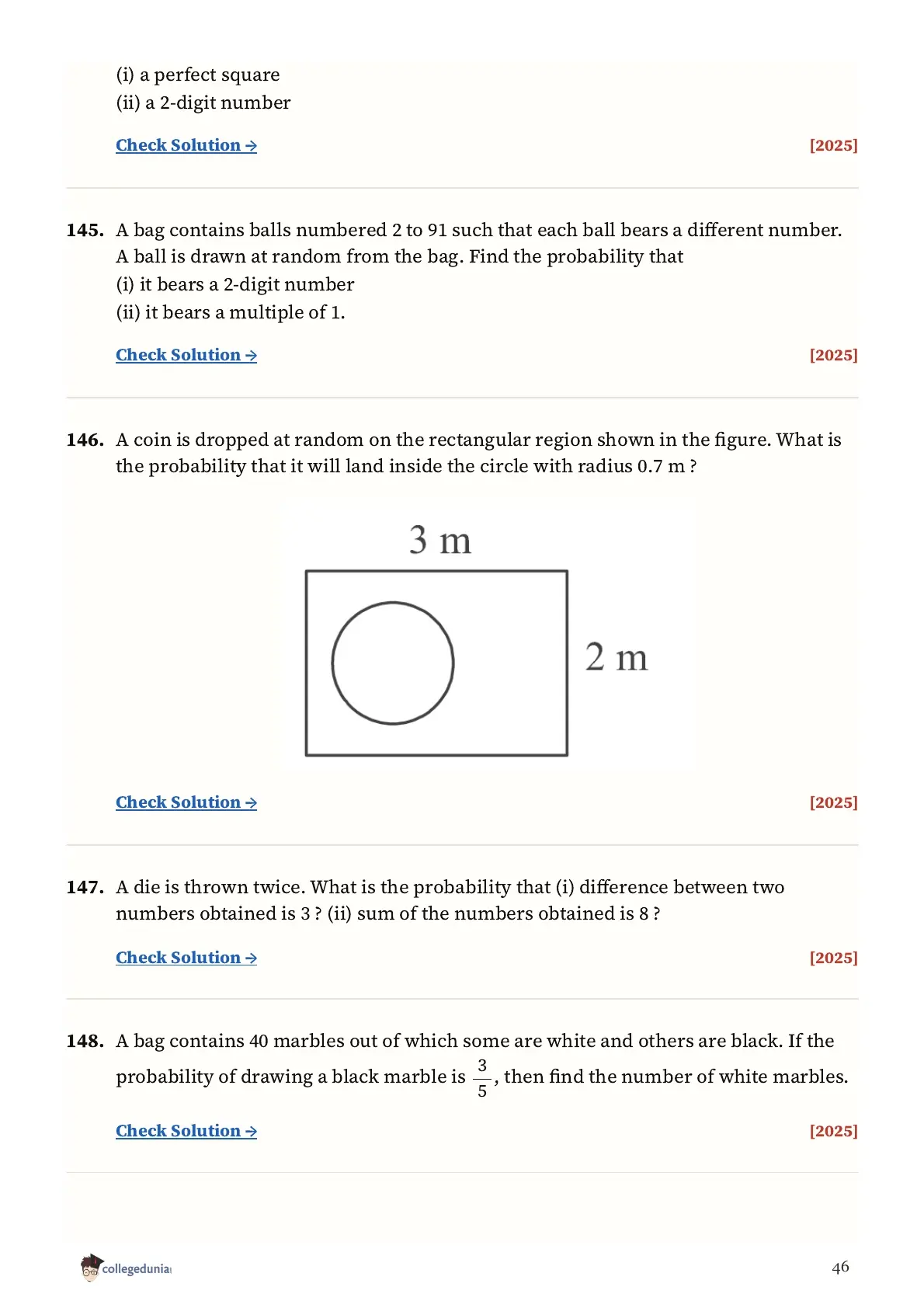
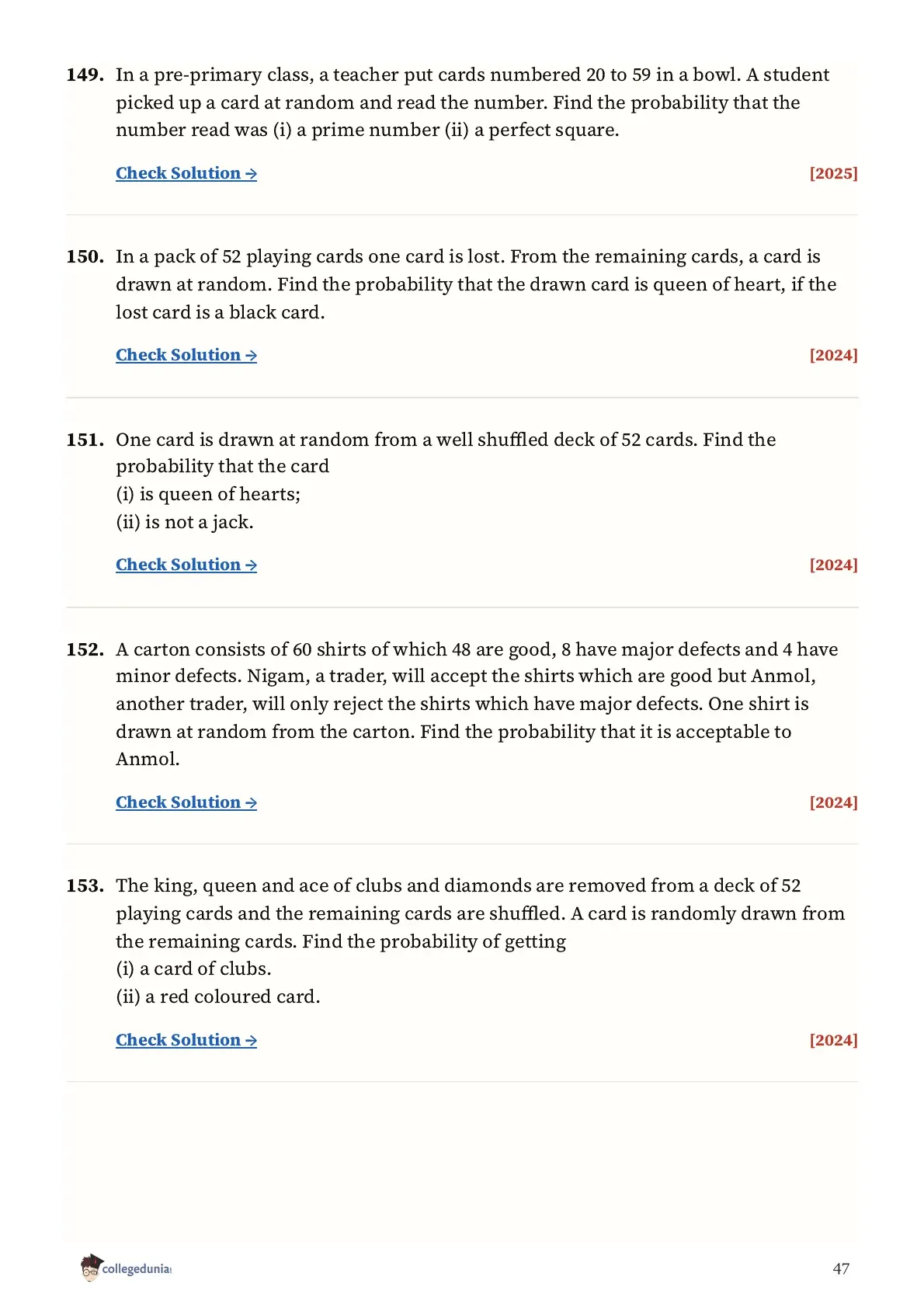
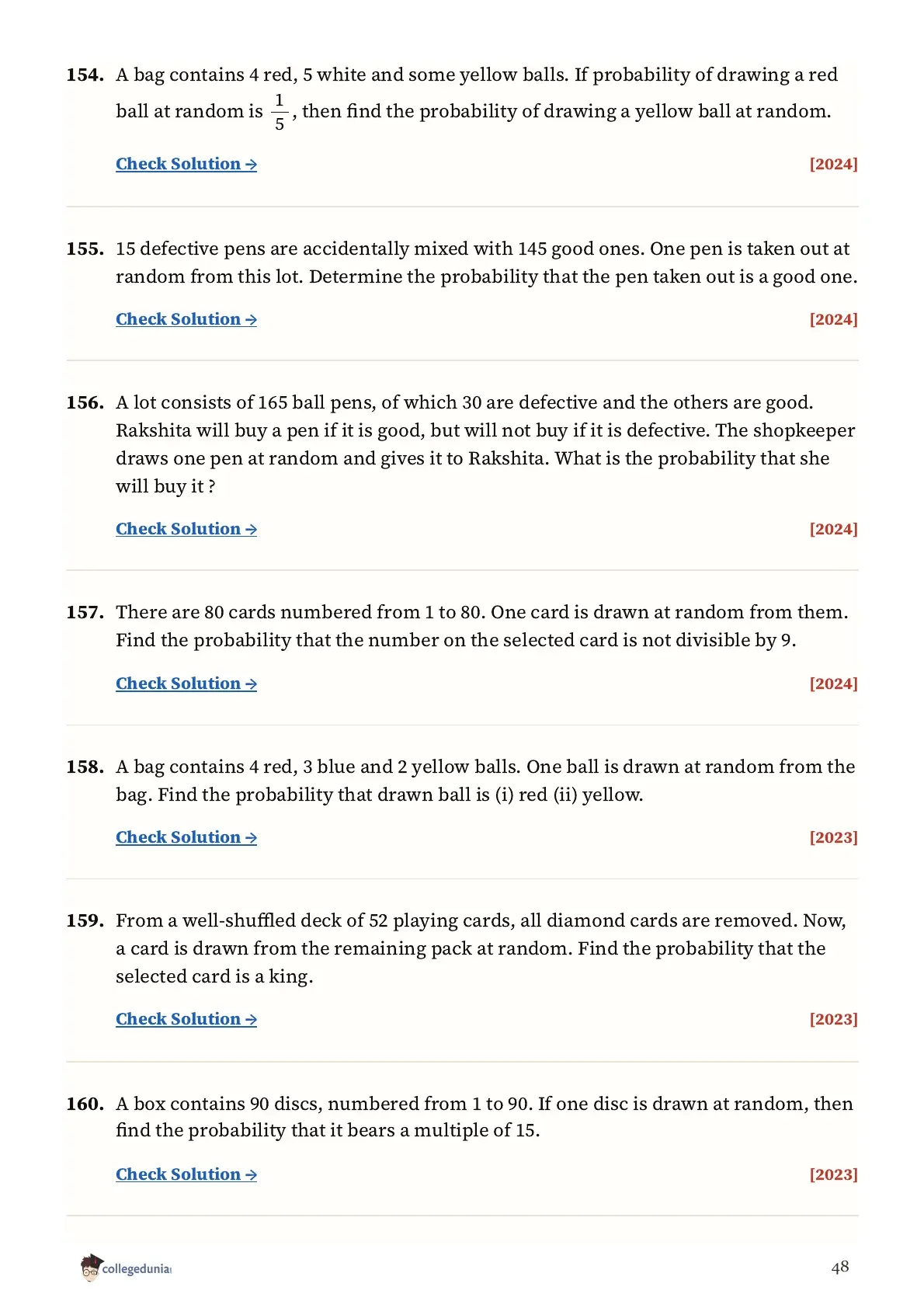
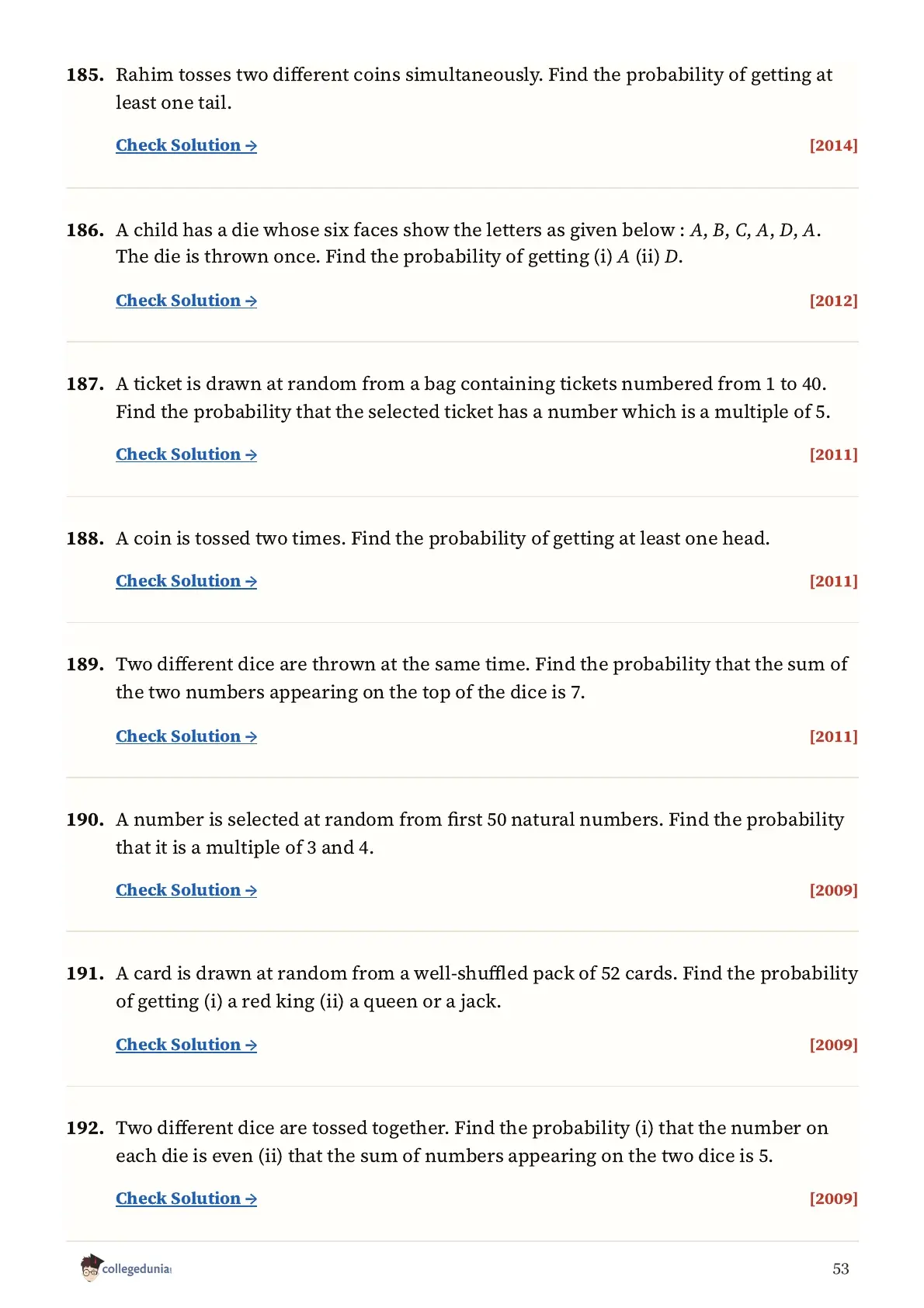
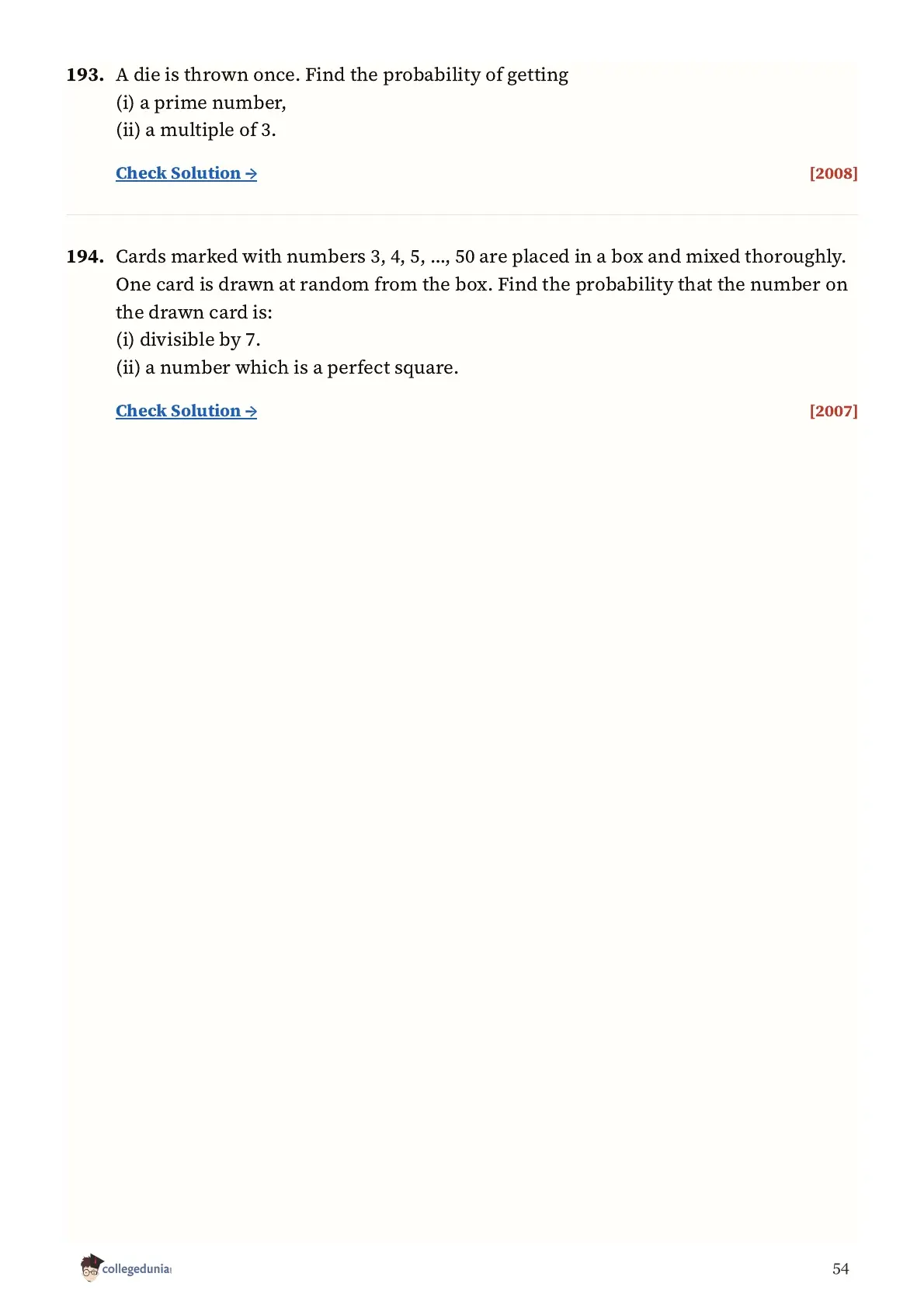
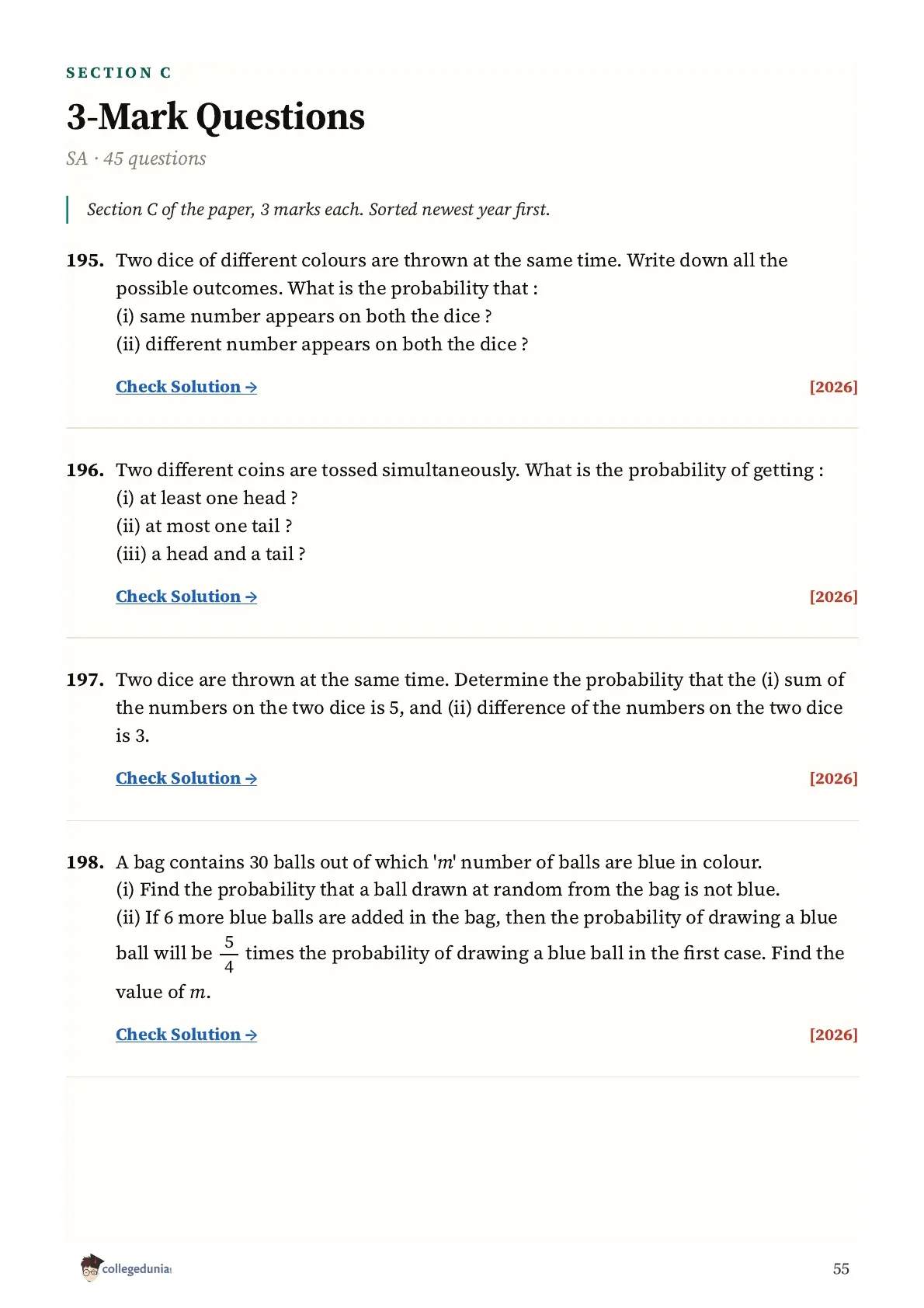
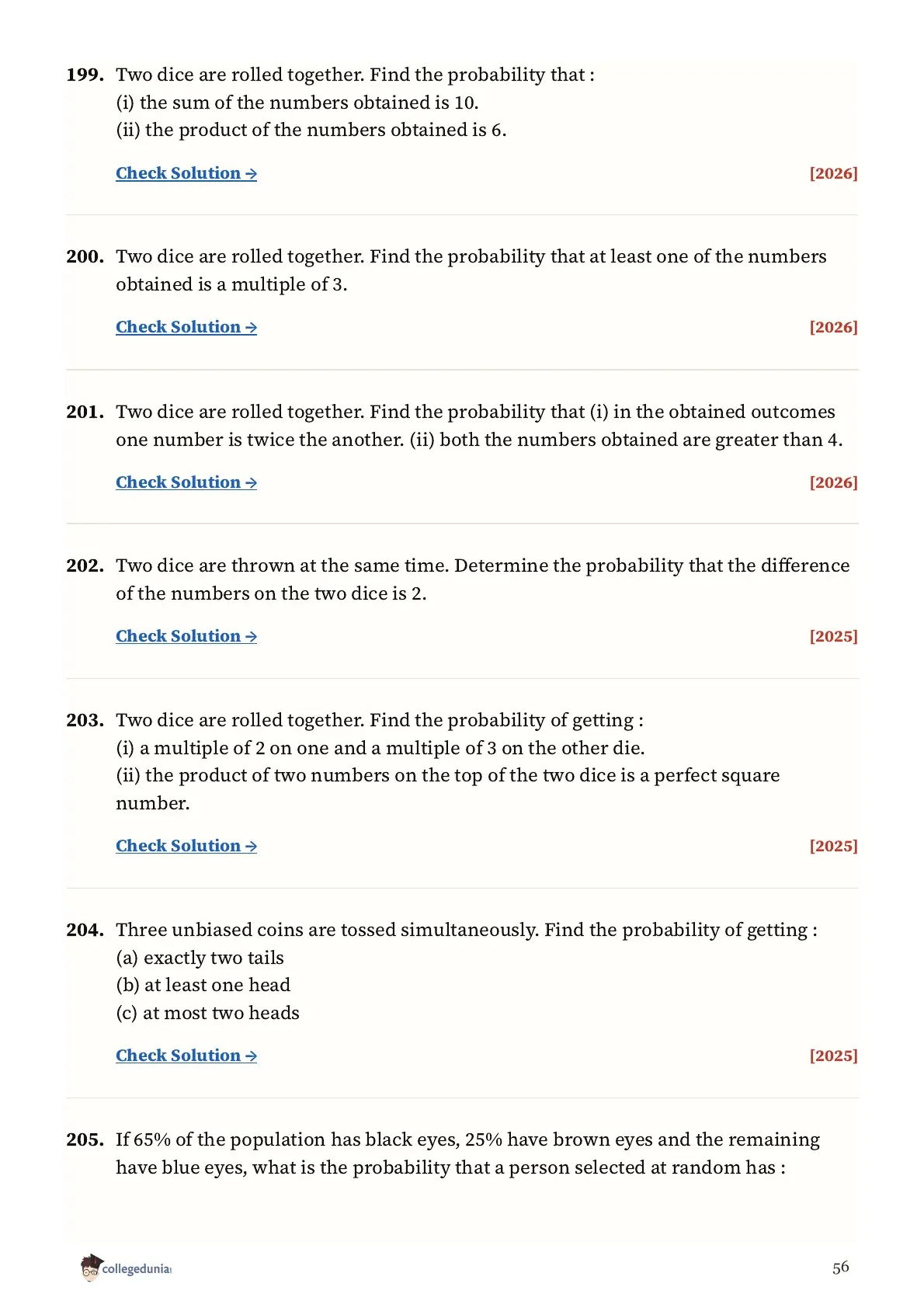
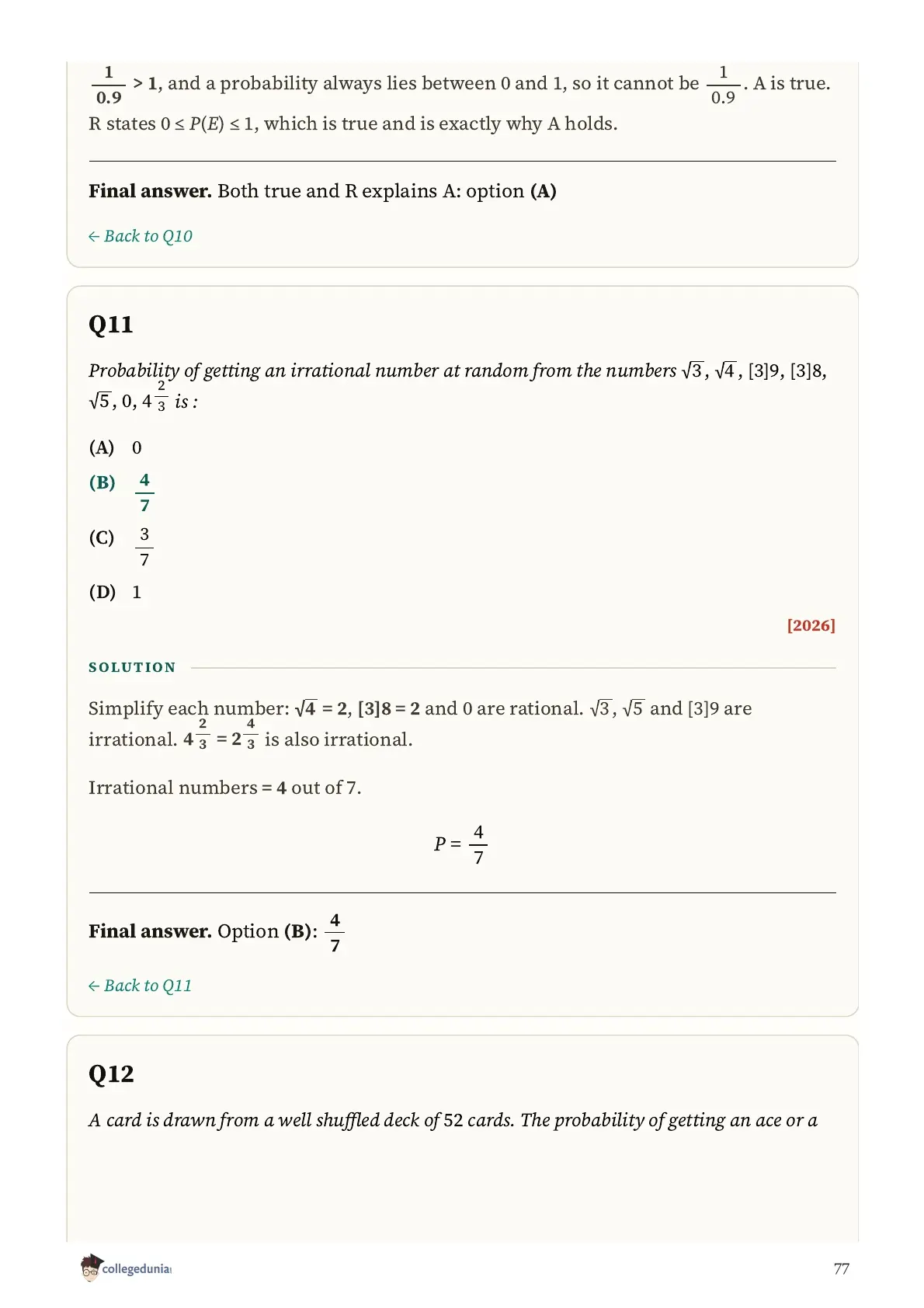
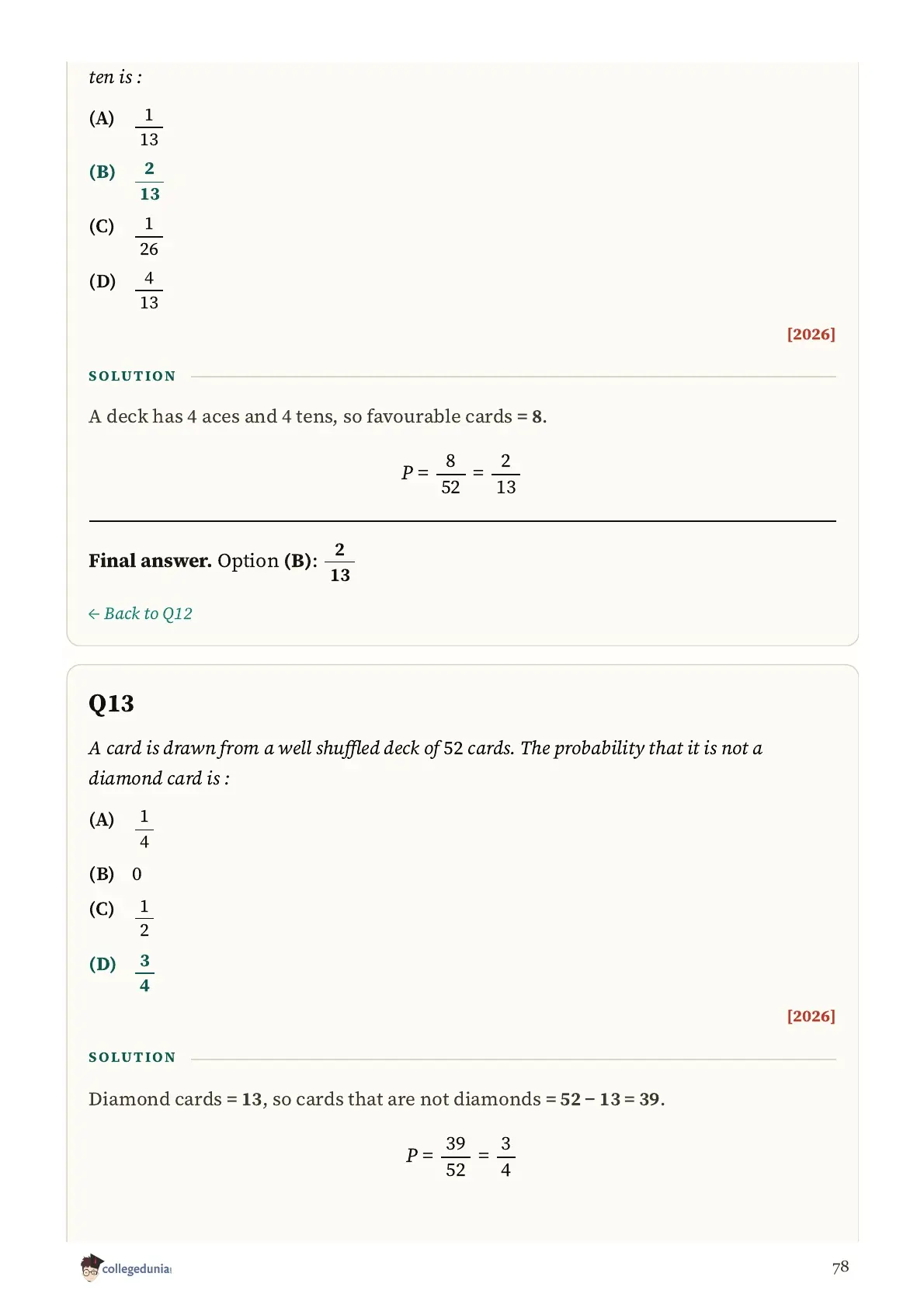
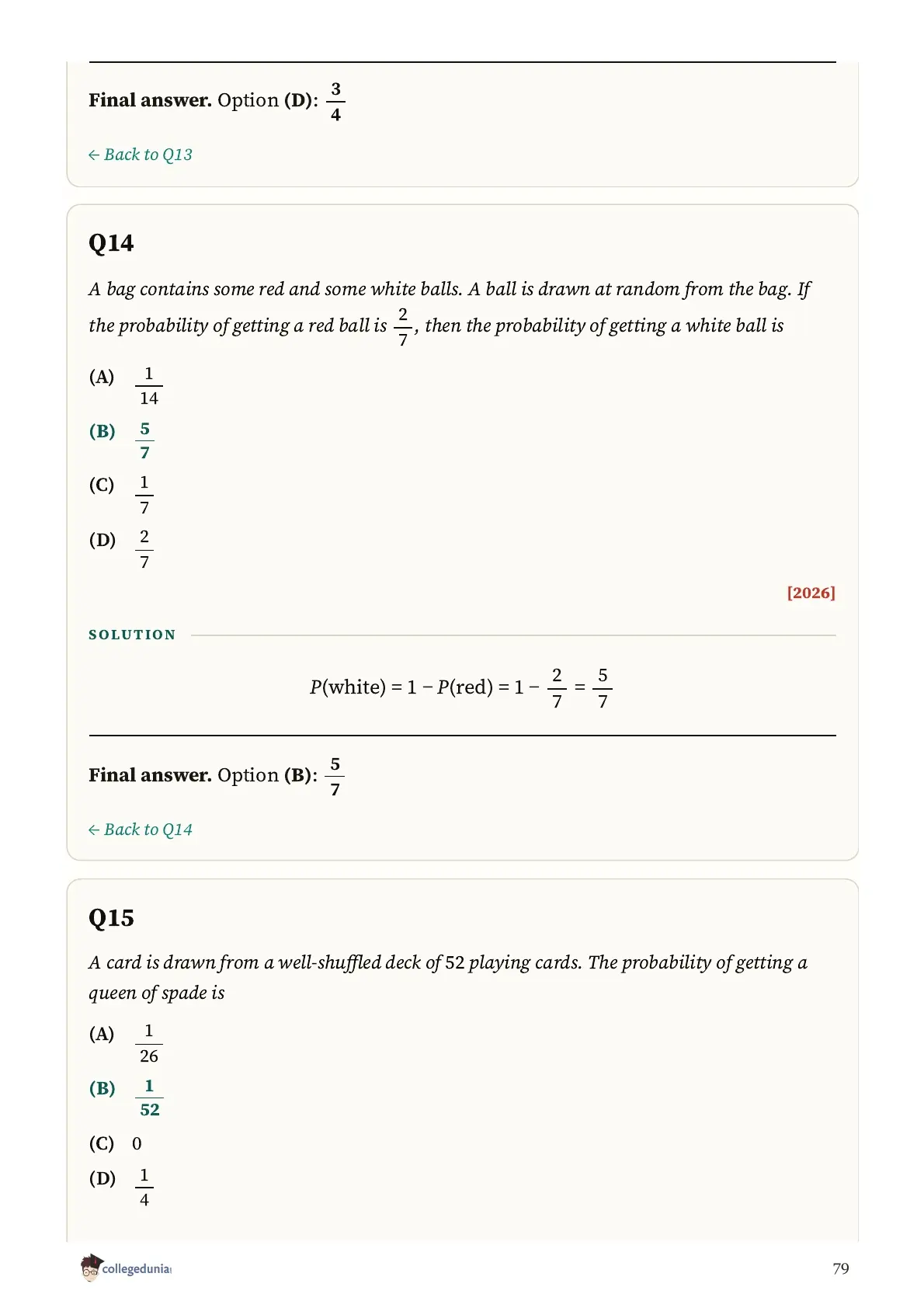
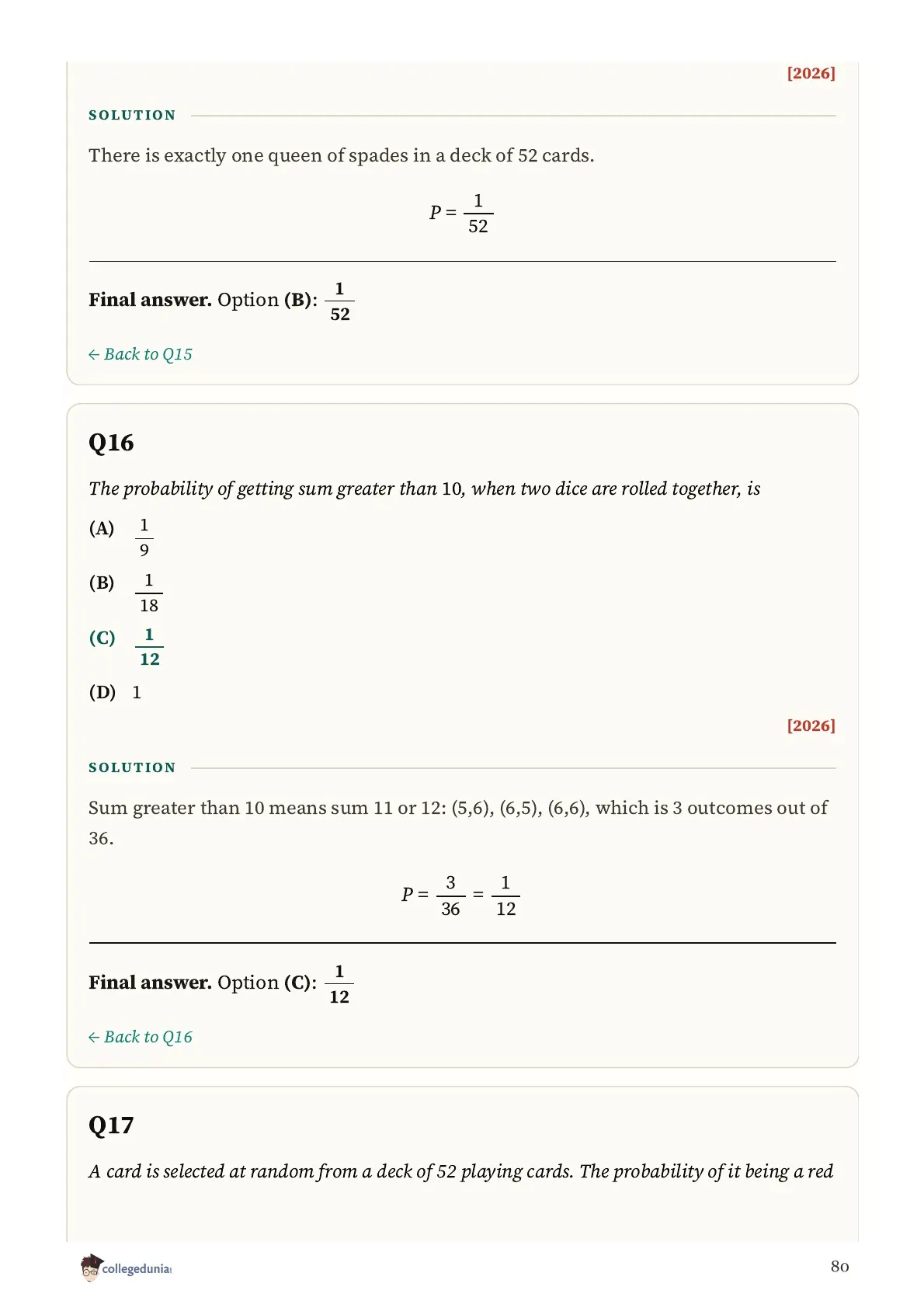
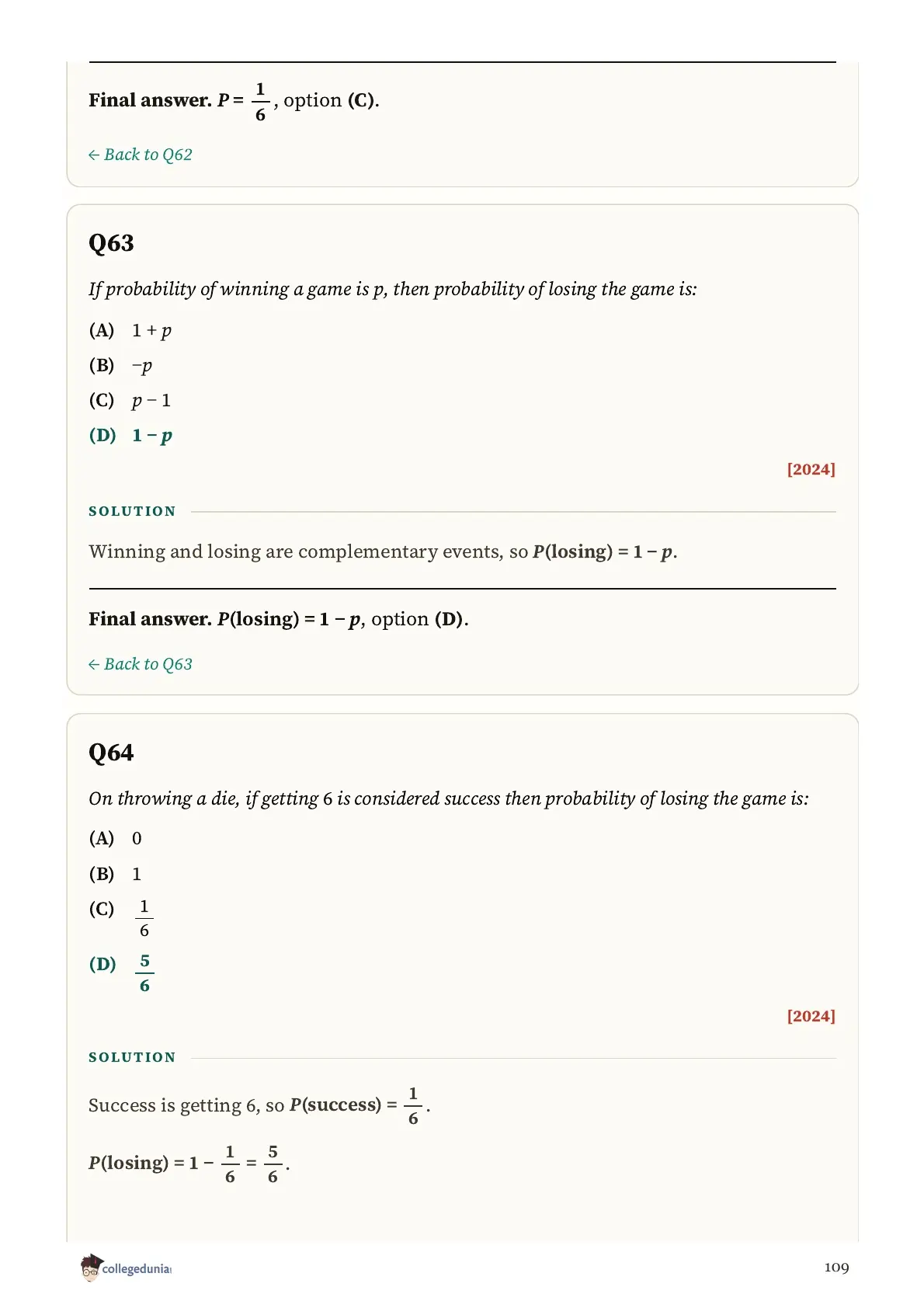
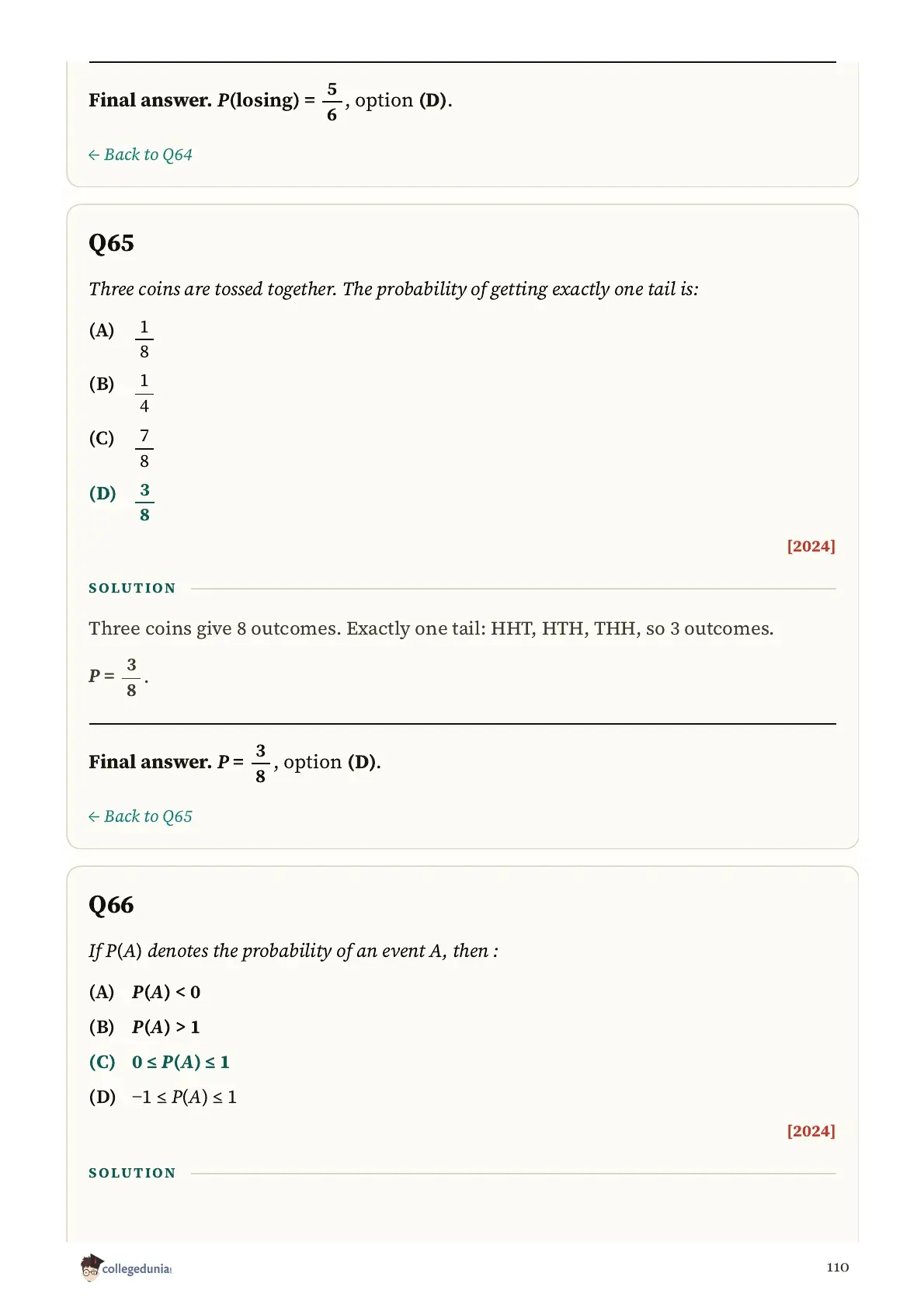
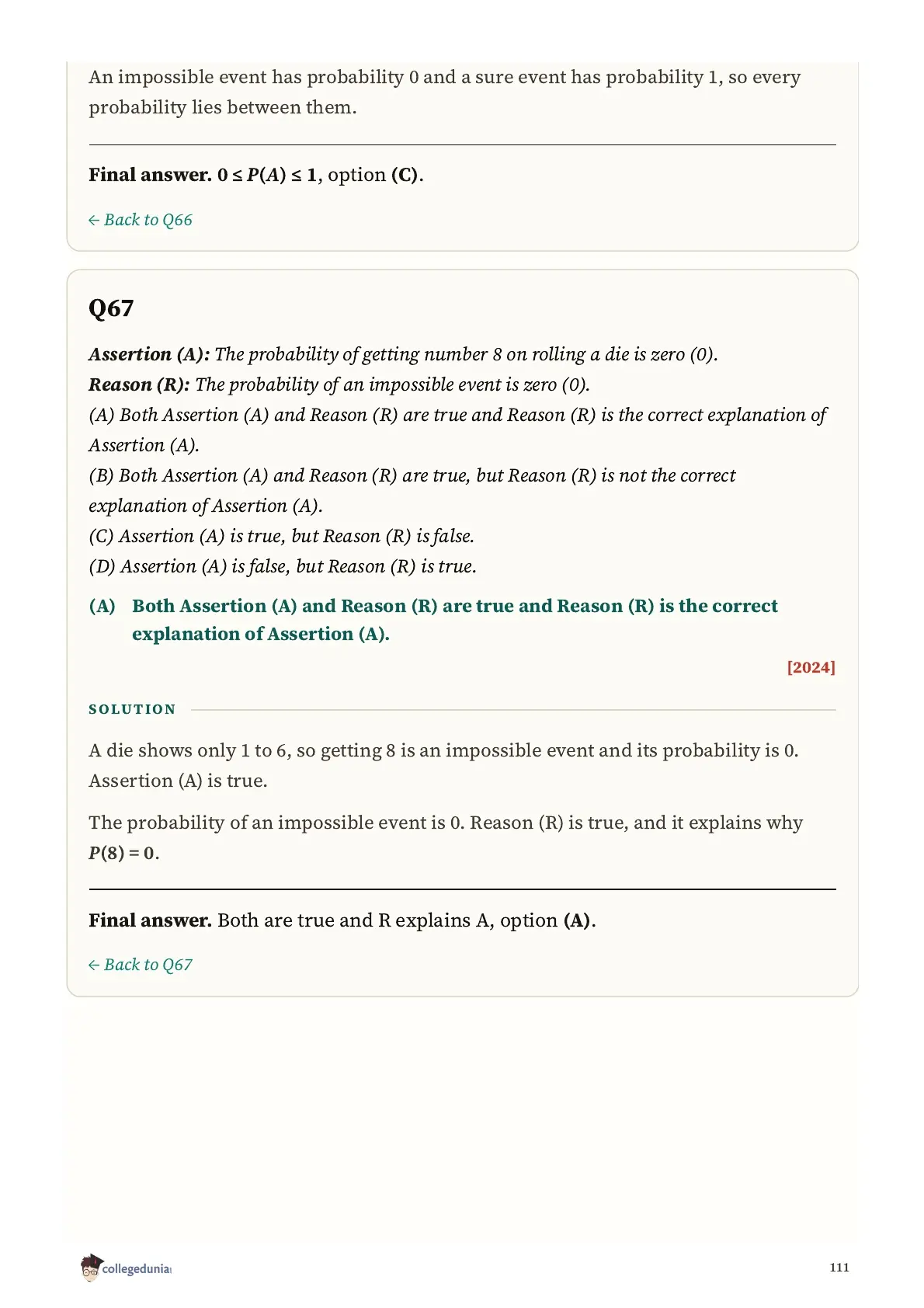
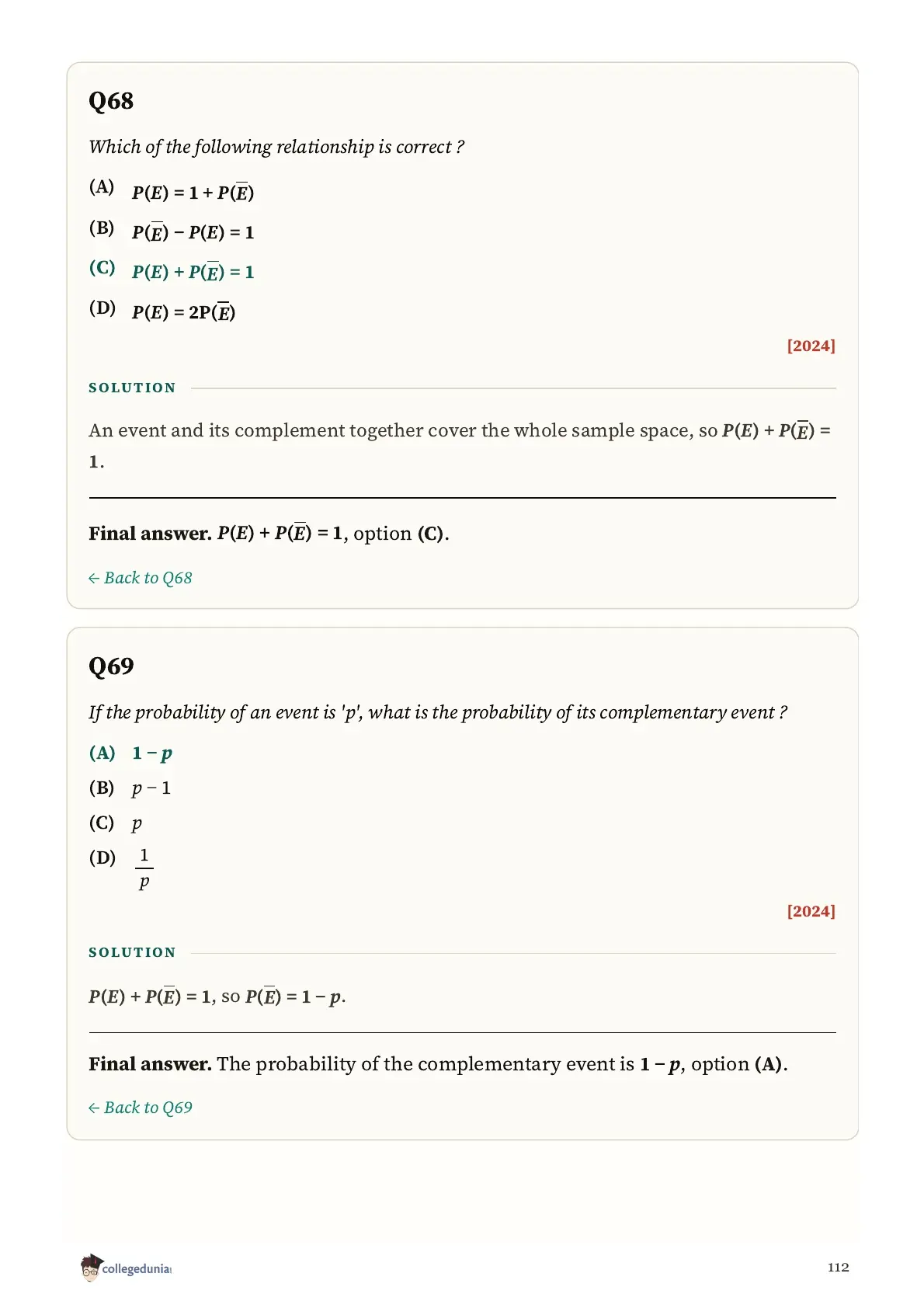
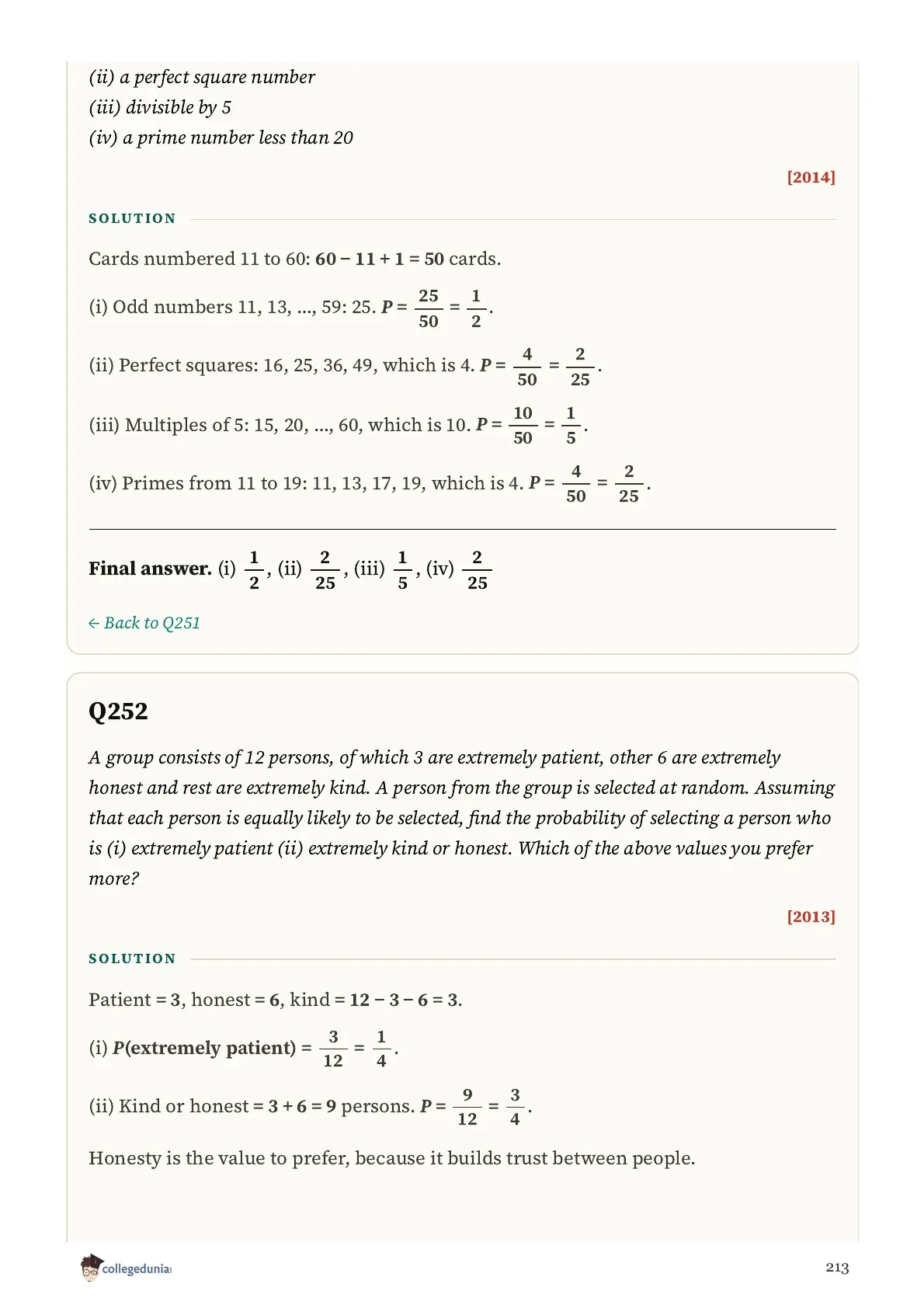
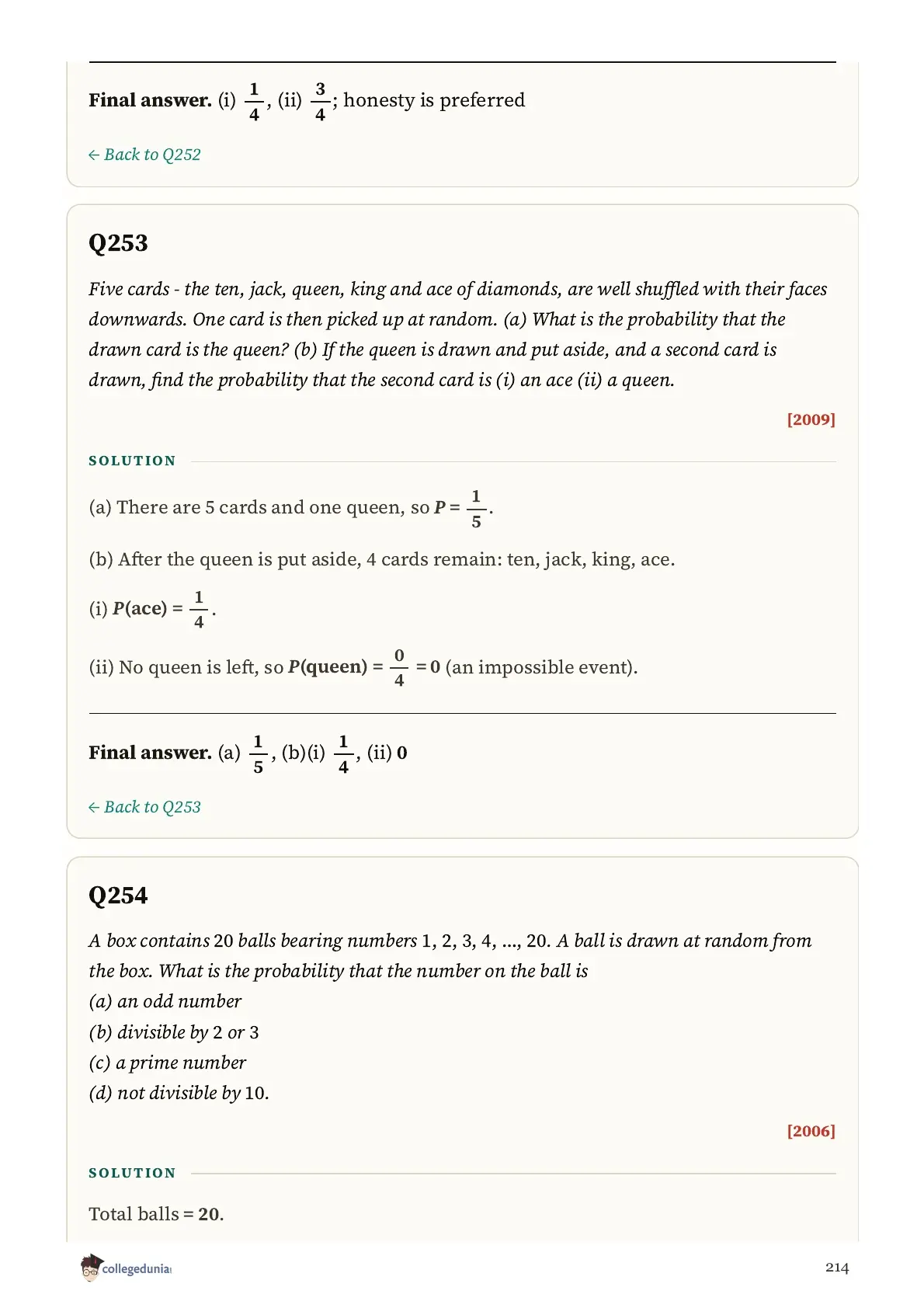
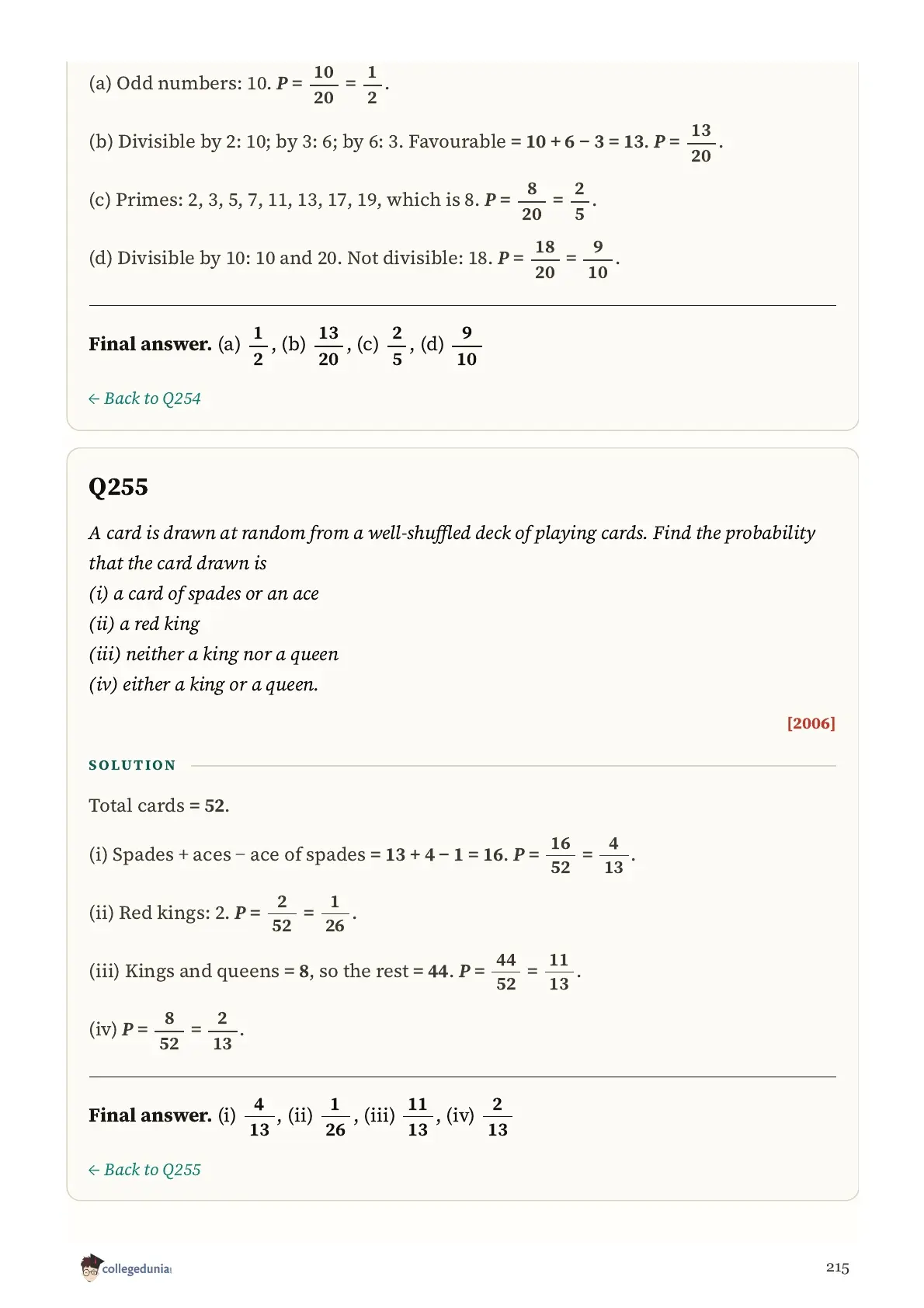
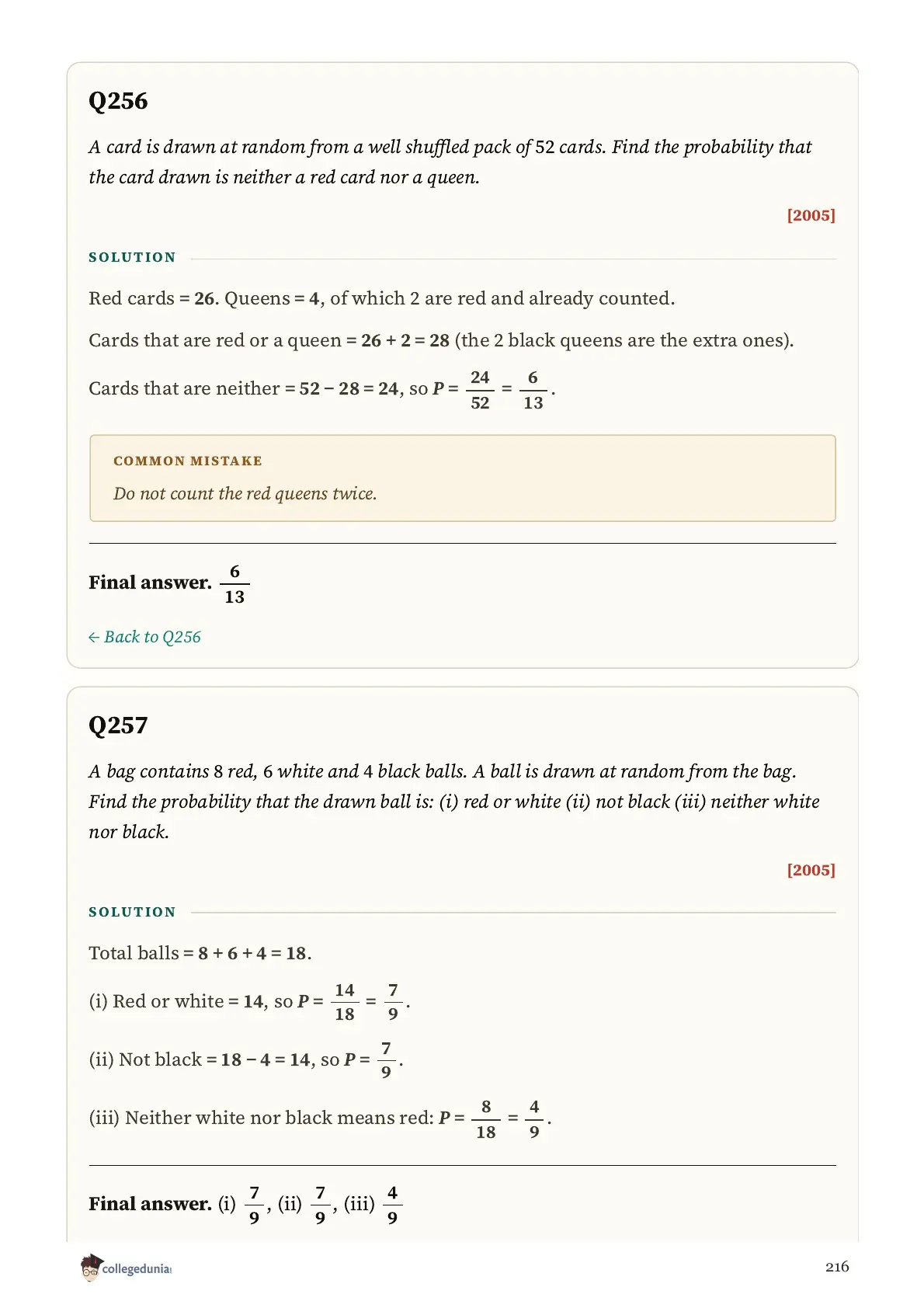
Probability Weightage in the Class 10 Maths Paper
CBSE does not print a mark figure for Probability alone. In the Class 10 Maths (041) curriculum, the unit Statistics and Probability carries 11 of the 80 theory marks and holds two chapters, Statistics and Probability. The 11 is a unit-level figure from the 2025-26 and 2026-27 curriculum documents as listed on cbseacademic.nic.in, so check the current syllabus there. In this set the 1-mark question is by far the commonest form, and the older papers add 2, 3 and 4-mark questions.
The table shows how many questions the set holds at each mark value.
| Marks per Question | Questions in the Set |
|---|---|
| 1 mark | 133 |
| 2 marks | 61 |
| 3 marks | 45 |
| 4 marks | 19 |
Probability Questions by Topic
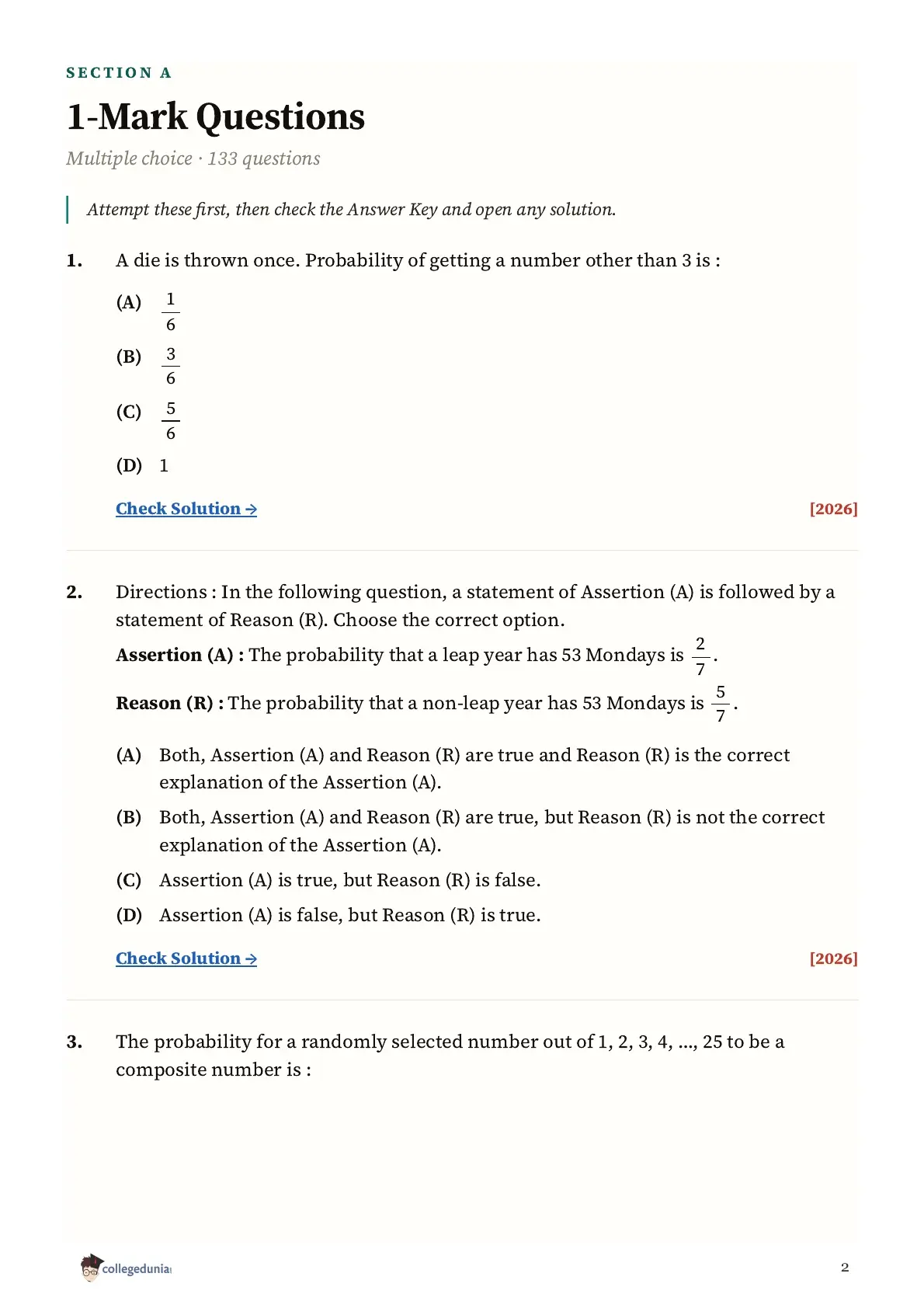
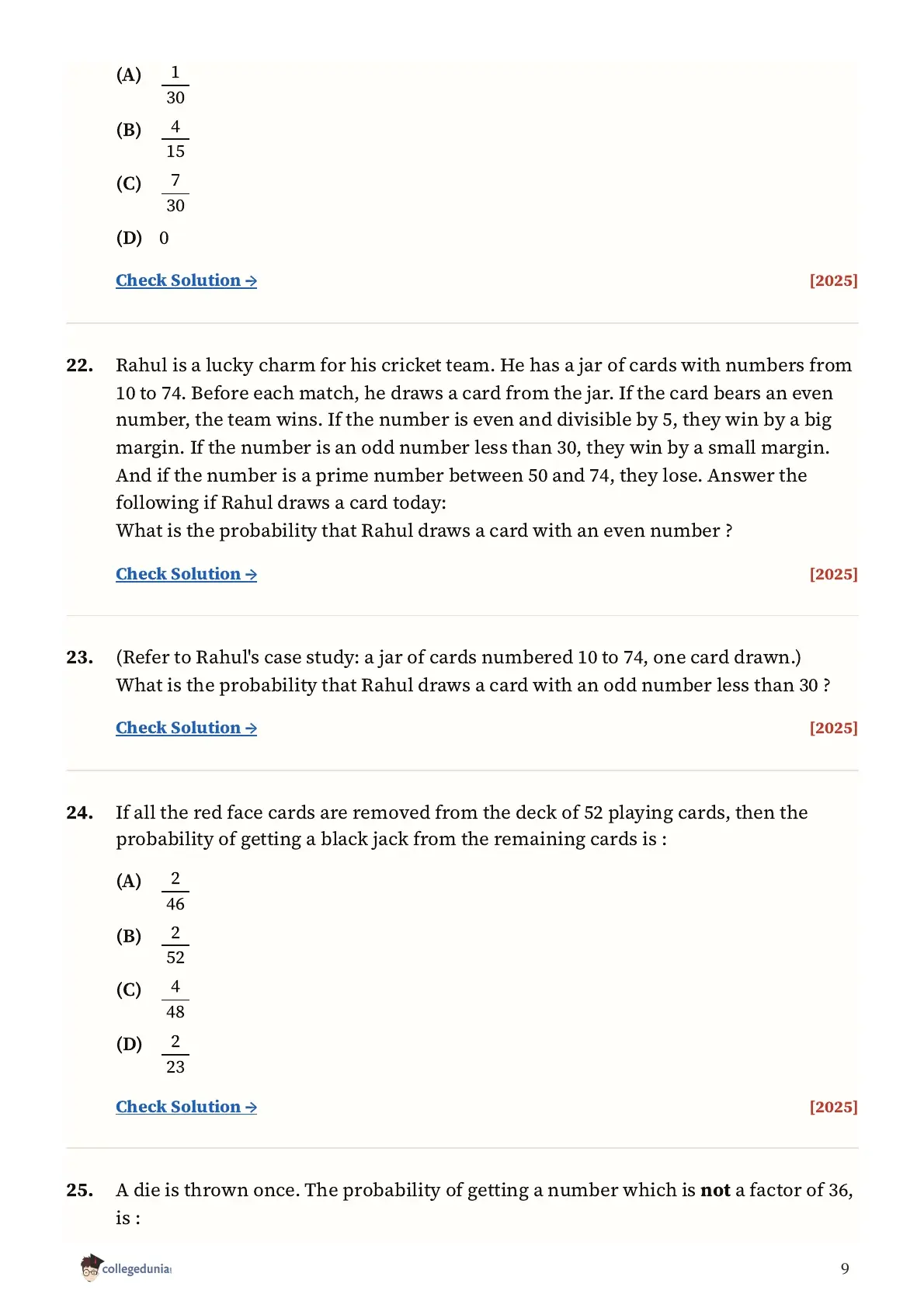
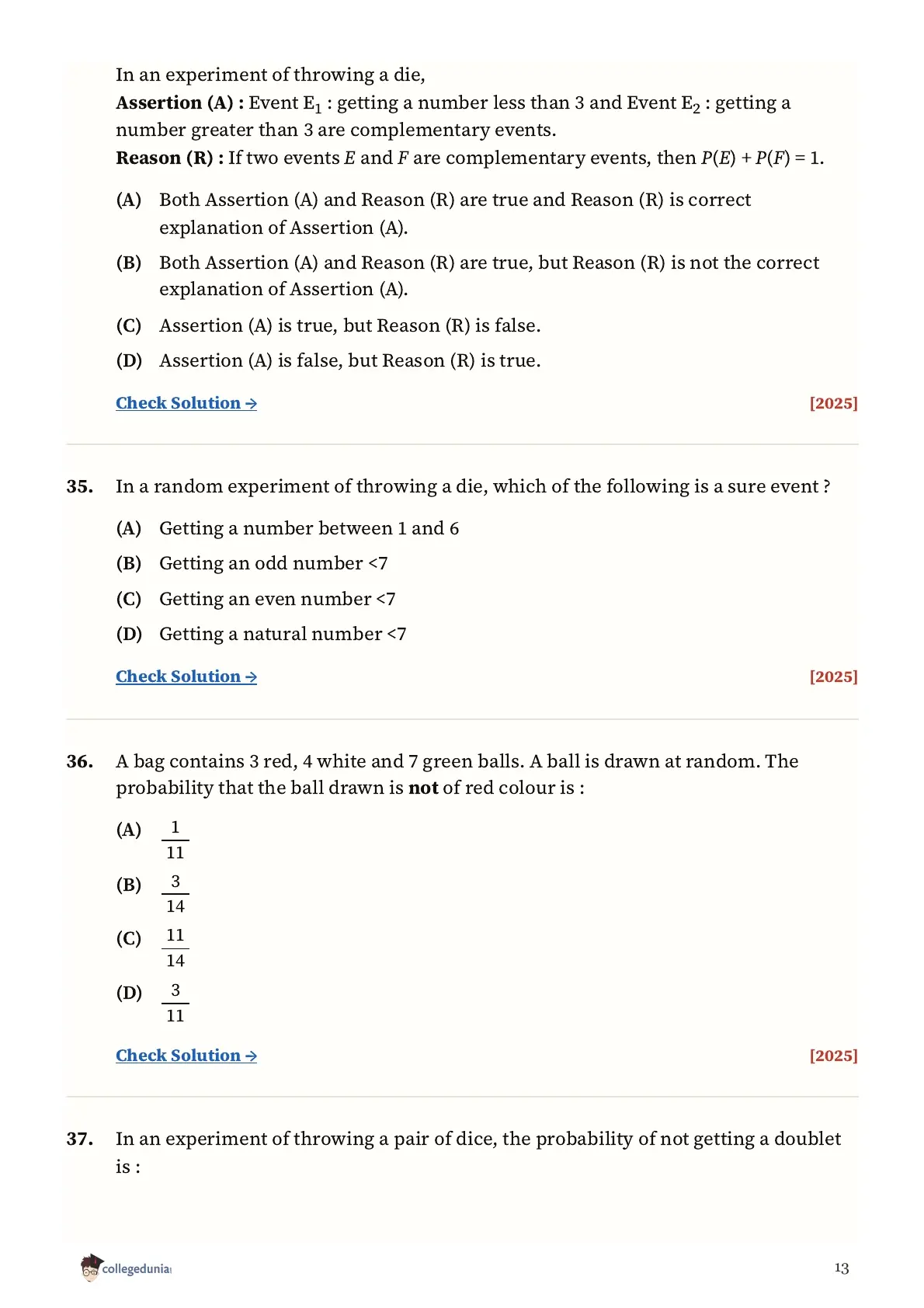
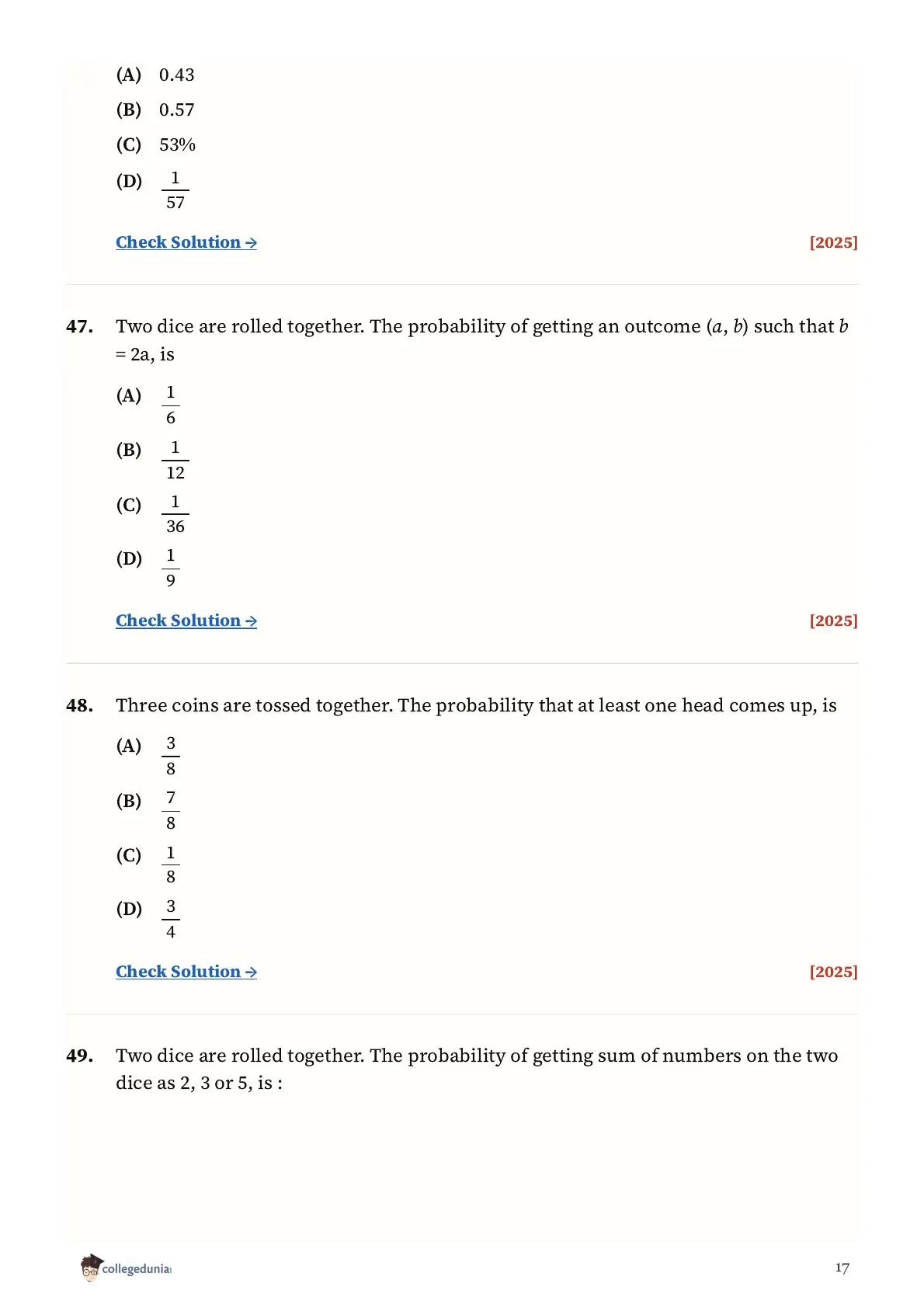
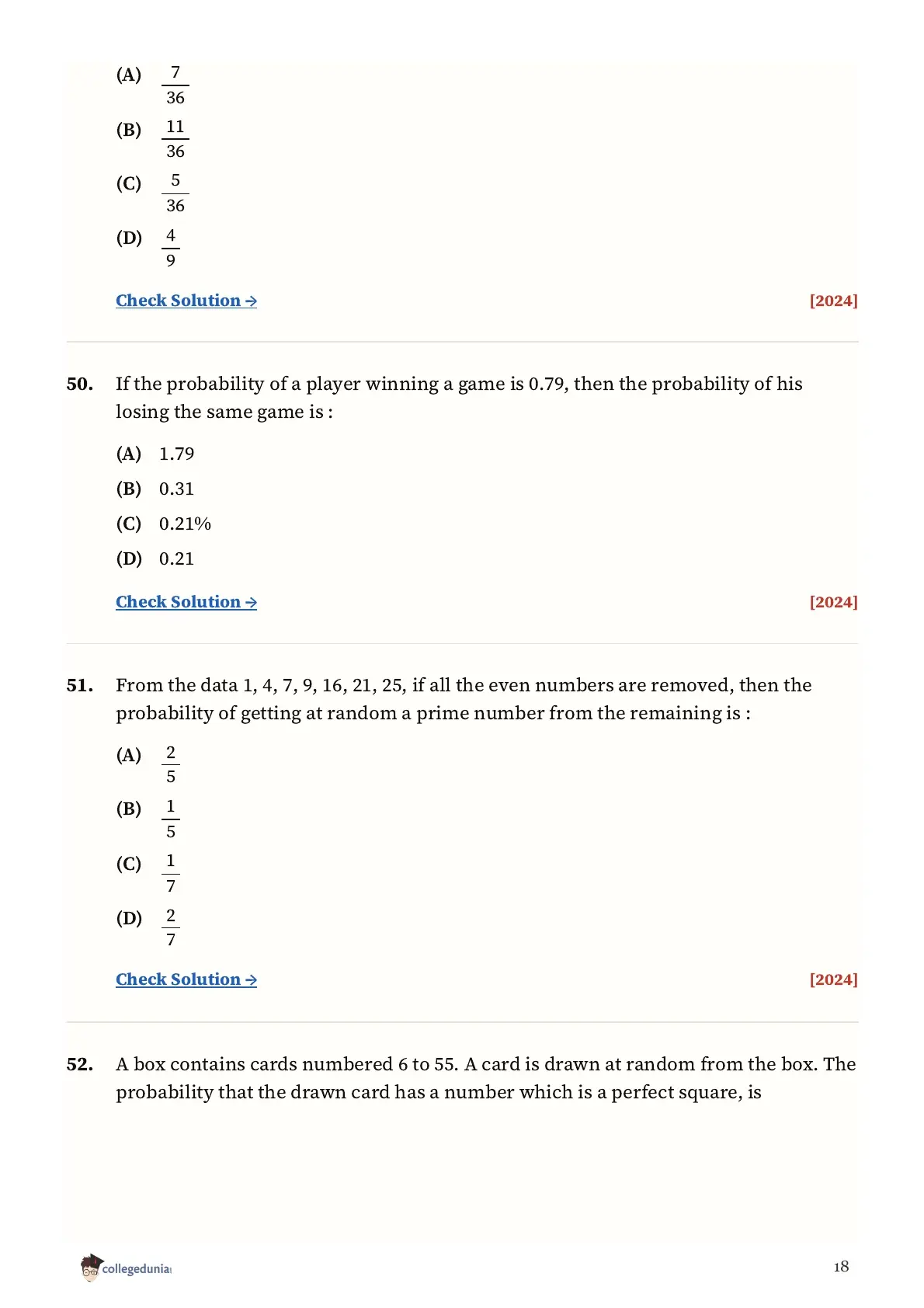
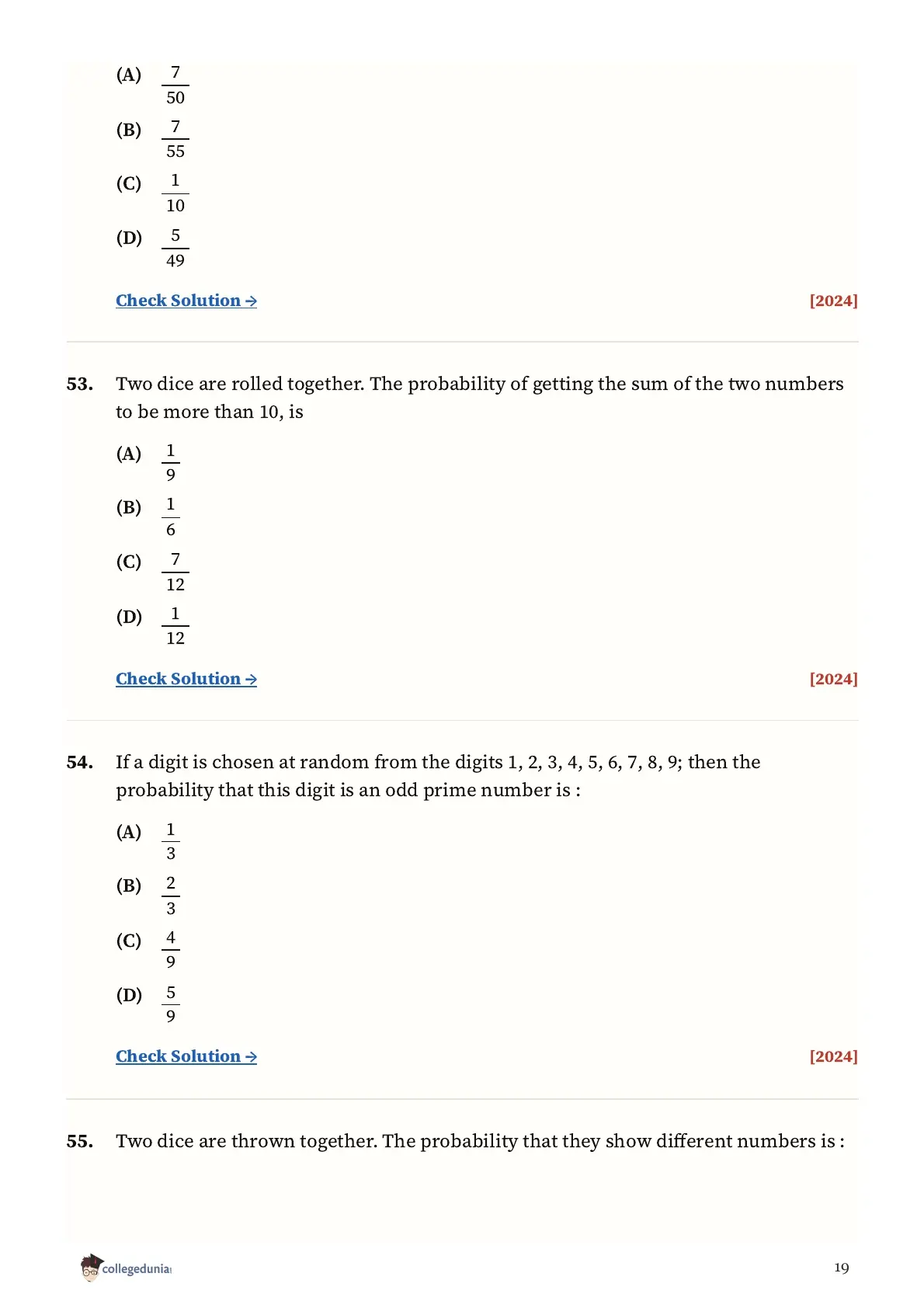
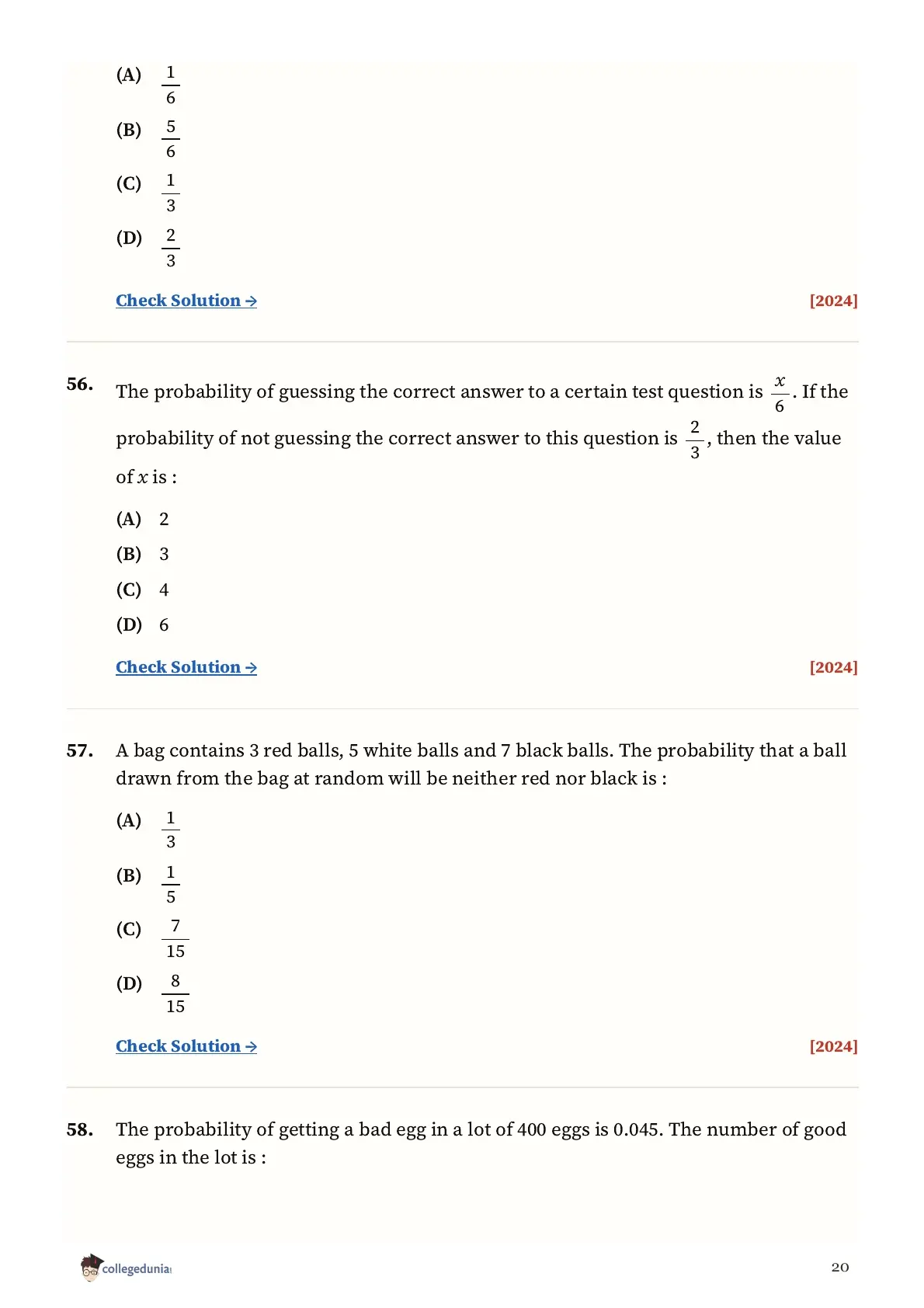
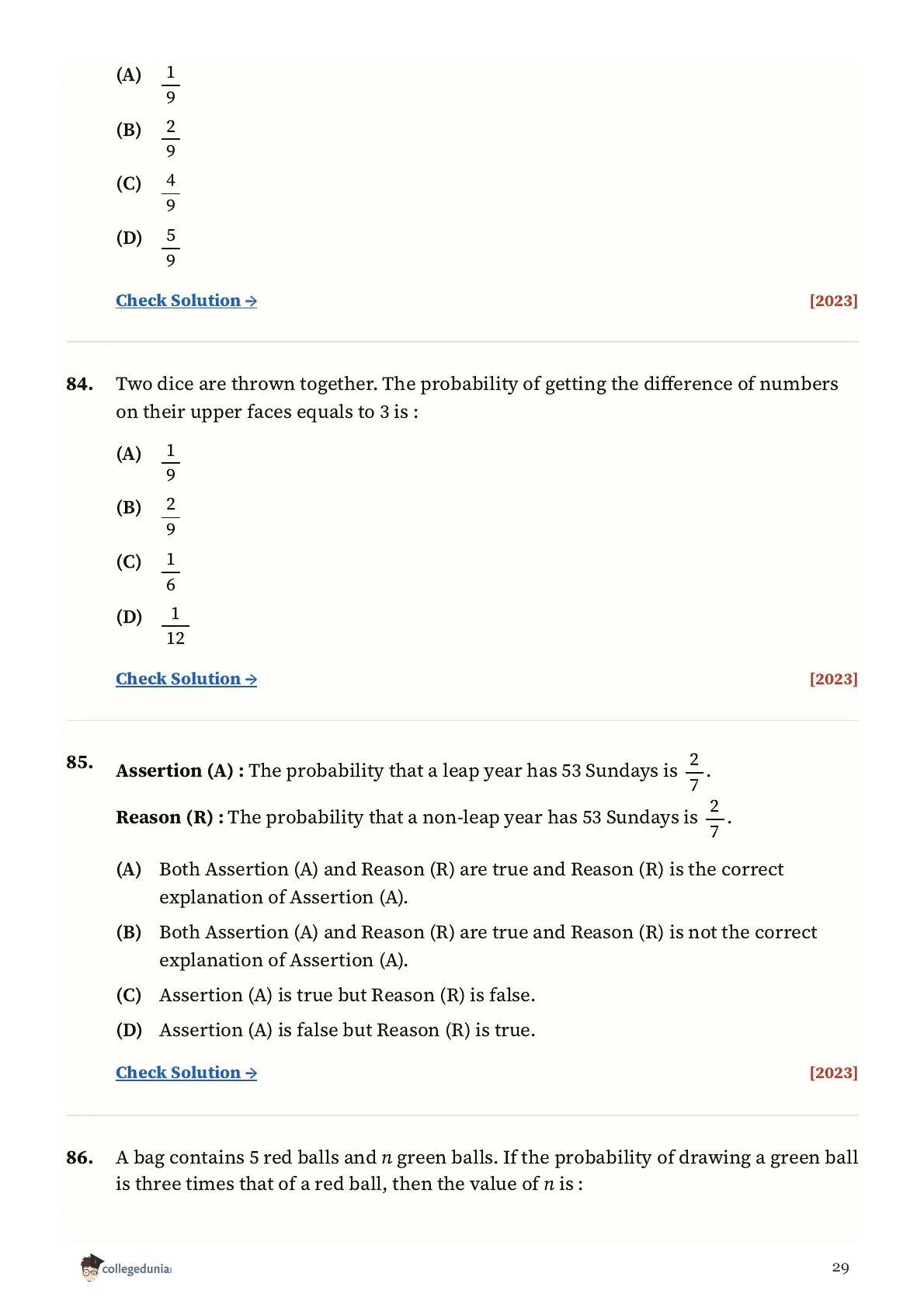
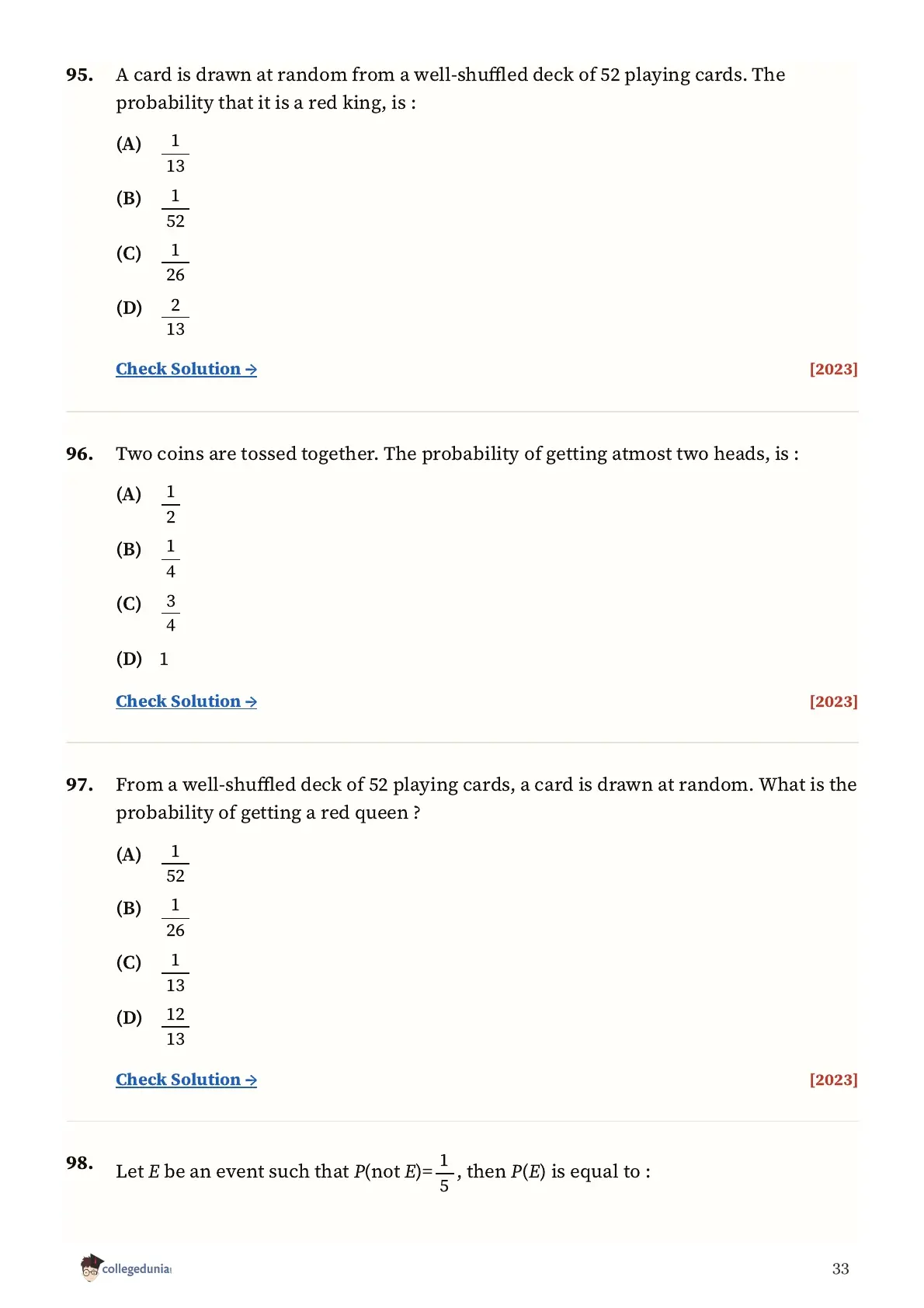
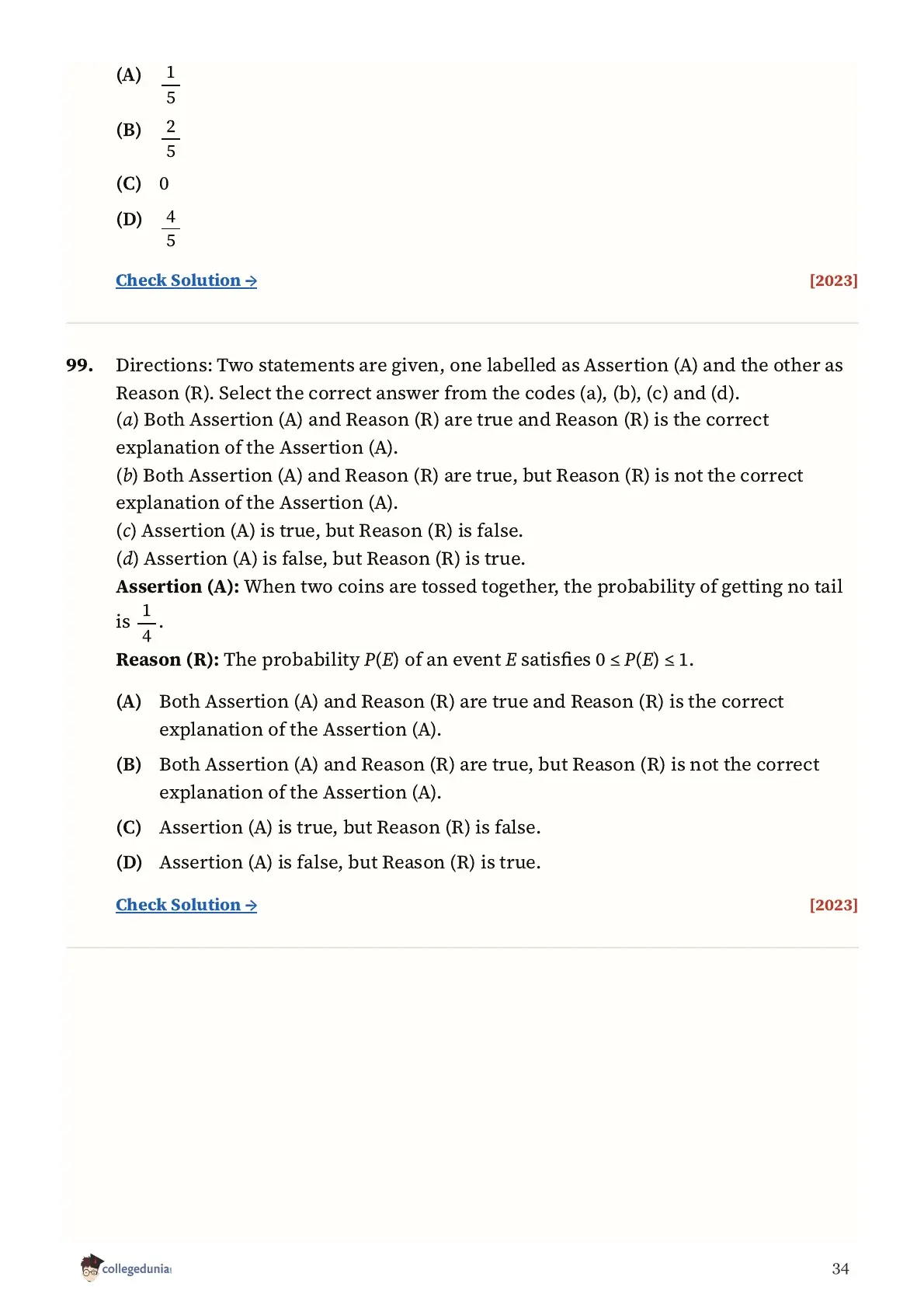
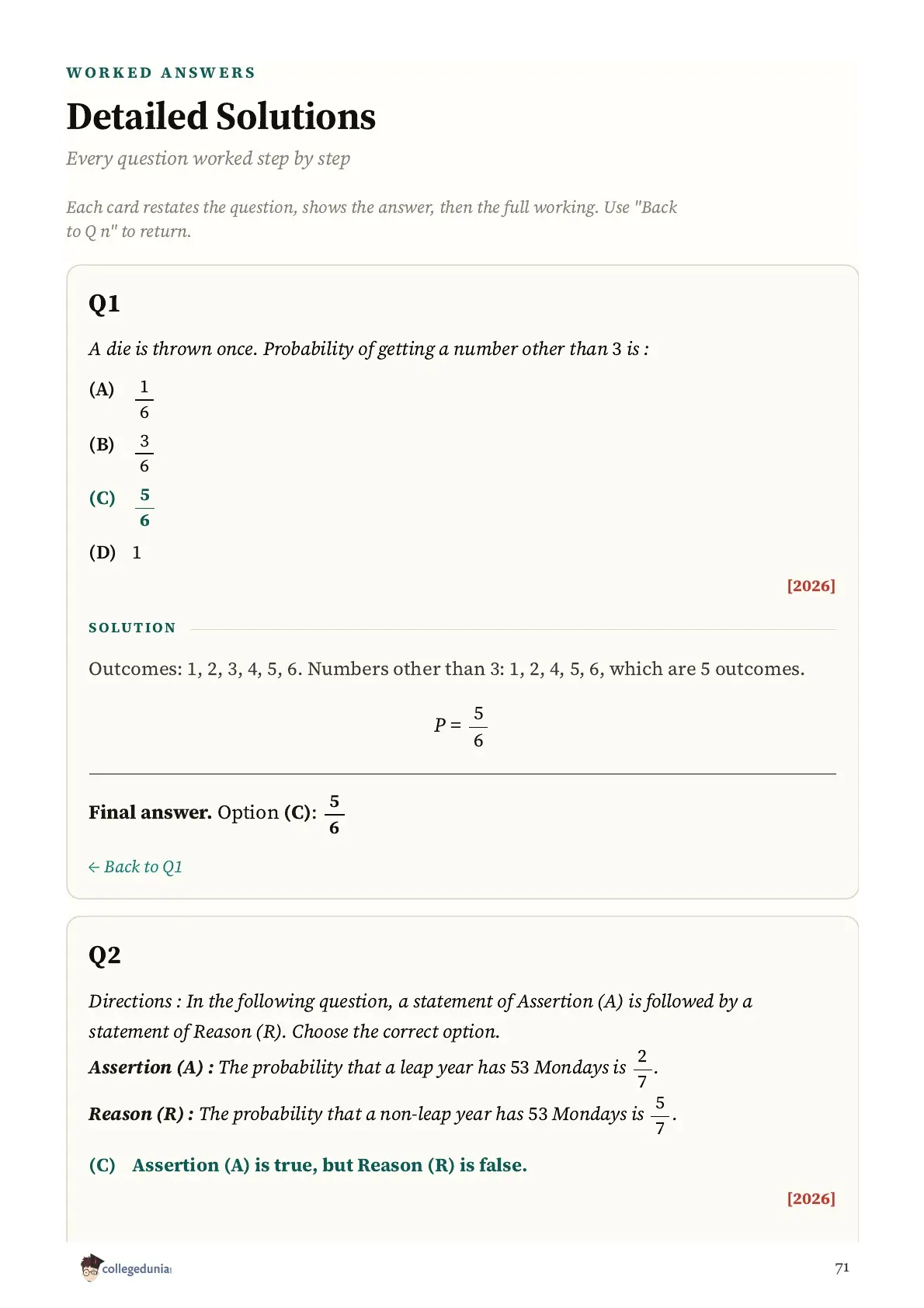
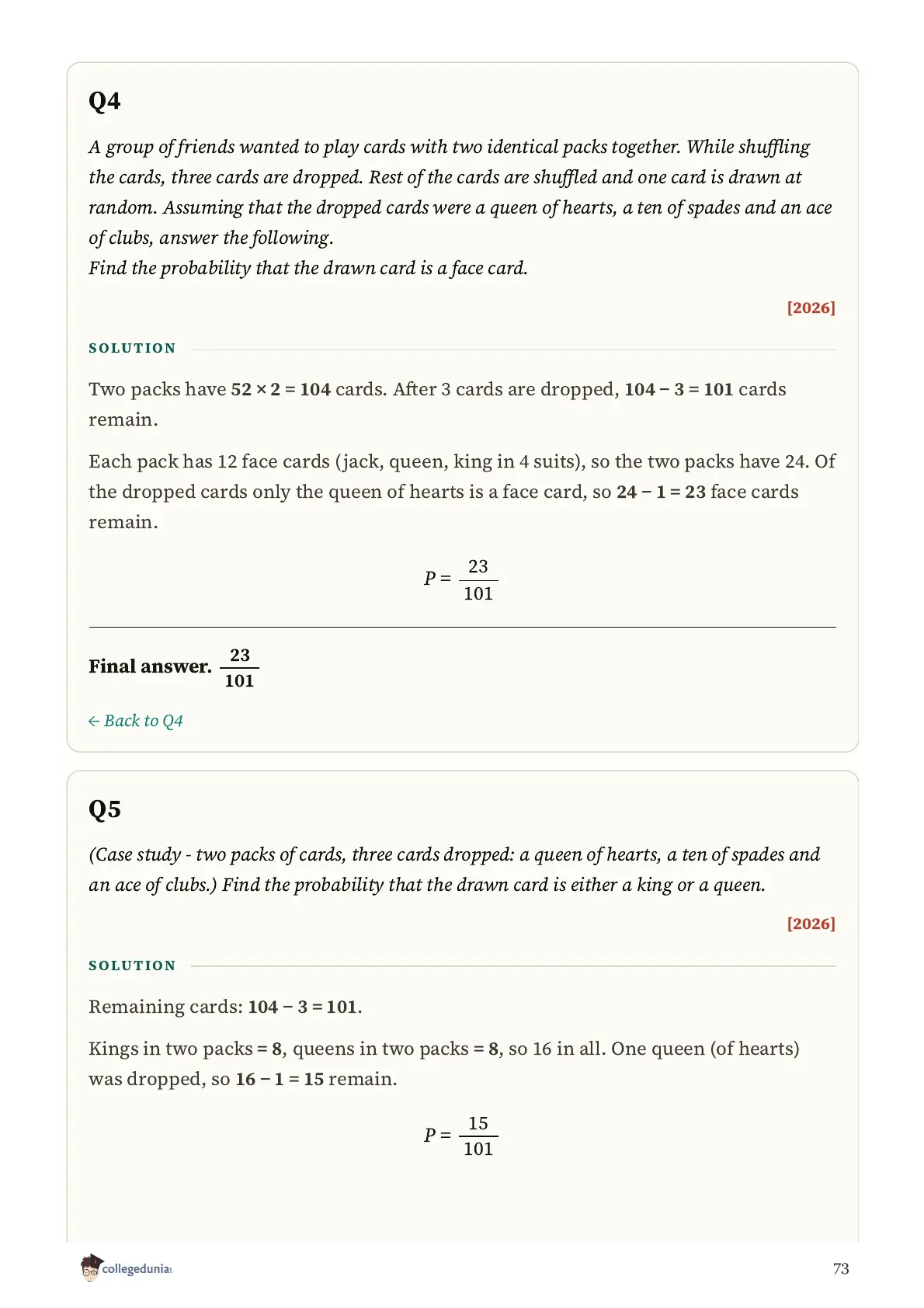
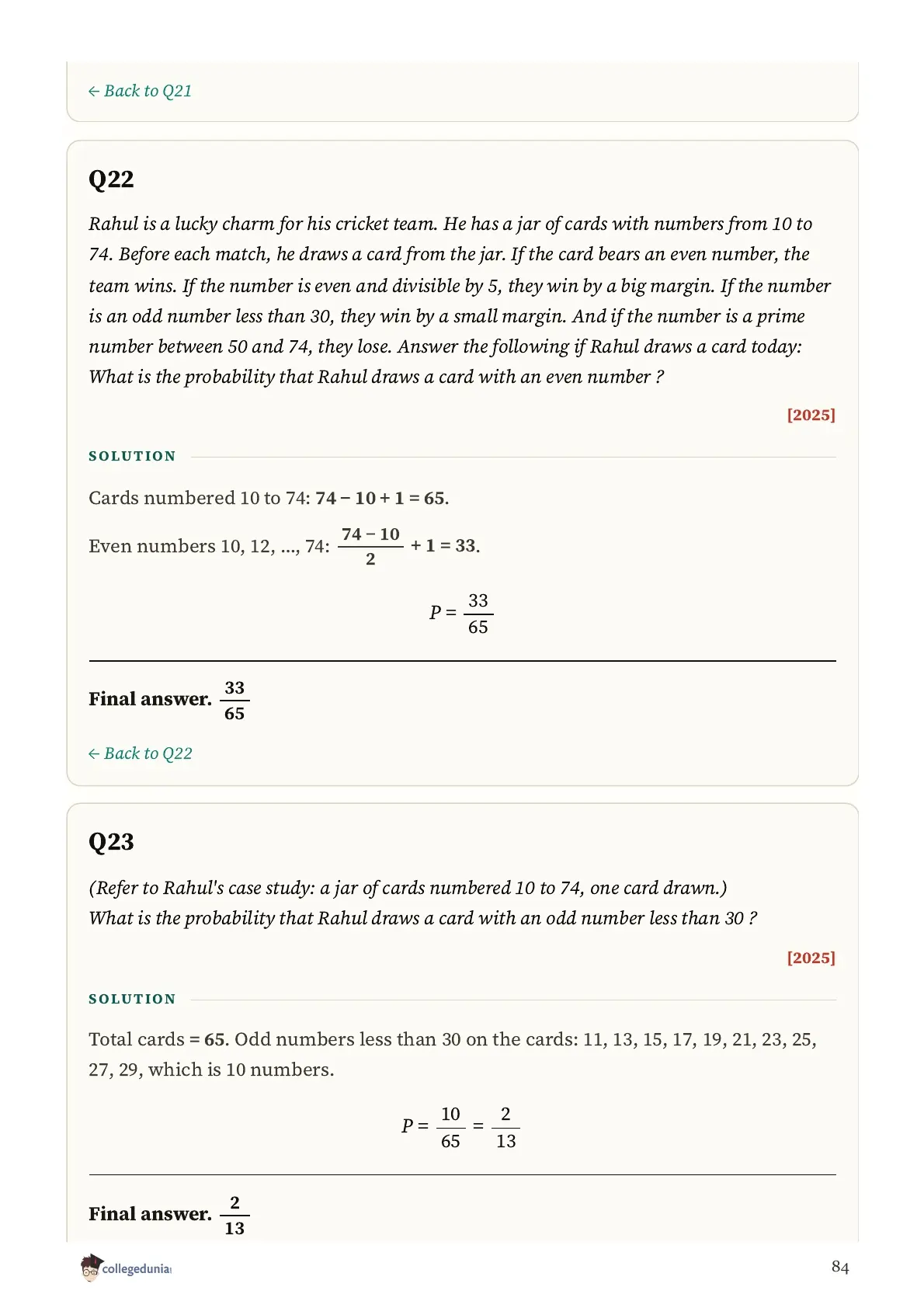
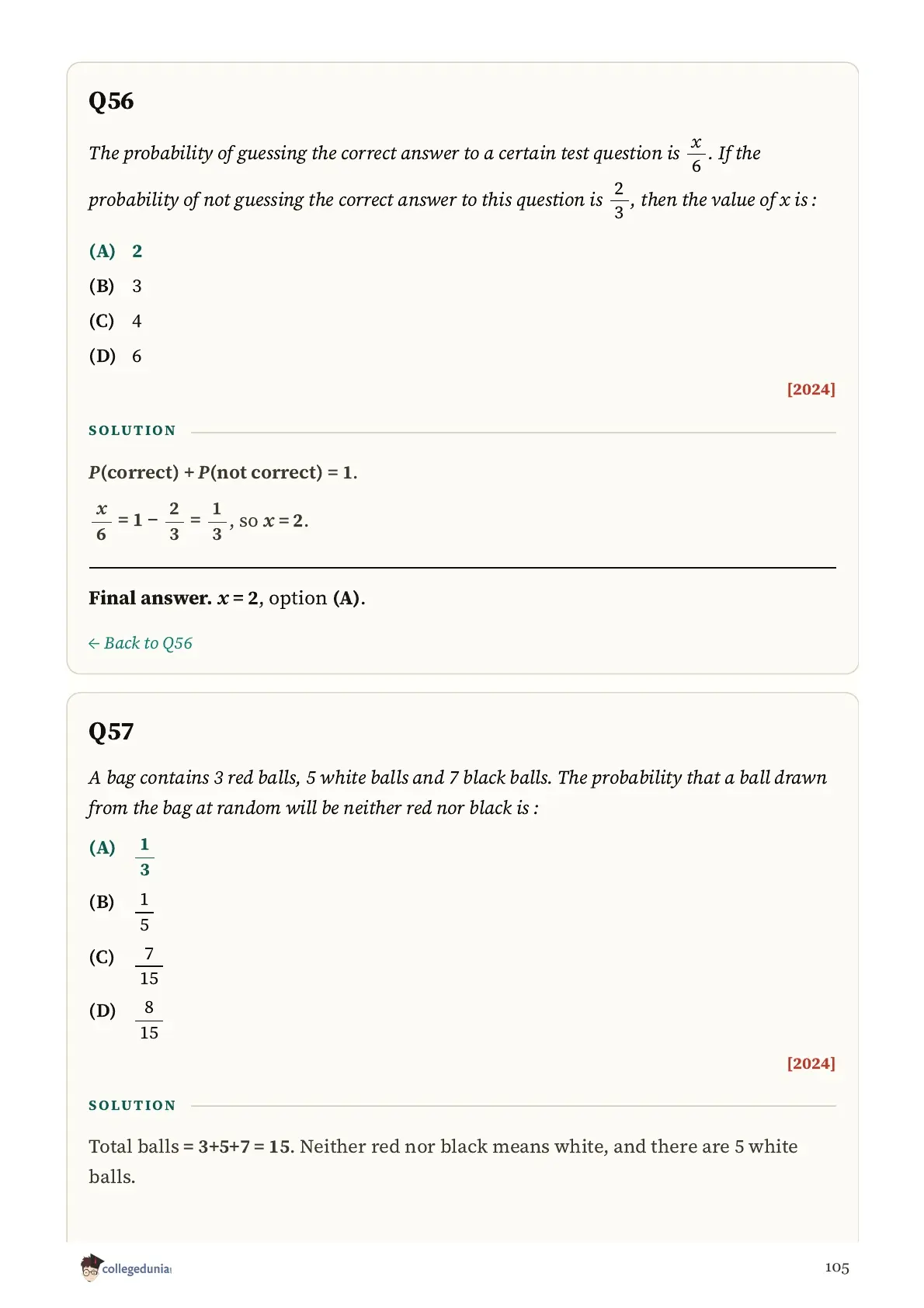
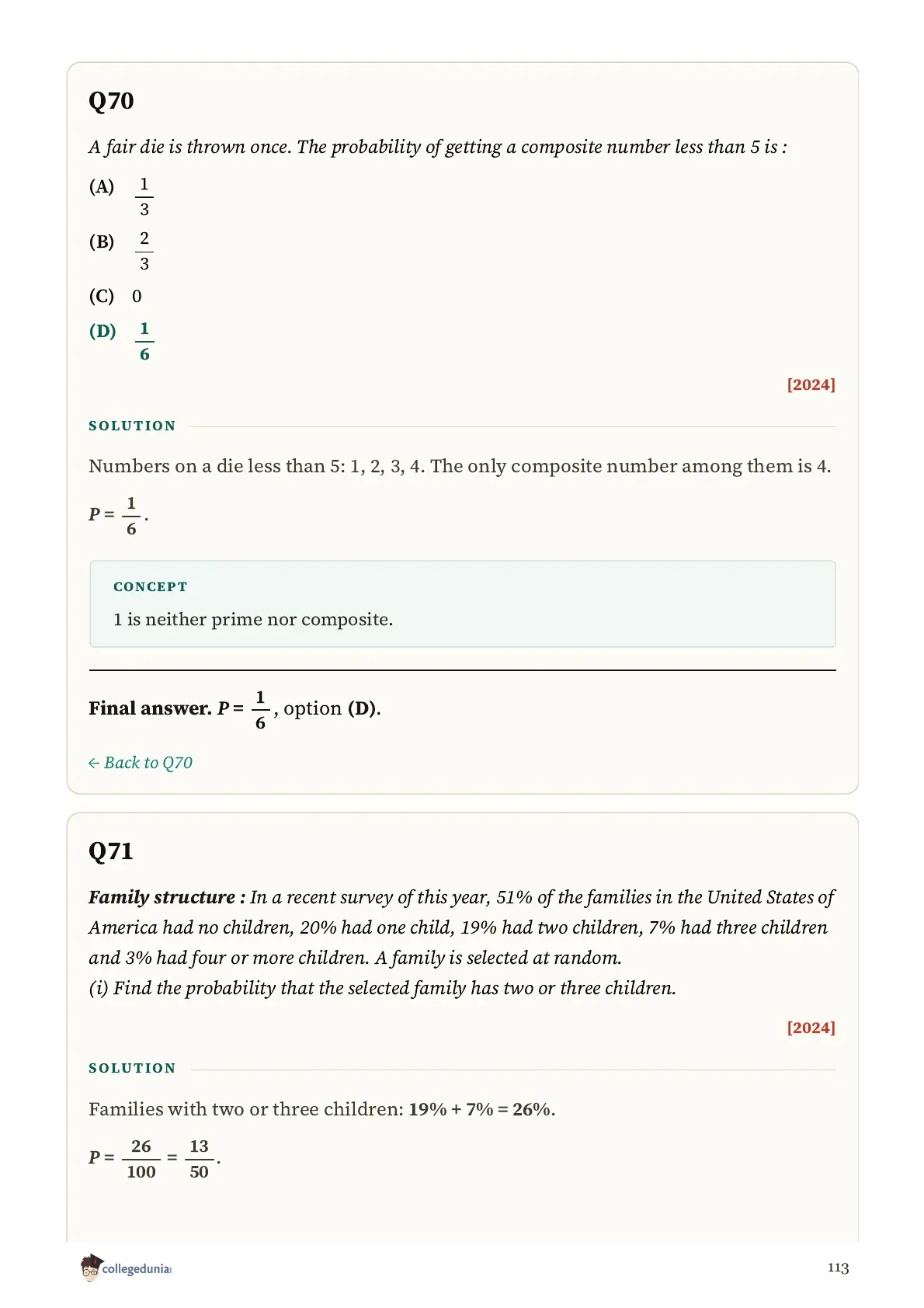
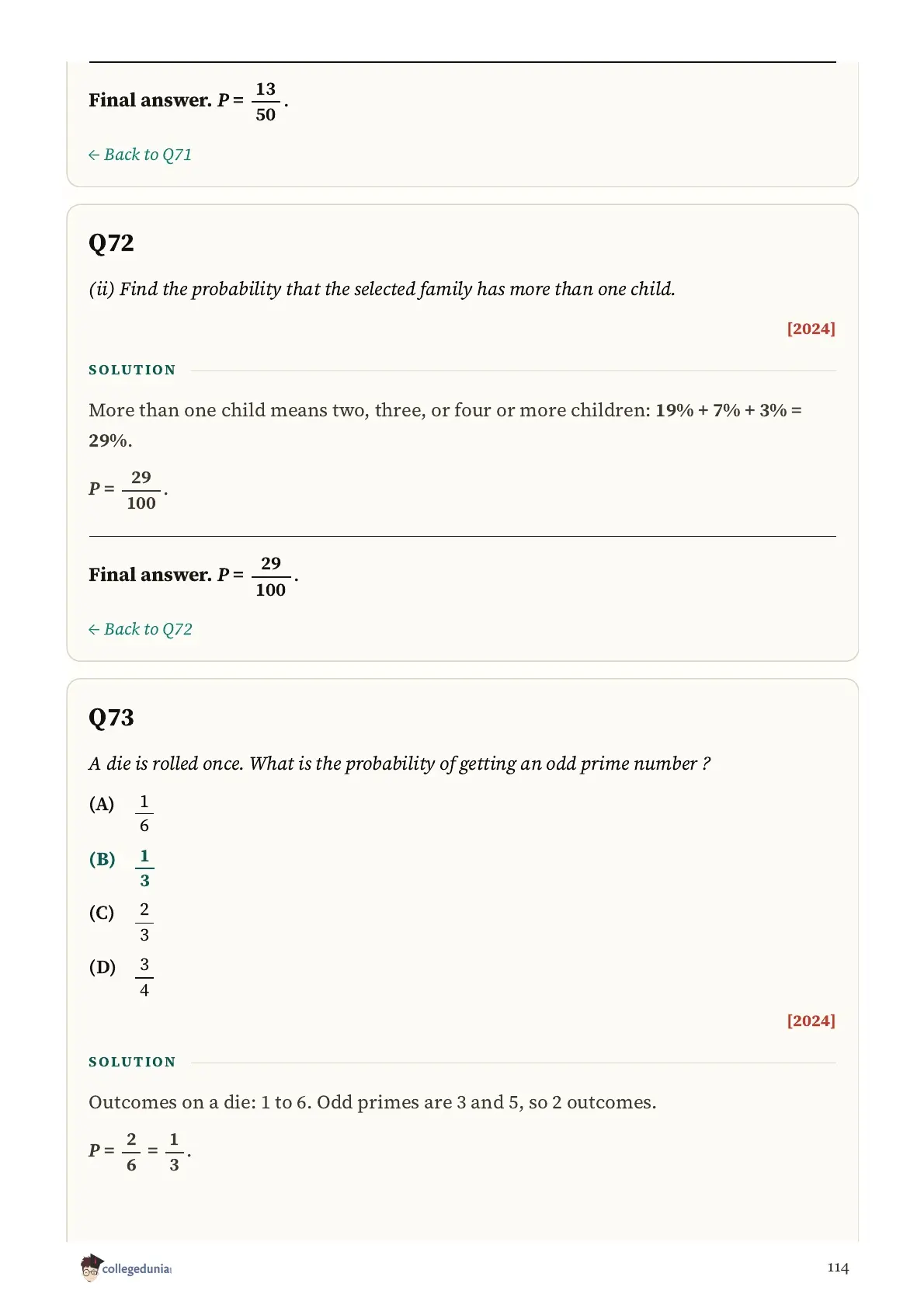
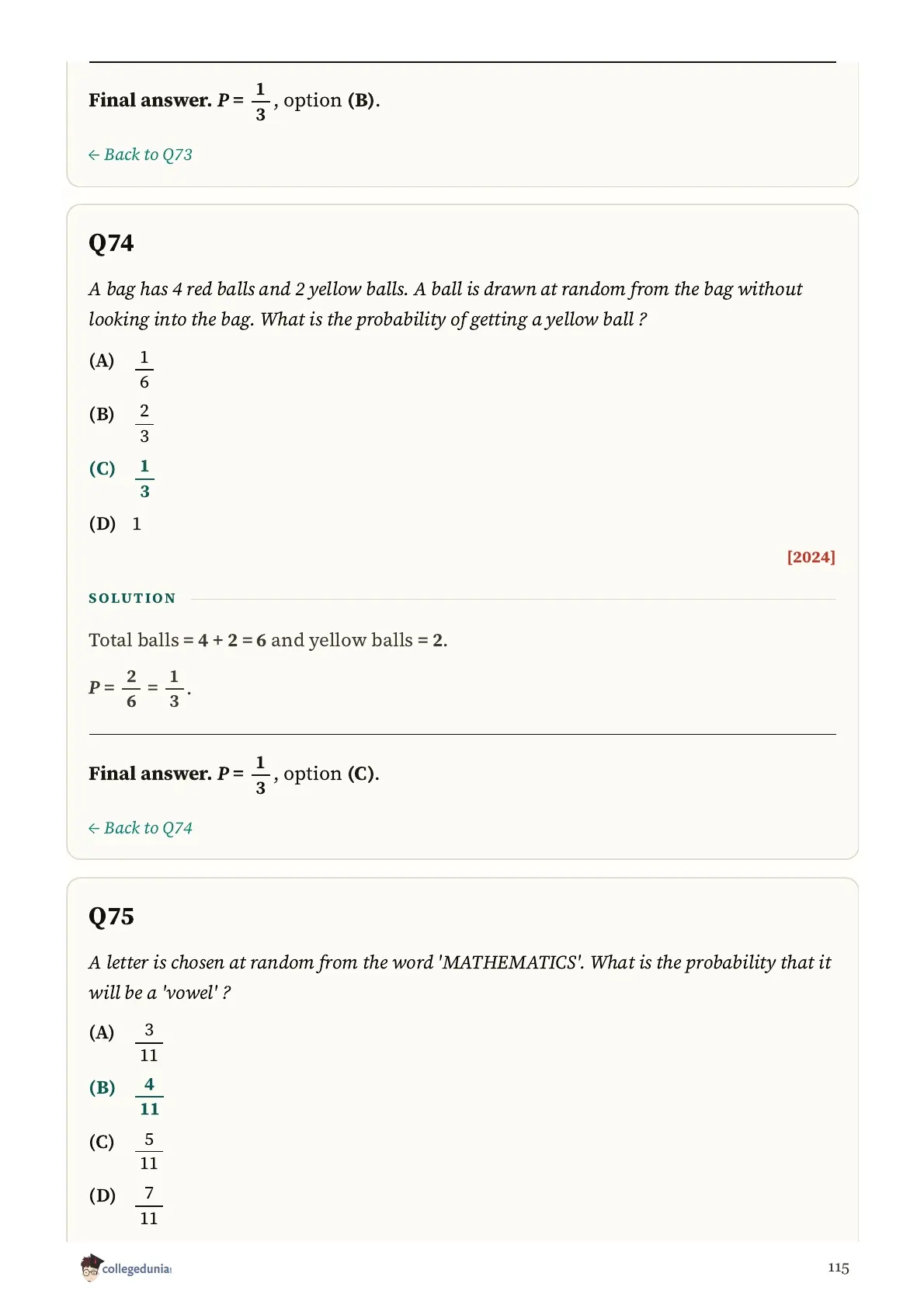
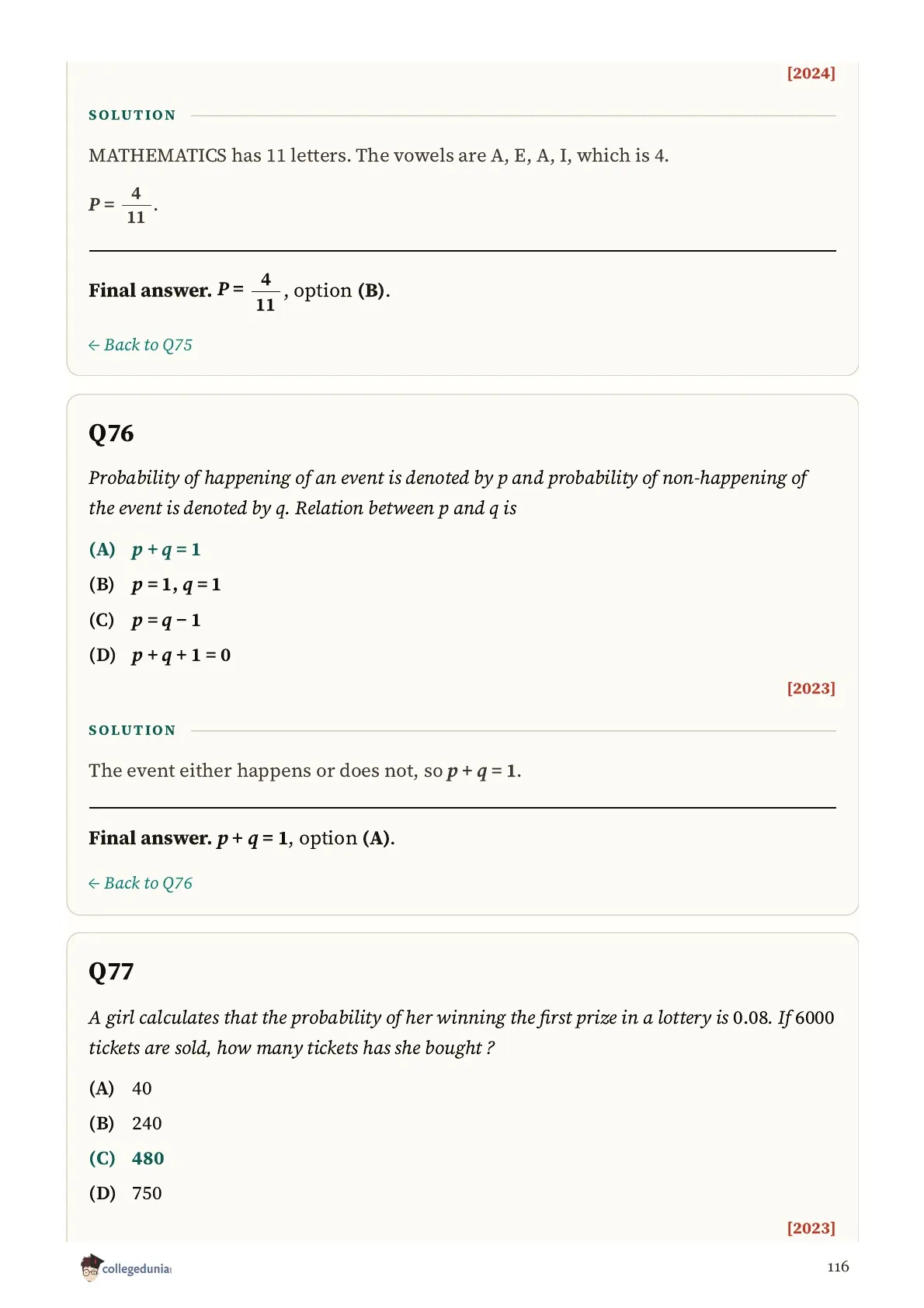
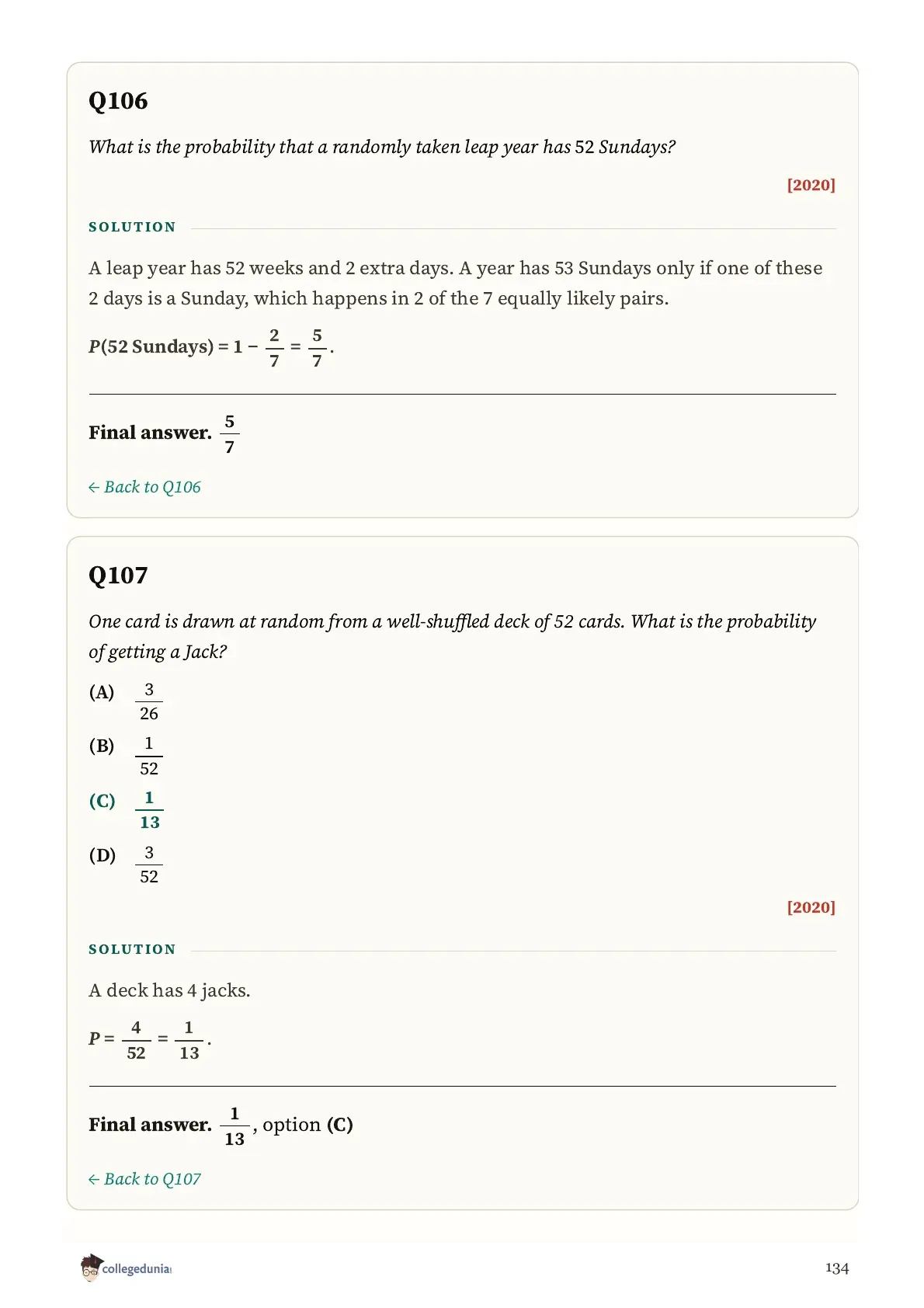
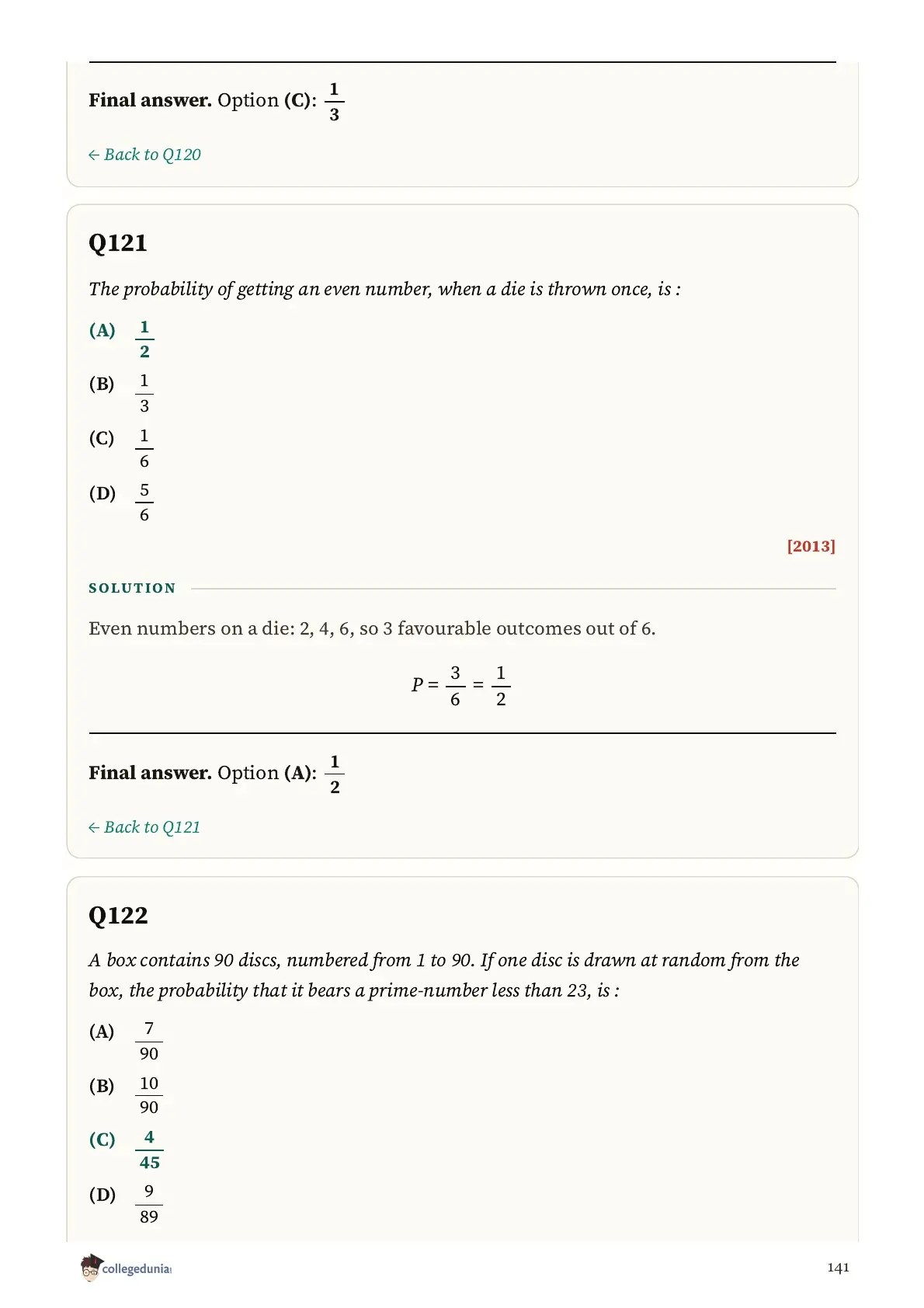
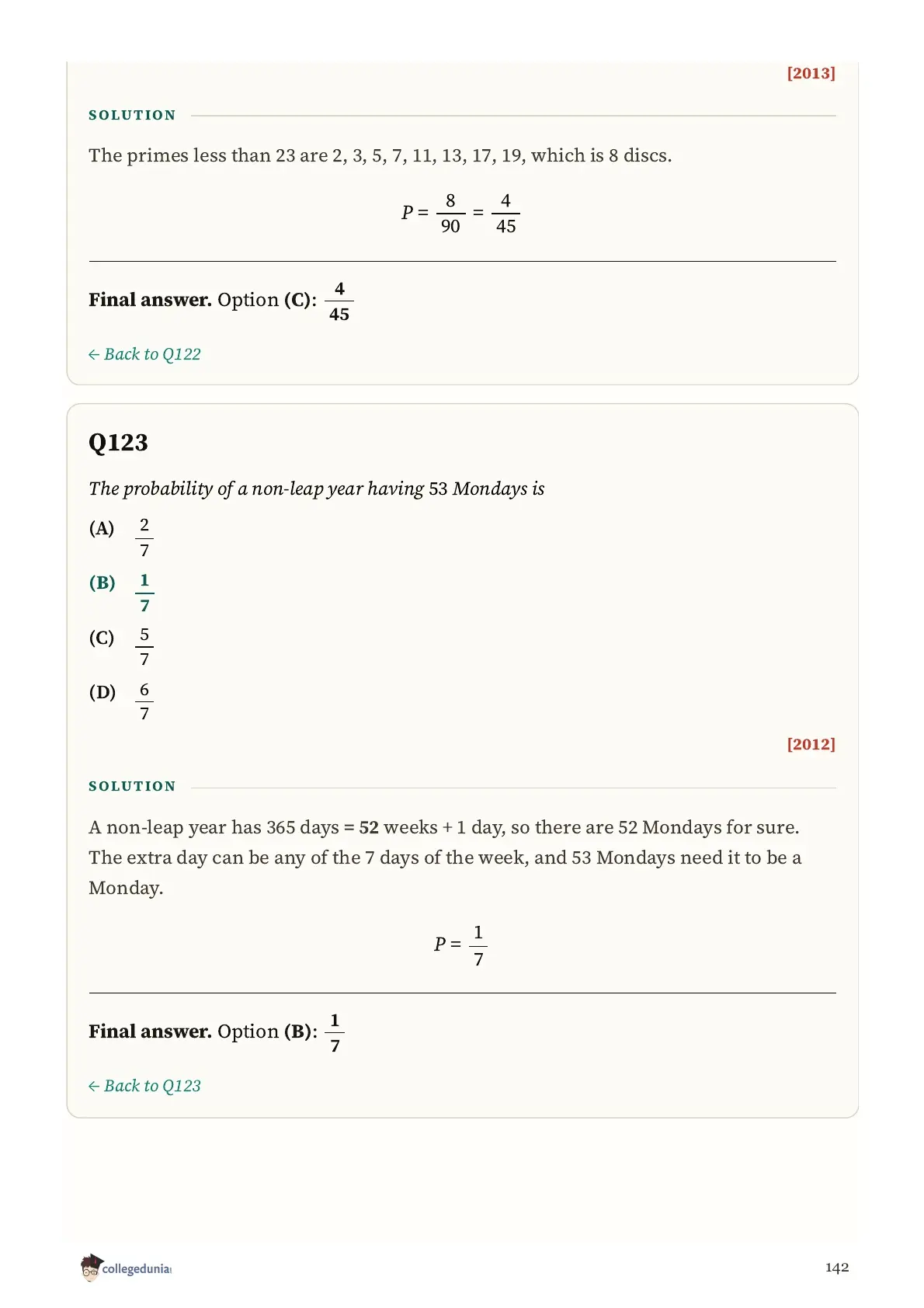
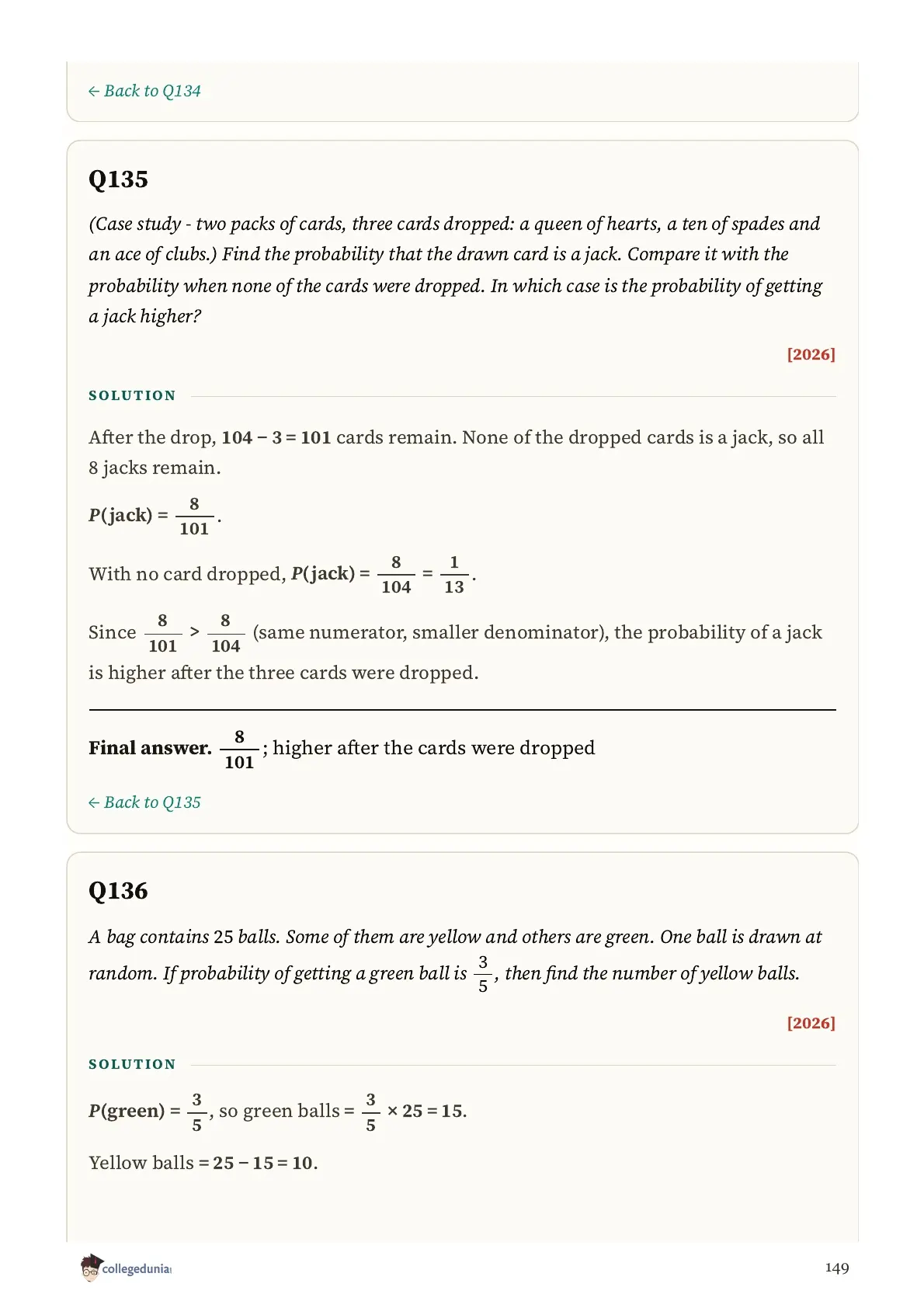
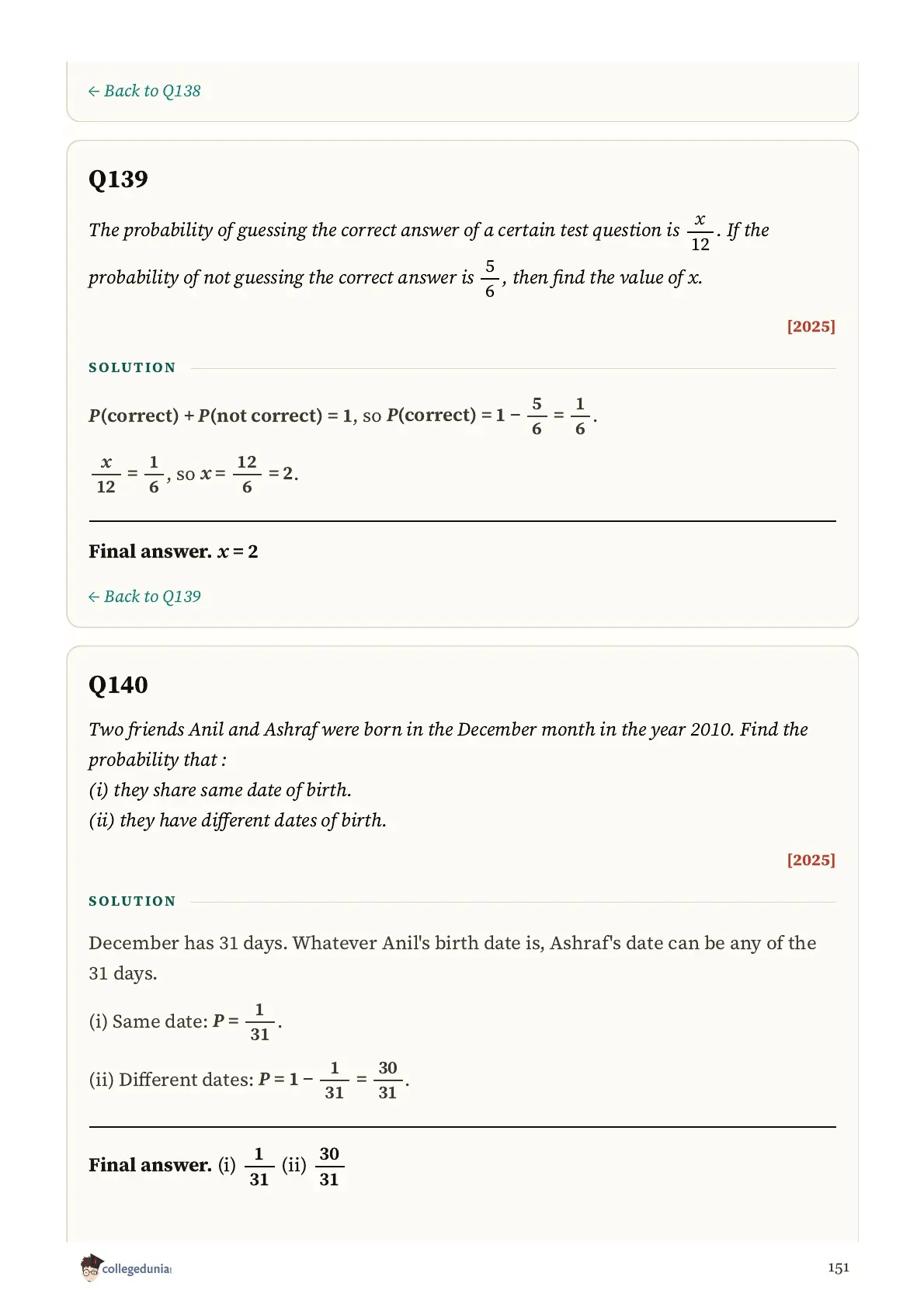
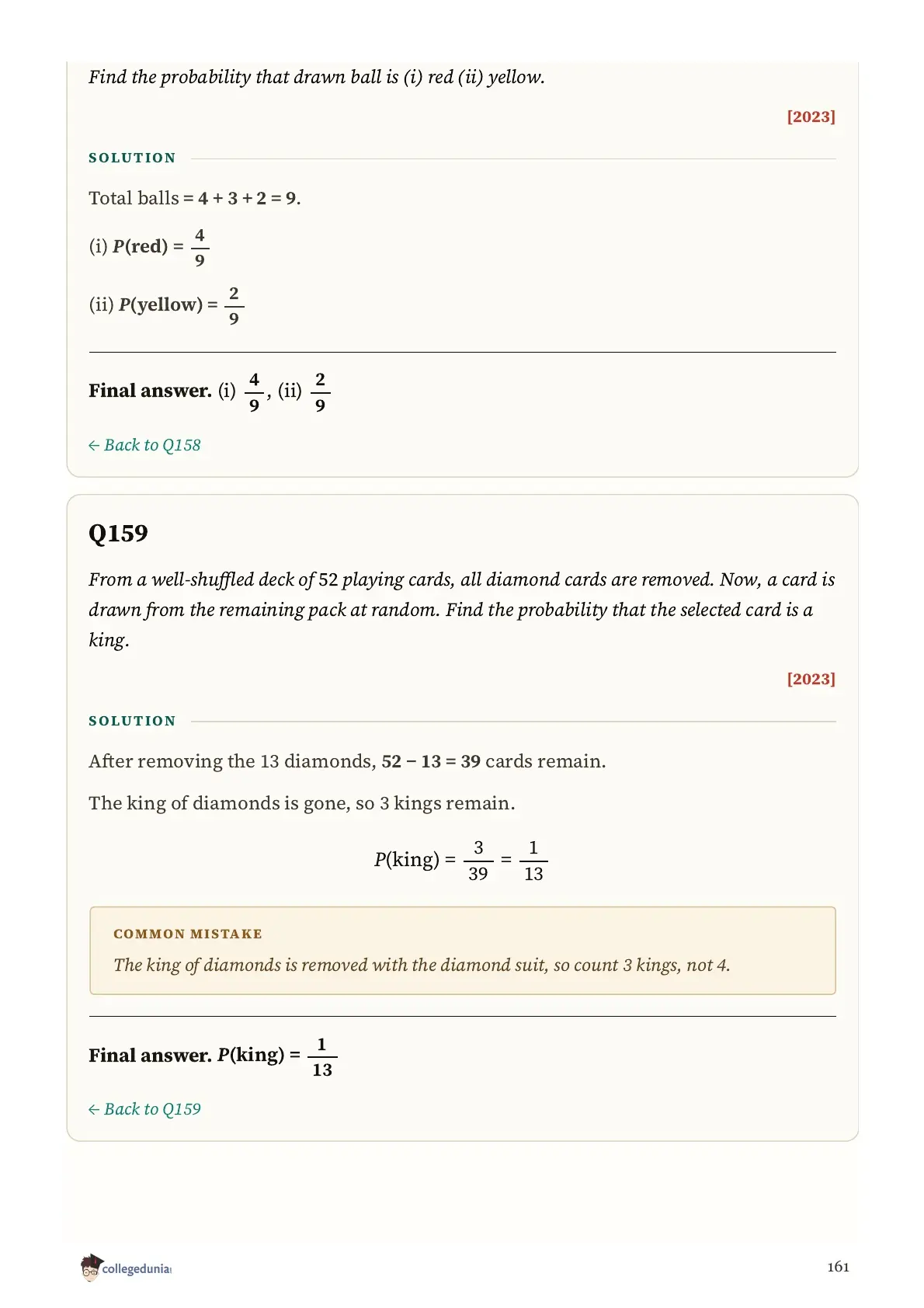
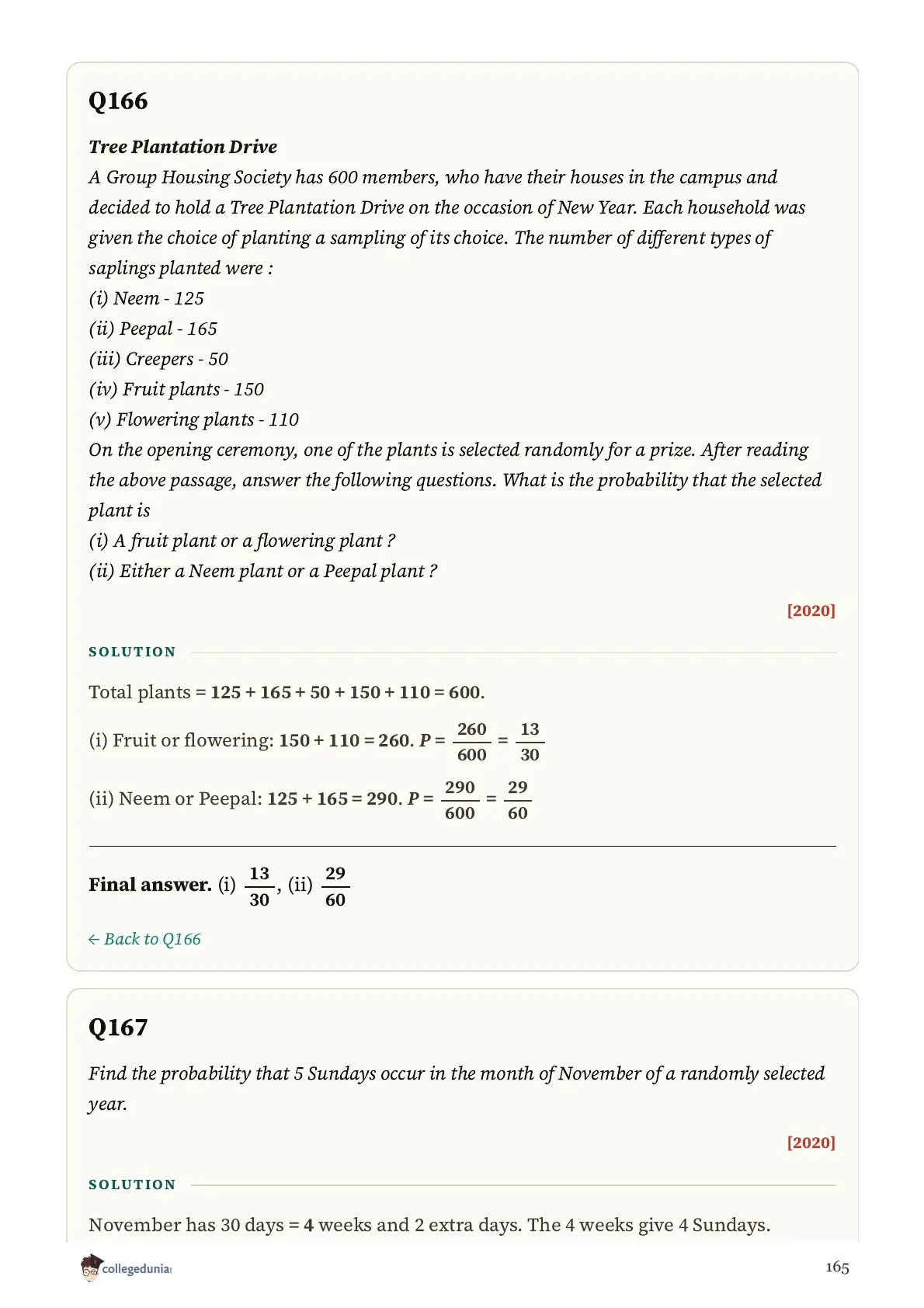
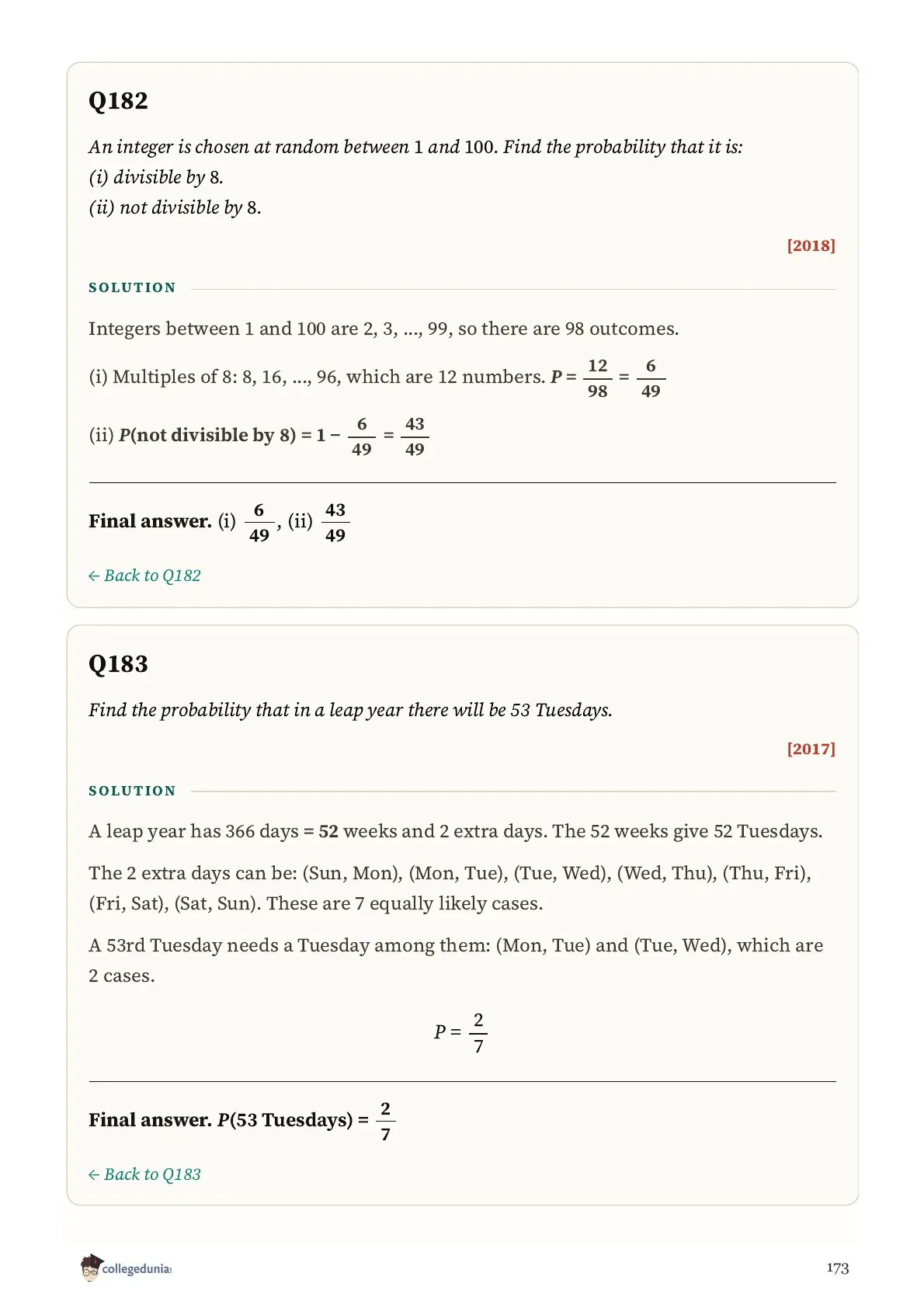
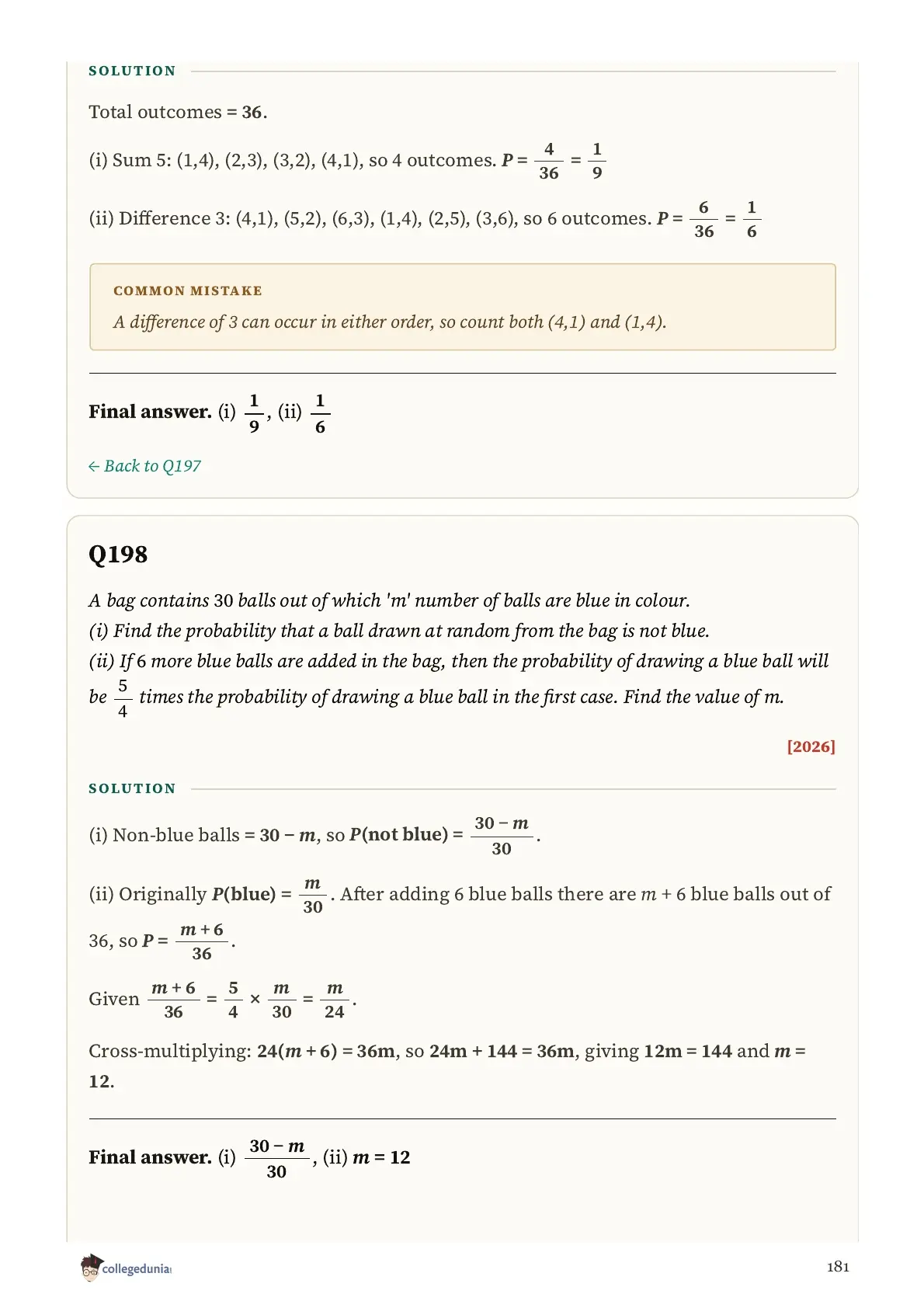
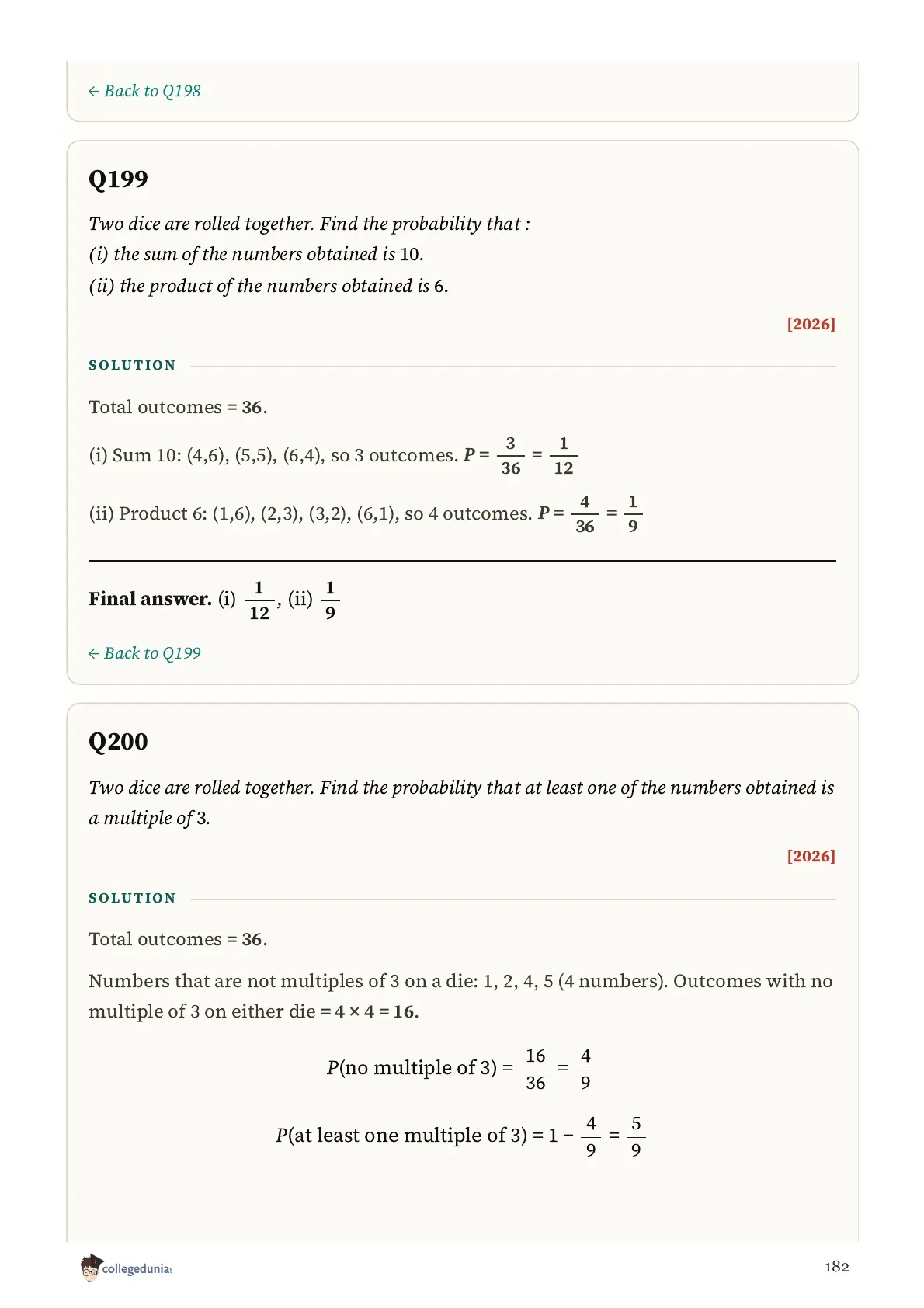
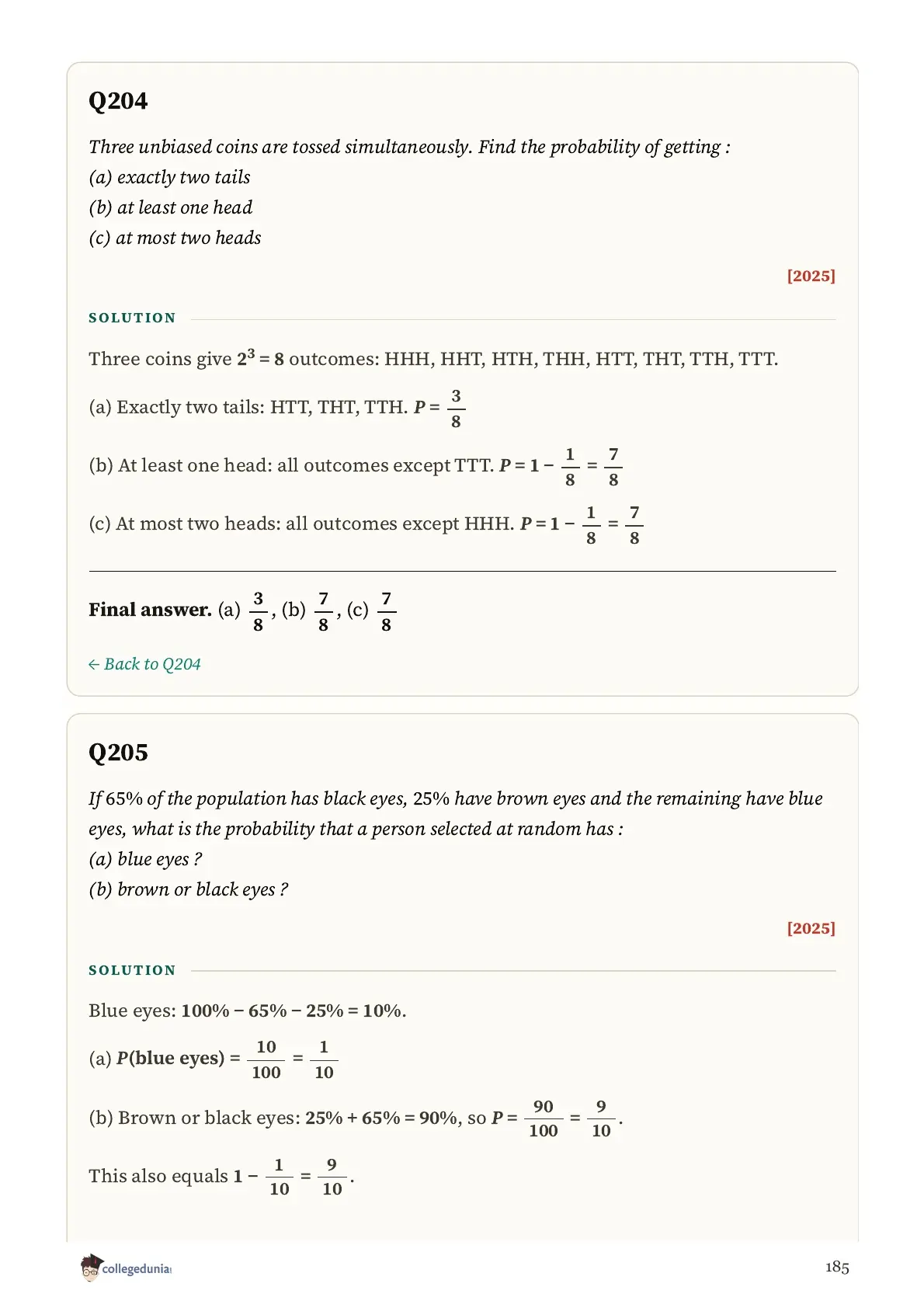
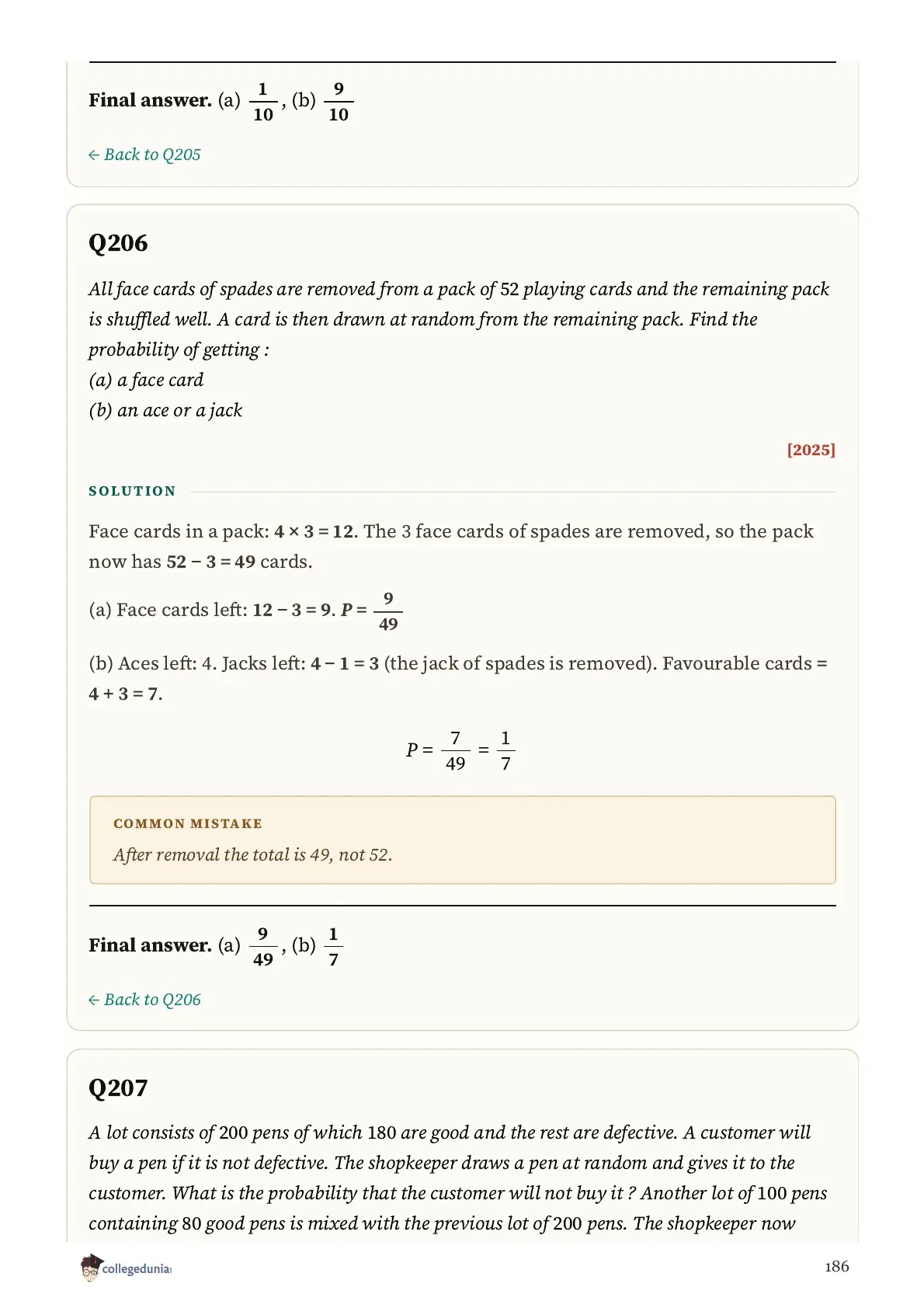
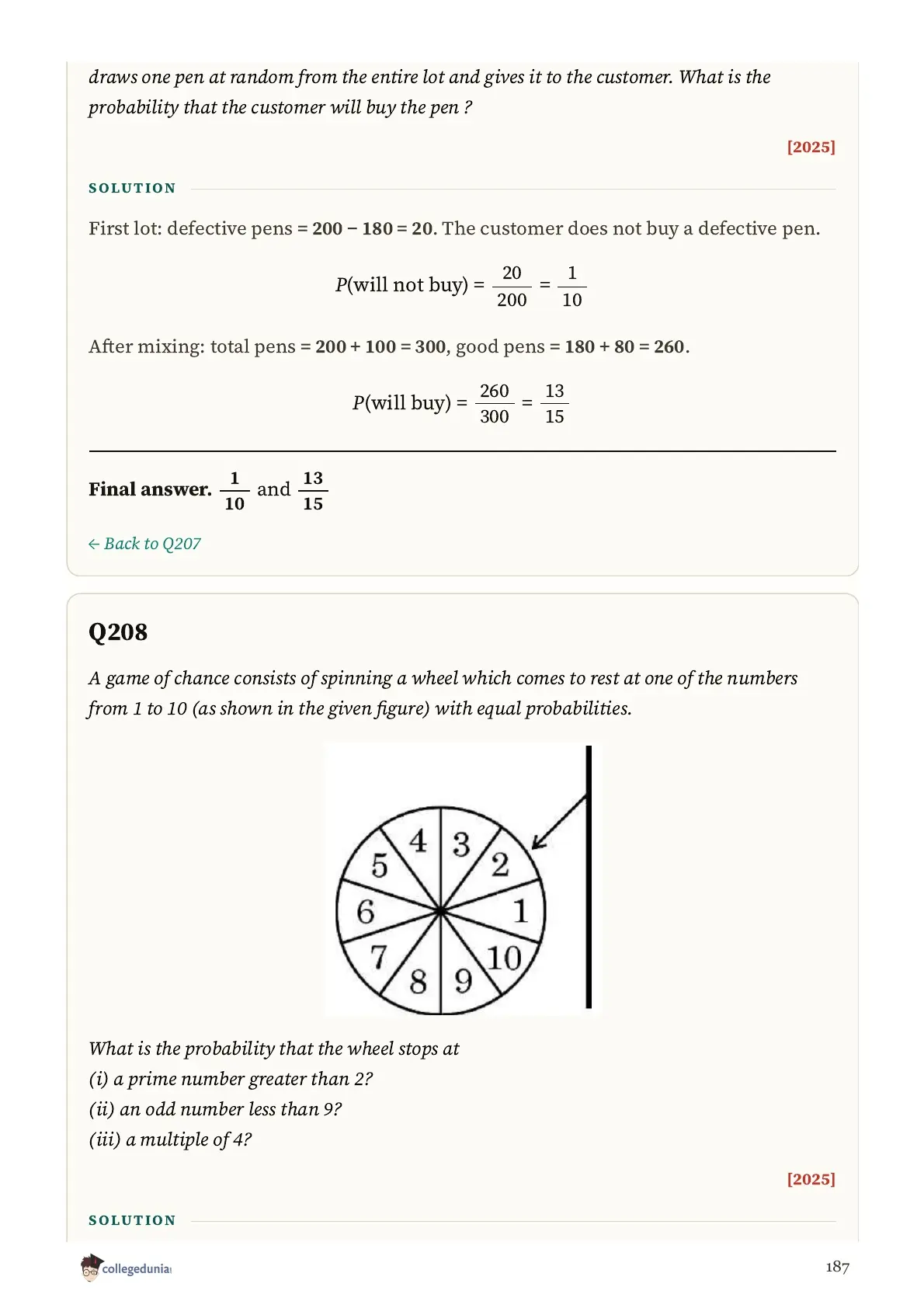
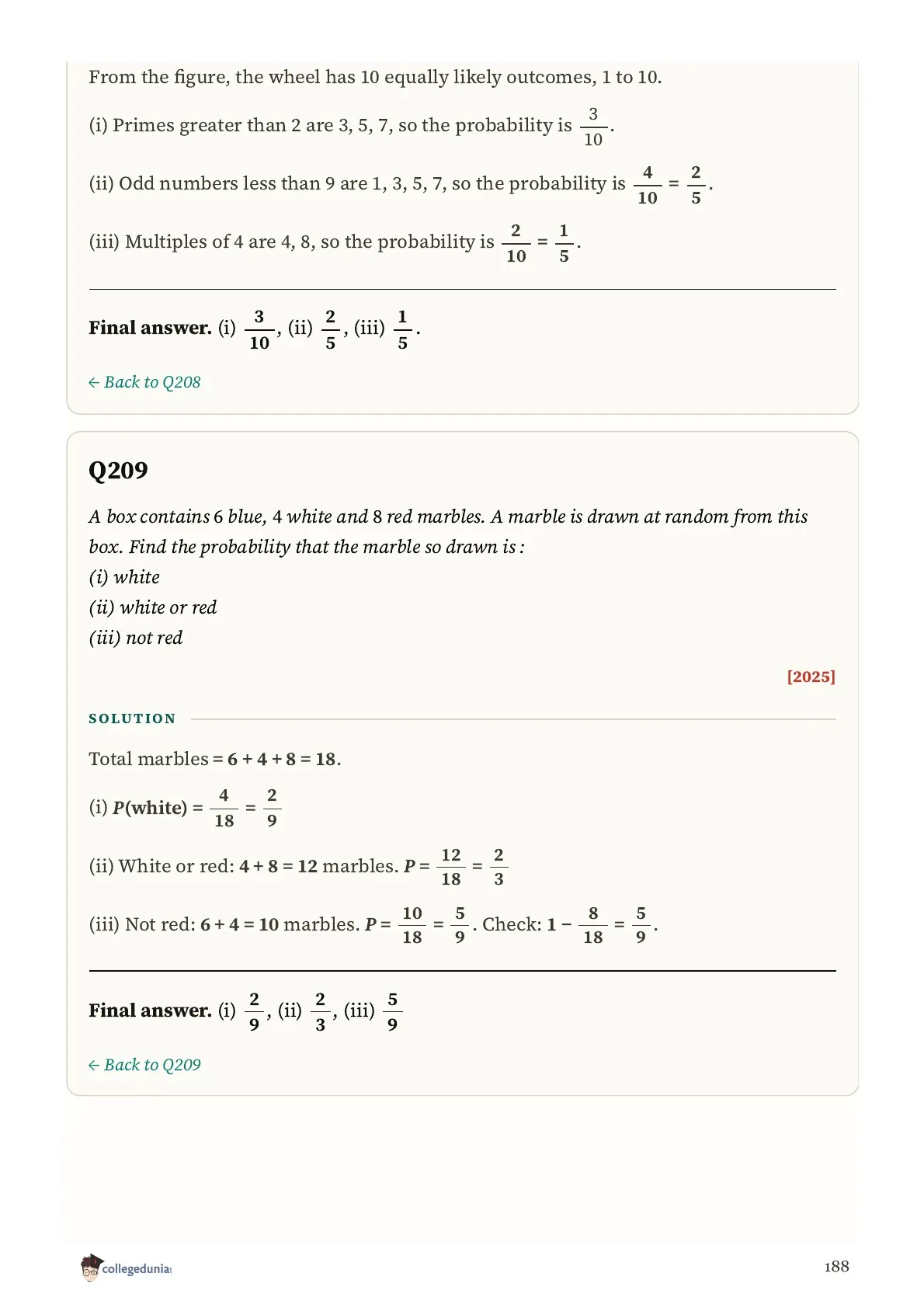
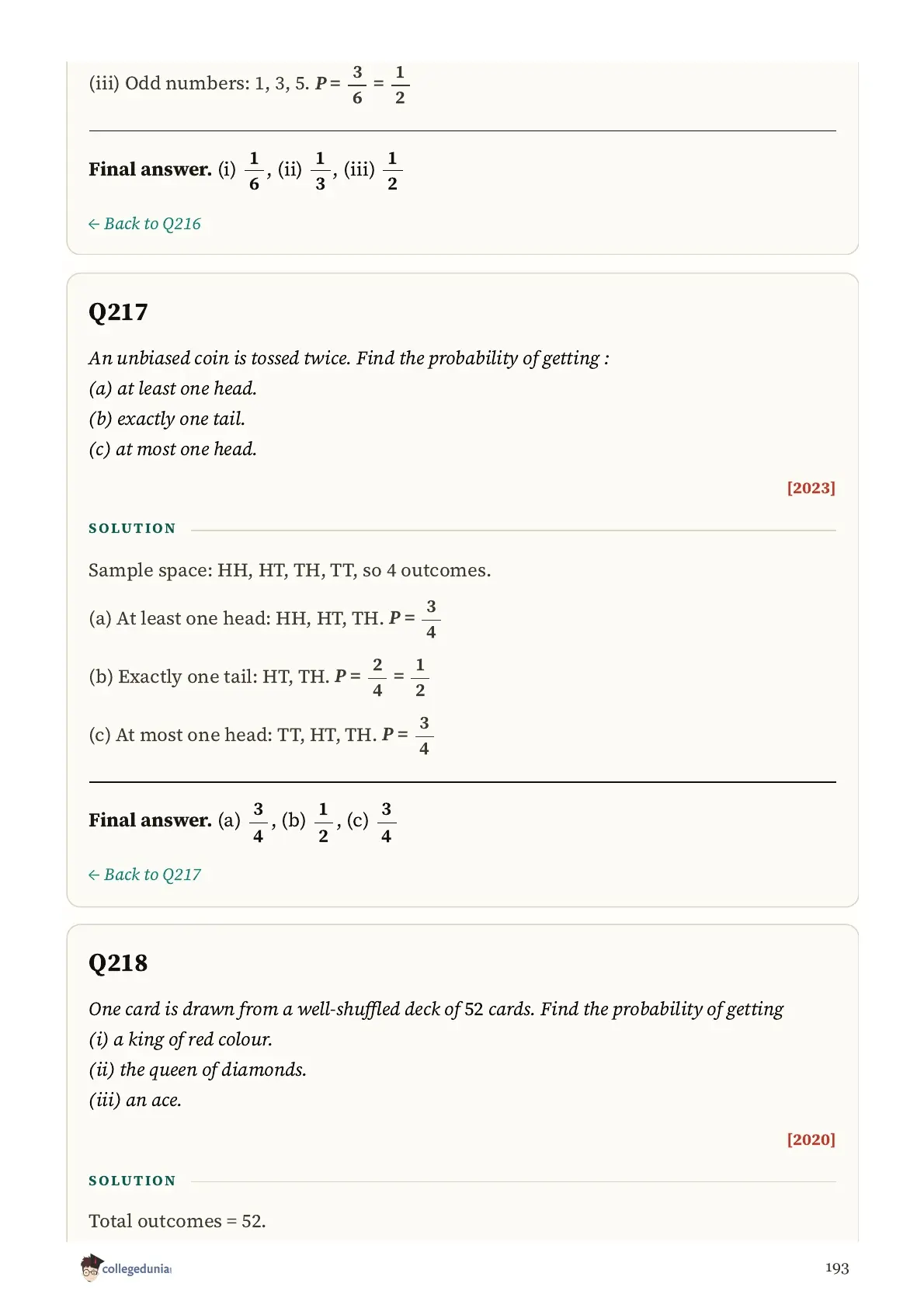
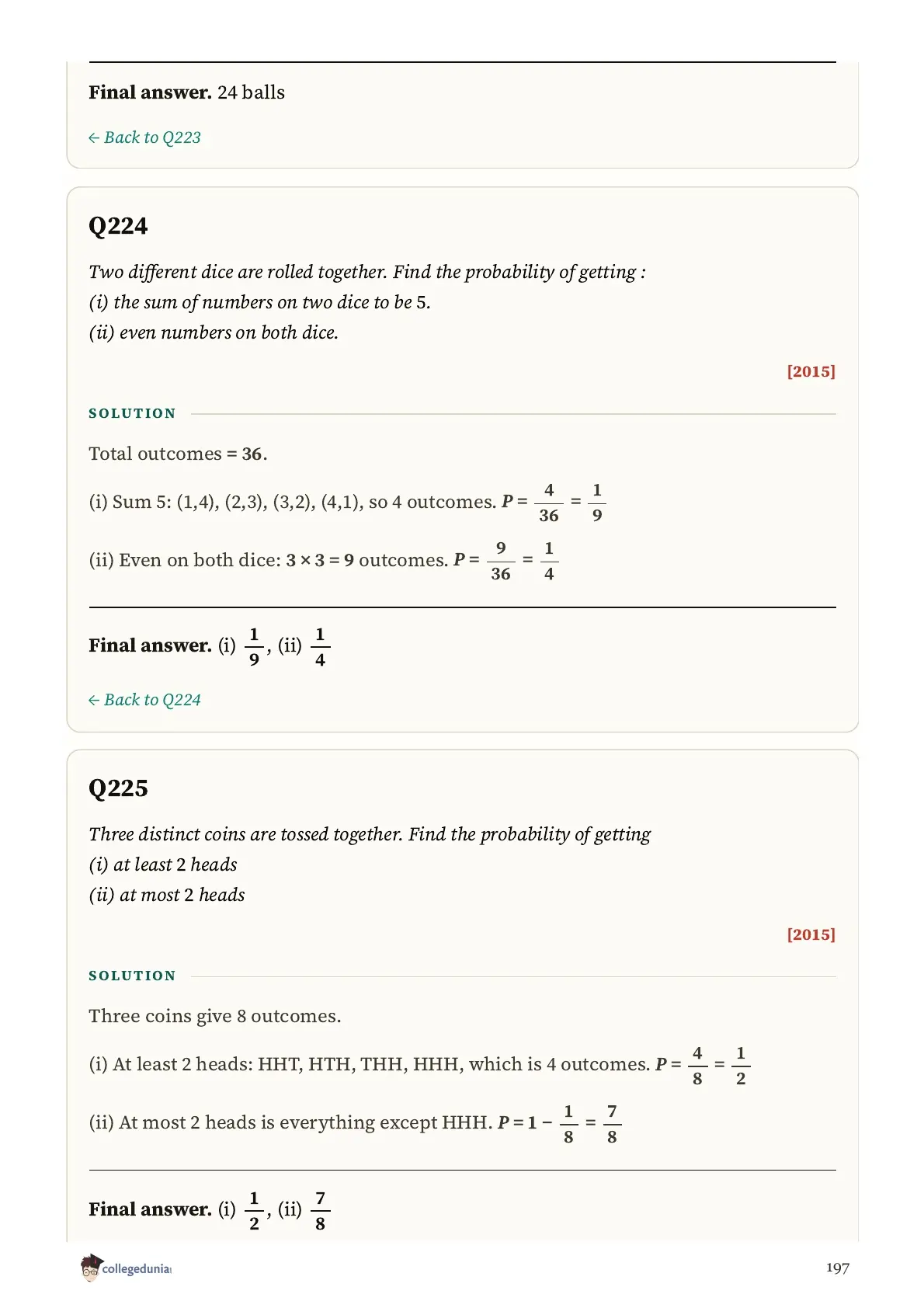
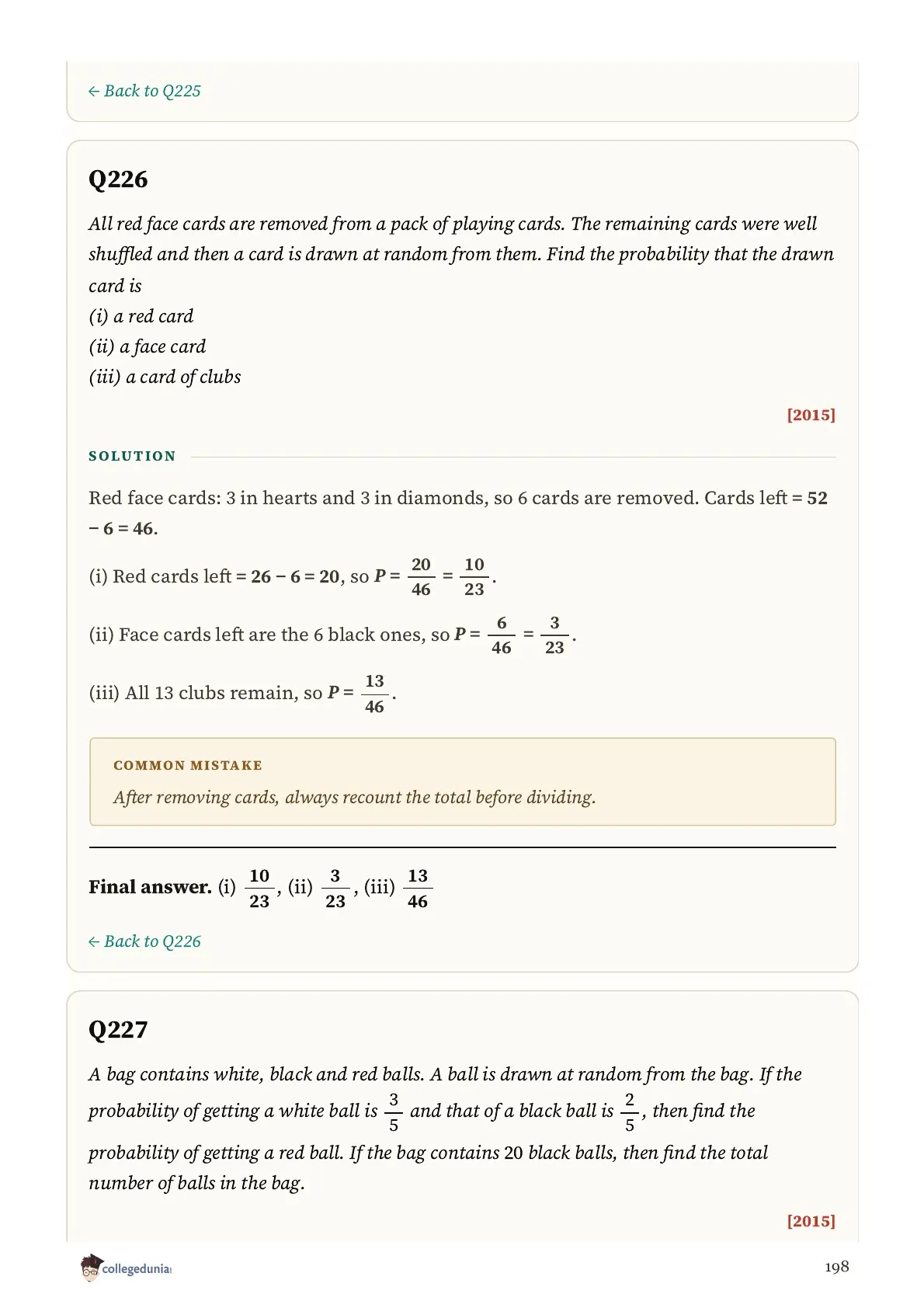
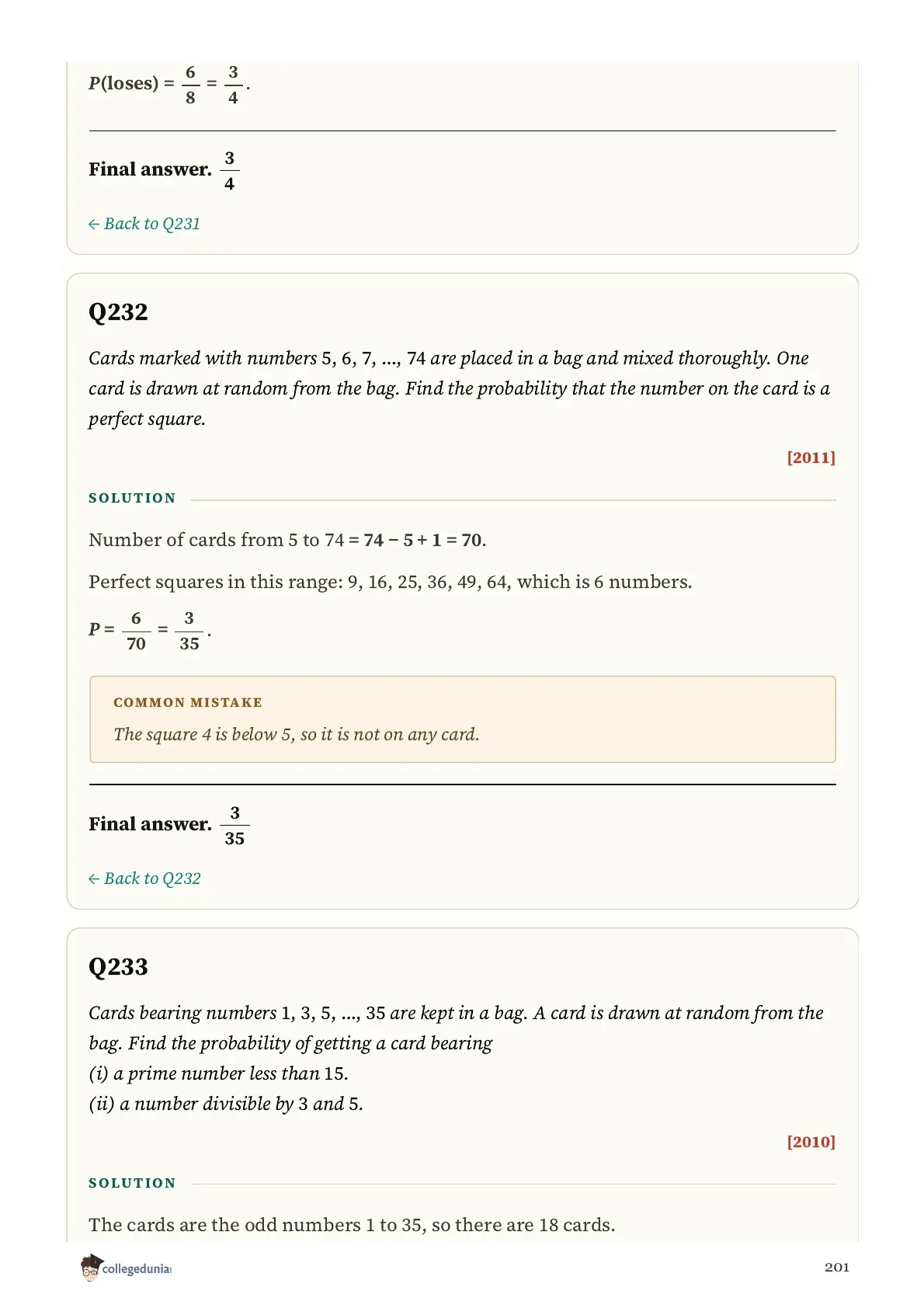
Almost every question gives a random experiment and asks for the probability of an event. The word "probability" appears in 248 of the 258 questions, and 157 of them come from the 2023 to 2026 papers. Typical cases are a die thrown once and a number other than 3 wanted (2026), a jar of cards numbered 10 to 74 in a case study (2025), and a leap year with 53 Mondays in an assertion-reason item (2026).
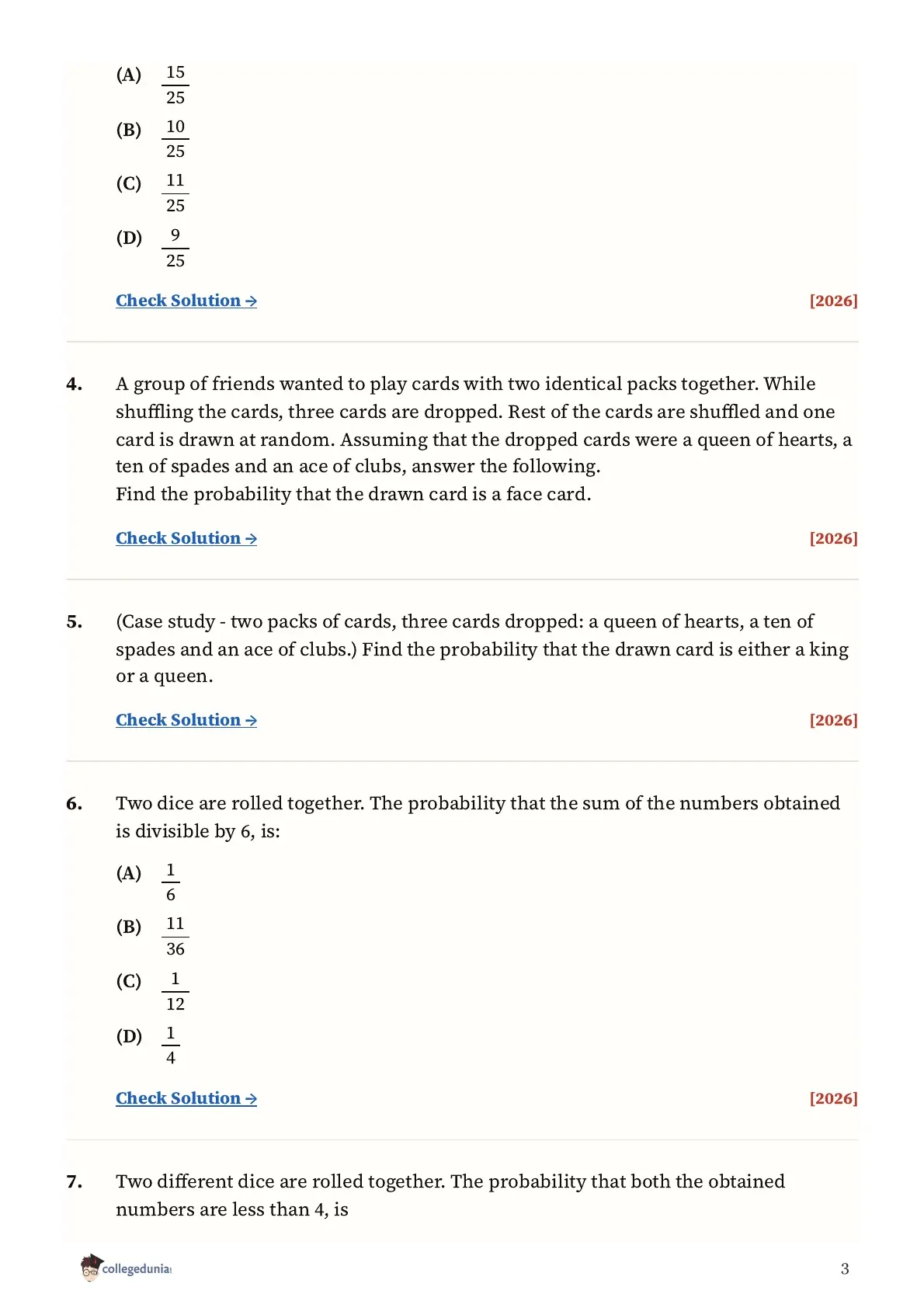
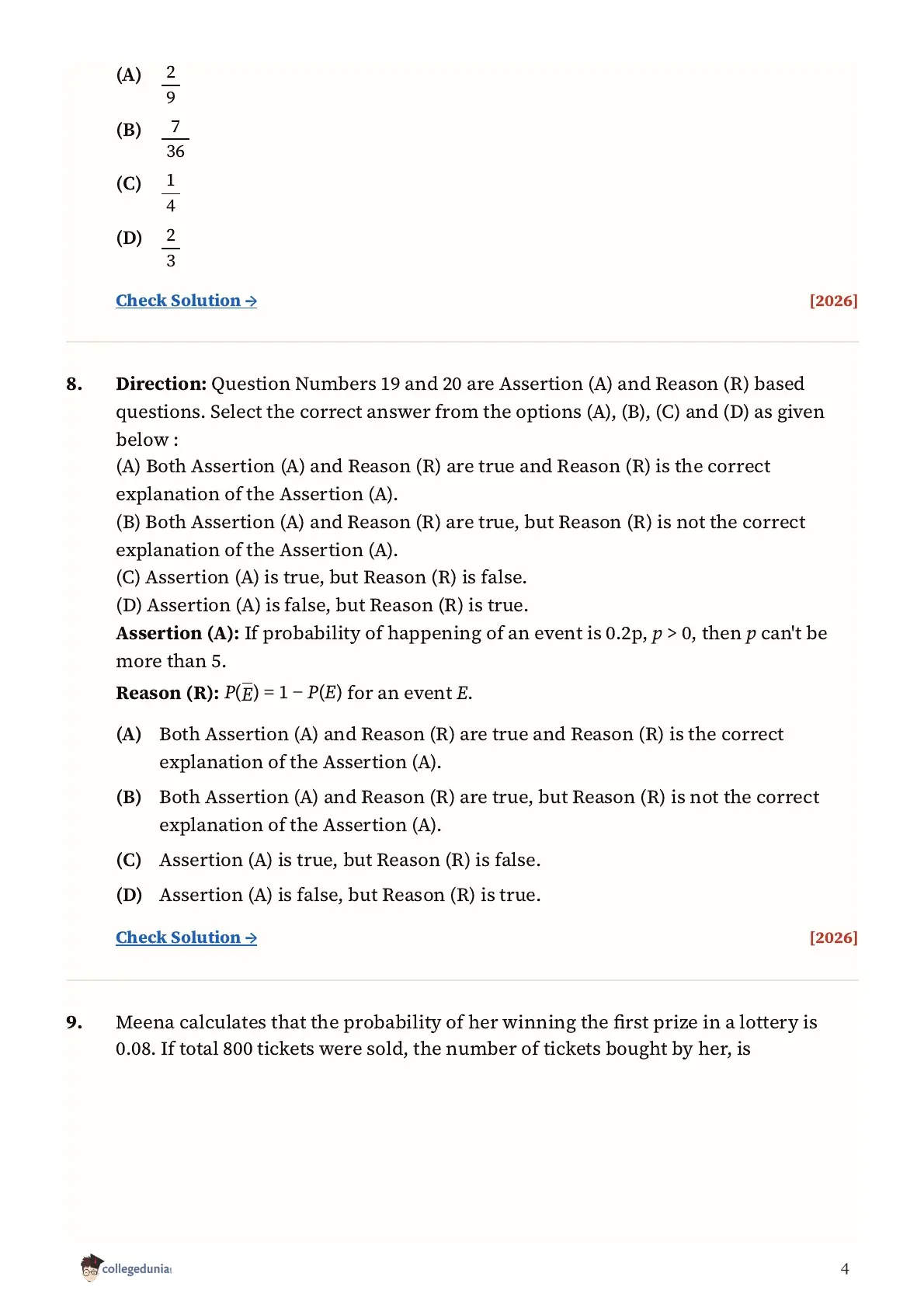
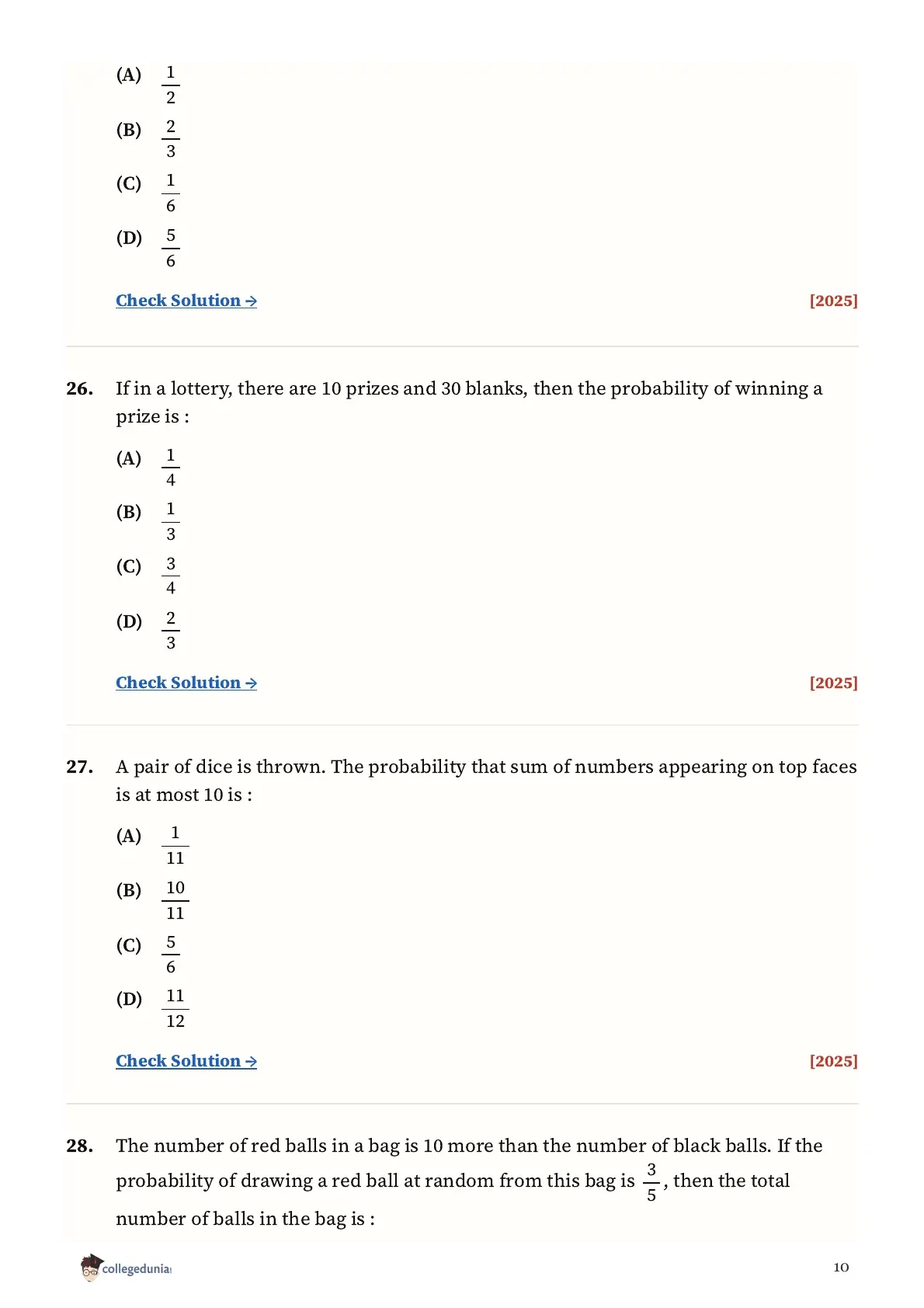
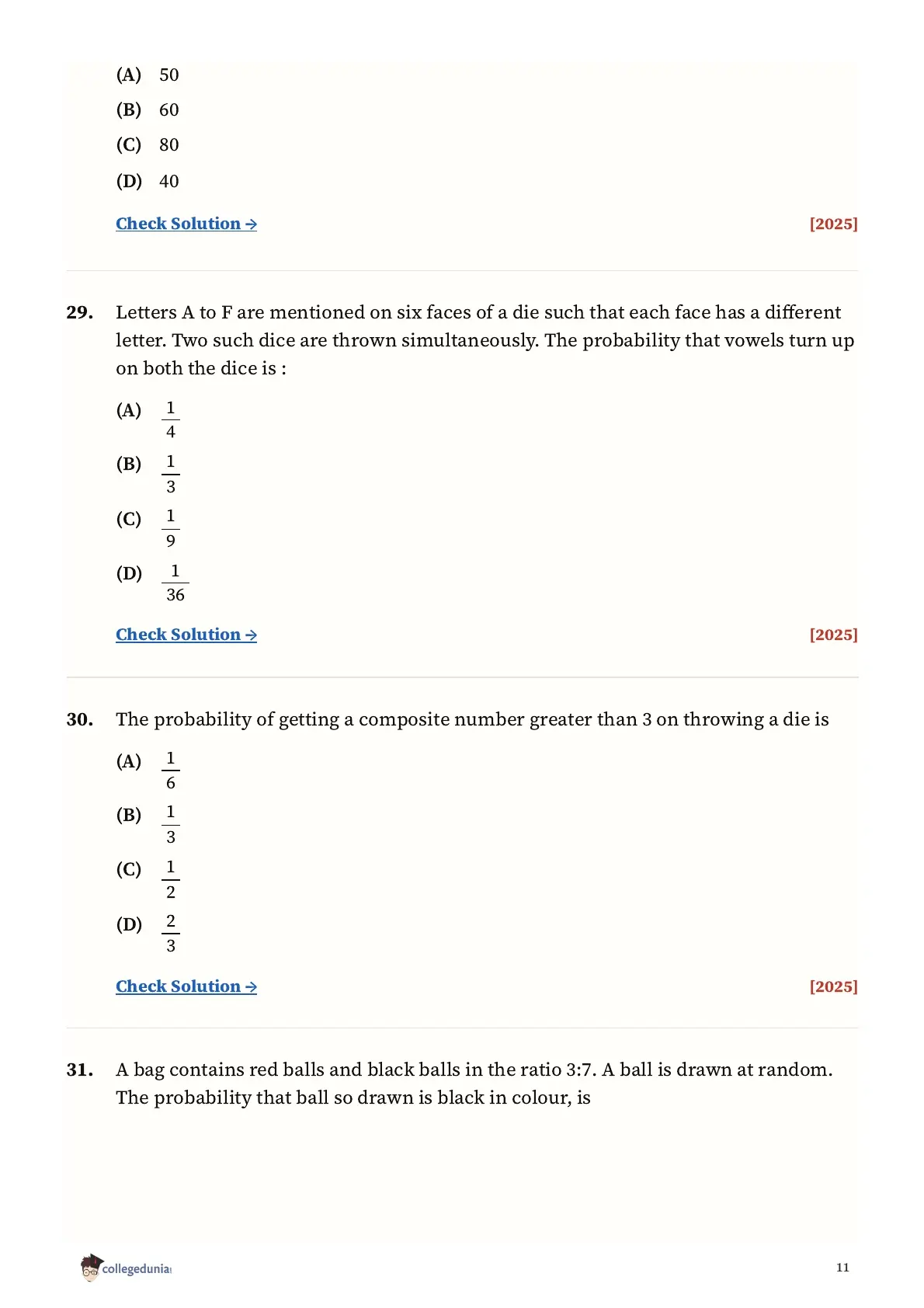
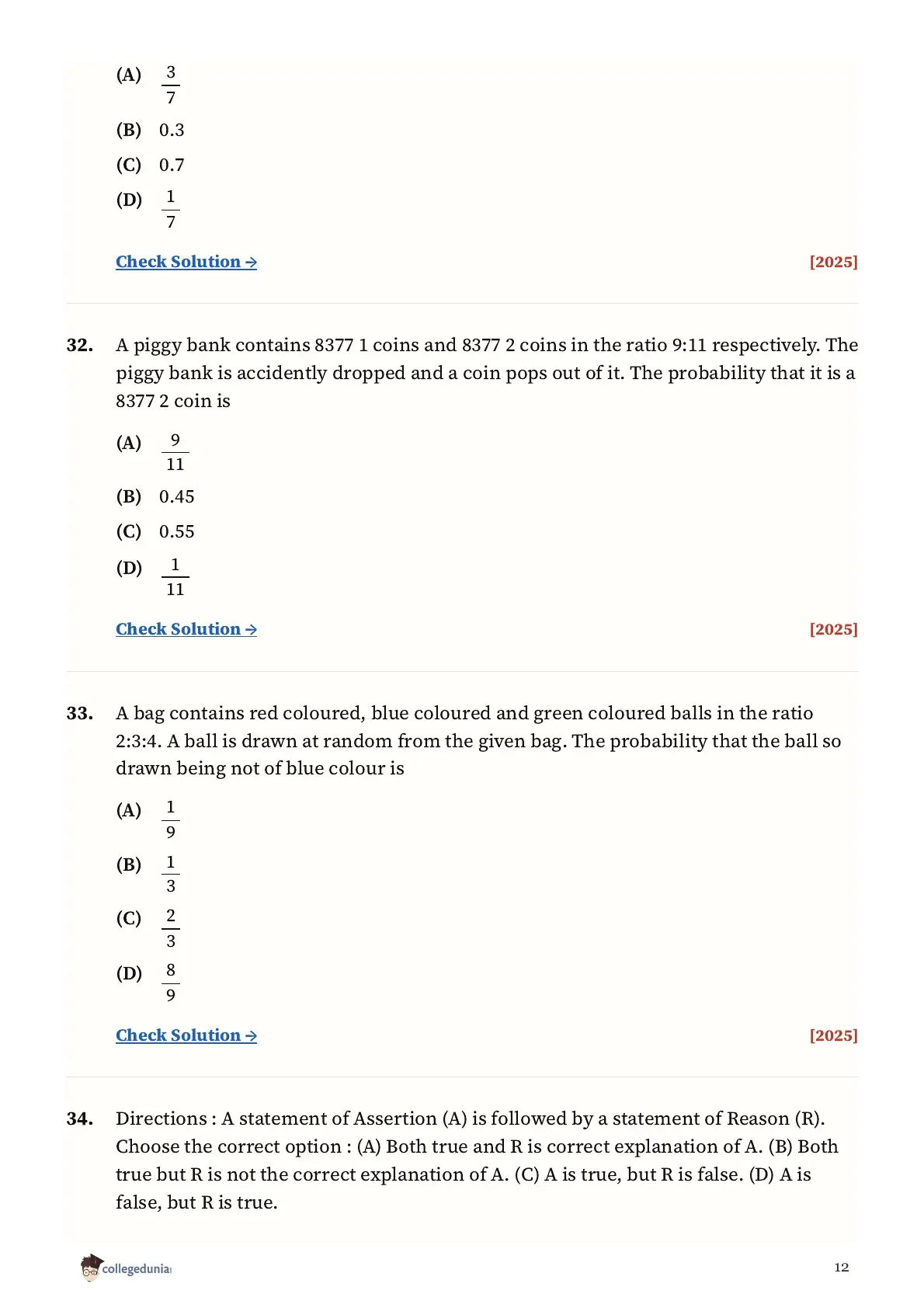
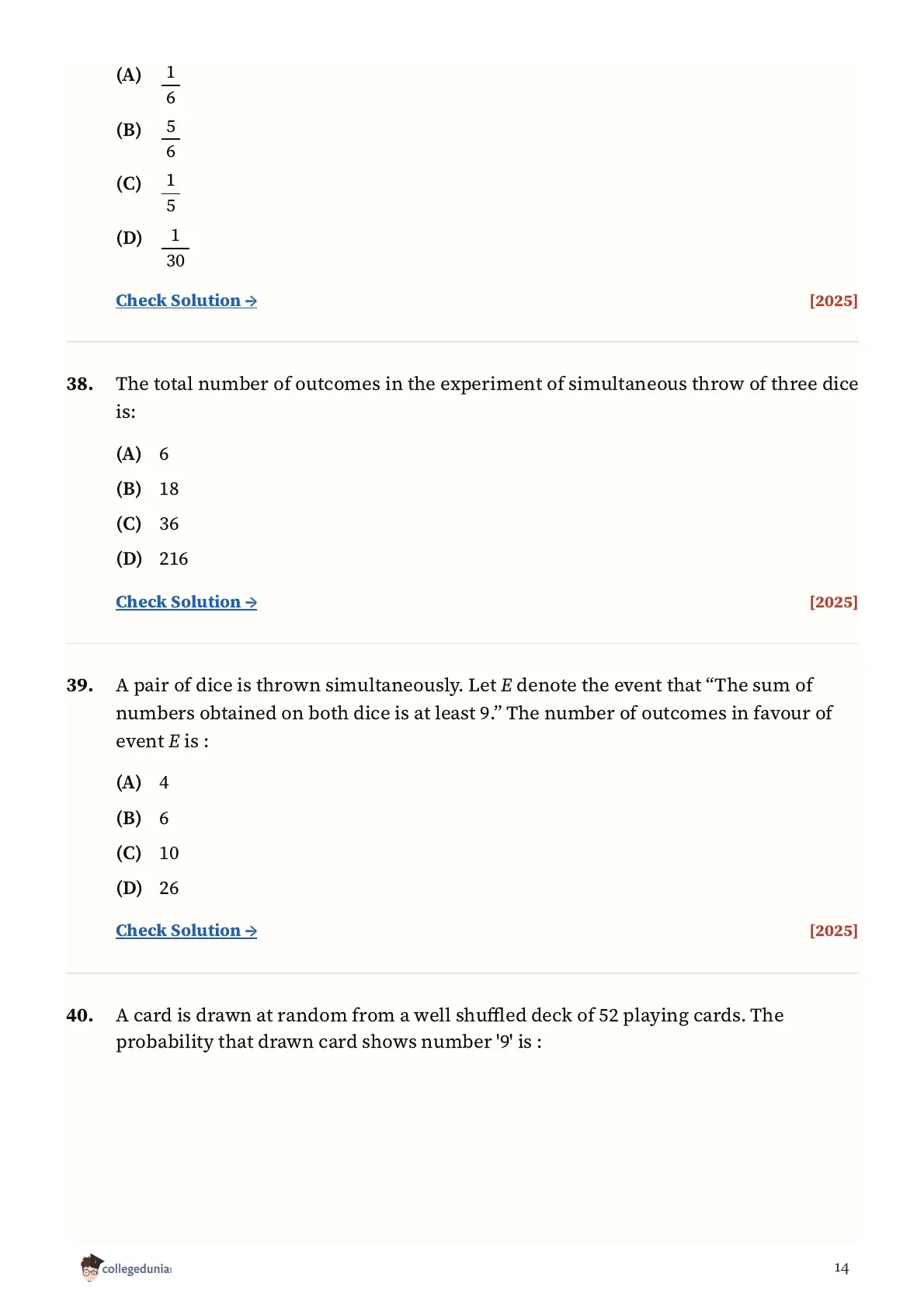
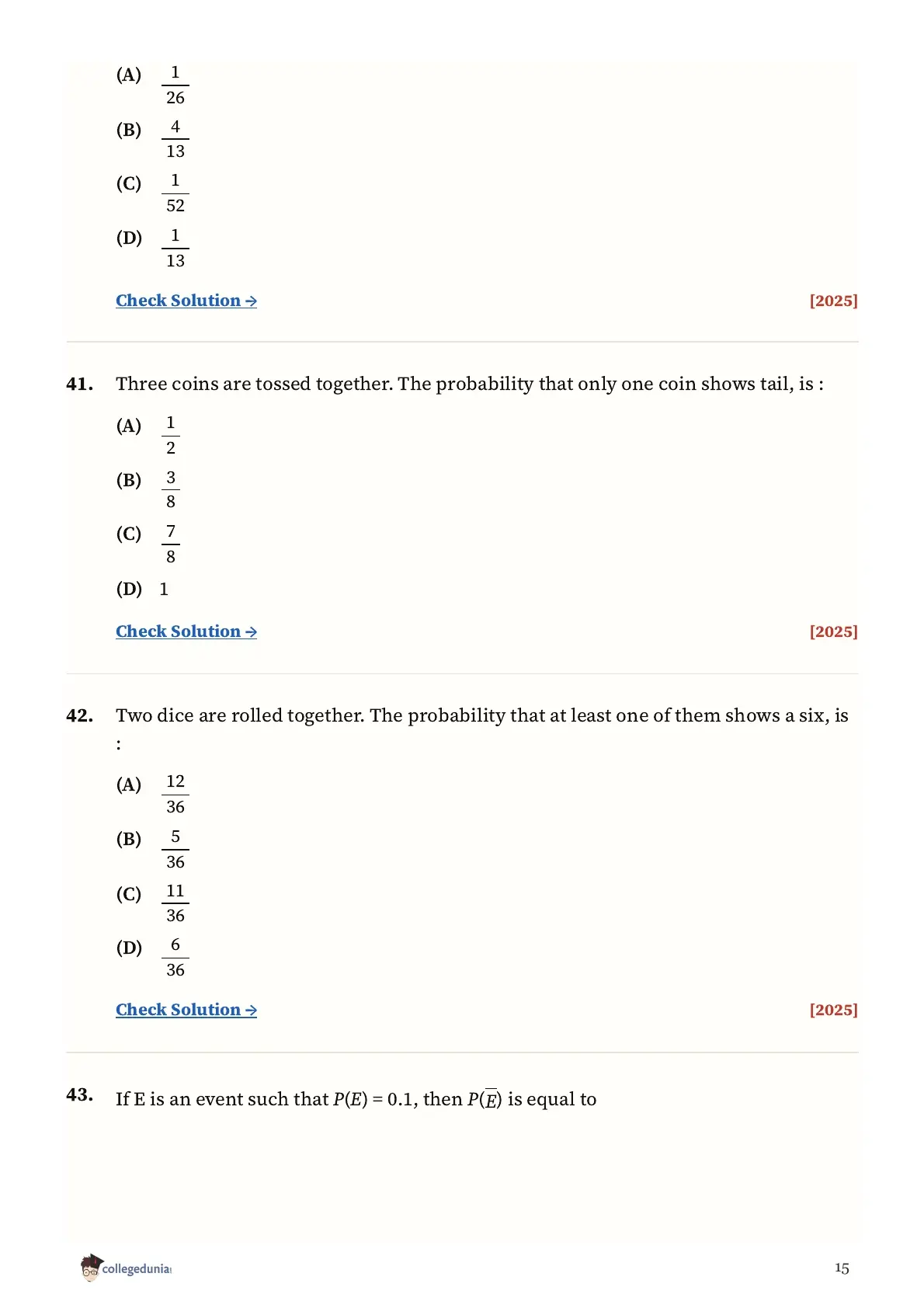
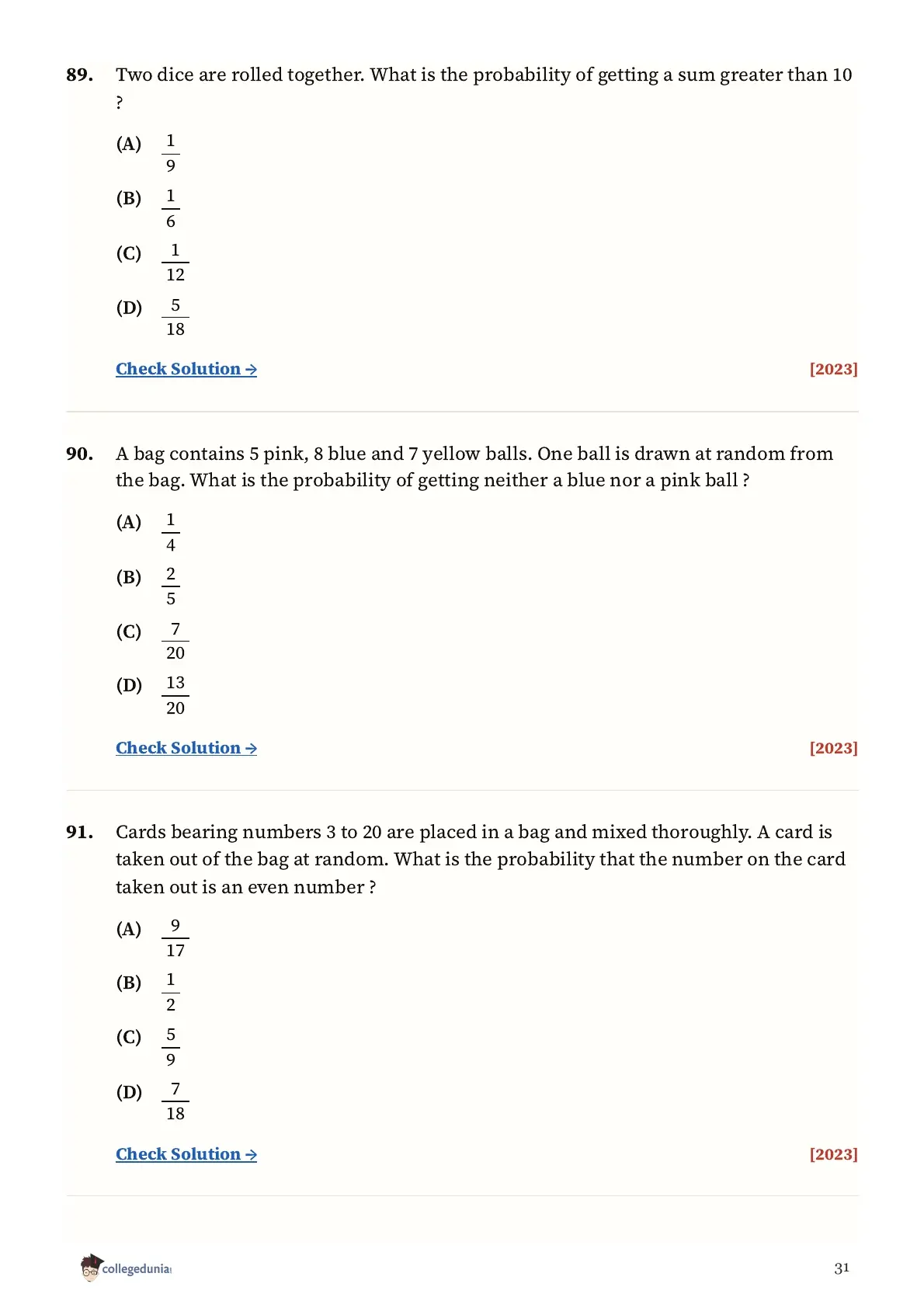
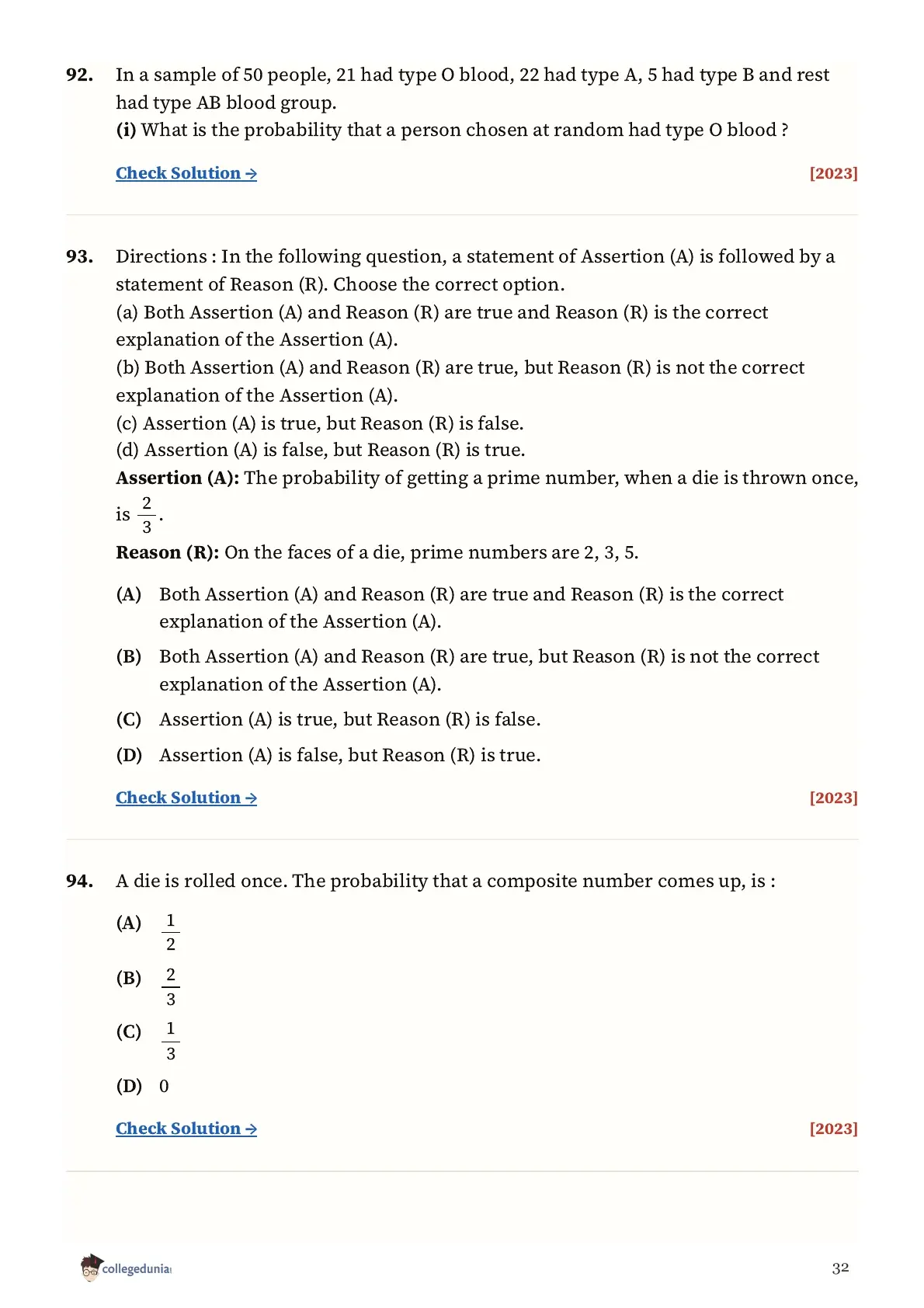
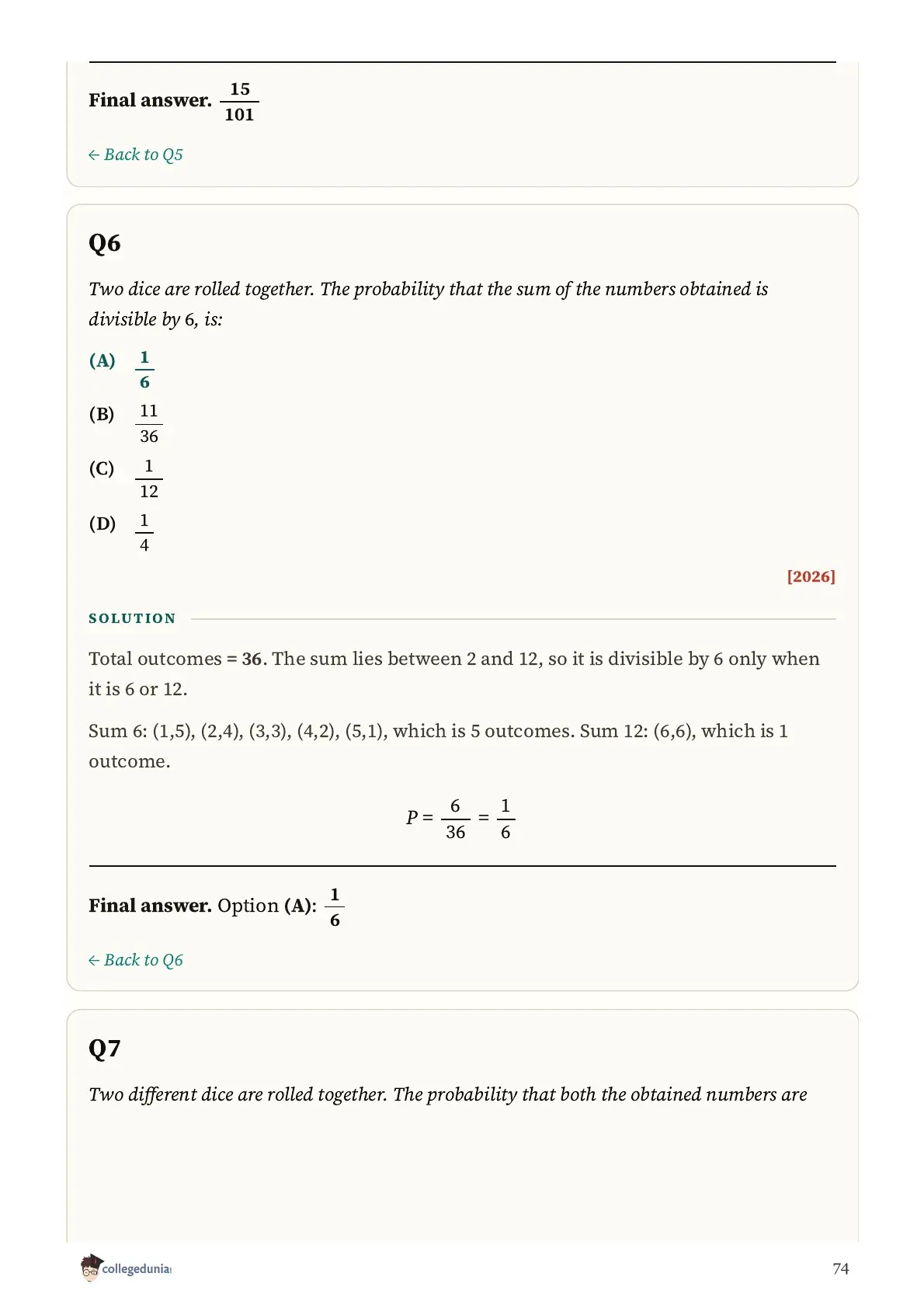
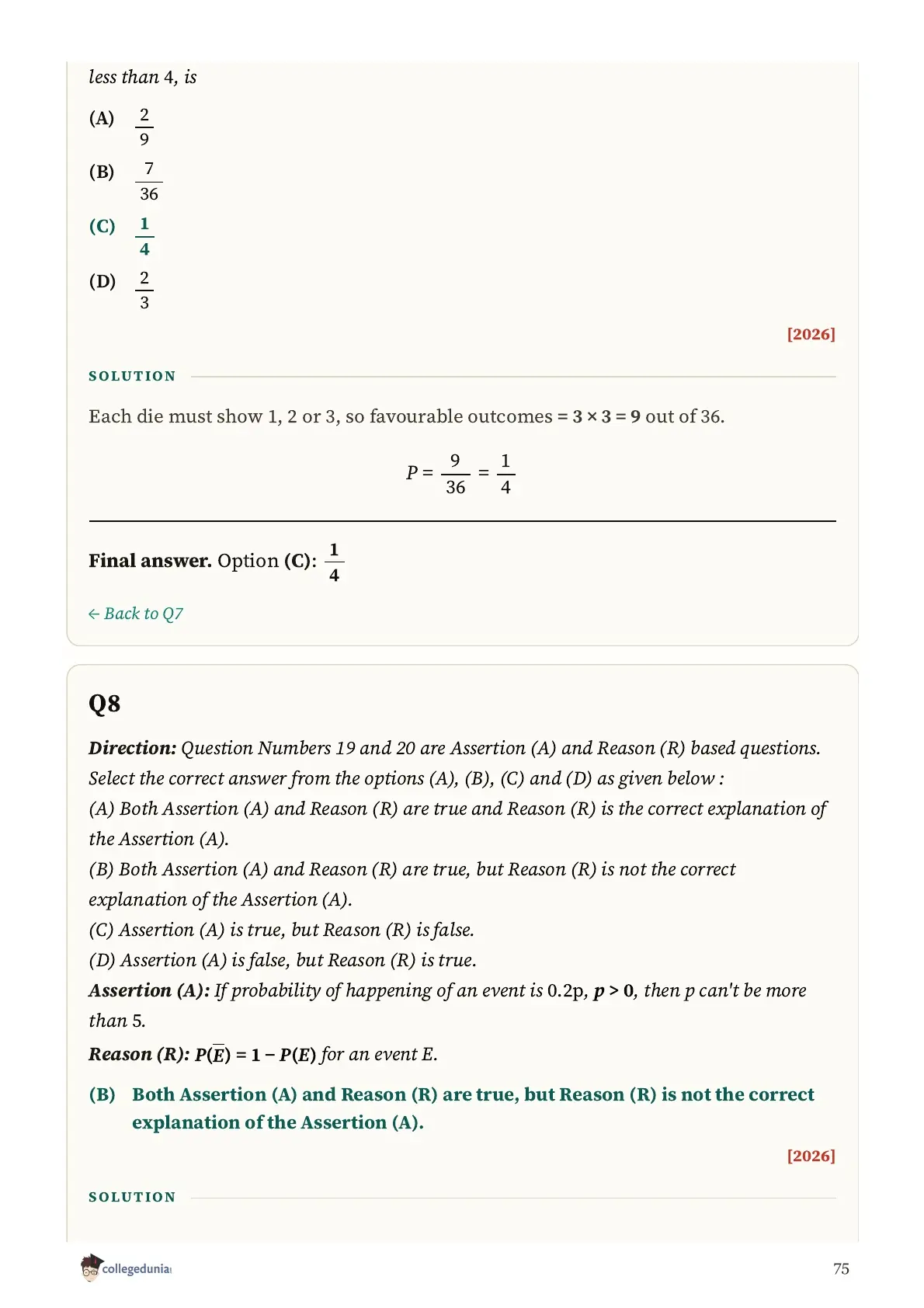
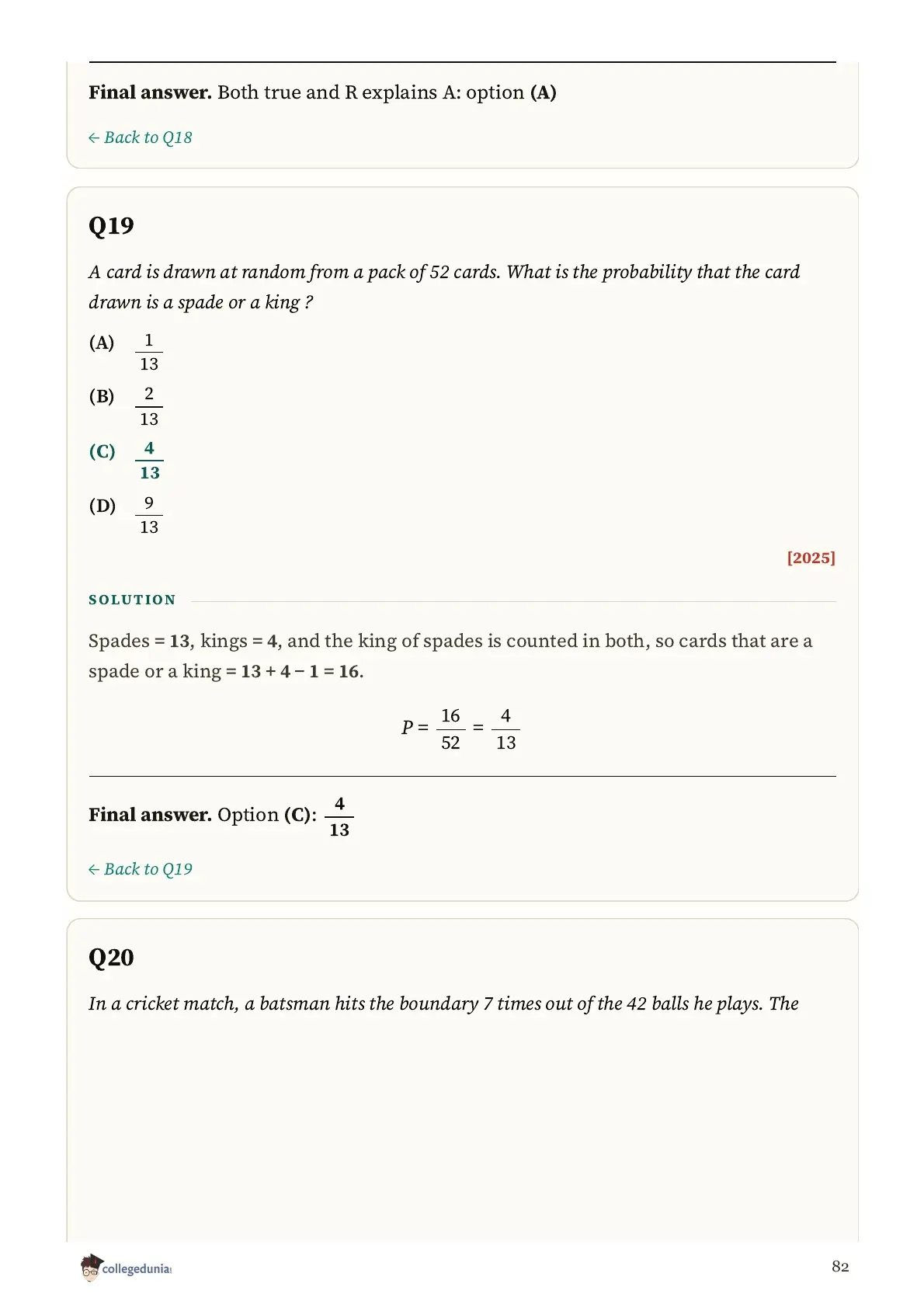
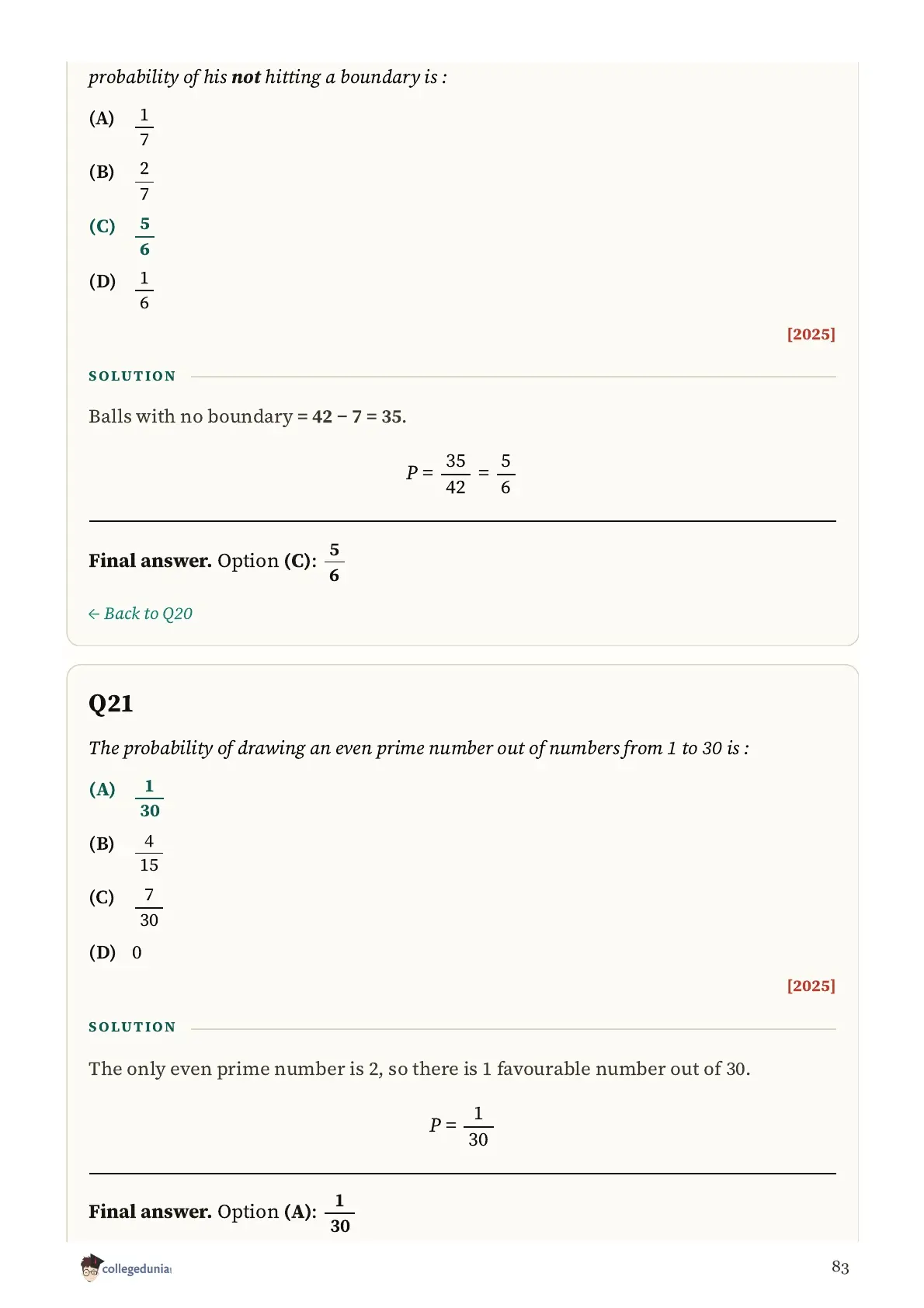
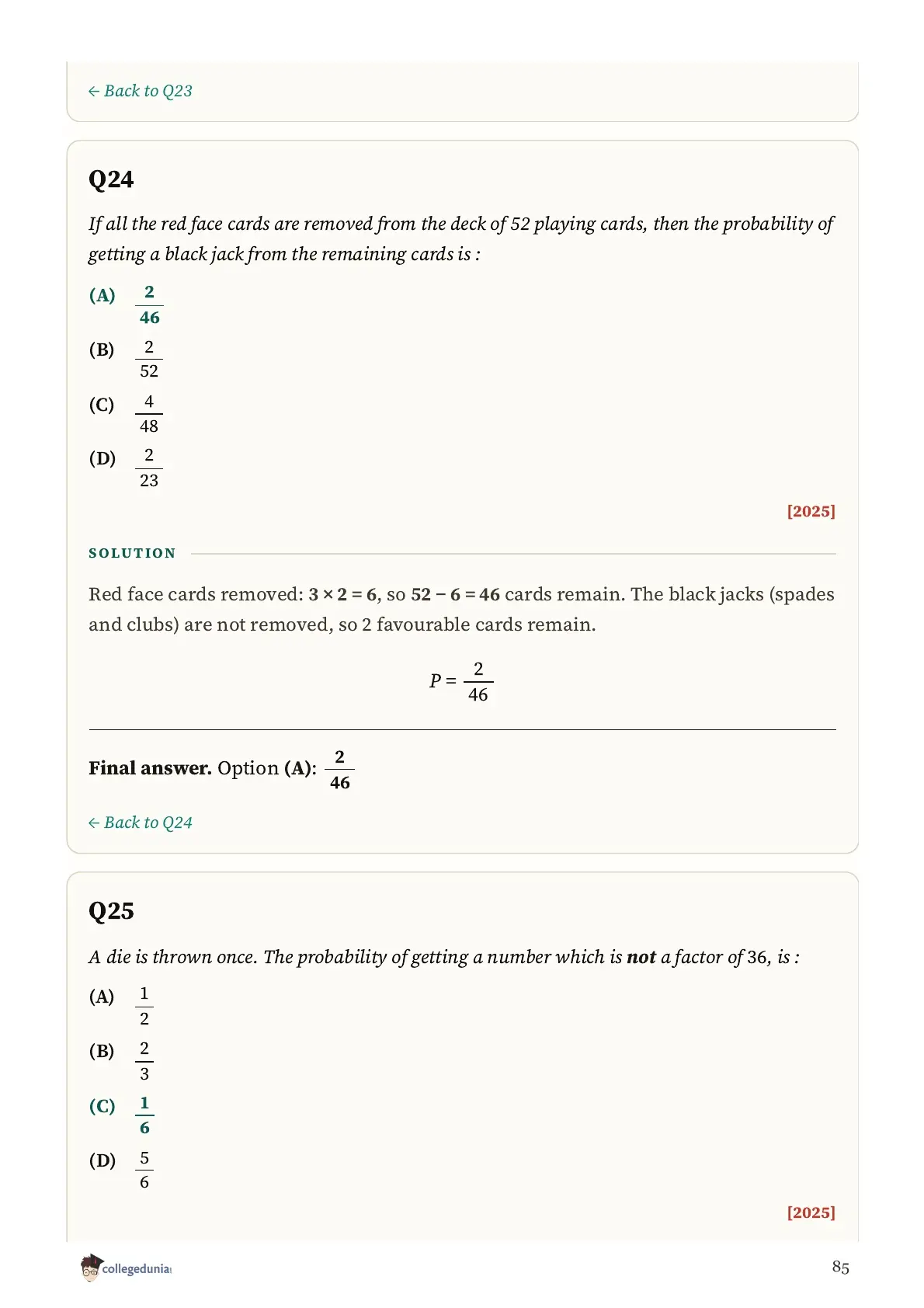
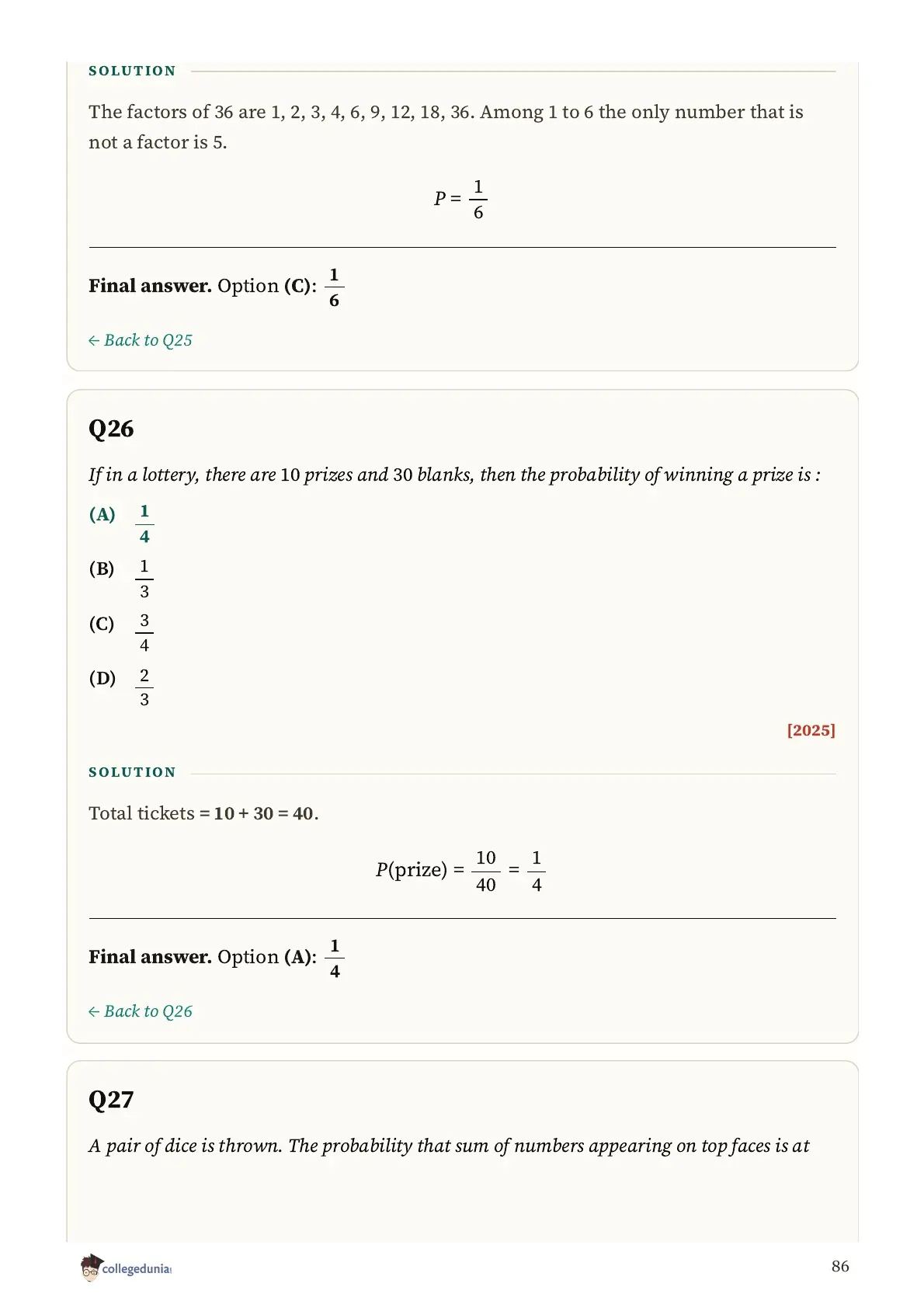
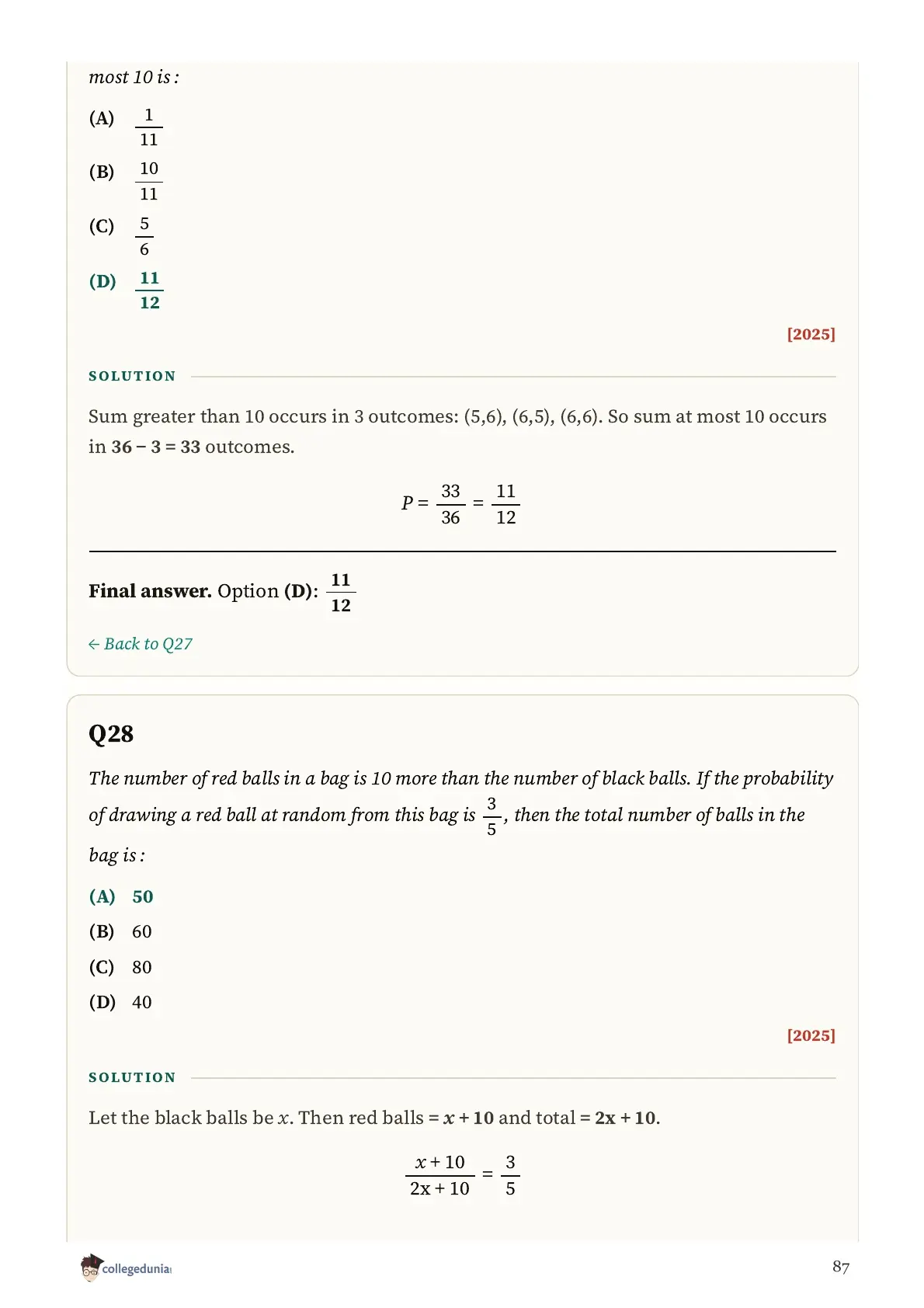
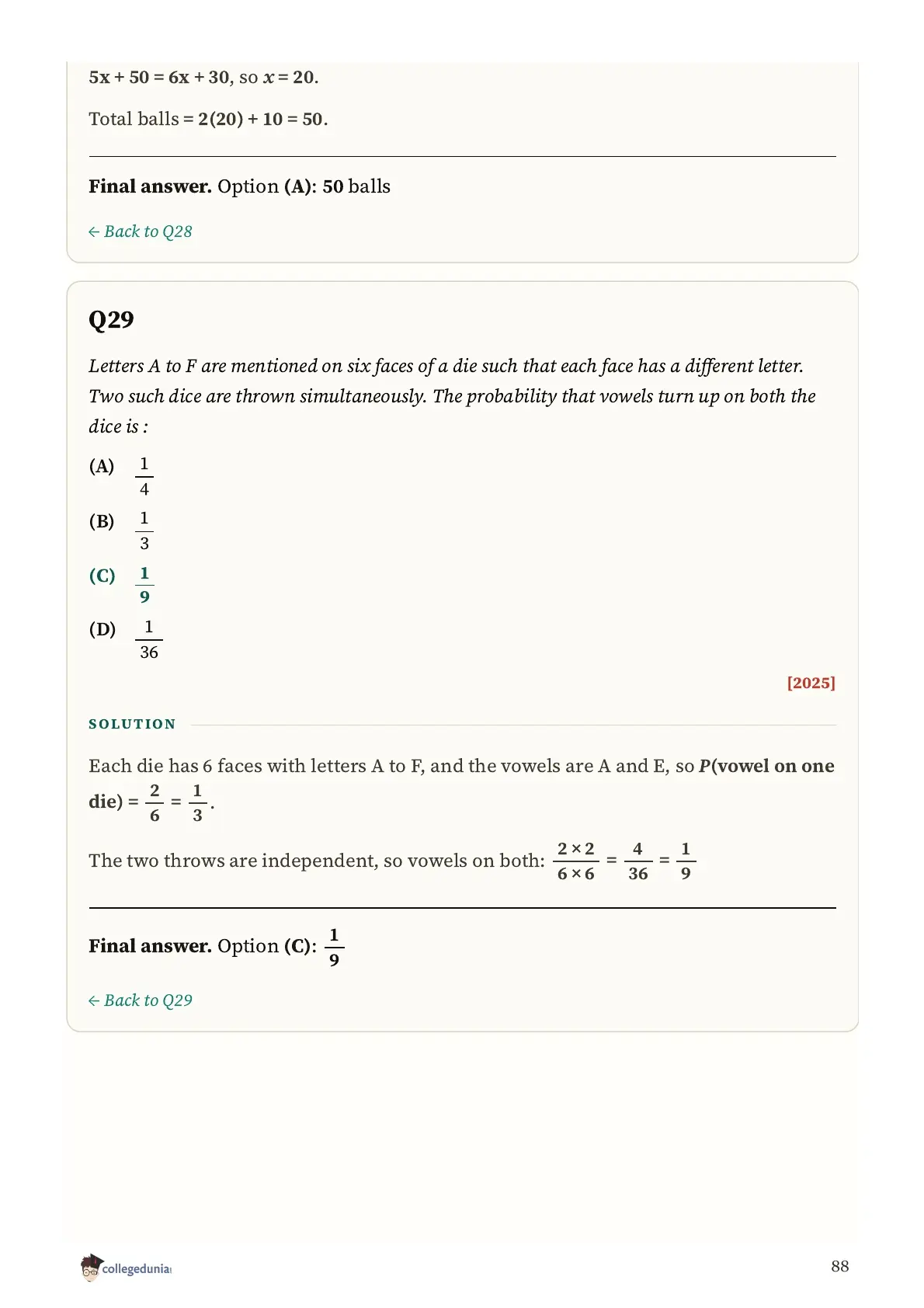
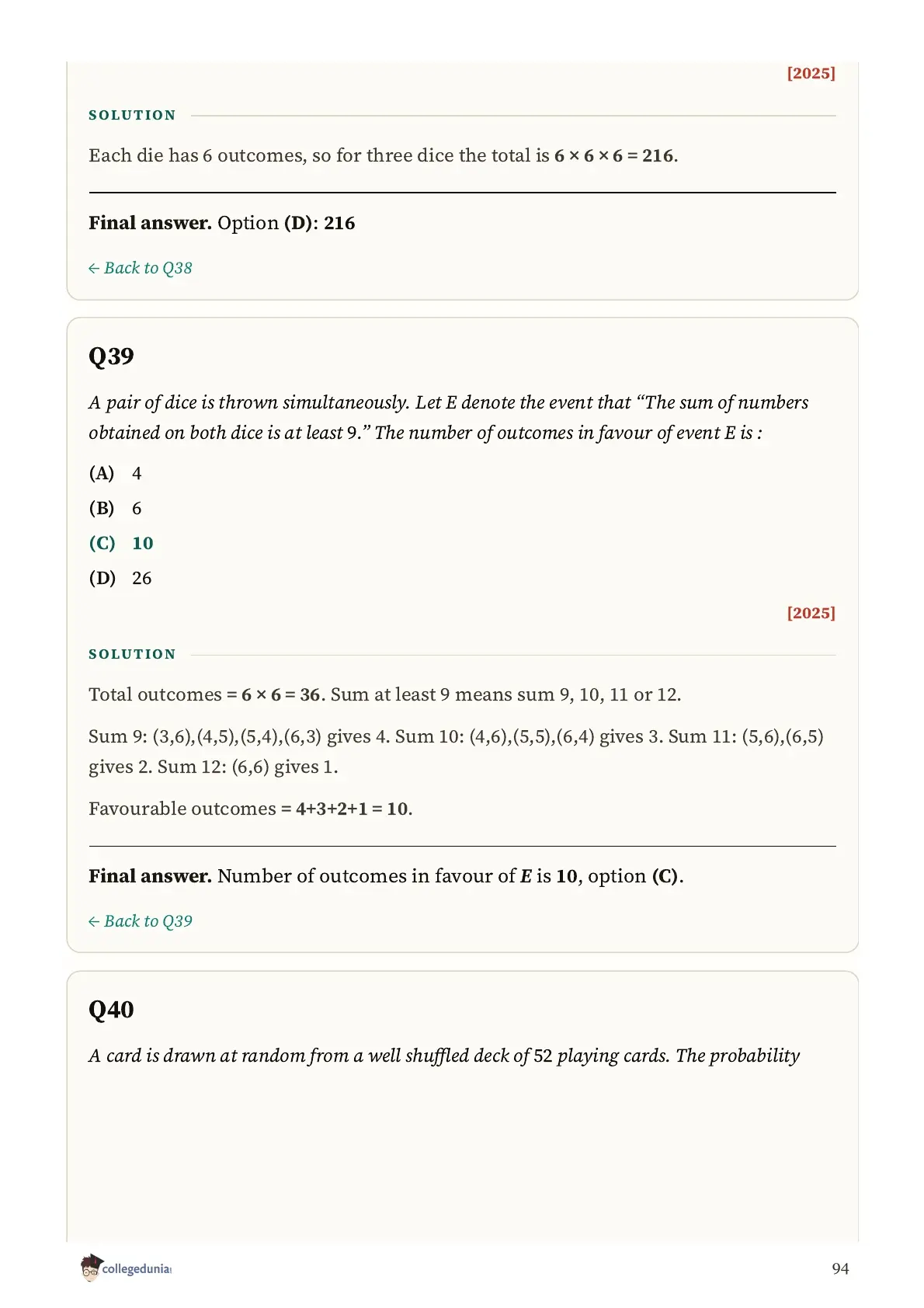
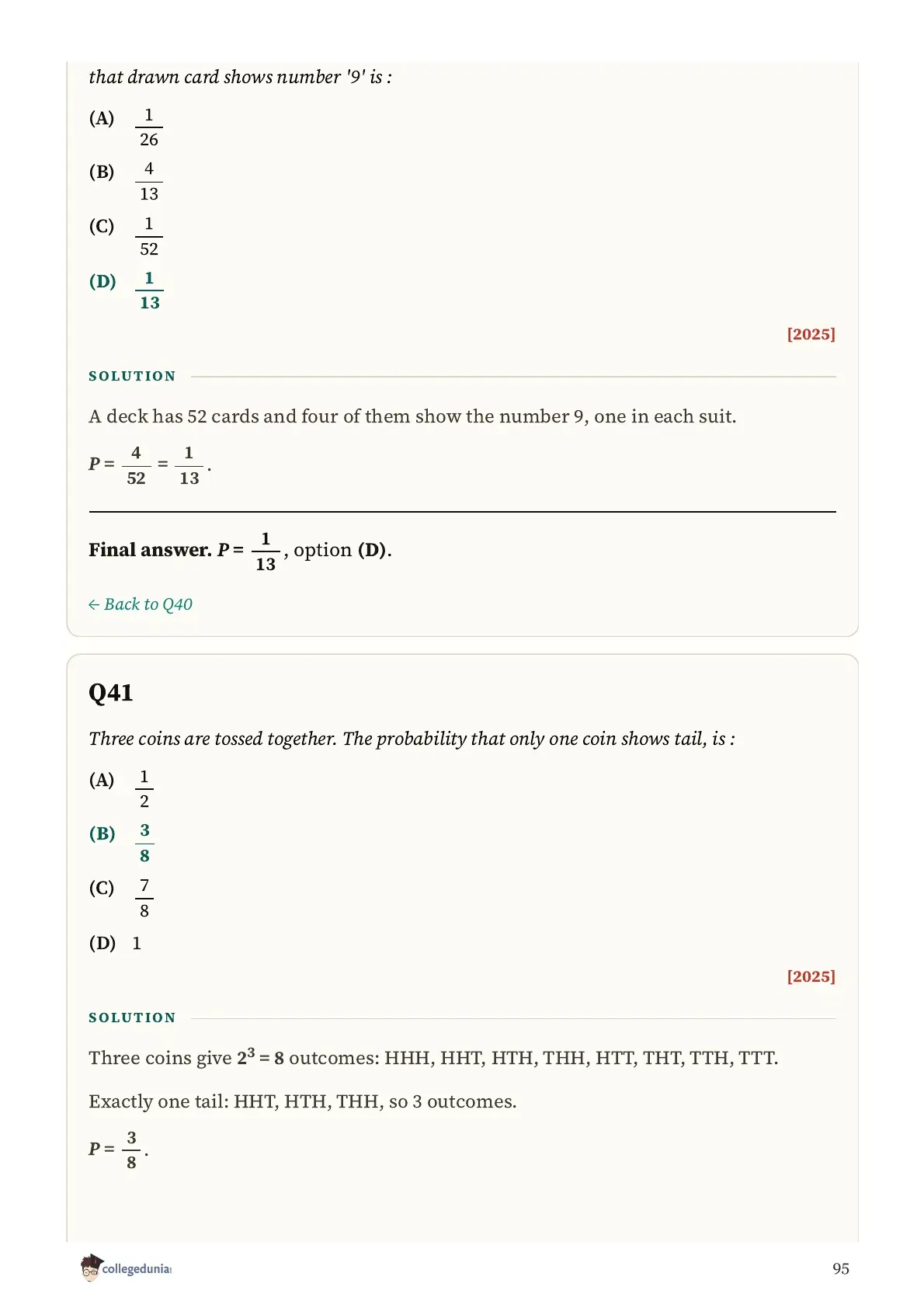
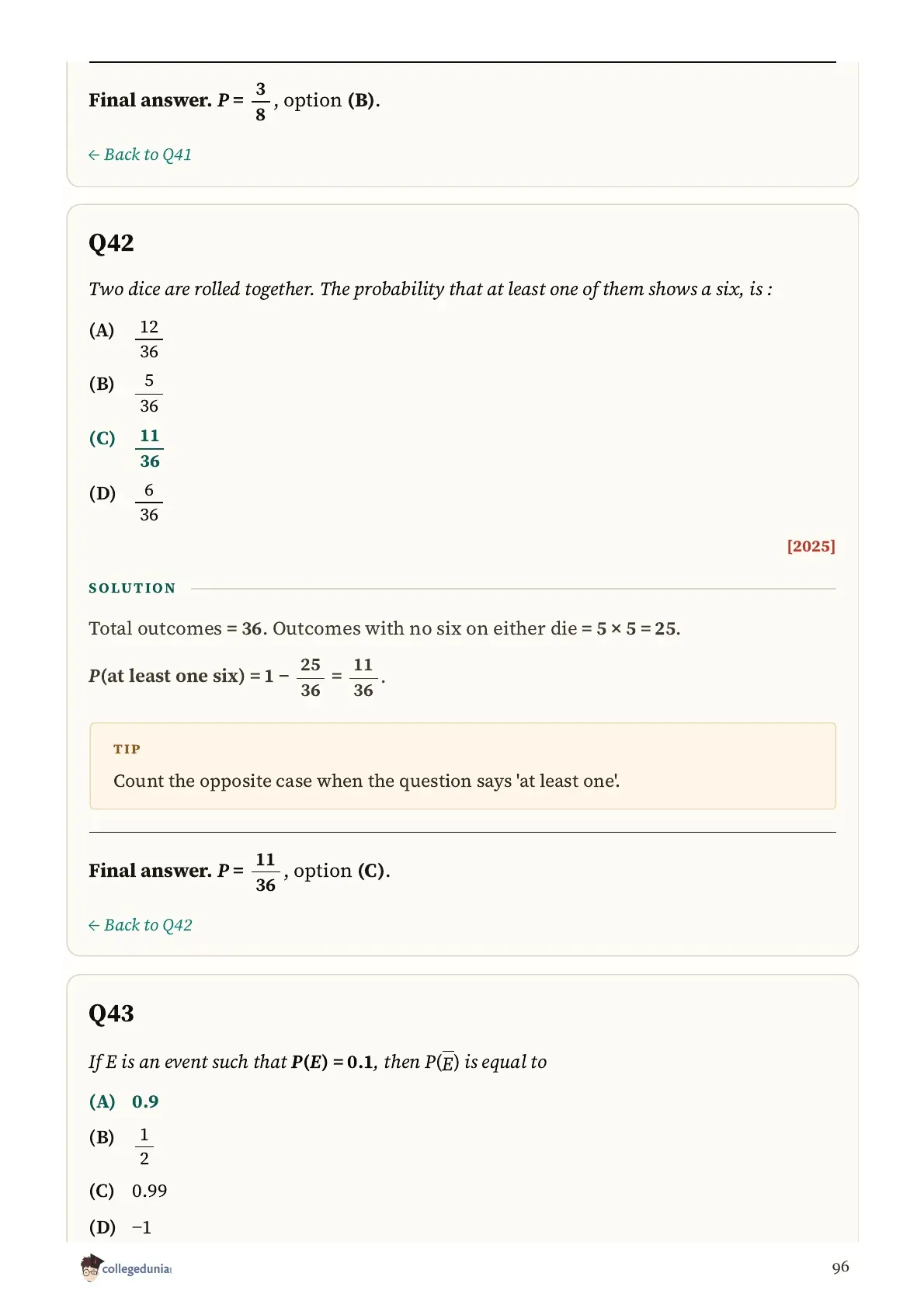
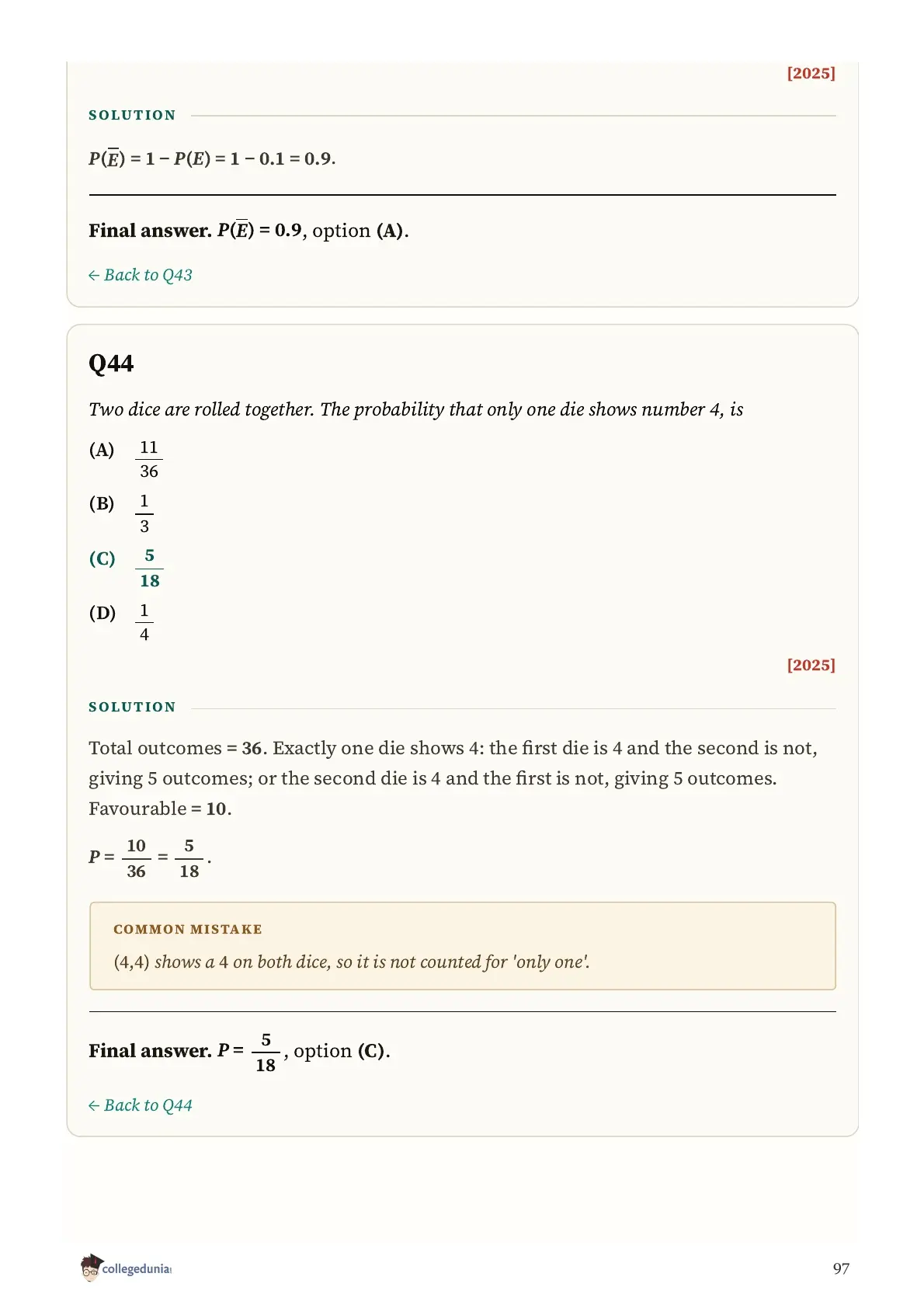
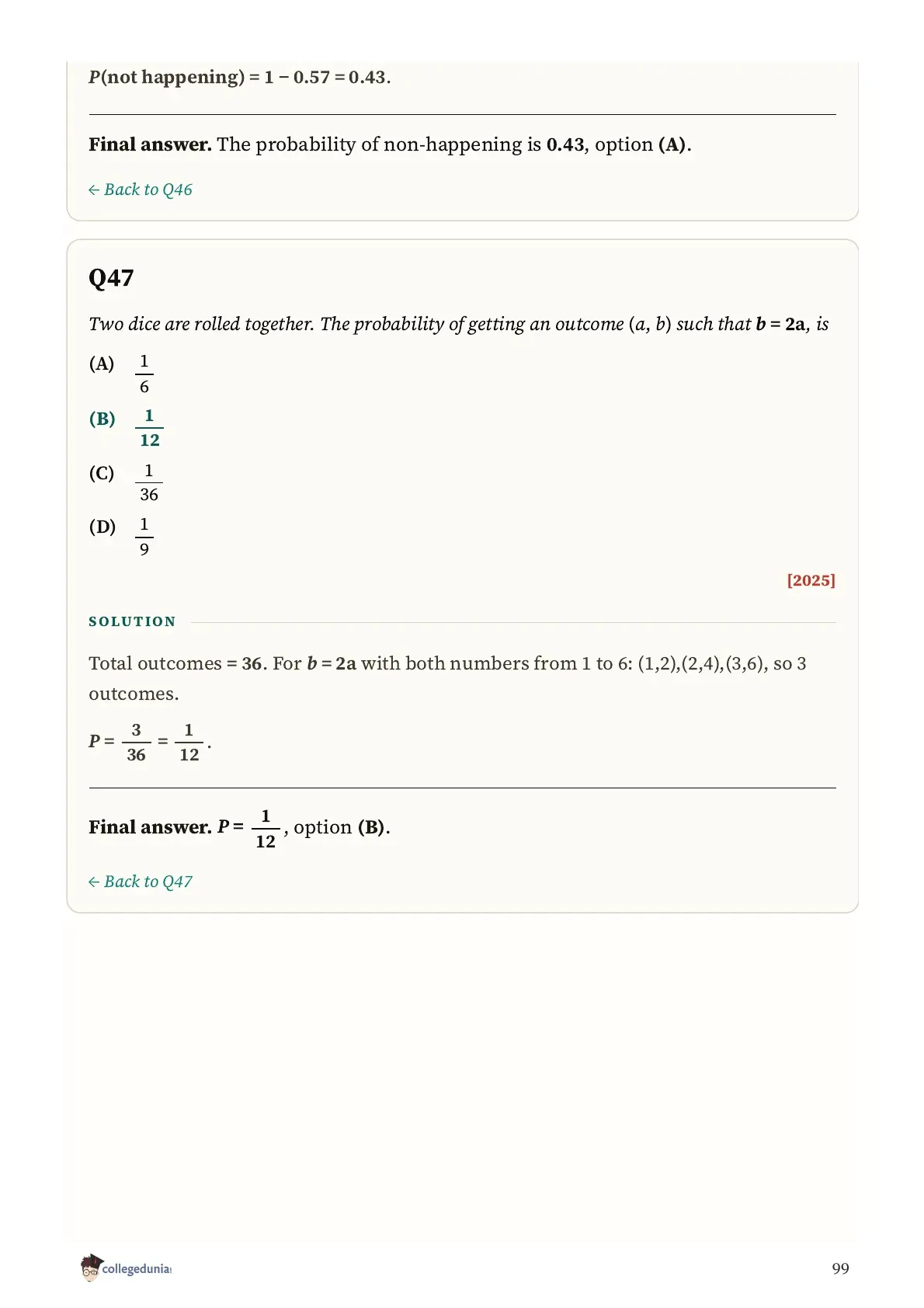
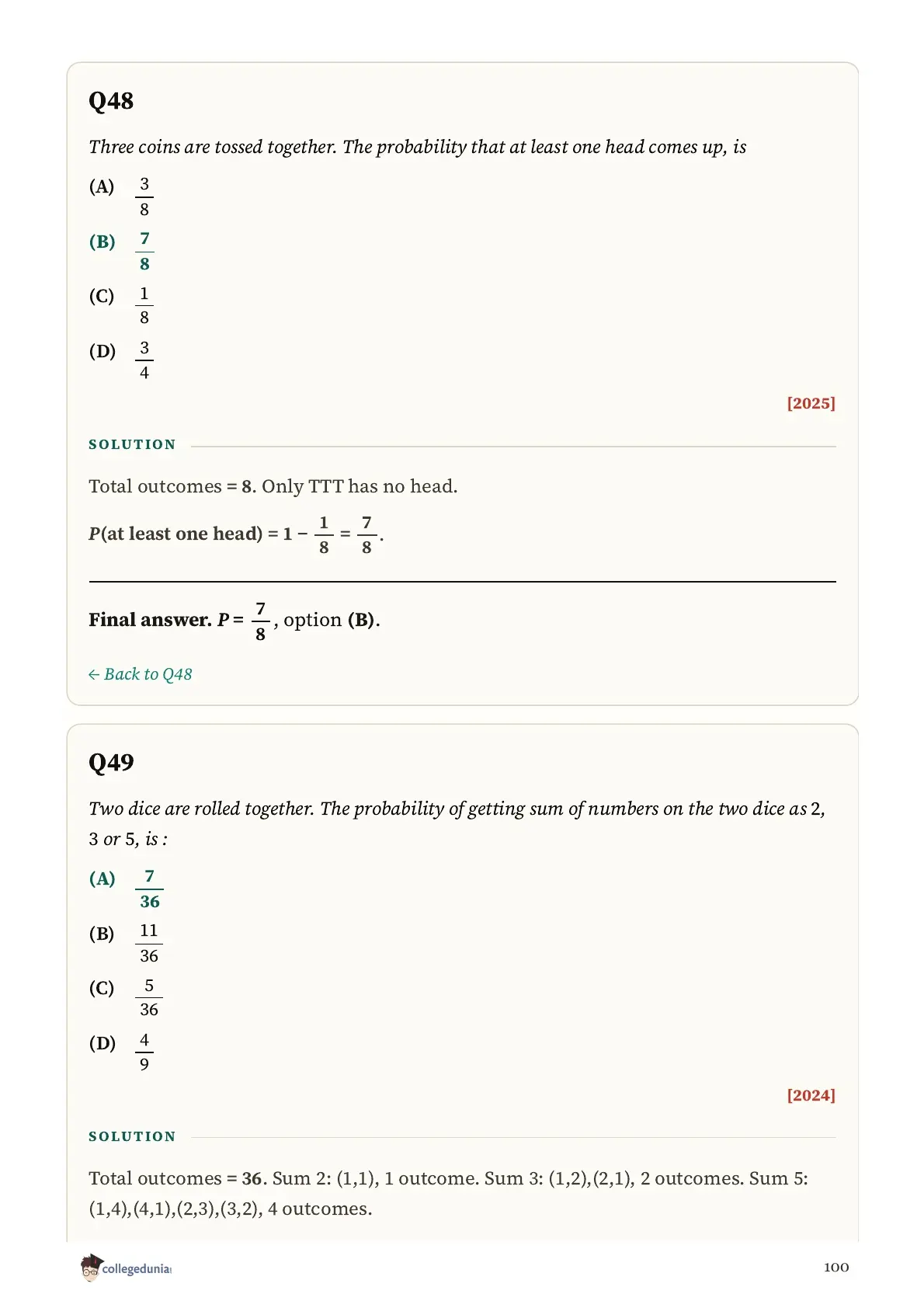
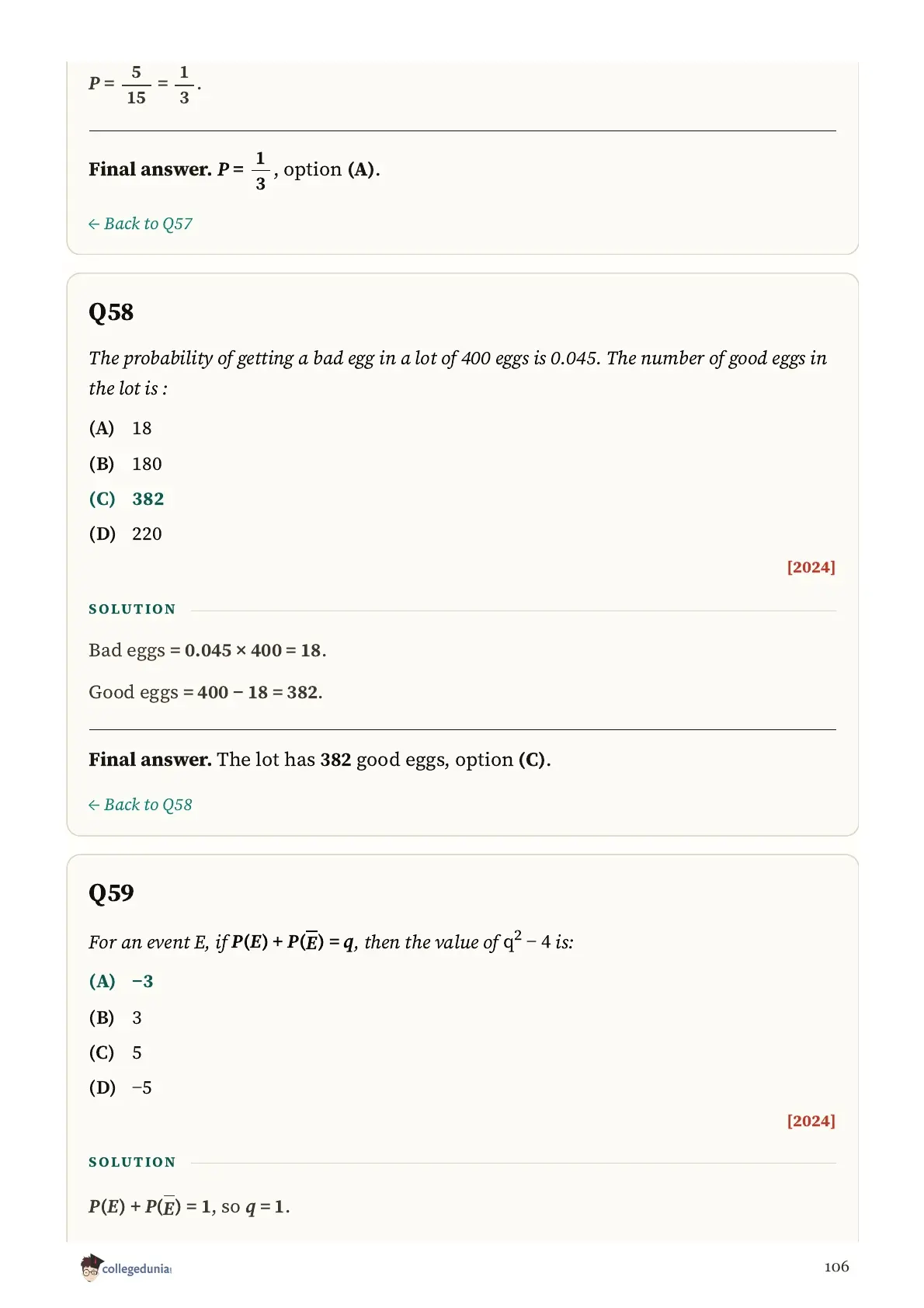
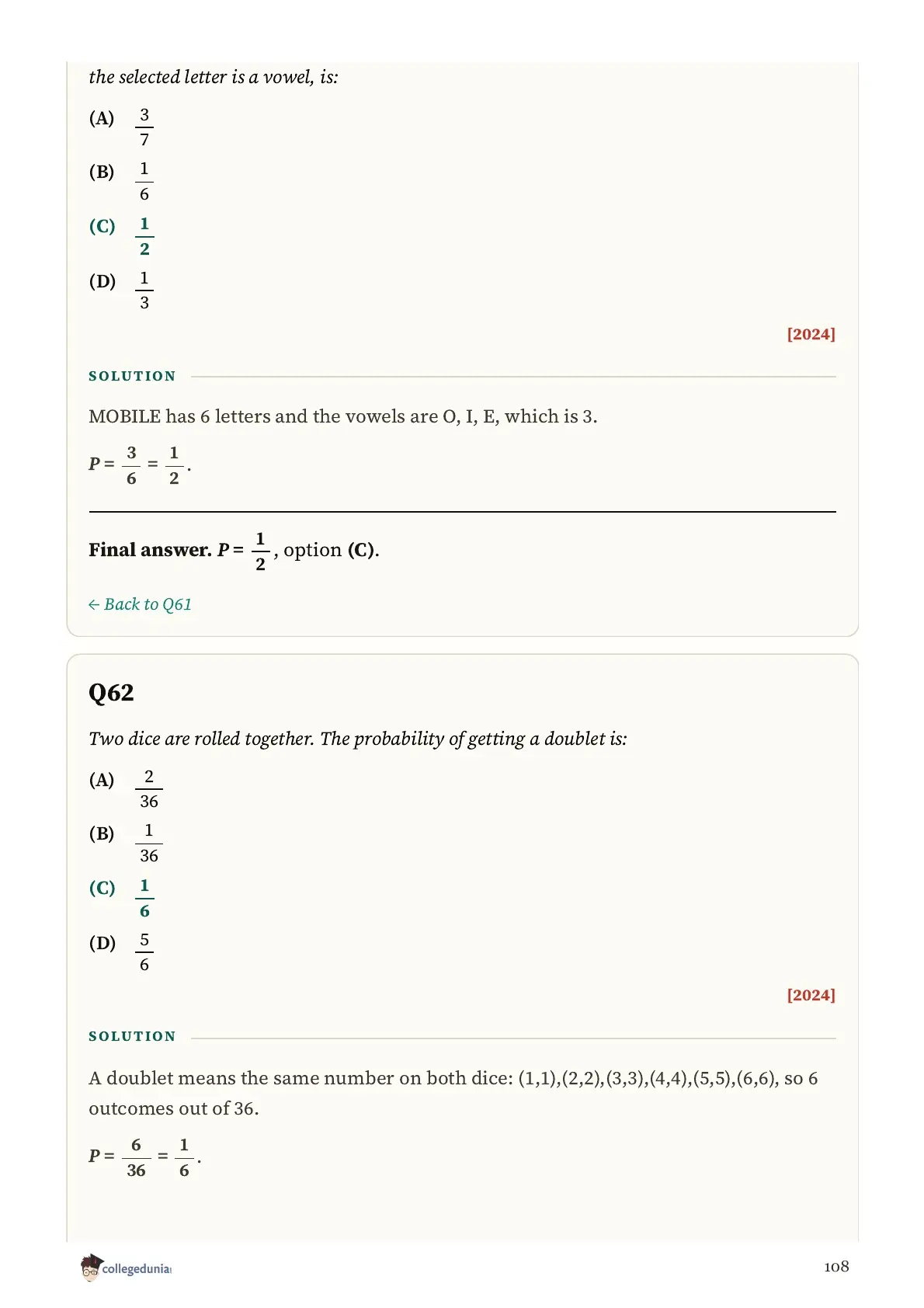
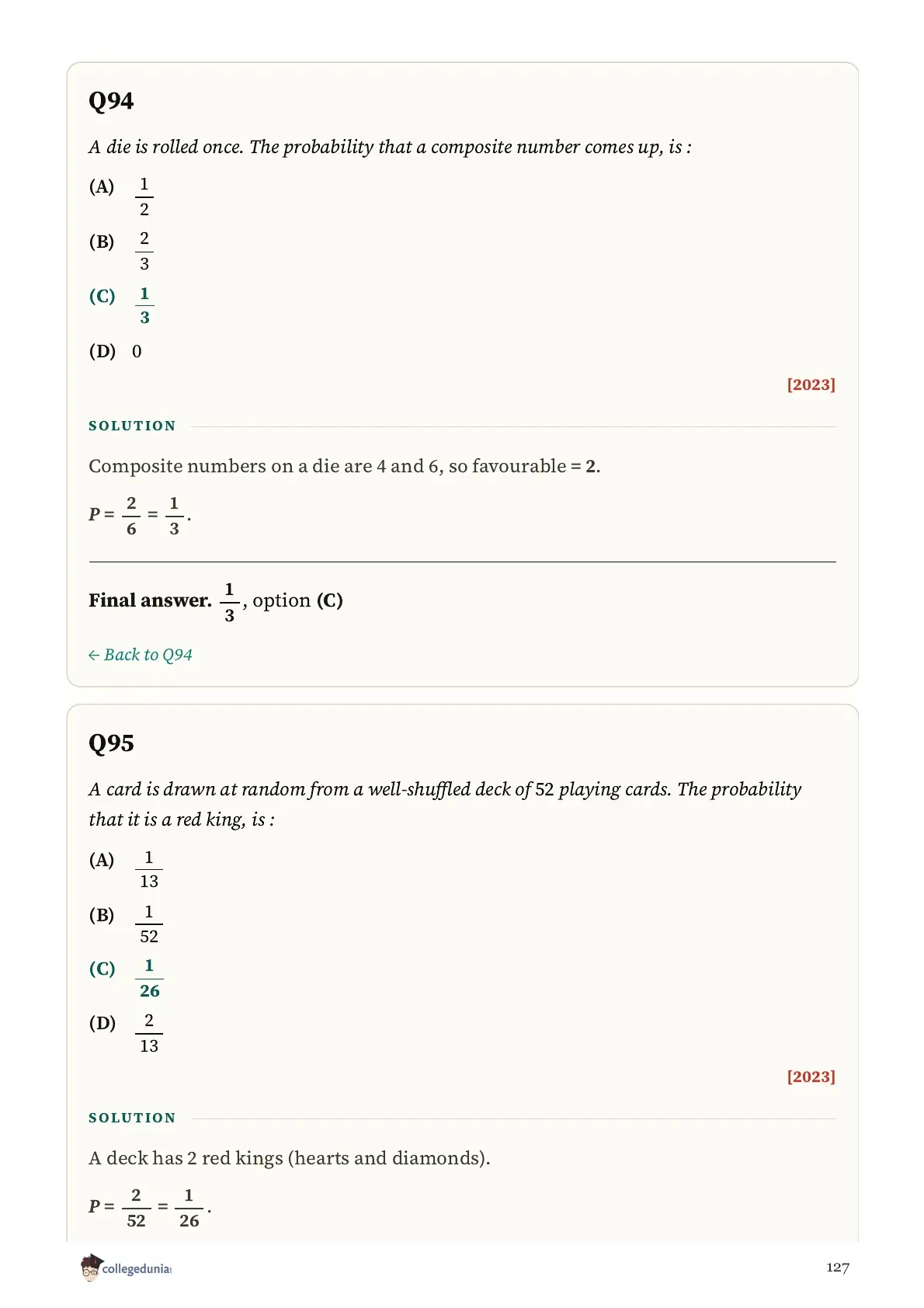
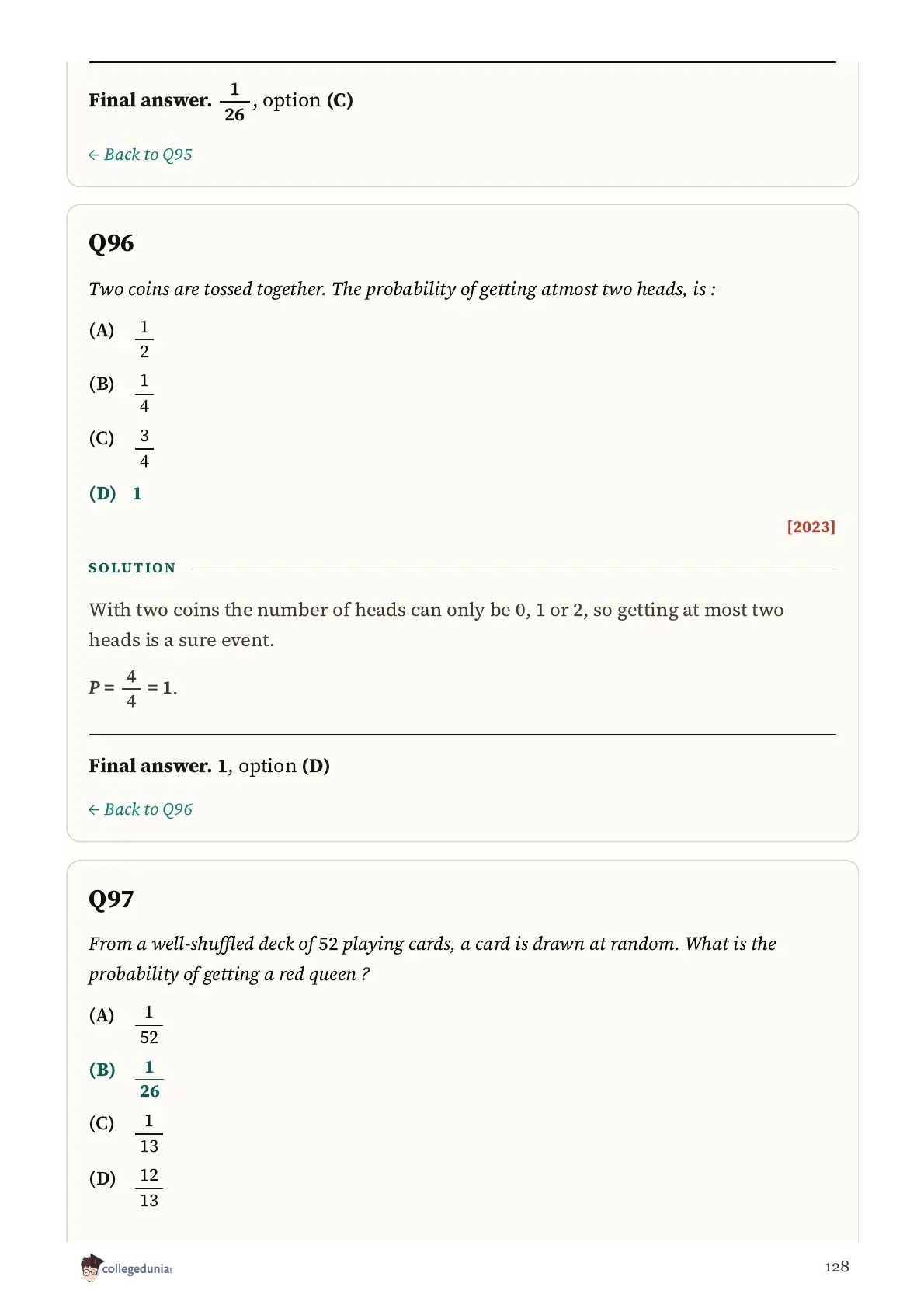
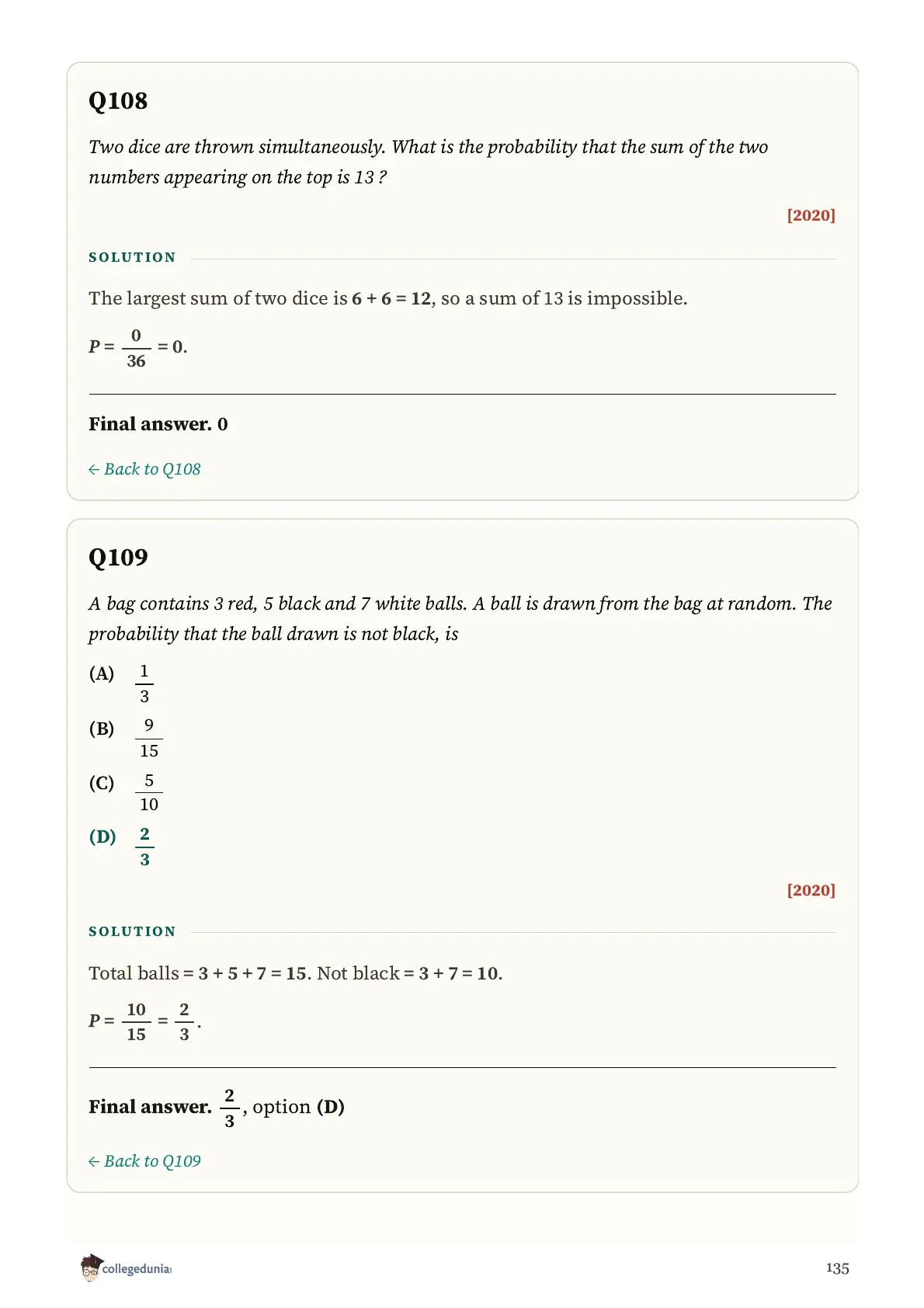
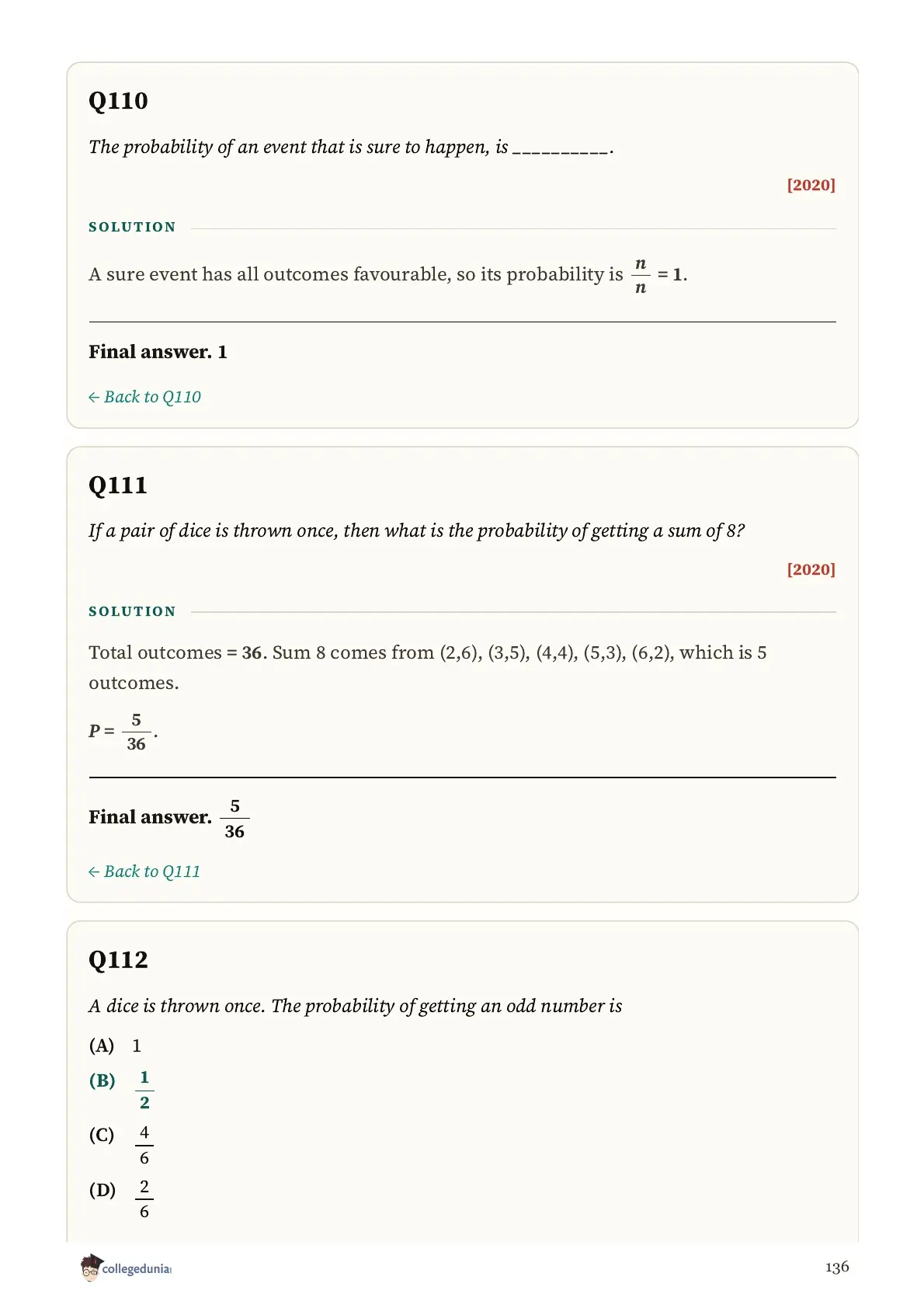
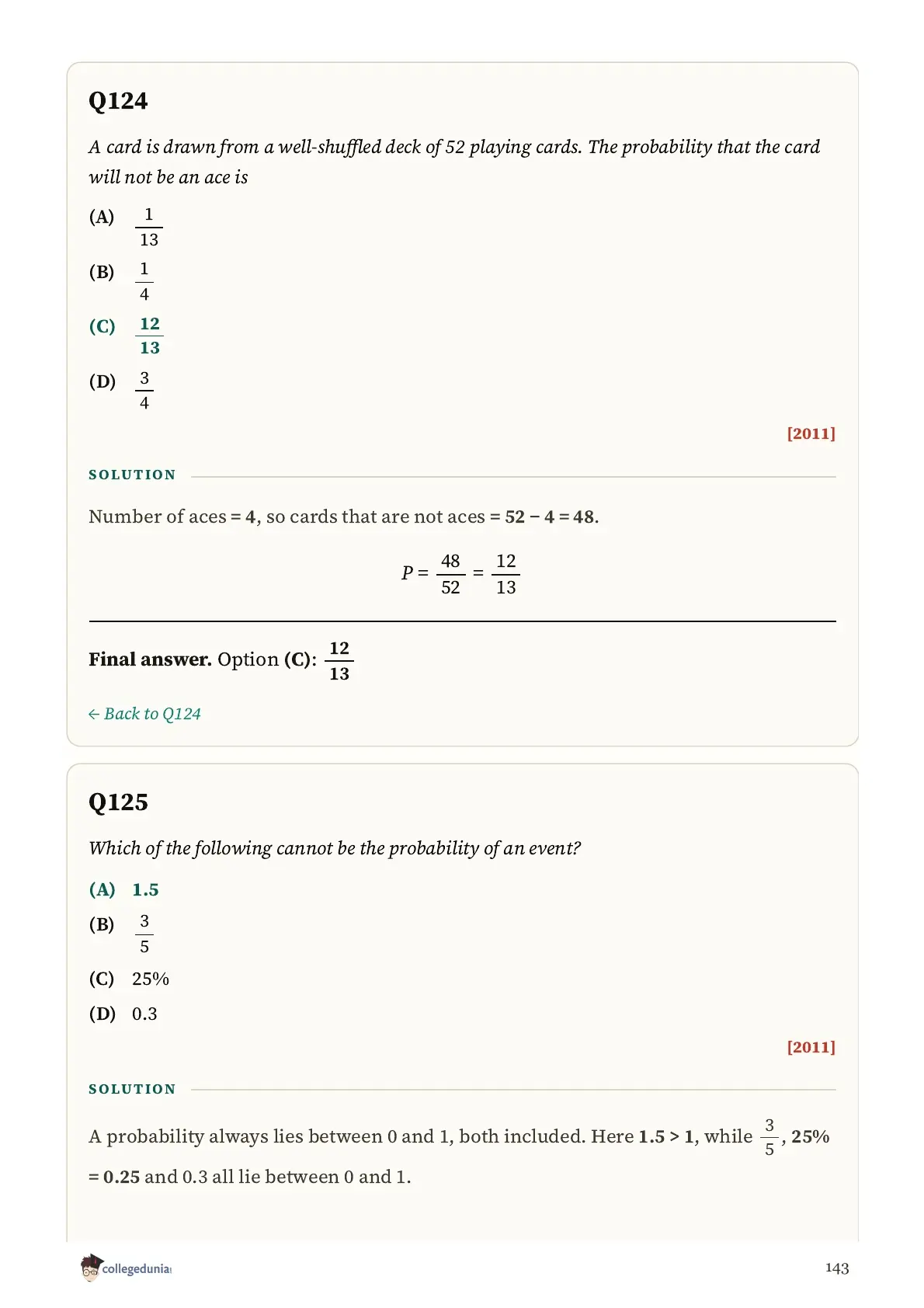
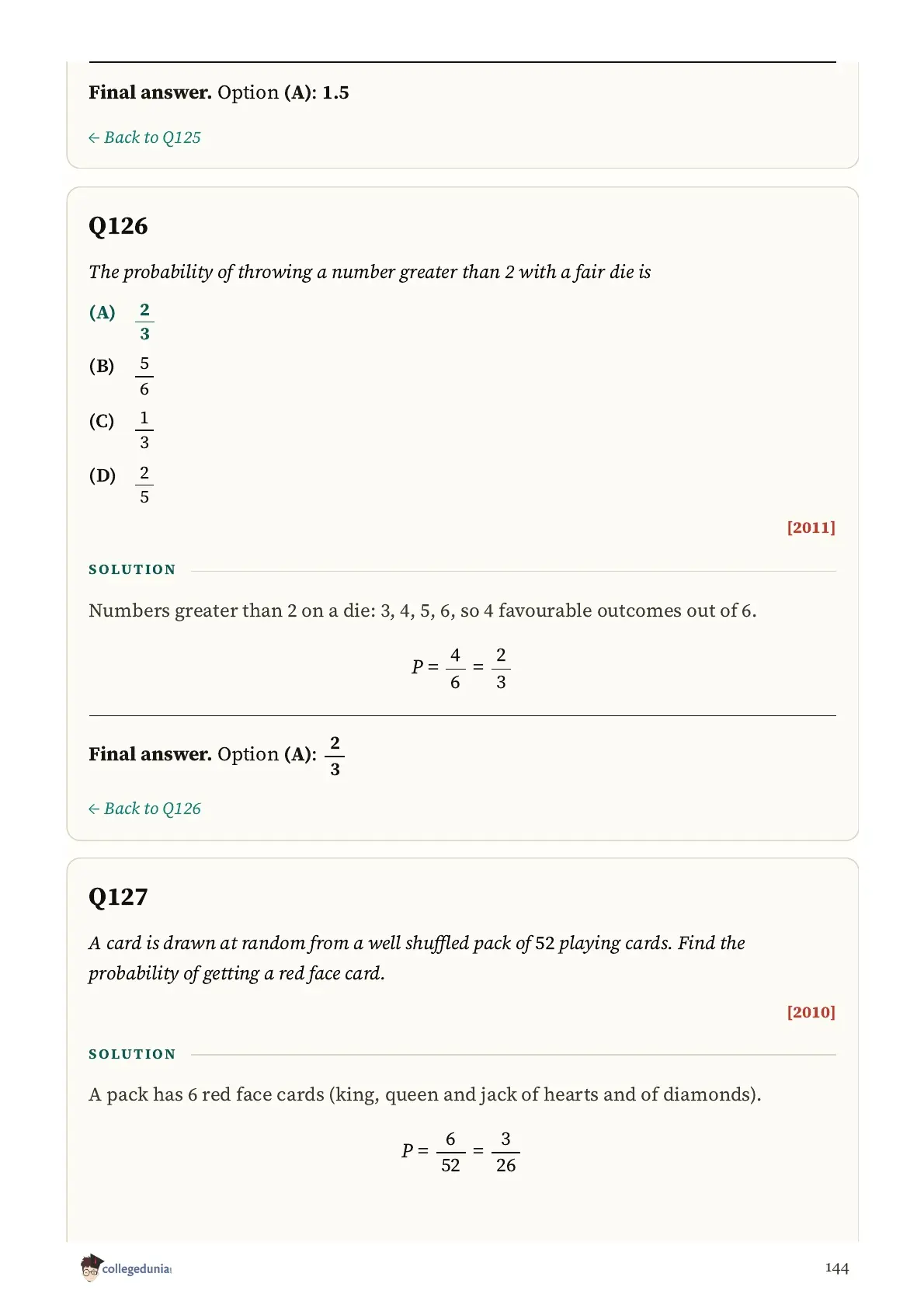
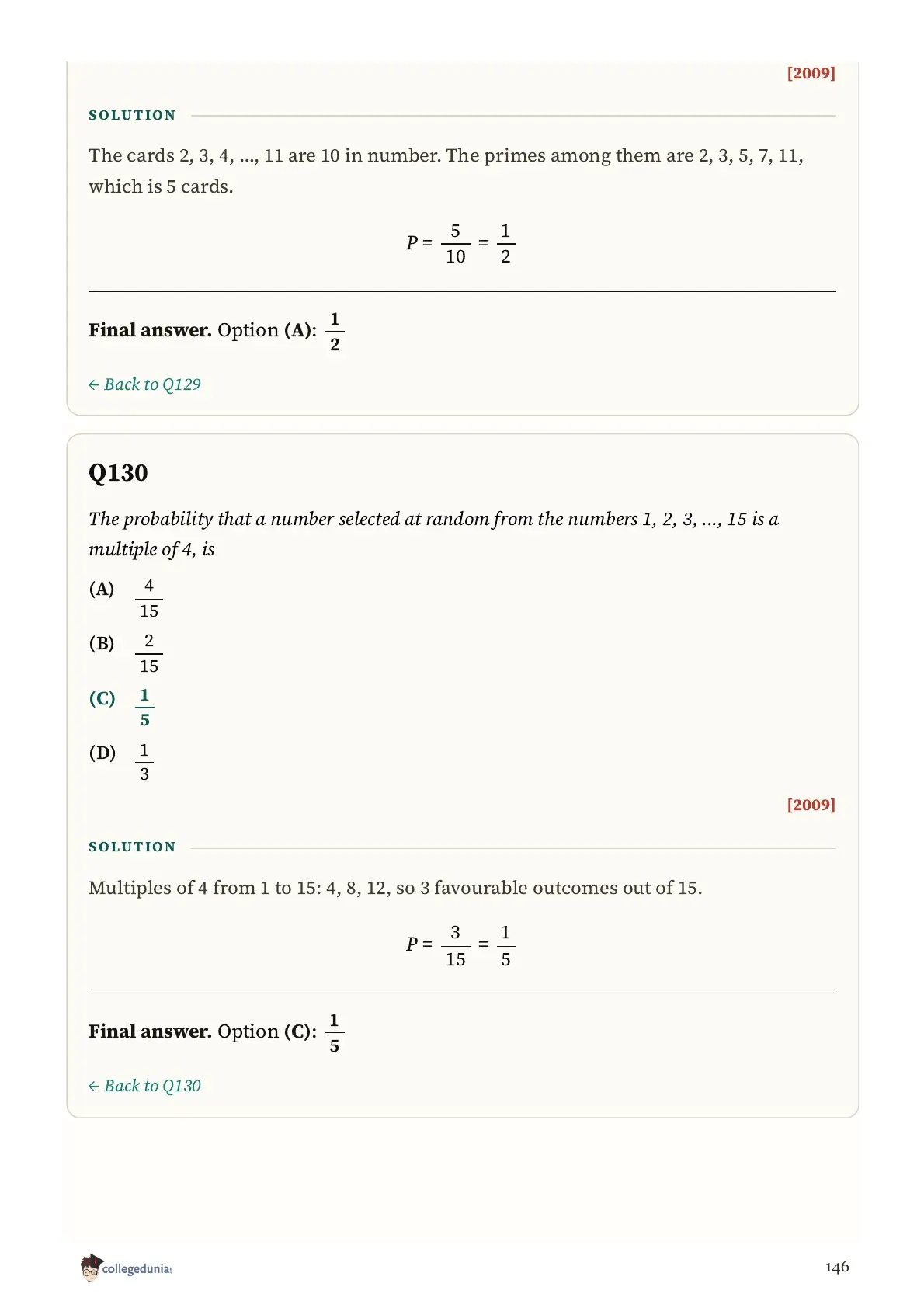
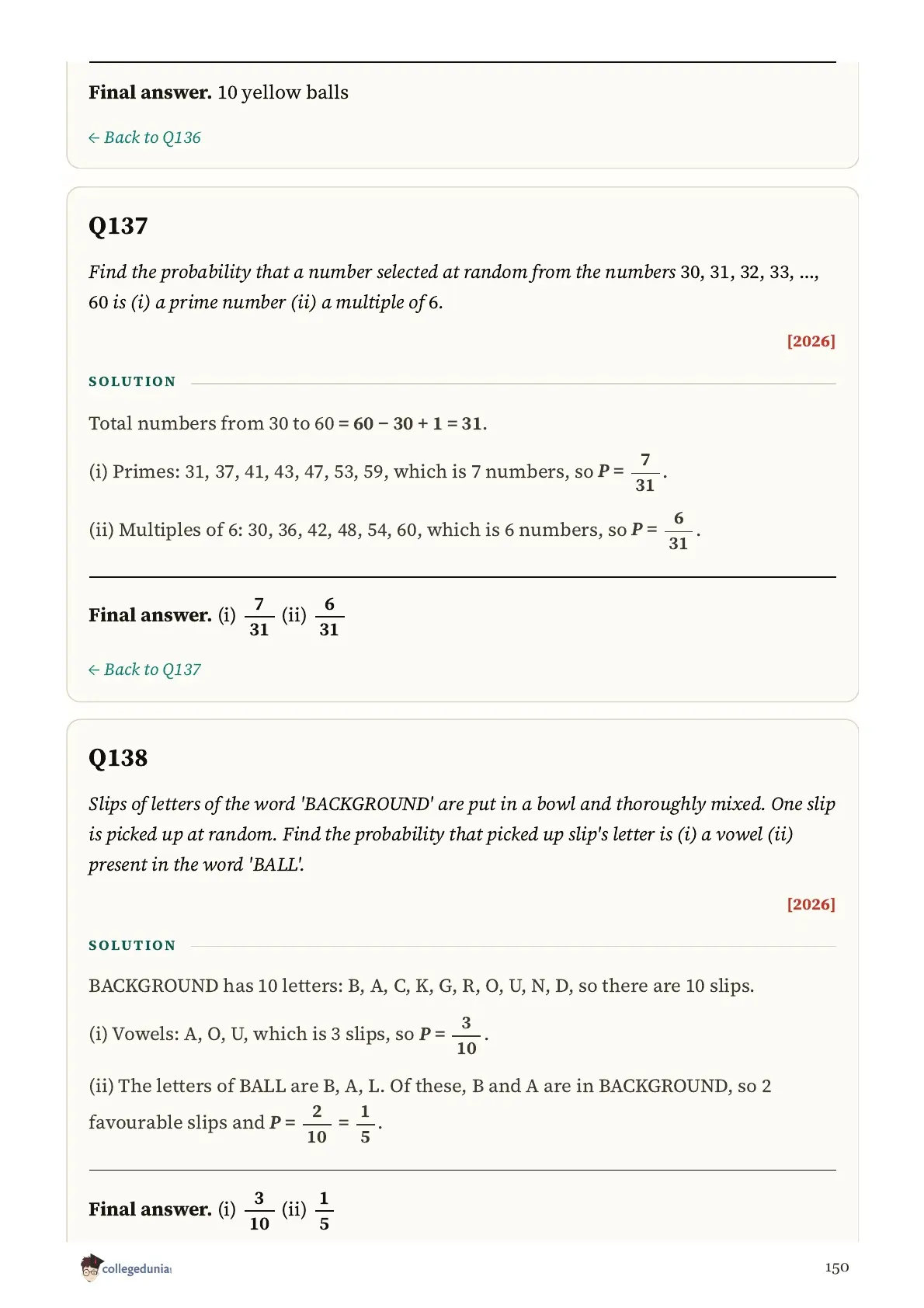
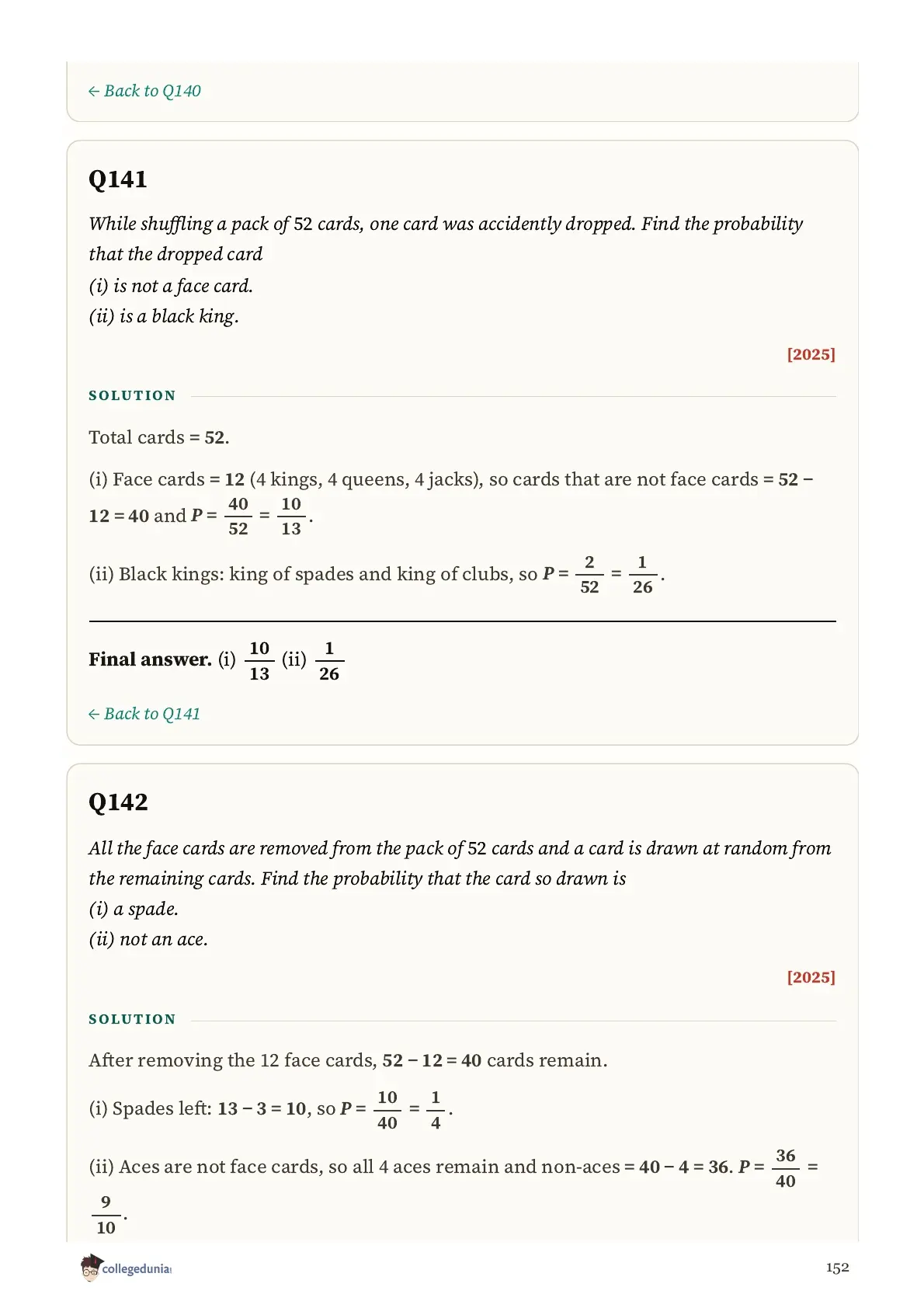
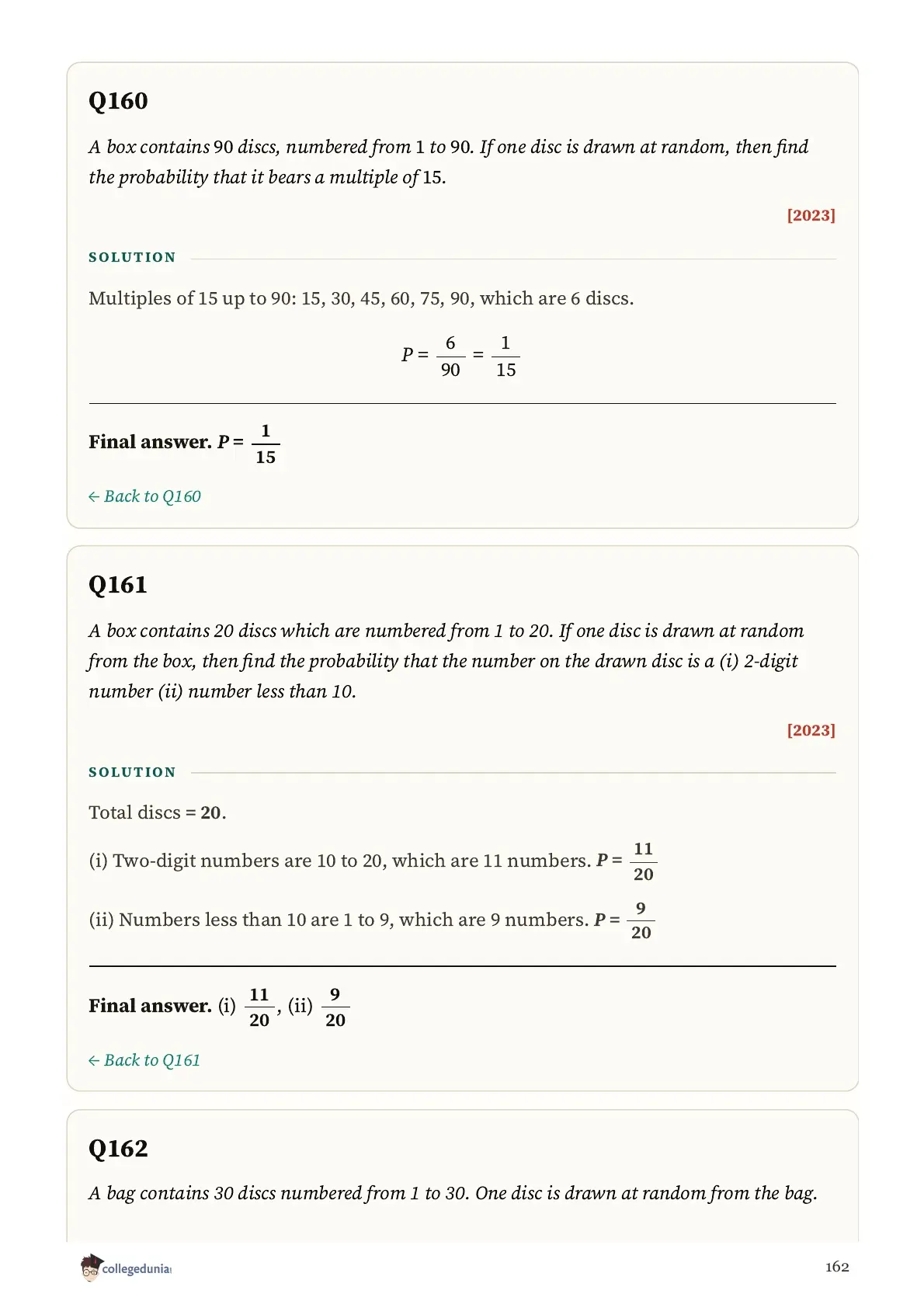
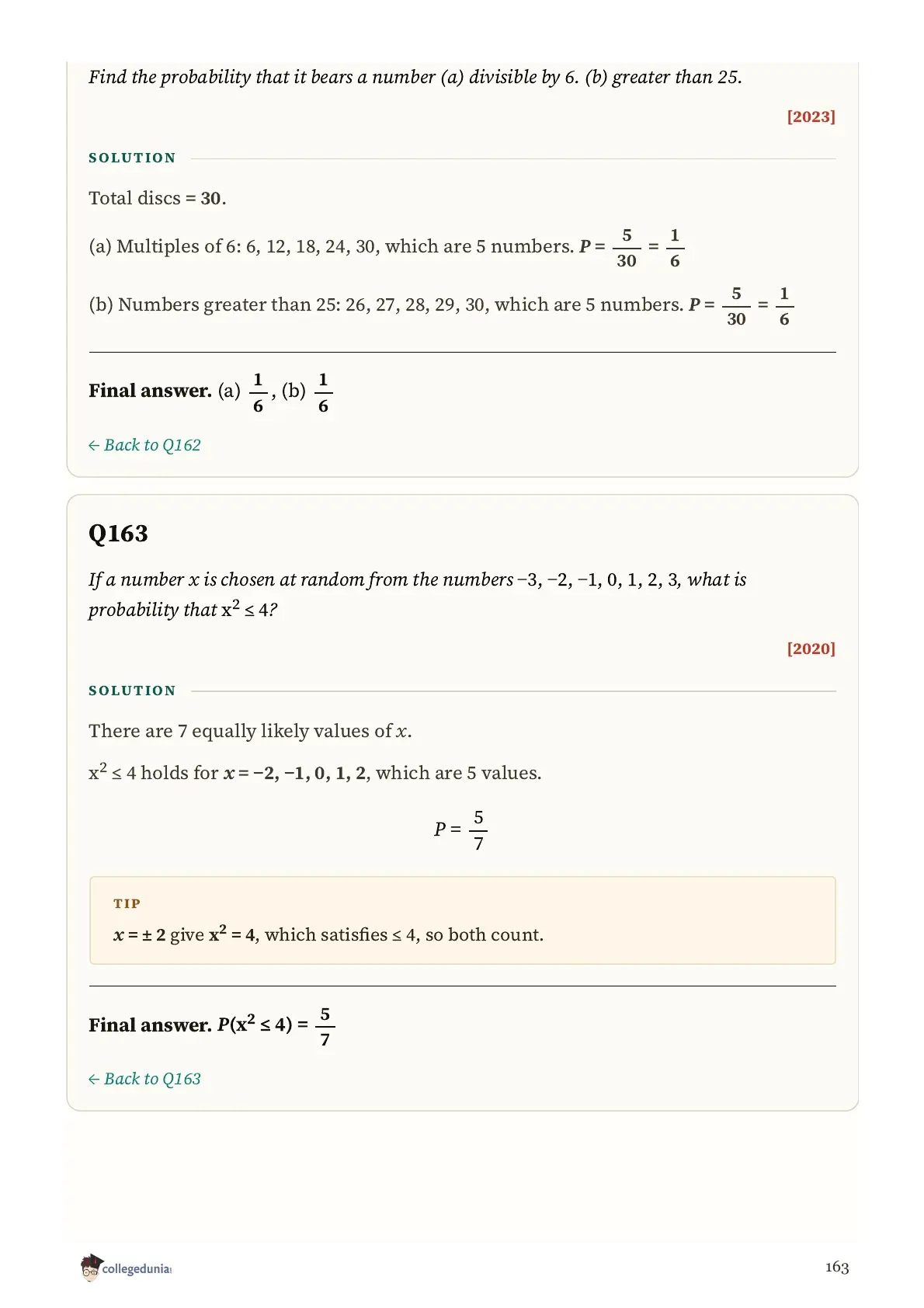
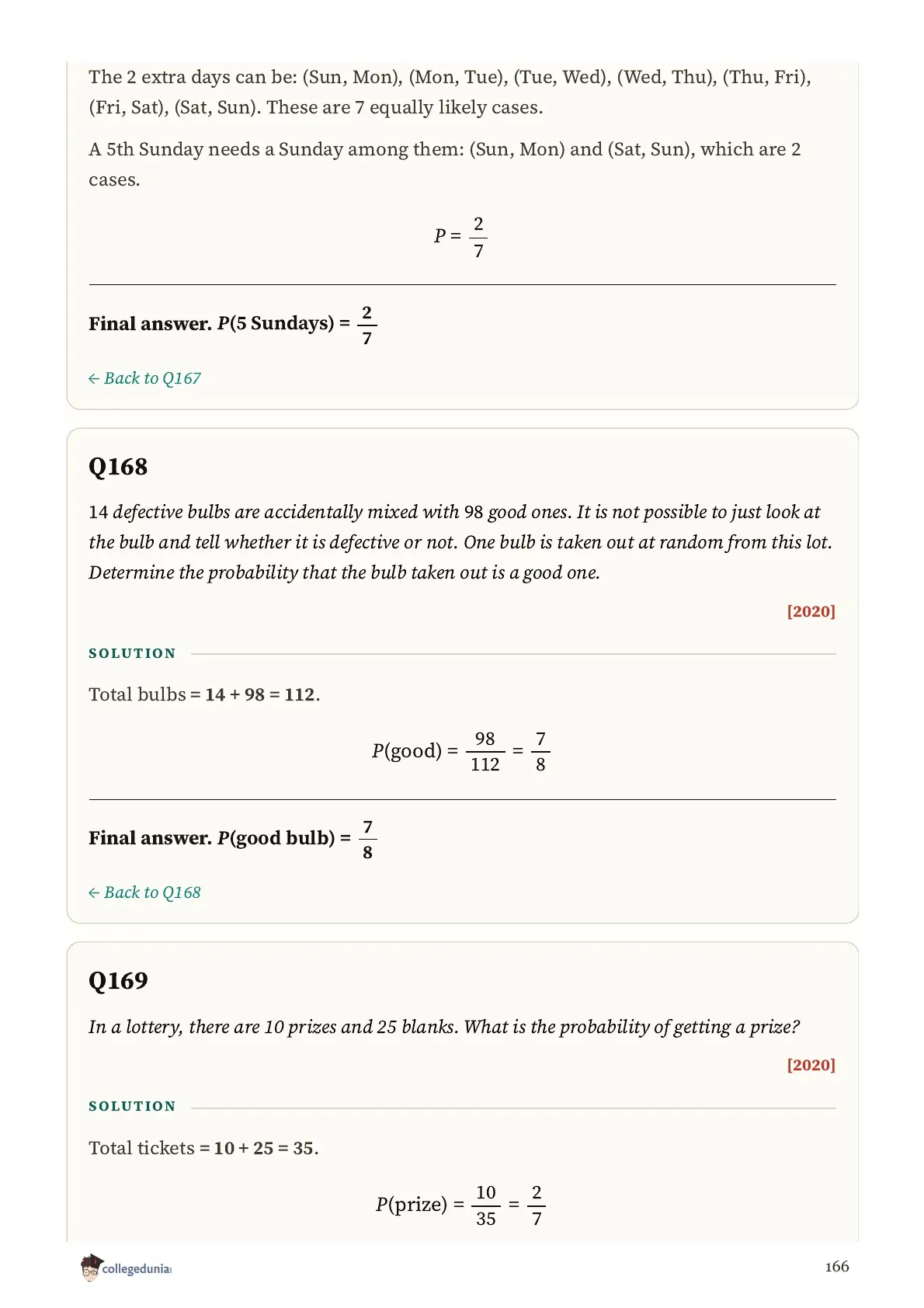
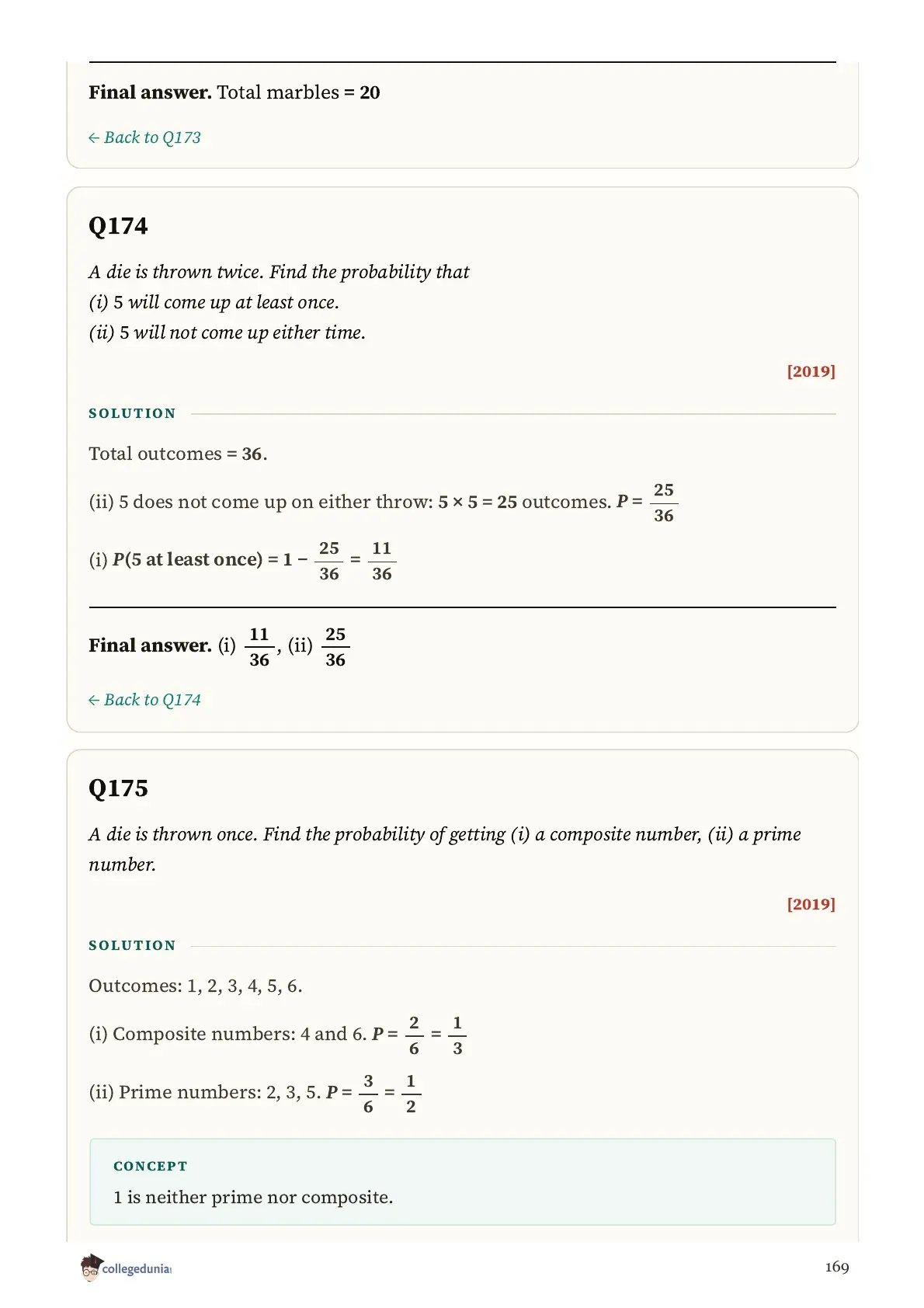
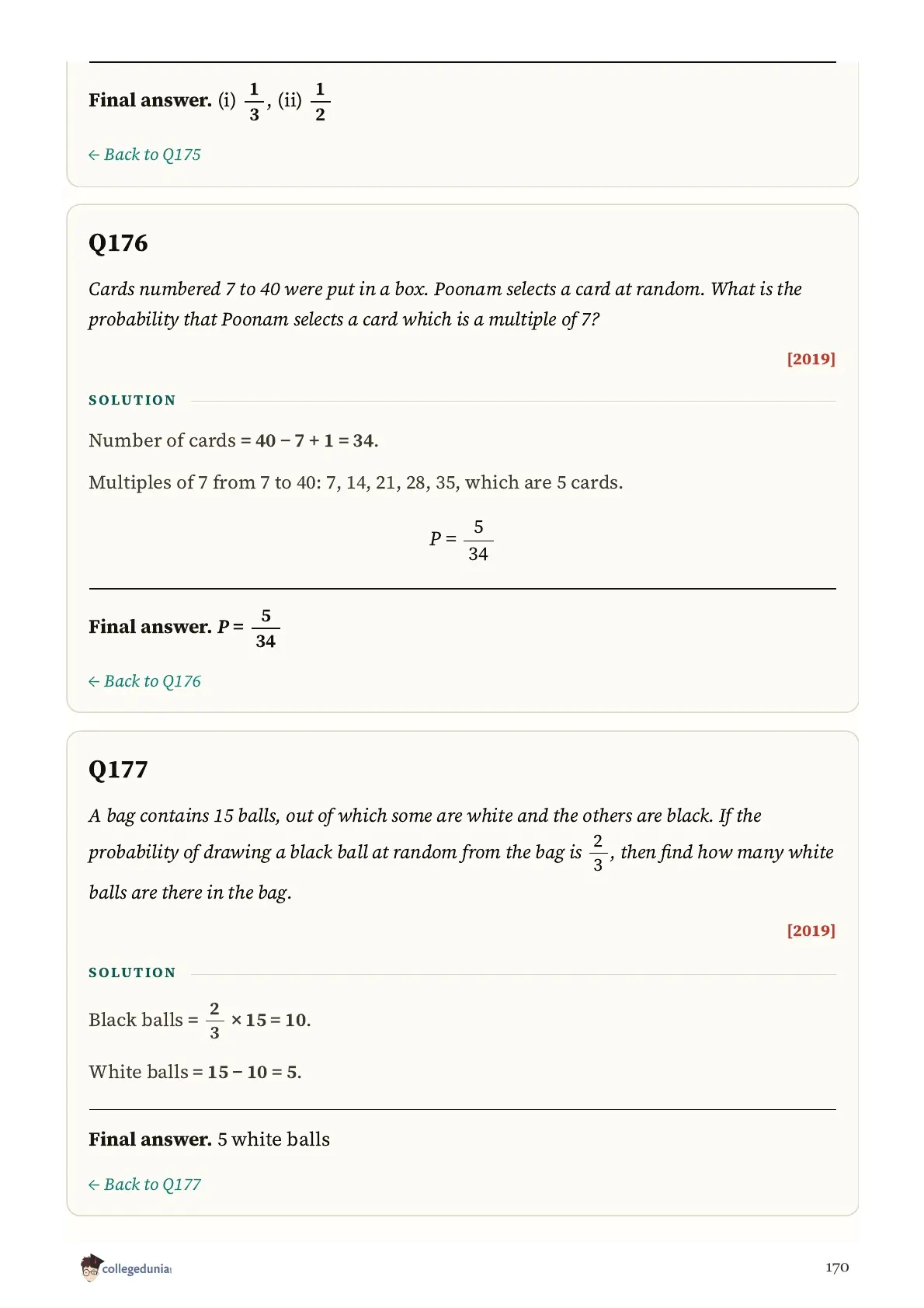
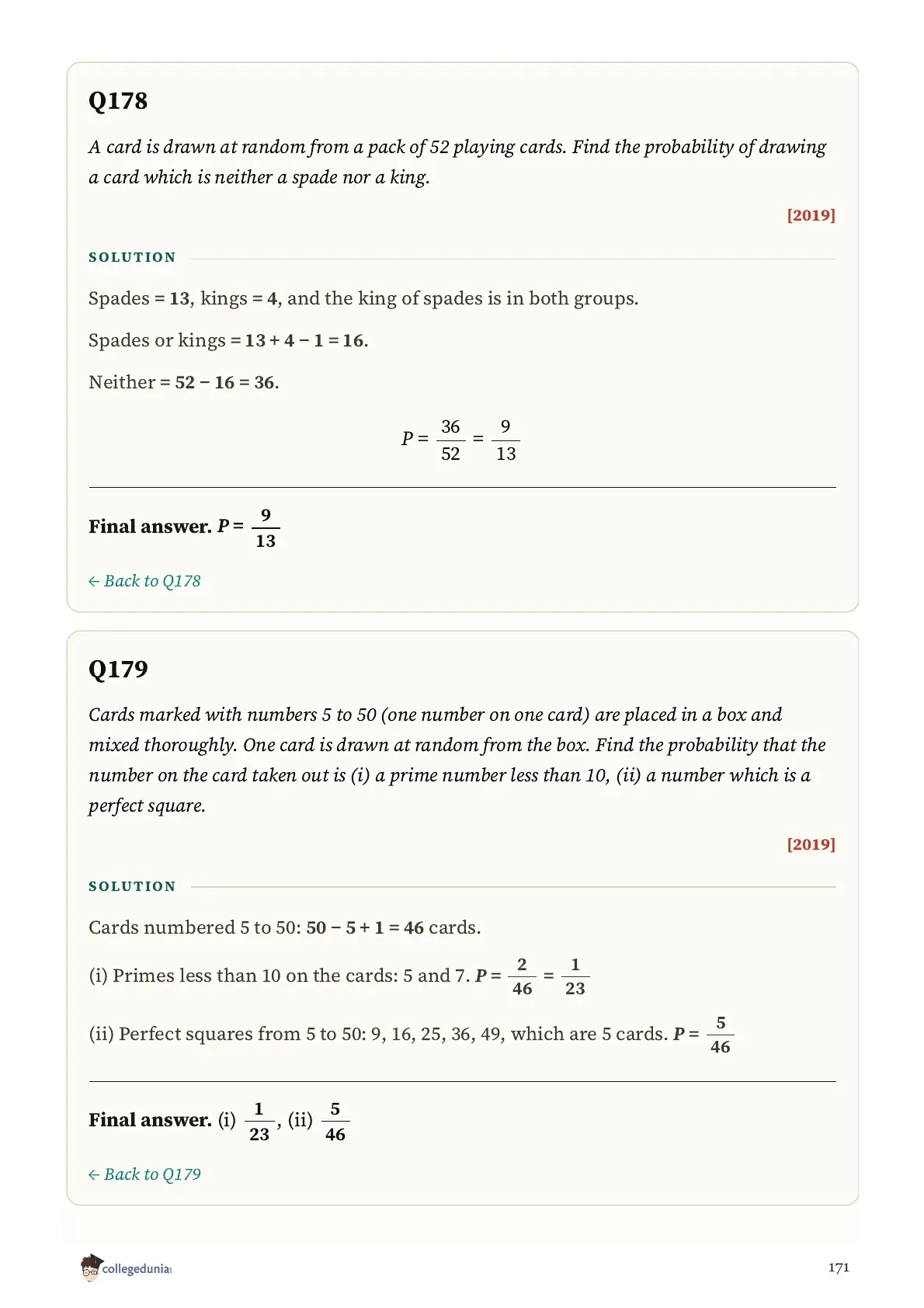
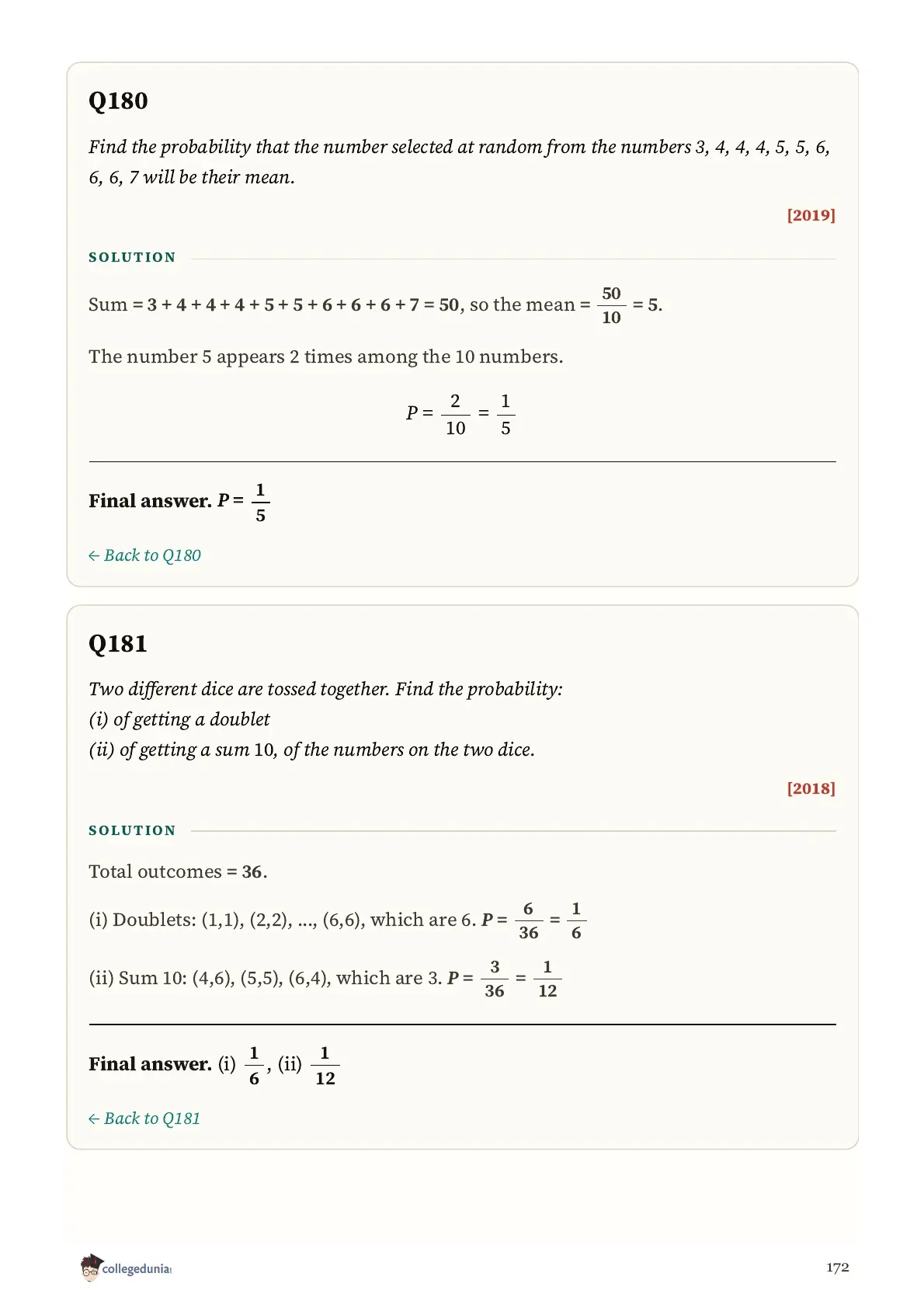
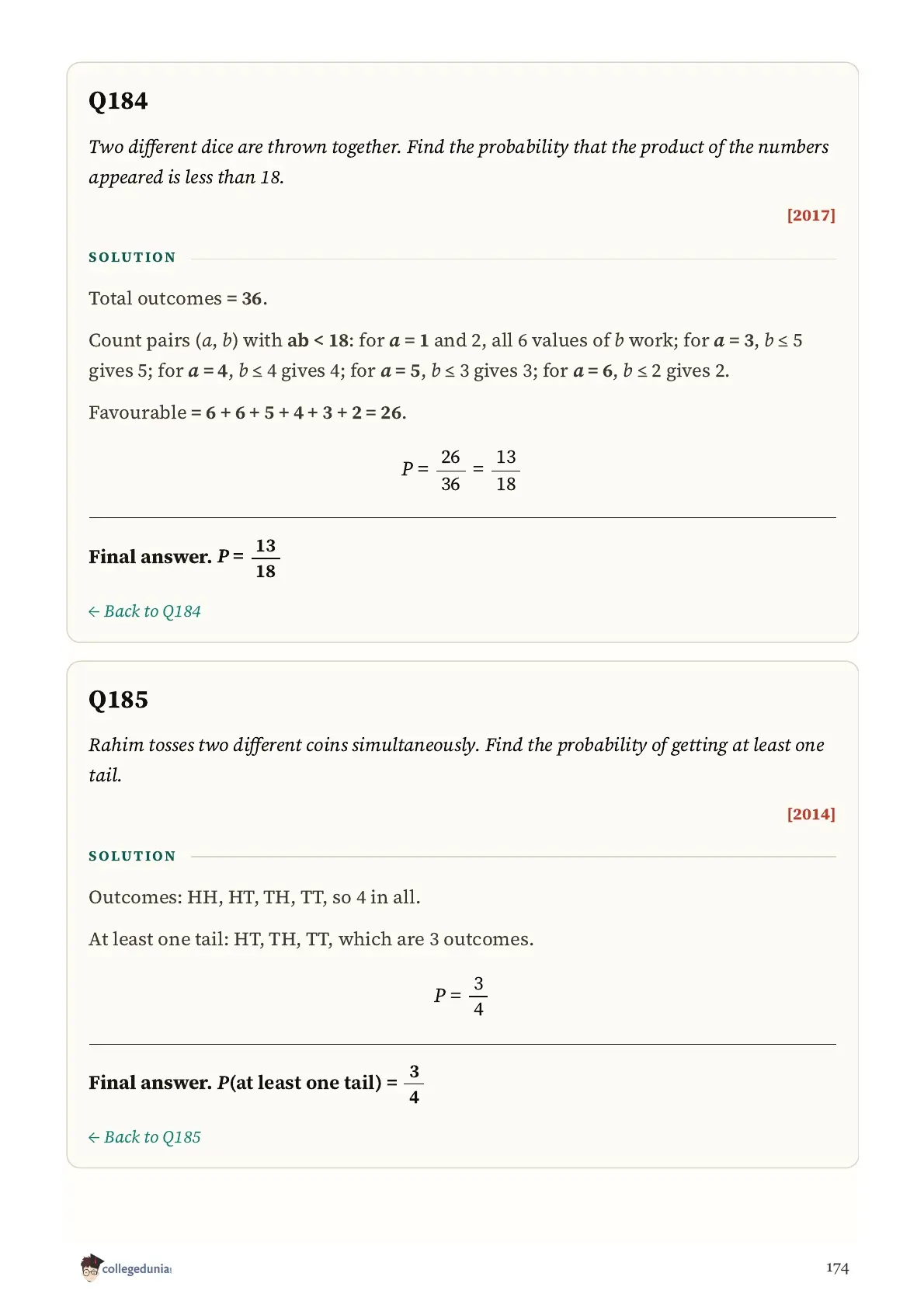
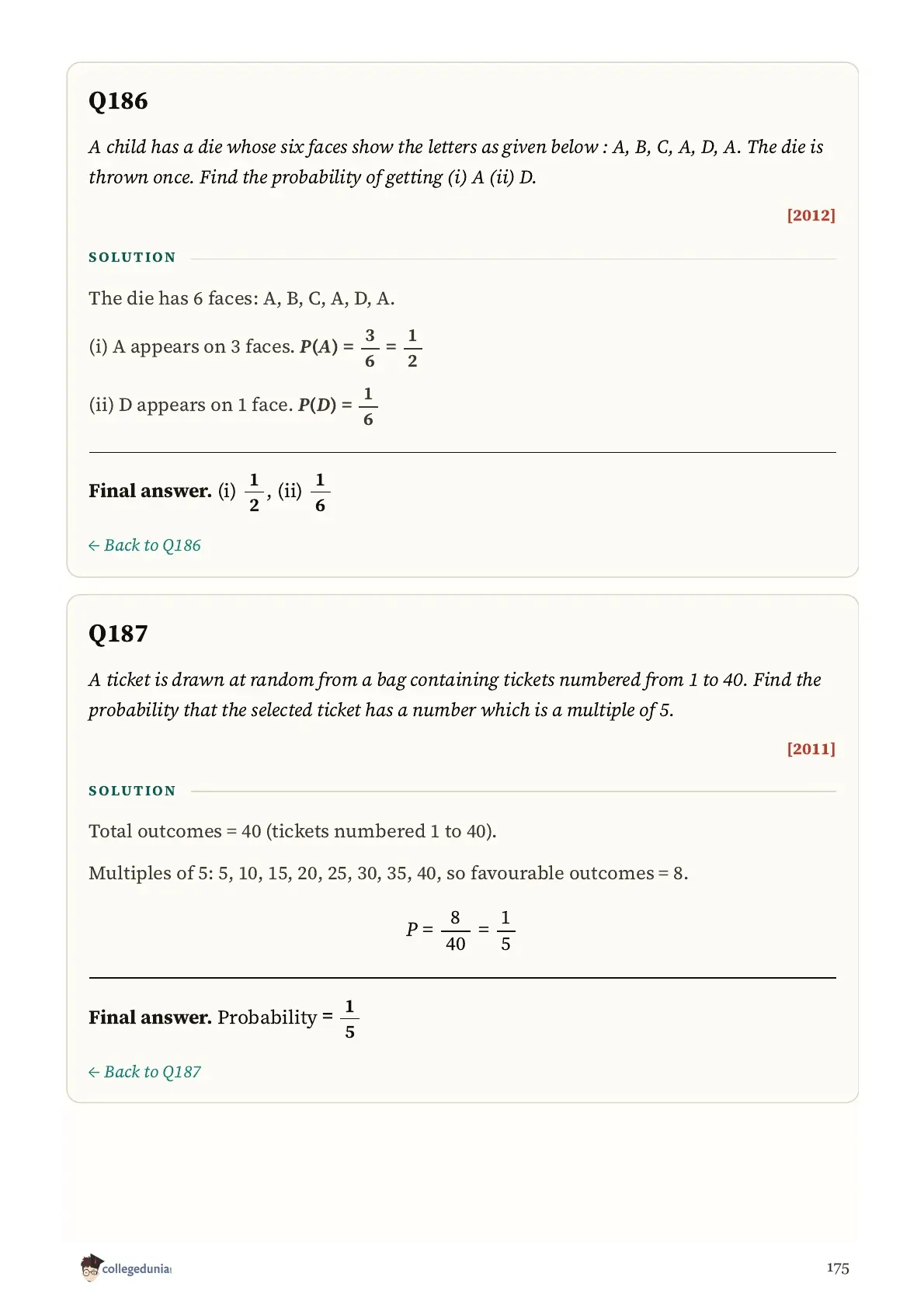
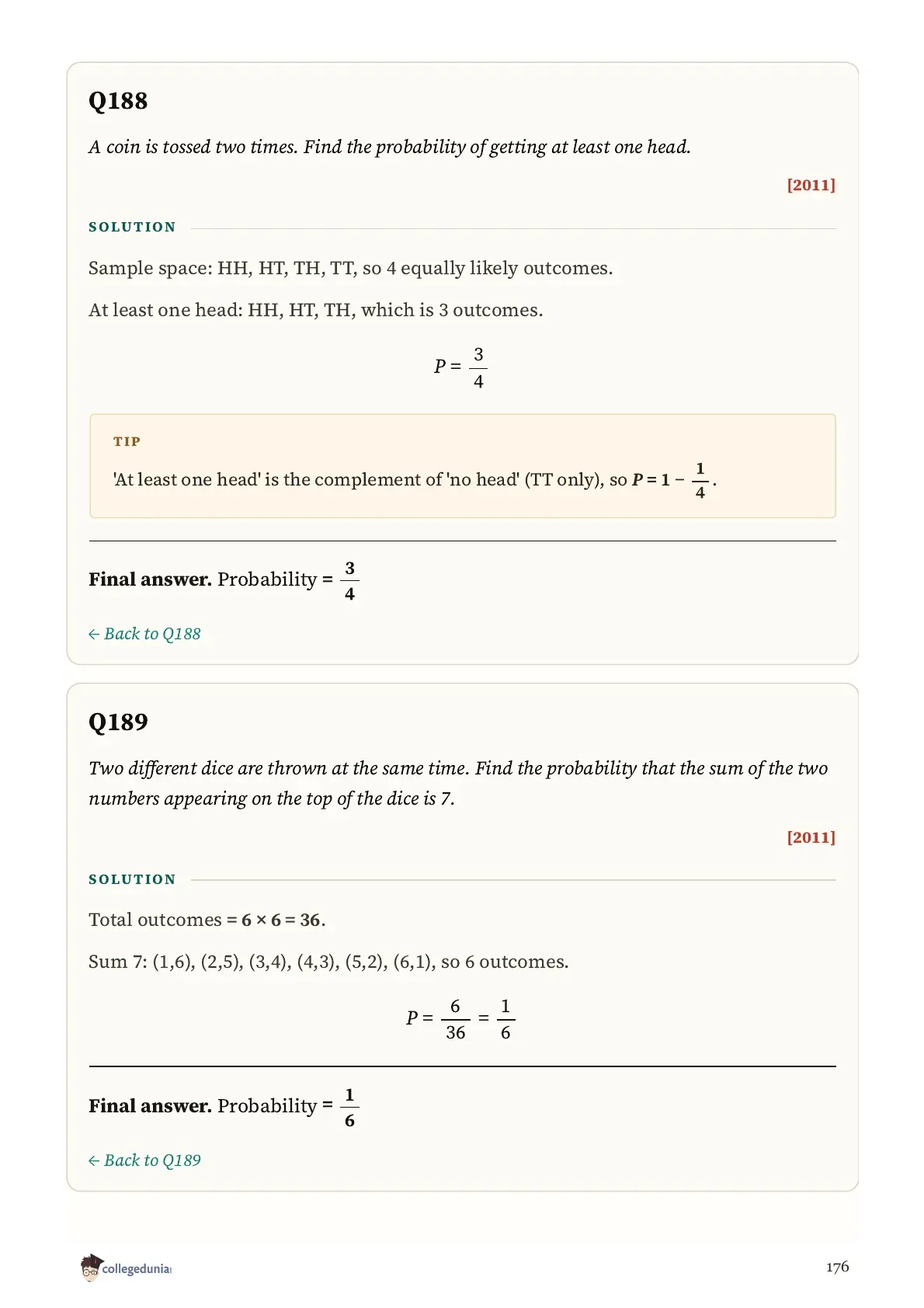
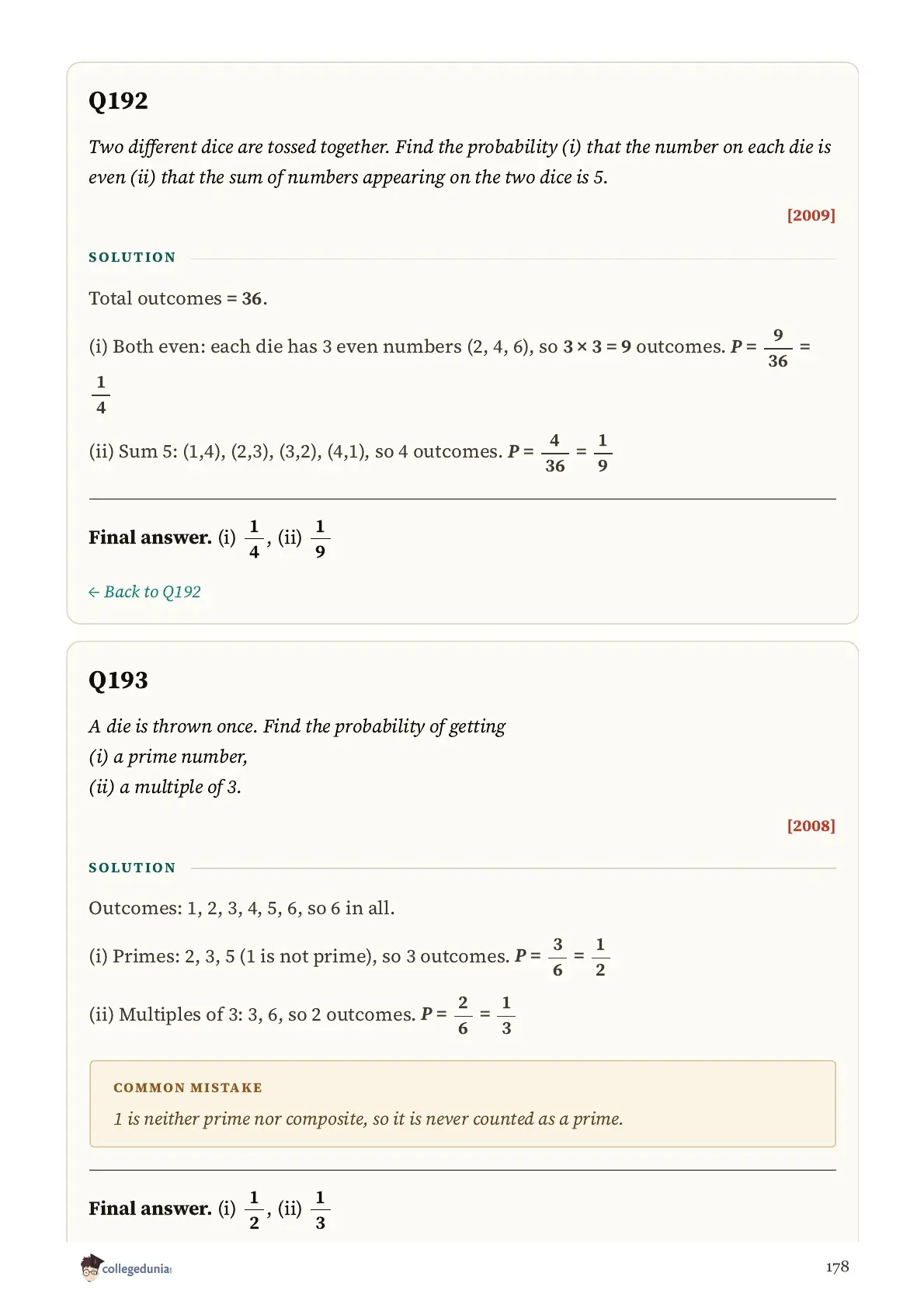
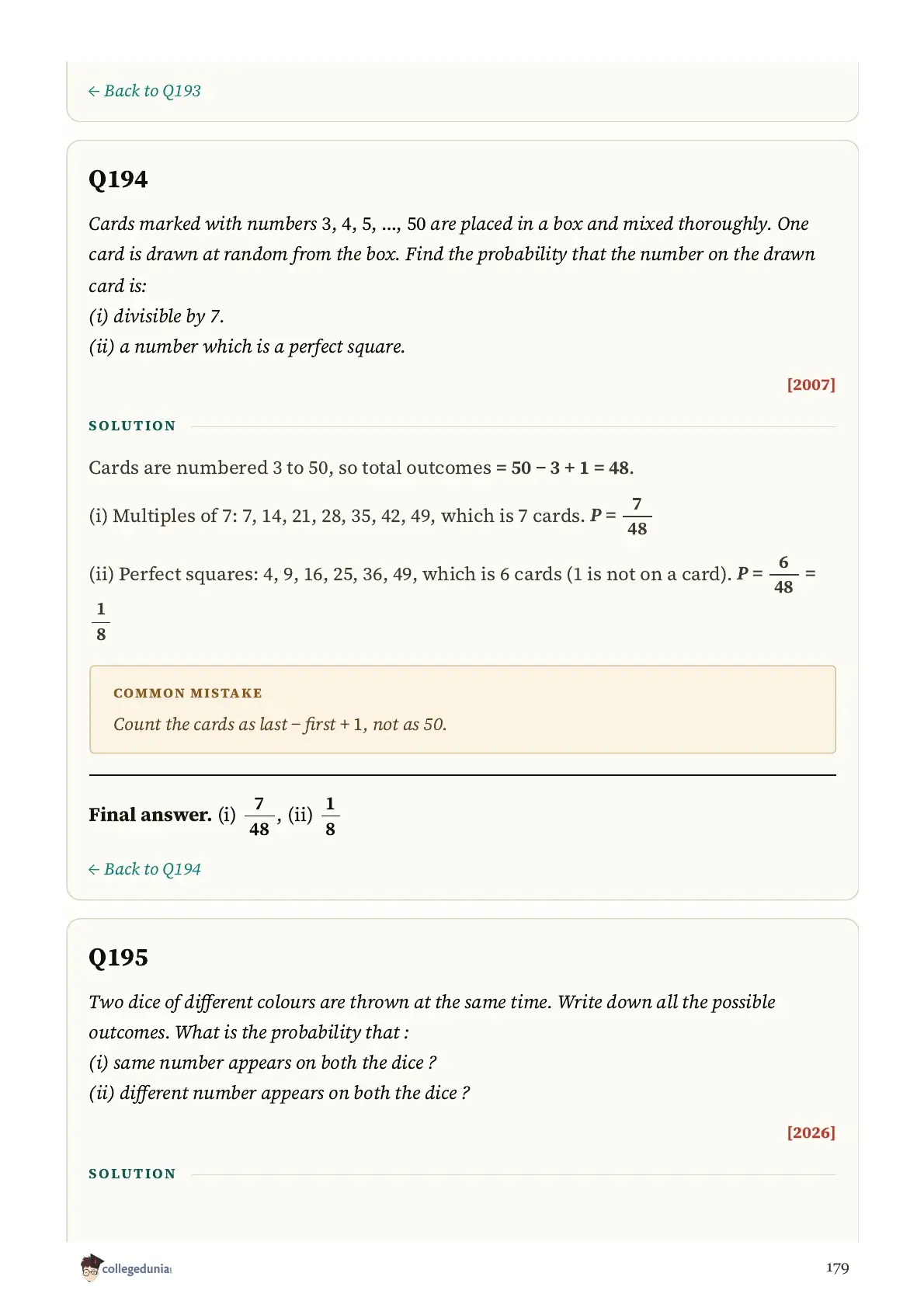
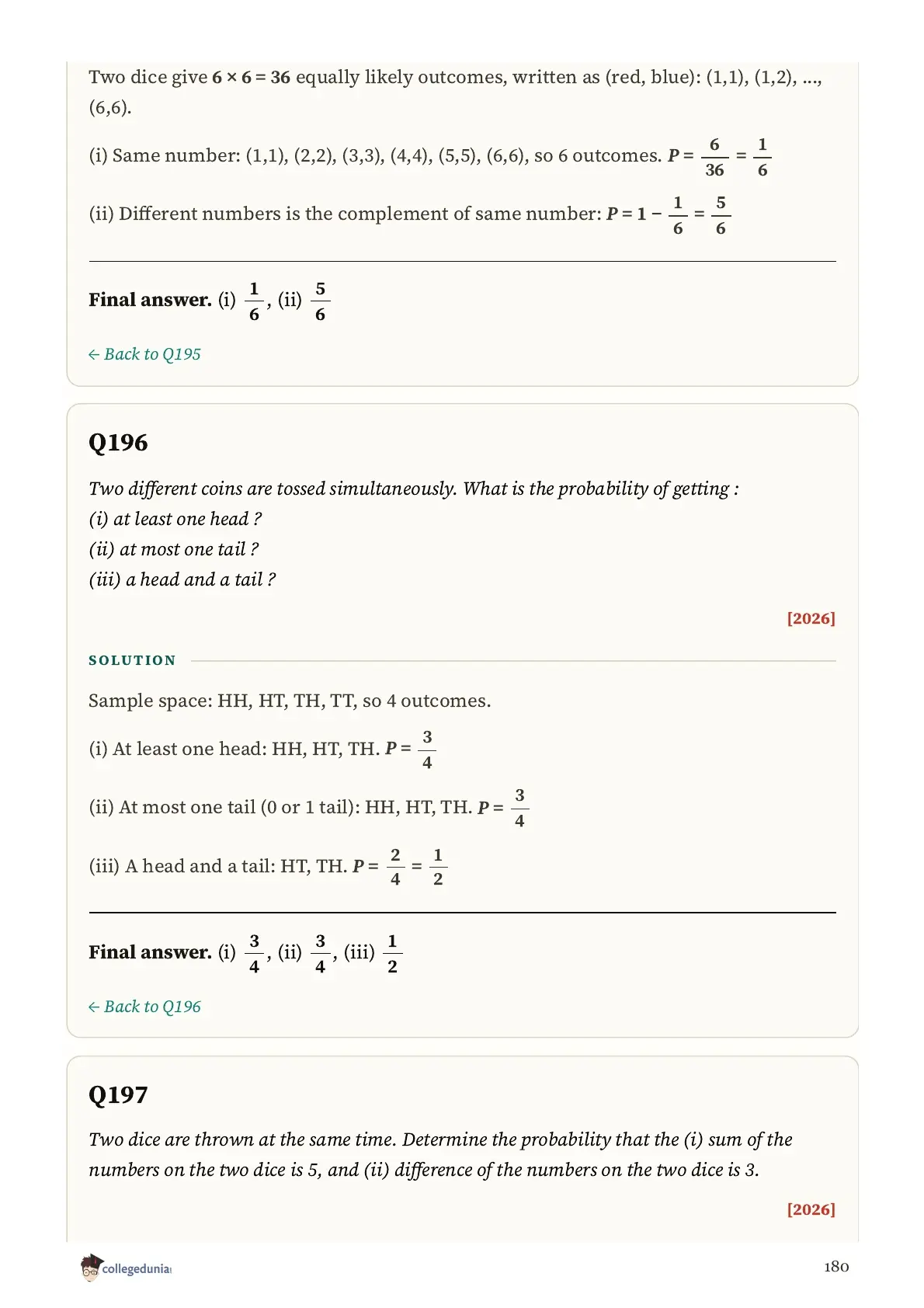
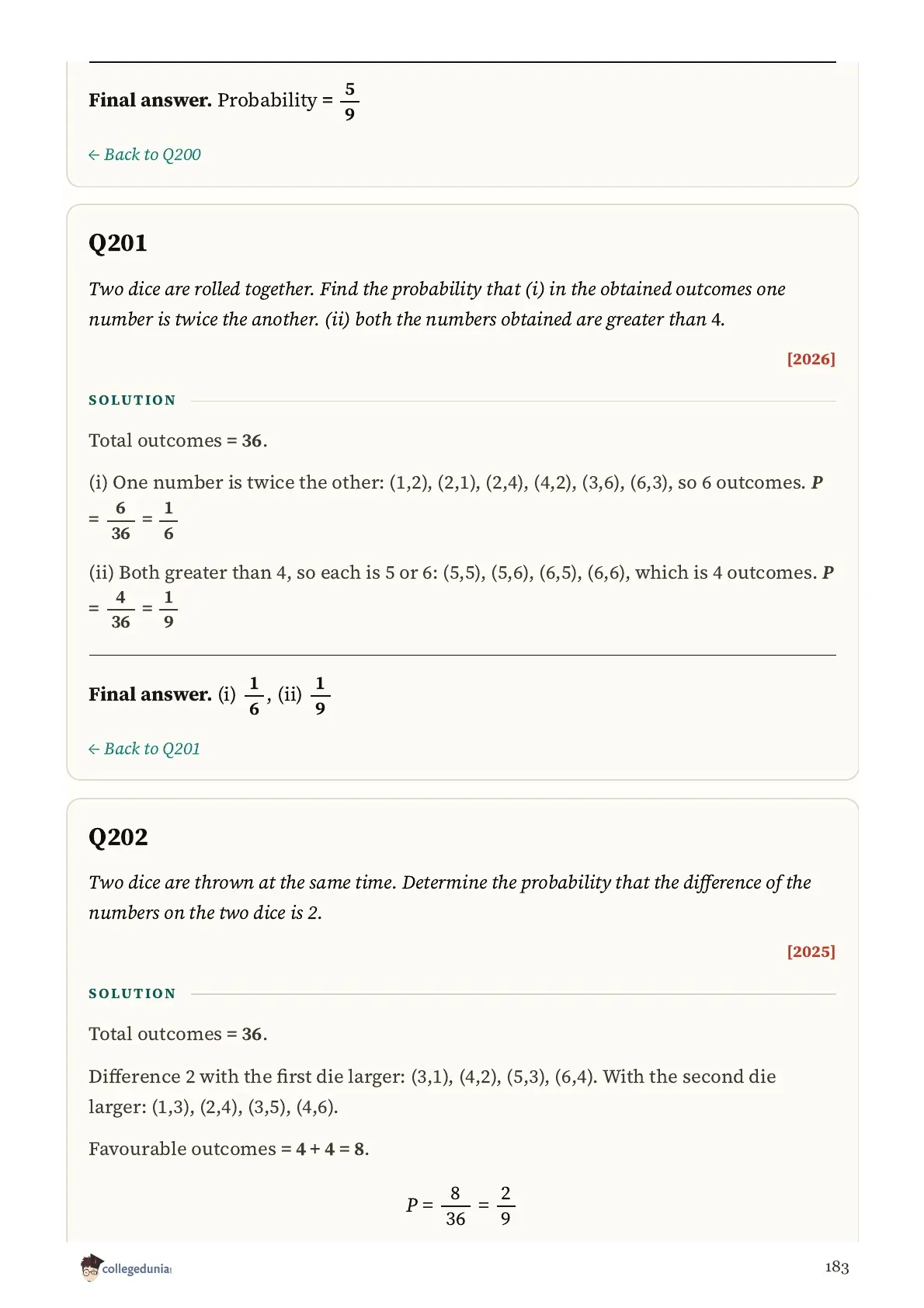
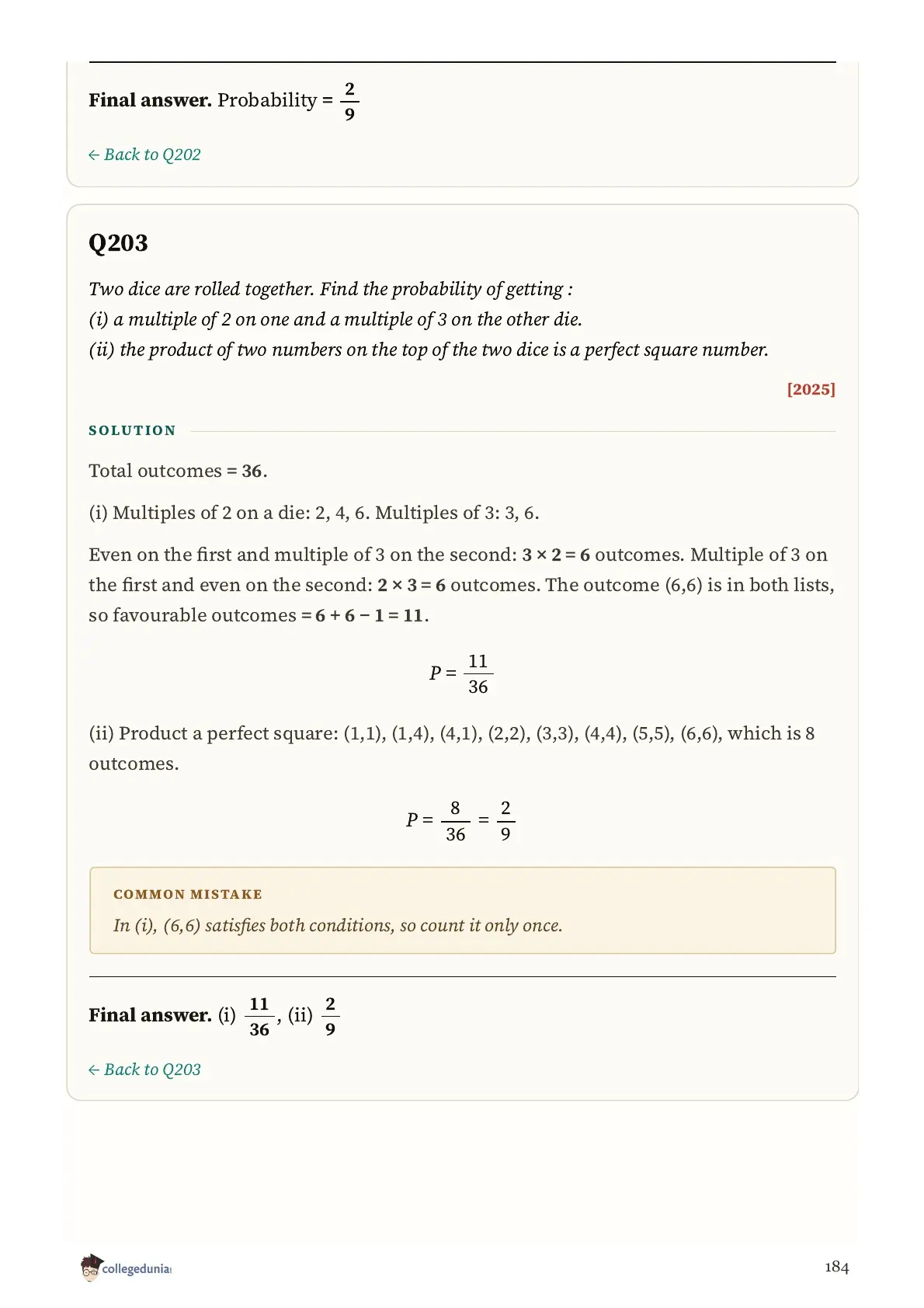
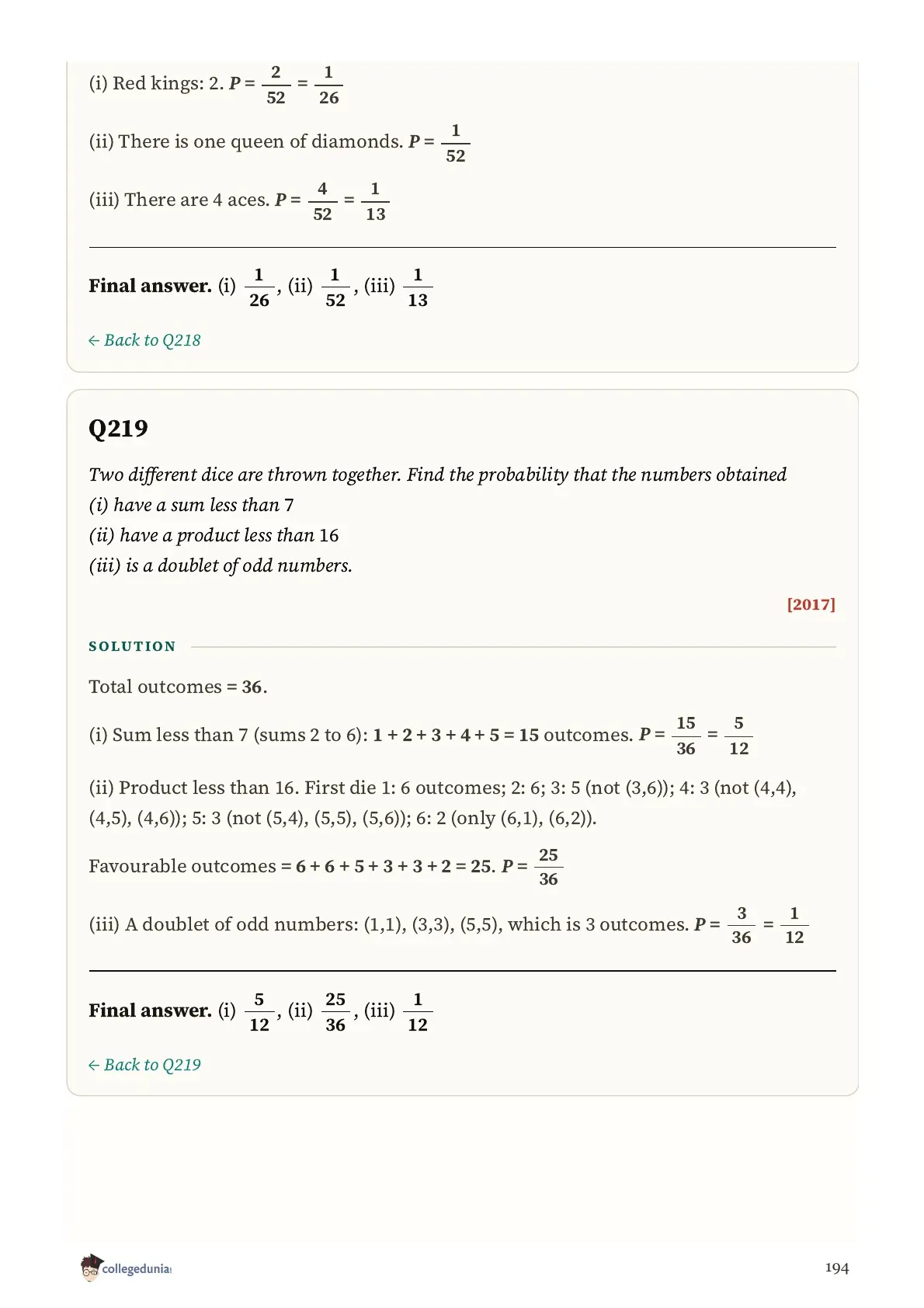
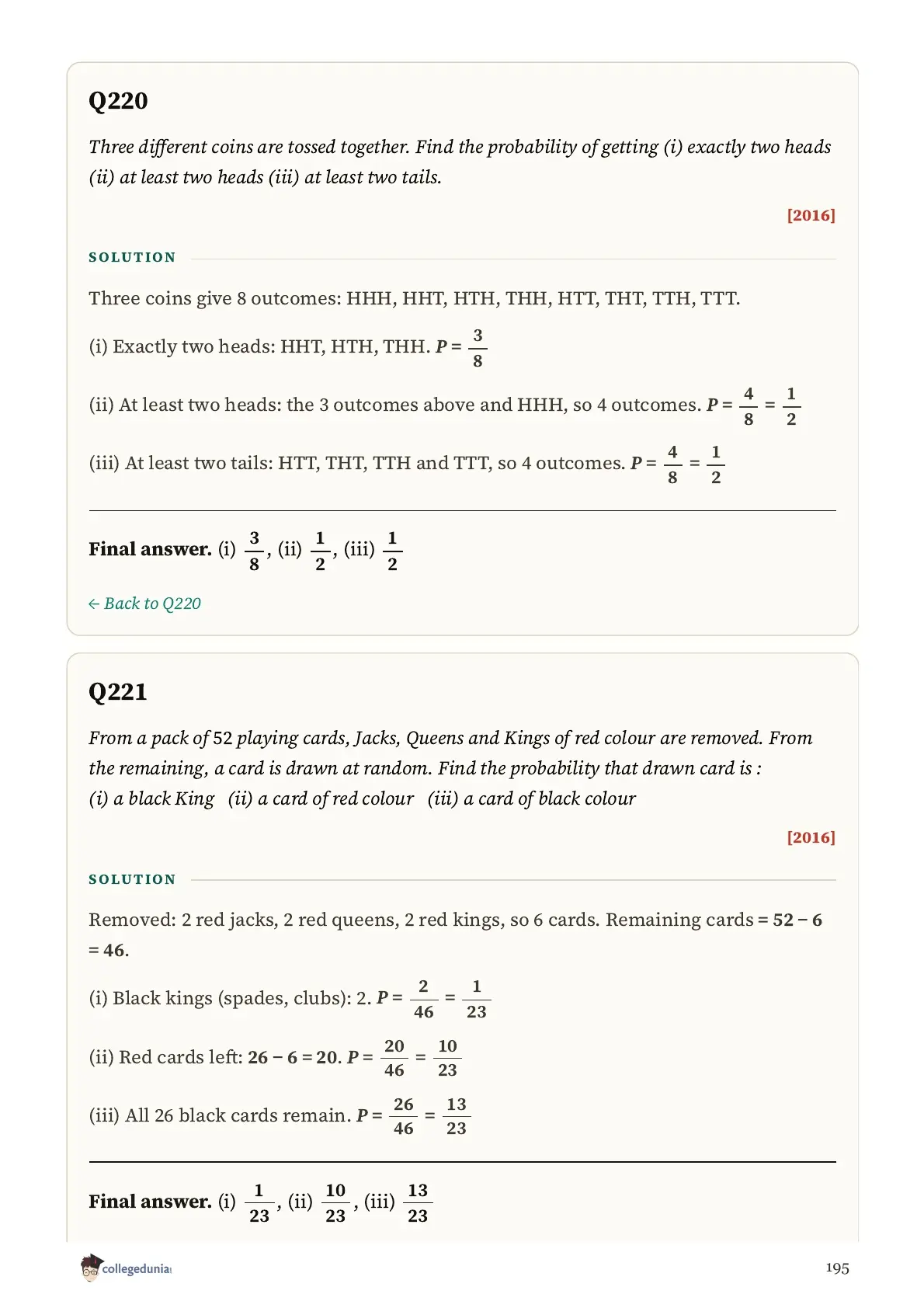
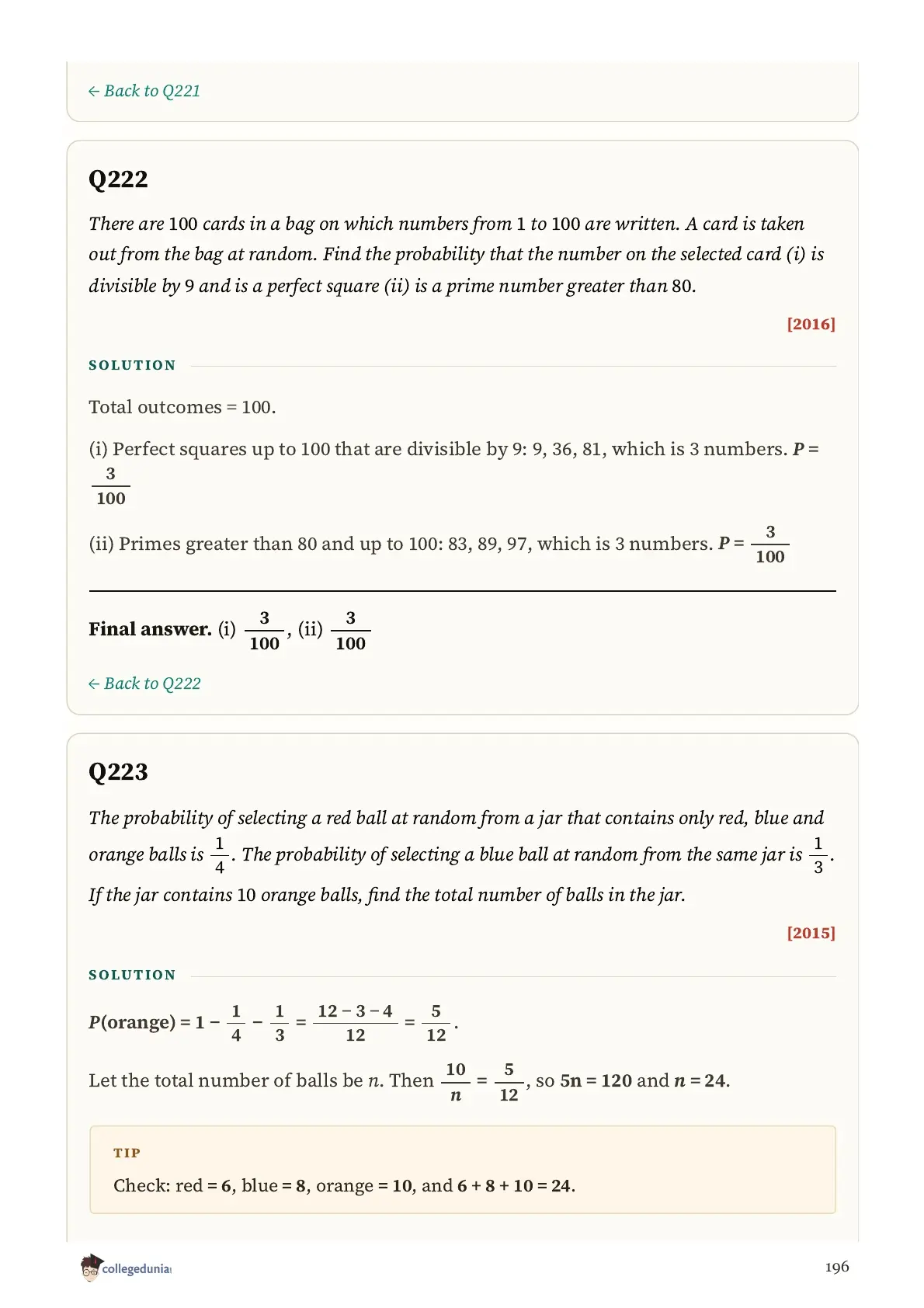
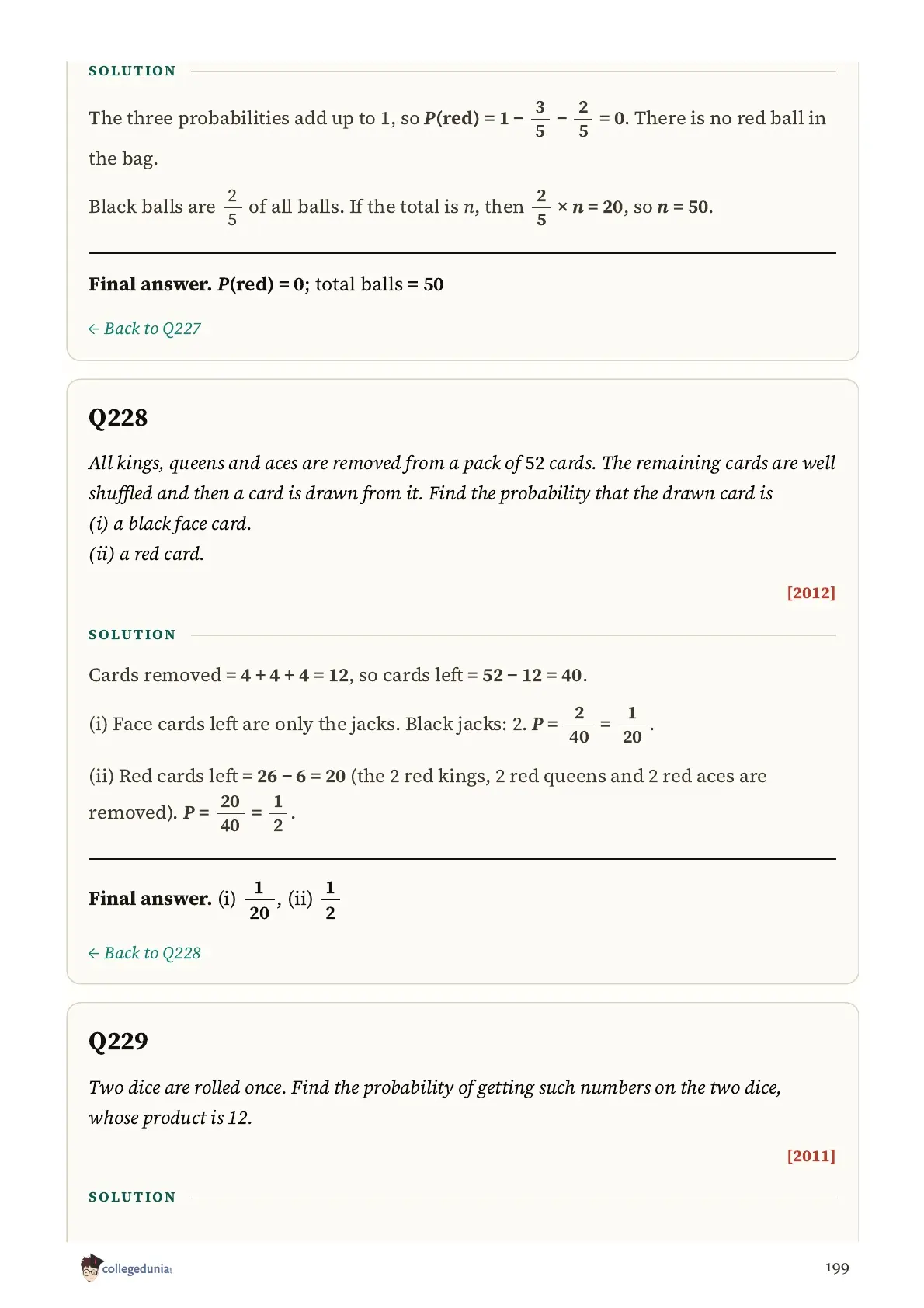
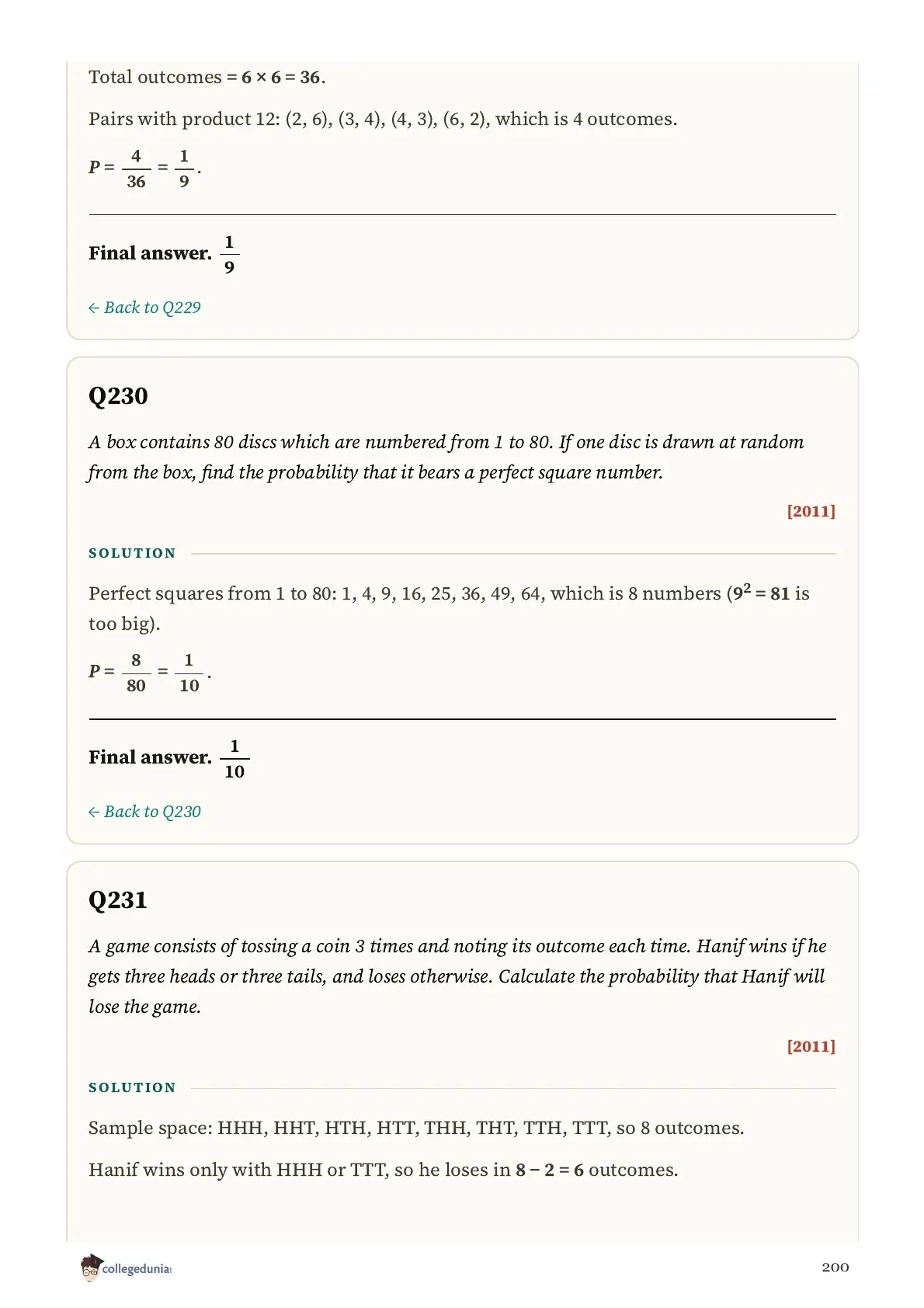
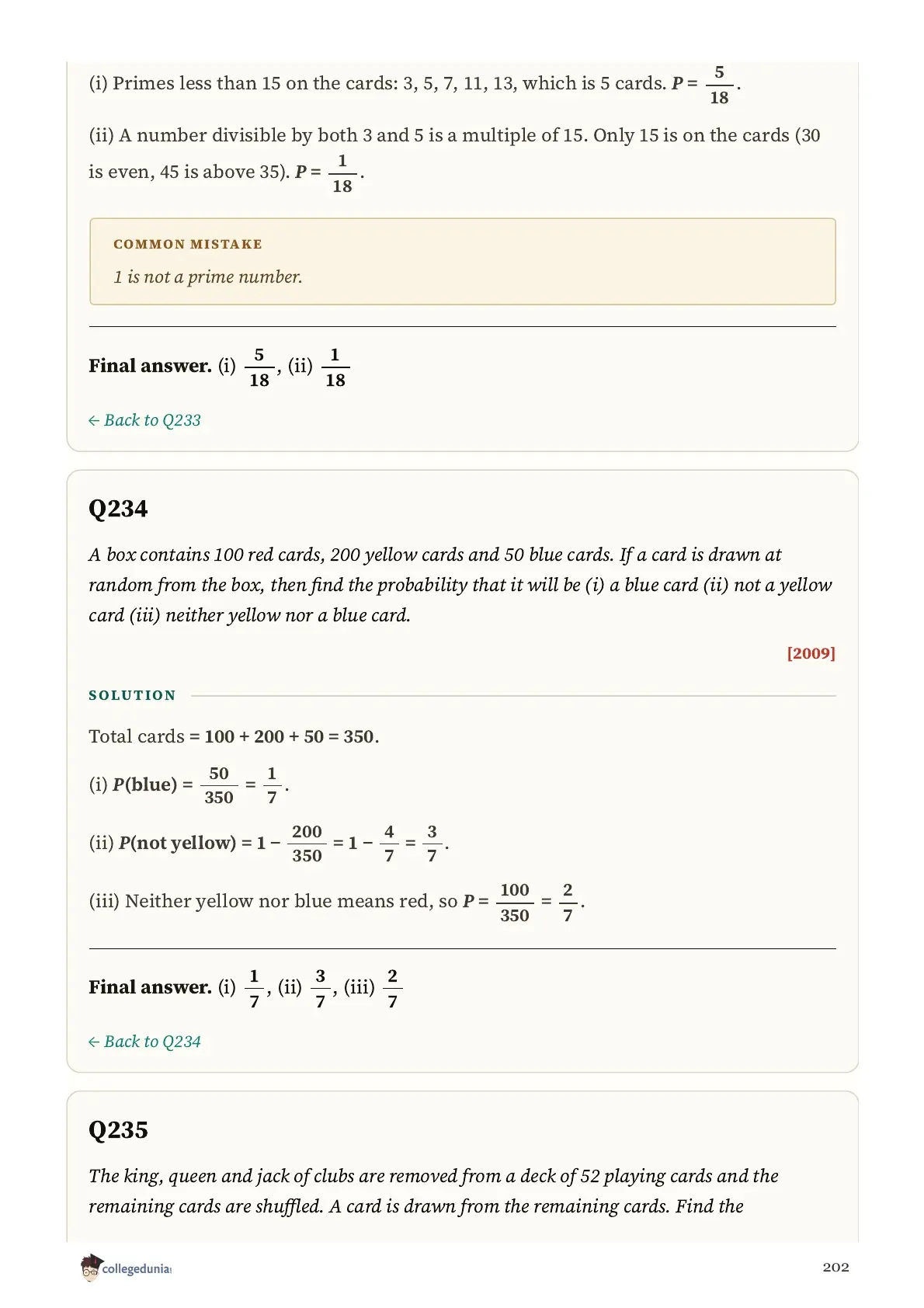
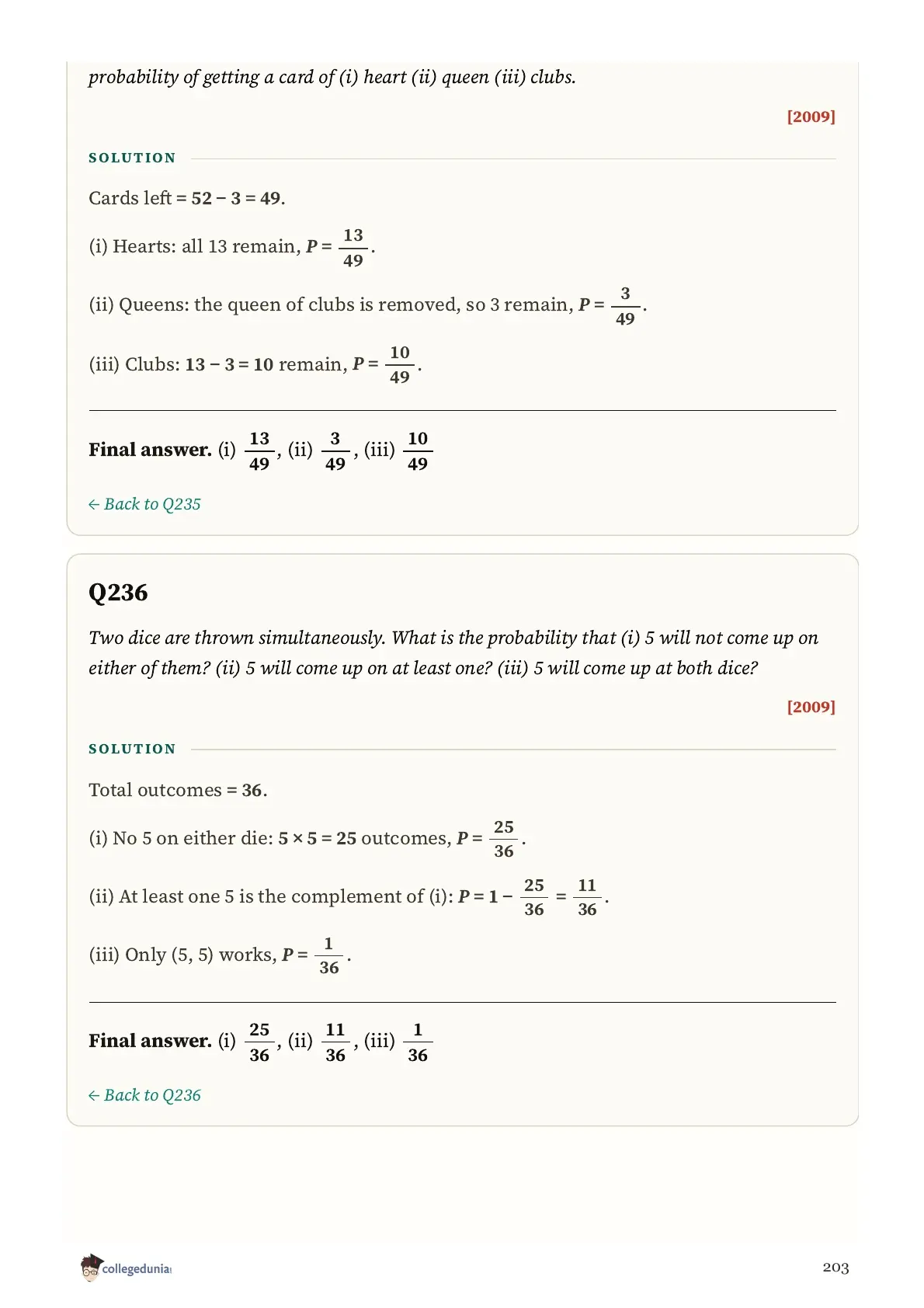
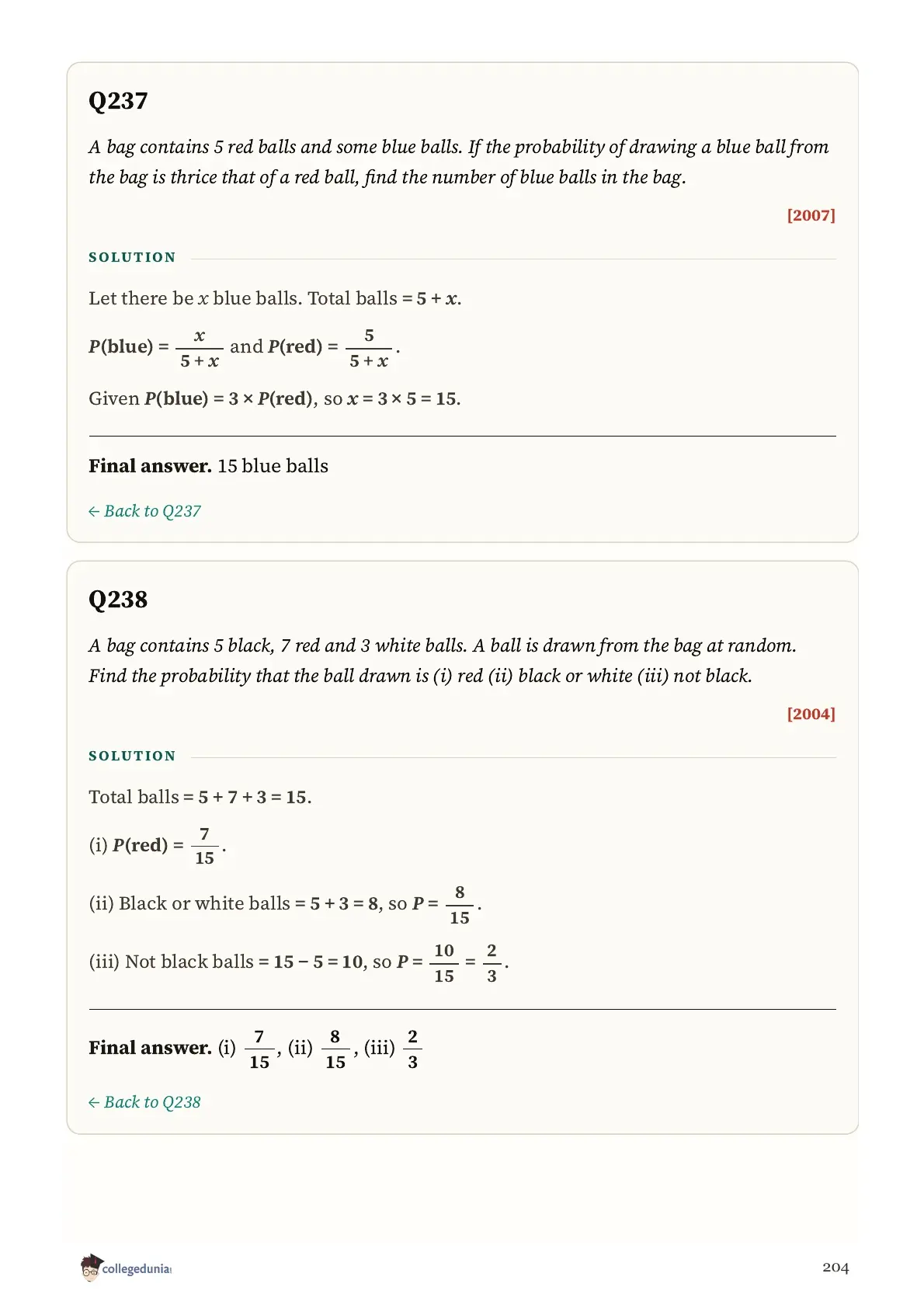
Dice lead the set. 68 questions use a die or dice and 40 throw two dice together, usually asking for a sum, a product or a doublet. Cards come next: 37 questions use a pack of playing cards, 43 name kings, queens, aces or jacks, 25 name a suit and 12 name face cards. 40 questions draw balls from a bag, 38 mention red cards or red balls, 26 ask about prime numbers and 21 toss coins.
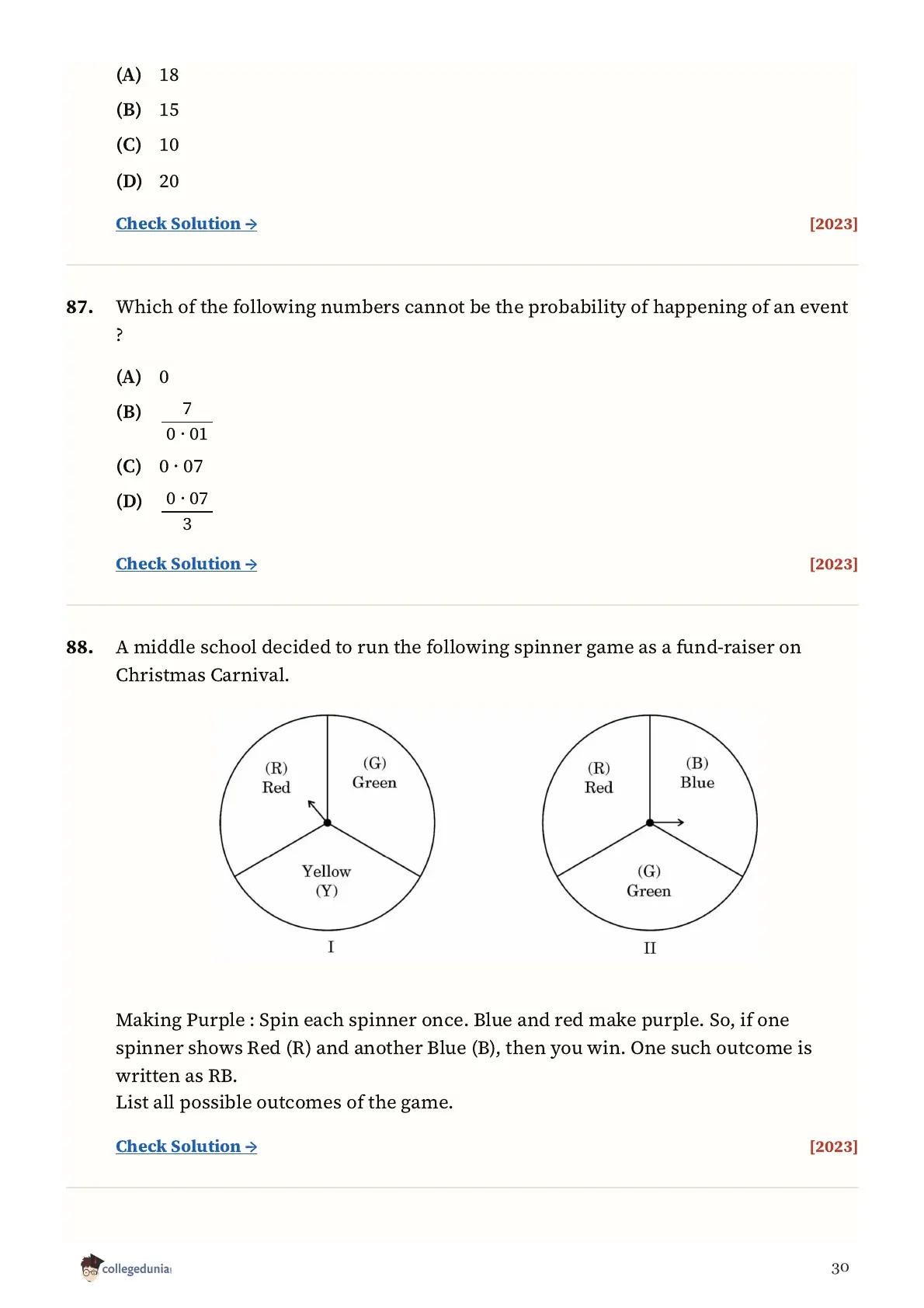
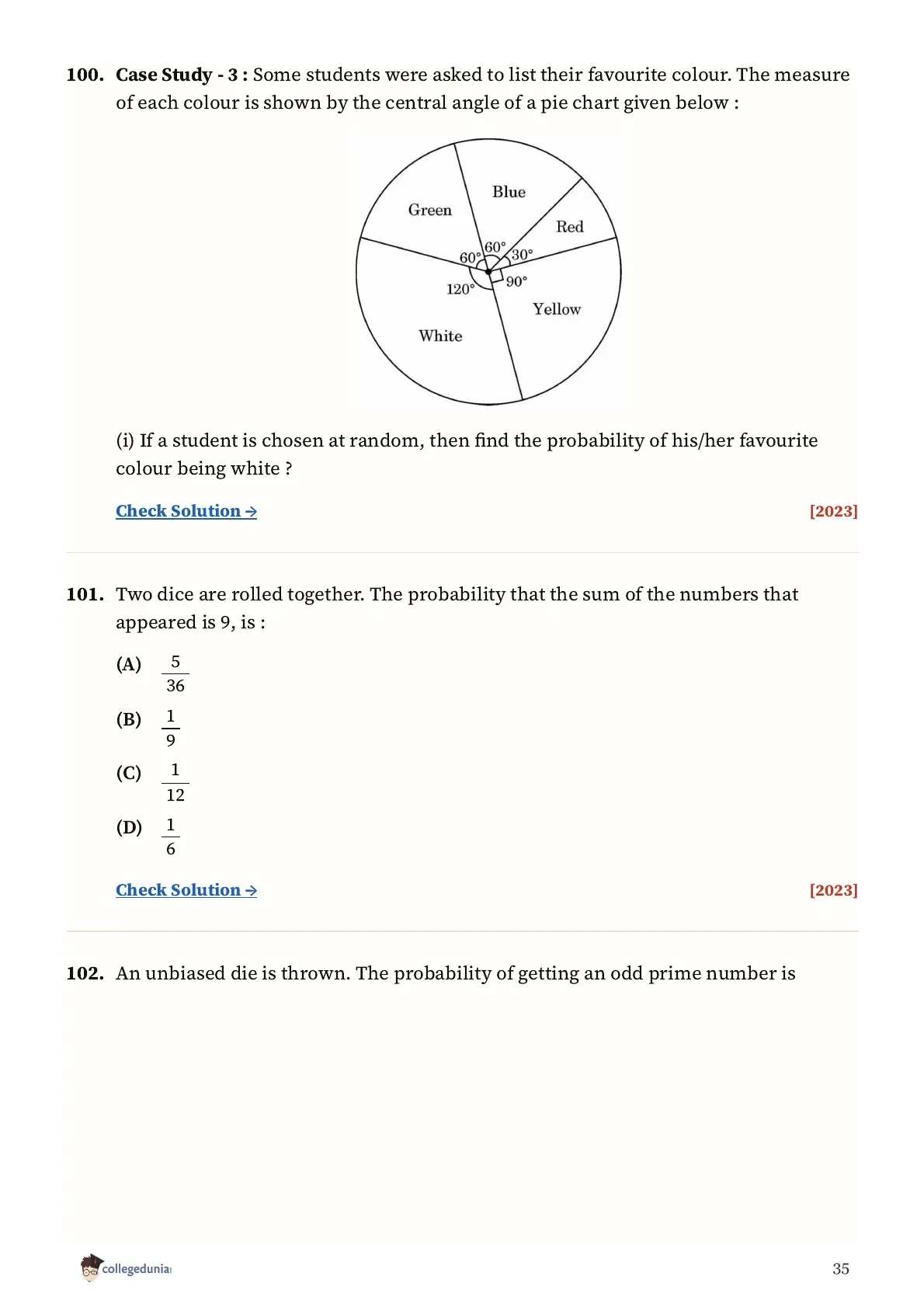
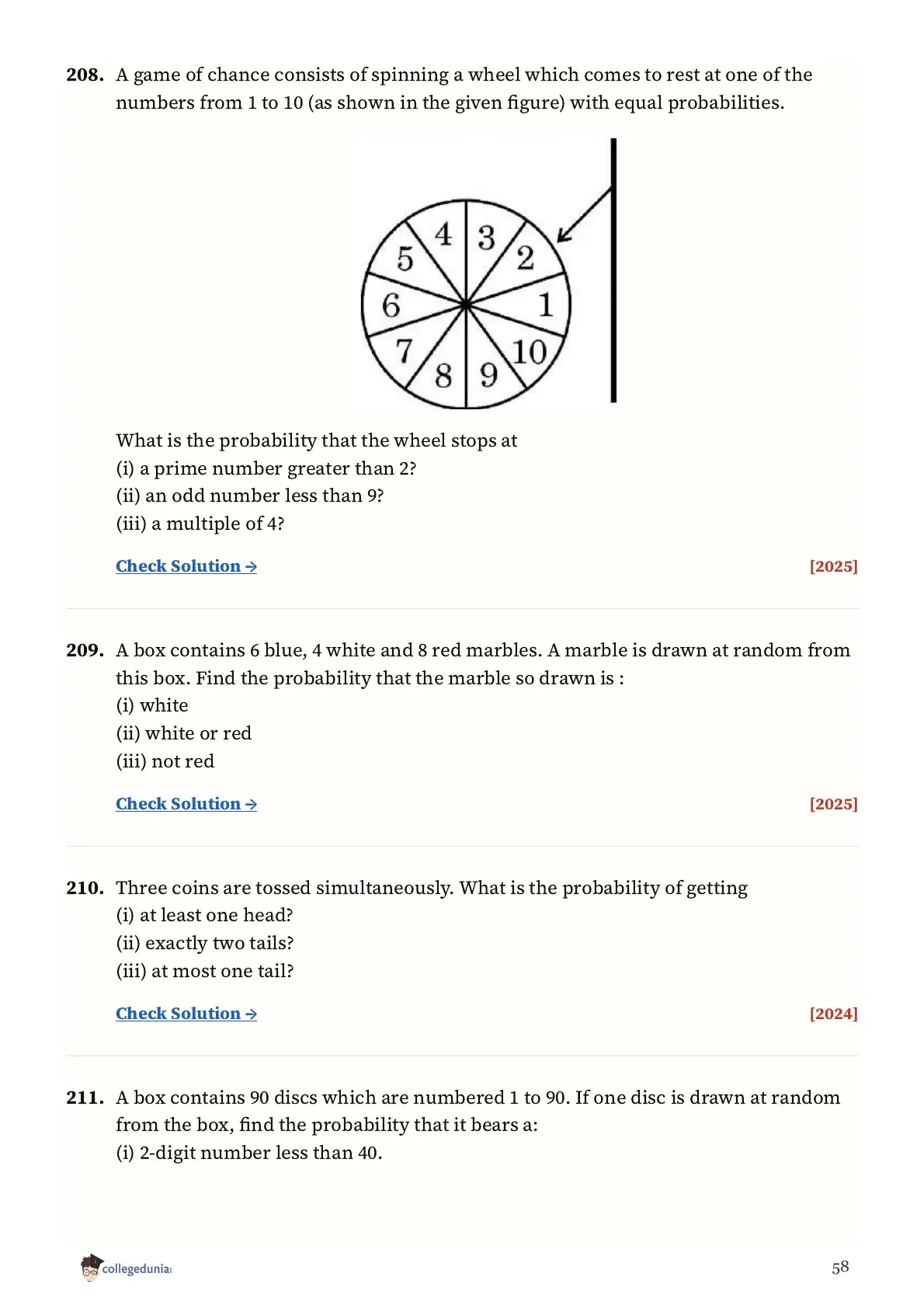
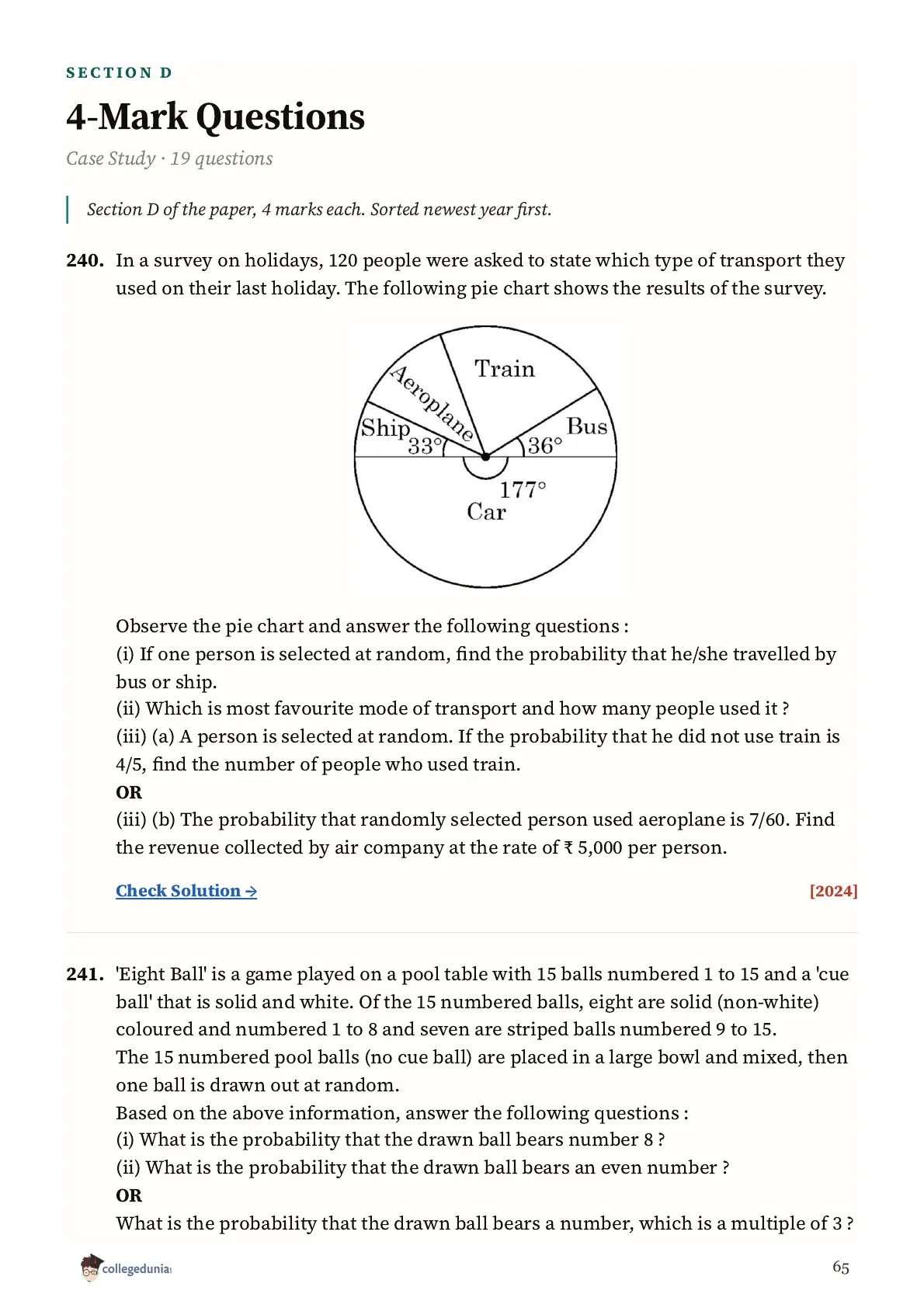
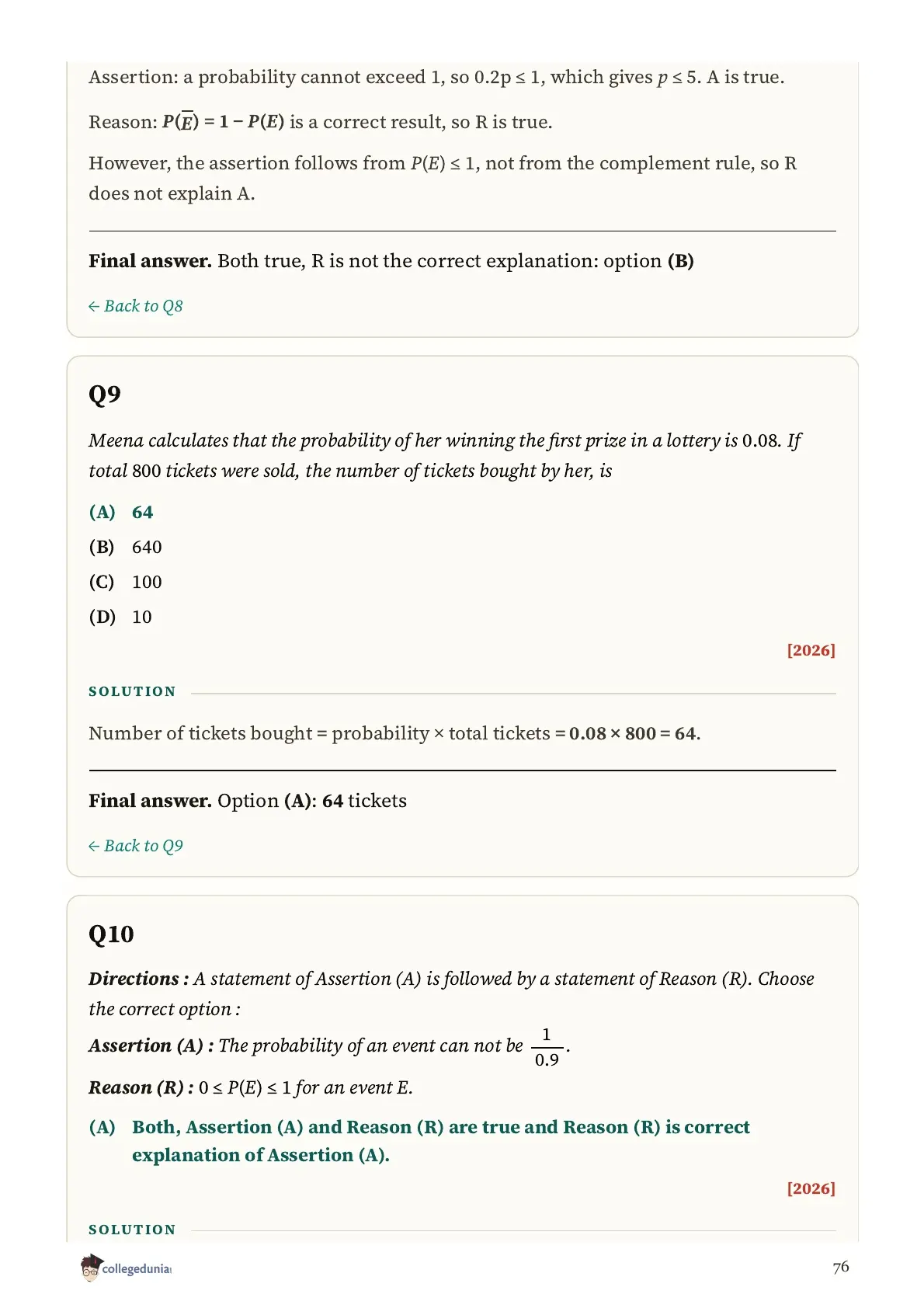
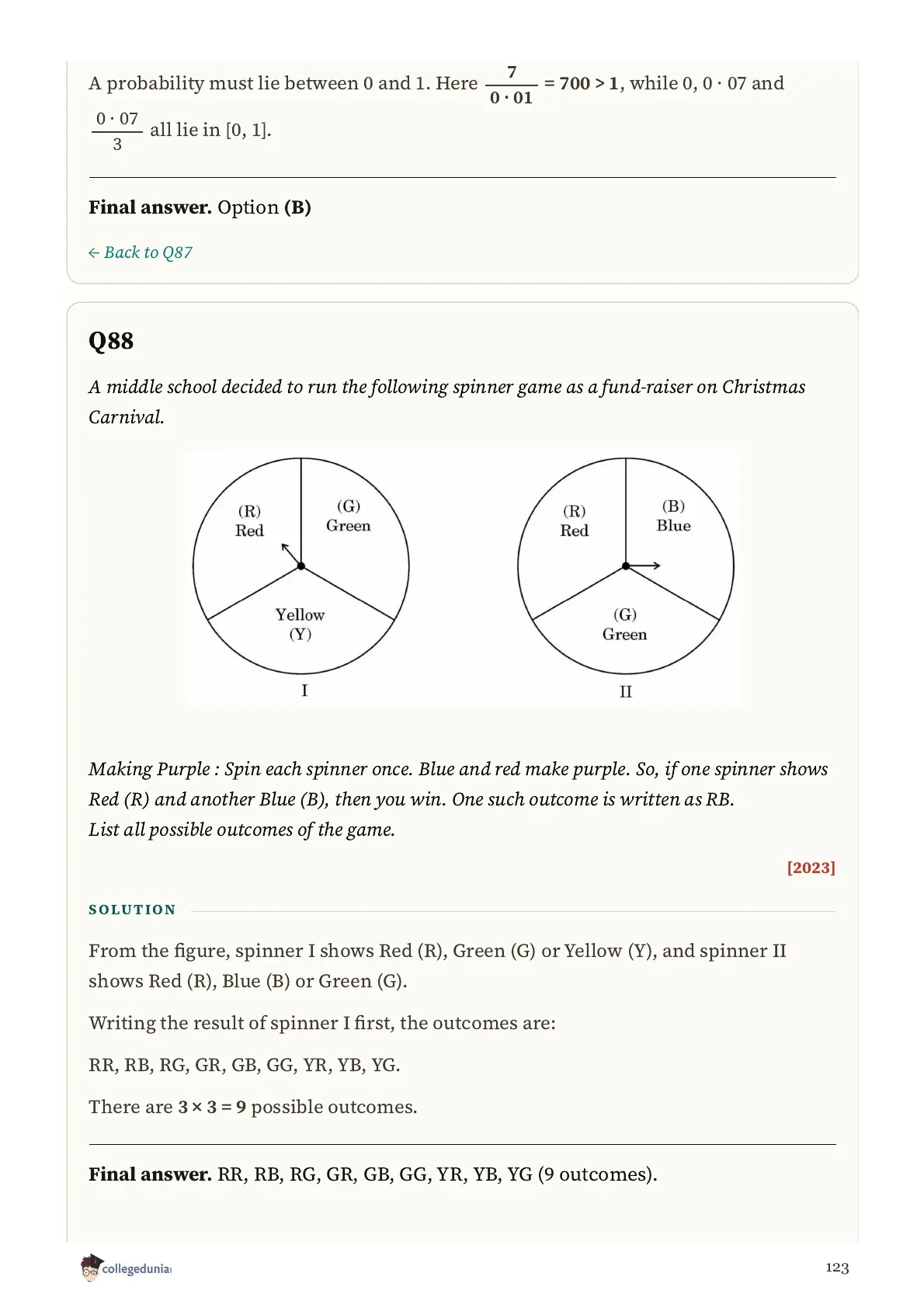
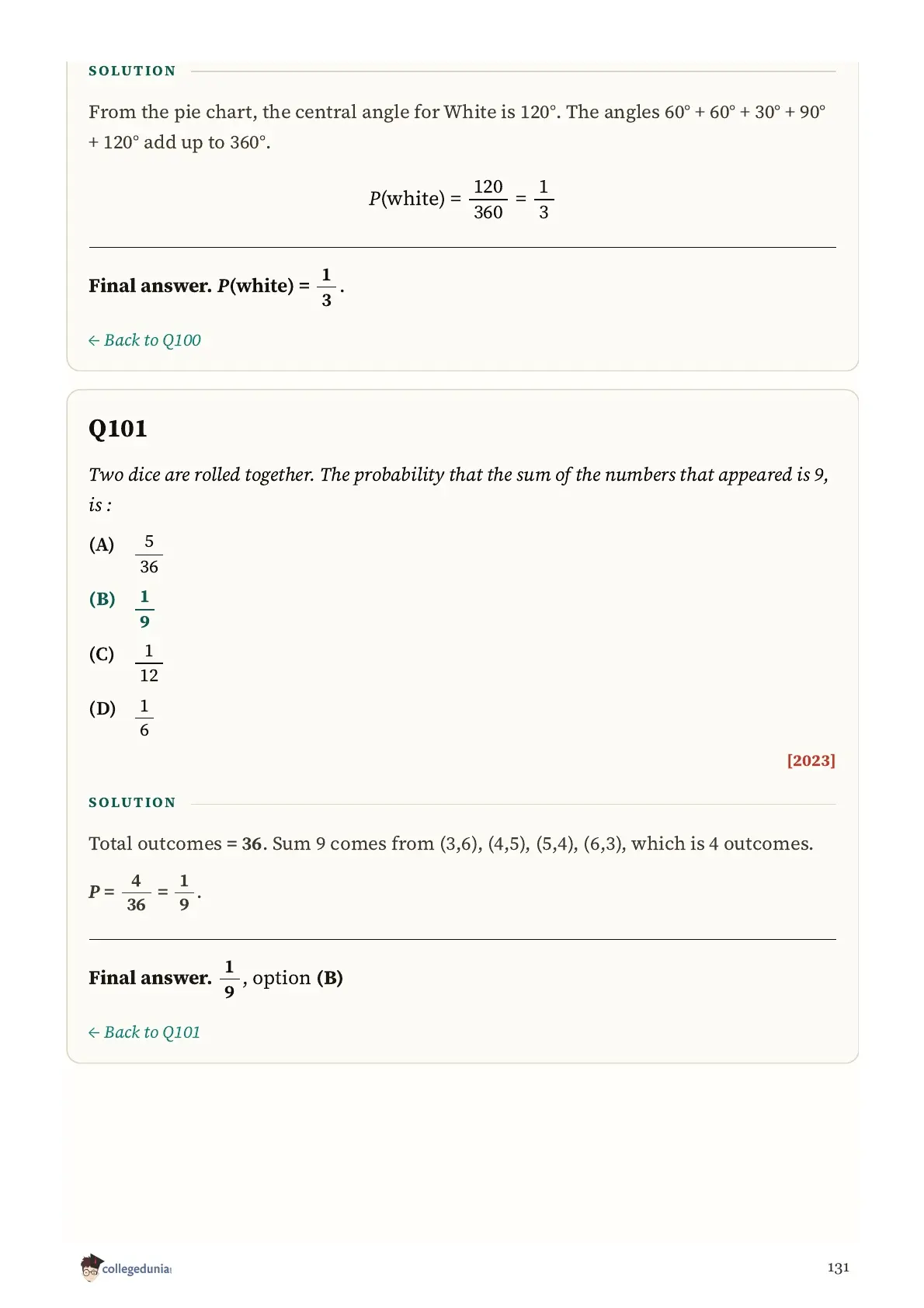
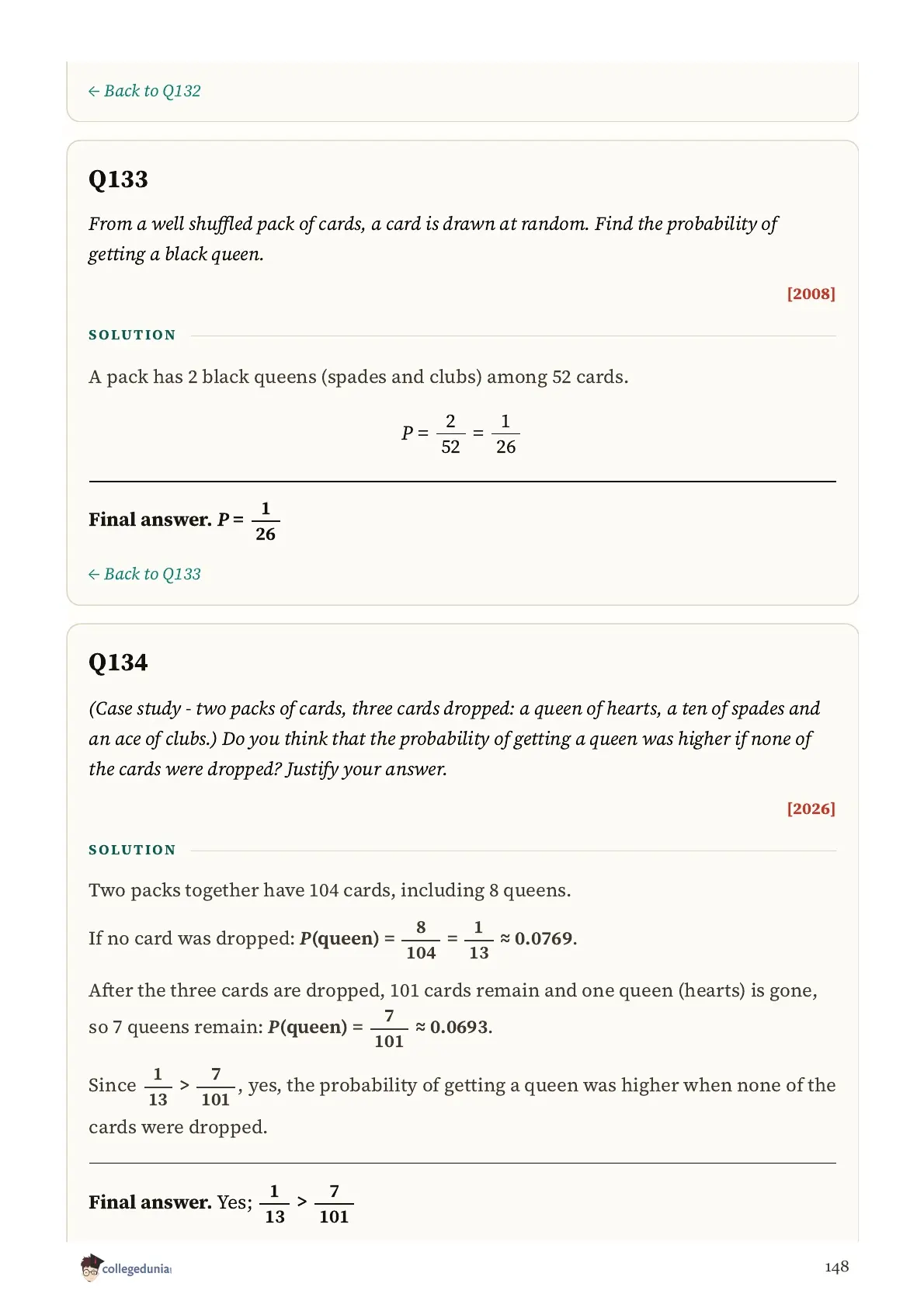
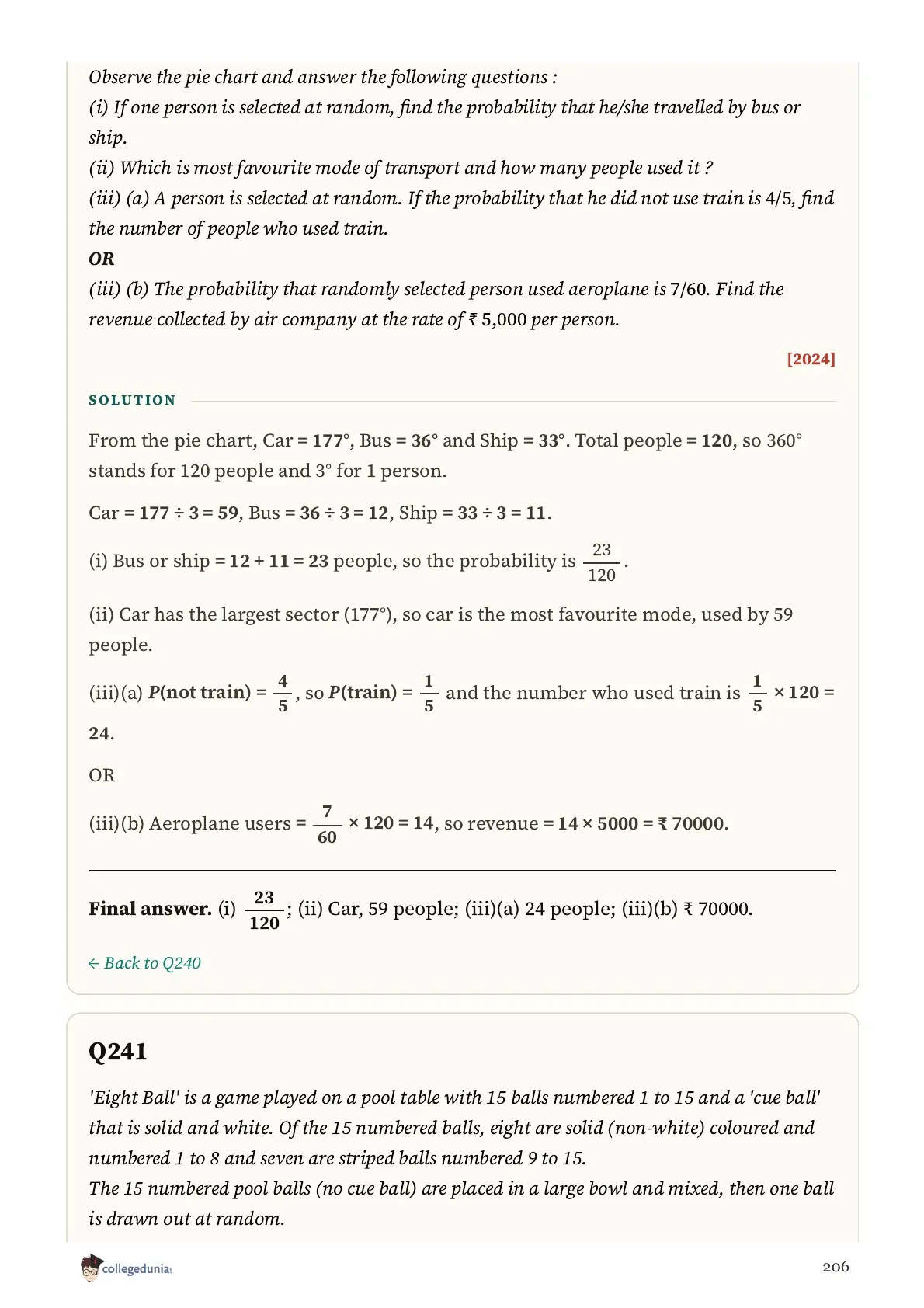
Questions built on the complement rule, such as "other than", "neither" or "not", number 50. 7 involve a sure or impossible event and 7 concern a leap year. 11 are assertion-reason items. 6 questions carry their original diagram, such as a spinner, a wheel or a pie chart on holiday transport (2024). The case studies cover two packs of cards (2026), a jar of numbered cards (2025), a survey of families (2024) and a spinner game (2023).
Counts come from keyword matches over the question text, so a question that names two things is counted under both.
Source: Induction Academy - MedJee
How to Approach the Set
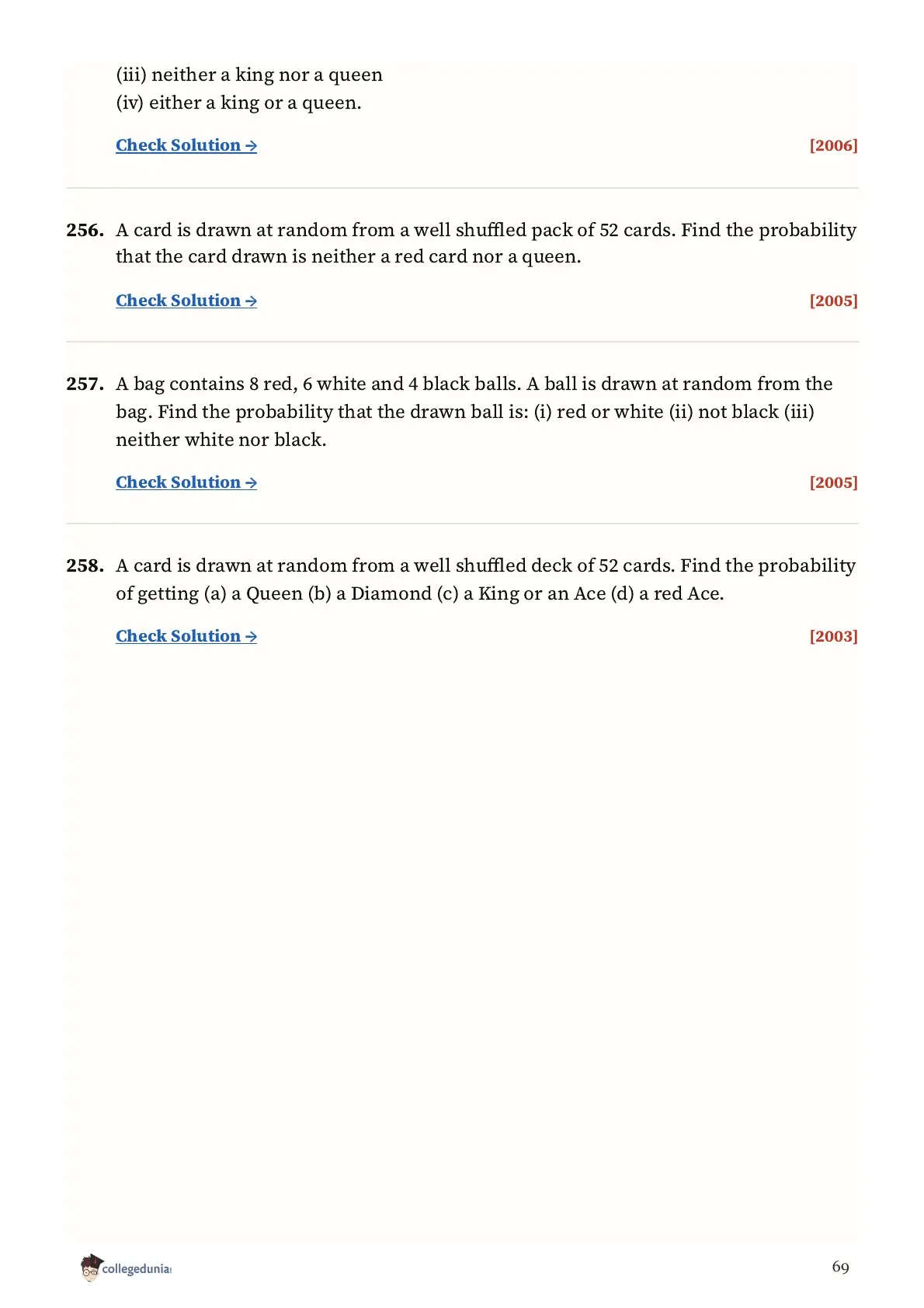
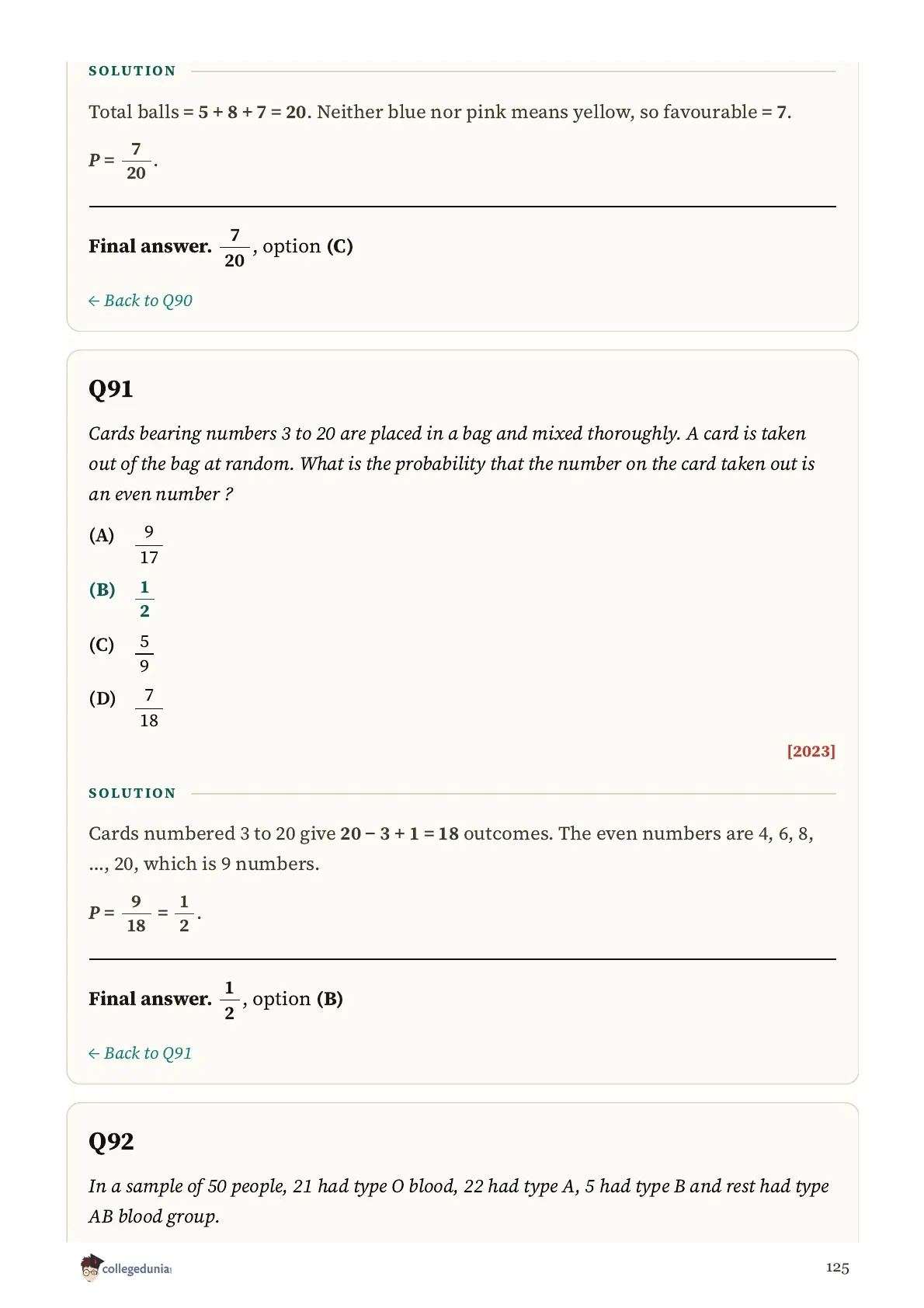
Start with the 109 MCQs and assertion-reason items, then the 24 one-line answers, which need one probability formula. Next take the 61 two-mark and 45 three-mark questions, where you list favourable outcomes for dice and cards. Keep the 19 four-mark questions for last, as they hold case studies and multi-part card or ball problems. Learn the formula P(E) = favourable outcomes / total outcomes, the rule P(E) + P(not E) = 1, and the 36 outcomes of two dice, until you can write the sample space without counting. Practise the 2025 and 2024 papers closely, as they hold 93 of the 258 questions. The set has no questions from 2021 and 2022.
Common Mistakes in Probability Questions
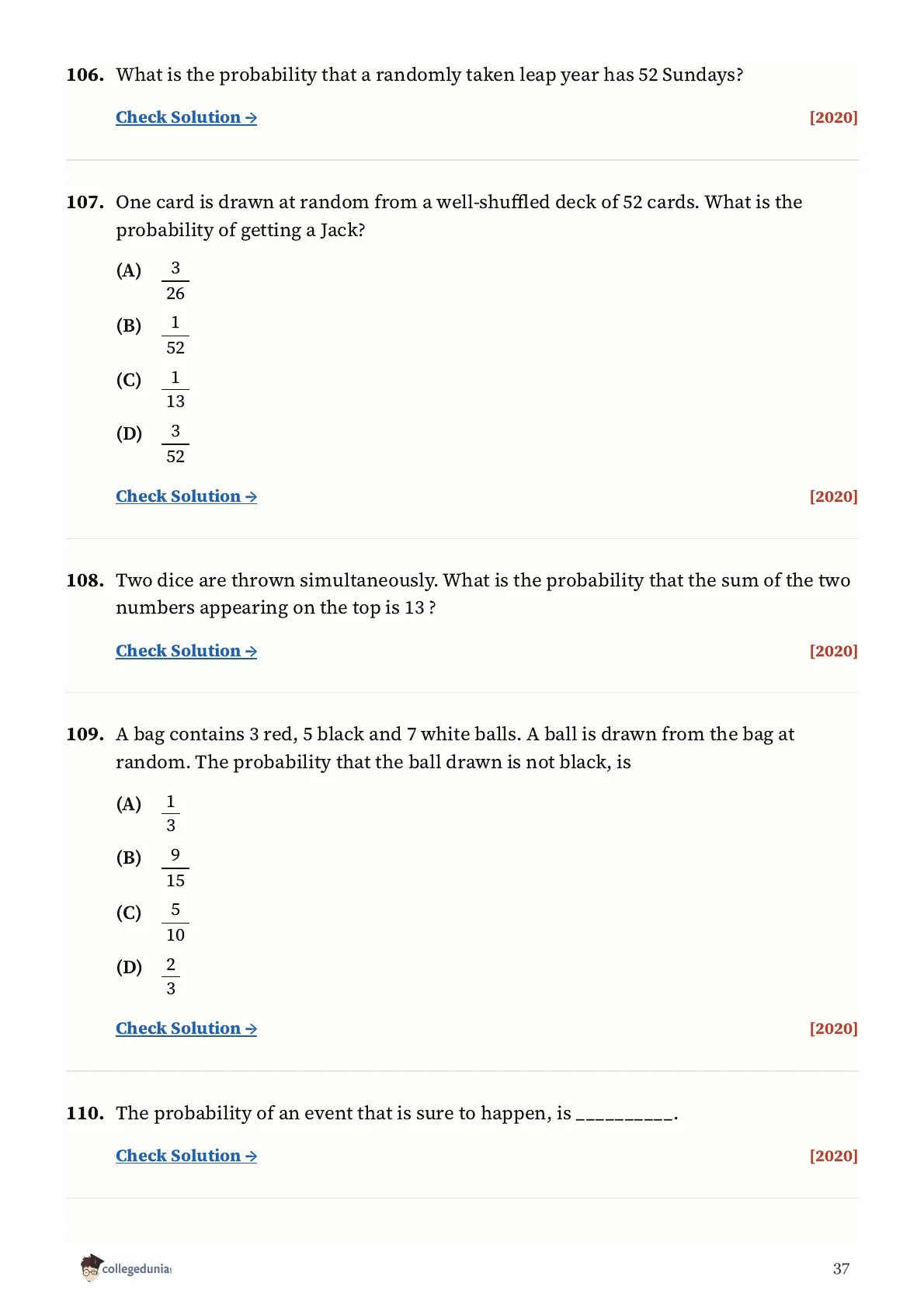
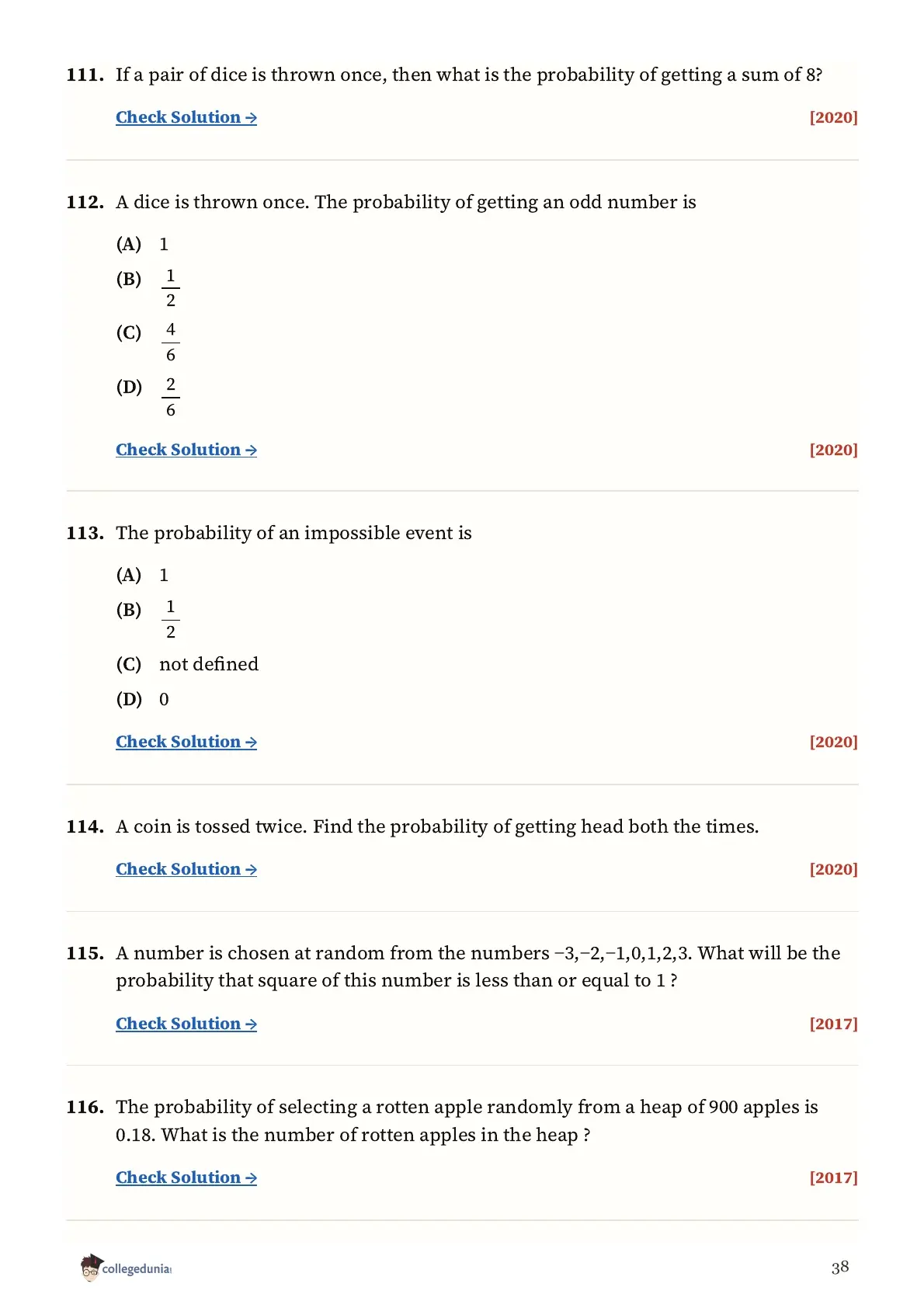
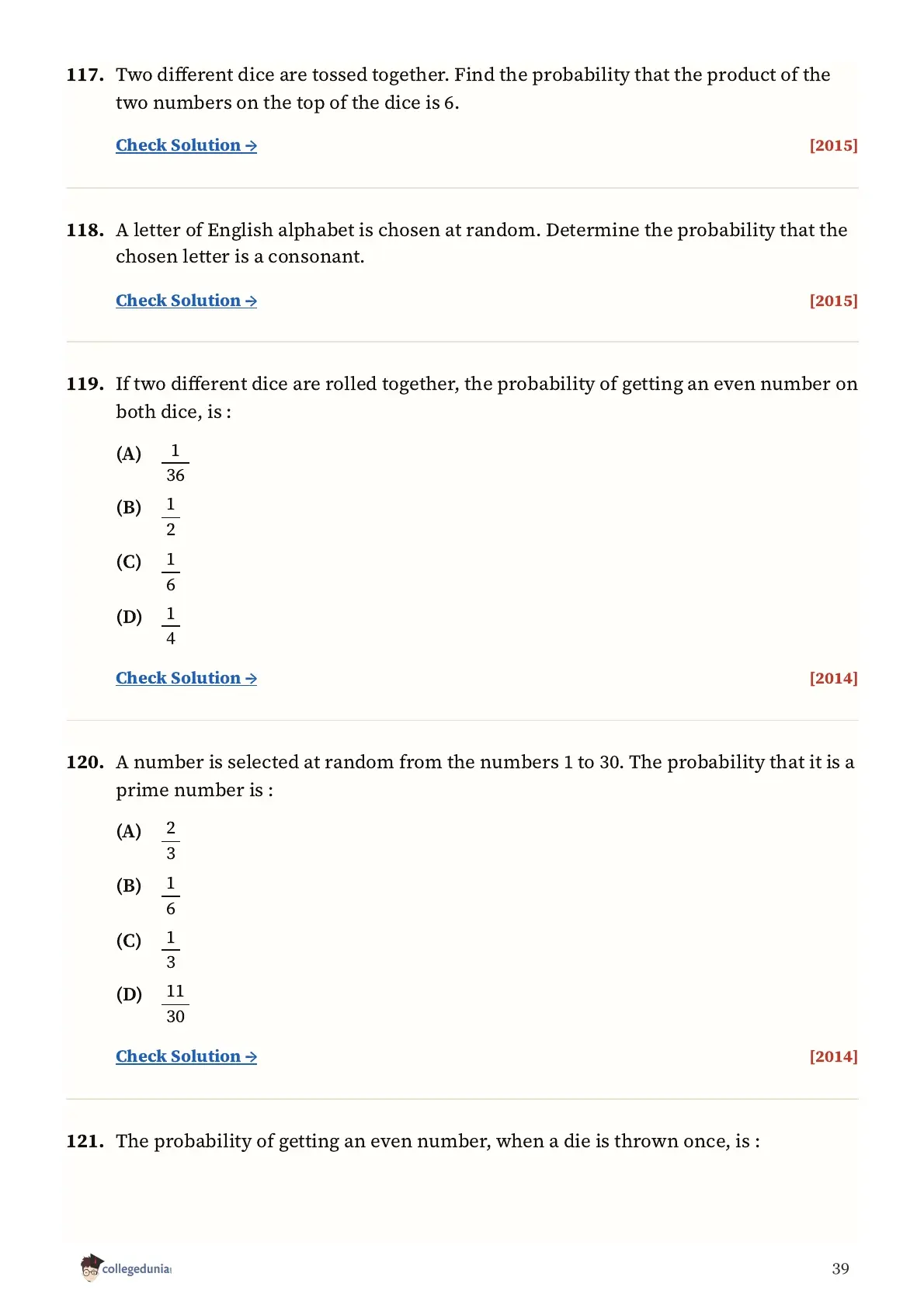
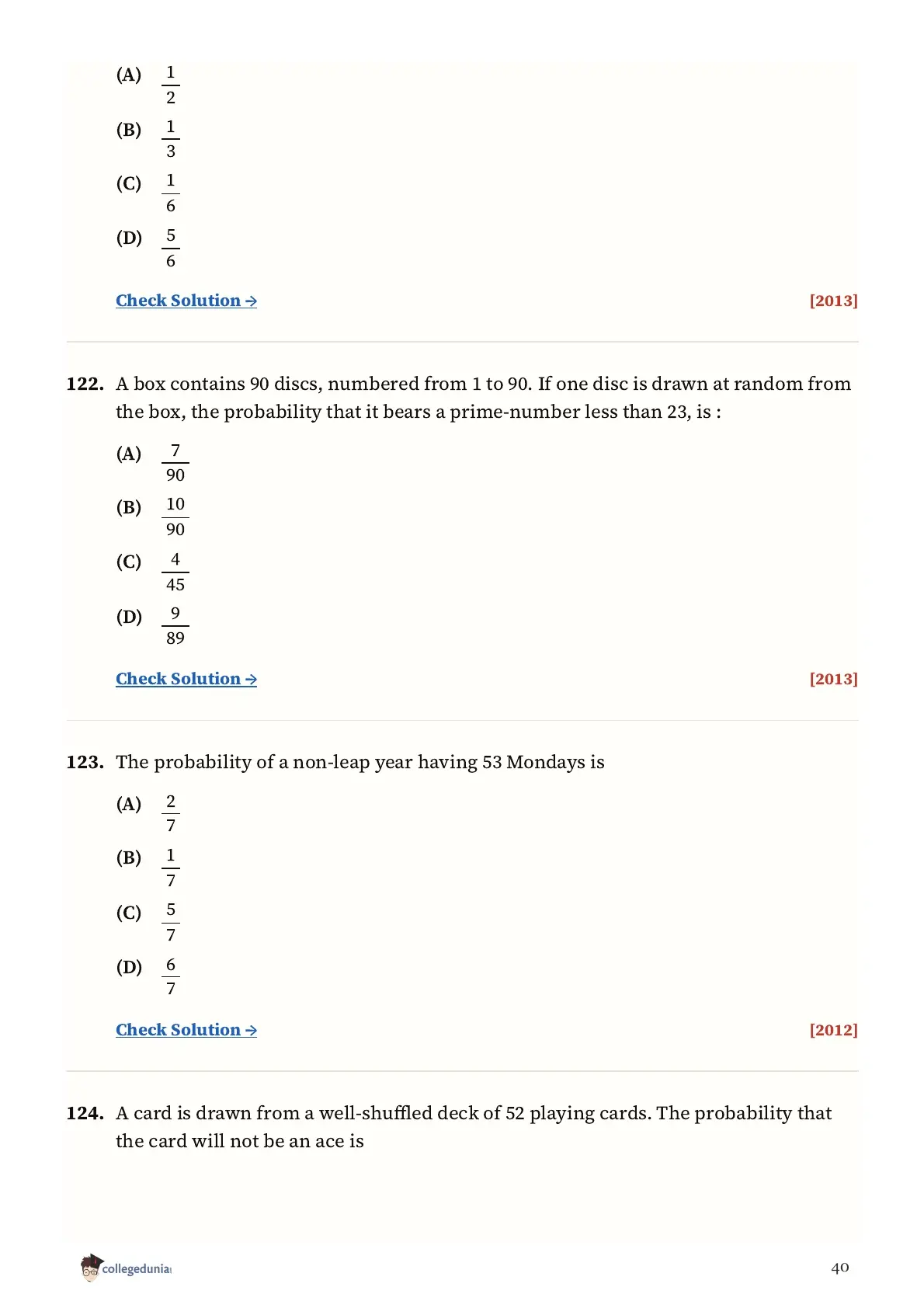
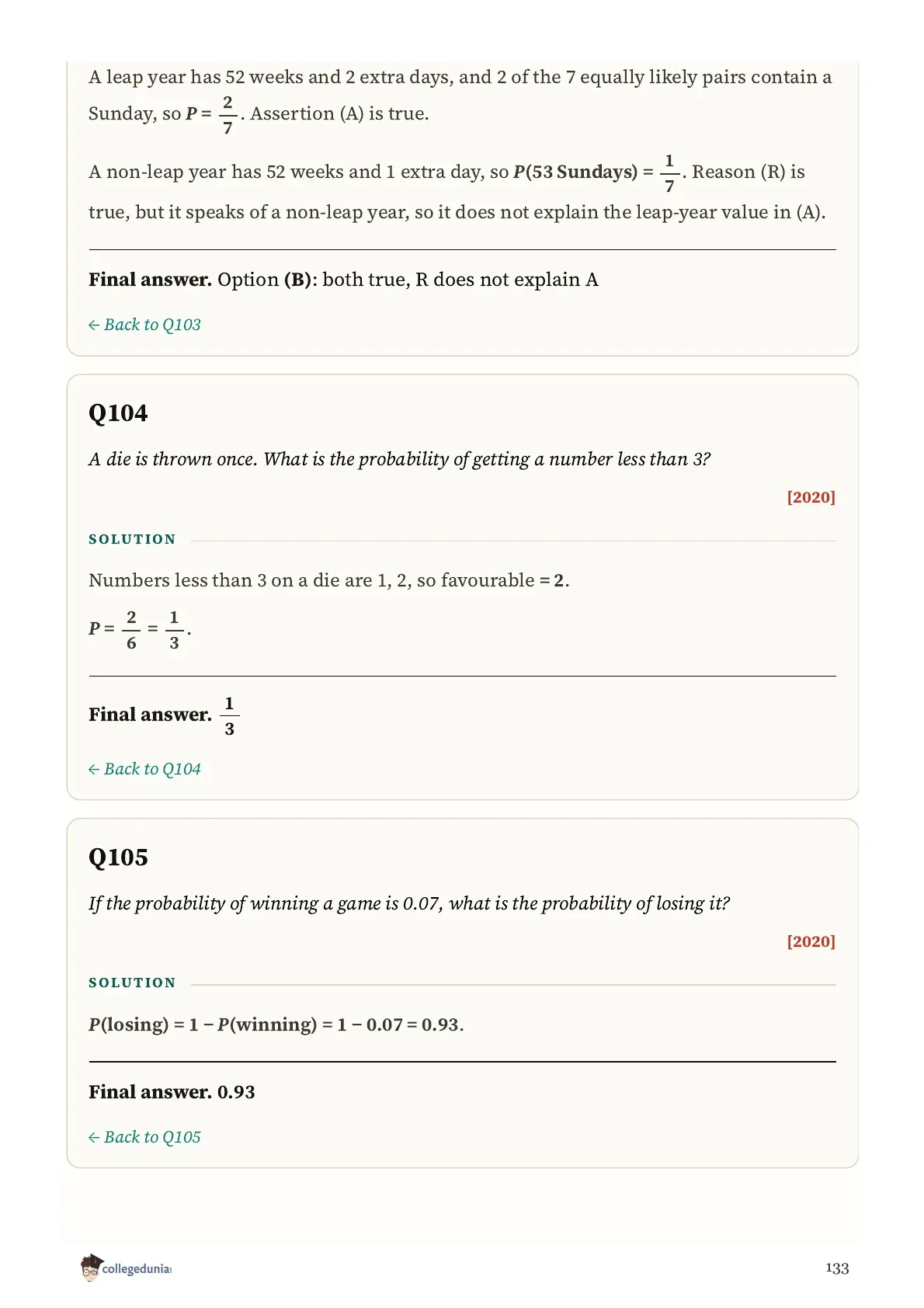
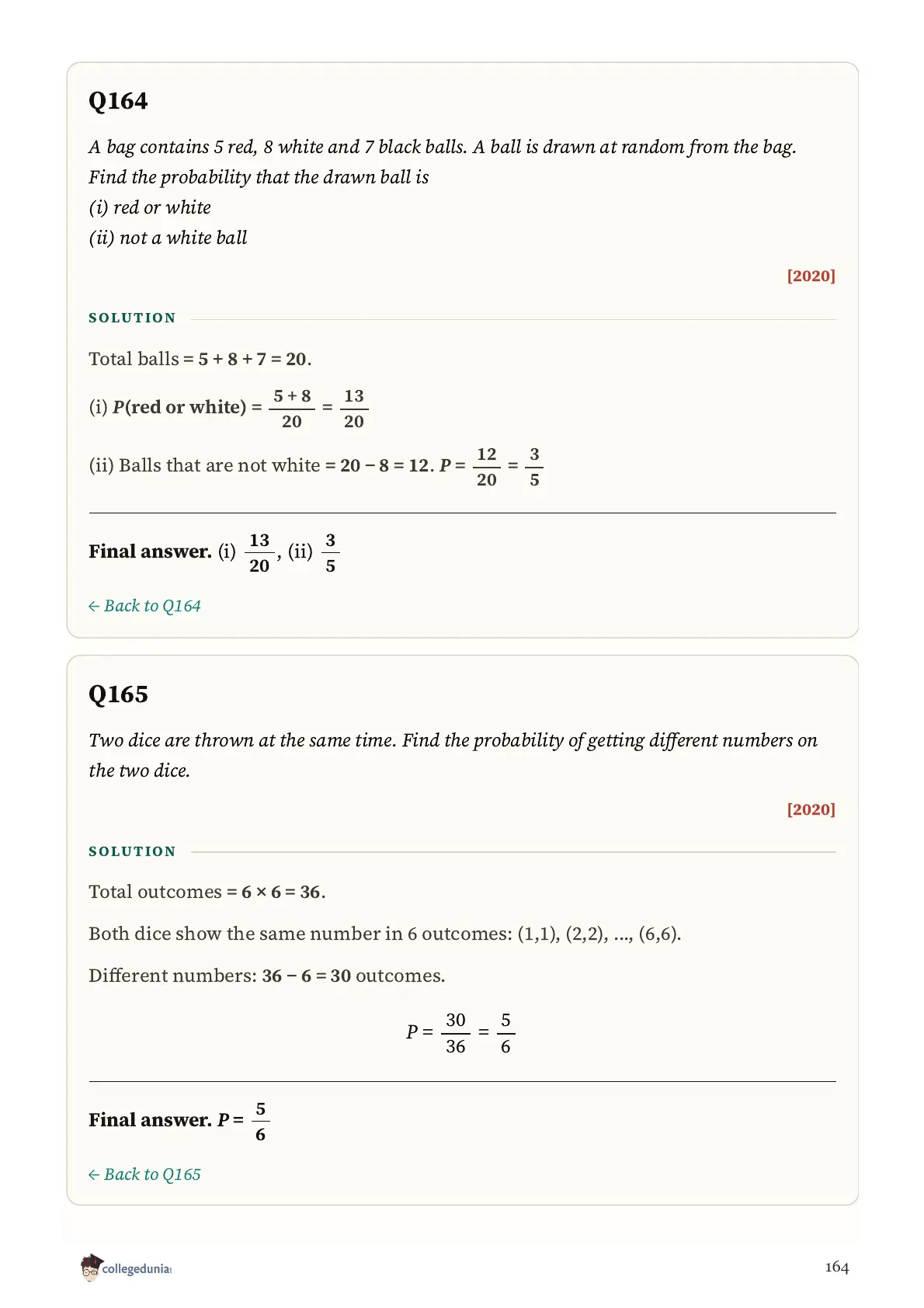
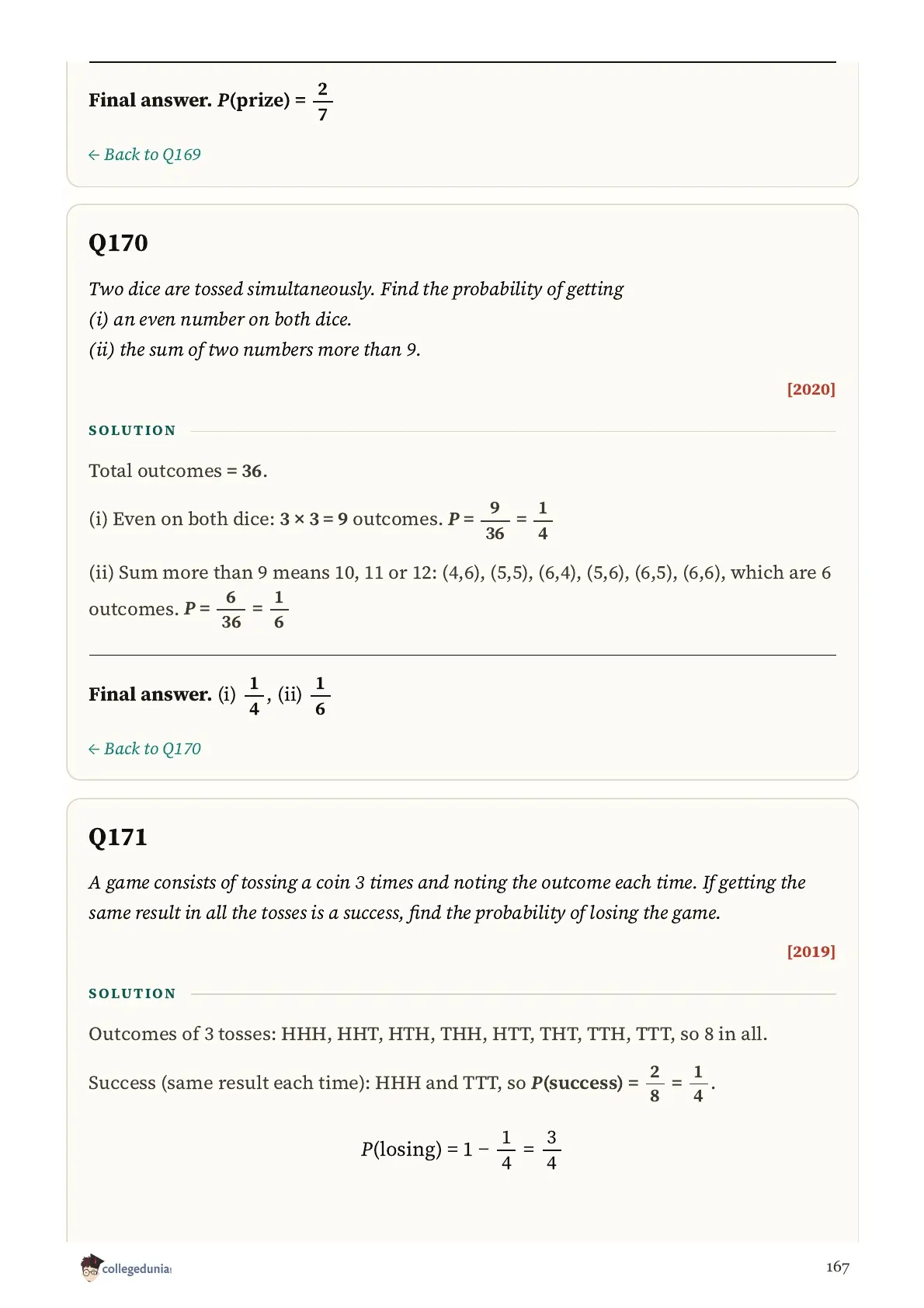
- Counting 12 outcomes when two dice are thrown. There are 6 x 6 = 36, and a sum of 8 has 5 of them, so the probability is 5/36.
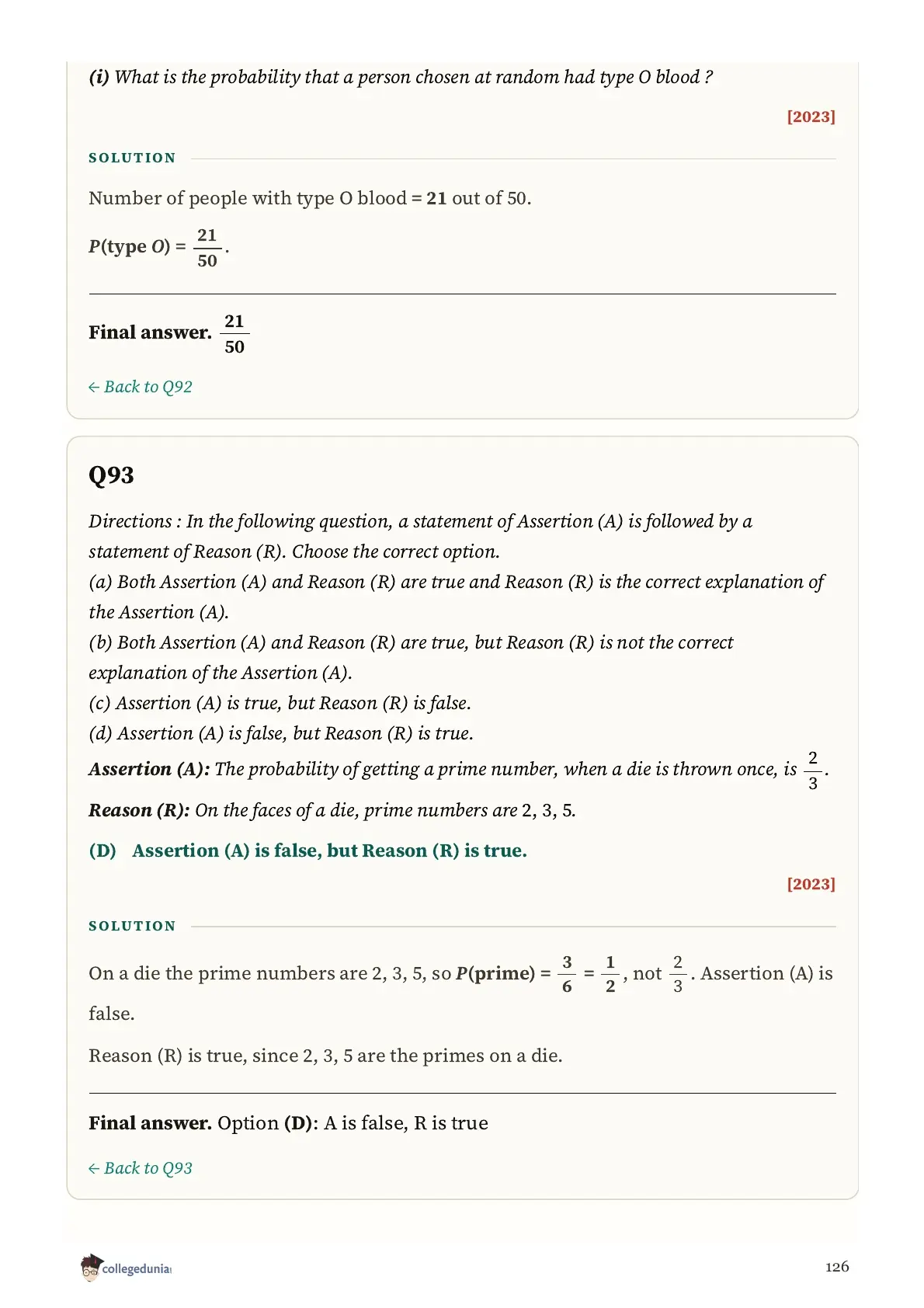
- Calling 1 a prime number. The primes on a die are 2, 3 and 5 only, so P(prime) is 3/6 = 1/2.
- Treating aces as face cards. A pack has 12 face cards (jack, queen, king in four suits), and the 4 aces are separate.
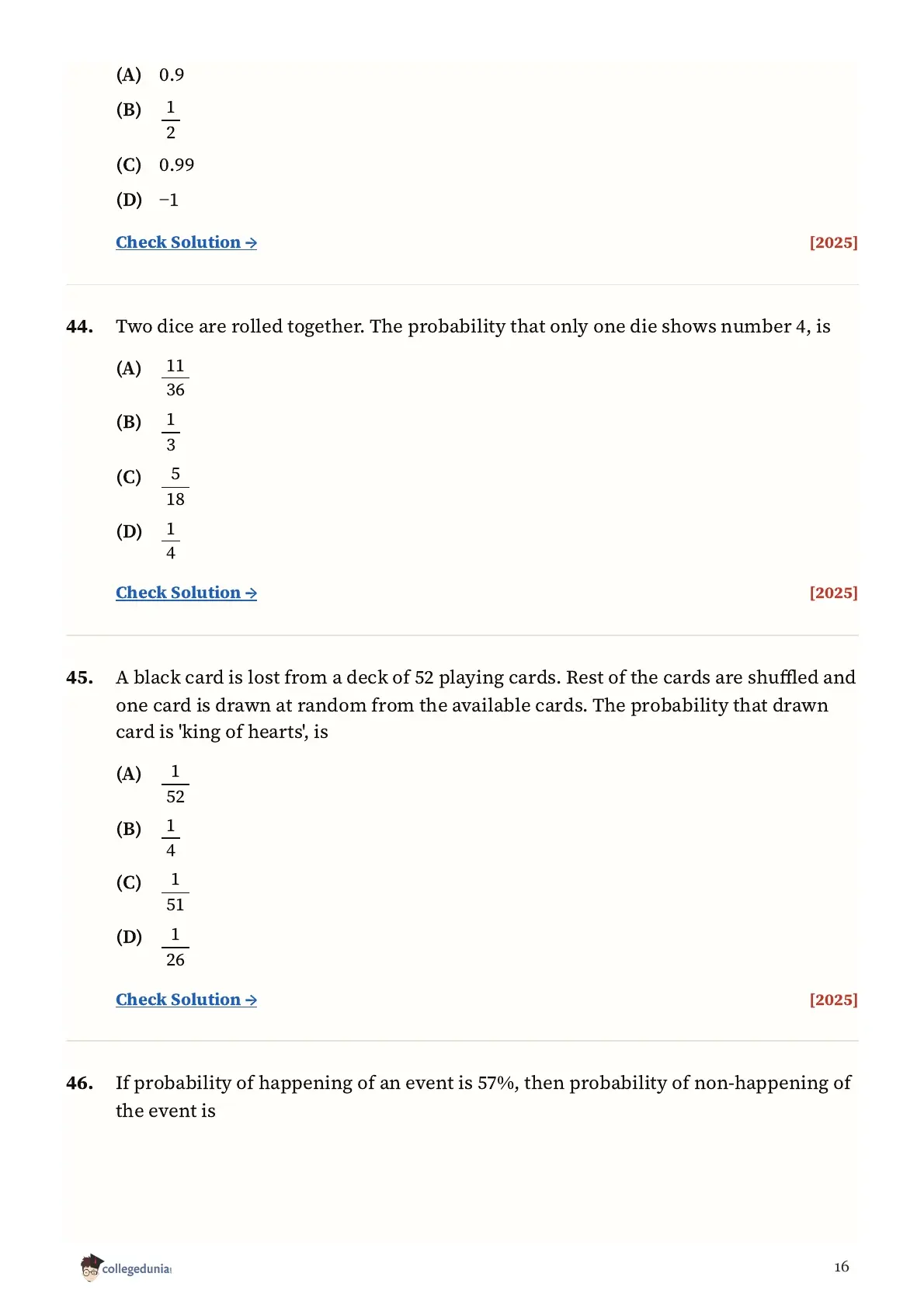
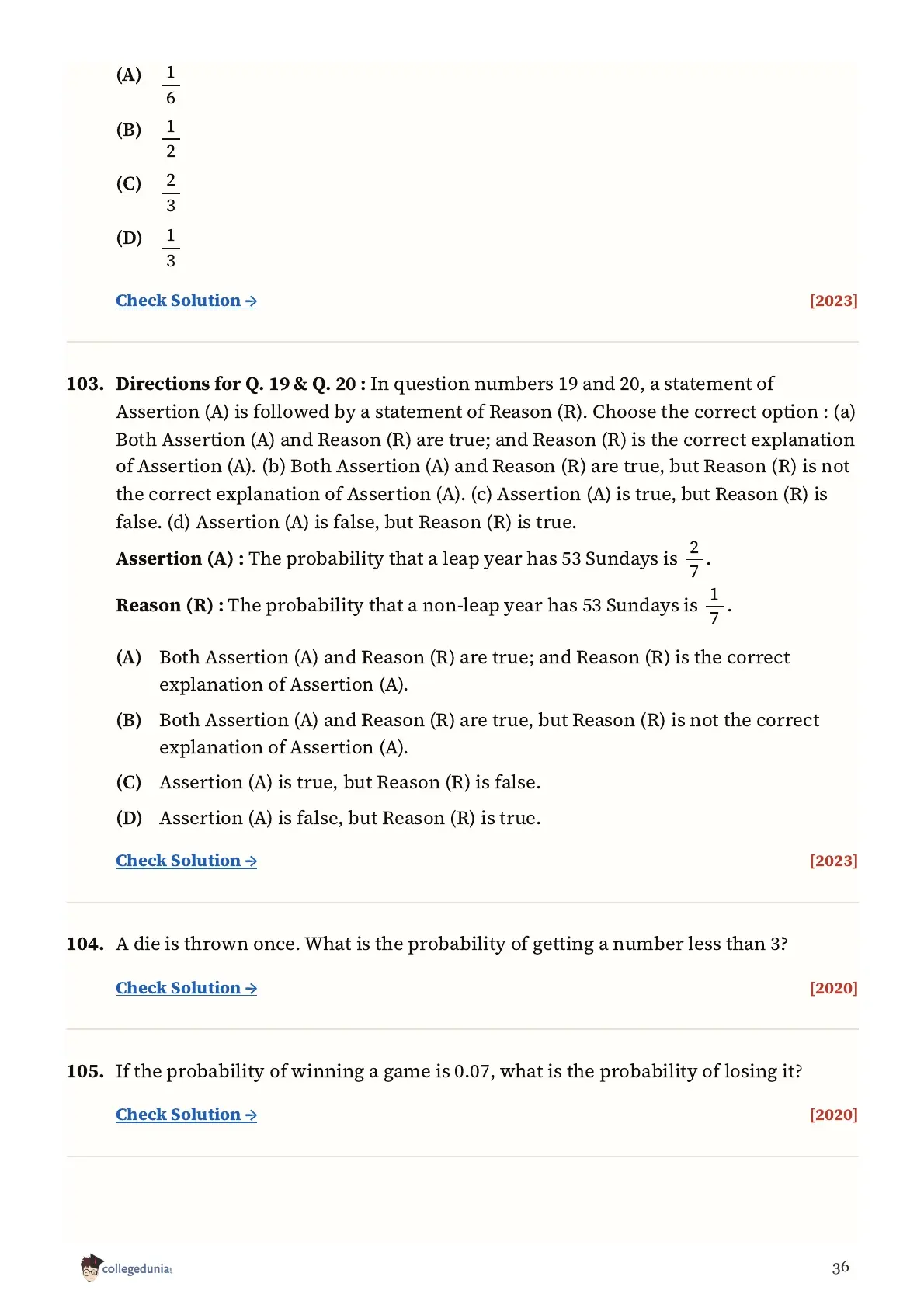
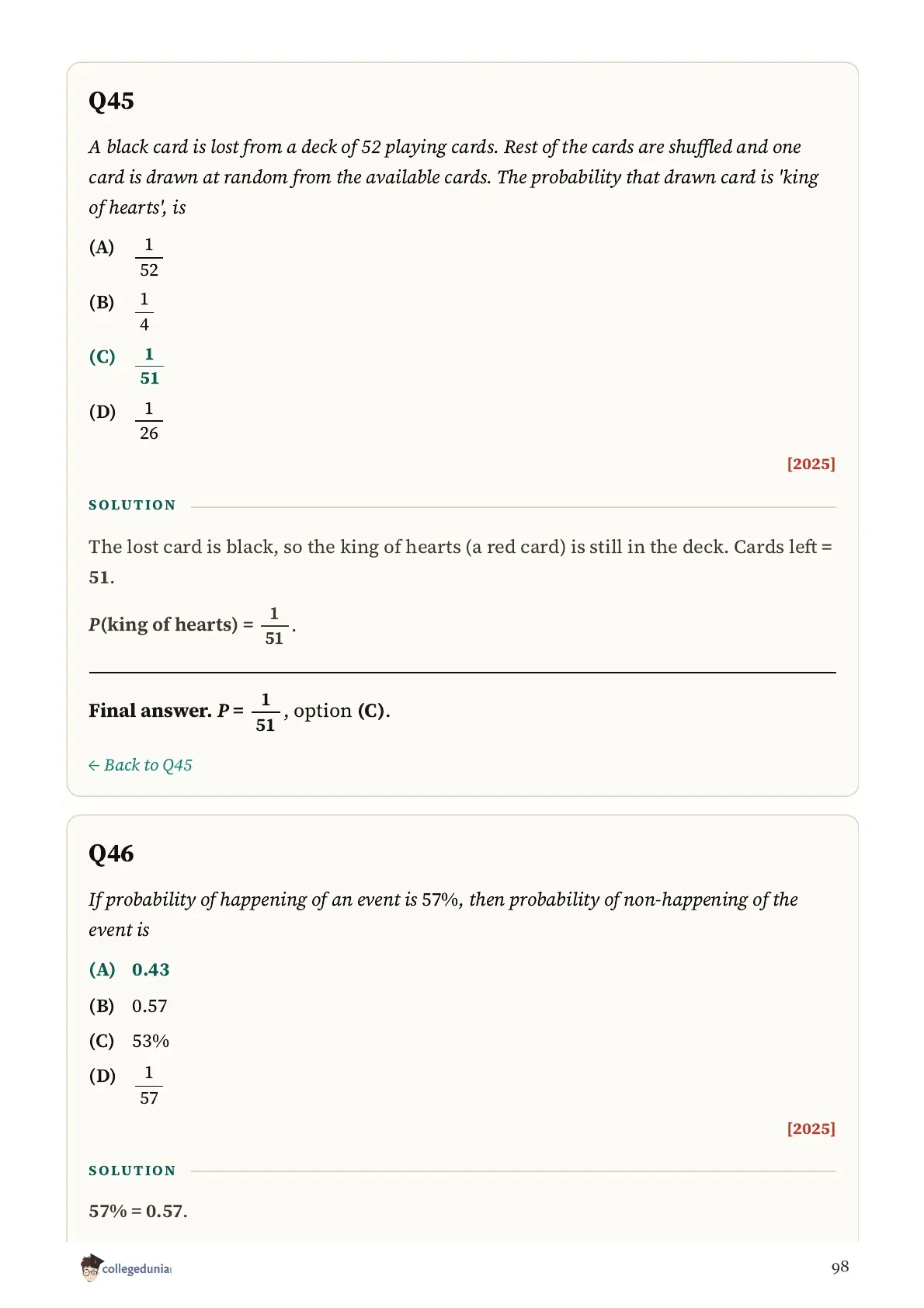
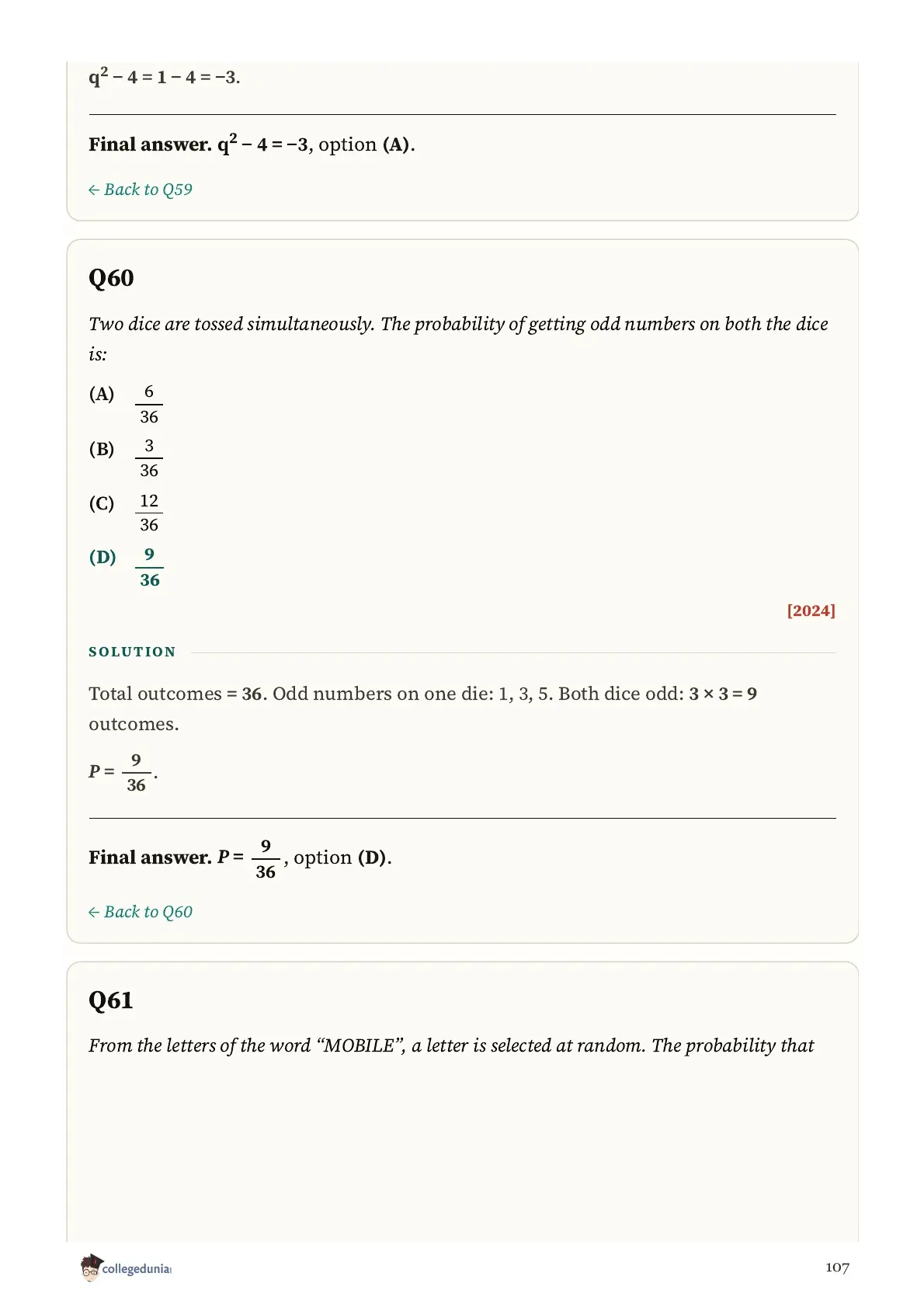
- Forgetting the complement. If the probability of winning is 0.07, the probability of losing is 1 - 0.07 = 0.93 (2020).
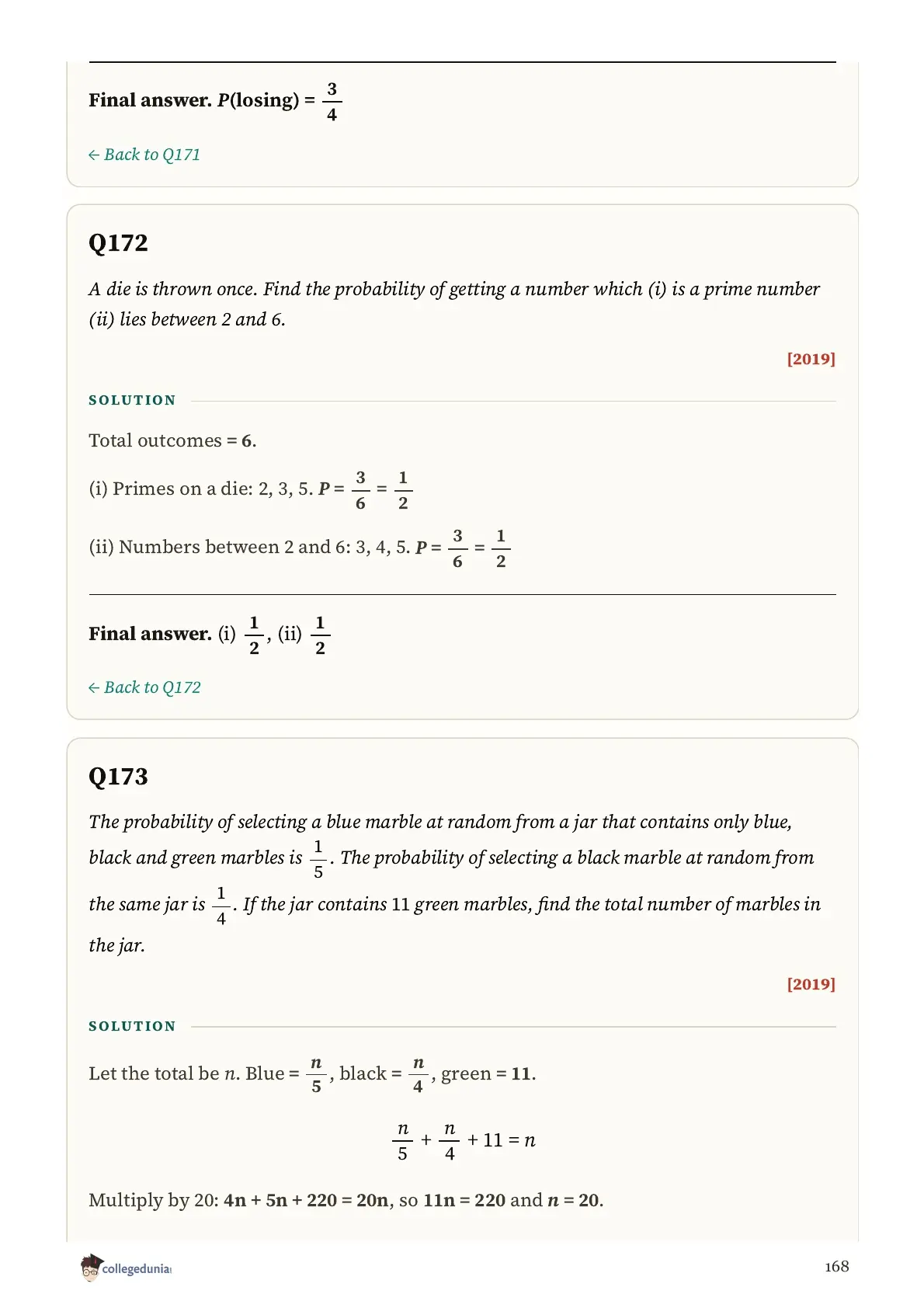
- Reading "a leap year has 53 Mondays" as 1/7. A leap year has 52 weeks and 2 extra days, so the chance is 2/7.
- Giving a probability above 1 or writing it as a ratio such as 3:5. A probability lies between 0 and 1, and 3 favourable out of 8 is 3/8.
Using the Answer Key and Solutions
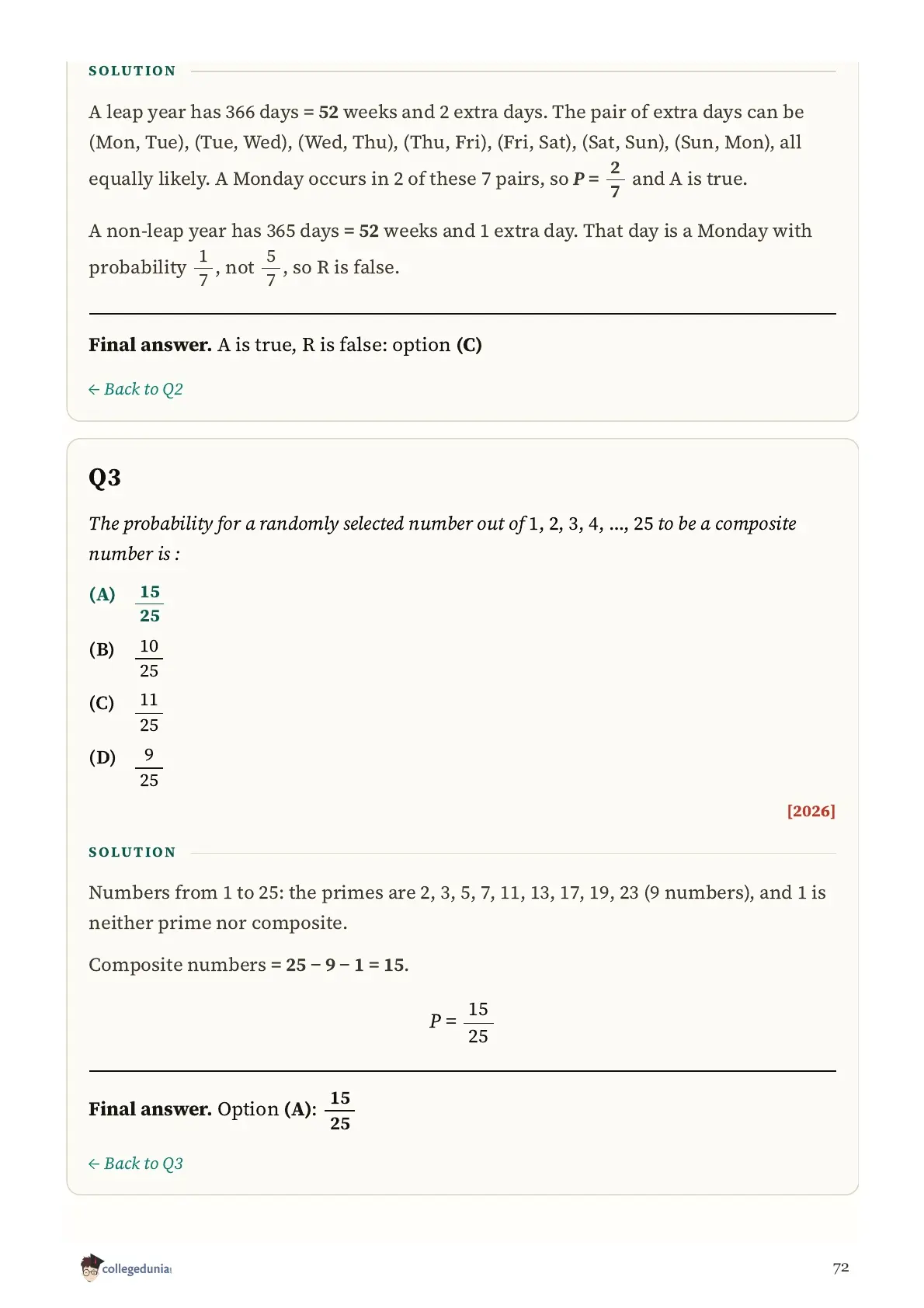
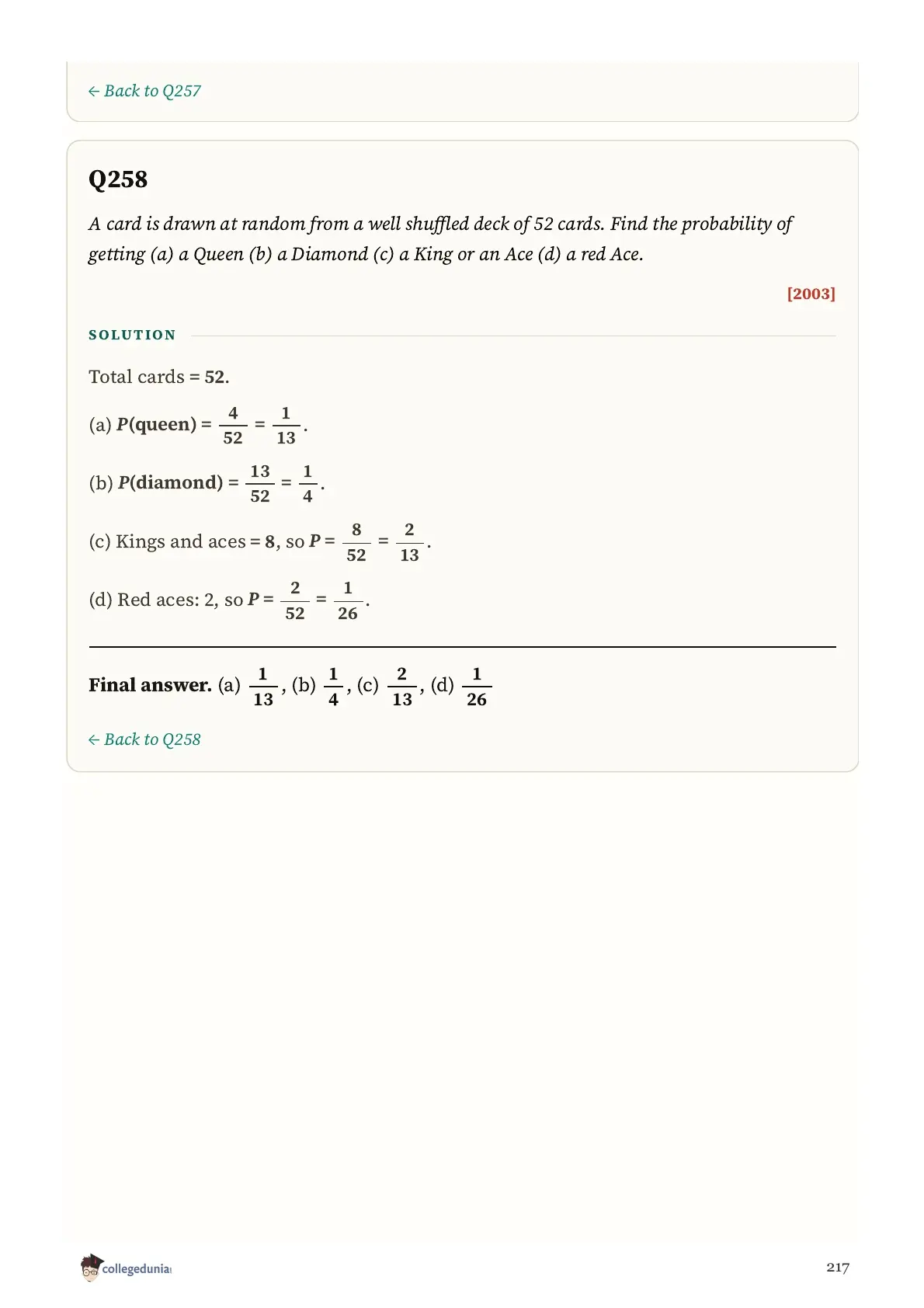
The PDF is 217 pages and free to download. Each section is sorted newest year first, the Answer Key lists the 109 MCQs at a glance, and each question links to its worked solution and back. Attempt a question yourself first, check the key, then read the solution. The solutions are written by Collegedunia's Maths experts and are not official CBSE marking schemes.
Class 10 Maths PYQs by Chapter
| Unit | PYQ Page |
|---|---|
| Number Systems | Real Numbers Class 10 Maths PYQ |
| Algebra | Polynomials Class 10 Maths PYQ |
| Algebra | Pair of Linear Equations in Two Variables Class 10 Maths PYQ |
| Algebra | Quadratic Equations Class 10 Maths PYQ |
| Algebra | Arithmetic Progressions Class 10 Maths PYQ |
| Geometry | Triangles Class 10 Maths PYQ |
| Coordinate Geometry | Coordinate Geometry Class 10 Maths PYQ |
| Trigonometry | Introduction to Trigonometry Class 10 Maths PYQ |
| Trigonometry | Some Applications of Trigonometry Class 10 Maths PYQ |
| Geometry | Circles Class 10 Maths PYQ |
| Mensuration | Areas Related to Circles Class 10 Maths PYQ |
| Mensuration | Surface Areas and Volumes Class 10 Maths PYQ |
| Statistics and Probability | Statistics Class 10 Maths PYQ |
| Statistics and Probability | Probability Class 10 Maths PYQ |
Probability Class 10 Maths PYQ FAQs
Ques. How many questions are in the Probability Class 10 Maths PYQ PDF?
Ans. The PDF has 258 questions from the 2003 to 2026 board papers: 133 at 1 mark, 61 at 2 marks, 45 at 3 marks and 19 at 4 marks.
Ques. Does this PYQ PDF include solutions, or only the questions?
Ans. All 258 questions have a worked solution in the PDF. The 109 MCQs and assertion-reason items are also listed in the Answer Key before the solutions.
Ques. Are the solutions official?
Ans. No. They are written by Collegedunia's Maths experts, checked against the NCERT chapter with every calculation re-run. They are not an official CBSE marking scheme, so the board's wording of an answer may differ.
Ques. How many marks does Probability carry in the Class 10 Maths paper?
Ans. CBSE publishes marks per unit, not per chapter. Statistics and Probability together carry 11 of the 80 theory marks in the 2025-26 and 2026-27 curriculum. Check cbseacademic.nic.in for the current syllabus.
Ques. What kind of questions are asked from Probability?
Ans. Most questions ask for the probability of an event with a die, two dice, a pack of cards, a bag of balls or coins: 68 use dice and 37 use playing cards. Others are assertion-reason items (11) and case studies on cards, surveys and spinners.
Ques. Which years does the set cover?
Ans. The questions come from 22 board years between 2003 and 2026. 2025 has the most questions (51), followed by 2024 (42), 2023 (36) and 2026 (28).



Comments