




The 2026-27 NCERT keeps Class 11 Economics Chapter 8 Use of Statistical Tools in Economics in full for the CBSE course. These class 11 economics handwritten notes chapter 8 Use of Statistical Tools in Economics follow the 2026-27 NCERT and cover why statistical tools matter in economics, the six steps of a project, choosing a problem and a.
- CBSE Class 11 Weightage: a scoring chapter in the Economics paper, asked in short and long answers.
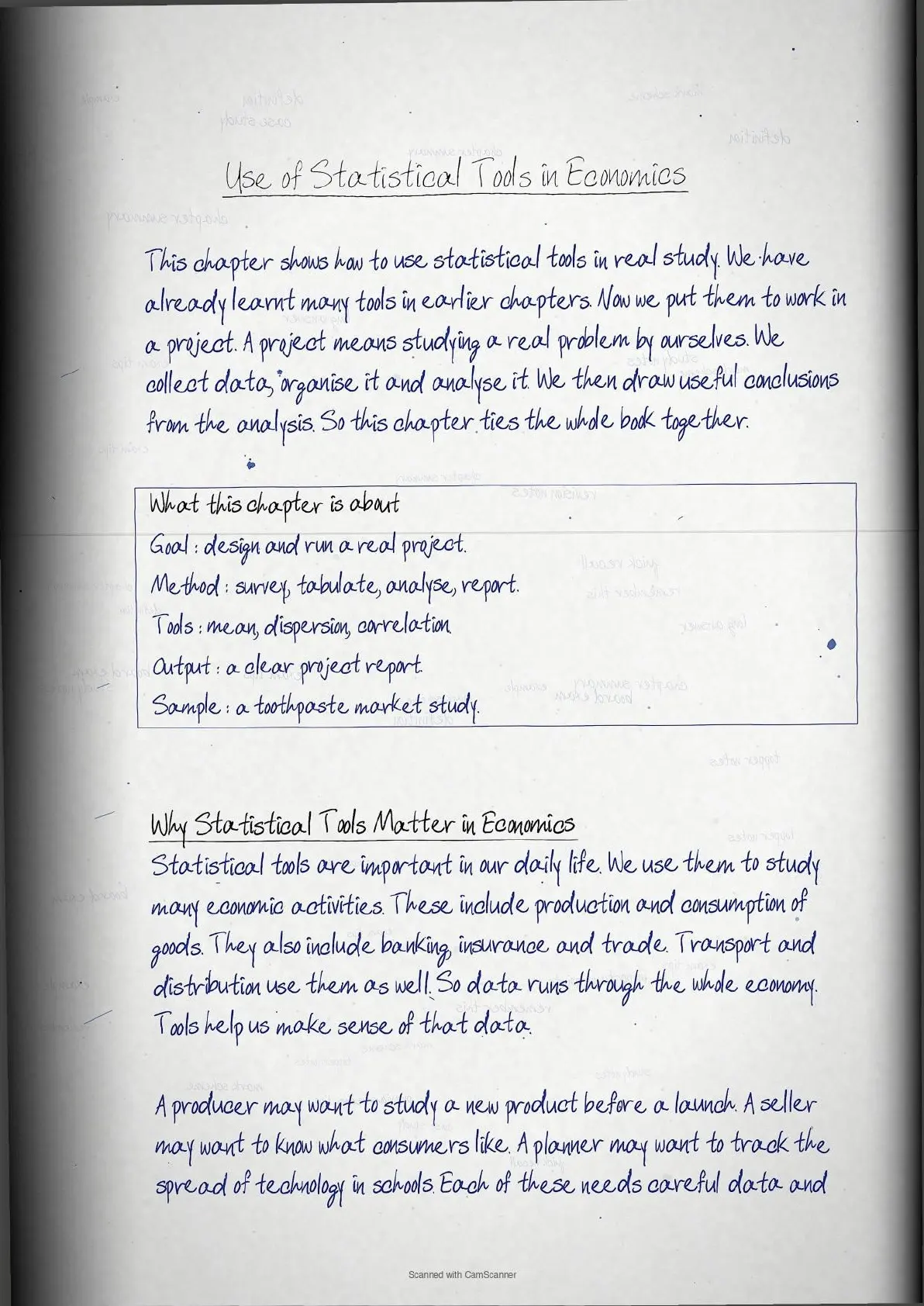
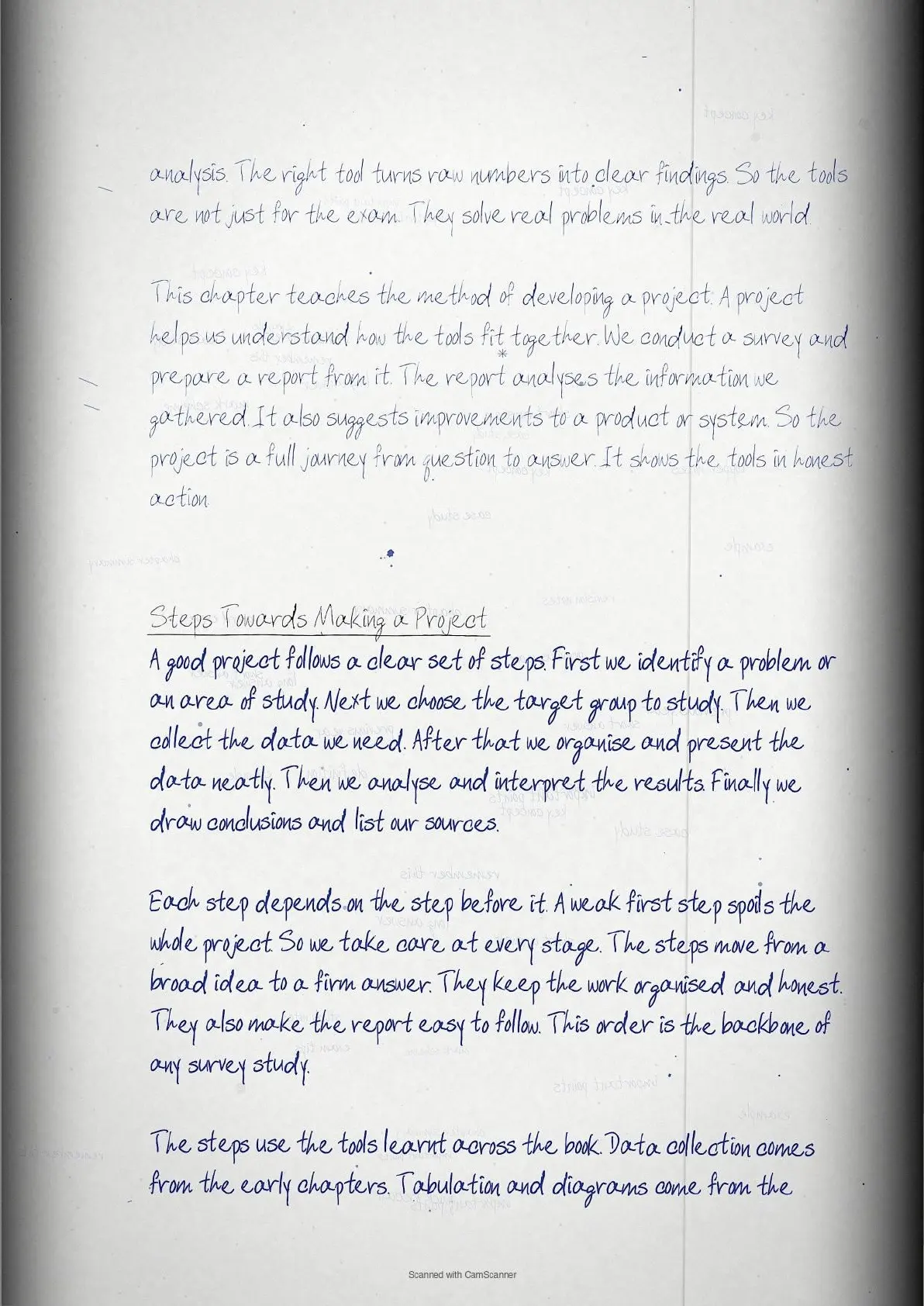
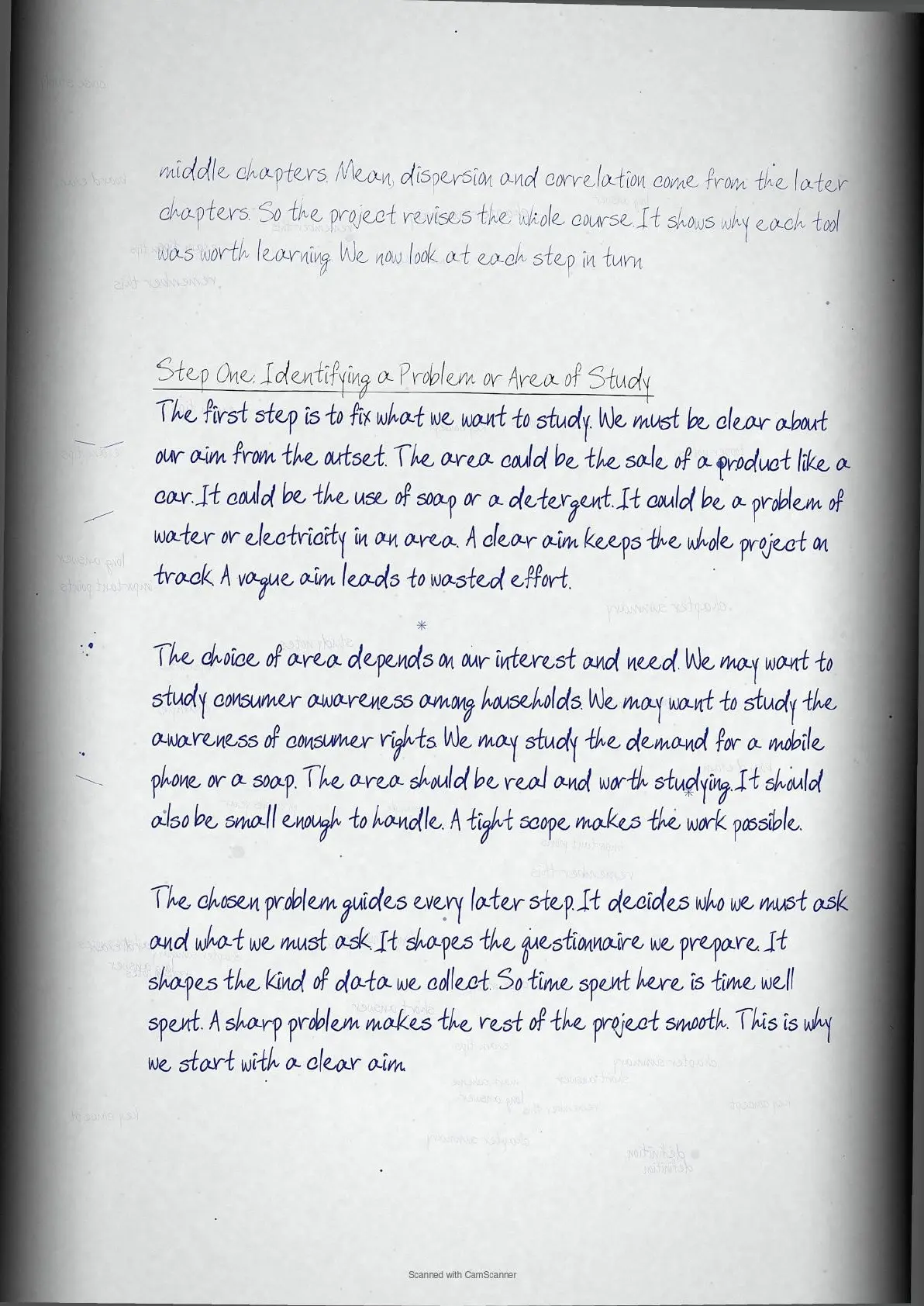
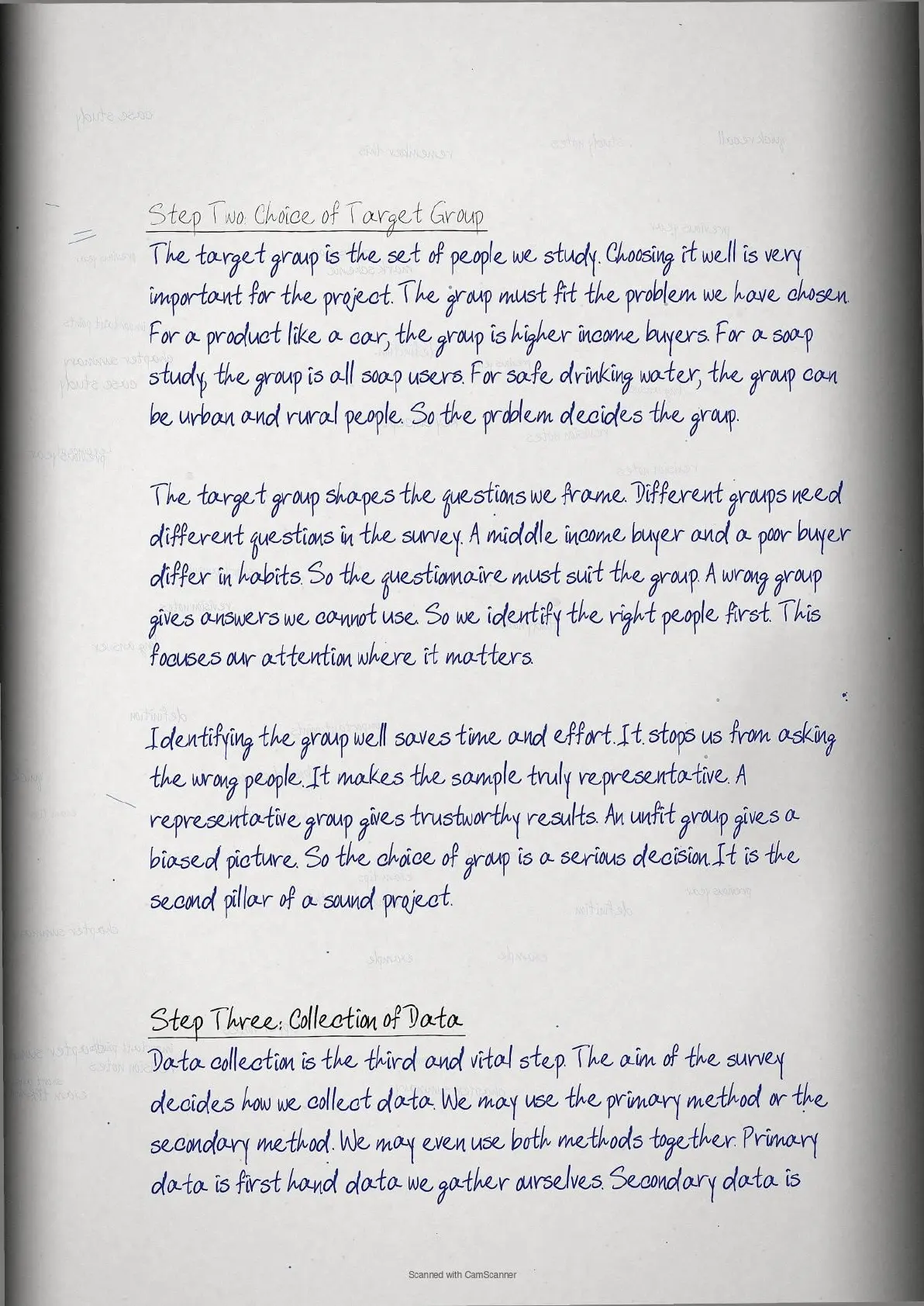
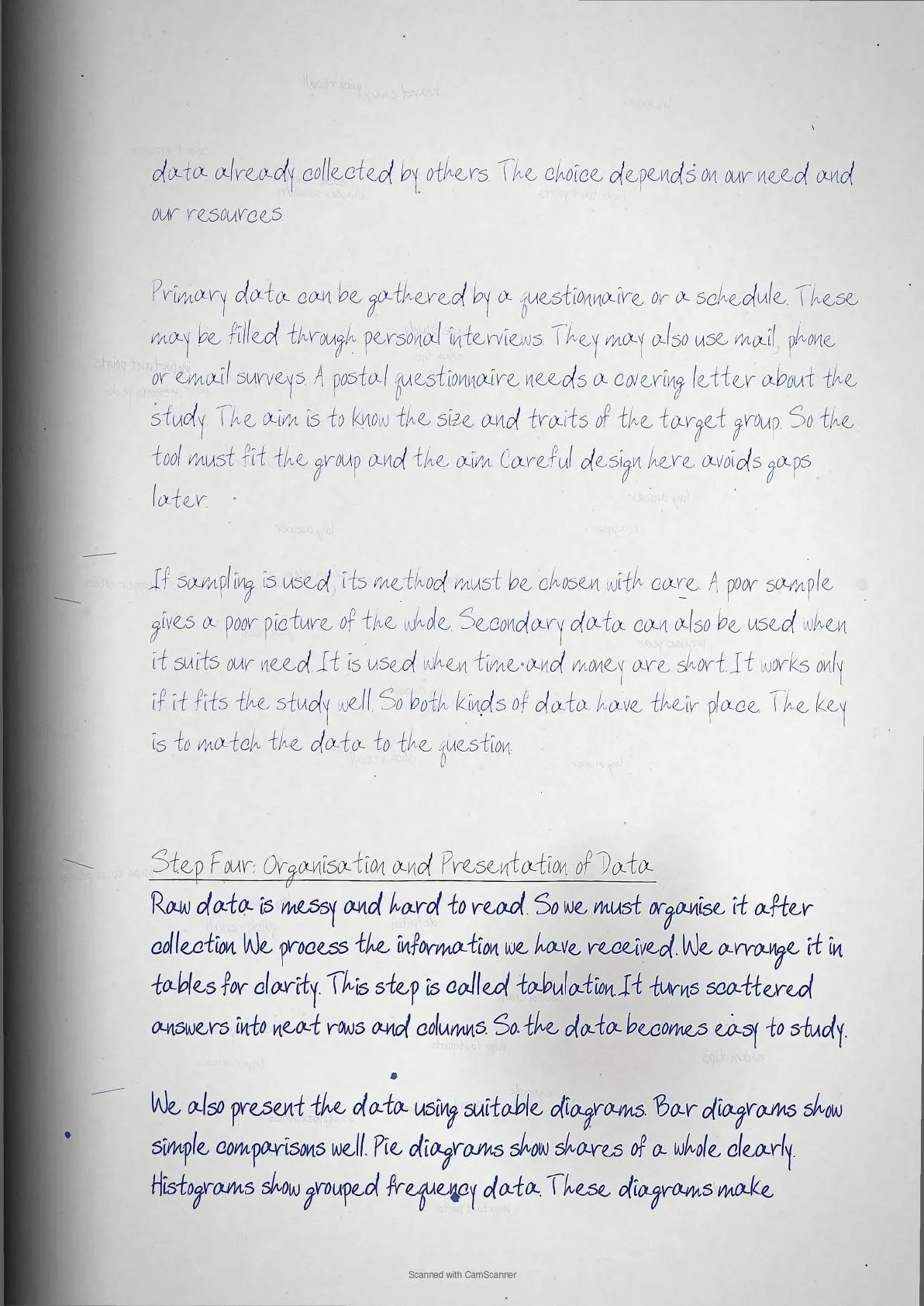
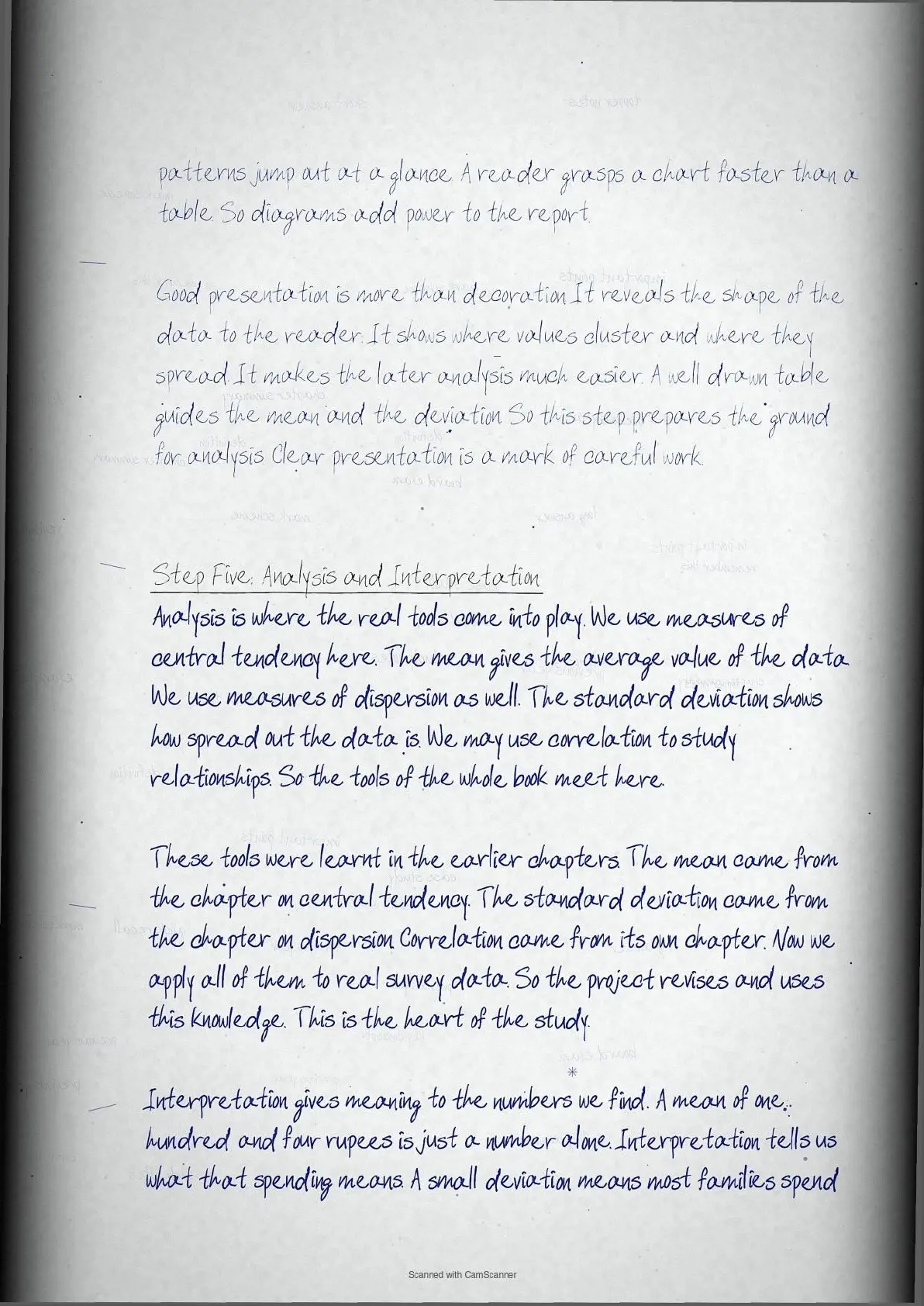
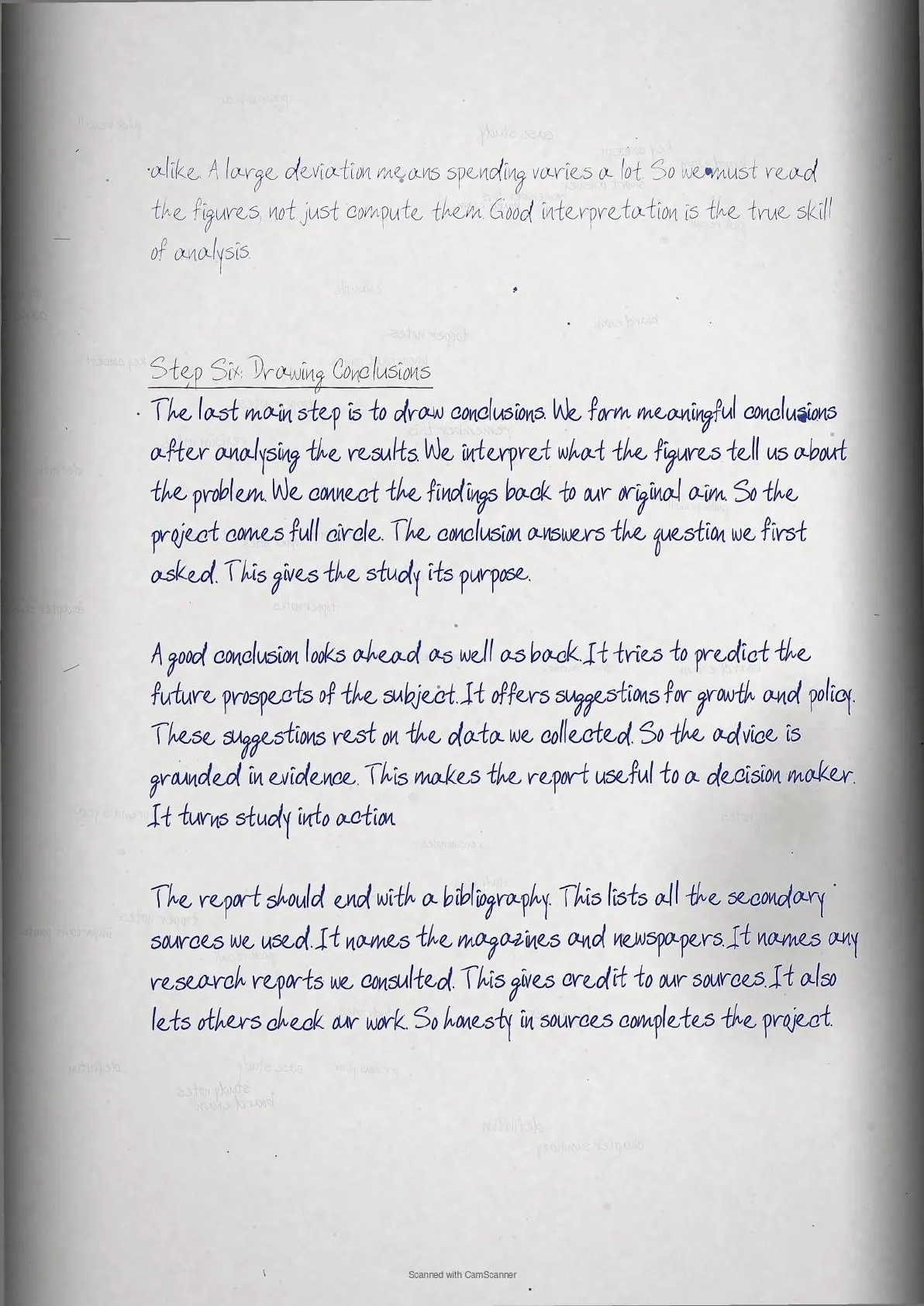
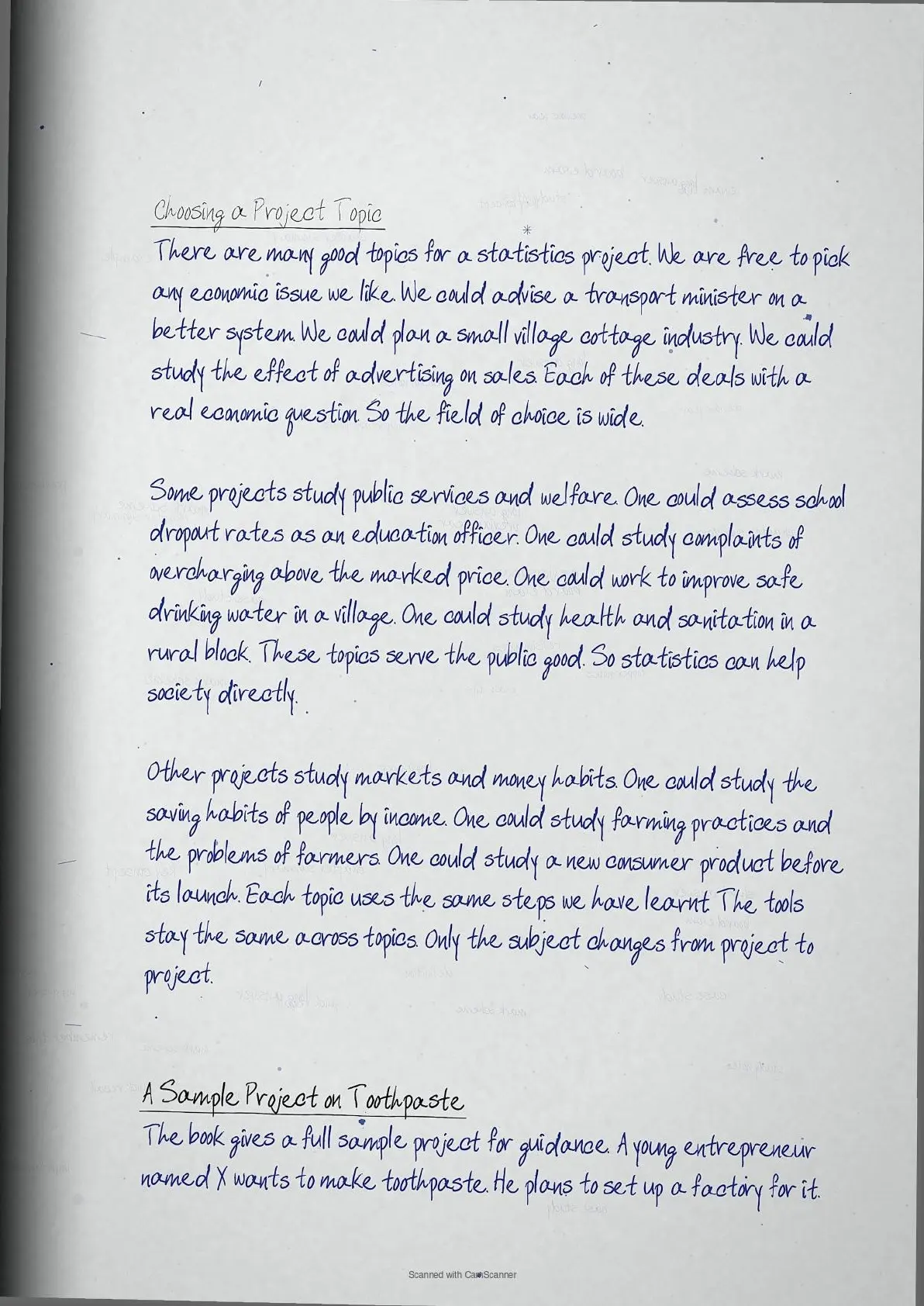
- What the notes cover: why statistical tools matter in economics, the six steps of a project, choosing a problem and a target group, primary and secondary data collection.
- Best for: quick revision before Class 11 exams and a base for CUET later.
You can read the complete class 11 economics handwritten notes for Use of Statistical Tools in Economics, with key terms, boxed definitions, and quick revision points, in the PDF below.
These handwritten notes are written by subject teachers, mapped to the 2026-27 NCERT, and checked against the last five years of CBSE Class 11 Economics papers.
Use of Statistical Tools in Economics Topic-wise Weightage for CBSE Class 11 Economics
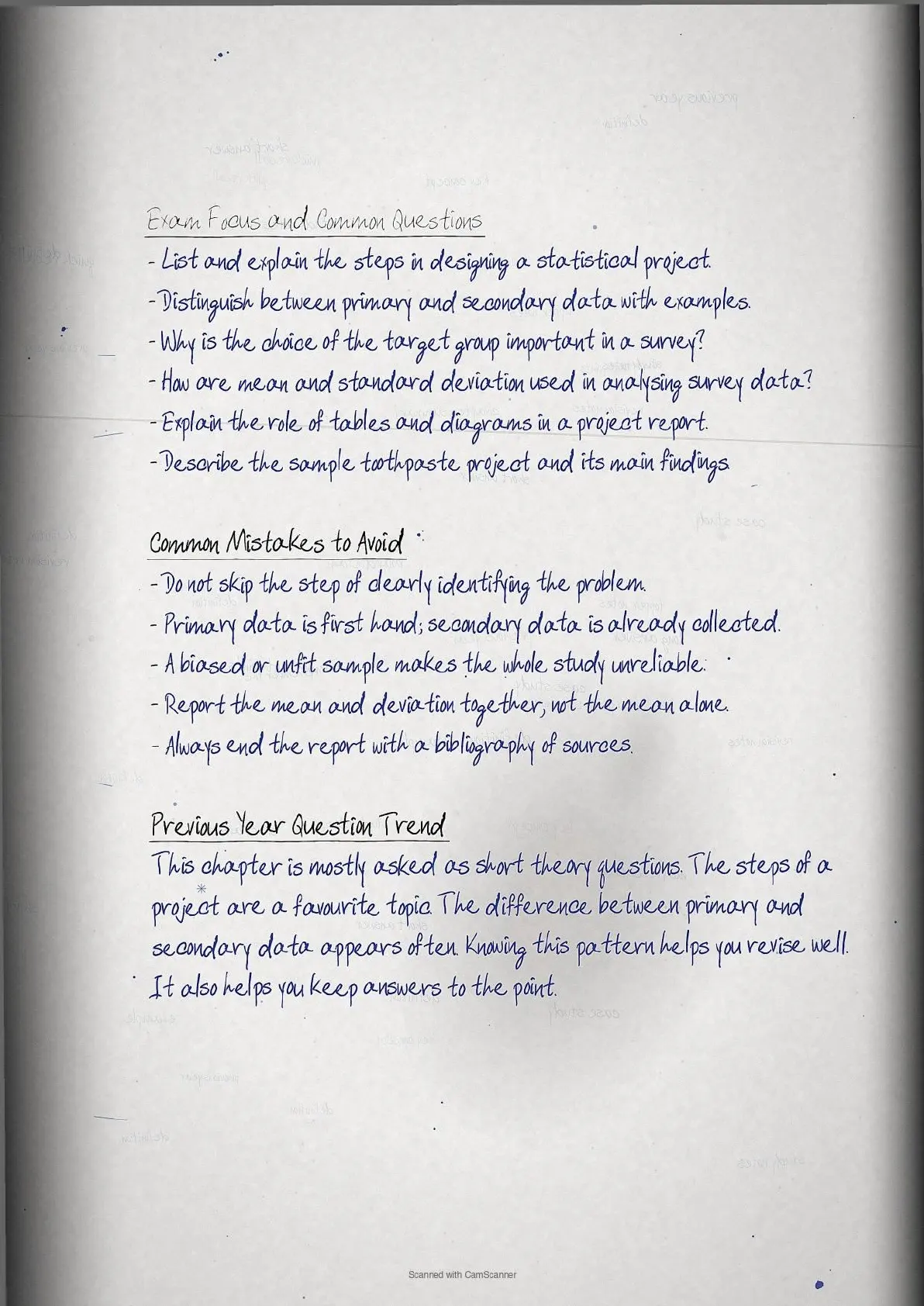
Some parts of this chapter are asked more often than others. The table below shows which sub-topics to revise first, based on recent CBSE Class 11 question trends.
| Sub-topic | Weightage | CBSE Frequency |
|---|---|---|
| Steps in designing a project | High | almost every year |
| Primary versus secondary data | High | very frequent |
| Choice of target group and sample | Medium | frequent |
| Analysis with mean and deviation | Medium | frequent |
| Findings of the sample project | Low | occasional |
What the Use of Statistical Tools in Economics Handwritten Notes Cover
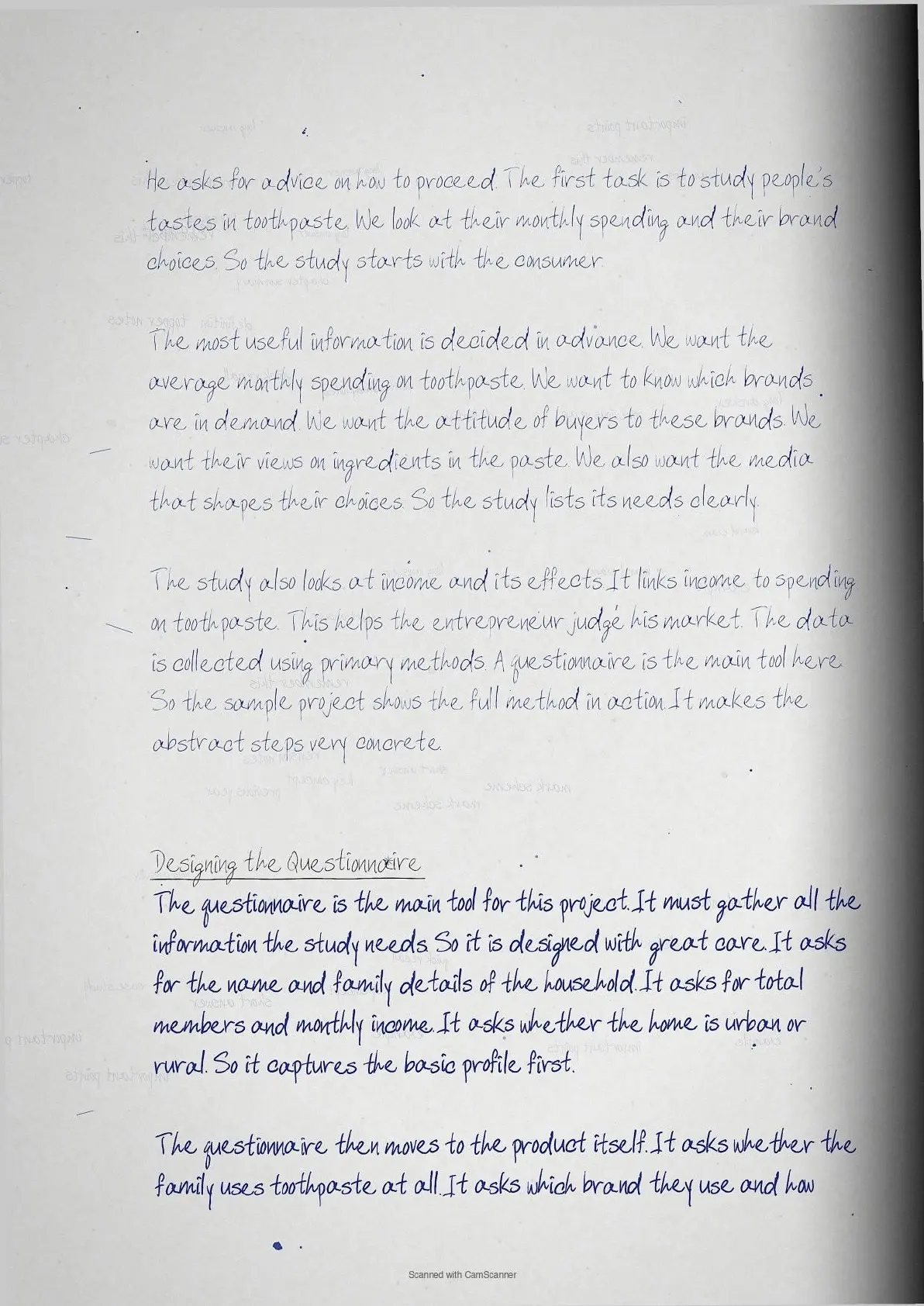
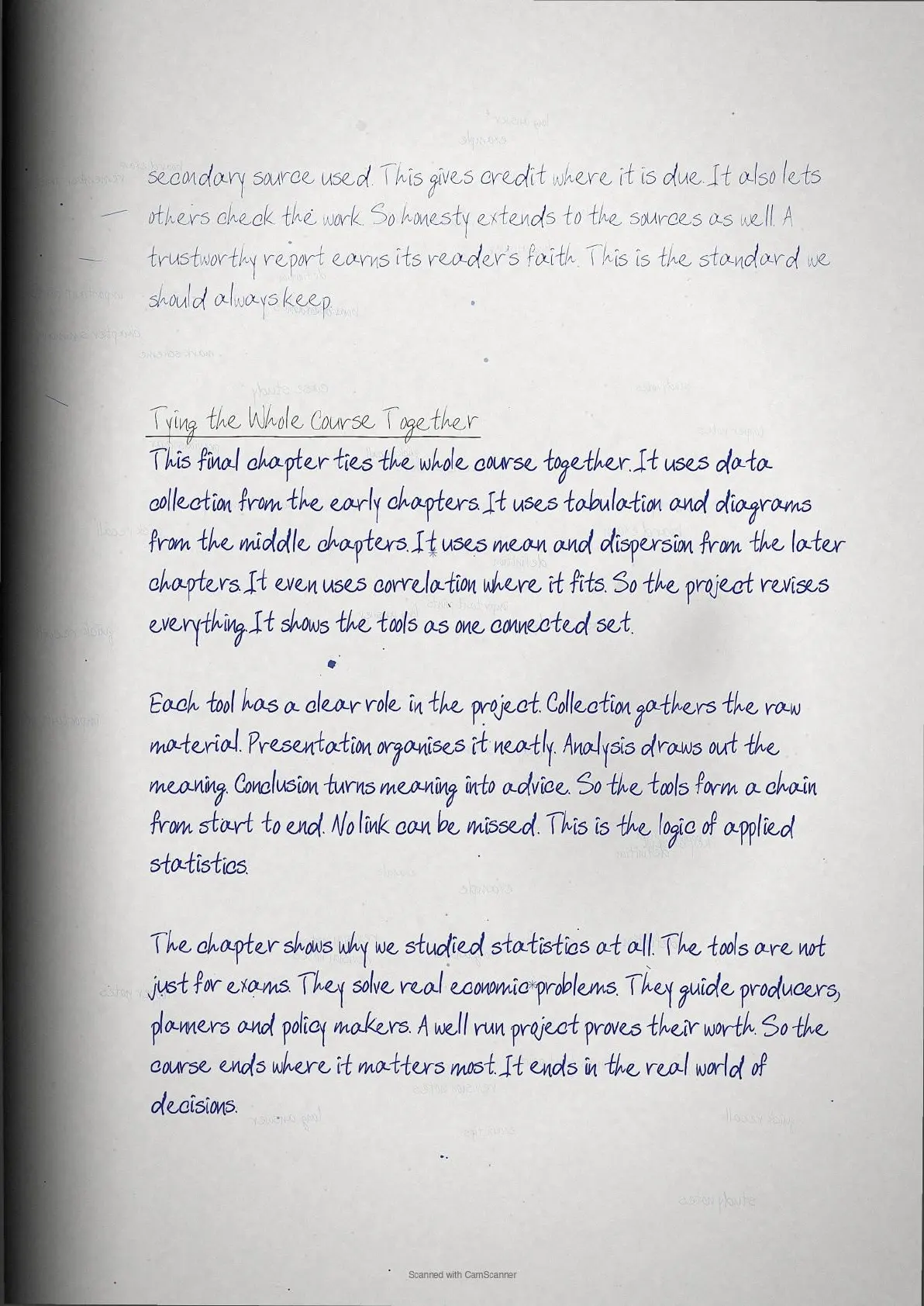
This chapter shows how the statistical tools of the course work together in a real project. It walks through a survey from problem to report. A sample toothpaste study makes every step concrete.
- Why statistical tools matter in economics
- The six steps of a project
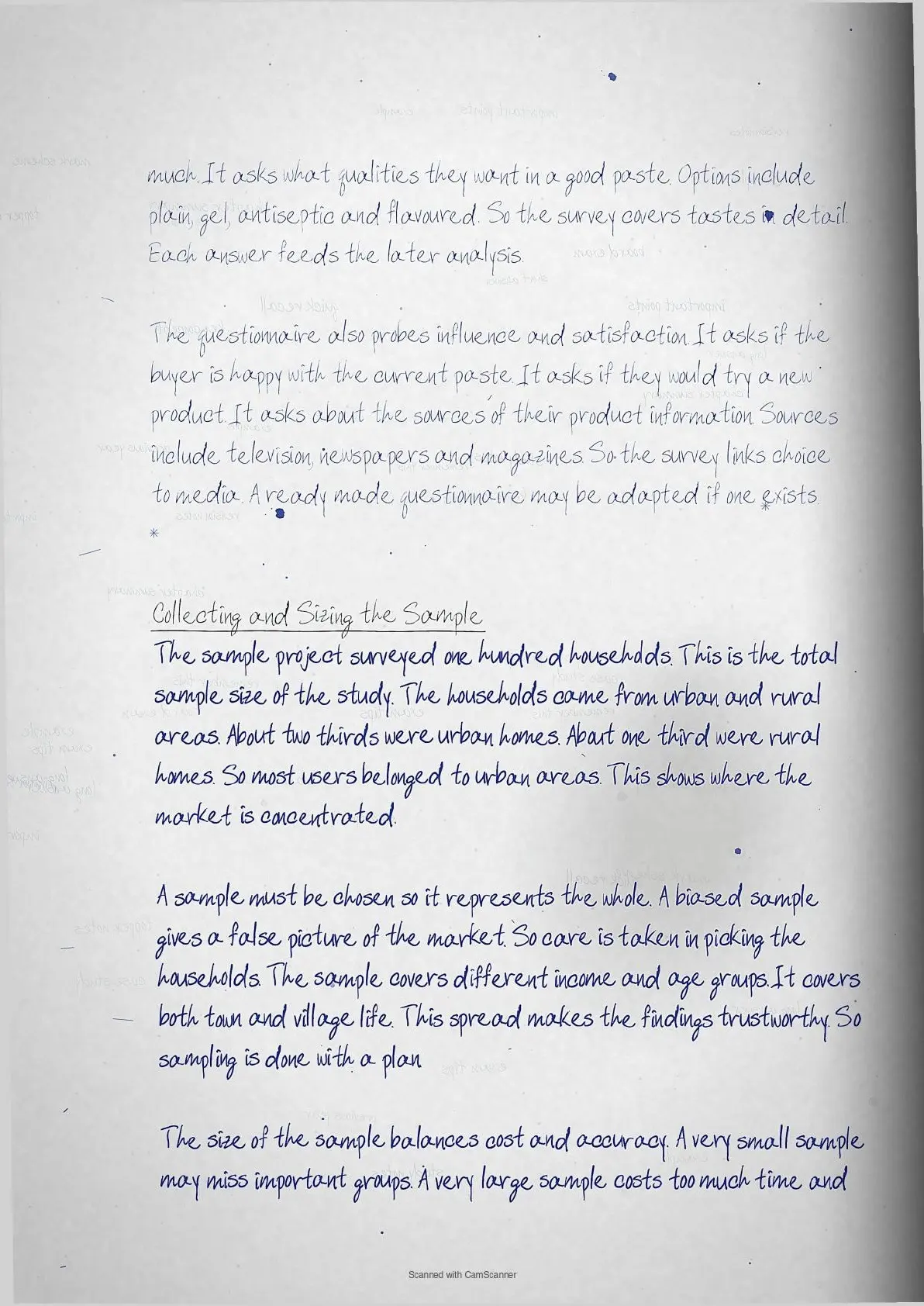
- Choosing a problem and a target group
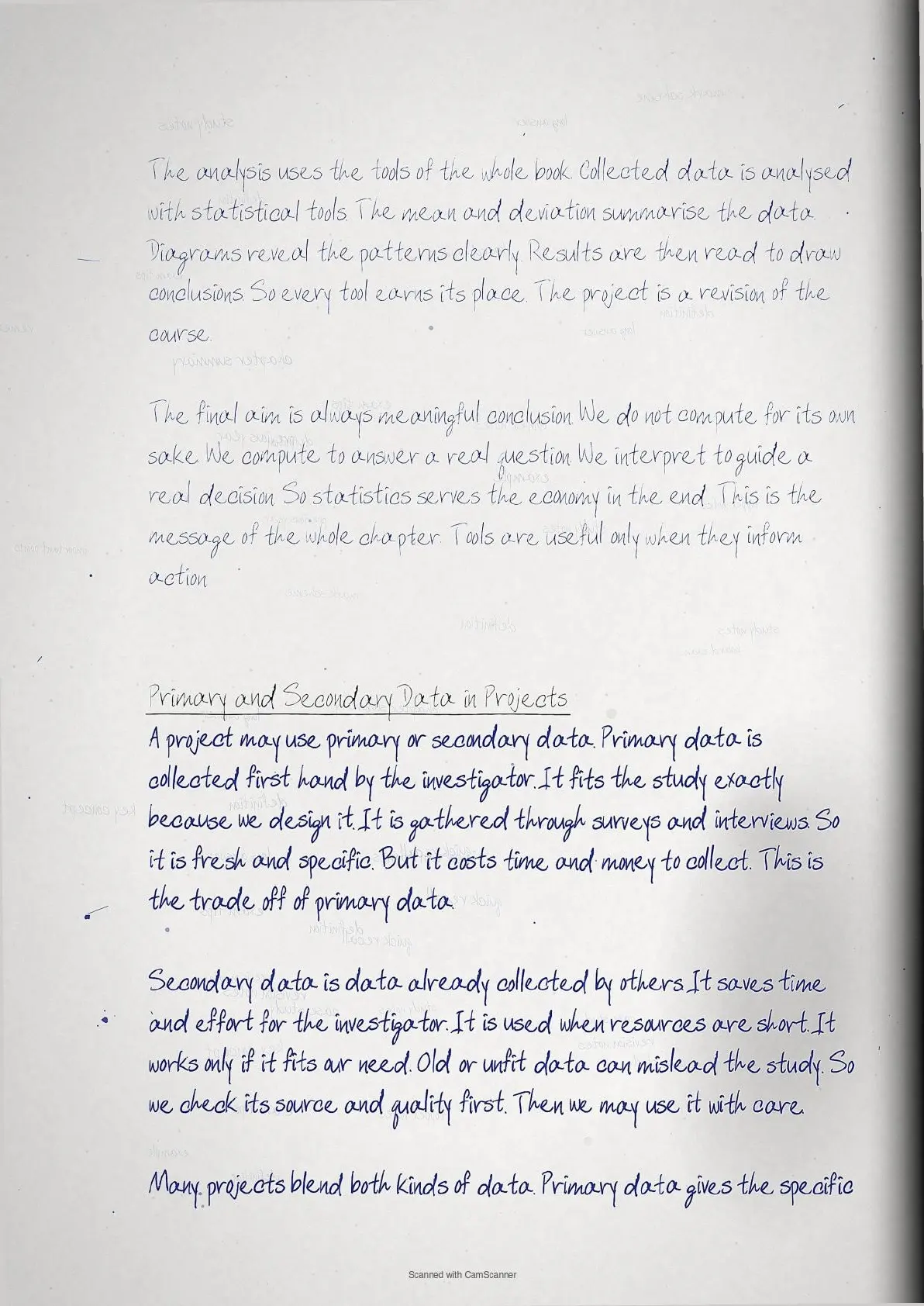
- Primary and secondary data collection
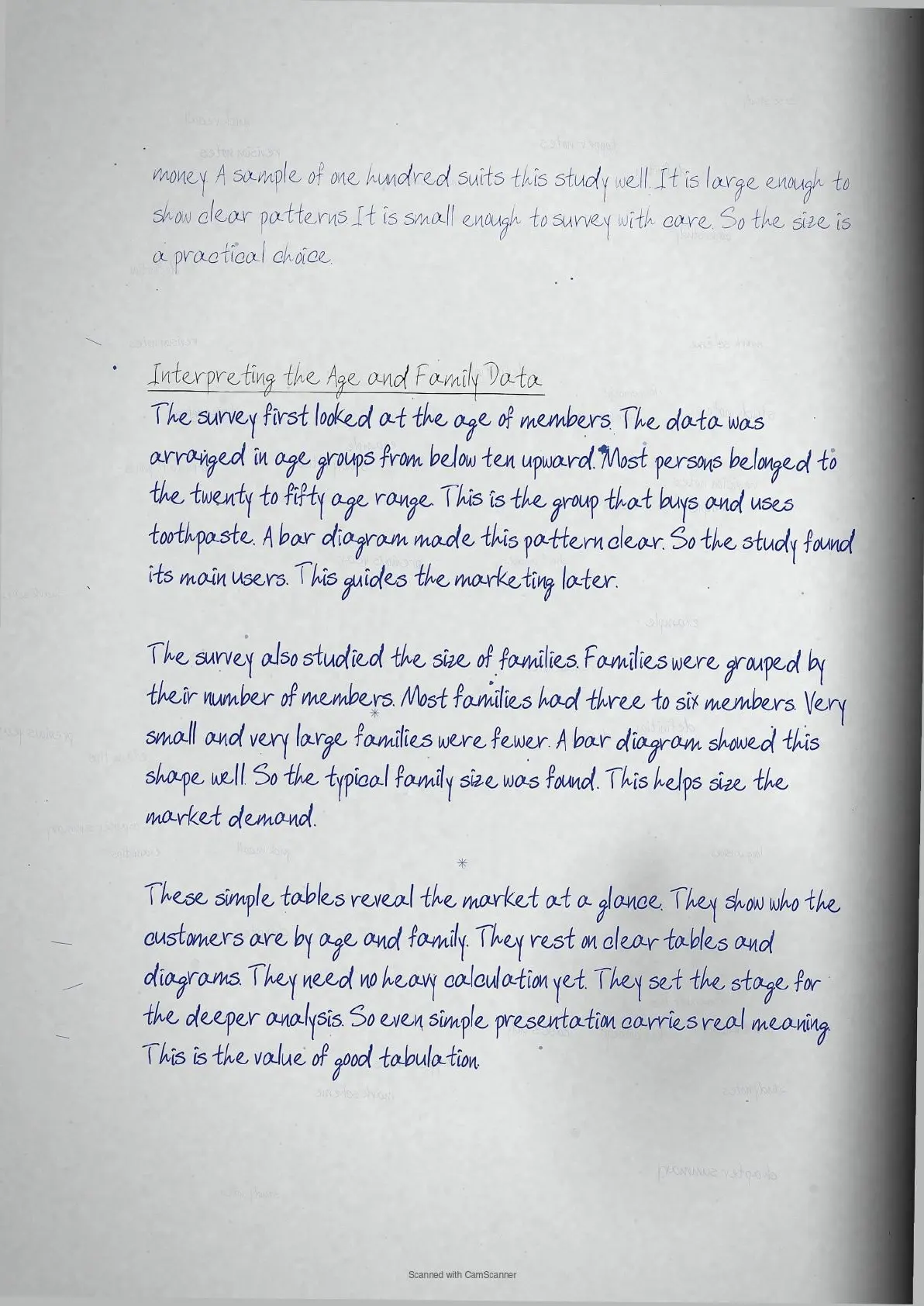
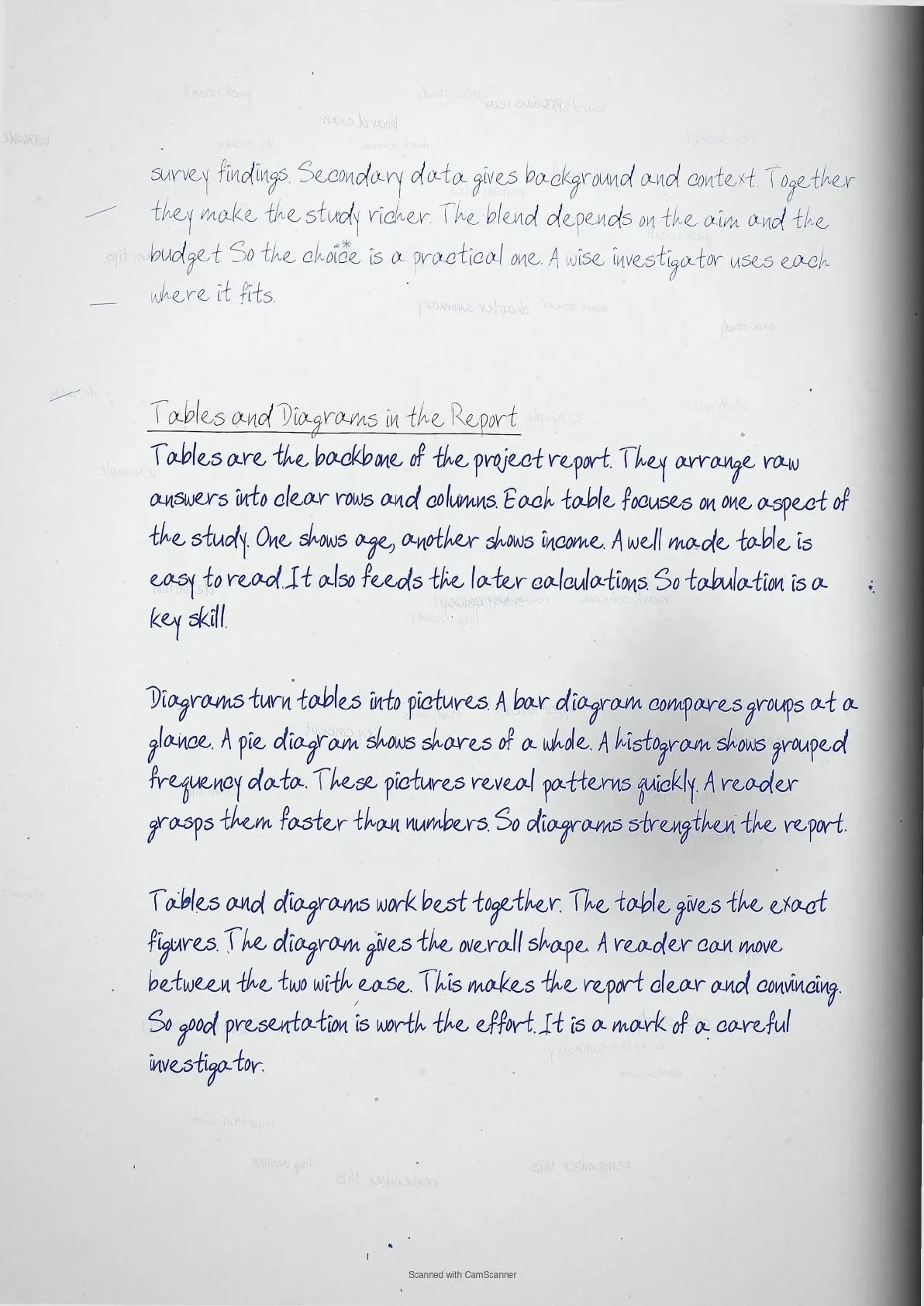
- Tabulation, diagrams and presentation
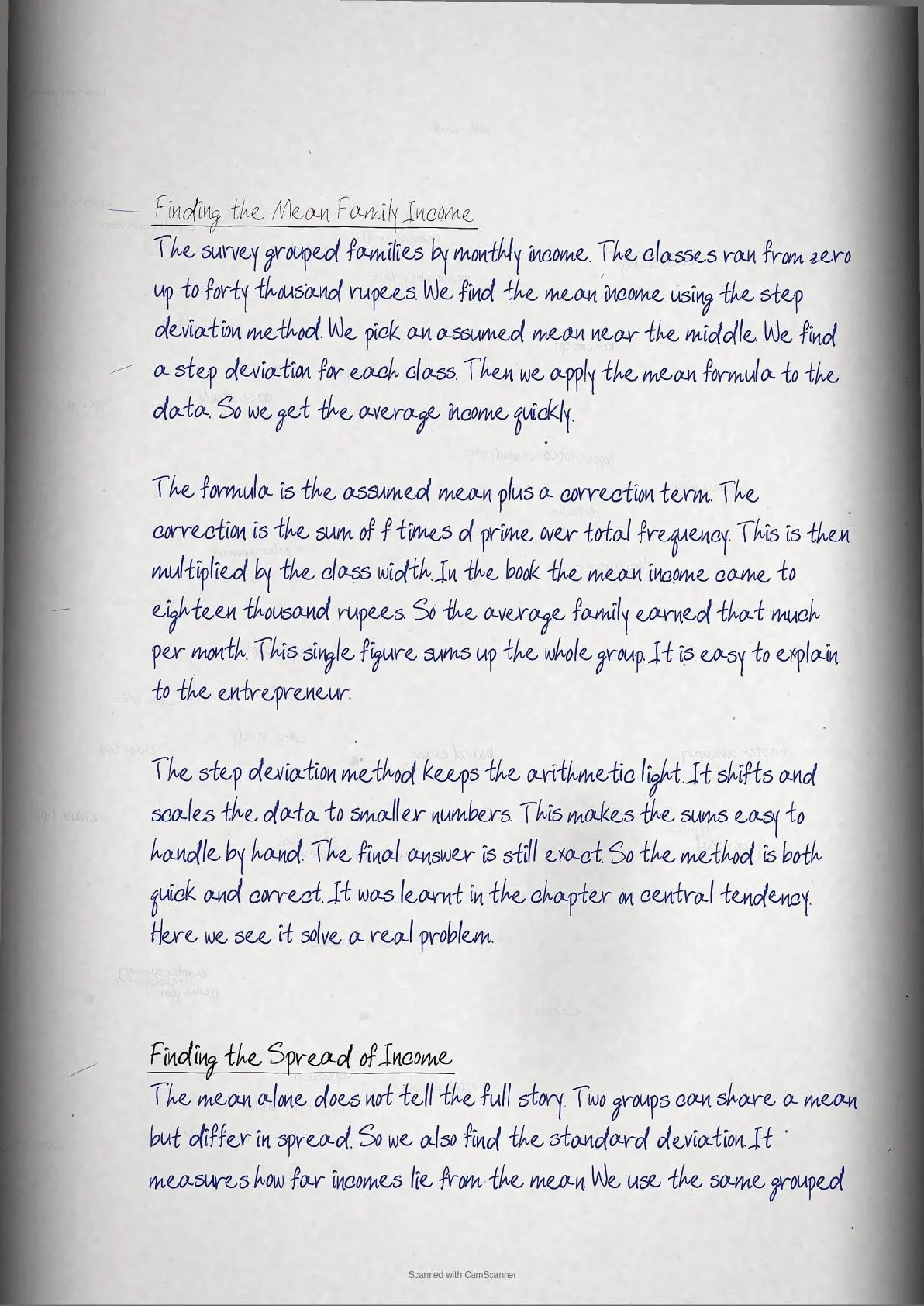
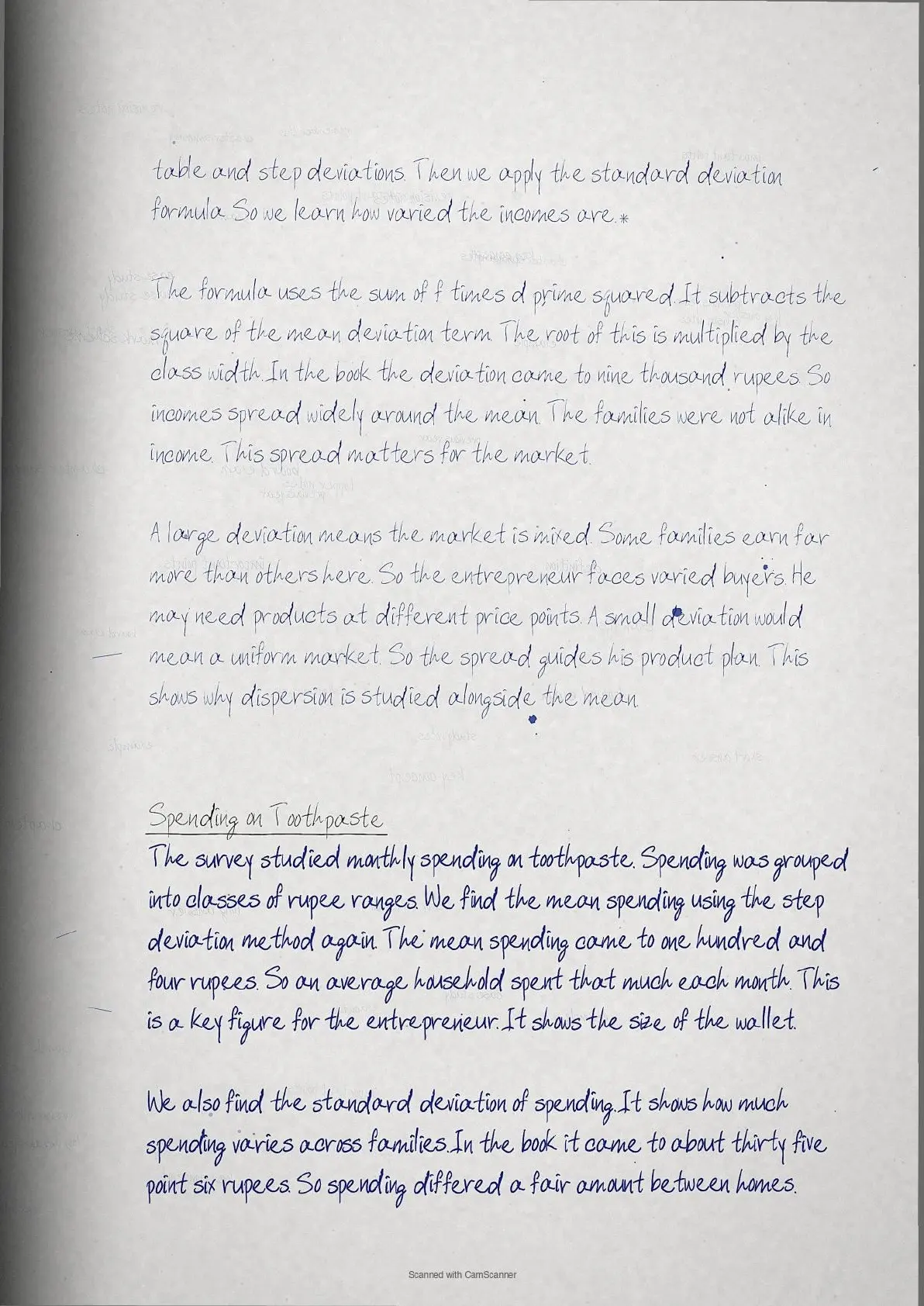
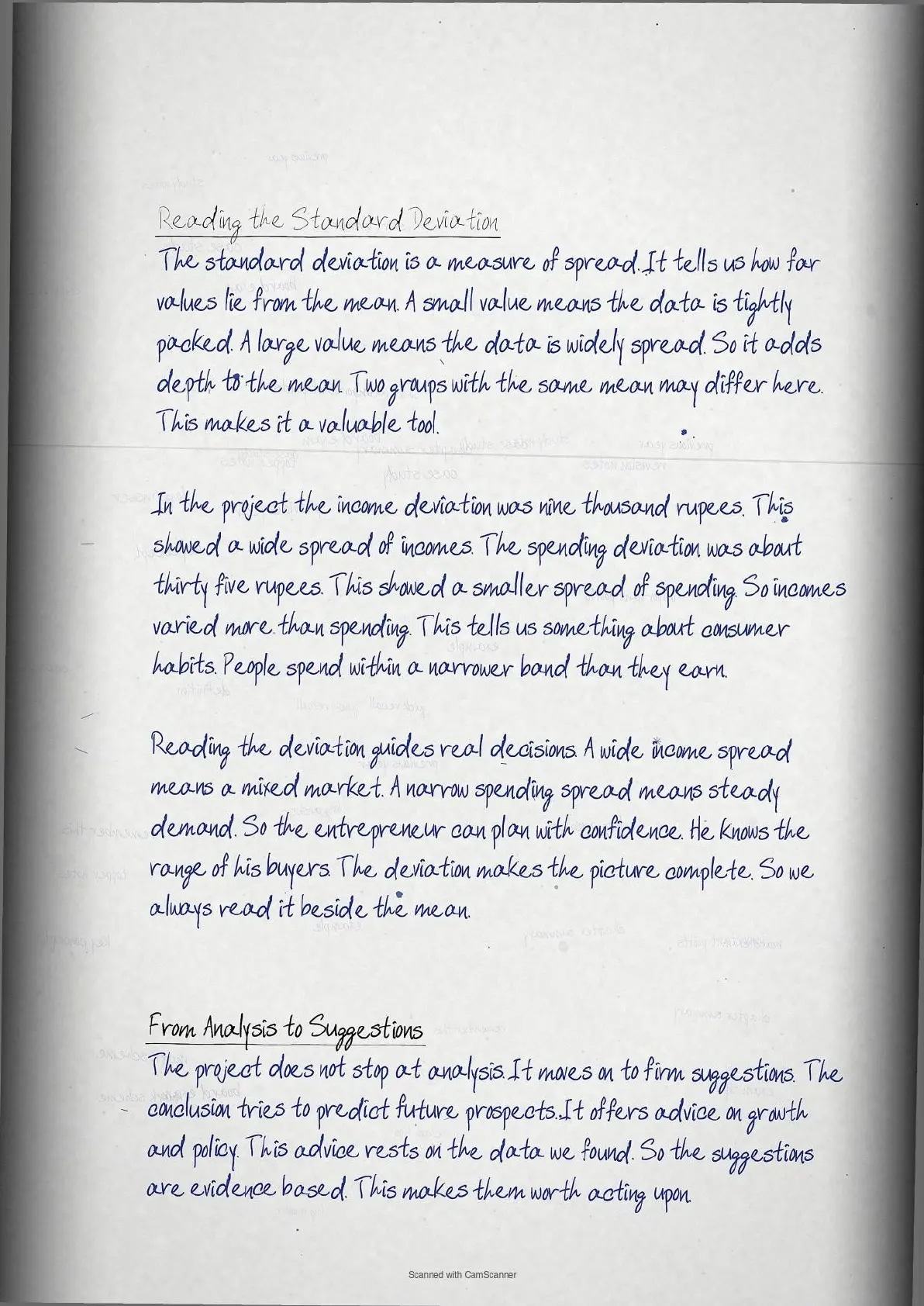
- Analysis with mean and standard deviation
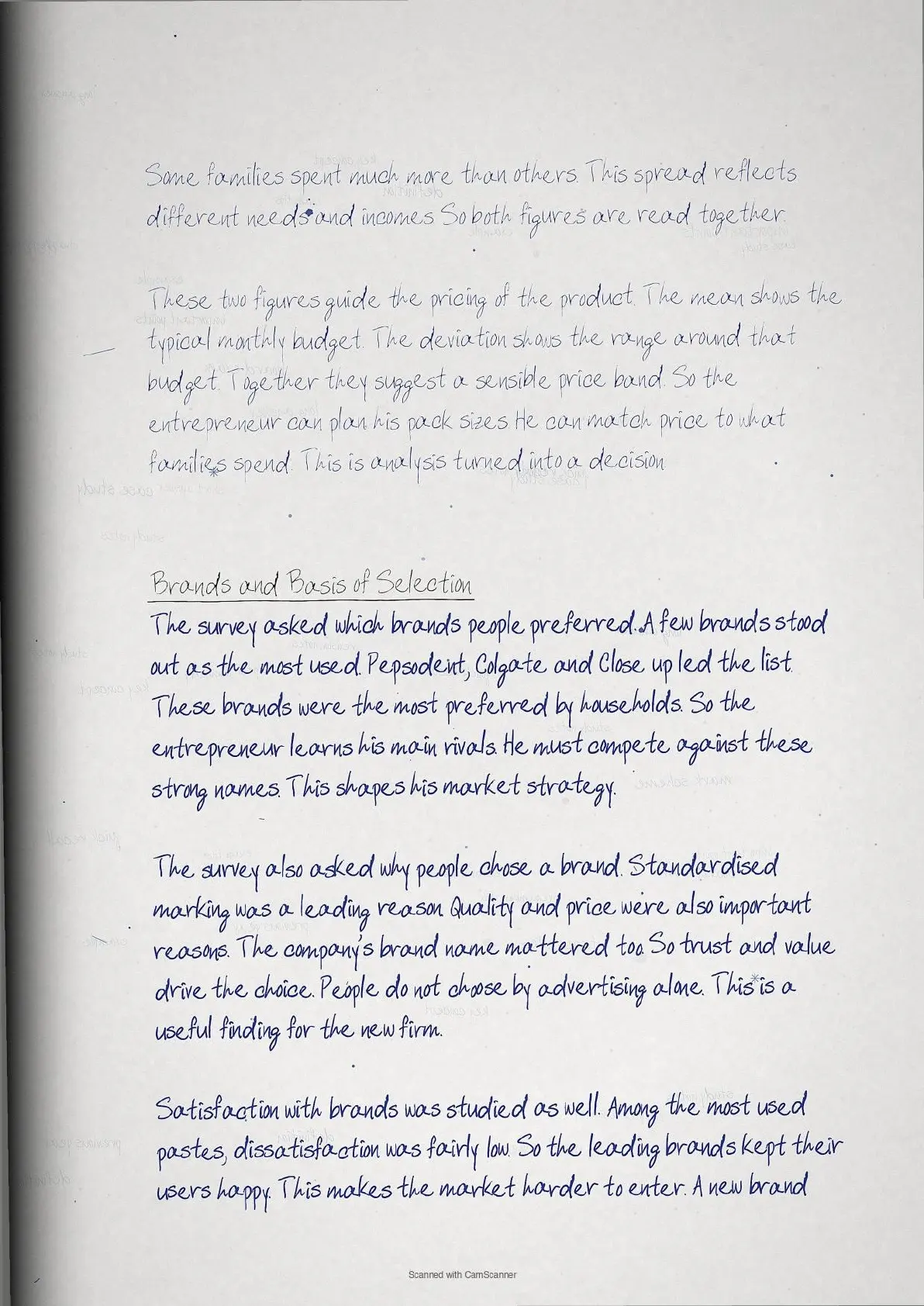
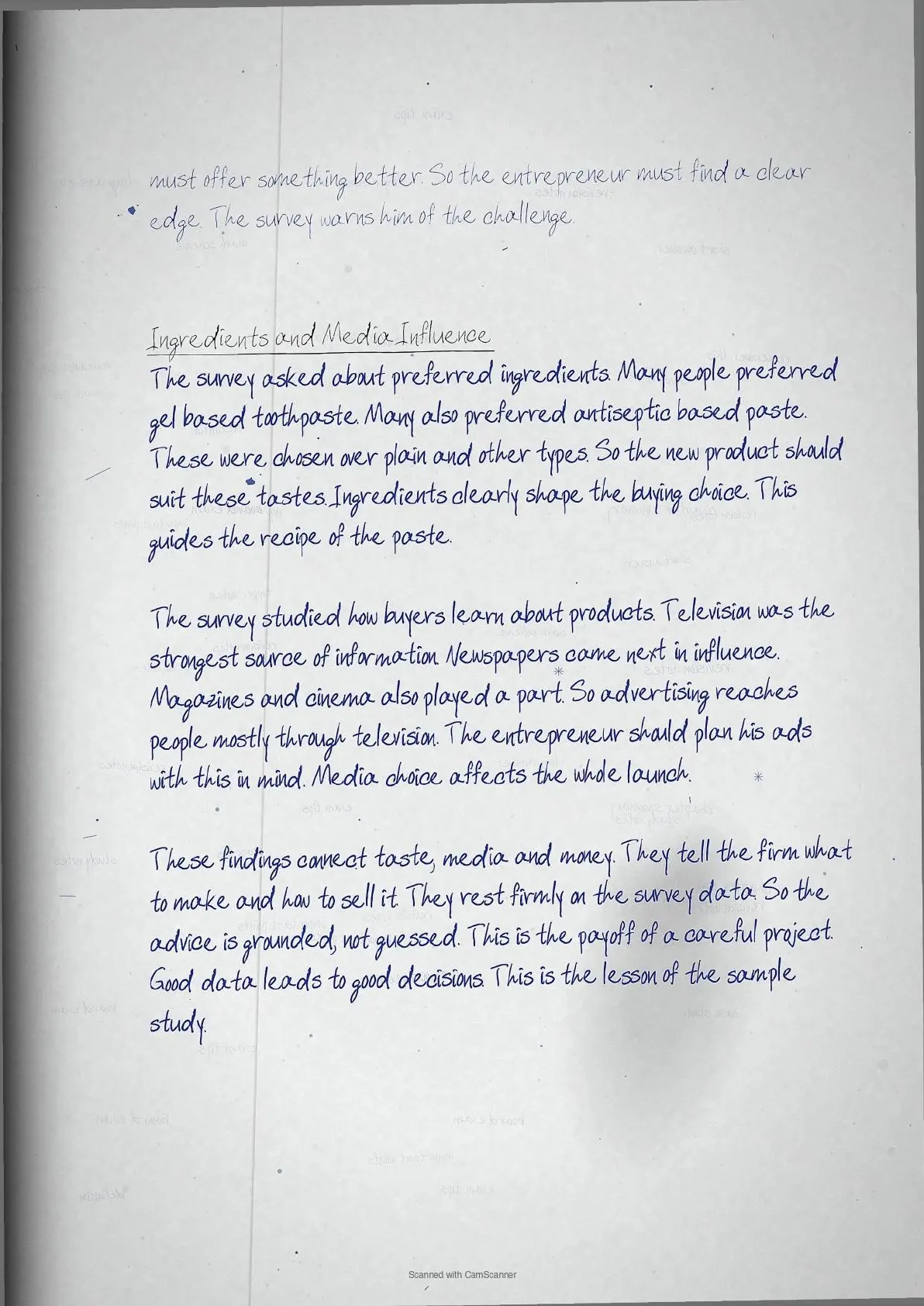
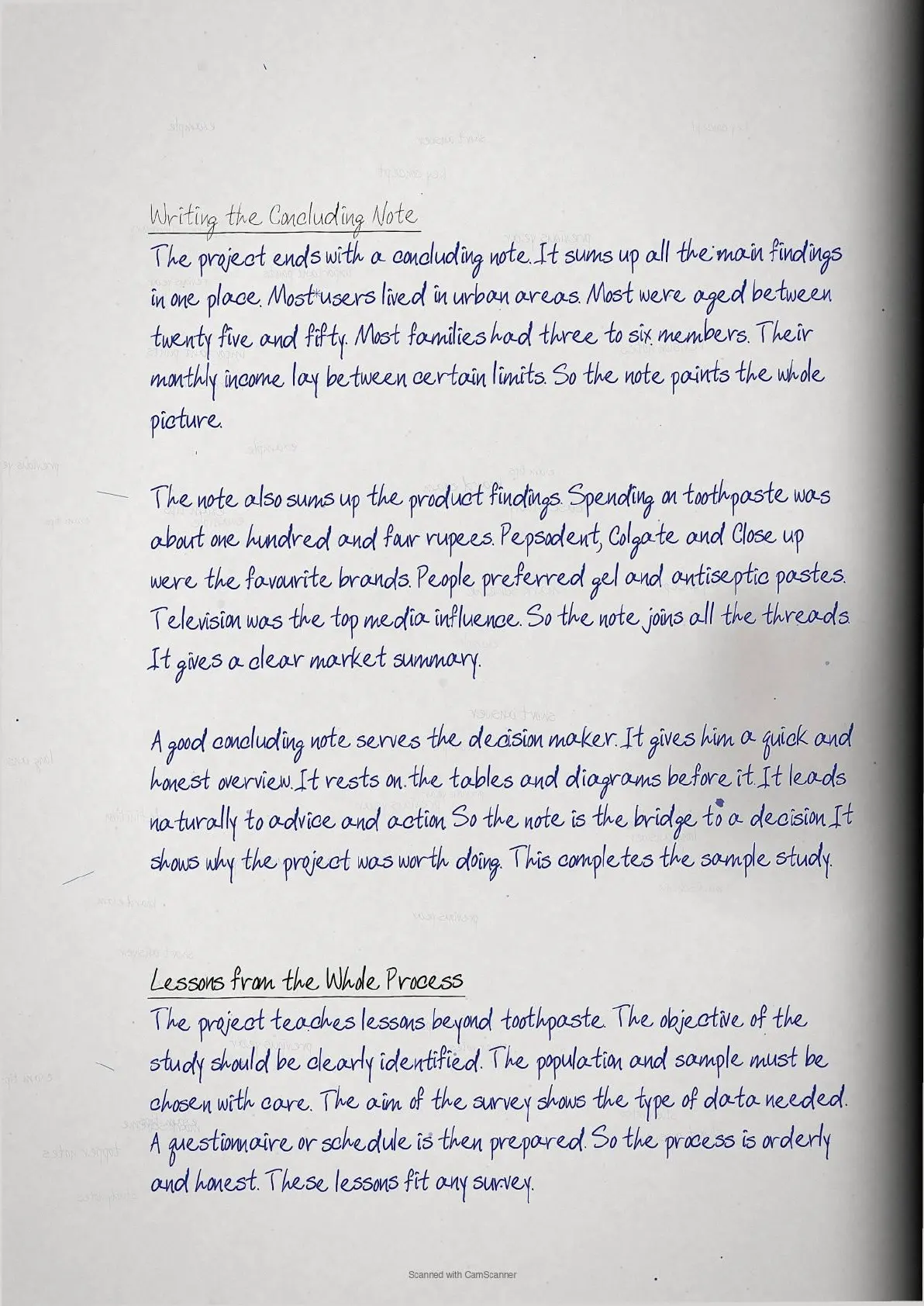
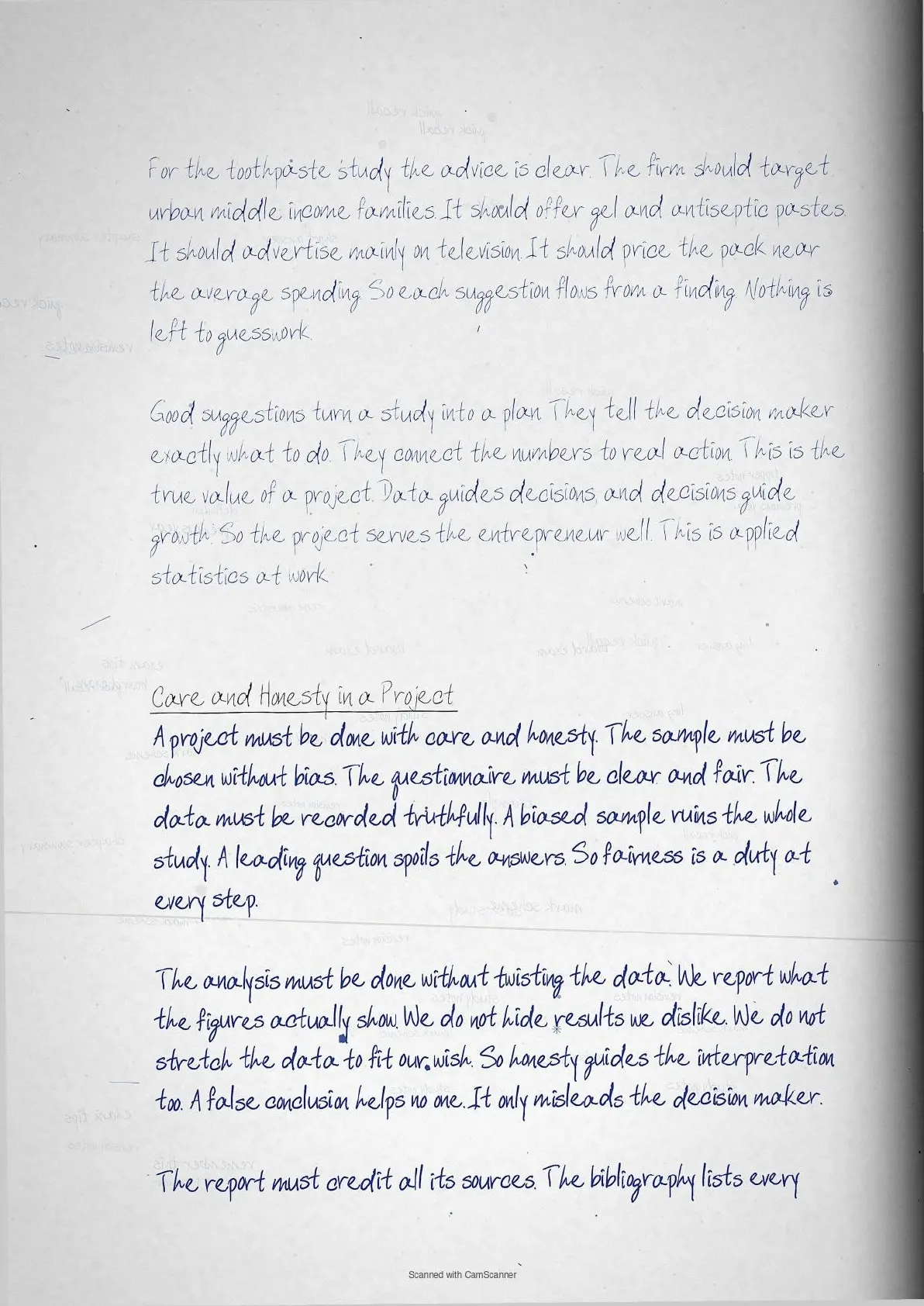
- The sample toothpaste project and its findings
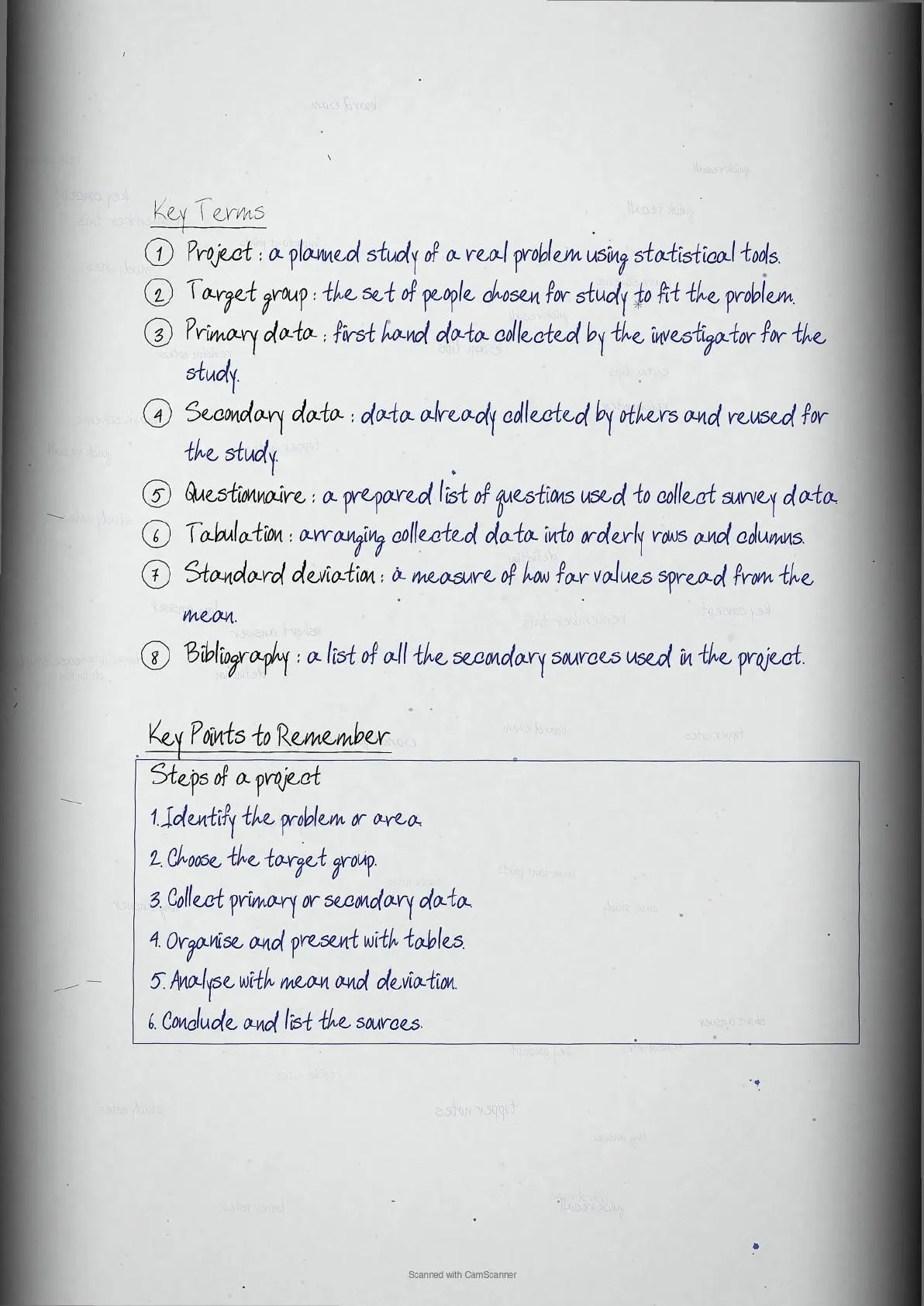
Key Terms and Ideas in Use of Statistical Tools in Economics
These are the terms and ideas the exam asks about most. Learn each one so you can define it and use it in your answers.
| Term / Idea | What it means |
|---|---|
| Project | a planned study of a real problem using statistical tools |
| Target group | the set of people chosen to fit the problem |
| Primary data | first hand data collected by the investigator |
| Secondary data | data already collected by others and reused |
| Questionnaire | a prepared list of questions to collect data |
| Tabulation | arranging data into orderly rows and columns |
| Standard deviation | a measure of how far values spread from the mean |
| Bibliography | a list of all secondary sources used |
How Collegedunia's Handwritten Notes Help You Revise Use of Statistical Tools in Economics
These notes are made for the night before the exam. They keep the facts short and easy to scan. Collegedunia maps every point to the 2026-27 NCERT.
- Clear handwriting: each topic is written in neat, easy-to-read handwriting.
- Boxed key terms: the main terms and definitions are boxed by hand for fast recall.
- Diagrams and tables: simple hand-drawn tables and charts make ideas clear.
- Colour-coded headings: new sub-topics stand out, so you find any section in seconds.
Use of Statistical Tools in Economics Self-Assessment Quiz
Try these quick questions after you read the notes. Tap each question to check your answer. They cover the points CBSE asks most often.
The first step in designing a project is to
(a) collect data (b) identify the problem or area (c) draw conclusions (d) write the bibliography
Answer: (b) identify the problem or area - the aim guides every later step
Data collected first hand by the investigator is called
(a) secondary data (b) primary data (c) grouped data (d) tabulated data
Answer: (b) primary data - it is gathered directly for the study
A questionnaire is used mainly to collect
(a) secondary data (b) primary data (c) published data (d) census data
Answer: (b) primary data - it gathers fresh answers from respondents
The standard deviation in a project measures
(a) the average value (b) the spread of values (c) the total value (d) the base value
Answer: (b) the spread of values - it shows how far data lies from the mean
In the sample toothpaste project, most surveyed users lived in
(a) rural areas (b) urban areas (c) forest areas (d) coastal areas
Answer: (b) urban areas - about two thirds of the households were urban
How to Use These Handwritten Notes for Class 11 Economics Revision
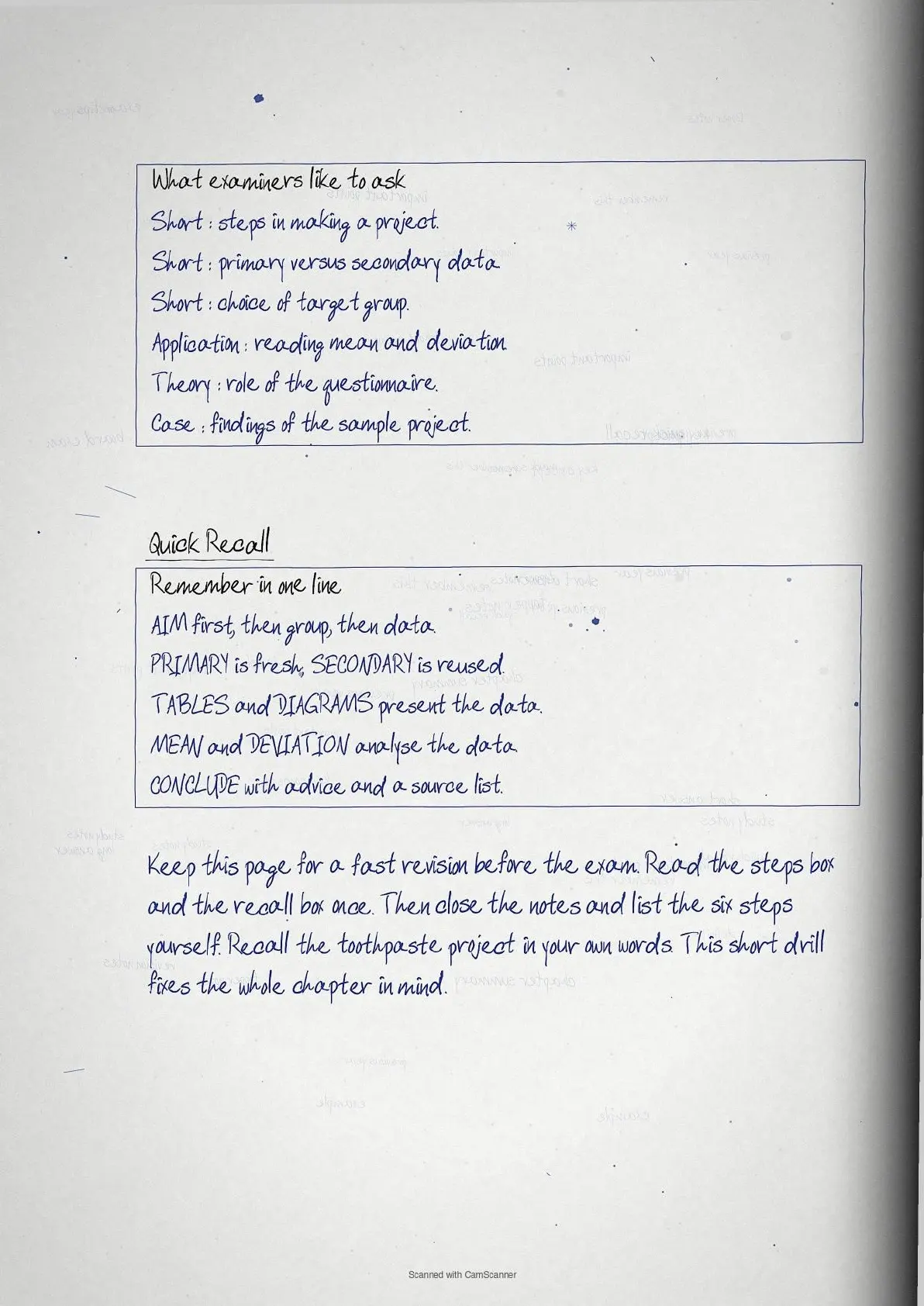
Use these class 11 economics handwritten notes in two passes. Read them slowly once for the full chapter. Then, near the exam, read only the boxes and key terms for a fast recall.
- Read the notes once with the NCERT chapter open beside you.
- Say each key term and idea in your own words.
- Practise one long-answer question from a past paper.
- On the last day, revise only the key terms and the boxes.
Class 11 Economics Handwritten Notes for All Chapters
The table below links the class 11 economics handwritten notes for every chapter. Use it to jump to any other chapter's notes.
Use of Statistical Tools in Economics Class 11 Economics Handwritten Notes FAQs
Ques. Where can I download Use of Statistical Tools in Economics Class 11 Economics Handwritten Notes PDF?
Ans. You can download the Use of Statistical Tools in Economics Class 11 Economics Handwritten Notes PDF directly from this page. Both the Normal and HD versions are free.
Ques. Are these handwritten notes aligned with the 2026-27 NCERT?
Ans. Yes. These notes follow the current 2026-27 syllabus for Class 11 Economics. Difference between primary and secondary data
Ques. How many pages is the Class 11 Economics Use of Statistical Tools in Economics Handwritten Notes PDF?
Ans. The notes run about 22 pages. They cover the full chapter with key terms, hand-drawn boxes, and a short self-assessment quiz.
Ques. What is the main idea of the 11th standard Economics chapter Use of Statistical Tools in Economics?
Ans. Primary data is collected first hand by the investigator through surveys or interviews for the specific study. Secondary data is already collected by others and reused when time and resources are short.
Ques. Are these Use of Statistical Tools in Economics notes enough for the CBSE Class 11 exam?
Ans. Yes, for revision. The Collegedunia handwritten notes cover every key point and exam term. Read them with the NCERT chapter and practise past questions.



Comments