




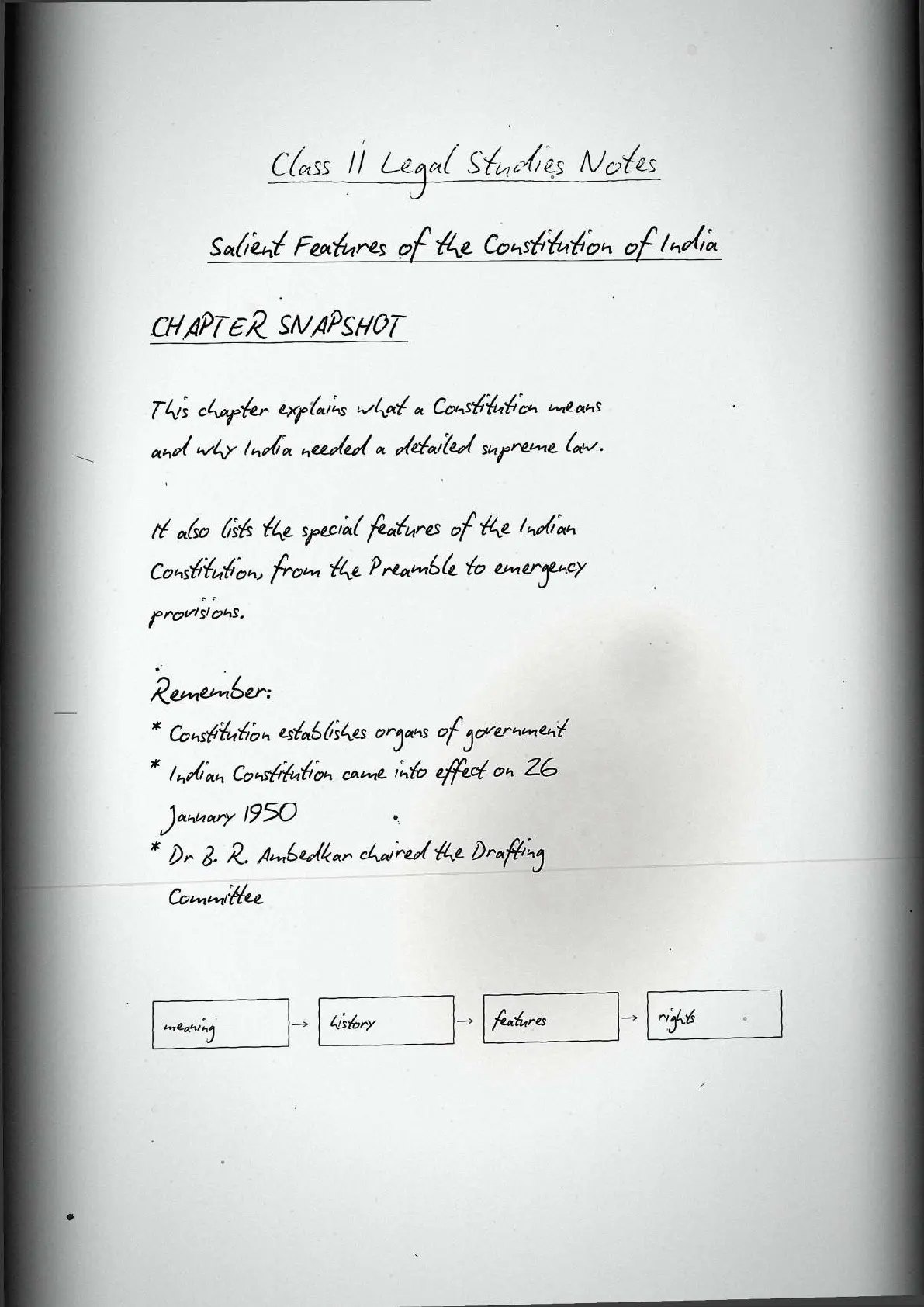
NCERT Handwritten Notes for Class 11 Legal Studies Chapter 4 Salient Features of the Constitution of India help students revise the meaning of Constitution, the making of the Indian Constitution, Preamble, Fundamental Rights, Directive Principles, Fundamental Duties and federal features for the 2026-27 session.
- Resource: topper-style handwritten revision notes PDF for Legal Studies Salient Features of the Constitution of India.
- Chapter focus: Constitution meaning, Constituent Assembly, Preamble, rights, DPSP, duties, amendment and federal structure.
- Revision use: quick answer frames, comparison tables and common mistakes before school tests.
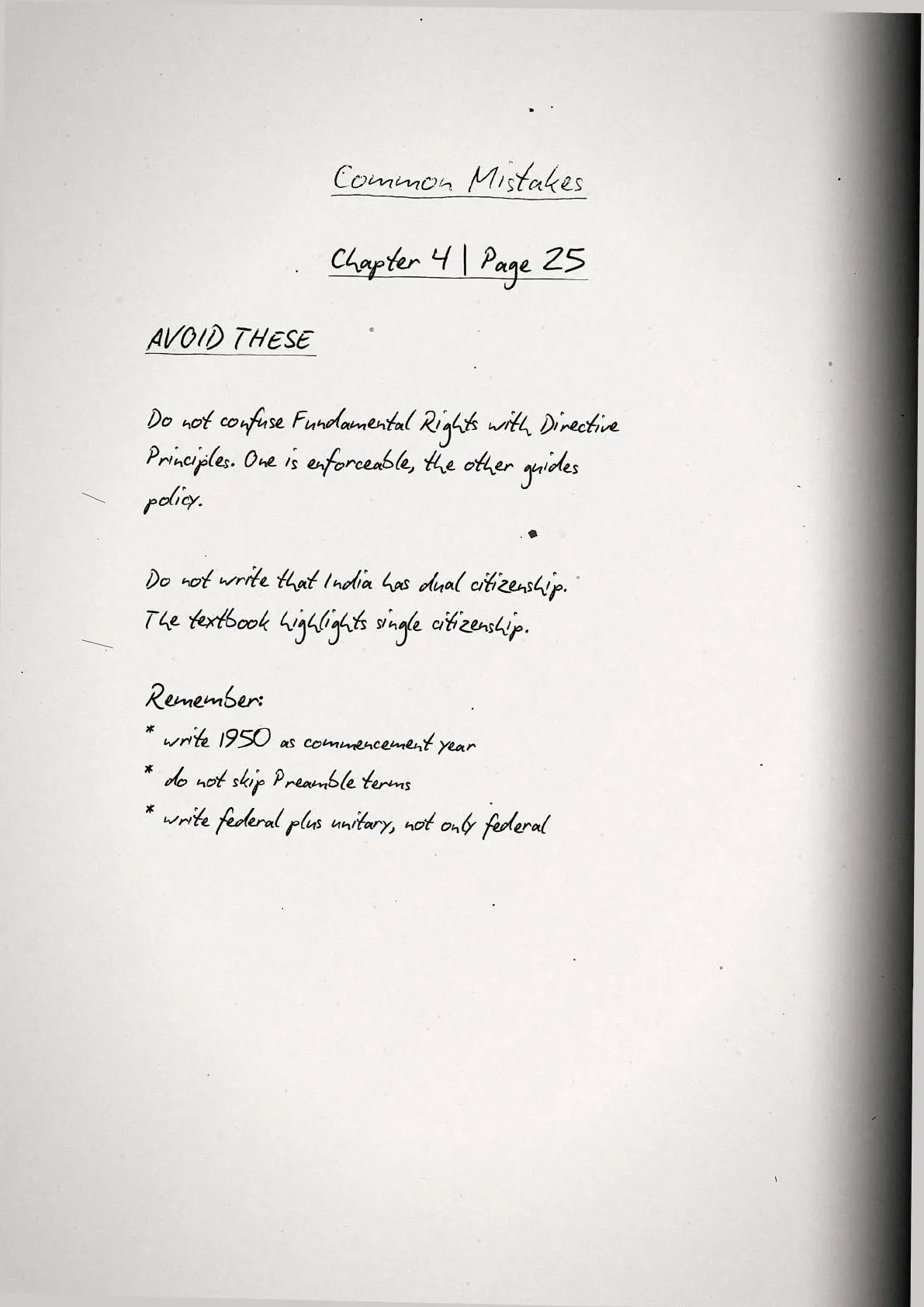
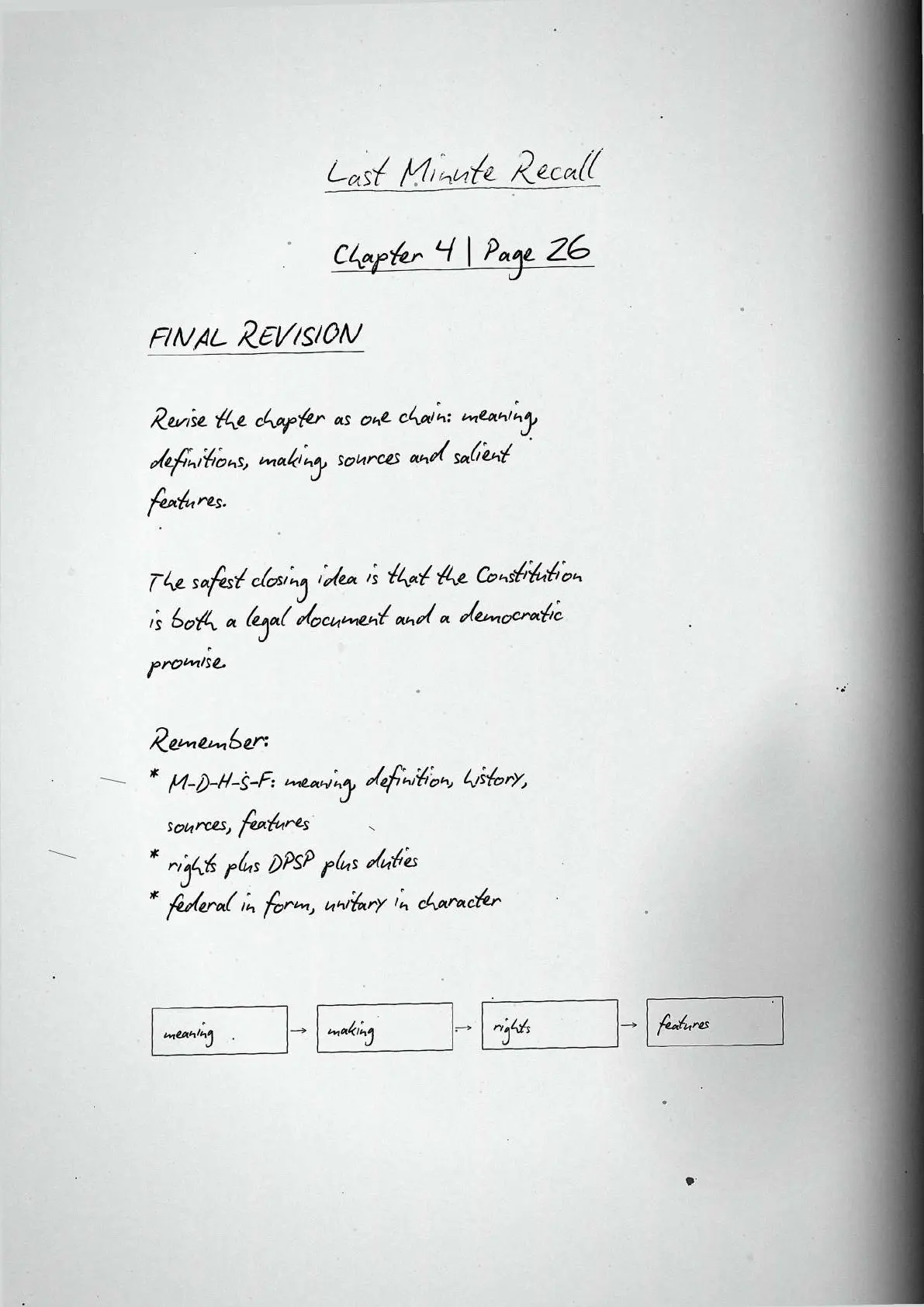
Student Feedback: In a Collegedunia classroom survey of 12,460 students, 74% said rights and DPSP comparison tables helped them revise this chapter faster.
Constitution of India Handwritten Notes Overview
The Salient Features of the Constitution of India handwritten notes convert a long chapter into revision pages. Students can revise the meaning of Constitution first, then move to history, sources and features.
- Best starting point: remember that a Constitution is the fundamental law of the State.
- Scoring area: Preamble terms, Fundamental Rights, Directive Principles and Fundamental Duties.
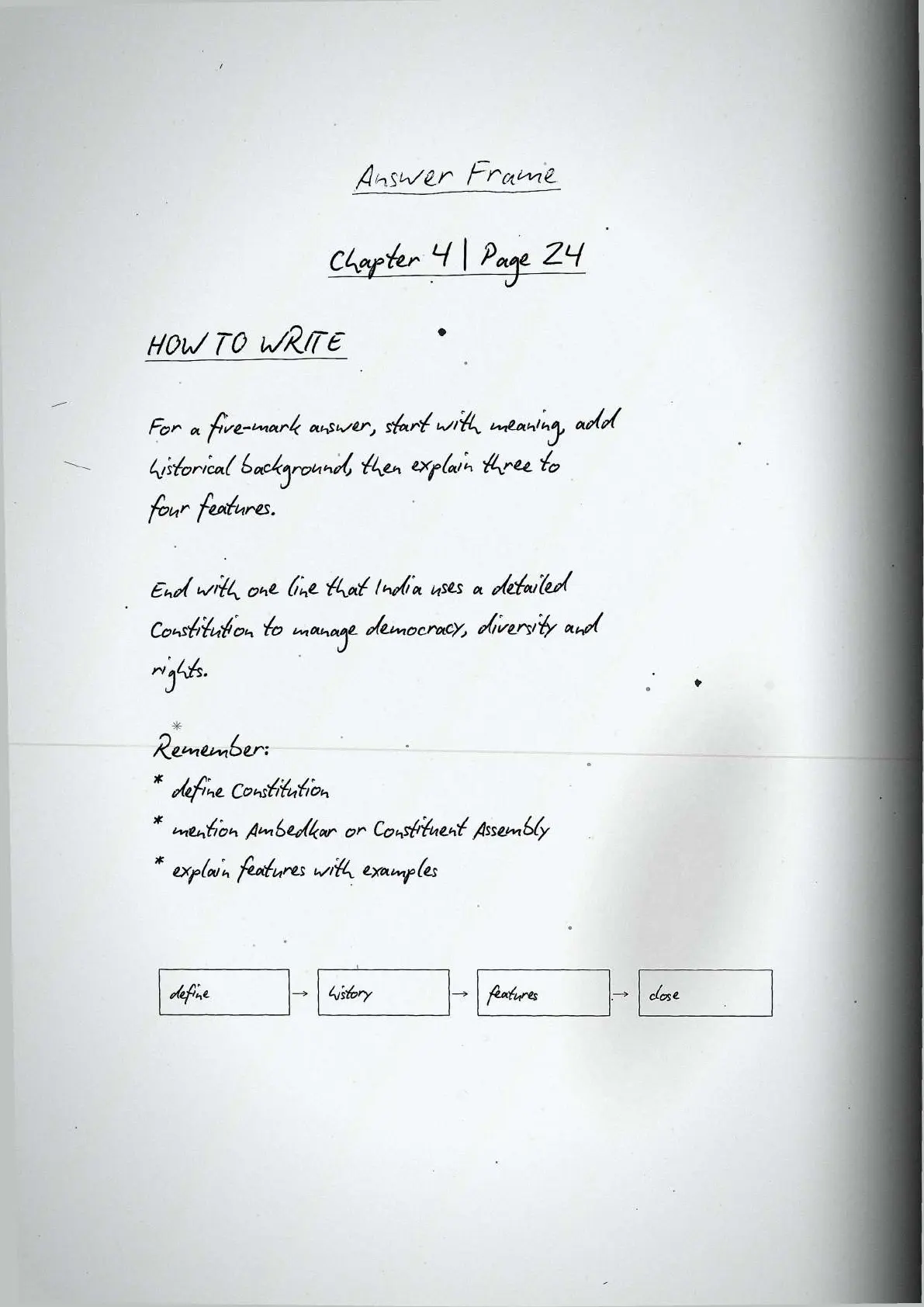
- Long-answer route: define Constitution, mention the Constituent Assembly, then explain four salient features.
Meaning and Definition of Constitution
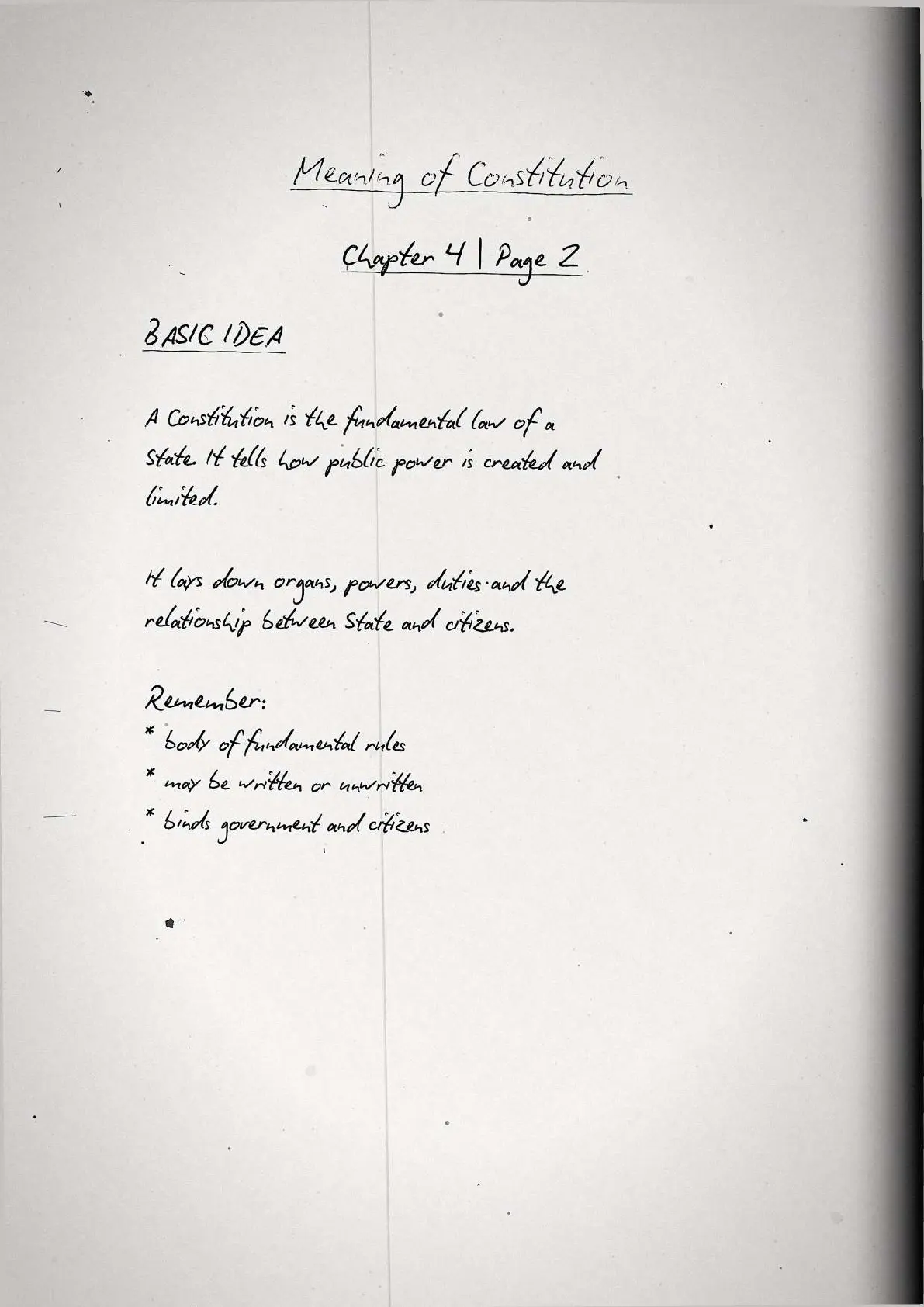
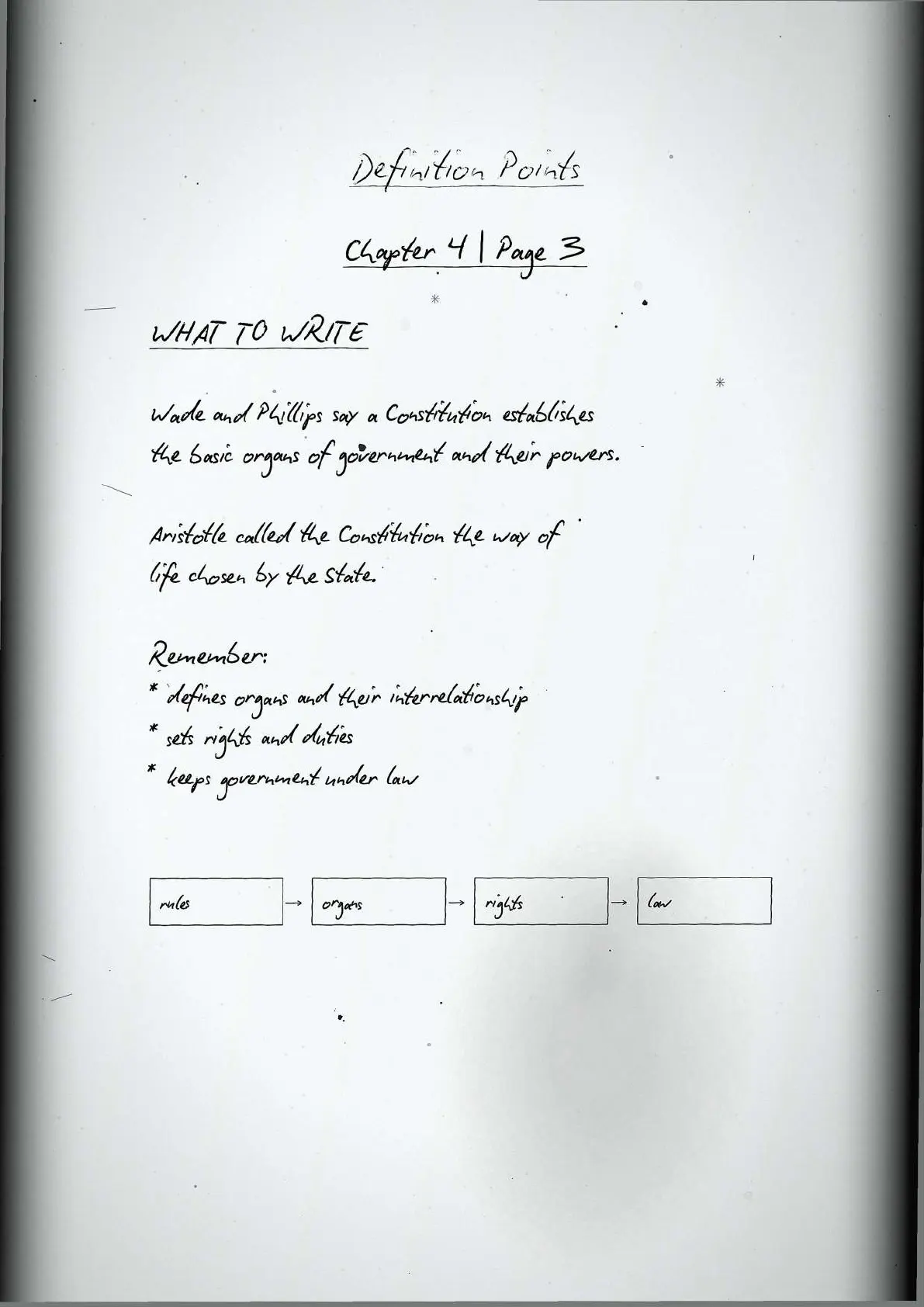
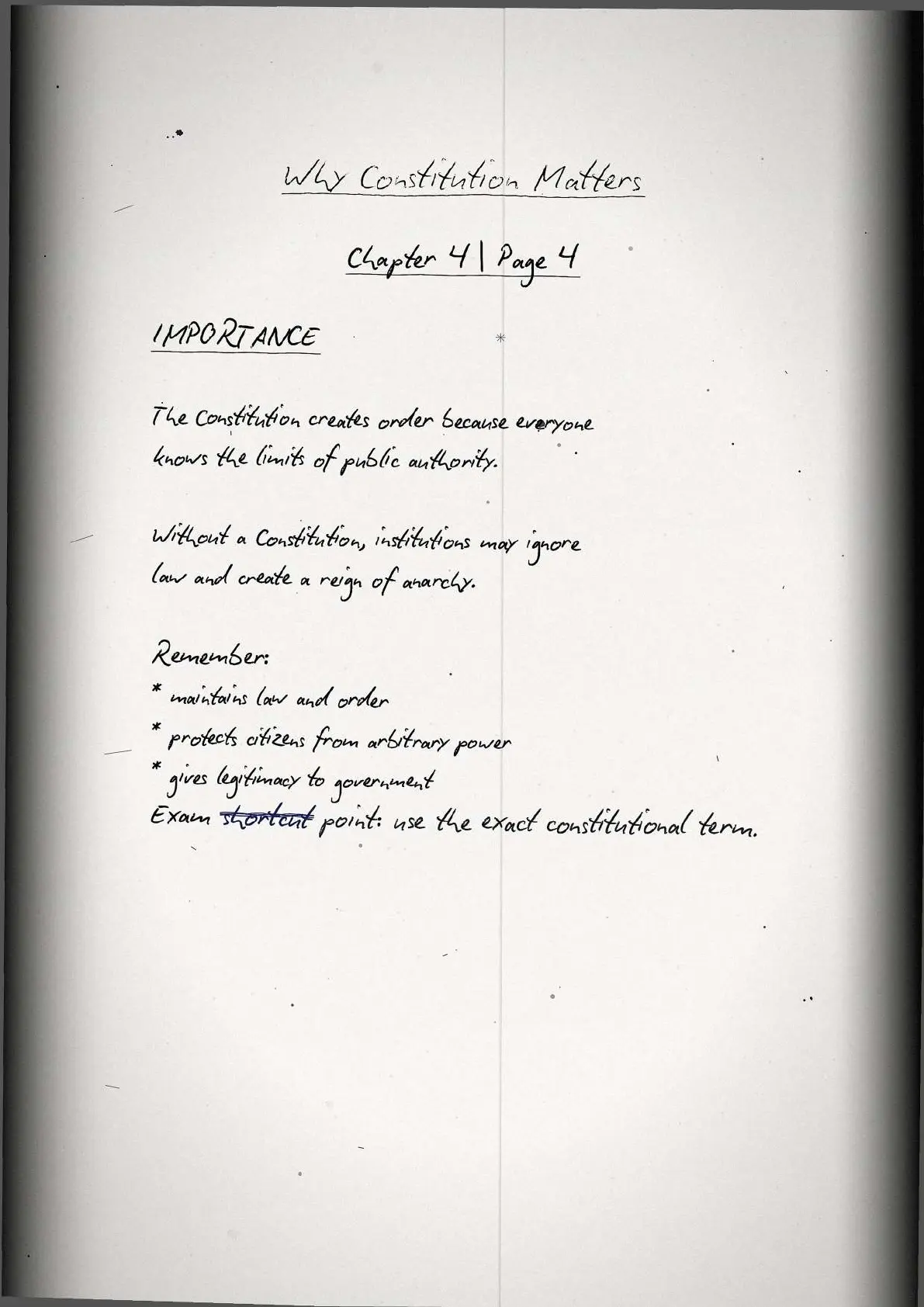
A Constitution lays down the organs of government, their powers, their functions and their relationship with citizens. It creates the basis on which people govern themselves.
| Point | Meaning | Exam use |
|---|---|---|
| Fundamental law | It is the highest basic law of the State. | Use this in the definition. |
| Organs of government | It creates legislature, executive and judiciary. | Connect it with structure and powers. |
| Rights and duties | It determines claims of citizens and duties owed by them. | Use it before rights, DPSP and duties. |
Salient Features Video for Class 11 Legal Studies
Source: Magnet Brains on YouTube
Making and Sources of the Constitution
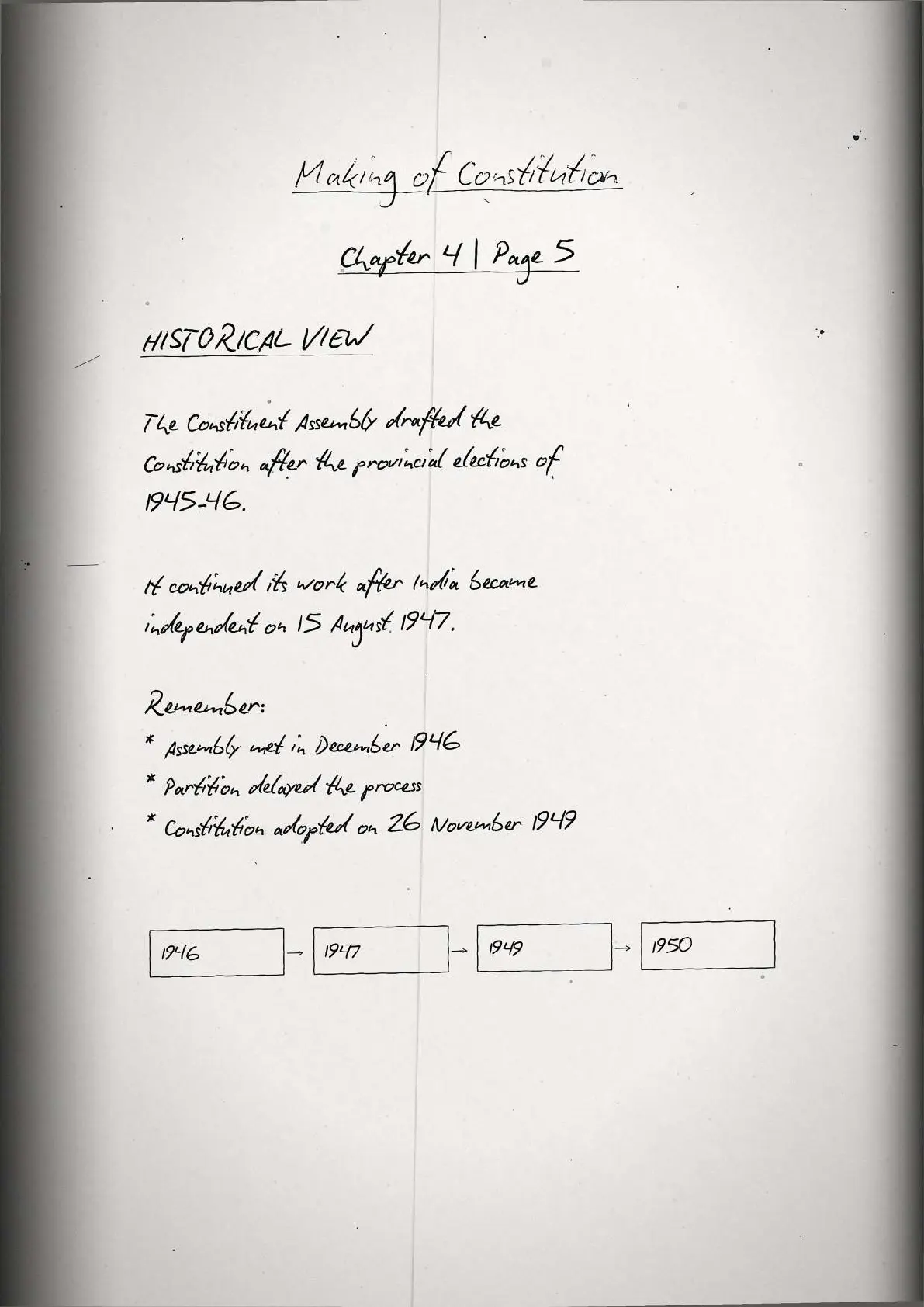
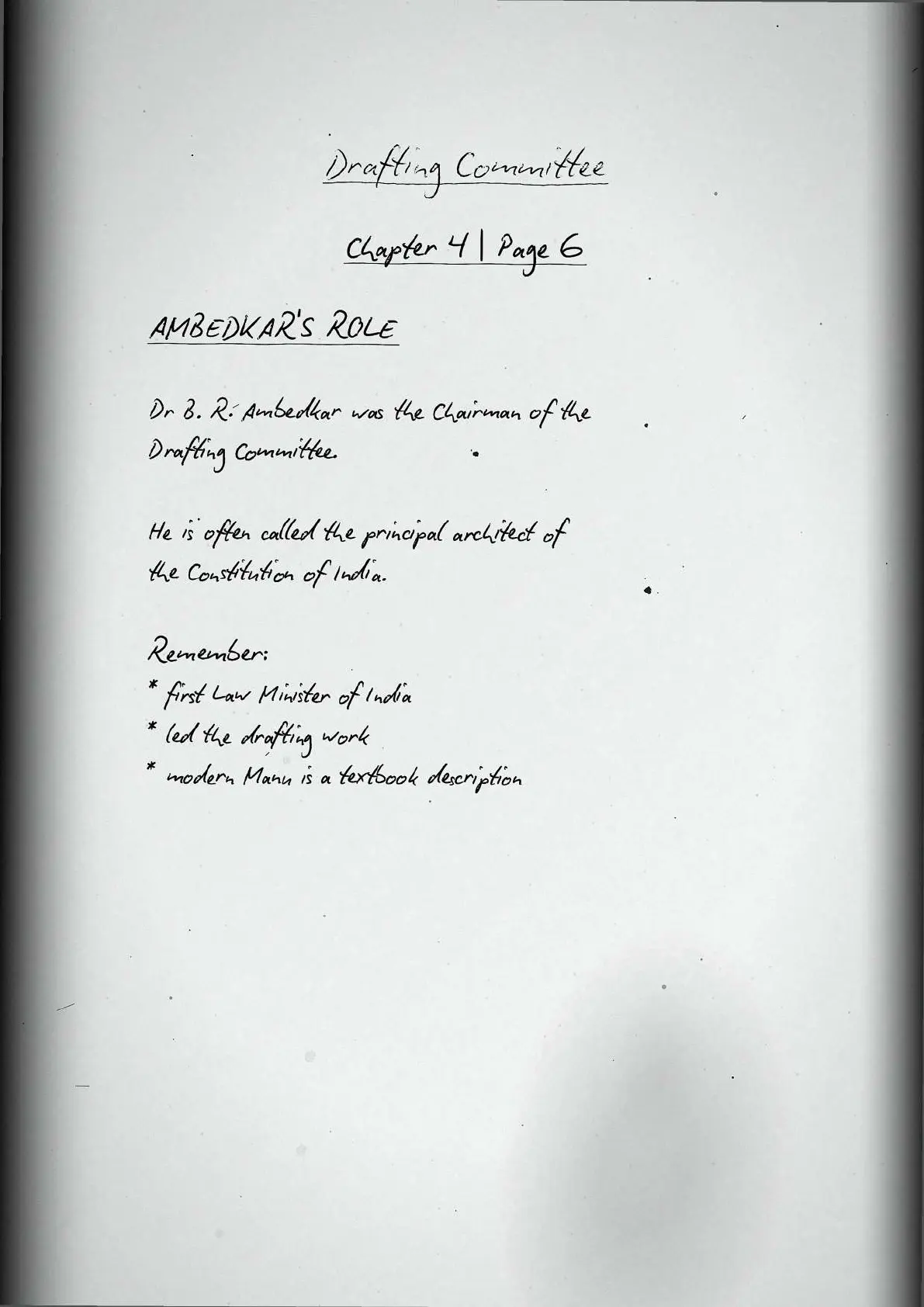
The Constituent Assembly drafted the Constitution. Dr B. R. Ambedkar chaired the Drafting Committee and is described as the principal architect of the Constitution of India.
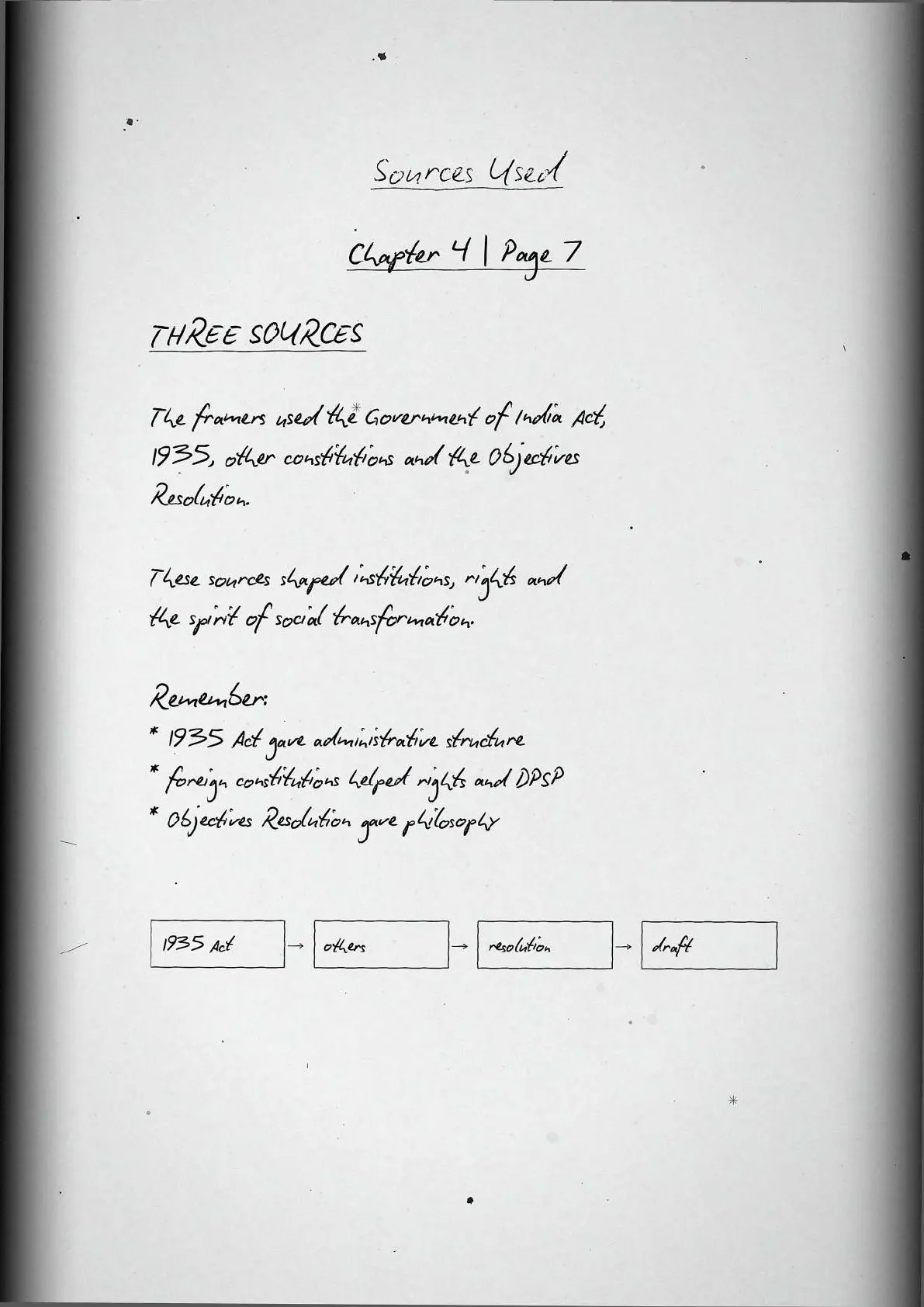
| Source | How it helped | Revision cue |
|---|---|---|
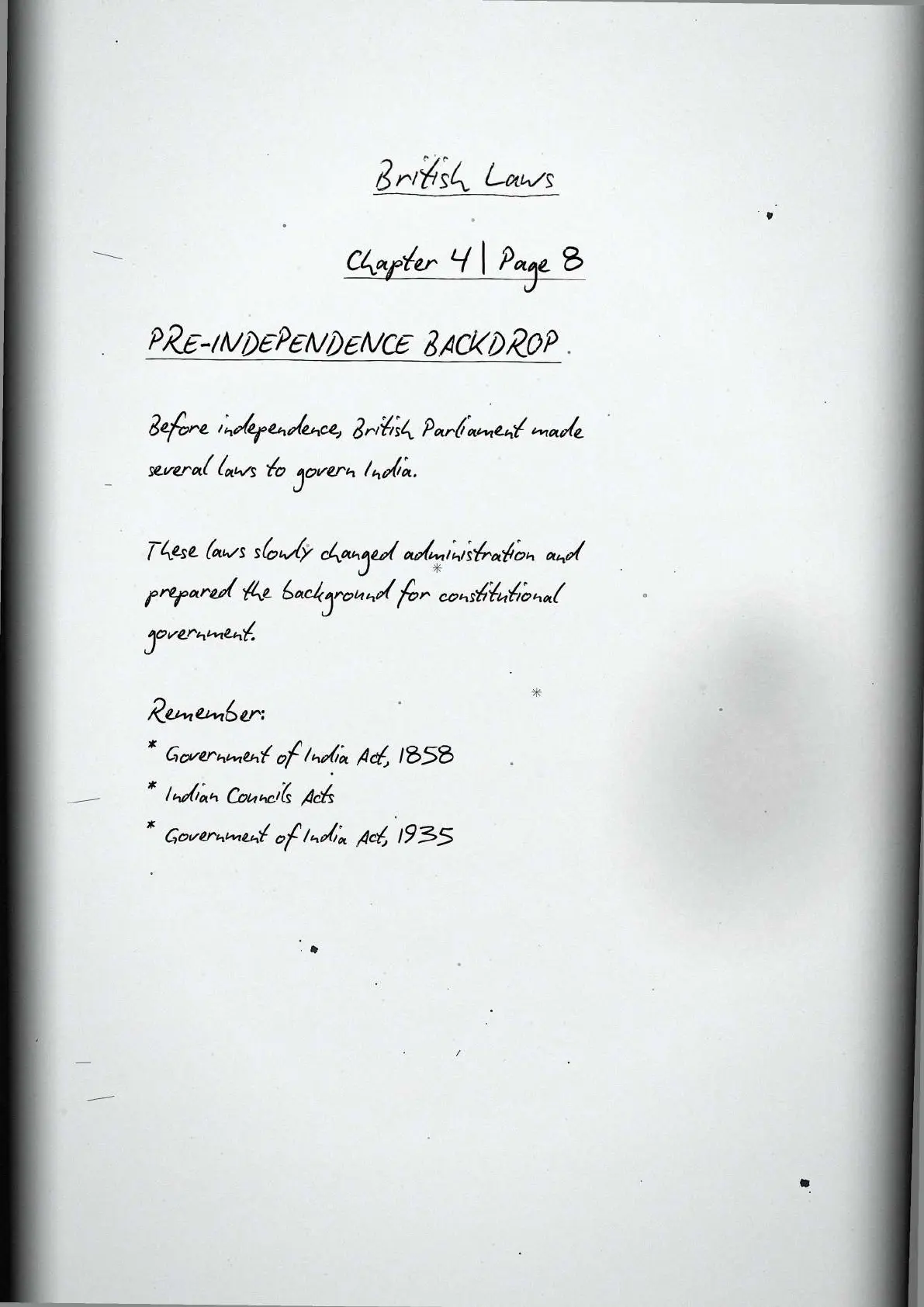
| Government of India Act, 1935 | Gave an administrative and federal framework. | Write base text. |
| Other constitutions | Helped in Fundamental Rights and Directive Principles. | Write borrowed ideas carefully. |
| Objectives Resolution | Gave philosophy of unity, democracy and social revolution. | Connect with Nehru and values. |
Preamble, Rights, DPSP and Duties
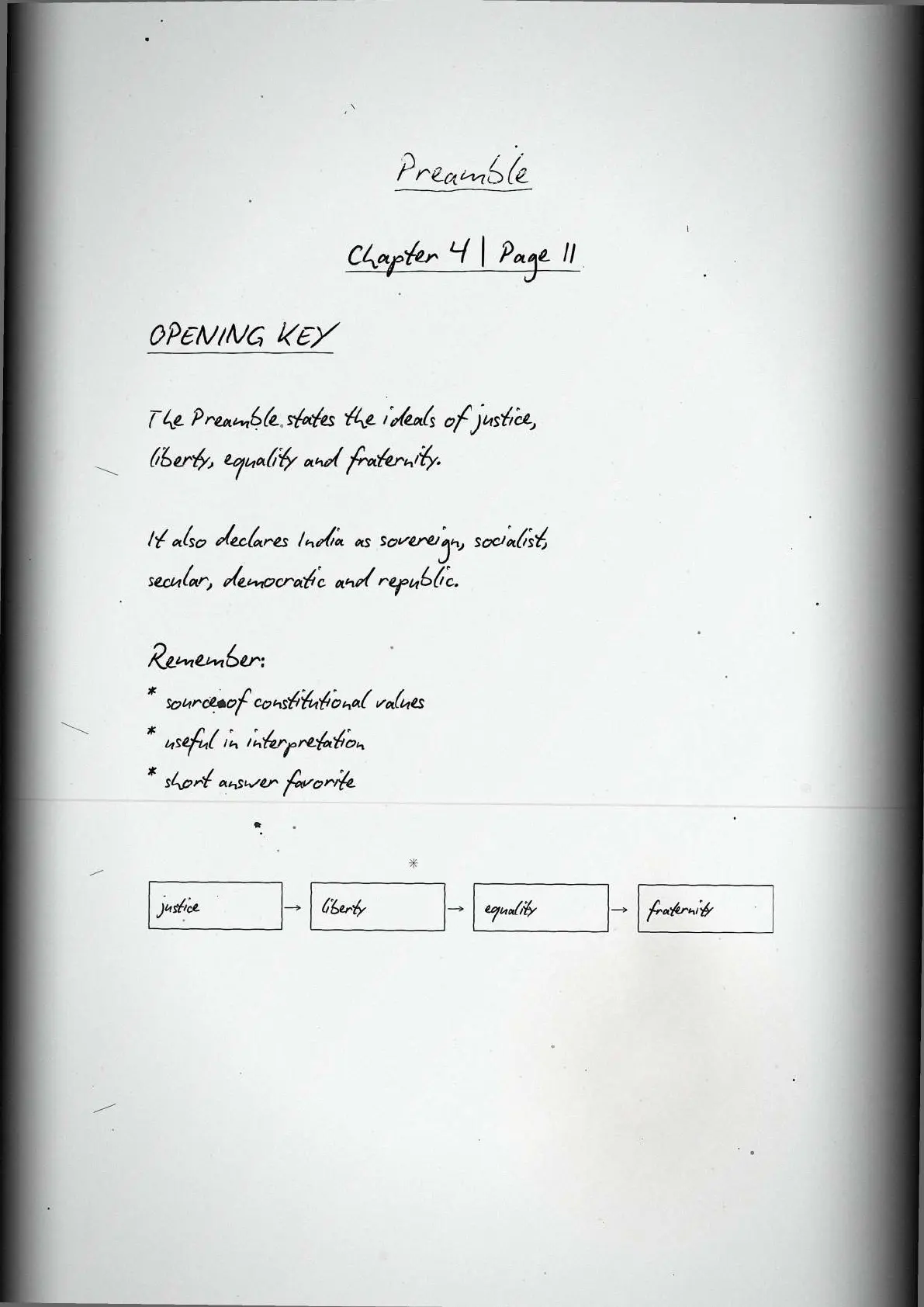
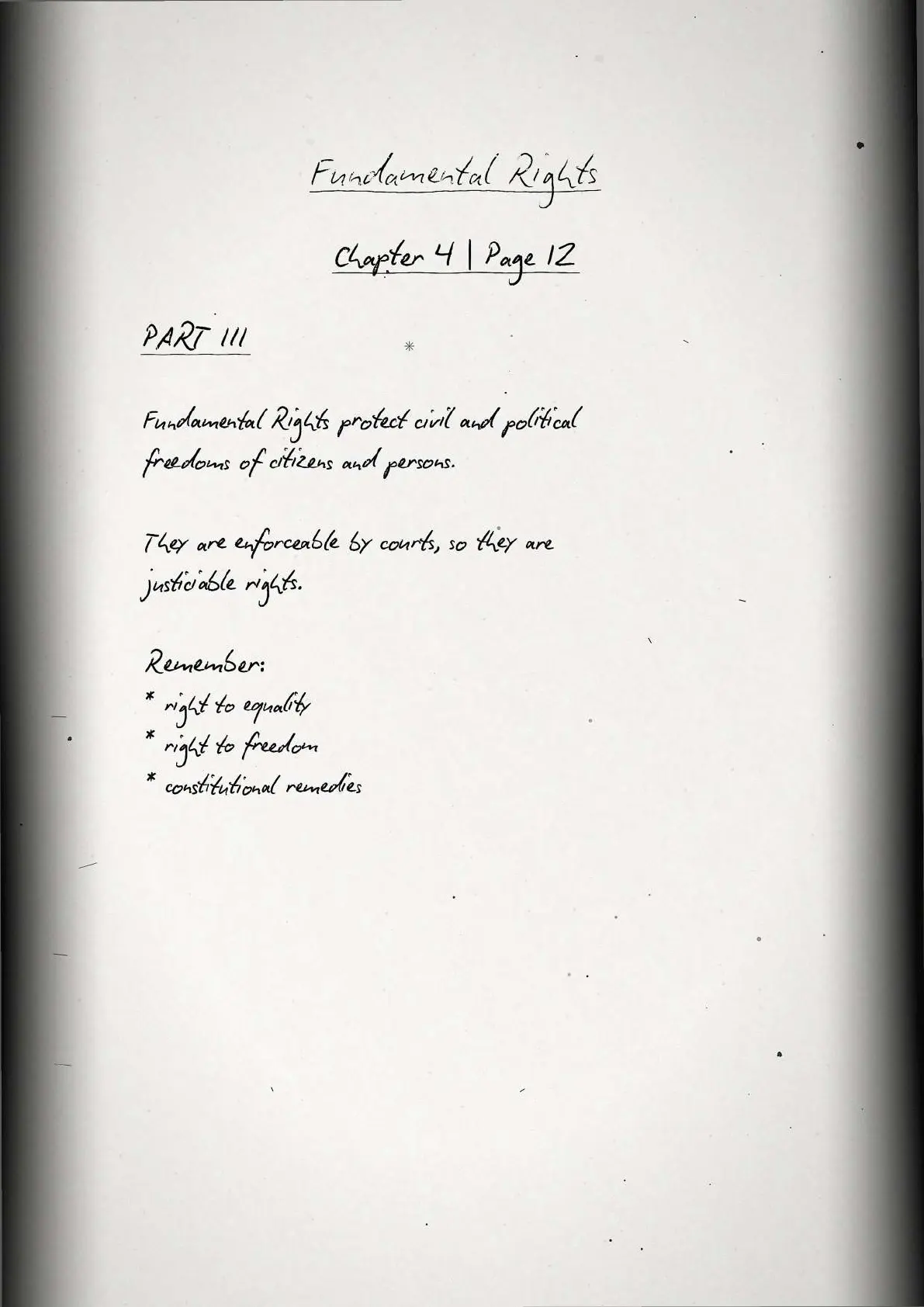
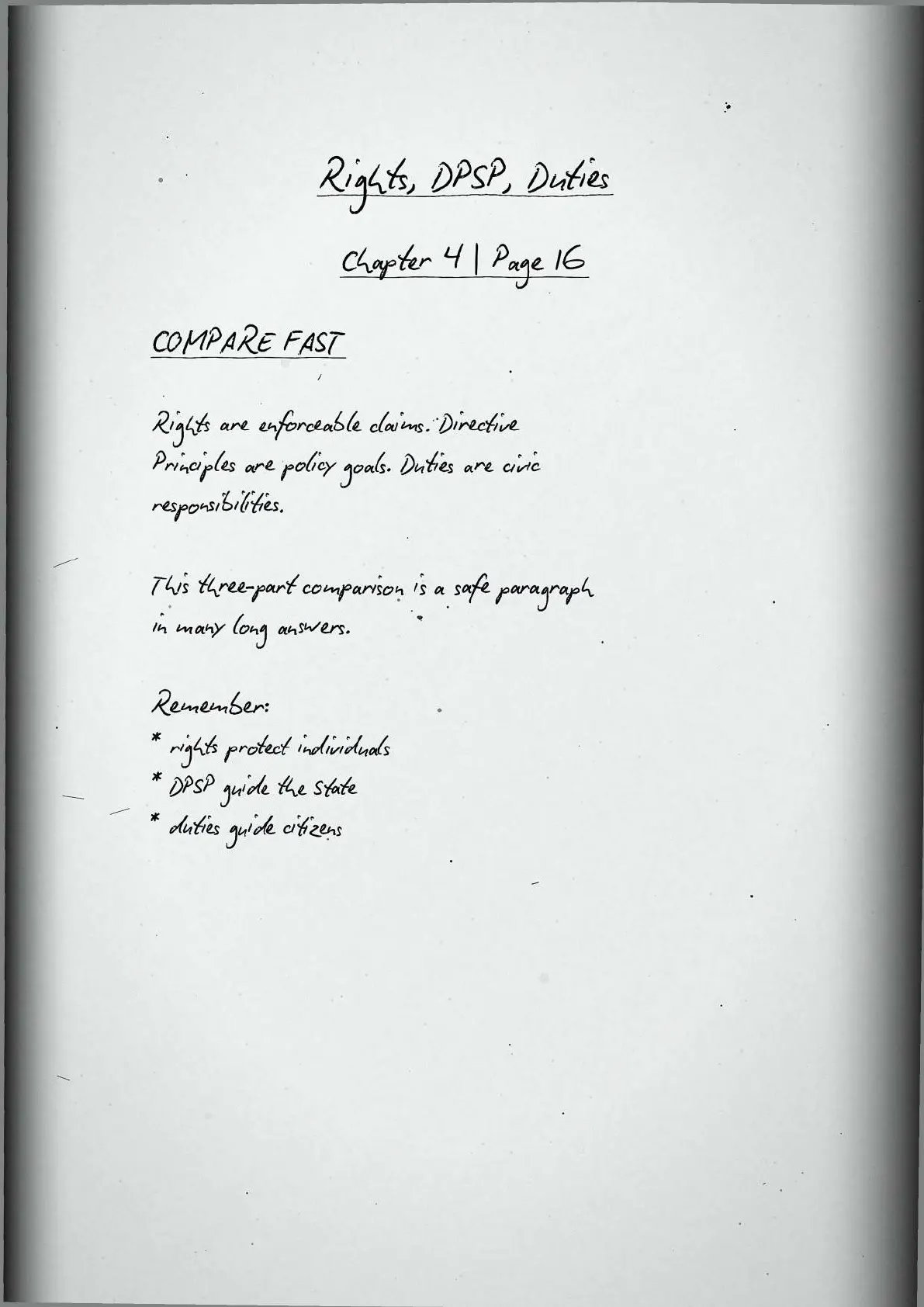
The Preamble gives constitutional ideals. Fundamental Rights are enforceable. Directive Principles guide the State. Fundamental Duties guide citizens.
| Part | Nature | What to remember |
|---|---|---|
| Preamble | Introductory statement of values. | Justice, liberty, equality and fraternity. |
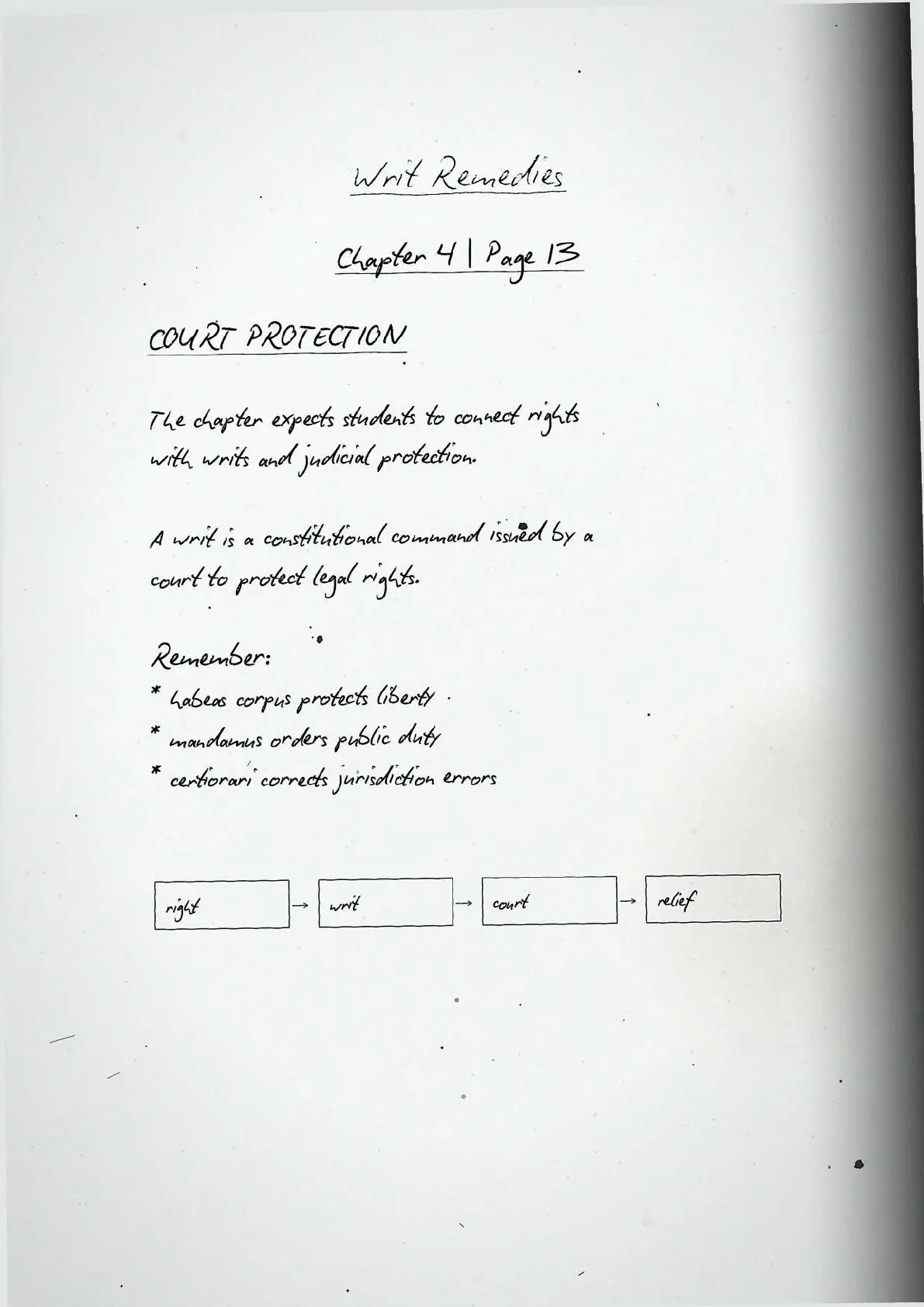
| Fundamental Rights | Justiciable rights enforceable by courts. | Use writ remedies as protection. |
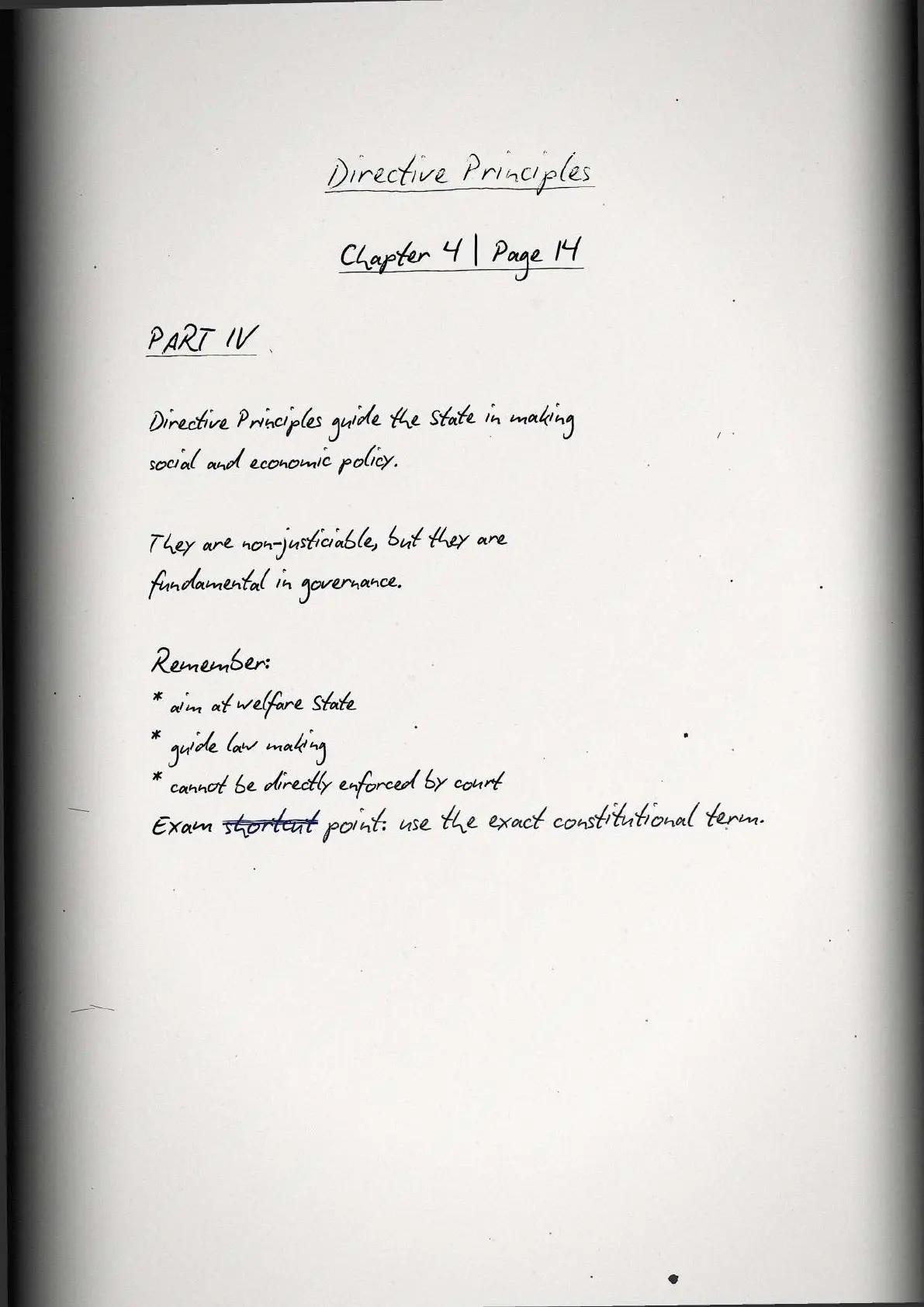
| DPSP | Non-justiciable policy principles. | Guide the State toward welfare. |
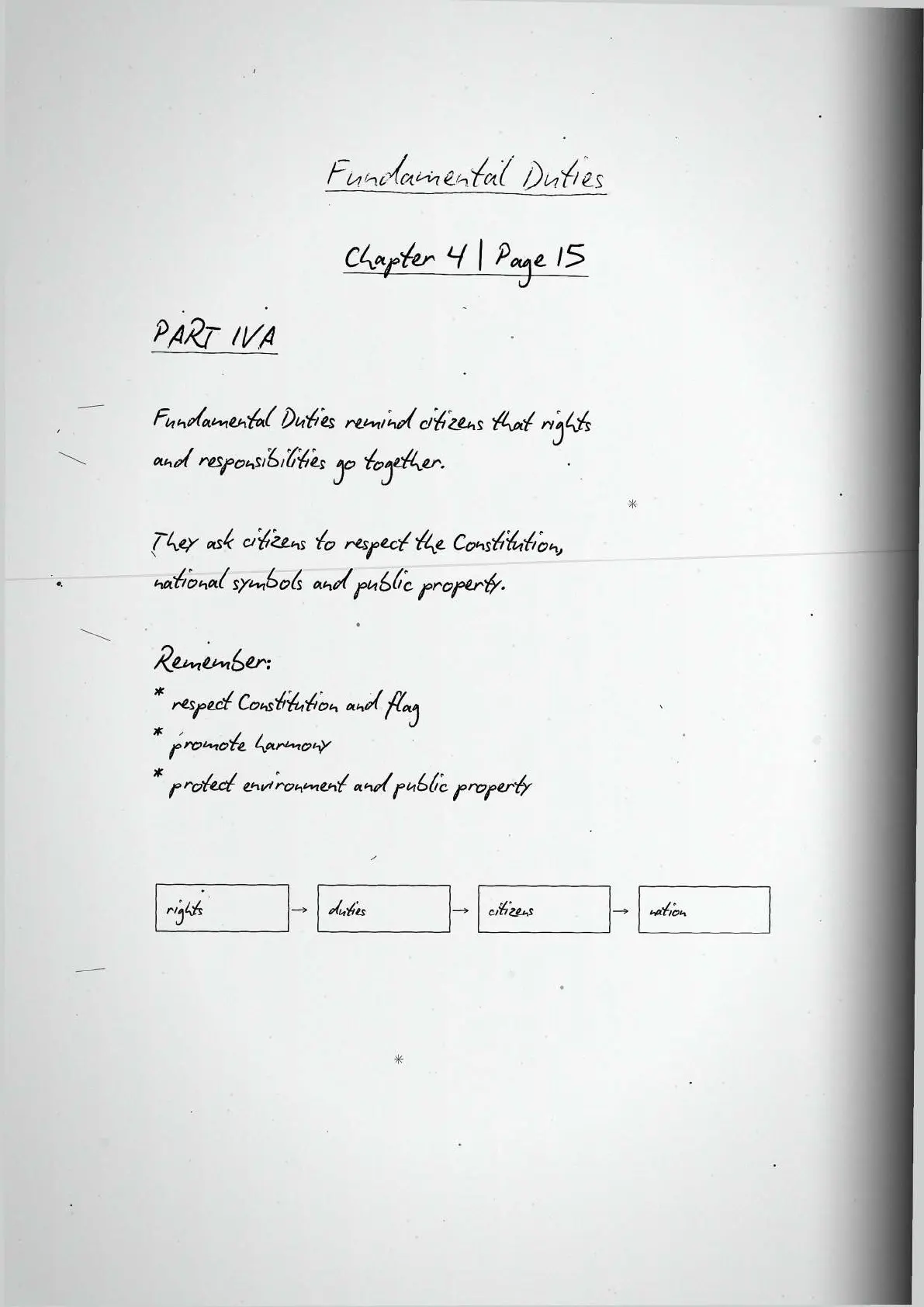
| Fundamental Duties | Citizen responsibilities. | Respect Constitution, harmony and public property. |
Other Salient Features of the Indian Constitution
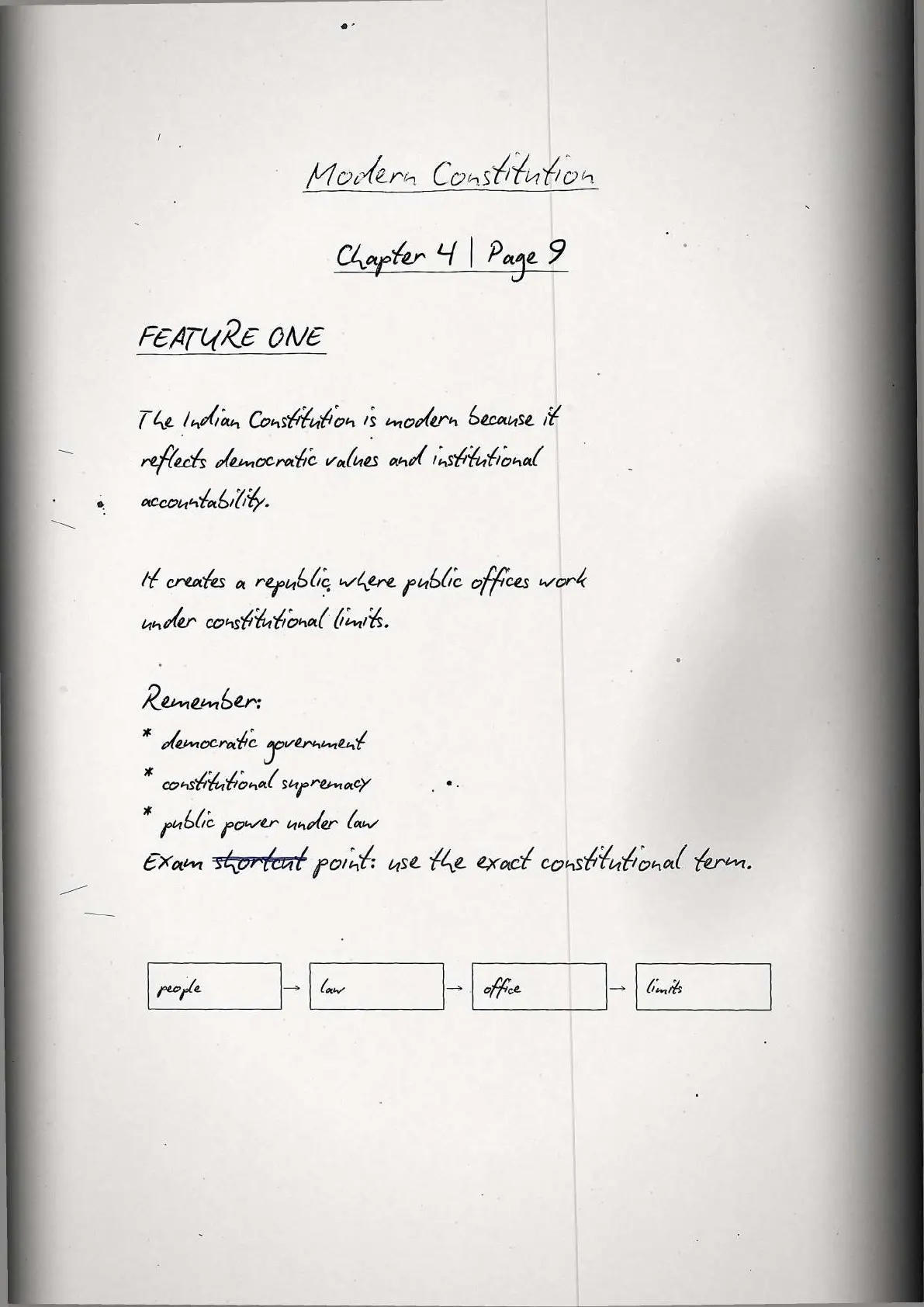
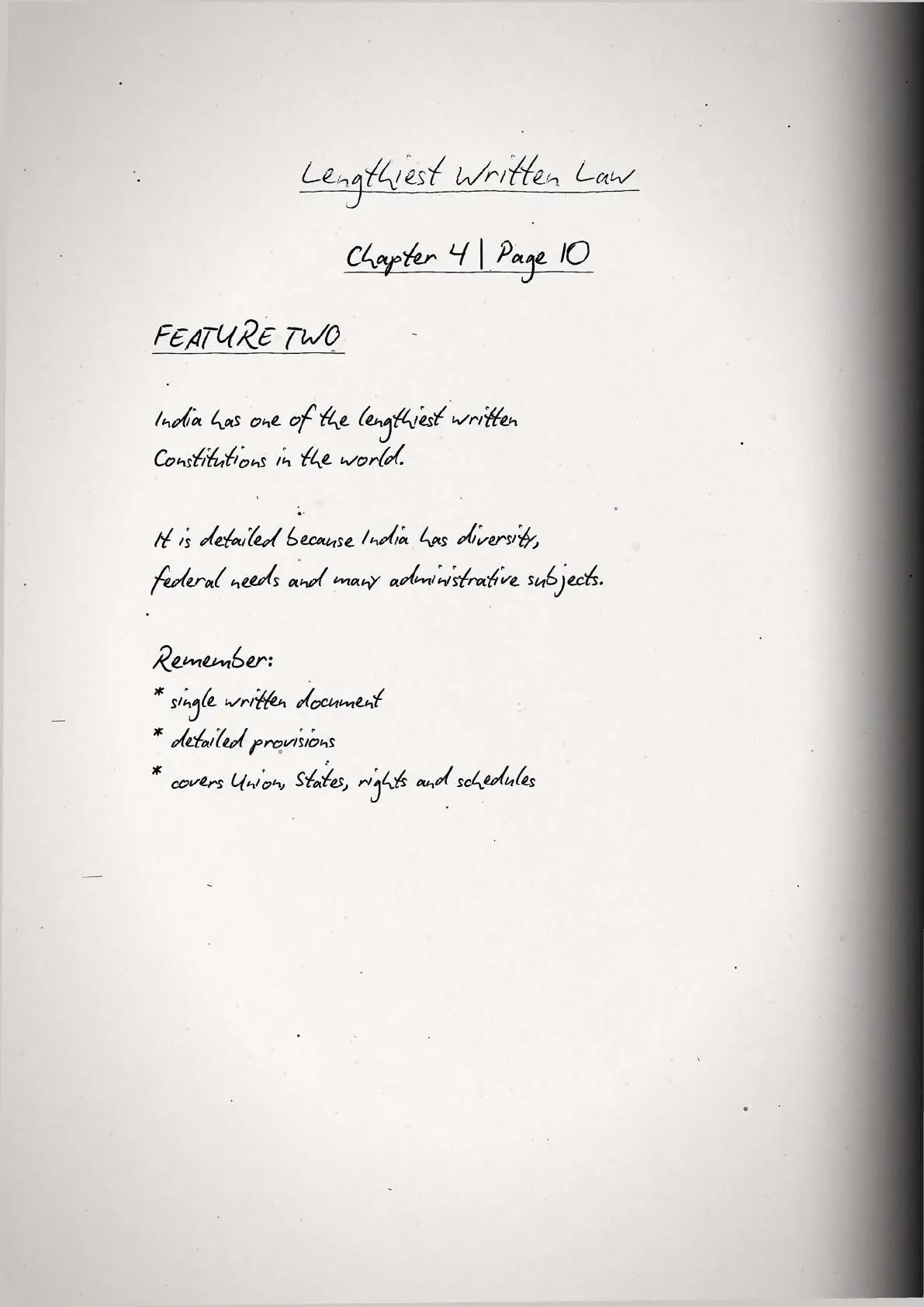
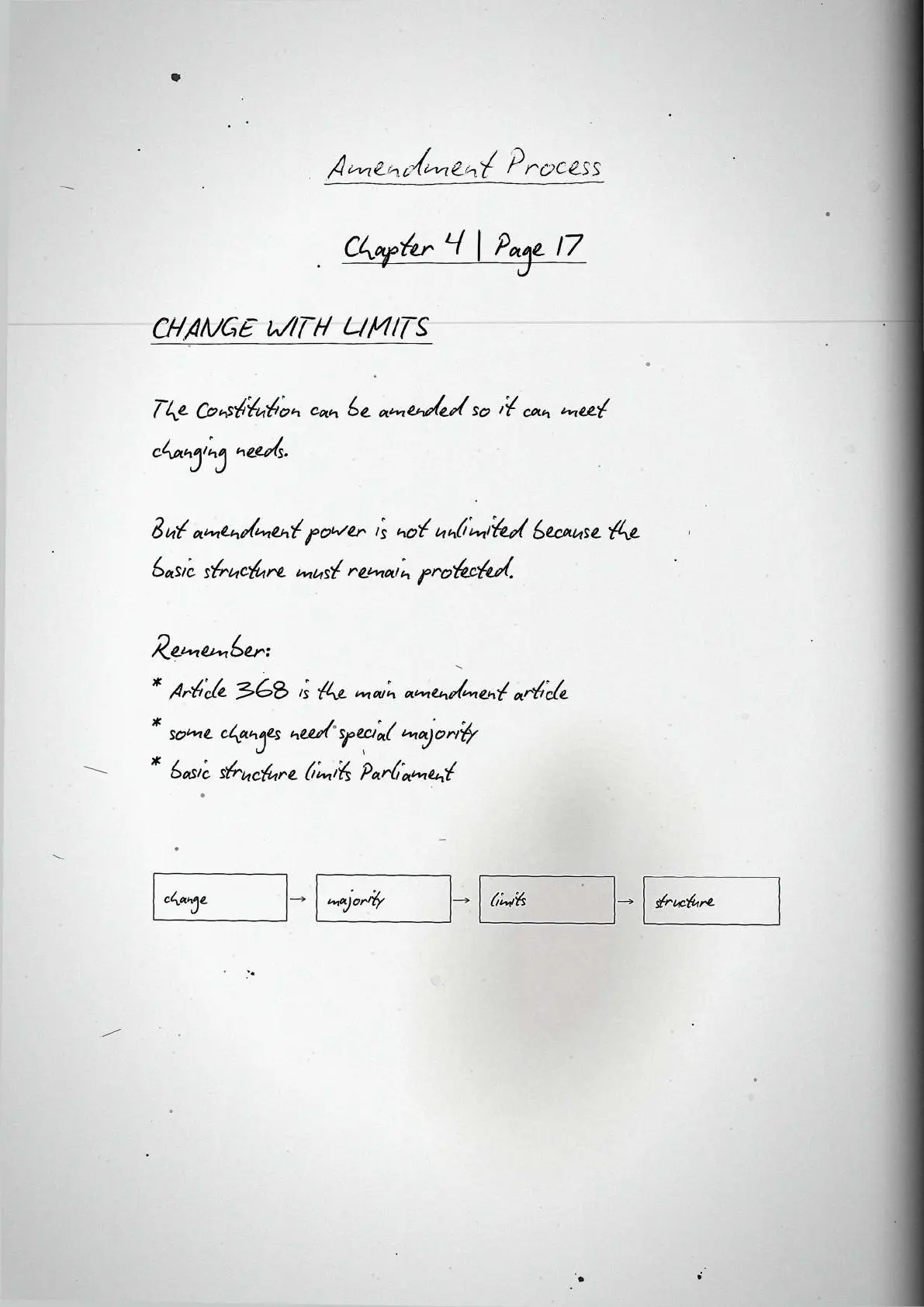
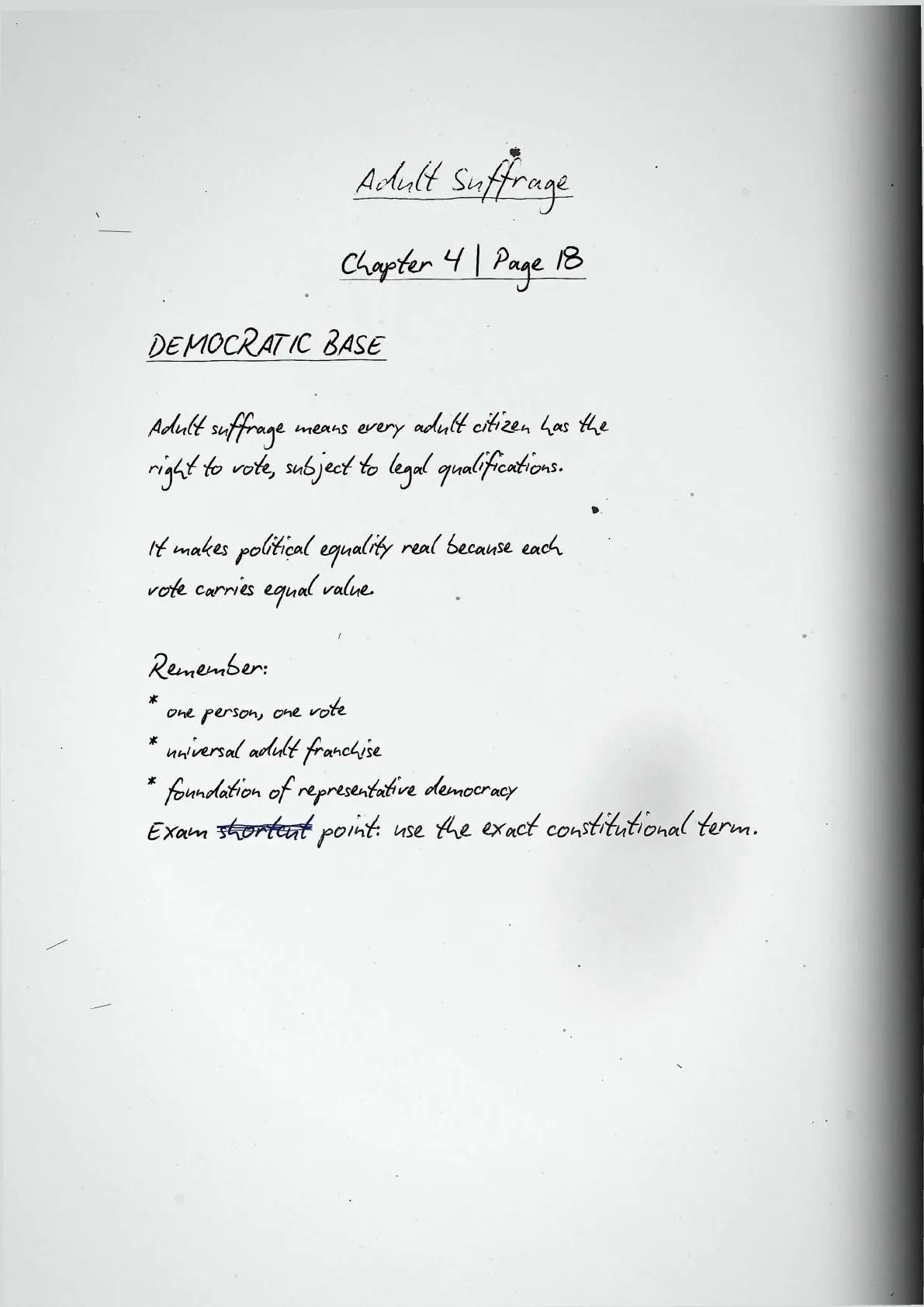
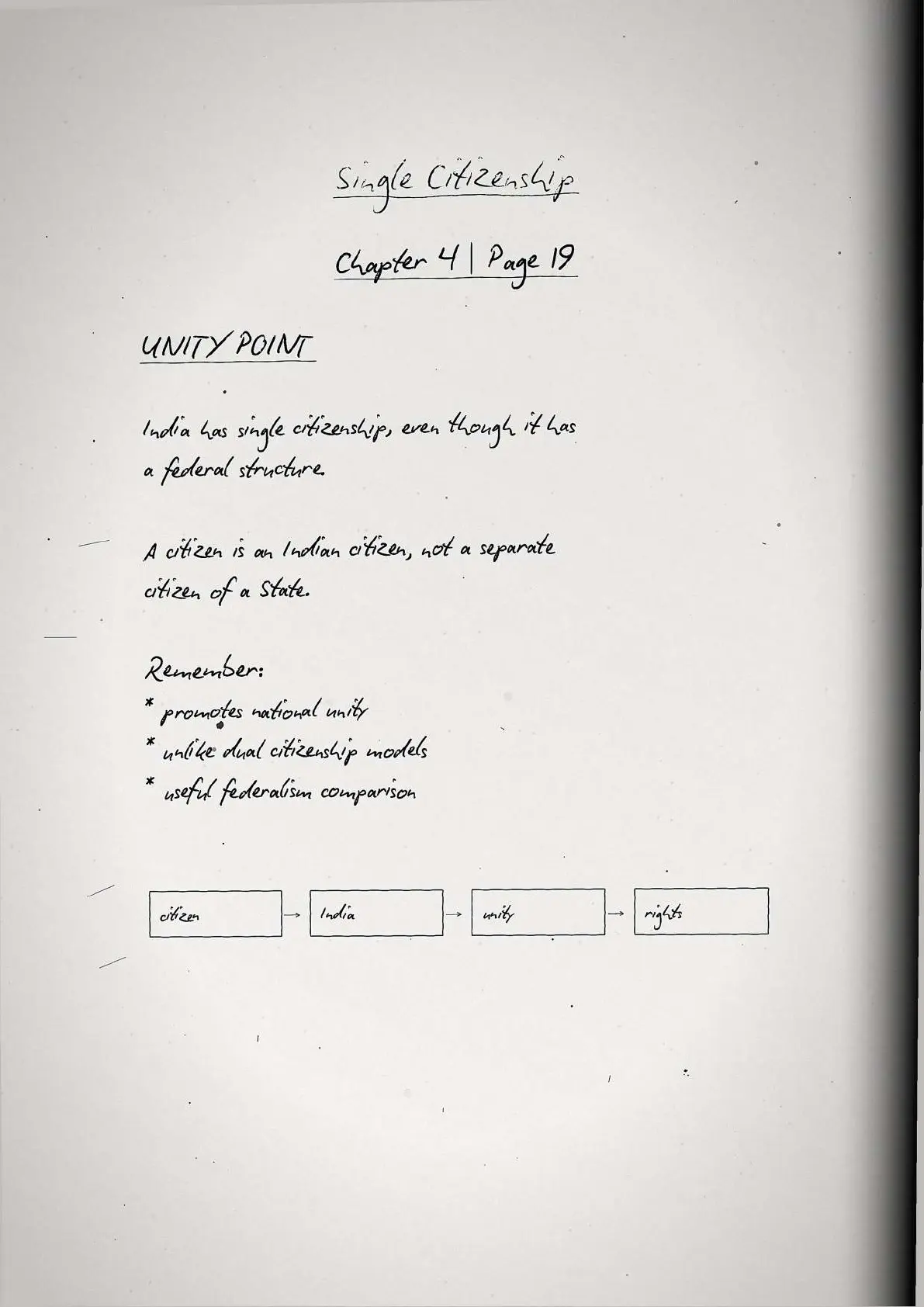
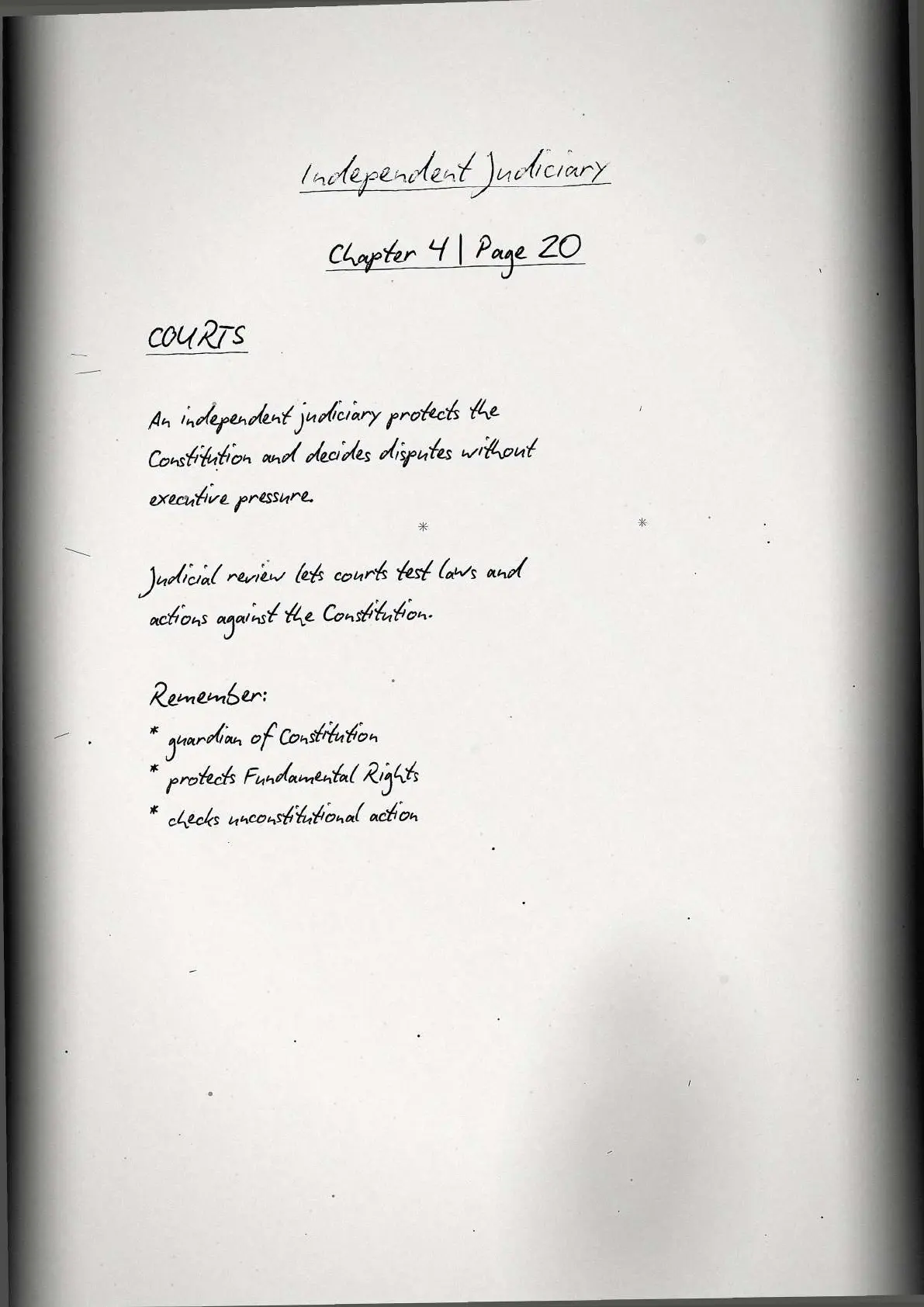
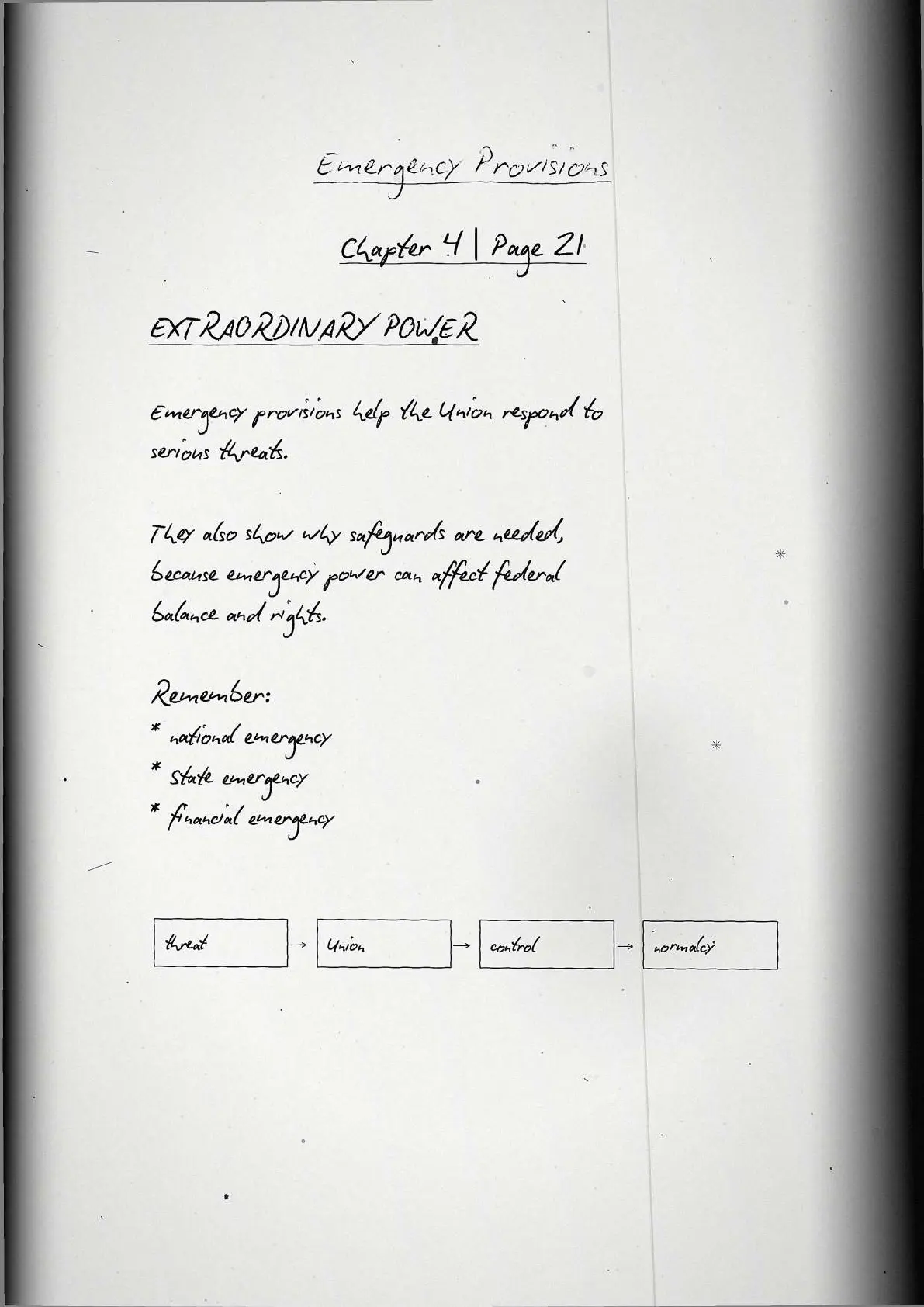
The Constitution is detailed and written. It provides adult suffrage, single citizenship, independent judiciary, amendment process, emergency provisions and a federal system with a strong Union.
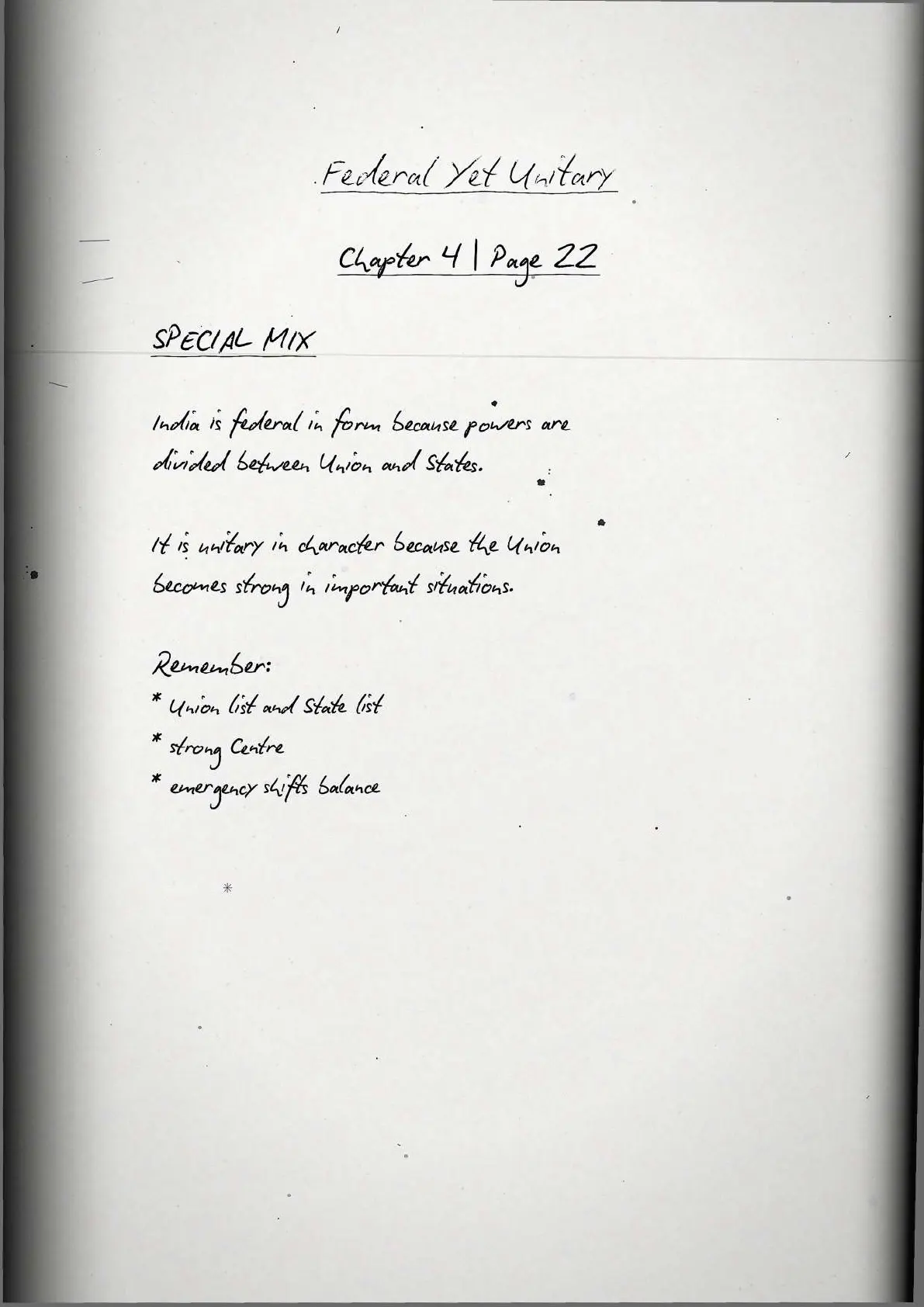
Write India is federal in form and unitary in character when explaining Centre-State relations.
| Feature | Meaning | Example cue |
|---|---|---|
| Adult suffrage | Every adult citizen can vote, subject to law. | One person, one vote. |
| Single citizenship | Citizens are citizens of India, not separate State citizens. | Promotes national unity. |
| Independent judiciary | Courts work without executive pressure. | Judicial review protects the Constitution. |
| Emergency provisions | Union gets extra power during serious situations. | Shows unitary tilt. |
Important Differences for Exam Revision
Many short questions ask students to compare two constitutional ideas. Write one clean basis of difference, then add one example from the chapter.
- Rights vs DPSP: rights are enforceable, while DPSP guide State policy.
- Written vs unwritten: a written Constitution is in a formal document, while unwritten rules may come from conventions.
- Federal vs unitary: federal divides powers, while unitary concentrates power in the Centre.
- Amendment vs basic structure: amendment allows change, while basic structure limits destructive change.
Related Class 11 Legal Studies Resources
| Resource | Use it for | Link |
|---|---|---|
| NCERT Solutions | Exercise answers for Salient Features of the Constitution of India. | Class 11 Legal Studies Constitution of India Solutions |
| NCERT Book PDF | Original textbook reading and source examples. | Class 11 Legal Studies Constitution of India Book PDF |
| Handwritten Notes | Quick one-shot revision before tests. | Class 11 Legal Studies Constitution of India Handwritten Notes |
All Class 11 Legal Studies Handwritten Notes
| Chapter | Title | Handwritten Notes |
|---|---|---|
| Chapter 1 | Concept of State | Open handwritten notes |
| Chapter 2 | Forms and Organs of Government | Open handwritten notes |
| Chapter 3 | Separation of Powers | Open handwritten notes |
| Chapter 4 | Salient Features of the Constitution of India | Open handwritten notes |
| Chapter 5 | Administrative Law | Open handwritten notes |
| Chapter 6 | Jurisprudence, Nature and Meaning of Law | Open handwritten notes |
| Chapter 7 | Classification of Laws | Open handwritten notes |
| Chapter 8 | Sources of Laws | Open handwritten notes |
Class 11 Legal Studies Constitution of India Handwritten Notes FAQs
Ques. What is covered in Class 11 Legal Studies Salient Features of the Constitution of India handwritten notes?
Ans. The PDF covers meaning and definition of Constitution, making of the Indian Constitution, Preamble, rights, Directive Principles, duties and major salient features.
Ques. What are the main features of the Indian Constitution in this chapter?
Ans. Important features include written and detailed Constitution, Preamble, Fundamental Rights, Directive Principles, Fundamental Duties, adult suffrage, single citizenship and independent judiciary.
Ques. Why are Directive Principles called non-justiciable?
Ans. Directive Principles guide State policy but cannot be directly enforced by courts like Fundamental Rights. They remain important for governance and welfare laws.
Ques. Does India have single citizenship?
Ans. Yes. India follows single citizenship, so citizens are citizens of India rather than separate citizens of individual States.



Comments