




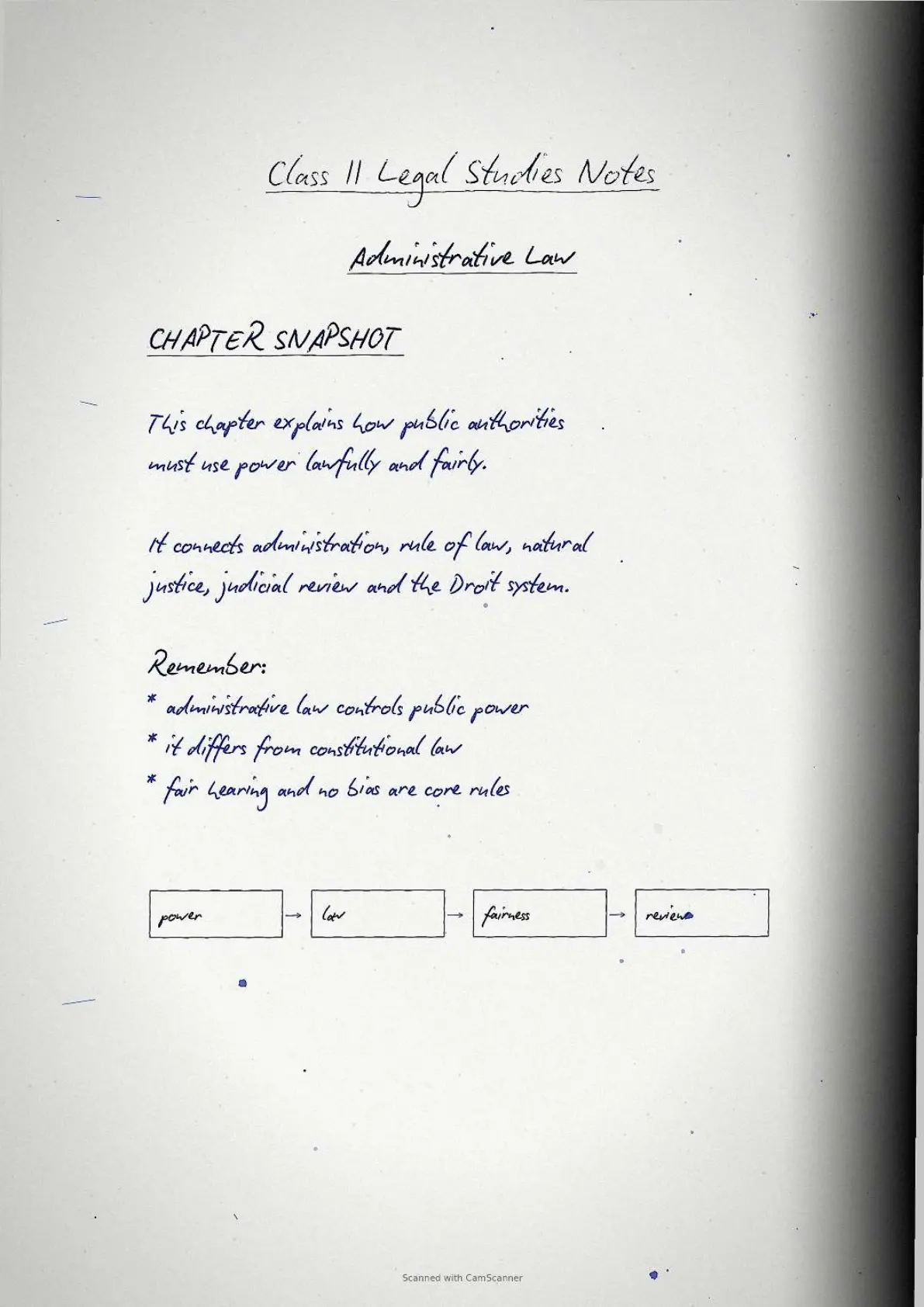
NCERT Handwritten Notes for Class 11 Legal Studies Chapter 5 Administrative Law help students revise administrative action, rule of law, delegated legislation, natural justice, judicial review and the Droit system for the 2026-27 session.
- Resource: topper-style handwritten revision notes PDF for Legal Studies Administrative Law.
- Chapter focus: administrative law meaning, constitutional law difference, action types, rule of law, fair hearing and Droit administrative law.
- Revision use: quick answer frames, comparison tables and common mistakes before school tests.
Student Feedback: In a Collegedunia classroom survey of 12,460 students, 72% said action-type and natural-justice tables helped them revise Administrative Law faster.
Administrative Law Handwritten Notes Overview
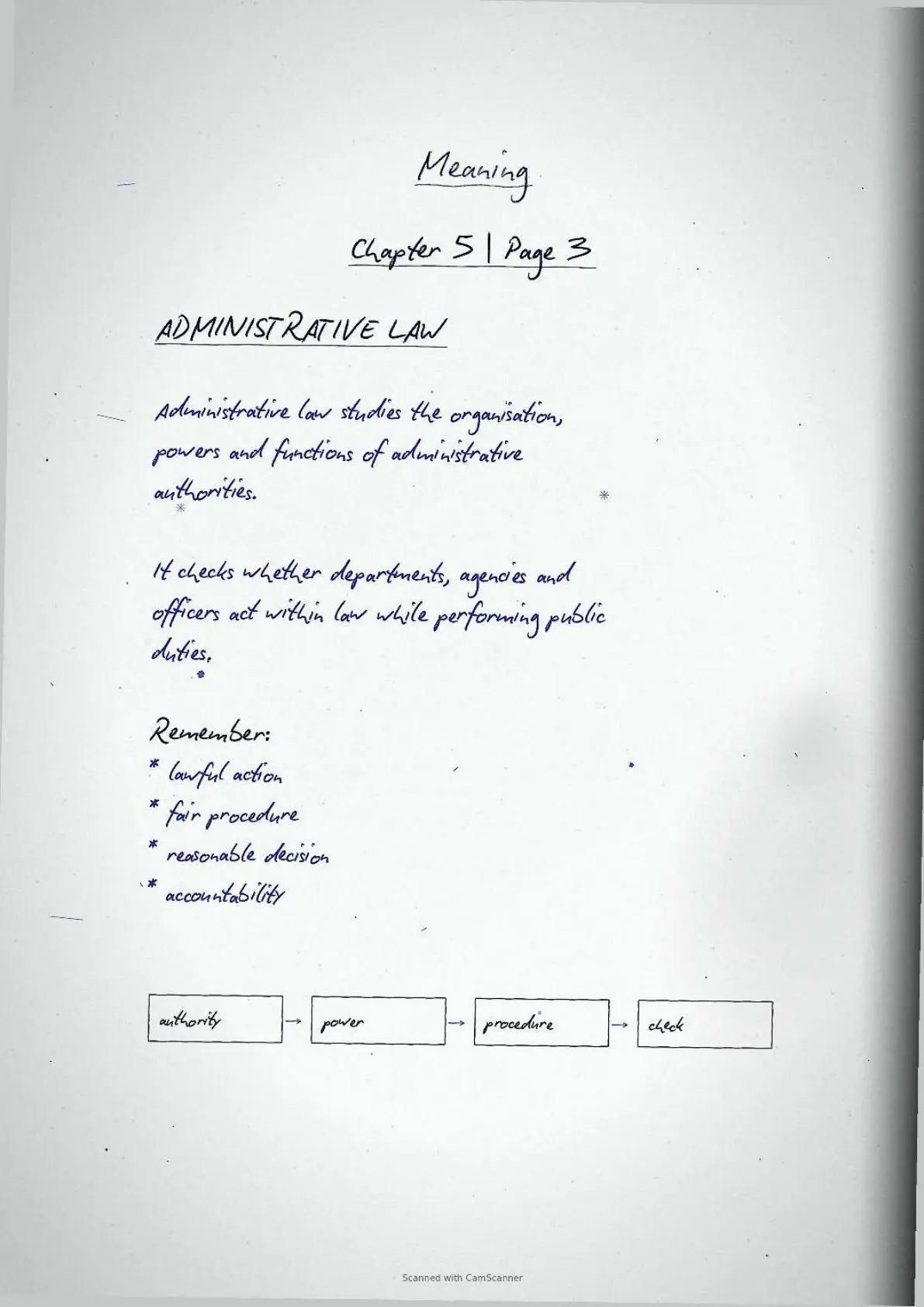
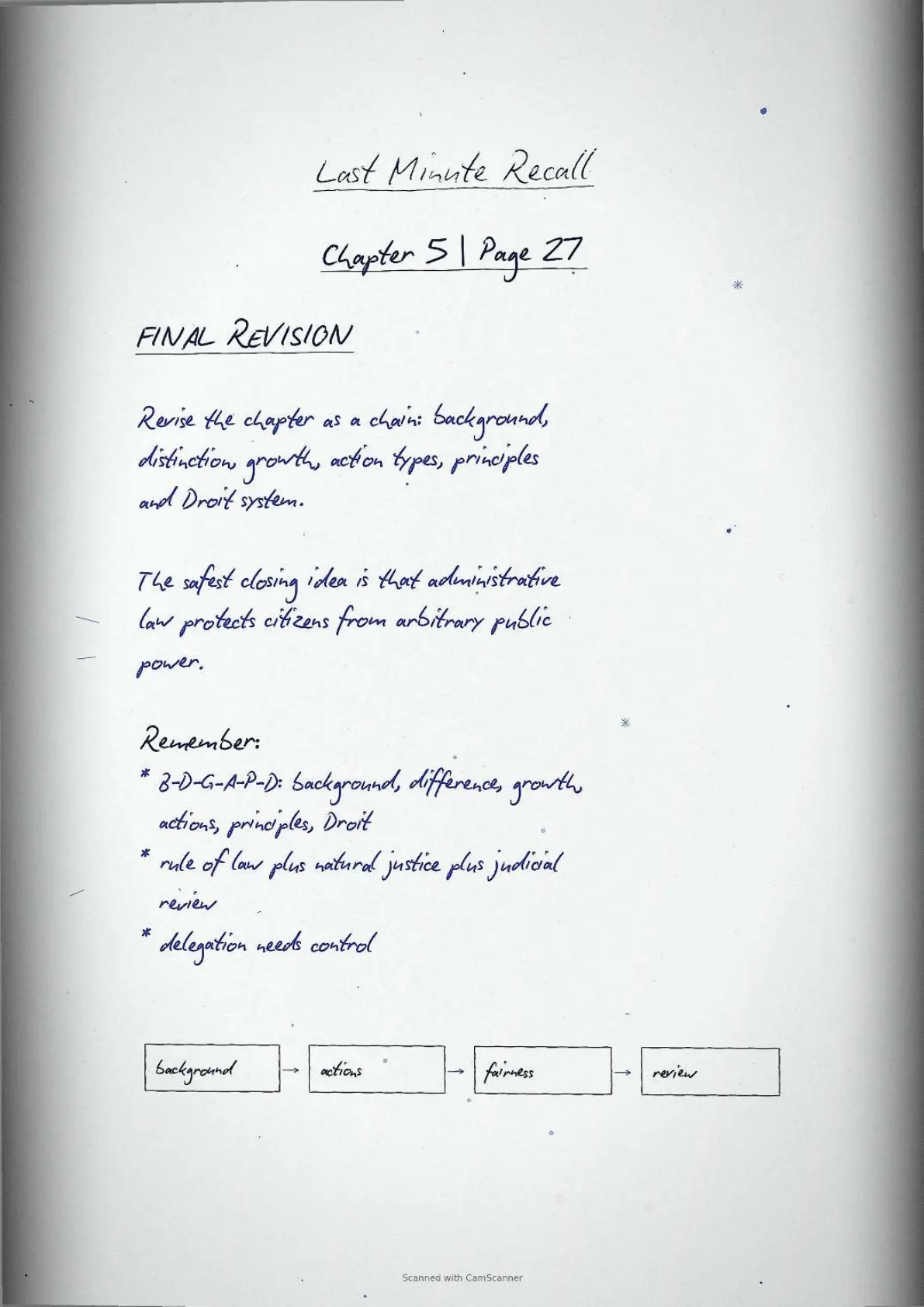
The Administrative Law handwritten notes convert the chapter into quick revision pages. Students can revise the definition first, then move to action types, fairness rules and court control.
- Best starting point: remember that administrative law checks public authorities.
- Scoring area: administrative action types, Dicey's rule of law, natural justice and judicial review.
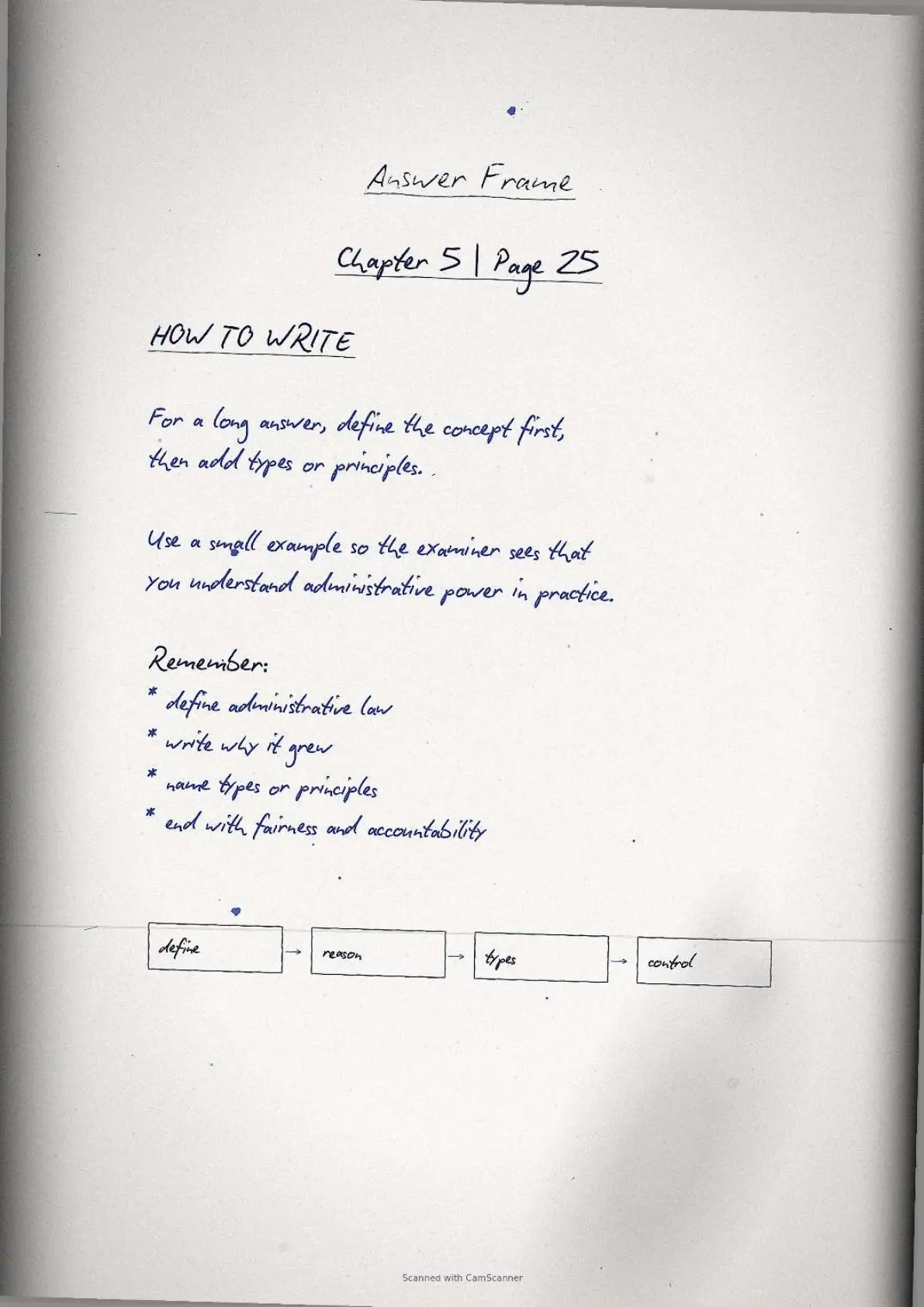
- Long-answer route: define administrative law, explain growth, then add principles and examples.
Administrative Law and Constitutional Law Difference
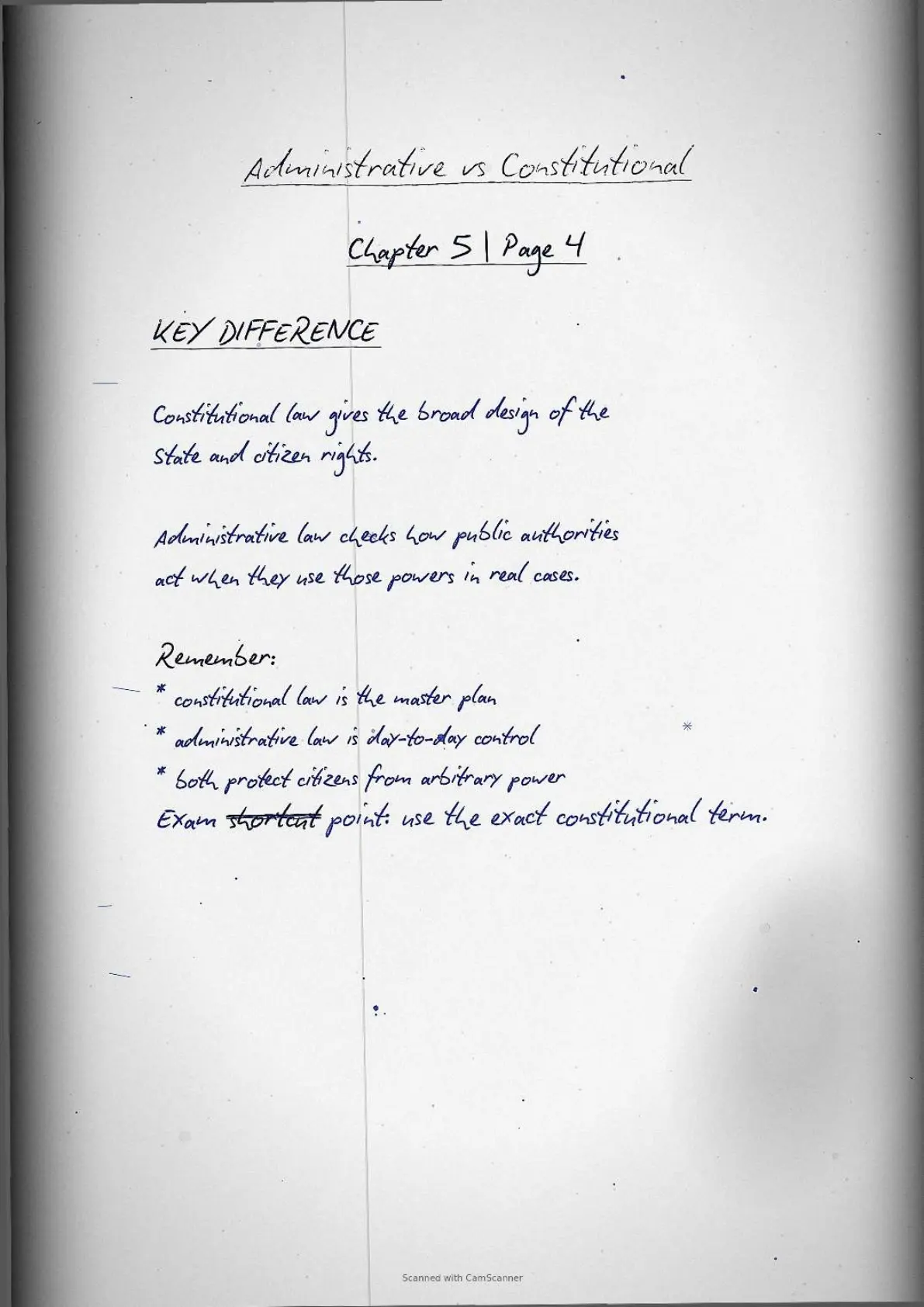
Constitutional law gives the broad structure of the State. Administrative law checks the working use of public power by departments, agencies, ministers, tribunals and other authorities.
| Basis | Administrative law | Constitutional law |
|---|---|---|
| Main focus | Procedure, fairness and legality of official action. | State structure, rights, duties and organs of government. |
| Example | Whether a minister or tribunal acted fairly. | How Parliament, executive and judiciary are formed. |
| Exam cue | Write control of public power. | Write basic constitutional design. |
Administrative Law Video for Class 11 Legal Studies
Source: Magnet Brains on YouTube
Reasons for Growth of Administrative Law
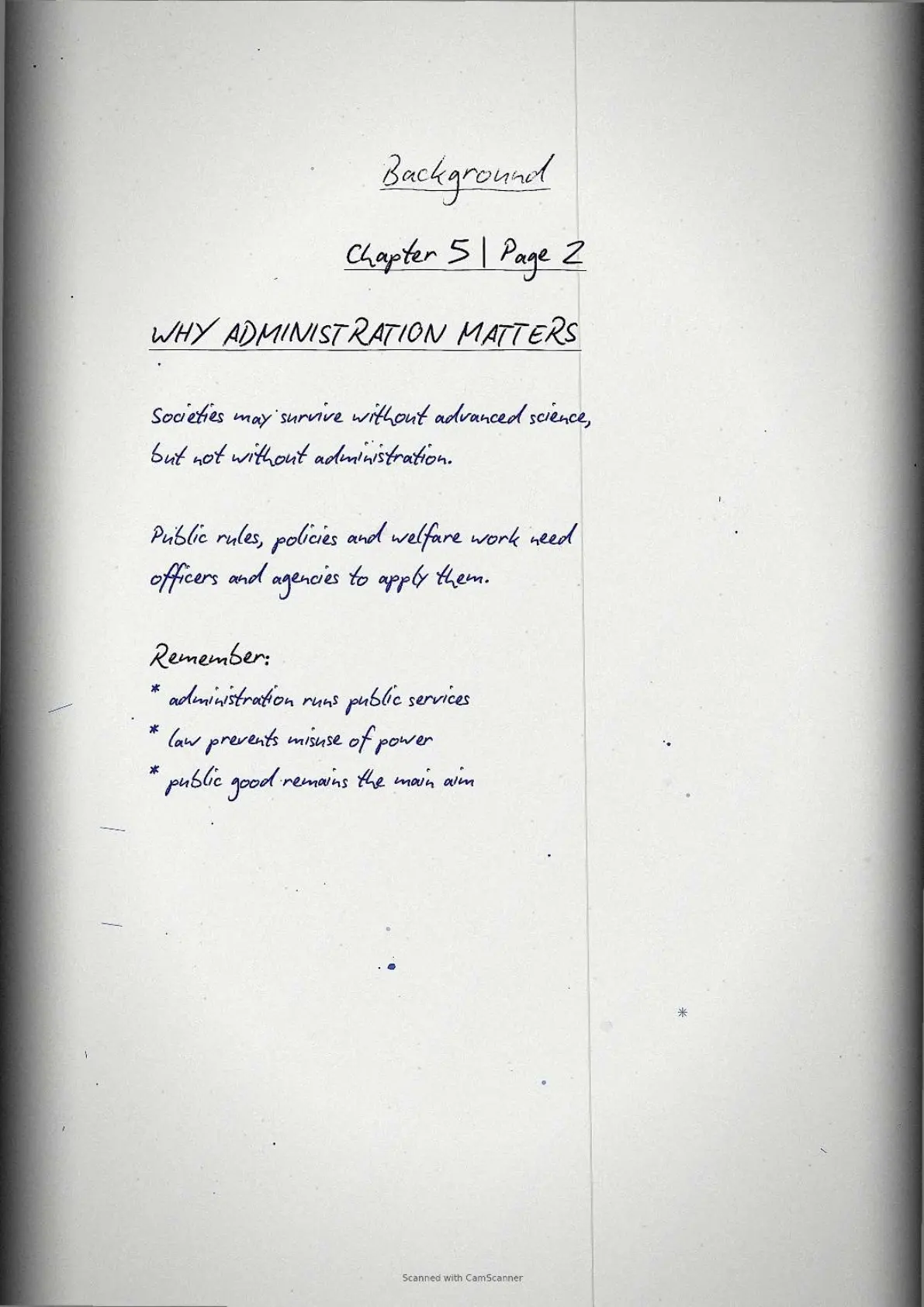
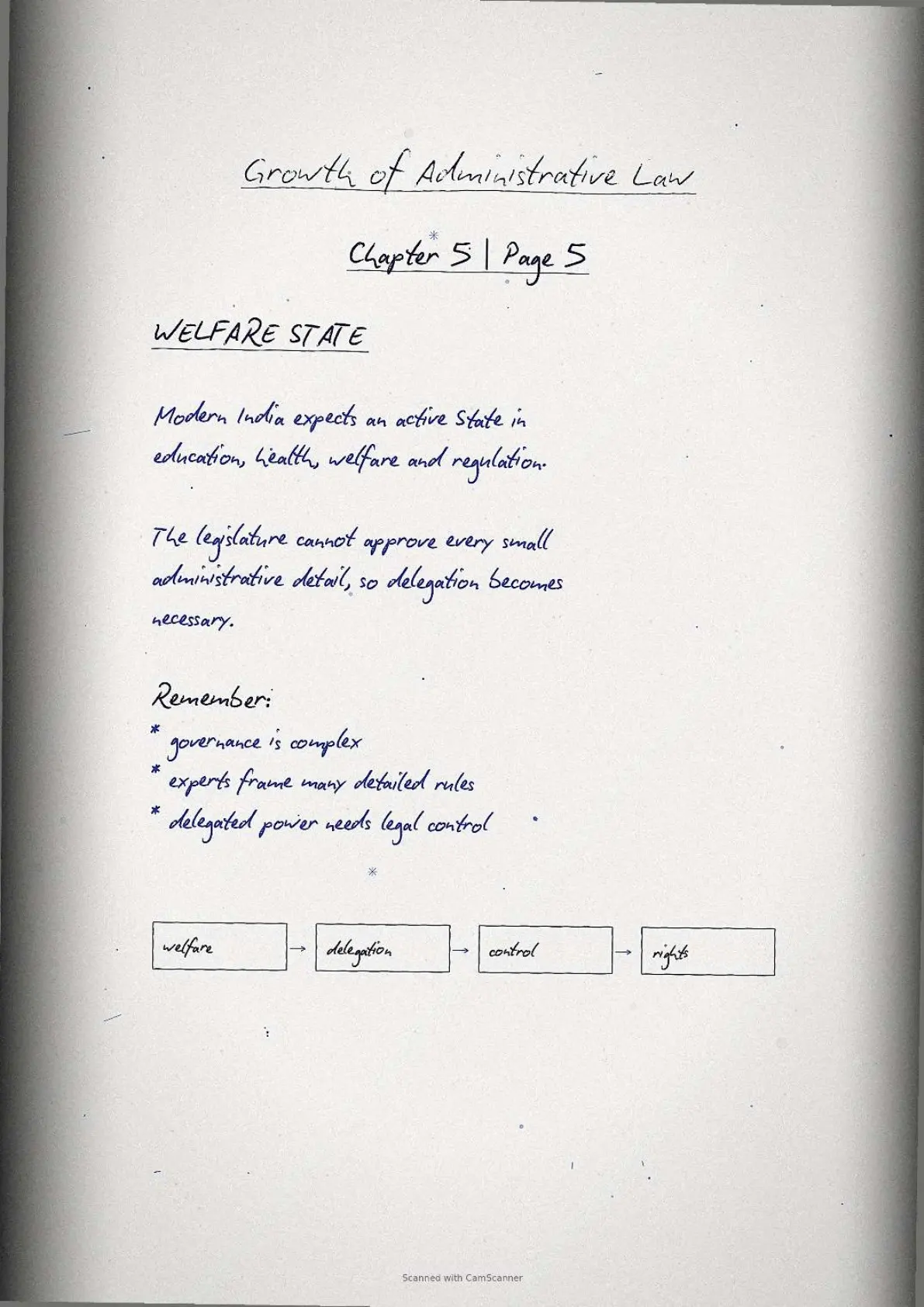
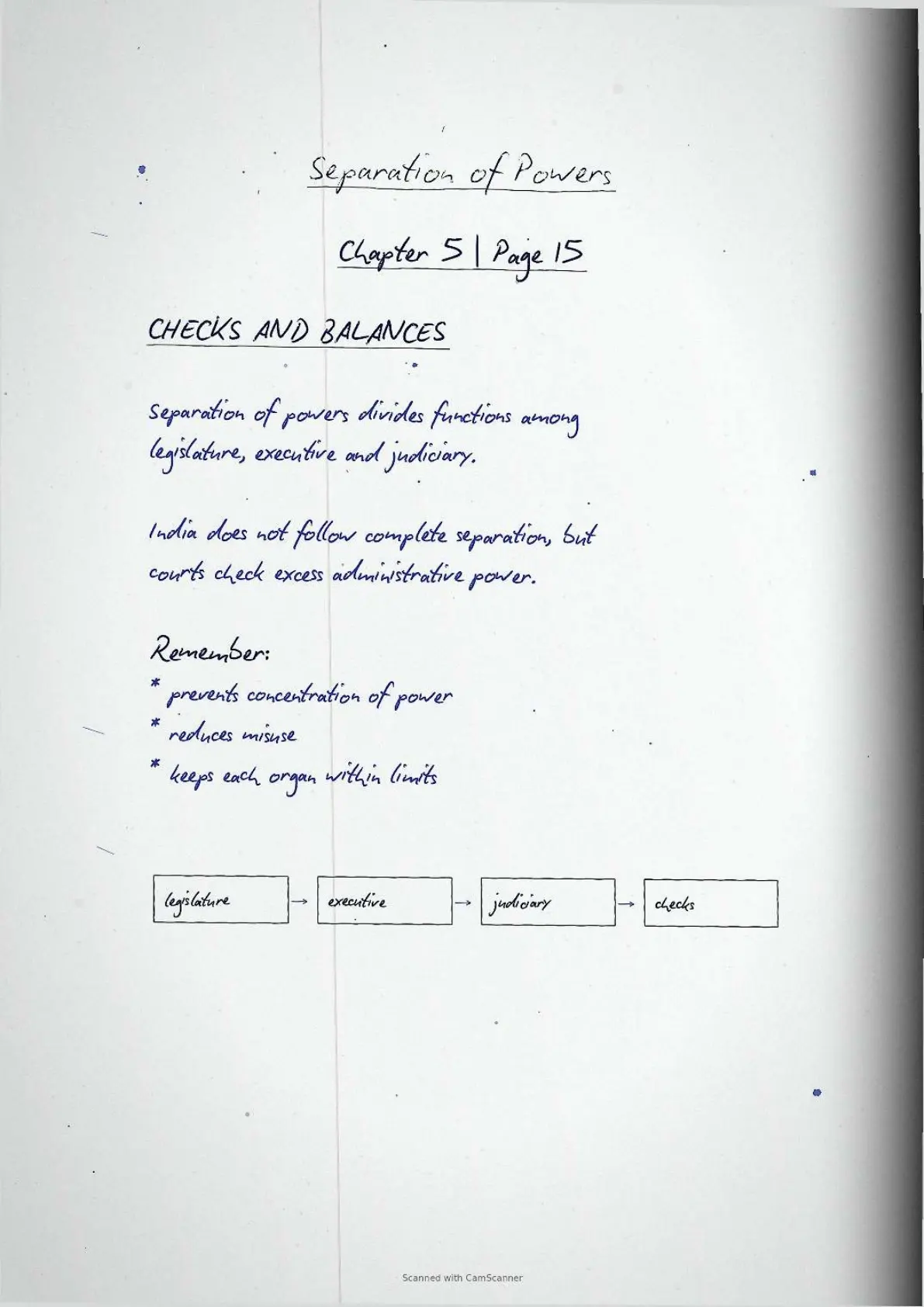
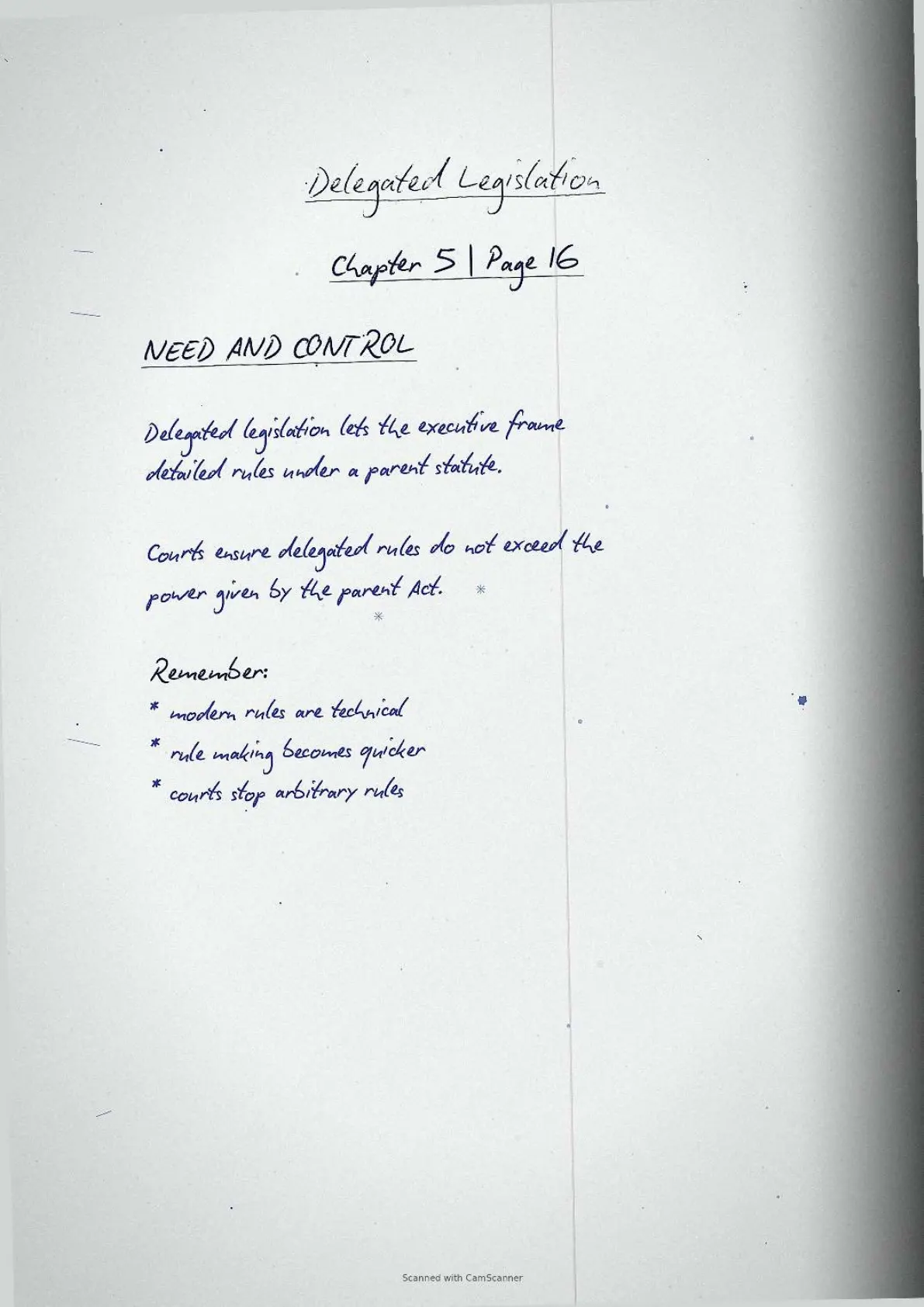
Administrative law grew because modern welfare governance needs delegation. The legislature cannot pass a separate detailed law for every administrative step.
| Reason | Meaning | Revision cue |
|---|---|---|
| Welfare State | The State runs public services and welfare schemes. | More public power needs more legal control. |
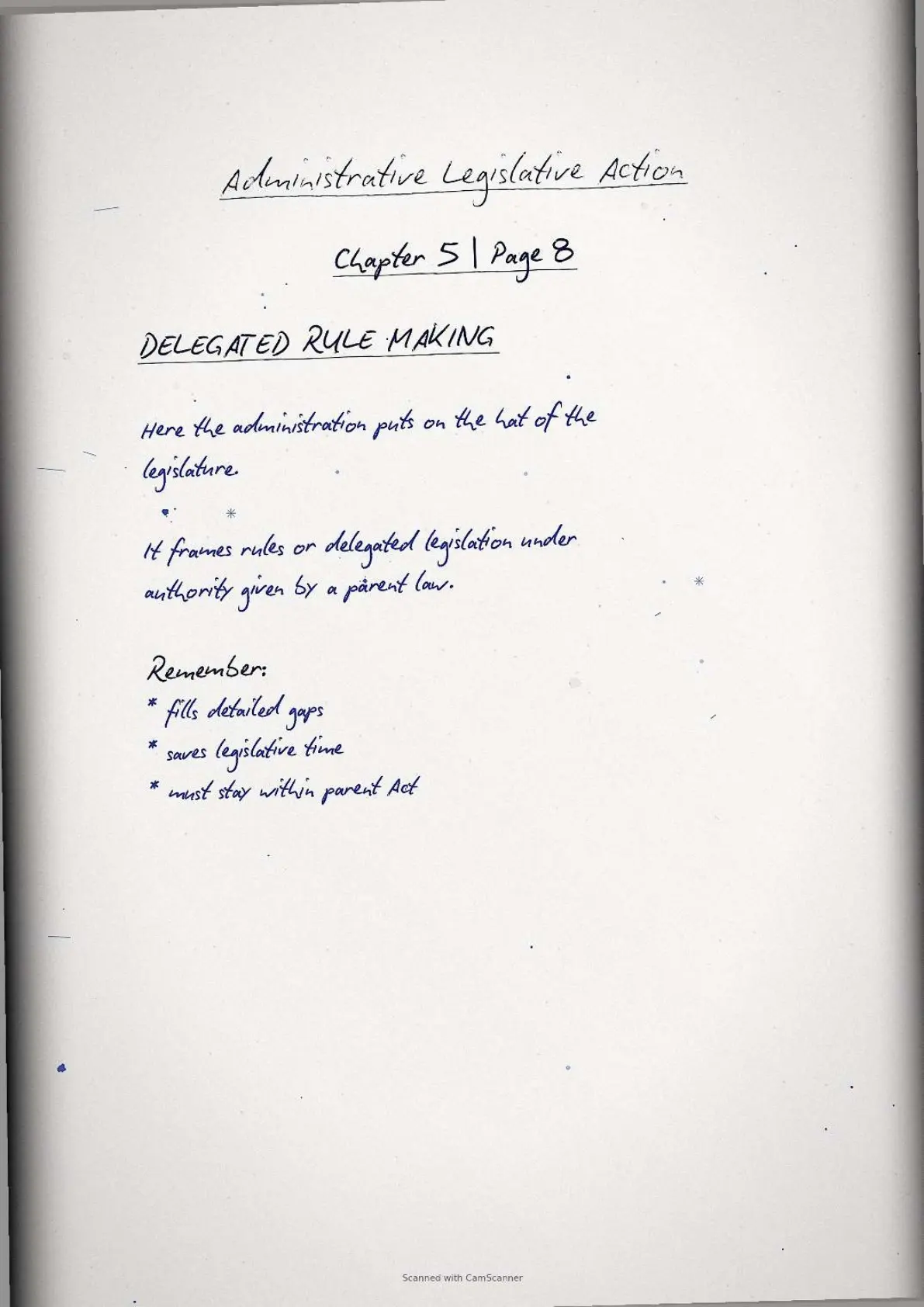
| Delegation | Legislature gives limited rule-making power to authorities. | Detailed rules are framed under a parent Act. |
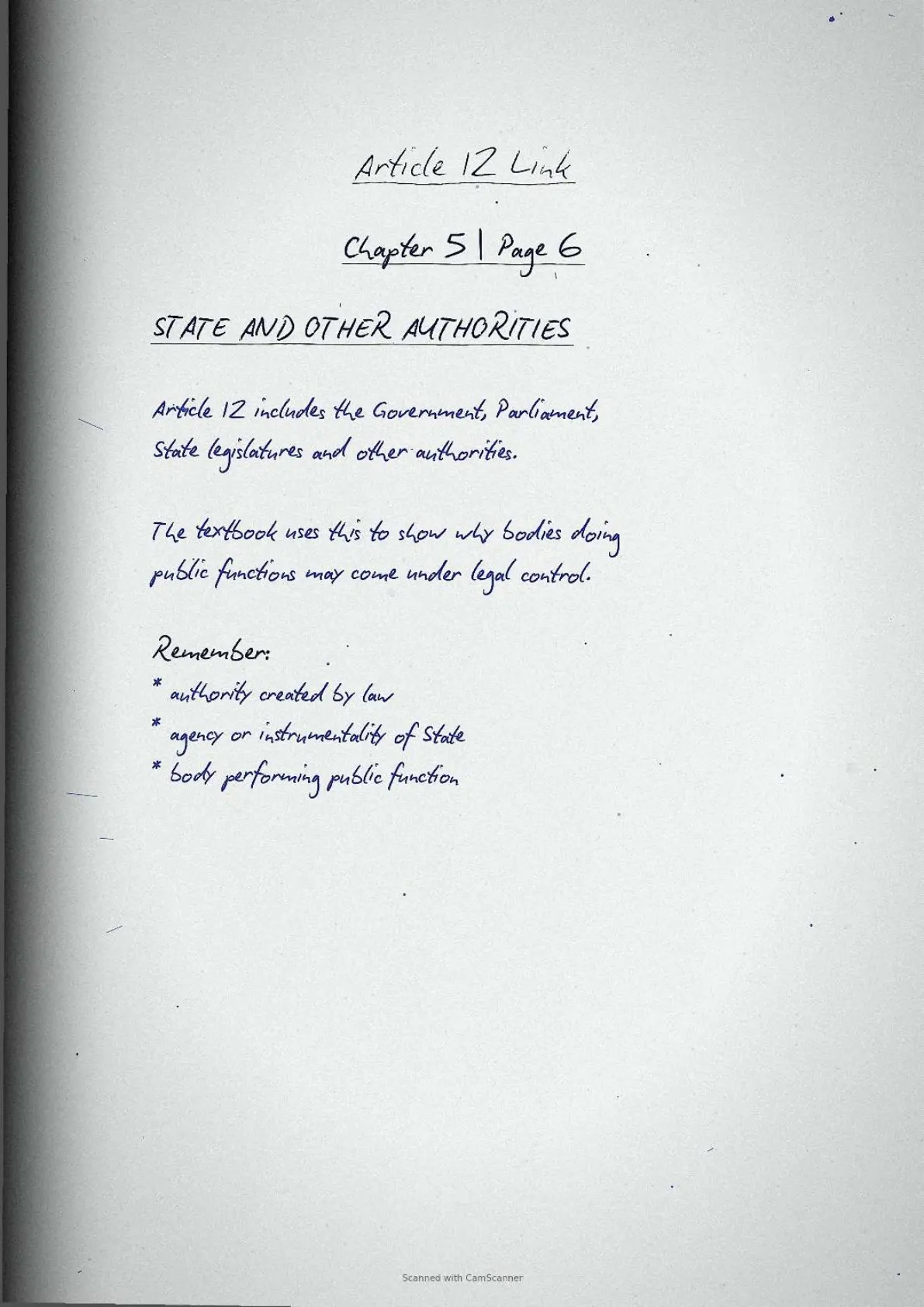
| Article 12 | Other authorities may be treated as State. | Public-function bodies can face constitutional control. |
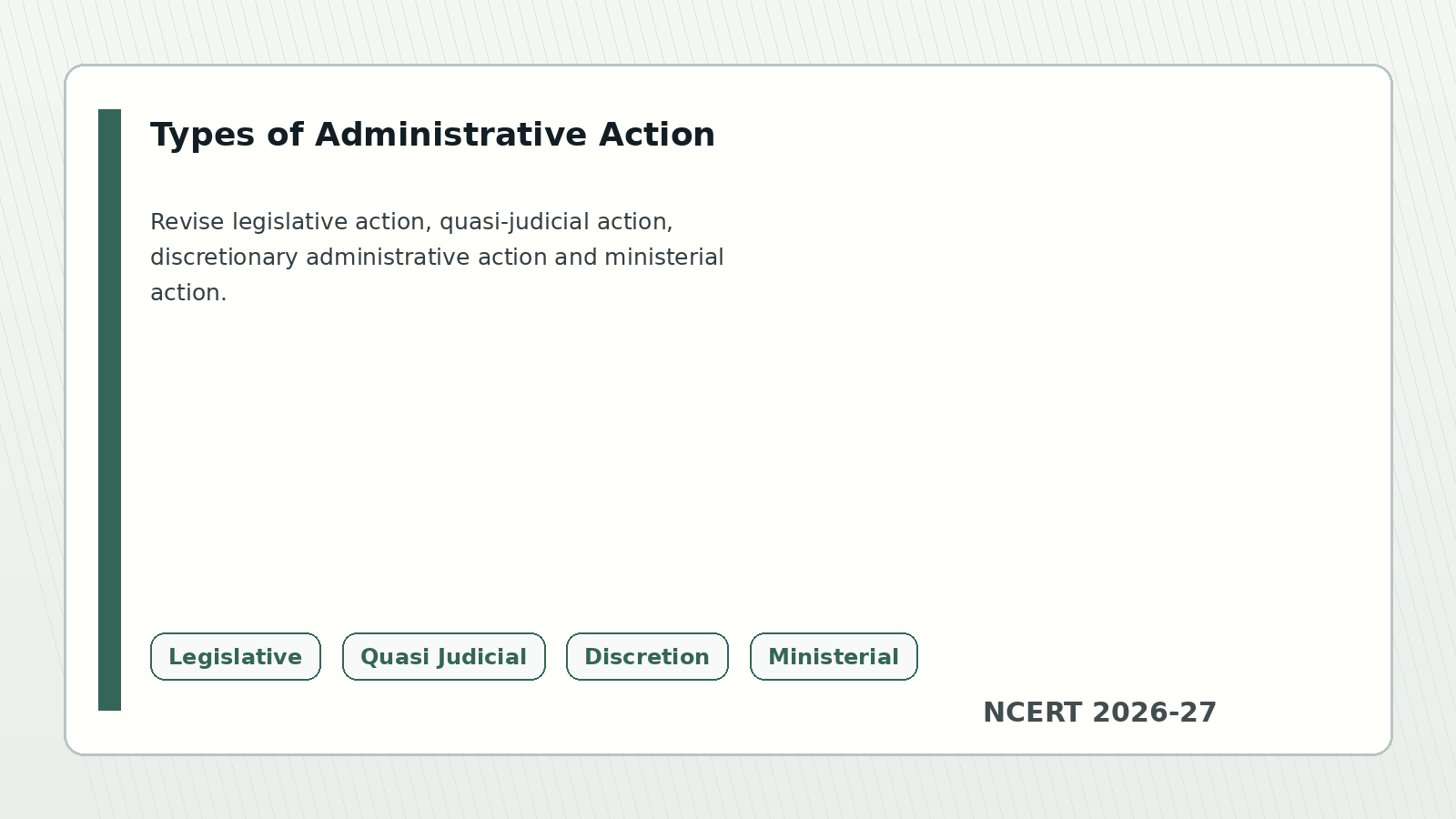
Types of Administrative Action
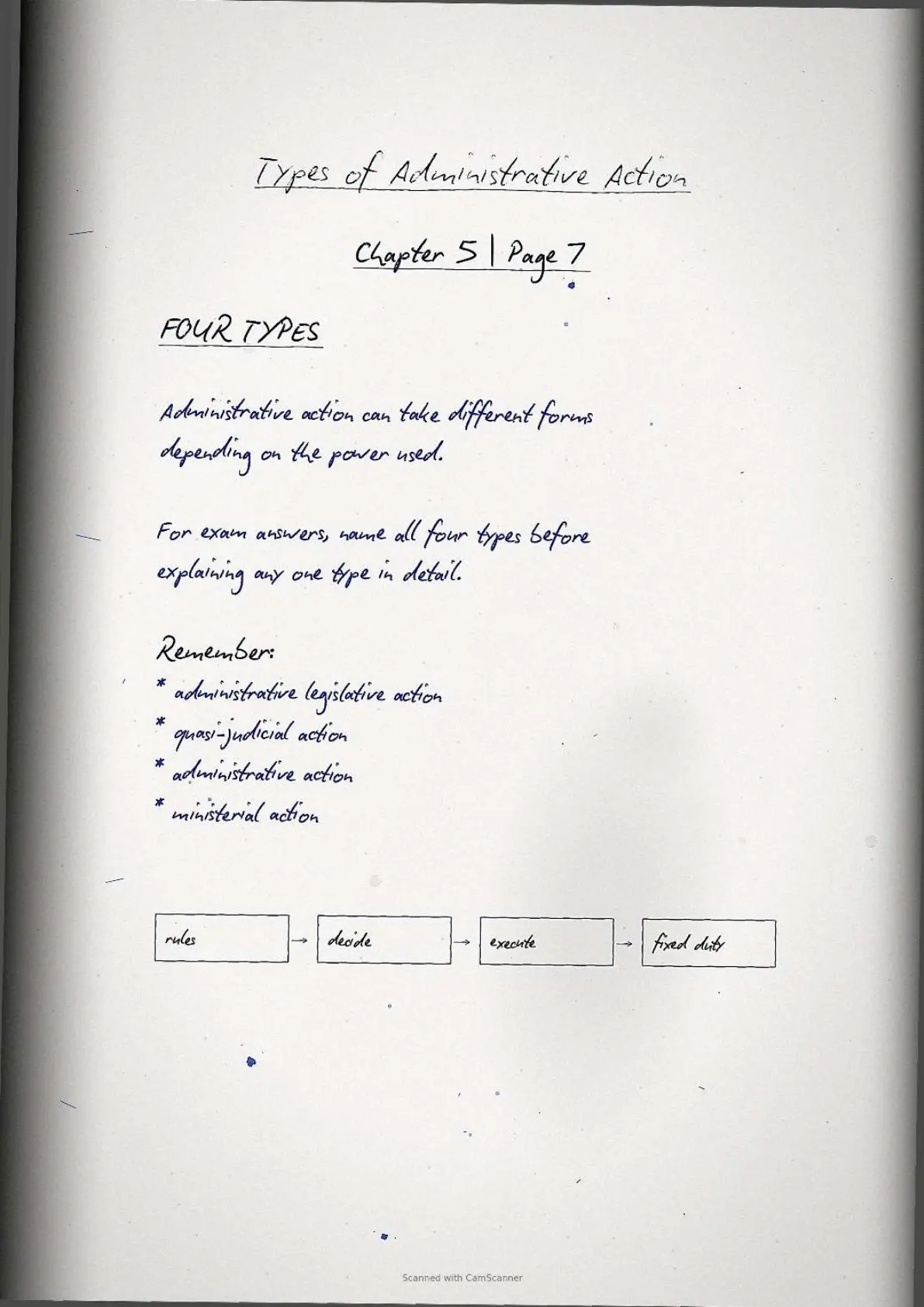
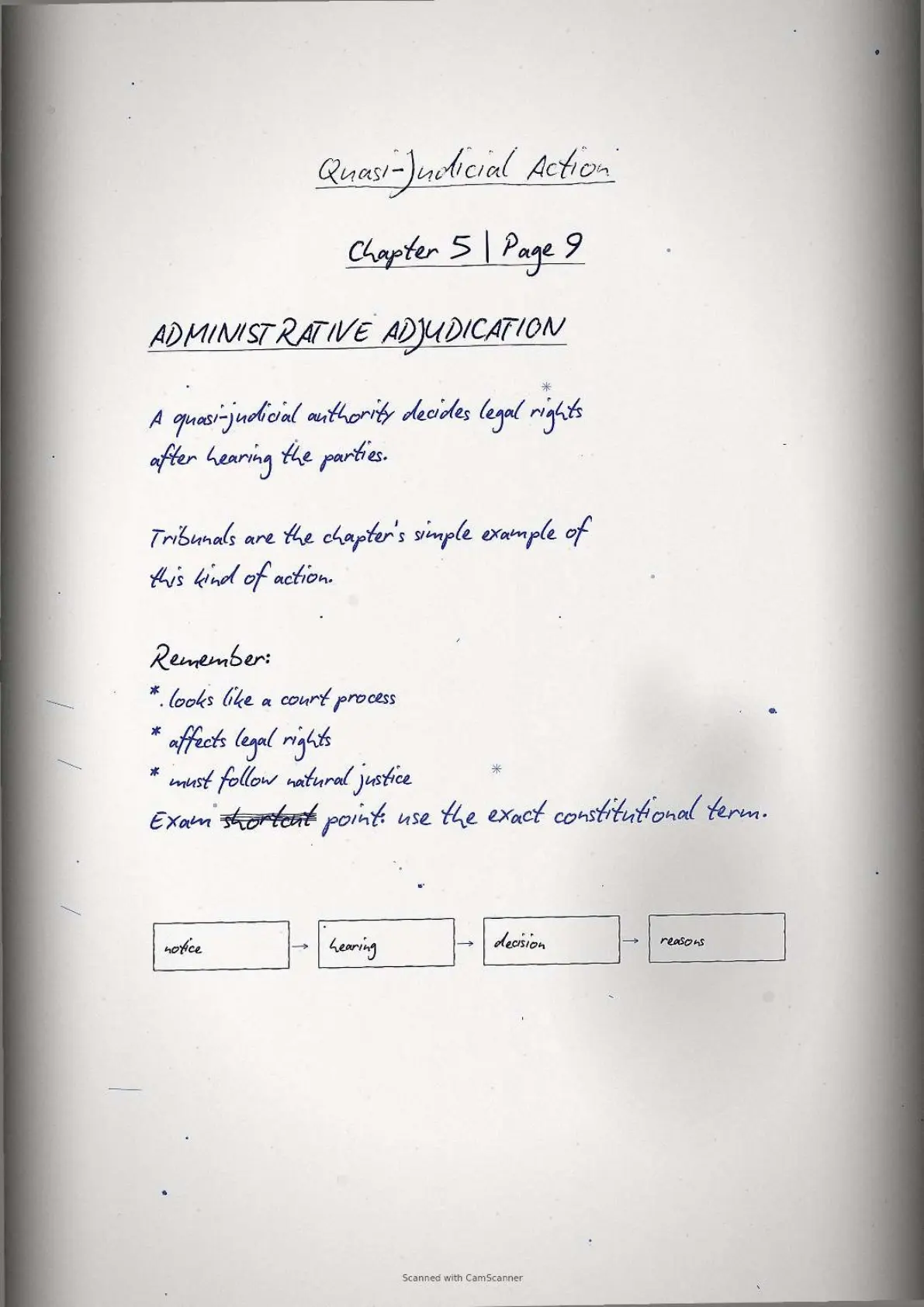
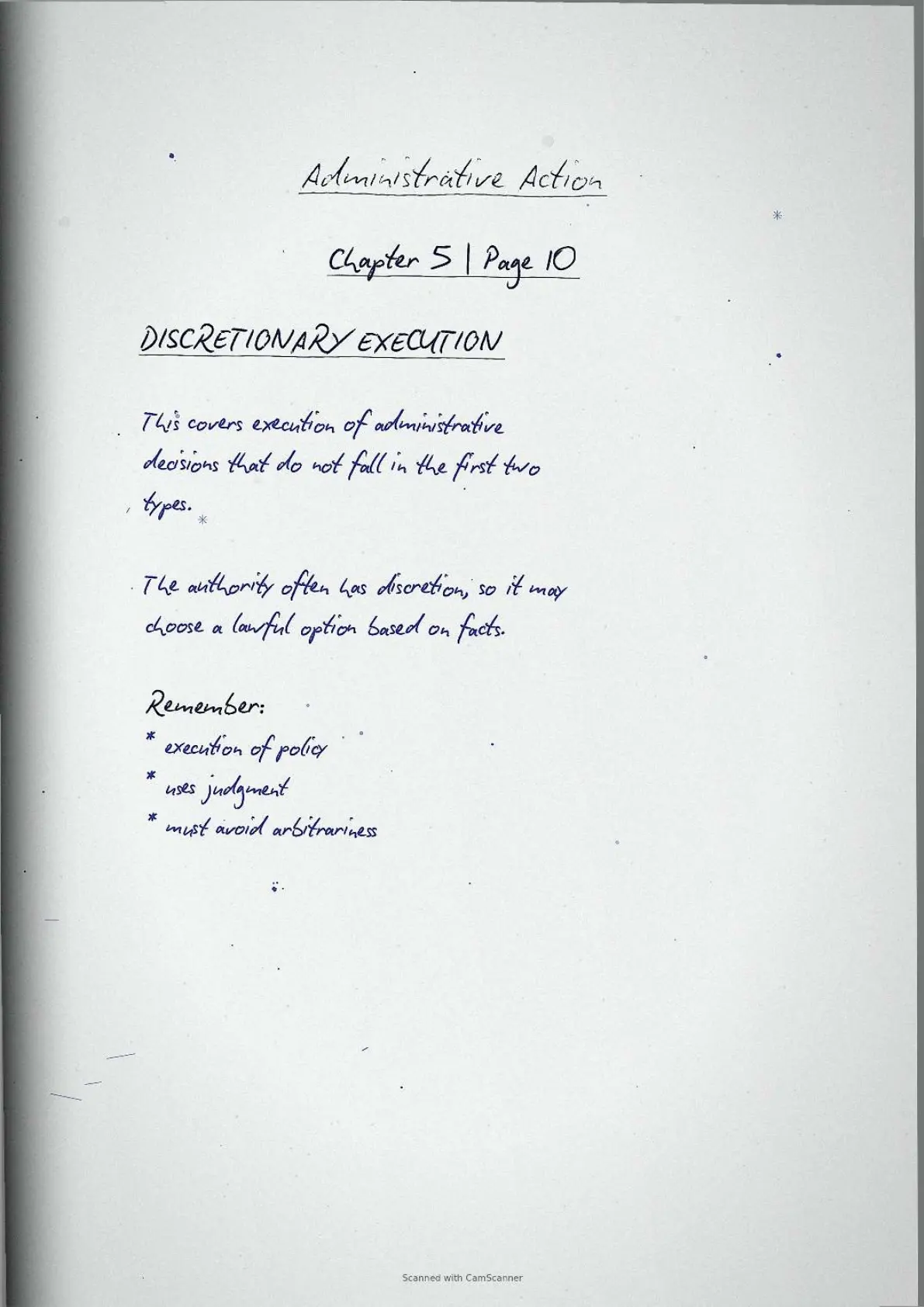
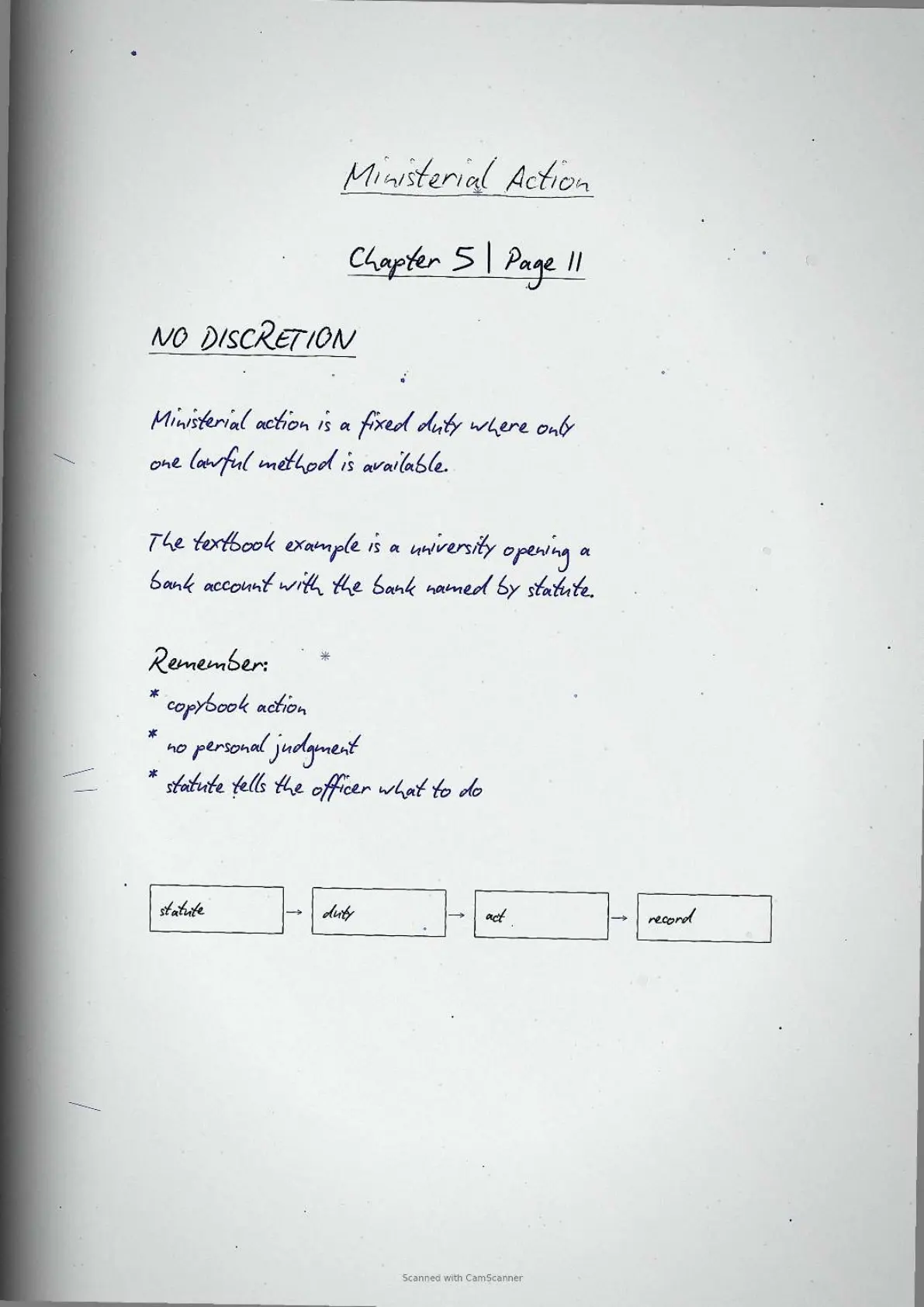
The chapter classifies administrative action into four types. This is one of the easiest table answers from Administrative Law.
| Type | Meaning | Example cue |
|---|---|---|
| Administrative legislative action | Rule-making or delegated legislation. | Administration acts like a limited law-maker. |
| Quasi-judicial action | Decision on legal rights through an adjudicatory process. | Tribunals. |
| Administrative action | Execution of administrative decisions with discretion. | Authority chooses a lawful option. |
| Ministerial action | Fixed duty with no discretion. | University opens account in the bank named by statute. |
Rule of Law, Natural Justice and Judicial Review
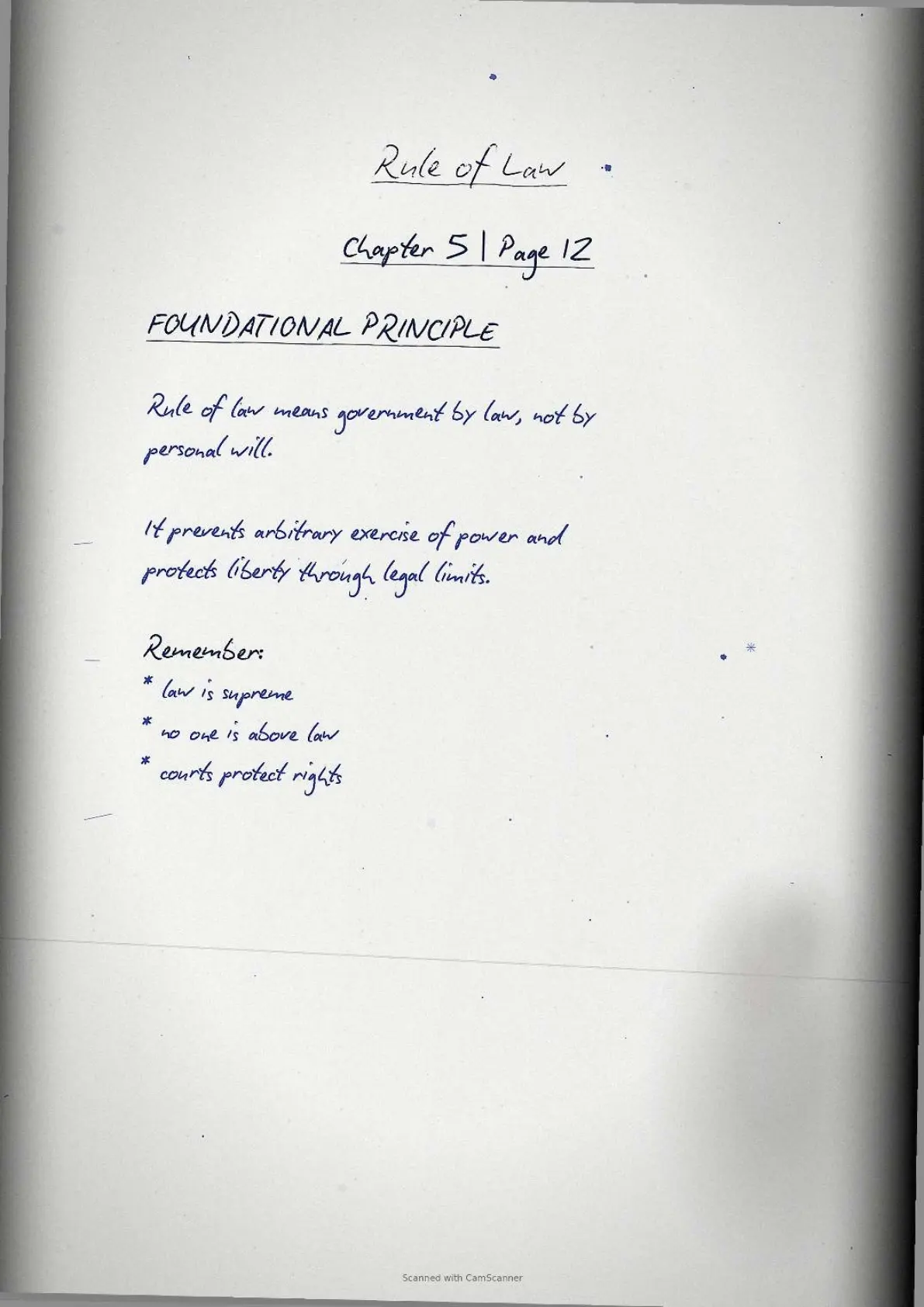
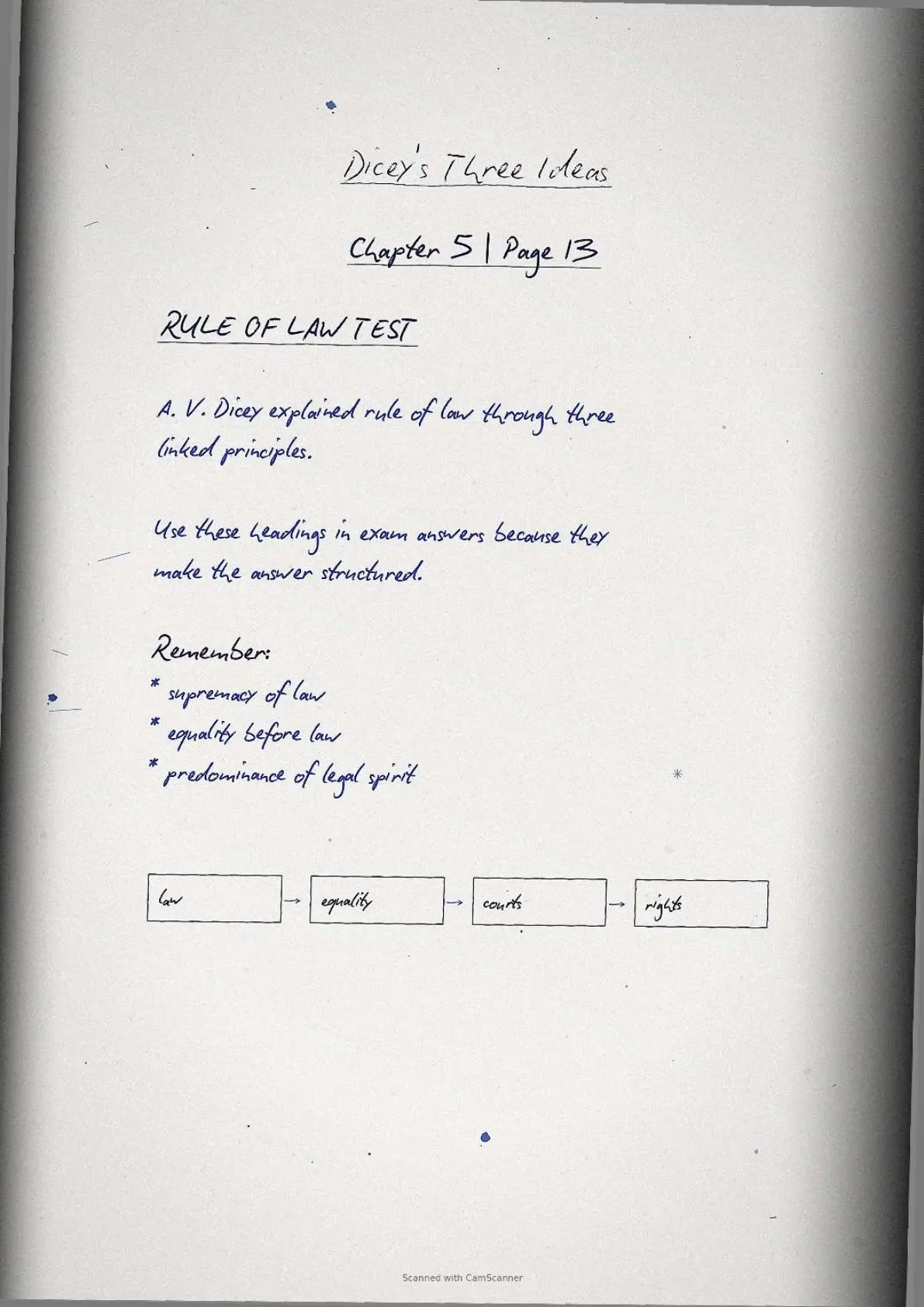
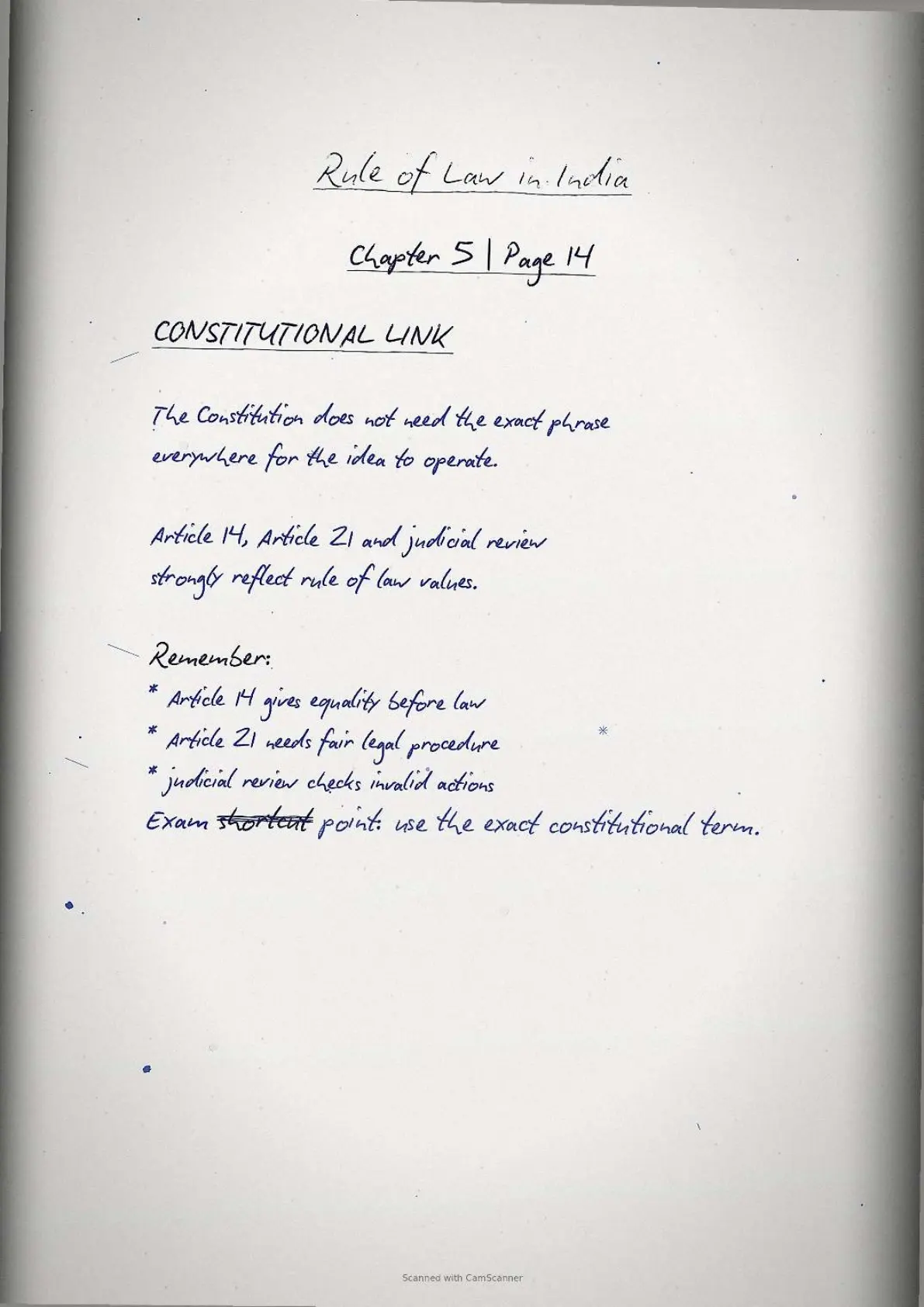
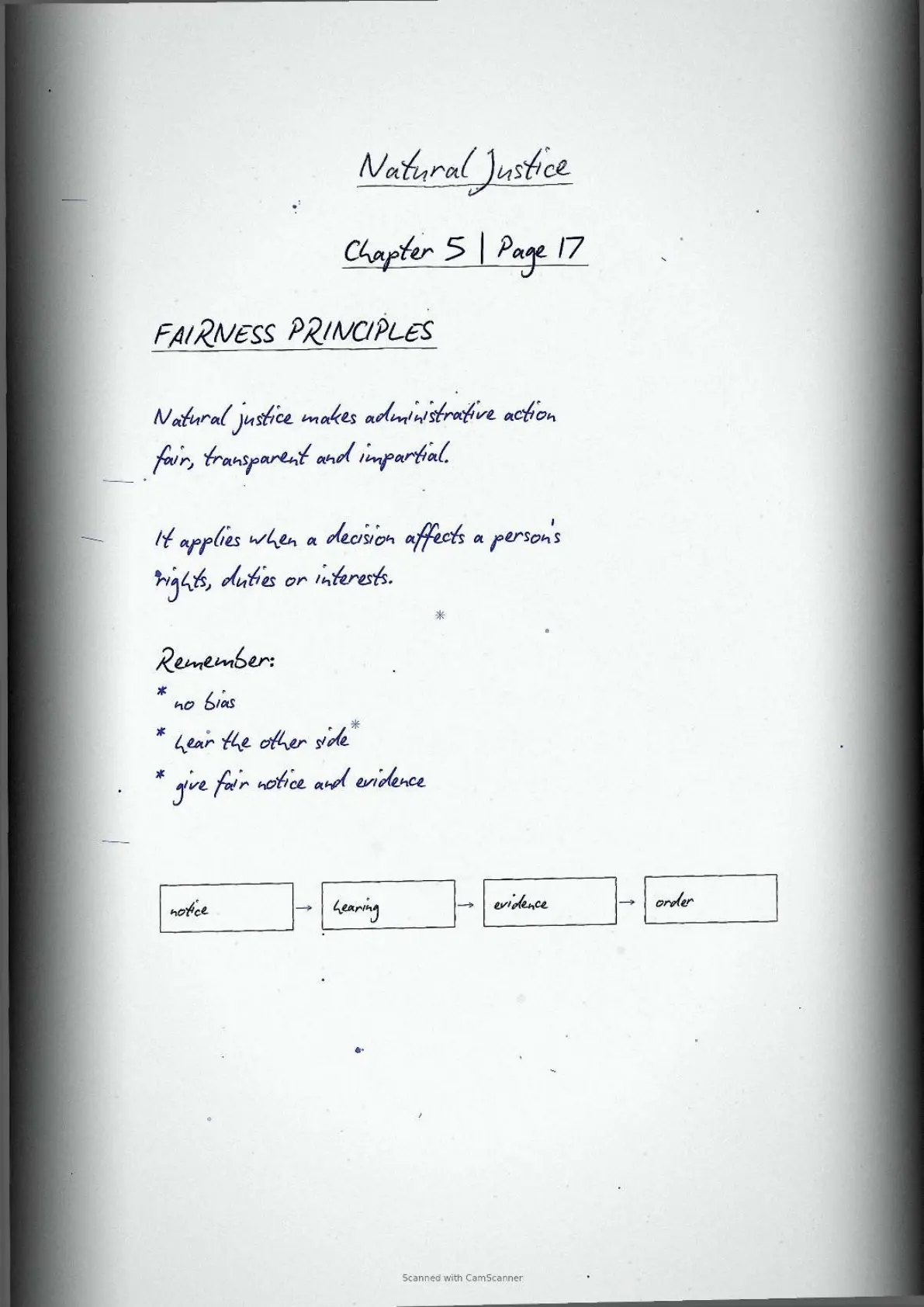
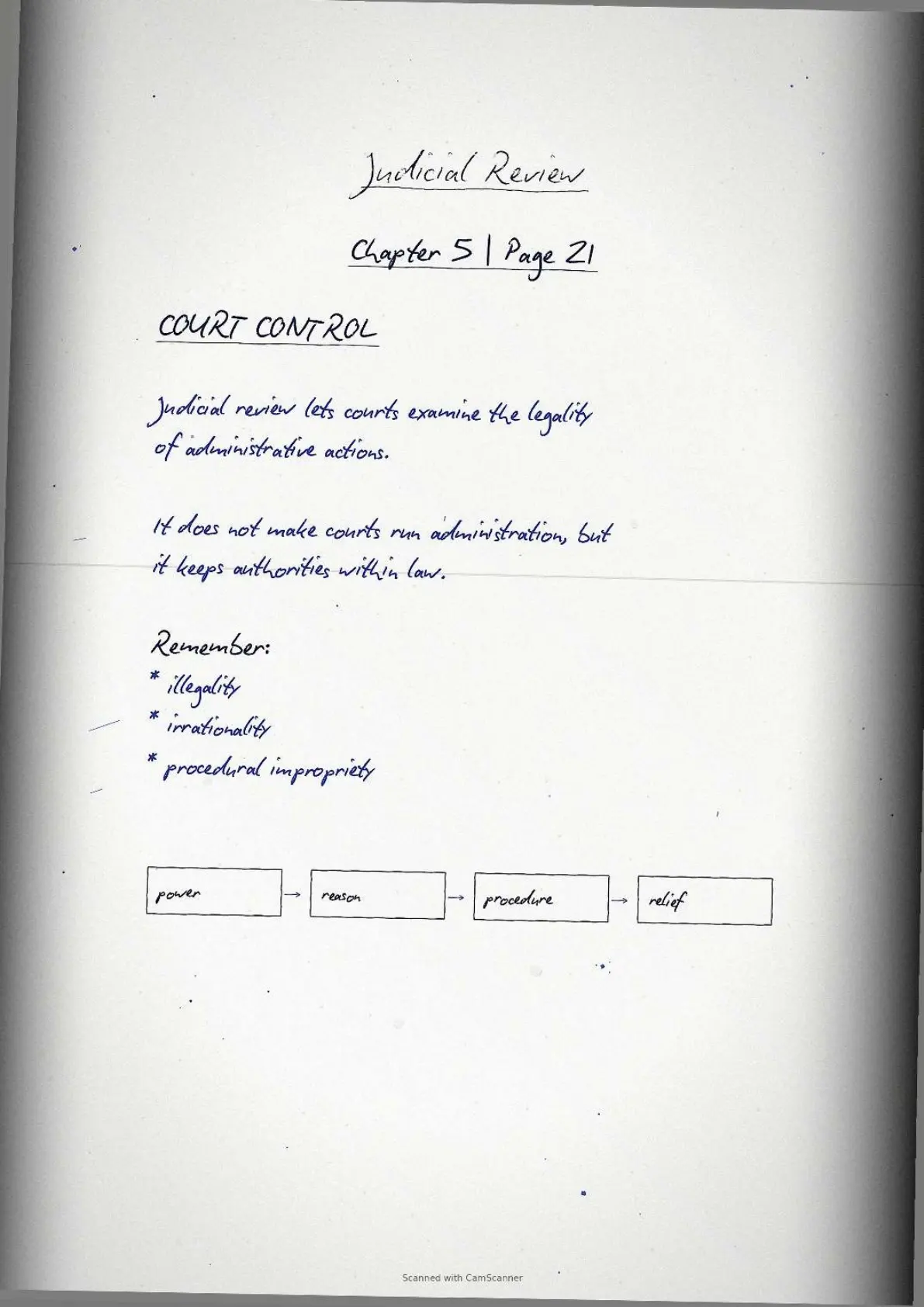
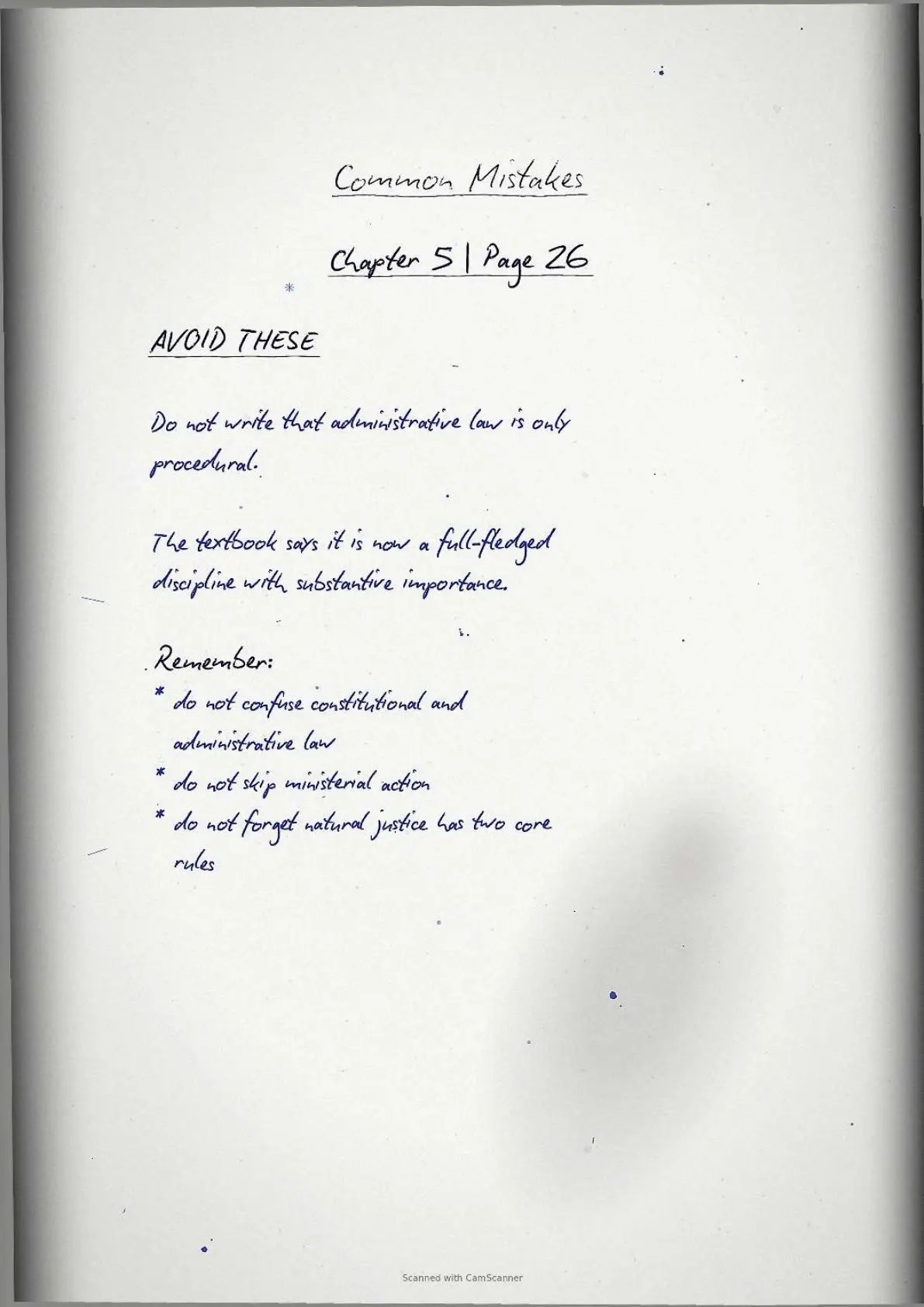
Rule of law keeps government under law. Natural justice keeps the procedure fair. Judicial review lets courts examine legality of administrative action.
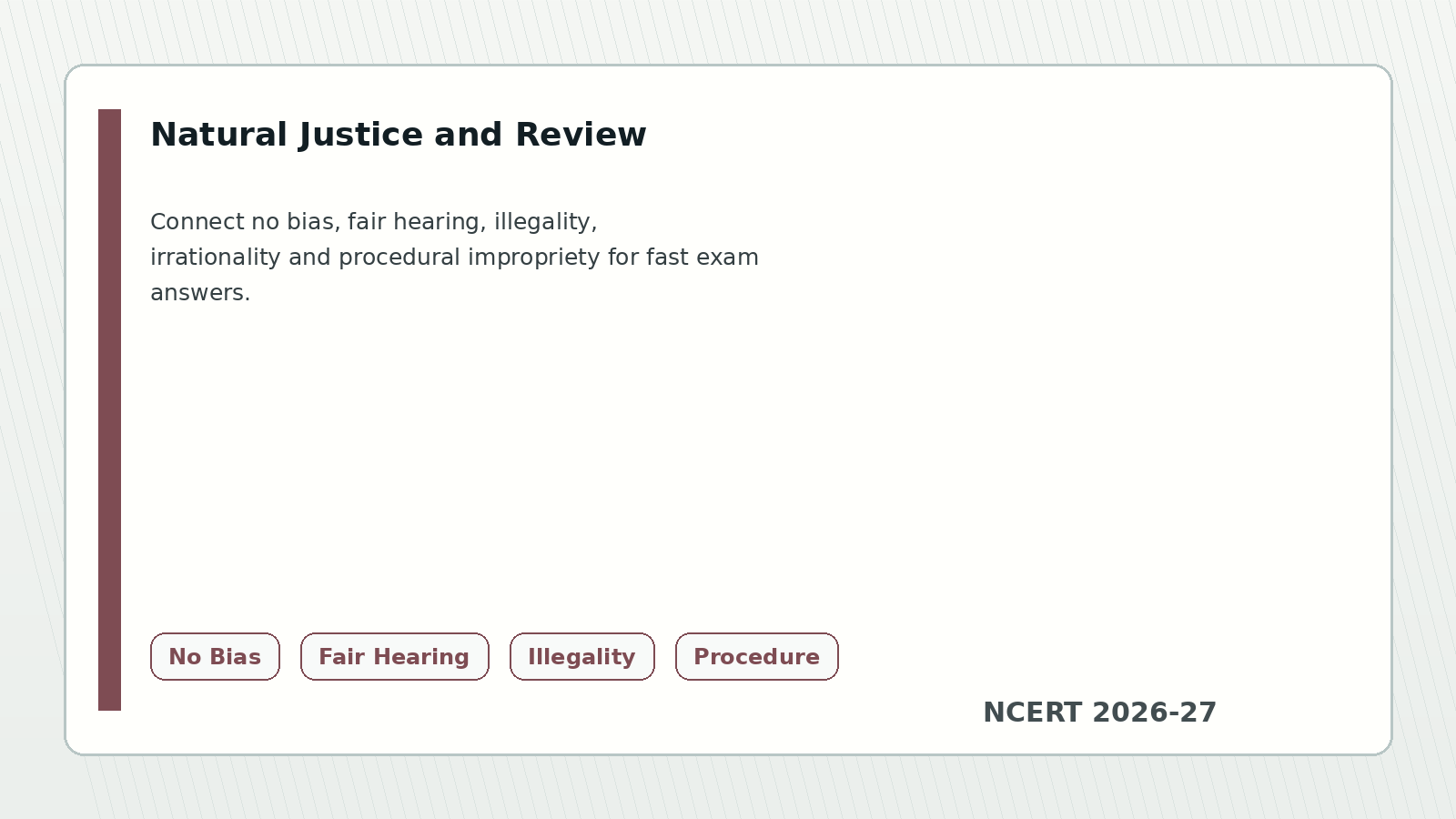
| Principle | Core idea | What to remember |
|---|---|---|
| Rule of Law | Law controls the State, not personal will. | Supremacy of law, equality before law and courts protecting rights. |
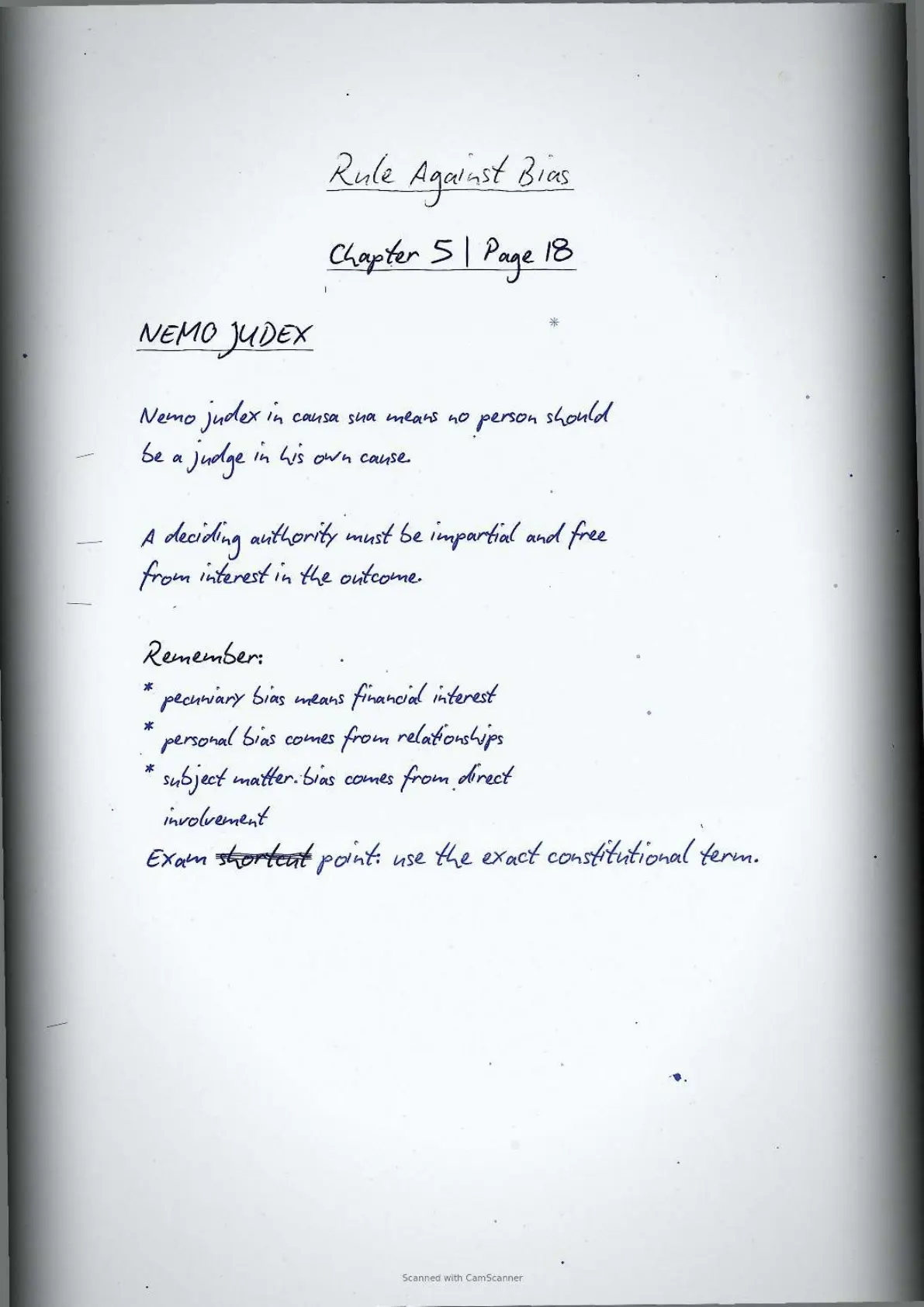
| No bias | No person should judge his own cause. | Pecuniary, personal and subject matter bias. |
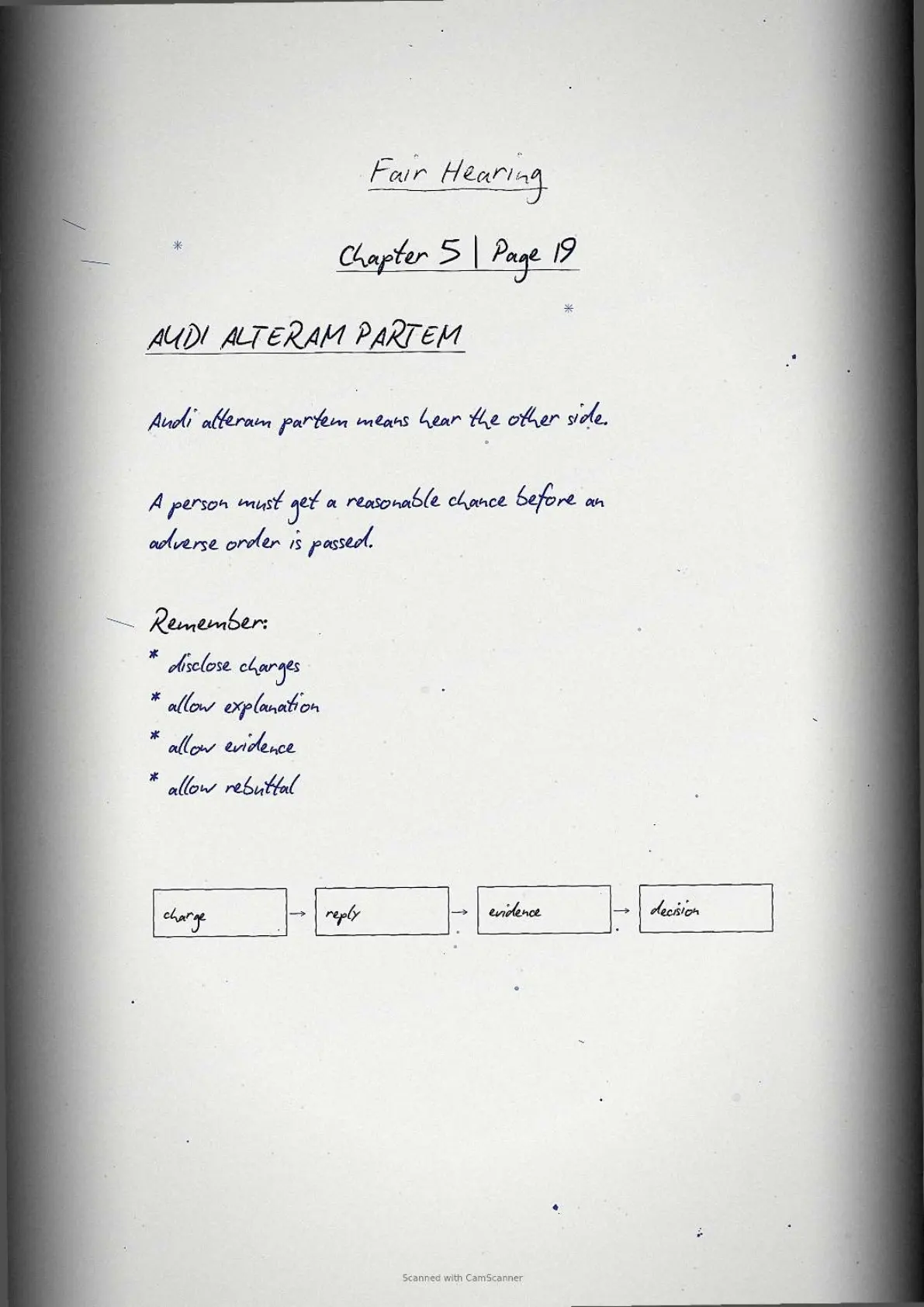
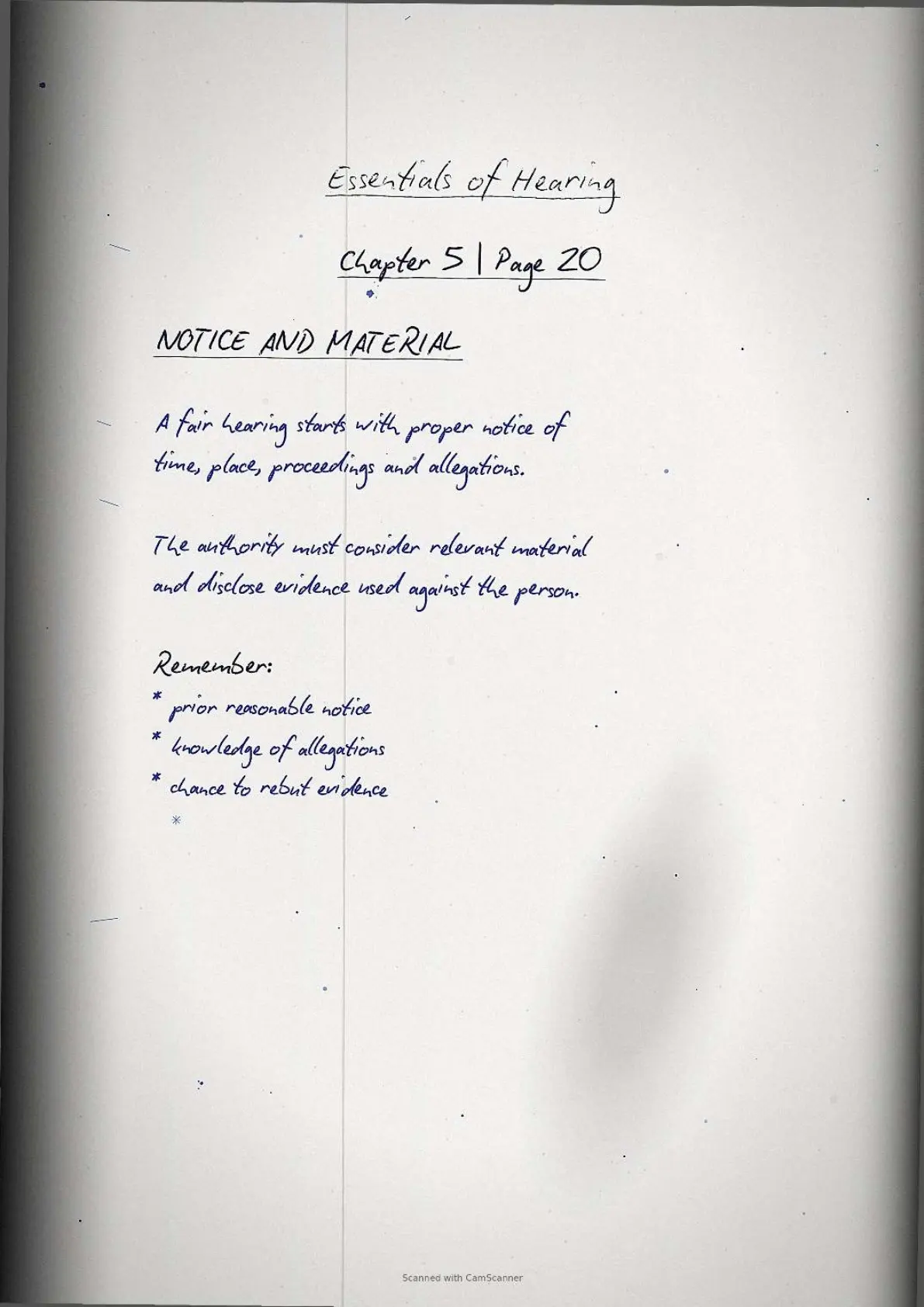
| Fair hearing | No person should be condemned unheard. | Notice, charges, evidence, rebuttal and decision. |
| Judicial review | Courts check legality of administrative action. | Illegality, irrationality and procedural impropriety. |
Droit Administrative Law
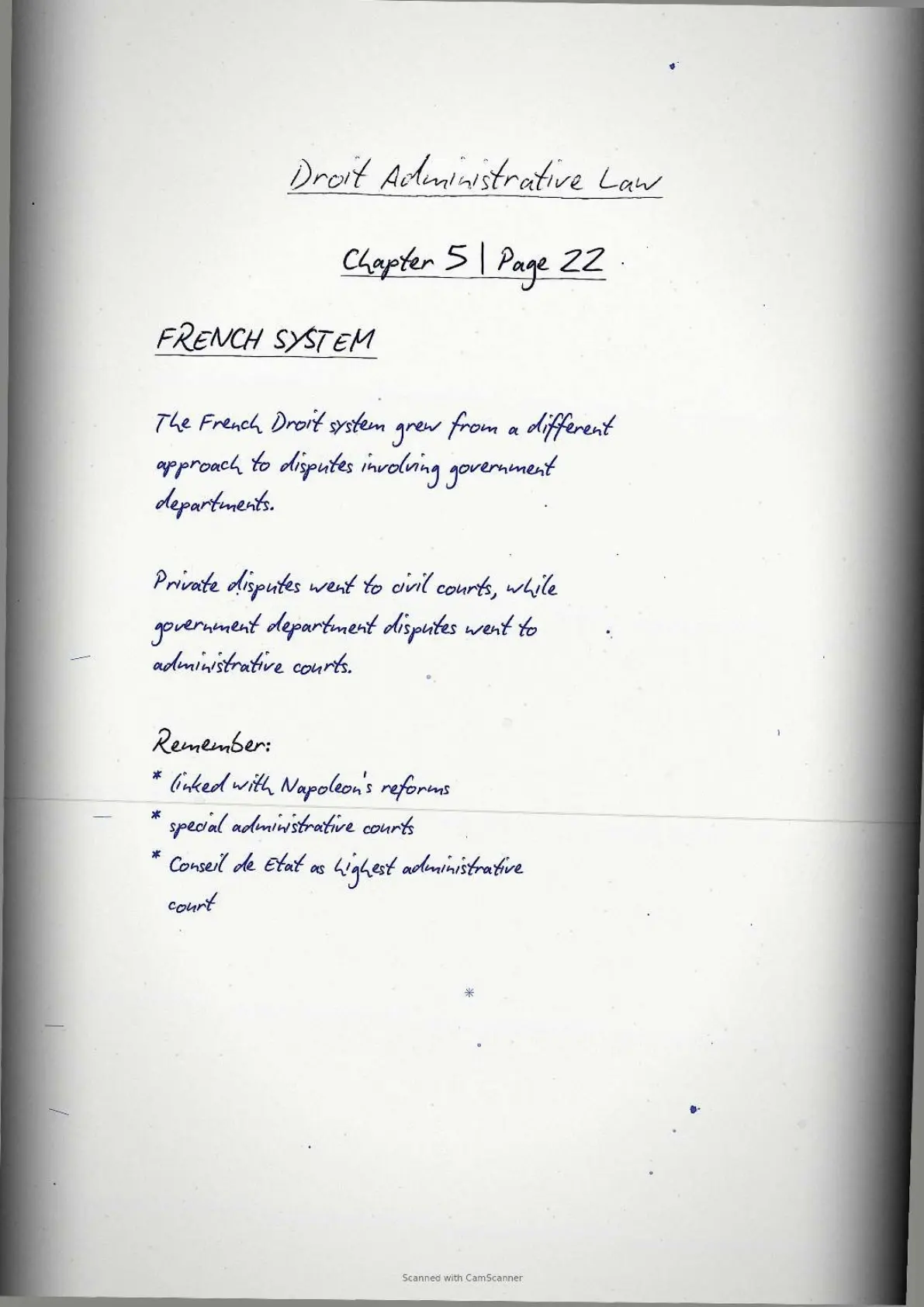
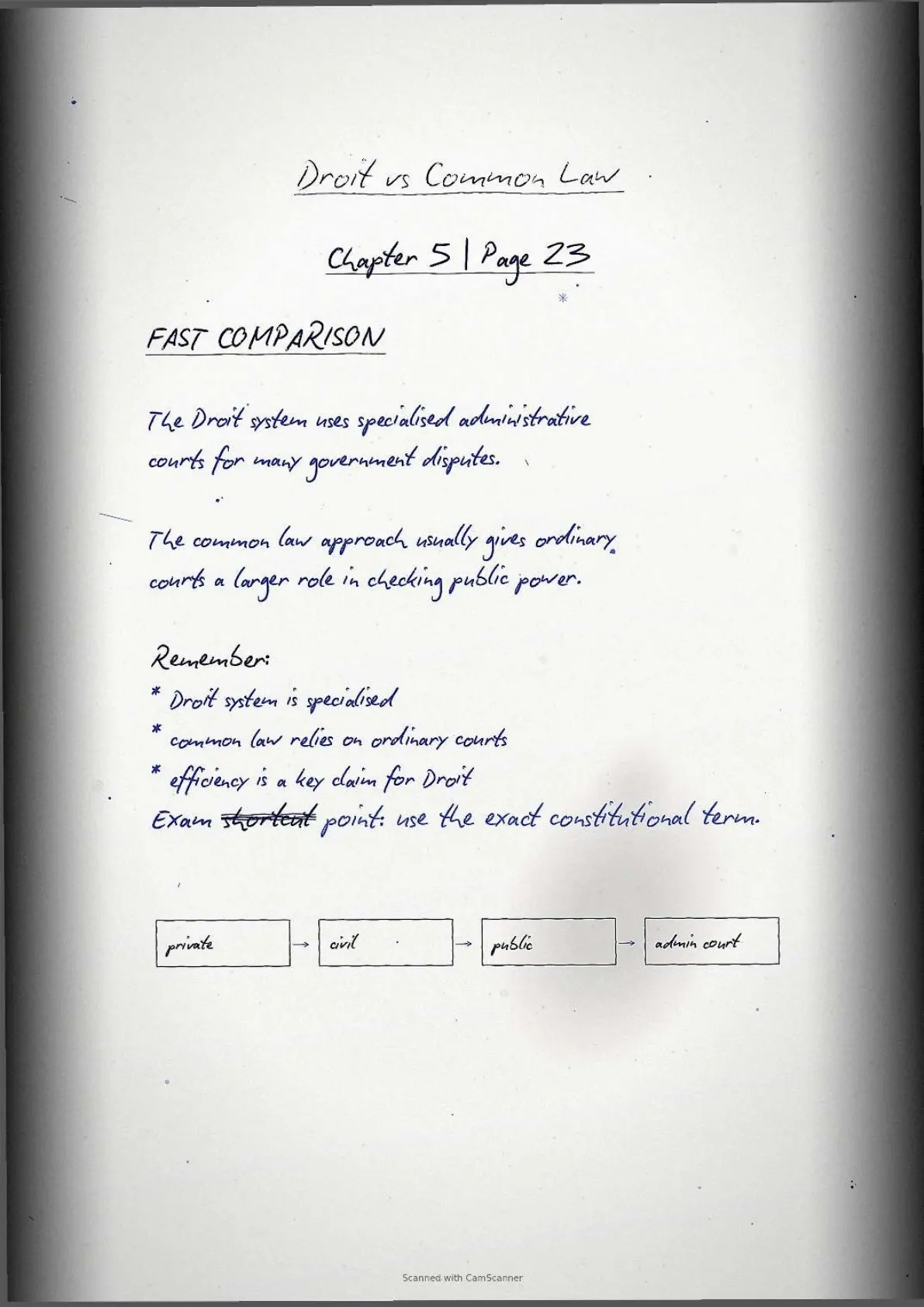
The Droit system is linked with the French system of administrative justice. It developed special administrative courts for disputes involving government departments.
- Historical cue: Napoleon's reforms aimed at quick socio-economic movement and faster resolution of government disputes.
- Court cue: Conseil de Etat became the highest administrative court.
- Comparison cue: private disputes went to ordinary civil courts, while government department disputes went to administrative courts.
Related Class 11 Legal Studies Resources
| Resource | Use it for | Link |
|---|---|---|
| NCERT Solutions | Exercise answers for Administrative Law. | Class 11 Legal Studies Administrative Law Solutions |
| NCERT Book PDF | Original textbook reading and source examples. | Class 11 Legal Studies Administrative Law Book PDF |
| Handwritten Notes | Quick one-shot revision before tests. | Class 11 Legal Studies Administrative Law Handwritten Notes |
All Class 11 Legal Studies Handwritten Notes
| Chapter | Title | Handwritten Notes |
|---|---|---|
| Chapter 1 | Concept of State | Open handwritten notes |
| Chapter 2 | Forms and Organs of Government | Open handwritten notes |
| Chapter 3 | Separation of Powers | Open handwritten notes |
| Chapter 4 | Salient Features of the Constitution of India | Open handwritten notes |
| Chapter 5 | Administrative Law | Open handwritten notes |
| Chapter 6 | Jurisprudence, Nature and Meaning of Law | Open handwritten notes |
| Chapter 7 | Classification of Laws | Open handwritten notes |
| Chapter 8 | Sources of Laws | Open handwritten notes |
Class 11 Legal Studies Administrative Law Handwritten Notes FAQs
Ques. What is covered in Class 11 Legal Studies Administrative Law handwritten notes?
Ans. The PDF covers administrative law meaning, difference from constitutional law, reasons for growth, types of administrative action, rule of law, natural justice, judicial review and Droit system.
Ques. What are the four types of administrative action?
Ans. The four types are administrative legislative action, quasi-judicial action, administrative action and ministerial action.
Ques. What are the two core principles of natural justice?
Ans. The two core principles are rule against bias and right to fair hearing, also written as nemo judex in causa sua and audi alteram partem.
Ques. What is judicial review of administrative action?
Ans. Judicial review is the power of courts to examine whether administrative action is legal, reasonable and procedurally proper.



Comments